
Submitted:
27 July 2026
Posted:
27 July 2026
You are already at the latest version
Abstract
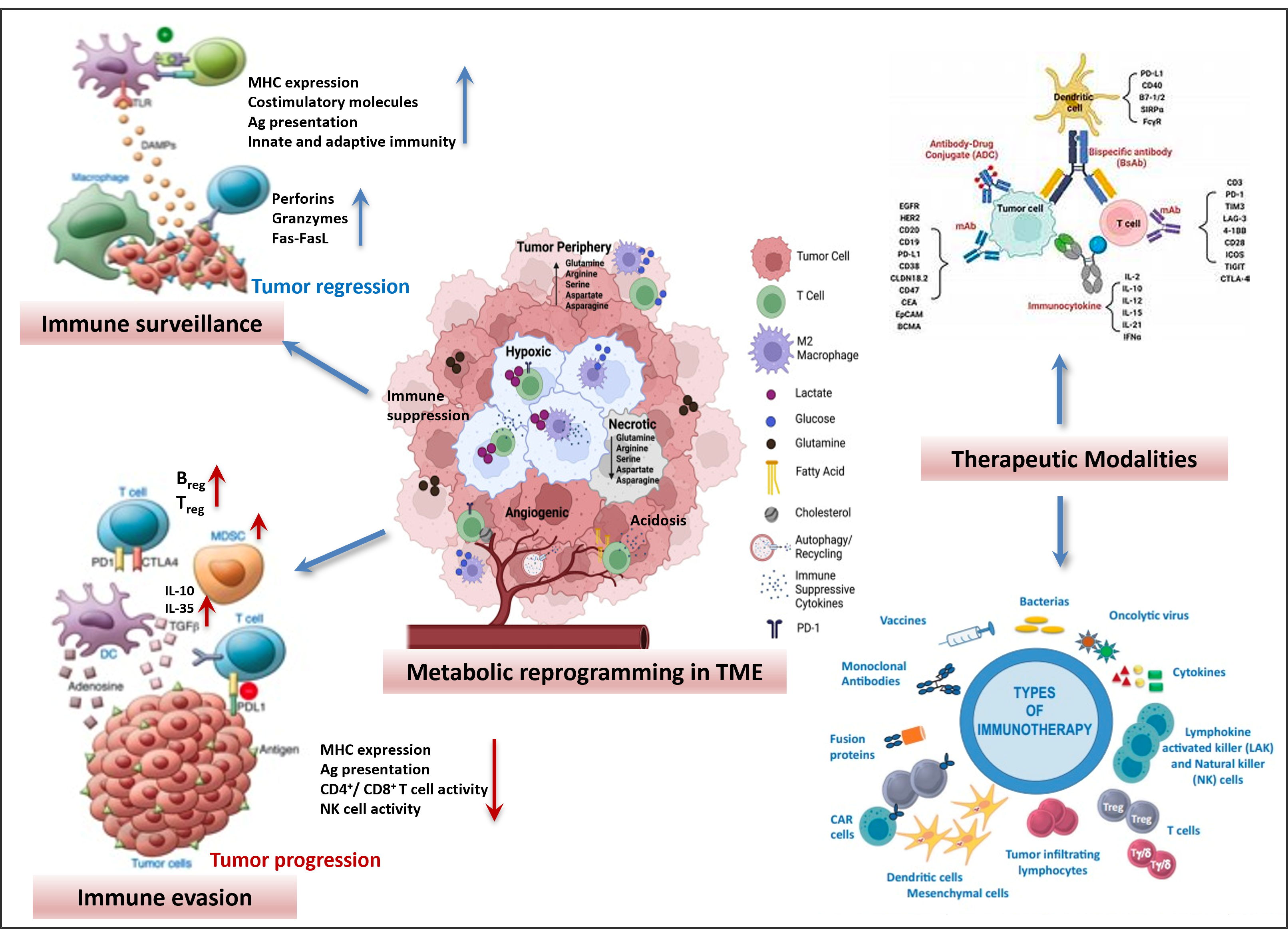
One of the main causes of drug resistance in malignancies is metabolic reprogramming in the tumor microenvironment (TME). To maintain growth and alter the TME, cancer cells frequently rewire their metabolism, resulting in circumstances including food deprivation, hypoxia and acidity that hinder antitumor immune responses. The TME’s immune cells also experience metabolic changes, often taking on immunosuppressive characteristics that accelerate tumor growth and dampen the effectiveness of treatment. B cells are integral to the adaptive immune response, primarily through MHC class II-mediated antigen presentation and immunoglobulin secretion. Emerging evidence indicates that the functional role of tumor-infiltrating B cells is highly heterogeneous across malignancies. While their antigen-presenting capacity is generally associated with anti-tumor immunity, the contribution of B cell-derived antibodies remains ambiguous and context-dependent. Additionally, regulatory B cell subsets (Bregs) exert immunosuppressive effect within the TME by secreting anti-inflammatory cytokines such as interleukin (IL)-10 and tumor growth factor (TGF)-β, thereby facilitating immune evasion. Herein, we summarise the current understanding of B-cell functions in tumor immunology, which may shed light on potential therapeutic strategies against cancer.
Keywords:
tumor microenvironment
; regulatory B cells
; hypoxia
; metabolic reprogramming
; anti-tumor immunity
; anti-inflammatory cytokines
; therapeutic strategies
; immune evasion
; immunosuppressive effect
; B regulatory cells
Copyright: This open access article is published under a Creative Commons CC BY 4.0 license, which permit the free download, distribution, and reuse, provided that the author and preprint are cited in any reuse.


