Preprint
Article

This version is not peer-reviewed.

Bioestimulant Effects of Plant Growth-Promoting Bacteria (PGPB) Consortia in Zea mays, Brassica oleracea and Solanum lycopersicum

Submitted:

24 July 2026

Posted:

24 July 2026

You are already at the latest version

Abstract

The increasing demand for food production has intensified the use of chemical fertilizers, raising concerns about their environmental impact. Plant Growth-Promoting Bacteria (PGPB) have emerged as a sustainable alternative; however, many studies are conducted under highly controlled conditions which do not accurately represent real agricultural systems. This study evaluated the effect of microbial consortia comprising of Azospirillum brasilense, Pseudomonas putida, Bacillus sp., and Mycobacterium sp. on plant growth under contrasting substrate conditions (commercial substrate and greenhouse soil). Their biostimulant potential was assessed in Zea mays (blue maize), Brassica oleracea (broccoli), and Solanum lycopersicum (tomato). The assessment included measurements of root and shoot elongation as well as dry biomass. The results demonstrated that microbial consortia significantly (p=0.01) improved plant growth compared to the control across all species. Among the treatments, the consortium Pseudomonas putida + Bacillus sp. had the best results by presenting significantly (p=0.01) higher values in root length, stem growth, and dry weight in both substrate types. Additionally, consortia containing Mycobacterium sp. demonstrated enhanced performance in greenhouse soil, particularly in biomass accumulation for Zea mays and Brassica oleracea. These results highlight the importance of selecting appropriate microbial combinations and validating their performance in environments that reflect practical agricultural conditions.

Keywords: 
;  ;  ;  ;  ;  

1. Introduction

Agriculture is one of the most important economic activities worldwide. In Mexico, staple and horticultural crops such as maize (Zea mays), broccoli (Brassica oleracea), and tomato (Solanum lycopersicum) play an important role in both national consumption and international markets. Per capita consumption of these crops has been reported at 164 kg of white maize, 1.6 kg of broccoli, and 14 kg of tomatoes in 2024, while Mexico is a leading global producer, ranking 7th in white maize production, 4th in broccoli production and 7th position in tomato production [1]. Due to high demand, the use of fertilizers remains widespread; in 2022, approximately 65.5% of large-scale open-field agricultural producers in Mexico applied synthetic fertilizers [2]. However, the intensive use of chemical fertilizers has been associated with adverse environmental consequences, including greenhouse gas emissions, soil and water contamination, and the accumulation of chemical residues in food crops [3].
In response to these challenges, sustainable agricultural alternatives such as plant growth-promoting bacteria (PGPB) have gained increased attention. PGPBs are beneficial microorganisms that reside in the rhizosphere and plant roots. They can modulate plant development through direct and indirect mechanisms, including phytohormone production, nutrient solubilization, biological nitrogen fixation, and the induction of systemic resistance [4].
Plants coexist with multiple microbial consortia in their environment. Although many microorganisms remain neutral or can even be pathogenic, plants have the evolutionary ability to recruit beneficial microorganisms. This recruitment process occurs through different mechanisms, including vertical transmission of endophytic cells from one generation to the next and actively aiding bacterial colonization through the secretion of root exudates [5]. Among the vast diversity of rhizosphere microorganisms, several genera and species have been extensively studied worldwide for their remarkable plant growth-promoting capabilities.
Bacillus, for instance, is one of the most prominent genera in agricultural research, widely recognized for its excretion of antibiotics, siderophore-mediated iron regulation, production of lytic enzymes, and the induction of ISR (induced systemic resistance) [6]. Representative strains, such as Bacillus sp. CDBB B-551, naturally exemplify versatile traits of biocontrol and biofertilization. The genus Mycobacterium has also attracted considerable attention. Specific strains, including Mycobacterium sp. CDBB B-77, have been demonstrated to synthesize crucial phytohormones such as gibberellins [7] and indole-3-acetic acid (IAA) bacteria primarily through the L-tryptophan metabolic pathway [8].
In terms of nitrogen fixation and root architecture modulation, Azospirillum brasilense stands out as one of the most rigorously researched PGPBs. Stains such as CDBB B-1887 are highly valued for their robust IAA production, a phytohormone essential for the longitudinal growth of stems and roots, which also contributes to increased plant dry weight and enhanced drought resistance [9]. Conversely, Pseudomonas putida (e.g., strain CDBB B-1299) is frequently highlighted in the literature for its dual functionality; it not only promotes the formation of IAA but also plays a critical role in mitigating abiotic stresses such as drought, while triggering the induction of systemic plant resistance [10].
The quality of soil and plants is significantly influenced by these soil microorganisms [11]. Phylogenetically diverse microbial communities help modulate phytohormone levels in the rhizosphere, causing various positive effects such as promoting plant growth, contributing to the host’s drought tolerance, and aiding nitrogen fixation in the soil [12].
Despite the well-documented benefits of individual PGPB strains, the synergistic effects of multi-strain consortia across different soil conditions remain largely unexplored. Furthermore, most studies are limited to commercial substrates under ideal laboratory conditions, leaving a significant gap in understanding how these consortia perform in environments closer to actual agricultural use. In this study it was hypothesized that the application of a multi-strain PGPB consortium will result in a synergistic enhancement of the vegetative growth and biomass of key agricultural crops, and that the efficacy of these growth-promoting traits will be influenced by the soil type and crop species. Therefore, this study aims to assess the impact of a consortium composed of four diverse PGPBs (Azospirillum brasilense, Pseudomonas putida, Bacillus sp., and Mycobacterium sp.) on the longitudinal growth of roots, stems, and dry weight of the agriculturally important plants Zea mays, Brassica oleracea var. italica, and Solanum lycopersicum, comparing two contrasting soil types: a commercial substrate (perlite-peat moss mixture) and greenhouse soil, which is representative of agricultural production systems.

2. Results

2.1. Bacterial Kinetics

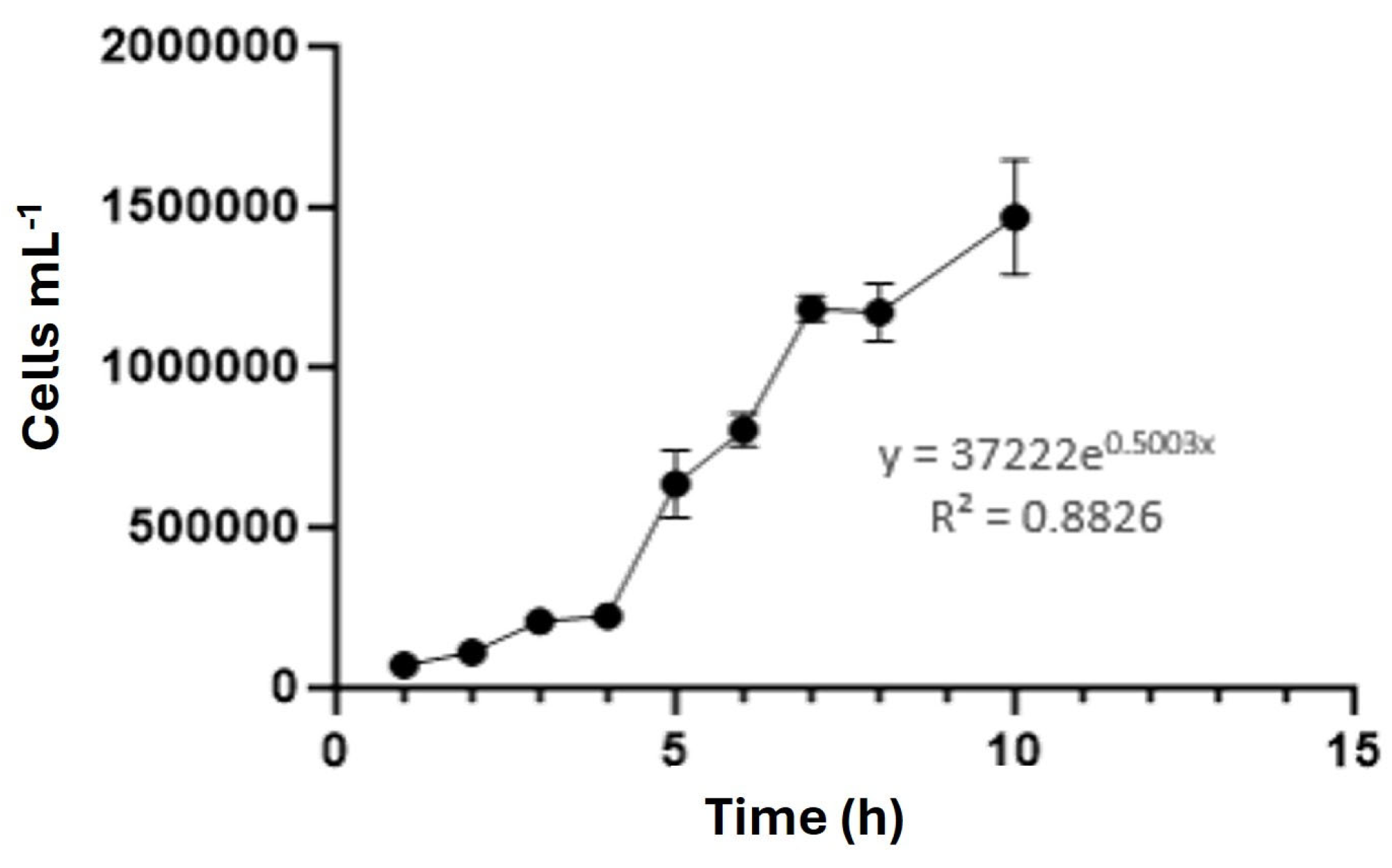
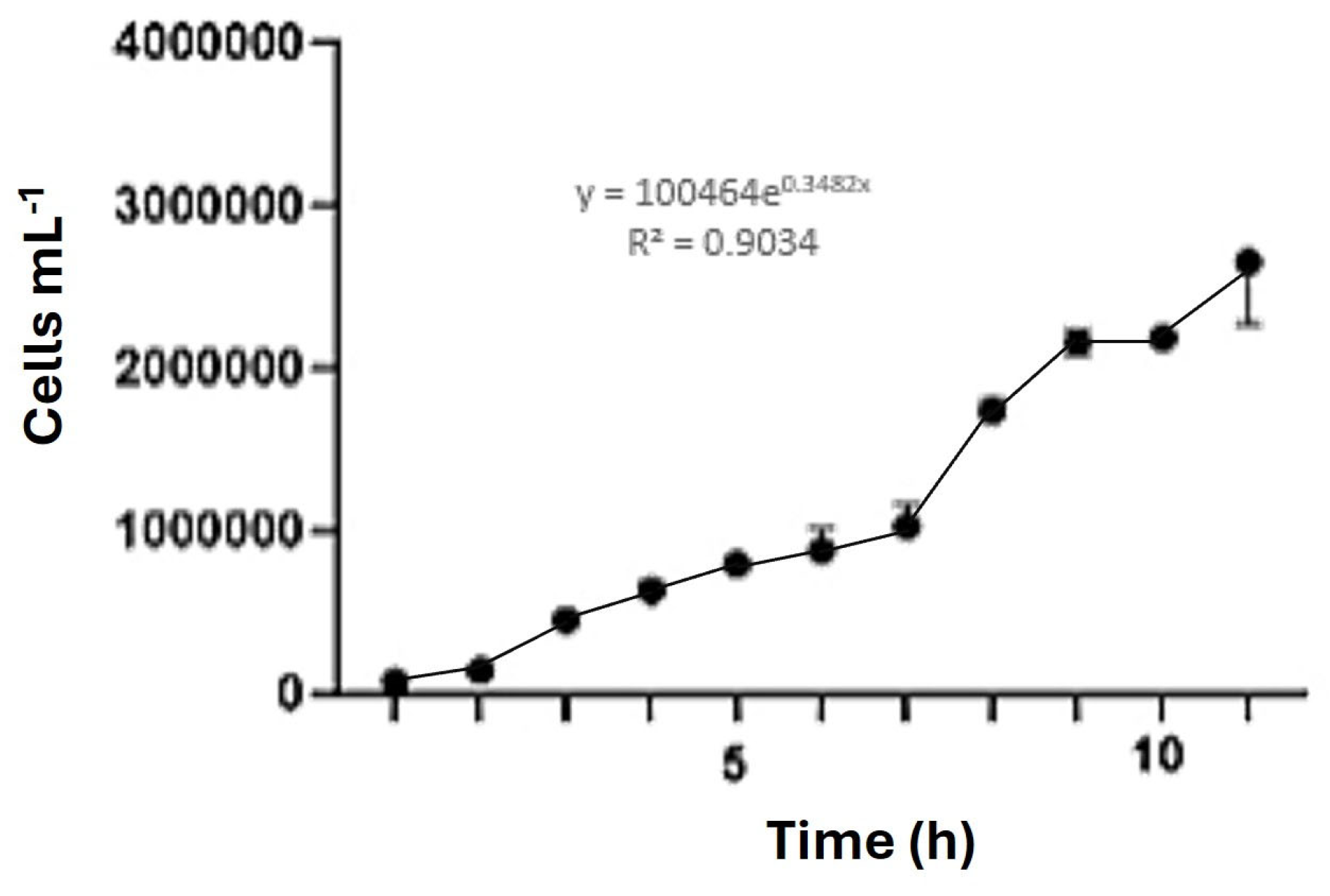
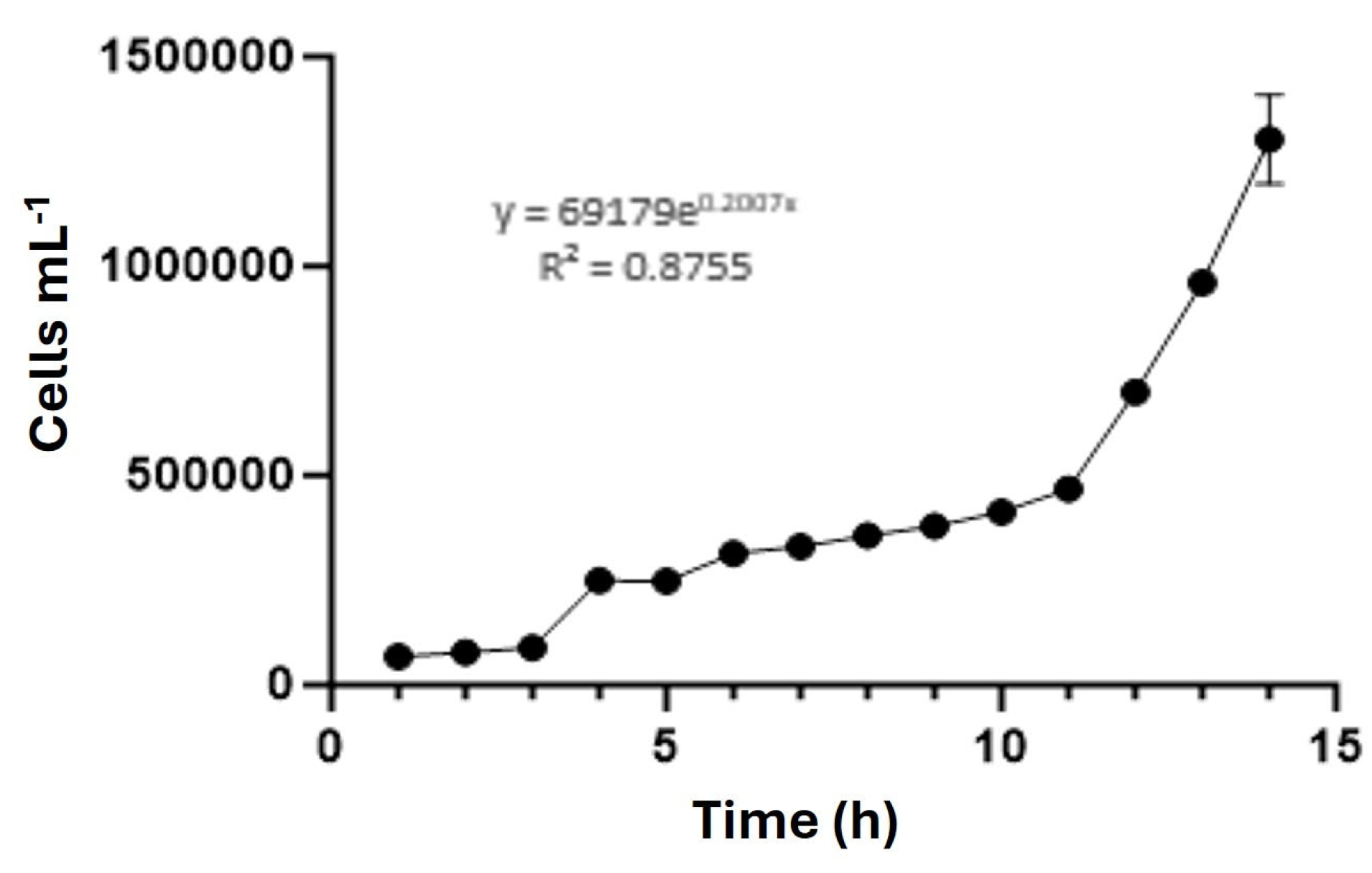
All The time required for each bacterial strain to reach a concentration of 1 × 10⁶ cells mL-1 A. brasilense and P. putida reached the target concentration after 7 hours (h) of cultivation, whereas Mycobacterium sp. required 14 h, representing the slowest growth among the evaluated strains (Figure 1, Figure 2, Figure 3 and Figure 4 and Table 1).

2.2. Effect of Microbial Consortia on Longitudinal Root Growth

The following nomenclature was used to name the consortia: Pseudomonas putida with Bacillus sp (Pp+Bsp), Pseudomonas putida with Azospirillum brasilense (Pp+Azo), Azospirillum brasilense with Bacillus sp. (Azo+Bsp), Mycobacterium sp. with Azospirillum brasilense (My+Azo), Mycobacterium sp. with Pseudomonas putida (My+Pp), Mycobacterium sp. with Bacillus sp. (My+Bsp) and Mycobacterium sp. with Pseudomonas putida, Azospirillum brasilense and Bacillus sp. (My+Pp+Azo+Bsp).
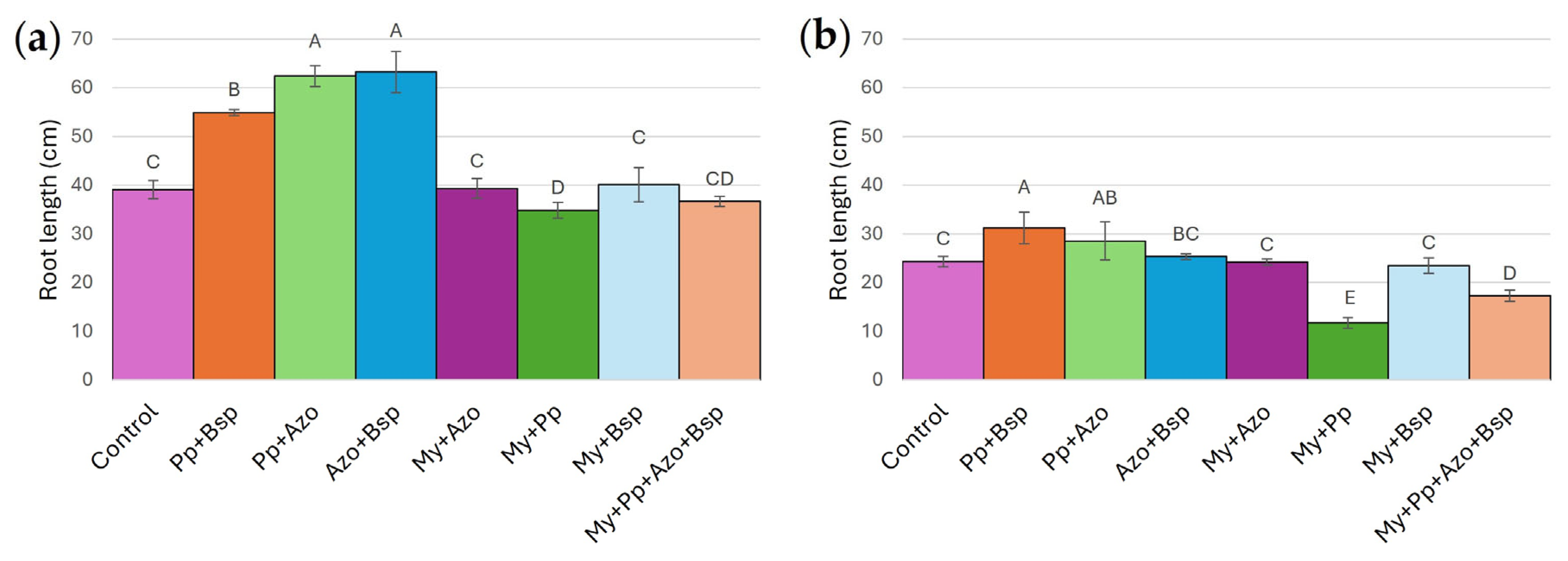
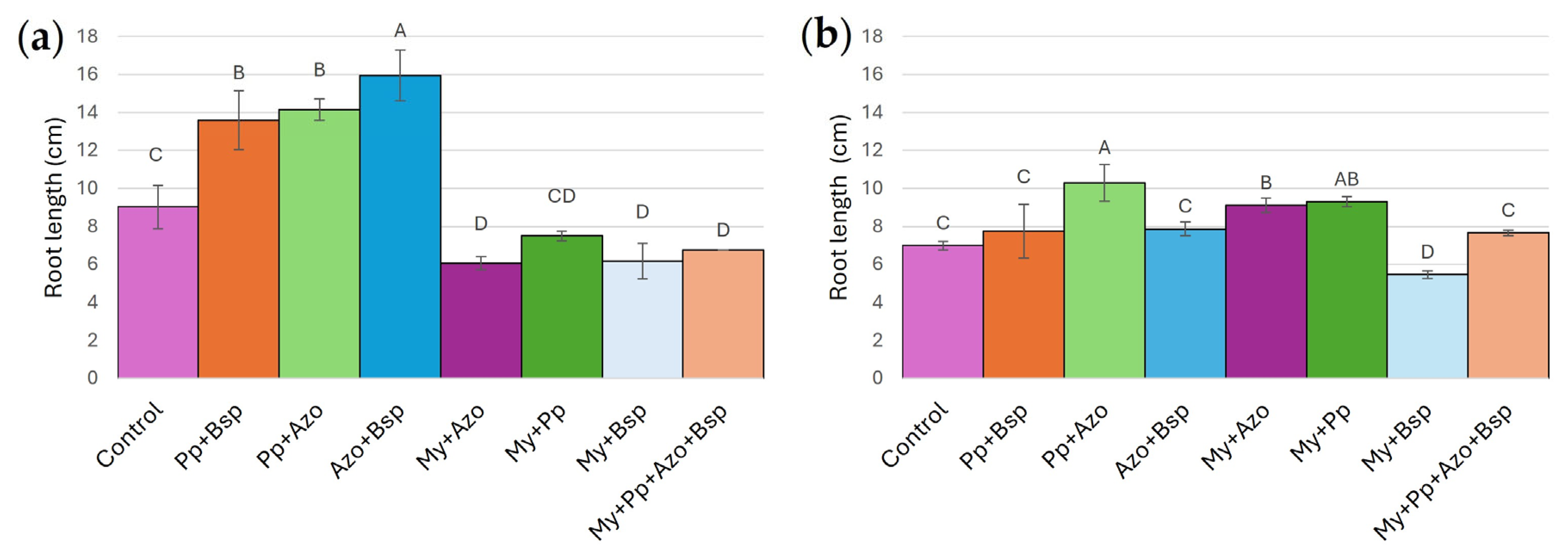
Longitudinal root growth in blue maize was significantly (p=0.01) greater than the control 28.45% in the Pp+Bsp consortium, 17.22% in Pp+Azo, and 4.07% in Azo+Bsp in greenhouse soil (Figure 5b), and 40.41% in Pp+Bsp, 59.61% in Pp+Azo and 61.68% in Azo+Bsp in commercial substrate (Figure 5a).
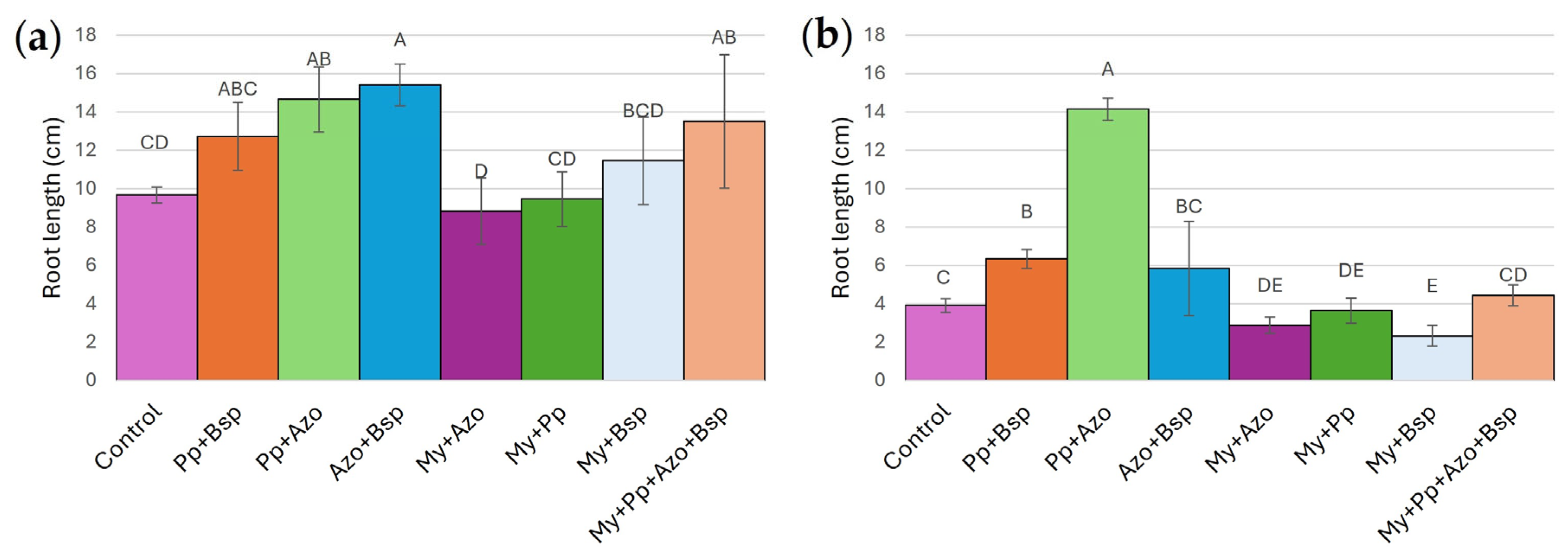
In broccoli, a significantly (p=0.01) greater effect than the control was found in the Pp+Bsp, Pp+Azo, and Azo+Bsp consortia (50.58%, 56.70%, and 76.56%, respectively) in commercial substrate (Figure 6a), while in greenhouse soil, the greatest growth was observed in the Pp+Azo, My+Azo, and My+Pp consortia (47.35%, 30.42%, and 33.04%, respectively) (Figure 6b).
In tomato, several consortia showed significantly (p=0.01) greater effect than the control in the commercial substrate (Figure 7a) including Pp+Bsp, Pp+ Azo, Azo+ Bsp and My+Pp+Azo+Bsp (31.60, 51.60, 59.38, and 39.72%, respectively). Under greenhouse soil conditions (Figure 7b), the highest root growth was observed in the Pp+Azo consortium (262.90%) followed by Pp+Bsp (62.39%).

2.3. Effect of Microbial Consortia on Stem Plant Growth

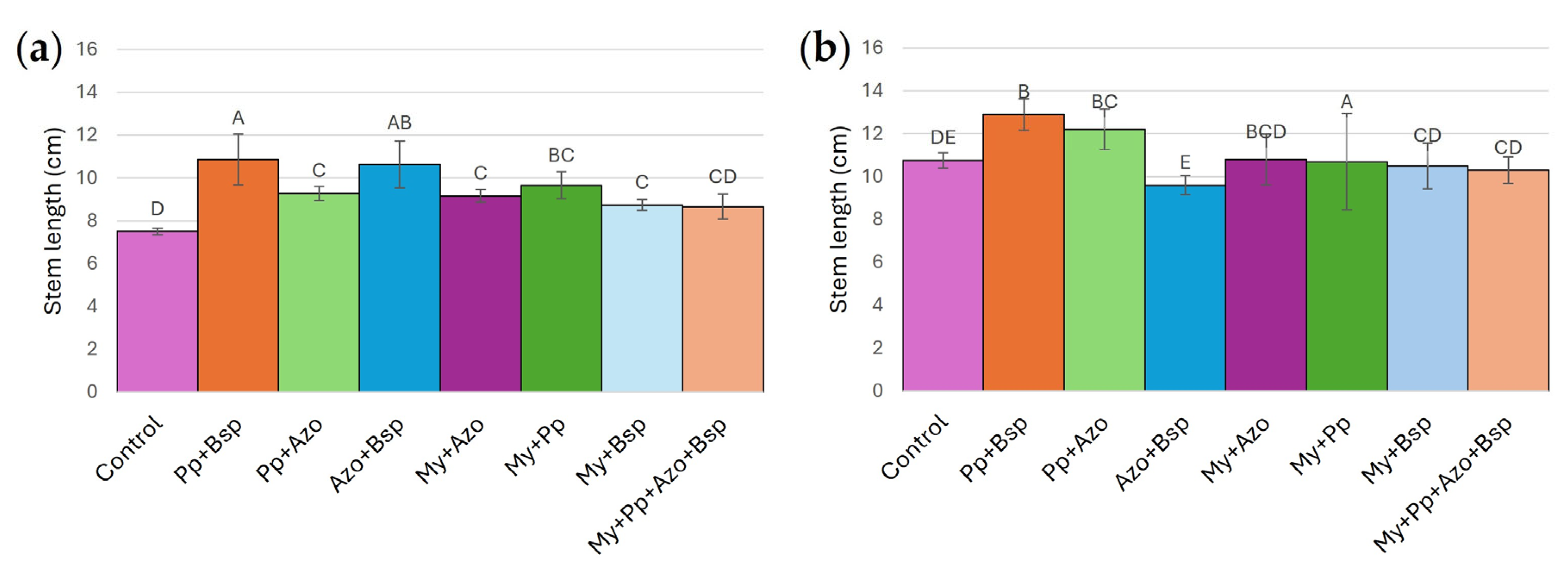
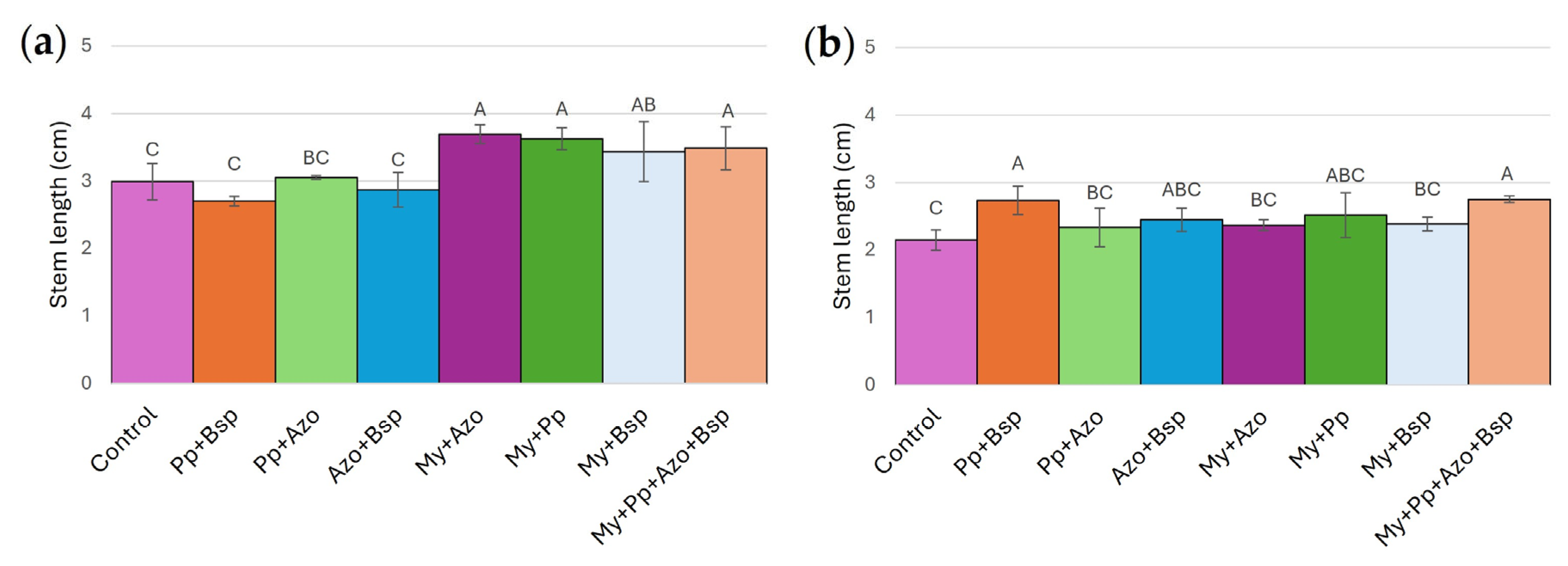
In blue maize, all consortia, except the four-strain consortium, significantly (p=0.01) increased stem length compared with the control. In the commercial substrate, the highest increase was observed for the Pp+Bsp consortium, which enhanced stem growth by 44.70% (Figure 8a). Under greenhouse soil conditions, the same consortium also produced the greatest response, resulting in a 19.78% increase in stem length relative to control (Figure 8b).
In broccoli, significant increases in stem growth were observed in the commercial substrate following inoculation with the Pp+Bsp, Pp+Azo, and My+Pp consortia, resulting in increases of 28.94%, 21.71%, and 22.37%, respectively, compared with the control (Figure 9a). The highest response was obtained with the My+Pp+Azo+Bsp consortium, which increased stem growth by 64.03%. Under greenhouse soil conditions (Figure 9b), consortia containing Mycobacterium sp. showed the greatest effects, with My+Azo, My+Pp, My+Bsp and My+Pp+Azo+Bsp increasing stem growth by 97.80%, 103.41%, 47.29%, and 88.68%, respectively.
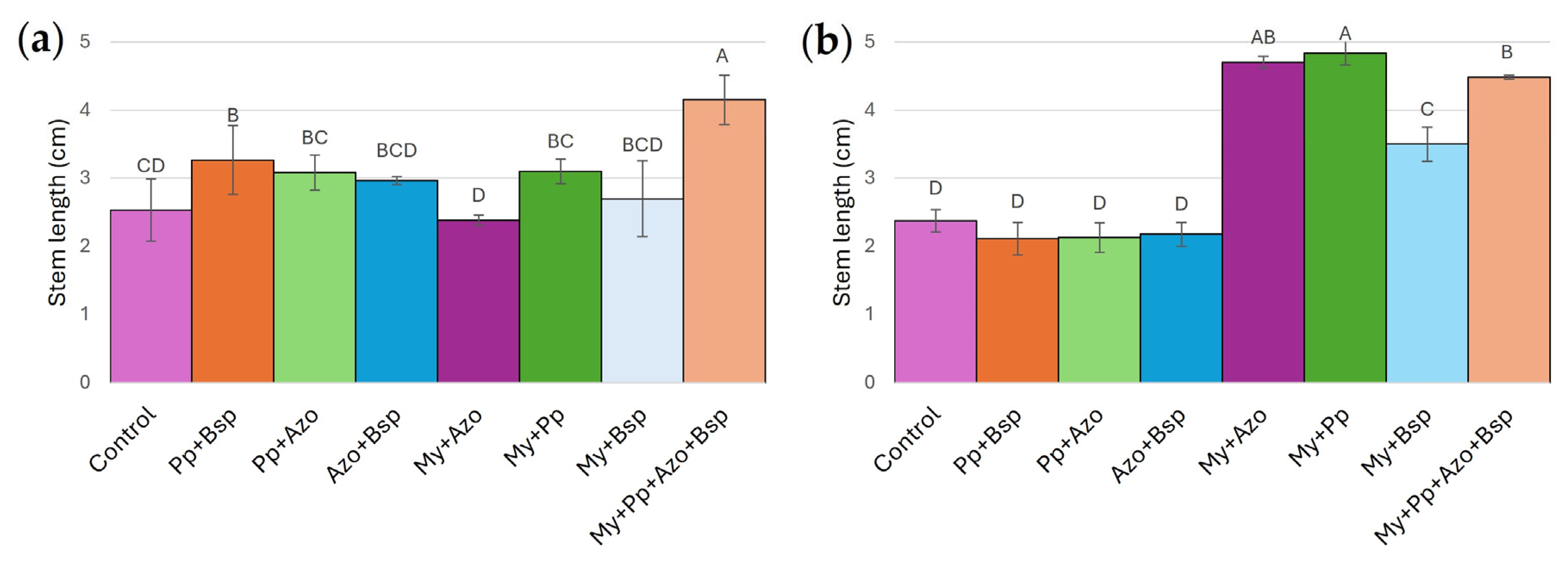
In tomato, consortia containing Mycobacterium sp. showed the greatest stem growth in the commercial substrate (Figure 10a), particularly My+Azo, My+Pp, My+Bsp and My+Pp+Azo+Bsp, with increases of 23.57%, 21.34%, 16.60%, and 16.48%, respectively. In contrast, under greenhouse soil conditions, the highest stem growth was observed for the Pp+Bsp (27.62%) and My+Pp+Azo+Bsp (28.40%) consortia (Figure 10b).

2.4. Effect of Microbial Consortia on Biomass (Dry Weight)

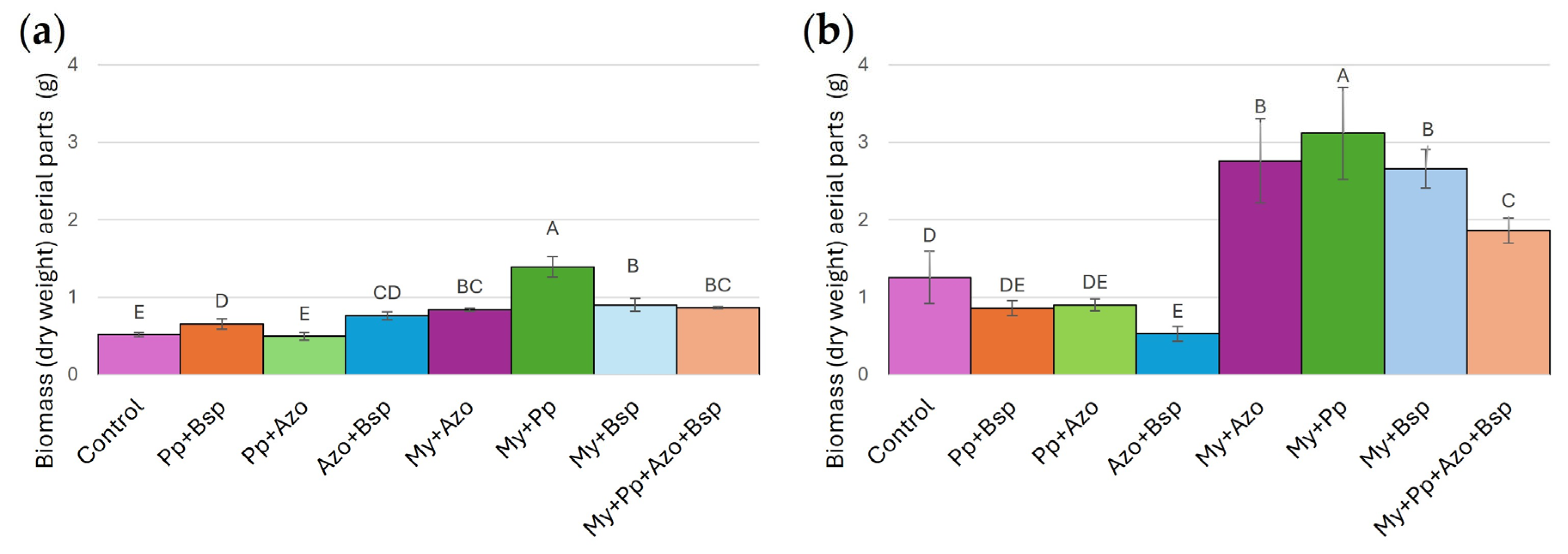
For the dry weight parameter, blue maize plants inoculated with the Pp+Bsp consortium showed a 26.54% increase compared to the control in commercial substrate (Figure 11a). In greenhouse soil (Figure 11b), consortia containing Mycobacterium sp. consistently produced significantly (p=0.01) higher dry weight values than the control. The greatest increases were observed in the My+Pp consortium (147.85%), followed by My+Azo (119.50%), My+Bsp (111.37%), and My+Pp+Azo+Bsp (48.15%).
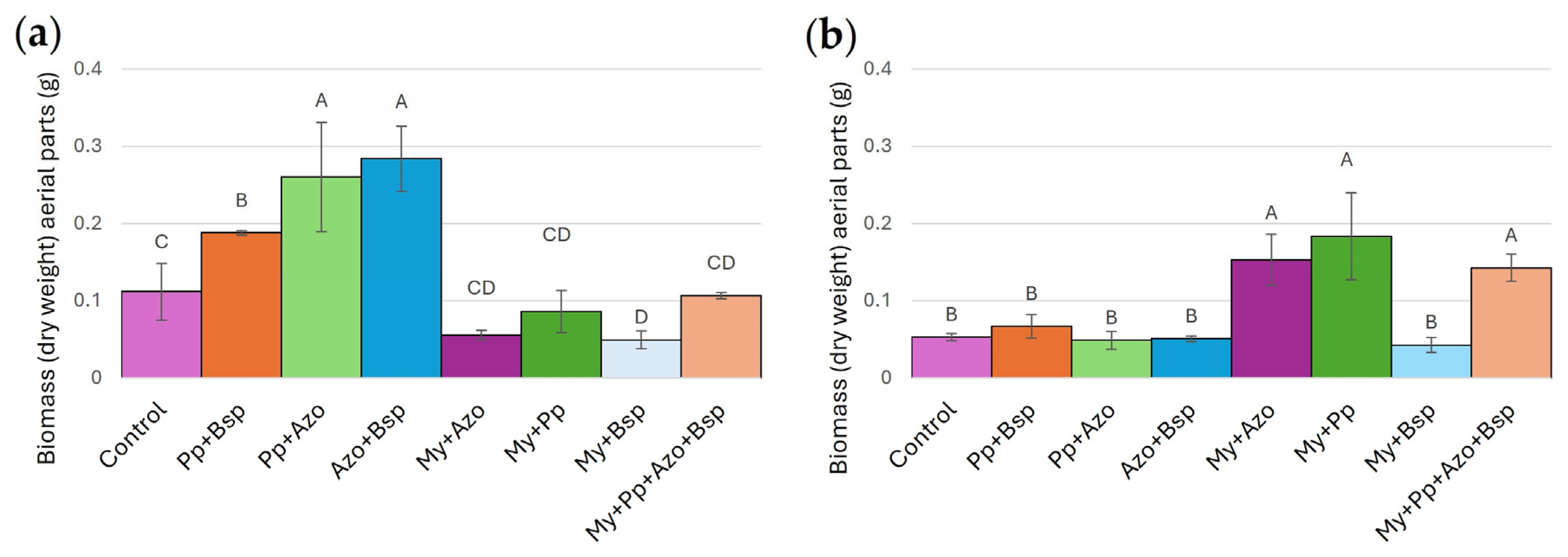
In broccoli, significant increases in dry weight were observed in the commercial substrate following inoculation with the Pp+Bsp, Pp+Azo, and Azo+Bsp consortia, resulting in biomass increases of 68.14%, 132.95%, and 154.06%, respectively, compared with the control (Figure 12a). In greenhouse soil, the most effective treatments were My+Azo, My+Pp, and My+Pp+Azo+Bsp which increased dry weight by 188.92%, 246.54%, and 169.45%, respectively (Figure 12b).
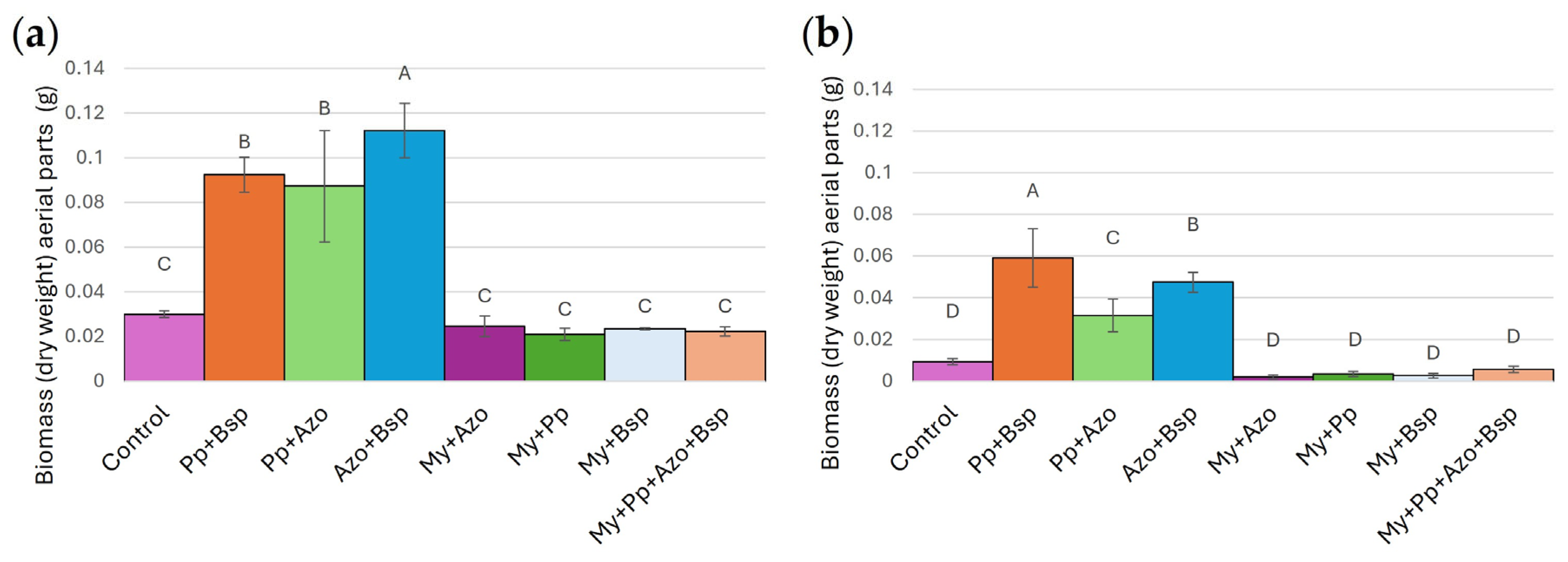
In tomato, the Pp+Bsp, Pp+Azo and Azo+Bsp consortia produced greater increases in dry weight under both soil conditions (Figure 13a,b). In the commercial substrate, dry weight increased by 208.65%, 191.50%, and 274.87%, respectively, relative to the control. The growth-promoting effect was even more pronounced in greenhouse soil, where the same consortia enhanced dry wight by 531.27%, 236.99%, and 406.95%, respectively.

3. Discussion

The results demonstrate the effectiveness of microbial consortia in promoting plant growth in the three species evaluated (blue maize, broccoli, and tomato). Inoculated plants consistently exhibited greater root and shoot development and higher biomass accumulation than uninoculated controls. Notably, the magnitude of the growth-promoting effect observed that the combination of plant growth-promoting effect depended on both consortium composition and substrate type. This suggests that successful plant-microbe interactions are strongly influenced by the ecological context in which they occur.

3.1. Bacterial Kinetics

Characterizing bacterial growth kinetics is essential for the development of microbial inoculants because physiological activity, metabolite production, and cell viability are closely associated with the bacterial growth phase. Particularly, IAA production has been reported to increase during the transition from the exponential to the stationary phase of bacterial growth [13], when cellular metabolism remains highly active. Conversely, a significant kinetic parameter is the specific growth rate, which indicates the rate at which the organism is growing per unit of existing biomass over time, and could be used to optimize and scale various industrial, environmental, and medical processes [14]. Therefore, determining the growth dynamics of each strain provides valuable information for selecting the optimal inoculation time and ensuring the establishment of viable and metabolically active microbial consortia.
The growth curves obtained for the four bacterial strains showed that the target concentration (1 x 10⁶ cells mL–1) was attained while cultures were still in the exponential phase (Figure 1, Figure 2, Figure 3 and Figure 4). This is particularly advantageous because cells in this phase generally exhibit higher metabolic activity and physiological fitness than stationary-phase cells, potentially improving their ability to colonize the rhizosphere after inoculation.

3.2. Variability in Growth Rate Among Bacterial Strains

The evaluated strains exhibited significant differences in growth kinetics, reflecting species-specific physiological characteristics and their adaptation to the culture conditions employed. Azospirillum brasilense and Pseudomonas putida reached the target inoculation concentration within 7 hours, whereas Mycobacterium sp. required 14 hours, indicating a slower growth pattern. Nevertheless, all strains attained sufficient cell densities for inoculation while maintaining active growth.
The specific growth rates (µ) obtained in this study ranged from 0.2596 h−1 for Mycobacterium sp. to 0.4941 h−1 for Pseudomonas putida (Table 1). Such variability is to be expected, as bacterial growth is influenced by multiple factors including nutrient availability, carbon source, pH, temperature, and strain-specific genetic characteristics.
In this study, Azospirillum brasilense reached a µ value of 0.4710 h−1, which contrasts with the reported µ values of 0.2 h−1 for Azospirillum brasilense Sp7 and cytN [15], and values up to 1.79 h−1 have been reported for the Azospirillum brasilense C16 strain [16]. According to the information provided, the strain evaluated in this study (A. brasilense CDBB B-1887) exhibits an intermediate growth range. Conversely, the growth rate of the studied strain of Bacillus sp. (CDBB B-551) aligns with the rates reported by Klausmann et al. [17] for Bacillus subtilis strains JABs24 and JABs32 (0.36 h−1 and 0.22 h−1, respectively).
It has been reported that wild-type strains of Pseudomonas putida—such as Pseudomonas putida WT—achieved a growth rate of 0.61 h−1, whereas the modified strain Pseudomonas putida xylAB exhibited rates ranging from 0.39 to 0.98 h−1, depending on the carbon source [18]. In contrast, the strain of Pseudomonas putida (CDBB B-1299) used in this study exhibited a growth rate of 0.4941 h−1, remaining within the ranges described for the species.
Compared with growth rates reported for the slow-growing pathogenic strain Mycobacterium tuberculosis H37Rv (0.043 h−1) or a faster-growing strain like Mycobacterium smegmatis mc2 155 (0.23 h−1) [19], the strain used in the present study (Mycobacterium sp. CDBB B-77) can be classified as fast-growing, given that it exhibited a growth rate of 0.2596 h−1. Although Mycobacterium sp. exhibited the lowest growth rate among the evaluated microbial strains in this study, it should not be interpreted as physiologically disadvantaged. In fact, slower-growing microorganisms often allocate resources differently, favoring persistence and adaptation under competitive environmental conditions. This observation becomes particularly relevant considering that consortia containing Mycobacterium sp. produced some of the strongest growth-promoting responses in greenhouse soil. This suggests that the growth rate alone is not necessarily a reliable predictor of plant growth-promoting performance.
Overall, the observed kinetic differences among the evaluated strains highlight the influence of both environmental conditions and train-specific physiological traits on bacterial development.

3.3. The Role of Phytohormones Production in Plant Growth Promotion

The bacterial strains utilized in this study (Azospirillum brasilense, Pseudomonas putida, Bacillus sp. and Mycobacterium sp.) are known producers of indole-3-acetic acid (IAA) [20,21,22,23]. This phytohormone plays a key role in plant development by promoting apical dominance, phototropism, and particularly root development and stimulation in fruit development [24].
Consistent with these mechanisms, all evaluated crops (blue maize, tomato and broccoli) exhibited enhanced root growth when inoculated with microbial consortia in comparison to the control (Figure 5, Figure 6, Figure 7, Figure 8, Figure 9, Figure 10, Figure 11, Figure 12 and Figure 13). This effect confirms that IAA production is one of the primary drivers of the observed plant growth promotion, particularly in root development, which in turn influences nutrient uptake and overall plant performance.
In the three species evaluated, plants inoculated with consortia that included A. brasilense showed better results in comparison to the control.
Several studies have shown that inoculation with Azospirillum brasilense promotes plant growth, as indicated by an increase in emergence, vigor, biomass, development of the radical system and increase in performance in different proportions [25].

3.4. Overall Performance of Microbial Consortia

Across all crops and variables evaluated, the use of microbial consortia resulted in significant improvements in root length, stem growth, and biomass. Among the tested combinations, the consortium Pseudomonas putida + Bacillus sp. demonstrated the most consistent and significant effects across both soil types and all plant species. For example, in blue maize, this consortium produced increases of 28.45% in root growth and 44.70% in longitudinal stem growth in commercial substrate (Figure 5a and Figure 8a), and similar trends were observed in greenhouse soil. In tomato, it also resulted in some of the highest biomass increases, reaching values above 500% (Figure 13a).
The results obtained could be attributed to a possible synergistic action between the microorganisms present in each consortium, which favors processes such as the production of phytohormones, the mobilization of nutrients and the colonization of the rhizosphere.
These results suggest that certain microbial combinations provide stable and reproducible plant growth-promoting effects, making them strong candidates for biofertilizer development.

3.5. Functional Interactions Within Consortia

An important observation is that not all consortia performed equally. While some combinations demonstrated strong positive effects, others presented limited or inconsistent results. A very clear example is the presence of Bacillus sp. in the consortia. Bacillus subtilis has been shown to be beneficial to the bacterium in the rhizosphere and the host plant. One of the principal benefits of strain Bacillus is its impact on the roots. Root colonization, by bacteria provides a source of nutrients, and in return, the plants receive compounds and bacterial activities that stimulate plant growth and provide protection against stress. This interaction is significant because approximately 30% of the carbon fixed by plants is secreted through root exudates. Additionally, Bacillus subtilis forms a thin biofilm on roots for long-term rhizosphere colonization. B. subtilis also uses chemotaxis to locate and colonize young roots [26].
The beneficial traits of Bacillus sp., particularly their ability to efficiently colonize roots, form stable biofilms, and promote plant growth through multiple mechanisms, may have contributed to the positive responses observed in the present study. Consortia containing Bacillus sp. in combination with Pseudomonas putida or Azospirillum brasilense consistently produced some of the highest values for root growth, shoot growth, and biomass accumulation across the evaluated crops.
In contrast, the Bacillus sp. + Mycobacterium sp. consortium and the four-strain consortium (My+Pp+Azo+Bsp), generally exhibited weaker responses. This reduction in performance suggests that interactions among consortium members may influence their overall effectiveness highlighting that functional compatibility between strains is more important than simply increasing microbial diversity.
Although all evaluated strains can produce IAA and share the L-tryptophan pathway for its biosynthesize [8,27], competition for metabolic resources alone is unlike to fully explain the observed differences, since other consortia containing multiple IAA-producing strains performed well.
An alternative explanation may involve antagonistic microbial interactions. Bacillus species are known to produce a wide range of antimicrobial compounds that can inhibit other microorganisms, particularly Gram-positive bacteria [28]. Such compounds could potentially affect the establishment of metabolic activity of Mycobacterium sp. within the rhizosphere. In addition, the distinctive lipid-rich cell wall of Mycobacterium species [29] may influence interspecific interactions and community dynamics. Although these mechanisms were not directly evaluated in the present study, they may partially explain the reduced performance observed in consortia containing both microorganisms and warrant further investigation.

3.6. Influence of Substrate Type

A key aspect of this study was the comparison between commercial substrate and greenhouse soil. While many studies use sterilized or artificial substrates, these conditions do not reflect real agricultural environments.
The efficiency of symbiosis depends on the microorganisms, the host plant and the environmental conditions [30]. Among the agronomic and environmental factors that affect the effectiveness of biofertilization are temperature, humidity, acidity and other chemical components of the soil, such as the content of N, P, Ca, S, Mg, Mo, Fe and Co, these factors can rapidly decrease the population of any introduced microbial species [31]. Generally, fertilization inhibits or decreases the effectiveness of the plant-microorganism relationship.
Variations in these conditions can influence microbial growth, root colonization, and the expression of vegetative growth-promoting traits, which can ultimately affect the response of the host plant. In the present study, the observed differences between commercial and greenhouse substrates may be partially associated with variations in microbial competition and environmental conditions present in each substrate.
The enhanced performance of A. brasilense on the commercial substrate could be related to reduced microbial competition due to substrate sterilization, which would have favored its establishment and activity in the rhizosphere. On the one hand, several studies have shown that Azospirillum–Bacillus associations can generate synergistic effects due to the combination of growth-promoting mechanisms such as IAA production, biological nitrogen fixation, phosphorus solubilization, and siderophore production. These associations tend to perform very well when microbial competition is limited or when the inoculated strains can establish themselves easily in the rhizosphere, which justifies the effectiveness of Bacillus sp. had better result on commercial substrates. In contrast, the success of the Pseudomonas putida and Bacillus sp. consortium in greenhouse soil could be associated with the recognized ability of P. putida to colonize roots, form biofilms and persist in environments with established microbial communities [32]. It is important to mention that in the experiments carried out in greenhouse soil, there was a presence of native microbiota and greater competition for niches and resources. All these results suggest that substrate conditions can influence the performance of vegetal growth-promoting microorganisms.
The results showed that, although the magnitude of the effect was sometimes lower in greenhouse soil, the growth-promoting effect remained consistent, and similar patterns of response were observed across both soil types. This finding suggests that microbial consortia can function under more complex and realistic conditions, despite the presence of native microbiota and environmental variability. From an agronomic perspective, this is highly relevant, as it suggests that these consortia could be effective under practical production conditions without requiring sterile substrates.

3.7. Crop-Specific Responses

Although a general positive effect was observed, plant response varied among species. Tomato showed the highest relative increases, particularly in biomass, while maize exhibited more moderate but consistent responses. Broccoli showed intermediate behavior, with strong responses depending on the consortium and soil type. These differences may be related to physiological traits specific to the plant, such as root architecture, exudate composition, and sensitivity to phytohormones. This variability emphasizes the importance of considering crop specificity when designing microbial inoculants [33].
This study’s findings indicate higher growth percentages in several cases when compared to previous reports. For instance, Pseudomonas putida has been reported to increase root and stem growth in white maize by 8% and 11%, respectively when grown in sterilized soil [34]. However, in this study higher values were observed when Pseudomonas putida was utilized in consortia (Figure 5 and Figure 8).
Similarly, Azospirillum brasilense has been reported to increase white maize growth by up to 36% under sterile conditions [9], while in this work higher values were obtained under non-sterile conditions. In a previous study, the application of Bacillus spp., Bacillus megaterium and Bacillus lichenformis to broccoli cultivated in greenhouse soil resulted in a positive effect on biomass (dry weight) of 120% and 160%, respectively, compared with the control [35], which are comparable than those observed in this study (154.06%) for the use of the Azospirillum brasilense and Bacillus sp. consortium in broccoli cultivated in commercial substrate (Figure 12a).
In tomato, previous studies reported limited or no effect on biomass when using Bacillus and Azospirillum in combination [34,36], whereas in this work significantly (p=0.01) increases were observed in Azospirillum brasilense and Bacillus sp. in commercial substrate (274.87%) (Figure 13a). These differences can be attributed to strain variability, plant genotype, or improved microbial interactions within the consortia evaluated.

3.8. Agronomic Relevance

From an applied perspective, the results of this study demonstrate that plant growth-promoting bacteria (PGPB) consortia significantly enhance plant development, as evidenced by increases in root and shoot length as well as biomass accumulation in Zea mays, maize, broccoli, and tomato.
However, these effects were strongly influenced by both the composition of the microbial consortium and the type of soil. An important finding of the study is that the four-strain consortium did not consistently outperform simpler combinations, and in some cases, it demonstrated reduced effectiveness. This suggests that the interaction between the strains is not purely additive and that simpler consortia may outperform more complex mixtures.
These findings support the potential use of targeted microbial consortia as biofertilizers, particularly in sustainable agricultural systems where reducing chemical input is a priority.

4. Materials and Methods

4.1. Experimental Site and Biological Material

The research was conducted at the Environmental Technology Laboratory of the Unidad Profesional Interdisciplinaria de Biotecnología, from Instituto Politécnico Nacional. The plants used in the study were cultivated in a greenhouse.
The microorganism’s used in this study were provided by the Centro de Investigación y Estudios Avanzados del Instituto Politécnico Nacional (CINVESTAV-IPN). The microorganism’s strains and the substrates used in the experiments are shown in Table 2. The seeds used were tomato (Solanum lycopersicum) and broccoli (Brassica oleracea) seeds acquired from Hydro Environment company. Blue maize (Zea mays) seeds were obtained directly from local farmers in Hidalgo, Mexico.
The commercial substrate was 1:1 perlite-peat moss mixture (Hydro Environment company) and greenhouse soil was provided from tomato farmers in Hidalgo, Mexico. To ensure a homogeneous nutrient supply, a commercial hydroponic nutrient solution was used (Intergarden®) during the inoculation.

4.2. Formulation of Microbial Consortia

Microbial growth kinetics were evaluated in a batch culture system using 250 mL Erlenmeyer flasks with a working volume of 100 mL. The culture medium was inoculated with a 10% (v/v) bacterial suspension, establishing an initial cell density of 1 × 10⁵ cells mL-1. Cultures were incubated at 35 °C under constant orbital agitation at 120 rpm. Bacterial growth was measured by direct cell counting using a Neubauer chamber.
The culture mediums utilized for the stains included nutritious broth for Bacillus sp. and Pseudomonas putida, mannitol broth for Azospirillum brasilense and Emerson broth for Mycobacterium sp.
The specific growth rate (h−1) was calculated with the following formulas [37]:
n = l o g N l o g N o log 2 t d = t n μ = l n ( 2 ) t d
t d = t n
μ = l n ( 2 ) t d
Where:
N=population,
No=Initial population,
t=time,
n=number of generations,
td=generation time,
µ=specific growth rate
To obtain the biomass for consortium formulation, each strain was cultivated in a batch system until reaching a cell density of 1 × 10⁶ cells mL−1. Biomass was harvested by centrifugation at 6000 rpm for 10 minutes; resulting cell pellet was resuspended in a sterile nutrient solution. The final bacterial concentration was 2 × 10⁶ cells mL-1.

4.3. Evaluation of Agronomic Parameters

Broccoli and tomato seeds were germinated in trays and maize in polyethylene bags using corresponding soil. The experiment was conducted under greenhouse conditions (25 – 30 °C) for 26 days, 6 days until germination and 20 days after the inoculation.
A total of eight treatments were evaluated, seven microbial consortia and one control as shown in Table 3. Each treatment consisted of three replicates, with five plants in each replicate. A single application of the microbial consortium (Table 3) was performed independently for each plant species. After six days of germination, the bacterial preparation was applied to the soil: 5 mL for tomato and broccoli, and 15 mL for blue maize. The consortium concentration was 1 × 10⁶ cells mL−1 of each bacterial strain. Control plants received a single irrigation with an equivalent volume of sterile nutrient solution.
Twenty days after the inoculation, plants were harvested to assess dry weight, primary root length, and longitudinal stem. These parameters were measured directly with a millimeter ruler, and dry weight was determined using a thermobalance until constant weight was achieved.
All the consortium biomasses were resuspended in sterile nutrient solution (Intergarden®). As for control, it was used the sterile nutrient solution (Intergarden®) without cell inoculum.

4.4. Experimental Design and Statistical Analysis

The treatments were randomized to formation of bacterial pair consortia and ensure the independence of experimental errors. The data obtained was subjected to one-way analysis of variance (ANOVA) to evaluate the presence of significant differences among treatments. When significant effects were detected, mean comparisons were conducted using Fisher’s least significant difference (LSD) test at a 99% confidence level (α=0.01). All statistical analyses were performed using Minitab Statistical Software (version 22).

5. Conclusions

Once all factors were considered (root growth, stem longitudinal growth, and dry weight), it was determined that the consortium Pseudomonas putida and Bacillus sp. exhibited the most consistent and significant performance across all crops and soil types. This finding suggests a high level of functional compatibility between these strains. It is also worth noting that the consortia with the best values contained Pseudomonas putida. In contrast, more complex consortia, including the four-strain combination, did not consistently improve plant growth, indicating that increasing microbial diversity does not necessarily result in greater effectiveness and may lead to antagonistic interactions.
The enhanced performance of Pseudomonas putida and Bacillus sp. consortium may be explained by complementary mechanisms such as: phytohormone production, nutrient solubilization, and induction of systemic resistance. However, the lower performance observed in the four-strains consortium may be attributed to competition for resources, overlapping metabolic functions, or antagonistic interactions. These findings indicate that the design of effective microbial consortia should be based on compatibility and functional diversity, rather than simply increasing the number of strains.
Soil type played a critical role in modulating the effects of microbial inoculation. While commercial substrates generally promoted higher responses, significant growth enhancement was also observed in greenhouse soil, demonstrating that these consortia can remain effective under more realistic and biologically complex conditions. It is noteworthy, consortia containing Mycobacterium sp. performed better in greenhouse soil, suggesting an adaptative advantage in competitive environments.
The findings indicate that the success of PGPB-based strategies depends on targeted selection of compatible strains and validation under realistic soil conditions. These results support the potential of tailored microbial consortia as effective biofertilizers for sustainable agriculture. Future studies should periodize field validation, mechanistic analysis of plant-microbe interactions, and optimization of formulations for large-scale agricultural use.

Author Contributions

Conceptualization, E.O.G-M., F.R.-M., and A.B.P.-G.; data curation, R.E.F.-C., and E.O.G.-M.; formal analysis, P.M.M.-A., R.E.F.-C., A.F.M.-P., and V.J.M.-S.; funding acquisition, F.R.-M. and A.B.P.-G.; investigation, F.R.-M., A.B.P.-G., R.E.F.-C., and E.O.G.-M.; methodology, R.E.F.-C., and E.O.G.-M.; project administration, F.R.-M. and A.B.P.-G.; resources, E.O.G.-M., F.R.-M. and A.B.P.-G.; supervision, E.O.G.-M., F.R.-M., and A.B.P.-G.; validation, E.O.G.-M., F.R.-M., and A.B.P.-G.; writing—original draft, R.E.F.-C., A.F.M.-P., and V.J.M.-S; writing—review and editing, R.E.F.-C., P.M.M.-A., E.O.G-M., F.R.-M., and A.B.P.-G. All authors have read and agreed to the published version of the manuscript.

Funding

This research was funded by Secretaría de Investigación y Posgrado del Instituto Politécnico Nacional, grant number SIP 20242026 and SIP 20260506. R.E.F.-C. and P.M.M.-A. are recipients of scholarships (833647 and 4052592, respectively) from SECIHTI-Mexico.

Data Availability Statement

The original contributions presented in this study are included in the article. Further inquiries can be directed to the corresponding authors.

Acknowledgments

The authors would like to acknowledge the financial support by Instituto Politécnico Nacional SIP-20242026, Fernández-Coronado and Martínez-Avelino are recipients of scholarships (833647 and 4052592, respectively) from SECIHTI-México.

Conflicts of Interest

The authors declare no conflicts of interest. The funders had no role in the design of this study; in the collection, analyses, or interpretation of data; in the writing of the manuscript; or in the decision to publish the results.

References

  1. Dirección General del Servicio de Información Agroalimentaria y Pesquera (DGSIAP). Panorama Agroalimentario. Available online: https://nube.agricultura.gob.mx/panorama_dgsiap/ (accessed on 24 June 2026).
  2. Instituto Nacional de Estadística y Geografía (INEGI). Características de los Alojamientos 2022. Available online: https://www.inegi.org.mx/programas/ca/2022/ (accessed on 24 June 2026).
  3. Mitra, B.; Roy Chowdhury, A.; Dey, P.; Hazra, K.K.; Sinha, A.K.; Hossain, A.; Meena, R.S. Use of Agrochemicals in Agriculture: Alarming Issues and Solutions. In Input Use Efficiency for Food and Environmental Security; Bhatt, R., Meena, R.S., Hossain, A., Eds.; Springer: Singapore, 2022; pp. 85–122. [Google Scholar]
  4. Ikeuchi, M.; Favero, D.S.; Sakamoto, Y.; Iwase, A.; Coleman, D.; Rymen, B.; Sugimoto, K. Molecular mechanisms of plant regeneration. Annu. Rev. Plant Biol. 2019, 70, 377–406. [Google Scholar] [CrossRef] [PubMed]
  5. Santoyo, G. How plants recruit their microbiome? New insights into beneficial interactions. J. Adv. Res. 2022, 40, 45–58. [Google Scholar] [CrossRef] [PubMed]
  6. Świątczak, J.; Kalwasińska, A.; Wojciechowska, A.; Brzezinska, M.S. Physiological properties and genomic insights into the plant growth-promoting rhizobacterium Brevibacillus laterosporus K75 isolated from maize rhizosphere. J. Sci. Food Agric. 2022, 103(3), 1432–1441. [Google Scholar] [CrossRef] [PubMed]
  7. González, F.H.; Fuentes, M.N. Mecanismo de acción de cinco microorganismos promotores de crecimiento vegetal. Rev. Cienc. Agr. 2017, 34(1), 17–31. [Google Scholar] [CrossRef]
  8. Tang, J.; Li, Y.; Zhang, L.; Mu, J.; Jiang, Y.; Fu, H.; Zhang, Y.; Cui, H.; Yu, X.; Ye, Z. Biosynthetic pathways and functions of indole-3-acetic acid in microorganisms. Microorganisms 2023, 11(8), 2077. [Google Scholar] [CrossRef] [PubMed]
  9. Coelho, S.P.; Galvão, J.C.C.; Giehl, J.; De Jesus, É.V.; Mendonça, B.F.; Campos, S.D.A.; Brito, L.F.; Dos Santos, T.R.; Dourado, E.D.R.; Kasuya, M.C.M.; Silva, M.D.C.S.; Cecon, P.R. Azospirillum brasilense increases maize growth and yield in conventional low input cropping systems. Renew. Agric. Food Syst. 2021, 36(3), 225–233. [Google Scholar]
  10. Fan, D.; Smith, D.L. Characterization of Selected Plant Growth-Promoting Rhizobacteria and Their Non-Host Growth Promotion Effects. Microbiol. Spectr. 2021, 9(1), e0027921. [Google Scholar] [CrossRef] [PubMed]
  11. McNear, D.H. The rhizosphere-roots, soil and everything in between meeting the global challenge of sustainable food, fuel and fiber production. Nat. Educ. Knowl. 2013, 4(3), 1. [Google Scholar]
  12. Bhattacharyya, A.; Pablo, C.H.D.; Mavrodi, O.V.; Weller, D.M.; Thomashow, L.S.; Mavrodi, D.V. Rhizosphere plant-microbe interactions under water stress. Adv. Appl. Microbiol. 2021, 115, 65–113. [Google Scholar] [CrossRef] [PubMed]
  13. Castillo-Alfonso, F.; Quintana-Menéndez, A.; Vigueras-Ramírez, G.; Sales-Cruz, A.M.; Rosales-Colunga, L.M.; Olivares-Hernández, R. Analysis of the Propionate Metabolism in Bacillus subtilis during 3-Indolacetic Production. Microorganisms 2022, 10, 2352. [Google Scholar] [CrossRef] [PubMed]
  14. Srivastava, A.K.; Gupta, S. Fed-Batch Fermentation—Design Strategies. In Comprehensive Biotechnology, 2nd ed.; Moo-Young, M., Ed.; Academic Press: Amsterdam, The Netherlands, 2011; Volume 2, pp. 515–526. [Google Scholar]
  15. Marchal, K.; Sun, J.; Keijers, V.; Haaker, H.; Vanderleyden, J. A cytochrome cbb3 (cytochrome c) terminal oxidase in Azospirillum brasilense Sp7. J. Bacteriol. 1998, 180(21), 5689–5696. [Google Scholar] [CrossRef] [PubMed]
  16. Romero-Perdomo, F.; Camelo-Rusinque, M.; Criollo-Campos, P.; Bonilla-Buitrago, R. Effect of temperature and pH on the biomass production of Azospirillum brasilense C16 isolated from Guinea grass. Past. Forres. 2015, 38, 171–175. [Google Scholar]
  17. Klausmann, P.; Hennemann, K.; Hoffmann, M.; Treinen, C.; Aschern, M.; Lilge, L.; Morabbi Heravi, K.; Henkel, M.; Hausmann, R. Bacillus subtilis High Cell Density Fermentation Using a Sporulation-Deficient Strain for the Production of Surfactin. Appl. Microbiol. Biotechnol. 2021, 105, 4141–4151. [Google Scholar] [CrossRef] [PubMed]
  18. Wang, Y.; Horlamus, F.; Henkel, M.; Kovacic, F.; Schläfle, S.; Hausmann, R.; Wittgens, A.; Rosenau, F. Growth of engineered Pseudomonas putida KT2440 on glucose, xylose, and arabinose: Hemicellulose hydrolysates and their major sugars as sustainable carbon sources. GCB Bioenergy 2019, 11, 249–259. [Google Scholar] [CrossRef]
  19. Cook, G.M.; Berney, M.; Gebhard, S.; Heinemann, M.; Cox, R.A.; Danilchanka, O.; Niederweis, M. Physiology of Mycobacteria. In Advances in Microbial Physiology; Poole, R.K., Ed.; Academic Press: London, UK, 2009; Volume 55, pp. 81–182. [Google Scholar]
  20. Prinsen, E.; Costacurta, A.; Michiels, K.; Vanderleyden, J.; Van Onckelen, H. Azospirillum brasilense indole-3-acetic acid biosynthesis: evidence for a non-tryptophan dependent pathway. Mol. Plant Microbe Interact. 1993, 6, 609–615. [Google Scholar] [CrossRef]
  21. Gravel, V.; Antoun, H.; Tweddell, R.J. Growth stimulation and fruit yield improvement of greenhouse tomato plants by inoculation with Pseudomonas putida or Trichoderma atroviride: Possible role of indole acetic acid (IAA). Soil Biol. Biochem. 2007, 39(8), 1968–1977. [Google Scholar] [CrossRef]
  22. Beltrán, M.E. La solubilización de fosfatos como estrategia microbiana para promover el crecimiento vegetal. Cienc. Tecnol. Agropecu. 2015, 15(1), 101–113. [Google Scholar] [CrossRef]
  23. Wagi, S.; Ahmed, A. Bacillus spp.: potent microfactories of bacterial IAA. PeerJ 2019, 7, e7258. [Google Scholar] [CrossRef] [PubMed]
  24. Jiménez-Mariña, L.; Fonseca-Arias, M.; García-Alcántara, A.; Infante-Fonseca, S.; Vázquez-Rodríguez, J. Efecto de diferentes concentraciones de ácido indolacético (AIA) en el enraizamiento in vitro de Dahlia sp. Cultiv. Trop. 2019, 40(1), e11. [Google Scholar]
  25. Zeffa, D.M.; Perini, L.J.; Silva, M.B.; de Sousa, N.V.; Scapim, C.A.; Oliveira, A.L.M.; Amaral Júnior, A.T.D.; Azeredo Gonçalves, L.S. Azospirillum brasilense promotes increases in growth and nitrogen use efficiency of maize genotypes. PLoS ONE 2019, 14(4), e0215332. [Google Scholar] [CrossRef] [PubMed]
  26. Hashem, A.; Tabassum, B.; Abd_Allah, E.F. Bacillus subtilis: A plant-growth promoting rhizobacterium that also impacts biotic stress. Saudi J. Biol. Sci. 2019, 26, 1291–1297. [Google Scholar] [CrossRef] [PubMed]
  27. Duncker, K.E.; Holmes, Z.A.; You, L. Engineered microbial consortia: strategies and applications. Microb. Cell Fact. 2021, 20, 1–13. [Google Scholar] [CrossRef]
  28. Tran, C.; Cock, I.E.; Chen, X.; Feng, Y. Antimicrobial Bacillus: metabolites and their mode of action. Antibiotics 2022, 11(1), 88. [Google Scholar] [CrossRef] [PubMed]
  29. Fu, L.M.; Fu-Liu, C.S. Is Mycobacterium tuberculosis a closer relative to Gram-positive or Gram-negative bacterial pathogens? Tuberc.> Edinb. 2002, 82(2-3), 85–90. [Google Scholar] [CrossRef]
  30. Kiely, P.D.; Haynes, J.M.; Higgins, C.H.; Franks, A.; Mark, G.L.; Morrissey, J.P.; O’Gara, F. Exploiting new systems-based strategies to elucidate plant-bacterial interactions in the rhizosphere. Microb. Ecol. 2006, 51, 257–266. [Google Scholar] [CrossRef] [PubMed]
  31. Bowen, G.D.; Rovira, A.D. The Rhizosphere and Its Management to Improve Plant Growth. Adv. Agron. 1999, 66, 1–102. [Google Scholar] [CrossRef]
  32. Mekureyaw, M.F.; Pandey, C.; Sorty, A.M.; Hennessy, R.C.; Nicolaisen, M.H.; Liu, F.; Nybroe, O.; Roitsch, T. Biofilm formation by Pseudomonas putida KT2440 contributes to improve tomato drought stress resilience and priming for enhanced gene regulation. J. Plant Physiol. 2026, 317, 154704. [Google Scholar] [CrossRef] [PubMed]
  33. dos Reis, G.A.; Martínez-Burgos, W.J.; Pozzan, R.; Pastrana Puche, Y.; Ocán-Torres, D.; de Queiroz Fonseca Mota, P.; Rodrigues, C.; Lima Serra, J.; Scapini, T.; Karp, S.G.; Soccol, C.R. Comprehensive Review of Microbial Inoculants: Agricultural Applications, Technology Trends in Patents, and Regulatory Frameworks. Sustainability 2024, 16(19), 8720. [Google Scholar] [CrossRef]
  34. Mehnaz, S.; Lazarovits, G. Inoculation effects of Pseudomonas putida, Gluconacetobacter azotocaptans, and Azospirillum lipoferum on maize plant growth under greenhouse conditions. Microb. Ecol. 2006, 51(3), 326–335. [Google Scholar] [CrossRef] [PubMed]
  35. Vásconez, R.D.A.; Mossot, J.E.M.; Shagñay, A.G.O.; Tenorio, E.M.; Utreras, V.C.; Vaca, I. Evaluación de Bacillus spp. como rizobacterias promotoras del crecimiento vegetal (RPCV) en brócoli (Brassica oleracea var. italica) y lechuga (Lactuca sativa). Cienc. Tecnol. Agropecu. 2020, 21(3), 1–16. [Google Scholar] [CrossRef]
  36. Felici, C.; Vettori, L.; Giraldi, E.; Forino, L.M.C.; Toffanin, A.; Tagliasacchi, A.M.; Nuti, M. Single and co-inoculation of Bacillus subtilis and Azospirillum brasilense on Lycopersicon esculentum: Effects on plant growth and rhizosphere microbial community. Appl. Soil Ecol. 2008, 40(2), 260–270. [Google Scholar] [CrossRef]
  37. Monod, J. The growth of bacterial cultures. Annu. Rev. Microbiol. 1949, 3(1), 371–394. [Google Scholar] [CrossRef]
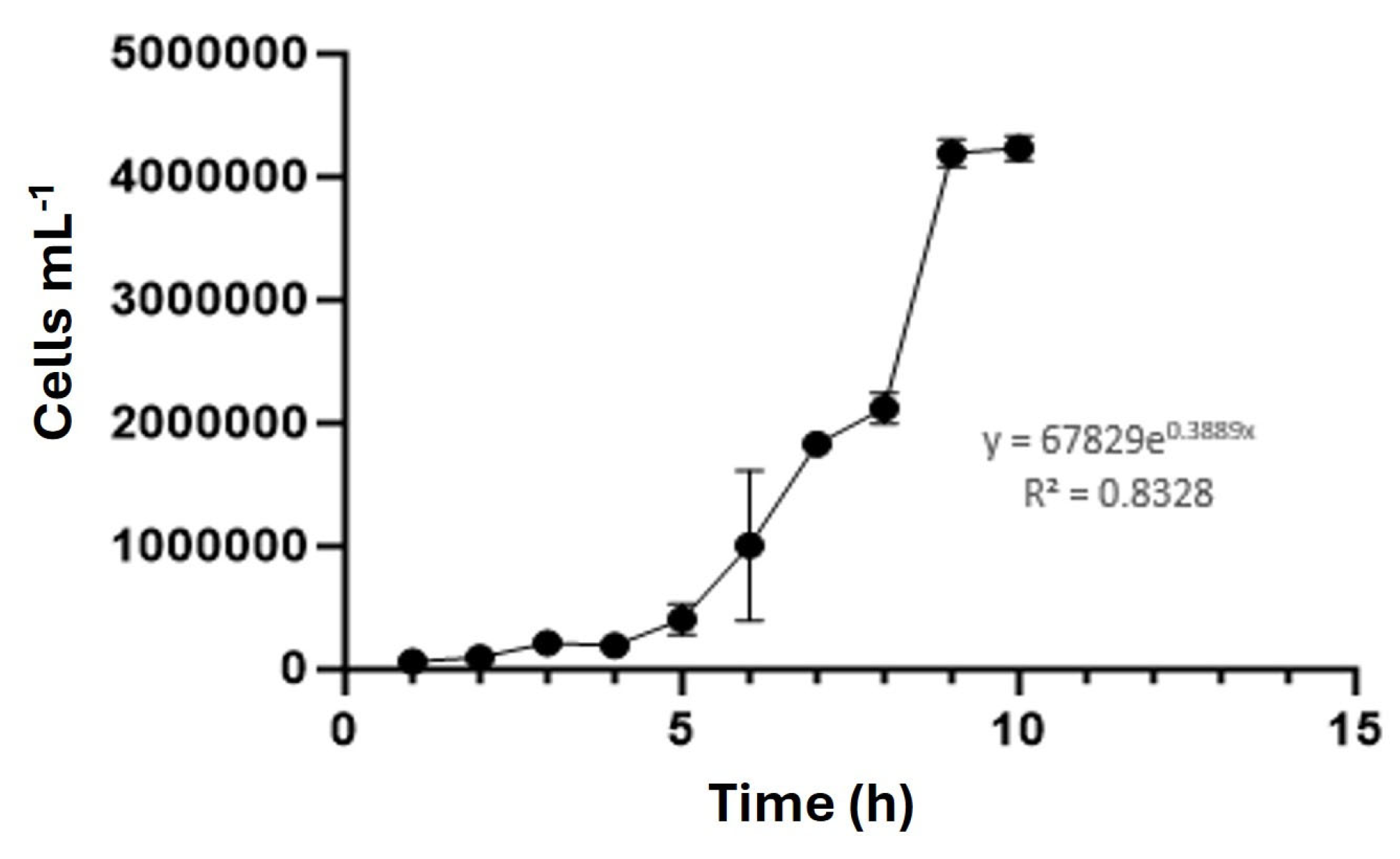
Figure 1. Growth kinetics of Azospirillum brasilense expressed as cell concentration (cells mL−1) over time.
Preprints 224748 g001
Figure 2. Growth kinetics of Bacillus sp. expressed as cell concentration (cells mL−1) over time.
Preprints 224748 g002
Figure 3. Growth kinetics of Pseudomonas putida expressed as cell concentration (cells mL−1) over time.
Preprints 224748 g003
Figure 4. Growth kinetics of Mycobacterium sp. expressed as cell concentration (cells mL−1) over time.
Preprints 224748 g004
Figure 5. Effect of microbial consortia on root length of blue maize grown in commercial substrate (a) and greenhouse soil (b). Mean ± standard deviation of each sample (n= 3 with 5 plants each one). Means with the same letter in the same bar are not significantly different, Fisher (p < 0.01).
Preprints 224748 g005
Figure 6. Effect of microbial consortia on root length of broccoli grown in commercial substrate (a) and greenhouse soil (b). Mean ± standard deviation of each sample (n= 3 with 5 plants each one). Means with the same letter in the same bar are not significantly different, Fisher (p < 0.01).
Preprints 224748 g006
Figure 7. Effect of microbial consortia on root length of tomato grown in commercial substrate (a) and greenhouse soil (b). Mean ± standard deviation of each sample (n= 3 with 5 plants each one). Means with the same letter in the same bar are not significantly different, Fisher (p < 0.01).
Preprints 224748 g007
Figure 8. Effect of microbial consortia on stem length of blue maize grown in commercial substrate (a) and greenhouse soil (b). Mean ± standard deviation of each sample (n= 3 with 5 plants each one). Means with the same letter in the same bar are not significantly different, Fisher (p < 0.01).
Preprints 224748 g008
Figure 9. Effect of microbial consortia on stem length of broccoli grown in commercial substrate (a) and greenhouse soil (b). Mean ± standard deviation of each sample (n= 3 with 5 plants each one). Means with the same letter in the same bar are not significantly different, Fisher (p < 0.01).
Preprints 224748 g009
Figure 10. Effect of microbial consortia on stem length of tomato grown in commercial substrate (a) and greenhouse soil (b). Mean ± standard deviation of each sample (n= 3 with 5 plants each one). Means with the same letter in the same bar are not significantly different, Fisher (p < 0.01).
Preprints 224748 g010
Figure 11. Effect of microbial consortia on biomass (dry weight) of the aerial parts of blue maize grown in commercial substrate (a) and greenhouse soil (b). Mean ± standard deviation of each sample (n= 3 with 5 plants each one). Means with the same letter in the same bar are not significantly different, Fisher (p < 0.01).
Preprints 224748 g011
Figure 12. Effect of microbial consortia on biomass (dry weight) of aerial parts of broccoli grown in commercial substrate (a) and greenhouse soil (b). Mean ± standard deviation of each sample (n= 3 with 5 plants each one). Means with the same letter in the same bar are not significantly different, Fisher (p < 0.01).
Preprints 224748 g012
Figure 13. Effect of microbial consortia on biomass (dry weight) of aerial parts of tomato grown in commercial substrate (a) and greenhouse soil (b). Mean ± standard deviation of each sample (n= 3 with 5 plants each one). Means with the same letter in the same bar are not significantly different, Fisher (p < 0.01).
Preprints 224748 g013
Table 1. Growth kinetic parameters of the evaluated bacterial strains.
Microorganism Specific growth rate (h-1) Time to reach 1 × 10⁶ cells mL−1 (h)
Azospirillum brasilense 0.4710 7
Bacillus sp. 0.3245 8
Pseudomonas putida 0.4941 7
Mycobacterium sp. 0.2596 14
Table 2. Growth kinetic parameters of the evaluated bacterial strains.
Microorganism Strain Acronym
Azospirillum brasilense CDBB B-1887 ATCC 29145
Bacillus sp. CDBB B-551 ATCC 9053
Pseudomonas putida CDBB B-1299 ATCC 12633
Mycobacterium sp. CDBB B-77 ATCC 29472
Table 3. Bacterial consortium consortia evaluated in the growth of tomato, broccoli, and corn plants.
Microbial consortium Strain
Control C
P. putida + Bacillus sp. Pp + Bsp
P. putida + A. brasilense Pp + Azo
A. brasilense + Bacillus sp. Azo + Bsp
Mycobacterium sp. + A. brasilense My + Azo
Mycobacterium sp. + P. putida My + Pp
Mycobacterium sp. + Bacillus sp. My + Bsp
Mycobacterium sp. + P. putida + A. brasilense + Bacillus sp. My+Pp+Azo+ Bsp
Disclaimer/Publisher’s Note: The statements, opinions and data contained in all publications are solely those of the individual author(s) and contributor(s) and not of MDPI and/or the editor(s). MDPI and/or the editor(s) disclaim responsibility for any injury to people or property resulting from any ideas, methods, instructions or products referred to in the content.
Copyright: This open access article is published under a Creative Commons CC BY 4.0 license, which permit the free download, distribution, and reuse, provided that the author and preprint are cited in any reuse.