

Submitted:
21 July 2026
Posted:
21 July 2026
You are already at the latest version
Abstract
Natural products remain a major source of structurally diverse and biologically active small molecules, yet traditional activity-guided discovery is labor-intensive and prone to rediscovery, while untargeted genome mining often lacks efficient prioritization criteria for biosynthetic gene clusters (BGCs). Self-resistance-gene guided discovery has emerged as a powerful strategy to address this limitation. In producing organisms, toxic metabolites are typically accompanied by genetically encoded self-protection mechanisms, such as resistant target homologs, duplicated housekeeping genes, detoxification enzymes, repair systems, or transporters. When co-localized with BGCs, these determinants serve as functional markers for predicting bioactivity and, in some cases, molecular targets prior to compound isolation. Over the past decade, this concept has evolved into a target-directed genome mining framework supported by tools and databases including ARTS, FunARTS, antiSMASH, and MIBiG. This review summarizes the biological basis, workflow, representative advances, and limitations of this strategy. Self-resistance genes can thus be viewed as functional beacons for accelerating bioactive natural product discovery.
Keywords:
self-resistance genes
; genome mining
; biosynthetic gene clusters (BGCs)
; target-directed discovery
1. Introduction
Microbial secondary metabolites exhibit diverse structural scaffolds and remarkable biological activities, making them an invaluable resource for novel drug discovery (1). For decades, natural product discovery has relied primarily on activity-guided fractionation and conventional chemical screening (Figure 1a). However, these approaches are labor-intensive, time-consuming, and often lead to the repeated isolation of known compounds.With the rapid advancement of high-throughput genome sequencing technologies, it has become evident that microbial genomes encode far more biosynthetic gene clusters (BGCs) than the number of currently characterized natural products, suggesting that the majority of secondary metabolic pathways remain silent under standard laboratory conditions (2-4).
Genome mining has emerged as a powerful strategy to address these challenges by enabling the prediction of natural products directly from genetic information rather than observable phenotypes (5). As illustrated in Figure 1b, the conventional genome mining workflow involves genome sequencing (e.g., Illumina/PacBio), followed by BGC identification and dereplication using bioinformatic tools and databases to prioritize cryptic or unknown clusters (Figure 1b). These candidate BGCs are then subjected to experimental validation through gene manipulation (e.g., knockout or silencing) or heterologous expression, coupled with metabolomic analysis and structural elucidation. Despite its potential, this untargeted approach is often limited by ambiguous correlations between BGCs and their corresponding metabolites, resulting in low efficiency in pathway activation and compound identification (6).
In recent years, self-resistance gene-guided genome mining has emerged as a more precise and efficient alternative (Figure 1c). This strategy is based on the observation that microorganisms producing toxic secondary metabolites typically harbor self-resistance genes within the same BGCs to avoid self-intoxication (7-9). As shown in Figure 1c, self-resistance genes can be systematically identified using specialized tools and databases (e.g., ARTS, FunARTS, antiSMASH (10-13), and MIBiG),followed by homology analysis to detect resistance elements associated with essential housekeeping enzymes. These genes act as functional markers that not only enable accurate prioritization of candidate BGCs but also allow direct inference of the molecular targets of the encoded natural products.[14]
Conceptually, self-resistance strategy transforms BGCs from purely biosynthetic predictions into mechanistically informed hypotheses, focusing on whether gene clusters encode metabolites that interact with specific cellular targets or pathways—the core principle of target-directed genome mining (14). Candidate self-resistance determinants are typically prioritized based on three key criteria: (i) duplication, referring to the presence of additional copies of essential or housekeeping genes that function as insensitive target homologs; (ii) proximity, indicating co-localization within or adjacent to BGCs, which strengthens functional association; and (iii) interpretability, meaning that candidate genes exhibit recognizable similarity to known targets or resistance elements, enabling mechanistic inference through sequence or structural features (15-18). For example, the frzK gene associated with FR901483 biosynthesis encodes a resistant PPAT homolog that maintains purine biosynthesis, while β-lactam resistance genes are tightly organized within the cephamycin–clavulanic acid supercluster, and odilorhabdin resistance gene oatA is directly linked to its BGC (16,19,20).
Compared with conventional genome mining, this target-directed strategy significantly improves discovery efficiency by narrowing the search space and linking BGCs to their biological functions at an early stage. A major advantage lies in its ability to generate bioactivity and mode-of-action hypotheses prior to compound isolation, with resistance genes acting as ‘functional beacons’ that guide the identification of metabolites with defined targets (17). Subsequent experimental validation—such as resistance phenotype assessment and target inhibition assays—can rapidly confirm both bioactivity and mechanism. This strategy has already enabled the elucidation of previously intractable pathways, such as cerulenin biosynthesis, and facilitated the discovery of diverse bioactive compounds including cytotoxic antibiotics, antitumor agents, and herbicides (16,21,22). Not all resistance-associated genes represent true self-protection determinants, and many important BGCs lack obvious resistance markers, particularly when resistance relies on regulatory, physiological, or spatial mechanisms (18,23). Emerging studies further suggest that self-resistance is not an isolated defensive process but is intricately integrated with biosynthetic pathways, co-evolving with metabolite assembly in a coordinated manner. The discovery of unconventional mechanisms—such as extracellular activation coupled with intracellular inactivation in fungal macrolides, or RTA1-like protein-mediated resistance in antifungal polyketides—has further expanded the conceptual framework of self-resistance (23,24).
A comprehensive review published in Natural Product Reports in 2020 summarized the progress of self-resistance-gene-guided discovery from 2000 to 2019, establishing a solid foundation for the field. Since then, rapid advancements have been achieved, including the expansion to fungal genome mining, the identification of compounds targeting eukaryotic systems, the development of automated high-throughput platforms such as FAST-NPS, and the integration of specialized computational tools and databases. Building upon this foundation, this review not only updates recent advances but also provides a systematic and critical evaluation of this strategy. Genome mining strategies integrating self-resistance gene analysis have unlocked novel bioactive metabolites from actinomycetes, fungi, and marine bacteria (25-29), with next-generation sequencing further expanding the discovery of cryptic biosynthetic clusters in underexplored microbes (30,31), thereby offering a timely and integrated framework for the field.
2. Molecular Mechanisms of Self-Resistance in Natural Product Producers
The biosynthesis of toxic natural products poses an inherent self-protection challenge for producing organisms, which have evolved four major categories of genetically encoded self-resistance mechanisms, with the most exploitable being those genetically linked to BGCs and mechanistically interpretable for target prediction (9,15,17).
2.1. Target Modification or Target Replacement
Target modification or replacement represents the most informative self-resistance mechanism for natural product discovery (Figure 2a). In this strategy, producing organisms encode resistant homologs of target proteins or duplicated housekeeping genes, allowing normal physiological function while reducing susceptibility to toxic metabolites (16,32). These resistance determinants are typically co-localized with biosynthetic gene clusters (BGCs), providing direct and reliable clues for molecular target prediction (20,32).
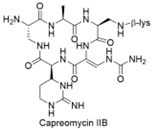
For example, Saccharothrix mutabilis subsp. capreolus (a capreomycin producer) employs dual target protection through the phosphotransferase Cph, which both chemically modifies and functionally protects target isoforms(15). β-lactam-producing Actinobacteria express low-affinity penicillin-binding proteins (e.g., PBP-74 and PBP-R), thereby reducing antibiotic binding (19). In fungi, the frzK gene associated with FR901483 biosynthesis encodes a resistant PPAT homolog that maintains purine biosynthesis through structural flexibility (16). This strategy has enabled the discovery and functional elucidation of multiple natural products. For instance, cerulenin BGCs were identified through resistance-guided mining (22), while a natural herbicide targeting plant dihydroxyacid dehydratase (DHAD) was discovered and later structurally characterized to reveal its resistance mechanism (32). Similarly, studies on Fellutamide B and CYP51-targeting natural products have expanded understanding of eukaryotic target modification and replacement mechanisms (18,33,34). Collectively, these examples highlight the high predictive power of target-based resistance genes in guiding natural product discovery.
2.2. Transport-Based Resistance
Transport-based resistance is a widespread and versatile mechanism that protects producing organisms by reducing intracellular accumulation of toxic natural products through membrane transporters or efflux systems. Although these genes are useful for BGC identification, they generally provide less direct information about molecular targets compared to target-modifying resistance genes (Figure 2b).
In fungi, Acrophialophora levis utilizes AcrD, an RTA1-like transmembrane protein, representing the first reported example of this resistance mechanism; its heterologous expression significantly enhances tolerance to antifungal metabolites (9). In bacteria, Streptomyces lusitanus employs a coordinated system (NapG, NapU, and NapW) to export inactive intermediates, activate them extracellularly, and detoxify re-entering compounds.Similarly, Pseudomonas fluorescens (a kalimantacin producer) exports intermediates for extracellular activation, thereby avoiding intracellular toxicity (23). In fungal macrolide biosynthesis, transport-mediated resistance is often integrated with spatial and temporal regulation, forming cyclic systems involving extracellular activation and intracellular inactivation (7). Large-scale analyses, such as those using the Resistance Gene Database (RGDB), have demonstrated the widespread distribution of transport-related resistance genes, while high-throughput mining tools have significantly improved the efficiency of identifying their co-localization with BGCs (17,35-37)
2.3. Enzymatic Detoxification or Damage Repair
Enzymatic detoxification enables producing organisms to inactivate toxic natural products through chemical modification or to repair molecular damage caused by these compounds (Figure 2c). Acetyltransferases are the most common detoxifying enzymes in bacteria, while DNA repair systems play a central role in producers of genotoxic metabolites (20,38-40).
For example, Paenibacillus sp. encodes an acetyltransferase that specifically modifies its lasso peptide antibiotic, significantly reducing its activity. In Xenorhabdus nematophila, the N-acetyltransferase OatA inactivates odilorhabdins by modifying a key amino group, thereby abolishing ribosome binding (20). Capreomycin producers further enhance resistance through a dual system involving both acetyltransferase (Cac) and phosphotransferase (Cph) (15). Recent studies have also identified new detoxification-related resistance genes in hybrid polyketide–peptide antibiotics and novel antifungal compounds (21,24). DNA repair-mediated resistance is particularly important for producers of DNA-damaging agents. For instance, yatakemycin producers employ DNA glycosylases to remove drug-induced adducts via base excision repair (23), while cosmomycin D producers rely on mycothiol-dependent systems to mitigate oxidative damage (39). Additional examples include monooxygenase-mediated detoxification in phenazine producers and the discovery of new ClpP inhibitors through resistance-guided approaches (38,40). These findings underscore the importance of detoxification enzymes as indicators for discovering bioactive natural products.
2.4. Regulatory, Temporal, and Spatial Protection Mechanisms
In addition to gene-encoded resistance factors, producing organisms employ regulatory, temporal, and spatial strategies to minimize self-toxicity (Figure 2d). These include delayed activation of natural products, compartmentalization of biosynthetic pathways, and precisely controlled secretion.Although biologically significant, these mechanisms are less amenable to large-scale computational mining due to the lack of distinct genetic markers (19,23,37).
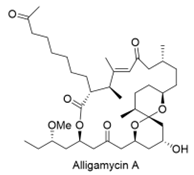
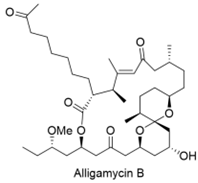
Such strategies are often coupled with transport-based resistance. For example, extracellular activation of compounds such as kalimantacin and naphthyridinomycin reflects an extension of spatiotemporal separation (23), while fungal macrolide biosynthesis integrates extracellular activation with intracellular inactivation (7). Regulatory resistance is exemplified by β-lactam-producing Actinobacteria, which finely tune β-lactamase activity through inhibitors such as clavulanic acid and BLIP proteins, ensuring self-protection without compromising product efficacy (19). Similarly, pathway compartmentalization and timed secretion contribute to self-resistance in both bacterial and fungal systems, as seen in alligamycin A biosynthesis and polyene macrolide production (41,42).
3. Computational and Experimental Workflow
Self-resistance gene-guided natural product discovery follows an integrated computational–experimental workflow that combines genome sequencing, bioinformatic prioritization, and functional validation to efficiently identify novel bioactive compounds. This pipeline transforms genomic data into mechanistically informed discovery routes, significantly improving both efficiency and success rate.
3.1. Genome Sequencing and BGC Annotation
The workflow begins with the acquisition of high-quality genome sequences. Third-generation sequencing technologies, such as PacBio and Oxford Nanopore, now enable routine generation of complete or near-complete genomes, which is essential for preserving biosynthetic gene cluster (BGC) integrity and facilitating downstream functional studies (Figure 3). Subsequently, BGC identification and annotation are performed using bioinformatic tools. antiSMASH remains the most widely used platform across bacteria, archaea, and fungi, enabling the detection of diverse BGC classes (e.g., PKS, NRPS, terpenes, and RiPPs) and providing predictions of core structures and biosynthetic features (13,43). To avoid rediscovery of known compounds, dereplication is conducted using curated databases such as MIBiG (Minimum Information about a Biosynthetic Gene cluster), which contains experimentally validated BGCs (12,44). Large-scale genomic repositories, including NCBI GenBank/RefSeq (https://www.ncbi.nlm.nih.gov), and JGI IMG/M (https://img.jgi.doe.gov), provide extensive datasets for mining and comparative analysis.
3.2. Resistance Gene Detection and Scoring
Following BGC annotation, candidate self-resistance genes are identified through an integrated strategy combining homology searches, essential gene analysis, gene duplication detection, and genomic proximity assessment. ARTS (https://arts.ziemertlab.com) provides a standardized framework for bacterial self-resistance genes systems (10,45). Additionally, ARTS-DB (https://arts-db.ziemertlab.com) facilitates large-scale exploration of resistance–target relationships across bacterial genomes and metagenome-assembled genomes (46). For fungal systems, FunARTS (https://funarts.ziemertlab.com) extends genome mining by integrating resistance gene information into BGC annotation, enabling target-directed analysis (11). The Resistance Gene Database (RGDB) further supports annotation and large-scale screening by integrating multiple resistance-related datasets (17). Candidate resistance genes are quantitatively evaluated using multi-parameter scoring systems, incorporating factors such as co-localization with BGCs, conservation across taxa, similarity to known resistance determinants, and mechanistic interpretability (17,37). This scoring step is critical for distinguishing true self-resistance genes from unrelated genomic elements (Figure 3).
3.3. Target Inference and Cluster Prioritization
Candidate resistance determinants are then linked to potential molecular targets via conserved domain analysis, phylogenetic comparison with housekeeping homologs, and mapping to known drug targets. The genomic context of resistance genes further supports functional interpretation (Figure 3). For example, phylogenetic analysis has demonstrated the co-evolution of the odilorhabdin resistance gene oatA with its corresponding BGC (20). Based on these analyses, BGCs are prioritized according to resistance signal strength, predicted novelty, taxonomic tractability, and feasibility of experimental activation or heterologous expression (17,47). Gene Cluster Family (GCF) analysis is often applied to identify uncharacterized “orphan” clusters lacking known analogs (48). This step is particularly powerful in identifying BGCs targeting eukaryotic systems, enabling the discovery of antifungal agents and herbicides with novel modes of action (24,47).
3.4. Experimental Validation
Computationally identified candidate BGCs require conversion into discrete compounds and mechanistic validation, including silent BGC activation, heterologous expression, fermentation optimization, metabolite isolation, resistance testing, gene knockout/overexpression, and biochemical/cellular target validation (Figure 3) (22,49-52). Heterologous expression is critical for BGC function validation, with common hosts including Aspergillus nidulans, Streptomyces species, Saccharomyces cerevisiae and Escherichia coli (14,33,53,54). And gene cluster capture techniques include yeast homologous recombination, TAR cloning, and CRISPR-Cas9 (55-57). Cerulenin’s polyketide synthase gene cluster function was validated via heterologous reconstitution in A. nidulans, and the BGC of Fellutamide B was activated and its pathway elucidated via promoter exchange in A. nidulans (22,33) Gene knockout and complementation experiments validate resistance gene function; for example, in vitro and in vivo experiments confirmed Cph phosphotransferase of capreomycin dual resistance mechanism (15), and functional verification of Yersinia ruckeri’s RNA methyltransferase self-resistance gene clarified its role in holomycin biosynthesis (8).
Fermentation products from heterologous expression systems or wild-type strains are isolated and purified, with structural characterization via HPLC-MS/MS and NMR spectroscopy. Structural elucidation of novel compounds lays the foundation for subsequent activity studies. This is a critical step in validation, with strategies including dual functional screening, crystal structure analysis, and in vitro/in vivo activity assays (16,21,38). For streptocilpamides discovery, a dual-function platform combining fluorescence-based substrate hydrolysis and ADEP-induced ClpP activation antagonism screening identified novel ClpP inhibitors, with crystal structure analysis elucidating their mechanism (38). FR901483’s self-resistance enzyme FrzK structural adaptability was revealed via crystal structure analysis (16). Automation technologies have narrowed the gap between computational screening and laboratory validation, with the FAST-NPS platform as a representative fully automated, scalable system for Streptomyces bioactive natural product discovery—integrating self-resistance-guided screening with cloning, heterologous expression, fermentation, and product extraction, providing a path for large-scale high-throughput discovery (36).
4. Representative Advances
Self-resistance gene-guided discovery has achieved remarkable advances in both bacterial and fungal systems, expanding from classical antibacterial discovery to the mining of antifungals, herbicides, immunosuppressants, and antitumor agents. A 2020 NPR review listed many compound structures whose biosynthetic gene clusters harbor self-resistance genes (14), and the present review summarizes those discovered since 2020 (Table 1). This strategy has not only deepened mechanistic understanding of microbial self-protection but also facilitated the transition from fundamental research to scalable discovery pipelines and industrial application.
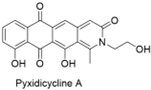
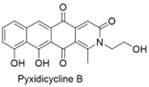
DNA replication is a fundamental process of life that requires the coordinated action of multiple enzyme complexes. Bacterial DNA replicase exhibits high evolutionary conservation with prokaryotes but significant divergence from eukaryotes, making it an ideal target for antimicrobial agents. In addition to the DNA replication inhibitors (Novobiocin, Chlorobiocin, Coumermycin, and Griselimycin) summarized in a 2020 review (14), Panter et al. recently conducted systematic genome mining of myxobacteria using pentapeptide repeat proteins (PRPs) as probes—proteins previously identified as structural repeat elements (SREs) in the BGCs of gyrase inhibitors albicidin and cystobactamid. Through promoter engineering strategies to activate the PKS gene cluster containing a PRP-coding gene from Pyxidicoccus fallax, two novel compounds, pyxidicycline A and B (table 1), were successfully produced. Bioactivity studies confirmed that both compounds act as selective topoisomerase inhibitors (58).
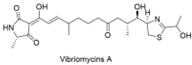
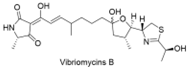
Protein biosynthesis is a key antimicrobial target due to significant differences between prokaryotic and eukaryotic systems. A previous review summarized various inhibitors and pathways targeting this process. Recently, Kishore et al. performed SRE-directed genome mining of the marine bacterium Vibrio ruber DSM 16370 using aminoacyl-tRNA synthetase (aaRS) homologs as probes (21). Leveraging the co-localization of these homologs within gene clusters, they identified a PKS-NRPS hybrid biosynthetic gene cluster. Through sequence analysis, site-directed mutagenesis, and stable isotope feeding experiments, they demonstrated that this cluster encodes a pathway for hybrid polyketide-peptide natural products, with the major products being three tautomers: vibriomycin A, B, and B′. Bioassays confirmed that the aaRS homolog functions as an SRE and that vibriomycins act as allosteric inhibitors of bacterial sulfoacyl-tRNA synthetase. Unlike known inhibitors such as borrelidin, vibriomycins exert their effects allosterically, representing a novel class of anti-infective agents (21).
Proteasomes are key complexes controlling protein degradation in eukaryotic cells and serve as targets for antitumor drugs. The research team led by Fan Zhang recently developed an integrated discovery platform combining self-resistance gene-guided genomic mining with dual-function screening, which successfully identified anti-virulence inhibitors targeting ClpP proteases (38). Using ClpP proteases as probes, they screened over 34,000 actinomycete genomes and identified 530 biosynthetic gene clusters (BGCs) containing potential ClpP self-resistance genes, with 26 selected for experimental validation. They adopted a dual-function screening strategy combining fluorescence detection and anti-ADEP-induced ClpP activation reverse screening. The platform successfully identified a series of ClpP inhibitors, including streptoclipamide A (IC50 = 480 nM). The BGC of streptoclipamide belongs to the NRPS type, encoding a mutated ClpP as a SRE. This represents the first reported natural product inhibitor targeting ClpP. Given that ClpP is a core factor regulating virulence in Methicillin-resistance Staphylococcus aureu (MRSA), this study not only provides promising lead compounds for anti-MRSA therapy but also establishes a scalable paradigm for natural product targeting screening (38).
Lipid metabolism, encompassing fatty acid synthesis and sterol synthesis, serves as a critical drug target. Castillo Arteaga et al. investigated the self-resistance mechanisms developed by Streptomyces olindensis DAUFPE 5622, a producer of the antitumor antibiotic cosmomycin D (COSD, an anthracycline family member) (39). They identified or proposed three self-resistance mechanisms anchored in the COSD biosynthetic gene cluster: ABC transporter (cosIJ), UvrA class IIa protein (cosU), and a novel self-resistance mechanism mediated by mycothiol peroxidase (MPx) encoded by cosP. Activity studies of MPx and its mutants confirmed its involvement in peroxide-responsive mechanisms during COSD biosynthesis. Overexpression of ABC transporter, UvrA class IIa protein, and MPx all led to enhanced responses to toxic anthracyclines such as cosmycins. These findings indicate that cysteine peroxidase protects S. olindensis from peroxidative damage during COSD production, suggesting convergent resistance evolution between natural product-producing bacteria and tumor cells (39).
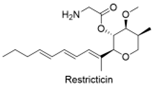
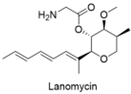
Sterols are essential components of eukaryotic cell membranes, and their biosynthetic pathways have long been exploited as targets for antifungal therapy. Among these, lanosterol 14α-demethylase (CYP51) is a well-established molecular target of azole antifungal agents and plays a central role in ergosterol biosynthesis. Natural products targeting CYP51 are relatively rare, with fungal metabolites such as restricticin representing one of the few known examples (62). Leveraging this biological context, Liu et al. employed CYP51 as a self-resistance marker for target-directed genome mining, enabling the identification and experimental validation of the biosynthetic gene cluster associated with restricticin-related compounds (34). Subsequent mining of biosynthetic gene clusters harboring CYP51 homologues further led to the discovery of lanomycin from previously uncharacterised fungal producers. These findings underscore the utility of self-resistance genes as functional indicators for linking biosynthetic gene clusters to their molecular targets, and highlight the potential of this strategy for uncovering bioactive natural products with defined modes of action.
About carbohydrates and energy metabolism inhibitors. Pentalenolactone and heptelidic acid both covalently inactivate glycerol-3-phosphate dehydrogenase (GAPDH) through their epoxy structures (63,64). They all contain an additional GAPDH copy in their gene clusters and have been confirmed as autoresistant enzymes. Aurovertin E and citreoviridin target the ATP synthase β chain, with the mutant ATP synthase β chain encoded in their gene clusters conferring resistance to producing bacteria (65,66).
As a key enzyme in the branched-chain amino acid biosynthesis pathway, acetolactate synthase (ALS) is absent in humans, making it a potential antifungal target. Perlatti et al. first validated this concept by demonstrating the druggability of ALS. Subsequently, the team employed a resistance-gene-guided genomic mining strategy to identify a biosynthetic gene cluster from Aspergillus terreus that encodes HB-35018 (24). This compound represents a new class of spiro-cis-decalin tetramic acids and displays potent ALS inhibition. Biochemical and antifungal assays revealed that HB-35018 outperforms known ALS inhibitors in efficacy against Aspergillus fumigatus and other pathogenic fungi. Cryo-electron microscopy structural studies uncovered a unique covalent binding mode between HB-35018 and ALS, distinct from those of previously reported inhibitors. Furthermore, the researchers confirmed that ALS is critical for fungal virulence in a murine model of invasive aspergillosis. Collectively, these findings establish ALS as a promising antifungal drug target and highlight the utility of resistance-gene-guided genomic mining in antifungal discovery (24).
For the nucleotide metabolism inhibitor, FR901483 is an immunosuppressant isolated in 1996 from the fungus Cladobotryum sp. No.11231. Its mechanism of action differs from that of FK506 and cyclosporine A—achieving immunosuppression by inhibiting nucleic acid biosynthesis rather than suppressing IL-2 production (67). The biosynthetic pathway of FR901483 was subsequently elucidated. The frz gene cluster, which governs the production of FR901483, contains frzK, a homologous gene encoding phosphoribosyl pyrophosphate amidotransferase (PPAT), the key enzyme that catalyzes the first committed step of de novo purine biosynthesis (68). It was hypothesized that frzK encodes a PPAT variant capable of evading inhibition by FR901483, thereby functioning as a self-resistance enzyme (SRE) for the producing strain. Recently, biochemical and structural analyses were conducted on FrzK together with its Escherichia coli homolog PurF. Recombinantly produced FrzK exhibited PPAT activity (though weaker than PurF), but it effectively evaded strong inhibition by FR901483. These results confirmed that the target of FR901483 is PPAT and that FrzK functions as an SRE by maintaining de novo purine biosynthetic capability in the presence of the inhibitor (16). To elucidate the molecular basis of FrzK‘s evasive mechanism, the crystal structure of PurF in complex with FR901483 was determined and a homology model of FrzK was constructed. Sequence and structural analyses revealed that residues unique to FrzK cluster near the Flexible Loop, which undergoes a disorder-to-order transition upon substrate binding. Kinetic characterization of site-directed mutants further indicated that FrzK resistance may be conferred by structurally predisposing this loop to adopt the active, closed conformation even in the presence of FR901483.
Since 2020, natural products with novel mechanisms of action or unidentified targets have also been discovered. Wieder et al. identified two novel polyhydroxy polyketone compounds, acrophialocinol and acrophialocin, as major antifungal metabolites from Acrophialophora levis through bioactivity-guided isolation. Importantly, the study revealed that self-resistance to polyhydroxy polyketone compounds is mediated by a conserved RTA1-like protein encoded in the acr biosynthesis gene cluster. RTA1 family proteins are typically associated with sterol transport, marking the first reported involvement of such proteins in natural product self-resistance (9). Deng et al. utilized a phylogeny-guided natural product discovery platform to report the discovery of a polyene antifungal antibiotic, mandimycin. Mandimycin is biosynthesized by the mand gene cluster, exhibiting an evolutionary pattern distinctly different from known polyene macrolide antibiotics and featuring three deoxy sugar modifications. The compound demonstrated potent and broad-spectrum bactericidal activity against multiple multidrug-resistant fungal pathogens in vitro and in vivo. Unlike known polyene macrolide antibiotics targeting ergosterol (e.g., amphotericin B), mandimycin possesses a unique mechanism of action—targeting multiple phospholipids in fungal cell membranes, leading to the efflux of essential ions from fungal cells. This multi-target binding capability endows it with robust bactericidal activity and resistance evasion potential. Although the compound was primarily discovered through a phylogeny-guided strategy rather than the classical SRE co-localization approach, the presence of resistance elements in its producing bacterial gene cluster and its distinctive mechanism of action provide novel directions for antifungal drug development (41).
5. Strengths and Limitations
Self-resistance gene-guided genome mining introduces a functional dimension into natural product discovery by prioritizing biosynthetic gene clusters (BGCs) that are more likely to encode bioactive molecules with defined targets, rather than treating all clusters equally (17,18). Case studies of sulfonamide and azoxy antibiotic biosynthesis further validate the efficacy of this strategy in identifying novel BGCs with unique catalytic machineries (69,70).
A key advantage of this strategy is its ability to generate early mode-of-action hypotheses prior to compound isolation, thereby bridging the gap between sequence-based prediction and downstream functional characterization (14,17). Self-resistance-guided mining has accelerated the discovery of novel antibiotics (e.g., pyranonigrin A from fungi, pyxidicyclines from myxobacteria) and enabled heterologous expression of cryptic clusters (58,71-76), while these natural products also show potential to overcome clinical drug resistance (28). This approach is broadly applicable across bacterial and fungal systems and has expanded beyond antibacterial discovery to include herbicides, antifungals, and immunosuppressants, highlighting its versatility in medicine, agriculture, and chemical biology (9,24,47). Moreover, the development of specialized bioinformatic tools (e.g., ARTS, FunARTS, antiSMASH) and curated databases (e.g., MIBiG, RGDB) has established a robust technical framework for standardized and high-throughput mining (11,17,37,77). By focusing on BGCs associated with self-resistance genes—particularly those linked to essential housekeeping functions—this strategy effectively reduces rediscovery rates and significantly improves the likelihood of identifying novel compounds (8,21,22,38).
Despite these advantages, several limitations remain. False positives can arise because not all duplicated or BGC-adjacent genes function as true resistance determinants (18,23), while false negatives are common due to resistance mechanisms that rely on regulatory, physiological, or genome-dispersed features that are difficult to detect computationally (19,23,37). Key limitations include misannotation of pseudogenes as functional resistance genes (78), technical hurdles in characterizing rare enzymatic reactions (e.g., N-S bond formation, tRNA-dependent transfer) (69,70,79), and the unculturability of many resistance-containing microbes (80), alongside variable gene patterns across microbial phyla (45,81). In particular, complex self-resistance systems involving multiple enzymes, subcellular locations, or stage-specific functions remain challenging to predict (18). The predictive power of resistance genes also varies, with duplicated housekeeping genes providing strong target clues, whereas general transporters often offer limited mechanistic insight (7,9,17). Furthermore, experimental validation remains a major bottleneck, as silent BGCs, low heterologous expression efficiency, and difficulties in metabolite isolation can hinder confirmation of predicted functions (6,35,82). In addition, current databases still lack comprehensive coverage of rare or unconventional resistance mechanisms, especially in underexplored microbial groups such as marine fungi and extremophiles (2,17). Therefore, the full potential of this strategy is best realized when integrated with biochemical validation, optimized expression systems, and emerging automation technologies (6,35,37).
6. Future Perspectives and Conclusions
Self-resistance gene-guided discovery has emerged as an effective function-oriented strategy in natural product research, linking biosynthetic gene clusters (BGCs) to biological targets prior to compound isolation and overcoming a key limitation of untargeted genome mining. Tools such as ARTS, antiSMASH, MIBiG, and FAST-NPS have made this approach increasingly scalable. Future progress will rely on integration with multi-omics, synthetic biology, automation, and artificial intelligence, enabling improved prediction models that incorporate sequence homology, synteny, domain architecture, and validated resistance–target relationships. Automated ‘foundry-style’ pipelines will facilitate high-throughput prioritization, cloning, expression, and metabolite characterization.
The strategy is expanding beyond antibacterials to eukaryotic-targeting compounds, including herbicides, antifungals, immunosuppressants, and metabolic regulators, while exploration of novel resistance mechanisms (e.g., spatiotemporal separation, membrane transport) and comprehensive resistance gene databases will further broaden its scope. Synthetic biology offers major opportunities - engineering artificial BGCs, optimizing heterologous expression, and reconstructing pathways to accelerate discovery and production. Despite its power, this approach is not a universal solution but a complementary enrichment tool best used alongside comparative genomics, metabolomics, and automation. Nevertheless, self-resistance genes serve as ‘functional beacons’ for discovering natural products with defined modes of action, positioning this strategy at the center of future bioactive compound development for medicine, agriculture, and beyond.
Funding
This work was supported by the National Natural Science Foundation of China (Grant No. 32560015) and the Natural Science Foundation of Inner Mongolia Autonomous Region (Grant No. 2025JQ023) to Peng Zhang.
Data Availability Statement
Data sharing is not applicable to this article as no data were created or analysed in this study.
Conflicts of Interest
No potential conflict of interest was reported by the author(s).
References
- Newman, D.J.; Cragg, G.M. Natural Products as Sources of New Drugs over the Nearly Four Decades from 01/1981 to 09/2019. J. Nat. Prod. 2020, 83(3), 770–803. [Google Scholar] [CrossRef]
- Meesil, W.; Bode, H.B.; Ruckert-Reed, C.; et al. Genomic Analysis for the Identification of Bioactive Compounds in Xenorhabdus stockiae Strain RT25.5. Sci. Rep. 2025, 15(1), 23672. [Google Scholar] [CrossRef] [PubMed]
- Rutledge, P.J.; Challis, G.L. Discovery of Microbial Natural Products by Activation of Silent Biosynthetic Gene Clusters. Nat. Rev. Microbiol. 2015, 13(8), 509–523. [Google Scholar] [CrossRef] [PubMed]
- Nett, M.; Ikeda, H.; Moore, B.S. Genomic Basis for Natural Product Biosynthetic Diversity in the Actinomycetes. Nat. Prod. Rep. 2009, 26(11), 1362–1384. [Google Scholar] [CrossRef] [PubMed]
- Ziemert, N.; Alanjary, M.; Weber, T. The Evolution of Genome Mining in Microbes – A Review. Nat. Prod. Rep. 2016, 33(8), 988–1005. [Google Scholar] [CrossRef] [PubMed]
- Li, L.; Jiang, W.H.; Lu, Y.H. New Strategies and Approaches for Engineering Biosynthetic Gene Clusters of Microbial Natural Products. Biotechnol. Adv. 2017, 35(8), 936–949. [Google Scholar] [CrossRef] [PubMed]
- Zhang, Y.; Bai, J.; Zhang, L.; et al. Self-Resistance in the Biosynthesis of Fungal Macrolides Involving Cycles of Extracellular Oxidative Activation and Intracellular Reductive Inactivation. Angew. Chem. Int. Ed. 2021, 60(12), 6639–6645. [Google Scholar] [CrossRef]
- Qin, Z.; Baker, A.T.; Raab, A.; et al. The Fish Pathogen Yersinia ruckeri Produces Holomycin and Uses an RNA Methyltransferase for Self-Resistance. J. Biol. Chem. 2013, 288(21), 14688–14697. [Google Scholar] [CrossRef] [PubMed]
- Wieder, C.; Künzer, M.; Wiechert, R.; et al. Biosynthesis of the Antifungal Polyhydroxy-Polyketide Acrophialocinol. Org. Lett. 2025, 27(4), 1036–1041. [Google Scholar] [CrossRef] [PubMed]
- Mungan, M.D.; Alanjary, M.; Blin, K.; et al. ARTS 2.0: Feature Updates and Expansion of the Antibiotic Resistant Target Seeker for Comparative Genome Mining. Nucleic Acids Res. 2020, 48(W1), W546–W552. [Google Scholar] [CrossRef] [PubMed]
- Yilmaz, T.M.; Mungan, M.D.; Berasategui, A.; et al. FunARTS, the Fungal BioActive Compound Resistant Target Seeker, an Exploration Engine for Target-Directed Genome Mining in Fungi. Nucleic Acids Res. 2023, 51(W1), W191–W197. [Google Scholar] [PubMed]
- Zdouc, M.M.; Blin, K.; Louwen, N.L.L.; et al. MIBiG 4.0: Advancing Biosynthetic Gene Cluster Curation through Global Collaboration. Nucleic Acids Res. 2025, 53(D1), D678–D690. [Google Scholar] [CrossRef] [PubMed]
- Blin, K.; Wolf, T.; Chevrette, M.G.; et al. antiSMASH 4.0 – Improvements in Chemistry Prediction and Gene Cluster Boundary Identification. Nucleic Acids Res. 2017, 45(W1), W36–W41. [Google Scholar] [CrossRef] [PubMed]
- Yan, Y.; Liu, N.; Tang, Y. Recent Developments in Self-Resistance Gene Directed Natural Product Discovery. Nat. Prod. Rep. 2020, 37(7), 879–892. [Google Scholar] [CrossRef] [PubMed]
- Pan, Y.C.; Wang, Y.L.; Toh, S.I.; et al. Dual-Mechanism Confers Self-Resistance to the Antituberculosis Antibiotic Capreomycin. ACS Chem. Biol. 2022, 17(1), 138–146. [Google Scholar] [CrossRef] [PubMed]
- Sato, M.; Sakano, S.; Nakahara, M.; et al. Uncommon Arrangement of Self-Resistance Allows Biosynthesis of de novo Purine Biosynthesis Inhibitor That Acts as an Immunosuppressor. J. Am. Chem. Soc. 2023, 145(49), 26883–26889. [Google Scholar] [CrossRef] [PubMed]
- Dong, H.; Ming, D. A Comprehensive Self-Resistance Gene Database for Natural-Product Discovery with an Application to Marine Bacterial Genome Mining. Int. J. Mol. Sci. 2023, 24(15), 12106. [Google Scholar] [CrossRef]
- Chen, X.R.; Pan, H.X.; Tang, G.L. Newly Discovered Mechanisms of Antibiotic Self-Resistance with Multiple Enzymes Acting at Different Locations and Stages. Antibiotics 2023, 12(1), 78. [Google Scholar]
- Martin, J.F.; Alvarez-Alvarez, R.; Liras, P. Penicillin-Binding Proteins, β-Lactamases, and β-Lactamase Inhibitors in β-Lactam-Producing Actinobacteria: Self-Resistance Mechanisms. Int. J. Mol. Sci. 2022, 23(10), 5662. [Google Scholar] [CrossRef] [PubMed]
- Lanois-Nouri, A.; Pantel, L.; Fu, J.; et al. The Odilorhabdin Antibiotic Biosynthetic Cluster and Acetyltransferase Self-Resistance Locus Are Niche and Species Specific. mBio 2022, 13(1), e0282621. [Google Scholar] [CrossRef] [PubMed]
- Kishore, S.; Privalsky, T.M.; Del Rio Flores, A.; et al. Self-Resistance Guided Discovery of a Hybrid Polyketide-Peptide Antibiotic from Vibrio ruber. J. Am. Chem. Soc. 2025, 147(27), 24032–24039. [Google Scholar] [CrossRef] [PubMed]
- Shang, Z.; Arishi, A.A.; Wu, C.Z.; et al. Self-Resistance Gene-Guided Discovery of the Molecular Basis for Biosynthesis of the Fatty Acid Synthase Inhibitor Cerulenin. Angew. Chem. Int. Ed. 2025, 64(2), e202416648. [Google Scholar]
- Wu, L.R.; Zhang, Q.; Deng, Z.X.; et al. From Solo to Duet, Intersections of Natural Product Assembly with Self-Resistance. Nat. Prod. Rep. 2022, 39(5), 919–925. [Google Scholar] [CrossRef] [PubMed]
- Perlatti, B.; Vellanki, S.; Zhang, Y.; et al. An Antifungal with a Novel Mechanism of Action Discovered via Resistance Gene-Guided Genome Mining. ACS Cent. Sci. 2026, 12(2), 197–207. [Google Scholar] [CrossRef] [PubMed]
- Newman, D.J.; Cragg, G.M. Natural Products as Sources of New Drugs from 1981 to 2014. J. Nat. Prod. 2016, 79(3), 629–661. [Google Scholar] [CrossRef] [PubMed]
- Van Lanen, S.G.; Shen, B. Microbial Genomics for the Improvement of Natural Product Discovery. Curr. Opin. Microbiol. 2006, 9(3), 252–260. [Google Scholar] [CrossRef] [PubMed]
- Yan, Y.; Liu, Q.; Jacobsen, S.E.; et al. The Impact and Prospect of Natural Product Discovery in Agriculture: New Technologies to Explore the Diversity of Secondary Metabolites in Plants and Microorganisms for Applications in Agriculture. EMBO Rep. 2018, 19(11), e46854. [Google Scholar] [CrossRef]
- Bentley, R. Mycophenolic Acid: A One Hundred Year Odyssey from Antibiotic to Immunosuppressant. Chem. Rev. 2000, 100(10), 3801–3826. [Google Scholar] [CrossRef] [PubMed]
- Maxwell, A. The Interaction between Coumarin Drugs and DNA Gyrase. Mol. Microbiol. 1993, 9(4), 681–686. [Google Scholar] [CrossRef] [PubMed]
- Harvey, A.L.; Edrada-Ebel, R.; Quinn, R.J. The Re-Emergence of Natural Products for Drug Discovery in the Genomics Era. Nat. Rev. Drug Discov. 2015, 14(2), 111–129. [Google Scholar] [CrossRef] [PubMed]
- Kjaerbolling, I.; Vesth, T.; Andersen, M.R. Resistance Gene-Directed Genome Mining of 50 Aspergillus Species. mSystems 2019, 4(4), e00372-19. [Google Scholar] [CrossRef]
- Zang, X.; Bat-Erdene, U.; Huang, W.; et al. Structural Bases of Dihydroxy Acid Dehydratase Inhibition and Biodesign for Self-Resistance. Biodes. Res. 2024, 6, 0046. [Google Scholar] [CrossRef] [PubMed]
- Yeh, H.H.; Ahuja, M.; Chiang, Y.M.; et al. Resistance Gene-Guided Genome Mining: Serial Promoter Exchanges in Aspergillus nidulans Reveal the Biosynthetic Pathway for Fellutamide B, a Proteasome Inhibitor. ACS Chem. Biol. 2016, 11(8), 2275–2284. [Google Scholar] [CrossRef] [PubMed]
- Liu, N.; Abramyan, E.D.; Cheng, W.; et al. Targeted Genome Mining Reveals the Biosynthetic Gene Clusters of Natural Product CYP51 Inhibitors. J. Am. Chem. Soc. 2021, 143(16), 6043–6047. [Google Scholar] [CrossRef] [PubMed]
- Yuan, Y.; Huang, C.; Singh, N.; et al. Automated, Self-Resistance Gene-Guided, and High-Throughput Genome Mining of Bioactive Natural Products from Streptomyces. bioRxiv (preprint). 2023. [Google Scholar] [CrossRef] [PubMed]
- Yuan, Y.; Huang, C.; Singh, N.; et al. Self-Resistance-Gene-Guided, High-Throughput Automated Genome Mining of Bioactive Natural Products from Streptomyces. Cell Syst. 2025, 16(3), 101237. [Google Scholar] [CrossRef] [PubMed]
- Tran, P.N.; Yen, M.R.; Chiang, C.Y.; et al. Detecting and Prioritizing Biosynthetic Gene Clusters for Bioactive Compounds in Bacteria and Fungi. Appl. Microbiol. Biotechnol. 2019, 103(8), 3277–3287. [Google Scholar] [CrossRef] [PubMed]
- Wang, Y.; Yin, J.; Liao, W.; et al. Discovery of Antivirulence ClpP Inhibitors by Self-Resistance Gene-Guided Mining Coupled with Dual Functional Screening. Angew. Chem. Int. Ed. 2025, 64(49), e202514683. [Google Scholar] [CrossRef]
- Castillo Arteaga, R.D.; Garrido, L.M.; Pedre, B.; et al. Mycothiol Peroxidase Activity as a Part of the Self-Resistance Mechanisms against the Antitumor Antibiotic Cosmomycin D. Microbiol. Spectr. 2022, 10(3), e0049322. [Google Scholar] [CrossRef]
- Liu, J.; Zhao, Y.; Fu, Z.Q.; et al. Monooxygenase LaPhzX Is Involved in Self-Resistance Mechanisms during the Biosynthesis of N-Oxide Phenazine Myxin. J. Agric. Food Chem. 2021, 69(45), 13524–13532. [Google Scholar] [CrossRef] [PubMed]
- Deng, Q.; Li, Y.; He, W.; et al. A Polyene Macrolide Targeting Phospholipids in the Fungal Cell Membrane. Nature 2025, 640(8059), 743–751. [Google Scholar] [CrossRef] [PubMed]
- Yang, Z.; Qiao, Y.; Strobech, E.; et al. Alligamycin A, an Antifungal β-Lactone Spiroketal Macrolide from Streptomyces iranensis. Nat. Commun. 2024, 15(1), 9259. [Google Scholar] [CrossRef] [PubMed]
- Weber, T.; Blin, K.; Duddela, S.; et al. antiSMASH 3.0 – A Comprehensive Resource for the Genome Mining of Biosynthetic Gene Clusters. Nucleic Acids Res. 2015, 43(W1), W237–W243. [Google Scholar] [CrossRef] [PubMed]
- Medema, M.H.; Kottmann, R.; Yilmaz, P.; et al. Minimum Information about a Biosynthetic Gene Cluster. Nat. Chem. Biol. 2015, 11(9), 625–631. [Google Scholar] [CrossRef] [PubMed]
- Alanjary, M.; Kronmiller, B.; Adamek, M.; et al. The Antibiotic Resistant Target Seeker (ARTS), an Exploration Engine for Antibiotic Cluster Prioritization and Novel Drug Target Discovery. Nucleic Acids Res. 2017, 45(W1), W42–W48. [Google Scholar] [CrossRef] [PubMed]
- Mungan, M.D.; Blin, K.; Ziemert, N. ARTS-DB: A Database for Antibiotic Resistant Targets. Nucleic Acids Res. 2022, 50(D1), D736–D740. [Google Scholar] [PubMed]
- Yan, Y.; Liu, Q.; Zang, X.; et al. Resistance-Gene-Directed Discovery of a Natural-Product Herbicide with a New Mode of Action. Nature 2018, 559(7714), 415–418. [Google Scholar] [CrossRef] [PubMed]
- Navarro-Muñoz, J.C.; Selem-Mojica, N.; Mullowney, M.W.; et al. A Computational Framework to Explore Large-Scale Biosynthetic Diversity. Nat. Chem. Biol. 2020, 16(1), 60–68. [Google Scholar] [PubMed]
- Cai, W.L.; Goswami, A.; Yang, Z.Y.; et al. The Biosynthesis of Capuramycin-Type Antibiotics. J. Biol. Chem. 2015, 290(22), 13710–13724. [Google Scholar] [CrossRef] [PubMed]
- Zhang, H.; Li, Z.; Zhou, S.; Li, S.M.; Ran, H.; Song, Z.; et al. A Fungal NRPS-PKS Enzyme Catalyses the Formation of the Flavonoid Naringenin. Nat. Commun. 2022, 13(1), 6361. [Google Scholar] [CrossRef] [PubMed]
- Zhang, P.; Wang, X.N.; Fan, A.L.; et al. A Cryptic Pigment Biosynthetic Pathway Uncovered by Heterologous Expression Is Essential for Conidial Development. Mol. Microbiol. 2017, 105(3), 469–483. [Google Scholar] [CrossRef] [PubMed]
- Zeng, G.H.; Zhang, P.; Zhang, Q.Q.; et al. Duplication of a Gene Cluster and Subsequent Functional Diversification Facilitate Environmental Adaptation in Species. PLoS Genet. 2018, 14(6), e1007394. [Google Scholar] [CrossRef] [PubMed]
- Zhang, P.; Wu, G.W.; Heard, S.C.; Niu, C.S.; Bell, S.A.; Li, F.L.; Ye, Y.; Zhang, Y.H.; Winter, J.M. Identification and Characterization of a Cryptic Bifunctional Type I Diterpene Synthase Involved in Talaronoid Biosynthesis from a Marine-Derived Fungus. Org. Lett. 2022, 24(37), 6789–6793. [Google Scholar] [CrossRef]
- Lasch, C.; Myronovskyi, M.; Luzhetskyy, A. Streptomyces as a Versatile Host Platform for Heterologous Production of Microbial Natural Products. Nat. Prod. Rep. 2026, 43(2), 371–390. [Google Scholar] [CrossRef] [PubMed]
- Kouprina, N.; Larionov, V. Selective Isolation of Genomic Loci from Complex Genomes by Transformation-Associated Recombination Cloning in Yeast. Nat. Protoc. 2008, 3(3), 371–377. [Google Scholar] [CrossRef] [PubMed]
- Kouprina, N.; Kim, J.H.; Larionov, V. Highly Selective, CRISPR/Cas9-Mediated Isolation of Genes and Genomic Loci from Complex Genomes by TAR Cloning in Yeast. Curr. Protoc. 2021, 1(8), e208. [Google Scholar] [CrossRef]
- Kurylenko, O.; Palusczak, A.; Luzhetskyy, A.; et al. An Improved Transformation-Associated Recombination Cloning Approach for Direct Capturing of Natural Product Biosynthetic Gene Clusters. Microb. Biotechnol. 2024, 17(12), e70058. [Google Scholar] [CrossRef]
- Panter, F.; Krug, D.; Baumann, S.; et al. Self-Resistance Guided Genome Mining Uncovers New Topoisomerase Inhibitors from Myxobacteria. Chem. Sci. 2018, 9(21), 4898–4908. [Google Scholar] [CrossRef] [PubMed]
- Kato, S.; Motoyama, T.; Uramoto, M.; et al. Induction of Secondary Metabolite Production by Hygromycin B and Identification of the 1233A Biosynthetic Gene Cluster with a Self-Resistance Gene. J. Antibiot. 2020, 73(7), 475–479. [Google Scholar] [CrossRef]
- Liu, H.B.; Ohlemacher, S.I.; O'Connor, R.D.; et al. Structure and Biosynthesis of Aridomycins Reveal a Glycosylated Prodrug Strategy for Self-Resistance. J. Am. Chem. Soc. 2025, 147(28), 24801–24813. [Google Scholar] [CrossRef] [PubMed]
- Regueira, T.B.; Kildegaard, K.R.; Hansen, B.G.; et al. Molecular Basis for Mycophenolic Acid Biosynthesis in Penicillium brevicompactum. Appl. Environ. Microbiol. 2011, 77(9), 3035–3043. [Google Scholar] [CrossRef] [PubMed]
- Choi, B.K.; Jo, S.H.; Choi, D.K.; et al. Anti-Neuroinflammatory Agent, Restricticin B, from the Marine-Derived Fungus and Its Inhibitory Activity on the NO Production in BV-2 Microglia Cells. Mar. Drugs 2020, 18(9), 456. [Google Scholar] [CrossRef]
- Tetzlaff, C.N.; You, Z.; Cane, D.E.; et al. A Gene Cluster for Biosynthesis of the Sesquiterpenoid Antibiotic Pentalenolactone in Streptomyces avermitilis. Biochemistry 2006, 45(19), 6179–6186. [Google Scholar] [CrossRef] [PubMed]
- Shinohara, Y.; Nishimura, I.; Koyama, Y. Identification of a Gene Cluster for Biosynthesis of the Sesquiterpene Antibiotic, Heptelidic Acid, in Aspergillus oryzae. Biosci. Biotechnol. Biochem. 2019, 83(8), 1506–1513. [Google Scholar] [CrossRef] [PubMed]
- Mao, X.M.; Zhan, Z.J.; Grayson, M.N.; et al. Efficient Biosynthesis of Fungal Polyketides Containing the Dioxabicyclo-octane Ring System. J. Am. Chem. Soc. 2015, 137(37), 11904–11907. [Google Scholar] [CrossRef] [PubMed]
- Lin, T.S.; Chiang, Y.M.; Wang, C.C. Biosynthetic Pathway of the Reduced Polyketide Product Citreoviridin in Aspergillus terreus var. aureus Revealed by Heterologous Expression in Aspergillus nidulans. Org. Lett. 2016, 18(6), 1366–1369. [Google Scholar] [CrossRef] [PubMed]
- Sakamoto, K.; Tsujii, E.; Abe, F.; et al. FR901483, a Novel Immunosuppressant Isolated from Cladobotryum sp. No 11231 – Taxonomy of the Producing Organism, Fermentation, Isolation, Physico-Chemical Properties and Biological Activities. J. Antibiot. 1996, 49(1), 37–44. [Google Scholar] [CrossRef]
- Zhang, Z.; Tamura, Y.; Tang, M.C.; et al. Biosynthesis of the Immunosuppressant (-)-FR901483. J. Am. Chem. Soc. 2021, 143(1), 132–136. [Google Scholar] [PubMed]
- Garg, R.P.; Qian, X.L.; Alemany, L.B.; et al. Investigations of Valanimycin Biosynthesis: Elucidation of the Role of Seryl-tRNA. Proc. Natl. Acad. Sci. U.S.A. 2008, 105(18), 6543–6547. [Google Scholar] [CrossRef] [PubMed]
- Hu, Z.; Awakawa, T.; Ma, Z.; et al. Aminoacyl Sulfonamide Assembly in SB-203208 Biosynthesis. Nat. Commun. 2019, 10(1), 184. [Google Scholar] [CrossRef] [PubMed]
- Kim, K.B.; Crews, C.M. From Epoxomicin to Carfilzomib: Chemistry, Biology, and Medical Outcomes. Nat. Prod. Rep. 2013, 30(5), 600–604. [Google Scholar] [CrossRef] [PubMed]
- Freiberg, C.; Brunner, N.A.; Schiffer, G.; et al. Identification and Characterization of the First Class of Potent Bacterial Acetyl-CoA Carboxylase Inhibitors with Antibacterial Activity. J. Biol. Chem. 2004, 279(25), 26066–26073. [Google Scholar] [CrossRef] [PubMed]
- Jin, M.; Fischbach, M.A.; Clardy, J. A Biosynthetic Gene Cluster for the Acetyl-CoA Carboxylase Inhibitor Andrimid. J. Am. Chem. Soc. 2006, 128(33), 10660–10661. [Google Scholar] [CrossRef] [PubMed]
- Kato, M.; Sakai, K.; Endo, A. Koningic Acid (Heptelidic Acid) Inhibition of Glyceraldehyde-3-Phosphate Dehydrogenases from Various Sources. Biochim. Biophys. Acta 1992, 1120(1), 113–116. [Google Scholar] [CrossRef] [PubMed]
- van Raaij, M.J.; Abrahams, J.P.; Leslie, A.G.; et al. The Structure of Bovine F1-ATPase Complexed with the Antibiotic Inhibitor Aurovertin B. Proc. Natl. Acad. Sci. U.S.A. 1996, 93(14), 6913–6917. [Google Scholar] [CrossRef] [PubMed]
- Tang, M.C.; Zou, Y.; Yee, D.; et al. Identification of the Pyranonigrin A Biosynthetic Gene Cluster by Genome Mining in Penicillium thymicola IBT 5891. AIChE J. 2018, 64(12), 4182–4186. [Google Scholar] [CrossRef] [PubMed]
- Song, Y.X.; Zhang, X.F.; Li, Y.Q.; Xiao, H.; Yan, Y. Resistance-gene directed discovery of bioactive natural products. Synth. Biol. J. 2024, 5(3), 474–491. [Google Scholar]
- Birch, A.J.; Hussain, S.F. Studies in Relation to Biosynthesis. 38. A Preliminary Study of Fumagillin. J. Chem. Soc. Perkin 1. 1969, 11, 1473–1474. [Google Scholar] [CrossRef] [PubMed]
- Liu, S.; Widom, J.; Kemp, C.W.; et al. Structure of Human Methionine Aminopeptidase-2 Complexed with Fumagillin. Science 1998, 282(5392), 1324–1327. [Google Scholar] [CrossRef] [PubMed]
- Lin, H.C.; Tsunematsu, Y.; Dhingra, S.; et al. Generation of Complexity in Fungal Terpene Biosynthesis: Discovery of a Multifunctional Cytochrome P450 in the Fumagillin Pathway. J. Am. Chem. Soc. 2014, 136(11), 4426–4436. [Google Scholar] [CrossRef] [PubMed]
- Hoagland, D.T.; Liu, J.; Lee, R.B.; et al. New Agents for the Treatment of Drug-Resistant Mycobacterium tuberculosis. Adv. Drug Deliv. Rev. 2016, 102, 55–72. [Google Scholar] [CrossRef] [PubMed]
- Xie, L.Y.; Jiang, F.L.; Hu, Y.C. Self-resistant Gene-Directed Genome Mining in Microorganisms and Its Application in the Discovery of Natural Products. Prog. Pharm. Sci. 2023, 47(4), 244–259. [Google Scholar]
Figure 1.
Schematic diagram of three microbial natural product discovery strategies. (a) Activity-guided fractionation isolates bioactive compounds via biomass culture, metabolite extraction, 96-well plate screening, HPLC separation, and MS/NMR structural characterization. (b) Genome-guided mining uses microbial genome sequencing and BGC prediction, with candidate BGCs validated via genetic manipulation, heterologous expression, and LC-MS/NMR analysis. (c) Self-resistance gene-guided mining employs ARTS-DB/FunARTS and BLAST for bioinformatic screening, prioritizes self-resistance gene-associated cryptic BGCs, and verifies candidate compounds through computational prediction and experimental assays to identify target natural products.
Figure 1.
Schematic diagram of three microbial natural product discovery strategies. (a) Activity-guided fractionation isolates bioactive compounds via biomass culture, metabolite extraction, 96-well plate screening, HPLC separation, and MS/NMR structural characterization. (b) Genome-guided mining uses microbial genome sequencing and BGC prediction, with candidate BGCs validated via genetic manipulation, heterologous expression, and LC-MS/NMR analysis. (c) Self-resistance gene-guided mining employs ARTS-DB/FunARTS and BLAST for bioinformatic screening, prioritizes self-resistance gene-associated cryptic BGCs, and verifies candidate compounds through computational prediction and experimental assays to identify target natural products.
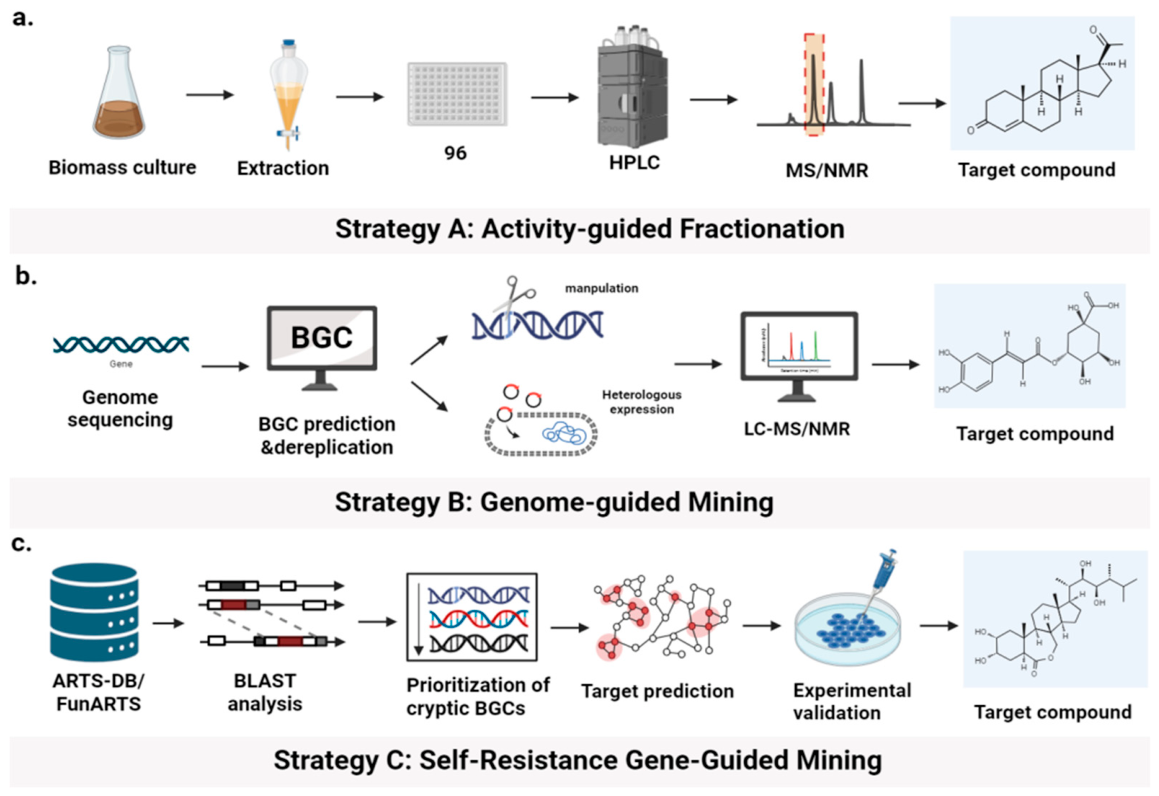
Figure 2.
Mechanisms of self-resistance in natural product-producing microorganisms. (a) Target modification or replacement, where structural alteration or substitution of drug targets abrogates inhibitor binding; (b) Transport-based resistance, involving transmembrane protein activation to drive efflux of endogenous bioactive metabolites; (c) Enzymatic detoxification, through expression of detoxifying enzymes that chemically modify and inactivate toxic natural products; (d) Regulatory, Temporal, and Spatial Protection mechanisms, encompassing transcriptional/epigenetic regulation of resistance genes, temporal separation of toxin synthesis and target expression, and spatial compartmentalization of metabolites via organellar sequestration.
Figure 2.
Mechanisms of self-resistance in natural product-producing microorganisms. (a) Target modification or replacement, where structural alteration or substitution of drug targets abrogates inhibitor binding; (b) Transport-based resistance, involving transmembrane protein activation to drive efflux of endogenous bioactive metabolites; (c) Enzymatic detoxification, through expression of detoxifying enzymes that chemically modify and inactivate toxic natural products; (d) Regulatory, Temporal, and Spatial Protection mechanisms, encompassing transcriptional/epigenetic regulation of resistance genes, temporal separation of toxin synthesis and target expression, and spatial compartmentalization of metabolites via organellar sequestration.
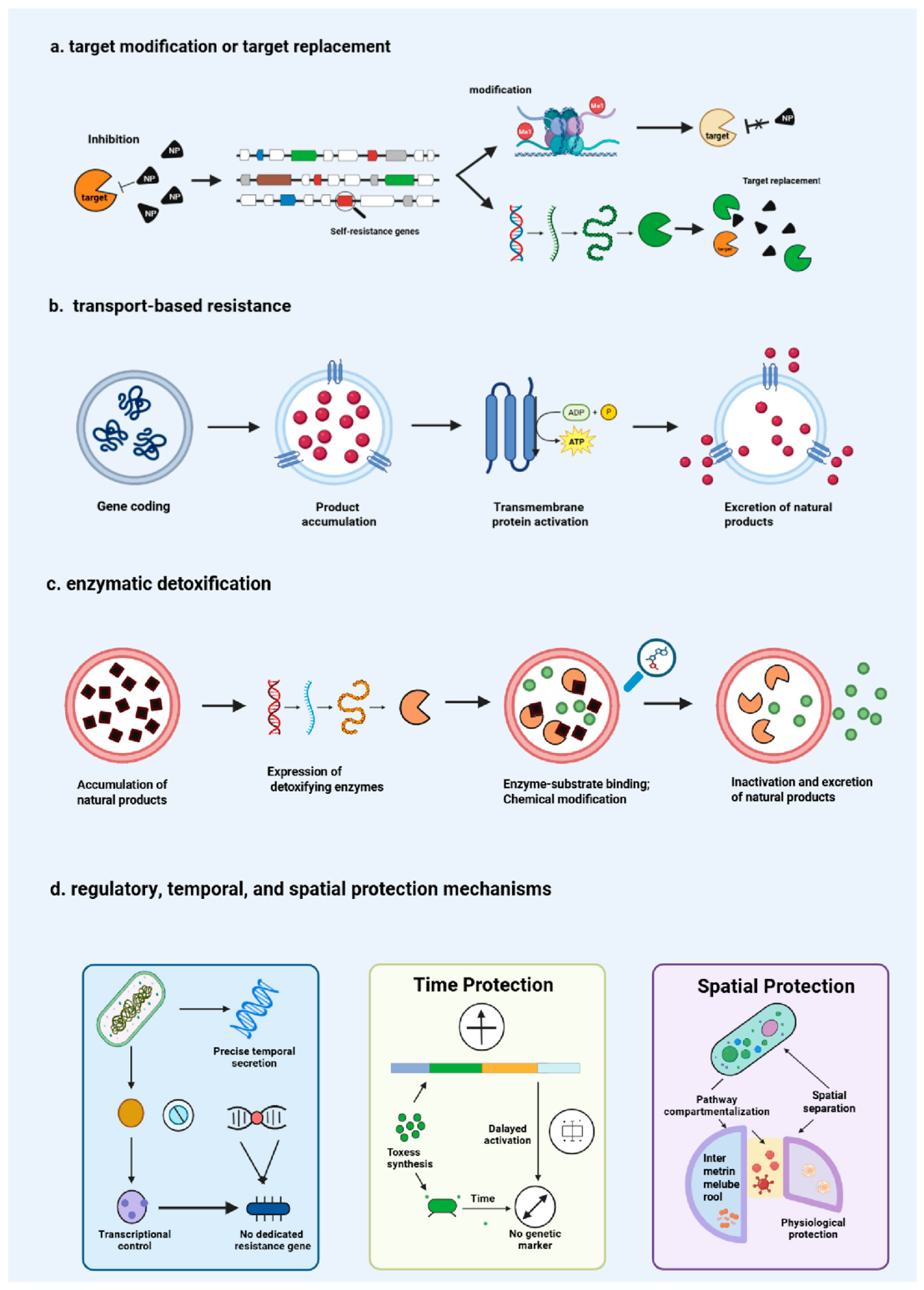
Figure 3.
Computational and Experimental Workflow.
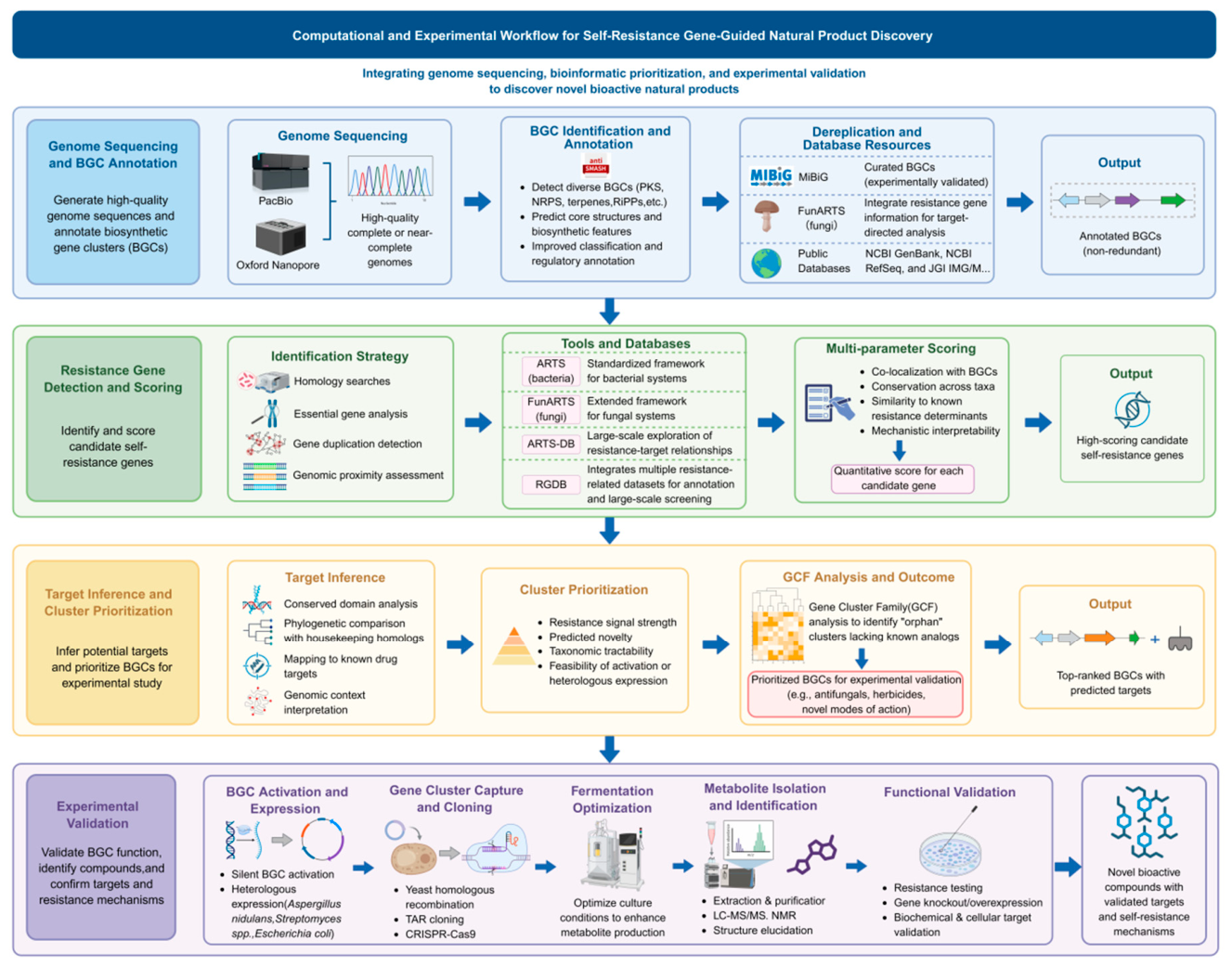

Table 1.
An illustrative case of BGCs employing the self-resistance genes from 2020 to 2026.
| Natural products | Source Organism | Function | Molecular target | Biosynthetic core gene | Compounds structures | Ref |
|---|---|---|---|---|---|---|
| Pyxidicycline A/B | Pyxidicoccus fallax | DNA replication inhibitor | topoisomerase | PKS |
|
(58) |
| Vibriomycins A/B | Vibrio ruber DSM 16370 | Protein biosynthesis inhibitor | ThrRS (allosteric inhibitor) | PKS-NRPS hybridization |
|
(21) |
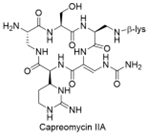
| Capreomycin A/B | Saccharothrix mutabilis subsp. capreolus | Protein biosynthesis inhibitor | protein synthesis | NRPS |
|
(15) |
| Streptoclipamide A | Streptomyces sp. S186 | Protein degradation inhibitor | ClpP protease (antivirulence target) |
NRPS | 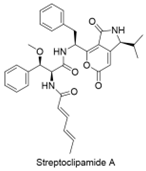 |
(38) |
| Restricticin Lanomycin | Aspergillus nomius | Lipid metabolism inhibitor |
CYP51 (14α-demethylase of lanosterol) | PKS/NRPS |
|
(34) |
| Cerulenin | Sarocladium spp. | Lipid metabolism inhibitor |
FAS | PKS | 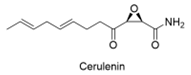 |
(22) |
| 1233A 1233B |
Fusarium sp. RK97-94 | Lipid metabolism inhibitor |
HMG-CoA synthase | PKS |  |
(59) |
| Aridomycin A/B | Amycolatopsis sp. | Lipid metabolism inhibitor |
Not specified | PKS |
|
(60) |
| Cosmomycin D | Streptomyces olindensis | Lipid metabolism inhibitor |
DNA embedding | PKS | 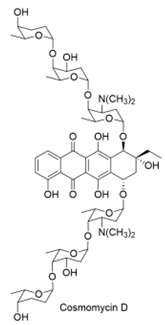 |
(39) |
| Myxin | Lysobacter antibioticus OH13 | Lipid metabolism inhibitor |
Not specified | other | 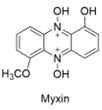 |
(40) |
| HB-35018 | Aspergillus terreus | Amino acid metabolism inhibitor | ALS (Acetyl-Lactate Synthase) | PKS | 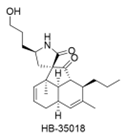 |
(24) |
| FR901483 | Cladobotryum sp. No.11231 | Nucleotide metabolism inhibitor | PPAT | other | 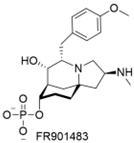 |
(16,61) |
| Acrophialocinol Acrophialocin | Acrophialophora levis | Other | Not specified (antifungal) | PKS | 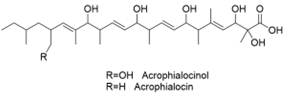 |
(9) |
| Mandimycin | Kitasatospora melanogena | Lipid metabolism inhibitor |
Phospholipids in fungal cell membranes | PKS | 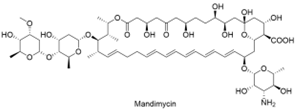 |
(41) |
| Alligamycin A/B | Streptomyces iranensis | Other | Fungal cell wall integrity | PKS |
|
(42) |
Disclaimer/Publisher’s Note: The statements, opinions and data contained in all publications are solely those of the individual author(s) and contributor(s) and not of MDPI and/or the editor(s). MDPI and/or the editor(s) disclaim responsibility for any injury to people or property resulting from any ideas, methods, instructions or products referred to in the content. |
© 2026 by the authors. Licensee MDPI, Basel, Switzerland. This article is an open access article distributed under the terms and conditions of the Creative Commons Attribution (CC BY) license (http://creativecommons.org/licenses/by/4.0/).
Copyright: This open access article is published under a Creative Commons CC BY 4.0 license, which permit the free download, distribution, and reuse, provided that the author and preprint are cited in any reuse.


