

Submitted:
03 July 2026
Posted:
06 July 2026
You are already at the latest version
Abstract
Medical residency is a demanding period of specialty training, marked by intense clinical exposure, heavy workload, and continuous knowledge development. Identifying how residents prefer to learn may help residency programs refine their educational strategies and better align teaching approaches with the needs of trainees. This study assessed learning-style preferences among medical residents using the Felder–Soloman Index of Learning Styles. A total of 152 residents from clinical and surgical specialties in a Brazil-ian medical residency program were included. In the overall sample, the predominant preferences were sensing (90.79%), visual (73.68%), active (62.50%), and sequential (70.39%). Comparisons between clinical and surgical specialties showed a significant dif-ference only in the understanding domain, with residents from clinical specialties being more frequently classified as sequential than those from surgical specialties (80.0% vs. 63.2%). The limited variation across groups suggests that most residents share a broadly similar learning profile, although some cognitive-processing preferences may differ ac-cording to specialty-related demands. These findings support the use of diversified educa-tional strategies in medical residency, combining visual resources, active learning meth-ods, and structured practical activities adapted to clinical and surgical training contexts.
Keywords:
medical residency
; learning styles
; medical education
; Felder–Soloman index of learning styles
; clinical and surgical specialties
1. Introduction
Medical residency is a central stage in physician training. During this period, recently graduated physicians enter a specialty, deepen their clinical practice, improve technical skills, and develop professional judgment. How residents learn, therefore, can directly affect the development of their clinical competencies and their relationship with patients (Torres, 2018). This issue is especially relevant because residency is also marked by an intense workload, long working hours, and early demands for technical knowledge and decision-making. Such pressure may cause distress and emotional suffering, potentially impairing professional performance (Botti & Rego, 2010). In this context, motivation and appropriate teaching methods are essential for both academic learning and practical skill development (Henrique-Sanches et al., 2023).
Residents seek medical residency as an advanced continuation of their professional training (Botti et al., 2010). This stage involves progressive responsibility for professional acts, development of initiative, clinical judgment and self-assessment, internalization of ethical principles, and consolidation of clinical reasoning (Feuerwerker, 1998; Martins, 2005; Carvalho Filho et al., 2022). These competencies may be better supported when residency programs consider how residents learn (Baker et al., 1985). Identifying residents’ learning profiles can thus help educators design more effective teaching strategies and adapt the learning process to the needs of different trainees.
Learning style studies suggest that individuals differ in how they perceive, process, and retain information. Some learners prefer abstract theories, whereas others learn better from concrete data; some rely more on visual stimuli, whereas others benefit from active or collaborative learning experiences (Pfromm Neto, 1987; Felder and Silverman, 1988; Schmitt and Domingues, 2016). In medical residency, these individual differences may be relevant for curriculum planning, teaching strategies, specialty training, and preparation for qualification examinations (Leonard, 1979; Mammen et al., 2007). Several studies have therefore evaluated learning styles in residency programs and medical specialties (Laeeq et al., 2009; Fahy et al., 2021; Muganlinskaya et al., 2021; Gouvea et al., 2024).
Many studies on medical trainees have used Kolb’s Learning Style Inventory, which classifies individuals into four learning styles: diverging, assimilating, converging, and accommodating. These styles differ in learning behavior, personality traits, and preferences (Burger & Scholz, 2014). Diverging learners combine concrete experience and reflective observation; assimilating learners favor reflective observation and abstract conceptualization; converging learners combine abstract conceptualization and active experimentation; and accommodating learners favor active experimentation and concrete experience, often learning through trial and error (Manolis et al., 2013; Burger and Scholz, 2014; Stander et al., 2019). Kolb’s model describes learning as a continuous process in which individuals collect, reflect on, and transform experiences into knowledge (Kolb, 1984). However, medical education has changed rapidly. New generations of students and residents, changes in residency selection processes, the growing influence of social media, and technological innovations have encouraged educators to test new teaching methods. These changes reinforce the value of using different instruments to evaluate learning profiles in medical training (Muganlinskaya et al., 2021).
Another widely used model is the Felder–Silverman learning style model, which has educational applications in medicine and was recently used to evaluate learning styles among undergraduate medical students in Brazil (Felder, 1993; Cardozo et al., 2024). This model is assessed using a 44-item questionnaire and provides information on students’ cognitive preferences, which may support educational planning and the use of active methodologies adapted to predominant learning profiles. The Felder–Silverman model comprises four dimensions, each with two opposing categories: perception (sensing/intuitive), input (visual/verbal), processing (active/reflective), and understanding (sequential/global) (Felder, 1993; Amaral et al., 2016; Jesus et al., 2024; Cardozo et al., 2024).
Despite the growing interest in learning styles in medical education, studies on Brazilian medical residents remain scarce, especially those that include residents from both clinical and surgical specialties. To our knowledge, this is one of the first studies to characterize learning styles across multiple clinical and surgical residency programs in Brazil using the Felder–Silverman model. This approach may complement evidence from studies based on other learning style models, such as Kolb’s inventory, which has been frequently used in studies involving medical students, family medicine residents, and internal medicine residents (Baker et al., 1985).
This study characterized the learning styles of medical residents in clinical and surgical residency programs at Hospital São Vicente de Paula and the University Hospital of Faculdade de Medicina de Jundiaí, Brazil, using the Felder–Silverman model. By identifying predominant learning profiles, this study may provide information to support teaching strategies better aligned with the needs of residents in Brazilian medical residency programs.
2. Materials and Methods
2.1. Study Design and Ethical Approval
This was a cross-sectional, descriptive, and analytical study with a quantitative approach. The study was approved by the research ethics committee of the Faculdade de Medicina de Jundiaí, Brazil (CAAE No. 80496324.0.0000.5412).
2.2. Participants
The study included medical residents enrolled in residency programs at Hospital São Vicente de Paula and Hospital Universitário of the Faculdade de Medicina de Jundiaí, both in Jundiaí, São Paulo, Brazil. Participants represented ten medical specialties: Anesthesiology, General Surgery, Obstetrics and Gynecology, Orthopedics and Traumatology, Otorhinolaryngology, Neurosurgery, Internal Medicine, Radiology and Diagnostic Imaging, Pediatrics, and Dermatology.
2.3. Assessment of Learning Styles
Learning styles were assessed using the Felder–Silverman Learning Style Model (Felder & Silverman, 1988) and the Index of Learning Styles (ILS; Felder & Soloman, 1991). This instrument was selected due to its widespread use in recent medical education research (Cardozo et al., 2024; Galdeano et al., 2025; Jesus et al., 2026) and its validation for use in Brazil (Amaral et al., 2016; Jesus et al., 2024).
Participants voluntarily completed the 44-item ILS questionnaire, which evaluates four learning-style dimensions: perception (sensing–intuitive), input (visual–verbal), processing (active–reflective), and understanding (sequential–global). Each dimension comprises 11 items and assesses how individuals perceive, receive, process, and organize information during learning (Amaral et al., 2016; Jesus et al., 2024). For each dimension, participants selected one of two response options (a or b) for each of the 11 items. Scores were calculated by summing responses for each option and determining the difference between them. This difference was used to classify participants into one of the three categories defined for each learning-style dimension (Figure 1).
2.4. Statistical Analysis
Descriptive statistics were calculated for the independent variables (residency type, sex, and age) and for the four learning-style dimensions, each classified into two categories. Bivariate analyses were then performed to examine associations between each learning-style dimension and the independent variables. Associations were assessed using Pearson’s chi-square test, Yates’ continuity-corrected chi-square test, or Fisher’s exact test when expected frequencies did not meet the assumptions of the chi-square test. Statistical significance was set at p < 0.05, and 95% confidence intervals were calculated. All analyses were conducted using IBM SPSS Statistics version 24 (Cardozo et al., 2024).
3. Results
3.1. Sample Characteristics
The study included 152 medical residents: 78 women (51.3%) and 74 men (48.7%). The mean age of the participants was 28.18 ± 3.81 years and was similar between women (27.97 ± 3.01 years) and men (28.41 ± 4.57 years). Participants represented ten medical specialties. Eighty-seven residents (57.24%) were enrolled in surgical specialties, and 65 (42.76%) were in clinical specialties (Table 1).
Sex distribution differed between clinical and surgical specialties. Women were more frequent in clinical specialties, whereas men were more frequent in surgical specialties (p = 0.019; Table 2). Residents aged ≤27 years predominated in surgical specialties. Conversely, residents aged >27 years were proportionally more frequent in clinical specialties (Table 2).
When participants were analyzed by specialty and sex, Internal Medicine had a higher frequency of women than the other specialties (p < 0.001). Age distribution did not differ significantly among specialties (p = 0.091; Table 3).
3.2. Learning Styles in the Total Sample and by Specialty Group
In the total sample, residents showed a learning profile characterized by predominance of the sensing, visual, active, and sequential styles. Sensing was the most frequent style in the perception domain (90.79%), visual in the input domain (73.68%), active in the processing domain (62.50%), and sequential in the understanding domain (70.39%). In all four domains, the predominant style differed significantly from its opposite pole. The largest difference occurred in the perception domain, with sensing predominating over intuitive learning (90.79% vs. 9.21%; Figure 2).
Residents in clinical and surgical specialties showed the same overall profile observed in the total sample: sensing, visual, active, and sequential. In percentage terms, residents in clinical specialties were more often sensing and sequential, but less often visual and active, than residents in surgical specialties. However, the only significant difference between groups occurred in the understanding domain: residents in clinical specialties were more often sequential than those in surgical specialties (80.0% vs. 63.2%; p = 0.039; Figure 3).
3.3. Learning Styles by Residency Specialty
We also examined each learning-style domain by residency specialty. In these analyses, each specialty was compared with the combined group of the remaining specialties.
In the input domain, all specialties showed a predominance of the visual style (Figure 3). Visual learning was most frequent in Neurosurgery, Gynecology and Obstetrics, and Otorhinolaryngology. Verbal learning was less frequent across specialties, with the highest percentages in Orthopedics and Traumatology, General Surgery, Pediatrics, and Internal Medicine. No specialty differed significantly from the combined group of the remaining specialties in this domain (Figure 4).
In the perception domain, all specialties showed a predominance of the sensing style (Figure 5). General Surgery residents were the only group that differed significantly from the remaining specialties, with a higher frequency of intuitive learning and a lower frequency of sensing learning (p = 0.004; Figure 5).
In the processing domain, most specialties showed a predominance of the active style (Figure 6). Internal Medicine and Neurosurgery were the exceptions, with higher frequencies of reflective learning. No specialty differed significantly from the combined group of the remaining specialties in this domain (Figure 6).
4. Discussion
The main finding of this study was that medical residents showed a predominantly sensing, visual, active, and sequential learning profile. This pattern was relatively consistent across the specialties evaluated, suggesting that residency training may favor similar cognitive preferences despite differences between clinical and surgical fields. These findings are consistent with previous studies in health professions education, which have also reported preferences for concrete experience, visual resources, active participation, and progressive organization of knowledge (Duarte, 2021; Cognuck et al., 2023; Cardozo et al., 2024). The predominance of the visual style across almost all specialties may reflect both the demands of contemporary medical training and the profile of newer generations of learners. Medical education increasingly relies on diagnostic images, diagrams, videos, digital platforms, and other audiovisual resources. This interpretation is consistent with studies showing a growing preference among health students for digital and audiovisual materials, a pattern frequently associated with Generation Z learners (Cabual, 2021). These results also support the applicability of the Felder–Silverman model to residency training. By characterizing learning preferences along the visual/verbal, sensing/intuitive, active/reflective, and sequential/global dimensions, this model provides a useful framework for understanding how residents engage with educational content and clinical training activities (Cardozo et al., 2024; Jesus et al., 2026).
However, learning styles should not be interpreted as fixed traits. Recent evidence suggests that these preferences may change throughout medical training in response to educational and professional demands. From the perspective of experiential learning, knowledge is continuously built through the transformation of experience, allowing learners to adjust their cognitive strategies over time (Dantas & Cunha, 2020). This interpretation is supported by studies showing differences in learning profiles among students, residents, and specialists, suggesting that professional experience influences how physicians learn (Engels & de Gara, 2010; Samarakoon et al., 2013; Bostancı & Budakoğlu, 2024). Understanding residents’ learning preferences may therefore help residency programs adapt teaching strategies to a demanding phase of medical training. Residency is marked by high workload, stress, large volumes of information, intense patient care responsibilities, and, in some cases, uncertainty or dissatisfaction with specialty choice (Kushner, 1994; Linney, 2001; Mammen et al., 2007). In this context, recognizing how residents learn may contribute to more personalized educational strategies and, indirectly, to better professional development and patient care.
Sex distribution also differed between groups of specialties. Female residents were more frequent in clinical specialties, whereas male residents were more frequent in surgical specialties. This pattern should be considered when interpreting differences in learning profiles across residency areas. However, previous studies suggest that learning preferences do not necessarily reflect sex or gender alone but may also be shaped by institutional teaching culture, educational context, and professional experience (Joy & Kolb, 2009; Hassanzadeh et al., 2019; Silva et al., 2021). In contrast, Mammen et al. (2007) reported differences in learning style between male and female general surgery residents, although these differences were not related to year of residency or examination performance. When clinical and surgical specialties were compared, both groups showed the same predominant profile: sensing, visual, active, and sequential. However, residents in clinical specialties were more frequently classified as sensing and sequential and less frequently classified as visual and active than residents in surgical specialties. This pattern may reflect differences in the educational demands of each type of training. Clinical specialties often require gradual diagnostic reasoning, management of uncertainty, long-term patient follow-up, and integration of pharmacological and behavioral interventions. These demands may favor concrete, stepwise learning strategies. By contrast, surgical specialties frequently involve procedural training, rapid decision-making, visuospatial reasoning, and adaptation to dynamic situations, which may favor more visual, active, and flexible learning strategies (Kolb, 1984; Engels & de Gara, 2010).
Studies using other learning-style frameworks also support the idea that surgical training has distinct educational demands. Kim and Gilbert (2015) reported that most applicants to general surgery residency showed multimodal learning preferences, particularly among candidates with auditory preferences. Other studies have also described specific learning preferences among general surgery residents, including stronger reliance on reading/writing strategies and associations with performance in surgical residency examinations (DeRossis et al., 2004; Yeh et al., 2013; Kim et al., 2015). Although these studies used frameworks that differ from the Felder–Silverman model, they reinforce the broader point that learning preferences may vary according to the structure and demands of each residency program.
Analysis by Felder–Silverman domain reinforced the predominance of the same learning preferences observed in the overall sample. In the input domain, the visual style predominated in all clinical and surgical specialties, with the highest frequencies in Neurosurgery (100%), Gynecology and Obstetrics (92.3%), and Otorhinolaryngology (85.7%). This pattern is consistent with the strong visual demands of medical training, especially in specialties that rely heavily on anatomical interpretation, imaging exams, videos, diagrams, surgical atlases, and direct observation of procedures. In surgical specialties, operating-room training requires visuospatial reasoning and retention of information from visual stimuli, which may help explain the high frequency of visual learners observed in Otorhinolaryngology (Kim et al., 2013). In the perception domain, the sensing style predominated, especially in Pediatrics, Neurosurgery, and Orthopedics and Traumatology, where it reached 100%, and in Radiology and Diagnostic Imaging, where it reached 93.3%. Sensing learners tend to prefer concrete information, practical experience, systematic observation, and conventional approaches to problem solving. This profile is compatible with residency training, in which learning is strongly grounded in clinical cases, objective findings, procedural repetition, and the application of knowledge to real patients.
In the processing domain, the active style was the most frequent, with the highest value observed in Dermatology (100%). Active learners tend to learn through direct engagement, practical tasks, discussion, and interaction with the material. This preference is consistent with the structure of many residency programs, in which knowledge is consolidated through supervised practice, case discussion, bedside teaching, procedures, and collaborative decision-making. In the understanding domain, the sequential style predominated, with the highest frequencies in Radiology and Diagnostic Imaging, Pediatrics, Neurosurgery, and Dermatology. Sequential learners tend to prefer linear, gradual, and organized progression of information. This profile is compatible with clinical reasoning and residency training, both of which often require stepwise integration of history, physical examination, diagnostic tests, therapeutic decisions, and follow-up. By contrast, global learners tend to first seek an overview of the problem before integrating specific details (Cardozo et al., 2024; Jesus et al., 2024; Galdeano et al., 2025).
The specialty-specific analysis showed some patterns that were consistent with the overall profile and others that were more specific to individual residency programs. Surgical specialties included Neurosurgery, Anesthesiology, Otorhinolaryngology, General Surgery, Orthopedics and Traumatology, and Gynecology and Obstetrics, whereas clinical specialties included Internal Medicine, Pediatrics, Dermatology, and Radiology and Diagnostic Imaging. Neurosurgery showed an absolute predominance of the visual and sensing styles. This finding is consistent with a specialty that requires spatial reasoning, three-dimensional interpretation of complex anatomical structures, and intensive use of imaging exams. Neurosurgical training also depends strongly on visual resources and direct observation of procedures, which may help explain the pattern observed in this group. However, the predominance of the active style in Neurosurgery contrasts with previous evidence. Lai et al. (2014) reported that neurosurgery residents tend to progress toward an assimilating learning style as they advance in training, and that individuals who prefer reflective observation may be more likely to succeed in this specialty because opportunities for active experimentation are limited.
In Anesthesiology, residents were predominantly visual, sensing, active, and sequential, following the general profile observed in the overall sample. This pattern is compatible with the demands of anesthesiology, which requires specific theoretical knowledge, practical training, psychological preparedness, and accurate decision-making during surgical procedures (Michelet et al., 2020). In this study, Anesthesiology did not show a markedly distinct profile compared with the other specialties evaluated. In Otorhinolaryngology, residents were predominantly visual, sensing, and active, with a more balanced distribution in the understanding domain, although the sequential style remained more frequent. Previous studies have reported that residents in this specialty may show converging or accommodating learning styles and have emphasized that proficiency may depend on the integration of more than one learning style (Laeeq et al., 2009; Varela et al., 2011). The profile observed in the present study is also consistent with recent changes in Otorhinolaryngology training, which has moved from a historically informal and apprenticeship-based model toward more structured and competency-based approaches. The increasing use of simulation and competency-based training may further strengthen the role of visual and experiential learning in this specialty.
General Surgery followed the predominant profile of the overall sample, with higher frequencies of sensing, visual, active, and sequential learners. However, compared with the overall sample, General Surgery residents were significantly more intuitive and less sensing. This finding may reflect the specific demands of surgical training, which requires not only procedural repetition but also rapid integration of information, adaptation to intraoperative variation, and decision-making under uncertainty. Surgical competence depends on the integration of theoretical knowledge, deliberate practice, and continuous refinement of psychomotor skills (Costa et al., 2018). In this context, the higher proportion of intuitive learners may indicate a greater tendency toward pattern recognition, flexible reasoning, and integrative problem solving among General Surgery residents. This interpretation is consistent with Engels and de Gara (2010), who observed greater use of analytical and integrative processes among experienced surgeons.
Orthopedics and Traumatology also followed the general pattern of the sample, with predominance of sensing, visual, active, and sequential styles. However, the verbal style was relatively more prominent in this specialty, suggesting that communication-related learning strategies may also be relevant. Barbato (2023) reported that approximately one third of orthopedic residents identified patient care, practice-based learning and improvement, and interpersonal and communication skills as areas requiring further development. Similarly, Nousiainen et al. (2016) argued that greater emphasis should be placed on non-technical skills, which are essential for good clinical practice. Gynecology and Obstetrics showed one of the highest proportions of visual learners, second only to Neurosurgery. This result is consistent with a specialty that integrates clinical reasoning, imaging interpretation, fetal monitoring, ultrasonography, and surgical procedures. The predominance of active and sequential styles may also reflect the structure of residency training in this area, which is based on clinical protocols, progressive decision-making, supervised practice, and procedural learning. Recent studies suggest that educational environments based on problem solving, clinical simulation, and collaborative learning may particularly benefit learners with these profiles (Kiatthanabumrung et al., 2023; Bazán-Perkins & Santibañez-Salgado, 2025).
Internal Medicine showed predominance of the sensing, visual, active, and sequential styles, but also had one of the highest proportions of verbal learners. This finding may reflect the central role of communication in clinical practice, including history taking, diagnostic discussion, and multiprofessional interaction. Although Muganlinskaya et al. (2021) reported predominance of the converging style among residents assessed with Kolb’s model, both studies point to the importance of organized reasoning, practical problem solving, and progressive application of clinical knowledge. Radiology and Diagnostic Imaging showed one of the most homogeneous profiles in the sample, with high predominance of visual, sensing, and sequential styles. This pattern is expected in a specialty based on systematic image interpretation and diagnostic pattern recognition. The predominance of the visual style reinforces previous observations that areas strongly dependent on imaging resources tend to favor visually oriented learners (Silva et al., 2021). Similarly, the sequential profile is compatible with the structured and progressive analysis required in radiological reasoning (Cardozo et al., 2024).
Pediatrics showed absolute predominance of the sensing style. This finding suggests strong reliance on clinical experience, direct observation, and concrete information during learning. Pediatric practice requires longitudinal follow-up of child development, interpretation of often subtle clinical signs, and close interaction with families and caregivers. These characteristics may favor learning strategies based on practical experience. Studies with residents from other specialties have also shown associations between intense clinical exposure and learning profiles strongly oriented toward experience (Fahy et al., 2021; Kiatthanabumrung et al., 2023). Dermatology showed absolute predominance of the active style. Although this finding was based on a small number of participants, it is noteworthy because dermatology combines clinical observation, dermoscopy, image interpretation, and outpatient procedures. These activities may favor learning through experimentation, direct participation, and practical engagement. Bazán-Perkins and Santibañez-Salgado (2025) reported a positive association between active learning styles and better outcomes in educational environments centered on problem solving and student participation.
Finally, the findings of this study reinforce the relevance of metacognition in residency training. Recognizing one’s own learning preferences may support self-knowledge, self-regulation, and the selection of more effective study strategies. At the program level, these results may help educators design more flexible teaching approaches that combine visual resources, practical activities, structured progression, discussion, reflection, and opportunities for independent learning. Such strategies may contribute to more deliberate, adaptive, and meaningful learning during medical residency.
5. Conclusions
The predominant learning profile among residents from a medical residency program in Brazil was sensing, visual, active, and sequential. These findings may help educational institutions, medical training programs, and hospital centers design more diverse teaching strategies tailored to the needs of residents in different clinical and surgical specialties. Such strategies may contribute to the development of medical skills during residency training.
Author Contributions
Conceptualization, G.M.A.d.C. and M.R.d.C.; methodology, G.C.d.J,, E.A.G., G.M.A.d.C., M.R.d.C., R.L.B.; software, G.C.d.J., M.H.d.S.; validation, V.B.H, VRS., J.P.M.I.; formal analysis, G.M.A.d.C., M.H.d.S., M.R.d.C., G.C.d.J.; investigation, V.B.H. and A.A.P.; resources, R.L.B., V.R.S., V.B.H.; data curation, G.M.A.d.C., J.P.M.I., A.A.P., M.R.d.C.; writing—original draft preparation, G.M.A.d.C., R.L.B., M.F.I.C.; writing—review and editing, G.M.A.d.C., E.A.G., R.L.B.; visualization, M.F.IC., R.L.B.; supervision, M.R.d.C., M.F.IC., V.R.S.; project administration, E.A.G, G.M.A.d.C. and M.R.dC.; funding acquisition, M.R.d.C. All authors have read and agreed to the published version of the manuscript.
Funding
The APC was funded by the Postgraduate Program in Health Sciences, Faculty of Medicine of Jundiaí (FMJ), Jundiaí/SP.
Institutional Review Board Statement
The study was conducted in accordance with the Declaration of Helsinki and approved by the Institutional Review Board (or Ethics Committee) of Faculty of Medicine of Jundiaí (protocol code 80496324.0.0000.5412, 7 August 2024).
Informed Consent Statement
Informed consent was obtained from all subjects involved in the study.
Data Availability Statement
Data presented in this study are available on request from the corresponding author.
Acknowledgments
We thank the residency programs at Hospital São Vicente de Paula and Hospital Universitário of the Faculdade de Medicina de Jundiaí, both in Jundiaí, São Paulo, Brazil.
Conflicts of Interest
The authors declare no conflicts of interest.
References
- Amaral, C. L. C.; Frenedozo, R. C. (Eds.) Diagnóstico de estilos de aprendizagem de Felder-Silverman para definição de estratégias de ensino. In Estratégias para o ensino de Ciências: Propostas e relatos de experiência; Terracota Editora; pp. 71–87.
- Baker, J. D., 3rd; Reines, H. D.; Wallace, C. T. Learning style analysis in surgical training. American Surgeon 1985, 51(9), 494–496. [Google Scholar] [PubMed]
- Barbato, K.; Carvalho, L.; Marangoni, V.; Souza, F.; Vaena, M. Autoavaliação de competências fundamentais e orientação médica durante o primeiro ano de residência ortopédica brasileira. Revista Brasileira de Ortopedia 2023, 58(5), e742–e749. [Google Scholar] [PubMed]
- Bazán-Perkins, B.; Santibañez-Salgado, J. A. Relationship between the learning gains and learning style preferences among students from the school of medicine and health sciences. BMC Medical Education 2025, 25, 71. [Google Scholar] [CrossRef] [PubMed]
- Bostancı, S.; Budakoğlu, I. İ. How do pediatric surgery residents learn? A sample from Türkiye. Turkish Journal of Pediatric Surgery 2024, 38, 79–84. [Google Scholar] [CrossRef]
- Botti, S. H. O.; Rego, S. Processo ensino-aprendizagem na residência médica. Revista Brasileira de Educação Médica 2010, 34(1), 132–140. [Google Scholar] [CrossRef]
- Burger, P. H.; Scholz, M. The learning type makes the difference: The interrelation of Kolb’s learning styles and psychological status of preclinical medical students at the University of Erlangen. GMS Zeitschrift für Medizinische Ausbildung 2014, 31(4), Doc42. [Google Scholar] [PubMed]
- Cabual, R. A. Learning styles and preferred learning modalities in the new normal. Open Access Library Journal 2021, 8, 1–14. [Google Scholar] [CrossRef]
- Cardozo, M. F. I.; de Jesus, G. C.; de Sousa, M. H.; Iatecola, A.; Melgaço Maia, F. L.; de Carvalho, G. M. A.; Silva, V. R.; Buchaim, D. V.; Moura Cardozo, A. G.; Correia, R. R.; Buchaim, R. L.; da Cunha, M. R. Mapping the learning styles of medical students in Brazil. BMC Medical Education 2024, 24, 47. [Google Scholar] [CrossRef] [PubMed]
- Carvalho Filho, A. M.; Dos Santos, A. A.; Wyszomirska, R. M. A. F.; Gauw, J. H.; Gaia, I. M. S. R. S.; Houly, R. M. Formação na residência médica: Visão dos preceptores. Revista Brasileira de Educação Médica 2022, 46, e052. [Google Scholar] [CrossRef]
- Cognuck, S. Q.; Flauzino, R. H.; Elias, L. L. K.; Troncon, L. E. A. Estilos de aprendizagem de estudantes de graduação de diferentes profissões da saúde de uma instituição. Revista Brasileira de Educação Médica 2023, 47(1), e003. [Google Scholar] [CrossRef]
- Costa, G. O. F. da.; Rocha, H. A. L.; Moura Júnior, L. G. de.; Medeiros, F. das C. Taxonomia dos objetivos educacionais e as teorias de aprendizagem no treinamento das técnicas cirúrgicas laparoscópicas em ambiente de simulação. Revista do Colégio Brasileiro de Cirurgiões 2018, 45(5), e1954. [Google Scholar] [CrossRef] [PubMed]
- Dantas, L. A.; Cunha, A. An integrative debate on learning styles and the learning process. Social Sciences & Humanities Open 2020, 2(1), 100017. [Google Scholar] [CrossRef]
- DeRossis, A. M.; Da Rosa, D.; Schwartz, A.; Hauge, L. S.; Bordage, G. Study habits of surgery residents and performance on American Board of Surgery In-Training Examinations. American Journal of Surgery 2004, 188(3), 230–236. [Google Scholar] [CrossRef] [PubMed]
- Duarte, J. Estilos de aprendizagem em estudantes da área da saúde. Revista Educação e Saúde 2021, 9(2), 45–53. [Google Scholar]
- Engels, P. T.; de Gara, C. Learning styles of medical students, general surgery residents, and general surgeons: Implications for surgical education. BMC Medical Education 2010, 10, 51. [Google Scholar] [CrossRef] [PubMed]
- Fahy, B. G.; Cibula, J. E.; Cooper, L. A.; Lampotang, S.; Gravenstein, N.; Vasilopoulos, T. The RITE of passage: Learning styles and Residency In-Service Training Examination (RITE) scores. Cureus 2021, 13(1), e12442. [Google Scholar] [CrossRef] [PubMed]
- Felder, R. M. Reaching the second tier: Learning and teaching styles in college science education. Journal of College Science Teaching 1993, 23(5), 286–290. [Google Scholar]
- Felder, R. M.; Silverman, L. K. Learning and teaching styles in engineering education. Engineering Education 1988, 78(7), 674–681. [Google Scholar]
- Felder, R.M.; Soloman, B.A. Index of Learning Styles Questionnaire. 1996. Available online: http://www.ncsu.edu/.
- Feuerwerker, L. C. M. Mudanças na educação médica e residência médica no Brasil. Interface — Comunicação, Saúde, Educação 1998, 2(3), 51–71. [Google Scholar] [CrossRef]
- Galdeano, E. A.; de Jesus, G. C.; Buchaim, R. L.; Issa, J. P. M.; Buchaim, D. V.; Cardozo, A. G. M.; Cardozo, M. F. I.; da Cunha, M. R. Comparative analysis of learning styles among students in preparatory programs for higher education entrance exams: General course versus medical-specific course. Caderno Pedagógico 2025, 22(9), e18345. [Google Scholar] [CrossRef]
- Gouvea Silva, G.; Costa, C. D. D. S.; Gonçalves, B. C.; Vianney Cidrão Nunes, L.; Dos Santos, E. R.; Lopes, S. M. M.; Lima, A. R. A.; Brienze, V. M. S.; Bizotto, T. S. G.; André, J. C. Learning styles of medical students, surgical residents, medical staff, and general surgery teachers when learning surgery: Protocol for a scoping review. JMIR Research Protocols 2024, 13, e57229. [Google Scholar] [CrossRef] [PubMed]
- Hassanzadeh, S.; Karimi Moonaghi, H.; Derakhshan, A.; Masoud Hosseini, S.; Taghipour, A. Preferred learning styles among ophthalmology residents: An Iranian sample. Journal of Ophthalmic and Vision Research 2019, 14(4), 483–490. [Google Scholar] [CrossRef] [PubMed]
- Henrique-Sanches, B. C.; Sabage, L.; Costa, R. R. O.; Almeida, R. G. S.; Moron, R. A.; Mazzo, A. Implications of practical activities in the Skills and Simulation Laboratory on students’ motivation and feelings. Revista Latino-Americana de Enfermagem 2023, 31, e3903. [Google Scholar] [CrossRef] [PubMed]
- de Jesus, G. C.; Cardozo, A. G. M.; Junger, A. P. Diversidade de estilos de aprendizagem: Uma análise teórica com base no modelo Felder-Silverman. Cuadernos de Educación y Desarrollo 2024, 16, e3812. [Google Scholar] [CrossRef]
- de Jesus, G. C.; Cardozo, A. G. M.; Iatecola, A.; da Cunha, M. R. Mapeamento dos estilos de aprendizagem no Programa de Pós-Graduação em Ciências da Saúde. Revista Brasileira de Educação Médica 2026, 50(1), e035. [Google Scholar] [CrossRef]
- Joy, S.; Kolb, D. A. Are there cultural differences in learning style? International Journal of Intercultural Relations 2009, 33(1), 69–85. [Google Scholar] [CrossRef]
- Kiatthanabumrung, S.; Tangbumrungtham, N.; Wisupagan, T.; Hunlerd, C.; Thanoorak, R.; Mahathanaruk, N. Learning style preferences of first-year residents in various medical specialties in Ramathibodi Hospital, Thailand. Ramathibodi Medical Journal 2023, 46, 10–16. [Google Scholar] [CrossRef]
- Kim, R. H.; Gilbert, T. Learning style preferences of surgical residency applicants. Journal of Surgical Research 2015, 198(1), 61–65. [Google Scholar] [CrossRef] [PubMed]
- Kim, R. H.; Gilbert, T.; Ristig, K. The effect of surgical resident learning style preferences on American Board of Surgery In-Training Examination scores. Journal of Surgical Education 2015, 72(4), 726–731. [Google Scholar] [CrossRef] [PubMed]
- Kim, R. H.; Gilbert, T.; Ristig, K.; Chu, Q. D. Surgical resident learning styles: Faculty and resident accuracy at identification of preferences and impact on ABSITE scores. Journal of Surgical Research 2013, 184(1), 31–36. [Google Scholar] [CrossRef] [PubMed]
- Kolb, D. Experiential learning: Experience as the source of learning and development; Prentice-Hall, 1984. [Google Scholar]
- Kushner, J. Preparing to tack: When physicians change careers. Physician Executive 1994, 20(4), 26–28. [Google Scholar] [PubMed]
- Laeeq, K.; Weatherly, R. A.; Carrott, A.; Pandian, V.; Cummings, C. W.; Bhatti, N. I. Learning styles in two otolaryngology residency programs. Laryngoscope 2009, 119(12), 2360–2365. [Google Scholar] [CrossRef] [PubMed]
- Lai, H. Y.; Lee, C. Y.; Chiu, A.; Lee, S. T. The preferred learning styles of neurosurgeons, neurosurgery residents, and neurology residents: Implications in the neurosurgical field. World Neurosurgery 2014, 82(3–4), 298–303. [Google Scholar] [CrossRef] [PubMed]
- Leonard, A.; Harris, I. Learning style in a primary care internal medicine residency program. Archives of Internal Medicine 1979, 139(8), 872–875. [Google Scholar] [CrossRef] [PubMed]
- Linney, B. J. Coach your physicians to care, listen and connect with patients. Physician Executive 2001, 27(5), 36–39. [Google Scholar] [PubMed]
- Mammen, J. M.; Fischer, D. R.; Anderson, A.; James, L. E.; Nussbaum, M. S.; Bower, R. H.; Pritts, T. A. Learning styles vary among general surgery residents: Analysis of 12 years of data. Journal of Surgical Education 2007, 64(6), 386–389. [Google Scholar] [CrossRef] [PubMed]
- Manolis, C.; Burns, D. J.; Assudani, R.; Chinta, R. Assessing experiential learning styles: A methodological reconstruction and validation of the Kolb Learning Style Inventory. Learning and Individual Differences 2013, 23, 44–52. [Google Scholar] [CrossRef]
- Martins, L. A. N. Residência médica: Estresse e crescimento; Casa do Psicólogo, 2005. [Google Scholar]
- Michelet, D.; Truchot, J.; Du Fayet De La Tour, C.; Benichou, C.; Berdji, A.; Delivet, H.; Ceccaldi, P.-F.; Plaisance, P.; Julien-Marsollier, F.; Dahmani, S. The impact of psychological factors on the management of intraoperative haemodynamic events in children. Anaesthesia Critical Care & Pain Medicine 2020, 39(6), 785–791. [Google Scholar] [CrossRef] [PubMed]
- Muganlinskaya, N.; Mollaeian, A.; Karpman, M. Learning style preferences of internal medicine residents and in-training examination scores: Is there a correlation? Journal of Community Hospital Internal Medicine Perspectives 2021, 11(5), 608–611. [Google Scholar] [CrossRef] [PubMed]
- Nousiainen, M. T.; McQueen, S.; Hall, J.; Kraemer, W.; Ferguson, P.; Marsh, J.; Reznick, R.; Reed, M.; Sonnadara, R. Resident education in orthopaedic trauma: The future role of competency-based medical education. Bone & Joint Journal 2016, 98-B(10), 1320–1325. [Google Scholar] [CrossRef] [PubMed]
- Pfromm Neto, S. Psicologia da aprendizagem e do ensino; EPU, 1987. [Google Scholar]
- Samarakoon, L.; Fernando, T.; Rodrigo, C. Learning styles and approaches to learning among medical undergraduates and postgraduates. BMC Medical Education 2013, 13, 42. [Google Scholar] [CrossRef] [PubMed]
- Schmitt, C. S.; Domingues, M. J. C. S. Estilos de aprendizagem: Um estudo comparativo entre os modelos de Kolb e de Felder-Silverman. Revista de Ensino e Pesquisa em Administração e Engenharia 2016, 2(1), 20–41. [Google Scholar]
- Silva, M.V.B.; Figueiró, P.S.; Pinto, M.E.B.; Portella, F.F. Estilos de aprendizagem de médicos residentes de dois hospitais de Porto Alegre. Teoria e Prática em Administração 2021, 11, 1–18. [Google Scholar] [CrossRef]
- Stander, J.; Grimmer, K.; Brink, Y. Learning styles of physiotherapists: A systematic scoping review. BMC Medical Education 2019, 19, 2. [Google Scholar] [CrossRef] [PubMed]
- Torres, R. A. T. Gestão do tempo no cotidiano de médicos residentes de Clínica Médica em um hospital público universitário de São Paulo. Master’s thesis, Faculdade de Saúde Pública da Universidade de São Paulo, 2018. [Google Scholar]
- Varela, D. A.; Malik, M. U.; Laeeq, K.; Pandian, V.; Brown, D. J.; Weatherly, R. A.; Cummings, C. W.; Bhatti, N. I. Learning styles in otolaryngology fellowships. Laryngoscope 2011, 121(12), 2548–2552. [Google Scholar] [CrossRef] [PubMed]
- Yeh, D. D.; Hwabejire, J. O.; Imam, A.; Mullen, J. T.; Smink, D.; Velmahos, G.; DeMoya, M. A survey of study habits of general surgery residents. Journal of Surgical Education 2013, 70(1), 15–23. [Google Scholar] [CrossRef] [PubMed]
Figure 1.
Classification scheme used to determine learning styles among medical residents. Visual, sensing, sequential, and active styles correspond to response option “a”, whereas verbal, intuitive, global, and reflective styles correspond to response option “b” in the 44-item Felder questionnaire. The difference between the numbers of “a” and “b” responses within each dimension determined the learning-style category (Jesus et al., 2024; Cardozo et al., 2024).
Figure 1.
Classification scheme used to determine learning styles among medical residents. Visual, sensing, sequential, and active styles correspond to response option “a”, whereas verbal, intuitive, global, and reflective styles correspond to response option “b” in the 44-item Felder questionnaire. The difference between the numbers of “a” and “b” responses within each dimension determined the learning-style category (Jesus et al., 2024; Cardozo et al., 2024).
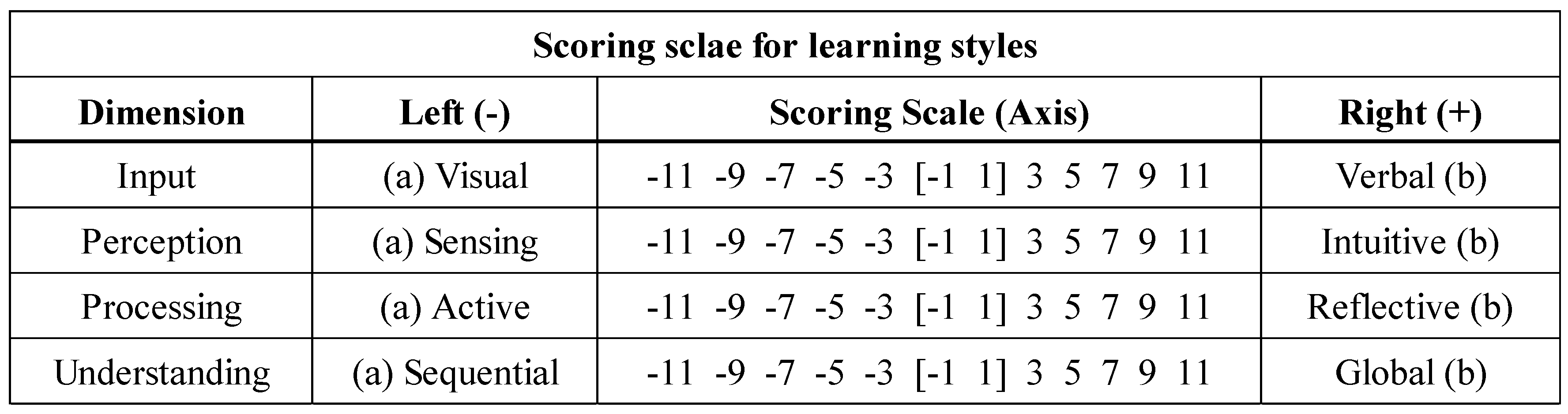
Figure 2.
Learning styles in the total sample. The asterisk indicates a statistically significant difference.
Figure 2.
Learning styles in the total sample. The asterisk indicates a statistically significant difference.
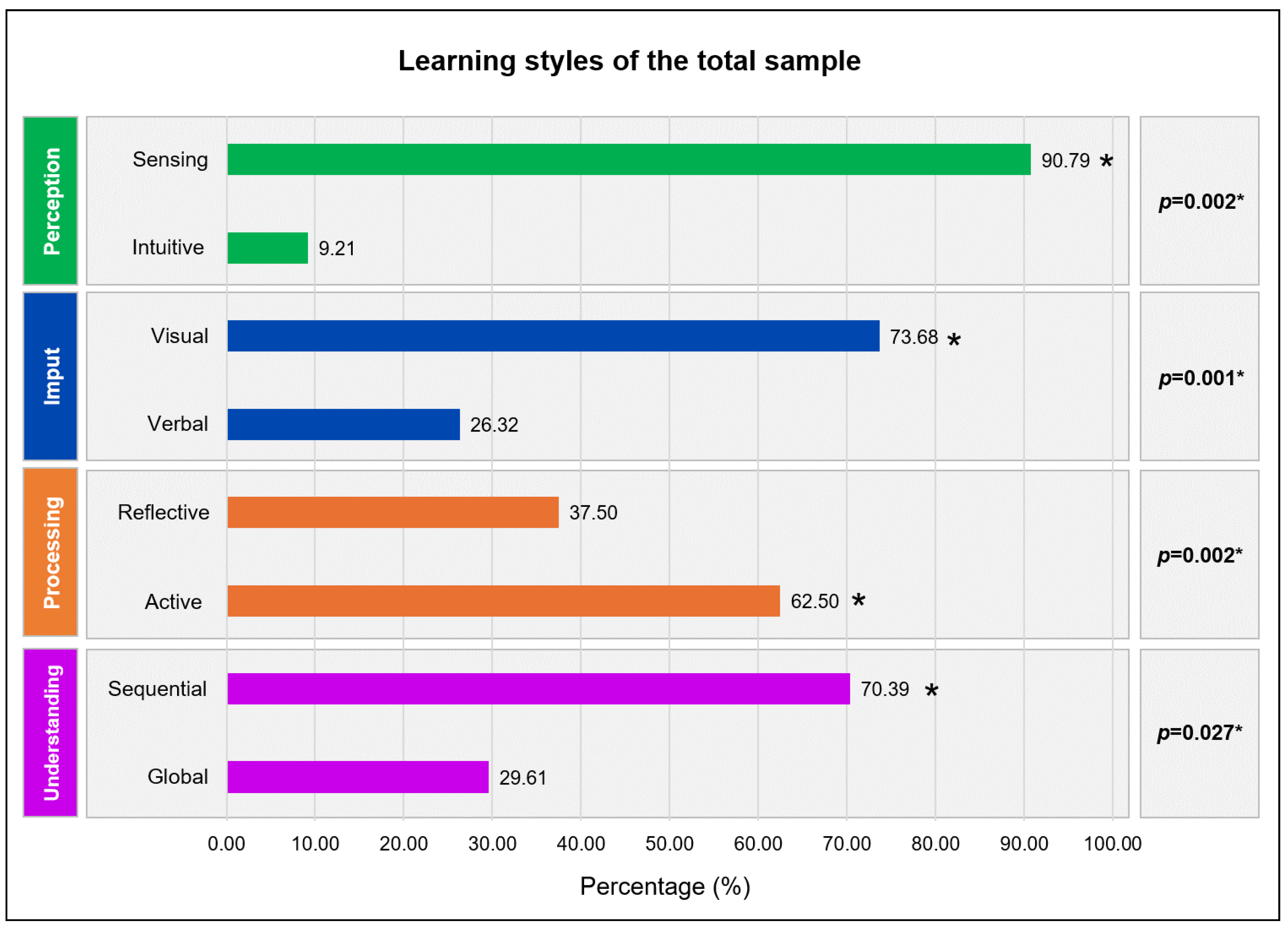
Figure 3.
Learning styles according to clinical or surgical specialty classification. The asterisk indicates a statistically significant difference.
Figure 3.
Learning styles according to clinical or surgical specialty classification. The asterisk indicates a statistically significant difference.
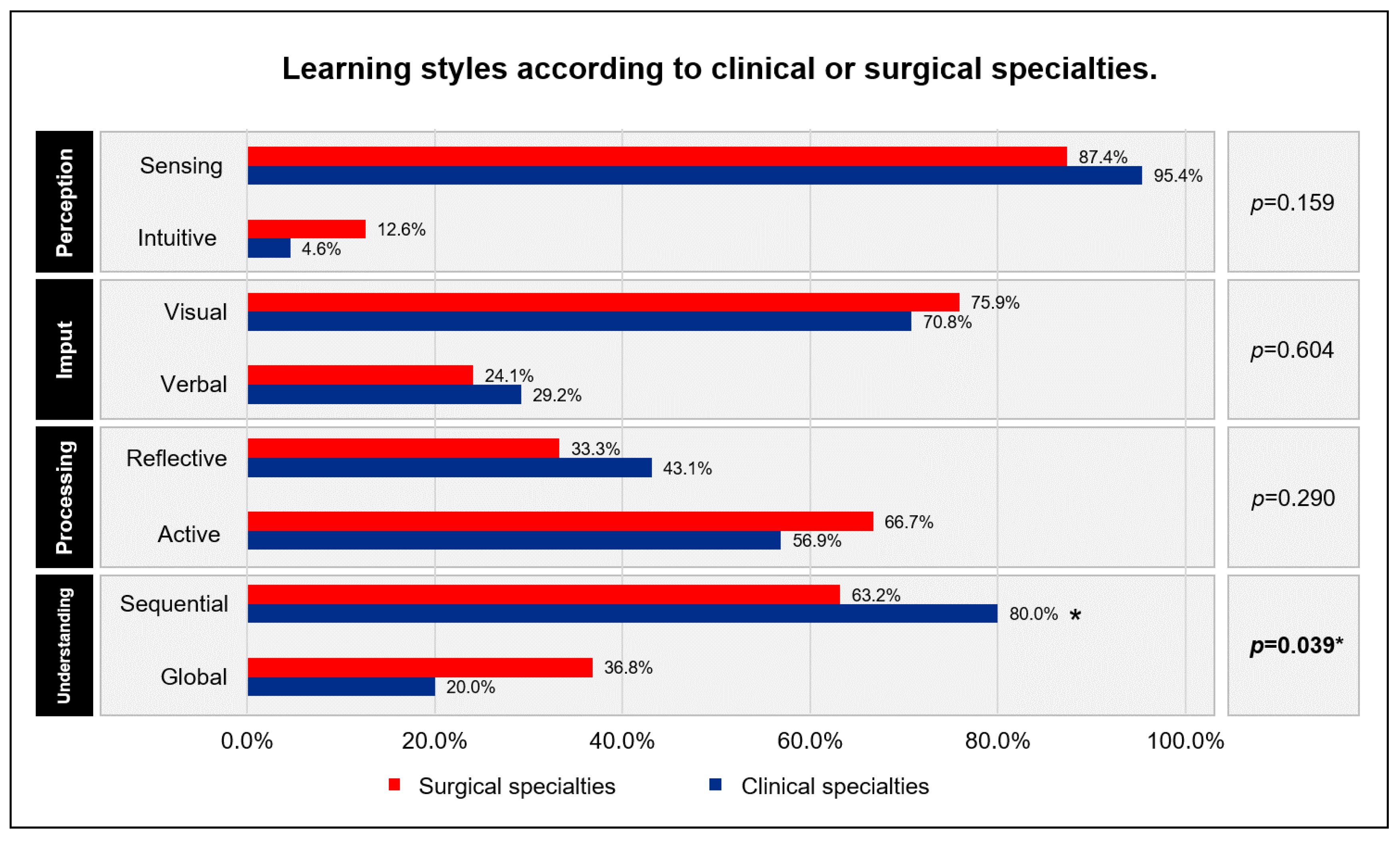
Figure 4.
Distribution of verbal and visual learning styles in the input domain by residency specialty. Colored bars represent each specialty, and gray bars represent the combined group of the remaining specialties. Visual learning predominated in all specialties, and no specialty differed significantly from the remaining specialties.
Figure 4.
Distribution of verbal and visual learning styles in the input domain by residency specialty. Colored bars represent each specialty, and gray bars represent the combined group of the remaining specialties. Visual learning predominated in all specialties, and no specialty differed significantly from the remaining specialties.
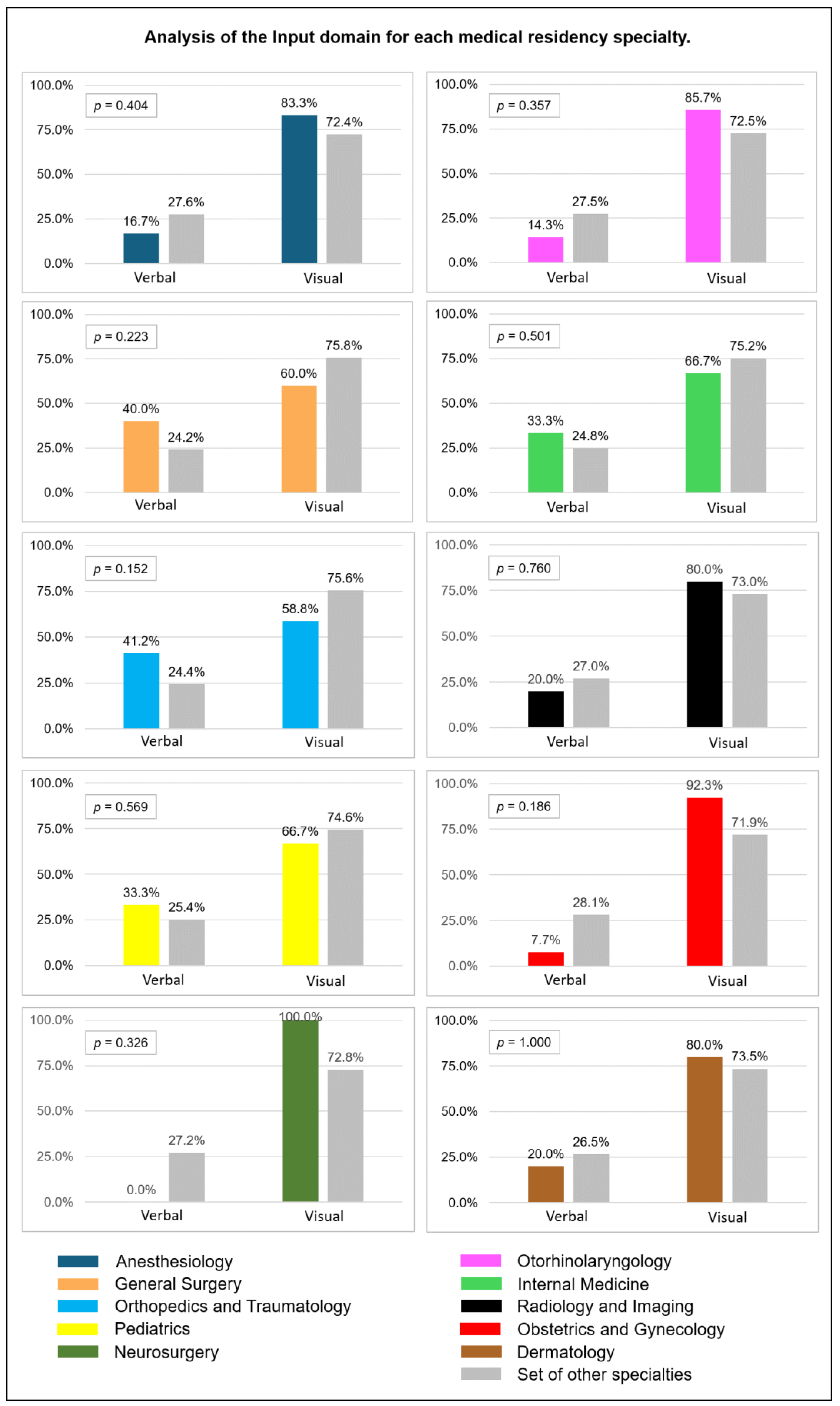
Figure 5.
Distribution of intuitive and sensing learning styles in the perception domain by residency specialty. Colored bars represent each specialty, and gray bars represent the combined group of the remaining specialties. General Surgery differed significantly (p < 0.05) from the remaining specialties, with a higher frequency of intuitive learning and a lower frequency of sensing learning.
Figure 5.
Distribution of intuitive and sensing learning styles in the perception domain by residency specialty. Colored bars represent each specialty, and gray bars represent the combined group of the remaining specialties. General Surgery differed significantly (p < 0.05) from the remaining specialties, with a higher frequency of intuitive learning and a lower frequency of sensing learning.
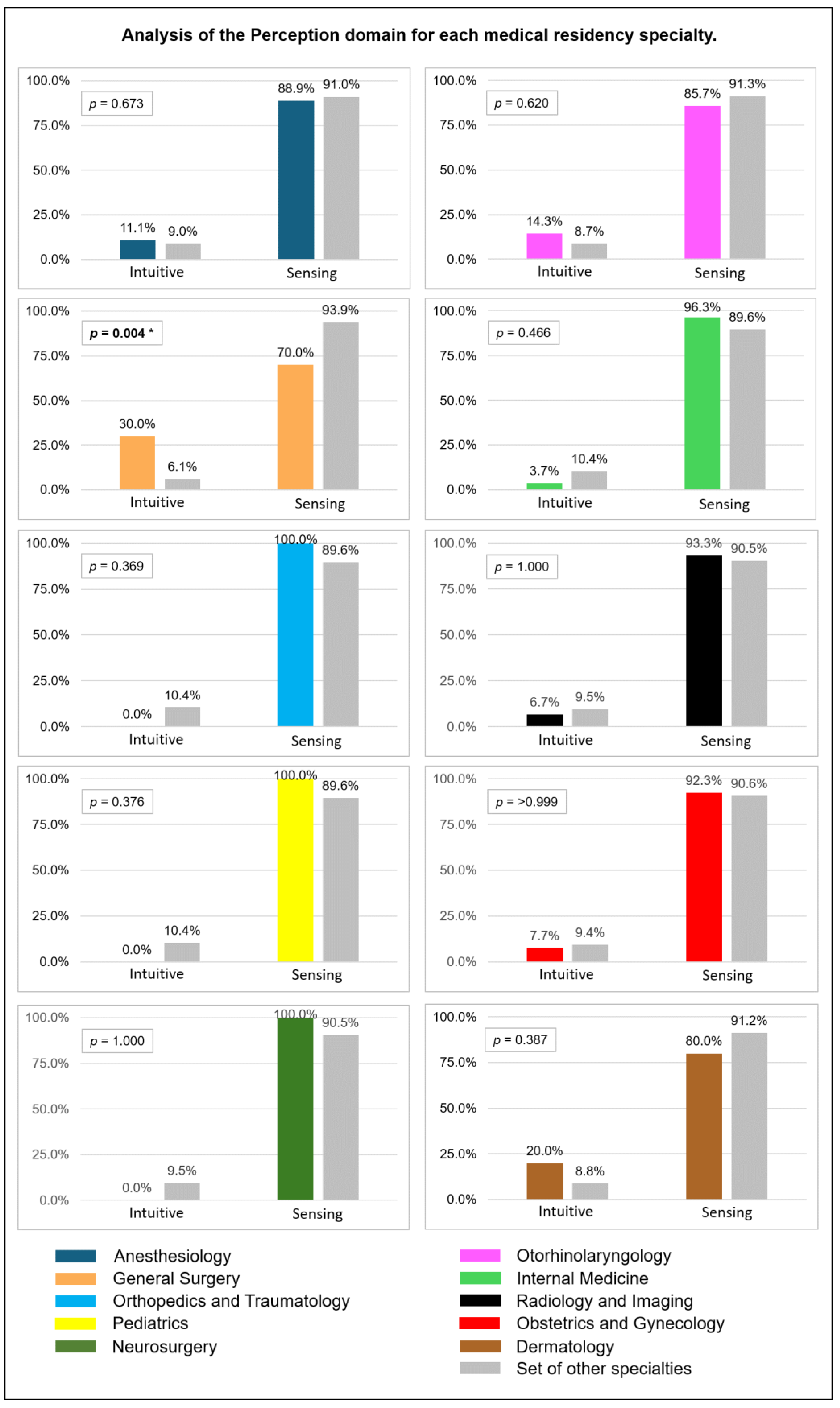
Figure 6.
Distribution of active and reflective learning styles in the processing domain by residency specialty. Colored bars represent each specialty, and gray bars represent the combined group of the remaining specialties. Most specialties showed a predominance of active learning, but no specialty differed significantly from the remaining specialties.
Figure 6.
Distribution of active and reflective learning styles in the processing domain by residency specialty. Colored bars represent each specialty, and gray bars represent the combined group of the remaining specialties. Most specialties showed a predominance of active learning, but no specialty differed significantly from the remaining specialties.
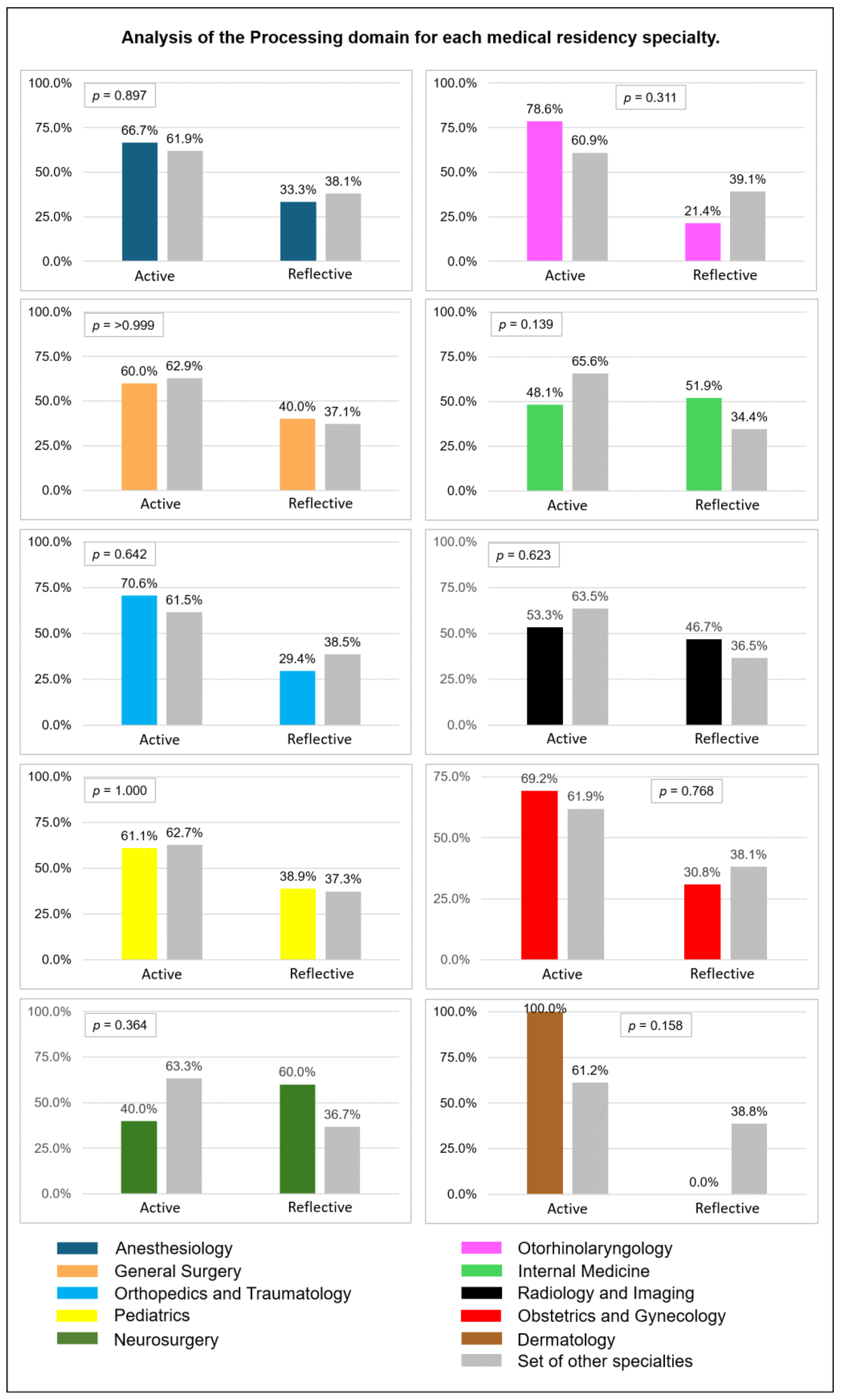
Figure 7.
Distribution of global and sequential learning styles in the understanding domain by residency specialty. Colored bars represent each specialty, and gray bars represent the combined group of the remaining specialties. Sequential learning predominated in all specialties, and no specialty differed significantly from the remaining specialties.
Figure 7.
Distribution of global and sequential learning styles in the understanding domain by residency specialty. Colored bars represent each specialty, and gray bars represent the combined group of the remaining specialties. Sequential learning predominated in all specialties, and no specialty differed significantly from the remaining specialties.
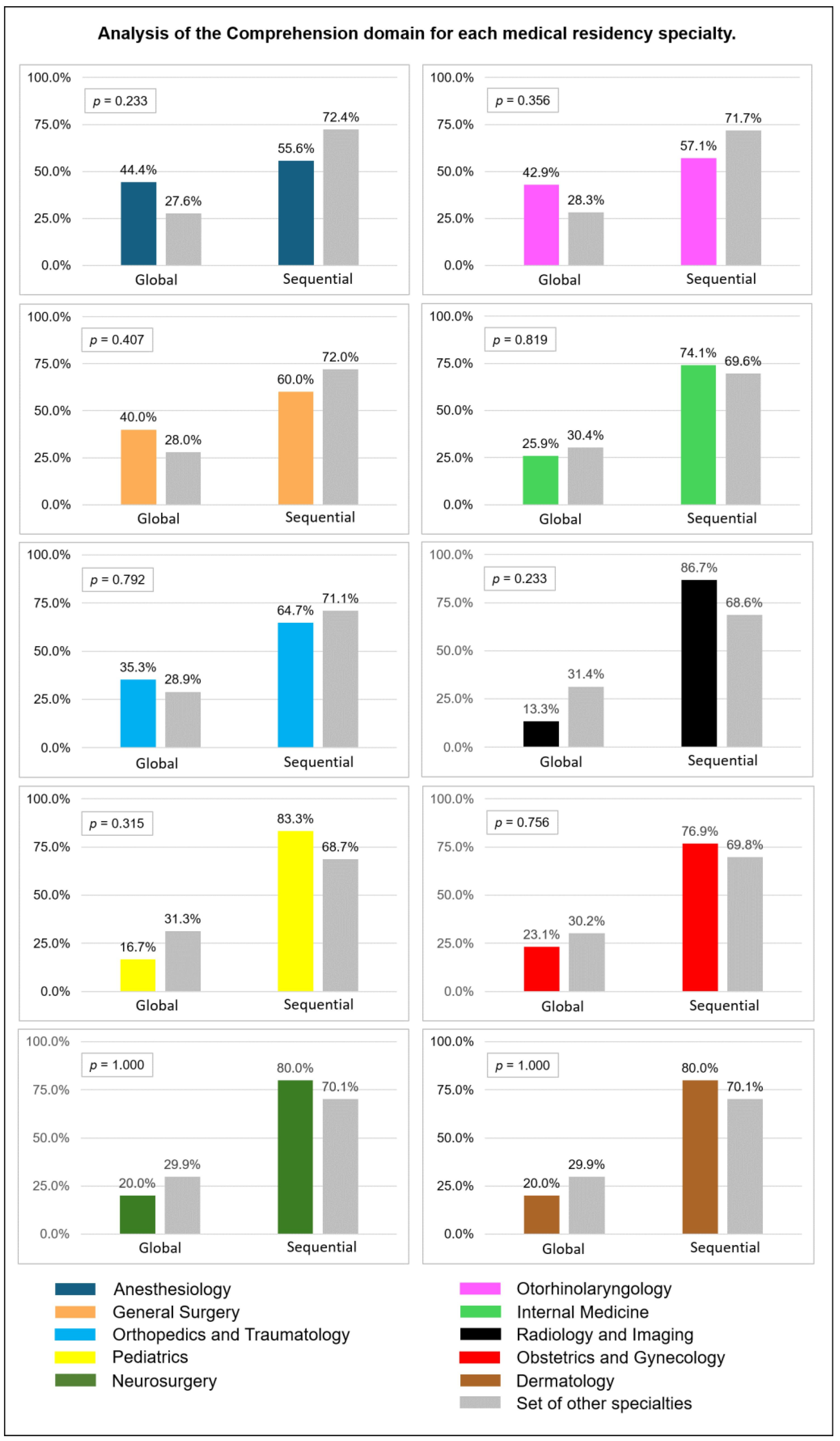

Table 1.
Distribution of participants according to medical residency specialty and specialty classification.
Table 1.
Distribution of participants according to medical residency specialty and specialty classification.
| Classification | Specialty | n (%) |
|---|---|---|
| Surgical | Anesthesiology | 18 (11.84) |
| Otorhinolaryngology | 14 (9.21) | |
| General Surgery | 20 (13.16) | |
| Orthopedics and Traumatology | 17 (11.18) | |
| Gynecology and Obstetrics | 13 (8.55) | |
| Neurosurgery | 5 (3.29) | |
| Clinical | Internal Medicine | 27 (17.76) |
| Radiology and Diagnostic Imaging | 15 (9.87) | |
| Pediatrics | 18 (11.84) | |
| Dermatology | 5 (3.29) |
Table 2.
Distribution of residents from clinical and surgical specialties according to sex and age group. Percentages were calculated within each specialty group. Sex distribution differed significantly between clinical and surgical specialties (p = 0.019).
Table 2.
Distribution of residents from clinical and surgical specialties according to sex and age group. Percentages were calculated within each specialty group. Sex distribution differed significantly between clinical and surgical specialties (p = 0.019).
| Variable | Clinical specialties n (%) | Surgical specialties n (%) |
|---|---|---|
| Men | 24 (36.92) | 50 (57.47)* |
| Women | 41 (63.08)* | 37 (42.53) |
| >27 years | 33 (50.80) | 32 (36.80) |
| ≤27 years | 32 (49.20) | 55 (63.20) |
Table 3.
Distribution of participants by specialty, sex, and age group.
| Specialty | Women n (%) | Men n (%) | >27 years n (%) | ≤27 years n (%) |
|---|---|---|---|---|
| Dermatology | 3 (3.85) | 2 (2.70) | 1 (1.64) | 4 (4.40) |
| Neurosurgery | 0 (0.00) | 5 (6.76) | 2 (3.28) | 3 (3.30) |
| Gynecology and Obstetrics | 12 (15.38) | 1 (1.35) | 6 (9.84) | 7 (7.69) |
| Pediatrics | 14 (17.95) | 4 (5.41) | 11 (18.03) | 7 (7.69) |
| Radiology and Diagnostic Imaging | 6 (7.69) | 9 (12.16) | 0 (0.00) | 15 (16.48) |
| Orthopedics and Traumatology | 4 (5.13) | 13 (17.57) | 9 (14.75) | 8 (8.79) |
| Internal Medicine | 18 (23.08)* | 9 (12.16) | 8 (13.11) | 19 (20.88) |
| General Surgery | 5 (6.41) | 15 (20.27) | 14 (22.95) | 6 (6.59) |
| Otorhinolaryngology | 11 (14.10) | 3 (4.05) | 2 (3.28) | 12 (13.19) |
| Anesthesiology | 5 (6.41) | 13 (17.57) | 8 (13.11) | 10 (10.99) |
| Total | 78 (100.00) | 74 (100.00) | 61 (100.00) | 91 (100.00) |
*Higher frequency of women in Internal Medicine compared with the other specialties (p < 0.001). Percentages were calculated within each column.
Disclaimer/Publisher’s Note: The statements, opinions and data contained in all publications are solely those of the individual author(s) and contributor(s) and not of MDPI and/or the editor(s). MDPI and/or the editor(s) disclaim responsibility for any injury to people or property resulting from any ideas, methods, instructions or products referred to in the content. |
© 2026 by the authors. Licensee MDPI, Basel, Switzerland. This article is an open access article distributed under the terms and conditions of the Creative Commons Attribution (CC BY) license (http://creativecommons.org/licenses/by/4.0/).
Copyright: This open access article is published under a Creative Commons CC BY 4.0 license, which permit the free download, distribution, and reuse, provided that the author and preprint are cited in any reuse.


