

Submitted:
30 June 2026
Posted:
01 July 2026
You are already at the latest version
Abstract
This study examines whether organoponics-based mixed farming can provide a viable low-carbon pathway for improving productivity, profitability, and drought resilience in dryland smallholder systems in Matabeleland South, Zimbabwe. Using a quasi-experimental action-research design, the study compared tomato production in a tropical greenhouse organoponics system with that of open-field cultivation. It also assessed complementary maize organoponics and cattle pen-feeding practices. A renewable-energy irrigation scheme supplied water through a drip system, enabling controlled production under water-constrained conditions. The findings show that the greenhouse system substantially outperformed open-field cultivation in plant growth, health, yield, and commercial return, with first-cycle profit reaching $2,380 and later cycles projected to exceed $11,000 each under similar operating conditions. Maize intervention also demonstrated strong production and market potential, particularly when sold as green mealies. The livestock results showed that early and consistent pen-feeding reduced drought-related herd losses. The study concludes that integrated organoponics-based mixed farming can strengthen food security and economic resilience in dryland environments, but wider adoption will depend on targeted financing, farmer training, infrastructure, and improved market access.
Keywords:
organoponics
; greenhouse
; smallholder farming
; climate justice
; pen-feeding
1. Background
Previous research on small-scale solar-powered irrigation schemes in Matabeleland South identified low productivity as a key constraint on returns to capital investment.[1] This underperformance was attributed to weak governance structures, limited technical capacity, inconsistent access to inputs, and low cropping intensity, as well as broader market and resource limitations. Building on these findings, this follow-up study (conducted from September 2024 to June 2025) evaluates the return on investment of small irrigation systems using precision agriculture within an agro-business framework.
Precision agriculture is an advanced farming methodology that employs technology and data analysis to optimise field-level practice [1]. Furthermore, Getahun et al. state that the practice involves collecting and applying detailed information on crop health, soil conditions, weather patterns, and other environmental factors to inform decision-making [2]. In developed contexts, precision agriculture relies on advanced tools such as early warning systems, data analytics, GPS, sensors, automated machinery, and drones to increase productivity while reducing costs and resource use. Examples include large-scale commercial farming systems in the United Kingdom and greenhouse-intensive agriculture in southern Spain [3]. This technological integration paves the way for more sustainable and efficient agricultural practices. However, in developing countries, precision agriculture remains an emerging approach. Its primary focus is on improving the efficiency of soil, water, and production systems to support the transition from subsistence farming to market-oriented agro-business [4].
According to the World Bank, agro-business is the commercialisation of agricultural activities involving three core components: production, processing, and marketing [5]. In the context of dryland ecosystems such as Matabeleland South, this concept extends to integrated crop-and-livestock systems, inclusive of the transformation of raw agricultural outputs into marketable products. Rossi et al. explain the interrelated components of agro-business, namely production, processing, and marketing, as shown in Figure 1.
Production involves mixed intensive precision crop cultivation and livestock rearing (mixed-pen feeding), often supported by business cooperative initiatives to boost efficiency and effectiveness. Processing adds value to these agricultural products, such as milling grains or creating traditional foods and meat products for local markets. Marketing uses both direct sales and digital channels to help farmers reach broader markets and increase their competitiveness [6].
A central component of this system is “ponics”- based farming, derived from the Greek term pones (work), and reflected in practices such as hydroponics (growing plants in water without soil) and aquaponics (combining aquaculture with plant cultivation in a closed loop), both sustainable farming methods [7]. This study applies organoponics—a form of intensive trench or raised-bed cultivation designed for poor-soil environments [8]. Originating in Latin America, organoponics uses agroecological methods such as crop rotation, polyculture, and integrated pest management to reduce reliance on chemical inputs [9].
In Matabeleland South, the organoponics agro-business approach can support intensive vegetable production, staple crops such as maize, and drought-resistant grains like millet and sorghum, which are increasingly valued for their nutritional benefits, in particular their low glycaemic index (GI) [10]. Furthermore, integrating crop and livestock systems enables the development of closed-loop, waste-minimising production models aligned with circular economy principles. This aligns with the regenerative, cradle-to-cradle, biological-metabolism system, as championed by the butterfly circular-economy model of agriculture, which enables extensive exploration of new business and market opportunities [11]. A typical cradle-to-cradle framework assumes a closed-loop system modelled after nature, such as the life cycle of a butterfly, with no waste, treating materials as perpetual nutrients [12]. Figure 2 shows the butterfly framework and the cradle-to-cradle biological and technical metabolism cycles as wings.
The organoponics method offers a different lens on agriculture’s circular economy, which, to date, has received little attention. It exemplifies operational logic by transforming organic waste into productive inputs within a closed agricultural loop [13]. In contrast to linear models of production and disposal, the organoponics trench system regenerates value through continuous biological cycling. Figure 3 shows a derived example of a layered raised-bed organoponics system used in Latin America.
This figure illustrates the regenerative logic of the organoponics trench as a closed-loop production system. Each layer—Special Soil, Organic Matter, then Special Soil, Dry Plant Residue (Composting), and Baseline Soil—functions as a node in a nutrient-recycling chain. Organic residues decompose into humus, releasing nutrients and moisture upward to sustain plant growth, while the upper layers capture and reuse these flows. The process exemplifies circular-economy principles by converting waste biomass into productive inputs, minimising external fertiliser use, and maintaining continuous biological regeneration through the valorisation of agricultural waste [14].
To promote solar-powered small-scale irrigation schemes, transitioning incentives are required. These incentives involve changes to the enticements or motivators that encourage groups or individuals to participate in the change process [15]. For instance, in a community like the dryland of the Matabeleland South region, transitioning from public and community-based projects to a more structured, privatised, low-carbon-driven model may include offering small grants for individual projects and providing long-term funding with defined exit strategies for community projects, which hitherto is lacking [16]. The key incentive for these low-carbon-based strategies is that the benefits must accrue directly at the individual or household level [17]. Low-carbon strategies involve maximising the use of renewable energy sources and practices to reduce greenhouse gas emissions, primarily carbon dioxide. These strategies encompass a variety of approaches, including increasing energy efficiency, transitioning to renewable energy sources (such as solar, wind, and gravity), implementing sustainable transportation options, and promoting energy conservation even at the household level [18]. This is in line with the butterfly cradle-to-cradle framework that assumes a closed-loop system modelled after nature, such as the life cycle of a butterfly, with no waste, treating materials as perpetual nutrients [19].
This study examines whether low-carbon, organoponics-based mixed farming can provide a viable transition pathway from low-productivity subsistence agriculture to more resilient agro-business systems in the dryland ecosystems of Matabeleland South, Zimbabwe. Using a quasi-experimental design, the study evaluates the integration of greenhouse cultivation, organoponics maize production, and pen-feeding as linked strategies to improve productivity, profitability, and drought resilience. The study also highlights the role of renewable energy in supplying and distributing water from boreholes and sand aquifers through Jojo tanks and gravity-fed irrigation systems, thereby strengthening agricultural efficiency and food security.
2. Methodology
2.1. Overview
This research focuses on a mixed farming approach incorporating vegetables, maize, and livestock in the dryland areas of Matabeleland South. By adopting a pragmatic framework, the study aims to enhance climate justice, promote ecological stability, and facilitate a measured transition to an agro-business model. This approach emphasises the importance of practical solutions that leverage local resources and knowledge, ultimately addressing the region’s unique challenges related to food security and sustainability [20]. Additionally, the pragmatist approach provides methodological flexibility, allowing for the use of both qualitative and quantitative data to generate actionable insights in this region. This paradigm aligns with the study’s goal of assessing not only measurable outcomes but also the lived experiences and perceptions of stakeholders impacted by agro-business incentives.
2.2. Mixed-Methods Integration
Grounded in a pragmatist paradigm, this action-research study used a mixed-methods design that combined a quasi-experimental design, surveys, field observations, and documentary records to evaluate the interventions. This design enabled triangulation across biophysical, economic, and experiential data, thereby strengthening the validity of the findings and allowing the study to capture both measurable outcomes and participant perspectives. The approach was well-suited to examining how agro-business incentives interacted with local farming systems, climate vulnerability, and adaptive decision-making in Matabeleland South.
2.3. Survey and Observation Tools
Survey and observation tools. The survey used a questionnaire to collect data on livestock pen-feeding interventions, including drought mitigation, feeding frequency, cattle deaths, and survival, and combined these with documentary records to enable calculation of gains and losses. Additional observational tools included a still camera for photographic evidence, a GPS device for location data, and a financial record-keeping system.
2.4. Quasi-Experimental Design
Sample Selection. The quasi-experimental component used purposive sampling to select intervention and comparison communities in Matabeleland South. Intervention sites were identified in communities willing to participate in agro-business incentive programmes. All selected communities were located in climate-vulnerable areas and shared broadly similar subsistence-based socio-economic and agricultural characteristics.
Figure 4.
Integrated Quasi-Experimental Action-Research Framework (author-generated).
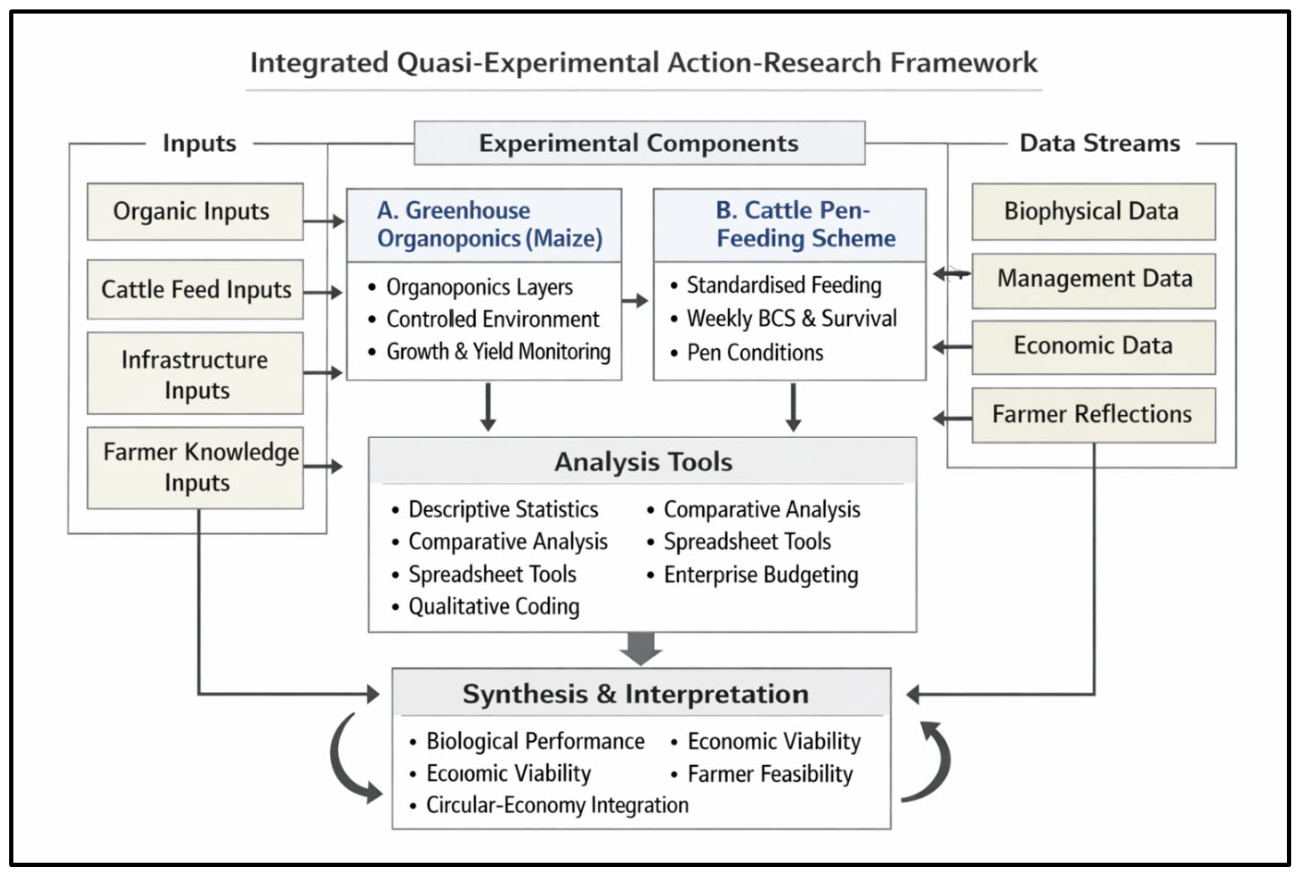
This schematic illustrates the methodological structure linking greenhouse maize cultivation under organoponics with cattle pen-feeding trials in a quasi-experimental design. Inputs—including organic materials, feed resources, infrastructure, and farmer knowledge—flow into two experimental components: the greenhouse organoponics system and the pen-feeding scheme. Data streams encompassing biophysical, management, economic, and experiential variables are analysed using descriptive and comparative statistical tools, spreadsheet-based computations, enterprise budgeting, and qualitative coding. The synthesis stage integrates biological performance, economic viability, and farmer feasibility within a circular-economy perspective, demonstrating how regenerative agricultural practices can be empirically evaluated through participatory action research.
Experiment and control sites. Firstly, soil samples were collected from sites identified as suitable for special soils, and from greenhouse experiments (500 m2), with half an acre sampled and the other half an acre for the open-field control. Similarly, for the maize crop, an acre was identified, and for both sites for tomatoes and maize, they were treated as a single, well-sampled unit, using the grid sampling strategy, taking 15–25 cores in a W-pattern to 0–15 cm, mixing into one composite sample, and sending it to an accredited lab for a full chemical panel. The samples were analysed for chemical composition (pH, NPK, organic matter, etc.). That gave the study a robust chemical-composition baseline for both management and research. Comparison sites were matched by proximity and similar soil conditions.
Experimental Setup: For the field-based experiment, the tropical greenhouse served as the trial site, and the open field as the control site. The soil results of the chemical analysis showed that both sites for the tomato and maize crops were characterised by poor soil. This meant that 10 x 50m long trenches were dug to a depth of 60cm for the greenhouse, and holes that are 20 by 20cm and 30cm deep for the maize crop were also dug, refilled using special soil from a ‘borrow area’, following the organoponics method, as shown in Figure 5 for the greenhouse and Figure 6 for the maize crop.
Figure 6 shows the recommended planting configuration for an organoponics bed, showing both surface spacing and subsurface soil composition. Seedlings are positioned 30 cm apart along a drip-irrigation line to ensure uniform moisture distribution. The cross-section highlights a three-layer substrate—10 cm of Special Soil, 10 cm of Manure, and 10 cm of Special Soil—designed to optimise root development, nutrient availability, and water retention. The root profile demonstrates how plants access nutrients across the layered medium, reflecting the structured, low-input principles characteristic of gramophonic cultivation systems.
2.5. Cattle Management During Drought Using Varied Feeding Regimes
The action research involved working with twelve smallholder farmers to evaluate the effectiveness of a simple pen-feeding regime on cattle survival, condition, and economic feasibility during the stress period. Each farmer was purposively selected, and cattle were assessed for baseline body condition and health. The type of feed was documented, such as crop residues supplemented with a small daily protein source. Farmers maintained weekly records on feed quantities, water availability, pen hygiene, and any health events, while body condition scores and survival outcomes were monitored throughout the 60–90-day period. At the end of the trial, changes in condition, mortality patterns, and farmer observations were analysed alongside detailed feed-use data to calculate total feeding costs, cost per animal, and cost per surviving animal. This approach generated both quantitative and experiential insights into the practicality and economic value of pen feeding as a resilience strategy for resource-constrained cattle keepers.
2.6. Data Analysis
Data analysis for the study integrated quantitative and qualitative tools to evaluate performance across the greenhouse organoponics system, the maize crop, and the cattle pen-feeding scheme. For the greenhouse quasi-experiment, growth and yield data from maize grown under organoponic conditions were analysed using simple comparative statistics, including means, percentage change, and trend analysis across growth stages. Body condition scores, feed intake, and survival outcomes from the cattle pens were processed using descriptive statistics, mortality and survival rate calculations, and change-over-time analysis. Spreadsheet tools such as Excel were used for data entry, cleaning, and computing key indicators, while graphs and pivot tables supported visual comparisons between treatments and farmers. Where necessary, qualitative observations from farmers were coded manually to identify patterns in management practices, constraints, and perceived benefits. Cost data from both systems were analysed using basic enterprise-budgeting tools to calculate total costs, cost per unit of production (e.g., per surviving animal or per kilogram of maize), and overall economic viability. Together, these analytical tools provided a coherent picture of biological performance, farmer experience, and economic outcomes across the integrated action-research interventions.
2.7. Ethical Considerations and Limitations
Ethical safeguards were maintained through informed consent, confidentiality, and sensitivity to local norms. Potential biases, such as selection effects and reporting inaccuracies, were addressed through robust matching procedures and data source triangulation. Limitations included the quasi-experimental design’s inability to control all confounding variables and the challenges of measuring intangible social outcomes. Nonetheless, the pragmatist, mixed-methods approach maximised the relevance, validity, and utility of the findings for academic research and policymaking, working toward climate justice and sustainable development in Matabeleland South.
3. Results
3.1. Overview
This section presents the empirical results of the study’s three intervention areas: greenhouse tomato production, maize organoponics, and cattle pen-feeding during drought. It evaluates the feasibility of low-carbon, organoponics-based agro-business in dryland conditions by comparing greenhouse and open-field tomato performance, assessing the value potential of maize production, and examining livestock outcomes under different feeding practices. Together, these findings show how integrated precision farming strategies may improve productivity, profitability, and resilience for smallholder farmers.
3.2. Precision Smart Organoponics Agriculture and Pen-Feeding Project
3.2.1. Precision Tropical Greenhouse
a. Process of Tropical Greenhouse Project
This involved cultivating tomatoes in a 500 m2 greenhouse and a half-acre maize crop, comprising an interrelated series of essential steps that begin with careful plot identification and land preparation.
The implementation of the integrated greenhouse–maize organoponics system followed a structured sequence of activities, each producing measurable outputs relevant to the study’s objectives. The results presented below summarise the key outcomes achieved at each stage of the 38-week greenhouse project cycle.

Table 1.
Stages in the intensive precision tropical greenhouse scheme and the maize crop. Note: Activities such as ongoing plant management, crop protection, and marketing began in Week 8 and continued through the end of the cycle. Each phase was sequenced to support efficient workflow and optimal productivity.
Table 1.
Stages in the intensive precision tropical greenhouse scheme and the maize crop. Note: Activities such as ongoing plant management, crop protection, and marketing began in Week 8 and continued through the end of the cycle. Each phase was sequenced to support efficient workflow and optimal productivity.
| Week | Activity | Stage Description of results |
|---|---|---|
| Week 1–2 | Site Identification, Soil Testing, Deficiency Mapping | Identified a suitable site for the maize crop, greenhouse, and a borrow area. Conduct soil tests (pH, nutrients), and map deficiencies or imbalances. Engaged an agronomist and developed a plan for soil test and deficiency filling. (Careful plot identification, soil testing, deficiency mapping.) |
| Week 3 | Procurement of Materials & Seedling Ordering | Engage a greenhouse construction specialist & Order greenhouse, and drip irrigation material, fertilisers, pesticides, and preventive equipment. Order tomato seedlings from a reputable nursery for transplanting, along with maize seeds. In consultation with an agronomist: timely procurement of fertilisers, pesticides, and seedlings.) |
| Week 4–5 | Greenhouse Construction | Construct a greenhouse structure ensuring adequate sunlight and drainage. Prepare Jojo tanks and the irrigation system in accordance with the requirements. (Follow context: greenhouse construction, technical input.) |
| Week 6-8 | Fertility Trench Preparation | Prepare soil fertility trenches using materials from the borrow area to correct deficiencies. Apply organic and chemical amendments as planned. Prepare the maize field and organoponics holes (See context: soil fertility trenches, land preparation.) |
| Week 9-18 | Transplantation & Planting, care, and marketing | Transplant tomato seedlings into the greenhouse and the open field. Plant maize seeds on respective plots. Establish a consistent watering schedule, fertiliser application, and fertigation; remove weeds; apply pesticides; accordingly, and monitor plant growth, fruiting, and microclimate. (See selected text: transplanting, watering, plant care.) Engage in extensive marketing and binding contracts (See selected text: crop protection, plant management, marketing of product.) |
| Week 19-32 | Harvesting Marketing | Harvest mature tomatoes, package, and distribute produce. Finalise marketing and sales. (See context: targeted maximum productivity, market price.) Harvesting the maize crop. Monitor plant growth, remove weeds, and apply pesticide, maintain watering regime |
| 33-38 | Harvesting, pest control, and fertigation | Continue harvesting mature tomatoes, package, and distribute produce. Finalise marketing and sales. (See context: targeted maximum productivity, market price. |
The 38-week implementation produced agronomic and operational outcomes across all stages. Early site identification and soil testing generated a precise deficiency map that guided targeted amendments. Procurement was completed on schedule, ensuring uninterrupted workflow. The greenhouse was successfully constructed with functional irrigation and a stable microclimate. Fertility trenches and organoponics beds were prepared to specification, resulting in corrected soil profiles and uniform planting conditions. Transplanted tomatoes and planted maize established well, supported by consistent watering, fertigation, and crop-protection measures that maintained strong vegetative growth and minimal pest damage. Harvesting from Week 19 onward yielded market-grade tomatoes and well-developed maize cobs, with favourable prices enabling profitable sales. Continued harvesting and crop management through Week 38 confirmed the productivity and commercial viability of the integrated greenhouse–field system. Figure 7 shows images of different stages in the development of the greenhouse and its results.
b. Results of the Tomato Project (greenhouse and open-field)
Implementation of the project showed that crop growth in the greenhouse differed from that in the open field, as illustrated by the stages shown in Figure 7 and further elaborated in Table 2. This Table presents a comparative analysis of tomato plant height to plant health, as assessed using a tomato plant health indicator. This indicator ranges from 1 to 10, with 1 indicating poor health and 10 excellent health. The data includes measurements from two distinct environments: the experimental plot (designated as ‘E’) located within a controlled greenhouse setting, and the control site (designated as ‘C’), an open field with no experimental manipulation. This comparison evaluates the impact of controlled conditions on tomato plants’ overall health and growth, including a description of the activities. As the height increases, more tomato clusters develop, allowing harvesting over six months.
Table 2 and Figure 8 show plant height, indicating plant growth in response to soil treatment and fertilisation in the experiment (E) and in the open field, which is considered the control (C). Poor growth and health were shown in the open-field crop compared to the greenhouse crop. This is shown in Figure 8.
The soil treatment, which involved trenching, backfilling, and drenching, was not conducted in the open field, although manure was applied as a fertiliser. Additionally, the health of the plants in both greenhouse crops and open fields was evaluated using a scoring system from 1 to 10, where 10 represents a fully healthy crop. The results showed that crop health in the open field was poorer than in the greenhouse, illustrating the benefits of a controlled environment. Furthermore, this assessment included a comparison of fruit clustering, measured as the number of fruits per stem shoot, expressed as a percentage of the expected yield (100%). The comparison of crop performance in terms of clustering between the open field and greenhouse is illustrated in Figure 9, which shows fruiting quality captured before the first harvest.
Figure 9 also shows the differences in growth between greenhouse and open-field crops. The differences in fruit clustering affected expected yield. By week two, both greenhouse and open-field plants exhibited clustering rates of approximately 20%. The open-field crop remained at this level for a further three weeks, whereas the greenhouse crop increased to more than 60% over the same period. By week 14, greenhouse tomatoes had reached 100% clustering, while open-field plants were at only about 40%, representing a 60% difference in clustering performance.
Plant health also assessed other critical factors, including disease outbreaks and environmental stressors such as water shortages or excessive water leading to waterlogging. This highlights the long-term effects of these stressors on plant health and clustering, as evidenced by yield outcomes. This comprehensive comparison underscores the importance of environmental conditions in optimising crop production.
Table 3 shows that disease types and their severity affected long-term growth and yields. For example, the tuta pest, which affected the crop during weeks 4 to 6 and again in week 8, hindered effective cluster development and reduced long-term yields.
In assessing the feasibility of the greenhouse, a comparison was made against the yields from open-field tomatoes. The results indicated that yields for open-field tomatoes were substantially lower, as illustrated in Figure 10. This underscores the advantages of greenhouse cultivation, suggesting that it may offer a more reliable and productive method for growing tomatoes compared to traditional open-field farming. The findings highlight the impact of environmental control on crop performance, reinforcing the potential benefits of investing in greenhouse technologies for tomato production.
The decline in greenhouse yield after week 15 suggests lagged effects of earlier disease pressure, even though the protected system remained substantially more productive than the open field. Open-field production declined sharply and showed only limited recovery, indicating much greater vulnerability to disease and environmental stress. To assess commercial feasibility, the study compared targeted, actual, and projected performance of the greenhouse crop across successive production cycles, as summarised in Table 4 below.
Based on the targeted performance of the greenhouse crop, the first cycle was expected to yield a profit of $595 over a 38-week production period (9 months, including 6 weeks of preparation). However, by the end of the first cycle, the crop generated a profit of $2,380. Profits were projected to increase substantially in later cycles once capital costs had been absorbed. If subsequent cycles are performed in line with the second-cycle projection shown in Table 4, the cumulative profit over five cycles would exceed $46,000 before major greenhouse renewal or repair is required.
3.2.2. Results of a Maize Organoponics Project
The cultivation process yielded strong agronomic results from the 2,000 maize plants established at the start of the season. Favourable rainfall patterns significantly reduced the need for supplementary watering, allowing the crop to rely primarily on natural precipitation, while regular weeding maintained field hygiene and minimised competition. Each plant produced an average of three cobs, giving a total output of approximately 6,000 cobs. Of these, 200 were harvested early and consumed as green mealies by the household, while the remaining 5,800 mature cobs produced an estimated 870 kg of dry grain, based on an average dry-weight yield of 150 g per cob. These results demonstrate both strong productivity and meaningful household food benefits under the season’s favourable conditions.
Table 5.
Comparison of the value of dry grain and green mealies.
| Description | Unit Analysis/ Basic | Value |
|---|---|---|
| Total plants established | Given | 2,000 plants |
| Total cobs produced | 3 cobs/plant | 6,000 cobs |
| Cobs consumed as green mealies | Cob count | 200 cobs |
| Mature cobs for dry grain | 6,000 − 200 | 5,800 cobs |
| Dry grain per cob | Per kg | 0.15 kg |
| Total dry grain yield | 5,800 × 0.15 kg | 870 kg (17 x 50 kg bags) |
| Farm-gate price per kg (illustrative) | Assumed price/kg | $0.25/kg |
| Gross revenue (dry grain) | 870 kg × $0.25 | $217.50 |
| Green-mealie selling price | Market norms | 4 cobs/$1 |
| Equivalent value if all 5,800 cobs were sold green | 5,800 ÷ 4 | $1,450 |
| Difference (green vs. dry) | $1,450 − $217.50 | +$1,233 |
Selling the maize as dry grain yields an estimated $217.50, reflecting the modest per-kilogram value of shelled maize. In contrast, selling the same cobs as green mealies at the common rate of 4 for $1 would generate approximately $1,450, which is almost 6 times higher than the dry-grain value. This substantial difference highlights the strong economic advantage of green-mealies marketing in seasons with good rainfall, when cob size and quality are high, and market demand is strong. The household’s consumption of 200 green cobs provides direct food benefits without materially reducing the overall commercial potential.
3.2.3. Mixed Pen-Feeding with Pasture Assessment for Drought Adaptation
The mixed farming initiative assessed the feasibility of pen-feeding and selective destocking as strategies to reduce drought-related livestock losses and maintain stocking levels within the ecosystem’s carrying capacity. This evaluation included multiple farmers with varying herd sizes at the onset of the dry season. The assessment was prompted by an El Niño-induced drought that caused a severe pasture shortage, while water supplies remained relatively stable from July to December 2024. The results are presented in Table 6, which summarises cattle numbers at the beginning and end of the intervention period together with reported causes of loss or gain and the feeding strategies used.
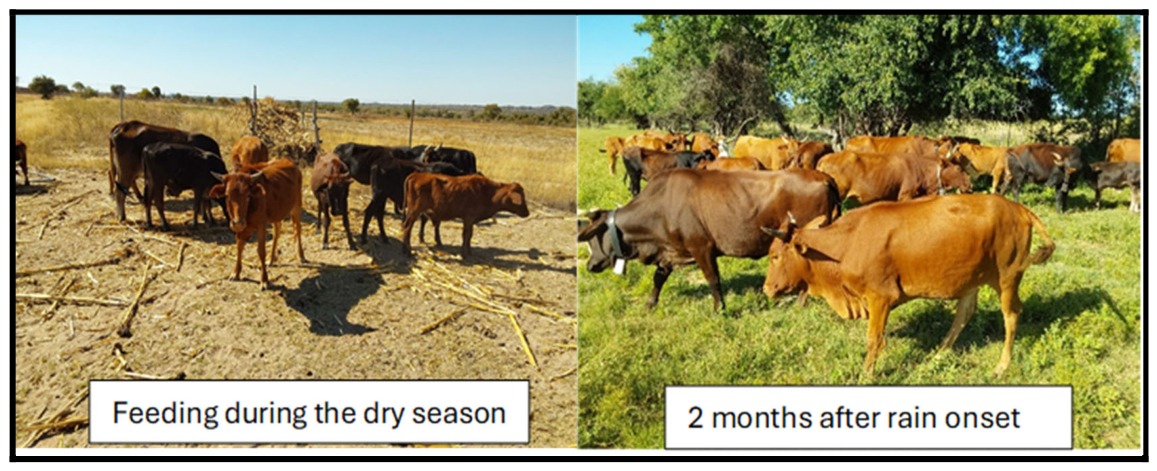
Table 6 shows the number of cattle and the strategy employed at the beginning and end of the intervening period. Most deaths were due to a lack of pasture, despite the farmer’s efforts to address the problem. The picture below shows cattle during the dry period, fed on leftover maize stover from the previous cropping period, and those that survived the dry period after two to three months from the onset of the rains.
Figure 11.
Cattle during the dry period and after the two to three months of the onset of the rainy season.
Figure 11.
Cattle during the dry period and after the two to three months of the onset of the rainy season.
A small number of farmers who fed cattle consistently throughout the period incurred the fewest, if any, losses. For example, Farmer C started with 90 cattle and increased the herd by 12 through calving, with no recorded loss. This farmer reported selling five oxen in May, at the beginning of the dry season, for approximately $2,000, an amount below market value, because of depressed drought-period prices. The proceeds were used to purchase feed, helping to stabilise and expand the herd. At an estimated value of $500 per animal, the additional 12 cattle represented more than $6,000 in herd value. Figure 12 illustrates the relationship between feeding intensity and herd loss or gain: the more regular and sustained the feeding, the lower the loss and, in some cases, the greater the gain.
The financial loss incurred by each farmer was estimated using an average value of $500 per animal. On this basis, a farmer who lost 25 cattle experienced an estimated loss of $12,500, as illustrated in Figure 13. This provides a standard framework for interpreting the economic impact of drought-related livestock mortality across the sample group of farmers.
This figure illustrates the financial implications of implementing a pen-feeding strategy designed to mitigate the detrimental effects of drought on subsistence farmers. This highlights the need to transition from subsistence to semi-commercial farming to reduce vulnerability to natural disasters and other environmental risks. The costs associated with this strategy include feed, fencing, and water supply, which can strain the farmers’ budgets. Understanding these costs is essential for evaluating the effectiveness and sustainability of this approach in supporting agricultural resilience.
4. Discussion
The results confirm that precision-based organoponics systems can significantly improve both productivity and economic returns in dryland farming contexts. The strong performance of greenhouse tomato production highlights the value of controlled environments in mitigating climate variability, particularly in regions prone to drought and erratic rainfall. Further, the results demonstrate that transitioning from subsistence farming to low-carbon, organoponics-based agro-business can improve resilience in drought-prone environments, although adoption depends on finance, training, and infrastructure. The combined use of renewable-energy irrigation, organoponics, and mixed farming offers a practical pathway for increasing output while reducing exposure to climatic shocks. Rather than presenting a single technology as a universal solution, the findings suggest that integrated system design is central to agricultural adaptation in dryland settings [21].
At the systemic level, organoponics aligns with the circular economy pillars of resource efficiency, biological regeneration, and local value retention. The trench’s layered architecture optimises water and nutrient use, reducing losses and emissions [22]. Its reliance on locally available organic materials—grass, crop residues, and manure—anchors production within community resource flows, minimising transport and dependency on imported fertilisers. The resulting composting phase closes the nutrient loop, ensuring that biological materials circulate indefinitely within the system rather than exiting as waste [23].
From a socio-economic perspective, organoponics advances the social dimension of circularity by creating inclusive, low-cost pathways for urban, peri-urban and rural food production [24]. In Latin America, this model has demonstrated how circular practices can underpin food sovereignty, employment generation, and community resilience. Within the framework of climate-smart and just-transition agriculture, organoponics thus represents a tangible expression of circular-economy governance—where ecological restoration, social equity, and economic viability converge in a single regenerative production system, the butterfly model [25].
Precision agriculture, combined with organoponics in a tropical greenhouse, provided a controlled microclimate that offered advantages over open-field cultivation of the same crop. The results indicate that improved yields and more effective soil management underscore the importance of evidence-based agronomic practice. Soil management and fertilisation, supported by a detailed assessment of soil nutrient composition, can increase productivity while reducing environmental stress. The use of a ‘borrow area’(a designated location from which soil is excavated for fill material) to backfill trenches illustrates a practical response to soil nutrient deficiencies. Similar approaches using compost-filled cropping beds have been documented in Latin American agroecology, highlighting the productive use of organic waste in support of food security. Additional advantages were evident in the greenhouse crop-protection system, where continuous monitoring and pest-control measures improved crop resilience and overall management quality.
The greenhouse results demonstrate strong commercial potential. Profits from the first cycle exceeded the initial target, and subsequent cycles are expected to deliver significantly higher returns once capital costs are recovered. This indicates that protected cultivation can provide a sustainable income stream for smallholder farmers in dryland areas. However, the high upfront costs of greenhouse construction and setup remain a major constraint [26]. Therefore, the model’s economic potential should be considered alongside the need for targeted financing, risk-sharing arrangements, and practical market planning. Importantly, the findings show that profitability increases substantially over time. While initial returns are moderate due to capital recovery, later production cycles benefit from reduced marginal costs and improved operational efficiency [27]. This reinforces the model’s viability as a medium- to long-term investment rather than a short-term income solution.
The maize organoponics results highlight how market form can strongly influence farmer returns. Although the dry-grain yield of 870 kg generated only a modest estimated return, the same harvest had considerably higher value when marketed as green mealies. This finding is important for smallholder decision-making because it shows that profitability depends not only on biological yield but also on marketing strategy, timing, and consumer demand [28]. For farmers unable to finance greenhouse investment, organoponics may therefore represent a more accessible entry point into market-oriented precision agriculture. The integration of crop and livestock systems further strengthens resilience. Maize production for high-value markets and structured livestock feeding create multiple income streams, reducing dependence on a single commodity. This diversification is critical in managing risk in climate-sensitive agricultural systems [29].
Another constraint on the adoption of precision agro-business is the remoteness of many marginal farming areas. In outlying parts of Matabeleland South, limited connectivity, transport, storage, and technical support can reduce the effectiveness of solar-powered agricultural technologies and weaken farmers’ access to market information. Poor transport networks also increase the risk of spoilage for perishable produce, thereby reducing profitability. These findings suggest that technology adoption cannot be considered in isolation: it must be supported by broader investments in rural infrastructure, energy systems, communication networks, and technical maintenance capacity to achieve long-term viability.
The pen-feeding findings show that early and consistent feeding can substantially reduce cattle losses during drought, particularly when combined with purposeful herd management. Farmers who maintained regular feeding schedules experienced fewer losses than those who delayed intervention or fed inconsistently. This pattern suggests that pen-feeding should be viewed not only as an emergency response to pasture shortage but also as part of a broader livestock resilience strategy [30]. At the same time, the results underline the economic consequences of inaction, as livestock losses translate directly into reduced household wealth and greater vulnerability.
Despite the success of mixed farming, the strategy highlights the efficacy of consistent feeding, which may not be universally applicable. Different farmers have unique circumstances, such as variable financial capabilities, access to feed resources, and individual herd characteristics [31]. A strategy that works for one farmer may be infeasible for another due to differing economic conditions or resource availability. Furthermore, regarding the long-term viability of interventions, the focus on immediate feeding interventions may overlook longer-term sustainability aspects, such as increased emissions from pen-feeding. Relying predominantly on supplementary feeding can create dependencies that may not be sustainable amid ongoing environmental changes. Instead, a more comprehensive approach that incorporates agroecological principles could improve resilience to future droughts, such as using plant fodder and silaging from crop or corn stovers.
Therefore, successful implementation depends on technical knowledge, reliable input supply, and access to markets. Without these supporting conditions, productivity gains may not translate into sustained profitability [32]. The model’s effectiveness is linked to institutional support, training, and value chain development. Taken together, the findings suggest that while precision organoponics offers a high-potential pathway for transforming smallholder agriculture, its success depends on coordinated investment in finance, capacity building, and market systems.
5. Conclusions
In conclusion, the study shows that organoponics-based mixed farming can improve productivity, profitability, and drought resilience in Matabeleland South when supported by renewable-energy irrigation and sound management. Greenhouse tomato production demonstrated the strongest commercial returns; maize organoponics showed promising food security and market value; and consistent pen feeding reduced livestock losses during drought. These results indicate that low-carbon agricultural transition in dryland regions is feasible, but its success will depend on equitable access to finance, farmer training, infrastructure, and market support. A scaled and context-sensitive approach will therefore be essential if these interventions are to contribute meaningfully to sustainable rural transformation.
6. Recommendations From the Study
1. Capacity building and training: Develop training programmes for local farmers on efficient management, solar-powered irrigation, and sustainable practices to improve productivity and optimise existing resources.
2. Community Engagement: Encourage local community involvement in agricultural project planning and implementation to foster ownership, decrease reliance on external support, and promote sustainability.
3. Infrastructure development: Invest in reliable transport, communication, and market-information systems to improve timely access to resources and market opportunities and to strengthen the viability of low-carbon farms.
4. Market-Based Approaches: Promote market-oriented agricultural models and incentives to encourage farmers to adopt precision agriculture and sustainable practices.
5. Policy support: Advocate for sustainable farming policies and financial support for farmers adopting low-carbon technologies, with collaboration between government and NGOs to create frameworks for cost-effective agricultural practices.
6. Research and Monitoring: Continuously research and monitor strategies to evaluate their effectiveness and adaptability, utilising data-driven approaches to refine interventions in response to changing conditions.
Conflict of interest
The authors state that there is no conflict of interest.
References
- Esfahani, Amir Ghalamzan; et al. Applications of Robotic and Solar Energy in Precision Agriculture and Smart Farming (University of Lincoln, 2022), https://doi.org/10.1016/C2020-0-03304-9’%5D; Justine M. Nyaga et al., ‘Precision Agriculture Research in Sub-Saharan Africa Countries: A Systematic Map’. Precis. Agric.;Sci. World J. 2024, 22(no. 4 (2021) 2024), 1217–36 2126734, Sewnet Getahun et al., ‘Application of Precision Agriculture Technologies for Sustainable Crop Production and Environmental Sustainability: A Systematic Review’ https://doi.org/10.1155/2024/2126734. [Google Scholar] [CrossRef]
- Getahun; Esfahani, Ghalamzan; et al. ‘Application of Precision Agriculture Technologies for Sustainable Crop Production and Environmental Sustainability’. In Applications of Robotic and Solar Energy in Precision Agriculture and Smart Farming.
- Britain’s Best, Inside James Dyson’s Multi-Million Pound Farm Empire, 2025, 27:17, https://www.youtube.com/watch?v=Bs4Pohq8-iw; Lorenzo Carretero-Paulet et al., ‘Leveraging Agrobiodiversity for Sustainable Transition in Greenhouse-Based Intensive Agriculture across Mediterranean Drylands’. J. Arid Environ. 2025, 228, 105354. [CrossRef]
- Nyaga, et al. Precision Agriculture Research in Sub-Saharan Africa Countries’; Guang Han et al., ‘Understanding the Adoption of Precision Agriculture Technologies by Farmers in China: Insights from the Unified Theory of Acceptance and Use of Technology’. Agric. Syst. 2026, 231, 104549. [Google Scholar] [CrossRef]
- Rossi, Matteo; et al. ‘Agro Business in a Changing Competitive Environment - Campania Firms’ Strategic, Marketing and Financial Choices’. World Rev. Entrep. Manag. Sustain. Dev. 2014, 10(no. 2/3), 312. [Google Scholar] [CrossRef]
- Yu, Aizhi; et al. ‘Unveiling the Impact of E-Commerce on Smallholder Livestock Marketing: Insights on Egg Price Premiums and Mechanisms’. Econ. Anal. Policy 2023, 80, 1582–96. [Google Scholar] [CrossRef]
- Wilson A. Lennard and Brian V. Leonard, ‘A Comparison of Three Different Hydroponic Sub-Systems (Gravel Bed, Floating and Nutrient Film Technique) in an Aquaponic Test System’, Aquaculture International 14, no. 6 (2006): 539–50, https://doi.org/10.1007/s10499-006-9053-2; Harry W. Palm et al., ‘Towards Commercial Aquaponics: A Review of Systems, Designs, Scales and Nomenclature’, Aquaculture International 26, no. 3 (2018): 813–42, https://doi.org/10.1007/s10499-018-0249-z; Sasireka Rajendran et al., ‘Hydroponics: Exploring Innovative Sustainable Technologies and Applications across Crop Production, with Emphasis on Potato Mini-Tuber Cultivation’, Heliyon 10, no. 5 (2024): e26823, https://doi.org/10.1016/j.heliyon.2024.e26823.
- Koont, S.; Sustainable Urban Agriculture in Cuba’; Betancourt, Mauricio. ‘The Effect of Cuban Agroecology in Mitigating the Metabolic Rift: A Quantitative Approach to Latin American Food Production’. Sustain. Urban Agric. Cuba;Glob. Environ. Change 2011, 63, 1–236 102075. [Google Scholar] [CrossRef]
- Koont. ‘Sustainable Urban Agriculture in Cuba’. [CrossRef]
- Tirthankar Bandyopadhyay et al., ‘Millets for Next Generation Climate-Smart Agriculture’, Frontiers in Plant Science 8 (July 2017), https://doi.org/10.3389/fpls.2017.01266; Keith Phiri et al., ‘Small Grains “Resistance”? Making Sense of Zimbabwean Smallholder Farmers’ Cropping Choices and Patterns within a Climate Change Context’, Cogent Social Sciences 5, no. 1 (2019): 1622485, https://doi.org/10.1080/23311886.2019.1622485.
- Bandyopadhyay, et al. ‘Millets for Next Generation Climate-Smart Agriculture’. [CrossRef] [PubMed]
- Jéssica Santos de Oliveira et al., ‘Circular Economy as a Tool for the Valorization of Agro-Industrial Residues and the Development of Biodegradable and Sustainable Packaging: A Bibliometric Review from 2015 to 2024’, Cleaner and Circular Bioeconomy 12 (December 2025): 100188. Farah Kanani et al., ‘Waste Valorization Technology Options for the Egg and Broiler Industries: A Review and Recommendations’, Journal of Cleaner Production 262 (July 2020): 121129, https://doi.org/10.1016/j.jclepro.2020.121129. [CrossRef]
- Junge, Ranka; et al. ‘Toward Nutrient Cycling from Organic Waste Streams for Soilless Cultivation’. Curr. Opin. Food Sci. 2025, 61, 101257. [Google Scholar] [CrossRef]
- Kanani, et al. Waste Valorization Technology Options for the Egg and Broiler Industries’; Oliveira et al., ‘Circular Economy as a Tool for the Valorization of Agro-Industrial Residues and the Development of Biodegradable and Sustainable Packaging’. [PubMed]
- Cotton, C.; et al. Incent. Recognit. An. Evid. Rev. Pract. Summ.; 2022. [Google Scholar]
- Roy, Mallika; Medhekar, Anita. ‘Transforming Smart Farming for Sustainability through Agri-Tech Innovations: Insights from the Australian Agricultural Landscape’. Farming Syst. 2025, 3(no. 4), 100165. [Google Scholar] [CrossRef]
- CAST, The Implications of Behavioural Science for Effective Climate Policy (CAST). Supporting Research (University of Bath. 2023. Available online: https://www.theccc.org.uk/publication/the-implications-of-behavioural-science-for-effective-climate-policy-cast/.
- Kamali Saraji, Mahyar; Streimikiene, Dalia; Challenges to the Low Carbon Energy Transition: A Systematic Literature Review and Research Agenda’; Martinez, Cristina. ‘Monitoring the Transition to a Low-Carbon Economy: A Strategic Approach to Local Development’. Energy Strategy Rev.;OECD 2023, 49, 101163 101. [Google Scholar] [CrossRef]
- Oliveira, et al. Circular Economy as a Tool for the Valorization of Agro-Industrial Residues and the Development of Biodegradable and Sustainable Packaging’; Kanani et al., ‘Waste Valorization Technology Options for the Egg and Broiler Industries’. [PubMed]
- Kelly, Leanne M.; Cordeiro, Maya. ‘Three Principles of Pragmatism for Research on Organizational Processes’. Methodol. Innov. 2020, 13(no. 2), 2059799120937242. [Google Scholar] [CrossRef]
- Low, Guy; et al. ‘Mixed Farming and Agroforestry Systems: A Systematic Review on Value Chain Implications’. Agric. Syst. 2023, 206, 103606. [Google Scholar] [CrossRef]
- Junge, et al. ‘Toward Nutrient Cycling from Organic Waste Streams for Soilless Cultivation’. [CrossRef] [PubMed]
- Toop, Trisha A.; et al. ‘AgroCycle – Developing a Circular Economy in Agriculture’. Energy Procedia, Proceedings of 1st International Conference onSustainable Energy and Resource Use in Food ChainsincludingSymposium on Heat Recovery and Efficient Conversion and Utilisation of Waste HeatICSEF 2017, Windsor UK, 19-20 April 2017; vol. 123, pp. 76–80. [Google Scholar] [CrossRef]
- Junge, et al. ‘Toward Nutrient Cycling from Organic Waste Streams for Soilless Cultivation’. [CrossRef] [PubMed]
- Carretero-Paulet, et al. Leveraging Agrobiodiversity for Sustainable Transition in Greenhouse-Based Intensive Agriculture across Mediterranean Drylands’; Toop et al., ‘AgroCycle – Developing a Circular Economy in Agriculture’.
- Bahmutsky, Sofia; et al. ‘A Review of Life Cycle Impacts and Costs of Precision Agriculture for Cultivation of Field Crops’. Sustain. Prod. Consum. 2024, 52, 347–62. [Google Scholar] [CrossRef]
- Chirambo, Dumisani. ‘Addressing the Renewable Energy Financing Gap in Africa to Promote Universal Energy Access: Integrated Renewable Energy Financing in Malawi’. Renew. Sustain. Energy Rev. 2016, 62, 793–803. [Google Scholar] [CrossRef]
- Roy, Mallika; Medhekar, Anita. ‘Transforming Smart Farming for Sustainability through Agri-Tech Innovations: Insights from the Australian Agricultural Landscape’. Farming Syst. 2025, 3(no. 4), 100165. [Google Scholar] [CrossRef]
- Denis, Mathieu; Sayer, Lizzie. ‘Efficiency Must Go Hand-in-Hand with Equity to Build Resilient Food Systems’. Farming First. 6 April 2021. Available online: https://farmingfirst.org/2021/04/efficiency-must-go-hand-in-hand-with-equity-to-build-resilient-food-systems/.
- Aduko, Justice; et al. ‘Resilience in the Face of Climate Change: Adaptation Strategies and Determinant Factors among Pastoralists in Ghana’. Next Sustain. 2026, 7, 100335. [Google Scholar] [CrossRef]
- Descheemaeker, Katrien; et al. ‘Climate Change Adaptation and Mitigation in Smallholder Crop–Livestock Systems in Sub-Saharan Africa: A Call for Integrated Impact Assessments’. Reg. Environ. Change 2016, 16(no. 8), 2331–43. [Google Scholar] [CrossRef]
- Rossi, et al. ‘Agro Business in a Changing Competitive Environment - Campania Firms’ Strategic, Marketing and Financial Choices’. [CrossRef] [PubMed]
Figure 1.
The interrelated components of the process of agro-business.
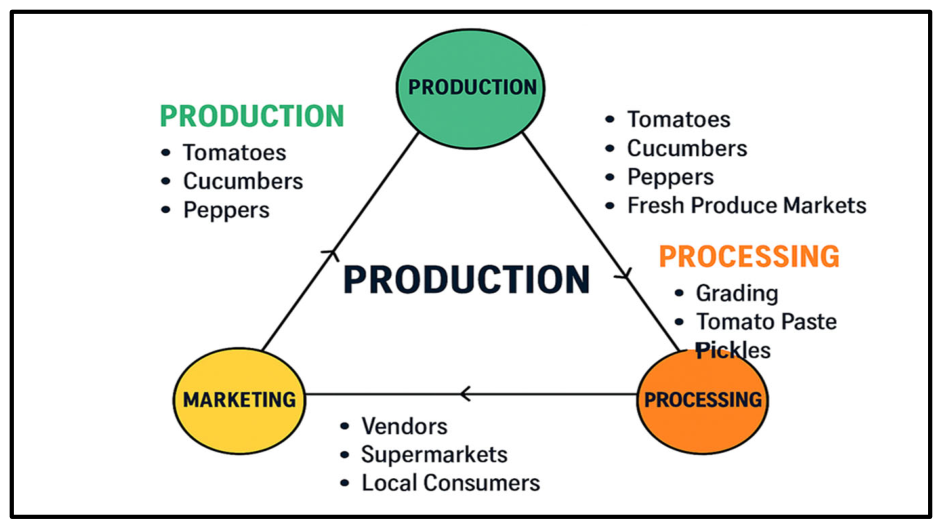
Figure 2.
The circular economy is illustrated through the butterfly and cradle-to-cradle frameworks, cycles from the Ellen MacArthur foundation and Braunger and McDonough.
Figure 2.
The circular economy is illustrated through the butterfly and cradle-to-cradle frameworks, cycles from the Ellen MacArthur foundation and Braunger and McDonough.
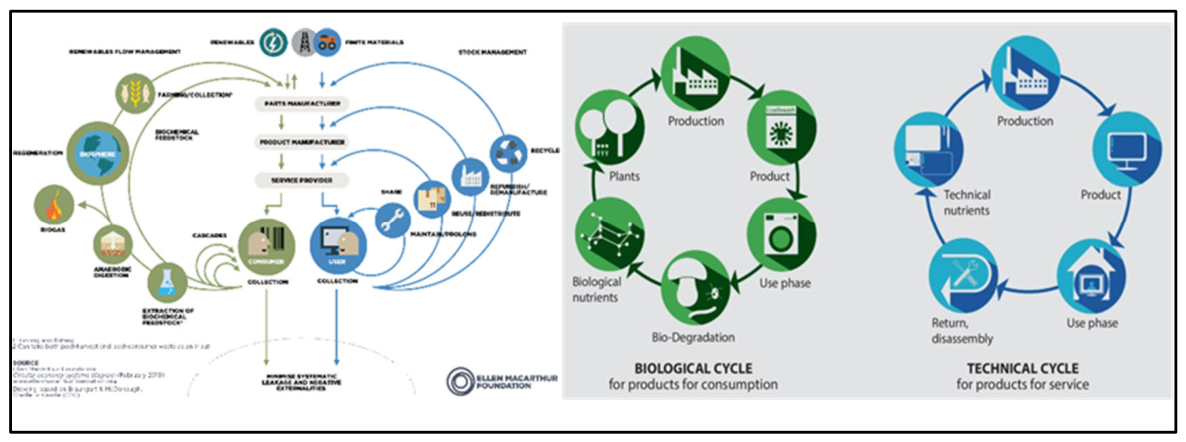
Figure 3.
Community organoponics bed within a circular-economy framework (author-generated image).
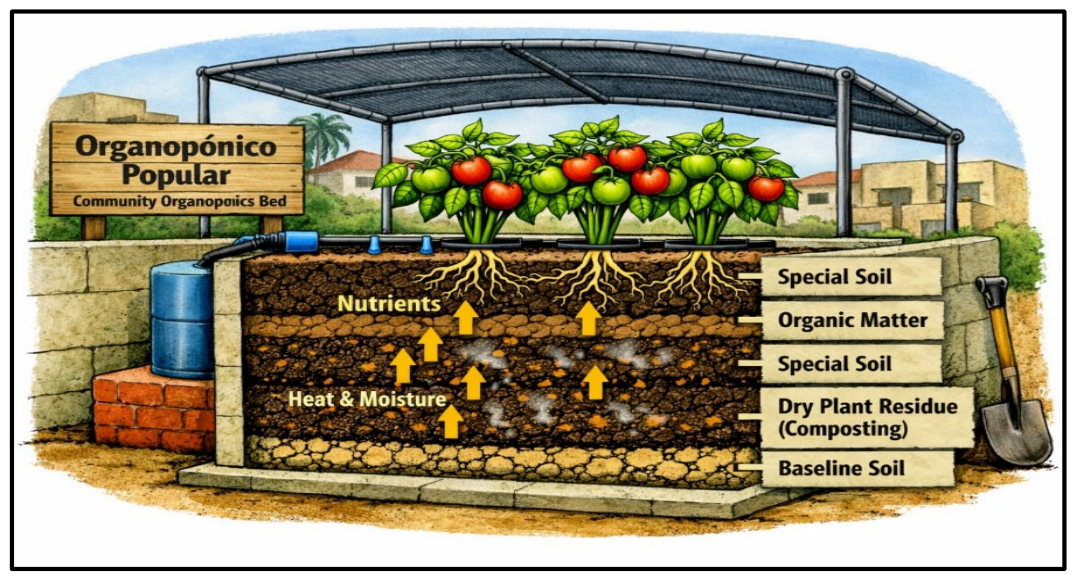
Figure 5.
Stages of trench preparation and development over time, including refilling with special soil, grass, and manure, planting, root development, blossoming tomato crops, and composting organic matter.
Figure 5.
Stages of trench preparation and development over time, including refilling with special soil, grass, and manure, planting, root development, blossoming tomato crops, and composting organic matter.
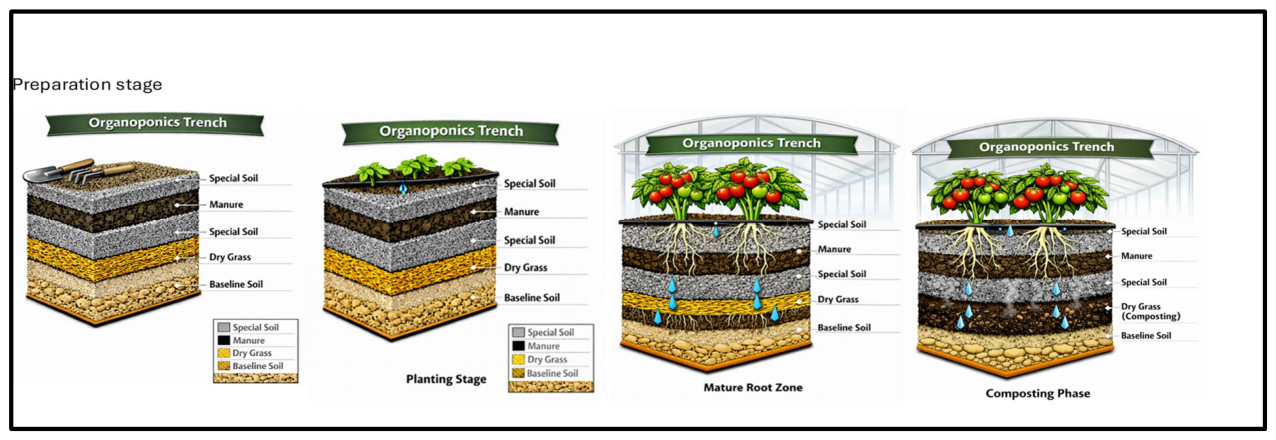
Figure 6.
Soil Layering and Plant Spacing in an Organoponics Field.
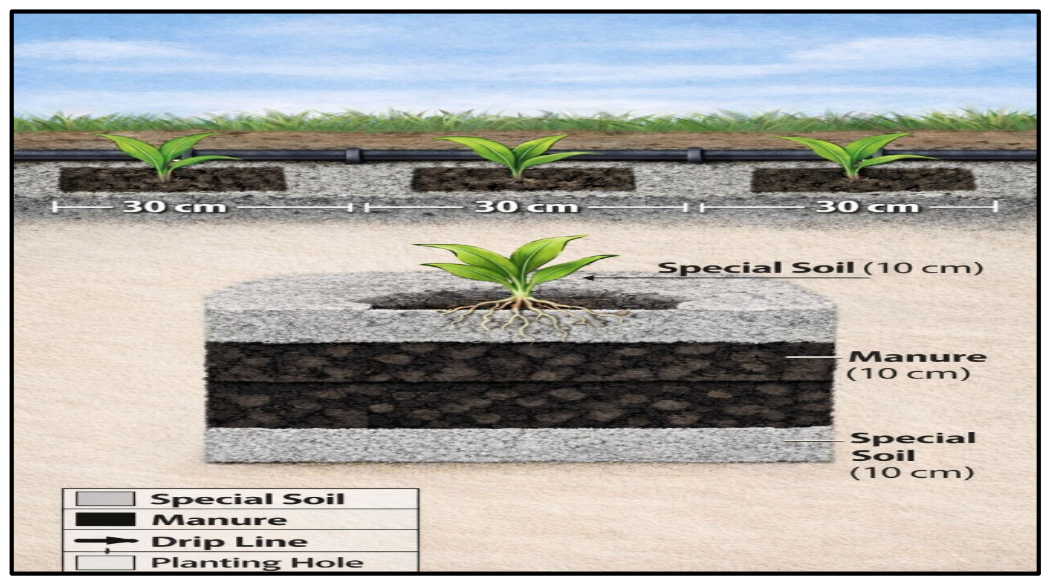
Figure 7.
The Greenhouse Stages to Harvest.
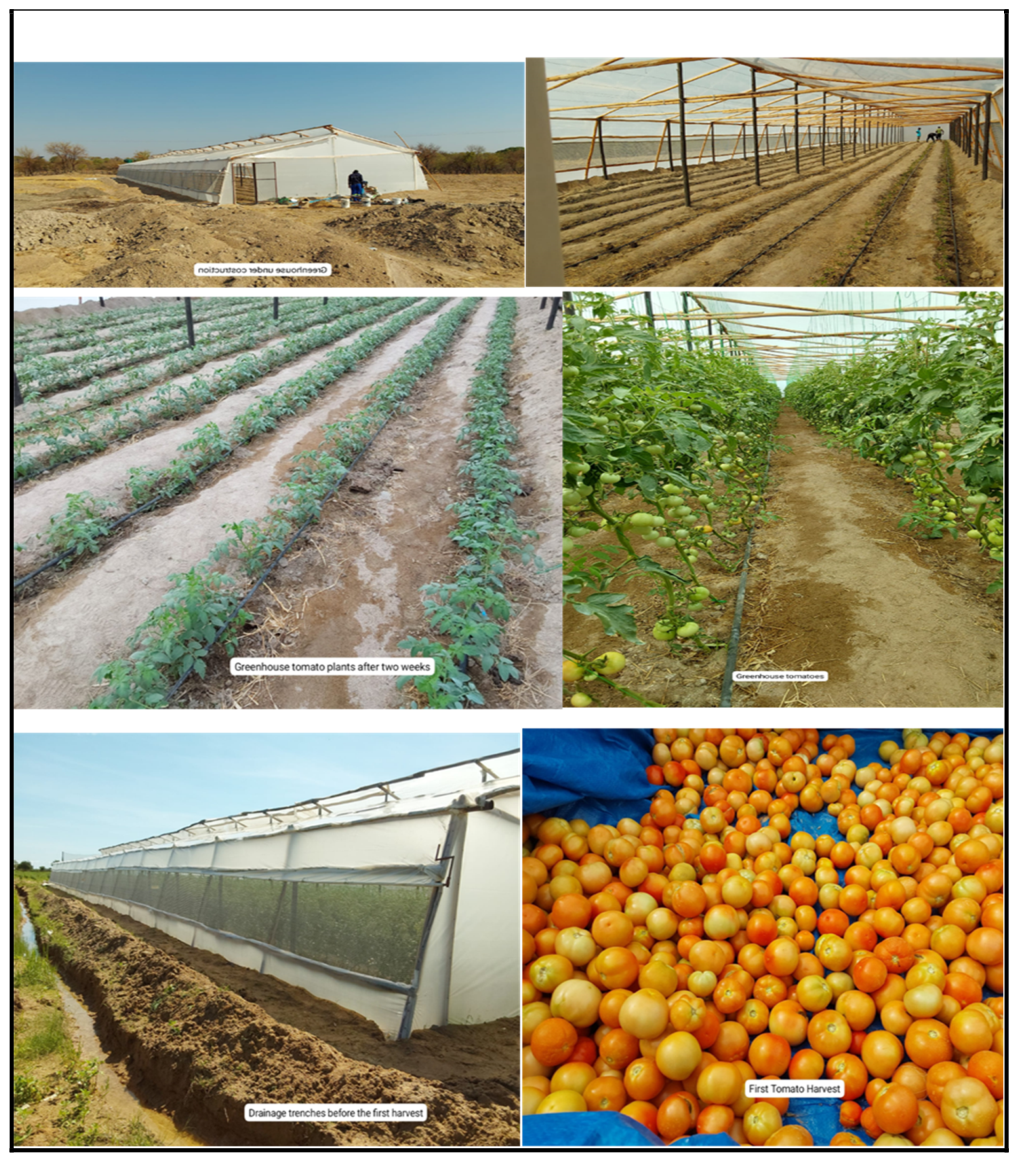
Figure 8.
Plant Growth as a Proxy of Plant Height Demonstrated Through Height E – Greenhouse, C – Open field.
Figure 8.
Plant Growth as a Proxy of Plant Height Demonstrated Through Height E – Greenhouse, C – Open field.
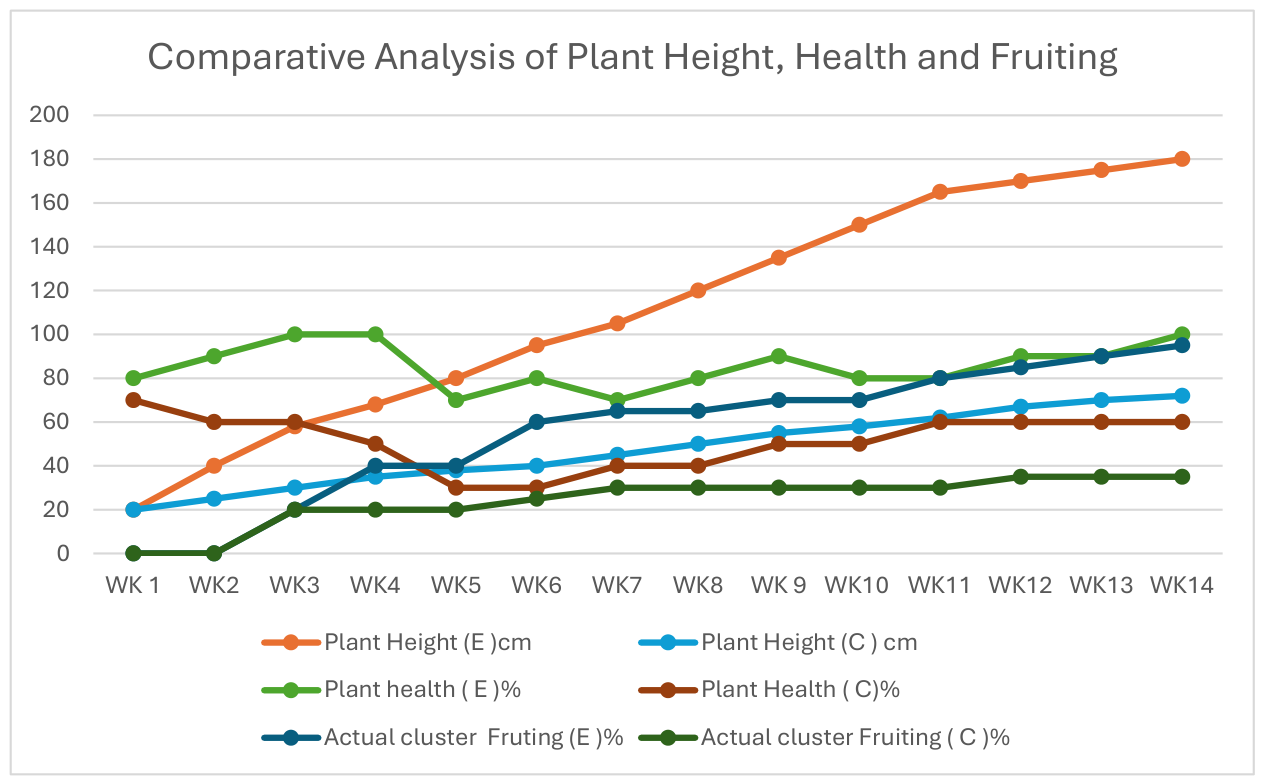
Figure 9.
Comparison of Tomato Crops in the Open Field and Greenhouse.
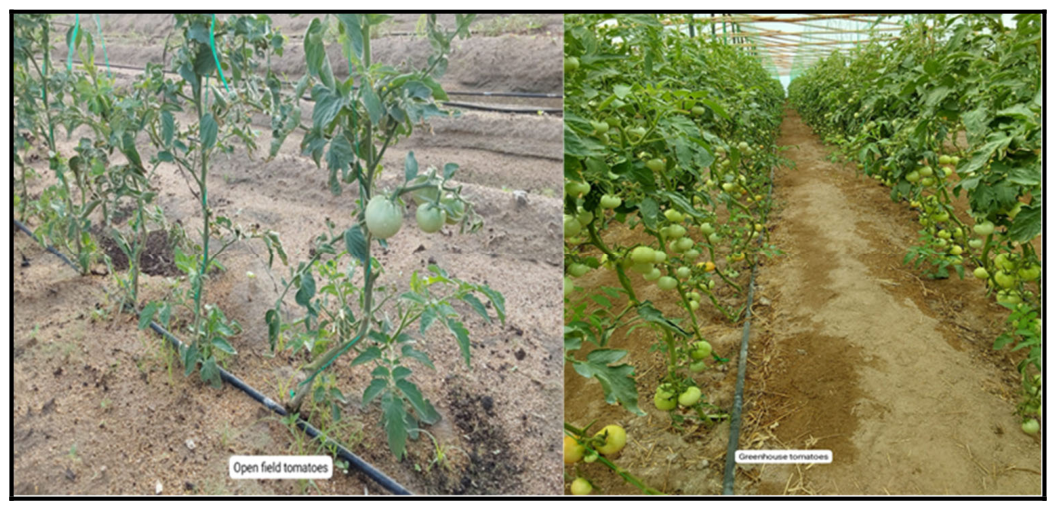
Figure 10.
Harvest comparison between the Open field and Greenhouse Crop.
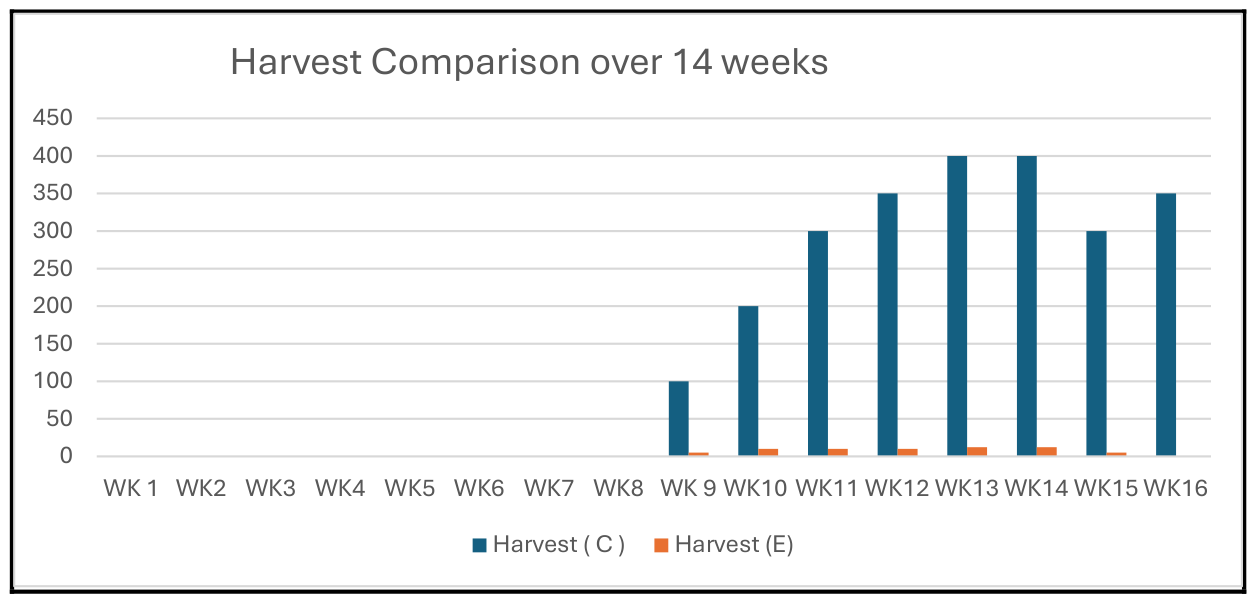
Figure 12.
The Relationship Between %level of Feeding and %loss/gain of herd numbers.
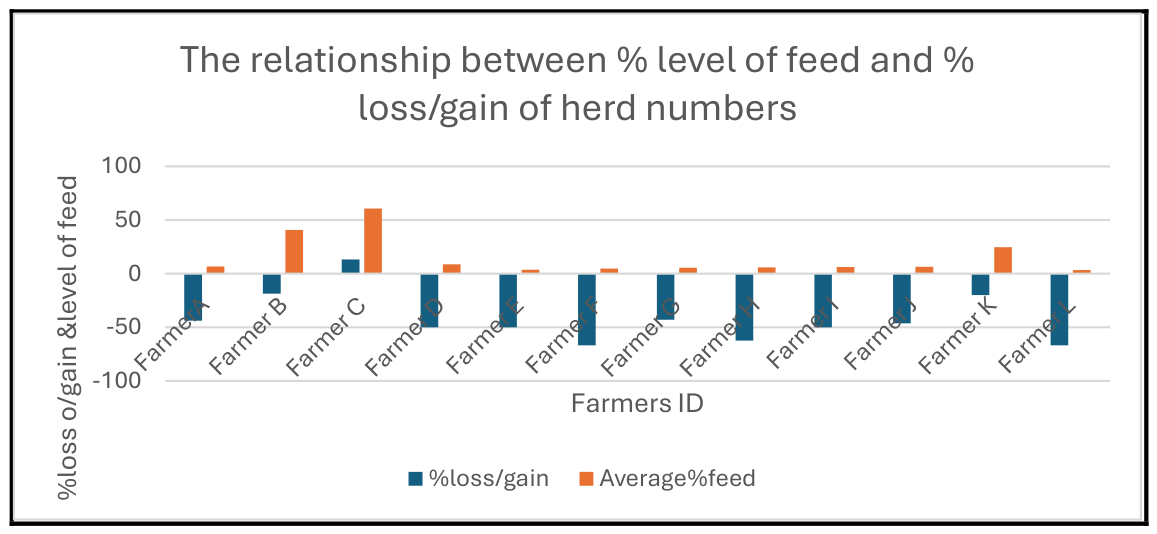
Figure 13.
Financial Loss or Gain Compared to the Intervention Strategy.
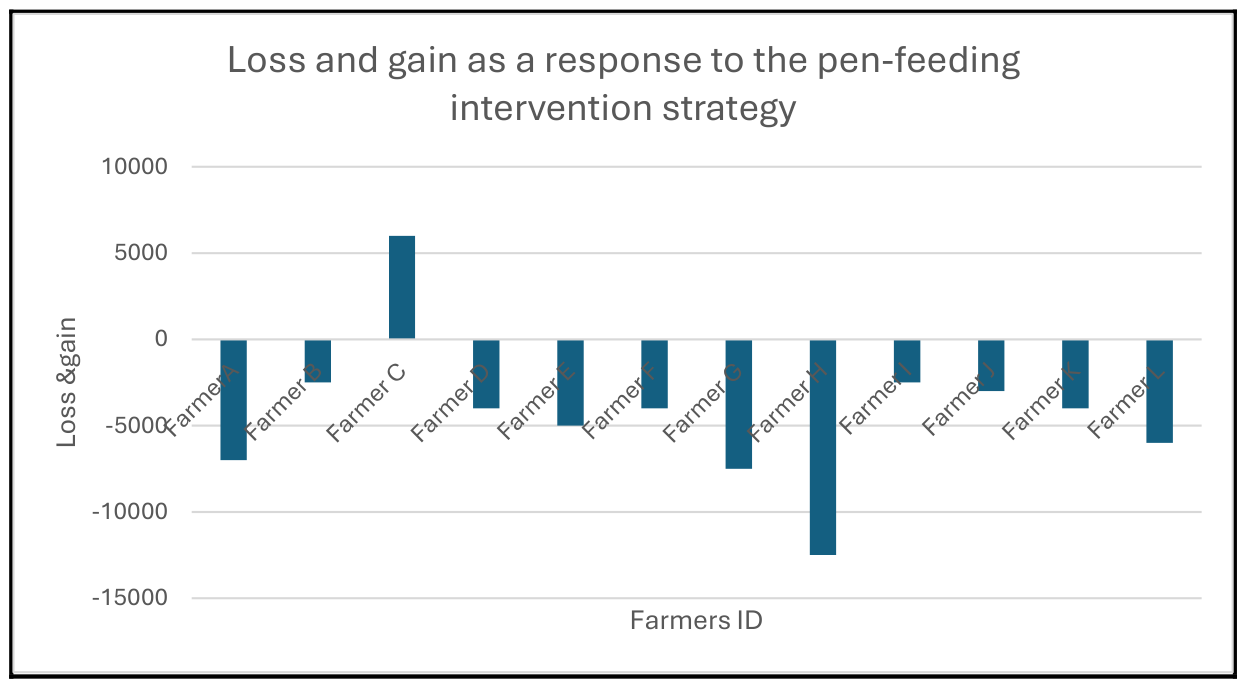
Table 2.
Plant height and health comparison for the greenhouse experiment (E) and control (C), with activity descriptions.
Table 2.
Plant height and health comparison for the greenhouse experiment (E) and control (C), with activity descriptions.
| Time | Description of Activities | Plant Height (E )cm | Plant Height (C ) | Plant health ( E ) | Plant Health ( C) |
|---|---|---|---|---|---|
| WK 1 | Land prep & Transplanting 26.10.24, watering in the morning and evening, amount 0.850 | 20 | 20 | 8 | 7 |
| WK2 | Fungicides, insecticide spray, and pruning of lower shoots, use of a venturi | 40 | 25 | 9 | 6 |
| WK3 | Fertigate GS and MAP increase water by 0.85 | 58 | 30 | 10 | 6 |
| WK4 | Increase watering to 1,05 litres, identified tuta attack | 68 | 35 | 10 | 5 |
| WK5 | Attack and treatment with Lamdar, Acetylate, Arceta Emamertin benzoate, Pruning, Mangozeb and belt | 80 | 38 | 7 | 3 |
| WK6 | Disease decreased, flowering per cluster increased, | 95 | 40 | 8 | 3 |
| WK7 | Identified yellowish colouring on the top of the leaves. Healthy plants and fruits are coming up well | 105 | 45 | 7 | 4 |
| WK8 | Fruiting | 120 | 50 | 8 | 4 |
| WK 9 | Fruiting and Clustering & first harvest not sold due to spraying, to wait for a week | 135 | 55 | 9 | 5 |
| WK10 | Water logging problem & harvesting continue | 150 | 58 | 8 | 5 |
| WK11 | Water logging problem & harvesting continue | 165 | 62 | 8 | 6 |
| WK12 | Watering stopped, harvesting started, and drainage trenches were dug | 170 | 67 | 9 | 6 |
| WK13 | Harvesting | 175 | 70 | 9 | 6 |
| WK14 | Harvesting | 180 | 72 | 10 | 6 |
| Week 15-38 | Harvesting, distribution, pest control, and managing market fluctuation | 180-240 | 72-90 | 8-10 | 4-6 |
Table 3.
Disease incidence, problems experienced, and yield outcomes.
| Time | Disease Type ( C ) /Problem | Prevention and Disease Control Intervention | Disease Extent (E ) % | Disease extent (C) % | Outcome | Harvest ( C ) Kg | Harvest (E) Kg |
|---|---|---|---|---|---|---|---|
| WK 1 | 0 | Drenching and dolloping | none | none | Good growth | 0 | 0 |
| WK2 | 0 | Routine fungicides and pesticides, and the use of fertigation | none | none | Excellent vegetative growth | 0 | 0 |
| WK3 | 0 | Routine fungicides and pesticides, and use of fertigation & tuta traps | none | none | Excellent vegetative growth | 0 | 0 |
| WK4 | tuta | Lambda and then belt | 0.1 | 0.6 | Fair growth and health of the plant despite the minimal attack | 0 | 0 |
| WK5 | tuta | Belt | 0.05 | 0.4 | Fair growth in the greenhouse, minimal growth on an open field crop | 0 | 0 |
| WK6 | tuta | 0.01 | 0.2 | There was good growth in the greenhouse, but still poor growth in an open field | 0 | 0 | |
| WK7 | 0 | 0 | 0.01 | Excellent growth in the greenhouse and the open field | 0 | 0 | |
| WK8 | 0 | 0 | 0 | Excellent growth in the greenhouse and the open field | 0 | 0 | |
| WK 9 | blight | Warrior | 0.3 | 0.5 | disease more recognisable for control | 100 | 5 |
| WK10 | blight/ waterlogging | Digging drainage trenches | 0.1 | 0.2 | Wilting-like symptoms | 500 | 10 |
| WK11 | 0 | Digging drainage trenches | 0.02 | 0.05 | Dried-up water in the GH plant improves health | 700 | 10 |
| WK12 | blight | Series of sprays: Warrior | 0.02 | 0.02 | Reduced the brown colour on the stems | 800 | 10 |
| WK13 | 0 | 0 | 0 | 0 | Under control | 750 | 12 |
| WK14 | 0 | 0 | 0 | 0 | under control | 700 | 12 |
| WK15-32 | Tuta, blight and waterlogging | Series of sprays and drainage management | 0-5% | 2-40% | Under control for greenhouse difficult for open field | 700-300 | 12-5 |
Table 4.
Greenhouse crop profitability over five cycles, with each cycle lasting nine months.
| Description | Expected target/budgeted | Actual (1st Crop) (38 weeks) 1st Cycle | Predicted (2nd Crop) (38 weeks) 2nd Cycle |
|---|---|---|---|
| Land Size: | 500 sqm | 500 sqm | 500 sqm |
| Crop: | Tomato | Tomato | Tomato |
| Variety: | Star 9037 | Star 9037 | Star 9037 |
| Plant Population: | 1,660 | 1,660 | 1,660 |
| Target planting date: | 30 September 2024 | 26 October 2024 | 26 July 2025 |
| Target yield Kgs/plant: | 12kgs | 10.2kgs | 12kgs |
| Target total yield: | 19,992kg | 17,250kg | 19,950kg |
| Production Cost Estimate | $3,500 | $2,900 | $2,500 |
| Capital Investment Cost (Greenhouse Construction) | $6500 | $6450 | 0 |
| Sales price | 0.50c/kg | 0.68c/kg | 0.68c/kg |
| Expected Revenue: | $10,595 | $11730 | $13546 |
| Total Production Cost | $ 10,000 | $9350 | $2500 |
| Profit | $595 | $2380 | $11046 |
Table 6.
Mixed-farming outcomes after the drought.
| Farmer ID | No Cattle in July | No Cattle in December | Loss or gain | % change | Reason for loss/increase | Intervention/ Practice or Strategy |
|---|---|---|---|---|---|---|
| Farmer A | 32 | 18 | -14 | -44 | Pasture shortage death | Erratic feeding late in October, Nov |
| Farmer B | 27 | 22 | -5 | -19 | Drought-induced diseases | Incrementally feeding morning for the whole head and afternoon for selected cows |
| Farmer C | 90 | 102 | 12 | 13 | Calves and lactation efficient management | Feeding AM & PM for lactating mothers/calves and calves separated from mothers during the day and night |
| Farmer D | 16 | 8 | -8 | -50 | Pasture shortage death | Late start and erratic feeding of the frail |
| Farmer E | 20 | 10 | -10 | -50 | Pasture shortage death | Late start and erratic feeding of the frail |
| Farmer F | 12 | 4 | -8 | -67 | Pasture shortage death | Late start and erratic feeding of the frail |
| Farmer G | 35 | 20 | -15 | -43 | Pasture shortage death | Late start and erratic feeding of the frail |
| Farmer H | 40 | 15 | -25 | -63 | Pasture shortage death | Late start and erratic feeding of the frail |
| Farmer I | 10 | 5 | -5 | -50 | Pasture shortage, death, drought-induced diseases | Erratic feeding of the frail |
| Farmer J | 13 | 7 | -6 | -46 | Pasture shortage death | Erratic feeding of the frail |
| Farmer K | 40 | 32 | -8 | -20 | Pasture shortage death | Incremental feeding of the frail |
| Farmer L | 18 | 6 | -12 | -67 | Pasture shortage death | Erratic feeding of the frail |
Disclaimer/Publisher’s Note: The statements, opinions and data contained in all publications are solely those of the individual author(s) and contributor(s) and not of MDPI and/or the editor(s). MDPI and/or the editor(s) disclaim responsibility for any injury to people or property resulting from any ideas, methods, instructions or products referred to in the content. |
© 2026 by the authors. Licensee MDPI, Basel, Switzerland. This article is an open access article distributed under the terms and conditions of the Creative Commons Attribution (CC BY) license (http://creativecommons.org/licenses/by/4.0/).
Copyright: This open access article is published under a Creative Commons CC BY 4.0 license, which permit the free download, distribution, and reuse, provided that the author and preprint are cited in any reuse.


