
Submitted:
29 June 2026
Posted:
30 June 2026
You are already at the latest version
Abstract
Hemoptysis is a potentially life-threatening clinical emergency requiring rapid identification of the bleeding source to guide appropriate management. CT angiography is the primary imaging modality for evaluating hemoptysis, enabling characterization of underlying parenchymal disease, precise identification of arterial anatomy, and selection of candidates for endovascular intervention. This review describes the comprehensive spectrum of hemoptysis on CT angiography, including parenchymal abnormalities (e.g., tuberculosis and bronchiectasis), bronchial arterial anatomy, non-bronchial systemic and pulmonary arterial sources of hemorrhage, and vascular malformations. Careful evaluation of parenchymal disease, precise arterial source identification, and recognition of vascular pathology is crucial for optimizing diagnosis confirmation, risk stratification, and clinical decision-making. Embolization techniques, contraindications, and indications are also discussed.
Keywords:
hemoptysis
; CT angiography
; bronchial artery embolization
1. Introduction
Hemoptysis is the expectoration of blood originating from the alveoli and lower respiratory tract and represents a potentially serious or even life-threatening condition [1,2]. Hemoptysis must be carefully distinguished from pseudohemoptysis due to bleeding from the upper airway (e.g., epistaxis), and hematemesis aspirated into the lungs because each scenario mandates a different diagnostic pathway and therapeutic strategy [2]. Clinical history and physical examination facilitate timely diagnosis and a prompt identification of the source of bleeding [2].
Hemoptysis is currently classified into massive and non-massive [1]
Massive hemoptysis is a life-threatening condition and has been associated with widely variable volume thresholds, ranging from approximately 100 to more than 1000 mL of blood over 24 hours [3,4].
Current clinical practice increasingly relies on a functional definition based on the presence of respiratory compromise, impaired gas exchange, or hemodynamic instability rather than absolute volume criteria. Asphyxiation due to flooding of the airways is recognized as the main cause of death, and volumes as low as 250 mL can be sufficient to fill the tracheobronchial tree in adults [5].
In patients with massive hemoptysis, CT is at least equivalent to bronchoscopy for localizing the bleeding site and superior for identifying the cause [6,7]. These data, together with the ability of CT to evaluate lung parenchyma, airways, and bronchial, non-bronchial systemic, and pulmonary arteries in a single examination, support its use as the first-line imaging test in patients with moderate-to-severe or recurrent hemoptysis, with bronchoscopy reserved primarily for airway protection and targeted endobronchial interventions [5,8]. Massive active hemorrhage may significantly limit bronchoscopic visualization and reduce accurate localization of the bleeding source.
The purpose of this review is to describe the pathophysiology of hemoptysis, the role of CT in the diagnosis, CT appearance, and its causes. Bronchial artery embolization techniques are also reviewed.
2. Pathophysiology of Hemoptysis
Understanding the dual arterial supply of the lungs is important for interpreting CT findings in hemoptysis. Pulmonary arteries deliver approximately 99% of the blood flow to the lungs at low pressure, and participate primarily in gas exchange. Bronchial arteries arise from the systemic circulation, carry oxygenated blood at systemic pressure, and provide nourishment to the airways, mediastinal structures, and vasa vasorum of the pulmonary arteries and veins [5]. Several anastomoses connect these two systems at the level of small arteries and capillaries and contribute to a modest, physiologic right-to-left shunt [8].
Pulmonary bleeding originates from the systemic circulation in most clinically significant cases. In approximately 90% of cases, bronchial arteries are identified as the primary source, whereas non-bronchial systemic arteries and pulmonary arteries each account for about 5% of cases [9,10].
Vascular contributions to hemoptysis can be divided into primary and secondary processes. Primary vascular mechanisms include chronic systemic vascular hypertrophy, focal vascular damage with pseudoaneurysm formation, dysplastic lung parenchyma with systemic arterial supply, and arteriovenous malformations or fistulas. Chronic inflammatory and ischemic conditions such as bronchiectasis, post-tuberculous fibrosis, chronic fungal infection, cystic fibrosis, chronic thromboembolic disease, and fibrosing mediastinitis reduce pulmonary arterial perfusion and create regional hypoxia [5]. These changes stimulate neoangiogenesis and remodeling of bronchial and non-bronchial systemic vessels, leading to dilated, tortuous, thin-walled arteries that are prone to rupture into the airways. In this setting, the bronchial circulation can increase from its usual contribution of roughly 1% of cardiac output up to as much as 30%, amplifying the hemodynamic stress on these fragile anastomotic channels [5,10].
Secondary vascular mechanisms are those in which parenchymal or airway processes indirectly involve the vasculature. Examples include necrotizing pneumonia and infarction that destroy alveolar structures and subsequently erode adjacent arteries; and tumors, broncholiths, or benign endobronchial lesions that invade or compress the bronchial wall and peribronchial vessels [5]. Single disease entities can produce hemoptysis through multiple mechanisms, often coexisting in the same patient. Tuberculosis illustrates this complexity: chronic infection can create fibrotic cavities with adjacent pulmonary artery pseudoaneurysms (Rasmussen aneurysms), produce fibrotic bronchiectasis with marked systemic vascular hypertrophy, or promote erosion of calcified lymph nodes into segmental bronchi [5,10].
Pulmonary arteriovenous malformations (PAVMs) are another cause of hemoptysis, and represent direct communications between pulmonary arteries and veins, producing right-to-left shunts that may lead to hypoxemia and paradoxical emboli [11]. Although most PAVMs present with neurologic or systemic manifestations rather than hemoptysis, rupture of fragile malformation walls can cause severe intraparenchymal or intrapleural bleeding.
3. Role of CT
Radiology-specific appropriateness criteria and consensus statements place contrast-enhanced CT at the center of hemoptysis evaluation. American College of Radiology guidelines rate contrast-enhanced CT or CT angiography (CTA) as “usually appropriate” for both life-threatening and non-life-threatening hemoptysis, reflecting evidence that CT can accurately localize bleeding, characterize underlying pathology, and identify treatable vascular lesions. These criteria recommend CT when chest radiography is normal or nonlocalizing, when hemoptysis is moderate or severe, and when patients have significant risk factors for malignancy such as age over 40 years or a heavy smoking history [1].
Several studies have strengthened the use of CT as a primary modality for the hemoptysis [6,7,12,13]. These papers have demonstrated that CT frequently detects findings such as bronchiectasis, small masses, mycetomas, and subtle vascular malformations that could be occult or poorly visualized at bronchoscopy, especially in the setting of active bleeding [6,7,12,13]. CT also localizes the bleeding lobe or segment as well as, or better than, bronchoscopy in many series and provides detailed vascular maps that are unavailable from endoscopic examination [8,14].
CT is crucial to simultaneously evaluate parenchymal hemorrhage and the arterial sources of bleeding. CTA is typically performed as a single-phase acquisition during peak systemic arterial enhancement, with scanning from the lower neck to at least the level of the renal arteries to include supra-aortic trunks, the descending thoracic aorta, and infradiaphragmatic branches that can supply bronchial or non-bronchial systemic collaterals. CT protocol includes thin collimation (≈0.6–1 mm), 100–120 mL of iodinated contrast injected at 3.5–4 mL/s, and bolus tracking with the region of interest in the descending aorta and a threshold of 100–120 HU, initiating craniocaudal scanning a few seconds after the trigger to ensure synchronous opacification of bronchial, non-bronchial systemic, and pulmonary arteries [10]. Thin-section axial images in mediastinal and lung windows, combined with multiplanar and maximum intensity projection reconstructions, allow detailed depiction of vessel origins and trajectories and of parenchymal and airway hemorrhage; three-dimensional volume-rendered images can further assist in pre-procedural planning by illustrating the relationship of abnormal vessels to airways, pleura, and potential surgical access corridors [8]. A saline chaser is generally avoided to preserve pulmonary arterial enhancement, and a preliminary non-contrast acquisition can be reserved for selected patients (e.g. prior surgery, suspected pseudoaneurysm) to identify hyperdense intraparenchymal or endobronchial blood and differentiate it from enhancing vascular structures on the contrast-enhanced dataset. [5].
4. CT Appearance of Hemoptysis
Interpretation of CT images begins with recognition of the direct and indirect manifestations of hemorrhage in the lung parenchyma and airways. Alveolar hemorrhage typically appears as ground-glass opacity or consolidation, often in subsegmental, segmental, or lobar distributions that correspond to the bronchial and arterial anatomy [5]. In the clinical context of acute hemoptysis, new focal or regional ground-glass opacities and consolidations, often associated with centrilobular nodules, should be regarded as potential areas of parenchymal hemorrhage until other causes are more likely [5] (Figure 1).
In more subacute stages, interlobular septal thickening can accompany ground-glass regions, creating a “crazy-paving” pattern that reflects ongoing clearance of blood products and edema through lymphatics within the septa. Chronic or recurrent episodes may eventually lead to reticulation, traction bronchiectasis, and architectural distortion, as in diffuse alveolar hemorrhage syndromes and long-standing vasculitis [5,10].
Blood within large airways can manifest as intraluminal soft-tissue attenuation in the trachea and bronchi. Attenuation values greater than 40 Hounsfield units can favor acute clot over mucus, although overlap exists and correlation with clinical context is essential [5]. Blood in smaller airways can produce centrilobular nodules and tree-in-bud opacities. A pattern of clustered, well-defined centrilobular nodules may reflect aspirated blood from a more proximal hemorrhagic source, especially when associated with visible proximal intrabronchial clots [5].
Hemorrhage into preexisting cavities is another important pattern in patients with prior tuberculosis or other necrotizing infections. Air–fluid levels, increased intracavitary attenuation, or layering of hyperdense material can be seen, transiently obscuring fungal balls, mural nodules, or small masses [6,10]. CT after resolution of the acute event is recommended to reassess these cavities and exclude underlying lesions, including early carcinoma or mycetoma, which may have been masked by blood products [8].
The distribution of hemorrhage offers crucial guidance for treatment planning. Diffuse bilateral ground-glass opacities or consolidations suggest systemic processes such as vasculitis, coagulopathy, cardiac disease, or drug-related diffuse alveolar hemorrhage, and usually do not lend themselves to focal embolization [8,14]. In contrast, focal or lobar parenchymal hemorrhage and localized airway blood provide a valuable road map, indicating which lung region requires detailed vascular interrogation on CT and angiography [5,8].
5. Common Causes of Hemoptysis
The most frequent causes of hemoptysis are bronchiectasis, primary lung malignancy, pulmonary tuberculosis and its sequelae, and pneumonia [15,16,17,18].
Tuberculosis represents the leading cause of hemoptysis in developing regions, while other etiologies, including respiratory infections, malignant neoplasms, chronic bronchitis, and bronchiectasis of various etiologies are more frequent in North America and Europe [15,16,17,18].
Lung cancer is a common cause of hemoptysis in older patients because of several mechanisms, including central tumor necrosis, endobronchial tumor growth, and vascular invasion or erosion. In many series, CT detects bronchogenic carcinoma in a substantial fraction of patients who have normal or non-localizing chest radiographs, underscoring the importance of CT when radiographic findings are unremarkable [10].
Tuberculosis has a central role in endemic regions. Post-tuberculous bronchiectasis, aspergillomas, and chronic inflammatory remodeling of systemic arteries around areas of healed disease are all well-known causes of hemoptysis [5]. Aspergillomas are fibrotic cavities colonized by fungi and represent a common cause of recurrent bleeding [8,9]. At CT, an aspergilloma typically appears as a mobile intracavitary soft-tissue mass, with air crescents, and occasionally high-attenuation focal vascular structures within or adjacent to the cavity wall [8,9].
In a significant minority of patients, imaging and bronchoscopy fail to identify a definitive cause, leading to a diagnosis of cryptogenic hemoptysis. Such cases are more common in smokers and long-term CT follow-up is prudent since a small proportion can develop lung cancer [6].
6. Bronchial Arteries: Hypertrophy, and Imaging Correlates
Bronchial artery anatomy is highly variable. In most individuals, a right intercostobronchial trunk arises from the descending thoracic aorta and supplies the right lung, while one or two left bronchial arteries arise directly from the anterior or anterolateral surface of the aorta at the T5–T6 vertebral level, typically 1–2 cm above or below the carina; vessels originating in this region are referred to as orthotopic bronchial arteries [10]. In up to roughly one-third of patients, bronchial arteries have an ectopic origin from nearby systemic vessels, including the aortic arch, subclavian, thyrocervical, internal mammary, or even coronary arteries, but they can still be recognized by their course paralleling the bronchi [9].
Cauldwell classification describes four predominant branching configurations: type 1, with two left bronchial arteries and one right bronchial artery arising from an intercostobronchial trunk (approximately 40% of cases); type 2, with one left bronchial artery and one right intercostobronchial trunk (Figure 2); type 3, with two right and two left bronchial arteries; and type 4, with two right and one left bronchial artery, accounting together for the majority of observed patterns [9,10] (Figure 3).
At CT, normal bronchial arteries appear as small, enhancing, serpiginous structures within the posterior mediastinum, often located retrotracheally or retrobronchially. Their proximal diameters are typically less than 2 mm, tapering to less than 0.5 mm as they approach the hilum and intrapulmonary segments, making them challenging to visualize in healthy individuals [10].
Bronchial artery hypertrophy is defined in radiologic practice by a proximal diameter of at least 2 mm—clearly exceeding the normal upper limit of approximately 1.5 mm at the origin—together with pronounced asymmetry compared with contralateral vessels and a more tortuous mediastinal and hilar course [5]. Hypertrophy is a common feature in conditions associated with chronic inflammation or ischemia, including bronchiectasis of any cause, cystic fibrosis, post-tuberculous fibrosis and cavities, chronic thromboembolic disease, fibrosing mediastinitis, and some congenital heart diseases with reduced pulmonary arterial flow (Figure 4 and Figure 5). Hypertrophied bronchial arteries can be unilateral or bilateral and are frequently accompanied by extensive parenchymal scarring, volume loss, and traction bronchiectasis [5,6].
CT can show markedly dilated bronchial arteries supplying severely bronchiectatic lobes with cystic changes and mucus plugging, large ectopic bronchial arteries emerging from the distal aortic arch and extending to upper-lobe areas affected by cystic fibrosis, and hypertrophied bronchial branches feeding aspergillomas in post-tuberculous cavities [5]. Congenital anomalies such as unilateral pulmonary artery agenesis or complex congenital heart disease demonstrate additional patterns, with prominent bronchial artery networks compensating for absent or reduced pulmonary arterial flow. These networks may become clinically relevant bleeding sources later in life [10].
Recognition of ectopic bronchial arteries is particularly important in planning embolization procedures. If such vessels are not identified pre-procedurally, they may be overlooked on standard descending thoracic aortography, leading to incomplete embolization and early recurrence of hemoptysis [8,9]. Extended CT coverage that includes the aortic arch, supra-aortic trunks, and upper abdominal aorta substantially improves detection of ectopic origins and should be considered routine in severe or recurrent hemoptysis [5].
7. Non-Bronchial Systemic Arteries and Pseudosequestration
Non-bronchial systemic arteries represent important sources in hemoptysis, particularly in patients with prior thoracic surgery, chronic pleural disease, or extensive parenchymal scarring [8,19]. Imaging series have demonstrated contributions from intercostal arteries, internal mammary arteries, lateral thoracic branches, thyrocervical and costocervical trunks, inferior phrenic arteries, and celiac branches [5]. These vessels reach the lungs via pleural adhesions or the pulmonary ligament and do not follow the bronchial tree as bronchial arteries do [5,9].
On CT, non-bronchial systemic arterial supply is suggested by irregular, often nodular pleural thickening, usually greater than 3 mm, and by tortuous enhancing vessels running within hypertrophied extra-pleural fat toward areas of parenchymal abnormality [3]. Asymmetric enlargement of intercostal or internal mammary arteries can also be a clue [5]. Multiplanar reconstructions and three-dimensional volume-rendered images are particularly useful for tracing such collaterals from their origins to the lung and for differentiating them from ectopic bronchial arteries [8].
When non-bronchial systemic arteries are not recognized and embolized, recurrent bleeding is common despite apparent technical success in treating hypertrophied bronchial arteries. Prospective radiologic data confirm that non-bronchial systemic supply is present in a substantial proportion of patients with massive hemoptysis, and that CT can predict its presence with high accuracy when pleural and extra-pleural signs are carefully evaluated [3].
Pseudosequestration, or purely vascular pulmonary sequestration, illustrates this phenomenon in a particularly clear manner. In this rare entity, a systemic artery—often arising from the descending thoracic or abdominal aorta—supplies a region of lung that maintains normal bronchial connections and pulmonary venous drainage. CT typically shows a large, anomalous systemic artery entering otherwise normally aerated lung, sometimes accompanied by localized ground-glass opacities or consolidation from hemorrhage. Endovascular coil embolization of the anomalous artery has been shown to achieve durable hemostasis and can be considered a definitive treatment, sparing patients from surgical resection [8].
8. Pulmonary Arterial Sources
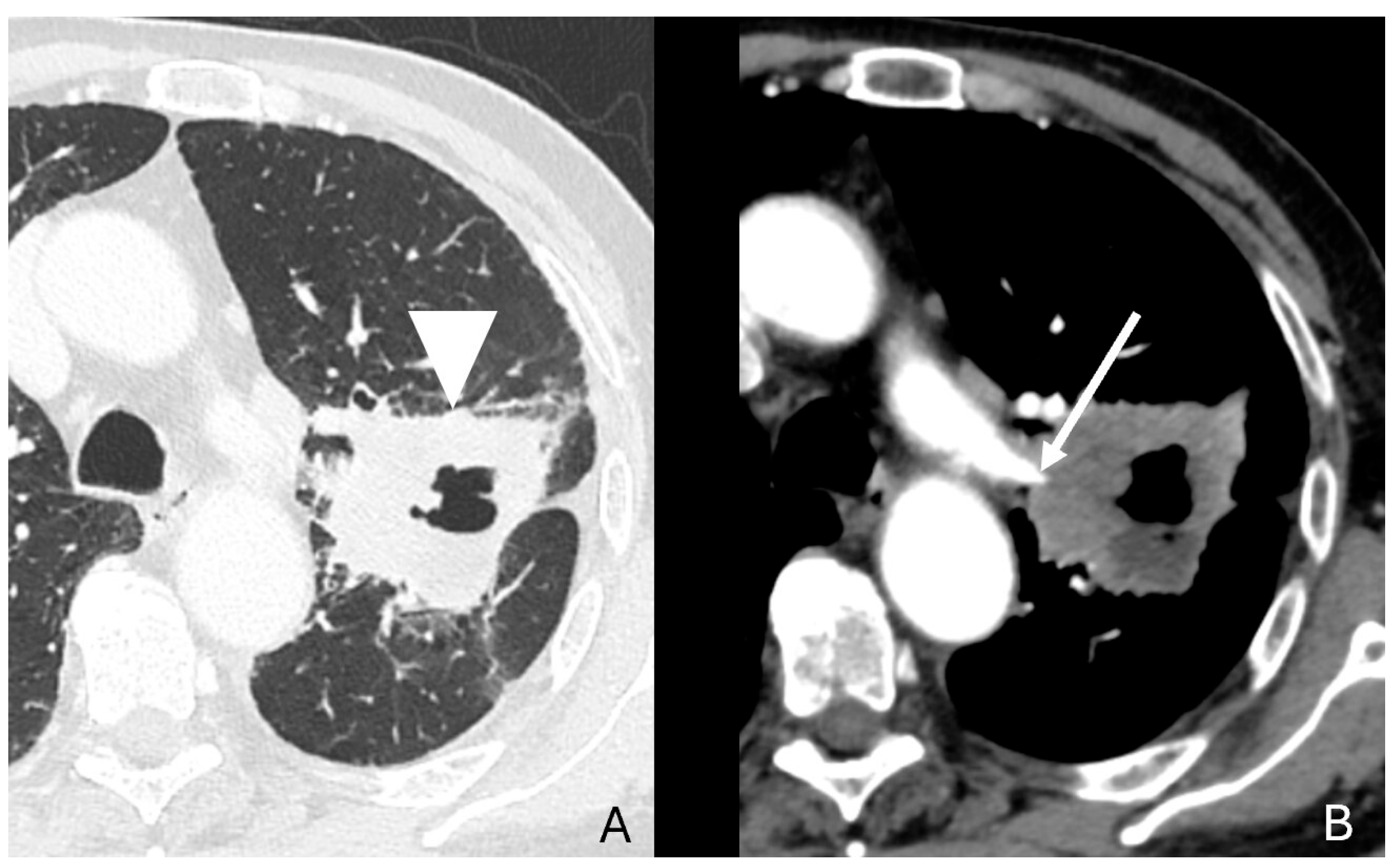
Pulmonary arterial sources represent relatively uncommon but potentially catastrophic causes of hemoptysis because of the risk of sudden rupture and massive haemorrhage. Radiologic descriptions emphasize three principal categories: infectious and noninfectious pulmonary artery pseudoaneurysms (Figure 6), tumor-related vascular lesions (Figure 7), and pulmonary arteriovenous malformations (Figure 8) [8,9].
Pulmonary artery pseudoaneurysms are unstable vascular lesions associated with a high risk of sudden rupture and life-threatening hemorrage. Histologically, they represent partially walled arterial dilatations lacking one or more normal arterial wall layers [8,20]. Unlike bronchial artery bleeding, which typically reflects chronic systemic arterial hypertrophy and neoangiogenesis, pulmonary arterial hemorrhage usually results from focal disruption of the pulmonary arterial wall caused by infection, inflammation, trauma, vasculitis, or tumor invasion. Infectious pseudoaneurysms are most frequently encountered and can develop through direct extension of necrotizing pneumonia or abscess into adjacent arterial branches, or from septic emboli lodging in pulmonary arteries [8,21]. Rasmussen aneurysm is a well-recognized subtype: a pulmonary artery pseudoaneurysm that forms along the wall of a tuberculous cavity. These lesions are particularly relevant because delayed recognition may result in massive or fatal hemoptysis. On CTA, these lesions appear as round or lobulated foci of contrast enhancement that match pulmonary arterial attenuation and abut areas of cavitation or consolidation. Direct visualization of the feeding arterial branch may be challenging because the involved vessels are often small caliber [5,8].
Noninfectious pseudoaneurysms can arise from vasculitis, trauma, radiation-induced vessel wall damage, or direct tumor invasion [8,21]. For instance, in patients with lung cancer treated with surgery or radiotherapy, focal dilatations of pulmonary arterial branches at the tumor interface can be seen and must be differentiated from opacified bronchi or small masses. Rupture of such pseudoaneurysms can cause sudden, life-threatening hemoptysis [8,22].
Once identified on CT, pulmonary artery pseudoaneurysms are usually treated with selective endovascular coil embolization via venous access [5]. Endovascular treatment options include selective coil embolization, liquid embolic agents, vascular plugs, covered stent placement, or parent vessel occlusion depending on lesion morphology, location, and vascular anatomy. Radiologic series highlight the importance of identifying direct contacts between pseudoaneurysms and central airways, as such configurations strongly suggest an underlying vascular–bronchial fistula and a high risk of recurrent bleeding if left untreated [5].
PAVMs represent the third major category of pulmonary arterial causes of hemoptysis [5]. PAVMs consist of abnormal direct communications between pulmonary arteries and veins, most often located in the lower lobes [23]. Simple PAVMs have a single feeding artery and a single draining vein, whereas complex lesions possess multiple feeding arteries or draining veins, and diffuse telangiectatic forms involve entire segments [24]. CTA typically shows a well-defined vascular mass or aneurysmal sac with one or more enlarged feeding arteries and an enlarged draining vein [5,23]. CTA is essential not only for diagnosis but also for procedural planning by accurately depicting feeding arteries, draining veins, and aneurysmal sacs. In selected cases, selective pulmonary angiography may be required to confirm the bleeding source and guide endovascular treatment planning. Radiologic reviews recommend transcatheter embolization of treatable PAVMs above a certain feeder diameter threshold—historically around 3 mm—to reduce the risk of paradoxical emboli and hemorrhage, making CT essential for both diagnosis and procedural planning [5,11,24].
9. Bronchial Artery Embolization and CT Guidance
Bronchial artery embolization (BAE) is currently considered the first-line endovascular treatment for life-threatening and recurrent hemoptysis and is supported by dedicated standards of practice documents from international interventional radiology societies. Contemporary recommendations increasingly favour a functional definition of severe hemoptysis based on respiratory compromise, impaired gas exchange, or hemodynamic instability rather than absolute expectorated blood volume alone. Indications for BAE include life-threatening hemoptysis, recurrent or persistent bleeding despite medical therapy, chronic progressive hemoptysis associated with hypertrophied systemic arteries, and bridge-to-surgery or bridge-to-transplant management in selected patients with chronic inflammatory lung disease such as cystic fibrosis [25]. In addition to emergency settings, BAE also plays an important role in patients with recurrent mild-to-moderate hemoptysis, particularly in the presence of chronic inflammatory airway disease such as bronchiectasis, post-tuberculous sequelae, chronic pulmonary aspergillosis, or cystic fibrosis. In these patients, CTA and bronchoscopy are often complementary, with bronchoscopy contributing to airway evaluation, clot extraction and bleeding lateralization, while CTA provides comprehensive assessment of hypertrophied bronchial and non-bronchial systemic arteries and facilitates procedural planning for elective or semi-elective embolization [25]. [25].
CTA plays a pivotal role in pre-procedural planning by providing detailed mapping of hypertrophied bronchial arteries, identifying orthotopic and ectopic origins, delineating mediastinal and intrapulmonary arterial courses, and demonstrating relationships between abnormal vessels, parenchymal disease, and airway hemorrhage [8]. CTA is also essential for detecting non-bronchial systemic arterial supply, often suggested by pleural thickening greater than 3 mm, extra-pleural fat hypertrophy, and tortuous collateral vessels extending toward diseased lung segments [3,9,25]. These findings facilitate selective catheterization, help anticipate anatomical variants, reduce procedural time and contrast burden, and improve the likelihood of complete embolization during the initial procedure. Careful pre-procedural evaluation is also critical for identifying potentially dangerous collaterals to the spinal cord, coronary, or cerebral circulation. Identification of spinal, coronary, or cerebral arterial branches arising from a candidate vessel requires meticulous angiographic assessment and extreme caution during embolization. Contemporary recommendations emphasize the importance of systematically searching for and embolizing all relevant bronchial and non-bronchial systemic collaterals during the first BAE session, as incomplete treatment of collateral supply represents one of the major causes of recurrent hemoptysis [5,25]. Interventional series and standards-of-practice documents report very high technical and clinical success rates when all relevant systemic arteries are adequately identified and selectively treated. Technical success, defined as successful catheterization and embolization of the abnormal bronchial and non-bronchial systemic arteries, is achieved in approximately 90–100% of procedures [25]. Clinical success, defined as complete cessation or significant reduction of hemoptysis without the need for additional intervention, is reported in 82–100% of patients within 24 hours and 70–92% at 30 days follow-up, with one-year clinical control rates around 64–92% depending on underlying etiology [25]. Despite these favorable early outcomes, recurrent hemoptysis remains relatively common, ranging from 10% to 57% depending on etiology and completeness of embolization [26]. Predictors of recurrence include incomplete embolization, persistent or newly recruited non-bronchial systemic collaterals, use of resorbable embolic agents, the presence of aspergilloma or multidrug-resistant tuberculosis, underlying malignancy or interstitial lung disease, hemodynamic instability, and coagulopathy at the time of treatment [9]. Repeated BAE can effectively control recurrent hemoptysis in many patients, and long-term success is improved when underlying diseases such as tuberculosis or chronic pulmonary aspergillosis are actively treated [9,10].
On digital subtraction angiography, abnormal bronchial and non-bronchial systemic arteries appear as enlarged, tortuous vessels with intense, often nodular parenchymal staining in the involved lung segments [25]. Systemic artery–to–pulmonary artery and systemic artery–to–pulmonary vein shunts are common, particularly in chronic inflammatory disease, and in a minority of cases frank contrast extravasation into the bronchial tree can be seen, confirming active bleeding [3,9]. Careful angiographic interrogation of intercostobronchial trunks and ectopic systemic collaterals is essential to identify dangerous collateral branches and minimize the risk of non-target embolization.
Current standards recommend non-spherical polyvinyl alcohol particles (PVA) in the 355–500 μm range as first-line embolic material, explicitly advising against the use of particles smaller than 300 μm because of the increased risk of passage through bronchopulmonary anastomoses and non-target embolization [25,27].
N-butyl cyanoacrylate (NBCA) provides rapid and permanent occlusion and may be associated with lower recurrence rates because of its ability to achieve deeper distal penetration; however, its use requires substantial operator experience because of the risks of reflux, non-target embolization, and catheter entrapment [25,27].
Comparative studies also indicate that PVA particles confer better mid-term bleeding control than gelatin sponge alone, and long-term recurrence rates as low as about 8% have been reported when larger trisacryl microparticles are used in superselective fashion [25,27]. Coils are generally reserved for specific scenarios, such as bronchial-to-pulmonary shunts, proximal protection of non-bronchial systemic feeders, or pseudoaneurysm exclusion, because exclusive coil use and very proximal occlusion have been associated with higher recurrence and may hinder future distal re-embolization [5,9]. The embolization endpoint typically consists of marked reduction of abnormal parenchymal enhancement and flow slowing within pathological vessels while preserving the proximal parent artery whenever feasible.
Protection of the spinal cord and other critical territories remains one of the most important safety considerations during BAE. Segmental radicular arteries supplying the vertebral canal are frequently identified during bronchial and intercostal angiography, but their presence does not in itself preclude embolization when a microcatheter can be advanced beyond these origins for superselective distal delivery of particles [9]. By contrast, identification of the arteria radicularis magna (artery of Adamkiewicz), or of branches to the heart or brain, arising from a candidate bronchial, intercostal, or other systemic vessel requires extreme caution because inadvertent embolization may result in spinal cord infarction, myocardial ischemia, or stroke [8]. Modern series report spinal cord ischemia rates between 1.4 and 6.5%, reflecting the impact of meticulous angiographic technique and widespread adoption of superselective microcatheterization [9]. Other major complications, including bronchial or aortic wall necrosis, esophagobronchial fistula, ischemic colitis, myocardial infarction, cortical blindness, and stroke, are rare and largely attributable to non-target embolization, whereas minor complications like transient chest pain and dysphagia are relatively common but self-limited [9]. Overall, when integrated into a multidisciplinary pathway with careful CTA-based planning and adherence to technical standards, BAE provides high rates of immediate bleeding control with acceptable morbidity and may serve both as definitive therapy and as a bridge to surgery or transplantation in selected cases [25].
10. Conclusions
Radiologic literature provides a coherent, evidence-based view of hemoptysis in which CT, and in particular CT angiography, plays a central role. CT allows simultaneous assessment of parenchymal and airway hemorrhage, bronchial and non-bronchial systemic arterial anatomy, and pulmonary arterial lesions, thereby integrating diagnostic and pre-interventional information in a single examination.
A structured CT-based approach that begins with localization of hemorrhage and progresses through systematic evaluation of bronchial, systemic, and pulmonary arterial sources offers a robust framework for interpretation.
Understanding dual pulmonary circulation, CT manifestations of hemorrhage, and the spectrum of vascular mechanisms help radiologists to localize bleeding accurately, select appropriate interventions, and improve outcomes for patients presenting with this complex and potentially fatal symptom. Integration of CTA findings with endovascular treatment planning is essential for optimizing procedural success, minimizing recurrence, and improving outcomes in patients with moderate-to-severe hemoptysis.
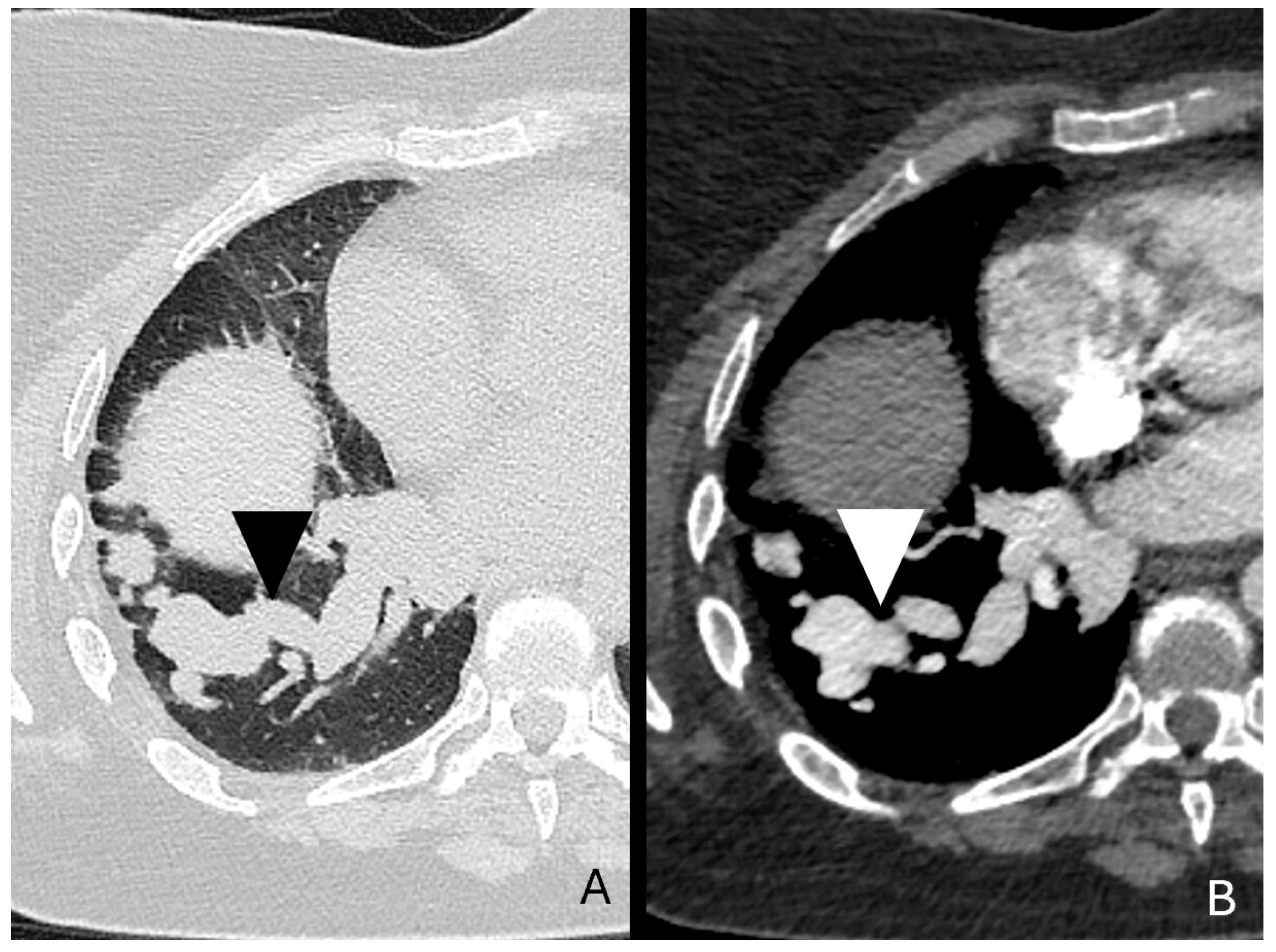
Figure 9.
Hemorrhagic telangiectasia (Rendu–Osler–Weber syndrome) in a 62-year-old female. Lung (A) and mediastinal (B) window CT images show multiple pulmonary arteriovenous malformations, as clustered nodular and serpiginous vascular opacities (arrow) in lung window and corresponding enhancing feeding arteries and draining veins in mediastinal window.
Figure 9.
Hemorrhagic telangiectasia (Rendu–Osler–Weber syndrome) in a 62-year-old female. Lung (A) and mediastinal (B) window CT images show multiple pulmonary arteriovenous malformations, as clustered nodular and serpiginous vascular opacities (arrow) in lung window and corresponding enhancing feeding arteries and draining veins in mediastinal window.
Author Contributions
Conceptualization, F.A., E.G., M.G.; methodology, F.A. and E.G.; resources, G.L.R.; writing—original draft preparation, F.A., A.I. and F.C.; writing—review and editing, T.V.B. and M.G. All authors have read and agreed to the published version of the manuscript.
Funding
This research received no external funding.
Institutional Review Board Statement
Not available.
Informed Consent Statement
Not available.
Data Availability Statement
Not available.
Acknowledgments
None.
Conflicts of Interest
The authors declare no conflicts of interest. The funders had no role in the design of the study; in the writing of the manuscript; or in the decision to publish the results.
Abbreviations
The following abbreviations are used in this manuscript:
| PAVMs | Pulmonary arteriovenous malformations |
| CTA | CT angiography |
| BAE | Bronchial artery embolization |
| NBCA | N-butyl cyanoacrylate |
References
- Expert Panel on Thoracic Imaging; Olsen, K.M.; Manouchehr-Pour, S.; Donnelly, E.F.; Henry, T.S.; Berry, M.F.; Boiselle, P.M.; Colletti, P.M.; Harrison, N.E.; Kuzniewski, C.T.; Laroia, A.T.; Maldonado, F.; Pinchot, J.W.; Raptis, C.A.; Shim, K.; Tong, B.C.; Wu, C.C.; Kanne, J.P. ACR Appropriateness Criteria® Hemoptysis. J. Am. Coll. Radiol. 2020, 17(5S), S148–S159. [Google Scholar] [CrossRef] [PubMed]
- O'Gurek, D.; Choi, H.Y.J. Hemoptysis: Evaluation and Management. Am. Fam. Physician 2022, 105(2), 144–151. [Google Scholar] [PubMed]
- Yoon, Y. C.; Lee, K. S.; Jeong, Y. J.; Shin, S. W.; Chung, M. J.; Kwon, O. J. Hemoptysis: Bronchial and nonbronchial systemic arteries at 16-detector row CT. Radiology 2005, 234(1), 292–298. [Google Scholar] [CrossRef] [PubMed]
- Ibrahim, W.H. Massive haemoptysis: the definition should be revised. Eur. Respir. J. 2008, 32(4), 1131–2. [Google Scholar] [CrossRef] [PubMed]
- Marquis, K. M.; Raptis, C. A.; Rajput, M. Z.; Steinbrecher, K. L.; Henry, T. S.; Rossi, S. E.; Picus, D. D.; Bhalla, S. CT for evaluation of hemoptysis. RadioGraphics 2021, 41(3), 742–761. [Google Scholar] [CrossRef] [PubMed]
- Revel, M. P.; Fournier, L. S.; Hennebicque, A. S.; Delattre, J.; Brillet, P. Y.; Khalil, A.; Parrot, A.; Carette, M. F.; Fartoukh, M. Can CT replace bronchoscopy in the detection of the site and cause of bleeding in patients with large or massive hemoptysis? AJR Am. J. Roentgenol. 2002, 179(5), 1217–1224. [Google Scholar] [CrossRef] [PubMed]
- Khalil, A.; Fartoukh, M.; Parrot, A.; Bazelly, B.; Marsault, C.; Carette, M.F. Impact of MDCT angiography on the management of patients with hemoptysis. AJR Am. J. Roentgenol. 2010, 195(3), 772–8. [Google Scholar] [CrossRef] [PubMed]
- Bruzzi, J. F.; Remy-Jardin, M.; Delhaye, D.; Bruzzi, A.; Khalil, C.; Remy, J. Multi–detector row CT of hemoptysis. RadioGraphics 2006, 26(1), 3–22. [Google Scholar] [CrossRef] [PubMed]
- Kim, Y. H.; Yoon, W.; Kim, J. K.; Kim, Y. C.; Park, J. G.; Kang, H. K. Bronchial and nonbronchial systemic artery embolization for life-threatening hemoptysis: A comprehensive review. RadioGraphics 2002, 22(6), 1395–1409. [Google Scholar] [CrossRef] [PubMed]
- Almeida, J.; Leal, C.; Figueiredo, L. Evaluation of the bronchial arteries: Normal findings, hypertrophy and embolization in patients with hemoptysis. Insights Into Imaging 2020, 11(70), 1–15. [Google Scholar] [CrossRef] [PubMed]
- Ota, Y.; Lee, E.; Sella, E.; Agarwal, P. Vascular Malformations and Tumors: A Review of Classification and Imaging Features for Cardiothoracic Radiologists. Radiol. Cardiothorac. Imaging 2023, 5(4), e220328. [Google Scholar] [CrossRef] [PubMed]
- Kildegaard, C.; Juul, A.D.; Slaiman, I.M.; Laursen, C.B.; Arshad, A.; Panou, V. Value of bronchoscopy after computed tomography in the diagnostic work-up of haemoptysis. Eur. Clin. Respir. J. 2025, 12(1), 2573588. [Google Scholar] [CrossRef] [PubMed] [PubMed Central]
- O'Mahony, A.C.; Kennedy, M.P. Meta-Analysis on Utility of Bronchoscopy in Addition to Computed Tomography Thorax in the Investigation of Lung Cancer in Patients with Haemoptysis. Respiration 2022, 101(12), 1139–1147. [Google Scholar] [CrossRef] [PubMed]
- Khalil, A.; Fartoukh, M.; Tassart, M.; Parrot, A.; Marsault, C.; Carette, M. F. Role of MDCT in identification of the bleeding site and the vessels causing hemoptysis. AJR Am. J. Roentgenol. 2007, 188(2), W117–W125. [Google Scholar] [CrossRef] [PubMed]
- Mondoni, M.; Carlucci, P.; Job, S.; Parazzini, E.M.; Cipolla, G.; Pagani, M.; Tursi, F.; Negri, L.; Fois, A.; Canu, S.; Arcadu, A.; Pirina, P.; Bonifazi, M.; Gasparini, S.; Marani, S.; Comel, A.C.; Ravenna, F.; Dore, S.; Alfano, F.; Sferrazza Papa, G.F.; Di Marco, F.; Centanni, S.; Sotgiu, G. Observational, multicentre study on the epidemiology of haemoptysis. Eur. Respir. J. 2018, 51(1), 1701813. [Google Scholar] [CrossRef] [PubMed]
- Tsoumakidou, M.; Chrysofakis, G.; Tsiligianni, I.; et al. A prospective analysis of 184 hemoptysis cases – diagnostic impact of chest X-ray, computed tomography, bronchoscopy. Respiration 2006, 73, 808–814. [Google Scholar] [CrossRef] [PubMed]
- Soares Pires, F.; Teixeira, N.; Coelho, F.; et al. Hemoptysis – etiology, evaluation and treatment in a university hospital. Rev. Port. Pneumol. 2011, 17, 7–14. [Google Scholar] [CrossRef] [PubMed]
- Abdulmalak, C.; Cottenet, J.; Beltramo, G.; et al. Haemoptysis in adults: a 5-year study using the French nationwide hospital administrative database. Eur. Respir. J. 2015, 46, 503–511. [Google Scholar] [CrossRef] [PubMed]
- Keller, F. S.; Rosch, J.; Loflin, T. G.; Nath, P. H.; McElvein, R. B. Nonbronchial systemic collateral arteries: significance in percutaneous embolotherapy for hemoptysis. Radiology 1987, 164(3), 687–692. [Google Scholar] [CrossRef] [PubMed]
- Guillaume, B.; Vendrell, A.; Stefanovic, X.; Thony, F.; Ferretti, G. R. Acquired pulmonary artery pseudoaneurysms: a pictorial review. Br. J. Radiol. 2017, 90(1073), 20160783. [Google Scholar] [CrossRef] [PubMed]
- Nguyen, E. T.; Silva, C. I.; Seely, J. M.; Chong, S.; Lee, K. S.; Müller, N. L. Pulmonary artery aneurysms and pseudoaneurysms in adults: findings at CT and radiography. AJR. Am. J. Roentgenol. 2007, 188(2), W126–W134. [Google Scholar] [CrossRef] [PubMed]
- Fukuda, Y.; Homma, T.; Uno, T.; Murata, Y.; Suzuki, S.; Shiozawa, E.; Takimoto, M.; Sagara, H. Fatal rupture of pulmonary artery pseudoaneurysm after thoracic radiation therapy against lung squamous cell carcinoma: A case report and literature review. Clin. Case Rep. 2020, 9(2), 737–741. [Google Scholar] [CrossRef] [PubMed]
- Khalid, M.; Malik, N.; Abbas, S. Diagnosis: Pulmonary arteriovenous malformation (PAVM). Ann. Saudi Med. 2005, 25(6), 518–520. [Google Scholar] [CrossRef]
- Shovlin, C. L. Pulmonary arteriovenous malformations. Am. J. Respir. Crit. Care Med. 2014, 190(11), 1217–1228. [Google Scholar] [CrossRef] [PubMed]
- Kettenbach, J.; Ittrich, H.; Gaubert, J. Y.; Gebauer, B.; Vos, J. A. CIRSE Standards of Practice on bronchial artery embolisation. Cardiovasc. Interv. Radiol. 2022, 45(4), 721–732. [Google Scholar] [CrossRef] [PubMed]
- Panda, A.; Bhalla, A. S.; Goyal, A. Bronchial artery embolization in hemoptysis: a systematic review. Diagn. Interv. Radiol. 2017, 23(4), 307–317. [Google Scholar] [CrossRef] [PubMed]
- Makoto, T.T.; Daniele, P.; Francesco, P.; Lorenzo, B.; Sara, Z.; Antonio, B.; Francesco, M.; Cristina, M. Bronchial artery embolization for the treatment of hemoptysis: permanent versus temporary embolic materials, a single center study. CVIR Endovasc. 2025, 8(1), 40. [Google Scholar] [CrossRef] [PubMed] [PubMed Central]
Figure 1.
Hemoptysis in a 54-year-old female. Axial (A) and coronal (B) CT images show patchy areas of ground-glass opacity and clustered centrilobular nodules with a tree-in-bud appearance (arrowhead) in the right upper lobe, consistent with a combination of parenchymal hemorrhage and small-airway blood products localizing the bleeding territory.
Figure 1.
Hemoptysis in a 54-year-old female. Axial (A) and coronal (B) CT images show patchy areas of ground-glass opacity and clustered centrilobular nodules with a tree-in-bud appearance (arrowhead) in the right upper lobe, consistent with a combination of parenchymal hemorrhage and small-airway blood products localizing the bleeding territory.
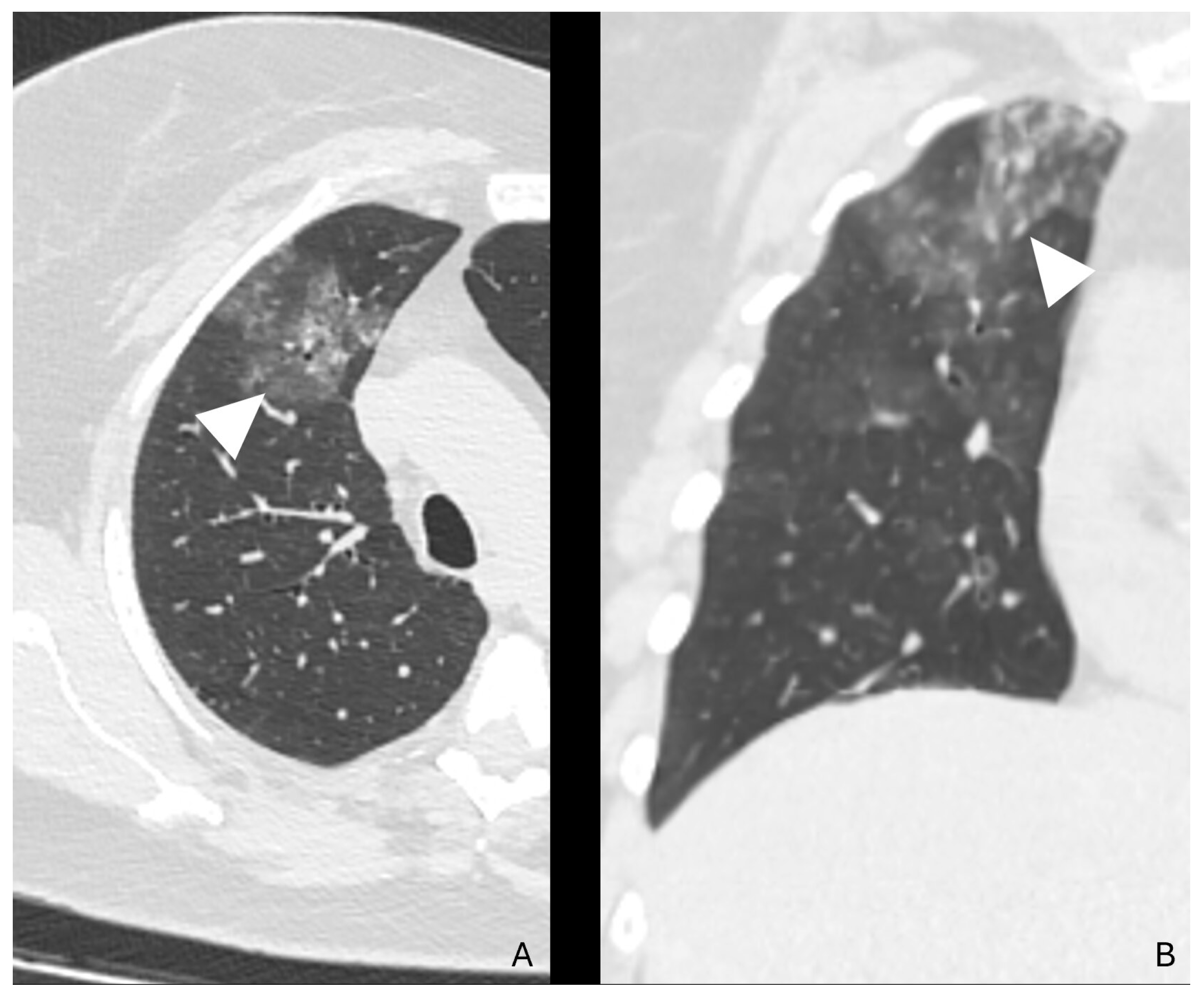
Figure 2.
Bronchial artery hypertrophy in a 74-year-old female with a type 2 Cauldwell branching pattern. A-B, Axial (A) and coronal (B) CT images show an ectatic, ectopic intercostobronchial trunk (arrowhead). C-D. Axial (C) and sagittal (D) CT images show a dilated, ectopic left bronchial artery (arrow).
Figure 2.
Bronchial artery hypertrophy in a 74-year-old female with a type 2 Cauldwell branching pattern. A-B, Axial (A) and coronal (B) CT images show an ectatic, ectopic intercostobronchial trunk (arrowhead). C-D. Axial (C) and sagittal (D) CT images show a dilated, ectopic left bronchial artery (arrow).
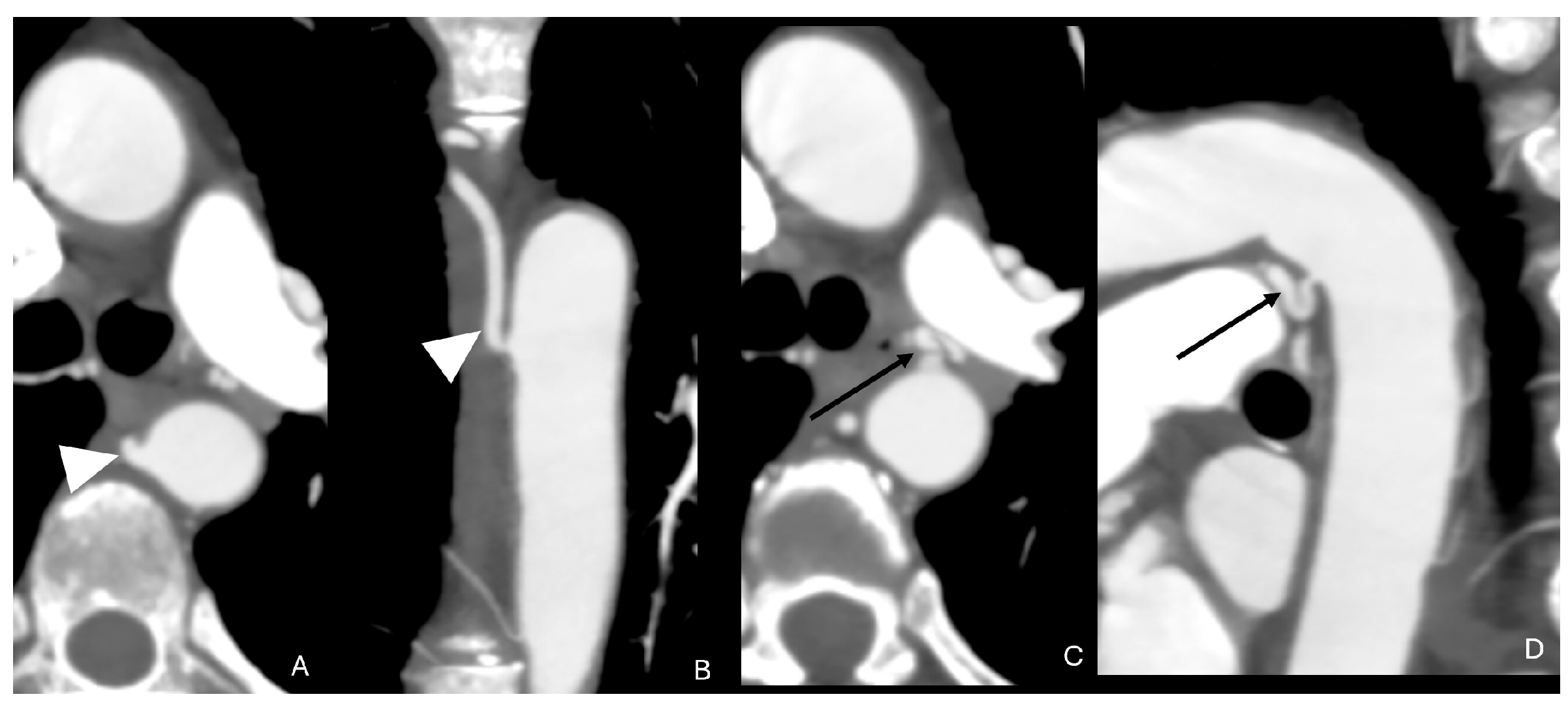
Figure 3.
Bronchial artery hypertrophy in a 62-year-old female with a type 4 Cauldwell branching pattern. A, CT shows an ectatic, ectopic intercostobronchial trunk (arrowhead). B, CT shows an enlarged orthotopic left bronchial artery (arrow). C-D, Superselective embolization of the right bronchial artery (D) arising from the intercostobronchial trunk with microspheres (arrow) results in disappearance of three pre-treatment foci of intense parenchymal contrast staining (circle in C), while the intercostal branch originating from the same trunk (arrow in C) becomes more conspicuous on the post-embolization angiogram.
Figure 3.
Bronchial artery hypertrophy in a 62-year-old female with a type 4 Cauldwell branching pattern. A, CT shows an ectatic, ectopic intercostobronchial trunk (arrowhead). B, CT shows an enlarged orthotopic left bronchial artery (arrow). C-D, Superselective embolization of the right bronchial artery (D) arising from the intercostobronchial trunk with microspheres (arrow) results in disappearance of three pre-treatment foci of intense parenchymal contrast staining (circle in C), while the intercostal branch originating from the same trunk (arrow in C) becomes more conspicuous on the post-embolization angiogram.
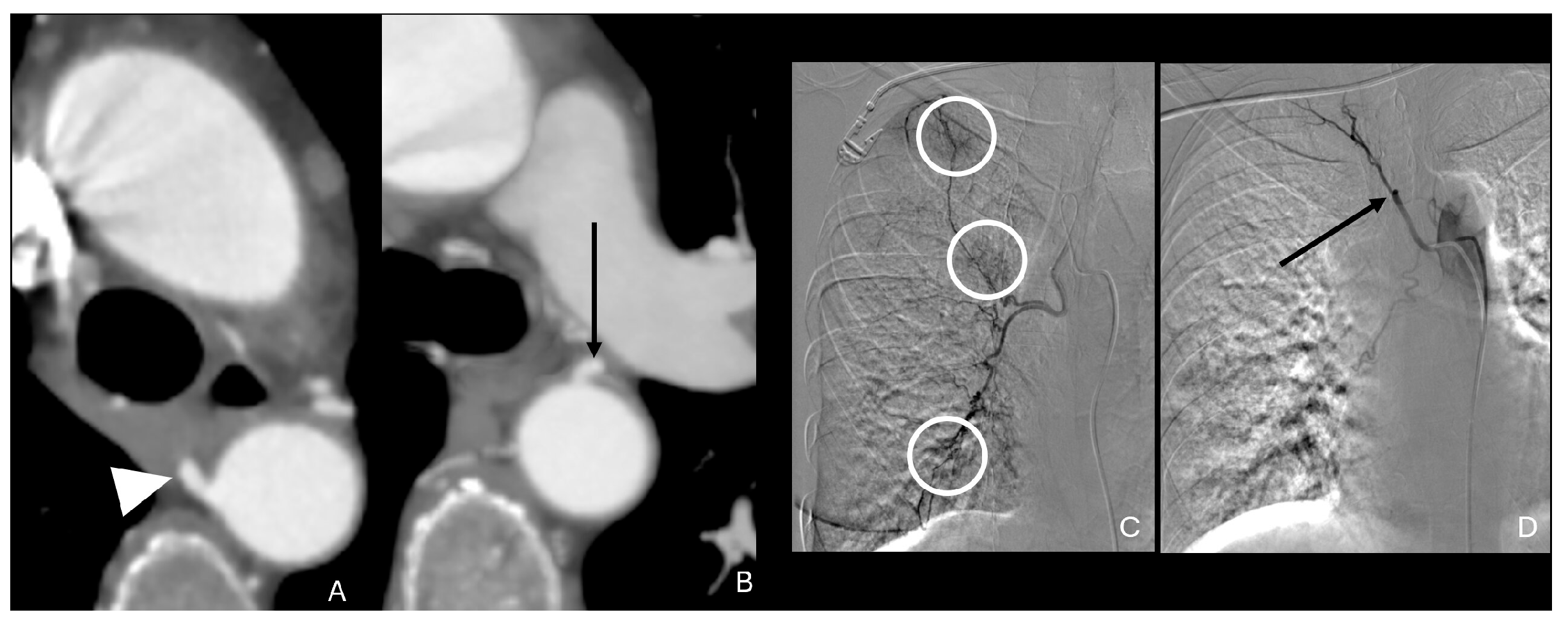
Figure 4.
Multiple bronchiectasis in a 76-year-old male with hemoptysis. A. Lung window CT image shows large bronchiectasis in the involved lobes. B, Corresponding mediastinal window CT image show hypertrophic and tortuous bronchial arteries (arrow).
Figure 4.
Multiple bronchiectasis in a 76-year-old male with hemoptysis. A. Lung window CT image shows large bronchiectasis in the involved lobes. B, Corresponding mediastinal window CT image show hypertrophic and tortuous bronchial arteries (arrow).
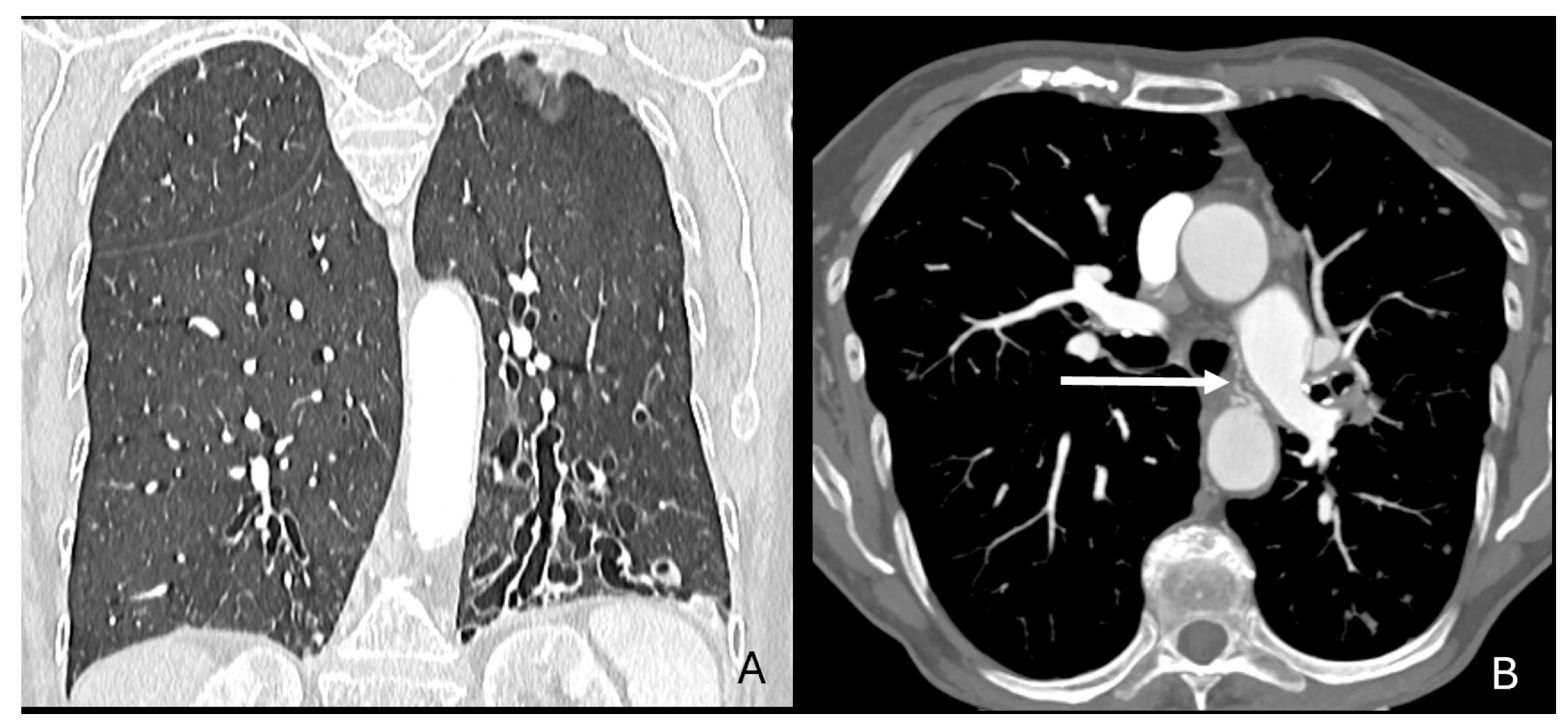
Figure 5.
Acute bilateral pulmonary embolism and subsequent chronic changes in an 88-year-old male. A-B, CT images show acute emboli within right and left pulmonary arteries (arrowhead). C-D, One-year CT follow-up shows subtotal resolution of pulmonary embolism (C) and hypertrophy of the right bronchial artery (circle in D), which arises from the aortic arch.
Figure 5.
Acute bilateral pulmonary embolism and subsequent chronic changes in an 88-year-old male. A-B, CT images show acute emboli within right and left pulmonary arteries (arrowhead). C-D, One-year CT follow-up shows subtotal resolution of pulmonary embolism (C) and hypertrophy of the right bronchial artery (circle in D), which arises from the aortic arch.
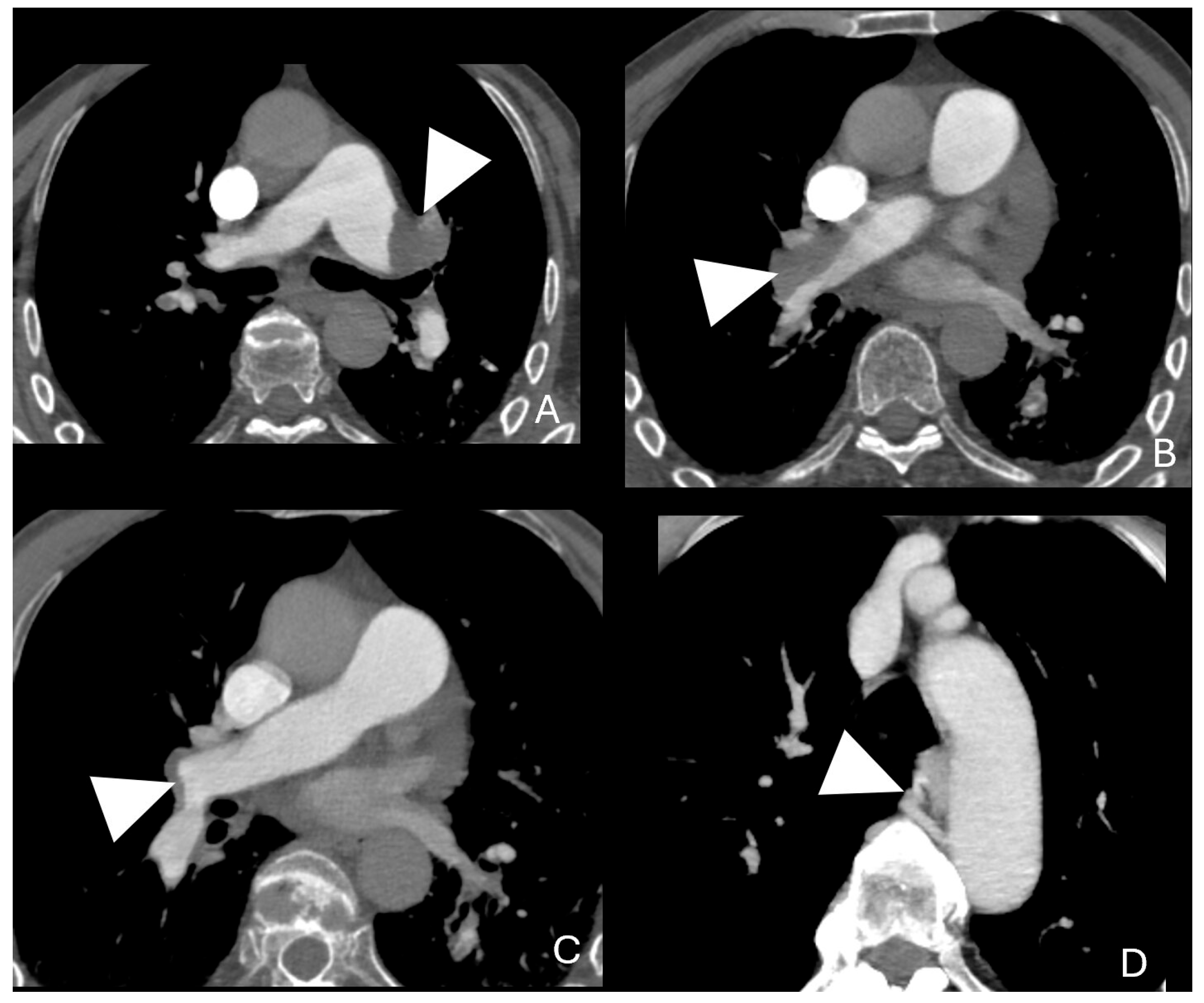
Figure 6.
Pseudosequestration in a 48-year-old female with hemoptysis. A-B, CT images show a large anomalous systemic artery (arrow in A) supplying otherwise normally aerated lung parenchyma, accompanied by focal ground-glass opacity and ectasia of the draining pulmonary vein (circle in B). C-D, Post-procedural angiogram (C) shows coil embolization of the aberrant systemic vessel (arrowhead), with exclusion of the shunt (arrow in D) and expected reduction of hemorrhagic risk.
Figure 6.
Pseudosequestration in a 48-year-old female with hemoptysis. A-B, CT images show a large anomalous systemic artery (arrow in A) supplying otherwise normally aerated lung parenchyma, accompanied by focal ground-glass opacity and ectasia of the draining pulmonary vein (circle in B). C-D, Post-procedural angiogram (C) shows coil embolization of the aberrant systemic vessel (arrowhead), with exclusion of the shunt (arrow in D) and expected reduction of hemorrhagic risk.
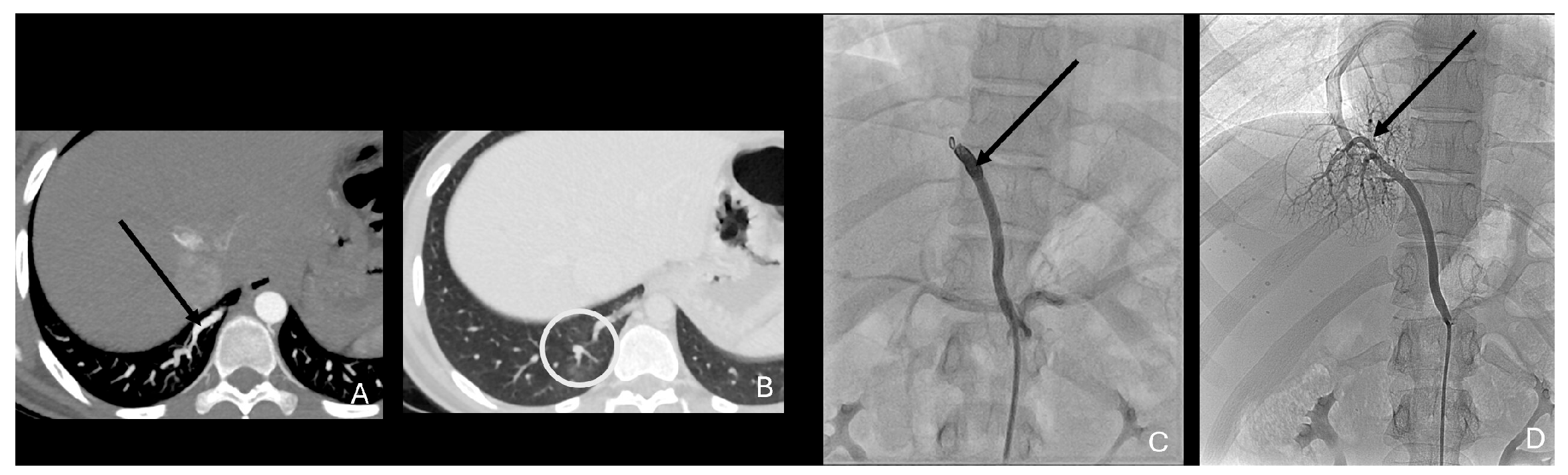
Figure 7.
Rasmussen aneurysm arising from a left pulmonary arterial branch in post-tuberculous cavitary in a 71-year-old female. Axial mediastinal window (A), axial lung window (B), and sagittal mediastinal window (C) CT images a focal enhancing outpouching along the wall of a fibrotic cavity (arrowhead) in the left lung, compatible with a pulmonary artery pseudoaneurysm.
Figure 7.
Rasmussen aneurysm arising from a left pulmonary arterial branch in post-tuberculous cavitary in a 71-year-old female. Axial mediastinal window (A), axial lung window (B), and sagittal mediastinal window (C) CT images a focal enhancing outpouching along the wall of a fibrotic cavity (arrowhead) in the left lung, compatible with a pulmonary artery pseudoaneurysm.
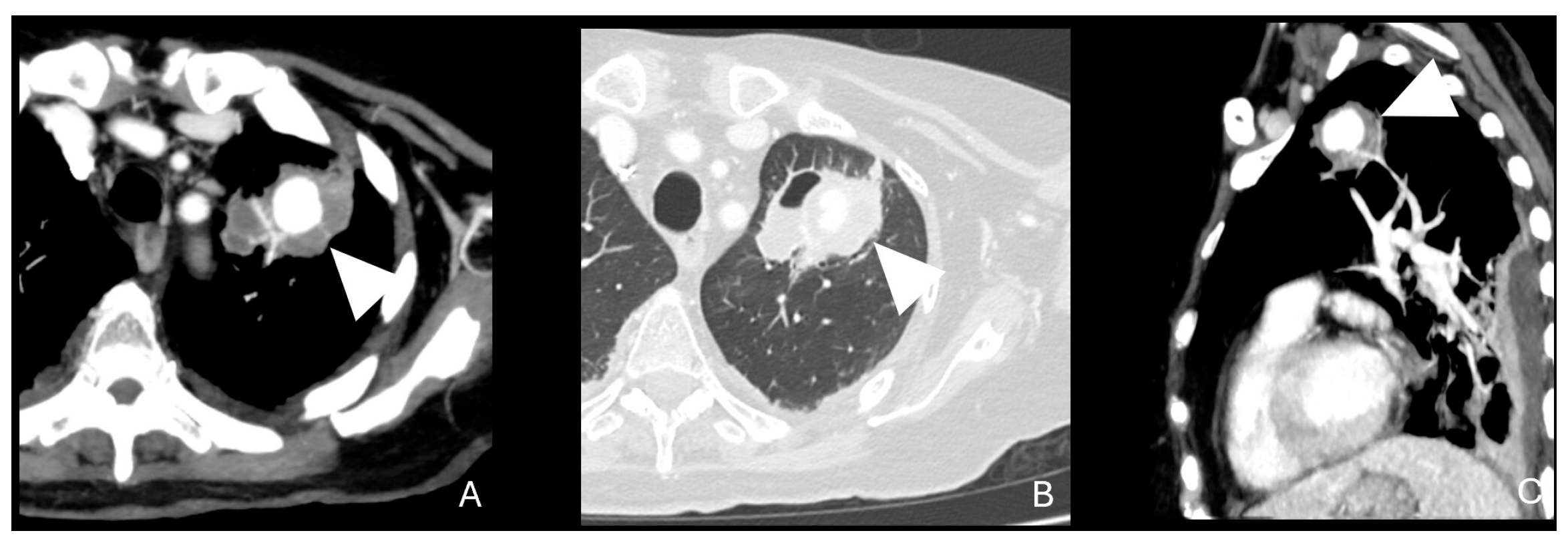
Figure 8.
Cavitated pulmonary squamous cell carcinoma in an 85-year-old male. A-B, CT images shows a cavitated pulmonary neoplasm (arrowhead in A) in the left lung in close contiguity with an adjacent left pulmonary arterial branch (arrow in B). The tight tumor–vessel interface and focal arterial narrowing raise concern for arterial wall invasion and risk of tumor-related pulmonary artery pseudoaneurysm as a source of hemoptysis.
Figure 8.
Cavitated pulmonary squamous cell carcinoma in an 85-year-old male. A-B, CT images shows a cavitated pulmonary neoplasm (arrowhead in A) in the left lung in close contiguity with an adjacent left pulmonary arterial branch (arrow in B). The tight tumor–vessel interface and focal arterial narrowing raise concern for arterial wall invasion and risk of tumor-related pulmonary artery pseudoaneurysm as a source of hemoptysis.
Disclaimer/Publisher’s Note: The statements, opinions and data contained in all publications are solely those of the individual author(s) and contributor(s) and not of MDPI and/or the editor(s). MDPI and/or the editor(s) disclaim responsibility for any injury to people or property resulting from any ideas, methods, instructions or products referred to in the content. |
© 2026 by the authors. Licensee MDPI, Basel, Switzerland. This article is an open access article distributed under the terms and conditions of the Creative Commons Attribution (CC BY) license.
Copyright: This open access article is published under a Creative Commons CC BY 4.0 license, which permit the free download, distribution, and reuse, provided that the author and preprint are cited in any reuse.


