

Submitted:
25 June 2026
Posted:
26 June 2026
You are already at the latest version
Abstract
Species belonging to the genus Seseli have long been known to be used in traditional medicine as herbal remedies for various purposes such as relieving colds, inflammation, pain, and gas. Therefore, in this study, the aerial parts of S. transcaucasicum have been extracted in methanol and acetone to investigate their phytochemical composition and antioxidant, antimicrobial, and cytotoxic activities. For this purpose, the total phenolic content (TPC), DPPH free radical scavenging activity (RSA), phenolic component profile, volatile component composition, antimicrobial effect, and cytotoxic potential on the HT29 human colorectal adenocarcinoma cell line have been evaluated. When the results have been examined, it has been observed that the methanol extract has shown a higher total phenolic content (77.389 ± 1.389 mg GAE/g extract) and higher radical scavenging activity (40.933 ± 0.067 mg TE/g extract) compared to the acetone extract. HPLC analysis of the phenolic components have revealed that rosmarinic acid, catechin, and quercetin have been particularly high in both extracts. Among these, rosmarinic acid has been detected in the highest amount, reaching levels of 15.195 mg/g in the methanol and 14.929 mg/g in the acetone extracts, respectively. The volatile components of our plant have been determined by GC-MS, and a total of 29 volatile compounds have been identified. Among these, β-pinene (220.792 mg/kg), Δ3-karen (81.898 mg/kg), α-sedrene (63.331 mg/kg), elixen (44.535 mg/kg), sabinene (40.822 mg/kg), and D-limonene (38.422 mg/kg) have been determined as the most dominant compounds. The antimicrobial activity results of the plant extracts have shown a moderate inhibitory effect against the tested microorganisms. The highest antimicrobial activity has been determined as the 16 mm inhibition zone created by the methanol extract at a concentration of 100 mg/mL against S. aureus. When the study conducted to determine the cytotoxicity properties has been examined, it hs been determined that both extracts have shown a dose-dependent antiproliferative effect on HT29 cells. When we have examined the difference between our solvents, we have seen that the acetone extract at a concentration of 500 µg/mL has reduced cell viability by 18.03%, while the methanol extract at the same concentration reduced viability by 30.56%. Considering our results as a whole, it is seen that S. transcaucasicum is rich in phenolic and terpenic compounds and exhibits significant antioxidant, antimicrobial, and potential anticancer properties. Therefore, it is thought that this plant species could be a promising source for the development of naturally occurring biologically active compounds.
Keywords:
S. transcaucasicum
; phenolic compounds
; GC-MS
; antioxidant activity
; antimicrobial activity
; cytotoxicity
; HT29
1. Introduction
Seseli L. (Euphorbia vulgaris/Ewe's vulgaris), a member of the Apiaceae family, is one of the largest and most taxonomically complex genera in this family. Represented by approximately 125-150 taxa distributed across Europe, Asia, and North Africa, this genus includes more than 20 taxa in the Turkish flora (Aykurt et al., 2014).
Seseli species are generally perennial herbaceous plants with a woody main root and an erect stem structure. The most distinctive chemical characteristic of the genus is its high richness in pyranocoumarins and furanocoumarins. These secondary metabolites play a role in the plant's defense system and are also noteworthy in the medical world for their anti-inflammatory, spasmolytic, and especially phototoxic effects (Sarikurkcu et al., 2010).
Seseli transcaucasicum is a species distributed in Turkey, particularly in the Eastern Anatolia Region (Erzurum, Kars, Bitlis, Ağrı) and the neighboring Caucasus region. While taxonomically sharing the characteristics of the Seseli genus, this species generally prefers high-altitude mountainous areas, rocky slopes, and steppes as its habitat. Forming local populations along a line extending from the Erzurum-Kars plateau to Mount Peli in Bitlis, this plant is known locally as "ebem çaşırı" or "çakşır" (Zengin et al., 2020).
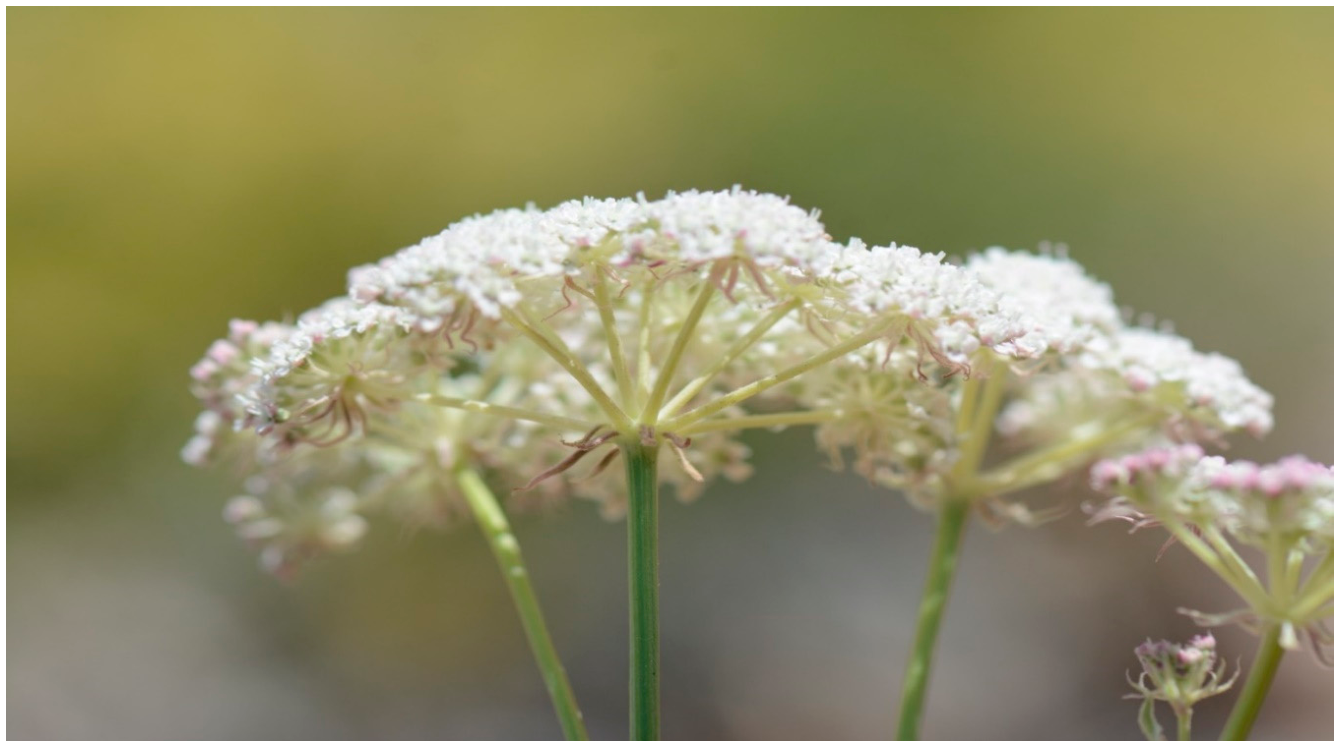
Figure 1.
Image of the S. transcaucasicum plant used in our study.
Members of the Seseli genus have been used as herbal medicine for many years in traditional medicine for various purposes such as relieving colds, inflammation, pain and gas due to their known therapeutic properties (Cabral et al., 2015). In addition, it is known that species belonging to this genus have anthelmintic, carminative, stomach-soothing and stimulant properties and are also used in the treatment of central nervous system disorders such as epilepsy (Küpeli et al., 2006; Sahranavard et al. 2014). In addition to these, some members of the Seseli genus are also widely used in traditional medicine due to their antibacterial, antifungal and insect repellent activities (Ilić et al., 2015).
Considering the ethnobotanical uses of species belonging to this genus, various studies have been conducted on their biological activities, and it has been determined that various Seseli species exhibit antibacterial, anticancer, anti-inflammatory, and antinociceptive effects (Küpeli et al., 2006; Cinar et al., 2020). In addition, some studies have shown that Seseli species contain essential oils with significant pharmacological potential, and these essential oils have antimicrobial and antioxidant properties (Marčetić et al., 2012).
Studies till today on Seseli species and their widespread use in traditional medicine indicate that these plants possess immense healing potential that can benefit human health and be used in the treatment of various diseases. However, the chemical composition and biological activities of most members of the Seseli genus have not yet been sufficiently investigated. Specifically regarding the S. transcaucasicum species, data in the literature on the antioxidant, anticancer, and antimicrobial potential of the Bitlis population are quite limited. Therefore, this study aims to investigate the antioxidant, anticancer, and antimicrobial effects of S. transcaucasicum (Mallow root) and to determine its biological properties by extracting its volatile components and molecular docking structure.
2. Materials and Methods
2.1. Plant Material
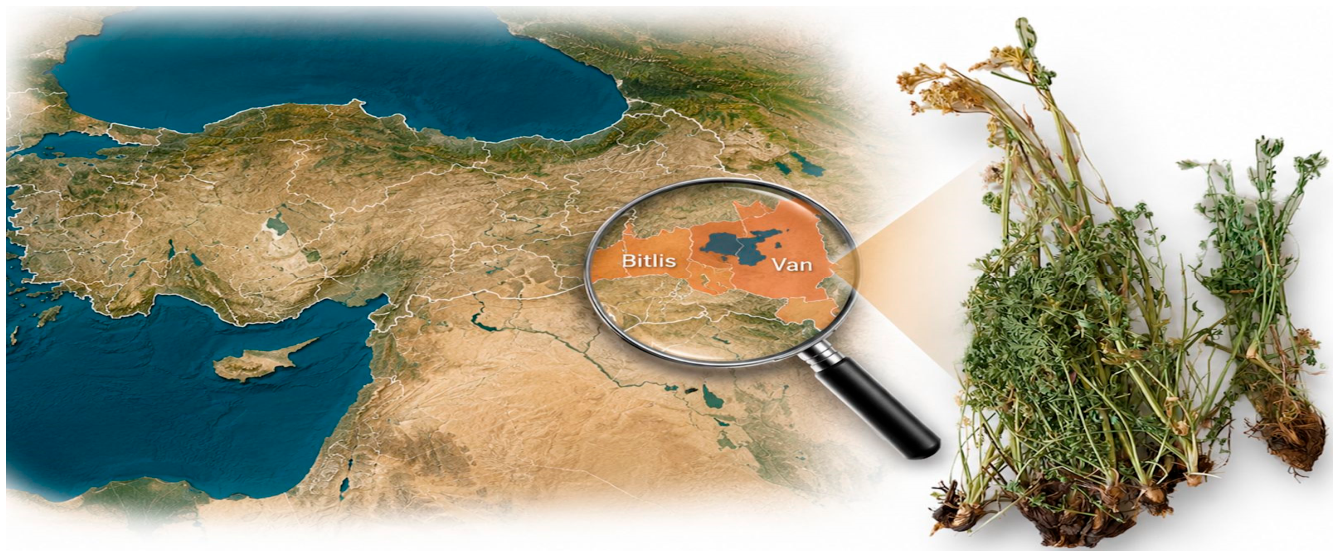
The S. transcaucasicum plant, which we collected in 2023 from the Summit Cliffs of Söğütlü-Evbark Villages in Bitlis-Van at an altitude of 2850-2900m, was identified by Prof. Dr. Murat KÜRŞAT and Lütfüllah SAKCİ and registered in BEUH (Bitlis Eren University Herbarium) with the number 8049.
Figure 2.
Location where S. transcaucasicum plant has been collected and image of the dried plant.
2.2. Working Chemicals
All chemicals used have been of high purity and have been sourced from Merck Millipore (Germany), Merck EMSURE (Germany), ISOLAB (Germany) and J.T. Baker (USA).
2.3. Preparation of the Extract
The S. transcaucasicum plant we have collected has been dried without exposure to sunlight, and the intact above-ground parts have been selected and ground in a porcelain mortar for this study. Ten grams of the obtained plant have been weighed and placed in erlenmeyer flasks, and ten times the weight of the plant has been added to each extract. The mixture has then been left to stand for 24 hours at room temperature in an orbital shaker at 100 rpm. The resulting solution has then been filtered through Whatman No:1 filter paper, and the solvents have been removed from the mixture using an evaporator. The resulting plant extract has been stored at +4°C until further studies have been conducted (Tawaha et al. 2007).
2.4. Determination of Antioxidant Capacity
Total antioxidant capacity (TAC) for S. transcaucasicum has been determined by spectrophotometric analysis using the 1,1-diphenyl-2-picryl hydrazyl (DPPH Sigma-Aldrich, Germany) free radical scavenging method (Osei et al., 2022). This method, first used by Blois (1958), was later improved by Sánchez-Moreno et al. (1998). 0.3 mL of each concentration of plant extract, prepared by halving the concentrations, has been taken, 2.7 mL of DPPH has been added, and incubated for 30 minutes in a dark environment at room temperature. Absorbance values have been measured at the end of the incubation period using a UV-VIS spectrophotometer (Biochrom Libra S70). Trolox has been used as a positive control, and each group has been studied in three parallels. The DPPH scavenging activity of the extracts has been determined as trolox equivalent (TE) by calculating IC50 values from the obtained calibration curves.
For our plant extracts whose total phenolic content (TPC) has been determined by the Folin–Ciocalteu method (Capanoglu, De Vos, Hall, Boyacioglu, & Beekwilder, 2013), 100 µL has been taken from each sample for TPC analysis, and then 900 µL of pure water and 5 mL of 0.2 N Folin–Ciocalteu reagent have been added. The resulting solution has been left in the dark for approximately 8 minutes, then 5 mL of sodium carbonate (Na₂CO₃) has been added and vortexed. The mixture, which has been left to incubate at room temperature for 2 hours, had its absorbance values measured at a wavelength of 765 nm using a UV–VIS spectrophotometer, and the TPC amounts have been determined with gallic acid standard solution and a calibration curve was created.
2.5. Determination of Volatile Components
Volatile components of S. transcaucasicum have been determined using the Head Space-Solid Phase Microextraction (HS-SPME) method on a Shimadzu QP-2020 GC-MS instrument (Genovese et al., 2015). The above-ground parts of the plant, ground and placed in a 2-gram SPME vial, have been incubated at 40 °C for 30 minutes, after which an SPME fiber (Supelco, 2 cm) has been placed inside the vial. The fiber has then been allowed to adsorb at the same temperature for 30 minutes, and after adsorption has been complete, it has been incubated at 250 °C for 5 minutes for desorption in the GC-MS injection port. Helium gas, with a flow rate of 1.05 mL/min, has been used as the carrier gas, and chromatographic separation has been performed using splitless injection mode. The device oven has been heated from 40°C to 240°C in increments of 4°C per minute and held at this temperature for 6 minutes. The concentration of volatiles has been calculated relatively at the end of the process using isobutyl acetate as an internal standard.
2.6. Determination of Phenolic Compounds
High-performance liquid chromatography (HPLC) has been used to determine the phenolic compounds of S. transcaucasicum (Veneziani et al. 2018). Plant extracts have been passed through a 0.45 µm PVDF membrane filter before starting the study. Then, 20 µL of each sample has been taken and injected into a Waters Alliance E2695 HPLC system (USA). Separation has been performed using a reverse-phase C18 column (5 µm, 4.6 × 250 mm; GL Sciences, Tokyo, Japan). Caffeic acid, vanillic acid, p-coumaric acid, gallic acid, quercetin, catechin, 3,4-dihydroxbenzoic acid, 4-hydroxbenzoic acid, luteolin, apigenin, and rosmarinic acid solutions have been used as standards for determining phenolic components. Chromatographic data have been evaluated using Empower 3 software after measurements have been taken with a Photodiode Array (PDA) detector (Waters 2996, Milford, MA, USA) at a wavelength of 280 nm. The amounts of phenolic compounds have been calculated in mg/kg.
2.7. Determination of Antimicrobial Activity
To determine the antimicrobial capacity of S. transcaucasicum, gram-negative bacterial strains (Escherichia coli ATCC 25922, Pseudomonas aeruginosa ATCC 9027), gram-positive bacterial strain (Staphylococcus aureus ATCC 25923), and standard yeast strain (Candida albicans ATCC 10231) have been used. Nutrient Broth (Merck), Nutrient Agar (Merck), Sabouraud Dextrose Broth (Merck), and Sabouraud Dextrose Agar (Merck) culture media have been used to amplify these strains. Erythromycin 15 μg/disk (Bioanalyse®), Ciprofloxacin 1 µg/disk (Bioanalyse®), and Nystatin 100 µg/disk (Bioanalyse®) discs have been used as positive controls, while DMSO (20%) has been used as a negative control. 10 µL of different concentrations (50, 100 mg/mL) of extracts (NCCLS, 1997) have been impregnated into sterile 6 mm diameter blank discs (Bioanalyse, Ankara, Turkey) by disc diffusion method, and bacterial strains have been incubated in an oven at 37 °C for 24 hours, while yeast strains have been incubated at 30 °C for 48 hours. After the incubation period has been complete, the diameters of the resulting inhibition zones have been measured and calculated in mm.
2.8. In Vitro Cell Viability Assessment (WST-1 Test)
The human colorectal cancer cell line HT-29 has been used for the in vitro cell viability assessment test of S. transcaucasicum. These cell lines have been obtained through Dr. Mehmet Kadir Erdoğan from the Cancer Research Laboratory of Bingöl University. Cells have been maintained under standard culture conditions (37 °C, 5% CO₂) in DMEM (Sigma, #D6429) medium supplemented with 10% fetal bovine serum (Biowest, #S191H), penicillin (100 U/mL), and streptomycin (100 μg/mL).
The cytotoxic effects of the experiments and extracts, using exponentially growing cells without mycoplasma, have been evaluated with the WST-1 test (Graham et al., 2025). In the study, 96-well plates have been used, and 5 × 10³ cells were seeded per well. Cells that have been allowed to adhere overnight have then been treated with different extract concentrations for 72 hours. At the end of this process, WST-1 reagent (10 μL) (Roche) has been added to each well and allowed to stand for 4 hours, and their absorbances have been measured at 450 nm using a Thermo Multiskan microplate reader. All experiments have been performed with at least three biological replicates, and cell viability has been calculated relative to a 20% DMSO control.
2.9. Statistical Analysis
All data obtained in this study have been expressed as mean ± standard deviation (SD) values of three independent measurements, and statistical analyses were performed using IBM SPSS Statistics ver.27 program. One-way analysis of variance (ANOVA) has been used to evaluate differences between groups, and linear regression analysis has been applied where appropriate. The statistical significance level has been accepted as p < 0.05.
3. Results and Discussion
3.1. Antioxidant Capacity
The total antioxidant capacity (TAC) of S. transcaucasicum has been determined using DPPH radical scavenging activity (RSA) and total phenolic content (TPC) methods (Table 4). The R2 value of the total phenolic acid content calculated according to the gallic acid reference has been found to be 0.998, and the R2 value of the DPPH scavenging capacity calculated according to the trolox reference has been found to be 0.990.

Table 1.
Antioxidant capacity of S. transcaucasicum.
| Samples | TPC (mg GAE/g Ext.) | RSA (mg TE/g Ext.) | IC50 (mg/L) |
|---|---|---|---|
| S. transcaucasicum M | 77.389±1.389 | 40.933 ± 0.067 | 409.328± 0.047 |
| S. transcaucasicum Ac | 51.932 ± 0.926 | 16.482 ± 0.151 | 164.818 ± 0.107 |
M: Methanol, Ac: Acetone Ext: Extract.
When we have examined the results we obtained to determine the antioxidant capacity of S. transcaucasicum extracted in methanol and acetone, it has been observed that the methanol extract has shown higher total phenolic content and radical scavenging capacity activity compared to the acetone extract (Table 1). The fact that the methanol extract has a total phenolic content of 77,389 (mg GAE/g ext.) and also shows a higher RSA value indicates a strong relationship between phenolic compounds and antioxidant activity. In the acetone extract (51,932 mg GAE/g ext.), a lower phenolic content and antioxidant capacity have been determined compared to the methanol extract.
Strong antioxidant properties in plant extracts are generally associated with high phenolic content. In species belonging to the Apiaceae family, including S. transcaucasicum, phenolic acids, flavonoids, and coumarin derivatives are known to exhibit free radical scavenging properties. A recent review study has indicated that plants belonging to the Apiaceae family are quite rich in natural antioxidants, and this is largely due to phenolic compounds (Jayakodi et al., 2024).
When we have examined previous studies on S. transcaucasicum, we have found that the results obtained in our study are consistent. For example, in a comprehensive study conducted by Zengin et al., it has been determined that methanol extracts of Seseli species have shown higher total phenolic content and antioxidant capacity compared to water extracts (2021). Studies have shown that polar solvents dissolve phenolic compounds better, thus having a higher antioxidant capacity. In current studies on plant species belonging to the Apiaceae family, it is stated that an increase in the amount of phenolic compounds also increases the DPPH radical scavenging capacity (Ulewicz-Magulska and Wesolowski 2023). The fact that the methanol extract in our study has shown stronger RSA activity is similar to this situation.
In addition to their effects on antioxidant capacity, phenolic compounds are known to act as hydrogen donors, neutralizing free radicals and playing an important role in reducing oxidative stress. Some recent studies have shown that phenolic compounds possess antioxidant properties as well as anticancer, antimicrobial, and anti-inflammatory effects (Saini et al., 2024).
When we have examined the IC₅₀ values in our study, we have observed that the acetone extract has had a lower IC₅₀ value. In the DPPH analysis, a lower IC₅₀ value indicates stronger radical scavenging activity. Therefore, this result suggests that the acetone extract may contain some secondary metabolites that are effective against specific radicals. In addition, when the total phenolic content and overall antioxidant capacity of our plant are evaluated together, it is seen that the methanol extract has a broader and more comprehensive antioxidant potential thanks to its richer phenolic profile. In conclusion, it can be said that the S. transcaucasicum plant used in our study has a significant level of natural antioxidant capacity.
3.2. Volatile Component Analysis
The volatile components of S. transcaucasicum have been measured chromatographically, and the resulting chromatogram is given in Figure 2.
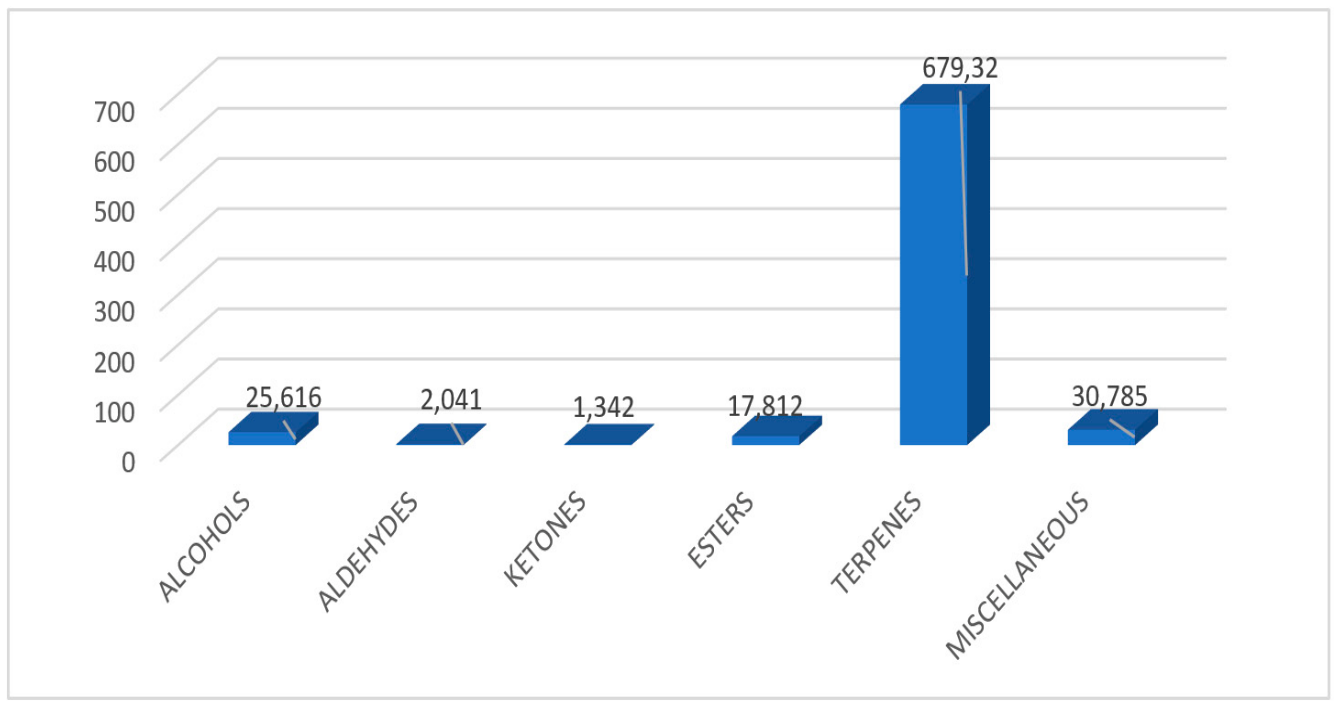
When the above-ground parts of S. transcaucasicum have been examined using a GC-MS device, a total of 29 compounds have been identified, of which 4 are alcohols, 2 are aldehydes, 1 is a ketone, 4 are esters, 16 are terpenes, and 2 are various compounds (Table 2).
When the volatile components of the above-ground parts of S. transcaucasicum are examined, it is seen that the majority of the compounds consist of monoterpene and sesquiterpene terpenoids. When we have examined the compounds obtained from our study, the compounds determined in the highest amounts have been (-)-β-pinene (220.792 mg/kg), Δ3-carene (81.898 mg/kg), α-cedrene (63.331 mg/kg), elixene (44.535 mg/kg), sabinene (40.822 mg/kg), and D-limonene (38.422 mg/kg). These results show that the above-ground parts of S. transcaucasicum have a very rich terpenoid content.
Figure 4.
Distribution of amounts obtained from GC-MS device according to groups.
When studies on different species of the Seseli genus are examined, it is seen that monoterpene and sesquiterpene compounds are dominant, as in our study. For example, in the study conducted by Janaćković et al., sabinene, α-pinene and β-phellandrene compounds are found in high amounts (2011). When we have examined another study, it is given that the dominant compounds are α-pinene, limonene, camphene and sabinene (Marčetić et al. 2012). These studies, together with the results we obtained from our study, show that Seseli species generally have a chemical profile rich in terpenoids.
In our study, we have detected high amounts of monoterpenes such as (-)-β-pinene, sabinene, limonene, and Δ3-carene, which have been shown in previous studies to possess significant biological activities (Melkina et al., 2021). Of these, β-pinene and limonene exhibit antimicrobial effects by disrupting the permeability of microbial cell membranes, while compounds like sabinene and α-terpinolene enhance antioxidant activity (Zielińska-Błajet and Feder-Kubis 2020). Furthermore, another study has determined that samples rich in germacrene-D, sabinene, and limonene also show antifungal activity (Milosavljević et al., 2007).
Although not as abundant as the others, the sesquiterpene compounds we obtained in high amounts in our study have been germacrene-D, β-bourbonene, γ-muurolene, and α-cedrene. These compounds are also considered to be important in terms of biological activity. Germacrene-D has been shown to possess antimicrobial, anti-inflammatory, and antioxidant properties (de Cássia Da Silveira e Sá et al., 2015), while sesquiterpenes such as α-cedrene and γ-muurolene have been found to play a role in natural defense mechanisms (Lesjak et al., 2014).
In addition to the compounds mentioned above, oxygenated compounds such as linalool, geranyl 2-methylbutanoate, and phenethyl 2-methylbutyrate have also been detected in our study. Among these, linalool, in particular, has been shown in previous studies to possess antioxidant and antimicrobial properties (Mączka et al. 2022).
Our study, S. transcaucasicum, generally shows agreement with studies on sesquiterpene species and has a chemical profile rich in monoterpenes and sesquiterpenes. In our study, compounds such as (-)-β-pinene, Δ3-carene, sabinene, limonene, and germacrene-D have been detected in high amounts. These compounds are thought to be important components affecting the plant's potential biological activities.
3.3. Phenolic Compounds
Table 3.
S. transcaucasicum bitkisine ait fenolik bileşen miktarları (mg/g).
| Phenolic Compounds | A. armeniaca L. A | A. armeniaca L. M |
|---|---|---|
| Caffeic acid | 0.04 | 0.044 |
| Vanilic acid | 0.024 | 0.044 |
| p-coumaric acid | 0.052 | 0.038 |
| Gallic acid | 0.930 | 0.606 |
| Quercetin | 1.872 | 1.010 |
| Catechin | 3.310 | 14.717 |
| 3,4-dihydroxybenzoic acid | 0.384 | 0.710 |
| 4-Hydroxybenzoic acid | 0.024 | 0.144 |
| Luteolin | 0.29 | 0.28 |
| Apigenin | 1.263 | 0.239 |
| Rosmarinic acid | 14.929 | 15.195 |
M: Methanol, Ac: Acetone.
When we have examined the phenolic compounds of extracts from S. transcaucasicum, it has been observed that rosmarinic acid is the compound found in the highest amount in both extracts. Rosmarinic acid has been detected at 14.929 mg/g in the acetone extract and 15.195 mg/g in the methanol extract. Rosmarinic acid, known for its strong antioxidant and anti-inflammatory properties and being an important derivative of hydroxycinnamic acid, makes a significant contribution to the biological activities of plants (Zengin et al. 2021). Therefore, it is thought that the high rosmarinic acid content determined in our study plays an important role in the antioxidant potential of the plant extracts.
Catechin is another compound detected in high amounts in the study. The amount of catechin, specifically determined at 14.717 mg/g in the methanol extract, indicates that the extract is rich in flavonoids. Catechins are known to have high free radical scavenging activity, are effective in reducing oxidative stress due to their phenolic structure, and can also exhibit antimicrobial effects against various microorganisms (Bernatoniene and Kopustinskiene 2018; Taylor et al. 2005).
The presence of flavonoids such as quercetin, apigenin, and luteolin in both extracts, albeit in smaller amounts compared to other compounds, indicates a high phenolic diversity of the plant. The higher amount of quercetin in the acetone extract (1.872 mg/g) suggests that solvent selection has an effect on flavonoid extraction. Studies have shown that flavonoids exhibit antioxidant and antimicrobial properties (Zengin et al. 2021).
Although phenolic acids such as caffeic acid, p-coumaric acid, gallic acid, vanillic acid, 3,4-dihydroxybenzoic acid, and 4-hydroxybenzoic acid have been detected in lower amounts in this study, they contribute to the overall phenolic profile. The presence of these compounds together suggests that they may synergistically enhance the biological activities of the plant extracts.
A review of the literature reveals that studies on S. transcaucasicum have identified chlorogenic acid and narcissin as the main phenolic compounds. However, in our study, it is noteworthy that rosmarinic acid and catechin have been identified as the dominant compounds among the phenolic compounds we have studied. The observed differences in compound amounts may be due to variations in the plant's habitat, climatic conditions, phenological stage, plant part used, and extraction methods. Furthermore, both studies have determined that the species is rich in phenolic compounds and possesses significant biological activity potential (Zengin et al. 2021).
The high concentrations of some of the phenolic compounds (Rosmanic acid, Catechin, Quercetin, Apigenin) obtained from our study support our findings regarding antimicrobial and antioxidant activity. The presence of these compounds in high amounts suggests that they have an effect on the biological activity of S. transcaucasicum.
3.4. Antimicrobial Tests
To determine the antimicrobial capacities of extracts obtained from the plant S. transcaucasicum, bacterial strains of E. coli, P. aeruginosa, S. aureus, and a yeast strain, C. albicans, have been used.
Table 4.
Antimicrobial test results of S. transcaucasicum.
| Strains | Antibiotic | results | 1M | 2M | 1A | 2A |
|---|---|---|---|---|---|---|
| E. coli | 1 µg Ciprofloxacin/disk | 25±0.471 | 12±0.471 | 11±0 | 11±0.408 | 10±0.471 |
| S. aureus | 15 µg Erythromycin/disk | 26±0.942 | 16±0.471 | 11±0.471 | 8±0 | 8±0.471 |
| C. albicans | 100 µg Nystatin/disk | 28±1.247 | 9±0.471 | 8±0.471 | 9±0 | - |
| P. aeruginosa | 10 µg Gentamisin/disk | 18±3.832 | 9±0.471 | 8±0.471 | 10±0.471 | 9±0.408 |
1M: 100 mg/ml concentration of A. armeniaca L. extracted in methanol; 2M: 50 mg/ml concentration of A. armeniaca L. extracted in methanol; 1A: 100 mg/ml concentration of A. armeniaca L. extracted in acetone; 2A: 50 mg/ml concentration of A. armeniaca L. in acetone; - : Used to indicate that it showed no effect.
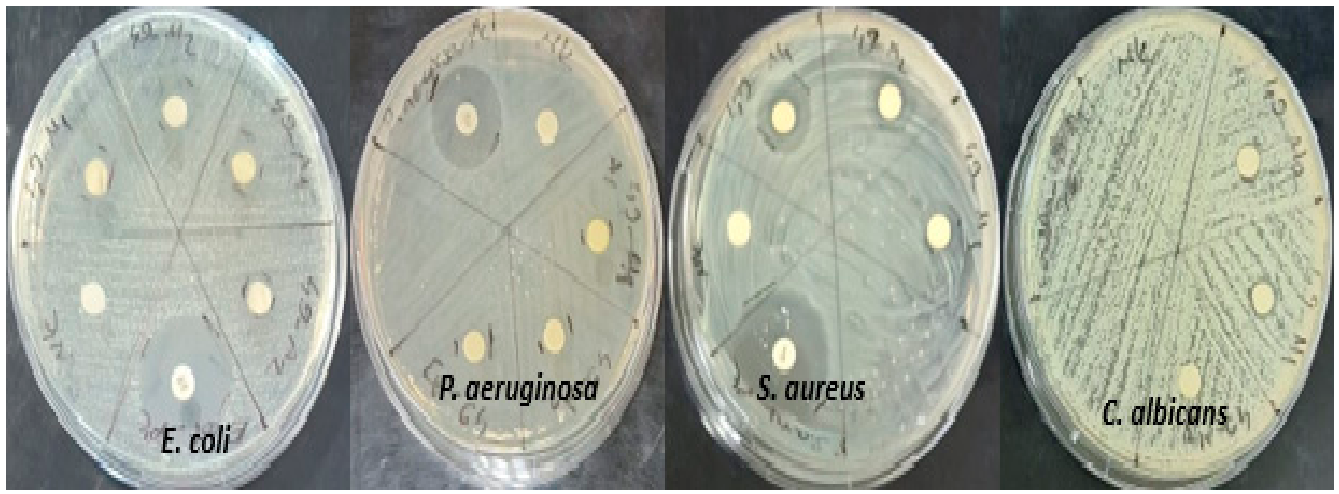
The results obtained from methanol and acetone extracts of the above-ground parts of the S. transcaucasicum plant are given in Table 4. Examining our results, it is seen that the extracts show different levels of inhibition zones against the tested microorganisms. When we examine the differences between the extracts, it is seen that the methanol extract shows higher activity than the acetone extract. This difference can be explained by the polar nature of methanol and the fact that polar solvents can extract phenolic and terpenoid bioactive compounds more effectively. Among our results, the most effective result has been observed in the 100 mg/mL methanol extract of the gram-positive bacterium S. aureus strain, with an inhibition zone of 16±0.471 mm. This indicates that gram-positive bacteria may be more sensitive to plant extracts. In contrast, the lower inhibition zones obtained against gram-negative bacteria such as E. coli and P. aeruginosa may be related to innate resistance mechanisms dependent on the outer membrane structures of these bacteria.
Figure 5.
Antimicrobial effect of S. transcaucasicum plant on E. coli, S. aureus, P. aeruginosa and C. albicans strains.
Figure 5.
Antimicrobial effect of S. transcaucasicum plant on E. coli, S. aureus, P. aeruginosa and C. albicans strains.
Previous studies on species belonging to the genus Seseli support the antimicrobial results obtained in our study. In a study investigating the antimicrobial effect of volatile compounds obtained from above-ground parts, it was determined that they showed antimicrobial activity against E. coli, P. aeruginosa, and S. aureus bacteria, as in our study (Janaćković et al., 2011). Similarly, in another previous study, it has been determined that samples obtained from different parts of S. rigidum showed a significant inhibitory effect, especially against S. aureus strains (Marčetić et al., 2012). Again, in the same study, monoterpenes such as α-pinene, limonene, camphene, and sabinene have been found in high amounts, as in the volatile compounds obtained in our study.
It is thought that terpenoid compounds such as (-)-β-pinene, sabinene, limonene, Δ3-carene, and germacrene-D, which have been found in high amounts among the volatile components obtained from our study, may contribute to antimicrobial activity. Our review of the literature shows that Seseli species, which are particularly rich in monoterpenes, exhibit stronger activity against Gram-positive bacteria (Janaćković et al., 2011). Furthermore, it has been shown that sabinene-rich oils obtained from S. globiferum fruits exhibit significant antibacterial and antifungal activity (Stojković et al., 2008).
When we have examined the antimicrobial effects on C. albicans, a yeast strain included in our study, we observed a low level of effect, but this result is consistent with previous antifungal activity studies on Seseli species (Matejić et al., 2012).
In conclusion, the data we have obtained show that the methanol extracts of S. transcaucasicum plant exhibit moderate antimicrobial activity. We believe that the inhibition zone observed especially on the S. aureus strain is due to the high amounts of monoterpene and sesquiterpene compounds among the volatile components.
3.5. Cytotoxicity Study
Above-ground parts of S. transcaucasicum have been extracted in methanol and acetone, and their cytotoxic potential against the human colorectal adenocarcinoma cell line HT29 has systematically been evaluated using the WST-1 cell viability test. For this purpose, cells have been exposed to a wide concentration gradient encompassing 7 different dose levels (0–500 µg/mL) during a 48-hour incubation period. Cell viability results have been calculated as a percentage compared to a carrier control treated with DMSO (20%) (Figure 6).
At the upper concentration studied, 500 µg/mL, the acetone extract have reduced viability to 18.03%, while the methanol extract have reduced it to 30.56%. Furthermore, statistically significant difference comparison (IBM-SPSS Statistics ver.27) has shown that cytosuppressive effect has begun at 31.3 µg/mL for the acetone sample (p=0.002) and at 62.5 µg/mL for the methanol extract (p=0.012). Considering these values and IC50 values together, it can be assumed that the acetone extract has higher cytotoxic activity.
The most problematic cytotoxic properties of S. transcaucasicum are likely due to its phenolic compounds. However, the synergistic effects of terpenes, which are present in significant amounts among its volatile components, can also be mentioned. Rosmarinic acid, detected in the highest amounts in both the acetone and methanol extracts (14.93-15.20 mg/g ext., respectively), is a compound whose antioxidant and cytotoxic properties have been highlighted in previous studies (Matejczyk et al., 2018, Huerta-Madronal et al., 2021). Furthermore, catechin, another important phenolic compound, has been detected in higher amounts, particularly in the methanol extract (14.72 mg/g ext.), compared to the acetone extract (3.31 mg/g ext.). Catechin is a biomolecule with antitumor effects, particularly acting on apoptosis and signaling pathways (Cheng et al., 2020, Manohar et al., 2013).
In the acetone extract, the phenolic components measured to be significantly higher than in the methanol extract have been quercetin (1.87 mg/g in A.ext.-1.01 mg/g in M.ext.) and apigenin (1.26 mg/g in A.ext.-0.24 mg/g in M.ext.). Apigenin has previously been reported to exhibit cytotoxic effects in many cancer cell lines such as breast, colon, prostate, lung, melanoma, and osteosarcoma through apoptosis induction, cell cycle arrest, and suppression of signaling pathways (Yan et al., 2017), and also to synergize with chemotherapeutic drugs (Nozhat et al., 2021). Similarly, quercetin can exert antiproliferative effects through mechanisms such as mitochondrial apoptosis activation, ROS modulation, and DNA damage (Sakao et al., 2024). The higher presence of such important phenolic compounds may play a significant role in the acetone extract exhibiting a higher cytotoxic effect compared to the methanol extract.
While volatile compounds are not as effective as phenols in cytotoxic activity, they have been reported to induce early and late apoptosis in cancer cells, depolarizing the mitochondrial membrane and leading to various morphological changes and shifts in apoptotic proteins (Delgado et al. 2021). For example, significant amounts of the main component (-)-β-Pinene (220.79 mg/kg DW) have been detected in GCMS analysis, and previous studies have reported that monoterpenes can exert cytotoxic effects through inducing apoptosis, increasing oxidative stress, and suppressing the cell cycle (Hou et al., 2019; Doytchinova, 2022). Another major compound, Δ3-Carene (81.90 mg/kg DW), exhibits cytotoxic effects by disrupting cell membrane integrity, modulating oxidative stress, causing mitochondrial dysfunction, and triggering apoptotic mechanisms (Doytchinova, 2022; Perumalsamy et al., 2025). D-Limone (38.42 mg/kg DW) is another dominant compound proven to have anticancer effects on colon cancer (Caco-2) (Alghamdi 2025).
In a previous study, the cytotoxic effects of the same plant on the HaCaT cell line have been investigated, and the IC50 has been reported as 321.41 ± 1.25 µg/mL for the water extract and > 500 µg/mL for the methanol extract (Zengin et al., 2021). The authors have noted that the water extracts have been more toxic than the methanol extracts and argued that this effect might be related to the phenolic profile.
The cytotoxicity of the samples on HT29 cells within the tested concentration range is likely related to their unique phytochemical composition. Rosmarinic acid, catechin, quercetin, and apigenin, detected by HPLC analysis, and the aforementioned components, along with high amounts of (-)-β-Pinene, Δ3-Carene, and D-Limone, detected by GC-MS analysis, suggest an effect on anticancer activity; however, their individual antiproliferative effect is considered insufficient. This supports the view that cytotoxic activity is driven not by a single compound, but by the synergistic interaction of multiple components within the overall phytochemical matrix.
4. Conclusion
In this study, the phytochemical content and antioxidant, antimicrobial, and cytotoxic activities of S. transcaucasica extracted in methanol and acetone have been comprehensively investigated. The results show that this plant is a rich source of natural bioactive compounds with significant biological activities.
Antioxidant analysis results show that the methanol extract exhibits a higher total phenolic content (77.389 mg GAE/g extract) and a higher free radical scavenging capacity compared to the acetone extract. Analyzing the phenolic compounds, both extracts are particularly rich in rosmarinic acid, catechin, and quercetin. The high amounts of catechin and rosmarinic acid found in the methanol extract are thought to significantly contribute to the strong antioxidant activity observed.
When we have examined the volatile components of S. transcaucasica using a GC-MS instrument, we have found that it is quite rich in volatile components, and a total of 26 compounds have been identified. Among these compounds, terpene compounds such as β-pinene, Δ3-carotene, α-cedrene, elixene, sabinene, and D-limonene have been found to be predominant in terms of quantity. Literature searches indicate that these compounds possess antioxidant, antimicrobial, anti-inflammatory, and anticancer properties, and therefore, it can be said that they play an important role in the formation of the observed biological activities.
When the antimicrobial activity results of this study have been examined, it is seen that the extracts formed varying levels of inhibition zones on Gram-positive and Gram-negative bacteria and yeast strains. The methanol extract has shown the highest activity against S. aureus at a concentration of 100 mg/mL. The fact that methanol extracts generally show higher antimicrobial activity than acetone extracts supports the role of phenolic compounds in antimicrobial effects.
When we have examined the cytotoxicity study results of S. transcaucasica, it is observed that both extracts have shown a dose-dependent antiproliferative effect on the HT29 human colorectal adenocarcinoma cell line. The acetone extract has produced a significant cytosuppressive effect even at lower concentrations than the methanol extract, reducing cell viability to 18.03% at a dose of 500 µg/mL. In contrast, cell viability is 30.56% in the methanol extract at the same concentration. When statistical analyses and IC₅₀ values are evaluated together, it is seen that the acetone extract has a higher anticancer potential.
Evaluating all the obtained results, it can be concluded that S. transcaucasica has strong antioxidant properties, a high phenolic compound content and biological activity, and is a plant species rich in terpenic compounds. These findings demonstrate that our plant is an important phytotherapeutic resource that can be evaluated in the development of natural antioxidant, antimicrobial, and potential anticancer agents. Future studies focusing on isolating the responsible active compounds of this plant, elucidating their mechanisms of action, and verifying their efficacy in in vivo models will contribute to a more comprehensive understanding of the plant's pharmacological potential.
RediT Authorship Contribution Statement: Mehmet Şirin KARAN
Conceptualization, Formal analysis, Investigation, Methodology, , Writing – draft, Writing – review & editing. Mustafa Yunus EMRE: Conceptualization, Formal analysis, Funding acquisition, Investigation, Methodology, Project administration, Resources, Supervision, Validation, Writing – review & editing.
Data Availability
Data will be made available on request.
Acknowledgments
The authors wishes to thank Prof. Dr. Murat KÜRŞAT and Lütfüllah SAKCİ for them assistance in plant collection and identification. We would like to thank Mardin Artuklu University Scientific Research Projects Unit for their funding contributions (MAÜ.BAP.24.LEE.074 ).
Declaration of Competing Interest
The authors declares that they have no known competing financial interests or personal relationships that could have appeared to influence the work reported in this paper.
References
- Aykurt, C.; Aksoy, A.; Çetin, Ö. A taxonomic revision of the genus Seseli L. (Apiaceae) in Turkey. Turk. J. Bot. 2014, 38(1), 1–25. [Google Scholar]
- Bernatoniene, J.; Kopustinskiene, D. M. The role of catechins in cellular responses to oxidative stress. Molecules 2018, 23(4), 965. [Google Scholar] [CrossRef] [PubMed]
- Blois, M. S. Antioxidant determinations by the use of a stable free radical. Nature 1958, 181(4617), 1199–1200. [Google Scholar] [CrossRef]
- Cabral, C.; Lemos, M.; Cavaleiro, C.; Cruz, M.; Salgueiro, L. Portekiz'den Seseli tortuosum L.'nin esansiyel yağı: Güvenlik ve antiinflamatuar potansiyel değerlendirmesi. Arap. J. Med. Aromat. Bitk. 2015, 1, 31–43. [Google Scholar]
- Cheng, Z.; Zhang, Z.; Han, Y.; Wang, J.; Wang, Y.; Chen, X.; Wu, Z. A review on anti-cancer effect of green tea catechins. J. Funct. Foods 2020, 74, 104172. [Google Scholar] [CrossRef]
- Cinar, A.S.; Bakar-Ates, F.; Onder, A. Seseli petraeum M. Bieb. (Apiaceae) G0/G1 hücre döngüsü durdurulması yoluyla A549 akciğer kanseri hücrelerinin hücresel büyümesini önemli ölçüde inhibe etti. An. Acad. Bras. Cienc. 2020, 92. [Google Scholar] [CrossRef] [PubMed]
- de Cássia Da Silveira e Sá, R.; Andrade, L. N.; De Sousa, D. P. Sesquiterpenes from essential oils and anti-inflammatory activity. Nat. Product. Commun. 2015, 10(10), 1934578X1501001033. [Google Scholar] [CrossRef]
- Doytchinova, I. Drug Design—Past, Present, Future. Molecules 2022, 27(5), 1496. [Google Scholar] [CrossRef] [PubMed]
- Genovese, C.; Timpanaro, N.; Nicolosi, D.; Tempera, G. Chemical composition of Centaurea extracts. Pharmacogn. Res. 2015, 7(3), 281–287. [Google Scholar]
- Graham, E.; Rampazzo, L.; Leung, C. W. B.; Wall, J.; Gerőcz, E. Z.; Liskovykh, M.; Goncharov, N.; Saayman, X.; Gundogdu, R.; Kanemaki, M. T. The homologous recombination factors BRCA2 and PALB2 interplay with mismatch repair pathways to maintain centromere stability and cell viability. Cell Rep. 2025, 44(2). [Google Scholar] [CrossRef] [PubMed]
- Hou, J.; Zhang, Y.; Zhu, Y.; Zhou, B.; Ren, C.; Liang, S.; Guo, Y. α-Pinene Induces Apoptotic Cell Death via Caspase Activation in Human Ovarian Cancer Cells. Med. Sci. Monit. Int. Med. J. Exp. Clin. Res. 2019, 25, 6631–6638. [Google Scholar] [CrossRef] [PubMed]
- Huerta-Madronal, M.; Caro-Leon, J.; Espinosa-Cano, E.; Aguilar, M.R.; Vazquez-Lasa, B. Chitosan–Rosmarinic acid conjugates with antioxidant, anti-inflammatory and photoprotective properties. Carbohydr. Polym. 2021, 273, 118619. [Google Scholar] [CrossRef] [PubMed]
- Ilić, M.D.; Jovanović, V.P.S.; Mitić, V.D.; Jovanović, O.P.; Mihajilov-Krstev, T.M.; Marković, M.S.; Stojanović, G.S. Sırbistan'dan Seselirigidum meyvesi esansiyel yağlarının kimyasal bileşimi ve biyolojik aktivitelerinin karşılaştırılması. Chem'i Açın 2015, 13, 13.42–51. [Google Scholar]
- Janaćković, P.; Soković, M.; Vujisić, L.; Vajs, V.; Vucković, I.; Krivošej, Z.; Marin, P. D. Composition and antimicrobial activity of Seseli globiferum essential oil. Nat. Product. Commun. 2011, 6(8), 1934578X1100600831. [Google Scholar] [CrossRef]
- Jayakodi, Y.; Thiviya, P.; Gamage, A.; Evon, P.; Madhujith, T.; Merah, O. Antioxidant activity of essential oils extracted from Apiaceae family plants. Agrochemicals 2024, 3(1), 57–69. [Google Scholar] [CrossRef]
- Küpeli, E.; Tosun, A.; Yeşilada, E. Türkiye'de yetişen Seseli L. türlerinin (Apiaceae) antiinflamatuar ve ağrı kesici aktiviteleri. J. Ethnopharmacol. 2006, 104, 310–314. [Google Scholar] [CrossRef] [PubMed]
- Lesjak, M. M.; Beara, I. N.; Orčić, D. Z.; Petar, K. N.; Simin, N. Đ.; Emilija, S. Đ.; Mimica-Dukić, N. M. Phytochemical composition and antioxidant, anti-inflammatory and antimicrobial activities of Juniperus macrocarpa Sibth. et Sm. J. Funct. Foods 2014, 7, 257–268. [Google Scholar] [CrossRef]
- Mączka, W.; Duda-Madej, A.; Grabarczyk, M.; Wińska, K. Natural compounds in the battle against microorganisms—Linalool. Molecules 2022, 27(20), 6928. [Google Scholar] [CrossRef] [PubMed]
- Manohar, M.; Fatima, I.; Saxena, R.; Chandra, V.; Sankhwar, P. L.; Dwivedi, A. (−)-Epigallocatechin-3-gallate induces apoptosis in human endometrial adenocarcinoma cells via ROS generation and p38 MAP kinase activation. J. Nutr. Biochem. 2013, 24(6), 940–947. [Google Scholar] [CrossRef] [PubMed]
- Marčetić, M.; Božić, D.; Milenković, M.; Lakušić, B.; Kovačević, N. Chemical composition and antimicrobial activity of essential oil of different parts of Seseli rigidum. Nat. Product. Commun. 2012, 7(8), 1934578X1200700832. [Google Scholar] [CrossRef]
- Matejczyk, M.; Świsłocka, R.; Golonko, A.; Lewandowski, W.; Hawrylik, E. Cytotoxic, genotoxic and antimicrobial activity of caffeic and rosmarinic acids and their lithium, sodium and potassium salts as potential anticancer compounds. Adv. Med. Sci. 2018, 63(1), 14–21. [Google Scholar] [CrossRef] [PubMed]
- Matejić, J. S.; Džamić, A. M.; Mihajilov-Krstev, T.; Ranđelović, V. N.; Krivošej, Z. Đ.; Marin, P. D. Total phenolic content, flavonoid concentration, antioxidant and antimicrobial activity of methanol extracts from three Seseli L. taxa. Cent. Eur. J. Biol. 2012, 7(6), 1116–1122. [Google Scholar] [CrossRef]
- Melkina, O. E.; Plyuta, V. A.; Khmel, I. A.; Zavilgelsky, G. B. The mode of action of cyclic monoterpenes (−)-limonene and (+)-α-pinene on bacterial cells. Biomolecules 2021, 11(6), 806. [Google Scholar] [CrossRef] [PubMed]
- Milosavljević, S.; Tešević, V.; Vučković, I.; Jadranin, M.; Vajs, V.; Soković, M.; Jovanović, A. Composition and antifungal activity of the essential oil of Seseli annuum wild-growing in Serbia. Fitoterapia 2007, 78(4), 319–322. [Google Scholar] [CrossRef] [PubMed]
- NCCLS. Approved Standard M2-A6Performance standards for antimicrobial disk susceptibility tests, Approved Standard M2-A6, 6th ed.; National Committee for Clinical Laboratory Standards, 1997. [Google Scholar]
- Nozhat, Z.; Heydarzadeh, S.; Memariani, Z.; Ahmadi, A. Chemoprotective and chemosensitizing effects of apigenin on cancer therapy. Cancer Cell Int. 2021, 21(1), 574. [Google Scholar] [CrossRef] [PubMed]
- Osei, J. B.; Amiri, A.; Wang, J.; Tavares, M. T.; Kiatkittipong, W.; Najdanovic-Visak, V. Recovery of oils and antioxidants from olive stones. Biomass Bioenergy 2022, 166, 106623. [Google Scholar] [CrossRef]
- Perumalsamy, H.; Sukweenadhi, J.; Ranjan, A.; Dubey, A.; Mahadev, M.; Elsadek, M. F.; Balusamy, S. R. Structural isomers of carene persuade apoptotic cell death by inhibiting cell cycle in breast cancer cells: An in silico and in vitro approach. Tissue Cell 2025, 93, 102701. [Google Scholar] [PubMed]
- Sahranavard, S.; Ghafari, S.; Mosaddegh, M. İran geleneksel tıbbında epilepsi tedavisinde kullanılan tıbbi bitkiler. Seizure 2014, 23, 328–332. [Google Scholar] [PubMed]
- Saini, N.; Anmol, A.; Kumar, S.; Wani, A. W.; Bakshi, M.; Dhiman, Z. Exploring phenolic compounds as natural stress alleviators in plants-a comprehensive review. Physiol. Mol. Plant Pathol. 2024, 133, 102383. [Google Scholar]
- Sakao, K.; Hamamoto, S.; Urakawa, D.; He, Z.; Hou, D. X. Anticancer activity and molecular mechanisms of acetylated and methylated quercetin in human breast cancer cells. Molecules 2024, 29(10), 2408. [Google Scholar] [CrossRef] [PubMed]
- Sánchez-Moreno, C.; Larrauri, J. A.; Saura-Calixto, F. A procedure to measure the antiradical efficiency of polyphenols. J. Sci. Food Agric. 1998, 76(2), 270–276. [Google Scholar] [CrossRef]
- Sarikurkcu, C.; Tepe, B.; Semiz, A. Evaluation of antioxidant activity of Seseli species. Nat. Product. Res. 2010, 24(17), 1598–1605. [Google Scholar]
- Stojković, D.; Glamočlija, J.; Soković, M.; Grubišić, D.; Petrović, S.; Kukić, J.; Ristić, M. Chemical composition, antimicrobial and antiradical properties of the essential oils of Seseli globiferum fruits. Nat. Product. Commun. 2008, 3(11), 1934578X0800301129. [Google Scholar] [CrossRef]
- Tawaha, K.; Alali, F. Q.; Gharaibeh, M.; Mohammad, M.; El-Elimat, T. Antioxidant activity and total phenolic content of selected Jordanian plant species. Food Chem. 2007, 104(4), 1372–1378. [Google Scholar] [CrossRef]
- Taylor, P. W.; Hamilton-Miller, J. M.; Stapleton, P. D. Antimicrobial properties of green tea catechins. Food Sci. Technol. Bull. 2005, 2, 71. [Google Scholar] [CrossRef] [PubMed]
- Ulewicz-Magulska, B.; Wesolowski, M. Antioxidant activity of medicinal herbs and spices from plants of the Lamiaceae, Apiaceae and Asteraceae families: Chemometric interpretation of the data. Antioxidants 2023, 12(12), 2039. [Google Scholar] [CrossRef] [PubMed]
- Veneziani, R. C. S.; Ambrósio, S. R.; Martins, C. H. G.; Lemes, D. C.; Veneziani, L. F. Chemical composition, antimicrobial and antioxidant activities of essential oils from Centaurea species. Ind. Crops Prod. 2018, 112, 793–801. [Google Scholar]
- Yan, X.; Qi, M.; Li, P.; Zhan, Y.; Shao, H. Apigenin in cancer therapy: anti-cancer effects and mechanisms of action. Cell Biosci. 2017, 7, 50. [Google Scholar] [CrossRef]
- Zengin, G.; Aktümsek, A.; Gören, A. C. Chemical composition and biological activities of Centaurea species. Ind. Crops Prod. 2020, 152, 112515. [Google Scholar]
- Zengin, G.; Stojković, D.; Mahomoodally, M. F.; Jugreet, B. S.; Paksoy, M. Y.; Ivanov, M.; Gašić, U.; Gallo, M.; Montesano, D. Comprehensive Biological and Chemical Evaluation of Two Seseli Species (S. gummiferum and S. transcaucasicum). Antioxidants 2021, 10(10), 1510. [Google Scholar] [CrossRef] [PubMed]
- Zielińska-Błajet, M.; Feder-Kubis, J. Monoterpenes and their derivatives—Recent development in biological and medical applications. Int. J. Mol. Sci. 2020, 21(19), 7078. [Google Scholar] [CrossRef] [PubMed]
Figure 3.
Chromatogram of S. transcaucasicum obtained by GC-MS.
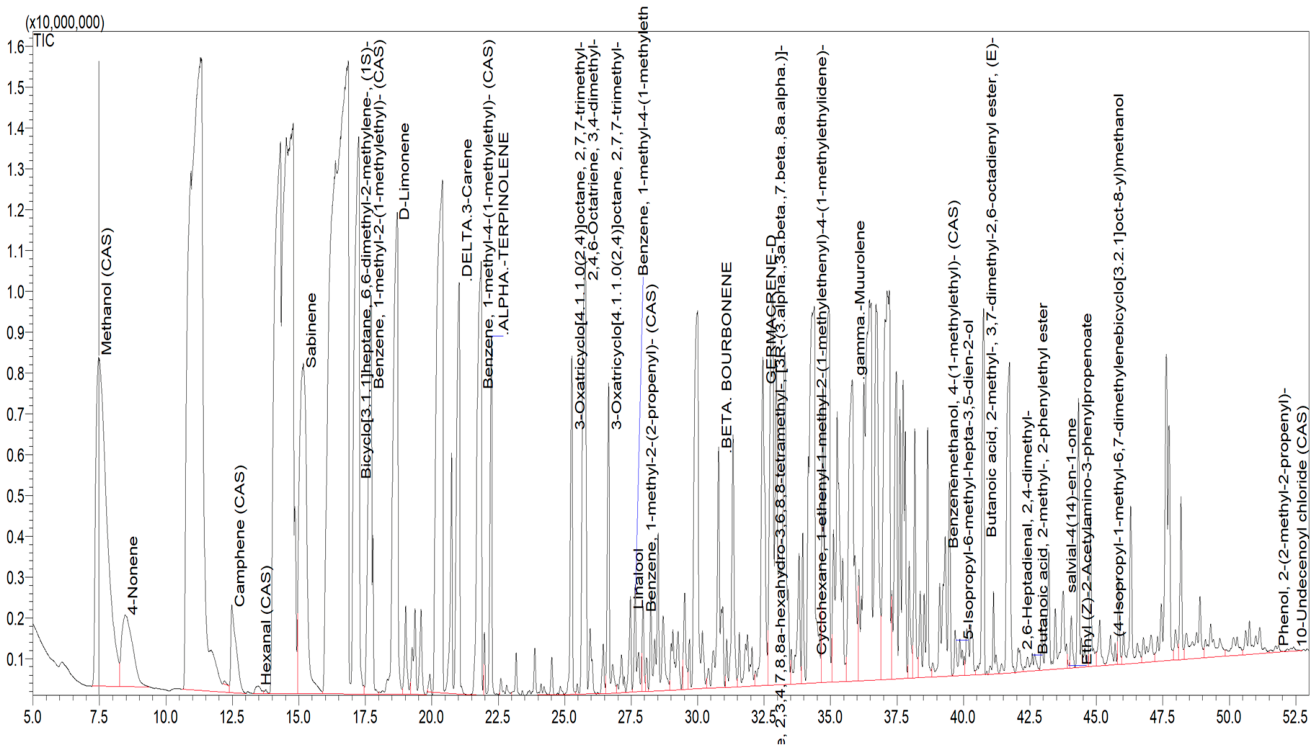
Figure 6.
Effects of S. transcaucasicum extracts on HT29 cell viability and IC50 values as determined by the WST-1 assay after 48 h of treatment. Cells were exposed to increasing concentrations of each extract (15.6–500 µg/mL), and cell viability was expressed as a percentage relative to the untreated control group. Data are presented as mean ± standard deviation (SD) from three independent experiments.
Figure 6.
Effects of S. transcaucasicum extracts on HT29 cell viability and IC50 values as determined by the WST-1 assay after 48 h of treatment. Cells were exposed to increasing concentrations of each extract (15.6–500 µg/mL), and cell viability was expressed as a percentage relative to the untreated control group. Data are presented as mean ± standard deviation (SD) from three independent experiments.
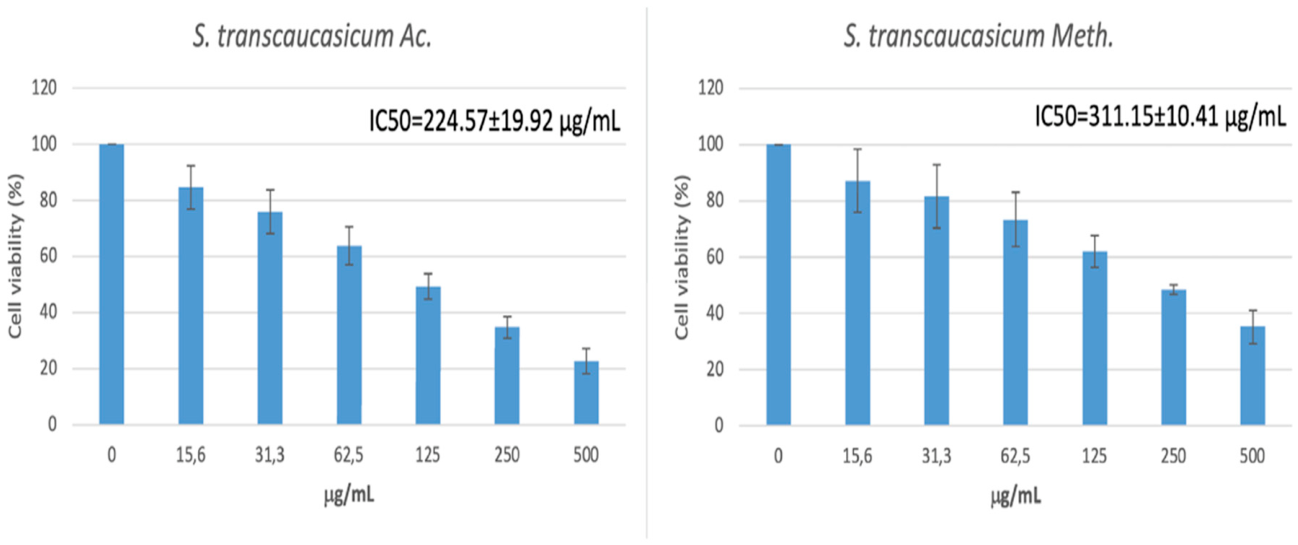
Table 2.
Volatile components and their classes obtained from S. transcaucasicum plant using GC-MS instrument.
Table 2.
Volatile components and their classes obtained from S. transcaucasicum plant using GC-MS instrument.
| Compound Name | RT | RI | Amount |
|---|---|---|---|
| ALCOHOLS | |||
| Linalool | 27.490 | 1414 | 3,191 |
| Cuminyl acetate | 39.330 | 1825 | 16,730 |
| 5-Isopropyl-6-methyl-hepta-3,5-dien-2-ol | 39.715 | 1841 | 3,611 |
| Abietyl alcohol | 45.550 | 2095 | 2,084 |
| ALDEHYDES | |||
| Hexanal | 13.470 | 1108 | 0,699 |
| 2,6-Heptadienal, 2,4-dimethyl- | 42.110 | 1943 | 1,342 |
| KETONES | |||
| salvial-4(14)-en-1-one | 43.770 | 2017 | 13,512 |
| ESTERS | |||
| Geranyl 2-methylbutanoate | 40.765 | 1885 | 15,300 |
| Phenethyl 2-methylbutyrate | 42.605 | 1965 | 1,897 |
| Ethyl (Z)-2-Acetylamino-3-phenylpropenoate | 43.950 | 2024 | 0,185 |
| 10-Undecenoyl chloride | 52.445 | 2400 | 0,430 |
| TERPENES | |||
| (-)-β-Pinene | 17.235 | 1180 | 220,792 |
| α-Pinene oxide | 25.285 | 1356 | 22,882 |
| Camphene | 12.490 | 1087 | 7,837 |
| Sabinene | 15.180 | 1141 | 40,822 |
| D-Limonene | 18.685 | 1208 | 38,422 |
| Δ3-Carene | 21.030 | 1258 | 81,898 |
| α-Terpinolene | 22.250 | 1283 | 13,140 |
| 4-Nonene | 8.470 | 989 | 13,141 |
| o-Cymene | 17.715 | 1189 | 30,617 |
| p-Cymenene | 21.835 | 1274 | 36,575 |
| o-Allyltoluene | 27.960 | 1427 | 2,524 |
| β-Bourbonene | 30.805 | 1512 | 14,275 |
| Germacrene-D | 32.475 | 1568 | 20,012 |
| α-Cedrene | 32.830 | 1580 | 63,331 |
| Elixene | 34.375 | 1634 | 44,535 |
| γ-Muurolene | 35.825 | 1687 | 28,517 |
| MISCELLANEOUS | |||
| 3,4-Dimethyl-2,4,6-octatriene | 25.780 | 1369 | 30,131 |
| 6-Allyl-2-cresol | 51.765 | 2370 | 0,654 |
RT: Retention Time (min), RI: Retention Index, Amount: mg/kg plant.
Disclaimer/Publisher’s Note: The statements, opinions and data contained in all publications are solely those of the individual author(s) and contributor(s) and not of MDPI and/or the editor(s). MDPI and/or the editor(s) disclaim responsibility for any injury to people or property resulting from any ideas, methods, instructions or products referred to in the content. |
© 2026 by the authors. Licensee MDPI, Basel, Switzerland. This article is an open access article distributed under the terms and conditions of the Creative Commons Attribution (CC BY) license (http://creativecommons.org/licenses/by/4.0/).
Copyright: This open access article is published under a Creative Commons CC BY 4.0 license, which permit the free download, distribution, and reuse, provided that the author and preprint are cited in any reuse.


