

Submitted:
22 June 2026
Posted:
23 June 2026
You are already at the latest version
Abstract
The scientific literature on Building Information Modeling (BIM) applied to the structural design of long-span sports facilities remains dispersed across construction management, structural engineering, and digital engineering, hindering the systematic identification of research trends, leading actors, and knowledge gaps. This study conducts a PRISMA-based bibliometric analysis of the scientific production indexed in Scopus on BIM integration in the structural design of long-span sports facilities for the period 2015–2026, aiming to map the intellectual structure of the field, characterize its thematic evolution, and identify directions for future research. Following the PRISMA 2020 statement and the PRISMA-ScR extension for scoping reviews, a structured Boolean query retrieved an initial set of 2,339 records. After applying eligibility criteria—peer-reviewed journal articles published in English with author-supplied abstracts and keywords—a final corpus of 802 articles was retained and analyzed using the Bibliometrix package in R. The analysis encompassed annual publication trends, citation metrics (total citations, citations per publication, h-index, FWCI, SNIP, and CiteScore), Bradford’s Law source distribution, keyword co-occurrence mapping, historical direct citation networks, and country and institutional collaboration structures. The corpus accumulated 20,877 citations, yielding a mean of approximately 26 citations per publication and an h-index of 78, indicating above-average citation impact. Annual output grew from 26 articles in 2015 to 167 in 2025, approximately doubling after 2023. China leads scientific production (533 articles), followed by the United States (141) and the United Kingdom (135). The findings confirm that BIM has consolidated as a multidisciplinary methodology integrating structural design, project optimization, lifecycle management, and environmental assessment, while revealing that domain-specific structural challenges of long-span systems remain comparatively underexplored.
Keywords:
Building Information Modeling
; structural design
; long-span structures
; sports facilities
; bibliometric analysis
; PRISMA
; science mapping
; Bibliometrix
; interoperability
; sustainability
1. Introduction
Over the past two decades, the architecture, engineering, and construction (AEC) industry has undergone a profound digital transformation driven by the adoption of Building Information Modeling (BIM). This methodology represents a significant departure from traditional design and construction practices based on two-dimensional documentation. By promoting integration within digital environments, BIM enables multidisciplinary collaboration, information interoperability, and lifecycle management of built assets [1,2,3]. The creation of intelligent digital models that integrate geometric and semantic information facilitates a shared representation of the physical and functional characteristics of structures, improving coordination among project stakeholders and optimizing decision-making across the design, construction, and operation phases [4,5]. BIM has consolidated its position as one of the key technologies in the digitalization of the AEC sector, fostering significant improvements in efficiency, productivity, and quality in infrastructure project delivery.
Contemporary construction projects pose challenges of considerable complexity, further reinforcing the importance of BIM methodology in the AEC sector. In particular, large-scale infrastructure projects tend to involve multiple disciplines, complex construction systems, and stringent technical and functional performance requirements. In this context, BIM facilitates the integration of information from the various disciplines involved, enabling improved project visualization, clash detection between systems, and optimized coordination among construction process participants [6,7,8]. Several studies have affirmed that BIM methodology contributes to the reduction of design errors, improves project planning, and fosters more efficient information management throughout the infrastructure lifecycle [1,4,5]. Consequently, BIM has evolved from a tool centered on three-dimensional modeling into a comprehensive information management system that supports decision-making in complex construction projects.
Within the digital transformation process, the application of BIM in structural engineering has gained substantial relevance in recent years. Structural design entails the development of complex analytical models, iterative performance evaluations, and the integration of multiple safety, functionality, and efficiency criteria. The use of integrated digital environments facilitates coordination between architectural and structural models, improving design consistency and optimizing the structural behavior of buildings [2,6]. The use of three-dimensional digital models enhances communication among engineers, architects, and project managers, reducing information inconsistencies and promoting more collaborative and efficient design processes [5,7]. These capabilities have positioned BIM as a fundamental tool for the modernization of structural design processes within the AEC sector.
Sports facilities with long-span structural systems represent a particularly significant opportunity for BIM integration. Stadiums, sports arenas, and other sports-use structures typically incorporate large-scale structural systems such as cable-supported roofs, spatial structures, tensile systems, and large steel trusses. These structural solutions demand a high level of coordination among disciplines such as architecture, structural engineering, and construction processes owing to their geometric complexity and stringent safety and performance requirements [6]. In this context, BIM facilitates the modeling and coordination of complex geometries, enabling the evaluation of alternative design solutions and the improvement of structural efficiency without compromising the architectural objectives of the project [2,8]. Moreover, the use of integrated digital models promotes collaboration among the different actors involved in the design and execution of these infrastructures, a critical factor in large-scale projects of high technical complexity.
Despite the growing interest in BIM applications within structural engineering and the development of complex infrastructure, the scientific literature addressing its application in the structural design of long-span sports facilities remains dispersed across distinct research domains, including construction management, structural engineering, and digital engineering. Prior research has addressed various aspects of BIM adoption, such as its benefits for project management, its impact on interdisciplinary coordination, and its contribution to the digitalization of the construction sector [1,3,4]. Nevertheless, a limited understanding persists regarding the evolution of scientific knowledge specifically oriented toward BIM integration in the structural design of long-span sports infrastructure. This thematic dispersion hinders the identification of research trends, emerging areas of study, and gaps in the existing literature.
Bibliometric analysis has established itself as a widely used methodological tool for examining the evolution and structure of knowledge across distinct scientific fields. Bibliometric techniques enable the analysis of large volumes of scientific publications with the aim of identifying research trends, collaboration networks, citation patterns, and thematic clusters within a knowledge domain [9,10]. Through specialized tools such as Bibliometrix and VOSviewer, researchers can visualize knowledge evolution, identify influential authors and institutions, and recognize emerging research areas within a specific scientific field.
To ensure transparency and methodological rigor in scientific literature reviews, systematic review protocols such as the Preferred Reporting Items for Systematic Reviews and Meta-Analyses (PRISMA) have been widely adopted across research fields. This approach provides a structured procedure for the identification, selection, and analysis of relevant scientific publications, contributing to improved reproducibility and reliability of review studies [11]. The combination of bibliometric methods with PRISMA-based systematic reviews provides a comprehensive view of the scientific development of a research field while facilitating the identification of emerging trends and knowledge gaps.
Although previous bibliometric reviews have addressed BIM in structural engineering broadly—most notably Vilutiene et al. [18]—or BIM adoption across AEC sub-domains [17,21], no study has systematically mapped the scientific production at the intersection of BIM, structural design, and long-span sports typologies as a unified research domain. The present review addresses this gap by employing a PRISMA-ScR framework to retrieve, filter, and bibliometrically analyze the relevant corpus, thereby providing a structured mapping of the intellectual structure, thematic evolution, and collaboration patterns specific to this convergent domain.
Therefore, the objective of this study is to conduct a PRISMA-based bibliometric analysis of the scientific literature on BIM integration in the structural design of long-span sports facilities. Through the analysis of publication trends, citation networks, and thematic clusters, this research seeks to identify the intellectual structure of the field, highlight the most influential authors, institutions, and countries, and reveal the main research lines and opportunities for future studies related to the application of BIM in structural design.
Figure 1 illustrates a significant upward trajectory in the scientific production related to BIM integration in the design of long-span sports facilities. Between 2015 and 2022, 383 articles were published, representing 48% of the research recorded in this field. From 2023 to 2026, 419 articles were published, representing 52% of the total, demonstrating notable academic interest. The main driver of this upward trend is the convergence of energy-efficiency requirements, improved lifecycle management of facilities, and the pressing need to innovate in interdisciplinary collaboration and training through BIM.
Among the most cited works in the collection is the study by Kunz and Fischer [12], which introduces the VDC (Virtual Design and Construction) framework integrating BIM models, process organization, and lean management to optimize design and construction projects. Muller et al. [13] make an important contribution by assessing BIM interoperability through the IFC (Industry Foundation Classes) standard in concrete structures, demonstrating a 38% improvement in the fidelity of shared data. Hu et al. [14] propose a unified IFC-based model enabling bidirectional interoperability between structural software (ETABS, SAP2000, and ANSYS), demonstrating high data-transfer accuracy and a reduction in manual work.
Original research articles, which constitute 44.2% of the 2,339 articles examined, represent a substantial proportion of total output. As shown in Figure 2, conference papers occupied first place (46.7%), followed by book chapters (3.1%), review articles (2.7%), and conference reviews (2.4%). The least frequent document types include books (0.4%), retracted items (0.3%), and errata (0.1%). This distribution demonstrates the empirical orientation of the field; the low proportion of review and editorial material implies the need for more critical synthesis to consolidate the expanding body of knowledge on BIM integration in the design of long-span sports facilities.
2. Methods
2.1. Bibliometric Analysis Framework
A comprehensive bibliometric analysis of BIM integration in the design of long-span sports facilities was conducted following the PRISMA (Preferred Reporting Items for Systematic Reviews and Meta-Analyses) methodology [11], thereby ensuring methodological openness in the identification, filtering, and inclusion of relevant publications. As described in the works of Aria and Cuccurullo and of Donthu et al., the protocol was developed following best practices for scientific mapping and the representation of domain growth [9,10].
The Scopus database, selected for its comprehensive coverage of peer-reviewed literature in engineering, architecture, and environmental sciences, provided the initial bibliographic dataset. Using Boolean logic and wildcard operators, the search equation was formulated to retrieve a broad range of related studies. The analysis period spans 2015 to 2026 and incorporates phrase combinations such as “building information modeling,” “BIM integration,” “structural design,” “structural analysis,” “long-span,” “sports buildings,” and “stadium.” Google Scholar was not consulted; consequently, supplementary review articles and grey literature were not included within the scope of this investigation.
Bibliometrix (R package, version 2026.01.1+403) was used to study the filtered dataset. Bibliometrix enabled a statistical performance analysis that included national contributions, production by authors, journal impact, and annual publication patterns. In addition, keyword co-occurrence maps, citation networks, and progression charts were generated; these graphical representations clarify the conceptual base, research horizons, and evolution patterns of the production on BIM integration in the structural design of long-span sports facilities [9].
The OpenAI GPT language and vision model was used as a complementary tool to improve linguistic precision and the visual clarity of the article sections. Its use was strictly limited to refining the writing and sentence structure of the technical sections; it was not involved in the search strategy design, record screening, data extraction, or selection of cited references.
2.2. Application of the PRISMA-ScR Guidelines
This study followed the PRISMA extension for scoping reviews (PRISMA-ScR), a structured framework that enhances the transparency, coherence, and replicability of scoping reviews, particularly in emerging or interdisciplinary domains with heterogeneous evidence and exploratory mapping as the primary objective [11]. This bibliometric scoping review followed the 22-item PRISMA-ScR checklist during design, data collection, analysis, and reporting.
Key PRISMA-ScR items addressed include: Item 1 (Title)—the title reflects the bibliometric focus and expressly indicates a bibliometric scoping review aligned with PRISMA-ScR; Item 2 (Abstract)—a structured abstract covers background, objectives, data sources, eligibility criteria, analytical tools, main results, and conclusions; Items 3–4 (Introduction and Objectives)—the rationale presents BIM implementation in long-span sports infrastructure as an emerging research area following PCC (Population, Concept, Context) logic; Item 5 (Protocol and Registration)—no prior protocol was registered in OSF or PROSPERO, though methodological decisions were documented internally; Items 6–8 (Eligibility and Search Strategy)—rigorous inclusion and exclusion criteria ensure replicability; Items 9–10 (Selection and Charting)—data extraction was performed using RStudio scripts; and Items 19–21 (Analysis and Implications)—findings acknowledge limitations and address research needs.
This work received no external funding; a clear statement is included to demonstrate ethical reporting practices. Adherence to the PRISMA-ScR framework improved the methodology and reporting of this review. The Knowledge Translation team at Unity Health Toronto (https://knowledgetranslation.net/, accessed 16 March 2026) produced PRISMA-ScR tip sheets for each checklist item.
2.3. Data Collection and Cleaning
Elsevier’s multidisciplinary Scopus database provided the bibliographic data used in this study. The selection of Scopus over other platforms such as Web of Science or Dimensions is justified by its broader coverage of BIM-related topics. It should nonetheless be acknowledged as a limitation that reliance on a single database may underrepresent structural-engineering literature indexed primarily in Web of Science; future reviews should integrate both sources.
The final query was formulated as follows: TITLE-ABS-KEY (("building information modeling" OR "building information modelling" OR "BIM" OR "BIM-based" OR "BIM integration" OR "BIM implementation") AND (("structural design" OR "structural engineering" OR "engineering design" OR "structural system" OR "structural analysis") OR ("long-span" OR "large-span" OR "wide-span" OR "long span structures" OR "large span structures" OR "roof structures" OR "space frames") OR ("sports facilities" OR "sports buildings" OR "stadium" OR "arena" OR "gymnasium"))) AND PUBYEAR > 2014 AND PUBYEAR < 2027.
The search returned 2,339 documents from 2015 to 2026, exported in CSV format with complete metadata. Semi-automated filtering in Microsoft Excel detected and removed 37 duplicate entries through DOI comparison. After applying PRISMA filters, 802 records were retained. A total of 1,500 records were discarded: 1,306 were not peer-reviewed articles, 142 were not in English, and 52 lacked author keywords and an abstract. The PRISMA 2020 flow diagram illustrating this process is presented in Figure 3.
2.4. Subject Areas and Bibliometric Indicators
Regarding the disciplinary distribution, engineering together with computer science accounts for 57.5% of total production (40.4% and 17.1%, respectively), implying a technological orientation toward the development, modeling, and optimization of BIM implementation, while environmental sciences (5.1%) highlight the importance of ecological and energy-related aspects. Figure 4 presents the distribution of documents by subject area.
The citations-per-publication ratio (CPP) is defined as:
where C represents the total number of citations and P denotes the number of publications. For this study, CPP = 20,877 / 802 ≈ 26.03, a value reflecting solid performance [22].
CPP = C / P
The h-index, introduced by Hirsch in 2005, is the maximum number h such that h articles have each received at least h citations. The dataset has an h-index of 78, indicating a solid base of commonly cited publications [22]. The Field-Weighted Citation Impact (FWCI) is defined as:
where Ci denotes the number of citations received by publication i and ei represents the expected number of citations based on global averages for the corresponding discipline and publication year [23]. FWCI values above 1.0 indicate a higher-than-expected impact; the highest-impact articles in the collection have a value above 1.5 [24].
FWCI = (1/N) × Σ (Ci / ei)
The CiteScore reflects a journal’s impact based on a four-year citation window. As an example, the 2024 CiteScore of Automation in Construction was 20.9, demonstrating its prominence in the field [25]. The SNIP index, created by H. F. Moed, accounts for discipline-specific citation norms:
SNIP = Average citations per document / Citation potential of the field
Journals such as Automation in Construction, Advanced Engineering Informatics, and Journal of Building Engineering present SNIP values of 3.448, 2.484, and 1.974, respectively [25]. International collaboration was determined by calculating the proportion of publications co-authored by institutions from multiple countries. For this dataset, the international collaboration rate was 29.68%. Bibliometrix applies a full-counting approach, in which each article is attributed entirely to all participating countries [46].
3. Results and Discussion
A total of 2,339 publications were indexed in the Scopus database between 2015 and 2026. From this dataset, a final corpus of 802 scientific articles was selected and analyzed according to the PRISMA 2020 framework. Notably, 39% of all retrieved (unfiltered) records were published between 2023 and 2026, consistent with Figure 1, in which the dominant period is 2023–2026 (52% of the filtered corpus). This confirms that academic output has intensified in recent years, reflecting increased research funding and international collaboration in BIM.
Although scientific journal articles did not predominate in the corpus (44.2% of total production), they constituted the second most frequent type of academic output, behind conference papers (46.7%); book chapters (3.1%), review articles (2.7%), conference reviews (2.3%), and others account for smaller proportions. Regarding linguistic distribution, English was by far the most frequent language (93.58% of all publications), followed by Chinese (4.44%) and German (1.36%). This is consistent with the predominance of English-language journals in the international academic environment [27,28].
3.1. Temporal Evolution of Scientific Production
Over time, scientific production on BIM implementation in the structural design of long-span sports facilities reveals a steady increase in research activity. The number of publications rose from 26 documents in 2015 to a peak of 167 in 2025, demonstrating the progressive consolidation of this research field. Between 2015 and 2022, production averaged fewer than 50 articles per year, whereas from 2023 to 2026 it nearly doubled to an average of 105 articles per year; the 2023–2026 period is shorter than the remaining interval, meaning that scientific production doubled in roughly half the time.
An analysis of the historical direct citation network (Figure 7) provides a deeper understanding of the scientific development of BIM implementation. This visualization illustrates the chronological citation relationships among the most relevant publications from 2015 to 2026; each node represents a key document according to its publication year, and the lines connecting the nodes represent direct citation links.
In the early stages, works by Ramaji and Memari [29] and Hu et al. [14] establish conceptual foundations for BIM implementation in the construction sector. Studies such as that by Muller et al. [13] extend these foundations toward specific applications, namely the interoperability of BIM data for concrete structures through the IFC standard. The work of Röck et al. [15] represents a fundamental node linking structural analysis with environmental assessment at early design stages. In 2019, the work of Rezaei et al. [34] represents the most influential node, combining BIM with life cycle assessment (LCA). More recently, Llatas et al. [40] demonstrates the evolution of BIM methodology by integrating life cycle assessment and environmental impact analysis, aligning with the Sustainable Development Goals (SDGs).
3.2. Most Productive Journals
Figure 8 shows the distribution of the principal journals. According to Bradford’s Law, a small number of journals produce a large share of the articles related to a particular topic; this concentration is termed the “core zone.” The leading journals in this zone are Automation in Construction (90 publications), Buildings (81 publications), and Advanced Engineering Informatics (32 publications); the remainder comprises Engineering, Construction and Architectural Management (31 publications), Journal of Building Engineering (29 publications), and Applied Sciences (Switzerland) (21 publications). The core zone represents 35.4% of the scientific production in the analyzed corpus.
Beyond the core zone, journals such as Energy and Buildings (17 publications), Journal of Computing in Civil Engineering (14 publications), and Sustainability (Switzerland) (14 publications) represent an intermediate zone of moderate production. With the exception of Applied Sciences (Switzerland), the journals in the Bradford core zone are first-quartile (Q1) publications, indicating that the principal producers of articles are journals of high scientific quality. The predominance of journals oriented toward construction automation, engineering informatics, and educational technologies demonstrates the strong technological focus of the field.
3.3. Keyword Analysis
The thematic structure of the research field was visualized using the TreeMap function in Bibliometrix (Figure 9), enabling the identification of dominant themes and their relative frequency within the dataset.
The most frequent keyword is Architectural Design (598 occurrences, 13.79%), followed by Structural Design (456 occurrences, 10.52%) and Building Information Modelling (384 occurrences, 8.86%), indicating that BIM integration into design processes constitutes a central axis of the research domain. Other terms such as Information Theory (258 occurrences, 5.95%), Structural Analysis (124 occurrences, 2.86%), and Construction Industry (108 occurrences, 2.49%) reinforce this conceptual importance. The presence of keywords such as Automation (56 occurrences, 1.29%), Energy Efficiency (46 occurrences, 1.06%), Genetic Algorithms (39 occurrences, 0.90%), Interoperability (39 occurrences, 0.90%), and Artificial Intelligence (34 occurrences, 0.78%) suggests a growing trend toward incorporating advanced computational techniques.
It is noteworthy that domain-defining technical keywords for long-span structural systems—such as cable-dome, tensile structure, form-finding, wind-induced vibration, or structural health monitoring—do not appear among the most frequent terms, indicating that the retrieved corpus reflects BIM and structural design broadly rather than the long-span sports sub-domain exclusively.
3.4. Scientific Production by Country
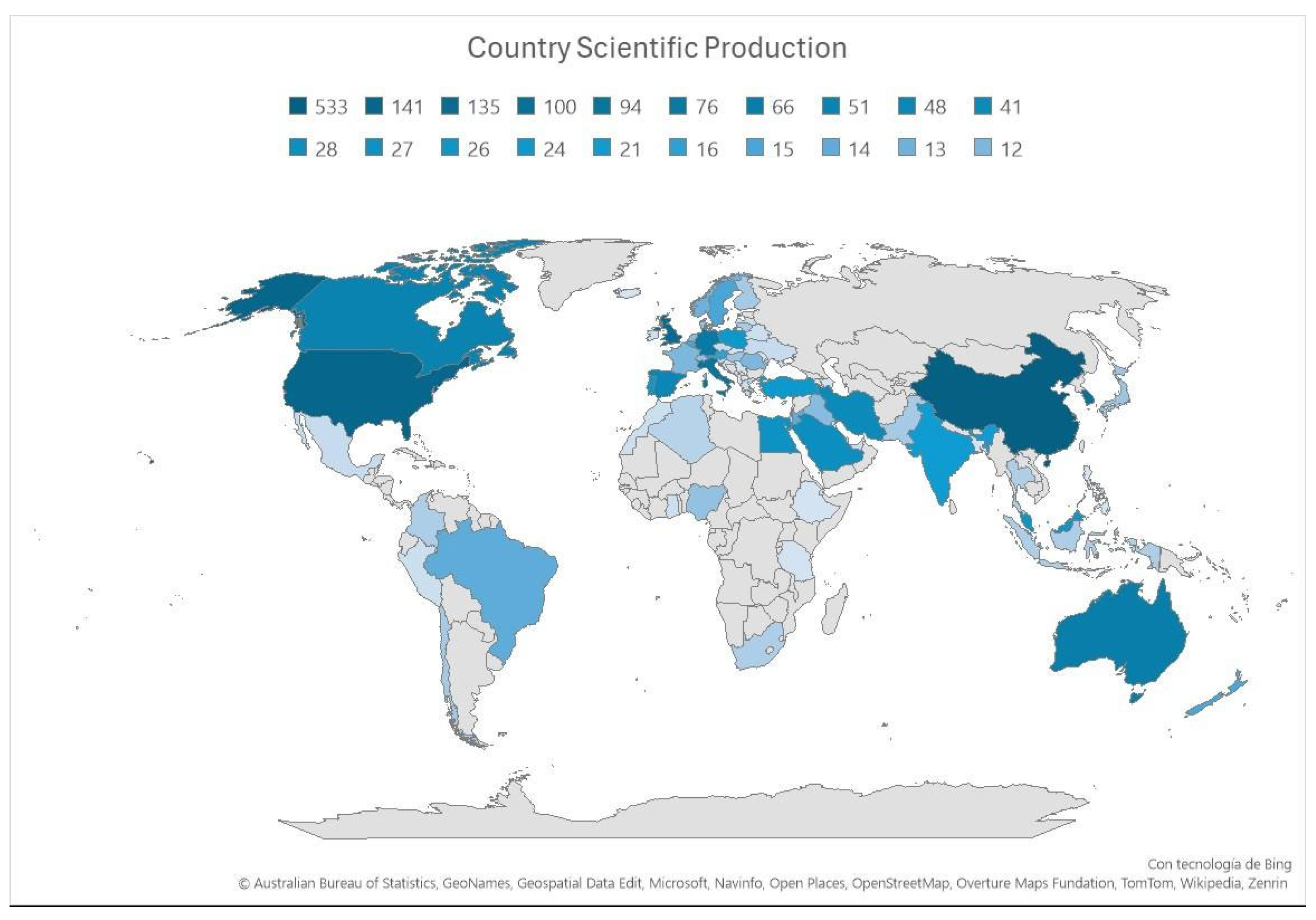
Scientific production by country during 2015–2026 is measured by article count and citations. The results show China as the global leader in both volume and consistency, with 533 articles and 4,089 citations. The United Kingdom has a markedly lower volume (135 publications) than China; however, its citation record (2,388) is robust, suggesting high impact per article and strong integration into global knowledge flows (Figure 5).

Table 1.
Top contributing countries in BIM integration in the structural design of long-span sports facilities.
Table 1.
Top contributing countries in BIM integration in the structural design of long-span sports facilities.
| Country | Citations | Publications |
| Country | Citations | Publications |
| China | 4,089 | 533 |
| United Kingdom | 2,388 | 135 |
| USA | 1,779 | 141 |
| Korea | 1,289 | 100 |
| Italy | 1,211 | 94 |
| Canada | 984 | 51 |
| Australia | 874 | 66 |
| Sweden | 712 | 15 |
| Germany | 679 | 76 |
| Hong Kong | 628 | — |
| Spain | 513 | 48 |
| Austria | 391 | 16 |
| New Zealand | 375 | 15 |
| Portugal | 299 | 26 |
| Switzerland | 266 | 10 |
| Belgium | 248 | 15 |
| Iran | 245 | 41 |
| Turkey | 241 | 24 |
| Norway | 236 | 13 |
| Egypt | 232 | 27 |
China is positioned as the leading country in scientific contribution, associated with strong institutional and governmental impetus toward the digitalization of the construction sector and the development of BIM-related technologies [14]. The United States stands out as a historical reference in the development and adoption of BIM [1]. The United Kingdom has a significant participation associated with public policies oriented toward the mandatory adoption of BIM in construction projects. Other countries such as Italy, Canada, Australia, Germany, and Spain evidence the participation of Europe and other regions in advancing research in this area.
Figure 10.
Scientific production by country—geographic visualization.
3.5. International Collaboration
Regarding international collaboration, approximately 45% of articles include authors from at least two affiliations, indicating that just under half of the articles in this field involved co-authors from different countries. China, with a 26.9% international co-authorship rate, ranks first in inter-country collaboration, followed by the United Kingdom (13.2%) and the United States (11.8%), demonstrating that higher production does not always correspond to greater international co-authorship (Figure 11).
The most frequent co-authorship is between China and Australia (15 joint publications); this link is associated with strong institutional ties, joint research centers, and the exchange of doctoral students. It is followed by China–United Kingdom cooperation (14 articles) and China–United States collaboration (14 articles).
3.6. Institutional Performance
Figure 6 presents a comparative analysis of the bibliometric performance of the 20 most productive authors between 2015 and 2026, using two complementary metrics: the h-index, which reflects both volume and relevance of publications, and the citations-per-publication (Cit/Pub) ratio. The results reveal that Zhang J. has the highest cumulative h-index (9), followed by Borrmann A. and Cheng J.C.P. with 8 each. However, Hollberg A. holds the highest Cit/Pub ratio (141.83), signifying a greater impact per article despite lower output [26,27].
University College London, with 18 articles, ranks as the most productive affiliation, evidencing its importance in the conceptual and methodological development of the field. Chongqing University holds the second position with 16 articles, consolidating it as one of the principal actors within China (Figure 12). Tsinghua University emerges as the most influential node in the institutional collaboration network; its central position indicates that it behaves as a key bridge between regional clusters, facilitating the diffusion of knowledge globally.
The red cluster, led mainly by Chinese affiliations such as Tsinghua University and Tongji University, presents high internal collaboration but also highlights links with European institutions such as University College London. The green cluster, in which institutions such as Southeast University and Huazhong University of Science and Technology stand out, reflects a strong specialization in engineering applications. The orange cluster, led by the University of Naples Federico II and the University of Tehran, represents scientific production notable for its thematic relevance. The purple and brown clusters, which include Yonsei University, the Technical University of Munich, and the University of Cambridge, show high levels of internationalization.
3.7. Emerging Trends and Thematic Evolution
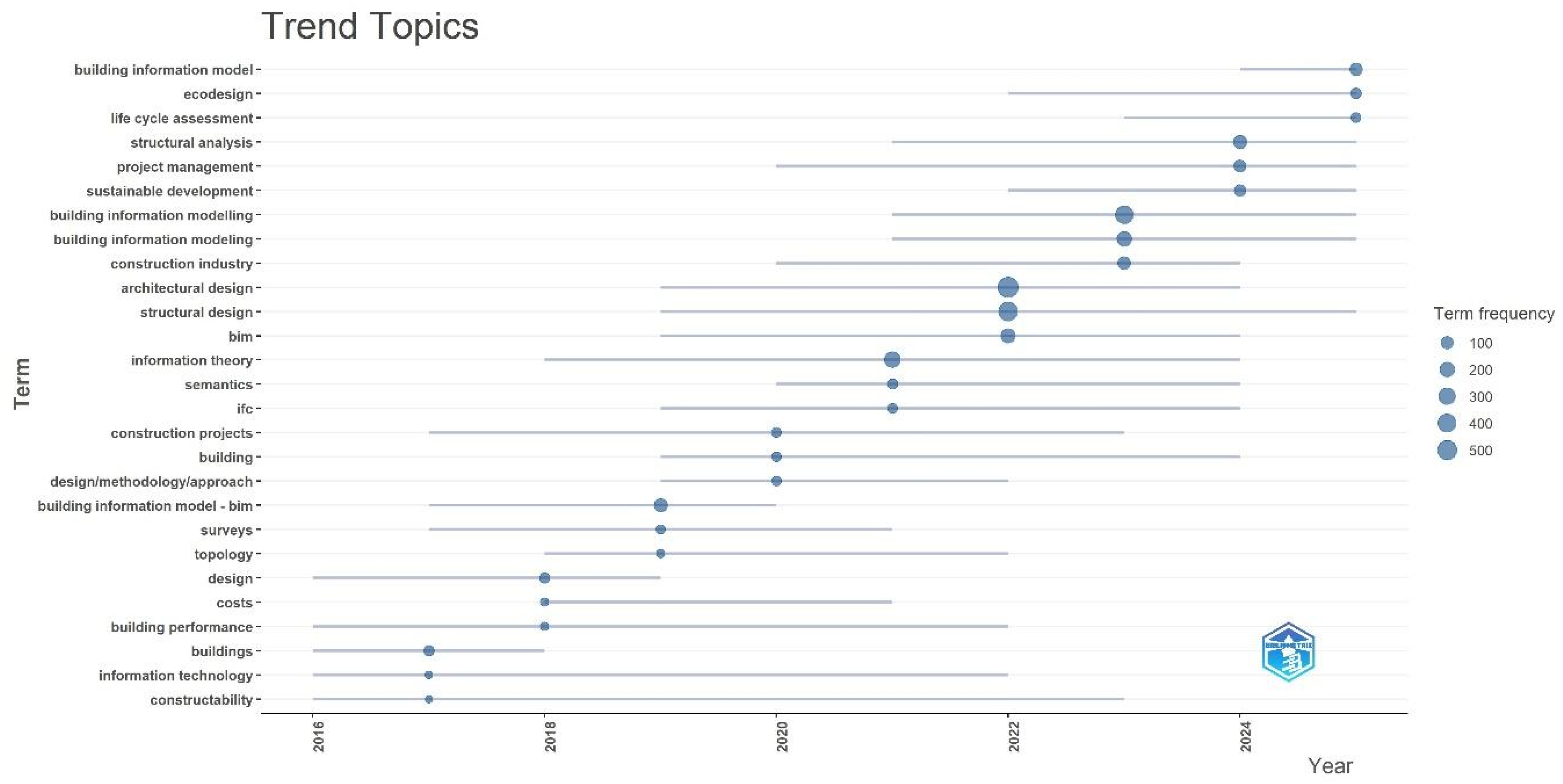
During the early years (2016–2018), research was characterized by the development of fundamental concepts related to BIM implementation. Terms such as constructability, information technology, building performance, and costs appear early and consistently. Other concepts such as design, topology, and surveys reveal an initial interest in geometric representation and information gathering. From 2019 onward, an evolution toward greater conceptual complexity is evident, with terms such as IFC, semantics, and information theory gaining thematic relevance from 2021; this stage represents an inflection point at which BIM ceases to be a modeling tool and becomes a structured system for information management.
During 2022, terms such as BIM, architectural design, and structural design show greater frequency, indicating the consolidation of BIM and its implementation in design workflows focused on the structural dimension. In the most recent years (2024–2025), efforts focus on sustainability and lifecycle management; terms such as sustainable development, life cycle assessment, and ecodesign emerge as dominant themes, reflecting interest in the environmental impact of projects and long-term efficiency (Figure 13).
4. Conclusions
The object of analysis of this study was the general scientific production indexed in the Scopus database on BIM implementation in the structural design of long-span sports facilities for the period 2015–2026, examined through a bibliometric analysis. The following conclusions are drawn:
1. The corpus of 802 analyzed articles accumulated 20,877 citations, with a mean of approximately 26.03 citations per publication and an h-index of 78, indicating a field with above-average citation impact.
2. After 2023, annual production doubled from fewer than 50 articles per year to an average of 105, with 2025 being the most productive year. This demonstrates that BIM has transitioned from an emerging tool into a consolidated multidisciplinary methodology integrating structural design, project optimization, lifecycle management, and environmental variables.
3. With 533 published articles, China consolidated its position as the leader in scientific production, followed by the United States (141 articles) and the United Kingdom (135 publications). In international collaboration, China recorded 26.9%, followed by the United Kingdom (13.2%) and the United States (11.8%), demonstrating that higher production does not always correspond to greater international co-authorship.
4. Approximately 67% of the total unfiltered corpus concentrated in engineering, computer science, environmental sciences, and mathematics, demonstrating thematic diversity and the integration of different scientific areas in the development of BIM methodology.
5. University College London (18 articles) and Chongqing University (16 articles) are the most productive institutions. Chongqing University leads field production within Asia, while University College London emerges as a connector institution between European and Asian regions.
6. With the exception of Applied Sciences (Switzerland), the journals in the Bradford core zone are first-quartile (Q1) publications, indicating that the principal producers of articles are journals of high scientific quality for the analyzed field.
7. The keyword analysis identifies a conceptual core centered on architectural design, structural design, and building information modelling (BIM). Terms such as artificial intelligence, genetic algorithms, interoperability, and energy efficiency show growing interest in incorporating advanced computational technologies and sustainable approaches.
8. The integration of BIM into the structural design of long-span sports facilities consolidates as a key field for addressing challenges associated with structural geometry and project-management efficiency. The structures examined represent a favorable context for advanced digital solutions centered on structural analysis, simulation, optimization, and lifecycle management.
9. As acknowledged limitations, the analysis relied exclusively on Scopus, the Boolean strategy employed OR operators between thematic blocks (maximizing recall at the expense of precision), and no protocol was prospectively registered. Future research should address these limitations by integrating Web of Science, applying more restrictive search queries that enforce simultaneous satisfaction of all thematic criteria, registering the protocol prospectively, and conducting a complementary in-depth qualitative analysis of the most cited articles specifically addressing long-span sports structural systems—including wind effects, crowd-induced dynamics, form-finding, and FEM–BIM interoperability—as well as deepening research into structural-design automation and artificial-intelligence integration.
Author Contributions
Conceptualization, [A.B.] and [C.D.]; methodology, [A.B.] and [C.D.]; software, [A.B.]; validation, [A.B.] and [C.D.]; formal analysis, [A.B.]; investigation, [A.B.] and [C.D.]; resources, [A.B.]; data curation, [A.B.]; writing—original draft preparation, [A.B.] and [C.D.]; writing—review and editing, [A.B.] and [C.D.]; visualization, [A.B.]; supervision, [C.D.]; project administration, [C.D.]. All authors have read and agreed to the published version of the manuscript.
Funding
This research received no external funding.
Data Availability Statement
The bibliographic data used in this study were retrieved from the Scopus database (Elsevier). The Bibliometrix R package (version 2026.01.2+418) was used for all analyses. The complete list of the 802 articles included in the final corpus is available upon request from the corresponding author.
Acknowledgments
The authors express their gratitude to the reviewers for their constructive comments and suggestions. During the preparation of this manuscript, the authors used OpenAI GPT for the purpose of refining writing and sentence structure in the technical sections. The authors have reviewed and edited the output and take full responsibility for the content of this publication.
Conflicts of Interest
The authors declare no conflicts of interest.
Abbreviations
The following abbreviations are used in this manuscript:
| Abbreviation | Definition |
| AEC | Architecture, Engineering, and Construction |
| BIM | Building Information Modeling |
| BEP | BIM Execution Plan |
| CDE | Common Data Environment |
| CPP | Citations per Publication |
| CiteScore | Scopus citation metric based on a four-year citation window |
| DOI | Digital Object Identifier |
| EIR | Exchange Information Requirements |
| FWCI | Field-Weighted Citation Impact |
| IFC | Industry Foundation Classes |
| LCA | Life Cycle Assessment |
| LOD | Level of Development |
| PRISMA | Preferred Reporting Items for Systematic Reviews and Meta-Analyses |
| PRISMA-ScR | PRISMA Extension for Scoping Reviews |
| SNIP | Source Normalized Impact per Paper |
| SJR | SCImago Journal Rank |
| VDC | Virtual Design and Construction |
References
- Azhar, S. Building Information Modeling (BIM): Trends, Benefits, Risks, and Challenges for the AEC Industry. Leadersh. Manag. Eng. 2011, 11, 241–252. [Google Scholar] [CrossRef]
- Sacks, R.; Eastman, C.; Lee, G.; Teicholz, P. BIM Handbook: A Guide to Building Information Modeling for Owners, Designers, Engineers, Contractors, and Facility Managers, 3rd ed.; Wiley: Hoboken, NJ, USA, 2018. [Google Scholar] [CrossRef]
- Succar, B. Building information modelling framework: A research and delivery foundation for industry stakeholders. Autom. Constr. 2009, 18, 357–375. [Google Scholar] [CrossRef]
- Bryde, D.; Broquetas, M.; Volm, J.M. The project benefits of Building Information Modelling (BIM). Int. J. Proj. Manag. 2013, 31, 971–980. [Google Scholar] [CrossRef]
- Volk, R.; Stengel, J.; Schultmann, F. Building Information Modeling (BIM) for existing buildings—Literature review and future needs. Autom. Constr. 2014, 38, 109–127. [Google Scholar] [CrossRef]
- Borrmann, A.; König, M.; Koch, C.; Beetz, J. Building Information Modeling: Technology Foundations and Industry Practice; Springer: Cham, Switzerland, 2018. [Google Scholar] [CrossRef]
- Gu, N.; London, K. Understanding and facilitating BIM adoption in the AEC industry. Autom. Constr. 2010, 19, 988–999. [Google Scholar] [CrossRef]
- Kymmell, W. Building Information Modeling: Planning and Managing Construction Projects with 4D CAD and Simulations; McGraw-Hill: New York, NY, USA, 2008. [Google Scholar] [CrossRef]
- Aria, M.; Cuccurullo, C. bibliometrix: An R-tool for comprehensive science mapping analysis. J. Informetr. 2017, 11, 959–975. [Google Scholar] [CrossRef]
- Donthu, N.; Kumar, S.; Mukherjee, D.; Pandey, N.; Lim, W.M. How to conduct a bibliometric analysis: An overview and guidelines. J. Bus. Res. 2021, 133, 285–296. [Google Scholar] [CrossRef]
- Page, M.J.; McKenzie, J.E.; Bossuyt, P.M.; Boutron, I.; Hoffmann, T.C.; Mulrow, C.D.; Shamseer, L.; Tetzlaff, J.M.; Akl, E.A.; Brennan, S.E.; et al. The PRISMA 2020 statement: An updated guideline for reporting systematic reviews. BMJ 2021, 372, n71. [Google Scholar] [CrossRef] [PubMed]
- Kunz, J.; Fischer, M. Virtual design and construction: Themes, case studies and implementation suggestions. Constr. Manag. Econ. 2020, 38, 355–363. [Google Scholar] [CrossRef]
- Muller, M.F.; Esmanioto, F.; Huber, N.; Loures, E.R.; Canciglieri, O. Data interoperability assessment through IFC for BIM in structural design—A five-year gap analysis. J. Civ. Eng. Manag. 2017, 23, 943–954. [Google Scholar] [CrossRef]
- Hu, Z.Z.; Zhang, X.Y.; Wang, H.W.; Kassem, M. Improving interoperability between architectural and structural design models: An industry foundation classes-based approach with web-based tools. Autom. Constr. 2016, 66, 29–42. [Google Scholar] [CrossRef]
- Röck, M.; Hollberg, A.; Habert, G.; Passer, A. LCA and BIM: Visualization of environmental potentials in building construction at early design stages. Build. Environ. 2018, 140, 153–161. [Google Scholar] [CrossRef]
- Yuan, Z.; Sun, C.; Wang, Y. Design for Manufacture and Assembly-oriented parametric design of prefabricated buildings. Autom. Constr. 2018, 88, 13–22. [Google Scholar] [CrossRef]
- Babalola, A.; Musa, S.; Akinlolu, M.T.; Haupt, T.C. A bibliometric review of advances in building information modeling (BIM) research. J. Eng. Des. Technol. 2023, 21, 690–710. [Google Scholar] [CrossRef]
- Vilutiene, T.; Kalibatiene, D.; Hosseini, M.R.; Pellicer, E.; Zavadskas, E.K. Building Information Modeling (BIM) for Structural Engineering: A Bibliometric Analysis of the Literature. Adv. Civ. Eng. 2019, 2019, 5290690. [Google Scholar] [CrossRef]
- Zupic, I.; Čater, T. Bibliometric Methods in Management and Organization. Organ. Res. Methods 2015, 18, 429–472. [Google Scholar] [CrossRef]
- Ramasamy, A. PRISMA 2020: Key Changes and Implementation Aspects. J. Oral Maxillofac. Surg. 2022, 80, 795–797. [Google Scholar] [CrossRef] [PubMed]
- Li, Y.; Li, Y.; Ding, Z. Building Information Modeling Applications in Civil Infrastructure: A Bibliometric Analysis from 2020 to 2024. Buildings 2024, 14, 3431. [Google Scholar] [CrossRef]
- Hirsch, J.E.; Buela-Casal, G. The meaning of the h-index. Int. J. Clin. Health Psychol. 2014, 14, 161–164. [Google Scholar] [CrossRef]
- Purkayastha, A.; Palmaro, E.; Falk-Krzesinski, H.J.; Baas, J. Comparison of two article-level, field-independent citation metrics: Field-Weighted Citation Impact (FWCI) and Relative Citation Ratio (RCR). J. Informetr. 2019, 13, 635–642. [Google Scholar] [CrossRef]
- Elsevier. What is Field-Weighted Citation Impact (FWCI)? Available online: https://service.elsevier.com/app/answers/detail/a_id/14894/supporthub/scopus/kw/FWCI/ (accessed on 14 April 2026).
- Waltman, L.; van Eck, N.J.; van Leeuwen, T.N.; Visser, M.S. Some modifications to the SNIP journal impact indicator. J. Informetr. 2013, 7, 272–285. [Google Scholar] [CrossRef]
- Lancho-Barrantes, B.S.; Guerrero-Bote, V.P.; Moya-Anegón, F. What lies behind the averages and significance of citation indicators in different disciplines? J. Inf. Sci. 2010, 36, 371–382. [Google Scholar] [CrossRef]
- Moed, H.F. Measuring contextual citation impact of scientific journals. J. Informetr. 2010, 4, 265–277. [Google Scholar] [CrossRef]
- Garfield, E.; Sher, I.H.; Torpie, R. The Use of Citation Data in Writing the History of Science. Available online: https://garfield.library.upenn.edu/papers/useofcitdatawritinghistofsci.pdf (accessed on 17 March 2026).
- Ramaji, I.J.; Memari, A.M. Interpreted Information Exchange: Systematic Approach for BIM to Engineering Analysis Information Transformations. J. Comput. Civ. Eng. 2016, 30, 04016028. [Google Scholar] [CrossRef]
- Ramaji, I.J.; Memari, A.M. Interpretation of structural analytical models from the coordination view in building information models. Autom. Constr. 2018, 90, 117–133. [Google Scholar] [CrossRef]
- Eleftheriadis, S.; Duffour, P.; Mumovic, D. BIM-embedded life cycle carbon assessment of RC buildings using optimised structural design alternatives. Energy Build. 2018, 173, 587–600. [Google Scholar] [CrossRef]
- Eleftheriadis, S.; Duffour, P.; Greening, P.; James, J.; Stephenson, B.; Mumovic, D. Investigating relationships between cost and CO2 emissions in reinforced concrete structures using a BIM-based design optimisation approach. Energy Build. 2018, 166, 330–346. [Google Scholar] [CrossRef]
- Cavalliere, C.; Habert, G.; Dell’Osso, G.R.; Hollberg, A. Continuous BIM-based assessment of embodied environmental impacts throughout the design process. J. Clean. Prod. 2019, 211, 941–952. [Google Scholar] [CrossRef]
- Rezaei, F.; Bulle, C.; Lesage, P. Integrating building information modeling and life cycle assessment in the early and detailed building design stages. Build. Environ. 2019, 153, 158–167. [Google Scholar] [CrossRef]
- Tang, F.; Ma, T.; Guan, Y.; Zhang, Z. Parametric modeling and structure verification of asphalt pavement based on BIM-ABAQUS. Autom. Constr. 2020, 111, 103066. [Google Scholar] [CrossRef]
- Tang, F.; Ma, T.; Zhang, J.; Guan, Y.; Chen, L. Integrating three-dimensional road design and pavement structure analysis based on BIM. Autom. Constr. 2020, 113, 103152. [Google Scholar] [CrossRef]
- Hollberg, A.; Genova, G.; Habert, G. Evaluation of BIM-based LCA results for building design. Autom. Constr. 2020, 109, 102972. [Google Scholar] [CrossRef]
- Park, S.I.; Lee, S.H.; Almasi, A.; Song, J.H. Extended IFC-based strong form meshfree collocation analysis of a bridge structure. Autom. Constr. 2020, 119, 103364. [Google Scholar] [CrossRef]
- Sibenik, G.; Kovacic, I. Assessment of model-based data exchange between architectural design and structural analysis. J. Build. Eng. 2020, 32, 101589. [Google Scholar] [CrossRef]
- Llatas, C.; Soust-Verdaguer, B.; Hollberg, A.; Palumbo, E.; Quiñones, R. BIM-based LCSA application in early design stages using IFC. Autom. Constr. 2022, 138, 104259. [Google Scholar] [CrossRef]
- Sheikhkhoshkar, M.; Pour Rahimian, F.; Kaveh, M.H.; Hosseini, M.R.; Edwards, D.J. Automated planning of concrete joint layouts with 4D-BIM. Autom. Constr. 2019, 107, 102943. [Google Scholar] [CrossRef]
- Hamidavi, T.; Abrishami, S.; Hosseini, M.R. Towards intelligent structural design of buildings: A BIM-based solution. J. Build. Eng. 2020, 32, 101685. [Google Scholar] [CrossRef]
- Elsevier. SciVal Topics. Available online: https://www.elsevier.com/products/scival/overview/topics (accessed on 22 March 2026).
- Elsevier. How can I use SciVal Topics? Available online: https://service.elsevier.com/app/answers/detail/a_id/35047/supporthub/scival/ (accessed on 22 March 2026).
- Elsevier. What do the bubbles on the wheel of science represent? Available online: https://service.elsevier.com/app/answers/detail/a_id/35053/supporthub/scival/kw/the%20wheel%20of%20science/ (accessed on 23 March 2026).
- Perianes-Rodriguez, A.; Waltman, L.; van Eck, N.J. Constructing bibliometric networks: A comparison between full and fractional counting. J. Informetr. 2016, 10, 1178–1195. [Google Scholar] [CrossRef]
Figure 1.
Scientific production of BIM integration in the structural design of long-span sports facilities (2015–2026).
Figure 1.
Scientific production of BIM integration in the structural design of long-span sports facilities (2015–2026).
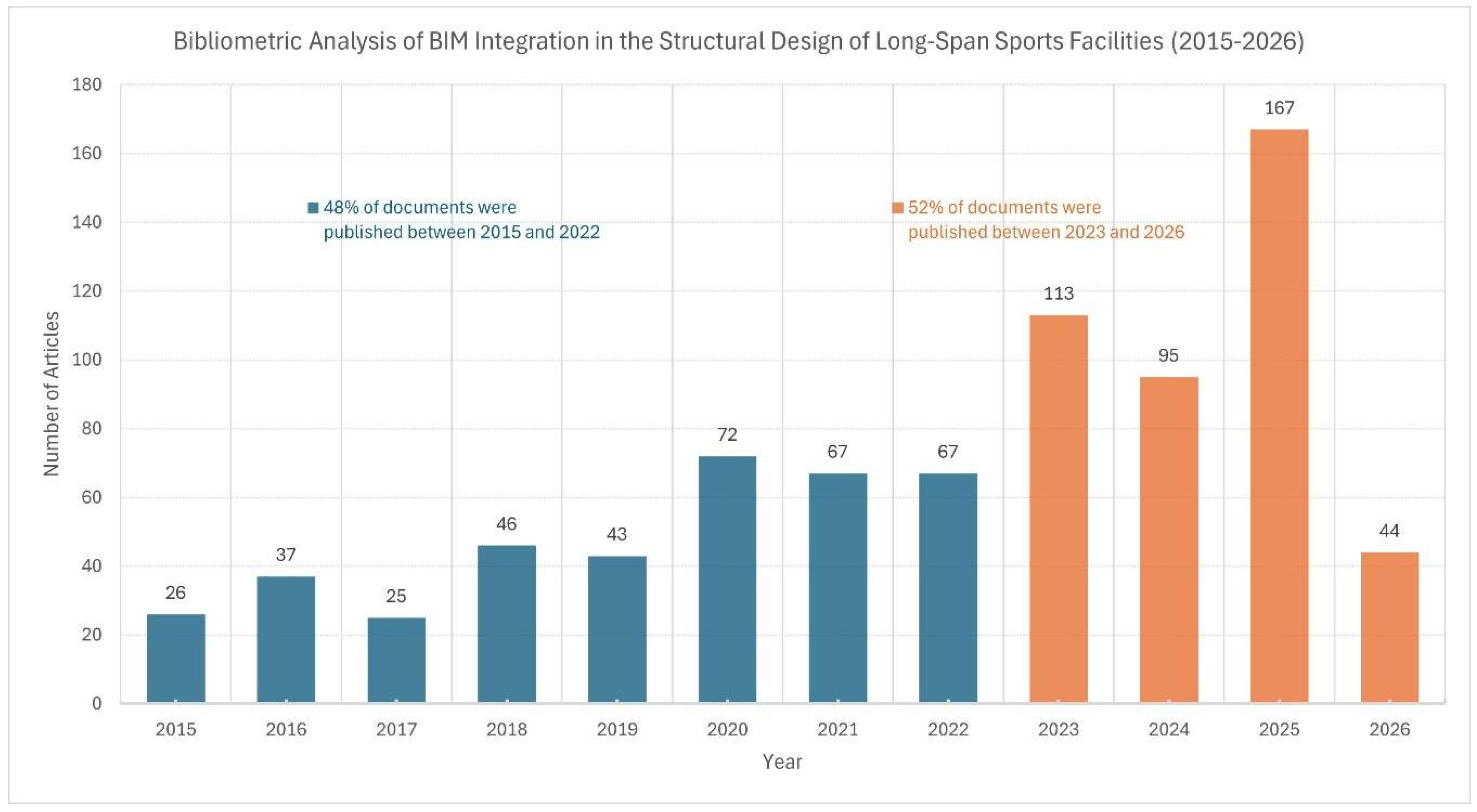
Figure 2.
Types of documents on BIM integration in the structural design of long-span sports facilities (2015–2025).
Figure 2.
Types of documents on BIM integration in the structural design of long-span sports facilities (2015–2025).
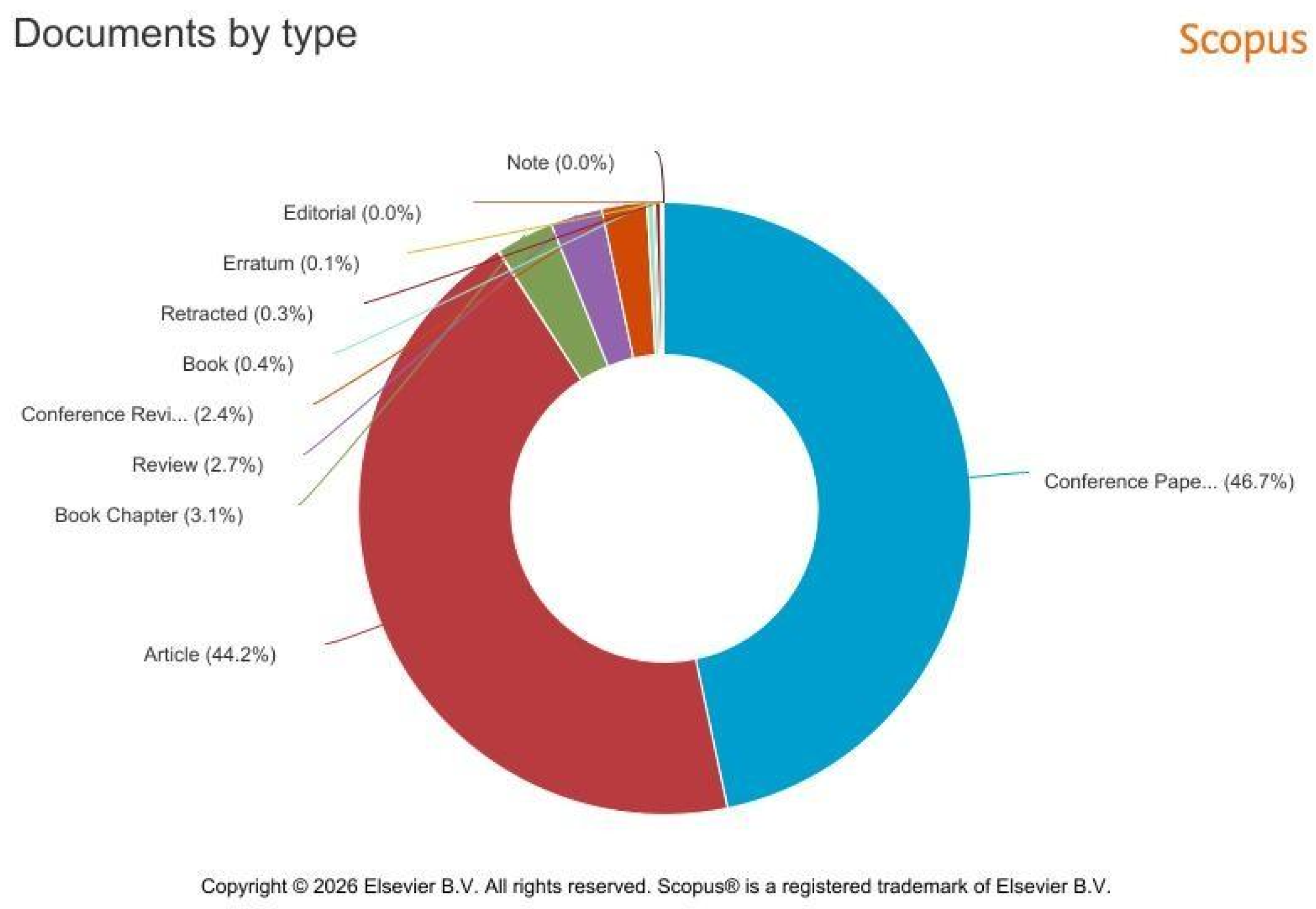
Figure 3.
PRISMA 2020 flow diagram—BIM integration in the structural design of long-span sports facilities.
Figure 3.
PRISMA 2020 flow diagram—BIM integration in the structural design of long-span sports facilities.
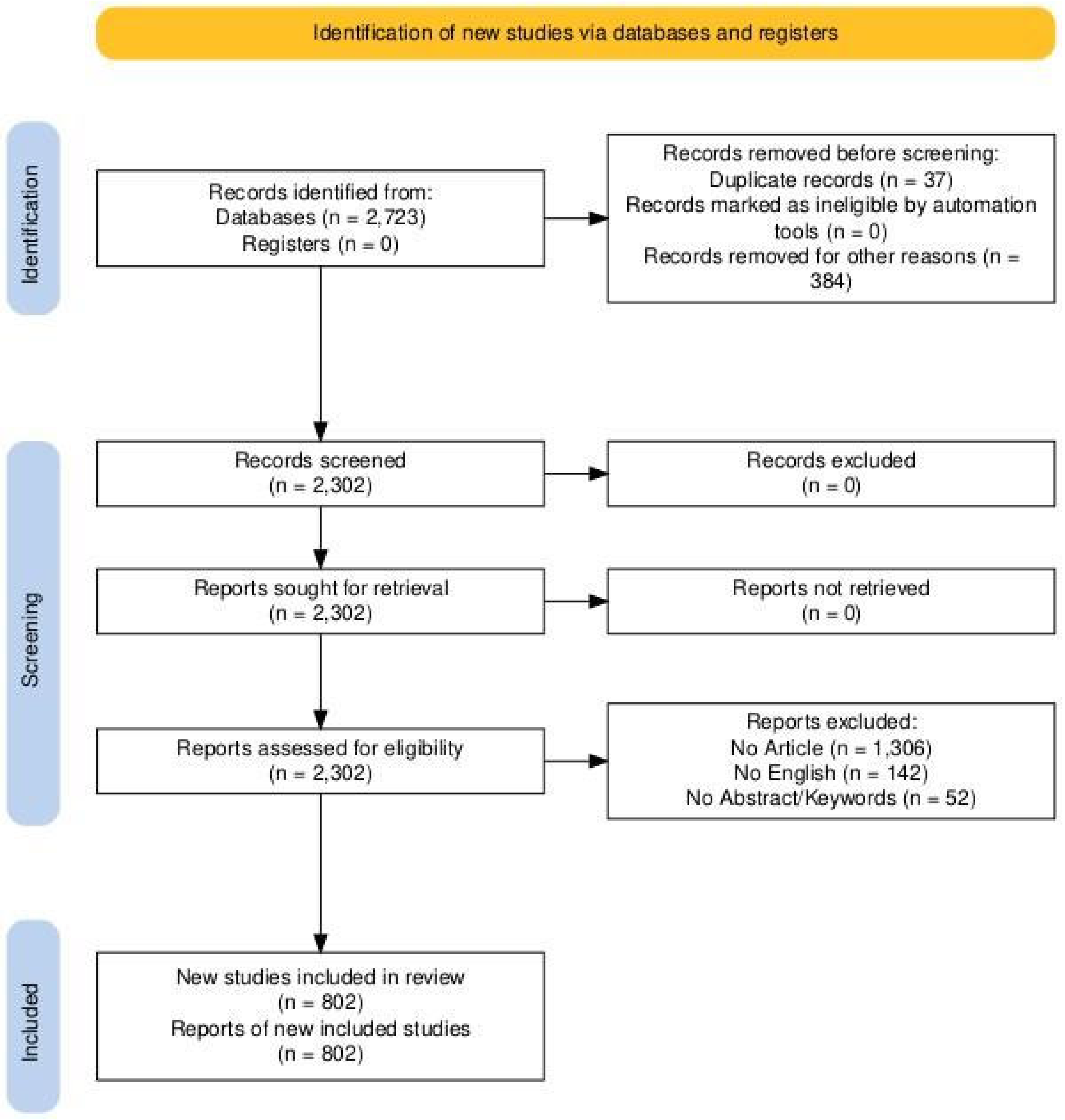
Figure 4.
Distribution of documents by subject area on BIM integration in the structural design of long-span sports facilities.
Figure 4.
Distribution of documents by subject area on BIM integration in the structural design of long-span sports facilities.
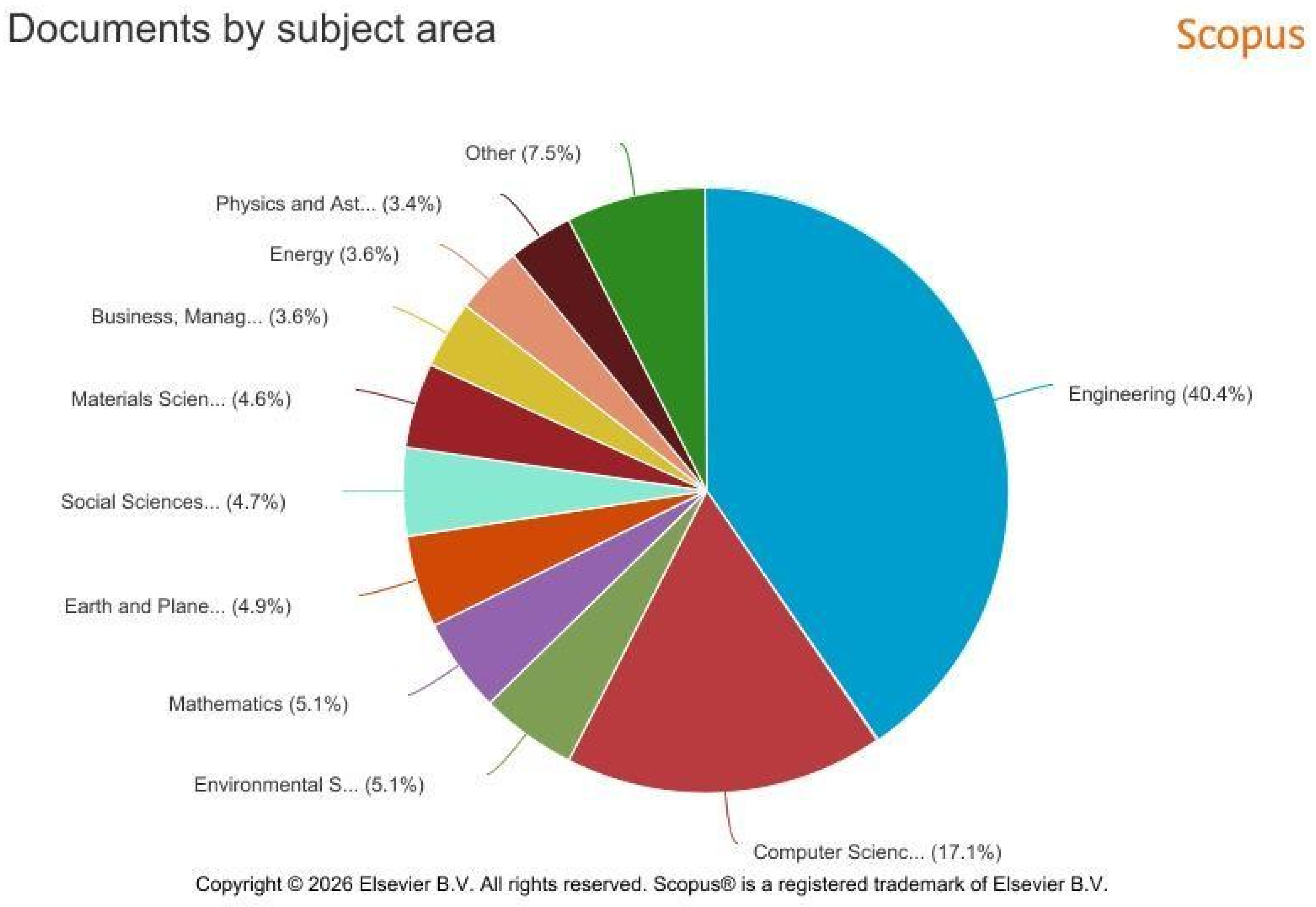
Figure 5.
Scientific production by country in research on BIM integration in the structural design of long-span sports facilities (2015–2025).
Figure 5.
Scientific production by country in research on BIM integration in the structural design of long-span sports facilities (2015–2025).
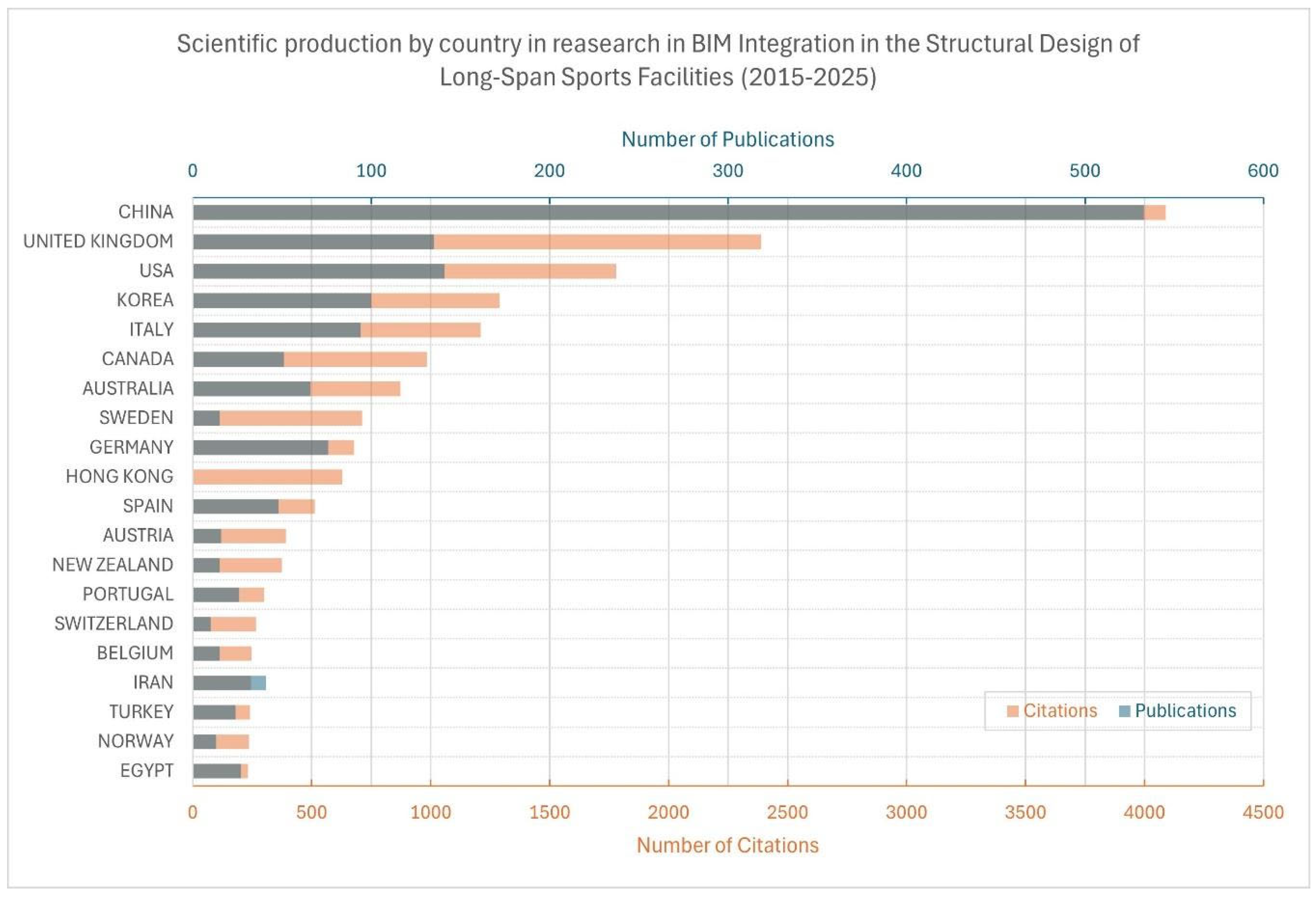
Figure 6.
Performance of the most productive authors in BIM integration in the structural design of long-span sports facilities.
Figure 6.
Performance of the most productive authors in BIM integration in the structural design of long-span sports facilities.
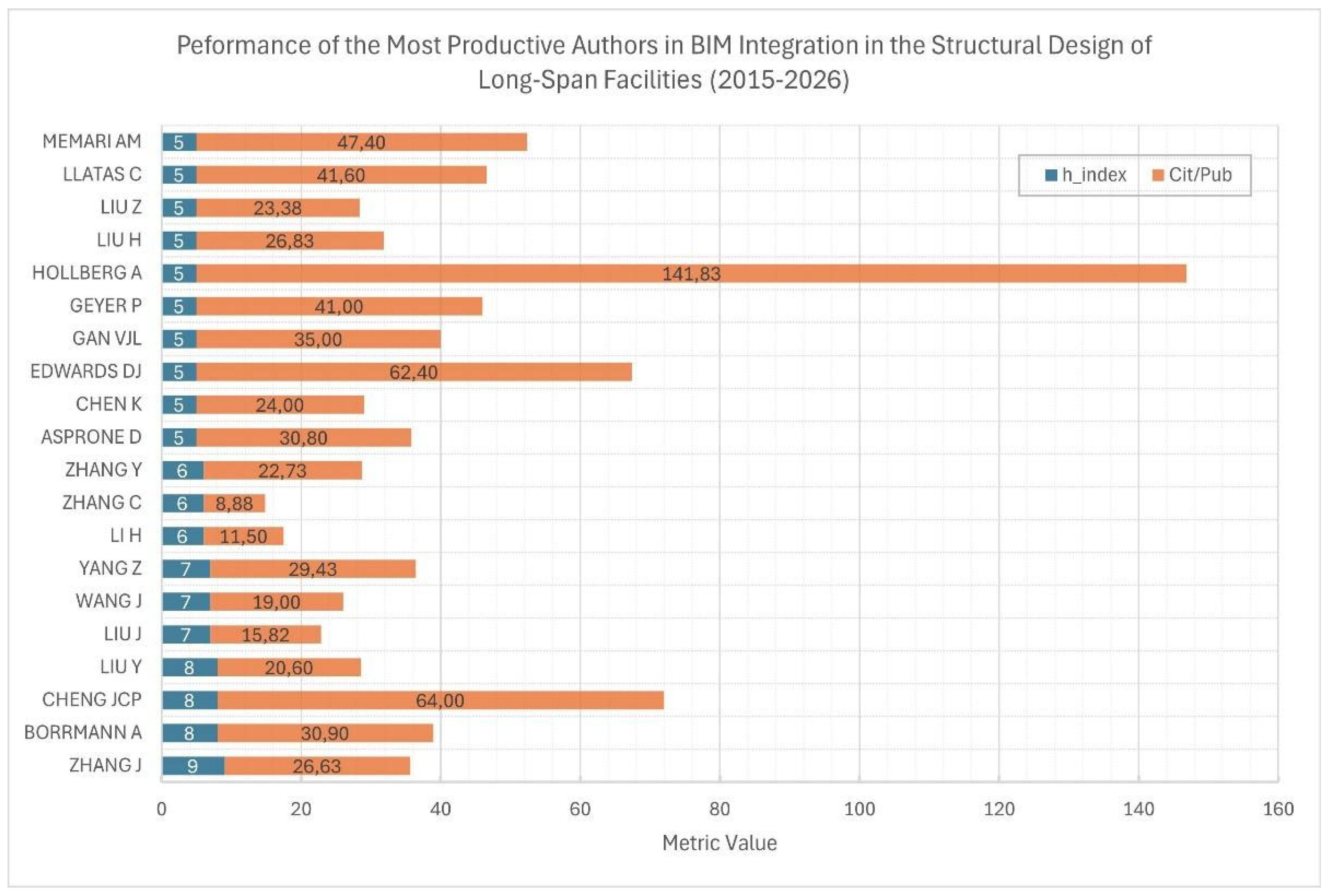
Figure 7.
Historical direct citation network [12,13,14,15,29,30,31,32,33,34,35,36,37,38,39,40,41,42].
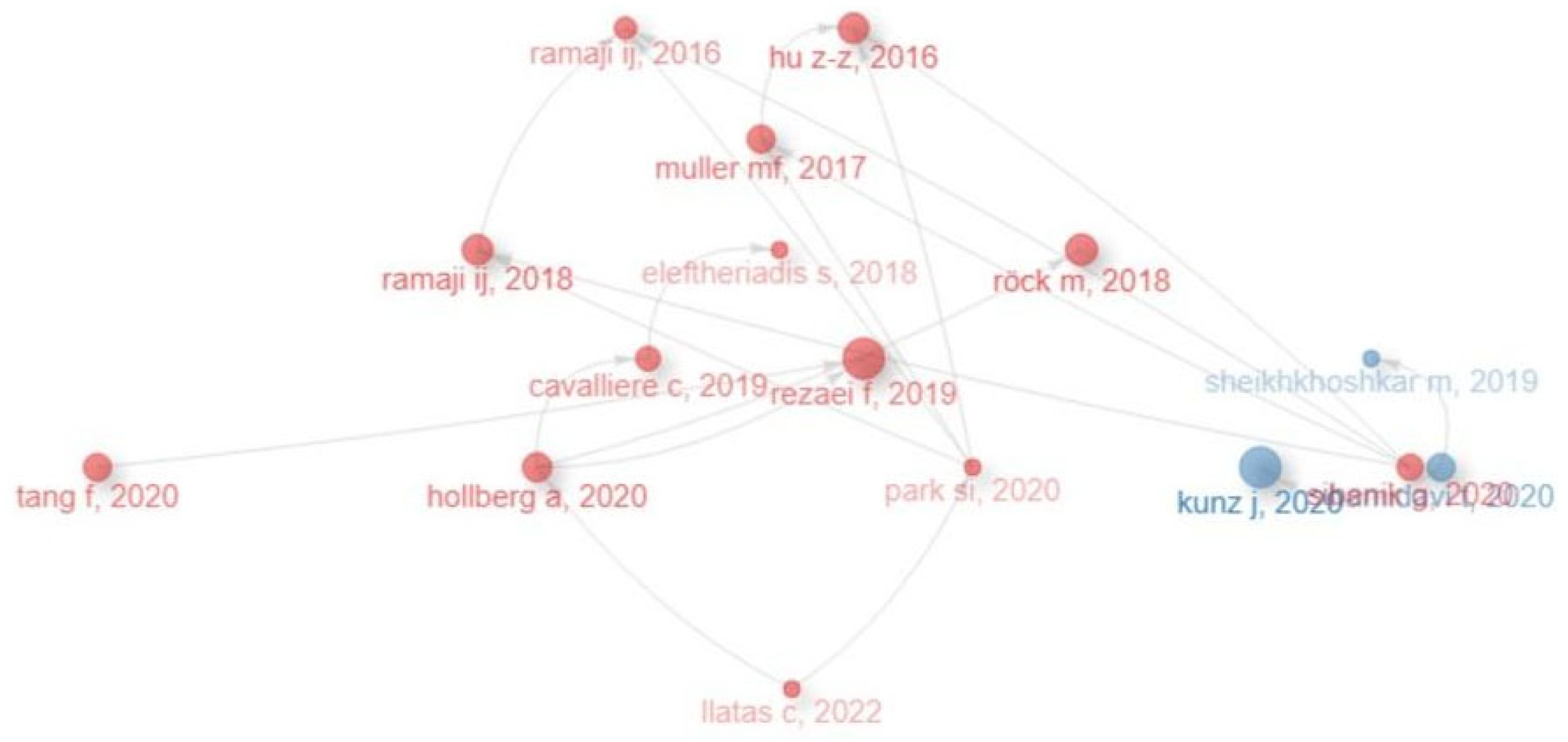
Figure 8.
Bradford’s Law distribution of journals in BIM integration in the structural design of long-span sports facilities.
Figure 8.
Bradford’s Law distribution of journals in BIM integration in the structural design of long-span sports facilities.
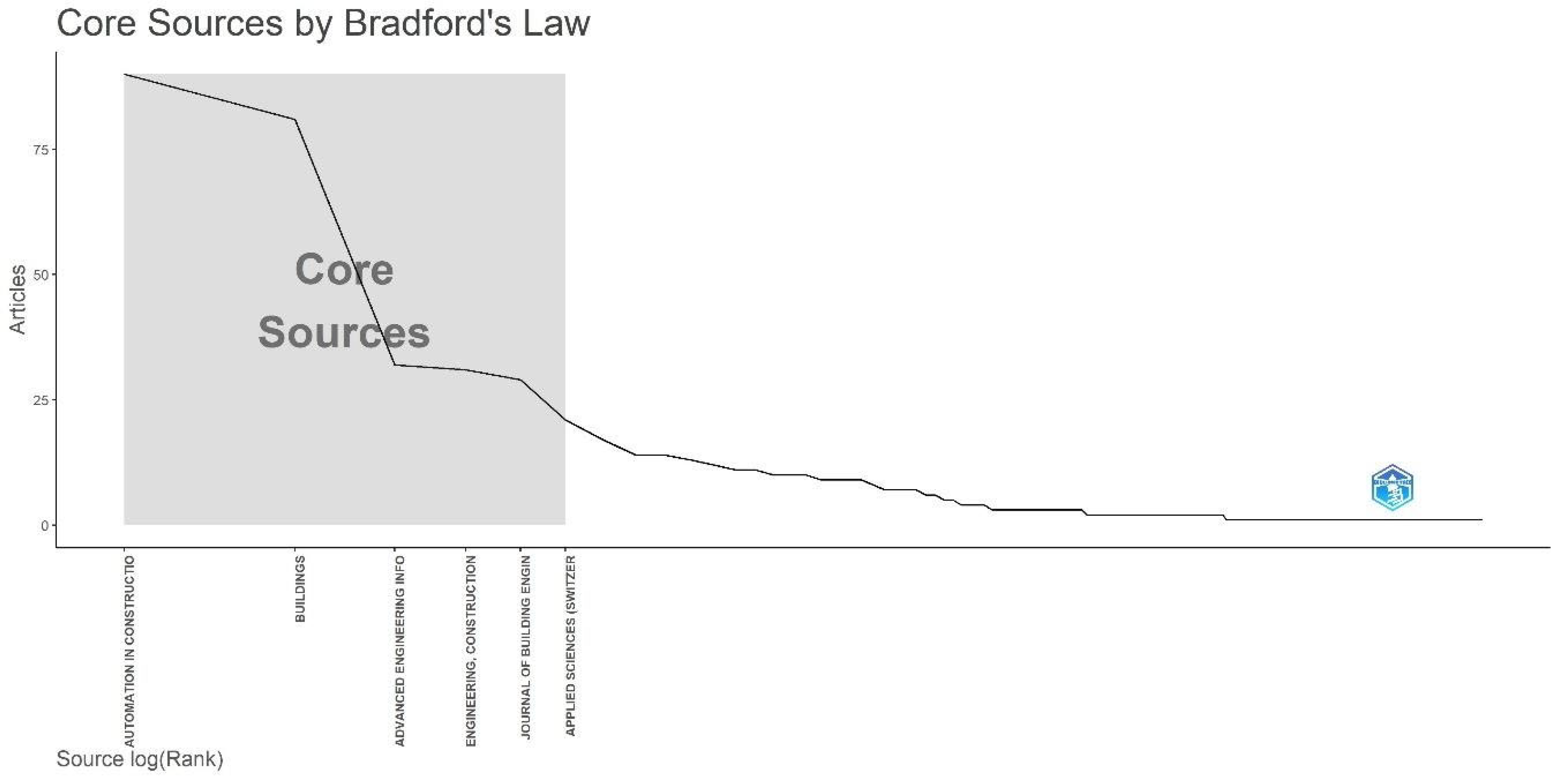
Figure 9.
Keyword tree map in BIM implementation in structural design of long-span sports facilities.
Figure 9.
Keyword tree map in BIM implementation in structural design of long-span sports facilities.
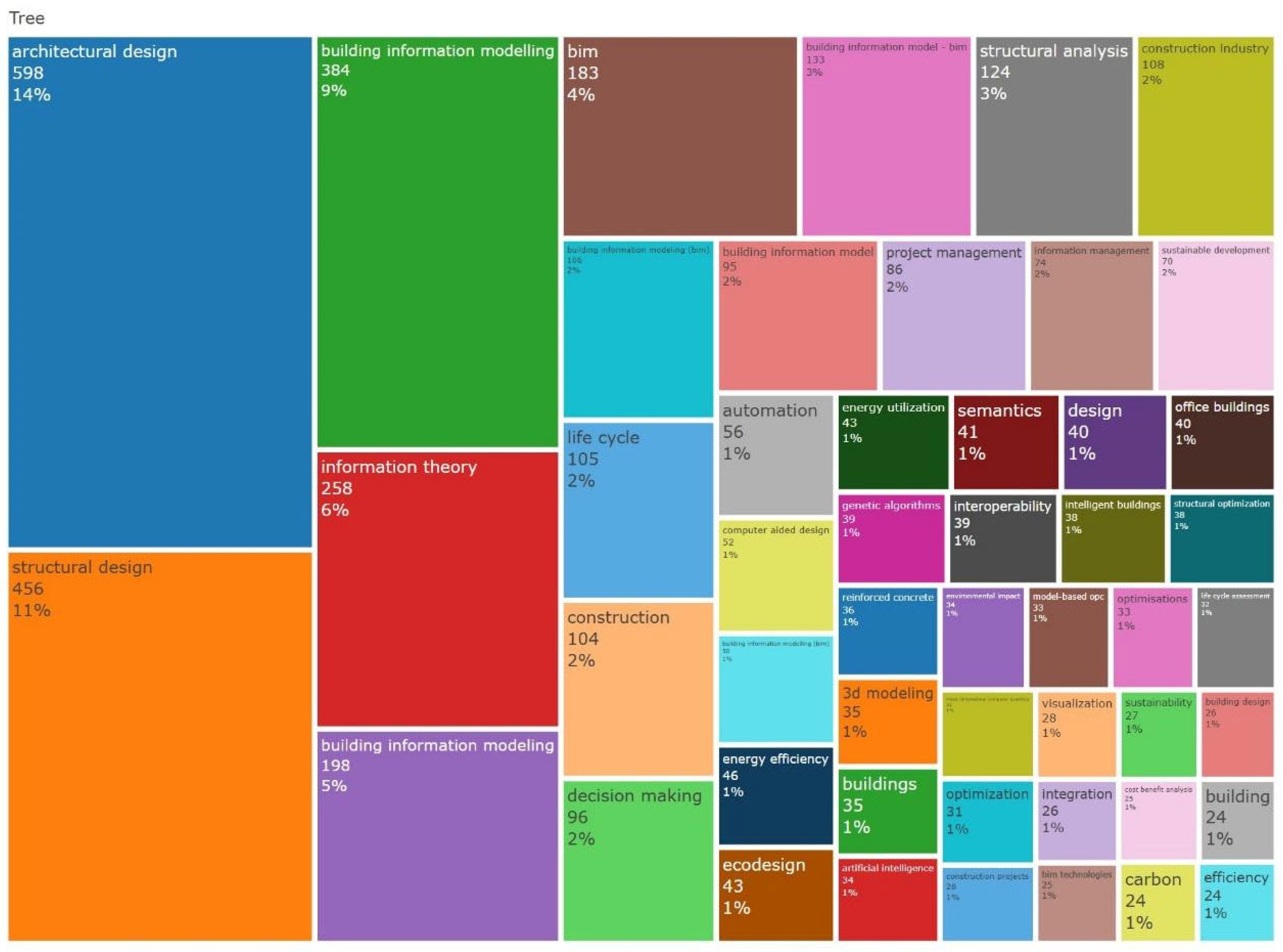
Figure 11.
Country collaboration network.
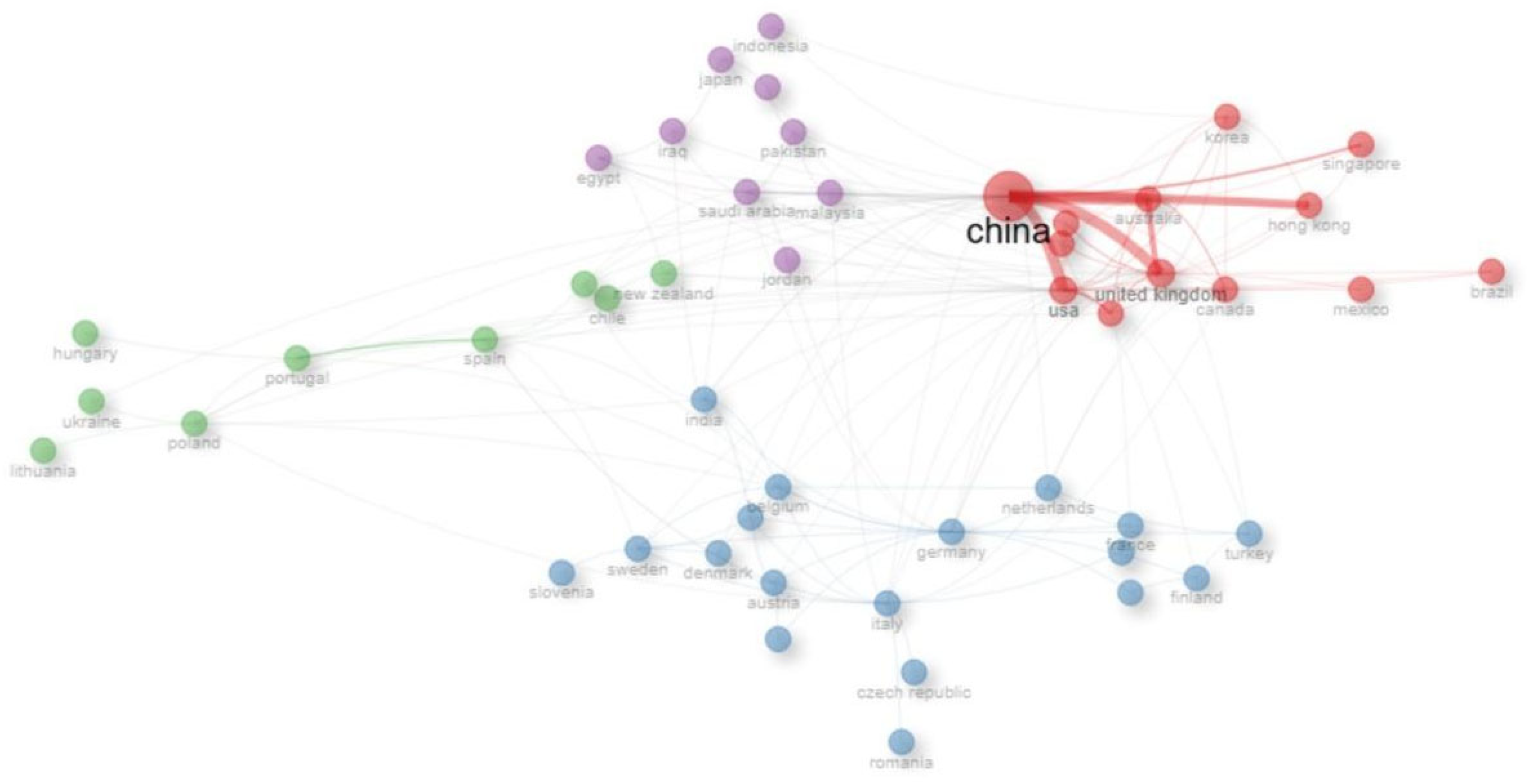
Figure 12.
Institution collaboration network.
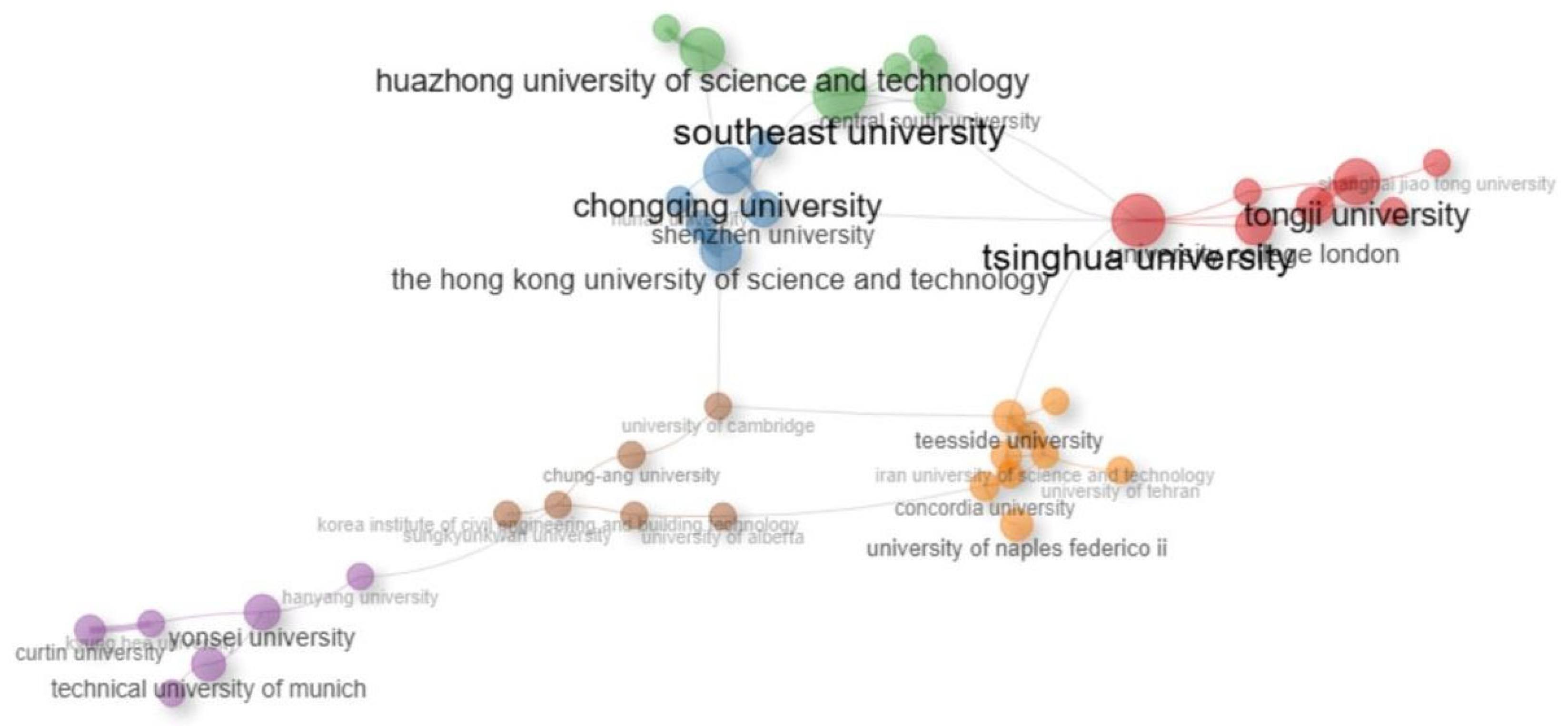
Figure 13.
Temporal emergence of research topics in BIM integration in the structural design of long-span sports facilities.
Figure 13.
Temporal emergence of research topics in BIM integration in the structural design of long-span sports facilities.
Disclaimer/Publisher’s Note: The statements, opinions and data contained in all publications are solely those of the individual author(s) and contributor(s) and not of MDPI and/or the editor(s). MDPI and/or the editor(s) disclaim responsibility for any injury to people or property resulting from any ideas, methods, instructions or products referred to in the content. |
© 2026 by the authors. Licensee MDPI, Basel, Switzerland. This article is an open access article distributed under the terms and conditions of the Creative Commons Attribution (CC BY) license (http://creativecommons.org/licenses/by/4.0/).
Copyright: This open access article is published under a Creative Commons CC BY 4.0 license, which permit the free download, distribution, and reuse, provided that the author and preprint are cited in any reuse.


