
Submitted:
16 June 2026
Posted:
17 June 2026
You are already at the latest version
Abstract
Zamak 5 is a commercially important Zn–Al–Cu–Mg alloy that is frequently used in precision casting applications because of its dimensional stability, good casta-bility, and balanced engineering properties. In the present investigation, the in-fluence of two artificial aging conditions on the thermal and mechanical behavior of this alloy was experimentally examined. The first treatment consisted of aging at 85 °C for 44 h, whereas the second treatment was performed at 120 °C for 24 h. The aged specimens were characterized using SEM and EDS analyses together with microhardness testing and transient cooling experiments. The findings showed that aging reduced the hardness of the alloy relative to the untreated condition, with the largest reduction obtained after aging at 120 °C for 24 h. In contrast, the same condition produced the highest heat transfer response among the tested specimens. The thermal behavior was strongly associated with precip-itate evolution, redistribution of Zn-rich and Al-rich phases, and the resulting modification in thermal energy storage capability during transient cooling.
Keywords:
heat transfer coefficient
; Zn-Al
; aging
; microhardness
1. Introduction
Pure zinc generally possesses limited strength and ductility at room temperature because of its hexagonal close-packed crystal structure and the restricted number of active deformation systems,[1,2]. Consequently, alloying additions and thermal processing techniques are commonly introduced to improve the engineering performance of Zn-based materials, [3,4,5,6]. Zn–Al alloys have attracted increasing industrial attention because they combine low melting temperature, satisfactory corrosion resistance, ease of casting, and acceptable mechanical behavior, [7,8,9]. Artificial aging is widely used to alter the microstructure and internal phase distribution of Zn-based alloys. During the aging process, diffusion mechanisms promote precipitate formation and elemental redistribution between Zn-rich and Al-rich regions. These microstructural modifications can significantly affect both hardness and thermal characteristics. Previous studies mainly focused on mechanical performance, dimensional stability, corrosion resistance, and microstructural evolution after aging treatments, [10,11,12,13,14,15,16,17].In recent years, Zn–Al alloys have also been considered for applications involving thermal loading because their heat transfer characteristics are influenced by phase morphology and internal structural changes19. Nevertheless, relatively limited research has examined the relationship between aging treatment and transient thermal response in these alloys. Most available investigations emphasize mechanical properties, while fewer studies discuss how aging-induced precipitates influence heat transfer behavior and thermal energy storage capability, [14,15,16,17,18]. Therefore, the present work investigates the effect of two aging conditions on the microstructure, hardness, and transient heat transfer performance of Zamak 5 alloy. Particular attention is given to the relationship between aging-induced microstructural evolution and the experimentally determined thermal response. The main objective of this study is to investigate the effect of two age hardening regimes of Zn-Al alloy mentioned earlier on the microhardness and accordingly how the heat transfer from the age hardened material depends on the microstructure of that material.
2. Materials and Methods
2.1. Materials
Quantitative results for Zn-Al material which have been used in this study are tested at Acc. Voltage: 30.0 kV and take off angle: 35.0 deg. using SEM Type and the results are shown in Table 1.
2.2. Preparation of Zn-Al Alloys
The Zn-Al alloy was produced by melting a predetermined quantity pieces s at 500 ᵒC, after which. The melt was then placed in a brass mold to solidify as shown in Figure 1. The Zn-Al alloy was synthesized as 40 mm diameter and 70 mm long cylindrical rods from which test samples were machined as shown in Figure 2.
2.3. Age hardening Test
The age hardening regimes are explained as shown in Table 2 where further explanations of age hardening process are shown in both Figure 3 and Figure 4.
Figure 3.
First age hardening regime of Zn-Al alloy (A2).
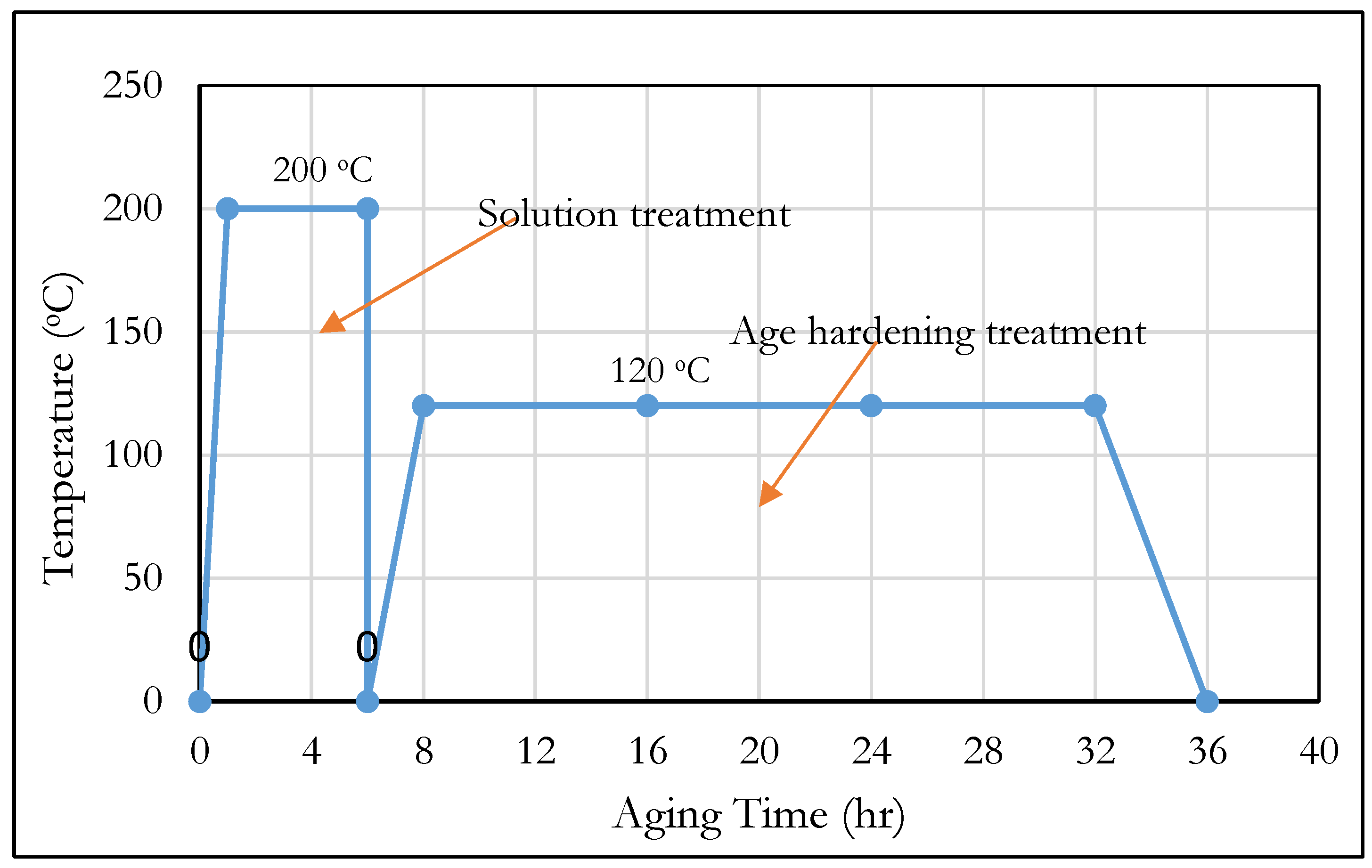
Figure 4.
Second age hardening regime of Zn-Al alloy (A1).
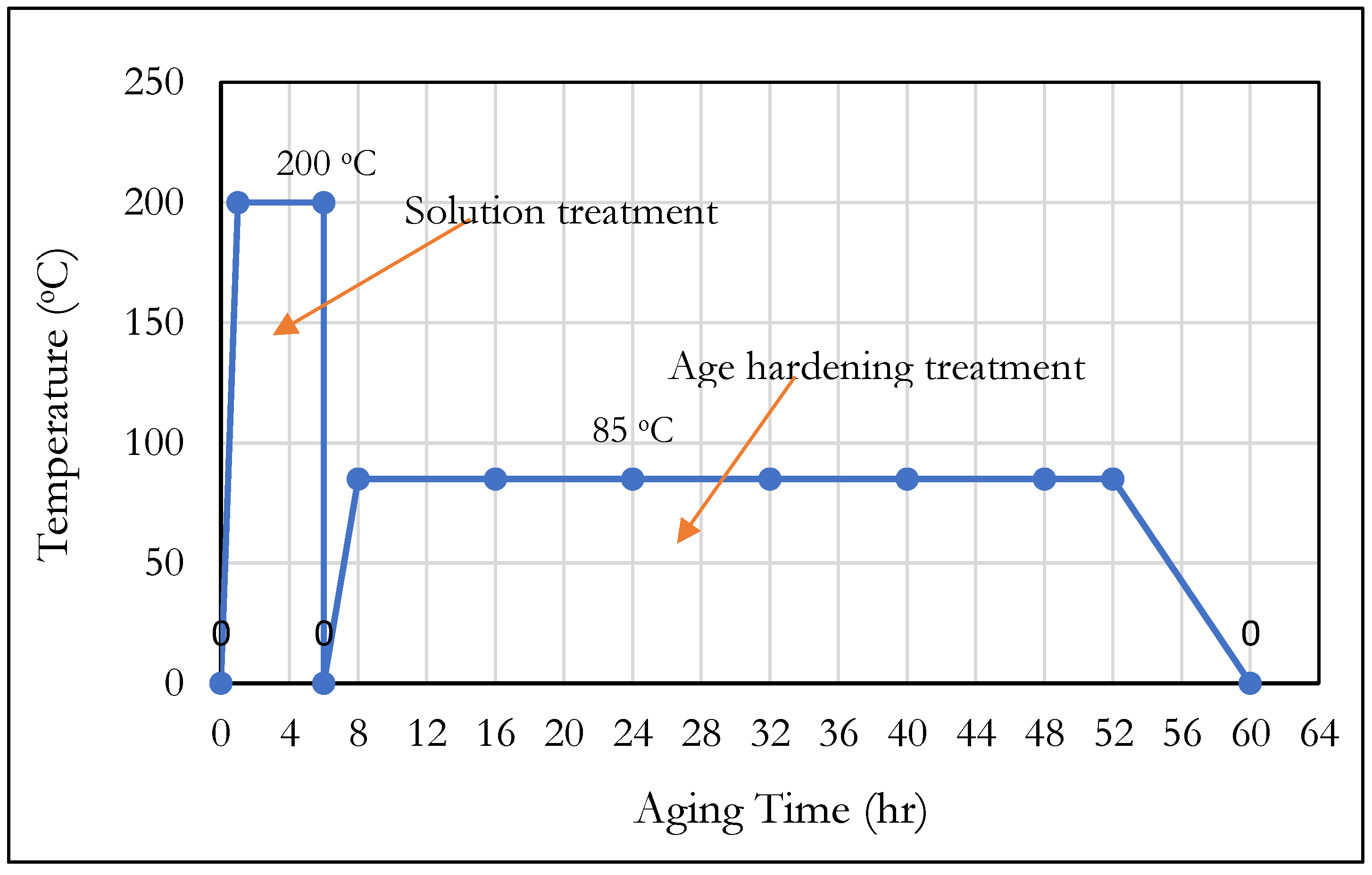
Figure 5.
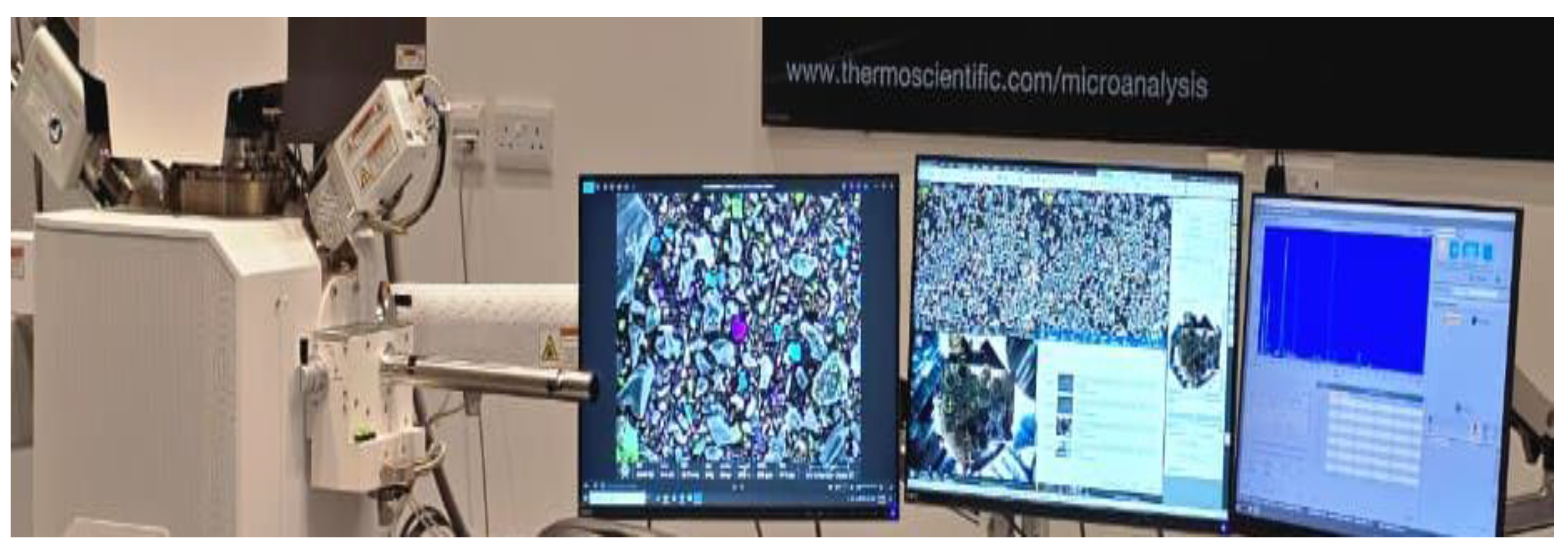
a) Thermo Fisher SEM software, b) workpiece in SEM instrument.
2.5. Microhardness measurement
2.6. Heat Transfer Rate Measurement
The transient cooling technique was employed to evaluate the heat transfer behavior of the tested specimens. In order to reduce heat losses by conduction, a specially designed fiberglass support fixture with extremely small contact regions was utilized. The support geometry minimized direct conductive interaction between the specimen and the surrounding structure during the cooling process.All experiments were conducted inside an enclosed chamber to reduce the influence of external airflow fluctuations and temperature disturbances. Before each experiment, the specimen was heated in an electric oven to a temperature approximately 100 °C above ambient conditions. Immediately after heating, the specimen was transferred to the insulated support fixture as shown in Figure 8 and instrumented using calibrated K-type thermocouples connected to a data acquisition system.The cooling history of each specimen was continuously recorded as a function of time. Only data corresponding to temperatures between 40 °C and 90 °C were considered in the analysis to improve the validity of the lumped capacitance assumption and reduce the possibility of internal temperature gradients.The overall heat transfer coefficient was determined from the transient cooling response. Radiation effects were evaluated separately using the Stefan–Boltzmann relation, whereas conductive heat transfer through the support fixture was considered negligible because of the low thermal conductivity of the support material and the very limited contact area.
Figure 8.
Support frame used to mount the workpieces.
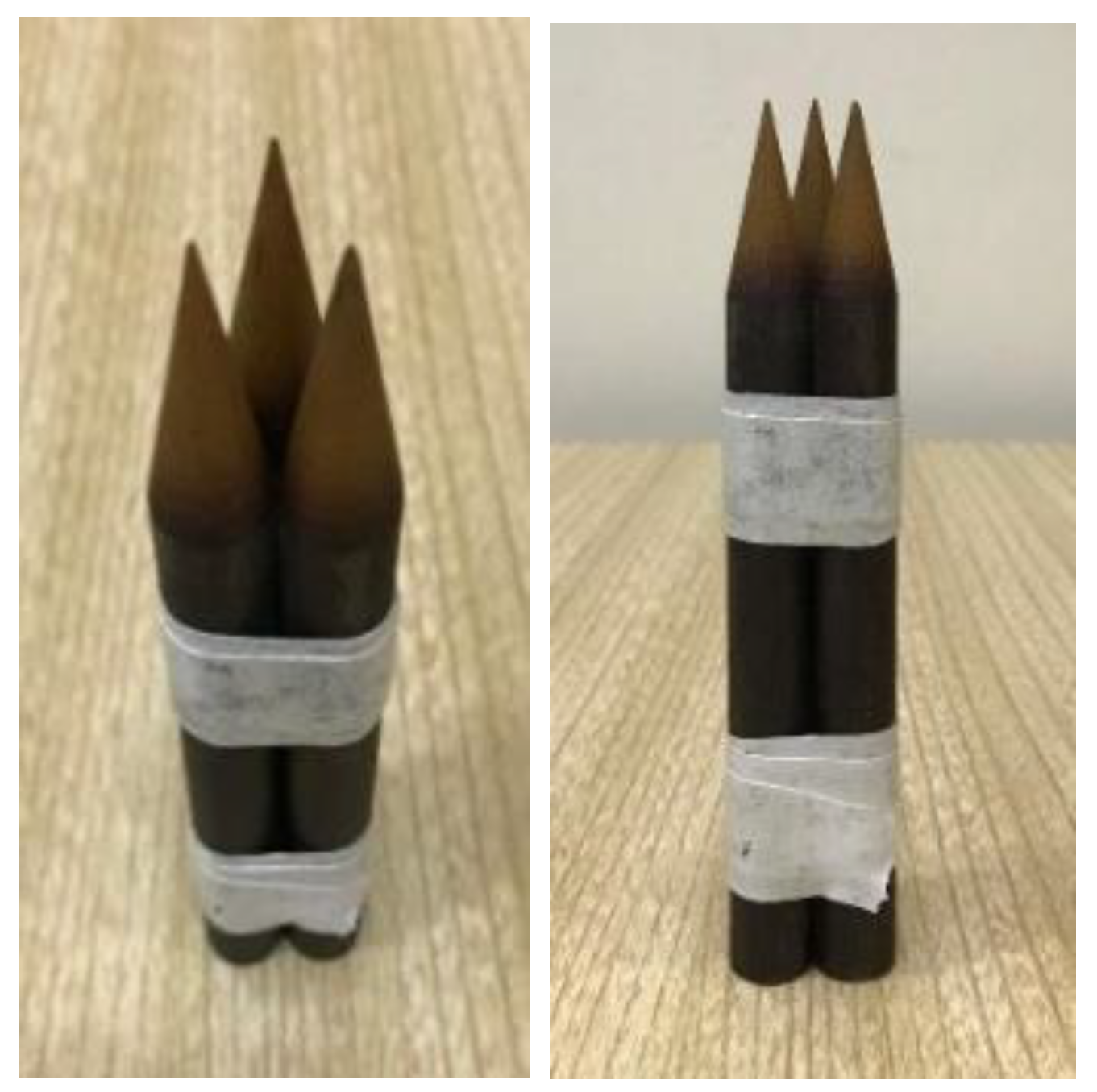
Figure 9.
Chamber where experiments were conducted.
In this study, a digital weight balance with uncertainty of ± 0.0001 gm (shown in Figure 10. a) was used to measure the mass of the workpieces considered. To ensure that the workpiece is vertical and not inclined with respect to the reference considered in the experiment, a digital level (shown in Figure 10. b) was used. An electric oven (Sharp model) shown in Figure 10 was used to heat the workpieces to a temperature of about 100°C above ambient temperature. Previously calibrated thermocouples of Type-K (see Figure 10. d) have been used to measure the workpiece temperature while it is cooling as well as the ambient temperature. A data logger (shown in Figure 10. e) has been used to monitor the outputs of the thermocouples and record the temperature variation with time. The data logger used in this study was manufactured by HIOKI and had 10 ports. The collected data (temperature-time variation) for analysis was obtained within the temperature range of 40 °C to 90 °C for each workpiece. Data at temperatures exceeding this range was excluded from the analysis to ensure uniform temperature distribution across the workpiece once it was taken out of the oven and placed on the support frame.
The calculation of the overall heat transfer coefficient from the workpiece, denoted as can be determined using the following equation:
The interval was selected to be 5 minutes. was calculated for each interval using the measured temperatures and the known values of .
It should be noted that the value of above includes convection and radiation heat transfer from the workpiece to ambient air, along with conduction heat transfer from the workpiece to the supporting frame. The radiation heat transfer coefficient for each interval can be determined using the following equation:
where,
is the emissivity of the workpiece considered which was assumed to be 0.07, based on the surface finish of the workpiece.
σ: is the Stefan-Boltzmann constant which is equal to 5.67×10⁻⁸ .
It was assumed that the heat transfer by conduction from the workpiece to the tips of the support frame is negligible as the contact area between the workpiece and the tips of the support frame is very small. Therefore, the convective heat transfer, could be calculated as follows:
2.6.1. Lumped Capacity Method Validation
The suitability of the lumped capacitance approach was verified through evaluation of the Biot number. For all experiments, the calculated Biot numbers remained considerably lower than 0.1. This indicates that the thermal resistance inside the specimen was much smaller than the external convective resistance. Accordingly, the temperature distribution within the specimen could reasonably be treated as spatially uniform during the transient cooling process. [19,20,21].
To determine the Biot number the following formula is used:
where:
:convective heat transfer coefficient
: characteristic length (m), defined as , where is the volume of the workpiece .
: solid specimen thermal conductivity
For each experiment conducted, the Biot number remained far below 0.1, confirming the validity of applying the lumped capacity method in this experimental study.
2.6.2. Uncertainty Analysis
An uncertainty analysis was carried out to evaluate the reliability of the measured and calculated thermal parameters. The uncertainties associated with the individual experimental quantities were first estimated separately. The combined uncertainty in the calculated Nusselt number was then obtained using the root-sum-square procedure [21,22]. The final uncertainty range for the Nusselt number values was found to vary approximately between 4.8% and 7.9%.
2.6.3. Estimation of the Heat Transfer Coefficient
To determine the heat transfer coefficient of the workpieces considered in the current study the workpiece was put inside the oven and heated to about 110°C. A thermal glove was then used to remove the hot workpiece from the oven. The workpiece was then mounted on the supporting elements Figure 8 inside the chamber. To capture the temperature-time readings, the thermocouples which are connected to data logger from one end were placed within the drilled holes in the workpiece. The door of the chamber was closed. The data logger recorded the workpiece’s temperature variation over time while it was being cooled to room temperature. During that period, the outside temperature was also recorded. The overall heat transfer coefficient was calculated by using this temperature variation over time as well as the surrounding temperature.
The above procedure has been conducted for all workpieces considered.
2.6.4. Estimation of Specific Heat
The specific heat capacity of the workpieces used in this investigation was ascertained using the Calorimetric Method [24]. Each workpiece's mass was initially determined using a precise weight scale. After that, the workpiece was submerged in water that had been heated to its boiling point, or roughly 99.6 °C, to reach a predetermined temperature. The workpiece was rapidly moved into a calorimeter with a known mass of room-temperature water after heating. The calorimeter's contents were gently agitated until thermal equilibrium was achieved to guarantee uniform heat dispersion. A thermocouple was used to determine the ultimate temperatures of the workpiece and the water. The workpiece's specific heat capacity was then determined using the energy conservation principle:
where and represent the initial and final temperatures, respectively.
In Equation (5), all parameters are known except the specific heat capacity , which can therefore be determined for each workpiece.
3. Results
3.1 The Main Microstructure of Zn-Al alloy
Figure 11a and Figure 11b, and Figure 12 show that the structure of pure Zamak5 is composed of interdendritic β phases that are rich in zinc and α dendrites that are rich in aluminum. Primary Zn-rich dendrites (white) can be identified. This phase is compatible with [23] and is zinc-rich interdendritic β phases with poor mechanical characteristics.
Aluminum is reduced by 13.8% in the case of A2 and 20.5% in the case of A1, according to Table 2, which uses EDS analysis to describe the overall change in components content following age hardening regimes. Zn and Al are the dominating elements. In terms of zinc concentration, A2 has a 1.3% drop and A1 has a 6.1% increase. The hardness and heat transfer performance decreased as a result of these elemental content modifications. The α phase, which is stronger than the Zn-rich β phase, is reduced, which results in a drop in hardness.

Table 2.
Elements change after aging.
| Element | [A1]Wt.% | [A2]Wt.% | [A3]Wt.% |
| C | 5.39 | 8.01 | 5.07 |
| O | 5.99 | 8.88 | 9.76 |
| Al | 5.20 | 5.64 | 6.54 |
| Si | 0.15 | 0.17 | 0.19 |
| Ni | 0.20 | 0.08 | 0.21 |
| Zn | 83.07 | 77.22 | 78.30 |
| Total | 100 | 100 | 100 |
In contrast to the first A3 stage, it is evident that the amount of aluminum in the A1 and A2 stages has dropped.
Figure 13.
EDS Mapping for Zn-Al and its age hardening regimes at 5000 x Magnification.
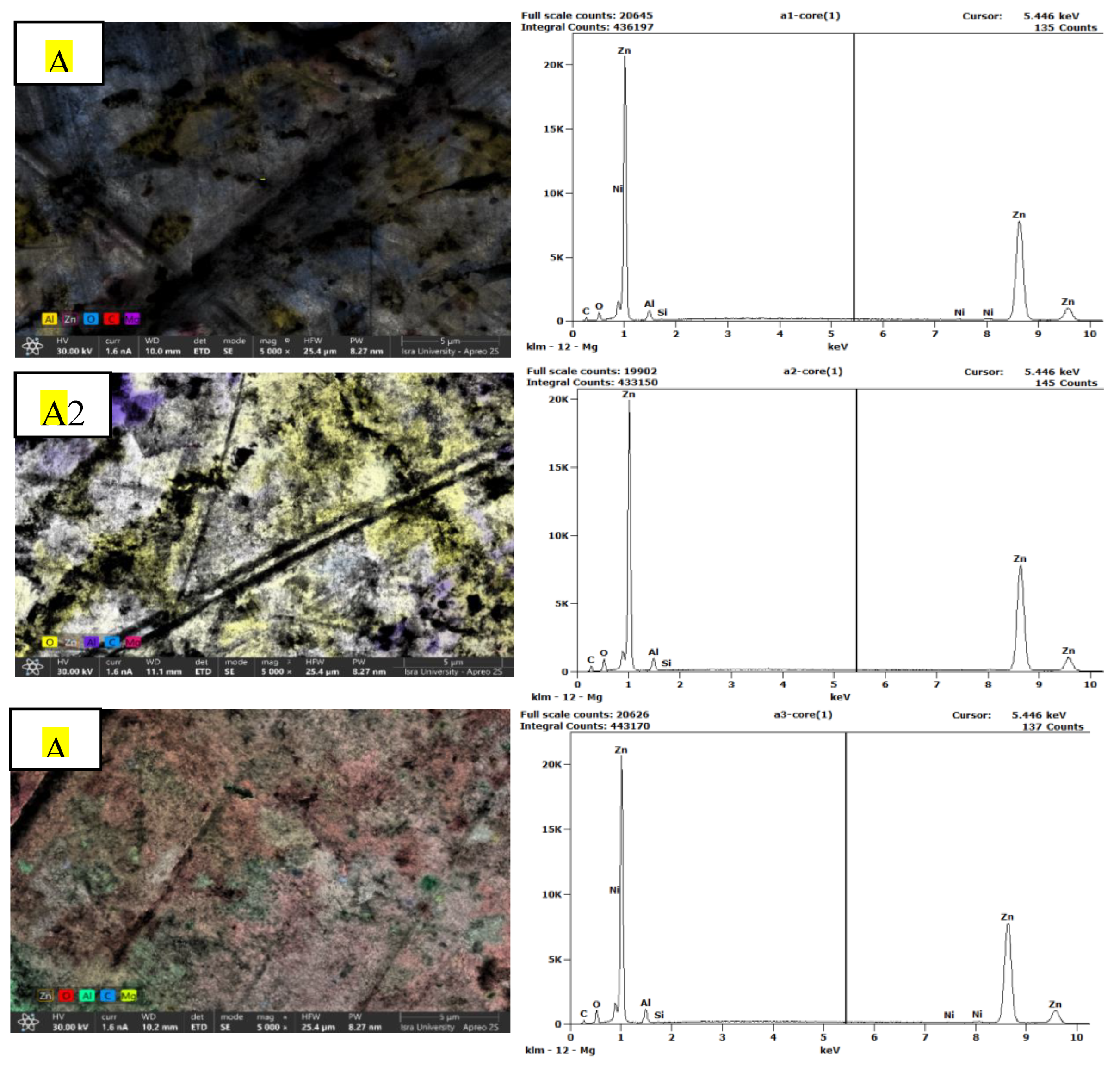
Figure 14.
SEM images of Zn-Al and its age hardening regimes at 1000 x Magnification.
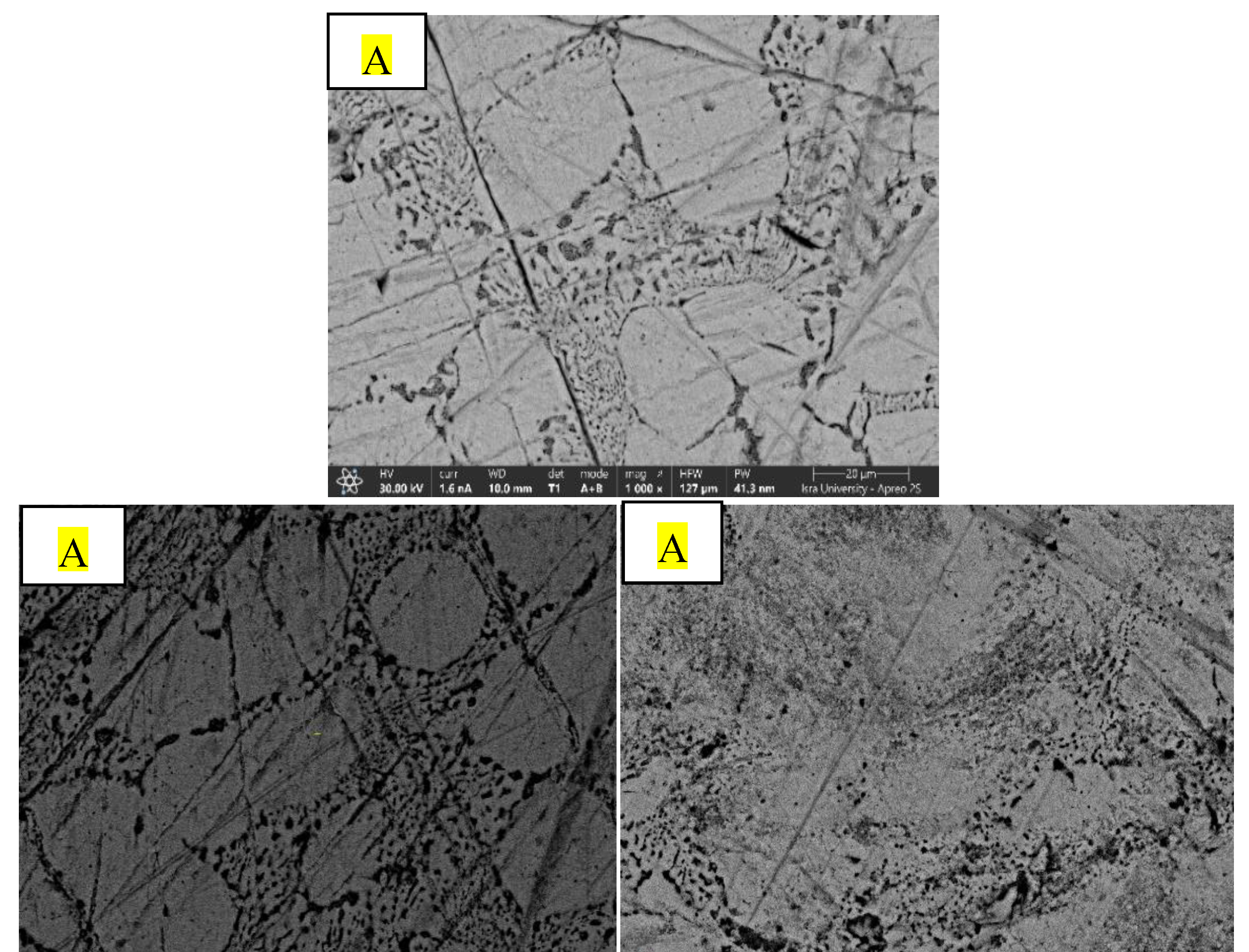
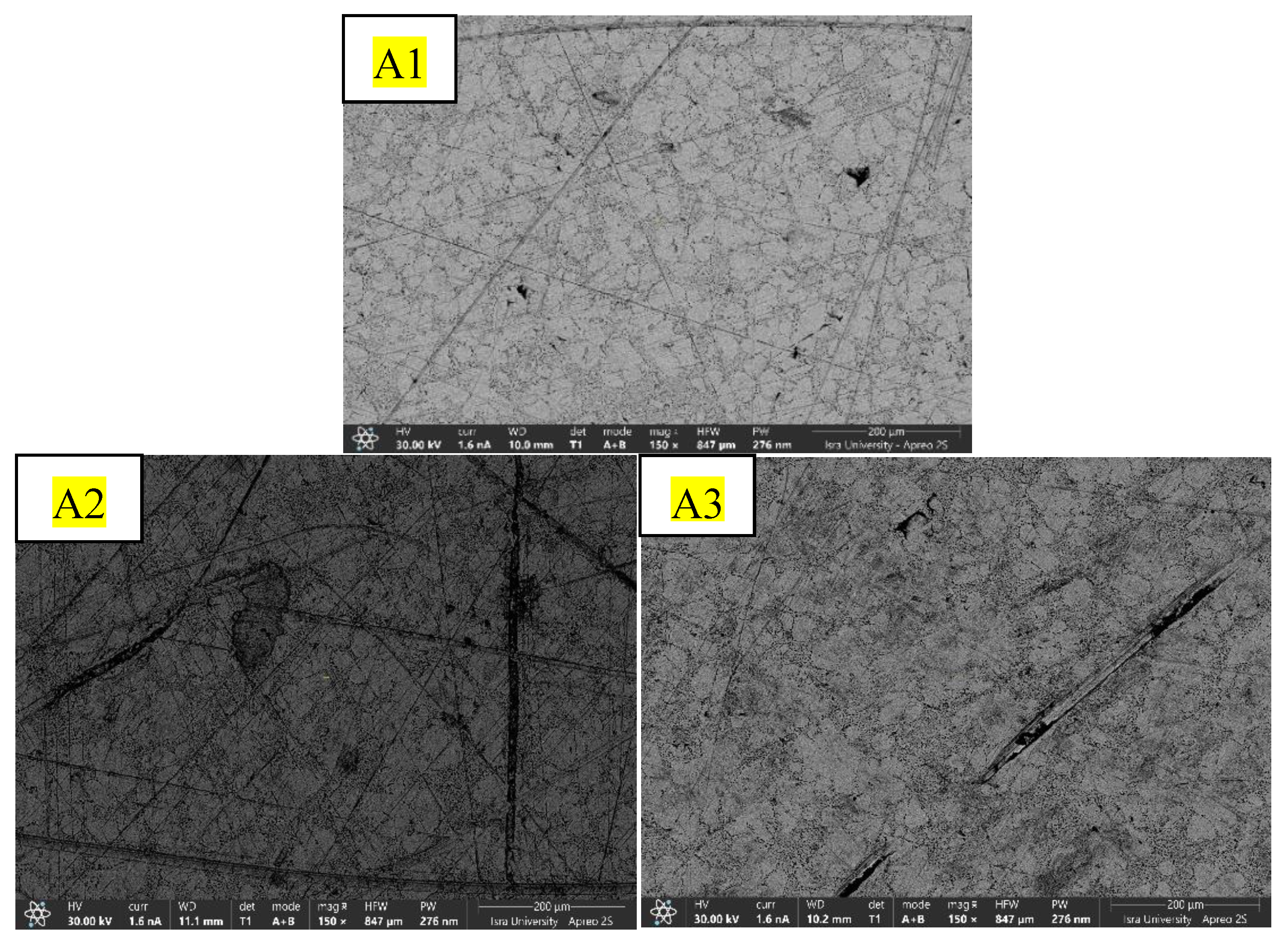
Figure 15.
SEM images of Zn-Al and its age hardening regimes at 150 x Magnification.
3.2. Effect of Age Hardening Regimes on the Microhardness of Zn-Al Alloys
Figure 16 shows how age hardening regimes affect the average microhardness. It is clear that there is a general decline in microhardness, with declines of 11.7% following age hardening (A1) at 85 °C for 44 hours and 26.1% at 120 °C for 24 hours (A2). This can be explained by the increase of zinc-rich interdendritic β phases with poor mechanical characteristics as shown in Figure 14 and Figure 15.
3.2. Effect of Age Hardening Regimes on the Heat Transfer from Zn-Al Alloys
In this study, the heat transfer results are expressed in terms of Nusselt number (), which is calculated as follows:
where:
: is the characteristic length, defined as the diameter of the disc (m).
: is the thermal conductivity of the surrounding fluid, which is air in this case (W/m·K).
The Nusselt number is influenced by the Rayleigh number (), expressed as:
where:
is the mean temperature.
: thermal expansion coefficient calculated as , where,
: is the film temperature , defined as
: is the kinematic viscosity
: is the thermal diffusivity
3.3.1. Air Properties
At each time step, the film temperature was used to determine the thermophysical properties of air. Using the correlations proposed by Zografos et al. [24], the air properties including density, kinematic viscosity, specific heat capacity, and thermal conductivity were calculated. These correlations are applicable in the temperature range of 100-3000 under standard atmospheric pressure which match the experimental conditions considered in this study.
3.3.2. Effect of age hardening regimes on the heat transfer from Zn-Al alloys
Specific heat capacity for the workpieces considered are shown in Figure 17. It could be seen from this figure that the specific heat capacity increased for case (A2) and remained almost unchanged for case (A1) both compared to reference case (A3).
Case (A3) which represents the reference case provides the baseline for both mechanical strength and thermal response. The experimental observations demonstrated that aging treatment affected both the thermal response and the mechanical behavior of the Zn–Al alloy through changes in its internal microstructure. Variations in phase distribution and precipitate formation altered the alloy’s thermal energy storage capability and therefore influenced the transient cooling characteristics. The specimen aged at 120 °C for 24 h exhibited the highest specific heat capacity among the investigated conditions. This behavior is associated with enhanced diffusion activity at the higher aging temperature, which promoted more pronounced precipitate formation and redistribution of alloying elements between the Zn-rich and Al-rich phases. Such microstructural changes increased the alloy’s ability to absorb and store thermal energy during cooling. Because the lumped capacitance method relates the experimentally calculated heat transfer coefficient to the thermal storage characteristics of the specimen, the increase in specific heat capacity contributed directly to larger calculated heat transfer coefficients and higher Nusselt numbers. Consequently, the specimen aged at 120 °C for 24 h displayed superior thermal performance compared with the reference condition. It is important to emphasize that the observed increase in Nusselt number does not necessarily indicate a fundamental change in the external natural convection mechanism. Instead, the enhancement mainly reflects modifications in the transient thermal response of the alloy caused by aging-induced microstructural evolution. The specimen aged at 85 °C for 44 h showed only limited variation in thermal behavior relative to the untreated alloy. This suggests that the lower aging temperature produced less extensive precipitate evolution and weaker elemental redistribution inside the alloy matrix. The hardness results followed an opposite trend. Aging reduced the microhardness because of the increased presence of Zn-rich regions and the reduction of the stronger Al-rich α phase. Therefore, both the thermal and mechanical responses were strongly governed by the same microstructural transformations generated during the aging process. For case (A2), aged at 120 °C for 24 hours, the increase in specific heat capacity can be explained by the higher diffusion activity at the elevated aging temperature. This condition promotes stronger precipitate formation and redistribution of alloying elements between the different phases. The EDS results showed a reduction in the Al-rich α phase together with changes in the Zn-rich β phase after aging. Since each phase has different thermal properties, the overall heat capacity of the alloy changes accordingly. The increase in Zn-rich phases and precipitate formation is likely associated with the ability of the alloy to store thermal energy, which resulted in a higher specific heat capacity. In addition, the formation of precipitates creates more internal interfaces and lattice disturbances inside the material. These microstructural features can absorb part of the thermal energy during heating, which also contributes to the increase in the measured heat capacity. Therefore, the stronger aging condition in case (A2) produced more noticeable microstructural changes and a higher heat capacity. On the other hand, case (A1), aged at 85 °C for 44 hours, showed only a small change in specific heat capacity compared to the reference case (A3). This indicates that the lower aging temperature caused less precipitate evolution and smaller changes in phase distribution. As a result, the thermal energy storage behavior remained close to that of the reference alloy. This relationship confirms that both mechanical and thermal behaviors are governed by the same microstructural evolution during the aging process.
3.3.3. Relationship between Nusselt and Rayleigh numbers
Variations of the Nusselt-Rayleigh numbers for the workpiece considered in the current study are shown in Figure 18. A comparison between the Nusselt-Rayleigh number variations for all workpieces considered is shown in Figure (19). The obtained Nu–Ra trend follows the classical natural convection behavior reported in literature for horizontal bodies, where Nusselt number increases with increasing Rayleigh number due to enhanced buoyancy-driven flow
It could be shown from Figure 18 and Figure 19 that all workpieces follow a similar overall trend, but with different levels of heat transfer performance depending on the aging condition. The differences between the curves can be explained by the microstructural changes caused by the aging process and their influence on the thermal properties of the alloy. These variations are associated with changes in the transient thermal response of the alloy caused by aging-induced microstructural evolution. Since the lumped capacitance method determines the effective heat transfer coefficient from the transient cooling response, the calculated heat transfer coefficient is influenced by the specific heat capacity of the specimen. Consequently, the increase in specific heat capacity for case (A2) contributed to higher experimentally calculated heat transfer coefficients and therefore higher Nusselt numbers.
It should be emphasized that the observed increase in Nusselt number does not necessarily imply that the external natural convection mechanism itself was fundamentally altered by aging. Instead, the results indicate that aging affected the effective thermal response of the alloy during transient cooling, which subsequently influenced the heat transfer parameters obtained using the lumped capacitance analysis.
Among all cases, case (A2) showed the highest Nusselt number values over most of the Rayleigh number range considered. The higher aging temperature promoted stronger diffusion activity, precipitate formation, and redistribution of alloying elements between the Zn-rich and Al-rich phases. These changes increased the ability of the alloy to store thermal energy. In the lumped capacity method used in this study, the convective heat transfer coefficient is directly proportional to the specific heat capacity, thus, the increase in the heat capacity resulted in higher calculated heat transfer coefficients and hence higher Nusselt numbers. The increase in heat capacity in case (A2) can also be associated with the formation and growth of precipitates inside the alloy matrix. The precipitates and additional internal interfaces created during aging increase the ability of the material to absorb and store thermal energy during transient cooling. As a result, the thermal response of the alloy becomes more pronounced, leading to improved heat transfer performance compared with the reference case (A3).
On the other hand, case (A1) showed only a slight increase in the Nusselt number compared with the reference case (A3). This indicates that aging at 85 °C for 44 hours caused smaller microstructural changes and less precipitate evolution compared with case (A2). The specific heat capacity remained close to the reference case, therefore, only small changes in the heat transfer behavior were observed.
Conclusion and Future Work
The present study evaluated the influence of two artificial aging conditions on the microstructure, hardness, and thermal response of Zamak 5 alloy. The experimental results showed that aging treatment reduced the microhardness of the alloy under both investigated conditions, with the largest reduction obtained after aging at 120 °C for 24 h. In contrast, this condition produced the highest heat transfer performance among the tested specimens. The observed thermal behavior was associated with precipitate evolution, elemental redistribution, and changes in the Zn-rich and Al-rich phases caused by aging. The results also demonstrated that the thermal and mechanical characteristics of the alloy were closely linked to the same aging-induced microstructural modifications.
For future work, copper in different percent will be added to the main alloy and see the effects on both mechanical and thermal performance.
References
- Yoo, M. H. Slip, Twinning, and Fracture in Hexagonal Close-Packed Metals. Metall. Trans. A 1981, 12(3), 409–418. [Google Scholar] [CrossRef]
- Yoo, M. H.; Lee, J. K. Deformation Twinning in h.c.p. Metals and Alloys. Philos. Mag. A 1991, 63(5), 987–1000. [Google Scholar] [CrossRef]
- Chen, C.; Wang, X.; Huang, H.; Niu, J.; Nie, J.-F.; Yuan, G. Ageing Response and Microstructural Evolution of Biodegradable Zn-1.5Cu-1.5Ag Alloy. Mater. Des. 2024, 248, 113448. [Google Scholar] [CrossRef]
- Jin, H.; Zhao, S.; Guillory, R.; Bowen, P. K.; Yin, Z.; Griebel, A.; Schaffer, J.; Earley, E. J.; Goldman, J.; Drelich, J. W. Novel High-Strength, Low-Alloys Zn-Mg (<0.1 Wt% Mg) and Their Arterial Biodegradation. Mater. Sci. Eng. C 2018, 84, 67–79. [Google Scholar] [CrossRef]
- Ardakani, M. S.; Mostaed, E.; Sikora-Jasinska, M.; Kampe, S. L.; Drelich, J. W. The Effects of Alloying with Cu and Mn and Thermal Treatments on the Mechanical Instability of Zn-0.05Mg Alloy. Mater. Sci. Eng. A 2020, 770, 138529. [Google Scholar] [CrossRef]
- Nie, J.-F. Precipitation and Hardening in Magnesium Alloys. Metall. Mater. Trans. A 2012, 43(11), 3891–3939. [Google Scholar] [CrossRef]
- Bowen, P. K.; Drelich, J.; Goldman, J. Zinc Exhibits Ideal Physiological Corrosion Behavior for Bioabsorbable Stents. Adv. Mater. 2013, 25(18), 2577–2582. [Google Scholar] [CrossRef] [PubMed]
- Kabir, H.; Munir, K.; Wen, C.; Li, Y. Recent Research and Progress of Biodegradable Zinc Alloys and Composites for Biomedical Applications: Biomechanical and Biocorrosion Perspectives. Bioact. Mater. 2021, 6(3), 836–879. [Google Scholar] [CrossRef] [PubMed]
- Toong, D. W. Y.; Ng, J. C. K.; Huang, Y.; Wong, P. E. H.; Leo, H. L.; Venkatraman, S. S.; Ang, H. Y. Bioresorbable Metals in Cardiovascular Stents: Material Insights and Progress. Materialia 2020, 12, 100727. [Google Scholar] [CrossRef]
- Demirtas, M.; Atli, K. C.; Yanar, H.; Purcek, G. Effect of Grain Refinement and Phase Composition on Room Temperature Superplasticity and Damping Capacity of Dual-Phase Zn–Al Alloys. J. Mater. Res. 2018, 33(8), 1032–1045. [Google Scholar] [CrossRef]
- Li, J.; Shen, Y.; Kolawole, S. K.; Siddiqui, M. A.; Zhan, J.; Zhu, X.; Su, X.; Chen, J. Effect of Aging Temperature on the Mechanical Properties, Biodegradability, and Cytocompatibility of the as-Rolled Zn-3Al-1Cu Alloy. Phys. Status Solidi A 2025, 222(6), 2400746. [Google Scholar] [CrossRef]
- Mostaed, E.; Ardakani, M. S.; Sikora-Jasinska, M.; Drelich, J. W. Precipitation Induced Room Temperature Superplasticity in Zn-Cu Alloys. Mater. Lett. 2019, 244, 203–206. [Google Scholar] [CrossRef] [PubMed]
- Purcek, G.; Saray, O.; Kucukomeroglu, T.; Haouaoui, M.; Karaman, I. Effect of Equal-Channel Angular Extrusion on the Mechanical and Tribological Properties of as-Cast Zn–40Al–2Cu–2Si Alloy. Mater. Sci. Eng. A 2010, 527(15), 3480–3488. [Google Scholar] [CrossRef]
- Kubel, E.J., Jr. Expanding horizon for ZA alloys. Adv. Mater. Process. 1987, 132, 51–57. [Google Scholar]
- Prasad, B.K.; Patwardhan, A.K.; Yegneswaran, A.H. Dry sliding wear characteristics of some zinc-aluminium alloys: A comparative study with a conventional bearing bronze at a slow speed. Wear 1996, 199, 142–151. [Google Scholar] [CrossRef]
- AbouEl-Khair, M.T.; Daoud, A.; Ismail, A. Effect of different Al contents on the microstructure, tensile and wear properties of Zn-based alloy. Mater. Lett. 2004, 58, 1754–1760. [Google Scholar] [CrossRef]
- Porter, F. Zinc handbook: Properties, Processing, and Use In Design; CRC Press: New York, NY, USA, 1991. [Google Scholar]
- Manna, Rafiq; Al-Qawabah, Safwan; Abu Shaban, Nabeel. Experimental investigation of the effect of age hardening process on the heat transfer from 6061 aluminum alloy vertical short cylinders. J. Mech. Sci. Technol. 2025, 39(9). [Google Scholar] [CrossRef]
- Manna, R.; Oosthuizen, P. A numerical and experimental study of natural convective heat transfer from two-sided circular and square horizontal plates having a finite thickness. Heat Mass Transf. 2020, 56(no.7), 2225–2238. [Google Scholar] [CrossRef]
- Manna, R.; Oosthuizen, P. Numerical and experimental investigations of natural convective heat transfer from two-sided diagonally inclined square plates having a finite thickness. Front. Heat Mass Transf. 2019, 13(7). [Google Scholar] [CrossRef]
- Kline, S.; McClintock, F. Describing uncertainties in single-sample experiments. Mech. Eng. 1953, 75(1), 3–8. [Google Scholar]
- Mansour, M. A.; Beithou, N.; Othman, A.; Qandil, A.; Bani Khalid, M.; Borowski, G.; Alsaqoor, S.; Alahmer, A.; Jouhara, H. Effect of liquid saturated porous medium on heat transfer from thermoelectric generator. Int. J. Thermofluids 2023, 17. [Google Scholar] [CrossRef]
- Osório, W. R.; Freire, C. M.; Garcia, A. The Effect of the Dendritic Microstructure on the Corrosion Resistance of Zn–Al Alloys. J. Alloys Compd. 2005, 397(1–2), 179–191. [Google Scholar] [CrossRef]
- Zografos, A.; Martin, W.; Sunderland, J. Equations of properties as a function of temperature for seven fluids. Comput. Methods Appl. Mech. Eng. 1987, 61(2), 177–187. [Google Scholar] [CrossRef]
Figure 1.
a) Casted workpiece of Zn-Al alloy.
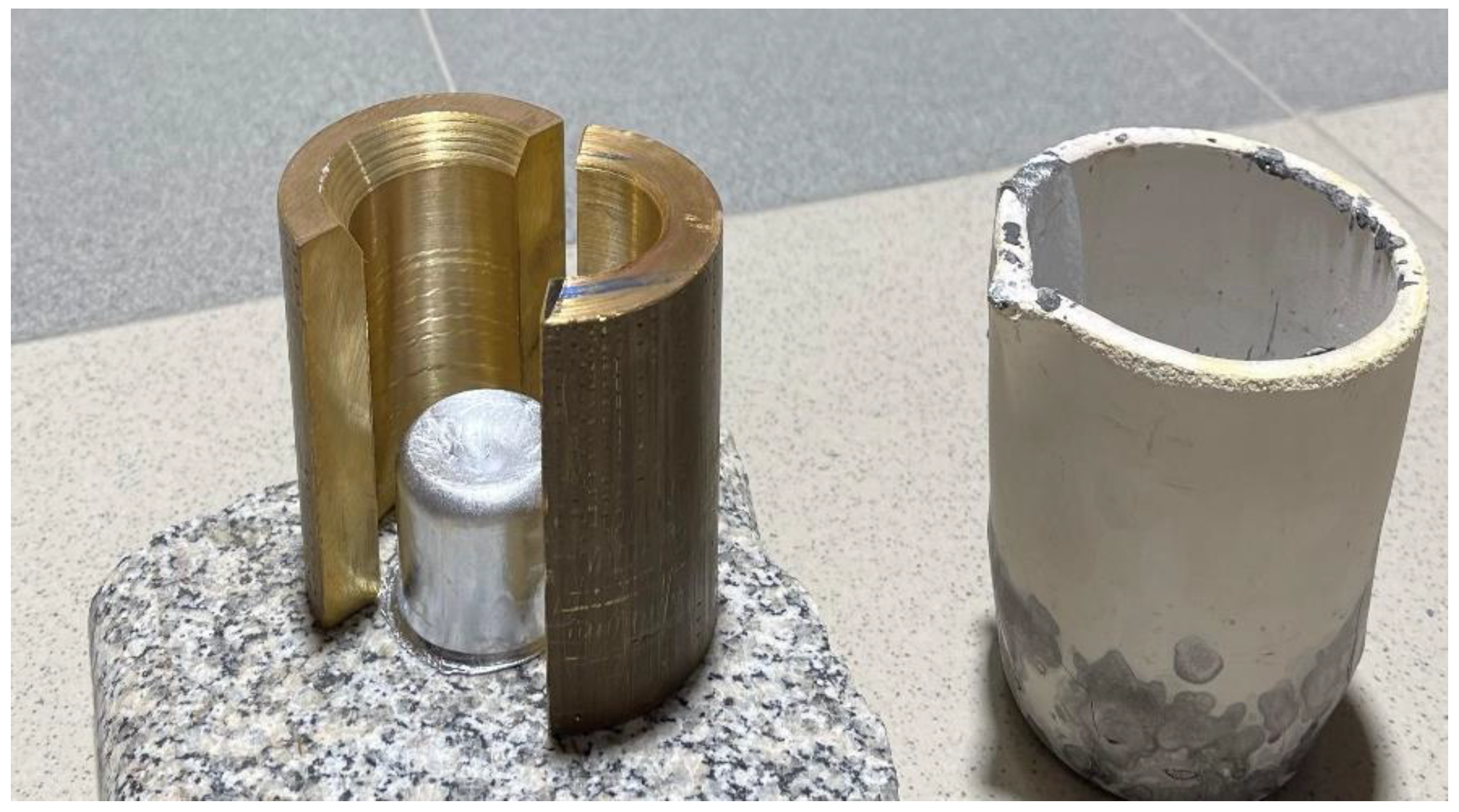
Figure 2.
Prepared Zn-Al work pieces for heat transfer tests.
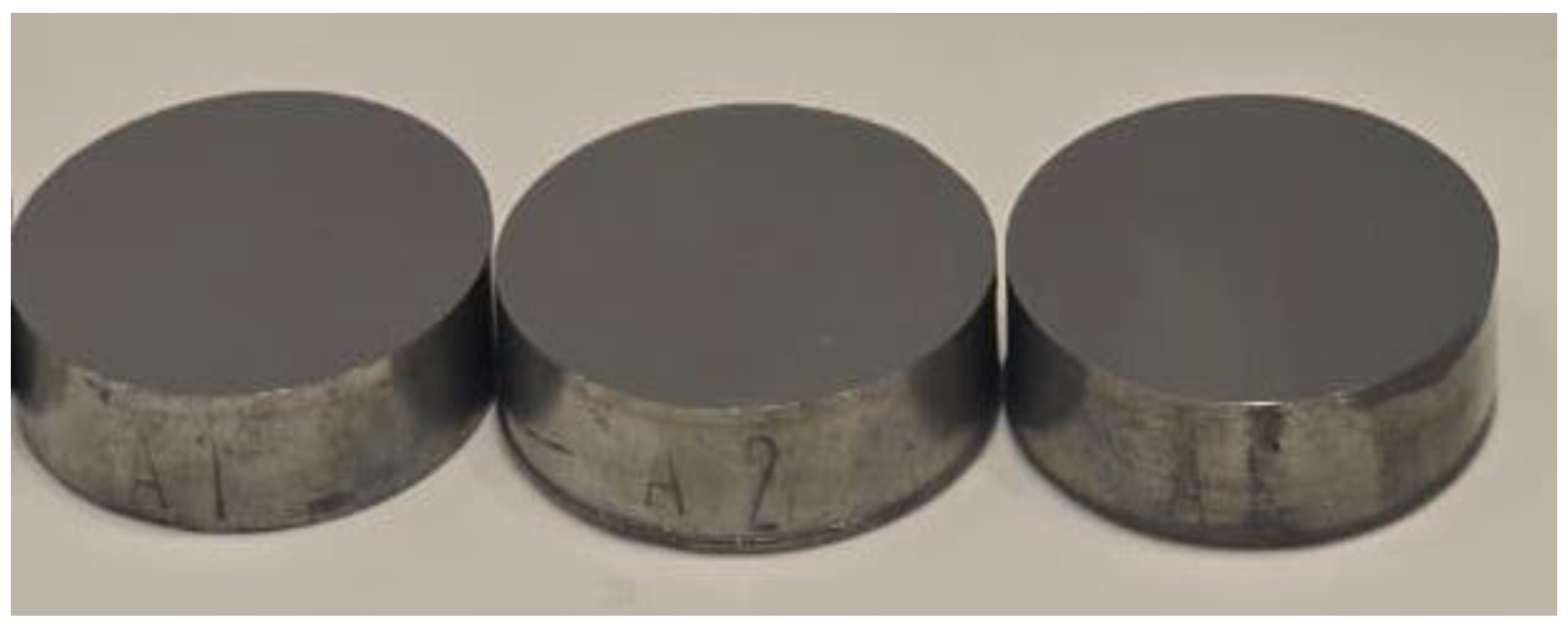
Figure 6.
Microhardness tester Falcon 400.
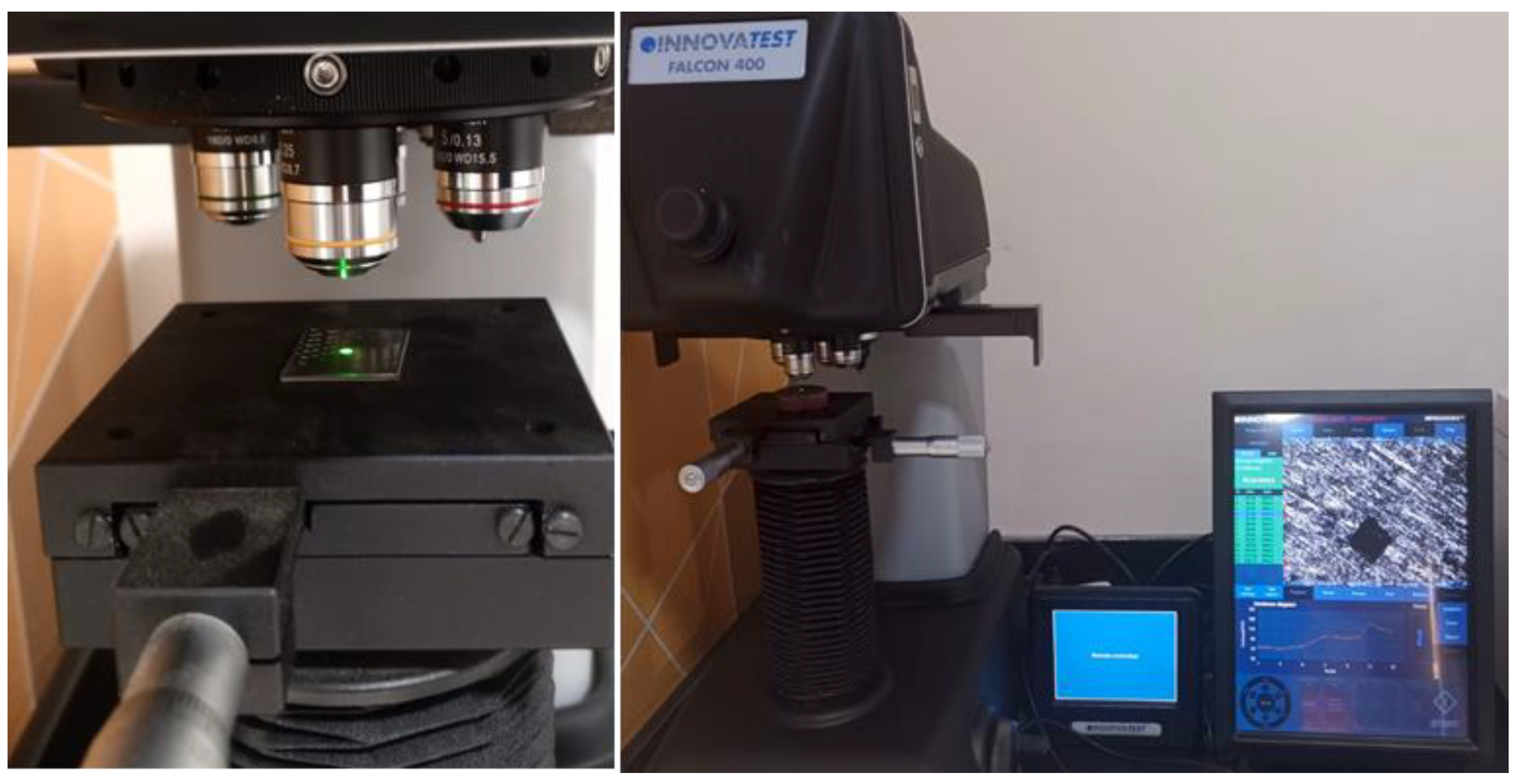
Figure 7.
Sample of microhardness test measurement.
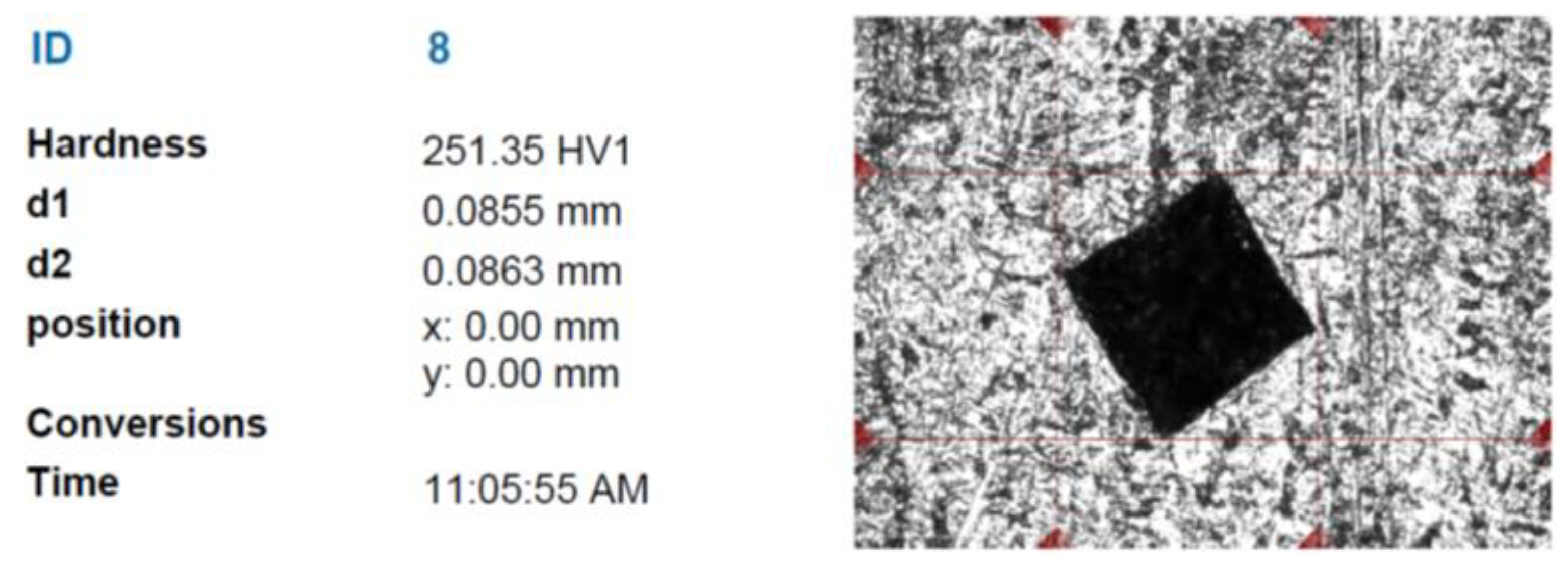
Figure 10.
(a) Digital weight scale (b) digital level (c) electric oven (d) K-type thermocouple (e) data logger.
Figure 10.
(a) Digital weight scale (b) digital level (c) electric oven (d) K-type thermocouple (e) data logger.
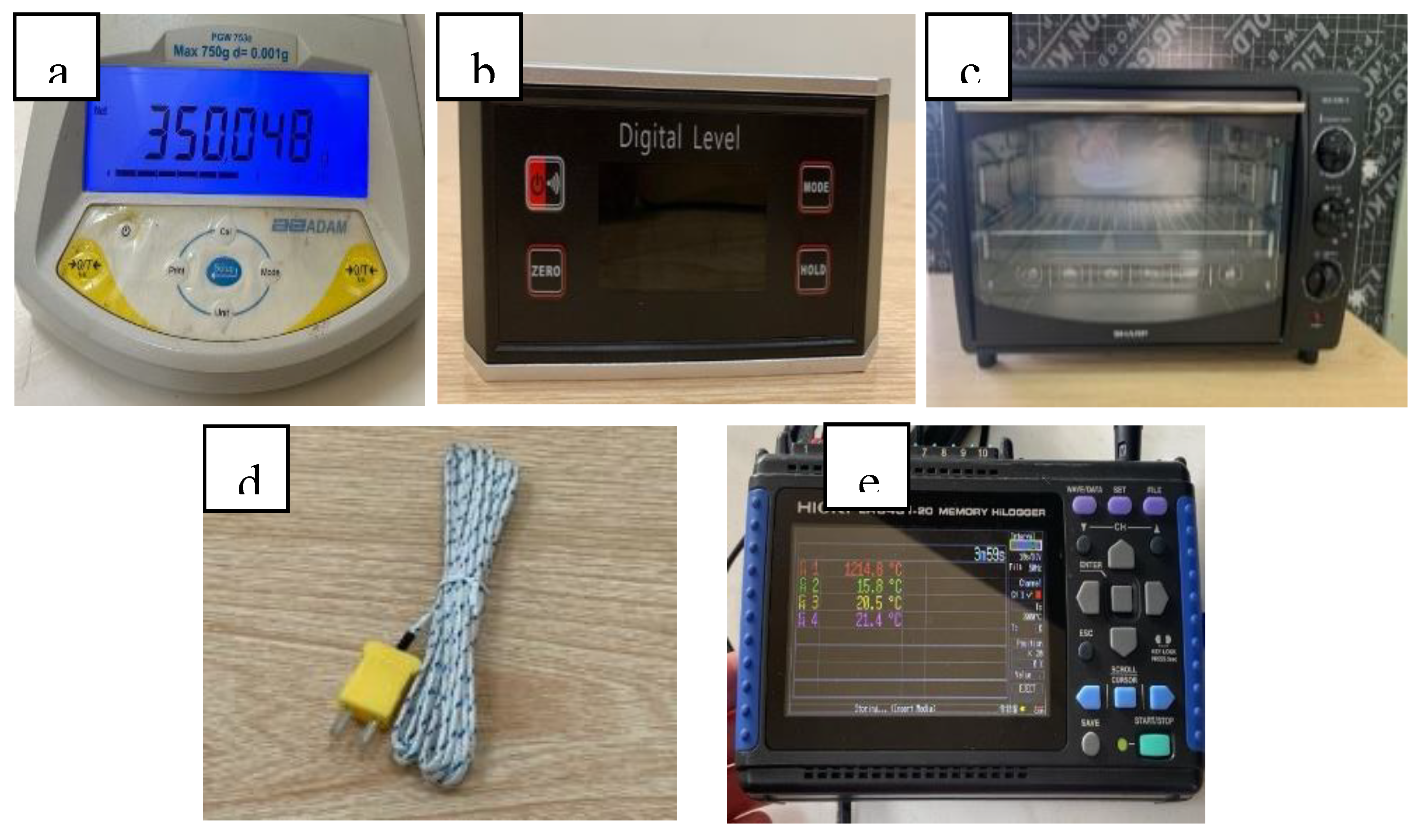
Figure 11.
a) General microstructure of Zn-Al at 200x. b) EDS analysis at 1500x.
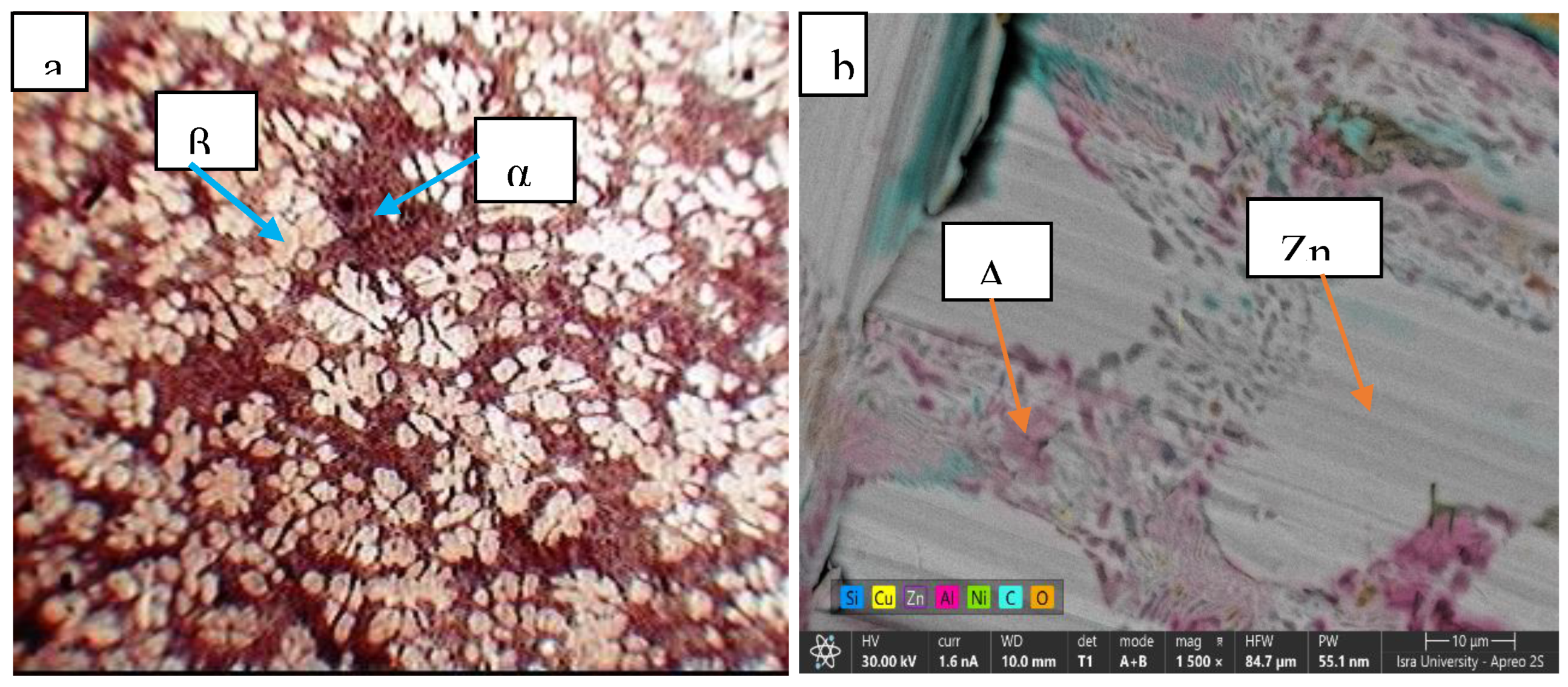
Figure 12.
Eutectic phase at 2500x and 10000x of Zn-Al alloy as received.
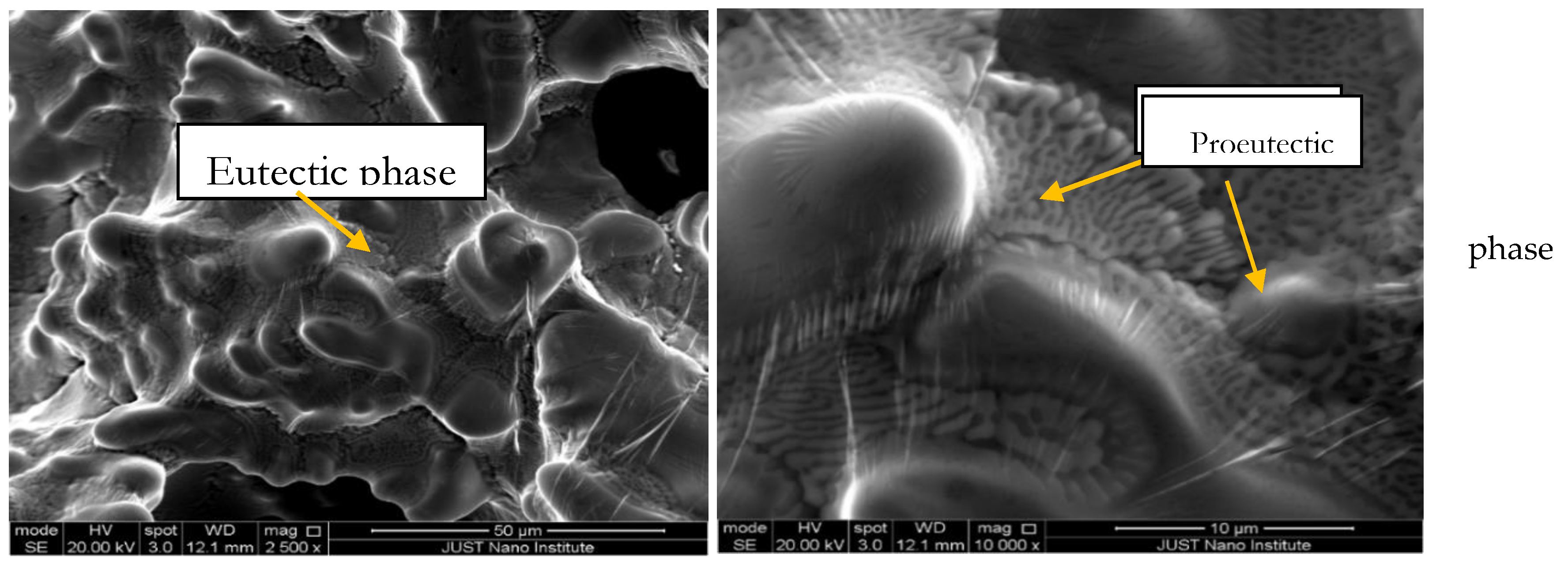
Figure 16.
Effect of age hardening regimes on the average microhardness of Zn-Al alloy.
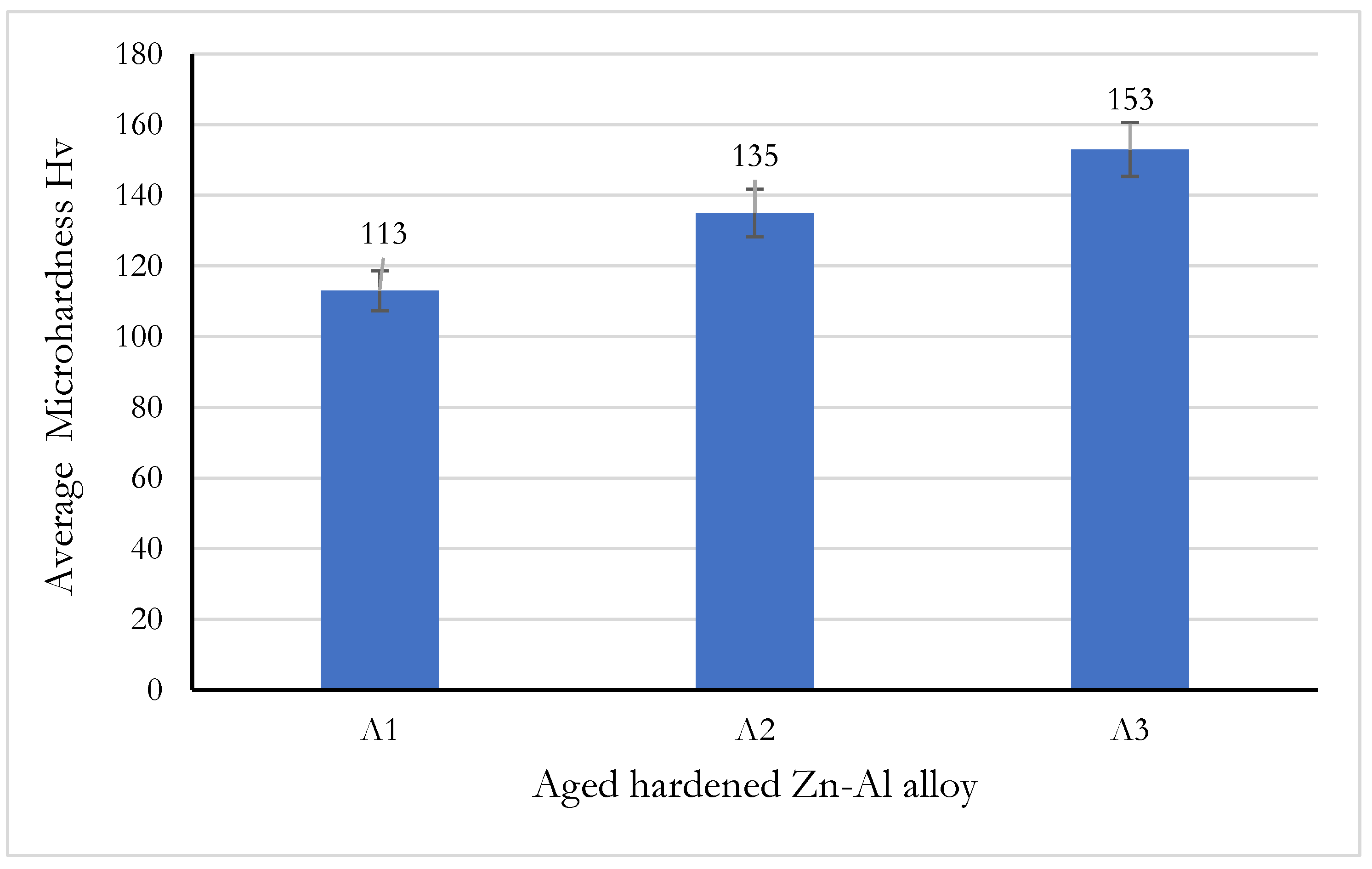
Figure 17.
Effect of age hardening regimes on the specific heat capacity.
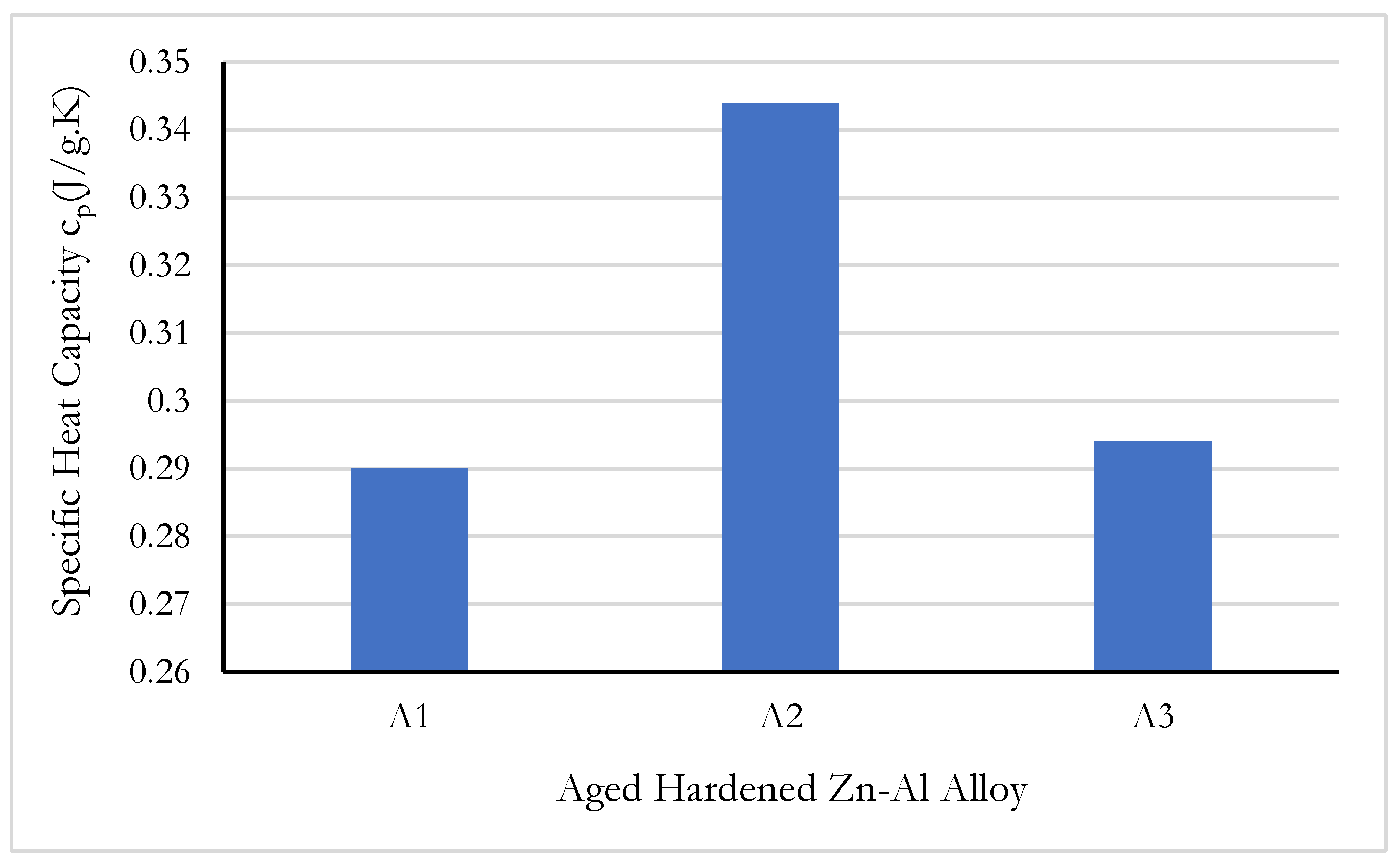
Figure 18.
Variations of the Nusselt-Rayleigh number for all workpieces considered.
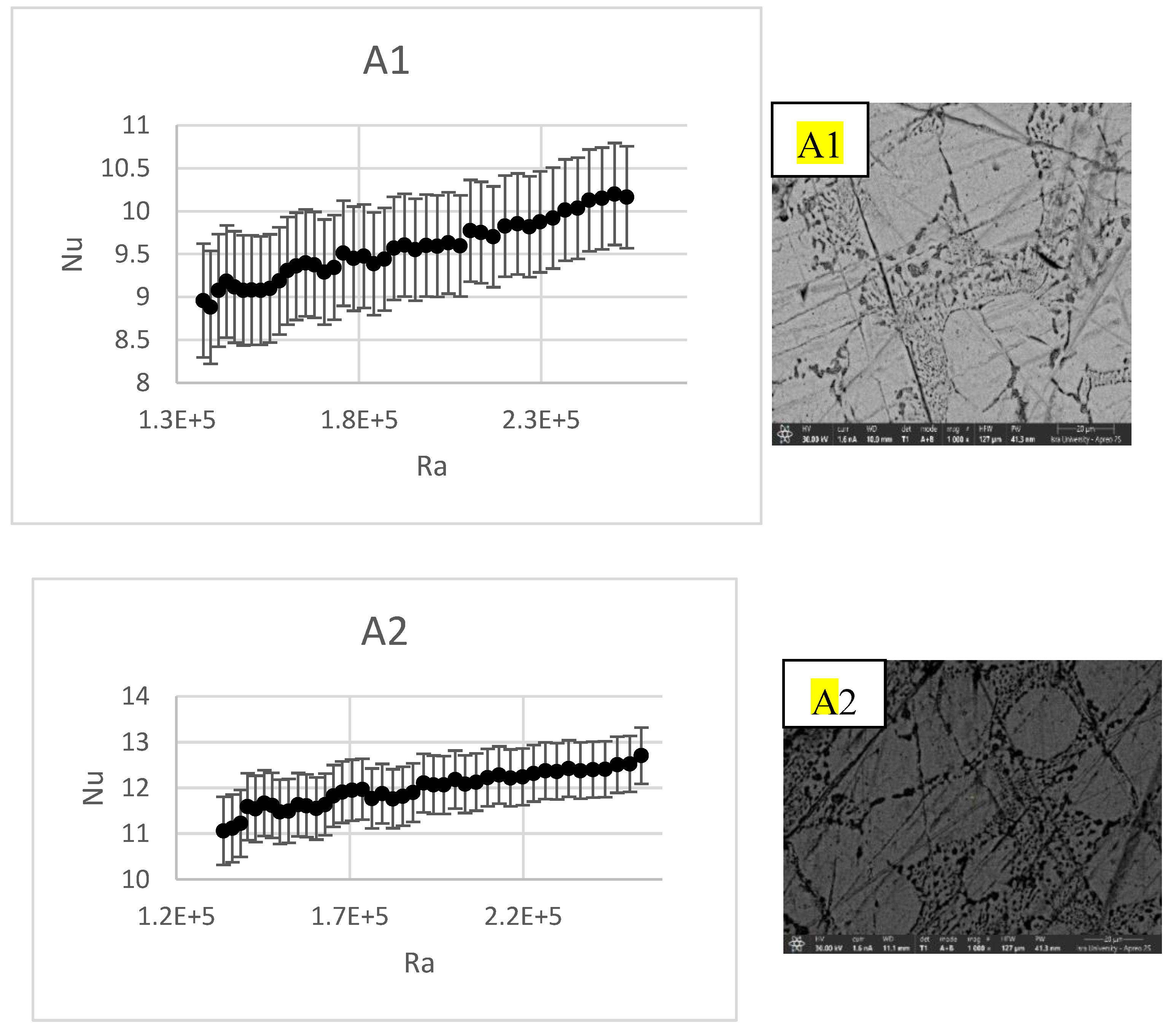
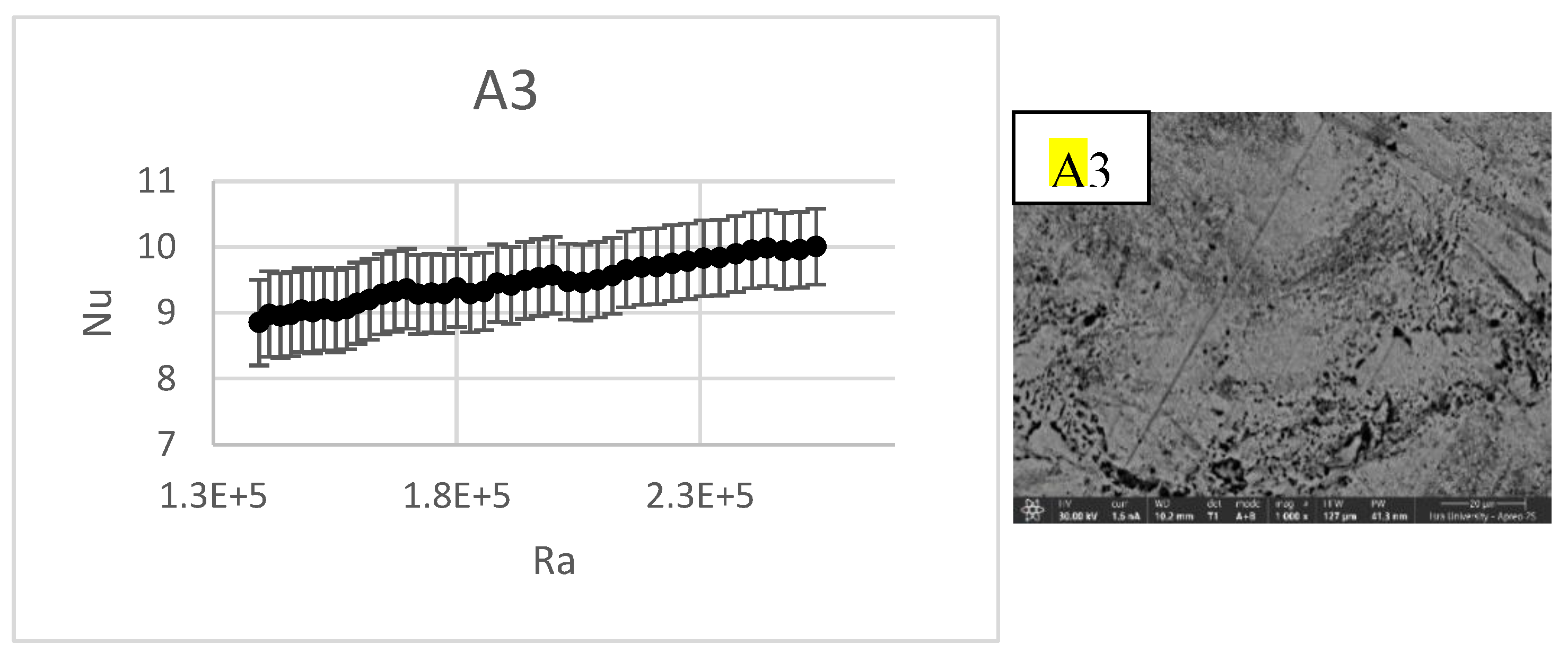
Figure 19.
Comparison between the Nusselt-Rayleigh number variations for all workpieces considered.
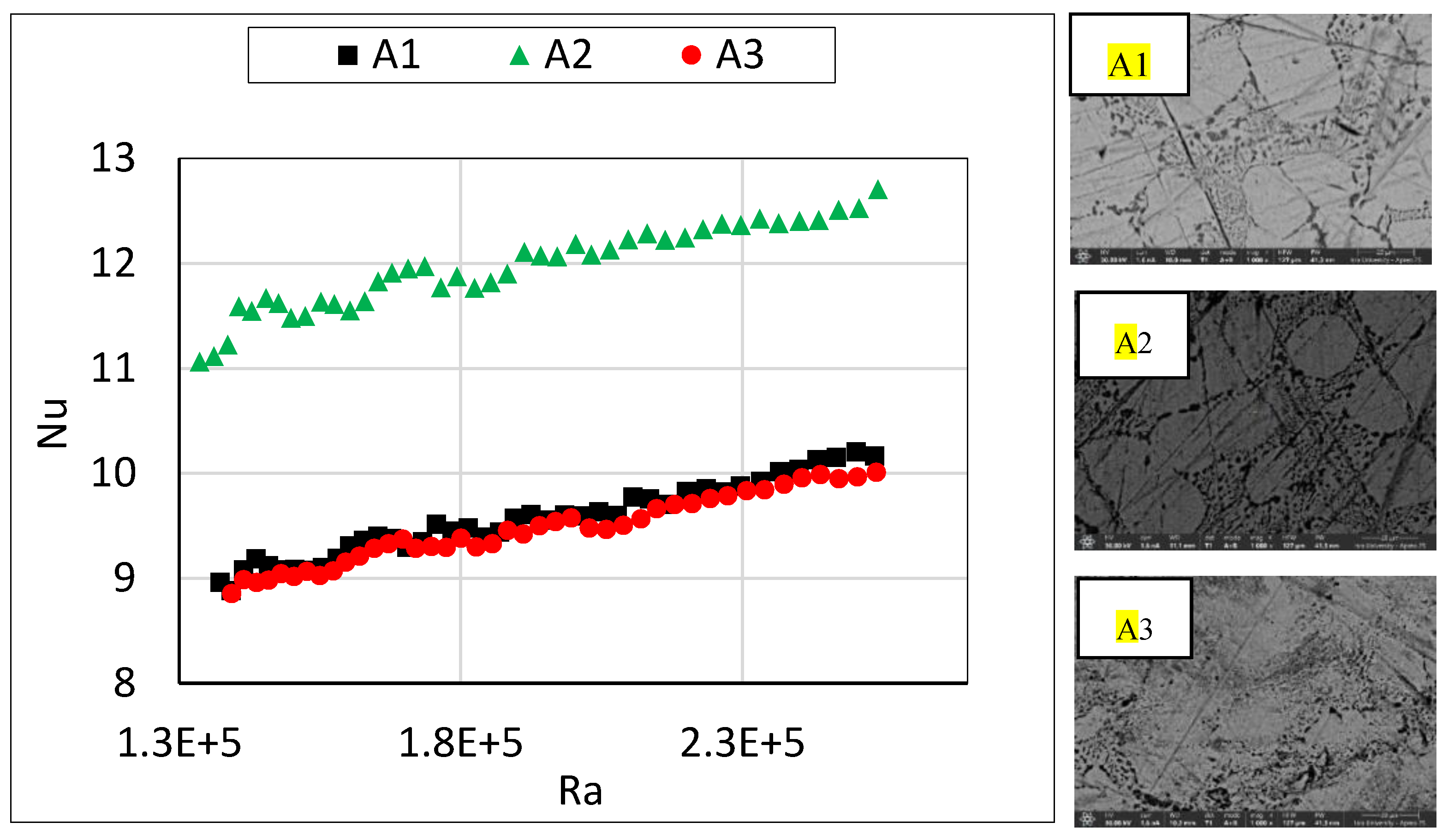
Table 1.
EDS element analysis.
| Element | Wt.% |
| C | 0.51 |
| O | 9.76 |
| Al | 6.54 |
| Si | 0.19 |
| Ni | 0.15 |
| Zn | 82.86 |
| Total | 100.00 |
Table 2.
Regimes conditions for Zn-Al aging process.
| Sample of regime | Condition |
| A1 | Aged at 85 ᵒC for 44 hr |
| A2 | Aged at 120 ᵒC for 24 hr |
| A3 | As it is at room temperature |
Disclaimer/Publisher’s Note: The statements, opinions and data contained in all publications are solely those of the individual author(s) and contributor(s) and not of MDPI and/or the editor(s). MDPI and/or the editor(s) disclaim responsibility for any injury to people or property resulting from any ideas, methods, instructions or products referred to in the content. |
© 2026 by the authors. Licensee MDPI, Basel, Switzerland. This article is an open access article distributed under the terms and conditions of the Creative Commons Attribution (CC BY) license (http://creativecommons.org/licenses/by/4.0/).
Copyright: This open access article is published under a Creative Commons CC BY 4.0 license, which permit the free download, distribution, and reuse, provided that the author and preprint are cited in any reuse.


