Preprint
Article

This version is not peer-reviewed.

AMPAR Subunit Gene Expression Marks a Synaptic Transcriptional State in Lower-Grade Glioma

Submitted:

15 June 2026

Posted:

16 June 2026

You are already at the latest version

Abstract

Glutamatergic neuron-to-glioma signaling mediated by α-amino-3-hydroxy-5-methyl-4-isoxazolepropionic acid receptors (AMPARs) has emerged as an important mechanism in glioma progression. We analyzed the expression of the AMPAR subunit genes GRIA1, GRIA2, GRIA3, and GRIA4 in lower-grade glioma (LGG). Expression of GRIA1GRIA4 was highest in IDH-mutant/1p19q-codeleted tumors and lowest in IDH-wildtype tumors across both The Cancer Genome Atlas (TCGA) and the Chinese Glioma Genome Atlas (CGGA) cohorts. High expression of each GRIA gene was associated with longer overall survival (OS). Transcriptome-wide analyses identified positive correlations between an AMPAR score and genes involved in synaptic organization, neuronal connectivity, and neurotransmission. Co-expression analyses demonstrated coordinated expression between GRIA1-GRIA4 and genes encoding AMPAR auxiliary proteins. Gene Ontology (GO) enrichment revealed overrepresentation of synaptic signaling, trans-synaptic communication, and synapse organization. Although the AMPAR score was associated with favorable survival in univariate analyses, it did not retain independent prognostic significance after adjustment for key clinicomolecular variables. Elevated expression of AMPAR subunit genes in LGG was associated with favorable molecular subtypes, prolonged survival, and a synaptic transcriptional program. These findings suggest that GRIA1GRIA4 expression may serve as a marker of a neuron-like, synaptically enriched biological state in LGG.

Keywords: 
;  ;  ;  ;  ;  

1. Introduction

Increasing attention has been given to the structural and functional interactions between brain tumors and surrounding neurons. Glioma initiation, progression, and invasion are strongly influenced by neural activity, the formation of neuron-glioma synapses, and the integration of glioma cells into neural circuits [1,2,3,4,5,6]. Glutamatergic signaling mediated by α-amino-3-hydroxy-5-methyl-4-isoxazolepropionic acid (AMPA) ionotropic receptors (AMPARs) represents a key mechanism underlying neuron-to-glioma synaptic communication [7,8,9,10,11].
AMPARs are composed of four distinct subunits that assemble into a tetrameric structure, forming a sodium-permeable ligand-gated ion channel responsible for most fast excitatory neurotransmission in the central nervous system (CNS) [12]. Receptor subunits are encoded by four genes located in different chromosomes, namely GRIA1 (which encodes GluA1 or GluR1), GRIA2 (GluA2 or GluR2), GRIA3 (GluA3 or GluR3), and GRIA4 (GluA4 or GluR4) [13] (Table 1). GluR2 is the main subunit determining AMPAR biophysical properties, including calcium permeability and channel conductance, whereas GluR1 strongly influences synaptic plasticity underlain by long-term potentiation (LTP), and GluR4 is more prominent during early CNS development [14,15]. In the hippocampus, a brain area crucially involved in neural plasticity mediated by glutamatergic transmission, the most abundant AMPAR subtypes are GluR1/2 and GluR2/3 heterotetramers, with GluR1/2 heteromers being the dominant AMPAR subtype at hippocampal CA1 cell synapses. Each receptor subtype contributes differentially to synaptic plasticity, due to influences from specific associated proteins [16,17,18,19].
Glioma cells express all four AMPAR subunits, and glutamatergic neuron-to-glioma synapses in glioma grade IV (glioblastoma, GBM), which is the most aggressive primary brain tumor in adults, are mediated by AMPAR receptor activity [4]. Pharmacological blockade of AMPARs by compounds including the selective antagonist perampanel affects the growth and invasion of experimental GBM [9,10,20,21]. Perampanel has also been recently tested in the clinical setting in a pilot trial based on the glutamatergic neuron-glioma synaptogenesis to modulate peritumoral hyperexcitability [22]. Another AMPAR antagonist, talampanel, has been evaluated in a phase 2 trial in patients with recurrent GBM or anaplastic gliomas, with the results indicating that the drug was well-tolerated but had no significant activity when given as a single agent [23].
Despite these pharmacological investigations, relatively few studies have examined the influence of gene or protein expression of AMPAR subunits on glioma. In a previously studied tissue array, GluR1 was significantly more expressed in GBM compared to anaplastic astrocytoma and low-grade tumors. In addition, reduction of GluR1 protein expression in GBM cells inhibited cell proliferation [24]. Venkatesh et al. [6] reported broad GRIA gene expression in tumors from patients with different subtypes of GBM and enrichment of gene expression within distinct malignant cell subpopulations. However, the possible association of GRIA genes with patient prognosis remains poorly understood. Moreover, almost all previous studies have focused on GBM, whereas the role of AMPARs in lower grade gliomas (LGGs) remains unknown. LGGs are generally less aggressive brain tumor types compared to primary GBM that occur at an earlier age in adulthood, however they undergo increasing transformation giving rise to highly malignant gliomas over time [25,26,27]. Here, we investigated associations between GRIA gene expression, patient overall survival (OS), and a synaptic transcriptional signature in LGG.

2. Materials and Methods

2.1. Datasets and Gene Expression Analyses

RNA-sequencing data and associated clinical information from patients with LGG were collected from two independent public cohorts comprising World Health Organization (WHO) grade 2 and grade 3 diffuse gliomas: The Cancer Genome Atlas (TCGA-LGG; https://www.cancer.gov/tcga) [28] and the Chinese Glioma Genome Atlas (CGGA; http://www.cgga.org.cn) [29]. For the TCGA cohort, gene-level expression counts were obtained from the TOIL recompute project through the UCSCXenaTools package, while clinical and molecular annotations were retrieved from the TCGA Pan-Cancer Atlas using the cBioPortalData package. For the CGGA cohort, RNA-sequencing and clinical datasets from the CGGA-325 and CGGA-693 projects were downloaded and integrated. Only genes present in both datasets were retained for downstream analyses. To minimize the impact of technical differences between the two CGGA datasets, dataset origin (CGGA-325 versus CGGA-693) was included as a covariate in DESeq2-based analyses. Cases lacking essential clinical information or survival data were excluded.
TCGA expression data were converted from expected counts to raw count estimates to enable compatibility with count-based analytical approaches implemented in DESeq2. For the CGGA cohort, count matrices from both studies were combined after harmonization of gene identifiers. When duplicate gene symbols were encountered, the transcript with the highest average expression across samples was retained. Normalized count data were subjected to variance-stabilizing transformation using DESeq2, followed by gene-wise standardization through z-score transformation within each cohort.
Expression patterns of the AMPA receptor subunit genes GRIA1, GRIA2, GRIA3, and GRIA4 were investigated across molecularly defined LGG subgroups according to the current integrated classification framework [30,31]. Tumors were categorized as IDH-mutant with 1p/19q codeletion (LGG-IDH-mut-codel, corresponding to oligodendroglioma; TCGA, n = 164; CGGA, n = 113), IDH-mutant without 1p/19q codeletion (LGG-IDH-mut-non-codel, corresponding to astrocytoma; TCGA, n = 235; CGGA, n = 142), or IDH-wildtype (LGG-IDH-wt; TCGA, n = 91; CGGA, n = 88). Differences in gene expression among groups were assessed using Wilcoxon rank-sum tests for pairwise comparisons, and multiple-testing correction was performed using the False Discovery Rate (FDR) Benjamini–Hochberg (BH) false discovery rate procedure.

2.2. Gene Expression Correlation and Functional Enrichment Analyses

RNA-sequencing data for LGG tumors were obtained from TCGA through the TCGAbiolinks package in R. Gene-level expression values were extracted from the FPKM-UQ normalized expression matrix (fpkm_uq_unstrand). Genes were annotated using HGNC gene symbols provided in the TCGA annotation files. When multiple Ensembl identifiers mapped to the same gene symbol, duplicate entries were removed.
The core AMPA receptor gene set consisted of GRIA1, GRIA2, GRIA3, and GRIA4. Genes encoding AMPAR auxiliary subunits and interacting proteins included CACNG2, CACNG3, CACNG4, CACNG5, CACNG7, CACNG8, CNIH2, CNIH3, GSG1L, SHISA6, SHISA7, and SHISA9. Expression values were log2-transformed prior to analysis. Pairwise gene-gene co-expression was assessed using Spearman rank correlation coefficients across all TCGA-LGG samples. For candidate-gene analyses, correlations were calculated between each GRIA subunit gene and each AMPAR auxiliary protein.
To capture the overall transcriptional activity of genes encoding AMPA receptor subunits, an AMPAR expression score was calculated for each tumor sample. The score was defined as the arithmetic mean of the log2-transformed expression values of GRIA1, GRIA2, GRIA3, and GRIA4. This composite metric was used to represent overall AMPAR subunit gene expression while reducing the influence of variability in individual subunits. The AMPAR score was subsequently used for transcriptome-wide correlation analyses, functional enrichment analyses, and multivariable survival modeling. For transcriptome-wide analyses, Spearman correlation coefficients were calculated between the AMPAR expression score and expression levels of all genes in the transcriptome. Genes demonstrating positive correlations with the AMPAR score were ranked according to correlation strength and subjected to Gene Ontology (GO) enrichment analysis using g:Profiler via the gprofiler2 package. Biological Process and Cellular Component ontologies were evaluated. Statistical significance was determined using the multiple-testing correction implemented by g:Profiler.

2.3. Survival Analysis

Associations between overall survival (OS) of patients with LGG and expression analyses of GRIA1-GRIA4 were assessed using Kaplan–Meier survival curves. Patients were dichotomized into "high" and "low" expression groups based on the median. Survival distributions were compared using the log-rank test, with p-values adjusted for multiple testing across all genes and cohorts using the FDR BH method.
All analyses were performed in the R statistical environment (version 4.5.1). Variance-stabilizing transformation and batch adjustment were conducted using DESeq2 (version 1.48.1). OS analyses were performed using the survival (version 3.8.3), with expression cutpoints determined by the median. Kaplan–Meier curves were generated using survminer. Graphical visualizations were produced using ggplot2 (version 4.0.2). Data acquisition was performed using UCSCXenaTools (version 1.7.0) and cBioPortalData (version 2.20.0).

2.4. Multivariate Cox Analysis

Multivariable survival analysis was performed using Cox proportional hazards regression models. An AMPAR score was calculated for each tumor as the mean log2-transformed expression of GRIA1, GRIA2, GRIA3, and GRIA4. Overall survival was modeled as a function of the AMPAR score, age at diagnosis, histological grade, IDH status, and 1p/19q codeletion status. Hazard ratios (HRs) and 95% confidence intervals (CIs) were estimated using the Cox proportional hazards model.
To investigate the relationship between the AMPAR subunit gene transcriptional program and established molecular subtypes of LGG, AMPAR scores were compared among IDH-mutant/1p19q-codeleted, IDH-mutant/non-codeleted, and IDH-wildtype tumors. Group differences were assessed using the Kruskal-Wallis test followed by pairwise Wilcoxon rank-sum tests with FDR BH correction for multiple comparisons.

2.5. Statistical Analysis

Statistically significant differences were defined by p values of less than 0.05. Visualization of the data, including violin plots overlaid with box plots and statistical summaries, were generated using the ggstatsplot and ggplot2 R packages. Survival curves were generated using the survival and survminer R packages.

3. Results

3.1. GRIA1-GRIA4 Expression Across LGG Subtypes

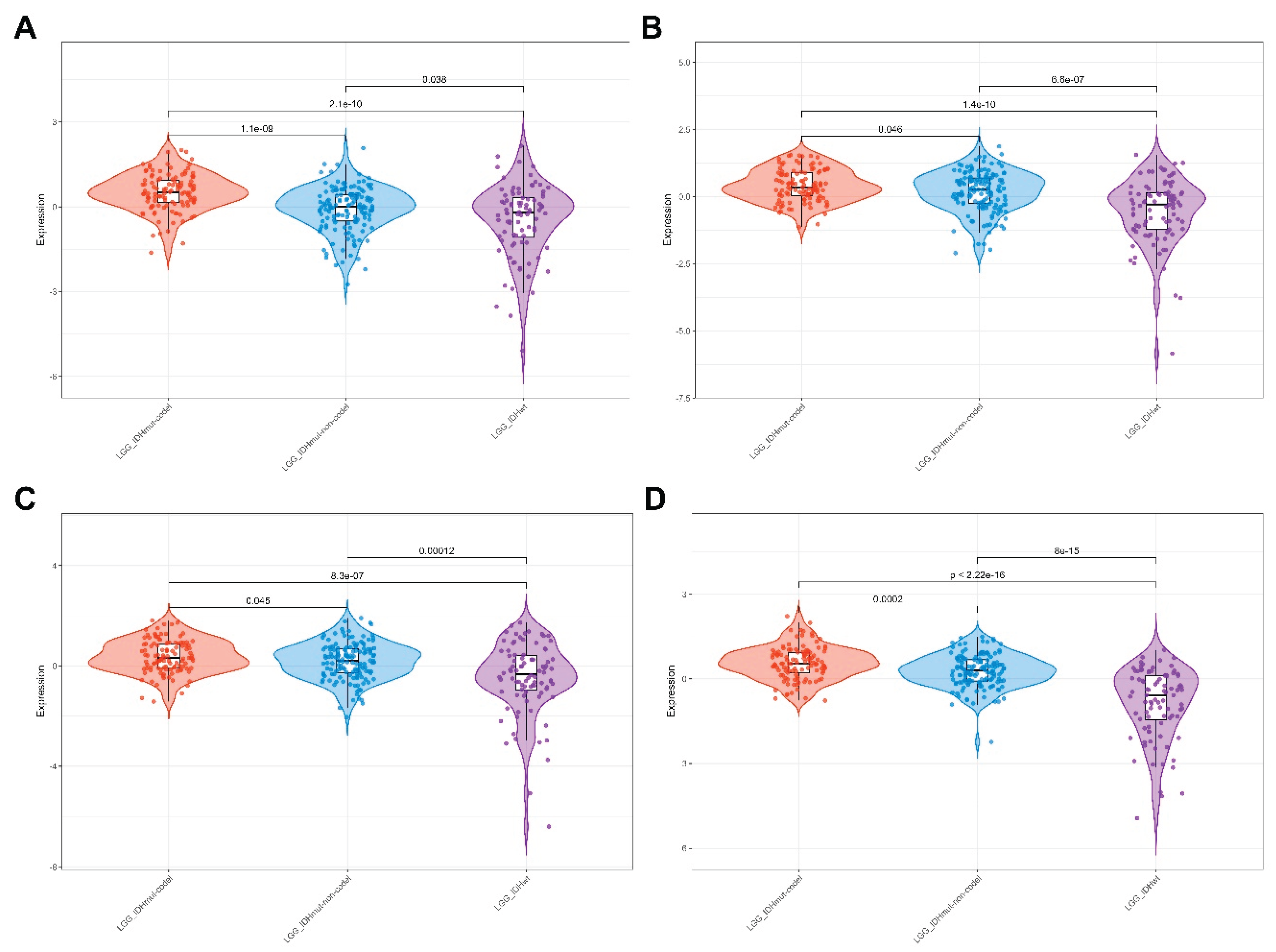
We first analyzed the levels of GRIA1-GRIA4 expression in TCGA LGG and CGGA tumors classified into molecular subtypes. For all four GRIA genes in both datasets, we found the highest expression in LGG-IDH-mut-codel and the lowest expression levels in LGG-IDH-wt, with intermediate levels in LGG-IDH-mut-non-codel (Figure 1, Figure 2).

3.2. Transcriptome-Wide Analysis Reveals Strong Associations Between AMPAR Subunits and Other Synaptic Genes

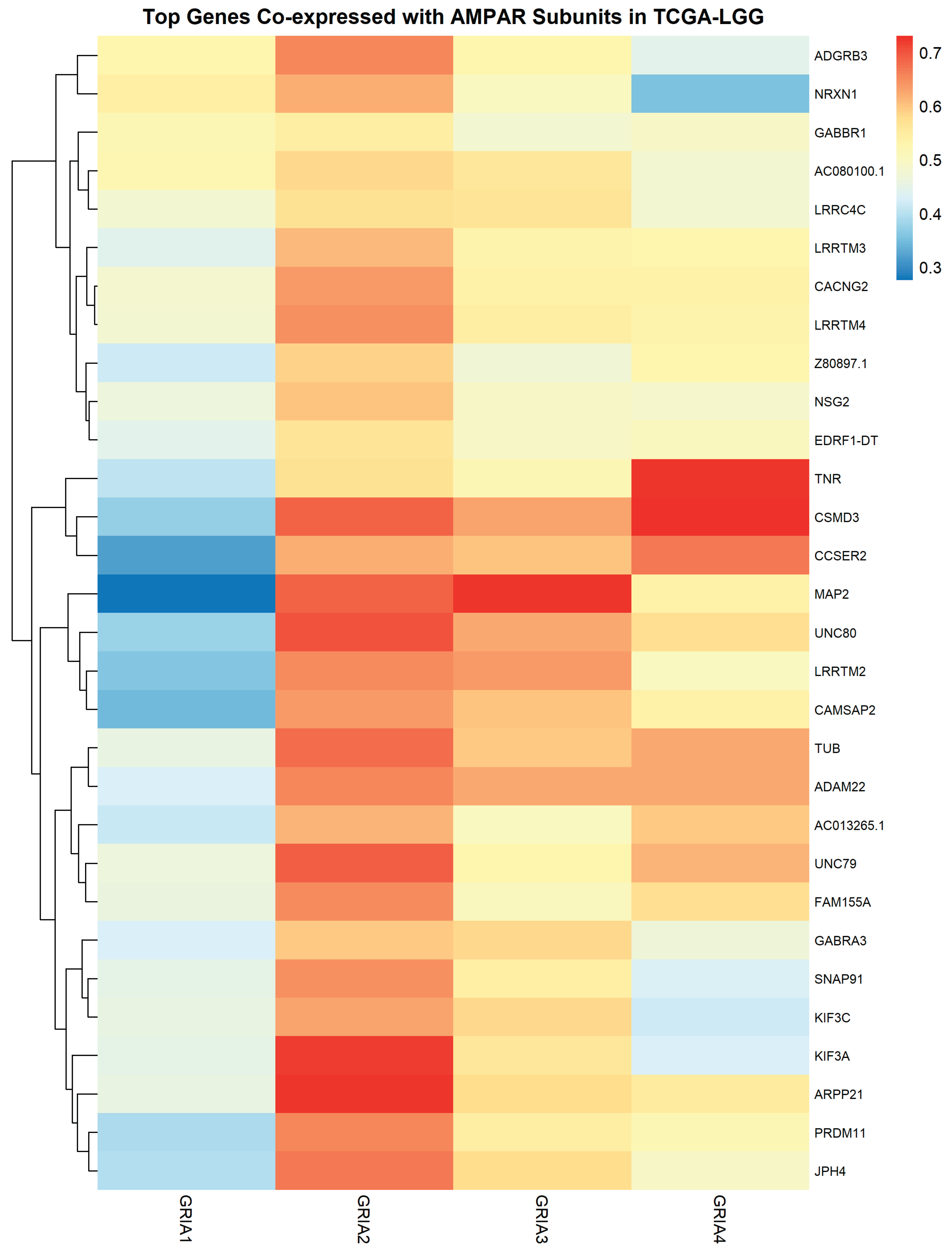
Unbiased transcriptome-wide correlation analysis identified a set of genes strongly associated with GRIA1-GRIA4 expression. Highest-ranking correlates included CACNG2, ADAM22, LRRTM2, LRRTM3, LRRTM4, NRXN1, SNAP91, and MAP2, indicating a pattern of genes encoding proteins involved predominantly in synaptic organization, neurotransmission, and neuronal connectivity (Figure 3).

3.3. The AMPAR Subunit Gene-Centered Network Contains an Interconnected Module of Synaptic Genes

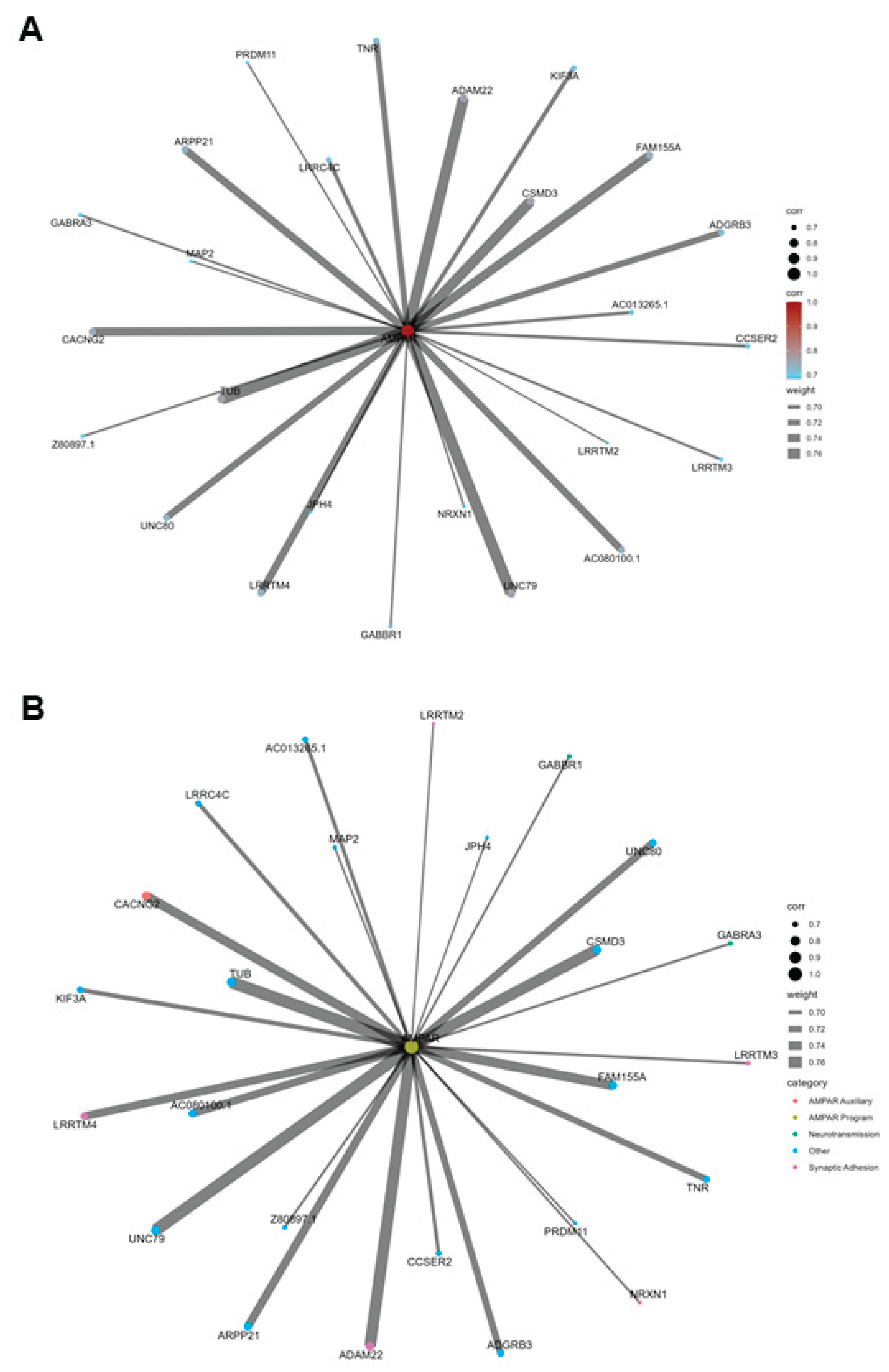
Network visualization of the strongest AMPAR subunit-associated genes revealed a highly interconnected module centered on synaptic signaling components. Key nodes included CACNG2, ADAM22, LRRTM family members, and NRXN1, and highlighted transcriptional coupling between AMPAR subunit expression and genes involved in synaptic adhesion and organization (Figure 4).

3.4. AMPAR Subunit Genes Show Coordinated Expression with Genes Encoding AMPAR Auxiliary Proteins

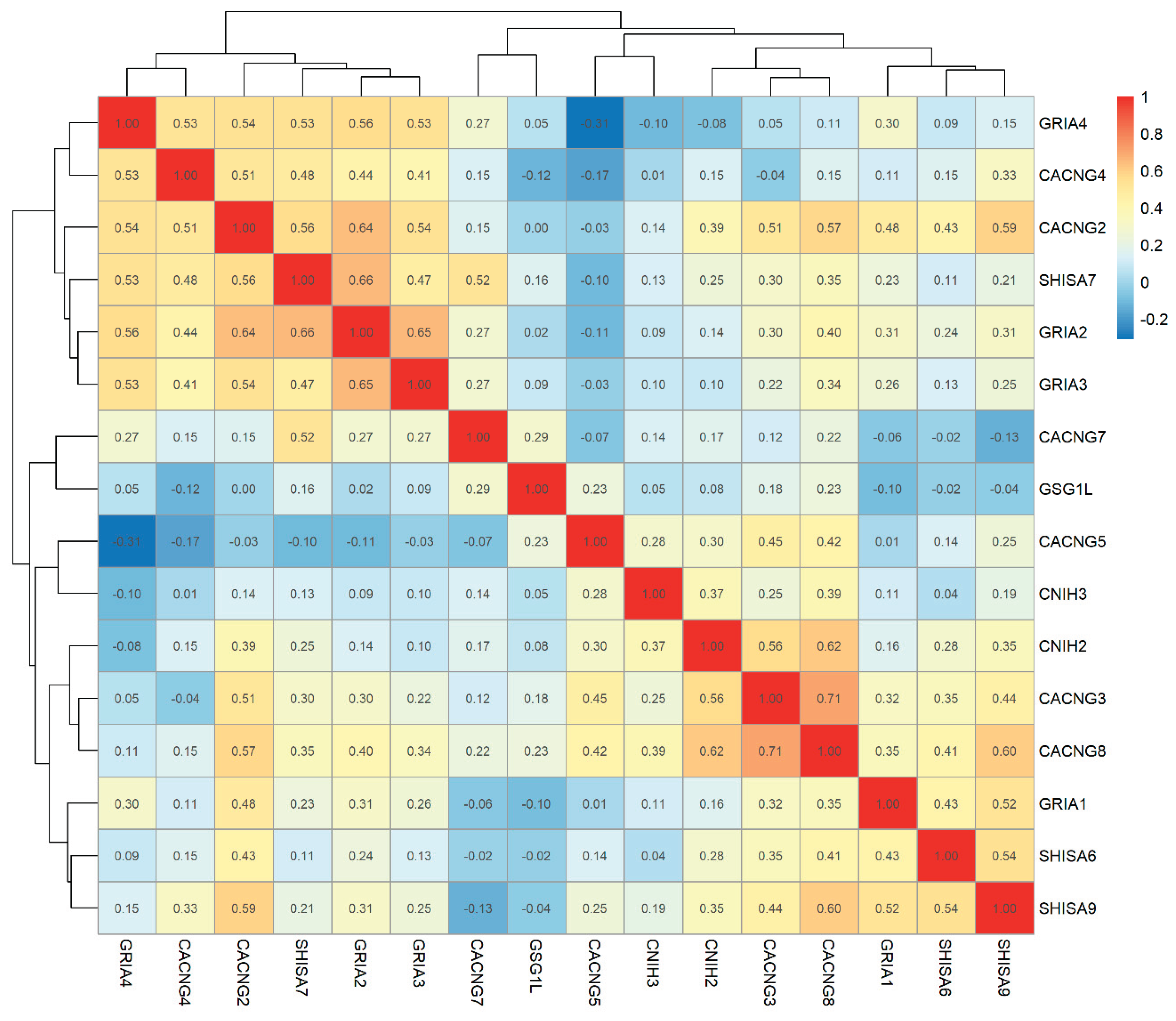
We next sought to examine the co-expression patterns between GRIA1-GRIA4 and a panel of selected genes encoding synaptic auxiliary proteins including transmembrane AMPAR regulatory proteins (TARPs) [32]. Expression of AMPAR subunit-encoding genes indicated coordinated association with genes coding several established auxiliary proteins. For example, CACNG2 exhibited overall strong and consistent correlations with all four AMPAR subunits (p = 0.48–0.64). Other positive correlations were observed for CACNG4 and SHISA9. These findings suggest that a subset of genes encoding canonical AMPAR auxiliary proteins participates in a coordinated transcriptional program in LGG (Figure 5).

3.5. Functional Enrichment Analysis Shows a Synaptic Program Associated with AMPAR Subunit Gene Expression

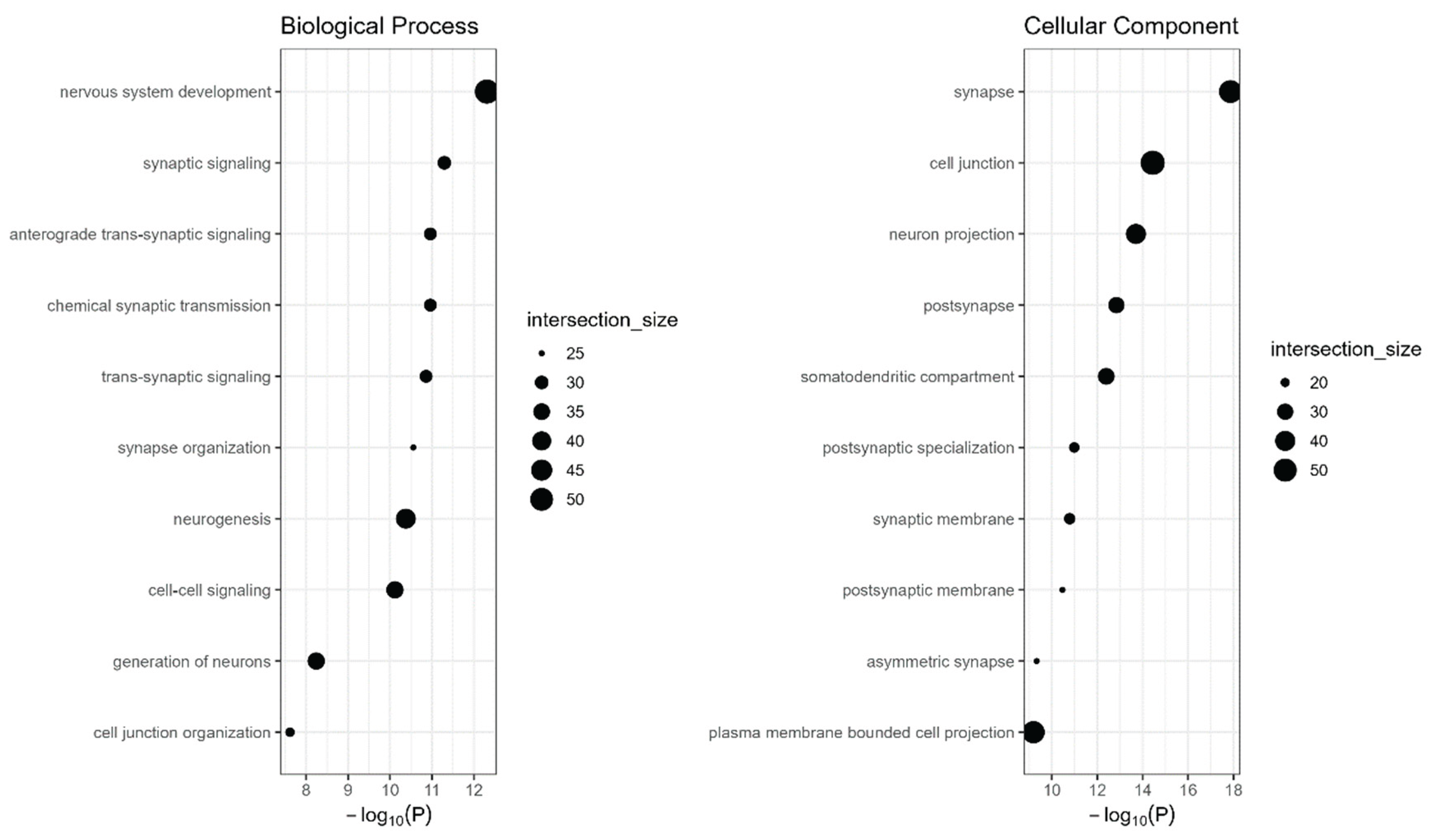
Gene Ontology analysis demonstrated highly significant enrichment for synapse-related biological processes. The strongest Biological Process terms included synapse organization, chemical synaptic transmission, trans-synaptic signaling, and synaptic signaling. Cellular Component analysis identified synaptic membrane, postsynaptic membrane, synapse, postsynaptic density, and glutamatergic synapse among the most significantly enriched terms. Overall, enriched categories were thus predominantly related to synaptic signaling, trans-synaptic communication, synapse organization, postsynaptic structures, and glutamatergic neurotransmission. These findings support the existence of a coordinated synaptic transcriptional program associated with elevated AMPAR subunit gene expression in LGG (Figure 6; Table 2).

3.6. GRIA1-GRIA4 Expression Associates with Better Survival in Patients with LGG

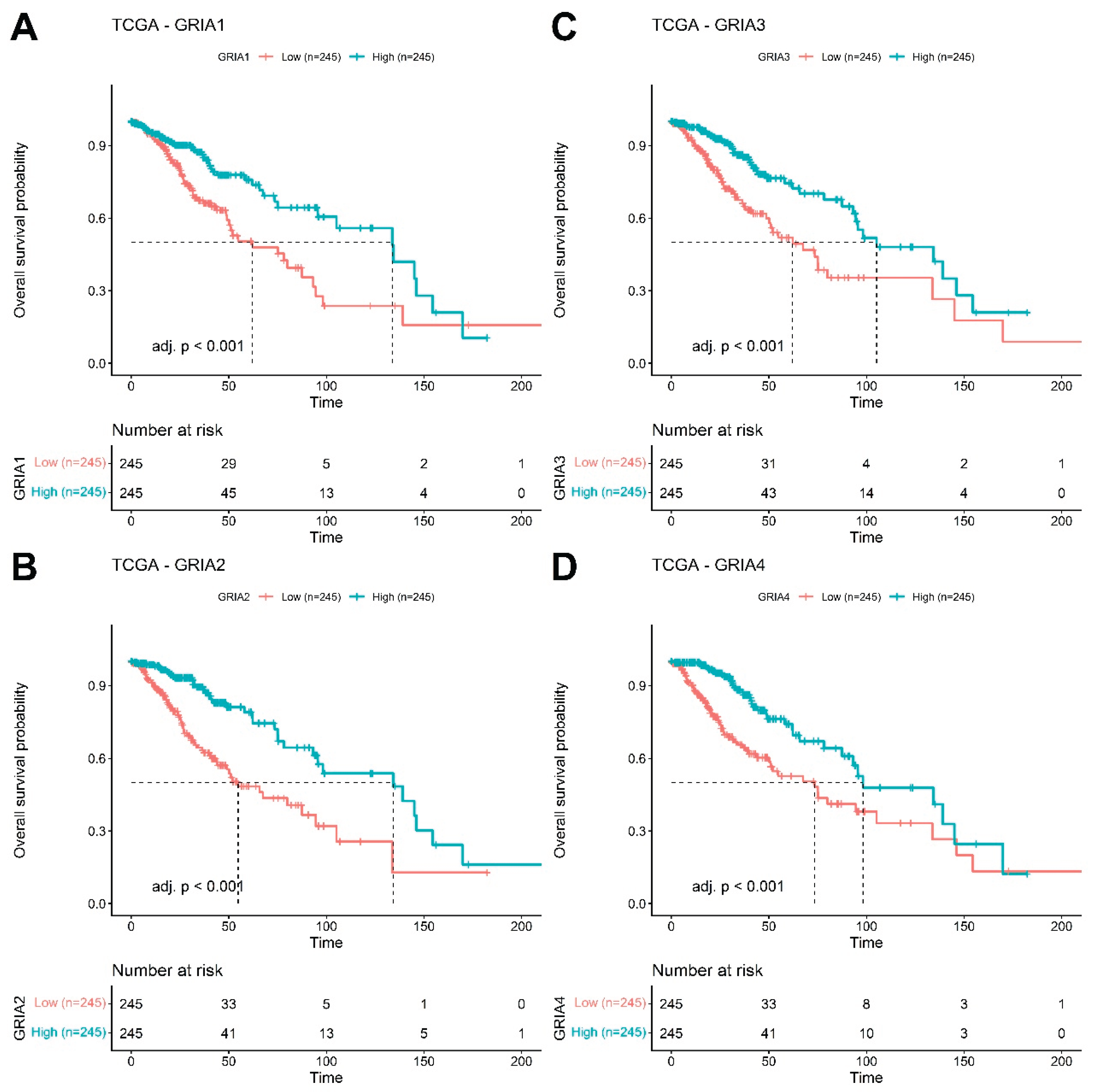
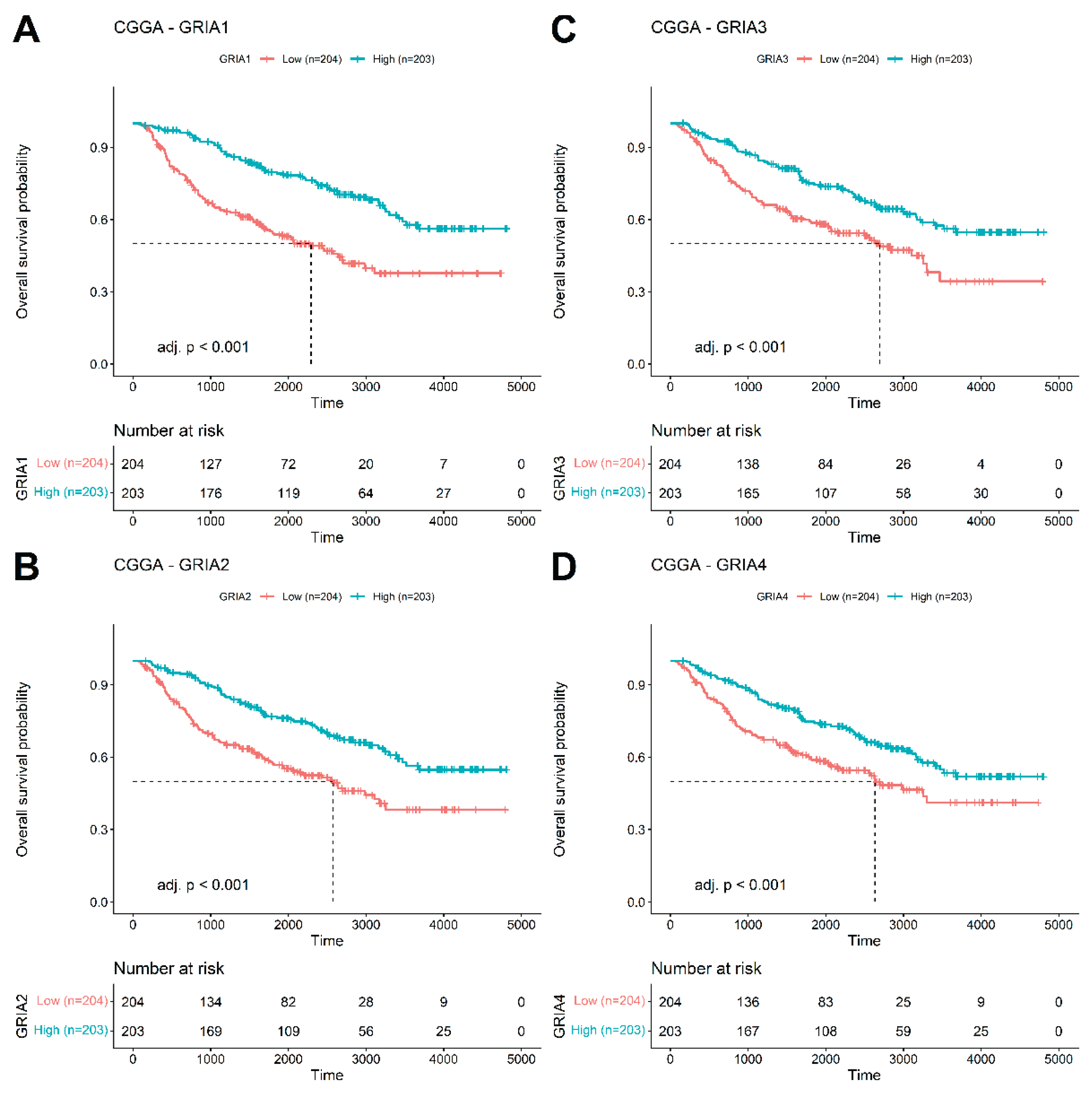
High expression levels of GRIA1, GRIA2, GRIA3, or GRIA4 were significantly associated with longer OS in patients with LGG in both the TCGA (Figure 7) and CGGA (Figure 8) datasets.

3.7. AMPAR Subunit Gene Expression Associates with More Favorable LGG Biological Types, Not Independently as Prognostic Factor for Better Outcome

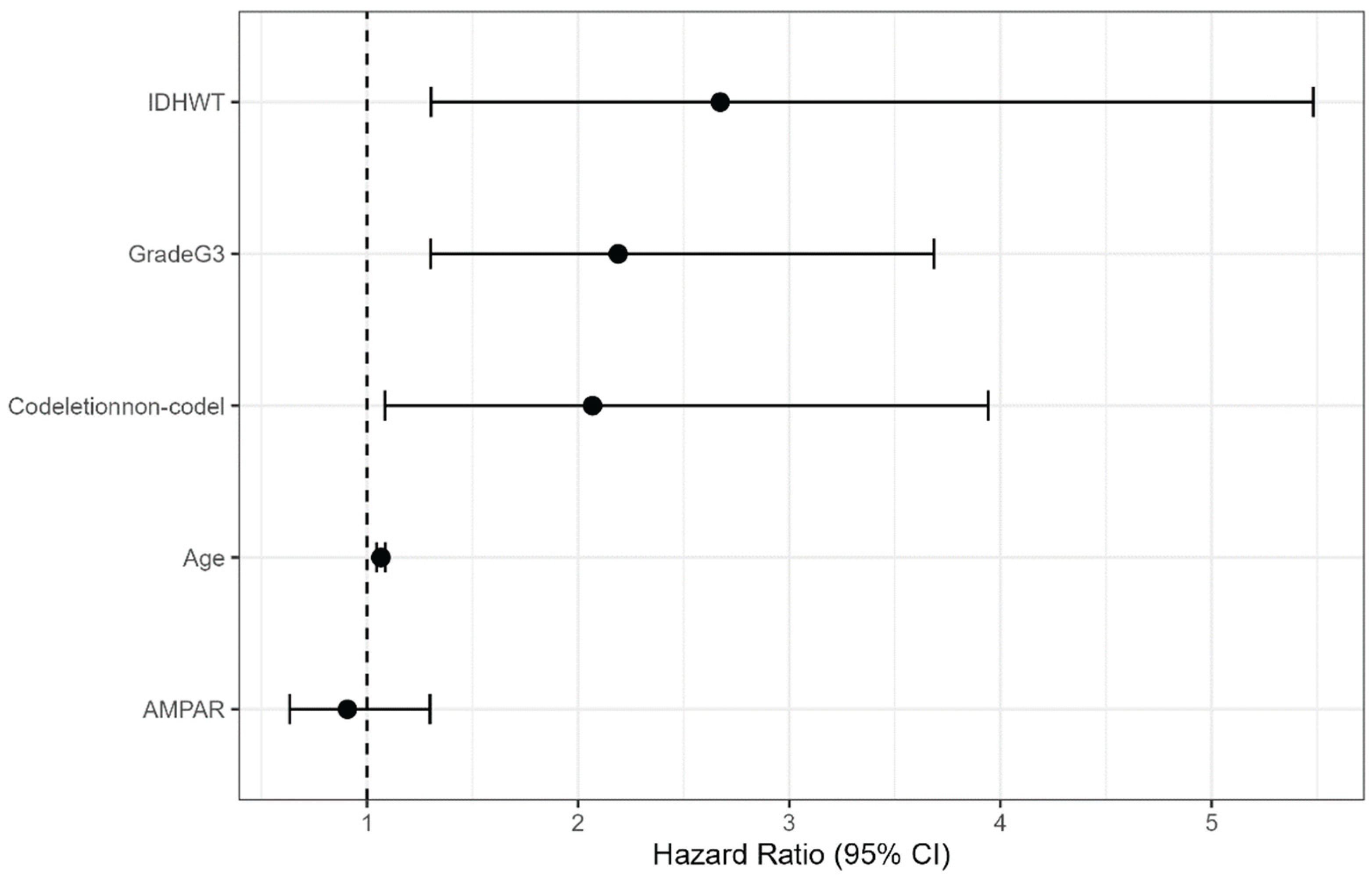
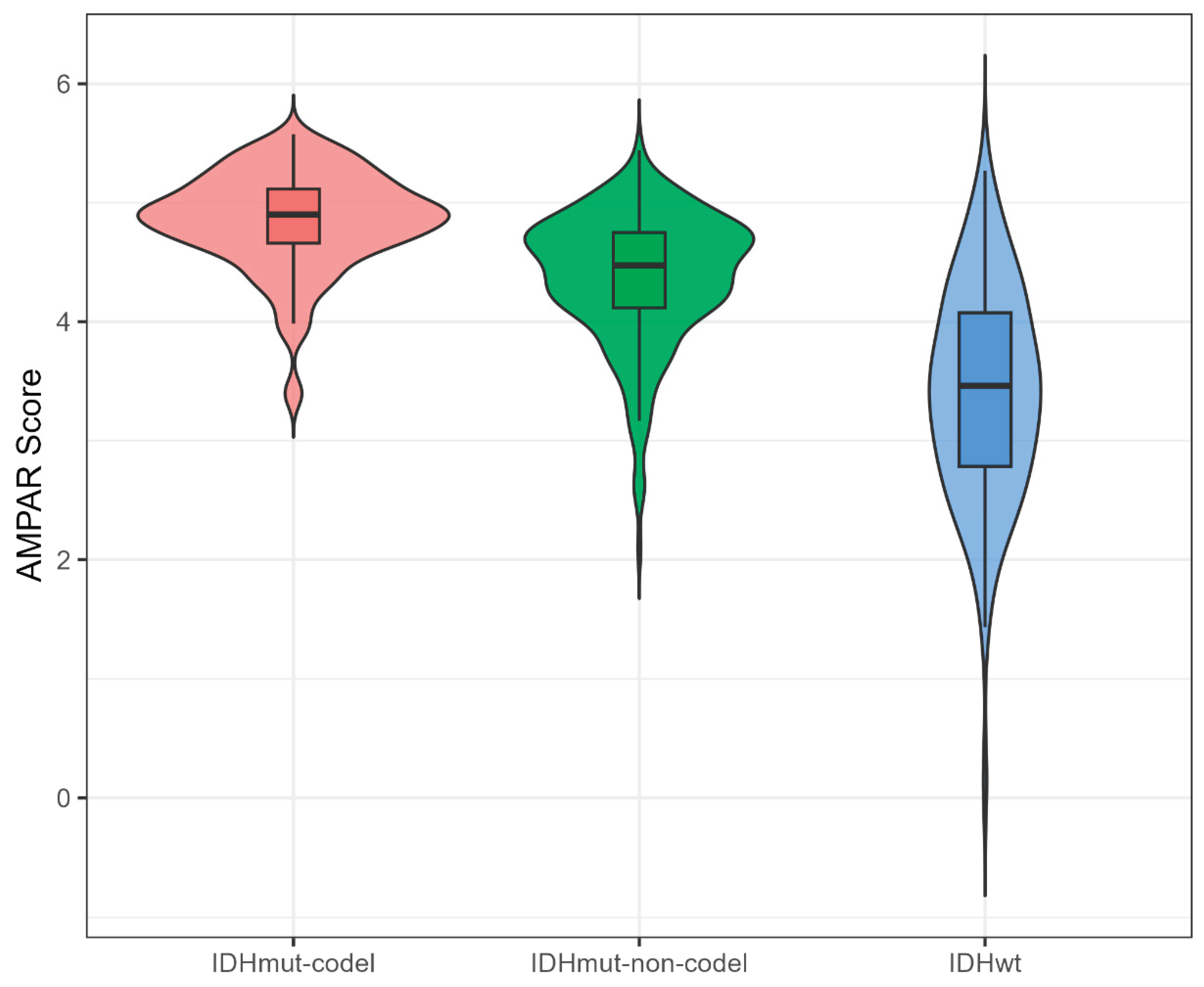
Multivariable Cox proportional hazards analyses demonstrated that expression levels of AMPAR subunit-coding genes in TCGA LGG tumors did not retain significant independent prognostic association with OS after adjustment for established clinicomolecular variables, namely IDH mutation status, 1p/19q codeletion status, age, and tumor grade. Forest plot visualization showed the relative contribution of each covariate to OS risk. As expected, IDH mutation and 1p/19q codeletion were associated with better survival, whereas increasing age and higher tumor grade were associated with worse outcome. Confidence intervals for expression of the AMPAR gene score crossed the null hazard ratio, indicating lack of statistical significance (Figure 9). Therefore, AMPAR subunit gene expression in TCGA tumors was associated with favorable survival in univariate analyses, but this association was attenuated after adjustment for established clinicomolecular variables, indicating that GRIA1-GRIA4 expression is associated with a favorable LGG biology profile, but is not an independent prognostic factor. In fact, more pronounced expression of any of the four individual GRIA genes was observed in LGG-IDH-mut-codel tumors, which have a more favorable prognosis, and the lowest expression occurred in LGG-IDH-wt, which show a worse prognosis, as seen above (Figure 1 and Figure 2). This finding was further supported by comparison among LGG types using the composite AMPAR gene score containing all four genes together (Figure 10).

4. Discussion

Neuronal activity is increasingly recognized as an important regulator of glioma biology. Studies in GBM have demonstrated that malignant glioma cells can exploit neurotransmitter signaling pathways involved in normal CNS development and plasticity to promote tumor growth and survival [1,9,10,11,33,34]. Among these pathways, glutamatergic signaling mediated by AMPA receptors has attracted considerable attention because of its role in neuron–glioma communication and tumor progression [4,7,24]. Although expression of GRIA genes has previously been proposed as a potential biomarker in glioma [35,36], the biological and clinical significance of AMPAR subunit expression in LGG has remained poorly understood.
In the present study, we show that elevated expression of GRIA1, GRIA2, GRIA3,or GRIA4 is consistently associated with favorable clinicomolecular characteristics in LGG. Expression of all four AMPAR subunit genes was highest in IDH-mutant/1p19q-codeleted tumors and lowest in IDH-wildtype gliomas, mirroring the established prognostic hierarchy of diffuse glioma molecular subtypes. Furthermore, increased expression of each GRIA gene was associated with prolonged patient survival. Together, these findings indicate that AMPAR subunit gene expression is closely linked to a biologically favorable glioma phenotype.
These observations may appear counterintuitive, given that experimental studies have shown that AMPAR-mediated signaling can contribute to glioma growth and invasion, and pharmacological inhibition of AMPAR activity has demonstrated antitumor effects in GBM models. Under this paradigm, one might expect increased expression of AMPAR subunits to be associated with more aggressive disease. However, accumulating evidence suggests that the relationship between AMPAR signaling and glioma biology is complex and context-dependent. Sustained AMPAR-mediated calcium influx can promote excitotoxicity, mitochondrial dysfunction, and apoptosis under certain conditions [19,37]. Consistent with this possibility, the Class I ampakine CX614, which enhances AMPAR activity by increasing agonist binding affinity, has been reported to reduce glioblastoma cell viability and induce apoptosis in multiple cancer cell types [38]. Although the present study does not directly assess receptor function, these observations suggest that increased AMPAR expression should not automatically be interpreted as evidence of a tumor-promoting phenotype.
Importantly, our transcriptome-wide analyses indicate that the biological significance of elevated GRIA gene expression extends beyond the receptor subunits themselves. Genes positively correlated with the AMPAR expression score included multiple proteins involved in synaptic organization, neuronal connectivity, and AMPAR-associated excitatory transmission and signaling. Functional enrichment analysis demonstrated striking overrepresentation of synapse-related GO categories, including synaptic signaling, chemical synaptic transmission, trans-synaptic signaling, synapse organization, synaptic membrane, postsynaptic membrane, and postsynaptic density. Rather than identifying isolated changes in expression of individual receptor genes, these findings support the existence of a coordinated synaptic transcriptional program associated with elevated AMPAR subunit expression in LGG.
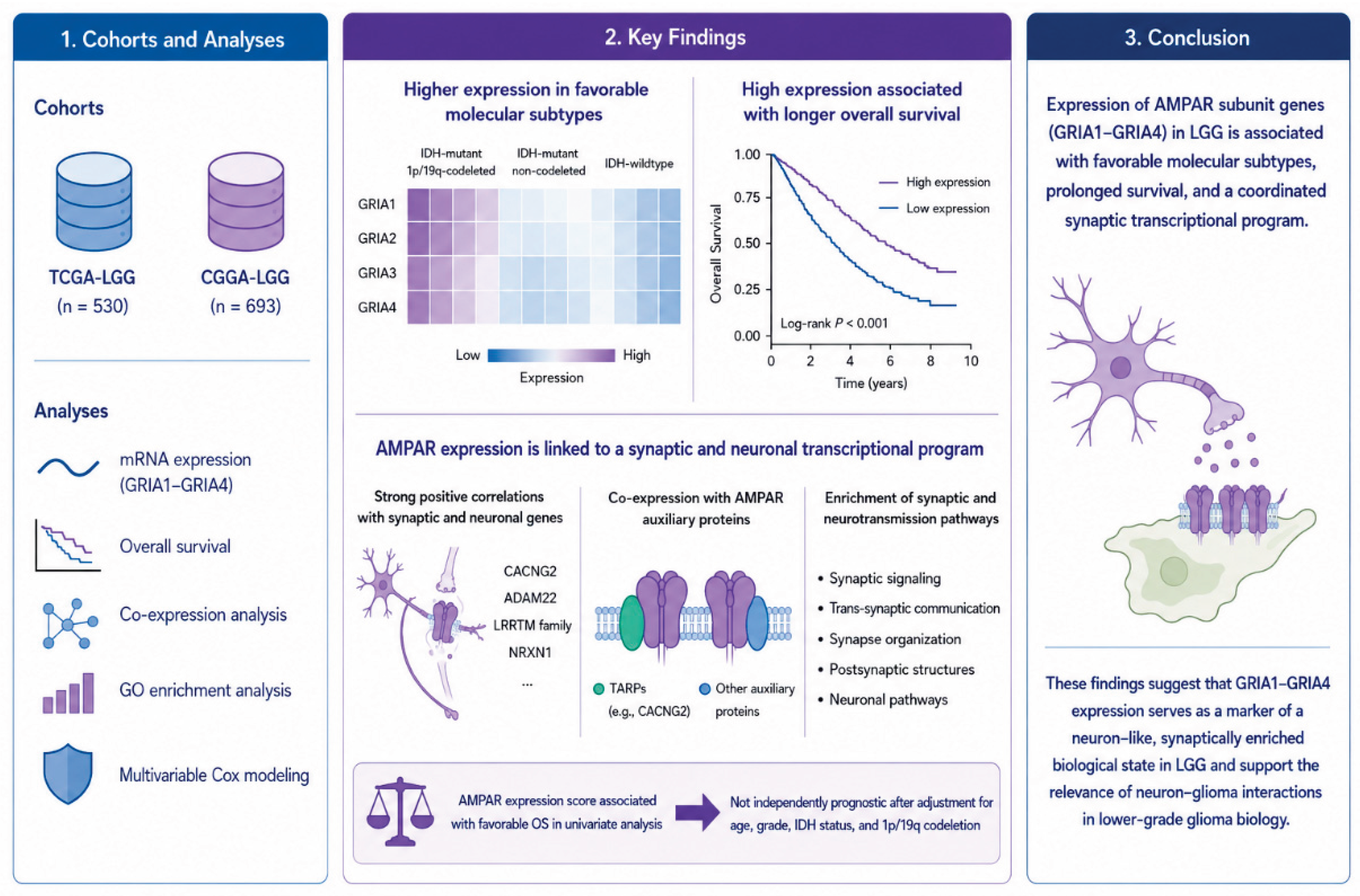
This interpretation is further supported by the coordinated expression of AMPAR auxiliary proteins and synaptic organizers identified in our analyses. The strong association between AMPAR subunits and genes involved in synaptic architecture suggests that elevated GRIA expression may serve as a marker of a broader neuron-like cellular state. We previously reported that increased expression of DLG2, DLG3, and DLG4, which encode the postsynaptic scaffolding proteins PSD-93, SAP-102, and PSD-95, respectively, is associated with improved survival in LGG [39]. The present findings extend this concept by demonstrating that favorable prognosis is associated not only with expression of individual synaptic genes but also with a larger transcriptional network enriched for neuronal and synaptic functions. Figure 11 summarizes our findings, which point to an emerging model in which an excitatory synapse gene program may define a neuronal-like glioma state associated with favorable tumor biology and prolonged patient survival.
One possible interpretation is that tumors exhibiting high expression of synaptic and neuronal genes retain features of a more differentiated cellular phenotype. Consistent with this hypothesis, recent studies have demonstrated that grade 3 astrocytoma and oligodendroglioma cells can be experimentally reprogrammed toward neuron-like states through exposure to small molecules or neural transcription factors, resulting in reduced proliferation, decreased expression of tumor-associated genes, and activation of tumor-suppressive programs [40]. Although the present data do not establish a causal relationship between neuronal differentiation and patient outcome, they support the possibility that preservation of neuronal identity may be linked to less aggressive biological behavior in LGG. This raises the intriguing possibility that therapeutic strategies aimed at promoting differentiation may merit further investigation in diffuse gliomas.
Several limitations should be acknowledged. First, gene expression does not necessarily reflect protein abundance or receptor activity [41,42,43]. Second, because our analyses were based on bulk transcriptomic datasets, the observed GRIA expression may reflect contributions from both neoplastic cells and non-neoplastic components of the tumor microenvironment. Third, the biological functions of AMPAR signaling in LGG were inferred from transcriptomic associations rather than direct experimental measurements, and therefore cannot establish causality. Additional studies integrating single-cell analyses, proteomic, functional, and mechanistic approaches will be required to determine whether the synaptic transcriptional program identified here actively contributes to LGG behavior or reflects underlying cellular differentiation states.

5. Conclusions

The present study demonstrates that expression of the AMPAR subunit genes GRIA1, GRIA2, GRIA3, and GRIA4 is strongly associated with the molecular landscape of LGG. Elevated expression of these genes was consistently observed in IDH-mutant/1p19q-codeleted tumors, whereas the lowest expression levels occurred in IDH-wildtype tumors. Increased GRIA expression was associated with longer OS and with a transcriptional network enriched for synaptic signaling, neuronal connectivity, and AMPAR signaling-associated genes. Functional enrichment analyses further revealed that genes associated with the AMPAR program are concentrated in pathways related to synaptic communication and postsynaptic organization. Although the prognostic association of the AMPAR score was not independent of established clinicomolecular factors, the findings indicate that AMPAR subunit gene expression serves as a marker of favorable glioma biology and a synaptic-like enriched transcriptional state. These results may help to extend current understanding of neuron–glioma interactions in LGG and identify AMPAR-associated transcriptional programs as potential biomarkers to be integrated in the characterization of biologically distinct glioma subgroups.

Author Contributions

Conceptualization, B.R., R.R. and G.I.R.; methodology, B.R., M.D., H.R.D.P., M.A.C.F., K.M.P.A.C., R.R. and G.I.R.; formal analysis, B.R., M.D., H.R.D.P. and R.R.; investigation, B.R., M.D., H.R.D.P., K.M.P.A.C., R.R. and G.I.R; resources, B.R., O.M., R.R. and G.R.I.; data curation, B.R., M.D., H.R.D.P. and R.R.; writing—original draft preparation, B.R., H.R.D.P. and R.R.; writing—review and editing, B.R., M.D., H.R.D.P., O.M., M.A.C.F., K.M.P.A.C., R.R. and G.I.R.; supervision, R.R. and G.R.I.; project administration, R.R. and G.R.I.; funding acquisition, O.M., R.R. and G.R.I. All authors have read and agreed to the published version of the manuscript.

Funding

This work was supported by the National Council for Scientific and Technological Development (CNPq, MCTI, Brazil) grant numbers 304623/2025-3 and 406484/2022–8 (INCT BioOncoPed) to R.R., the Children’s Cancer Institute (ICI), the Brazilian Federal Agency for Support and Evaluation of Graduate Education (CAPES), The Center for Advanced Neurology and Neurosurgery (CEANNE), and Mackenzie Evangelical University.

Institutional Review Board Statement

Not applicable.

Data Availability Statement

This research used data generated by The Cancer Genome Atlas (TCGA) Research Network (https://www.cancer.gov/tcga) and the Chinese Glioma Genome Atlas (CGGA, http://www.cgga.org.cn).

Conflicts of Interest

The authors declare no conflicts of interest related to the contents of this study. The funders had no role in the design of the study; in the collection, analyses, or interpretation of data; in the writing of the manuscript; or in the decision to publish the results.

Abbreviations

The following abbreviations are used in this manuscript:
AMPA
AMPAR
BH
BP
CC
CGGA
CNS
FDR
GBM
GO
HR
IDH
LGG
LTP
mut-codel
mut-non-codel
NCBI
OS
TCGA
WHO
wt
α-amino-3-hydroxy-5-methyl-4-isoxazolepropionic acid
α-amino-3-hydroxy-5-methyl-4-isoxazolepropionic acid receptor
Benjamini–Hochberg
Biological Process
Cellular Component
Chinese Glioma Genome Atlas
False Discovery Rate
Central nervous system
Glioblastoma
Gene Ontology
Hazard Ratio
Isocitrate dehydrogenase
Lower-grade glioma
Long-term potentiation
Mutant with 1p/19q codeletion
Mutant without 1p/19q codeletion
National Center for Biotechnology Information
Overall survival
The Cancer Genome Atlas
World Health Organization
Wildtype

References

  1. Barron, T.; Yalçın, B.; Su, M.; Byun, Y.G.; Gavish, A.; Shamardani, K.; Xu, H.; Ni, L.; Soni, N.; Mehta, V.; et al. GABAergic neuron-to-glioma synapses in diffuse midline gliomas. Nature 2025, 639, 1060–1068. [Google Scholar] [CrossRef] [PubMed]
  2. Meyer, J.; Yu, K.; Luna-Figueroa, E.; Deneen, B.; Noebels, J. Glioblastoma disrupts cortical network activity at multiple spatial and temporal scales. Nat. Commun. 2024, 15, 4503. [Google Scholar] [CrossRef] [PubMed]
  3. Monje, M. Electrical and synaptic integration of glioma into neural circuits. Nature 2019, 573, 539–545. [Google Scholar] [CrossRef] [PubMed]
  4. Taylor, K.R.; Barron, T.; Hui, A.; Spitzer, A.; Yalçin, B.; Ivec, A.E.; Geraghty, A.C.; Hartmann, G.G.; Arzt, M.; Gillespie, S.M.; et al. Glioma synapses recruit mechanisms of adaptive plasticity. Nature 2023, 623, 366–374. [Google Scholar] [CrossRef] [PubMed]
  5. Venkataramani, V.; Tanev, D.I.; Strahle, C.; Studier-Fischer, A.; Fankhauser, L.; Kessler, T.; Körber, C.; Kardorff, M.; Ratliff, M.; Xie, R.; et al. Glutamatergic synaptic input to glioma cells drives brain tumour progression. Nature 2019, 573, 532–538. [Google Scholar] [CrossRef] [PubMed]
  6. Venkatesh, H.S.; Morishita, W.; Geraghty, A.C.; Silverbush, D.; Gillespie, S.M.; Arzt, M.; Tam, L.T.; Espenel, C.; Ponnuswami, A.; Ni, L.; et al. Electrical and synaptic integration of glioma into neural circuits. Nature 2019, 573, 539–545. [Google Scholar] [CrossRef] [PubMed]
  7. Corsi, L.; Mescola, A.; Alessandrini, A. Glutamate receptors and glioblastoma multiforme: An old "route" for new perspectives. Int. J. Mol. Sci. 2019, 20, 1796. [Google Scholar] [CrossRef] [PubMed]
  8. Cull-Candy, S.G.; Farrant, M. Ca2+ -permeable AMPA receptors and their auxiliary subunits in synaptic plasticity and disease. J. Physiol. 2021, 599, 2655–2671. [Google Scholar] [CrossRef] [PubMed]
  9. Ishiuchi, S.; Tsuzuki, K.; Yoshida, Y.; Yamada, N.; Hagimura, N.; Okado, H.; Miwa, A.; Kurihara, H.; Nakazato, Y.; Tamura, M.; et al. Blockage of Ca(2+)-permeable AMPA receptors suppresses migration and induces apoptosis in human glioblastoma cells. Nat. Med. 2002, 8, 971–978. [Google Scholar] [CrossRef] [PubMed]
  10. Ishiuchi, S.; Yoshida, Y.; Sugawara, K.; Aihara, M.; Ohtani, T.; Watanabe, T.; Saito, N.; Tsuzuki, K.; Okado, H.; Miwa, A.; et al. Ca2+-permeable AMPA receptors regulate growth of human glioblastoma via Akt activation. J. Neurosci. 2007, 27, 7987–8001. [Google Scholar] [CrossRef] [PubMed]
  11. Lyons, S.A.; Chung, W.J.; Weaver, A.K.; Ogunrinu, T.; Sontheimer, H. Autocrine glutamate signaling promotes glioma cell invasion. Cancer Res. 2007, 67, 9463–9471. [Google Scholar] [CrossRef] [PubMed]
  12. Collingridge, G.L.; Olsen, R.W.; Peters, J.; Spedding, M. A nomenclature for ligand-gated ion channels. Neuropharmacology 2009, 56, 2–5. [Google Scholar] [CrossRef] [PubMed]
  13. Henley, J.M.; Wilkinson, K.A. Synaptic AMPA receptor composition in development, plasticity and disease. Nat. Rev. Neurosci. 2016, 17, 337–350. [Google Scholar] [CrossRef] [PubMed]
  14. Salpietro, V.; Dixon, C.L.; Guo, H.; Bello, O.D.; Vandrovcova, J.; Efthymiou, S.; Maroofian, R.; Heimer, G.; Burglen, L.; Valence, S.; et al. AMPA receptor GluA2 subunit defects are a cause of neurodevelopmental disorders. Nat. Commun. 2019, 10, 3094. [Google Scholar] [CrossRef] [PubMed]
  15. Wu, Y.; Arai, A.C.; Rumbaugh, G.; Srivastava, A.K.; Turner, G.; Hayashi, T.; Suzuki, E.; Jiang, Y.; Zhang, L.; Rodriguez, J.; et al. Mutations in ionotropic AMPA receptor 3 alter channel properties and are associated with moderate cognitive impairment in humans. Proc. Natl. Acad. Sci. U. S. A. 2007, 104, 18163–18168. [Google Scholar] [CrossRef] [PubMed]
  16. Lin, B.; Brücher, F.A.; Colgin, L.L.; Lynch, G. Long-term potentiation alters the modulator pharmacology of AMPA-type glutamate receptors. J. Neurophysiol. 2002, 87, 2790–2800. [Google Scholar] [CrossRef] [PubMed]
  17. Lu, W.; Shi, Y.; Jackson, A.C.; Bjorgan, K.; During, M.J.; Sprengel, R.; Seeburg, P.H.; Nicoll, R.A. Subunit composition of synaptic AMPA receptors revealed by a single-cell genetic approach. Neuron 2009, 62, 254–268. [Google Scholar] [CrossRef] [PubMed]
  18. Terashima, A.; Suh, Y.H.; Isaac, J.T.R. The AMPA receptor subunit GluA1 is required for CA1 hippocampal long-term potentiation but is not essential for synaptic transmission. Neurochem. Res. 2019, 44, 549–561. [Google Scholar] [CrossRef] [PubMed]
  19. van der Spek, S.J.F.; Pandya, N.J.; Koopmans, F.; Paliukhovich, I.; van der Schors, R.C.; Otten, M.; Smit, A.B.; Li, K.W. Expression and interaction proteomics of GluA1- and GluA3-subunit-containing AMPARs reveal distinct protein composition. Cells 2022, 11, 3648. [Google Scholar] [CrossRef] [PubMed]
  20. Lange, F.; Weßlau, K.; Porath, K.; Hörnschemeyer, M.F.; Bergner, C.; Krause, B.J.; Mullins, C.S.; Linnebacher, M.; Köhling, R.; Kirschstein, T. AMPA receptor antagonist perampanel affects glioblastoma cell growth and glutamate release in vitro. PLoS ONE 2019, 14, e0211644. [Google Scholar] [CrossRef] [PubMed]
  21. Radin, D.P. AMPA receptor modulation in the treatment of high-grade glioma: Translating good science into better outcomes. Pharmaceuticals 2025, 18, 384. [Google Scholar] [CrossRef] [PubMed]
  22. Tobochnik, S.; Regan, M.S.; Dorotan, M.K.C.; Reich, D.; Lapinskas, E.; Hossain, M.A.; Stopka, S.; Meredith, D.M.; Santagata, S.; Murphy, M.M.; et al. Pilot trial of perampanel on peritumoral hyperexcitability in newly diagnosed high-grade glioma. Clin. Cancer Res. 2024, 30, 5365–5373. [Google Scholar] [CrossRef] [PubMed]
  23. Iwamoto, F.M.; Kreisl, T.N.; Kim, L.; Duic, J.P.; Butman, J.A.; Albert, P.S.; Fine, H.A. Phase 2 trial of talampanel, a glutamate receptor inhibitor, for adults with recurrent malignant gliomas. Cancer 2010, 116, 1776–1782. [Google Scholar] [CrossRef] [PubMed]
  24. de Groot, J.F.; Piao, Y.; Lu, L.; Fuller, G.N.; Yung, W.K. Knockdown of GluR1 expression by RNA interference inhibits glioma proliferation. J. Neurooncol. 2008, 88, 121–33. [Google Scholar] [CrossRef] [PubMed]
  25. Bready, D.; Placantonakis, D.G. Molecular pathogenesis of low-grade glioma. Neurosurg. Clin. N. Am. 2019, 30, 17–25. [Google Scholar] [CrossRef] [PubMed]
  26. Chang, S.M.; Cahill, D.P.; Aldape, K.D.; Mehta, M.P. Treatment of adult lower-grade glioma in the era of genomic medicine. Am. Soc. Clin. Oncol. Educ. Book. 2016, 35, 75–81. [Google Scholar] [CrossRef] [PubMed]
  27. Kihlstedt, C.J.; Dénes, A.; Mansouri, A.; Mikolajewicz, N.; Skoglund, T.; Köster, L.; Corell, A.; Carén, H.; Ferreyra Vega, S.; et al. Proteomics in IDH-mutated diffuse lower-grade glioma: a scoping review. Neurooncol. Adv. 2025, 8, vdaf258. [Google Scholar] [CrossRef] [PubMed]
  28. Cancer Genome Atlas Research Network; Brat, D.J.; Verhaak, R.G.; Aldape, K.D.; Yung, W.K.; Salama, S.R.; Cooper, L.A.; Rheinbay, E.; Miller, C.R.; Vitucci, M.; Morozova, O.; et al. Comprehensive, integrative genomic analysis of diffuse lower-grade gliomas. N. Engl. J. Med. 2015, 372, 2481–2498. [Google Scholar] [CrossRef] [PubMed]
  29. Zhao, Z.; Zhang, K.N.; Wang, Q.; Li, G.; Zeng, F.; Zhang, Y.; Wu, F.; Chai, R.; Wang, Z.; Zhang, C.; et al. Chinese Glioma Genome Atlas (CGGA): a comprehensive resource with functional genomic data from Chinese glioma patients. Genom. Proteom. Bioinform. 2021, 19, 1–12. [Google Scholar] [CrossRef] [PubMed]
  30. Gue, R.; Lakhani, D.A. The 2021 World Health Organization Central Nervous System Tumor Classification: The spectrum of diffuse gliomas. Biomedicines 2024, 12, 1349. [Google Scholar] [CrossRef] [PubMed]
  31. Louis, D.N.; Perry, A.; Wesseling, P.; Brat, D.J.; Cree, I.A.; Figarella-Branger, D.; Hawkins, C.; Ng, H.K.; Pfister, S.M.; Reifenberger, G.; et al. The 2021 WHO Classification of Tumors of the Central Nervous System: A summary. Neuro Oncol. 2021, 23, 1231–1251. [Google Scholar] [CrossRef] [PubMed]
  32. Shelley, C.; Farrant, M.; Cull-Candy, S.G. TARP-associated AMPA receptors display an increased maximum channel conductance and multiple kinetically distinct open states. J. Physiol. 2012, 590, 5723–5738. [Google Scholar] [CrossRef] [PubMed]
  33. Pinheiro, K.V.; Alves, C.; Buendia, M.; Gil, M.S.; Thomaz, A.; Schwartsmann, G.; de Farias, C.B.; Roesler, R. Targeting tyrosine receptor kinase B in gliomas. Neuro Oncol. 2017, 19, 138–139. [Google Scholar] [CrossRef] [PubMed]
  34. Pinheiro, K.V.; Thomaz, A.; Souza, B.K.; Metcalfe, V.A.; Freire, N.H.; Brunetto, A.T.; de Farias, C.B.; Jaeger, M.; Bambini, V.; Smith, C.G.S.; et al. Expression and pharmacological inhibition of TrkB and EGFR in glioblastoma. Mol. Biol. Rep. 2020, 47, 6817–6828. [Google Scholar] [CrossRef] [PubMed]
  35. Hu, G.; Wang, R.; Wei, B.; Wang, L.; Yang, Q.; Kong, D.; Du, C. Prognostic markers identification in glioma by gene expression profile analysis. J. Comput. Biol. 2020, 27, 81–90. [Google Scholar] [CrossRef] [PubMed]
  36. Lange, F.; Gade, R.; Einsle, A.; Porath, K.; Reichart, G.; Maletzki, C.; Schneider, B.; Henker, C.; Dubinski, D.; Linnebacher, M.; et al. A glutamatergic biomarker panel enables differentiating Grade 4 gliomas/astrocytomas from brain metastases. Front. Oncol. 2024, 14, 1335401. [Google Scholar] [CrossRef] [PubMed]
  37. Liu, K.H.; Yang, S.T.; Lin, Y.K.; Lin, J.W.; Lee, Y.H.; Wang, J.Y.; Hu, C.J.; Lin, E.Y.; Chen, S.M.; Then, C.K.; et al. Fluoxetine, an antidepressant, suppresses glioblastoma by evoking AMPAR-mediated calcium-dependent apoptosis. Oncotarget 2015, 6, 5088–5101. [Google Scholar] [CrossRef] [PubMed]
  38. Radin, D.P.; Purcell, R.; Lippa, A.S. Oncolytic properties of ampakines in vitro. Anticancer Res. 2018, 38, 265–269. [Google Scholar] [CrossRef] [PubMed]
  39. Gaia, F.; Dal-Pizzol, H.R.; Malafaia, O.; Roesler, R.; Isolan, G.R. DLG2-DLG4 expression is associated with improved survival and a synaptic gene signature in lower-grade glioma. Cancers 2026, 18, 1646. [Google Scholar] [CrossRef] [PubMed]
  40. Yi, Y.; Che, W.; Xu, P.; Mao, C.; Li, Z.; Wang, Q.; Lyu, J.; Wang, X. Conversion of glioma cells into neuron-like cells by small molecules. iScience 2024, 27, 111091. [Google Scholar] [CrossRef] [PubMed]
  41. Greenbaum, D.; Jansen, R.; Gerstein, M. Analysis of mRNA expression and protein abundance data: an approach for the comparison of the enrichment of features in the cellular population of proteins and transcripts. Bioinformatics 2002, 18, 585–596. [Google Scholar] [CrossRef] [PubMed]
  42. Pevsner, J. Bioinformatics and Functional Genomics, 3rd ed.; Wiley-Blackwell: Chichester, UK, 2015. [Google Scholar]
  43. Waters, K.M.; Pounds, J.G.; Thrall, B.D. Data merging for integrated microarray and proteomic analysis. Brief. Funct. Genom. Proteomic. 2006, 5, 261–272. [Google Scholar] [CrossRef] [PubMed]
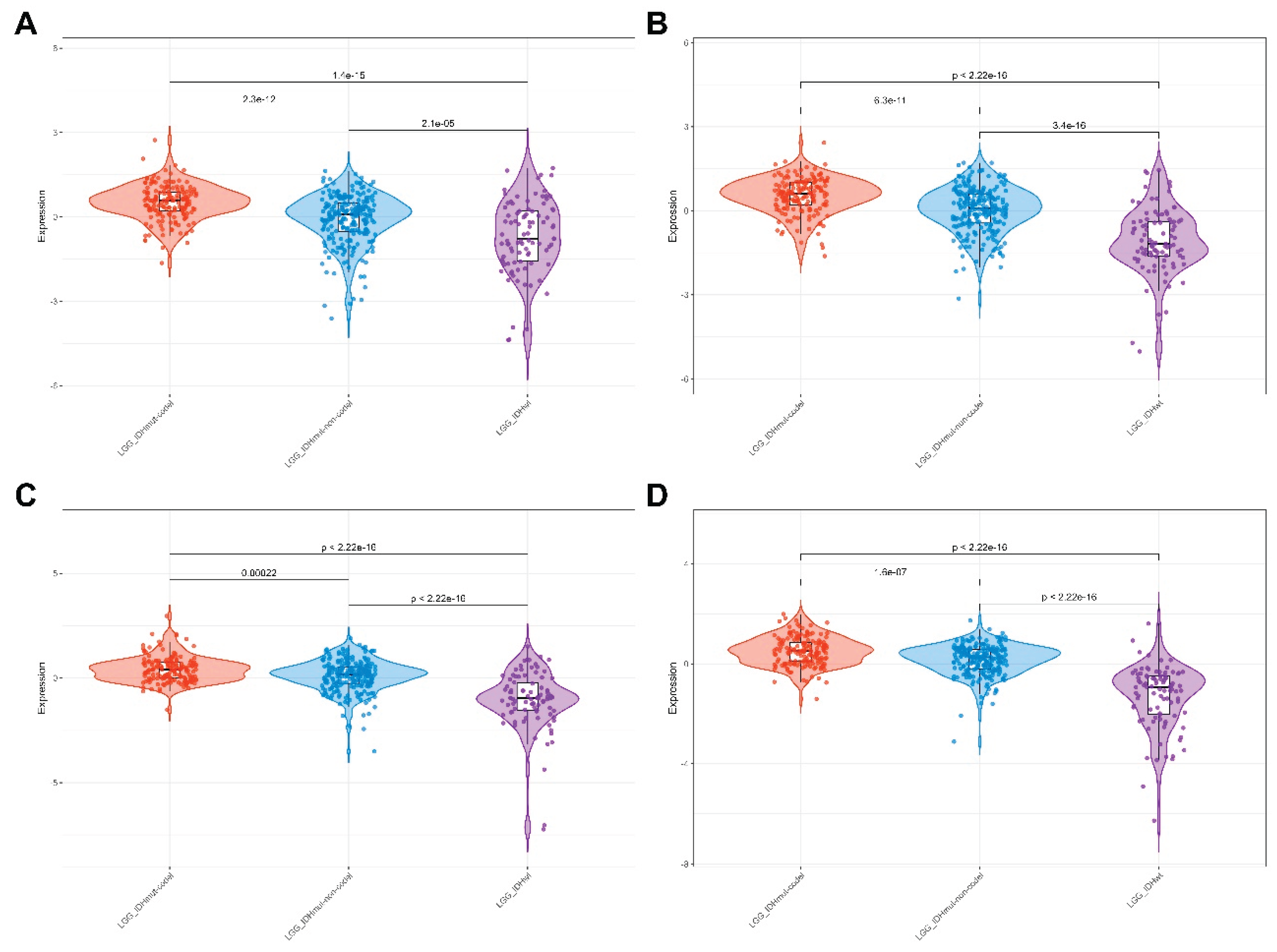
Figure 1. Gene expression levels of A, GRIA1, B, GRIA2, C, GRIA3, and D, GRIA4 in TCGA LGG tumors classified into molecular subtypes. LGG-IDH-mut-codel, n = 164; LGG-IDH-mut-non-codel, n = 235; LGG-IDH-wt, n = 91; p-values are indicated in the panels.
Preprints 218677 g001
Figure 2. Gene expression levels of A, GRIA1, B, GRIA2, C, GRIA3, and D, GRIA4 in CGGA tumors classified into molecular subtypes. LGG-IDH-mut-codel, n = 113; LGG-IDH-mut-non-codel, n = 142; LGG-IDH-wt, n = 88; p-values are indicated in the panels.
Preprints 218677 g002
Figure 3. Top genes associated with the AMPAR transcriptional program in TCGA-LGG. Heatmap showing the strongest transcriptome-wide correlates of the AMPAR expression score. Genes are clustered according to similarity of correlation patterns across GRIA1GRIA4.
Preprints 218677 g003
Figure 4. Network representation of the AMPAR-associated transcriptional program in TCGA LGG tumors. The graphs depict the strongest transcriptome-wide correlates of the GRIA1-GRIA4 expression score. A, node size is proportional to correlation strength, and edges connect genes to the AMPAR program. Prominent nodes include CACNG2, ADAM22, LRRTM2, LRRTM3, LRRTM4, and NRXN1, emphasizing enrichment for synaptic organization pathways. B, colors identify AMPA receptor auxiliary proteins and signaling, neurotransmission, and synaptic adhesion as the main biological categories.
Preprints 218677 g004
Figure 5. Co-expression of AMPA receptor subunits and auxiliary proteins in TCGA LGG tumors. Heatmap showing Spearman correlation coefficients between AMPA receptor subunit genes GRIA1GRIA4 and selected auxiliary proteins and interacting partners. Positive correlations are represented by warmer colors and negative correlations by cooler colors.
Preprints 218677 g005
Figure 6. Functional enrichment analysis of genes associated with the AMPAR transcriptional program in TCGA LGG tumors. Gene Ontology enrichment analysis was performed on genes positively correlated with the AMPAR expression score in TCGA-LGG. Left, top enriched Biological Process terms; Right, top enriched Cellular Component terms. Dot size represents the number of genes associated with each GO term (intersection size), and the x-axis indicates enrichment significance expressed as −log10(p value).
Preprints 218677 g006
Figure 7. Kaplan-Meier analysis of OS in patients bearing TCGA LGG tumors with higher or lower expression of GRIA1, GRIA2, GRIA3, and GRIA4. The number of samples and adjusted p-values are indicated in the panels.
Preprints 218677 g007
Figure 8. Kaplan-Meier analysis of OS in patients bearing CGGA tumors with higher or lower expression of GRIA1, GRIA2, GRIA3, and GRIA4. The number of samples and adjusted p-values are indicated in the panels.
Preprints 218677 g008
Figure 9. Forest plots showing multivariable Cox proportional hazards analyses for OS in TCGA LGG tumors. Models included AMPAR gene score expression status together with established clinicomolecular prognostic variables, namely IDH mutation status, tumor grade, 1p/19q codeletion status, and age. Hazard ratios (HRs) and 95% confidence intervals are shown. HR < 1 indicates favorable prognostic association, whereas HR > 1 indicates increased risk of death.
Preprints 218677 g009
Figure 10. Visualization of the expression levels of the AMPAR gene score in LGG-IDH-mut-codel (n = 164), LGG-IDH-mut-non-codel (n = 235), and LGG-IDH-wt (n = 91) TCGA tumors.
Preprints 218677 g010
Figure 11. Graphical summary of the study findings. Expression of GRIA1GRIA4, which encode AMPAR subunits, is associated with favorable molecular, biological, and clinical features in LGG, suggesting that activation of an excitatory synapse gene program might mark a neuronal-like tumor phenotype linked to improved prognosis.
Preprints 218677 g011
Table 1. Structures and chromosome locations for GRIA genes encoding AMPA receptor subunits.
Gene Chromosome Cytogenetic band Exon count NCBI gene ID
GRIA1 5 5q33.2 ~21 2890
GRIA2 4 4q32.1 ~20 2891
GRIA3 X Xq25 ~19 2892
GRIA4 11 11q22.3 ~23 2893
NCBI, National Center for Biotechnology Information.
Table 2. Gene Ontology enrichment analysis of genes positively correlated with GRIA1-GRIA4 expression score in TCGA LGG tumors.
Biological Process
Term p-value
Synaptic signaling 5.1 × 10⁻¹²
Anterograde trans-synaptic signaling 1.1 × 10⁻¹¹
Chemical synaptic transmission 1.1 × 10⁻¹¹
Trans-synaptic signaling 1.4 × 10⁻¹¹
Synapse organization 2.8 × 10⁻¹¹
Cellular Component
Term p-value
Synapse 1.4 × 10⁻¹⁸
Postsynapse 1.4 × 10⁻¹³
Synaptic membrane 1.6 × 10⁻¹¹
Postsynaptic membrane 3.4 × 10⁻¹¹
Postsynaptic density 2.3 × 10⁻⁹
Gene Ontology enrichment was performed using g:Profiler on genes positively correlated with the AMPAR expression score. The table reports GO category, GO term name, adjusted p value, and the number of overlapping genes (intersection size) for each enriched term. Results are shown for Biological Process (GO:BP) and Cellular Component (GO:CC) ontologies.
Disclaimer/Publisher’s Note: The statements, opinions and data contained in all publications are solely those of the individual author(s) and contributor(s) and not of MDPI and/or the editor(s). MDPI and/or the editor(s) disclaim responsibility for any injury to people or property resulting from any ideas, methods, instructions or products referred to in the content.
Copyright: This open access article is published under a Creative Commons CC BY 4.0 license, which permit the free download, distribution, and reuse, provided that the author and preprint are cited in any reuse.
Prerpints.org logo

Preprints.org is a free preprint server supported by MDPI in Basel, Switzerland.

Subscribe

Accessibility

Disclaimer

Terms of Use

Privacy Policy

Privacy Settings

© 2026 MDPI (Basel, Switzerland) unless otherwise stated