Preprint
Article

This version is not peer-reviewed.

Comparative Gastrointestinal Digestion and Intestinal Interaction of Recombinant Human and Bovine Milk Lactopontin

Submitted:

06 June 2026

Posted:

08 June 2026

You are already at the latest version

Abstract

Background: Lactopontin (LPN) is a bioactive milk protein of increasing interest for nutritional applications. Currently sourced from bovine milk, precision fermentation now enables the production of recombinant human lactopontin (rhLPN). In this study, the digestion and intestinal interaction of rhLPN and bovine milk-derived lactopontin (bmLPN) were compared using both a static INFOGEST digestion model and a dynamic, integrated gastrointestinal digestion and absorption Aelius MuCo-Absorb+ model under intended-use and high-exposure conditions. Methods & Results: rhLPN produced in Kluyveromyces lactis and bmLPN were evaluated in a representative nutritional matrix at three exposure levels (D1–D3; 0.0864–3.672 mg/mL). Western blotting demonstrated progressive proteolysis for both proteins, and SE-HPLC demonstrated equivalent peptide molecular weight distributions within each model. Digestion kinetics differed between models, with the static INFOGEST system generating a greater proportion of low-molecular-weight peptides than the MuCo-Absorb+ model. RP-HPLC and LC-MS/MS showed no intact LPN in basolateral samples, while LC-MS/MS analysis confirmed transport of low-molecular-weight digestion-derived peptides across the epithelial model. TEER and cell viability assays demonstrated no adverse effects on epithelial barrier integrity or viability. Conclusions: Precision-fermented rhLPN demonstrated gastrointestinal digestion, epithelial compatibility, and transepithelial transport characteristics comparable to bmLPN under representative use conditions. These findings support the nutritional relevance and safety of rhLPN as an alternative dietary source of lactopontin.

Keywords: 
;  ;  ;  ;  ;  ;  ;  

1. Introduction

Lactopontin (LPN), also known as secreted phosphoprotein 1 (SPP1) or osteopontin, is a multifunctional protein widely distributed across tissues and body fluids. Its function is closely linked to its post-translational modification (PTM) profile, particularly phosphorylation and glycosylation, which influence mineral binding [1], structural properties [2], and susceptibility to proteolysis [3]. A distinction can be made between endogenously expressed osteopontin and the dietary form present in milk. In this manuscript, lactopontin (LPN) refers specifically to the milk-derived, dietary protein, while osteopontin is used in the context of systemic expression.
Dietary lactopontin is consumed across the lifespan, primarily via human breast milk during infancy and bovine milk and dairy-derived products in adulthood. While human milk represents a biologically relevant source, its use is inherently limited to early-life nutrition. Consequently, bovine-derived lactopontin has become the primary commercially accessible form. Increasing scientific interest in lactopontin has led to its incorporation into functional dairy ingredients, including whey-derived products enriched in LPN, such as Lacprodan® OPN-10 (Arla Food Ingredients). This commercial availability has, in turn, driven interest in alternative production platforms capable of delivering more scalable, consistent, and potentially human-relevant lactopontin.
Human and bovine milk lactopontin share a high degree of sequence and structural conservation. The mature proteins exhibit approximately 61% amino acid sequence identity, with conservation of key functional features including integrin-binding motifs, phosphorylation and glycosylation sites, and regulatory proteolytic cleavage regions [4]. Notably, both proteins retain the canonical arginine-glycine-aspartate (RGD) integrin-binding motif, and an adjacent cryptic integrin-binding motif that is exposed by proteolytic cleavage and contributes to cellular signalling and immune modulation [5]. Consistent with this conservation, previous studies have reported broadly similar gastrointestinal digestion behaviour and intestinal cell responses to human and bovine milk lactopontin, supporting the use of bmLPN as a relevant dietary comparator for evaluating recombinant human lactopontin [6,7].
Precision fermentation offers such an approach, enabling production of recombinant human lactopontin (rhLPN) with defined primary sequence identity. However, PTM profiles in recombinant proteins are influenced by the expression host and bioprocessing conditions, which can affect the occupancy of site-specific modifications and overall heterogeneity [8]. Our recent characterisation of rhLPN produced in Kluyveromyces lactis demonstrated that both phosphorylation and glycosylation profiles are stable and reproducible across pilot-scale manufacturing batches, with only modest redistribution within existing heterogeneous PTM populations rather than the emergence of new modification states [9]. While such variability is limited, subtle shifts in PTM distribution may still influence protein conformation and enzymatic accessibility, and therefore the profile of peptides generated during gastrointestinal digestion. It is therefore necessary to determine whether these differences translate into measurable effects on digestive behaviour or intestinal interaction. In this context, milk-derived bovine lactopontin (bmLPN) serves as a conservative dietary comparator.
To evaluate both digestive fate and post-digestive intestinal interaction, rhLPN and bmLPN were assessed using complementary in vitro gastrointestinal models alongside downstream analytical characterisation workflows (Figure 1). Initial assessment of proteolytic stability and digestion behaviour was performed using the INFOGEST static in vitro digestion protocol, which is widely regarded as the harmonised gold-standard method for simulating gastrointestinal digestion and assessing the digestive fate of proteins [10,11]. The protocol has substantially improved inter-laboratory reproducibility and comparability of digestion studies; however, its scope is inherently limited to luminal digestion processes. Consequently, while INFOGEST enables robust evaluation of protein stability, proteolysis, and the generation of digestion products, it does not capture subsequent physiologically relevant events occurring at the intestinal surface, including mucus interactions, epithelial barrier responses, cellular interactions, or transepithelial transfer [12].
These limitations are particularly relevant when evaluating the safety of dietary proteins, as intestinal exposure is determined not only by digestive stability but also by interactions with the intestinal epithelium and the potential persistence or transfer of intact protein species following digestion. Furthermore, intestinal interaction models based solely on Caco-2 monolayers lack the protective mucosal layer, which plays an important role in regulating diffusion, epithelial contact, and transport across the intestinal barrier [13].
To address these limitations, rhLPN and bmLPN were further evaluated using an MuCo-Absorb+ model developed by Aelius Biotech Ltd (Newcastle, UK), an advanced in vitro platform that combines simulated gastrointestinal digestion with a physiologically relevant intestinal interface. The MuCo-Absorb+ model is derived from a series of physiologically relevant in vitro gut systems developed to integrate digestion with key structural and functional features of the gastrointestinal tract [14,15]. The intestinal component comprises a differentiated Caco-2 epithelial monolayer, a mucus layer, and a permeable membrane separating the luminal and basolateral compartments. While Caco-2 monocultures do not fully recapitulate the cellular complexity of the intestinal epithelium, including specialised cell populations such as goblet cells, they remain the most widely established in vitro model for investigating intestinal barrier function and epithelial transport. Upon differentiation, Caco-2 cells form polarised epithelial monolayers with well-developed tight junctions that reproduce the principal pathways by which luminal constituents may interact with or traverse the intestinal barrier, including paracellular transport through tight junctions, passive transcellular diffusion, carrier-mediated transport, and transcytosis [16].
By integrating digestion with a mucus-covered intestinal epithelial barrier, the MuCo-Absorb+ model enables simultaneous assessment of proteolysis and intestinal interaction within a single experimental system. This architecture facilitates evaluation of: (i) epithelial barrier integrity through monitoring of transepithelial electrical resistance (TEER); (ii) transepithelial transfer through analysis of peptides and protein species present within the basolateral compartment, enabling determination of whether intact lactopontin or digestion-derived peptides become available for epithelial passage; and (iii) cellular viability following luminal exposure. Collectively, these features provide a more physiologically relevant assessment of post-digestive intestinal exposure than digestion-only systems do and enable evaluation of both the digestive fate and the intestinal interactions of dietary proteins under conditions relevant to safety assessment.
Given that protein digestion is influenced by both the formulation matrix and the exposure level [17], the study was designed to reflect consumer-relevant conditions. Lactopontin was evaluated within a representative nutritional matrix and across a dose range corresponding to proposed GRAS maximum use levels for different product formats. These included (i) a powdered nutritional product scenario (0.0864 mg/mL, D1), (ii) a ready-to-drink nutritional beverage scenario (0.7344 mg/mL, D2), and (iii) a high-exposure condition (3.672 mg/mL, D3) above the proposed maximum use case, to stress-test the system beyond expected use conditions. These concentrations were derived by translating maximum proposed inclusion levels (g/100 g product) into in vitro exposure concentrations using assumptions about serving size (e.g., powder reconstitution at 30 g in 125 mL) and product density (e.g., ~1.02 g/mL for ready-to-drink beverages), representing conservative, upper-bound intake scenarios.
The present study builds on our prior physicochemical characterisation of rhLPN and evaluates its digestive behaviour and intestinal interaction in comparison with bmLPN using a dual-model approach. Specifically, the study aims to determine whether (i) rhLPN and bmLPN exhibit comparable and reproducible digestion profiles under INFOGEST conditions, (ii) the minor redistribution of PTMs observed across pilot-scale production batches alters digestive outcomes, (iii) digestion behaviour is consistent across relevant consumption dose levels, and (iv) comparable digestive outcomes are observed between the INFOGEST and MuCo-Absorb+ models. In addition, the study assesses whether digestion products from rhLPN and bmLPN differentially affect epithelial barrier integrity or cellular viability, whether digestion-derived peptides are transported across the epithelial barrier, and whether intact lactopontin persists following digestion and undergoes transepithelial transfer. Together, these objectives establish whether rhLPN demonstrates digestive and intestinal interaction profiles comparable to those of bmLPN under intended-use conditions and provide evidence relevant to its safety evaluation as a dietary protein.

2. Materials and Methods

2.1. Materials

Recombinant human lactopontin (rhLPN) was produced by Better Dairy Ltd. (London, UK) using a precision fermentation platform. Production employed an engineered Kluyveromyces lactis strain designed to co-express the human kinase Fam20C, enabling phosphorylation of the secreted rhLPN during fermentation. Initial laboratory-scale production (rhLPNLab) was carried out in shake-flask batch cultures, while pilot-scale manufacture (rhLPNPilot) was performed across five independent 750 L fed-batch fermentation runs. Following fermentation, cell biomass was removed from the culture broth by clarification and filtration before concentration of the soluble protein fraction. rhLPN was subsequently purified using anion-exchange chromatography, after which buffer exchange and desalting were performed by dialysis. For pilot-scale batches, the purified material was additionally lyophilised to yield a stable powdered product suitable for downstream analysis and formulation studies.
Commercial LPN from milk (bmLPN), in the form of Lacprodan® OPN-10, was purchased from Arla Food Ingredients (Viby J, Denmark). All the other reagents were purchased from Sigma unless otherwise stated.

2.1.1. Preparation of the Adult Model Food Matrix

To evaluate the impact of a complex food matrix on digestion kinetics, bovine milk (bmLPN) and recombinant human lactopontin (rhLPN) were incorporated into a standardized adult nutritional model. The proteins were dissolved at two consumer-relevant doses (D1: 0.086, D2: 0.7344) and one high-exposure dose (D3: 3.672 mg/mL) in a matrix designed to simulate the macronutrient and ionic profile of a representative commercial formula. This matrix consisted of 100 mg/mL whey protein isolate (90% purity; Volactive® UltraWhey 90 Instant, Bacarel Express), 60 mg/mL maltodextrin (Maltodextrin Premium Quality, Special Ingredients Ltd), 0.15 mM MgCl₂·6H₂O, and 1.5 mM CaCl₂·2H₂O. The formulation was prepared as a 2X stock to ensure a consistent chemical environment. Components were initially dissolved in 70% of the required deionized water by vortexing, then incubated at 37°C under continuous agitation for 30 minutes to achieve a uniform suspension. The final pH was adjusted to 6.8 using 1 M NaOH or HCl and the solution was brought to its final volume with deionized water.

2.2. INFOGEST Digestion

An in vitro simulation of adult digestion was performed on rhLPNLab, rhLPNPilot and bmLPN at D2 in the adult model food matrix. Additional digests of rhLPNPilot and bmLPN were conducted in the same matrix at concentrations of D1 and D3. Matrix-only controls were included as negative controls. Digestions were performed in triplicate according to the INFOGEST static digestion protocol [11], with the following modifications:
(i) As the test product was formulated as a liquid beverage with an expected short oral residence time, the oral phase was omitted, consistent with previous recommendations [10]. The digestion model, therefore, consisted only of sequential gastric and intestinal phases, employing pepsin (2000 U/mL, P7012) and pancreatin (100 TAME U trypsin/mL, P7545) as the respective proteolytic enzymes.
(ii) Pepsin activity was determined using an alternative analytical method [18]. In addition, lipase was omitted from the simulated gastric fluid [19].
(iii) As a pH-stat apparatus was not available, reagent addition and pH adjustment were performed manually in the following sequence: simulated digestive fluid addition, CaCl2 addition, pH adjustment, volume normalisation with water, and final addition of enzymes and crude bile extract (10 mM total bile acids, B3883) [19].

2.3. MuCo-Absorb+ Model

The MuCo-Absorb+ model, developed by Aelius Biotech Ltd. (Newcastle, UK) was used to assess the interaction of lactopontin digestion products with the intestinal epithelium. This proprietary platform integrates simulated gastrointestinal digestion with an absorptive epithelial interface incorporating a mucus layer, thereby extending conventional two-dimensional cell culture into a more physiologically representative three-dimensional intestinal model.

2.3.1. Cell Culture

The human intestinal Caco-2 cell line was originally obtained from ATCC. Cells were prepared, maintained, and subcultured according to established best practices [20]. Monolayers were seeded onto 0.4 µm-pore polyethylene terephthalate (PET) membrane inserts at a density of 150,000 cells/cm2 and maintained in complete medium for 21 days to allow differentiation. Monolayer differentiation and barrier formation were confirmed by measurement of transepithelial electrical resistance (TEER).

2.3.2. Digestion

LPN matrix samples were subjected to fed-state digestion in triplicate using a miniaturised gastrointestinal system (MGS), essentially as previously described with minor modifications [21]. In addition to the enzymes listed in [21], whole porcine bile was used in the intestinal phase of the model. Aliquots were collected at T0 (salivary phase), T120 (gastric phase), and T240 (intestinal phase). Samples were heat-inactivated at 100°C for 10 min, and intestinal phase samples were additionally treated with Pefabloc SC to a final concentration of 5 mM.

2.3.3. Intestinal Interaction, Barrier Integrity, and Cellular Viability

T240 intestinal digesta generated from rhLPN, bmLPN, and matrix-only control samples were applied directly to the apical compartment of differentiated Caco-2 monolayers containing a mucus layer, in duplicate. The physiologically relevant absorption phase lasted 4 h in the MuCo-Absorb+ model, reflecting the typical intestinal residence time of digestion products within the gut lumen. This incubation period was selected based on reported intestinal emptying times in adults of approximately 3–5 h, as measured by scintigraphy [22]. Following the 4 h incubation period, apical and basolateral fractions were collected, heat-inactivated at 100°C for 10 min, and supplemented with Pefabloc SC to a final concentration of 5 mM.
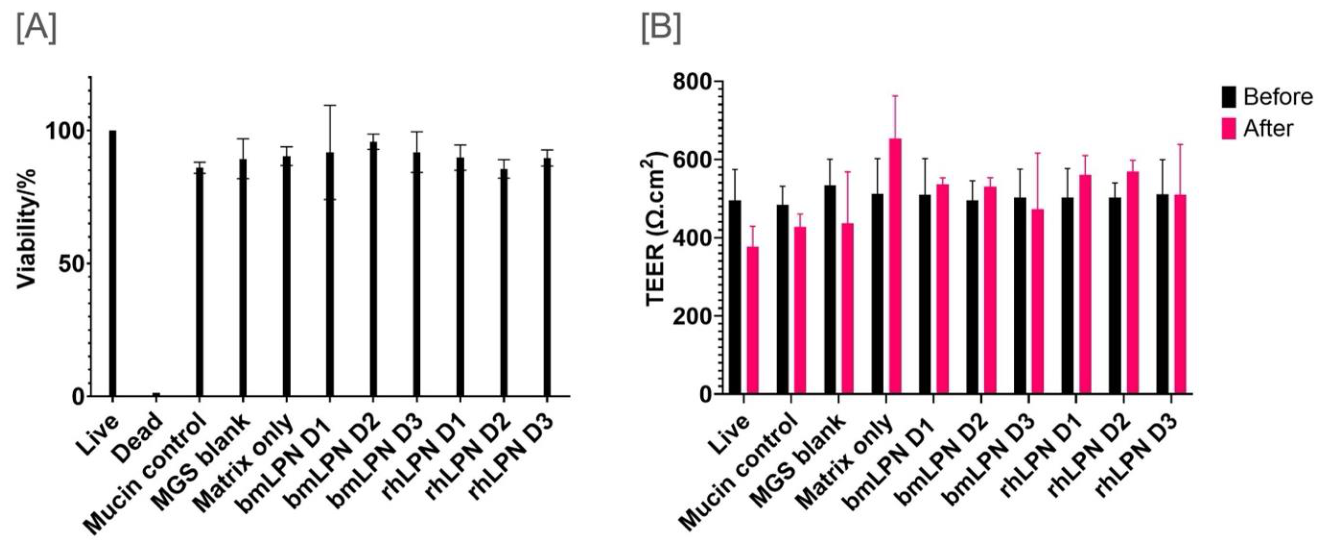
Epithelial barrier integrity was assessed by measurement of TEER using an EVOM Manual epithelial volt/ohm meter (WPI Inc., USA) fitted with Ag–AgCl electrodes, according to the manufacturer’s instructions. TEER measurements were recorded immediately before application of T240 intestinal digesta (T0) and following the 4 h incubation period (T240). TEER values were calculated as TEER = (R − Rb) × A, where R represents the resistance of the membrane insert containing cells; Rb represents the resistance of the membrane insert alone; and A corresponds to the membrane growth area (cm²). Additional TEER controls included: (i) “live” control, consisting of cells exposed to Hank’s Balanced Salt Solution (HBSS) only; (ii) “MGS blank” control, consisting of cells with a mucus layer exposed to T240 intestinal digest with no matrix or LPN; and (iii) “mucin control”, consisting of cells with the mucus layer exposed to HBSS only.
Cell viability following 4 h exposure to MGS digesta and controls was assessed using the CellTiter-Blue® Cell Viability Assay (Promega, UK), according to the manufacturer’s instructions. An additional viability control consisted of a “dead” control, in which cells were exposed to 70% ethanol following incubation in HBSS.

2.4. Analysis Methods

All samples were snap frozen and shipped to Better Dairy Ltd. (London, UK) for analysis. Samples were stored at -80 °C and analysed within 4 months.

2.4.1. SDS-PAGE and Western Blotting

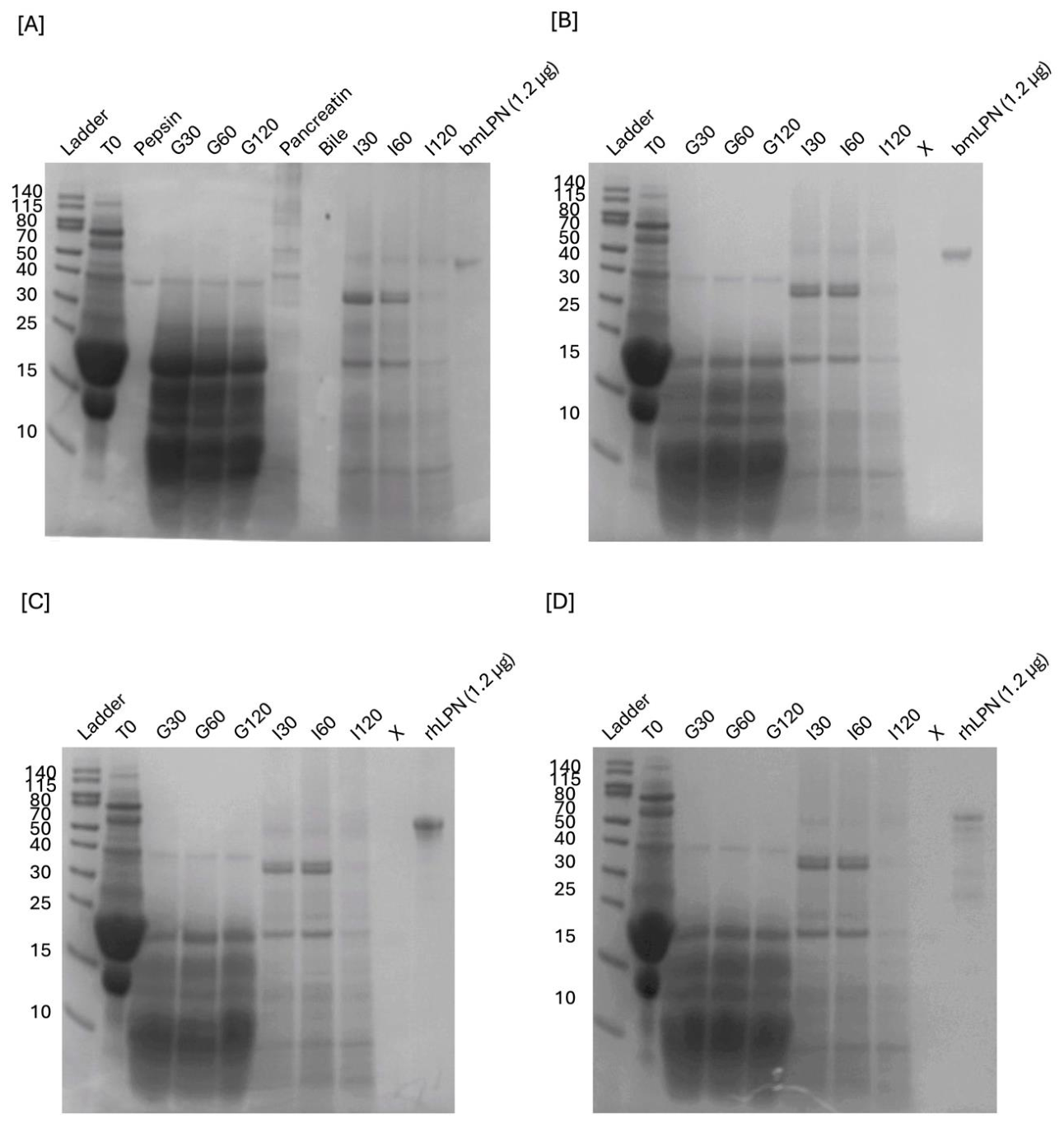
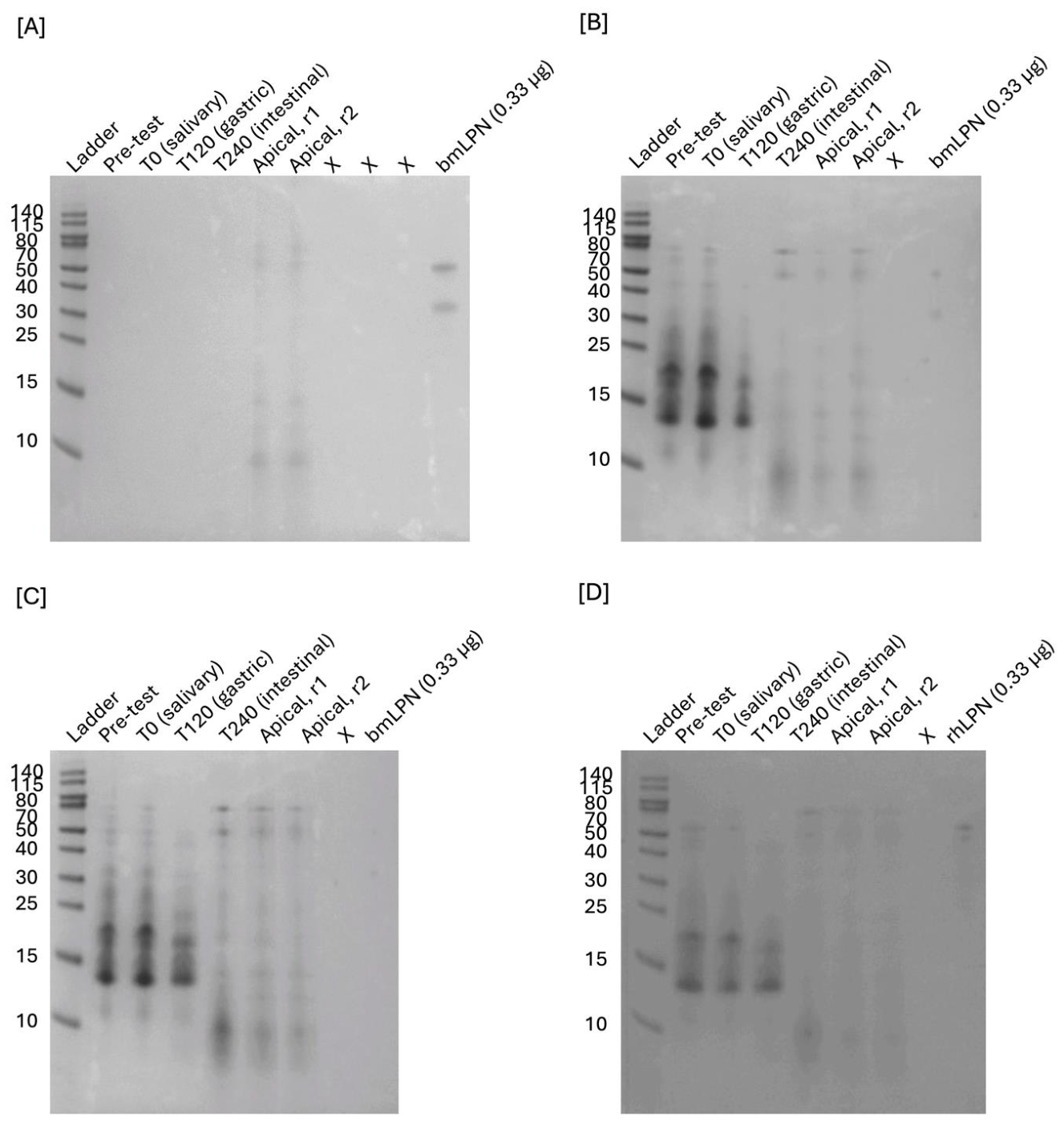
SDS-PAGE was routinely performed in parallel with Western blotting to confirm the separation and digestion of total protein content. For brevity, representative SDS-PAGE images are shown in the Appendix for D2 doses in INFOGEST (Figure A1) and MuCo-Absorb+ models (Figure A4).
SDS-PAGE used a 12% Bis-Tris gel and 1X MES buffer under denaturing conditions for 35 min at a constant voltage of 200 V. Sample concentrations were normalised using the dilution factor at each stage of the model, and between 0.26 and 1.2 μg LPN protein/LPN protein equivalent was loaded per lane as listed in the individual figure captions. Negative control for Western blots contained DI water and loading buffer; positive controls contained the LPN of interest in loading buffer (no matrix). SDS-PAGE was followed by Coomassie staining (ISB1L, Abcam) or Western blotting using Kementech synthetic blocking buffer (4650A, 2B Scientific) and Monoclonal Mouse Antibody for hLPN (MAB222P, BBI Solutions) at 1/15,000 (rhLPN) or 1/400 (bmLPN, blanks) dilution. Secondary antibody was Goat anti-mouse IgG, HRP-conjugated (31430, Fisher) at a 1/10,000 dilution, and imaged using ECL reagent (ab133406, Abcam) with chemiluminescent detection for a 10x, 500 ms exposure (ChemiLITE, Thistle Scientific).

2.4.2. Digestion Profile by Size Exclusion Chromatography (SE-HPLC)

Samples were centrifuged at 10,000 × g for 20 min at 4°C to precipitate the matrix, and the supernatant was filtered through 0.22 μm filters before injection (8161, Costar SpinX, 5,000 × g, 10 min, 4°C). A 1 μL injection was carried out in duplicate to an Agilent 1100 HPLC equipped with an AdvanceBio SEC 130 Å, 2.7 µm, 4.6 × 300 mm column (PL1580-5350, Agilent). Isocratic elution at 30°C using 25 mM phosphate buffer, 200 mM NaCl, pH 7, at 0.2 mL/min for 35 min was followed by detection at 214 nm. Method suitability was confirmed by analysis of the AdvanceBio SEC 130 Å Protein Standard before use (5190-9416, Agilent). The linear regression of Log Mr of the standard peptides vs gel phase distribution coefficient, Kav, was plotted. The apparent molecular weight distribution of peptides, expressed as the percentage of the total area under the curve (% of total AUC), was calculated. Due to the omission of brush-border enzymes in the INFOGEST model, it is generally accepted that the molecular weight cut-off (MWCO) for bioaccessible peptides in vitro digestion products should be higher than the in vivo MWCO of 0.5 kDa [23]. For this study, 1 kDa was considered as the bioaccessible peptide MWCO. Size ranges were defined as previously described for bmLPN: >5 kDa, 1-5 kDa, and <1 kDa [24].

2.4.3. Quantification of Lactopontin by RP-HPLC

A reversed-phase (RP-) HPLC method was used to analyse basal samples for the presence of intact LPN on an Agilent 1100 HPLC with UV detection at 214 nm and RRHD Eclipse Plus C18 column, 2.1 x 50 mm, 1.8 μm (959757-902, Agilent) with guard column (821725-901, Agilent). Injections of 10 μL were eluted using 0.35 mL/min total flow and gradient elution (mobile phase A: deionised water + 0.1% TFA and mobile phase B: acetonitrile + 0.1% TFA). Gradient elution program: 0-2 min 20% B, 8-10 min 53% B, 10.5-12 min 100% B. A calibration curve was generated using rhLPN in the basal matrix prior to experiments. Separate calibration curves were generated for rhLPN and bmLPN. The resulting limits of detection (LoD) were 19 μg/mL and 48 μg/mL, respectively.

2.4.4. Intact LPN Quantification in Basolateral Compartment (HPLC-ESI-qTOF-MS/MS)

Sample preparation for detecting intact LPN in basolateral samples was essentially as described [19]. Modifications included the use of smaller-pore-size filters (30 kDa MWCO), from which the retentate was collected for tryptic digestion, thereby reducing the possibility that intact LPN would be lost during sample processing. A 200 μL aliquot of each sample was centrifuged at 12,000 x g at 4°C for 30 min and rinsed with 200 μL of ultrapure water three times. The retentate was mixed with ultrapure water to a final volume of 100 μL. Sample recovery during filtration was validated before sample analysis using known amounts of rhLPN and bmLPN, yielding 74.3% and 69.3%, respectively. Trypsin (V5111, Promega) digestion was performed at 100:1 protein: trypsin overnight at 37°C, quenched with 17.5% formic acid, and centrifuged to remove particulates. Peptides were analyzed on an Agilent 6545-XT Q-TOF LC-MS/MS system using an AdvanceBio Peptide Map 2.1 x 150 mm, 2.7 µm column (653750-902, Agilent). In parallel, calibration curves were generated using synthetic peptides GDSVVYGLR (rhLPN) and GDSVAYGLK (bmLPN), purity >95% (PeptideSynthetics, Cambridge, UK). LoDs were 117.19 ng/mL for rhLPN and 937.5 ng/mL for bmLPN. LoDs were defined by all triplicate values at a calibration level meeting the following criteria; S/N>3 and mass match score >70%, Mass accuracy of ± 20 ppm. Samples with mass match score <70% and mass accuracy higher than 20 ppm were considered outliers. Limits of quantification (LoQs) were defined by all triplicate values at a calibration level meeting the following criteria; S/N >10, mass match score >70% and mass accuracy of ± 20 ppm, ± 20% accuracy and CV <20%. The same unique peptides were analyzed in the samples to quantify each LPN by using Mass Hunter Quantitative Analysis for TOF 11.0 (Agilent).

2.4.5. Peptide Identification in the Basolateral Compartment by HPLC-ESI-qTOF-MS/MS

LC-MS/MS was performed to identify peptides from individual proteins to assess if the transfer of bioavailable peptides had occurred across the intestinal barrier of the MuCo-Absorb+ model. Samples were subjected to clean-up using C18 SPE (52603-U, Merck) based on [25], with some modifications. Briefly, columns were wetted with 99% ACN + 0.1% FA, equilibrated with 1% ACN + 0.1% FA, 200 μL of sample was adsorbed, impurities washed away, and peptides eluted stepwise with increasing proportion of ACN + 0.1% FA to a final concentration of 80% ACN + 0.1% FA in a total of one column volume. The solvent was evaporated, and the samples were resuspended in 20 μL of LC-MS water. Data acquisition was as described in 2.4.4. Data was processed by two methods: i) Spectrum Mill MS Proteomics Software Rev BI.07.11.216 (Agilent) and ii) Mass Hunter Bioconfirm rev 11.0 (Agilent).
Spectrum Mill extraction settings: Charge 1-7, precursor MH+ of 275 to 5000 Da. MS/MS search included oxidised methionine (M), deamidated N/G (N), and phosphorylation (S/T) as variable modifications, with tolerances of 10 ppm and 50 ppm for precursor and product ions respectively and “no enzyme” as suggested by [26]. Extracted results were screened against a subset of the SwissProt Sep2018 reviewed database consisting of the following species: Homo sapiens, Bos taurus, Sus scrofa and Saccheromyces spp. proteomes due to the origin of the materials used in each model. The custom database also included the recombinant sequences in the production strain BD-LPN60. Screening included the application of a peptide-level FDR filter of 1.2%, a generally accepted criterion in the literature [27]. Protein ID was accepted, and peptide intensities were reported if two or more unique peptides matched the corresponding database entry.
The peptide identification was performed by Bioconfirm with the following settings: non-reduced, deamidation, oxidation (M), phosphorylation (S/T) and phosphorylation (Y) modifications with non-specific digestion. Only peptides with a score of 85.0 and above were reported.

2.4.6. Statistical Analysis

Molecular weight distribution data obtained by SE-HPLC and β-lactoglobulin (BLG) peptide counts and abundances determined by LC-MS/MS were analysed using Brown–Forsythe and Welch one-way ANOVA followed by Dunnett's T3 multiple-comparisons test in GraphPad Prism 11.0. Molecular weight distribution data obtained by SE-HPLC at the end of the intestinal phase of INFOGEST and the MuCo-Absorb+ model were analysed by Welch’s unpaired two-tailed t-test in GraphPad Prism 11.0. Cell viability and transepithelial electrical resistance (TEER) data were analysed using mixed-effects models to account for the hierarchical experimental design. For cell viability, treatment was fitted as a fixed effect and plate (digest) as a random effect. For TEER, data were expressed as the percentage of the initial TEER value (T240/T0 × 100), with protein source, dose, and their interaction fitted as fixed effects and plate (digest) included as a random effect. Studentised residuals were inspected to identify potential outliers, with values exceeding ±3 considered for exclusion. Where significant treatment effects were identified, pairwise comparisons were examined to determine the source of the differences. Statistical significance was assessed at α = 0.05 for all analyses.

3. Results

3.1. INFOGEST Digestion Profiles are Comparable Across LPN Source, Dose, and Manufacturing Scale

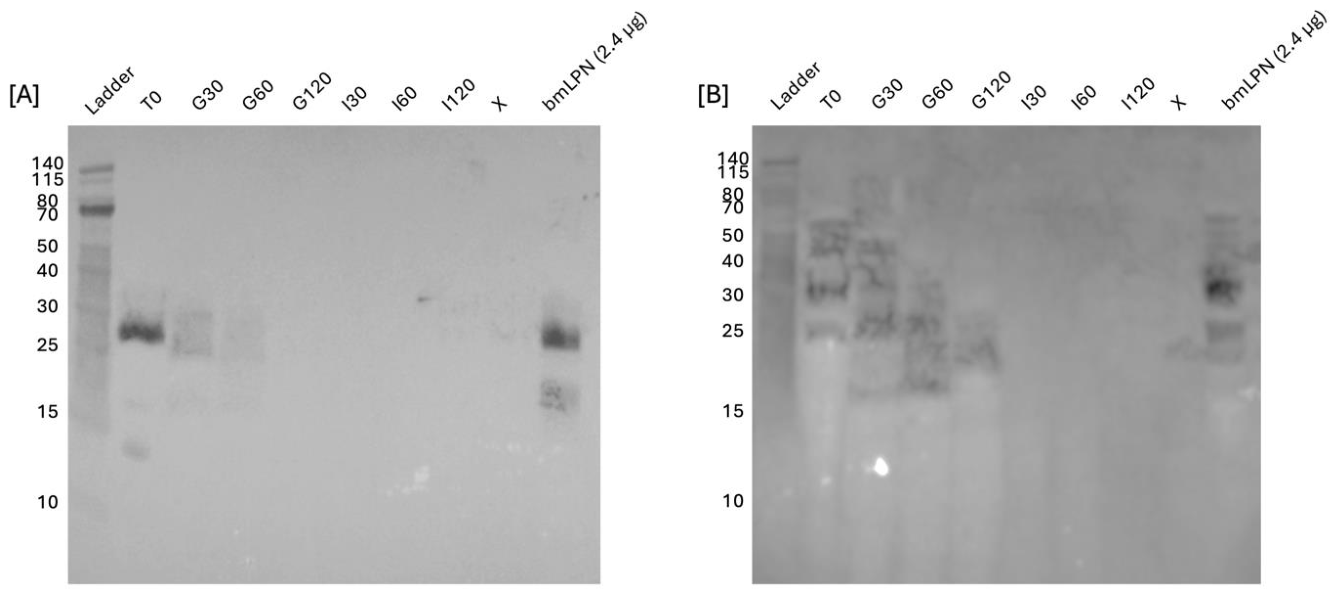
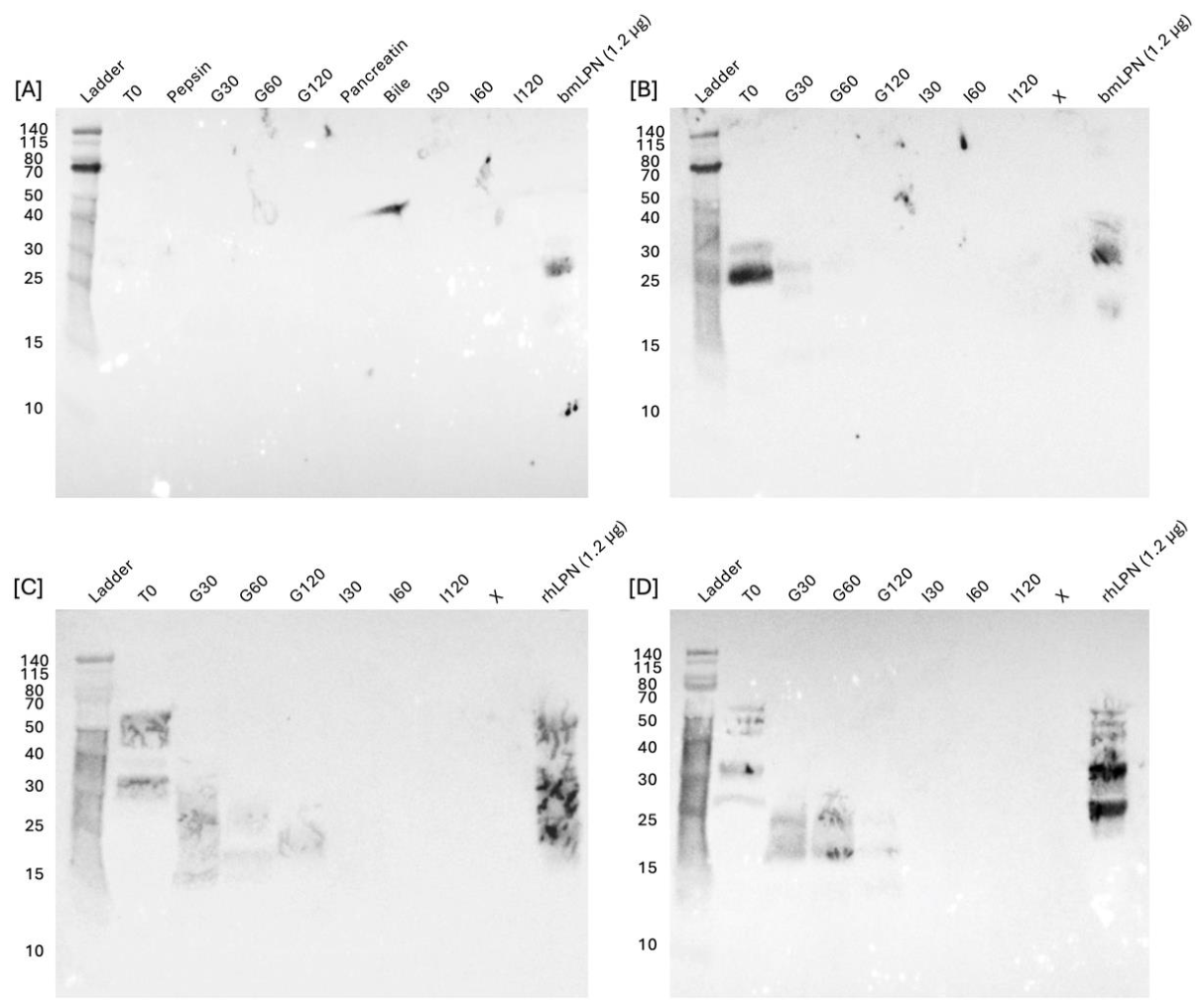
Digestion of all samples under INFOGEST conditions proceeded as expected, with progressive proteolysis reflected by a reduction in apparent molecular weight throughout the gastric and intestinal phases, as shown by SDS-PAGE analysis (Figure A1). Western blot analysis of samples containing lactopontin at the intended-use concentration D2 (0.7344 mg/mL) identified multiple lactopontin-reactive species during the gastric phase, with apparent molecular weights ranging from approximately 10–40 kDa (Figure 2). The monoclonal antibody used for Western blot analysis (MAB222P) recognises an epitope within the conserved integrin-binding region of lactopontin, encompassing the RGD-containing domain. Previous studies have demonstrated that N-terminal lactopontin fragments containing this region remain detectable following gastric digestion, likely due to local structural features and post-translational modifications (PTMs) that reduce susceptibility to proteolysis [7].
Minor differences in gastric phase digestion behaviour were observed between recombinant human lactopontin (rhLPN) and bovine milk-derived lactopontin (bmLPN), with rhLPN exhibiting modestly greater resistance to gastric proteolysis [19]. This observation is consistent with previous reports demonstrating that differences in PTM complexity can influence susceptibility to pepsin cleavage, particularly in regions proximal to the integrin-binding domain [7]. As previously characterised, the PTM profile of rhLPN more closely resembles that of human lactopontin, which may contribute to the slightly increased gastric stability observed here [9].
Despite these minor gastric phase differences, lactopontin was no longer detectable by Western blot following transition to the intestinal phase for either rhLPN or bmLPN. Loss of detectable signal is consistent with extensive intestinal proteolysis of the integrin-binding region and/or generation of peptides below the effective detection range of the assay, rather than definitive absence of lactopontin-derived material.
To assess whether digestive outcomes were influenced by exposure level, rhLPNPilot and bmLPN were additionally evaluated across the three doses described previously: D1 (0.086 mg/mL), D2 (0.7344 mg/mL), and D3 (3.672 mg/mL). Lactopontin at D1 was below the limit of detection of the Western blot assay and therefore did not generate a detectable signal. Comparable digestion profiles were observed under the high-exposure D3 condition, in which lactopontin accounted for 3.6% (w/w) of the total protein in the matrix (Figure A2). These findings indicate that increasing lactopontin exposure from the intended-use concentration (D2) to the high-exposure condition (D3) did not measurably alter the overall pattern or extent of proteolysis under INFOGEST conditions.
Monitoring lactopontin digestion within a complex nutritional matrix presents an analytical challenge, as including the matrix is necessary to maintain relevance to consumer use but interferes with tracking a single protein. To address this, complementary analytical approaches were employed. Western blotting provided lactopontin-specific detection of intact and partially digested species within the matrix. At the same time, size-exclusion HPLC (SE-HPLC) enabled quantitative assessment of the evolving peptide molecular-weight distribution [28].
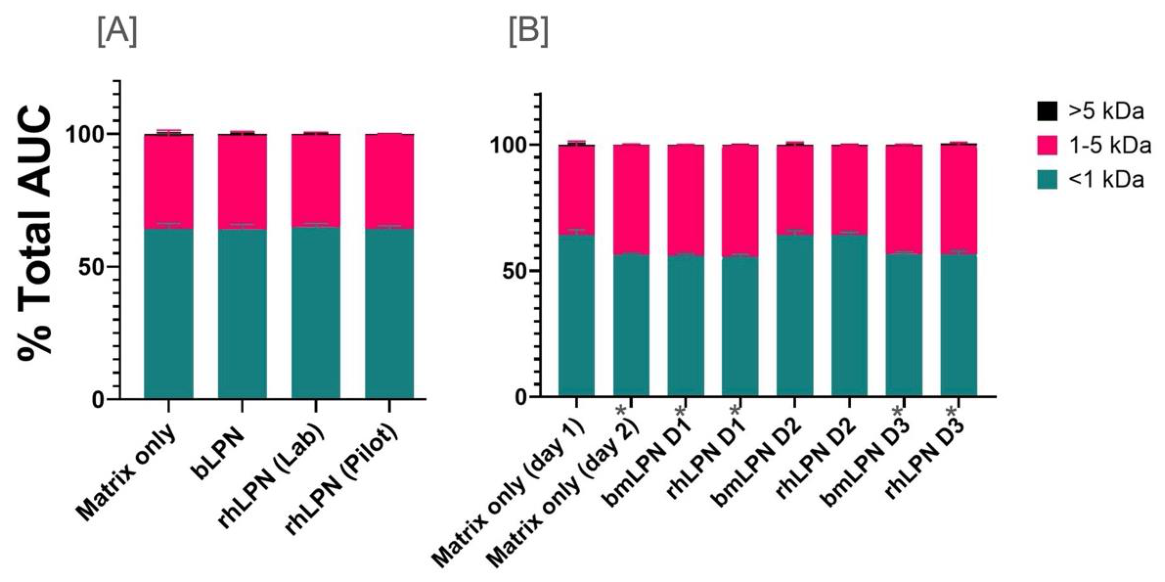
Comparison of peptide molecular weight distributions at the end of the intestinal phase demonstrated no significant differences between bmLPN, rhLPNLab and rhLPNPilot preparations at D2 (p > 0.05; Figure A3). Similarly, no significant differences in final peptide distribution were observed across the D1, D2, and D3 exposure conditions (p > 0.05; Figure A3). These results demonstrate convergence of digestion profiles following intestinal proteolysis, irrespective of protein source, manufacturing scale, or exposure level.
Together, the Western blot and SE-HPLC data demonstrate that rhLPN and bmLPN exhibit comparable and reproducible digestive behaviour under INFOGEST conditions. Importantly, the observed digestive outcomes were unaffected by scale-up from laboratory to pilot manufacturing and remained consistent across consumer-relevant and high-exposure-dose conditions, supporting the conclusion that neither production scale nor anticipated exposure level meaningfully altered digestive fate relative to the bovine dietary comparator.

3.2. MuCo-Absorb+ Model Reveals Model-Dependent but Sample-Independent Outcomes

3.2.1. Lactopontin Digestion Kinetics within the MuCo-Absorb+ Model

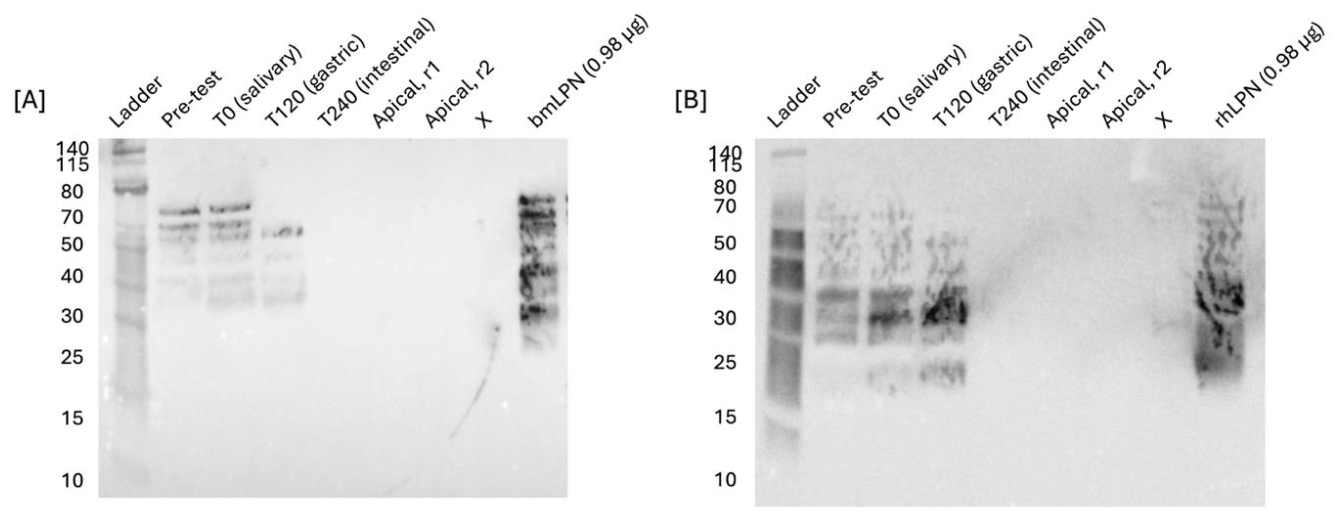
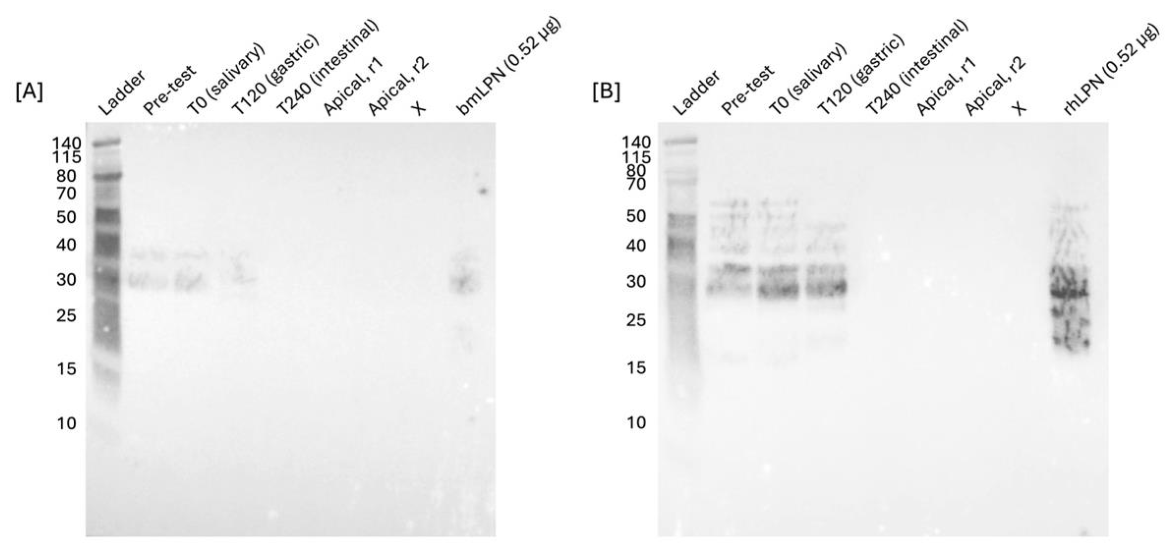
Progressive proteolysis within the MuCo-Absorb+ gastrointestinal model was reflected by a reduction in apparent molecular weight throughout the gastric and intestinal phases, as shown by SDS-PAGE analysis (Figure A4). Western blot analysis of samples containing lactopontin at the intended-use concentration D2 (0.7344 mg/mL) revealed that overall digestive outcomes were consistent with those observed using the INFOGEST model (Figure 3). In both systems, partial proteolysis was observed during the gastric phase, followed by extensive digestion during the intestinal phase.
Consistent with the INFOGEST findings, rhLPN exhibited moderately greater resistance to gastric phase proteolysis than bmLPN, with partially digested rhLPN species remaining detectable for longer than bmLPN during gastric digestion. However, in contrast to the INFOGEST model, both rhLPN and bmLPN remained detectable for a longer duration within the gastric phase of the MuCo-Absorb+ model, indicating slower overall gastric digestion kinetics under these conditions. Despite these kinetic differences, the overall digestive outcome remained unchanged.
Following transition to the intestinal phase (MGS T240), neither bmLPN nor rhLPN was detectable by Western blotting in intestinal or apical compartment samples. To assess the effect of exposure level on digestive fate, rhLPNPilot and bmLPN were additionally evaluated across the three doses described previously: D1 (0.086 mg/mL), D2 (0.7344 mg/mL), and D3 (3.672 mg/mL). Lactopontin at D1 was below the limit of detection of the Western blot assay; however, comparable digestion profiles were observed under the high-exposure D3 condition, indicating extensive proteolysis under all conditions examined (Figure A5).

3.2.2. Peptide Molecular Weight Distribution Following Digestion with the MuCo-Absorb+ Model

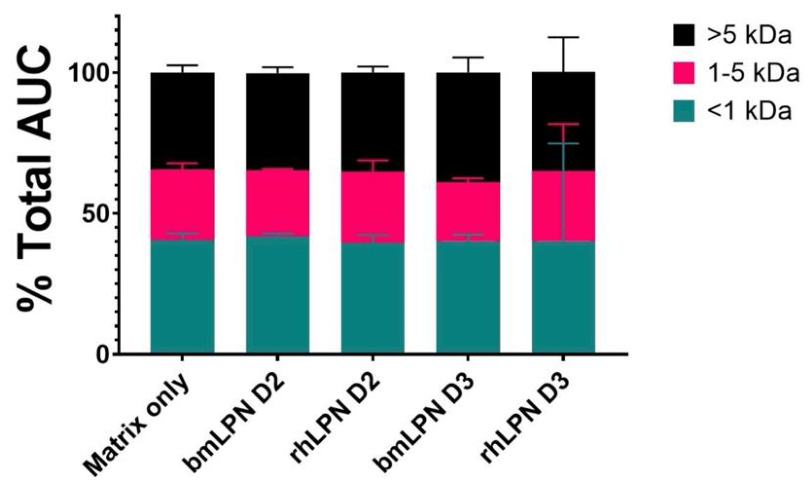
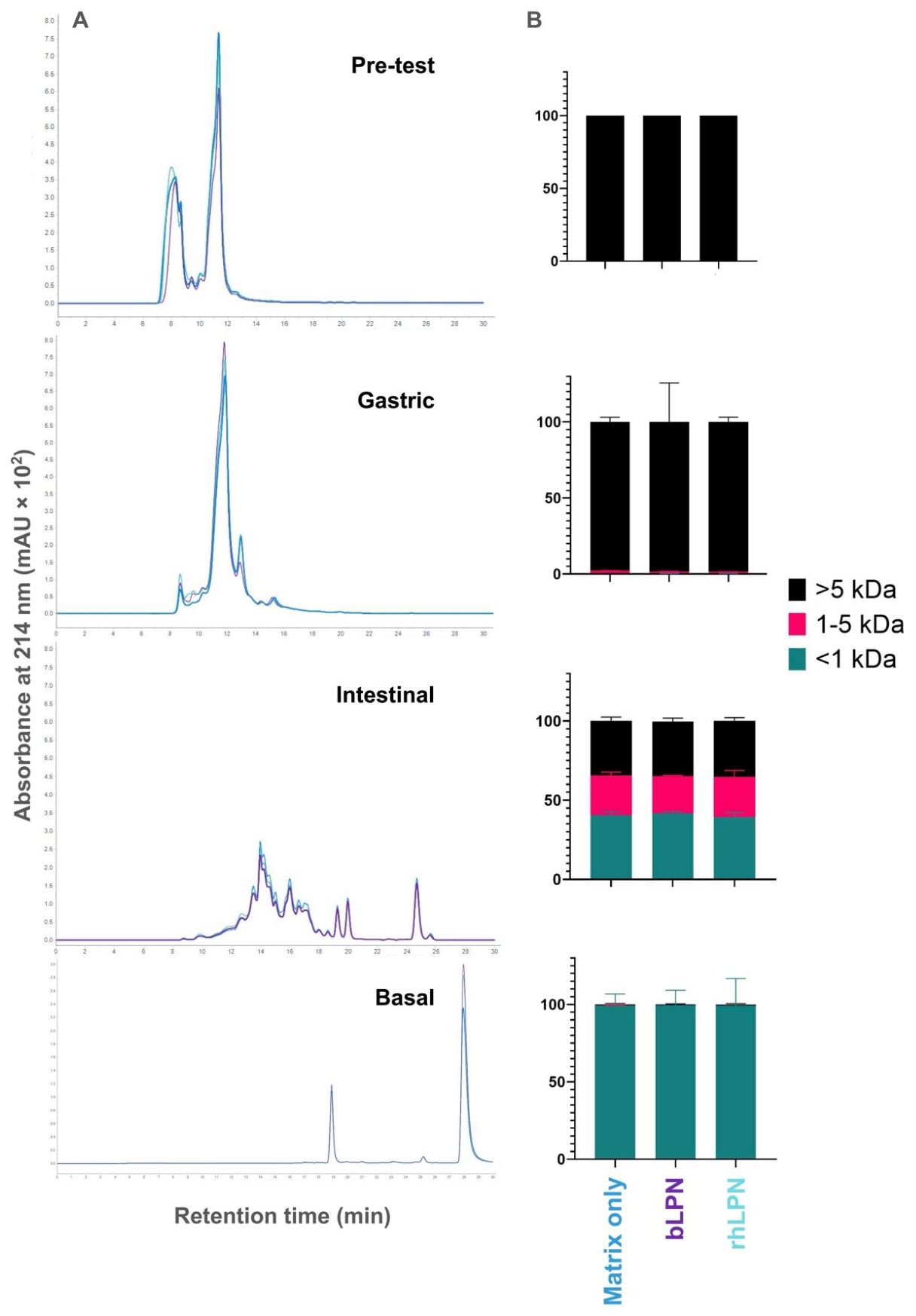
Complementary SE-HPLC analysis provided a broader overview of peptide molecular weight distributions across digestion stages and sample types, where LPN was included in formulations at D2: 0.7344 mg/mL (Figure 4). Across all conditions, digestion was associated with a progressive shift toward lower-molecular-weight peptide populations. Peptides within the 1–5 kDa range were detected at both gastric and intestinal endpoints. In contrast, the relative abundance of peptides <1 kDa increased following transition from the gastric to intestinal phase, consistent with continued enzymatic hydrolysis.
As rhLPN and bmLPN represented a minor proportion of the total protein present within the nutritional matrix (maximum 3.6% w/w at D3), SE-HPLC analysis primarily reflects the overall peptide distribution of the complete digesta rather than lactopontin-specific digestion products. Nevertheless, the overall peptide profiles generated from rhLPN- and bmLPN-containing matrices were highly comparable. Similarly, no significant differences in final peptide distribution were observed when the LPN concentration was increased to D3 (Figure A6), supporting the conclusion that digestion behaviour within the MuCo-Absorb+ model was consistent across recombinant and bovine lactopontin preparations and across the range of exposure levels examined.

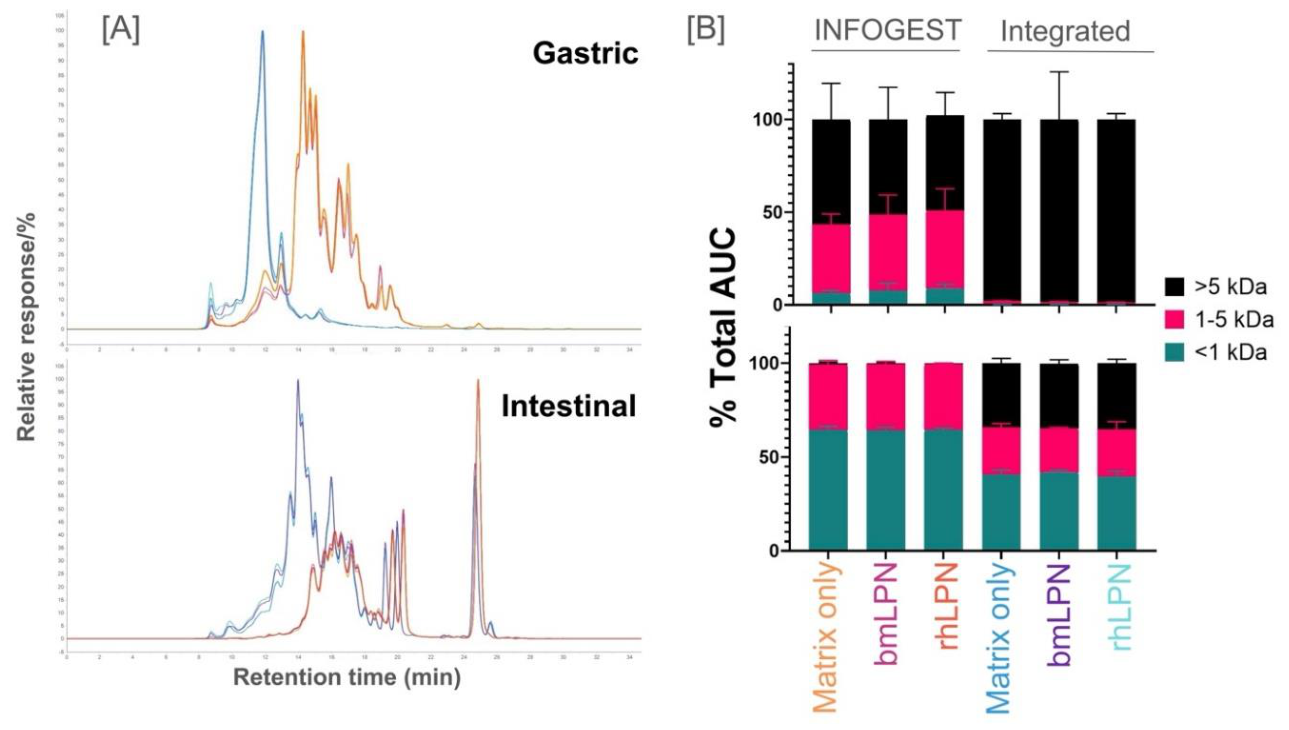
3.2.3. Comparison Between Digestion in the INFOGEST and MuCo-Absorb+ Models

Comparison of the INFOGEST and MuCo-Absorb+ models demonstrated that digestion outcome was not influenced by protein source (bmLPN or rhLPN), dose (D1-D3) or manufacturing scale (rhLPNLab or rhLPNPilot). Representative peptide molecular weight distributions for D2 are shown in Figure 5; comparable outcomes were observed across all dose levels examined. In contrast, peptide molecular weight distributions differed consistently between digestion models, indicating that digestion outcome was model-dependent rather than protein-dependent. The largest differences between models were observed during the gastric phase and likely reflect the sequential addition of pepsin in the dynamic MuCo-Absorb+ model, resulting in slower peptide release and, consequently, a greater proportion of material remaining >5 kDa after gastric digestion. These findings are consistent with previous work by [29], who reported more rapid protein digestion in static INFOGEST compared with dynamic digestion systems for the same substrate.
To quantify these differences, the proportion of bioaccessible peptides (<1 kDa) present at the end of intestinal digestion was compared between models. The INFOGEST model produced a greater proportion of bioaccessible peptides than the MuCo-Absorb+ model (Welch's unpaired two-tailed t-test; matrix only: t = 21.4, df = 7.87, p < 0.001; bmLPN: t = 40.7, df = 9.82, p < 0.001; rhLPNPilot: t = 23.2, df = 5.14, p < 0.001). Together, these results indicate that digestion model architecture has a greater influence on peptide bioaccessibility than protein source, dose, or manufacturing scale under the conditions examined.

3.3. Intestinal Interaction Following Digestion is Comparable Between rhLPN and bmLPN

3.3.1. Basolateral Analysis Demonstrates Transfer of Low Molecular Weight Peptides but no Detectable Intact Lactopontin

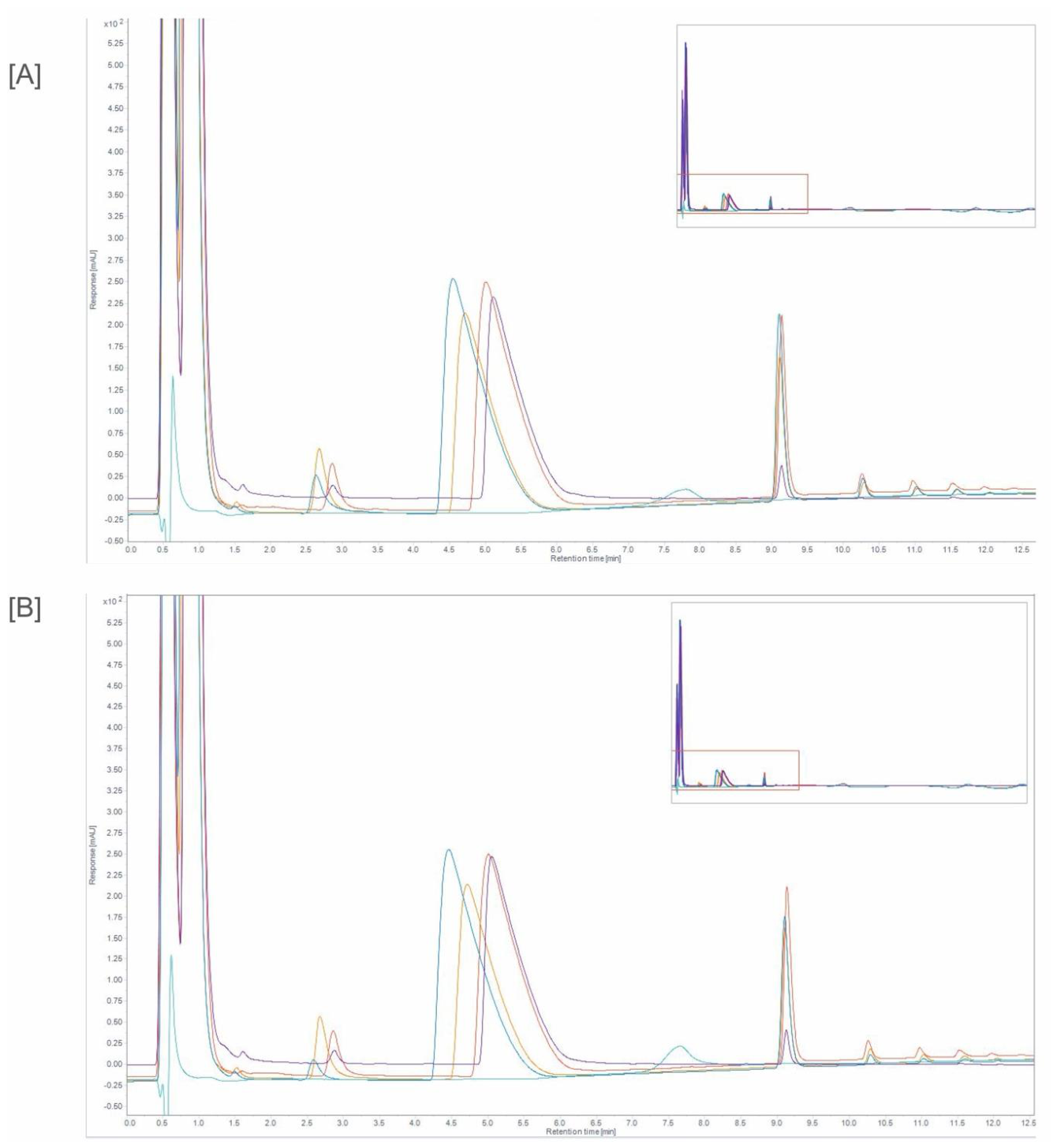
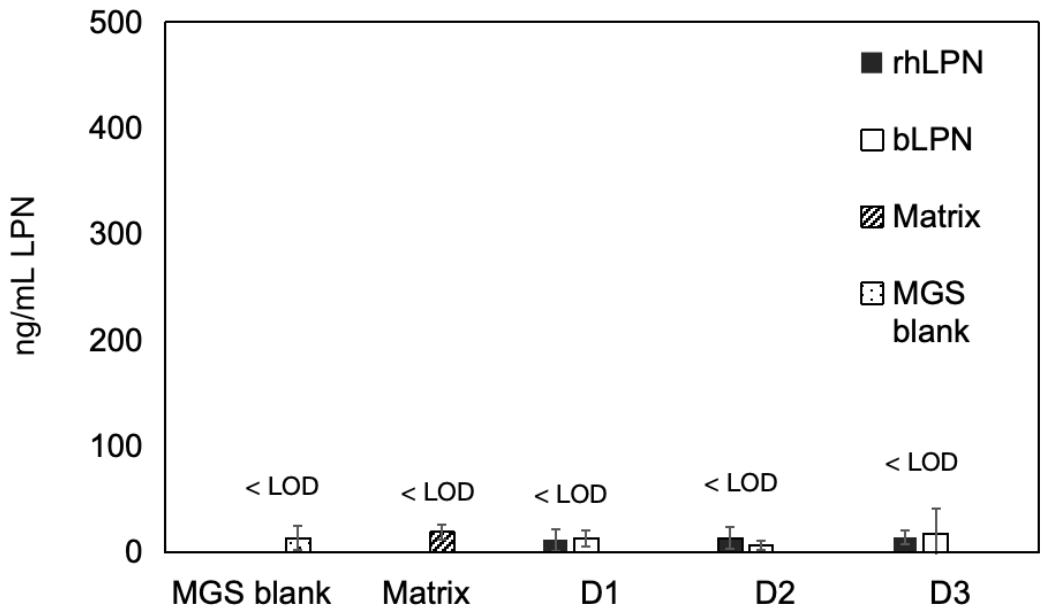
To evaluate whether intact LPN persisted after digestion and was transported across the Caco-2 monolayer, the basolateral compartment of the MuCo-Absorb+ model was sequentially assessed using increasingly sensitive analytical approaches. Detection of intact LPN within the basolateral fraction would indicate epithelial transfer of intact protein and therefore represent a potential route for systemic exposure to dietary recombinant protein. Initial assessment of formulations containing bmLPN and rhLPNPilot by Western blot at each dose level (D1: 0.086 mg/mL, D2: 0.734 mg/mL, D3: 3.672 mg/mL) demonstrated no detectable intact LPN in basolateral samples (data not shown). RP-HPLC analysis subsequently confirmed the absence of intact rhLPNPilot and bmLPN, with limits of detection below the lowest dose level (Figure A7; 0.019 mg/mL and 0.048 mg/mL, respectively). As the low-dose level (0.086 mg/ml) was below the limit of quantification for bmLPN (0.147 mg/mL) and was approaching the limit of detection (0.048 mg/ml), it was prudent to further improve analytical sensitivity. LC-MS/MS analysis was performed and similarly showed no detectable intact LPN, with limits of detection of 117.19 ng/mL for rhLPN and 937.5 ng/mL for bmLPN (Figure A8). These detection limits correspond to approximately 0.14% and 1.1% of the D1 exposure concentration, respectively, and were substantially lower than the concentrations that would be expected if intact LPN were transferred across the epithelial monolayer without restriction. Together, these findings indicate that any transepithelial transport of intact LPN, if present, occurred below the analytical limits of detection.
Having established the absence of intact protein transfer, SE-HPLC was used to determine the peptide size distribution in the basolateral compartment (Figure 4). As expected, species of <1 kDa were exclusively observed by SE-HPLC in the basolateral compartment. Typically, a <1 kDa MWCO would correspond to 8-10 amino acids.
LC-MS/MS peptide profiling of the basolateral samples following SPE was then used to confirm that transport across the epithelial barrier had occurred via the passage of low-molecular-weight, digestion-derived peptides. The LC-MS/MS data were analyzed using SpectrumMill against a subset of the SwissProt protein database, resulting in matches to 31 proteins. Of these, ten satisfied the criteria for confident identification used in this study (at least two unique peptides, the standard threshold for unambiguous identification in proteomic analysis, in addition to <1.2% FDR) (Table 1). Five of these proteins were attributed to the test formulations, and five to the MuCo-Absorb+ model, with pepsin originating from the digestion phase and the remaining four proteins deriving from components of the medium used to support Caco-2 cells in the absorption phase. Among all identified proteins, β-lactoglobulin (BLG) yielded the highest number of unique peptides.
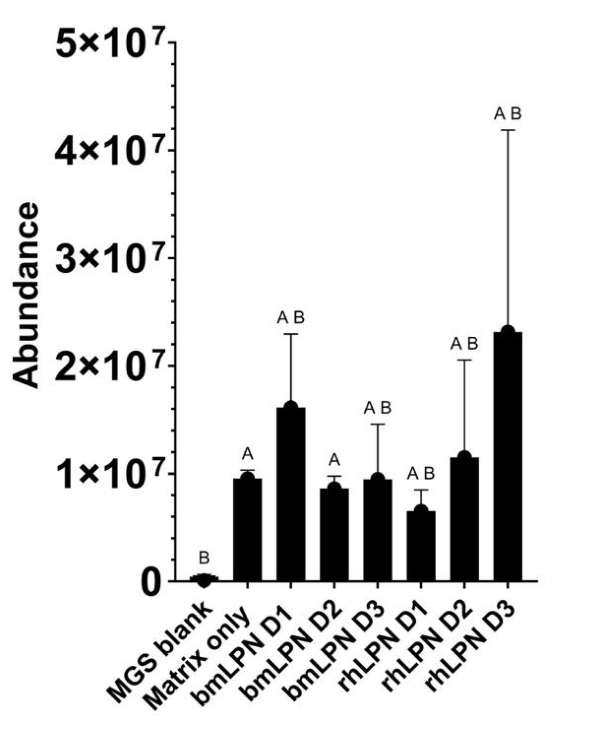
Comparison of BLG peptide abundance across samples showed that the MGS blank formed a distinct statistical group (B), consistent with the absence of BLG in this preparation (Figure 6). All matrix-containing samples were assigned to groups A or AB, indicating the presence of BLG-derived peptides in the basolateral compartment following digestion and transport across the MuCo-Absorb+ model. No consistent dose-related trend was observed across the bmLPN or rhLPN formulations, with all rhLPN dose groups and two of the three bmLPN dose groups assigned to the overlapping AB group.
Bioconfirm software was used to confirm the peptide fragment sequences detected. The LC-MS/MS data were analysed by Bioconfirm using a refined database containing the five proteins attributed to the test formulations, using a score threshold of 85.0. Among the peptides identified using Bioconfirm (Supplementary Table 1), TPEVDDEALEK and LIVTQTMKGLDIQKVAGTW have been reported in in vitro gastrointestinal digestion studies [30] and were shown to cross a healthy Caco-2 intestinal barrier model following simulated adult gastrointestinal digestion [31]. In addition, three absorbed BLG peptides, TPEVDDEALEK, VEELKPTPEGDLE and VEELKPTPEGDLEIL and LIVTQTMKGLDIQKVAGTW were previously detected in vivo [32].

3.3.2. Digestion Products do Not Adversely Affect Epithelial Barrier Integrity or Cellular Viability

During the MuCo-Absorb+ model, differentiated Caco-2 monolayers were exposed to digested formulations for 4 h to assess transepithelial transport. To evaluate the compatibility of digested rhLPN and bmLPN formulations with the epithelial model during this exposure period, transepithelial electrical resistance (TEER) was measured immediately before and after incubation, while cell viability was assessed at the end of the 4 h exposure. These measurements were used to determine whether exposure to the digested formulations affected epithelial barrier integrity or cellular health under the conditions used for transport assessment.
Exposure of the epithelial model to digestion products derived from rhLPN or bmLPN did not decrease cell viability at any tested concentration (Figure 7A). Inspection of studentised residuals confirmed that all observations fell within acceptable limits (±3), indicating no influential outliers. Fixed-effects analysis revealed a statistically significant overall treatment effect (F(10,53) = 53.0492, p <0.0001), which was driven primarily by inclusion of the dead-cell control group. Post hoc comparisons showed that viability in the live-cell control was higher on average than in the rhLPN D2 group and the mucin control; however, no statistically significant differences in viability were observed between rhLPN and bmLPN at any dose. These findings indicate that digestion products from both protein sources were well tolerated by the epithelial model across both consumer-relevant and high-exposure conditions.
Assessment of epithelial barrier integrity by transepithelial electrical resistance (TEER) measurement indicated no significant disruption following exposure to digestion products derived from either rhLPN or bmLPN (Figure 7B). TEER values remained above 250 Ω·cm² for all treatment groups, indicating maintenance of epithelial monolayer integrity throughout the experiment. Studentised residuals were within ±3 for all observations except one value in the highest dose bmLPN group, which was excluded from the analysis. Mixed-effects modelling revealed no statistically significant main effects of protein source (F(1,28) = 0.2613, p = 0.6132) or dose (F(2,28) = 0.6386, p = 0.5356), and no significant interaction between protein source and dose (F(2,28) = 0.0016, p = 0.9984). Although a slight numerical decrease in TEER was observed at the highest concentration for both protein sources, this effect was not statistically significant and did not differ between rhLPN and bmLPN. These results indicate that neither protein source nor increasing exposure adversely affected epithelial barrier integrity under the conditions tested.

4. Discussion

Bovine and human milk lactopontin (bmLPN, hmLPN) share a high degree of structural similarity and exhibit comparable resistance to gastrointestinal digestion [6,7]. Safety evaluations have demonstrated that bmLPN is non-genotoxic in mice, rats, and human cell lines [33], with no adverse effects reported in infant rhesus monkeys [34] or human infants [35]. Furthermore, the European Food Safety Authority has issued a positive opinion regarding the use of bmLPN in infant nutrition products [36]. Based on these findings, bmLPN is an appropriate comparator for evaluating recombinant human lactopontin (rhLPN).
The present study evaluated whether rhLPN exhibits gastrointestinal digestion and intestinal interaction characteristics comparable to bmLPN. In contrast to previous studies performed using purified proteins, rhLPN and bmLPN were evaluated within a representative nutritional formulation and across concentrations corresponding to intended-use scenarios, including an exposure level exceeding the proposed maximum use concentration. This design was selected because protein digestion is influenced by both the food matrix composition and substrate concentration. It therefore may provide a more relevant assessment of ingredient behaviour under realistic consumption conditions.
In the present study, rhLPN and bmLPN displayed highly comparable behaviour across both the INFOGEST (rhLPNLab, rhLPNPilot and bmLPN) and MuCo-Absorb+ (rhLPNPilot and bmLPN) models. Progressive proteolysis was observed for both protein sources, with partial persistence of LPN fragments during gastric digestion followed by extensive degradation during the intestinal phase. Minor differences in gastric stability were observed, with rhLPN demonstrating slightly greater persistence than bmLPN under some conditions. Similar observations have been reported for the milk protein lactoferrin, in which recombinant and human milk-derived proteins showed modestly increased gastric stability compared with bovine milk lactoferrin [19], suggesting that subtle differences between human and bovine proteins may influence susceptibility to gastric proteolysis. In this study, these differences did not lead to divergent intestinal digestion outcomes, and the final peptide molecular weight distributions were highly comparable between rhLPN- and bmLPN-containing formulations. Importantly, comparable digestion profiles were observed across all tested concentrations, including the elevated exposure condition. These findings indicate that neither the protein source nor the exposure level materially altered the overall digestive fate within the nutritional matrix.
Broadly, the digestion profiles obtained in this study align with previous reports that demonstrate the persistence of higher-molecular-weight hmLPN and bmLPN fragments during gastric digestion, particularly those containing the integrin-binding region [4,7]. In the present study, Western blot analysis was performed using the monoclonal MAB222P antibody, which recognises the RGD-containing integrin-binding region of LPN. Detection of these fragments during gastric digestion indicates preservation of biologically relevant domains despite partial proteolysis. The present findings extend previous observations by demonstrating comparable digestion resistance for rhLPN. Given the previously reported similarity of post-translational modifications between recombinant and native human milk LPN [9], and the observation that non-glycosylated and non-phosphorylated recombinant lactopontin exhibits limited gastric resistance [7], preservation of gastric digestion fragments supports the functional relevance of these modifications in both milk-derived and recombinant LPN proteins.
Differences in digestion outcomes were observed between the INFOGEST and MuCo-Absorb+ models. The INFOGEST model generated a greater proportion of lower-molecular-weight peptides, whereas digestion products from the MuCo-Absorb+ model remained shifted toward higher-molecular-weight species. This observation is likely explained by differences in digestive conditions between the two systems. While the INFOGEST protocol utilised 2000 U/mL pepsin as a single addition at the start of the gastric phase, the MuCo-Absorb+ model employed a lower pepsin activity (1466.7 U/mL) delivered progressively throughout gastric digestion in combination with gastric lipase. Additional differences in enzyme preparation and pH are also likely to contribute to variation in peptide persistence and fragment generation. Importantly, these effects were observed irrespective of protein source, indicating that model selection had a greater influence on digestion outcomes than whether the LPN originated from bovine milk or recombinant production.
The whole-formula analysis performed by size-exclusion HPLC provides important context for interpreting these model-dependent differences. Variations observed between the digestion models were not restricted to LPN-specific analyses but were also reflected in the overall peptide distributions generated from the nutritional matrix. This finding suggests that differences in LPN digestion occurred within the broader context of altered matrix proteolysis rather than representing the unique behaviour of lactopontin itself. The consistency of peptide distributions between rhLPN and bmLPN within each model further supports the conclusion that the source of lactopontin did not measurably alter overall digestion behaviour.
Comparison with previous studies highlights the importance of gastrointestinal model selection when evaluating digestion-resistant proteins. Christensen et al. similarly reported the persistence of higher-molecular-weight LPN fragments following gastrointestinal digestion, including fragments containing the integrin-binding region [4,7]. In contrast to the present study, intestinally resistant fragments remained detectable after simulated intestinal digestion. The MuCo-Absorb+ model used here may have led to greater intestinal proteolysis, potentially explaining the absence of detectable integrin-binding fragments after intestinal digestion. Nevertheless, the overall agreement among studies on the gastric resistance of LPN supports the reproducibility of this characteristic across multiple digestion systems.
The absence of intact or large LPN fragments after intestinal digestion was further reflected in the epithelial transport experiments conducted with the MuCo-Absorb+ model. TEER and cell viability measurements demonstrated that digestion products from both rhLPN and bmLPN were well tolerated by the epithelial monolayers, with no evidence of barrier disruption or cytotoxicity under the exposure conditions tested. These findings indicate that neither source of lactopontin adversely affected epithelial integrity or cellular health following digestion.
Analysis of the basolateral compartment using three independent analytical approaches failed to detect intact LPN following exposure to digested rhLPN or bmLPN samples. Furthermore, no identifiable LPN-derived peptides were detected by SPE-LC-MS/MS. Importantly, peptides from five proteins of the formulation matrix, including β-lactoglobulin (BLG), the major component, were detected within the basolateral compartment. This observation confirms that peptide transport across the epithelial model occurred. It demonstrates that the absence of detectable LPN transport was not attributable to limitations of the analytical methods or transport system. Christensen et al. reported transport of N-terminal bmLPN fragments containing the RGD and cryptic integrin-binding regions across differentiated Caco-2 monolayers following simulated gastrointestinal digestion [7]. Notably, the present study also utilised differentiated Caco-2 cells as the absorptive epithelial component of the MuCo-Absorb+ model. The contrasting transport outcomes, therefore, likely reflect differences in the digestion products generated and presented to the epithelial surface, rather than fundamental differences in epithelial transport capacity.
From a safety perspective, these findings are particularly relevant. Systemic exposure to intact recombinant proteins is a potential consideration in the safety assessment of novel food ingredients. The absence of detectable intact rhLPN or large LPN-derived fragments following digestion and epithelial exposure suggests that gastrointestinal processing substantially limits the availability of intact protein for absorption. Furthermore, the identical outcome observed for bmLPN, an established dietary protein with a long history of safe consumption, provides additional context supporting the comparable digestive fate of the recombinant and milk-derived proteins. Although transport below the analytical limits of detection cannot be excluded, no evidence was obtained for meaningful transepithelial transfer of intact lactopontin or large lactopontin-derived fragments under the conditions examined.
The present study has several limitations. Native human milk-derived lactopontin was not included because sufficient quantities of purified human milk lactopontin were not available for evaluation within the formulated matrix and MuCo-Absorb+ workflow. Direct comparison of recombinant and human milk-derived lactopontin would further strengthen assessments of biological comparability. The study also did not evaluate the influence of iron or mineral-binding state on digestive behaviour. Although lactopontin can bind minerals, the influence of mineral binding on lactopontin digestion remains less well characterised than for proteins such as lactoferrin. Finally, detailed lactopontin-specific peptidomic mapping was beyond the scope of the present work. This was partly a consequence of evaluating lactopontin in a representative nutritional matrix, in which lactopontin-derived peptides constitute only a small fraction of the total digestion products. Additional studies addressing these questions would further refine the mechanistic understanding of lactopontin digestion and its interactions in the intestine.
Overall, rhLPN and bmLPN exhibited highly comparable gastrointestinal digestion behaviour, peptide generation profiles, epithelial compatibility, and apparent bioavailability characteristics across a range of relevant exposure conditions. While digestion outcomes varied according to the gastrointestinal model employed, these differences were independent of protein source and dose. No evidence was found for transepithelial transfer of intact lactopontin or large lactopontin-derived fragments following digestion. Together, these findings indicate that precision-fermented recombinant human lactopontin exhibits a digestive fate and intestinal interaction profile comparable to bovine milk lactopontin, providing evidence relevant to its evaluation as a food ingredient.

5. Conclusions

This study demonstrates that precision-fermented recombinant human lactopontin (rhLPN) and bovine milk lactopontin (bmLPN) exhibit highly comparable gastrointestinal digestion, peptide generation, epithelial compatibility, and apparent bioavailability characteristics when evaluated within a representative nutritional formulation. Although some differences in peptide profiles following digestion were observed between the INFOGEST and MuCo-Absorb+ models, these effects were attributable to model-specific digestion conditions rather than differences in lactopontin source. Across all tested concentrations, including an elevated exposure level, rhLPN and bmLPN followed similar digestive pathways and generated comparable peptide distributions.
Importantly, neither protein source adversely affected epithelial integrity, and no evidence was obtained for transepithelial transport of intact lactopontin or large lactopontin-derived fragments following digestion. These findings suggest that gastrointestinal processing substantially limits systemic exposure to intact lactopontin and that recombinant and milk-derived proteins exhibit similar intestinal interaction profiles. Collectively, the results support the biological comparability of rhLPN and bmLPN and provide evidence that precision-fermented rhLPN exhibits a digestive fate consistent with that of an established dietary protein, supporting its evaluation for use in food applications.

Supplementary Materials

Supplementary Table 1: List of the peptides identified in basolateral samples from Aelius MuCo-Absorb+ model following digestion of matrix only, bmLPN D1-D3 and rhLPN D1-D3. Data were processed with Bioconfirm software rev11 against a refined database including the five proteins beta lactoglobulin, kappa casein, beta casein, alpha lactalbumin and glycosylation-dependent cell adhesion molecule 1.

Author Contributions

Conceptualization, H.A., A.G., D.N., K.R.; methodology, H.A., M.Z., N.R. A.G.; validation, H.A., A.G.; formal analysis, H.A., M.Z., A.G.; resources, D.N.; data curation, K.R.; writing—original draft preparation, H.A., A.G., K.R.; writing—review and editing, H.A., M.Z., A.G., K.R., D.N.; visualization, H.A., A.G., K.R.,; supervision, K.R., D.N.; funding acquisition, D.N. All authors have read and agreed to the published version of the manuscript.

Funding

This research received no external funding.

Institutional Review Board Statement

Not applicable.

Data Availability Statement

The dataset is available on request from the authors.

Acknowledgments

The authors thank Josh Excell for developing the LC-MS/MS calibration curve used for intact lactopontin quantification. The authors also thank Matthew Wilcox and Kyle Stockdale-Stanforth for their contributions to the development of the Aelius MuCo-Absorb+ model. The authors also thank Rachel Mundy, Jack Wilson, and Camila Cotrim for their contributions to the production and purification of recombinant human lactopontin (rhLPN). The authors also thank Debbie Kraus (Prism Training & Consultancy Limited, Cambridge, UK) for an independent statistical review of the cell viability and TEER measurements.

Conflicts of Interest

H.A., A.G., D.N. and K.R. were employed by Better Dairy Ltd. Better Dairy Ltd. has filed patent applications relating to the recombinant production of human lactopontin in Kluyveromyces lactis. M.Z. and N.R. were employed by Aelius Biotech Ltd., and carried out the MuCo-Absorb+ model used in this study. The authors declare no other competing interests.

Abbreviations

The following abbreviations are used in this manuscript:
BLG β-Lactoglobulin
bmLPN Bovine milk lactopontin
ECL Enhanced chemiluminescence
ESI Electronspray ionisation
FA Formic acid
FDR False discovery rate
GRAS Generally Recognised as Safe
GLYCAM1 Glycosylation-dependent cell adhesion molecule 1
HBSS Hank’s Balanced Salt Solution
HPLC High-performance liquid chromatography
INFOGEST International consensus static in vitro digestion method
LC-MS/MS Liquid chromatography-tandem mass spectrometry
LoD Limit of detection
LoQ Limit of quantification
LPN Lactopontin
MGS Miniaturised gastrointestinal system
MWCO Molecular weight cut-off
PTM Post-translational modification
qTOF Quadrupole time-of-flight
RGD Arginine-glycine-aspartate
rhLPN Recombinant human lactopontin
rhLPNLab Laboratory-scale recombinant human lactopontin
rhLPNPilot Pilot-scale recombinant human lactopontin
RP-HPLC Reversed-phase high-performance liquid chromatography
SD Standard deviation
SDS-PAGE Sodium dodecyl sulfate–polyacrylamide gel electrophoresis
SE-HPLC Size-exclusion high-performance liquid chromatography
SPE Solid-phase extraction
SPP1 Secreted phosphoprotein 1
TEER Transepithelial electrical resistance
TFA Trifluoroacetic acid
UV Ultraviolet

Appendix A

Figure A1. Corresponding SDS-PAGE gels for the Western blots shown in Figure 2. A) Matrix-only formulation, B) bmLPN formulation, C) rhLPNLab formulation, and D) rhLPNPilot formulation during INFOGEST digestion. Digestions were carried out using D2 (0.7344 mg/mL LPN). Samples were analysed under reducing conditions, and 1.2 μg protein equivalent was resolved per lane. Images are representative of triplicate digestion reactions. T0, pre-test sample prior to digestion; G30, G60, and G120, gastric digestion timepoints; I30, I60, and I120, intestinal digestion timepoints; Ladder, molecular weight marker; Blank, empty lane. Panel A contained matrix-only digestion samples without added LPN and was included to assess protein contributions arising from matrix components and INFOGEST enzymes. Individual digestion components, including pepsin, pancreatin, and bile, were additionally loaded as controls. The final lane in Panel A contained purified bmLPN (1.2 μg) as a positive control. The final lane in Panel B contained unformulated bmLPN (1.2 μg), while the final lanes in Panels C and D contained unformulated rhLPNLab (1.2 μg) as positive controls.
Preprints 217330 g0a1
Figure A2. Western blots of A) bmLPN and B) rhLPNPilot formulated in matrix during INFOGEST digestion, using monoclonal primary antibody MAB222P (BBI Solutions). Digestions were carried out using D3: 3.672 mg/mL LPN. Samples were analysed under reducing conditions, and 2.4 μg protein equivalent was resolved per lane. Images are representative of triplicate digestion reactions. T0, pre-test sample prior to digestion; G30, G60, and G120, gastric digestion timepoints; I30, I60, and I120, intestinal digestion timepoints; Ladder, molecular weight marker.
Preprints 217330 g0a2
Figure A3. Molecular weight distribution of peptides at the end of INFOGEST intestinal digestion determined by size-exclusion HPLC (SE-HPLC). Results are expressed as the percentage of the total chromatographic area under the curve (% total AUC) represented by peptide fractions of >5 kDa, 1–5 kDa, and <1 kDa and are shown as the mean of triplicate digestions with duplicate technical (injection) replicates (± SD). A) Comparison of a matrix-only formulation and matrix formulations containing different lactopontin (LPN) sources (bmLPN, rhLPNLab, and rhLPNPilot), where LPN was added at D2 (0.7344 mg/mL). B) Comparison of matrix-only formulations and formulations containing LPN (bmLPN and rhLPNPilot) at different concentrations: D1 (0.0864 mg/mL), D2 (0.7344 mg/mL), and D3 (3.672 mg/mL). Due to the number of samples analysed, digestions were performed across multiple experimental days. Samples marked with an asterisk (*) were generated during the same digestion run, whereas non-asterisk samples were generated during a separate digestion run. Digestion outcomes were compared using the Brown–Forsythe and Welch one-way ANOVAs with Dunnett's T3 multiple comparisons test. No significant differences in molecular weight distribution were detected between groups in either panel (all p > 0.05).
Preprints 217330 g0a3
Figure A4. Corresponding SDS-PAGE gels supporting the digestion analysis described in Figure 3. A) MGS blank, B) matrix-only, C) bmLPN formulation, and D) rhLPNPilot formulation during MuCo-Absorb+ modelling. Samples were analysed under reducing conditions and 0.33 μg protein equivalent was resolved per lane. Images are representative of triplicate digestion reactions. Pre-test samples were collected prior to initiation of digestion. T0, salivary digestion; T120, endpoint of gastric digestion; T240, endpoint of intestinal digestion; apical r1 and r2, duplicate apical compartment samples collected after 4 h absorption modelling; Ladder, molecular weight marker; Blank, lane containing loading no sample. The final lane in Panels A–C contained purified bmLPN (0.33 μg) as a positive control, while the final lane in Panel D contained purified rhLPNPilot (0.33 μg) as a positive control.
Preprints 217330 g0a4
Figure A5. Western blots of A) bmLPN and B) rhLPNPilot in matrix at D3: 3.762 mg/mL during MuCo-Absorb+ modelling, using monoclonal primary antibody MAB222P (BBI Solutions). Samples were analysed under reducing conditions, and 29 μg protein equivalent was resolved per lane. Images are representative of triplicate digestion reactions. Pre-test samples included LPN formulated in a matrix prior to digestion. T0, salivary digestion; T120, endpoint of gastric digestion; T240, endpoint of intestinal digestion; apical r1 and r2, duplicate apical compartment samples collected after 4 h absorption modelling; Ladder, molecular weight marker; X, blot negative control (DI water in loading buffer). The final lane contains the blot positive control consisting of purified LPN only in the loading buffer (without matrix).
Preprints 217330 g0a5
Figure A6. Molecular weight distribution of peptides at the end of MuCo-Absorb+ digestion determined by size-exclusion HPLC (SE-HPLC). Results are expressed as the percentage of the total chromatographic area under the curve (% total AUC) represented by peptide fractions of >5 kDa, 1–5 kDa, and <1 kDa and are shown as the mean of triplicate digestions with duplicate technical (injection) replicates (± SD). Comparison of matrix-only formulations and formulations containing LPN (bmLPN and rhLPNPilot) at different concentrations: D2 (0.7344 mg/mL), and D3 (3.672 mg/mL). No significant differences in molecular weight distribution were detected between groups (all p > 0.05).
Preprints 217330 g0a6
Figure A7. Figure A7. A) RP-HPLC chromatogram with UV detection at 214 nm of MGS blank (dark orange), matrix only (orange), D2 bmLPN (blue) and D3 bmLPN (purple) basal samples. bmLPN positive control at 0.05 mg/mL in Hank’s Balanced Salt Solution (HBSS, teal), retention time (tr): 7.6 min. Pefabloc SC, a protease inhibitor added to the basal samples after collection, gives rise to peaks observed in all basal samples at tr ~ 1, 2.75, 4.5- and 9.25-min. B) RP-HPLC chromatogram with UV detection at 214 nm of MGS blank (dark orange), matrix (orange), D2 rhLPNPilot (blue) and D3 rhLPNPilot (purple) basal samples. rhLPN positive control at 0.05 mg/mL in HBSS (teal), tr 7.6 min. Pefabloc SC, a protease inhibitor added to the basal samples after collection, gives rise to peaks observed in all basal samples at tr ~ 1, 2.75, 4.5 and 9.25 min.
Preprints 217330 g0a7
Figure A8. LC-MS/MS analysis of the basolateral fraction collected following 4 h exposure to the Caco-2 monolayer in the MuCo-Absorb+ model. Intact rhLPNPilot and bmLPN were assessed in basolateral samples from MGS blank, matrix-only control, and formulations containing lactopontin at D1 (0.086 mg/mL), D2 (0.7344 mg/mL), and D3 (3.672 mg/mL). Data are presented as mean ± SD of triplicate digestion experiments. No intact rhLPN or bmLPN was detected in any basolateral sample, with all measurements below the assay limits of detection (LoD), which were 117.19 ng/mL for rhLPN and 937.5 ng/mL for bmLPN.
Preprints 217330 g0a8

References

  1. Buhl, E.H.; Christensen, B.; Karlsen, N.J.; Jørgensen, S.D.S.; Jacobsen, L.N.; Ostenfeld, M.S.; Petersen, S.V.; Müllertz, A.; Sørensen, E.S. Milk osteopontin has high iron-binding capacity and facilitates iron absorption in intestinal cells. J. Dairy Sci. 2025, 108, 90–100. [Google Scholar] [CrossRef]
  2. Mateos, B.; Holzinger, J.; Conrad-Billroth, C.; Platzer, G.; Żerko, S.; Sealey-Cardona, M.; Anrather, D.; Koźmiński, W.; Konrat, R. Hyperphosphorylation of human osteopontin and its impact on structural dynamics and molecular recognition. Biochemistry 2021, 60, 1347–1355. [Google Scholar] [CrossRef]
  3. Christensen, B.; Nielsen, M.S.; Haselmann, K.F.; Petersen, T.E.; Sørensen, E.S. Post-translationally modified residues of native human osteopontin are located in clusters: Identification of 36 phosphorylation and five O-glycosylation sites and their biological implications. Biochem. J. 2005, 390, 285–292. [Google Scholar] [CrossRef]
  4. Christensen, B.; Buitenhuis, A.J.; Jacobsen, L.N.; Ostenfeld, M.S.; Sørensen, E.S. The effect of human and bovine milk osteopontin on intestinal Caco-2 cells: A transcriptome comparison. Nutrients 2023, 15, 1166. [Google Scholar] [CrossRef] [PubMed]
  5. Christensen, B.; Schack, L.; Kläning, E.; Sørensen, E.S. Osteopontin is cleaved at multiple sites close to its integrin-binding motifs in milk and is a novel substrate for plasmin and cathepsin D. J. Biol. Chem. 2010, 285, 7929–7937. [Google Scholar] [CrossRef] [PubMed]
  6. Christensen, B.; Sørensen, E.S. Osteopontin in milk and the effects on growth and development. Funct. Foods Health Dis. 2016, 6, 815–830. [Google Scholar]
  7. Christensen, B.; Karlsen, N.J.; Jørgensen, S.D.S.; Jacobsen, L.N.; Ostenfeld, M.S.; Petersen, S.V.; Müllertz, A.; Sørensen, E.S. Milk osteopontin retains integrin-binding activity after in vitro gastrointestinal transit. J. Dairy Sci. 2020, 103, 4003–4016. [Google Scholar] [CrossRef] [PubMed]
  8. Radoman, B.; Grünwald-Gruber, C.; Schmelzer, B.; Zavec, D.; Gasser, B.; Altmann, F.; Mattanovich, D. The degree and length of O-glycosylation of recombinant proteins produced in Pichia pastoris depends on the nature of the protein and the process type. Biotechnol. J. 2021, 16, e2000266. [Google Scholar] [CrossRef]
  9. Excell, J.; Giardina, A.; Sakamoto-Rablah, E.; Royle, K.; Nunn, D. Post-translational modification fidelity of recombinant human lactopontin expressed in Kluyveromyces lactis. bioRxiv 2026, preprint. [Google Scholar] [CrossRef]
  10. Minekus, M.; Alminger, M.; Alvito, P.; Ballance, S.; Bohn, T.; Bourlieu, C.; Carrière, F.; Boutrou, R.; Corredig, M.; Dupont, D.; Dufour, C.; Egger, L.; Golding, M.; Karakaya, S.; Kirkhus, B.; Le Feunteun, S.; Lesmes, U.; Macierzanka, A.; Mackie, A.; Marze, S.; McClements, D.J.; Ménard, O.; Recio, I.; Santos, C.N.; Singh, R.P.; Vegarud, G.E.; Wickham, M.S.J.; Weitschies, W.; Brodkorb, A. A standardised static in vitro digestion method suitable for food—An international consensus. Food Funct. 2014, 5, 1113–1124. [Google Scholar] [CrossRef]
  11. Brodkorb, A.; Egger, L.; Alminger, M.; Alvito, P.; Assunção, R.; Ballance, S.; Bohn, T.; Bourlieu-Lacanal, C.; Boutrou, R.; Carrière, F.; Clemente, A.; Corredig, M.; Dupont, D.; Dufour, C.; Edwards, C.; Golding, M.; Karakaya, S.; Kirkhus, B.; Le Feunteun, S.; Lesmes, U.; Macierzanka, A.; Mackie, A.R.; Martins, C.; Marze, S.; McClements, D.J.; Ménard, O.; Minekus, M.; Portmann, R.; Santos, C.N.; Souchon, I.; Singh, R.P.; Vegarud, G.E.; Wickham, M.S.J.; Weitschies, W.; Recio, I. INFOGEST static in vitro simulation of gastrointestinal food digestion. Nat. Protoc. 2019, 14, 991–1014. [Google Scholar] [CrossRef] [PubMed]
  12. Giromini, C.; Cheli, F.; Rebucci, R.; Baldi, A. Invited review: Dairy proteins and bioactive peptides: Modeling digestion and the intestinal barrier. J. Dairy Sci. 2019, 102, 929–942. [Google Scholar] [CrossRef]
  13. Ye, D.; López Mármol, Á.; Lenz, V.; Muschong, P.; Wilhelm-Alkubaisi, A.; Weinheimer, M.; Koziolek, M.; Sauer, K.A.; Laplanche, L.; Mezler, M. Mucin-protected Caco-2 assay to study drug permeation in the presence of complex biorelevant media. Pharmaceutics 2022, 14, 699. [Google Scholar] [CrossRef]
  14. Wilcox, M.D.; Chater, P.I.; Stanforth, K.J.; Brownlee, I.A.; Pearson, J.P. The rheological properties of an alginate satiety formulation in a physiologically relevant human model gut system. Ann. Esophagus 2021, 4, 28. [Google Scholar] [CrossRef]
  15. Stanforth, K.J.; Chater, P.I.; Brownlee, I.A.; Wilcox, M.D.; Pearson, J.P. In vitro modelling of the mucosa of the oesophagus and upper digestive tract: Narrative review. Ann. Esophagus 2022, 5, 23. [Google Scholar] [CrossRef]
  16. Sambuy, Y.; De Angelis, I.; Ranaldi, G.; Scarino, M.L.; Stammati, A.; Zucco, F. The Caco-2 cell line as a model of the intestinal barrier: Influence of cell and culture-related factors on Caco-2 cell functional characteristics. Cell Biol. Toxicol. 2005, 21, 1–26. [Google Scholar] [CrossRef]
  17. Mulet-Cabero, A.-I.; Mackie, A.R.; Brodkorb, A.; Wilde, P.J. Dairy structures and physiological responses: A matter of gastric digestion. Crit. Rev. Food Sci. Nutr. 2020, 60, 3737–3752. [Google Scholar] [CrossRef]
  18. Ramm, M.; Alarcón-Zapata, B.; Monsalves, J.; Bustamante, L. A simple validated method for the estimation of pepsin activity in microtiter array for the INFOGEST protocol. Foods 2023, 12, 3851. [Google Scholar] [CrossRef] [PubMed]
  19. Kim, Y.; Han, S.; Donovan, S.M.; Lönnerdal, B. Digestive profiles of human milk, recombinant human and bovine lactoferrin: Comparing the retained intact protein and peptide release. Nutrients 2024, 16, 2360. [Google Scholar] [CrossRef] [PubMed]
  20. Natoli, M.; Leoni, B.D.; D'Agnano, I.; D'Onofrio, M.; Brandi, R.; Arisi, I.; Zucco, F.; Felsani, A. Cell growing density affects the structural and functional properties of Caco-2 differentiated monolayer. J. Cell. Physiol. 2012, 227, 1531–1543. [Google Scholar] [CrossRef]
  21. Houghton, D.; Wilcox, M.D.; Brownlee, I.A.; Chater, P.; Seal, C.J.; Pearson, J.P. Method for quantifying alginate and determining release from a food vehicle in gastrointestinal digesta. Food Chem. 2014, 151, 352–357. [Google Scholar] [CrossRef] [PubMed]
  22. Maharaj, A.R.; Edginton, A.N. Examining small intestinal transit time as a function of age: Is there evidence to support age-dependent differences among children? Drug Metab. Dispos. 2016, 44, 1080–1089. [Google Scholar] [CrossRef]
  23. Pogu, S.; Henry, G.; Ménard, O.; Khodorova, N.; Chapelais, M.; Dupont, D.; Calvez, J.; Nau, F.; Deglaire, A. Bioaccessible fraction of proteins obtained after in vitro digestion: Impact of the fractionation method on the peptide profile. Food Chem. 2026, 514, 149191. [Google Scholar] [CrossRef]
  24. Lyu, Y.; Ge, X.; Zhang, J.; Tang, X.; Wu, J.; Regenstein, J.M.; Zhou, P. Identification and characterization of osteogenic peptides from simulated infant gastrointestinal digestion of lactopontin. J. Agric. Food Chem. 2025, 73, 27503–27515. [Google Scholar] [CrossRef]
  25. Dallas, D.C.; Guerrero, A.; Khaldi, N.; Castillo, P.A.; Martin, W.F.; Smilowitz, J.T.; Bevins, C.L.; Barile, D.; German, J.B.; Lebrilla, C.B. Extensive in vivo proteolysis of immunoglobulin A in human milk revealed by peptidomics. J. Proteome Res. 2013, 12, 2295–2304. [Google Scholar] [CrossRef]
  26. Dallas, D.C.; Citerne, F.; Tian, T.; Silva, V.L.M.; Kalanetra, K.M.; Frese, S.A.; Robinson, R.C.; Mills, D.A.; Barile, D.; German, J.B.; Lebrilla, C.B. Peptidomic analysis reveals proteolytic activity within the bovine mammary gland. J. Proteome Res. 2018, 17, 1630–1643. [Google Scholar]
  27. Zhang, Q. In-depth analysis of host cell protein (HCP) impurities by LC–MS/MS to augment routine HCP-ELISA testing of biotherapeutics. LCGC Suppl. Hot Top. Mass Spectrom. 2021, 39, 24–27. [Google Scholar]
  28. Rieder, A.; Afseth, N.K.; Böcker, U.; Knutsen, S.H.; Kirkhus, B.; Mæhre, H.K.; Ballance, S.; Wubshet, S.G. Improved estimation of in vitro protein digestibility of different foods using size exclusion chromatography. Food Chem. 2021, 358, 129830. [Google Scholar] [CrossRef]
  29. Duijsens, D.; Verkempinck, S.H.E.; Somers, E.; Hendrickx, M.E.G.; Grauwet, T. From static to semi-dynamic in vitro digestion conditions relevant for the older population: Starch and protein digestion of cooked lentils. Food Funct. 2024, 15, 591–607. [Google Scholar] [CrossRef] [PubMed]
  30. Kopf-Bolanz, K.A.; Schwander, F.; Gijs, M.A.M.; Vergeres, G.; Portmann, R.; Egger, L. Impact of milk processing on the generation of peptides during digestion. Int. Dairy J. 2014, 35, 130–138. [Google Scholar] [CrossRef]
  31. Ma, Y.; Wang, C.; Zhang, H.; Wang, F.; Li, Y.; Zhang, L. Immunomodulatory role of β-lactoglobulin-derived peptides based on simulated gastrointestinal digestion and DC–T cell responses from mice allergic to cow's milk. Foods 2022, 11, 1304. [Google Scholar]
  32. Picariello, G.; De Cicco, M.; Nocerino, R.; Paparo, L.; Mamone, G.; Addeo, F.; Berni Canani, R. Excretion of dietary cow's milk derived peptides into breast milk. Front. Nutr. 2019, 6, 25. [Google Scholar] [CrossRef] [PubMed]
  33. Kvistgaard, A.S.; Matulka, R.A.; Dolan, L.C.; Ramanujam, K.S. Pre-clinical in vitro and in vivo safety evaluation of bovine whey derived osteopontin, Lacprodan® OPN-10. Food Chem. Toxicol. 2014, 73, 59–70. [Google Scholar] [CrossRef] [PubMed]
  34. Donovan, S.M.; Monaco, M.H.; Drnevich, J.; Kvistgaard, A.S.; Hernell, O.; Lönnerdal, B. Bovine osteopontin modifies the intestinal transcriptome of formula-fed infant rhesus monkeys to be more similar to those that were breastfed. J. Nutr. 2014, 144, 1910–1919. [Google Scholar] [CrossRef] [PubMed]
  35. Jiang, R.; Lönnerdal, B. Osteopontin in human milk and infant formula affects infant plasma osteopontin concentrations. Pediatr. Res. 2019, 85, 502–505. [Google Scholar] [CrossRef]
  36. EFSA Panel on Nutrition; Novel Foods and Food Allergens (NDA); Turck, D.; Castenmiller, J.; De Henauw, S.; Hirsch-Ernst, K.I.; Kearney, J.; Maciuk, A.; Mangelsdorf, I.; McArdle, H.J.; Naska, A.; Pelaez, C.; Pentieva, K.; Siani, A.; Thies, F.; Tsabouri, S.; Vinceti, M.; Cubadda, F.; Frenzel, T.; Heinonen, M.; Prieto Maradona, M.; Marchelli, R.; Neuhäuser-Berthold, M.; Poulsen, M.; Schlatter, J.R.; van Loveren, H.; Gelbmann, W.; Knutsen, H.K. Safety of bovine milk osteopontin as a novel food pursuant to Regulation (EU) 2015/2283. EFSA J. 2022, 20, e07137. [Google Scholar] [CrossRef]
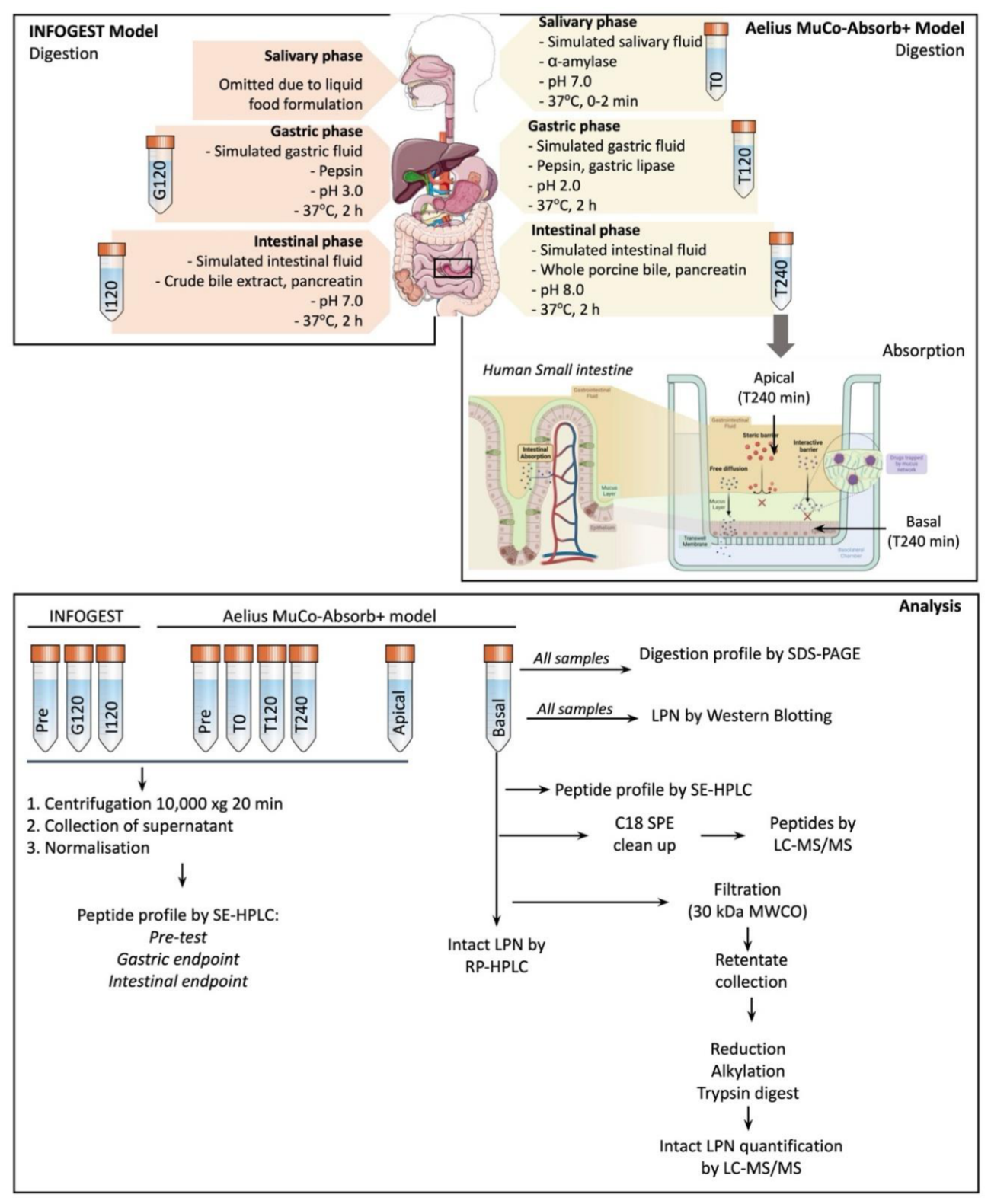
Figure 1. Overview of the experimental digestion, intestinal interaction, and analytical workflow applied to rhLPN and bmLPN across three representative exposure scenarios: (i) powdered nutritional product matrix (0.0864 mg/mL, D1); (ii) ready-to-drink nutritional beverage matrix (0.7344 mg/mL, D2); and (iii) a high-exposure condition (3.672 mg/mL, D3) included to stress-test the system above the proposed maximum use level. Samples were generated using the INFOGEST static in vitro digestion model and a MuCo-Absorb+ model developed by Aelius Biotech Ltd (Newcastle, UK), with resulting digesta subjected to downstream analytical assessment.
Preprints 217330 g001
Figure 2. Western blots of A) matrix only, B) bmLPN, C) rhLPNLab, and D) rhLPNPilot formulated in matrix during INFOGEST digestion, using monoclonal primary antibody MAB222P (BBI Solutions). Digestions were carried out using D2: 0.7344 mg/mL lactopontin (LPN). Samples were analysed under reducing conditions, and 1.2 μg protein equivalent was resolved per lane. Images are representative of triplicate digestion reactions. T0, pre-test sample prior to digestion; G30, G60, and G120, gastric digestion timepoints; I30, I60, and I120, intestinal digestion timepoints; Ladder, molecular weight marker; X, blot negative control. Panel A contained matrix-only digestion samples without added LPN and was included to assess non-specific antibody binding arising from matrix components or INFOGEST enzymes. Individual digestion components, including pepsin, pancreatin, and bile, were additionally loaded as controls. The final lane in Panel A contained purified bmLPN (1.2 μg) as a positive control. Panels B–D contained digestion reactions with bmLPN, rhLPNLab, or rhLPNPilot, respectively. The final lane in each panel contained the corresponding unformulated LPN standard (1.2 μg). The corresponding SDS-PAGE gels are shown in Appendix A, Figure A1.
Preprints 217330 g002
Figure 3. Western blots of A) bmLPN and B) rhLPNPilot in matrix at D2: 0.7344 mg/mL during MuCo-Absorb+ modelling, using monoclonal primary antibody MAB222P (BBI Solutions). Samples were analysed under reducing conditions, and 0.52 μg protein equivalent was resolved per lane. Images are representative of triplicate digestion reactions. Pre-test samples included LPN formulated in a matrix prior to digestion. T0, salivary digestion; T120, endpoint of gastric digestion; T240, endpoint of intestinal digestion; apical r1 and r2, duplicate apical compartment samples collected after 4 h absorption modelling; Ladder, molecular weight marker; X, blot negative control (DI water in loading buffer). The final lane contains the blot positive control consisting of purified LPN only in the loading buffer (without matrix).
Preprints 217330 g003
Figure 4. A) Peptide profiles following digestion with the MuCo-Absorb+ model, obtained using size-exclusion high-performance liquid chromatography (SE-HPLC) for matrix (blue), bmLPN (purple) and rhLPNPilot (teal) digesta, where LPN was included in formulations at D2: 0.7344 mg/mL. B) Molecular weight distribution of peptides determined by SE-HPLC. Results are expressed as the percentage of the total chromatographic area under the curve (% total AUC) represented by peptide fractions of >5 kDa, 1–5 kDa, and <1 kDa and are shown as the mean of triplicate digestions with duplicate technical (injection) replicates (± SD). Molecular weights were estimated using a linear regression of log-transformed molecular weights of peptide standards against elution volume.
Preprints 217330 g004
Figure 5. A) Representative peptide profiles obtained by SE-HPLC following INFOGEST digestion of the matrix (light orange), bmLPN (pink), and rhLPNPilot (dark orange), and following MuCo-Absorb+ model digestion of the matrix (blue), bmLPN (purple), and rhLPNPilot (teal). B) Molecular weight distribution of peptides at the end of digestion determined by SE-HPLC. Results are expressed as the percentage of the total chromatographic area under the curve (% total AUC) represented by peptide fractions of >5 kDa, 1–5 kDa, and <1 kDa and are shown as the mean of triplicate digestions with duplicate technical (injection) replicates (± SD). Molecular weights were estimated using a linear regression of log-transformed molecular weights of peptide standards against elution volume.
Preprints 217330 g005
Figure 6. The abundance of β-Lactoglobulin (BLG)-derived peptides detected in basolateral samples by LC-MS/MS following MuCo-Absorb+ modelling, as the mean of triplicate experiments ± SD. Letters of the compact letter display represent grouping based on one-way Brown-Forsythe and Welch ANOVA with Dunnett’s T3 test. Groups sharing the same letter are not significantly different, whereas groups with different letters are significantly different at α = 0.05.
Preprints 217330 g006
Figure 7. (A) Effect of rhLPNPilot and bmLPN digestion products on Caco-2 cell viability following 4 h exposure to samples generated in the MuCo-Absorb+ model. Cell viability was assessed following exposure to digestion products at D1 (0.086 mg/mL), D2 (0.7344 mg/mL), and D3 (3.672 mg/mL). No reduction in viability was observed for either protein source at any dose. Data are presented as the mean of triplicate digests applied to duplicate wells ± SD. Statistical analysis was performed using a linear mixed-effects model with treatment as a fixed effect and plate as a random effect. (B) Transepithelial electrical resistance (TEER) before and after 4 h exposure to digestion products of rhLPNPilot and bmLPN generated in the MuCo-Absorb+ model. No significant effects of protein source, dose, or their interaction were observed. Data are presented as the mean of triplicate digests applied to duplicate wells ± SD.
Preprints 217330 g007
Table 1. Proteins identified in basolateral samples from the Aelius MuCo-Absorb+ model by SPE-LC-MS/MS. Protein identifications were assigned by matching detected peptides to a custom subset of the SwizzProt-reviewed database using Spectrum Mill MS Proteomics Software Rev BI.07.11.216 (Agilent). Confident protein identification was defined as detection of at least two unique peptides at <1.2% false discovery rate (FDR). The number of unique peptides is presented as the mean of triplicate experiments.
Protein Species UniProt PAN Number of unique peptides (mean of three replicates)
MGS blank Matrix bmLPN rhLPN
D1 D2 D3 D1 D2 D3
Proteins attributed to the formulation:
Beta lactoglobulin Bos taurus P02754 11 26 29 27 32 27 28 27
Kappa casein Bos taurus P02668 4 12 9 10 10 11 12 8
Beta casein Bos taurus P02666 6 6 10 4 11 12 8 9
Alpha lactalbumin Bos taurus P00711 0 2 3 2 5 3 2 3
Glycosylation-dependent cell adhesion molecule 1 Bos taurus P80195 0 0 1 0 0 0 2 0
Proteins attributed to the digestion phase of the Aelius MuCo-Absorb+ model:
Pepsin A Sus scrofa P00791 7 5 9 3 1 5 6 3
Proteins attributed to the absorption phase of the Aelius MuCo-Absorb+ model:
Serum albumin Bos taurus P02769 7 9 1 0 0 3 1 1
Serrotransferrin Bos taurus Q29443 2 3 0 0 0 0 0 1
Alpha-2-HS-glycoprotein Bos taurus P12763 2 2 0 0 0 1 0 0
Alpha-1-antiproteinase Bos taurus P34955 1 2 0 0 0 0 0 1
Disclaimer/Publisher’s Note: The statements, opinions and data contained in all publications are solely those of the individual author(s) and contributor(s) and not of MDPI and/or the editor(s). MDPI and/or the editor(s) disclaim responsibility for any injury to people or property resulting from any ideas, methods, instructions or products referred to in the content.
Copyright: This open access article is published under a Creative Commons CC BY 4.0 license, which permit the free download, distribution, and reuse, provided that the author and preprint are cited in any reuse.
Prerpints.org logo

Preprints.org is a free preprint server supported by MDPI in Basel, Switzerland.

Subscribe

Disclaimer

Terms of Use

Privacy Policy

Privacy Settings

© 2026 MDPI (Basel, Switzerland) unless otherwise stated