

Submitted:
06 June 2026
Posted:
08 June 2026
You are already at the latest version
Abstract
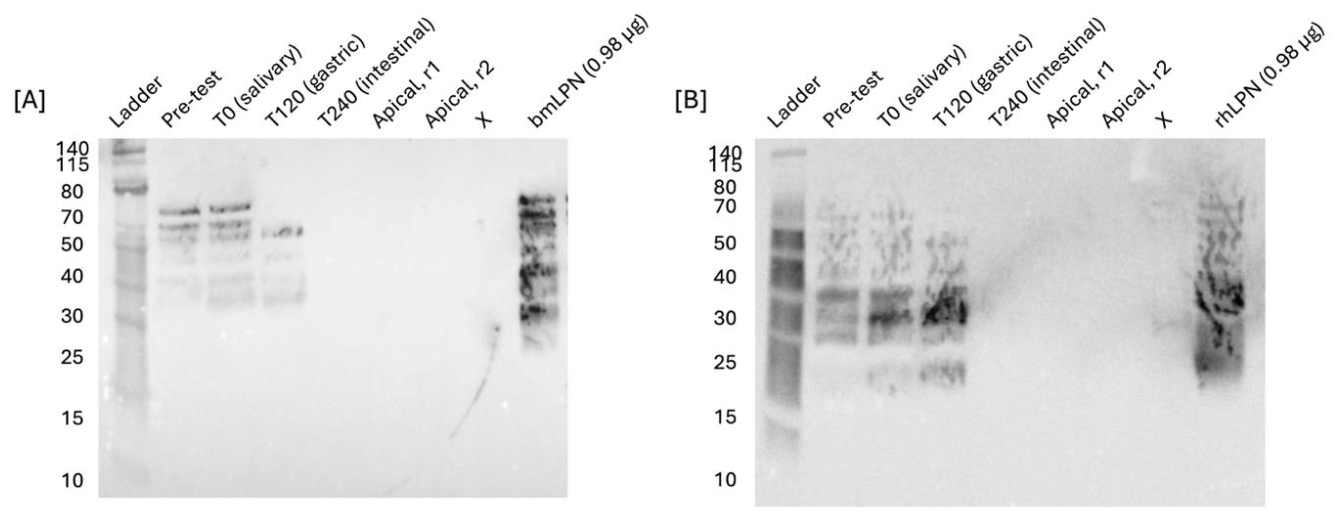
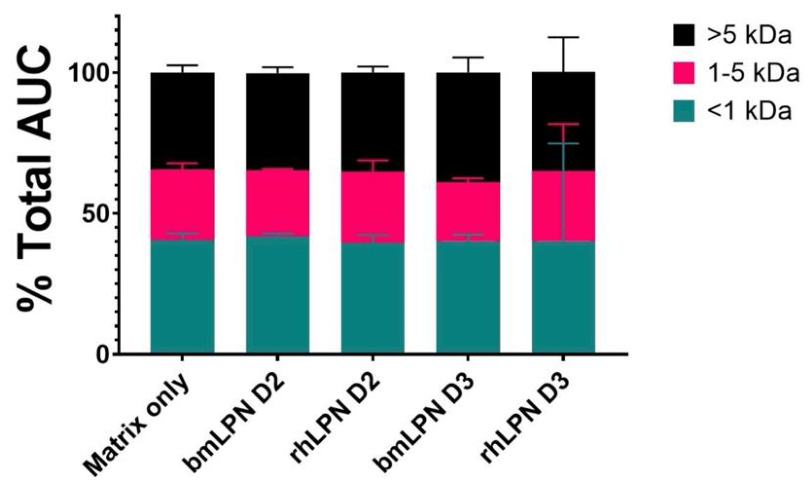
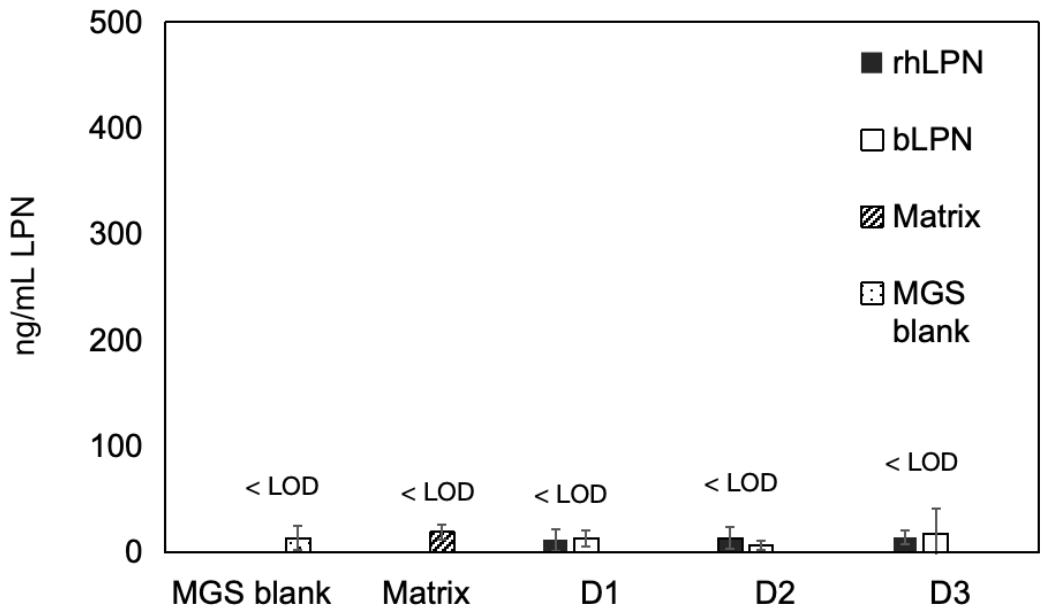
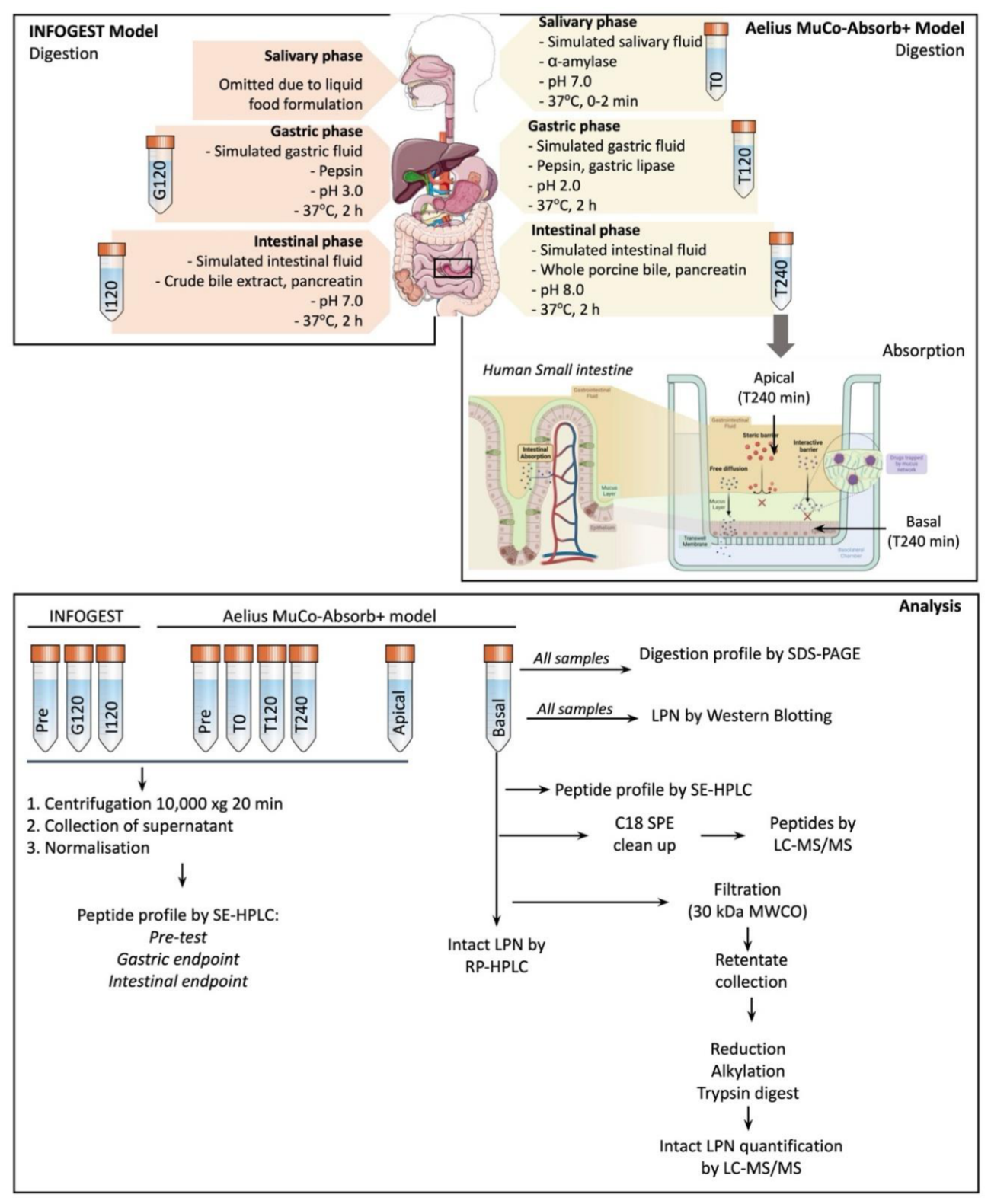
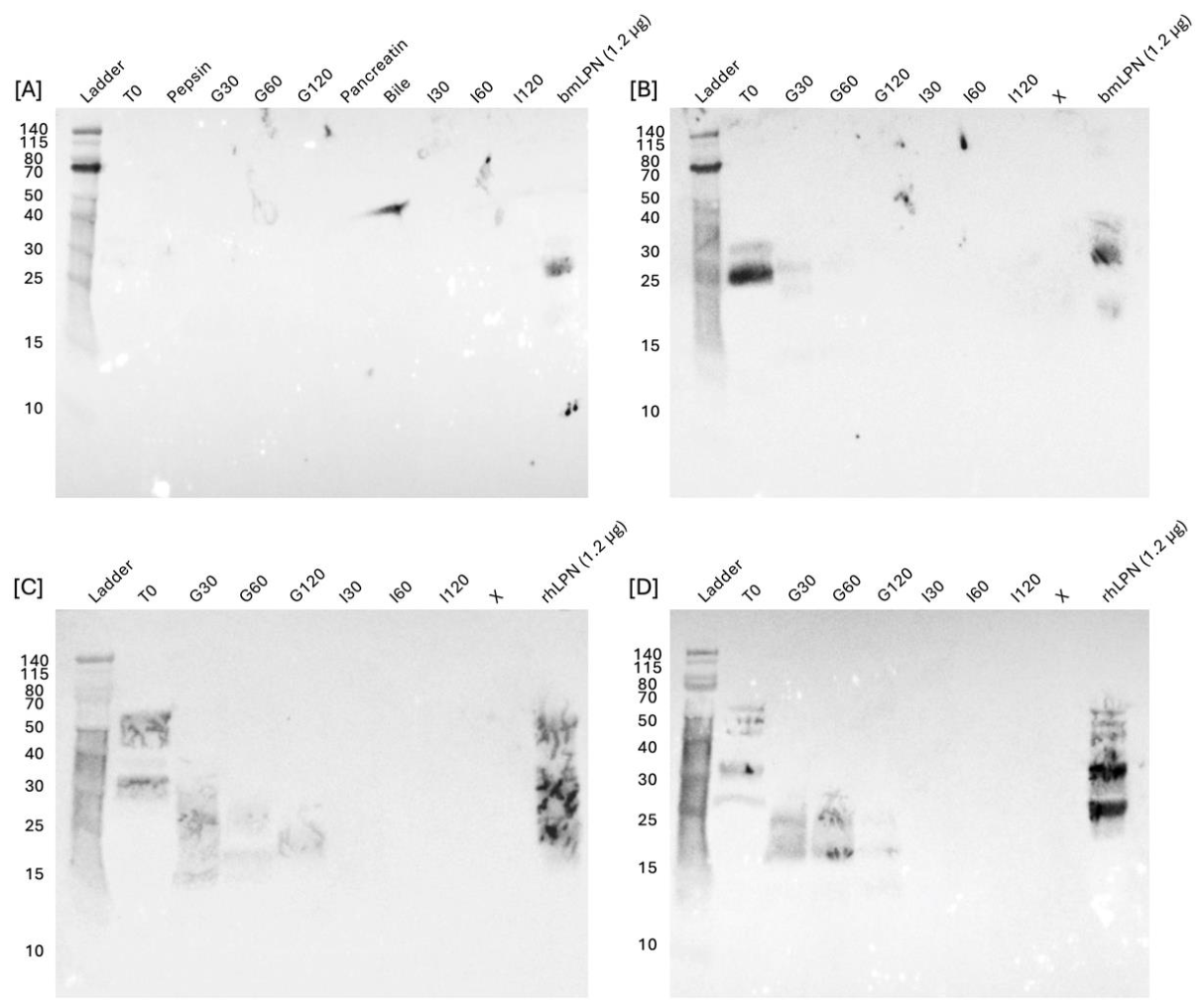
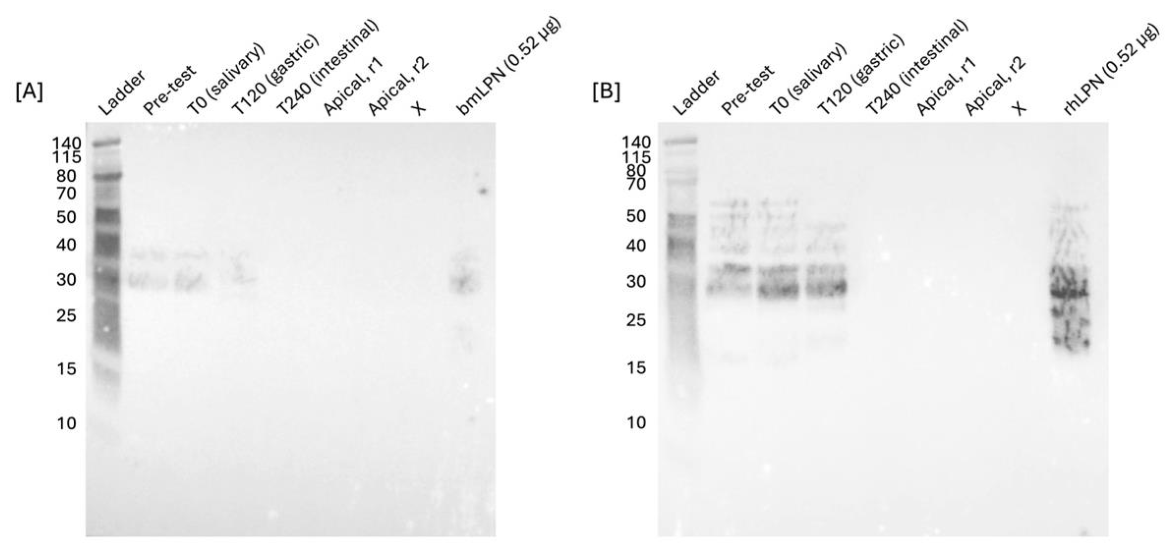
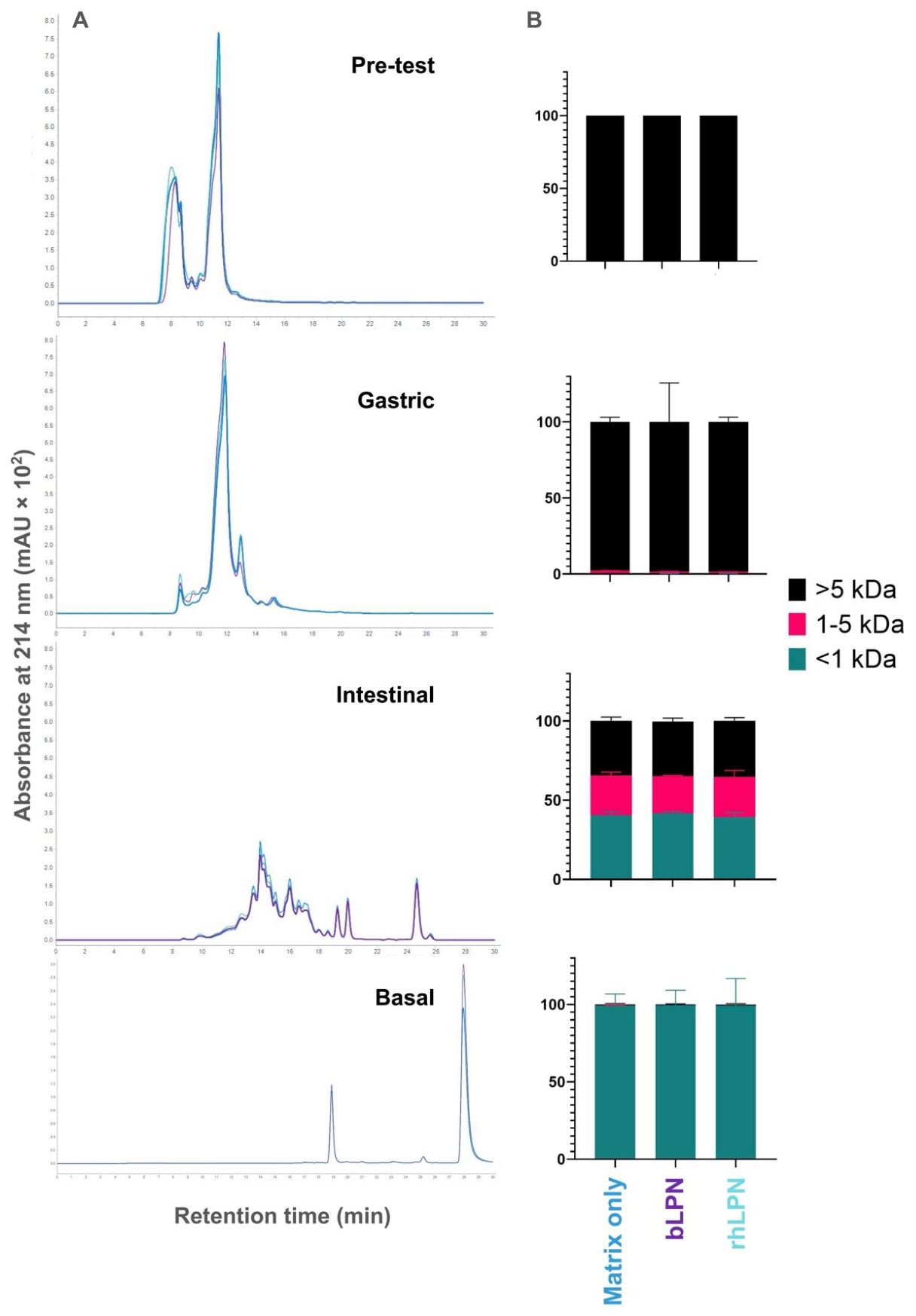
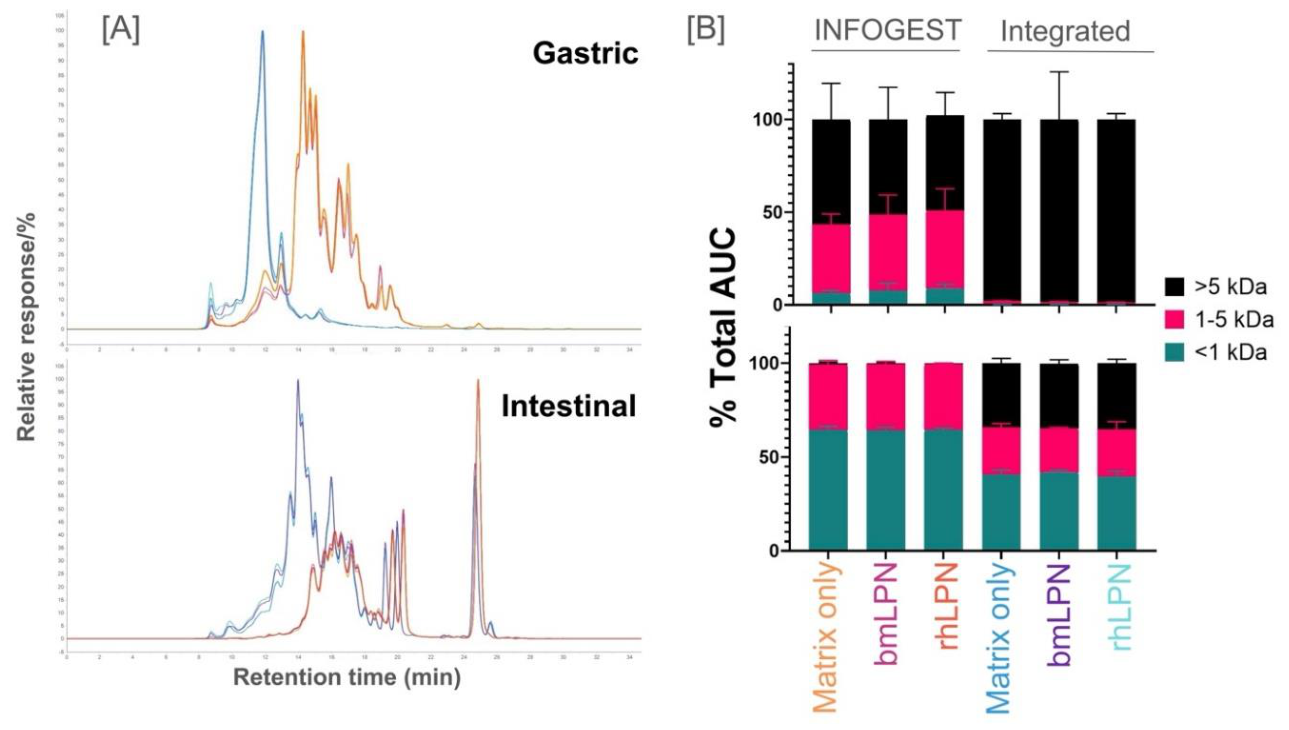
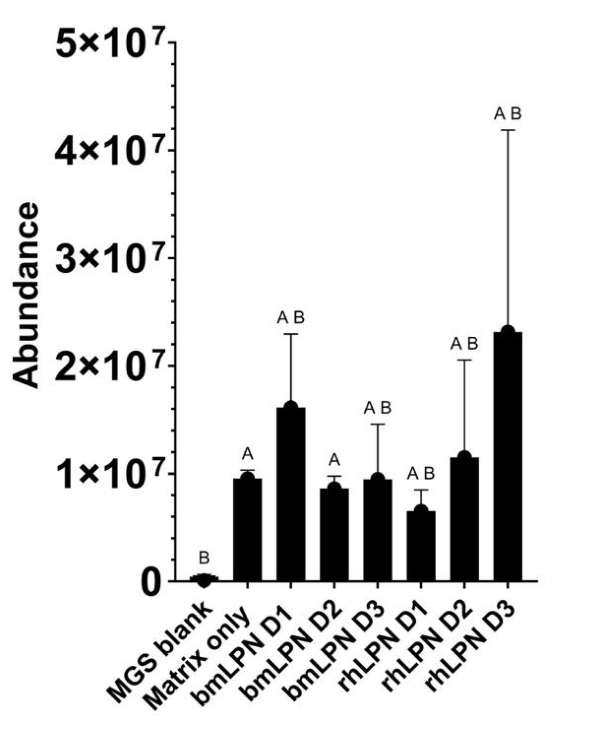
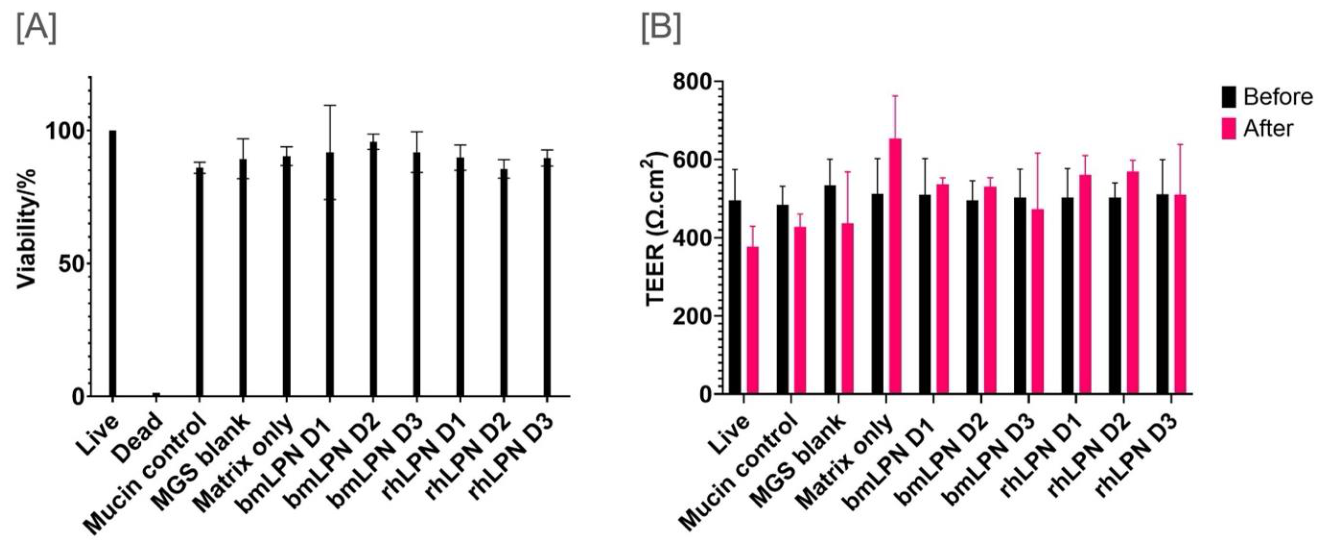
Background: Lactopontin (LPN) is a bioactive milk protein of increasing interest for nutritional applications. Currently sourced from bovine milk, precision fermentation now enables the production of recombinant human lactopontin (rhLPN). In this study, the digestion and intestinal interaction of rhLPN and bovine milk-derived lactopontin (bmLPN) were compared using both a static INFOGEST digestion model and a dynamic, integrated gastrointestinal digestion and absorption Aelius MuCo-Absorb+ model under intended-use and high-exposure conditions. Methods & Results: rhLPN produced in Kluyveromyces lactis and bmLPN were evaluated in a representative nutritional matrix at three exposure levels (D1–D3; 0.0864–3.672 mg/mL). Western blotting demonstrated progressive proteolysis for both proteins, and SE-HPLC demonstrated equivalent peptide molecular weight distributions within each model. Digestion kinetics differed between models, with the static INFOGEST system generating a greater proportion of low-molecular-weight peptides than the MuCo-Absorb+ model. RP-HPLC and LC-MS/MS showed no intact LPN in basolateral samples, while LC-MS/MS analysis confirmed transport of low-molecular-weight digestion-derived peptides across the epithelial model. TEER and cell viability assays demonstrated no adverse effects on epithelial barrier integrity or viability. Conclusions: Precision-fermented rhLPN demonstrated gastrointestinal digestion, epithelial compatibility, and transepithelial transport characteristics comparable to bmLPN under representative use conditions. These findings support the nutritional relevance and safety of rhLPN as an alternative dietary source of lactopontin.
Keywords:
1. Introduction
2. Materials and Methods
2.1. Materials
2.1.1. Preparation of the Adult Model Food Matrix
2.2. INFOGEST Digestion
2.3. MuCo-Absorb+ Model
2.3.1. Cell Culture
2.3.2. Digestion
2.3.3. Intestinal Interaction, Barrier Integrity, and Cellular Viability
2.4. Analysis Methods
2.4.1. SDS-PAGE and Western Blotting
2.4.2. Digestion Profile by Size Exclusion Chromatography (SE-HPLC)
2.4.3. Quantification of Lactopontin by RP-HPLC
2.4.4. Intact LPN Quantification in Basolateral Compartment (HPLC-ESI-qTOF-MS/MS)
2.4.5. Peptide Identification in the Basolateral Compartment by HPLC-ESI-qTOF-MS/MS
2.4.6. Statistical Analysis
3. Results
3.1. INFOGEST Digestion Profiles are Comparable Across LPN Source, Dose, and Manufacturing Scale
3.2. MuCo-Absorb+ Model Reveals Model-Dependent but Sample-Independent Outcomes
3.2.1. Lactopontin Digestion Kinetics within the MuCo-Absorb+ Model
3.2.2. Peptide Molecular Weight Distribution Following Digestion with the MuCo-Absorb+ Model
3.2.3. Comparison Between Digestion in the INFOGEST and MuCo-Absorb+ Models
3.3. Intestinal Interaction Following Digestion is Comparable Between rhLPN and bmLPN
3.3.1. Basolateral Analysis Demonstrates Transfer of Low Molecular Weight Peptides but no Detectable Intact Lactopontin
3.3.2. Digestion Products do Not Adversely Affect Epithelial Barrier Integrity or Cellular Viability
4. Discussion
5. Conclusions
Supplementary Materials
Author Contributions
Funding
Institutional Review Board Statement
Informed Consent Statement
Data Availability Statement
Acknowledgments
Conflicts of Interest
Abbreviations
| BLG | β-Lactoglobulin |
| bmLPN | Bovine milk lactopontin |
| ECL | Enhanced chemiluminescence |
| ESI | Electronspray ionisation |
| FA | Formic acid |
| FDR | False discovery rate |
| GRAS | Generally Recognised as Safe |
| GLYCAM1 | Glycosylation-dependent cell adhesion molecule 1 |
| HBSS | Hank’s Balanced Salt Solution |
| HPLC | High-performance liquid chromatography |
| INFOGEST | International consensus static in vitro digestion method |
| LC-MS/MS | Liquid chromatography-tandem mass spectrometry |
| LoD | Limit of detection |
| LoQ | Limit of quantification |
| LPN | Lactopontin |
| MGS | Miniaturised gastrointestinal system |
| MWCO | Molecular weight cut-off |
| PTM | Post-translational modification |
| qTOF | Quadrupole time-of-flight |
| RGD | Arginine-glycine-aspartate |
| rhLPN | Recombinant human lactopontin |
| rhLPNLab | Laboratory-scale recombinant human lactopontin |
| rhLPNPilot | Pilot-scale recombinant human lactopontin |
| RP-HPLC | Reversed-phase high-performance liquid chromatography |
| SD | Standard deviation |
| SDS-PAGE | Sodium dodecyl sulfate–polyacrylamide gel electrophoresis |
| SE-HPLC | Size-exclusion high-performance liquid chromatography |
| SPE | Solid-phase extraction |
| SPP1 | Secreted phosphoprotein 1 |
| TEER | Transepithelial electrical resistance |
| TFA | Trifluoroacetic acid |
| UV | Ultraviolet |
Appendix A
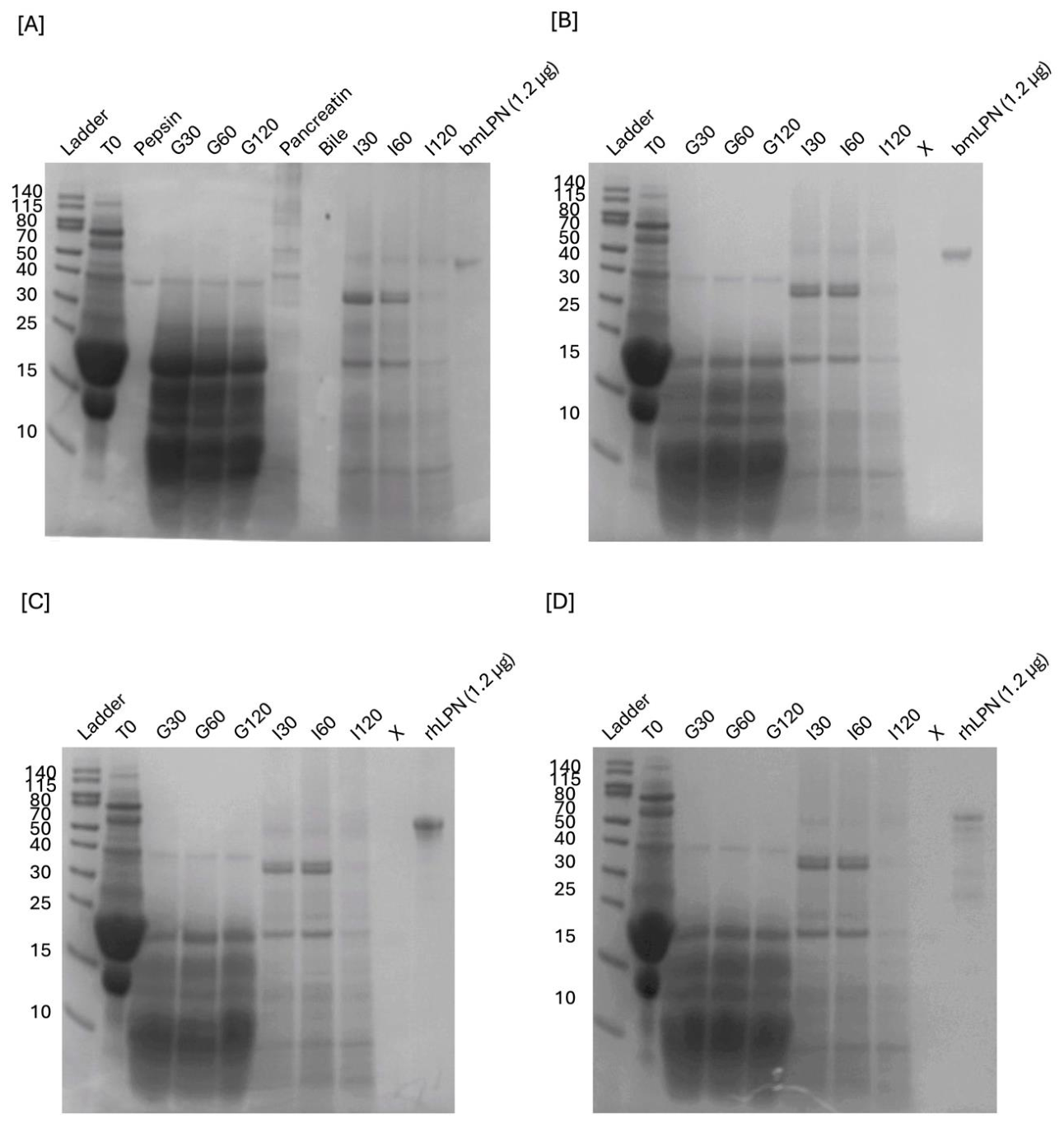
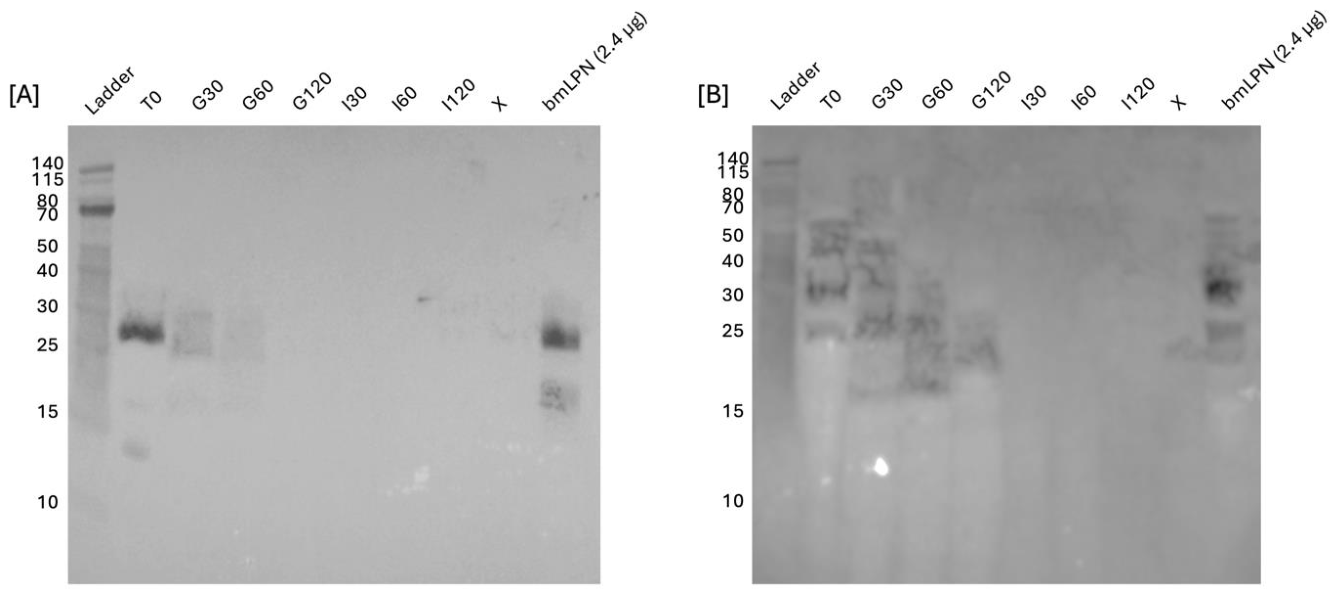
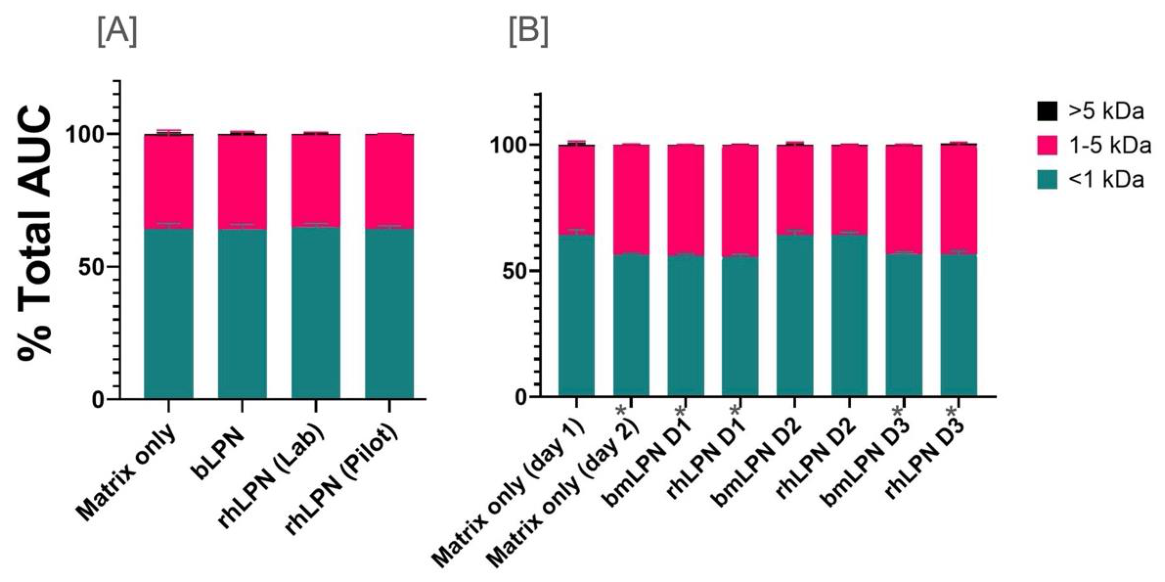
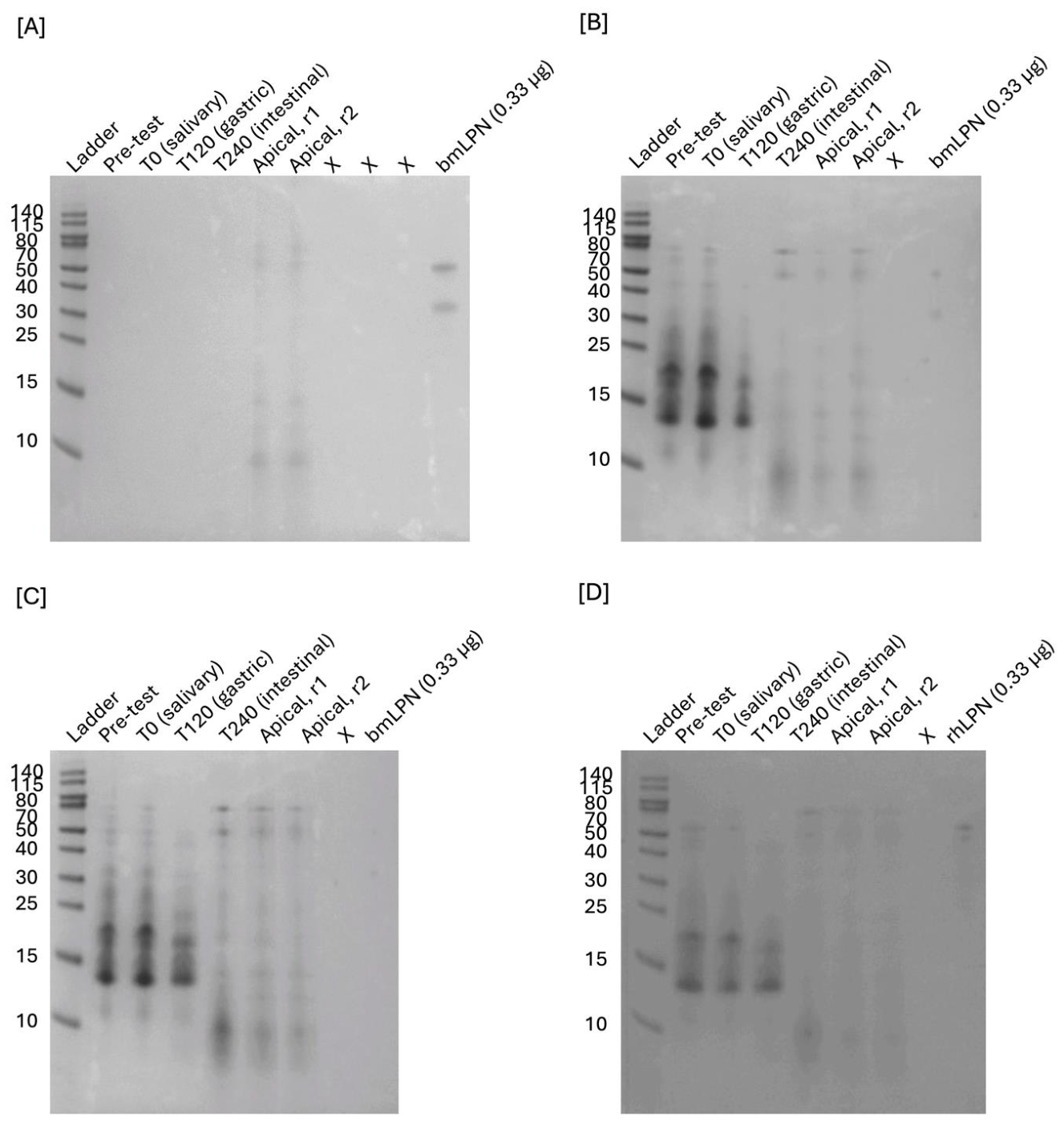
References
- Buhl, E.H.; Christensen, B.; Karlsen, N.J.; Jørgensen, S.D.S.; Jacobsen, L.N.; Ostenfeld, M.S.; Petersen, S.V.; Müllertz, A.; Sørensen, E.S. Milk osteopontin has high iron-binding capacity and facilitates iron absorption in intestinal cells. J. Dairy Sci. 2025, 108, 90–100. [Google Scholar] [CrossRef]
- Mateos, B.; Holzinger, J.; Conrad-Billroth, C.; Platzer, G.; Żerko, S.; Sealey-Cardona, M.; Anrather, D.; Koźmiński, W.; Konrat, R. Hyperphosphorylation of human osteopontin and its impact on structural dynamics and molecular recognition. Biochemistry 2021, 60, 1347–1355. [Google Scholar] [CrossRef]
- Christensen, B.; Nielsen, M.S.; Haselmann, K.F.; Petersen, T.E.; Sørensen, E.S. Post-translationally modified residues of native human osteopontin are located in clusters: Identification of 36 phosphorylation and five O-glycosylation sites and their biological implications. Biochem. J. 2005, 390, 285–292. [Google Scholar] [CrossRef]
- Christensen, B.; Buitenhuis, A.J.; Jacobsen, L.N.; Ostenfeld, M.S.; Sørensen, E.S. The effect of human and bovine milk osteopontin on intestinal Caco-2 cells: A transcriptome comparison. Nutrients 2023, 15, 1166. [Google Scholar] [CrossRef] [PubMed]
- Christensen, B.; Schack, L.; Kläning, E.; Sørensen, E.S. Osteopontin is cleaved at multiple sites close to its integrin-binding motifs in milk and is a novel substrate for plasmin and cathepsin D. J. Biol. Chem. 2010, 285, 7929–7937. [Google Scholar] [CrossRef] [PubMed]
- Christensen, B.; Sørensen, E.S. Osteopontin in milk and the effects on growth and development. Funct. Foods Health Dis. 2016, 6, 815–830. [Google Scholar]
- Christensen, B.; Karlsen, N.J.; Jørgensen, S.D.S.; Jacobsen, L.N.; Ostenfeld, M.S.; Petersen, S.V.; Müllertz, A.; Sørensen, E.S. Milk osteopontin retains integrin-binding activity after in vitro gastrointestinal transit. J. Dairy Sci. 2020, 103, 4003–4016. [Google Scholar] [CrossRef] [PubMed]
- Radoman, B.; Grünwald-Gruber, C.; Schmelzer, B.; Zavec, D.; Gasser, B.; Altmann, F.; Mattanovich, D. The degree and length of O-glycosylation of recombinant proteins produced in Pichia pastoris depends on the nature of the protein and the process type. Biotechnol. J. 2021, 16, e2000266. [Google Scholar] [CrossRef]
- Excell, J.; Giardina, A.; Sakamoto-Rablah, E.; Royle, K.; Nunn, D. Post-translational modification fidelity of recombinant human lactopontin expressed in Kluyveromyces lactis. bioRxiv 2026, preprint. [Google Scholar] [CrossRef]
- Minekus, M.; Alminger, M.; Alvito, P.; Ballance, S.; Bohn, T.; Bourlieu, C.; Carrière, F.; Boutrou, R.; Corredig, M.; Dupont, D.; Dufour, C.; Egger, L.; Golding, M.; Karakaya, S.; Kirkhus, B.; Le Feunteun, S.; Lesmes, U.; Macierzanka, A.; Mackie, A.; Marze, S.; McClements, D.J.; Ménard, O.; Recio, I.; Santos, C.N.; Singh, R.P.; Vegarud, G.E.; Wickham, M.S.J.; Weitschies, W.; Brodkorb, A. A standardised static in vitro digestion method suitable for food—An international consensus. Food Funct. 2014, 5, 1113–1124. [Google Scholar] [CrossRef]
- Brodkorb, A.; Egger, L.; Alminger, M.; Alvito, P.; Assunção, R.; Ballance, S.; Bohn, T.; Bourlieu-Lacanal, C.; Boutrou, R.; Carrière, F.; Clemente, A.; Corredig, M.; Dupont, D.; Dufour, C.; Edwards, C.; Golding, M.; Karakaya, S.; Kirkhus, B.; Le Feunteun, S.; Lesmes, U.; Macierzanka, A.; Mackie, A.R.; Martins, C.; Marze, S.; McClements, D.J.; Ménard, O.; Minekus, M.; Portmann, R.; Santos, C.N.; Souchon, I.; Singh, R.P.; Vegarud, G.E.; Wickham, M.S.J.; Weitschies, W.; Recio, I. INFOGEST static in vitro simulation of gastrointestinal food digestion. Nat. Protoc. 2019, 14, 991–1014. [Google Scholar] [CrossRef] [PubMed]
- Giromini, C.; Cheli, F.; Rebucci, R.; Baldi, A. Invited review: Dairy proteins and bioactive peptides: Modeling digestion and the intestinal barrier. J. Dairy Sci. 2019, 102, 929–942. [Google Scholar] [CrossRef]
- Ye, D.; López Mármol, Á.; Lenz, V.; Muschong, P.; Wilhelm-Alkubaisi, A.; Weinheimer, M.; Koziolek, M.; Sauer, K.A.; Laplanche, L.; Mezler, M. Mucin-protected Caco-2 assay to study drug permeation in the presence of complex biorelevant media. Pharmaceutics 2022, 14, 699. [Google Scholar] [CrossRef]
- Wilcox, M.D.; Chater, P.I.; Stanforth, K.J.; Brownlee, I.A.; Pearson, J.P. The rheological properties of an alginate satiety formulation in a physiologically relevant human model gut system. Ann. Esophagus 2021, 4, 28. [Google Scholar] [CrossRef]
- Stanforth, K.J.; Chater, P.I.; Brownlee, I.A.; Wilcox, M.D.; Pearson, J.P. In vitro modelling of the mucosa of the oesophagus and upper digestive tract: Narrative review. Ann. Esophagus 2022, 5, 23. [Google Scholar] [CrossRef]
- Sambuy, Y.; De Angelis, I.; Ranaldi, G.; Scarino, M.L.; Stammati, A.; Zucco, F. The Caco-2 cell line as a model of the intestinal barrier: Influence of cell and culture-related factors on Caco-2 cell functional characteristics. Cell Biol. Toxicol. 2005, 21, 1–26. [Google Scholar] [CrossRef]
- Mulet-Cabero, A.-I.; Mackie, A.R.; Brodkorb, A.; Wilde, P.J. Dairy structures and physiological responses: A matter of gastric digestion. Crit. Rev. Food Sci. Nutr. 2020, 60, 3737–3752. [Google Scholar] [CrossRef]
- Ramm, M.; Alarcón-Zapata, B.; Monsalves, J.; Bustamante, L. A simple validated method for the estimation of pepsin activity in microtiter array for the INFOGEST protocol. Foods 2023, 12, 3851. [Google Scholar] [CrossRef] [PubMed]
- Kim, Y.; Han, S.; Donovan, S.M.; Lönnerdal, B. Digestive profiles of human milk, recombinant human and bovine lactoferrin: Comparing the retained intact protein and peptide release. Nutrients 2024, 16, 2360. [Google Scholar] [CrossRef] [PubMed]
- Natoli, M.; Leoni, B.D.; D'Agnano, I.; D'Onofrio, M.; Brandi, R.; Arisi, I.; Zucco, F.; Felsani, A. Cell growing density affects the structural and functional properties of Caco-2 differentiated monolayer. J. Cell. Physiol. 2012, 227, 1531–1543. [Google Scholar] [CrossRef]
- Houghton, D.; Wilcox, M.D.; Brownlee, I.A.; Chater, P.; Seal, C.J.; Pearson, J.P. Method for quantifying alginate and determining release from a food vehicle in gastrointestinal digesta. Food Chem. 2014, 151, 352–357. [Google Scholar] [CrossRef] [PubMed]
- Maharaj, A.R.; Edginton, A.N. Examining small intestinal transit time as a function of age: Is there evidence to support age-dependent differences among children? Drug Metab. Dispos. 2016, 44, 1080–1089. [Google Scholar] [CrossRef]
- Pogu, S.; Henry, G.; Ménard, O.; Khodorova, N.; Chapelais, M.; Dupont, D.; Calvez, J.; Nau, F.; Deglaire, A. Bioaccessible fraction of proteins obtained after in vitro digestion: Impact of the fractionation method on the peptide profile. Food Chem. 2026, 514, 149191. [Google Scholar] [CrossRef]
- Lyu, Y.; Ge, X.; Zhang, J.; Tang, X.; Wu, J.; Regenstein, J.M.; Zhou, P. Identification and characterization of osteogenic peptides from simulated infant gastrointestinal digestion of lactopontin. J. Agric. Food Chem. 2025, 73, 27503–27515. [Google Scholar] [CrossRef]
- Dallas, D.C.; Guerrero, A.; Khaldi, N.; Castillo, P.A.; Martin, W.F.; Smilowitz, J.T.; Bevins, C.L.; Barile, D.; German, J.B.; Lebrilla, C.B. Extensive in vivo proteolysis of immunoglobulin A in human milk revealed by peptidomics. J. Proteome Res. 2013, 12, 2295–2304. [Google Scholar] [CrossRef]
- Dallas, D.C.; Citerne, F.; Tian, T.; Silva, V.L.M.; Kalanetra, K.M.; Frese, S.A.; Robinson, R.C.; Mills, D.A.; Barile, D.; German, J.B.; Lebrilla, C.B. Peptidomic analysis reveals proteolytic activity within the bovine mammary gland. J. Proteome Res. 2018, 17, 1630–1643. [Google Scholar]
- Zhang, Q. In-depth analysis of host cell protein (HCP) impurities by LC–MS/MS to augment routine HCP-ELISA testing of biotherapeutics. LCGC Suppl. Hot Top. Mass Spectrom. 2021, 39, 24–27. [Google Scholar]
- Rieder, A.; Afseth, N.K.; Böcker, U.; Knutsen, S.H.; Kirkhus, B.; Mæhre, H.K.; Ballance, S.; Wubshet, S.G. Improved estimation of in vitro protein digestibility of different foods using size exclusion chromatography. Food Chem. 2021, 358, 129830. [Google Scholar] [CrossRef]
- Duijsens, D.; Verkempinck, S.H.E.; Somers, E.; Hendrickx, M.E.G.; Grauwet, T. From static to semi-dynamic in vitro digestion conditions relevant for the older population: Starch and protein digestion of cooked lentils. Food Funct. 2024, 15, 591–607. [Google Scholar] [CrossRef] [PubMed]
- Kopf-Bolanz, K.A.; Schwander, F.; Gijs, M.A.M.; Vergeres, G.; Portmann, R.; Egger, L. Impact of milk processing on the generation of peptides during digestion. Int. Dairy J. 2014, 35, 130–138. [Google Scholar] [CrossRef]
- Ma, Y.; Wang, C.; Zhang, H.; Wang, F.; Li, Y.; Zhang, L. Immunomodulatory role of β-lactoglobulin-derived peptides based on simulated gastrointestinal digestion and DC–T cell responses from mice allergic to cow's milk. Foods 2022, 11, 1304. [Google Scholar]
- Picariello, G.; De Cicco, M.; Nocerino, R.; Paparo, L.; Mamone, G.; Addeo, F.; Berni Canani, R. Excretion of dietary cow's milk derived peptides into breast milk. Front. Nutr. 2019, 6, 25. [Google Scholar] [CrossRef] [PubMed]
- Kvistgaard, A.S.; Matulka, R.A.; Dolan, L.C.; Ramanujam, K.S. Pre-clinical in vitro and in vivo safety evaluation of bovine whey derived osteopontin, Lacprodan® OPN-10. Food Chem. Toxicol. 2014, 73, 59–70. [Google Scholar] [CrossRef] [PubMed]
- Donovan, S.M.; Monaco, M.H.; Drnevich, J.; Kvistgaard, A.S.; Hernell, O.; Lönnerdal, B. Bovine osteopontin modifies the intestinal transcriptome of formula-fed infant rhesus monkeys to be more similar to those that were breastfed. J. Nutr. 2014, 144, 1910–1919. [Google Scholar] [CrossRef] [PubMed]
- Jiang, R.; Lönnerdal, B. Osteopontin in human milk and infant formula affects infant plasma osteopontin concentrations. Pediatr. Res. 2019, 85, 502–505. [Google Scholar] [CrossRef]
- EFSA Panel on Nutrition; Novel Foods and Food Allergens (NDA); Turck, D.; Castenmiller, J.; De Henauw, S.; Hirsch-Ernst, K.I.; Kearney, J.; Maciuk, A.; Mangelsdorf, I.; McArdle, H.J.; Naska, A.; Pelaez, C.; Pentieva, K.; Siani, A.; Thies, F.; Tsabouri, S.; Vinceti, M.; Cubadda, F.; Frenzel, T.; Heinonen, M.; Prieto Maradona, M.; Marchelli, R.; Neuhäuser-Berthold, M.; Poulsen, M.; Schlatter, J.R.; van Loveren, H.; Gelbmann, W.; Knutsen, H.K. Safety of bovine milk osteopontin as a novel food pursuant to Regulation (EU) 2015/2283. EFSA J. 2022, 20, e07137. [Google Scholar] [CrossRef]

| Protein | Species | UniProt PAN | Number of unique peptides (mean of three replicates) | ||||||||
| MGS blank | Matrix | bmLPN | rhLPN | ||||||||
| D1 | D2 | D3 | D1 | D2 | D3 | ||||||
| Proteins attributed to the formulation: | |||||||||||
| Beta lactoglobulin | Bos taurus | P02754 | 11 | 26 | 29 | 27 | 32 | 27 | 28 | 27 | |
| Kappa casein | Bos taurus | P02668 | 4 | 12 | 9 | 10 | 10 | 11 | 12 | 8 | |
| Beta casein | Bos taurus | P02666 | 6 | 6 | 10 | 4 | 11 | 12 | 8 | 9 | |
| Alpha lactalbumin | Bos taurus | P00711 | 0 | 2 | 3 | 2 | 5 | 3 | 2 | 3 | |
| Glycosylation-dependent cell adhesion molecule 1 | Bos taurus | P80195 | 0 | 0 | 1 | 0 | 0 | 0 | 2 | 0 | |
| Proteins attributed to the digestion phase of the Aelius MuCo-Absorb+ model: | |||||||||||
| Pepsin A | Sus scrofa | P00791 | 7 | 5 | 9 | 3 | 1 | 5 | 6 | 3 | |
| Proteins attributed to the absorption phase of the Aelius MuCo-Absorb+ model: | |||||||||||
| Serum albumin | Bos taurus | P02769 | 7 | 9 | 1 | 0 | 0 | 3 | 1 | 1 | |
| Serrotransferrin | Bos taurus | Q29443 | 2 | 3 | 0 | 0 | 0 | 0 | 0 | 1 | |
| Alpha-2-HS-glycoprotein | Bos taurus | P12763 | 2 | 2 | 0 | 0 | 0 | 1 | 0 | 0 | |
| Alpha-1-antiproteinase | Bos taurus | P34955 | 1 | 2 | 0 | 0 | 0 | 0 | 0 | 1 | |
Disclaimer/Publisher’s Note: The statements, opinions and data contained in all publications are solely those of the individual author(s) and contributor(s) and not of MDPI and/or the editor(s). MDPI and/or the editor(s) disclaim responsibility for any injury to people or property resulting from any ideas, methods, instructions or products referred to in the content. |
© 2026 by the authors. Licensee MDPI, Basel, Switzerland. This article is an open access article distributed under the terms and conditions of the Creative Commons Attribution (CC BY) license (http://creativecommons.org/licenses/by/4.0/).


