

Submitted:
01 June 2026
Posted:
03 June 2026
You are already at the latest version
Abstract
Background: Procedural sedation and analgesia (PSA) is commonly used for shoulder dislocation (SD) reduction in emergency departments (EDs) but requires monitoring resources and may be associated with adverse events. Ultrasound-guided regional anesthesia (UGRA), particularly interscalene block, represents an alternative approach but is associated with a high incidence of hemidiaphragmatic paralysis due to inadvertent phrenic nerve blockade. More distal approaches such as superior trunk (ST) block may reduce this risk. This study aimed to evaluate the feasibility and adoption of ultrasound-guided ST block using low volumes of local anesthetic for shoulder reduction in a real-world ED setting. Methods: This retrospective single-center observational study included all consecutive patients with acute SD treated in a specialized orthopedic ED in Switzerland between February 2018 and February 2024. Patients underwent reduction under either PSA or UGRA. The primary aim was to assess feasibility and adoption of UGRA. Secondary exploratory analyses included temporal trends in technique use, changes in local anesthetic volume, and comparison of length of stay (LOS) between groups. Results: A total of 206 patients were included (124 UGRA, 82 PSA). The use of UGRA increased significantly over time, while PSA decreased (p < 0.001). UGRA procedures were predominantly performed by a small number of providers. Local anesthetic volume decreased over time, with most blocks performed using approximately 5 mL. No clinically apparent respiratory complications were observed following UGRA. In an exploratory analysis, LOS was shorter in the UGRA group compared to PSA (p = 0.034), although variability was considerable. Conclusions: Ultrasound-guided low-volume ST block can be successfully implemented for shoulder reduction in an ED setting and may represent a practical alternative to PSA. Its adoption in routine clinical practice requires time, training, and repeated procedural exposure. Low-volume ST approaches may help minimize clinically relevant respiratory effects, although prospective studies are needed to further evaluate diaphragmatic outcomes and optimal dosing strategies.
Keywords:
shoulder dislocation
; ultrasound-guided regional anesthesia
; superior trunk block
; emergency department
; procedural sedation
; implementation
Introduction
Acute shoulder dislocation (SD) is a common and painful condition frequently encountered in emergency departments (EDs), with an incidence of approximately 25–35 cases per 100,000 persons per year [1,2].
Procedural sedation and analgesia (PSA) is widely used to facilitate reduction [3], providing analgesia and facilitating muscle relaxation. However, PSA is associated with potential adverse events such as respiratory depression, hemodynamic instability, and prolonged ED stay [4]. In addition, PSA requires continuous patient monitoring and dedicated personnel during both the procedure and recovery phase, which may increase staff workload and impact resource availability in busy ED settings [5,6].
Ultrasound-guided regional anesthesia (UGRA) has emerged as an alternative approach for shoulder reduction [7,8,9,10,11]. In particular, interscalene brachial plexus block, which is commonly used for shoulder procedures, is associated with a high incidence of hemidiaphragmatic paralysis due to inadvertent phrenic nerve (PN) blockade related to the close anatomical proximity at this level [12,13]. Even with reduced local anesthetic volumes and modified injection techniques, clinically relevant diaphragmatic paralysis and respiratory symptoms such as dyspnea cannot be consistently avoided [12,14].
More recently, targeted distal approaches such as superior trunk (ST) block at the supraclavicular level have been proposed to increase the distance from the PN while maintaining effective analgesia [13,15]. In combination with techniques using low volumes of local anesthetic, these approaches may further reduce the risk of PN involvement while preserving analgesic effectiveness.
In contrast to anesthesia practice, where dense blocks are typically required for surgical procedures, regional anesthesia in the emergency setting is often tailored to specific clinical indications such as SD. Targeted low-volume techniques at the supraclavicular level may therefore represent a particularly suitable strategy for shoulder reduction in the ED.
Despite these theoretical advantages, the integration of UGRA into routine ED practice remains challenging. Factors such as training requirements, operator experience, and staff turnover may influence the adoption and consistent use of the technique.
The aim of this study was therefore to evaluate the feasibility and adoption of ultrasound-guided ST block for shoulder reduction in a specialized orthopedic ED. In addition, temporal trends in technique adoption, local anesthetic volume, and exploratory clinical parameters were analyzed.
Methods
Study Design and Setting
This study is a retrospective, single-center observational analysis conducted at a specialized orthopedic ED in Switzerland. The department manages patients with acute musculoskeletal conditions, including shoulder dislocations, in a clinical environment characterized by rotating staff and variable procedural experience.
All data were derived from routine clinical care. The study period extended from February 2018 to February 2024, during which UGRA techniques were progressively introduced into clinical practice.
During the study period, a total of 31 physicians from different specialties were employed in the ED, including anesthesiologists, orthopedic surgeons, internists, general practitioners, and resident physicians. Clinical care was provided by a rotating team, resulting in varying levels of procedural experience and exposure to UGRA.
Participants
All consecutive patients presenting with acute SD during the study period were considered for analysis.
Inclusion criteria were age ≥ 15 years, radiologically confirmed shoulder dislocation, and treatment in the emergency department. Patients were included irrespective of the analgesia technique used.
Exclusion criteria were missing essential clinical data and primary surgical management without attempted closed reduction.
Implementation
The implementation of UGRA in the ED was supported by structured training and supervision.
All physicians underwent basic ultrasound training at the beginning of their employment, including certified courses in ultrasound-guided interventions and supervised clinical practice. In addition, hands-on training in regional anesthesia techniques was provided during routine clinical care by experienced operators.
The introduction of the technique evolved progressively as part of routine clinical practice.
Interventions/Clinical Management
Patients underwent closed reduction of SD either under PSA or UGRA.
The choice of analgesia technique was based on physician preference, clinical experience, and local practice patterns, without a predefined protocol, reflecting routine clinical practice.
Procedural sedation was performed according to institutional standards using commonly applied sedative and analgesic agents under continuous monitoring of vital signs. Patients were observed during both the procedure and recovery phase according to standard emergency department protocols.
Ultrasound-guided regional anesthesia was performed using a ST block technique as described below.
Ultrasound-Guided Regional Anesthesia Technique
Ultrasound-guided brachial plexus block was performed by targeting the ST in the supraclavicular region.
To identify the relevant anatomy, the ultrasound probe was initially placed in the interscalene groove, where the ventral rami of C5–C7 can be visualized between the anterior and middle scalene muscles (Figure 1). At this level, the PN, emerging predominantly from C4, courses in close proximity beneath the prevertebral fascia.
The probe was then shifted caudally to the supraclavicular region, where the ST becomes identifiable and the PN is typically located further away from the ST (Figure 2).
The block was performed under real-time ultrasound guidance using an in-plane needle approach. After careful needle positioning beneath the ST, local anesthetic was injected with visualization of spread. If necessary, the needle position was adjusted to ensure adequate local anesthetic distribution.
The procedure was performed under routine clinical conditions in the ED, as illustrated in Figure 3.
A local anesthetic volume of approximately 5 mL was initially used in clinical practice and could be adjusted according to the spread pattern. The volume was not standardized and reflected routine clinical conditions, with a tendency toward lower volumes over time as operator experience increased.
Data Collection
Clinical data were retrospectively extracted from electronic medical records and included patient demographics, type of analgesia technique (PSA vs. UGRA), volume of local anesthetic used, treating physician, and length of stay (LOS) in the ED.
LOS was defined as the time from patient admission to discharge from the ED. Patients requiring subsequent surgery were excluded from LOS analyses, as discharge occurred several days later and was therefore not representative of ED stay.
Outcome Measures
The primary aim of the study was to evaluate the feasibility and adoption of ultrasound-guided regional anesthesia (UGRA) for shoulder reduction in routine clinical practice.
Feasibility was assessed descriptively based on successful shoulder reduction under UGRA without conversion to alternative analgesic techniques and the absence of clinically apparent respiratory complications such as dyspnea.
Adoption was assessed by temporal trends in the use of UGRA over the study period.
Secondary exploratory analyses included changes in local anesthetic volume and comparison of length of stay (LOS) between groups.
No predefined primary endpoint or prospective sample size calculation was performed due to the retrospective nature of the study.
Statistical Analysis
Statistical analyses were primarily descriptive.
Temporal trends were explored using linear regression models. Differences between groups were assessed using non-parametric statistical methods as appropriate for data distribution.
Comparisons between treatment groups, including length of stay, were considered exploratory and should be interpreted with caution given the retrospective design and potential confounding factors.
A two-sided p-value < 0.05 was considered statistically significant.
Ethics
The study was approved by the responsible ethics committee (Project ID 2025-02605) and is registered at ClinicalTrials.gov (NCT07544485).
The requirement for informed consent was waived due to the retrospective analysis of routinely collected, anonymized clinical data.
Results
Study Population
During the study period from February 2018 to February 2024, a total of 206 patients (73 female, 133 male) with a median age of 48.4 years (range 15.3–93.7) were included in the analysis.
Feasibility
Closed reduction was performed under UGRA in 124 patients (60%) and under PSA in 82 patients (40%). Successful reduction was achieved in all patients without documented need for conversion to alternative analgesic techniques. No major complications related to UGRA or PSA were observed. In the UGRA group, no clinically apparent respiratory complications such as dyspnea were documented.
A representative clinical course of shoulder dislocation and reduction is shown in Figure 4.
Adoption of UGRA Over Time
A total of 31 physicians were involved in patient care during the study period. However, the distribution of UGRA procedures among providers was highly uneven. Four anesthesiologists performed the majority of blocks (n = 88), whereas the remaining 27 physicians performed only 36 blocks in total.
Over the six-year study period, the use of UGRA increased steadily, while the proportion of PSA decreased accordingly (Figure 5). This trend was statistically significant (p < 0.001) and reflects the progressive adoption of UGRA in routine clinical practice.
Local Anesthetic Volume
The volume of local anesthetic decreased over time (Figure 6). Analysis of all blocks demonstrated a significant reduction in administered volumes during the study period (p < 0.001).
Most procedures were performed using volumes of approximately 5 mL. Due to the limited number of procedures per individual provider, operator-specific analyses were not further explored in the present study.
Length of Stay (Exploratory Analysis)
Length of stay (LOS) was analyzed in patients discharged from the ED. Patients requiring hospital admission were excluded (8 UGRA, 5 PSA).
In this subgroup, patients treated with UGRA showed a shorter median LOS compared to those treated with PSA, with an approximate difference of 30 minutes (p = 0.034; Figure 7).
Variability in LOS was considerable, and this analysis was exploratory in nature.
Temporal Trends in LOS
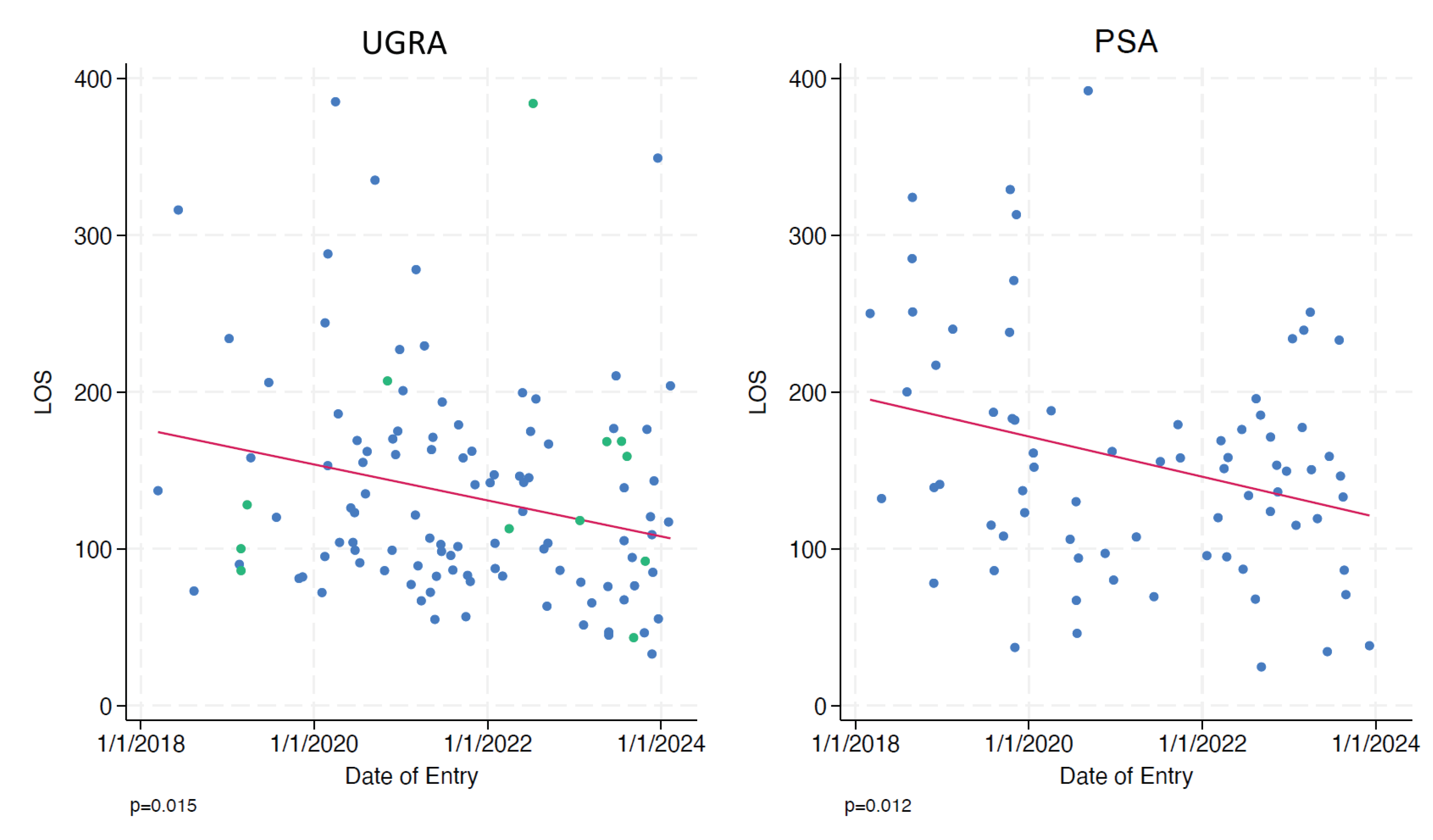
A reduction in LOS over time was observed in both treatment groups (Figure 8). Linear trend analyses demonstrated decreasing LOS for both UGRA and PSA during the study period (UGRA: p = 0.015; PSA: p = 0.012), suggesting that general improvements in departmental workflow may also have contributed to shorter treatment times over time.
Discussion
This study suggests that UGRA targeting the ST can be implemented in a real-world ED setting and appeared to be safe in this cohort.
Ultrasound-guided regional anesthesia has previously been described as an alternative to PSA for shoulder reduction, with several studies reporting effective analgesia and favorable procedural conditions [7,8,9,10,11]. However, most of these reports focus on technical feasibility and short-term outcomes rather than long-term integration into routine clinical practice.
A key finding of the present study is the progressive increase in the use of UGRA over time, accompanied by a corresponding decrease in PSA. This trend, which was statistically significant, suggests growing acceptance of the technique among clinicians and its gradual integration into routine clinical practice. Similar patterns of increasing uptake following structured implementation efforts have been described in other ED settings, although overall utilization and adoption across providers remain highly variable and dependent on training and local practice conditions [16,17,18].
Despite this overall trend, the distribution of procedural experience among providers was highly uneven. In the present study, four anesthesiologists performed the majority of UGRA procedures, while the remaining physicians had only limited exposure. This finding highlights a key challenge in the implementation of technically demanding procedures in ED settings.
The limited number of cases per individual provider, combined with high staff turnover and the intermittent availability of experienced supervisors, likely restricted the opportunity for many physicians to acquire and maintain sufficient procedural competence. In addition, the relatively low incidence of SD limits repeated exposure to this specific indication. As a result, even in a high-volume center, the number of procedures may not be sufficient to ensure widespread proficiency across all providers.
These findings emphasize that successful integration of UGRA in the ED is not solely dependent on the availability of the technique itself but also on structural factors such as training continuity, supervision, and institutional support. Similar barriers to the adoption of UGRA in ED settings have been described previously [17,18].
One potential strategy to address this limitation may be the broader application of UGRA techniques to other shoulder-related conditions in the emergency setting, thereby increasing overall procedural exposure. Ultrasound-guided regional anesthesia has been extensively described for a variety of shoulder pathologies beyond SD, including adhesive capsulitis, rotator cuff disease, and chronic shoulder pain, particularly using suprascapular and interscalene nerve blocks. Several randomized and observational studies have demonstrated effective analgesia and functional improvement in these conditions [19,20,21]. These findings support the concept that broader clinical application may facilitate skill acquisition, improve procedural confidence, and enhance the integration of regional anesthesia techniques into routine emergency care.
A reduction in local anesthetic volume was observed over time. While no formal dose-finding study was performed, this finding may reflect increasing confidence and precision in ultrasound-guided targeting. Reduced local anesthetic volumes have been shown to decrease the risk of PN involvement without compromising block efficacy [11,12]. In this context, low-volume approaches may represent a clinically relevant strategy when performing ST blocks.
Comparative studies between interscalene and ST blocks suggest that targeting the ST may reduce the incidence of PN involvement even when higher local anesthetic volumes (15–20 mL) are used, highlighting the anatomical advantage of this approach [14,22].
In our cohort, no clinically apparent respiratory complications such as dyspnea were observed following UGRA. As diaphragmatic function was not systematically assessed, subclinical PN involvement cannot be excluded. The absence of clinically relevant respiratory symptoms may be related to both the more distal injection site and the use of low local anesthetic volumes (approximately 5 mL in our cohort), which may have contributed to reduced clinically relevant PN effects.
Patients treated with UGRA showed a shorter LOS compared to those undergoing PSA. However, this finding should be interpreted with caution, as the analysis was exploratory and the retrospective design does not allow for control of confounding factors. Previous studies comparing regional anesthesia with PSA for shoulder reduction have reported shorter treatment times and more efficient patient throughput associated with regional techniques [8,11]. This effect is likely related to the avoidance of sedation-related monitoring and recovery phases, which may contribute to improved workflow efficiency in the ED, as PSA typically requires continuous monitoring and dedicated personnel resources in accordance with current guidelines [6].
Importantly, a reduction in LOS over time was observed in both treatment groups in the present study, indicating that improvements in departmental processes and increasing familiarity with treatment workflows likely also played a role.
From a clinical perspective, ultrasound-guided low-volume ST block represents a practical addition to the available analgesic strategies for shoulder reduction in the ED. Rather than replacing PSA, it may serve as a complementary approach in selected patients, particularly when avoidance of systemic sedation or limited resource availability are relevant considerations.
Limitations
This study has several limitations.
First, its retrospective design precludes causal inference and is subject to potential selection bias and unmeasured confounding.
Second, given the retrospective exploratory design, patient-relevant outcomes such as pain scores, reduction conditions, or diaphragmatic function were not systematically assessed.
Third, the choice of anesthesia technique was not randomized but based on physician preference and clinical judgment.
Fourth, operator experience varied considerably, and individual learning curves could not be reliably assessed due to limited case numbers per provider.
Finally, this was a single-center study, which may limit generalizability.
Conclusion
Ultrasound-guided superior trunk block using a low-volume approach can be successfully implemented in an emergency department setting for the reduction of shoulder dislocation. Its adoption requires time, training, and repeated clinical exposure, particularly in environments with high staff turnover.
Low-volume approaches may help minimize clinically relevant respiratory effects while maintaining effective procedural conditions, although prospective studies are needed to further evaluate diaphragmatic outcomes and optimal dosing strategies.
Funding
The authors have no sources of funding to declare for this manuscript.
Institutional Review Board Statement
The study was approved by the responsible ethics committee (Project ID 2025-02605) and is registered at ClinicalTrials.gov (NCT07544485).
Informed Consent Statement
The requirement for informed consent was waived due to the retrospective analy-sis of routinely collected, anonymized clinical data.
Data Availability Statement
The underlying clinical data contain patient-related information and are not publicly available due to institutional and privacy restrictions. An anonymized dataset may be made available from the corresponding author upon reasonable request and subject to applicable ethical and legal requirements.
Acknowledgments
The authors would like to thank the Merian Iselin Klinik for supporting the clinical implementation of ultrasound-guided regional anesthesia techniques in the emergency department setting.
Conflicts of Interest
The authors declare no conflicts of interest.
References
- Zacchilli, M.A.; Owens, B.D. Epidemiology of Shoulder Dislocations Presenting to Emergency Departments in the United States. J. Bone Jt. Surg.-Am. 2010, 92(3), 542–549. [Google Scholar] [CrossRef] [PubMed]
- Leroux, T.; Wasserstein, D.; Veillette, C.; et al. Epidemiology of Primary Anterior Shoulder Dislocation Requiring Closed Reduction in Ontario, Canada. Am. J. Sports Med. 2014, 42(2), 442–450. [Google Scholar] [CrossRef]
- Dunn, M.J.G. Evaluation of propofol and remifentanil for intravenous sedation for reducing shoulder dislocations in the emergency department. Emerg. Med. J. 2006, 23(1), 57–58. [Google Scholar] [CrossRef]
- Khan, M.T.; Khan, A.R.; Rohail, S.; et al. Safety of procedural sedation in emergency department settings among the adult population: a systematic review and meta-analysis of randomized controlled trials. Intern Emerg. Med. 2024, 19(5), 1385–1403. [Google Scholar] [CrossRef] [PubMed]
- Godwin, S.A.; Burton, J.H.; Gerardo, C.J.; et al. Clinical Policy: Procedural Sedation and Analgesia in the Emergency Department. Ann. Emerg. Med. 2014, 63(2), 247–258.e18. [Google Scholar] [CrossRef]
- France, J.; Thomas, S.; Lloyd, G. Best Practice Guideline: Procedural Sedation in the Emergency Department. 15 August 2022. Available online: https://rcem.ac.uk/wp-content/uploads/2022/08/RCEM_BPC_Procedural_Sedation_Final_Aug_22.pdf.
- Blaivas, M.; Lyon, M. Ultrasound-guided interscalene block for shoulder dislocation reduction in the ED. Am. J. Emerg. Med. 2006, 24(3), 293–296. [Google Scholar] [CrossRef]
- Blaivas, M.; Adhikari, S.; Lander, L. A Prospective Comparison of Procedural Sedation and Ultrasound-guided Interscalene Nerve Block for Shoulder Reduction in the Emergency Department. Acad. Emerg. Med. 2011, 18(9), 922–927. [Google Scholar] [CrossRef]
- Tezel, O.; Kaldirim, U.; Bilgic, S.; et al. A comparison of suprascapular nerve block and procedural sedation analgesia in shoulder dislocation reduction. Am. J. Emerg. Med. 2014, 32(6), 549–552. [Google Scholar] [CrossRef] [PubMed]
- Herring, A.A.; Stone, M.B.; Nagdev, A. Ultrasound-guided suprascapular nerve block for shoulder reduction and adhesive capsulitis in the ED. Am. J. Emerg. Med. 2011, 29(8), 963.e1–963.e3. [Google Scholar] [CrossRef]
- Raeyat Doost, E.; Heiran, M.M.; Movahedi, M.; Mirafzal, A. Ultrasound-guided interscalene nerve block vs procedural sedation by propofol and fentanyl for anterior shoulder dislocations. Am. J. Emerg. Med. 2017, 35(10), 1435–1439. [Google Scholar] [CrossRef]
- Riazi, S.; Carmichael, N.; Awad, I.; Holtby, R.M.; McCartney, C.J.L. Effect of local anaesthetic volume (20 vs 5 ml) on the efficacy and respiratory consequences of ultrasound-guided interscalene brachial plexus block. Br. J. Anaesth. 2008, 101(4), 549–556. [Google Scholar] [CrossRef]
- Feigl, G.C.; Litz, R.J.; Marhofer, P. Anatomy of the brachial plexus and its implications for daily clinical practice: regional anesthesia is applied anatomy. Reg. Anesth. Pain Med. 2020, 45(8), 620–627. [Google Scholar] [CrossRef]
- Chong, M.; Girón-Arango, L.; Wild, K.; et al. Point-of-care ultrasound of the diaphragm after proximal brachial plexus block for shoulder surgery: a prospective observational study. Reg. Anesth. Pain Med. Published online. 2025, rapm-2024-106222. [CrossRef] [PubMed]
- Litz, R.J.; Feigl, G.C.; Radny, D.; Weiß, T.; Schwarzkopf, P.; Mäcken, T. Continuous Interscalene Brachial Plexus Blocks: An Anatomical Challenge between Scylla and Charybdis? Medicina (Mex) 2024, 60(2), 233. [Google Scholar] [CrossRef] [PubMed]
- Carpenter, C.R.; Stickles, S.P.; Molinari, D.F. Preaching beyond the choir: implementation science is the missing piece to widespread adoption of ultrasound-guided regional anesthesia. J. Public Health Emerg. 2025, 9, 10–10. [Google Scholar] [CrossRef]
- Lee, J.S.; Chenkin, J.; Simard, R.; et al. Ultrasound-Guided Regional Anesthesia by Emergency Physicians for Hip Fractures and Delirium: A Randomized Clinical Trial. JAMA Netw. Open. 2025, 8(12), e2549337. [Google Scholar] [CrossRef]
- Farrow, R.A.; Shalaby, M.; Newberry, M.A.; et al. Implementation of an Ultrasound-Guided Regional Anesthesia Program in the Emergency Department of a Community Teaching Hospital. Ann. Emerg. Med. 2024, 83(6), 509–518. [Google Scholar] [CrossRef]
- Shanahan, E.M.; Ahern, M.; Smith, M.; Wetherall, M.; Bresnihan, B.; FitzGerald, O. Suprascapular nerve block (using bupivacaine and methylprednisolone acetate) in chronic shoulder pain. Ann. Rheum. Dis. 2003, 62(5), 400–406. [Google Scholar] [CrossRef] [PubMed]
- Chang, K.V.; Hung, C.Y.; Wu, W.T.; Han, D.S.; Yang, R.S.; Lin, C.P. Comparison of the Effectiveness of Suprascapular Nerve Block With Physical Therapy, Placebo, and Intra-Articular Injection in Management of Chronic Shoulder Pain: A Meta-Analysis of Randomized Controlled Trials. Arch. Phys. Med. Rehabil. 2016, 97(8), 1366–1380. [Google Scholar] [CrossRef]
- wern, Chan C; Peng, P.W.H. Suprascapular Nerve Block: A Narrative Review. Reg. Anesth. Pain Med. 2011, 36(4), 358–373. [Google Scholar] [CrossRef]
- Büyükgebiz Yeşil, B.; Emmez, G.; Kanatlı, U.; Oğuzülgen, İ.K.; Gunaydin, B.; Güngör, İ. Impact of interscalene versus superior trunk blocks as sole anesthetics on respiratory outcomes for shoulder arthroscopy: a randomized controlled trial. BMC Anesthesiol. 2026, 26(1), 106. [Google Scholar] [CrossRef]
Figure 1.
Interscalene level and proximity of the phrenic nerve. Ultrasound 5. C7 located between the anterior scalene muscle (ASM) and middle scalene muscle (MSM). The phrenic nerve (yellow arrowhead) is visible beneath the prevertebral fascia (pvF) in close proximity to the brachial plexus. SCM = sternocleidomastoid muscle; ACA = ascending cervical artery.
Figure 1.
Interscalene level and proximity of the phrenic nerve. Ultrasound 5. C7 located between the anterior scalene muscle (ASM) and middle scalene muscle (MSM). The phrenic nerve (yellow arrowhead) is visible beneath the prevertebral fascia (pvF) in close proximity to the brachial plexus. SCM = sternocleidomastoid muscle; ACA = ascending cervical artery.
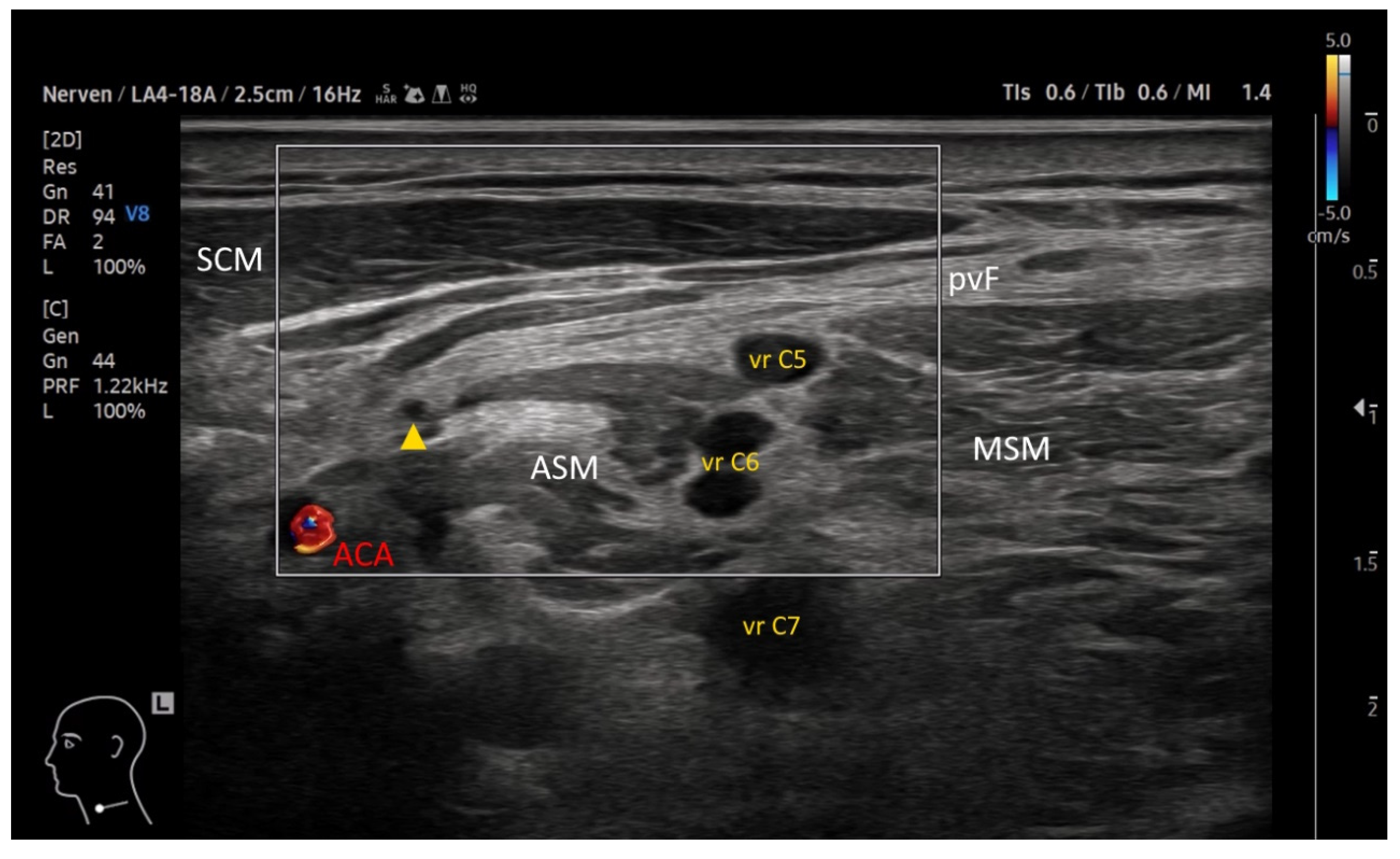
Figure 2.
Supraclavicular approach targeting the superior trunk. Ultrasound image in the supraclavicular region demonstrating the superior trunk (ST) as the primary target structure. The middle trunk (MT), suprascapular artery (SSA), and first rib are visible. The pleura/lung is seen deep to the rib. Compared to the interscalene level, the phrenic nerve is typically located further away from the target. The injection needle is indicated by white arrows.
Figure 2.
Supraclavicular approach targeting the superior trunk. Ultrasound image in the supraclavicular region demonstrating the superior trunk (ST) as the primary target structure. The middle trunk (MT), suprascapular artery (SSA), and first rib are visible. The pleura/lung is seen deep to the rib. Compared to the interscalene level, the phrenic nerve is typically located further away from the target. The injection needle is indicated by white arrows.
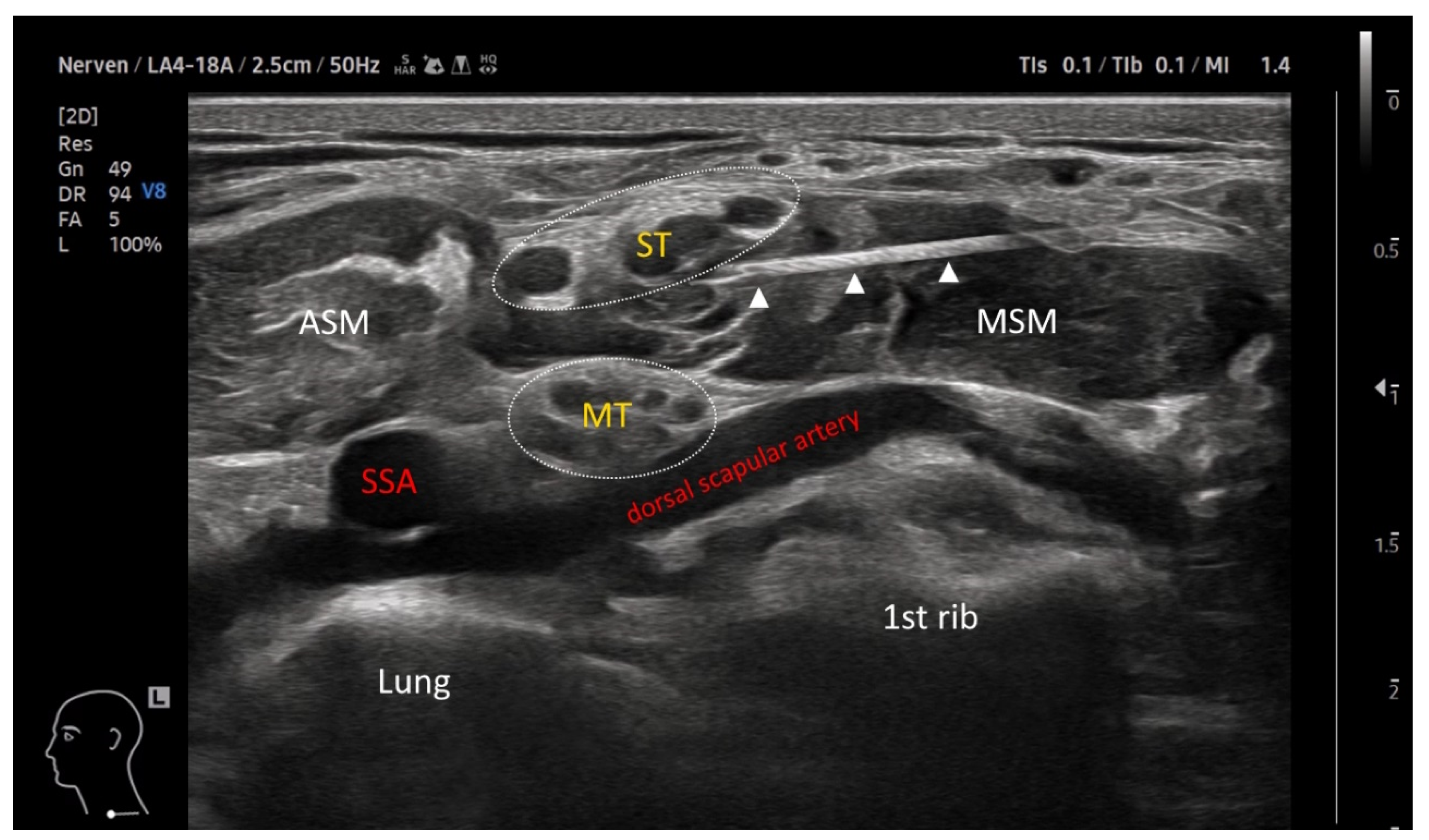
Figure 3.
Ultrasound-guided superior trunk block technique. (a) Clinical setup showing the patient position and in-plane needle approach in the supraclavicular region. (b) Corresponding ultrasound image demonstrating the needle advanced beneath the superior trunk (ST) with the omohyoid muscle (OHM) as an additional anatomical landmark.
Figure 3.
Ultrasound-guided superior trunk block technique. (a) Clinical setup showing the patient position and in-plane needle approach in the supraclavicular region. (b) Corresponding ultrasound image demonstrating the needle advanced beneath the superior trunk (ST) with the omohyoid muscle (OHM) as an additional anatomical landmark.
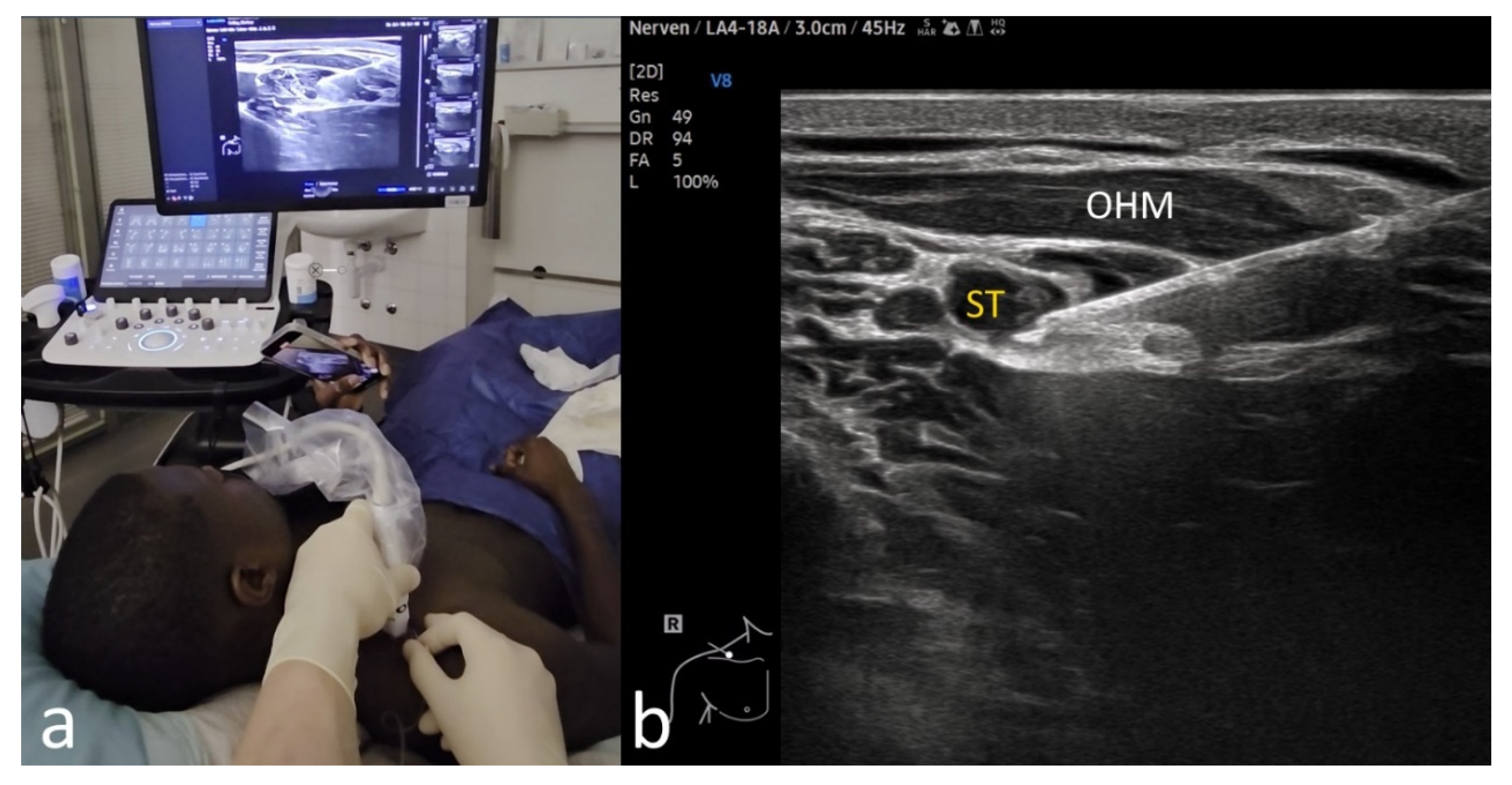
Figure 4.
Clinical course of shoulder dislocation and reduction. (a) Clinical presentation of a patient with acute shoulder dislocation with ultrasound probe in the supraclavicular region. (b) Pre-reduction radiograph confirming anterior shoulder dislocation. (c) Reduction maneuver performed in the emergency department. (d) Post-reduction radiograph demonstrating successful joint realignment.
Figure 4.
Clinical course of shoulder dislocation and reduction. (a) Clinical presentation of a patient with acute shoulder dislocation with ultrasound probe in the supraclavicular region. (b) Pre-reduction radiograph confirming anterior shoulder dislocation. (c) Reduction maneuver performed in the emergency department. (d) Post-reduction radiograph demonstrating successful joint realignment.
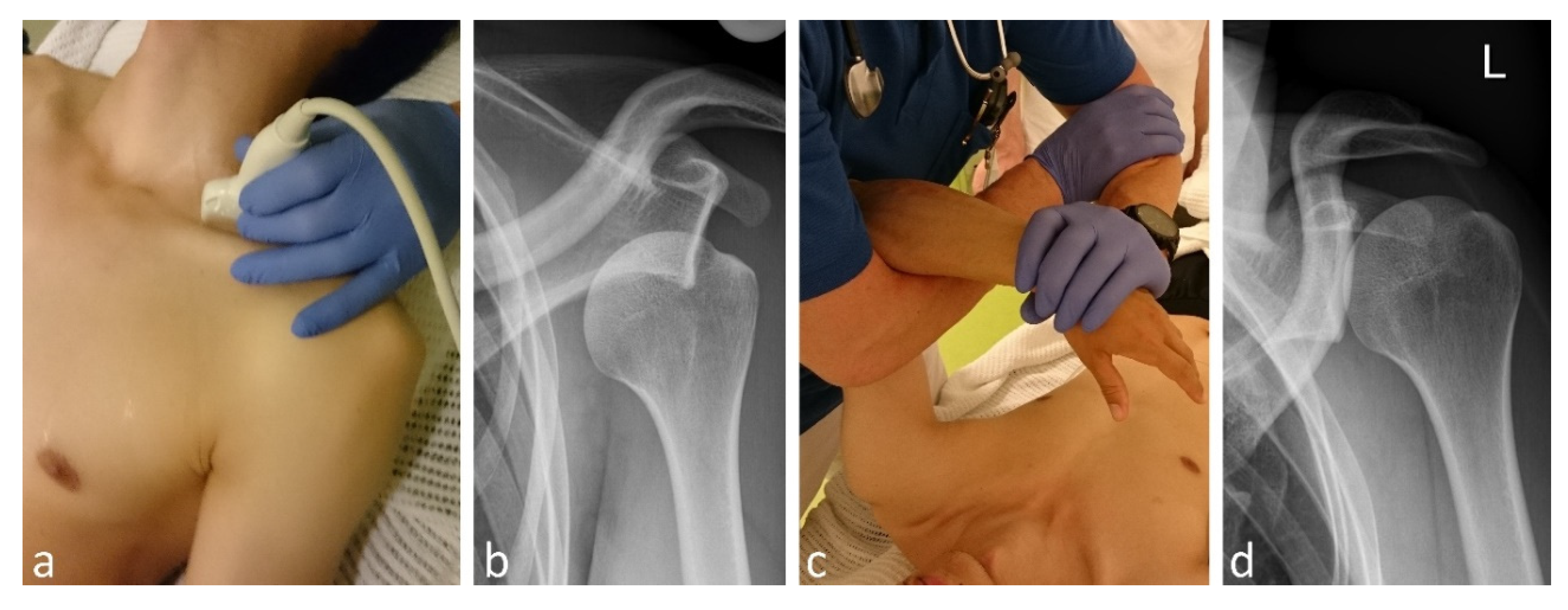
Figure 5.
Use of analgesia techniques over time. Temporal distribution of analgesia techniques during the study period, demonstrating an increasing use of ultrasound-guided regional anesthesia (UGRA) and a corresponding decrease in procedural sedation and analgesia (PSA).
Figure 5.
Use of analgesia techniques over time. Temporal distribution of analgesia techniques during the study period, demonstrating an increasing use of ultrasound-guided regional anesthesia (UGRA) and a corresponding decrease in procedural sedation and analgesia (PSA).
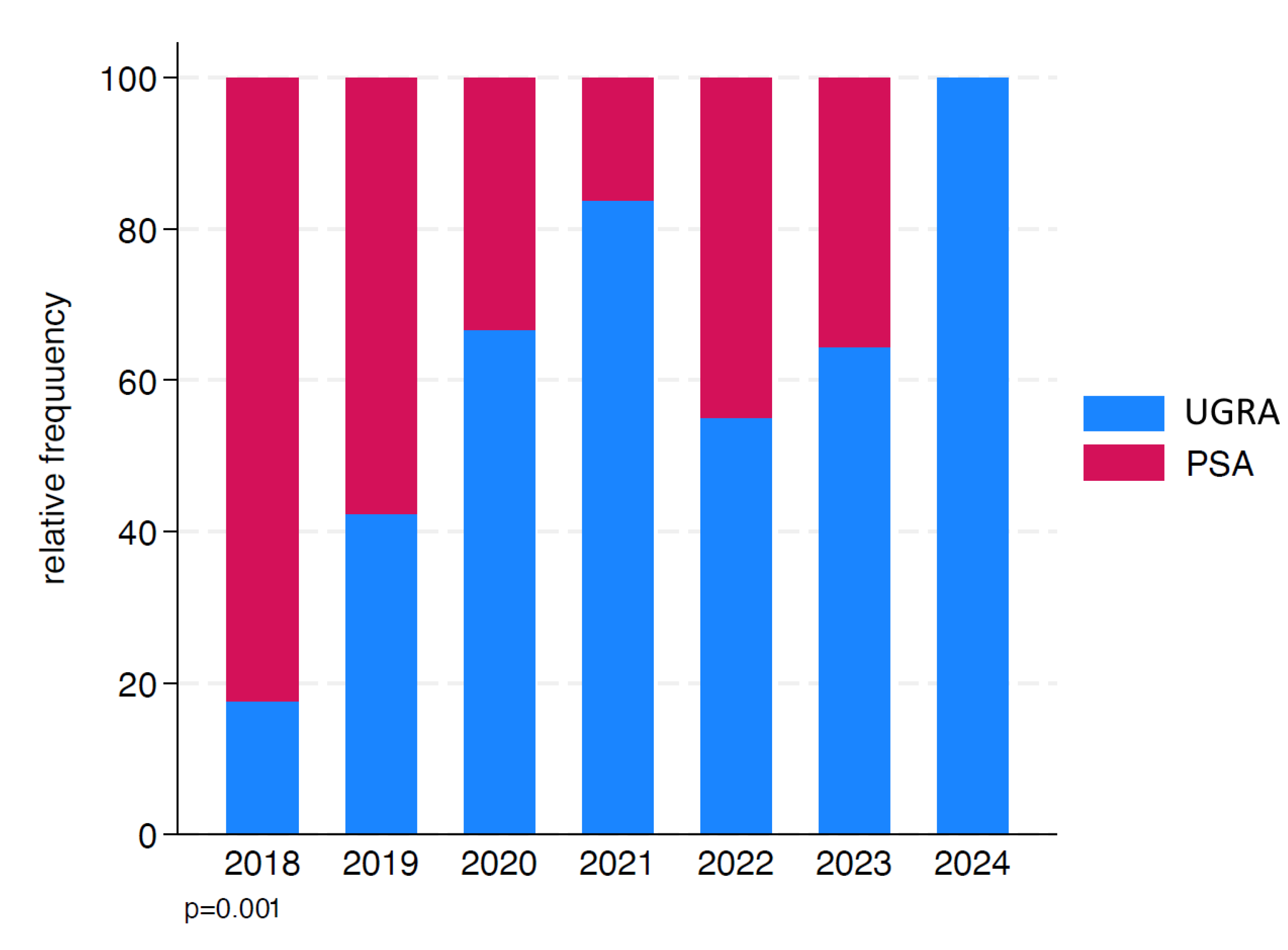
Figure 6.
Local anesthetic volume over time. Temporal trend in local anesthetic volume administered during ultrasound-guided blocks, demonstrating a progressive reduction over the study period.
Figure 6.
Local anesthetic volume over time. Temporal trend in local anesthetic volume administered during ultrasound-guided blocks, demonstrating a progressive reduction over the study period.
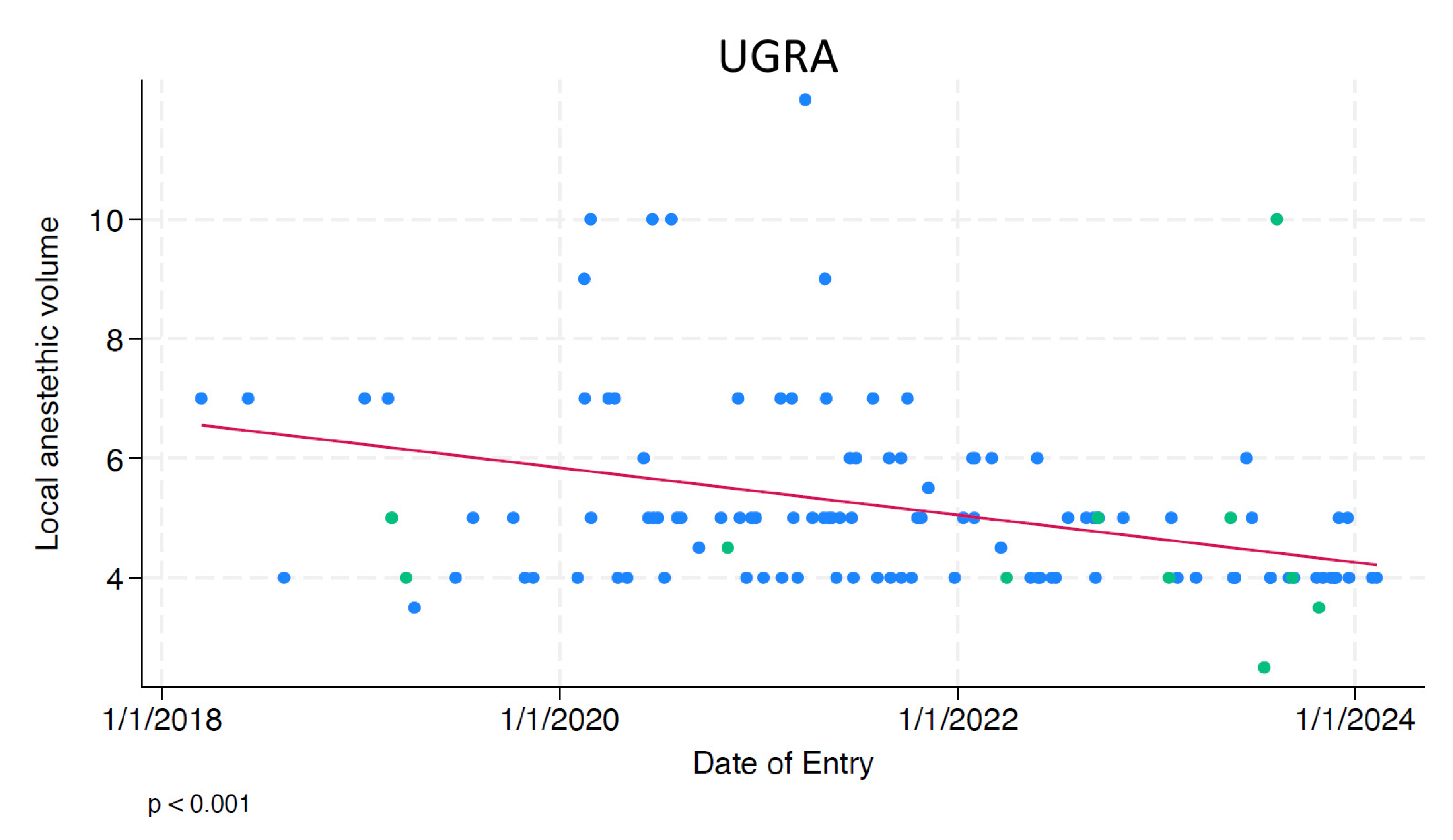
Figure 7.
Length of stay comparison. Comparison of emergency department length of stay (LOS) between patients treated with ultrasound-guided regional anesthesia and procedural sedation. A shorter LOS was observed in the UGRA group.
Figure 7.
Length of stay comparison. Comparison of emergency department length of stay (LOS) between patients treated with ultrasound-guided regional anesthesia and procedural sedation. A shorter LOS was observed in the UGRA group.
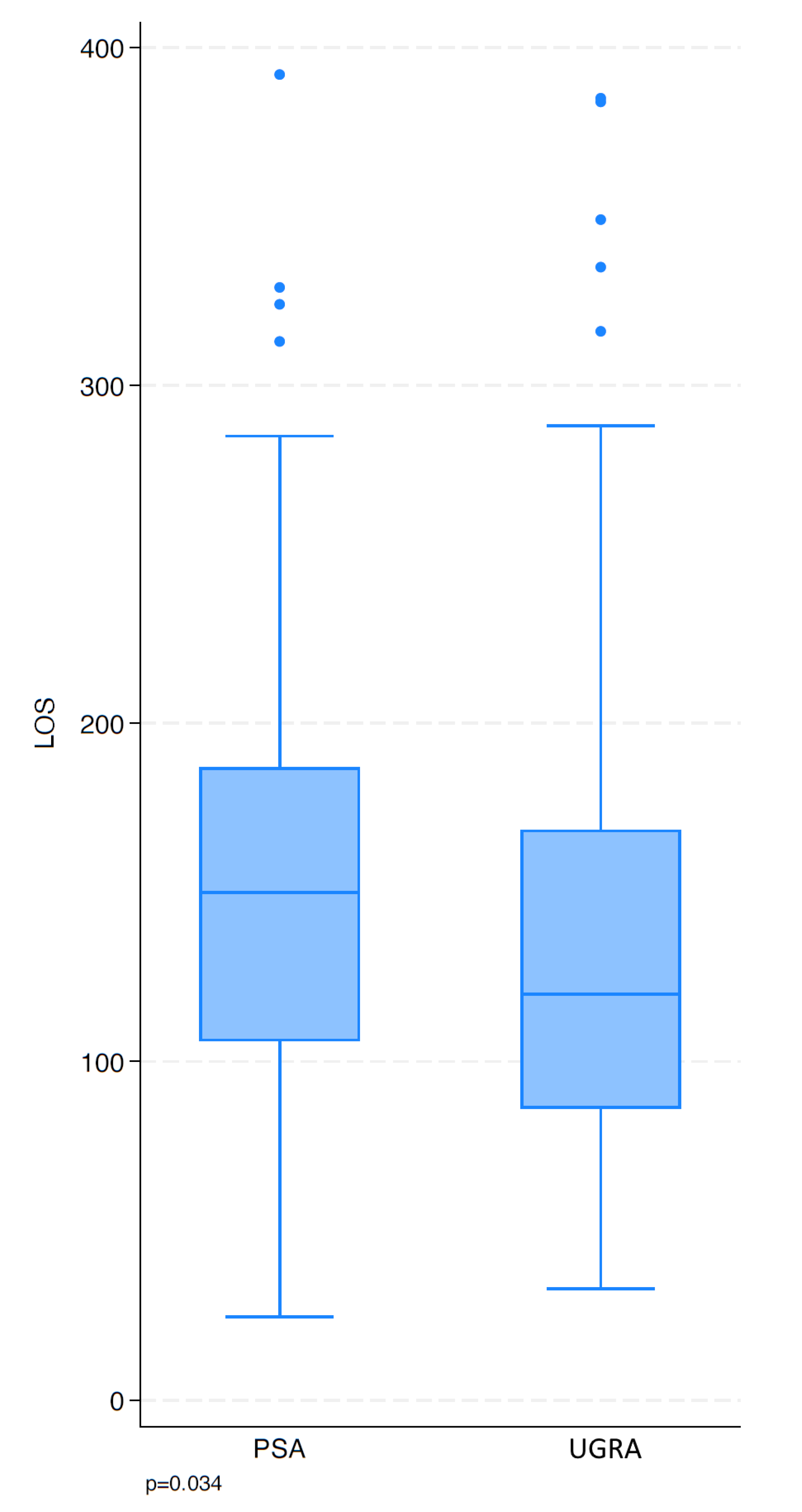
Figure 8.
Temporal trends in length of stay. Temporal changes in emergency department length of stay (LOS) for patients treated with ultrasound-guided regional anesthesia (UGRA) and procedural sedation and analgesia (PSA). A reduction in LOS over time was observed in both treatment groups.
Figure 8.
Temporal trends in length of stay. Temporal changes in emergency department length of stay (LOS) for patients treated with ultrasound-guided regional anesthesia (UGRA) and procedural sedation and analgesia (PSA). A reduction in LOS over time was observed in both treatment groups.
Disclaimer/Publisher’s Note: The statements, opinions and data contained in all publications are solely those of the individual author(s) and contributor(s) and not of MDPI and/or the editor(s). MDPI and/or the editor(s) disclaim responsibility for any injury to people or property resulting from any ideas, methods, instructions or products referred to in the content. |
© 2026 by the authors. Licensee MDPI, Basel, Switzerland. This article is an open access article distributed under the terms and conditions of the Creative Commons Attribution (CC BY) license.
Copyright: This open access article is published under a Creative Commons CC BY 4.0 license, which permit the free download, distribution, and reuse, provided that the author and preprint are cited in any reuse.


