

Submitted:
01 June 2026
Posted:
02 June 2026
You are already at the latest version
Abstract
According to the requirements of the current seismic design code, reinforced concrete (RC) piers of existing bridges generally have insufficient stirrup ratio, and need to be reinforced effectively. Tensioned fiber reinforced polymer (FRP) can provide active constraint to the core concrete, effectively avoid stress hysteresis of FRP, make full use of its high-strength mechanical property, and significantly improve the seismic resistance capacity of bridge piers. Basalt fiber reinforced polymer (BFRP) has high ultimate strain and the advantages of environmental protection, abundant raw materials and low cost, which leads it to be more suitable for seismic reinforcement than other types of FRP. In this paper, we innovatively propose the method to reinforce RC column by using hoop tensioned BFRP jacket, and the seismic performance is investigated by numerical simulation. The results show that this measure can significantly improve the ductility and energy dissipation capacity of the column, BFRP is even better than carbon fiber reinforced polymer (CFRP) to columns with normal strength concrete, degree of prestressing is optimized to be about 0.3, it takes best advantage when the column’s axial compression ratio is about 0.3, the reinforcement effect becomes better with the increase of the jacket height. This paper provides a new optional approach to the seismic reinforcement of existing concrete structures.
Keywords:
prestressed FRP
; seismic reinforce
; bridge piers
; BFRP jacket
; finite element method
1. Introduction
The seismic reinforcement of bridge piers mostly uses the traditional methods: section enlargement, steel bonding, FRP strengthening. However, the traditional reinforcement methods affect the appearance of the structure, increase little energy dissipation capacity, or even reduce the energy dissipation capacity of the piers. FRP strengthening has simple and short construction process, low maintenance costs, doesn’t increase much weight to the original structure; FRP can play an effective role in constrain the core concrete, and can significantly increase the ductility of the damaged columns [1]. Zhao et al. got the conclusion that CFRP can be used for pro-seismic strengthening and post-seismic repair of precast segmental piers [2]. FRP strengthening method has been widely used in recent years.
Because of their superior mechanical properties and low price, BFRP sheets have potential application in the seismic retrofits field. The seismic performance of the strengthened RC pier columns was superior, especially for strengthened columns with low reinforcement ratios or corrosion reinforcement [3]. Wu’s team carried out research on BFRP reinforced structures in China firstly [4,5], and conducted low-cycle reciprocating load tests on circular and square RC columns reinforced with BFRP or CFRP wraps. It was found that BFRP sheets can enhance the shear bearing capacity, ductility and energy dissipation capacity of the strengthened columns, and significantly improve the damage pattern of the specimens; Due to the comparative cost-effectiveness, it is recommended to use BFRP as reinforcement material preferentially in structural seismic reinforcement. Shang et al. developed a numerical model of the RC columns reinforced with CFRP or BFRP using ABAQUS software, and discussed the seismic performance under different parameters, such as FRP material type, column’s slenderness ratio, and the number of layers that FRP wrapped [6]. The results showed that the bearing capacity of specimen increases with the number of the layers of FRP, but there exists an optimal number; Considering the price advantage and mechanical properties, it is also recommended to choose BFRP in structural seismic reinforcement. Huo conducted an experimental study on RC columns reinforced with pasted FRP sheets too, 9 columns with BFRP, 9 columns with CFRP, and 3 short unreinforced ones for comparative axial compressive tests [7]. It was found that the mechanical properties of RC columns reinforced with two types FRP sheets were significantly improved, and the ductility was improved too, although the bearing capacity of the specimen with CFRP was slightly higher than that with BFRP, BFRP is still recommended to be used in structural reinforcement. Huang et al. conducted low cycle reciprocating loading tests on reinforced columns, to investigate the seismic performance of FRP reinforced columns with high axial compression ratio and low strength concrete, the tests showed that the bearing capacity of the columns with BFRP sheets and CFRP sheets were similar under the same lateral load, but that with BFRP sheets has higher ductility and energy dissipation capacity [8].
Liu established a nonlinear model of RC beams using ANSYS software, and carried out finite element analysis of RC beams reinforced with FRP fabric under different degrees of prestressing [9]; The formula to calculate the bearing capacity of the reinforced beams was derived after the comparative analysis of seven beams. Chen et al. developed WSGG (wave-shape-gear-grip) anchorage clamping CFRP plate tensioning device and test base, then derived and validated the formula to calculate the restraining pressure generated by hoop prestressed CFRP fabric wrapped on RC columns [10]. Zhang conducted pseudo-static test of 15 rectangular RC columns composite reinforced with prestressed CFRP fabric and activated powder concrete (RPC), carried out parametric analyses with RPC thickness, reinforcement method of CFRP, and axial compression ratio as the variables, and the results showed that both the single and composite reinforcement method could improve the seismic performance of the piers, and the trilinear resilience model was proposed to the composite reinforced columns, taking into consideration of the thickness of RPC and the coefficient of CFRP variation [11].
In summary, FRP has been widely used in reinforcement projects, but there is a gap in the research on the seismic performance of prestressed-BFRP reinforced RC columns. In this paper, a numerical simulation study on the seismic performance of RC columns with prestressed BFRP jacket will be carried out.
2. Finite Element Model Validation
ABAQUS is adopted to establish the numerical model of the BFRP-reinforced RC columns. In order to verify the accuracy and reasonableness, a pseudo-static test in reference [12] is chosen to validate the numerical model and analysis.
2.1. Introduction to the Pseudo-Static Test
Three specimens, B3S25A3, B3S35A3 and B3S50A3 in the test, are selected for numerical simulation verification. The naming rule is illustrated with B3S25A3 as an example: the column wrapped with 3 layers of BFRP sheet, the strength of concrete is C25, and the axial compression ratio is 0.3. The configuration of the specimens is shown in Figure 1.
The diameter of the columns of the three specimens is 300 mm, the height of the columns is 1850 mm, and the height of the base is 400 mm. The longitudinal reinforcement is 6Ф18 with a reinforcement rate 2.16%, and the concrete cover is 25 mm; The stirrup is configured with Ф6@200. The mechanical property indexes of the rebars are shown in Table 1.
The axial force was applied on the top of the column and kept constant, the axial compression ratio is 0.3 and the shear span ratio is 3.91. The horizontal load is controlled by displacement and the loading regime is shown in Figure 2.
2.2. Finite Element Modelling
2.2.1. Constitutive Relation of Materials
In ABAQUS software, the concrete plastic damage adopts Concrete Damaged Plasticity (abbreviated as CDP) Model mostly, for it can more accurately simulate the nonlinear mechanical behavior of concrete under the reciprocating horizontal load, so this paper adopts CDP model. The concrete compression and tension principal structures are shown in Figure 3 [13].
All the stirrups and longitudinal bars in the base adopt an ideal elastic-plastic model shown in Figure 4(a). Since the constitutive relation of reinforcement in ABAQUS software ignores the bond-slip relationship between reinforcement and concrete, in order to model more accurately, the longitudinal reinforcement in the column chooses the hysteresis model developed by Mr. Fang in the form of a subroutine [14]. This model is a modification of the reciprocally loaded stiffness degradation hysteresis model proposed by Clough [15], it takes into account the effects of the reinforcement working with concrete, including the effects of shear deformation of the concrete after cracking, and the effects of bond-slip between concrete and reinforcement, as shown in Figure 4(b).
The BFRP sheet is orthotropic linear elastic material in the finite element model, which is always in elastic state, and is considered to break when the ultimate tensile strain is reached. In this simulation, unidirectional BFRP sheet is chosen as the reinforcement material, with a single layer thickness of 0.107mm. The fiber content is uniformly distributed in the two vertical directions.
2.2.2. Interaction Between Parts in Model
In practical engineering, reinforcement and concrete are closely integrated, and share the load and work together. In ABAQUS, embedding the reinforcement unit into the concrete unit can avoid the need to set up complex mutual constraints between reinforcement and concrete. This embed-in approach simplifies the modelling process and reduces the amount of computation, while improving the convergence and accuracy of the model [16,17,18]. Therefore, the reinforcing cage is embedded in the whole model.
It is assumed that the deformation between the BFRP sheet and concrete is always coordinated under the loading, which is in line with the Plane Section Assumption. It is assumed the bond properties at the interfaces of different materials are idealized, and the phenomena such as bond failure and slippage that may occur between the concrete and the sheet are ignored. Based on this assumption, the constraint relationship between the BFRP sheet and the concrete is realized by the Tie command in ABAQUS. The Tie constraint is able to permanently bind the two contact surfaces, and ensure that they do not slip relative to each other during the stressing process, which improves the convergence of the model and the accuracy of the calculation. The Tied model is shown in Figure 5.
2.3. Comparison of Numerical Results with Experimental Results
The load-displacement hysteresis curves of the BFRP reinforced specimens are shown in Figure 6, and the numerical simulation data have a high degree of agreement with the test results, indicating that the model established and the constitutive relation adopted are reliable, and can represent the mechanical properties of BFRP sheet and the restrained concrete. The differences both the peak load and ultimate load of the simulation results with those of the test results are small, agreement in other key parameters such as the peak displacements and hysteresis loop area, further validates the correctness of the model.
The corresponding skeleton curves are shown in Figure 7. It is obvious that the force-displacement skeleton curves in the numerical results are in good agreement with that obtained from the tests, especially for the initial elastic stiffness and the peak load, which indicates that the simulation is satisfactory.
The Park Method was used to determine the loads at the characteristic points, including yield load, peak load and ultimate load [19]. The loads at the characteristic points of each specimen are detailed in Table 2, where the ultimate load is the load corresponding to the ultimate displacement.
The table shows that the relative errors between the loads at the characteristic points obtained from the simulation and the test for each specimen is about 4.0%, the largest one is around 5.0%.
The finite element model can simulate the hysteretic performance of columns reinforced with BFRP sheet accurately.
3. Seismic Performance of RC Columns Reinforced with Prestressed BFRP Sheets
3.1. Prestressing the FRP Jacket
The temperature method is used to apply prestressing force to FRP, i.e., the thermal expansion effect of the material is utilized to apply prestressing force by the method of temperature change:
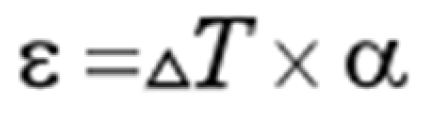
where εis the strain; ΔT is the temperature increment, and α is the thermal expansion coefficient.
The thermal expansion coefficients of BFRP and CFRP is -0.65 × 10⁻⁶/℃ and -0.7 × 10⁻⁶/℃ respectively [20,21], so they are subjected to warming and shrinkage, which results in compressive stresses on the concrete. When applying the circumferential prestressing in ABAQUS, the expansion coefficient of the FRP in the direction of the fiber is defined in the constitutive relation of the FRP, then the temperature field is created in the load module, and the temperature values are inputted. The concept of prestressing degree proposed by Wei Xiang is adopted [22], which is the ratio of the magnitude of the prestressing stress to the tensile strength of the FRP fabric, m=fp/fu, where fp is the initial stress applied to the FRP cloth, fu is the tensile strength of the FRP cloth. The mechanical property indexes of BFRP and CFRP are as follows in Table 3 [23].
3.2. Reinforcement Effects of BFRP and CFRP
The seismic performance of RC columns wrapped with CFRP and BFRP respectively is compared. The axial compression ratio is set to be 0.3, the concrete strengths are taken as C25 and C50, and the degrees of prestressing are 0 and 0.3 (noted as Y0 and Y03, respectively). The stress cloud of BFRP at yielding of the specimen is shown in Figure 8.
The maximum stresses in BFRP and CFRP are basically equal, when the reinforced column with concrete strength C25 is yielded. The maximum stress in BFRP is slightly greater than that in CFRP. The maximum stress in CFRP is slightly greater than that in BFRP, when the reinforced column with concrete strength C50 is yielded. It shows that the FRP jackets with larger modulus had better confinement effect on the columns with higher concrete strength, vice versa, which is consistent with reference [23].
By checking the ABAQUS results when the specimen is at the three different states: initial, yielded and ultimate, the maximum stress values of CFRP and BFRP are shown in Table 4.
It can be seen from Table 4, BFRP exhibits higher stresses at initial state in most cases, e.g., the initial stress is 1152 MPa and 976 MPa for BFRP and CFRP respectively in C25-Y03 specimen.
3.3. Prestressing Degree
Prestressing degree 0, 0.1, 0.2, 0.3, 0.4 are concerned, and they are noted as Y0, Y01, Y02, Y03 and Y04 respectively. The axial compression ratio is chosen to be 0.3, meanwhile the number of wrapping layers is 4, and the strength grade of concrete is C25. From the hysteresis curves in Figure 9, it can be found that the hysteresis area of Y03 specimen is significantly higher than that of Y0 specimen; From the skeleton curves in Figure 10, it can be found that the ultimate bearing capacity of Y03 specimen is about 20.0% greater than that of Y0 specimen. It indicates the ultimate load capacity and energy dissipation capacity of the reinforced columns increase gradually with the increase of prestressing degree. However, the increment of the energy dissipation capacity of the Y04 specimen decrease. The best reinforcement effect is achieved when the prestressing degree is about 0.3.
3.4. Axial Compression Ratio
Different working conditions with axial compression ratios of 0.2, 0.3, and 0.4 (noted as A2, A3, and A4 respectively) were set up for the columns with 4 wrapping layers of BFRP sheet, concrete strength C25, prestressing degree 0 and 0.3. The simulation results are shown in Figure 11 and Figure 12. When the axial compression ratio is 0.2 and 0.3, the hysteresis curve has a full morphology, which is close to the ideal shuttle shape. When the axial compression ratio is 0.4, the hysteresis performance of the specimen deteriorated significantly, the curve showed obvious unsatisfied characteristics, the pinching phenomenon was obvious, and the overall morphology tended to be narrow and showed an inverse S shape.
As can be seen from the skeleton curves in Figure 12, both the initial stiffness and ultimate load capacity of the specimen increase with the increase of the axial compression ratio, the ultimate bearing capacity of Y03 specimens at axial compression ratio 0.2-0.4 were about 10.0% greater than that of Y0 specimens. The axial compression ratio affect the mechanical properties of the structural members significantly.
3.5. Number of Wrapping Layers of BFRP Sheet
The number of BFRP sheet wrapping layers were 2, 3, 4 and 5 (noted as B2, B3, B4 and B5 respectively). Meanwhile, the prestressing degree is set to be 0 and 0.3. The simulation results are shown in Figure 13 and Figure 14. The shape of the hysteresis curves of each specimen is shuttle-like; In the elastic phase, the stiffness in the hysteresis curves is stable; With the increase of the number of wrapping layers of BFRP sheet, the area of hysteresis loops gradually increases, but after the number of layers exceeds 4, the increment of the area of hysteresis loops decreases. This indicates that the enhancement effect of energy dissipation capacity will be weakened with the increase of the number of layers.
The hysteresis loops of the prestressed columns are generally fuller than those of the non-prestressed columns, which indicates that the prestressed BFRP sheet can effectively improve the seismic energy dissipation capacity of the columns.
3.6. Height of BFRP Wrapping Sheet
The BFRP wrapping layers were set to be 4, and the heights of BFRP wrapping were 300mm, 450mm, 600mm, and 750mm (noted as H300, H450, H600, and H750 respectively), and at the same time, the prestressing degree is set to be 0 and 0.3. The simulation results are shown in Figure 15 and Figure 16. It can be seen that the hysteresis loop area of the specimen increases gradually with the increase of the height of the BFRP wrapping sheet.
The sheet with 750mm wrapping height covers the potential plastic hinge area of the column, it effectively inhibiting the lateral expansion of concrete and slowing down the development of cracks.
4. Conclusions
To deal with the insufficient seismic performance of RC columns, this paper proposes the measure of strengthening columns by using prestressed BFRP sheet wrapping, and numerical simulation is carried out by using ABAQUS with different parameter analysis, such as axial compression ratio, prestressing degree, the number of wrapping layers, and the wrapping height. The following main conclusions are obtained.
- (1)
- For RC columns with lower concrete strength, the ductility and energy dissipation capacity of the reinforced columns with BFRP jacket are better than those with CFRP jacket; When the concrete strength exceeds C50, the seismic performance of those with CFRP jacket is slightly better than those with BFRP jacket.
- (2)
- Within a certain range, with the increase of the layers of BFRP sheet and the prestressing degree, the ductile properties, energy dissipation capacity and horizontal bearing capacity of the reinforced columns are significantly improved, that is to say, the seismic performance is significantly improved. Considering economic factors, there exist an optimized number of the layers and prestressing degree.
- (3)
- Whether the column is circularly prestressed or not, as the axial compression ratio increases, the initial stiffness and load bearing capacity of the column increase, but the ultimate displacement and energy dissipation capacity decrease. The axial compression ratio is one of the key factors affect the ductility. There exists an axial compression ratio which enhance the seismic performance.
- (4)
- The energy dissipation capacity of the column gradually increases with the increase of the wrapping height; The larger the wrapping range, the better the seismic performance.
Based on the excellent mechanical properties, abundant material sources, low price and environment friendly, it is recommended to give priority to BFRP sheet in the seismic reinforcement of RC columns. The concrete strength, axial compression ratio and the seismic requirements of the column should be taken into consideration, before the number of wrapped layers of BFRP sheet, the prestressing degree and the wrapped height be reasonably decided. Further experimental studies are planned to be carried out, and efficient and convenient prestressing application methods are being developed.
References
- Youm KS, Lee HE, Choi S (2006) Seismic performance of repaired RC columns[J]. Magazine of Concrete Research, 2006, 58(5), June, 267–276. [CrossRef]
- Zhao JF, Cui QF, Li X et al. (2023) Experimental study on the plastic hinge region of precast segmental bridge piers strengthened by CFRP[J]. Structures, 55 (2023); 1853–1860. [CrossRef]
- Li Y, Xie MF, Liu JB(2019) Experimental study on the seismic behaviour of reinforced concrete bridge piers strengthened by BFRP sheets [J]. Advances in Civil Engineering. Vol 2019, Article ID 4169421, 1-11. [CrossRef]
- Wu G, Gu DS, Jiang JB et al. (2007) Comparative study on seismic performance of basalt fibre and carbon fibre reinforced concrete circular columns[J]. Industrial Building, 2007, (06): 19-23.
- WU G, Wei Y, Jiang JB et al. (2007) Comparative study on seismic performance of basalt fibre and carbon fibre reinforced concrete rectangular columns[J]. Industrial Building, 2007, (06): 14-18+69.
- Shang C, Ma JL, Wang CG et al. (2019) Comparative study on seismic performance of CFRP and BFRP reinforced RC columns[J]. Concrete and Cement Products, 2019, (09): 70-75. [CrossRef]
- Huo BR (2011) Theoretical and experimental research on BFRP-concrete structures. Dissertation, Liaoning University of Engineering and Technology.
- Huang JT, Zhu DY, Gao P et al. (2020) Seismic performance of BFRP-reinforced high axial compression ratio low-strength concrete columns[J]. Journal of Building Materials, 2020, 23(06): 1366-1373. [CrossRef]
- Liu FJ (2009) Finite element analysis of flexural performance of FRP-reinforced RC beams with different prestressing degrees. Dissertation, Wuhan University of Science and Technology.
- Chen XY, Yang G, Zhuo J et al. (2024) Experimental study on large-scale compression members strengthened with circumferential prestressed CFRP plate[J]. Heliyon, 2024, 10(6). 5 . [CrossRef]
- Zhang ZM (2020) Seismic performance of reinforced concrete square columns strengthened by composite pre-stressed CFRP fabric-RPC enlarged section method. Dissertation, Guilin University of Science and Technology.
- Huang JL (2020) Research on seismic performance of low-strength concrete reinforced columns reinforced with basalt fibre composites. Dissertation, Hefei University of Technology.
- Code for the design of concrete structures (GB 50010-2010) [J]. Construction Science and Technology, 2015, (10): 28-30.
- Fang ZH, Zhen Y, Li XP (2018) Reinforcement hysteresis modelling for reinforced concrete structures[J]. Journal of Wuhan University (Engineering Edition), 2018, 51(07): 613-619.
- Clough R W (1966) Effect of stiffness degradation on earth-quake ductility requirements[R]. Universty of California, 1966.
- Zhao XP (2022) Finite element analysis of seismic performance of reinforced concrete beams reinforced with BFRP mesh. Dissertation, North China University of Science and Technology.
- Chen J (2023) Numerical analysis of seismic performance of CFRP reinforced seismically damaged reinforced concrete columns. Dissertation, Three Gorges University.
- Cheng XB, Ma Y, Yuan ZQ (2020) Seismic numerical simulation analysis of reinforced concrete columns based on ABAQUS[J]. Journal of Water Resources and Architectural Engineering, 2020, 18(06): 146-152. [CrossRef]
- Park YJ, Alfredo HS (1985) Mechanistic seismic damage model for reinforced concrete[J]. Journal of Structural Engineering, 1985, 111(4): 722-739. [CrossRef]
- LIU TX, WANG, X, Ru H(2021) ANSYS numerical simulation study of circular cross-section timber beams reinforced with prestressed BFRP fabric[J]. Low Temperature Building Technology,2021,43(09):80-84.
- Zhou CD, Li H, Zeng XL et al. (2015) Finite element analysis of hysteretic properties of concrete columns reinforced with prestressed carbon fibre strips[J]. Journal of Applied Basic and Engineering Sciences,2015,23(03):586-595.
- Wei X (2022) Study on the seismic damage state of pre-stressed CFRP reinforced RC circular piers. Dissertation, Southwest Jiaotong University.
- Huang JT, Gao P, Chen DZ et al. (2024) Effect of concrete strength on the seismic performance of circular reinforced concrete columns confined by basalt and carbon fiber-reinforced polymer[J]. Construction and Building Materials, 449(2024) 138373:1-13. [CrossRef]
Figure 1.
Configuration of the specimens.
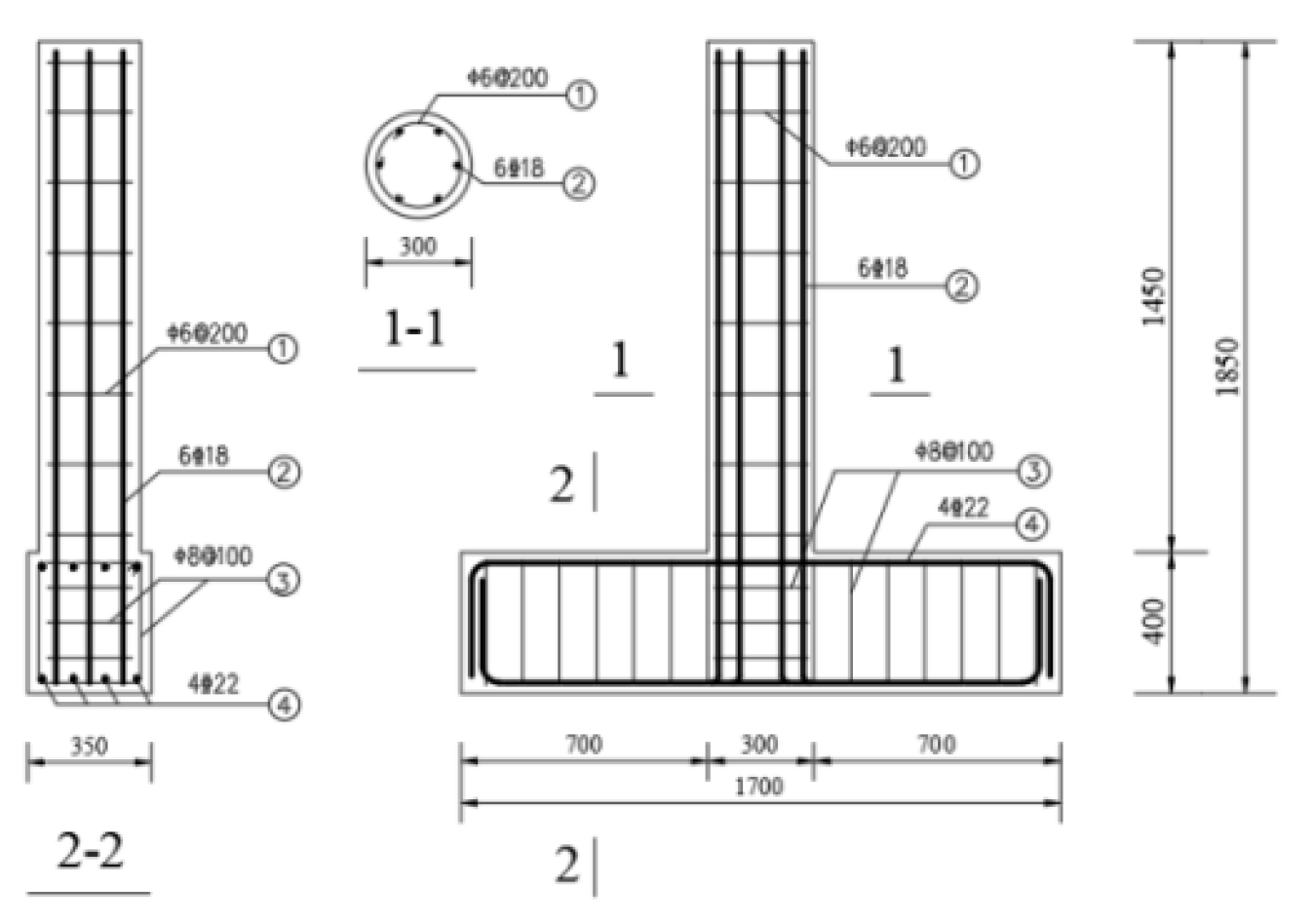
Figure 2.
Loading regime.
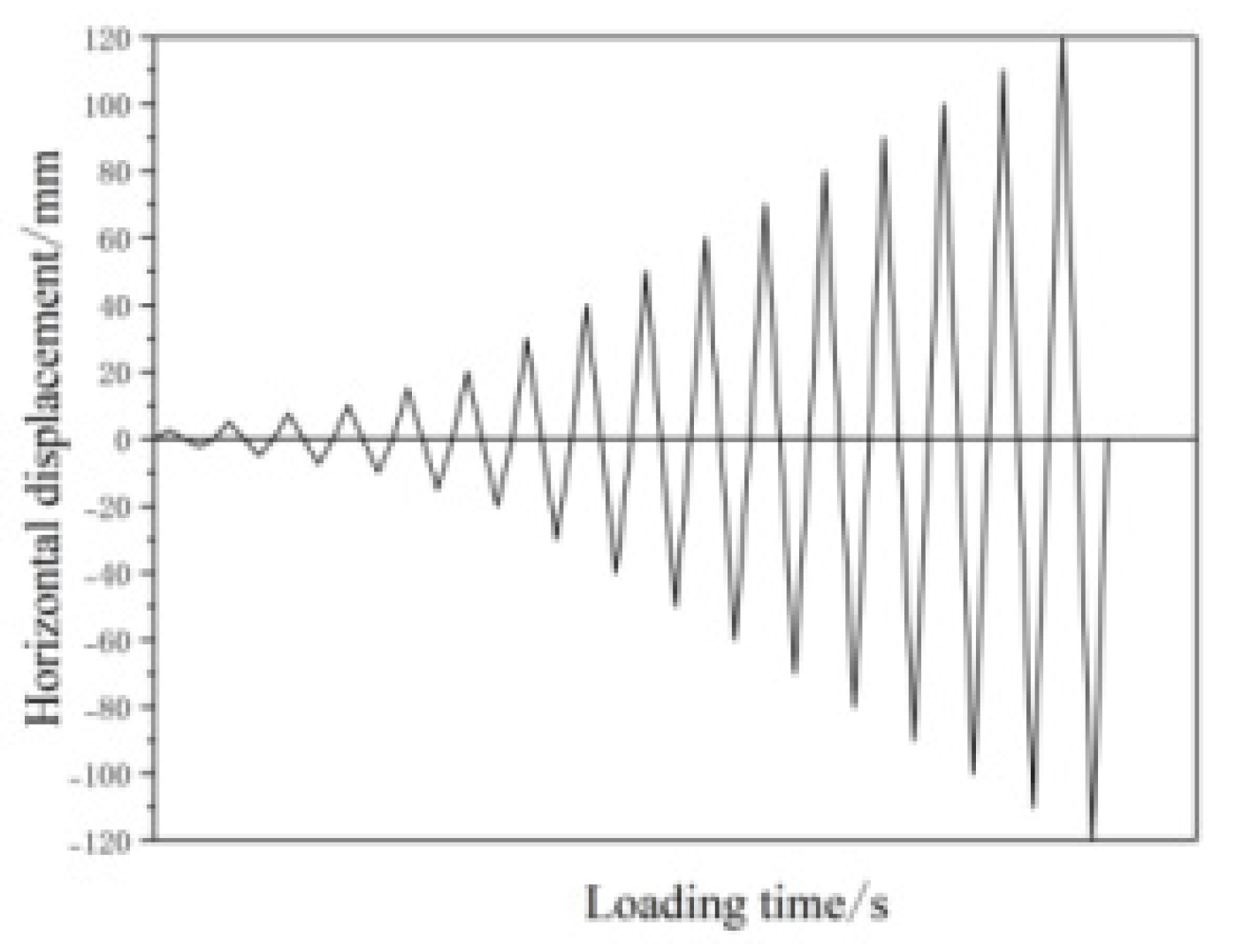
Figure 3.
Concrete stress-strain curve (a) uniaxial compression (b) uniaxial tension.
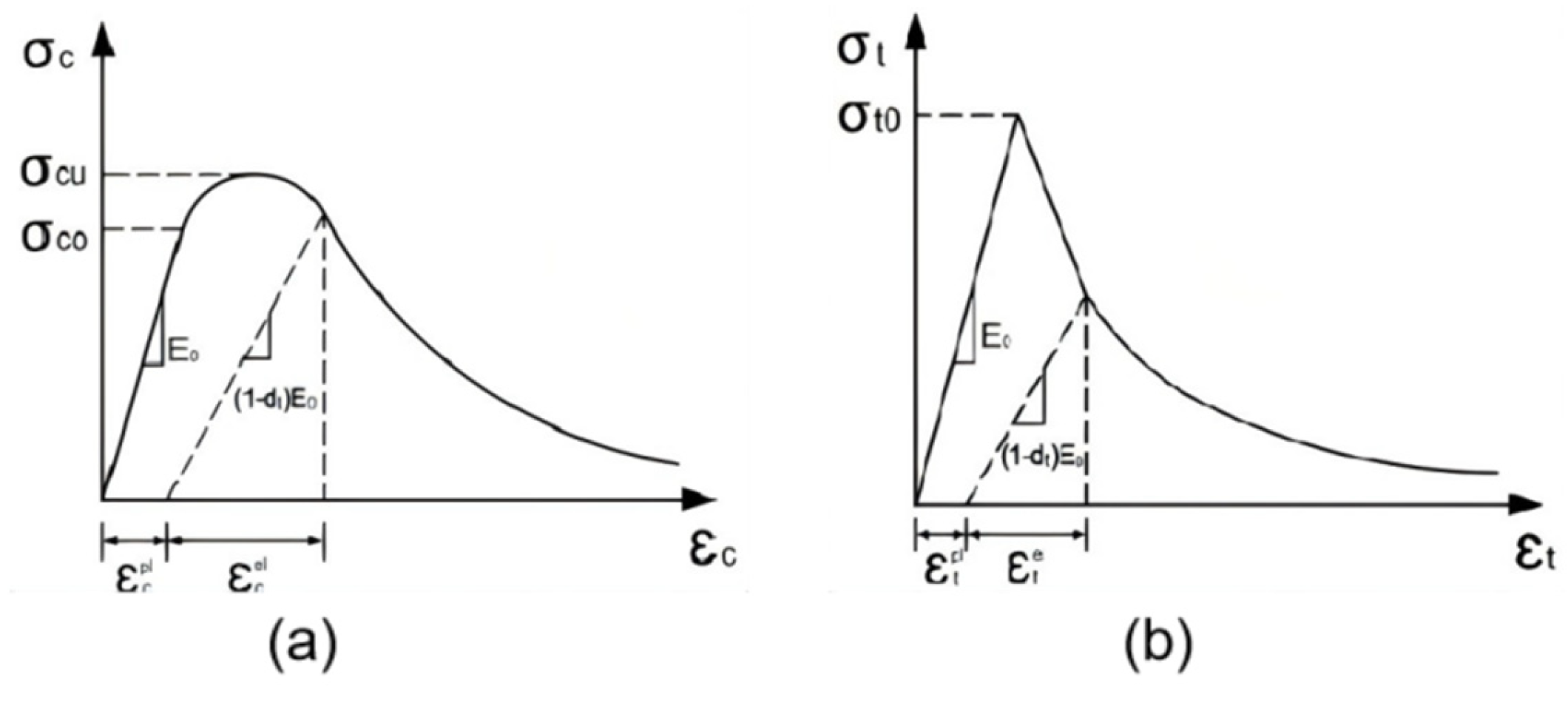
Figure 4.
Stress-strain relationship curve of rebar (a) ideal elastic-plastic model (b) Intrinsic modelling under uniaxial reciprocating loads.
Figure 4.
Stress-strain relationship curve of rebar (a) ideal elastic-plastic model (b) Intrinsic modelling under uniaxial reciprocating loads.
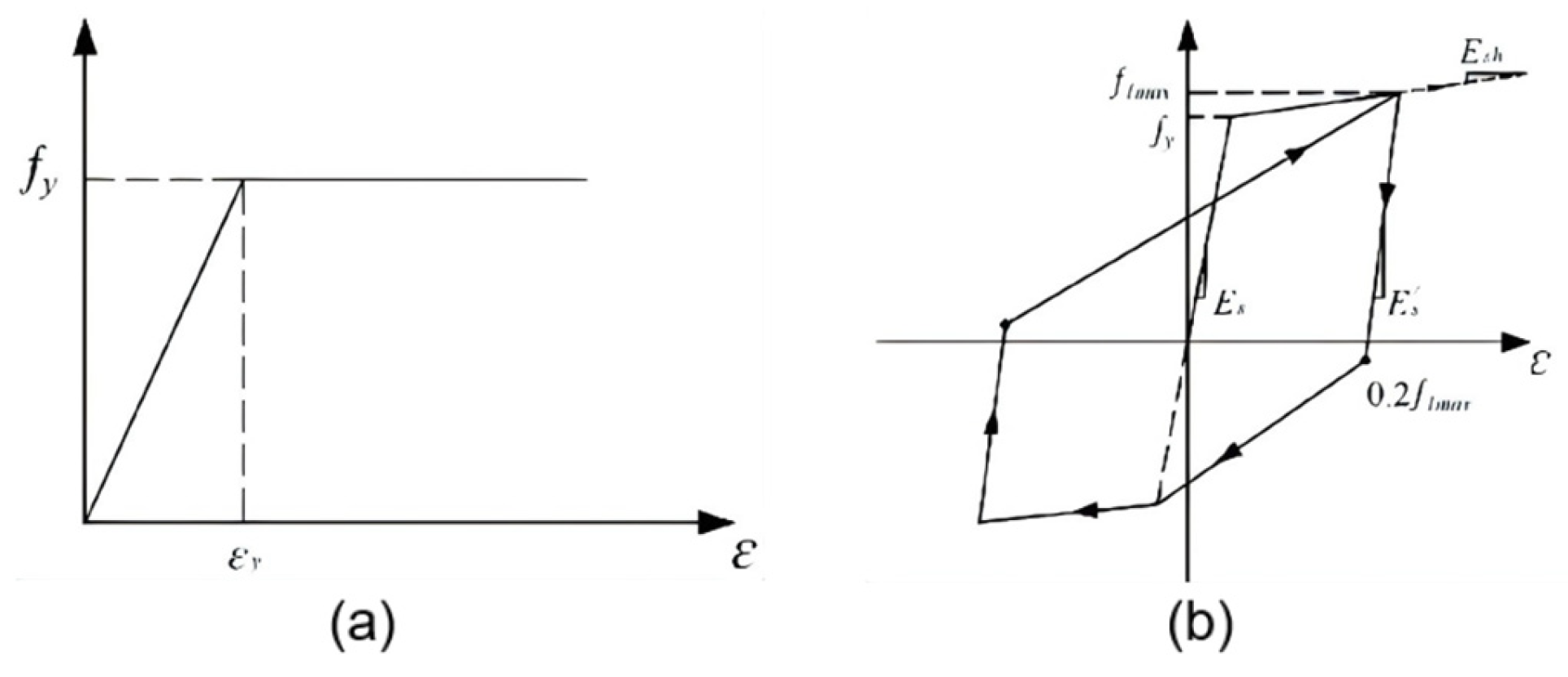
Figure 5.
The position of BFRP sheet in the specimen.
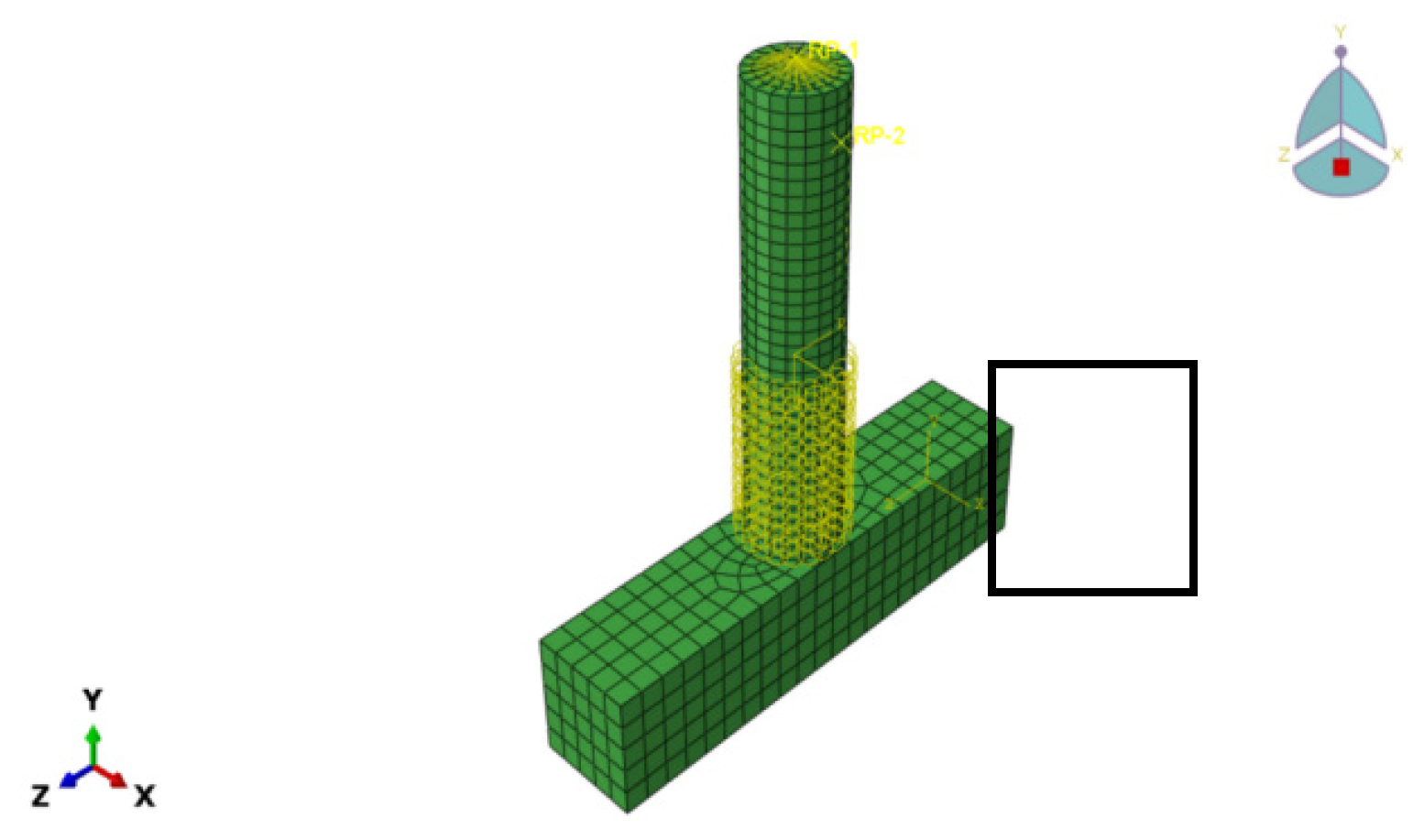
Figure 6.
Hysteresis curves of reinforced RC columns. (a) B3S25A3. (b) B3S35A3. (c) B3S50A3.
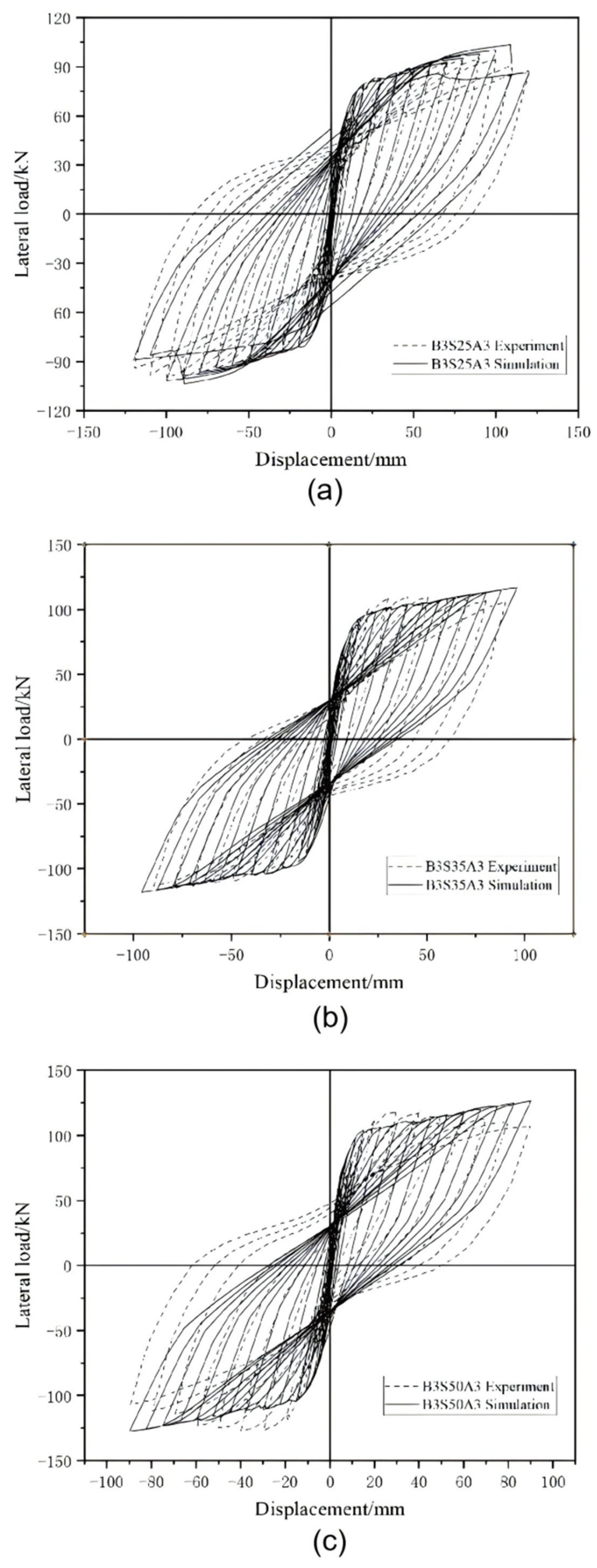
Figure 7.
Skeleton curve of reinforced RC columns. (a) B3S25A3. (b) B3S35A3. (c) B3S50A3.
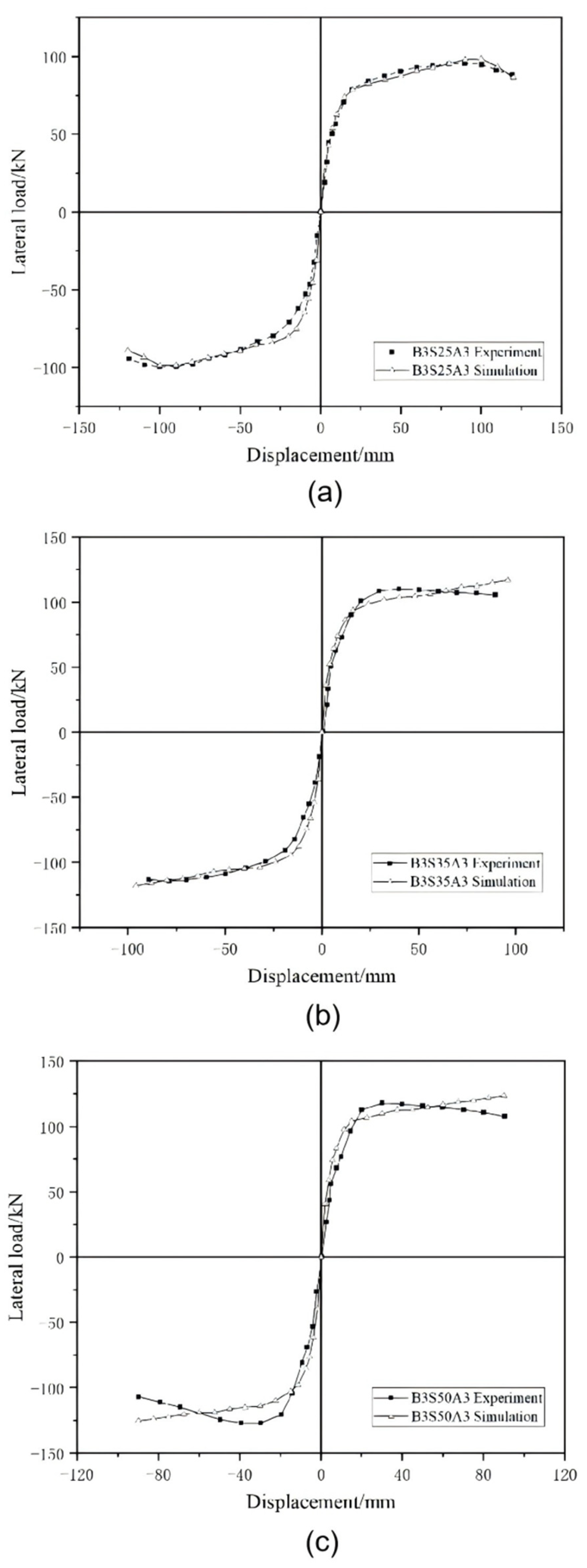
Figure 8.
Stress cloud of BFRP at yielding of specimen. (a) C25-without prestress (b) C25-with prestress. (c) C50-without prestress (d) C50-with prestress.
Figure 8.
Stress cloud of BFRP at yielding of specimen. (a) C25-without prestress (b) C25-with prestress. (c) C50-without prestress (d) C50-with prestress.
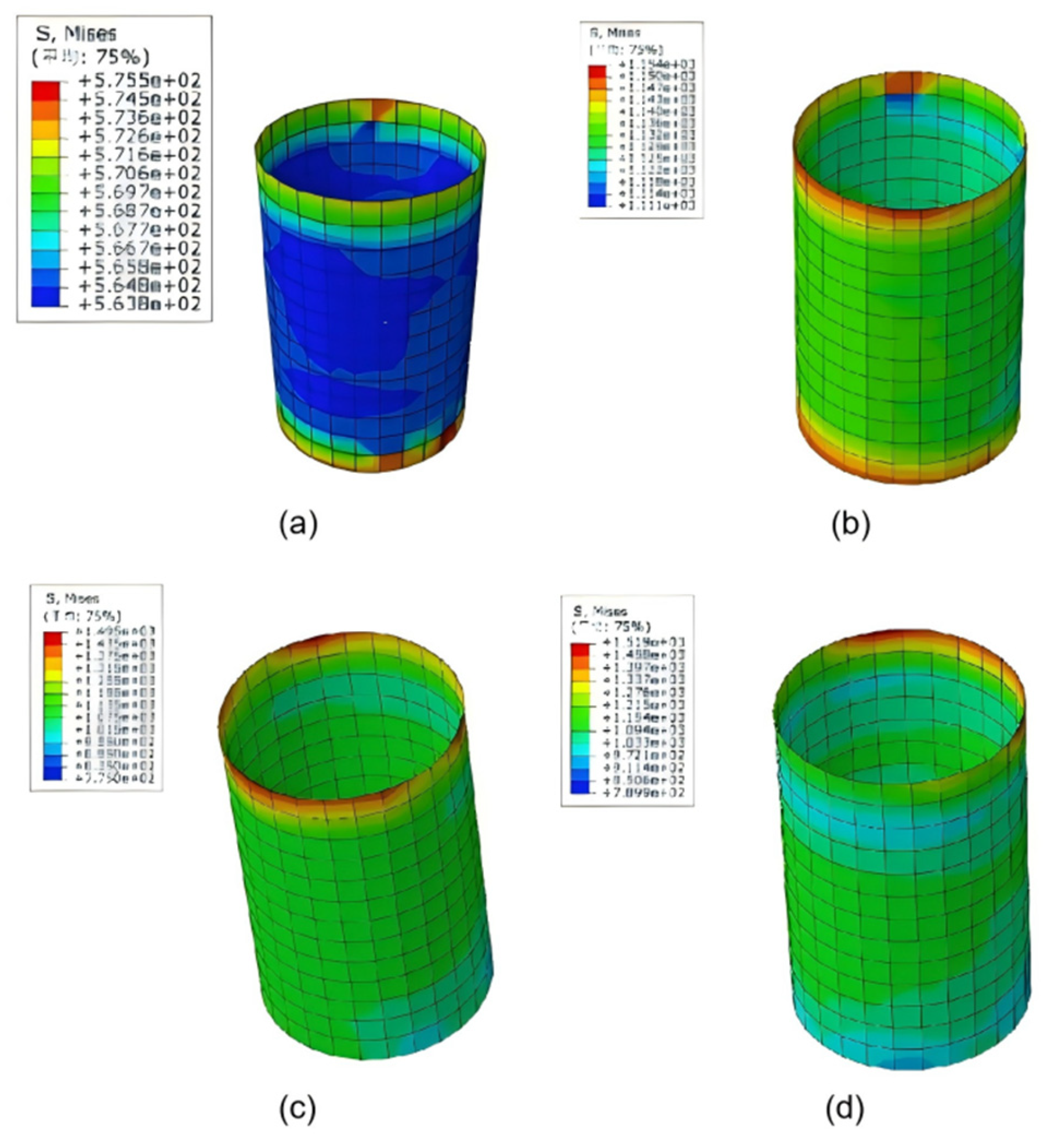
Figure 9.
Hysteresis curves of specimens at different prestressing degrees. (a) Y0 and Y01. (b) Y0 and Y02. (c) Y0 and Y03. (c) Y0 and Y03.
Figure 9.
Hysteresis curves of specimens at different prestressing degrees. (a) Y0 and Y01. (b) Y0 and Y02. (c) Y0 and Y03. (c) Y0 and Y03.
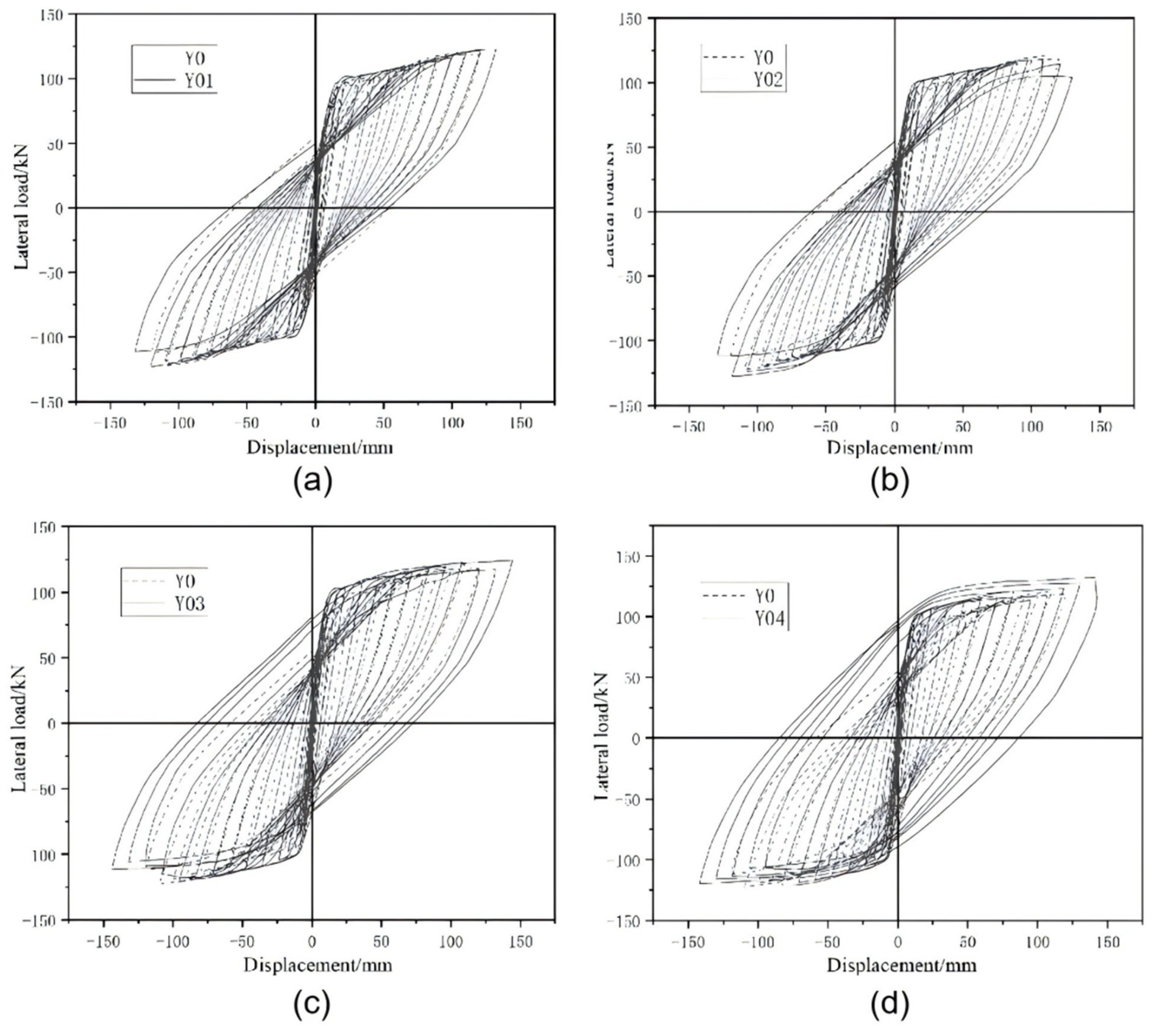
Figure 10.
Skeleton curves under different prestressing degrees.
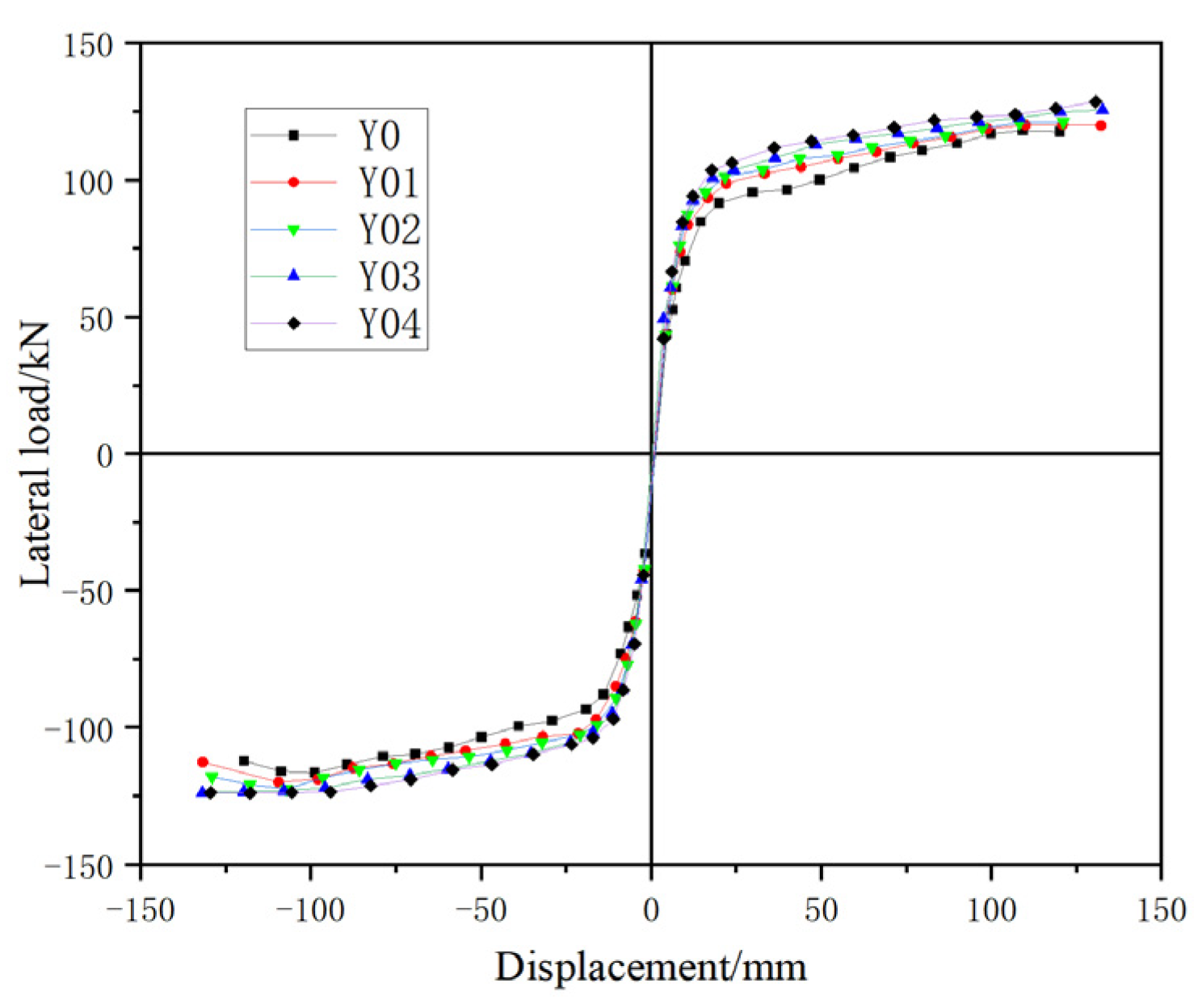
Figure 11.
Hysteresis curves for different axial compression ratios. (a) without prestressing. (b) with prestressing.
Figure 11.
Hysteresis curves for different axial compression ratios. (a) without prestressing. (b) with prestressing.
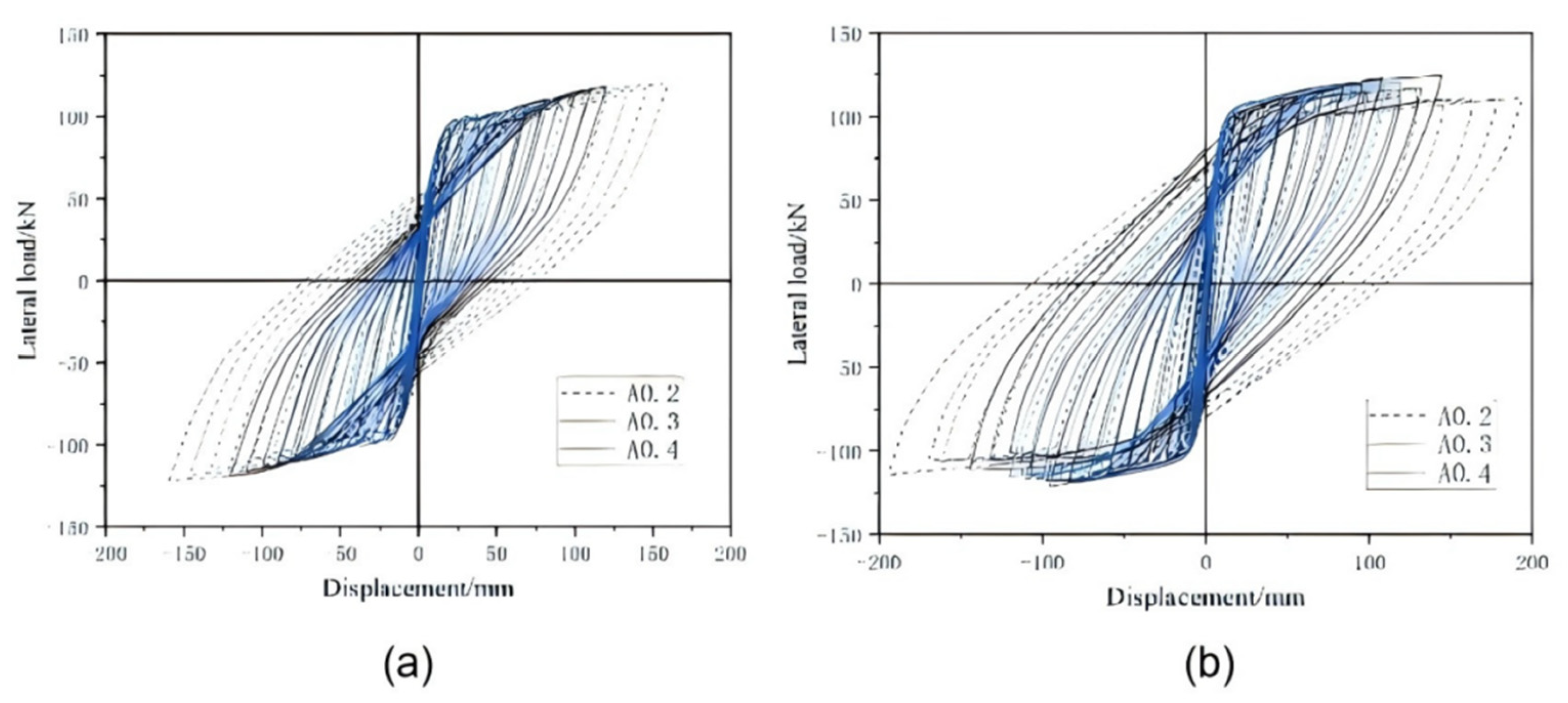
Figure 12.
Skeleton curves for different axial compression ratios. (a) without prestressing. (b) with prestressing.
Figure 12.
Skeleton curves for different axial compression ratios. (a) without prestressing. (b) with prestressing.
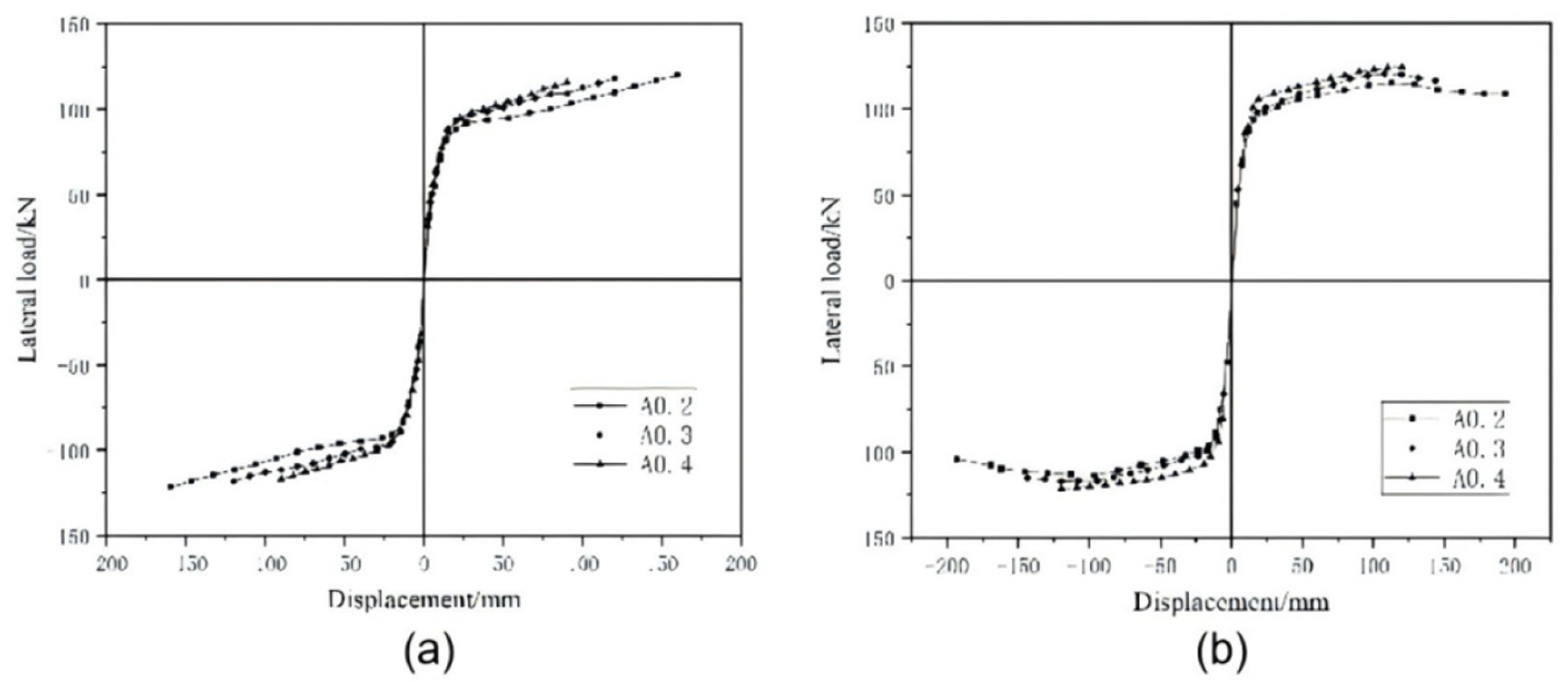
Figure 13.
Hysteresis curves corresponding to different layers. (a) without prestressing. (b) with prestressing.
Figure 13.
Hysteresis curves corresponding to different layers. (a) without prestressing. (b) with prestressing.
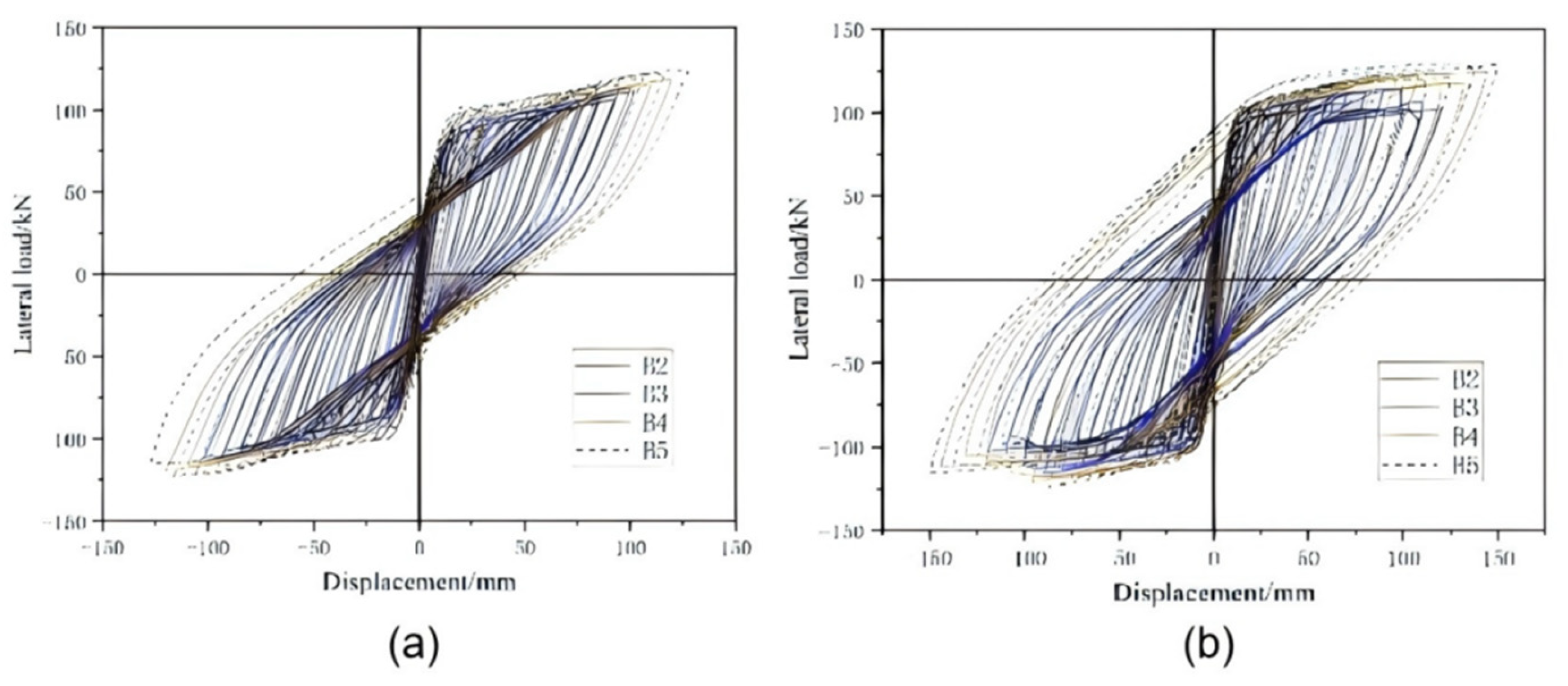
Figure 14.
Skeleton curves corresponding to different layers. (a) without prestressing. (b) with prestressing.
Figure 14.
Skeleton curves corresponding to different layers. (a) without prestressing. (b) with prestressing.
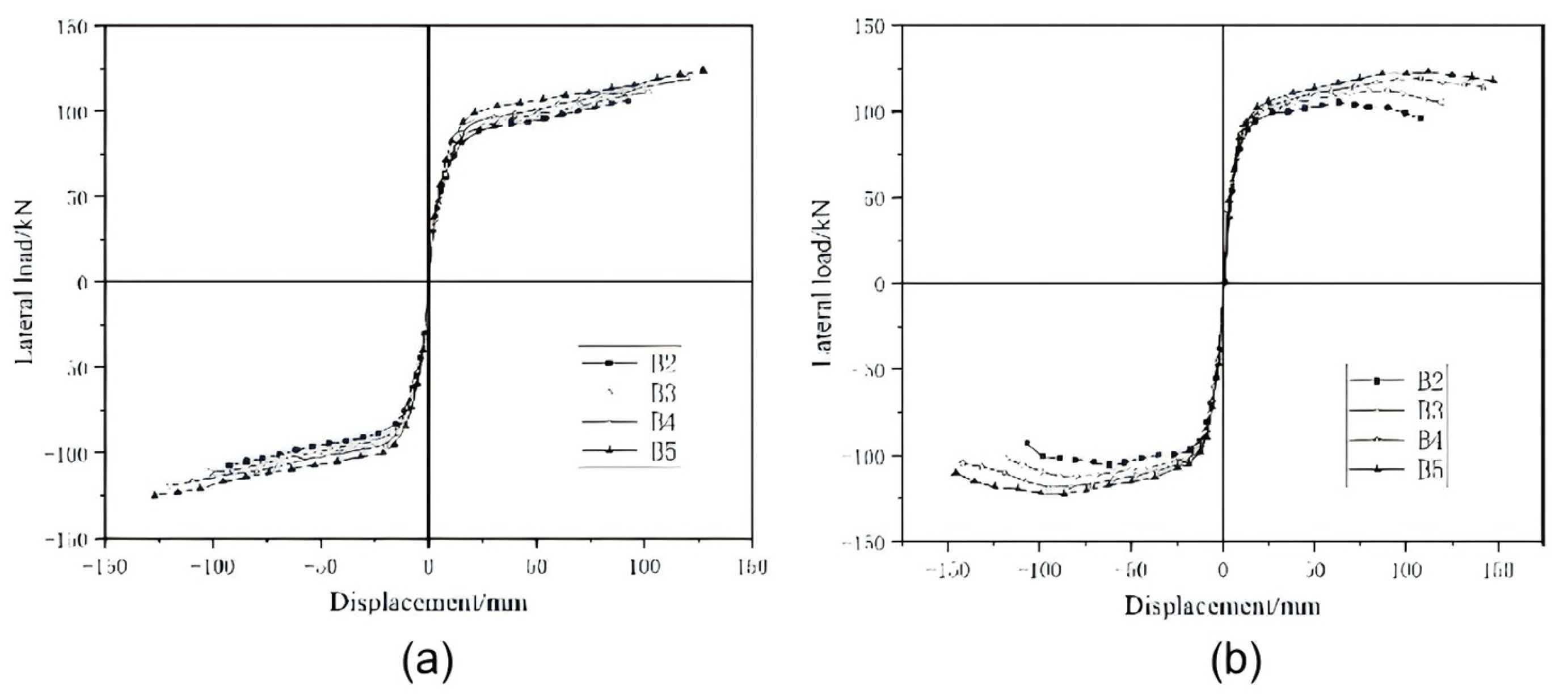
Figure 15.
Hysteresis curves corresponding to different wrapping heights. (a) without prestressing. (b) with prestressing.
Figure 15.
Hysteresis curves corresponding to different wrapping heights. (a) without prestressing. (b) with prestressing.
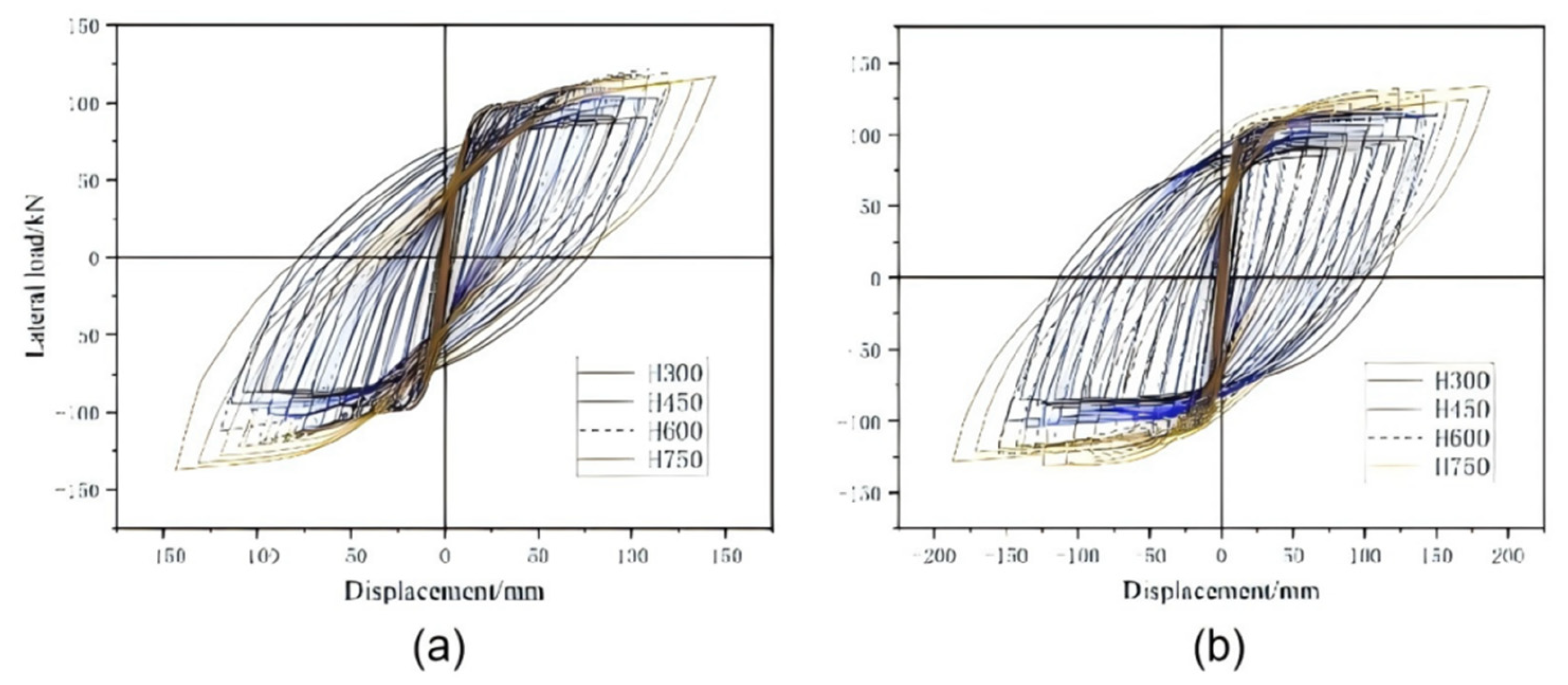
Figure 16.
Skeleton curves corresponding to different wrapping heights. (a) without prestressing. (b) with prestressing.
Figure 16.
Skeleton curves corresponding to different wrapping heights. (a) without prestressing. (b) with prestressing.
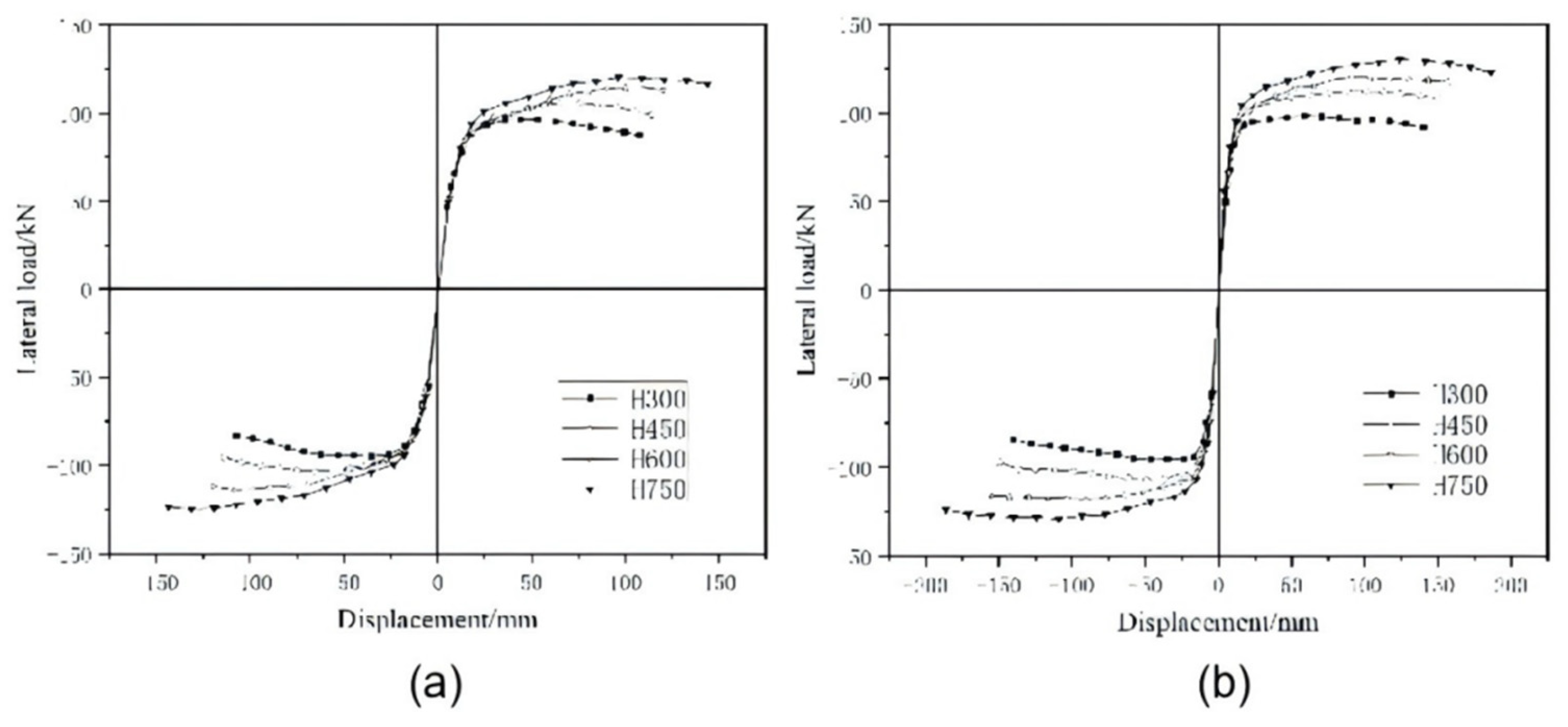

Table 1.
Mechanical property indexes of rebars.
| Rebar | Strength grade | Yield strength/MPa | Ultimate strength/MPa |
| Ф18 | HRB400 | 477.3 | 626.5 |
| Ф22 | HRB400 | 473.7 | 635.6 |
| Ф6 | HPB300 | 393.3 | 519.6 |
| Ф8 | HPB300 | 415.2 | 534.4 |
Table 2.
Loads at characteristic points of skeleton curves in test(-t) and simulation(-s).
| Specimen No. | Yield load/kN | Relative error /% | Peak load /kN | Relative error/% |
| BS25A3-t | 80.75 | / | 95.57 | / |
| BS25A3-s | 78.68 | 2.56 | 97.95 | 0.19 |
| BS35A3-t | 90.26 | / | 110.25 | / |
| BS35A3-s | 93.64 | 3.74 | 104.31 | 5.39 |
| BS50A3-t | 96.78 | / | 118.08 | / |
| BS50A3-s | 97.73 | 0.98 | 112.78 | 4.49 |
Table 3.
Test mechanical property indexes of FRPs.
| Types of FRP |
Tensile strength /MPa |
Modulus of elasticity /GPa |
Elongation /% |
Ultimate strain |
| BFRP | 1857.3 | 79.4 | 2.4 | 0.44 |
| CFRP | 1390.0 | 96.5 | 1.4 | / |
Table 4.
Maximum stress of FRP in different states.
| FRP sheet | Concrete | Prestressing | Initial state/MPa | Yielded state/MPa | Ultimate state/MPa |
| BFRP | C25 | Y0 | 278 | 576 | 1007 |
| Y03 | 1152 | 1154 | 1493 | ||
| C50 | Y0 | 601 | 1495 | 1731 | |
| Y03 | 1173 | 1519 | 1845 | ||
| CFRP | C25 | Y0 | 198 | 288 | 720 |
| Y03 | 976 | 1152 | 1231 | ||
| C50 | Y0 | 653 | 1497 | 1787 | |
| Y03 | 1371 | 1527 | 1846 |
Disclaimer/Publisher’s Note: The statements, opinions and data contained in all publications are solely those of the individual author(s) and contributor(s) and not of MDPI and/or the editor(s). MDPI and/or the editor(s) disclaim responsibility for any injury to people or property resulting from any ideas, methods, instructions or products referred to in the content. |
© 2026 by the authors. Licensee MDPI, Basel, Switzerland. This article is an open access article distributed under the terms and conditions of the Creative Commons Attribution (CC BY) license (http://creativecommons.org/licenses/by/4.0/).
Copyright: This open access article is published under a Creative Commons CC BY 4.0 license, which permit the free download, distribution, and reuse, provided that the author and preprint are cited in any reuse.


