

Submitted:
29 May 2026
Posted:
01 June 2026
You are already at the latest version
Abstract
Background: Extraskeletal osteosarcomas are rare, malignant mesenchymal neoplasms of soft tissues. They account for less than 1% of the soft tissue sarcomas. Primary breast osteosarcomas are extremely rare. They are often aggressive with poor prognosis and often pose diagnostic dilemma for the surgeon. We present a case along with the relative review of the literature. Materials and Methods: Demographics and imaging studies of the selected patient were collected. Written consent was obtained. The literature review included only articles cited on PubMed. The keywords used were “primary breast osteosarcoma”, “breast cancer” and “soft-tissue sarcoma”. Results: A 74-year-old woman presented with a large mass with hard texture on her right breast. She noticed this mass 2 months prior admission. Mammography and breast ultrasound showed a well-circumscribed round-shaped calcified mass on the upper central portion of the right breast. No clinically enlarged lymph nodes were detected in the axilla. Initially a benign calcified fibroadenoma was considered propable. However, the mass was enlarged in less than two months. Due to the tumors’ growth a lumpectomy was performed. The pathological examination revealed breast osteosarcoma with negative margins. Given the negative staging, tumor board recommended adjuvant chemotherapy and the patient had reached 4-year survival but died due to non-disease related issues. Conclusion: Primary breast osteosarcoma is an extremely rare clinical entity. A preoperative diagnosis is challenging. Due to the rarity of the disease, its clinical features range and treatment modalities remain highly personalized. High suspicion and proper treatment ensure early diagnosis and optimal prognosis.
Keywords:
breast cancer
; primary breast osteosarcoma
; soft-tissue sarcoma
Introduction
Extraskeletal osteosarcomas are rare malignant mesenchymal neoplasms of soft tissue and they are particularly localized in lower extremities [1,2]. They were first described by Wilson, in 1941 [3].
Primary breast sarcomas have their origin in nonepithelial elements of the gland. They constitute an heterogenous group of neoplasms, that represent less than 1% of all breast malignancies and less than 5% of all sarcomas [1,4]. Primary breast osteosarcomas are part of an extremely rare subcategory of breast sarcomas [1,2]. There is a difficulty of accurate incidence of breast osteosarcoma evaluation, but it is estimated that it is about 45 cases per 10 million people. To put this into perspective, this rare clinical entity consists the 12.5% to 17% of all primary breast sarcomas [5]. Contrary to skeletal osteosarcomas which most often affect children and adolescents, primary breast osteosarcoma is mainly diagnosed in elderly women [6]. Primary breast osteosarcomas usually present with a clinical presentation similar to breast adenocarcinoma [1,7,8,9]. A palpable, well-circumscribed, painless, mobile lump or a progressively enlarging tumor of the breast in the most common finding [1,4,10]. In some cases, presence of a painful mass with skin ulceration is reported, while in other it is or as random finding on physical examination [11,12,13].
Herein, we report a rare case of primary breast osteosarcoma and we present our diagnostic approach and treatment plan.
Case Presentation
A 74-year old woman with a medical history of atrial fibrillation presented to our Department with a mass in the right breast, which she first noticed two months prior with no other significant symptoms.
It was the second time she visited another outpatient clinic regarding this issue. Initial imaging with ultrasonography revealed a smooth-contoured, densely shadowing lesion with gross calcifications. It was characterized as BI-RADS II (begign appearance). At first, it was considered a degenerated fibroadenoma and she was suggested to undergo follow up protocol.
However, the mass was increasing in size and she seek a second opinion. Upon examination a painless, palpable mass was revealed in the middle of the right breast. There was no evidence of axillary or supraclavicular lymphadenopathy. We reevaluated the mass with ultrasonography, with similar findings and with the mass sizing 2.59x1.77x3.22 cm. Figure 1
Differential diagnosis included breast carcinoma or fibroadenoma.
Mammography showed a smooth-contoured lesion, in the “first hour” of the right breast. These findings were considered compatible with probable degenerated fibroadenoma. Further investigation with digital mammogram revealed a densely shadowing lesion of 25-26mm with gross calcifications in the middle of the breast. Figure 2
Subsequently, the patient underwent magnetic resonance (MRI) of the breast, which confirmed the findings of the well-shaped mass with calcifications. Figure 3 and Figure 4
Blood tests, including tumor markers, were within normal limits. Then, we decided to perform an ultrasound-guided core biopsy. However, this core biopsy was not feasible due to the solid and hard texture of the mass, as the needle could not penetrate inside the mass.
The case was further discussed in the hospital’s Tumor Board. Attending surgeon proposed a mastectomy due to the high suspicion of malignancy. However, Tumor Board’s suggestion was to proceed with lumpectomy. Sentinel lymph node biopsy was not considered necessary due to the fact that there was no evidence of nodal disease.
The patient underwent broad central lumpectomy. The lumpectomy was done using a Batwing incision. Figure 5 and Figure 6
Macroscopic examination of the surgical specimen revealed a brown well-circumscribed tumor with hard texture. Figure 7
Histological examination showed a tumor consisted of mesenchymal cells. These spindle-shaped cells in various locations acquire the morphology of osteoblasts and deposit osteoid. In certain sections, atypical chondrocytes were present, while in others there were multiple osteoclastic elements. Resection margins were negative. Immunochemistry showed estrogen receptor (ER) (-), progesterone receptor (PR) (-), HER2(-), Ki67: 40-60%. These findings were compatible with osteosarcoma.
Postoperative course was uneventful and the patient had excellent recovery. Figure 8
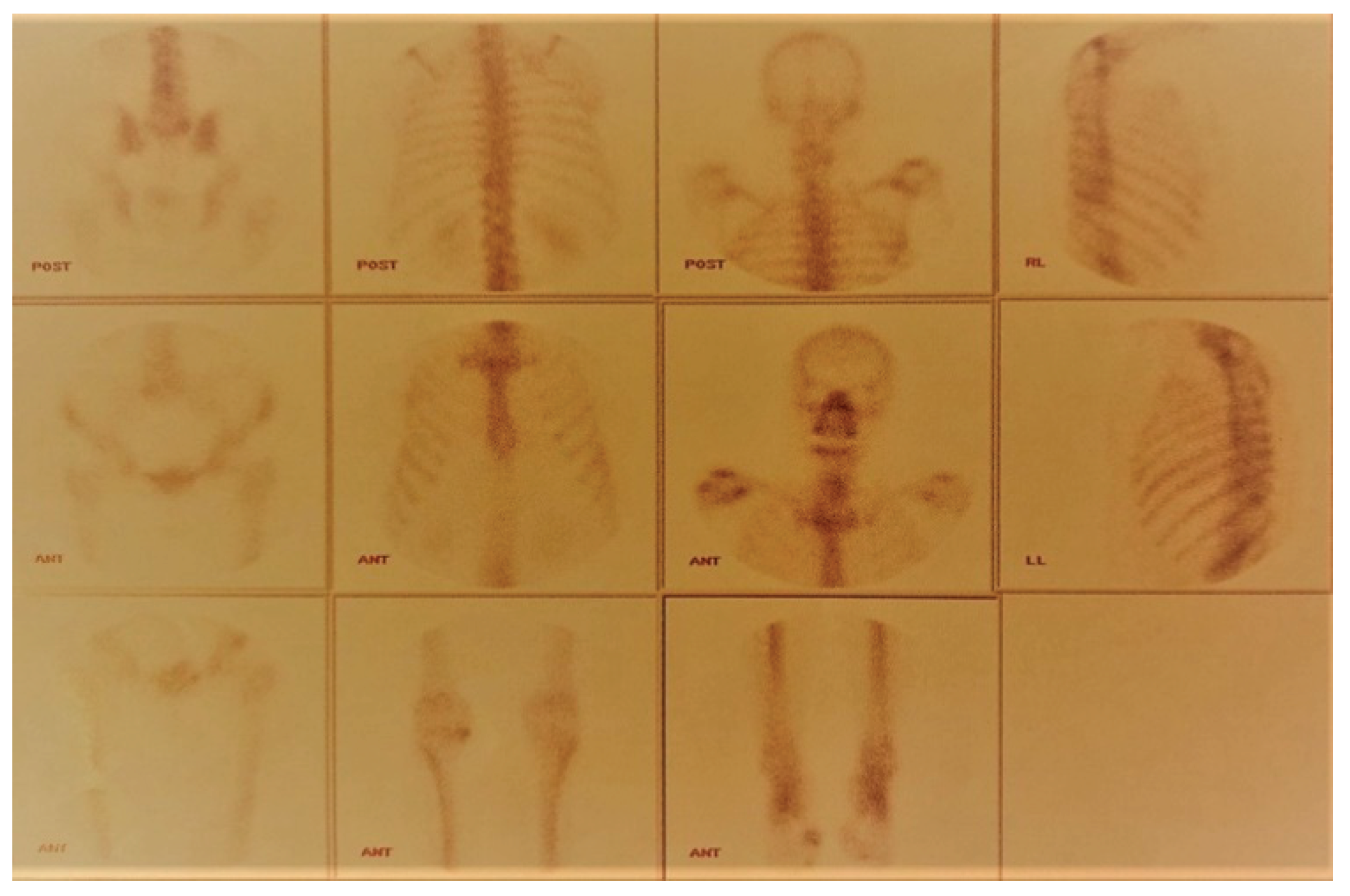
Based on the pathology report, a full-body scintigraphy was done in order to eliminate bone disease compatible with osteosarcoma, other than the breast lesion. The examination was negative. Staging with chest and abdominal computed tomography was also negative. Figure 9
Following the negative staging and the clear resection margins, the patient received adjuvant chemotherapy. Unfortunately, the patient passed away 4 years after the surgical resection due to non-disease related causes.
Discussion
Extraskeletal osteosarcoma is a rare entity. Most of them appear in the soft tissue of lower extremity. Mammary sarcomas are extremely rare, aggressive tumors and they represent less than 1% of all breast malignancies [7,9].
Primary osteosarcoma of the breast represents 12.5% of all the mammary sarcomas, is a highly aggressive tumor, characterized by hematogenous metastasis. Most cases are reported in elderly patients [14,15,16,17]. In many cases, breast osteosarcoma derives from mesenchymal cells of the breast stroma, while in others appears simultaneously with biphasic tumors such as phyloid tumors and fibroadenomas, but there are certain criteria for a tumor, in order to be characterized as primary osteosarcoma [9]. Histologically, primary breast osteosarcoma mimics osteosarcoma of the bone [1]. Diagnostic criteria include no affinity to bone tissue, presence of neoplastic bone or osteoid and absence of epithelial components [1,9,11]. Immunochemistry provides additional characteristics to set the diagnosis, as the presence of osteoid tissue is not diagnostic, since it can be present in benign lesions as well [13,14]. Several cases report infiltrated resection margins and satellite nodules [10,15].
Differential diagnosis also includes metaplastic sarcomatoid carcinoma, besides fibroadenomas and breast cancer [12].
Common risk factors for developint primary breast osteosarcoma are previous radiotherapy for a breast carcinoma, chronic lymphoedema, trauma, professional exposure to vinylchloride and artificial implants [18,19,20].
To date there is no gold standard of care. Treatment for primary breast osteosarcoma is highly individualized and should be based on complete resection of the tumor with negative resection margins, while modified radical mastectomy with axillary lymph node dissection should only be applied when there is clinical evidence of nodal involvement. Adjuvant chemotherapy is necessary and has shown to improve the survival rate up to 38% [21].
Conclusion
Primary osteosarcoma of the breast is an exceptionally rare and aggressive malignant tumor that predominantly affects elderly women and may clinically and radiologically resemble not only benign breast lesions, but also malignant lesions. Due to nonspecific radiological findings, definitive diagnosis is set based on histological examination. Exclusion of other primary skeletal tumors in necessary. Surgical excision with negative resection margins remains the primary goal of treatment, while adjuvant chemotherapy should be considered on an individualized basis. Given the limited number of reported cases and the absence of standardized management guidelines, multidisciplinary evaluation is essential to optimize treatment plan and follow-up. Reporting additional cases may contribute to a better understanding of the biological behavior, prognosis, and optimal therapeutic approach for this uncommon malignancy.
References
- Mujtaba, B.; et al. Primary osteosarcoma of the breast: pathophysiology and imaging review. Curr. Probl. Diagn. Radiol. 2019. [Google Scholar] [CrossRef]
- Krishnamurthy, A. Primary breast osteosarcoma: a diagnostic challenge. Indian J. Nucl. Med. 2015, 30, 39–41. [Google Scholar] [CrossRef]
- Wilson, H. Extraskeletal ossifying tumors. Ann. Surg. 1941, 113, 95–112. [Google Scholar] [CrossRef]
- Gafumbegete, E.; Fahl, U.; Weinhardt, R.; Respondek, M.; Elsharkawy, A.E. Primary osteosarcoma of the breast after complete resection of a metaplastic ossification: a case report. J. Med. Case Rep. 2016, 10, 231. [Google Scholar] [CrossRef] [PubMed]
- Szajewski, M.; et al. Primary osteosarcoma of the breast: a case report. Oncol. Lett. 2014, 7, 1962–4. [Google Scholar] [CrossRef] [PubMed]
- Vorobiof, G.; Hariparsad, G.; Freinkel, W.; Said, H.; Vorobiof, D.A. Primary osteosarcoma of the breast: a case report. Breast J. 2003, 9, 231–3. [Google Scholar] [CrossRef] [PubMed]
- Gull, S.; Patil, P.; Spence, R.A.J. Primary osteosarcoma of breast. BMJ Case Rep. 2011, 2011, bcr0120113703. [Google Scholar] [CrossRef]
- Kurata, K.; et al. A case of primary extraskeletal osteosarcoma of the breast. Surg. Case Rep. 2018, 4, 121. [Google Scholar] [CrossRef]
- Dey, S.; Chaudhury, M.K.; Basu, S.K.; Manna, A.K.; Dutta, S.K. Primary osteosarcoma of breast, a rare case. J. Clin. Diagn. Res. 2013, 7, 1710–1. [Google Scholar] [CrossRef]
- Rizzi, A.; et al. Primary osteosarcoma of the breast: a case report. Case Rep. Oncol. Med. 2013, 2013, 858705. [Google Scholar] [CrossRef]
- Allan, C.J.; Soule, E.H. Osteogenic sarcoma of the somatic soft tissues. Clinicopathologic study of 26 cases and review of literature. Cancer 1971, 27, 1121–33. [Google Scholar] [CrossRef]
- Trihia, H.; et al. Primary osteogenic sarcoma of the breast: cytomorphologic study of 3 cases with histologic correlation. Acta Cytol. 2007, 51, 443–50. [Google Scholar] [CrossRef]
- Silver, S.A.; Tavassoli, F.A. Primary osteogenic sarcoma of the breast: a clinicopathologic analysis of 50 cases. Am. J. Surg. Pathol. 1998, 22, 925–33. [Google Scholar] [CrossRef] [PubMed]
- Vanhoeij, M.; Bourgain, C.; Lamote, J. Primary osteogenic sarcoma of the breast: a rare and fatal case. Breast J. 2011, 17, 97–9. [Google Scholar] [CrossRef] [PubMed]
- Sabate, J.M.; Gomez, A.; Torrubia, S.; Flotats, A. Osteosarcoma of the breast. AJR Am. J. Roentgenol. 2002, 179, 277–8. [Google Scholar] [CrossRef] [PubMed]
- Bahrami, A.; Resetkova, E.; Ro, J.Y.; Ibanez, J.D.; Ayala, A.G. Primary osteosarcoma of the breast: report of 2 cases. Arch. Pathol. Lab Med. 2007, 131, 792–5. [Google Scholar] [CrossRef]
- Remadi, S.; Doussis-Anagnostopoulu, I.; McGee, W. Primary osteosarcoma of the breast. Pathol. Res. Pract. 1995, 191, 471–7. [Google Scholar] [CrossRef]
- Sarkar, S.; Kapur, N.; Mukri, H.M.; Saurabh, A.; Kumar, N. Chondroblastic osteosarcoma of breast in a case of phyllodes tumour with recurrence, a rare case report. Int. J. Surg. Case Rep. 2016, 27, 189–91. [Google Scholar] [CrossRef]
- Balzer, B.L.; Weiss, S.W. Do biomaterials cause implant-associated mesenchymal tumors of the breast? Analysis of 8 new cases and review of the literature. Hum. Pathol. 2009, 40, 1564–70. [Google Scholar] [CrossRef]
- Voutsadakis, I.A.; Zaman, K.; Leyvraz, S. Breast sarcomas: current and future perspectives. Breast 2011, 20, 199–204. [Google Scholar] [CrossRef]
- Khan, S.; Griffiths, E.A.; Shah, N.; Ravi, S. Primary osteogenic sarcoma of the breast: a case report. Cases J. 2008, 1, 148. [Google Scholar] [CrossRef]
Figure 1.
Ultrasound image of the lesion on the right breast.
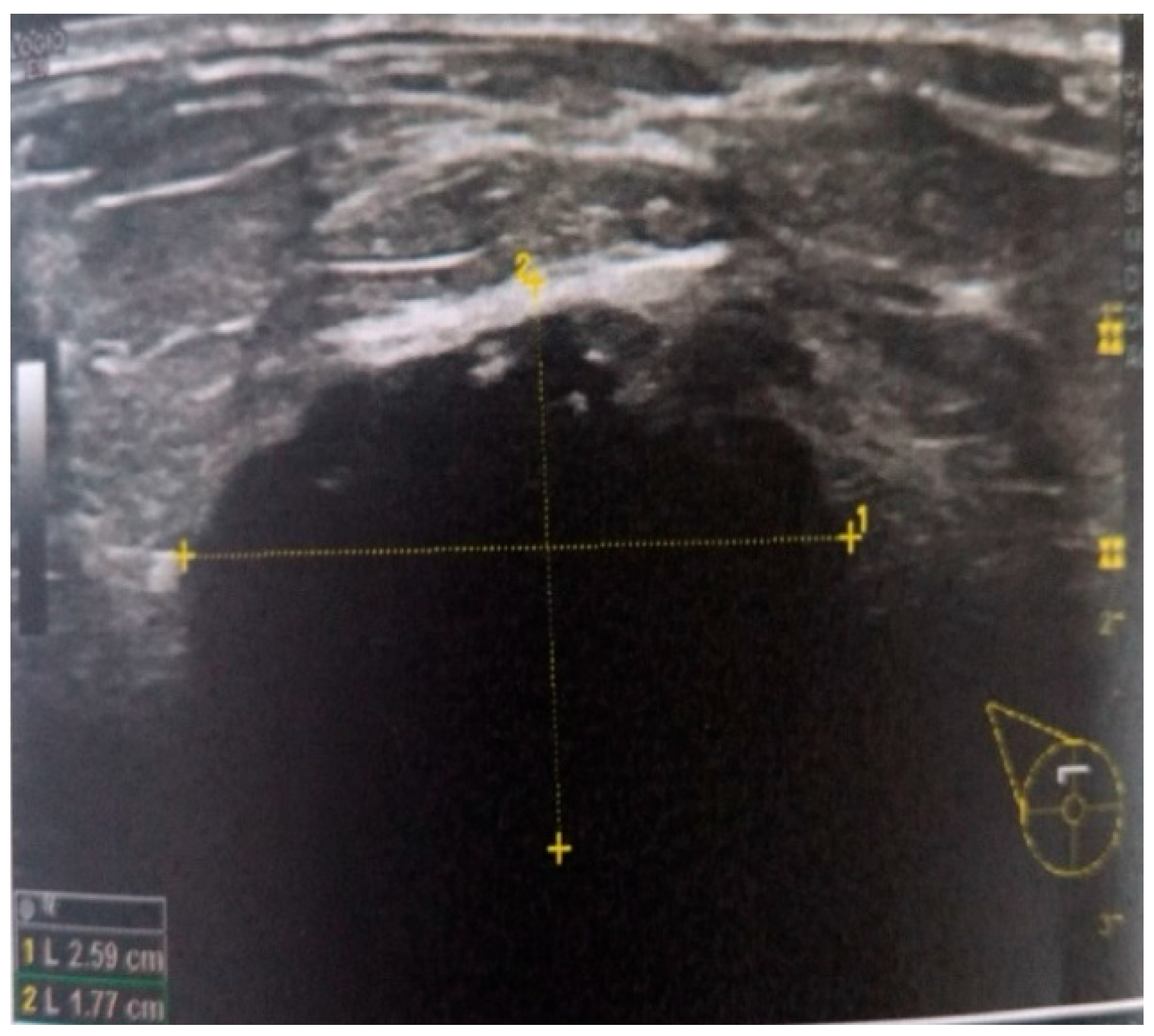
Figure 2.
Digital mammogram of the right breast, showing the lesion on the center of the breast.
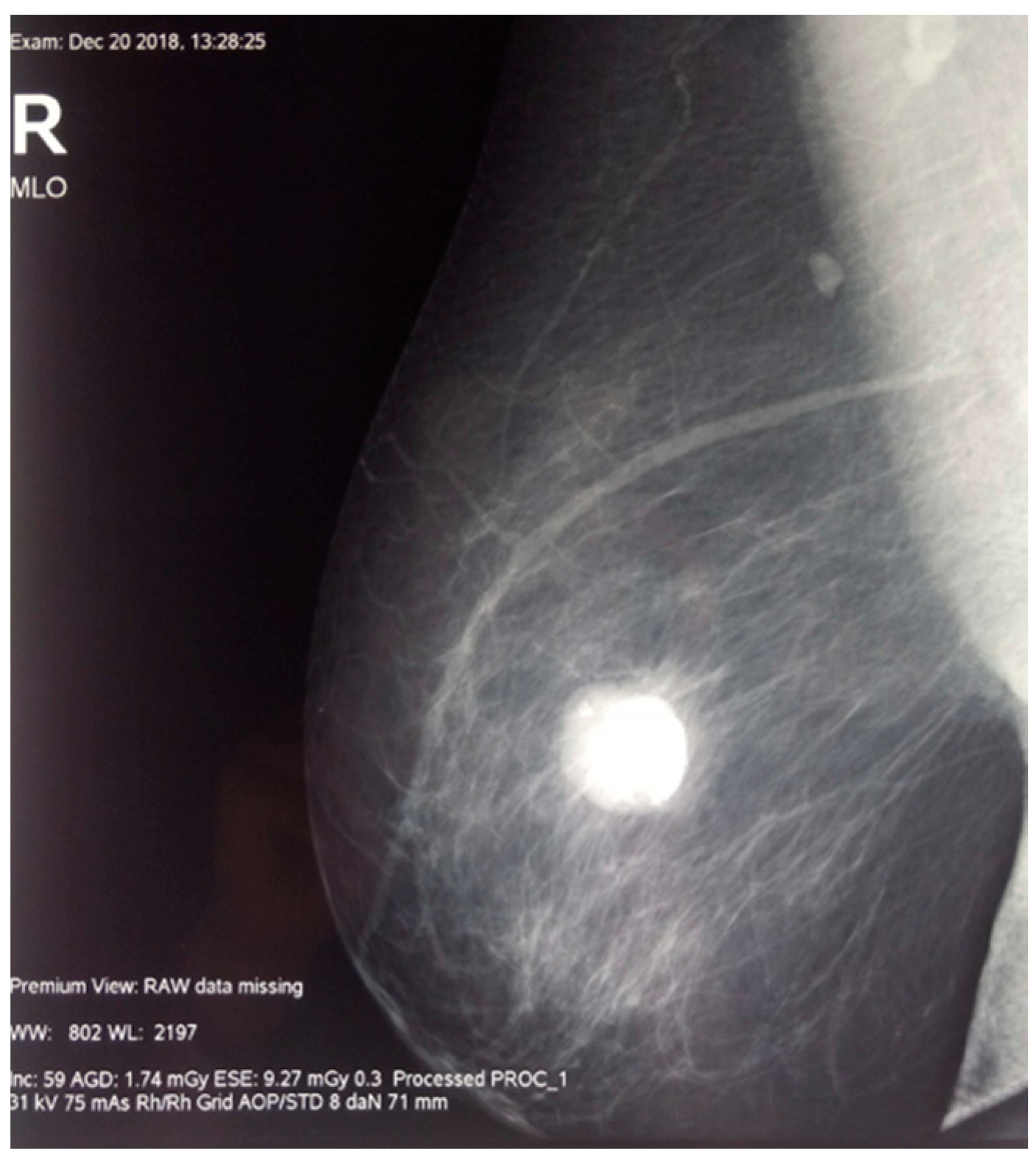
Figure 3.
T2-weighted MRI image of the breast presenting the lesion on the right breast.
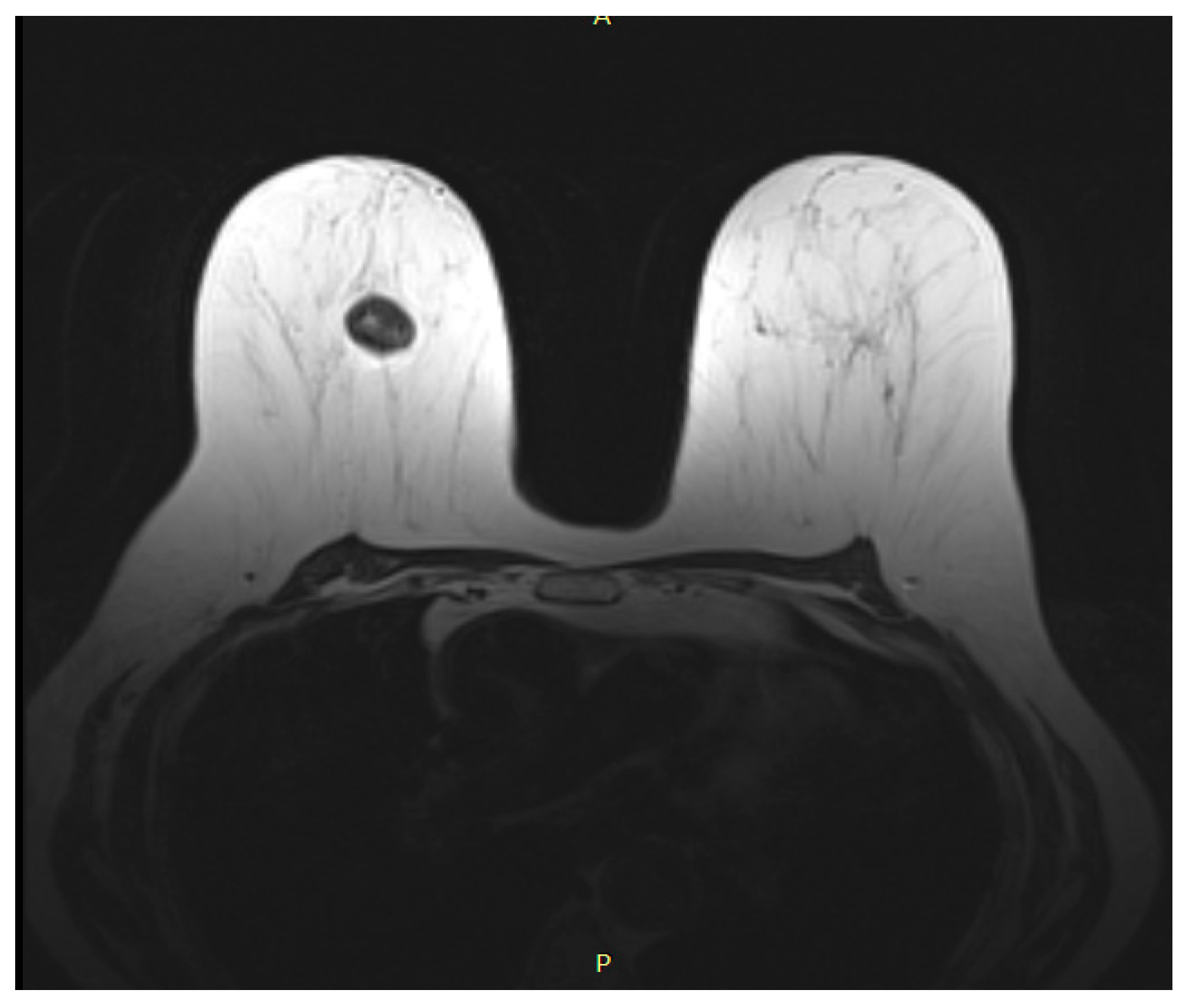
Figure 4.
T1-weighted MRI image of the breast presenting the lesion on the right breast.
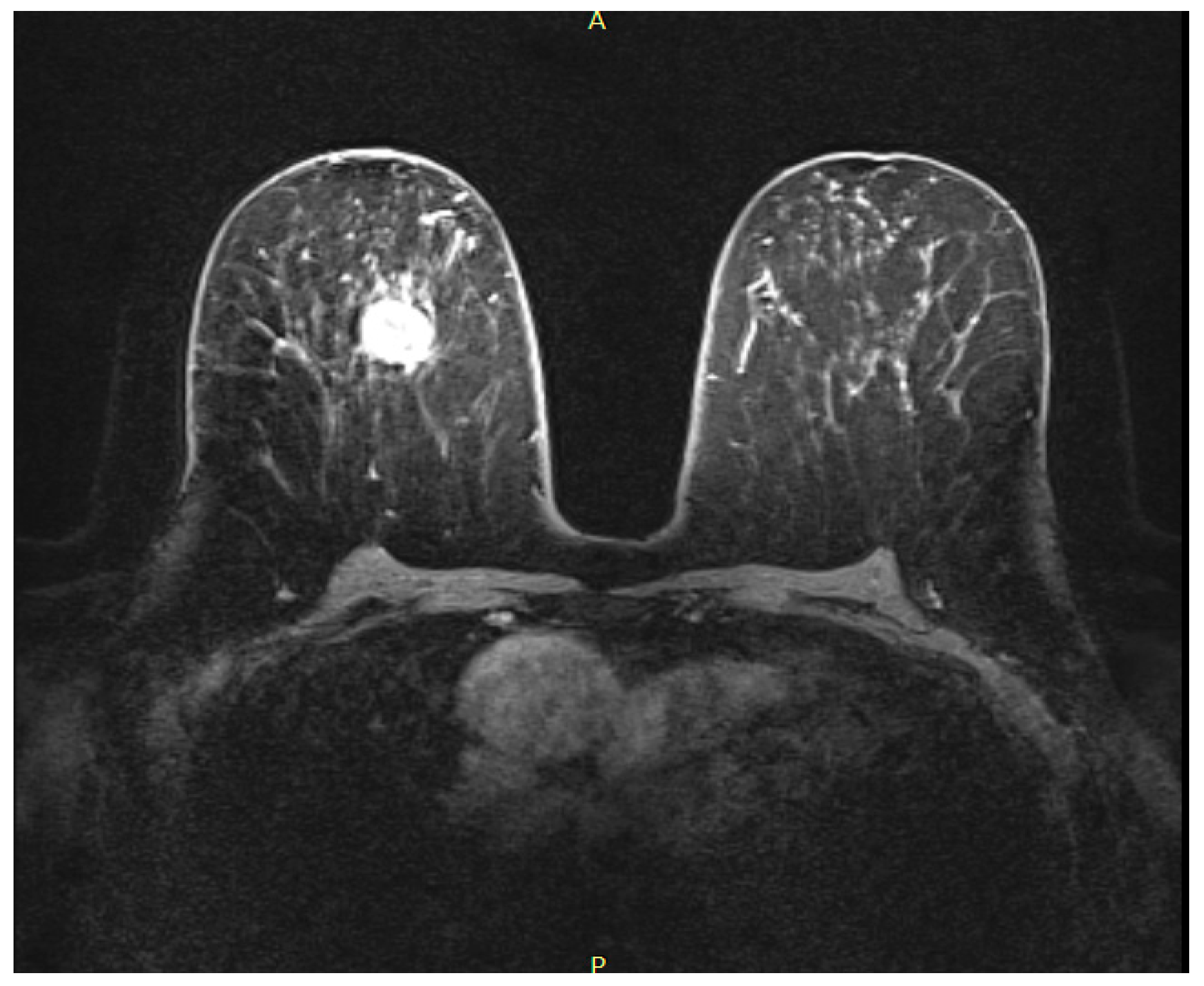
Figure 5.
Batwing incision for the surgical resection.
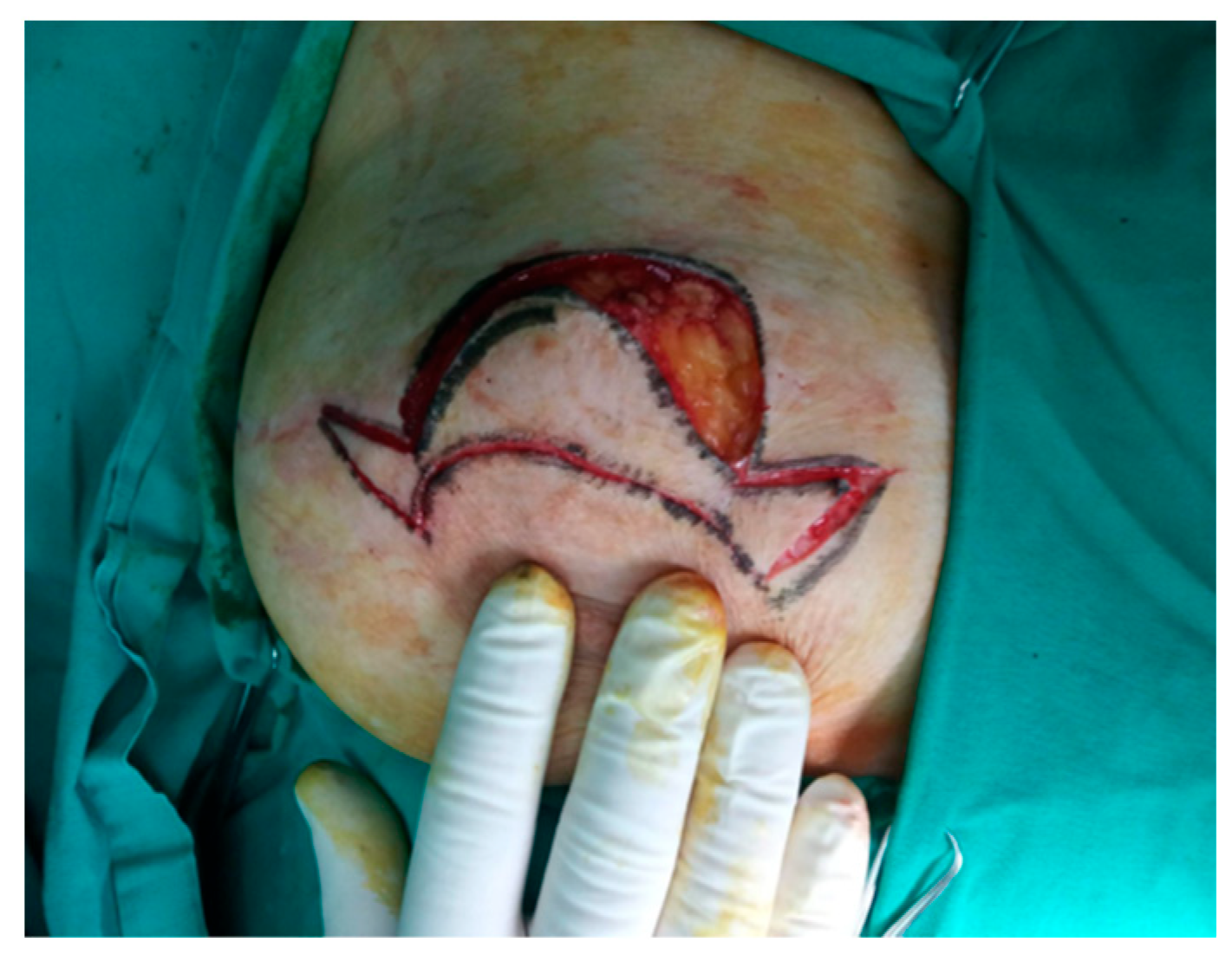
Figure 6.
Flaps reconstruction following resection.
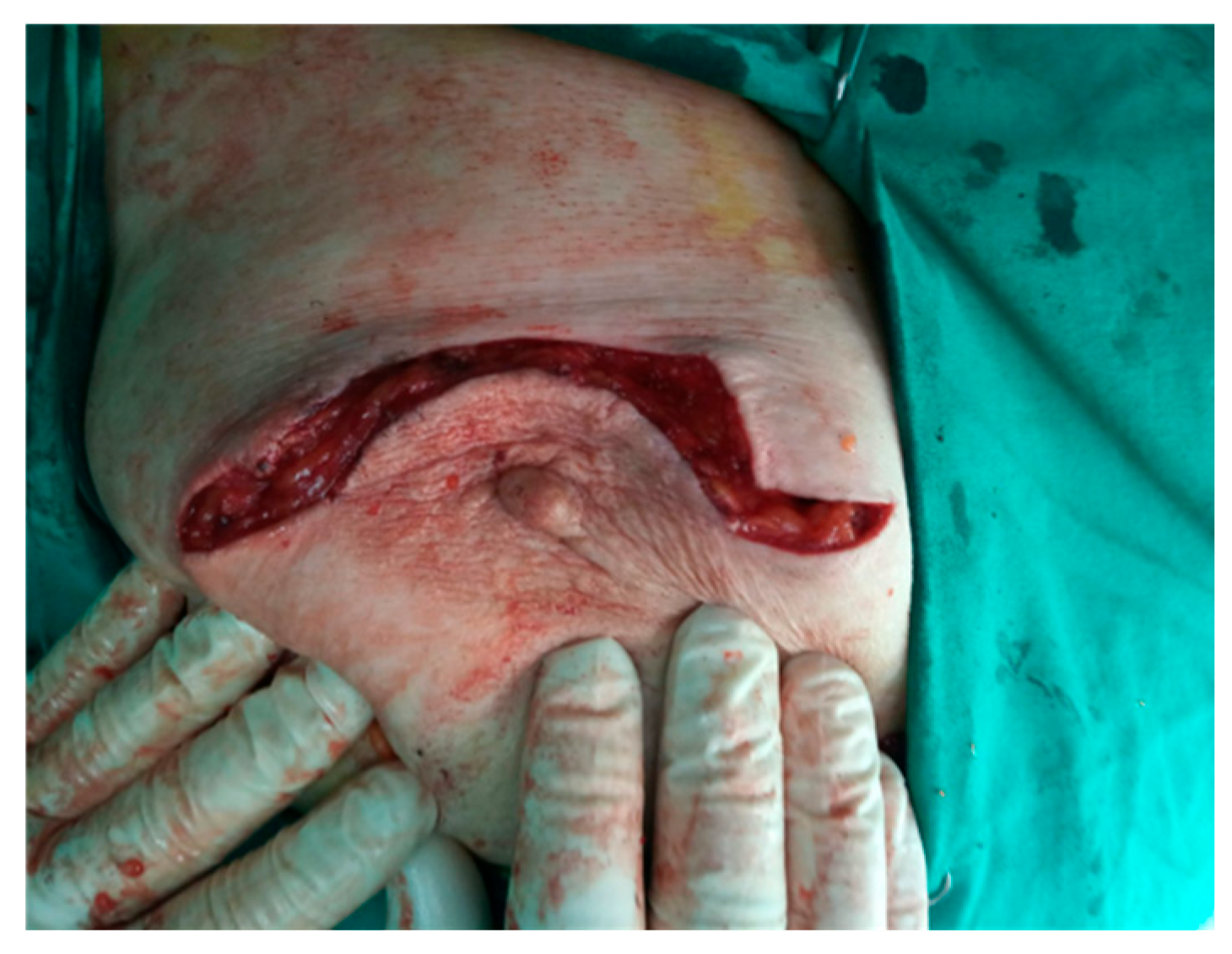
Figure 7.
Image of the surgical specimen. A brown, well-defined tumor can be seen.
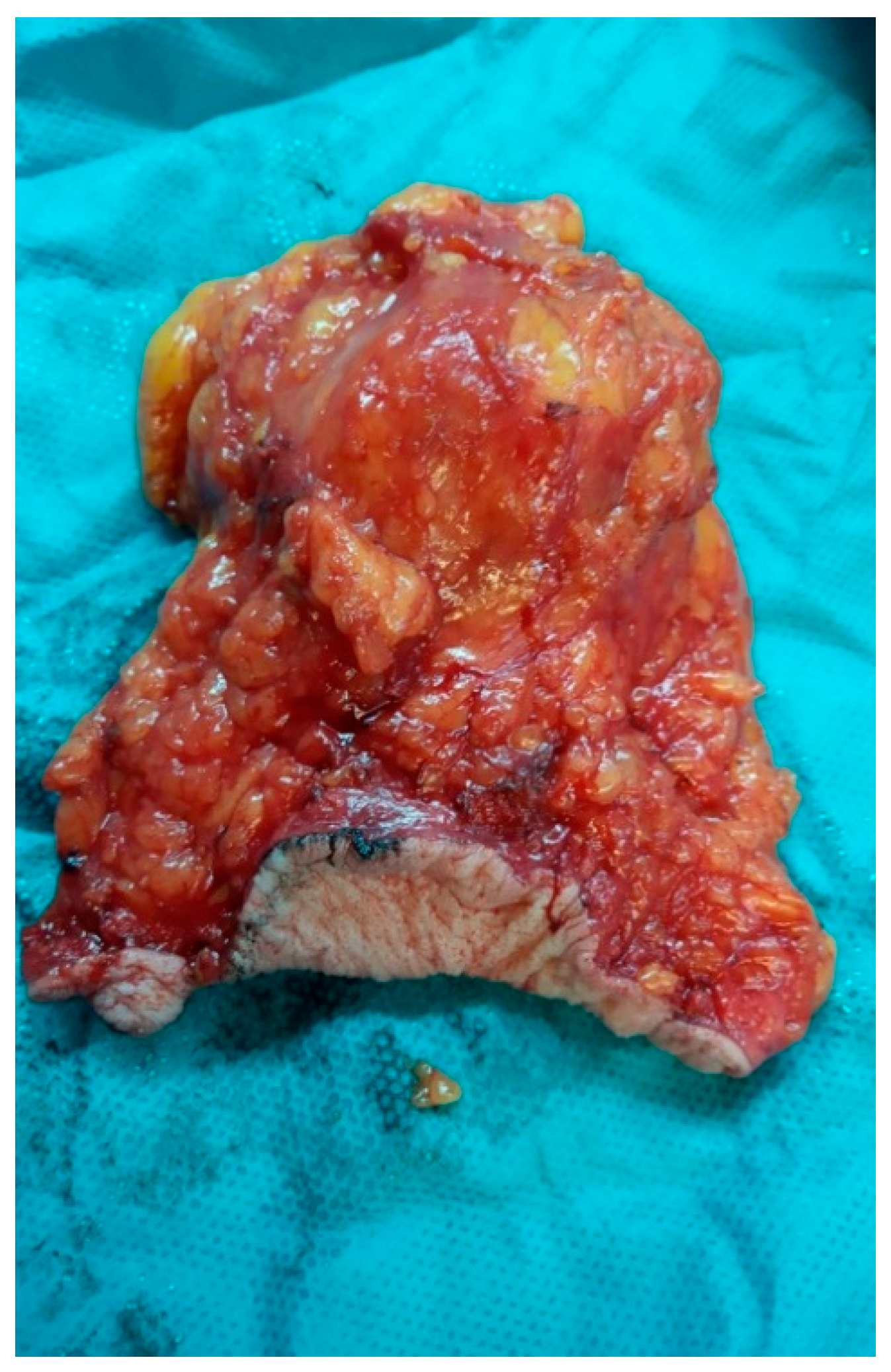
Figure 8.
Wound healing 1 month postoperatively.
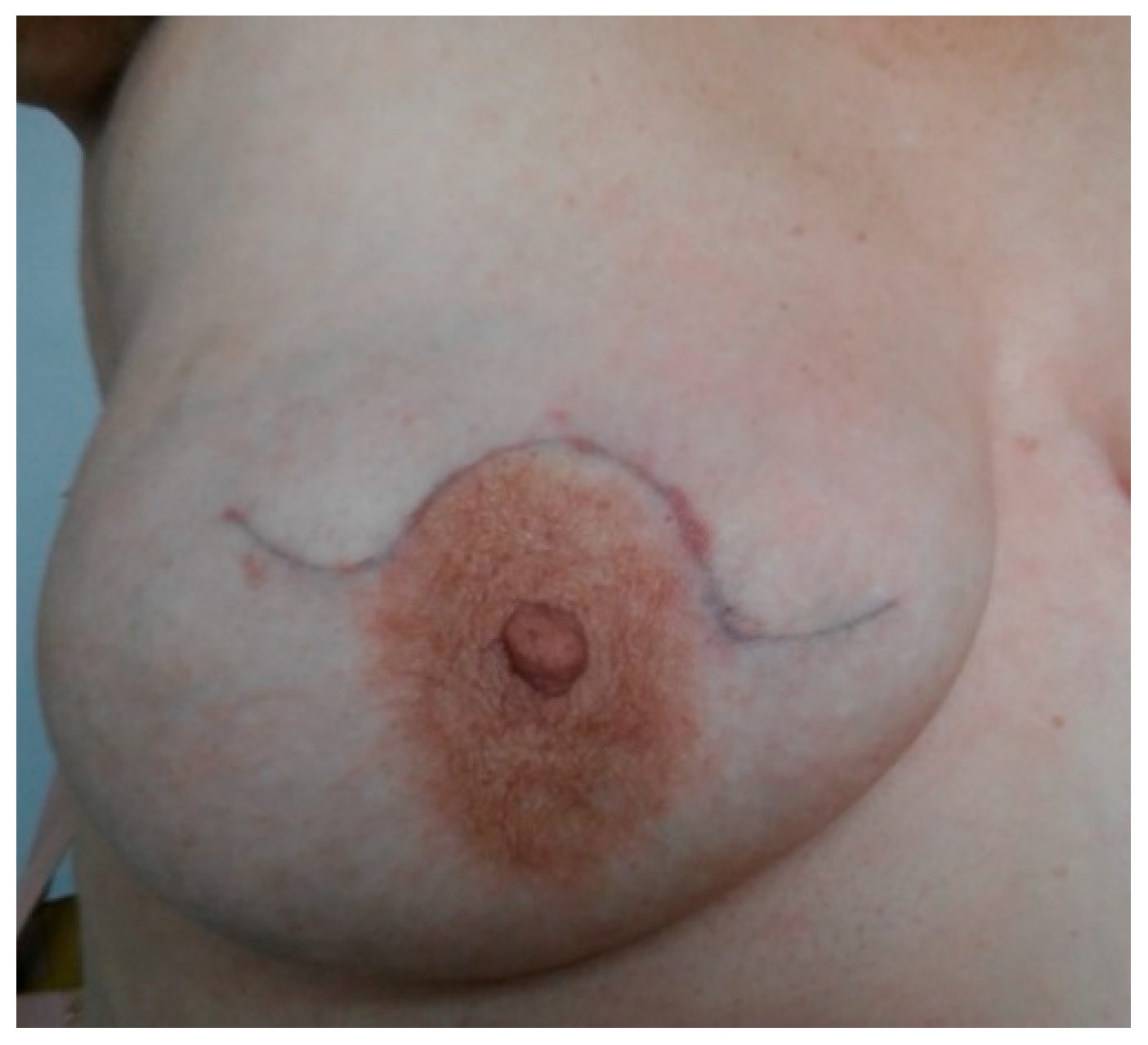
Figure 9.
Full-body scintigraphy to exclude other skeletal lesions.
Disclaimer/Publisher’s Note: The statements, opinions and data contained in all publications are solely those of the individual author(s) and contributor(s) and not of MDPI and/or the editor(s). MDPI and/or the editor(s) disclaim responsibility for any injury to people or property resulting from any ideas, methods, instructions or products referred to in the content. |
© 2026 by the authors. Licensee MDPI, Basel, Switzerland. This article is an open access article distributed under the terms and conditions of the Creative Commons Attribution (CC BY) license (http://creativecommons.org/licenses/by/4.0/).
Copyright: This open access article is published under a Creative Commons CC BY 4.0 license, which permit the free download, distribution, and reuse, provided that the author and preprint are cited in any reuse.


