

Submitted:
20 May 2026
Posted:
28 May 2026
You are already at the latest version
Abstract
Inulin-type fructans are widely recognized as functional polysaccharides with prebiotic properties, while plant polyphenols represent one of the most important classes of natural antioxidants. Increasing evidence demonstrates that interactions between dietary fibers such as inulin and phenolic compounds significantly influence antioxidant capacity, bioavailability and physiological activity. The present review integrates recent advances regarding the chemical structure of inulin, extraction sources, molecular interactions with polyphenols, and implications for antioxidant activity in functional foods and nutraceuticals. Experimental studies indicate correlations between inulin concentration and antioxidant parameters such as DPPH, FRAP, SOD and CAT activities. Furthermore, physicochemical interactions between cell wall polysaccharides and polyphenols influence stability, release kinetics and bioefficacy of antioxidant compounds. These findings support the potential development of optimized functional formulations combining inulin-rich plant extracts with polyphenol sources for improved health benefits.
Keywords:
inulin
; polyphenols
; antioxidant activity
; prebiotics
; functional foods
; bioavailability
; plant extracts
1. Introduction
Dietary fibers and plant polyphenols represent major classes of bioactive compounds widely distributed in medicinal and aromatic plants (MAPs), contributing significantly to antioxidant defense mechanisms, metabolic regulation and prevention of chronic diseases. In recent decades, increasing scientific interest has focused on understanding the synergistic interactions between plant polysaccharides and phenolic compounds, due to their combined effects on oxidative stress modulation, gut microbiota balance and bioavailability of phytochemicals [1,2,3,4,5,6,7,8,9,10].
Inulin-type fructans represent a class of non-digestible carbohydrates composed mainly of linear β-(2→1)-linked fructose units terminated by a glucose moiety, with a degree of polymerization ranging typically from 2 to 60 units. Due to the absence of endogenous inulinase enzymes in the human digestive system, inulin resists hydrolysis in the upper gastrointestinal tract and is selectively fermented by beneficial microbiota in the colon, particularly Bifidobacterium spp. and Lactobacillus spp., producing short-chain fatty acids (SCFAs) such as acetate, propionate and butyrate, which are associated with anti-inflammatory, immunomodulatory and metabolic regulatory effects [1,11,12,13,14,15].
Polyphenols, a diverse group of secondary metabolites including phenolic acids, flavonoids, stilbenes and tannins, exhibit strong antioxidant activity due to their ability to donate hydrogen atoms or electrons and stabilize reactive oxygen species (ROS). Numerous studies have demonstrated that polyphenols contribute to the prevention of oxidative stress-related disorders including cardiovascular diseases, diabetes, cancer and neurodegenerative diseases, through modulation of cellular signaling pathways and regulation of inflammatory mediators [2,3,6,8,9,10,16,17].
Recent research highlights that the biological activity of polyphenols is strongly influenced by their interactions with macromolecules such as dietary fibers, proteins and polysaccharides present in plant matrices. Cell wall polysaccharides may interact with phenolic compounds through hydrogen bonding, hydrophobic interactions and covalent crosslinking mechanisms, influencing extractability, stability and bioavailability of antioxidants. These interactions may lead to the formation of non-extractable polyphenols (NEPP), representing an important fraction of dietary antioxidants reaching the colon, where they are metabolized by microbiota into bioactive metabolites with systemic effects [2,18].
Several medicinal plants rich in inulin-type fructans are also important sources of phenolic antioxidants. For example, Cichorium intybus roots contain fructooligosaccharides, chlorogenic acid derivatives and flavonoids contributing to prebiotic and antioxidant activity. Similarly, Helianthus tuberosus tubers represent a valuable source of inulin and polyphenols, demonstrating correlations between inulin content and antioxidant enzymatic parameters such as catalase (CAT), superoxide dismutase (SOD) and ferric reducing antioxidant power (FRAP). Other inulin-rich species such as Smallanthus sonchifolius (yacon) contain caffeic acid derivatives and fructooligosaccharides with demonstrated antioxidant potential [19,20,21,22,23].
Beyond their individual bioactivities, polysaccharide–polyphenol complexes represent an emerging area of research due to their potential to modulate physicochemical properties of plant extracts, improve stability of bioactive compounds and enhance antioxidant efficiency. Polyphenol–polysaccharide conjugates isolated from plant matrices demonstrate increased radical scavenging capacity, metal chelating ability and modulation of lipid metabolism biomarkers. Furthermore, interactions between phenolic compounds, proteins and carbohydrates influence structural and functional properties of food matrices, affecting bioavailability and biological activity of antioxidants [2,24].
Technological processing conditions may also influence the stability of polyphenols in presence of inulin. Studies have demonstrated that inulin acts as a carrier matrix protecting anthocyanins and phenolic acids during drying processes, improving retention of bioactive compounds in functional food formulations. Moreover, encapsulation strategies using inulin or other polysaccharides have been shown to enhance total phenolic content and antioxidant capacity in medicinal plant extracts used for biofunctional food preparation [25,26,27,28].
The growing interest in functional foods enriched with dietary fibers and polyphenols is supported by increasing evidence that such combinations contribute to modulation of gut microbiota composition and improvement of metabolic health. Inulin-enriched formulations have been shown to improve mineral absorption, lipid metabolism and glycemic control, supporting their potential role in prevention of metabolic disorders. Jerusalem artichoke tubers have been proposed as valuable sources of functional ingredients due to their high content of inulin-type fructans and polyphenols with potential benefits in diabetes prevention and metabolic regulation [1,3,4,5,7,22,29,30,31,32].
Understanding the interactions between inulin-type fructans and polyphenols is therefore essential for the development of innovative phytopharmaceuticals, nutraceuticals and functional foods with enhanced biological activity. The synergistic mechanisms between polysaccharides and phenolic compounds may provide new perspectives for designing advanced formulations targeting oxidative stress, inflammatory disorders and microbiota-related diseases [2,3,4,12,14,15,28,33].
The aim of the present review is to provide an updated overview of the structural characteristics of inulin, sources of inulin-rich medicinal plants, molecular interactions between polysaccharides and polyphenols, and their implications for antioxidant activity, bioavailability and functional applications in phytotherapy and nutraceutical science.
Figure 1.
Classes and chemical structures of some major polyphenols in plant foods [2].
Figure 1.
Classes and chemical structures of some major polyphenols in plant foods [2].
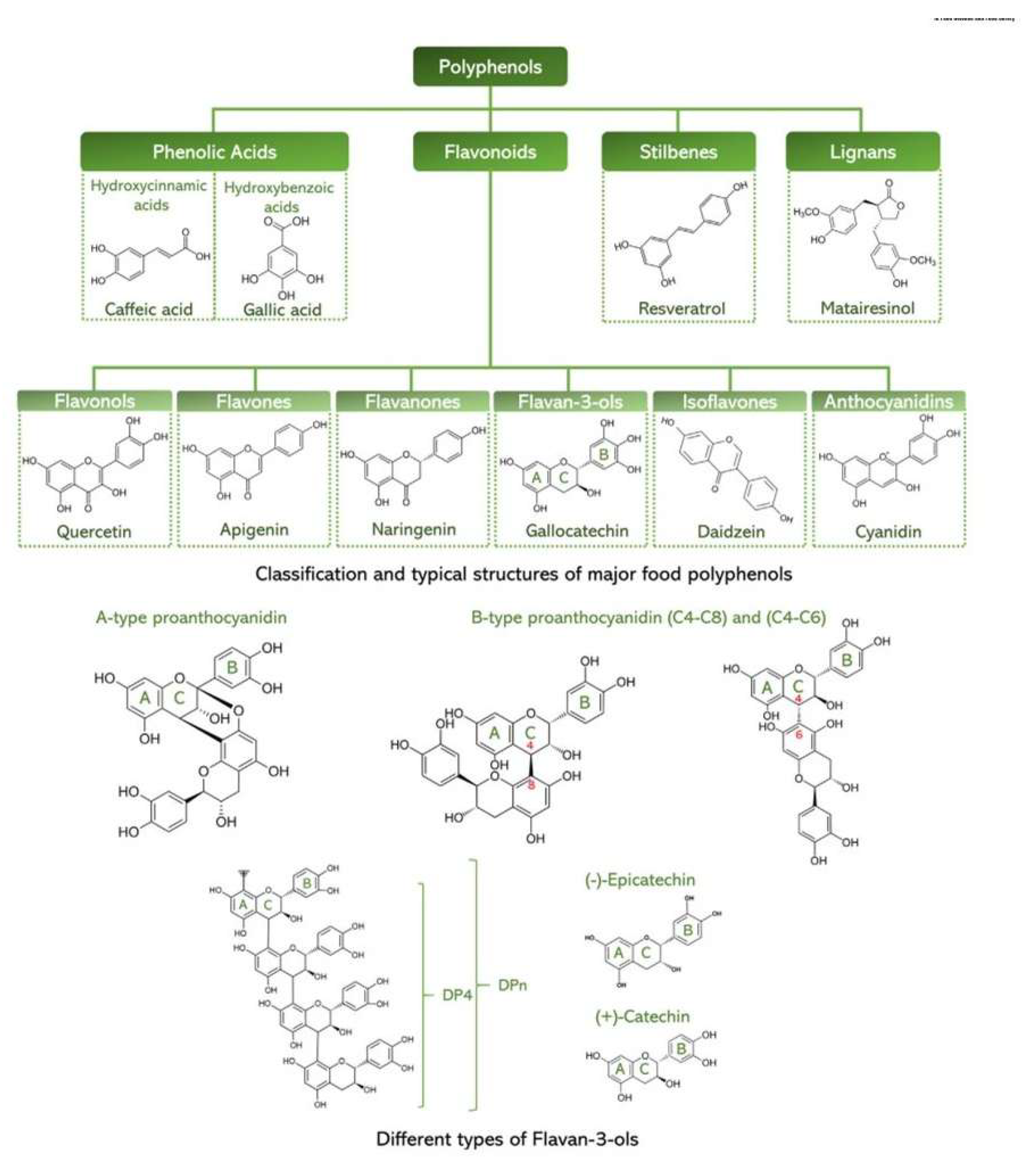
Figure 2.
Different potential chemical mechanisms of interactions between cell wall polysaccharides and polyphenols [2].
Figure 2.
Different potential chemical mechanisms of interactions between cell wall polysaccharides and polyphenols [2].
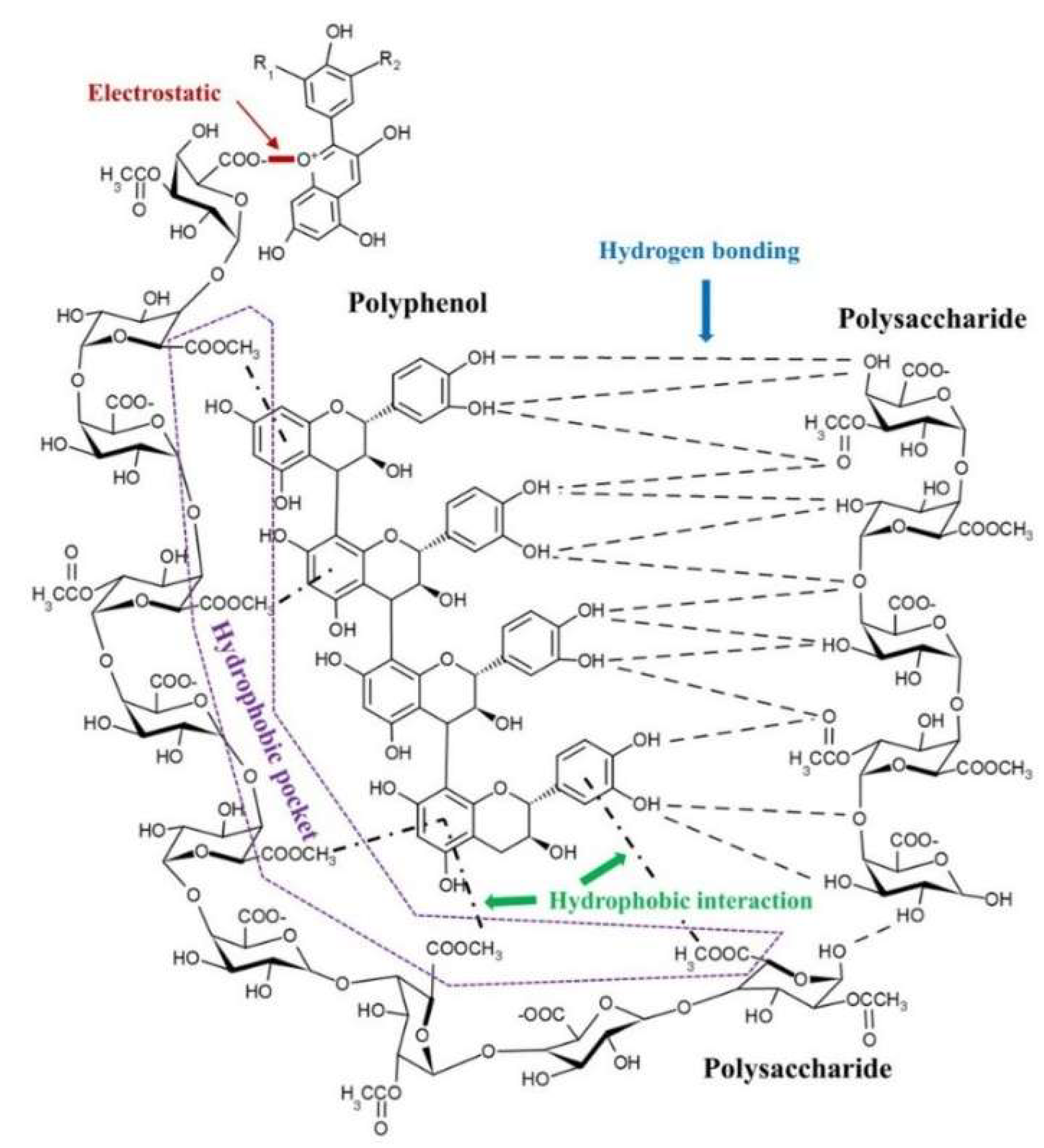
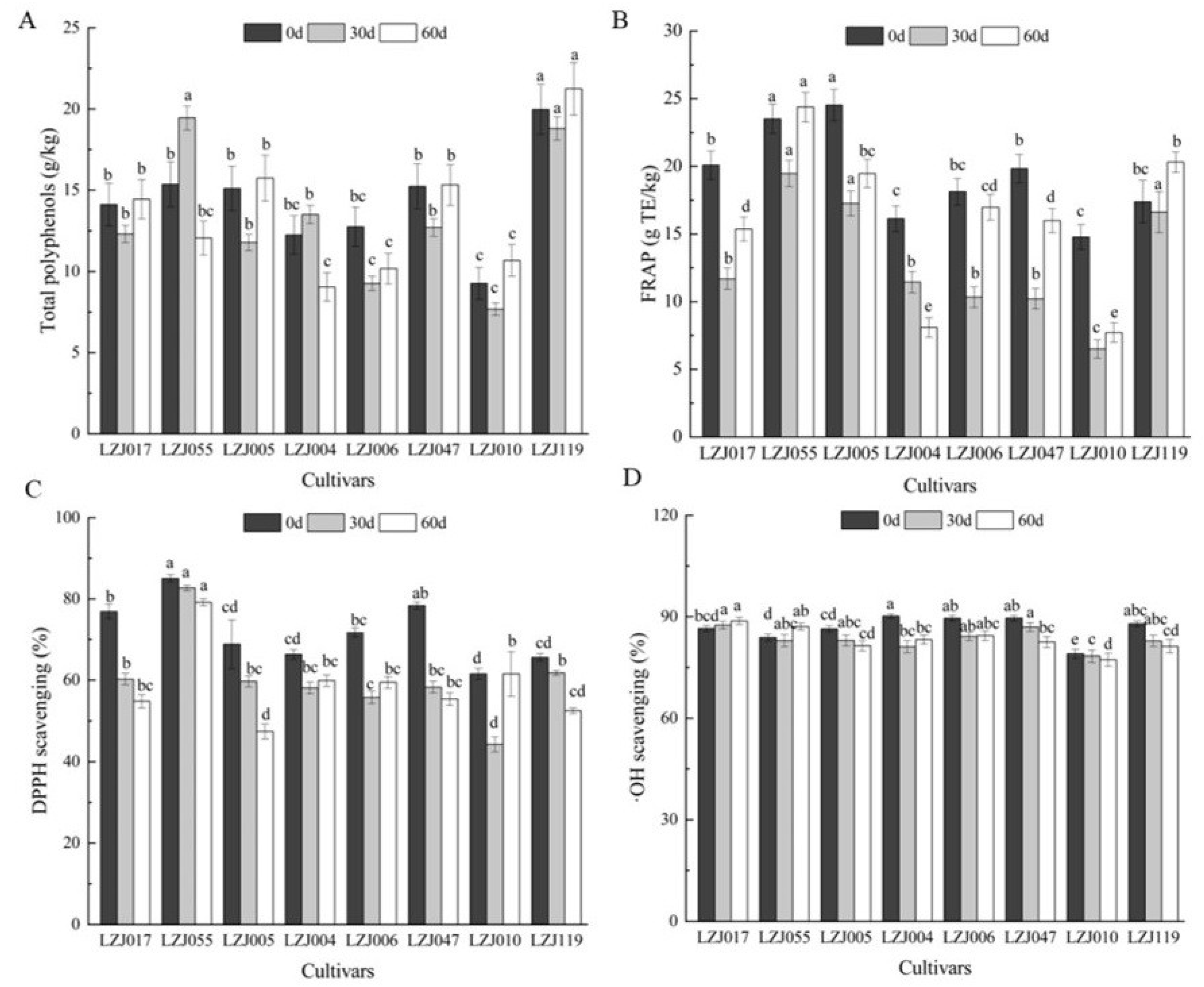
Figure 3.
Changes in inulin content (A), DP (B), FRAP (C), DPPH scavenging ability (D) and •OH scavenging activity (E) in different varieties Jerusalem artichoke tubers during storage. Data are presented as mean ± SE (n = 3). Data with different letters are significantly different (p < 0.05) [19].
Figure 3.
Changes in inulin content (A), DP (B), FRAP (C), DPPH scavenging ability (D) and •OH scavenging activity (E) in different varieties Jerusalem artichoke tubers during storage. Data are presented as mean ± SE (n = 3). Data with different letters are significantly different (p < 0.05) [19].
2. Chemical Structure and Sources of Inulin and Extraction of Inulin-Type Fructans
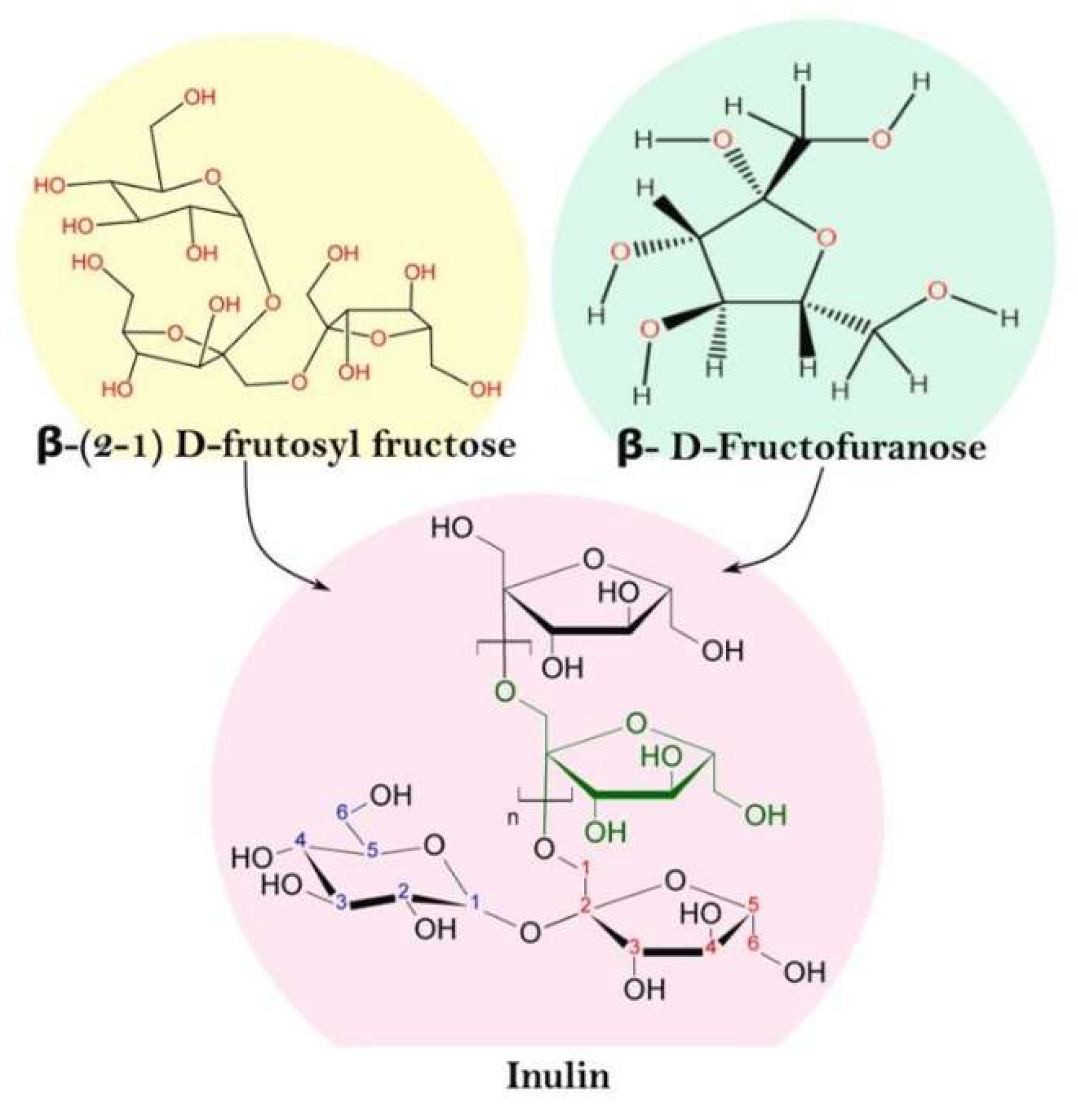
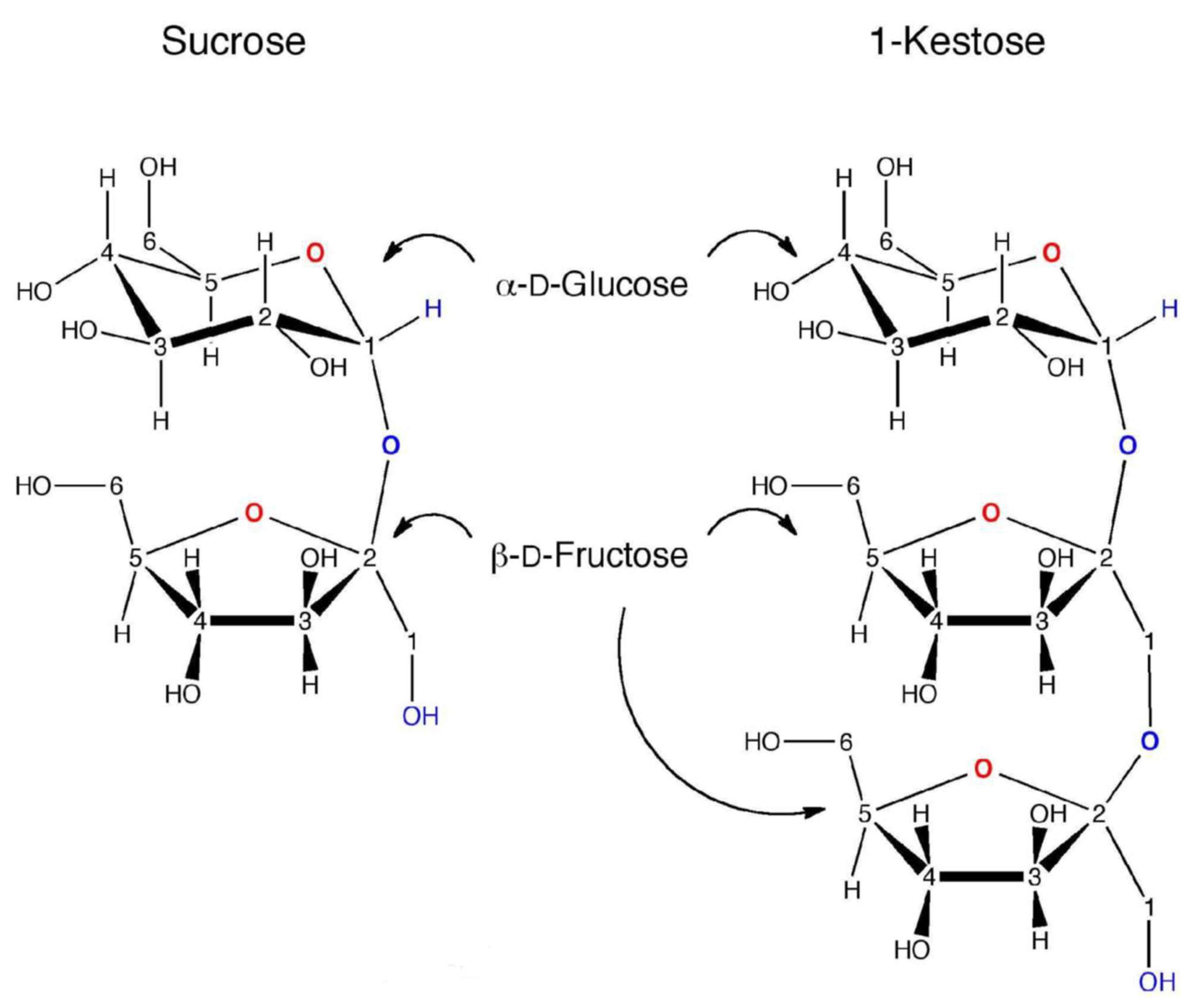
Inulin represents one of the most important storage polysaccharides in higher plants, particularly within species belonging to the Asteraceae family. Structurally, inulin is a linear fructan consisting of β-(2→1)-linked fructofuranosyl units typically terminated by a glucose moiety derived from sucrose. The degree of polymerization (DP) generally ranges from 2 to 60 units, depending on plant species, physiological stage of development, environmental conditions and extraction methodology.The physicochemical properties of inulin are strongly influenced by the DP distribution. Short-chain fructooligosaccharides (FOS) exhibit higher solubility and sweetness, whereas long-chain inulin displays increased viscosity, gel-forming capacity and fat mimetic properties, making it suitable for functional food formulations and pharmaceutical applications. The presence of multiple hydroxyl groups enables hydrogen bonding and interaction with water molecules, proteins and phenolic compounds, contributing to stabilization of bioactive compounds in plant matrices [1,4,11,12,13,14,15,34].
In medicinal and aromatic plants, inulin plays an important physiological role as carbohydrate reserve and osmotic regulator, particularly in species adapted to temperate climates. The distribution of inulin in plant tissues is influenced by environmental stress factors such as drought, temperature variation and soil composition, which may affect both quantitative and qualitative composition of fructans [34,35].
Major plant sources of inulin include roots, rhizomes and tubers of species such as Cichorium intybus (chicory), Helianthus tuberosus (Jerusalem artichoke), Smallanthus sonchifolius (yacon), Taraxacum officinale (dandelion) and Inula helenium. Chicory root represents one of the most important commercial sources of inulin, containing up to 70% inulin in dry weight, depending on cultivar and harvesting period. Jerusalem artichoke tubers may contain up to 80% inulin-type fructans in dry matter, representing a valuable raw material for functional foods and nutraceutical formulations [20,21,22,23,34].
Yacon (Smallanthus sonchifolius) has also gained considerable interest due to its high content of fructooligosaccharides and phenolic compounds, including caffeic acid derivatives with antioxidant properties. These compounds contribute to the biological activity of plant extracts through synergistic effects between polysaccharides and phenolic antioxidants.The content of inulin varies significantly depending on botanical origin, plant maturity stage and environmental conditions. Studies have demonstrated that growth time influences accumulation of polysaccharides and polyphenols, with maximum concentrations observed during specific phenological stages [23,35].
Extraction techniques play an essential role in determining yield, purity and structural integrity of inulin. Conventional extraction methods typically involve hot water extraction at temperatures between 60 and 80 °C, followed by purification through precipitation, filtration or membrane separation processes. Extraction efficiency depends on parameters such as solvent-to-solid ratio, extraction time, temperature and pH, which influence solubility and degradation of fructan chains [34].
Advanced extraction technologies including ultrasound-assisted extraction, enzyme-assisted extraction and pressure-assisted extraction have demonstrated improved recovery of inulin and polyphenols from plant matrices. Pectinase-assisted extraction methods have been shown to increase release of intracellular polysaccharides and phenolic compounds from chicory roots, improving biological activity of extracts [24,30].
From a technological perspective, inulin is widely used as a functional ingredient due to its ability to improve texture, stability and mouthfeel in food formulations. It may act as a fat replacer, sugar substitute or encapsulating agent for sensitive bioactive compounds. In dairy products, bakery formulations and nutraceutical powders, inulin contributes to improved rheological properties and enhanced stability of polyphenols during storage and processing [4,11,12,15,25,28,29].
Furthermore, the structural characteristics of inulin facilitate formation of supramolecular complexes with polyphenols, influencing antioxidant activity and bioavailability. Hydrogen bonding between hydroxyl groups of fructans and phenolic compounds may stabilize antioxidant molecules and reduce degradation during thermal processing or gastrointestinal digestion [2,25].
Due to these physicochemical and biological properties, inulin-type fructans represent promising biomolecules for development of innovative phytopharmaceutical formulations and functional foods targeting oxidative stress-related disorders, metabolic diseases and gut microbiota dysbiosis [3,4,11,12,14,15,28].

Table 1.
Plants rich in inulin mentioned in literature.
| Plant species | Family |
Plant part |
Approx. inulin content | Key antioxidant compounds |
| Cichorium intybus | Asteraceae | root | 60–70% DW | chlorogenic acid, chicoric acid [21] |
| Helianthus tuberosus | Asteraceae | tuber | 50–80% DW | phenolic acids, flavonoids [22] |
| Smallanthus sonchifolius | Asteraceae | root | 40–70% DW | caffeic acid derivatives [23] |
| Codonopsis javanica | Campanulaceae | root | moderate | flavonoids, polysaccharides [35] |
| Ribes nigrum | Grossulariaceae | fruit | low FOS | anthocyanins [25] |
| Melissa officinalis | Lamiaceae | leaf | low | phenolic acids [26] |
Figure 4.
Cichorium intybus L. var. foliosum aerial parts (a vegetable) [21].
Figure 4.
Cichorium intybus L. var. foliosum aerial parts (a vegetable) [21].
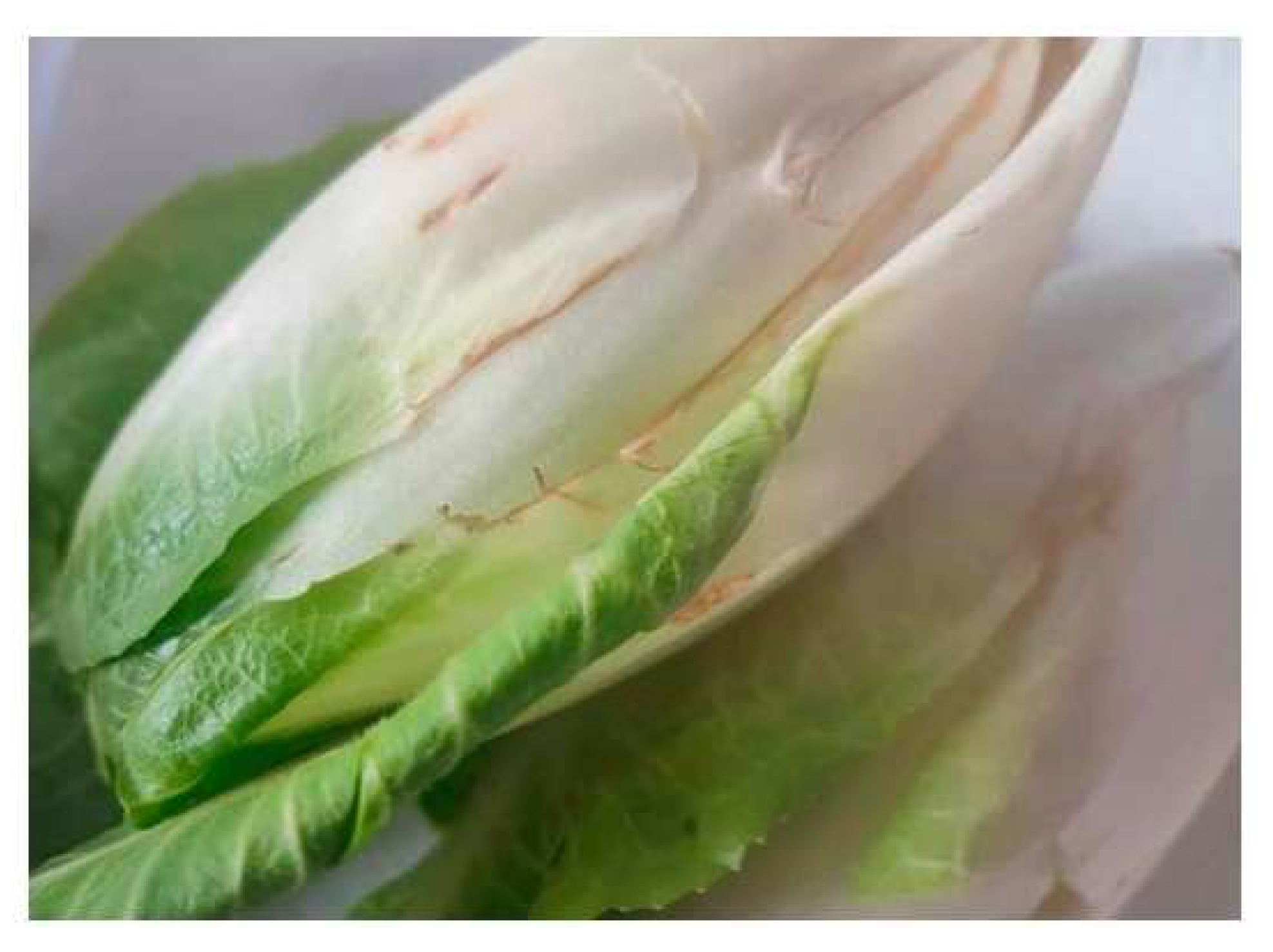
Figure 5.
Jerusalem artichoke powder [22].
Figure 5.
Jerusalem artichoke powder [22].
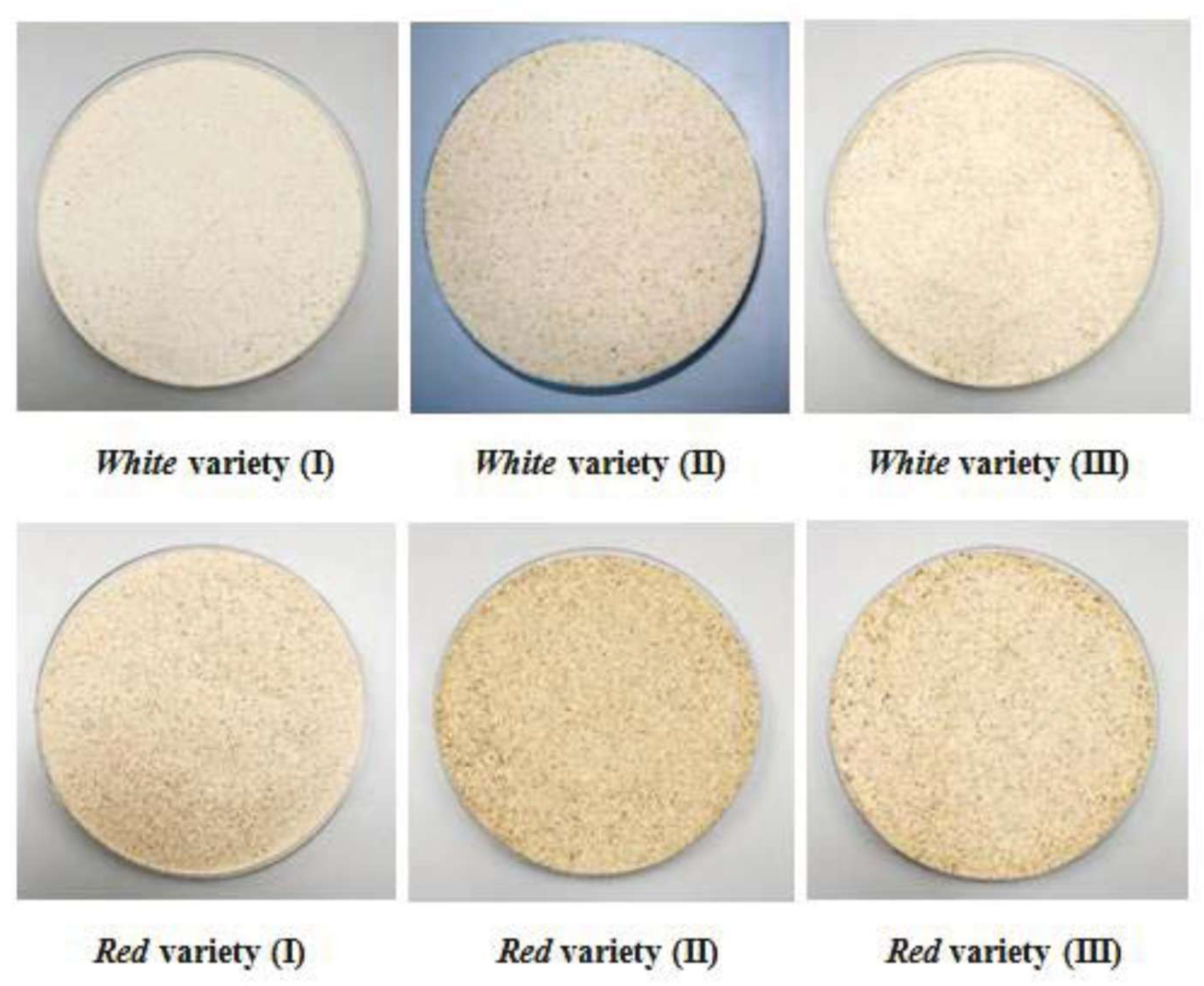
Figure 6.
Chromatogram of a crude water extract of yacon root [23].
Figure 6.
Chromatogram of a crude water extract of yacon root [23].
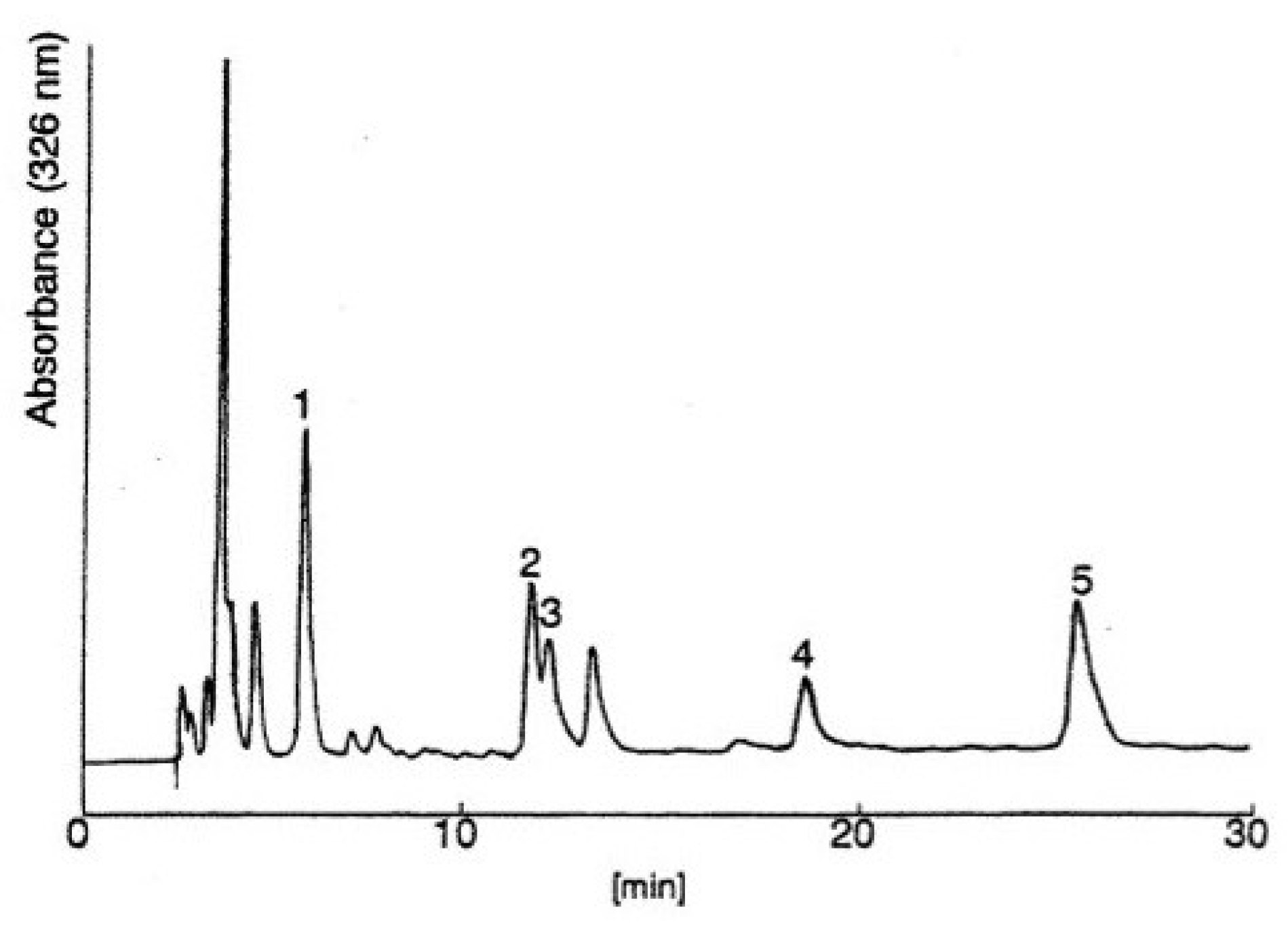
Figure 7.
The correlation between the content of inulin (a), polyphenol (b) and flavonoid (c) according to the growth time [35].
Figure 7.
The correlation between the content of inulin (a), polyphenol (b) and flavonoid (c) according to the growth time [35].
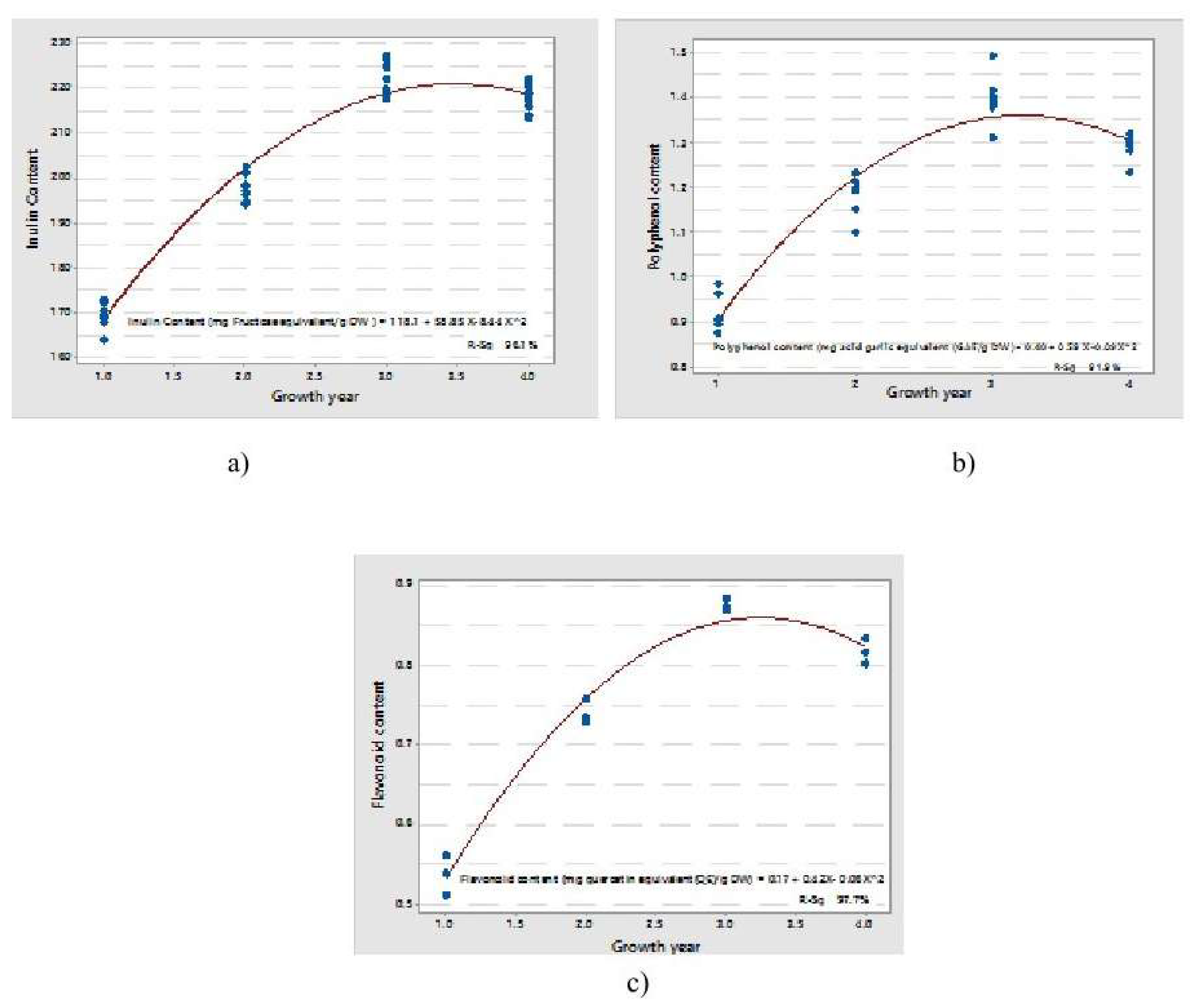
Figure 8.
The principal component analysis (PCA) for drying methods (FD—freeze-drying; VD—vacuum drying at 50 °C, 70 °C, and 90 °C; SD—spray drying), carriers (Malto—maltodextrin; Inu—inulin; Malto-Inu (2:1 and 3:1)—Maltodextrin–inulin mixed in the proportions of 2:1 and 3:1),identified compounds (HMF—hydroxymethyl-L-furfural;(+)-cat—catechin;D-3-O-rut—delphinidin-3-O-rutinoside;Cya-3-O-rut—anidin-3-O-rutinoside;D-3-O-glu—delphinidin-3-O-glucoside;Cya-3-O-glu—cyanidin-3-O-glucoside;Pet-3-O-glu—petunidin-3-O-glucoside;Peo-3-O-rut—peonidin-3-O-rutinoside; Chlor—chlorogenic acid; p-Coum—p-coumaric acid; Der p-coum—derivative of pcoumaric acid;Neochlor—neochlorogenic acid; M-3-O-rut—myricetin-3-O-rutinoside;Q-3-O-rut—quercetin-3-O-rutinoside;Q-3-O-malglu—quercetin-3-O-malonylglucoside; M-3-O-gal—myricetin-3-O-galactoside; Der flavonol 1, 2—derivative of flavonol 1 and 2), and antioxidant capacity (ABTS—Trolox equivalent antioxidant capacity by ABTS•+; FRAP—Ferric Reducing Antioxidant Potential) [25].
Figure 8.
The principal component analysis (PCA) for drying methods (FD—freeze-drying; VD—vacuum drying at 50 °C, 70 °C, and 90 °C; SD—spray drying), carriers (Malto—maltodextrin; Inu—inulin; Malto-Inu (2:1 and 3:1)—Maltodextrin–inulin mixed in the proportions of 2:1 and 3:1),identified compounds (HMF—hydroxymethyl-L-furfural;(+)-cat—catechin;D-3-O-rut—delphinidin-3-O-rutinoside;Cya-3-O-rut—anidin-3-O-rutinoside;D-3-O-glu—delphinidin-3-O-glucoside;Cya-3-O-glu—cyanidin-3-O-glucoside;Pet-3-O-glu—petunidin-3-O-glucoside;Peo-3-O-rut—peonidin-3-O-rutinoside; Chlor—chlorogenic acid; p-Coum—p-coumaric acid; Der p-coum—derivative of pcoumaric acid;Neochlor—neochlorogenic acid; M-3-O-rut—myricetin-3-O-rutinoside;Q-3-O-rut—quercetin-3-O-rutinoside;Q-3-O-malglu—quercetin-3-O-malonylglucoside; M-3-O-gal—myricetin-3-O-galactoside; Der flavonol 1, 2—derivative of flavonol 1 and 2), and antioxidant capacity (ABTS—Trolox equivalent antioxidant capacity by ABTS•+; FRAP—Ferric Reducing Antioxidant Potential) [25].
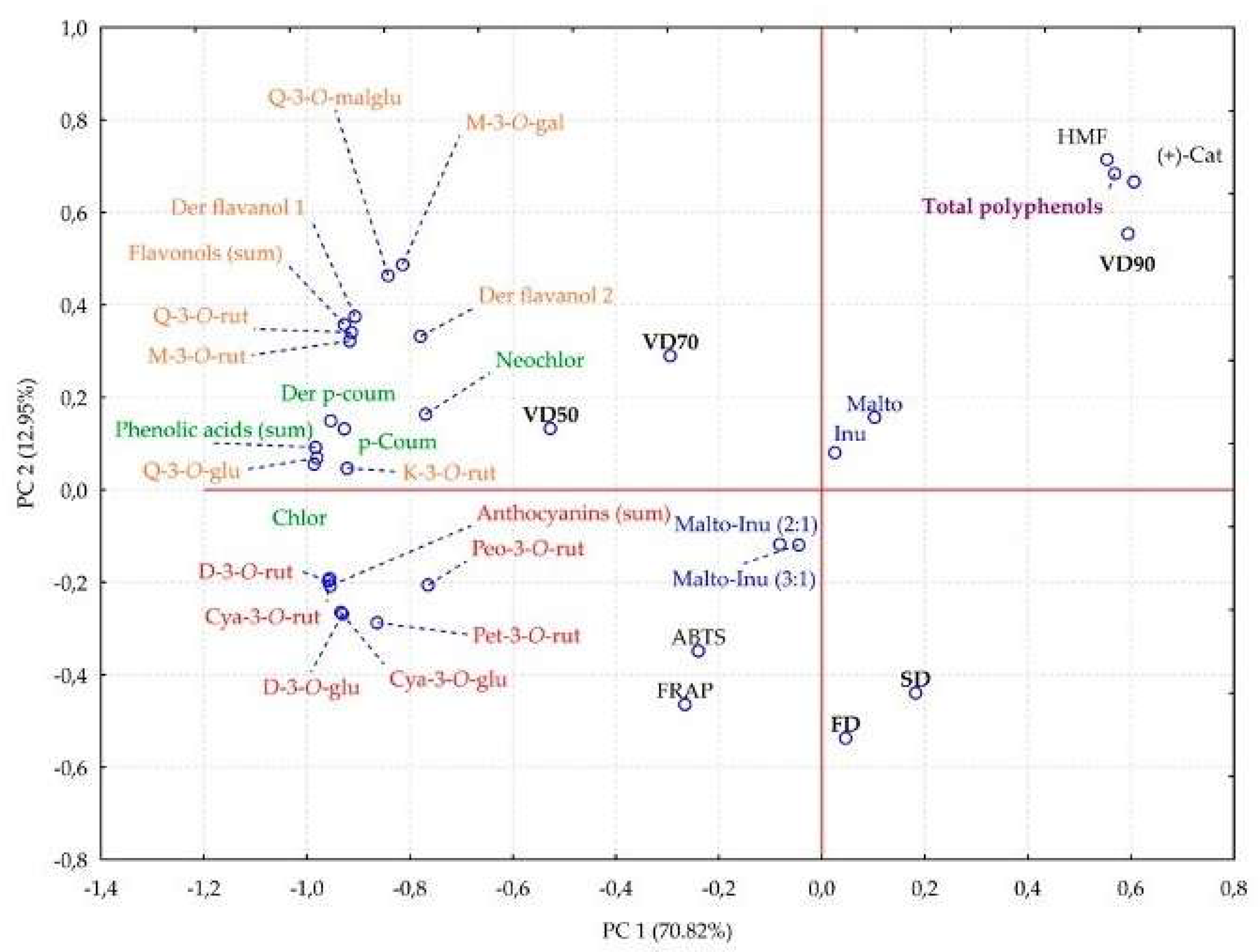
Figure 9.
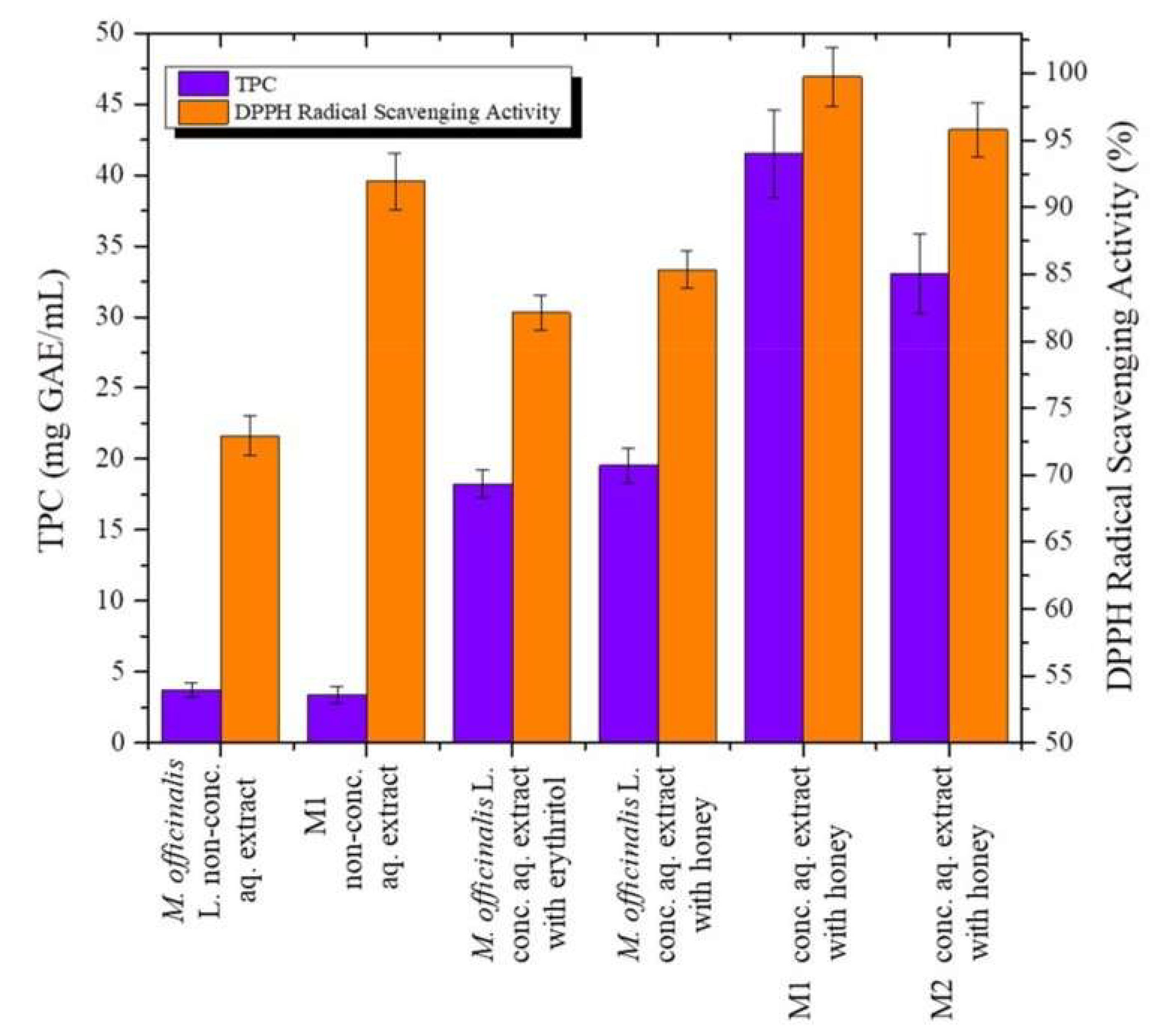
Total phenolic content (TPC) and DPPH radical scavenging activity of medicinal aromatic plant (MAP) concentrated aqueous extracts in the presence of erythritol or honey [26].
Figure 9.
Total phenolic content (TPC) and DPPH radical scavenging activity of medicinal aromatic plant (MAP) concentrated aqueous extracts in the presence of erythritol or honey [26].
3. Molecular Interactions Between Inulin and Polyphenols
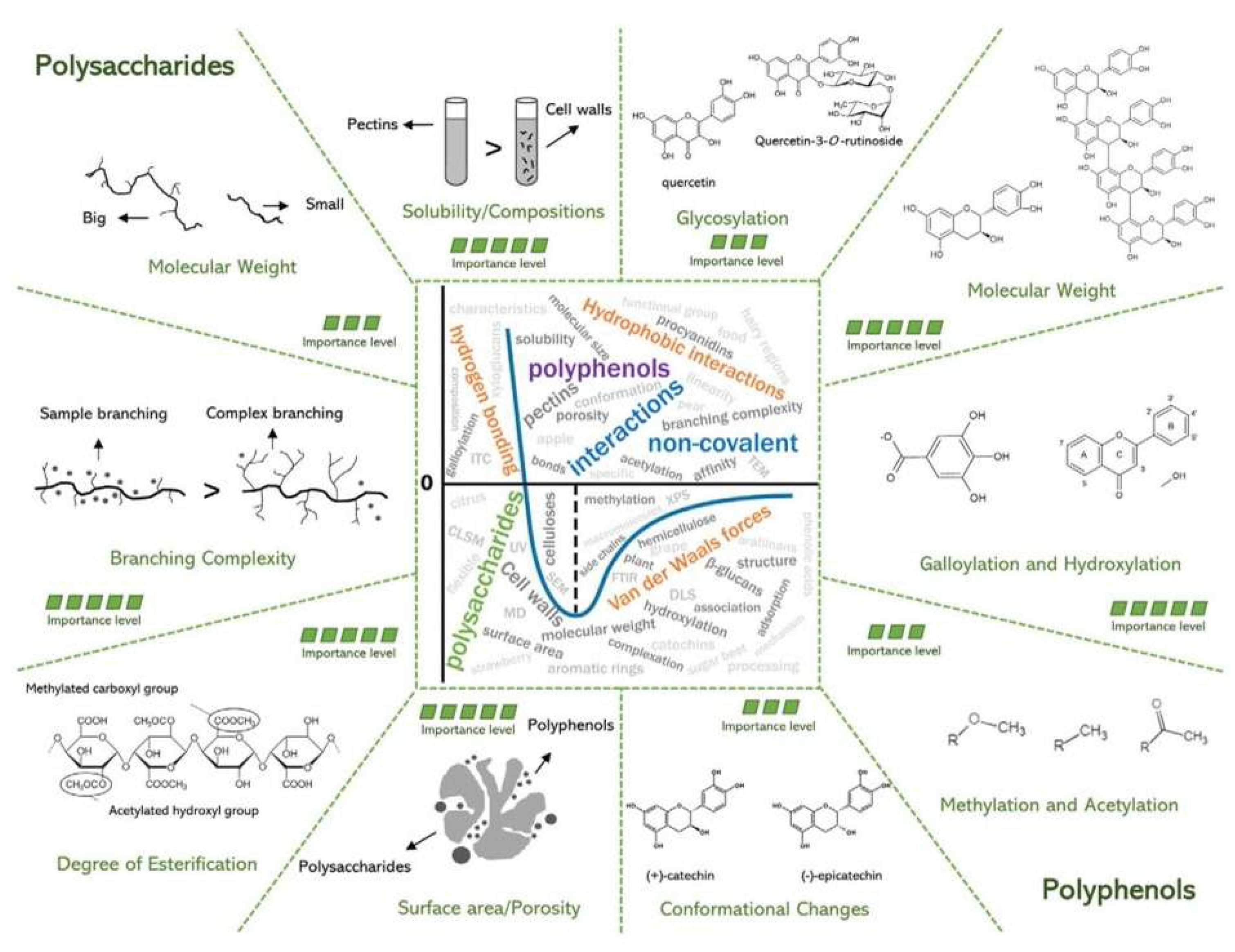
Interactions between polysaccharides and polyphenols represent a complex physicochemical phenomenon governed by molecular structure, degree of polymerization (DP), spatial conformation and the presence of functional groups capable of forming intermolecular bonds. Inulin-type fructans contain multiple hydroxyl groups able to participate in hydrogen bonding interactions with phenolic compounds, influencing stability, solubility and bioavailability of antioxidants in plant matrices [2,18].
Polyphenols possess aromatic rings substituted with hydroxyl groups capable of acting both as hydrogen donors and electron donors, contributing to radical scavenging activity. The interaction between inulin and polyphenols may involve hydrogen bonding between hydroxyl groups of fructan chains and phenolic moieties, hydrophobic interactions between aromatic rings and carbohydrate backbone, as well as weak van der Waals forces that contribute to formation of supramolecular complexes. These interactions influence physicochemical properties of plant extracts, including viscosity, stability and resistance to degradation during processing and storage [2,18].
The degree of polymerization of inulin plays an important role in modulating molecular interactions. Long-chain inulin molecules exhibit higher capacity to entrap phenolic compounds within their three-dimensional network, improving protection against thermal degradation and oxidative reactions. Short-chain fructooligosaccharides (FOS), due to higher solubility, may facilitate release and transport of phenolic compounds in aqueous environments, influencing bioaccessibility during digestion [2,4,12,25,27].
Cell wall polysaccharides present in medicinal and aromatic plants may form complexes with polyphenols during extraction, drying or thermal processing. Such interactions influence extractability and antioxidant activity of phenolic compounds, often leading to formation of bound or non-extractable polyphenols (NEPP), representing an important fraction of dietary antioxidants reaching the colon. NEPP are gradually released through enzymatic degradation mediated by gut microbiota, producing bioactive metabolites that contribute to systemic antioxidant activity [2,3].
Recent studies demonstrate that polyphenol–polysaccharide conjugates exhibit improved radical scavenging capacity and metal chelation properties compared to free phenolic compounds. These conjugates may also influence lipid metabolism and inflammatory pathways through modulation of cellular signaling mechanisms. The formation of such complexes depends on molecular weight, solubility and structural flexibility of polysaccharides, as well as on the number and position of hydroxyl groups in phenolic compounds [24].
Processing conditions such as temperature, pH and drying technique significantly influence formation of polysaccharide–polyphenol complexes. Studies on blackcurrant juice powders demonstrated that inulin acts as a protective carrier for anthocyanins and flavonols, improving retention of phenolic compounds during spray drying and vacuum drying processes. Similarly, incorporation of inulin into plant extracts has been shown to enhance total phenolic content (TPC) and antioxidant activity, suggesting that polysaccharides may stabilize polyphenolic structures during processing [25,26].
In the gastrointestinal tract, interactions between inulin and polyphenols influence digestion kinetics and metabolic transformation of phenolic compounds. Inulin resists digestion in the upper gastrointestinal tract and undergoes fermentation in the colon, producing short-chain fatty acids (SCFAs) that contribute to modulation of gut microbiota composition and intestinal barrier function. Polyphenols bound to polysaccharides may reach the colon intact, where enzymatic hydrolysis releases bioactive metabolites capable of exerting antioxidant and anti-inflammatory effects [1,5,6,7,8,16,17,22,30,33,36,37].
Furthermore, supramolecular organization of polysaccharide–polyphenol complexes may influence encapsulation and controlled release mechanisms in functional food matrices and phytopharmaceutical formulations. The presence of inulin may improve stability of phenolic compounds against oxidation, light exposure and enzymatic degradation, contributing to enhanced shelf life of nutraceutical products [4,12,25,26,27,28].
Understanding the molecular interactions between inulin-type fructans and polyphenols is essential for development of innovative functional foods and phytotherapeutic formulations targeting oxidative stress, metabolic disorders and gut microbiota dysbiosis. The synergistic relationship between dietary fibers and phenolic antioxidants represents an emerging research field with significant potential for applications in pharmacognosy, nutraceutical science and functional product design [2,3,4,5,6,7,8,33,37].
Figure 10.
Schematic depiction of different aspects of internal structure that play a role in interactions between cell wall polysaccharides and polyphenols, with the relative importance of each. Each wedge represents an identified factor, and each factor is graded for its impact based on published research and the experience of the authors (the higher the number of squares, the higher the presumed impact) [2].
Figure 10.
Schematic depiction of different aspects of internal structure that play a role in interactions between cell wall polysaccharides and polyphenols, with the relative importance of each. Each wedge represents an identified factor, and each factor is graded for its impact based on published research and the experience of the authors (the higher the number of squares, the higher the presumed impact) [2].
4. Influence of Inulin on Antioxidant Activity
Recent experimental studies highlight the important role of inulin-type fructans in modulating antioxidant activity of plant extracts and functional food matrices. Although inulin itself is not classified as a primary antioxidant molecule, growing evidence suggests that it contributes indirectly to antioxidant effects through stabilization of polyphenols, modulation of gut microbiota metabolism and improvement of bioavailability of phenolic compounds [5,8,19,25,26,31].
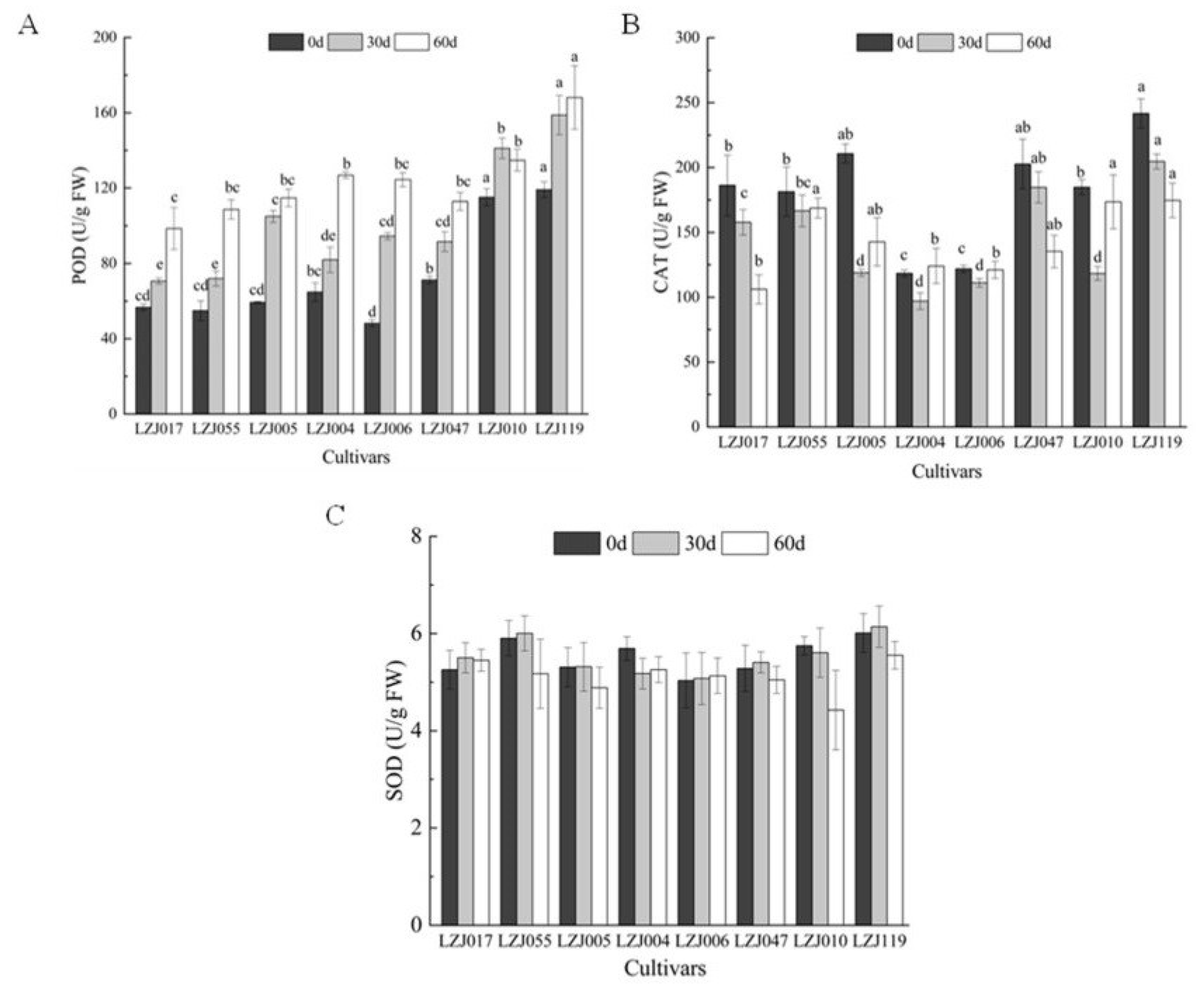
The antioxidant activity of plant matrices containing inulin is commonly evaluated using spectrophotometric assays such as DPPH, ABTS and FRAP, as well as enzymatic antioxidant markers including catalase (CAT), superoxide dismutase (SOD) and peroxidase (POD).These parameters provide important information regarding the capacity of bioactive compounds to neutralize reactive oxygen species (ROS) and reduce oxidative stress [19,25,26,35].
Studies on Helianthus tuberosus (Jerusalem artichoke), one of the richest natural sources of inulin-type fructans, demonstrated significant correlations between inulin concentration and antioxidant parameters including FRAP values and radical scavenging activity. Increased inulin content was associated with higher activity of antioxidant enzymes such as catalase (CAT) and superoxide dismutase (SOD), suggesting that fructans may contribute to protection of phenolic compounds against oxidative degradation. These findings support the hypothesis that polysaccharide matrices may influence the stability of polyphenols and modulate their antioxidant potential [19,22].
Similar results were observed in studies investigating the influence of growth stage on bioactive compound accumulation in medicinal plants. In Codonopsis javanica, variations in harvesting time significantly affected concentrations of inulin, total polyphenols and flavonoids, with corresponding changes in antioxidant capacity measured by ABTS and FRAP assays. These results demonstrate that physiological factors such as plant maturity stage may influence biosynthesis and accumulation of polysaccharides and phenolic compounds, affecting overall antioxidant activity [35].
In addition to plant physiology factors, technological processing conditions also influence antioxidant activity of inulin-containing matrices. Studies investigating the effect of drying processes on blackcurrant juice powders demonstrated that inulin acts as a protective carrier for anthocyanins and flavonols, improving retention of phenolic compounds and reducing degradation during thermal treatment. The protective effect of inulin may be attributed to formation of hydrogen bonds and encapsulation mechanisms that reduce exposure of phenolic compounds to oxygen, heat and light [25].
Research on biofunctional food formulations enriched with medicinal plant extracts also demonstrated that addition of inulin increases total phenolic content (TPC) and radical scavenging activity. Encapsulation of polyphenols using inulin or other polysaccharides contributes to stabilization of phenolic compounds and improved antioxidant capacity in food matrices. These findings confirm the role of inulin as functional ingredient capable of improving stability of antioxidants in complex matrices [26].
The mechanisms responsible for the influence of inulin on antioxidant activity may include both physicochemical and biological processes. Physicochemically, inulin contributes to stabilization of phenolic compounds through hydrogen bonding interactions and reduction of molecular mobility, decreasing susceptibility to oxidation. Biologically, fermentation of inulin by intestinal microbiota produces short-chain fatty acids (SCFAs) which modulate inflammatory processes and improve intestinal barrier function, indirectly contributing to reduction of oxidative stress [1,2,3,8,14,37].
Furthermore, synergistic interactions between inulin and polyphenols may influence cellular antioxidant defense mechanisms through modulation of signaling pathways involved in oxidative stress response. Polyphenol metabolites released during fermentation may act as signaling molecules influencing gene expression related to antioxidant enzymes [3].
Overall, available evidence suggests that inulin-rich plant matrices may enhance antioxidant potential of phenolic compounds through stabilization, controlled release and modulation of gut microbiota metabolism. These properties support the use of inulin as functional ingredient in development of nutraceuticals, phytopharmaceutical formulations and functional foods targeting oxidative stress-related disorders [3,5,8,19,25,26,31,37].
Figure 11.
Changes of POD (A), CAT (B) and SOD (C) activities in different varieties of Jerusalem artichoke tubers during storage. Data are presented as mean ± SE (n = 3). Data with different letters are significantly different (p < 0.05) [19].
Figure 11.
Changes of POD (A), CAT (B) and SOD (C) activities in different varieties of Jerusalem artichoke tubers during storage. Data are presented as mean ± SE (n = 3). Data with different letters are significantly different (p < 0.05) [19].
5. Functional Food Applications of Inulin–Polyphenol Systems
Inulin-type fructans are widely used as functional ingredients in food technology due to their unique physicochemical and physiological properties. As soluble dietary fibers, inulin molecules exhibit high water-binding capacity, gel-forming ability and fat mimetic behavior, making them suitable for development of low-calorie foods with improved texture and stability. The ability of inulin to form microcrystalline structures in aqueous environments contributes to modification of rheological properties and improvement of mouthfeel, particularly in dairy products, bakery formulations and nutraceutical matrices [4,11,12,15,28].
One of the most important technological applications of inulin is its use as a fat replacer in reduced-calorie foods. Due to its ability to form creamy textures and stabilize emulsions, inulin is frequently incorporated into yogurt, cheese, spreads and desserts. In yogurt formulations, addition of inulin improves viscosity and reduces syneresis, contributing to improved stability and sensory acceptability of the final product. These properties are attributed to the formation of a three-dimensional network capable of retaining water and stabilizing protein structures [29].
Inulin is also widely used as a carrier and encapsulating matrix for polyphenols and other sensitive bioactive compounds. Studies on fruit juice powders demonstrated that inulin protects anthocyanins and flavonols during drying processes, improving retention of phenolic compounds and antioxidant capacity. The encapsulation ability of inulin is associated with formation of hydrogen bonds between fructan chains and phenolic hydroxyl groups, reducing exposure of polyphenols to oxygen and heat during technological processing [25,27,28].
Functional food formulations enriched with plant extracts rich in polyphenols and polysaccharides have demonstrated enhanced antioxidant activity and improved stability of bioactive compounds. Research investigating medicinal aromatic plant extracts showed that addition of inulin or other polysaccharides increased total phenolic content (TPC) and radical scavenging activity, supporting the development of biofunctional foods with improved health-promoting properties [26].
From a nutritional perspective, inulin exerts prebiotic effects by selectively stimulating growth of beneficial intestinal bacteria such as Bifidobacterium and Lactobacillus species. Fermentation of inulin in the colon produces short-chain fatty acids (SCFAs), including acetate, propionate and butyrate, which contribute to modulation of intestinal pH, improvement of epithelial barrier integrity and reduction of inflammatory processes. These physiological effects are associated with improved gastrointestinal health and modulation of immune responses [1,3,13,14,30,32].
Functional foods enriched with inulin and polyphenols have demonstrated potential benefits in prevention and management of metabolic disorders such as obesity, insulin resistance and metabolic syndrome. The presence of soluble dietary fibers contributes to reduction of glycemic response and improvement of lipid metabolism, while polyphenols exert antioxidant and anti-inflammatory effects through modulation of cellular signaling pathways. Jerusalem artichoke-derived inulin has been proposed as functional ingredient with potential application in diabetic diets due to its ability to act as sugar substitute without significantly influencing blood glucose levels [1,4,22].
In addition to metabolic benefits, the combination of inulin and polyphenols contributes to reduction of oxidative stress through synergistic antioxidant mechanisms. Polyphenols act as direct radical scavengers, while inulin improves stability and bioavailability of these compounds, facilitating sustained release in the gastrointestinal tract. Such synergistic effects support development of innovative functional foods targeting chronic inflammatory diseases and oxidative stress-related disorders.Recent advances in food formulation technologies have enabled development of synbiotic products combining prebiotics such as inulin with probiotic microorganisms and plant-derived antioxidants. These products demonstrate improved stability, enhanced antioxidant capacity and increased health-promoting potential. The integration of medicinal plant extracts into functional food matrices represents an important direction in nutraceutical research and supports the development of personalized nutrition strategies [2,3,4,5,6,7,8,25,31,32,33].
Overall, the multifunctional role of inulin as texture modifier, stabilizing agent, encapsulating matrix and prebiotic compound makes it a valuable ingredient in development of functional foods enriched with polyphenols. The synergistic interactions between polysaccharides and phenolic compounds contribute to improved antioxidant activity, enhanced bioavailability and modulation of gut microbiota, supporting the design of innovative food products with health-promoting properties [4,11,25,26,28,32].
Figure 12.
Important compounds of Inulin and their structures [4].
Figure 12.
Important compounds of Inulin and their structures [4].
6. Pharmacological and Nutraceutical Implications of Inulin–Polyphenol Systems
Inulin-type fructans represent one of the most extensively studied classes of prebiotic polysaccharides due to their capacity to modulate gut microbiota composition and influence multiple physiological pathways associated with metabolic health and oxidative stress. Unlike digestible carbohydrates, inulin resists enzymatic hydrolysis in the upper gastrointestinal tract and reaches the colon largely intact, where it undergoes fermentation by beneficial microbial populations such as Bifidobacterium spp. and Lactobacillus spp.. This selective fermentation process contributes to modulation of intestinal microbiota balance and inhibition of pathogenic bacterial strains involved in inflammatory disorders [1,3,13,14,15].
Fermentation of inulin leads to production of short-chain fatty acids (SCFAs), including acetate, propionate and butyrate, which play important roles in maintaining intestinal homeostasis, regulating epithelial barrier function and modulating immune responses. Butyrate, in particular, has been associated with anti-inflammatory and anticarcinogenic properties due to its capacity to regulate gene expression involved in cell proliferation and apoptosis. SCFAs also contribute to reduction of intestinal pH, creating an unfavorable environment for pathogenic microorganisms and promoting growth of beneficial bacteria [1,3].
In addition to microbiota modulation, inulin has been shown to influence mineral absorption, particularly calcium and magnesium. Increased solubility of minerals in acidic intestinal environment created by SCFA production contributes to improved bioavailability and enhanced intestinal uptake. These effects are particularly relevant in prevention of osteoporosis and metabolic disorders associated with mineral deficiencies [1].
The influence of inulin on lipid metabolism represents another important nutraceutical property. Studies have demonstrated that inulin supplementation may contribute to reduction of serum triglycerides and cholesterol levels through modulation of hepatic lipid metabolism and regulation of genes involved in fatty acid synthesis. The presence of soluble dietary fibers may also influence satiety mechanisms and glycemic response, supporting their role in prevention of obesity and metabolic syndrome [1,14,15,24].
Recent studies indicate that the combination of inulin-type fructans with plant polyphenols may exert synergistic pharmacological effects due to complementary mechanisms of action. Polyphenols act as direct antioxidants capable of scavenging reactive oxygen species (ROS), while inulin contributes to stabilization and controlled release of phenolic compounds in the gastrointestinal tract. This combination may enhance bioavailability of phenolic metabolites and prolong their biological activity [2,3,4,5,6,7,8,25,31,37].
Polyphenol metabolites produced through microbiota-mediated biotransformation may exert systemic antioxidant and anti-inflammatory effects. Such metabolites have been associated with modulation of cellular signaling pathways involved in oxidative stress response, including NF-κB, Nrf2 and MAPK pathways. The interaction between dietary fibers and polyphenols may therefore influence gene expression patterns associated with inflammatory processes and immune regulation [3,8,16,17,37,38,39,40].
Evidence suggests that inulin-rich plant matrices may contribute to protection against colon carcinogenesis through modulation of microbiota composition, production of SCFAs and reduction of oxidative stress in intestinal epithelial cells. The protective effect of butyrate on colonocytes has been associated with inhibition of tumor cell proliferation and induction of apoptosis in abnormal cells. Polyphenols further enhance these effects through antioxidant activity and modulation of inflammatory mediators [1,3].
In nutraceutical formulations, inulin is frequently used as carrier matrix for encapsulation of polyphenols, vitamins and other bioactive compounds. Encapsulation technologies improve stability of phenolic compounds and allow controlled release in specific segments of the gastrointestinal tract. This strategy contributes to increased efficacy of plant extracts and improved therapeutic potential of phytopharmaceutical formulations [4,12,25,26,27,28].
The combination of prebiotic polysaccharides with antioxidant polyphenols represents a promising strategy for development of innovative nutraceuticals targeting oxidative stress-related diseases, metabolic disorders and inflammatory conditions. Such formulations may contribute to modulation of microbiota composition, improvement of intestinal barrier function and enhancement of antioxidant defense mechanisms [3,4,5,6,7,8,14,31,33].
From a pharmacognostic perspective, medicinal plants rich in inulin and polyphenols represent valuable sources of bioactive compounds with potential applications in phytotherapy. The synergistic relationship between dietary fibers and phenolic antioxidants provides new perspectives for development of functional ingredients and plant-based formulations with enhanced biological activity [20,21,22,23].
Overall, the pharmacological and nutraceutical implications of inulin–polyphenol systems highlight the importance of integrating polysaccharide-based prebiotics with plant-derived antioxidants in development of functional foods and phytopharmaceuticals targeting chronic diseases associated with oxidative stress and inflammation [1,2,3,4,14,15,33,37].
Figure 13.
Starting materials of the biosynthesis of inulin [11].
Figure 13.
Starting materials of the biosynthesis of inulin [11].
7. Influence of Inulin on Stability and Retention of Polyphenols
Stability of polyphenolic compounds represents one of the major challenges in development of functional foods and phytopharmaceutical formulations, due to their susceptibility to oxidation, thermal degradation, enzymatic hydrolysis and photochemical instability. Polyphenols such as anthocyanins, flavonols and phenolic acids are particularly sensitive to environmental factors including temperature, oxygen exposure, pH variations and light irradiation. Recent studies indicate that polysaccharide matrices such as inulin may significantly improve stability of polyphenols through formation of protective supramolecular structures [9,25,26,27,37].
Inulin acts as a carrier matrix capable of interacting with phenolic compounds through hydrogen bonding and steric stabilization mechanisms. These interactions reduce molecular mobility and limit exposure of reactive hydroxyl groups to oxidative conditions. Studies investigating blackcurrant (Ribes nigrum) juice powders demonstrated that addition of inulin improved retention of anthocyanins and flavonols during drying processes, particularly under vacuum drying conditions at moderate temperatures. The protective effect of inulin was associated with reduced degradation of phenolic compounds and improved color stability of the final product [26,27].
Encapsulation techniques using polysaccharides such as inulin and gum arabic have demonstrated increased total phenolic content (TPC) and enhanced radical scavenging activity in medicinal plant extracts. Encapsulation protects polyphenols against oxidation and enzymatic degradation, improving stability during storage and gastrointestinal digestion. The ability of inulin to form amorphous or microcrystalline matrices contributes to controlled release of bioactive compounds and increased shelf life of nutraceutical products [26,27,28].
Processing conditions such as spray drying, freeze drying and vacuum drying influence stability of polyphenols in presence of inulin. The formation of glassy matrices reduces diffusion of oxygen and limits degradation reactions. Moreover, interactions between polysaccharides and phenolic compounds may reduce formation of degradation products such as hydroxymethylfurfural (HMF), preserving biological activity of plant extracts [25].
Inulin has also demonstrated protective effects against degradation of phenolic compounds during storage of functional beverages and nutraceutical powders. The presence of polysaccharide matrices reduces oxidation kinetics and stabilizes phenolic hydroxyl groups responsible for antioxidant activity. These properties support the use of inulin as technological ingredient for stabilization of polyphenols in complex plant-based formulations [25,26,27,28,37].
8. Bioavailability and Gut Microbiota Modulation
Bioavailability of polyphenols represents a critical factor influencing biological activity of plant-derived antioxidants. Many polyphenols occur in plant matrices bound to cell wall polysaccharides, proteins or lignin, forming complexes that limit absorption in the upper gastrointestinal tract. Inulin-type fructans contribute to modulation of bioavailability through their prebiotic effects and influence on intestinal microbiota metabolism [2,3,4,5,6,7,8,9,16,17,37,40].
Fermentation of inulin by intestinal microbiota results in production of short-chain fatty acids (SCFAs) including acetate, propionate and butyrate, compounds associated with anti-inflammatory activity and improvement of intestinal barrier integrity. SCFAs regulate expression of genes involved in immune response, oxidative stress regulation and epithelial cell differentiation. Butyrate has been shown to influence histone acetylation processes and modulate gene expression associated with inflammatory signaling pathways [1,3].
Polyphenols undergo extensive biotransformation mediated by intestinal microbiota, producing metabolites with increased bioactivity and improved absorption. Microbial enzymes such as esterases and glycosidases hydrolyze complex phenolic structures releasing smaller phenolic acids capable of crossing intestinal barrier. Inulin may enhance these processes by stimulating growth of beneficial bacterial populations such as Bifidobacterium spp. and Lactiplantibacillus spp., while inhibiting pathogenic microorganisms associated with inflammatory diseases [3,4,5,6,7,8,10,16,17,37,38,39,40].
The interaction between inulin and polyphenols contributes to the concept of the diet–microbiota–antioxidant axis, which describes the relationship between dietary components, microbial metabolism and antioxidant defense mechanisms. Polyphenol metabolites produced during microbial fermentation may act as signaling molecules regulating oxidative stress response pathways including Nrf2 signaling cascade [3,4,5,6,7,8,37].
Recent studies demonstrate that combined administration of prebiotic fibers and polyphenols contributes to modulation of intestinal permeability and reduction of endotoxin translocation associated with metabolic disorders. Improvement of intestinal barrier function is associated with decreased systemic inflammation and reduced oxidative stress [3,5,30,31,32,33].
9. Mechanistic Model of Synergistic Antioxidant Effects
Synergistic antioxidant effects between inulin-type fructans and polyphenols are based on multiple molecular and physiological mechanisms that influence stability, bioavailability and biological activity of phenolic compounds. These mechanisms involve both physicochemical interactions occurring in plant matrices and biological processes occurring in gastrointestinal environment [2,3,4,5,6,7,25,37].
9.1. Molecular Mechanisms
Hydrogen bonding interactions occur between hydroxyl groups of fructan chains and phenolic hydroxyl groups, contributing to formation of supramolecular complexes. These complexes reduce exposure of polyphenols to oxidative degradation and increase resistance to thermal stress [2].
Hydrophobic interactions between aromatic rings of polyphenols and hydrophobic regions of polysaccharide chains contribute to stabilization of phenolic compounds within plant matrices. Van der Waals forces further contribute to formation of stable supramolecular assemblies capable of protecting antioxidants during processing and digestion [2,18].
Covalent conjugation between phenolic compounds and cell wall polysaccharides may occur through oxidative coupling reactions mediated by enzymatic or non-enzymatic mechanisms. These conjugates contribute to formation of non-extractable polyphenols (NEPP), representing an important fraction of dietary antioxidants reaching the colon [2,24].
9.2. Physiological Mechanisms
Delayed release of polyphenols in gastrointestinal tract contributes to prolonged antioxidant activity and increased interaction with intestinal microbiota. Inulin fermentation stimulates microbial production of SCFAs, which contribute to modulation of inflammatory pathways and improvement of intestinal barrier function [1,2,3,4,5,6,7,8,13,14,30,33].
Increased SCFA production contributes to regulation of lipid metabolism and modulation of immune response through activation of G-protein coupled receptors involved in inflammatory processes [1,3].
Synergistic interactions between inulin and polyphenols may also influence expression of antioxidant enzymes such as superoxide dismutase (SOD) and catalase (CAT), contributing to improved cellular defense mechanisms against oxidative stress [19].
Overall, the combination of polysaccharide-based prebiotics and phenolic antioxidants represents a promising strategy for development of advanced functional foods and phytopharmaceutical formulations with improved biological activity. Understanding these mechanisms provides valuable insights for design of innovative nutraceutical systems targeting oxidative stress, inflammatory diseases and metabolic disorders [2,3,4,5,6,14,15,25,26,27,28,32,33].
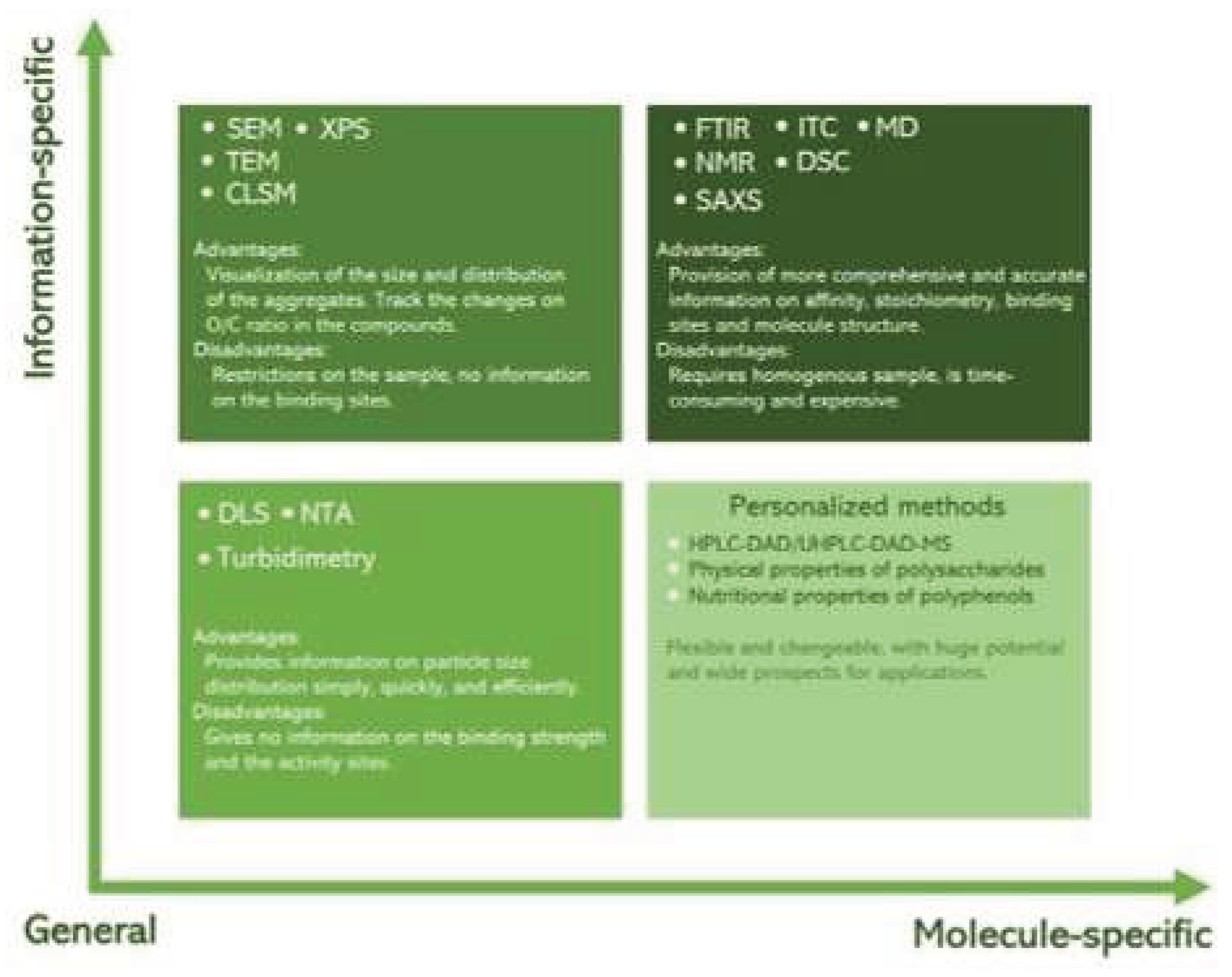
Figure 14.
Classification of the methods used for elucidation of cell wall polysaccharide–polyphenol interactions [2].
Figure 14.
Classification of the methods used for elucidation of cell wall polysaccharide–polyphenol interactions [2].
10. Conclusions
The present review highlights the growing scientific evidence supporting the synergistic interactions between inulin-type fructans and plant polyphenols, emphasizing their combined contribution to antioxidant activity, bioavailability and functional performance in nutraceutical and functional food systems. Although inulin itself does not exhibit strong direct antioxidant capacity, numerous experimental studies demonstrate that inulin-rich matrices enhance stability, retention and bioefficacy of phenolic compounds through physicochemical and biological mechanisms [1,2,3,4,5,6,7,8,9,10,14,37].
Molecular interactions between polysaccharides and polyphenols, including hydrogen bonding, hydrophobic interactions and formation of supramolecular complexes, significantly influence extractability, stability and controlled release of antioxidants in plant matrices. The formation of non-extractable polyphenols (NEPP) associated with dietary fibers contributes to delayed release of bioactive metabolites in the colon, where microbiota-mediated transformation generates compounds with systemic antioxidant and anti-inflammatory effects [2,3,24].
Experimental data indicate correlations between inulin content and antioxidant parameters measured using DPPH, ABTS and FRAP assays, as well as enzymatic antioxidant markers such as catalase (CAT) and superoxide dismutase (SOD). These findings suggest that inulin plays an indirect but important role in modulating antioxidant defense mechanisms through stabilization of phenolic compounds and interaction with gut microbiota metabolism [19,35].
Technological applications of inulin in functional foods demonstrate its ability to improve texture, rheological properties and stability of bioactive compounds. As fat mimetic agent, encapsulating matrix and prebiotic ingredient, inulin contributes to development of innovative formulations with improved sensory properties and enhanced health-promoting potential. Encapsulation strategies using inulin have shown increased retention of anthocyanins, flavonoids and phenolic acids during drying and storage processes, supporting the role of polysaccharides as protective carriers for sensitive bioactive compounds [4,12,25,26,27,28,29,30,31,32].
The interaction between dietary fibers and polyphenols is strongly linked to modulation of gut microbiota composition and production of short-chain fatty acids (SCFAs), including acetate, propionate and butyrate, compounds involved in regulation of inflammatory pathways, intestinal barrier function and metabolic homeostasis. The concept of the diet–microbiota–antioxidant axis provides an integrated framework explaining the relationship between plant-derived bioactive compounds, microbial metabolism and prevention of oxidative stress-related disorders [1,2,3,4,5,6,7,8,16,37,38].
From a pharmacognostic and phytotherapeutic perspective, medicinal and aromatic plants rich in both inulin and polyphenols represent valuable sources of multifunctional bioactive compounds with potential applications in prevention of metabolic disorders, inflammatory diseases and microbiota-related dysbiosis. The synergistic combination of prebiotic polysaccharides and phenolic antioxidants may contribute to development of advanced nutraceutical systems targeting oxidative stress and chronic inflammation [20,21,22,23].
Future research directions should focus on elucidating structure–activity relationships governing polysaccharide–polyphenol interactions, optimization of extraction and encapsulation technologies, and evaluation of bioavailability using in vivo and clinical models. Standardization of analytical methodologies for characterization of non-extractable polyphenols and investigation of microbiota-mediated metabolic pathways will further improve understanding of synergistic antioxidant mechanisms [2,3,7,31,33,37].
Overall, the integration of inulin-type fructans with plant polyphenols represents a promising strategy for development of innovative functional foods and phytopharmaceutical formulations with enhanced biological activity. Understanding the complex interactions between dietary fibers, phenolic compounds and gut microbiota provides new perspectives for designing nutraceutical products capable of modulating oxidative stress and supporting human health [1,2,3,4,5,6,7,8,9,10,14,25,26,27,28,32,33].
Author Contributions
Conceptualization, A.D.R.; methodology, A.D.R., M.C.E. and A.S.; writing-original draft preparation, A.D.R.; writing-review and editing, A.D.R., M.C.E. and A.S. All authors have read and agreed to the published version of the manuscript.
Funding
This research received no external funding.
Institutional Review Board Statement
Not applicable.
Informed Consent Statement
Not applicable.
Data Availability Statement
Data sharing is not applicable to this review article as no new data were created or analyzed.
Acknowledgments
The authors acknowledge the institutional support of the affiliated organizations.
Conflicts of Interest
The authors declare no conflicts of interest.
References
- Roberfroid, M.B. Inulin-type fructans: functional food ingredients. J. Nutr. 2007, 2493S–2502S. [Google Scholar] [CrossRef]
- Liu, X.; Le Bourvellec, C.; Renard, C.M.G.C. Interactions between cell wall polysaccharides and polyphenols: effect of molecular internal structure. Compr. Rev. Food Sci. Food Saf. 2020, 1–44. [Google Scholar] [CrossRef]
- Lippolis, T. Bioaccessibility and bioavailability of diet polyphenols and their modulation of gut microbiota. Int. J. Mol. Sci. 2023, 24, 3813,1–17. [Google Scholar] [CrossRef]
- Kheto, A. Utilization of inulin as a functional ingredient in food: processing, physicochemical characteristics, food applications, and future research directions. Food Chem. Adv. 2023, 3, 100443,1–12. [Google Scholar] [CrossRef]
- Whitman, J.A.; Doherty, L.A.; Pantoja-Feliciano de Goodfellow, I.G.; Racicot, K.; Anderson, D.J.; Kensil, K.; et al. In vitro fermentation shows polyphenol and fiber blends have an additive beneficial effect on gut microbiota states. Nutrients 2024, 16(8), 1159,1–16. [Google Scholar] [CrossRef]
- Cano, R.; Bermudez, V.; Galban, N.; Garrido, B.; Santeliz, R.; Gotera, M.P.; et al. Dietary polyphenols and gut microbiota cross-talk: molecular and therapeutic perspectives for cardiometabolic disease: a narrative review. Int. J. Mol. Sci. 2024, 25(16), 9118,1–26. [Google Scholar] [CrossRef] [PubMed]
- Plamada, D.; Vodnar, D.C. Polyphenols-gut microbiota interrelationship: a transition to a new generation of prebiotics. Nutrients 2022, 14(1), 137,1–27. [Google Scholar] [CrossRef] [PubMed]
- Wang, X.; Qi, Y.; Zheng, H. Dietary Polyphenol, Gut Microbiota, and Health Benefits. Antioxidants 2022, 11(6), 1212,1–18. [Google Scholar] [CrossRef]
- Ciupei, D.; Colişar, A.; Leopold, L.; Stănilă, A.; Diaconeasa, Z.M. Polyphenols:From Classification to Therapeutic Potential and Bioavailability. Foods 2024, 13(24), 4131,1–36. [Google Scholar] [CrossRef]
- Koca, B.E.; Sarıtaş, S.; Bechelany, M.; Karav, S. The Functional Role of Polyphenols Across the Human Lifespan. Int. J. Mol. Sci. 2025, 26(22), 11074,1–28. [Google Scholar] [CrossRef]
- Barclay, T. Inulin-a versatile polysaccharide with multiple pharmaceutical and food chemical uses. J. Excip. Food Chem. 2010, 1(3), 27–50. [Google Scholar] [CrossRef]
- Mensink, M.A.; Frijlink, H.W.; van der Voort Maarschalk, K.; Hinrichs, W.L.J. Inulin, a flexible oligosaccharide II:Review of its pharmaceutical applications. Carbohydr. Polym. 2015, 134, 418–428. [Google Scholar] [CrossRef]
- Gibson, G.R.; Hutkins, R.; Sanders, M.E.; Prescott, S.L.; Reimer, R.A.; Salminen, S.J. Expert consensus document:The International Scientific Association for Probiotics and Prebiotics (ISAPP) consensus statement on the definition and scope of prebiotics. Nat. Rev. Gastroenterol. Hepatol. 2017, 14(8), 491–502. [Google Scholar] [CrossRef]
- Alonso-Allende, J.; Milagro, F.I.; Aranaz, P. Health Effects and Mechanisms of Inulin Action in Human Metabolism. Nutrients 2024, 16(17), 2935,1–19. [Google Scholar] [CrossRef]
- Karimi, I.; Ghowsi, M.; Mohammed, L.J.; Haidari, Z.; Nazari, K.; Schiöth, H.B. Inulin as a Biopolymer;Chemical Structure,Anticancer Effects,Nutraceutical Potential and Industrial Applications: A Comprehensive Review. Polymers 2025, 17(3), 412,1–17. [Google Scholar] [CrossRef] [PubMed]
- Cardona, F.; Andres-Lacueva, C.; Tulipani, S.; Tinahones, F.J.; Queipo-Ortuno, M.I. Benefits of polyphenols on gut microbiota and implications in human health. J. Nutr. Biochem. 2013, 24(8), 1415–1422. [Google Scholar] [CrossRef]
- Etxeberria, U.; Fernandez-Quintela, A.; Milagro, F.I.; Aguirre, L.; Martinez, J.A.; Portillo, M.P. Impact of polyphenols and polyphenol-rich dietary sources on gut microbiota composition. J. Agric. Food Chem. 2013, 61(40), 9517–9533. [Google Scholar] [CrossRef] [PubMed]
- Schefer, S.; Oest, M.; Rohn, S. Interactions between phenolic acids, proteins, and carbohydrates - influence on dough and bread properties. Foods 2021, 10, 2798;1–29. [Google Scholar] [CrossRef]
- Mu, Y.; Zhang, B.; Lv, S.; Li, F.; Zhao, C. The role of inulin in maintaining antioxidant capacity and enzymatic activities of Jerusalem artichoke (Helianthus tuberosus L.) cultivars during cold storage. Antioxidants 2025, 14:1109, 1–17. [Google Scholar] [CrossRef]
- Milala, J.; Grzelak, K.; Krol, B.; Juskiewicz, J.; Zdunczyk, Z. Composition and properties of chicory extracts rich in fructans and polyphenols. Pol. J. Food Nutr. Sci. 2009, 59(1), 35–43. [Google Scholar]
- Duda, L. Evaluation of inulin and polyphenol content and the cytotoxicity of Cichorium intybus L. var. foliosum root extracts obtained by pectinase- and pressure-assisted extraction. Nutrients 2025, 17:1040, 1–15. [Google Scholar] [CrossRef]
- Catana, L. Valorification of Jerusalem artichoke tubers (Helianthus tuberosus) for achieving of functional ingredient with high nutritional value. Sciendo 2018, 276–283. [Google Scholar] [CrossRef]
- Takenaka, M. Caffeic acid derivatives in the roots of yacon (Smallanthus sonchifolius). J. Agric. Food Chem. 2003, 51, 793–796. [Google Scholar] [CrossRef] [PubMed]
- Olennikov, D.N.; Chemposov, V.V.; Chirikova, N.K. Polymeric compounds of lingonberry waste: characterization of antioxidant and hypolipidemic polysaccharides and polyphenol-polysaccharide conjugates from Vaccinium vitis-idaea press cake. Foods 2022, 11:2801, 1–25. [Google Scholar] [CrossRef] [PubMed]
- Michalska, A. The influence of inulin on the retention of polyphenolic compounds during the drying of blackcurrant juice. Molecules 2019, 24:4167, 1–19. [Google Scholar] [CrossRef]
- Ziagova, M.G. Enhancing phenolic content of medicinal aromatic plants extracts - biofunctional foods preparation. Plants 2022, 11:76, 1–10. [Google Scholar] [CrossRef]
- Pacheco, C.; Gonzalez, E.; Robert, P.; Parada, J. Retention and pre-colon bioaccessibility of oleuropein in starchy food matrices, and the effect of microencapsulation by using inulin. J. Funct. Foods 2018, 41, 112–117. [Google Scholar] [CrossRef]
- Canazza, E.; Grauso, M.; Mihaylova, D.; Lante, A. Techno-Functional Properties and Applications of Inulin in Food Systems. Gels 2025, 11(10), 829,1–40. [Google Scholar] [CrossRef] [PubMed]
- Zbikowska, A.; Szymanska, I.; Kowalska, M. Impact of inulin addition on properties of natural yogurt. Appl. Sci. 2020, 10:4317, 1–14. [Google Scholar] [CrossRef]
- Calatayud, M.; Van den Abbeele, P.; Ghyselinck, J.; Marzorati, M.; Rohs, E.; Birkett, A. Comparative effect of 22 dietary sources of fiber on gut microbiota of healthy humans in vitro. Front. Nutr. 2021, 8, 700571,1–13. [Google Scholar] [CrossRef]
- Gonzalez-Gomez, A.; Cantone, P.; Perez-Gomez, B.; Martinez-Gonzalez, M.A.; Clemente-Suarez, V.J.; et al. Effect of polyphenol-rich interventions on gut microbiota and inflammatory or oxidative stress markers in adults who are overweight or obese: a systematic review and meta-analysis. Nutrients 2025, 17(15), 2468,1–26. [Google Scholar] [CrossRef]
- Sionek, B.; Szydłowska, A. Probiotics and Prebiotics in the Aspect of Health Benefits and the Development of Novel Plant-Based Functional Food. Appl. Sci. 2025, 15(6), 3137,1–17. [Google Scholar] [CrossRef]
- Li, H.; Gao, J.; Peng, W.; Sun, X.; Qi, W.; Wang, Y. Dietary Polyphenols-Gut Microbiota Interactions: Intervention Strategies and Metabolic Regulation for Intestinal Diseases. Biology 2025, 14(12), 1705,1–24. [Google Scholar] [CrossRef]
- Redondo-Cuenca, A.; Herrera-Vazquez, S.E.; Condezo-Hoyos, L.; Gomez-Ordonez, E.; Ruperez, P. Inulin extraction from common inulin-containing plant sources. Ind. Crops Prod. 2021, 170, 113726,1–9. [Google Scholar] [CrossRef]
- Nguyen, T.T.L.; Vu, N.B.; Dang, X.C.; Trinh, T.D.; Nguyen, T.M.; Le, N.B. Effect of the growth time on the content of inulin, polyphenol, flavonoids, total sugar, and minerals, and antioxidant activity of Vietnamese Dangshen roots Codonopsis javanica. Int. J. Pharm. Res. 2020, 12(3), 1849–1856. [Google Scholar]
- Anghel, A.C.; Taranu, I.; Ortan, A.; Marcu Spinu, S.; Dragoi Cudalbeanu, M.; Rosu, P.M.; Băbeanu, N.E. Polyphenols and microbiota modulation: insights from swine and other animal models for human therapeutic strategies. Molecules 2024, 29(24), 6026,1–32. [Google Scholar] [CrossRef] [PubMed]
- Mahdi, L.; Graziani, A.; Baffy, G.; Mitten, E.K.; Portincasa, P.; Khalil, M. Unlocking Polyphenol Efficacy:The Role of Gut Microbiota in Modulating Bioavailability and Health Effects. Nutrients 2025, 17(17), 2793,1–35. [Google Scholar] [CrossRef]
- Liu, S.; Cheng, L.; Liu, Y.; Zhan, S.; Wu, Z.; Zhang, X. Relationship between Dietary Polyphenols and Gut Microbiota: New Clues to Improve Cognitive Disorders, Mood Disorders and Circadian Rhythms. Foods 2023, 12(6), 1309,1–17. [Google Scholar] [CrossRef]
- Sorrenti, V.; Ali, S.; Mancin, L.; Davinelli, S.; Paoli, A.; Scapagnini, G. Cocoa polyphenols and gut microbiota interplay: bioavailability, prebiotic effect, and impact on human health. Nutrients 2020, 12(7), 1908,1–16. [Google Scholar] [CrossRef]
- Kumar Singh, A.; Cabral, C.; Kumar, R.; Ganguly, R.; Kumar Rana, H.; Gupta, A.; et al. Beneficial effects of dietary polyphenols on gut microbiota and strategies to improve delivery efficiency. Nutrients 2019, 11(9), 2216,1–21. [Google Scholar] [CrossRef]
Disclaimer/Publisher’s Note: The statements, opinions and data contained in all publications are solely those of the individual author(s) and contributor(s) and not of MDPI and/or the editor(s). MDPI and/or the editor(s) disclaim responsibility for any injury to people or property resulting from any ideas, methods, instructions or products referred to in the content. |
© 2026 by the authors. Licensee MDPI, Basel, Switzerland. This article is an open access article distributed under the terms and conditions of the Creative Commons Attribution (CC BY) license (http://creativecommons.org/licenses/by/4.0/).
Copyright: This open access article is published under a Creative Commons CC BY 4.0 license, which permit the free download, distribution, and reuse, provided that the author and preprint are cited in any reuse.


