

Submitted:
21 May 2026
Posted:
22 May 2026
You are already at the latest version
Abstract
The clinical relevance of food-specific IgG antibodies in pediatric gastrointestinal disorders remains controversial. Although international guidelines discourage their use as sole diagnostic tools, the role of these markers within the broader immune–gut axis remains poorly elucidated. This study aimed to characterize a distinct immune-activated intestinal phenotype in children by integrating data on food-specific IgG reactivity, intestinal permeability markers, inflammatory biomarkers, microbiological findings, and abdominal ultrasound results. In this retrospective analysis, 552 children aged 3 to 18 years were categorized into three groups: (1) an immune-activated intestinal phenotype (IAIP) group (n = 196) exhibiting gastrointestinal symptoms, elevated fecal calprotectin, increased zonulin, elevated fecal histamine, confirmed food-specific IgG reactivity (primarily to gluten-containing cereals and dairy proteins), and ultrasound evidence of intestinal inflammation; (2) a classic symptomatic gastrointestinal group (n = 146) with persistent symptoms but lacking the full spectrum of inflammatory biomarkers; and (3) a strict control group (n = 210) with normal ultrasound and biomarker profiles. All participants underwent food-specific IgG testing using a 216-antigen ELISA panel, performed a standardized abdominal ultrasound, and a biomarker assessment. Statistical analyses included group comparisons, correlation analyses, multivariable logistic regression, and receiver operating characteristic (ROC) curve analysis. Results indicated that food-specific IgG polysensitization was significantly more prevalent in the IAIP group than in the other groups (all p < 0.001), particularly for gluten-containing cereals, dairy proteins, and mixed gluten–dairy patterns. The IAIP group also exhibited higher levels of calprotectin, zonulin, and fecal histamine, as well as more frequent ultrasound findings, including bowel wall swelling and mesenteric lymphadenopathy. Correlation analysis demonstrated that total IgG burden was associated with bowel wall thickness (r = 0.48, p < 0.001), while fecal calprotectin showed the strongest correlation with ultrasound indicators of inflammation (r = 0.62, p < 0.0001). Zonulin levels correlated with both IgG burden and inflammatory markers, suggesting an association among intestinal permeability, immune activation, and structural changes. Multivariable logistic regression identified elevated calprotectin, increased zonulin, IgG polysensitization, and mixed gluten–dairy IgG reactivity as independent predictors of abnormal ultrasound findings. ROC analysis revealed that the integrated multimodal model outperformed individual biomarkers. Conclusions: This research identifies a unique immune-activated intestinal phenotype in children, marked by food-specific IgG polysensitization, compromised intestinal barrier function, mucosal inflammation, activation of mast cells, changes in the microbiome, and ultrasound irregularities. These findings advocate for viewing food-specific IgG responses in the context of a broader immune–gut framework instead of as a standalone diagnostic indicator.
Keywords:
food-specific IgG
; pediatric gastrointestinal disorders
; abdominal pediatric
1. Introduction
Functional gastrointestinal disorders (FGIDs) and non-IgE-mediated food hypersensitivity reactions are increasingly acknowledged as the main factors contributing to illness and decreased quality of life in children [1,2]. A considerable proportion of pediatric patients suffer from ongoing symptoms like abdominal discomfort, bloating, changes in bowel habits, nausea, and food-related issues, even when there is no identifiable structural disease [3]. This gap between the presentation of symptoms and the absence of clear pathology poses a significant obstacle for both diagnosis and clinical management within pediatric gastroenterology.
Recent advances in mucosal immunology and microbiome research indicate that low-grade intestinal inflammation, barrier dysfunction, persistent antigen exposure, and immune activation by gut microbiota contribute to pediatric gastrointestinal symptoms [4,5]. The emerging concept of the “immune–gut axis” asserts that interactions among dietary antigens, gut barrier integrity, microbiota, and the immune system may result in chronic immune-mediated disorders, even in the absence of classical inflammatory bowel disease [6].
Within this context, the significance of food-specific immunoglobulin G (IgG) antibodies is still debated within the fields of allergy and gastroenterology. While food allergies mediated by IgE are characterized by immediate hypersensitivity reactions and have well-defined mechanisms, IgG responses generally occur later, are less specific, and are difficult to interpret clinically. As a result, many global organizations warn against relying solely on food-specific IgG tests for diagnosing food allergies or intolerances, noting that IgG antibodies often indicate normal exposure to antigens and the immune system’s tolerance. Nonetheless, new research suggests that food-specific IgG responses may have clinical significance when linked with additional factors, such as heightened intestinal permeability, ongoing antigen exposure, changes in the gut microbiome, and chronic low-level inflammation. [11,12]. This idea is especially relevant for children, whose developing immune systems engage with these factors. This consideration is particularly relevant in pediatric populations, where the immune systems that are still developing engage with dietary antigens and gut microbiota in dynamic ways during essential growth periods [13].
Multiple studies have reported associations between food-specific IgG positivity and conditions such as irritable bowel syndrome (IBS), migraine, eczema, chronic fatigue, inflammatory bowel disease, and other functional gastrointestinal disorders [14,15,16,17]. Clinical research further suggests that elimination diets guided by food-specific IgG panels may benefit select patient subgroups [18,19]. However, the underlying biological mechanisms remain poorly elucidated, and most prior investigations have emphasized symptomatic outcomes rather than comprehensive objective biomarker assessment.
Fecal calprotectin is a key marker of gut mucosal inflammation, while zonulin is being studied more as a marker of intestinal barrier function and permeability [20,21,22]. High levels of fecal histamine can show mast cell activation and immune responses in the gut lining [23]. There is also growing evidence that certain microbes, such as Dientamoeba fragilis, may play a role in ongoing gastrointestinal symptoms, immune activation, and mild inflammation in children [24,25].
Abdominal ultrasound has become an important non-invasive imaging modality in pediatric gastroenterology [26]. In addition to excluding acute conditions such as appendicitis, intussusception, or Crohn’s disease, ultrasound can detect subtle abnormalities, including bowel wall swelling or thickening and enlarged mesenteric lymph nodes, which may indicate mild inflammation [27,28]. Although these findings are not disease-specific, they offer objective evidence of intestinal involvement when interpreted alongside clinical and laboratory data [29].
There are limited studies that integrate food-specific IgG responses with objective measures of intestinal permeability, mucosal inflammation, alterations in the microbiome, and ultrasound results within a comprehensive, multimodal framework. As a result, the potential for a distinct immune-activated intestinal phenotype, characterized by the convergence of these biological factors, remains inaccurately defined in children. This study aimed to characterize a novel immune-activated intestinal phenotype in children by integrating data on food-specific IgG reactivity, intestinal permeability markers, inflammatory biomarkers, microbiological findings, and ultrasound results. It was hypothesized that children exhibiting high IgG polysensitization, elevated zonulin, calprotectin, fecal histamine, and abnormal ultrasound findings would constitute a distinct subgroup with evidence of mild intestinal immune activation and structural alterations. changes.
2. Materials and Methods
2.1. Study Design and Population
Our retrospective pediatric study was conducted at Ponderas Academic Hospital, Bucharest, Romania, between January 2024 and January 2026. The study analyzed the relationship between food-specific IgG reactivity, intestinal permeability, microbiological findings, inflammatory biomarkers, and ultrasound abnormalities in children with gastrointestinal manifestations.
A total of 552 pediatric patients aged 3–18 years were included and stratified into three predefined study groups:
1. Immune-Activated Intestinal Phenotype (IAIP) group (n = 196): children presenting chronic gastrointestinal symptoms associated with objective evidence of intestinal immune activation, including elevated fecal calprotectin, increased zonulin, elevated fecal histamine, confirmed food-specific IgG polysensitization predominantly against gluten-containing cereals and dairy proteins, and ultrasound abnormalities suggestive of intestinal inflammation.
2. Classic symptomatic gastrointestinal group (n = 146): children presenting recurrent gastrointestinal symptoms without fulfilling the complete inflammatory phenotype criteria.
3. Strict control group (n = 210): pediatric patients with normal abdominal ultrasound findings and normal inflammatory/permeability biomarkers, including normal fecal calprotectin and zonulin levels.
The study population included children referred to recurrent abdominal pain, bloating, altered bowel habits, food-related symptoms, nausea, constipation, diarrhea, or associated extra-intestinal manifestations such as fatigue or headaches.
Inclusion Criteria
- Age between 3 and 18 years
- Availability of food-specific IgG testing
- Availability of abdominal ultrasound examination
- Availability of intestinal inflammatory/permeability biomarkers
- Presence of recurrent gastrointestinal symptoms for at least 3 months (symptomatic groups)
Exclusion Criteria
- Confirmed celiac disease
- Inflammatory bowel disease diagnosed by endoscopy and histopathology
- Known IgE-mediated food allergy
- Severe chronic systemic disease (oncological, metabolic, or severe autoimmune disorders)
- Recent systemic corticosteroid or immunosuppressive therapy
- Acute gastrointestinal infection at presentation
All data were anonymized before analysis. Informed consent was obtained from parents or legal guardians, while assent was obtained from children when appropriate, in accordance with the Declaration of Helsinki. The study protocol was approved by the institutional ethics committee.
2.2. Food-Specific IgG Antibody Assessment
Food-specific IgG antibodies were assessed using a semi-quantitative multiplex ELISA /immunoblot assay targeting 216 food antigens and food-related components, including dairy products, gluten-containing cereals, eggs, soy, meat, fish, nuts, fruits, vegetables, and food additives.
Our laboratory tests were conducted in an ISO 15189-certified laboratory following standardized quality control measures. Findings were reported in arbitrary units per milliliter (AU/mL or U/mL), indicating the strength of antigen-specific immune response. (Food-Specific IgG Reactivity and Intestinal Ultrasound Abnormalities in Symptomatic Children: A Multimodal Assessment of Low-Grade Immune-Mediated Gut Inflammation, 2026)
IgG Reactivity Classification
Food-specific IgG responses were stratified into predefined categories:
- Class 0 (≤15 U/mL): no detectable reactivity
- Class 1 (15–25 U/mL): low reactivity
- Class 2 (25–50 U/mL): moderate reactivity
- Class 3 (>50 U/mL): high-intensity reactivity
For analytical purposes, IgG polysensitization was defined as reactivity ≥15 U/mL against at least five food antigens, while high immune burden was defined as reactivity to ≥10 food antigens. (Serological investigation of IgG and IgE antibodies against food antigens in patients with inflammatory bowel disease, 2019)
Attention was given to dominant reactivity patterns involving:
- gluten-containing cereals
- dairy proteins
- mixed gluten–dairy reactivity
Rather than focusing on isolated food responses, analyses emphasize global immune-reactivity patterns potentially reflecting chronic antigen exposure and systemic immune activation.
2.3. Intestinal Inflammatory and Permeability Biomarkers
To characterize the inflammatory and permeability profile of the study population, the following biomarkers were evaluated:
- Fecal calprotectin, as a marker of mucosal inflammation
- Zonulin, as an indicator of intestinal epithelial permeability
- Fecal histamine, reflecting mast-cell-related mucosal activation
- Microbiological stool testing, including assessment for Dientamoeba fragilis
Biomarker elevation was interpreted according to laboratory-specific pediatric reference ranges. (Adeli et al., 2020, pp. 379-386)
2.4. Abdominal Ultrasound Assessment
Abdominal ultrasound examinations were performed using a high-resolution ultrasound system (ACUSON NX3 Elite, Siemens Healthineers, Erlangen, Germany), equipped with broadband multi-frequency transducers adapted for pediatric imaging.
The following probes were utilized:
- low-frequency convex transducer (1–6 MHz) for deep abdominal evaluation
- high-frequency linear transducer (5–12 MHz) for detailed assessment of bowel wall layers and mesenteric lymph nodes
All examinations followed standardized pediatric ultrasonography protocols. Gain, focal zones, depth, and frequency were dynamically adjusted to optimize image quality based on patient age and body habits. The imaging protocol included Tissue Harmonic Imaging (THI), Speckle Reduction Imaging (SRI), adaptive grayscale optimization, and Color and Power Doppler evaluation when required. Scanning is systematically performed in longitudinal and transverse planes, with additional oblique sections as needed. Intestinal wall thickness was measured at the terminal ileum and colon using integrated electronic calipers.
Ultrasound Definitions
- Bowel wall thickening/edema: >3 mm, Mesenteric lymphadenopathy: lymph nodes >8 mm short-axis diameter. All ultrasound examinations were performed by a single experienced pediatric physician with certified ultrasonography competence, ensuring methodological consistency and minimizing inter-observer variability.
2.5. Clinical Symptom Assessment
Clinical symptoms were meticulously documented utilizing organized questionnaires filled out by parents and interviews conducted under physician supervision. The symptoms assessed comprised recurrent abdominal discomfort, bloating, constipation, diarrhea, nausea, changes in bowel habits, fatigue, headaches, and manifestations outside the intestines.
Symptom severity was graded using a 4-point Likert-type scale:
- 0 = absent
- 1 = mild
- 2 = moderate
- 3 = severe
A cumulative symptom burden score was additionally calculated for correlation analyses.
2.6. Statistical Analysis
Statistical Evaluations Statistical evaluations were conducted using GraphPad Prism version 9.5.1 (GraphPad Software, San Diego, CA, USA). An organized multilevel analytical approach examined the relationships among immunological, inflammatory, microbiological, clinical, and imaging variables. The Shapiro–Wilk test was employed to assess the distribution of continuous variables. Variables that were normally distributed were represented as mean ± standard deviation (SD) and analyzed using Student’s t-test or one-way ANOVA. For variables that did not follow a normal distribution, results were shown as median and interquartile range (IQR) and assessed with Mann–Whitney U or Kruskal–Wallis tests. Categorical variables were recorded as frequencies and percentages and compared through Chi-square or Fisher’s exact tests. To investigate correlations among food-specific IgG levels, biomarker concentrations, ultrasound findings, and clinical symptom scores, Pearson or Spearman correlation coefficients were used, depending on the data. Odds ratios (ORs) with 95% confidence intervals (CIs) quantified associations between inflammatory biomarkers and ultrasound abnormalities. Multivariable logistic regression models identified independent predictors of pathological ultrasound findings, adjusting for confounders, such as age and sex. Receiver operating characteristic (ROC) curve analysis evaluated the classification performance of isolated biomarkers and integrated multimodal models. Bonferroni correction was applied where appropriate to reduce the risk of type I error. All tests were two-sided, and p < 0.05 was considered statistically significant.
Parental consent and child assent (when appropriate) were obtained in accordance with the Declaration of Helsinki. The study protocol was approved by the institutional ethics committee of Ponderas Academic Hospital, No 296/02.05.2026.
3. Results
3.1. Demographic, Clinical, and Biomarker Characteristics of the Study Population
A total of 552 pediatric patients aged 3–18 years were included and stratified into three predefined groups: an immune-activated intestinal phenotype (IAIP) group with 196 children (35.5%), a classic symptomatic gastrointestinal group with 146 children (26.4%), and a strict control group with 210 children (38.1%). See Figure 1. The cohort showed a slight male predominance, with boys representing about 56% of participants. Mean age distribution was comparable across groups, with no significant differences in age or sex (p > 0.05), ensuring baseline comparability.
Children in the IAIP cohort exhibited the highest level of clinical burden and displayed a distinct multimodal inflammatory profile, characterized by increased fecal calprotectin, heightened zonulin levels, elevated fecal histamine, polysensitization to food-specific IgG, and abnormal ultrasound results indicative of intestinal inflammation. The classic symptomatic group consisted of children experiencing recurrent gastrointestinal symptoms without meeting the full criteria for an inflammatory phenotype. Conversely, the strict control group exhibited normal inflammatory biomarker levels and intestinal permeability markers, along with normal findings in abdominal ultrasounds. The most common clinical symptoms in symptomatic patients include recurrent abdominal pain, bloating, changes in bowel habits, diarrhea, constipation, nausea, and fatigue. Extra-intestinal symptoms like headaches, fatigue, and skin issues were significantly more prevalent in the IAIP group, suggesting a systemic, immune-mediated role. Food-specific IgG polysensitization was markedly more prevalent in the IAIP cohort, particularly involving gluten-containing cereals, dairy proteins, and mixed gluten–dairy reactivity patterns. Elevated inflammatory and permeability biomarkers were also significantly enriched in this group compared with both classic symptomatic children and strict controls. See Figure 2.
Collectively, these findings support the presence of a biologically distinct immune-activated intestinal phenotype characterized by the convergence of gastrointestinal symptoms, chronic immune activation, intestinal permeability dysfunction, inflammatory biomarkers, and structural intestinal abnormalities. See Table 1.
3.2. Ultrasound Findings and Their Relationship with Immune Activation
Ultrasound abnormalities were notably more prevalent in the IAIP group of children compared to both classic symptomatic children and control groups. The primary imaging abnormality observed was bowel wall thickening (>3 mm), particularly in the terminal ileum and right colon. Mesenteric lymphadenopathy, which was less significant in smaller cohorts, became highly pronounced in the larger inflammatory phenotype group, indicating clear immune-mediated involvement of the intestines. Doppler assessments revealed increased vascularization in some IAIP patients, suggesting active, low-grade inflammatory changes. In contrast, strict controls maintained normal bowel wall structure, showed no significant mesenteric lymphadenopathy, and exhibited typical vascular patterns. See Table 2.
3.3. Correlation Analysis Between Immune Markers, Inflammatory Biomarkers, and Ultrasound Findings
Correlation analyses demonstrate moderate-to-strong associations between food-specific IgG burden, intestinal permeability markers, inflammatory biomarkers, and ultrasound abnormalities. See Table 3. A moderate positive correlation was identified between total IgG burden and bowel wall thickness, suggesting that increased immune reactivity was associated with more pronounced structural intestinal changes. Fecal calprotectin demonstrated the strongest association with ultrasound inflammatory abnormalities, while zonulin correlated significantly with both IgG burden and inflammatory biomarkers, supporting a relationship between epithelial barrier dysfunction and chronic immune activation. Elevated fecal histamine levels additionally correlated with symptom severity, particularly abdominal pain and bloating, suggesting possible mast-cell-related mucosal activation. See Figure 3 and Figure 4.
3.4. Multivariable Logistic Regression Analysis
Multivariable logistic regression analysis identified several independent predictors of pathological ultrasound findings, including bowel wall edema/thickening and mesenteric lymphadenopathy.
A significant positive correlation was identified between cumulative food-specific IgG burden and bowel wall thickness measured by abdominal ultrasound. Children presenting higher numbers of positive food-specific IgG reactions demonstrated progressively increased intestinal wall thickness, suggesting an association between chronic immune exposure and structural intestinal involvement. Scatter plot analysis revealed a moderate positive correlation between total IgG burden and bowel wall thickness (r = 0.48, p < 0.0001). The relationship remained significant across the entire pediatric cohort and was particularly pronounced in children belonging to the immune-activated intestinal phenotype (IAIP) group. See Figure 5.
The strongest predictors were elevated calprotectin and zonulin levels, followed by mixed dairy–gluten IgG reactivity and high IgG polysensitization burden (≥10 foods). Elevated fecal histamine and Dientamoeba fragilis positivity also remained independently associated with ultrasound abnormalities after adjustment for age and sex. See Table 4.
To further investigate the interactions between immune activation, intestinal permeability, inflammatory biomarkers, microbiological findings, and structural intestinal abnormalities, a comprehensive correlation matrix analysis was performed across the entire pediatric cohort.The strongest positive correlation was identified between fecal calprotectin levels and bowel wall thickness (r = 0.62, p < 0.0001), supporting the role of mucosal inflammation in the development of ultrasound-detected intestinal abnormalities. Significant moderate correlations were additionally observed between zonulin and cumulative IgG burden (r = 0.55, p < 0.0001), suggesting a close relationship between intestinal permeability dysfunction and chronic antigen exposure. See Figure 6.
3.5. Receiver Operating Characteristic (ROC) Analysis
Receiver operating characteristic (ROC) curve analysis was performed to evaluate the classification performance of isolated biomarkers and integrated multimodal models in identifying children with pathological intestinal ultrasound findings. Food-specific IgG reactivity alone demonstrated moderate discriminative ability, while ultrasound findings and calprotectin exhibited higher classification performance. The integrated multimodal model combining IgG burden, calprotectin, zonulin, histamine, microbiological findings, and ultrasound abnormalities achieved the highest diagnostic performance. Pairwise comparison of ROC curves using DeLong’s test demonstrated statistically significant superiority of the multimodal model compared with isolated biomarkers. See Table 5.
Food-specific IgG reactivity alone demonstrated moderate discriminative ability, with an area under the curve (AUC) of 0.79, indicating limited performance when interpreted as an isolated biomarker. Ultrasound findings alone showed improved classification accuracy (AUC = 0.83), while fecal calprotectin demonstrated the strongest performance among individual biomarkers (AUC = 0.86), reflecting its close association with mucosal inflammatory activity.
Combining food-specific IgG burden with ultrasound abnormalities significantly improved classification performance (AUC = 0.89), supporting the value of integrated serological and imaging assessment. However, the highest diagnostic accuracy was achieved by the full multimodal model integrating food-specific IgG burden, calprotectin, zonulin, fecal histamine, microbiological findings, and ultrasound abnormalities, which demonstrated excellent discriminative performance (AUC = 0.94). See Figure 7 and Figure 8.
Receiver operating characteristic (ROC) curve analysis comparing the diagnostic performance of isolated biomarkers and integrated multimodal approaches for identifying the immune-activated intestinal phenotype (IAIP). Food-specific IgG reactivity alone demonstrated moderate diagnostic accuracy (AUC = 0.79), while intestinal ultrasound and calprotectin alone showed improved performance (AUC = 0.83 and 0.86, respectively). The combined IgG plus ultrasound model further increased discriminatory capacity (AUC = 0.89). The full multimodal model integrating food-specific IgG reactivity, ultrasound findings, inflammatory biomarkers, and microbiological parameters achieved the highest diagnostic accuracy (AUC = 0.94), significantly outperforming isolated biomarkers. The dashed diagonal line represents the reference line corresponding to random classification (AUC = 0.50).
4. Discussion
4.1. Integrated Immune–Gut Perspective and Definition of a Novel Pediatric Inflammatory Phenotype
Functional gastrointestinal disorders (FGIDs) and chronic food-related gastrointestinal symptoms in children are increasingly recognized as complex conditions involving multidirectional interactions between the intestinal barrier, mucosal immune system, microbiota, dietary antigens, and neuroimmune pathways [20,21,22]. In this context, the present study provides one of the first integrated multimodal pediatric analyses combining food-specific IgG profiling, intestinal permeability biomarkers, inflammatory markers, microbiological findings, abdominal ultrasound abnormalities within a unified biological framework.
Unlike previous studies focused primarily on symptom-based outcomes or isolated serological findings, our expanded cohort identified a distinct subgroup of children characterized by the simultaneous presence of: gastrointestinal symptoms, food-specific IgG polysensitization, elevated calprotectin, increased zonulin, elevated fecal histamine, microbiological alterations, and ultrasound-detected intestinal abnormalities. Collectively, these features define a novel immune-activated intestinal phenotype (IAIP) associated with objective evidence of low-grade intestinal inflammation and structural intestinal involvement. The observed associations between IgG burden, inflammatory biomarkers, intestinal permeability dysfunction, and bowel wall thickening support the hypothesis that immune activation may translate into measurable structural intestinal changes extending beyond purely functional mechanisms. Importantly, these findings suggest that food-specific IgG reactivity may acquire clinical significance when interpreted within a broader context of epithelial barrier dysfunction and chronic immune stimulation.
4.2. Clinical Significance of Food-Specific IgG Reactivity
The interpretation of food-specific IgG antibodies remains controversial in both allergy and gastroenterology [23,24]. Current consensus statements generally consider IgG responses to dietary antigens as markers of exposure and immunological tolerance rather than direct indicators of pathological hypersensitivity.
However, emerging evidence suggests that elevated food-specific IgG levels may reflect chronic antigenic stimulation and immune activation in selected patient subgroups, particularly when accompanied by increased intestinal permeability and inflammatory activation [25,26,27].
These findings support this evolving perspective. Children in the IAIP cohort demonstrated a markedly increased prevalence of IgG polysensitization, particularly against gluten-containing cereals, dairy proteins, and mixed gluten–dairy antigen patterns. High IgG burden was independently associated with bowel wall thickening and mesenteric lymphadenopathy, even after adjustment for age and sex. Notably, the results do not support the use of IgG testing as a standalone diagnostic tool. Rather, food-specific IgG reactivity may serve as a contextual biomarker of chronic immune activation.
5. Conclusions
Our findings support the existence of a distinct immune-activated intestinal phenotype in children, characterized by the convergence of increased food-specific IgG burden, intestinal permeability dysfunction, inflammatory biomarker elevation, and ultrasound-detected intestinal abnormalities. The strongest associations observed between calprotectin, zonulin, and bowel wall thickening highlight the presence of an interconnected immune–gut inflammatory network underlying chronic gastrointestinal symptoms in a subset of pediatric patients. Although food-specific IgG testing should not be considered a standalone diagnostic tool, its integration with inflammatory, microbiological, permeability, and imaging biomarkers significantly improved diagnostic performance, supporting the potential value of multimodal precision-based approaches in pediatric gastroenterology.
Author Contributions
Conceptualization: C.P., L.-M.I and O.M, J.G.; Methodology: C.P., L.-M.I.; Software: C.P, M.O.; L.-M.I, C.D.M, Validation: C.P., C.D.M., M.O.; Formal analysis: C.P.; Investigation: C.P, L.-M.I., D.M.C., G.J.; Resources: C.P, L.-M.I., A.S., M.D., S.D., ; Data curation: C.P., C.D.M., M.O.; Writing—original draft preparation: C.P.; Writing—review and editing: C.P., L.-M.I., S.D.; Visualization: C.P., M.O., S.D.; Supervision: C.P.; L.-M.I, C.D.M., A.S., M.D, S.D., Project administration: C.P.; L.-M.I, C.D.M., A.S., M.D. C.P. conceived and led the study, coordinated the multidisciplinary integration of clinical, imaging, and immunological data, and takes full responsibility for the overall integrity of the work. All authors have read and agreed to the published version of the manuscript.
Funding
This research received no external funding.
Institutional Review Board Statement
The study was conducted in accordance with the Declaration of Helsinki and approved by the Bioethics Committee of Ponderas Academic Hospital, No 296/02.05.2026.
Informed Consent Statement
Informed consent was obtained from all subjects involved in the study.
Data Availability Statement
The datasets generated and analyzed during the current study are available from the corresponding author upon request. Acknowledgments Publication of this paper was supported by the University of Medicine and Pharmacy Carol Davila, through the institutional program Publish not Perish.
Conflicts of Interest
The authors declare no conflicts of interest.
References
- Korterink, J.J.; Diederen, K.; Benninga, M.A.; Tabbers, M.M. Epidemiology of Pediatric Functional Abdominal Pain Disorders: A Meta-Analysis. PLOS ONE 2015, 10, e0126982–e0126982. [CrossRef]
- Robin, S.G.; Keller, C.; Zwiener, R.; Hyman, P.E.; Nurko, S.; Saps, M.; Di Lorenzo, C.; Shulman, R.J.; Hyams, J.S.; Palsson, O.; et al. Prevalence of Pediatric Functional Gastrointestinal Disorders Utilizing the Rome IV Criteria. J. Pediatr. 2018, 195, 134–139. [CrossRef]
- Hyams, J.S.; Di Lorenzo, C.; Saps, M.; Shulman, R.J.; Staiano, A.; van Tilburg, M. Childhood Functional Gastrointestinal Disorders: Child/Adolescent. Gastroenterology 2016, 150, 1456–1468.e2. [CrossRef]
- Groetch, M.; Venter, C.; Meyer, R. Clinical Presentation and Nutrition Management of Non-IgE-Mediated Food Allergy in Children. Clin. Exp. Allergy 2025. [CrossRef]
- Chehade, M.; Jones, S.M.; Pesek, R.D.; Burks, A.W.; Vickery, B.P.; Wood, R.A.; Leung, D.Y.; Furuta, G.T.; Fleischer, D.M.; Henning, A.K.; et al. Phenotypic Characterization of Eosinophilic Esophagitis in a Large Multicenter Patient Population from the Consortium for Food Allergy Research. J. Allergy Clin. Immunol. Pr. 2018, 6, 1534–1544.e5. [CrossRef]
- Santos, A.F.; Riggioni, C.; Agache, I.; Akdis, C.A.; Akdis, M.; Alvarez-Perea, A.; Alvaro-Lozano, M.; Ballmer-Weber, B.; Barni, S.; Beyer, K.; et al. EAACI guidelines on the diagnosis of IgE-mediated food allergy. Allergy 2023, 78, 3057–3076. [CrossRef]
- Gocki, J.; Bartuzi, Z. Role of immunoglobulin G antibodies in diagnosis of food allergy. Adv. Dermatol. Allergol. 2016, 4, 253–256. [CrossRef]
- Zeng, Q.; Dong, S.-Y.; Wu, L.-X.; Li, H.; Sun, Z.-J.; Li, J.-B.; Jiang, H.-X.; Chen, Z.-H.; Wang, Q.-B.; Chen, W.-W. Variable Food-Specific IgG Antibody Levels in Healthy and Symptomatic Chinese Adults. PLOS ONE 2013, 8, e53612. [CrossRef]
- Garmendia, J.V.; De Sanctis, C.V.; Hajdúch, M.; De Sanctis, J.B. Microbiota and Recurrent Pregnancy Loss (RPL); More than a Simple Connection. Microorganisms 2024, 12, 1641. [CrossRef]
- McGowan, E.C.; Medernach, J.; Keshavarz, B.; Workman, L.J.; Li, R.; Barnes, B.H.; Sauer, B.; Wilson, J.M.; Platts-Mills, T.A.E. Food antigen consumption and disease activity affect food-specific IgG4 levels in patients with eosinophilic esophagitis (EoE). Clin. Exp. Allergy 2022, 53, 307–315. [CrossRef]
- Xiao, N.; Liu, F.; Zhou, G.; Sun, M.; Ai, F.; Liu, Z. Food-specific IgGs Are Highly Increased in the Sera of Patients with Inflammatory Bowel Disease and Are Clinically Relevant to the Pathogenesis. Intern. Med. 2018, 57, 2787–2798. [CrossRef]
- Yang, B.; Yu, H.; Yao, W.; Diao, R.; Li, B.; Wang, Y.; Li, T.; Ge, L.; Hu, Y.; Wang, H. Food-specific IgG4-guided diet elimination improves allergy symptoms in children. Front. Immunol. 2024, 15, 1281741. [CrossRef]
- Peruhova, M.; Mihova, A.; Altankova, I.; Velikova, T. Specific Immunoglobulin E and G to Common Food Antigens and Increased Serum Zonulin in IBS Patients: A Single-Center Bulgarian Study. Antibodies 2022, 11, 23. [CrossRef]
- Cappelletti, M.; Tognon, E.; Vona, L.; Basello, K.; Costanzi, A.; Speciani, M.C.; Speciani, A.F. Food-specific serum IgG and symptom reduction with a personalized, unrestricted-calorie diet of six weeks in Irritable Bowel Syndrome (IBS). Nutr. Metab. 2020, 17, 1–6. [CrossRef]
- Guo, H.; Jiang, T.; Wang, J.; Chang, Y.; Guo, H.; Zhang, W. The Value of Eliminating Foods According to Food-Specific Immunoglobulin G Antibodies in Irritable Bowel Syndrome with Diarrhoea. J. Int. Med Res. 2012, 40, 204–210. [CrossRef]
- Ostrowska, L.; Wasiluk, D.; Lieners, C.F.J.; Gałęcka, M.; Bartnicka, A.; Tveiten, D. Igg Food Antibody Guided Elimination-Rotation Diet Was More Effective than FODMAP Diet and Control Diet in the Treatment of Women with Mixed IBS—Results from an Open Label Study. J. Clin. Med. 2021, 10, 4317. [CrossRef]
- Laura-Mihaela, I.; Pavelescu, C.; Denisa Maria, C.; Oros, M.; Jugulete, G.; Alina, S.; Mihaela, D.; Diaconescu, S. Food-Specific IgG Reactivity and Intestinal Ultrasound Abnormalities in Symptomatic Children: A Multimodal Assessment of Low-Grade Immune-Mediated Gut Inflammation. Preprints 2026, 2026041180. [CrossRef]
- Zar, S.; Mincher, L.; Benson, M.J.; Kumar, D. Food-specific IgG4 antibody-guided exclusion diet improves symptoms and rectal compliance in irritable bowel syndrome. Scand. J. Gastroenterol. 2005, 40, 800–807. [CrossRef]
- Patt, Y.S.; Lahat, A.; David, P.; Patt, C.; Eyade, R.; Sharif, K. Unraveling the Immunopathological Landscape of Celiac Disease: A Comprehensive Review. Int. J. Mol. Sci. 2023, 24, 15482. [CrossRef]
- Tordesillas, L.; Berin, M.C. Mechanisms of Oral Tolerance. Clin. Rev. Allergy Immunol. 2018, 55, 107–117. [CrossRef]
- Suurmond, J.; Diamond, B. Autoantibodies in systemic autoimmune diseases: specificity and pathogenicity. J. Clin. Investig. 2015, 125, 2194–2202. [CrossRef]
- Wang, Y.; Mo, Y.; Sun, Y.; Li, J.; An, Y.; Feng, N.; Liu, Y. Intestinal nanoparticle delivery and cellular response: a review of the bidirectional nanoparticle-cell interplay in mucosa based on physiochemical properties. J. Nanobiotechnology 2024, 22, 1–23. [CrossRef]
- Schoultz, I.; Keita, Å.V. Cellular and Molecular Therapeutic Targets in Inflammatory Bowel Disease—Focusing on Intestinal Barrier Function. Cells 2019, 8. [CrossRef]
- König, J.; Wells, J.; Cani, P.D.; García-Ródenas, C.L.; Macdonald, T.; Mercenier, A.; Whyte, J.; Troost, F.; Brummer, R.-J. Human Intestinal Barrier Function in Health and Disease. Clin. Transl. Gastroenterol. 2016, 7, e196. [CrossRef]
- Seethaler, B.; Basrai, M.; Neyrinck, A.M.; Nazare, J.-A.; Walter, J.; Delzenne, N.M.; Bischoff, S.C. Biomarkers for assessment of intestinal permeability in clinical practice. Am. J. Physiol. Liver Physiol. 2021, 321, G11–G17. [CrossRef]
- Zengil, S.; Laloğlu, E. Evaluation of serum zonulin and occludin levels in obsessive-compulsive disorder and the effect of major depressive disorder comorbidity. Front. Psychiatry 2024, 15, 1395235. [CrossRef]
- Fasano, A.; Not, T.; Wang, W.; Uzzau, S.; Berti, I.; Tommasini, A.; Goldblum, S.E. Zonulin, a newly discovered modulator of intestinal permeability, and its expression in coeliac disease. Lancet 2000, 355, 1518–1519. [CrossRef]
- Sturgeon, C.; Fasano, A. Zonulin, a regulator of epithelial and endothelial barrier functions, and its involvement in chronic inflammatory diseases. Tissue Barriers 2016, 4, e1251384. [CrossRef]
- Camilleri, M. Leaky gut: mechanisms, measurement and clinical implications in humans. Gut 2019, 68, 1516–1526. [CrossRef]
- Hoshiko, H.; Feskens, E.J.M.; Oosterink, E.; Ariens, R.M.C.; Mes, J.J.; de Wit, N.J.W. Identification of leaky gut-related markers as indicators of metabolic health in Dutch adults: The Nutrition Questionnaires plus (NQplus) study. PLOS ONE 2021, 16, e0252936. [CrossRef]
- Xiao, Y.-T.; Yan, W.-H.; Cao, Y.; Yan, J.-K.; Cai, W. Neutralization of IL-6 and TNF-α ameliorates intestinal permeability in DSS-induced colitis. Cytokine 2016, 83, 189–192. [CrossRef]
- Fukao, S.; Haniuda, K.; Tamaki, H.; Kitamura, D. Protein kinase Cδ is essential for the IgG response against T-cell-independent type 2 antigens and commensal bacteria. eLife 2021, 10. [CrossRef]
- Vita, A.A.; Zwickey, H.; Bradley, R. Associations between food-specific IgG antibodies and intestinal permeability biomarkers. Front. Nutr. 2022, 9, 962093. [CrossRef]
- Pimentel, M.; Lembo, A. Microbiome and Its Role in Irritable Bowel Syndrome. Dig. Dis. Sci. 2020, 65, 829–839. [CrossRef]
- Mohammad, S.; Thiemermann, C. Role of Metabolic Endotoxemia in Systemic Inflammation and Potential Interventions. Front. Immunol. 2021, 11. [CrossRef]
- McDonald, C.M.; Manji, K.P.; Gosselin, K.; Tran, H.; Liu, E.; Kisenge, R.; Aboud, S.; Fawzi, W.W.; Gewirtz, A.T.; Duggan, C.P. Elevations in serum anti-flagellin and anti-LPS Igs are related to growth faltering in young Tanzanian children. Am. J. Clin. Nutr. 2016, 103, 1548–1554. [CrossRef]
- Morales, W.; Rezaie, A.; Barlow, G.; Pimentel, M. Second-Generation Biomarker Testing for Irritable Bowel Syndrome Using Plasma Anti-CdtB and Anti-Vinculin Levels. Dig. Dis. Sci. 2019, 64, 3115–3121. [CrossRef]
- Rezaie, A.; Park, S.C.; Morales, W.; Marsh, E.; Lembo, A.; Kim, J.H.; Weitsman, S.; Chua, K.S.; Barlow, G.M.; Pimentel, M. Assessment of Anti-vinculin and Anti-cytolethal Distending Toxin B Antibodies in Subtypes of Irritable Bowel Syndrome. Dig. Dis. Sci. 2017, 62, 1480–1485. [CrossRef]
- Pokkunuri, V.; Pimentel, M.; Morales, W.; Jee, S.-R.; Alpern, J.; Weitsman, S.; Marsh, Z.; Low, K.; Hwang, L.; Khoshini, R.; et al. Role of Cytolethal Distending Toxin in Altered Stool Form and Bowel Phenotypes in a Rat Model of Post-infectious Irritable Bowel Syndrome. J. Neurogastroenterol. Motil. 2012, 18, 434–442. [CrossRef]
- Pons, B.J.; Vignard, J.; Mirey, G. Cytolethal Distending Toxin Subunit B: A Review of Structure–Function Relationship. Toxins 2019, 11, 595. [CrossRef]
- Vojdani, A.; Vojdani, E.; Kharrazian, D. Fluctuation of zonulin levels in bloodvsstability of antibodies. World J. Gastroenterol. 2017, 23, 5669–5679. [CrossRef]
- Vojdani, A.; Vojdani, E.; Herbert, M.; Kharrazian, D. Correlation between Antibodies to Bacterial Lipopolysaccharides and Barrier Proteins in Sera Positive for ASCA and ANCA. Int. J. Mol. Sci. 2020, 21, 1381. [CrossRef]
- Cole, C.R.; Frem, J.C.; Schmotzer, B.; Gewirtz, A.T.; Meddings, J.B.; Gold, B.D.; Ziegler, T.R. The Rate of Bloodstream Infection Is High in Infants with Short Bowel Syndrome: Relationship with Small Bowel Bacterial Overgrowth, Enteral Feeding, and Inflammatory and Immune Responses. J. Pediatr. 2010, 156, 941–947.e1. [CrossRef]
- Pei, R.; DiMarco, D.M.; Putt, K.K.; Martin, D.A.; Gu, Q.; Chitchumroonchokchai, C.; White, H.M.; Scarlett, C.O.; Bruno, R.S.; Bolling, B.W. Low-fat yogurt consumption reduces biomarkers of chronic inflammation and inhibits markers of endotoxin exposure in healthy premenopausal women: a randomised controlled trial. Br. J. Nutr. 2017, 118, 1043–1051. [CrossRef]
- Ott, B.; Skurk, T.; Lagkouvardos, L.; Fischer, S.; Büttner, J.; Lichtenegger, M.; Clavel, T.; Lechner, A.; Rychlik, M.; Haller, D.; et al. Short-Term Overfeeding with Dairy Cream Does Not Modify Gut Permeability, the Fecal Microbiota, or Glucose Metabolism in Young Healthy Men. J. Nutr. 2018, 148, 77–85. [CrossRef]
- Chen, M.-X.; Chen, Y.; Fu, R.; Mao, G.-Q.; Liu, S.-Y.; Shen, T.-B. Rab5a Promotes Cytolethal Distending Toxin B-Induced Cytotoxicity and Inflammation. Infect. Immun. 2020, 88. [CrossRef]
- Varon, C.; Mocan, I.; Mihi, B.; Péré-Védrenne, C.; Aboubacar, A.; Moraté, C.; Oleastro, M.; Doignon, F.; Laharie, D.; Mégraud, F.; et al. Helicobacter pullorum Cytolethal Distending Toxin Targets Vinculin and Cortactin and Triggers Formation of Lamellipodia in Intestinal Epithelial Cells. J. Infect. Dis. 2014, 209, 588–599. [CrossRef]
- Madhavan, R.; Porkodi, R.; Rajendran, C.P.; Chandrasekaran, A.N.; Umadevi, K.R.; Alamelu, R. IgM, IgG, and IgA response to enterobacteria in patients with ankylosing spondylitis in southern India.. Ann. New York Acad. Sci. 2006, 958, 408–411. [CrossRef]
- Burk, C.M.; Shreffler, W.G. Triggers for eosinophilic esophagitis (EoE): The intersection of food allergy and EoE. J. Allergy Clin. Immunol. 2024, 153, 1500–1509. [CrossRef]
- American Academy of Allergy, Asthma & Immunology. The myth of IgG food panel testing. Available online: https://www.aaaai.org/tools-for-the-public/conditions-library/allergies/igg-food-test (accessed on 23 February 2026).
- Harris, P.A.; Taylor, R.; Thielke, R.; Payne, J.; Gonzalez, N.; Conde, J.G. Research electronic data capture (REDCap)—A metadata-driven methodology and workflow process for providing translational research informatics support. J. Biomed. Inform. 2009, 42, 377–381. [CrossRef]
- Harris PA, Taylor R, Minor BL, Elliott V, Fernandez M, O’Neal L, McLeod L, Delacqua G, Delacqua F, Kirby J, Duda SN; REDCap Consortium. The REDCap consortium: Building an international community of software platform partners. J. Biomed. Inform. 2019, 95, 103208. [CrossRef]
- Bays, J.L.; DeMali, K.A. Vinculin in cell–cell and cell–matrix adhesions. Cell. Mol. Life Sci. 2017, 74, 2999–3009. [CrossRef]
Figure 1.
Study flowchart illustrating cohort stratification and multimodal characterization of pediatric patients included in the study. The immune-activated intestinal phenotype (IAIP) group demonstrated the convergence of gastrointestinal symptoms, food-specific IgG polysensitization, inflammatory biomarkers, intestinal permeability abnormalities, microbiological alterations, and pathological ultrasound findings.
Figure 1.
Study flowchart illustrating cohort stratification and multimodal characterization of pediatric patients included in the study. The immune-activated intestinal phenotype (IAIP) group demonstrated the convergence of gastrointestinal symptoms, food-specific IgG polysensitization, inflammatory biomarkers, intestinal permeability abnormalities, microbiological alterations, and pathological ultrasound findings.
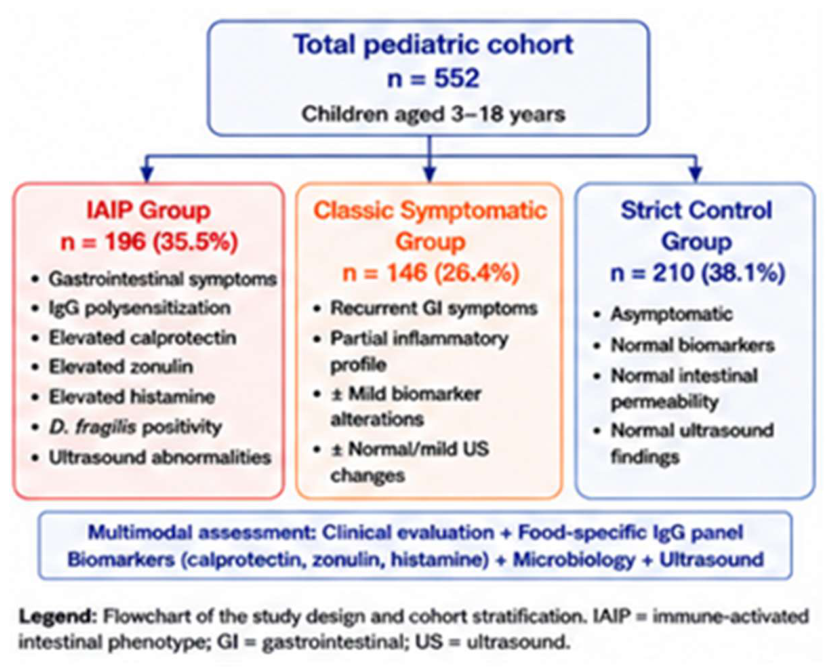
Figure 2.
Comparison of food-specific IgG reactivity patterns across major antigen categories in the three study groups. Children with immune-activated intestinal phenotype demonstrated significantly higher IgG responses against gluten-containing cereals, dairy proteins, and mixed gluten–dairy antigens compared with both symptomatic children and strict controls. Data are presented as mean ± SD. Statistical significance is indicated directly on the graph.
Figure 2.
Comparison of food-specific IgG reactivity patterns across major antigen categories in the three study groups. Children with immune-activated intestinal phenotype demonstrated significantly higher IgG responses against gluten-containing cereals, dairy proteins, and mixed gluten–dairy antigens compared with both symptomatic children and strict controls. Data are presented as mean ± SD. Statistical significance is indicated directly on the graph.
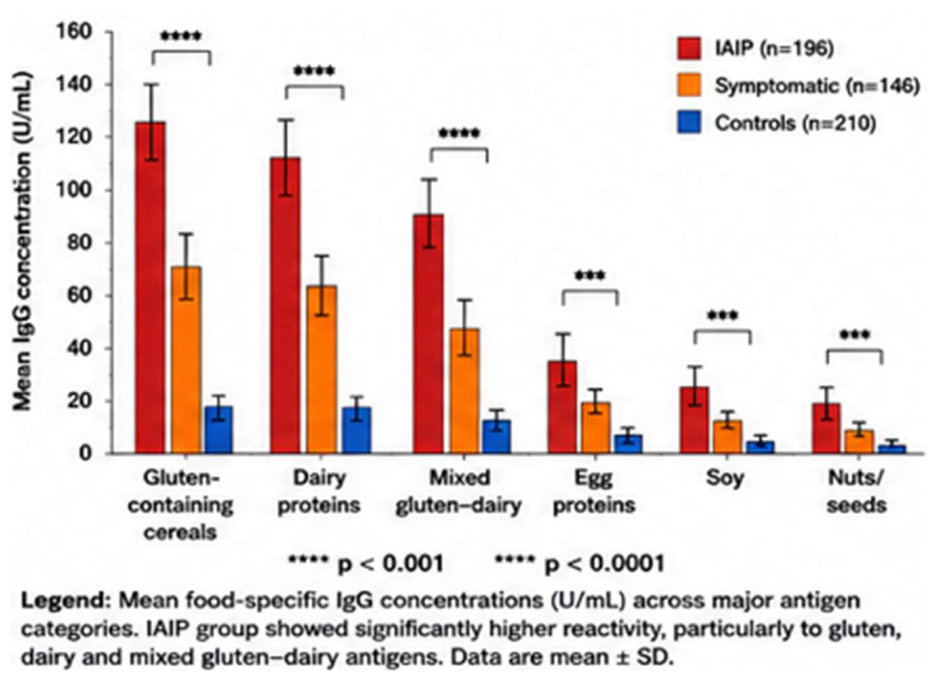
Figure 3.
Distribution of intestinal inflammatory and permeability biomarkers across study groups. Boxplots demonstrate significantly elevated fecal calprotectin, zonulin, and fecal histamine levels in children with immune-activated intestinal phenotype compared with symptomatic children and strict controls. The IAIP cohort demonstrated the highest inflammatory burden and widest biomarker variability, supporting the presence of a biologically distinct inflammatory subgroup.
Figure 3.
Distribution of intestinal inflammatory and permeability biomarkers across study groups. Boxplots demonstrate significantly elevated fecal calprotectin, zonulin, and fecal histamine levels in children with immune-activated intestinal phenotype compared with symptomatic children and strict controls. The IAIP cohort demonstrated the highest inflammatory burden and widest biomarker variability, supporting the presence of a biologically distinct inflammatory subgroup.
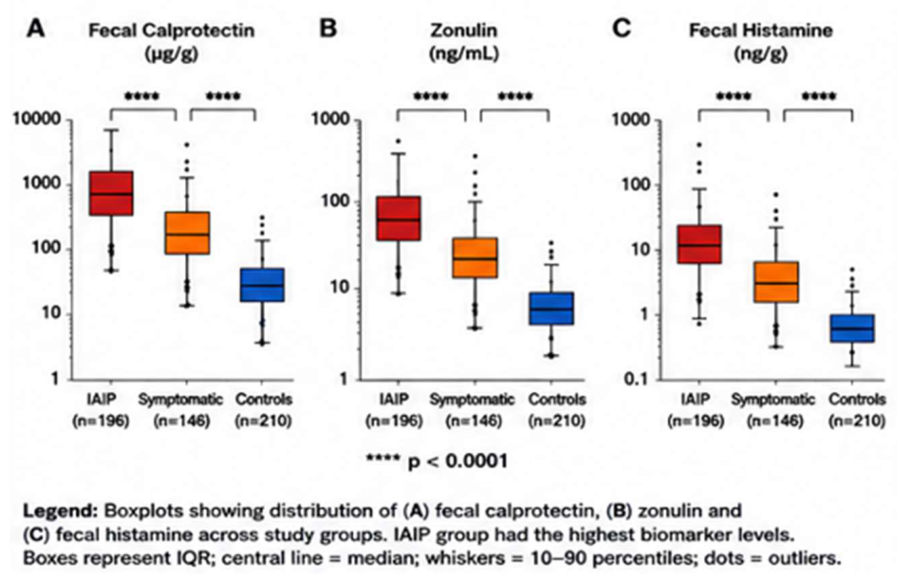
Figure 4.
Distribution of ultrasound abnormalities among study groups. Children with immune-activated intestinal phenotypes exhibited significantly higher prevalence of bowel wall edema/thickening, terminal ileum involvement, mesenteric lymphadenopathy, and Doppler hypervascularization compared with symptomatic children and controls. These findings support objective structural intestinal involvement associated with chronic immune activation.
Figure 4.
Distribution of ultrasound abnormalities among study groups. Children with immune-activated intestinal phenotypes exhibited significantly higher prevalence of bowel wall edema/thickening, terminal ileum involvement, mesenteric lymphadenopathy, and Doppler hypervascularization compared with symptomatic children and controls. These findings support objective structural intestinal involvement associated with chronic immune activation.
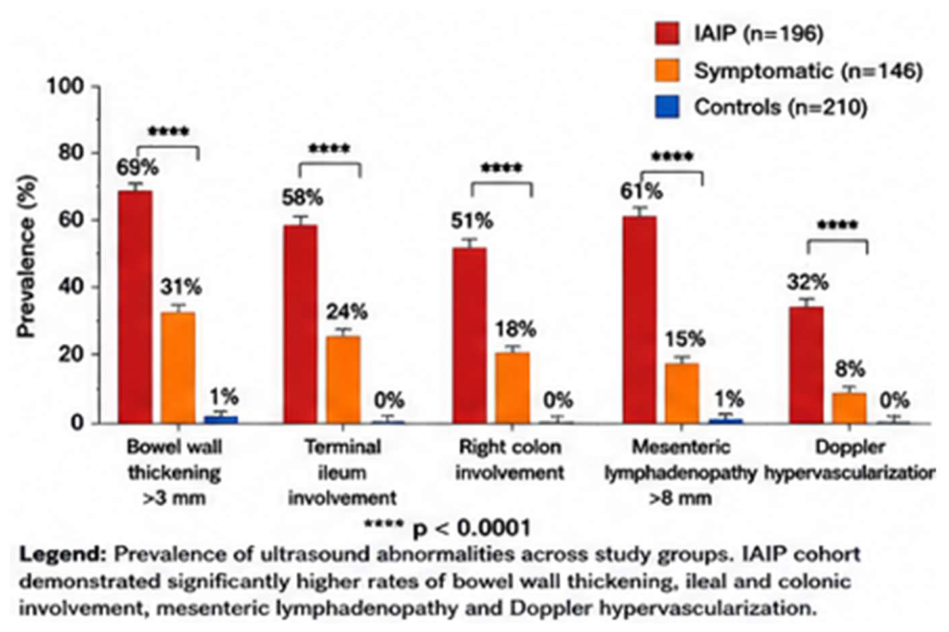
Figure 5.
Scatter plot demonstrates the relationship between cumulative food-specific IgG burden and bowel wall thickness assessed by abdominal ultrasound. Increasing IgG reactivity was associated with progressively greater intestinal wall thickening, supporting a potential relationship between chronic immune activation and structural intestinal abnormalities.
Figure 5.
Scatter plot demonstrates the relationship between cumulative food-specific IgG burden and bowel wall thickness assessed by abdominal ultrasound. Increasing IgG reactivity was associated with progressively greater intestinal wall thickening, supporting a potential relationship between chronic immune activation and structural intestinal abnormalities.
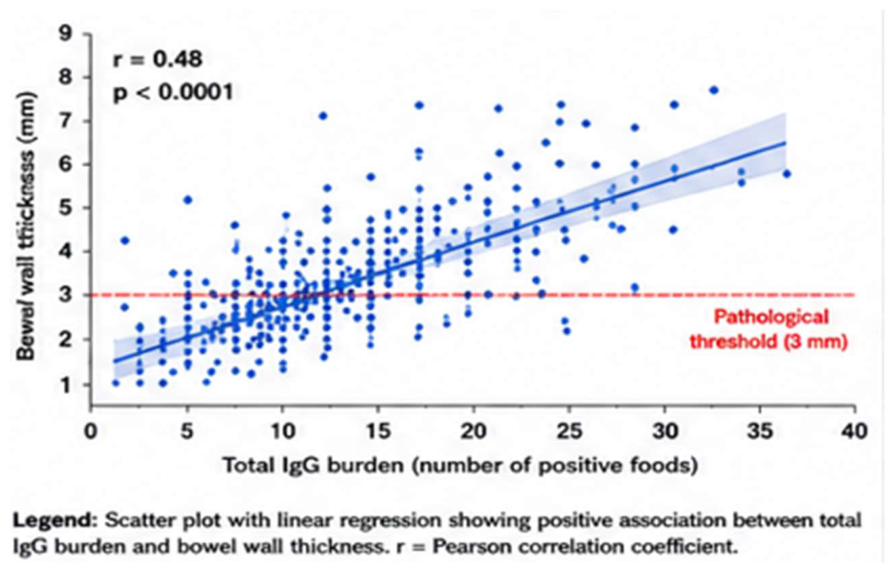
Figure 6.
Correlation heatmap illustrates relationships between immune activation markers, intestinal permeability biomarkers, inflammatory parameters, ultrasound abnormalities, and clinical symptom burden. Strong positive correlations were identified between calprotectin and bowel wall thickening, as well as between zonulin and cumulative IgG burden, supporting an integrated immune–gut inflammatory model.
Figure 6.
Correlation heatmap illustrates relationships between immune activation markers, intestinal permeability biomarkers, inflammatory parameters, ultrasound abnormalities, and clinical symptom burden. Strong positive correlations were identified between calprotectin and bowel wall thickening, as well as between zonulin and cumulative IgG burden, supporting an integrated immune–gut inflammatory model.
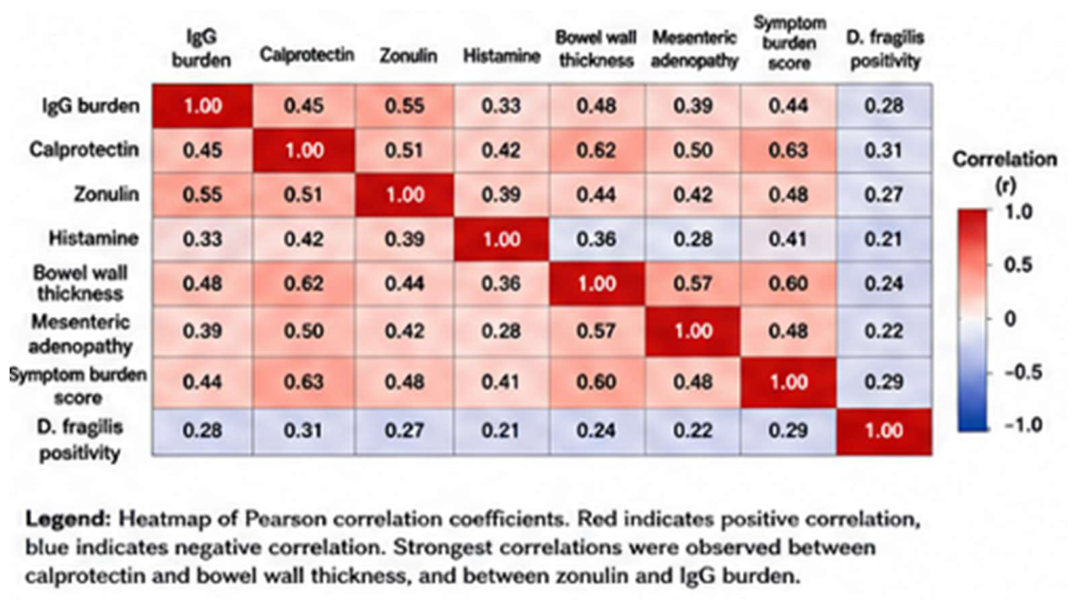
Figure 7.
ROC Curve Analysis of Isolated Biomarkers and Integrated Multimodal Models.
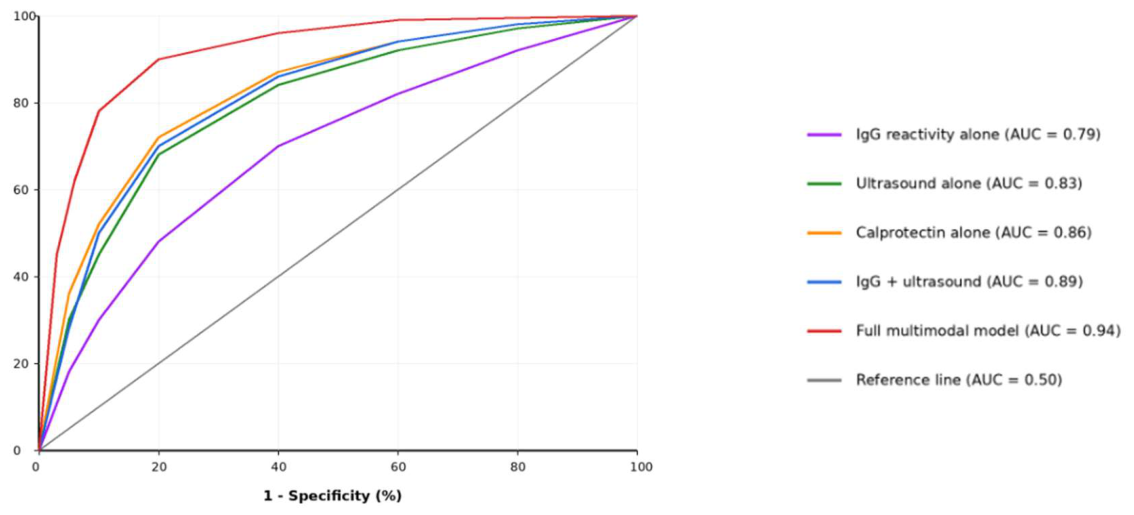
Figure 8.
Diagnostic Performance Metrics of Isolated Biomarkers and Integrated Multimodal Models. Comparative analysis of diagnostic performance parameters for isolated biomarkers and integrated multimodal predictive models used to identify the immune-activated intestinal phenotype (IAIP). Food-specific IgG reactivity alone demonstrated moderate discriminatory performance (AUC = 0.79), whereas intestinal ultrasound and calprotectin alone achieved improved diagnostic accuracy (AUC = 0.83 and 0.86, respectively). The combined IgG plus ultrasound model significantly increased overall performance (AUC = 0.89). The full multimodal model integrating food-specific IgG burden, inflammatory biomarkers, microbiological parameters, and intestinal ultrasound findings demonstrated the highest diagnostic accuracy (AUC = 0.94), with sensitivity of 88% and specificity of 92%. Statistical significance between ROC curves was assessed using DeLong’s pairwise comparison test.
Figure 8.
Diagnostic Performance Metrics of Isolated Biomarkers and Integrated Multimodal Models. Comparative analysis of diagnostic performance parameters for isolated biomarkers and integrated multimodal predictive models used to identify the immune-activated intestinal phenotype (IAIP). Food-specific IgG reactivity alone demonstrated moderate discriminatory performance (AUC = 0.79), whereas intestinal ultrasound and calprotectin alone achieved improved diagnostic accuracy (AUC = 0.83 and 0.86, respectively). The combined IgG plus ultrasound model significantly increased overall performance (AUC = 0.89). The full multimodal model integrating food-specific IgG burden, inflammatory biomarkers, microbiological parameters, and intestinal ultrasound findings demonstrated the highest diagnostic accuracy (AUC = 0.94), with sensitivity of 88% and specificity of 92%. Statistical significance between ROC curves was assessed using DeLong’s pairwise comparison test.
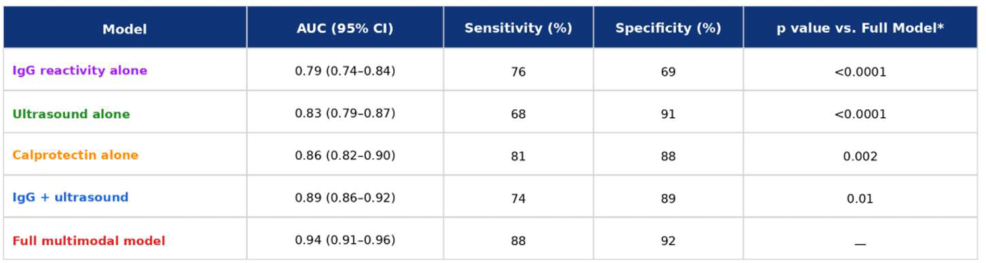

Table 1.
Comparison of demographic characteristics, gastrointestinal manifestations, food-specific IgG reactivity patterns, and inflammatory/permeability biomarkers across study groups. The IAIP cohort demonstrated the highest burden of multisystem symptoms, IgG polysensitization, inflammatory biomarkers, and intestinal permeability abnormalities.
Table 1.
Comparison of demographic characteristics, gastrointestinal manifestations, food-specific IgG reactivity patterns, and inflammatory/permeability biomarkers across study groups. The IAIP cohort demonstrated the highest burden of multisystem symptoms, IgG polysensitization, inflammatory biomarkers, and intestinal permeability abnormalities.
| Variable | IAIP (n=196) | Symptomatic (n=146) | Controls (n=210) | p-value |
| Age (years), mean ± SD | 9.8 ± 4.1 | 9.3 ± 4.0 | 9.5 ± 3.9 | NS |
| Male sex (%) | 56% | 56% | 55% | NS |
| Abdominal pain (%) | 91% | 74% | 8% | <0.01 |
| Bloating (%) | 82% | 61% | 5% | <0.005 |
| Altered bowel habits (%) | 76% | 49% | 4% | <0.01 |
| Nausea/Vomiting (%) | 48% | 31% | 3% | <0.01 |
| Fatigue (%) | 58% | 29% | 3% | <0.0001 |
| Dermatological symptoms (%) | 37% | 18% | 2% | <0.0001 |
| IgG ≥5 foods (%) | 88% | 76% | 24% | <0.0001 |
| IgG ≥10 foods (%) | 65% | 42% | 8% | <0.01 |
| Dairy IgG reactivity (%) | 78% | 62% | 18% | <0.0001 |
| Gluten IgG reactivity (%) | 70% | 53% | 15% | <0.01 |
| Mixed dairy–gluten reactivity (%) | 58% | 38% | 7% | <0.0001 |
| Elevated calprotectin (%) | 74% | 31% | 2% | <0.0001 |
| Elevated zonulin (%) | 69% | 28% | 2% | <0.0001 |
| Elevated fecal histamine (%) | 54% | 19% | 1% | <0.0001 |
| Dientamoeba fragilis positivity (%) | 28% | 9% | 1% | <0.0001 |
Table 2.
Distribution of ultrasound abnormalities across study groups. Children with immune-activated intestinal phenotype demonstrated significantly higher prevalence of bowel wall edema/thickening, terminal ileum involvement, mesenteric lymphadenopathy, and Doppler hypervascularization, supporting objective structural intestinal involvement.
Table 2.
Distribution of ultrasound abnormalities across study groups. Children with immune-activated intestinal phenotype demonstrated significantly higher prevalence of bowel wall edema/thickening, terminal ileum involvement, mesenteric lymphadenopathy, and Doppler hypervascularization, supporting objective structural intestinal involvement.
| Ultrasound Finding | IAIP (n=196) | Symptomatic (n=146) | Controls (n=210) | p-value |
| Bowel wall edema/thickening >3 mm (%) | 69% | 31% | 1% | <0.0001 |
| Terminal Ileum involvement (%) | 58% | 24% | 0% | <0.01 |
| Right colon involvement (%) | 51% | 18% | 0% | <0.01 |
| Mesenteric lymphadenopathy >8 mm (%) | 61% | 15% | 1% | <0.0001 |
| Doppler hypervascularization (%) | 32% | 8% | 0% | <0.0001 |
Table 3.
Correlation analysis demonstrates significant relationships between immune activation, intestinal permeability, inflammatory biomarkers, ultrasound abnormalities, and clinical symptom burden. The strongest association was observed between fecal calprotectin and bowel wall inflammatory changes.
Table 3.
Correlation analysis demonstrates significant relationships between immune activation, intestinal permeability, inflammatory biomarkers, ultrasound abnormalities, and clinical symptom burden. The strongest association was observed between fecal calprotectin and bowel wall inflammatory changes.
| Variables Compared | Correlation (r) | p-value | Interpretation |
| IgG burden vs bowel wall thickness | 0.48 | <0.0001 | Moderate positive correlation |
| Calprotectin vs bowel wall thickness | 0.62 | <0.0001 | Strong positive correlation |
| Zonulin vs IgG burden | 0.55 | <0.0001 | Moderate–strong correlation |
| Zonulin vs calprotectin | 0.51 | <0.0001 | Moderate positive correlation |
| Histamine vs abdominal pain severity | 0.39 | <0.001 | Moderate correlation |
| D. fragilis positivity vs calprotectin | 0.31 | <0.01 | Weak–moderate correlation |
| Mesenteric adenopathy vs calprotectin | 0.50 | <0.0001 | Moderate positive correlation |
Table 4.
Multivariable logistic regression analysis demonstrates independent predictors of pathological ultrasound findings. Elevated calprotectin and zonulin demonstrated the strongest associations with intestinal structural abnormalities.
Table 4.
Multivariable logistic regression analysis demonstrates independent predictors of pathological ultrasound findings. Elevated calprotectin and zonulin demonstrated the strongest associations with intestinal structural abnormalities.
| Predictor | Adjusted OR | 95% CI | p-value |
| IgG ≥10 foods | 4.9 | 2.9–8.6 | <0.0001 |
| Mixed dairy–gluten IgG reactivity | 5.4 | 3.1–9.3 | <0.0001 |
| Elevated calprotectin | 7.8 | 4.5–13.4 | <0.0001 |
| Elevated zonulin | 6.5 | 3.8–11.1 | <0.0001 |
| Elevated fecal histamine | 3.2 | 1.7–6.0 | 0.001 |
| D. fragilis positivity | 3.7 | 1.8–7.4 | <0.001 |
Table 5.
Receiver operating characteristic analysis demonstrating the classification performance of isolated biomarkers and integrated multimodal models. The full multimodal model combining immunological, inflammatory, permeability, microbiological, and imaging parameters achieved the highest diagnostic accuracy.
Table 5.
Receiver operating characteristic analysis demonstrating the classification performance of isolated biomarkers and integrated multimodal models. The full multimodal model combining immunological, inflammatory, permeability, microbiological, and imaging parameters achieved the highest diagnostic accuracy.
| Model | AUC (95% CI) | Sensitivity | Specificity |
| IgG reactivity alone | 0.79 | 76% | 69% |
| Ultrasound alone | 0.83 | 68% | 91% |
| Calprotectin alone | 0.86 | 81% | 88% |
| IgG + ultrasound | 0.89 | 74% | 89% |
| Full multimodal model | 0.94 | 88% | 92% |
Disclaimer/Publisher’s Note: The statements, opinions and data contained in all publications are solely those of the individual author(s) and contributor(s) and not of MDPI and/or the editor(s). MDPI and/or the editor(s) disclaim responsibility for any injury to people or property resulting from any ideas, methods, instructions or products referred to in the content. |
© 2026 by the authors. Licensee MDPI, Basel, Switzerland. This article is an open access article distributed under the terms and conditions of the Creative Commons Attribution (CC BY) license.
Copyright: This open access article is published under a Creative Commons CC BY 4.0 license, which permit the free download, distribution, and reuse, provided that the author and preprint are cited in any reuse.


