

Submitted:
18 May 2026
Posted:
19 May 2026
You are already at the latest version
Abstract
The sterility of injection pharmaceutical preparation is the most crucial requirement to achieve, as it is injected directly to human body, either intravenously, intramuscularly, or other injection routes and once drug is injected, it moves to other parts of the body through blood flow follows the rules of drug distribution and will have direct contact to all tissues and organ [1]. Theoretically, in order to prevent contamination of microbial by inhibiting the proliferation process, especially in multiple dose of injection drugs, in the final formulation of the drug may need special addition of suitable preservative agent in the preparation [2]. The first step to perform this experimental study was by preparing the sterile pharmaceutical preparation, Diphenhydramine Hydrochloride injection at Sterile Pharmaceutical Preparation Laboratory, of Universitas Muhammadiyah Malang, Indonesia. Once the injection drug was ready, the second step conducted sterility test. The most common method used for sterility test in injection drugs is named direct inoculation. It was conducted by preparing sample from diluted solution of the injection drug, and the concentration was divided into five groups of sample 1:1, 1:2, 1:3, 1:4, 1:5, and undiluted sample (with three times replications) has determined certain level of inactivation of benzyl alcohol as its preservative agent, that was undiluted sample in Thioglycolate medium and 1:1 in Casamino medium. The indicator of bacterial growth in the study was Bacillus subtilis for Thioglycolate medium on range of temperature 30°-35 °C, and Candida albicans as an indicator of fungal growth in Casamino medium on range of temperature 20°-25 °C, both of Thioglycolate and Casamino medium were observed for 14 days. Inactivation of preservative agent and sterility test were performed under LAFC condition and it required some controls of LAFC environment to ensure that experiment was conducted under optimum condition and to avoid false positive result. According to those results of our study, the sterility test has indicated that our Diphenhydramine Hydrochloride injection was sterile after over a period of 14 days of observation.
Keywords:
dilution method
; preservative agent
; sterility test
; benzyl alcohol 1% v/v
; multi-dose of diphenhydramine HCl
Introduction
As stated by Food and Drug Administration (FDA), sterile pharmaceutical products are requiring the terminal sterilization process whenever it feasible [3], as it must follow the rule of current Good Manufacturing Practice (cGMP) before released to the market. Some types of sterile pharmaceutical products which commonly available on market are parenterals, opthamilcs, irrigating solutions, topical for exposed tissue, such as ointment and cream, and also inhalational drugs [4] and the sterile pharmaceutical product of our focus in this study was parenteral, a multi-dose of Diphenhydramine HCl injection, of which we prepared at the laboratory by ourselves before we conducted the sterility test.
For parenteral preparation, specifically in multi-dose injection drugs which usually served in vials and use for over several period of time for each single vial, it commonly requires preservative agent to be added in the final process of formulation. The aim of adding preservative agent in the formulation is to against the growth of either gram positive or negative bacteria, and also fungi which may cause degradation of the pharmaceutical products [5], which caused by prolong time use from each single vial, minimizing product wastage and packaging of the injectable drug [6].
Based on mechanism of action, preservatives in pharmaceutical preparation can be classified into three categories, those are antioxidant, antimicrobial, and chelating agent, and benzyl alcohol is a kind of preservative which has antimicrobial activity by targeting site of microorganism, such cytoplasmic membrane, in which benzyl alcohol can interfere with efflux pump and leads to cell death [7]. Based on its chemical structure, benzyl alcohol is an aromatic, primary alcohol, and with concentration of 1% can be more effectively used to against gram-negative bacteria compared to gram-positive bacteria or fungi. The activity of benzyl alcohol as a preservative is pH dependent, and it can be greater in acidic environment [8].
Some methods which can be used to neutralize the activities of preservative agents in injectable pharmaceutical preparations are filtration, dilution, and chemical neutralization including enzymatic inactivation of antibiotics. While the suitable method of neutralization depends on the type of pharmaceutical preparation itself, preservative agent, and type of microorganism which will be used for microbiological testing. In order to avoid false negative results of sterility test for our formulation of Diphenhydramine HCl injection which contained preservative, neutralization process must be undertaken in advance [9].
The purpose of sterility test for parenteral drugs in this experimental study was to obtain a reliable result, of which in this study is to guarantee that our formulation of multiple dose of Diphenhydramine HCl injection is sterile and has achieved the quality standard of sterile pharmaceutical product based on proper method of sterility test.
Design of Study and Material
The design of this study was experimental and conducted at Sterile Pharmaceutical Prepation Laboratory of Universitas Muhammadiyah Malang, Indonesia, from March to June, in the year of 2012. The aim of the study was to obtain the certain level of dilution to inactivate Benzyl alcohol 1% as a preservative agent in multiple dose of Diphenhydramine HCl injection. We used inoculation as the method to inactivate the preservative agent in multiple dose injection of Diphenhydramine HCl. Diphenhydramine HCl powder was purchased from Beijing Taiyang Pharmaceutical Industry Co.,Ltd. Benzyl alcohol was purchased from Perkin Elmer Corp. Bacteria colony was purchased from Microbiology Laboratory of Medicine Faculty at the Universitas Muhammadiyah Malang. Fungi/ yeast was purchased from the same laboratory. We explain all the steps we performed during this experimental research in the method section which started from formulating Diphenhydramine HCl injection at Formulation chamber to sterility test under controlled condition and analyzing the results. Material of this study were Diphenhydramine HCl powder, Benzyl alcohol 1%, water for injection, Fluid Thioglycollate Medium, Soybean-Casein Digest Medium, Bacillus subtilis, candida albicans, agar medium, and alcohol 70%. Laboratory equipments which used in the study were Laminar air flow cabinet, autoclave, incubator, and oven.
Method
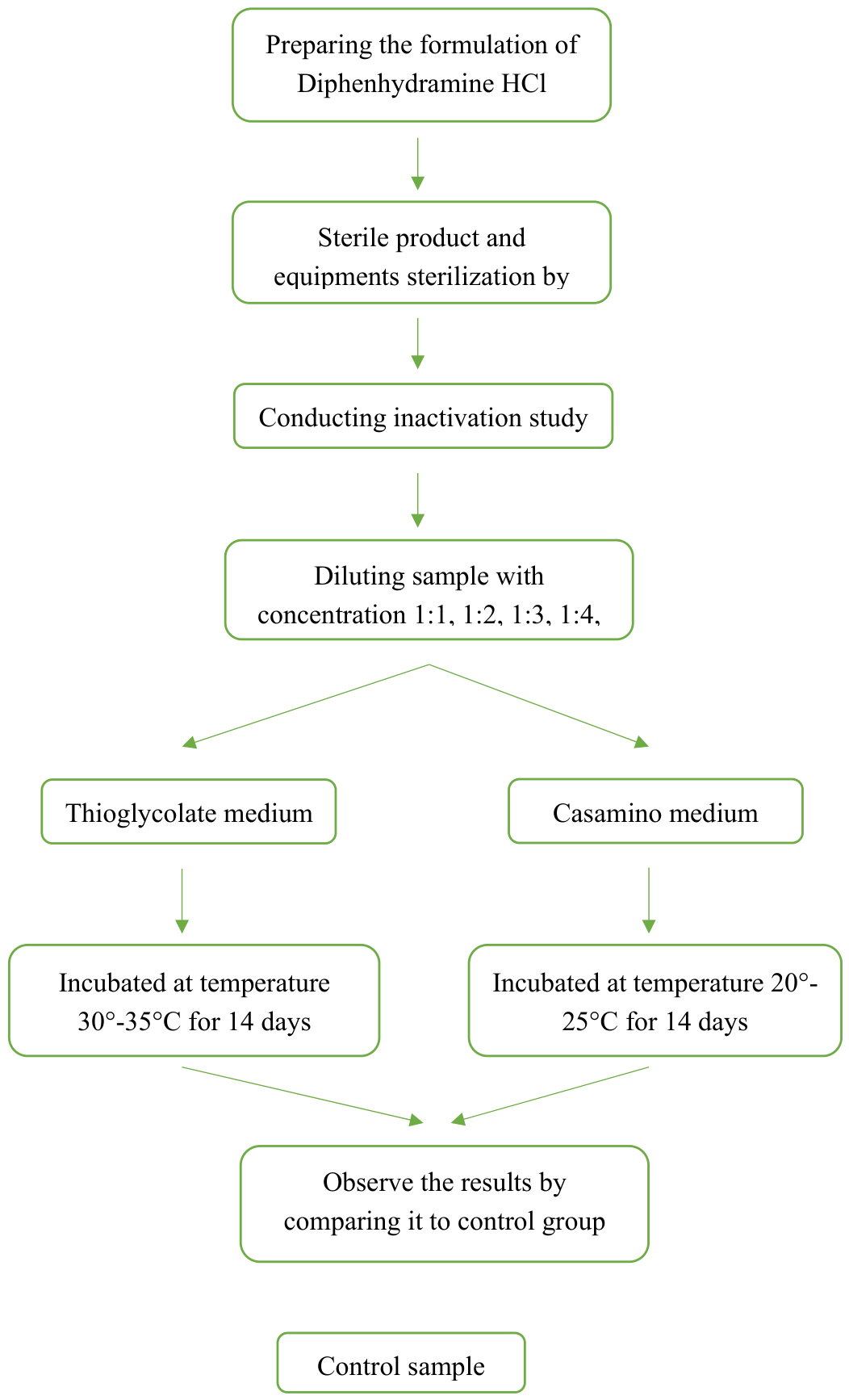
We divided our steps of this experimental study into three figures, see the details below:
Figure 1.
Method of inactivation study.
Results
- I.
- Sample testing in this experimental study was divided into two steps, first, we conducted inactivation on the preservative agent, and second, we conducted sterility test to our sterile pharmaceutical preparation, Diphenhydramine HCl injection. As we mentioned in previous section, the method we used to inactivated the preservative was dilution with five sample concentration, started from 1:1, 1:2, 1:3, 1:4, 1:5, and undiluted sample. In order to obtain the proper results of inactivation study, we needed to conduct the study under sterile environment of Laminar Air Flow Cabinet (LAFC) to avoid contaminant of any microorganism. As the control of sterility in the LAFC, we put some medium agar on every corner of the LAFC, then we observed for three days to guarantee the sterility of LAFC before we performed the inactivation study, shown by Figure 2.
We performed the same way when we were conducting the inactivation study on Benzyl Alcohol 1%, the results are shown in Figure 3.
Adverbs
(+) : there was evidence of contaminant/ microorganism growth
(-) : there was no such evidence
(*) : medium was incubated for three days at temperature of 30°-35 °C
We also performed the same way before the sterility test was conducted in attempt to assure the LAFC condition was sterile and here is the results
Figure 4.
LAFC effectivity before sterility test was conducted.
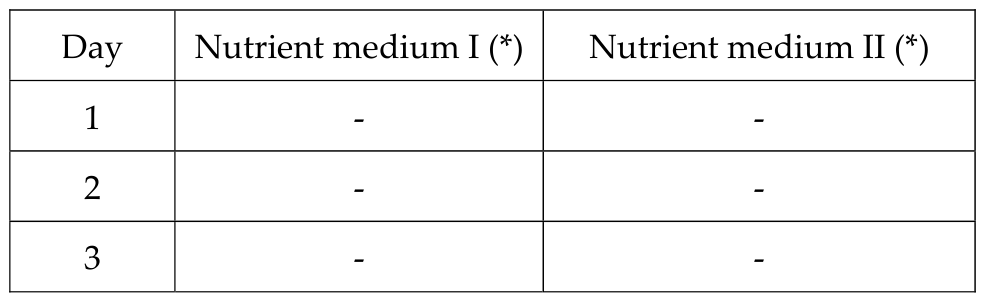
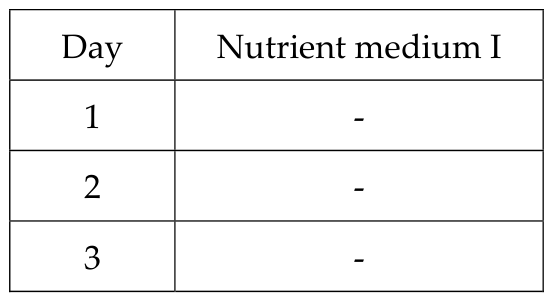
After we obtained the result of LAFC activity, then we repeated the same way when we were conducting sterility test to avoid positive false result
Figure 5.
LAFC effectivity before when sterility test.
Adverbs
(+) : there was evidence of contaminant/ microorganism growth
(-) : there was no such evidence
(*) : medium was incubated for three days at temperature of 30°-35 °C
- II.
- Medium fertility test as a positive control in dilution was performed to assure that we used proper medium for microbiological test, either casamino for yeast and thioglycolate for bacteria. For the microbiological test, we used Candida albicans as the indicator of yeast and Bacillus subtilis as the indicator of bacteria. The observation of medium fertility has followed the standards on USP, as they mentioned, observation should be conducted at day 1, 3, 4, 5, 7, 8, and 14, the results are shown in Figure 6.
Adverbs
(+) : there was evidence of contaminant (microorganism growth)
(-) : there was no such evidence
(*) : medium was incubated for 14 days at temperature of 30°-35 °C
(**) : medium was incubated for 14 days at temperature of 20°-25 °C
Orange block : time of observation according to pharmacopoeia requirements (three days for thioglycolate and five days for casamino)
- III.
- Medium sterility test as a negative control was performed during dilution which aimed to assure that we used sterile medium during our experimental study in the laboratory to conduct inactivation study and sterility test to Diphenhydramine HCl injection in order to avoid false positive results. Below (Figure 7) is the results for our medium sterility test.
Adverbs
(+) : there was evidence of contaminant
(-) : there was no such evidence
(*) : medium was incubated for 14 days at temperature of 30°-35 °C
(**) : medium was incubated for 14 days at temperature of 20°-25 °C
Orange block : time of observation according to pharmacopoeia requirements (three days for thioglycolate and five days for casamino)
- IV.
- Medium fertility test as a positive control in sterility test was performed to assure that we used suitable medium to grow the microorganism during our experimental study in the laboratory. We used the same type of medium, time of observation, and microorganism as mentioned in previous part. The results are shown in below (Figure 8)
Adverbs
(+) : there was evidence of contaminant
(-) : there was no such evidence
(*) : medium was incubated for 14 days at temperature of 30°-35 °C
(**) : medium was incubated for 14 days at temperature of 20°-25 °C
Green block : time of observation according to pharmacopoeia requirements (three days for thioglycolate and five days for casamino)
- V.
- Medium sterility test as a negative control in sterility test was performed to avoid false positive results in our experimental study. The time of observation, types of medium, and microorganism we used were the same as mentioned above. The results are shown in below (Figure 9)
Adverbs
(+) : there was evidence of contaminant
(-) : there was no such evidence
(*) : medium was incubated for 14 days at temperature of 30°-35 °C
(**) : medium was incubated for 14 days at temperature of 20°-25 °C
Green block : time of observation according to pharmacopoeia requirements (three days for thioglycolate and five days for casamino)
- VI.
- Result of Sample Observation
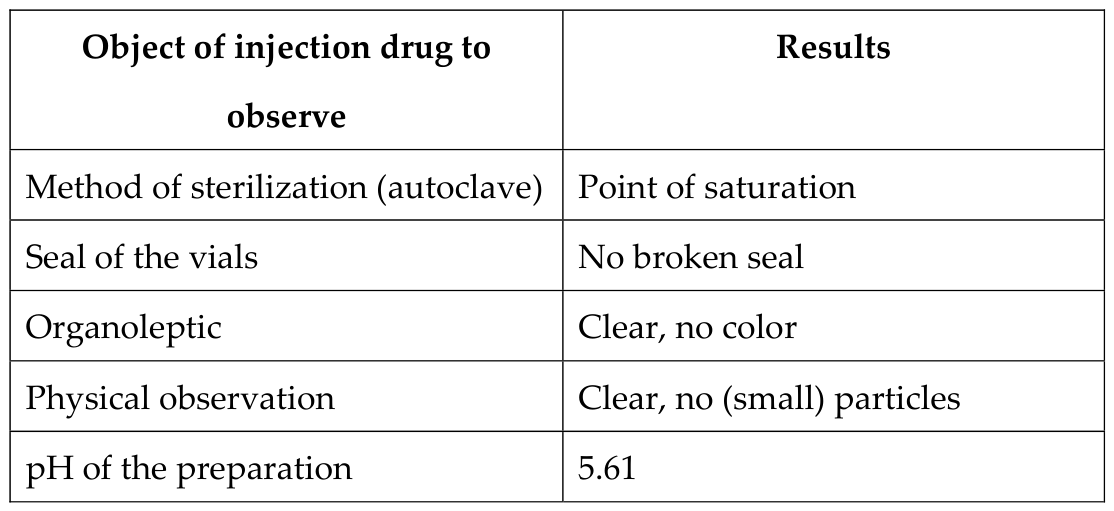
The observation was aimed to assure that our pharmaceutical preparation for this experimental study did not experience physical and chemical degradation which had influence in the result of our study. The results are shown below (Figure 10).
Figure 10.
Results of observation for Diphenhydramine HCl injection.
- VII.
- Result of Inactivation Study
Since the sterile pharmaceutical preparation contained of preservative agent in the formulation, we had to inactivate the preservative in advance to avoid false negative results. The method we used to inactivate the preservative (Benzyl alcohol 1%) was dilution, with triple replication to validated our results. The inactivation study was conducted on both medium, casamino and thioglycolate medium, and needed 14 days to complete the observation on those results at the optimal temperature for each medium, which is casamino medium incubation temperature in range of 20°-25° C (shown in Figure 10) and thioglycolate medium incubation temperature in range of 30°-35 °C (shown in Figure 11)
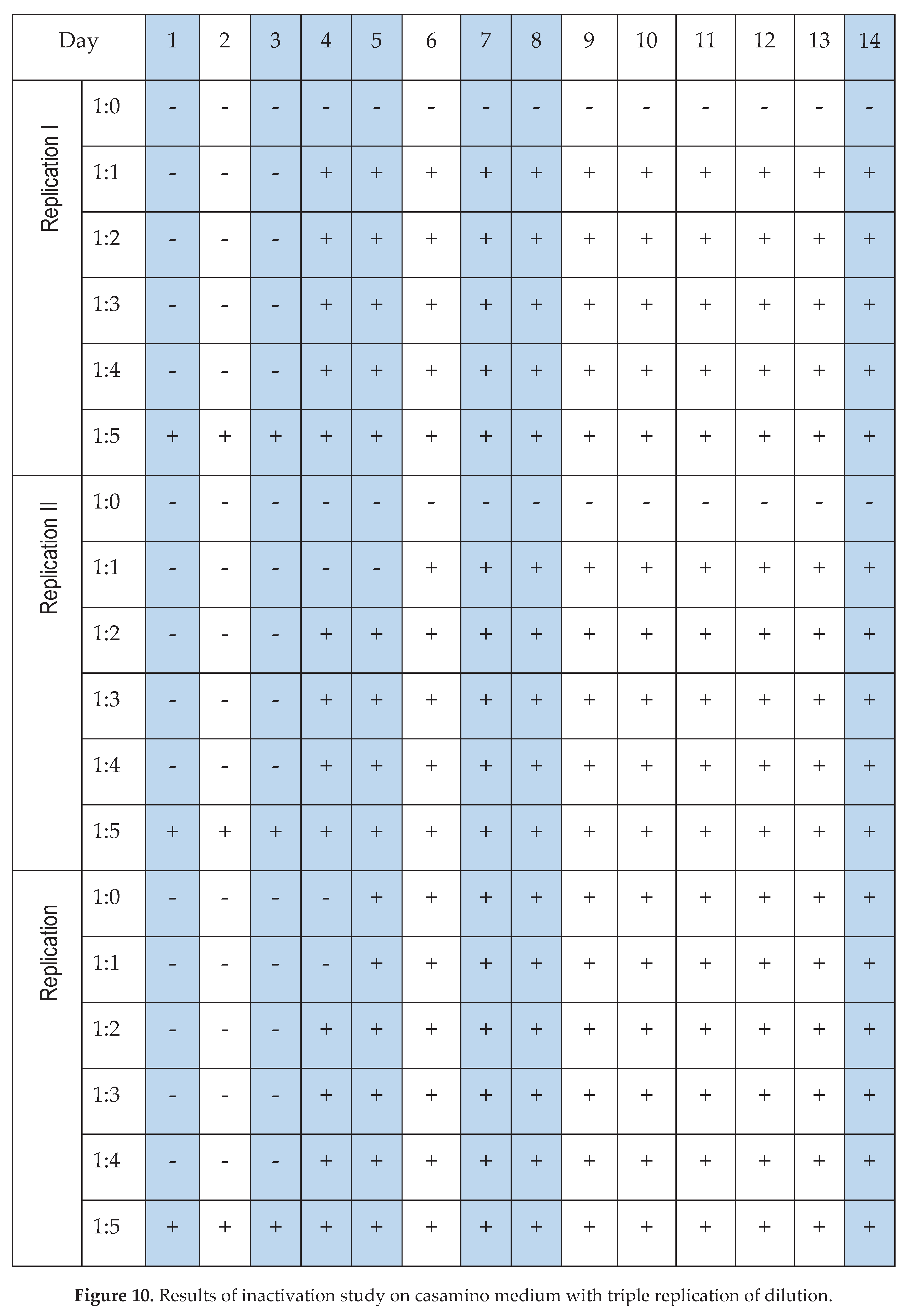
Figure 11.
Results of inactivation study on thioglycolate medium with triple replication of dilution.
Figure 11.
Results of inactivation study on thioglycolate medium with triple replication of dilution.
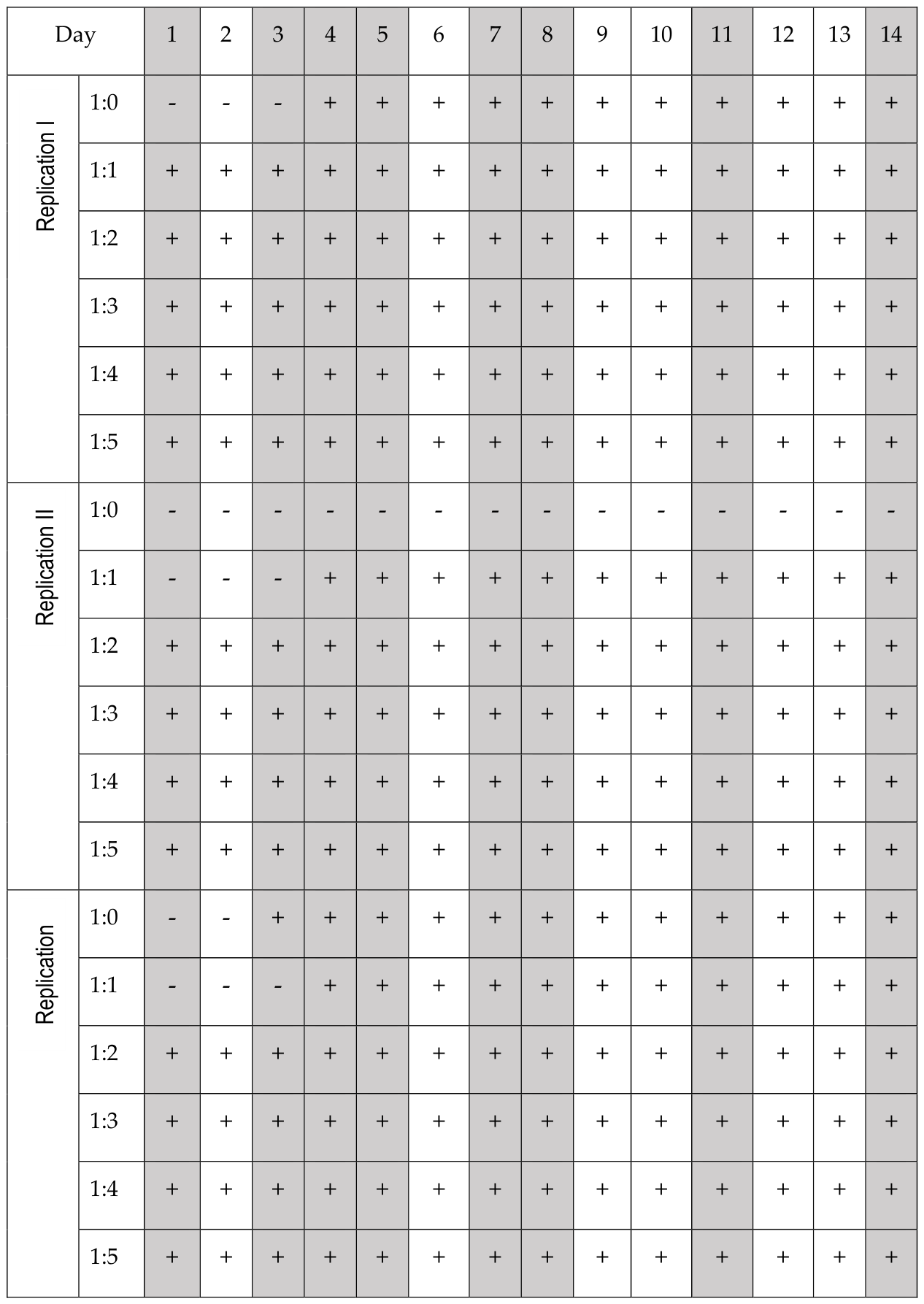
Adverb
(+) : there was visible sign of yeast growth
(-) : there was no sign
Blue block : day of observation
Adverb
(+) : there was visible sign of yeast growth
(-) : there was no sign
Grey block : day of observation
- VIII.
- Results of Sterility Test
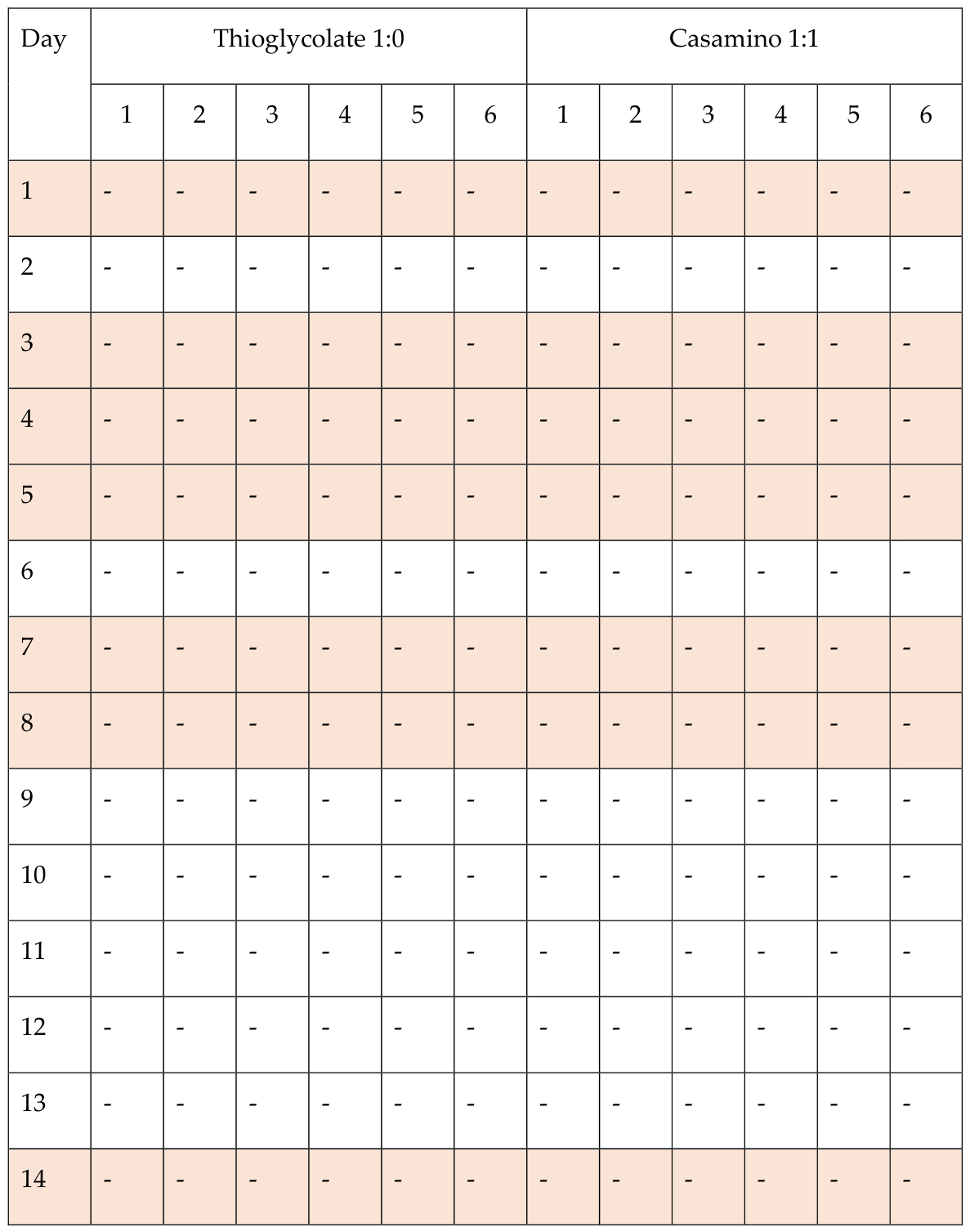
The aim of sterility test for multiple dose injection of Diphenhydramine HCl is for sterility assurance for our formulation, which is also usually conducted for commercial products before reach the market. Observation for the results of sterility test was performed for 14 days for each medium (casamino and thioglycolate), and it required optimum temperature during the observation, followed the requirements of USP for sterile products (shown in Figure 12)
Adverb
(-) : there was no visible sign of microorganism growth
(+) : there was such visible sign
Orange block : days of observation
- IX.
- Characteristic wave of Benzyl alcohol based on IR (infrared) spectroscopy test
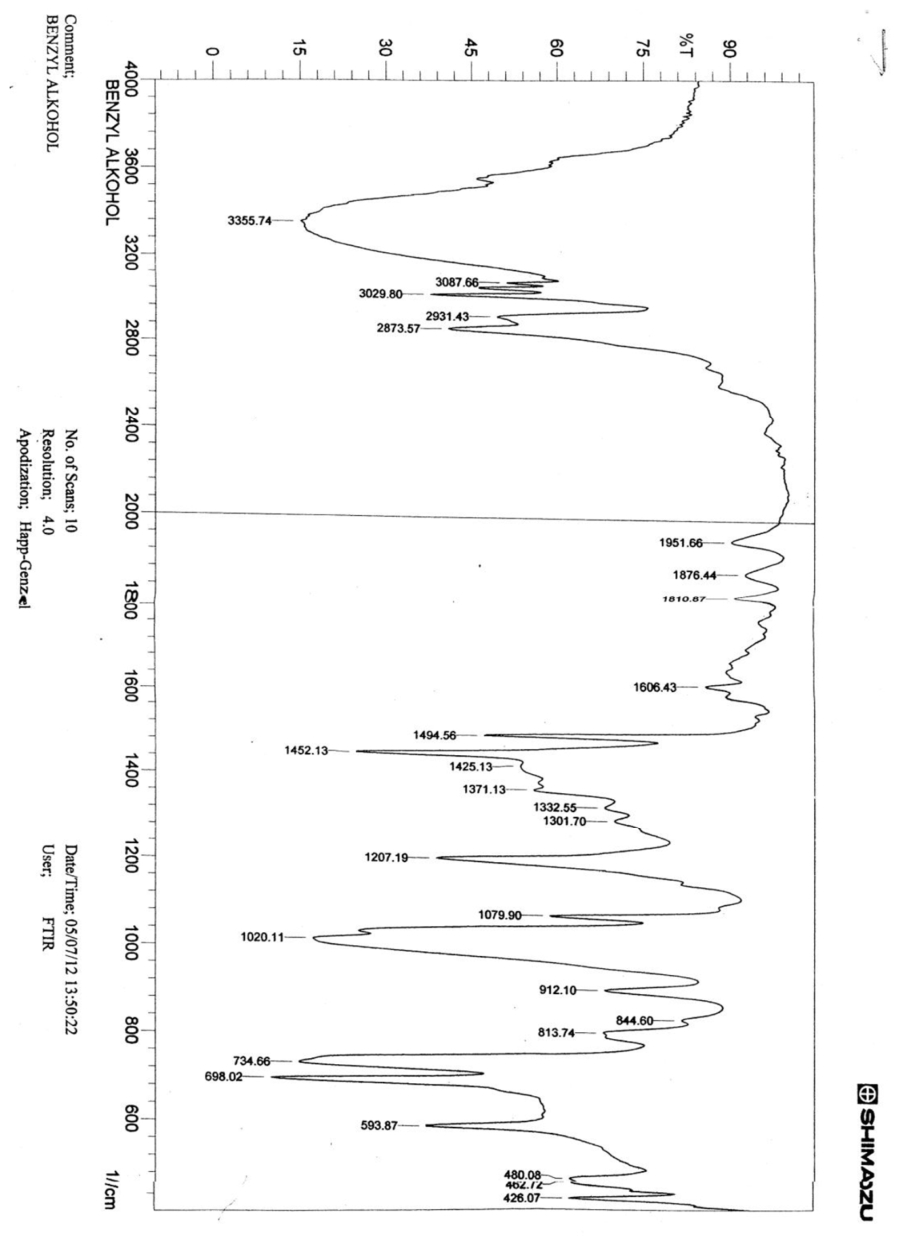
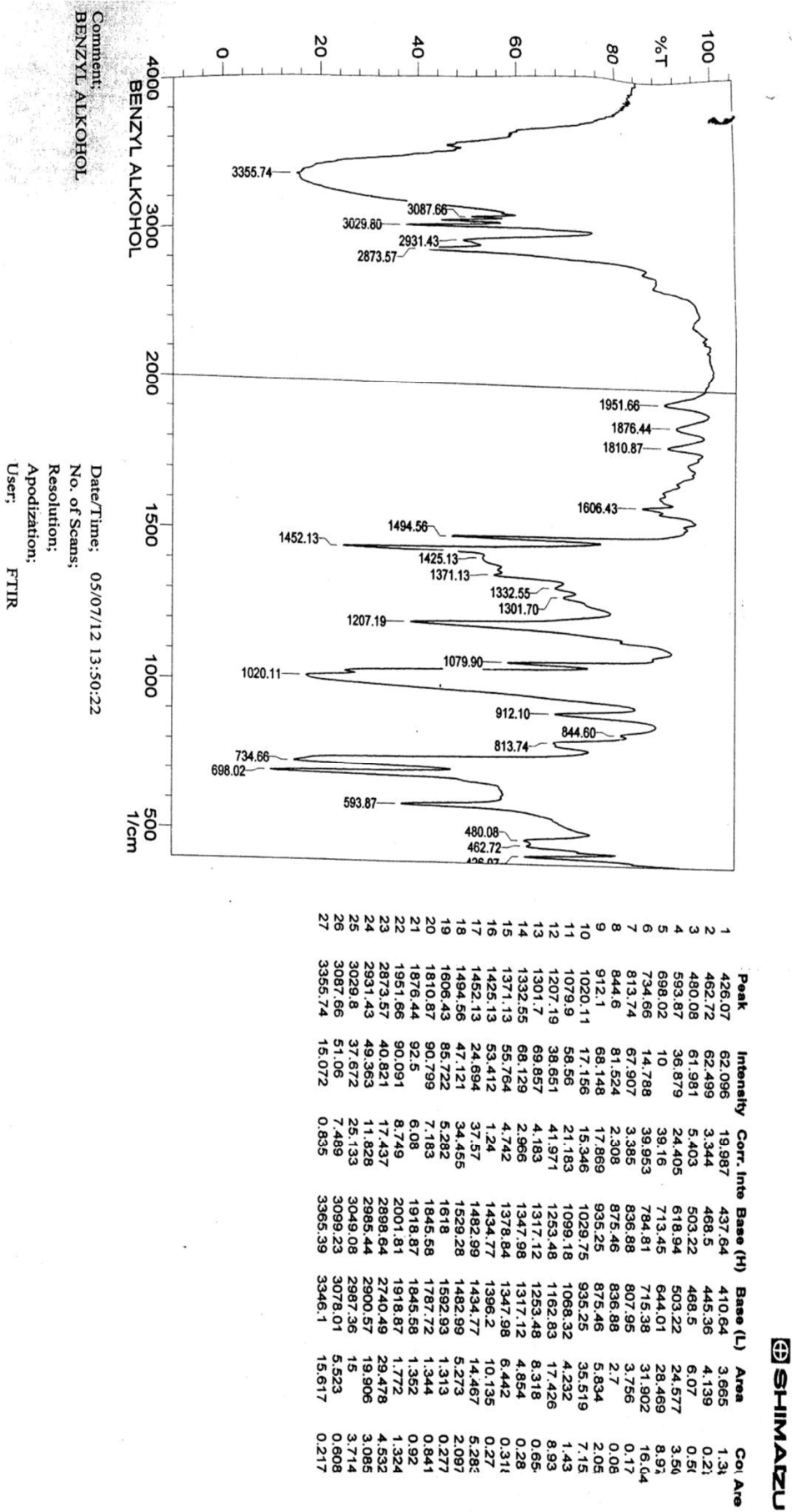
We used infrared spectroscopy to determine the originality and purity of benzyl alcohol and we compared our preservative wave which obtained from our laboratory with the original wave from where we purchased the preservative agent and from literature.
Figure 13.
Wave of Benzyl alcohol.
Discussion
Preservatives are commonly used in pharmaceutical products, cosmetics, and foods, especially in multiple dose of injectable drugs. The general aim in adding the preservatives in pharmaceuticals, cosmetics, and foods is to avoid the microorganism contamination during a long period of storage. In addition to multiple dose of injectable drugs, the method we use the injectable drug by pricking the needle in and out of the vial for several times increases the chance of microorganism contamination [10]. Also, in our formulation of multiple dose injection of Diphenhydramine HCl which contained of water for injection as solution in the pharmaceutical preparation, we added one preservative agent in the final step of the formulation to avoid microorganisms contamination due to the multiple use of one single vial, and to prevented it from degradation during product storing. The preservative we used in our formulation was Benzyl alcohol 1% v/v and it has a characteristic of very soluble in water solution. In assuring the purity and authenticity of Benzyl alcohol we used in our formulation, we have conducted IR spectroscopy analyses by taking a small part of the pure Benzyl alcohol solution (without mixing it into our formulation of Diphenhydramine HCl injection). Once the spectrum obtained from IR spectroscopy, we compared it with the original characteristic wave of Benzyl alcohol in literature and the spectrum from company where we purchased the product. We could guarantee the original and purity of Benzyl alcohol in our formulation since we generated precise spectrum with the one in original literature.
Before we conducted sterility test and inactivation study, we had to control the environment of Laminar Air Flow Cabinet (LAFC) to avoid false positive results during our experimental study, and it was divided into four times, first : before inactivation study, second : during inactivation study, third : before sterility test, and four : during sterility test. The method we used in controlling the environmental of LAFC was by putting 2 nutrient broth mediums before the experiment and 1 plate nutrient broth during the experiment, then those nutrient broth mediums we put on the corner of LAFC, and it was aligned with the standard of Microbiological Control and Monitoring of Aseptic Processing Environments. After we did the environment control, we took the nutrient medium out of the LAFC and kept them in incubator to meet the optimum temperature of microorganism growth for three days. On the fourth day, we took the medium out the of incubator to observed, and we guaranteed that our LAFC was sterile by the absence of microorganism growth on the medium.
We used two types of nutrient medium in our experimental study for microbiological testing according to the types of microorganism we used in our study, Thioglycolate medium for Bacillus subtilis and Casamino medium for Candida albicans, and to assure that we used proper nutrient medium for each type of microorganism, then we conducted fertility test on those nutrient mediums.
According to standards of Aseptic Processing Environments, during the fertility test of both nutrient mediums, we placed those nutrient mediums in to 15 ml of tubes, respectively. Then we took sample of suspension of the fungi colony as much as 0.1 ml and we put it in to Casamino medium. We also performed the same way for bacteria colony and we put it in to Thioglycolate medium. Once we finished putting up the sample of microorganisms, then we placed it in incubator to meet the optimum temperature of microorganism growth. For Casamino medium, we set up the temperature at 20°-25 °C and we kept them for 5 days. For Thioglycolate medium, we set up the temperature at 30°-35 °C and we kept them for 3 days. On the finale day, we found the presence of microorganisms on all our nutrient mediums, then we concluded that those nutrient mediums could grow microorganisms optimally.
Besides the fertility test of nutrient medium as positive control in our experimental study, we also performed sterility test of our nutrient mediums as the negative control. The aim of negative control in our study was to assure that we used sterile nutrient medium to performed both of sterility test for our injectable pharmaceutical preparation and also for inactivation study, in order to avoid false positive results, it has followed the requirements of Aseptic Processing Environment.
The sterility test of nutrient medium was performed by pouring each nutrient medium into 15 ml tubes and then kept them in incubator without putting microorganisms into it. It was performed as negative control of the experimental study to guaranteed the medium sterility that we used in the both of tests. The optimum temperature and days of observation for Casamino and Thioglycolate were similar in previous section. After 14 days, we took the medium out of the incubator to observe the results and we found that all our nutrient mediums were sterile without evidence of microorganism growth.
Theoretically, sterility test for injection drug which has preservatives in the formulation, needs to inactivate the preservatives in advance before undertake sterility test on the sterile pharmaceutical products to avoid negative false result which may be caused by its preservative agent mechanisms in inhibiting or killing the microorganism growth. There are three methods which commonly used in pharmaceutical industry to inactivate preservative agent in formulation of sterile injection drug, those are filtration, dilution, and chemical neutralization, including enzyme inactivation of antibiotics, it depends on chemical classification of preservative agent and also the active ingredients of injection drug [9]. From inactivation study of the preservative, we obtained the certain level of dilution to inactivate the preservative agent, before we continued our experimental study to sterility test on our sterile formulation of multiple dose of Diphenhydramine HCl injection.
In inactivation study of preservative agent, we conducted triple replication study with the same treatment to all Diphenhydramine HCl injection samples. Each replication of inactivation study, we diluted those Diphenhydramine HCl injection samples and divided them into some concentration, 1:1, 1:2, 1:3, 1:4, 1:5, and without dilution. Afterwards, we took 1 mL of each diluted sample and put it into Thioglycolate medium and Casamino medium by direct inoculation method, respectively. To ascertain the preservative agent was successful inactivated, we put 0,1 mL of Bacillus subtilis culture into Thioglycolate medium, and 0,1 mL of Candida albicans culture into Casamino medium. After we completed all the mixing steps, we kept those mediums in incubator within optimum temperature for each type of medium, of which 20°-25 °C for Casamino medium, and 30°-35 °C for Thioglycolate medium. In order to obtain the level of dilution to inactivate the preservative agent, we investigated those mediums on days of 1, 3, 4, 5, 7, 8, and 14, as mentioned on the standards of Sterility Test.
Based on the results of our investigation on inactivation study within several days, we decided to performed sterility testing without dilution to Diphenhydramine HCl injection samples for Thioglycolate medium, as we found that on diluted sample of concentration 1:1, particularly on replication 1 and replication 3, the diluted sample of Diphenhydramine HCl injection showed a clear sign of microorganism contamination. While on Casamino medium investigation, we performed sterility test to Diphenhydramine HCl injection sample with concentration of 1:1. The microorganism growth was faster on Thioglycolate medium than on Casamino medium, that evidence may be caused by some possibly factors, such as the interaction between the one of ingredients of Thioglycolate medium, polysorbate 80 with the preservative agent itself, Benzyl alcohol, also the L-cystine interaction with Thioglycollate may create anaerobic environment that suitable for B.subtilis to adapted and grew in the medium [12] and depending on the kind of Thioglycolate used in the study [13]. Based on a study of Sigma Aldrich, Thioglycolate medium may inactivate the mechanism of Benzyl alcohol as preservative agent
The last step of our experimental study was conducted the sterility testing to our formulation of Diphenhydramine HCl injection and we conducted the study as the standards of Sterility Test of USP. According to guidelines, each batch of sterile preparation production which less than 100, then the sample of which should be taken is 10% or larger than 4 parts. We designed the formulation of Diphenhydramine HCl injection in our experimental study was for 60 vials, which was less than 100, so that we prepared 6 vials as samples of sterility test for Thioglycolate medium and Casamino medium, respectively. As mentioned in previous paragraph, we prepared samples with no dilution for Thioglycolate medium, and samples with concentration of 1:1 for Casamino medium, then we kept them all in incubator within optimum temperatures for both of medium as previous step, and we investigated them within 14 days. After completed 14 days of investigation on those samples, we concluded that our formulation of Diphenhydramine HCl injection was sterile as we did not find the signs of microorganism growth on those samples.
Conclusions
We obtained two significant outputs based on our experimental study in the laboratory. First, we concluded that the multiple dose injection of Diphenhydramine HCl which formulated and sterilized by the research student was sterile after 14 days of observation. Second, preservative agent we used in the sterile injectable drug, Benzyl alcohol 1%, was inactivated on diluted sample with concentration 1:1 for Candida albicans, and on undiluted sample with concentration 1:0 for Bacillus subtilis based on our inactivation study.
Funding
The authors declare that they did not receive financial support from any government or private funding institution around the world during the experimental study.
Acknowledgments
Thanks to all research students in the laboratory in the year for the solid teamwork, also the laboratory assistants, and the supervisors of Sterile Pharmaceutical Preparation of the university (Universitas Muhammadiyah Malang, Indonesia), either to the external supervisors from other university. And dear myself, thanks for not giving up this far, you did a great job.
References
- Satish Manchanda, Akhilesh Chandra, Shantanu Bandopadhyay, Pran Kishore Deb, Rakesh K. Tekade, Chapter 22—Formulation Additives Used in Pharmaceutical Products: Emphasis on Regulatory Perspectives and GRAS, Editor(s): Rakesh K. Tekade, In Advances in Pharmaceutical Product Development and Research, Dosage Form Design Considerations, Academic Press, 2018, Pages 773-831, ISBN 9780128144237, https://doi.org/. [CrossRef]
- Hussong D. (2010). Sterile products: advances and challenges in formulation, manufacturing and regulatory aspects--a regulatory review perspective. AAPS PharmSciTech, 11(3), 1482–1484. https://doi.org/. [CrossRef]
- Dongare, S. D.; Mali, S. S.; Patrekar, P. V. STERILE PARENTERAL PRODUCTS: A NARRATIVE APPROACH. J. Drug Delivery Ther. 2015, 5 (1), 41-48. https://doi.org/. [CrossRef]
- Shubham Shitole, Shweta Shinde, Santosh Waghmare, Hemant Kamble “A Review On Preservatives Used in Pharmaceuticals and Impacts on Health” Iconic Research And Engineering Journals Volume 5 Issue 7 2022 Page 131-140.
- Meyer, B. K., Ni, A., Hu, B., & Shi, L. (2007). Antimicrobial preservative use in parenteral products: past and present. Journal of pharmaceutical sciences, 96(12), 3155–3167. https://doi.org/. [CrossRef]
- Stroppel, L., Schultz-Fademrecht, T., Cebulla, M., Blech, M., Marhöfer, R. J., Selzer, P. M., & Garidel, P. (2023). Antimicrobial Preservatives for Protein and Peptide Formulations: An Overview. Pharmaceutics, 15(2), 563. https://doi.org/. [CrossRef]
- Karabit, M. S., Juneskans, O. T., & Lundgren, P. (1986). Studies on the evaluation of preservative efficacy--II. The determination of antimicrobial characteristics of benzylalcohol. Journal of clinical and hospital pharmacy, 11(4), 281–289.
- Katerji, A., Trefi, S., Bitar, Y., & Ibrahim, A. (2023). Evaluation of new formulations for neutralizing antimicrobial preservatives in pharmaceutical preparations. Heliyon, 9(3), e14555. https://doi.org/. [CrossRef]
- Himoudy, I. (2016). Preservatives and their role in Pharma and Clinical Research.
- J. DONY, CHAPTER 10—TESTING PROCEDURES FOR STERILE PRODUCTS, Editor(s): P.B. DEASY, R.F. TIMONEY, The Quality Control of Medicines, Elsevier, 1976, Pages 173-188, ISBN 9780444414540, https://doi.org/. [CrossRef]
- Sigma-Aldrich. (2026). Fluid Thyoglycollate Medium with Neutralizers. Merck. https://www.sigmaaldrich.com/ID/id/product/mm/146715.
- Leijh, P. C., van Zwet, T. L., ter Kuile, M. N., & van Furth, R. (1984). Effect of thioglycolate on phagocytic and microbicidal activities of peritoneal macrophages. Infection and immunity, 46(2), 448–452. https://doi.org/. [CrossRef]
Figure 2.
LAFC effectivity before inactivation study.
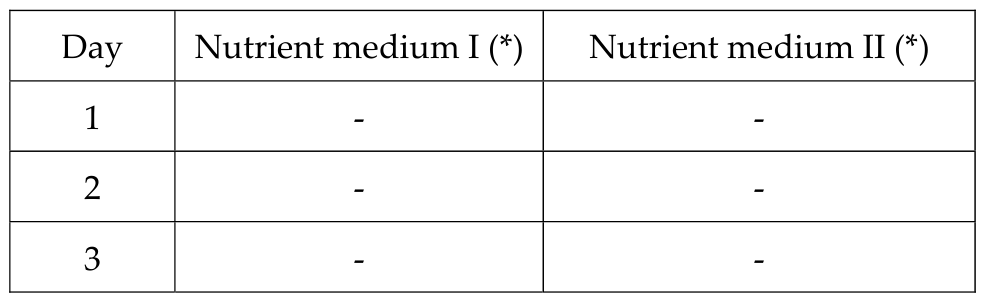
Figure 3.
LAFC effectivity when inactivation study.
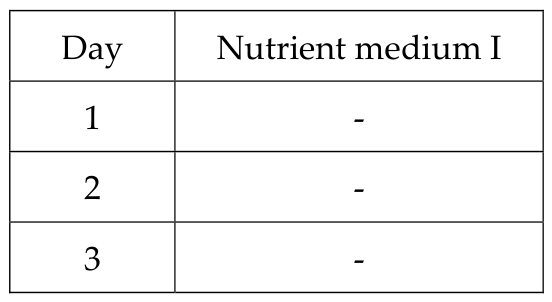
Figure 6.
Medium fertility test during dilution.
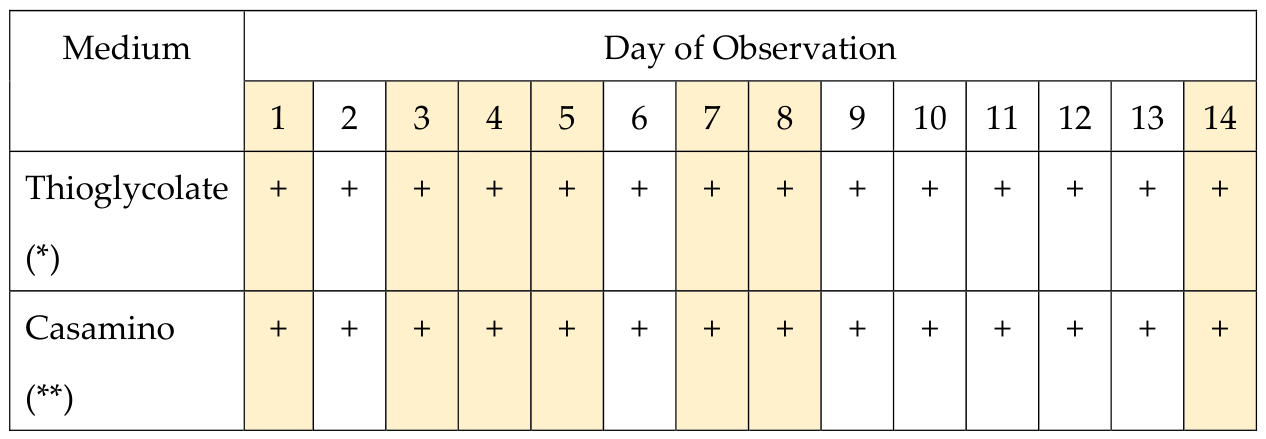
Figure 7.
Medium sterility test during dilution.
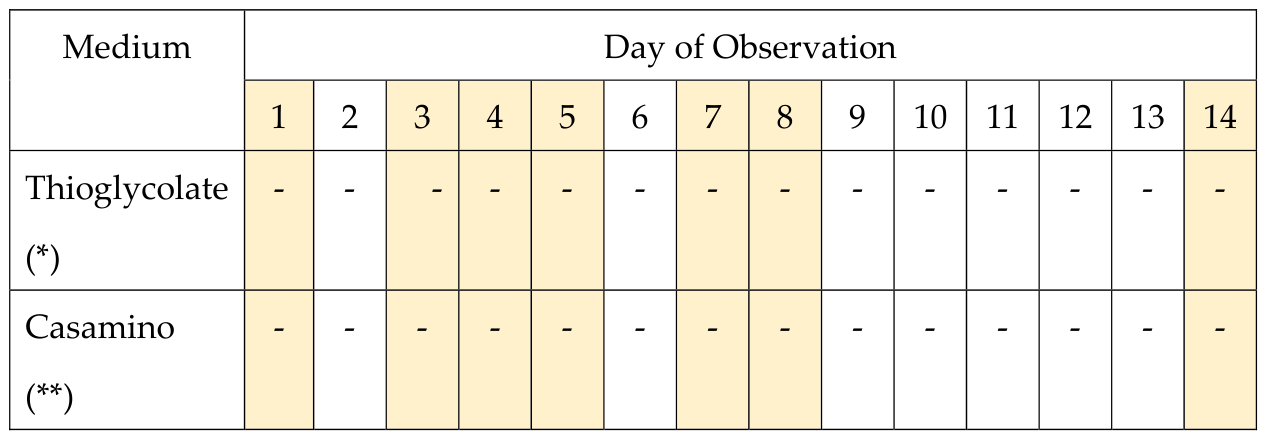
Figure 8.
Medium fertility test during sterility test.
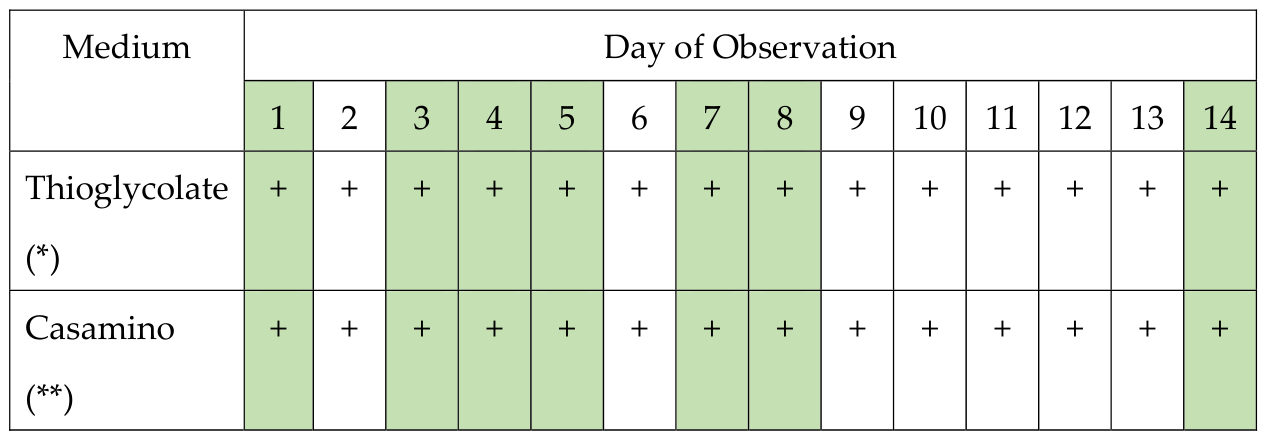
Figure 9.
Medium sterility test during sterility test.
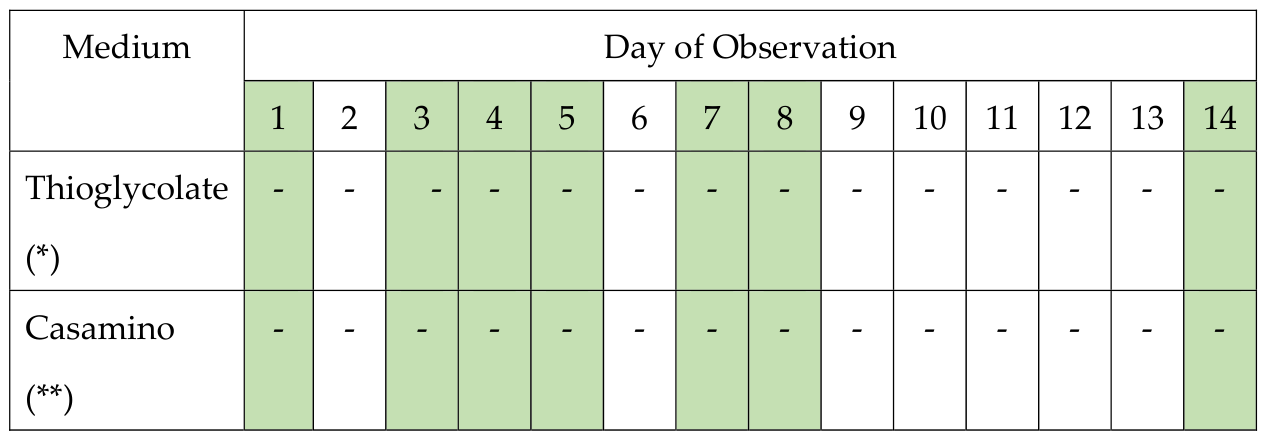
Figure 12.
Results of Sterility test on Thioglycolate and Casamino medium.
Disclaimer/Publisher’s Note: The statements, opinions and data contained in all publications are solely those of the individual author(s) and contributor(s) and not of MDPI and/or the editor(s). MDPI and/or the editor(s) disclaim responsibility for any injury to people or property resulting from any ideas, methods, instructions or products referred to in the content. |
© 2026 by the authors. Licensee MDPI, Basel, Switzerland. This article is an open access article distributed under the terms and conditions of the Creative Commons Attribution (CC BY) license (http://creativecommons.org/licenses/by/4.0/).
Copyright: This open access article is published under a Creative Commons CC BY 4.0 license, which permit the free download, distribution, and reuse, provided that the author and preprint are cited in any reuse.