
Submitted:
02 May 2026
Posted:
05 May 2026
You are already at the latest version
Abstract
Background: Streptococcus pneumoniae is a major cause of mortality from pneumonia and meningitis among children under five in West Africa. A systematic review in 2018 showed that 81% of pneumonia deaths in Africa were caused by pneumococcus. The 13-valent pneumococcal conjugate vaccine (PCV13) was introduced into Ghana’s routine immunisation programme (EPI) in 2012, using the 3+0 schedule. However, few studies have assessed the impact of PCV13 on pneumonia and meningitis outcomes in Ghana and Africa. This study assessed the effectiveness of PCV13 in lowering mortality from clinical pneumonia and meningitis among children under five in the Kassena Nankana districts of Ghana. Methods: This was a retrospective observational study using longitudinal mortality and vaccination data of children younger than 5 years from the Navrongo Health and Demographic Surveillance System (NHDSS) database. The NHDSS monitors the health and demographics of 160,000 individuals across two districts. Secondary data on mortality and vaccinations from 1 January 2007 to 31 December 2017 were extracted. Mortality (non-traumatic) from pneumonia and all-cause mortality in children under five years in the study were assessed through verbal autopsies using the WHO tool. Mortality rates (MR) were calculated as the number of deaths per 1,000 live births. Results: Mortality from pneumonia fell by 50% in both males and females after the introduction of PCV13 vaccination. All-cause mortality for both sexes was reduced by 60%. PCV13 vaccine coverage increased from 85.9% in 2014 to 95.7% by 2017. Furthermore, mortality rates from pneumonia and meningitis combined showed a marked reduction from approximately 15% to 8% in children under five years old. Conclusion: PCV13 has been effective in lowering mortality from clinical pneumonia and meningitis in this study population.
Keywords:
effectiveness
; pneumonia
; meningitis
; pneumococcal vaccines
; health and demographic surveillance system
; Ghana
Key Messages
- What is already known on this topic?
Pneumococcal vaccines are safe and effective, reducing pneumonia morbidity and mortality in infants, with most studies carried out in the global North. Few pneumococcal vaccine effectiveness studies have been conducted in Africa, including Ghana, following the introduction of PCV13 into infant immunisation programmes.
- 2.
- What this study adds
This study used longitudinal mortality data from a health and demographic surveillance system (HDSS) to assess the effectiveness of pneumococcal vaccines. The study found that pneumonia and meningitis mortality rates decreased by more than 50% five years after the introduction of PCV-13.
- 3.
- How this study might affect research, practice, or policy
The HDSS can be utilised to evaluate the effectiveness of newly introduced vaccines over time and acts as an additional tool for monitoring vaccine safety and effectiveness. This enhances the monitoring of vaccine safety and effectiveness in lower- and middle-income countries (LMICs) such as Ghana, which have HDSS zones. This is especially significant with the introduction of vaccines such as MenAfrivac and malaria vaccines, which are predominantly used in LMICs.
1. Introduction
Pneumonia is a significant cause of under-five mortality in the West African sub-region, with a high disease burden; it is estimated to cause 17% of deaths in young children in West and Central Africa, and 15% of deaths globally in 2015[1,2]. Streptococcus pneumoniae is a major cause of bacterial pneumonia in children worldwide [3,4]. Additionally, pneumococcal disease was the leading cause of vaccine-preventable deaths worldwide [4,5], accounting for ∼800,000 deaths annually among children <5 years of age in 2017 [5,6,7].
Consequently, the 13-valent pneumococcal conjugate vaccine (PCV13) was introduced into Ghana’s routine immunisation programme (EPI) on 1 April 2012, using the 3+0 vaccination schedule (administered to infants at 6, 10, and 14 weeks of age) [8]. There was no catch-up campaign when PCV13 was first introduced. The official country report estimated PCV13 coverage to be 99% in 2017. Since the introduction of PCV13 vaccines in 2012, few studies have assessed their impact on pneumonia in Ghana and across Africa. This is likely because it is challenging and costly to determine the aetiology of pneumonia [9].
Additionally, it is difficult to measure the impact of PCV13 on reducing pneumococcal pneumonia. It is much easier to estimate the effect on all-cause pneumonia[10] . In Senegal, pneumonia hospitalisations declined significantly (−3.8%, 95% confidence interval [CI] −1.5 to −5.9%) among children less than 12 months, two years after PCV13 introduction [11]. Notwithstanding this, there was no reduction in pneumonia hospitalisations among children aged 12-59 months [11]. The decline in the younger age group could be attributed to vaccine-induced direct protection [11]. Vaccine uptake may not have reached optimal levels to provide adequate indirect protection among children aged 12-59 months [11]. Other studies in Africa have found a reduction in hospitalisations for pneumonia in children under five after PCV13 introduction, although only two were significant [12,13,14,15,16].
This study was conducted to assess the impact of PCV13 on both all-cause mortality and mortality from clinical pneumonia in children under five years of age in Ghana within five years of introduction.
Furthermore, it demonstrates that the Navrongo Health and Demographic Surveillance System (NHDSS) can be used for passive post-marketing surveillance of newly introduced vaccines, such as PCV-13.
2. Methodology
2.1. Setting
The study area is the two Kassena Nankana districts in the Upper East Region of Ghana (see Figure 1). This area has been under health and demographic surveillance since 1992. Geographically, the surveillance area lies between latitude 10.300 and 11.100 North and longitude 1.10 west and covers a total land area of 1675 sq. km. Operationally, it is divided into five zones (North, South, East, West and Central) and further divided into 247 clusters. The total population under surveillance as of June 2018 was 167,000, residing in 42,000 households [17,18]. The population density of the districts is 91.5 sq. km, and the major ethnic groups are the Nankana and Kassena. The area is characterised by Guinea Savannah vegetation dominated by semi-arid conditions and vast grassland integrated with short trees. The study area is typical of many rural areas in sub-Saharan Africa, where agriculture is the mainstay of the local economy; Approximately 90% of the population are subsistence farmers and engage in animal rearing[17,18].
2.2. Navrongo Health and Demographic Surveillance System
The Navrongo Health and Demographic Surveillance System (NHDSS) monitors the health and demographics of the two Kassena Nankana districts (Kassena Nankana Municipal and West) and assesses morbidity and mortality [17].
The NHDSS provides a platform for assessing health and social interventions in Northern Ghana.
2.3. Study Design
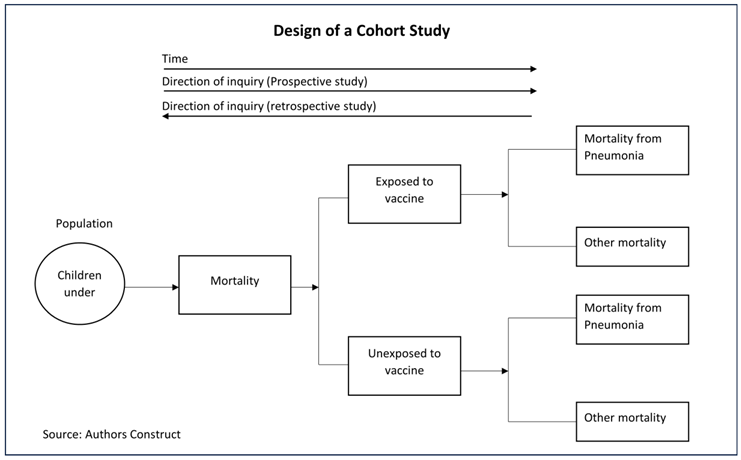
This was a retrospective observational cohort study that utilised longitudinal mortality and vaccination data from the NDHSS database. The study area had a population of 744,266 as of December 2022. The study population consisted of children under five years of age (n = 22,658) registered in the NHDSS database between 1 January 2007 and 31 December 2017. All under-five mortality data, including recorded causes of death, and vaccination data were extracted from the NDHSS database for the period from 1 January 2007 to 31 December 2017. No sample size was calculated; all observed under-five mortality cases in the database during this period were included.
2.4. Case Ascertainment
The NHDSS trains fieldworkers who visit each compound every six months to carry out interviews with household heads. In the context of HDSS, a compound refers to a single hut for each ever-married woman, along with additional huts for unmarried adult sons and the compound head. Routinely collected data include pregnancies, live births and stillbirths, morbidity, mortality, in- and out-migration (from one compound to another within the communities or to areas outside the NHDSS catchment), and childhood vaccinations. Community volunteers gather data on births and deaths in their communities in near-real-time. Verbal autopsies (VAs) using the World Health Organisation (WHO) tool (version 2022) are performed on all deaths. Each year, information such as educational status, marital status, religion, and access to national health insurance coverage is collected. Household socio-economic characteristics are updated every other year. The system also acts as a control for other health indicators in Ghana, aiding the evaluation of national public health interventions.
Secondary data on all children under five years old were extracted from the NDHSS database covering the period from 1 January 2007 to 31 December 2017. 1 April 2012, the day of vaccine introduction, was used as the reference date for comparisons before and after the introduction of the vaccines.
2.5. Variable Definitions
- The case definition of pneumonia was based on the cause of death identified through verbal autopsies. According to the WHO (2022), the case definition for pneumonia includes recognising respiratory symptoms such as cough, difficulty breathing, rapid breathing, chest pain, and abnormal lung sounds during interviews with family members or caregivers of the deceased. These symptoms are used to classify the cause of death as pneumonia when there is no clinical or laboratory confirmation.
- The WHO case definition for meningitis includes a sudden onset of fever, neck stiffness, altered consciousness, and other meningeal signs (e.g., headache, confusion, photophobia). In infants: bulging fontanelle, unusual behaviour (irritability), or poor feeding.
The outcome under investigation is mortality (non-traumatic infant mortality) from pneumonia, meningitis and all-cause mortality in children younger than five years in the study area.
Demographic characteristics extracted included age, sex, birth order of child, number of siblings, the mother’s level of education, and immunisation status of child.
2.6. Data Sources
Data on mortalities over ten years (2007 to 2017) from the Navrongo Health Demographic Surveillance System (NHDSS) were used to estimate vaccine coverage (a full three-dose schedule) among those age-eligible each year, as well as mortality rates from pneumonia and all causes in children under five before and after the introduction of PCV13.
The Navrongo HDSS began in 1993, when all residents of 45 rural communities within the NHDSS area were surveyed for the first time. Everyone is assigned a unique identification number, along with their name, date of birth, sex, and relationship to the household head. After the baseline census, every household is visited quarterly by a well-trained interviewer to record births, deaths, in- and out-migrations, and pregnancies. Each visit is known as an HDSS round. All data is entered into a database system. Currently, the database used for capturing HDSS information is the Household Registration System II (HRS2).
The HRS2 is a structured system, designed and programmed using the relational database package Visual FoxPro. A person is registered in the HDSS if they have resided within the Demographic Surveillance Area (DSA) for at least four months before an update round. Such a person is classified as an external in-migrant, and they are coded as “Entry” in the database. Those who were present during the baseline were coded as “Enumerated.”
2.7. Outcome Definitions and Ascertainment
The primary outcome of interest in this study is mortality among children under five years old. Mortality rates (MR) were calculated as the number of deaths per 1,000 live births. The study population consisted of males and females living in urban and rural areas. Mortality data were gathered through routine surveillance systems and vital registration records. The cause of death was determined only through verbal autopsy interviews with the caregivers of the deceased children. The causes of mortality examined in this study include pneumonia and meningitis.
2.8. Exposure Definitions and Ascertainment
The exposure of interest in this study is PCV13 (pneumococcal conjugate vaccine) immunisation. Exposure was defined as the presence or absence of PCV13 immunisation in children under five years of age. The vaccination status was determined through individual child vaccination records obtained from caregivers during household visits. Children were classified as exposed if they received the recommended doses of PCV13 according to the Ghana Expanded Programme on Immunisation (EPI) schedule. Unexposed children either did not receive these vaccines or received them partially or on a different schedule.
2.9. Data Analysis
The analysis aimed to evaluate the impact of PCV13 introduction on mortality rates due to pneumonia and meningitis in children under five. Descriptive statistics, including proportions and percentages, were used to present the socio-demographic characteristics of the study participants and their vaccination coverage. Mortality rates before and after the introduction of the vaccines were calculated along with their respective 95% confidence intervals (CI). To assess the effect of PCV13 introduction on mortality rates, data were prepared for survival analysis, and mortality rates were compared before and after vaccination. Stratified analyses using Cox proportional hazards models were performed to examine the effect of vaccination on mortality across subgroups defined by sex, area of residence (urban and rural), and place of delivery (health facility or home). Kaplan-Meier survival curves were utilised to illustrate the overall survival experience of the under-five cohort.
2.10. Study Design
This was a retrospective observational study that used longitudinal mortality and vaccination data from the NDHSS database.
3. Results
3.1. Background Characteristics
This section presents the socio-demographic characteristics of the study participants. The proportion of deaths was distributed across all sociodemographic groups within the study population. Out of a total number of 48,351 children, males constituted 50.2% of the study population (24,287) and experienced more deaths (4.2%). The majority (68.9%) of the participants had mothers aged between 20 and 34 years, and children with mothers aged 35 years and above contributed 5.0% of deaths. Vaccine coverage of the third dose of PCV13 ranged between about 85% the first year after introduction and about 96% in 2017. PCV13 is given at six weeks, ten weeks and fourteen weeks in Ghana. A high percentage of deaths (7.8%) occurred among participants whose mothers had only primary education (54.5%) and resided in rural areas (84.9%). Additionally, a greater percentage of deaths (6.8%) occurred among participants who were delivered at home or elsewhere outside a health facility. Furthermore, the data indicate that the poorest participants (28.3%) experienced the highest death rate (4.9%) (Table 1). Information was accessed at baseline.
Objective 1: All-cause mortality in children under five before and after PCV13 introduction
All-cause mortality in children under five before and after the introduction of the PCV13 immunisation is presented in Table 2. Generally, the data reveal a decrease in mortality rate (MR) after the introduction of the PCV13 immunisation. For instance, there was a decrease in the MR in males (MR = 8.8, 95% CI = 8.1-9.7) and females (MR = 7.6, 95% CI = 6.9-8.4) after the introduction of the PCV13 immunisation. Similarly, there was a decrease in the MR in participants who resided in urban areas (MR = 6.5, 95% CI = 5.4-7.9) and rural areas (MR = 8.5, 95% CI = 7.9-9.2) after the introduction of the PCV13 immunisation (Table 2).
Figure 2 shows the survival probability of children under five in the study area. Children who were introduced to PCV13 had a higher chance of survival compared with those before PCV13 introduction. This difference was statistically significant using the log-rank test for the equality of survival functions (p<0.0001) (see Figure 2)
3.2. Mortality Due to Pneumonia, Meningitis, and Diarrhoea Before and After PCV13 Immunisation
Overall, there was a substantial reduction in MR for the above causes of death after the introduction of the PCV13 vaccine (Table 3). There was a greater reduction in the mortality rate from pneumonia than from meningitis.
3.3. Mortality Rate of Pneumonia in Children Under Five Before and After PCV13 Immunisation
According to the data, under-five mortality rates (MR) from pneumonia decreased significantly after the introduction of the PCV13 vaccine across all parameters. A reduction in pneumonia MR was observed for both sexes (MR=0.6, 95% CI=0.4-0.8) following the introduction of the PCV13 immunisation. Similarly, there was a decline in pneumonia MR among children born in health facilities (MR=0.5, 95% CI=0.4-0.7) and at home (MR=0.8, 95% CI=0.6-1.2) after the introduction of the PCV13 immunisation. (Table 4).
3.4. Mortality Rate of Meningitis in Children Under Five Before and After PCV13 Vaccination
The analysis of data on the mortality rate (MR) from meningitis among under-fives is summarised in Table 5. The results show a marked decline in meningitis MR across all variables after the introduction of the PCV13 vaccine. For instance, there was a great decline in meningitis MR for males (MR=0.2, 95% CI=0.1-0.4), females (MR=0.1, 95% CI=0.0-0.4), urban residents (MR=0.2, 95% CI=0.2-0.3), and rural residents (MR=0.6, 95% CI=0.4-0.8) after the introduction of the PCV13 immunisation. Likewise, there was a decline in pneumonia MR in children who were delivered in health facilities (MR=0.2, 95% CI=0.1-0.3) and homes (MR=0.3, 95% CI=0.1-0.5) after the introduction of the PCV13 immunisation (Table 5).
Objective 2: Cause-specific pneumonia and meningitis under-five death rates since the introduction of PCV-13
This section shows the cause-specific pneumonia and meningitis death rates since the introduction of PCV-13 in children under five. Under-five mortality rates (MR) from pneumonia and meningitis decreased substantially after the introduction of the PCV13 vaccine for all the independent variables. For example, a reduction in MR from pneumonia and meningitis was observed for males (MR = 0.8, 95% CI = 0.6-1.1), females (MR = 0.8, 95% CI = 0.6-1.0), urban residents (MR = 0.7, 95% CI = 0.5-1.2), rural residents (MR=0.8, 95% CI = 0.7-1.0), delivery in health facility (MR = 0.7, 95% CI = 0.6-0.9) and delivery in homes (MR = 1.1, 95% CI = 0.8-1.5) after the introduction of the PCV13 immunization (Table 6).
Objective 3: To estimate vaccine coverage of PCV-13 in children under five in the Kassena Nankana districts
The vaccination coverage among children aged 12-23 months in Kassena Nankana East and West from 2007 to 2017 is summarised in Table 1. The data reveal that BCG, OPV1, OPV2, OPV3, Penta1, Penta2, Penta3, and Measles1 had a vaccination coverage of at least 93% during this period. However, OPV0 had less than 75% coverage in the districts in 2007, 2008, and 2009. Notably, OPV1 had 100% coverage in 2012, which was higher than that of BCG, OPV0, and Penta1 (Table 7).
In 2012, pneumococcal conjugate vaccine (PCV), rotavirus vaccine and a second dose of measles-containing vaccine (MCV2) were introduced into the Expanded Program on Immunisation (EPI) in Ghana. According to Ghana’s EPI schedule, PCV and rotavirus vaccine are given in the first year of life and MCV2 in the second year of life (2YL) at 18 months. In the first year of the introduction, the coverage rate was low (2013). However, coverage with the last doses of PCV and rotavirus vaccine reached almost 90% coverage within four years of introduction.

Table 8.
Vaccination coverage for vaccines introduced into Ghana EPI schedule in 2012: Children aged 12-23 months in Kassena Nankana East and West Districts in Ghana: 2013-2017.
Table 8.
Vaccination coverage for vaccines introduced into Ghana EPI schedule in 2012: Children aged 12-23 months in Kassena Nankana East and West Districts in Ghana: 2013-2017.
| Survey Year | PCV1 | PCV2 | PCV3 | Rota1 | Rota2 |
|---|---|---|---|---|---|
| 2013 | 25.3 | 23.4 | 19.6 | 25.8 | 21.2 |
| 2014 | 94.1 | 92.9 | 85.9 | 93.9 | 90.9 |
| 2015 | 97.2 | 97 | 95.4 | 96.6 | 96.2 |
| 2016 | 96.8 | 96.5 | 95.4 | 96.3 | 95.7 |
| 2017 | 96.1 | 96.1 | 95.7 | 95.6 | 95.8 |
4. Discussion
This study demonstrated that the PCV13 vaccine is effective in reducing mortality from clinical pneumonia in a resource-poor setting. Mortality from pneumonia decreased by about 50% in both males and females after the introduction of PCV13 vaccination. All-cause mortality for both sexes was reduced by 60%. Along with high PCV13 vaccine coverage, which increased from 85.9% in 2014 to 95.7% by 2017, these data indicate that PCV13 has been effective in reducing mortality from clinical pneumonia in this population. Additionally, mortality rates from pneumonia and meningitis combined showed a marked reduction from about 15% to 8% in children younger than five years.
Our study was unable to distinguish among the types of strains causing pneumonia mortality, unlike studies in Europe and North America. However, since PCV13 strains account for most pneumonia cases, we assume that any reduction in pneumonia mortality is due to the prevention of infection by strains included in PCV13 [19,20,21].
Mortality from clinical pneumonia in children under five years within the demographic surveillance area was 11.3% of deaths before the introduction of PCV13. This aligns with the findings reported in a study by O’Brien et al., which estimated the mortality rate from invasive disease caused by S. pneumoniae at 11%[22]. Our results showed that mortality from pneumonia declined by 50% after the introduction of PCV13, demonstrating the vaccine’s effectiveness. These results are consistent with findings from England and Wales, which indicated a 32% further reduction in vaccine-type invasive disease following the deployment of PCV13 after the initial use of PCV7 [19]. Waight P. A et al. projected that in the coming years in England and Wales, disease attributable to PCV13, including non-bacteraemia pneumonia, will become almost extinct [19]. This projection was based on the premise that eight years of PCV use in England caused an 86% reduction in vaccine-type pneumococcal invasive disease[19].
PCV-13 was developed after PCV-7 to protect against key additional serotypes common in Africa and other regions with high incidence[19]. The reduction in mortality from clinical pneumonia in our study area confirms the effectiveness of PCV13 in a low- and middle-income country setting. In a modelling study, Cynthia Chen et al. projected that, in Africa from 2020 to 2030, using real-world vaccine coverage data, invasive pneumococcal disease (IPD) pneumonia deaths in children under 5 years would decrease by 19.9% [23]. This was due to reduced vaccine coverage[23]. The high levels of vaccine coverage in the study area resulted in a significantly lower mortality rate from vaccine-preventable clinical pneumonia.
The decrease in meningitis deaths may partly be attributed to the introduction of PCV13 alongside the MenAfrivac vaccine. The MenAfrivac vaccine is used to prevent Meningococcus A infection, which usually causes epidemics in the meningitis belt of Africa [24]. The verbal autopsies could not differentiate between deaths from pneumococcal meningitis and other types of meningitis. However, a study conducted in Burkina Faso in 2014 and 2015 indicated a decrease in the overall incidence of pneumococcal meningitis after the introduction of PCV13, with a more pronounced reduction in cases caused by vaccine-serotype strains[22]. This suggests that the vaccine is effectively reducing the burden of pneumococcal disease, including meningitis, in the targeted population. In a study by PM Faye et al. in Senegal, the effectiveness of the pneumococcal vaccine was also observed across both meningitis and pneumonia, two serious illnesses caused by pneumococcal bacteria[25]. A retrospective study in Rwanda, using hospital records, showed a decline in both pneumonia and meningitis after the introduction of PCV13, as observed in this study, which utilised demographic surveillance data[26].
A study of pneumococcal carriage by Nicholas T K D Dayie et al. showed that PCV-13 introduced in Ghana did not eliminate PCV-13-covered serotypes, with a carriage rate of 54%, like the rates from the pre-PCV-13 period. However, this does not match the decline in pneumonia and meningitis deaths seen in most studies on PCV vaccine effectiveness [20,23,25,27,28,29,30,31,32,33]. These findings show that PCV13 reduces mortality from vaccine-type invasive diseases, such as pneumonia and meningitis, in resource-limited settings like northern Ghana, regardless of sex, socioeconomic status, or age. Achieving high levels of vaccine coverage in such settings can enhance the vaccine’s effectiveness and promote herd immunity.
5. Limitations
One inherent limitation of this study is that it was conducted using a single health and demographic surveillance system catchment area (Kassena Nankana East and West), which made assessing nationwide trends difficult. No laboratory tests were used to confirm diagnoses.
Additionally, diagnoses are based on results from verbal autopsies, which may not be very accurate because information obtained from relatives of the deceased may not be reliable. It is impossible to determine whether a particular bacterial strain caused the pneumonia. Another limitation worth noting is that PCV13 was not the only vaccine introduced in Ghana in 2012. Rotavirus vaccine, Meningitis A vaccine, and a second dose of measles-containing vaccine (MCV2) were also added to Ghana’s EPI. These likely contributed to a reduction in all-cause mortality. There is minimal risk that a child under five was not included in the NHDSS database because a robust numbering system with GPS and community volunteers is used. However, some vaccination data were missing due to errors in vaccination records and the absence of individual vaccination cards.
6. Conclusions
This study demonstrated that PCV-13 coverage increased annually, with a slight decrease in third-dose coverage compared to the second dose. PCV-13 is effective in reducing mortality from pneumonia and meningitis. Newly introduced childhood vaccines are well-received in Ghana, as evidenced by high vaccination coverage. The HDSS can be successfully used for vaccine effectiveness studies. Linking data to hospital records will enhance data robustness and ensure that morbidity data can be included in effectiveness studies. The NHDSS system has been operational for 32 years and remains sustainable with sufficient funding, particularly in the absence of robust longitudinal data systems in Africa.
Author Contributions
NAA, AO, DW, MS; Data curation: NAA, STO; Data analysis: NAA, STO Methodology: NAA, STO, POA, AO, DW, MS; Project administration: NAA, POA, AO, DW, MS; Resources: NAA, POA, DW, MS; Software: NAA ED; Supervision: NAA, DW, AO, MS; Validation: DW, POA, AO, MS; Writing – original draft: NAA, STO, DW; Review & editing: All authors. NAA: accepts full responsibility for the finished work and/or the conduct of the study, had access to the data, and controlled the decision to publish.
Funding
The Navrongo Health Research Centre provided funding. Grant/Award number: Not Applicable.
Institutional Review Board Statement
This study was approved by the Navrongo Health Research Centre Institutional Review Board (NHRCIRB#400 on 01 APR 2021).
Informed Consent Statement
No individual consent was sought because secondary data was used with no patient identifiers.
Data Availability Statement
Data can be provided on request from the authors..
Acknowledgments
The authors express their sincere gratitude to the residents of the Kassena Nankana districts in the Upper East Region, where the NHDSS is based.
Conflicts of Interest
The authors declare no conflicts of interest.
Abbreviations
The following abbreviations are used in this manuscript:
| NHDSS | Navrongo Health and Demographic Surveillance System |
| EPI | Expanded Programme on Immunisation |
| PCV | Pneumococcal Vaccine |
| MCV | Measles Containing Vaccine |
References
- Sanyang, Y. Prevalence of under-five years of age mortality by infectious diseases in West African region. Int. J. Afr. Nurs. Sci. 2019, 11. [Google Scholar] [CrossRef]
- Unicef. One is too many. Ending child deaths from pneumonia and diarrhea Every death counts. 2016.
- O’Brien, K.L.1; Wolfson, L.J.; Watt, J.P.; Henkle, E.; Deloria-Knoll, M.; McCall, N.; Lee, E.; Mulholland, K.; Levine, O.S. C.T. Hib and Pneumococcal Global Burden of Disease Study Team. Burden of disease caused by Streptococcus pneumoniae in children younger than 5 years: global estimates; Lancet, 2009. [Google Scholar]
- Centers for Disease Control and Prevention. Vaccine preventable deaths and the Global Immunization Vision and Strategy. In MMWR Morb Mortal Wkly Rep.; 2006. [Google Scholar]
- WHO. Pneumonia. 2019. [Google Scholar]
- World Health Organization. Pneumococcal conjugate vaccine for childhood immunization–WHO position paper. Wkly. Epidemiol. Rec. PubMed. 2007, 82, 93–104. [Google Scholar]
- O’Brien, K.L.; Wolfson, L.J.; Watt, J.P.; Henkle, E.; Deloria-Knoll, M.; et al. Burden of disease caused by Streptococcus pneumoniae in children younger than 5 years: global estimates. Lancet 2009, 374, 893–902. [Google Scholar] [CrossRef] [PubMed]
- Ibrahim, A.M.; Owusu, R.; Nonvignon, J. Sustainability of pneumococcal conjugate vaccination in Ghana: a cost-effectiveness analysis in the context of donor transition. Front Public Health 2024, 12. [Google Scholar] [CrossRef] [PubMed]
- Robbins, J.B.; Schneerson, R.; Gotschlich, E.C.; et al. Meningococcal meningitis in sub-Saharan Africa: the case for mass and routine vaccination with available polysaccharide vaccines. Bull. World Health Organ. 2003, 81, 745–50. [Google Scholar]
- 2019 Pneumonia & Diarrhea Progress Report Progress Report Card.
- VIEW-hub Report: Global Vaccine Introduction and Implementation J A N U A R Y 2 0 2 3 Introduction Trends Over Time.
- Gatera, M.; Uwimana, J.; Manzi, E.; et al. Use of administrative records to assess pneumococcal conjugate vaccine impact on pediatric meningitis and pneumonia hospitalizations in Rwanda. PubMed 2016, 34. [Google Scholar] [CrossRef]
- Izu, A.; Solomon, F.; Nzenze, S.A.; et al. Pneumococcal conjugate vaccines and hospitalization of children for pneumonia: a time-series analysis, South Africa, 2006–2014; Bull World Health Organ. PubMed, 2017; p. 95. [Google Scholar]
- Moïsi, J.; Alassani, I.; Tall, H.; et al. Using the indirect cohort approach to estimate PCV13 effectiveness against meningitis and pneumonia endpoints in Northern Togo. Program and abstracts of the 10th International Symposium on Pneumonia and Pneumococcal Diseases (Glasgow, Scotland), Geneva, Switzerland, 2016; p. 181. [Google Scholar]
- McCollum, E.D.; Nambiar, B.; Deula, R.; et al. Impact of the 13-valent pneumococcal conjugate vaccine on clinical and hypoxemic childhood pneumonia over three years in Central Malawi: an observational study. PLoS ONE 2017, 12. [Google Scholar] [CrossRef]
- Silaba, M.; Ooko, M.; Bottomley, C.; et al. The impact of 10-valent pneumococcal conjugate vaccine (PCV10) on the incidence of radiologically confirmed pneumonia and on pneumonia hospitalizations among children in Kilifi, Kenya. Program and abstracts of the 10th International Symposium on Pneum, 2016. [Google Scholar]
- Oduro, A.R.; Wak, G.; Azongo, D.; et al. Profile of the Navrongo health and demographic surveillance system. Int. J. Epidemiol. 2012, 41, 968–76. [Google Scholar] [CrossRef]
- THE NHDSS OF THE NAVRONGO HEALTH RESEARCH CENTRE - NAVRONGO HEALTH RESEARCH CENTRE.
- Waight, P.A.; Andrews, N.J.; Ladhani, S.N.; et al. Effect of the 13-valent pneumococcal conjugate vaccine on invasive pneumococcal disease in England and Wales 4 years after its introduction: an observational cohort study. Lancet Infect. Dis. 2015, 15, 535–43. [Google Scholar] [CrossRef]
- Moore, M.R.; Link-Gelles, R.; Schaffner, W.; et al. Effectiveness of 13-valent pneumococcal conjugate vaccine for prevention of invasive pneumococcal disease in children in the USA: a matched case-control study. Lancet Respir. Med. 2016, 4, 399–406. [Google Scholar] [CrossRef]
- Deceuninck, G.; Brousseau, N.; Lefebvre, B.; et al. Effectiveness of thirteen-valent pneumococcal conjugate vaccine to prevent serotype 3 invasive pneumococcal disease in Quebec in children, Canada. Vaccine 2023, 41, 5486–9. [Google Scholar] [CrossRef]
- Kambiré, D.; Soeters, H.M.; Ouédraogo-Traoré, R.; et al. Early impact of 13-valent pneumococcal conjugate vaccine on pneumococcal meningitis—Burkina Faso, 2014–2015. J. Infect. 2018, 76, 270–9. [Google Scholar] [CrossRef] [PubMed]
- Chen, C.; Ang, G.; Akksilp, K.; et al. Re-evaluating the impact and cost-effectiveness of pneumococcal conjugate vaccine introduction in 112 low-income and middle-income countries in children younger than 5 years: a modelling study. Lancet Glob. Health 2024, 12, e1485–97. [Google Scholar] [CrossRef]
- Aku, F.Y. Meningitis outbreak caused by vaccine-preventable bacterial pathogens—northern Ghana, 2016. MMWR Morb. Mortal. Wkly. Rep. 2017, 66. [Google Scholar] [CrossRef]
- Faye, P.M.; Sonko, M.A.; Diop, A.; et al. Impact of 13-Valent Pneumococcal Conjugate Vaccine on Meningitis and Pneumonia Hospitalizations in Children aged . Clin. Infect. Dis. 2019, 69, S66–71. [Google Scholar] [CrossRef] [PubMed]
- Use of administrative records to assess pneumococcal conjugate vaccine impact on pediatric meningitis and pneumonia hospitalizations in Rwanda - ScienceDirect.
- Dayie, N.T.K.D.; Tettey, E.Y.; Newman, M.J.; et al. Pneumococcal carriage among children under five in Accra, Ghana, five years after the introduction of pneumococcal conjugate vaccine. BMC Pediatr. 2019, 19, 316. [Google Scholar] [CrossRef]
- Gatera, M.; Uwimana, J.; Manzi, E.; et al. Use of administrative records to assess pneumococcal conjugate vaccine impact on pediatric meningitis and pneumonia hospitalizations in Rwanda. Vaccine 2016, 34, 5321–8. [Google Scholar] [CrossRef] [PubMed]
- Izu, A.; Solomon, F.; Nzenze, S.A.; et al. Pneumococcal conjugate vaccines and hospitalization of children for pneumonia: A time-series analysis, South Africa, 2006–2014. Bull. World Health Organ. 2017, 95, 618–28. [Google Scholar] [CrossRef]
- Moïsi, J.; Alassani, I.; Tall, H. Using the indirect cohort approach to estimate PCV13 effectiveness against meningitis and pneumonia endpoints in Northern Togo; ISPPD: Geneva, Switzerland, 2016; p. 181. [Google Scholar]
- McCollum, E.D.; Nambiar, B.; Deula, R.; et al. Impact of the 13-valent pneumococcal conjugate vaccine on clinical and hypoxemic childhood pneumonia over three years in central Malawi: An observational study. PLoS ONE 2017, 12. [Google Scholar] [CrossRef] [PubMed]
- Silaba, M.; Ooko, M.; Bottomley, C. The impact of 10-valent pneumococcal conjugate vaccine (PCV10) on the incidence of radiologically confirmed pneumonia and on pneumonia hospitalizations among children in Kilifi, Kenya. Program and abstracts of the 10th International Symposium on Pneumonia and Pneumococcal Diseases (Glasgow, Scotland, 2016. [Google Scholar]
- Kambiré, D.; Soeters, H.M.; Ouédraogo-Traoré, R.; et al. Early impact of 13-valent pneumococcal conjugate vaccine on pneumococcal meningitis—Burkina Faso, 2014–2015. J. Infect. 2018, 76, 270–9. [Google Scholar] [CrossRef] [PubMed]
Figure 1.
Map of Kassena Nankana Districts - Study Area.
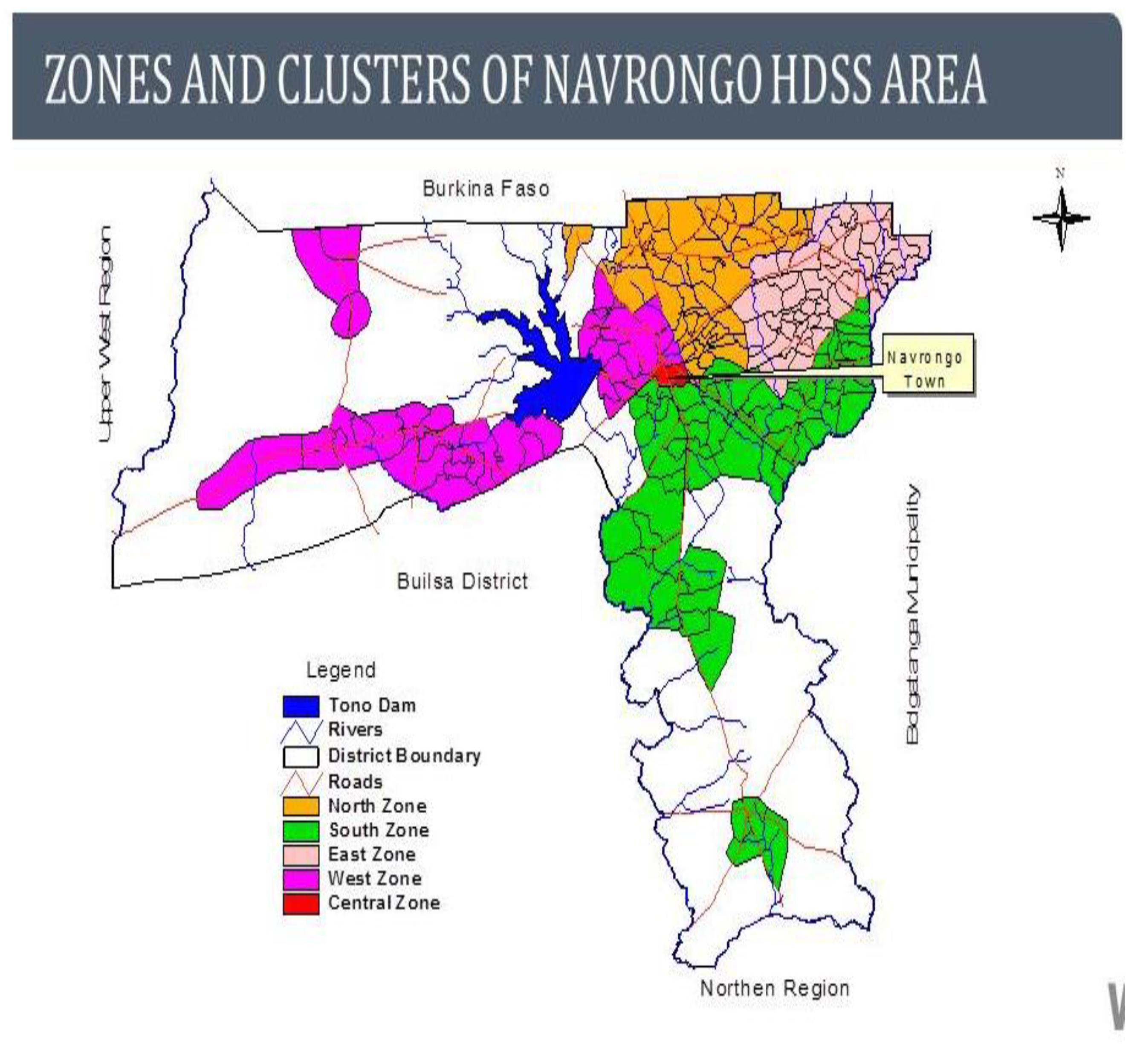
Figure 2.
Kaplan-Meier survival estimates by PCV introduction.
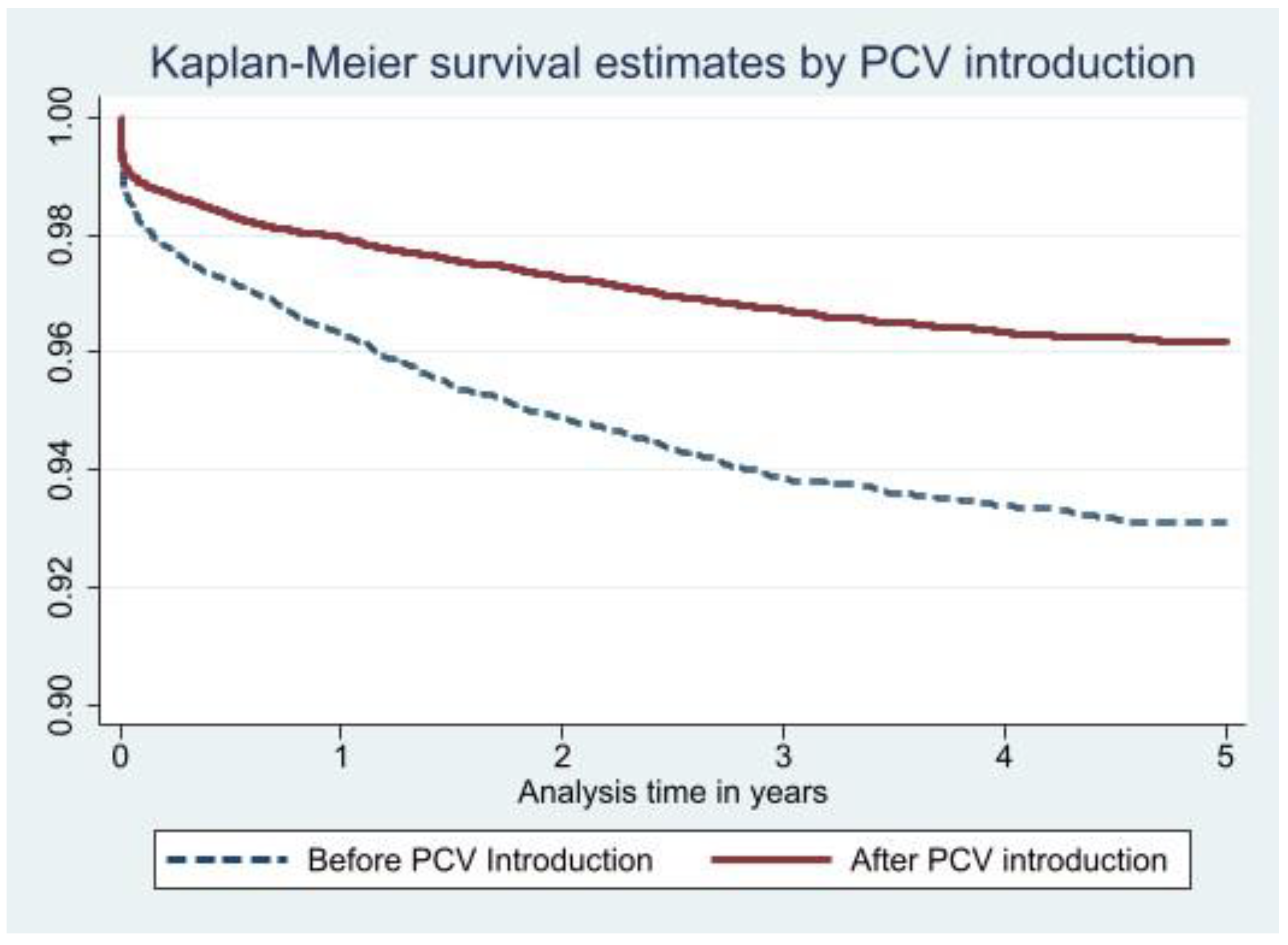
Table 1.
Background characteristics (at time of childbirth).
| Variable | Number (%) | Death of child (%) |
|---|---|---|
| Sex children | ||
| Female | 24,064 (49.8) | 858 (3.6) |
| Male | 24,287 (50.2) | 1,014 (4.2) |
| Mother’s Age | ||
| <19 | 5,919 (12.2) | 243(4.1) |
| 20-34 | 33,295 (68.9) | 1,170(3.5) |
| 35+ | 9,137 (18.9) | 459(5.0) |
| Maternal Education | ||
| No formal Education | 10,245(21.2) | 549(5.4) |
| Primary/JSS | 26,370(54.5) | 1031(7.8) |
| Secondary/Tertiary | 9,025(18.7) | 229(4.8) |
| Missing | 2,711(5.6) | 63(2.3) |
| Place of Residence of mother | ||
| Urban | 7,316 (15.1) | 221 (3.0) |
| Rural | 41,035 (84.9) | 1,651 (4.0) |
| Delivery Place | ||
| Health Facility | 32,560 (67.3) | 1,137(3.5) |
| Home/Elsewhere | 8,511 (17.6) | 576(6.8) |
| Missing | 7,280 (15.1) | 159(2.2) |
| Wealth Quantiles | ||
| Poorest | 12,177(28.3) | 591(4.9) |
| Poorer | 9,886(23.0) | 412(4.2) |
| Poor | 8,054(18.7) | 334(4.2) |
| Less Poor | 8,051(18.7) | 268(3.3) |
| Least poor | 4,881(11.3) | 125(2.6) |
| Multiple | ||
| Singleton | 46,022(95.2) | 1,718(3.7) |
| Multiple | 2,329(4.8) | 154(6.6) |
| Period | ||
| Before | 23,002(47.6) | 1,232(5.4) |
| After | 25,349(52.4) | 640(2.5) |
| Total | 48,351 | 1,872(3.9) |
Table 2.
Mortality rate in children under five before and after PCV13 immunisation.
| Variable | Before PCV13 immunization (2007-2012) | After PCV13 immunization (2012-2017) | ||
|---|---|---|---|---|
| Deaths | MR (95%CI) | Deaths | MR (95%CI) | |
| Sex | ||||
| Female | 470 | 19.8 (18.1 - 21.7) | 338 | 7.6 (6.9 - 8.4) |
| Male | 559 | 23.4 (21.5 - 25.4) | 455 | 8.8 (8.1 - 9.7) |
| Mother’s Age | ||||
| <19 | 139 | 26.6 (22.5 - 31.4) | 104 | 8.9 (7.3 - 10.8) |
| 20-34 | 619 | 19.4 (18.0 - 21.0) | 551 | 7.8 (7.2 - 8.5) |
| 35+ | 271 | 25.6 (22.7 - 28.8) | 188 | 9.2 (7.9 - 10.6) |
| Maternal Education | ||||
| No formal Education | 356 | 24.5 (22.0 - 27.1) | 193 | 9.2 (8.0 - 10.5) |
| Primary/JSS | 549 | 42.5 (37.7 - 48.0) | 482 | 16.7 (14.7 - 18.9) |
| Secondary/Tertiary | 110 | 32.0 (24.2 - 42.3) | 119 | 11.3 (8.7 - 14.8) |
| Missing | 14 | 39.4 (23.3 - 66.5) | 49 | 11.6 (8.7 - 15.3) |
| Place of Residence | ||||
| Urban | 121 | 18.7(15.7 - 22.4) | 100 | 6.5(5.4 - 7.9) |
| Rural | 908 | 22.0(20.6 - 23.5) | 743 | 8.5(7.9 - 9.2) |
| Delivery Place | ||||
| Health Facility | 482 | 21.1(19.3 - 23.1) | 655 | 8.6(8.0 - 9.3) |
| Home/Elsewhere | 445 | 23.4(21.3 - 25.6) | 131 | 9.3(7.8 - 11.0) |
| Missing | 102 | 17.7(14.6 - 21.5) | 57 | 4.6(3.5 - 5.9) |
| Wealth Quantiles | ||||
| Poorest | 331 | 26.1(23.4 - 29.1) | 260 | 10.1(8.9 - 11.4) |
| Poorer | 225 | 22.3(19.6 - 25.4) | 187 | 8.9(7.7 - 10.3) |
| Poor | 175 | 21.5(18.6 - 25.0) | 159 | 9.3(8.0 - 10.9) |
| Less Poor | 138 | 17.6(14.9 - 20.8) | 130 | 7.5(6.3 - 8.9) |
| least poor | 61 | 13.9(10.8 - 17.9) | 64 | 6.0(4.7 - 7.6) |
| Multiple | ||||
| Singleton | 946 | 20.7(19.5 - 22.1) | 772 | 7.9(7.3 - 8.5) |
| Multiple | 83 | 40.8(32.9 - 50.6) | 71 | 16.1(12.8 - 20.4) |
| Period | ||||
| Before | 1,029 | 21.6(20.3 - 22.9) | 203 | 4.8(4.2 - 5.5) |
| After | 640 | 10.6(9.8 - 11.5) | ||
Table 3.
Cause-specific mortality rates per 1000 person-years(pyrs) before and after PCV13 introduction.
Table 3.
Cause-specific mortality rates per 1000 person-years(pyrs) before and after PCV13 introduction.
| Cause of Death | Before PCV13 introduction | After PCV13 introduction | ||
|---|---|---|---|---|
| Death | MR (95%CI)/1000 pyrs | Death | MR (95%CI)/1000 pyrs | |
| Pneumonia | 54 | 11.3(8.7 - 14.8) | 88 | 5.9(4.8 - 7.2) |
| Meningitis | 17 | 3.6(2.2 - 5.7) | 31 | 2.1(1.5 - 2.9) |
| Pneumonia and Meningitis | 71 | 14.9(11.8 - 18.8) | 119 | 7.9(6.6 - 9.5) |
| Diarrhoea | 73 | 15.3(12.2 - 19.3) | 107 | 7.1(5.9 - 8.6) |
Table 4.
Mortality rate of Pneumonia in children under five before and after PCV13 vaccination.
| Variable | Before PCV13 immunization | After PCV13 immunization | ||
|---|---|---|---|---|
| Deaths | MR (95%CI) | Deaths | MR (95%CI) | |
| Sex | ||||
| Female | 27 | 1.1(0.8 - 1.7) | 45 | 0.6(0.4 - 0.8) |
| Male | 27 | 1.1(0.8 - 1.6) | 43 | 0.6(0.4 - 0.8) |
| mother’s Age | ||||
| <19 | 5 | 1.0(0.4 - 2.3) | 11 | 0.7(0.4 - 1.2) |
| 20-34 | 35 | 1.1(0.8 - 1.5) | 56 | 0.5(0.4 - 0.7) |
| 35+ | 14 | 1.3(0.8 - 2.2) | 21 | 0.7(0.4 - 1.0) |
| Maternal Education | ||||
| No formal Education | 20 | 1.4(0.9 - 2.1) | 27 | 0.8(0.5 - 1.1) |
| Primary/JSS | 25 | 1.8(1.0 - 3.3) | 44 | 1.0(0.7 - 1.6) |
| Secondary/Tertiary | 8 | 2.2(0.8 - 6.6) | 11 | 0.8(0.3 - 2.0) |
| Missing | 1 | 2.8(0.4 - 20.0) | 6 | 1.3(0.6 - 2.9) |
| Place of Residence | ||||
| Urban | 8 | 1.2(0.6 - 2.5) | 13 | 0.6(0.3 - 1.0) |
| Rural | 46 | 1.1(0.8 - 1.5) | 75 | 0.6(0.5 - 0.7) |
| Delivery Place | ||||
| Health Facility | 24 | 1.0(0.7 - 1.6) | 52 | 0.5(0.4 - 0.7) |
| Home/Elsewhere | 23 | 1.2(0.8 - 1.8) | 28 | 0.8(0.6 - 1.2) |
| Missing | 7 | 1.2(0.6 - 2.6) | 8 | 0.4(0.2 - 0.9) |
| Wealth Quantiles | ||||
| Poorest | 17 | 1.3(0.8 - 2.2) | 27 | 0.7(0.5 - 1.0) |
| Poorer | 12 | 1.2(0.7 - 2.1) | 20 | 0.6(0.4 - 1.0) |
| Poor | 8 | 1.0(0.5 - 2.0) | 13 | 0.5(0.3 - 0.9) |
| Less Poor | 6 | 0.8(0.3 - 1.7) | 10 | 0.4(0.2 - 0.7) |
| least poor | 7 | 1.6(0.8 - 3.4) | 12 | 0.8(0.5 - 1.4) |
| Multiple | ||||
| Singleton | 51 | 1.1(0.9 - 1.5) | 81 | 0.6(0.5 - 0.7) |
| Multiple | 3 | 1.5(0.5 - 4.6) | 7 | 1.1(0.5 - 2.3) |
Table 5.
Cause-specific Meningitis death rate in children under five before and after PCV13 vaccination by background characteristics.
Table 5.
Cause-specific Meningitis death rate in children under five before and after PCV13 vaccination by background characteristics.
| Variable | Before PCV13 immunization | After PCV13 immunization | ||
|---|---|---|---|---|
| Deaths | MR (95%CI) | Deaths | MR (95%CI) | |
| Sex | ||||
| Female | 10 | 0.4(0.2 - 0.8) | 17 | 0.2(0.1 - 0.4) |
| Male | 7 | 0.3(0.1 - 0.6) | 14 | 0.2(0.1 - 0.3) |
| Mother’s Age | ||||
| <19 | 2 | 0.4(0.1 - 1.5) | 6 | 0.4(0.2 - 0.8) |
| 20-34 | 11 | 0.3(0.2 - 0.6) | 20 | 0.2(0.1 - 0.3) |
| 35+ | 4 | 0.4(0.1 - 1.0) | 5 | 0.2(0.1 - 0.4) |
| Maternal Education | ||||
| No formal Education | 5 | 0.3(0.1 - 0.8) | 8 | 0.2(0.1 - 0.4) |
| Primary/JSS | 8 | 0.7(0.2 - 1.7) | 17 | 0.4(0.2 - 0.8) |
| Secondary/Tertiary | 3 | 0.7(0.2 - 2.0) | 4 | 0.2(0.1 - 0.6) |
| Missing | 1 | 2.8(0.4 - 20.0) | 2 | 0.4(0.1 - 1.7) |
| Place of Residence | ||||
| Urban | 2 | 0.3(0.1 - 1.2) | 3 | 0.1(0.0 - 0.4) |
| Rural | 15 | 0.4(0.2 - 0.6) | 28 | 0.2(0.2 - 0.3) |
| Delivery Place | ||||
| Health Facility | 7 | 0.3(0.1 - 0.6) | 20 | 0.2(0.1 - 0.3) |
| Home/Elsewhere | 9 | 0.5(0.2 - 0.9) | 9 | 0.3(0.1 - 0.5) |
| Missing | 1 | 0.2(0.0 - 1.2) | 2 | 0.1(0.0 - 0.4) |
| Wealth Quantiles | ||||
| Poorest | 5 | 0.4(0.2 - 0.9) | 10 | 0.3(0.1 - 0.5) |
| Poorer | 3 | 0.3(0.1 - 0.9) | 5 | 0.2(0.1 - 0.4) |
| Poor | 3 | 0.4(0.1 - 1.1) | 4 | 0.2(0.1 - 0.4) |
| Less Poor | 4 | 0.5(0.2 - 1.4) | 6 | 0.2(0.1 - 0.5) |
| least poor | 1 | 0.2(0.0 - 1.6) | 3 | 0.2(0.1 - 0.6) |
| Multiple | ||||
| Singleton | 17 | 0.4(0.2 - 0.6) | 30 | 0.2(0.1 - 0.3) |
| Multiple | 0 | 0 | 1 | 0.2(0.0 - 1.1) |
Table 6.
Cause-specific Meningitis and Pneumonia death rates in children under five years of age before and after PCV13 vaccination by background characteristics.
Table 6.
Cause-specific Meningitis and Pneumonia death rates in children under five years of age before and after PCV13 vaccination by background characteristics.
| Variable | Before PCV13 immunization | After PCV13 immunization | ||
|---|---|---|---|---|
| Deaths | MR (95%CI) | Deaths | MR (95%CI) | |
| Sex | ||||
| Female | 37 | 1.6(1.1 - 2.2) | 62 | 0.8(0.6 - 1.1) |
| Male | 34 | 1.4(1.0 - 2.0) | 57 | 0.8(0.6 - 1.0) |
| Mother’s Age | ||||
| <19 | 7 | 1.3(0.6 - 2.8) | 17 | 1.0(0.6 - 1.6) |
| 20-34 | 46 | 1.4(1.1 - 1.9) | 76 | 0.7(0.6 - 0.9) |
| 35+ | 18 | 1.7(1.1 - 2.7) | 26 | 0.8(0.6 - 1.2) |
| Maternal Education | ||||
| No formal Education | 25 | 1.7(1.2 - 2.5) | 35 | 1.0(0.7 - 1.4) |
| Primary/JSS | 33 | 2.5(1.5 - 4.1) | 61 | 1.4(1.0 - 2.1) |
| Secondary/Tertiary | 11 | 2.9(1.3 -7.4) | 15 | 1.0(0.5 - 2.3) |
| Missing | 2 | 5.6(1.4 - 22.5) | 8 | 1.7(0.9 - 3.5) |
| Place of Residence | ||||
| Urban | 10 | 1.5(0.8 - 2.9) | 16 | 0.7(0.5 - 1.2) |
| Rural | 61 | 1.5(1.2 - 1.9) | 103 | 0.8(0.7 - 1.0) |
| Delivery Place | ||||
| Health Facility | 31 | 1.4(1.0 - 1.9) | 72 | 0.7(0.6 - 0.9) |
| Home/Elsewhere | 32 | 1.7(1.2 - 2.4) | 37 | 1.1(0.8 - 1.5) |
| Missing | 8 | 1.4(0.7 - 2.8) | 10 | 0.5(0.3 - 1.0) |
| Wealth Quantiles | ||||
| Poorest | 22 | 1.7(1.1 - 2.6) | 37 | 1.0(0.7 - 1.3) |
| Poorer | 15 | 1.5(0.9 - 2.5) | 25 | 0.8(0.5 - 1.2) |
| Poor | 11 | 1.4(0.7 - 2.4) | 17 | 0.7(0.4 - 1.1) |
| Less Poor | 10 | 1.3(0.7 - 2.4) | 16 | 0.6(0.4 - 1.0) |
| least poor | 8 | 1.8(0.9 - 3.7) | 15 | 1.0(0.6 - 1.7) |
| Multiple | ||||
| Singleton | 68 | 1.5(1.2 - 1.9) | 111 | 0.8(0.6 - 0.9) |
| Multiple | 3 | 1.5(0.5 - 4.6) | 8 | 1.2(0.6 - 2.5) |
Table 7.
Vaccination coverage among children aged 12-23 months in Kassena Nankana East and West Districts in Ghana: 2007-2017.
Table 7.
Vaccination coverage among children aged 12-23 months in Kassena Nankana East and West Districts in Ghana: 2007-2017.
| Survey Year | BCG | OPV0 | OPV1 | OPV2 | OPV3 | Penta1 | Penta2 | Penta3 | Measles 1 |
|---|---|---|---|---|---|---|---|---|---|
| 2007 | 98.9 | 70.2 | 99.3 | 98.7 | 97.8 | 99.5 | 99.2 | 98.1 | 93.2 |
| 2008 | 97.8 | 72.6 | 99.3 | 98.5 | 97.9 | 99.4 | 99.0 | 98.2 | 95.3 |
| 2009 | 99.3 | 73.6 | 99.8 | 99.5 | 98.9 | 99.9 | 99.8 | 99.3 | 96.3 |
| 2010 | 99.1 | 90.0 | 99.1 | 98.7 | 98.1 | 99.0 | 98.6 | 98.5 | 95.9 |
| 2011 | 99.6 | 93.3 | 99.8 | 99.7 | 98.8 | 99.8 | 99.7 | 99.4 | 97.3 |
| 2012 | 99.7 | 95.7 | 100.0 | 99.9 | 98.9 | 99.9 | 99.9 | 99.6 | 96.4 |
| 2013 | 99.1 | 97.2 | 99.6 | 99.4 | 97.6 | 99.6 | 99.5 | 99.0 | 95.1 |
| 2014 | 98.2 | 96.4 | 99.0 | 98.9 | 97.4 | 99.0 | 98.9 | 98.3 | 93.9 |
| 2015 | 98.6 | 97.2 | 99.0 | 99.3 | 98.2 | 99.0 | 99.2 | 99.0 | 95.1 |
| 2016 | 97.7 | 97.0 | 98.7 | 98.6 | 97.6 | 98.6 | 98.5 | 97.7 | 94.6 |
| 2017 | 97.5 | 96.3 | 98.3 | 98.2 | 97.8 | 97.7 | 97.9 | 97.5 | 94.7 |
Disclaimer/Publisher’s Note: The statements, opinions and data contained in all publications are solely those of the individual author(s) and contributor(s) and not of MDPI and/or the editor(s). MDPI and/or the editor(s) disclaim responsibility for any injury to people or property resulting from any ideas, methods, instructions or products referred to in the content. |
© 2026 by the authors. Licensee MDPI, Basel, Switzerland. This article is an open access article distributed under the terms and conditions of the Creative Commons Attribution (CC BY) license (http://creativecommons.org/licenses/by/4.0/).
Copyright: This open access article is published under a Creative Commons CC BY 4.0 license, which permit the free download, distribution, and reuse, provided that the author and preprint are cited in any reuse.


