
Submitted:
03 May 2026
Posted:
05 May 2026
You are already at the latest version
Preprints on COVID-19 and SARS-CoV-2
Abstract
Affected persons supporting substance-dependent individuals during COVID-19 needed innovative communication strategies to facilitate their well-being in a scenario of limited access to physical services. This study explored the lived experiences of affected persons assisting substance-dependent individuals during COVID-19 to highlight the perceived benefits of a support framework that could sustain practices beyond the pandemic. This descriptive phenomenological study examined how affected persons developed a sense of coherence while supporting individuals with substance-use disorders, emphasizing health promotion practices. Health promotion is rooted in social support, which enhances subjective well-being. The study drew on Antonovsky’s Sense of Coherence theory, focusing on factors that enable individuals to remain healthy despite stressors. A heterogeneous purposive convenience sample of 26 participants was used, with data saturation achieved. Telephonic interviews lasting up to 45 minutes were conducted using a pretested schedule, followed by open coding. Findings indicate that practical support and resource exchange foster a global life orientation, enabling individuals to perceive their environment as understandable, manageable, and meaningful while addressing substance use. Key factors included social support networks, family bonds, self-care, identity, and relationships. Participants reported positive experiences and sustained actions promoting health, often driven by caregiving, personal growth, and future aspirations.
Keywords:
substance use disorders
; promoting patient-centred communication
; peerled interventions
; sense of coherence
; self-care
; underserved communities
1. Introduction
Substance abuse within communities is a complex issue driven by a combination of environmental, social, and economic factors rather than just individual choices. Results indicated that suburban youth reported significantly higher levels of substance use than inner-city youth [1].
The understanding that social vulnerability to substance use and Substance Use Disorders (SUDs) is multifaceted and occurs across different levels of influence (individual, interpersonal, community, and societal) is underscored. We propose that socially based stressors play a critical role in creating vulnerability to substance use and SUDs, and as such, deserve greater empirical attention to further understand how they “get under the skin.” Current knowledge from social sciences and neuroscience on the relationships among vulnerability to substance use resulting from stressors, exposure to socially toxic childhood environments, and racism and discrimination is summarised and discussed, as are implications for future research, practice, and policy [2].
Establishing a health-promotion perspective is essential for encouraging growth and adaptability in underserved environments, as it redirects attention to what helps people move toward the “ease” end of the health continuum, regardless of their initial circumstances [3]. The development of an SoC offers assurance that both internal and external resources are accessible to manage life’s challenges. This assurance is essential to this process [4]. Participating actively in social support networks and community events is essential to this development [5]. It has been demonstrated that early friendships and close-knit community ties form fundamental social skills, confidence, and a strong sense of tradition [6], especially during crises, that are sustained afterwards. Additionally, participating in participatory communication between affected persons (AP) supporting the substance-dependent individuals (SDIs) fosters a sense of shared meaning and belonging that empowers those in underserved communities to see their problems as worthwhile and improves their community’s ability to deal with everyday environmental stressors like substance abuse and crime [7].
Health promotion should be the focus during various points along the health continuum. The key is to concentrate on what shifts an individual toward the ease end of this continuum, regardless of their starting position, to foster their health, well-being, and quality of life [8].
According to Antonovsky (1979), the Salutogenic Model proposes that a SoC is a global orientation that represents the degree to which a person has a pervasive, enduring, though dynamic, feeling of confidence that their internal and external environments are predictable and that there is a good chance that things will work out as well as is reasonably expected [9]. Three essential elements underpin this idea: manageability, meaningfulness, and comprehensibility. The concept of manageability is primarily related to a person’s belief that they have sufficient resources to satisfy the demands posed by different stimuli [10]. According to Antonovsky (1987), meaningfulness is the most important component that fuels the SoC’s motivation. It stands for the belief that life makes emotional sense and that the difficulties encountered are worthwhile. A strong sense of meaningfulness is essential for long-term health promotion in the context of persons affected by substance addiction because it turns life’s demands from oppressive stressors into welcome challenges that can be dealt with by using available generalized resistance resources [9,10]. During COVID-19, people came to view demands as challenges worth engaging with [11].
Stigma directly contributes to physical, social, and psychic harm in people who use drugs. substance use stigma shared by participants: manifestations (stereotypes, prejudice, discrimination), outcomes (immediate reactions and personal consequences), and responses (adaptive and maladaptive coping styles) [12].
To overcome the effects of substance use in a community, people who effectively utilize the tools at their disposal to solve everyday obstacles are better positioned to find meaning and purpose in their roles [3,4]. Social support, which is defined as the wide variety of assistance—including emotional, practical, companionship, and informational support—provided by an AP with a network of family, friends, and community members, plays an essential part in health promotion and wellbeing [13]. Social support serves as a crucial Generalized Resistance Resource (GRR) in the context of substance use disorders (SUDs), allowing people to strengthen their SoC by offering the stability and group motivation required to navigate “socially toxic” environments and maintain long-term health-promoting behaviours [9].
SUDs is a major public health challenge, associated with an increased risk of developing COVID-19 and related negative health outcomes [14]. According to the 2024 National Survey on Drug Use and Health, 39.5 million people suffer from some sort of SUD, figures rising over the past decade [14]. It was reported in 2025 that in the United States alone, an estimated 48.4 million people aged 12 and older had a substance use disorder. This includes about 27.9 million with an alcohol use disorder and 28.2 million with a drug use disorder [15]. This problem continues to contribute to increased morbidity rates, mortality rates, and social disadvantage [16]. Persons suffering from SUDs experience exceedingly higher health risks, such as mental health conditions, stigma, and barriers to accessing adequate and timely care, more specifically in underserved communities [17]. These existing inequalities have been worsened during the COVID-19 pandemic.
During COVID-19, healthcare services were disrupted with reduced service hours and limited face-to-face contact, further constraining access to treatment and psychosocial support [18]. However, there came a turning point toward using peer-led interventions, which were on the rise, as they could serve as an alternative means of promoting health strategies to mitigate health service treatment gaps [19] even after COVID-19. They were viewed as a possibility to enhance care, social support, and patient engagement [20].
This article aims to address a logical connection between a challenging healthcare environment, communication of Aps and SUDs to promote the challenge of drug use, amongst disadvantaged populations [21], to be sustained beyond COVID-19. The lived experiences of APs who assisted SDIs, were explored to shed light on the perceived benefits of a support framework to sustain new practices that emerged for use after COVID-19.
2. Materials and Methods
2.1. Study Design and Theoretical Assumptions
This study was conducted in a constructive paradigm, employing a descriptive phenomenological design and conducting individual interviews on the lived experiences of APS and the SUDs. We selected this approach because it allowed for an in-depth understanding of how coherence approaches could, during a defined period, sustain health promotion of SDIs in response to the dynamics of a pandemic. The qualitative study enabled the integration of diverse data and provided a comprehensive understanding of the phenomenon [22].
The study was grounded in assumptions of Antonovsky’s SoC theory (1979) focuses on what enables people to stay healthy despite life’s stressors. The interesting question stated by Antonovsky is ‘what explains movement toward the health end of the ease/disease continuum? Part of the answer was found in the interaction between the researcher and APs during the interviews. The assumptions of the researcher in this article were that;
- -
- The concept of sense of coherence (SOC) is a global feeling of confidence that resources are available to meet demands; and that these demands are challenges worth engaging with.
- -
- The key to health promotion among Substance dependent individuals (SDIs), is to concentrate on what shifts an individual toward the ease end of this continuum, regardless of their starting position, to foster their health, well-being, and quality of life [8].
- -
- At the centre of a sense of coherence is the interconnected aspects of manageability and meaningfulness. It demonstrates how APs interpret their environments, utilise available resources to cope with difficulties, and find purpose in their own roles to overcome the challenges faced for supporting SDIs in a community.
- -
- A shift is needed to move to a health promotion orientation. This approach recognises the need for adaptability and growth in disadvantaged circumstances.
- -
- APs should understand that their support is a dynamic, mutual process between them and the SDIs that should reduce stress.
Participative communication between role-players should foster a shared sense of coherence and enhances manageability of the situation and meaningfulness for them. In this study the reflections on the lived experiences of APs are integrated into a proposed framework illustrating how coherence strategies can be used by APs to facilitate participative communication between APS and SDIs.
Underlying the conceptual framework is the mobilisation of resources by APs as a pathway to health and well-being. Based on the adapted assumptions of Antonovsky’s SoC theory (1979), the researchers recognised that promoting health, not only before but also after COVID-19, was essential for APs supporting individuals struggling with substance SDIs. The purpose of the study was to understand the lived experiences of APs in supporting SDIs during COVID-19 and propose how they could facilitate participative communication with SDIs, using coherence strategies towards health promotion among SDIs.
2.2. Data Collection and Sampling
The qualitative component sought to obtain deep, comprehensive insights into the participants’ lived experiences. Semi-structured interviews, elicited participants’ lived experiences. Interviews were particularly well-suited to investigate the different aspects of the phenomenon, such as individual motivations, contextual barriers, and cultural behaviours. It provided a rich, comprehensive, insightful understanding of the phenomenon [9].
A heterogeneous convenience sampling strategy was employed to recruit participants. The target population comprised 26 participants to provide diverse perspectives across gender, age, and socio-cultural backgrounds. Recruitment prioritised individuals from disadvantaged and multicultural communities to ensure inclusion of populations disproportionately affected by SUDs and barriers to healthcare. They were all persons visiting the community healthcare clinic in the community and were asked for permission to participate in the study during follow-up calls by the clinic manager. The researcher then contacted the participants after obtaining permission from the Department of Health and the community healthcare clinic to access the names of participants (215176030/2020/20). Eligibility criteria were formulated. Participants (persons affected) who had visited the clinic for more than 6 months before the pandemic were approached by phone via the clinic manager for them to voluntary participate in the study. Data and meaning saturation determine the sample size of 26. APs who had supported an SDI who passed away during COVID-19 will be excluded from the study. Our data collection period (2019–2023) coincided with the period before and after the global COVID-19 pandemic.
2.3. Role of the Researcher in Steering Participative Communication
The role of the researcher was to facilitate the reflections during the interviews with a focus on coherence strategies. It was important to demonstrate the value of using coherent strategies to support APs to recognise their added value in supporting a SDI after COVID-19 (Table 1).
The following coherence approaches were followed during the interviews:
Coherence strategy and emotional support are interconnected methods of stress, enhancing resilience, and promoting psychological well-being. Emotional support and member checking followed; sympathetic responses were offered regarding shared lived experiences that could provide emotional safety and feelings of reduced isolation. Validation of responses followed at the end of the interview, where the researcher was unclear if a correct interpretation of what was said, was made. According to Nielsen (1994) system acceptability is achieved by meeting the social and practical acceptability objectives for the system. He further identifies usefulness, constituting usability and utility, as a key objective to providing practical acceptability [23].
In an user-centred design, a researcher may utilise a generative tool, such as or a telephonic call, to better understand user needs. In this study, the researcher grasped the context in which APs could utilize the tool. The researcher identified the accessibility of conducting a telephonic interview. A telephonic session was usable and accessible, and participants could speak freely through participative communication. In the context of the rural community, the communication supported engagement during emotional distress and enabled sustained involvement of the APs.
Coherence approaches to personal identity suggest that a stable self is not inherent but built by linking beliefs, memories, experiences, and social ties into a consistent narrative [24]. Belonging is the “blossoming” of coherence, beyond social acceptance to a resonance between self and environment [25]. Professional identity formation (PIF) is the process through which APs not only achieve competence but also learn to “think, act, and feel,” providing them with a unique opportunity to help addicts find meaning in their lives. Probing was conducted to reduce stigma and foster a sense of belonging. On reflection, the researcher became aware that the similarities in the responses of participants were forming a shared group identity that could strengthen cohesion and mutual understanding within the group on a continuous basis.
Coherence approaches and empowerment aim to strengthen resilience and capacity by helping individuals and systems understand, manage, and make sense of their circumstances [26]. The core components of psychological empowerment—meaning, competence, self-determination, and impact—focus on an individual’s belief in their ability to succeed, which predicts motivation, goal setting, and persistence [27].
The researcher encouraged participative communication to support self-advocacy and to talk about self-care, contributing to increased confidence. empowerment through patient-centred care, effective communication, and supportive healthcare systems.
Practical support and resource exchange aim to develop a “global life orientation,’ enabling individuals or organisations to see their environment as understandable, manageable, and meaningful [28]. Participants were encouraged to share coping strategies, advice, and information on local services that could complement emotional support and enhance participants’ capacity to manage challenges after COVID-19.
The coherence approach in ethics justifies moral judgments by ensuring they “fit together” into a consistent, supportive, and comprehensive system [29]. The researcher followed the confidentiality rules, and her supportive facilitation fostered trust, respectful communication, and sustained engagement with participants.
Sustainability revolves around five core principles: coherence, continuous learning, participation, responsibility, and long-term commitment [30]. Guiding societies toward sustainability demands a comprehensive understanding of how to think, act, and live within a safe and just space for humanity. The researcher conducted brief check-ins after the interviews and shared reminders for possible participation in more non-research telephonic calls, which helped with establishing continuity and support self-care even when active engagement fluctuated [31].
2.4. Data Analysis
Tesch (1990) eight steps of open coding data analysis guided the analysis as follows [31]:
- Step 1. The researchers read and familiarised themselves with the entire transcript, carefully obtaining a sense, and wrote down some ideas.
- Step 2. Selects a transcript, asks “what is this about?” and thinks about the underlying meaning in the information. The researcher’s thoughts can be written somewhere nearby.
- Step 3. A list of all the topics was made. Similar categories grouped together.
- Step 4. The researchers applied the list of categories to the data. The categories are abbreviated as codes, which are written next to the appropriate segments of the transcripts. The researcher tries out this exploratory organising scheme to see whether new categories and codes emerge.
- Step 5. The researchers found the most descriptive wording for the categories and sub-categories. A clear difference was drawn between categories and subcategories to show that the relationships were important.
- Step 6. The researchers made a final decision on the codes.
- Step 7. The data material belonging to each category was assembled, and a preliminary analysis performed. Lastly,
- Step 8. The researchers re-codes existing data to check if they interpreted the data against the literature review, coherence approaches and assumptions of the theoretical framework (Gumbi, 2024).
2.5. Ethical Considerations
Ethical approval was obtained from the university’s institutional review board (215176030/2020/20). Informed consent was obtained from all participants after they were fully informed about the study’s objectives and the anonymity of their names. The anonymity of their names will be respected, and their names will not appear on any transcripts of phone calls when using the collected data from the participants. Participation was voluntary, and participants could withdraw at any time during the study. Data will be kept confidential on the Cloud, and only the researchers will have access to it. The data will be kept for 5 years, after which the files on the Cloud will be deleted. The findings will be shared with the APs at the healthcare clinic on a date to be made known. Requests for the results may also be made. There was minimal risk in the study. If a participant became emotionally traumatised, a psychologist was available to support her at a place or by a method as arranged, fortunately not needed.
3. Results
Category: Situational factors playing a role in the experiences affecting APs. The data vividly reflected the challenging environment described in the demographic context, highlighting issues like pervasive gang activity, drug abuse, and poor living conditions. “The area is full of crime and robberies and gang violence……. drugs are sold in broad daylight without shame.” (P2); “…it’s a place where there are too many wrong things happening. Things like murders and shootings. People walking around with guns and knives. It is not healthy living here.” (P8)
Category: Social support networks and community influences included socio-economic, cultural backgrounds, and spiritual and religious beliefs
Firsthand accounts deepened the understanding of how the participants’ socio-economic backgrounds intersect with the adverse environmental realities APs faced. A participant highlighted how early friendships serve as foundational experiences for developing social skills and self-assurance, emphasising the lasting impact of peer relationships on personal growth: “My early friendships played a big role in shaping my social skills and confidence. This activity made me appreciate those formative years.” (P11). Another positive opinion was: “My cultural background has always played a significant role in how I see myself and the world around me. Growing up in a tight-knit community, I learned the importance of family and tradition.” (P6)
Beliefs provided many participants with strength, guidance, and community support. “I grew up with a wonderful and loving family who always put God first in any aspect of their lives.” (P18). On the other hand, an AP stated: “I respect other people’s beliefs, but religion has never been a part of my life. I find support through friends and hobbies…For me, it’s about finding meaning in everyday actions and relationships rather than through religious practices. I don’t necessarily follow a specific religion, but I believe in a higher power. Meditation and mindfulness have been helpful for me.” (P21)
Category: Disposition as a sense of coherence—how one perceives the world as manageable and meaningful
The sub-category, prefaced by feelings, explored the emotional impact of relocating from dangerous environments to urban settings, with participants expressing deep satisfaction. It highlighted how such transitions evoke positive emotions and improve overall well-being. “I now live on my own in the northern suburbs in Cape Town. It’s peaceful here.” (P17). This highlighted the need for targeted interventions to improve local conditions and foster hope for a better future. The intensity of a sense of coherence was shown, as a participant showed heightened alertness due to a challenging environment, reflecting the emotional and psychological toll these conditions took on APs. “I am constantly aware of my surroundings and fearful of people approaching. My children don’t play outside because I am trying to limit contact.” (P17)
Category: Social acceptance and relationships
Relationships with others highlighted complex dynamics around forgiveness, and detachment experienced by participants affected by addiction. It was mentioned: “…we are not that attached to each other because I tell them if their lives are not in order. Now they avoid me.” (P6); “Our family life was peaceful until he started with this addiction” (P8). This subcategory explored the complex dynamics of family relationships, including roles, conflicts, and support. The family had an influence on APs’ self-perception. Early dynamics continued to influence how individuals perceive themselves and navigate relationships in adulthood. “Reflecting on my childhood made me realise how much my early experiences with my parents shaped my self-esteem. It was eye-opening to see the connection between my past and present self.” (P1). It was stated: “My father took good care of us as we grew up and taught us many valuable life lessons….” (P11)
The subcategory on relationship with the addict was complex and described as: “Living with someone who is on drugs sometimes feels like you’re walking on eggs. It is exhausting and makes you so tired. It’s hard to draw the line sometimes. You struggle constantly because you take care of them and give love but at the same time you also want to take care of yourself.” (P14)
Category: Personal identity and self-reflection
Self-deprecating through self-awareness was a key sub-category on how participants understood and navigated their experiences, as they reflected on personal hardships and family roles. “ I’ve become more aware of my own needs and what I am able to do. It’s important to take care of myself, too, otherwise, I won’t be able to help anyone. I can’t pour from an empty cup.” (P15); and “Understanding my emotions and reactions has been important to me. It helps me manage the stress better and approach my family member with more compassion.” (P9) In contrast, some participants showed a composed attitude, reflecting resilience and calmness despite family addiction challenges. “I’ve learned to stay calm and take things one step at a time. I know my strengths, and I focus on them.” (P7) Self-awareness played a key role in how participants reflected on their hardships and family roles, shaping their understanding of their experiences. “I’ve become more aware of my own needs and what I can do. It’s important to take care of myself, too, otherwise, I won’t be able to help anyone. (P15) “Understanding my emotions and reactions has been important to me. It helps me manage the stress better and approach my family member with more compassion.” (P9)
Some participants coped by the sub-category of emphasising self-love and self-worth, focusing on building self-esteem and nurturing themselves to manage stress. “I’m putting myself first and loving myself now … for my well-being.” (P12); and “Understanding my self-worth and taking care of myself has made a huge difference in how I handle challenges.” (P19)
Category: Adaptability to change in new situations
Some participants showed difficulty in the sub-category of adapting to change, struggling to understand its impact on their lives. “I adjust poorly because I think I am fragile and I can’t think straight anymore.” (P12). Other participants adopted a reflective attitude, helping them better understand and adapt to changes in their lives. “Sometimes I try to take a step back and reflect on what is happening when things change and it helps me make sense of the situation and figure out how to move forward.” (P7); and “Thinking about past experiences and how I handled them gives me insight into dealing with new situations. It’s a way of learning and growing.” (P22)
The maturity sub-category helped some participants accept change, drawing on life experience and coping skills to face challenges with confidence. “I’ve been through so many things in my life…those experiences have taught me how to handle things thrown my way. I feel more mature and capable of dealing with whatever comes my way.” (P11); and “With age and the experience (of having a daughter who suffered from addiction), I’ve learned to approach new situations with a mature mindset. It’s about staying grounded and not letting things overwhelm you.” (P24). Some participants coped with change through seclusion, using isolation to privately process their emotions and thoughts. “I become very quiet and don’t talk to anybody. I remove myself from everything and everyone.” (P20)
Some participants used information technology—such as online resources, support groups, and apps-to manage stress and stay connected. “Technology has been a lifeline. I use apps to track my progress and connect with online support groups. The internet provides so much information and support. It’s been invaluable in helping me cope with my situation.” (P13). Participants highlighted online services like mental health apps and informational websites as key sources of support and resources. “I do have access to the MobieG App. And it is a great app. I wish I knew about this sooner.” (P16); and “My niece gave me a smartphone too so I can communicate with buddies and be on social media and be clued up on what is going on around the world.” (P19)
The sub-category, emotional instability, was common, with participants reporting fluctuating emotions linked to stress and uncertainty. “Some days I feel on top of the world, and the next I can barely get out of bed. It’s like a roller coaster.” (P3); and “My emotions are all over the place. One minute I’m hopeful, and the next I’m overwhelmed with despair. (P20)
Category: Personal Fulfilment and Control
Some participants felt they achieved self-fulfilled and content with their achievements and life direction.” I feel fulfilled because I’ve reached many of my personal and professional goals. It gives me a great sense of satisfaction and purpose.” (P22); and “Helping others makes me feel like I’m living a meaningful life.” (P17). Others had unfulfilled aspirations due to unmet goals and ongoing struggles. “I don’t feel fulfilled. There’s so much I want to do, but my circumstances are keeping me back.” (P9). Some participants were in transition, feeling self-fulfillment close but not yet reached. “I’m getting there…I believe I can achieve my goals with time and effort.” (P26)
A few participants felt they regained control, leading to empowerment and stability. “I’ve taken back control of my life. It was a struggle, but now I make decisions that are best for me and my family.” (P7). Some participants experienced fluctuating control, feeling both empowered and helpless. “There are days when I feel in control, and other days when everything feels chaotic.” (P10)
The findings show a transition from the lived experience in the data to ongoing interventions APs can use while supporting the SDIs (Table 2).
4. Discussion
Participants consistently reported poor living conditions, emphasizing the ongoing challenges they face and the need for comprehensive efforts to improve their quality of life. From the perspective of health promotion, bringing people closer to the “ease” end of the health continuum requires environmental stability [9]. Research shows that “socially toxic’ environments, characterized by crime and poor infrastructure, cause persistent stress in underserved communities, depleting resources and hindering healthy habits. According to Moksnes (2021), health promotion in adolescence and adulthood is deeply rooted in the quality of social support, which enhances an individual’s subjective well-being [9]. Relationships and cultural group involvement with the AP can significantly influence self-worth, beliefs, and a sense of belonging to a purpose [32]. According to literature on the SoC, when people believe that their social duties play a role and that they are a part of a valued collective, meaningfulness—the motivational component of SoC—is encouraged [10]. People gain the confidence needed to overcome the universal impact of substance use when they discover meaning in their communal responsibilities [33]. Therefore, social support serves as more than just help; it is a fundamental pillar that strengthens the person’s ability to view life’s obstacles as doable and deserving of participation [13].
The disposition as a sense of coherence addressed how the APs perceived the world as manageable and meaningful, directly influencing their ability to cope with the stressors of substance use in their vicinity. A strong SoC serves as a global view that enables people to see life’s challenges as worthwhile investments, according to Antonovsky (1979). Nonetheless, the results indicate that individuals, such as the AP, emotional reactions are closely linked to their psychological health and immediate surroundings [34]. This is consistent with research on health promotion, which holds that the “physical and social environment” is a major factor in determining health; an individual’s sense of manageability is directly undermined when the environment is perceived as dangerous [13,35]. The emotional strain of living in high-risk circumstances was revealed by some participants as they indicated a strong desire to leave dangerous situations or who reported being more vigilant in their surroundings. According to literature, this “heightened vigilance” is a reaction to persistent external stresses that drain a person’s internal GRRs [36], resulting in emotional depletion as opposed to growth that promotes health [37]. According to the Salutogenic theory, people find it challenging to discover the “meaningfulness” necessary to participate in community-based interventions when their surroundings are viewed as “not healthy” [38]. Conversely, after moving to safer locations, several participants felt relieved and satisfied. This result is consistent with the idea of “transformative resilience,” which holds that a person’s SoC can be restored by relocating to a secure environment [39]. According to research, people are better able to direct their resources into self-care and health-promoting activities when their external environment becomes predictable and safe, moving them from a state of “surviving” to “thriving” [40]. Health promotion initiatives must consider this, as psychological well-being is closely linked to the perceived safety and stability of the community context.
The findings suggest that a person’s identity and sense of self are primarily shaped by their early familial ties [41]. The family is seen as a crucial setting where the “foundations of health” are established through the development of internal resources within the context of health promotion [41,42]. According to Antonovsky (1979), a child’s development of a strong SoC depends on consistent and supportive early-life experiences because which provide a predictable setting that fosters a deep-seated belief that life is manageable and meaningful [9]. The “internalized doubts or insecurities” brought on by difficult family relationships illustrate how early stressors may prevent the formation of a strong personality. According to research, “socially toxic” or unstable childhood circumstances could hinder the development of a person’s SoC [43], increasing their vulnerability to using drugs as a coping strategy as an adult [44]. This is supported by Moksnes (2021), who contends that early social support considerably predicts subjective well-being and quality of life by influencing people’s perceptions of their capacity to handle life’s challenges. The finding that these dynamics still influence adult relationships emphasizes the significance of peer-led interventions and participatory communication in health promotion. People can start to discover new “meaningfulness” in their roles by resolving these embedded fears through community support, successfully reshaping their identities despite prior disadvantage [13]. To compensate for early developmental problems and increase the collective capacity for resilience, promoting health in substance-affected communities necessitates a focus on strengthening current social and familial links [45].
While some APs struggled with relationships with others, such as broken trust and emotional separation as coping mechanisms, others emphasised strong family bonds that provide love, support, and resilience amid challenges. It highlights how family connections shape participants’ experiences, well-being, and decisions, emphasising the importance of family support. The finding revealed that social acceptance and family relationships profoundly shaped the experiences of APs. Stigma led to isolation, while empathy fostered resilience and coping. Relationships with addicted loved ones were found to be emotionally complex, marked by love, frustration, and guilt, requiring a careful balance between support and self-care.
Strong family bonds provided crucial emotional support and resilience, underscoring the need for targeted interventions that address these relational dynamics to improve well-being. Promoting the health of family members while navigating a difficult or toxic family situation requires a delicate balance between protecting your own well-being and offering support, validation, and resources to others [46]. Relationships with addicted loved ones were complex, involving love, frustration, guilt, and responsibility. Participants struggle to balance support with self-care, highlighting the need for support services to help them manage their emotional challenges. Promoting the health of others while needing support yourself requires establishing firm emotional boundaries, practicing open, nonjudgmental communication, and utilizing external professional resources [47].
Self-awareness is crucial for participants in understanding and managing their personal hardships and family roles. While some exhibit self-deprecating reflections on their struggles, others demonstrate resilience and calmness, highlighting varied ways they cope and grow amidst family addiction challenges. Participants experienced a wide range of emotions, from immediate primary feelings like happiness and sadness to more complex secondary emotions such as guilt and relief. Emotional instability was common, with many describing their feelings as fluctuating and closely tied to stress and uncertainty in their lives. Understanding one’s own emotions, values, and behaviours is foundational to personal well-being and crucial for promoting the health of others. By fostering emotional intelligence, self-awareness improves relationships, enhances empathy, and boosts resilience. This internal clarity allows individuals to model healthy behaviours, communicate better, and provide supportive care to others [48].
Diverse spiritual and religious orientations were found among participants. While many drew strength, guidance, and community support from traditional religious beliefs, others identified as spiritual, seeking personal connections with a higher power outside formal religion. Some participants were non-religious but found alternative coping methods, and a few explicitly rejected spirituality or belief in a higher power. This diversity highlighted varied sources of meaning and resilience within the group. However, literature indicates that diverse spiritual and religious orientations contribute significantly to promoting the health of others through faith-based initiatives, communal support structures, and the cultivation of values like compassion and altruism [49,50].
Participants adjusted to change through various methods—such as developing resilience, enhancing cognitive flexibility, and adopting a growth mindset—while also fostering others’ health by nurturing social ties, supporting community resilience, and serving as positive health ambassadors. Participants adapted to changes in diverse ways. While some struggled to understand and adapt (imperceptive), others adopted a reflective attitude that supported adjustment. Maturity, shaped by life experience and coping skills, enhanced adaptability for some, while others relied on seclusion to privately process and manage their emotions. These varied responses highlight the complexity of navigating change and the importance of individualized coping mechanisms. Participants identified social support as vital in coping with challenges. Online services such as virtual support groups, mental health apps, and informational websites provided accessible resources and connections to enhance their own wellbeing.
The findings highlighted that many participants were driven by a strong sense of purpose, often centred on caregiving, personal growth, and future aspirations, which motivated their actions. On personal fulfilment and control, participants’ experiences of these varied widely. Some felt self-fulfilled and content with their achievements, while others struggled with unmet goals and ongoing challenges.
Overall, the findings demonstrated that among APs living in underserved community settings, vulnerability [51] and resilience exist simultaneously [52]. It shows how long-term exposure to stressors related to SDI impairs coping [53], identity, and well-being while also exposing to adaptive skills based on lived experience, social connection, and sense-making [54,55].
5. Recommendations
In situations where traditional services are still scarce, these findings highlight the need for coordinated, patient-centred, family- and community-oriented support approaches that can be expanded through creative mobile communication strategies to improve health, strengthen coping, and affirm identity [56,57,58]. All for supporting the SDI towards promoting of health and well-being.
By combining the implementation of the coherence approaches, results were obtained that demonstrate how relationship-centred, easily accessible mobile support can help APs in environments with limited resources to meet the unmet needs of SDIs.
5.1. Recommended Actions to Sustain Post-COVID-19
These results suggest that changes in use are not simply a matter of access. It appears that specific protective factors are closely tied to the values people learned, and these values’ impact on substance use does not diminish in the face of environmental influences. Capturing the nature of these values, whether religion, gender roles, or culture, will likely lead to their use as anchor topics in effective prevention and intervention strategies. The findings indicate sustained actions that continue after the pandemic for APs to support the SDIs.
6. Contribution of the Study
Rooted in Antonovsky’s Sense of Coherence theory (SoC), this study promotes a transdisciplinary, technology-enabled, peer-led communication framework designed to advance culturally responsive, patient-centred psychological well-being among persons affected who provide support to addicts and sustain its use as a health promotion practice beyond COVID-19. The findings shed light on the perceived benefits of an APs peer support model that can be delivered online, as well as the difficulties experienced by APs.
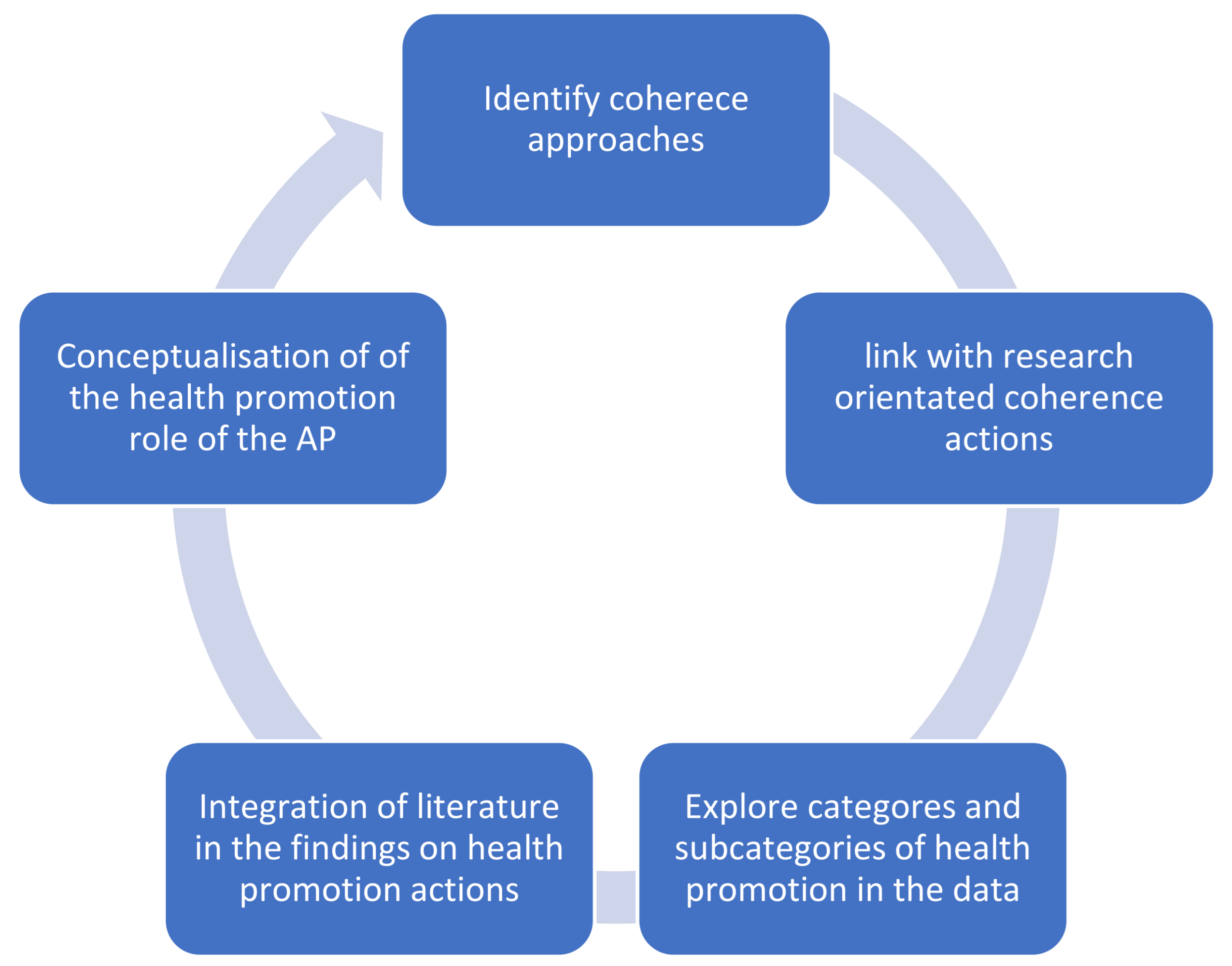
Figure 1.
A support framework on the development of health promotion actions to be taken by the Affected Person who supports the addict after COVID-19.
Figure 1.
A support framework on the development of health promotion actions to be taken by the Affected Person who supports the addict after COVID-19.
7. Limitations
The first limitation is that the qualitative design and purposive sampling captured rich experiences but limited generalisability beyond the specific rural, low-resource participants who engaged voluntarily, potentially underrepresenting those with lower digital access, motivation, or different help-seeking norms. Future research could include quantitative measures to support stronger theoretical testing and broader comparisons across groups. Regardless of these limitations, the study provides valuable insights into low-cost strategies supporting APs in underserved communities, offering a foundation for future research and the upscaling of more sustainable tools for programmes.
8. Conclusions
This study adopted a novice approach by combining theoretical coherence with interviews with APs. The domain of self-influence is an interactive way through the lifespan, and health outcomes such as substance use may be observed beyond the individual to communities, or geographic areas; due to the availability of SUD treatment, and related rates of treatment utilisation and treatment success in health services.
The support of APS can promote the health of addicts after COVID-19, and adds to the body of literature by emphasising identity self-reconstruction and mobilisation of resources for addicts. The APs from SUD need to be recognised as a population requiring targeted psychosocial support from a public health perspective. The study offers evidence-based validation for adaptable, low-cost digitally delivered interventions with addicts, that should complement formal treatment services and address gaps in family- and community-level support. Future research could address the long-term outcomes of telephonic interventions, identify which specific facilitative micro-practices are catalysts for engagement and retention, and explore their adaptability across diverse cultural and contextual environments.
In conclusion, this study ascertains that for strengthening resilience, well-being, and social connectedness among APs, theory-informed, interventions hold significant promise.
Author Contributions
Conceptualization, K.J.; data curation, K.J. and C.S.; formal analysis, K.J. and C.S.; investigation, K.J. and C.S.; methodology, K.J. and C.S.; resources, K.J. and C.S.; supervision, K.J. and C.S.; visualization, K.J. and C.S.; writing—original draft preparation, K.J. and C.S.; writing—review and editing, K.J. and C.S. All authors have read and agreed to the published version of the manuscript.
Funding
This research received no external funding.
Institutional Review Board Statement
The study did not require ethical approval.
Informed Consent Statement
Not applicable.
Data Availability Statement
The data supporting the findings of this manuscript are available from the corresponding authors upon reasonable request.
Conflicts of Interest
The authors declare no conflicts of interest.
References
- Luthar, S.S.; D’Avanzo, K. Contextual factors in substance use: A study of suburban and inner-city adolescents. Dev. Psychopathol. 1999, 11, 845–867. [Google Scholar] [CrossRef]
- Amaro, H.; Sanchez, M.; Bautista, T.; Cox, R. Social vulnerabilities for substance use: Stressors, socially toxic environments, and discrimination and racism. Neuropharmacology 2021, 188, 108518. [Google Scholar] [CrossRef] [PubMed]
- Mittelmark, M.B.; Eriksson, M.; Sagy, S.; Pelikan, J.M.; Vaandrager, L.; Meier Magistretti, C.; Lindström, B.; Bauer, G.F. Salutogenesis for thriving societies. In The Handbook of Salutogenesis; Mittelmark, M.B., Ed.; Springer: Cham, Switzerland, 2022; pp. 635–638. [Google Scholar]
- Eriksson, M. The sense of coherence in the salutogenic model of health. In The Handbook of Salutogenesis; Mittelmark, M.B., Ed.; Springer: Cham, Switzerland, 2016; pp. 91–96. [Google Scholar]
- World Health Organization. Social Participation for Universal Health Coverage; World Health Organization: Geneva, Switzerland, 2023. [Google Scholar]
- Huot, S. From support to participation: Reviewing the role of community in shaping political engagement and efficacy in Cambodia’s youth. Int. J. Political Sci. Gov. 2026, 8, 103–109. [Google Scholar] [CrossRef]
- Adlakha, V.; Shinde, V.V.; Varma-Nelson, P. An exploratory study: Impact of peer-led team learning on epistemology, self-efficacy, and belonging in chemistry. Chem. Educ. Res. Pract. 2026. Advance Article. [Google Scholar] [CrossRef]
- Moksnes, U.K. Sense of Coherence. In Health Promotion in Health Care—Vital Theories and Research; Chapter 4; Haugan, G., Eriksson, M., Eds.; Springer: Cham, Switzerland, 2021; Available online: https://www.ncbi.nlm.nih.gov/books/NBK585678/ (accessed on 29 April 2026).
- Antonovsky, A. Health, Stress, and Coping; Jossey-Bass: San Francisco, CA, USA, 1979. [Google Scholar]
- Antonovsky, A. Unraveling the Mystery of Health: How People Manage Stress and Stay Well; Jossey-Bass: San Francisco, CA, USA, 1987. [Google Scholar]
- Sibley, A.L.; Bartels, S.M.; Noar, S.M.; O’Shea, N.G.; Muessig, K.E.; Miller, W.C.; Go, V.F. Mapping the lived experience of rural substance use stigma: A conceptual framework of salient attitudes, beliefs, and behaviors in people who use drugs. Soc. Sci. Med. 2025, 372, 117967. [Google Scholar] [CrossRef]
- Dawson, D.L.; Golijani-Moghaddam, N. COVID-19: Psychological flexibility, coping, mental health, and wellbeing in the UK during the pandemic. J. Context. Behav. Sci. 2020, 17, 126–134. [Google Scholar] [CrossRef]
- Singh, L. Understanding Self-Care PERCEPTIONS and Behaviours of Community Care Workers in Cape Town to Develop and Assess a Self-Care Intervention. Ph.D. Thesis, University of Cape Town, Cape Town, South Africa, 2025. [Google Scholar]
- United Nations Office on Drugs and Crime. World Drug Report 2023; United Nations: Vienna, Austria, 2023; Available online: https://www.unodc.org/unodc/en/data-and-analysis/world-drug-report-2023.html (accessed on 29 April 2026).
- Center for Behavioral Health Statistics and Quality. Key Substance Use and Mental Health Indicators in the United States: Results from the 2024 National Survey on Drug Use and Health; Substance Abuse and Mental Health Services Administration: Rockville, MD, USA, 2025. Available online: https://www.samhsa.gov/data/report/2024-nsduh-annual-national-report (accessed on 29 April 2026).
- Camden, A.; Guttmann, A.; Zipursky, J. Substance Use and Toxicity Deaths in Pregnancy. J. Obstet. Gynaecol. Can. 2026, 103209. [Google Scholar] [CrossRef] [PubMed]
- Mackiewicz, M.K.; Winship, J.; Slattum, P.; Waters, L. Disparities experienced by racial minorities contribute to treatment gaps and lack of access to resources and supports for substance use disorders. Innov. Aging 2025, 9, igaf030. [Google Scholar] [CrossRef]
- Qu, C. Female versus viral: Understanding the UK gender health inequalities during the Covid-19 pandemic using e-archives. Soc. Sci. Med. 2025, 366, 117589. [Google Scholar] [CrossRef]
- Peng, R.; Chang, J.; Zhu, Y.; Feng, H.; Cao, Z. Unlocking the power of peer support in digital use and digital health interventions for older adults: A scoping review. J. Adv. Nurs. 2026, 82, 162–173. [Google Scholar] [CrossRef]
- Silva, J.B., Jr.; Marti, M.; Báscolo, E.; Fitzgerald, J.; Valdez, M.L.; Sealey-Thomas, R.; Richards, L.; Saiso, S.G.; Riviere-Cinnamond, A.; Morales, A.; et al. Digital transformation to overcoming access barriers. Rev. Panam. Salud Publica 2026, 49, e112. [Google Scholar] [CrossRef]
- Tzagkarakis, S.I.; Kritas, D. Mixed research methods in political science and governance: Approaches and applications. Qual. Quant. 2023, 57, 39–53. [Google Scholar] [CrossRef]
- Karunarathna, I.; Gunasena, P.; Hapuarachchi, T.; Gunathilake, S. The crucial role of data collection in research: Techniques, challenges, and best practices. Uva Clin. Res. 2024, 10, 95–111. [Google Scholar]
- Nielsen, J. Usability Engineering; Morgan Kaufmann: Burlington, MA, USA, 1994. [Google Scholar]
- McAdams, D.P.; Trzesniewski, K.; Lilgendahl, J.; Benet-Martinez, V.; Robins, R.W. Self and identity in personality psychology. Pers. Sci. 2021, 2, e6035. [Google Scholar] [CrossRef]
- Allen, K.A.; Kern, M.L.; Rozek, C.S.; McInerney, D.M.; Slavich, G.M. Belonging: A review of conceptual issues, an integrative framework, and directions for future research. Aust. J. Psychol. 2021, 73, 87–102. [Google Scholar] [CrossRef]
- Cruess, R.L.; Cruess, S.R.; Boudreau, J.D.; Snell, L.; Steinert, Y. A schematic representation of the professional identity formation and socialization of medical students and residents: A guide for medical educators. Acad. Med. 2015, 90, 718–725. [Google Scholar] [CrossRef]
- Stavropoulou, G.; Daniilidou, A.; Nerantzaki, K. Exploring the Interplay of Motivation, Self-Efficacy, Critical Thinking, and Self-Regulation in Predicting Academic Achievement Among University Students. F1000Research 2025, 14, 344. [Google Scholar] [CrossRef] [PubMed]
- Hanssen, G.; Utvær, B.K. Sense of coherence among apprentices in vocational education and training in Norway: Exploring general resistance resources in work-based learning. Int. J. Res. Vocat. Educ. Train. 2022, 9, 363–389. [Google Scholar] [CrossRef]
- Charlton, V.; DiStefano, M. An empirical ethics study of the coherence of NICE technology appraisal policy and its implications for moral justification. BMC Med. Ethics 2024, 25, 28. [Google Scholar] [CrossRef] [PubMed]
- United Nations. The Sustainable Development Goals Report 2023; United Nations: New York, NY, USA, 2023. [Google Scholar]
- Braun, V.; Clarke, V. Thematic Analysis: A Practical Guide; SAGE Publications: London, UK, 2021. [Google Scholar]
- Wood, E.H.; Jepson, A.; Stadler, R. Doing and feeling together in older age: Self-worth and belonging through social creative activities. Ageing Soc. 2023, 43, 2190–2210. [Google Scholar] [CrossRef]
- Best, D.; Duffy, S.; Smith, D.; Bryson, J.; White, B. An “outside in” model of recovery capital growth: Building personal and social recovery capital from community resources. Addict. Res. Theory 2026, 34, 1–11. [Google Scholar] [CrossRef]
- Lawrance, E.L.; Thompson, R.; Newberry Le Vay, J.; Page, L.; Jennings, N. The impact of climate change on mental health and emotional wellbeing: A narrative review of current evidence, and its implications. Int. Rev. Psychiatry 2022, 34, 443–498. [Google Scholar] [CrossRef]
- Menatti, L. Medicine, healthcare and the environment: From the salutogenic approach towards the salutogenic environments. Stud. Hist. Philos. Sci. 2026, 116, 102115. [Google Scholar] [CrossRef]
- Pittman, A.S. Perceptions of Coping Capacity and Burnout Among Psychiatric Social Workers. Ph.D. Thesis, Walden University, Minneapolis, MN, USA, 2025. [Google Scholar]
- Garmendia, P.; Fernández-Salinero, S.; Holgueras González, A.I.; Topa, G. Social support and its impact on job satisfaction and emotional exhaustion. Eur. J. Investig. Health Psychol. Educ. 2023, 13, 2827–2840. [Google Scholar] [CrossRef]
- Aronsen, C.K.; Bjørnnes, T.D. Adolescence then and now: A qualitative study on older adults’ perceptions of adolescence and factors influencing mental health in adolescents today. BMC Public Health 2025, 25, 3060. [Google Scholar] [CrossRef] [PubMed]
- Shen, Y.; Cheng, Y.; Yu, J. From recovery resilience to transformative resilience: How digital platforms reshape public service provision during and post COVID-19. Public Manag. Rev. 2023, 25, 710–733. [Google Scholar] [CrossRef]
- Zou, Y. Urban resilience, digital technologies, and the economic recovery of a city from the pandemic. Public Admin. Rev. 2024, 84, 637–650. [Google Scholar] [CrossRef]
- Amin, M.I. The Role of Family in Shaping Identity: A Study of Internal Mechanisms and Socio-Cultural Transmission. J. Soc. Sci. Stud. 2023, 3, 381–382. [Google Scholar]
- Karadag, M. Foundations of health communication awareness. In The Multidimensional Management of Health Communication; IGI Global: Hershey, PA, USA, 2026; p. 1. [Google Scholar]
- Azhar, S.; Saleem, Z.; Iftikhar, S.Z. The impact of poverty and financial stress on family stability and child welfare. Soc. Sci. Rev. Arch. 2025, 3, 681–691. [Google Scholar] [CrossRef]
- Gould, E.E.; Ganesh, S.S.; Trigo, D.; Becerra, L.; Cowan, A.; Bluthenthal, R.N.; Ceasar, R.C. “We Weren’t Taught How to Cope With Tragedy”: Early Childhood Trauma, Grief, and Learned Coping Mechanisms Among People Who Inject Drugs. Subst. Use Res. Treat. 2025, 19, 29768357251383754. [Google Scholar] [CrossRef]
- Hawkins, J.; Whittaker, A.; Salmon, A.; Kenny, F.; King-Roskamp, M.R. Developing an initial program theory for peer support groups for substance-affected family members: A participatory realist evaluation. medRxiv 2025, preprint. [Google Scholar]
- Johnson, L.J.; Schopp, L.H.; Waggie, F.; Frantz, J.M. Challenges experienced by community health workers and their motivation to attend a self-management programme. Afr. J. Prim. Health Care Fam. Med. 2022, 14, 2911. [Google Scholar] [CrossRef]
- Chernata, T. The role of emotional intelligence in the personal boundaries formation. Pers. Environ. Issues 2024, 3, 59–66. [Google Scholar]
- Wagani, R.; Gaur, P. Role of self-awareness in the promotion of health and well-being of college students. Arch. Depress. Anxiety 2024, 10, 1–11. [Google Scholar]
- Arrey, A.E.; Bilsen, J.; Lacor, P.; Deschepper, R. Spirituality/religiosity: A cultural and psychological resource among Sub-Saharan African migrant women with HIV/AIDS in Belgium. PLoS ONE 2016, 11, e0159488. [Google Scholar] [CrossRef] [PubMed]
- Kaneez, S.; Ansari, S.A. Spirituality as an Aid to Promote Health and Well-Being. Artha J. Soc. Sci. 2014, 13, 17–24. [Google Scholar] [CrossRef]
- Perati, S.R.; Mohayya, S.M.; Shippey, E.; Gao, X.; Sachs, R.; Hochster, H.S.; Eskander, M.F. Social vulnerability and clinical trial enrollment: The next frontier of health equity. JNCI J. Natl. Cancer Inst. 2026, 118, 721–729. [Google Scholar] [CrossRef] [PubMed]
- Young, L.E. Resilience in marginalized communities facing health disparities. In The Routledge Handbook of Communication and Resilience; Routledge: New York, NY, USA, 2025; pp. 473–490. [Google Scholar]
- Sharma, N.; Dajani, R.; Tofail, F.; Black, C.; Tutlam, N.; Bhutta, Z.A. Long term effects of childhood exposure to violence in fragile and conflict affected settings. BMJ 2026, 392., e086040. [Google Scholar] [CrossRef]
- Garuba-Agbebaku, J. Coworkers’ Lived Experiences of Being Exposed to Healthcare Professionals Misusing Substances. Ph.D. Thesis, Walden University, Minneapolis, MN, USA, 2026. [Google Scholar]
- LaMarca Ferraro, M.A. The Sense-Making of Adverse Childhood Experiences by Female Executive Nonprofit Leaders in the Human Services Sector. Ph.D. Thesis, University of Charleston, Beckley, WV, USA, 2024. ProQuest Dissertations and Theses, 3121862609. [Google Scholar]
- Jumat, J.D. A Mixed Methods Study to Develop a Self-Care Management Tool for Both People Living with Diabetes and Their Families. Ph.D. Thesis, University of Pretoria, Pretoria, South Africa, 2024. [Google Scholar]
- Peng-Keller, S. Healthcare Chaplaincy as Specialised Spiritual Care: The Christian Call for Healing in a Global Health Context; Vandenhoeck & Ruprecht: Göttingen, Germany, 2024. [Google Scholar]
- Mazzuca, A. It’s Not Just About Hep C: Evaluation of the Cedar Project’s Culturally Safe Intervention Supporting Hepatitis C Treatment Among Urban Indigenous Peoples Who Use Drugs in BC. Ph.D. Thesis, University of British Columbia, Vancouver, Canada, 2026. [Google Scholar]

Table 1.
Coherence approaches followed during the interviews by the researcher’s.
| Focus Points of Coherence Approaches | Mechanisms of Action by the Researcher as Examples for the APs |
|---|---|
| Emotional support and member checking | Empathetic and sympathetic responses to shared lived experiences offered emotional safety and feelings of reduced isolation. Validation of responses ensured correct interpretation of what was said. |
| Tool usability and Accessibility | A telephonic session was usable and accessible, and participants could speak freely through participative communication. |
| Belonging and personal identity | The participants had the freedom to share their experiences, and the researcher recognised and confirmed their common struggles with them. |
| Empowerment through adequate time to talk | Participative communication was encouraged to support self-advocacy, and talk on self-care, to contribute to increased confidence. |
| Practical Support and Resource Exchange | Participants were encouraged to share coping strategies, advice, and information on local services that could complement emotional support and enhance participants’ capacity to manage challenges after COVID-19. |
| Ethical principles | The researcher followed the confidentiality rules, and her supportive facilitation fostered trust, respectful communication, and sustained engagement with participants. |
| Sustainability after the interviews | The researcher conducted brief check-ins, and shared reminders of possible participation in telephonic calls, that established continuity and assisted in self-care even when active engagement fluctuated. |
Table 2.
Integration of categories in health promotion actions of the Affected Person to support the addicts after COVID-19.
Table 2.
Integration of categories in health promotion actions of the Affected Person to support the addicts after COVID-19.
| Integrating coherence approaches in the following: | Health promotion actions of the AP to support the addicts after COVID-19 |
| Social support networks and community influences included socio-economic,cultural backgrounds, and spiritual beliefs | Early friendships serve as foundational experiences for developing social skills and self-assurance, emphasising the lasting impact of peer relationships on personal growth Instil values such as family unity and tradition were internalised within close-knit cultural and social environments. Treasure one’s cultural background that plays a significant role in how one view yourself and the world around you Finding meaning in everyday actions and relationships through meditation and mindfulness of the task as an AP |
| Disposition as a sense of coherence—how one perceives the world as manageable and meaningful | Continue with targeted interventions to improve local conditions and foster hope for a better future to perceive the world as manageable and meaningful Respect the choice of others with the intent of finding a meaningful life, to migrate due to deep dissatisfaction about their safety and quality of life. |
| Social acceptance and relationships | Maintain good family relations, treasure support from family, friends, and community as there is the need for a reliable network during tough times. Promote healthy family life activities during childhood to shape the self-esteem of the addict at a young age, as there is a connection between my past and present self |
| Personal identity and self-reflection | Become more aware of one’s own needs and what one is able to do, to be able to help the addict. Understand one’s my emotions and reactions to manage stress better and approach others with more compassion Reflect resilience and calmness despite addiction challenges, take things one step at a time. Emphasise self-love and self-worth, focusing on building self-esteem and nurturing oneself to manage stress |
| Adaptability to change in new situations | Adopted a reflective attitude, to better understand and help the addict to adapt to changes in their lives. Take a step back and reflect on what is happening when things change and it helps one to make sense of the situation and figure out how to move forward Think about past experiences and how you handled them as it is a way of learning and growing, to deal with the addict Maturity helped to accept changes drawing on life experience and coping skills to face challenges with confidence, and a new mindset Information technology is key for information and knowledge management in supporting the addict |
| Personal fulfilment and control | Acknowledge achievements being self-fulfilled and content, when reaching a new goal with the addict. Regained control, when needed with the addict, it leadis to empowerment and stability |
Disclaimer/Publisher’s Note: The statements, opinions and data contained in all publications are solely those of the individual author(s) and contributor(s) and not of MDPI and/or the editor(s). MDPI and/or the editor(s) disclaim responsibility for any injury to people or property resulting from any ideas, methods, instructions or products referred to in the content. |
© 2026 by the authors. Licensee MDPI, Basel, Switzerland. This article is an open access article distributed under the terms and conditions of the Creative Commons Attribution (CC BY) license (http://creativecommons.org/licenses/by/4.0/).
Copyright: This open access article is published under a Creative Commons CC BY 4.0 license, which permit the free download, distribution, and reuse, provided that the author and preprint are cited in any reuse.


