Preprint
Article

This version is not peer-reviewed.

The Effect of Alternate-Day Fasting on Endothelin-1 Levels in Male Wistar Rats Induced by a High-Calorie Diet

Submitted:

01 May 2026

Posted:

05 May 2026

You are already at the latest version

Abstract

Overweight has become a global health problem, reaching 1 billion cases in 2022. In Indonesia, its prevalence increased from 8.8% in 2013 to 21.8% in 2018, contributing to cardiovascular risk through elevated plasma and renal endothelin-1 (ET-1) levels. This study aimed to evaluate the effect of alternate-day fasting (ADF) on plasma and renal ET-1 levels in male Wistar rats induced by a high-calorie diet, and to assess the anti-endothelin effect of bosentan (125 mg). A post-test-only control group experimental design was used with 18 rats divided into three groups: healthy control, ADF, and anti-endothelin. Obesity was induced for 9 weeks using a high-fat diet, followed by a 4-week intervention. ET-1 levels were measured using ELISA and analyzed using SPSS. The results showed significant weight loss in the ADF group (p = 0.001), but no significant difference in plasma ET-1 levels (p = 0.566). Renal ET-1 levels remained higher compared to the control group (p = 0.001). The anti-endothelin group showed no significant changes in body weight or plasma ET-1, while renal ET-1 levels also remained elevated. In conclusion, ADF reduces body weight but does not normalize renal ET-1 levels. Longer interventions and combined approaches are recommended.

Keywords: 
;  ;  ;  

1. Introduction

Being overweight is a global health problem that has increased significantly in recent decades across different age groups and geographic regions [1]. International epidemiological data indicate that overweight is no longer limited to developed countries but has become a major health burden in developing nations. The latest scientific reports state that more than one billion people worldwide were overweight in 2022. The prevalence among adults has more than doubled since 1990, while the prevalence among children and adolescents aged 5–19 years has increased up to fourfold. These conditions reflect substantial changes in global lifestyles and environments, posing a serious threat to public health. The impact of overweight extends to quality of life, productivity, and the sustainability of healthcare systems [2].
The South and Southeast Asian regions are experiencing a rapid increase in the prevalence of overweight in line with socio-economic changes. Urbanization and modernization have contributed to shifts in dietary patterns and reduced physical activity. Global health organizations predict that around one billion people will be overweight by 2030 [3]. Southeast Asia also faces a double burden of malnutrition, where undernutrition coexists with rising overweight rates. Regional data show an overweight prevalence of 8–30% in adult men and 8–52% in adult women, highlighting the complexity of nutritional challenges that require comprehensive scientific approaches [4].
In Indonesia, the prevalence of overweight has increased alongside economic growth and rapid urban expansion. National health survey data indicate that urban populations are at higher risk of being overweight compared to rural populations. The urban population in Indonesia has nearly doubled over the past three decades, leading to significant lifestyle changes [5]. Data from the Ministry of Health of the Republic of Indonesia show an increase in overweight prevalence from 8.8% in 2013 to 21.8% in 2018, affecting more than 58 million individuals. This status is determined using body mass index (BMI) as a standard national indicator [6].
The rising prevalence of overweight in Indonesia is influenced by interconnected structural and behavioral factors. Economic growth and globalization have increased the availability of high-energy processed foods, while urbanization has reduced daily physical activity due to changes in work and transportation patterns [7]. Sedentary lifestyles have become increasingly common in urban communities. Dietary patterns in Indonesia also show nutritional imbalance, characterized by low consumption of fruits and vegetables and increased intake of meat and dairy products. The production and consumption of ultra-processed foods continue to rise in Indonesia and Southeast Asia, with strong evidence linking these foods to increased overweight prevalence across age groups [8].
Being overweight is defined as the accumulation of abnormal body fat that is pathological in nature and increases the risk of various chronic diseases. This condition serves as a major risk factor for the development of type 2 diabetes mellitus. The underlying mechanism involves insulin resistance and the inability of insulin secretion to adequately compensate for this condition. Being overweight also significantly increases the risk of cardiovascular disease [9]. The accumulation of fat in visceral adipose tissue further worsens metabolic conditions. Individuals with high visceral adiposity have a greater risk of developing metabolic syndrome, which includes hypertension, dysglycemia, and dyslipidemia. The clinical impact of overweight underscores the need for scientifically evidence-based interventions [10].
Endothelin-1 is a vasoactive peptide that plays a crucial role in the regulation of vascular function and cardiovascular homeostasis. Elevated endothelin-1 levels are associated with endothelial dysfunction and increased blood pressure. Individuals who are overweight tend to exhibit higher endothelin-1 concentrations compared to those with normal weight [11]. This condition significantly increases the risk of cardiovascular disease. Endothelin-1 also contributes to the pathophysiology of heart failure and kidney disorders. In the kidneys, endothelin-1 influences diuretic and natriuretic functions by inhibiting sodium and water reabsorption, involving direct effects on Na⁺/K⁺-ATPase activity. Previous studies suggest that endothelin antagonists have potential as therapeutic agents in the management of cardiovascular diseases [12].
The increasing prevalence of overweight and its associated comorbidities has driven the development of various dietary intervention strategies for weight loss. Traditionally, daily caloric restriction with an energy deficit of 500–750 kilocalories has been recommended to achieve gradual weight loss. More recently, intermittent fasting has emerged as an alternative approach [13]. This method involves alternating periods of eating and fasting, either through complete fasting or significant caloric restriction. Its popularity has increased in the past decade, attracting attention from both scientific and clinical communities [14].
Alternate-day fasting (ADF) is a form of intermittent fasting that has been widely studied in the context of overweight and obesity. This method involves alternating between days of unrestricted eating and fasting days. On feeding days, individuals may consume food ad libitum, while on fasting days, intake is limited to water or approximately 25% of daily energy requirements [15]. Physiologically, this approach induces changes in macronutrient metabolism, including increased glycogen utilization and triglyceride mobilization as primary energy sources. These processes enhance metabolic flexibility. Additionally, improvements in insulin sensitivity and fat metabolism have been observed with ADF. Previous studies have demonstrated that ADF is effective for significant weight loss [16].
Various studies have examined the association between overweight and increased endothelin-1 levels in the context of cardiovascular disease. Several studies have shown that high adiposity is associated with endothelial dysfunction mediated by endothelin-1 [17]. However, research on the effects of dietary interventions on endothelin-1 remains limited. Most studies on intermittent fasting have primarily focused on weight loss and general metabolic improvements. Investigations into the effects of fasting on plasma and urinary endothelin-1 levels are still scarce, while studies on endothelin antagonists are more commonly conducted in pharmacological contexts [18]. These limitations highlight a significant research gap and provide opportunities for more in-depth experimental studies.
The limited scientific evidence regarding the effects of fasting on endothelin-1 regulation under overweight conditions underscores the need for further research. Experimental studies are required to better understand the biological mechanisms underlying changes in endothelin-1 levels due to dietary interventions. Animal models allow for tighter control of biological variables. In this study, male Wistar rats induced with a high-calorie diet were used to represent an overweight metabolic condition. Measurements of plasma and renal endothelin-1 levels provide both systemic and renal perspectives. This study addresses the primary issue of changes in plasma and kidney endothelin-1 levels under overweight conditions. The research focuses on analyzing the effects of alternate-day fasting on plasma and renal endothelin-1 levels, as well as the effects of anti-endothelin administration in male Wistar rats induced by a high-calorie diet. This study aims to fill an existing research gap that has not been extensively explored in previous literature.

2. Materials and Methods

This study is a laboratory-based experimental study with a quantitative approach, aimed at analyzing the effects of alternate-day fasting (ADF) and anti-endothelin administration on plasma and renal endothelin-1 levels in male Wistar rats induced by a high-calorie diet. A quantitative approach was employed because the data consisted of numerical values obtained from laboratory examinations and analyzed statistically. The study was conducted under controlled conditions to ensure that changes in the dependent variables were attributable to the interventions. The Lee index was used descriptively to assess the body composition of the rats during the study. This experimental approach allows for the assessment of causal relationships between variables. All procedures were conducted in accordance with ethical principles for animal research [19].
This study used a post-test-only control group design, in which measurements of the dependent variables were performed only after all interventions had been completed. The experimental animals were divided into three groups: control, alternate-day fasting (ADF), and anti-endothelin treatment. All rats were first subjected to a high-calorie diet to standardize baseline conditions prior to intervention. After the intervention period, blood and kidney samples were collected to measure endothelin-1 levels. This design was chosen to minimize bias associated with repeated measurements and to allow objective comparisons between groups [20].
The population consisted of male Wistar rats (Rattus norvegicus) that met the study’s inclusion criteria. Samples were assigned randomly so that each rat had an equal probability of being allocated to any group. A total of 18 rats were used, considering both experimental design efficiency and animal welfare principles. The rats were approximately 2 months old, weighed 150–200 grams, and were in good health. They were evenly distributed into three groups, each consisting of six rats, to ensure homogeneity and improve the validity of the results [21].
The study began with a one-week acclimatization period under standard housing conditions with ad libitum access to food and water. Subsequently, all rats were subjected to a high-calorie diet for several weeks to induce overweight conditions. After induction, the rats were randomly assigned to their respective groups. The ADF group underwent intermittent fasting, while the anti-endothelin group received oral bosentan at a dose adjusted to body weight. The control group received no additional intervention. At the end of the intervention period, blood and kidney samples were collected using invasive techniques under anesthesia to minimize animal discomfort [22].
The research instruments included tools and materials used for animal maintenance, intervention, and laboratory analysis. Plasma and renal endothelin-1 levels were measured using the ELISA method, which offers high sensitivity and specificity. The data obtained were analyzed using statistical software, with both descriptive and comparative analyses performed to evaluate differences between groups. The Lee index was also used as supporting data to describe changes in body composition during the study [23].

3. Results

This study was conducted using experimental animals in the form of male Wistar rats (Rattus norvegicus) induced by a high-calorie diet. The research was carried out at the Veterinary Laboratory, Faculty of Medicine, Hasanuddin University, from April to August 2025. All animals underwent a two-week acclimatization period, followed by a nine-week high-calorie diet induction and a four-week intervention phase.
The sample size was determined using Federer’s formula, and a total of 18 rats were randomly divided into three groups, each consisting of six rats: a control group, an overweight group receiving alternate-day fasting (ADF) intervention, and an overweight group receiving endothelin antagonist treatment. Body weight was measured periodically, while plasma and renal endothelin-1 (ET-1) levels were assessed using the ELISA (Enzyme-Linked Immunosorbent Assay) method.
Data were analyzed using IBM SPSS software version 31.0, with statistical tests selected according to the data distribution.
Table 1. Characteristics of Experimental Animals.
Characteristics n Red Minimum Maximum
Age (weeks) 18 8,0 8 8
Gender (male) 18 1,00 1 1
Initial weight (grams) 18 197,0 170 228
This table presents the characteristics of the experimental animals used in the study, comprising 18 samples. The average age of the animals was 8 weeks, and all subjects were male. The initial body weight averaged 197.0 grams, with a minimum of 170 grams and a maximum of 228 grams, indicating relatively low variation at baseline.
The classification of overweight and non-overweight status was determined using the Lee Index. A Lee Index value ≥ 0.300 was categorized as overweight, whereas a value < 0.300 was categorized as non-overweight. This classification was used solely to describe differences between groups and not as a clinical diagnosis. Measurements conducted at week 11 showed that all groups had Lee Index values ≥ 0.300, indicating that all animals were in the overweight category.
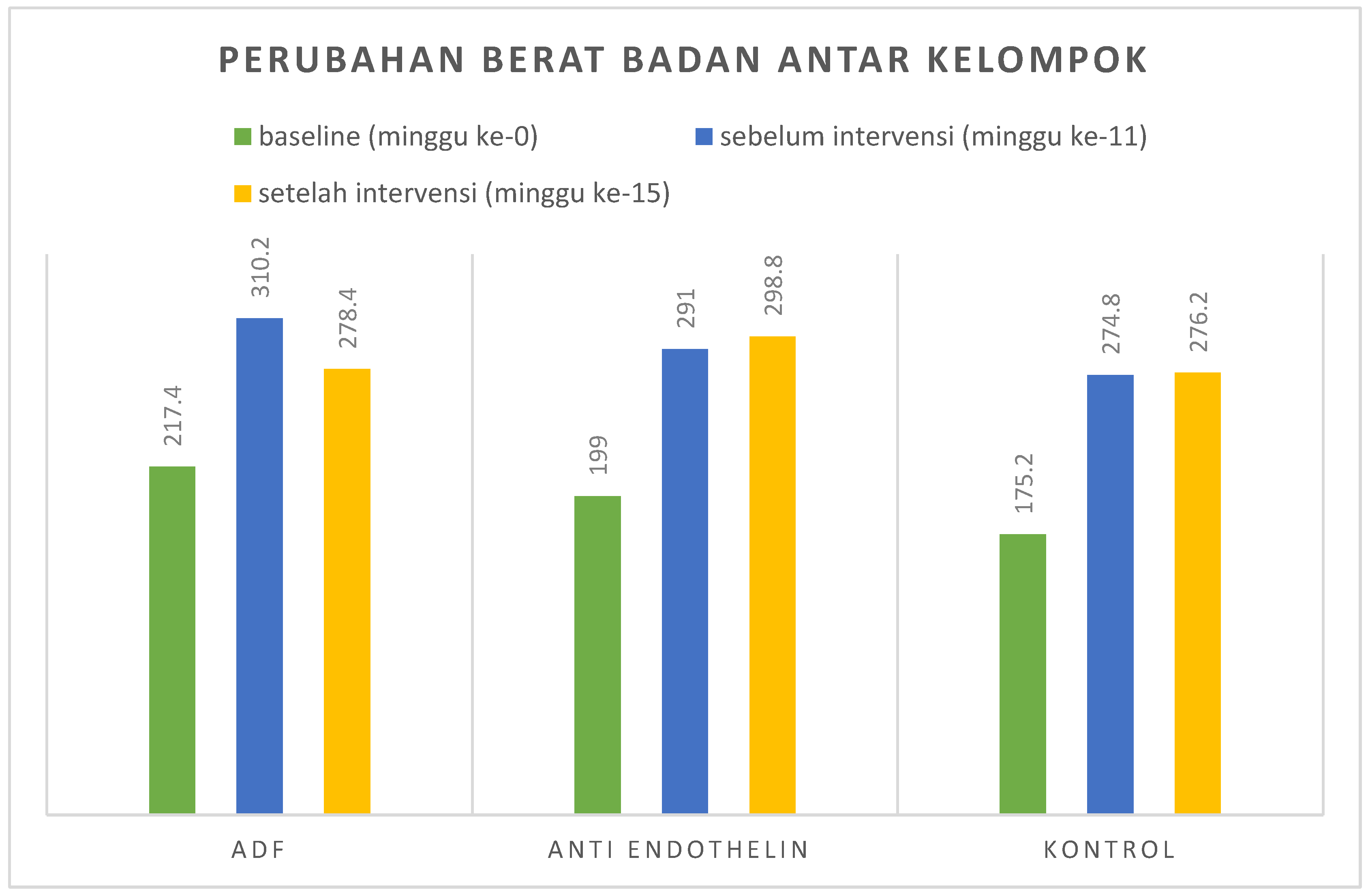
Table 2. Changes in Average Weight Between Groups.
Groups Baseline (0th mg) Before intervention (11th mg) After the intervention (15th mg) p-value1 p-value2
ADF (g) 217.40 ± 8.44 310.20 ± 24.61 278.40 ± 23.38 <0.004 <0.001
Anti-endothelin (g) 199.00 ± 5.83 291.00 ± 23.03 298.80 ± 35.66 <0,000 0,138
Control (g) 175.20 ± 4.81 274.80 ± 18.97 276.20 ± 24.30 <0.001 0,331
Description: P1 values were obtained from the Paired Sample T-Test between week 0 and week 11. P2 values were obtained from the Paired Sample T-Test between week 11 and week 15.
Figure 1. Graph of Average Change in Weight Between Groups.
Preprints 211370 g001
This table presents a comparison of mean body weight among the groups (ADF, anti-endothelin, and control) at several time points: baseline (week 0), pre-obesity (week 3), pre-intervention (week 11), and post-intervention (week 15). By week 11 (pre-intervention), the ADF group showed a significant increase in body weight. Following the intervention (week 15), the body weight in the ADF group decreased, whereas the anti-endothelin and control groups showed an increase; however, these changes were not statistically significant.
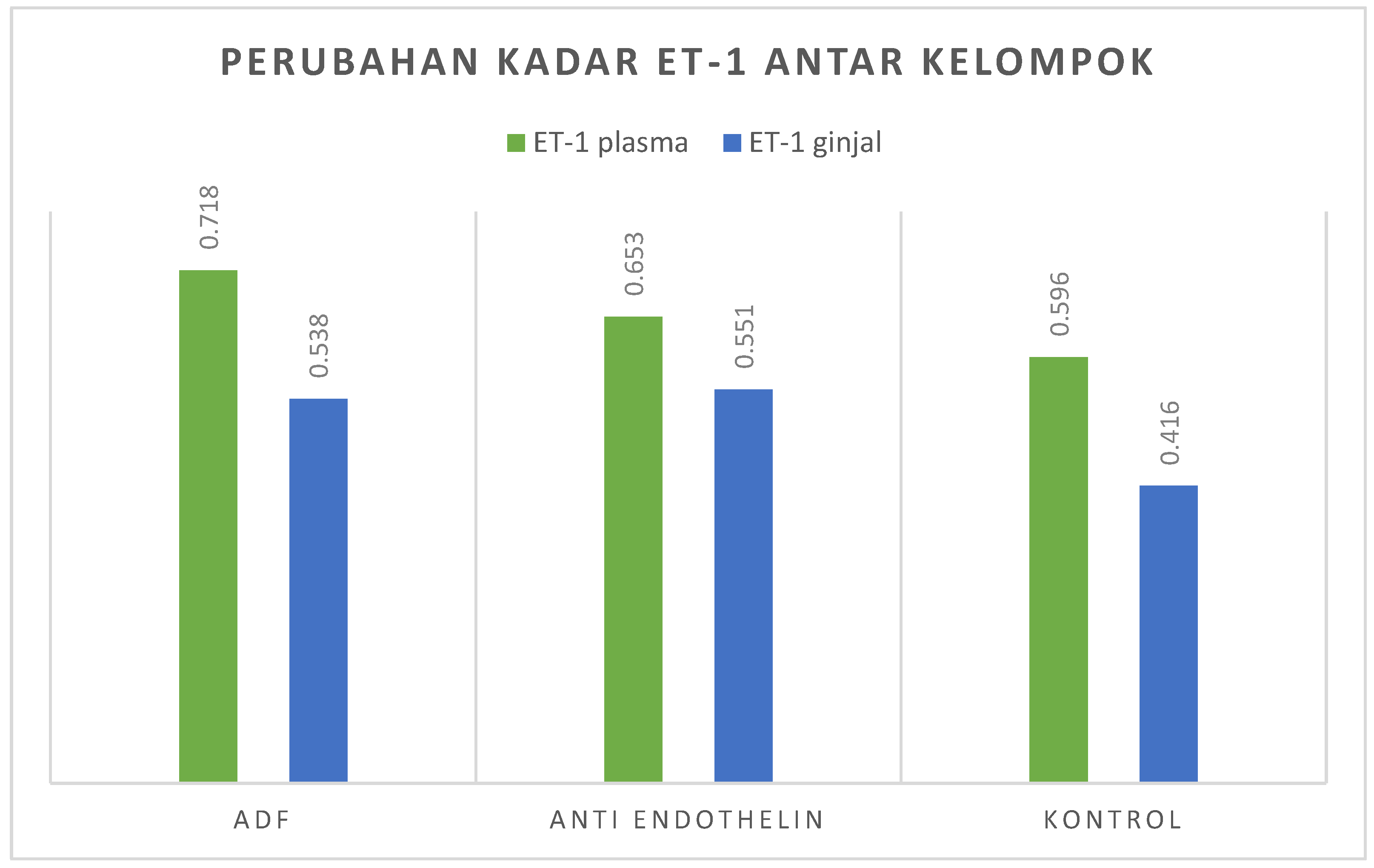
Table 3. Plasma and Kidney Endothelin-1 Levels Between Groups After Intervention.
Parameters Groups Red ± SD Median p-value
ET-1 Plasma (pmol/L) ADF 0.718 ± 0.171 0,649 0,566*
Anti-endothelin 0.653 ± 0.093 0,626
Controls 0.596 ± 0.058 0,609
ET-1 Kidney (pmol/L) ADF 0.538 ± 0.042 0,525 <0.001**
Anti-endothelin 0.551 ± 0.035 0,548
Controls 0.416 ± 0.028 0,406
Description: * Kruskal–Wallis test, ** One-Way ANOVA test.
Figure 1. Plasma and Kidney Endothelin-1 Levels Graph Intergroup After Intervention.
Preprints 211370 g002
This table presents a comparison of plasma and renal endothelin-1 (ET-1) levels among the ADF, anti-endothelin, and control groups after the intervention. The Kruskal–Wallis test for plasma ET-1 yielded a p-value of 0.566 (> 0.05), indicating no significant differences among the groups for this parameter. In contrast, the one-way ANOVA for renal ET-1 showed a p-value of < 0.001, indicating a significant difference among the groups, with the control group exhibiting lower renal ET-1 levels than the ADF and anti-endothelin groups.
These results were further analyzed using a Bonferroni post hoc test. For plasma ET-1, comparisons between the ADF and anti-endothelin groups, the ADF and control groups, and the anti-endothelin and control groups all showed no significant differences (p > 0.05). For renal ET-1, the comparison between the ADF and anti-endothelin groups also showed no significant difference (p > 0.05). However, comparisons between the ADF and control groups and between the anti-endothelin and control groups showed significant differences (p < 0.001).

4. Discussion

4.1. Analysis of the Effect of Alternate-Day Fasting on Plasma and Renal Endothelin-1 Levels in Male Wistar Rats Induced by a High-Calorie Diet

The application of alternate-day fasting (ADF) in male Wistar rats induced by a high-calorie diet showed a clear effect on changes in the physiological condition of the experimental animals during the intervention period. This study used rats of the same age and sex to ensure that observed differences more accurately reflected the effects of the treatment. Body weight and Lee index data showed notable changes after the four-week intervention. The ADF group experienced significant weight loss after an initial increase during the high-calorie diet induction phase. This finding indicates that intermittent energy restriction has a substantial impact on the rats’ energy balance. The decrease in the Lee index further supports an improvement in weight status. These results suggest that ADF directly influences weight regulation in high-calorie diet–induced rats and provide an important basis for understanding its effects on endothelin-1 levels.
Weight changes in the ADF group were associated with the body’s metabolic response to intermittent feeding patterns. Rats in the ADF group underwent fasting phases that promoted the utilization of stored energy reserves, particularly fat, as the primary energy source. This process reduced fat accumulation that had previously increased due to the high-calorie diet. Overweight conditions are known to be associated with increased vascular stress, which can stimulate endothelin-1 production as a vasoconstrictor. Therefore, improvements in weight status through ADF may indirectly affect vascular function. This mechanism explains the relevance of weight changes in relation to endothelin-1 levels.
The results of plasma endothelin-1 measurements showed no significant differences among the groups after the intervention. Although the ADF group exhibited slightly higher plasma endothelin-1 levels compared to the control group, statistical analysis indicated that this difference was not significant. These findings suggest that ADF did not significantly reduce plasma endothelin-1 levels within the duration of the intervention. Plasma endothelin-1 reflects systemic physiological conditions, which may require a longer time to demonstrate measurable changes. Therefore, the effect of ADF on plasma endothelin-1 appears limited within the timeframe of this study, highlighting the importance of evaluating local effects in specific organs such as the kidneys.
In contrast, different results were observed in renal endothelin-1 levels after the intervention. Both the ADF and anti-endothelin groups showed higher renal endothelin-1 levels compared to the control group, with statistically significant differences. These findings suggest that overweight conditions, even with intervention, continue to affect renal function. The kidneys play a crucial role in regulating blood pressure and fluid balance, and endothelin-1 acts as a local regulator of renal blood flow. The elevated renal endothelin-1 levels in the ADF group indicate that improvements in body weight have not yet fully normalized kidney function. These results reflect the kidneys’ adaptive response to dietary and metabolic changes.
Post hoc analysis showed that significant differences in renal endothelin-1 levels occurred between the ADF and control groups, while no significant difference was observed between the ADF and anti-endothelin groups. This finding suggests that ADF and endothelin antagonist administration exert similar effects on renal endothelin-1 levels. Despite weight loss, the kidneys of rats induced by a high-calorie diet continued to exhibit elevated endothelin-1 activity. These results indicate that the recovery of renal function may require a longer time than changes in body weight. The effects of ADF appear more rapid on physical parameters than on renal biochemical parameters. Overall, these findings suggest that ADF is effective in reducing body weight but has not yet optimally decreased renal endothelin-1 levels. Thus, ADF may serve as an early intervention strategy in overweight management.
These findings are consistent with previous studies. Hamdani and Fahlevi [24] reported that alternate-day fasting (ADF) in a type 2 diabetic rat model improved endothelial function through increased circulating adiponectin, although it was not always accompanied by significant weight loss. Similarly, this study observed improvements in weight status without a significant reduction in plasma endothelin-1 levels. Princess [25] reported that ADF in overweight middle-aged female rats resulted in significant weight loss and changes in body composition; however, its metabolic effects varied depending on the duration of the intervention, which aligns with the elevated renal endothelin-1 levels observed despite weight reduction.
Furthermore, Mesang [26], who specifically examined the effects of ADF on weight loss and renal endothelin-1 levels in male Wistar rats induced by a high-calorie diet, reported similar findings in which ADF effectively reduced body weight but had differential effects on renal and plasma endothelin-1 levels. Suparto [27] demonstrated that ADF differentially influenced body composition and metabolic responses in overweight male rats, where weight loss occurred relatively rapidly, while organ adaptation, including renal function, required a longer period. Stuttgart [28] also described the role of endothelin-1 in the pathophysiology of overweight, noting that this condition increases ET-1 levels in tissues such as the kidneys, even though dietary interventions like ADF may gradually improve systemic parameters.

4.2. Analysis of the Effect of Anti-Endothelin Administration on Plasma and Renal Endothelin-1 Levels in Male Wistar Rats Induced by a High-Calorie Diet

Anti-endothelin administration in male Wistar rats induced by a high-calorie diet showed observable effects on several physiological parameters. The rats in this group had similar baseline conditions to those in the other groups prior to intervention. However, anti-endothelin treatment did not produce significant changes in body weight during the intervention period. Body weight data indicated a continued increase until the end of the study, and the non-significant p-value suggests that anti-endothelin drugs do not directly promote weight loss. This finding indicates that anti-endothelin primarily targets the vascular system rather than body weight regulation. These results provide a basis for examining its direct effects on endothelin-1 levels.
Plasma endothelin-1 levels showed no significant differences among the groups. Although the anti-endothelin group exhibited slightly lower plasma endothelin-1 levels than the ADF group, this difference was not statistically significant. These findings indicate that anti-endothelin administration did not significantly reduce plasma endothelin-1 levels within the study period. Plasma endothelin-1 reflects systemic physiological conditions, which may require a longer duration to demonstrate measurable changes. Therefore, the effect of anti-endothelin appears to be more localized than systemic.
In contrast, renal endothelin-1 levels showed different results following anti-endothelin administration. The anti-endothelin group exhibited significantly higher renal endothelin-1 levels compared to the control group. This suggests that the kidneys of rats induced by a high-calorie diet remained under functional stress despite drug administration. The kidneys play a crucial role in regulating blood flow and blood pressure, and endothelin-1 functions as a local vasoconstrictor within renal tissue. The persistently elevated renal endothelin-1 levels indicate ongoing renal adaptation to overweight conditions.
Further comparisons showed that renal endothelin-1 levels in the anti-endothelin group were not significantly different from those in the ADF group but were significantly higher than those in the control group. These findings suggest that overweight conditions have a substantial impact on renal function, and anti-endothelin administration has not yet normalized renal endothelin-1 levels. Renal recovery appears to require a longer duration than changes in body weight. The effects of anti-endothelin are more evident in vascular mechanisms than in reducing endothelin-1 levels, highlighting the differing responses between renal and systemic parameters.
Overall, the results showed that anti-endothelin therapy had a limited effect on reducing plasma endothelin-1 levels. This treatment did not demonstrate the ability to reduce renal endothelin-1 levels to those comparable with healthy conditions. Rats induced by a high-calorie diet continued to exhibit elevated renal endothelin-1 activity, indicating that excess body weight imposes a long-term burden on renal function. Anti-endothelin administration appears to act more as an inhibitor of endothelin activity rather than reducing its concentration. This mechanism explains why renal endothelin-1 levels remained high despite treatment. These findings suggest that anti-endothelin therapy requires a more comprehensive approach.
These findings are consistent with previous studies. Study [29] reported that endothelin receptor antagonists, such as atrasentan and bosentan, in overweight animal models did not significantly reduce systemic plasma ET-1 levels but improved insulin resistance and reduced adipose tissue inflammation, despite persistently elevated local ET-1 levels. Study [30] found that endothelin receptor antagonists, such as atrasentan, in models of kidney injury provided local renoprotective effects; however, renal ET-1 levels remained elevated due to ongoing vascular adaptation and fibrosis despite receptor blockade.
Hegner [31] reported that selective ETA receptor antagonists in models of overweight-related chronic kidney disease did not rapidly normalize renal ET-1 levels, with more pronounced effects on inhibiting ET-1 activity rather than reducing its concentration, consistent with the renal adaptive response observed in high-calorie diet–induced Wistar rats. Civieri [32] observed increased expression of ET-1 and ETA/ETB receptors in the kidneys of overweight adult Wistar rats, where anti-endothelin interventions failed to significantly reduce levels due to prolonged renal vascular dysregulation. Similarly, Dubey [33] reported persistently high endothelin-1 levels in urine and kidney tissue of overweight aged rats despite treatment with endothelin modulators, confirming that excess body weight exerts a long-term burden on renal function that is not fully resolved within a short intervention period.

5. Conclusions

This study demonstrated that the application of alternate-day fasting (ADF) and anti-endothelin administration produced different effects on plasma and renal endothelin-1 levels in male Wistar rats induced by a high-calorie diet. Alternate-day fasting was effective in promoting weight loss, as indicated by a significant reduction in the Lee index; however, it did not significantly reduce plasma endothelin-1 levels and failed to normalize renal endothelin-1 levels, which remained higher than those of the control group. Anti-endothelin administration did not result in significant weight loss nor did it significantly reduce plasma endothelin-1 levels. Renal endothelin-1 levels in the anti-endothelin group remained elevated compared to the control group and were not significantly different from those in the ADF group. These findings suggest that overweight conditions have a strong impact on endothelin-1 elevation, particularly in the kidneys, and that neither ADF nor anti-endothelin therapy was able to fully normalize renal endothelin-1 levels within the duration of the intervention.
Further studies are recommended to employ longer intervention periods to better observe changes in plasma and renal endothelin-1 levels. Combining alternate-day fasting with pharmacological interventions or optimizing anti-endothelin dosing strategies should be considered to achieve more effective renal outcomes. Additionally, the inclusion of further parameters related to renal and vascular function is recommended to better understand the mechanisms underlying endothelin-1 regulation. Future research should also consider varying stages of overweight and obesity to evaluate intervention responses across different severity levels.

Supplementary Materials

No supplementary materials are associated with this study. All relevant data, including experimental procedures, statistical analyses, and results, have been fully presented within the main manuscript to ensure transparency and reproducibility of the findings.

Author Contributions

Conceptualization, N.R.A.D.; methodology, N.R.A.D. and I.I.; formal analysis, N.R.A.D.; investigation, N.R.A.D., A.A., and A.; data curation, N.R.A.D.; writing—original draft preparation, N.R.A.D.; writing—review and editing, I.I., A.A., A., and A.S.Y.; supervision, I.I. and A.A.; validation, A. and A.S.Y. All authors have read and agreed to the published version of the manuscript.

Funding

This research received no external funding. All research activities, including experimental procedures, laboratory analyses, and data processing, were conducted independently without financial support from funding agencies in the public, commercial, or not-for-profit sectors.

Institutional Review Board Statement

This study was conducted in accordance with the ethical principles of animal research and was approved by the Institutional Animal Care and Use Committee (IACUC) or equivalent ethical review board at Hasanuddin University. All experimental procedures involving male Wistar rats were carried out under controlled laboratory conditions to ensure animal welfare and minimize suffering.

Data Availability Statement

The data presented in this study are available from the corresponding author upon reasonable request. Data are not publicly available due to ethical considerations and institutional regulations regarding experimental animal research.

Acknowledgments

The authors would like to express their sincere gratitude to the Faculty of Medicine and the Graduate School of Hasanuddin University for providing facilities and support for this research. Special thanks are also extended to the laboratory staff for their technical assistance during the experimental procedures and biochemical analyses.

Conflicts of Interest

The authors declare no conflict of interest. The authors have no financial or personal relationships that could have influenced the work reported in this study.

Abbreviations

The following abbreviations are used in this manuscript:
ADF : Alternate-Day Fasting
ET-1 : Endothelin-1
ELISA : Enzyme-Linked Immunosorbent Assay
SPSS : Statistical Package for the Social Sciences
ANOVA : Analysis of Variance
IACUC : Institutional Animal Care and Use Committee

References

  1. Thahir, A.I.A.; Masnar, A. Child and Adolescent Obesity: Risk Factors, Prevention, and Current Issues. Edugizi Pratama Indonesia. 2021. [Google Scholar]
  2. Sekeon, S.A.S.; Mantjoro, E.M.; Ked, S. Epidemiology of Non-Communicable Diseases. Deepublish. 2023. [Google Scholar]
  3. Linda, L.; Mangun, M.; Suryani, L.; Tondong, H.I.; Judijanto, L.; Asriwidyayanti, A.; et al. Public Health Sciences. PT. Sonpedia Publishing Indonesia. 2025. [Google Scholar]
  4. Sudargo, T.; Freitag, H.; Kusmayanti, N.A.; Rosiyani, F. Diet and obesity; UGM Press, 2018. [Google Scholar]
  5. Ramadhani, I.C.; Djamaluddin, S. The effect of finished and processed consumption on obesity in Indonesia. J. Bus. Econ. Inform. [Internet] 2024, 6[4], 861–7. [Google Scholar] [CrossRef]
  6. Aulia, N.; Nufus, P.Z.; Prameswari, R.A.; Puspikawati, S.I. Literature review: Factors that cause double nutritional burden in different age groups in urbanized areas. Calvaria Med. J. [Internet] 2025, 3[1], 84–94. [Google Scholar] [CrossRef]
  7. Kurniati, Y.; Jafar, N.; Indriasari, R. Behavior and nutrition education in obese adolescents. Guepedia 2020. [Google Scholar]
  8. Somantri, N.U.W.; Perdana, F.; Gz, S. Nutrition & Coastal and Archipelago Public Health; Takaza Innovatix Labs, 2025. [Google Scholar]
  9. Agus, R.P. Mechanisms of Insulin Resistance Related to Obesity. Sandi Husada Health Sci. J. [Internet] 2019, 8[2], 354–8. [Google Scholar] [CrossRef]
  10. Andini, M.; Budirman, B.; Hasanah, B.U. Predisposing Factors, Subgroup Classification, Biomarkers and Mechanisms for Obesity Prevention: A Review of the Literature. Health Media Makassar Health Polytech. [Internet] 2025, 20(1), 88–96. [Google Scholar] [CrossRef]
  11. Suparman, D.D.N. Perspective Review: Vitamin D Supplementation and Blood Pressure Control in Obese Children: Exploring the Role of Endothelin-1. J. Clin. Sci. Prev. Med. [Internet] 2025, 1(1), 65–76. [Google Scholar] [CrossRef]
  12. Ardiana, M. Flow-Mediated Dilatation (FMD)-Markers of Cardiovascular Risk in Cardiometabolic Syndrome; Princeton University Press, 2025. [Google Scholar]
  13. Nurman, Z.; ST, S.; Rajab, A.A.; Gz, S.T.; Gz, M.; Pebriani, R.; et al. Textbook: Dietetics of Non-Communicable Diseases. optimal for the country. 2025. [Google Scholar]
  14. Rose, S.; Noer, E.R.; Muniroh, M.; Kartini, A. Literature Review: Energy restriction for increased longevity. Alternative management of metabolic obesity. AcTion Aceh Nutr. J. [Internet] 2023, 8(1), 139–50. [Google Scholar] [CrossRef]
  15. Fairuz, R.A.; Absari, N.W.; Utami, R.F.; Djunet, N.A. The Effect of Intermittent Fasting on Weight Loss, Metabolic Changes, and Muscle Mass. Healthy Tadulako J. [Internet] 2024, 10(1), 40–7. [Google Scholar] [CrossRef]
  16. Handajani, F. Intermittent Fasting (Fasting Is Molecularly Reviewed on the Metabolism of Body Health and the Aging Process). In Zifatama Jawara; 2025. [Google Scholar]
  17. Kaniawati, M.; Sulaeman, A.; Nurfazri, A.; Susilawati, E.; Auliyaa, M.; de Fatima Freitas, F.M. Effect of Ethanol Extract of Rosella Flower (Hibiscus sabdariffa L.) on Endothelial Inflammation and Dysfunction. JFIOnline| Print. ISSN 1412-1107| E-ISSN 2355-696X [Internet] 2024, 16(1), 1–7. [Google Scholar] [CrossRef]
  18. Rudang, S.N.; Rambe, R.E.; Annisa, S. Identification of Drug Related Problems in Chronic Kidney Disease Patients at Prof. dr. Chairuddin Panusunan Lubis Hospital in 2023. Indones. J. Pharm. Clin. Res. [Internet] 2024, 7(1), 34–45. [Google Scholar] [CrossRef]
  19. Dakhi, R.A. Public health administration research methods. Cv. Sarnu Untung. 2022. [Google Scholar]
  20. Setyawati, N.F.; Yuliawuri, H.; Raudah, S.; Pristina, N.; Kaisar, M.M.M.; Sucipto, A.; et al. Health Research Methodology; Cv. Eureka Media Script, 2023. [Google Scholar]
  21. Ahmad, E.H.; Makkasau; Latifah, A.; Eppang, M.; Buraerah, S.; Syatriani, S.; et al. Health Research Methodology; Rizmedia Pustaka Indonesia, 2023. [Google Scholar]
  22. Wulandari, R.D.; KM, S.; Wahyanto, T.; Kom, S. Health management research methodology. Zifatama Jawara 2022. [Google Scholar]
  23. Wawan Kurniawan, S.K.M.; Aat Agustini, S.K.M. Health and Nursing Research Methodology; Lovrinz Publishing Books. LovRinz Publishing, 2021. [Google Scholar]
  24. Hamdani, R.; Fahlevi, I. The Effect of Intermittent Fasting on Cardiovascular Health. Sci. J. [Internet] 2025, 4(3), 181–92. [Google Scholar] [CrossRef]
  25. Putri, C.A.; Pradana, D.A.; Susanto, Q. Effect of standardized ethanolic extract of red spinach leaves (Amaranthus tricolor L.) on body mass index and blood glucose levels in sprague dawley rats fed a high-fat diet as an effort to prevent obesity. Pharm. Pharm. J. Indones. [Internet] 2016, 13(2), 150–61. [Google Scholar] [CrossRef]
  26. Mesang, S.N.I.; Oematan, G.; Mullik, M.L.; Dato, T.O.D. Effect of Wheat Bran Fermentation Time on Crude Fiber Content, NDF and ADF. Anim. Agric. [Internet] 2024, 2(2), 637–48. [Google Scholar] [CrossRef]
  27. Suparto, D.A.H. The Effect of Feeding Patterns on Feed Consumption, Ndf and Adf Digestibility, Milk Production and Composition in Lactating Dairy Cows. Equilib. Point J. Manag. Bus. [Internet] 2018, 1(1). [Google Scholar] [CrossRef]
  28. Purnamasari, A. Comparison of Endothelin 1 Levels as an Indicator of Vascular Dysfunction in Obese and Non-Obese Wistar Rats. J. Biotech. [Internet] 2018, 6(1), 26–31. [Google Scholar] [CrossRef]
  29. Di Vincenzo, A.; Granzotto, M.; Trevellin, E.; Purificati, C.; Vecchiato, M.; Foletto, M.; et al. Bariatric surgery modulates plasma levels of antibodies against angiotensin II type 1 and endothelin 1 type A receptor in severe obesity. J. Endocrinol. Investig. [Internet] 2025, 48(1), 191–9. [Google Scholar] [CrossRef] [PubMed]
  30. Empitu, M.A.; Rinastiti, P.; Kadariswantiningsih, I.N. Targeting endothelin signaling in podocyte injury and diabetic nephropathy-diabetic kidney disease. J. Nephrol. [Internet] 2025, 38(1), 49–60. [Google Scholar] [CrossRef]
  31. Hegner, B.; Callaghan, J.; Schindler, R.; Heidecke, H.; Riemekasten, G.; Philippe, A.; et al. Intensive receptor blockade and plasma exchange to treat refractory scleroderma renal crisis in patients with agonistic autoantibodies targeting the angiotensin II type 1 and endothelin-1 type A receptors. J. Scleroderma Relat. Disord. [Internet] 2024, 9(1), NP1–6. [Google Scholar] [CrossRef]
  32. Civieri, G.; Iop, L.; Tona, F. Antibodies against angiotensin II type 1 and endothelin 1 type A receptors in cardiovascular pathologies. Int. J. Mol. Sci. [Internet] 2022, 23(2), 927–40. [Google Scholar] [CrossRef]
  33. Dubey, N.; Verma, A.; Goyal, A.; Vishwakarma, V.; Bhatiya, J.; Arya, D.S.; et al. The role of endothelin and its receptors in cardiomyopathy: From molecular mechanisms to therapeutic insights. Pathol.-Res. Pract. [Internet] 2025, 269(5), 155932–40. [Google Scholar] [CrossRef] [PubMed]
Disclaimer/Publisher’s Note: The statements, opinions and data contained in all publications are solely those of the individual author(s) and contributor(s) and not of MDPI and/or the editor(s). MDPI and/or the editor(s) disclaim responsibility for any injury to people or property resulting from any ideas, methods, instructions or products referred to in the content.
Copyright: This open access article is published under a Creative Commons CC BY 4.0 license, which permit the free download, distribution, and reuse, provided that the author and preprint are cited in any reuse.
Prerpints.org logo

Preprints.org is a free preprint server supported by MDPI in Basel, Switzerland.

Subscribe

Disclaimer

Terms of Use

Privacy Policy

Privacy Settings

© 2026 MDPI (Basel, Switzerland) unless otherwise stated