

Submitted:
02 May 2026
Posted:
05 May 2026
You are already at the latest version
Abstract
Background/Objectives: Understanding glutathione (GSH) is essential for maintaining health, preventing diseases, and optimizing bodily functions. This article discusses the benefits of GSH for the body based on the latest scientific research. Results: All studies show that GSH is a powerful antioxidant that plays a crucial role in maintaining various physiological processes in the body. It offers several benefits, primarily through its antioxidant properties and involvement in detoxification and immune regulation. This effect has potential implications for various health conditions associated with oxidative stress and inflammation, including neurodegenerative diseases, cardiovascular diseases, and metabolic disorders. Whether through diet or supplementation, ensuring adequate GSH levels can have profound benefits on longevity, immunity, and overall well-being. There are many foods known to contain GSH, and there are also many GSH supplements available on the market, but precursor‑based supplements and compounds that activate GSH synthesis pathways show stronger and more consistent increases in human GSH than eating GSH‑containing foods or supplements. A diet rich in protein (for amino acids) and phytochemical‑dense plants can support this, while targeted precursors (e.g., glycine, γ‑glutamylcysteine) and Nrf2‑activating foods or agents provide the most robust increases shown so far. Such supplementation can be beneficial, and it is most effective when combined with a diet rich in sulfur-containing foods and other nutrients that support GSH synthesis.
Keywords:
glutathione
; antioxidant
; detoxification
; anti-aging
1. Introduction
Glutathione (GSH) is an important substance that is naturally produced in our bodies. However, due to lifestyle and other factors, GSH levels decrease with age, weakening the body's protection against oxidative stress, toxins, and viruses. The structure of GSH is well known and it determines its specific properties. Its chemical formula is C10H17N3O6S. GSH is a tripeptide composed of three amino acids: glutamic acid, cysteine, and glycine (γ Glu-Cys-Gly) [1]. The structure of GSH is characterised by a thioether bond between the cysteine and glutamic acid residues, which gives it its special properties. The cysteine thiol (–SH) provide reducing power and radical scavenging ability; its oxidation to disulfide (GSSG) underlies the GSH/GSSG redox couple central to cellular redox homeostasis ) [1,2,3]. The thiol’s nucleophilicity enables conjugation to electrophilic toxins and drug metabolites, either spontaneously or via glutathione S transferases [2,4]. Carboxyl and amino groups across glutamate and glycine provide metal binding and electrophile binding sites, supporting metal detoxification, phytochelatin synthesis in plants, and drug metabolite trapping [4,5]. GSH’s activity is not due to the thiol alone: the γ linked tripeptide scaffold and multiple coordinating groups make it stable, abundant, enzyme recognizable, and highly reactive in the right way, enabling its central roles in redox control, detoxification, and signaling across organisms [5].
GSH is synthesized in the body through a two-step enzymatic process that occurs in the cytosol of cells. This synthesis is essential for maintaining cellular redox balance and detoxification. The initial step in GSH synthesis is catalyzed by the enzyme glutamate-cysteine ligase (Figure 1). This rate-limiting step involves the combination of glutamate and cysteine to form γ-glutamylcysteine [6]. This process requires energy in the form of ATP [7,8]. The second step – formation of GSH is catalyzed by glutathione synthetase, which combines γ-glutamylcysteine with glycine to produce GSH. This step also requires ATP [7,8].
The synthesis of GSH is tightly regulated, with the availability of cysteine often being a limiting factor, hence, a shortage of cysteine can lead to reduced GSH production [8]. The second factor – enzyme regulation: the expression and activity of the enzymes involved in GSH synthesis can be influenced by various physiological and pathological conditions, which can impair GSH homeostasis [7,9]. Hence GSH synthesis is a critical biochemical process involving two ATP-dependent enzymatic steps understanding these mechanisms is important for addressing conditions that affect GSH levels, such as liver diseases and oxidative stress. The liver plays a central role in GSH synthesis and distribution to other organs [7,10]. GSH is synthesized in the cytosol but needs to be transported to various organelles and tissues and the liver is particularly important in maintaining systemic GSH levels through interorgan transport [10,11].
Recently, there have been quite a few GSH supplements from various manufacturers on the market. They are mostly intended for adults and are touted for their anti-aging properties. However, there is a lack of knowledge in society about whether these supplements are effective, whether supplements work better, or whether it would be better to obtain GSH through a specific diet.
The aim of this article – to assess the benefits of GSH for the body based on the latest scientific research. It is also important to answer the questions: Can a proper diet ensure the necessary amount of GSH in the body? Can we run out of it? Or maybe it is worth taking GSH supplements?
2. Materials and Methods
For the literature review, articles were searched in the Tailor & Francis and PubMed databases, as well as in Google Scholar, a specialized information retrieval system, published no earlier than 2015 year, using the keywords "glutathione" + "benefits", "amount in food", 366 scientific articles in English were found and reviewed, 97 articles were used for analysis after the review. In addition, several previously published articles on sources of GSH in food have been included. The sources were analyzed using descriptive analysis.
3. Results and Discussion
3.1. Benefits of Glutathione for the Body and Role in Disease Prevention
It is well known GSH to be one of the most powerful antioxidants but GSH has a wide range of health benefits. GSH is involved in detoxifying reactive oxygen species (ROS) and xenobiotics, maintaining redox homeostasis, regulating cell growth and apoptosis [7,10,12]. It is also crucial in the brain for protecting against oxidative stress and is implicated in neurodegenerative diseases [13,14]. Based on the latest scientific evidence the potential benefits of GSH to the body can be categorised into several areas which are represented graphically in Figure 2.
3.1.1. Antioxidant Defense
GSH is involved in detoxifying reactive oxygen species (ROS), which include peroxides and superoxides, thereby protecting biological membranes from lipid peroxidation and maintaining cellular homeostasis [10,15]. GSH is also essential for neutralizing reactive nitrogen species (RNS), thereby reducing oxidative stress and protecting cells from damage [3,12,16]. In specific therapeutic contexts, such as tumor treatments, GSH depletion is used to enhance the accumulation of alkyl radicals, which are otherwise neutralized by GSH [17]. The sulfhydryl (thiol) groups in GSH are critical for its role in neutralizing free radicals and reducing peroxides, contributing to detoxification and cellular signaling processes. GSH works in conjunction with enzymes like glutathione peroxidase and glutathione S-transferase to enhance its antioxidant capacity and facilitate the detoxification process [18].
3.1.2. Detoxification
GSH is involved in detoxifying xenobiotics and heavy metals, protecting the body from this harmful substances [19]. GSH acts as a nucleophilic scavenger, neutralizing electrophilic centers in various xenobiotics, thus preventing cellular damage. GSH detoxifies various xenobiotics and their metabolites, including drugs, pollutants, and carcinogens, by neutralizing electrophilic compounds that can form harmful adducts with cellular macromolecules [10,20]. GSH also helps neutralize oxidative stress induced by mycotoxins such as T-2 toxin, deoxynivalenol, and fumonisin B1, which are commonly found in feed commodities [21]. Another redox toxin Pyocyanin produced by Pseudomonas aeruginosa could be detoxified by GSH, which forms a non-toxic conjugate with pyocyanin, reducing its cytotoxicity [22]. GSH is involved in the detoxification of polycyclic aromatic hydrocarbons like phenanthrene and benzo[b]fluoranthene. These compounds increase ROS production, and GSH levels are upregulated to protect against oxidative damage. The GSH system helps modulate the toxicity of these substances through mechanisms like protein-S-glutathionylation [23]. Although GSH weakly binds to heavy metals, like lead (Pb), it plays a role in detoxifying these metals too. The detoxification capabilities of GSH can be enhanced by modifications such as thiolation and carboxylation, which improve its ability to bind and neutralize metals [24].
3.1.3. Immune System Regulation
GSH plays a role in regulating the immune system, which can help in maintaining overall health and potentially in preventing age-related diseases [12,25]. GSH regulates the immune system by maintaining redox homeostasis, modulating immune cell functions, and influencing inflammatory responses [26]. GSH is essential for the function of regulatory T Cells (Tregs), which maintain immune homeostasis and prevent autoimmunity. GSH restricts serine metabolism, preserving T Cells functionality and suppressive capacity, which is crucial for preventing autoimmune diseases and regulating anti-tumor responses [27,28]. GSH influences the activation of the some inflammasome, a component involved in immune and inflammatory responses. GSH metabolism contributes to the induction of trained immunity, characterized by enhanced responses to secondary challenges. It modulates pro-inflammatory cytokine production in monocytes, indicating its role in immune memory and response [29].
As a major antioxidant, GSH prevents oxidative damage in immune cells, such as macrophages and T cells, by stabilizing redox activity and modulating cytokine profiles. This is particularly important in infections like tuberculosis, where GSH enhances immune responses [30]. GSH affects immune responses associated with fever by modulating oxidative stress. It can reduce or inhibit fever, indicating its role in managing immune reactions during infections [31]. Hence GSH is integral to immune system regulation through its roles in maintaining redox balance, modulating immune cell functions, and influencing inflammatory pathways. Its involvement in Treg functionality, inflammasome activation, and trained immunity underscores its importance in both innate and adaptive immune responses. Therefore, these functions make GSH a potential target for therapeutic strategies in managing immune-related diseases and altered GSH levels are linked to various pathologies, including autoimmune disorders, highlighting its regulatory role in inflammation [32].
3.1.4. Mitochondrial Protection
GSH supports mitochondrial metabolism, which is crucial for energy production and reducing oxidative damage in cells [3,19]. GSH is vital for mitochondrial protection by maintaining redox balance, regulating mitochondrial dynamics, and preventing oxidative stress. Its import and homeostasis are tightly regulated to ensure effective defense against cellular damage. These protective roles are crucial for preventing mitochondrial dysfunction and associated diseases. GSH plays a crucial role in maintaining mitochondrial function by acting as a key antioxidant that helps regulate oxidative stress and redox balance within the mitochondria, thereby preventing oxidative damage and maintaining cellular health. It metabolizes hydrogen peroxide and other ROS, reducing oxidative stress and preventing mitochondrial dysfunction [33,34].
Stimulation of GSH synthesis has been shown to improve mitochondrial efficiency by increasing mitochondrial membrane potential and reducing oxygen consumption. This results in decreased ROS production and improved respiratory chain efficacy, particularly in aging models [35,36]. GSH maintains the redox balance within mitochondria, which is crucial for preventing cell dysfunction and death. In this way an imbalance in mitochondrial ROS and GSH levels can lead to cell apoptosis and necroptosis, contributing to various diseases [33,34].
GSH is involved in the biosynthesis and export of iron-sulfur clusters, which are vital for mitochondrial function and cellular iron metabolism [37]. GSH reduces oxidative stress markers and prevents the opening of the mitochondrial permeability transition pore, which is crucial for protecting against ischemia/reperfusion injury and other oxidative stress-related damages [36,38,39]. Mitochondria have feedback mechanisms to regulate GSH levels, ensuring adequate protection against oxidative stress. This involves the regulation of transport proteins and their interaction with mitochondrial proteases [5,40]. It plays a role in energy metabolism, ROS production, and apoptosis [41].
3.1.5. Chronic Disease Prevention
It has been proven by research that low levels of GSH are associated with chronic conditions such as cardiovascular, renal, and neurodegenerative diseases. Supplementation may improve outcomes in these conditions [19,42]. Research indicates that GSH may play a role in improving insulin sensitivity, which is crucial for preventing type 2 diabetes. Low levels of GSH have been associated with insulin resistance, highlighting its importance in metabolic health. Elevated oxidative stress is linked to insulin resistance; thus, maintaining adequate GSH levels can help mitigate oxidative damage to insulin signaling pathways, enhancing insulin sensitivity. Some studies have shown that increasing GSH levels may improve insulin sensitivity and prevent diet-induced obesity [43]. By reducing oxidative stress, GSH aids in preserving the integrity of the insulin signaling cascade. This includes the activation of key proteins involved in glucose uptake, such as the insulin receptor substrate and protein kinase B, which are essential for effective insulin action [44,45]. Additionally, compounds that boost GSH levels or mimic its action have been explored as potential therapeutic strategies for improving metabolic health.
SGH serves as a critical antioxidant that protects against cancer by detoxifying harmful substances and maintaining redox balance. This protection is vital for preventing cellular damage that can lead to cancer development [46,47]. GSH conjugates with xenobiotics, including carcinogens, to form more water-soluble compounds that are easily excreted, reducing the likelihood of these substances causing cellular damage [48]. On the other hand, its elevated levels in cancer cells can promote tumor survival and drug resistance, presenting both challenges and opportunities for cancer therapy. Targeting GSH pathways may enhance the efficacy of existing treatments and overcome drug resistance. In this way GSH plays both protective and negative roles in cancer, as elevated GSH levels in cancer cells help maintain redox homeostasis, supporting cell survival and proliferation under oxidative stress conditions [49,50]. High GSH levels in tumor cells are associated with increased resistance to chemotherapy, as GSH can neutralize the ROS generated by anticancer drugs, reducing their efficacy [50,51]. GSH is involved in key cellular processes such as cell differentiation, proliferation, and apoptosis, which can contribute to tumor progression when dysregulated [50]. That is precisely why cancer therapy uses a reverse strategy to reduce GSH in cancer cells, which increases the efficacy of ROS-based therapies and chemotherapy by making cancer cells more sensitive to oxidative stress [49,51,52].
Some studies also suggest a positive correlation between GSH levels and vitamin D production in the body. Adequate GSH may enhance the expression of genes involved in positive vitamin D metabolism, which is linked to the reduction of various chronic diseases, including cardiovascular disease and diabetes [53]. In general, it can be stated that GSH acts as a powerful protector against oxidative stress, aids in detoxification processes, supports immune function, and contributes to metabolic health, and these functions collectively contribute to its role in preventing various chronic diseases.
3.1.6. Neuroprotection
The protective roles of GSH in the brain suggest potential therapeutic avenues for neurodegenerative diseases characterized by oxidative stress, such as Alzheimer's disease and Parkinson's disease. Increasing GSH levels or enhancing its activity could be beneficial strategies for neuroprotection. GSH is important for brain health, potentially offering protection against neurodegenerative diseases by enhancing mitochondrial function and reducing oxidative stress [3]. GSH is essential in detoxifying ROS and RNS, thereby preventing oxidative damage and inflammation in neuronal cells. This is particularly important in the brain, which is highly susceptible to oxidative stress due to its high oxygen consumption [13]. GSH is involved in regenerating other antioxidants, such as vitamins C and E, enhancing the brain's overall antioxidant capacity. GSH helps in maintaining mitochondrial function, regulating metal homeostasis, and supporting processes like autophagy and apoptosis, which are vital for neuronal survival and function. By supporting mitochondrial function, GSH helps ensure that neurons have adequate energy to perform their functions, which is crucial for maintaining cognitive processes [14]. GSH interacts with glutamate, a neurotransmitter that, in excess, can lead to excitotoxicity and neuronal death. Increased levels of GSH during glutamate-mediated neuronal activity help protect neurons by reducing oxidative stress associated with excitatory overdrive [54]. Therefore, GSH protects the brain primarily through its antioxidant properties, regulation of excitatory neurotransmitter activity, and support for mitochondrial function. These mechanisms collectively contribute to neuronal survival and cognitive health.
3.1.7. Skin Health and Anti-Aging
GSH has gained popularity for its skin-lightening effects. Oral administration of GSH has been shown to improve skin health and reduce signs of aging [55]. It affects the skin primarily through its anti-melanogenic properties, which help in reducing pigmentation and lightening skin tone. GSH inhibits the enzyme tyrosinase, which is crucial in melanin production, thereby reducing pigmentation and promoting skin lightening [56,57]. GSH shifts melanin synthesis towards producing lighter pheomelanin instead of darker eumelanin, contributing to its skin-lightening effect in this way [56]. GSH has been found also useful in treating various skin diseases like psoriasis, pemphigus vulgaris, acne vulgaris, and rosacea [58]. As an antioxidant, GSH helps protect the skin from oxidative stress, which can contribute to hyperpigmentation and other skin issues [57,58,59]. Another study [60] showed that GSH yielded other cosmetic benefits as it may improve skin elasticity and reduce skin wrinkles. Some studies suggest that GSH may support hair growth by promoting a healthy environment for hair follicles. Its role in reducing inflammation and supporting cellular health can be beneficial for maintaining strong and vibrant hair [61]. However, direct evidence linking GSH supplementation specifically to enhanced hair beauty is still limited.
In some articles and in the public domain, GSH is sometimes referred to as an anti-aging agent. Data collected to date suggest that GSH supports “healthy aging biology,” but there is a lack of evidence that it extends human lifespan. Most human data comes not from direct use of GSH tablets, but from GlyNAC (glycine + N-acetylcysteine), which increases intracellular GSH levels. In a 16-week RCT with older adults, GlyNAC corrected GSH deficiency, reduced oxidative stress, and improved mitochondrial function, inflammation, insulin resistance, endothelial function, and many "signs of aging, "as well as improved walking speed, strength, and 6-minute walk distance [62,63,64,65], leading to the conclusion that “GlyNAC reverses many age-related impairments, improving the health of aging individuals,” though lifespan was not assessed [62,65].
Thus, it has been proven that GSH improves markers of metabolic age. Recent scientific reviews refer to GSH as “an effective therapeutic agent for the treatment of age-related diseases” and highlight its proven links to lifespan in animals, but they emphasize that there is a lack of direct evidence that it extends life or slows aging in humans, and that long-term studies are needed [12,66,67].
3.2. The Role of Diet in Increasing GSH Levels
GSH levels in the body were previously thought to be independent of diet, but in 2015 it was found that certain foods can increase its levels [68]. Dietary GSH intake is linked to plasma GSH levels, but factors regulating plasma GSH concentration are complex and related to dietary GSH or precursor amino acids intake [68].
3.2.1. The Best Dietary Sources of GSH
GSH is found in various foods. The best dietary sources of GSH include certain fresh fruits, vegetables, mushrooms meats and seafoods (see Table 1).
Fresh fruits and vegetables generally contain moderate to high levels of GSH, ranging, on average, from 4.0 to 15.0 mg/100 g wet weight [72]. There is sufficient research to show that legumes accumulate high levels of GSH, especially when grown under stressful conditions. However, most studies evaluate GSH as a plant metabolite and examine it in various parts of the plant (µmol per gram of tissue) rather than as a food nutrient. From the available data, it can be calculated that legumes (mung beans, black beans, kidney beans, pinto beans etc.) may contain about 15.00–37.00 mg/100 g GSH [70,71] and provide a moderate amount of GSH along with other essential nutrients. Mushrooms can be an excellent dietary source of GSH too. Certain species of mushrooms, such as Agaricus bisporus, known as Portobello mushroom or cultivated mushroom (champignons) are particularly high in GSH, with levels varying significantly among different types (11.00–241.00 mg/100 g of dried product) [69].
Some studies have found that some types of fish, shrimp, and other seafood contain high levels of GSH [76,77,78] while food groups of dairy products and cereals generally have low levels of GSH, making them less significant sources. Freshly prepared meats are also relatively high in GSH, with contents ranging from 5.0 to 20.0 mg/100 g wet weight. Processing and cooking often lead to a significant reduction in GSH content, so fresh and minimally processed foods are preferable [83].
3.2.2. Foods to Increase Dietary Glutathione
SGH‘s levels can be influenced by others dietary sources. While direct GSH supplementation is not very effective due to its degradation in the gut, certain foods and nutrients can help increase its levels indirectly, boosting endogenous synthesis via precursors or pathway activation [84,85]. Various foods and supplements, including amino acids like cysteine and glycine, spices, herbs like Allium hookeri, and supplements like GlyNAC, have been shown to stimulate GSH production and improve antioxidant status in the body. Table 2 summarizing foods and supplements that stimulate GSH production in the body based on the latest research.
Most of studies proved that amino acids cysteine, glycine and glutamate that are direct precursors of GSH are essential for its synthesis, therefore foods and supplements with these amino acids can increase GSH synthesis in tissues [42,86,88]. Sulfur-rich foods like garlic and onions also support the synthesis of GSH in the body. Although legumes provide a moderate amount of GSH, however, they contain other biologically active compounds and elements that contribute to GSH synthesis in the body in various ways [99,101].
Some studies show that certain plant extracts and spices can activate SGH synthesis in the body. For example, curcumin supplementation may lead to increased plasma and tissue levels of GSH [103]. Curcumin influences GSH levels by acting as an antioxidant, promoting its synthesis, regulating cellular redox status, and reducing inflammation. These mechanisms collectively contribute to enhanced GSH availability in the body. Other phytochemicals found in foods can influence GSH levels too. For example, resveratrol [91] or green tea polyphenols [93] have been shown to improve GSH status and overall antioxidant capacity.
Expression of γ-glutamyl cysteine ligase, which facilitates cystine uptake, is regulated by nuclear factor erythroid-2-related factor 2 (Nrf2). Compounds that can activate the Nrf2 pathway are referred as Nrf2 activators and receiving growing attention due to their potential as GSH-boosting drugs. Nrf2 activating compounds (e.g., sulforaphane, dithiolethiones) and synthetic pro GSH drugs (e.g., I 152) upregulate GSH synthesis enzymes and increase GSH level in cells, animals, and some human studies [25,85].
Clinical data and latest reviews therefore emphasize precursor strategies, not dietary GSH or supplements, as the most effective approach for raising body GSH [85,86,91,104,105]. Diets rich in precursors and phytochemicals (e.g., Mediterranean style, brassica vegetables, polyphenol rich foods, omega 3 rich fish) are associated with higher plasma GSH or improved GSH related redox balance [25,86,94]. In this way overall dietary patterns, such as those rich in fruits, vegetables, and whole grains, can support GSH levels due to their high content of antioxidants and precursors [25,86]. These interventions can help manage oxidative stress and support overall health. However, current evidence that dietary GSH itself meaningfully increases systemic GSH in humans is limited and described as an possibility that requires more clarification [25,85].
The same trend can be seen in the case of dietary supplements. As studies proved, targeted oral GSH formulation (non liposomal nano GSH held orobuccally) can acutely increase blood GSH, but this is a short term effect [84]. Some recent reviews note that most ingested GSH is degraded by intestinal γ-glutamyltransferase, making direct oral GSH not the most efficient option, whereas supplying its amino acid precursors (cysteine/N acetylcysteine, glycine, glutamate) clearly enhances tissue GSH synthesis [85,86,91]. It has been proven that supplements combining GSH precursors (glutamine, α ketoglutarate, alanine, glycine) for 8 weeks significantly increased GSH and improved redox status in healthy adults [91], orally γ glutamylcysteine, the immediate GSH precursor, increased lymphocyte GSH in humans [85] and raises cellular GSH in vitro and in animal models [85,106]. GlyNAC (glycine+NAC) corrected intracellular GSH deficiency and multiple aging related abnormalities in older adults in a pilot trial [101].
Multiple reviews and trials conclude that supplementing precursors (N-acetylcysteine, glycine, other amino acids) is generally more effective than oral GSH for boosting endogenous synthesis [42,86,87,91,94,107]. A meta-analysis of clinical trials found no significant increase in erythrocyte or plasma GSH with standard oral doses overall, though 500–1000 mg/day for 6 months or longer may increase body stores in some contexts [105] while some longer clinical trials show dose-dependent increases in body SGH and reduced oxidative stress at 250–1000 mg/day over 6 months [25]. Therefore, most scientists are of the opinion that diets rich in lean protein, brassica vegetables, polyphenol-rich fruits/vegetables, green tea, and omega-3–rich foods are a low-cost, safe way to support GSH status [25,86].
Studies have shown that oral GSH (up to 500–1000 mg per day) is generally well tolerated [105,108]. Typical side effects are mild and may include symptoms such as gas and bloating [109]. In animal studies, GSH did not show genotoxicity even at high doses (1500 mg/kg/day) [110]). GSH can be taken by both healthy individuals and those with certain medical conditions. In older adults and people with type 2 diabetes, GSH or GlyNAC supplements improved redox markers and certain metabolic parameters without significant safety concerns [42,91,107,111,112]. Since GSH can protect healthy tissues but may also protect tumor cells and alter the effects of chemotherapy, cancer patients are not recommended to take this supplement on their own without the supervision of an oncologist [113]. Data from long-term studies on use GSH during pregnancy and in children are limited; therefore, it is recommended to use this supplement with caution and consult a doctor [25,86,109].
4. Conclusions
Glutathione (GSH) is a vital antioxidant that supports numerous bodily functions, including detoxification, immune regulation, and mitochondrial health. Its role in reducing oxidative stress makes it beneficial for preventing and managing chronic diseases and promoting overall health. GSH is a vital neuroprotective agent in the brain and its ability to mitigate oxidative stress and support neuronal health makes it a promising target for therapeutic strategies against neurodegenerative diseases. GSH can be effective as a skin-lightening agent due to its anti-melanogenic and antioxidant properties. Research supports SGH as a way to improve several hallmarks and risk factors of aging in older adults, however, no study has yet shown that SGH supplementation prolongs human lifespan.
There are many foods known to contain GSH, and there are also many GSH supplements available on the market, but precursor-based supplements and compounds that activate GSH synthesis pathways show stronger and more consistent increases in human GSH than GSH-containing foods or supplements consuming. A diet rich in protein (for amino acids) and phytochemical-dense plants can support this, while targeted precursors (e.g., glycine, γ-glutamylcysteine) and Nrf2-activating foods or agents provide the most robust increases shown so far. For most people, prioritizing diet and precursors (especially glycine and a plant rich, protein adequate and sulfur-containing diet) is better support than relying on standard oral GSH. Supplementation appears safe for many adults at usual doses but is not risk free or universally appropriate, especially in cancer.
Author Contributions
Conceptualization, V.B. and G.S.; methodology, V.B.; writing—original draft preparation, V.B.; writing—review and editing, R.K. and E.M.; visualization, V.B.; supervision, L.V.; funding acquisition, L.V. All authors have read and agreed to the published version of the manuscript
Funding
This research received no external funding.
Institutional Review Board Statement
Not applicable
Informed Consent Statement
Not applicable
Data Availability Statement
Not applicable
Acknowledgments
Not applicable
Conflicts of Interest
The authors declare no conflicts of interest.
Abbreviations
The following abbreviations are used in this manuscript:
| GSH | Glutathione |
| Nrf2 | Nuclear factor erythroid-2-related factor 2 |
| RNS | Reactive nitrogen species |
| ROS | Reactive oxygen species |
References
- Chai, Y.C.; Mieyal, J.J. Glutathione and glutaredoxin—key players in cellular redox homeostasis and signaling. Antioxidants 2023, 12(8), 1553. [Google Scholar] [CrossRef]
- Di Giacomo, C.; Malfa, G.A.; Tomasello, B.; Bianchi, S.; Acquaviva, R. Natural compounds and glutathione: Beyond mere antioxidants. Antioxidants 2023, 12, 1445. [Google Scholar] [CrossRef]
- Lana, J.F.S.D.; Rios, A.; Takeyama, R.; Santos, N.F.D.; Pires, L.; Santos, G.S.; Rodrigues, I.A.; Jeyaraman, M.; Purita, J.; Lana, J.F. Nebulized Glutathione as a Key Antioxidant for the Treatment of Oxidative Stress in Neurodegenerative Conditions. Nutrients 2024, 16, 2476. [Google Scholar] [CrossRef]
- Zandi, P.; Schnug, E. Reactive oxygen species, antioxidant responses and implications from a microbial modulation perspective. Biology 2022, 11, 155. [Google Scholar] [CrossRef]
- Liu, Y.; Liu, S.; Tomar, A.; Yen, F.; Unlu, G.; Ropek, N.; Weber, R.; Wang, Y.; Khan, A.; Gad, M.; et al. Autoregulatory control of mitochondrial glutathione homeostasis. Science 2023, 382, 820–828. [Google Scholar] [CrossRef]
- Lian, G.; Gnanaprakasam, J.N.R.; Wang, T.; Wu, R.; Chen, X.; Liu, L.; Shen, Y.; Yang, M.; Yang, J.; Chen, Y.; et al. Glutathione de novo synthesis but not recycling process coordinates with glutamine catabolism to control redox homeostasis and directs murine T cell differentiation. eLife 2018, 7, e36158. [Google Scholar] [CrossRef] [PubMed]
- Lu, S.C. Dysregulation of glutathione synthesis in liver disease. Liver Res. 2020, 4, 64–73. [Google Scholar] [CrossRef]
- Ikeda, Y.; Fujii, J. The Emerging Roles of γ-Glutamyl Peptides Produced by γ-Glutamyltransferase and the Glutathione Synthesis System. Cells 2023, 12, 2831. [Google Scholar] [CrossRef] [PubMed]
- Vairetti, M.; Di Pasqua, L.G.; Cagna, M.; Richelmi, P.; Ferrigno, A.; Berardo, C. Changes in Glutathione Content in Liver Diseases: An Update. Antioxidants 2021, 10, 364. [Google Scholar] [CrossRef]
- Vázquez-Meza, H.; Vilchis-Landeros, M.M.; Vázquez-Carrada, M.; Uribe-Ramírez, D.; Matuz-Mares, D. Cellular Compartmentalization, Glutathione Transport and Its Relevance in Some Pathologies. Antioxidants 2023, 12, 834. [Google Scholar] [CrossRef] [PubMed]
- Vašková, J.; Kočan, L.; Vaško, L.; Perjési, P. Glutathione-Related Enzymes and Proteins: A Review. Molecules 2023, 28, 1447. [Google Scholar] [CrossRef]
- Gasmi, A.; Nasreen, A.; Lenchyk, L.; Lysiuk, R.; Peana, M.; Shapovalova, N.; Piscopo, S.; Komissarenko, M.; Shanaida, M.; Smetanina, K.; et al. An Update on Glutathione's Biosynthesis, Metabolism, Functions, and Medicinal Purposes. Curr. Med. Chem. 2023, 31, 4579–4601. [Google Scholar] [CrossRef]
- Dwivedi, D.; Megha, K.; Mishra, R.; Mandal, P.K. Glutathione in Brain: Overview of Its Conformations, Functions, Biochemical Characteristics, Quantitation and Potential Therapeutic Role in Brain Disorders. Neurochem. Res. 2020, 45, 1461–1480. [Google Scholar] [CrossRef] [PubMed]
- Aoyama, K. Glutathione in the Brain. Int. J. Mol. Sci. 2021, 22, 5010. [Google Scholar] [CrossRef] [PubMed]
- Panda, C.; Komarnytsky, S.; Fleming, M.; Marsh, C.; Barron, K.; Brun-Blashka, S.; Metzger, B. Guided Metabolic Detoxification Program Supports Phase II Detoxification Enzymes and Antioxidant Balance in Healthy Participants. Nutrients 2023, 15, 2209. [Google Scholar] [CrossRef]
- Narayanankutty, A.; Jdevagiri, J.S.; Narayanankutty, V.K. Glutathione, an antioxidant tripeptide: Dual roles in Carcinogenesis and Chemoprevention. Curr. Protein Pept. Sci. 2019, 20, 907–917. [Google Scholar] [CrossRef]
- Chen, F.; Zhang, X.; Wang, Z.; Xu, C.; Hu, J.; Liu, L.; Zhou, J.; Sun, B. Dual-responsive and NIR-driven free radical nanoamplifier with glutathione depletion for enhanced tumor-specific photothermal/thermodynamic/chemodynamic synergistic Therapy. Biomater. Sci. 2022, 10, 5912–5924. [Google Scholar] [CrossRef]
- Wróblewska, J.; Wróblewski, M.; Hołyńska-Iwan, I.; Modrzejewska, M.; Nuszkiewicz, J.; Wróblewska, W.; Woźniak, A. The Role of Glutathione in Selected Viral Diseases. Antioxidants 2023, 12, 1325. [Google Scholar] [CrossRef] [PubMed]
- Hristov, B. The role of glutathione metabolism in chronic illness development and its potential use as a novel therapeutic target. Cureus 2022, 14, e29015. [Google Scholar] [CrossRef]
- Çerkezi, S.; Nakova, M.; Gorgoski, I.; Ferati, K.; Bexheti-Ferati, A.; Palermo, A.; Inchingolo, A.M.; Ferrante, L.; Inchingolo, A.D.; Inchingolo, F.; et al. The Role of Sulfhydryl (Thiols) Groups in Oral and Periodontal Diseases. Biomedicines 2024, 12, 882. [Google Scholar] [CrossRef]
- Kulcsár, S.; Kövesi, B.; Balogh, K.; Zándoki, E.; Ancsin, Z.; Erdélyi, M.; Mézes, M. The Co-Occurrence of T-2 Toxin, Deoxynivalenol, and Fumonisin B1 Activated the Glutathione Redox System in the EU-Limiting Doses in Laying Hens. Toxins 2023, 15, 305. [Google Scholar] [CrossRef] [PubMed]
- Muller, M.; Merrett, N.D. Mechanism for glutathione-mediated protection against the Pseudomonas aeruginosa redox toxin, pyocyanin. Chem. Biol. Interact. 2015, 232, 30–37. [Google Scholar] [CrossRef]
- Branco, V.; Matos, B.; Mourato, C.; Diniz, M.; Carvalho, C.; Martins, M. Synthesis of glutathione as a central aspect of PAH toxicity in liver cells: A comparison between phenanthrene, Benzo[b]Fluoranthene and their mixtures. Ecotoxicol. Environ. Saf. 2021, 208, 111637. [Google Scholar] [CrossRef] [PubMed]
- Sauser, L.; Mohammed, T.O.; Kalvoda, T.; Feng, S.; Spingler, B.; Rulíšek, L.; Shoshan, M.S. Thiolation and Carboxylation of Glutathione Synergistically Enhance Its Lead-Detoxification Capabilities. Inorg. Chem. 2021, 60, 18620–18624. [Google Scholar] [CrossRef]
- Minich, D.M.; Brown, B.I. A Review of Dietary (Phyto)Nutrients for Glutathione Support. Nutrients 2019, 11, 2073. [Google Scholar] [CrossRef] [PubMed]
- Morris, G.; Gevezova, M.; Sarafian, V.; Maes, M. Redox regulation of the immune response. Cell. Mol. Immunol. 2022, 19, 1079–1101. [Google Scholar] [CrossRef]
- Kurniawan, H.; Franchina, D.G.; Guerra, L.; Bonetti, L.; Baguet, L.S.; Grusdat, M.; Schlicker, L.; Hunewald, O.; Dostert, C.; Merz, M.P.; et al. Glutathione Restricts Serine Metabolism to Preserve Regulatory T Cell Function. Cell Metab. 2020, 31, 920–936. [Google Scholar] [CrossRef]
- Xu, C.; Sun, S.; Johnson, T.; Qi, R.; Zhang, S.; Zhang, J.; Yang, K. The glutathione peroxidase Gpx4 prevents lipid peroxidation and ferroptosis to sustain Treg cell activation and suppression of antitumor immunity. Cell Rep. 2021, 35, 109235. [Google Scholar] [CrossRef]
- Ferreira, A.C.; Koeken, V.A.C.M.; Matzaraki, V.; Kostidis, S.; Alarcon-Barrera, J.C.; De Bree, L.C.J.; Moorlag, S.J.C.F.M.; Mourits, V.P.; Novaković, B.; Giera, M.; et al. Glutathione Metabolism Contributes to the Induction of Trained Immunity. Cells 2021, 10, 971. [Google Scholar] [CrossRef]
- Abnousian, A.; Vásquez, J.; Sasaninia, K.; Kelley, M.; Venketaraman, V. Glutathione Modulates Efficacious Changes in the Immune Response against Tuberculosis. Biomedicines 2023, 11, 1340. [Google Scholar] [CrossRef]
- Wrotek, S.; Sobocińska, J.; Kozłowski, H.M.; Pawlikowska, M.; Jędrzejewski, T.; Dzialuk, A. New Insights into the Role of Glutathione in the Mechanism of Fever. Int. J. Mol. Sci. 2020, 21, 1393. [Google Scholar] [CrossRef]
- Zhang, T.; Tsutsuki, H.; Li, X.; Sawa, T. New insights into the regulatory roles of glutathione in NLRP3-inflammasome-mediated immune and inflammatory responses. J. Biochem. 2022, 171, 367–377. [Google Scholar] [CrossRef] [PubMed]
- Marí, M.; De Gregorio, E.; De Dios, C.; Roca-Agujetas, V.; Cucarull, B.; Tutusaus, A.; Morales, A.; Colell, A. Mitochondrial Glutathione: Recent Insights and Role in Disease. Antioxidants 2020, 9, 909. [Google Scholar] [CrossRef]
- Chen, T.Y.; Wang, H.T.; Chang, C.C.; Lee, S.C. Mitochondrial Glutathione in Cellular Redox Homeostasis and Disease Manifestation. Int. J. Mol. Sci. 2024, 25, 1314. [Google Scholar] [CrossRef] [PubMed]
- Okhai, I.; Fedichkina, R.; Goshovska, Y.; Sagach, V. Mitochondrial function after endogenous glutathione synthesis stimulation in old rats heart. Cardiovasc. Res. 2022, 118, cvac066.028. [Google Scholar] [CrossRef]
- Strutynska, N.; Goshovska, Y.; Mys, L.; Strutynskyi, R.; Luchkova, A.; Fedichkina, R.; Okhai, I.; Korkach, Y.; Sagach, V. Glutathione restores the mitochondrial redox status and improves the function of the cardiovascular system in old rats. Front. Physiol. 2023, 13, 1093388. [Google Scholar] [CrossRef]
- Daniel, T.; Faruq, H.; Magdalena, J.; Manuela, G.; Horst, L. Role of GSH and Iron-Sulfur Glutaredoxins in Iron Metabolism—Review. Molecules 2020, 25, 3860. [Google Scholar] [CrossRef] [PubMed]
- Smith, G.A.; Lin, T.H.; Sheehan, A.E.; Van Der Goes Van Naters, W.; Neukomm, L.J.; Graves, H.; Bis-Brewer, D.M.; Züchner, S.; Freeman, M.R. Glutathione S-Transferase Regulates Mitochondrial Populations in Axons through Increased Glutathione Oxidation. Neuron 2019, 103, 52–65. [Google Scholar] [CrossRef]
- Zhang, X.; Huang, Y.; Han, X.; Wang, Y.; Zhang, L.; Chen, L. Evaluating the protective effects of mitochondrial glutathione on cerebral ischemia/reperfusion injury via near-infrared fluorescence imaging. Anal. Chem. 2019, 91, 14728–14736. [Google Scholar] [CrossRef]
- Wang, Y.; Yen, F.S.; Zhu, X.G.; Timson, R.C.; Weber, R.; Xing, C.; Liu, Y.; Allwein, B.; Luo, H.; Yeh, H.W.; et al. SLC25A39 is necessary for mitochondrial glutathione import in mammalian cells. Nature 2021, 599, 136–140. [Google Scholar] [CrossRef]
- Young, A.; Gill, R.; Mailloux, R.J. Protein S-glutathionylation: The linchpin for the transmission of regulatory information on redox buffering capacity in mitochondria. Chem. Biol. Interact. 2019, 299, 151–162. [Google Scholar] [CrossRef] [PubMed]
- Kumar, P.; Osahon, O.W.; Sekhar, R.V. GlyNAC (Glycine and N-Acetylcysteine) Supplementation in Mice Increases Length of Life by Correcting Glutathione Deficiency, Oxidative Stress, Mitochondrial Dysfunction, Abnormalities in Mitophagy and Nutrient Sensing, and Genomic Damage. Nutrients 2022, 14, 1114. [Google Scholar] [CrossRef]
- Søndergård, S.D.; Cintin, I.; Kuhlman, A.B.; Morville, T.; Bergmann, M.L.; Kjær, L.K.; Poulsen, H.E.; Giustarini, D.; Rossi, R.; Dela, F.; et al. The effects of 3 weeks of oral glutathione supplementation on whole body insulin sensitivity in obese males with and without type 2 diabetes: a randomized trial. Appl. Physiol. Nutr. Metab. 2021, 46, 1133–1142. [Google Scholar] [CrossRef]
- González-Menéndez, P.; Hevia, D.; Alonso-Arias, R.; Álvarez-Artime, A.; Rodríguez-García, A.; Kinet, S.; Gonzalez-Pola, I.; Taylor, N.; Mayo, J.C.; Sainz, R.M. GLUT1 protects prostate cancer cells from glucose deprivation-induced oxidative stress. Redox Biol. 2018, 17, 112–127. [Google Scholar] [CrossRef]
- Deka, B.; Barge, S.R.; Bharadwaj, S.; Kashyap, B.; Manna, P.; Borah, J.C.; Talukdar, N.C. Beneficial effect of the methanolic leaf extract of Allium hookeri on stimulating glutathione biosynthesis and preventing impaired glucose metabolism in type 2 diabetes. Arch. Biochem. Biophys. 2021, 708, 108961. [Google Scholar] [CrossRef] [PubMed]
- Kennedy, L.; Sandhu, J.K.; Harper, M.E.; Cuperlovic-Culf, M. Role of Glutathione in Cancer: From Mechanisms to Therapies. Biomolecules 2020, 10, 1429. [Google Scholar] [CrossRef]
- Asantewaa, G.; Harris, I.S. Glutathione and its precursors in cancer. Curr. Opin. Biotechnol. 2021, 68, 292–299. [Google Scholar] [CrossRef] [PubMed]
- Potęga, A. Glutathione-Mediated Conjugation of Anticancer Drugs: An Overview of Reaction Mechanisms and Biological Significance for Drug Detoxification and Bioactivation. Molecules 2022, 27, 5252. [Google Scholar] [CrossRef]
- Niu, B.; Liao, K.; Zhou, Y.; Wen, T.; Quan, G.; Pan, X.; Wu, C. Application of glutathione depletion in cancer therapy: Enhanced ROS-based therapy, ferroptosis, and chemotherapy. Biomaterials 2021, 277, 121110. [Google Scholar] [CrossRef]
- Kalinina, E. Glutathione-Dependent Pathways in Cancer Cells. Int. J. Mol. Sci. 2024, 25, 8423. [Google Scholar] [CrossRef]
- Roy, N.; Paira, P. Glutathione Depletion and Stalwart Anticancer Activity of Metallotherapeutics Inducing Programmed Cell Death: Opening a New Window for Cancer Therapy. ACS Omega 2024, 9, 20670–20701. [Google Scholar] [CrossRef]
- Zhang, X.; Sui, S.; Wang, L.; Li, H.; Zhang, L.; Xu, S.; Zheng, X. Inhibition of tumor propellant glutathione peroxidase 4 induces ferroptosis in cancer cells and enhances anticancer effect of cisplatin. J. Cell. Physiol. 2020, 235, 3425–3437. [Google Scholar] [CrossRef]
- Jain, S.K.; Justin Margret, J.; Abrams, S.A.; Levine, S.N.; Bhusal, K. The impact of Vitamin D and L-Cysteine co-supplementation on upregulating glutathione and Vitamin D-metabolizing genes and in the treatment of circulating 25-Hydroxy Vitamin D deficiency. Nutrients 2024, 16, 2004. [Google Scholar] [CrossRef]
- Limongi, R.; Jeon, P.; Théberge, J.; Palaniyappan, L. Counteracting effects of glutathione on the glutamate-driven excitation/inhibition imbalance in first-episode schizophrenia: a 7T MRS and dynamic causal modeling study. Antioxidants 2021, 10, 75. [Google Scholar] [CrossRef]
- Yamada, H.; Ono, S.; Wada, S.; Aoi, W.; Park, E.Y.; Nakamura, Y.; Sato, K. Statuses of food-derived glutathione in intestine, blood, and liver of rat. npj Sci. Food 2018, 2, 3. [Google Scholar] [CrossRef] [PubMed]
- Duperray, J.; Sergheraert, R.; Chalothorn, K.; Tachalerdmanee, P.; Perin, F. The effects of the oral supplementation of L-Cystine associated with reduced L-Glutathione-GSH on human skin pigmentation: a randomized, double-blinded, benchmark- and placebo-controlled clinical trial. J. Cosmet. Dermatol. 2021, 21, 802–813. [Google Scholar] [CrossRef] [PubMed]
- Sarkar, R.; Yadav, V.; Yadav, T.; P, J.; Mandal, I. Glutathione as a skin-lightening agent and in melasma: a systematic review. Int. J. Dermatol. 2024. [Google Scholar] [CrossRef] [PubMed]
- Gandhi, G.; Malhotra, S.; Kaur, T.; Tyagi, S.; Bassan, R. Glutathione: The master antioxidant – Beyond skin lightening agent. Pigment Int. 2021, 8, 144–152. [Google Scholar] [CrossRef]
- Cui, X.; Mi, T.; Xiao, X.; Zhang, H.; Dong, Y.; Huang, N.; Gao, P.; Lee, J.S.; Guelakis, M.; Gu, X. Topical glutathione amino acid precursors protect skin against environmental and oxidative stress. J. Eur. Acad. Dermatol. Venereol. 2024, 38, 11–13. [Google Scholar] [CrossRef]
- Sitohang, I.B.E.; Ninditya, S. Systemic Glutathione as a Skin-Whitening Agent in Adult. Dermatol. Res. Pract. 2020, 2020, 8547960. [Google Scholar] [CrossRef]
- Yousefian, F.; Krejci, J. How to Put Your Patients on a “Hair Diet”. Int. Soc. Hair Restor. Surg. 2023, 33, 121–128. [Google Scholar] [CrossRef]
- Kumar, P.; Liu, C.; Suliburk, J.W.; Hsu, J.W.; Muthupillai, R.; Jahoor, F.; Minard, C.G.; Taffet, G.E.; Sekhar, R.V. Supplementing Glycine and N-Acetylcysteine (GlyNAC) in Older Adults Improves Glutathione Deficiency, Oxidative Stress, Mitochondrial Dysfunction, Inflammation, Physical Function, and Aging Hallmarks: A Randomized Clinical Trial. J. Gerontol. A Biol. Sci. Med. Sci. 2023, 78, 75–89. [Google Scholar] [CrossRef]
- Sekhar, R.V.; Kumar, P.; Hsu, J.W.; Suliburk, J.W.; Taffet, G.E.; Minard, C.G.; Jahoor, F.; Liu, C.Y. Correcting Glutathione Deficiency and Mitochondrial Dysfunction in Older Humans: A Randomized Clinical Trial. Innov. Aging 2019, 3, S416. [Google Scholar] [CrossRef]
- Sekhar, R.V.; Taffet, G.E.; Kumar, P. Glynac Supplementation in Older Adults Protects From Meal Driven Oxidative Stress and Inflammation: Results of a RCT. Innov. Aging 2022, 6, 814–815. [Google Scholar] [CrossRef]
- Sekhar, R.V.; Kumar, P.; Taffet, G.E.; Minard, C.G.; Suliburk, J.W.; Jahoor, F.; Liu, C.Y.; Muthupillai, R. Glynac Supplementation in Older Adults Improves Glutathione, Mitochondria, Aging Hallmarks, and Function. Innov. Aging 2024, 8, 203. [Google Scholar] [CrossRef]
- Agarwal, P.; Kant, K.; Kaushik, S.; Soni, A.; Fernandes, L.; Gowthami, R.S.; Mandal, I.; Padaki, V.; Kandangkel, L.; Khanna, R. Assessment of Anti-aging Efficacy of the Master Antioxidant Glutathione. Int. J. Sci. Basic Appl. Res. 2017, 33, 257–265. [Google Scholar]
- Detcheverry, F.; Senthil, S.; Narayanan, S.; Badhwar, A. Changes in levels of the antioxidant glutathione in brain and blood across the age span of healthy adults: A systematic review. NeuroImage Clin. 2023, 40, 103503. [Google Scholar] [CrossRef]
- Choi, I.Y.; Lee, P.; Denney, D.R.; Spaeth, K.; Nast, O.V.; Ptomey, L.T.; Roth, A.K.; Lierman, J.A.; Sullivan, D.K. Dairy intake is associated with brain glutathione concentration in older adults. Am. J. Clin. Nutr. 2015, 101, 287–293. [Google Scholar] [CrossRef] [PubMed]
- Kalaras, M.D.; Richie, J.P.; Calcagnotto, A.; Beelman, R.B. Mushrooms: A rich source of the antioxidants ergothioneine and glutathione. Food Chem. 2017, 233, 429–433. [Google Scholar] [CrossRef] [PubMed]
- Nahar, K.; Hasanuzzaman, M.; Alam, M.M.; Fujita, M. Exogenous glutathione confers high temperature stress tolerance in mung bean (Vigna radiata L.) by modulating antioxidant defense and methylglyoxal detoxification system. Environ. Exp. Bot. 2015, 112, 44–54. [Google Scholar] [CrossRef]
- Colville, L.; Sáez, C.; Lewis, G.P.; Kranner, I. The distribution of glutathione and homoglutathione in leaf, root and seed tissue of 73 species across the three sub-families of the Leguminosae. Phytochemistry 2015, 115, 175–183. [Google Scholar] [CrossRef]
- Demirkol, O.; Adams, C.; Ercal, N. Biologically important thiols in various vegetables and fruits. J. Agric. Food Chem. 2004, 52, 8151–8154. [Google Scholar] [CrossRef] [PubMed]
- Jones, D.P.; Coates, R.J.; Flagg, E.W.; Eley, J.W.; Block, G.; Greenberg, R.S.; Schoeller, D.A.; Lanza, E.; Jackson, B. Glutathione in foods listed in the National Cancer Institute's health habits and history food frequency questionnaire. Nutr. Cancer 1992, 17, 57–75. [Google Scholar] [CrossRef]
- Mikulková, K.; Illek, J.; Bezděková, Z.; Šimková, I. Glutathione as an antioxidant marker: determination of glutathione concentration in the breast muscles and liver of broilers supplemented with different selenium sources. Acta Vet. Brno 2019, 88, 157–163. [Google Scholar] [CrossRef]
- Rakowska, R.; Sadowska, A.; Waszkiewicz-Robak, B. Influence of pre-and post-slaughter factors on the reduced glutathione content of beef muscles. Meat Sci. 2017, 124, 48–53. [Google Scholar] [CrossRef] [PubMed]
- Atli, G.; Canli, M. Responses of metallothionein and reduced glutathione in a freshwater fish Oreochromis niloticus following metal exposures. Environ. Toxicol. Pharmacol. 2008, 25, 33–38. [Google Scholar] [CrossRef]
- Mika, A.; Skorkowski, E.F.; Stepnowski, P. The use of different MS techniques to determine glutathione levels in marine tissues. Food Anal. Methods 2013, 6, 789–802. [Google Scholar] [CrossRef]
- Monteiro, D.A.; Rantin, F.T.; Kalinin, A.L. Inorganic mercury exposure: toxicological effects, oxidative stress biomarkers and bioaccumulation in the tropical freshwater fish matrinxã, Brycon amazonicus (Spix and Agassiz, 1829). Ecotoxicology 2010, 19, 105–123. [Google Scholar] [CrossRef]
- Grim, J.M.; Simonik, E.A.; Semones, M.C.; Kuhn, D.E.; Crockett, E.L. The glutathione-dependent system of antioxidant defense is not modulated by temperature acclimation in muscle tissues from striped bass, Morone saxatilis. Comp. Biochem. Physiol. A Mol. Integr. Physiol. 2013, 164, 383–390. [Google Scholar] [CrossRef]
- Ognjanović, B.I.; Milovanović, J.G.; Đorđević, N.Z.; Marković, S.D.; Žikić, R.V.; Štajn, A.Š.; Saičić, Z.S. Parameters of oxidative stress in liver and white muscle of hake (Merluccius merluccius L.) from the Adriatic Sea. Kragujev. J. Sci. 2008, 30, 137–144. [Google Scholar]
- Kovačević, T.B.; Borković, S.S.; Pavlović, S.Z.; Despotović, S.G.; Saičić, Z.S. Glutathione as a suitable biomarker in hepatopancreas, gills and muscle of three freshwater crayfish species. Arch. Biol. Sci. 2008, 60, 59–66. [Google Scholar] [CrossRef]
- Pazos, M.; González, M.J.; Gallardo, J.M.; Torres, J.L.; Medina, I. Preservation of the endogenous antioxidant system of fish muscle by grape polyphenols during frozen storage. Eur. Food Res. Technol. 2005, 220, 514–519. [Google Scholar] [CrossRef]
- Al-Temimi, A.A.; Al-Mossawi, A.A.; Al-Hilifi, S.A.; Korma, S.A.; Esatbeyoglu, T.; Rocha, J.M.; Agarwal, V. Glutathione for Food and Health Applications with Emphasis on Extraction, Identification, and Quantification Methods: A Review. Metabolites 2023, 13, 465. [Google Scholar] [CrossRef]
- Bruggeman, B.K.; Storo, K.E.; Fair, H.M.; Wommack, A.J.; Carriker, C.R.; Smoliga, J.M. The absorptive effects of orobuccal non-liposomal nano-sized glutathione on blood glutathione parameters in healthy individuals: A pilot study. PLoS ONE 2019, 14, e0215815. [Google Scholar] [CrossRef] [PubMed]
- Giustarini, D.; Milzani, A.; Dalle-Donne, I.; Rossi, R. How to increase cellular glutathione. Antioxidants 2023, 12, 1094. [Google Scholar] [CrossRef]
- Gould, R.L.; Pazdro, R. Impact of Supplementary Amino Acids, Micronutrients, and Overall Diet on Glutathione Homeostasis. Nutrients 2019, 11, 1056. [Google Scholar] [CrossRef] [PubMed]
- Gut, P.; Lizzo, G.; Migliavacca, E.; Karagounis, L.; Heise, T.; von Eynatten, M. Effects of glycine and n-acetylcysteine on glutathione levels and mitochondrial energy metabolism in healthy aging. Innov. Aging 2021, 5, 689–690. [Google Scholar] [CrossRef]
- He, W.; Posey, E.A.; Steele, C.C.; Savell, J.W.; Bazer, F.W.; Wu, G. Dietary glycine supplementation enhances glutathione availability in tissues of pigs with intrauterine growth restriction. J. Anim. Sci. 2024, 102, skae025. [Google Scholar] [CrossRef]
- Rodrigues, C.; Percival, S.S. Immunomodulatory Effects of Glutathione, Garlic Derivatives, and Hydrogen Sulfide. Nutrients 2019, 11, 295. [Google Scholar] [CrossRef]
- Distefano, A.; Orlando, L.; Giallongo, S.; Tropea, E.; Spampinato, M.; Santisi, A.; Sciacca, S.; Nicosia, A.; Zingale, V.D.; Li Volti, G.; et al. Fish oil containing pro-resolving mediators enhances the antioxidant system and ameliorates LPS-induced inflammation in human bronchial epithelial cells. Pharmaceuticals 2024, 17, 1066. [Google Scholar] [CrossRef]
- Biswas, P.; Dellanoce, C.; Vezzoli, A.; Mrakic-Sposta, S.; Malnati, M.; Beretta, A.; Accinni, R. Antioxidant Activity with Increased Endogenous Levels of Vitamin C, E and A Following Dietary Supplementation with a Combination of Glutathione and Resveratrol Precursors. Nutrients 2020, 12, 3224. [Google Scholar] [CrossRef] [PubMed]
- Ibrahim, I.; El-Dreny, E.; Shaheen, M. The Effect of Dietary Supplement on Glutathione Level in Rats. Eur. J. Nutr. Food Saf. 2022, 14, 1–11. [Google Scholar] [CrossRef]
- Wang, D.; Wang, T.; Li, Z.; Guo, Y.; Granato, D. Green tea polyphenols upregulate the Nrf2 signaling pathway and suppress oxidative stress and inflammation markers in D-galactose-induced liver aging in mice. Front. Nutr. 2022, 9, 836112. [Google Scholar] [CrossRef] [PubMed]
- Dludla, P.V.; Ziqubu, K.; Mabhida, S.E.; Mazibuko-Mbeje, S.E.; Hanser, S.; Nkambule, B.B.; Basson, A.K.; Pheiffer, C.; Tiano, L.; Kengne, A.P. Dietary Supplements Potentially Target Plasma Glutathione Levels to Improve Cardiometabolic Health in Patients with Diabetes Mellitus: A Systematic Review of Randomized Clinical Trials. Nutrients 2023, 15, 944. [Google Scholar] [CrossRef] [PubMed]
- Deth, R.; Clarke, A.; Ni, J.; Trivedi, M. Clinical evaluation of glutathione concentrations after consumption of milk containing different subtypes of β-casein: results from a randomized, cross-over clinical trial. Nutr. J. 2015, 15, 1–6. [Google Scholar] [CrossRef]
- De Souza, R.G.M.; Gomes, A.C.; Navarro, A.M.; Cunha, L.C.V.; Silva, M.S.; Júnior, F.B.A.; Mota, J.F. Baru Almonds Increase the Activity of Glutathione Peroxidase in Overweight and Obese Women: A Randomized, Placebo-Controlled Trial. Nutrients 2019, 11, 1750. [Google Scholar] [CrossRef]
- Li, Y.; Clark, C.; Abdulazeem, H.; Salehisahlabadi, A.; Rahmani, J.; Zhang, Y. The effect of Brazil nuts on selenium levels, Glutathione peroxidase, and thyroid hormones: A systematic review and meta-analysis of randomized controlled trials. J. King Saud. Univ. Sci. 2020, 32, 1845–1852. [Google Scholar] [CrossRef]
- Guardado-Félix, D.; Antunes-Ricardo, M.; Rocha-Pizaña, M.R.; Martínez-Torres, A.C.; Gutiérrez-Uribe, J.A.; Serna-Saldívar, S.O. Chickpea (Cicer arietinum L.) sprouts containing supranutritional levels of selenium decrease tumor growth of colon cancer cells xenografted in immune-suppressed mice. J. Funct. Foods 2019, 53, 76–84. [Google Scholar] [CrossRef]
- Ahmad, P.; Latef, A.A.H.; Hashem, A.; Abd_Allah, E.F.; Gucel, S.; Tran, L.-S.P. Nitric Oxide Mitigates Salt Stress by Regulating Levels of Osmolytes and Antioxidant Enzymes in Chickpea. Front. Plant Sci. 2016, 7, 347. [Google Scholar] [CrossRef]
- Kumar, A.; Dubey, A.; Kumar, V.; Ansari, M.A.; Narayan, S.; Kumar, M.; Kumar, S.; Pandey, V.; Shirke, P.A.; Pande, V.; et al. Over-expression of chickpea glutaredoxin (CaGrx) provides tolerance to heavy metals by reducing metal accumulation and improved physiological and antioxidant defence system. Ecotoxicol. Environ. Saf. 2020, 192, 110252. [Google Scholar] [CrossRef]
- Kumar, A.; Kumar, V.; Dubey, A.; Ansari, M.A.; Narayan, S.; Kumar, M.; Kumar, S.; Pandey, V.; Pande, V.; Sanyal, I. Chickpea glutaredoxin (CaGrx) gene mitigates drought and salinity stress by modulating the physiological performance and antioxidant defense mechanisms. Physiol. Mol. Biol. Plants 2021, 27, 923–944. [Google Scholar] [CrossRef]
- Zhang, P.; Li, S.; Guo, Z.; Lu, S. Nitric oxide regulates glutathione synthesis and cold tolerance in forage legumes. Environ. Exp. Bot. 2019, 167, 103851. [Google Scholar] [CrossRef]
- Yoo, G.; Kim, E.; Kang, H.; Kim, J.; Yeo, W.S. Mass spectrometric investigation of concentration-dependent effect of curcumin and oxidative stress on intracellular glutathione levels. Anal. Bioanal. Chem. 2020, 412, 2873–2880. [Google Scholar] [CrossRef] [PubMed]
- Pressman, P.; Bridge, W.; Zarka, M.; Hayes, A.W.; Clemens, R. Dietary γ -Glutamylcysteine: Its Impact on Glutathione Status and Potential Health Outcomes. J. Diet. Suppl. 2022, 19, 259–270. [Google Scholar] [CrossRef]
- Mangkalopakorn, P.; Segsarnviriya, C.; Keeratipranon, M.; Maiprasert, M. Glutathione Levels after Glutathione Supplementation: A Systematic Review and Meta-analysis. J. Curr. Sci. Technol. 2025, 15, 81–101. [Google Scholar] [CrossRef]
- Braidy, N.; Zarka, M.; Jugder, B.E.; Welch, J.; Jayasena, T.; Chan, D.K.P.; Wen, W.; Sachdev, P.S.; Bridge, W. The precursor to glutathione (GSH), γ Glutamylcysteine (GGC), can ameliorate oxidative damage and neuroinflammation induced by Aβ40 oligomers in human astrocytes. Front. Aging Neurosci. 2019, 11, 177. [Google Scholar] [CrossRef]
- Lizzo, G.; Migliavacca, E.; Lamers, D.; Frézal, A.; Corthésy, J.; Vinyes-Parés, G.; Bosco, N.; Karagounis, L.G.; Hövelmann, U.; Heise, T.; et al. A Randomized Controlled Clinical Trial in Healthy Older Adults to Determine Efficacy of Glycine and N-Acetylcysteine Supplementation on Glutathione Redox Status and Oxidative Damage. Front. Aging 2022, 3, 852569. [Google Scholar] [CrossRef]
- Weschawalit, S.; Thongthip, S.; Phutrakool, P.; Asawanonda, P. Glutathione and its antiaging and antimelanogenic effects. Clin. Cosmet. Investig. Dermatol. 2017, 10, 147–153. [Google Scholar] [CrossRef]
- Alzahrani, T.; Alotaibi, S.N.; Alzahrani, A.S.; Alzahrani, A.A.; Alturki, L.S.; Alshammari, M.D.; Alharbi, R.K.; Alanazi, S.F.; Alshammari, W.F.; Algarni, A.S. Exploring the Safety and Efficacy of Glutathione Supplementation for Skin Lightening: A Narrative Review. Cureus 2025, 17, e78045. [Google Scholar] [CrossRef]
- Camillerapp, C.; Mayfield, D.; Papineni, S.; Leroux, A.; Jeanne, J. Safety Assessment of S-Acetyl Glutathione for Use in Foods and Dietary Supplements. Food Chem. Toxicol. 2025, 115279. [Google Scholar] [CrossRef]
- Kalamkar, S.; Acharya, J.; Madathil, A.; Gajjar, V.; Divate, U.; Karandikar-Iyer, S.; Goel, P.; Ghaskadbi, S. Randomized Clinical Trial of How Long-Term Glutathione Supplementation Offers Protection from Oxidative Damage and Improves HbA1c in Elderly Type 2 Diabetic Patients. Antioxidants 2022, 11, 1026. [Google Scholar] [CrossRef]
- Tuell, D.; Ford, G.; Los, E.; Stone, W.L. The Role of Glutathione and Its Precursors in Type 2 Diabetes. Antioxidants 2024, 13, 184. [Google Scholar] [CrossRef]
- Marini, H.R.; Facchini, B.A.; Di Francia, R.; Freni, J.; Puzzolo, D.; Montella, L.; Ieni, A.; Irrera, N.; Minutoli, L. Glutathione: Lights and Shadows in Cancer Patients. Biomedicines 2023, 11, 2226. [Google Scholar] [CrossRef]
Figure 1.
Synthesis of GSH. GSH synthesis is a two-step process where Glu, Cys, and Gly are catalyzed in the presence of enzymes glutamate-cysteine ligase and glutathione synthetase.
Figure 1.
Synthesis of GSH. GSH synthesis is a two-step process where Glu, Cys, and Gly are catalyzed in the presence of enzymes glutamate-cysteine ligase and glutathione synthetase.
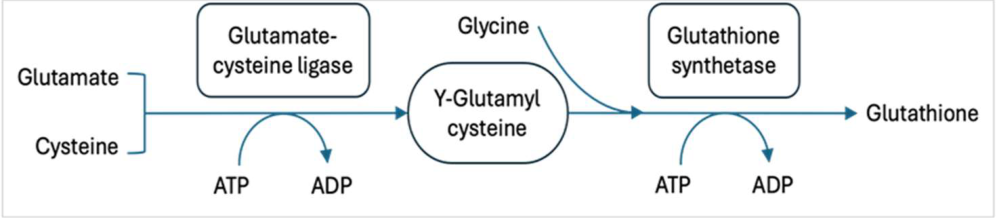
Figure 2.
Benefits of glutathione for the body.
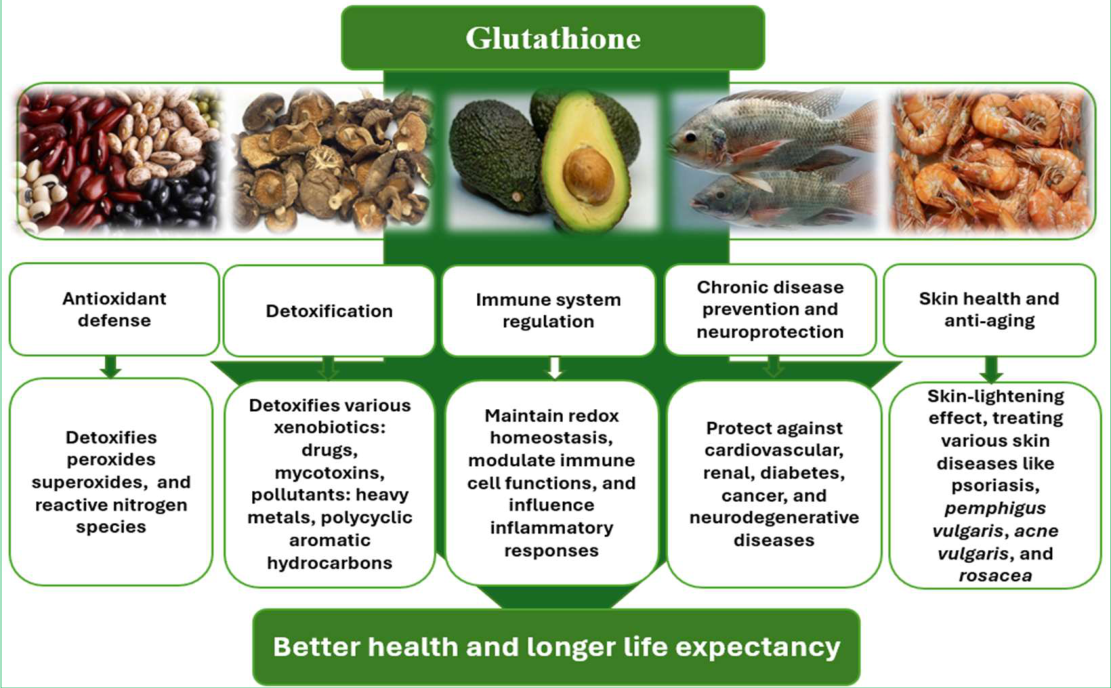

Table 1.
Food Sources of Glutathione.
| Food Source | GSH Content (mg per 100 g) | Reference(s) |
| Plant foods | ||
| Mushrooms, dried | 11.00–241.00 | [69] |
| Legumes (mung beans, black beans, kidney beans, pinto beans etc.) | 15.00–37.00 | [70,71] |
| Spinach | 9.62–28.90 | [72,73] |
| Asparagus | 10.73–21.80 | [73] |
| Avocado | 10.42–20.60 | [72] |
| Squash, zucchini | 8.40–11.40 | |
| Potatoes (baked or boiled) | 10.20–11.00 | [72] |
| Broccoli, brussels sprouts | 1.90–10.00 | |
| Carrots, tomatoes | 5.90–7.50 | [73] |
| Strawberries, grapefruit, cantaloupe, | 6.10–6.90 | |
| Green, red sweet peppers, garlic | 3.40–5.50 | |
| Nectarines, peaches, melons, watermelons | 4.90–5.00 | |
| Oranges, lemons, papaya, mangoes | 4.18–4.80 | |
| Cauliflower, cucumbers | 3.78–4.00 | |
| Bananas, pears, nuts and seeds, walnuts | 3.30–3.70 | |
| Meat, subproducts | ||
| Chicken breast | 36.26 | [74] |
| Veal cutlet | 26.30 | [73] |
| Pork | 13.70–18.90 | |
| Beef, liver (chicken) | 11.80–15.34 | [73] [75] |
| Chicken | 6.50–7.70 | [73] |
| Fish, seafood | ||
| O. Niloticus | 245.86 | [76] |
| C. Crangon | 169.03 | [77] |
| B. amazonicus, heart | 83.59 | [78] |
| C. harengus membras | 73.76 | [77] |
| M. saxatilis, heart | 49.17 | [79] |
| P. maxima | 39.34 | [77] |
| Merluccius merluccius | 23.00 | [80] |
| B. amazonicus, muscle | 17.83 | [77] |
| Morone saxatilis, striped bass (sceletal muscle) | 12.29 | [79] |
| Austropotamobius torrentium, Astacus astacus, | [81] | |
| Orconectes limosus | 6.76–8.30 | [73] |
| Fish (cod and perch), pan fried | 5.70 | [82] |
Table 2.
Foods and Supplements Boosting Endogenous Synthesis of SGH.
| Food/Supplement | Mechanism of Action | Reference(s) |
| Cysteine, glycine, glutamate | These amino acids are direct precursors for GSH synthesis, enhancing tissue GSH levels. | [25,42,86,87] |
| Glycine | Enhances synthesis and concentration of GSH in various tissues. | [88] |
| Garlic, onions | Contains sulfur compounds such as S-allylcysteine that enhance GSH levels. Onion extracts and flavonoids like quercetin can increase intracellular GSH levels by activating the gamma-glutamylcysteine synthetase promoter, which is essential for GSH synthesis. | [89] |
| Brassica vegetables (sulforaphane), lipoic acid | Nrf2 activators in the body; Nrf2 upregulates enzymes for GSH synthesis and cystine uptake; Nrf2 activators increase GSH in many cell types | [25] |
| Omega-3 fatty acids | Modulate the GSH network by activating Nrf2 and boosting synthesis and GPx activity in many normal tissues | [90] |
| GSH and resveratrol precursors | Increase endogenous levels of vitamins C, E, and A, enhancing antioxidant activity. | [91] |
| Plant species Allium hookeri | Rich in organosulfur compounds, it increases GSH levels and regulates glucose metabolism. | [45] |
| Spirulina, turmeric | These foods increase antioxidant enzymes and GSH levels, reducing oxidative stress. | [92] |
| Green tea (especially EGCG-rich polyphenols) | increases GSH by activating Nrf2 signaling, up-regulating GSH-related enzymes, and enhancing antioxidant and detoxification pathways | [93] |
| Vitamins C and E, along with selenium | Vitamins and micronutrients are known to support GSH levels by maintaining its reduced form and enhancing its antioxidant capacity. | [86,91,94] |
| Milk | Milk containing A2 β-casein can promote the production of GSH in humans. | [68,95] |
| Nuts and seeds (particularly baru almonds and Brazil nuts) | Source of selenium, a key component of GSH peroxidase, can increase GSH levels in the body by enhancing the activity of GSH peroxidase. | [96,97] |
| Legumes, e.g., lentils, chickpeas (Cicer arietinum L) | Provide protein and may aid in the synthesis of GSH. Contain compounds that enhance the activity of antioxidant enzymes, including GSH reductase and GSH peroxidase. They express glutaredoxin, a protein that works with GSH to reduce oxidative stress and glutaredoxin helps maintain GSH levels. Chickpeas contain bioactive compounds like selenium and isoflavonoids, which can enhance the activity of GSH peroxidase. |
[98,99,100,101] |
| Legumes like Medicago falcata and Medicago truncatula | Reach of nitric oxide (NO), which plays a crucial role in regulating GSH synthesis and influences the expression of genes involved in GSH synthesis, such as γ-glutamylcysteine synthetase and GSH synthetase. | [102] |
| GlyNAC (Glycine and N-Acetylcysteine) supplements | Improves GSH deficiency and mitochondrial function in older adults, lowers oxidative stress. | [42] |
Disclaimer/Publisher’s Note: The statements, opinions and data contained in all publications are solely those of the individual author(s) and contributor(s) and not of MDPI and/or the editor(s). MDPI and/or the editor(s) disclaim responsibility for any injury to people or property resulting from any ideas, methods, instructions or products referred to in the content. |
© 2026 by the authors. Licensee MDPI, Basel, Switzerland. This article is an open access article distributed under the terms and conditions of the Creative Commons Attribution (CC BY) license (http://creativecommons.org/licenses/by/4.0/).
Copyright: This open access article is published under a Creative Commons CC BY 4.0 license, which permit the free download, distribution, and reuse, provided that the author and preprint are cited in any reuse.


