

Submitted:
02 May 2026
Posted:
04 May 2026
You are already at the latest version
Abstract
Lipedema is a painful, chronic and progressive disorder of subcutaneous adipose tissue characterized by disproportionate, symmetrical fat accumulation in the extremities—typically the legs and less often the arms—while sparing hands and feet. It is clinically distinct from obesity and lymphoedema, affects almost exclusively women, and often exacerbates during hormonal transition phases. This paper proposes a unifying pathophysiological concept in which lipedema reflects a regenerative imbalance of adipose tissue. A genetically and estrogen-modulated increase in endothelial permeability (“leaky vessels”) is suggested to activate perivascular/mural adipose-derived stem cells (ADSCs), thereby initiating coupled angiogenesis and adipogenesis. The stromal vascular fraction (SVF) is described as a central mediator, with SVF-derived extracellular vesicles and characteristic microRNAs promoting adipocyte hyperplasia and hypertrophy and leading to large, metabolically less active adipocytes. The organism attempts to counterbalance this surplus through inflammatory activation of mast cells and macrophages; however, inefficient clearance of excess adipocytes (including “crown-like” structures) sustains inflammation and pain. Progressive adipose expansion may compress lymphatic capillaries and precollectors, resulting in dermal and subdermal lymphatic congestion and contributing to oedema and symptom progression. Increased aromatase activity and local estrogen availability are discussed as additional amplifiers of adipogenesis and inflammatory remodeling. Finally, lymphatic-sparing liposuction is outlined as a mechanistically plausible intervention that can reduce tissue pressure, improve lymphatic drainage, and alleviate key symptoms.
Keywords:
angio and adipogenesis
; micro RNA
; mural ADSCs (adipose-dependent stem cells)
; aromatase
; dermal/subdermal lymph congestion
; hyperplasia
; hypertrophy
; liposuction
; lipedema pain
; metabolism
; stromal vascular fraction (SVF)
1. Description, Guidelines, and Epidemiology
Lipedema is a painful, chronic, progressive disease of the subcutaneous fatty tissue characterized by disproportionate, symmetrical fat accumulation in the extremities. Typically, the legs are affected, less frequently the arms, while the hands and feet are spared. Clinically, the main symptoms are pressure, heaviness, and tension, a tendency to skin bleeding (suffusion) (1, 2, 3), pressure pain, and negative skin indentation. The current S2k guideline (3) describes lipedema as a distinct clinical picture that is clearly distinguishable from obesity and lymphedema. Epidemiologically, the disease affects only women; its prevalence is estimated at approximately 5% (4), with hormonal changes (puberty, pregnancy, menopause) considered to be triggers.
2. Historical Development and Early Concepts
For a long time, fat cells were considered a passive storage site for energy in the form of triglycerides, which grows and shrinks over the course of a lifetime. This simplified view still shapes the layman's understanding today. As early as 1870, Carl Toldt postulated that adipose tissue should be regarded as an independent organ with its own dynamics due to its specific vascular system. Paul Gerson Unna followed up on this by attributing increased fat growth to stagnation of lymphatic or venous tissue (Figure 1). In fact, adipose tissue undergoes an annual turnover of approximately 10% (degeneration: sudden cell death through apoptosis, removal via the lymphatic system and elimination via the liver; and regeneration: replenishment of the cell pool via mural vascular stem cells, ADSCs (adipose-derived stem cells) (5). In patients with lipedema, this physiological process is disrupted in the arms and legs due to genetic and hormonal influences (3, 6).
Finally, about 100 years ago, the anatomists Bauer (7) from Vienna and Günther (8) from Leipzig described the phenomenon of tissue lipophobia: Lipophobic regions are those in which there is no fat under the skin, only bone, cartilage, or ligaments. This affects the ear, the eyelid, the breast, and the shinbone. For us, the accumulation of fat above the shinbone is particularly pathognomonic for lipedema. This phenomenon serves as a diagnostic characteristic (clinical examination, ultrasound, and histological sampling).
The accumulation of fat on the lower leg is also responsible for the fact that lipedema patients can hardly fit into boots or ski boots. This region is often more sensitive to pressure pain than the surrounding tissue. Similarly, patients with upper arm involvement report considerable pain when their blood pressure is measured.
3. Anatomical Basics and Pathophysiological Mechanisms (Stem Cell Regeneration and Degeneration)
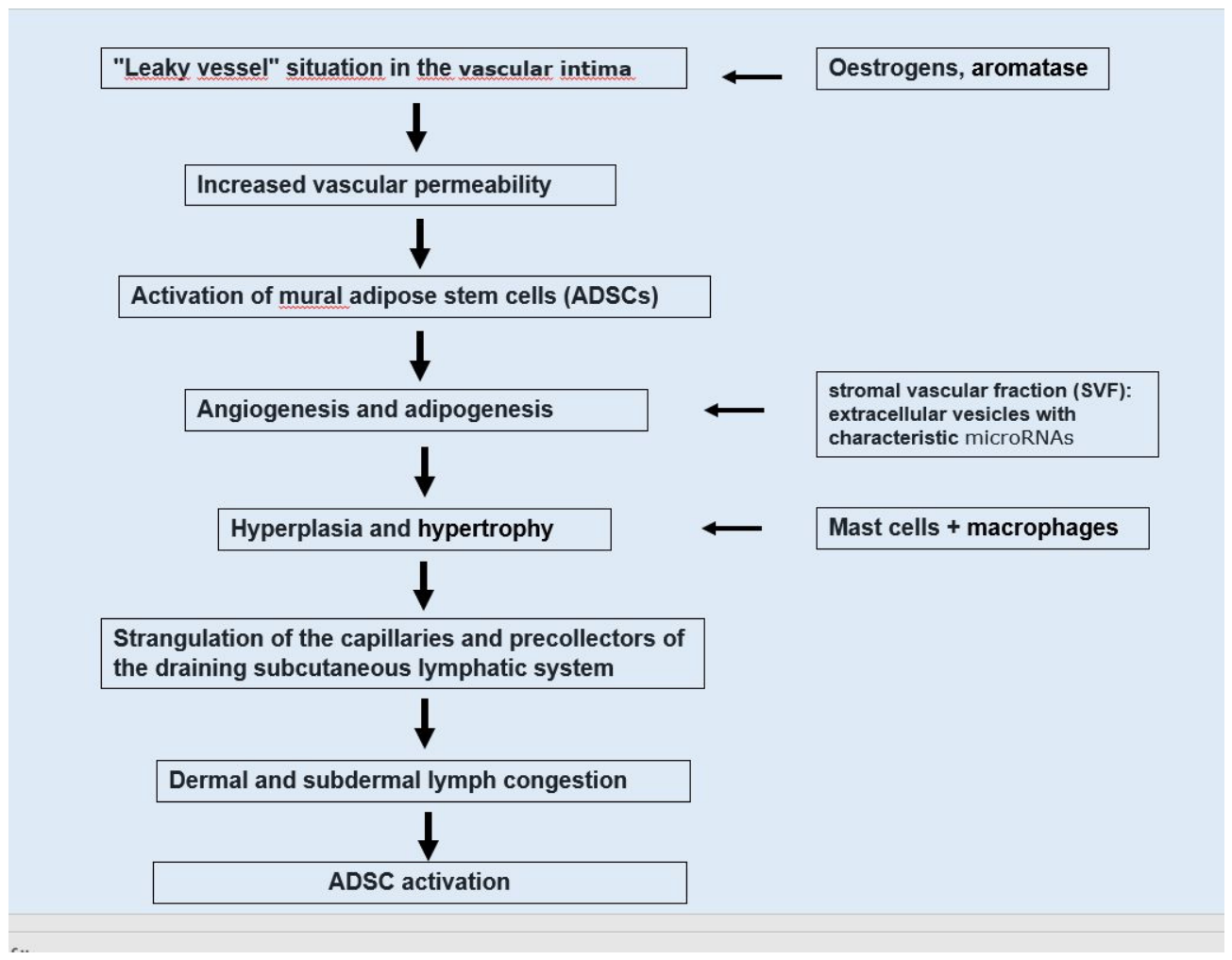
Lipedema is caused by a genetically determined "leaky vessel" situation in the vascular intima caused by estrogen (15): Increased vascular permeability activates mural adipose stem cells (ADSCs) located in the periphery of the vessels. These initiate both angiogenesis and adipogenesis (9). The stromal vascular fraction (SVF) plays a key role in this process: the extracellular vesicles released from it, which contain characteristic microRNAs, ultimately cause angiogenesis and adipogenesis, which are responsible for fat cell formation (9). This results in large, metabolically inactive adipocytes that fill the entire subcutaneous fat space (hyperplasia and hypertrophy) (10, 11).
The body attempts to compensate for this regenerative cell surplus by activating phagocytic cell elements. Specialized mast cells and macrophages are involved in this painful inflammatory reaction. However, they are unable to efficiently eliminate excess adipocytes in order to restore balance. The histologically proven so-called "crown-like cells" represent the maximum attempt to eliminate excess adipocytes (12). This results in a regenerative imbalance and the characteristic disease of lipedema.
The hyperplasia of the fatty tissue ultimately leads to strangulation of the capillaries and precollectors of the draining subcutaneous lymphatic system. This results in dermal and subdermal lymphatic congestion (Figure 2). This congestion was also demonstrated in a clinical MRI study by Crescenzi et al. (13). Stöberl describes so-called flame-shaped structures (32), Amman-Vesti microlymphatic aneurysms with so-called lymph gaps (14), and Al-Ghadban enlarged lymphological "microvessels" (10).
In our own investigations, we were able to demonstrate the development of increased stem cell activity (6). The microRNAs originating from the stromal vascular fraction (SVF) were detected in a further study (9). Finally, the initial vascular changes (leaky vessels) were presented and a genetic predisposition to increased aromatase expression detected in this fraction was described (15).
Furthermore, the molecular mechanisms described (dermal lymph congestion – stem cell activation) ultimately explain the "perpetuum mobile" of adipocyte hyperplasia and the imbalance between increased regeneration and deficient degeneration,
This also explains the clinical picture of the progressive development of lipedema:
- Spontaneous skin bleeding and bleeding tendency (suffusions) due to fragile neocapillaries in the context of increased angiogenesis and adipogenesis (own histo-system staining) (Figure 3).
- 2.
- Negative pitting in dermal-subdermal oedema (13).
- 3.
- Pain/pressure/tension and heaviness caused by inflammatory activation of phagocytic cell elements (macrophages, mast cells) - (10). (Figure 4)
- 4.
- Negative influence on basal metabolic rate in the majority of cases: activation of storage function or metabolism with secondary fat accumulation (hypertrophy) in the abdominal area (100%) and additional metabolic accumulation in areas of mixed fat (buttocks, thighs, and upper arms) (30, 33). Interestingly, this metabolic storage function associated with lipedema does not lead to metabolic diseases such as type 2 diabetes mellitus (16, 33). This correlation was already described around 100 years ago by internists experienced in clinical observation as "healthy fat people."
- 5.
- Triggerable pressure pain due to fascial congestion. This results on the one hand from the subcutaneous lipedema compartment (adipofascial congestion) and on the other hand from a mostly visceroabdominal lymphatic drainage disorder in the context of metabolic fat accumulation (myofascial congestion) (17, 35).
- 6.
- The genetically determined increase in aromatase activity also plays a significant clinical role in lipedema flare-ups during menopause. (15).
The aromatase (CYP19A1) is a key enzyme in estrogen synthesis that converts androgens into estrogens and thus determines the local availability of active estrogens in adipose tissue (18, 19, 20). These estrogens promote adipogenesis, i.e., the differentiation of preadipocytes into mature adipocytes, and influence lipogenesis, inflammatory processes, and regional fat distribution (21, 22). Accordingly, studies show that aromatase is upregulated in adipose and inflamed adipose tissue, thereby driving paracrine estrogen production (19, 20).
Hormonal factors play a central role in lipedema, a chronic progressive fat distribution disorder that almost exclusively affects women (23, 24, 25, 26). Clinically, the disease often occurs during hormonal transition phases such as puberty, pregnancy, or menopause (23, 24).
Recent pathophysiological models describe that, despite a systemic drop in estrogen during menopause, local estrogen production in subcutaneous adipose tissue is increased by upregulation of aromatase and steroidogenic enzymes such as 17β-HSD1 (26).
This leads to an intracrine estrogen effect with persistent adipogenesis, inflammatory changes, and fibrosis in the subcutaneous adipose tissue (26).
These mechanisms could contribute significantly to the persistence and progression of lipedema, especially during periods of hormonal change. This is the only way to explain why often severe climacteric symptoms, as well as lipedema flare-ups, can occur after testosterone-activating athletic activities.
Hormonal and pharmacological influences such as estrogen-containing contraceptives, especially depot preparations such as the "three-month injection," pregnancy, glucocorticoids, antidepressants (primarily tricyclic), and hormonal stimulation substances used in IVF can also promote the progression of lipedema (33).
It is also striking that lipedema often only occurs in patients after their second pregnancy. Between the first and second pregnancy, there are indeed differences in the mother's hormonal environment, resulting from the body's experience, immunological adaptations, and, in some cases, altered tissue and receptor responses.
During the second pregnancy, the body is already "familiar" with this hormonal state. This means that receptors in the uterus, mammary glands, and immune system respond more efficiently in some cases. The hormone levels themselves (progesterone, estrogens, hCG) are very similar, but the tissue response and immunological regulation are more efficient in the second pregnancy (34).
4. Confirmation of Pathophysiological Processes After Therapeutic Liposuction
Subtotal liposuction of the subcutaneous hyperplastic fat while preserving the superficial fat layer (subdermis) leads to restoration of the patency of the entire subcutaneous lymphatic system and drainage of the dermal/subdermal oedema (Figure 3). This also eliminates the perpetual activation of stem cells (ADSC). This is only technically and surgically possible through maximum application of TLA (full tumescence) and suction techniques with vibrating liposuction cannulas (27, 31).
The use of vessel-destroying energy such as lasers, radio frequency, plasma, or ultrasound is obsolete (28, 31).
Postoperatively, there is an immediate cessation of pressure and pain symptoms, as well as the tendency to bleed from the skin. This is followed by a rapid recovery of psychological well-being and quality of life (29, 31, 33). The ability to move without pain allows most patients to engage in more physical activity, thereby reducing metabolic fat deposits (Figure 3). Our pathopyhsiological approach is depicted in (Figure 5).
5. Discussion
The concept presented in this review interprets lipedema as a disorder of adipose tissue homeostasis in which regeneration persistently exceeds degeneration. Rather than explaining the disease by a single isolated abnormality, the model integrates several observations that have often been discussed separately: increased endothelial permeability, activation of perivascular progenitor niches, expansion of the stromal vascular fraction, angiogenesis, adipocyte hyperplasia and hypertrophy, inflammatory remodeling, pain generation, and secondary lymphatic dysfunction (6, 9, 10, 13, 15). In this sense, lipedema can be viewed as a self-reinforcing tissue program. Once started in a predisposed anatomical region, repeated vascular leakage and local estrogenic signaling may continuously stimulate mural adipose-derived stem cells and thereby promote the formation of new adipocytes and microvessels. The resulting tissue enlargement increases interstitial pressure and mechanical stress, which may further compromise venous-lymphatic transport and perpetuate edema and inflammation.
A major strength of this integrative view is that it links the clinical hallmarks of lipedema with a plausible biological sequence. Patients typically report heaviness, tenderness, spontaneous bruising, and worsening during puberty, pregnancy, or menopause. These features are difficult to reconcile with simple obesity alone, but they fit well with a scenario characterized by microvascular fragility, neuro-inflammatory activation, and hormonally modulated adipose remodeling (1-3, 15, 23-26). The sparing of the hands and feet as well as the pathognomonic fat deposition in lipophobic zones further suggest that regional anatomic and stromal characteristics influence where the process can be initiated and maintained. A disease model that incorporates local stem-cell niches, stromal signaling, and regional lymphatic vulnerability therefore offers an attractive explanation for the striking distribution pattern of lipedema.
Another important implication of the regenerative-imbalance hypothesis is that lipedema should not be understood as a static storage disorder. Adipose tissue is a dynamic organ with continuous turnover, vascular cross-talk, immune surveillance, and endocrine activity (5). In lipedema, this physiological turnover appears to become uncoupled. Regenerative input is amplified, whereas degenerative clearance of excess adipocytes remains incomplete. Histological descriptions of adipocyte death, macrophage accumulation, and crown-like structures support the idea that the tissue attempts to remove surplus cells but does not fully restore equilibrium (10, 12). This incomplete resolution is likely relevant to symptom persistence. Even if gross tissue enlargement develops gradually over years, inflammatory and mechanical pain may fluctuate because the underlying remodeling process remains biologically active.
The role of the stromal vascular fraction is especially noteworthy because it provides a mechanistic bridge between vascular biology and adipose expansion. SVF-derived extracellular vesicles and microRNAs may influence endothelial behavior, progenitor activation, adipogenic differentiation, and immune-cell recruitment in a coordinated manner (6, 9). This means that lipedema is not merely a disease of enlarged mature adipocytes; rather, it may be a disease of the adipose microenvironment. If the stromal compartment is reprogrammed toward persistent pro-adipogenic and pro-angiogenic signaling, then progressive enlargement of the affected limbs becomes biologically understandable. Such an interpretation also aligns with recent multi-omics efforts suggesting that lipedema has a specific molecular signature that may eventually support disease prediction and biologically informed classification (23).
The lymphatic component of the proposed model deserves particular attention. Historically, there has been controversy regarding whether lymphatic dysfunction is primary or secondary in lipedema. The present framework does not require advanced lymphatic failure to be the initiating event. Instead, it proposes that progressive fat-tissue hyperplasia and hypertrophy, together with interstitial fluid accumulation, gradually impair dermal and subdermal lymphatic drainage (13, 14, 25, 32). This distinction is clinically relevant. It explains why many patients show oedema-like symptoms and imaging abnormalities without meeting the criteria of classical lymphedema. It also explains why pain, pressure, and tension may improve substantially when tissue volume and compartment pressure are reduced. In other words, lymphatic congestion may be both a consequence of adipose expansion and an amplifier of disease progression.
Inflammation in lipedema is also likely to be qualitatively different from the low-grade inflammation described in common obesity. The available literature and histological observations suggest a localized, mechanically and hormonally modulated inflammatory process involving macrophages, mast cells, endothelial activation, and altered tissue innervation (2, 10, 12). This may help explain why patients can experience marked tenderness even when systemic metabolic markers are not severely disturbed. The notion of a metabolically less active but clinically highly symptomatic adipose compartment is consistent with the long-standing observation that many patients with lipedema do not fit the classical profile of insulin-resistant visceral obesity, despite substantial fat accumulation in affected regions (16, 33). However, this should not lead to the mistaken assumption that lipedema is metabolically irrelevant. Rather, it indicates that regional adipose biology may differ substantially between subcutaneous lipedema fat and centrally accumulated metabolic fat.
The endocrine dimension further strengthens the proposed model. Lipedema almost exclusively affects women and often manifests or worsens during periods of hormonal transition, which strongly argues against a purely mechanical explanation (3, 23-26). Increased local aromatase activity and altered steroidogenic enzyme expression could create an intracrine environment that favors persistent adipogenesis, inflammatory remodeling, and altered extracellular matrix organization in affected tissues (15, 18-20, 26). Such local estrogenic amplification may be particularly relevant in menopause, where systemic estrogen levels decline but tissue-specific estrogen formation may remain elevated. This concept could explain the apparent paradox that some women report worsening of lipedema symptoms precisely when ovarian estrogen production is falling. It may also help explain why exogenous hormones or hormonally active medications can modulate the clinical course.
Taken together, the model presented here does not compete with established clinical definitions of lipedema; rather, it attempts to provide a biologically coherent scaffold beneath them. It accommodates the current guideline-based distinction from obesity and lymphedema while also acknowledging the frequent overlap with both conditions in daily practice (3). Obesity may aggravate tissue load and metabolic strain, whereas lymphatic impairment may intensify fluid retention and symptoms. Yet the central disease-driving process in lipedema may still be the dysregulated regenerative behavior of subcutaneous adipose tissue in genetically and hormonally susceptible regions. This perspective has the advantage of explaining why some patients deteriorate despite weight-loss efforts and why symptom severity does not always correlate linearly with body mass index alone.
6. Clinical Implications
From a clinical standpoint, the regenerative-imbalance model encourages a more differentiated therapeutic strategy. If lipedema is driven by a combination of vascular leakiness, stromal signaling, inflammatory activation, and secondary lymphatic compromise, then treatment should not be reduced to weight counseling alone. Weight management remains relevant, particularly to reduce concomitant metabolic adiposity and overall tissue load, but it is unlikely to normalize the local disease process in all patients. Conservative measures such as compression, exercise, manual techniques, and patient education can still play an important symptomatic role by supporting fluid transport, mobility, and self-efficacy. Their benefit may be greatest when they are integrated early, before severe compartmental enlargement and advanced fascial congestion have developed.
The model also helps explain why carefully performed lymphatic-sparing liposuction can produce benefits that exceed simple volume reduction. By removing a substantial proportion of pathologically expanded subcutaneous fat while preserving the superficial subdermal layer, the intervention may reduce interstitial pressure, improve tissue compliance, decompress lymphatic capillaries and precollectors, and interrupt continuous stimulation of the local regenerative loop (27, 29-31). This interpretation is compatible with the reported rapid improvement in pain, tenderness, mobility, quality of life, and susceptibility to bruising after surgery (29-31, 33). The surgical outcome should therefore not be judged only by aesthetic contour change; mechanistically, it may represent a tissue-resetting procedure in selected patients.
At the same time, the present pathophysiological concept supports a cautious and technique-sensitive approach to surgery. If the aim is to restore tissue drainage and reduce pathological fat burden without additional vascular or lymphatic injury, then atraumatic methods are essential. This is one reason why tumescence-based, lymphatic-sparing approaches using vibrating cannulas have gained strong support, whereas energy-based destructive modalities appear difficult to justify within this framework (27, 28, 31). For the same reason, perioperative management should not focus solely on aspirated volume. Functional endpoints such as pain relief, restoration of mobility, reduction of edema, improved tolerance to compression, and sustained stabilization of limb disproportion are equally important.
The proposed model may also help improve diagnostic reasoning. In practice, lipedema is often underdiagnosed, overdiagnosed, or diagnosed late because symptoms overlap with obesity, venous disease, lymphedema, and generalized pain syndromes. A mechanistic understanding emphasizes that diagnosis should integrate distribution pattern, tenderness, bruising tendency, pitting behavior, hormonal history, and the distinction between localized limb adiposity and central metabolic adiposity. Imaging and tissue studies may not yet define routine diagnostic criteria, but they can increasingly be understood in relation to microvascular permeability, lymphatic congestion, and adipose remodeling rather than as isolated findings. This may ultimately support a more biologically grounded staging system than one based on surface appearance alone.
Finally, the current model has implications for patient communication. Many affected women have experienced repeated dismissal of their symptoms as merely lifestyle-related. Explaining lipedema as a disorder of regional adipose regulation, rather than a failure of personal discipline, can be clinically meaningful in itself. It validates the reality of pain and tenderness while still allowing room for active treatment strategies such as movement, strength training, metabolic optimization, compression, and surgery when indicated. Such communication may reduce stigma and improve adherence because it frames treatment as modulation of a chronic tissue disorder rather than punishment for body shape.
7. Limitations of the Proposed Model
Despite its integrative appeal, the present concept remains a hypothesis-driven synthesis and must be interpreted with appropriate caution. Lipedema research is still limited by small cohorts, heterogeneous diagnostic criteria, variable staging systems, and incomplete separation of pure lipedema from lipedema with obesity, venous disease, or secondary lymphatic dysfunction. Many published studies are cross-sectional and therefore cannot definitively establish temporal causality. For example, increased endothelial permeability, inflammatory-cell accumulation, and lymphatic abnormalities are all compatible with the proposed sequence, but their exact order and relative contribution may vary among patients and disease stages.
A further limitation is that the molecular data currently available are still insufficient to define a single unifying pathway. SVF-derived extracellular vesicles, microRNAs, endothelial alterations, aromatase upregulation, and inflammatory remodeling are highly plausible elements, but they likely represent interacting modules rather than one linear cascade (9, 15, 23, 26). It is equally possible that lipedema comprises several biological subtypes that converge on a similar phenotype. Some patients may show stronger vascular predominance, others stronger hormonal or lymphatic components, and others a mixed phenotype shaped by obesity and mechanical load. The regenerative-imbalance model is therefore best understood as a framework for integration, not as a finished molecular doctrine.
The historical and clinical observations cited in this review are valuable because they capture enduring morphological patterns that modern medicine continues to recognize. Nevertheless, older descriptive literature has methodological limitations when interpreted through the lens of contemporary pathobiology. Terms such as lymphatic stagnation, lipophobia, and healthy obesity are conceptually useful but do not substitute for standardized imaging, molecular profiling, or prospective interventional studies. Where this manuscript extrapolates from such observations, the intention is heuristic: to connect older anatomic insight with newer vascular, stromal, and endocrine findings.
Another unresolved issue concerns pain generation. The model presented here links pain to inflammatory activation, oedema, and fascial congestion, which is clinically plausible and supported by emerging literature (1, 2, 10, 17). However, the relative importance of neurogenic inflammation, peripheral sensitization, altered mechanotransduction, and central pain amplification remains incompletely defined. Likewise, the absence of overt metabolic syndrome in many patients does not exclude important endocrine and immunologic consequences of chronic regional adipose dysfunction. These uncertainties should encourage further research rather than oversimplification.
8. Conclusions and Future Directions
In conclusion, the available clinical, histological, imaging, and molecular observations can be integrated into a coherent working hypothesis in which lipedema represents a regenerative imbalance of subcutaneous adipose tissue. Within this model, genetically and hormonally favored endothelial leakiness activates perivascular stem-cell niches and the stromal vascular fraction, which together drive angiogenesis and adipogenesis. Progressive adipocyte hyperplasia and hypertrophy are accompanied by inflammatory remodeling, mechanical pain, and secondary impairment of lymphatic drainage. The result is a chronic, self-amplifying disorder of regional tissue architecture that is clinically distinct from obesity and lymphedema but can overlap with both. This framework is especially useful because it links microscopic events with the characteristic macroscopic phenotype of lipedema and with the therapeutic effects observed after lymphatic-sparing liposuction.
Future research should test this model prospectively and at multiple biological levels. First, longitudinal studies in early-stage disease are needed to clarify whether endothelial permeability changes and SVF signaling abnormalities precede detectable lymphatic congestion and adipocyte hypertrophy. Second, standardized tissue sampling combined with transcriptomics, proteomics, extracellular-vesicle analysis, and spatial histology may identify robust biomarkers for diagnosis, staging, and treatment response. Third, improved imaging protocols should examine how dermal and subdermal lymphatic transport changes across disease stages and after conservative or surgical therapy. Fourth, endocrine studies are needed to define the contribution of local estrogen synthesis, aromatase expression, and hormone receptor signaling in different life phases, especially puberty, pregnancy, and menopause.
Equally important is the need to translate mechanistic insight into clinically meaningful endpoints. Future trials should not focus solely on limb circumference or aspirate volume, but also include validated measures of pain, tenderness, bruising, mobility, quality of life, physical activity, and tissue texture. Such multidimensional outcomes would better capture the lived burden of lipedema and would help distinguish therapeutic benefit from simple cosmetic change. Comparative studies of conservative management, metabolic co-interventions, and different surgical techniques are also warranted. In particular, the extent to which liposuction modifies the underlying biology rather than merely debulks tissue should be investigated through pre- and post-interventional tissue, imaging, and symptom analyses.
Finally, the field would benefit from a more precise nosology. If lipedema is indeed a disorder of regional adipose regeneration, future classifications may move beyond purely descriptive staging and toward biologically informed phenotyping. Such a shift could improve patient selection, timing of intervention, and development of non-surgical therapies aimed at vascular permeability, stromal signaling, inflammation, or hormone-dependent adipogenesis. Until such tools are available, the present model may serve as a practical conceptual map: it acknowledges the complexity of lipedema, respects the clinical reality of patient suffering, and offers a rationale for integrated management strategies that combine conservative care, metabolic support, and, where indicated, technically appropriate lymphatic-sparing liposuction.
A further priority for the field is the development of practical translational tools for daily care. Prospective registries with harmonized diagnostic criteria could clarify the natural history of untreated and treated disease, identify predictors of progression, and distinguish responders from non-responders to conservative and surgical interventions. In parallel, biobanking of adipose tissue, blood, and extracellular vesicles from well-characterized patients could accelerate the discovery of biomarkers that are suitable not only for research but also for routine monitoring. Such efforts would be especially valuable if they are linked to standardized phenotyping, including symptom burden, hormonal status, ultrasound or MRI findings, and long-term functional outcome. Ultimately, a future evidence-based lipedema pathway should enable earlier diagnosis, more rational timing of surgery, and the emergence of adjunctive targeted therapies that modify disease biology before irreversible tissue remodeling occurs.
Author Contributions
All authors have read and agreed to the published version of the manuscript.
Funding
This research received no external funding
Institutional Review Board Statement
None
Informed Consent Statement
Informed consent was obtained from all subjects involved in the study.
Data Availability Statement
We encourage all authors of articles published in MDPI journals to share their research data. In this section, please provide details regarding where data supporting reported results can be found, including links to publicly archived datasets analyzed or generated during the study. Where no new data were created, or where data is unavailable due to privacy or ethical restrictions, a statement is still required. Suggested Data Availability Statements are available in section “MDPI Research Data Policies” at https://www.mdpi.com/ethics.
Acknowledgments
None
Conflicts of Interest
The authors declare no conflicts of interest.
References
- Hucho T. Lipedema pain—the neglected symptom. Dermatologie (Heidelb). 2023;74(8):575-579. [CrossRef]
- Chakraborty A, Crescenzi R, Usman TA, Reyna AJ, Garza ME, Al-Ghadban S, Herbst KL, Donahue PMC, Rutkowski JM. Indications of peripheral pain, dermal hypersensitivity, and neurogenic inflammation in patients with lipedema. Int J Mol Sci. 2022;23(18):10313. [CrossRef]
- Faerber G, Cornely M, Daubert C, Erbacher G, Fink J, Hirsch T, Mendoza E, Miller A, Rabe E, Rapprich S, Reich-Schupke S, Stücker M, Brenner E. S2k guideline lipedema. J Dtsch Dermatol Ges. 2024;22(9):1303-1315. [CrossRef]
- Rapprich S, Baum S, Kaak I, Kottmann T, Podda M. Treatment of lipoedema using liposuction. Phlebologie. 2015;44(3):121-132. [CrossRef]
- Spalding KL, Arner E, Westermark PO, Bernard S, Buchholz BA, Bergmann O, Blomqvist L, Hoffstedt J, Näslund E, Britton T, Concha H, Hassan M, Rydén M, Frisén J, Arner P. Dynamics of fat cell turnover in humans. Nature. 2008;453(7196):783-787. [CrossRef]
- Priglinger E, Wurzer C, Steffenhagen C, Maier J, Hofer V, Peterbauer A, Nuernberger S, Redl H, Wolbank S, Sandhofer M. The adipose tissue-derived stromal vascular fraction cells from lipedema patients: Are they different? Cytotherapy. 2017;19(7):849-860. [CrossRef]
- Bauer J. Über Fettansammlungen. Klin Wochenschr. 1922;1:1077-1083.
- Günther H. Die Lipomatosis und ihre klinischen Formen. In: Arbeiten aus der medizinischen Klinik Leipzig. Jena: G. Fischer; 1920. Heft 5.
- Priglinger E, Strohmeier K, Weigl M, Lindner C, Auer D, Gimona M, Barsch M, Jacak J, Redl H, Grillari J, Sandhofer M, Hackl M, Wolbank S. SVF-derived extracellular vesicles carry characteristic miRNAs in lipedema. Sci Rep. 2020;10(1):7211. [CrossRef]
- Al-Ghadban S, Cromer W, Allen M, Ussery C, Badowski M, Harris D, Herbst KL. Dilated blood and lymphatic microvessels, angiogenesis, increased macrophages, and adipocyte hypertrophy in lipedema thigh skin and fat tissue. J Obes. 2019;2019:8747461. [CrossRef]
- Sandhofer M, Schauer P, Anderhuber F. Haut-Unterhaut-Fett-Faszien. J Ästhet Chir. 2015;8(4):151-156. [CrossRef]
- Suga H, Araki J, Aoi N, Kato H, Higashino T, Yoshimura K. Adipose tissue remodeling in lipedema: adipocyte death and concurrent regeneration. J Cutan Pathol. 2009;36(12):1293-1298. [CrossRef]
- Crescenzi R, Donahue PMC, Petersen KJ, Garza M, Patel N, Lee C, Beckman JA, Donahue MJ. Upper and lower extremity measurement of tissue sodium and fat content in patients with lipedema. Obesity (Silver Spring). 2020;28(5):907-915. [CrossRef]
- Amann-Vesti BR, Franzeck UK, Bollinger A. Microlymphatic aneurysms in patients with lipedema. Lymphology. 2001;34(4):170-175.
- Strohmeier K, Hofmann M, Jacak J, Narzt MS, Wahlmueller M, Mairhofer M, Schaedl B, Holnthoner W, Barsch M, Sandhofer M, Wolbank S, Priglinger E. Multi-level analysis of adipose tissue reveals the relevance of perivascular subpopulations and an increased endothelial permeability in early-stage lipedema. Biomedicines. 2022;10(5):1163. [CrossRef]
- Blüher M. Metabolically healthy obesity. Endocr Rev. 2020;41(3):bnaa004. [CrossRef]
- Pilsl U, Anderhuber F. Anatomie des Lymphsystems. J Ästhet Chir. 2019;12(1):51-58. [CrossRef]
- Simpson ER. Sources of estrogen and their importance. J Steroid Biochem Mol Biol. 2003;86(3-5):225-230. [CrossRef]
- Cleland WH, Mendelson CR, Simpson ER. Effects of aging and obesity on aromatase activity of human adipose cells. J Clin Endocrinol Metab. 1985;60(1):174-177. [CrossRef]
- Nelson LR, Bulun SE. Estrogen production and action. J Am Acad Dermatol. 2001;45(3 Suppl):S116-S124. [CrossRef]
- Davis KE, Neinast MD, Sun K, Skiles WM, Bills JD, Zehr JA, Zeve D, Hahner LD, Cox DW, Gent LM, Xu Y, Wang ZV, Khan SA, Clegg DJ. The sexually dimorphic role of adipose and adipocyte estrogen receptors in modulating adipose tissue expansion, inflammation, and fibrosis. Mol Metab. 2013;2(3):227-242. [CrossRef]
- Karastergiou K, Smith SR, Greenberg AS, Fried SK. Sex differences in human adipose tissues—the biology of pear shape. Biol Sex Differ. 2012;3(1):13. [CrossRef]
- Straub LG, Funcke JB, Joffin N, Joung C, Al-Ghadban S, Zhao S, Zhu Q, Kruglikov IL, Zhu Y, Langlais PR, Gordillo R, Herbst KL, Scherer PE. Defining lipedema’s molecular hallmarks by multi-omics approach for disease prediction in women. Metabolism. 2025;168:156191. [CrossRef]
- Sanchez-De la Torre Y, Wadeea R, Rosas V, Herbst KL. Lipedema: friend and foe. Horm Mol Biol Clin Investig. 2018;33(1). [CrossRef]
- Bilancini S, Lucchi M, Tucci S, Eleuteri P. Functional lymphatic alterations in patients suffering from lipedema. Angiology. 1995;46(4):333-339. [CrossRef]
- Katzer K, Hill JL, McIver KB, Foster MT. Lipedema and the potential role of estrogen in excessive adipose tissue accumulation. Int J Mol Sci. 2021;22(21):11720. [CrossRef]
- Wright T, Babula M, Schwartz J, Wright C, Danesh N, Herbst K. Lipedema reduction surgery improves pain, mobility, physical function, and quality of life: Case series report. Plast Reconstr Surg Glob Open. 2023;11(11):e5436. [CrossRef]
- Sandhofer M, Hofer V, Sandhofer M, Sonani M, Moosbauer W, Barsch M. High volume liposuction in tumescence anesthesia in lipedema patients: A retrospective analysis. J Drugs Dermatol. 2021;20(3):326-334. [CrossRef]
- Baumgartner A, Hueppe M, Meier-Vollrath I, Schmeller W. Improvements in patients with lipedema 4, 8 and 12 years after liposuction. Phlebology. 2021;36(2):152-159. [CrossRef]
- Sandhofer M, Schauer P, Anderhuber F. The aesthetic upper arm. I. On the anatomy and classification of the lipodysmorphic upper arm. Kosmet Med. 2013;34(2):56-61.
- Sandhofer M, Hanke CW, Habbema L, Podda M, Rapprich S, Schmeller W, Herbst K, Anderhuber F, Pilsl U, Sattler G, Sandhofer M, Moosbauer W, Sattler S, Schauer P, Faulhaber J, Maier S, Barsch M, Mindt S, Halk AB. Prevention of progression of lipedema with liposuction using tumescent local anesthesia: Results of an international consensus conference. Dermatol Surg. 2020;46(2):220-228. [CrossRef]
- Stöberl Ch, Partsch H, Urbanek A. Indirekte Lymphographie bei Lipödem. In: Földi E, Mannheimer E, Hrsg. Ödem. Erlangen: Perimed; 1986:129-132.
- Sandhofer M, Sandhofer M, Schauer P, Anderhuber F. Das Lipödem: Anatomische Studie, Diagnostik und perioperatives Umfeld. J Ästhet Chir. 2017;10(2):61-70. [CrossRef]
- Norr KF, Schulman BA. The second time around: Parity and birth experience. J Obstet Gynecol Neonatal Nurs. 1980;9(3):167-171. [CrossRef]
- Stecco C, Driscoll M, Huijing P, Schleip R, eds. Fascia: The Tensional Network of the Human Body. The science and clinical applications in manual and movement therapy. 2nd ed. London: Elsevier; 2021. ISBN 9780702071836.
Figure 1.
In fact, as early as in 1894, german dermatologist Paul Unna proposed that the stagnation of tissue because of lymphatic or venous interruption resulted in fat accumulation.
Figure 1.
In fact, as early as in 1894, german dermatologist Paul Unna proposed that the stagnation of tissue because of lymphatic or venous interruption resulted in fat accumulation.
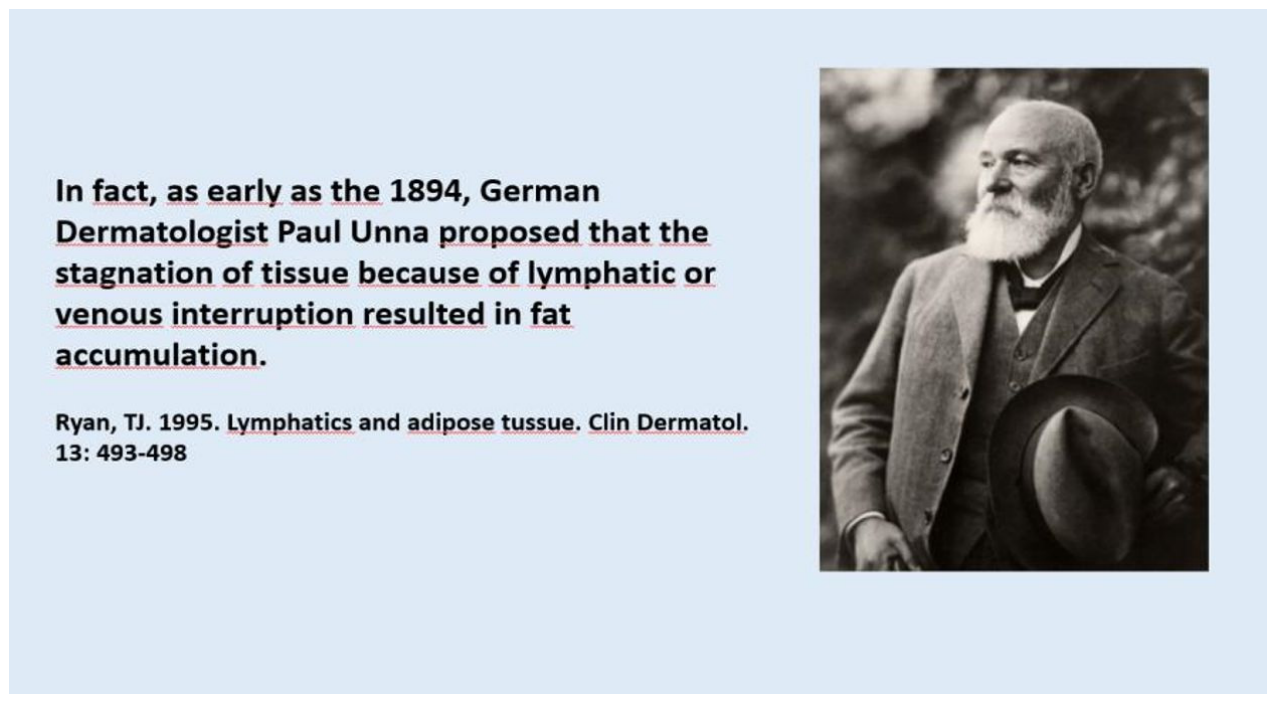
Figure 2.
Lymphatic skin area.
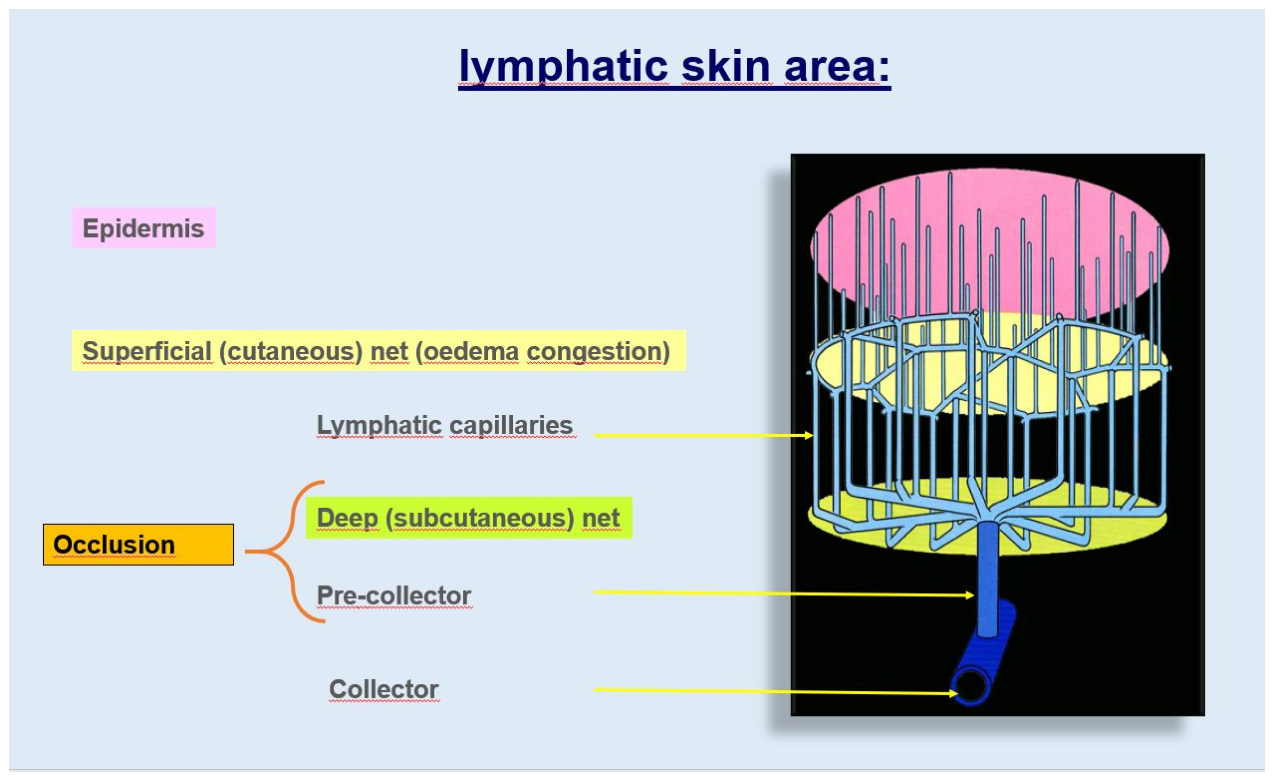
Figure 3.
Successful liposuction of a lipedema in 2 sessions with disappearance of all symptoms of the disease and metabolic belly fat.
Figure 3.
Successful liposuction of a lipedema in 2 sessions with disappearance of all symptoms of the disease and metabolic belly fat.
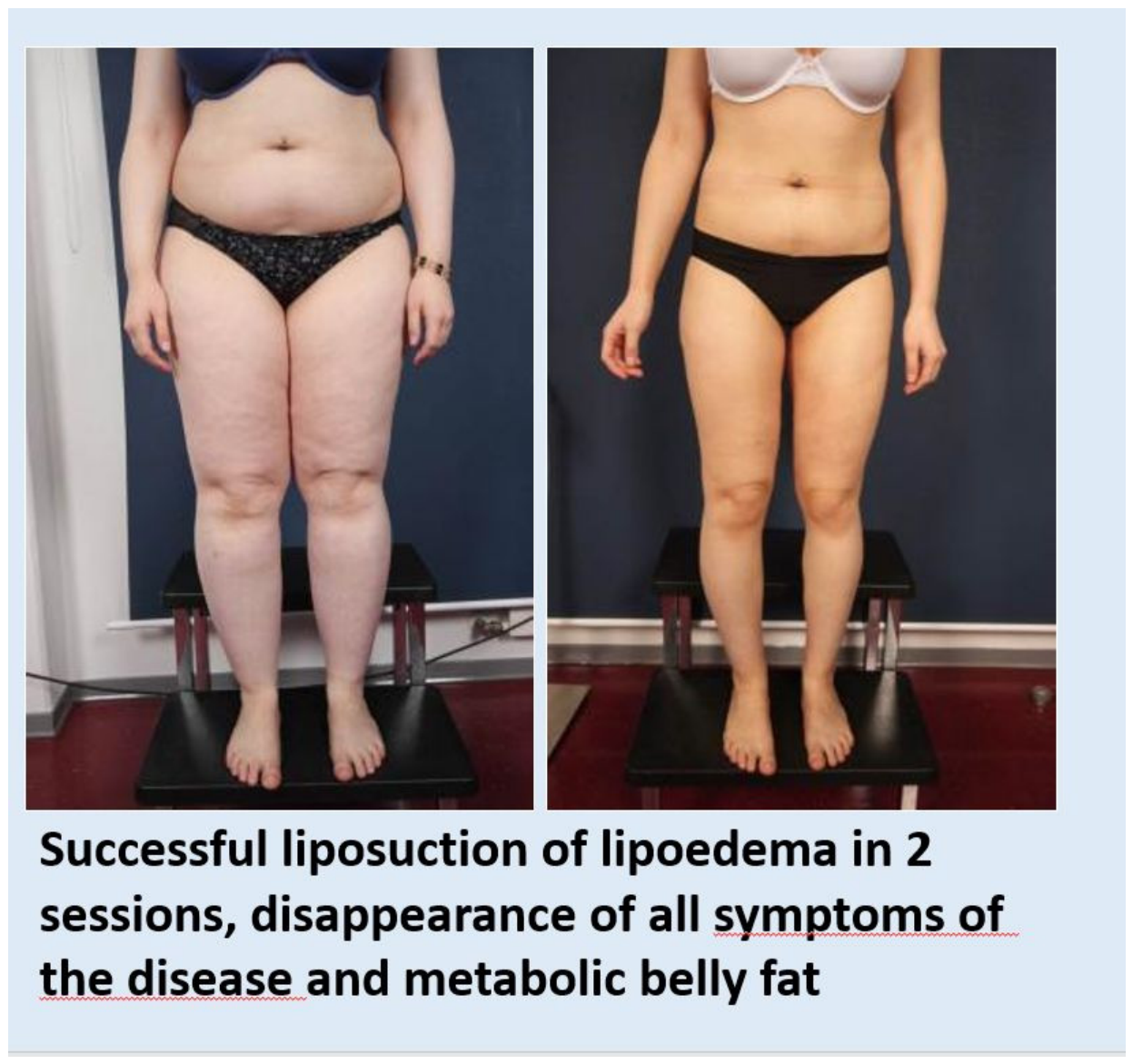
Figure 4.
Dermal-subdermal angiogenesis in lipedema (SMA staining).
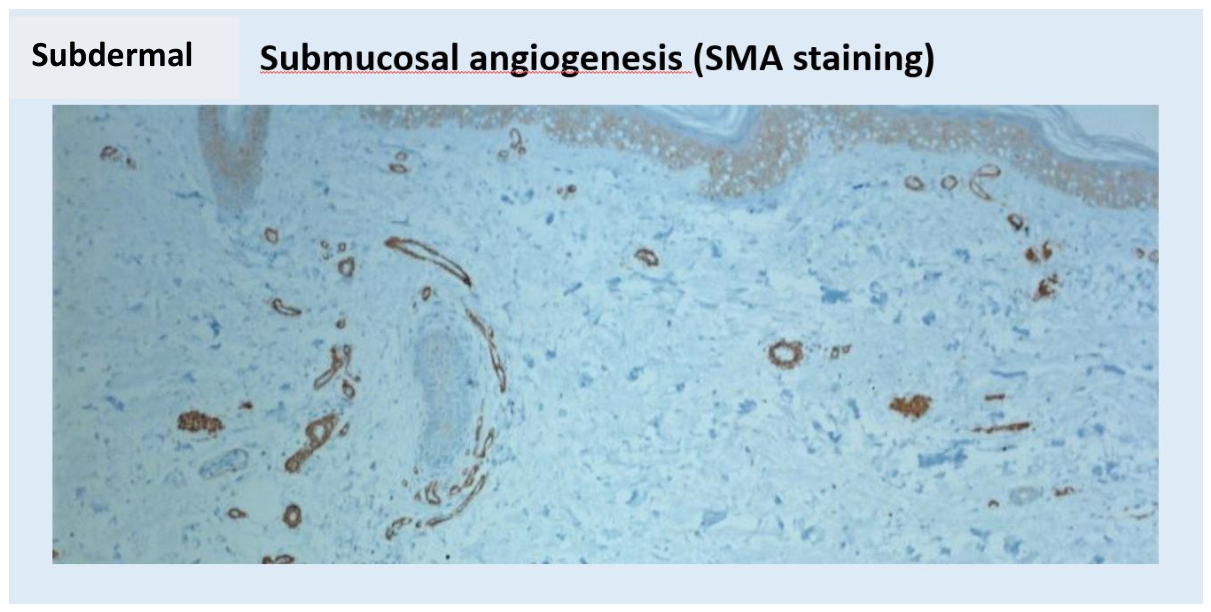
Figure 5.
Flow chart of the proposed pathogenesis of lipedema.
Disclaimer/Publisher’s Note: The statements, opinions and data contained in all publications are solely those of the individual author(s) and contributor(s) and not of MDPI and/or the editor(s). MDPI and/or the editor(s) disclaim responsibility for any injury to people or property resulting from any ideas, methods, instructions or products referred to in the content. |
© 2026 by the authors. Licensee MDPI, Basel, Switzerland. This article is an open access article distributed under the terms and conditions of the Creative Commons Attribution (CC BY) license (http://creativecommons.org/licenses/by/4.0/).
Copyright: This open access article is published under a Creative Commons CC BY 4.0 license, which permit the free download, distribution, and reuse, provided that the author and preprint are cited in any reuse.


