
Submitted:
28 April 2026
Posted:
29 April 2026
You are already at the latest version
Abstract
Brain cancer is a highly aggressive disease with limited treatment options, highlighting the need for reliable preclinical models for drug discovery. This study aimed to isolate and characterize Saudi patient–derived primary brain cancer cells and assess the anticancer activity of novel compounds developed in-house. Sixteen tumor samples from Saudi patients were processed to establish primary brain cancer cultures and One Normal Tissue (Control). The cells were successfully isolated and maintained under optimized conditions, with their morphology and growth characteristics monitored. Molecular analysis confirmed the expression of key tumor and neural markers. The anticancer activity of selected compounds KCO69, KCO70, and KCO129 was tested at various concentrations using the MTT and CellTiter-Glo Luminescent Cell Viability Assay. All compounds caused a concentration-dependent reduction in cell viability, with the strongest effects seen at 25 µM. Among them, compound 70 showed the most significant antiproliferative activity, while compounds KCO69 and KCO129 exhibited moderate effects. Variability in treatment response among cultures reflected the inherent heterogeneity of patient-derived tumors. Overall, establishing primary brain cancer cell models from Saudi patients offers a valuable platform for preclinical drug screening and supports further research on these compounds as potential therapies for brain cancer.
Keywords:
brain tumor
; drug treatment
; microscopy
; quinoline-based compounds
1. Introduction
Cancer has become one of the most significant global health challenges, with its incidence increasing from the 20th to the 21st century. Current data show that about one in four people is at risk of developing cancer during their lifetime, highlighting the urgent need for ongoing research and effective prevention strategies, especially scientific research based on primary human cancer cells [1].
Brain cancer encompasses malignant conditions affecting the brain, cranial nerves, spinal nerves, spinal cord, and meninges. These cancers are inherently primitive, invasive, and aggressive, often resulting in low survival rates following diagnosis. Brain tumors are categorized by their nature, origin, growth velocity, and stage of progression, and can be classified as benign or malignant[2]. The World Health Organization (WHO) assigns these tumors into four grades (I-IV) based on their aggressiveness. Common examples include metastatic brain tumors, meningiomas, astrocytoma, and glioblastomas. Notably, glioblastoma is among the most aggressive primary brain tumors, characterized by its infiltration into surrounding brain tissue and its resistance to treatment. In Saudi Arabia, brain cancer represented 2.8% of all cancer cases in 2014 and 2016, highlighting its significance and the urgent need for effective interventions [3].
The incidence of brain tumors is increasing worldwide, with variations across countries and regions. The highest rates are observed in developed Western nations, while Africa has the lowest rates. The mortality rate for nervous system cancers is estimated at 3.4 per 100,000 globally [4]. Treating brain tumors often involves Temozolomide (TMZ) [5], which is the standard chemotherapy drug. Other common drugs include Lomustine (CCNU)[6], Carmustine (BCNU) [7], and the PCV regimen (Procarbazine, Lomustine, Vincristine) [8]. Targeted therapies such as Bevacizumab (Avastin) [9] and newer IDH inhibitors like Vorasidenib are also used [10]. However, new medicines are urgently needed for brain tumors because current standard treatments—primarily surgery, radiation, and chemotherapy (like temozolomide)—often have limited success, especially for aggressive, recurrent, or resistant cancers. Although progress has been slow, recent years have seen the approval of new targeted therapies, with many more in clinical trials, aimed at overcoming challenges such as the blood-brain barrier and tumor heterogeneity.
The focus is now shifting toward personalized medicine, where treatments are designed based on a patient's tumor's unique genetic mutations. Clinical trials are actively testing new compounds, such as MT-125, for glioblastoma [11], to replace or complement current, less effective therapies.
Cell lines are valuable research tools for several reasons, offering distinct advantages in various scientific applications. They are cost-effective, easy to use, and can provide an unlimited supply of materials, thereby bypassing ethical concerns about the use of animal and human tissues. While cell lines offer numerous advantages, their limitations and proper usage considerations are critical to ensuring the validity of experimental findings. One major concern is that cell lines do not always accurately mimic primary cells due to genetic modifications and prolonged culture, which can significantly alter their physiological relevance [12]. Phenotypic and genotypic variations arising from serial passage and genetic drift can further impact cell behavior, reducing the reproducibility and reliability of data.
Primary cells, derived directly from animal or human tissues (explants), are used in drug discovery to provide more physiologically relevant data than immortalized cell lines, as they more closely resemble in vivo conditions. However, their lifespan is limited by replicative senescence—an aging process linked to a predetermined number of cell divisions [13].
Cancer drug development is an expensive and inefficient process with high failure rates, mainly due to insufficient efficacy and safety issues identified during clinical trials. A key reason for this attrition is the limited predictive power of traditional preclinical models, which often fail to capture tumor heterogeneity and the influence of the tumor microenvironment. Although newer models such as organoids and xenografts have improved biological relevance, they remain inadequate, particularly for evaluating immunotherapies. Patient-derived explants therefore represent a promising preclinical approach, as they better preserve human tumor complexity and may improve the prediction of clinical drug responses [14]. In this study we use Temozolomide as reference drug It's an alkylating agent derived from dacarbazine, which is a foundational anticancer therapy. Its effectiveness is due to its favorable pharmacokinetics: it exhibits excellent oral absorption and can cross the blood-brain barrier (BBB). This property is especially important for treating central nervous system malignancies. TMZ was officially approved in 2005 for the treatment of Glioblastoma Multiforme (GBM), and its clinical use has since expanded to include other solid tumors such as advanced neuroendocrine neoplasms.[15].
Quinoline was initially isolated as an impure compound from coal tar by Runge in 1834. Subsequently, in 1842, Gerhardt obtained quinoline as a degradation product of quinine and cinchonine, later it was called quinoline[16]
Quinoline is recognized as one of the most important nitrogen-containing heterocyclic scaffolds in medicinal chemistry. The presence of a nitrogen atom within the quinoline ring system contributes significantly to the basicity of quinoline-based compounds and facilitates potential hydrogen-bonding interactions with biological targets, particularly enzymes. In addition, the polarity introduced by the heteroatom can be strategically utilized in drug design to reduce lipophilicity and enhance aqueous solubility, thereby improving oral bioavailability and absorption [17].
The quinoline scaffold exhibits a broad spectrum of biological activities, including anti-HIV, antipsychotic, antibacterial, anti-inflammatory, Phosphodiesterase 4B inhibitory, and antihypertensive effects. Several clinically approved drugs incorporate the quinoline ring system, including Mefloquine, Chloroquine, Quinine, and Amodiaquine, which have been widely used to treat malaria (Figure 1).
Beyond antimalarial therapy, the quinoline nucleus also represents a key structural framework in several marketed anticancer agents. Quinoline derivatives have demonstrated promising anticancer activity through multiple mechanisms of action, including inhibition of tyrosine kinases, alkylation of cellular targets, induction of cell-cycle arrest, suppression of angiogenesis, activation of apoptotic pathways, disruption of cell migration, targeting of the anti-apoptotic protein Bcl-2, and inhibition of antimitotic tubulin polymerization[18]
These diverse biological properties highlight the significant therapeutic potential of quinoline-based compounds as versatile scaffolds in modern drug discovery and development. We have synthesized a few quinoline-based compounds and tested the promising compound against brain tumor cell lines and patient-derived brain tumor samples, because there is extensive evidence in the literature that gliomas and glioblastomas are morphologically and functionally very heterogeneous tumors, often displaying a complex network of intercellular cross-talks, very difficult to tackle therapeutically, due to the insurgence of several parallel mechanisms of resistance. We have identified three compounds that have the potential to significantly affect the growth of brain tumor cells in vitro (Figure 2).
2. Result and Discussion
Histology and Pathology, Hematoxylin and Eosin (H&E)-based frozen section (FS) pathology is presently the global standard for intraoperative tumor assessment (ITA). Two cases (P6 as Normal Tissue and P2 as Cancer Tissue) were identified, and their paraffin-embedded blocks were used to generate the hematoxylin–eosin slides.
Microscopic examination of the H&E-stained sections revealed distinct morphological differences between normal and malignant cerebral tissues. The histological layers of the healthy cerebral cortex in (Normal Tissue-P6) were clearly preserved, as demonstrated in Figure 3a,b. The cortical laminar organization showed a well-defined distribution of neuronal and glial populations. In contrast, the analysis of (Cancerous Tissue-P2), shown in Figure 8c,d, revealed significant cytoarchitectural disruption. The regular laminar organization observed in the healthy tissue was entirely replaced by high-grade pleomorphic cellularity.
Anticancer drug screening aims to identify natural metabolites that exhibit antitumor activity. Selected compounds are usually toxic, and their anticancer activity is assessed in humans during the clinical phase. The initial screening of cell viability in the brain cancer cell lines U251 and Daoy following treatment with in-house synthesized compounds KCO (49, 50, 51, 54, 60, 62, 64, 65, 69, 70, 73, 126, 128, and 129) was performed using the CellTiter-Glo Luminescent Cell Viability Assay. Cells were exposed to compound concentrations ranging from 50 to 1.5 µM. The standard antineoplastic agents Mitoxantrone and Temozolomide were used as positive controls to induce cell death.
Among the evaluated compounds, KCO69 and KCO70 demonstrated measurable cytotoxic activity, producing a moderate inhibition of tumor cell proliferation compared with the reference drug Mitoxantrone. Notably, these compounds exhibited superior activity compared with most of the tested derivatives. In contrast, the remaining compounds showed minimal or no significant cytotoxic effects under the tested conditions. A summary of the cell viability results obtained from the primary screening assay is presented in Figure 4.
Although compound KCO129 demonstrated promising anticancer activity against breast and colon cancer cell lines in previous studies (unpublished data), it did not produce comparable cytotoxic effects in the brain cancer cell lines (U251 and Daoy) evaluated in the present study. These findings suggest that the compound’s antiproliferative efficacy may be cell-type-dependent, highlighting potential differences in cellular sensitivity or underlying molecular pathways across distinct tumor models.
Based on the results presented in Figure 5, the concentrations 25, 12.5, and 6.25 μM were selected for subsequent evaluation in patient-derived primary cell lines. These concentrations were chosen to further investigate the cytotoxic effects of the tested compounds and to assess their activity in a more clinically relevant cellular model.
The antiproliferative activity of the tested compounds was evaluated using the CellTiter-Glo Luminescent Cell Viability Assay in human brain tumor–derived primary cells (P2, 3, 5, 8, 12, and 13), Normal Tissue (P6), and the immortalized cell lines U251 and Daoy. Cells were exposed to varying concentrations of compounds KCO69, KCO70, and KCO129 (25, 12.5, and 6.25 μg/mL), and cell viability was quantified by measuring intracellular ATP levels, which serve as an indicator of metabolically active cells.
Treatment with all three compounds resulted in a dose-dependent reduction in cell viability compared with untreated control cells. The decrease in viability became more pronounced at higher concentrations, particularly at 25 µg/mL and 12.5 µg/mL, indicating a strong cytotoxic effect at these doses.
Among the tested compounds, KCO70 demonstrated the most potent antiproliferative activity, producing a greater reduction in cell viability relative to KCO69 and KCO129 at equivalent concentrations. These findings suggest that KCO70 may exert stronger cytotoxic effects on human tumor–derived cells.
Overall, the results indicate that compounds KCO69, KCO70, and KCO129 possess notable anticancer potential, with KCO70 showing comparatively enhanced activity. This compound may therefore represent a promising candidate for prioritization in subsequent mechanistic studies, and further preclinical evaluation results showed that Figure 6 and IC50 are shown in Table 1
Patient 6 (P6), diagnosed with refractory seizure and presenting cerebral tissue characterized by gliosis and remote hemorrhage consistent with trauma-related changes, was used as a non-cancerous control.
Comparative analysis between the control (normal tissue, P6) and human brain tumor–derived primary cells (P2, P3, P5, P8, P12, and P13) demonstrated that the control cells exhibited greater resistance to the tested compounds (KCO69, KCO70, and KCO129).
These findings suggest that the evaluated compounds display selective cytotoxicity toward tumor cells, with minimal effects on normal tissue, as clearly supported by both MTT and Titer-Glo assay results, as shown in Figure 6 and Figure 8.
Figure 6.
Treatment of patient explant-derived cells with KCO69, KCO70, and KCO129. Cell viability was assessed by Titer Glo assay. Among all samples, P3, P5, and P13 showed more than 50% killing even at 12.5 µM, compare with Normal Tissue (P6), suggesting the promise of these compounds for brain tumor research.
Figure 6.
Treatment of patient explant-derived cells with KCO69, KCO70, and KCO129. Cell viability was assessed by Titer Glo assay. Among all samples, P3, P5, and P13 showed more than 50% killing even at 12.5 µM, compare with Normal Tissue (P6), suggesting the promise of these compounds for brain tumor research.
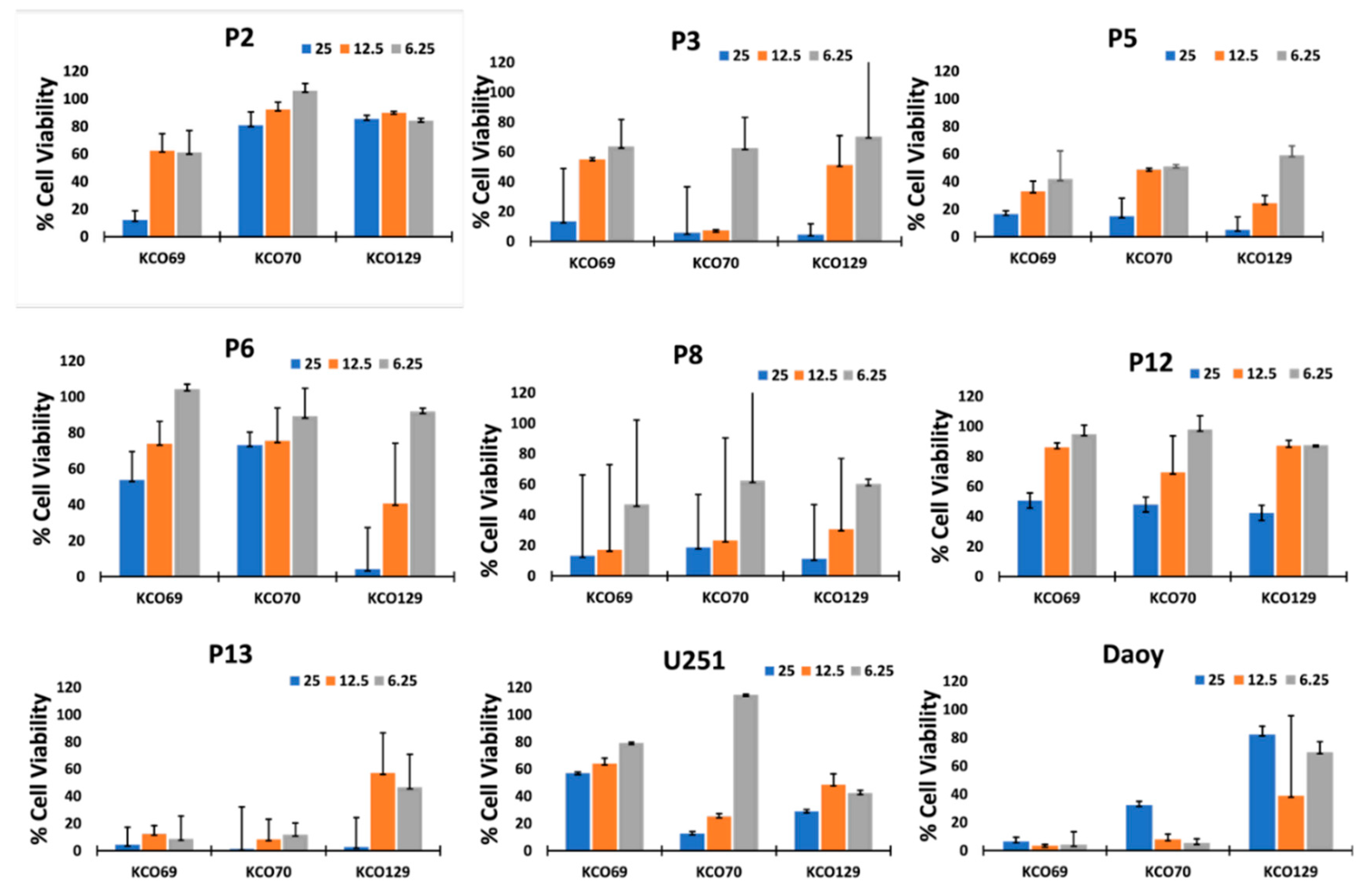
Figure 7.
Killer curves of the selected compounds (KCO69, KCO70, KCO129) against the patient’s tumor-derived cell lines and cancer cell lines (U251, Daoy).
Figure 7.
Killer curves of the selected compounds (KCO69, KCO70, KCO129) against the patient’s tumor-derived cell lines and cancer cell lines (U251, Daoy).
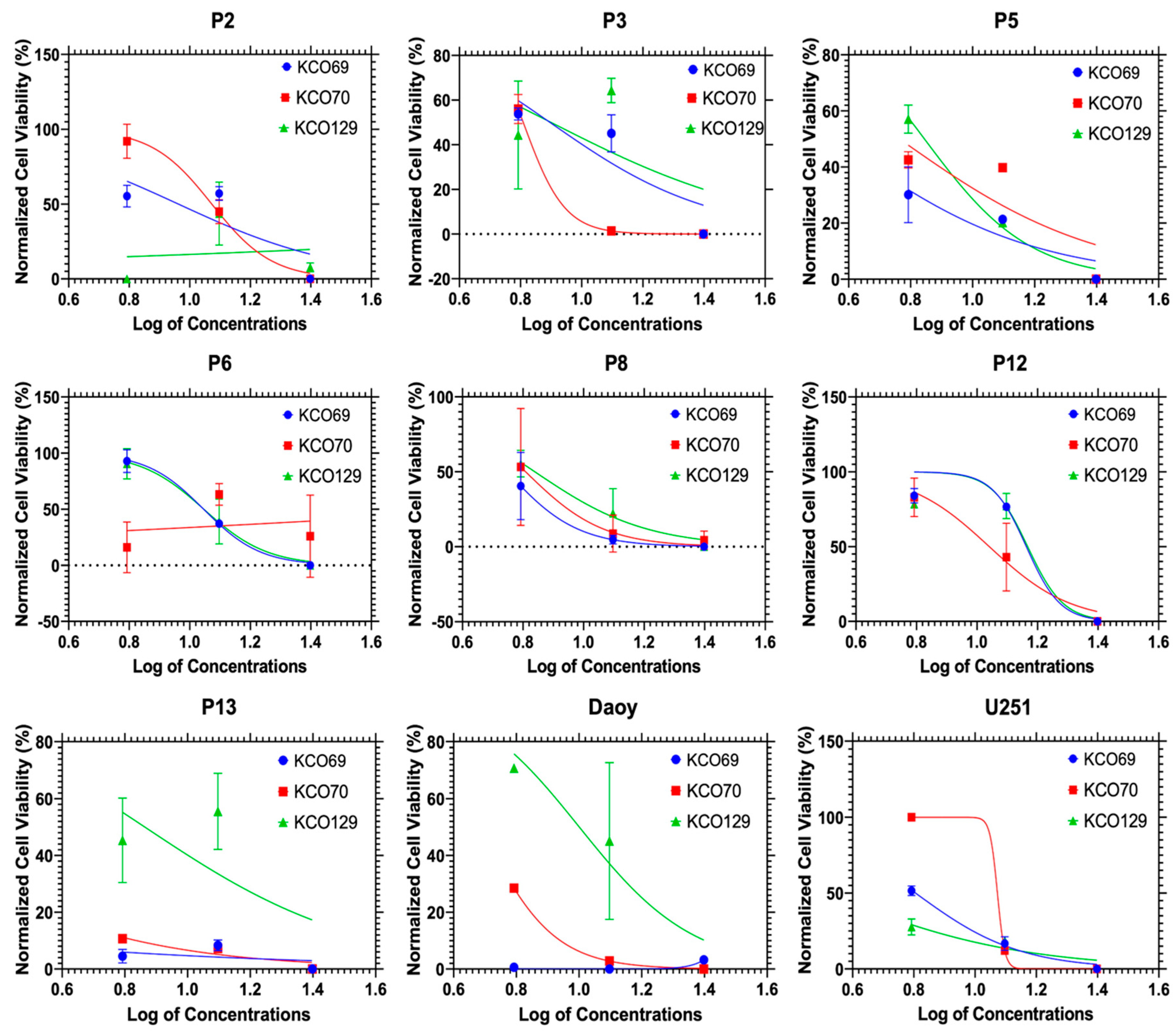
Killer curves of the selected compounds against the patient’s tumor-derived cell lines are shown in Figure 12. Compound KCO70 exhibits superior activity compared to other tested compounds against the P2, P8, and P12 and U251 cancer cell lines. Whereas compound KCO69 exhibited an excellent activity profile against P12 and P13 compared to the U251 cell line.
The cytotoxic effects of the compounds KCO69, KCO70, and KCO129 were evaluated using MTT and CellTiter-Glo assays against human tumor-derived cell lines cultured in 96-well plates. Cells were treated with varying concentrations of each compound (25, 12.5, and 6.25 μg/mL) and incubated for 48 h at 37 °C in a humidified atmosphere containing 5% CO₂. The half-maximal inhibitory concentration (IC₅₀) was determined for each compound across the tested concentrations. Cytotoxic activity was quantified using the MTT assay by calculating the mean % cell viability. All synthesized compounds exhibited concentration-dependent cytotoxic effects against patients’ cancer cell lines, with notable anticancer activity at an IC₅₀ of 12.5 μg/mL. MTT results showed Figure 8.
Based on the obtained results, compound KCO70 demonstrated comparatively greater anticancer activity than compounds KCO69 and KCO129. Pathway enrichment analysis was subsequently performed to explore the potential molecular mechanisms underlying the observed biological activity.
As summarized in Table 2, analysis using pathway databases such as the KEGG Pathway Database and the Reactome Pathway Database. Cellular life is governed by complex networks of molecular reactions, including signal transduction, transport, DNA replication, protein synthesis, and metabolism. Several databases, such as Rhea, KEGG, MetaCyc, and PANTHER, document these processes at the levels of individual reactions or pathways. The Reactome Knowledgebase uniquely focuses on Homo sapiens, integrating these reactions into a unified, systematically annotated network that links proteins to their molecular functions and supports the discovery of novel biological relationships[19]. the Reactome Pathway Database suggested that compound KCO70 may be associated with several cancer-related biological pathways. Among the most significant pathways identified were Polycyclic Aromatic Hydrocarbon Degradation (p-value = 0.0209) and Constitutive Signaling by Aberrant PI3K in Cancer (p-value = 0.0289).
These findings suggest that the enhanced anticancer activity observed for compound KCO70 may be mediated by modulation of metabolic detoxification processes and interference with oncogenic signaling pathways, particularly those involving aberrant PI3K activation. Collectively, these pathway associations provide insight into the potential mechanisms by which compound KCO70 may exert its anticancer effects, supporting its prioritization for further mechanistic and functional investigations.
The patient-derived primary brain cancer cultures (P3, P5, P8, and P13) exhibited heterogeneous responses to treatment with the tested compounds. Among these samples, P8 and P3 showed the most pronounced reduction in cell viability, indicating greater sensitivity to the compounds than the other primary cultures.
Clinical diagnosis indicated that the P8 sample corresponded to Glioblastoma, a malignancy commonly associated with multiple genetic alterations, including mutations in EGFR, TERT, and TP53, which contribute to abnormal cell proliferation and genomic instability. In addition, the P3 was diagnosed with Neurofibromatosis type 2, a condition caused by mutations in the NF2 gene that regulates cell growth and tumor suppression.
The pronounced sensitivity observed in the P3 and P8 cultures suggests that compounds KCO69 and KCO70 may exert stronger anticancer effects in tumors harboring these specific molecular alterations. This observation suggests a potential association between these compounds' activity and tumor-related signaling pathways, supporting the hypothesis that their therapeutic efficacy may be influenced by the tumor's underlying genetic and molecular characteristics.
To confirm that the explanted samples are true representatives of the primary brain tumor–derived cell population, the samples were subjected to immunocytochemistry (ICC) to evaluate the expression of selected neural and tumor-associated markers. Representative images from sample P2 and U251 cell line are presented in Figure 9. The analysis revealed a remarkable expression of the antigens CD133 shown in Figure (9-a, f), IDH1 Figure (9- b, g), and Nestin Figure (9- e, j) in P2 cells and U251 cell line. The strong immunoreactivity of these markers is consistent with characteristics commonly associated with neural progenitor and brain tumor–derived cells. In addition, slight expression of Synaptophysin shown in Figure (9- c, h) and SOX2 Figure (9- d, i) was also observed. Although the staining intensity for these markers was relatively low, their presence further supports the neural lineage and tumor-associated phenotypes of the cultured cells.
Collectively, the ICC findings confirm that the P2 cell population retains key molecular markers associated with primary brain tumor cells, supporting its suitability as an in vitro model for subsequent functional and therapeutic investigations, as shown in Figure 9.
3. Materials and Methods
General Precautions
Human tissue samples may contain infectious agents; therefore, stringent precautions were observed throughout all stages of sample handling and processing. Personnel involved in the processing of human tissue were required to complete relevant training and adhere strictly to the institutional Environmental Health and Safety (EHS) guidelines and protocols.
- All activities were performed in a physical containment 2 (PC2) laboratory, in a dedicated Class II B2 biological safety bio cabinet.
-
Strict aseptic techniques were employed under the following conditions:
- (a)
- Prior to use, the work surface of the biological safety cabinet was thoroughly wiped with 80% (v/v) ethanol. All materials and equipment were sprayed with 80% ethanol before being introduced into the cabinet.
- (b)
- Biological waste was disposed of in a sealed container containing a 10% bleach solution within the biological safety cabinet to minimize the risk of aerosol exposure.
- (c)
- Personnel wore a double layer of nitrile gloves during tissue processing, and care was taken to prevent skin punctures. The outer layer of gloves was discarded into a designated hazardous waste bag before the hands were withdrawn from the biological safety cabinet
The Source of the Tissue
Clinical History
Tissue samples were obtained after patient informed consent, as approved by the institutional ethics committee of KAIMRC. Table 3 lists all samples collected during this study.
Experimental Design
Sample Collection (Brain Tissue)
A sample of brain tissue collected during various neurosurgical procedures can therefore be a valuable source for isolating neurons, astrocytes, oligodendroglia, microglia, ependymal and microvascular cells, and various neoplastic cells from brain tumors. We collected brain tissue samples after the surgery, which were obtained in a range of sizes (Figure 10a-e).
Brain tissue is collected under sterile conditions from cortical and subcortical regions, depending on the surgery performed. When feasible, both grey matter and underlying white matter are removed during surgery. After surgical resection, fragments of viable tissue are collected, placed in cell culture medium or saline to prevent desiccation, and immediately transported to the laboratory (Figure 11).
Preparation of Tissue for Cell Culture
The protocol below describes the steps required to process a whole-tumor tissue specimen into a homogenized cell suspension for tumor cell isolation.
- Tissue fragments were washed in Hank's Balanced Salt Solution (HBSS) (Figure 12-a).
- After centrifugation, the supernatant was carefully discarded by manual aspiration, taking care not to dislodge the specimen.
- The sample was transferred to a sterile 10 cm tissue culture dish pre-cooled on ice.
Note: Ensure the tissue does not dry out in subsequent steps; add PBS as needed.
- Working quickly, a scalpel blade was used to finely mince the tissue and cut it into small pieces to achieve coarse mechanical decomposition (Figure 12-b).
-
Once the tissue is finely minced, it is collected into a 50 mL Falcon tube:
- a.
- The minced tissue was transferred by tilting the dish at an angle and rinsing the dish with 10 mL of PBS with a 25 mL serological pipette.
- b.
- This process was repeated until all tissue had been collected into the conical tube.
- c.
- the sample was centrifuged at 300xg for 5 min at 4°C.
Note: Pre-wet all serological pipettes and filtered pipette tips with PBS just before use to prevent tissue specimens from lodging on the walls of the plasticware.
- Then the tissue sample was incubated for 1-2 h with enzyme dissociation medium (1 ml of HBSS + 1μl dispase1 + 0.1μl DNase 1 + 2.5μl collagenase) with manual flicking every 15 min to allow more cells to dissociate.
- Additionally, to enhance the digestion process, the tissue was processed with manual digestion tools (Figure 12-c).
- This is followed by centrifugation at 300xg for 3 min
- Discard the supernatant after centrifugation by carefully but swiftly decanting directly into the waste container without disturbing the pellet
- Using a 10 mL serological pipette, 3 mL of DMEM media was added, and the cell pellet was triturated until no visible large pieces were present. If large pieces remain, repeat enzymatic dissociation
- This is followed by centrifugation at 300×g for 3 min.
- The sediment is resuspended again in cell culture medium containing antibiotics Pen/Strep 5% and fetal bovine serum (FBS) 10%, and plated out into a 6 Well culture plate (Figure 12-d)
- The resulting cell suspension was incubated at 37 ◦C and 5% CO2 for approximately one month, resulting in preferential proliferation and survival of brain cells. The medium is normally changed twice a week. Explants were cultured in different media conditions to optimize viability (Figure 12-e)
- Cell culture media used for primary cells and their recipe (Table 4)
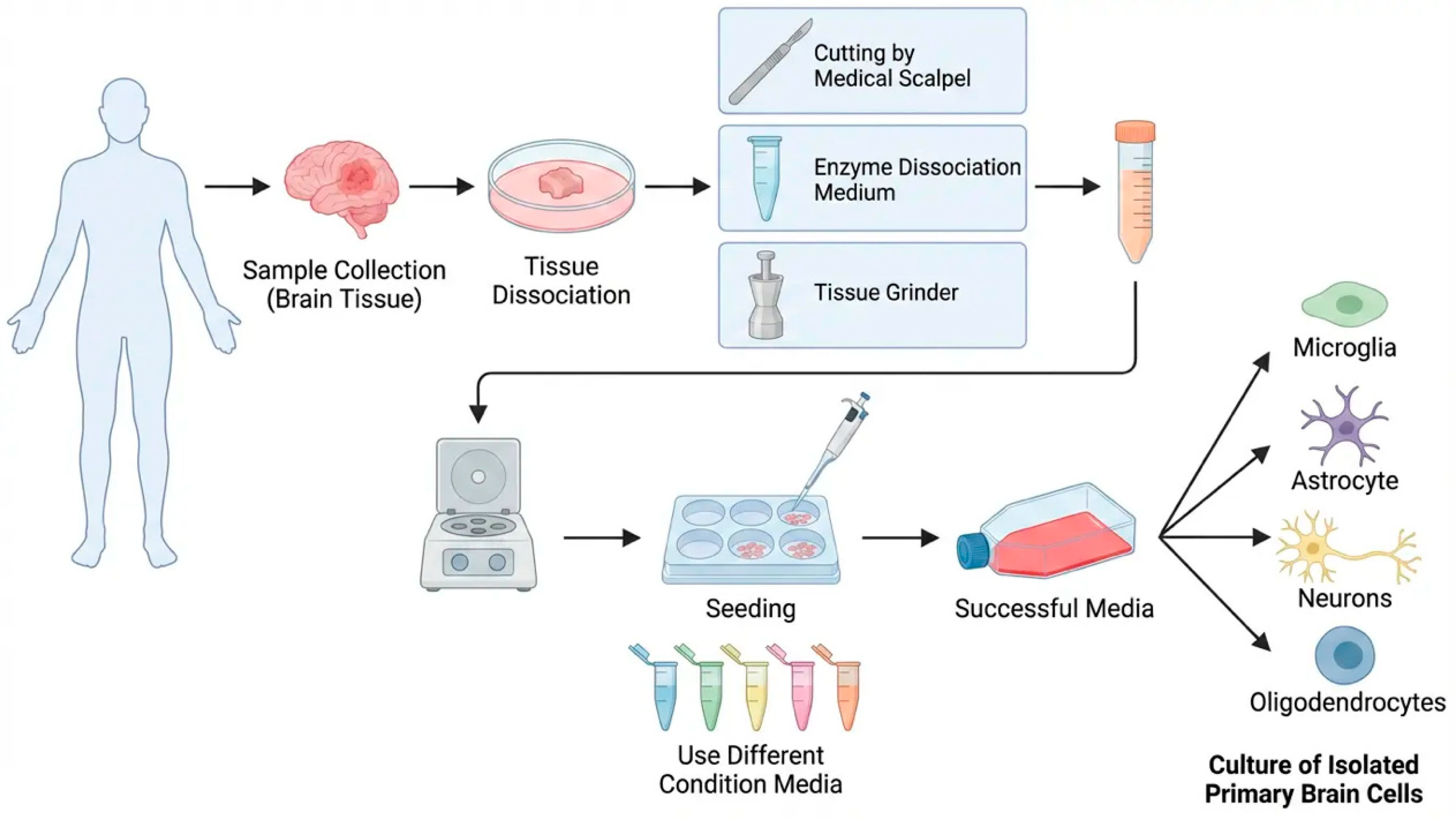
Figure 13 illustrates the experimental workflow, beginning with the initial acquisition of cancer samples, followed by either enzymatic digestion or direct plating of tissue specimens. Subsequently, cells were cultured in various culture media to optimize growth conditions, ultimately establishing diverse brain cell populations maintained in vitro.
Figure 12.
Steps of Preparation of tissue for Cell Culture: (a) tissue washing, (b) tissue cutting, (c) dissociation manual by digestion tools, (d) seeding into a 6 Well culture plate, (e) Explants were cultured in different media conditions to optimize viability.
Figure 12.
Steps of Preparation of tissue for Cell Culture: (a) tissue washing, (b) tissue cutting, (c) dissociation manual by digestion tools, (d) seeding into a 6 Well culture plate, (e) Explants were cultured in different media conditions to optimize viability.

Figure 13.
Flow chart of the isolated Primary Brain cells from Human tissue.
The Culture of Isolated Primary Brain cells
Continuous culture of tissue samples resulted in neuron cells adhering to the culture ware, and outgrowth of cells attached to the tissue on the cell culture plate was observed. The outgrowth of large primary tumor neuron-like cells (Figure 14-a, f) was visible within a few days, then the Primary neuron cells were cultured in culture flasks and incubated at 37 ◦C in a controlled atmosphere with 5% CO2
Cytology Analysis (Characterization)
Cell Viability and Proliferation
Cell proliferation and cytotoxicity assays constitute fundamental experimental approaches for characterizing the cellular effects of drug candidates, enabling the systematic evaluation of their therapeutic efficacy and safety during the drug discovery and development pipeline[21,22]. In this study, cytotoxicity was assessed using the MTT and CellTiter-Glo assays.
Cell Culture and Treatment:
Cells isolated from primary brain samples Normal Tissue (P6), Cancer Tissue (P2, P5), the human malignant glioblastoma multiforme (GBM) U251 (09063001, Merck), and the human medulloblastoma Daoy-HTB-186 (ATCC) cell lines were exposed to various concentrations of locally synthesized novel anthracene-based compounds (KCO69, KCO70, KCO129) and Temozolomide. The U251 cell line served as a control. These cells were treated with different concentrations of KCO69, KCO70, and KCO129 along with TMZ, an anticancer drug used to treat brain cancer
Cells were seeded at a density of 1 × 10⁴ cells per well in 96-well plates and incubated overnight at 37 °C in a humidified atmosphere containing 5% CO₂ to allow for cell attachment. Subsequently, cells were treated with the test compounds and TMZ using serial dilutions ranging from 100 µM to 0.097 µM, followed by a 48h incubation period. For the MTT assay, a stock solution of MTT (5 mg/mL) was prepared in distilled water and diluted 1:1000 in fresh culture medium prior to use. A 5 µL aliquot of the diluted MTT solution was added to each well, and the plates were incubated for 2–4 h to allow formation of formazan crystals. After incubation, the culture medium was carefully removed without disturbing the cell monolayer, and dimethyl sulfoxide (DMSO) was added to solubilize the formazan crystals. Plates were wrapped to protect from light and placed on an orbital shaker for 30–45 min until complete dissolution was achieved. Absorbance was measured using a Molecular Devices SpectraMax Plus 384 spectrophotometer at 560 nm, with background correction at 650 nm. The absorbance values were normalized and expressed as relative percentages of cell viability. Data analysis was performed using GraphPad Prism 8 software, and the half-maximal inhibitory concentration (IC₅₀) values were calculated accordingly
The CellTiter-Glo assay
Quantification of adenosine 5′-triphosphate (ATP), commonly referred to as the ATP assay, is a widely used method for assessing cell viability by measuring total intracellular ATP levels. This assay is based on a bioluminescent detection principle[21].
Cell Culture and Treatment:
Primary Cells (P2, P3, P5, P6, P8, P12, and P13) were seeded in white 96-well plates at a density of 1 × 10⁴ cells per well and incubated overnight at 37 °C with 5% CO₂. The cells were then treated with varying concentrations of each compound (25, 12.5, and 6.25μg/mL) for 48 h. Cell viability was assessed using the CellTiter-Glo 2.0 assay, by adding 50µl of CellTiter-Glo 2.0 Reagent to each well., The plate was wrapped and placed on an orbital shaker for 2h to induce cell lysis. Luminescence readings were recorded using the Perkin Elmer Multimodal Plate Reader, Envision system.
Immunocytochemistry (ICC)
Cells (P2) were prepared by seeding 1 × 10⁴ cells per well into sterile black 96-well plates using complete growth medium, followed by incubation at 37 °C in a humidified atmosphere containing 5% CO₂. For fixation, the culture medium was aspirated, and cells were gently washed with phosphate-buffered saline (PBS) at room temperature. Cells were then fixed with 100 µL of a solution containing 10% formalin and 4% formaldehyde for 1 h at room temperature. The fixative was carefully removed, and cells were washed with PBS for 2 min. To minimize background fluorescence, cells were blocked with 50 µL of 1% bovine serum albumin (BSA) for 1 h at room temperature. The blocking solution was discarded, and cells were washed twice with PBS prior to incubation with the primary antibody (1:100 dilution) overnight at 4 °C. In this study we used CD133 (Mouse, Invitrogen,5E3), IDH1(Mouse, Invitrogen, GT1521), Synaptophysin (Rabbit, Invitrogen, AP11), Nestin (Mouse, Invitrogen,10C2) and Sox2 (Rabbit, Invitrogen, SP76) antibodies. After removal of the primary antibody, cells were washed three times with PBS for 5 min each and subsequently incubated with the appropriate secondary antibody (raised in the same species as the blocking serum) for 1h at 4 °C in the dark. Following secondary antibody incubation, cells were washed three times with PBS for 5 min each. For nuclear counterstaining, cells were incubated with Hoechst 33342 (1:2000 dilution; 50 µL per well) for 5 min at room temperature, followed by washing with PBS. Fluorescence imaging was performed using a confocal laser scanning microscope (Zeiss cLSM780), and images were captured under appropriate excitation and emission settings.
4. Conclusions
The complexity and heterogeneity of cancer have posed significant challenges to the global scientific community for decades. A comprehensive understanding of the intricate molecular and cellular landscape of cancer remains a central objective in cancer biology. Immortalized cancer cell lines serve as invaluable models for studying tumor biology, offering insights into the genomic, proteomic, and molecular features of various cancer types. However, identifying an appropriate cell line that accurately recapitulates the biological behavior of primary tumors remains a persistent challenge. Furthermore, extensively passaged cell lines often exhibit altered morphology, gene expression patterns, and proteomic profiles, which can compromise the validity of experimental findings. Therefore, establishing explanted cells derived directly from primary tumors—preferably at low passage numbers and exhibiting distinct cancer-specific characteristics—is essential for advancing translational cancer research.
In conclusion, the successful isolation, expansion, and comprehensive characterization of Saudi patient–derived primary brain cancer cells establishes a robust, biologically relevant, and clinically reflective in vitro platform for preclinical drug discovery. These models preserved key histopathological and molecular characteristics of the original tumors, including stemness and tumor-associated markers, while maintaining interpatient heterogeneity—an essential feature often lacking in conventional immortalized cell lines.
The demonstrated cytotoxic activity of novel compounds KCO69, KCO70, and KCO129, particularly at higher concentrations, highlights their promising therapeutic potential. The concentration-dependent reduction in cell viability observed through both MTT and ATP-based (Titer-Glo) assays further strengthens the reliability of the findings and confirms metabolic and proliferative suppression in treated cells. Among the tested candidates, compound KCO70 exhibited comparatively stronger antiproliferative effects, suggesting potential for prioritization in subsequent investigations.
Importantly, the variability in drug responsiveness across different patient-derived cultures underscores the translational relevance of these models and reflects the molecular and phenotypic diversity characteristic of brain tumors. Collectively, these findings support further mechanistic studies, dose-optimization analyses, and in vivo validation to explore the therapeutic applicability of the investigated compounds. Moreover, this work reinforces the critical value of patient-derived primary models in advancing precision oncology approaches and developing population-specific therapeutic strategies for brain cancer management in Saudi Arabia and beyond.
Author Contributions
Conceptualization, R.A.; Methodology, R.A., S.A.S; Software, S.A.S.; Validation, S.A.S., F.S. and A.A.K.; Formal Analysis, R.A. S.A.S, F.A.S; Investigation, R.A., S.A., F.A.S; Resources, R.A., M.B., F.A.S., A.A.; Data Curation, R.A., S.A.S, I.I., F.A.S; Writing – Original Draft Preparation, S.A.S., R.A.; Writing – Review & Editing, R.A., I.I; Visualization, S.A.S.; Supervision, R.A., R.A.M; Project Administration, R.A.; Funding Acquisition, R.A.
Funding
This research was funded by the King Abdullah International Medical Research Center (KAIMRC) grant number RC18/173 and NRC24/068.
Institutional Review Board Statement
The study was conducted in accordance with the Declaration of Helsinki and was approved by the Institutional Review Board of King Abdullah International Medical Research Center (KAIMRC) (protocol code NRC24/068, 17th Nov. 2025).
Informed Consent Statement
Informed consent was obtained from all subjects involved in the study.
Data Availability Statement
All the data is available in the manuscript, and any further data requests can be submitted to the authors.
Conflicts of Interest
The authors declare no conflict of interest.
References
- Roy, P. S.; Saikia, B. J. Cancer and cure: A critical analysis. Indian J. Cancer 2016, vol. 53(no. 3), 441–442. [Google Scholar] [CrossRef] [PubMed]
- Tandel, G. S. A Review on a Deep Learning Perspective in Brain Cancer Classification. Cancers 2019, vol. 11(no. 1). [Google Scholar] [CrossRef] [PubMed]
- Alessa, M.; Khan, A. S. Epidemiology of Colorectal Cancer in Saudi Arabia: A Review. Cureus 2024, vol. 16(no. 7). [Google Scholar] [CrossRef] [PubMed]
- Pichaivel, M. An Overview of Brain Tumor. In Brain Tumors; Jan 2022. [Google Scholar] [CrossRef]
- Hotchkiss, K. M.; Sampson, J. H. Temozolomide treatment outcomes and immunotherapy efficacy in brain tumor. J. Neurooncol. 2021, vol. 151(no. 1), 55–62. [Google Scholar] [CrossRef] [PubMed]
- Bellamy, C.; Hajal, C.; Ligon, K. L.; Touat, M. Revisiting an old therapy for new, promising combinations: Biology and perspectives of lomustine in glioma treatment. Neuro. Oncol. 2025, vol. 27(no. 12), 3043–3057. [Google Scholar] [CrossRef] [PubMed]
- Yamamuro, S. Lomustine and nimustine exert efficient antitumor effects against glioblastoma models with acquired temozolomide resistance. Cancer Sci. 2021, vol. 112(no. 11), 4736–4747. [Google Scholar] [CrossRef] [PubMed]
- Solimando, D. A.; Waddell, J. A. Procarbazine, Lomustine, and Vincristine (PCV) Regimen for Central Nervous System Tumors. Hosp. Pharm. 2017, vol. 52(no. 2), 98–104. [Google Scholar] [CrossRef] [PubMed]
- Mirza, Baig; et al. The use of Bevacizumab in the treatment of brain arteriovenous malformations: a systematic review. Neurosurg. Rev. 2025, vol. 48(no. 1). [Google Scholar] [CrossRef]
- Bombino; Magnani, M.; Conti, A. A Promising Breakthrough: The Potential of VORASIDENIB in the Treatment of Low-grade Glioma. Curr. Mol. Pharmacol. 2024, vol. 17. [Google Scholar] [CrossRef] [PubMed]
- Basu Roy, T.; Dokholyan, N. V. MT-125: A glimpse of hope for glioblastoma patients. Cell. Biomater. 2025, vol. 1(no. 8), 100160. [Google Scholar] [CrossRef]
- Kaur, G.; Dufour, J. M. Cell lines. Spermatogenesis 2012, vol. 2(no. 1), 1–5. [Google Scholar] [CrossRef] [PubMed]
- Xu, J.; Margol, A.; Asgharzadeh, S.; Erdreich-Epstein, A. Pediatric brain tumor cell lines. J. Cell. Biochem. 2015, vol. 116(no. 2), 218–224. [Google Scholar] [CrossRef] [PubMed]
- Powley, R. Patient-derived explants (PDEs) as a powerful preclinical platform for anti-cancer drug and biomarker discovery. Br. J. Cancer 2020, vol. 122(no. 6), 735–744. [Google Scholar] [CrossRef] [PubMed]
- Jezierzański, M. Temozolomide (TMZ) in the Treatment of Glioblastoma Multiforme—A Literature Review and Clinical Outcomes. Curr. Oncol. 2024, vol. 31(no. 7), 3994. [Google Scholar] [CrossRef] [PubMed]
- Matada, S.; Pattanashettar, R.; Yernale, N. G. A comprehensive review on the biological interest of quinoline and its derivatives. Bioorg. Med. Chem. 2021, vol. 32. [Google Scholar] [CrossRef] [PubMed]
- Mohamed, M. F. A.; Abuo-Rahma, G. E. D. A. Molecular targets and anticancer activity of quinoline–chalcone hybrids: literature review. RSC Adv. 2020, vol. 10(no. 52), 31139–31155. [Google Scholar] [CrossRef] [PubMed]
- Mohamed, M. F. A.; Abuo-Rahma, G. E. D. A. Molecular targets and anticancer activity of quinoline–chalcone hybrids: literature review. RSC Adv. 2020, vol. 10(no. 52), 31139–31155. [Google Scholar] [CrossRef] [PubMed]
- Fabregat. The Reactome Pathway Knowledgebase. Nucleic Acids Res. 2018, vol. 46(no. D1), D649–D655. [Google Scholar] [CrossRef] [PubMed]
- Garcia-Garcia, J. iFrag: A Protein–Protein Interface Prediction Server Based on Sequence Fragments. J. Mol. Biol. 2017, vol. 429(no. 3), 382–389. [Google Scholar] [CrossRef] [PubMed]
- Niu, J.; Li, M.; Wang, Y. Cell Proliferation and Cytotoxicity Assays, The Fundamentals for Drug Discovery; Scilight Press Pty. Ltd, 01 Sep 2024. [Google Scholar] [CrossRef]
- Adan; Kiraz, Y.; Baran, Y. The international international journal journal for timely for timely in-depth reviews in in-depth reviews in Pharmaceutical Pharmaceutical Biotechnology Impact Factor: 1.802 BENTHAM. Curr. Biotechnol. Pharm. 2016, vol. 17(no. 14), 1873–4316. [Google Scholar] [CrossRef]
Figure 1.
The structures of some approved quinoline-containing anticancer drugs.
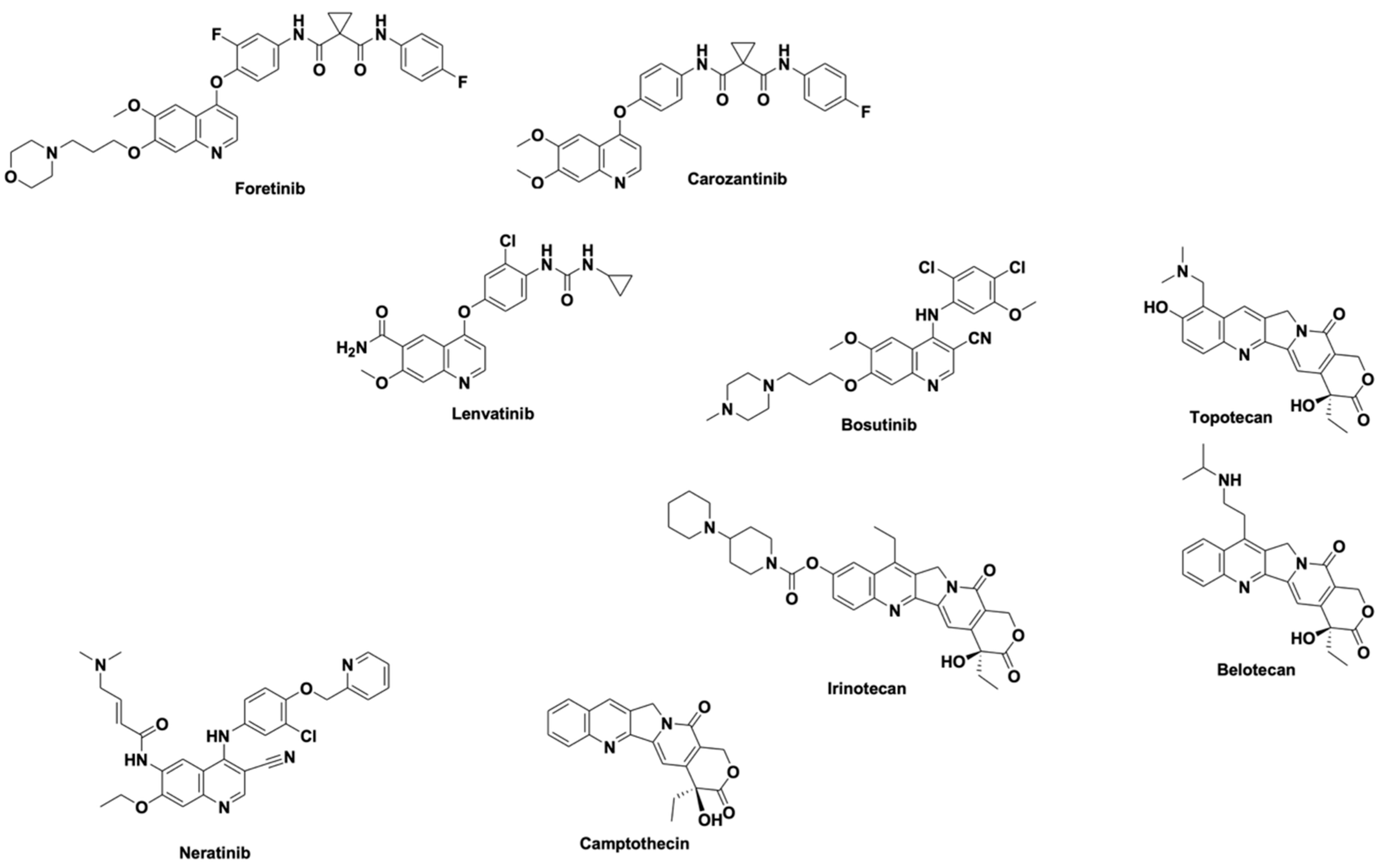
Figure 2.
Flow chart of the current study.
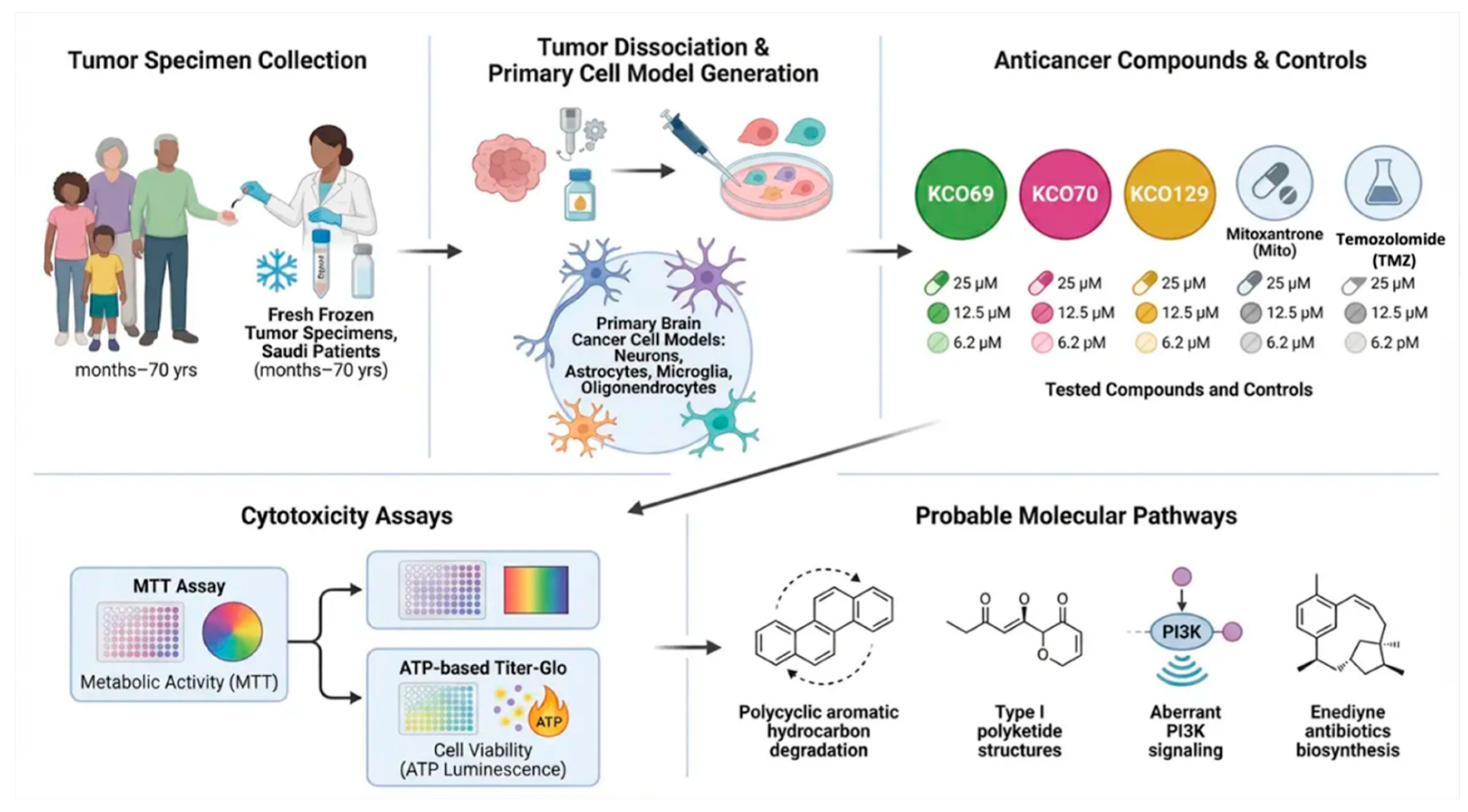
Figure 3.
(a) Hematoxylin and eosin-stained section from (Normal Tissue -P6) Scale bars = 4mm, (b) Hematoxylin and eosin-stained section from (Normal Tissue -P6) Scale bars = 40μm. (c) Hematoxylin and eosin-stained section from (Cancer Tissue -P2) High-Grade Astrocytoma, WHO grade 4, Scale bars = 2mm, (d) Hematoxylin and eosin-stained section from (P2), Scale bars = 200μm.
Figure 3.
(a) Hematoxylin and eosin-stained section from (Normal Tissue -P6) Scale bars = 4mm, (b) Hematoxylin and eosin-stained section from (Normal Tissue -P6) Scale bars = 40μm. (c) Hematoxylin and eosin-stained section from (Cancer Tissue -P2) High-Grade Astrocytoma, WHO grade 4, Scale bars = 2mm, (d) Hematoxylin and eosin-stained section from (P2), Scale bars = 200μm.
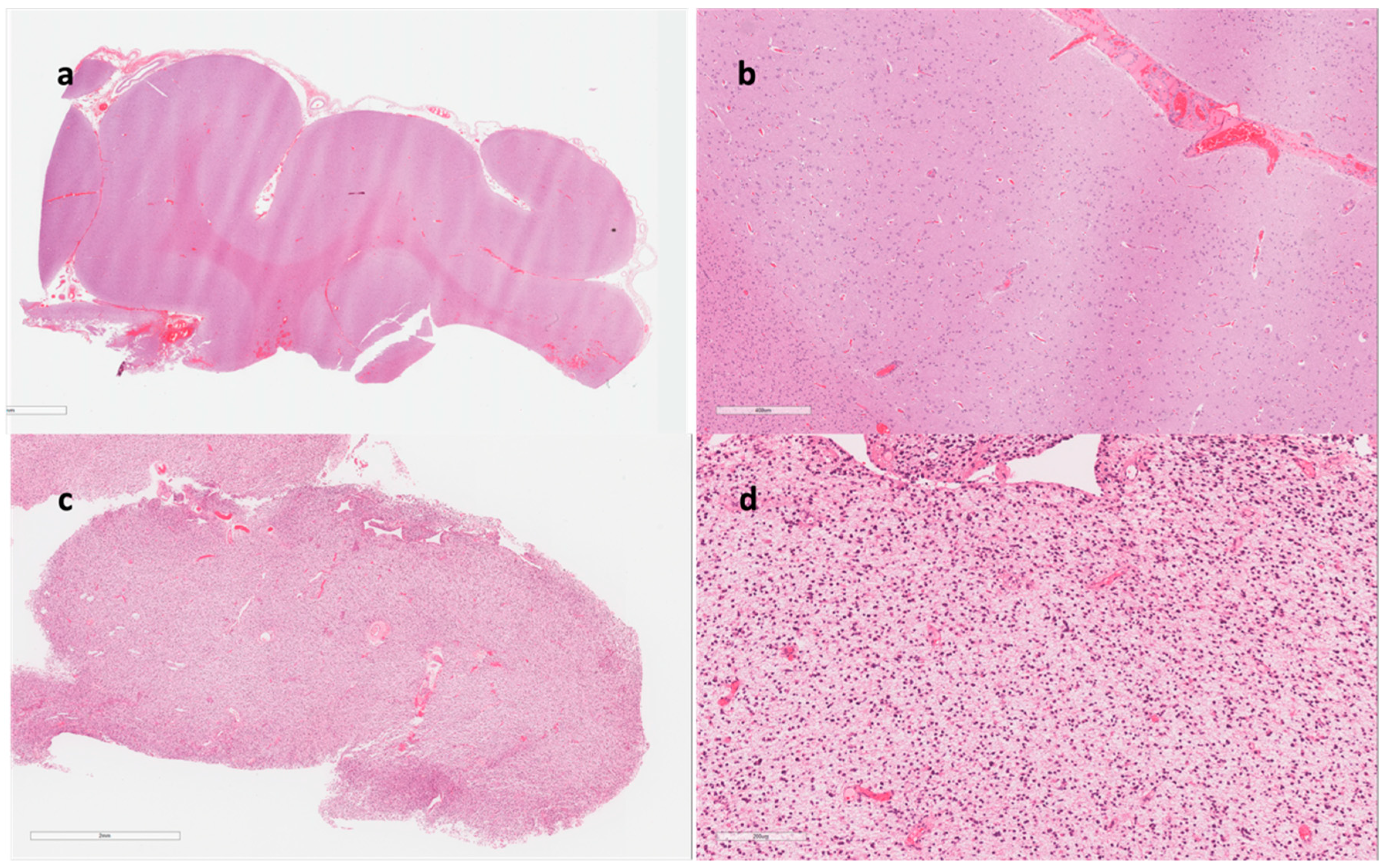
Figure 4.
Cell viability screening of synthesized compounds KCO (49, 50, 51, 54, 60, 62, 64, 65, 69, 70, 73, 126, 128, and 129) on U251 and Daoy cell lines.
Figure 4.
Cell viability screening of synthesized compounds KCO (49, 50, 51, 54, 60, 62, 64, 65, 69, 70, 73, 126, 128, and 129) on U251 and Daoy cell lines.
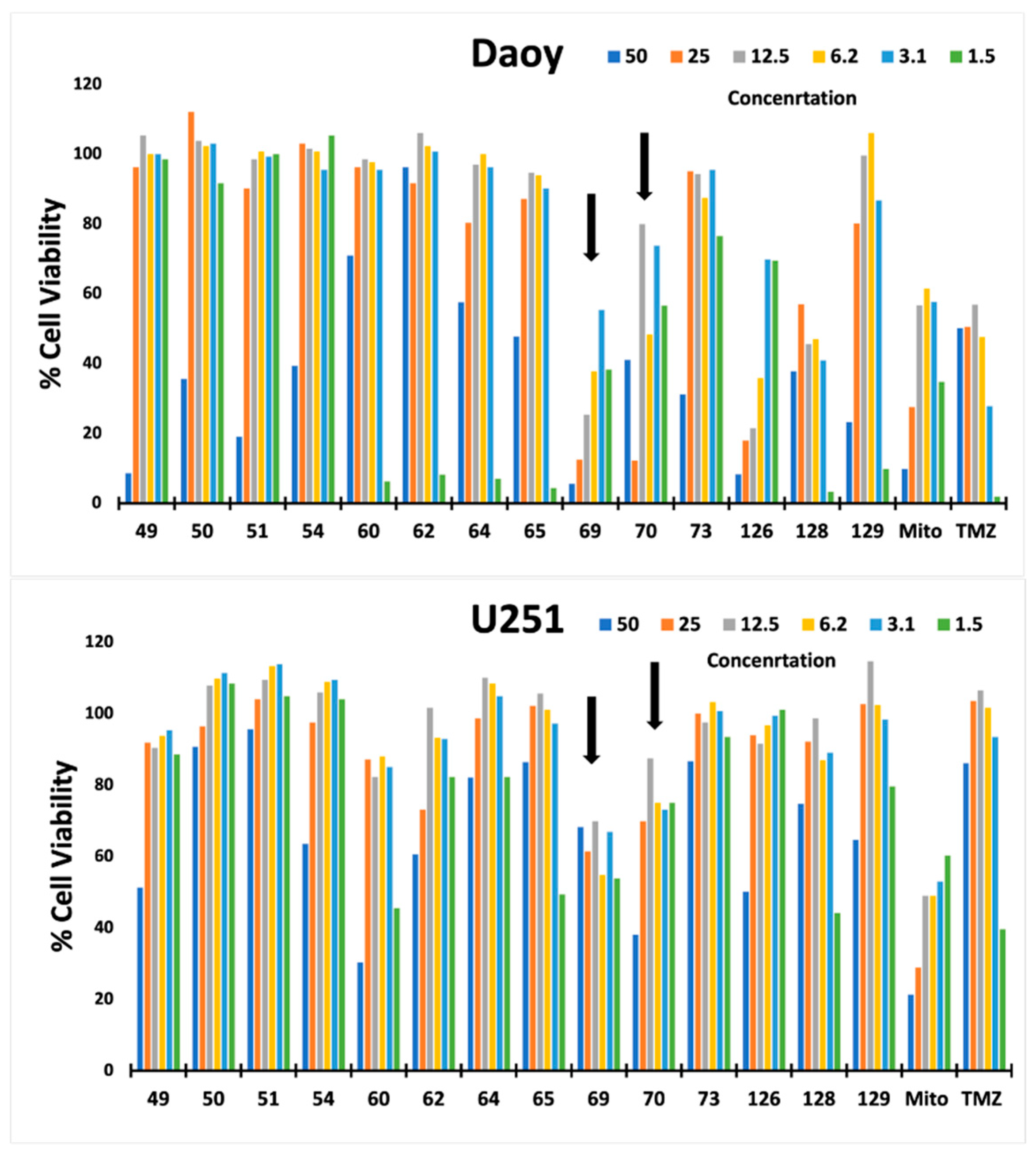
Figure 5.
Cell viability screening of serial dilution compounds (KCO69, KCO70, and KCO129) Mito and TMZ on U251 and Daoy cell lines.
Figure 5.
Cell viability screening of serial dilution compounds (KCO69, KCO70, and KCO129) Mito and TMZ on U251 and Daoy cell lines.
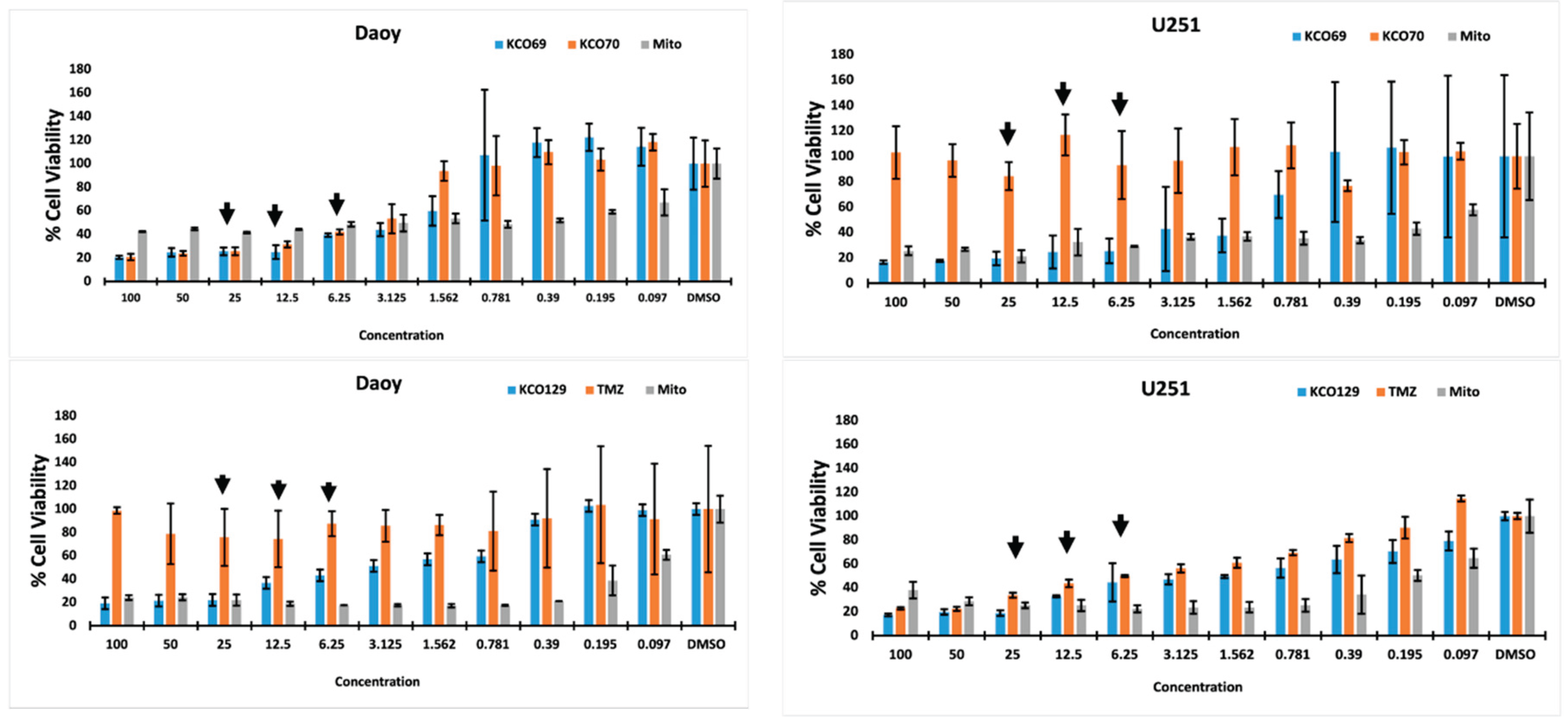
Figure 8.
Treatment of Primary Brain cell (P2, P5, U251, Daoy) and Normal Tissue (P6, Control) with Novel compounds (KCO69, KCO70, KCO129) and. Cell viability was assessed by MTT assay.
Figure 8.
Treatment of Primary Brain cell (P2, P5, U251, Daoy) and Normal Tissue (P6, Control) with Novel compounds (KCO69, KCO70, KCO129) and. Cell viability was assessed by MTT assay.
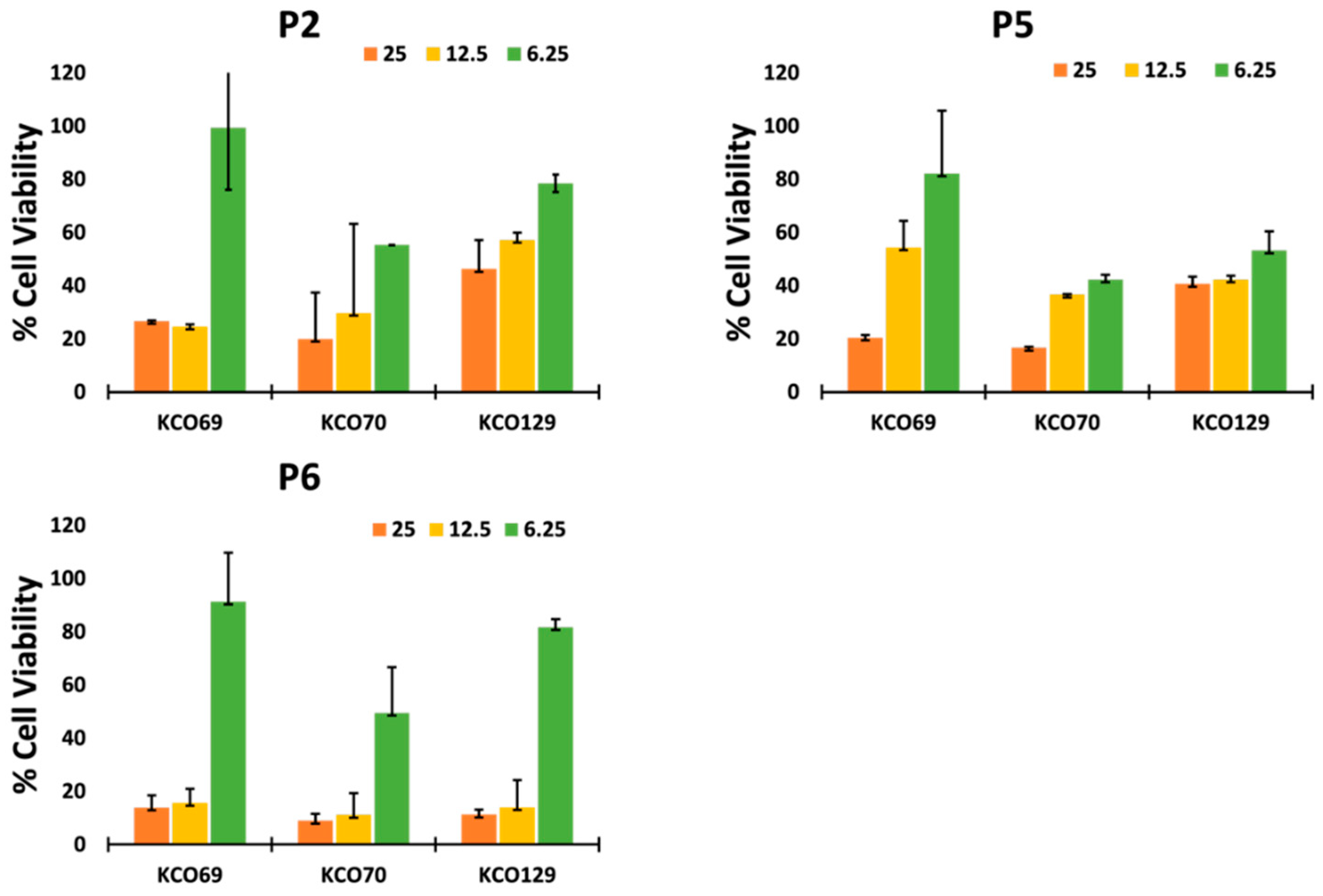
Figure 9.
Immunocytochemistry images of a panel of markers to perform a comprehensive proofing of the Brain cell line. Scale bars = 50μm.
Figure 9.
Immunocytochemistry images of a panel of markers to perform a comprehensive proofing of the Brain cell line. Scale bars = 50μm.
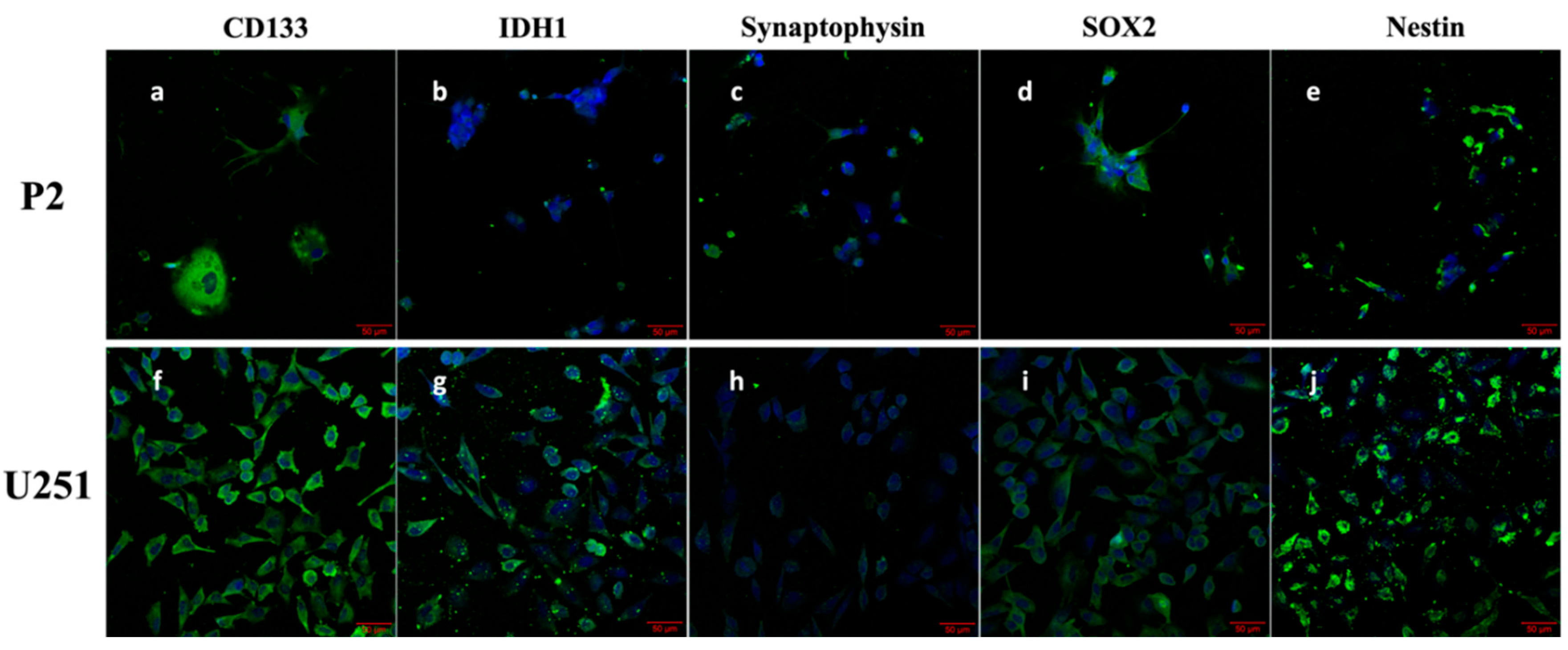
Figure 10.
(a-e) Brain tissue samples were obtained in a range of sizes. Size ranges from a few cm to a few mm.
Figure 10.
(a-e) Brain tissue samples were obtained in a range of sizes. Size ranges from a few cm to a few mm.

Figure 11.
(a) Brain tissue specimen prepared in media for transport to the laboratory. (b) Samples were kept on ice for transportation in a thermostable box. (c) A small brain specimen in a Falcon tube is ready for transportation.
Figure 11.
(a) Brain tissue specimen prepared in media for transport to the laboratory. (b) Samples were kept on ice for transportation in a thermostable box. (c) A small brain specimen in a Falcon tube is ready for transportation.
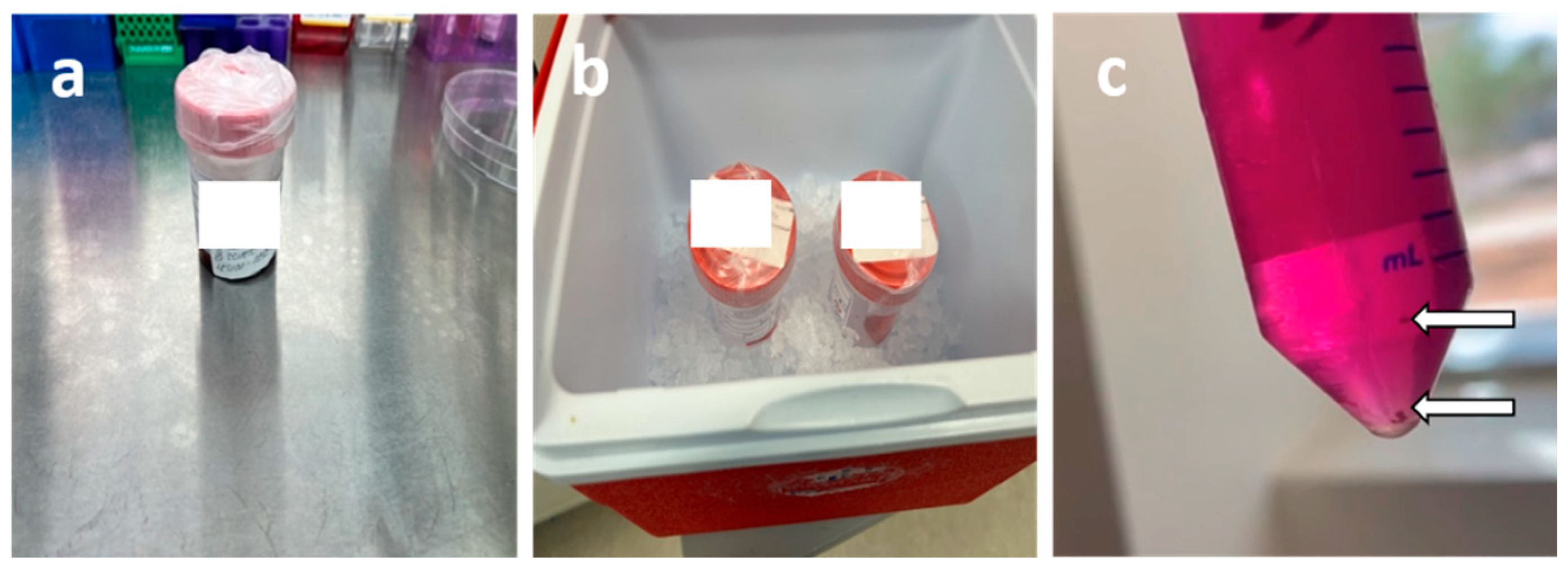
Figure 14.
Patient-derived Primary Brain cells (a) show Primary Multipolar Neuron cells. Scale bar=200µm. (P2) (b)) network of neurons Scale bar=400µm (P2). (c) shows Primary Neuron cells. Scale bar=200µm. (P5). (d) Primary Microglia Scale bar=200µm (P3). (e) Primary Astrocytes (P6). (f) shows Neurol Stem Cell (NSCs) (P6). Scale bar=100µm.
Figure 14.
Patient-derived Primary Brain cells (a) show Primary Multipolar Neuron cells. Scale bar=200µm. (P2) (b)) network of neurons Scale bar=400µm (P2). (c) shows Primary Neuron cells. Scale bar=200µm. (P5). (d) Primary Microglia Scale bar=200µm (P3). (e) Primary Astrocytes (P6). (f) shows Neurol Stem Cell (NSCs) (P6). Scale bar=100µm.
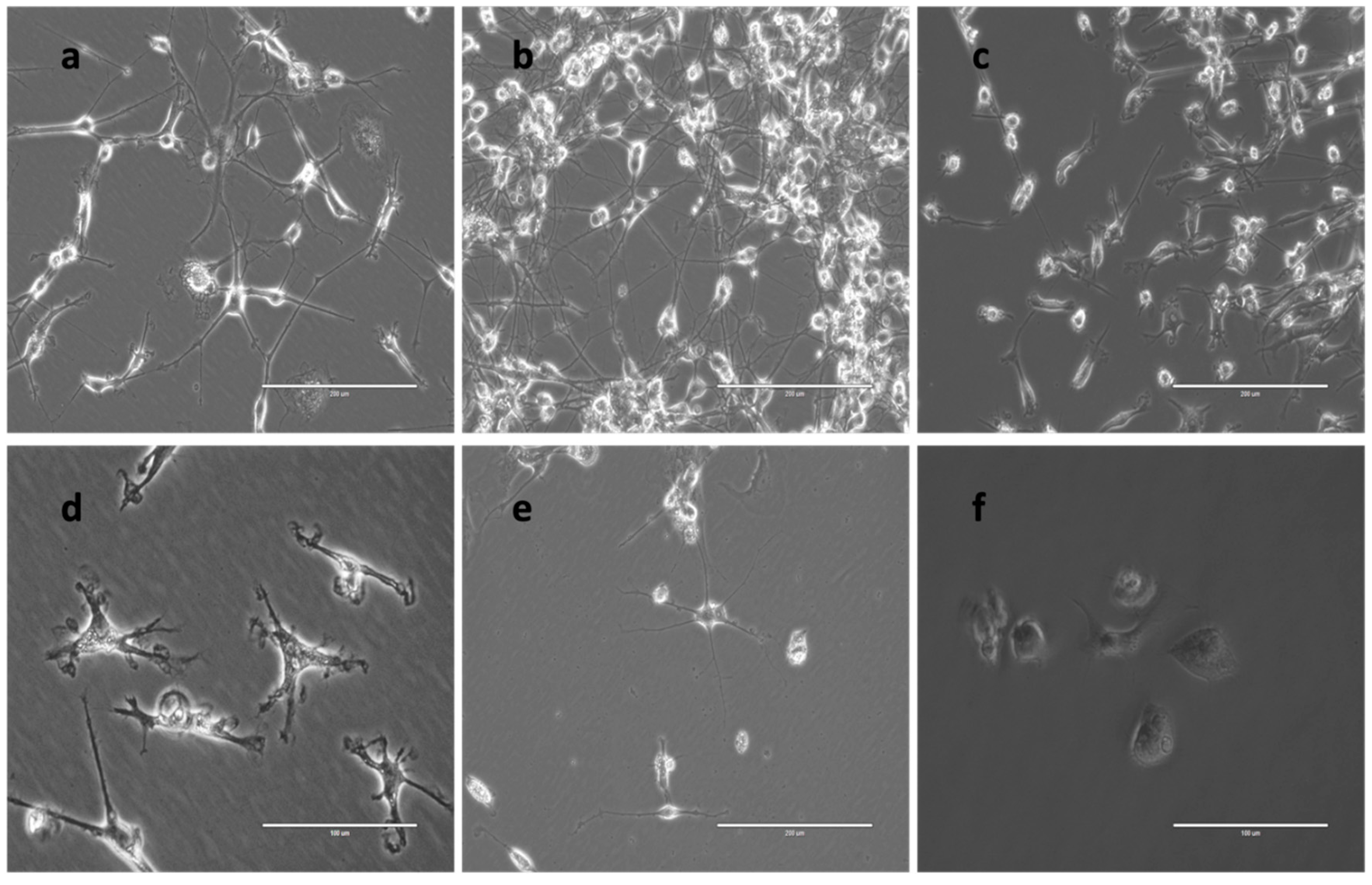

Table 1.
Anticancer activity of most active compounds against various cell lines (IC50 in μM).
| KCO | U251 | Daoy | P2 | P3 | P5 | |||||
| IC50 | R2 | IC50 | R2 | IC50 | R2 | IC50 | R2 | IC50 | R2 | |
| 69 | 6 | 0.98 | 35 | 0.92 | 9 | 0.67 | 7 | 0.75 | 3 | 0.7 |
| 70 | 11 | 1.00 | 4 | 0.99 | 11 | 0.97 | 6 | 0.98 | 5 | 0.67 |
| 129 | 3 | 0.8 | 10 | 0.8 | 7 | 0.01 | 7 | 0.33 | 6 | 0.98 |
| KCO | P6 | P8 | P12 | P13 | ||||||
| IC50 | R2 | IC50 | R2 | IC50 | R2 | IC50 | R2 | |||
| 69 | 11 | 0.98 | 5 | 0.79 | 14 | 0.93 | 0.03 | 0.17 | ||
| 70 | 12 | 0.01 | 6 | 0.6 | 10 | 0.89 | 1.11 | 0.8 | ||
| 129 | 11 | 0.93 | 6 | 0.88 | 14 | 0.87 | 7 | 0.4 | ||
Table 2.
Data generated using the iFragMent server. It assigns chemical compounds to biological pathways using a profile-based approach [20].
Table 2.
Data generated using the iFragMent server. It assigns chemical compounds to biological pathways using a profile-based approach [20].
| Compound | Structure |
Molecular Pathways |
Database |
Confidence (p-value) |
| KCO69 | 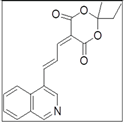 |
Polycyclic aromatic hydrocarbon degradation | KEGG Pathways | 0.0251 |
| Type I polyketide structures | 0.0362 | |||
| Constitutive Signaling by Aberrant PI3K in Cancer | Reactome | 0.0319 | ||
| KCO70 | 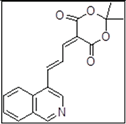 |
Polycyclic aromatic hydrocarbon degradation | KEGG Pathways | 0.0209 |
| Constitutive Signaling by Aberrant PI3K in Cancer | Reactome | 0.0289 | ||
| KCO129 | 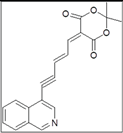 |
Biosynthesis of enediyne antibiotics | KEGG Pathways | 0.0225 |
| Constitutive Signaling by Aberrant PI3K in Cancer | Reactome | 0.0587 |
Table 3.
Cases of Brain cancer patients participated in the research.
| Abbreviation | Diagnosis | Age | Gander | Location |
| P1 | Brain Tumor-Metastatic carcinoma | 68 | M | Right Frontal |
| P2 | Brain Tumor- High-Grade Astrocytoma, WHO grade4 | 33 | M | Left Frontal |
| P3 | Brain Tumor-Schwannoma, WHO grade 1 | 43 | M | Right Sciatic nerve tumor |
| P4 | Meningioma | 48 | F | Olfactory groove |
| P5 | Brain Tumor-Astrocytoma, WHO grade 2 | 38 | M | Right parietal lobe |
| P6 | Cerebral Tissue Control | 24 | M | Right frontal |
| P7 | Mammosomatotroph PitNET/adenoma | 39 | M | Pituitary region |
| P8 | Brain Tumor -Glioblastoma, WHO grade4 | 39 | M | Left temporal |
| P9 | Brain Tumor -Infant-type hemispheric glioma | 9M | F | Right Temporoparietal |
| P10 | Metastatic colonic adenocarcinoma | 61 | M | Left cerebellar tumor |
| P11 | Primary large B-cell lymphoma of the CNS | 63 | M | Left occipital |
| P12 | Medulloblastoma, WHO grade4 | 6y | F | Left cerebellar tumor |
| P13 | Anaplastic meningioma, WHO grade3 | 55 | M | Left frontal |
| P14 | Brain Tumor- Glioblastoma -grade 4 | 51 | F | Right frontal lobe |
| P15 | Brain Tumor-Meningioma, WHO grade1 | 55 | F | Left temporal |
| P16 | Brain Tumor-Glioblastoma WHO, grade 4 | 57 | M | Right hemispheric lesion |
Table 4.
Cell culture media used for primary cells and their recipe.
| Basic Growth Media | |
| Component | Volume for 500 ml |
| A DMEM | 450 ml |
| FBS serum 10 % | 50 ml |
| Pen/Strep | 5 ml |
| Glutamine | 5 ml |
| Cell medium (1) | |
| DMEM/F-12 Complete | 22,5 ml |
| DMEM gultamax Complete | 22,5 ml |
| FBS serum 20 % | 5 ml |
| Gentamicin (50µg/ml) | 12,5µl |
| ITS 0.1% | 50µl |
| EGF stock | 50µl |
| HEPES 1 M | 550µl |
| EGF stock (1 µL in 100 µl H2O) 20ng/ml | |
| Cell medium (2) | |
| DMEM/F-12 Complete | 22,5 ml |
| DMEM gultamax Complete | 22,5 ml |
| B-27 | 1ml |
| Gentamicin (50µg/ml) | 12,5µl |
| ITS 0.1% | 50µl |
| EGF stock | 50µl |
| HEPES 1 M | 550µl |
| Cell medium (3) | |
| NeuroCult™ Neural Cell Culture Media |
Volume for 50 ml |
| BDNF (500ng/ml) | 25µl |
| FBS serum 10 % | 5ml |
| Pen/Strep | 500µl |
| Cell medium (4) | |
| Complete Advanced DMEM | Volume for 20 ml |
| Human Recombinant Brain-derived neurotrophic factor (BDNF) (500ng/ml) | 10µl |
Disclaimer/Publisher’s Note: The statements, opinions and data contained in all publications are solely those of the individual author(s) and contributor(s) and not of MDPI and/or the editor(s). MDPI and/or the editor(s) disclaim responsibility for any injury to people or property resulting from any ideas, methods, instructions or products referred to in the content. |
© 2026 by the authors. Licensee MDPI, Basel, Switzerland. This article is an open access article distributed under the terms and conditions of the Creative Commons Attribution (CC BY) license (http://creativecommons.org/licenses/by/4.0/).
Copyright: This open access article is published under a Creative Commons CC BY 4.0 license, which permit the free download, distribution, and reuse, provided that the author and preprint are cited in any reuse.


