

Submitted:
27 April 2026
Posted:
29 April 2026
You are already at the latest version
Abstract
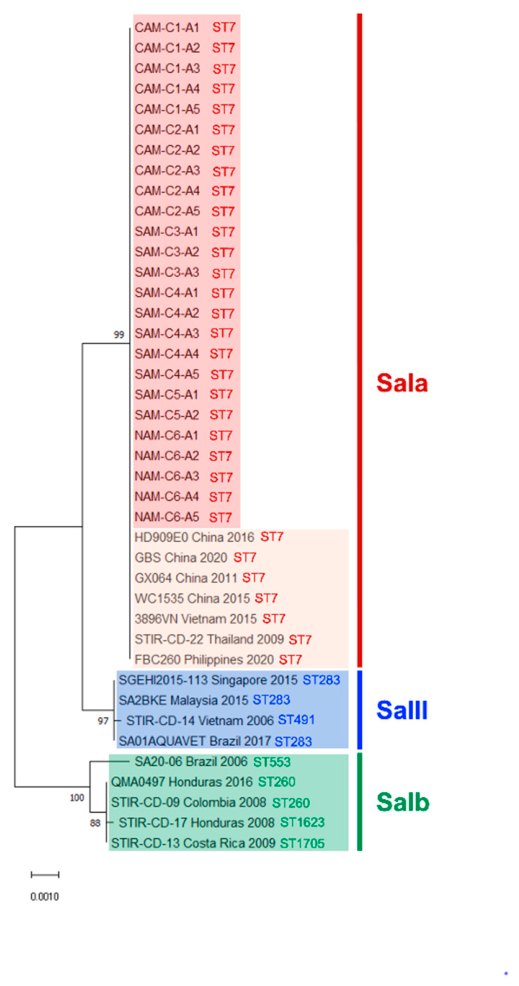
Recently, a strain of Streptococcus agalactiae serotype Ia sequence type 7 clonal complex 1 (SaIa ST7 CC1) has emerged in Latin American tilapia aquaculture as an international threat. This study evaluated outbreaks of acute streptococcosis occurring between 2021 and 2025 on commercial Nile tilapia (Oreochromis niloticus) farms located in six Latin American countries, with an aim to combine molecular, clinical, pathological and environmental data. In total, 360 moribund or recently dead fish at various production stages (larvae/fry, pre grow-out and grow out) were examined, and 25 S. agalactiae isolates were serotyped, subjected to real time PCR analysis multilocus sequence typing (MLST), virulence and antimicrobial resistance gene profiling and antimicrobial susceptibility testing. All isolates belonged to SaIa and had the same ST7 CC1 MLST profile, which created a highly homogeneous cluster that grouped with reference SaIa ST7 CC1 strains previously isolated from tilapia farms in Asia. These results are consistent with the regional spread of a single clonal line. At larval and fry stage, SaIa ST7 CC1 was associated with hyperacute septicemia, gastrointestinal hemorrhage and frequent intestinal intussusception; while in pre grow out and grow out fish neurological signs were more prominent followed by ocular signs, systemic hemorrhages and coelomic lesions. Histopathological examination showed profuse colonization of brain, spleen, liver, and intestine by Gram positive cocci accompanied by significant acute circulatory and inflammatory lesions and few chronic granulomatous responses consistent with a fast-progressing high aggressive infectious process. All outbreaks occurred during extended episodes of hot water (>32°C) with large day–night thermal gradients and reduced dissolved oxygen, suggesting that thermal stress may exacerbate disease expression in systems affected. All SaIa ST7 CC1 strains exhibited phenotypic susceptibility to florfenicol and amoxicillin, but 84% (21/25) and 100% (25/25) of them exhibited intermediate susceptibility to oxytetracycline and enrofloxacin, respectively. Five of the 21 isolates (23,8%) with intermediate susceptibility to oxytetracycline carried tetracycline resistance genes (tetM, tetO). These findings identify SaIa ST7 CC1 as a clinically relevant threat of emerging thermally facilitated and geographically expanded streptococcosis for tilapia production in Latin America. Immediate priorities include screening of imported broodstock using MLST or whole genome sequencing, harmonized regional molecular surveillance, climate adaptive farm management practices, prudent antimicrobial use and serotype matched vaccination and breeding strategies that improve both disease- as well as heat-resilience.
Keywords:
1. Introduction
2. Materials and Methods
2.1. Ethical Statement
2.2. Field Fish Sampling
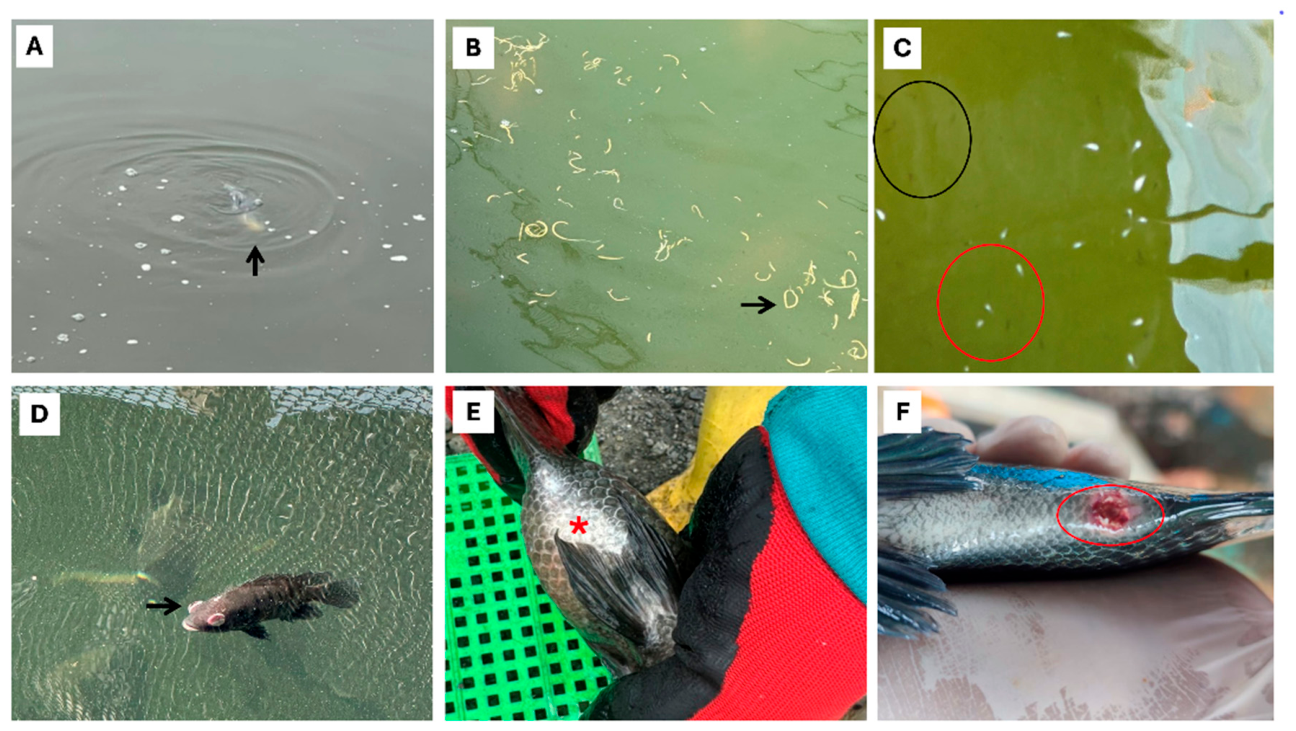
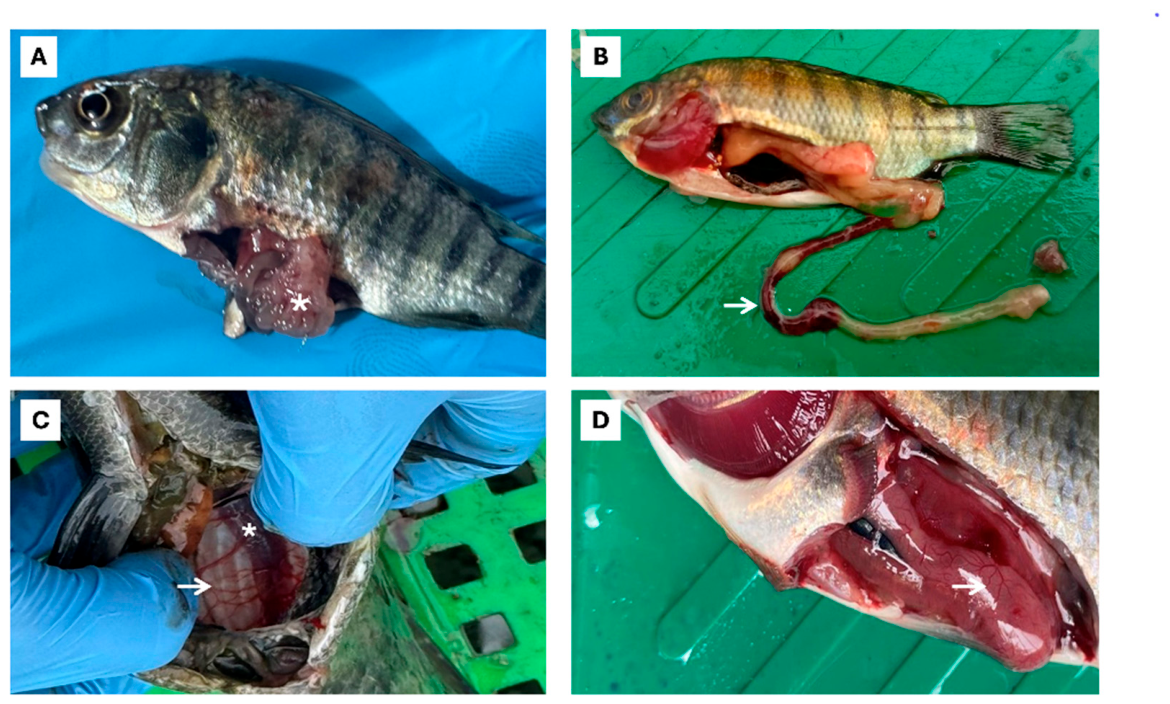
2.3. Clinical Signs and Gross Pathology
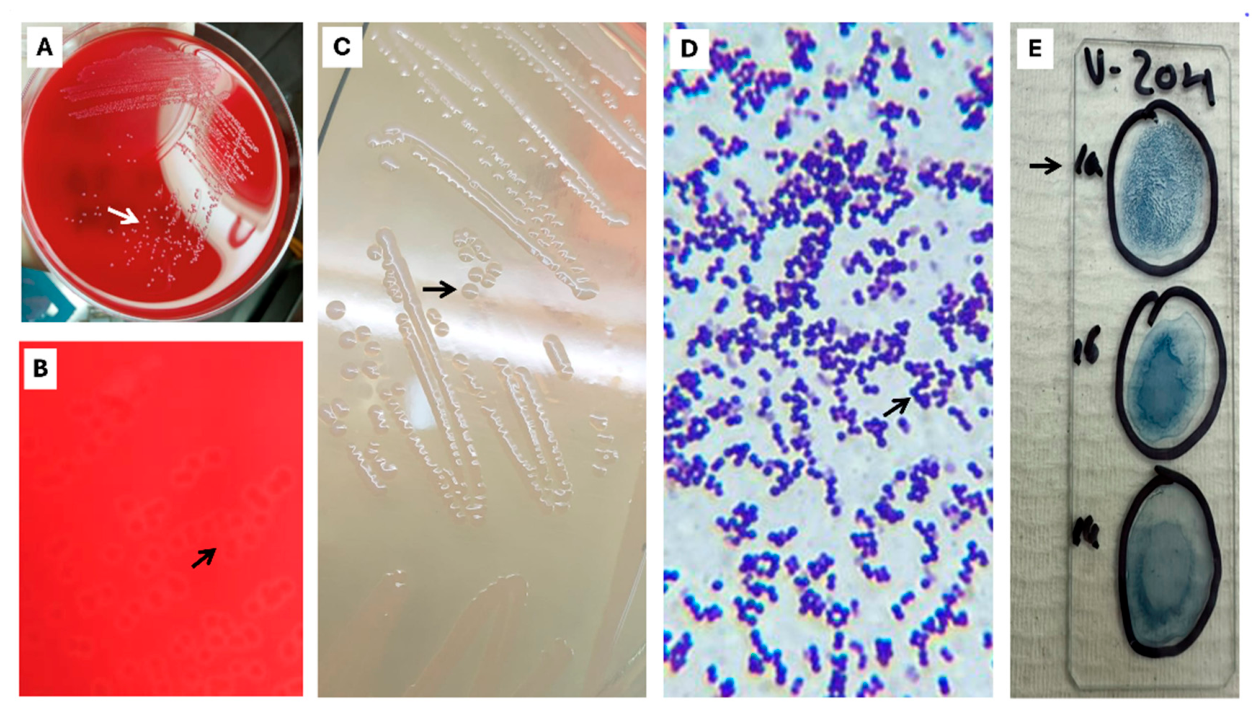
2.4. Bacteriological Culture and Serotyping
2.5. Histopathological Examination
2.6. Real Time PCR-Based Serotyping
2.7. Multilocus Sequence Typing and Phylogenetic Analysis
2.8. Detection of Virulence and Antimicrobial Resistance Genes
2.9. Disk Diffusion Susceptibility Testing
2.10. Minimum Inhibitory Concentration (MIC) Determination
3. Results
3.1. SaIa ST7 CC1 is the Same Clone Circulating in Farmed Tilapia in LAM
3.2. The Clinical Disease Caused by SaIa ST7 CC1 is Similar and Age-Dependent Throughout LAM.
3.2.1. Clinical Signs and Gross Pathology
3.2.2. Histopathology
3.3. LAM SaIa ST7 CC1 Shows a Uniform Virulence Profile
3.4. LAM SaIa ST7 CC1 Exhibits a Similar Pattern of Antimicrobial Susceptibility
4. Discussion
4.1. Molecular Epidemiology
4.2. Pathological and Clinical Disease
4.3. Virulence Gene Architecture and Host-Adapted Pathogenesis
4.4. Antimicrobial Susceptibility and Early Resistance Alarms
4.5. Implications for Surveillance, Biosecurity and Future Research
5. Conclusions
Supplementary Materials
Author Contributions
Funding
Institutional Review Board Statement
Informed Consent Statement
Data Availability Statement
Acknowledgments
Conflicts of Interest
References
- Fact.MR., Tilapia Market Forecast and Outlook 2025 to 2035. Market Analysis Report; Rockville, MD, 2025.
- Presswire, E. Tilapia Market Valued USD 15.5 billion in 2025 - Key Growth Regions are North America, Europe and Asia Pacific. Market Intelligence Report, November 11, 2025.. 2025. [Google Scholar]
- Burad-Méndez, A. Economic analysis of Nile tilapia (Oreochromis niloticus) production based on farm size and number of rearing tanks. Lat. Am. J. Aquat. Res. 2023, 51(5), 747–759. [Google Scholar] [CrossRef]
- Siddique, M.A.B. Impact of climatic and water quality parameters on Tilapia (Oreochromis niloticus) broodfish growth: Integrating ARIMA and ARIMAX for precise modeling and forecasting. PLoS ONE 2025, 20(3), e0313846. [Google Scholar] [CrossRef]
- Jeyachandran, S. Review on climate change, microbial resilience, and disease risks in global aquaculture systems. Comp. Immunol. Rep. 2025. 9, 200240. [Google Scholar] [CrossRef]
- Okon, E.M. The Escalating threat of climate change-driven diseases in fish: Evidence from a global perspective - A literature review. Env. Res. 2024, 263 Pt 3, 120184. [Google Scholar] [CrossRef] [PubMed]
- Islam, M.A. Can Climate-Resilient Tilapia Cage Culture Support Sustainable Livelihoods in Flood-Prone Bangladesh? Water 2025, 17(4), 585. [Google Scholar] [CrossRef]
- Djurichkovic, L.D. The effects of water temperature on the juvenile performance of two tropical damselfishes expatriating to temperate reefs. Sci. Rep. 2019, 9(1), 13937. [Google Scholar] [CrossRef] [PubMed]
- Abd El-Hack, M.E. Effect of environmental factors on growth performance of Nile tilapia (Oreochromis niloticus). Int. J. Biometeorol. 2022, 66(11), 2183–2194. [Google Scholar] [CrossRef]
- Wang, L. RNA-Seq revealed the impairment of immune defence of tilapia against the infection of Streptococcus agalactiae with simulated climate warming. Fish. Shellfish Immunol. 2016, 55, 679–89. [Google Scholar] [CrossRef]
- Imperi, M. A multiplex PCR assay for the direct identification of the capsular type (Ia to IX) of Streptococcus agalactiae. J. Microbiol. Methods 2010, 80(2), 212–214. [Google Scholar] [CrossRef]
- Kayansamruaj, P. Increasing of temperature induces pathogenicity of Streptococcus agalactiae and the up-regulation of inflammatory related genes in infected Nile tilapia (Oreochromis niloticus). Vet. Microbiol. 2014, 172(1-2), 265–71. [Google Scholar] [CrossRef]
- Tavares, G.C. Transcriptome and Proteome of Fish-Pathogenic Streptococcus agalactiae Are Modulated by Temperature. In Frontiers in Microbiology; 2018; pp. 9–2018. [Google Scholar]
- Lusiastuti, A.M. Impact of temperature on the virulence of Streptococcus agalactiae in Indonesian aquaculture: A better vaccine design is required. Vet. World 2024, 17(3), 682–689. [Google Scholar] [CrossRef]
- Wu, Z. Alterations and resilience of intestinal microbiota to increased water temperature are accompanied by the recovery of immune function in Nile tilapia. Sci. Rep. 2025, 15(1), 5094. [Google Scholar] [CrossRef] [PubMed]
- Ng, T.H. Dissecting the impact of heat stress on heat-shock response and skin microbiota in farmed fish in a recirculating aquaculture system in Singapore. Microbiol. Spectr. 2025, 13(10), e0056824. [Google Scholar] [CrossRef] [PubMed]
- Fyrand, K.; Xu, C.; Evensen, Ø. Characterization of Streptococcus agalactiae 1a isolated from farmed Nile tilapia (Oreochromis niloticus) in North America, Central America, and Southeast Asia. Fish. Shellfish Immunol. 2024, 154, 109919. [Google Scholar] [CrossRef]
- Rozas-Serri, M. Characterization of Streptococcus agalactiae serotype 1a, ST7, CC1 isolated from outbreaks in nile tilapia (Oreochromis niloticus) farmed in six Latin American countries., in Latin American & Caribbean Aquaculture 2025 - LACQUA25; Society, W.A., Ed.; Puerto Varas, Chile, 2025; p. 326. [Google Scholar]
- Barony, G.M. Large-scale genomic analyses reveal the population structure and evolutionary trends of Streptococcus agalactiae strains in Brazilian fish farms. Sci. Rep. 2017, 7(1), 13538. [Google Scholar] [CrossRef]
- Rozas-Serri, M. Field efficacy results of vaccines for the control of streptococcosis caused by Streptococcus agalactiae serotype 1a ST-7 CC-1 in farmed tilapia in Latin America. LACQUA 24 Abstr. Book 2024, 442. [Google Scholar]
- Laith, A.A. Molecular identification and histopathological study of natural Streptococcus agalactiae infection in hybrid tilapia (Oreochromis niloticus). Vet. World 2017, 10(1), 101–111. [Google Scholar]
- Kayansamruaj, P. Genomic comparison between pathogenic Streptococcus agalactiae isolated from Nile tilapia in Thailand and fish-derived ST7 strains. Infect. Genet Evol. 2015, 36, 307–314. [Google Scholar] [CrossRef]
- Kannika, K. Molecular serotyping, virulence gene profiling and pathogenicity of Streptococcus agalactiae isolated from tilapia farms in Thailand by multiplex PCR. J. Appl. Microbiol. 2017, 122(6), 1497–1507. [Google Scholar] [CrossRef]
- Guo, C.-M. Identification of Genes Preferentially Expressed by Highly Virulent Piscine Streptococcus agalactiae upon Interaction with Macrophages. PLoS ONE 2014, 9(2), e87980. [Google Scholar]
- Anshary, H. Isolation and molecular identification of the etiological agents of streptococcosis in Nile tilapia (Oreochromis niloticus) cultured in net cages in Lake Sentani, Papua, Indonesia. SpringerPlus 2014, 3(1), 627. [Google Scholar] [CrossRef]
- Suhermanto, A.S., S.; Zairin, Jr. M.; Lusiastuti, A. M. and and N. S. Characterization of Streptococcus agalactiae bacterium isolated from tilapia (Oreochromis niloticus) culture in Indonesia. AACL Bioflux 2019, 12((3)), 756–766.
- Furfaro, L.L.; Chang, B.J.; Payne, M.S. A novel one-step real-time multiplex PCR assay to detect Streptococcus agalactiae presence and serotypes Ia, Ib, and III. Diagn. Microbiol. Infect. Dis. 2017, 89(1), 7–12. [Google Scholar] [CrossRef]
- Yang, C.G. Evaluation of reference genes for quantitative real-time RT-PCR analysis of gene expression in Nile tilapia (Oreochromis niloticus). Gene 2013, 527(1), 183–92. [Google Scholar] [CrossRef]
- Jones, N. Multilocus sequence typing system for group B streptococcus. J. Clin. Microbiol. 2003, 41(6), 2530–6. [Google Scholar] [CrossRef]
- Hall, T.A. BioEdit: a user-friendly biological sequence alignment editor and analysis program for Windows 95/98/NT. Nucleic acids symposium series, 1999; Oxford. [Google Scholar]
- Tamura, K.; Nei, M.; Kumar, S. Prospects for inferring very large phylogenies by using the neighbor-joining method. Proc. Natl. Acad. Sci. 2004, 101(30), 11030–11035. [Google Scholar] [CrossRef]
- Tamura, K.; Stecher, G.; Kumar, S. MEGA11: Molecular Evolutionary Genetics Analysis Version 11. Mol. Biol. Evol. 2021, 38(7), 3022–3027. [Google Scholar] [CrossRef]
- Sun, J. Inapparent Streptococcus agalactiae infection in adult/commercial tilapia. Sci. Rep. 2016, 6(1), 26319. [Google Scholar] [CrossRef] [PubMed]
- Syuhada, R. Molecular characterization and pathogenicity of Streptococcus agalactiae serotypes Ia ST7 and III ST283 isolated from cultured red hybrid tilapia in Malaysia. Aquaculture 2020, 515, 734543. [Google Scholar] [CrossRef]
- Assane, I.M. Genetic diversity, virulence genes, antimicrobial resistance genes, and antimicrobial susceptibility of group B Streptococcus (GBS) associated with mass mortalities of cultured Nile tilapia in Brazil. Microb. Pathog. 2025, 107664. [Google Scholar] [CrossRef] [PubMed]
- Mudzana, R.; Mavenyengwa, R.T.; Gudza-Mugabe, M. Analysis of virulence factors and antibiotic resistance genes in group B streptococcus from clinical samples. BMC Infect. Dis. 2021, 21(1), 125. [Google Scholar] [CrossRef]
- CLSI. C.a.L.S.I., Performance Standards for Antimicrobial Susceptibility Testing, 35th ed.; Clinical and Laboratory Standards Institute: Wayne, PA, USA, 2025. [Google Scholar]
- CLSI, C.a.L.S.I., Performance Standards for Antimicrobial Disk and Dilution Susceptibility Tests for Bacteria Isolated from Animals, 6th ed.; Clinical and Laboratory Standards Institute.: Wayne, PA, USA, 2024.
- CLSI. C.a.L.S.I., Methods for Dilution Antimicrobial Susceptibility Tests for Bacteria That Grow Aerobically.; Clinical and Laboratory Standards Institute.: Wayne, PA, USA, 2024. [Google Scholar]
- Algammal, A.M. Unraveling the pathogenic potential, virulence traits, and antibiotic resistance genes of multidrug-resistant Streptococcus agalactiae strains retrieved from Nile tilapia. BMC Microbiol. 2025, 25(1), 629. [Google Scholar] [CrossRef]
- Gupta, M.; Acosta, B. From drawing board to dining table: the success story of the GIFT project. 2004.
- Castro, R. Disparate developmental patterns of immune responses to bacterial and viral infections in fish. Sci. Rep. 2015, 5(1), 15458. [Google Scholar] [CrossRef]
- Pulpipat, T. Streptococcus agalactiae Serotype VII, an Emerging Pathogen Affecting Snakeskin Gourami (Trichogaster pectoralis) in Intensive Farming. Transbound. Emerg. Dis. 2023, 2023(1), 1682047. [Google Scholar] [CrossRef] [PubMed]
- Ferrari, N.A. Clinical and Histopathological Evolution of Acute Intraperitoneal Infection by Streptococcus agalactiae Serotypes Ib and III in Nile Tilapia. Fishes 2024, 9(7), 279. [Google Scholar] [CrossRef]
- Van Doan, H. Streptococcosis a Re-Emerging Disease in Aquaculture: Significance and Phytotherapy. Animals 2022, 12(18). [Google Scholar] [CrossRef]
- Abdallah, E.S.H. Streptococcus agalactiae Infection in Nile Tilapia (Oreochromis niloticus): A Review. Biology 2024, 13(11). [Google Scholar] [CrossRef]
- Pradeep, P.J. Evidence of vertical transmission and tissue tropism of Streptococcosis from naturally infected red tilapia (Oreochromis spp.). Aquac. Rep. 2016, 3, 58–66. [Google Scholar] [CrossRef]
- Legario, F.S. Isolation and molecular characterization of streptococcal species recovered from clinical infections in farmed Nile tilapia (Oreochromis niloticus) in the Philippines. J. Fish. Dis. 2020, 43(11), 1431–1442. [Google Scholar] [CrossRef]
- Montelongo-Alfaro, I.O.R.-C.; Sanchez-Martinez, J. L.; Benavides-Gonzalez, J. G.; Cruz-Hernandez, F. N. I. D. L. Report on Intussusception in Channel Catfish Ictalurus Punctatus (Rafinesque, 1818) from Commercial Farms in Mexico: A Case Study. Indian J. Fish. 2018, 65(1). [Google Scholar] [CrossRef]
- Haenen, O.L.M. Bacterial diseases of tilapia, their zoonotic potential and risk of antimicrobial resistance. Rev. Aquac. 2023, 15(S1), 154–185. [Google Scholar] [CrossRef]
- Cao, J. Distribution and localization of Streptococcus agalactiae in different tissues of artificially infected tilapia (Oreochromis niloticus). Aquaculture 2022, 546, 737370. [Google Scholar] [CrossRef]
- Pasnik, D.J.; Evans, J.J.; Klesius, P.H. Fecal strings associated with Streptococcus agalactiae infection in Nile tilapia, Oreochromis niloticus. 2009.
- Junior, J.A.F. Anatomopathological characterization and etiology of lesions on Nile tilapia fillets (Oreochromis niloticus) caused by bacterial pathogens. Aquaculture 2020, 526, 735387. [Google Scholar] [CrossRef]
- Aiewsakun, P. Genomic epidemiology of Streptococcus agalactiae ST283 in Southeast Asia. Sci. Rep. 2022, 12(1), 4185. [Google Scholar] [CrossRef]
- Barkham, T. One hypervirulent clone, sequence type 283, accounts for a large proportion of invasive Streptococcus agalactiae isolated from humans and diseased tilapia in Southeast Asia. PLoS Negl. Trop. Dis. 2019, 13(6), e0007421. [Google Scholar]
- Rodkhum, C.; Kayansamruaj, P.; Pirarat, N. Effect of water temperature on susceptibility to Streptococcus agalactiae serotype Ia infection in Nile tilapia (Oreochromis niloticus). Thai J. Vet. Med. 2011, 41(3), 309–314. [Google Scholar]
- Barría, A. Genomic Selection and Genome-wide Association Study for Feed-Efficiency Traits in a Farmed Nile Tilapia (Oreochromis niloticus) Population. In Frontiers in Genetics; 2021; pp. 12–2021. [Google Scholar]
- Ponzoni, R.W. Genetic improvement of Nile tilapia (Oreochromis niloticus) with special reference to the work conducted by the WorldFish Center with the GIFT strain. Rev. Aquac. 2011, 3(1), 27–41. [Google Scholar] [CrossRef]
- Ansah, Y.B.; Frimpong, E.A.; Hallerman, E.M. Genetically-Improved Tilapia Strains in Africa: Potential Benefits and Negative Impacts. Sustainability 2014, 3697–3721. [Google Scholar] [CrossRef]
- Bezerra, V.M. A long-term high temperature on young Nile tilapia females affects its urogenital papilla morphology and future reproductive performance. Aquaculture 2025. 595, 741666. [Google Scholar] [CrossRef]
- Obirikorang, K.A. Acute hyperthermia and hypoxia tolerance of two improved strains of nile tilapia (Oreochromis niloticus). Stress Biol. 2023, 3(1), 21. [Google Scholar] [CrossRef]
- de Verdal, H. Quantifying the genetic parameters of feed efficiency in juvenile Nile tilapia Oreochromis niloticus. BMC Genet 2018, 19(1), 105. [Google Scholar] [CrossRef]
- De Verdal, H. Measuring individual feed efficiency and its correlations with performance traits in Nile tilapia, Oreochromis niloticus. Aquaculture 2017, 468, 489–495. [Google Scholar] [CrossRef]
- Nivelle, R. Temperature preference of Nile tilapia (Oreochromis niloticus) juveniles induces spontaneous sex reversal. PLoS ONE 2019, 14(2), e0212504. [Google Scholar]
- Jinagool, P. Effect of increasing ambient temperature on physiological changes, oxidative stress, nitric oxide, total antioxidant power, and mitochondrial activity of Nile tilapia (Oreochromis niloticus Linn.). Aquaculture 2024, 589, 741017. [Google Scholar] [CrossRef]
- Ponzoni, R.W. Inbreeding and effective population size in the Malaysian nucleus of the GIFT strain of Nile tilapia (Oreochromis niloticus). Aquaculture 2010, 302(1-2), 42–48. [Google Scholar] [CrossRef]
- Obirikorang, K.A. Acute hyperthermia and hypoxia tolerance of two improved strains of nile tilapia (Oreochromis niloticus). Stress Biol. 2023, 3(1), 21. [Google Scholar] [CrossRef]
- Nguyen, N.H.; Hamzah, A.; Thoa, N.P. Effects of Genotype by Environment Interaction on Genetic Gain and Genetic Parameter Estimates in Red Tilapia (Oreochromis spp.). Front Genet 2017, 8, 82. [Google Scholar] [CrossRef]
- Nitzan, T. Transcriptome Analysis Reveals Common and Differential Response to Low Temperature Exposure Between Tolerant and Sensitive Blue Tilapia (Oreochromis aureus). In Frontiers in Genetics; 2019; pp. 10–2019. [Google Scholar]
- Qiang, J. Physiological response and microRNA expression profiles in head kidney of genetically improved farmed tilapia (GIFT, Oreochromis niloticus) exposed to acute cold stress. Sci. Rep. 2018, 8(1), 172. [Google Scholar] [CrossRef]
- Wang, L.; Dong, B. Environmental and Genetic Factors Shaping the Global Expansion of Tilapia Aquaculture. Int. J. Aquac. 2025, 15. [CrossRef]
- Liao, P.-C. Analysis of streptococcal infection and correlation with climatic factors in cultured tilapia Oreochromis spp. in Taiwan. Appl. Sci. 2020, 10(11), 4018. [Google Scholar] [CrossRef]
- MacKinnon, B. Improving tilapia biosecurity through a value chain approach. Rev. Aquac. 2023, 15(S1), 57–91. [Google Scholar] [CrossRef]
- Schmidt, G. Climate models can't explain 2023's huge heat anomaly - we could be in uncharted territory. Nature 2024, 627(8004), 467. [Google Scholar] [CrossRef]
- Sirimanapong, W. Geographical, Temporal and Host-Species Distribution of Potentially Human-Pathogenic Group B Streptococcus in Aquaculture Species in Southeast Asia. Pathogens 2023, 12(4). [Google Scholar] [CrossRef] [PubMed]
- Kawasaki, M. Microevolution of Streptococcus agalactiae ST-261 from Australia Indicates Dissemination via Imported Tilapia and Ongoing Adaptation to Marine Hosts or Environment. Appl. Environ. Microbiol. 2018, 84(16), e00859–18. [Google Scholar] [CrossRef]
- Lannes-Costa, P.S. Comparative genomic analysis and identification of pathogenicity islands of hypervirulent ST-17 Streptococcus agalactiae Brazilian strain. Infect. Genet. Evol. 2020, 80, 104195. [Google Scholar] [CrossRef]
- He, Y. Pathogenicity of streptococcus agalactiae in oreochromis niloticus. Oncotarget 2017. [Google Scholar] [CrossRef]
- Sukenda, S. Virulence gene profiling and pathogenicity of Streptococcus agalactiae isolated from tilapia, Oreochromis niloticus farms in Indonesia. Indones. Aquac. J. 2021, 16(2), 119–125. [Google Scholar] [CrossRef]
- Su, Y. Molecular typing of Streptococcus agalactiae isolates of serotype la from tilapia in southern China. FEMS Microbiol. Lett. 2019, 366, 1E+. [Google Scholar] [CrossRef]
- Alazab, A.; Sadat, A.; Younis, G. Prevalence, antimicrobial susceptibility, and genotyping of Streptococcus agalactiae in Tilapia fish (Oreochromis niloticus) in Egypt. J. Adv. Vet. Anim. Res. 2022, 9(1), 95–103. [Google Scholar] [CrossRef]
- Duodu, S. Serotype distribution, virulence and antibiotic resistance of Streptococcus agalactiae isolated from cultured tilapia Oreochromis niloticus in Lake Volta, Ghana. Dis. Aquat. Organ 2024, 158, 27–36. [Google Scholar] [CrossRef]
- Hsu, C.Y. Global patterns of antibiotic resistance in group B Streptococcus: a systematic review and meta-analysis. Front Microbiol. 2025. 16, 1541524. [Google Scholar] [CrossRef]
- Mohammadi, A. Unveiling the genetic landscape of Streptococcus agalactiae bacteremia: emergence of hypervirulent CC1 strains and new CC283 strains in Tehran, Iran. BMC Microbiol. 2024, 24(1), 365. [Google Scholar] [CrossRef]
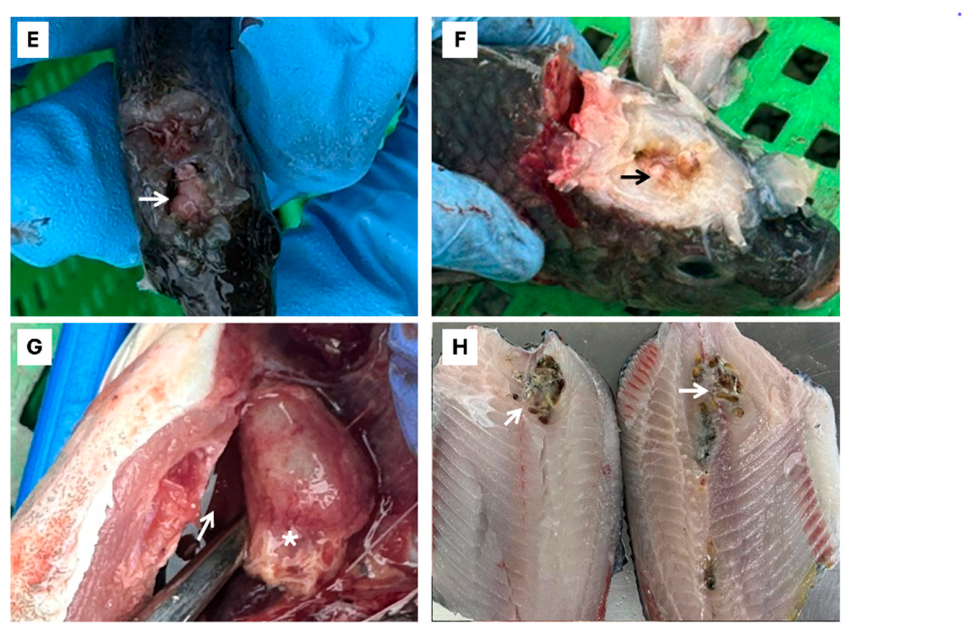
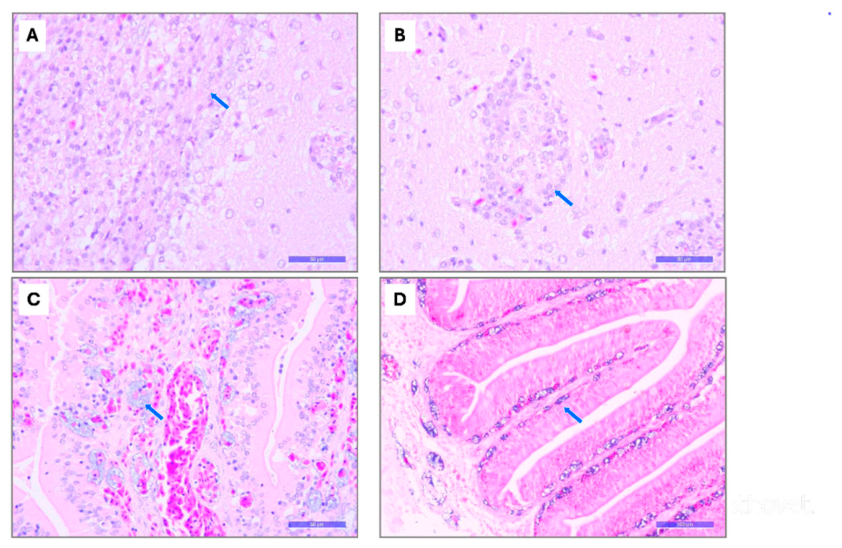
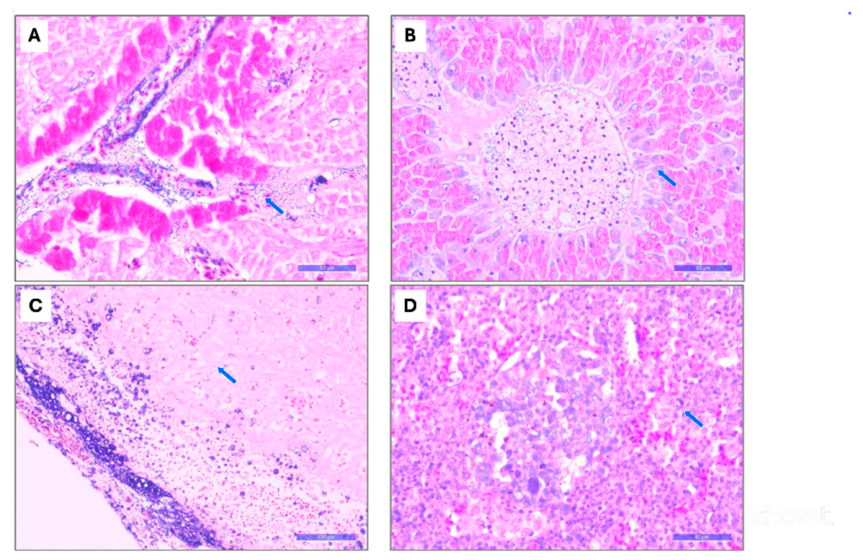

| Region | Country | Date | Stage | # fish GP/# fish HP | Weight (g) | Organs | Main change | # isolates (ID) | Water temperature (°C) | Cumulative mortality (%) |
|---|---|---|---|---|---|---|---|---|---|---|
| CAM | C1 | July 2023 |
FRY | 60/06 | 5,0 | Organs pool | Whirling, mortality | C1-A1 | 32-33°C | 48% |
| FRY | 5,0 | C1-A2 | ||||||||
| PGO | 20/07 | 30,0 | I | Intussusception | C1-A3 | >32°C | 55% | |||
| PGO | 50,0 | B, L, K | Hemorrhagic septicemia | C1-A4 | ||||||
| GO | 10/06 | 600,0 | L, K, I | Hemorrhagic septicemia; intussusception | C1-A5 | |||||
| C2 | April 2023 |
FRY | 60/06 | 2,0 | Organs pool | Whirling, mortality | C2-A1 | 32-34°C | 52% | |
| FRY | 2,0 | C2-A2 | ||||||||
| PGO | 20/07 | 10,0 | I | Intussusception | C2-A3 | >32°C | 57% | |||
| PGO | 30,0 | B, L, K | Hemorrhagic septicemia | C2-A4 | ||||||
| GO | 10/06 | 400,0 | B, K, I | Hemorrhagic septicemia; intussusception | C2-A5 | |||||
| SAM | C3 | April 2025 |
PGO | 10/05 | 150,0 | L, S, B | Hemorrhagic septicemia; intussusception | C3-A1 | >32°C | 55% |
| GO | 20/06 | 180,0 | C3-A2 | |||||||
| GO | 300,0 | C3-A3 | ||||||||
| C4 | November 2023 | FRY | 60/06 | 3,0 | Organs pool | Whirling, mortality | C4-A1 | 32-34°C | 50% | |
| FRY | 3,0 | C4-A2 | ||||||||
| PGO | 20/07 | 40,0 | B, L | Hemorrhagic septicemia; intussusception | C4-A3 | >32°C | 47% | |||
| PGO | 60,0 | C4-A4 | ||||||||
| GO | 10/06 | 500,0 | Hemorrhagic septicemia | C4-A5 | ||||||
| C5 | April 2025 |
PGO | 10/05 | 100,0 | B, L, S | Hemorrhagic septicemia | C5-A1 | >32°C | 50% | |
| GO | 10/05 | 400,0 | C5-A2 | |||||||
| NAM | C6 | August 2021 | PGO | 20/07 | 30,0 | B, K, I | Hemorrhagic septicemia | C6-A1 | >32°C | 54% |
| PGO | 80,0 | C6-A2 | ||||||||
| PGO | 90,0 | C6-A3 | ||||||||
| GO | 20/07 | 500,0 | C6-A4 | |||||||
| GO | 800,0 | C6-A5 |
| Clinical and pathological findings | FRY (<5 g; n=180) |
PGO/GO (≥5 g; n=180) |
|---|---|---|
| Clinical signs | ||
| Loss of appetite or anorexia | 75,0% | 86,7% |
| Lethargy and dying individuals on the shores | 83,9% | 79,4% |
| Erratic swimming, spiraling or uncoordinated movements, loss of buoyancy control | 81,7% | 87,8% |
| Abdominal distension | 21,7% | 68,3% |
| C-shaped spinal curvature | 15.6% | 24.4% |
| Fecal strings (protruded from the anus and/or in varying quantities in the water) | 9.4% | 25.6% |
| External inspection | ||
| Head & eyes | ||
| Unilateral or bilateral exophthalmos (pop-eyes) | 0,0% | 73,9% |
| Corneal opacity (whitish or opaque eyes) | 9,4% | 71,7% |
| Bleeding in the eyes | 7,2% | 25,6% |
| Abscesses in the jaw or head region | 0,0% | 14,4% |
| Skin & fins | ||
| Hemorrhages at the base of the fins and tail | 0,0% | 22,8% |
| Hemorrhagic-purulent skin ulcers in the perianal region | 0,0% | 20,6% |
| Fin erosion | 12,8% | 34,3% |
| Darkening of the skin | 18,9% | 66,1% |
| Petechiae on body surface and operculum | 10,6% | 24,4% |
| Gills | ||
| Gill pallor | 17,2% | 31,7% |
| Whitish areas on the gill surface | 6,1% | 37,7% |
| Internal inspection | ||
| Coelomic cavity | ||
| Serosanguineous ascites | 21,1% | 51,7% |
| Multiple abdominal adhesions | 0,0% | 37,8% |
| Purulent-appearing material | 0,0% | 15,6% |
| Heart | ||
| Pericarditis or whitish discoloration of the heart | 0,0% | 62,2% |
| Presence of purulent material in the pericardial sac, and/or epicardium | 0,0% | 67,8% |
| Brain cavity | ||
| Cerebral edema | 18,3% | 68.3% |
| Cerebral hemorrhage | 20,6% | 66,1% |
| Presence of yellowish purulent material and opacity of the meninges | 22,8% | 62,8% |
| Stomach & Intestines | ||
| Hemorrhage and congestion | 74,4% | 81,1% |
| Intussusception | 43,3% | 17,2% |
| Hepatopancreas | ||
| Irregular appearance and coloration; with pale and congested areas | 12,8% | 74,4% |
| Fibrinous adhesions | 0,0% | 18,3% |
| Abscesses | 0,0% | 11,7% |
| Spleen | ||
| Splenomegaly | 9,4% | 57,8% |
| Presence of pale areas | 0,0% | 9,4% |
| Kidneys and swim bladder | ||
| Renomegaly | 0,0% | 7,2% |
| Pallor | 0,0% | 63,9% |
| Gas accumulation in the swim bladder and congestion | 18,3% | 53,3% |
| Skeletal muscle | ||
| Abscesses (calcified or not) | 0,0% | 15,6% |
| Gene | Product | Main function | C1 (n=5) |
C2 (n=5) |
C3 (n=3) |
C4 (n=5) |
C5 (n=2) |
C6 (n=5) |
Total (n=25) |
|---|---|---|---|---|---|---|---|---|---|
| spb1 | Spb1 surface protein | Invasion of epithelial cells | + | + | + | + | + | + | 100% |
| bca | αC protein (α antigen) | Adherence, invasion, resistance to phagocytosis | + | + | + | + | + | + | 100% |
| cfb | CAMP factor | Pore-forming cytolysin | + | + | + | + | + | + | 100% |
| dltR | D-alanine regulator | Resistance to antimicrobial peptides | + | + | + | + | + | + | 100% |
| bac | βC protein (β antigen) | IgA binding, factor H; immune evasion | + | - | + | + | + | - | 60% |
| sodA | Superoxide dismutase A | Protection against oxidative stress | - | - | - | - | - | - | 100% |
| scpB | C5a peptidase | Evasion of neutrophil recruitment | - | - | - | - | - | - | 100% |
| Virulence gene profiles (n=25) | A | B | A | A | A | B | |||
| Region | Country | Bacterial ID | Gene AMR | OTC | FFC | AMX | ENR | |||||
|---|---|---|---|---|---|---|---|---|---|---|---|---|
| tetM | tetO | mm | μm/mL | mm | μm/mL | mm | μm/mL | mm | μm/mL | |||
| CAM | C1 | C1-A1 | S (30) | 0,5 | S (30) | 0,5 | S (35) | ≤0,5 | I (25) | 4,0 | ||
| C1-A2 | S (30) | 0,5 | S (34) | 0,5 | S (34) | ≤0,5 | I (25) | 4,0 | ||||
| C1-A3 | S (30) | 0,5 | S (30) | 0,5 | S (32) | ≤0,5 | I (25) | 4,0 | ||||
| C1-A4 | S (30) | 0,5 | S (30) | 0,5 | S (30) | ≤0,5 | I (25) | 4,0 | ||||
| C1-A5 | + | I (26) | 1,0 | S (30) | 0,5 | S (30) | ≤0,5 | I (24) | 4,0 | |||
| C2 | C2-A1 | + | I (22) | 4,0 | S (32) | 1,0 | S (35) | ≤0,5 | I (23) | 4,0 | ||
| C2-A2 | + | I (21) | 4,0 | S (31) | 2,0 | S (36) | ≤0,5 | I (23) | 4,0 | |||
| C2-A3 | I (28) | 4,0 | S (36) | 1,0 | S (40) | ≤0,5 | I (21) | 4,0 | ||||
| C2-A4 | I (21) | 4,0 | S (33) | 2,0 | S (38) | ≤0,5 | I (21) | 4,0 | ||||
| C2-A5 | I (21) | 4,0 | S (32) | 1,0 | S (35) | ≤0,5 | I (24) | 4,0 | ||||
| SAM | C3 | C3-A1 | + | I (28) | 4,0 | S (35) | 1,0 | S (46) | ≤0,5 | I (22) | 4,0 | |
| C3-A2 | + | I (28) | 4,0 | S (36) | <0,5 | S (40) | ≤0,5 | I (21) | 4,0 | |||
| C3-A3 | I (27) | 2,0 | S (36) | 1,0 | S (41) | ≤0,5 | I (22) | 4,0 | ||||
| C4 | C4-A1 | I (23) | 2,0 | S (30) | 1,0 | S (35) | ≤0,5 | I (21) | 4,0 | |||
| C4-A2 | I (25) | 2,0 | S (30) | 2,0 | S (35) | ≤0,5 | I (21) | 4,0 | ||||
| C4-A3 | I (23) | 1,0 | S (30) | 1,0 | S (34) | ≤0,5 | I (23) | 4,0 | ||||
| C4-A4 | I (24) | 2,0 | S (31) | 1,0 | S (35) | ≤0,5 | I (21) | 4,0 | ||||
| C4-A5 | I (24) | 1,0 | S (30) | 1,0 | S (33) | ≤0,5 | I (21) | 4,0 | ||||
| C5 | C5-A1 | S (30) | 0,5 | S (31) | 1,0 | S (40) | ≤0,5 | I (25) | 4,0 | |||
| C5-A2 | S (30) | 0,5 | S (33) | 1,0 | S (41) | ≤0,5 | I (23) | 4,0 | ||||
| NAM | C6 | C6-A1 | I (26) | 2,0 | S (31) | 1,0 | S (39) | ≤0,5 | I (26) | 4,0 | ||
| C6-A2 | I (27) | 2,0 | S (31) | 1,0 | S (36) | ≤0,5 | I (24) | 4,0 | ||||
| C6-A3 | I (26) | 4 | S (30) | 2,0 | S (34) | ≤0,5 | I (23) | 4,0 | ||||
| C6-A4 | I (25) | 2 | S (31) | 1,0 | S (35) | ≤0,5 | I (23) | 4,0 | ||||
| C6-A5 | I (24) | 2 | S (32) | 1,0 | S (46) | ≤0,5 | I (24) | 4,0 | ||||
Disclaimer/Publisher’s Note: The statements, opinions and data contained in all publications are solely those of the individual author(s) and contributor(s) and not of MDPI and/or the editor(s). MDPI and/or the editor(s) disclaim responsibility for any injury to people or property resulting from any ideas, methods, instructions or products referred to in the content. |
© 2026 by the authors. Licensee MDPI, Basel, Switzerland. This article is an open access article distributed under the terms and conditions of the Creative Commons Attribution (CC BY) license (http://creativecommons.org/licenses/by/4.0/).


