
Submitted:
27 April 2026
Posted:
28 April 2026
You are already at the latest version
Abstract
Malaria and coronavirus disease-2019 (COVID-19) may have similar aspects and seem to have a strong potential for mutual influence. They have already caused millions of deaths, and regions where malaria is endemic are at risk of further suffering from the consequences of COVID-19 due to mutual side effects, like less access to treatment due to fear of access to health facilities leading to diagnostic delays and worse outcomes. A narrative literature review was conducted by searching online databases like Pub Med, Cochran, Medline, Google scholar, malarial journals, health journals, MDPI and biomed central related journals, 133 articles published from 2004 to 2024 were analysed and discussed. The Management of malaria during the COVID-19 pandemic in Uganda required a comprehensive approach that balances the need for both malaria and COVID-19 control, prevention and treatment. These include: Integration of services, healthcare infrastructure strengthening, expanded testing, treatment access, community education and awareness, health worker training, testing and surveillance, mobile health solutions, community engagement, research and innovation, adaptive management, cross-sector collaboration, international cooperation, vector control, monitoring and evaluation. In this chapter, we provide a comprehensive review of integrated management approaches for malaria and covid-19 management in Uganda. In implementing this comprehensive approaches, we can effectively manage both malaria and COVID-19, reduce the burden of disease, and protect the health and well-being of communities in Uganda and worldwide.
Keywords:
malaria
; COVID-19
; SARS-COV2
; strategies
; Uganda
1. Background
Globally, malaria and COVID-19 remain a public health emergency of international concern (PHEIC) in Africa and affects any age and sex [1,2]. The emerging of coronavirus disease 2019 (COVID-19) pandemic may have negatively impacted malaria control[3,4,5]. The COVID-19 is caused by severe acute respiratory syndrome coronavirus - 2 (SARS-CoV-2)[6]. Management of malaria during the COVID-19 pandemic in Uganda required a comprehensive approach that balanced the need for both malaria and COVID-19 treatment, prevention and control[7,8]. In response to COVID-19 pandemic, Uganda government enforced several lockdowns over a period of 2 years[9]. Based on the COVID-19, Uganda ministry of health (MOH) adopted guidelines for management of both diseases in the country[10,11]. Prevention and control strategies are key to controlling and subsequently eliminating malaria and COVID-19 pandemic in Uganda[12,13]. However, COVID-19 strained the health system and disrupted malaria control efforts, raising concerns about potential upsurges in malaria cases and deaths[7]. These negatively impacted on economy and healthcare services in the country[14,15]. So far the pandemic severely damaged the world’s most developed countries like in similar settings[16]. There have been renewed interest on malaria with recent calls for its elimination[17]. The global tally of malaria cases reached 247 million in 2021 compared to 249 million case in 2022 and 263 million malaria cases in 2023; corresponding to a continued rise of malaria cases between 2021 and 2023[6,7,8]. Similarly, the global tally of COVID-19 pandemic cases as of June 9th 2020, reached 7,039,918 confirmed cases with 404,396 deaths and 3,596,972 that recovered[6,8]. The setback to malaria control between 2020 to 2023, has been attributed to the negative impact of SARS-CoV-2, on malaria prevention, diagnosis and treatment [2,3,4] and may have detrimental effects on prevention and treatment outcomes of tuberculosis (TB), Human Immune Virus/Acquired Immunodeficiency Syndrome (HIV/AIDS) and malaria, whose ending is part of United Nations 2030 Agenda and Sustainable Development Goals[15,20]. Uganda ranks third in the total number of malaria infections after the Democratic Republic of the Congo and Nigeria [9,10,11,22].
The association between COVID-19 and malaria epidemics can be devastating, especially in low and middle income countries (LMICs)[24]. Such countries are characterised by healthcare systems that are already fragile due to weak infrastructures, a scarcity of health workers, medicines, supplies stock outs, and financial resources[3]. In this perspective, to avoid indirect short and long–term effects of COVID-19 pandemic[25] on malaria control programs and on healthcare systems of countries where the two diseases can coexist, preparedness is critical[26]. For these reasons, in order to explore the current landscape and future outlook for a joint scenario of COVID-19 and malaria and the consequences thereof,[12,13]. In this review we describe yet another dimension of the integrated prevention and control strategies with the aim of providing comprehensive review of integrated approaches for both malaria and COVID-19 management in Uganda[5].
2. Methodology and Sources of Information
A narrative literature review was undertaken. Narrative reviews are useful studies that summarise and analyse existing research on a topic, providing an overview of the current understanding. We conducted an electronic literature search and included all the relevant scientific peer reviewed publications written in English language in 10 online data bases; Pub Med, Cochran, Medline, Google scholar, malarial journals, health journals, MDPI and biomed central which contained the desired terms in the title, abstract or key words[28]. From the 165 articles identified in the database and journal searches, 133 research articles with publication dates between 2004 and 2024, concerned with COVID-19 and malaria management, reported qualitative or quantitative findings were included, analysed and discussed for better understanding of the historical background, aetiology, epidemiology, transmission, clinical signs and symptoms, diagnosis, comprehensive integrated management, prevention and control of malaria and COVID-19, impact of measures, challenges and recommendations. Non- scientific commentary and news articles were excluded from the review paper. The search terms were prevention and control of Malaria and COVID-19[29].
All the findings and statements in this review regarding malaria and COVID-19 are based on published information as listed in the references.
3. Aetiology
a. Coronavirus Disease- 2019
The unprecedented severe acute respiratory coronavirus disease (COVID-19) pandemic is caused by a highly transmissible and pathogenic severe acute respiratory syndrome coronavirus 2 (SARS-CoV-2)[29,30]. Variants of concern include but not limited to Alpha, Delta, Omicron, Zeta, Eta, Beta, Lota, Kappa, Mu, Lambda, and Gamma have impacted transmission rates and disease severity[31]. At the same time, these emerging novel variants have raised serious public health international concerns about vaccine efficacy and safety[16,32]. The nucleocapsid protein of SARS-CoV-2 packages the viral RNA to form a helical capsid and is essential for viability[33]. The SARS CoV-2 is 26 to 32kb, it encodes 16 non-structural proteins (nsp1-16) that are crucial for viral replication, 11 accessory proteins (ORF3a, ORF3b, ORF3c, ORF3d, ORF6, ORF7a, ORF7b, ORF8, ORF9b, ORF9c, ORF10) and 4 structural proteins; spike, membrane, N protein and envelope (S,M,N, and E)[34]. These proteins collectively help the virus evade the host ‘s immune system, enhancing its ability to infect and replicate[35]. Figure 1. The N protein coats the genome, while the S, M, and E proteins are embedded in the lipid envelope[34,36].
b. Malaria
The disease is caused by unicellular protozoan parasites belonging to the genus plasmodium[37]. These parasites infect not only humans but also other vertebrates, from reptiles and birds to mammals[37]. Plasmodium species naturally infect humans and cause malaria through the bites of female Anopheles mosquitoes [38]. There are over 400 different species of Anopheles mosquitoes and around 40 known as vector species can transmit the disease[1,39].The plasmodium parasites that infect people with malaria cannot survive outside of their hosts blood (humans and Anopheles mosquitoes)[39]. There are more than 150 blood parasites of the genus Plasmodium. However, only four species of malaria parasites cause significant disease in humans in Uganda[40]. The 2 most common species are Plasmodium falciparum and Plasmodium vivax pose greatest threat[40,41]. P. falciparum is the most prevalent, causes the majority of severe malaria cases and deaths, whilst P. vivax causes relapsing malaria, with a blood and a liver infection causing acute and ongoing symptoms. The less prevalent other 2 species are Plasmodium ovale, and Plasmodium malariae[42,43].
c. The Morphology and Life Cycle of the Plasmodium Parasites
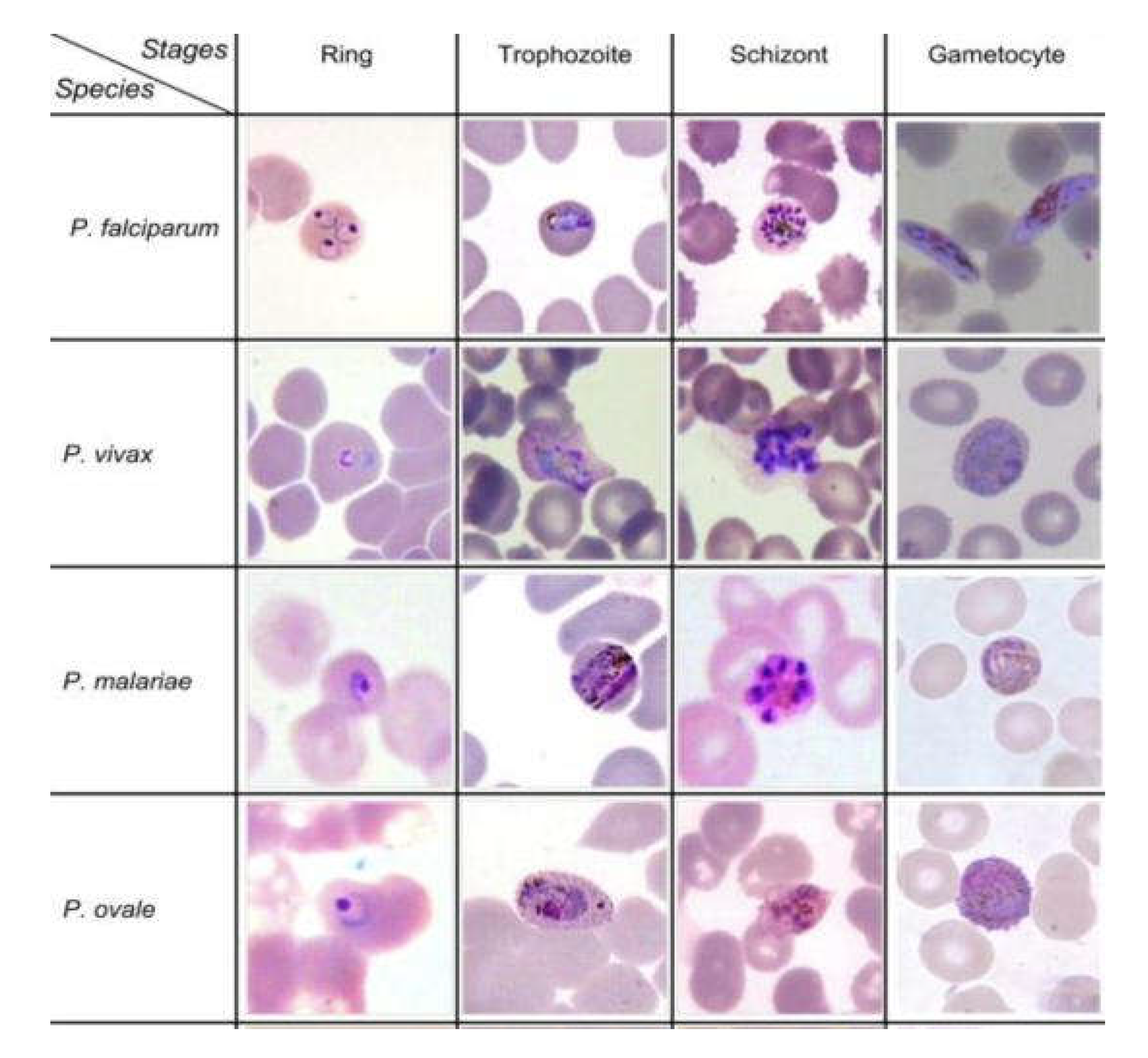
The Plasmodium parasites are characterised by a variety of shapes ranging from round or oval forms in different life stages[44]. The plasmodium parasites range from 1 to 2 micrometers in diameter, with complex life cycle which involves two hosts: humans and Anopheles mosquitoes[45]. The cycle begins when an infected female Anopheles mosquito bites a human, injecting sporozoites (the infectious form of the parasite, elongated and motile) into the bloodstream[46]. The sporozoites travel to the liver, where they invade liver cells (hepatocytes)[47]. Inside the liver cells, they develop into schizonts and then rupture to release merozoites into the bloodstream, visible during certain stages of infection[45]. In some Plasmodium species notably (P. vivax and P. ovale), some parasites can form dormant stages called hypnozoites. These can remain inactive in the liver and reactivate later, causing relapses of malaria[45,48]. Invasion of Red Blood Cells (RBCs) occurs when merozoites released from the liver infect red blood cells. Inside the RBCs, the merozoites develop into trophozoites- the ring stage Figure 2, then mature into schizonts. Each schizont produces more merozoites[48]. The schizonts eventually rupture, releasing new merozoites into the bloodstream, which can then infect other red blood cells[45]. This stage is responsible for the symptoms of malaria (fever and chills). Some merozoites develop into gametocytes (the sexual stage of the parasite) within RBCs [49]. These gametocytes can be taken up by another mosquito during a blood meal. When a mosquito bites an infected person, it ingests the gametocytes along with the blood meal[37]. Inside the mosquito’s gut, gametocytes mature into male and female gametes, which then fuse to form a zygote[49]. The zygote develops into an ookinete, which penetrates the mosquito’s gut wall and forms an oocyst[50]. Within the oocyst, sporozoites develop and are eventually released into the mosquito’s haemolymph[49]. The sporozoites migrate to the mosquito’s salivary glands, ready to infect a new host when the mosquito feeds again[47,44]. This cycle continues as mosquitoes bite infected humans, perpetuating the transmission of malaria. Therefore, understanding this life cycle is crucial for developing strategies to prevent and treat malaria[44,50].
4. Epidemiology
The World Health Organisation (WHO) declared the outbreak of SARS-CoV-2 to be COVID-19 a pandemic on March 11, 2020[7,16]. The first cases were identified in Wuhan, China, in December 2019[16]. It spread to other areas of Asia, and then worldwide as of 17 August 2020, based on WHO reports, 21,689,832 confirmed cases and 770,273 deaths were reported globally[16]. COVID-19 epidemiology appears to vary across Africa, most countries in this region have reported relatively lower- case counts compared to the West. Nevertheless, the COVID-19 pandemic has added an additional burden to already overstretched healthcare system in sub-Sahara Africa (SSA)[16,51]. Quantifying now, the real numbers of COVID-19, SARS-CoV-2 cases is not easy since many different challenges are affecting surveillance systems over the world, from laboratory capacities to delay in case notification [5]. Although the mortality estimate is around 2%, different approaches to death cause monitoring and notification among different countries could affect this estimates [52,53].
In Uganda, COVID-19 has had a significant impact on the Country since the first case was reported in March 2020, involving a traveler from Dubai. By mid-2020, community transmission became evident, with clusters of death and cases per million people reported[35,54]. Uganda has experienced multiple waves of COVID-19, with varying peaks in cases and deaths relative to people with 410 cases and 0 death as of 1st June 2020, 40,213 cases and 330 deaths as of 23 Feb 2021, 121587 cases and 3099 deaths as of 13 September 2021, 163805 cases and 3596 deaths as of 31 March 2022, 169,281 cases and 3630 deaths as of 17 October 2022, 170,671 cases and 3632 deaths, 6 May 2023, 171888 cases and 3632 deaths as of 21 November 2023, 172,159 cases and 3632 deaths as of 22 September 2024[55,56,57].The mortality rate increased rapidly from June, 2020 to October, 2022 with irreversible economic losses[58]. The number of confirmed cases fluctuated due to factors such as variants of concern associated with increased transmissibility or different symptoms profiles, public health interventions, age and comorbidities as older adults with underlying health conditions like diabetes, hypertension are more likely to experience severe symptoms[62,63,64,65].
Meanwhile, malaria is still considered a huge killer, representing one of the biggest health challenges in the world, especially context of poverty[61]. According to the latest World Malaria Report, 2023[39,62], there were an estimated 233 million cases and 576,000 deaths of malaria globally in 2019 compared to the global tally of 249 million case and 608,000 deaths in 2022 well above estimated number of cases before the COVID-19 pandemic[18,62]. The Africa region holds the sad record of having more than 90% of global malaria cases, followed by Southeast Asia and then the Eastern Mediterranean Region[39,63]. Six countries accounted for more than half of all malaria cases worldwide: Nigeria (25%), the Democratic Republic of Congo (DRC) (12%), Uganda (5%), Ivory coast and other two (4%) each [9,64]. Moreover, malaria remains a significant public health challenge in Uganda, with the country bearing a high brunt of the disease in 2022. The population at risk 47,249,584 and 4817 reported deaths, 17,556 estimated deaths, 20,012,873 presumed & confirmed cases, 12,651,126 estimated cases, with under 5 mortality rate per 1000 live births (2020) * of 43.316. [18,67,68,69]. Malaria is highly endemic 96% across most parts of Uganda, with varying transmission rates. Northern and western regions often experience higher transmission compared to some urban areas[67,68]. Regions of West Nile and Acholi have very high transmission intensity with malaria incidence above 450 cases/ 1000 population. Lango, Karamoja, Teso, Bukedi, and Busoga regions have medium transmission intensity (malaria incidence between 251- 450 cases/1000 population) [69,75]. The prevalence therefore, varies by region. Different studies indicate that, children under five years old, pregnant women, travelers and people with weakened immune systems are at higher risk of severe malaria and death[7,71].
5. Transmission and Spread
The typical incubation period is about 4-5 days, but it can range from 2 to 14 days[31,72]. Primarily contagious and highly infectious diseases which spreads through respiratory droplets when an infected person coughs, sneezes, talks, with person unlike malaria[7,72]. Similar studies elsewhere, indicate that person-to- person contact by asymptomatic carriers also play an important role[76]. Another study by Paul Weiss, 2020 states it can also spread via aerosols, especially in enclosed, poorly ventilated spaces, and through contact with contaminated surfaces[73]. Contact transmission of COVID-19 occurs when contaminated hands touch the mucosa of the eyes, nose or mouth[26,75]. It can also be transmitted between surfaces via contaminated hands[73,76].
Malaria is a serious and sometimes fatal disease caused by parasites of the genus Plasmodium, which are transmitted to humans through the bites of infected female Anopheles mosquitoes, which are the vectors for malaria[37,71]. Malaria transmission in Uganda follows similar patterns to those in other SSA countries but is influenced by specific local factors, such as: climate, water sources, poor housing conditions, seasonal variations (rainy seasons) [78,79,80]. In another study done by Meibalan E. et al, 2018 suggest that the risk of transmission and infection is higher in some areas than others depending on multiple factors like rainy season, including the type of local mosquitoes[24]. Malaria as a life threatening disease found in Uganda, it is both preventable and curable[79,80]. In many regions, malaria transmission is seasonal and corresponds with the rainy season, which increases mosquito breeding sites[79]. Understanding the transmission and spread of malaria is crucial for effective prevention and control[3,81]. By addressing the factors that contribute to mosquito breeding and ensuring access to preventive and therapeutic measures, the impact of malaria can be significantly reduced[82].
6. Clinical Signs and Symptoms
Malaria presents with a range of clinical signs and symptoms that vary depending on the species of Plasmodium, the severity of the infection, and the individual’s immune status[39]. The symptoms and signs of malaria usually begins within 10-15 days after the bite from an infected female Anopheles mosquito[50]. In the study about COVID-19 and malaria: A symptom screening challenges for malaria endemic countries, malaria shares some of the highly recognizable symptoms with COVID-19 such as; fever, headaches of acute onset, fatigue, difficulty breathing and malaise. Thus, a malaria case may be misclassified as COVID-19 if symptoms alone are used to define as case during clinical diagnosis and vice versa[61,70] The signs and symptoms begins after incubation period within 10-15 days; multi-organ failure is common in severe cases among adults while respiratory distress is also expected in children with malaria, mimicking what is usually reported in patients with COVID-19[70,83]. In malaria endemic areas, people who have developed partial immunity may become infected but show no symptoms[39,84]. If P. falciparum malaria is not treated within 24 hours, the infection can progress to severe illness and death[44]. Severe malaria can cause complications; renal failure, circulatory collapse, hypoglycemia, haemoglobinuria, and pulmonary oedema in adults, while children frequently suffer from severe anaemia, acute respiratory distress syndrome (ARDS), gastrointestinal distress and cerebral malaria with repeated convulsions[10,63,85]. Human malaria caused by other p. species can cause significant illness and occasionally life threatening disease[48,86].
COVID-19, can present with a wide range of clinical signs and symptoms[5,87,88]. The severity can vary from mild to severe manifestations and can include[8,16]: fever with chills, elevated body temperature, often above 100.4°F (38°C), persistent dry cough, difficulty breathing, fatigue, muscle or body aches, headache, sore throat, loss of taste or smell, nasal congestion or discharge, nausea or vomiting and frequent diarrhea[8,16,36], while severe COVID-19 manifestation can cause complications like acute respiratory distress syndrome and pulmonary embolism[36,89].
7. Diagnosis of Malaria and COVID-19
World Health Organisation (WHO) recommends prompt diagnosis for anyone with suspected malaria[18]. Malaria can be commonly diagnosed using blood smear for microscopy tests to determine the presence of the parasites causing the disease[84]. Alternatively, Malaria Rapid Diagnostic Test (mRDT) designed to detect specific malaria antigens in a patient's blood, providing results in a short period, typically within 15-30 minutes[90]. In the study about health workers adherence to malaria T3 strategies by RK Mumali et al, 2023, malaria diagnosis involves two common tests in Uganda: Microscopic examination of blood smears (BS-MPs) , which is the gold standard and mRDT to diagnose malaria quickly and accurately, easily accessible and help avoid unnecessary treatment for patients who do not have malaria, thus preventing the misuse of antimalarial drugs and reducing the risk of drug resistance[8]. mRDTs target specific malaria antigens, such as P. falciparum histidine-rich protein 2 (HRP-2) or Plasmodium lactate dehydrogenase (pLDH)[65,92]. These antigens are produced by the malaria parasites and are present in the blood of infected individuals[93]. The diagnostic testing enables health care providers to distinguish malaria from other causes of febrile illness, facilitating appropriate and prompt treatment[23,84]. Early diagnosis and treatment are crucial to managing malaria effectively and preventing complications[90].
COVID-19 pandemic diagnosis involves a combination of clinical evaluation, laboratory testing using nasopharyngeal or oropharyngeal swab, and sometimes imaging[29]. It's crucial to follow current guidelines and diagnostic protocols[16]. Initial assessment, Includes evaluating symptoms and exposure history[16]. If COVID-19 is suspected, appropriate testing using Polymerase Chain Reaction (PCR) test is performed as a gold standard for diagnosing COVID-19, which detects the presence of viral RNA detecting the N gene and E gene in a sample[94]. Based on test results, the diagnosis is confirmed[73]. In some cases, especially with rapid tests, a follow-up PCR may be recommended for confirmation[75]. Positive cases are managed based on the severity of symptoms, ranging from isolation and home care for mild cases to hospitalization and advanced care for severe cases[29,36].
Clinical evaluation based on the common clinical signs and symptoms manifested during COVID-19 infection as described in section 6. (clinical sign and symptoms of COVID-19)[95]. However, symptoms can vary and may include asymptomatic cases[95]. Moreover, to detect viral proteins (antigens), rapid antigen tests using rapid diagnostic tests (RDT) can provide results within 15-30 minutes though less sensitive than PCR tests[96]. Elsewhere, other scholars have stipulated that, imaging- CT Scan or Chest X-Ray imaging can show patterns of lung inflammation or damage associated with COVID-19[97]. Using COVID chest X-ray pictures, researchers in this work developed a strategy that combined pictures regrouping with Res Net-SVM[75]. An automated technique to detect the COVID-19 pandemic depending upon chest X-rays and CT scan pictures of patients was examined in research[97,98]. However, it is not used for initial diagnosis but may be employed to assess the severity of lung involvement if the diagnosis is already confirmed[53].
8. Malaria and COVID-19 Comprehensive Integrated Management Approaches
Management of malaria during the COVID-19 pandemic in Uganda required a comprehensive approach that balances the need for both malaria and COVID-19 prevention, control and treatment[5,94]. Such management strategies that could be implemented include:
Improved healthcare infrastructure strengthening to handle the dual burden of malaria and COVID-19 cases[99,100]. This includes increasing the number of primary healthcare facilities and systems right from health Centre II’s, III’s, IV’s, district hospitals, Regional Referrals and National Referral Hospitals[35], ensuring availability of essential medicines and medical supplies, equipment, and trained, competent human resource as well as training healthcare workers on managing both diseases[101]. Strengthening healthcare systems involves upgrading a country’s healthcare systems through increased funding for health infrastructure, health policy improvement, and universal health coverage (UHC)[101]. Failure to achieve this has contributed to high mortality rates among continent’s vulnerable groups[73,101].
Integrated services of malaria with COVID-19 testing and treatment centres were feasible during COVID-19 pandemic outbreak of 2019 to date in Uganda[99]. In the study by Rogerson et al, 2020 about identifying and combating the impact of COVID-19 on malaria, this integration helped streamline healthcare service delivery and ensuring that individuals presenting with fever or other symptoms of either COVID-19 or malaria like fever, were screened for both diseases simultaneously and managed accordingly as per stipulated by Ministry of Health (MOH) management guidelines and other international standards[102,103].
Mobile Health (mHealth) Solutions, the most common application of mhealth is the use of mobile devices to educate consumers of health services about preventive healthcare services[104]. To counter the pandemic, Uganda must design sustainable plans give inherent disparities in wealth and health care systems[104]. In Uganda, mhealth solution by malaria consortium is used to improve community health worker motivation and performance[105]. Utilization of mobile technology to provide remote consultations, disseminate health information, and track COVID-19 and malaria cases[106]. Mobile apps could be developed to facilitate self-reporting of malaria symptoms, allowing healthcare providers to monitor and respond to outbreaks in real-time. However, mhealth is also used for disease surveillance, treatment support, epidemic outbreak tracking and chronic disease management[106].
Launching community-wide education campaigns to raise awareness about malaria and COVID-19 prevention and control measures[3,107] such as the use of insecticide-treated bed nets, proper sanitation, proper hygiene including hand washing, use of face masks and seeking early treatment for malaria and COVID-19 symptoms were order of the day[5,7]. These were made through national television broadcasts, state of national address by his excellence the president of republic of Uganda H.E Gen.Yoweri Kaguta Museveni[108].
Expanded surveillance and screening for cases according to established guidelines to control the spread among the population[75]. The WHO has emphasized that the response to COVID-19 pandemic must utilize strengthened existing infrastructure for addressing malaria and other infectious diseases globally[106]. Leveraging on these to maintain malaria control activities in Uganda could boost and help to sustain the gains in malaria control in accordance with 2016 to 2030 Global technical strategy for malaria (GTS) milestone. In addition, it will help to keep the high burden to high impact (HBHI) and other initiatives on track[106]. Furthermore, scaling up COVID-19 and malaria testing capacity by deploying rapid diagnostic tests (RDTs) to community health centers and mobile clinics under universal coverage for all is very significant in screening cases there by control or preventing the transmission[4]. This encourage individuals experiencing fever or other malaria and or COVID-19 signs and symptoms to seek prompt testing and treatment in public health care facilities at a free cost[76]. Increased access to rapid diagnostic tests for both diseases, plays a key role in surveillance in remote areas[96,109]. There is however, need for strengthened or established robust surveillance system to detect and track both malaria and COVID-19 prevalence and trends[106]. Ongoing surveillance is also essential for tracking the spread of the virus, monitoring new variants, and assessing the effectiveness of interventions [96].
Collaborations with local health authorities such as Village Health Teams (VHTS) that support in sensitization and mobilization and research institutions like Uganda Virus Research Institute (UVRI) to conduct epidemiological studies and evaluate the impact of interventional strategies[110].
An uninterrupted access to treatment like antimalarial drugs, COVID-19 vaccines and by maintaining adequate stock levels at healthcare facilities and implementing distribution mechanisms through National Medical Stores (NMS) to reach remote areas has been the responsibility of the Ugandan Government under the MOH as a line ministry[107,108]. Implementing Partners such as malaria consortium, TASO, Baylor, USAID, Uganda Cares, etc considered and implemented alternative delivery methods such as home delivery or community distribution points and testing and vaccination outreaches in partnership with the MOH in order to minimize the risk of COVID-19, malaria, HIV/AIDS and Tuberculosis (TB) transmission[24].
Health Worker training, to enhance competency and professionalism which involves capacity building process by providing in-service training and mentorships to healthcare workers on the identification, diagnosis, and treatment of both malaria and COVID-19[111]. Much emphasize exerted on infection prevention and control measures to minimize the risk of occupational healthcare-associated transmission and ensure safety as well[112].
Community engagement and participation Involving communities in prevention and control efforts through community health workers, local leaders, local organizations, and traditional healers in malaria prevention and COVID-19 control efforts is crucial[90]. Fostering partnerships with community-based organizations to promote health-seeking behaviors especially among men and encourage adherence to preventive and control measures[113]. There is also need to encourage community participation in activities such as vector control, health education, and early case detection[3,108].
Research and Innovation through government support towards research for development initiatives aimed at developing new diagnostic tools and strategies for malaria control in the context of the COVID-19 pandemic,[112]. Exploring innovative approaches like use of treated baby wraps (lesus), drones for mosquito control, development of new vaccines, drugs, and diagnostic technologies, as well as innovative approaches for vector control and community engagement. Continuous research focused on understanding the virus, developing treatments, and improving vaccines is a cornerstone in SARS-CoV 2 prevention and control[96].Cross-Sector collaboration in the management of infectious diseases, by fostering collaboration between health sectors, government agencies, non-governmental organizations, and other stakeholders to coordinate efforts and share resources for malaria and COVID-19 control[16].
Strengthened international cooperation and collaboration to address the dual burden of malaria and COVID-19, particularly in regions where both diseases are endemic[1,3]. This includes sharing best practices, exchanging data and resources, and providing support to countries with limited healthcare infrastructure[114].
Author Contributions
Project administration and supervision, SM, TK, P-OO. conceptualization, methodology, and writing—original draft preparation, writing—review and editing manuscript, RM-K. validation, TK, MN. review, proofreading & edited the manuscript, MD, SM, CO, YML, AB, MN, FO, DS, SM,TK, P-OO. All authors have read and agreed to the published version of the manuscript.”
Funding
This research received no external funding
Acknowledgments
We acknowledge administrative and technical support from National Agricultural Research Organization (NARO) and National Livestock Resources Research Institute (NaLIRRI)- P.O.BOX 5704 Wakiso, Uganda.
Conflicts of Interest
The authors declare that they have no conflict of interests.
References
- World malaria report 2018. 2018.
- Wang, M.Y.; Zhao, R.; Gao, L.J.; et al. SARS-CoV-2: Structure, Biology, and Structure-Based Therapeutics Development. Front Cell. Infect. Microbiol. 2020, 10, 1–17. [Google Scholar] [CrossRef]
- Park, J.; Kang, S.; Seok, D.; et al. Barriers against and strategies for malaria control during the COVID-19 pandemic in low- and middle-income countries: a systematic review. Malar. J. 2023, 22, 1–16. [Google Scholar] [CrossRef]
- Barbosa, D.S. Effects of public health emergencies of international concern on disease control : a systematic review 2023, 1–9.
- Heuschen, A.K.; Abdul-Mumin, A.; Abubakari, A.; et al. Effects of the COVID-19 pandemic on general health and malaria control in Ghana: a qualitative study with mothers and health care professionals. Malar. J. 2023, 22, 1–18. [Google Scholar] [CrossRef]
- Okunade, K. Profiles of Sugar Fermenting Bacteria of the Oral Cavity among Children with Dental Caries Attending Stomatology Services at Ruhengeri Referral Hospital in Musanze District, Northern Rwanda; 2018; pp. 19–26. [Google Scholar]
- Sanyaolu, A.; Okorie, C.; Hosein, Z.; et al. Global Pandemicity of COVID-19: Situation Report as of June 9, 2020. Infect. Dis. Res. Treat. 2021, 14, 117863372199126. [Google Scholar] [CrossRef]
- Shen, J.; Duan, H.; Zhang, B.; et al. Prevention and control of COVID-19 in public transportation : Experience from China. 266 2020. [Google Scholar] [CrossRef] [PubMed]
- Mumali, R.K.; Okolimong, C.; Kabuuka, T.; et al. Health workers’ adherence to the malaria test, treat and track strategy during the COVID-19 pandemic in malaria high transmission area in Eastern Uganda. Malar. J. 2023, 22, 3–11. [Google Scholar] [CrossRef] [PubMed]
- UCG 2016. Uganda Clinical Guidelines 2016. Minist. Heal Uganda 2016 Retrieved on. 2018, 1–1142. [Google Scholar]
- Additional guidelines for management of COVID-19 response Fund Donations.pdf.
- Namuyinga, R.J.; Mwandama, D.; Moyo, D.; et al. Health worker adherence to malaria treatment guidelines at outpatient health facilities in southern Malawi following implementation of universal access to diagnostic testing. Malar. J. 2017, 1–14. [Google Scholar] [CrossRef]
- MOH UMRSP. THE UGANDA MALARIA REDUCTION STRATEGIC PLAN 2014-2020. 2020, 1–83. [Google Scholar]
- Musoke, D.; Nalinya, S.; Lubega, G.B.; et al. PLOS GLOBAL PUBLIC HEALTH The effects of COVID-19 lockdown measures on health and healthcare services in Uganda; 2023; pp. 1–16. [Google Scholar]
- Kessel, B.; Heinsohn, T.; Ott, J.J.; et al. Impact of COVID-19 pandemic and anti-pandemic measures on tuberculosis, viral hepatitis, HIV/AIDS and malaria–A systematic review. PLoS Glob. Public Heal 2023, 3, e0001018. [Google Scholar] [CrossRef]
- Lone, S.A.; Ahmad, A. COVID-19 pandemic – an African perspective. Epub Ahead Print. 2020. [Google Scholar] [CrossRef]
- Rajvanshi, H.; Saha, K.B.; Shukla, M.M.; et al. Assessment of ASHA for knowledge, diagnosis and treatment on malaria in Mandla district of Madhya Pradesh as part of the malaria elimination demonstration project. Malar. J. 2021, 1–8. [Google Scholar] [CrossRef] [PubMed]
- WHO. Word Malaria Report 2021. 2021. Available online: https://www.who.int/teams/global-malaria-programme/reports/world-malaria-report-2021.
- World malar ia report 2022. 2022.
- Hák, T.; Janoušková, S.; Moldan, B. Sustainable Development Goals: A need for relevant indicators. Ecol. Indic. 2016, 60, 565–573. [Google Scholar] [CrossRef]
- Initiative, M.; President US. PRESIDENT ’ S MALARIA INITIATIVE SIERRA LEONE Malaria Operational Plan FY 2017.
- Namayanja, C.; Emma, E.; Eregu, I.; et al. Unusual clinical spectra of childhood severe malaria during malaria epidemic in eastern Uganda : a prospective study. Malar. J. 2023, 1–9. [Google Scholar] [CrossRef] [PubMed]
- Naigino, R.; Katamba, A.; Babikako, H.M.; et al. Utilization of Malaria Diagnostic Tests and Receipt of Anti-Malarial Drugs by Febrile Patients Attending Outpatient Clinics of Health Centre IV Facilities in Mukono District, Uganda; 2014; pp. 1628–1642. [Google Scholar]
- The Global Fund. The Impact of Covid-19 on Hiv, Tb and Malaria Services and Systems for Health : a Snapshot From 502 Health Facilities. In Glob Fund to Fight AIDS Malaria, Tuberc; 2021; Available online: https://reliefweb.int/sites/reliefweb.int/files/resources/covid-19_2020-disruption-impact_report_en.pdf.
- Kizza, J.; Kamaduuka, R.Z.; Arineitwe, J.; et al. The Economic Effects of COVID-19 Pandemic on the Market Vendors in Kampala City in Uganda; 2023; pp. 0–16. [Google Scholar]
- Miller, L.M.S.; Gee, P.M.; Katz, R.A.; et al. The Importance of Understanding COVID-19 : The Role of Knowledge in Promoting Adherence to Protective Behaviors. 2021, 9, 1–8. [Google Scholar] [CrossRef]
- Akanteele Agandaa, S.; Kweku, M.; Agboli, E.; et al. Implementation and challenges of test, treat and track (T3) strategy for malaria case management in children under five years in the Bongo District, Ghana. Clin. Res. Trials 2016, 2, 235–241. [Google Scholar] [CrossRef]
- Jowsey, T.; Yen, L.; Mathews, W. P. Time spent on health related activities associated with chronic illness: A scoping literature review. BMC Public Health 2012, 12, 1. [Google Scholar] [CrossRef] [PubMed]
- Adhikari, S.P.; Meng, S.; Wu, Y.; et al. Epidemiol. Causes Clin. Manif. Diagn. Prev. Control Coronavirus Dis. ( COVID-19 ) Dur. Early Outbreak Period A Scoping Rev. 2020, 1–12.
- Chen, C.Y.; Chang C ke; Chang, Y.W.; et al. Structure of the SARS Coronavirus Nucleocapsid Protein RNA-binding Dimerization Domain Suggests a Mechanism for Helical Packaging of Viral RNA. J. Mol. Biol. 2007, 368, 1075–1086. [Google Scholar] [CrossRef]
- Chen, J.; Wang, R.; Hozumi, Y.; et al. Emerging Dominant SARS-CoV-2 Variants. J. Chem. Inf. Model 2023, 63, 335–342. [Google Scholar] [CrossRef]
- Harvey, W.T.; Carabelli, A.M.; Jackson, B.; et al. SARS-CoV-2 variants, spike mutations and immune escape. Nat. Rev. Microbiol. 2021, 19, 409–424. [Google Scholar] [CrossRef]
- Fontanet, A.; Autran, B.; Lina, B.; et al. SARS-CoV-2 variants and ending the COVID-19 pandemic. Lancet 2021, 397, 952–954. [Google Scholar] [CrossRef]
- Tao, K.; Tzou, P.L.; Nouhin, J.; et al. The biological and clinical significance of emerging SARS-CoV-2 variants. Nat. Rev. Genet 2021, 22, 757–773. [Google Scholar] [CrossRef]
- Ajari, E.E.; Kanyike, A.M.; Abdulbasit, I.O. Review Article ___________________________________________________________ COVID-19 in Uganda : Epidemiology and Response.
- Mcintosh, A.K.; Editor, M.; Hirsch, M.S.; et al. COVID-19 : Epidemiology, virology, and prevention. 2.
- Sato, S. Correction to: Plasmodium—a brief introduction to the parasites causing human malaria and their basic biology (Journal of Physiological Anthropology, (2021), 40, 1, (1), 10.1186/s40101-020-00251-9). J. Physiol. Anthropol. 2021, 40, 1–13. [Google Scholar] [CrossRef] [PubMed]
- Florey, L. Measures of Malaria Parasitemia Prevalence in National Surveys : DHS ANALYTICAL.
- Zhou, G.; Githure, J.; Lee, M.C.; et al. Malaria transmission heterogeneity in different eco-epidemiological areas of western Kenya: a region-wide observational and risk classification study for adaptive intervention planning. Malar. J. 2024, 23, 1–11. [Google Scholar] [CrossRef]
- Chamchoy, K.; Sudsumrit, S.; Thita, T.; et al. Cytochrome P450 2D6 (CYP2D6) and glucose-6-phosphate dehydrogenase (G6PD) genetic variations in Thai vivax malaria patients: Implications for 8-aminoquinoline radical cure. PLoS Negl. Trop. Dis. 2022, 16, 1–20. [Google Scholar] [CrossRef] [PubMed]
- Meibalan, E.; Marti, M. Biology of malaria transmission. Cold Spring Harb. Perspect. Med. 2017, 7, 1–16. [Google Scholar] [CrossRef] [PubMed]
- Indicator, M. Malaria Indicator Survey 2014-2015.
- Chu, C.S.; White, N.J. Management of relapsing Plasmodium vivax malaria. Expert Rev. Anti Infect. Ther. 2016, 14, 885–900. [Google Scholar] [CrossRef] [PubMed]
- Delves, M.; Plouffe, D.; Scheurer, C.; et al. The activities of current antimalarial drugs on the life cycle stages of plasmodium: A comparative study with human and rodent parasites. PLoS Med. 2012, 9. [Google Scholar] [CrossRef]
- Howick, V.M.; Russell, A.J.C.; Andrews, T.; et al. The malaria cell atlas: Single parasite transcriptomes across the complete Plasmodium life cycle. Science (80- ) 2019, 365. [Google Scholar] [CrossRef]
- Moumaris, M.; Bretagne, J.-M.; Abuaf, N. Biological Membranes and Malaria-Parasites. Open. Parasitol. J. 2019, 7, 1–18. [Google Scholar] [CrossRef]
- Dvorin, J.D.; Goldberg, D.E. Plasmodium Egress Across the Parasite Life Cycle. Annu Rev. Microbiol. 2022, 76, 67–90. [Google Scholar] [CrossRef]
- Matteelli, A.; Castelli, F. Chapter -2 Life cycle of malaria parasites.
- Siciliano, G.; Alano, P. Enlightening the malaria parasite life cycle: Bioluminescent Plasmodium in fundamental and applied research. Front Microbiol. 2015, 6, 1–8. [Google Scholar] [CrossRef]
- Ceusters, W.; Smith, B. Malaria Diagnosis and the Plasmodium Life Cycle: the BFO Perspective. Nat. Preced 2010. [Google Scholar] [CrossRef]
- Brief, W. AIRA Infodemic Trends Report Top trends. 2023, 2023, 1–7. [Google Scholar]
- Bell, D.; Hansen, K.S. Relative burdens of the COVID-19, malaria, tuberculosis, and HIV/AIDS epidemics in sub-Saharan Africa. Am. J. Trop. Med. Hyg. 2021, 105, 1510–1515. [Google Scholar] [CrossRef] [PubMed]
- Reza, N.; Defilippis, E.M.; Jessup, M. Secondary Impact of the COVID-19 Pandemic on Patients With Heart Failure; 2020; pp. 11–13. [Google Scholar]
- Bell, D.; Hansen, K.S.; Kiragga, A.N.; et al. Predicting the Impact of COVID-19 and the Potential Impact of the Public Health Response on Disease Burden in Uganda. 2020, 103, 1191–1197. [Google Scholar] [CrossRef] [PubMed]
- Characteristics C, Respiratory SA, Consortium EI. Letters 2022, 19, 2100–2104.
- Apiyo, M.; Olum, R.; Kabuye, A.; et al. Clinical Characteristics and Outcomes of Patients Hospitalized with COVID-19 at Case Hospital, Uganda. Epub ahead of print. 2022. [CrossRef]
- Tumwesigye, N.M.; Denis, O.; Kaakyo, M.; et al. Effects of the COVID-19 Pandemic on Health Services and Mitigation Measures in Uganda Working Paper. 571 March 2021. [Google Scholar]
- Musoke, D.; Nalinya, S.; Lubega, G.B.; et al. The impact of the COVID-19 lockdown on social and economic welfare in Uganda. In Arch Public Heal; 2024; p. 82. [Google Scholar] [CrossRef]
- Nachega, J.B.; Kapata, N.; Sam-Agudu, N.A.; et al. Minimizing the impact of the triple burden of COVID-19, tuberculosis and HIV on health services in sub-Saharan Africa. Int. J. Infect. Dis. 2021, 113, S16–S21. [Google Scholar] [CrossRef]
- Agbemafle, E.E.; Addo-Lartey, A.; Odikro, M.A.; et al. Adherence to the test, treat and track strategy for malaria control among prescribers, Mfantseman Municipality, Central Region, Ghana. 2023. [Google Scholar] [CrossRef]
- David, A.; Swalehe, O.; Amour, J.D. Accessibility of malaria commodities in Geita District Council, mainland Tanzania : the experiences from healthcare providers and clients. 17. [CrossRef]
- WHO. Guidelines for t h e t r e at m en t of m alar i a.
- Usman, Rabi. Predictors of malaria Rapid Diagnostic Tests ’ utilisation among healthcare workers in Zamfara State. 2019, 198, 1–10. [Google Scholar] [CrossRef]
- Bamiselu, O.F.; Ajayi, I.; Fawole, O.; et al. Adherence to malaria diagnosis and treatment guidelines among healthcare workers in Ogun State, Nigeria. BMC Public Health 2016, 1–10. [Google Scholar] [CrossRef]
- Kigozi, S.P.; Kigozi, R.N.; Sebuguzi, C.M.; et al. Spatial-temporal patterns of malaria incidence in Uganda using HMIS data from 2015 to 2019. 2020, 1–14. [Google Scholar] [CrossRef]
- Epstein, A.; Namuganga, J.F.; Nabende, I.; et al. Mapping malaria incidence using routine health facility surveillance data in Uganda. Epub Ahead Print. 2023. [Google Scholar] [CrossRef]
- Malaria, N.; Program, C. Uganda national malaria control policy.
- Ayouni, I.; Maatoug, J.; Dhouib, W.; et al. Effective public health measures to mitigate the spread of COVID-19: a systematic review. BMC Public Health 2021, 21, 1–14. [Google Scholar] [CrossRef]
- Asia, S.E.; Africa, S.; Covid-, T. International Journal of Infectious Diseases COVID-19 and malaria : A symptom screening challenge for malaria endemic countries. 2020, 94, 151–153. [Google Scholar]
- Indicator, M. Malaria Indicator Survey (MIS) 2014-15.
- Gondwe, G. Assessing the Impact of COVID-19 on Africa’s Economic Development. In United Nations Conf Trade Dev; 2020; pp. 1–21. [Google Scholar]
- Weiss, P.; Murdoch, D.R. COVID-19 : towards controlling of a pandemic. 2020, 6736, 1015–1018. [Google Scholar]
- Allam, M.; Cai, S.; Ganesh, S.; et al. COVID-19 Diagnostics, Tools, and Prevention; pp. 1–33.
- FİRA, Ş. COVID-19 : Prevention and control measures in community. 50. 2020. [CrossRef]
- Aarø, L.E.; Mathews, C.; Kaaya, S.; et al. Promoting sexual and reproductive health among adolescents in southern and eastern Africa ( PREPARE ): project design and conceptual framework. [CrossRef]
- UNICEF. Malaria Rapid Diagnostic Tests An implementation guide. 2013. [Google Scholar]
- Agbemafle, E.E.; Addo-lartey, A.; Id, A.O.; et al. Adherence to the test, treat and track strategy for malaria control among prescribers, Mfantseman Municipality, Central Region, Ghana. 2023, 47, 1–15. [Google Scholar] [CrossRef]
- Kamya, M.R.; Arinaitwe, E.; Wanzira, H.; et al. Malaria Transmission, Infection, and Disease at Three Sites with Varied Transmission Intensity in Uganda : Implications for Malaria Control. 2015, 92, 903–912. [Google Scholar] [CrossRef] [PubMed]
- Cohen, J. Prices, Diagnostic Tests and the Demand for Malaria Treatment : Evidence from a Randomized Trial.
- Asingizwe, D.; Murindahabi, M.M.; Poortvliet, M. Co-Designing a Citizen Science Program for Malaria Control in Rwanda sustainability Co-Designing a Citizen Science Program for Malaria Control in Rwanda. Epub Ahead Print. 2019. [Google Scholar] [CrossRef]
- Kankpetinge, C.; Kweku, M.; Baiden, F.; et al. Clinicians’ Adherence to Implementation of Test, Treat and Track Strategy for Malaria Control among Children Under-five Years in Ho Municipality, Volta Region, Ghana. Int. J. Trop. Dis. Heal 2016, 20, 1–11. [Google Scholar] [CrossRef] [PubMed]
- Tetteh, M.; Dwomoh, D.; Asamoah, A.; et al. Impact of malaria diagnostic refresher training programme on competencies and skills in malaria diagnosis among medical laboratory professionals : evidence from Ghana 2015 – 2019. Malar. J. 2021, 1–12. [Google Scholar] [CrossRef]
- Ocen, E.; Opito, R.; Tegu, C.; et al. Severe malaria burden, clinical spectrum and outcomes at Apac district hospital, Uganda : a retrospective study of routine health facility- based data. Malar. J. 2023, 1–8. [Google Scholar] [CrossRef]
- World Malaria Report Malaria 7.1. 2014.
- Romero-Castro, N.S.; Colín-Hernández, I.; Godoy-Reyes, M.E.; et al. Clinical Signs and Symptoms Associated with COVID-19: A Cross Sectional Study. Int. J. Odontostomatol. 2022, 16, 112–119. [Google Scholar] [CrossRef]
- Struyf, T.; Deeks, J.J.; Dinnes, J.; et al. Signs and symptoms to determine if a patient presenting in primary care or hospital outpatient settings has COVID-19. Cochrane Database Syst. Rev. 2022. Epub ahead of print 2022. [Google Scholar] [CrossRef]
- Baguma, S.; Okot, C.; Alema, N.O.; et al. Factors Associated With Mortality Among the COVID-19 Patients Treated at Gulu Regional Referral Hospital : A Retrospective Study. 2022, 10, 1–11. [Google Scholar] [CrossRef]
- Burchett, H.E.D.; Leurent, B.; Baiden, F.; et al. Improving prescribing practices with rapid diagnostic tests (RDTs): Synthesis of 10 studies to explore reasons for variation in malaria RDT uptake and adherence. BMJ Open. 2017, 7. [Google Scholar] [CrossRef]
- Jatau, S.S.; Ishaku, S.G.; Dauda, M.; et al. Knowledge, use of mRDT, and malaria control practice among health care workers in three Local Government areas of Kano. 2021, 20, 56–65. [Google Scholar]
- Ndewa, K.; Kihamia, C.M.; Mubi, M.; et al. Performance Characteristics of Malaria Rapid Diagnostic Test and Its Utilization in Management of Febrile Patients in Korogwe District (Tanga) Tanzania. Univers J. Med. Sci. 2016, 4, 81–87. [Google Scholar] [CrossRef]
- Di, Gennaro F; Marotta, C.; Locantore, P.; et al. Malaria and COVID-19 : Common and Di ff erent Findings.
- Diaz, J. Clinical Management for COVID-19 Advancing the care pathway.
- Wu, W.; Cheng, Y.; Zhou, H.; et al. The SARS-CoV-2 nucleocapsid protein: its role in the viral life cycle, structure and functions, and use as a potential target in the development of vaccines and diagnostics. Virol. J. 2023, 20, 1–16. [Google Scholar] [CrossRef]
- Levine, R.; Caputo, N. CT SCAN OF A COVID POSITIVE PATIENT; pp. 2–5.
- Li, T. Diagnosis and clinical management of severe acute respiratory syndrome Coronavirus 2 (SARS-CoV-2) infection: an operational recommendation of Peking Union Medical College Hospital (V2.0): Working Group of 2019 Novel Coronavirus, Peking Union Medical Colle. Emerg. Microbes Infect. 2020, 9, 582–585. [Google Scholar] [CrossRef]
- RBM. Best practices in mitigating the effect of COVID-19 on malaria; 2021; pp. 1–40.
- Rahi, M.; Das, P.; Sharma, A. COVID-19 mitigation steps provide a blueprint for malaria control and elimination. Am. J. Trop. Med. Hyg. 2020, 103, 28–30. [Google Scholar] [CrossRef]
- Uwaezuoke, S.N. Strengthening health systems in Africa: The COVID-19 pandemic fallout. J. Pan Afr. Thorac. Soc. 2020, 1, 15–19. [Google Scholar] [CrossRef]
- Rogerson, S.J.; Beeson, J.G.; Laman, M.; et al. Identifying and combating the impacts of COVID-19 on malaria. BMC Med. 2020, 18, 1–7. [Google Scholar] [CrossRef]
- WHO. Tailoring malaria interventions in the COVID-19 response. Glob Malar Program, 2020; 34. [Google Scholar]
- Rahi, M.; Baharia, R.K.; Das, P.; et al. Overlaying COVID-19 mitigation plans on malaria control infrastructures. Trans. R. Soc. Trop. Med. Hyg. 2021, 115, 6–8. [Google Scholar] [CrossRef]
- Malaria and COVID-19. 2000; 19.
- Ajayi, I.O.; Ajumobi, O.O.; Falade, C. Malaria and COVID-19: commonalities, intersections and implications for sustaining malaria control. Pan Afr. Med. J. 2020, 37, 1–10. [Google Scholar] [CrossRef]
- COVID19 vaccines 101 – to be or not to be ( jabbed ).
- USAID / PMI. Presidential ’s Malaria Initiative Uganda Malaria Operational Plan FY 2017. 2017, 10. [Google Scholar]
- Watson, O.J.; Sumner, K.M.; Janko, M.; et al. False-negative malaria rapid diagnostic test results and their impact on community-based malaria surveys in sub-Saharan Africa. Epub Ahead Print. 2019. [Google Scholar] [CrossRef] [PubMed]
- Habimana, A.; Harerimana, A.; Asingizwe, D.; et al. Community Health Workers ’ Knowledge, Attitudes and Practices about Malaria Prevention in Gicumbi District, Rwanda. 2016, 3, 27–35. [Google Scholar] [CrossRef]
- Mbacham, W.F.; Mangham-jeff, L.; Cundill, B.; et al. Basic or enhanced clinician training to improve adherence to malaria treatment guidelines : a cluster-randomised trial in two areas of Cameroon 2014, 346–358.
- Ai, chanda P; et al. Prescriber and patient-oriented behavioural interventions to improve use of malaria rapid diagnostic tests in Tanzania: Facility-based cluster randomised trial. Cundill Al 2015, 13, 1–16. [Google Scholar]
- Asingizwe, D.; Poortvliet, P.M.; Koenraadt, C.J.M.; et al. Role of individual perceptions in the consistent use of malaria preventive measures : mixed methods evidence from rural Rwanda. Malar. J. 2019, 1–19. [Google Scholar] [CrossRef]
- Manuscript, A. NIH Public Access. 2013, 121, 184–195. [Google Scholar]
- Mathieu, E.; Ritchie, H.; Ortiz-Ospina, E.; et al. A global database of COVID-19 vaccinations. Nat. Hum. Behav. 2021, 5, 947–953. [Google Scholar] [CrossRef] [PubMed]
- Wang, J.; Jing, R.; Lai, X.; et al. Acceptance of covid-19 vaccination during the covid-19 pandemic in china. Vaccines 2020, 8, 1–14. [Google Scholar] [CrossRef]
- Lokhandwala, S.; Waghela, S.D.; Bray, J.; et al. Induction of robust immune responses in swine by using a cocktail of adenovirus-vectored African swine fever virus antigens. Clin. Vaccine Immunol. 2016, 23, 888–900. [Google Scholar] [CrossRef]
- Mboowa, G.; Musoke, D.; Bulafu, D.; et al. Face-masking, an acceptable protective measure against COVID-19 in ugandan high-risk groups. Am. J. Trop. Med. Hyg. 2021, 104, 502–513. [Google Scholar] [CrossRef] [PubMed]
- Pietersen, T. Zertifikat Certificat Certificado Certificate. 2016, 20140328. [Google Scholar]
- Midzi, N.; Mutsaka-Makuvaza, M.J.; Charimari, L.S.; et al. Factors affecting hand hygiene practice during the COVID-19 pandemic in the Zimbabwean population: a qualitative study. BMC Infect. Dis. 2024, 24, 1–12. [Google Scholar] [CrossRef]
- Alwan, N.; Safwan, J.; Kerek, R.; et al. Hand hygiene during the spread of COVID-19: a cross-sectional study of awareness and practices among academic institutions in Lebanon. Front Public Heal 2023, 11, 1–11. [Google Scholar] [CrossRef] [PubMed]
- Graves, P.; Gelband, H. Vaccines for preventing malaria (blood-stage). Cochrane Database Syst. Rev. Epub Ahead Print. 2006. [Google Scholar] [CrossRef]
- Boyce, R.M.; Muhindo, E.; Baguma, E.; et al. Permethrin - treated baby wraps for the prevention of malaria : results of a randomized controlled pilot study in rural Uganda. Malar. J. 2022, 1–12. [Google Scholar] [CrossRef]
- Maiteki-sebuguzi, C.; Gonahasa, S.; Kamya, M.R.; et al. Effect of long-lasting insecticidal nets with and without piperonyl butoxide on malaria indicators in Uganda ( LLINEUP ): final results of a cluster-randomised trial embedded in a national distribution campaign. Lancet Infect. Dis. 2023, 23, 247–258. [Google Scholar] [CrossRef]
- Kukundakwe, C.; Nankabirwa, C.M.; Katushabe, C.; et al. Articles The effect of intermittent preventive treatment for malaria with dihydroartemisinin – piperaquine on vaccine-specific responses among schoolchildren in rural Uganda ( POPVAC B ) A Double-Blind Randomised Control. Trial 1838–1848.
- Ali, A.M.; Savic, R.M. Interplay among malnutrition, chemoprevention, and the risk of malaria in young Ugandan children : Longitudinal pharmacodynamic and growth analysis 2023, 656–667.
- Bosco, A.B.; Anderson, K.; Gresty, K.; et al. Genetic diversity and genetic relatedness in Plasmodium falciparum parasite population in individuals with uncomplicated malaria based on microsatellite typing in Eastern and Western regions of Uganda, 2019–2020. Malar. J. 2021, 20, 1–16. [Google Scholar] [CrossRef]
- Castelli, F.; Odolini, S.; Autino, B.; et al. Malaria prophylaxis: A comprehensive review. Pharmaceuticals 2010, 3, 3212–3239. [Google Scholar] [CrossRef]
- Consortium, M. Integrating mRDTs into the health system in Uganda.
- Road, L. The Uganda Malaria Reduction Strategic Plan 2014-2020; 2020; pp. 1–83. [Google Scholar]
- Yeka, et al. Malaria Indicator Survey (MIS) 2014-15. 2014. [Google Scholar]
- WHO. World malaria World report. 2023. Available online: https://www.wipo.int/amc/en/mediation/%0Ahttps://www.who.int/teams/global-malaria-programme/reports/world-malaria-report-2023.
- Kayentao, K.; Florey, L.S.; Mihigo, J.; et al. Impact evaluation of malaria control interventions on morbidity and all-cause child mortality in Mali, 2000-2012. Malar. J. 2018, 17, 1–15. [Google Scholar] [CrossRef]
- Elmardi, K.A.; Adam, I.; Malik, E.M.; et al. Impact of malaria control interventions on malaria infection and anaemia in low malaria transmission settings: a cross-sectional population-based study in Sudan. BMC Infect. Dis. 2022, 22, 1–10. [Google Scholar] [CrossRef] [PubMed]
- Prosper, O.; Martcheva, M. Impact of enhanced malaria control on the competition between Plasmodium falciparum and Plasmodium vivax in India. Math. Biosci. 2013, 242, 33–50. [Google Scholar] [CrossRef] [PubMed]
- Payne, D.; Grab, B.; Fontaine, R.E.; et al. Impact of control measures on malaria transmission and general mortality. Bull. World Health Organ 1976, 54, 369–377. [Google Scholar]
Figure 1.
a): Ultrastructural morphology exhibited by SARS CoV-2, (CDC Public Health Image Library (PHIL-CDC/ Alissa Eckert, MSMI; Dan Higgins, MAMS).
Figure 1.
a): Ultrastructural morphology exhibited by SARS CoV-2, (CDC Public Health Image Library (PHIL-CDC/ Alissa Eckert, MSMI; Dan Higgins, MAMS).
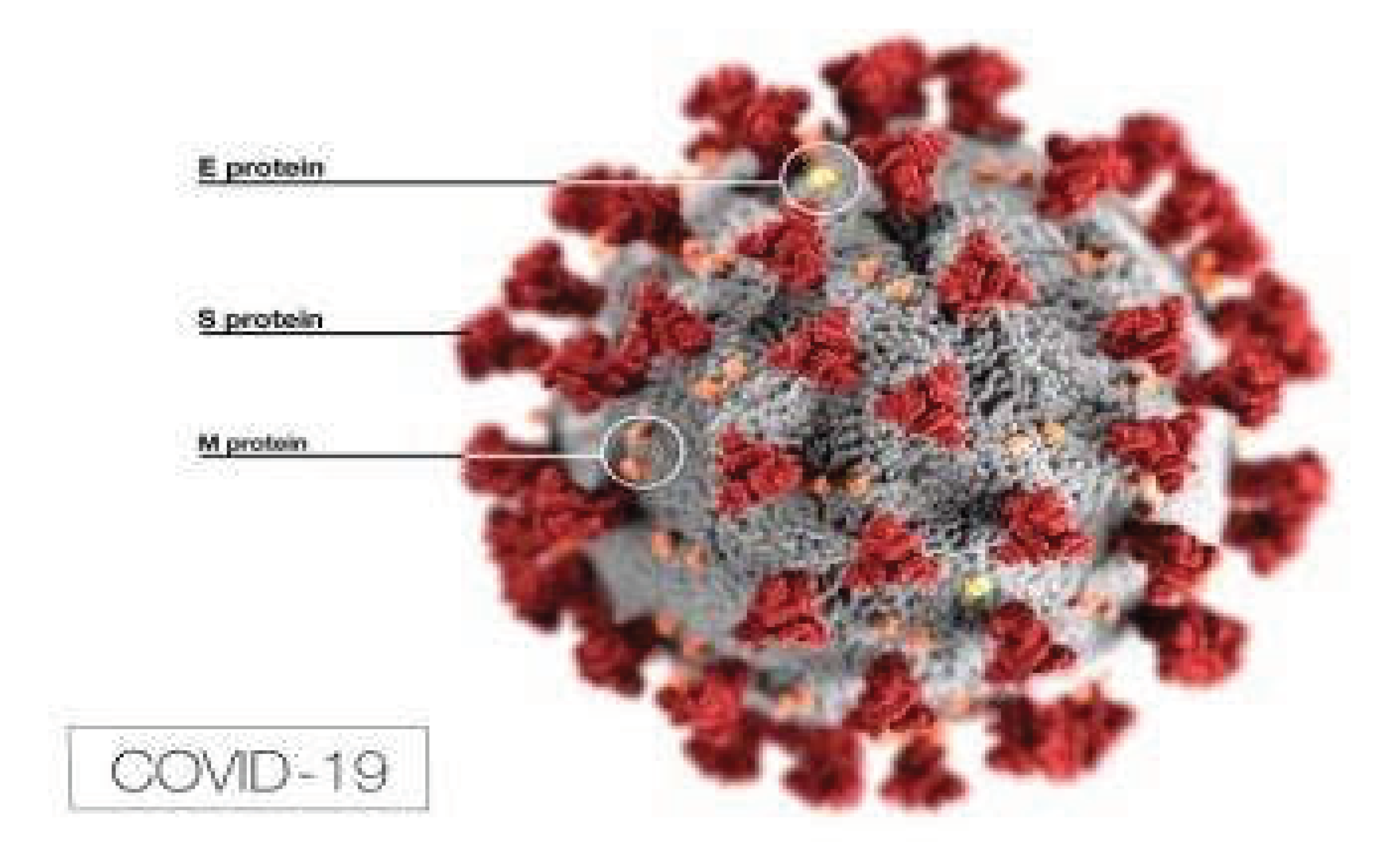
Figure 2.
c): Microscopic appearances of the 4 plasmodium species in a thin blood smear for malaria parasites (BS-MPS). (Source: Medicines for malaria venture (MMV).
Figure 2.
c): Microscopic appearances of the 4 plasmodium species in a thin blood smear for malaria parasites (BS-MPS). (Source: Medicines for malaria venture (MMV).
Disclaimer/Publisher’s Note: The statements, opinions and data contained in all publications are solely those of the individual author(s) and contributor(s) and not of MDPI and/or the editor(s). MDPI and/or the editor(s) disclaim responsibility for any injury to people or property resulting from any ideas, methods, instructions or products referred to in the content. |
© 2026 by the authors. Licensee MDPI, Basel, Switzerland. This article is an open access article distributed under the terms and conditions of the Creative Commons Attribution (CC BY) license.
Copyright: This open access article is published under a Creative Commons CC BY 4.0 license, which permit the free download, distribution, and reuse, provided that the author and preprint are cited in any reuse.


