
Submitted:
25 April 2026
Posted:
28 April 2026
You are already at the latest version
Abstract
This study critically examines the construction of medical conceptions regarding the so-called “early intoxications” in the early twentieth century. Its objectives focus on understanding how intoxications from psychoactive stimulants – such as alcohol, tobacco, tea, and coffee – as well as carbon monoxide, were conceptualized. A historical-documentary analysis of medical sources from the period was conducted, prioritizing scientific and clinical texts that describe pathophysiological mechanisms, symptomatology, and explanatory frameworks. The results indicate that these intoxications were understood as gradual, often silent processes capable of weakening the body and reducing its resistance to other pathologies. In the case of carbon monoxide, particular attention was given to the early identification of chronic exposures in domestic and urban contexts. It is concluded that the historical analysis of these formulations contributes to an understanding of the origins of current public health and toxicology models, emphasizing the importance of integrating historical perspectives into contemporary scientific reflection.
Keywords:
early intoxications
; public health and environment
; history of medicine
1. Introduction
The abusive use of substances such as alcohol, tobacco, tea, and coffee is a growing concern in many European societies. Although these substances are socially accepted and widely consumed, their excessive use can have serious impacts on both physical and mental health.
Tobacco is a common substance whose abuse represents a significant public health threat. Smoking is associated with a range of serious diseases, including lung cancer, cardiovascular and respiratory diseases, and contributes to environmental pollution and the depletion of natural resources. Among World Health Organization (WHO) regions, Europe has the second-highest prevalence of tobacco use among adults (25.3%) and adolescents (10.8%) (WHO, 2025a). By 2030, Europe is projected to have the highest rate globally, with around 23% of adults smoking (WHO, 2025b). The tobacco industry is among the main contributors to preventable deaths in Europe, with over 1.15 million estimated deaths per year (WHO, 2024a).
Alcohol is one of the most widely consumed psychoactive substances across Europe. While enjoyed by many as part of social and celebratory culture, excessive alcohol consumption can lead to a range of health problems, including liver injury, increased risk of cardiovascular disease, mental disorders, and dependence. In the WHO European Region, adults consume, on average, 9.2 litres of pure alcohol per year, making them the highest consumers worldwide (WHO, 2024a). Approximately 11% of adults in this region experience alcohol-related disorders, and around 5.9% live with alcohol dependence. Alcohol consumption is associated with at least seven types of cancer, including breast and colorectal cancer, and accounts for one-third of cancer-related deaths in the European Union (WHO, 2024a). In 2021, the WHO Europe estimated approximately 426,000 annual deaths attributable to alcohol consumption (WHO, 2024b).
Although tea and coffee are considered socially acceptable, and even health-promoting when consumed in moderation, excessive consumption of these substances may also have negative consequences. Consumption of more than four cups of coffee per day has been associated with a 17% reduction in the risk of head and neck cancers (Nguyen et al., 2024) and reduced bone density (Hallström et al, 2013; Zeng et al., 2022), whereas high consumption (≥5 cups/day) has been linked to an increased likelihood of ischemic stroke (Smyth et al., 2024). Evidence is less clear for tea, but results suggest that drinking one cup per day or less is associated with a 9% lower risk of head and neck cancers overall (Nguyen et al., 2024) and a reduced risk of stroke (Smyth et al., 2024). Excessive caffeine intake may cause symptoms such as insomnia, anxiety, irritability, and palpitations (Jin et al., 2016; Shirlow & Mathers, 1985). Furthermore, overconsumption of tea and coffee can lead to gastrointestinal issues and interfere with the absorption of certain nutrients.
Slow carbon monoxide intoxication is a silent threat that may occur in homes, often without the inhabitants’ awareness. The danger of carbon monoxide poisoning lies in the fact that its symptoms are frequently confused with other conditions, such as influenza or fatigue, which can result in misdiagnosis and prolonged exposure to the gas (Williams et al., 2025).
This study aims to analyze Jules Héricourt’s ideas regarding early intoxications, particularly those caused by the abuse of psychoactive stimulants and by carbon monoxide exposure, as conveyed in the early twentieth century.
2. Materials and Methods
This study adopts a qualitative, historical-documentary approach, focusing on the analysis of medical conceptions presented by Jules Héricourt in the early twentieth century. The research is based on the critical examination of primary and secondary sources, seeking to historically contextualize the author’s medical thinking and understand how he interpreted the pathological processes associated with the consumption of substances such as alcohol, tobacco, tea, and coffee. This type of investigation is particularly suitable for examining scientific ideas within their social, cultural, and institutional context, enabling an understanding of the evolution of medical and scientific thought over time (Bowen, 2009; Denzin et al., 2023).
The analysis primarily focused on the second book of Les Frontières de la Maladie (Héricourt, 1904), in which Héricourt discusses intoxications of external origin related to the abuse of psychoactive stimulants and exposure to carbon monoxide. Other works and publications by the author were also considered to contextualize his scientific output and positioning within the field of experimental medicine. Additionally, secondary sources – including historiographical studies, works on the history of medicine, and contemporary scientific literature on psychoactive substance consumption and intoxications – were used to situate Héricourt’s interpretations within the scientific landscape of the period and establish a dialogue with current knowledge.
Document analysis followed the principles of qualitative content analysis as proposed by Bardin (1977), developed in three main stages: pre-analysis of sources; material exploration; and processing and interpretation of results. To ensure research consistency, source triangulation procedures were adopted, simultaneously consulting historical documents and current scientific literature. Historical and epistemological contextualization helped mitigate potential anachronistic interpretations, respecting the conceptual frameworks of contemporary medicine (Kragh, 2003; Goodson & Sikes, 2001). Moreover, fidelity to the author’s original formulations was maintained, employing critical translation of original text excerpts where necessary.
3. Results
3.1. About the Physician and Physiologist Jules Héricourt
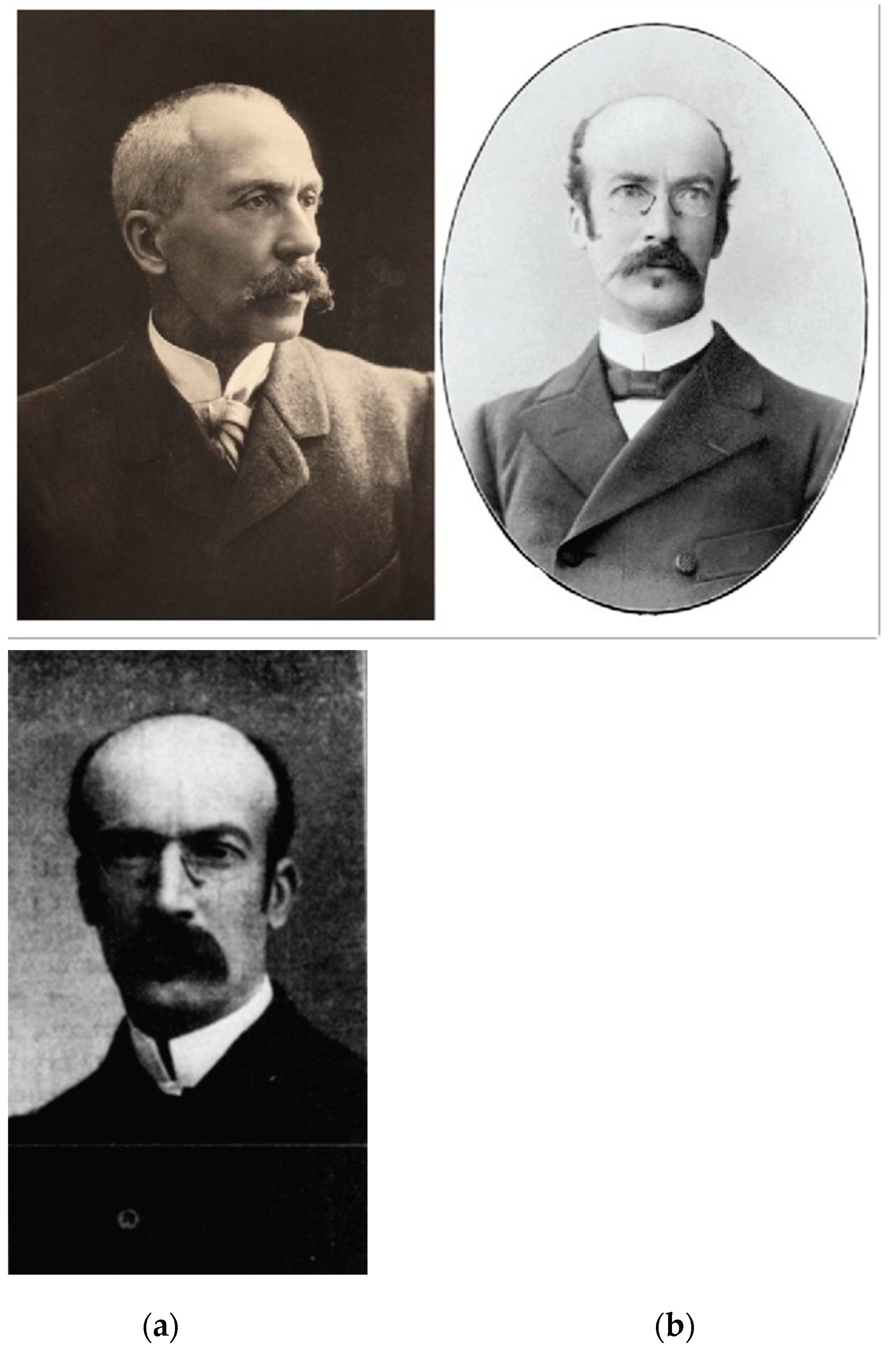
Jules Héricourt (Figure 1) was born into a working-class family in Paris at 11:00 on 12 March 1850. He was registered as the son of an unknown father and Evelina Geneviève Héricourt, who was 19 years old and unemployed at the time (Paris Archives, 2025a). He later married Marie Françoise Marandet. He died, widowed, at 12 rue Douai, in the 9th arrondissement of Paris, specifically in the Saint-Georges district, aged 87, on 24 January 1938, with the death certificate issued the following day by Henri Bornens (Paris Archives, 2025b).
From 7 November 1869, Jules Héricourt attended the Military School of Health in Strasbourg1. Three years later, he commenced the academic year at the Val-de-Grâce School of Application2, where, in 1874, he undertook his medical internship (ANF, 2025). In this capacity, on 28 January 1874, Jules Héricourt submitted his doctoral thesis in Medicine to the Faculty of Medicine at the University of Paris, entitled Quelques considérations sur les maladies du soldat en garnison (Bibliothèque Nationale de France, 2025).
Later that same year, on 21 July 1874, Jules Héricourt was appointed Deputy Major Physician, 2nd Class3, at the Hospitals of the Constantine Division4. Four days later, he was transferred to the Military Hospital of Sétif5. While in this position, he was promoted to Deputy Major Physician, 1st Class, on 31 December 1876. From this date, he was assigned to various units (Foot Chasseur Battalion, Artillery Regiment, Sapper-Firefighter Regiment) until his promotion, on 5 October 1892, to Major Physician, 2nd Class, and his posting to the 118th Infantry Regiment. Subsequently, he served in several other military units, including the Military Hospital of Lille6 (ANF, 2025).
On 13 September 1885, his resignation was accepted, and he was transferred to the Territorial Army attached to the Field Hospital on 15 March 1886, with the rank of Major Physician, 1st Class. On 17 January 1900, his resignation from the army was accepted, though he was reinstated for the duration of the war and assigned to Villemin Hospital (ANF, 2025).
From September 1885, he served as secretary of the editorial board and as an author for the Revue scientifique, also contributing to the Revue de Médecine, the Revue des Deux Mondes, and the Revue Philosophique (ANF, 2025).
Charles Robert Richet (1850-1935) was born in Paris into a wealthy and socially prominent family. He was the son of Louis Dominique Alfred Richet (1816-1891), a renowned surgeon and professor in the Department of Surgery at the Faculty of Medicine, University of Paris, as well as Chief Surgeon at Hôtel-Dieu Hospital, and a friend of Claude Bernard (1813-1878), widely regarded as the founder of experimental medicine. During his studies at the prestigious Lycée Bonaparte, Richet developed an interest in parapsychology and became friends with Jules Héricourt.
Following the reforms of Napoleon III and the Third Republic, which strengthened experimental medicine, the Faculty of Medicine at the University of Paris had multiple laboratories and chairs. The Physiology Laboratory was strongly linked to the Claude-Bernardian tradition, focused on experimentation with animals and the search for physiological laws. This laboratory was among the first to test serum as a treatment (prior to Behring and Roux popularizing the antitoxic serum against diphtheria), and the experiments conducted there anticipated some discoveries of modern immunology, albeit without contemporary terminology.
Charles Richet is emblematic of faith in scientific progress and the epistemology of his experimental method, inherited from Claude Bernard, Aristide Auguste Stanislas Verneuil (1823-1895), and Marcellin Pierre Eugène Berthelot (1827-1907), which he frequently developed and commented on personally. Bernard’s Introduction to the Study of Experimental Medicine (1865) was decisive, recognizing him as his intellectual mentor and regarding himself as a continuator of a scientific tradition based on rigorous observation and controlled experimentation. In 1878, Charles Richet became adjunct professor of physiology, inheriting part of Bernard’s teaching tradition and assuming directorship of the laboratory, which followed the Bernardian approach to physiological experimentation with animals.
In 1887, Jules Héricourt joined Charles Richet in his laboratory, and for fifteen years they conducted numerous studies together. Héricourt investigated the effects of antibody treatments and undertook early attempts to combat cancer through serotherapy (Androutsos et al., 2011). From 1 October 1889, Jules Héricourt assumed the position of Deputy Head of the Physiology Laboratory at the Faculty of Medicine, University of Paris.
Jules Héricourt was a proponent of microbial theories. In 1888, he published an article with Charles Richet indicating that haematotherapy could be employed to treat infectious diseases. Their studies on tuberculosis led them to propose treatment of patients with zomotherapy (raw meat) (Watier, 2009).
Héricourt was a close friend of Émile Zola (Héricourt, 1890), testifying on his behalf during Zola’s trial in February 1898 following his “J’accuse” column in the Dreyfus Affair (Lahaie, 2016). Maurice Feuillet (1873-1968) commemorated this historic moment of Héricourt’s humanist commitment with a graphite sketch on woven paper in 1898 (Musée d’Art et Histoire du Judaïsme, 2025). In the same year, the Ligue des Droits de l’Homme was established, with Jules Héricourt as one of its founders and vice-presidents (Naquet, 2016). Between 1904 and 1934, concerned with social issues, he dedicated himself to supporting low-income populations as director of an anti-tuberculosis dispensary.
Jules Héricourt was a great admirer of Louis Pasteur (1822-1895). Héricourt published an early scientific review on the pathogenic role of microbes in 1884, popularizing Pasteur’s theories while studying agents of cholera and tuberculosis. It is also established that Héricourt had personal contact with Pasteur (Lahaie & Watier, 2017).
On 16 May 1933, the Academy of Medicine awarded Jules Héricourt the Albert of Monaco Prize, endowed with 100,000 francs (Téry, 1933), equivalent to approximately €192,000 today. The newspaper L’Oeuvre had anticipated the award fifteen days earlier, given the near certainty of the decision. Nonetheless, the selection generated some controversy. Of 79 votes, 59 were for Jules Héricourt; two for Raymond Jacques Adrien Sabouraud (1864-1938), a French physician specialized in dermatology and medical mycology, notable for pioneering research on fungal skin diseases; one for Emil Adolf von Behring (1854-1917), a German physician, bacteriologist, and immunologist, renowned as the “savior of children” and the first Nobel laureate in Physiology or Medicine, 1901. Finally, 17 ballots were blank, reportedly issued by the Pasteur Institute in protest (Téry, 1933).
On 30 July 1894, by decree based on the Minister of the Interior’s report, Jules Héricourt was appointed Knight of the Legion of Honour, with Charles Richier as his sponsor. On 11 March 1918, he was awarded the Officer’s Cross of the National Order of the Legion of Honour, entitled from that date to wear the insignia and receive associated benefits (ANF, 2025).
The work of Charles Richier and Jules Héricourt, despite some contestation and disputes over authorship within the scientific community, contributed to the emergence of a new discipline – Immunology – even if they were unable to translate this knowledge into medical applications, neither for tuberculosis nor cancer, though recognizing its potential in immunotherapy (Lahaie & Watier, 2017). Both authors may be regarded as representatives of the so-called “physiologisation of Pasteurism” movement, leading to the birth of immunology: understanding immune responses, applying physiological approaches to medical treatments, and preventing disease (Bonito, 2022).
3.2. On the Abuse of Psychic Stimulants
Jules Héricourt authored numerous works, notably Quelques considérations sur les maladies du soldat en garnison (1874), La contagion par les insectes, un nouveau chapitre de pathogénie animée (Edition A. Davy, 1899), La sérothérapie; historique, état actuel, bibliographie (Edition J. Rueff, 1899), Zomotherapy; its origin, its statistics, its technical application, its action, its indications and contra-indications (Edition J. Rueff, 1906), L’hygiène moderne (Edition Ernest Flammarion, 1907), Les 36 commandements de l’hygiène (Edition La Revue, 1911), Les maladies des sociétés, tuberculose, syphilis, alcoolisme et stérilité (Edition Ernest Flammarion, 1918), among others.
In 1904, Héricourt published Les frontières de la maladie: Maladies latentes et maladies atténuées (Ernest Flammarion), which reached 29 editions by 1920 in French, Albanian, Asturian, Castilian, and English, and is held in 82 WorldCat member libraries worldwide (WorldCat, 2021). Structured into six books and 24 chapters, the work focuses on cases where the boundary between health and disease is ill-defined, with transitions occurring imperceptibly.
Héricourt (1904) begins by asserting that, like self-intoxications and toxemias of internal, cellular, or intestinal origin, exogenous intoxications may manifest in all degrees, typically established slowly and persisting for extended periods at low intensity, often in mild and inconspicuous forms. The maintenance of certain lifestyle habits led to continuous poisoning until accidents, sometimes severe, prompted the individual to seek medical advice.
Without aiming to be exhaustive, Héricourt (1904) addresses the most common intoxications resulting from moral and socially influenced habits, referring to the use of alcohol, tobacco, tea, and coffee, as well as contemporary lighting and heating methods, which were often so faulty as to cause numerous accidents.
3.3. Mild Alcoholism
Héricourt (1904) first refers to “mild alcoholism”. By the early twentieth century, alcohol abuse had already caused considerable harm in France. He distinguishes disorders directly due to alcohol (spirits such as brandy, rum, cognac, kirsch, whisky, gin) from those resulting from habitual wine consumption or beverages containing essences, introducing the concepts of ethylism, and absinthism. Ethylism denotes a pathological state induced by prolonged and excessive consumption of ethyl alcohol, encompassing both acute intoxication (inebriation) and chronic dependence. It represents a disease resulting from habitual excessive intake of alcoholic beverages, particularly wine.
Absinthism refers to excessive or habitual consumption of absinthe, a potent alcoholic beverage (generally 45-74% ABV) made from fennel, anise, and principally Artemisia absinthium7 (Farlex, 2025). In the nineteenth and early twentieth centuries, absinthe was popular, especially in France and Switzerland, associated with artistic and intellectual bohemia. Excessive consumption was linked to both physical and mental health issues, giving rise to the term absinthism, used to describe harmful effects such as hallucinations, seizures, dependency, and symptoms akin to alcoholism. Absinthism can thus be understood as a specific form of alcoholism, particularly associated with absinthe and its toxic effects, notably due to thujone8 (Höld et al., 2000). Today, although absinthe is again produced and consumed in some countries, the concept of absinthism remains primarily historical and cultural.
Héricourt (1904) excludes acute accidents from overconsumption, since although these produce temporary intoxication (inebriation), they are fleeting. Instead, he analyses ethylism for its slow, subtle, and deceptive development, typically without evident initial symptoms, yet capable of progressing to severe stages. Early manifestations include digestive and nervous disturbances: reduced appetite, laborious digestion, epigastric heaviness and burning, and morning nausea.
In more advanced stages, still not alarming to the consumer, sensory disturbances begin to appear in the lower limbs, less frequently in the upper limbs, such as tingling and prickling sensations, more intense at night and regionally localized on the soles, fingertips, and around the joints. Skin may develop symmetric analgesia after initial hyperaesthesia, gradually extending from feet to legs and thighs, while tactile and thermal sensitivity remain intact. Muscle strength declines, and tremors appear – initially transient and restricted to the morning – becoming more permanent and exacerbated by precise movements.
Mental disturbances include insomnia, dreams, and nightmares: sad dreams and terrifying nightmares. Héricourt (1904) notes that even patients only slightly affected by alcohol may develop delirium during acute illness and display heightened vulnerability to nervous or cerebrospinal forms of infectious diseases, to which they have diminished resistance.
Regarding enolism, the initial disorders are like those already described. Héricourt (1904) draws on Étienne Lancereaux (1829-1910), renowned for pioneering contributions to the understanding of diabetes. According to Lancereaux, enolism symptoms are compounded by the action of potassium salts on the abdominal viscera, particularly the liver and spleen, inducing apparent congestion and potentially causing signs of hepatic insufficiency.
As for absinthism, or ousism – as Lancereaux termed it – the author observed consumption escalating to levels that raised public concern in France, due to poisoning from various aperitifs, bitters, and liqueurs. In early twentieth-century France, alcohol consumption was intertwined with café, bistro, and literary salon culture. Aperitifs, bitters (amers), and liqueurs formed part of this social milieu. Examples of aperitifs of the period include: Absinthe, the most famous, emblematic of the artistic bohemia until banned in 1915; Pastis, which emerged as its substitute and was regulated in the 1930s; Byrrh, a red wine-quinine blend, popular until the 1930s; Dubonnet, fortified wine with quinine, favored by conservative clientele; Lillet, an aromatized wine from Bordeaux (white version often served with ice and lemon peel); Noilly Prat, dry vermouth from Marseille, consumed neat or in cocktails.
Bitters (amers) were herbal infusions often used as digestive tonics or bases for aperitifs. Examples include Picon, a bitter orange-quinine-gentian aperitif, popular in Alsace-Lorraine and often mixed with beer (“Picon bière”); Fernet, Italian in origin but consumed in France as a bitter digestif; Suze, created in 1889 from Gentiana lutea, an icon of the Belle Époque; and Amer Bière, a generic bitter beer mix.
Liqueurs are sweeter and typically consumed after meals (digestifs) or used in confectionery and cocktails. Examples include Chartreuse, a liqueur made by Carthusian monks with over 130 herbs, available in two main varieties: green (stronger) and yellow (sweeter); Bénédictine, an herbal and spice liqueur produced since the nineteenth century in Fécamp, associated with the elegance of the period; Curaçao, a citrus-flavoured liqueur (notably “Triple Sec”) used in cocktails and confectionery; Crème de cassis, a sweet blackcurrant liqueur, the base of the famous Kir cocktail (mixed with white wine); and Anisette, an anise-flavoured liqueur, sweeter than pastis, typically consumed with water.
Consumption of these products produces effects broadly similar to the onset of ethylism, though distinguished by pronounced nuances. Héricourt emphasises that these are primarily sensory disorders of the limbs, symmetrical with an ascending tendency, manifesting as hyperalgesia—excessive reflexes and heightened pain sensitivity.
3.4. Caffeine Consumption
Héricourt (1904) notes that many individuals consumed coffee excessively, often three or more times per day. Coffee, however, was far from innocuous. In addition to caffeine – a potent alkaloid – it contains aromatic compounds, tannins, and potassium salts, whose effects are additive with caffeine. Excessive intake may cause impatience, tremors, dizziness, palpitations, and insomnia; headaches, vomiting, and severe diarrheal episodes may also occur.
More important than acute manifestations are the chronic effects resulting from prolonged overconsumption of coffee or tea. Symptoms include epigastric heaviness, slow digestion, loss of appetite, and constipation, often accompanied by general weakness, reduced motivation, low mood, and sleep disturbances. While Harcourt does not address dependence, many of these symptoms temporarily resolve after further coffee intake, reappearing as the stimulant effect diminishes.
Chronic overconsumption may induce rhythmic tremors, muscular spasms, rapid, weak, and irregular pulse, and dizziness. Over time, consumers may become melancholic and restless, reporting diffuse pain, neuralgia, pruritus, and various skin eruptions. Muscle strength declines, and weight loss may occur. Some authors attributed impaired vision in adults over 45-50 years, especially in Arab populations, to “caffeinism”.
Héricourt observes that coffee consumption appears less harmful in warmer climates; for instance, individuals in Algeria could tolerate relatively high coffee intake but developed caffeinism symptoms upon returning to France. Similarly, some could only tolerate coffee in summer, substituting tea in colder months. He concludes that these two stimulants – tea and coffee – seem better suited to different climatic conditions, with coffee preferred in warmer regions and tea in colder ones.
Héricourt (1904) therefore concluded that all evidence indicated these two stimulants – tea and coffee – appeared to be better suited to different climatic conditions. Interestingly, he noted that coffee was the customary beverage of people in warmer regions, whereas tea was preferred by inhabitants of colder countries.
3.5. Tobacco Consumption
By the late nineteenth century, it was known that environmental tobacco smoke contained a complex mixture of chemicals, including nicotine, carbon monoxide (CO), carbon dioxide (CO2), ammonium cyanide (NH4CN), pyridine (C5H5N), and other organic bases present in small amounts but highly toxic.
Repeated exposure, even in small doses, could cause subtle organic changes, often unnoticed by the smoker. These discrete disturbances may indicate a progressive intoxication process with potential long-term consequences.
Héricourt (1904) notes that effects are most observed in the digestive and nervous systems. Upper respiratory tract irritation, persistent dry cough, and reduced appetite are typical. Moderate tobacco use may sometimes aid digestion, but excessive use impairs it and may provoke diarrhea.
Nervous system symptoms, termed nicotinism, include palpitations and memory impairment, particularly difficulty recalling proper names. Chronic intoxication may produce nausea, dizziness, vertigo, and gradual visual decline. Nicotine primarily affects nerve cells. Unlike alcohol, its effects are often reversible, resolving quickly after cessation. However, sudden symptoms could appear in smokers who maintained habits but changed environment – for instance, from outdoors to poorly ventilated indoor spaces – leading to intensified exposure.
Héricourt (1904) stated that the effects of nicotine and other products resulting from the incomplete combustion of tobacco primarily target nerve cells. However, unlike alcohol, this impregnation of the body tended to be less long-lasting. In many cases, simply ceasing tobacco consumption led to a relatively rapid disappearance of symptoms. There were, however, situations in which signs of intoxication appeared suddenly in smokers who had not altered their consumption habits. The author suggested that, in many circumstances, this phenomenon could be explained by changes in the environment in which tobacco was consumed. For example, individuals accustomed to smoking outdoors might begin to exhibit symptoms when smoking in enclosed, poorly ventilated spaces, such as small rooms or workplaces. Under such conditions, they would continuously inhale smoke-saturated air, which, in practice, amounted to a far more intense exposure to the toxic substances released during tobacco combustion.
Héricourt (1904) therefore considered that this situation also helped to explain why certain individuals continued to exhibit symptoms of nicotine intoxication even after they had ceased smoking. If they frequently remained in environments contaminated with second-hand tobacco smoke, or spent prolonged periods with smokers, they continued to be exposed to tobacco smoke and its harmful substances. For the same reason, attenuated forms of nicotinism could be observed in non-smokers, particularly women and children, whose sensitivity to tobacco was often greater. Some individuals displayed a particularly low tolerance to tobacco, as was the case with those of a nervous temperament or with certain organic predispositions (e.g., some patients with rheumatic conditions), tending to react more intensely to its effects.
Héricourt (1904) concluded this discussion on the interplay between the consumption of coffee and tobacco. Both substances were considered stimulants and were often used in combination, potentially exerting compensatory effects on one another to some extent. Thus, when a heavy smoker, who was also accustomed to consuming large quantities of coffee, suddenly reduced their intake-often believing it caused them discomfortsymptoms of nicotine intoxication that had previously been masked could immediately emerge. Similarly, abrupt cessation of tobacco could provoke manifestations associated with excessive caffeine intake. For this reason, the author did not recommend the reduction or elimination of stimulant in isolation. It would be prudent to advise moderation of both simultaneously, thereby avoiding the unexpected onset of disturbances related to their consumption.
3.5. Carbon Monoxide Poisoning
Prolonged exposure to carbon monoxide at the dawn of the twentieth century constituted a frequently underestimated hazard. This toxic gas could be present in a variety of everyday situations, particularly when certain heating or combustion systems were in use. Slow-combustion stoves, heaters, hot-air heating systems, coal or wood-fired stoves, as well as the domestic use of illuminating gas, were among the common systems of the time and potential sources of contamination. Furthermore, proximity to certain highly active industrial operations could contribute to increased levels of this gas in the urban environment.
Héricourt (1904) cautioned that, for a long time, public attention had been primarily focused on acute and fatal cases of carbon monoxide poisoning, often associated with domestic accidents. However, although such occurrences were relatively rare, there existed a potentially more insidious risk: continuous exposure to small quantities of this gas. In urban environments, such exposure could become habitual, gradually affecting the health of residents.
The chemist and pharmacist Ferdinand Frédéric Henri Moissan (1852-1907), the first French recipient of the Nobel Prize in Chemistry in 1906 (Tressaud, 2006) for his work isolating fluorine from its compounds (Nobel Foundation, 1966), was one of the researchers who, at the end of the nineteenth century, drew attention to this emerging problem-work with which Héricourt was familiar. Moissan warned of the dangers posed by small concentrations of carbon monoxide in the air of homes and cities. He emphasized that even extremely low amounts of this gas could provoke significant disturbances in the body, and that, moreover, the methods available at the time for its detection were largely ineffective. Thus, it was an almost invisible enemy, whose effects often escaped both human perception and medical diagnosis. Curiously, Moissan died suddenly in Paris on 20 February 1907, shortly after returning from the ceremony in Stockholm. Although the official cause was recorded as an acute appendicitis attack, some authors have suggested that prolonged exposure to toxic gases used in his experiments – particularly fluorine and carbon monoxide – may have contributed to the shortening of his life (Harrington, 1920).
Among the possible sources of poisoning, Héricourt (1904) highlights the domestic use of illuminating gas, which could contain between 7-10% carbon monoxide. Even a minor leak in a pipe, or the deterioration of a rubber hose, could release appreciable quantities of this gas into the air breathed within homes.
However, in his view, one of the main origins of the problem lay in modern heating systems. To produce more heat with lower fuel consumption, these devices began to carefully regulate the entry of air into combustion. This process, while energy-efficient, tended to promote the formation of higher amounts of carbon monoxide in the combustion gases. If the pipes or ducts carrying these gases were not perfectly sealed, carbon monoxide could easily infiltrate the air intended to heat the rooms of the house. In practice, it seems, the joints of these ducts were rarely executed with the necessary precision, often employing simple materials such as clay diluted in water, which, when heated, would shrink and quickly lose its effectiveness. Within a few days, fissures could form through which combustion gases escaped. Some appliances also incorporated cast-iron elements which, due to temperature variations, could crack relatively easily, further increasing the risk of leakage.
Mobile stoves and certain types of fireplaces posed even greater dangers. In these devices, the gases produced during combustion could contain particularly high proportions of carbon monoxide. Moreover, as the gases travelled up the chimney, they cooled rapidly, which reduced the draft and facilitated the return of gases into the room. Even a simple gust of wind could momentarily reverse the flow in the chimney, causing these gases to re-enter the domestic environment.
Even when valves or mechanisms intended to prevent such backflow were in place, these devices rarely ensured an effective seal for gaseous substances. On the contrary, their presence could create a false sense of security among users. Small leaks could occur repeatedly, contaminating the room air with hazardous amounts of carbon monoxide.
Therefore, many people using this type of equipment suffered, to a greater or lesser degree, the effects of chronic poisoning. It was already known that prolonged exposure to extremely low concentrations of this gas – like thousandths or even tenths of a thousandth in the air – was sufficient to produce health alterations.
The most common symptoms included headaches, often more intense towards the end of the day, dizziness, fainting spells, and neuralgias. In more severe cases, neurological disturbances could arise, such as paralysis or localized anesthesia in specific limbs or nerve paths. When exposure continued without recognition, the individual’s general condition tended to deteriorate progressively. Persistent anemia could develop, accompanied by easy fatigue and intolerance to physical exertion. Simple activities became tiring, walking caused rapid exhaustion, and loss of appetite and digestive disturbances frequently occurred. In some extreme cases, prolonged stay in contaminated environments could lead to profoundly serious consequences. For instance, people who worked for years in rooms heated by defective stoves, or who fell asleep near such appliances – sleepiness being one of the first signs of poisoning – could suffer severe neurological accidents, such as cerebral hemorrhages or rapid and profound mental alterations, even without any prior predisposition to such conditions.
Beyond domestic sources, there were also other origins of exposure in large cities. Intensive heating of homes during winter often created a layer of combustion gases over urban neighborhoods. Normally, these gases dispersed quickly into the atmosphere, but the situation became more concerning with industrial development.
The construction of large power plants intended for the production of energy, electricity, or motive power involved the continuous combustion of large quantities of fuel. These facilities released enormous volumes of smoke and gases into the atmosphere – including carbon dioxide, carbon monoxide, hydrogen sulphide (H2S), and other harmful compounds – which spread across the surrounding areas. Under certain atmospheric conditions, these emissions could accumulate and infiltrate nearby streets and homes.
Thus, Héricourt (1904) considered it entirely plausible that many inhabitants of large cities were exposed, even if subtly, to the effects of chronic carbon monoxide poisoning. Even when symptoms were barely noticeable, such exposure could weaken the body’s resistance to various diseases. Some authors suggested that this reduction in vitality could, for example, facilitate the development of infectious diseases such as tuberculosis, the incidence of which remained high precisely during periods of intense urbanization and industrialization.
3. Discussion
The emergence of immunology as an autonomous scientific field at the end of the nineteenth century resulted from the convergence of different intellectual and experimental traditions, notably French experimental physiology, and Pasteurian bacteriology. The scientific trajectory of Jules Héricourt falls precisely within this moment of epistemological transition, in which the study of infectious diseases expanded beyond the mere identification of pathogenic agents to include the analysis of the host organism’s responses.
Recent historiography has emphasized that this transformation was profoundly shaped by the tradition of experimental medicine established by Claude Bernard. In his seminal work Introduction à l’étude de la médecine expérimentale, Bernard (Bernard, 1865) argued that medicine should be based on a rigorous experimental method, founded on controlled observation and the experimental manipulation of physiological variables. According to Bernard, the goal of the researcher was not merely to describe pathological phenomena but to identify the underlying physiological laws governing the functioning of the organism. This conception profoundly influenced French biomedical research in the second half of the nineteenth century and shaped the scientific environment of the Faculty of Medicine at the University of Paris, where Charles Richet trained and pursued his career. Richet explicitly acknowledged this intellectual heritage. In several autobiographical and scientific texts, he referred to Claude Bernard as the principal inspiration for his experimental method, asserting that physiology should constitute the foundation of all scientific medicine (Richet, 1898).
The development of bacteriology by Louis Pasteur introduced a new dimension to medical research. The microbial theory of disease demonstrated that numerous infectious pathologies were caused by specific microorganisms, profoundly transforming the understanding of epidemics and contagious diseases. However, as contemporary historiography notes, the reception of Pasteurian ideas was not uniform. While some researchers focused on the identification and culture of microorganisms, others sought to integrate these discoveries into the conceptual framework of experimental physiology. Lahaie and Watier (2017) describe this process as the “physiologisation of Pasteurism” emphasizing that certain French physiologists attempted to understand infectious diseases not only as microbiological phenomena but also as physiological processes involving the organism’s response. In this context, the collaboration between Jules Héricourt and Charles Richet constitutes a particularly significant example. Trained in the Bernardian tradition of physiological experimentation, both sought to investigate the mechanisms by which the organism might acquire resistance to infections.
In 1888, Richet and Héricourt published a series of experiments now frequently interpreted as one of the first steps towards the formulation of serotherapy. Using animal models, the researchers observed that the transfusion of blood from animals previously exposed to specific infectious agents could confer protection on susceptible animals. The formulation that the blood of a resistant animal could communicate its resistance to a sensitive animal (Héricourt & Richet, 1888) anticipated the modern concept of passive immunity, later associated with the presence of antibodies in the blood serum. However, the historiographical interpretation of this work has been the subject of debate. For a long time, the dominant narrative in the history of immunology attributed the development of serotherapy primarily to Emil von Behring and Shibasaburo Kitasato, who demonstrated in 1890 that serum from immunized animals could protect against diphtheria and tetanus (Behring & Kitasato, 1890).
According to Watier (2009), this German primacy in the historiographical narrative is largely due to the immediate clinical impact of diphtheria serotherapy, as well as the international recognition that culminated in the Nobel Prize awarded to Behring in 1901. However, recent studies have sought to reassess the role of Richet and Héricourt, arguing that the conceptual principle of immunity transfer had already been clearly formulated in their 1888 experiments (Lahaie & Watier, 2017).
Following these initial experiments, Héricourt and Richet attempted to apply the principle of immunity transfer to the treatment of human diseases. Tuberculosis, which at the end of the 19th century constituted one of the main causes of mortality in Europe, became one of their primary therapeutic targets. Inspired by the success of Pasteurian vaccines, the two researchers sought to develop treatment methods based on the transfusion of blood or serum from animals resistant to the disease. This approach was termed haematotherapy and involved attempting to transfer protective factors present in the blood. However, the results obtained were limited. Although some experiments suggested a moderation in disease progression in animal models, the clinical effects in humans proved inconsistent. According to Watier (2009), these difficulties reflected not only methodological limitations but also the fact that the immunological mechanisms involved in chronic infections were still unknown.
Another domain in which Héricourt and Richet sought to apply their ideas was the study of cancer. At the end of the 19th century, several researchers considered it plausible that certain tumours might have a microbial origin, a hypothesis that stimulated numerous attempts to develop immunological treatments. In 1895, Richet and Héricourt tested the possibility of immunizing animals with tumor extracts and using the serum produced to treat patients with neoplasia’s. Although the initial results generated interest within the medical community, the experiments did not produce effective therapy. Nevertheless, as recent historiography observes, these attempts can be seen as distant precursors of modern oncological immunotherapy strategies (Watier, 2009)
One of the most interesting aspects of the serotherapy experiments was the observation of adverse reactions associated with the repeated administration of serum. In some cases, the researchers observed intense inflammatory reactions following subsequent injections. These phenomena would later be interpreted as manifestations of anaphylaxis. In 1902, Charles Richet and Paul Portier experimentally described this phenomenon, which they termed anaphylaxis, demonstrating that a harmless substance could trigger a severe physiological reaction in previously sensitized individuals (Portier & Richet, 1902). This discovery would later earn Richet the Nobel Prize in Physiology or Medicine in 1913.
The emergence of immunology at the end of the 19th century was marked by intense theoretical debates. Two major explanatory models competed with one another: the humoral theory, which attributed immunity to substances present in the blood, and the cellular theory, associated with the work of Élie Metchnikoff (1845-1916). Metchnikoff argued that immunity resulted primarily from the activity of specialized cells capable of engulfing and destroying microorganisms, a phenomenon he termed phagocytosis (Metchnikoff, 1884). This interpretation emphasized the role of immune system cells, in contrast to the humoral approach associated with serotherapy experiments. Contemporary historiography has highlighted that the development of immunology resulted from the gradual integration of these two perspectives. The initial opposition between cellular and humoral theories was progressively replaced by a more complex understanding of the interactions between different components of the immune system (Silverstein, 2002).
For much of the 20th century, Jules Héricourt’s role in the history of immunology remained marginal. Historiographical attention focused primarily on figures such as Pasteur, Behring, or Metchnikoff, whose discoveries had an immediate impact on medical practice. However, recent studies have sought to reconsider this narrative and give it greater prominence (Bonito, 2022). Lahaie and Watier (2017) argue that the contributions of Richet and Héricourt were fundamental to the conceptualization of passive immunity and to the integration of bacteriology within the French physiological tradition. From this perspective, Héricourt’s work should be interpreted not only in terms of its immediate therapeutic outcomes but also for its role in constructing a new conceptual framework for biomedical research. By seeking to understand the physiological mechanisms of resistance to infections, Héricourt and Richet helped shift the focus of medical research from the mere identification of pathogenic agents to the study of organismal responses. Thus, although the clinical applications of their discoveries were limited, their work represents an important link in the chain of developments that led to the birth of modern immunology.
Between the late 19th and early 20th centuries, European medicine devoted increasing attention to so-called chronic social intoxications, associated with the consumption of stimulants or psychoactive substances. In this context, Jules Héricourt published in 1904 the work Les frontières de la maladie: maladies latentes et maladies atténuées, in which he sought to analyse pathological states situated at the liminal zone between health and disease. The work enjoyed wide international circulation, with multiple editions and translations during the first two decades of the 20th century. Héricourt’s reflections are situated within an intellectual tradition strongly marked by experimental medicine and social hygiene, aiming to explore what he termed the “frontiers of disease”, namely progressive pathological states that are often imperceptible in their initial phase (Héricourt, 1904).
A central argument put forward by Héricourt is the idea that numerous diseases result from chronic low-intensity intoxications produced by seemingly harmless daily habits. Drawing on contemporary medical theories concerning autointoxication and internal toxemia, he argued that substances regularly ingested could accumulate physiological effects over time, gradually leading to pathological states. This concept was by no means unique to Héricourt. By the late 19th century, several European physicians had argued that urban modernity favored new forms of chronic intoxication associated with diet, alcohol, tobacco, or stimulants. Lancereaux, for example, had already described different forms of chronic alcoholism and their hepatic and metabolic repercussions (Lancereaux, 1873). Similarly, hygienist physicians analysed the social and health effects of the growing consumption of alcoholic beverages in industrialized societies (Prestwich, 1988).
However, Héricourt introduced a conceptually significant element by emphasizing the continuity between social habits and pathology, arguing that moderate and repeated consumption of certain substances could give rise to subclinical states of disease (Héricourt, 1904). This idea, to some extent, anticipated the contemporary notion of behavioral risk factors, now widely used in the epidemiology of chronic diseases.
Héricourt’s analysis of alcohol must be understood within the broader context of medical and political concerns regarding alcoholism in late 19th-century Europe. Industrialization and urbanization contributed to a significant increase in the consumption of alcoholic beverages, a phenomenon that led numerous physicians and social reformers to consider alcoholism a public health problem (Prestwich, 1988). Héricourt distinguishes between different forms of alcoholic intoxication, including ethylism, enolism, and absinthism, seeking to identify the specific clinical manifestations associated with each type of consumption. Ethylism is described as a progressive chronic intoxication that initially causes digestive and neurological disturbances and may evolve into peripheral neuropathies, tremors, and mental disorders (Héricourt, 1904).
From a contemporary medical perspective, many of Héricourt’s clinical observations prove remarkably accurate. His description of paresthesia’s in the lower limbs, tremors, and decreased muscle strength corresponds closely to the typical manifestations of alcoholic neuropathy, now well documented in the medical literature . Similarly, the association between chronic alcoholism and sleep disturbances, cognitive impairment, and susceptibility to infections is widely recognized by modern medicine. However, some aspects of his interpretation reflect the limitations of medical knowledge at the time. For instance, Héricourt attributes certain physiological effects of ethylism to the action of potassium salts present in wine, following the interpretation proposed by Lancereaux. It is now known that the primary lesions associated with alcoholism result predominantly from the toxicity of ethanol and its metabolite acetaldehyde, as well as from nutritional deficiencies linked to chronic alcohol consumption.
Héricourt’s concern with so-called absinthism reflects a particularly intense debate in early 20th-century European medicine. Absinthe became extremely popular during the Belle Époque, especially in urban and artistic environments, and was often associated with literary and pictorial bohemianism. Many physicians at the time believed that absinthe had specific toxic effects distinct from those of ordinary alcohol. These concerns were linked to the presence of thujone, a compound found in the plant Artemisia absinthium, which was thought to have neurotoxic and hallucinogenic effects.
Contemporary studies suggest that these concerns were partially exaggerated. Although thujone possesses neuroactive properties, the concentrations present in historical absinthe beverages were probably insufficient to produce the dramatic effects frequently described in the medical literature of the period (Höld, 2000). Thus, many of the symptoms attributed to absinthism likely reflected severe forms of chronic alcoholism. In this sense, Héricourt’s analysis exemplifies how medicine of the period combined valid clinical observation with interpretations influenced by cultural and moral factors.
Héricourt’s reflection on coffee and tea consumption fits within a medical tradition that regards so-called nervous stimulants with suspicion. Since the 19th century, various physicians considered caffeine could provoke states of nervous excitation, insomnia, and digestive disturbances. Héricourt describes a set of symptoms associated with excessive coffee consumption, including tremors, palpitations, insomnia, digestive disorders, and mood alterations (Héricourt, 1904). Interestingly, he also notes that some of these symptoms appear to be temporarily alleviated following further coffee intake, a phenomenon suggesting a form of functional dependence.
Contemporary biomedical research partially confirms these observations. Caffeine is currently recognized as a central nervous system stimulant that acts primarily through the antagonism of adenosine receptors, enhancing alertness and reducing perceived fatigue (Nehlig, 2016). Excessive consumption can indeed provoke anxiety, tremors, insomnia, and palpitations. However, contrary to what some early 20th-century physicians suggested, current epidemiological studies indicate that moderate coffee consumption is associated with various beneficial effects, including reduced risks of cardiovascular disease, type 2 diabetes, and certain neurodegenerative conditions (Nehlig, 2016). Thus, although Héricourt correctly identified some physiological effects of caffeine, his overall interpretation reflects a more alarmist perspective typical of the hygienist medicine of his time.
One of the most curious aspects of Héricourt’s analysis is his hypothesis that different stimulants might be more suitable for particular climates. According to him, coffee was better tolerated in hot regions, whereas tea was more appropriate for cold climates (Héricourt, 1904). This idea reflects an old European medical tradition seeking to explain cultural and dietary differences in relation to climate. From a contemporary scientific perspective, however, there is no robust evidence to support a direct physiological relationship between climate and tolerance to caffeine or theine. Regional preference for different stimulating beverages seems instead to depend primarily on historical, economic, and cultural factors. For example, the spread of coffee is historically linked to Ottoman and colonial trade networks, while tea became predominant in regions heavily influenced by British commerce (Standage, 2005).
The study of tobacco uses and exposure to carbon monoxide provides a paradigmatic example of the intersection between medicine, social hygiene, and the history of drugs. Since the late 19th century, physicians and chemists have warned about the insidious effects of tobacco consumption and inhalation of domestic combustion gases, at a time when theories of chronic intoxication were slowly emerging in clinical practice.
Héricout (1904) provided a detailed description of the manifestations of nicotine intoxication, including irritation of the respiratory tract, digestive disturbances, and nervous system disorders such as palpitations and memory deficits. These observations are consistent with earlier nineteenth-century reports, in which authors such as Lizars (1859) and Rochard (1892) documented similar symptoms, including headaches, insomnia, and vertigo, associating them with habitual tobacco use or excessive consumption and the short-term consequences thereof (Tidswell, 1912). They highlighted the action of nicotine on the central nervous system, anticipating concepts that were later confirmed by modern neurotoxicology (Ferrea & Winterer, 2009).
Modern analysis confirms the chemical complexity of tobacco smoke described by Héricout: late twentieth-century studies identified dozens of toxic compounds, including carbon monoxide, ammonia cyanide, and pyridine, with cumulative effects even at low doses (Doll et al., 1994). Comparison demonstrates that, although nineteenth-century clinicians lacked sophisticated analytical techniques, precise clinical observations allowed them to infer patterns of intoxication that today correlate with biomarkers of exposure (Benowitz, 2010).
Moreover, Héricout (1904) anticipated the concept of secondary environmental exposure to tobacco, noting that non-smokers could develop symptoms of nicotine intoxication. This insight is relevant to the social history of hygiene, following a trajectory explored by contemporary authors such as Courtwright (2001) and Hunt (2011): the morality and regulation of drug use were intricately linked to concerns about collective health and involuntary exposure, particularly among women and children.
The dialogue between these perspectives highlights a crucial point: while historical medicine focused on clinical description and empirical prevention, modern medicine incorporates molecular mechanisms, risk assessment, and evidence-based public health policies (WHO, 2021). Continuity lies in concern for long-term effects and identification of vulnerable populations, although the analytical and regulatory framework has undergone profound change.
Discussion of carbon monoxide poisoning reinforces the relationship between science, technology, and public health. Héricout (1904) described domestic sources such as stoves and heaters, as well as urban industrial systems, anticipating debates about air pollution and chronic exposure. Moissan’s attention (1890-1906) to the effects of low concentrations of carbon monoxide confirms the emergence of a chemical consciousness of invisible risks – a precursor to modern environmental toxicology.
Nineteenth-century medical sources, such as Bouillaud (1835), also reported the effects of carbon monoxide and incomplete combustion gases on workers and urban households, describing fatigue, anemia, and neurological disturbances. These descriptions echo Héricout’s observations regarding the relationship between urbanization, heating, and respiratory health, anticipating concepts of “urban hygiene” that were institutionalized in twentieth-century public health studies (Rosen, 2015).
Contemporaneously, medicine identifies carbon monoxide as a toxic agent that binds to hemoglobin, reducing oxygen transport capacity and causing chronic hypoxia even at low concentrations (Raub et al., 2000). The contrast between historical and modern approaches is striking: nineteenth-century physicians documented empirical clinical patterns and environmental factors, whereas contemporary science integrates chemistry, physiology, and regulatory policies, including occupational and urban exposure limits. Comparative reflection suggests that the clinical history of tobacco and carbon monoxide provides essential insights for understanding the transition from empirical to evidence-based medicine, demonstrating how social, environmental, and technological factors shape public health. Furthermore, recent historiography on drugs and social hygiene (Courtwright, 2001; Gootenberg, 2022), underscores the interpretation of consumption and exposure practices, revealing that scientific knowledge is inseparable from the social and material context in which it is produced.
4. Conclusion
The present study has demonstrated that medical conceptions of so-called “initial intoxications”, formulated at the beginning of the twentieth century, were situated within a period of profound epistemological transformation in European medicine. Historical and documentary analysis revealed that the interpretation of intoxications caused by psychostimulants – such as alcohol, tobacco, tea, and coffee – and by carbon monoxide extended beyond the mere clinical description of symptoms, incorporating a broader understanding of the organism, physiological vulnerability, and the environmental and social conditions shaping health.
In the case of psychostimulants, there is a clear concern regarding the cumulative and chronic effects of excessive consumption, including neurological, digestive, and behavioral disturbances. Although the modern concept of dependence was not fully formulated at the time, symptomatic patterns are described that suggest mechanisms of tolerance and progressive deterioration, approximating notions now recognized as habituation phenomena and neurophysiological dysfunction. This historical reading demonstrates that many contemporary debates on consumption, risk, and regulation have deep conceptual roots predating the consolidation of modern pharmacology.
Regarding carbon monoxide, the study highlights the remarkable clinical and environmental foresight in recognizing slow and silent intoxications associated with domestic and urban contexts. The link between incomplete combustion, household heating, industrialization, and reduced bodily resilience anticipates central concerns of contemporary environmental toxicology. The notion that discrete and prolonged exposures could weaken the organism and predispose to the development of other pathologies aligns closely with current models integrating environment, chronic inflammation, and systemic vulnerability.
The study further shows that these medical reflections were situated at the intersection of experimental physiology, bacteriology, and emergent immunology. The shift from an exclusive focus on the pathogenic agent to an analysis of host responses represented a decisive change in understanding disease. In this context, research on immunity, serotherapy, and adverse reactions contributed to the construction of a more dynamic conceptual framework, in which organisms, environment, and external agents were understood as interdependent elements.
From a historiographical perspective, the research emphasizes the importance of revisiting scientific contributions that, though less celebrated, actively participated in the construction of the conceptual foundations of modern medicine. Contextualized analysis allows for the avoidance of anachronistic readings and provides insight into how categories such as “intoxication”, “vitality”, “resistance”, and “hygiene” functioned as explanatory devices in a period marked by rapid urbanization and technological transformation.
In terms of contribution to current scientific knowledge, this work underlines the relevance of integrating historical perspectives in the analysis of contemporary public health issues. Understanding continuities and discontinuities between past interpretations and current biomedical models supports a more critical approach to prevention policies, substance-use regulation, and environmental surveillance. Furthermore, it demonstrates that many present-day concerns – chronic exposure to invisible pollutants, the impact of socially accepted psychoactive substance use, and the interaction between environment and bodily vulnerability – have solid conceptual precedents that enrich contemporary scientific debate. The study confirms that historical analysis of medical ideas is not merely an exercise in reconstructing the past, but an epistemological tool relevant to understanding the genesis of fundamental concepts in public health, toxicology, and immunology, contributing to a more integrated and interdisciplinary view of the relationship between organism, environment, and society.
Author Contributions
Conceptualization, Jorge Bonito; methodology, Jorge Bonito; formal analysis, Jorge Bonito; investigation, Jorge Bonito; writing—original draft preparation and review and editing, Jorge Bonito; project administration, Jorge Bonito.
Conflicts of Interest
The authors declare no conflicts of interest.
References
- ANF. Notice individuelle: Jules Héricourt . Base Léonore. 2025. Available online: https://www.leonore.archives-nationales.culture.gouv.fr/ui/notice/184517#show (accessed on 25 April 2026).
- Androutsos, George; Karamanou, Maria; Stamboulis, Evangelos; Liappas, Ioannis; Lykouras, Elias; Papadimitriou, George N. The Nobel Prize laureate—father of anaphylaxis Charles-Robert Richet (1850–1935) and his anticancerous serum. J. BUON 2011, 16, 783–786. [Google Scholar]
- Bardin, Laurence. L’analyse de contenu.; Presses Universitaires de France: Paris, 1977. [Google Scholar]
- Benowitz, Neal L. Nicotine addiction. N. Engl. J. Med. 2010, 362, 2295–2303. [Google Scholar] [CrossRef]
- Bernard, Claude. Introduction à l’étude de la médecine expérimentale; J.-B. Baillière: Paris, 1865. [Google Scholar]
- Bibliothèque Nationale de France. Catalogue général: Notice bibliographique . 2025. Available online: http://ark.bnf.fr/ark:/12148/cb36891238x (accessed on 25 April 2026).
- Bonito, Jorge. International defense against epidemic diseases: From Jules Héricourt’s view. Rev. Multidiscip. 2022, 4, 75–94. [Google Scholar] [CrossRef]
- Bouillaud, Jean-Baptiste. Traité clinique des maladies du cœur: précédé de recherches nouvelles sur l’anatomie et la physiologie de cet organe; J.-B. Baillière: Paris, 1835. [Google Scholar]
- Bowen, Glenn A. Document analysis as a qualitative research method. Qual. Res. J. 2009, 9, 27–40. [Google Scholar] [CrossRef]
- Courtwright, David T. Forces of Habit: Drugs and the Making of the Modern World; Harvard University Press: Cambridge, 2001. [Google Scholar]
- The SAGE Handbook of Qualitative Research, 6th ed.; Denzin, Norman, K., Lincoln, Yvonna S., Giardina, Michael, D., Cannella, Gaile, S., Eds.; Thousand Oaks: Sage, 2023. [Google Scholar]
- Doll, Richard; Peto, Richard; Boreham, Jillian; Sutherland, Isabelle. Mortality in relation to smoking: 40 years’ observations on male British doctors. Br. Med. J. 1994, 309, 901–911. [Google Scholar] [CrossRef] [PubMed]
- Farlex. Absinticismo. The Free Dictionary. 2025. Available online: https://es.thefreedictionary.com/absintismo (accessed on 25 April 2026).
- Ferrea, Stefanie; Winterer, Georg. Neuroprotective and neurotoxic effects of nicotine. Pharmacopsychiatry 2009, 42, 255–265. [Google Scholar] [CrossRef] [PubMed]
- Goodson, Ivor F.; Sikes, Pat. Life History Research in Educational Settings: Learning from Lives; Open University Press: Buckingham, 2001. [Google Scholar]
- Gootenberg, Paul. Introduction: A new global history of drugs. In The Oxford Handbook of Global Drug History; Gootenberg, Paul, Ed.; Oxford University Press: Oxford, 2022; pp. 1–18. [Google Scholar] [CrossRef]
- Hallström, Helena; Byberg, Liisa; Glynn, Anders; Lemming, Anna G.; Wolk, Alicja; Michaëlsson, Karl. Long-term coffee consumption in relation to fracture risk and bone mineral density in women. Am. J. Epidemiol. 2013, 178, 898–909. [Google Scholar] [CrossRef]
- Harrington, Benjamin J. Eminent Chemists of Our Time; D. Van Nostrand: New York, 1920. [Google Scholar]
- Héricourt, Jules. Bête humaine, de M. Zola et la physiologie du criminel. Rev. Bleue 1890, 45, 716–718. [Google Scholar]
- Héricourt, Jules. Les frontières de la maladie: maladies latentes et maladies atténuées; Ernest Flammarion: Paris, 1904. [Google Scholar]
- Héricourt, Jules. Pourquoi s’arrêtent les épidémies. La. Sci. Et. La Vie 1914, 11, 277–281. [Google Scholar]
- Héricourt, Jules; Richet, Charles. De la transfusion péritonéale et de l’immunité qu’elle confère. Comptes Rendus De. l’Académie Des. Sci. 1888, 107, 748–750. [Google Scholar]
- Höld, Karl M.; Sirisoma, N. S.; Ikeda, T.; Narahashi, Toshio; Casida, John E. α-Thujone (the active component of absinthe): γ-aminobutyric acid type A receptor modulation and metabolic detoxification. Proceedings of the National Academy of Sciences of the United States of America 2000, 97, 3826–3831. [Google Scholar] [CrossRef]
- Hunt, Geoffrey. Drugs and Culture: Knowledge, Consumption and Policy; Routledge: London, 2011. [Google Scholar]
- Jin, Min-Ji; Yoon, Chang-Hwan; Ko, Hye-Jin; Kim, Hye-Mi; Kim, Ae-Sook; Moon, Hye-Na; Jung, Se-Pung. The relationship of caffeine intake with depression, anxiety, stress, and sleep in Korean adolescents. Korean J. Fam. Med. 2016, 37, 111–116. [Google Scholar] [CrossRef]
- Koob, George F.; Volkow, Nora D. Neurobiology of addiction: A neurocircuitry analysis. Lancet Psychiatry 2016, 3, 760–773. [Google Scholar] [CrossRef]
- Kragh, Helge. An Introduction to the Historiography of Science; Cambridge University Press: Cambridge, 2003. [Google Scholar]
- Lahaie, Yann-Marie. Dr Jules Héricourt (1850–1938) . PhD thesis, Université de Tours, 2016. [Google Scholar]
- Lahaie, Yann-Marie; Watier, Hervé. Contribution of physiologists to the identification of the humoral component of immunity in the 19th century. mAbs 2017, 9, 774–780. [Google Scholar] [CrossRef]
- Lancereaux, Étienne. Traité historique et pratique de la syphilis; G. Baillière: Paris, 1873. [Google Scholar]
- Lizars, John. The Use and Abuse of Tobacco; Lindsay & Blakiston: Philadelphia, 1859. [Google Scholar]
- Metchnikoff, Élie. Untersuchungen über die mesodermalen Phagocyten einiger Wirbeltiere. Biol. Zentralblatt 1884, 4, 560–565. [Google Scholar]
- Naquet, Emmanuel. Mathilde Salomon et son engagement citoyen dans la Ligue des Droits de l’Homme. 2016. Available online: https://www.laviedesclassiques.fr/lego/livres-numeriques/les-illustres-mathilde-salomon-et-son-engagement-citoyen-dans-la-ligue-des (accessed on 25 April 2026).
- Nehlig, Audrey. Effects of coffee/caffeine on brain health and disease: What should I tell my patients? Pract. Neurol. 2016, 16, 89–95. [Google Scholar] [CrossRef]
- Nguyen, T.; et al. Coffee and tea consumption and the risk of head and neck cancer: An updated pooled analysis in the International Head and Neck Cancer Epidemiology Consortium. Cancer 2024, 131, e35620. [Google Scholar] [CrossRef]
- Paris Archives. Reconstitution des actes de l’état civil . no. 39481. 2025a. Available online: https://shre.ink/xGCE (accessed on 25 April 2026).
- Paris Archives. Décès, série 9D156, no. 104 . 2025b. Available online: https://shre.ink/xGuF (accessed on 25 April 2026).
- Portier, Paul; Richet, Charles. De l’action anaphylactique de certains venins. Comptes rendus hebdomadaires des séances et mémoires de la Société de biologie 1902, 54, 170–172. [Google Scholar]
- Prestwich, Patricia. Drink and the Politics of Social Reform: Anti-Alcoholism in France since 1870; Society for the Promotion of Science and Scholarship: Palo Alto, 1988. [Google Scholar]
- Raub, James A.; Mathieu-Nolf, Michel; Hampson, Nicholas B.; Thom, Stephen R. Carbon monoxide poisoning: A public health perspective. Toxicology 2000, 145, 1–14. [Google Scholar] [CrossRef]
- Richet, Charles. Essai de psychologie générale, 3rd ed.; Félix Alcan: Paris, 1898. [Google Scholar]
- Rochard, Maurice J. Tobacco and the tobacco habit. Pop. Sci. Mon. 1892, 41, 670–681. [Google Scholar] [CrossRef]
- Rosen, Gerald. A History of Public Health; Johns Hopkins University Press: Baltimore, 2015. [Google Scholar]
- Shirlow, M. J.; Mathers, C. D. A study of caffeine consumption and symptoms: indigestion, palpitations, tremor, headache and insomnia. Int. J. Epidemiol. 1985, 14, 239–248. [Google Scholar] [CrossRef] [PubMed]
- Silverstein, Arthur M. A History of Immunology, 2nd ed.; Academic Press: San Diego, 1989. [Google Scholar]
- Smyth, Andrew; et al. Tea and coffee consumption and risk of acute stroke: The INTERSTROKE Study. Int. J. Stroke 2024, 19, 1053–1063. [Google Scholar] [CrossRef]
- Standage, Tom. A History of the World in Six Glasses; Walker & Company: New York, 2005. [Google Scholar]
- Téry, G. Académie de Médecine. L’Oeuvre 1933, 6438, 2. [Google Scholar]
- Tidswell, H. H. The Tobacco Habit, Its History and Pathology: A Study in Birth-Rates . In Smokers Compared with Non-Smokers; J. & A. Churchill: London, 1912. [Google Scholar]
- Tressaud, Alain. F. F. H. Moissan: Chemistry and Life; CNRS Éditions: Paris, 2006. [Google Scholar]
- Watier, Hervé. De la sérothérapie aux anticorps recombinants “nus”: plus d’un siècle de succès en thérapie ciblée. Médecine/Sciences 2009, 25, 999–1009. [Google Scholar] [CrossRef] [PubMed]
- Williams, Sarah V.; Close, Rachel; Piel, Felicia B.; Barratt, Benjamin; Crabbe, Helen. Characterising carbon monoxide household exposure and health impacts in high- and middle-income countries: A rapid literature review, 2010–2024. Int. J. Environ. Res. Public Health 2025, 22, 110. [Google Scholar] [CrossRef] [PubMed]
- Héricourt, J.; WorldCat. (Jules), 1850–. WorldCat Entities. 2021. Available online: https://entities.oclc.org/worldcat/entity/E39PBJwCVkG4mWqdFwbBJgcMfq.html (accessed on 25 April 2026).
- World Health Organization. WHO Report on the Global Tobacco Epidemic 2021: Addressing New and Emerging Products; World Health Organization: Geneva, 2021. [Google Scholar]
- World Health Organization. Adults in the European Region consume on average 9.2 litres of pure alcohol every year—making them the heaviest drinkers in the world. 2024a. Available online: https://www.who.int/europe/news-room/29-07-2024-adults-in-the-european-region-consume-on-average-9.2-litres-of-pure-alcohol-every-year---making-them-the-heaviest-drinkers-in-the-world (accessed on 25 April 2026).
- World Health Organization. Commercial Determinants of Noncommunicable Diseases in the WHO European Region; WHO Regional Office for Europe: Copenhagen, 2024b. [Google Scholar]
- World Health Organization. Status of tobacco use in the Region. 2025a. Available online: https://www.who.int/europe/news-room/fact-sheets/item/tobacco (accessed on 25 April 2026).
- World Health Organization. WHO Report on the Global Tobacco Epidemic 2025: Warning about the Dangers of Tobacco; World Health Organization: Geneva, 2025b. [Google Scholar]
- Zeng, Z.; Su, Y.; Tan, A.; Zou, L.; Zha, W.; Yi, S.; Lv, Y.; Kwok, T. The association of coffee consumption with the risk of osteoporosis and fractures: A systematic review and meta-analysis. Osteoporos. Int. 2022, 33, 1871–1893. [Google Scholar] [CrossRef]
| 1 | The Imperial School of the Military Health Service of Strasbourg was, between 1856 and 1870, the first French institution specifically dedicated to the training of military physicians and pharmacists. Established by decree of Napoleon III on 12 June 1856, it operated in close association with the Faculty of Medicine of the University of Strasbourg, which provided the theoretical instruction, while the school oversaw accommodation, uniforms (hence the nickname “red carbines”), and the practical and disciplinary training of future medical and pharmaceutical officers of the Army. In just 14 years, it trained approximately 1,000 physicians and 90 pharmacists, among them notable figures such as Charles Louis Alphonse Laveran (1845-1922), later awarded the Nobel Prize in Physiology or Medicine in 1907. |
| 2 | The École d’Application du Service de Santé des Armées de Val de Grâce (Application School of the Military Health Service of Val de Grâce) was, for more than a century, the principal institution for advanced training of military physicians, pharmacists, dentists, and veterinarians in France. Founded in 1850, initially as the Application School of Military Medicine and Pharmacy, it was located within the complex of the former Val de Grâce convent and hospital, in the 5th arrondissement of Paris. Its target audience comprised newly commissioned physicians, pharmacists, dentists, and veterinarians in the Service de Santé des Armées, as well as foreign doctors integrated into the French Foreign Legion or collaborating with French military health services. The school was part of one of Europe’s most prestigious military hospitals: the Hôpital du Val de Grâce. Academic instruction ceased in 2011, and the Val de Grâce hospital was officially decommissioned in 2016. |
| 3 | In France, a “Médecin adjoint major de 2e classe” was a military-medical rank within the Armed Forces Health Service (Service de Santé des Armées), particularly in the Army, primarily active during the nineteenth and twentieth centuries (including the World Wars).The term médecin adjoint (assistant physician or adjoint physician) refers to a military doctor who had not yet reached the senior levels of the medical hierarchy but performed clinical and administrative duties within military units. In the French context, especially in historical terminology or during the First World War, the designation major did not correspond exactly to the modern military rank of “Major” (as in English). It was a technical and functional term for certain medical officers. The expression médecin major commonly indicated a physician holding officer status, without necessarily implying the military rank of Major. Approximate hierarchical equivalences of French military medical ranks within the Army were as follows: Médecin aide major (assistant physician) ≈ Lieutenant (Lieutenant); Médecin major de 2e classe ≈ Captain (Capitaine); Médecin major de 1re classe ≈ Commandant / Major; Médecin principal / inspecteur ≈ Lieutenant Colonel or higher. |
| 4 | The Constantine Division, in French Algeria, was a major administrative and military unit during the colonial period, with an organised network of military and civilian hospitals providing healthcare support to French troops stationed in the region, as well as to the European population and, in some cases, to Algerians. The principal hospitals of the Constantine Division included the Hôpital Militaire de Constantine, temporary or auxiliary hospitals (Hôpitaux temporaires ou auxiliaires), civilian and mixed hospitals (Hôpitaux civils et mixtes), and garrison infirmaries (Infirmeries de garnison). |
| 5 | Located in the city of Sétif, in northeastern Algeria, it was one of the French Army’s medical units within the Constantine Division during the colonial period. Although not as well-known as those in Constantine or Bône (Annaba), it held significant regional importance, particularly during the early decades of the twentieth century. |
| 6 | Located in Lille, in northern France (Hauts-de-France region, formerly Nord-Pas-de-Calais), and officially named Hôpital d’Instruction des Armées Scrive, it has been a military hospital since the twentieth century. Originally established in the nineteenth century, it was created to meet the needs of troops stationed along the northern frontier, near Belgium. It served as a strategic point for French military logistics, particularly during periods of tension with the German Empire. |
| 7 | Commonly known as wormwood or absinthe, and also referred to as losna, sintro, erva de sezões, common wormwood, grande wormwood, greater wormwood, alosna, artemísia, erva santa, and artemísia absinto, it is an angiospermous plant belonging to the family Asteraceae, order Asterales. |
| 8 | Thujone is a chemical compound, a saturated bicyclic monoterpene ketone derived from thujene, found in several plants such as Thuja occidentalis (white cedar), sage, and wormwood, and historically believed to be responsible for hallucinations and other neurological effects. |
Figure 1.
Jules Héricourt. (a) Lahaie and Watier (2017); (b) Héricourt (1914).
Disclaimer/Publisher’s Note: The statements, opinions and data contained in all publications are solely those of the individual author(s) and contributor(s) and not of MDPI and/or the editor(s). MDPI and/or the editor(s) disclaim responsibility for any injury to people or property resulting from any ideas, methods, instructions or products referred to in the content. |
© 2026 by the authors. Licensee MDPI, Basel, Switzerland. This article is an open access article distributed under the terms and conditions of the Creative Commons Attribution (CC BY) license (http://creativecommons.org/licenses/by/4.0/).
Copyright: This open access article is published under a Creative Commons CC BY 4.0 license, which permit the free download, distribution, and reuse, provided that the author and preprint are cited in any reuse.


