
Submitted:
21 April 2026
Posted:
22 April 2026
You are already at the latest version
Abstract
Cardiovascular disease (CVD) represents the leading cause of mortality worldwide, with atherosclerosis (AS) serving as its primary pathological foundation, involving multiple pathological processes, including lipid metabolism disorders, chronic inflammation, and endothelial dysfunction. The food and medicine continuum (FMC) concept originates from traditional Chinese medicine, emphasizing that certain foods possess both nutritional and medicinal value, aligning closely with the modern "food is medicine" philosophy. This review systematically examines the bioactive components and anti-atherosclerotic mechanisms of ten FMC herbs: Hawthorn Fruit (Crataegus Fructus), Ginkgo Seed (Ginkgo Semen), Milkvetch Root (Astragali Radix), Turmeric (Curcumae Longae Rhizoma), Ginger (Zingiberis Rhizoma Recens ), Glossy Ganoderma (Ganoderma), Angelica sinensis(Angelicae Sinensis Radix), Barbary Wolfberry Fruit (Lycii Fructus), lotus leaf (Nelumbinis Folium), and Honey (Mel). These herbs are rich in bioactive constituents, including flavonoids, terpenoids, and polysaccharides, which can exert cardiovascular protective effects, such as regulating lipid metabolism, inhibiting inflammation and oxidative stress, improving endothelial function, and modulating gut microbiota. Regarding clinical evidence, meta-analyses support the beneficial effects of ginger and honey on cardiometabolic risk factors, though the field still faces challenges including the need for higher-level clinical evidence and difficulties in product standardization. This review aims to integrate traditional knowledge with modern scientific approaches, providing scientific evidence for the development of functional foods and phytotherapy.
Keywords:
food and medicine continuum
; atherosclerosis
; bioactive components
; cardiovascular protection
; functional foods
1. Introduction
Cardiovascular disease (CVD) has become a significant health threat worldwide. According to the 2023 Global Burden of Disease Study, CVD was responsible for 19.2 million deaths, making it the leading cause of mortality globally [1]. Atherosclerosis (AS) is the main pathological component of CVD and involves several complex biological processes [2]. Despite advancements in modern therapies, such as statins, challenges like adverse drug reactions and rising medical costs are becoming more prominent. Additionally, single-target treatments often fail to effectively address the multifaceted nature of AS pathology [3,4].
Recently, the role of functional foods in AS prevention has garnered widespread attention. Epidemiological studies demonstrate that plant-based dietary patterns are closely associated with a reduced risk of AS [5,6]. The “food is medicine” concept is embodied in multiple traditional medical systems globally, including traditional Chinese medicine (TCM) theory of “food and medicine continuum” (FMC), Mediterranean dietary traditions, and Indian Ayurvedic medicine [7,8]. FMC emphasizes that many foods possess both nutritional and medicinal value, aligning closely with core concepts of modern nutrition and integrative medicine [9,10,11].
Bioactive components found in plant-derived foods serve as the foundational elements for their effects against atherosclerosis (AS). Key classes of these compounds include flavonoids, terpenoids, phenolic acids, alkaloids, and polysaccharides. They exert protective effects through various pathways, such as regulating lipid metabolism, inhibiting inflammation and oxidative stress, improving endothelial function, and modulating gut microbiota [12,13,14,15,16,17,18]. The combined use of modern analytical techniques, network pharmacology, and molecular docking technologies offers effective methods for identifying bioactive components and understanding their mechanisms of action in FMC [19,20,21]. Clinical research provides significant evidence supporting the use of functional foods in the prevention and treatment of AS. Authoritative guidelines highlight that plant-based dietary patterns are fundamental to primary prevention of AS [6]. Nevertheless, there are challenges in translating laboratory research to clinical applications. These challenges include issues with low bioavailability, a lack of standardized extraction processes, and incomplete quality control systems. This article selects ten representative FMC herbs from the 106 Chinese materia medica listed in China’s National Health Commission “Catalogue of Substances that are Both Food and Traditional Chinese Medicine”: Hawthorn Fruit (Crataegus Fructus), Ginkgo Seed (Ginkgo Semen), Milkvetch Root (Astragali Radix), Turmeric (Curcumae Longae Rhizoma), Ginger (Zingiberis Rhizoma Recens ), Glossy Ganoderma (Ganoderma), Angelica Sinensis(Angelicae Sinensis Radix), Barbary Wolfberry Fruit (Lycii Fructus), Lotus Leaf (Nelumbinis Folium), and Honey (Mel) (Figure 1).
The selection criteria include: inclusion in the National Health Commission’s “FMC Catalogue,” a traditional history of use for cardiovascular protection, and preliminary research that elucidates their bioactive components and mechanisms of action. This review aims to systematically examine the bioactive components, molecular mechanisms against AS, and clinical applications of these herbs. The goal is to provide scientific evidence for the development of functional foods and nutritional strategies for the prevention of AS.
2. Bioactive Components of Food and Medicine Continuum Herbs
2.1. Flavonoid Compounds
Flavonoid compounds represent the most widely distributed class of bioactive components in FMC herbs. Hawthorn fruit flavonoids are exemplified by hyperoside, quercetin, and procyanidin B2, with a total flavonoid content of 2-4%, regulating lipid metabolism through activation of adenosine 5’-monophosphate-activated protein kinase (AMPK)/ Sterol regulatory element-binding protein-1c (SREBP-1c) and Peroxisome proliferator-activated receptor alpha (PPARα) pathways [22,23,24,25]. Ginkgo seed contains flavonoid glycosides, primarily glycoside forms of quercetin, kaempferol, and isorhamnetin, along with unique biflavonoid compounds (ginkgetin, isoginkgetin, etc.) possessing antioxidant and anti-inflammatory activities [26,27,28,29]. Milkvetch root isoflavone components (calycosin, formononetin) exert cardioprotective effects through regulating ESR1 expression [30,31,32]. Lotus leaf and honey are also rich in flavonol compounds such as quercetin and kaempferol, exhibiting antioxidant and endothelial function-improving effects [33,34,35].
2.2. Terpenoid Compounds
Terpenoid compounds constitute important bioactive components responsible for the cardiovascular protective effects of FMC herbs. Ginkgo seed terpene lactones represent unique bioactive constituents, including ginkgolides A, B, C, and bilobalide [36,37]. Ginkgolides are specific antagonists of platelet-activating factor (PAF), inhibiting PAF-induced platelet aggregation [38,39]; bilobalide exerts neuroprotective and antioxidant effects through activating the Nuclear factor erythroid 2-related factor 2 (Nrf2) pathway [40].
Milkvetch root saponin components are exemplified by astragaloside IV, with content ranging from 0.02-0.04%, improving vascular endothelial function through activating the phosphatidylinositol 3-kinase (PI3K)/ protein kinase B (Akt) signaling pathway, increasing endothelial nitric oxide synthase (eNOS) phosphorylation, and promoting nitric oxide (NO) production [41,42,43,44,45,46]. Glossy ganoderma triterpenoid compounds belong to lanostane-type tetracyclic triterpenes, exemplified by ganoderic acid A, with content approximately 1-3%, reducing cholesterol synthesis through inhibiting 3-hydroxy-3-methylglutaryl-coenzyme A (HMG-CoA) reductase activity and reducing inflammatory factor production through inhibiting nuclear factor kappa B (NF-κB) and mitogen-activated protein kinase (MAPK) signaling pathways [47,48]. Hawthorn fruit triterpenoid components (ursolic acid, oleanolic acid) upregulate antioxidant enzyme expression including heme oxygenase-1 (HO-1) and NAD(P)H quinone oxidoreductase 1 (NQO1) through activating the Nrf2 pathway [49,50,51].
2.3. Polysaccharide Compounds
Polysaccharide compounds are significant bioactive components found in various FMC herbs, known for their immunomodulatory and cardiovascular protective effects. Astragalus polysaccharide, with a molecular weight range of 10-1000 kDa and a content range of 10-20%, exhibits immunomodulatory effects and protects vascular endothelial cells. It activates macrophages and helps regulate the balance of T cell subsets [52,53,54,55]. Glossy ganoderma polysaccharides are characterized primarily by β-glucans and offer numerous cardiovascular protective benefits. These include immunomodulation, anti-inflammatory properties, antioxidative effects, and the regulation of glucose-lipid metabolism. Additionally, they help modulate gut microbiota composition and promote the production of short-chain fatty acids [56,57,58,59,60].
Barbary wolfberry fruit polysaccharides are arabinogalactan-type polysaccharides with a content ranging from 5-8%. They exhibit several cardiovascular protective effects, including antioxidant, anti-inflammatory, immunomodulatory properties, and protection of mitochondrial function [61,62]. On the other hand, lotus leaf polysaccharides are rhamnogalacturonan-I (RG-I) type pectins that effectively bind bile acids with a binding rate of 60% to 80%. They also inhibit cholesterol micelle solubility at an inhibition rate of approximately 50% and stimulate probiotic growth. These polysaccharides demonstrate greater effectiveness in regulating glucose and lipid metabolism compared to flavonoids and alkaloids [63,64].
2.4. Phenolic Acid and Gingerol Compounds
Phenolic acid compounds are commonly found in various herbs used in traditional medicine. For instance, in Angelica sinensis, ferulic acid is a notable phenolic acid component, with a content approximately 0.05-0.1%. This compound exhibits antithrombotic and vasodilatory properties by reducing platelet aggregation through the inhibition of platelet cyclooxygenase (COX) and thromboxane A2 (TXA2) synthesis. Additionally, it enhances vasodilation by increasing the release of nitric oxide (NO) from endothelial cells [65,66]. Another important component in Angelica sinensis is ligustilide, a phthalide that constitutes around 45-55% of the total volatile oil. Ligustilide also demonstrates vasodilatory effects and helps prevent platelet aggregation [67,68]. Furthermore, chlorogenic acid, found in hawthorn fruit, is known for its antioxidant properties and its role in regulating glucose and lipid metabolism [69].
The primary bioactive component of turmeric is turmeric, which contains about 2-5% of this compound. It is known for its significant antioxidant and anti-inflammatory properties, effectively scavenging free radicals and inhibiting the NF-κB signaling pathway [70,71,72]. However, curcumin has extremely low oral bioavailability, typically less than 1%. This limitation is primarily due to poor water solubility, rapid metabolism in the intestines, and hepatic reductive metabolism [73,74]. Interestingly, ar-turmerone, a component found in turmeric’s volatile oil, can enhance curcumin’s bioavailability by approximately 2 to 3 times [75].
Ginger contains pungent compounds that are its primary bioactive components, with 6-gingerol being the most abundant, comprising approximately 25-35% of total gingerols [76,77,78]. 6-gingerol has demonstrated antioxidant, anti-inflammatory, and antiplatelet aggregation properties, primarily by inhibiting the expression of COX-2 and inducible nitric oxide synthase (iNOS) [79,80]. Shogaols are dehydration products of gingerols formed during the drying or heating processes and serve as the major bioactive components of dried ginger [81]. The antioxidant and anti-inflammatory activities of 6-shogaol are approximately 2 to 3 times greater than those of 6-gingerol. This enhanced activity is attributed to its α,β-unsaturated ketone structure, which activates the Nrf2/ antioxidant response element (ARE) antioxidant pathway [82,83].
Honey contains a variety of phenolic acids, such as caffeic acid, ferulic acid, and chlorogenic acid, as well as flavonoid compounds like quercetin, kaempferol, and apigenin. The composition and content of these compounds can vary depending on the floral source [84]. Dark honeys, such as buckwheat honey and honeydew honey, typically have a higher concentration of phenolic compounds and exhibit greater antioxidant activity compared to lighter-colored honeys [35]. The phenolic compounds, enzymes, and organic acids found in honey work together to neutralize free radicals, regulate antioxidant enzyme activity, and reduce oxidative stress [85].
2.5. Other Bioactive Components
Lotus leaf alkaloid components are exemplified by nuciferine, accounting for approximately 50-70% of total alkaloids. It helps regulate lipids and reduce weight by activating the AMPK signaling pathway, which promotes fatty acid β-oxidation, inhibits fat production, and improves insulin resistance [86]. Neferine, another alkaloid, has antiarrhythmic and antihypertensive effects. It acts like a class III antiarrhythmic drug and lowers blood pressure by blocking L-type calcium channels and inhibiting angiotensin-converting enzyme activity [87,88].
Barbary wolfberry fruit contains high levels of carotenoids, primarily zeaxanthin and its dipalmitate, which constitute approximately 31 to 56% of the total carotenoid content. These compounds exhibit strong antioxidant activity, protect low-density lipoprotein (LDL) from oxidative modification, and demonstrate anti-atherosclerotic effects [89,90].
Adenosine, one of the nucleoside components in glossy ganoderma, helps prevent platelet aggregation, improves microcirculation, and protects the heart by activating adenosine receptors [91,92]. Manuka honey contains methylglyoxal, found at levels of 100-1000 mg/kg, which gives it strong antibacterial properties [93] (Table 1).
3. Anti-Atherosclerotic Molecular Mechanisms
3.1. Improving Endothelial Dysfunction
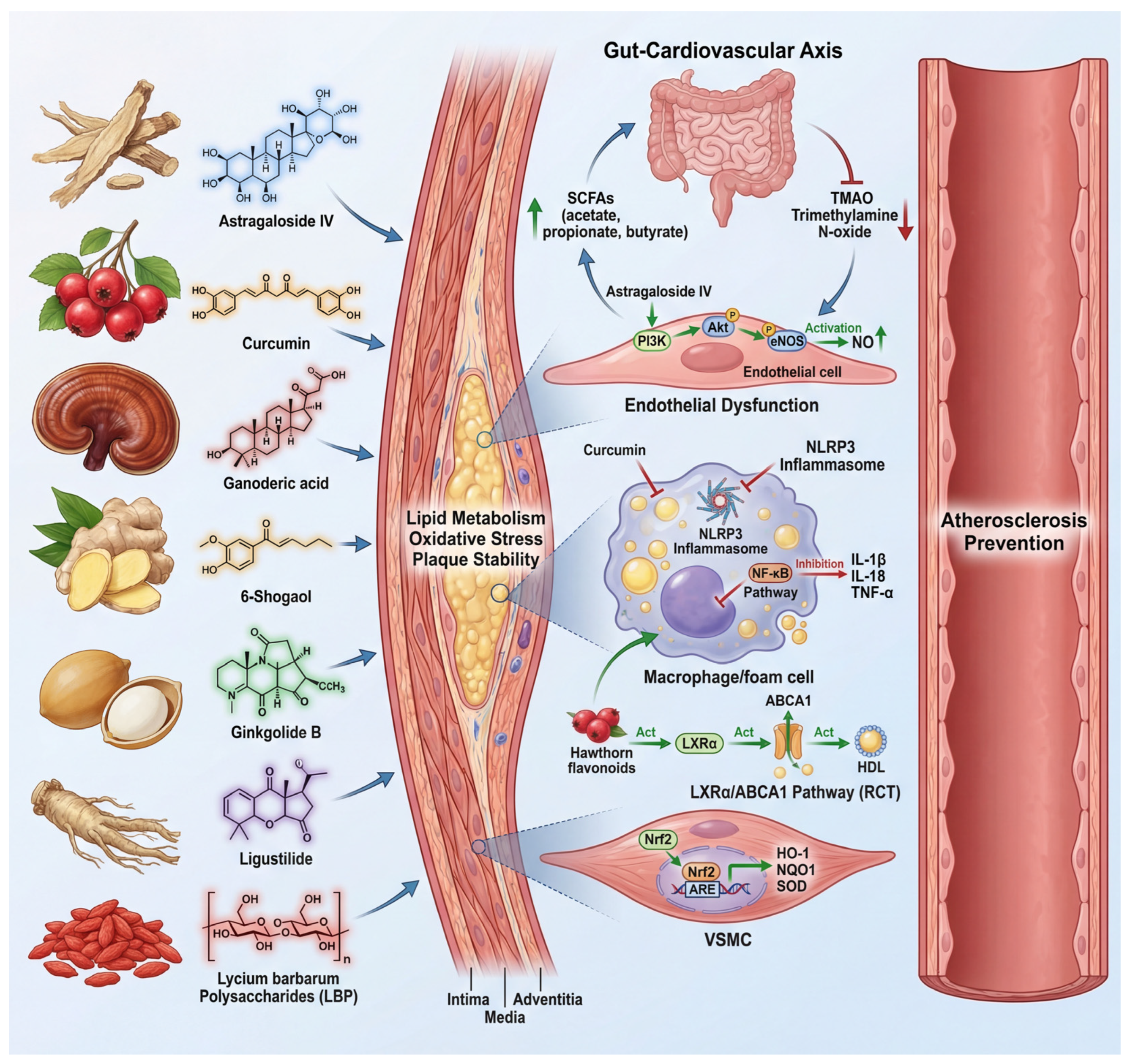
Astragaloside IV enhances endothelial function through activation of the PI3K/Akt/eNOS signaling pathway, leading to increased eNOS phosphorylation at serine 473 and elevated NO production. This process significantly induces vasodilation and ameliorates diabetic vascular endothelial dysfunction by inhibiting the toll-like receptor 4 (TLR4)/NF-κB signaling pathway [44,94]. Additionally, ligustilide derived from Angelica sinensis activates the Nrf2/HO-1 pathway, which promotes endothelial cell NO synthesis, suppresses tumor necrosis factor-alpha (TNF-α) induced adhesion molecule expression, and reduces vascular inflammation [95] (Figure 2).
The excessive expression of endothelial cell adhesion molecules, including intercellular adhesion molecule-1 (ICAM-1), vascular cell adhesion molecule-1 (VCAM-1), and E-selectin, facilitates monocyte adhesion and transendothelial migration, which are critical events in the early stages of atherosclerosis [96]. 6-Shogaol, a compound derived from ginger, reduces leukocyte-endothelial cell adhesion and transendothelial migration by inhibiting NF-κB promoter activity and suppressing lipopolysaccharide(LPS)-induced expression of ICAM-1, VCAM-1, and E-selectin [97]. Ginkgolide B inhibits ox-LDL-induced nicotinamide adenine dinucleotide phosphate (NADPH) oxidase 4 expression and reactive oxygen species (ROS) production, decreases monocyte chemoattractant protein-1(MCP-1) and ICAM-1 expression, prevents NF-κB p65 nuclear translocation, and mitigates ox-LDL-induced endothelial dysfunction by downregulating lectin-like oxidized low-density lipoprotein receptor-1 (LOX-1) expression [98,99].
Figure 2.
Signaling pathway network diagram of anti-atherosclerotic effects of food and medicine continuum herbs.
Figure 2.
Signaling pathway network diagram of anti-atherosclerotic effects of food and medicine continuum herbs.
3.2. Regulating Lipid Metabolism
Hawthorn fruit flavonoids modulate cholesterol metabolism via multiple mechanisms. These include upregulation of low-density lipoprotein receptor (LDLR), liver X receptor alpha (LXRα), and ATP-binding cassette subfamily G member 5/member 8 expression, increased cytochrome P450 family 7 subfamily A member 1 (CYP7A1) levels to enhance bile acid synthesis, and downregulation of proprotein convertase subtilisin/kexin type 9(PCSK9), 3-hydroxy-3-methylglutaryl-coenzyme A reductase(HMGCR), and SREBP cleavage-activating protein (SCAP) expression to suppress cholesterol synthesis. Additionally, these flavonoids activate the AMPK/SREBP-1c pathway and act as natural PPARα agonists, thereby upregulating carnitine palmitoyltransferase 1A(CPT-1A) and promoting fatty acid oxidation [24,100]. Glossy ganoderma triterpenoid compounds, such as ganoderic acid A, ganoderic acid η, and ganoderic acid K, inhibit HMG-CoA reductase activity, resulting in reduced cholesterol synthesis [101]. Furthermore, ganoderic acid A inhibits SREBP expression, which decreases intracellular cholesterol and fatty acid levels and enhances insulin sensitivity [102].
Reverse cholesterol transport (RCT) is a critical mechanism that facilitates the movement of cholesterol from peripheral tissues to the liver for metabolic processing, with ATP-binding cassette transporter A1 (ABCA1) serving as the principal mediator of cholesterol efflux [103,104]. Quercetin enhances ABCA1 expression by activating peroxisome proliferator-activated receptor gamma (PPARγ) and liver X receptor alpha (LXRα), thereby promoting cholesterol efflux from macrophages to high-density lipoprotein (HDL) and apolipoprotein A1 (apoA1) [105]. In ApoE−/− mice, flavonoids derived from hawthorn fruit leaves significantly reduce the area of atherosclerotic lesions, increase hepatic expression of PPARα and low-density lipoprotein receptor (LDLR), inhibit foam cell formation, and promote RCT in vivo [106]. Polysaccharides from glossy ganoderma modulate lipid metabolism and enhance RCT through multiple signaling pathways, including Nrf2-Keap1, NF-κB, LXRα-ABCA1/ABCG1, CYP7A1-CYP27A1, and farnesoid X receptor-fibroblast growth factor 15 (FXR-FGF15) [107].
3.3. Inhibiting Vascular Inflammation
Curcumin acts as a prototypical inhibitor of the NF-κB pathway. In ApoE−/− mice, curcumin significantly reduces TLR4 expression and macrophage infiltration, and decreases aortic interleukin-1 beta (IL-1β), TNF-α, VCAM-1, and ICAM-1 expression, leading to a marked reduction in atherosclerotic lesion area [108]. Gingerols and shogaols derived from ginger inhibit IL-1β expression as well as prostaglandin E2 and thromboxane B2 production by directly inhibiting calcium-independent phospholipase A2 and cytosolic phospholipase A2 activities; among these, 10-shogaol exhibits the most pronounced effect [109]. Ginkgolide B demonstrates anti-inflammatory properties by inhibiting the PI3K/Akt pathway. In ApoE−/− mice, it reduces plasma platelet factor 4(PF4) and regulated upon activation, normal t cell expressed and secreted(RANTES ) levels, decreases P-selectin and VCAM-1 expression in aortic plaques, and inhibits macrophage infiltration, with efficacy comparable to that of aspirin [110].Curcumin specifically inhibits NLR family pyrin domain containing 3 (NLRP3) inflammasome activation by blocking potassium efflux and apoptosis-associated speck-like protein containing a CARD(ASC) oligomerization, thereby reducing IL-1β secretion. These effects are abolished in NLRP3-deficient mice, confirming NLRP3 as the primary target of curcumin [111]. Flavonoids from hawthorn fruit leaves reduce plasma caspase-1, NLRP3, IL-1β, IL-18, and TNF-α levels in rats fed a high-fat diet, thereby ameliorating hepatocyte steatosis and inflammatory infiltration [100].
Macrophage polarization status, specifically the balance between M1 pro-inflammatory and M2 anti-inflammatory phenotypes, significantly influences the progression of atherosclerosis [112]. Glossy ganoderma acidic polysaccharide ganoderma tsugae acidic polysaccharide-2(GTP-2 ) inhibits polarization toward the M1 phenotype by regulating the NF-κB signaling pathway in ApoE−/− mice, thereby alleviating atherosclerotic lesions [113]. Ganoderic acid suppresses M1 macrophage polarization via the TLR4/MyD88/NF-κB signaling pathway, reduces the proportion of M1 macrophages within plaques, and enhances plaque stability [114].
3.4. Anti-Oxidative Stress
Barbary wolfberry fruit polysaccharides increase Nrf2 levels, stimulate mitochondrial biogenesis pathways, suppress MAPK pathway activation, and mitigate oxidative stress and mitochondrial toxicity caused by mixed plasticizers in human hepatoma G2(HepG2) cells [115]. The use of Nrf2 inhibitors eliminates the protective effects of barbary wolfberry fruit polysaccharides, which confirms the central role of Nrf2 in their antioxidant mechanism. Additionally, barbary wolfberry fruit polysaccharides promote Nrf2 nuclear translocation, upregulate HO-1 and NQO1 expression, decrease ROS production and malondialdehyde(MDA) levels, enhance superoxide dismutase(SOD) and glutathione peroxidase(GSH-Px) activities, and preserve mitochondrial function [116]. Ginkgolide B restores sphingolipid homeostasis, lowers ceramide levels, and improves lipid metabolism and oxidative damage in hyperlipidemic rats by activating PPARα and Nrf2 pathways [117]. Curcumin reduces oxidative stress by activating the Nrf2/HO-1 axis and inhibiting NF-κB and MAPK signaling pathways, thereby exerting multi-target anti-atherosclerotic effects [118].
Nrf2 activation inhibits NF-κB activity through mechanisms such as competitive binding of the transcriptional coactivator CBP/p300, upregulation of HO-1 expression (with HO-1 metabolites CO and bilirubin exhibiting anti-inflammatory effects), and inhibition of IκB kinase activity [119]. This cross-regulatory mechanism underlies the molecular basis for the concurrent antioxidant and anti-inflammatory effects of FMC herbs.
Phenolic compounds in honey inhibit oxidative stress by reducing ROS production, restoring antioxidant enzyme activity, and enhancing mitochondrial antioxidant status. These effects are mediated through multiple signaling pathways, including p38 MAPK, AMPK, PI3K/Akt, NF-κB, and Nrf2 [120].
3.5. Inhibiting Foam Cell Formation
Phenolic compounds in honey, such as quercetin, kaempferol, and apigenin, exhibit substantial anti-LDL oxidation activity. Research indicates that dark honeys, including buckwheat, honeydew, and manuka varieties, possess greater antioxidant capacity and higher total polyphenol content. These constituents are closely linked to honey’s capacity to inhibit LDL oxidation [35,121].
LOX-1 and cluster of differentiation 36(CD36) are primary receptors involved in the uptake of oxidized LDL (ox-LDL). Ginkgolide B downregulates ox-LDL-induced LOX-1 and ICAM-1 expression and reduces cholesterol deposition in endothelial cells by inhibiting Akt phosphorylation and enhancing silent information regulator 1(SIRT1) expression [122]. Flavonoids from hawthorn fruit downregulate LOX-1 expression by inhibiting the sPLA2-IIA/SCAP-SREBP2-LDLR pathway, reduce ox-LDL-induced foam cell formation in RAW264.7 macrophages, and decrease intracellular levels of total cholesterol, free cholesterol, and cholesteryl esters [123].
3.6. Maintaining Plaque Stability
6-Shogaol inhibits vascular endothelial growth factor(VEGF)-induced endothelial cell sprouting and mouse aortic ring angiogenesis, thereby demonstrating inhibitory effects on pathological angiogenesis [97]. Astragaloside IV confers anti-fibrotic and cardiovascular protective effects via multiple mechanisms, such as regulation of collagen metabolism, inhibition of apoptosis and inflammation, antioxidative activity, and enhancement of mitochondrial function [45].
Matrix Metalloproteinase (MMP)-2 and MMP-9 contribute to extracellular matrix degradation, resulting in fibrous cap thinning and increased plaque instability [124]. Ginkgolide B suppresses ox-LDL-induced MMP-1 and COX-2 expression in RAW264.7 macrophages, thereby reducing inflammatory cascades and promoting plaque stability [99].
3.7. Regulating the Gut Microbiota-Metabolite-Cardiovascular Axis
Glossy ganoderma spore extract has been shown to reduce serum trimethylamine N-oxide (TMAO) levels in rats with TMAO-induced cardiac dysfunction, alter gut microbiota composition by increasing the abundance of Firmicutes and Proteobacteria, and decrease the abundance of Actinobacteria and Tenericutes [125]. The spore wall-broken polysaccharide from glossy ganoderma increases intestinal short-chain fatty acid production and G protein-coupled receptor 43(GPR43) expression, supports intestinal barrier integrity, and reduces endotoxemia [126]. Additionally, glossy ganoderma extract modulates gut microbiota, enhances colonic butyrate production, inhibits inflammatory mediators, and regulates immune-related pathways [127].
Polysaccharides from lotus leaves, specifically RG-I type pectin, effectively bind bile acids, inhibit cholesterol micelle solubility, and stimulate the growth of Bifidobacterium and Lactobacillus. These polysaccharides demonstrate greater efficacy in regulating glucose-lipid metabolism than flavonoids and alkaloids [64]. Flavonoid-rich extracts from lotus leaves promote brown adipose tissue thermogenesis and mitigate high-fat diet-induced obesity by modulating gut microbiota, notably increasing the abundance of Akkermansia and Alistipes [128]. Fecal microbiota transplantation experiments further confirm that alterations in the microbiota induced by lotus leaves are associated with weight reduction, increased energy expenditure, and enhanced brown fat activity [64].
3.8. Network Regulatory Mechanisms of Multi-Component Synergy
3.8.1. Component Synergy Within the Same Herb
Glossy ganoderma polysaccharides and ganoderic acid A work together to reduce inflammation. When used together, they more effectively lower NO, pro-inflammatory cytokines (IL-6, IL-1β, TNF-α), and ROS levels than when used alone. They also increase the anti-inflammatory cytokine IL-10 by targeting the TLR4/NF-κB signaling pathway [129]. Using glossy ganoderma triterpenes and polysaccharides together also helps prevent macrophages from becoming inflammatory and encourages foam cell death by affecting the neurogenic locus notch homolog protein 1(Notch1) and delta-like ligand 4(DLL4 ) pathways [130].
3.8.2. Comparison with Single-Target Western Medicine Treatment
Atherosclerosis is a complex disease characterized by lipid metabolism disorders, chronic inflammation, oxidative stress, and endothelial dysfunction. Because of this, the traditional approach of using one drug for one target is often not enough. Multi-target drugs can act at multiple sites simultaneously, helping achieve more predictable results and improving patient compliance [131]. By acting on multiple disease-related targets, polypharmacology can boost treatment effectiveness, help prevent drug resistance, and lower the risk of side effects [132]. FMC herbs naturally fit this approach. For example, the flavonoids and triterpenoids in hawthorn fruit can act on several lipid-metabolism targets, including HMG-CoA reductase, acyl coenzyme A-cholesterol acyltransferase (ACAT), and PPARα. This multi-pathway action helps reduce the compensatory effects that can happen with single-target therapies. Similarly, polysaccharides and triterpenes from glossy ganoderma act on distinct parts of the TLR4/NF-κB pathway to enhance anti-inflammatory effects. This network-based, multi-component approach gives FMC herbs a unique advantage in long-term cardiovascular disease prevention.
4. Preventive Applications: From Traditional Medicinal Cuisine to Functional Foods
4.1. Modernization of Traditional Medicinal Cuisine
It is difficult to conduct rigorous clinical trials for traditional medicinal cuisine. This is mainly because the formulas and their proportions differ by region and school, preparation methods are not standardized, the amount of active ingredients varies widely, and the dose-response relationships are unclear [133]. Traditional herbal trials are only about one-fifth as likely to move to full-scale studies as modern herbal trials. Major barriers include not enough feasibility assessment, poor sample-size justification, and unclear randomization methods [134].Even though there is no strong evidence from randomized controlled trials, traditional medicinal cuisine still has important theoretical and practical value. Below are three classic medicinal cuisine formulas for cardiovascular health. The single-herb extracts from these formulas have strong support from basic and clinical research (Table 2).
4.2. Clinical Evidence for Standardized Extracts
Multiple meta-analyses provide clinical evidence supporting the efficacy of ginger supplements. Ginger is associated with statistically significant improvements in blood pressure, weight management, lipid profiles, and anti-inflammatory or antioxidant biomarkers (effect size: moderate to large; GRADE: low to moderate). Capsule formulations administered at 0.5–3 g per day for up to three months are consistently reported as effective [135]. Meta-analyses further indicate that ginger supplementation significantly reduces systolic and diastolic blood pressure, triglycerides, and LDL-C, but does not significantly affect total cholesterol or HDL-C [136,137].
The clinical evidence regarding honey remains inconclusive. According to Ahmed et al., a meta-analysis employing the GRADE approach demonstrates that honey reduces fasting blood glucose, total cholesterol, LDL-C, and triglycerides, while increasing HDL-C (high certainty evidence). Acacia, clover, and unprocessed raw honey exhibit the most pronounced effects [138]. In contrast, another meta-analysis reports no significant effects of honey on lipid profiles and identifies substantial heterogeneity among studies [139]. These inconsistencies may result from variations in honey floral source, processing methods, and study populations.
4.3. Functional Food Development
Functional foods incorporate FMC bioactive components into the daily diet using advanced food engineering technologies, thereby enabling unobtrusive preventive health interventions. Enhancing bioavailability is a critical aspect of functional food development. Various pharmaceutical strategies have been established to improve the bioavailability of bioactive components, including solid dispersions, nano- and microparticles, polymeric micelles, lipid nanocarriers, and cyclodextrin complexes [140]. Studies indicate that lipid-based formulations, particularly self-emulsifying drug delivery systems (SEDDS), can markedly increase the oral bioavailability of herbal compounds [141]. Phospholipid complex technology forms molecular complexes between bioactive components and soy phospholipids, mimicking cell membrane structures to facilitate transmembrane absorption [142]. Innovating product formats is a significant approach to modernizing the application of FMC herbs. Ready-to-drink functional beverages utilize nanoemulsification technology to disperse lipophilic components. Probiotic-FMC combinations employ glossy ganoderma polysaccharides or barbary wolfberry fruit polysaccharides as prebiotics in conjunction with probiotics, thereby synergistically regulating intestinal microecology. Functional staple foods incorporate FMC materials into traditional diets. The study by Preciado Iñiga et al. demonstrates that traditional Mexican corn tortillas containing glossy ganoderma extract produce greater lipid-lowering effects than atorvastatin in hypercholesterolemic animal models, offering new perspectives for integrating FMC materials into traditional foods [143]. Furthermore, honey can serve as a natural sweetener to replace refined sugar, while also providing phenolic compounds and antioxidant activity [138].
4.4. Safety Management and Drug Interactions
Although FMC herbs are derived from foods, the pharmacological activities of high-dose extracts and their interactions with Western medicines warrant careful consideration (Table 3). The American Heart Association scientific statement indicates that use of complementary and alternative medicine products is increasingly common among heart failure patients, yet many products lack sufficient safety and efficacy data. Developing a risk management framework grounded in the “food-drug” continuum is crucial for the safe application of FMC products [144]. Ginkgo seed contain ginkgotoxin; excessive consumption can lead to tonic-clonic seizures, nausea, vomiting, and symptoms of neurotoxicity, with children being particularly susceptible [145,146,147]. Ginkgo seed exhibits anti-PAF effects. Clinical case reports have documented bleeding events when Ginkgo biloba is combined with anticoagulant drugs [148], although controlled studies indicate that it does not significantly alter hemostatic function [149]. As a precaution, patients receiving anticoagulant or antiplatelet therapy should consult their physicians before using ginkgo seed products, and those undergoing elective surgery should discontinue use 7 days prior to the procedure. High-dose ginger (>4g/day) may exert antiplatelet effects; therefore, high-dose supplements should be discontinued 3 days before surgery during the perioperative period [135]. High-dose curcumin may inhibit platelet aggregation and suppress CYP3A4 and CYP2C9 enzyme activities; monitoring is recommended when curcumin is combined with statins, warfarin, or similar agents [150,151].
Glossy ganoderma exhibits immunomodulatory properties; patients receiving immunosuppressants after organ transplantation should exercise caution and discontinue immunosuppressants 1 week before and after surgery. Barbary wolfberry fruit exhibits immune-activating effects; patients with active autoimmune diseases should use caution, as case reports have documented elevated INR when barbary wolfberry fruit is combined with warfarin. Hawthorn fruit has positive inotropic and vasodilatory effects; in heart failure patients with left ventricular ejection fraction (LVEF) ≤35%, it may increase the risk of disease progression. Monitoring of digoxin blood concentrations is required when hawthorn fruit is used concurrently with digoxin [144,152].

Table 3.
Safety warnings and drug interactions.
| Herb | Risk Mechanism | Specific Manifestations | High-Risk Populations/Drugs |
|---|---|---|---|
| Ginkgo semen | Ginkgotoxin, anti-PAF, antiplatelet aggregation | Tonic-Clonic Seizure, prolonged bleeding time | Patients with epilepsy; heavy consumers; warfarin, aspirin, clopidogrel users; |
| Ginger | High dose (>4g/day) inhibits platelets | Increased bleeding risk | Perioperative period, anticoagulation therapy patients |
| Glossy Ganoderma | Immunomodulatory effects | Adverse event risk increased 1.67-fold (non-serious) | Post-organ transplant (immunosuppressant users); active autoimmune disease |
| Hawthorn Fruit | Positive inotropic effect, vasodilation | May enhance vasodilator and digoxin effects | Heart failure patients with LVEF≤35%; digoxin users |
| Turmeric | High dose inhibits platelet aggregation; inhibits CYP3A4/2C9 | Theoretically increases bleeding risk; affects drug metabolism | Anticoagulation therapy patients, perioperative period; statin users |
| Barbary Wolfberry Fruit | Immune activation; may enhance warfarin effects | Active autoimmune disease risk; elevated INR | Active systemic lupus erythematosus, rheumatoid arthritis; warfarin users |
5. Summary and Outlook
This review systematically evaluates research progress on ten FMC herbs—hawthorn fruit, ginkgo seed, milkvetch root, turmeric, ginger, glossy ganoderma, angelica sinensis, barbary wolfberry fruit, lotus leaf, and honey—in the prevention and treatment of AS. These herbs demonstrate cardiovascular protective effects via a multi-component, multi-target, and multi-pathway network regulatory mechanism. Notably, significant advancements have been made in identifying bioactive components and elucidating molecular mechanisms. Meta-analyses have provided clinical evidence supporting the beneficial effects of ginger and honey on cardiovascular metabolic risk factors. Despite these advances, several challenges persist. Scientifically, while most herbs exhibit effects at the biological mechanism level, current clinical studies are limited by small sample sizes and a lack of large-scale randomized controlled trials (RCTs) with major adverse cardiovascular events as endpoints. Consequently, existing data are insufficient to support clinical practice recommendations [148] Industrially, standardizing herbal products remains difficult due to the complex, often incompletely characterized mixtures found in herbs. Substantial variation in component composition between manufacturers and batches, coupled with inadequate standardization and quality control, poses significant concerns [153]. From a regulatory perspective, global frameworks for dietary supplements and herbal products remain fragmented, with inconsistent approval requirements across countries, thereby impeding international trade and diminishing consumer confidence [154,155]. Future research should prioritize integrating metagenomics and metabolomics technologies to develop precision nutrition intervention models based on gut microbiota. The concept of “gut microbiota availability,” as proposed by Chen et al., offers a novel explanatory framework for understanding the efficacy of herbs with low bioavailability but high bioactivity [156]. Additionally, promoting international regulatory harmonization is essential to establishing risk-stratified approval frameworks. This approach would streamline approval processes for materials with established safety profiles from traditional use, while ensuring rigorous evaluation for innovative formulations and high-dose extracts. The FMC concept reflects a strong alignment between the traditional Chinese medicine (TCM) philosophy of “preventive treatment of disease” and the modern preventive medicine principle of “food as medicine.” By advancing scientific evidence, improving quality control, and enhancing regulatory coordination, FMC herbs are poised to play an increasingly significant role in atherosclerosis prevention and health promotion. These efforts will contribute to the development of nutritional intervention strategies with distinct Chinese characteristics for the prevention and management of chronic diseases.
Author Contributions
Conceptualization, X.L.; investigation, X.R.Z., M.D., X.W., Y.H., X.Z. and Y.N.; writing—original draft preparation, X.R.Z.; writing—review and editing, X.L.; visualization, X.R.Z.; funding acquisition, X.L. All authors have read and agreed to the published version of the manuscript.
Funding
This research was funded by the Gansu Provincial Joint Research Fund (No. 25JRRA1130), the High-Level Key Project of the Gansu Provincial Administration of Traditional Chinese Medicine (No. GZKZ-2024-32), and the Key R&D Project of the Lanzhou Municipal Bureau of Science and Technology (No. 2025-3-067).
Institutional Review Board Statement
Not applicable.
Informed Consent Statement
Not applicable.
Data Availability Statement
The original contributions presented in this study are included in the article. Further inquiries can be directed to the corresponding author.
Acknowledgments
During the preparation of this manuscript/study, the authors used Adobe illustrator for the purposes of drawing. The authors have reviewed and edited the output and take full responsibility for the content of this publication.
Conflicts of Interest
The authors declare no conflicts of interest.
Abbreviations
The following abbreviations are used in this manuscript:
| CVD | Cardiovascular disease |
| AS | Atherosclerosis |
| FMC | Food and medicine continuum |
| TCM | Traditional Chinese medicine |
| AMPK | Adenosine 5’-monophosphate-activated protein kinase |
| SREBP-1c | Sterol regulatory element-binding protein-1c |
| PPARα | Peroxisome proliferator-activated receptor alpha |
| PAF | Platelet-activating factor |
| Nrf2 | Nuclear factor erythroid 2-related factor 2 |
| PI3K | Phosphatidylinositol 3-kinase |
| Akt | Protein kinase B |
| eNOS | Endothelial nitric oxide synthase |
| HMG-CoA | 3-hydroxy-3-methylglutaryl-coenzyme A |
| NF-κB | Nuclear factor kappa-light-chain-enhancer of activated B cells |
| MAPK | Mitogen-activated protein kinase |
| HO-1 | Heme oxygenase-1 |
| NQO1 | NAD(P)H quinone oxidoreductase 1 |
| RG-I | Rhamnogalacturonan-I |
| COX | Cyclooxygenase |
| TXA2 | Thromboxane A2 |
| NO | Nitric oxide |
| iNOS | Inducible nitric oxide synthase |
| ARE | Antioxidant response element |
| LDL | Low-density lipoprotein |
| TLR4 | Toll-like receptor 4 |
| TNF-α | Tumor necrosis factor-alpha |
| ICAM-1 | Intercellular adhesion molecule-1 |
| VCAM-1 | Vascular cell adhesion molecule-1 |
| NADPH | Nicotinamide adenine dinucleotide phosphate |
| ROS | Reactive oxygen species |
| LOX-1 | Lectin-like oxidized low-density lipoprotein receptor-1 |
| LDLR | Low-density lipoprotein receptor |
| LXRα | Liver X receptor alpha |
| CYP7A1 | Cytochrome P450 family 7 subfamily A member 1 |
| SCAP | SREBP cleavage-activating protein |
| RCT | Reverse cholesterol transport |
| ABCA1 | ATP-binding cassette transporter A1 |
| HDL | High-density lipoprotein |
| IL-1β | Interleukin-1 beta |
| NLRP3 | NLR family pyrin domain containing 3 |
| MMP | Matrix metalloproteinase |
| TMAO | Trimethylamine N-oxide |
References
- Global, Regional, and National Burden of Cardiovascular Diseases and Risk Factors in 204 Countries and Territories, 1990-2023. J Am Coll Cardiol 2025, 86, 2167–2243. [CrossRef]
- Libby, P.; Buring, J.E.; Badimon, L.; Hansson, G.K.; Deanfield, J.; Bittencourt, M.S.; Tokgözoğlu, L.; Lewis, E.F. Atherosclerosis. Nat Rev Dis Primers 2019, 5, 56. [CrossRef]
- Banach, M.; Patti, A.M.; Giglio, R.V.; Cicero, A.F.G.; Atanasov, A.G.; Bajraktari, G.; Bruckert, E.; Descamps, O.; Djuric, D.M.; Ezhov, M.; et al. The Role of Nutraceuticals in Statin Intolerant Patients. J Am Coll Cardiol 2018, 72, 96–118. [CrossRef]
- Collins, R.; Reith, C.; Emberson, J.; Armitage, J.; Baigent, C.; Blackwell, L.; Blumenthal, R.; Danesh, J.; Smith, G.D.; DeMets, D.; et al. Interpretation of the evidence for the efficacy and safety of statin therapy. Lancet 2016, 388, 2532–2561. [CrossRef]
- Riccardi, G.; Giosuè, A.; Calabrese, I.; Vaccaro, O. Dietary recommendations for prevention of atherosclerosis. Cardiovasc Res 2022, 118, 1188–1204. [CrossRef]
- Marques-Vidal, P.; Tsampasian, V.; Cassidy, A.; Biondi-Zoccai, G.; Chrysohoou, C.; Koskinas, K.; Verschuren, W.M.M.; Czapla, M.; Kavousi, M.; Kouvari, M.; et al. Diet and nutrition in cardiovascular disease prevention: a scientific statement of the European Association of Preventive Cardiology and the Association of Cardiovascular Nursing & Allied Professions of the European Society of Cardiology. Eur J Prev Cardiol 2025, 32, 1540–1552. [CrossRef]
- Law, S.K.; Au, D.C.T. A review of medicine and food homology on traditional Chinese medicine as functional food. Food & Medicine Homology 2026, 3, 9420091. [CrossRef]
- Qu, S.; Yu, S.; Ma, X.; Wang, R. “Medicine food homology” plants promote periodontal health: antimicrobial, anti-inflammatory, and inhibition of bone resorption. Front Nutr 2023, 10, 1193289. [CrossRef]
- Hou, Y.; Jiang, J.G. Origin and concept of medicine food homology and its application in modern functional foods. Food Funct 2013, 4, 1727–1741. [CrossRef]
- Lyu, C.G.; Kang, C.Z.; Yang, J.; Wang, S.; Wang, R.S.; Wan, X.F.; Guo, L.P. [Problems and strategy of further development of Chinese medicinal materials with edible values]. Zhongguo Zhong Yao Za Zhi 2022, 47, 6810–6816. [CrossRef]
- Downer, S.; Berkowitz, S.A.; Harlan, T.S.; Olstad, D.L.; Mozaffarian, D. Food is medicine: actions to integrate food and nutrition into healthcare. Bmj 2020, 369, m2482. [CrossRef]
- Zhou, D.D.; Luo, M.; Shang, A.; Mao, Q.Q.; Li, B.Y.; Gan, R.Y.; Li, H.B. Antioxidant Food Components for the Prevention and Treatment of Cardiovascular Diseases: Effects, Mechanisms, and Clinical Studies. Oxid Med Cell Longev 2021, 2021, 6627355. [CrossRef]
- Zarenezhad, E.; Hadi, A.T.; Nournia, E.; Rostamnia, S.; Ghasemian, A. A Comprehensive Review on Potential In Silico Screened Herbal Bioactive Compounds and Host Targets in the Cardiovascular Disease Therapy. Biomed Res Int 2024, 2024, 2023620. [CrossRef]
- Yamagata, K. Polyphenols Regulate Endothelial Functions and Reduce the Risk of Cardiovascular Disease. Curr Pharm Des 2019, 25, 2443–2458. [CrossRef]
- Sánchez, M.; Romero, M.; Gómez-Guzmán, M.; Tamargo, J.; Pérez-Vizcaino, F.; Duarte, J. Cardiovascular Effects of Flavonoids. Curr Med Chem 2019, 26, 6991–7034. [CrossRef]
- Garcia, C.; Blesso, C.N. Antioxidant properties of anthocyanins and their mechanism of action in atherosclerosis. Free Radic Biol Med 2021, 172, 152–166. [CrossRef]
- Rodriguez-Mateos, A.; Le Sayec, M.; Cheok, A. Dietary (poly)phenols and cardiometabolic health: from antioxidants to modulators of the gut microbiota. Proc Nutr Soc 2025, 84, 279–289. [CrossRef]
- Oak, M.H.; Auger, C.; Belcastro, E.; Park, S.H.; Lee, H.H.; Schini-Kerth, V.B. Potential mechanisms underlying cardiovascular protection by polyphenols: Role of the endothelium. Free Radic Biol Med 2018, 122, 161–170. [CrossRef]
- Guo, S.; Qiu, S.; Cai, Y.; Wang, Z.; Yang, Q.; Tang, S.; Xie, Y.; Zhang, A. Mass spectrometry-based metabolomics for discovering active ingredients and exploring action mechanism of herbal medicine. Front Chem 2023, 11, 1142287. [CrossRef]
- Sharma, B.; Yadav, D.K. Metabolomics and Network Pharmacology in the Exploration of the Multi-Targeted Therapeutic Approach of Traditional Medicinal Plants. Plants (Basel) 2022, 11. [CrossRef]
- Li, X.; Li, X.; Wang, L.; Hou, Y.; Liu, Y.; Mao, J.; Zhang, L.; Li, X. Advancing Traditional Chinese Medicine Research through Network Pharmacology: Strategies for Target Identification, Mechanism Elucidation and Innovative Therapeutic Applications. Am J Chin Med 2025, 53, 2021–2042. [CrossRef]
- Wang, Z.; Li, Y.; Yu, P.; Guo, Z.; Huang, X.; Ma, C.; Dong, L.; Luo, P.; Wang, G.; Hu, X.; et al. Research Progress on The Chemical Composition And Pharmacological Effects of Hawthron (Crataegus spp.): A Review. J Agric Food Chem 2026, 74, 145–170. [CrossRef]
- Zhang, J.; Liang, R.; Wang, L.; Yan, R.; Hou, R.; Gao, S.; Yang, B. Effects of an aqueous extract of Crataegus pinnatifida Bge. var. major N.E.Br. fruit on experimental atherosclerosis in rats. J Ethnopharmacol 2013, 148, 563–569. [CrossRef]
- Zheng, L.; Lu, Z.; Ma, Y.; Cui, P.; Zhang, X.; Gan, J.; Li, G. Hawthorn total flavonoids ameliorate hyperlipidemia through AMPK/SREBP1-c and PPARα/PGC-1α/CPT-1A pathway activation and gut microbiota modulation. J Sci Food Agric 2025, 105, 4326–4337. [CrossRef]
- Li, M.; Si, J.Y.; Xie, P.F.; Feng, Z.J.; Li, S.J.; Zhou, F.; Li, J.M. Procyanidin C1 from hawthorn modulates metabolic-inflammatory axis to combat vascular senescence in atherosclerosis. Food Res Int 2026, 227, 118224. [CrossRef]
- Jia, H.; Wei, W.X.; Jiang, P.P.; Yu, W.W. Variation in seed quality among Ginkgo biloba L. individuals and selection of superior nut-producing tree. Plant Science Journal 2025, 43, 770–780.
- Shan, S.J.; Shi, L.L.; Liu, C.C.; Jiang, Y.R.; Chen, G.R. Study on Chemical Constituents of n-Butanol Extract of Ginkgo Biloba Seeds. Liaoning Chemical Industry 2023, 52, 798–800+804. [CrossRef]
- Zhou, G.S. Study on Resources Chemistry of Ginkgo Biloba Seeds. Master’s degree, Nanjing University of Chinese Medicine, 2013.
- Tomova, T.; Doncheva, N.; Mihaylova, A.; Kostadinov, I.; Peychev, L.; Argirova, M. An experimental study on phytochemical composition and memory enhancing effect of Ginkgo biloba seed extract. Folia Med (Plovdiv) 2021, 63, 203–212. [CrossRef]
- Chen, Q.; Wang, J.; Sun, L.; Ba, B.; Shen, D. Mechanism of Astragalus membranaceus (Huangqi, HQ) for treatment of heart failure based on network pharmacology and molecular docking. J Cell Mol Med 2024, 28, e18331. [CrossRef]
- Li, J.; Shao, N.; Gao, Y.; Li, B.; Liang, Y.; Yang, Y.; Li, J. Mechanistic Investigation of Astragalus Root in the Management of T2DM-NAFLD Comorbidity: An Integrated Network Pharmacology, Molecular Docking, Molecular Dynamics Simulation, and In Vitro Study. Pharmaceuticals (Basel) 2026, 19. [CrossRef]
- Ma, C.; Wu, H.; Yang, G.; Xiang, J.; Feng, K.; Zhang, J.; Hua, Y.; Kang, L.; Fan, G.; Yang, S. Calycosin ameliorates atherosclerosis by enhancing autophagy via regulating the interaction between KLF2 and MLKL in apolipoprotein E gene-deleted mice. Br J Pharmacol 2022, 179, 252–269. [CrossRef]
- Li, C.; He, Y.; Yang, Y.; Gou, Y.; Li, S.; Wang, R.; Zeng, S.; Zhao, X. Antioxidant and Inflammatory Effects of Nelumbo nucifera Gaertn. Leaves. Oxid Med Cell Longev 2021, 2021, 8375961. [CrossRef]
- Moore, G.; Brooks, P.; Pappalardo, L.; Boufridi, A. Phenolic profiles of Australian monofloral Eucalyptus, Corymbia, Macadamia and Lophostemon honeys via HPLC-DAD analysis. Food Chem 2025, 462, 140900. [CrossRef]
- Gośliński, M.; Nowak, D.; Szwengiel, A. Multidimensional Comparative Analysis of Bioactive Phenolic Compounds of Honeys of Various Origin. Antioxidants (Basel) 2021, 10. [CrossRef]
- Guo, J.; Tang, W.; Tang, W.; Gao, T.; Yuan, M.; Wu, Y.; Wang, G. Research progress on the types, functions, biosynthesis, and metabolic regulation of ginkgo terpenoids. Plant Physiol Biochem 2024, 212, 108754. [CrossRef]
- Forman, V.; Luo, D.; Geu-Flores, F.; Lemcke, R.; Nelson, D.R.; Kampranis, S.C.; Staerk, D.; Møller, B.L.; Pateraki, I. A gene cluster in Ginkgo biloba encodes unique multifunctional cytochrome P450s that initiate ginkgolide biosynthesis. Nat Commun 2022, 13, 5143. [CrossRef]
- Rather, L.J.; Mir, S.S.; Ganie, S.A.; Assiri, M.A.; Li, Q. Ginkgo biloba: The Traditional Use, Phytochemistry, Pharmacology, and Therapeutic Applications. Am J Chin Med 2025, 53, 2403–2434. [CrossRef]
- Liu, X.W.; Yang, J.L.; Niu, W.; Jia, W.W.; Olaleye, O.E.; Wen, Q.; Duan, X.N.; Huang, Y.H.; Wang, F.Q.; Du, F.F.; et al. Human pharmacokinetics of ginkgo terpene lactones and impact of carboxylation in blood on their platelet-activating factor antagonistic activity. Acta Pharmacol Sin 2018, 39, 1935–1946. [CrossRef]
- Li, W.Z.; Wu, W.Y.; Huang, H.; Wu, Y.Y.; Yin, Y.Y. Protective effect of bilobalide on learning and memory impairment in rats with vascular dementia. Mol Med Rep 2013, 8, 935–941. [CrossRef]
- Salehi, B.; Carneiro, J.N.P.; Rocha, J.E.; Coutinho, H.D.M.; Morais Braga, M.F.B.; Sharifi-Rad, J.; Semwal, P.; Painuli, S.; Moujir, L.M.; de Zarate Machado, V.; et al. Astragalus species: Insights on its chemical composition toward pharmacological applications. Phytother Res 2021, 35, 2445–2476. [CrossRef]
- Li, S.; Hu, X.; Liu, F.; Hu, W. Bioactive components and clinical potential of Astragalus species. Front Pharmacol 2025, 16, 1585697. [CrossRef]
- Yang, C.; Pan, Q.; Ji, K.; Tian, Z.; Zhou, H.; Li, S.; Luo, C.; Li, J. Review on the protective mechanism of astragaloside IV against cardiovascular diseases. Front Pharmacol 2023, 14, 1187910. [CrossRef]
- Lin, X.P.; Cui, H.J.; Yang, A.L.; Luo, J.K.; Tang, T. Astragaloside IV Improves Vasodilatation Function by Regulating the PI3K/Akt/eNOS Signaling Pathway in Rat Aorta Endothelial Cells. J Vasc Res 2018, 55, 169–176. [CrossRef]
- Meng, P.; Yang, R.; Jiang, F.; Guo, J.; Lu, X.; Yang, T.; He, Q. Molecular Mechanism of Astragaloside IV in Improving Endothelial Dysfunction of Cardiovascular Diseases Mediated by Oxidative Stress. Oxid Med Cell Longev 2021, 2021, 1481236. [CrossRef]
- Yao, J.; Liu, J.; He, Y.; Liu, L.; Xu, Z.; Lin, X.; Liu, N.; Kai, G. Systems pharmacology reveals the mechanism of Astragaloside IV in improving immune activity on cyclophosphamide-induced immunosuppressed mice. J Ethnopharmacol 2023, 313, 116533. [CrossRef]
- Pozzobon, R.G.; Rutckeviski, R.; de Lima, L.S.; Oliveira, C.S.; Smiderle, F.R. Anti-Inflammatory Potential of Ganoderma lucidum Triterpenes: A Systematic Review and Meta-Analysis of Preclinical Evidence. Pharmaceuticals (Basel) 2026, 19. [CrossRef]
- Hu, Z.; Du, R.; Xiu, L.; Bian, Z.; Ma, C.; Sato, N.; Hattori, M.; Zhang, H.; Liang, Y.; Yu, S.; et al. Protective effect of triterpenes of Ganoderma lucidum on lipopolysaccharide-induced inflammatory responses and acute liver injury. Cytokine 2020, 127, 154917. [CrossRef]
- Kim, H.; Ramirez, C.N.; Su, Z.Y.; Kong, A.N. Epigenetic modifications of triterpenoid ursolic acid in activating Nrf2 and blocking cellular transformation of mouse epidermal cells. J Nutr Biochem 2016, 33, 54–62. [CrossRef]
- Krajka-Kuźniak, V.; Paluszczak, J.; Oszmiański, J.; Baer-Dubowska, W. Hawthorn (Crataegus oxyacantha L.) bark extract regulates antioxidant response element (ARE)-mediated enzyme expression via Nrf2 pathway activation in normal hepatocyte cell line. Phytother Res 2014, 28, 593–602. [CrossRef]
- Reisman, S.A.; Aleksunes, L.M.; Klaassen, C.D. Oleanolic acid activates Nrf2 and protects from acetaminophen hepatotoxicity via Nrf2-dependent and Nrf2-independent processes. Biochem Pharmacol 2009, 77, 1273–1282. [CrossRef]
- Xu, L.; Xiao, S.; Sun, R.; Li, Z.; Feng, Z.; Cheng, J.; Yang, L.; Ma, C.; Fan, H.; Chai, Z. Assessment of the structural characterization and anti-inflammatory activities of various parts of Astragalus (root, stem, leaf, flower) from a polysaccharide perspective. Int J Biol Macromol 2026, 339, 149904. [CrossRef]
- Li, C.X.; Liu, Y.; Zhang, Y.Z.; Li, J.C.; Lai, J. Astragalus polysaccharide: a review of its immunomodulatory effect. Arch Pharm Res 2022, 45, 367–389. [CrossRef]
- Sha, W.; Zhao, B.; Wei, H.; Yang, Y.; Yin, H.; Gao, J.; Zhao, W.; Kong, W.; Ge, G.; Lei, T. Astragalus polysaccharide ameliorates vascular endothelial dysfunction by stimulating macrophage M2 polarization via potentiating Nrf2/HO-1 signaling pathway. Phytomedicine 2023, 112, 154667. [CrossRef]
- Chen, G.; Jiang, N.; Zheng, J.; Hu, H.; Yang, H.; Lin, A.; Hu, B.; Liu, H. Structural characterization and anti-inflammatory activity of polysaccharides from Astragalus membranaceus. Int J Biol Macromol 2023, 241, 124386. [CrossRef]
- Yang, M.; Qin, X.; Liu, X. A review of polysaccharides from Ganoderma lucidum: Preparation methods, structural characteristics, bioactivities, structure-activity relationships and potential applications. Int J Biol Macromol 2025, 303, 140645. [CrossRef]
- Ren, L.; Zhang, J.; Zhang, T. Immunomodulatory activities of polysaccharides from Ganoderma on immune effector cells. Food Chem 2021, 340, 127933. [CrossRef]
- Li, J.; Gu, F.; Cai, C.; Hu, M.; Fan, L.; Hao, J.; Yu, G. Purification, structural characterization, and immunomodulatory activity of the polysaccharides from Ganoderma lucidum. Int J Biol Macromol 2020, 143, 806–813. [CrossRef]
- Wang, Y.; Zuo, Y.; Weng, J.; Peng, X. Health benefits of Ganoderma lucidum polysaccharides: A review of potential cardiovascular protective effects. Int J Biol Macromol 2025, 330, 148001. [CrossRef]
- Li, L.F.; Liu, H.B.; Zhang, Q.W.; Li, Z.P.; Wong, T.L.; Fung, H.Y.; Zhang, J.X.; Bai, S.P.; Lu, A.P.; Han, Q.B. Comprehensive comparison of polysaccharides from Ganoderma lucidum and G. sinense: chemical, antitumor, immunomodulating and gut-microbiota modulatory properties. Sci Rep 2018, 8, 6172. [CrossRef]
- Wang, B.; Yang, J.; Tao, L.; Zhou, X.; Ding, X. Structural-activity relationship of Lycium barbarum polysaccharides in immunomodulation: integrating molecular insights with target identification for therapeutic development. Front Immunol 2026, 17, 1730418. [CrossRef]
- Li, Y.; Yang, B.; Zhang, X.; Shen, X.; Ma, Y.; Jing, L. Lycium barbarum polysaccharide antagonizes cardiomyocyte apoptosis by inhibiting the upregulation of GRK2 induced by I/R injury, and salvage mitochondrial fission/fusion imbalance and AKT/eNOS signaling. Cell Signal 2022, 92, 110252. [CrossRef]
- Chen, M.M.; Dong, S.; Wang, K.W.; Zhou, T. Physicochemical and functional properties of octenyl succinic anhydride-modified polysaccharides from fermented lotus leaves. Int J Biol Macromol 2026, 344, 150509. [CrossRef]
- Ke, Y.; Lin, L.; Zhao, M. Rhamnogalacturonan I-Enriched Pectin, Flavonoids, and Alkaloids from Lotus Leaf Infusion in Regulating Glycolipid Absorption and Metabolism: Isolation, In Vitro Bioactivity Verification, and Structural Characterization. J Agric Food Chem 2023, 71, 8969–8980. [CrossRef]
- Hong, Q.; Ma, Z.C.; Huang, H.; Wang, Y.G.; Tan, H.L.; Xiao, C.R.; Liang, Q.D.; Zhang, H.T.; Gao, Y. Antithrombotic activities of ferulic acid via intracellular cyclic nucleotide signaling. Eur J Pharmacol 2016, 777, 1–8. [CrossRef]
- Li, W.J.; Cai, Y.F.; Ouyang, Y.; Li, X.Y.; Shi, X.L.; Cao, S.X.; Huang, Y.; Wu, H.W.; Yang, H.J. Quality evaluation of Angelica Sinensis Radix dispensing granules by integrating microvascular activity and chemical analysis. J Ethnopharmacol 2024, 319, 117236. [CrossRef]
- An, W.; Tian, Q.; Guo, P.; Chen, M.; Zhang, T.; Yang, P.; Zhang, S. Danggui Buxue Decoction and its components dilate coronary artery through activating the inward rectification K(+) channels pathway. J Ethnopharmacol 2025, 338, 119064. [CrossRef]
- Zhang, K.; Shen, X.; Yang, L.; Chen, Q.; Wang, N.; Li, Y.; Song, P.; Jiang, M.; Bai, G.; Yang, P.; et al. Exploring the Q-markers of Angelica sinensis (Oliv.) Diels of anti-platelet aggregation activity based on spectrum-effect relationships. Biomed Chromatogr 2022, 36, e5422. [CrossRef]
- Singh, A.K.; Singla, R.K.; Pandey, A.K. Chlorogenic Acid: A Dietary Phenolic Acid with Promising Pharmacotherapeutic Potential. Curr Med Chem 2023, 30, 3905–3926. [CrossRef]
- Vardhini, N.M.; Punia, J.; Jat, S.; Pawar, S.D.; Devi, N.; Radhakrishnanand, P.; Murty, U.S.; Saini, A.; Sethi, K.K.; Kumar, P. Purification and characterization of pure curcumin, desmethoxycurcumin, and bisdemethoxycurcumin from North-East India Lakadong turmeric (Curcuma longa). J Chromatogr A 2023, 1708, 464358. [CrossRef]
- Praveen, A.; Prasad, D.; Mishra, S.; Nagarajan, S.; Chaudhari, S.R. Facile NMR approach for profiling curcuminoids present in turmeric. Food Chem 2021, 341, 128646. [CrossRef]
- Younis, H.M.; Mohamed, A.A. A Review on Curcumin: Pharmacological Promises and Biomedical Activities. Arch Pharm (Weinheim) 2025, 358, e70129. [CrossRef]
- El-Saadony, M.T.; Saad, A.M.; Mohammed, D.M.; Alkafaas, S.S.; Ghosh, S.; Negm, S.H.; Salem, H.M.; Fahmy, M.A.; Mosa, W.F.A.; Ibrahim, E.H.; et al. Curcumin, an active component of turmeric: biological activities, nutritional aspects, immunological, bioavailability, and human health benefits - a comprehensive review. Front Immunol 2025, 16, 1603018. [CrossRef]
- Pan-On, S.; Dilokthornsakul, P.; Tiyaboonchai, W. Trends in advanced oral drug delivery system for curcumin: A systematic review. J Control Release 2022, 348, 335–345. [CrossRef]
- Saavedra, D.I.; Carter, D.T.; Dawson, J.T.; Shah, S.A.; Stevens, N.; Poudel, A.; Satyal, P.; Bascoul, C. Turmeric (curcuma longa) rhizome essential oil: analytical profile of authenticated and commercial samples, safety and pharmacology review. Pharm Biol 2026, 64, 379–397. [CrossRef]
- Gao, Y.; Lu, Y.; Zhang, N.; Udenigwe, C.C.; Zhang, Y.; Fu, Y. Preparation, pungency and bioactivity of gingerols from ginger (Zingiber officinale Roscoe): a review. Crit Rev Food Sci Nutr 2024, 64, 2708–2733. [CrossRef]
- Garza-Cadena, C.; Ortega-Rivera, D.M.; Machorro-García, G.; Gonzalez-Zermeño, E.M.; Homma-Dueñas, D.; Plata-Gryl, M.; Castro-Muñoz, R. A comprehensive review on Ginger (Zingiber officinale) as a potential source of nutraceuticals for food formulations: Towards the polishing of gingerol and other present biomolecules. Food Chem 2023, 413, 135629. [CrossRef]
- Krüger, S.; Bergin, A.; Morlock, G.E. Effect-directed analysis of ginger (Zingiber officinale) and its food products, and quantification of bioactive compounds via high-performance thin-layer chromatography and mass spectrometry. Food Chem 2018, 243, 258–268. [CrossRef]
- He, X.; Shang, Y.; Liao, X.; Liu, G.; Yang, Q.; Liu, J.; Xu, X.; Liu, X. 6-Gingerol ameliorates endothelial injury in hyperlipidemia mice via Nrf2 activation and inflammation modulation. Food Funct 2026, 17, 1007–1017. [CrossRef]
- Ahmed, S.H.H.; Gonda, T.; Agbadua, O.G.; Girst, G.; Berkecz, R.; Kúsz, N.; Tsai, M.C.; Wu, C.C.; Balogh, G.T.; Hunyadi, A. Preparation and Evaluation of 6-Gingerol Derivatives as Novel Antioxidants and Antiplatelet Agents. Antioxidants (Basel) 2023, 12. [CrossRef]
- Sang, S.; Snook, H.D.; Tareq, F.S.; Fasina, Y. Precision Research on Ginger: The Type of Ginger Matters. J Agric Food Chem 2020, 68, 8517–8523. [CrossRef]
- Bischoff-Kont, I.; Fürst, R. Benefits of Ginger and Its Constituent 6-Shogaol in Inhibiting Inflammatory Processes. Pharmaceuticals (Basel) 2021, 14. [CrossRef]
- Du, Y.T.; Zheng, Y.L.; Ji, Y.; Dai, F.; Hu, Y.J.; Zhou, B. Applying an Electrophilicity-Based Strategy to Develop a Novel Nrf2 Activator Inspired from Dietary [6]-Shogaol. J Agric Food Chem 2018, 66, 7983–7994. [CrossRef]
- Bratosin, E.D.; Tit, D.M.; Purza, A.L.; Pasca, M.B.; Bungau, G.S.; Marin, R.C.; Radu, A.F.; Gitea, D. Exploratory Analysis of Phenolic Profiles and Antioxidant Capacity in Selected Romanian Monofloral Honeys: Influence of Botanical Origin and Acquisition Source. Antioxidants (Basel) 2025, 14. [CrossRef]
- Combarros-Fuertes, P.; Estevinho, L.M.; Dias, L.G.; Castro, J.M.; Tomás-Barberán, F.A.; Tornadijo, M.E.; Fresno-Baro, J.M. Bioactive Components and Antioxidant and Antibacterial Activities of Different Varieties of Honey: A Screening Prior to Clinical Application. J Agric Food Chem 2019, 67, 688–698. [CrossRef]
- Li, H.; Li, W.; Wu, Y.; Wu, H.; Cai, X. Integrating network pharmacology and animal experimental validation to investigate the mechanism of lotus leaf in obesity. Int Immunopharmacol 2025, 145, 113719. [CrossRef]
- Inchan, A.; Bualeong, T.; Kaewkong, W.; Nuengchamnong, N.; Apaikawee, P.; Sa-Nguanpong, P.; Sumsakul, W.; Charoenphon, N.; Chatturong, U.; Deetud, W.; et al. Antihypertensive Effects of Lotus Seed (Nelumbo nucifera Gaertn.) Extract via eNOS Upregulation and Oxidative Stress Reduction in L-NAME-Induced Hypertensive Rats. Pharmaceuticals (Basel) 2025, 18. [CrossRef]
- Wicha, P.; Onsa-Ard, A.; Chaichompoo, W.; Suksamrarn, A.; Tocharus, C. Vasorelaxant and Antihypertensive Effects of Neferine in Rats: An In Vitro and In Vivo Study. Planta Med 2020, 86, 496–504. [CrossRef]
- Ma, R.H.; Zhang, X.X.; Ni, Z.J.; Thakur, K.; Wang, W.; Yan, Y.M.; Cao, Y.L.; Zhang, J.G.; Rengasamy, K.R.R.; Wei, Z.J. Lycium barbarum (Goji) as functional food: a review of its nutrition, phytochemical structure, biological features, and food industry prospects. Crit Rev Food Sci Nutr 2023, 63, 10621–10635. [CrossRef]
- Zhu, X.; Cheang, I.; Tang, Y.; Shi, M.; Zhu, Q.; Gao, R.; Liao, S.; Yao, W.; Zhou, Y.; Zhang, H.; et al. Associations of Serum Carotenoids With Risk of All-Cause and Cardiovascular Mortality in Hypertensive Adults. J Am Heart Assoc 2023, 12, e027568. [CrossRef]
- Parichatikanond, W.; Duangrat, R.; Nuamnaichati, N.; Mangmool, S. Role of A(1) adenosine receptor in cardiovascular diseases: Bridging molecular mechanisms with therapeutic opportunities. Exp Mol Pathol 2025, 141, 104952. [CrossRef]
- Borea, P.A.; Gessi, S.; Merighi, S.; Varani, K. Adenosine as a Multi-Signalling Guardian Angel in Human Diseases: When, Where and How Does it Exert its Protective Effects? Trends Pharmacol Sci 2016, 37, 419–434. [CrossRef]
- Girma, A.; Seo, W.; She, R.C. Antibacterial activity of varying UMF-graded Manuka honeys. PLoS One 2019, 14, e0224495. [CrossRef]
- Leng, B.; Tang, F.; Lu, M.; Zhang, Z.; Wang, H.; Zhang, Y. Astragaloside IV improves vascular endothelial dysfunction by inhibiting the TLR4/NF-κB signaling pathway. Life Sci 2018, 209, 111–121. [CrossRef]
- Choi, E.S.; Yoon, J.J.; Han, B.H.; Jeong, D.H.; Lee, Y.J.; Kang, D.G.; Lee, H.S. Ligustilide attenuates vascular inflammation and activates Nrf2/HO-1 induction and, NO synthesis in HUVECs. Phytomedicine 2018, 38, 12–23. [CrossRef]
- Moore, K.J.; Koplev, S.; Fisher, E.A.; Tabas, I.; Björkegren, J.L.M.; Doran, A.C.; Kovacic, J.C. Macrophage Trafficking, Inflammatory Resolution, and Genomics in Atherosclerosis: JACC Macrophage in CVD Series (Part 2). J Am Coll Cardiol 2018, 72, 2181–2197. [CrossRef]
- Bischoff-Kont, I.; Primke, T.; Niebergall, L.S.; Zech, T.; Fürst, R. Ginger Constituent 6-Shogaol Inhibits Inflammation- and Angiogenesis-Related Cell Functions in Primary Human Endothelial Cells. Front Pharmacol 2022, 13, 844767. [CrossRef]
- Zhang, S.; Chen, B.; Wu, W.; Bao, L.; Qi, R. Ginkgolide B reduces inflammatory protein expression in oxidized low-density lipoprotein-stimulated human vascular endothelial cells. J Cardiovasc Pharmacol 2011, 57, 721–727. [CrossRef]
- Feng, Z.; Yang, X.; Zhang, L.; Ansari, I.A.; Khan, M.S.; Han, S.; Feng, Y. Ginkgolide B ameliorates oxidized low-density lipoprotein-induced endothelial dysfunction via modulating Lectin-like ox-LDL-receptor-1 and NADPH oxidase 4 expression and inflammatory cascades. Phytother Res 2018, 32, 2417–2427. [CrossRef]
- Hu, H.; Weng, J.; Cui, C.; Tang, F.; Yu, M.; Zhou, Y.; Shao, F.; Zhu, Y. The Hypolipidemic Effect of Hawthorn Leaf Flavonoids through Modulating Lipid Metabolism and Gut Microbiota in Hyperlipidemic Rats. Evid Based Complement Alternat Med 2022, 2022, 3033311. [CrossRef]
- Chen, B.; Tian, J.; Zhang, J.; Wang, K.; Liu, L.; Yang, B.; Bao, L.; Liu, H. Triterpenes and meroterpenes from Ganoderma lucidum with inhibitory activity against HMGs reductase, aldose reductase and α-glucosidase. Fitoterapia 2017, 120, 6–16. [CrossRef]
- Zhu, J.; Jin, J.; Ding, J.; Li, S.; Cen, P.; Wang, K.; Wang, H.; Xia, J. Ganoderic Acid A improves high fat diet-induced obesity, lipid accumulation and insulin sensitivity through regulating SREBP pathway. Chem Biol Interact 2018, 290, 77–87. [CrossRef]
- Yu, X.H.; Tang, C.K. ABCA1, ABCG1, and Cholesterol Homeostasis. Adv Exp Med Biol 2022, 1377, 95–107. [CrossRef]
- Dergunov, A.D.; Baserova, V.B. Different Pathways of Cellular Cholesterol Efflux. Cell Biochem Biophys 2022, 80, 471–481. [CrossRef]
- Lee, S.M.; Moon, J.; Cho, Y.; Chung, J.H.; Shin, M.J. Quercetin up-regulates expressions of peroxisome proliferator-activated receptor γ, liver X receptor α, and ATP binding cassette transporter A1 genes and increases cholesterol efflux in human macrophage cell line. Nutr Res 2013, 33, 136–143. [CrossRef]
- Dong, P.; Pan, L.; Zhang, X.; Zhang, W.; Wang, X.; Jiang, M.; Chen, Y.; Duan, Y.; Wu, H.; Xu, Y.; et al. Hawthorn (Crataegus pinnatifida Bunge) leave flavonoids attenuate atherosclerosis development in apoE knock-out mice. J Ethnopharmacol 2017, 198, 479–488. [CrossRef]
- Wang, W.; Sun, R.; Zhang, J.; Jia, L.; Dong, Y. Study on the Mechanism of Ganoderma lucidum Polysaccharides for Ameliorating Dyslipidemia via Regulating Gut Microbiota and Fecal Metabolites. Biomolecules 2026, 16. [CrossRef]
- Zhang, S.; Zou, J.; Li, P.; Zheng, X.; Feng, D. Curcumin Protects against Atherosclerosis in Apolipoprotein E-Knockout Mice by Inhibiting Toll-like Receptor 4 Expression. J Agric Food Chem 2018, 66, 449–456. [CrossRef]
- Nievergelt, A.; Marazzi, J.; Schoop, R.; Altmann, K.H.; Gertsch, J. Ginger phenylpropanoids inhibit IL-1beta and prostanoid secretion and disrupt arachidonate-phospholipid remodeling by targeting phospholipases A2. J Immunol 2011, 187, 4140–4150. [CrossRef]
- Liu, X.; Zhao, G.; Yan, Y.; Bao, L.; Chen, B.; Qi, R. Ginkgolide B reduces atherogenesis and vascular inflammation in ApoE(-/-) mice. PLoS One 2012, 7, e36237. [CrossRef]
- Yin, H.; Guo, Q.; Li, X.; Tang, T.; Li, C.; Wang, H.; Sun, Y.; Feng, Q.; Ma, C.; Gao, C.; et al. Curcumin Suppresses IL-1β Secretion and Prevents Inflammation through Inhibition of the NLRP3 Inflammasome. J Immunol 2018, 200, 2835–2846. [CrossRef]
- Wu, J.; He, S.; Song, Z.; Chen, S.; Lin, X.; Sun, H.; Zhou, P.; Peng, Q.; Du, S.; Zheng, S.; et al. Macrophage polarization states in atherosclerosis. Front Immunol 2023, 14, 1185587. [CrossRef]
- Zhang, X.; Liu, S.; Kong, F.; Shu, L.; Li, Y.; Wang, D.; Li, L. Acidic polysaccharide from Ganoderma tsugae: Structural characterization and antiatherosclerotic related to macrophage polarization. Food Res Int 2025, 203, 115913. [CrossRef]
- Quan, Y.Z.; Ma, A.; Ren, C.Q.; An, Y.P.; Qiao, P.S.; Gao, C.; Zhang, Y.K.; Li, X.W.; Lin, S.M.; Li, N.N.; et al. Ganoderic acids alleviate atherosclerosis by inhibiting macrophage M1 polarization via TLR4/MyD88/NF-κB signaling pathway. Atherosclerosis 2024, 391, 117478. [CrossRef]
- Zhou, L.; Yang, J.; Liu, H.; Rang, Y.; Xu, L.; Wang, X.; Li, Y.; Liu, C. Lycium barbarum polysaccharides attenuate oxidative stress and mitochondrial toxicity induced by mixed plasticizers in HepG2 cells through activation of Nrf2. Life Sci 2024, 336, 122346. [CrossRef]
- Yang, Y.; Yu, L.; Zhu, T.; Xu, S.; He, J.; Mao, N.; Liu, Z.; Wang, D. Neuroprotective effects of Lycium barbarum polysaccharide on light-induced oxidative stress and mitochondrial damage via the Nrf2/HO-1 pathway in mouse hippocampal neurons. Int J Biol Macromol 2023, 251, 126315. [CrossRef]
- Liu, Y.; Wang, F.; Xu, H.; Wang, H.; Lu, M.; Cheng, L. Ginkgolide B attenuates hyperlipidemia by restoring sphingolipid homeostasis and activating PPARα and Nrf2 pathways. Sci Rep 2025, 15, 28774. [CrossRef]
- Zhou, L.; Wang, X.; Meng, C.; Li, T.; Wang, Q.; Zhang, M.; Wu, M. Exploring the role of curcumin in anti-atherosclerosis: Mechanisms and pathways of action. Phytomedicine 2026, 152, 157809. [CrossRef]
- Wu, S.; Liao, X.; Zhu, Z.; Huang, R.; Chen, M.; Huang, A.; Zhang, J.; Wu, Q.; Wang, J.; Ding, Y. Antioxidant and anti-inflammation effects of dietary phytochemicals: The Nrf2/NF-κB signalling pathway and upstream factors of Nrf2. Phytochemistry 2022, 204, 113429. [CrossRef]
- Battino, M.; Giampieri, F.; Cianciosi, D.; Ansary, J.; Chen, X.; Zhang, D.; Gil, E.; Forbes-Hernández, T. The roles of strawberry and honey phytochemicals on human health: A possible clue on the molecular mechanisms involved in the prevention of oxidative stress and inflammation. Phytomedicine 2021, 86, 153170. [CrossRef]
- Wu, J.; Han, B.; Zhao, S.; Zhong, Y.; Han, W.; Gao, J.; Wang, S. Bioactive characterization of multifloral honeys from Apis cerana cerana, Apis dorsata, and Lepidotrigona flavibasis. Food Res Int 2022, 161, 111808. [CrossRef]
- Ma, L.; Liu, X.; Zhao, Y.; Chen, B.; Li, X.; Qi, R. Ginkgolide B reduces LOX-1 expression by inhibiting Akt phosphorylation and increasing Sirt1 expression in oxidized LDL-stimulated human umbilical vein endothelial cells. PLoS One 2013, 8, e74769. [CrossRef]
- Bai, X.; Wang, S.; Shu, L.; Cao, Q.; Hu, H.; Zhu, Y.; Chen, C. Hawthorn leaf flavonoids alleviate the deterioration of atherosclerosis by inhibiting SCAP-SREBP2-LDLR pathway through sPLA2-ⅡA signaling in macrophages in mice. J Ethnopharmacol 2024, 327, 118006. [CrossRef]
- Kremastiotis, G.; Handa, I.; Jackson, C.; George, S.; Johnson, J. Disparate effects of MMP and TIMP modulation on coronary atherosclerosis and associated myocardial fibrosis. Sci Rep 2021, 11, 23081. [CrossRef]
- Liu, Y.; Lai, G.; Guo, Y.; Tang, X.; Shuai, O.; Xie, Y.; Wu, Q.; Chen, D.; Yuan, X. Protective effect of Ganoderma lucidum spore extract in trimethylamine-N-oxide-induced cardiac dysfunction in rats. J Food Sci 2021, 86, 546–562. [CrossRef]
- Sang, T.; Guo, C.; Guo, D.; Wu, J.; Wang, Y.; Wang, Y.; Chen, J.; Chen, C.; Wu, K.; Na, K.; et al. Suppression of obesity and inflammation by polysaccharide from sporoderm-broken spore of Ganoderma lucidum via gut microbiota regulation. Carbohydr Polym 2021, 256, 117594. [CrossRef]
- Jiang, T.; Zhu, R.; Guo, X.; Li, J.; Zhu, X.; Bao, R.; Chen, J. Comprehensive evaluation of Ganoderma lucidum extracts: digestion kinetics, gut microbiota modulation, and immunoregulatory mechanisms. Food Res Int 2026, 230, 118664. [CrossRef]
- Wang, Z.; Ren, X.; Peng, Z.; Zeng, M.; Wang, Z.; Chen, Q.; Chen, J.; Dai, X.; Christian, M.; Qie, X.; et al. Flavonoid-rich extracts of Nelumbo nucifera leaves alleviate obesity in HFD-fed mice via microbiota-dependent modulation of brown fat thermogenesis. J Ethnopharmacol 2026, 354, 120513. [CrossRef]
- Shi, D.; Xu, X.; Wang, J.; Bu, T.; Sun, P.; Yang, K.; Cai, M. Synergistic anti-inflammatory effects of Ganoderma lucidum polysaccharide and ganoderic acid A on LPS-induced RAW264.7 cells by inhibition of TLR4/NF-κB activation. Int J Biol Macromol 2025, 309, 143074. [CrossRef]
- Li, Y.; Tang, J.; Gao, H.; Xu, Y.; Han, Y.; Shang, H.; Lu, Y.; Qin, C. Ganoderma lucidum triterpenoids and polysaccharides attenuate atherosclerotic plaque in high-fat diet rabbits. Nutr Metab Cardiovasc Dis 2021, 31, 1929–1938. [CrossRef]
- Caruso, L.; Nadur, N.F.; da Fonseca, M.B.; Peixoto Ferreira, L.A.; Lacerda, R.B.; Graebin, C.S.; Kümmerle, A.E. The Design of Multi-target Drugs to Treat Cardiovascular Diseases: Two (or more) Birds on One Stone. Curr Top Med Chem 2022, 22, 366–394. [CrossRef]
- Peters, J.U. Polypharmacology - foe or friend? J Med Chem 2013, 56, 8955–8971. [CrossRef]
- Yang, S.; Yang, H.; Zhang, Y. Yao-Shan of traditional Chinese medicine: an old story for metabolic health. Front Pharmacol 2023, 14, 1194026. [CrossRef]
- Li, Y.; Xu, Z.; Du, P.; Gao, J.; Wang, S.; Pang, X.; Ren, C.; Liu, Y.; Zhang, C. Methodological challenges in pilot trials of herbal medicine: barriers to evidence-based practice. J Clin Epidemiol 2025, 182, 111754. [CrossRef]
- Crichton, M.; Davidson, A.R.; Innerarity, C.; Marx, W.; Lohning, A.; Isenring, E.; Marshall, S. Orally consumed ginger and human health: an umbrella review. Am J Clin Nutr 2022, 115, 1511–1527. [CrossRef]
- Hasani, H.; Arab, A.; Hadi, A.; Pourmasoumi, M.; Ghavami, A.; Miraghajani, M. Does ginger supplementation lower blood pressure? A systematic review and meta-analysis of clinical trials. Phytother Res 2019, 33, 1639–1647. [CrossRef]
- Pourmasoumi, M.; Hadi, A.; Rafie, N.; Najafgholizadeh, A.; Mohammadi, H.; Rouhani, M.H. The effect of ginger supplementation on lipid profile: A systematic review and meta-analysis of clinical trials. Phytomedicine 2018, 43, 28–36. [CrossRef]
- Ahmed, A.; Tul-Noor, Z.; Lee, D.; Bajwah, S.; Ahmed, Z.; Zafar, S.; Syeda, M.; Jamil, F.; Qureshi, F.; Zia, F.; et al. Effect of honey on cardiometabolic risk factors: a systematic review and meta-analysis. Nutr Rev 2023, 81, 758–774. [CrossRef]
- Gholami, Z.; Sohrabi, Z.; Zare, M.; Pourrajab, B.; Nasimi, N. The effect of honey on lipid profiles: a systematic review and meta-analysis of controlled clinical trials. Br J Nutr 2022, 127, 1482–1496. [CrossRef]
- Ma, Z.; Wang, N.; He, H.; Tang, X. Pharmaceutical strategies of improving oral systemic bioavailability of curcumin for clinical application. J Control Release 2019, 316, 359–380. [CrossRef]
- Tan, O.J.; Loo, H.L.; Thiagarajah, G.; Palanisamy, U.D.; Sundralingam, U. Improving oral bioavailability of medicinal herbal compounds through lipid-based formulations - A Scoping Review. Phytomedicine 2021, 90, 153651. [CrossRef]
- Flory, S.; Sus, N.; Haas, K.; Jehle, S.; Kienhöfer, E.; Waehler, R.; Adler, G.; Venturelli, S.; Frank, J. Increasing Post-Digestive Solubility of Curcumin Is the Most Successful Strategy to Improve its Oral Bioavailability: A Randomized Cross-Over Trial in Healthy Adults and In Vitro Bioaccessibility Experiments. Mol Nutr Food Res 2021, 65, e2100613. [CrossRef]
- Preciado Iñiga, G.; Martínez-Carrera, D.; Meneses, M.E.; Sánchez, M.; Argumedo, A.; Bonilla, M.; Castillo, I.; Petlacalco, B.; Morales, A.; Fernández, N.; et al. Characterisation and Hypolipidaemic Effects of Tlayudas, Widely Consumed Tortillas, Containing Ganoderma lucidum Extracts on an In Vivo Model of Hypercholesterolaemia. Int J Food Sci 2025, 2025, 8096060. [CrossRef]
- Chow, S.L.; Bozkurt, B.; Baker, W.L.; Bleske, B.E.; Breathett, K.; Fonarow, G.C.; Greenberg, B.; Khazanie, P.; Leclerc, J.; Morris, A.A.; et al. Complementary and Alternative Medicines in the Management of Heart Failure: A Scientific Statement From the American Heart Association. Circulation 2023, 147, e4–e30. [CrossRef]
- Boateng, I.D. A critical review of current technologies used to reduce ginkgotoxin, ginkgotoxin-5’-glucoside, ginkgolic acid, allergic glycoprotein, and cyanide in Ginkgo biloba L. seed. Food Chem 2022, 382, 132408. [CrossRef]
- Azuma, F.; Nokura, K.; Kako, T.; Kobayashi, D.; Yoshimura, T.; Wada, K. An Adult Case of Generalized Convulsions Caused by the Ingestion of Ginkgo biloba Seeds with Alcohol. Intern Med 2020, 59, 1555–1558. [CrossRef]
- Kajiyama, Y.; Fujii, K.; Takeuchi, H.; Manabe, Y. Ginkgo seed poisoning. Pediatrics 2002, 109, 325–327. [CrossRef]
- Liperoti, R.; Vetrano, D.L.; Bernabei, R.; Onder, G. Herbal Medications in Cardiovascular Medicine. J Am Coll Cardiol 2017, 69, 1188–1199. [CrossRef]
- Bone, K.M. Potential interaction of Ginkgo biloba leaf with antiplatelet or anticoagulant drugs: what is the evidence? Mol Nutr Food Res 2008, 52, 764–771. [CrossRef]
- Burkina, V.; Zamaratskaia, G.; Rasmussen, M.K. Curcumin and quercetin modify warfarin-induced regulation of porcine CYP1A2 and CYP3A expression and activity in vitro. Xenobiotica 2022, 52, 435–441. [CrossRef]
- Leite, P.M.; Martins, M.A.P.; Carvalho, M.D.G.; Castilho, R.O. Mechanisms and interactions in concomitant use of herbs and warfarin therapy: An updated review. Biomed Pharmacother 2021, 143, 112103. [CrossRef]
- Vogel, J.H.; Bolling, S.F.; Costello, R.B.; Guarneri, E.M.; Krucoff, M.W.; Longhurst, J.C.; Olshansky, B.; Pelletier, K.R.; Tracy, C.M.; Vogel, R.A.; et al. Integrating complementary medicine into cardiovascular medicine. A report of the American College of Cardiology Foundation Task Force on Clinical Expert Consensus Documents (Writing Committee to Develop an Expert Consensus Document on Complementary and Integrative Medicine). J Am Coll Cardiol 2005, 46, 184–221. [CrossRef]
- Villaescusa, L.; Zaragozá, C.; Zaragozá, F.; Tamargo, J. Herbal medicines for the treatment of cardiovascular diseases: Benefits and risks - A narrative review. Int J Cardiol 2023, 385, 44–52. [CrossRef]
- Min, D.E.; Han, D.E.; Kang, K.; Ding, K.; Xu, G.; Lee, M.Y.; An, D.S.; Hur, N.; Kim, J.M.; Hong, J.Y.; et al. A comparative analysis of regulatory frameworks and their market impacts on health functional foods: perspectives from South Korea, Canada, the United States, and China. Crit Rev Food Sci Nutr 2026, 1–24. [CrossRef]
- Shan, F.; Liu, L.; Li, L.; Wang, W.; Bi, Y.; Li, M. Management, Safety, and Efficacy Evaluation of Nutraceutical and Functional Food: A Global Perspective. Compr Rev Food Sci Food Saf 2025, 24, e70222. [CrossRef]
- Chen, F.; Wen, Q.; Jiang, J.; Li, H.L.; Tan, Y.F.; Li, Y.H.; Zeng, N.K. Could the gut microbiota reconcile the oral bioavailability conundrum of traditional herbs? J Ethnopharmacol 2016, 179, 253–264. [CrossRef]
Figure 1.
Ten food and medicine continuum decoction pieces. Note: A: Hawthorn Fruit (Crataegus Fructus); B: Glossy Ganoderma (Ganoderma); C: Angelica sinensis (Angelicae Sinensis Radix); D: Lotus Leaf (Nelumbinis Folium); E: Milkvetch Root (Astragali Radix); F: Honey (Mel); G: Barbary Wolfberry Fruit (Lycii Fructus); H: Fried Ginkgo Seed (Ginkgo Semen); I: Fresh Ginger (Zingiberis Rhizoma Recens ); J: Turmeric (Curcumae Longae Rhizoma).
Figure 1.
Ten food and medicine continuum decoction pieces. Note: A: Hawthorn Fruit (Crataegus Fructus); B: Glossy Ganoderma (Ganoderma); C: Angelica sinensis (Angelicae Sinensis Radix); D: Lotus Leaf (Nelumbinis Folium); E: Milkvetch Root (Astragali Radix); F: Honey (Mel); G: Barbary Wolfberry Fruit (Lycii Fructus); H: Fried Ginkgo Seed (Ginkgo Semen); I: Fresh Ginger (Zingiberis Rhizoma Recens ); J: Turmeric (Curcumae Longae Rhizoma).
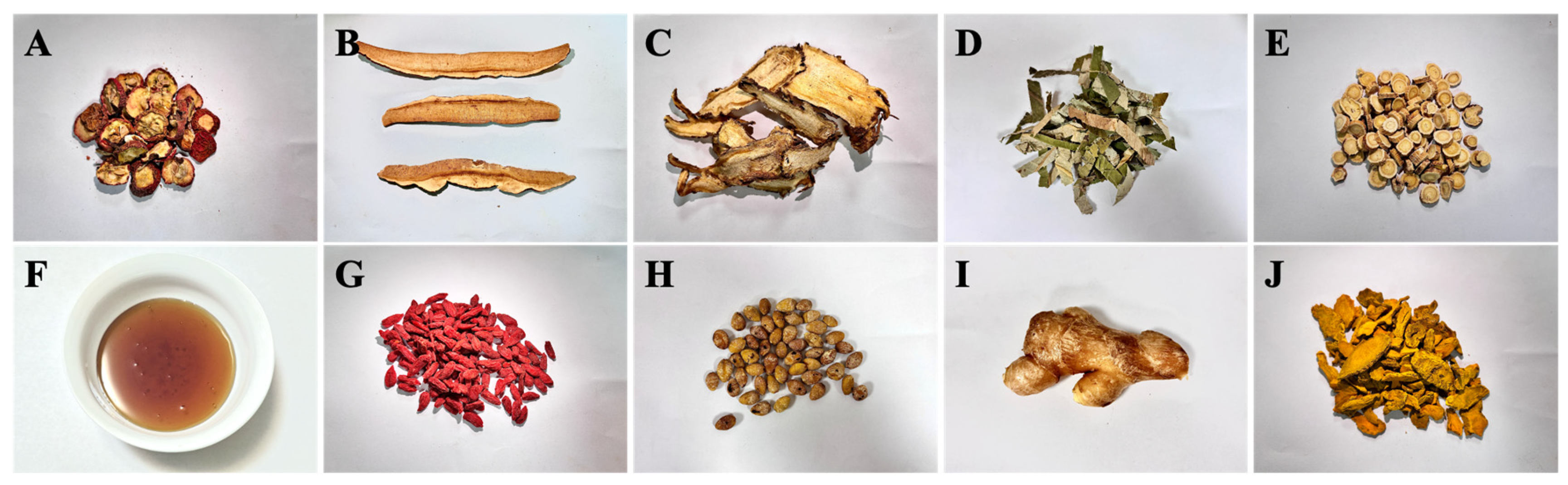
Table 1.
Major bioactive components of ten food and medicine continuum herbs.
| Herb | Major Bioactive Components | Main Chemical Structure | Primary Cardiovascular Activities |
|---|---|---|---|
| Hawthorn Fruit | Hyperoside, Ursolic acid | 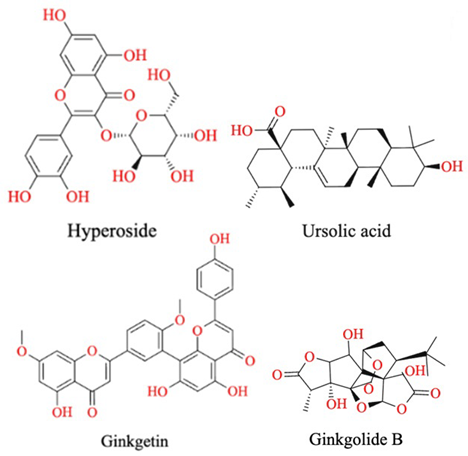 |
Antioxidant, lipid regulation, inhibit LDL oxidation, inhibit HMG-CoA reductase, activate Nrf2 |
| Ginkgo Seed | Ginkgetin, ginkgolide B | Antioxidant, anti-inflammatory, anti-PAF, neuroprotection | |
| Milkvetch Root | Astragaloside IV | 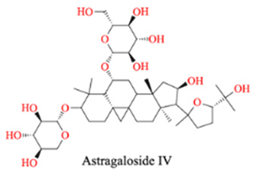 |
Improve endothelial function, anti-fibrosis |
| Turmeric | Curcumin | 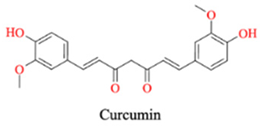 |
Anti-inflammatory, antioxidant |
| Ginger | 6-Gingerol | 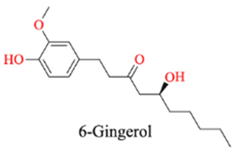 |
Antioxidant, anti-inflammatory, antiplatelet |
| Glossy Ganoderma | Ganoderic acid A | 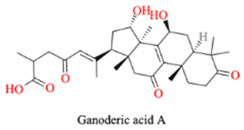 |
Lipid regulation, anti-inflammatory |
| Angelica sinensis |
Ferulic acid, ligustilide | 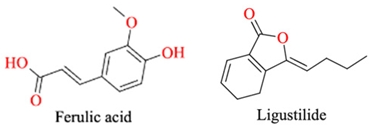 |
Antithrombotic, vasodilation, antiplatelet |
| Barbary Wolfberry Fruit | Zeaxanthin | 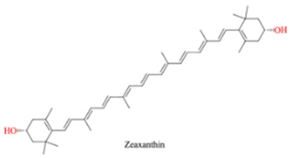 |
Antioxidant, anti-LDL oxidation |
| Lotus leaf | Nuciferine | 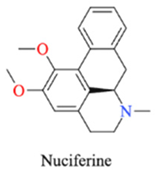 |
Lipid regulation and weight loss, antiarrhythmic |
| Honey | Quercetin | 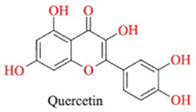 |
Antioxidant, anti-LDL oxidation |
Table 2.
Three classic medicinal cuisine formulas.
| Medicinal Cuisine Name | Competition and Preparation |
Traditional Functions | Target Population |
Modern Mechanistic Research |
|---|---|---|---|---|
| Hawthorn Fruit-Lotus Leaf Lipid-Regulating Tea | Dried hawthorn fruit fruit 10g, dried lotus leaf 6g; steep in boiling water or decoct for 15 minutes | Promote digestion and resolve accumulation, raise the clear and lower the turbid | Hyperlipidemia, pre-obesity | Hawthorn fruit flavonoids inhibit cholesterol synthesis; nuciferine activates AMPK |
| Milkvetch Root-Angelica sinensis Stewed Chicken | Milkvetch root 30g, Angelica sinensis 10g, chicken 500g; stew for 1.5 hours | Tonify qi and nourish blood, invigorate blood and unblock collaterals | Qi-blood deficiency type, postoperative recovery | Astragaloside IV improves endothelial function; ferulic acid is antithrombotic |
| Glossy Ganoderma-Poria Spirit-Calming Congee | Glossy ganoderma powder 3g, Poria 15g, polished rice 100g; cook as congee | Calm the heart and spirit, strengthen spleen and promote diuresis | Insomnia, anxiety, low immunity | Glossy ganoderma polysaccharides provide immunomodulation; triterpenes are anti-inflammatory |
Disclaimer/Publisher’s Note: The statements, opinions and data contained in all publications are solely those of the individual author(s) and contributor(s) and not of MDPI and/or the editor(s). MDPI and/or the editor(s) disclaim responsibility for any injury to people or property resulting from any ideas, methods, instructions or products referred to in the content. |
© 2026 by the authors. Licensee MDPI, Basel, Switzerland. This article is an open access article distributed under the terms and conditions of the Creative Commons Attribution (CC BY) license (http://creativecommons.org/licenses/by/4.0/).
Copyright: This open access article is published under a Creative Commons CC BY 4.0 license, which permit the free download, distribution, and reuse, provided that the author and preprint are cited in any reuse.


