

Submitted:
01 April 2026
Posted:
02 April 2026
You are already at the latest version
Abstract
Organic coating is the most applied method for corrosion protection. However, they can degrade over time by the effect of UV, moisture, and corrosive media. In order to monitor the coating performance for proper maintenance planning, an electrochemical sensor was fabricated from aluminum alloy and coated with 4 coating systems: (1) epoxy primer, (2) epoxy primer/polyurethan topcoat, (3) epoxy primer/ polyurethan topcoat/ aluminum powder-containing polyester resin, and (4) epoxy primer/ polyurethan topcoat/ aluminum powder-containing polyester resin/ acrylic. The sensors were exposed together with corresponding coupon samples at Pathum Thani (PTI: suburban) and Chon Buri (CBI: mild marine) in Thailand for 2 years. Electrochemical impedance spectroscopy measurement (EIS) via the sensor recorded the impedance and capacitance of coatings with parallel meteorological monitoring. Impedance data were converted into a Coating Aging Index to evaluate degradation. Rapid coating deterioration occurred at PTI during wet seasons, while CBI showed negligible changes. Among the examined variables via machine learning model, exposure time most strongly influenced coating degradation. Single epoxy layer exhibited the lowest durability, whereas additional polyurethane, aluminum‑pigmented polyester, and acrylic coatings provided progressively superior protection.
Keywords:
EIS sensor
; coating degradation monitoring
; coated aluminum alloy
; machine learning
1. Introduction
Field exposure tests of aluminum alloys have been carried out in various countries from short- to long-terms [1,2,3,4]. Important corrosive aerosols including chloride (Cl-) from the sea, sulfur dioxide (SO2), nitrogen oxides (NOx), carbon dioxide (CO2) and ammonia (NH3) from fossil fuel combustion and/or natural decomposition are serving as atmospheric corrosion accelerators. As the metal surface is in contact with condensation or rain, corrosive electrolyte is formed and leads to the occurrence of atmospheric corrosion. Atmospheric corrosion can be classified based on the amount of corrosive constituent deposition rates such as rural, urban, marine, and industrial or their synergic combinations.
Rural environment is where SO2 deposition rate is less than 15 mg/m2/day (mmd) [5] with minimal influence from sea salt. In tropical regions, rural atmosphere can be more aggressive due to longer periods of high humidity. However, temperature greater than 25 oC can result in a decreased corrosion rate due to increased evaporation of water film [6]. Urban environment is where SO2 deposition rate is greater than 15 mmd and Cl- deposition rate is less than 9 mmd [5]. The source of SO2 deposition rate is mainly derived from traffic exhausting emissions. Corrosion in urban environment is more aggressive as compared to rural environment during dew and wet periods. The increased amount of sulfur compound leads to an increase of pit depth and a decrease of pit initiation sites in aluminum alloy [7]. Marine environment is where Cl- deposition rate exceeds 9 mmd [5] or MICAT definition of 3 mmd [8]. The amount of Cl- deposition rate depends on a distance from the sea shore where the influence of surf and ocean produced sea salts varied with sea wind speed [9]. Chloride plays an important role in pit initiation of aluminum alloys [7].
As aluminum alloys exposed in atmospheric environment, three major corrosion forms (pitting, intergranular, and exfoliation) have frequently been found. Basically, corrosion pitting occurs as a result of passive film breakdown allowing corrosive ions penetration and adsorption [9,10]. Cui et al. [2] conducted atmospheric corrosion test for 1050A, 5A02, and 6A02 alloys exposed to tropical marine environment in Xisha, China (Hainan province). The investigation results revealed that wet-dry cycles caused meta-stable pit initiation and growth in different manners depending on a type of aluminum alloys. In case of 1050A alloy, meta-stable shallow pits were initiated during the first month of exposure, then became connected after 6-month exposure. 5A02 alloy indicated higher atmospheric corrosion resistance than 6A02 alloy. Pit initiation sites of 5A02 alloy were mainly found in the matrix in the vicinity of Al-Fe-Mn intermetallic particle. The formation of Al2CuMg anodic-type intermetallic particle along the grain boundaries has been reported to increase the intergranular susceptibility of 2A12 aluminum alloy exposed to atmospheric environment [11]. The electrical potential of intermetallic phase relative to the matrix plays an important role in influencing corrosion mechanism. Intermetallic phases frequently found in aluminum alloys are categorized into anodic and cathodic types depending on their electrical potential with respect to the matrix [11,12]. It acts as an active site for pit initiation when an intermetallic phase is less noble. In contrast, the aluminium matrix may corrode as cathodic-type intermetallic phase is present.
Apart from a conventional exposure test with physical specimens, there are some advanced techniques which have been developed to acquire information of corrosion characteristics of metals during atmospheric exposure. As reported in previous literatures [13,14], quartz crystal microbalance (QCM) sensor was employed to monitor atmospheric corrosion of various metals including silver, copper, cobalt, aluminum, nickel. M. Benoni et al. [15] employed an optic fiber corrosion sensing (OFCS) technique for atmospheric study of aluminum and copper alloys for aircraft applications. Their experimental results indicated that that technique was feasible to detect corrosion of the target metals in different environmental conditions. Based on OFCS signals representing corrosion behaviors, the oxide film formed on metal surface was a key parameter to differentiate corrosion rates of aluminum from copper.
Acoustic emission (AE) is a non-destructive method potentially employed for corrosion monitoring of metal structure in many industrial applications. AE frequency in a range between 20–500 kHz is normally produced by corrosion [16]. From the literatures [16,17], it was reported that AE technique was frequently adopted for corrosion monitoring of aircraft structure and fuselage at which the components were mainly fabricated from aluminum alloys. Atmospheric corrosion monitoring of zinc and aluminum based on a change of radiofrequency (RF) wave was conducted and reported by M. Yasri et al. [18,19]. It was found that the results obtained from this promising method could provide sufficient insights into localized and uniform corrosion during exposure to the environment.
Based on an electrochemical principle applied for corrosion monitoring, linear polarization resistance (LPR) is a real-time and non-destructive method used for corrosion monitoring and assessment of corrosion phenomena. S.Choudhary et al. [20] monitored corrosion growth of mild steel using LPR technique and reported that the measurement of polarization resistance during exposure test was as a reliable and facile way to evaluate time-dependent corrosion. An atmospheric corrosion monitoring (ACM) sensor has been developed for evaluation of time-dependent corrosion of metals based on the galvanic corrosion taking place during exposure in atmosphere as a result of electrolyte film formed on the sensor surface [21,22]. Climatic corrosivity and corrosion behaviors of carbon steel in Japan and Thailand were monitored by using ACM. The good correlation between the results obtained from ACM sensors and steel coupon samples under atmospheric influence was demonstrated [23,24]. As reported by X. Ma et al. [25], EIS sensor has been developed for in-situ corrosion monitoring of stainless steel exposed to simulated marine environment. The quantitative change trend of corrosion rate was well represented by the reciprocal of charge transfer resistance obtained from the monitoring sensor, which could be verified by weight loss of exposed sample, as well.
D.H. Xia et al. [26] investigated atmospheric corrosion behavior of aluminum alloy by using EIS-based corrosion monitoring sensors. The EIS results revealed that the aluminum alloy was in a passive state at which high impedance (105–106 Ω·cm2) due to the formation of intact passive film was revealed. The presence of chloride in environment significantly accelerated the corrosion kinetics and resulted in decreased impedance values to be 103–104 Ω·cm2 due to a breakdown of passive film. From their experiments, it was seen that the EIS sensor is one of electrochemical-based corrosion monitoring methods potentially applied for in-field corrosion monitoring if the technical complication of its instrumentation is decreased.
By using electrical resistance (ER) sensors, real-time corrosion monitoring of aluminum, zinc and steel was carried out [27,28,29,30]. Focusing on aluminum alloy, E. Diler et al. [27] employed Al94Cu6 ER sensor to monitor atmospheric corrosion by comparing with 2024-T3 aluminum alloy exposed to chloride-contaminated environment. The results of ER sensors revealed good reproducibility. But the thickness loss calculated from ER results did not respond to the mean localized corrosion depth obtained by cross-sections due to distribution and sizes of corroded pits. M. Komary et al. [30] reviewed low-cost technologies used in corrosion monitoring. It was summarized that corrosion monitoring based on electrochemical methods was more efficient than that based on physical methods. In addition, the electrochemical corrosion monitoring methods revealed their advantages in terms of sensitivity at low corrosion rates, a short experimental period required, and a well-established theoretical background.
The current study aimed to acquire in-situ coating impedance and aging index data by using EIS-based sensing technique for atmospheric corrosion evaluation of coated aluminum alloys exposed to a monsoon tropical climate in Thailand.
2. Experimental Methods
Exposure test was conducted at two test sites in Thailand as shown in Figure 1. The first test site is on the roof of a one-story building at Thailand Science Park in Pathum Thani province (PTI). The distance to the seashore is approximately 64 km. The environment is considered a suburban city. The second test station is on the roof top of a four-story building at Burapha University in Chon Buri province (CBI). The distance to the seashore is 0.4 km. The environment is considered mild marine environment. Location, corrosivity category, and distance from the sea are summarized in Table 1.
2.1. Materials and Test Sample
The base material is 6005A aluminum alloy as 150 x 70 mm coupon and 20 mm diameter circular electrode as shown in Figure 2. Four coating systems were prepared on the base material. Coating 1 is an epoxy resin primer, with a thickness of 50-70 μm. Coating 2 is composed of epoxy primer with thickness of 50-70 μm and polyurethane topcoat with thickness of 30-50 μm. Coating 3 is composed of epoxy resin primer with thickness of 50-70 μm, polyurethane topcoat with thickness of 30-50 μm and aluminum powder-containing polyester resin with thickness of 10-30 μm. Coating 4 is composed of epoxy resin primer with thickness of 50-70 μm, polyurethane topcoat with thickness of 30-50 μm, aluminum powder-containing polyester resin with thickness of 10-30 μm, and acrylic clear coat with thickness of 30-50 μm.
2.2. Data Acquisition Methods
2.2.1. Weather and Environmental Data
Meteorological parameters were monitored every 10 minutes onsite by a weather station. Air temperature (T), relative humidity (RH), wind speed (WS), wind direction (WD), and rainfall (Rain) were recorded. Time of wetness was calculated from total time when RH was greater than 80% when temperature was above 0 °C. Chloride and sulfur dioxide deposition rates were monitored monthly based on ISO 9225 using dry gauze method and lead dioxide cylinder method, respectively.
2.2.2. Coating Performance Data
Coating performance was assessed by two approaches: sensor and coupon exposure test. Electrochemical impedance spectroscopy (EIS) sensor with coated surface was employed to monitor the impedance of coating over time of exposure. Coating aging index was calculated by
where and represent the logarithmic values of the coating capacitance at the initial state and at time t, respectively. An increase in coating capacitance corresponds to a reduction in insulation performance and a decline in corrosion protection. Data was recorded and transferred to a cloud server. The coating performance was monitored continuously by the EIS sensors for 2 years. In parallel, coated coupons with the same coating types were exposed on site. Every 6 months during the 2-year test, samples were collected and examined by EIS measurement. A three-electrode cell was filled with 3.5% NaCl solution which was in contact with coated sample having an exposed area of 12.56 m2. The metal part of coated sample as a working electrode, a graphite rod as a counter electrode, and an Ag/AgCl reference electrode were connected to a potentiostat. EIS scan was conducted with a 10 mV sinusoidal potential amplitude from 100 kHz to 0.01 mHz.
2.3. Data Analytics
Sensor data were analyzed by various approaches. First, the monthly average and cumulative values were determined. Second, the respective time series data from each sensor were aligned and investigated by machine learning approach. The input variables include weather data and the output variables include coating performance data. Random Forest model was applied to obtain the information on the most important factors. The top 3 most important factors were obtained. The accuracy of prediction was determined by Mean Absolute Error (MAE), Mean Squared Error (MSE), and R2. Mean Absolute Error represents the average magnitude of the differences between predicted and actual values. Mean Squared Error is the average of the squared differences of error. R2 is the goodness of fit indicating how well the model predicts the dependent variable from the independent variables. To avoid overfitting, a cross validation was conducted. The cross validation R2 should be close to the model R2.
3. Results and Discussion
3.1. Weather and Environmental Results
Weather data were recorded every 10 minutes for 2 years. At PTI station, the test started in April 2022. At CBI station, the test started in June 2022. Monthly average temperature, monthly average relative humidity, monthly total rainfall, and cumulative rainfall are plotted in Figure 3.
During the first year of exposure test at PTI, the maximum monthly average temperature occurred in April 2023 (32.5°C). The temperature decreased monthly until approaching the minimum monthly average temperature of 28.8°C in December 2023. Then the temperature increased back to above 30°C. On the second year, the patterns were similar; however, the maximum temperature was 33.2°C in April 2024 and the minimum temperature was 26.2°C in January 2025. The monthly average relative humidity has the pattern corresponding to the monthly total rainfall. The highest relative humidity occurred in October 2023 and 2024, when there was maximum monthly rainfall. In contrast, the minimum relative humidity occurred during the no rainfall months such as in April and January. During rainy season, the amount of rainfall in the second year was higher than the first year. From the cumulative rainfall plot, it is evident that there are distinct wet and dry season in Thailand tropical climate. Wet season is April–October and dry season is November–March.
For the first year of exposure test at CBI, the maximum monthly average temperature occurred in April 2024 (32°C). The minimum temperature occurred in January 2024 (28°C). In the second year, the temperatures were about 2–3°C lower compared to that in the first year during January–April. Relative humidity also followed the pattern of rainfall and inversely proportional to the temperature. Wet season is from April–October. Dry season is from November–March. The amount of rain during the second year was significantly greater. However, it is noted that rain data was missing for 3 months in the first year.
The weather characteristics may vary from year to year at both locations. During the test period, PTI exhibited higher temperatures, lower relative humidity compared to CBI. Rainfall at PTI was greater than CBI in the first year and less than CBI in the second year.
Figure 4 summarizes the cumulative chloride and sulfur dioxide deposition rates. Cumulative chloride deposition rate at PTI were consistently in the range of 20 mmd for both years. Nonetheless, the cumulative sulfur dioxide deposition rates in the first year was greater than that in the second year. Cumulative chloride deposition rates at CBI have the pattern resembling that of cumulative rainfall due to the direction of southwest wind that brought rain and chloride. Cumulative sulfur dioxide deposition rates in the first year was considerably low. However, in the second year, cumulative sulfur dioxide deposition rates drastically increased. The cause of increased sulfur dioxide is not yet known. Overall, ISO 9223 airborne salinity at PTI and CBI were S0 and S1, respectively. ISO 9223 sulfur dioxide deposition rate classification at PTI was P2, whereas that at CBI was P2–P3.
3.2. Coating Performance Results
Monthly average impedance data were calculated and plotted over exposure time as shown in Figure 5. The PTI results showed that coating impedance decreased and then increased over one year period. After that the pattern was repeated on the second year. This pattern aligned with the wet and dry seasons: impedance decreased during wet season and increased during dry season. When the coating absorbed moisture or rain, the water might reached the substrate causing corrosion reaction. On the other hand, when the coating was dry, the resistance of coating remained high. There are variation among Coating 1–4. Coating 1 appeared to be the least corrosion resistant and Coating 2 was the most corrosion resistant at the end of the econd year.
The result of impedance at CBI were different from that at PTI. In the first year, impedance was stable since the beginning until October. Then the impedance increased by one order of magnitude and stayed constant throughout the second year. All impedances were above 106 W·cm2, which implied excellent corrosion protection. Coating 2 revealed the lowest impedance, while Coating 4 exhibited the highest impedance.
Coating degradation can also be represented by aging index. The average values of aging index are illustrated in Figure 6. The pattern is the inverse of impedance value. Larger aging index indicates poor corrosion resistance.
3.3. EIS Measurement on Coupon Samples
Coated coupon samples were collected every 6 months. EIS measurement was carried out. The measurements were recorded on the first day of immersion and every 24 hours for 7 days to evaluate their corrosion resistances after field exposure test. Figure 7 illustrates the Bode plots on Day 7 of each sample. Impedance |Z| at 0.1 Hz (|Z|0.1Hz), representing corrosion resistance of coating [31], was regarded as the coating performance where |Z|0.1Hz < 106 W·cm2 means degraded coating performance. For coupon samples, Coating 1 was the least corrosion resistant, whereas Coating 2–4 were relatively equivalent. Coating 4 exhibited stable protectiveness over 24 months.
To validate the results from sensor and coupon, the |Z|0.1Hz values were compared as shown in Figure 8. For PTI, the trends and ranking were in excellent agreement at 18 and 24 months. In case of CBI, both coupon and sensors of Coating 2–4 demonstrated exceptional consistency. However, Coating 1 sensor indicated higher coating performance than the coupon counterpart. The discrepancy might be due to inconsistent quality of coating on the coupon compared to the sensor surfaces. The area of coupon sample was bigger than that of the sensor; therefore, it is more difficult to control the coating quality. Overall, the proposed sensor demonstrated a reliable capability for assessing coating resistance and degradation, potentially applicable for in-situ coating performance monitoring.
3.4. Machine Learning Model
Input features are defined from the existing data set. Input parameters include exposure time (exp-time), temperature (T), relative humidity (RH), rainfall (Rain), wind direction (WD), wind speed (WS), and time of wetness (TOW). Time of wetness was determined from total number of hours when RH > 80% at T above 0°C. Spearman’s rank correlation is applied to capture the linear and non-linear relationship of input data that are not normally distributed. The results of Spearman’s rank correlation coefficients are depicted in Figure 9.
At PTI, the exposure time is considered independent from other factors. Temperature and relative humidity have strong negative correlations–higher temperature leads to higher water vapor capacity causing the relative humidity to decrease. Temperature has weak positive correlation with windspeed and TOW, implying that temperature tends to increase with stronger wind speed. Relative humidity and rainfall have weak positive correlation and weak negative correlation with wind speed and TOW—these factors affect one another in some circumstances. It is shown that TOW at PTI is contributed minimally by temperature and rainfall.
Spearman’s rank correlation analysis reveals different relationship of input features for CBI. Exposure time has weak positive correlation with temperature and weak negative correlation with relative humidity. Over the course of the exposure period, there was a slight tendency for temperature to increase and relative humidity to decrease. Temperature and relative humidity have moderate negative correlation that the inverse relationship is not certain as other factors might contribute to the change in humidity such as rainfall. Temperature also shows weak positive correlation with wind characteristics. Other correlations are considered weak or negligible.
Random Forest model was applied to predict coating aging index (output) from input features. The advantage of Random Forest is that each decision tree is constructed from the best features among random subset and the results are the average from multiple decision trees. Top three most important factors were determined. The results are shown in Figure 11. Accuracy parameters are concluded in Table 2. It is noted that Coating 4 at CBI cannot be predicted because the Coating aging index always remained closed to zero. Longer exposure test is required.
Figure 10.
Top three important features and prediction plots from PTI dataset.
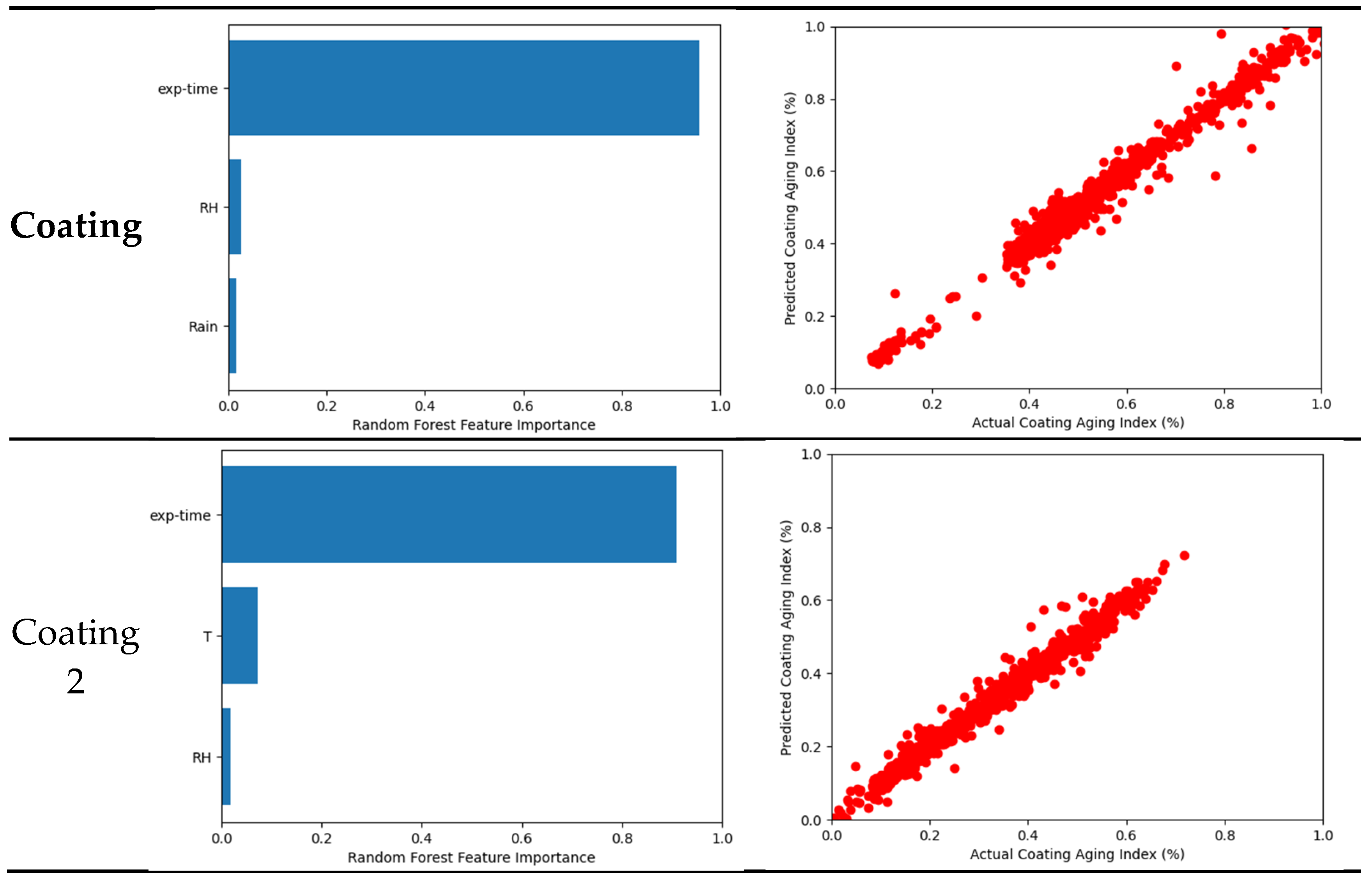
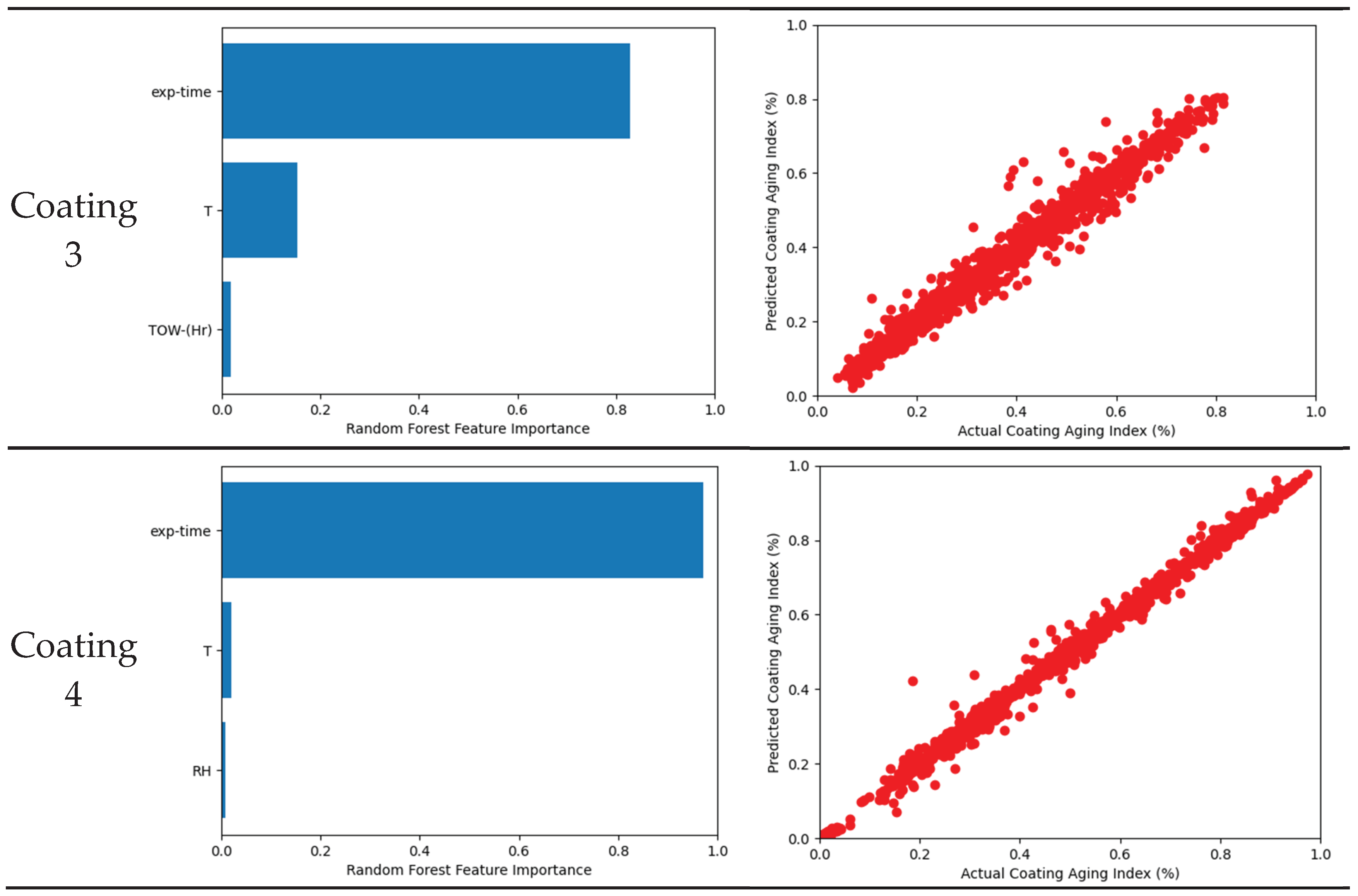
The results from both stations indicated that Coating aging index depends strongly on the exposure time. The second and third important factors varied for each coating types and locations. Coating 3 at PTI was influenced by temperature. Coating 1 at CBI was influenced by relative humidity. All other weather parameters do not contribute to Coating aging index in this Random Forest analysis. A possible reason is that the change in Coating aging index was gradual (long timescale) and cannot be correlated to the instantaneous (shorter timescale) variation of weather characteristics, which is a disadvantage of impedance sensor [32]. However, the obtained output data indicated the state of coating protection which was essentially useful for monitoring the coating performance over time. A prediction model development might be possible with long term test and seasonal weather data; however, it would not fulfill big data requirement for machine learning model.
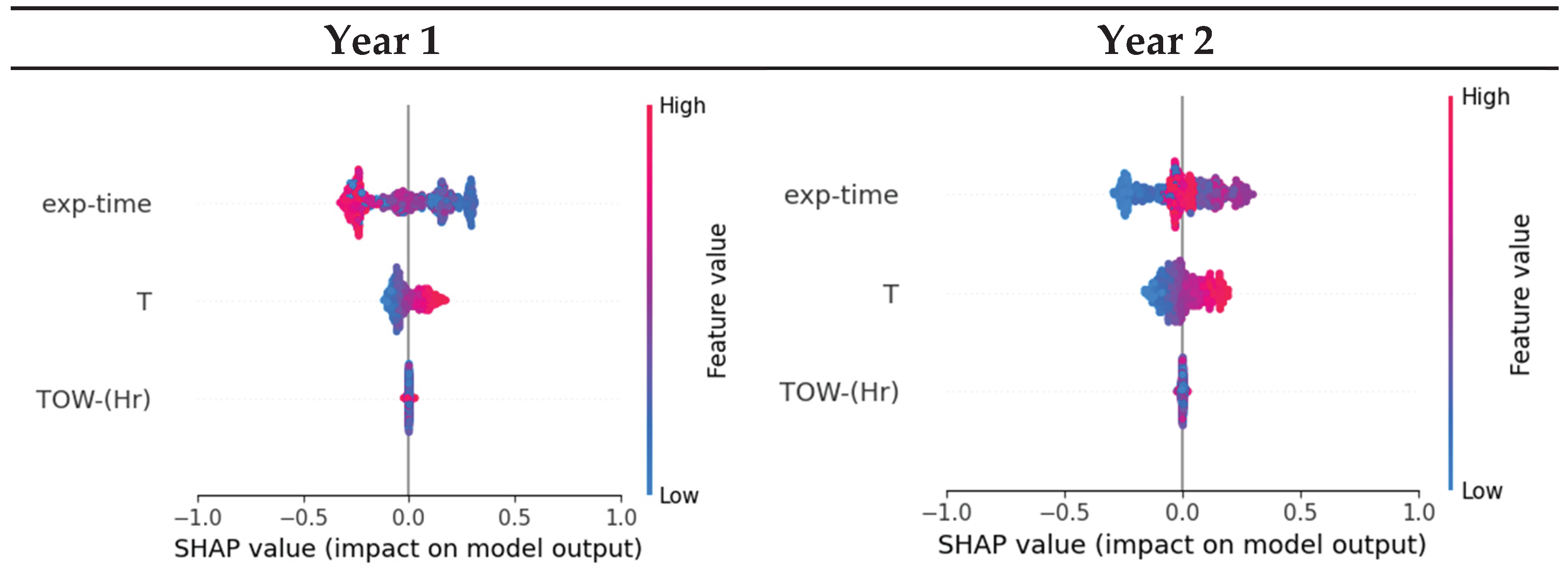
To better understand the feature contribution, SHAP value analysis was conducted on PTI Coating 3 dataset. The results are presented as a beeswarm plot for the first and second year as shown in Figure.
The SHAP summary plot illustrates the impact of individual features on the Coating aging index, offering insights into feature importance and the impact of their influence. The color gradient, ranging from blue (low feature values) to red (high feature values), further contextualizes the influence of feature magnitude on the direction and strength of the model’s predictions. Among the three features analyzed—exposure time (exp-time), temperature (T), and time of wetness (TOW), exposure time exhibits the most substantial influence on the Coating aging index, as evidenced by a broader spread of SHAP values along the x-axis. Particularly in the first year, higher values of exposure time (indicated in red) are mostly associated with negative SHAP values, suggesting that increased exposure time contributes to a reduction in Coating aging index. Since the exposure test started in the beginning of wet season, absorbed water in the coating might lead to decreasing impedance and increasing aging. The dry season at the second half of the first year caused the increase in impedance and decreasing aging. Temperature demonstrates a moderate effect, where higher temperatures tend to negatively influence the Coating aging index, though to a lesser extent than exposure time. In contrast, TOW shows minimal variability in SHAP values, with most data points clustered near zero, indicating that its contribution to the Coating aging index is relatively insignificant. For the second year of the test, the influence of exposure time shifted from negative to positive direction and shifted back to less extend in the negative SHAP value. It is shown that Coating aging index tends to increase with time. Overall, the plot highlights exposure time as the most critical predictor within the model.
Figure 11.
Top three important features and prediction plots from CBI dataset.
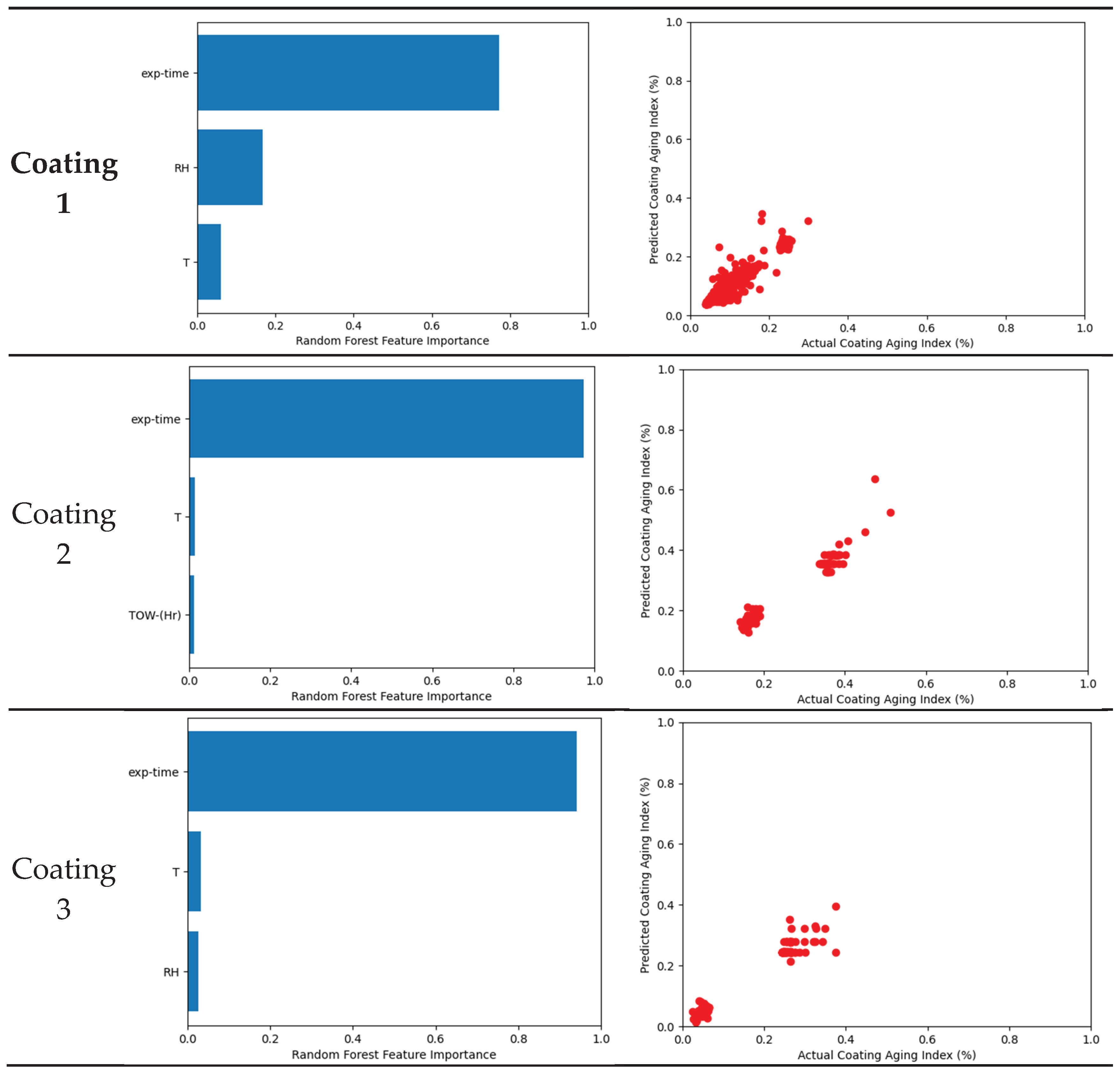
Figure 12.
Beeswarm plot for Coating 3 PTI dataset.
3.5. Coating System
Based on the sensor and coated coupon exposure test results, Coating 1, which consisted of an epoxy resin primer with a thickness of 50–70 μm, exhibited the lowest corrosion impedance at low frequency (106 Ω·cm2), as expected. Epoxy materials are known to degrade under sunlight due to thermal–oxidative degradation [33]. Coating 2 incorporated an additional 30–50 μm thick polyurethane topcoat. Polyurethane provides excellent resistance to UV radiation and photodegradation, resulting in a significant increase of the low-frequency impedance (109 Ω·cm2), as shown in Figure 7. Coating 3 included a 10–30 μm thick aluminum powder–containing polyester resin layer on top, while Coating 4 further added a 30–50 μm thick acrylic clear coat. As indicated by the impedance spectra in Figure 7, these additional layers did not lead to increased impedance; however, the overall performance stability over time improved noticeably that the low frequency impedance remained relatively stable during 2-year exposure. The role of aluminum powder composite layer acts as barrier protection due to the passive aluminum oxide and hydroxide corrosion products [34]. Moreover, the acrylic topcoat on epoxy enhances coating performance for Coating 4 at both locations, which could be caused by increased adhesion and hardness [35].
4. Conclusions
EIS sensor of coated aluminum alloy was exposed in outdoor environments at Pathum Thani (PTI: suburban) and Chon Buri (CBI: mild marine) Thailand. The exposure time was 2 years. Weather parameters were also recorded in parallel. The conclusions are:
- Impedance data from EIS sensor indicated the coating resistance and can be converted to Coating aging index to imply coating degradation.
- Coating degradation was more rapid at PTI station as observed by increasing Coating aging index during wet season, whereas coating degradation at CBI remained negligible.
- Tested coating degradation was influenced by various parameters. The most influential factor is the exposure time because the change in Coating aging index was slow compared to the instantaneous change in weather characteristic. Weak influences were generally temperature and moisture such as relative humidity, rain, or time of wetness (TOW).
- Coating 1 (epoxy) showed the lowest impedance due to UV-induced degradation, the topcoats of polyurethane, aluminum-pigmented polyester, and acrylic layers progressively improved durability by enhancing UV protection, barrier properties, and mechanical performance.
Acknowledgments
This work was financially supported by the Key R&D Program of Shandong Province (2025KJHZ030), China. The authors were also grateful for administrative and technical supports provided by National Metal and Materials Technology Center (MTEC), National Science and Technology Development Agency (NSTDA), Thailand.
References
- S. Sun, Q. Zheng, D. Li, J. Wen, Long-term atmospheric corrosion behaviour of aluminium alloys 2024 and 7075 in urban, coastal and industrial environments, Corrosion Science. 51 (2009) 719–727. [CrossRef]
- Z. Cui, F. Ge, X. Li, M. Zhu, K. Xiao, C. Dong, X. Wang, Mechanistic studies of atmospheric corrosion behavior of Al and Al-based alloys in a tropical marine environment, Journal of Wuhan University of Technology-Mater. Sci. Ed. 32 (2017) 633–639. [CrossRef]
- Z. Cui, X. Li, H. Zhang, K. Xiao, C. Dong, Z. Liu, L. Wang, Atmospheric Corrosion Behavior of 2A12 Aluminum Alloy in a Tropical Marine Environment, Advances in Materials Science and Engineering. 2015 (2015) 1–17. [CrossRef]
- L. Mariaca, C. Menchaca, E. Sarmiento, O. Sarmiento, J. Ramirez, J. Uruchurtu, Atmospheric Corrosion Dose/Response Functions from Statistical Data Analysis for Different Sites of Mexico, Innovations in Corrosion and Materials Science (Formerly Recent Patents on Corrosion Science). 4 (2014) 11–20. [CrossRef]
- S. Syed, ATMOSPHERIC CORROSION OF MATERIALS, 11 (2006) 25.
- F. Corvo, T. Perez, J. Reyes-Trujeque, L. Dzib, J. González-Sánchez, A. Castañeda, Atmospheric corrosion in tropical humid climates, 37661 (2009) 0–0.
- F.J. Hernández, J.J. Santana, R.M. Souto, S. González, J. Morales, Characterization of the Atmospheric Corrosion of Aluminum in Archipelagic Subtropical Environments, Int. J. Electrochem. Sci. 6 (2011) 15.
- Belén Chico, Daniel de la Fuente, Iván Díaz, Joaquín Simancas, Manuel Morcillo, Annual Atmospheric Corrosion of Carbon Steel Worldwide. An Integration of ISOCORRAG, ICP/UNECE and MICAT Databases, Materials. 10 (2017) 601. [CrossRef]
- I.S. Cole, D.A. Paterson, W.D. Ganther, A. Neufeld, B. Hinton, G. McAdam, M. McGeachie, R. Jeffery, L. Chotimongkol, C. Bhamornsut, N.V. Hue, S. Purwadaria, Holistic model for atmospheric corrosion: Part 3—Effect of natural and man made landforms on deposition of marine salts in Australia and south-east Asia, Corrosion Engineering, Science and Technology. 38 (2003) 267–274. [CrossRef]
- C.Y. Chao, L.F. Lin, D.D. Macdonald, A Point Defect Model for Anodic Passive Films: I . Film Growth Kinetics, J. Electrochem. Soc. 128 (1981) 1187. [CrossRef]
- L.F. Lin, C.Y. Chao, D.D. Macdonald, A Point Defect Model for Anodic Passive Films: II . Chemical Breakdown and Pit Initiation, J. Electrochem. Soc. 128 (1981) 1194. [CrossRef]
- Z. Cui, X. Li, H. Zhang, K. Xiao, C. Dong, Z. Liu, L. Wang, Atmospheric Corrosion Behavior of 2A12 Aluminum Alloy in a Tropical Marine Environment, Adv. Mater. Sci. Eng. (2015) 163025. [CrossRef]
- Fujii, K., et al., Atmospheric Corrosivity Estimation at Electrical Control Unit Room by Multichannel Quartz Crystal Microbalance Corrosion Sensors. MATERIALS TRANSACTIONS, 2012. 53(2): p. 412-416. [CrossRef]
- Zakipour, S. and C. Leygraf, Quartz crystal microbalance applied to studies of atmospheric corrosion of metals. British Corrosion Journal, 1992. 27(4): p. 295-298. [CrossRef]
- Benounis, M. and N. Jaffrezic-Renault, Elaboration of an optical fibre corrosion sensor for aircraft applications. Sensors and Actuators B: Chemical, 2004. 100(1): p. 1-8. [CrossRef]
- Geng, R., Modern acoustic emission technique and its application in aviation industry. Ultrasonics, 2006. 44: p. e1025-e1029. [CrossRef]
- Bellenger, F., H. Mazille, and H. Idrissi, Use of acoustic emission technique for the early detection of aluminum alloys exfoliation corrosion. NDT & E International, 2002. 35(6): p. 385-392. [CrossRef]
- Yasri, M., et al., Fundamental basis of electromagnetic wave propagation in a zinc microstrip lines during its corrosion. Sensors and Actuators B: Chemical, 2016. 223: p. 352-358. [CrossRef]
- Yasri, M., et al., Monitoring uniform and localised corrosion by a radiofrequency sensing method. Sensors and Actuators B: Chemical, 2018. 257: p. 988-992. [CrossRef]
- Choudhary, S., A. Garg, and K. Mondal, Relation between open circuit potential and polarization resistance with rust and corrosion monitoring of mild steel. Journal of Materials Engineering and Performance, 2016. 25(7): p. 2969-2976. [CrossRef]
- Motoda, S.-i., et al., ACM (Atmospheric Corrosion Monitor) type corrosion sensor to evaluate corrosivity of marine atmosphere. Zairyo-to-Kankyo, 1994. 43(10): p. 550-556. [CrossRef]
- Motoda, S.-i., et al., Corrosive factors of a Marine atmosphere analyzed by ACM aensor for 1 year. Zairyo-to-Kankyo, 1995. 44(4): p. 218-225. [CrossRef]
- Pongsaksawad, W., et al., Corrosion assessment of carbon steel in Thailand by atmospheric corrosion monitoring (ACM) sensors. Journal of Metals, Materials and Minerals, 2017. 20(2).
- Mizuno, D., et al., Corrosion monitoring and materials selection for automotive environments by using Atmospheric Corrosion Monitor (ACM) sensor. Corrosion Science, 2014. 83: p. 217-225. [CrossRef]
- Ma, X., et al., Monitoring marine atmospheric corrosion by electrochemical impedance spectroscopy under various relative humidities. International Journal of Electrochemical Science, 2015. 10(12): p. 10402-10421. [CrossRef]
- Xia, D.-H., et al., Detection of atmospheric corrosion of aluminum alloys by electrochemical probes: Theoretical analysis and experimental tests. Journal of The Electrochemical Society, 2019. 166(12): p. B1000–B1009.
- Diler, E., et al., Real-time corrosion monitoring of aluminium alloys under chloride-contaminated atmospheric conditions. Materials and Corrosion, 2021. 72(8): p. 1377-1387. [CrossRef]
- Cai, J.P. and S.B. Lyon, A mechanistic study of initial atmospheric corrosion kinetics using electrical resistance sensors. Corrosion Science, 2005. 47(12): p. 2956-2973. [CrossRef]
- Steen, N.V.d., et al., Comparing modeled and experimental accelerated corrosion tests on steel. Journal of The Electrochemical Society, 2017. 164(9): p. C554. [CrossRef]
- Komary, M., et al. Low-cost technologies used in corrosion monitoring. Sensors, 2023. 23. [CrossRef]
- Adhikari, S., Unocic, K.A., Zhai, Y., Frankel, G.S., Zimmerman, J., Fristad, W., 2011. Hexafluorozirconic acid based surface pretreatments: Characterization and performance assessment. Electrochimica Acta, ADVANCES IN CORROSION SCIENCE FOR LIFETIME PREDICTION AND SUSTAINABILITY Selection of papers from the 8th ISE Spring Meeting 2-5 May 2010, Columbus, OH, USA 56, 1912–1924. [CrossRef]
- Wang, B., Cheng, X., Wang, L., Li, Z., Liu, C., Zhang, D., and Li, X. Big data mining of corrosion for weathering steel in marine atmospheric environments: Discovery and mechanism of critical temperature influencing corrosion resistance. Journal of Materials Science and Technology, 2025. 256(6): p. 221-235. [CrossRef]
- Awaja, F. and P. J. Pigram, Surface Molecular Characterisation of Different Epoxy Resin Composites Subjected to UV Accelerated Degradation Using XPS and ToF-SIMS. Polymer Degradation and Stability, 2009. 94 (4): p. 651–658. [CrossRef]
- [34] Liang, Y.; Liu, F.-C.; Nie, M.; Zhao, S.; Lin, J.; Han, E.-H. Influence of Nano-Al Concentrates on the Corrosion Resistance of Epoxy Coatings. Journal of Materials Science & Technology, 2013. 29 (4), p. 353–358. [CrossRef]
- [35] Liu, X.; Zhang, Y.; Jiang, Y.; Li, M.; Bai, J.; Zhou, X. Effect of Acrylic Resin on the Protection Performance of Epoxy Coating for Magnesium Alloy. Coatings, 2024. 14 (5), p. 577. [CrossRef]
Figure 1.
Test station map.
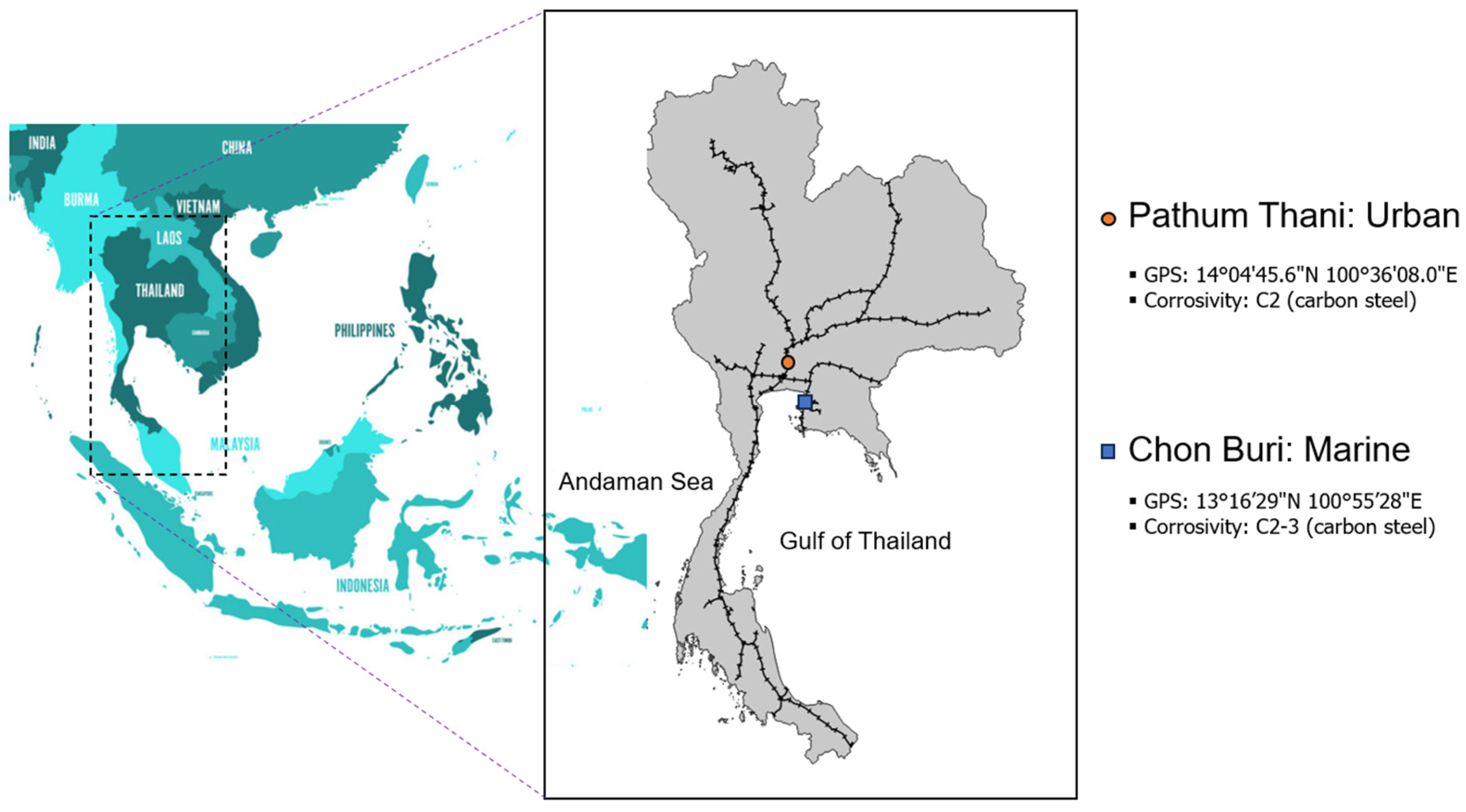
Figure 2.
Test rack and EIS sensor.
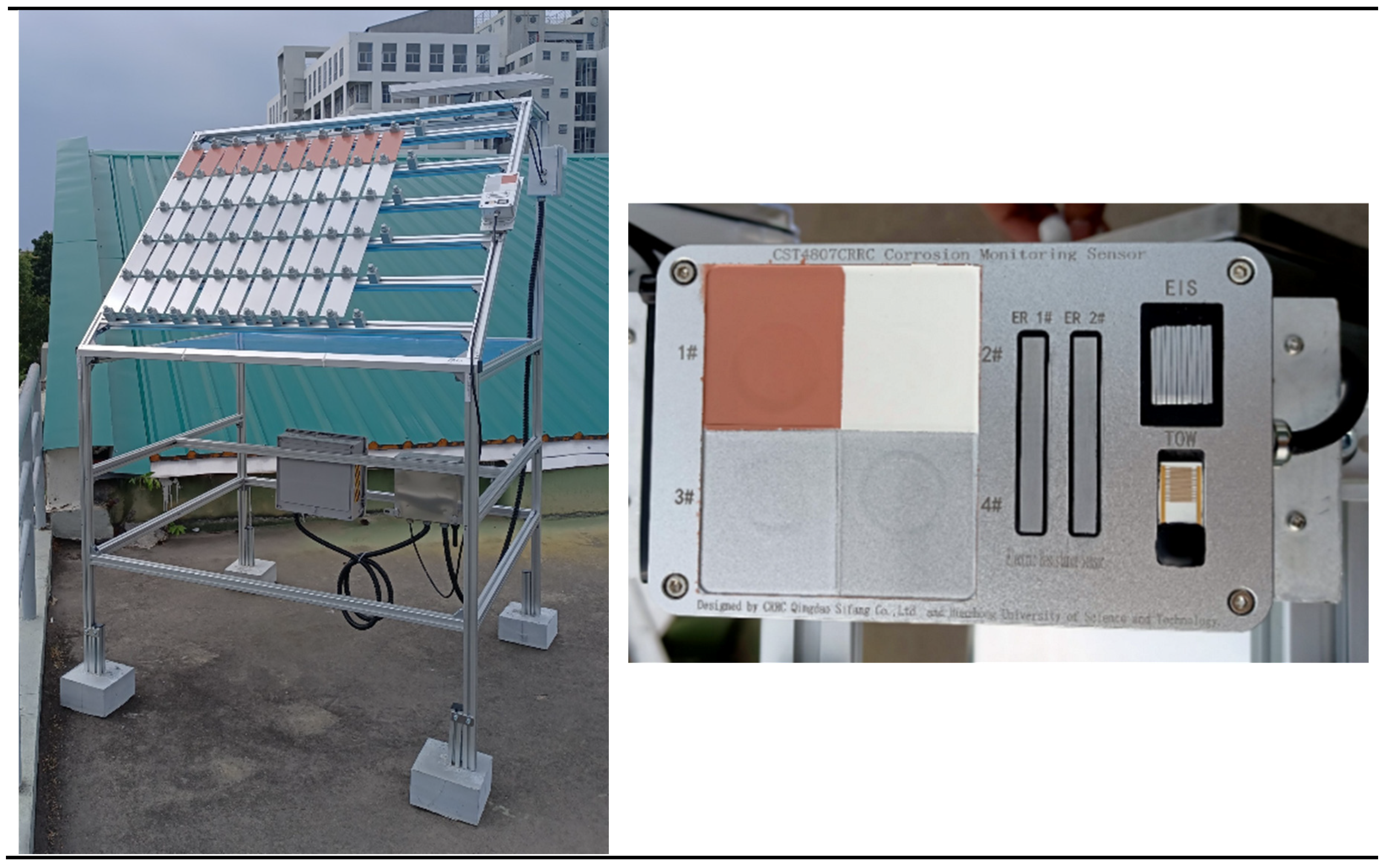
Figure 3.
Weather parameters during 2-year exposure test at PTI and CBI.
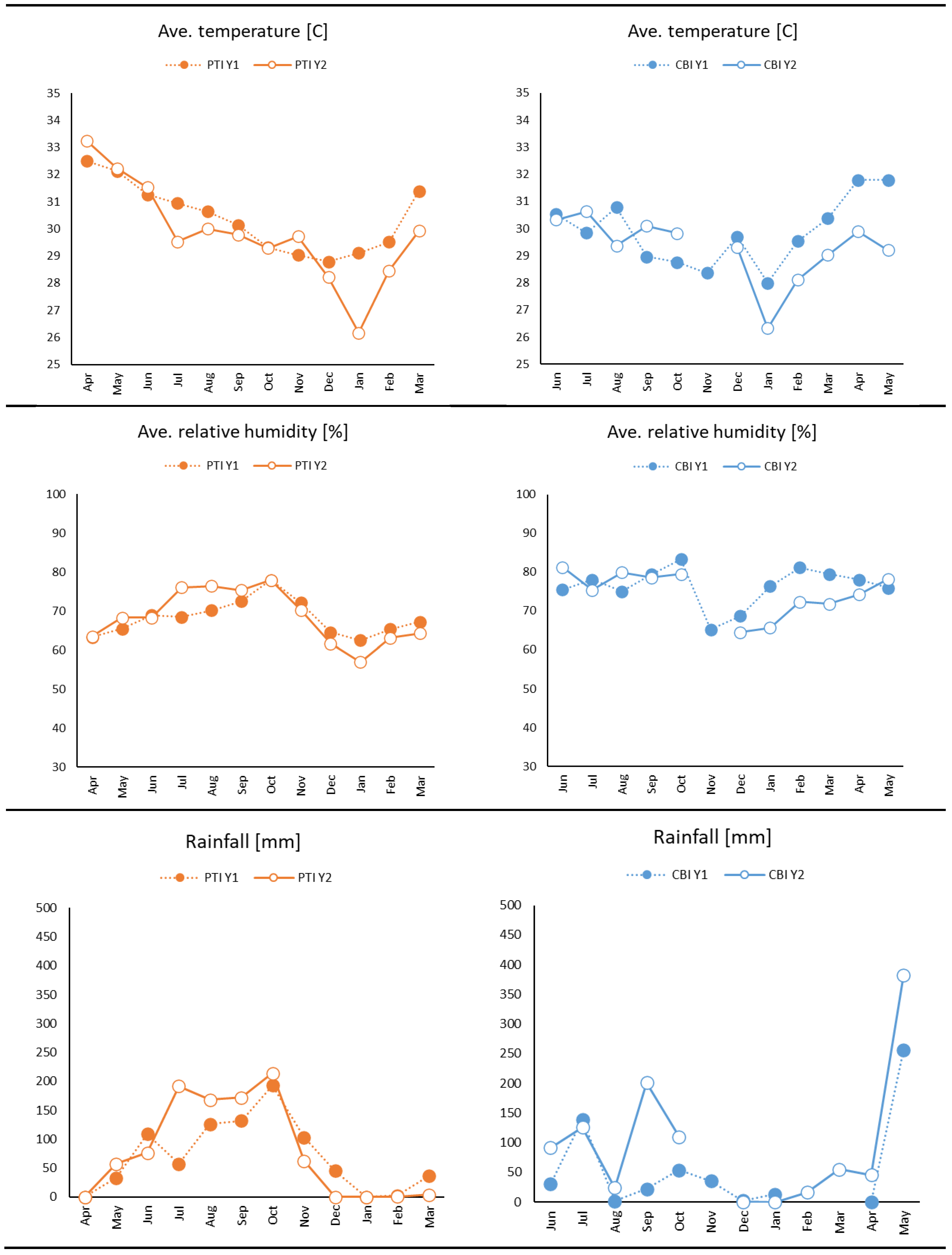
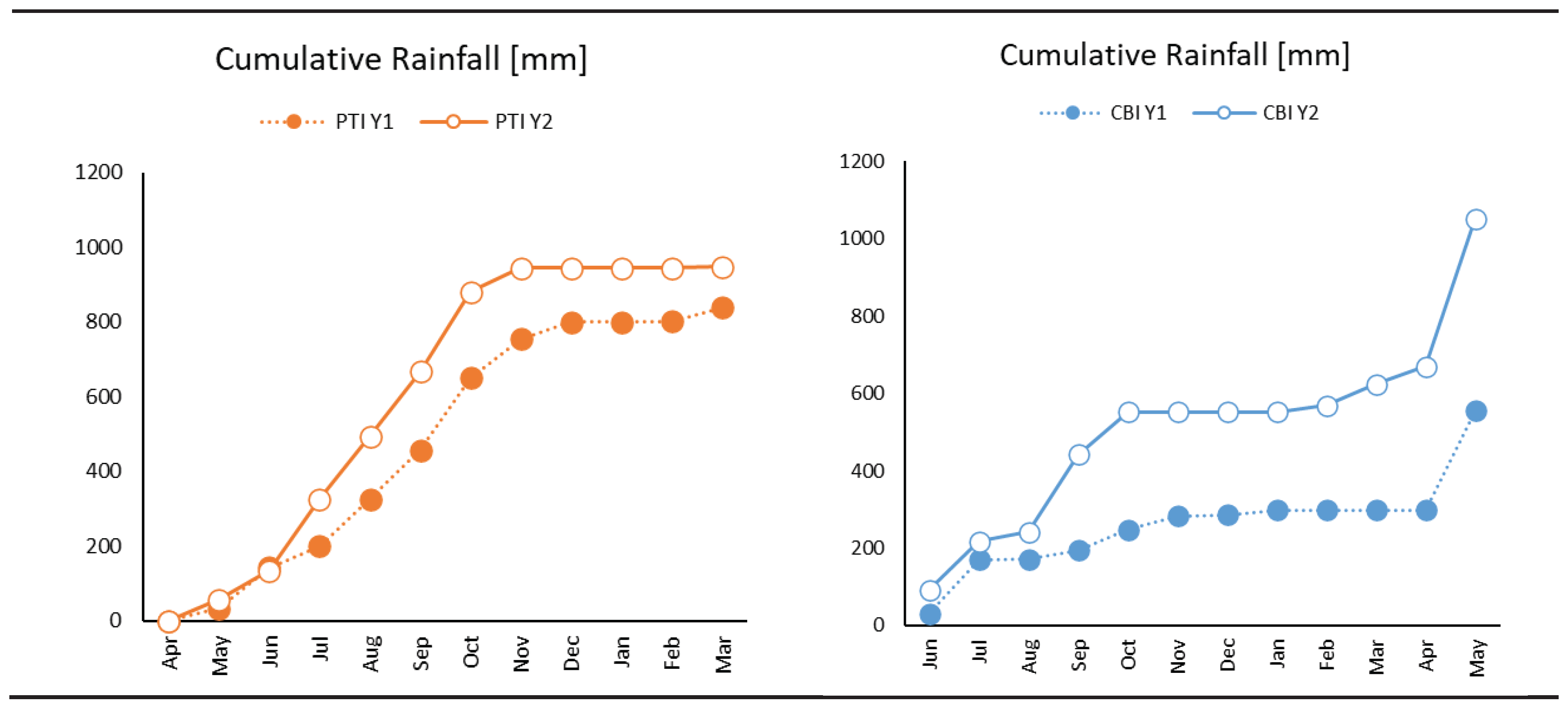
Figure 4.
Cumuative chlorid and sulfur dioxide deposition rates during 2-year exposure test at PTI and CBI.
Figure 4.
Cumuative chlorid and sulfur dioxide deposition rates during 2-year exposure test at PTI and CBI.
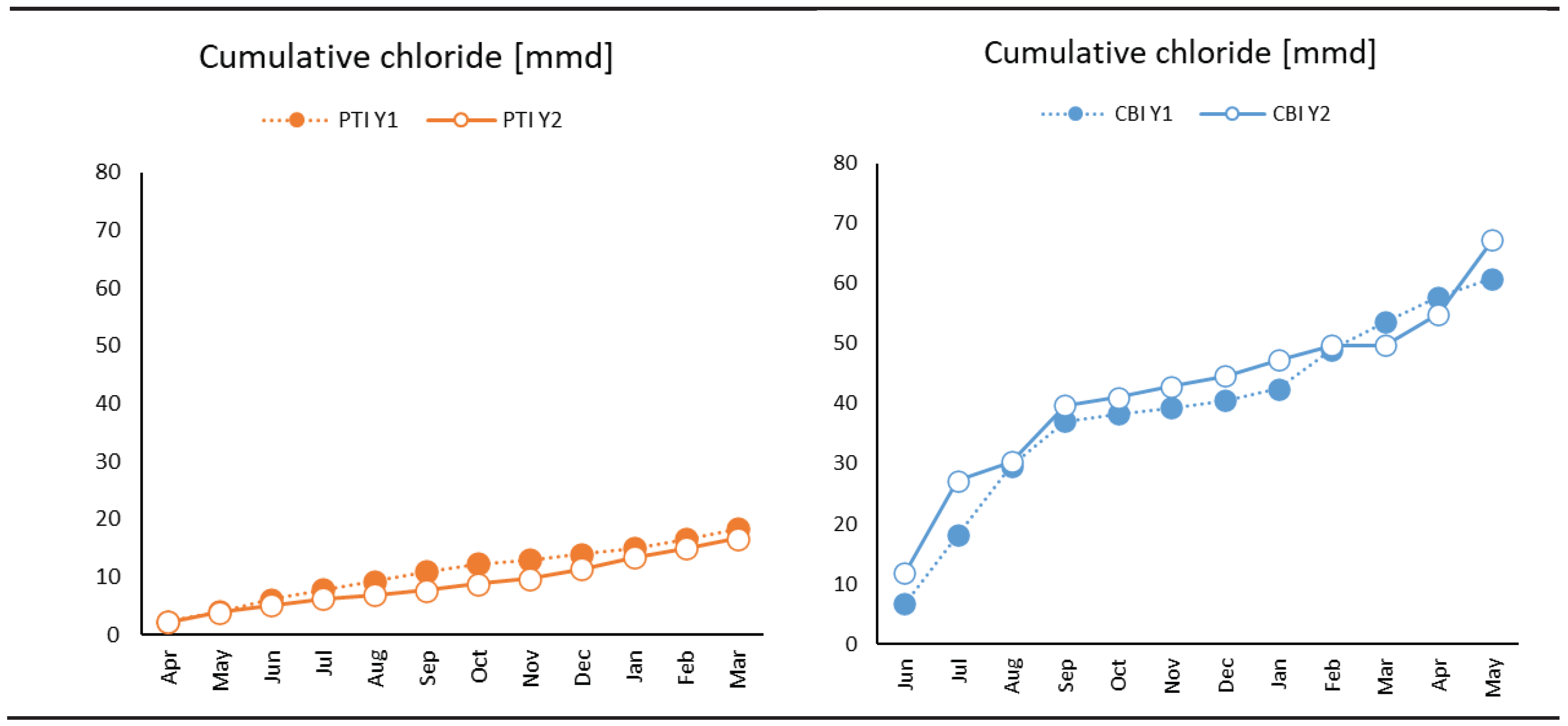
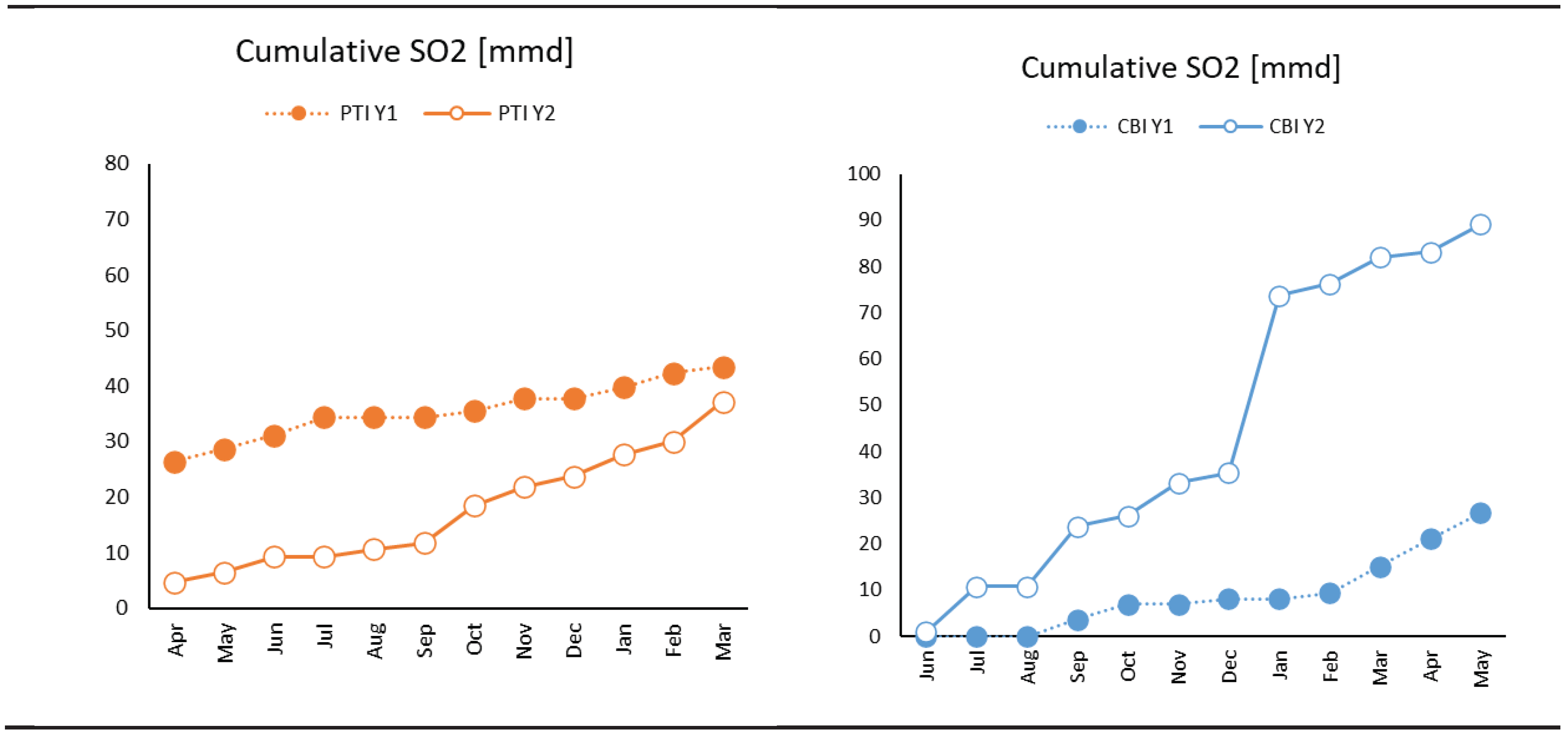
Figure 5.
Impedance of Coating 1-4.
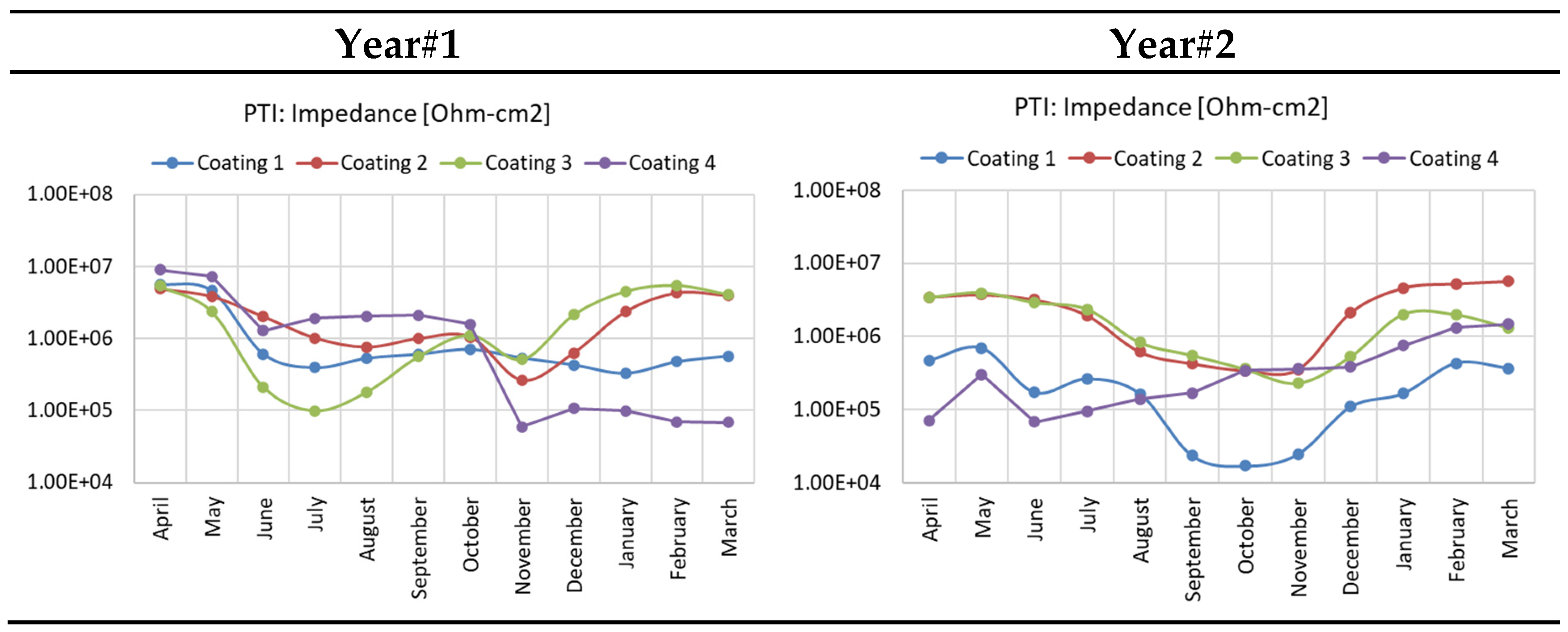
Figure 6.
Coating aging index results.
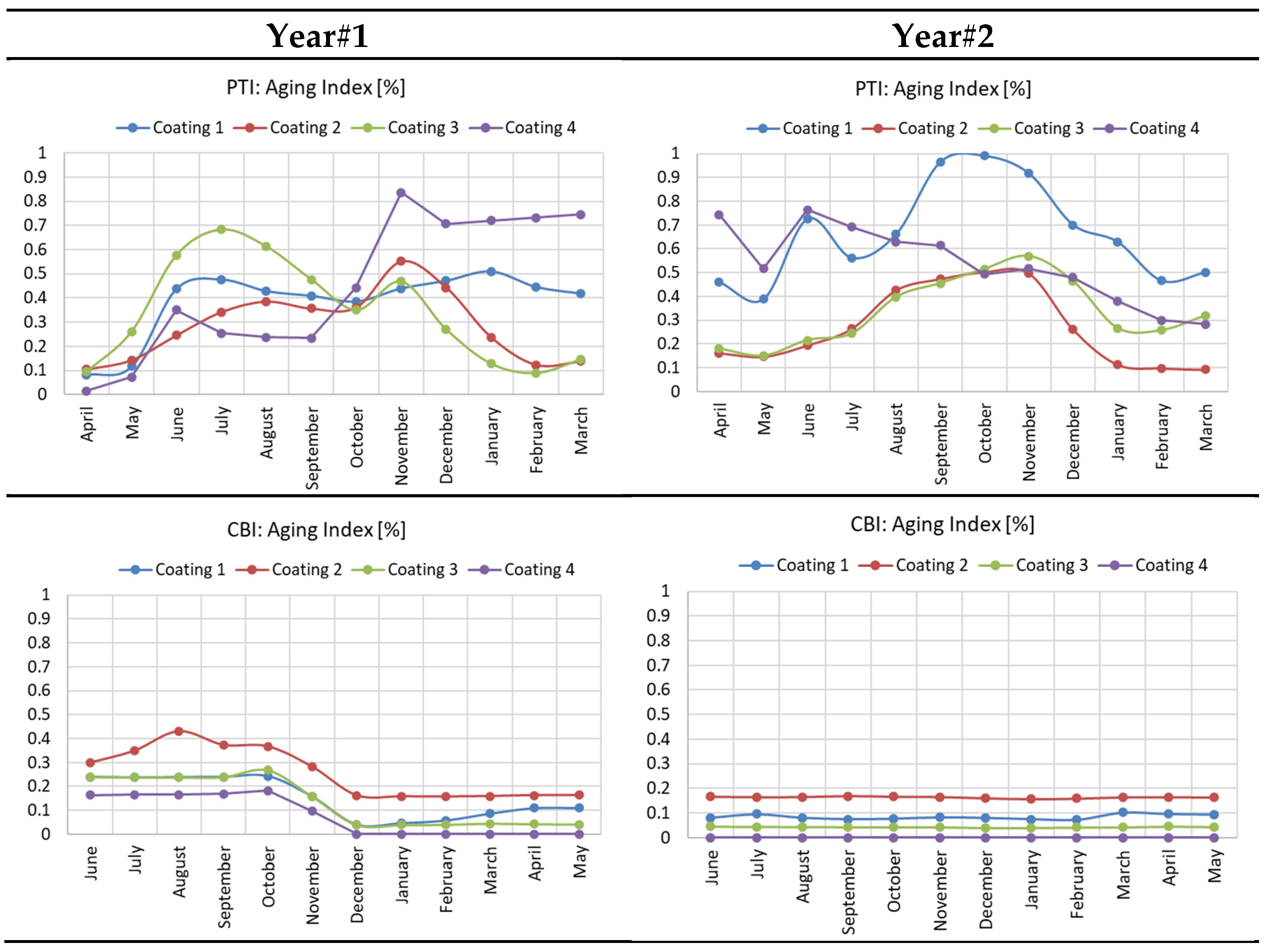
Figure 7.
Bode plots of coated coupon exposed for 6, 12, 18, and 24 months.
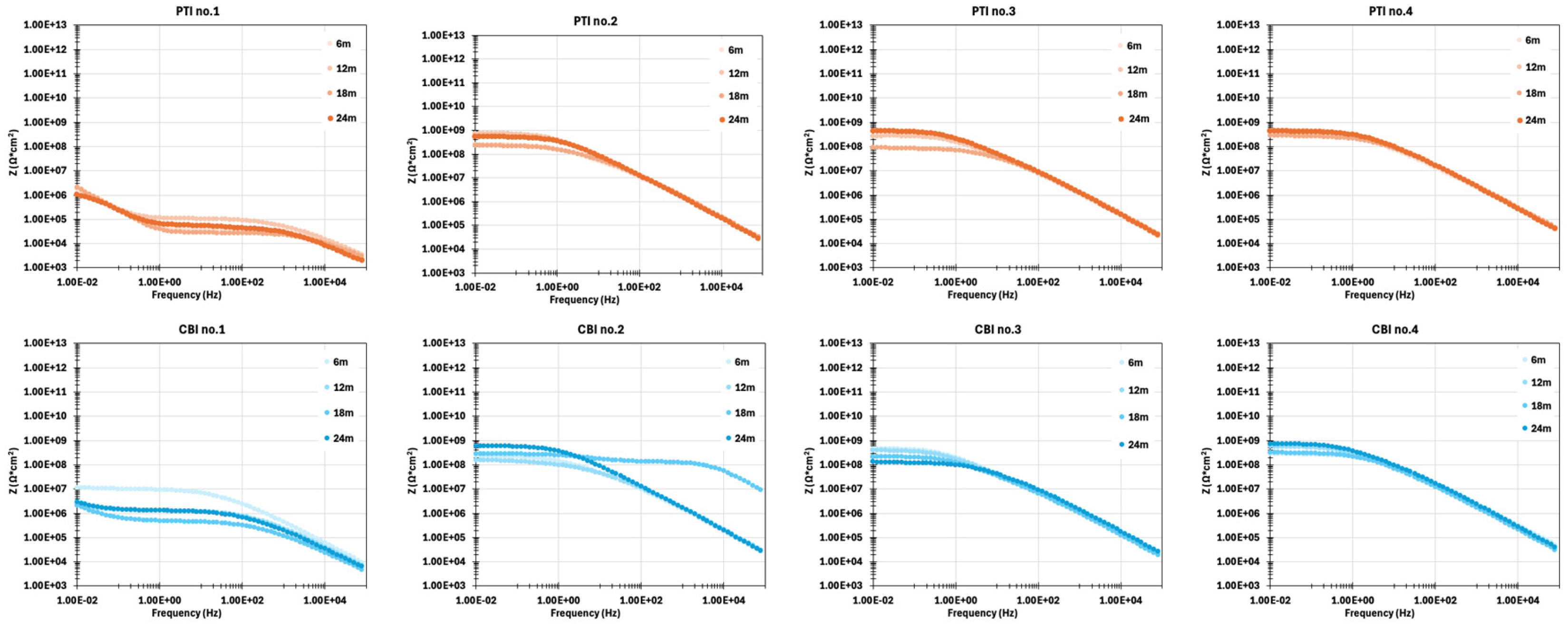
Figure 8.
Z|0.1Hz comparison between coupon and sensor.
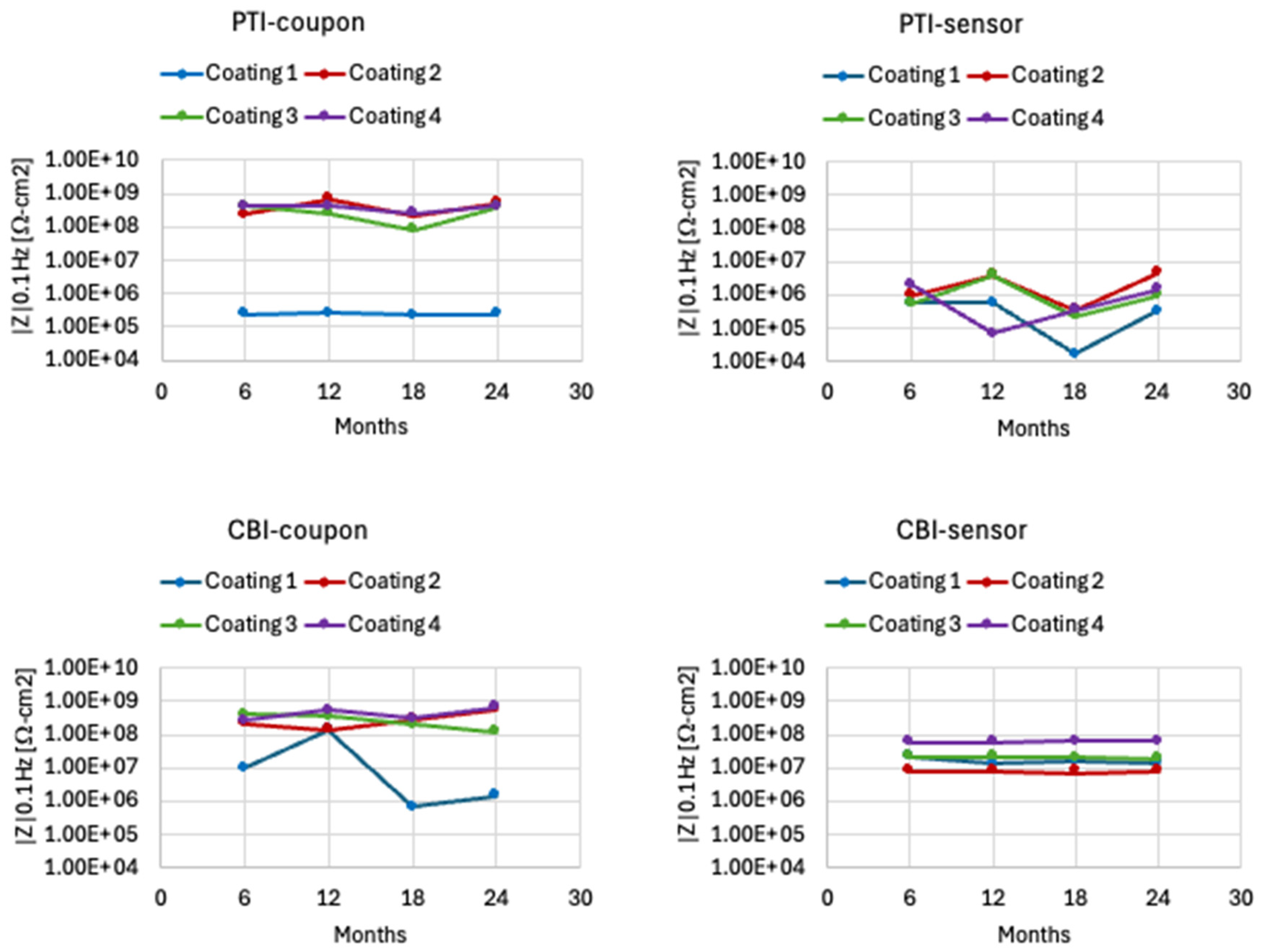
Figure 9.
Spearman’s rank correlation coefficients.
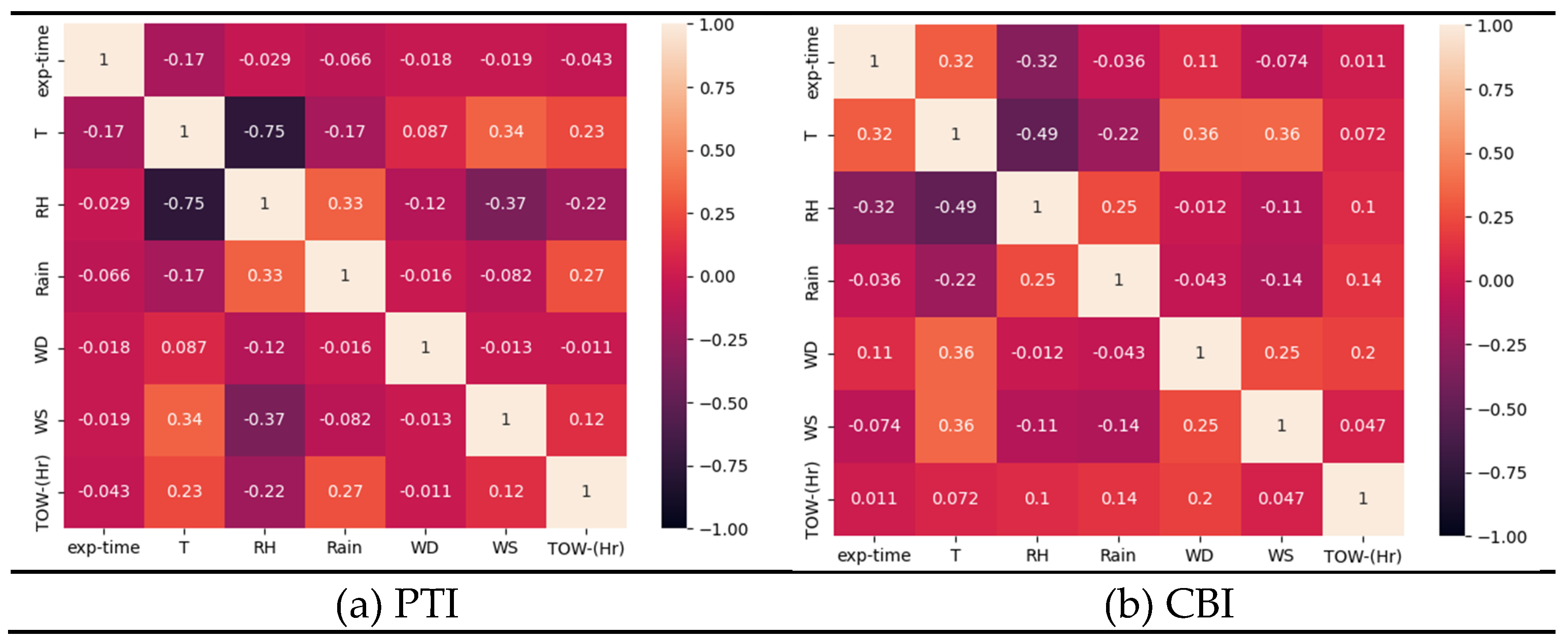

Table 1.
Information of exposure test sites.
| No. | ID | GPS | Corrosivity (carbon steel) |
Distance from the sea (km) |
|---|---|---|---|---|
| 1. | Pathum Thani (PTI) | 14°04′45.6”N 100°36′08.0”E | C2 | 64 |
| 2. | Chon Buri (CBI) | 13°16′29”N 100°55′28”E | C2-C3 | 0.4 |
Table 2.
Accuracy parameters from Random Forest model.
| Station | PTI | CBI | |||||
|---|---|---|---|---|---|---|---|
| Coating | 1 | 2 | 3 | 4 | 1 | 2 | 3 |
| MAE | 0.0142 | 0.0117 | 0.0176 | 0.0099 | 0.0138 | 0.0046 | 0.0052 |
| MSE | 0.0006 | 0.0004 | 0.0008 | 0.0003 | 0.0006 | 0.0001 | 0.0002 |
| R2 | 0.9872 | 0.9857 | 0.9777 | 0.9949 | 0.8878 | 0.9773 | 0.9775 |
| Cross validation R2 | 0.9524 | 0.9727 | 0.9638 | 0.9779 | 0.8374 | 0.9568 | 0.8670 |
Disclaimer/Publisher’s Note: The statements, opinions and data contained in all publications are solely those of the individual author(s) and contributor(s) and not of MDPI and/or the editor(s). MDPI and/or the editor(s) disclaim responsibility for any injury to people or property resulting from any ideas, methods, instructions or products referred to in the content. |
© 2026 by the authors. Licensee MDPI, Basel, Switzerland. This article is an open access article distributed under the terms and conditions of the Creative Commons Attribution (CC BY) license (http://creativecommons.org/licenses/by/4.0/).
Copyright: This open access article is published under a Creative Commons CC BY 4.0 license, which permit the free download, distribution, and reuse, provided that the author and preprint are cited in any reuse.


