

Submitted:
19 March 2026
Posted:
20 March 2026
You are already at the latest version
Abstract
There is a strong and growing need for low environmental impact, fluorine-free finishes that deliver durable water repellency and stain resistance to leather while preserving its original appearance. This work successfully addresses this need by introducing a simple, robust, and scalable two-step coating strategy that endows leather surfaces with excellent hydrophobic and self-cleaning properties. The process relies on a straightforward spray application of functionalized silica nanoparticles followed by a hydrophobic silane, namely hexadecyltrimethoxysilane (HDTMS), enabling precise control over surface properties through the number of applied layers. Comprehensive characterization by Fourier transform infrared spectroscopy (FTIR) and scanning electron microscopy with energy-dispersive X-ray spectroscopy (SEM–EDS) confirmed the effective formation and uniformity of the coating. Performance testing demonstrated excellent functional outcomes: the optimized coating achieved a water contact angle of 128° and maintained values above 125° even after abrasion, highlighting its durability. Treated leather exhibited resistance to common liquid stains such as tea and coffee, maintaining a clean surface. These functional gains were achieved without compromising the leather’s natural look or soft feel, even after multiple coating cycles. This work delivers a fluorine-free solution offering an effective route to high-value water- and stain-resistant leather finishes that respect both environmental and aesthetic requirements.
Keywords:
hydrophobic
; coating
; leather
; silica nanoparticles
; stain resistance
; silane
1. Introduction
Leather is one of the world's oldest and most used natural materials due to its extraordinary durability, flexibility, breathability, and natural texture. Its versatility enables it to be used in a wide range of applications, from footwear to clothing, fashion accessories, and furniture, especially when looking for a high-quality material [1,2].
During leather production, animal hides are transformed through a chemical process in which collagen chains cross-link, a process known as tanning [3,4,5]. This treatment chemically stabilizes collagen, imparting the material with enhanced durability and improving its mechanical and thermal resistance. Nevertheless, water permeability and the vulnerability to staining with common water-based products like tea, coffee, or juices, are still a challenge, due to the polar nature of collagen with amine, hydroxyl and carboxylic groups [6,7].
The ability to impart a hydrophobic character to a material has been extensively studied for fabrics. In this context, fluoride organic compounds proved to provide excellent hydrophobicity, with WCA in the hydrophobic (> 90°) [8,9] and superhydrophobic (> 150°) ranges [10], and excellent stain resistance. However, significant concerns have been raised regarding the release of fluoride compounds due to their environmental impact and toxicity [11,12,13]. To replace fluorochemicals, researchers have increasingly focused on safer and more environmentally friendly materials. These alternative approaches have achieved promising hydrophobic and even superhydrophobic performance on various substrates, including textiles, glass, and polymers.
Wang et al. [14] used a hybrid TEOS/GPTMS (Tetraethylorthosilicate/ glycidyloxypropyltrimethoxysilane) coating system followed by the grafting of a hexadecyltrimethoxysilane (HDTMS) layer to obtain superhydrophobic coatings on cotton, wool, and polyester fabrics. The polyester and cotton fabrics maintained their superhydrophobic character after 40 washing cycles, while the wool-treated surface decreased the WCA to 110°. Abbas and co-authors [15] combined the utilization of TEOS and HDTMS with ethylenediaminetetraacetic acid (EDTA) to improve the coating's stability through the formation of ester bridges between the cotton and the n-SiO2/HDTMS layer. A superhydrophobic cotton surface was obtained that maintained a 145° WCA after 12 washing cycles.
Several authors have also explored biomolecule-based hydrophobic agents, improving sustainability by introducing safer, bio-derived alternatives into coating formulations. Patil et al. [16] combined the application of anisotropic n-SiO2 with the cellulose grafting of heptanoic anhydride to reach WCA above 150° for cotton. Razavi and co-authors [17] describe the fabrication of superhydrophobic surfaces from the esterification reaction between the hydroxyl groups of copper oxide and the two natural fatty acids, myristic and cinnamic acid.
However, investigation into the development of hydrophobic coatings for leather remains scarce, with researchers attempting to transpose methods developed for fabrics. The work proved challenging because leather is subjected to extensive chemical processing, which limits the availability and reactivity of collagen functional groups for chemical bonding. On the other hand, treatments involving temperatures above 100-120 °C are ruled out because of leather degradation. Mahltig et al. [18] functionalized n-SiO2 particles with three hydrophobic agents, two of them fluor-based alkyl silanes, and applied the silica sols on leather by using a rolling process. The WCA reached 100° but, after abrasion, all materials became hydrophilic (WCA < 50°). Ma et al. [19] tested a two-step method where the leather was first sprayed with either polyacrylate or polyurethane emulsions, followed by spraying with an ethanolic dispersion of hydrophobic n-SiO2 (non-disclosed composition). The WCA remained relatively stable above 140° after 60 minutes of water contact, and WCA increased up to 170° after the deposition of six layers of n-SiO2. However, the coating showed poor mechanical robustness.
More recently, Fierro and co-authors [20] developed a hydrophobic coating with self-cleaning and anti-bacterial properties, also showing improved abrasion resistance and color stability, when compared with uncoated leather. These remarkable properties were achieved by using Ag-TiO2-SiO2 nanoparticles obtained in a multi-step, complex synthesis process. A different approach was used by Feng [21] and Ruzafa-Silvestre [22] who used plasma polymerization of vinyltriethoxysilane and hexamethyldisiloxane on leather, respectively, to achieve hydrophobicity. WCA values were 140° and 158°, and Ruzafa-Silvestre claimed that the plasma treatment doesn't change the leather's appearance. The mechanical properties of the coating were not tested. The disadvantage of this process is the expensive equipment needed to perform the coating. In conclusion, further research is still needed to develop non-fluoride coatings that combine simplicity, efficiency, and robustness with environmentally friendly characteristics.
This work describes the development of a simple and innovative hydrophobic and self-cleaning coating for leather. A two-step approach was adopted in which TEOS was hydrolyzed to produce n-SiO2 particles that were capped with GPTMS and applied to the leather substrate using a spray coating technique. GPTMS was added, aiming at improving the leather-silica bonding and hydrophobicity, following the works of Wang [23] and Zhu [24]. Next, a solution of HDTMS was sprayed onto the silica-treated surface to impart hydrophobicity to the leather. The spray coating technique provides several advantages, including little waste generation, ease of application, uniform surface coverage, and straightforward scalability for industrial implementation. Furthermore, the mild conditions under which spray coating is performed in this work help preserve the leather's integrity.
2. Materials and Methods
2.1. Materials
Tetraethyl orthosilicate (98 %) and hexadecyltrimethoxysilane (85 %) were purchased from Sigma-Aldrich (Germany). Ammonium hydroxide (NH4OH, 28 %) and ethanol absolute (EtOH, 99.8 %) were purchased from VWR Chemicals (Germany), 3-glycidoxypropyl-trimethoxysilane (GPTMS, 98 %) was obtained from abcr GmbH (Germany) and acetic acid (glacial, 100 %) was from Merck (Germany). All chemicals were used as received, without further purification. Wet blue leather samples were supplied by a local tannery.
2.2. Preparation of GPTMS-TEOS Hybrid Solution
Sol-gel hybrid TEOS-GPTMS coatings were prepared according to the Stöber method, using ammonia as the catalyst, adapted and modified from Schramm et al. [25]. In summary, 1 mL of NH4OH was mixed with 50 mL of ethanol and, under magnetic stirring, 1 mL of TEOS and an equimolar amount of distilled water were added to the solution. Stirring continued for 2 h to form a transparent silica sol exhibiting a characteristic light blue color. Afterwards, GPTMS was introduced with different TEOS/GPTMS molar ratios of 3.0, 1.0 and 0.6 to functionalize the n-SiO2. The hybrid sols were stirred for an additional 4 h to form the coating solution.
2.3. Preparation of HDTMS Solution
HDTMS (3 mL) was slowly added to a solution containing 87.3 mL of ethanol and 9.7 mL of distilled water. The pH was maintained at 4 by adding acetic acid. Thereafter, the solution was stirred for 1 h to complete the HDTMS hydrolysis.
2.4. Leather Surface Coating
The leather surface was wiped with a cleaning solution with the following composition: H2O / 99.7 wt% C2H5OH / 28 wt% NH4OH, 85 / 10 / 5, v / v / v [26].
After an initial drying step, the leather samples were repeatedly spray-coated with the functionalized n-SiO₂ suspension, with each layer subsequently cured at 100 °C for 30 min. Afterward, the hydrolyzed HDTMS solution was applied in successive spray depositions onto the functionalized leather surface, with each HDTMS layer dried at 110 °C for 1 hour. The spray gun was operated at 2.5–3.5 bar and positioned approximately 20 cm from the leather. A schematic of the experimental procedure is depicted in Figure 1.
2.5. Abrasion Testing
The durability of the coated samples was tested by cyclic mechanical abrasion using a custom-made crockmeter. A 3 cm x 4 cm leather sample was glued with a double-face scotch on the base of a steel cube. The steel block was placed on a polishing cloth, with the leather sample facing the cloth, and the block was moved with a stroke length of 20 cm and a stroke speed of 20 cycles/min. The applied pressure on the leather was 15 kPa.
2.6. Stain Resistance Evaluation
Stain resistance tests for coffee and tea were conducted separately on the leather. A drop of each staining substance was applied to the test specimens, which were then left for 10 minutes before being dried at room temperature.
2.7. Characterization Procedures
The particle size distribution of n-SiO2 was analyzed by Dynamic Light Scattering (DLS) using a Zetasizer Advance (Malvern Panalytical Instrument, UK).
The SEM / EDS analyses were performed using a FEI Quanta 400 FEG ESEM / EDAX Genesis X4M Scanning Electron Microscope (FEI Company, USA) with X-Ray Microanalysis and Electron Backscattered Diffraction analysis. All samples were previously coated with an Au/Pd thin film by sputtering for 100 s, using the SPI Module Sputter Coater equipment.
Changes in surface chemistry of the coated samples were analyzed using a Fourier transform infrared spectrometer (JASCO FT/IR-4100, JASCO EUROPE, Italy) equipped with an attenuated total reflection (ATR) accessory and the Spectra Manager software. Spectra analysis was performed with Spectragryph, Optical spectroscopy software.
Static WCA was measured by the sessile drop method at room temperature using a tensiometer Attention® Theta Lite (Biolin Scientific, Gothenburg, Sweden) with OneAttension® software version 4.0.2. Deionized water droplets of 5 μL were deposited on the surface and the contact angle was measured immediately after droplet deposition and after 5 minutes. All the reported WCA values represent the average (with standard error) of five different measurements obtained on each sample surface.
2.8. Statistical Analysis
All data were presented as mean values ± standard deviation (S.D.). Data comparison was conducted using IBM SPSS Statistics 30.0 (SPSS Inc., Chicago, USA). The significance of the differences in the data was established using a one-way analysis of variance (ANOVA) followed by Tukey's multiple-comparison test. Statistical significance was set at p < 0.05.
3. Results
3.1. Particle Size Distribution
Particle size analysis was first conducted to evaluate the dispersion of the n-SiO₂ particles prior to application. The Dynamic Light Scattering (DLS) results indicate a Z-average hydrodynamic diameter of 41.4 nm, with a polydispersity index (PDI) of 0.2719, suggesting a moderately polydisperse nanoparticle suspension, Figure 2 [27,28]. The distinct minor peak at 8–12 nm may result from the combination of rapid TEOS addition and slow agitation, which increased local supersaturation and triggered burst nucleation, producing many small silica nuclei [29,30].
3.2. Morphological and Chemical Analysis of the Coated Leather Surface
The addition of TEOS to an ethanol–NH₄OH solution led to the hydrolysis of TEOS, followed by condensation and formation of silica nuclei that grew to form silica nanoparticles. The equimolar water concentration helped maintain the right balance between hydrolysis and condensation, thereby governing nucleation rate and growth kinetics to achieve a controlled particle growth. In the subsequent step, the hydrolyzed GPTMS preferentially grafts onto the silica nanoparticles, as steric hindrance of the glycidyl group limits GPTMS homocondensation [31], see Figure 3.
Figure 4 presents the FTIR spectra of uncoated leather, as well as leather with a 10-layer coating, alongside the spectra of silica (resulting from TEOS hydrolysis), GPTMS, and HDTMS for comparison. From the FTIR spectrum of uncoated leather, it is possible to identify a broad band at 3500 cm-1, assigned to O-H stretching from adsorbed water and collagen hydroxyl, and a band at 3313 cm-1 assigned to N-H stretching from collagen amide groups [32]. The bands at 2923 and 2848 cm-1 are assigned to C–H stretching (aliphatic, CH₂, CH₃) of collagen chains and, eventually, fatty acids used to process leather; the absorptions at 1700-1500 cm-1 correspond to amide I and II bands of collagen [32], the band at 1030 cm-1 corresponds to C-O vibration of either collagen or tannins that are often present in leather [33], and the band at 1455 cm-1 is assigned to C-H bending [32].
In the spectrum of the 10-layer coated leather, all characteristic leather bands remain clearly visible, evidencing the presence of a very thin coating. The bands at 1080 cm-1 and 452 cm-1 are assigned to the Si-O-Si stretching of silica and reveal the presence of n-SiO2 [34]. It is also worth noting that the band at 1188 cm⁻¹, attributed to the asymmetric stretching of Si–O–CH₃ in HDTMS and GPTMS [35] is absent in the spectrum of the coated leather, suggesting that the hydrolysis of both GPTMS and HDTMS was complete, see Figure 4. Similarly, the characteristic epoxy band of GPTMS at 906 cm⁻¹ [36] is barely visible in the coatings, suggesting that the epoxy group has also reacted—likely contributing to the grafting of n-SiO₂ to the leather surface through nucleophilic attack from the carboxyl collagen groups, although this cannot be proved from the FTIR data alone.
To assess the coated leather’s surface morphology and chemical composition, a scanning electron microscope equipped with energy-dispersive X-ray spectroscopy (SEM-EDS) analysis was employed, as shown in Figure 5. In the spectrum of untreated leather (Figure 5a), the significant elements detected include carbon (C) and oxygen (O), which are ascribed to the organic nature of leather. The presence of minor peaks, such as those for silicon (Si), aluminum (Al), and iron (Fe), indicates the presence of trace impurities or naturally occurring elements within the leather substrate. In contrast, the coated sample (Figure 5b) shows a significantly increased silicon signal in the EDS spectrum, consistent with an effective deposition process of the silica-based coating. After deposition of the coating film on the leather samples, a decrease in the carbon signal was observed, which suggests that the carbon-rich leather substrate is partially masked by the inorganic coating layer [20].
The SEM image of the uncoated leather, shown in Figure 5a, reveals the typical fibrous structure of collagen, characterized by a rough and uneven texture and visible pores, which are typical of natural leather and provide breathability and flexibility. On the other hand, in the coated specimens shown in Figure 5b, a slightly smoother surface with less-defined leather fibers is observed, pointing to the formation of a surface film. Nevertheless, the pores remain clearly visible, suggesting that the leather should retain its breathability. In some areas, rough, irregular structures composed of n-SiO₂ particle aggregates can be seen, leading to multi-scale roughness, as shown in the inset of Figure 5b, a key factor in achieving hydrophobicity [15].
3.3. Surface Wettability
The WCA measurements on leather are challenged by its fibrous, rough surface and porosity, which impair accurate baseline detection and induce contact line pinning and hysteresis. Protruding collagen fibers can exert unpredictable forces on droplets, compromising advancing/receding angle data [37]. To increase consistency, we therefore report only WCA values using 5 µL water droplets.
GPTMS was added to silica with the dual purpose of bridging silica to the leather surface hydroxyl groups and increasing the WCA. Different TEOS/GPTMS molar ratios of 3.0, 1.0, and 0.6 were employed to investigate the effect of GPTMS on wettability, as shown in Figure 6. A TEOS/GPTMS molar ratio of 1.0 was found to yield the highest WCA, and a further increase in the GPTMS amount resulted in a significant reduction in the WCA values. Therefore, only coatings prepared with TEOS/GPTMS molar ratio of 1.0 were further studied. Schramm and al. achieved similar results using cotton as substrate, but the WCA decrease was not as significant [25].
The observed increase in WCA with decreasing TEOS/GPTMS ratio can be attributed to the masking of the silanol (hydrophilic) groups by the organic, low surface energy groups (epoxy, propyl) of GPTMS. However, an excess of GPTMS will likely promote some homocondensation, leading to the formation of disordered organosilane domains, due to the asymmetric trifunctional structure (only three hydrolysable groups) and the presence of the bulky glycidyl group. Hypothetically, this will expose polar oxygen-rich groups, leading to an increase in the WCA. Consequently, the 1.0 ratio achieves an optimal balance, yielding higher and more consistent WCA values.
Figure 7 presents the WCA values of uncoated leather substrates and those spray-coated with an increasing number of layers. To assess short-term water repellency, measurements were repeated after 5 minutes. Leather substrates, without any modification, exhibited a mean WCA of 87° ± 4°, underscoring their inherent hydrophilicity. This low value is expected, as the leather’s natural, porous, fibrous structure provides strong sites for water adsorption, associated with polar amine, hydroxyl, and carboxylate groups. With a single coating layer, the measured WCA increased to 107° ± 4°. This increase suggests that even a thin coating is enough to modify the surface energy sufficiently to create a more water-repellent interface, albeit with incomplete surface coverage. Increasing the number of sprayed layers further improved surface coverage and, therefore, hydrophobicity. The WCA measured after 5 minutes revealed minimal variation, indicating good stability of the hydrophobic performance over time. Statistical analysis revealed that as additional layers were applied, the WCA increased significantly (p < 0.05) until it reached 127 ° in the fourth layer, after which it plateaued. The increase in WCA with the number of coating layers arises from two main factors. First, multilayer deposition enhances surface coverage by HDTMS hydrophobic groups; second, the stacking of silica particles from multilayer deposition generates hierarchical micro-/nano-scale roughness, which traps air and favors a Cassie–Baxter wetting regime [38], thereby resulting in a higher WCA. Higher surface coverage is likely to promote the filling of leather pores (see Figure 5), with a low impact on roughness or in WCA.
Ma et al [19] also studied the effect of a multilayer hydrophobic n-SiO2 coating on the WCA of leather substrates. The authors concluded that a single layer allowed to reach a WCA of 128 °, which increased to 170 ° for an eight-layers coating, beyond which the WCA slightly decreased, in line with the present results. Mahltig et al [18] and Ferri [23] also used silane chemistry to obtain hydrophobic sols, used to coat the leather surface. They reported water contact angles of 117° and 120°, respectively, after a single applied layer, and Ferri noted that applying a second layer did not further increase the WCA. Mahltig reported that the WCA decreased to below 100° after abrasion testing, while Ferri observed that, for all formulations except the fluorine-based one, water was absorbed by the leather within ten minutes.
The thickening of the coating with increasing number of deposited layers can be confirmed from analyses of the morphologies of coated leather surfaces with different numbers of layers, as shown in the SEM images in Figure 8. The uncoated surface, Figure 8a, exhibits the natural structure of leather, characterized by prominent fibers and a porous network. After applying a single layer, the pores and fibers are still visible, yet there is evidence of partial coverage, suggesting that the coating material has begun to deposit, leading to a slight smoothing of the surface and the emergence of a new texture, as shown in Figure 8b. In Figure 8c and Figure 8d, with two and three layers, respectively, the cumulative coating deposition leads to increased uniformity and reduced visibility of the underlying fibers. The surface appears to be more continuously covered. From four layers onwards, Figure 8e, the coated surface becomes more balanced, with reduced fiber visibility, indicating the formation of a thin coating layer that effectively covers the leather surface. Although subtle differences can still be observed between, for example, the four- and ten-layer coatings, these differences are minimal. In summary, the transformation in morphology—from a porous, fibrous structure in uncoated leather to a porous, uniformly coated surface with multiple layers—reflects the thickness of the coating.
3.4. Abrasion Resistance
An important aspect of this investigation regarded the evaluation of the mechanical robustness of the hydrophobic coating. To this end, abrasion tests were performed to simulate the wear that leather experiences during regular use. The SEM images in Figure 9 illustrate the morphological evolution of the four-layer coating on leather, without abrasion, and subjected to an increasing number of abrasion cycles (10, 20, 30, 40, and 50). Despite the appearance of microscopic surface irregularities after several abrasion cycles, the treated leather preserved a stable WCA, demonstrating the robustness of the coating. The persistence of high WCA values, ranging from 126 to 130° after abrasion, suggests that the coating is well-adhered to the leather surface and capable of withstanding friction without significant degradation of its hydrophobic properties.
This improved mechanical durability is likely due to both the physical interlocking of the nanoparticles, facilitated by the roughened surface topography [39], the eventual chemical bonding between the carboxyl groups of collagen and the ether group of GPTMS compounds and the hydrogen bonding between the amine, carboxyl and hydroxyl groups of collagen and exposed silanol surface groups. Comparatively, Mahltig [18], who also used a silica/hydrophobic silane approach, reported a sharp decrease of the WCA to 50° after abrasion. Abrasion resistance has been a critical parameter in several studies, and our finding that the WCA remains stable even after mechanical abrasion is a promising indication of the coating’s long-term durability in practical applications.
3.5. Stain Resistance
The stain resistance of the coated leather was evaluated using tea and coffee, two common household staining agents known for their intense pigmentation. Both tea and coffee are polar liquids that readily interact with collagen's polar functional groups, leading to rapid absorption via capillary action. Subsequently, the chromophoric polyphenols in these liquids strongly bind to collagen, resulting in permanent staining. The C-16, outward-oriented HDTMS chains should form a compact, low surface energy coating that repels polar liquids and suppresses capillary action. The aim of this study was to assess the HDTMS-coated leather surface's resistance to staining relative to untreated leather.
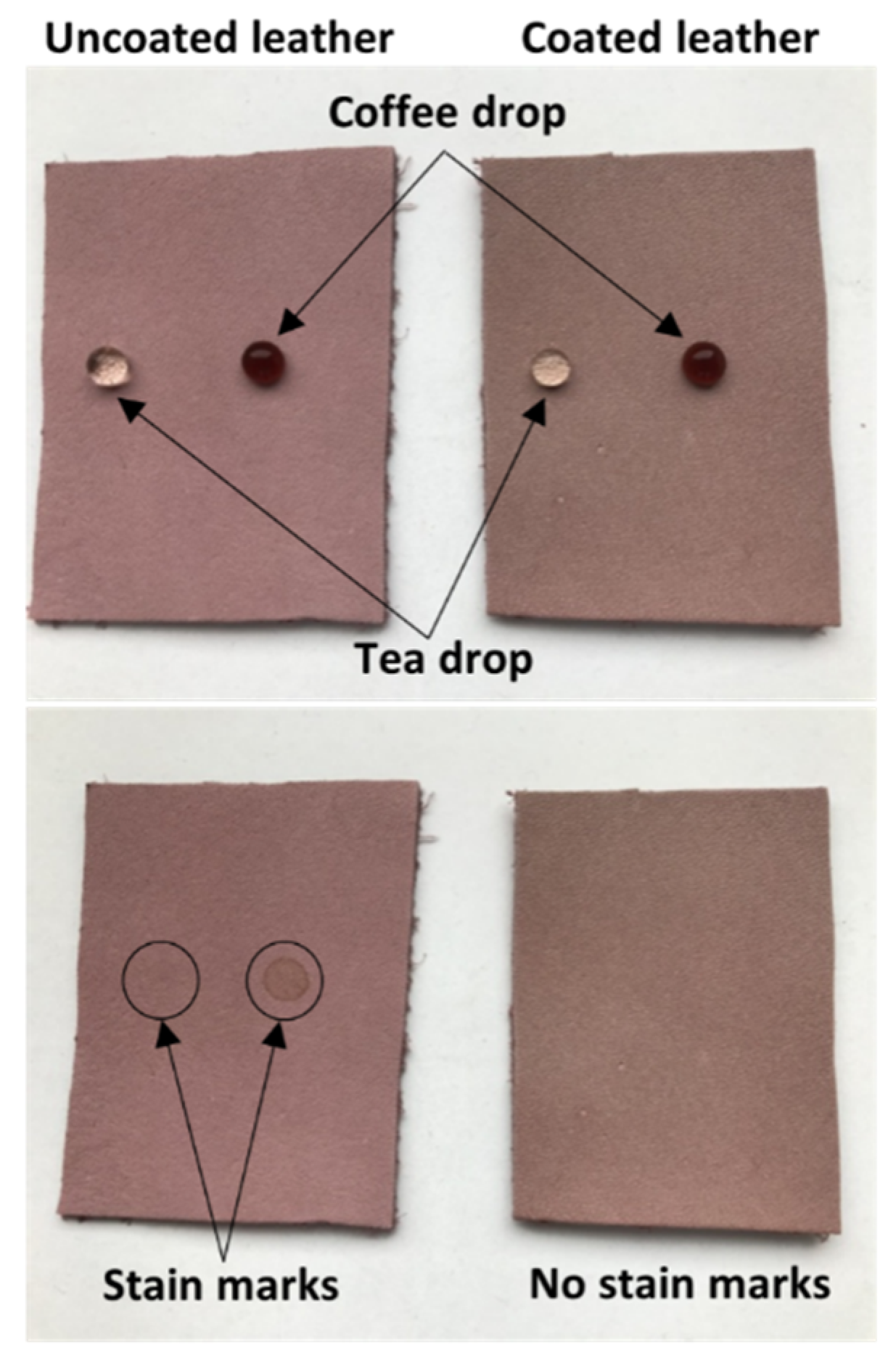
For these tests, defined droplets of tea and coffee were applied to the leather surface and allowed to remain for 10 minutes. Visual inspection revealed that neither staining agent produced any visible marks on the surface of the coated samples, as exemplified in Figure 10.
The test outcome indicates that the hydrophobic coating not only repels water but also prevents the adhesion of complex liquids that could otherwise penetrate the porous leather matrix. This phenomenon is particularly important for practical applications where leather products are exposed to various staining agents during use, such as clothing and other leather goods, car seat upholstery, and similar products. The absence of visible stains indicates that the coating successfully minimizes liquid penetration and retains its functionality, even after extended contact periods [40].
4. Conclusions
The present study demonstrates a novel, simple, and straightforward two-step coating process that significantly enhances the hydrophobic and self-cleaning properties of leather substrates. The process involves spraying the leather surface with a GPTMS functionalized nano-SiO₂ particle dispersion, followed by pulverization with a hydrophobic silane (HDTMS) solution, thereby creating a robust, hierarchical surface structure that promotes water repellency.
The excellent stain resistance of the coated leather was evidenced by its ability to successfully repel common staining agents such as tea and coffee and the sustained hydrophobic WCA under mechanical stress indicates that the coating is mechanically stable on the leather substrate.
In conclusion, this work demonstrates that the use of nanostructured GPTMS/SiO₂-based coatings applied via a multilayer spray process enhances hydrophobicity, mechanical robustness, and stain resistance in leather substrates without affecting the appearance or touch of the original leather. The developed coating process offers a scalable, environmentally sustainable approach to enhancing leather's protective finish, thereby improving its durability and preserving both its aesthetic and functional properties.
Author Contributions
Conceptualization, S.A.F.N. and C.F.; methodology, S.A.F.N., M.A.L. and S.P.; investigation, S.A.F.N.; data curation, S.A.F.N. and M.F.A.; writing—original draft preparation, S.A.F.N.; writing—review and editing, S.P., M.A.L., C.F. and M.F.A.; supervision, C.F. and M.A.L. All authors have read and agreed to the published version of the manuscript.
Funding
This work was financially supported by BioShoes4All—“Inovação e capacitação da fileira do calçado para a bioeconomia sustentável”—funded by the European Union/Next-Generation EU in the scope of the Recovery and Resilience Program through the “Fundo Ambiental” and through the project UIDB/50006/2020 | UIDP/50006/2020, through national funds.
Data Availability Statement
The authors confirm that the data supporting the findings of this study are available within the article.
Acknowledgments
The authors would like to acknowledge CEMUP (Centro de Materiais da Universidade do Porto) for SEM analysis.
Conflicts of Interest
The authors declare that they have no known competing financial interests or personal relationships that could have appeared to influence the work reported in this paper..
References
- Muthukrishnan, L. Nanotechnology for Cleaner Leather Production: A Review. Environ. Chem. Lett. 2021, 19, 2527–2549. [CrossRef]
- Wang, H. Advantages of Animal Leather over Alternatives and Its Medical Applications. Eur. Polym. J. 2024, 214, 113153. [CrossRef]
- Tournier, R. Tanning Chemicals’ Influence in Leather Tensile and Tear Strength Review. JOURNAL OF THE AMERICAN LEATHER CHEMISTS ASSOCIATION 2020, 115, 409–412.
- Ding, W.; Liao, X.P.; Zhang, W.H.; Shi, B. Dechroming of Chromium-Containing Leather Waste with Low Hydrolysis Degree of Collagen. JOURNAL OF THE SOCIETY OF LEATHER TECHNOLOGISTS AND CHEMISTS 2015, 99, 129–133.
- Bhavya, K.S.; Raji, P.; Jenifer Selvarani, A.; Samrot, A. V.; Javad, P.T.M.; Appalaraju, V.V.S.S. Leather Processing, Its Effects on Environment and Alternatives of Chrome Tanning. International Journal of Advanced Research in Engineering and Technology 2019, 10, 69–79. [CrossRef]
- Prochon, M.; Marzec, A.; Dzeikala, O. Hazardous Waste Management of Buffing Dust Collagen. Materials 2020, 13. [CrossRef]
- Narayanan, P.; Janardhanan, S.K. An Approach towards Identification of Leather from Leather-like Polymeric Material Using FTIR-ATR Technique. COLLAGEN AND LEATHER 2024, 6. [CrossRef]
- Wang, Y.; Baheti, V.; Khan, M.Z.; Viková, M.; Yang, K.; Yang, T.; Militký, J. A Facile Approach to Develop Multifunctional Cotton Fabrics with Hydrophobic, Self-Cleaning and UV Protection Properties Using ZnO Particles and Fluorocarbon. Journal of the Textile Institute 2022, 113, 2238–2248. [CrossRef]
- Mondal, S.; Pal, S.; Maity, J. Hydrophobic Thin Fluoropolymer Coating on Cotton Surfaces. International Journal of Polymer Analysis and Characterization 2018, 23, 376–382. [CrossRef]
- Shim, M.H.; Kim, J.; Park, C.H. Development of Superhydrophobic Fabrics by Surface Fluorination and Formation of CNT-Induced Roughness. Medziagotyra 2015, 21, 68–73. [CrossRef]
- Schellenberger, S.; Hill, P.J.; Levenstam, O.; Gillgard, P.; Cousins, I.T.; Taylor, M.; Blackburn, R.S. Highly Fluorinated Chemicals in Functional Textiles Can Be Replaced by Re-Evaluating Liquid Repellency and End-User Requirements. J. Clean. Prod. 2019, 217, 134–143. [CrossRef]
- Mohseni, M.; Far, H.S.; Hasanzadeh, M.; Golovin, K. Non-Fluorinated Sprayable Fabric Finish for Durable and Comfortable Superhydrophobic Textiles. Prog. Org. Coat. 2021, 157. [CrossRef]
- Grover Wankhede, R.; Thanawala, K.; Khanna, A.; Birbillis, N. Development of Hydrophobic Non-Fluorine Sol-Gel Coatings on Aluminium Using Long Chain Alkyl Silane Precursor. J. Mater. Sci. Eng. A 2013, 3, 224–231.
- Wang, H.; Ding, J.; Xue, Y.; Wang, X.; Lin, T. Superhydrophobic Fabrics from Hybrid Silica Sol-Gel Coatings: Structural Effect of Precursors on Wettability and Washing Durability. J. Mater. Res. 2010, 25, 1336–1343. [CrossRef]
- Abbas, R.; Khereby, M.A.; Sadik, W.A.; El Demerdash, A.G.M. Fabrication of Durable and Cost Effective Superhydrophobic Cotton Textiles via Simple One Step Process. Cellulose 2015, 22, 887–896. [CrossRef]
- Patil, N. V.; Netravali, A.N. Bioinspired Process Using Anisotropic Silica Particles and Fatty Acid for Superhydrophobic Cotton Fabrics. Cellulose 2020, 27, 545–559. [CrossRef]
- Razavi, S.M.R.; Oh, J.; Sett, S.; Feng, L.; Yan, X.; Hoque, M.J.; Liu, A.; Haasch, R.T.; Masoomi, M.; Bagheri, R.; et al. Superhydrophobic Surfaces Made from Naturally Derived Hydrophobic Materials. ACS Sustain. Chem. Eng. 2017, 5, 11362–11370. [CrossRef]
- Mahltig, B.; Vossebein, L.; Ehrmann, A.; Cheval, N.; Fahmi, A. Modified Silica Sol Coatings for Surface Enhancement of Leather. Acta Chim. Slov. 2012, 59, 331.
- Ma, J.; Zhang, X.; Bao, Y.; Liu, J. A Facile Spraying Method for Fabricating Superhydrophobic Leather Coating. Colloids Surf. A Physicochem. Eng. Asp. 2015, 472, 21–25.
- Fierro, F.; Iuliano, M.; Cirillo, C.; Florio, C.; Maffei, G.; Loi, A.; Batakliev, T.; Adami, R.; Sarno, M. Multifunctional Leather Finishing vs. Applications, through the Addition of Well-Dispersed Flower-like Nanoparticles. Sci. Rep. 2024, 14. [CrossRef]
- Feng, Y.; Liao, X.; Wang, Y.; Shi, B. Improvement in Leather Surface Hydrophobicity through Low-Pressure Cold Plasma Polymerization. Journal- American Leather Chemists Association 2014, 109, 89–95.
- Ruzafa-Silvestre, C.; Juan-Fernández, B.; Carbonell-Blasco, M.P.; Bañón-Gil, E.; Orgilés-Calpena, E.; Arán-Ais, F. Organosilicon-Based Plasma Nanocoating on Crust Leather for Water-Repellent Footwear. Materials 2022, 15. [CrossRef]
- Wang, H.; Ding, J.; Xue, Y.; Wang, X.; Lin, T. Superhydrophobic Fabrics from Hybrid Silica Sol-Gel Coatings: Structural Effect of Precursors on Wettability and Washing Durability. J. Mater. Res. 2010, 25, 1336–1343. [CrossRef]
- Zhu, Q.; Gao, Q.W.; Guo, Y.L.; Yang, C.Q.; Shen, L. Modified Silica Sol Coatings for Highly Hydrophobic Cotton and Polyester Fabrics Using a One-Step Procedure. Ind. Eng. Chem. Res. 2011, 50, 5881–5888. [CrossRef]
- Schramm, C.; Binder, W.H.; Tessadri, R. Durable Press Finishing of Cotton Fabric with 1,2,3,4-Butanetetracarboxylic Acid and TEOS/GPTMS. J. Solgel Sci. Technol. 2004, 29, 155–165. [CrossRef]
- Fan, Q.; Ma, J.; Xu, Q.; An, W.; Qiu, R. Multifunctional Coatings Crafted via Layer-by-Layer Spraying Method. Prog. Org. Coat. 2018, 125, 215–221. [CrossRef]
- Danaei, M.; Dehghankhold, M.; Ataei, S.; Hasanzadeh Davarani, F.; Javanmard, R.; Dokhani, A.; Khorasani, S.; Mozafari, M.R. Impact of Particle Size and Polydispersity Index on the Clinical Applications of Lipidic Nanocarrier Systems. Pharmaceutics 2018, 10.
- Van Bavel, N.; Issler, T.; Pang, L.; Anikovskiy, M.; Prenner, E.J. A Simple Method for Synthesis of Chitosan Nanoparticles with Ionic Gelation and Homogenization. Molecules 2023, 28. [CrossRef]
- Bailey, J.K.; Mecartney, M.L. Formation of Colloidal Silica Particles from Alkoxides. Colloids and Surfaces 1992, 63, 151–161. [CrossRef]
- Bogush, G.H.; Zukoski Iv, C.F. Studies of the Kinetics of the Precipitation of Uniform Silica Particles through the Hydrolysis and Condensation of Silicon Alkoxides. J. Colloid Interface Sci. 1991, 142, 1–18. [CrossRef]
- Al Othman, Z.; Apblett, A.W. Synthesis of Mesoporous Silica Grafted with 3-Glycidoxypropyltrimethoxy–Silane. Mater. Lett. 2009, 63, 2331–2334. [CrossRef]
- Narayanan, P.; Janardhanan, S.K. An Approach towards Identification of Leather from Leather-like Polymeric Material Using FTIR-ATR Technique. Collagen and leather 2024, 6. [CrossRef]
- Falcão, L.; Araújo, M.E.M. Tannins Characterization in Historic Leathers by Complementary Analytical Techniques ATR-FTIR, UV-Vis and Chemical Tests. J. Cult. Herit. 2013, 14, 499–508. [CrossRef]
- Ellerbrock, R.H.; Stein, M.; Schaller, J. Comparing Silicon Mineral Species of Different Crystallinity Using Fourier Transform Infrared Spectroscopy. Frontiers in Environmental Chemistry 2024, 5. [CrossRef]
- Leyden, D.E.; Atwater, J.B. Hydrolysis and Condensation of Alkoxysilanes Investigated by Internal Reflection FTIR Spectroscopy. J. Adhes. Sci. Technol. 1991, 5, 815–829. [CrossRef]
- Kogje, M.; Mestry, S.; Mohanty, J.D.; Mhaske, S.T. Modification of Fly Ash Cenospheres by 3-Glycidyloxypropyl Trimethoxysilane (GPTMS) for Anticorrosive Coating Applications. Iranian Polymer Journal (English Edition) 2025, 34, 83–97. [CrossRef]
- Ramesh, R.R.; Arathanaikotti, D.; Madar, M.A.J.; Vijayarangan, K.; Rathinam, A. Studies on the Fabrication of Hydrophobic Coating Incorporating Bentonite Clay and Its Effect on the Physical Properties of the Finished Leather. Journal- American Leather Chemists Association 2023, 118, 67–74.
- Zahid, M.; Mazzon, G.; Athanassiou, A.; Bayer, I.S. Environmentally Benign Non-Wettable Textile Treatments: A Review of Recent State-of-the-Art. Adv. Colloid Interface Sci. 2019, 270, 216–250. [CrossRef]
- Xue, F.; Jia, D.; Li, Y.; Jing, X. Facile Preparation of a Mechanically Robust Superhydrophobic Acrylic Polyurethane Coating. J. Mater. Chem. A Mater. 2015, 3, 13856–13863. [CrossRef]
- Bai, Z.; Wang, X.; Zheng, M.; Yue, O.; Xie, L.; Zha, S.; Dong, S.; Li, T.; Song, Y.; Huang, M.; et al. Leather for Flexible Multifunctional Bio-Based Materials: A Review. Journal of Leather Science and Engineering 2022, 4.
Figure 1.
Schematic of the leather coating process.
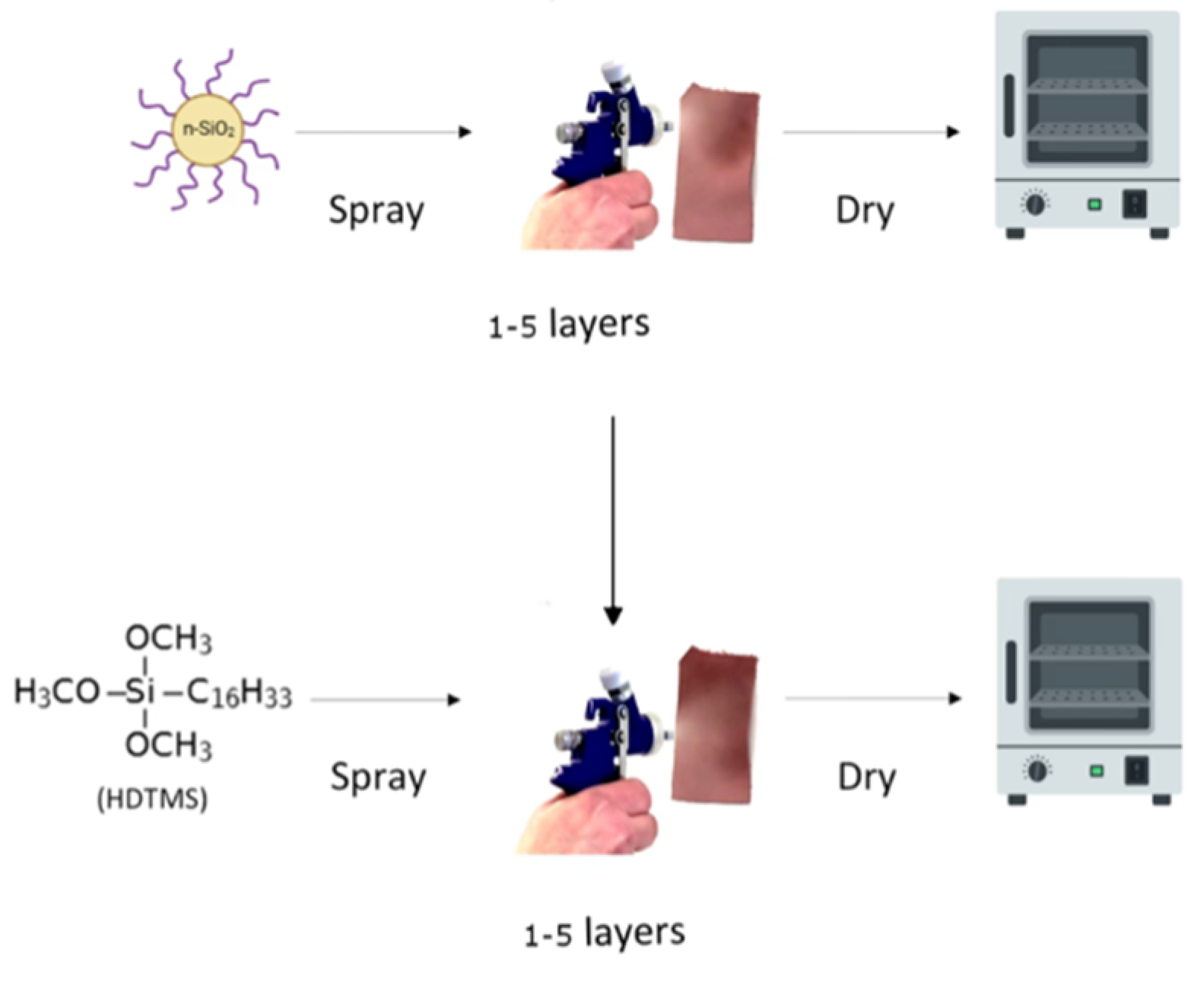
Figure 2.
DLS analyses performed on a solution of n-SiO2.
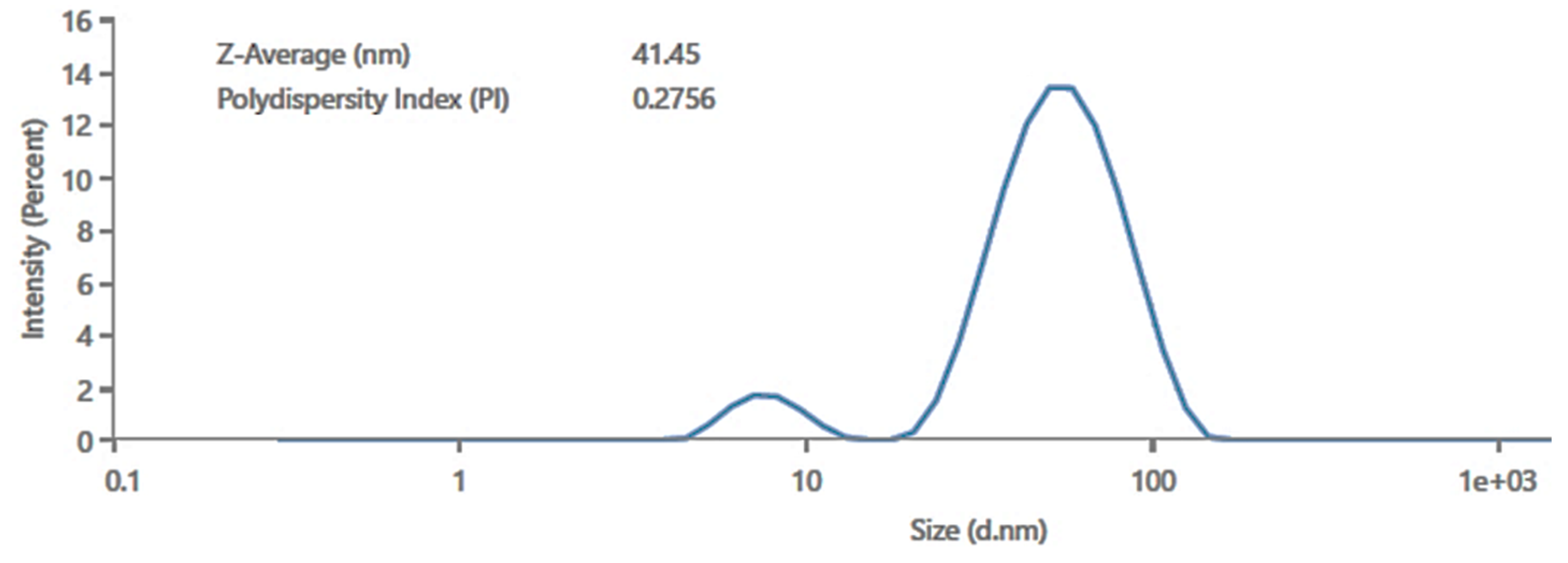
Figure 3.
Formation of GPTMS capped silica nanoparticles.
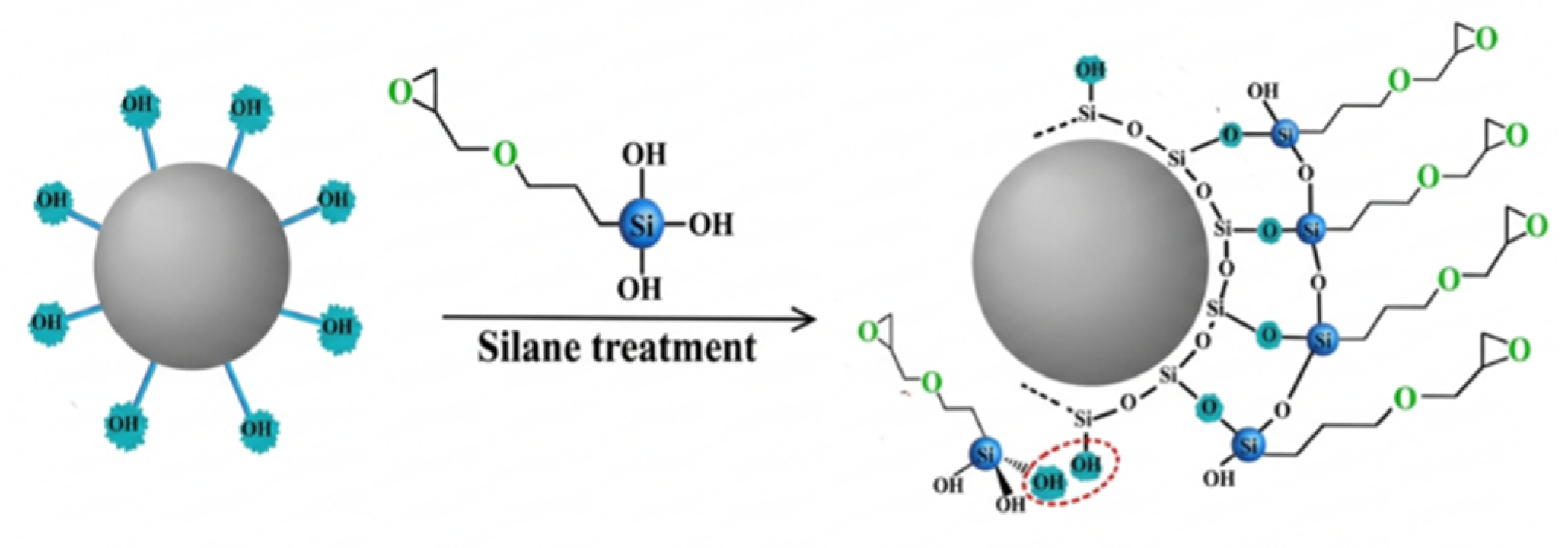
Figure 4.
FTIR spectra of uncoated leather, 10-layers coated leather, HDTMS, GPTMS and silica.
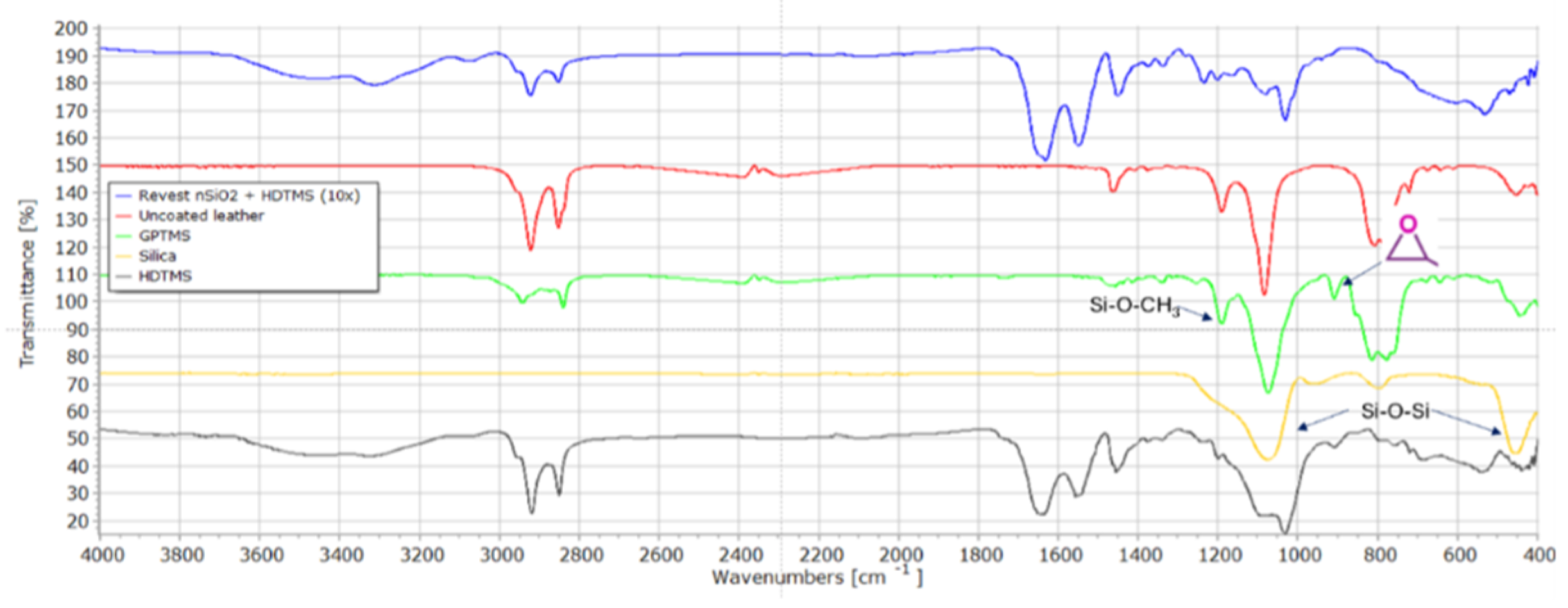
Figure 5.
SEM micrographs and EDS spectra of SEM images of specimens: (a) uncoated and (b) coated with sol-gel formulation GPTMS/TEOS+ HDTMS (the inset shows a high-magnification image).
Figure 5.
SEM micrographs and EDS spectra of SEM images of specimens: (a) uncoated and (b) coated with sol-gel formulation GPTMS/TEOS+ HDTMS (the inset shows a high-magnification image).
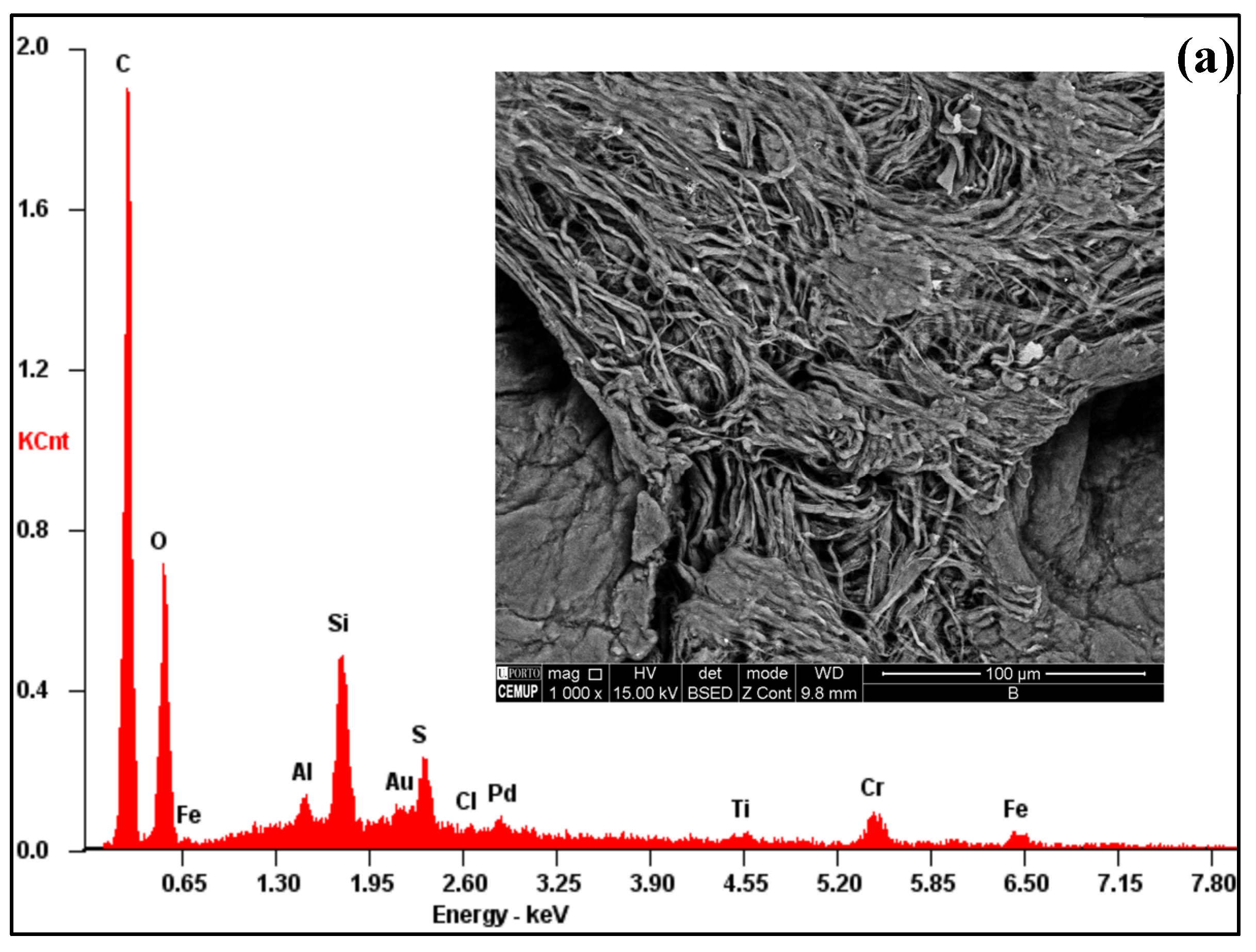
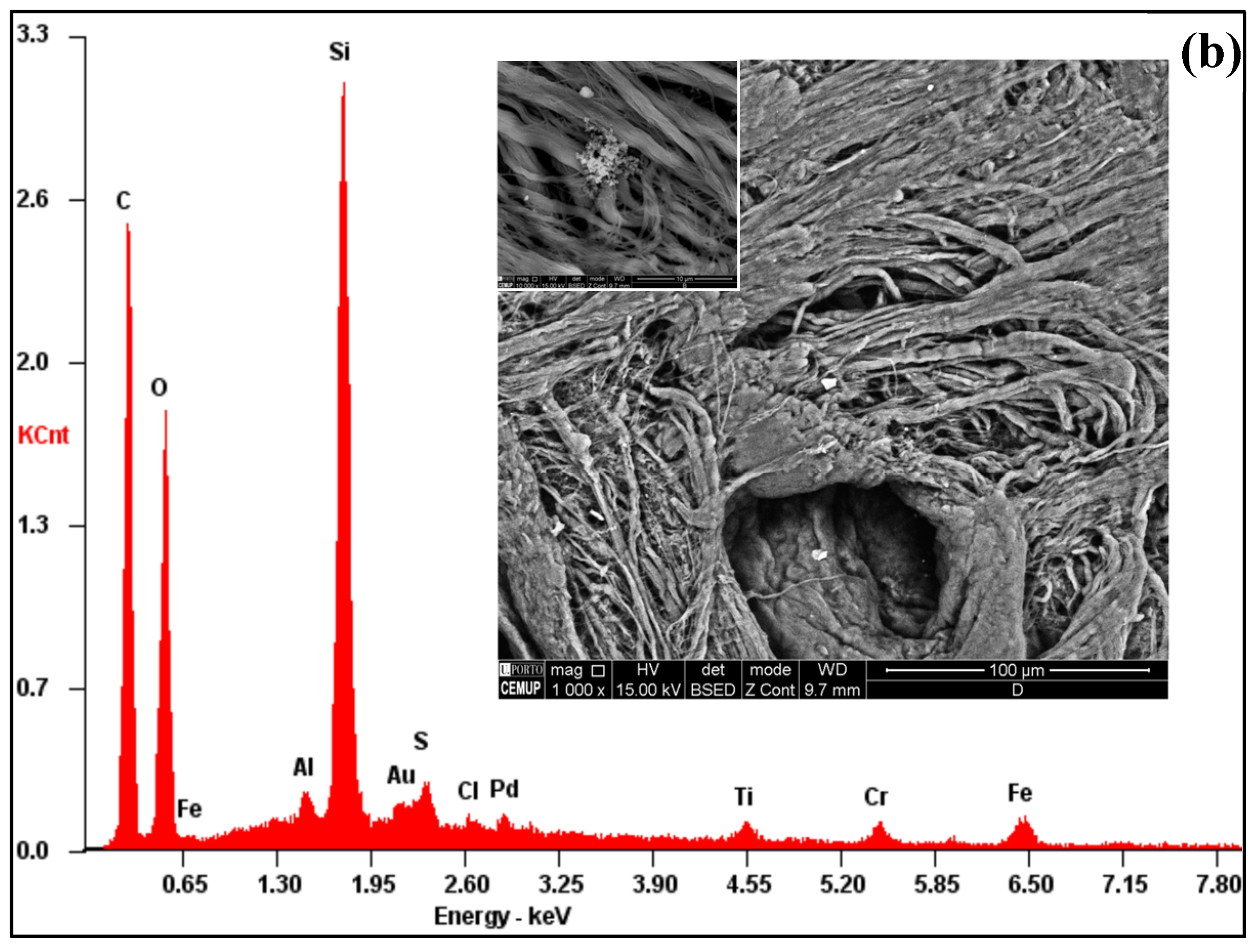
Figure 6.
WCA and WCA after 5 minutes for the samples with different TEOS/ GPTMS molar ratios.
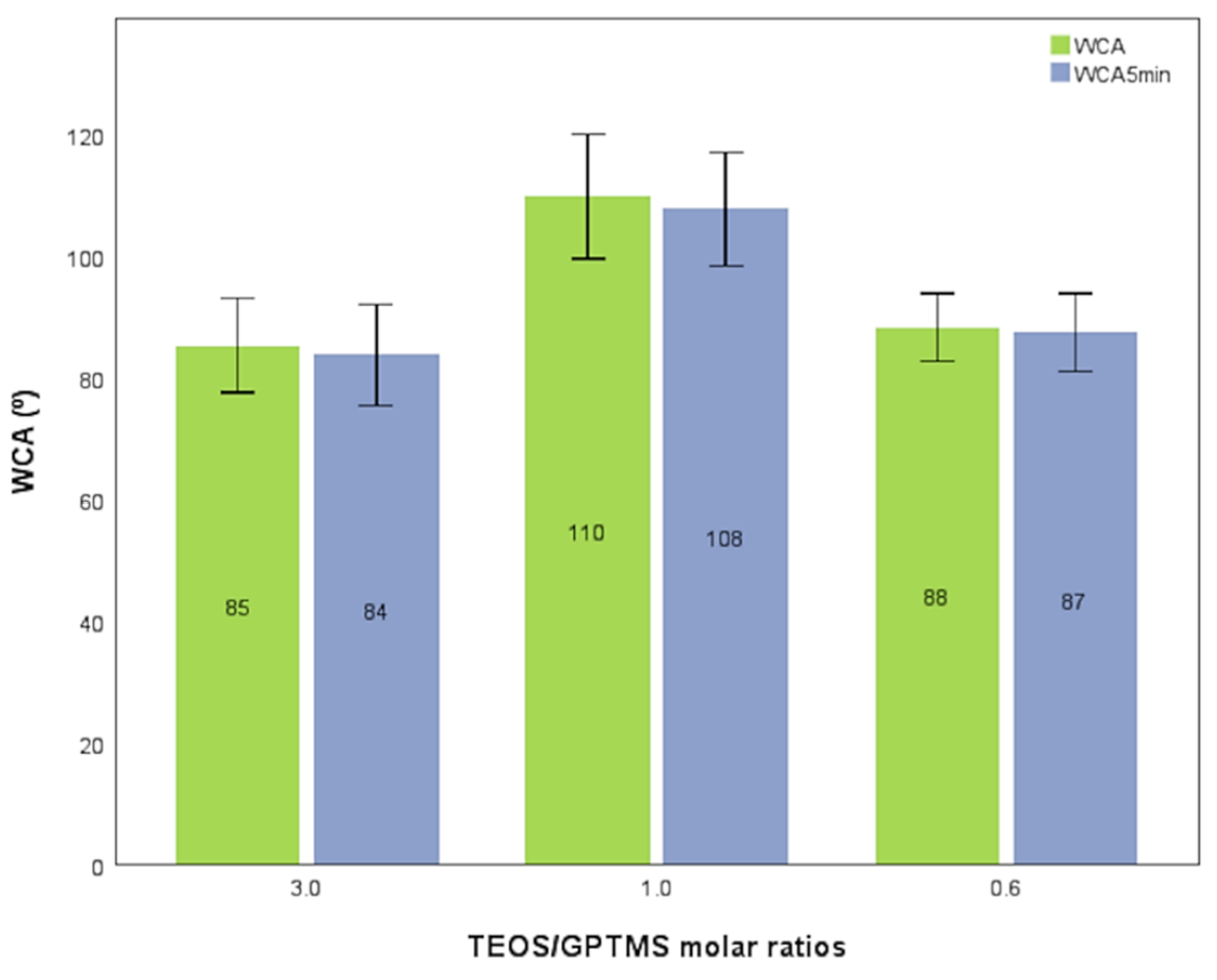
Figure 7.
Comparison of the mean of initial WCA (green) and WCA after 5 minutes (blue) of the uncoated and coated samples. The error bar represents the standard error of the mean. Statistical significance was assessed using Tukey's test: asterisk and no significance (n.s.) is about statistical significance (*: p < 0.05 and n.s.: p> 0.05, respectively).
Figure 7.
Comparison of the mean of initial WCA (green) and WCA after 5 minutes (blue) of the uncoated and coated samples. The error bar represents the standard error of the mean. Statistical significance was assessed using Tukey's test: asterisk and no significance (n.s.) is about statistical significance (*: p < 0.05 and n.s.: p> 0.05, respectively).
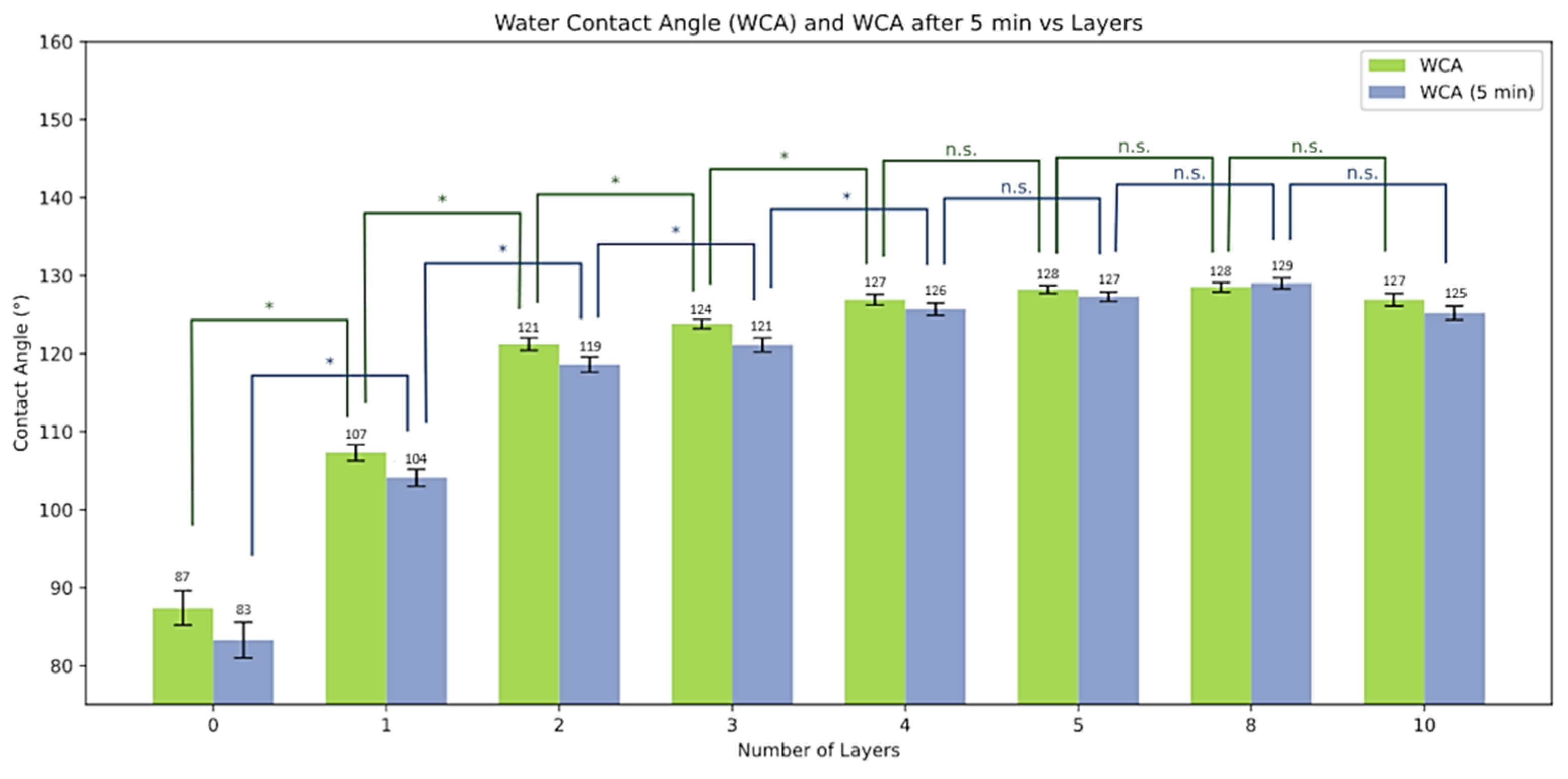
Figure 8.
SEM images of uncoated leather surface (a), one layer coated leather (b), two layers coated leather (c), three layers coated leather (d), four layers (e), five layers (f), eight layers (g), and ten layers (h).
Figure 8.
SEM images of uncoated leather surface (a), one layer coated leather (b), two layers coated leather (c), three layers coated leather (d), four layers (e), five layers (f), eight layers (g), and ten layers (h).
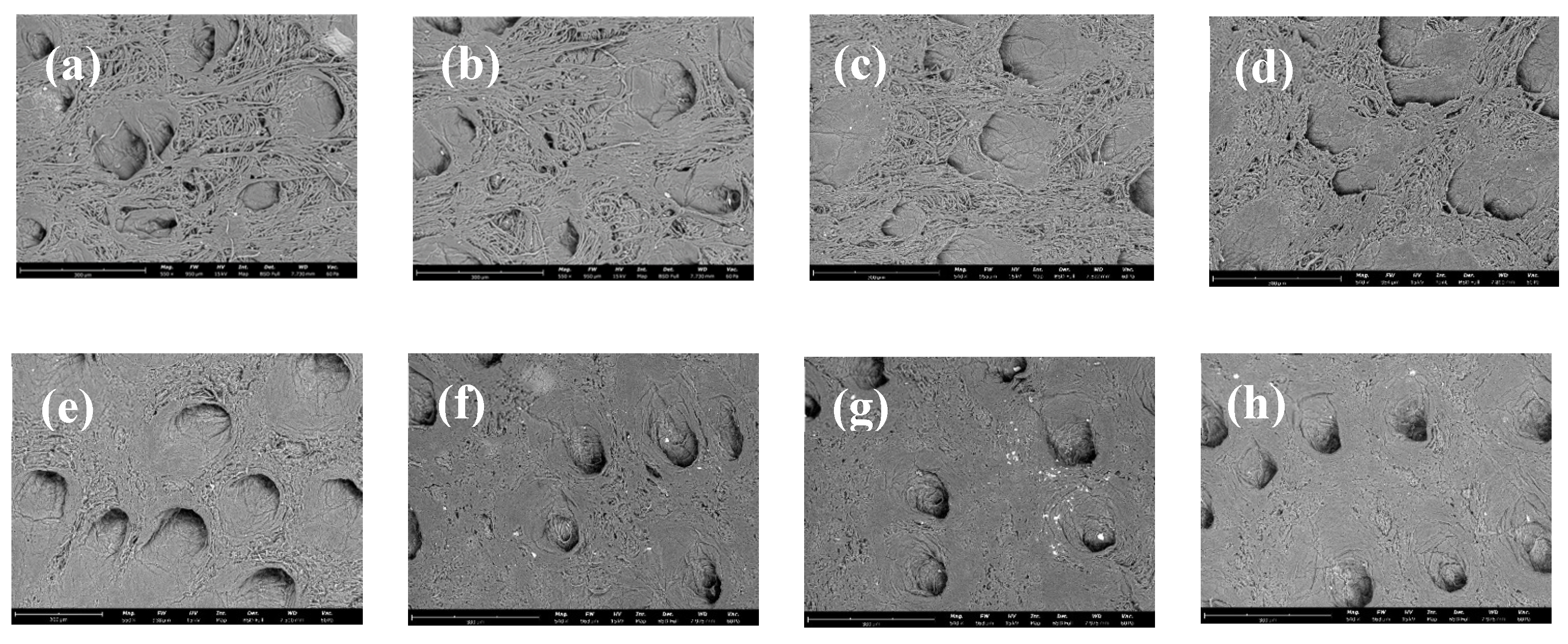
Figure 9.
SEM images of coated leather: (a) without abrasion; and with (b) 10 cycles of abrasion; (c) 20 cycles of abrasion; (d) 30 cycles of abrasion; (e) 40 cycles of abrasion; (f) 50 cycles of abrasion. Inset reports to the corresponding WCA.
Figure 9.
SEM images of coated leather: (a) without abrasion; and with (b) 10 cycles of abrasion; (c) 20 cycles of abrasion; (d) 30 cycles of abrasion; (e) 40 cycles of abrasion; (f) 50 cycles of abrasion. Inset reports to the corresponding WCA.
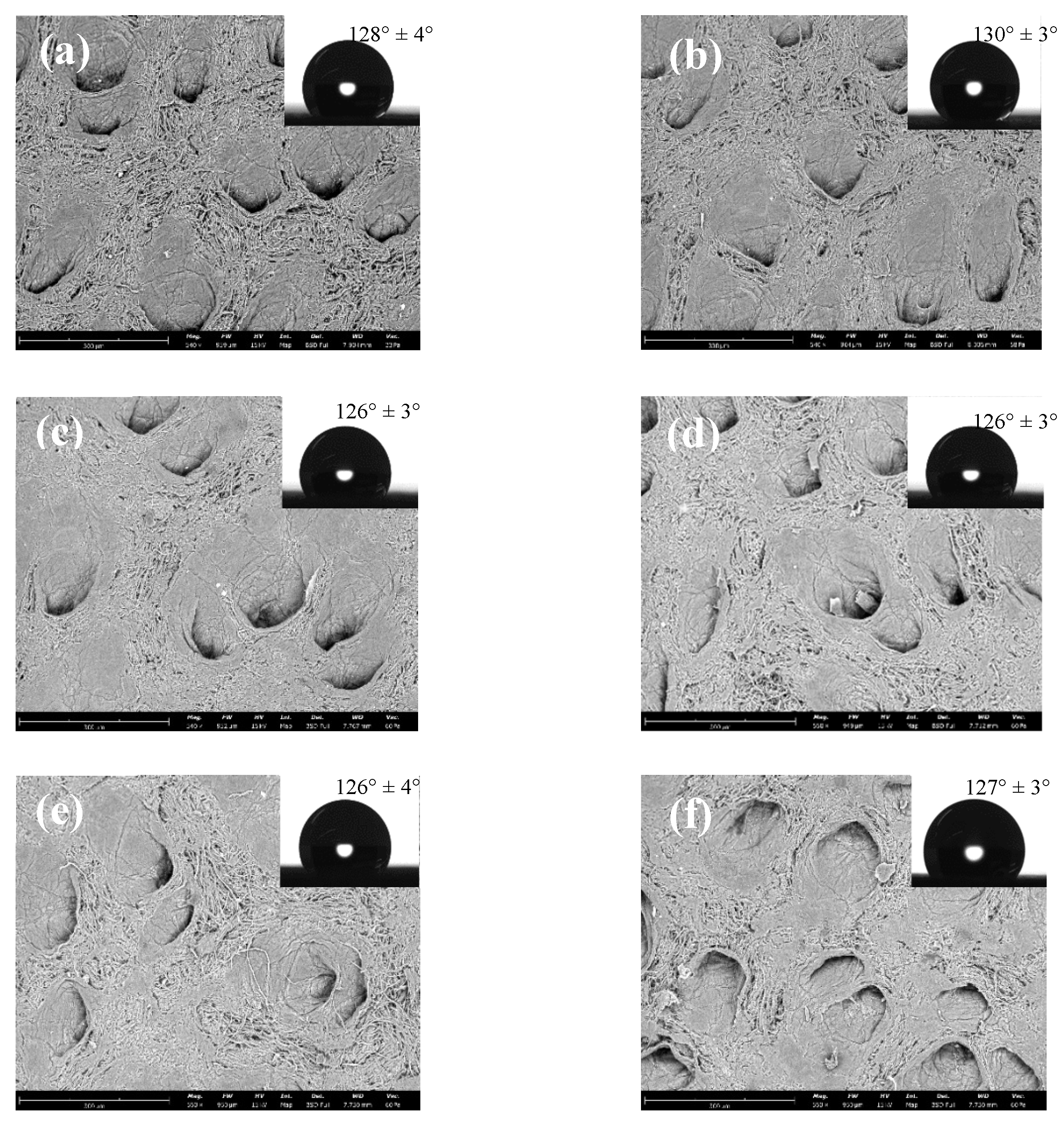
Figure 10.
- Resistance test of uncoated leather (left) and coated leather (right) to tea and coffee stains.
Figure 10.
- Resistance test of uncoated leather (left) and coated leather (right) to tea and coffee stains.
Disclaimer/Publisher’s Note: The statements, opinions and data contained in all publications are solely those of the individual author(s) and contributor(s) and not of MDPI and/or the editor(s). MDPI and/or the editor(s) disclaim responsibility for any injury to people or property resulting from any ideas, methods, instructions or products referred to in the content. |
© 2026 by the authors. Licensee MDPI, Basel, Switzerland. This article is an open access article distributed under the terms and conditions of the Creative Commons Attribution (CC BY) license (http://creativecommons.org/licenses/by/4.0/).
Copyright: This open access article is published under a Creative Commons CC BY 4.0 license, which permit the free download, distribution, and reuse, provided that the author and preprint are cited in any reuse.


