Preprint
Article

This version is not peer-reviewed.

Association Between Dietary Macronutrient and Micronutrient Intake with Arterial Stiffness Progression in Healthy Adults: EVA Follow-Up Study

  † The 2 authors participated in identical conditions as the first author of the manuscript.

  ‡ The 2 authors participated in identical conditions as the last author of the manuscript.

A peer-reviewed version of this preprint was published in:
Nutrients 2026, 18(9), 1314. https://doi.org/10.3390/nu18091314

Submitted:

19 March 2026

Posted:

20 March 2026

You are already at the latest version

Abstract

Background: Arterial stiffness is a key marker of vascular aging and an independent predictor of cardiovascular risk. Although diet has been proposed as an important modifiable factor influencing vascular health, the independent associations between specific macro- and micronutrients and the progression of arterial stiffness remain insufficiently characterized. Objective: To evaluate the association between dietary macronutrient and micronutrient intake and changes in arterial stiffness over a five-year follow-up in adults without previous cardiovascular disease. Methods: This longitudinal study included 466 participants from the EVA study who were evaluated at baseline and after a five-year follow-up (mean age 55.96 ± 14.15 years; 51.1% women). Arterial stiffnes was assessed using carotid–femoral pulse wave velocity (cfPWV) and the cardio-ankle vascular index (CAVI). Dietary intake of macronutrients and micronutrients was estimated using the EVIDENT smartphone application. Multivariable linear regression models were used to examine the association between nutrient intake and arterial stiffness progression. Model 1 was adjusted for age and sex, and Model 2 was additionally adjusted for lifestyle variables and cardiovascular risk factors. Results: Higher dietary fiber intake was independently associated with a lower increment in cfPWV after full adjustment (β = −0.025; 95% CI: −0.046 to −0.005). Alcohol intake showed a positive association with CAVI increment in the fully adjusted model (β = 0.020; 95% CI: 0.006 to 0.034). Iron intake was also independently associated with increased CAVI (β = 0.022; 95% CI: 0.004 to 0.041). Carbohydrate intake showed a small positive association with CAVI, whereas no consistent independent associations were observed for other macro- or micronutrients. Conclusions: In this adult population without previous cardiovascular disease, higher dietary fiber intake was associated with lower progression of central arterial stiffness, whereas alcohol and iron intake showed positive associations with peripheral arterial stiffness. Overall, most nutrients were not independently related to arterial stiffness after comprehensive adjustment. These findings suggest that selected dietary components may contribute modestly to vascular aging.

Keywords: 
;  ;  ;  ;  ;  

1. Introduction

Arterial stiffness represents an integrative phenotype of vascular aging and the cumulative burden of cardiometabolic risk factors, with well-established prognostic implications. In this context, carotid–femoral pulse wave velocity (cfPWV), considered the reference standard for assessing aortic stiffness, has consistently been associated with cardiovascular events and mortality and provides prognostic information beyond traditional cardiovascular risk factors [1,2]. Its clinical relevance has been widely recognized; however, the interpretation of arterial stiffness requires appropriate methodological standardization and a precise understanding of its pathophysiological basis, as different indices capture partially distinct arterial properties [3,4,5].
In addition to cfPWV, the cardio-ankle vascular index (CAVI) has emerged as a complementary measure of arterial stiffness that evaluates the arterial tree from the aortic origin to peripheral arteries [6,7]. Unlike other pulse wave velocity measurements, CAVI was designed to minimize the immediate influence of blood pressure at the time of measurement, based on both theoretical principles and experimental evidence [6,7]. Longitudinal studies have shown that CAVI provides additional prognostic information for cardiovascular events, reinforcing its value as a marker of subclinical vascular damage [8]. Therefore, the combined use of cfPWV and CAVI allows a more comprehensive characterization of the arterial stiffness process, particularly in population-based studies aimed at detecting early vascular aging [3,4,5,6,7,8].
Diet is one of the main potentially modifiable environmental determinants of vascular health. Several systematic reviews have suggested that dietary and nutritional interventions may influence arterial stiffness, although results remain heterogeneous depending on study design, the metabolic profile of the population, and the specific dietary component evaluated [9,10,11]. In individuals with overweight or obesity, in whom arterial stiffness may be accelerated by chronic inflammation, oxidative stress, and endothelial dysfunction, certain dietary patterns—including those consistent with the Mediterranean diet—have been associated with more favorable vascular function and arterial stiffness parameters [11,12,13]. These findings are consistent with population-based studies conducted in Mediterranean settings, where the relationship between lifestyle factors, dietary habits, and different markers of vascular aging and subclinical arterial damage has been explored [12,13,32]. However, most available evidence has focused on dietary patterns or specific nutrients examined in isolation. Few population studies have simultaneously evaluated both macronutrient and micronutrient intake in relation to different arterial stiffness indices. In particular, evidence integrating complementary measures such as cfPWV and CAVI remains limited.
Regarding macronutrients, several observational studies have reported associations between habitual dietary composition and markers of arterial stiffness. In young populations, dietary fat and alcohol intake have been linked to indices of vascular health [14], whereas in patients at high cardiovascular risk, higher carbohydrate intake has been associated with increased arterial stiffness [15]. Furthermore, associations between central adiposity, protein intake, and arterial stiffness have been observed in pediatric populations with overweight, suggesting that dietary influences on vascular aging may begin early in life [16].
Among macronutrients, dietary fiber deserves particular attention because of its biological plausibility and the relative consistency of observational evidence. Longitudinal studies have shown that lower cumulative fiber intake from early life is associated with greater arterial stiffness in adulthood [17]. Similarly, fiber-rich foods such as whole grains have been associated with lower aortic stiffness in different population settings [18]. From a mechanistic perspective, dietary fiber may exert beneficial effects on vascular function through improvements in lipid profile, reductions in systemic inflammation, modulation of glycemic control, and the metabolic effects of colonic fermentation and short-chain fatty acid production [19,20,21].
Alcohol consumption represents another relevant dietary determinant due to its high prevalence and the complexity of its relationship with cardiovascular health. Although some studies have suggested non-linear associations with certain cardiovascular outcomes, there is consistent evidence that excessive alcohol consumption is associated with increased blood pressure, oxidative stress, and endothelial dysfunction [22,23,24]. In this context, the relationship between alcohol intake and arterial stiffness remains a subject of debate, particularly in population-based studies characterized by heterogeneous drinking patterns [25,26].
Among micronutrients, iron is of particular interest because of its potential role in vascular oxidative stress. Alterations in iron metabolism may promote pro-oxidant reactions, mitochondrial dysfunction, and endothelial damage—processes involved in arterial remodeling and vascular aging [29,30,31,42]. Observational studies have reported associations between elevated serum ferritin levels and increased arterial stiffness measured by pulse wave velocity in adults without cardiovascular disease [27,28], providing a biologically plausible framework for investigating these relationships in epidemiological studies.
Finally, minerals such as sodium and potassium have also been associated with parameters of vascular structure and function. Sodium restriction has been associated with reductions in arterial stiffness in meta-analyses of clinical trials [33]. Likewise, dietary interventions combining sodium reduction with increased potassium intake have demonstrated beneficial effects on arterial stiffness [34]. In addition, for certain micronutrients involved in iron metabolism and oxidative stress pathways, mechanisms related to alterations in vascular function and arterial remodeling have been proposed [30,31].
Overall, although existing evidence suggests that diet plays an important role in the modulation of arterial stiffness, important gaps remain regarding the simultaneous integration of macronutrient and micronutrient intake with complementary measures of arterial stiffness such as cfPWV and CAVI. These associations may be particularly relevant in the context of early vascular aging phenotypes described in Mediterranean populations [12,13,32]. Therefore, the aim of the present study was to evaluate the association between dietary macronutrient and micronutrient intake and the progression of arterial stiffness, measured using cfPWV and CAVI, in adults without previous cardiovascular disease. Understanding the role of specific dietary components in vascular aging may contribute to the identification of modifiable lifestyle factors relevant for early cardiovascular prevention.

2. Materials and Methods

2.1. Study Design, Participants, and Sample Size

A descriptive study with both cross-sectional and longitudinal analyses was conducted within the framework of the Association between different risk factors and vascular accelerated ageing (EVA study; NCT02623894) [35].
The study population consisted of individuals receiving care in five urban primary care centers. Participants were selected through stratified random sampling with replacement according to age groups (35, 45, 55, 65, and 75 years) and sex. From a reference population of 43,946 individuals, a total of 501 participants were included, approximately 100 per age group, with a balanced distribution of men and women.
Baseline assessment and participant recruitment were carried out between June 2016 and November 2017. The follow-up visit was conducted approximately five years later, between May 2021 and October 2022.
Inclusion criteria were age between 35 and 75 years and provision of written informed consent. Exclusion criteria included terminal illness, inability to attend the health center, previous cardiovascular disease, estimated glomerular filtration rate below 30 mL/min/1.73 m², chronic inflammatory diseases or acute inflammatory processes within the previous three months, and treatment with estrogens, testosterone, or growth hormone.
At the five-year follow-up evaluation, 480 participants were reassessed. The final analytical sample consisted of 466 individuals who completed both evaluations and had complete three-day dietary records. Flow diagrams describing the baseline assessment and participant attrition during the five-year follow-up are presented in Figures S1 and S2 (Supplementary Material).
The study was conducted following the recommendations of the Strengthening the Reporting of Observational Studies in Epidemiology (STROBE) guidelines [36].

2.2. Ethical Considerations

The study was approved by the Drug Research Ethics Committee of the Salamanca Health Area on 4 May 2015 for the baseline evaluation and on 13 November 2020 for the follow-up assessment (reference code PI 2020 10 569).
All participants provided written informed consent prior to their inclusion in the study. The research was conducted in accordance with the ethical principles established in the Declaration of Helsinki [37].
Data were anonymized before analysis through the assignment of unique alphanumeric identifiers. Access to personal information was restricted to authorized members of the research team.

2.3. Dependent Variables

Central arterial stiffness was assessed using carotid–femoral pulse wave velocity (cfPWV) measured with the SphygmoCor system (AtCor Medical Pty Ltd., West Ryde, Australia). Pulse waves were recorded at the carotid and femoral arteries with the participant in the supine position.
Transit time was estimated relative to the R wave of the electrocardiogram. Distances were measured with a tape measure from the suprasternal notch to the carotid and femoral recording sites. cfPWV was calculated according to established measurement recommendations [38].
Peripheral arterial stiffness was assessed using the cardio-ankle vascular index (CAVI) measured with the VaSera VS-1500 device (Fukuda Denshi Co., Ltd., Tokyo, Japan), following the manufacturer’s instructions. For the measurement, cuffs were placed on both arms and ankles [39].
To minimize the influence of acute factors on vascular measurements, participants were instructed to avoid caffeine consumption, smoking, and vigorous physical activity for at least three hours prior to the assessment. Additionally, they remained at rest for a minimum of five minutes before measurements were performed.

2.4. Independent Variables

Dietary intake was assessed using a three-day food record collected through the EVIDENT mobile application. This application was developed and validated by the Primary Care Research Group of Castilla y León (REDIAPP) and is registered under intellectual property number 00/2014/2207 [40].
Participants recorded all foods and beverages consumed over three consecutive days, including portion size and preparation method. Foods were classified into predefined categories within the application.
Daily intake of macronutrients (energy, protein, carbohydrates, total fat, saturated fatty acids, monounsaturated fatty acids, polyunsaturated fatty acids, dietary fiber, cholesterol, alcohol, and water) and micronutrients (iron, iodine, magnesium, zinc, selenium, sodium, and potassium) was estimated using Spanish food composition tables.

2.5. Confounding Variables

Sociodemographic and lifestyle variables were collected using standardized questionnaires.
Age and sex were recorded for all participants. Lifestyle-related factors included smoking status and alcohol consumption. Adherence to the Mediterranean dietary pattern was assessed using the 14-item Mediterranean Diet Adherence Screener (MEDAS) [41].
Sedentary behavior was assessed using the Marshall Sitting Questionnaire [42,43], and physical activity was measured using the short version of the International Physical Activity Questionnaire (IPAQ-SF) [44,45], with results expressed in metabolic equivalent task minutes per week (MET-min/week).
Fasting blood samples were obtained to determine lipid profile and plasma glucose levels. Blood pressure and heart rate were measured using a validated automated sphygmomanometer (OMRON M10-IT) following the recommendations of the European Society of Hypertension [46].
Anthropometric measurements were performed following standardized procedures. Body weight and height were recorded, and body mass index (BMI) was calculated as weight divided by height squared.

2.6. Statistical Analysis

Statistical analyses were performed using IBM SPSS Statistics version 28.0 (IBM Corp., Armonk, NY, USA). All tests were two-tailed, and statistical significance was set at p < 0.05.
Descriptive Analysis: The normality of continuous variables was assessed using the Shapiro–Wilk test. Skewness and kurtosis values were also examined to characterize data distribution. Variables with approximately normal distribution were expressed as mean ± standard deviation (SD), whereas variables with non-normal distribution were described as median and interquartile range (IQR). Comparisons between men and women were performed using Student’s t-test for independent samples when normality assumptions were met. Otherwise, the Mann–Whitney U test was applied. Given the sample size (n = 466), parametric tests were considered robust to moderate deviations from normality. To control for multiple comparisons in nutritional analyses, p-values were additionally adjusted using the Benjamini–Hochberg false discovery rate (FDR) procedure. Effect sizes were calculated for all between-group comparisons. Cohen’s d was used for parametric tests and the r statistic for non-parametric tests. Ninety-five percent confidence intervals were estimated for effect size measures.
Multivariable Analysis: Multivariable linear regression models were constructed to analyze the association between dietary intake (macronutrients and micronutrients) and arterial stiffness parameters. Two hierarchical models were fitted for each dependent variable: Model 1: adjusted for age and sex. Model 2: additionally, adjusted for lifestyle variables and cardiovascular risk factors, including physical activity, alcohol consumption, body mass index, systolic and diastolic blood pressure, total cholesterol, LDL cholesterol, and fasting glucose. Dietary variables were introduced as continuous predictors. Regression coefficients (β) and their corresponding 95% confidence intervals were reported. The assumptions of linear regression, including linearity and homoscedasticity of residuals, were evaluated through graphical inspection.

3. Results

3.1. Clinical and Vascular Characteristics

As shown in Table 1, men and women did not differ in age. Men reported higher alcohol consumption, higher levels of physical activity, and longer sitting time, whereas women showed greater adherence to the Mediterranean diet. Men also exhibited higher values of systolic and diastolic blood pressure, pulse pressure, fasting glucose, body weight, and height (Table 1). Differences in body mass index were small. No significant sex differences were observed in total cholesterol, LDL cholesterol, or CAVI increment (Table 1). Arterial stiffness parameters were generally higher in men, although these differences were modest.
Assessment of normality (Table S1) indicated that several behavioral and vascular variables showed non-normal distributions, supporting the use of non-parametric tests when appropriate.
Effect size analysis (Table S2) revealed large differences for height and body weight, moderate differences for alcohol consumption and physical activity, and small or negligible effects for most metabolic and vascular parameters.

3.2. Macronutrient Intake

As shown in Table 2, total energy intake was higher in men than in women (p < 0.001). Men also had higher intakes of protein, total fat, saturated fatty acids, monounsaturated fatty acids, dietary cholesterol, and alcohol (all p ≤ 0.002). No significant sex differences were observed for dietary fiber intake, polyunsaturated fatty acids, or water intake. Carbohydrate intake showed a borderline difference between sexes (p = 0.059). Overall, sex differences in macronutrient intake were mainly driven by higher total energy intake and greater consumption of fat-related components in men.
As shown in Table S3, several macronutrient variables deviated from a normal distribution, particularly energy intake, total fat, saturated fatty acids, and alcohol intake, which displayed positive skewness. In contrast, dietary fiber and water intake showed distributions closer to normality. These findings supported the use of parametric or non-parametric tests as appropriate.
Effect size analysis (Table S4) indicated that sex differences in macronutrient intake were generally small to moderate. The largest effect sizes were observed for total energy intake, total fat, monounsaturated fatty acids, and alcohol consumption, whereas carbohydrate intake, fiber intake, polyunsaturated fatty acids, and water intake showed small or negligible effect sizes.

3.3. Micronutrient Intake

As shown in Table 3, men had significantly higher intakes of iron, iodine, zinc, selenium, and sodium compared with women (all p ≤ 0.024). The most pronounced difference was observed for sodium intake (p < 0.001). No significant sex differences were found in magnesium or potassium intake. Overall, sex differences in micronutrient intake were modest and largely paralleled the higher total energy intake observed in men.
Normality assessment indicated that several micronutrient variables deviated from a normal distribution (Table S5). Effect size analysis showed that most sex differences were small in magnitude despite reaching statistical significance (Table S6).

3.4. Association between Macronutrient Intake and cfPWV Increment

In the model adjusted for age and sex (Figure 1, Panel A), dietary fiber intake was inversely associated with cfPWV increment (β = −0.022; 95% CI: −0.042 to −0.003), indicating that higher fiber intake was associated with lower progression of arterial stiffness. After additional adjustment for lifestyle variables and cardiovascular risk factors (Figure 1, Panel B), the inverse association between fiber intake and cfPWV increment remained statistically significant (β = −0.025; 95% CI: −0.046 to −0.005).
Preprints 203919 i001
Figure 1. Association between macronutrient and cfPWV Increment Panel a adjusted for age and sex and panel b adjusted for age, sex, lifestyle variables and cardiovascular risk factors.

3.5. Association between Macronutrient Intake and CAVI Increment

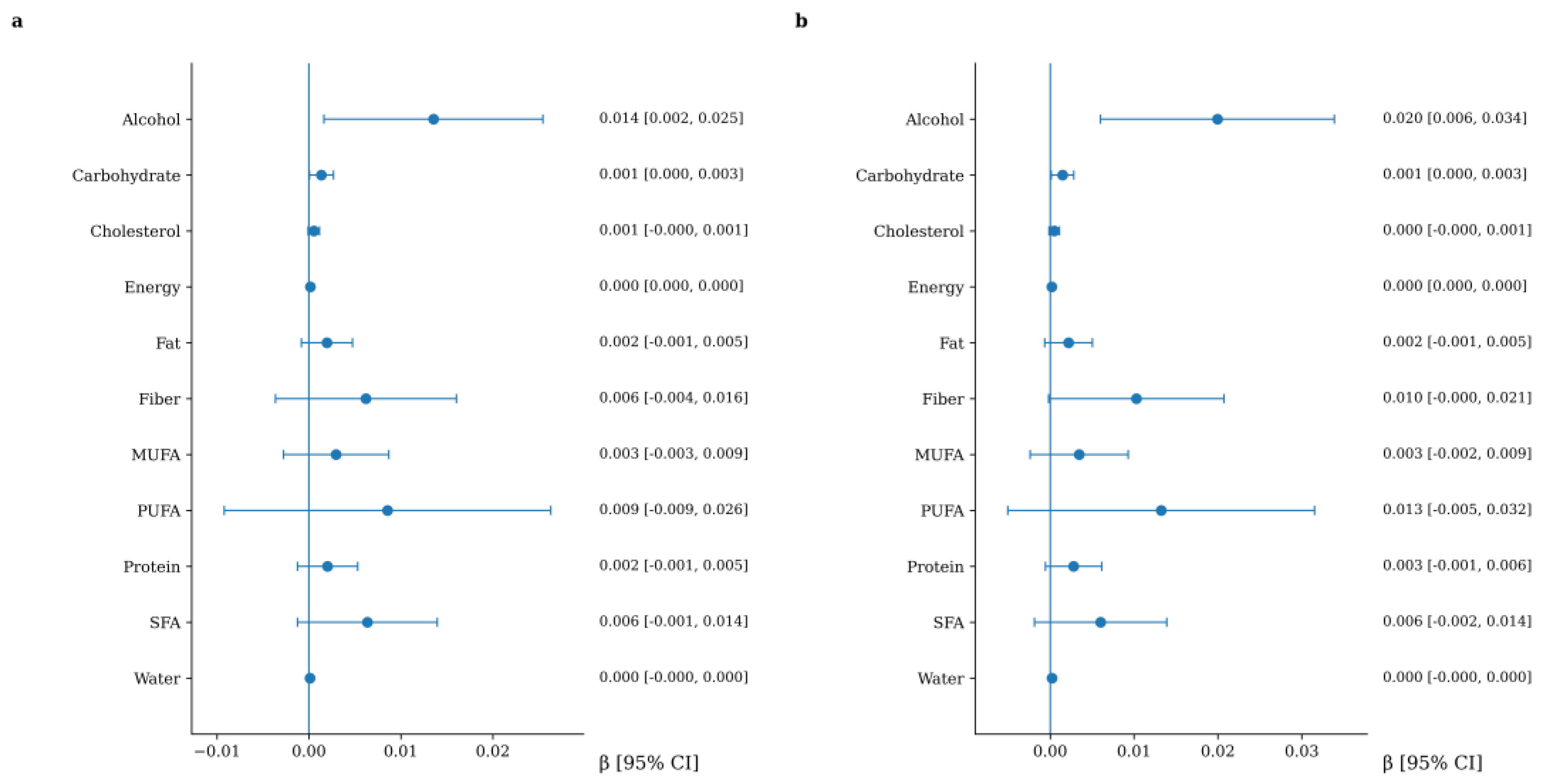
In the model adjusted for age and sex (Figure 2, Panel A), alcohol intake was positively associated with CAVI increment (β = 0.014; 95% CI: 0.002 to 0.025), whereas carbohydrate intake showed a very small positive association (β = 0.001; 95% CI: 0.000 to 0.003). After additional adjustment for lifestyle variables and cardiovascular risk factors (Figure 2, Panel B), alcohol intake remained independently associated with CAVI increment and showed a slightly larger effect size (β = 0.020; 95% CI: 0.006 to 0.034). Carbohydrate intake maintained a very small positive association (β = 0.001; 95% CI: 0.000 to 0.003).
Preprints 203919 i002
Figure 2. Association between macronutrient and CAVI Increment Panel a adjusted for age and sex and panel b adjusted for age, sex, lifestyle variables and cardiovascular risk factors.

3.6. Association between Micronutrient Intake and cfPWV Increment

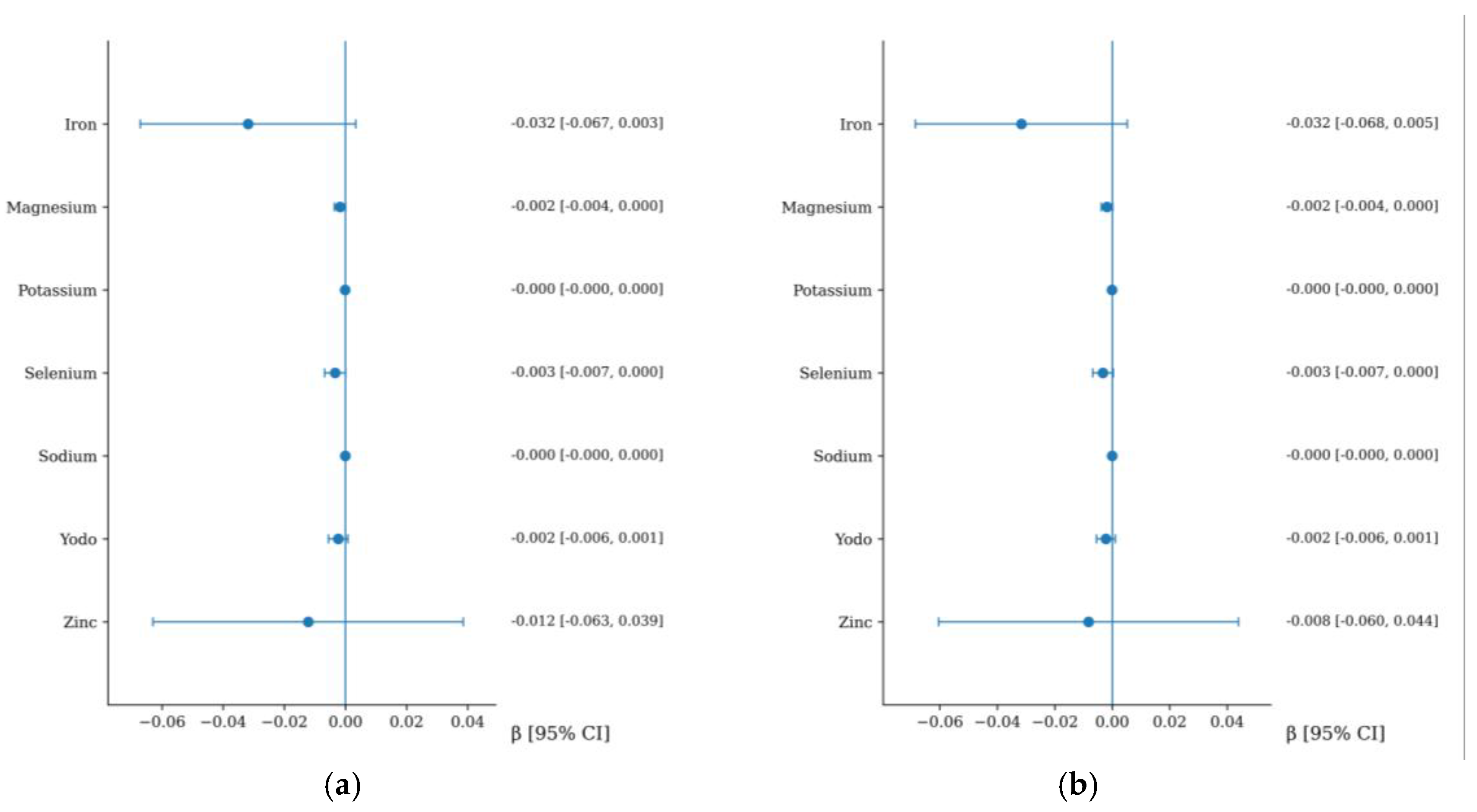
As shown in Figure 3, no micronutrient was significantly associated with cfPWV increment in either of the two models analyzed.
Figure 3. Association between micronutrient and cfPWV Increment Panel a adjusted for age and sex and panel b adjusted for age, sex, lifestyle variables and cardiovascular risk factors.

3.7. Association between Micronutrient Intake and CAVI Increment

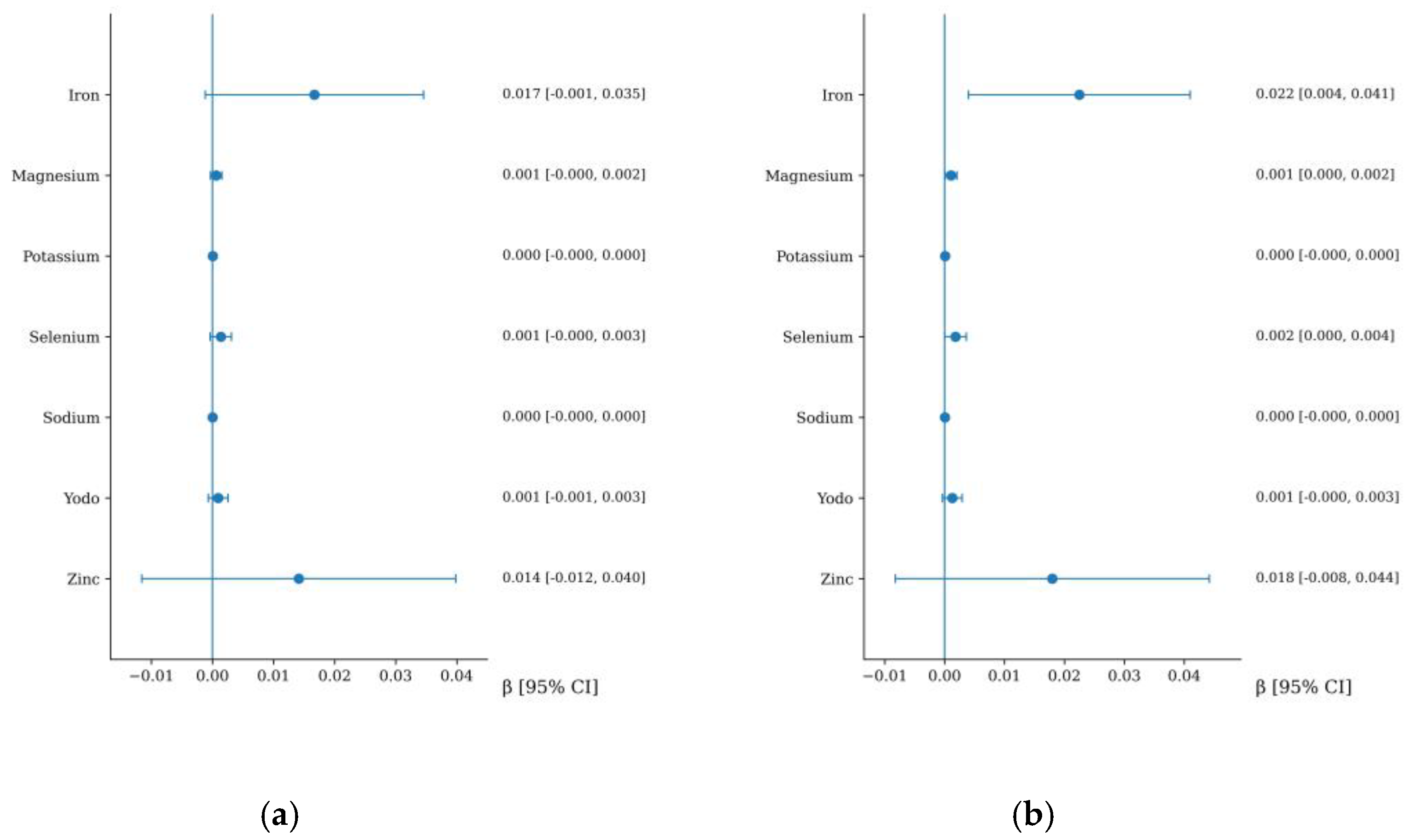
In the model adjusted for age and sex (Figure 4, Panel A), no statistically significant associations were observed between micronutrient intake and CAVI increment. After additional adjustment for lifestyle variables and cardiovascular risk factors (Figure 4, Panel B), iron intake was positively and independently associated with CAVI increment (β = 0.022; 95% CI: 0.004 to 0.041).

4. Discussion

4.1. Main Findings

In this five-year longitudinal study, we examined the associations between habitual dietary intake of macronutrients and micronutrients and the progression of arterial stiffness assessed by cfPWV and CAVI. The main findings indicate that higher dietary fiber intake was inversely associated with cfPWV progression after full adjustment. In contrast, alcohol consumption and iron intake showed independent positive associations with CAVI progression, while carbohydrate intake showed a very small positive association with this index. Overall, the observed associations were modest in magnitude, and most of the nutrients evaluated did not show independent relationships after full adjustment.
Importantly, the longitudinal design of the present study allows the evaluation of changes in arterial stiffness over time, providing additional insight beyond cross-sectional associations.
An important observation is that the associations differed depending on the arterial stiffness index considered. Dietary fiber was associated with changes in cfPWV, a predominantly aortic marker, whereas alcohol and iron intake were associated with CAVI, which integrates arterial stiffness along a more extensive vascular segment and is less dependent on blood pressure at the time of measurement [6,7,8]. These findings support the combined use of different arterial stiffness indices in population-based studies, as previously suggested in research focused on vascular aging and subclinical arterial damage [12,13,32].
Another aspect that may help interpret our findings relates to the physiological differences between the arterial stiffness indices used. Carotid–femoral pulse wave velocity (cfPWV) primarily reflects the stiffness of central elastic arteries, particularly the aorta, whereas the cardio-ankle vascular index (CAVI) integrates arterial stiffness across a broader vascular segment extending from the aorta to peripheral muscular arteries [3,7]. Consequently, both indices may capture partially different aspects of the vascular aging process. The differential associations observed in this study—between dietary fiber intake and cfPWV, and between alcohol consumption and iron intake with CAVI—may therefore reflect distinct effects of dietary factors on central versus systemic arterial stiffness.

4.2. Dietary Fiber and Arterial Stiffness

The inverse association between dietary fiber intake and the increase in cfPWV observed in this study is consistent with previous evidence. Longitudinal studies have reported that lower cumulative fiber intake from adolescence is associated with greater arterial stiffness in adulthood [17]. In addition, systematic reviews and population-based studies have linked higher fiber intake with reduced cardiovascular risk and more favorable vascular profiles [21,47,48,49].
From a pathophysiological perspective, several mechanisms may explain the beneficial effects of dietary fiber on vascular function. These include reductions in systemic inflammation, improvements in insulin sensitivity, and the production of short-chain fatty acids with anti-inflammatory and vasoprotective properties [19,20,21]. However, intervention trials evaluating fiber supplementation have produced heterogeneous results regarding arterial stiffness, suggesting that the vascular effects of fiber may depend on the overall dietary context and the baseline metabolic phenotype [51].

4.3. Alcohol and Arterial Stiffness

Alcohol consumption showed an independent positive association with CAVI progression. Evidence regarding the relationship between alcohol intake and arterial stiffness remains heterogeneous. Although some studies have suggested non-linear associations with certain cardiovascular outcomes, substantial evidence indicates that higher alcohol consumption is associated with increased blood pressure, oxidative stress, and endothelial dysfunction [22,23,24,52]. Prospective studies and meta-analyses have also reported associations between different patterns of alcohol consumption and vascular aging, although results vary considerably across populations and study designs [25,26,53].
The association observed with CAVI may reflect a broader impact of alcohol on peripheral arterial segments. However, the lack of detailed information regarding drinking patterns, such as episodic heavy drinking, limits the mechanistic interpretation of these findings.

4.4. Iron, Oxidative Stress, and Arterial Stiffness

The positive association between dietary iron intake and CAVI progression observed in this study is biologically plausible. Observational studies have reported associations between higher serum ferritin levels and increased arterial stiffness measured by PWV [27,28]. Mechanistically, iron may promote pro-oxidant reactions, mitochondrial dysfunction, and endothelial damage, processes involved in vascular remodeling and arterial aging [29,30,31,54].
Nevertheless, epidemiological evidence linking dietary iron intake with arterial stiffness remains limited and inconclusive. Furthermore, the present study did not differentiate between heme and non-heme iron intake and did not include biochemical markers of iron status. Therefore, these findings should be interpreted as exploratory.

4.5. Carbohydrates and Arterial Stiffness

In the present study, carbohydrate intake showed a very small positive association with CAVI progression that remained after adjustment for lifestyle variables and cardiovascular risk factors. Although the magnitude of this association was limited, the finding suggests that certain aspects of carbohydrate intake may be modestly related to the vascular aging process.
The existing evidence regarding dietary carbohydrates and arterial stiffness is heterogeneous. Some observational studies have reported associations between higher habitual carbohydrate intake and worse vascular function parameters in populations at elevated cardiovascular risk [15]. However, interpreting these associations is complex, as the cardiovascular impact of carbohydrates largely depends on their nutritional quality, including factors such as degree of refinement, glycemic index, and fiber content [50,55].
Moreover, several epidemiological studies have shown that the relationship between total carbohydrate intake and cardiovascular health may vary according to the overall dietary pattern, with different outcomes observed when carbohydrates derive primarily from refined foods compared with fiber-rich and complex carbohydrate sources [56]. In this context, the association observed in our study may reflect differences in carbohydrate quality rather than total carbohydrate quantity.
Overall, although the identified association was small in magnitude, these findings suggest that the composition and quality of dietary carbohydrates may play a role in vascular aging. Further studies evaluating specific carbohydrate sources and consumption patterns are needed to better clarify these relationships.

4.6. Lack of Associations for Other Nutrients

Most of the macronutrients and micronutrients analyzed did not show independent associations after full adjustment. This finding suggests that some relationships observed in minimally adjusted models may be mediated by confounding factors such as body mass index, blood pressure, or metabolic profile. It also reinforces the concept that arterial stiffness reflects the complex interaction of multiple dietary and non-dietary determinants rather than the isolated effect of individual nutrients.
It is also possible that the effects of individual nutrients on arterial stiffness are relatively small and may become more evident when considering overall dietary patterns rather than isolated nutrients.

4.7. Clinical Implications

From a clinical perspective, these findings are consistent with dietary recommendations that emphasize healthy eating patterns rich in fiber and moderate alcohol consumption rather than interventions focused on single nutrients. Given the observational nature of the study and the modest magnitude of the associations, individualized clinical recommendations based solely on these results cannot be established.
In this context, the findings support an approach focused on overall dietary quality rather than isolated nutrient modification. From a cardiovascular prevention standpoint, identifying dietary factors associated with arterial stiffness progression may be particularly relevant in primary care settings, where preventive strategies are often targeted at individuals without established cardiovascular disease but potentially presenting early vascular alterations. Nevertheless, given the observational design of the study, these results should be considered hypothesis-generating rather than a basis for specific nutrient-based recommendations.
In this regard, arterial stiffness may represent a useful intermediate marker for the early identification of the cumulative impact of unfavorable dietary exposures before the development of overt cardiovascular disease. From a public health perspective, these findings support the relevance of dietary quality as a potential contributor to vascular health in the general population.

4.8. Strengths and Limitations

Among the study limitations are its observational design, the potential for residual confounding, and the use of dietary assessment methods susceptible to measurement error. In addition, dietary intake based on self-reported records may be subject to recall bias or underreporting. The strengths of the study include its longitudinal design, adequate sample size, simultaneous assessment of cfPWV and CAVI, and the use of progressively adjusted multivariable models, in line with previous population-based studies conducted in Mediterranean settings [12,13,32].

5. Conclusions

In this population-based cohort of adults without previous cardiovascular disease, higher dietary fiber intake was associated with lower progression of central arterial stiffness assessed by cfPWV. In contrast, alcohol consumption and iron intake showed positive associations with CAVI progression, while carbohydrate intake showed a very small positive association with this index. Overall, the magnitude of these associations was modest and most nutrients were not independently related to arterial stiffness after full adjustment.
These findings suggest that the relationship between diet and arterial stiffness is complex and likely multifactorial. Further studies are needed to confirm these associations and clarify the mechanisms linking dietary factors with vascular aging.

Supplementary Materials

The following supporting information can be downloaded at the website of this paper posted on Preprints.org. Figure S1, EVA study flowchart; Figure S2, flowchart of the 5-year follow-up phase; Table S1. Normality Assessment of Continuous Variables. Table S2. Effect Size Estimates for Sex Differences. Table S3. Normality Assessment of Macronutrient Variables. Table S4. Effect Sizes for Sex Differences in Macronutrient Intake. Table S5. Normality Assessment of Micronutrient Variables. Table S6. Effect Sizes for Sex Differences in Micronutrient Intake.

Author Contributions

Conceptualization, J.A.-D, L.G.-S. and M.G.-S.; methodology, MA.G.-M, S.G.-S. and L.G.-S.; software, L.G.-O. and MA.G.-M.; formal analysis, MA.G.-M. and D.A.-E.; investigation, MA.G.-M. and E.R.-S.; writing—original draft preparation, J.A.-D. and MA.G.-M.; All authors have read and agreed to the published version of the manuscript.

Funding

This study was funded by the Gerencia Regional of the Junta of Castilla and León through research projects (GRS 1193/B/15; GRS2303/B/21); the Instituto de Salud Carlos III (ISCIII) of the Ministry of Science and Innovation, through RD21/0016/0010 (Network of Research on Chronicity, Primary Care and Health Promotion (RICAPPS)), which is funded by the European Union-Next Generation EU (Facility for Recovery and Resilience, MRR). Project PI21/00454 was co-funded by the European Union and also contributed to the funding of the project. Human resources were also obtained from the research program of the Junta de Castilla y León (INT/M/02/17 and INT/M/04/15), the Instituto de Investigación Biomédica de Salamanca (IBSAL) (IBI21/00001), and the Instituto de Salud Carlos III (INT22/00007). None of them played any role in the study design, data analysis, reporting results, or the decision to submit the manuscript for publication.

Institutional Review Board Statement

The data that support the findings of this study are available from the corresponding author upon reasonable request.

Data Availability Statement

The variables that we use in the analyses carried out to obtain the results of this work are available upon reasonable request to the corresponding author.

Acknowledgments

We are grateful to all professionals participating in the EVA study. Lead autor for this group: Manuel A. Gómez-Marcos, Luis García-Ortiz, Emiliano Rodríguez-Sánchez, María C. Patino-Alonso, Jose A. Maderuelo-Fernández, Leticia Gómez-Sánchez, Cristina Agudo-Conde, Cristina Lugones-Sánchez, Marta Gómez-Sánchez, Angela de Cabo-Laso, Benigna Sánchez-Salgado, Olaya Tamayo-Morales, Susana González-Sánchez, Javier Alonso-Díaz, David Arjol-Echeverria, Elena Navaro Matías, and Alicia Navarro Cáceres.

Conflicts of Interest

The authors declare no conflicts of interest.

Abbreviations

The following abbreviations are used in this manuscript:
APISAL Primary Care Research Unit of Salamanca
AS Arterial stiffness
BMI Body mass index
cfPWV Carotid–femoral pulse wave velocity
CI Confidence interval
CVR Cardiovascular risk
CVRFs Cardiovascular risk factors
CVD Cardiovascular disease
ECG Electrocardiogram
IBSAL Institute of Biomedical Research of Salamanca
IPAQ-SF International Physical Activity Questionnaire–Short Form
IU International units
MEDAS Mediterranean Diet Adherence Screener
MET Metabolic equivalent of task
PWV Pulse wave velocity
REDIAPP Primary Care Research Group of Castilla y León
RICAPPS Research Network on Chronicity, Primary Care and Health Promotion
SDoH Social determinants of health
STROBE Strengthening the Reporting of Observational Studies in Epidemiology
WHO World Health Organization

References

  1. Zhong, Q.; Hu, M.-J.; Cui, Y.-J.; Liang, L.; Zhou, M.-M.; Yang, Y.-W.; Huang, F. Carotid–Femoral Pulse Wave Velocity in the Prediction of Cardiovascular Events and Mortality: An Updated Systematic Review and Meta-Analysis. Angiology 2018, 69, 617–629. [Google Scholar] [CrossRef]
  2. Sequí-Domínguez, I.; Cavero-Redondo, I.; Álvarez-Bueno, C.; Pozuelo-Carrascosa, D.P.; Nuñez de Arenas-Arroyo, S.; Martínez-Vizcaíno, V. Accuracy of Pulse Wave Velocity Predicting Cardiovascular and All-Cause Mortality. A Systematic Review and Meta-Analysis. J Clin Med 2020, 9, 2080. [Google Scholar] [CrossRef]
  3. Segers, P.; Rietzschel, E.R.; Chirinos, J.A. How to Measure Arterial Stiffness in Humans. Arterioscler Thromb Vasc Biol 2020, 40, 1034–1043. [Google Scholar] [CrossRef]
  4. Wilkinson, I.B.; Mäki-Petäjä, K.M.; Mitchell, G.F. Uses of Arterial Stiffness in Clinical Practice. Arterioscler Thromb Vasc Biol 2020, 40, 1063–1067. [Google Scholar] [CrossRef]
  5. Townsend, R.R.; Wilkinson, I.B.; Schiffrin, E.L.; Avolio, A.P.; Chirinos, J.A.; Cockcroft, J.R.; Heffernan, K.S.; Lakatta, E.G.; McEniery, C.M.; Mitchell, G.F.; et al. Recommendations for Improving and Standardizing Vascular Research on Arterial Stiffness. Hypertension 2015, 66, 698–722. [Google Scholar] [CrossRef] [PubMed]
  6. Sun, C.-K. Cardio-Ankle Vascular Index (CAVI) as an Indicator of Arterial Stiffness. Integr Blood Press Control 2013, 27. [Google Scholar] [CrossRef]
  7. Shirai, K.; Hiruta, N.; Song, M.; Kurosu, T.; Suzuki, J.; Tomaru, T.; Miyashita, Y.; Saiki, A.; Takahashi, M.; Suzuki, K.; et al. Cardio-Ankle Vascular Index (CAVI) as a Novel Indicator of Arterial Stiffness: Theory, Evidence and Perspectives. J Atheroscler Thromb 2011, 18, 924–938. [Google Scholar] [CrossRef]
  8. Miyoshi, T.; Ito, H.; Shirai, K.; Horinaka, S.; Higaki, J.; Yamamura, S.; Saiki, A.; Takahashi, M.; Masaki, M.; Okura, T.; et al. Predictive Value of the Cardio-Ankle Vascular Index for Cardiovascular Events in Patients at Cardiovascular Risk. J Am Heart Assoc 2021, 10. [Google Scholar] [CrossRef] [PubMed]
  9. Pase, M.P.; Grima, N.A.; Sarris, J. The Effects of Dietary and Nutrient Interventions on Arterial Stiffness: A Systematic Review. Am J Clin Nutr 2011, 93, 446–454. [Google Scholar] [CrossRef] [PubMed]
  10. Ravera, A.; Carubelli, V.; Sciatti, E.; Bonadei, I.; Gorga, E.; Cani, D.; Vizzardi, E.; Metra, M.; Lombardi, C. Nutrition and Cardiovascular Disease: Finding the Perfect Recipe for Cardiovascular Health. Nutrients 2016, 8. [Google Scholar] [CrossRef]
  11. Stanek, A.; Grygiel-Górniak, B.; Brożyna-Tkaczyk, K.; Myśliński, W.; Cholewka, A.; Zolghadri, S. The Influence of Dietary Interventions on Arterial Stiffness in Overweight and Obese Subjects. Nutrients 2023, 15, 1440. [Google Scholar] [CrossRef]
  12. Gomez-Sanchez, M.; Gomez-Sanchez, L.; Patino-Alonso, M.C.; Cunha, P.G.; Recio-Rodriguez, J.I.; Alonso-Dominguez, R.; Sanchez-Aguadero, N.; Rodriguez-Sanchez, E.; Maderuelo-Fernandez, J.A.; Garcia-Ortiz, L.; et al. Vascular Aging and Its Relationship with Lifestyles and Other Risk Factors in the General Spanish Population: Early Vascular Ageing Study. J Hypertens 2020, 38, 1110–1122. [Google Scholar] [CrossRef]
  13. Saz-Lara, A.; Cavero-Redondo, I.; Pascual-Morena, C.; Martínez-García, I.; Rodríguez-Gutiérrez, E.; Lucerón-Lucas-Torres, M.; Bizzozero-Peroni, B.; Moreno-Herráiz, N.; Martínez-Rodrigo, A. Early Vascular Aging as an Index of Cardiovascular Risk in Healthy Adults: Confirmatory Factor Analysis from the EVasCu Study. Cardiovasc Diabetol 2023, 22, 209. [Google Scholar] [CrossRef] [PubMed]
  14. Tisdel, D.M.; Gadberry, J.J.; Burke, S.L.; Carlini, N.A.; Fleenor, B.S.; Campbell, M.S. Dietary Fat and Alcohol in the Prediction of Indices of Vascular Health among Young Adults. Nutrition 2021, 84, 111120. [Google Scholar] [CrossRef] [PubMed]
  15. Chan, H.-T.; Chan, Y.-H.; Yiu, K.H.; Li, S.-W.; Tam, S.; Lau, C.-P.; Tse, H.-F. Worsened Arterial Stiffness in High-Risk Cardiovascular Patients with High Habitual Carbohydrate Intake: A Cross-Sectional Vascular Function Study. BMC Cardiovasc Disord 2014, 14, 24. [Google Scholar] [CrossRef]
  16. Arnberg, K.; Larnkjær, L.; Michaelsen, K.F.; Mølgaard, C. Central Adiposity and Protein Intake Are Associated with Arterial Stiffness in Overweight Children. J Nutr 2012, 142, 878–885. [Google Scholar] [CrossRef]
  17. van de Laar, R.J.; da Stehouwer, C.; van Bussel, B.C.; te Velde, S.J.; Prins, M.H.; Twisk, J.W.; Ferreira, I. Lower Lifetime Dietary Fiber Intake Is Associated with Carotid Artery Stiffness: The Amsterdam Growth and Health Longitudinal Study. Am J Clin Nutr 2012, 96, 14–23. [Google Scholar] [CrossRef]
  18. Campbell, M.S.; Fleenor, B.S. Whole Grain Consumption Is Negatively Correlated with Obesity-Associated Aortic Stiffness: A Hypothesis. Nutrition 2018, 45, 32–36. [Google Scholar] [CrossRef] [PubMed]
  19. Anderson, J.W.; Baird, P.; Davis, R.H., Jr.; Ferreri, S.; Knudtson, M.; Koraym, A.; Waters, V.; Williams, C.L. Health Benefits of Dietary Fiber. Nutr Rev 2009, 67, 188–205. [Google Scholar] [CrossRef]
  20. Makki, K.; Deehan, E.C.; Walter, J.; Bäckhed, F. The Impact of Dietary Fiber on Gut Microbiota in Host Health and Disease. Cell Host Microbe 2018, 23, 705–715. [Google Scholar] [CrossRef]
  21. Veronese, N.; Solmi, M.; Caruso, M.G.; Giannelli, G.; Osella, A.R.; Evangelou, E.; Maggi, S.; Fontana, L.; Stubbs, B.; Tzoulaki, I. Dietary Fiber and Health Outcomes: An Umbrella Review of Systematic Reviews and Meta-Analyses. Am J Clin Nutr 2018, 107, 436–444. [Google Scholar] [CrossRef]
  22. Ronksley, P.E.; Brien, S.E.; Turner, B.J.; Mukamal, K.J.; Ghali, W.A. Association of Alcohol Consumption with Selected Cardiovascular Disease Outcomes: A Systematic Review and Meta-Analysis. BMJ 2011, 342, d671–d671. [Google Scholar] [CrossRef]
  23. Roerecke, M.; Tobe, S.W.; Kaczorowski, J.; Bacon, S.L.; Vafaei, A.; Hasan, O.S.M.; Krishnan, R.J.; Raifu, A.O.; Rehm, J. Sex-Specific Associations Between Alcohol Consumption and Incidence of Hypertension: A Systematic Review and Meta-Analysis of Cohort Studies. J Am Heart Assoc 2018, 7. [Google Scholar] [CrossRef]
  24. Piano, M.R. Alcohol’s Effects on the Cardiovascular System. Alcohol Res 2017, 38, 219–241. [Google Scholar] [CrossRef]
  25. del Giorno, R.; Maddalena, A.; Bassetti, S.; Gabutti, L. Association between Alcohol Intake and Arterial Stiffness in Healthy Adults: A Systematic Review. Nutrients 2022, 14, 1207. [Google Scholar] [CrossRef]
  26. Wood, A.M.; Kaptoge, S.; Butterworth, A.S.; Willeit, P.; Warnakula, S.; Bolton, T.; Paige, E.; Paul, D.S.; Sweeting, M.; Burgess, S.; et al. Risk Thresholds for Alcohol Consumption: Combined Analysis of Individual-Participant Data for 599 912 Current Drinkers in 83 Prospective Studies. Lancet 2018, 391, 1513–1523. [Google Scholar] [CrossRef]
  27. Ha, J.Y.; Kim, M.K.; Kang, S.; Nam, J.S.; Ahn, C.W.; Kim, K.R.; Park, J.S. Serum Ferritin Levels Are Associated with Arterial Stiffness in Healthy Korean Adults. Vascular Medicine 2016, 21, 325–330. [Google Scholar] [CrossRef]
  28. Kiechl, S.; Willeit, J.; Egger, G.; Poewe, W.; Oberhollenzer, F. Body Iron Stores and the Risk of Carotid Atherosclerosis: Prospective Results from the Bruneck Study. Circulation 1997, 96, 3300–3307. [Google Scholar] [CrossRef] [PubMed]
  29. Yan, F.; Li, K.; Xing, W.; Dong, M.; Yi, M.; Zhang, H. Role of Iron-Related Oxidative Stress and Mitochondrial Dysfunction in Cardiovascular Diseases. Oxid Med Cell Longev 2022, 2022. [Google Scholar] [CrossRef] [PubMed]
  30. Sawicki, K.T.; de Jesus, A.; Ardehali, H. Iron Metabolism in Cardiovascular Disease: Physiology, Mechanisms, and Therapeutic Targets. Circ Res 2023, 132, 379–396. [Google Scholar] [CrossRef] [PubMed]
  31. Salonen, J.T.; Nyyssönen, K.; Korpela, H.; Tuomilehto, J.; Seppänen, R.; Salonen, R. High Stored Iron Levels Are Associated with Excess Risk of Myocardial Infarction in Eastern Finnish Men. Circulation 1992, 86, 803–811. [Google Scholar] [CrossRef]
  32. García-Ortiz, L.; Recio-Rodríguez, J.I.; Rodríguez-Sánchez, E.; Patino-Alonso, M.C.; Agudo-Conde, C.; Rodríguez-Martín, C.; Castaño-Sánchez, C.; Runkle, I.; Gómez-Marcos, M.A. Sodium and Potassium Intake Present a J-Shaped Relationship with Arterial Stiffness and Carotid Intima-Media Thickness. Atherosclerosis 2012, 225, 497–503. [Google Scholar] [CrossRef]
  33. D’Elia, L.; Galletti, F.; la Fata, E.; Sabino, P.; Strazzullo, P. Effect of Dietary Sodium Restriction on Arterial Stiffness. J Hypertens 2018, 36, 734–743. [Google Scholar] [CrossRef] [PubMed]
  34. Ishida, A.; Isotani, A.; Fujisawa, M.; del Saz, E.G.; Okumiya, K.; Kimura, Y.; Manuaba, I.I.B.; Rantetampang, A.L.; Ohya, Y.; Matsubayashi, K. Effects of a Low-Salt and High-Potassium Diet on Arterial Stiffness and Left Ventricular Function in Indigenous Papuans. J Am Heart Assoc 2021, 10. [Google Scholar] [CrossRef] [PubMed]
  35. Gomez-Marcos, MA; Martinez-Salgado, C; Gonzalez-Sarmiento, R; Hernandez-Rivas, JM; Sanchez-Fernandez, PL; Recio-Rodriguez, JI; Rodriguez-Sanchez, E; Garcia-Ortiz, L. Association between different risk factors and vascular accelerated ageing (EVA study): study protocol for a cross-sectional, descriptive observational study. BMJ Open. 2016, 6, e011031. [Google Scholar] [CrossRef]
  36. Vandenbroucke, JP; von Elm, E; Altman, DG; Gøtzsche, PC; Mulrow, CD; Pocock, SJ; Poole, C; Schlesselman, JJ; Egger, M. Strengthening the reporting of observational studies in epidemiology (STROBE): explanation and elaboration. Int J Surg. 2014, 12, 1500–1524. [Google Scholar] [CrossRef]
  37. World Medical Association. Declaration of Helsinki: ethical principles for medical research involving human participants. JAMA 2025, 333, 71–74. [Google Scholar] [CrossRef]
  38. Determinants of pulse wave velocity in healthy people and in the presence of cardiovascular risk factors: 'establishing normal and reference values'. Eur Heart J. 2010, 31, 2338–2350. [CrossRef]
  39. Shirai, K.; Utino, J.; Otsuka, K.; Takata, M. A Novel Blood Pressure-Independent Arterial Wall Stiffness Parameter; Cardio-Ankle Vascular Index (CAVI). J Atheroscler Thromb 2006, 13, 101–107. [Google Scholar] [CrossRef] [PubMed]
  40. Recio-Rodriguez, JI; Rodriguez-Martin, C; Gonzalez-Sanchez, J; Rodriguez-Sanchez, E; Martin-Borras, C; Martínez-Vizcaino, V; Arietaleanizbeaskoa, MS; Magdalena-Gonzalez, O; Fernandez-Alonso, C; Maderuelo-Fernandez, JA; et al. EVIDENT smartphone app, a new method for the dietary record: comparison with a food frequency questionnaire. JMIR Mhealth Uhealth 2019, 7, e11463. [Google Scholar] [CrossRef]
  41. Schröder, H; Fitó, M; Estruch, R; Martínez-González, MA; Corella, D; Salas-Salvadó, J; Lamuela-Raventós, R; Ros, E; Salaverría, I; Fiol, M; et al. A short screener is valid for assessing Mediterranean diet adherence among older Spanish men and women. J Nutr. 2011, 141, 1140–1145. [Google Scholar] [CrossRef] [PubMed]
  42. Marshall, AL; Miller, YD; Burton, NW; Brown, WJ. Measuring total and domain-specific sitting: a study of reliability and validity. Med Sci Sports Exerc. 2010, 42, 1094–1102. [Google Scholar] [CrossRef]
  43. Chu, AHY; Ng, SHX; Koh, D; Müller-Riemenschneider, F. Domain-specific adult sedentary behaviour questionnaire (ASBQ) and the GPAQ single-item question: a reliability and validity study in an Asian population. Int J Environ Res Public Health 2018, 15. [Google Scholar] [CrossRef]
  44. Lee, PH; Macfarlane, DJ; Lam, TH; Stewart, SM. Validity of the international physical activity questionnaire short form (IPAQ-SF): a systematic review. Int J Behav Nutr Phys Act. 2011, 8, 115. [Google Scholar] [CrossRef]
  45. Meh, K; Jurak, G; Sorić, M; Rocha, P; Sember, V. Validity and reliability of IPAQ-SF and GPAQ for assessing sedentary behaviour in adults in the European Union: a systematic review and meta-analysis. Int J Environ Res Public Health 2021, 18. [Google Scholar] [CrossRef]
  46. Williams, B; Mancia, G; Spiering, W; Agabiti Rosei, E; Azizi, M; Burnier, M; Clement, DL; Coca, A; de Simone, G; Dominiczak, A; et al. 2018 ESC/ESH guidelines for the management of arterial hypertension. Eur Heart J. 2018, 39, 3021–3104. [Google Scholar] [CrossRef]
  47. Threapleton, D.E.; Greenwood, D.C.; Evans, C.E.L.; Cleghorn, C.L.; Nykjaer, C.; Woodhead, C.; Cade, J.E.; Gale, C.P.; Burley, V.J. Dietary Fibre Intake and Risk of Cardiovascular Disease: Systematic Review and Meta-Analysis. BMJ 2013, 347, f6879–f6879. [Google Scholar] [CrossRef]
  48. Kim, Y.; Je, Y. Dietary Fibre Intake and Mortality from Cardiovascular Disease and All Cancers: A Meta-Analysis of Prospective Cohort Studies. Arch Cardiovasc Dis 2016, 109, 39–54. [Google Scholar] [CrossRef] [PubMed]
  49. Demirci, B.G.; Tutal, E.; Eminsoy, I.O.; Kulah, E.; Sezer, S. Dietary Fiber Intake: Its Relation With Glycation End Products and Arterial Stiffness in End-Stage Renal Disease Patients. J Ren Nutr 2019, 29, 136–142. [Google Scholar] [CrossRef] [PubMed]
  50. Reynolds, A.; Mann, J.; Cummings, J.; Winter, N.; Mete, E.; te Morenga, L. Carbohydrate Quality and Human Health: A Series of Systematic Reviews and Meta-Analyses. Lancet 2019, 393, 434–445. [Google Scholar] [CrossRef]
  51. Pal, S.; Khossousi, A.; Binns, C.; Dhaliwal, S.; Radavelli-Bagatini, S. The Effects of 12-Week Psyllium Fibre Supplementation or Healthy Diet on Blood Pressure and Arterial Stiffness in Overweight and Obese Individuals. British Journal of Nutrition 2012, 107, 725–734. [Google Scholar] [CrossRef]
  52. Briasoulis, A.; Agarwal, V.; Messerli, F.H. Alcohol Consumption and the Risk of Hypertension in Men and Women: A Systematic Review and Meta-Analysis. J Clin Hypertens (Greenwich) 2012, 14, 792–798. [Google Scholar] [CrossRef]
  53. O’Neill, D.; Britton, A.; Brunner, E.J.; Bell, S. Twenty-Five-Year Alcohol Consumption Trajectories and Their Association with Arterial Aging: A Prospective Cohort Study. J Am Heart Assoc 2017, 6. [Google Scholar] [CrossRef]
  54. Vinchi, F.; Muckenthaler, M.U.; da Silva, M.C.; Balla, G.; Balla, J.; Jeney, V. Atherogenesis and Iron: From Epidemiology to Cellular Level. Front Pharmacol 2014, 5, 94. [Google Scholar] [CrossRef] [PubMed]
  55. Bhupathiraju, S.N.; Tobias, D.K.; Malik, V.S.; Pan, A.; Hruby, A.; Manson, J.E.; Willett, W.C.; Hu, F.B. Glycemic Index, Glycemic Load, and Risk of Type 2 Diabetes: Results from 3 Large US Cohorts and an Updated Meta-Analysis. Am J Clin Nutr 2014, 100, 218–232. [Google Scholar] [CrossRef] [PubMed]
  56. Seidelmann, S.B.; Claggett, B.; Cheng, S.; Henglin, M.; Shah, A.; Steffen, L.M.; Folsom, A.R.; Rimm, E.B.; Willett, W.C.; Solomon, S.D. Dietary Carbohydrate Intake and Mortality: A Prospective Cohort Study and Meta-Analysis. Lancet Public Health 2018, 3, e419–e428. [Google Scholar] [CrossRef] [PubMed]
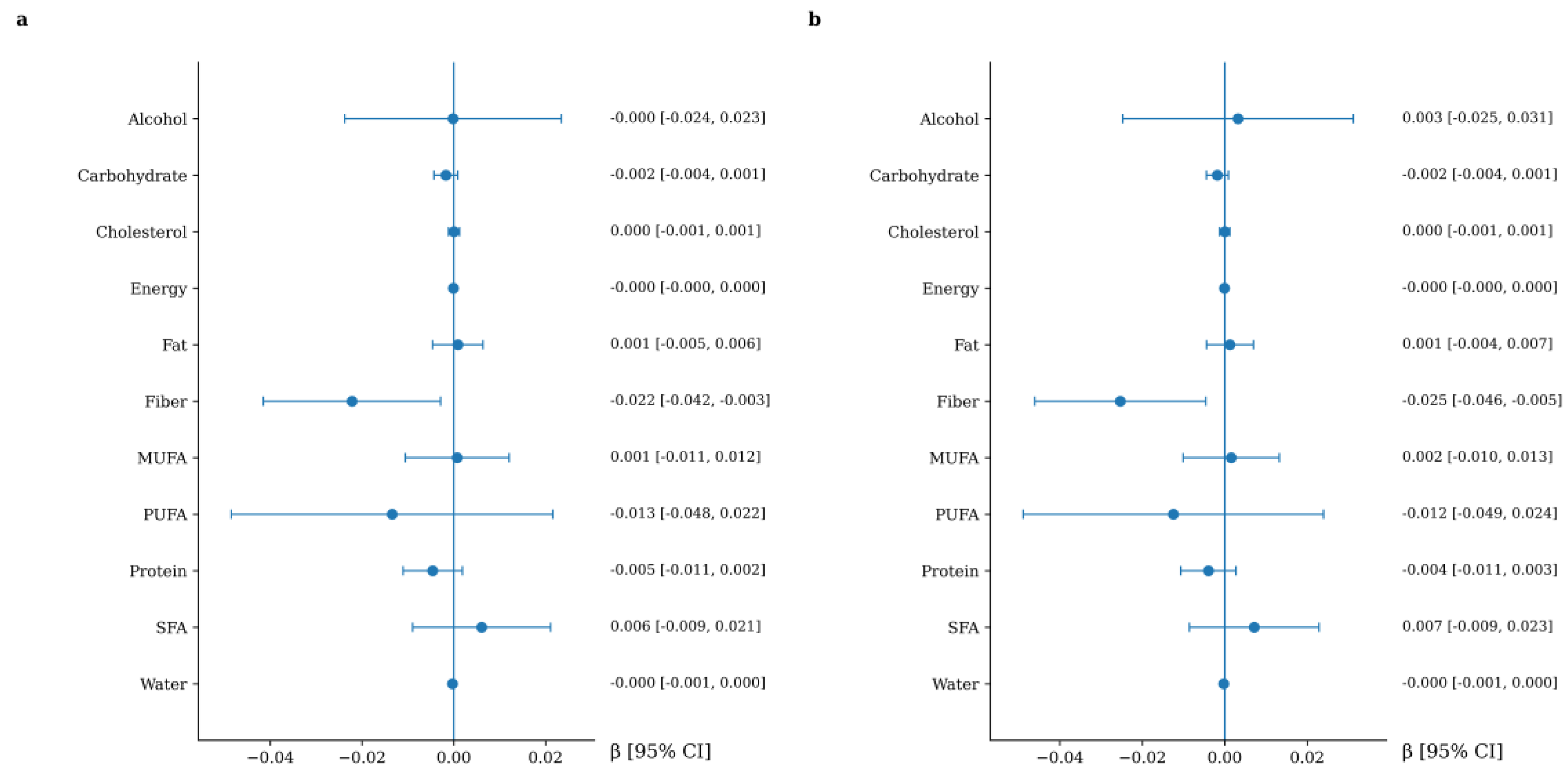
Figure 1. Association between macronutrient and cfPWV Increment Panel a adjusted for age and sex and panel b adjusted for age, sex, lifestyle variables and cardiovascular risk factors.
Preprints 203919 g001
Figure 2. Association between macronutrient and CAVI Increment Panel a adjusted for age and sex and panel b adjusted for age, sex, lifestyle variables and cardiovascular risk factors.
Preprints 203919 g002
Figure 3. Association between micronutrient and cfPWV Increment Panel a adjusted for age and sex and panel b adjusted for age, sex, lifestyle variables and cardiovascular risk factors.
Preprints 203919 g003
Figure 4. Association between micronutrient and CAVI Increment Panel a adjusted for age and sex and panel b adjusted for age, sex, lifestyle variables and cardiovascular risk factors.
Preprints 203919 g004
Table 1. Characteristics of the study population overall and by sex.
Variable Total (n = 466) Men (n = 226) Women (n = 240) p-Value
Age (years) 55.96 ± 14.15 55.94 ± 14.19 55.98 ± 14.13 0.973
Alcohol (g/week) 0.00 (0.00–65.00) 30.00 (0.00–105.00) 0.00 (0.00–20.00) <0.001
Mediterranean diet score 7.17 ± 2.07 6.73 ± 1.98 7.58 ± 2.08 <0.001
Total physical activity (MET-min/week) 1537.50 (742.12–2772.00) 2106.00 (1386.00–4134.00) 1263.75 (693.00–2079.00) <0.001
Sitting time (h/week) 42.14 ± 17.81 47.97 ± 16.54 36.66 ± 17.23 <0.001
Systolic BP (mmHg) 119.70 ± 17.76 125.73 ± 16.49 114.03 ± 17.06 <0.001
Diastolic BP (mmHg) 75.64 ± 10.00 77.68 ± 9.16 73.73 ± 10.39 <0.001
Pulse pressure (mmHg) 44.06 ± 12.32 48.05 ± 12.03 40.30 ± 11.40 <0.001
Heart rate (bpm) 68.72 ± 9.52 67.65 ± 9.99 69.73 ± 8.96 0.018
Total cholesterol (mg/dL) 194.97 ± 32.84 192.61 ± 33.09 197.20 ± 32.52 0.132
LDL cholesterol (mg/dL) 115.58 ± 29.51 117.60 ± 30.57 113.68 ± 28.42 0.153
Glucose (mg/dL) 85.00 (79.00–93.00) 87.00 (80.00–95.00) 84.00 (78.00–90.00) 0.001
Weight (kg) 72.48 ± 13.85 79.73 ± 11.85 65.66 ± 12.02 <0.001
Height (cm) 165.06 ± 9.69 171.81 ± 7.26 158.70 ± 7.03 <0.001
Body mass index (kg/m²) 26.55 ± 4.22 26.99 ± 3.41 26.13 ± 4.82 0.027
Pulse wave velocity (m/s) 7.60 (6.50–9.10) 7.90 (6.60–10.10) 7.30 (6.40–8.70) <0.001
ΔcfPWV (m/s) 1.14 ± 1.76 1.33 ± 1.75 0.96 ± 1.75 0.023
Mean CAVI 8.01 ± 1.46 8.16 ± 1.50 7.87 ± 1.40 0.030
ΔCAVI 0.18 ± 0.89 0.24 ± 0.86 0.12 ± 0.92 0.129
Values are presented as mean ± standard deviation (SD) for approximately normally distributed variables, and as median (interquartile range, IQR) for non-normally distributed variables. Normality was assessed using the Shapiro–Wilk test and distribution shape (skewness/kurtosis). Between-group comparisons were performed using Student’s t-test for independent samples (Welch’s correction when variances were unequal based on Levene’s test) or the Mann–Whitney U test, as appropriate. A p-value < 0.05 was considered statistically significant. Abbreviations: BP, blood pressure; CAVI, cardio-ankle vascular index; cfPWV, carotid–femoral pulse wave velocity; MET, metabolic equivalent.
Table 2. Macronutrient Intake Overall and by Sex.
Variable Total (n = 466) Men (n = 226) Women (n = 240) p-Value
Energy intake (kcal/day) 2061 (1770–24766) 2177 (1812–2557) 1958 (1714–2324) <0.001
Protein (g/day) 96 (80–111) 99 (85–115) 91 (76–108) <0.001
Carbohydrates (g/day) 193 (159–236) 203 (162–242) 188 (156–233) 0.059
Dietary fiber (g/day) 25 (19–30) 25 (19–30) 25 (19–31) 0.970
Total fat (g/day) 92(77–114) 98 (81–117) 88 (75–109) <0.001
Saturated fatty acids (g/day) 30 (24–37) 32 (26–38) 28 (22–35) 0.002
Monounsaturated fatty acids (g/day) 43 (35–54) 47 (38–56) 40 (34–51) <0.001
Polyunsaturated fatty acids (g/day) 16 (9–15) 12 (9–15) 11 (9–14) 0.093
Dietary cholesterol (mg/day) 358 (287–439) 394 (307–470) 328 (268–402) <0.001
Alcohol (g/day) 0.00 (0.00–4.62) 0.37 (0.00–7.55) 0.00 (0.00–2.31) <0.001
Water (mL/day) 1358 (1150–1606) 1357 (1148–1666) 1358 (1150–1562) 0.217
Values are presented as mean ± standard deviation (SD) for normally distributed variables and as median (interquartile range, IQR) for non-normally distributed variables. Between-group comparisons were performed using Student’s t-test or the Mann–Whitney U test, as appropriate. Multiple comparisons were corrected using the Benjamini–Hochberg false discovery rate (FDR) method. Effect sizes are reported as Cohen’s d (parametric) or r (non-parametric).
Table 3. Micronutrient Intake Overall and by Sex.
Variable Total (n = 466) Men (n = 226) Women (n = 240) p-Value
Iron (mg/day) 156 (13–19) 160 (130–20) 15 (12–18) 0.017
Iodine (µg/day) 103 (80–135) 109 (82–141) 100 (79–128) 0.024
Magnesium (mg/day) 319 (261–375) 321 (270–376) 317 (257–373) 0.422
Zinc (mg/day) 11 (9–13) 11 (9–13) 10 (9–12) 0.006
Selenium (µg/day) 118 (94–151) 122 (97–163) 116 (90–142) 0.008
Sodium (mg/day) 3384 (2509–4335) 3669 (2843–4673) 3137 (2355–4108) <0.001
Potassium (mg/day) 3555 (2934–4261) 3607 (2979–4345) 3523 (2914–4170) 0.146
Values are presented as mean ± standard deviation (SD) for normally distributed variables and as median (interquartile range, IQR) for non-normally distributed variables. Between-group comparisons were performed using Student’s t-test or the Mann–Whitney U test, as appropriate. Multiple comparisons were corrected using the Benjamini–Hochberg false discovery rate (FDR) method. Effect sizes are reported as Cohen’s d (parametric) or r (non-parametric).
Disclaimer/Publisher’s Note: The statements, opinions and data contained in all publications are solely those of the individual author(s) and contributor(s) and not of MDPI and/or the editor(s). MDPI and/or the editor(s) disclaim responsibility for any injury to people or property resulting from any ideas, methods, instructions or products referred to in the content.
Copyright: This open access article is published under a Creative Commons CC BY 4.0 license, which permit the free download, distribution, and reuse, provided that the author and preprint are cited in any reuse.
Prerpints.org logo

Preprints.org is a free preprint server supported by MDPI in Basel, Switzerland.

Subscribe

Disclaimer

Terms of Use

Privacy Policy

Privacy Settings

© 2026 MDPI (Basel, Switzerland) unless otherwise stated