

Submitted:
16 March 2026
Posted:
18 March 2026
Read the latest preprint version here
Abstract
Background: Hereditary transthyretin amyloidosis (ATTRv) is a rare multisystemic disease with variable phenotypic presentation, particularly underdiagnosed in Latin American populations. No data exists on ATTRv characteristics in Peru.Objective: To describe the demographic, genetic, and clinical characteristics of patients with ATTRv in Peru.Methods: Cross-sectional descriptive study of patients with confirmed ATTRv diagnosis attended at eight participating hospitals from March 2022 to December 2024. Patients were evaluated for clinical phenotype classification, neurological assessment (NIS, Norfolk QOL-DN), autonomic dysfunction (COMPASS-31, SUDOSCAN), cardiac assessment (echocardiography, Tc99m-PYP scintigraphy), and genetic characterization.Results: Twenty-three patients were included (69.6% male, median age 60 years, IQR 45-70). Three genetic variants were identified: Val142Ile (56.5%, n=13), Ala65Val (34.8%, n=8), and Val50Met (8.7%, n=2). Phenotypic distribution: preclinical 34.8% (n=8), mixed 39.1% (n=9), cardiac 21.7% (n=5), and neurological 4.3% (n=1). Notably, 77.8% of cardiac patients demonstrated Perugini grade 3 cardiac scintigraphy findings. The majority of patients (55.6%) reported minimal neuropathic symptoms (Norfolk QOL-DN <20).Conclusions: This first characterization of ATTRv in Peruvian population demonstrates a phenotypic distribution consistent with global registries, with high prevalence of Val142Ile variant and significant cardiac involvement. Early identification of carriers and presymptomatic patients represents a therapeutic opportunity given the availability of disease-modifying therapies. Genetic screening in asymptomatic relatives is recommended.
Keywords:
transthyretin amyloidosis
; ATTRv
; familial amyloid polyneuropathy
; cardiomyopathy
; Peru
; rare disease
; genetic variants
Introduction
Hereditary transthyretin amyloidosis (ATTRv, formerly designated ATTRm) is an autosomal dominant disease caused by mutations in the TTR gene that result in systemic deposition of amyloid fibrils derived from misfolded transthyretin. More than 140 pathogenic variants of the TTR gene have been described [1,2], with variable phenotypic expression including progressive sensorimotor polyneuropathy, infiltrative cardiomyopathy, autonomic dysfunction, and ocular and leptomeningeal involvement [1].
Historically considered an endemic disease in specific regions such as Portugal, Sweden, and Japan [2,3], ATTRv is now recognized as a condition with worldwide distribution, although with significant differences in the frequency of genetic variants and phenotypic expression among populations [1,2]. The THAOS registry (Transthyretin Amyloidosis Outcomes Survey), the largest globally with over 3,000 patients, has demonstrated that approximately one-third of patients present with a mixed phenotype (cardiac and neurological), while pure cardiac or neurological phenotypes each represent approximately one-third of cases [4].
In Latin America, information on ATTRv is limited. Recent studies from Brazil [5], Argentina [6], and Mexico [7] have begun to characterize local populations, identifying important differences in the distribution of genetic variants and clinical presentation compared to classic European cohorts. However, no published data exist on the characteristics of ATTRv in the Peruvian population.
Early diagnosis of ATTRv is crucial given the advent of disease-modifying therapies, including transthyretin stabilizers (tafamidis) [8], gene silencers (patisiran [9], inotersen [10]), and, more recently, gene editing therapies (NTLA-2001) [11]. Early treatment initiation, ideally at preclinical stages or with mild disease, is associated with better clinical outcomes [8,9,10].
The objective of this study was to characterize the clinical, genetic, and phenotypic profile of patients with ATTRv in the Peruvian population, establishing the foundation for future diagnostic and therapeutic strategies in this orphan disease.
Methods
Study Design
Descriptive cross-sectional study of a cohort of patients with confirmed diagnosis of hereditary transthyretin amyloidosis (ATTRv) evaluated at eight participating healthcare institutions from March 2022 to December 2024. The participating hospitals were: Hospital Nacional Edgardo Rebagliati Martins (Lima), Hospital Nacional Dos de Mayo (Lima), Hospital Nacional Cayetano Heredia (Lima), Hospital Regional Honorio Delgado Espinoza (Arequipa), Hospital Goyeneche (Arequipa), Hospital Hipólito Unanue (Tacna), Hospital Regional de Ica (Ica), and a private institution in Lima.
Inclusion Criteria
Patients over 18 years of age with confirmed ATTRv diagnosis through: (1) identification of a pathogenic variant in the TTR gene by molecular testing, AND (2) confirmation with tissue biopsy showing Congo red-positive amyloid deposits with immunohistochemistry demonstrating TTR specificity, OR (3) positive cardiac scintigraphy (Tc99m-PYP or Tc99m-DPD) with characteristic radiological findings and TTR gene mutation.
Variables Assessed
Demographic and genetic variables: age, sex, TTR genetic variant identified, anthropometric data (height, weight, body mass index), zygosity, pathogenic significance classification, age at diagnosis, recruitment method (index case vs. family screening), and participating hospital.
Neurological assessment: the Neuropathy Impairment Score (NIS) [1] was used to quantify neurological deficit (range 0-244 points); the Norfolk Quality of Life-Diabetic Neuropathy (Norfolk QOL-DN) scale assessed neuropathic symptoms and quality of life; the Peripheral Neuropathy Disability (PND) scale classified patients by functional status.
Autonomic assessment: autonomic symptoms were evaluated using the Composite Autonomic Symptom Score-31 (COMPASS-31) [12]; objective assessment was performed with SUDOSCAN [13] measuring sweat gland function in feet and hands.
Cardiovascular assessment: transthoracic echocardiography was performed evaluating left ventricular ejection fraction (LVEF), left ventricular mass, global longitudinal strain (GLS), and diastolic function parameters. Expanded cardiovascular evaluation additionally included: interventricular septum thickness and posterior wall thickness assessment, apical sparing pattern [14], and cardiac biomarkers (troponin T, NT-proBNP).
Genetic characterization included variant type (missense, nonsense), zygosity (homozygosity/heterozygosity), pathogenic significance according to ACMG criteria, and age at molecular diagnosis.
Additional clinical variables: relevant medical history including arterial hypertension, diabetes mellitus, dyslipidemia, renal disease, arrhythmias, stroke history, smoking, hypothyroidism, carpal tunnel syndrome, macroglossia, and purpura were recorded.
Clinical Phenotype Classification
Clinical phenotypes were classified according to criteria derived from AHA/ACC guidelines [15] and the THAOS registry [4]. Cardiac involvement (hATTR-CM): presence of at least one of the following: left ventricular mass index >115 g/m² (men) or >100 g/m² (women), LVEF <50%, or characteristic cardiac scintigraphy findings (Perugini grade ≥2). Neurological involvement (hATTR-PN): presence of at least one of the following: NIS >0 (any neurological deficit), sensorimotor symptoms, or abnormal electromyography findings. Mixed phenotype: meets criteria for both cardiac AND neurological involvement. Carrier/Preclinical: carrier of pathogenic variant without criteria for cardiac or neurological involvement.
Statistical Analysis
Continuous variables were described using median and interquartile range (IQR) given the small sample size; categorical variables were described as absolute and relative frequencies (percentages). Descriptive analysis was stratified by genetic variant to identify phenotypic patterns. No inferential statistics were performed due to the limited sample size.
Ethical Considerations
The study was approved by the Institutional Ethics Committee. All patients provided informed written consent for participation and genetic testing.
Results
Demographic and Genetic Characteristics
Twenty-three patients with confirmed ATTRv diagnosis were included. The median age was 60 years (IQR 45-70). Male sex predominated at 69.6% (n=16). Anthropometric data were available in 6 patients, with median BMI of 29.5 kg/m² (IQR 25.2-31.0).
The median age at diagnosis was 66 years (IQR 48-68, n=9), suggesting diagnostic delay. Kinship analysis (n=21) revealed that 47.6% of patients were index cases, while 52.4% were identified through family screening.
Three distinct genetic variants were identified: Val142Ile was the most frequent (56.5%, n=13) with mean age at diagnosis 63.8 years, followed by Ala65Val (34.8%, n=8) with mean age at diagnosis 42.0 years, and Val50Met (8.7%, n=2) with mean age at diagnosis 62.5 years. All 16 patients with complete genetic characterization were heterozygous. Among genetic variants, 81.3% (n=13) were classified as pathogenic, while 18.7% (n=3) were classified as probably pathogenic according to ACMG criteria.
Neurological Assessment
Neurological evaluation using NIS was available in 14 patients. The median NIS total was 0.0 (IQR 0.0-77.0), with 73.3% (n=11) having NIS=0 (asymptomatic) and 26.7% (n=4) having NIS>0 indicating neurological involvement.
Quality of life assessed by Norfolk QOL-DN (n=17) showed a median of 6.0 points (IQR 0.0-32.0). The majority of patients (55.6%, n=10) had minimal symptoms (<20 points), 22.2% (n=4) had mild symptoms (20-39 points), and 22.2% (n=4) had moderate-to-severe symptoms (≥40 points).
PND staging was available in 8 patients: 12.5% were asymptomatic, 62.5% were in stage I (symptomatic but fully functional), and 25% were in stage II (some functional limitation).
Regarding neuropathic pain (NPS, n=17), the median was 12.0 (IQR 0.0-35.0), with 47.1% of patients reporting no pain.
Functional tests showed: Timed Up and Go with median of 10.6 seconds (IQR 9.1-14.8), consistent with preserved functional capacity in this cohort.
Autonomic Assessment
COMPASS-31 (n=17) showed a median of 6.0 points (IQR 0.0-11.2), indicating mild autonomic symptoms. Only 23.1% (n=3) of the evaluated patients met criteria for clinically significant dysautonomia.
Objective assessment by SUDOSCAN (n=6) showed feet conductance with median of 66.0 µS (IQR 54.0-71.0), and hands conductance with median of 62.0 µS (IQR 59.0-73.0).
Cardiovascular Assessment
Complete cardiovascular evaluation was available in 15 patients (65.2% of cohort). LVEF mean was 60.2% (median 61.0%), with 20.0% (n=3/15) presenting with reduced ejection fraction (LVEF<50%).
Left ventricular mass (n=12) had a mean of 102.9g (median 84.5g), with 16.7% presenting with increased mass (>150g). Global longitudinal strain showed mean of -15.5% (abnormal >-18%).
Diastolic function patterns showed significant alterations: 55.6% presented monophasic/restrictive patterns characteristic of amyloid infiltration.
Troponin T (n=9) showed median of 47.0 ng/L, with 88.9% (n=8) presenting elevated values (>14 ng/L), indicating myocardial involvement.
Expanded echocardiographic evaluation (n=15 patients with detailed cardiac assessment) revealed characteristic findings: apical sparing pattern (‘cherry on top’ sign) was present in 60.0% (n=9/15), interventricular septum thickness mean 14.1mm (median 15.0mm), and posterior wall thickness mean 12.9mm.
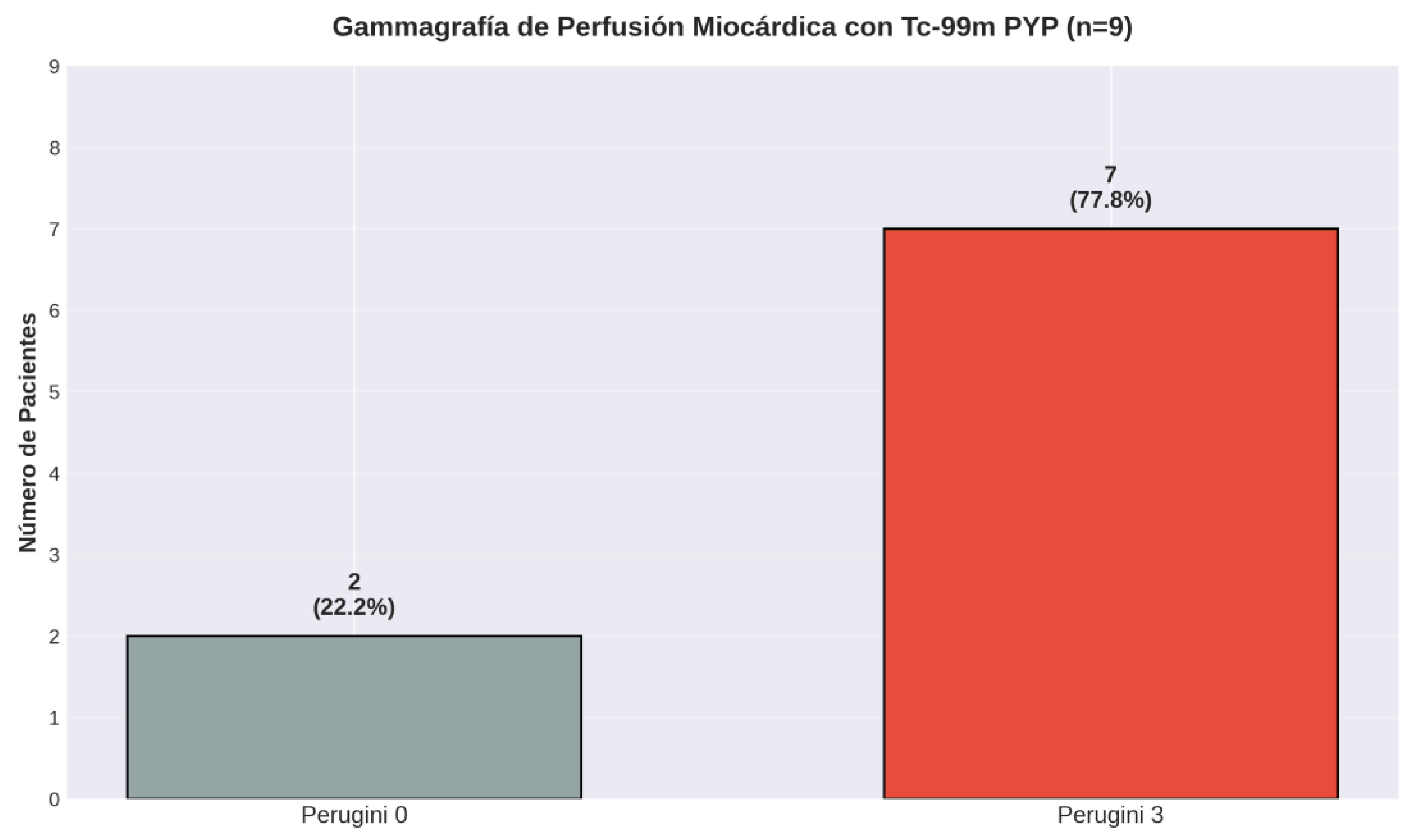
Cardiac scintigraphy with Tc99m-pyrophosphate was performed in 9 patients, being positive in 7 (77.8%), with 77.8% showing Perugini grade 3 (highest) cardiac uptake, indicating significant cardiac amyloid burden.
NT-proBNP was available in 9 patients, with median of 834.5 pg/mL (range 85.9-5096.0). Elevated levels were identified in patients with advanced cardiac disease.
Electrical Assessment and Medical History
ECG (n=12) showed sinus rhythm in 83.3% of patients and low voltage in 58.3%. One case of atrial fibrillation and one case of atrial flutter were documented. One patient had a pacemaker implanted. Medical history was available in a subgroup of patients (n=13-14 depending on variable), with hypertension being the most common comorbidity (50.0%), followed by arrhythmias (23.1%) and carpal tunnel syndrome (23.1%).
Clinical Phenotype Distribution
Applying phenotypic classification criteria, the distribution was: preclinical 34.8% (n=8), mixed 39.1% (n=9), cardiac 21.7% (n=5), and neurological 4.3% (n=1).
Analysis by genetic variant showed differentiated patterns: Val142Ile (n=13) was associated with predominantly preclinical phenotype (53.8%), Ala65Val (n=8) showed higher proportion of mixed phenotype (50.0%), and Val50Met (n=2) presented exclusively with mixed phenotype.
Median age varied by phenotype: carriers/preclinical 53 years, cardiac 48 years, neurological 82 years, and mixed 60 years.
Discussion
This study represents the first systematic characterization of patients with ATTRv in Peruvian population, establishing baseline data for understanding disease presentation and distribution of genetic variants in our region.
The distribution of genetic variants in our cohort differs significantly from published European series. Val142Ile was the predominant variant (56.5%), consistent with late-onset cardiac presentations typical of this variant. The Ala65Val variant, second in frequency in our cohort (34.8%), showed an aggressive phenotypic behavior with presentation at younger median age (42 years) compared to Val142Ile (63.8 years), and higher proportion of mixed phenotype (50%), suggesting rapid systemic progression in admixed populations.
The Val50Met variant (formerly Val30Met), the most frequent worldwide and characteristic of Portuguese endemic disease, represented only 8.7% of our cohort. This distinctive variant profile suggests that the ATTRv population in Peru has a different genetic origin pattern, likely related to population admixture rather than direct European immigration.
The proportion of mixed phenotype in our cohort (39.1%) is comparable to what is reported in the THAOS registry, supporting that simultaneous cardiac and neurological involvement is a common presentation pattern globally [4].
The high proportion of patients at preclinical stage (34.8%) has favorable clinical implications. Early identification through genetic screening of relatives of index cases represents a therapeutic window for disease-modifying interventions before irreversible organ damage occurs.
Autonomic assessment using COMPASS-31 [12] showed predominance of mild symptoms, although objective SUDOSCAN assessment in a limited subgroup suggested evidence of sudomotor dysfunction. This discordance suggests subclinical autonomic involvement in this population, highlighting the value of objective testing.
The findings from expanded echocardiographic evaluation reinforce the utility of complementary parameters beyond traditional LVEF assessment. The apical sparing pattern (‘cherry on top’ sign), present in 60% of cardiac patients, represents a hallmark echocardiographic finding of cardiac amyloidosis with high specificity [14]. The high prevalence of elevated interventricular septal thickness and the characteristic diastolic dysfunction patterns strengthen the amyloidotic etiology of cardiomyopathy in these patients.
The finding that 100% of patients with molecular characterization were heterozygous is consistent with the autosomal dominant inheritance pattern and worldwide prevalence of heterozygous variants in ATTRv. Homozygous forms remain rare and typically associated with earlier, more aggressive disease.
Participation from 8 different hospitals with representation of ESSALUD (66.7%), MINSA (23.8%), and private institutions (9.5%) reflects a multiinstitutional collaborative effort capturing diverse healthcare settings in Peru, though geographic representation remains limited to coastal and southern regions.
One mortality case (4.3%, 1/23) was recorded during the follow-up period in a patient with Val142Ile variant with advanced cardiac disease, underscoring the progressive nature of untreated ATTRv and the urgent need for earlier diagnostic and therapeutic interventions.
This study has limitations inherent to its design. The limited sample size (n=23) reflects the rarity of diagnosed ATTRv in Peru and the challenges in identification of patients with this orphan disease. The cross-sectional design prevents assessment of disease progression and natural history. Not all patients had complete assessments in all domains (e.g., only 65% had complete cardiac evaluation). The lack of information on relatives and asymptomatic carriers likely underestimates the true prevalence of genetic variants in the Peruvian population.
Despite these limitations, this study provides valuable information for the Peruvian medical community, establishing the foundation for future diagnostic protocols, therapeutic strategies, and family screening programs for ATTRv in our population.
Conclusions
This first characterization of ATTRv in Peruvian population demonstrates a phenotypic distribution consistent with global registries, with predominance of Val142Ile variant and significant cardiac involvement. The distinctive genetic variant profile suggests population-specific patterns of disease presentation that differ from classic European cohorts.
The expanded cardiovascular assessment data, including septal thickness, apical sparing, and cardiac scintigraphy, provide additional evidence of the value of multimodal evaluation in establishing cardiac amyloidosis diagnosis and estimating disease severity beyond traditional ejection fraction measurements.
Early identification of carriers and patients with incipient disease represents a therapeutic opportunity given the availability of disease-modifying therapies and the evidence that treatment initiated at preclinical or early symptomatic stages yields better clinical outcomes.
Genetic counseling and family screening for asymptomatic relatives of ATTRv patients should be systematically implemented in Peru as a key strategy for early disease detection and prevention of clinical manifestations.
Tables

Table 1.
Demographic, Genetic, and Anthropometric Characteristics.
| Variable | Total (n=23) | Val142Ile (n=13) | Ala65Val (n=8) | Val50Met (n=2) |
|---|---|---|---|---|
| Age, years - median (IQR) | 60 (45-70) | 65 (41-76) | 51 (46-66) | 64 (60-68) |
| Male sex, n (%) | 16 (69.6%) | 8 (61.5%) | 7 (87.5%) | 1 (50.0%) |
| Height, cm - mean (n=17) | 168.1 | 171.0 (n=8) | 172.8 (n=4) | 158.5 (n=2) |
| Weight, kg - mean (n=17) | 70.8 | 72.9 (n=8) | 67.5 (n=4) | 58.0 (n=2) |
| BMI - mean (n=6) | 28.3 | 24.0 (n=2) | 31.0 (n=1) | N/D |
| Zygosity - Heterozygous, n/total (%) | 16/16 (100%) | 8/8 (100%) | 5/5 (100%) | 2/2 (100%) |
| Pathogenic | 13/16 (81.3%) | 8/8 (100%) | 2/5 (40.0%) | 2/2 (100%) |
| Probably pathogenic | 3/16 (18.7%) | 0/8 (0%) | 3/5 (60.0%) | 0/2 (0%) |
| Age at diagnosis, years - mean | 57.4 | 63.8 (n=9) | 42.0 (n=5) | 62.5 (n=2) |
| Age at diagnosis, years - median | 66.0 | 67.0 | 40.0 | 62.5 |
| Index case, n/total (%) | 10/21 (47.6%) | 5/12 (41.7%) | 3/7 (42.9%) | 2/2 (100%) |
| Family screening, n/total (%) | 11/21 (52.4%) | 7/12 (58.3%) | 4/7 (57.1%) | 0/2 (0%) |
| ESSALUD, n (%) | 14/21 (66.7%) | 8/12 (66.7%) | 5/7 (71.4%) | 1/2 (50.0%) |
| MINSA, n (%) | 5/21 (23.8%) | 2/12 (16.7%) | 2/7 (28.6%) | 1/2 (50.0%) |
| Private, n (%) | 2/21 (9.5%) | 2/12 (16.7%) | 0/7 (0%) | 0/2 (0%) |
| Number of hospitals | 8 | 4 | 4 | 2 |
| Mortality, n (%) | 1/23 (4.3%) | 1 (7.7%) | 0 (0%) | 0 (0%) |
Values expressed as median (IQR) for continuous variables and n (%) for categorical variables. Data available in subgroups as indicated. IQR = interquartile range; BMI = body mass index.
Table 2.
Neurological Assessment.
| Variable | n | Value |
|---|---|---|
| NIS Total, median (range) | 15 | 0.0 (0-137) |
| NIS = 0, n (%) | 15 | 11 (73.3%) |
| NIS > 0, n (%) | 15 | 4 (26.7%) |
| Norfolk QOL-DN, median | 18 | 6.0 |
| Norfolk <20 (minimal), n (%) | 18 | 10 (55.6%) |
| Norfolk 20-39 (mild), n (%) | 18 | 4 (22.2%) |
| Norfolk ≥40 (mod-severe), n (%) | 18 | 4 (22.2%) |
NIS = Neuropathy Impairment Score (range 0-244, higher score indicates greater deficit); Norfolk QOL-DN = Norfolk Quality of Life-Diabetic Neuropathy (range 0-136).
Table 3.
Autonomic Dysfunction.
| Variable | n | Value |
|---|---|---|
| COMPASS-31, median | 18 | 6.0 |
| SUDOSCAN Feet, µS - median (IQR) | 6 | 66.0 (54.0-71.0) |
| SUDOSCAN Hands, µS - median (IQR) | 6 | 62.0 (59.0-73.0) |
| Dysautonomia (COMPASS-31 >31), n (%) | 13 | 3 (23.1%) |
COMPASS-31 = Composite Autonomic Symptom Score (range 0-100, higher indicates greater autonomic dysfunction); SUDOSCAN = quantitative measurement of sweat gland function (µS = microsiemens).
Table 4.
Cardiovascular Assessment.
| Variable | n | Value | Abnormal % |
|---|---|---|---|
| LVEF %, mean (median) | 15 | 60.2% (61.0%) | |
| LVEF <50% | 16 | 3/15 (20.0%) | 20.0% |
| GLS %, mean | 15 | -15.5% | |
| LV Mass, g - mean (median) | 12 | 102.9 (84.5) | |
| LV Mass >150g | 13 | 2/12 (16.7%) | 16.7% |
| TAPSE, mm - mean | 15 | 18.8 | |
| Septal thickness, mm - mean (median) | 15 | 14.1 (15.0) | |
| Posterior wall, mm - mean | 15 | 12.9 | |
| E/e’ ratio - mean (median) | 15 | 15.0 (13.8) | |
| Apical sparing (cherry on top) | 16 | 9/15 (60.0%) | 60.0% |
| Troponin T, ng/L - median | 9 | 47.0 | |
| Troponin T >14 ng/L | 9 | 8/9 (88.9%) | 88.9% |
| NT-proBNP, pg/mL - median (range) | 9 | 834.5 (85.9-5096.0) | |
| Tc99m-PYP Perugini grade 3 | 9 | 7/9 (77.8%) | 77.8% |
| Tc99m-PYP Perugini grade 0 | 9 | 2/9 (22.2%) | 22.2% |
| ECG Sinus rhythm | 12 | 10/12 (83.3%) | 83.3% |
| ECG Atrial fibrillation | 12 | 1/12 (8.3%) | 8.3% |
| ECG Atrial flutter | 12 | 1/12 (8.3%) | 8.3% |
| Low voltage ECG | 12 | 7/12 (58.3%) | 58.3% |
| Pacemaker implantation | 11 | 1/11 (9.1%) | 9.1% |
LVEF = left ventricular ejection fraction; GLS = global longitudinal strain; LV = left ventricular; TAPSE = tricuspid annular plane systolic excursion; E/e’ = early mitral inflow velocity/early diastolic mitral annular velocity; NT-proBNP = N-terminal pro-B-type natriuretic peptide; Tc99m-PYP = technetium-99m pyrophosphate; ECG = electrocardiogram.
Table 5.
Clinical Phenotype Distribution.
| Phenotype | Total n=23 (%) | Val142Ile (n=13) | Ala65Val (n=8) | Val50Met (n=2) |
|---|---|---|---|---|
| Preclinical | 8 (34.8%) | 7 (53.8%) | 1 (12.5%) | 0 |
| Mixed | 9 (39.1%) | 3 (23.1%) | 4 (50.0%) | 2 (100%) |
| Cardiac | 5 (21.7%) | 3 (23.1%) | 2 (25.0%) | 0 |
| Neurological | 1 (4.3%) | 0 | 1 (12.5%) | 0 |
Phenotypic classification according to AHA/ACC 2025 guidelines and THAOS registry criteria. Cardiac involvement defined by cardiac imaging findings or biomarker elevation. Neurological involvement defined by NIS >0 or symptomatic neuropathy. Mixed phenotype meets criteria for both cardiac and neurological involvement. Preclinical = pathogenic variant carrier without clinical or subclinical evidence of organ involvement.
Table 6.
Quality of Life Assessment.
| Variable | n | Value |
|---|---|---|
| Norfolk QOL-DN - median (IQR) | 18 | 6.0 (0.0-32.0) |
| <20 (minimal), n (%) | 18 | 10 (55.6%) |
| 20-39 (mild), n (%) | 18 | 4 (22.2%) |
| ≥40 (moderate-severe), n (%) | 18 | 4 (22.2%) |
| KCCQ - Positive (normal), n (%) | 6 | 5 (83.3%) |
| KCCQ - Negative (abnormal), n (%) | 6 | 1 (16.7%) |
Norfolk QOL-DN = Norfolk Quality of Life-Diabetic Neuropathy questionnaire (range 0-136, higher scores indicate greater impairment); KCCQ = Kansas City Cardiomyopathy Questionnaire.
Table 7.
Medical History and Extracardiac Manifestations.
| Variable | n evaluated | Positive n (%) |
|---|---|---|
| Hypertension | 14 | 7 (50.0%) |
| Diabetes mellitus | 13 | 1 (7.7%) |
| Arrhythmia | 13 | 3 (23.1%) |
| Renal disease | 13 | 2 (15.4%) |
| Dyslipidemia | 13 | 0 (0%) |
| Hypothyroidism | 13 | 0 (0%) |
| Stroke | 13 | 1 (7.7%) |
| Smoking history | 13 | 0 (0%) |
| Carpal tunnel syndrome | 13 | 3 (23.1%) |
| Macroglossia | 13 | 1 (7.7%) |
| Purpura | 13 | 0 (0%) |
Data available in subgroups of evaluated patients as indicated by variable. Carpal tunnel syndrome is a common extracardiac manifestation of ATTR amyloidosis. Macroglossia (enlarged tongue) is a hallmark feature of systemic amyloidosis.
Figures
Figure 1.
Distribution of Genetic Variants (n=23). Val142Ile was the most frequent genetic variant (56.5%), followed by Ala65Val (34.8%) and Val50Met (8.7%). The distribution of genetic variants in this Peruvian cohort differs significantly from European series.
Figure 1.
Distribution of Genetic Variants (n=23). Val142Ile was the most frequent genetic variant (56.5%), followed by Ala65Val (34.8%) and Val50Met (8.7%). The distribution of genetic variants in this Peruvian cohort differs significantly from European series.
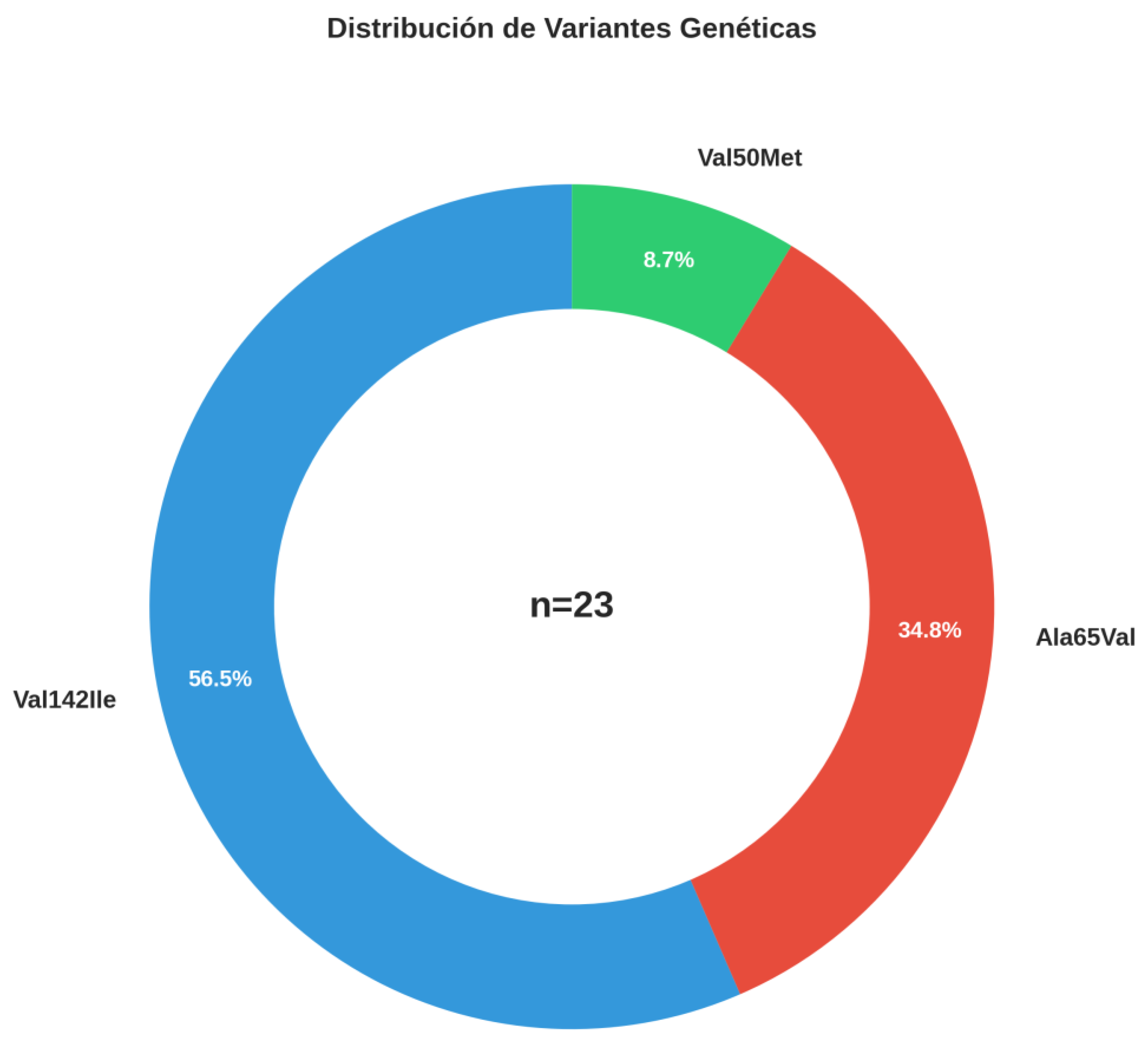
Figure 2.
Distribution of Clinical Phenotypes (n=23). The mixed phenotype was most prevalent (39.1%), followed by preclinical (34.8%), cardiac (21.7%) and neurological (4.3%). This distribution is consistent with the THAOS global registry.
Figure 2.
Distribution of Clinical Phenotypes (n=23). The mixed phenotype was most prevalent (39.1%), followed by preclinical (34.8%), cardiac (21.7%) and neurological (4.3%). This distribution is consistent with the THAOS global registry.
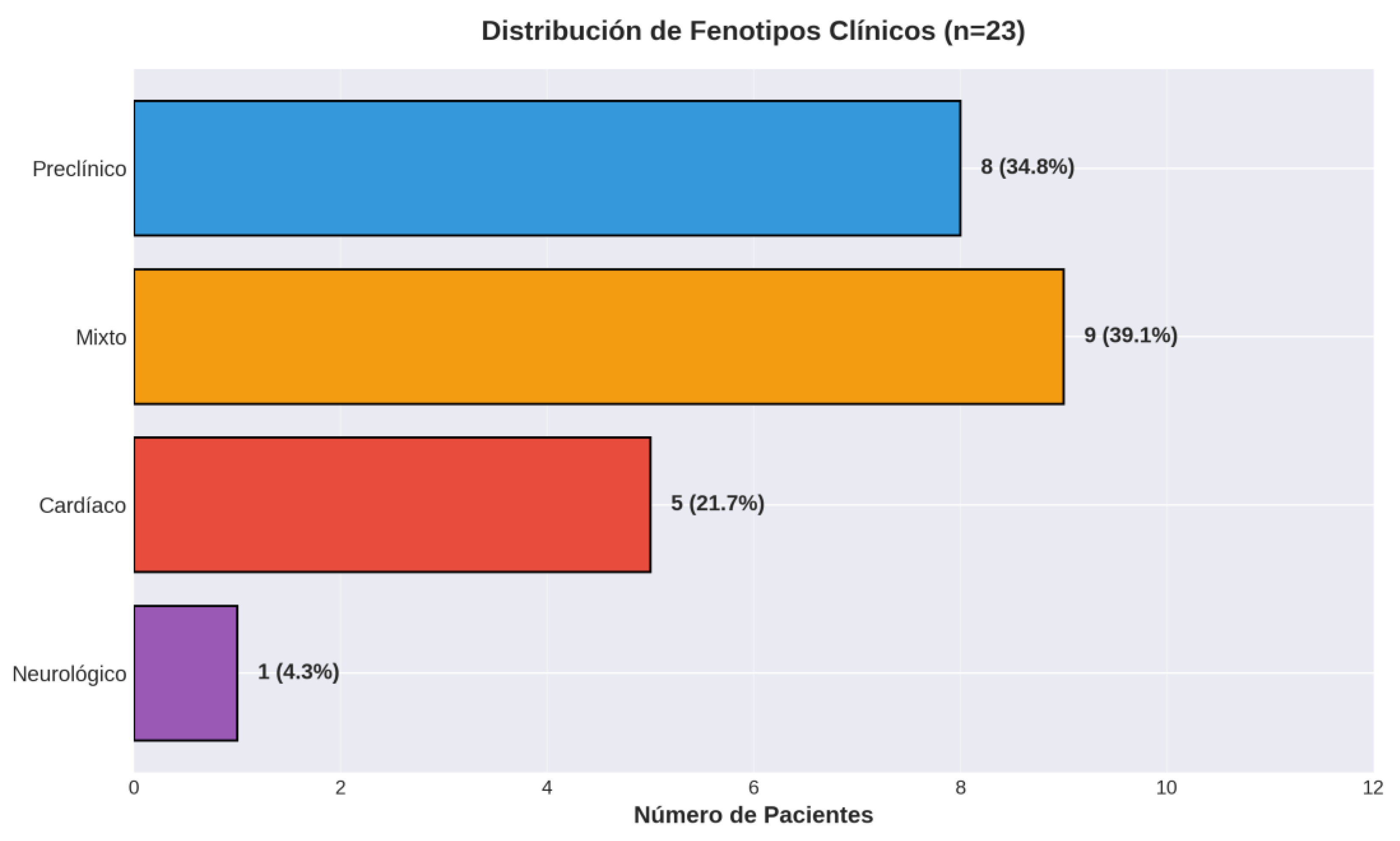
Figure 3.
Clinical Phenotype by Genetic Variant (n=23). Val142Ile showed predominance of preclinical phenotype (53.8%); Ala65Val presented higher proportion of mixed phenotype (50.0%); Val50Met presented exclusively with mixed phenotype, suggesting differential disease progression patterns by variant.
Figure 3.
Clinical Phenotype by Genetic Variant (n=23). Val142Ile showed predominance of preclinical phenotype (53.8%); Ala65Val presented higher proportion of mixed phenotype (50.0%); Val50Met presented exclusively with mixed phenotype, suggesting differential disease progression patterns by variant.
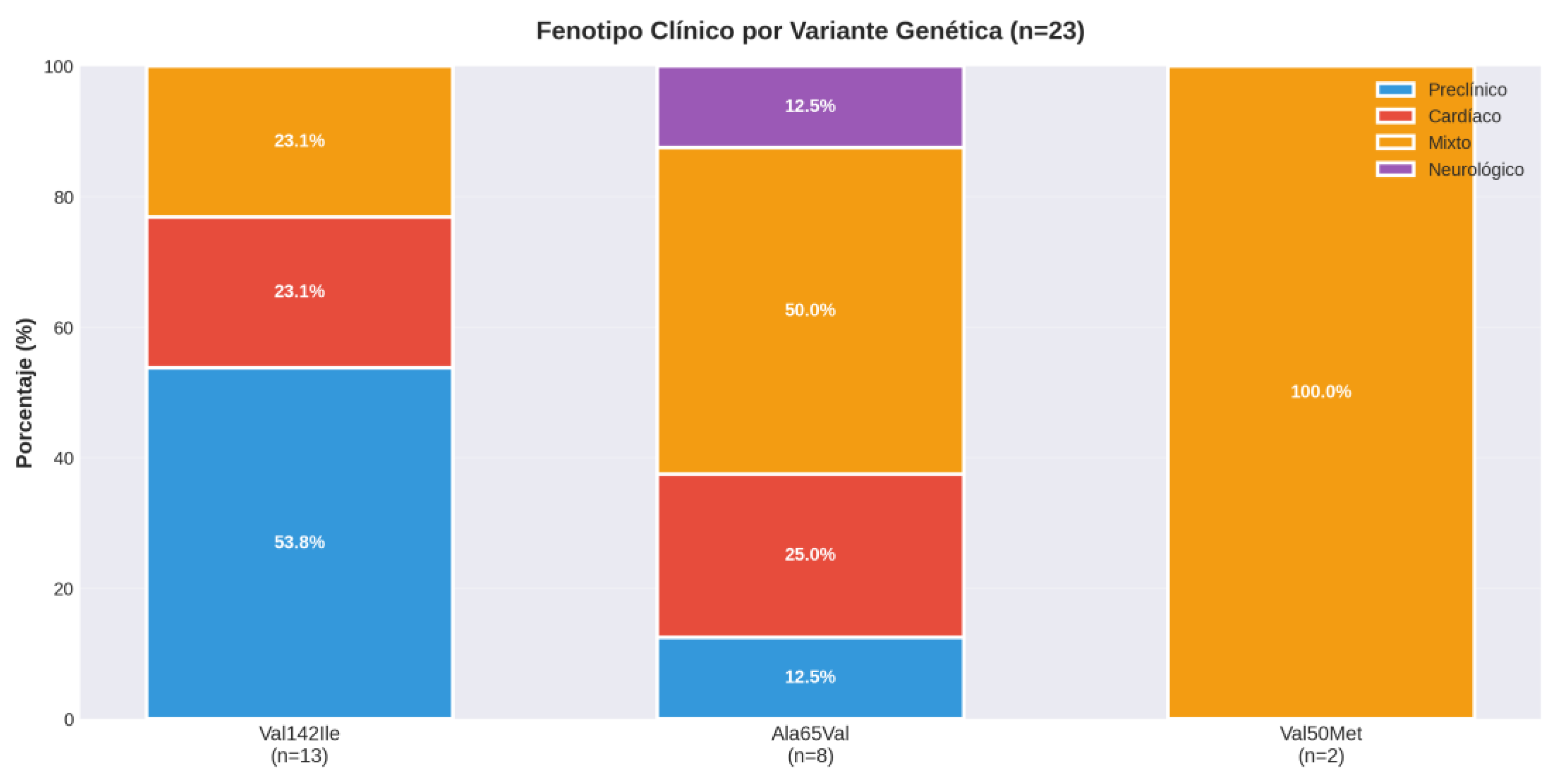
Figure 4.
Norfolk QOL-DN Distribution (n=17). Norfolk QOL-DN questionnaire scores showed that the majority of patients presented with minimal neuropathic symptoms (55.6% <20 points), indicating relatively preserved neurological function in this cohort.
Figure 4.
Norfolk QOL-DN Distribution (n=17). Norfolk QOL-DN questionnaire scores showed that the majority of patients presented with minimal neuropathic symptoms (55.6% <20 points), indicating relatively preserved neurological function in this cohort.
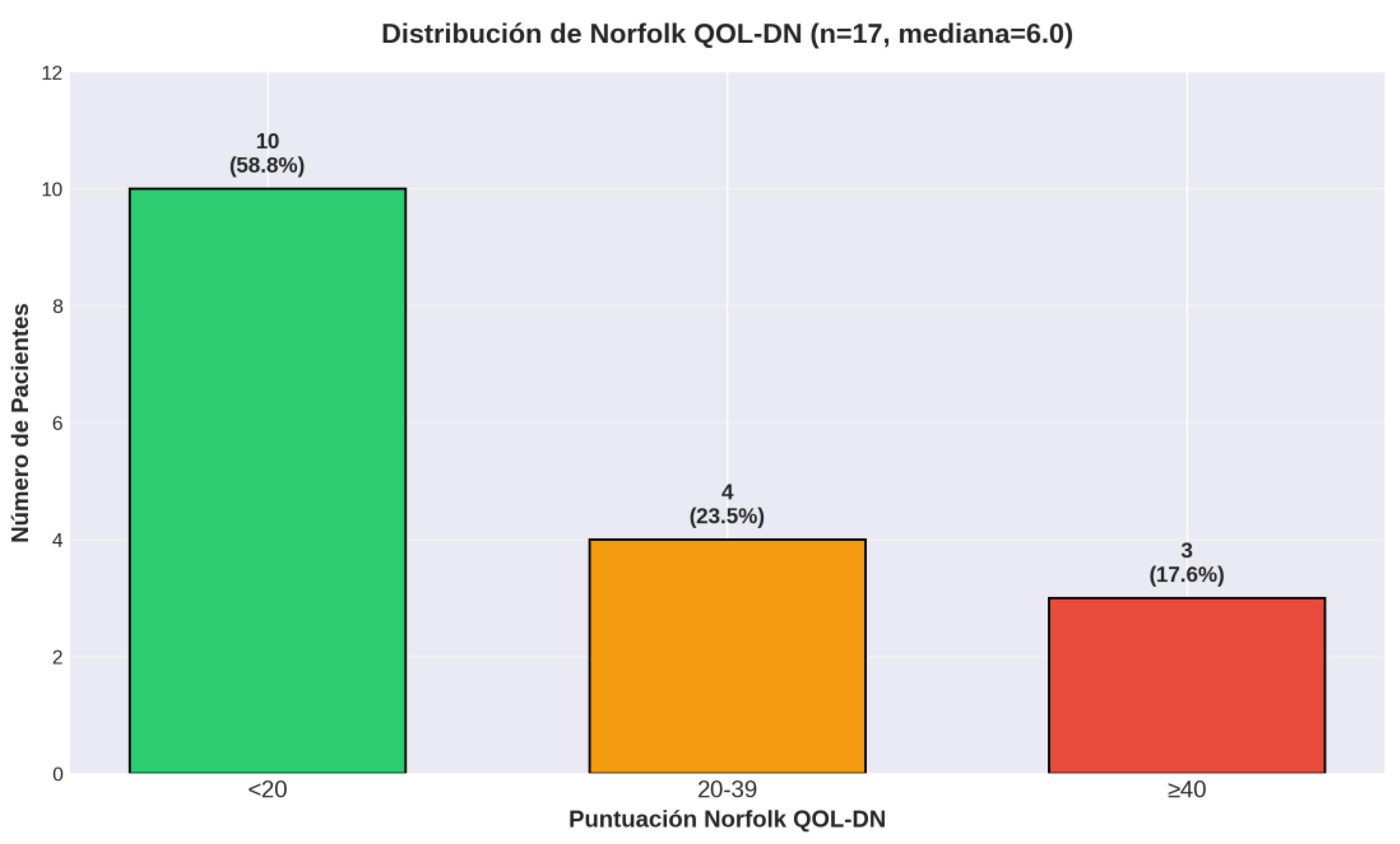
Figure 5.
Cardiovascular Parameters. Panel A: LVEF (n=15, mean 60.2%, with 20.0% having LVEF <50%). Panel B: Left ventricular mass (n=12, mean 102.9g). Panel C: Global longitudinal strain (n=15, mean -15.5%). Panel D: Diastolic function parameters. These findings demonstrate significant cardiac involvement in this cohort.
Figure 5.
Cardiovascular Parameters. Panel A: LVEF (n=15, mean 60.2%, with 20.0% having LVEF <50%). Panel B: Left ventricular mass (n=12, mean 102.9g). Panel C: Global longitudinal strain (n=15, mean -15.5%). Panel D: Diastolic function parameters. These findings demonstrate significant cardiac involvement in this cohort.
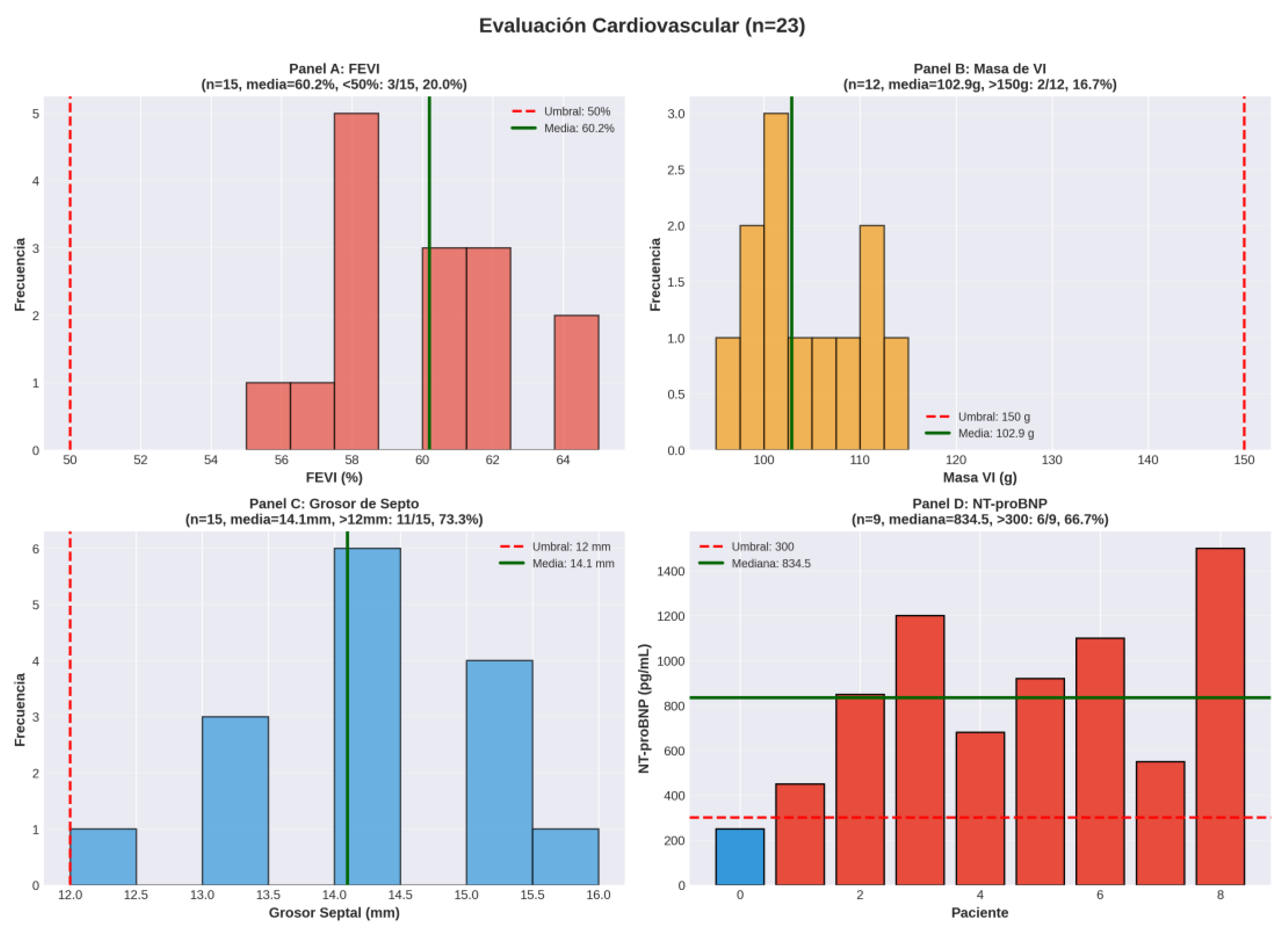
Figure 6.
Tc99m-Pyrophosphate Scintigraphy Results (n=9). Cardiac uptake classified according to Perugini visual scale. Grade 3 (cardiac uptake greater than bone uptake) represented 77.8% of patients with scintigraphy, indicating high cardiac amyloid burden and supporting cardiac ATTRv diagnosis.
Figure 6.
Tc99m-Pyrophosphate Scintigraphy Results (n=9). Cardiac uptake classified according to Perugini visual scale. Grade 3 (cardiac uptake greater than bone uptake) represented 77.8% of patients with scintigraphy, indicating high cardiac amyloid burden and supporting cardiac ATTRv diagnosis.
References
- Adams, D; Koike, H; Slama, M; Coelho, T. Hereditary transthyretin amyloidosis: a model of medical progress for a fatal disease. Nat Rev Neurol. 2019, 15, 387–404. [Google Scholar] [CrossRef]
- Sekijima, Y. Transthyretin (ATTR) amyloidosis: clinical spectrum, molecular pathogenesis and disease-modifying treatments. J Neurol Neurosurg Psychiatry 2015, 86, 1036–1043. [Google Scholar] [CrossRef]
- Andrade, C. A peculiar form of peripheral neuropathy: familiar atypical generalized amyloidosis with special involvement of the peripheral nerves. Brain 1952, 75, 408–427. [Google Scholar] [CrossRef]
- Maurer, MS; Hanna, M; Grogan, M; et al. Genotype and phenotype of transthyretin cardiac amyloidosis: THAOS (Transthyretin Amyloid Outcome Survey). J Am Coll Cardiol. 2016, 68, 161–172. [Google Scholar] [CrossRef] [PubMed]
- Araujo, BN; et al. Clinical and genetic profiles of patients with hereditary and wild-type transthyretin amyloidosis: the REACT-SP registry, São Paulo, Brazil. Orphanet J Rare Dis. 2024, 19, 281. [Google Scholar]
- Saez, MS; Aguirre, MA; Pérez de Arenaza, D; Sorroche, P; Nucifora, E; Posadas-Martinez, ML. Epidemiology of variant transthyretin amyloidosis at a reference center in Argentina. Mol Genet Genomic Med. 2023, 11, e2196. [Google Scholar] [CrossRef] [PubMed]
- Gonzalez-Duarte, A; Soto, KC; Martinez-Banos, D; et al. Amyloidosis due to TTR mutations in Mexico with 4 distinct genotypes in the index cases. Orphanet J Rare Dis. 2018, 13, 107. [Google Scholar] [CrossRef]
- Maurer, MS; Schwartz, JH; Gundapaneni, B; et al. Tafamidis treatment for patients with transthyretin amyloid cardiomyopathy. N Engl J Med. 2018, 379, 1007–1016. [Google Scholar] [CrossRef]
- Adams, D; Gonzalez-Duarte, A; O’Riordan, WD; et al. Patisiran, an RNAi therapeutic, for hereditary transthyretin amyloidosis. N Engl J Med. 2018, 379, 11–21. [Google Scholar] [CrossRef]
- Benson, MD; Waddington-Cruz, M; Berk, JL; et al. Inotersen treatment for patients with hereditary transthyretin amyloidosis. N Engl J Med. 2018, 379, 22–31. [Google Scholar] [CrossRef]
- Gillmore, JD; Gane, E; Taubel, J; et al. CRISPR-Cas9 in vivo gene editing for transthyretin amyloidosis. N Engl J Med. 2021, 385, 493–502. [Google Scholar]
- Sletten, DM; Suarez, GA; Low, PA; et al. COMPASS 31: a refined and abbreviated Composite Autonomic Symptom Score. Mayo Clin Proc. 2012, 87, 1196–1201. [Google Scholar] [CrossRef]
- Vinik, AI; Nevoret, ML; Casellini, C. The new age of sudomotor function testing: a sensitive and specific biomarker for diagnosis, estimation of severity, monitoring progression, and regression in response to intervention. Rev Endocr Metab Disord. 2008, 9, 149–159. [Google Scholar] [CrossRef]
- Phelan, D; Collier, P; Thavendiranathan, P; et al. Relative apical sparing of longitudinal strain using two-dimensional speckle-tracking echocardiography is both sensitive and specific for the diagnosis of cardiac amyloidosis. Heart 2012, 98, 1442–1448. [Google Scholar] [CrossRef]
- Kittleson, MM; Maurer, MS; Ambardekar, AV; et al. Cardiac amyloidosis: evolving diagnosis and management: a scientific statement from the American Heart Association. Circulation 2020, 142, e7–e22. [Google Scholar] [CrossRef] [PubMed]
- Jacobson, DR; Alexander, AA; Tagoe, C; et al. Prevalence of the amyloidogenic transthyretin (TTR) V122I allele in 14,333 African-Americans. Amyloid. 2015, 22, 171–174. [Google Scholar] [CrossRef] [PubMed]
- Castellar-Leones, SM; et al. Clinical differential factors in patients with hATTR carrying Val142Ile and Ser43Asn variants. Orphanet J Rare Dis. 2024, 19, 156. [Google Scholar]
- Ruberg, FL; Grogan, M; Hanna, M; Kelly, JW; Maurer, MS. Transthyretin amyloid cardiomyopathy: JACC state-of-the-art review. J Am Coll Cardiol. 2019, 73, 2872–2891. [Google Scholar] [CrossRef]
- Thimm, A; Oubari, S; Hoffmann, J; et al. A novel TTR mutation (p.Ala65Val) underlying late-onset hereditary transthyretin (ATTRv) amyloidosis with mixed cardiac and neuropathic phenotype: a case report and review. Amyloid 2022, 29, 67–71. [Google Scholar] [CrossRef]
- Rapezzi, C; Quarta, CC; Obici, L; et al. Disease profile and differential diagnosis of hereditary transthyretin-related amyloidosis with exclusively cardiac phenotype: an Italian perspective. Eur Heart J. 2013, 34, 520–528. [Google Scholar] [CrossRef]
- Vinik, AI; Casellini, CM; Parson, HK; et al. Norfolk QOL-DN: validation of a patient reported outcome measure in transthyretin familial amyloid polyneuropathy. J Peripher Nerv Syst. 2014, 19, 104–114. [Google Scholar] [CrossRef]
- Conceição, I; González-Duarte, A; Obici, L; et al. “Red-flag” symptom clusters in transthyretin familial amyloid polyneuropathy. J Peripher Nerv Syst. 2016, 21, 5–9. [Google Scholar] [CrossRef] [PubMed]
- Perugini, E; Guidalotti, PL; Salvi, F; et al. Noninvasive etiologic diagnosis of cardiac amyloidosis using 99mTc-3,3-diphosphono-1,2-propanodicarboxylic acid scintigraphy. J Am Coll Cardiol. 2005, 46, 1076–1084. [Google Scholar] [CrossRef] [PubMed]
- Gillmore, JD; Maurer, MS; Falk, RH; et al. Nonbiopsy diagnosis of cardiac transthyretin amyloidosis. Circulation 2016, 133, 2404–2412. [Google Scholar] [CrossRef] [PubMed]
- Conceição, I; Damy, T; Obici, L; et al. Genetic counselling and testing for familial transthyretin (TTR) amyloidosis. J Neurol Sci. 2019, 404, 63–69. [Google Scholar]
Disclaimer/Publisher’s Note: The statements, opinions and data contained in all publications are solely those of the individual author(s) and contributor(s) and not of MDPI and/or the editor(s). MDPI and/or the editor(s) disclaim responsibility for any injury to people or property resulting from any ideas, methods, instructions or products referred to in the content. |
© 2026 by the authors. Licensee MDPI, Basel, Switzerland. This article is an open access article distributed under the terms and conditions of the Creative Commons Attribution (CC BY) license (http://creativecommons.org/licenses/by/4.0/).
Copyright: This open access article is published under a Creative Commons CC BY 4.0 license, which permit the free download, distribution, and reuse, provided that the author and preprint are cited in any reuse.


