

Submitted:
09 March 2026
Posted:
12 March 2026
You are already at the latest version
Abstract
(1) Background: Access to reliable medicines information is essential to support safe medi-cine use during pregnancy and breastfeeding, where concerns regarding fetal and neonatal safety complicate clinical decision-making. Analgesics are widely used during these peri-ods, yet uncertainty regarding safety persists due to evolving evidence, regulatory changes, and inconsistent information sources. Obstetric medicines information services play a critical role in addressing these information needs. This study aimed to evaluate patterns and characteristics of analgesic-related enquiries to a specialist obstetric medicines infor-mation service over a 20-year period. (2) Methods: A retrospective observational study was conducted using enquiry data from the King Ed-ward Memorial Hospital Obstetric Medicines Information Service (KEMH OMIS), Western Australia. All enquiries recorded between 1 January 2001 and 31 December 2020 were ex-tracted from the Microsoft Access® database. Records with incomplete data were excluded. Data were standardised, coded, and analysed using Microsoft Excel® and SPSS® Version 25. Descriptive statistics were used to summarise enquiry characteristics, caller type, tim-ing of exposure, and analgesic medicines involved. Trends over time were analysed. (3) Results: A total of 48,458 enquiries were analysed, of which 4,978 (10.3%) related to anal-gesics, making this the third most common medicine class. Most enquiries related to breastfeeding (62.1%), followed by pregnancy (32.7%). The public accounted for 60.9% of calls, while health professionals contributed 39.1%. The highest frequency of breastfeeding enquiries occurred within the first four weeks postpartum, and pregnancy enquiries were most common in the second trimester. Paracetamol was the most frequently enquired an-algesic (24.5%), followed by codeine (19.8%), ibuprofen (14.4%), diclofenac (7.2%), and tramadol (9.3%). Analgesic-related enquiries declined significantly over time (p< 0.001), particularly codeine-related enquiries following regulatory safety warnings. (4) Conclusion: Analgesics represent a substantial proportion of medicines information enquiries in preg-nancy and breastfeeding, reflecting widespread use and ongoing safety concerns. Pharma-cist-led medicines information services play a critical role in supporting safe analgesic use. Continued surveillance and targeted education are essential to optimise maternal and in-fant medication safety.
Keywords:
obstetric medicines information
; pregnancy
; breastfeeding
; medicines information service
; medication safety
; analgesics
1. Introduction
With the ever-increasing complexity of medicines and availability of therapeutic options, health professionals and the public require readily available, balanced and comprehensive medicine information facilities to ensure optimal understanding of medicines and their use in therapy. This access to information, while vital to the general population, is particularly important in relation to pregnancy and breastfeeding. Within Australia, approximately 90% of women take one or more medicine during pregnancy or while breastfeeding [1,2,3,4]. These medicines include over-the counter medicines, prescribed medicines, complementary or alternative therapies, and/or illicit substances [1,5,6].
Use of medicines by women during pregnancy and breastfeeding may be associated with potential adverse outcomes in the fetus or breastfed infant, who inadvertently becomes the recipient of these medicines via the placenta or the breast milk. These potential adverse outcomes increase the risk profile of medicines when used in this population and understanding and clinical assessment of the risk is required to adequately evaluate the potential outcomes [7,8]. Current information is required to establish a safety assessment in women who are pregnant or breastfeeding to enable informed decisions regarding continuation or cessation of medicines use, given that these medicines may have been initiated for chronic or acute conditions present during this period or associated with the consumer’s pregnancy or breastfeeding status [7,8,9]. Pregnant and breastfeeding women are generally excluded from clinical studies potentially further limiting development of knowledge and research in this area [2,10]. This lack of information or inadequate access to relevant information, poses a significant challenge in the medical management of these patients, and contributes to an increased level of anxiety in women for whom information is variable or in some instances, unavailable [3,11,12].
Pain management is common during pregnancy and breastfeeding, with analgesics widely used to treat acute and chronic conditions. Analgesics encompass a range of medicines, including paracetamol, non-steroidal anti-inflammatory drugs (NSAIDs), and opioids. Literatures reported that 4,783/9,459, 50.6% of women in Europe, America and Australia used over-the-counter analgesics including paracetamol, NSAIDs and aspirin during pregnancy [13]. A study analysing the patterns of prescription medication use during the first trimester of pregnancy in the United States showed two opioids, codeine and hydrocodone, were among the 35 most frequently used medications in all study year groupings [14]. Another study examined the patterns of medication use during and in the 3 months prior to pregnancy by interviewing 140 Australian pregnancy women revealed that paracetamol was used in 97/140, 69.3% of women before pregnancy, and 68/140, 48.6% during pregnancy [15]. While paracetamol is generally considered first-line therapy, other analgesics present varying levels of risk depending on gestational age, dose, and pharmacological properties. Concerns regarding fetal exposure, neonatal safety, and adverse outcomes frequently complicate clinical decision-making [1,5,6]. Regulatory warnings, evolving evidence, and inconsistent information sources contribute to uncertainty among both consumers and health professionals [5,6]. The risks associated with medicine exposure in either pregnancy or breastfeeding are determined by a multitude of factors that include, but are not limited to, understanding the pharmacokinetics and the pharmacodynamics of the medicine and the implications on the fetus and breastfed infant [5,16,17,18].
In both pregnancy and breastfeeding, the above factors need to be considered when women are presented with information regarding the safe use of medicines. This information can be self-sourced or provided by health professionals. Consumers have an unprecedented access to an array of information with the availability of ‘Google Searches” posing an ongoing problem in the provision of current, evidence-based information [19]. It is this access to current and relevant information that poses concern and requires review into how information is accessed and its clinical relevance for each scenario. Appropriate clinical care is determined by the availability of, and access to, information, and the ability of the individual to interpret the information.
For over 30 years, the clinical pharmacists at the study hospital have provided a free telephone service that offers evidence-based information both to consumers and healthcare professionals. The service responds to between 2,500 and 3,000 enquiries annually, covering topics such as medication use pre- and post-conception, teratogenic risks during pregnancy, reproductive toxicities from drug exposure, and drug compatibility with breastfeeding [20]. This research aimed to identify patterns of access to medicines information on analgesics required by health professionals and pregnant and breastfeeding women. This enabled reporting on utilisation of current resources available and to inform the future education planning for medical, pharmacy nursing and midwifery healthcare professionals in the hospital as well as in the community.
2. Materials and Methods
2.1. Study Setting and Design
The setting for this research was the King Edward Memorial Hospital (KEMH) Obstetric Medicines Information Service (OMIS). KEMH is a specialist tertiary Women’s and Newborn Health Service that provides obstetric, gynecological and neonatal care to the women of Western Australia (WA) and their families. The KEMH OMIS is a service providing safety information for the use of medicines in pregnancy and breastfeeding since 1988 and is the only service available of this nature in Western Australia.
This study employed a mixed-methods design comprising of a retrospective observational analysis of analgesic-related enquiries recorded by the KEMH OMIS between 1 January 2001 and 31 December 2020.
2.2. Data Source and Extraction
The KEMH OMIS database was established in Microsoft Access® in 2001. Pharmacists routinely recorded enquiry details at the time of the call. All electronic records between 2001 and 2020 were extracted to Microsoft Excel® for cleaning and analysis. The dataset contained 49,811enquiries.
2.3. Data Preparation
Records with missing medicine or reference information were excluded. Duplicate records were removed. Approximately 3% of records were excluded.
Medicine names were standardised using Australian Medicines Handbook nomenclature. Medicine classes were assigned accordingly. Caller category, reason for call, gestational age, and infant age were coded into predefined categories.
2.4. Data Analysis
Data were analysed using Microsoft Excel® and SPSS® Version 25. Descriptive statistics were used to summarise frequencies and percentages. Analysis for this manuscript focused on analgesic-related enquiries.
3. Results
3.1. Call Characteristics
A total of 49,811 calls were extracted from the database for the 2001 to 2020 period. Of these, 1,353 records were discarded due to data-entry errors, which included duplicate entries and incomplete data entries, resulting in 48,458 calls for analysis. Of these, 85.5% (n = 41,468) related to 20 defined medicine classes. Analgesics were the third most frequently queried medicine class, accounting for 4,978 enquiries (10.3% of total enquiries)
Of the 4, 978 calls, more than half (62.1% n=3,091) of all calls related to analgesic use in breastfeeding, with 32.7% (n=1,626) relating to use in pregnancy. The remaining 5.2% of calls related to neonatal medicines and medicine interactions or listed as other. (Figure 1)
3.2. Characteristics of Callers
Health professionals accounted for more than a third of all the enquiries recorded (39.1%, n=1,947), with the public accounting for 60.9% (n=3,030) of all calls.
The health professionals were classified into their respective professions (Table 1). Medical practitioners accounted for 20% (n=326) of all recorded pregnancy enquiries and 11.8% (n=365) of breastfeeding enquiries. Other health professionals, accounting for 0.5% (n=25) of enquiries comprised of physiotherapists, psychiatrists, obstetricians and dentists.
The public enquiries represented 66.6% (n=2,060) of breastfeeding calls. There were no demographic data available to distinguish whether a public caller was the pregnant or breastfeeding woman for whom the medicine was intended.
3.3. Time Period of Concern: Gestation or Age of Infant
Of the 1,626 calls pertaining to medicines use in pregnancy, all related to a gestational period and the most common period of concern was the second trimester (n=537, 33.0%). Both the public and medical practitioners identified the second trimester as the gestational period most commonly of concern, followed closely by the first trimester, with 493 calls (30.3%) (Figure 2). Nurses and midwives identified the second and third trimesters as the most common period of concern.
Of the 3,091calls that related to breastfeeding, 2,345 (75.8%) recorded the age of the infant, with the majority (23.2%) within the first four weeks of an infant’s life. This age of the infant was the most common age of concern amongst all variations of caller types (Figure 3).
3.4. Analgesic Medication
Analgesics included opioid and non-opioid formulations, which encompassed both over-the-counter and prescription medicines. The route of administration was not noted for any of the analgesics within the original dataset. Figure 4 illustrates a declining trend in enquiries about analgesics (p<0.001), particularly in the past five years.
Paracetamol was the most common analgesic amongst the enquiries, accounting for 24.5% of calls (n=1,220). Codeine related enquiries accounted for 19.8% of calls (n=988). Non-steroidal anti-inflammatories (NSAIDs) included ibuprofen (14.4%, n=715) and diclofenac (7.2%, n=359). Tramadol accounted for 9.3% of enquiries (n=462) as described by Figure 5.
Figure 4.
Top 10 Analgesic Enquiries.
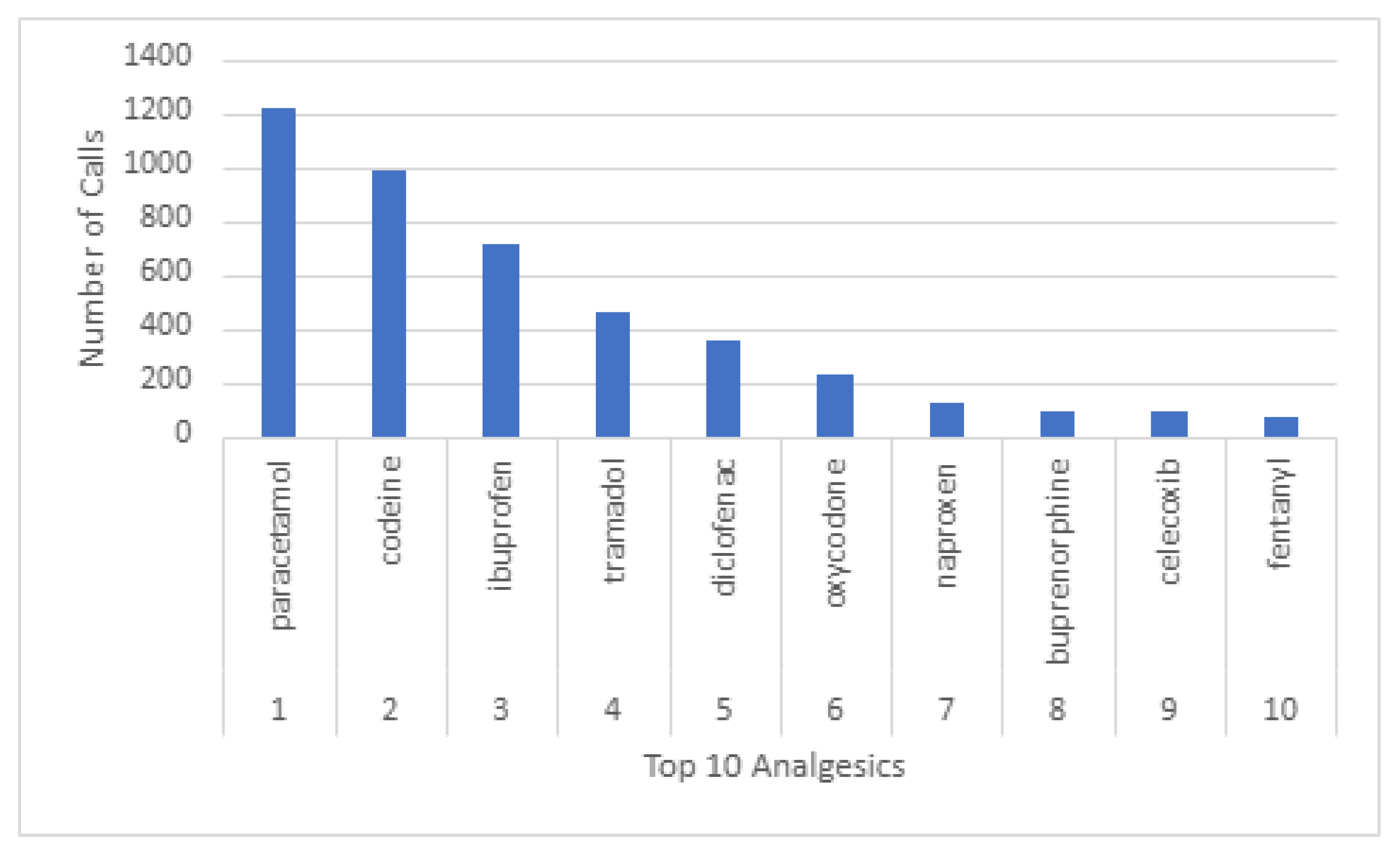
Paracetamol was the most common medicine enquiry across the dataset accounting for 2.5% (n= 1,226) of all 48,458 enquiries over the 20-year period.
3.3.1. Codeine Use in Breastfeeding
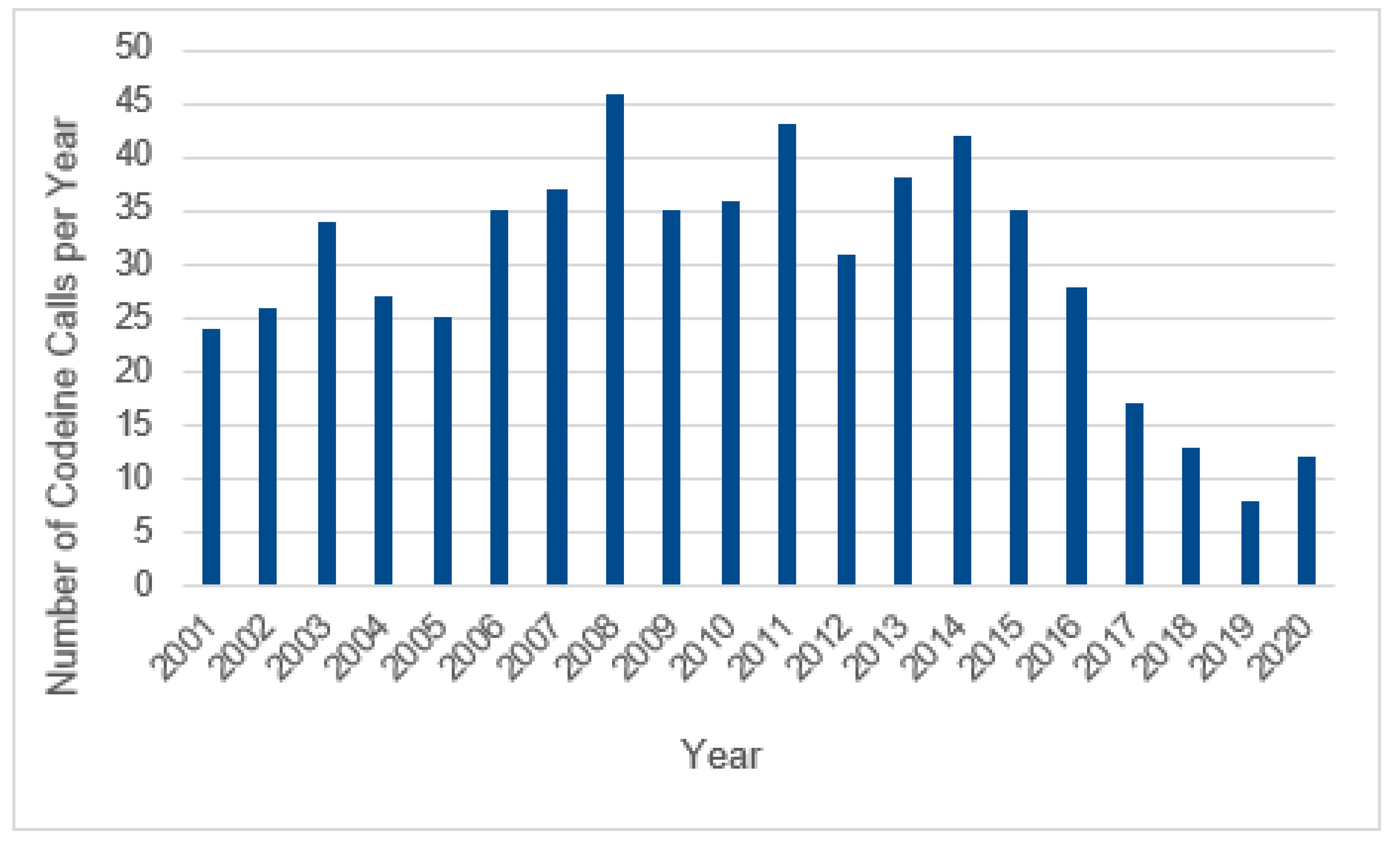
Figure 5 illustrates a reduction in codeine-related enquiries in breastfeeding since 2016. From 2001, to the TGA advice release in 2015, the codeine related enquiries identified a significant declining trend over the 20-year period (p<0.001). Since the release of the updated information in 2015, a more notable steady decline is noted in enquiries from 35 enquiries in 2015, to 12 enquiries in 2020.
Figure 5.
Number of Codeine Related Calls in Breastfeeding to the KEMH OMIS (n=592).
4. Discussion
This study represents the first detailed longitudinal analysis of analgesic-related enquiries to the King Edward Memorial Hospital Obstetric Medicines Information Service (KEMH OMIS), providing insight into medicines information needs in pregnancy and breastfeeding over a 20-year period. Analgesics were the third most commonly enquired medicine class, accounting for 10.3% of all enquiries, reflecting the high prevalence of pain and analgesic use during pregnancy and the postpartum period [1,5,6]. These findings are consistent with national and international data demonstrating frequent analgesic exposure in pregnancy and breastfeeding, and the associated need for reliable safety information [3,4,21]
A key finding was the predominance of breastfeeding-related analgesic enquiries (62.1%) compared with pregnancy-related enquiries (32.7%) (Figure 1). This likely reflects the clinical context of postpartum pain management, including perineal trauma, caesarean section recovery, and musculoskeletal pain [3]. Additionally, Western Australia has historically reported high breastfeeding initiation rates, with 93% of women breastfeeding at hospital discharge [22]. The early postpartum period represents a time of increased analgesic use, uncertainty regarding infant exposure via breast milk, and heightened concern among both consumers and health professionals [23]. The concentration of enquiries during the first four weeks postpartum (Figure 3) aligns with known pharmacokinetic considerations, including immature neonatal drug clearance and increased permeability of mammary epithelium, which may influence infant drug exposure and clinical concern [23]. Our findings are consistent with a study analysing breastfeeding questions to Australians medicines call centre that the general public commonly enquired about analgesics freely accessible or over-the-counter, including non-steroidal anti-inflammatory products (9.3%), paracetamol (6.9%), ibuprofen (4.8%) and codeine (4.2%) [24].
Paracetamol was the most frequently queried analgesic, accounting for 24.5% of analgesic enquiries and representing the most common individual medicine enquiry overall (Figure 4). This finding is expected given its widespread availability, first-line recommendation for pain management in pregnancy and breastfeeding, and over-the-counter accessibility [1,5,6,13,15]. Despite its established safety profile when used appropriately, public and professional uncertainty persists, particularly following conflicting reports regarding potential associations between prenatal paracetamol exposure and neurodevelopmental outcomes [25,26]. Subsequent expert reviews, including from the Royal Australian and New Zealand College of Obstetricians and Gynaecologists, have reinforced that paracetamol remains the preferred analgesic during pregnancy when used at the lowest effective dose and duration [27,28,29,30]. The high frequency of paracetamol-related enquiries highlights ongoing uncertainty and reinforces the importance of specialist medicines information services to provide evidence-based reassurance and guidance.
Opioid-related enquiries, particularly codeine (19.8%) and tramadol (9.3%), also comprised a substantial proportion of analgesic enquiries (Figure 4). These findings reflect recognised concerns regarding opioid safety in breastfeeding, including the risk of neonatal opioid toxicity associated with variable maternal metabolism [23]. Codeine-related enquiries declined significantly over the study period, with a marked reduction following regulatory changes and safety warnings (Figure 5). The Therapeutic Goods Administration (TGA) strengthened warnings regarding codeine use in breastfeeding due to risks associated with ultrarapid CYP2D6 metabolism, which may result in elevated morphine concentrations in breast milk and neonatal respiratory depression [23,31]. Additionally, the up-scheduling of codeine to prescription-only status in Australia in 2018 likely reduced accessibility and use, contributing to the observed decline in enquiries [31]. These findings demonstrate the responsiveness of medicines information enquiries to regulatory and safety communications and highlight the impact of regulatory interventions on clinical practice and information-seeking behaviour.
Non-steroidal anti-inflammatory drugs (NSAIDs), including ibuprofen (14.4%) and diclofenac (7.2%), were also frequently queried. NSAID use presents gestational-dependent risks, including premature closure of the fetal ductus arteriosus and oligohydramnios in later pregnancy, which may contribute to increased clinical caution and information-seeking behaviour [1,5,6]. In contrast, ibuprofen is generally considered compatible with breastfeeding due to minimal transfer into breast milk, which may explain the predominance of breastfeeding-related NSAID enquiries, reflecting the need for reassurance rather than contraindication [23].
Despite analgesics representing a common medicine class, a significant overall decline in analgesic-related enquiries was observed over the study period (p<0.001) (Figure 4). Several factors may contribute to this trend, including improved availability of evidence-based prescribing guidelines, increased clinician familiarity with analgesic safety profiles, and regulatory interventions affecting opioid prescribing [31]. Increased access to online medicines information resources may also influence enquiry patterns, although variability in quality and reliability remains a concern [19]. The decline in codeine-related enquiries following regulatory changes further highlights the impact of public health interventions and safety communications on medicines utilisation and information-seeking behaviour.
The predominance of consumer-initiated enquiries relating to analgesics underscores the role of obstetric medicines information services in supporting safe self-management and addressing uncertainty regarding commonly used medicines. Analgesics are widely accessible without prescription, increasing the likelihood of independent use by consumers and the need for accessible, reliable safety information [1,5,6]. The findings demonstrate that even well-established medicines such as paracetamol continue to generate significant information needs, reflecting ongoing public concern and the complexity of risk assessment in pregnancy and breastfeeding.
Overall, the patterns observed in analgesic enquiries highlight the dynamic relationship between medicine use, regulatory changes, evolving safety evidence, and information-seeking behaviour. Continued monitoring of enquiry trends provides valuable insight into emerging areas of concern, identifying information gaps and supports the role of specialised medicines information services in promoting safe and informed analgesic use in pregnancy and breastfeeding.
5. Conclusions
Analgesics were among the most frequently enquired medicine classes to the KEMH OMIS over the 20-year period, reflecting their widespread use and the complexity of risk assessment in pregnancy and breastfeeding. Paracetamol, codeine, and non-steroidal anti-inflammatory drugs accounted for the majority of analgesic enquiries, highlighting ongoing uncertainty regarding both commonly used and higher-risk medicines. The predominance of breastfeeding-related enquiries, particularly in the early postpartum period, underscores the need for timely, evidence-based guidance to support safe maternal pain management while minimising infant risk.
The observed decline in analgesic enquiries, particularly codeine-related enquiries following regulatory changes, demonstrates the impact of safety communications and prescribing restrictions on medicine use and information-seeking behaviour. Despite this decline, continued demand for information regarding first-line analgesics such as paracetamol highlights persistent consumer and clinician concerns and reinforces the importance of specialist obstetric medicines information services.
These findings confirm the critical role of pharmacist-led medicines information services in supporting safe analgesic use during pregnancy and breastfeeding. Ongoing surveillance of enquiry trends, alongside targeted education and accessible evidence-based resources will be essential to address emerging safety concerns and optimise medication safety for mothers and infants.
6. Limitations
This was the first Western Australian study to analyse a pregnancy and breastfeeding medicines information service over 20 years, but limitations included incomplete and inconsistently documented data, reliance on a single coder, exclusion of pharmacist identity, and restricted survey scope, which limited assessment of data accuracy, service quality, and user characteristics. Future improvements should include enhanced database design with structured data entry, independent coding validation, broader stakeholder engagement, and collection of demographic and geographical data to better support service evaluation, quality improvement, and targeted service delivery.
Author Contributions
Conceptualization, N.M., L.E., P.C., O.B., and S.W.K.T .; methodology, N.M., L.E., and P.C.; software, N.M., L.E., O.B., and P.C.; formal analysis, N.M., L.E., andP.C.; investigation, N.M.; data curation, N.MT.; writing—original draft preparation, N.M.; writing—review and editing, S.W.K.T.; visualization N.M., S.W.KT and T. L .; supervision, N.M.; project administration, N.M. All authors have read and agreed to the published version of the manuscript. .
Funding
This research received no external funding. .
Institutional Review Board Statement
Ethics approval was sought from the Women and Newborn Health Service Ethics Committee and subsequently approved via the Research and Governance System, (approval number RGS0000003085). Reciprocal approval was also obtained from the Curtin University Human Research Ethics Committee once approved from KEMH, to ensure all ethics requirements were fulfilled (approval number HR84/2016).
Informed Consent Statement
No patient consent was needed for this quality improvement activity as recording enquiries has been part of the daily the key performance indicator in the daily pharmacy practice.
Data Availability Statement
The original contributions presented in this study are included in the article/supplementary material. Further inquiries can be directed to the corresponding author. .
Acknowledgments
The authors would like to acknowledge the contribution of the pharmacists at King Edward Memorial Hospital in participating in the KEMH OMIS.
Conflicts of Interest
The authors declare no conflicts of interest. .
Abbreviations
The following abbreviations are used in this manuscript:
| KEMH | King Edward Memorial Hospital |
| OMIS | Obstetric Medicines Information Service |
References
- Henry, A; Crowther, C. Patterns of medication use during and prior to pregnancy: the MAP study. Aust N Z J Obstet Gynaecol. 2000, 40(2), 165–72. [Google Scholar] [CrossRef] [PubMed]
- ACOG Committee Opinion No. 377: Research involving women. Obstet Gynecol. 2007, 110(3), 731–6. [CrossRef]
- Hegedus, E; Oakes, DJ; Hill, M; Ritchie, HE; Kennedy, DS. Calls to a Major Teratogen Information Service Regarding Exposures During Breastfeeding. Breastfeed Med. 2019, 14(9), 674–9. [Google Scholar] [CrossRef]
- Lim, JM; Sullivan, E; Kennedy, D. MotherSafe: review of three years of counselling by an Australian Teratology Information Service. Aust N Z J Obstet Gynaecol. 2009, 49(2), 168–72. [Google Scholar] [CrossRef]
- Bonati, M; Bortolus, R; Marchetti, F; Romero, M; Tognoni, G. Drug use in pregnancy: an overview of epidemiological (drug utilization) studies. Eur J Clin Pharmacol. 1990, 38(4), 325–8. [Google Scholar] [CrossRef]
- Lupattelli, A; Spigset, O; Twigg, MJ; Zagorodnikova, K; Mårdby, AC; Moretti, ME; et al. Medication use in pregnancy: a cross-sectional, multinational web-based study. BMJ Open. 2014, 4(2), e004365. [Google Scholar] [CrossRef] [PubMed]
- Eyal, S. Use of Therapeutics in Pregnancy and Lactation. Pharmaceutical Research 2018, 35(5), 107. [Google Scholar] [CrossRef] [PubMed]
- Jayawickrama, HS; Amir, LH; Pirotta, MV. GPs’ decision-making when prescribing medicines for breastfeeding women: Content analysis of a survey. BMC Res Notes 2010, 3, 82. [Google Scholar] [CrossRef]
- Campbell, SC; Kast, TT; Kamyar, M; Robertson, J; Sherwin, CM. Calls to a teratogen information service regarding potential exposures in pregnancy and breastfeeding. BMC Pharmacol Toxicol. 2016, 17(1), 33. [Google Scholar] [CrossRef]
- Adam, MP; Polifka, JE; Friedman, JM. Evolving knowledge of the teratogenicity of medications in human pregnancy. Am J Med Genet C Semin Med Genet. 2011, 157c(3), 175–82. [Google Scholar] [CrossRef]
- Hämeen-Anttila, K; Nordeng, H; Kokki, E; Jyrkkä, J; Lupattelli, A; Vainio, K; et al. Multiple information sources and consequences of conflicting information about medicine use during pregnancy: a multinational Internet-based survey. J Med Internet Res. 2014, 16(2), e60. [Google Scholar] [CrossRef]
- Alper, BS; Hand, JA; Elliott, SG; Kinkade, S; Hauan, MJ; Onion, DK; et al. How much effort is needed to keep up with the literature relevant for primary care? J Med Libr Assoc. 2004, 92(4), 429–37. [Google Scholar] [PubMed]
- Lupattelli, A.; Spigset, O.; Twigg, M.J.; Zagorodnikova, K.; Mårdby, A.C.; Moretti, M.E.; Drozd, M.; Panchaud, A.; Hämeen-Anttila, K.; Rieutord, A.; Juraski, R.G. Medication use in pregnancy: a cross-sectional, multinational web-based study. BMJ open 2014, 4(2), e004365. Available online: https://bmjopen.bmj.com/content/bmjopen/4/2/e004365.full.pdf. [CrossRef]
- Werler, MM; Kerr, SM; Ailes, EC; Reefhuis, J; Gilboa, SM; Browne, ML; Kelley, KE; Hernandez-Diaz, S; Smith-Webb, RS; Garcia, MH; Mitchell, AA. Patterns of prescription medication use during the first trimester of pregnancy in the United States, 1997–2018. Clinical Pharmacology & Therapeutics 2023, 114(4), 836–44. Available online: https://ascpt.onlinelibrary.wiley.com/doi/full/10.1002/cpt.2981. [CrossRef]
- Henry, A; Crowther, C. Patterns of medication use during and prior to pregnancy: the MAP study. Australian and New Zealand Journal of Obstetrics and Gynaecology 2000, 40(2), 165–72. Available online: https://obgyn.onlinelibrary.wiley.com/doi/abs/10.1111/j.1479-828X.2000.tb01140.x?sid=nlm%3Apubmed. [CrossRef]
- Anderson, PO. Drug use during breast-feeding. Clin Pharm. 1991, 10(8), 594–624. [Google Scholar] [PubMed]
- Schaefer, C. [Drug safety in pregnancy-a particular challenge]. Bundesgesundheitsblatt Gesundheitsforschung Gesundheitsschutz 2018, 61(9), 1129–38. [Google Scholar] [CrossRef] [PubMed]
- Hotham, N; Hotham, E. Drugs in breastfeeding. Aust Prescr. 2015, 38(5), 156–9. [Google Scholar] [CrossRef]
- Lee, K; Hoti, K; Hughes, JD; Emmerton, LM. Consumer Use of “Dr Google”: A Survey on Health Information-Seeking Behaviors and Navigational Needs. J Med Internet Res. 2015, 17(12), e288. [Google Scholar] [CrossRef]
- Lebedevs, T; Broderick, C; Teoh, S; Mukadam, N; Frestel, J. Enhancing Medicine Information Services: A Future-Proof, Low-Cost Data Management Strategy ‘. Journal of the Society for Clinical Data Management 2025, 1. [Google Scholar] [CrossRef]
- Stephens, A; Brodribb, W; McGuire, T; Deckx, L. Breastfeeding questions to medicines call centres from the Australian public and health professionals. Aust J Prim Health 2018, 24(5), 409–16. [Google Scholar] [CrossRef]
- Hauck, YL; Fenwick, J; Dhaliwal, SS; Butt, J. A Western Australian survey of breastfeeding initiation, prevalence and early cessation patterns. Matern Child Health J. 2011, 15(2), 260–8. [Google Scholar] [CrossRef] [PubMed]
- Hale, T. Medications and Mother’s Milk; Springer Publishing: New York, U.S, 2019; Available online: https://www-halesmeds-com.kelibresources.health.wa.gov.au/.
- Stephens, A; Brodribb, W; McGuire, T; Deckx, L. Breastfeeding questions to medicines call centres from the Australian public and health professionals. Australian Journal of Primary Health 2018, 24(5), 409–16. [Google Scholar] [CrossRef] [PubMed]
- Alwan, S; Conover, EA; Harris-Sagaribay, L; Lamm, SH; Lavigne, SV; Lusskin, SI; et al. Paracetamol use in pregnancy - caution over causal inference from available data. Nat Rev Endocrinol 2021. [Google Scholar] [CrossRef] [PubMed]
- US Food and Drug Administration. News Release: FDA Responds to Evidence of Possible Association Between Autism and Acetaminophen Use During Pregnancy. 2025. Available online: https://www.fda.gov/news-events/press-announcements/fda-responds-evidence-possible-association-between-autism-and-acetaminophen-use-during-pregnancy.
- Bauer, AZ; Swan, SH; Kriebel, D; Liew, Z; Taylor, HS; Bornehag, CG; et al. Reply to ‘Paracetamol use in pregnancy - caution over causal inference from available data’; ‘Handle with care - interpretation, synthesis and dissemination of data on paracetamol in pregnancy’. Nat Rev Endocrinol 2021. [Google Scholar] [CrossRef]
- Therapeutic Goods Administration. Paracetamol use in pregnancy. Australian Government 2025. February 2026. Available online: https://www.tga.gov.au/news/media-releases/paracetamol-use-pregnancy.
- The Australian and New Zealand College of Anaesthetists. Statement on paracetamol use in pregnancy. 2025. Available online: https://www.anzca.edu.au/news-and-safety-alerts/paracetamol-use-in-pregnancy.
- Royal College of Obstetricians and Gynaecologists. Paracetamol in pregnancy. 2026. Available online: https://www.rcog.org.uk/news/paracetamol-in-pregnancy/.
- Changes to patient access for medicines containing codeine Canberra, Australia2018. February 2022. Available online: https://www.tga.gov.au/codeine-info-hub.
Figure 1.
Categories of Enquiries to the KEMH OMIS related to analgesics (n= 4,978).
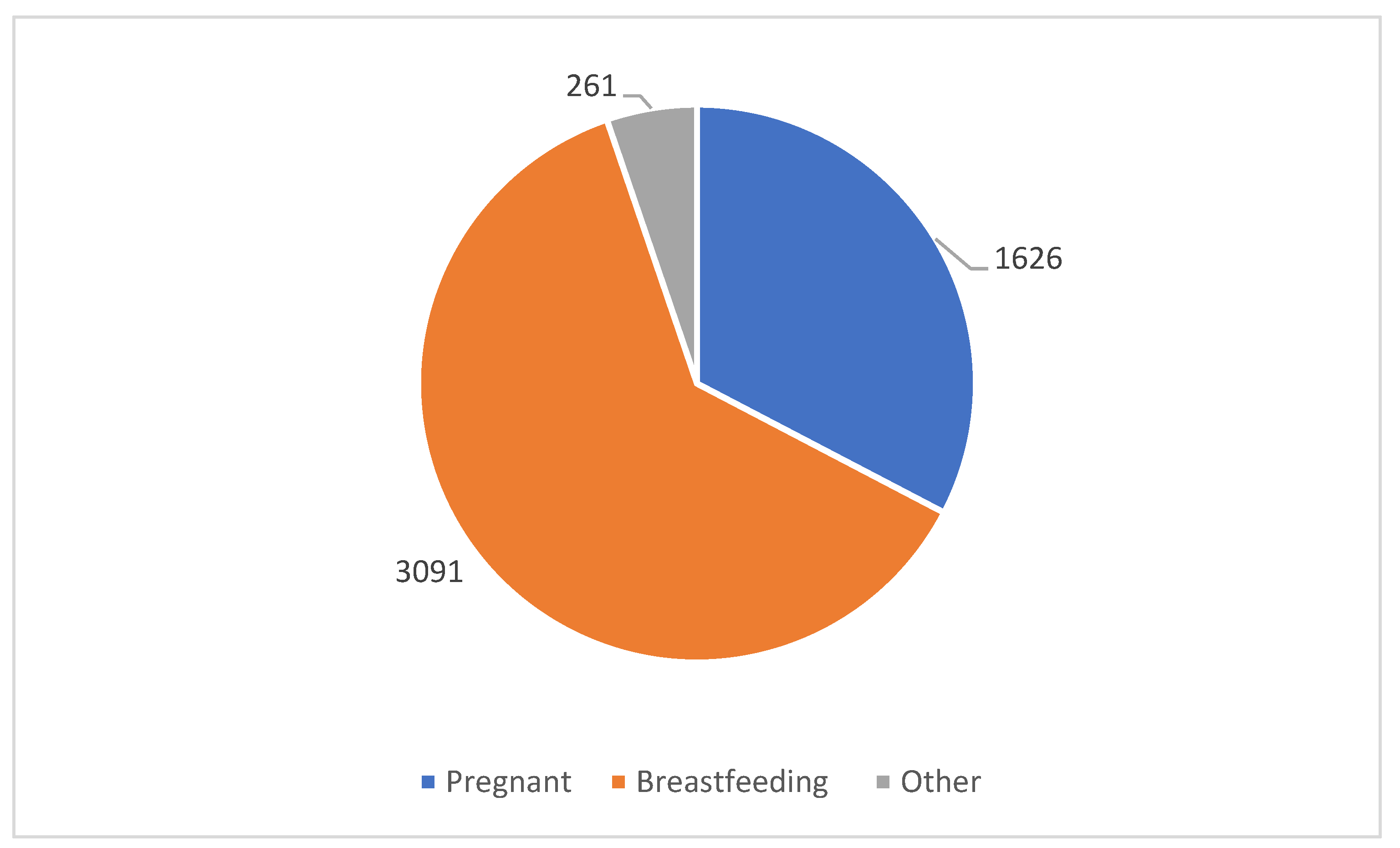
Figure 2.
Most Common Period of Concern during Analgesics use in Pregnancy by Type of Caller (n= 1,626).
Figure 2.
Most Common Period of Concern during Analgesics use in Pregnancy by Type of Caller (n= 1,626).
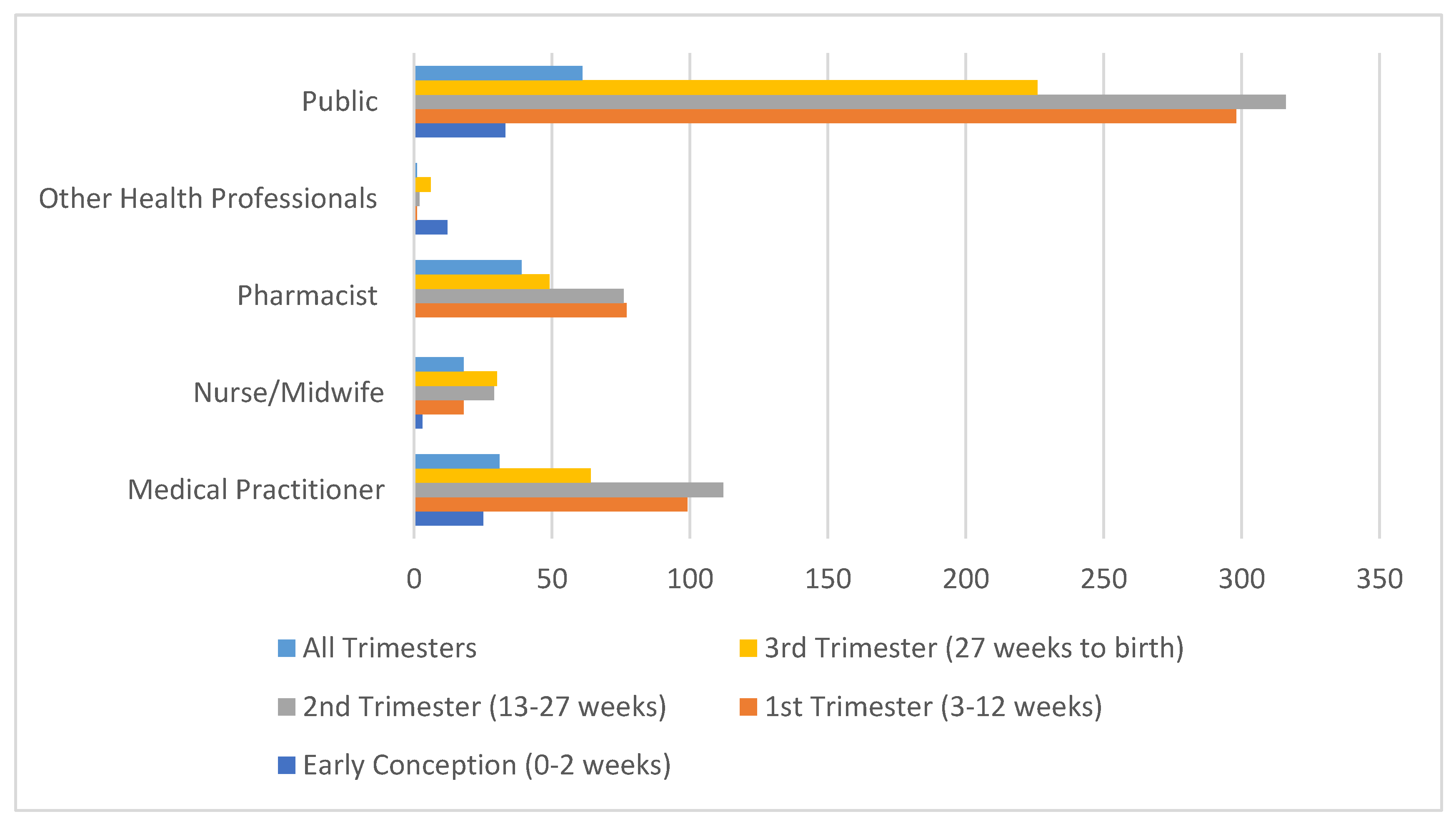
Figure 3.
Most Common Period of Concern during Analgesics use in Breastfeeding by Type of Caller (n= 2,345).
Figure 3.
Most Common Period of Concern during Analgesics use in Breastfeeding by Type of Caller (n= 2,345).
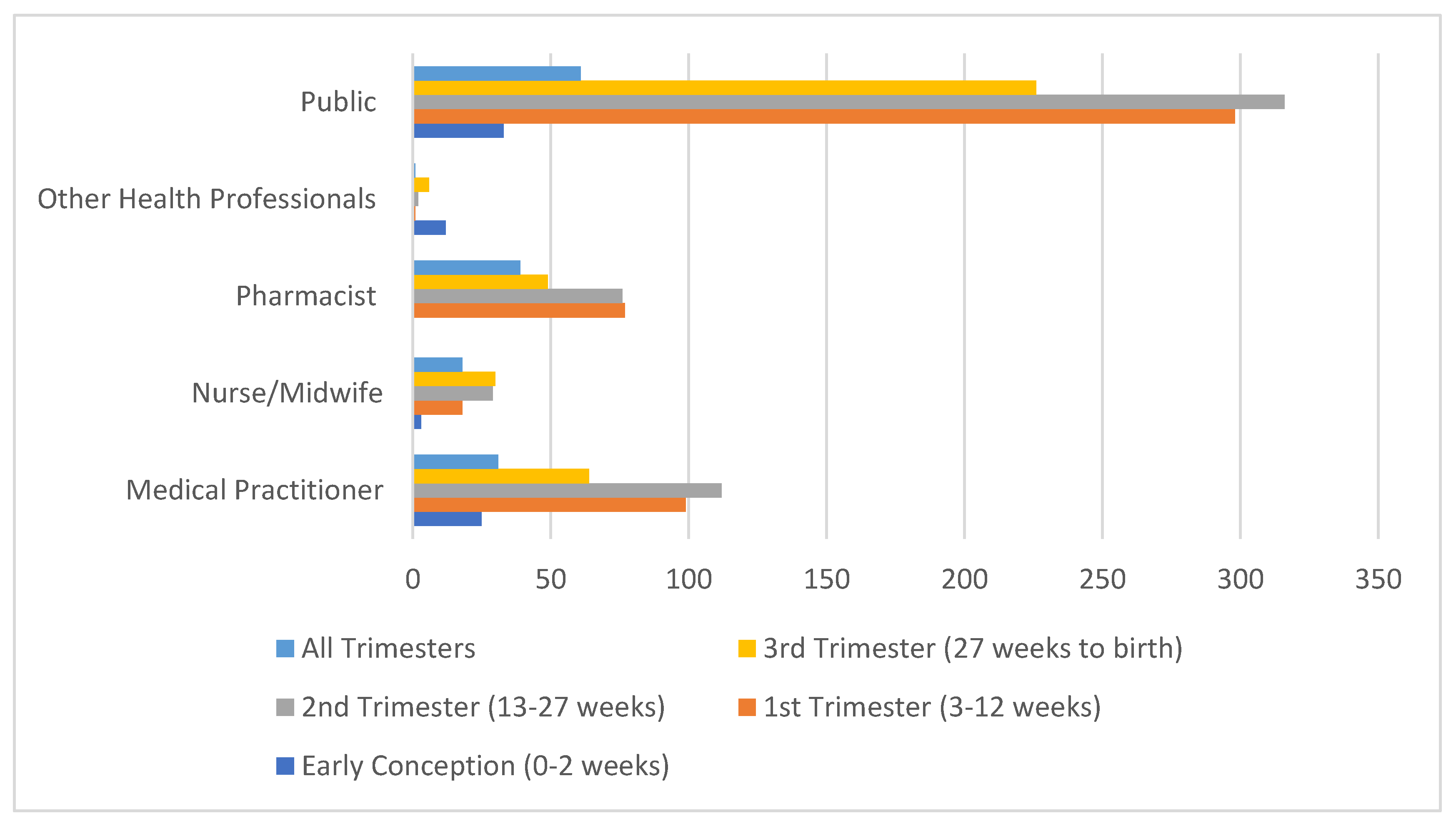
Figure 4.
Number of Analgesic Enquiries per Year (n=4,978).
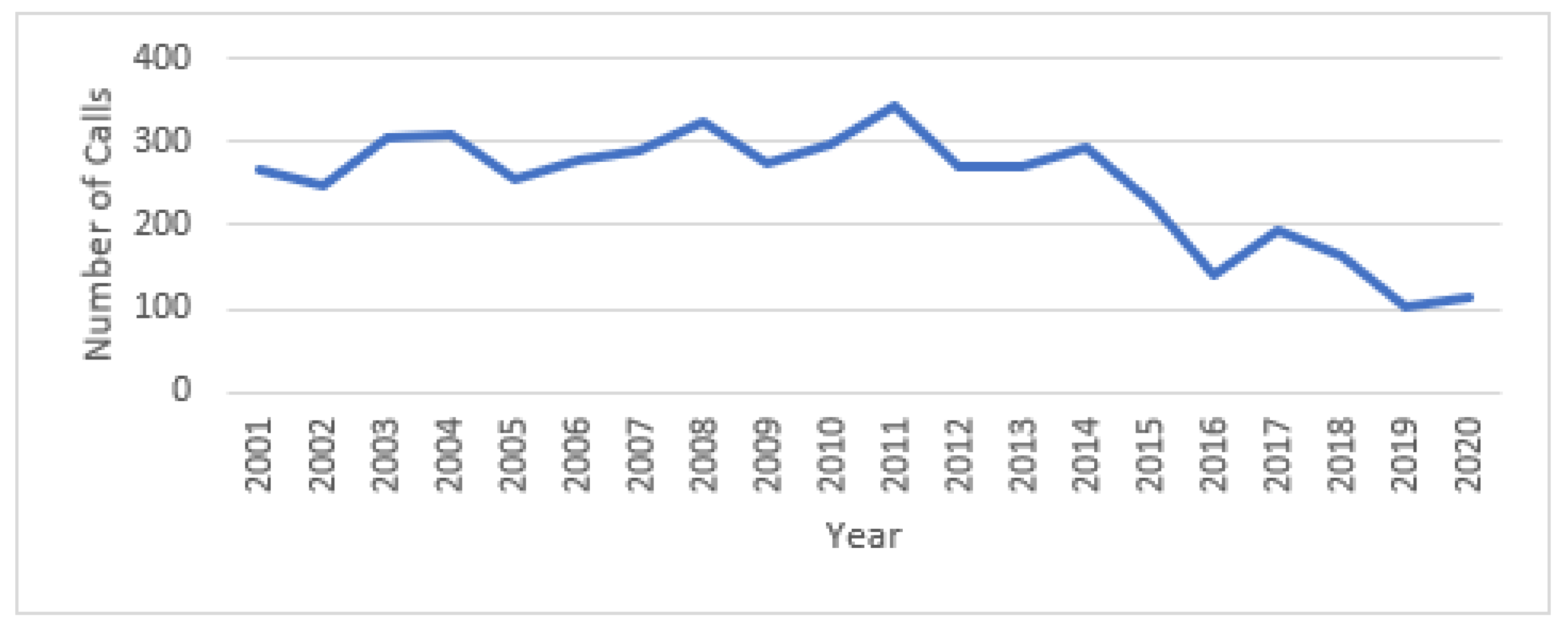

Table 1.
Type of Callers and Medicines Information Calls related to analgesics in Pregnancy or Breastfeeding.
Table 1.
Type of Callers and Medicines Information Calls related to analgesics in Pregnancy or Breastfeeding.
| Type of Caller | Medicines Information in Pregnancy | Medicines Information in Breastfeeding | Other | Total |
| Medical Practitioner | 326 (20.0%) | 365 (11.8%) | 108 (41.4%) | 799 (16.1%) |
| Nurse/Midwife | 91 (5.6%) | 366 (11.8%) | 49 (18.8%) | 506 (10.2%) |
| Pharmacist | 256 (15.7%) | 287 (9.3%) | 74 (28.4%) | 617 (12.4%) |
| Other Health Professionals | 10 (0.6%) | 13 (0.4%) | 2(0.8%) | 25 (0.5%) |
| Public | 942 (57.9%) | 2,0660 (66.6%) | 28 (10.7%) | 3,030 (60.9%) |
Disclaimer/Publisher’s Note: The statements, opinions and data contained in all publications are solely those of the individual author(s) and contributor(s) and not of MDPI and/or the editor(s). MDPI and/or the editor(s) disclaim responsibility for any injury to people or property resulting from any ideas, methods, instructions or products referred to in the content. |
© 2026 by the authors. Licensee MDPI, Basel, Switzerland. This article is an open access article distributed under the terms and conditions of the Creative Commons Attribution (CC BY) license (http://creativecommons.org/licenses/by/4.0/).
Copyright: This open access article is published under a Creative Commons CC BY 4.0 license, which permit the free download, distribution, and reuse, provided that the author and preprint are cited in any reuse.


