

Submitted:
24 February 2026
Posted:
24 February 2026
You are already at the latest version
Abstract
GEOGUIAS is a certified training program for local citizens to become knowledgeable tour guides, promoted by the Oeste UNESCO Global Geopark and supported by the National Tourism Office. The program's primary goal is to promote sustainable tourism and geoeducation, empowering the trainees to conduct geotouristic and educational tours, based on their region's geological, historical, and cultural heritage. The training combines on-line theoretical components with practical face-to-face field experiences. Participants learn about the local geology, history, culture, wildlife, and field safety, receiving a final Geoguide Certificate issued by the Oeste Geopark. The program aims to involve local communities in geotourism activities, contributing to creating new jobs and to support local economy, while safeguarding geoheritage sites. This study is based on a survey answered by >50 certified geoguides, characterizing their profile, expectations, and perceived results. It addresses the impact of training on geoguides, looking at the changes induced by the program on their local and professional or personal activities. Finally, the study aims to identify the impacts of this training and certification on local networking, sustainable geotourism and regional economic dynamics.
Keywords:
geoguides
; training
; Oeste UGGp
; geopark
; geotourism
; sustainability
; regional development
1. Introduction
Sustainability is a key concept and pathway for many activities impacting the territories worldwide. Within these activities, tourism has been gathering increasing attention due to its potentially negative impacts [1,2] and rural or non-urban areas are particularly sensitive to those impacts and frequently considered as places to be preserved [3,4]. However, examples of positive impacts are also known [e.g. 5], opening the way to integrating tourism into sustainable conservation and development strategies.
The concept of sustainable tourism has been developed since the end of the 20th century [6,7] and is increasingly perceived as the preferential way to promote touristic activities without jeopardizing our common future in a healthy planet [8,9,10,11,12], based in three interconnected pillars [13]: i) Environmental Responsibility - minimizing the tourism industry's negative impact on natural environments, including reducing pollution and carbon footprints, conserving natural resources and biodiversity, and managing waste effectively; ii) Socio-cultural Authenticity - respecting and preserving the cultural heritage, traditions, and values of host communities, promoting intercultural understanding, and ensuring that tourism does not lead to social degradation or exploitation; and iii) Economic Viability - ensuring that tourism operations are viable in the long term and provide fair and equitable socio-economic benefits to all stakeholders, especially local communities, by creating jobs and supporting local businesses.
Geotourism has been initially defined by Hose [14] as "the provision of interpretive and service facilities to enable tourists to acquire knowledge and understanding of the geology and geomorphology of a site (including its contribution to the development of the earth sciences) beyond the level of mere aesthetic appreciation".
A later look and approach by Jonathan Tourtellot, writing for National Geographic Magazine, broadened this definition towards ”tourism that sustains or enhances the geographical character of a place — its environment, culture, aesthetics, heritage, and the well-being of its residents.” [15,16,17,18,19]. This more holistic approach aligns and follows many concerns and approaches stated by the “Digne-les-Bains Declaration of the Rights of the Memory of the Earth” [20], which in turn inspired the “Geopark” concept, formalized at the UNESCO Geoparks Program in 1997 [21,22].
Geotourism applies the principles of sustainable tourism to geological heritage, promoting appreciation and conservation of unique rocks, landforms and fossils, providing a unique experience of Earth's geological features [23]. This kind of nature-based tourism fosters place-awareness, connecting tourists to the environmental and cultural values of the visited territory. Geoparks are therefore fist-line territories to promote sustainable geotourism, thus bringing economic and environmental benefits for rural development [24,25,26]. However, the existence of the geoparks’ territories and values isn’t enough, for itself, to guarantee that geotourism will be developed. Geoparks must be pro-active, organizing a series of routes, programes, guided visits, etc, to promote geoutourism as part of the geopark’s strategy. Moreover, it is essential to involve and train local guides to lead their own programmes, thus upscaling the scope and number of geotouristic activities within the geoparks’ territories.
Geoguides’ training is an important tool to attain the objectives of a geopark and around the world, several specific programms have been developped. Lesvos Island UGGp (Greece), in collaboration with the University of the Aegean and the Global Geoparks Network (GGN), often hosts international and digital training courses on geopark management and geotourism, which include components for guide training. Hong Kong UGGp (China) has an established "Recommended Geopark Guide" (R2G) system, where guides must complete a recognized course and pass a rigorous assessment to ensure high standards of service and knowledge. Basque Coast UGGp (Spain) has been noted for running guide training courses to engage local businesses and communities in geotourism. Arouca UGGp (Portugal) has conducted training activities centered on the "Route of Geosites," with a focus on educational aspects for guides. North Pennines UGGp (UK) has generated various educational resources and provides training for local people to teach others about the region's geology and landscape.
This paper addresses the sustainable geotourism strategy developed at Oeste Geopark, in West-central Portugal, based on geoguides’ training and certification. This training program is part of a broader strategy of sustainable tourism development, supported by Turismo de Portugal, the Portuguese National Tourism Office, within the “More Sustainable Tourism” 20-23 and 25-30 Programs [27].
2. Materials and Methods
2.1. Study Area
The Oeste Geopark is located in Central West Portugal and integrates the UNESCO Global Geopark Network (GGN) since March 2024. It encompasses six municipalities, Bombarral, Cadaval, Caldas da Rainha, Lourinhã, Peniche, and Torres Vedras, covering a total area of 1,154 km² with 213 thousand inhabitants [28]. An ongoing extension to two more municipalities (Óbidos and Alenquer) and also to a 20 km wide coastal stripe, will almost duplicate the area to 3,040 km² and 288 thousand inhabitants [29] (Figure 1). Of the 88 km of Atlantic coastline in this territory, about 25 km are sandy beaches, a major attraction for locals and occasional or seasonal visitors. In addition, the geological landscapes and the exposure on coastal cliffs with Jurassic layers containing dinosaur fossils, attract enthusiasts, researchers and scientific tourism from all over the world.
The richness and diversity of the Oeste Geopark results from the presence of rocks dating from the late Triassic to the Quaternary, mainly from the Jurassic (77%) and the Lower Cretaceous (13%). Some elements of the richness and geodiversity in this territory are (Pimentel et al., 2024); i) the enormous palaeontological wealth, with 180 fossil sites (vertebrates and invertebrates) already inventoried, including more than three dozen species of fossils named after locations in the West,; ii) a great diversity of early flowering plants, and 12 species of dinosaurs found for the first time in the territory,; iii) a ‘Golden Spike’ marking the GSSP (Global Boundary Stratotype Section and Point), a globally recognised site for the base of the Toarcian stage (Lower Jurassic); iv) more than 80 identified and ecognizeded geosites, covering topics as diverse as Coastal Dynamics, Palaeontology, Geomorphology, Salt Tectonics, Geological Record and Geological Resources (Pimentel et al., 2024); v) more than 200 scientific papers published on the geology of the region, as well as dozens of completed PhD and Master’s theses; vi) 2 museums with a significant exhibition component associated with Geosciences – Dino Parque da Lourinhã and Museu da Lourinhã; vi) 7 detailed geological maps, on a scale of 1:50,000, with a total of 40 geological formations or units, many of them named after localities in the territory; vii) the record of a long geological history, over 200 million years long, depicting the gradual opening of the Atlantic, and the later alpine compression.
Besides these geological highlights, the territory has also important biological values, recognised by the presence of several Protected Areas and Protected Landscapes, defined to protect and value its biodiversity [30]. Along with geo- and bio-diversity, the Oeste territory has a rich material and immaterial culture, with Cretative Cities recognized by UNESCO and several places and monuments playing an important role in Pre-Historic and Historic times. Local traditions are also an important asset of the region, including religious and festivities, appreciated wines and eateries and several unique craftsmanship [31,32].
These characteristics clearly illustrate the national and international geological importance and the geotouristic potential of this territory as a UNESCO Global Geopark (UGGp). The region already has strong attractions for locals and visitors, and the Oeste Geopark aims to boost this activity. Based on its geological heritage, the aim is for the more than 212,000 inhabitants of this territory to benefit from a sustainable development strategy based on its endogenous resources, including its natural heritage.
2.2. GEOGUIAS Training Programme
The Oeste Geopark, a member of the UNESCO Global Geoparks Network (GGN), develops its activities under the core pillars of Conservation, Education, and Sustainable Development. Within this strategic framework, the GEOGUIAS course was established as a structured capacity-building programme aimed at qualifying local human resources to interpret, communicate, and promote the geological, natural, and cultural heritage of the territory (Figure 2).
Until the end of 2025, six editions of the first level and one edition of the second level have been developed. Since the beginning of the process, Oeste Geopark has the support of the Turismo de Portugal (Tourism National Office) through the Escola de Hotelaria e Turismo do Oeste (Oeste School of Hospitality and Tourism), through the certification of the course, providing national coverage and recognition. The course has involved more than 180 participants and has been taught mainly by the executive and scientific team of Oeste Geopark. Some partners and participants from previous editions have also been invited to teach some modules. The modules focus heavily on the exceptional natural and cultural values of the territory, but also on areas related to management, national legislation linked to heritage and tourism, rescue and safety, among others [27].
The course was designed to strengthen technical expertise at the local level, ensuring high standards of scientific accuracy and interpretative quality in guided visits and educational activities across the Geopark. It also serves as a tool to foster territorial identity, promote sustainable tourism, and enhance professional opportunities within the region.
Although an open course and totally free of charge, the only requests to enrol were “to be someone willing to promote touristic activities and to promote geosites and all the natural and cultural heritage in the territory, following the Good Practices Code [33]. Each edition of the GEOGUIAS course has comprised an average workload of 60 to 75 training hours, delivered over a period of approximately two to three months. The programme typically combines 40% classroom-based theoretical instruction, 50% field-based practical training across geosites and key heritage locations, and 10% dedicated to the development of a final applied project and its assessment. Sessions are generally scheduled in a post-working-hours and weekend format to ensure accessibility to working participants.
Across the different editions, participation numbers have remained consistent, with high completion rates averaging 92–96% and certification rates around 90%. The training programme has progressively expanded both in scope and depth, increasing the number of field sessions and diversifying the expertise of invited trainers, who include geologists, biologists, historians, heritage specialists, tourism professionals, communication experts, and safety and risk-management trainers.
The qualitative evolution of the course reflects institutional learning and strategic refinement. The first edition focused primarily on strengthening scientific knowledge, particularly in geology and palaeontology, and established the foundational modular structure of the programme. The second edition introduced enhanced modules on communication, storytelling, visitor engagement, and safety in outdoor activities, alongside the implementation of an applied final project. The most recent edition consolidated an integrated and experiential model, incorporating advanced interpretation techniques, group dynamics and leadership training, and assessed simulation exercises, while also engaging former certified geoguides as mentors in practical sessions.
Beyond individual professional development, the course has contributed to broader territorial outcomes. It has increased the number and quality of guided visits delivered within the Geopark, strengthened coherence in institutional messaging, and consolidated an active network of certified geoguides to function as ambassadors of the territory. The programme directly contributes to the objectives of Quality Education (SDG 4), Decent Work and Economic Growth (SDG 8), Sustainable Cities and Communities (SDG 11), and Life on Land (SDG 15), reinforcing the strategic positioning of the Geopark as a driver of sustainable local development.
The GEOGUIAS course represents a structured and measurable investment in territorial capacity-building. Its sustained implementation, high certification rates, and demonstrated employability outcomes confirm its relevance as a strategic instrument supporting the long-term mission of the Oeste UGGp within the UNESCO Global Geoparks.
2.3. Methods
Continued informal contacts with the certified geoguides, showed that within the first year after the courses, between 40% and 60% of them became actively involved in guiding or heritage interpretation activities, approximately 25 to 35% have founded or integrated into local tourism animation companies, and 15–20% have developed independent thematic tours or environmental education initiatives. Additionally, around 30% of municipal technical staff who completed the programme have incorporated guided visits into their institutional responsibilities.
To confirm and to detail this qualitative appraisal, and specifically to assess and understand the impact of the GEOGUIAS training on local development, a survey has been sent in November 2025 to all the participants of the seven different editions, from 2022 to 2025. The structure of the survey included three short Sections (Table 1): A. Demographic characterizations of the participants, their expectations and overall assessment of the Course; B: Impact of the training on geotourism activities; C: Open questions about the impacts on sustainable tourism, local economy and local sustainable development. All the answers were totally anonymous, allowing for the participants to express their personal appraisals, without any constrains on personal exposure.
The survey has been sent as a “Google Forms” link, and once the replies were closed, all the answers were transferred to an Excel sheet, for further statistical analysis. The results for each question have been initially displayed in different pie and column charts, for a simple appraisal of the answers’ distribution.
Four Open Questions have also been included at the end of the Survey, addressing the main contributions of the course to both professional and extra-professional activities of the guides, as well as the main contributions to local economy and to regional sustainable tourism. The answers have been analyzed, and a synthesis has been produced with the help of GenAI, showing the main perceived impacts of the training Course.
3. Results
3.1. Course Appraisal and Perceived Impacts
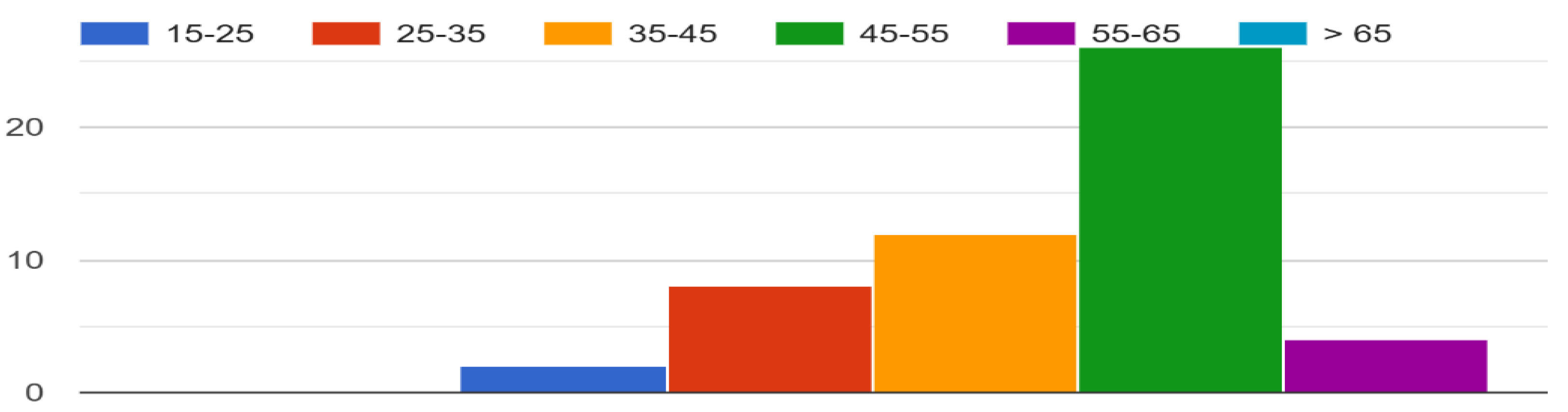
We received 51 filled forms, corresponding to almost half of the total number of participants, most of them (90%) having concluded the course with a Certificate. The main channel for information about the courses came from the Geopark’s social networks and Turismo de Portugal, followed by Internet searches and personal contacts (Figure 3). The professional area of the respondents is predominantly from the Tourism area (close to 50%), with a significant percentage of Teachers (close to 20%) and also Independents (14%). Ages range go from 25 to 65, with a predominance in the 45-55 interval (Figure 3). Geographical provenance is quite heterogeneous, but 55% of the respondents came from within the territory of the Geopark and 10% close to it, while 35% came from places more than 100 km away.
Figure 4.
Ages of the respondents to the Survey.
Regarding the initial expectations and the final appraisal, in a range from 1 (min.) to 10 (Max.), the average expectations were around 8, whereas the final average appraisal attained 9, showing a clear increase and good global results for the courses (Figure 5).
The impact of the course has been clearly perceived as positive, with specific impact on guide activities, rated with an average of 7.2 in 10. Looking at the impact on all the professional activities, some lower ratings appear, but the average is almost the same, around 7.1, showing that the courses were important not only for guides but also to other professions, namely teachers and local entities’ staff. The most striking impact seems to be related to the experience as a “geotourist”, with an average rating of 8, with one third of the total rating from 7 upwards.
Figure 6.
Perceived impact of the GEOGUIAS course on activities as a guide. The 4-5 interval corresponds to “Not Applicable” and has been excluded from the Average calculations.
Figure 6.
Perceived impact of the GEOGUIAS course on activities as a guide. The 4-5 interval corresponds to “Not Applicable” and has been excluded from the Average calculations.
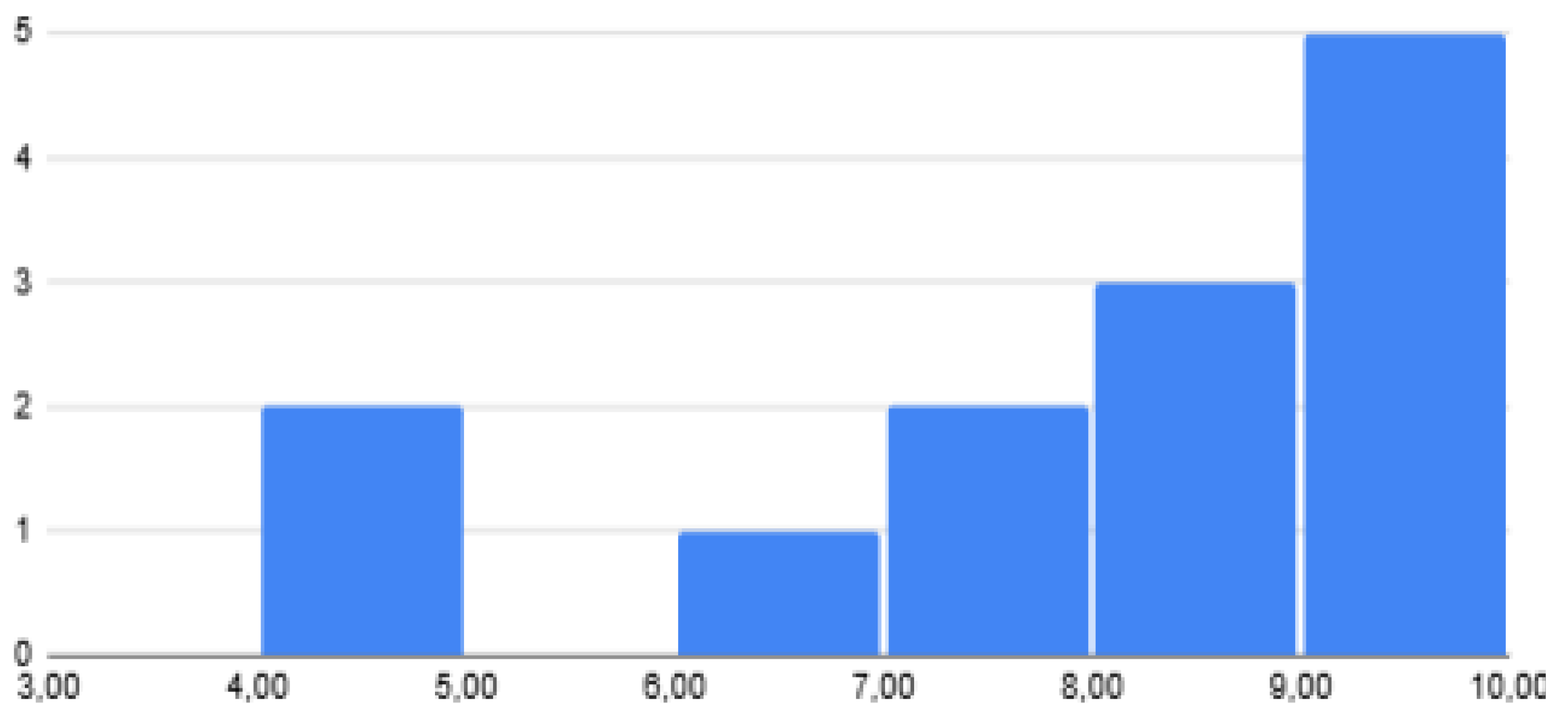
Figure 7.
Perceived impact of the GEOGUIAS course on professional activities, regardless of theprofessional area.
Figure 7.
Perceived impact of the GEOGUIAS course on professional activities, regardless of theprofessional area.
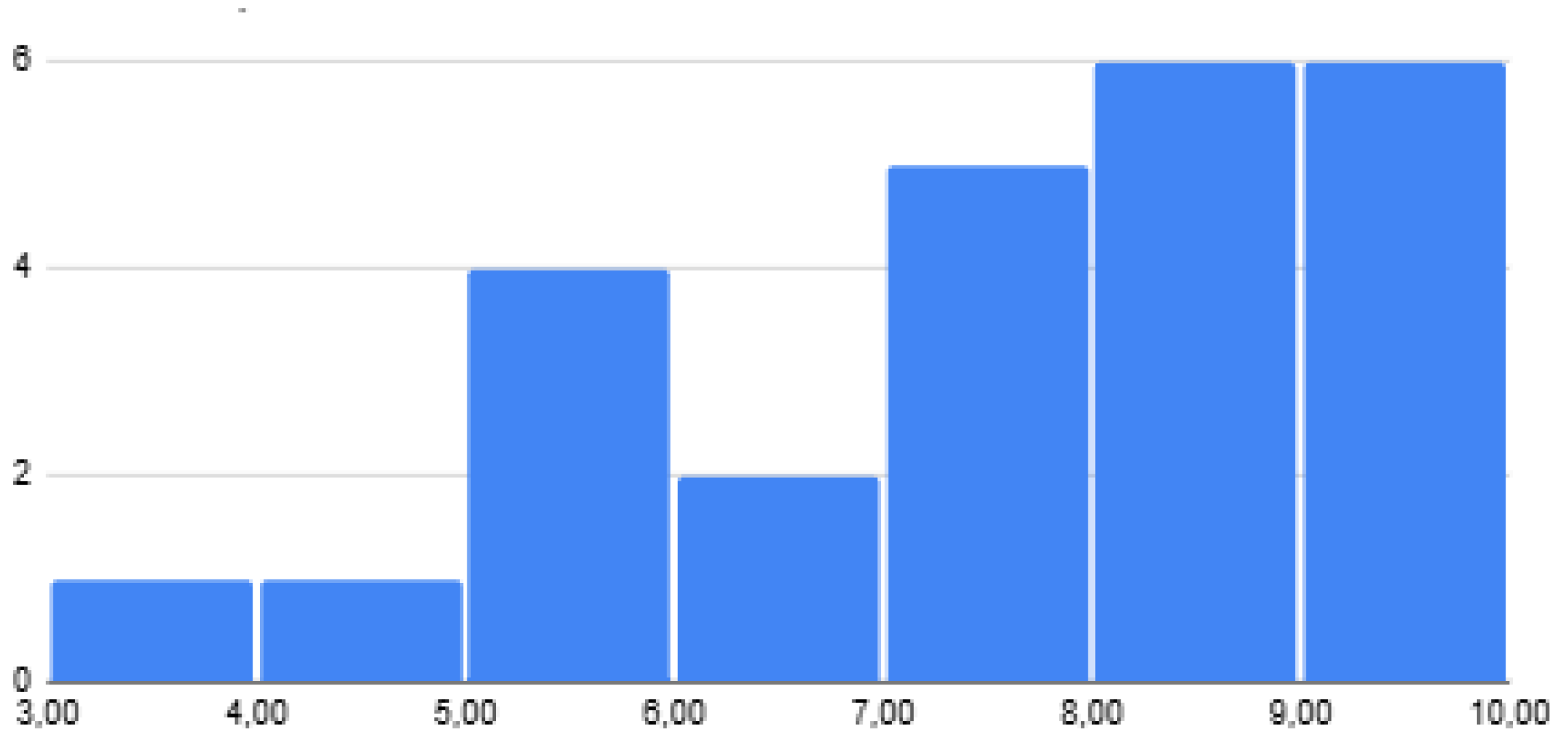
Figure 8.
Perceived impact of the GEOGUIAS course on personal geotouristic activities.
The time dedicated to professional activities as a guide seems to have not been affected by the course itself, maintaining averages between 49 and 50%, before or after the course, and also currently. This indicator shows that apparently the course has not contributed to increase the frequence or individual time dedicated to guiding activities, but mostly probably to improve the scope or focus of those activities, as shown by the open questions and answers (vd. Section 3.2).
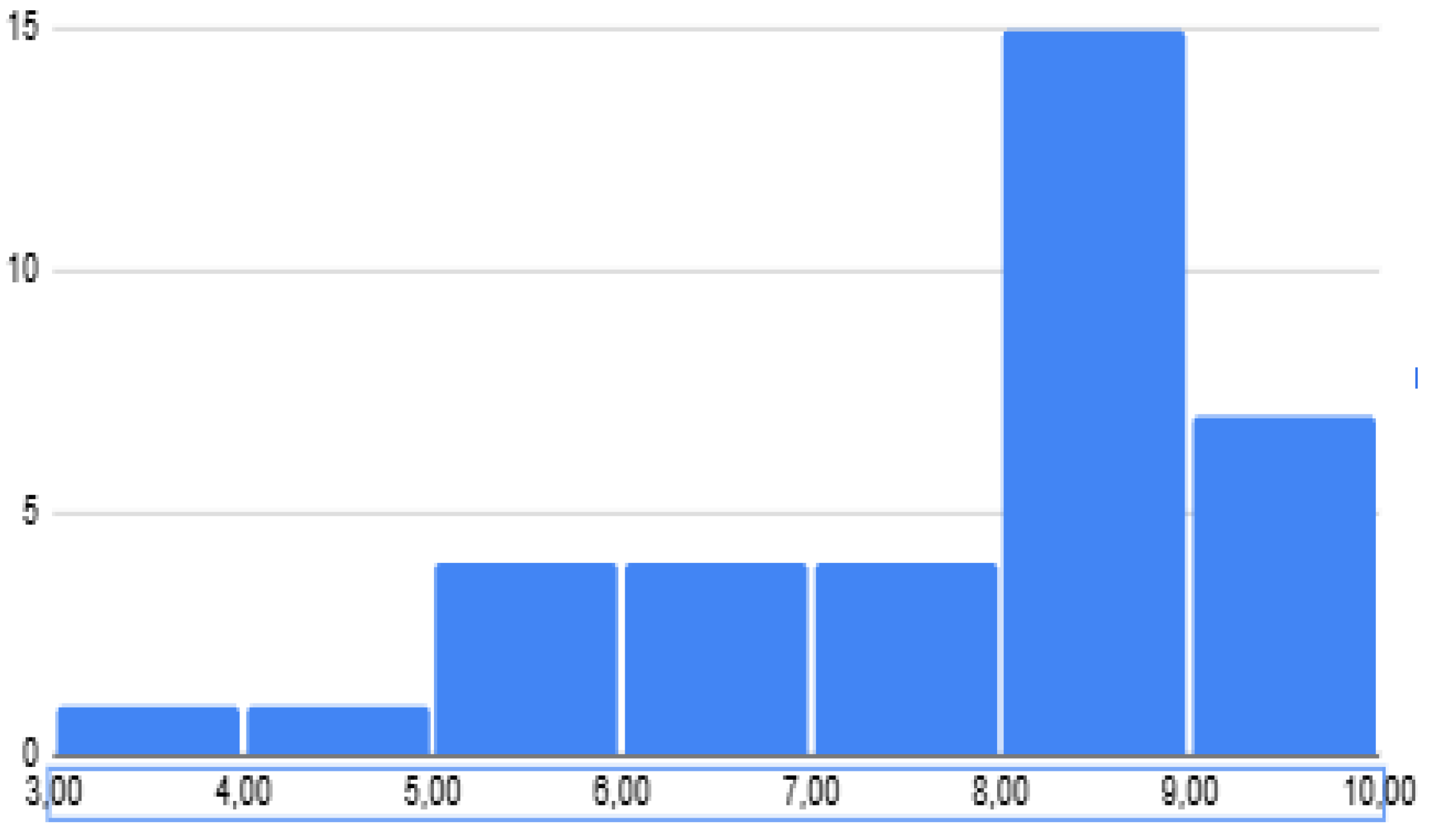
Looking at the way the participants perceive the contribution of the course for Sustainable Tourism, answers show great similarities, considering the different aspects (Figure 9, Figure 10 and Figure 11). The averages of all the perceptions are clearly positive, around 7 in 10, regardless of the questioned feature. After the course, guide activities became more frequent (6.9), different (7.1) and more collaborative (7.1). The best rating appears for “more local” activities, showing the importance of this training course for territory-based and territory-focused activities.
3.2. Open Questions
Four open questions were presented and each participant answered with a short sentence, stating his appraisal or perception about the impact of the course. We present here the synthesis of the collected answers, showing the overall positive assessments.
Question 1 - Contributions to professional activity
i) Better Knowledge of the Territory - The most frequently mentioned contribution was the increase in knowledge about the Oeste region, particularly the territory of the Oeste Geopark. Participants highlighted: a deeper understanding of geodiversity, geology, and geomorphology; a greater awareness of natural and cultural heritage; a better understanding of the links between physical landscape features and endogenous/local products; and knowledge of key sites of interest and associated geological phenomena. This scientific and territorial reinforcement enables participants to interpret and communicate the region in a more coherent and informed way.
ii) Professional Development - Several participants reported direct impacts on their professional practice, including: improved storytelling and territorial interpretation skills; greater confidence and safety in organizing field activities; learning best practices as guides; development of competencies in tourism and geotourism; and increased professional credibility. For some, the impact is more significant in terms of future opportunities rather than their current role.
iii) Networking and Partnerships - Networking was one of the most valued aspects of the course, leading to establishing contacts with tourism professionals and other stakeholders, identifying potential partners and building collaborative regional networks. There were even concrete professional opportunities arising directly from the course.
iv) Territorial Valorization - The course contributed to a greater awareness of the region’s tourism potential, a more sustainable perspective on territorial development, motivation to promote and showcase the Oeste region, and encouragement toward entrepreneurship and independent activity.
v) Personal and Intellectual Enrichment - Participants emphasized the expansion and renewal of knowledge, exposure to new thematic areas, integration of scientific knowledge with local culture and traditions, and stepping outside their comfort zones.
Question 2 - Contribution to extra-professional activities
i) Increased Knowledge - The most frequently mentioned contribution was a significant increase in knowledge about the Oeste region. Participants emphasized: a greater understanding of geology, geodiversity, history, and cultural heritage; improved ability to interpret landscapes and understand territorial dynamics; broader general culture, especially in scientific and environmental areas; and deeper knowledge of the region where they live. This enrichment allows them to appreciate their surroundings more fully and to “tell the story” of the territory more confidently in personal contexts.
ii) New Ways of Seeing and Experiencing - Many respondents highlighted a transformation in how they observe and experience places, looking at landscapes “with different eyes”, paying closer attention to natural details, developing a more analytical and curious perspective, gaining the ability to interpret places when traveling personally, and fostering a more conscious, reflective, and informed engagement with the territory.
iii) Personal Development and Appreciation - Participants frequently referred to personal growth and self-development, greater appreciation and valorization of the territory, increased awareness of sustainable tourism, a broader and more integrated understanding of landscape and culture, and overall stronger emotional and intellectual connections to the region.
iv) Leisure, Family, and Social Impact - The course also influenced participants’ free-time activities, discovering new places of interest in the region, enjoying more meaningful leisure experiences and planning visits to geosites with family and friends, but also feeling confident to organize informal geology-focused field days. Additionally, several respondents mentioned strengthening personal relationships and expanding their social networks.
v) Future Projects and Entrepreneurial Motivation - Although some participants have not yet applied the training outside their professional sphere, others indicated intentions to develop side businesses, better organization of itineraries and thematic packages, motivation to explore other geoparks, and support for planning personal touristic or cultural projects.
Question 3 - Impact on the local economy
Overall, respondents perceive the impact as largely positive and potentially significant, particularly for tourism and territorial development. The main impacts identified include: promotion and valorization of the territory, especially its natural and cultural heritage; attraction of more visitors, leading to increased local consumption and longer stays; support for local businesses and endogenous products, encouraging more conscious and locally oriented spending; creation of networks and partnerships among guides, institutions, and companies; qualification of tourism operators, improving the structure, diversification, and competitiveness of tourism products; and stimulation of new projects, entrepreneurship, and job creation.
Question 4 - Impact on regional sustainable tourism
The impact is perceived as largely positive, relevant, and with strong potential, although some respondents consider it dependent on effective implementation. The main contributions identified include: creation of networks and partnerships that support more coordinated and responsible tourism development; promotion and preservation of natural, and cultural heritage, encouraging more conscious and respectful visitation; dissemination of good practices in sustainable tourism, fostering environmentally responsible behaviour among guides, operators, and visitors; increased awareness and ecological sensitivity, both professionally and personally; integration of local producers and small businesses, contributing to more authentic, place-based tourism experiences; and diversification of tourism products, offering alternatives to mass tourism and attracting more conscious and quality-oriented visitors.
Around half of the responders introduced their final “comments or suggestions”. The statements reveal a strong level of satisfaction with the training, accompanied by constructive suggestions mainly focused on: deeper technical development (especially in geology and paleontology); logistical and organizational adjustments; greater emphasis on the practical component; formalization of a professional Geoguide network. Overall, participants demonstrate motivation, engagement, and a desire for the project’s continued development, which represents a very positive indicator for the future of this training program.
5. Conclusions
This study clearly showed the positive impacts of training local citizens as geoguides. These impacts are not restricted to the professional activities of local geoguides, but were also felt by professionals from other areas, such as teaching and local administration or services.
Overall, the course is perceived as a strong capacity-building tool in scientific and territorial knowledge, with particular impact on understanding the geological and cultural heritage of the Oeste region, strengthening professional networks, and enhancing the region’s value as a strategic resource for sustainable tourism. While not everyone reported an immediate impact on their current professional activity, most recognize a significant contribution to their present or future professional development.
The course’s greatest extra-professional contribution lies in broadening participants’ knowledge and transforming their relationship with the territory. It enhanced scientific and cultural understanding, fostered personal growth, enriched leisure experiences, and strengthened social connections. Even when not directly applied in structured activities, the coursehis course reshaped how participants perceive, value, and experience the region in their everyday lives.
In terms of local impacts, these courses were widely regarded as important tools for stimulating local economic development, reinforcing territorial identity, and promoting sustainable tourism. Many participants noted that the economic impact may be more evident in the medium to long term, with strong potential for further growth if strategically implemented.
In summary, the GEOGUIAS courses are viewed as significant drivers of more responsible, more inclusive, and more knowledge-based tourism, with the potential to strengthen environmental preservation, community involvement, and long-term regional sustainability.
Author Contributions
Conceptualization, N.P and M.R.S.; methodology, N.P.; validation, N.P and M.R.S.; formal analysis, N.P.; resources, N.P and M.R.S; data curation, N.P.; writing—original draft preparation, N.P.; writing—review and editing, N.P and M.R.S. funding acquisition, M.R.S. All authors have read and agreed to the published version of the manuscript.
Funding
This research was funded by AGEO – Associação Geoparque Oeste and APC was funded by FCT, I.P./MCTES (PIDDAC): UID/50019/2025 (https://doi.org/10.54499/UID/50019/2025), UID/PRR/50019/2025 (https://doi.org/10.54499/UID/PRR/50019/2025), UID/PRR2/50019/2025.
Informed Consent Statement
Informed consent was obtained from all subjects involved in the study.
Data Availability Statement
The data presented in this study are available on request from the corresponding author due to the inclusion of personal opinions, which may be shared exclusively as anonymous.
Acknowledgments
We acknowledge the respondents for their collaboration and free opinion about the Course, its perceived impacts, and final comments. We also acknowledge Turismo de Portugal for the financial support to these courses. During the preparation of this manuscript/study, the author(s) used ChatGPT to elaborate a first draft of the analysis of all the open questions. The authors have reviewed and edited the output and take full responsibility for the content of this publication.
Conflicts of Interest
The authors declare no conflicts of interest.
References
- Gössling, S. Global environmental consequences of tourism. Glob. Environ. Change 2009, 12. [Google Scholar] [CrossRef]
- Thullah, A.; Jalloh, S.A. A review of the economic, social and environmental impacts of tourism development. Am. J. Theor. Appl. Bus. 2021, 7, 39–46. [Google Scholar] [CrossRef]
- Swarbrooke, J. Sustainable Tourism Management; Rawat Publications: Jaipur, India, 2010; 371 pp.
- Drápela, E. Creating strategies to mitigate the adverse effects of overtourism in rural destinations: Experience from the Czech Republic. Sustainability 2023, 15, 16958. [Google Scholar] [CrossRef]
- Burger, J. Landscapes, tourism, and conservation. Environ. Conserv. 2000, 27, 268–275. [Google Scholar] [CrossRef] [PubMed]
- UNEP. Charter for sustainable tourism. Conference on Sustainable Tourism, Lanzarote, Canary Islands, Spain, 27–28 April 1995. [Google Scholar]
- Butler, R.W. Sustainable tourism—A state of the art review. Tour. Geogr. 1999, 1, 6–25. [Google Scholar] [CrossRef]
- Bramwell, B.; Lane, B. Critical research on sustainable tourism. J. Sustain. Tour. 2011, 19, 329–335. [Google Scholar]
- Hall, C.M. Constructing sustainable tourism development: Insights from tourism planning and policy. J. Sustain. Tour. 2019, 27, 1018–1031. [Google Scholar]
- Menegaki, A.N. Sustainable tourism production and consumption as constituents of sustainable tourism GDP: Lessons from a typical index of sustainable economic welfare (ISEW). In Strategies in Sustainable Tourism, Economic Growth and Clean Energy; Balsalobre-Lorente, D., Driha, O.M., Shahbaz, M., Eds.; Springer: Cham, Switzerland, 2021; pp. 177–195. [Google Scholar]
- Dodds, R.; Butler, R. 30 years of sustainable tourism policies: A reflection on success and failure. In Advances in Culture, Tourism and Hospitality Research; Pforr, C., et al., Eds.; Emerald Publishing: Bingley, UK, 2024; Vol. 17A, pp. 23–45. [Google Scholar]
- Menegaki, A.N. How do tourism and environmental theories intersect? Tour. Hosp. 2025, 6, 28. [Google Scholar] [CrossRef]
- Purvis, B.; Mao, Y.; Robinson, D. Three pillars of sustainability: In search of conceptual origins. Sustain. Sci. 2018, 13, 247–259. [Google Scholar] [CrossRef]
- Hose, T.A. Geotourism, geoconservation and planning in the English Midlands. In Geology and Land Use Planning in Europe; O’Halloran, D., et al., Eds.; Geol. Soc. Lond. Spec. Publ., 1995; Volume 95, pp. 195–204. [Google Scholar]
- Stokes, C.; Cook, C.; Drew, J. The Geotourism Study: Final Report; Travel Industry Association of America and National Geographic Traveler: Washington, DC, USA, 2003. [Google Scholar]
- Dowling, R.; Newsome, D. (Eds.) Geotourism; Elsevier Butterworth-Heinemann: Oxford, UK, 2006. [Google Scholar]
- Tourtellot, J.B. Geotourism via National Geographic: An approach for protecting destination quality. In Proceedings of the International Congress Geotourism—Arouca 2011; Rocha, D., Sá, A., Eds.; Arouca, Portugal, 2011; p. 15. [Google Scholar]
- Dowling, R.K. Geotourism’s global growth. Geoheritage 2011, 3, 1–13. [Google Scholar] [CrossRef]
- Dowling, R.K. Global geotourism—An emerging form of sustainable tourism. Czech J. Tour. 2013, 2, 59–79. [Google Scholar] [CrossRef]
- Digne. First International Symposium on the Conservation of Our Geological Heritage; Digne-les-Bains, France, 1991. [Google Scholar]
- Patzak, M.; Eder, W. “UNESCO Geopark”—A new programme, a new UNESCO label. Geol. Balc. 1998, 28, 33–35. [Google Scholar] [CrossRef]
- Jones, C. History of geoparks. In The History of Geoconservation; Burek, C.V., Prosser, C.D., Eds.; Geol. Soc. Lond. Spec. Publ., 2008; Volume 300, pp. 273–277. [Google Scholar]
- Newsome, D.; Dowling, R. Geoheritage and geotourism. In Geoheritage; Elsevier: Amsterdam, 2018; pp. 305–321. [Google Scholar]
- Farsani, N.T.; Coelho, C.O.A.; Costa, C.M.M. Geotourism and geoparks as novel strategies for socio-economic development in rural areas. Int. J. Tour. Res. 2011, 13, 68–81. [Google Scholar] [CrossRef]
- Marlina, E.; Natalia, D.A.R. Geotourism: Potential-based analysis tourism development concept towards sustainable tourism. In Proceedings of the International Language and Tourism Conference, 2016. [Google Scholar]
- Malatyinszki, S.; Kálmán, B.G.; Dávid, L.D. The role of geoparks in sustainable tourism development: A case study approach. Geoj. Tour. Geosites 2025, 59, 572–586. [Google Scholar] [CrossRef]
- Pimentel, N.; Pereira, B.; Silva, M.R. Training local geoguides to improve sustainable tourism at the Oeste aspiring Geopark (Portugal). Abstracts of the 10th International UNESCO Global Geoparks Network Conference, Marrakesh, Morocco, 2023. [Google Scholar]
- Pimentel, N.; Pereira, B.; Silva, M.R. From Geoheritage to Geosites at the Oeste Aspiring Geopark (Portugal). Geoheritage 2024, 16, 31. [Google Scholar] [CrossRef]
- Pimentel, N.; Silva, M.; Pereira, B. From a coastal territory to a unified marine and terrestrial geopark: The example of the Oeste Geopark (Portugal). Abstracts of the 11th International Conference on Global UNESCO Geoparks, Temuco, Chile, 2025. [Google Scholar]
- Dias, A.; Robina-Ramírez, R.; Sánchez-Oro Sánchez, M. Territorial planning and sustainable development—Case study: Protected areas in the territory of the Aspiring West Geopark, Portugal. Front. Environ. Sci. 2023, 11, 1132162. [Google Scholar] [CrossRef]
- Geoparque Oeste. Available online: https://www.geoparqueoeste.com.
- Oeste UNESCO Global Geopark. Available online: https://www.unesco.org/en/iggp/oeste-unesco-global-geopark.
- Código de Conduta no Geoparque Oeste. Available online: https://www.geoparqueoeste.com/menu/1730/codigo-de-conduta-no-geoparque-oeste.
Figure 1.
Proposed extension and location of the Oeste UNESCO Global Geopark; photos of coastal and inland landscapes.
Figure 1.
Proposed extension and location of the Oeste UNESCO Global Geopark; photos of coastal and inland landscapes.
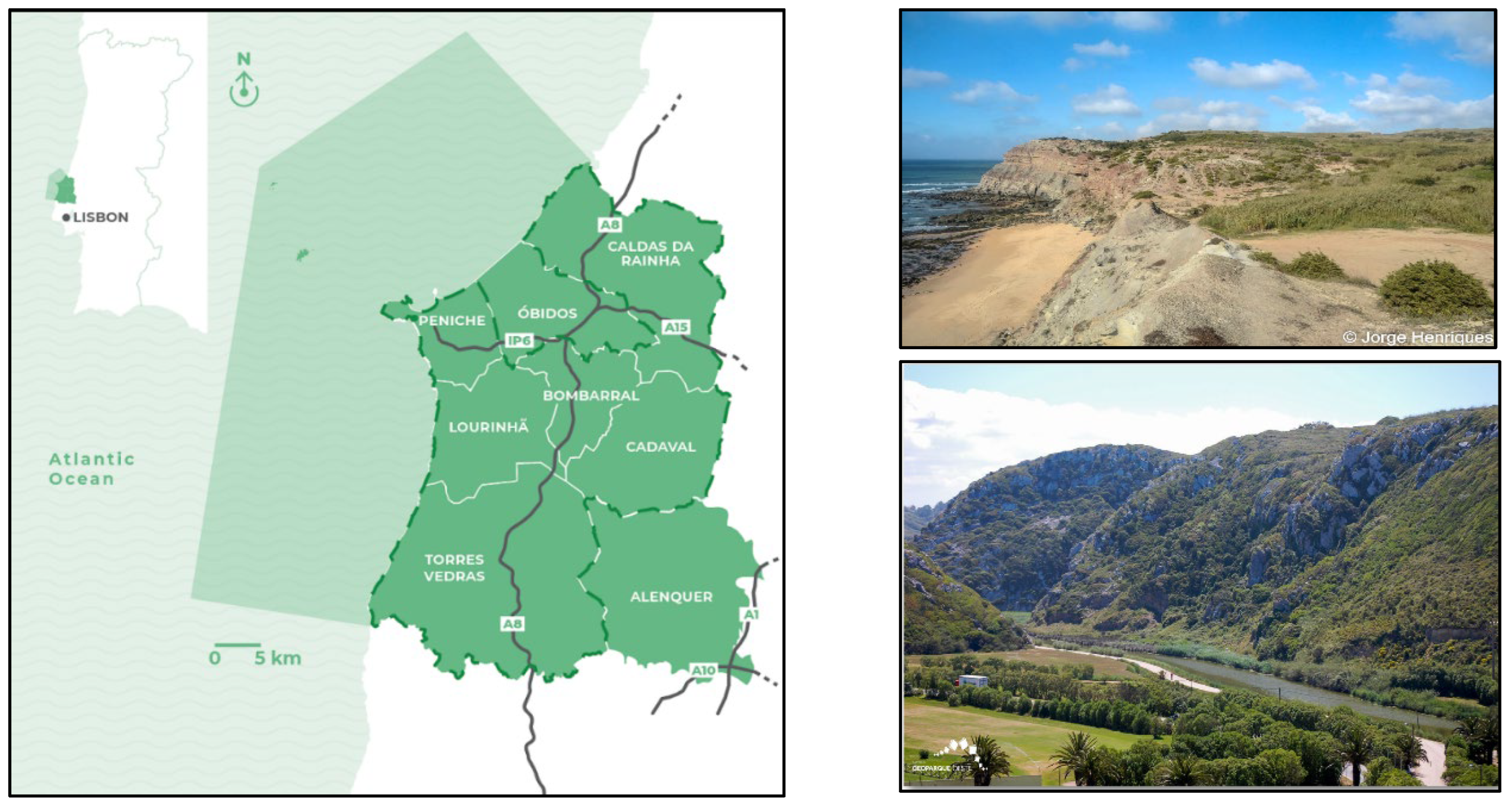
Figure 2.
GEOGUIAS training program. Presential lectures and fieldtrips.
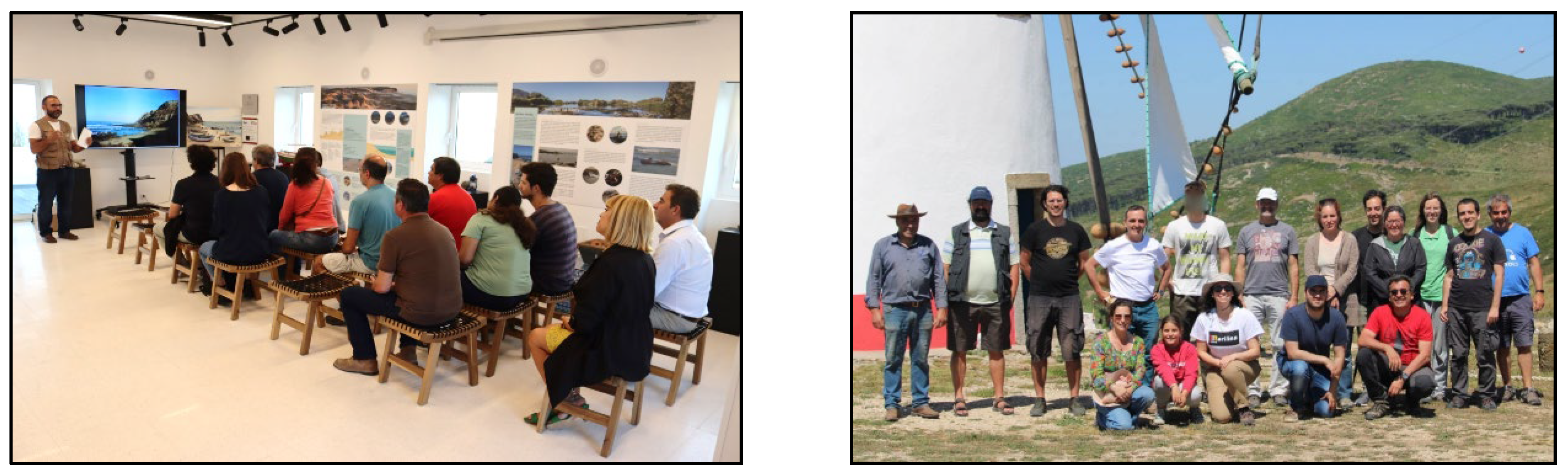
Figure 3.
LEFT Information source about the course (Geopark’s social media in Red; national Tourism Office in Orange; Internet in Green; Personal contacvt in Blue). RIGHT - professional area of the respondents (Tourism in Blue, Teaching in Red; Independents in Green; Local administration in Orange).
Figure 3.
LEFT Information source about the course (Geopark’s social media in Red; national Tourism Office in Orange; Internet in Green; Personal contacvt in Blue). RIGHT - professional area of the respondents (Tourism in Blue, Teaching in Red; Independents in Green; Local administration in Orange).
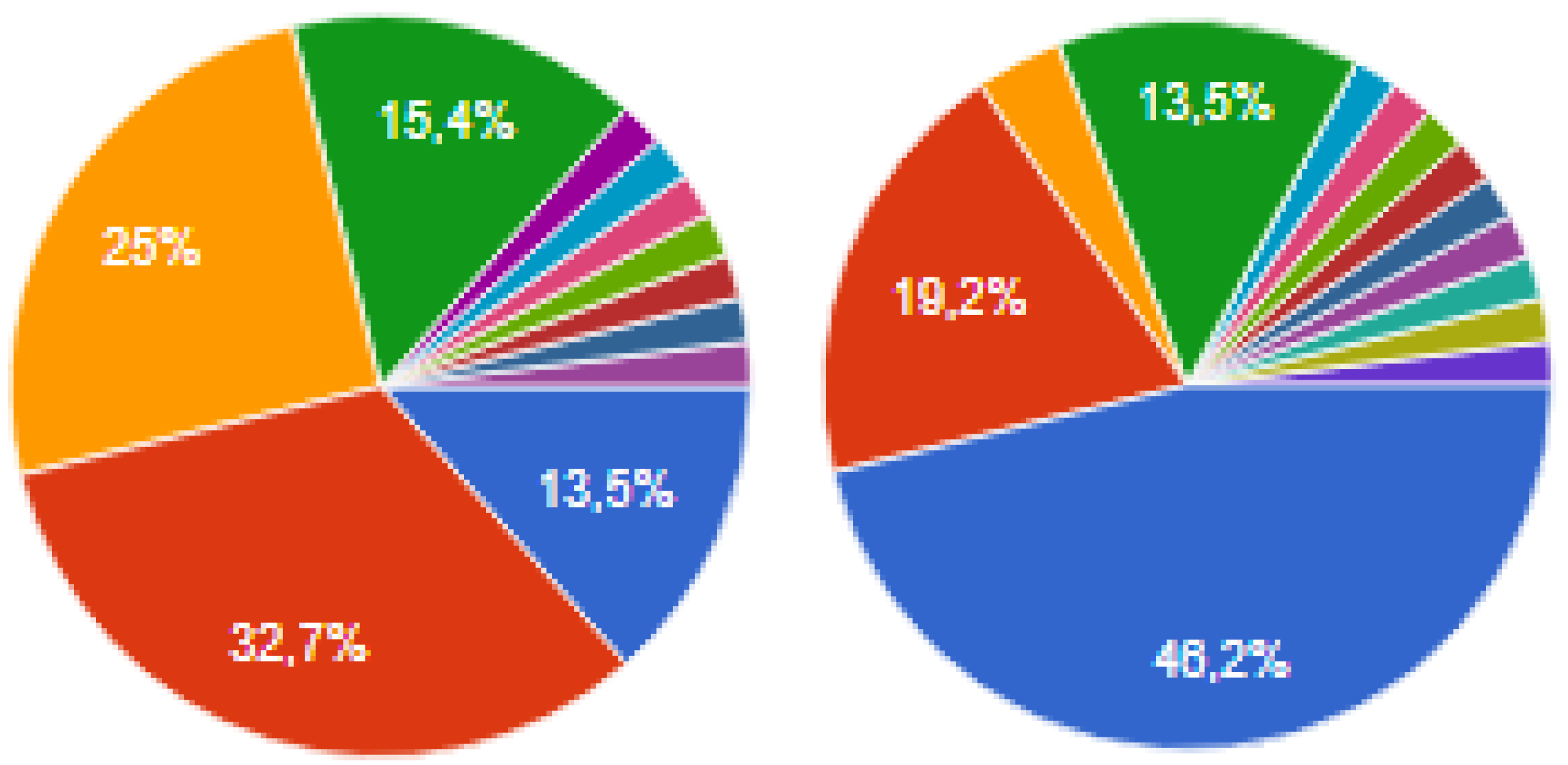
Figure 5.
Initial expectations (LEFT) and Final appraisal (RIGHT) of the GEOGUIAS course (ratings from 1 to 10).
Figure 5.
Initial expectations (LEFT) and Final appraisal (RIGHT) of the GEOGUIAS course (ratings from 1 to 10).
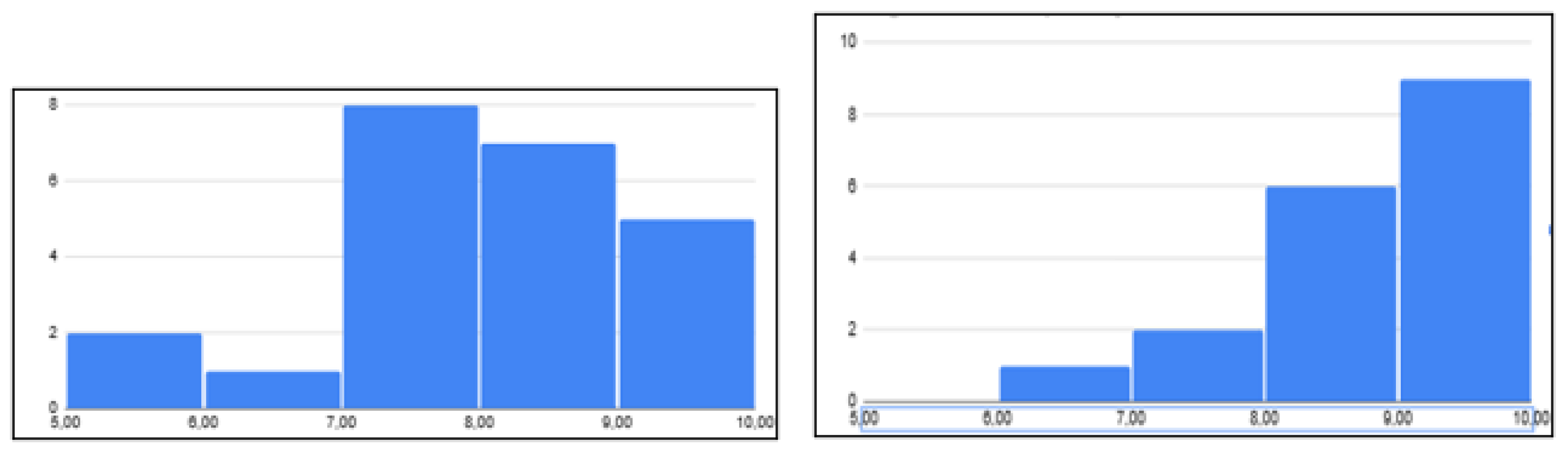
Figure 9.
Contribution to developing more FREQUENT Sustainable Tourism activities.
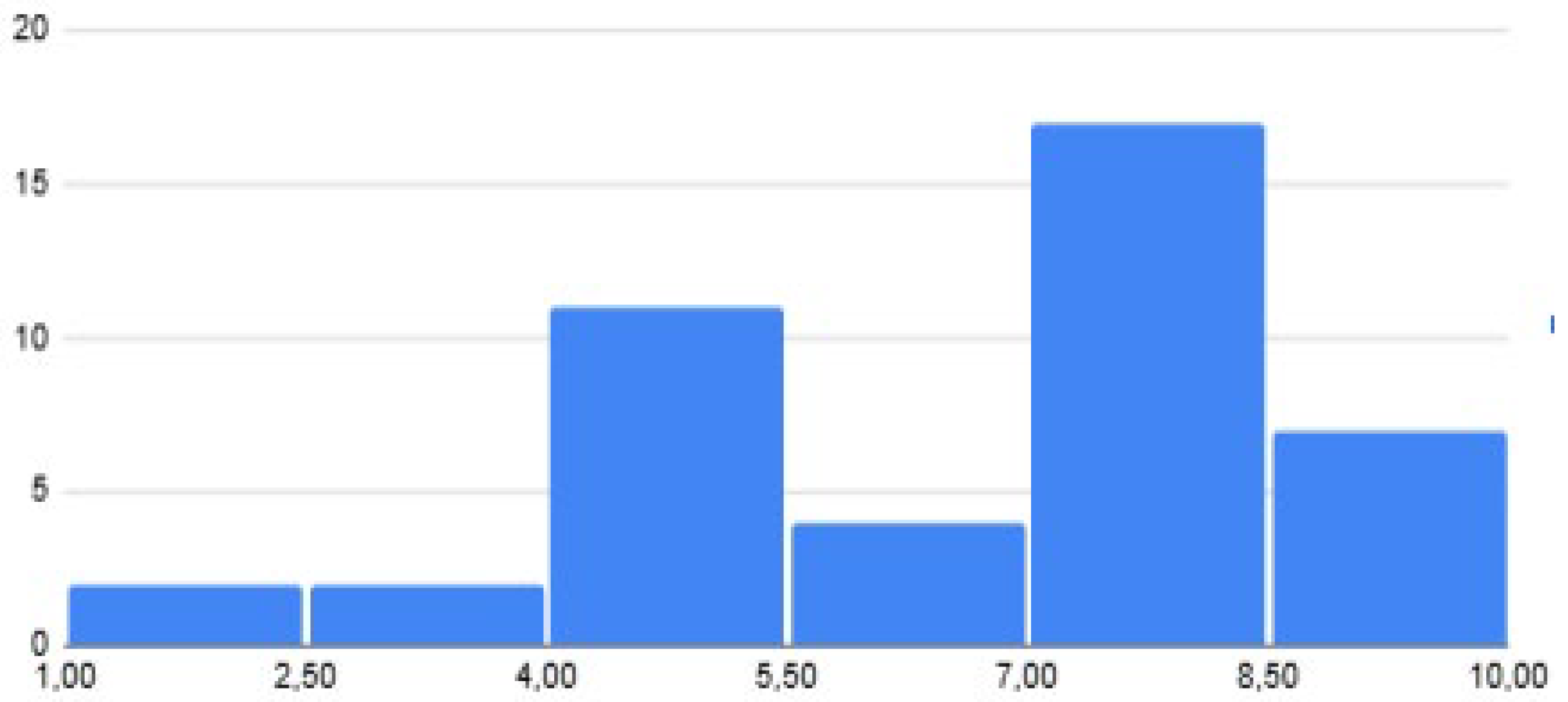
Figure 10.
Contribution to developing DIFFERENT Sustainable Tourism activities.
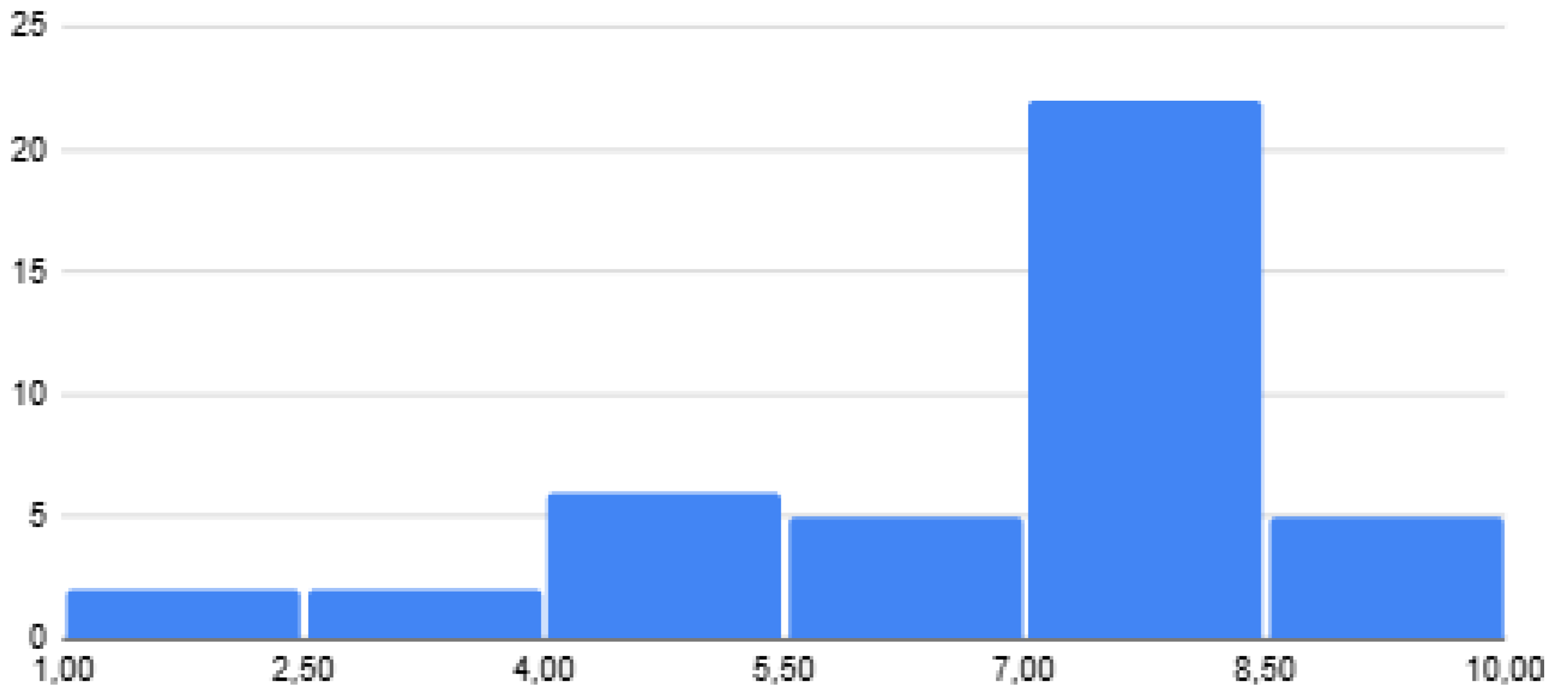
Figure 11.
Contribution to developing more COLLABORATIVE Sustainable Tourism activities.
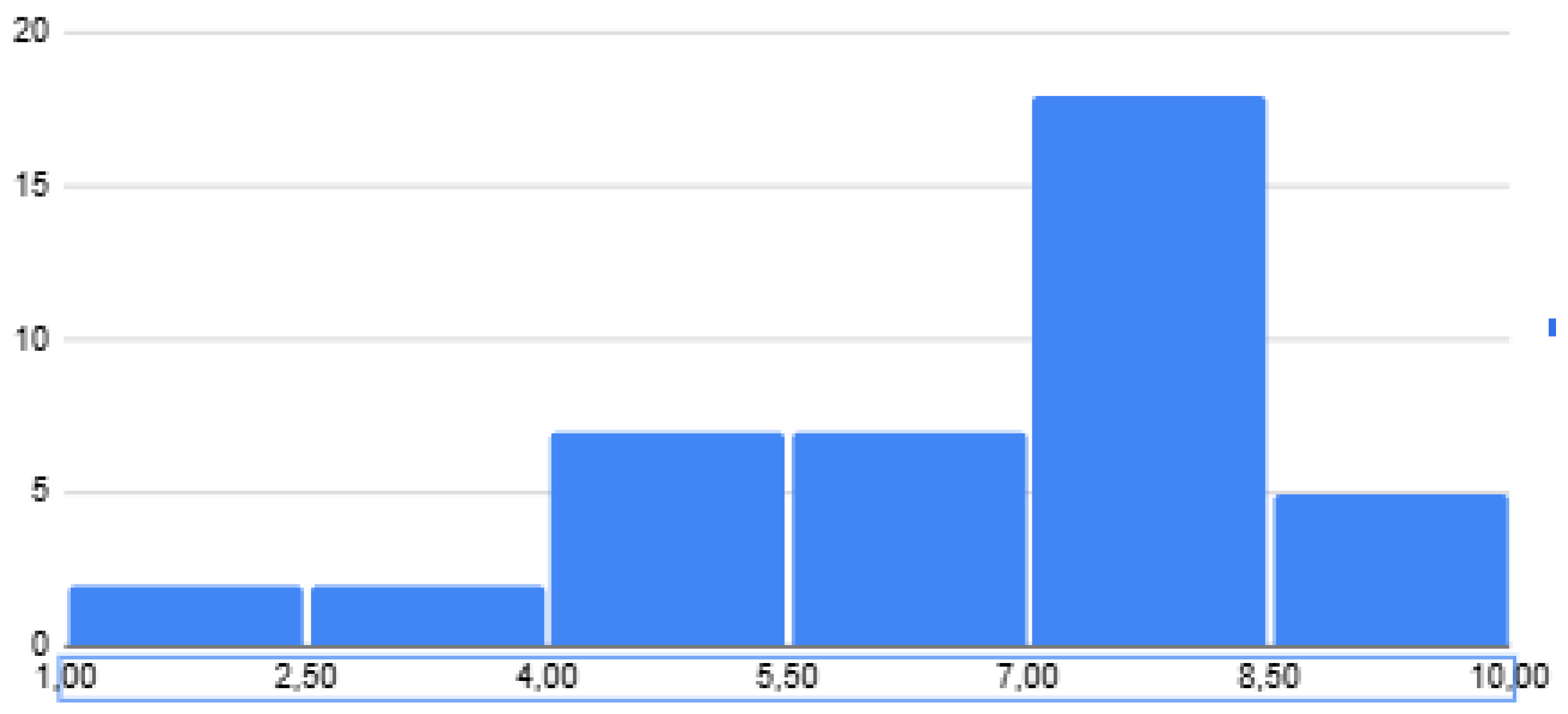

Table 1.
Content and organization of the Survey sent to all the participants.
| PARTICIPANTS AND EXPECTATIONS |
| 0. Age and Residence |
| 1. Which edition of the course did you participate in? |
| 2. Did you obtain a final certificate of completion for this course? |
| 3. How did you learn about the course? |
| 4. What professional area were you in, when you attended the course? |
| 5. Initial expectations about the course (1-10) |
| 6. Final evaluation (1-10) |
| IMPACT EVALUATION (1 to 10) |
| 7. Impact of the Course on your professional activity |
| 8. Impact of the Course on your activity as a Guide (N/A=5) |
| 9. Impact of the Course on your activities as a geotourist |
| 10. Percentage of work time dedicated to Guide activities BEFORE the Course |
| 11. Percentage of work time dedicated to Guide activities one year AFTER the Course |
| 12. Percentage of work time was dedicated to Guide activities CURRENTLY |
| 13. Contribution to developing DIFFERENT sustainable tourism activities |
| 15. Contribution to developing more COLLABORATIVE sustainable tourism activities |
| 16. Contribution to developing more LOCAL sustainable tourism activities |
| OPEN QUESTIONS |
| 17. Greatest contribution of the Course to your professional activity? |
| 18. Greatest contribution of the Course to your extra-professional activity? |
| 19. Impact of these courses on the local economy? |
| 20. Impact of these courses on regional sustainable Tourism? |
| 21. Comments / Observations / Suggestions for improvement |
Disclaimer/Publisher’s Note: The statements, opinions and data contained in all publications are solely those of the individual author(s) and contributor(s) and not of MDPI and/or the editor(s). MDPI and/or the editor(s) disclaim responsibility for any injury to people or property resulting from any ideas, methods, instructions or products referred to in the content. |
© 2026 by the authors. Licensee MDPI, Basel, Switzerland. This article is an open access article distributed under the terms and conditions of the Creative Commons Attribution (CC BY) license (http://creativecommons.org/licenses/by/4.0/).
Copyright: This open access article is published under a Creative Commons CC BY 4.0 license, which permit the free download, distribution, and reuse, provided that the author and preprint are cited in any reuse.


