
Submitted:
27 January 2026
Posted:
28 January 2026
You are already at the latest version
Abstract
Modern nutritional science, aims to provide information reffering to mechanisms of production of specific food components, and their implications on human body. In respect of daily diet, for diseases prevention and for health promotion, of nutritional biotechnologies play a great role Aim is the applicability of the modern food technologies, for healthy product obtaining ,that are using in individual daily diet. For this purpose, modern biotechnologies has revolutionized the food production, using complex technologies. More than, also for the purpose of healthy and safety food production in diet, recent discoveries in gene science are making it possible to manipulate the components in preparing foods, using also nanotechnology methods. In this research direction, theoretical informations and research applications, are underway to improve the quality and quantity of food products. In this direction take part, biosensors are implicate in soil monitor for fertility in food production. Previously mentioned, is a purpose in various nowadays studies, promoted in order to exprim the risk reduction of diseases apparence in population.
Keywords:
food
; technologies
; healthy
; dietary
; artificial intelligence
1. Introduction
Food insecurity is a curently public health and so, people are reporting lack of access to healthy foods. Interests of researchers commonly work for risk reducing related presumtive food with risk factor on public health. In this study direction, in daily diet, aliments consumtion, has led to increased aliments used of energy-dense and with various nutrients foods. Finally result reffers to increasing the risk for many chronic diseases. With all before mentioned different aspects, nowadays most known diseases, are obesity, cardiovascular diseases, and type 2 diabetes mellitus. In this context, globally need identifying various possibilities, to increase access to healthy foods. As a prophilactic condition, in order to avoid possible pathologies, that may occur. it is important to improve de quality of food product for routinally diet.
It is known that food components are different factors that affect the genome, transcriptome, proteome and metabolome. In this context, nutritional genomics is a promising science with high throughput, implying transcriptomics, proteomics, metabolomics, with their specific.
For proper production of diet compounds, artificial intelligence technologies became complementary to the research areas of food science and nutrition.
As an interdisciplinary field of study, artificial intelligence aims to replicate human intelligence using robots. This intelligence machinery, namely robots, with high potence, are capable to mime the human cognition and behaviours, including learning and problem-solving.
Nowadays food compounds are important in daily diet. This may be in concordance with age, person status, healty of person. Type of food consumtion, is important for individual status and in case in an ill person with in comorbidities, that need to consult a dietary specialist. It is a little to hard the work of dietary specialist. Must be establish a proper schema with composition from each product.
Actually is an important problem related to food compunds, respectively daily maniu. There are alimentar aditive, with a possible dangerous potential for healthy. In this context is possible to appear pathologies. More than, good to mantion importance of genetical found of person, in ideea to appear a damage in genom, that concur to ilness instalation. Examples of diseases are, diabetes, obezity, cardiovascular diseases, cancer, and not only.
Depending of patient, more than, for patients with comorbidities, dietary specialist take part in an multidisciplinary specialisad team, in order to establish a personalizate meals. In this ideea, medical tailored meals, for a litthe group of patients with comorbidities, must be proper for the group with similar comorbidities, in order to avoid, a escaladation of an ilness include in comorbidities.
2. Key Points on Biosensors in Soil Products Monitoring Using Nanotechnology, Nutrigenomics and Artificial Intelligence
Biosensors play a role in soil preparing for helthy food production. So, biosensors, are devices comprising of a biological and physicochemical component to detect an analyte a proper measured signal. [1] Key point in this research direction is detection of various contaminants. The enlarge list with contaminants which need detection and analyse, include chemical and pollutants, drug detection, and detection of toxins in food, water, and soil ecosystems represent applications where biosensors are usually used. [2] More than, it is known that, biosensors detect contaminants at a low concentration which is a matter of priority for environmental protection and also for disease prevention.[3] As a result of studies, we know that biosensors monitor the presence of contaminants. This is because is important to ensure the quality of soil, drinking water, and finally healthy food. In this study direction, biosensors exhibit promising applications. Environmental monitoring, molecular diagnostics, pathogen detection, food industries are globally in atention. [4] Biosensors are divided in different types of groups. This biosensors divisation depend by signal transductions. [5] The knowing electrochemical sensors were introduced in 1962 by Leland C. Clark. [6] [Figure 1 and Figure 2a,b].
Modern technologies referring to healthy food production include nanobioremediation which is a cost-effective technique of utilizing plants and microbes for the breakdown of pollutant compounds. [7] Nanobioremediation implies both nanotechnology and bioremediation. [8] Actually, is a rapid release of pollutants into the environment, with a role on public health depending on environmental health. As a result, having effective techniques for removing them from various environmental media will be critical in preventing their negative impacts. Nanotechnology is considered part of curently developing perosns, using studies, research, with their applicability in routile practice. Purpose is healthy promotion and diseases preventions.[9,10] The use of engineered nanomaterials (ENMs) is complex. using different technologies. Engineered nanomaterials (ENMs) play a great role in interaction between microbiomes influence with the environment. [11] [Figure 3]
A complexity of natural nanomaterials could be find in the soil. [12] Research studies show us that the effect of ENMs in the soil dependent on the type of the soil specificity. [13] Nutrients are as environmental factors. Nutritional genomic area includes nutrigenomics that is the field reffering to interaction between dietary components. The genome and also the changes in proteins and metabolism play a role in globally healthy status. In the second plan, nutrigenetics stay, as a field that identify the response to dietary components with regard to genetic differences. [14] The aim of nutrigenomics is to identify the effects of different nutrients. Knowing types nowadays, including macronutrients and micronutrients on the genome and explores the interaction between genes and nutrients or food bioactives and their effects on human health. [15,16] As a research field, nutritional genomics elucidate the proper interaction reffering to nutrients, metabolic intermediates, and the specific genome. Finally, the answer to bioactive food components is in a strictly dependence on genetic background namely nutrigenetics effects with a great influence in metabolism targets. [Figure 4a,b]
Monitoring the agricultural production environment is a great point in ideea to create optimal agricultural growth and more than, resource efficiency. With the advent of Cloud Computing, Artificial Intelligence (AI), and Big Data technologies, traditional agriculture practices have significantly transformed. [17] In the digital transformation of agriculture nowadays, has evolved aspects reffering to management into artificial intelligent system. In respect of propsed aim, a subset of artificial intelligence, namely machine learning, has a potential to handle challenges in the establishment of knowledge-based farming systems. Modern using machine learning has emerged with big data technologies and high-performance computing to create new opportunities for data intensive science in the various domain of agri-technologies, for promoting healthy food.
Reffering to patients, which are hospitalized, that need medicines administration, dietary daily routine plan, is most important to be the best one. Dietary specialists, with adjacent qualificat persons, modeling size and ingredients from portions, for a healthy diet, compatible and in concordance with pathologies from each patient.
So modern technologies from obtaining good food products, play a role in routine practice for promoting healthy to peoples. Technologies mentioned previously such as biosensors in soil products, nanotechnology, nutrigenomics and artificial intelligence is curently applicable for promoting healthy. In this context, soil prelucration, with modern technologies, is together with medicine. Also is important management mesures for dietary plan, with applicability in practice. [18,19,20] Dietary food administration, under priciples of management, must be in concordance with rules cost-efects. [21]
There are also know about some problems related insecurity of food. [22] Given informations and havin knowledges related insecurity in food, persons that have an activity in this direction and type of work, must be carefully with dietary plan and food administration. [23,24] Proper food administration to patients, folowing management directions, with anticipating proper nutrients administration, to ill patients, is actually a direction from management plan.[25,26,27,28,29] In all of the world using international rules and legislative measures, plans and directions, healthcare system has great points with conection between food product administration to patients. Using also sustainable funds. Before become an ill person, also good to mention educational measures and plans from primary school and high school.[30] Nutrition education measures from knowledges for youth in differents levels of schools, concur to dietary and medical education.[31]
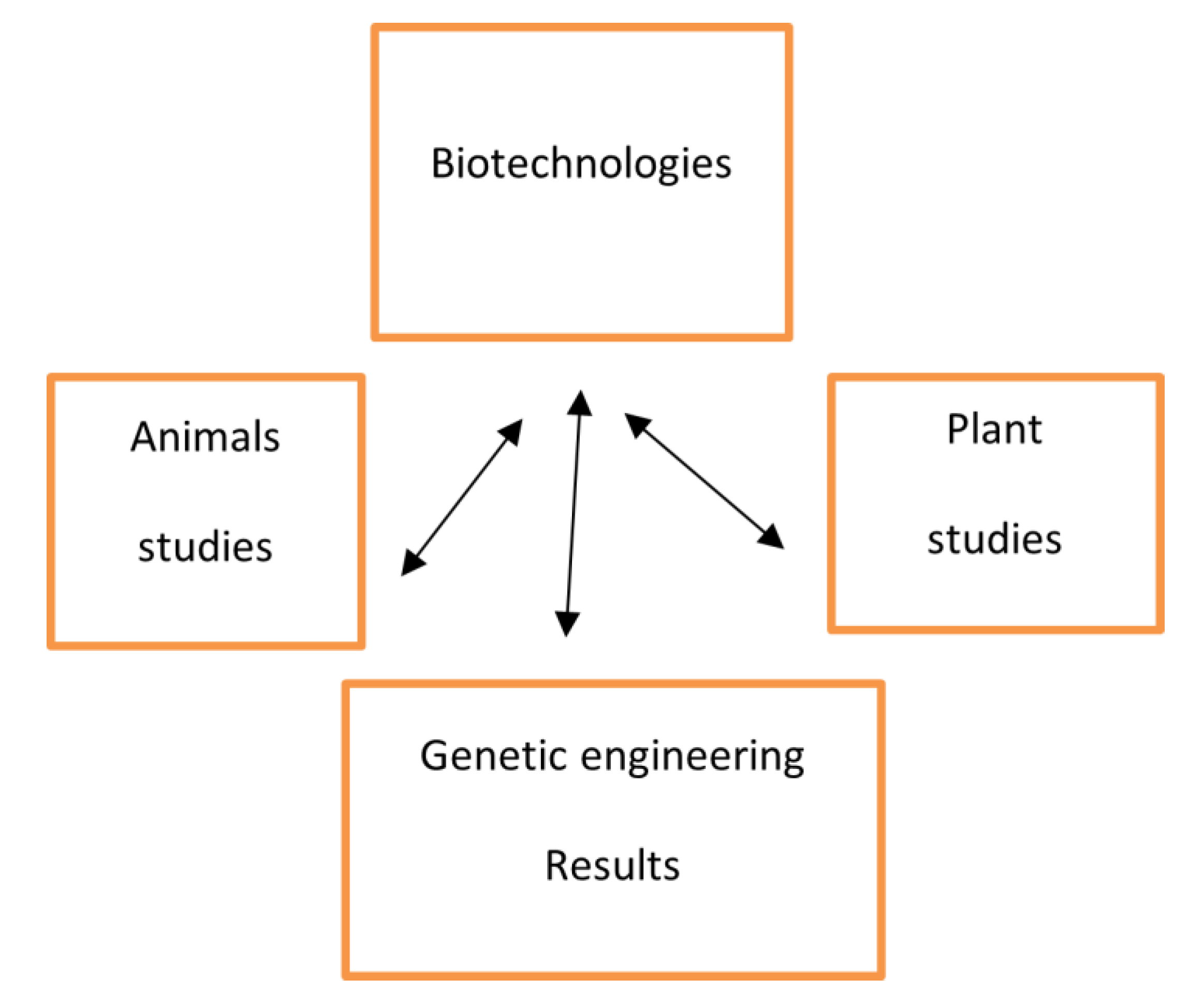
Genetic field is important in aim of our paper.and generally in research having as finallity healthy food production. Theoretical knowledges together with practicum applications, conduct to a concludent conclusion with a representative finally product. Using ADN recombinant tecnique, to animal organisms and to plants, curently is considered one of important in healthy food products. Research studies in this direction reffers to genetical aspects. So, we can mention the insertion of the genetic information in a specific chromosome of an organism. The next key point reffers to plant regeneration process, from a single cell cultures. A tool for gene expression and their analysis, need anspecific system for this reserach direction. For example, investigations demonstrated that the genomic clone for pea RuBPss ( subunit of ribulose-1,5-bisphosphatecarboxylase ) could be introduced in specific plant cells for proper cocultivation in other plant. [32] Another example reffers to microorganism. So the steps of transformations technology of microorganisms, which colonize plants are also considered important in obtaining a higher productivity of plants. Laboratory methods and them results, show us that are diffent specific organisms, helping the incrise of plant productivity. In this research direction, we can consider an extensive activity, having as result, developmental activities with somev performance reffering to characteristics of the soil types, and them evolution. Ecological key points including plant existence and microbes as aditionally existing microorganisms, are important. Genetic engineering provide us technologies with applicability in plants and specific microorganisms that interact with plants. The rsults of the studies are in conection with molecular biology mechanisms with applucability in practice for a proper diagnose refering to proper food productions. In this idea we can include treatment in plants and also in microorganisms that interact with plants. Aim of this paper has as conclusion, healthy food production, for avoiding diseases appearece to persons from different social category, living in different geographical regions, from a specific age group.[33] We can conclude as a finally opiniol for previusly written text that modern biotehnologies in healthy food products, include plants and animals in research studies. [34,35] [Figure 5]
3. Conclusions
Biosensors have applications and play a role in disease diagnosis, in environment monitoring, food control, drug discovery, biomedical research.
Currently trends reffers to incorporation of nanoparticles in biosensors as an opportunity to build a new generation of sensing technologies. As a summary description, nanoparticles improve the magnetic, optical, electrochemical, and mechanical properties of the biosensors. It will be useful for driving future soil cleanup methodologies, for healthy food products. Good to mention that the majority of the nowadays available research in nanobioremediation is limited to laboratory experiments and also to computational modelling. As a finally conclusion , good to say as many researchers in this field, tha the interrelation among human genetics diversity, genome function, and dietary components will enable precise manipulation of genome function and stability throughout the life cycle. The answer to the question why this, is for monitoring the human health and also for diseasse finding and diagnosis.
References
- Mishra, S; Bharagava, RN; More, N; Yadav, A; Zainith, S; Mani, S; Chowdhary, P. Heavy metal contamination: an alarming threat to environment and human health. In Environ Biotechnol Sustain Future; 2019; pp. 103–125. [Google Scholar] [CrossRef]
- Kimmel, DW; LeBlanc, G; Meschievitz, ME; Cliffel, DE. Chemical sensors and biosensors. Anal Chem. 2007, 84(2), 685–707. [Google Scholar] [CrossRef] [PubMed]
- Rodriguez-Mozaz, S; Lopez De Alda, MJ; Barceló, D. Biosensors as useful tools for environmental analysis and monitoring. Anal Bioanal Chem. 2006, 386(4), 1025–1041. [Google Scholar] [CrossRef]
- Mehrotra, P. Biosensors and their applications - a review. J Oral Biol Craniofac Res. 2016, 6(2), 153–159. [Google Scholar] [CrossRef] [PubMed]
- Rocchitta, G; Spanu, A; Babudieri, S; Latte, G; Madeddu, G; Galleri, G; et al. Enzyme biosensors for biomedical applications: strategies for safeguarding analytical performances in biological fluids. Sensors (Switzerland) 2016, 16(6). [Google Scholar] [CrossRef]
- Bhalla, N; Jolly, P; Formisano, N; Estrela, P. Introduction to biosensors. Essays Biochem. 2016, 60(1), 1–8. [Google Scholar] [CrossRef]
- Ashraf, S.; Siddiqa, A.; Shahida, S.; Qaisar, S. Titanium-based nanocomposite materials for arsenic removal from water: A review. Heliyon 2019, 5, e01577. [Google Scholar] [CrossRef]
- Mehndiratta, P.; Jain, A.; Srivastava, S.; Gupta, N. Environmental pollution and nanotechnology. Environ. Pollut. 2013, 2, 49. [Google Scholar] [CrossRef]
- Mazzola, L. Commercializing nanotechnology. Nat. Biotechnol. 2003, 21, 1137–1143. [Google Scholar] [CrossRef]
- Ramsden, J. Nanotechnology: An Introduction; Elsevier Science: Amsterdam, The Netherlnds, 2016. [Google Scholar]
- Khan, S.T.; Ahmad, J.; Ahamed, M.; Jousset, A. Sub-lethal doses of widespread nanoparticles promote antifungal activity in Pseudomonas protegens CHA0. Sci. Total Environ. 2018, 627, 658–662. [Google Scholar] [CrossRef]
- Klaine, S.J.; Alvarez, P.J.J.; Batley, G.E.; Fernandes, T.F.; Handy, R.D.; Lyon, D.Y.; Mahendra, S.; McLaughlin, M.J.; Lead, J.R. Nanomaterials in the environment: Behavior, fate, bioavailability, and effects. Environ. Toxicol. Chem. 2008, 27, 1825–1851. [Google Scholar] [CrossRef] [PubMed]
- Pullagurala, V.; Adisa, I.; Rawat, S.; White, J.; Zuverza-Mena, N.; Hernandez-Viezcas, J.; Peralta-Videa, J.; Gardea-Torresdey, J. Exposure to Engineered Nanomaterials in the Environment Fate of engineered nanomaterials in agroenvironments and impacts on agroecosystems; Elsevier: Amsterdam, The Netherlands, 2019; pp. 105–142. [Google Scholar]
- Subbiah, MT. Nutrigenetics and nutraceuticals: the next wave riding on personalized medicine. Transl Res. 2007, 149(2), 55–61. [Google Scholar] [CrossRef]
- David M. Mutch, Walter Wahli, Gary Williamson. Nutrigenomics and nutrigenetics: the emerging faces of Nutrition. FASEB J 2005, 19(12), 1602–16. [CrossRef] [PubMed]
- El-Sohemy, A. The Science of Nutrigenomics. Health Law Review 2008, 16(3), 5–8. [Google Scholar]
- Lv, Z; Qiao, L. Analysis of healthcare big data. Futur Gener Comput Syst 2020, 109, 103–110. [Google Scholar] [CrossRef]
- Bryce, R; Guajardo, C; Ilarraza, D; et al. Participation in a farmers’ market fruit and vegetable prescription program at a federally qualified health center improves hemoglobin A1C in low income uncontrolled diabetics. Prev Med Rep 2017, 7, 176–9. [Google Scholar] [CrossRef]
- Trapl, ES; Smith, S; Joshi, K; et al. Dietary impact of produce prescriptions for individuals with hypertension. Prev Chronic Dis 2018, 15, E138. [Google Scholar] [CrossRef]
- Cavanagh, M; Jurkowski, J; Bozlak, C; Hastings, J; Klein, A. Veggie Rx: an outcome evaluation of a healthy food incentive programme. Public Health Nutr 2017, 20, 2636–41. [Google Scholar] [CrossRef]
- Lee, Y; Mozaffarian, D; Sy, S; et al. Cost-effectiveness of financial incentives for improving diet and health through Medicare and Medicaid: A microsimulation study. PLoS Med 2019, 16, e1002761. [Google Scholar] [CrossRef]
- Wolfson, JA; Ramsing, R; Richardson, CR; Palmer, A. Barriers to healthy food access: Associations with household income and cooking behavior. Prev Med Rep 2019, 13, 298–305. [Google Scholar] [CrossRef] [PubMed]
- Berkowitz, SA; Basu, S; Meigs, JB; Seligman, HK. Food insecurity and healthcare expenditures in the United States, 2011-2013. Health Serv Res 2018, 53, 1600–20. [Google Scholar] [CrossRef]
- Seligman, HK; Jacobs, EA; Lopez, A; Tschann, J; Fernandez, A. Food insecurity and glycemic control among low-income patients with type 2 diabetes. Diabetes Care 2012, 35, 233–8. [Google Scholar] [CrossRef]
- Berkowitz, SA; Terranova, J; Randall, L; Cranston, K; Waters, DB; Hsu, J. Association between receipt of a medically tailored meal program and healthcare use. JAMA Intern Med 2019, 179, 786–93. [Google Scholar] [CrossRef]
- Berkowitz, SA; Terranova, J; Hill, C; et al. Meal delivery programs reduce the use of costly healthcare in dually eligible Medicare and Medicaid beneficiaries. Health Aff 2018, 34, 535–42. [Google Scholar] [CrossRef] [PubMed]
- Seligman, HK; Lyles, C; Marshall, MB; et al. A pilot food bank intervention featuring diabetes appropriate food improved glycemic control among clients in three states. Health Aff (Millwood) 2015, 34, 1956–63. [Google Scholar] [CrossRef] [PubMed]
- Berkowitz, SA; Delahanty, LM; Terranova, J; et al. Medically tailored meal delivery for diabetes individuals with food insecurity: a randomized cross-over trial. J Gen Intern Med 2019, 34, 396–404. [Google Scholar] [CrossRef]
- Palar, K; Napoles, T; Hufstedler, LL; et al. Comprehensive and medically appropriate food support is associated with improved HIV and diabetes health. J Urban Health 2017, 94, 87–99. [Google Scholar] [CrossRef]
- Devries, S; Dalen, JE; Eisenberg, DM; et al. A deficiency of nutrition education in medical training. Am J Med 2014, 127, 804–6. [Google Scholar] [CrossRef] [PubMed]
- Crowley, J; Ball, L; Hiddink, GJ. Nutrition in medical education: a systematic review. Lancet Planet Health 2019, 3, e379-89. [Google Scholar] [CrossRef]
- Fraley, R.T.; Rogers, S.G.; Horsch, R.B. Genetic transformation in higher plants. CRC Crit. Rev. Plant Sci. 1986, 4(1), 1–46. [Google Scholar] [CrossRef]
- Powell-Abel, P.; Nelson, R.S.; De, B.; Hoffman, N.; Rogers, S.G.; Fraley, R.T.; Beachy, R.N. Delay of disease development in transgenic plants that express the tobacco mosaic virus coat protein gene. Science 1986, 232, 738–743. [Google Scholar] [CrossRef]
- Kole, C. Wild crop relatives: Genomic and breeding resources: Cereals; Springer Science & Business Media, 2012. [Google Scholar]
- Khan, S; Khan, J. Drought tolerant wheat cultivar (raj) for rainfed areas of Kpk, Pakistan. Pakistan J Agric Sci. 2010, 47, 355–359. [Google Scholar]
Figure 1.
The electrochemical sensors activity.
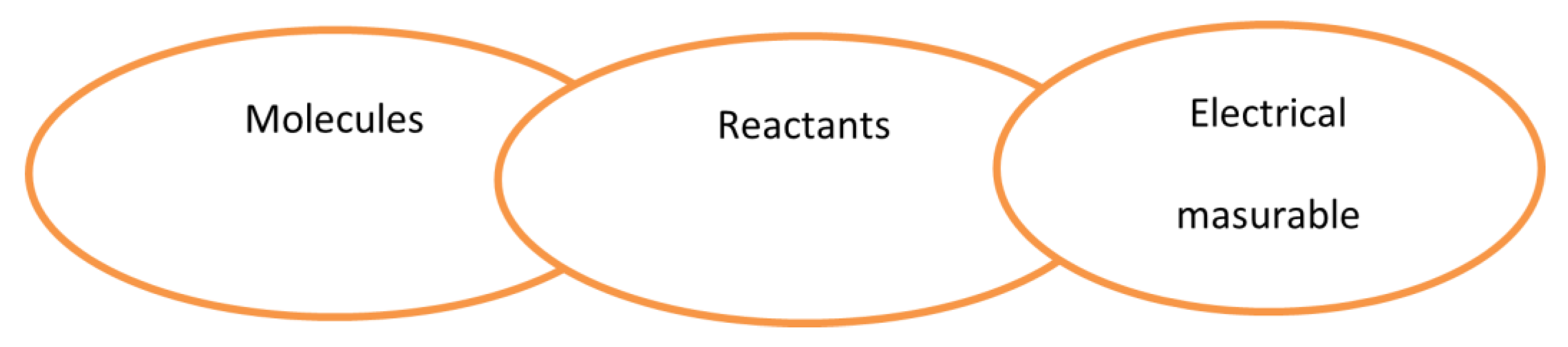
Figure 2.
Types of biosensors.
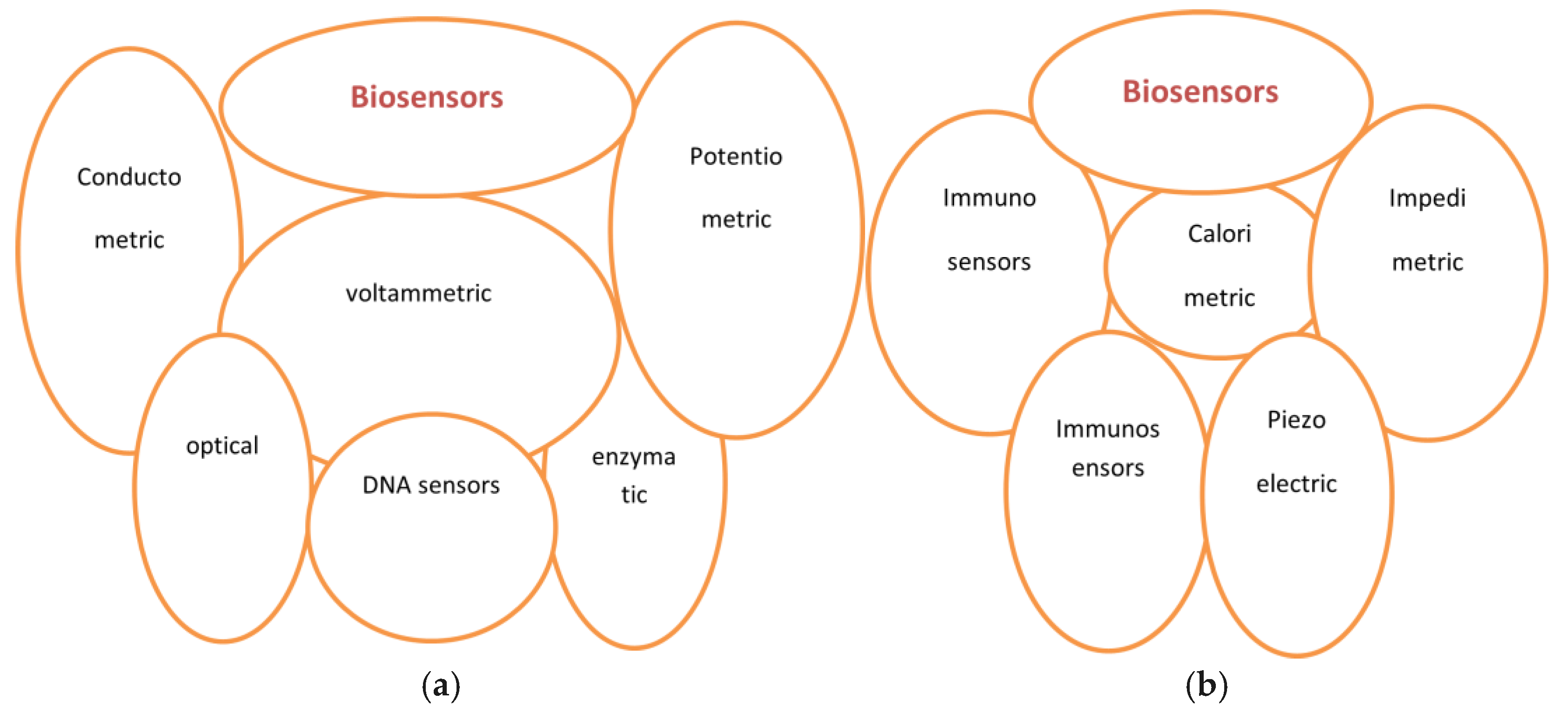
Figure 3.
Chemical methods for nanomaterials synthesis with applicability in practice.
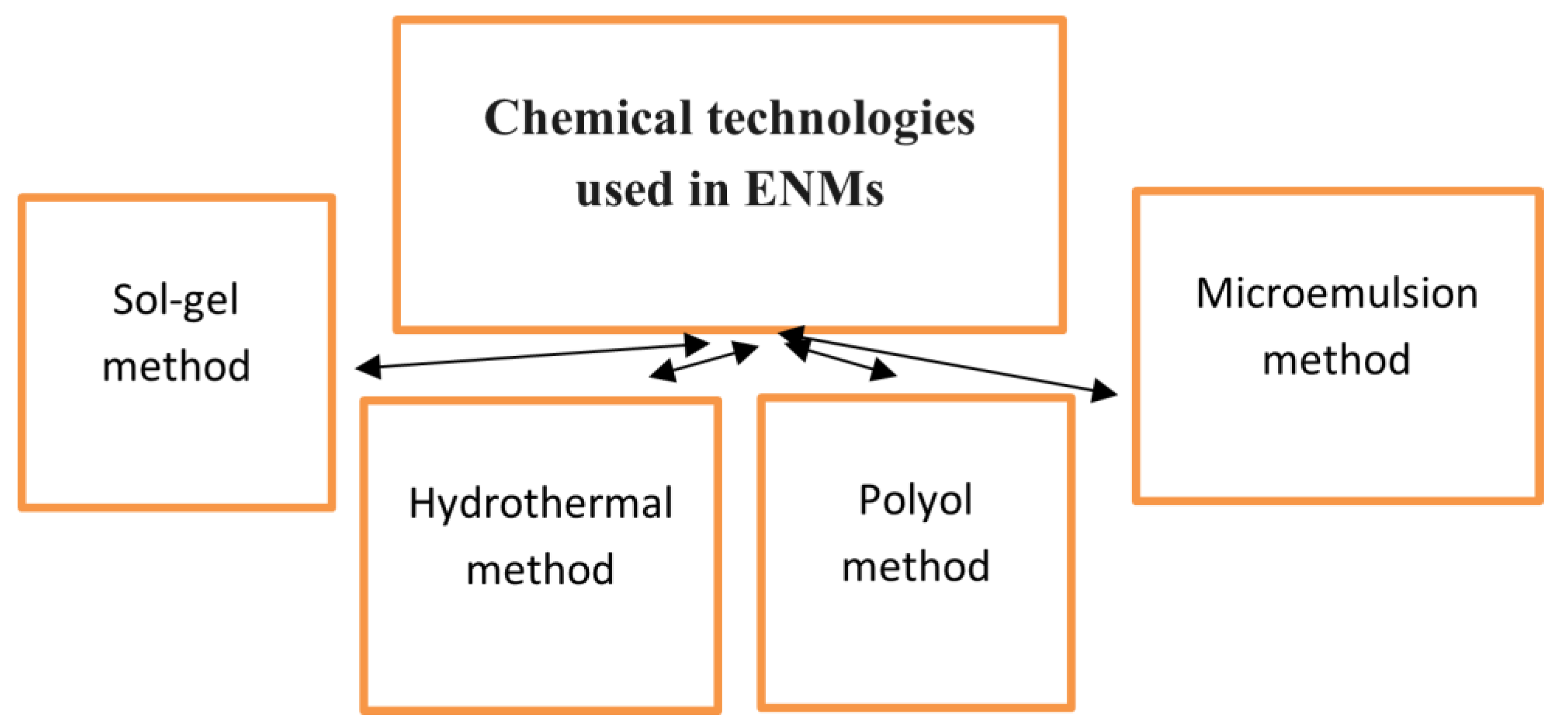
Figure 4.
Relationship between genom, nutrients and health.
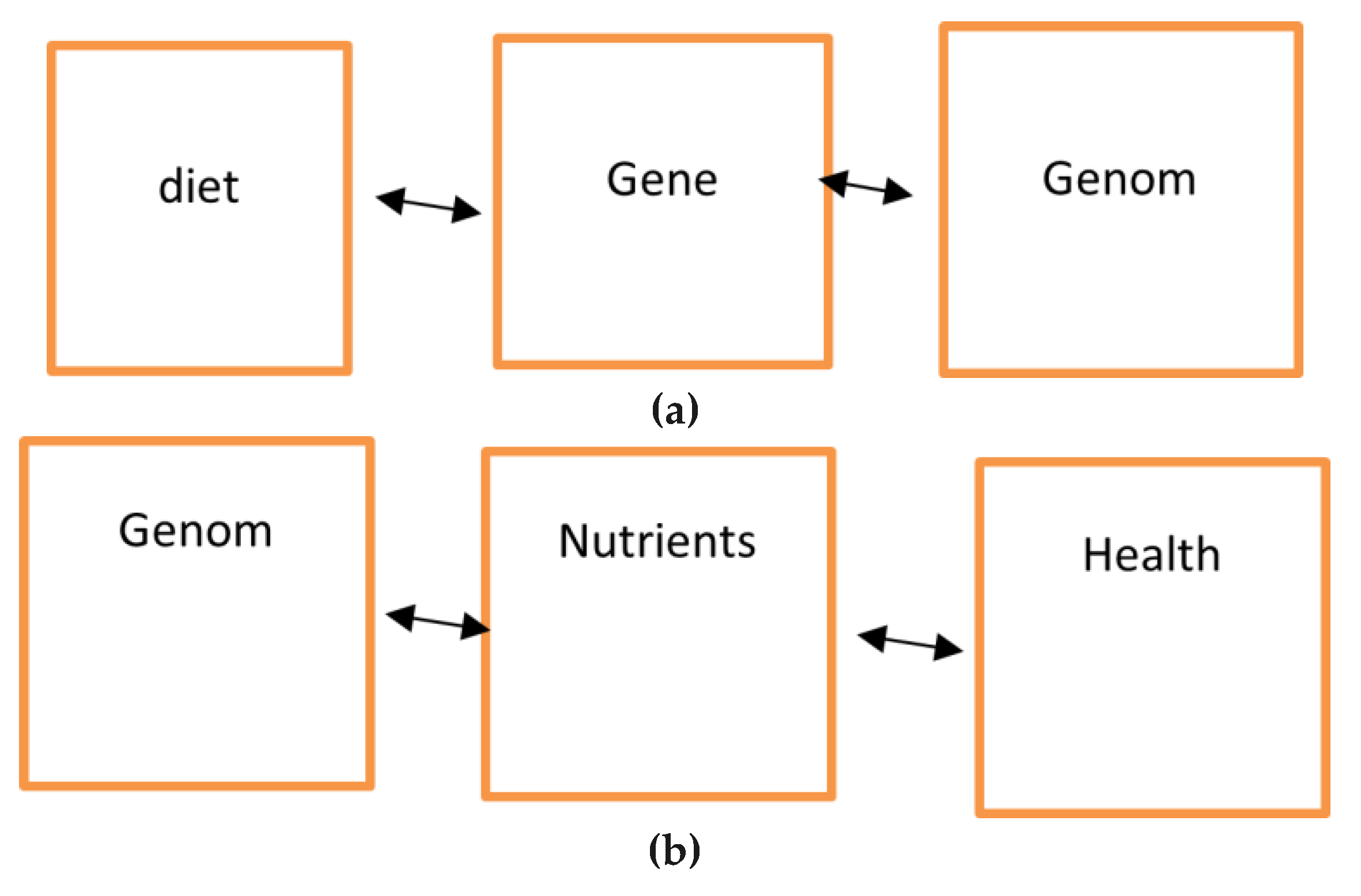
Figure 5.
Biotechnologies and Genetic engineering results.
Disclaimer/Publisher’s Note: The statements, opinions and data contained in all publications are solely those of the individual author(s) and contributor(s) and not of MDPI and/or the editor(s). MDPI and/or the editor(s) disclaim responsibility for any injury to people or property resulting from any ideas, methods, instructions or products referred to in the content. |
© 2026 by the author. Licensee MDPI, Basel, Switzerland. This article is an open access article distributed under the terms and conditions of the Creative Commons Attribution (CC BY) license.
Copyright: This open access article is published under a Creative Commons CC BY 4.0 license, which permit the free download, distribution, and reuse, provided that the author and preprint are cited in any reuse.


