
Submitted:
19 January 2026
Posted:
20 January 2026
You are already at the latest version
Abstract
Due to its molecular structure we find a specific reaction mechanism of ozone in biological systems, which requires low doses. By contrast to disinfection, where ozone is added over a certain period of time (ct concept) until disinfection becomes effective, we must pay particular attention to concentrations and dosages so as not to increase oxidative stress in patients, e.g., those with chronic inflammatory diseases and high oxidative stress. Here we start with a deeper insight into the effect of ozone on Red Bood Cells (RBC) and the glutathione system which can be blocked at higher concentrations if needed, such as is the case in reducing the plasmodium falciparum growth. At low ozone concentrations, the RBC metabolism is activated, 2,3-diphosphoglycerate (2.3-DPG) increases and oxygen is easily released from hemoglobin, which is helpful in diabetes and sporting activities. In mononuclear cells low dose ozone acts as a redox bioregulator, e.g., by downregulating proinflammatory cytokines and oxidative stress.
Keywords:
redox balance
; low-dose medical ozone
; oxidative stress
; redox bioregulation
; glutathione balance
; RBC metabolism
; ozone therapy
; low-dose ozone concept
1. Introduction
More than 5.000 medical publications in International, peer reviewed journals on topical and systemic ozone applications can be found in the relevant medical databases (keyword: ozone therapy). Although still controversially discussed, indications, applications, and mechanisms of action have now been clarified and established. Even if it is difficult to understand ozone as a remedy: classic pharmacodynamics and kinetics are not applicable here. Ozone, as one of the strongest oxidants, is used especially in diseases involving oxidative stress, and has proven to be an effective redox bioregulator. As a germicidal agent, it is used with particular success in wastewater and drinking water treatment to prevent waterborne diseases, but also for disinfection in wound treatment. Here, the direct reaction mechanism, comes into play, while systemically administered ozone follows an indirect mechanism whose end products intervene in the redox process and regulate its balance. To clarify these mechanisms in detail is the aim of this publication. Since the modulation of antioxidants via the signaling Nrf2 pathway is frequently discussed in several publications, this aspect is omitted here [1,2,3,4].
2. Molecular Structure and Preferred Reactions
The electronic structure forms the basis highly selective reactivity of ozone.
The reaction constants with a variety of reaction partners were measured by Hoigné et al. in the 1970s and 1980s and are particularly relevant for waste water and drinking water disinfection.The ozone molecule is a dipole with an electron deficiency fluctuating across the O3 molecule, thus causing instability, high reactivity and electrophilic reactions as shown in Figure 1. Two general mechanisms are well documented, the radical and ionic mechanism depending on pH and reaction partner. Both mechanisms are used in water disinfection. The ionic mechanism seems to be particularly effective in biological systems as basis for the “low-dose ozone concept in medicine”, see Figure 2.
3. Direct and Indirect Mechanisms of Ozone in Waste Water and Drinking Water Disinfection
As one of the most effective and important cleansing and disinfecting agent ozone is used for
- the breakdown of macromolecules as a result of its powerful oxidative effect
- degradation of pharmaceuticals, such as antibiotics or cytostatics [8].
- destruction of highly poisonous aromatics and heteroaromatics
- inactivation of viruses [9], killing of all kinds of bacteria and germs
The effectivity of the ozone treatment in contaminated water depends on ozone concentration c and contact time t: as a rule, the c t - concept is used. In viruses for example the virus shell is attacked and destroyed and finally the DNA or RNA, the ct product is typical for each kind of virus.
4. Prevention of Waterborne Diseases
Since Robert Koch (1843-1910) and Louis Pasteur (1822-1895) discovered the importance of microorganisms such as bacteria, protozoa, parasites and viruses in the development of various diseases, widespread through sewage and drinking water, municipal water treatment plants began to be built at the turn of the nineteenth/twentieth century. Ozone stages were soon integrated, as in St. Petersburg, Nice, Wiesbaden (from 1901) and other European cities, in order to control major epidemics (typhoid, cholera, tuberculosis) as far as possible. Particularly noteworthy is the virucidal effect of ozone, as it far surpasses all other disinfectants.
5. Ozone in Medicine
In medicine, we are facing a completely different situation: ozone is one of the strongest oxidants we know, so we must take special care of the concentrations and doses used to avoid any oxidative damage and toxicity under physiological conditions, see dose-response relationship in Figure 3.
At pH ≤ 7.4 i.e., under physiological conditions, in the presence of unsaturated fatty acids, not polyunsaturated fatty acids (UFA not PUFA) the first reaction step starts with a 1.3 dipolar electrophilic addition to isolated C=C double bonds according to classical ozonolysis as described by Crigée 1953, 1975 [6,7].
In the presence of OH- ions, i.e., preferably in an alkaline medium at pH ≥ 8, we have to reckon with an increasing number of radical reactions forming OH radicals and radical chain reactions as their sequel. Accordingly, in the case of physiological pH values the ionic reaction mechanism is predominant. Correspondingly, for example, as a real radical scavenger vitamin E does not act as an antioxidant versus ozone, though this is very much the case with vitamin C and those enzymatic antioxidants reacting both ionically and radically.
6. Pharmacodynamics and Pharmacokinetics
Due to the high reaction constants of ozone reactions with isolated double bonds, the classic terms “pharmacodynamic and pharmacokinetic” used in pharmacology are not applicable here. Instead, the reaction product “ozone peroxides” behave as second messenger and signal transduction molecules, less reactive than ozone but still with high reactivity (indirect mechanism).
7. Topical Treatment
High concentrations also have a place in medical treatments: highly infected wounds are the domain of topical ozone treatment in combination with water, in order to use the direct ozone effect, to kill bacteria, fungi and viruses. For wound healing, however the concentration must be drastically reduced to avoid the destruction of the fresh epithelium and make use of the indirect and regulatory effect [12], see Figure 4 as an example [13],
8. Systemic Treatment. Ozone Mechanisms Under Physiological Conditions
Ozone concentrations: 40 c 10 are used for systemic applications and volumes of 50–100 mL for extracorporeal blood treatment in the form of major autohemotherapy MAH. 100–300 mL are applied in rectal insufflation RI. High concentrations carry the risk of direct oxidation involving radical formation and signal transduction blockade.
9. Red Blood Cells
In the early days of ozone being used in medicine, the focus was mainly on “arterial circulatory disorders,” as indication, including the pharmacological effect of ozone on RBC’s, and their oxygen transport function.
Through the specific reaction of ozone with the double bonds of the unsaturated phospholipid chains in the RBC membrane, “ozone peroxides” (hydroxy hydroperoxides) are released into the erythrocytes, Figure 1 and Figure 2.
The RBC responds by activating its oxidation protection system, the glutathione system, with the participation of the associated enzymes, glutathione reductase and peroxidase, which ultimately protects the Fe (II) in hemoglobin from oxidation and is thus responsible for maintaining the hemoglobin-oxygen balance (Figure 5).
Maintenance or regeneration of the glutathione balance is associated with an increase in glucose-6-phosphate dehydrogenase G-6-PDH, an increase in ATP, and 2,3-DPG which reduces oxygen affinity to Hb by a factor of 26, whereby oxygen is released [14,15].
(HbO2 )4 + 2,3-DPG = Hb • 2,3-DPG + 4 O2
The regulation, found in mononuclear cells, does not occur in RBC’s due to the absence of a cell nucleus.
This ozone effect has been verified by means of different in vitro and in vivo trials, see Figure 6:
10. Activity Against Plasmodium falciparum
Plasmodium falciparum, the pathogen of life-threatening malaria tropica, proliferates especially in RBC’s. Since they are extremely sensitive to oxidative stress, it becameobvious to test the ozone effect on these parasites in vitro in full blood.
A significant growth inhibition was achieved at ozone concentrations of 80 . This suggests that the highly active GSH is greatly reduced by ozone and its reaction products: the antioxidative property, necessary for plasmodium growth, has been lost [17].
Morphological changes of RBC’s.
The mechanical strain and stress tolerance of the RBC’s improve under ozone. At higher concentrations, such as 77 mg/L this effect is reduced. The possibly expected improvement in RBC flexibility could not be confirmed. Hemolysis increases above a level of 7.7 in whole blood [22].
Osmotic fragility was tested by Walski et al., but not under the conditions of medical application [23].
Medravam et al. showed nontoxicity of ozone on oxy-Hb in diabetic and non diabetic patients: at concentrations of 15 - 50 /mL in order to individualize the ozone concentration in diabetic patients [24].
11. Platele-s
The addition of ozone to platelet-rich plasma or washed platelet solutions lowered the aggregation induced by the control substance (ADP, collagen), whereby the platelet aggregation is indirectly proportional to the ozone concentration. The thrombin- and collagen-induced increase in intracellular calcium is reduced by ozone: the signal transmission is interrupted and no platelet activation takes place [25,26,27].
This important effect has been verified again in peripheral arterial diseases [28].
In whole blood, platelet aggregation under major autohemotherapy therapy conditions depends on the anticoagulant: When sodium citrate is used, it is negligible, but not when heparin is added, in order to avoid blood coagulation [29].
12. Ozone and Oxidative Stress
Chronic oxidative stress is common to almost all ozone indications. Rheumatoid arthritis, as a chronic inflammatory process, may serve as a prime example [30].
Among other things, long-chain, long-living peroxides, formed e.g., from polyunsaturated fatty acids, normal oxygen (diradical), and OH-radicals (endogenous or exogenous ROS) are the crucial substances. The -OO- peroxide group is protected by the long fatty acid chain, responsible for the relatively low reactivity and long half-life. Radical chain reactions can be initiated permanently.
13. The Role of Glutathione
The first cellular, highly effective protective mechanism against oxidative stress is the glutathione system with the tripeptide GSH, the reduced form -as the active substance- being oxidized to GSSG, the inactive form. The ability of sulfur to involve d-orbitals makes glutathione a very flexible antioxidant that can react both with radicals (such as oxygen radicals) as well as ionic oxidants (such as “ozone peroxides”), making GSH is a highly reactive and very efficient antioxidant in each cell. This reaction serves as signal transduction transferring its information to the nucleus inducing the enzyme production, necessary to restore the GSH/GSSG balance, in this case GSHox and GSHred, see Figure 7. In case of chronic or excessive oxidative stress, the GSH system is overstressed and exhausted; the antioxidant activity and signal transduction is blocked [31]. GSH deficiency leads to high oxidative stress and chronic inflammation, age related diseases, insulin resistance, vascular diseases and others.
This is one of the reasons why we should pay gt’reat attention to ozone concentrations and doses and use GSH, among other things as a highly informative parameter. At low concentrations the “ozone peroxide” is able to reactivate the GSH-system and the signal transduction.
GSH + RC(OH)OOH GSSG + GSOH + RCHO
In RBC’s and liver cells, the balance is far out on the left side (active form): 90% GSH and 10% GSSG. As a tripeptide, glutathione is a small molecule with the SH-group (cysteine) as active center. GSH is highly reactive and very efficient as antioxidant in each cell: in case of GSH deficiency high oxidative stress leads to chronic inflammation, age related diseases, insulin resistance, vascular diseases and others.
14. Regeneration of the Active Form of Glutathione GSH
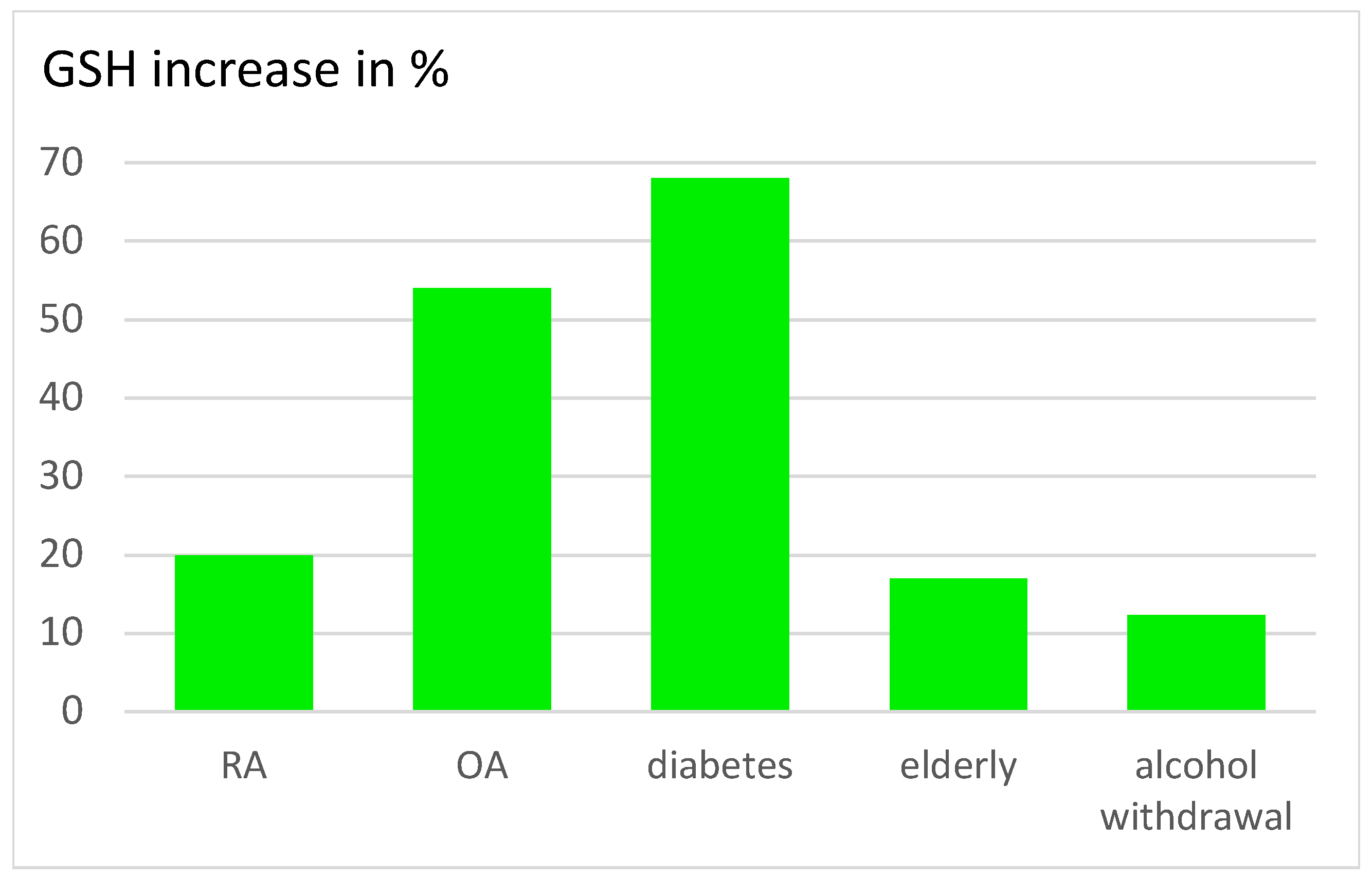
The recovery of a stressed glutathione balance in selected clinical trials is displayed in Figure 9. Rheumatoid arthritis with high oxidative stress has proven to be a classic ozone indication since we know the low dose ozone concept, see Figure 8. In the very beginning of systemically applied medical ozone concentrations up to 80 /mL were used in RA in the form of autohemotherapy without any positive result. At low and moderate concentrations and doses ozone acts as an effective bioregulator: antioxidative capacity increases and an imbalanced GSH/GSSG system is largely restored, shown in a controlled clinical study (n=80).
At low concentrations rectal ozone insufflations in osteoarthritis patients (n=40) reduce the oxidative stress (not to the same extend as in RA) and helps to recover the cell protection by finally increasing GSH.
In the case of Diabetes type 2, mainly 4 different pathological pathways are principally discussed, all of them initiated through oxidative stress. Reactive oxygen species, such as superoxide radicals, block the normal glycolysis path (via the SH groups of different enzymes) and force the system to break down carbohydrates via one of them, polyol-, hexosamin-, proteinkinase C- and methyl glyoxal path, each of them with the well known side effects of diabetes [32]. Medical ozone reduces oxidative stress and regulates glycolysis in diabetes type 2 patients (n=101); the glutathione balance is shifted to the GSH side [33].
The aging process is accompanied by oxidative stress, among others a source of age-related diseases and a decrease in GSH activity. The ozone effect has been demonstrated in a controlled clinical trial (n=45). The antioxidant capacity recovered and finally the active form of glutathione, see Figure 9. In this case, systemically administered ozone is part of a complementary treatment system for secondary prevention, to arrest further damage progression and prevent age-related diseases [34].
Another controlled pilot study (n=42) evaluated the positive effect of rectally administered medical ozone on the central nervous system during alcohol withdrawal (n=45) in patients with different comorbidities. Ozone reduced oxidative stress, stabilized antioxidant defense and regulated neurotransmitters [35].
Figure 9.
GSH increase through systemically administered ozone in % in selected clinical studies compared to basic therapy. RA: Rheumatoid arthritis; OA: osteoarthritis; diabetes clin: Diabetes clinical study. Elderly: secondary prevention in elderly; alcohol withdrawal.
Figure 9.
GSH increase through systemically administered ozone in % in selected clinical studies compared to basic therapy. RA: Rheumatoid arthritis; OA: osteoarthritis; diabetes clin: Diabetes clinical study. Elderly: secondary prevention in elderly; alcohol withdrawal.
15. Medical Ozone Modulates Immune Response
The regulation of cytokine production by ozone peroxide as second messenger can be clearly confirmed by the downregulation of proinflammatory cytokines in chronic inflammatory diseases with rheumatoid arthritis as a prime example.
Again: the oxidation of glutathione as first step communicates this information to the nucleus and via activation of NfkB the immunomodualation starts. Elevated cytokines, such as IL-1, IL-6 or TNF- as inflammatory stress paramaters are downregulated whereas IFN- increases [36,37].
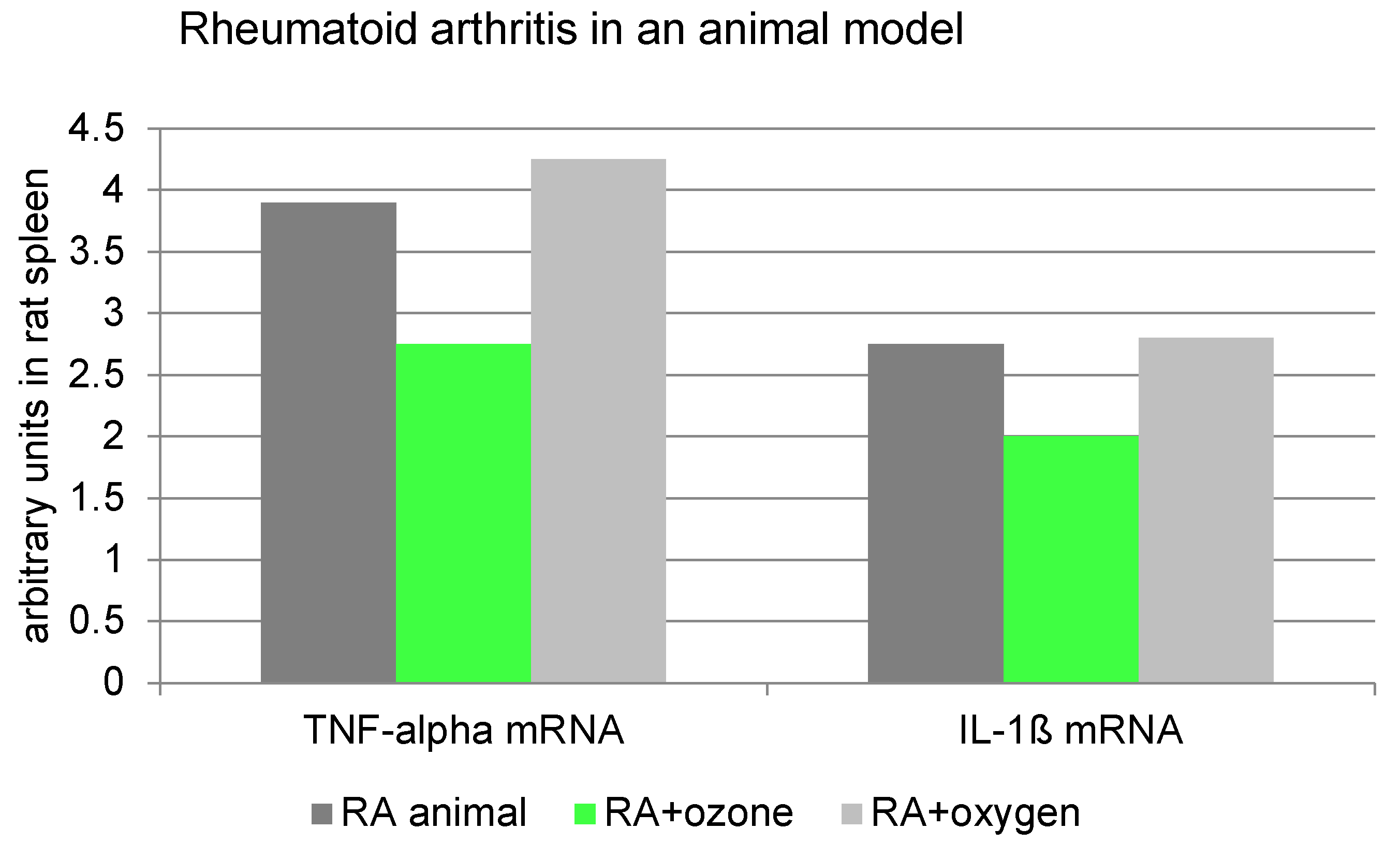
Figure 10 shows the decrease in TNF- mRNA and IL-1ß mRNA after 10 intra-articular ozone injections (20 µg/ml) in a standard animal model for Rheumatoid arthritis (induced by peptidoglycan, polysaccharide) as compared to a nontreated control and in contrast to oxygen; here, oxygen even increases the proinflammatory parameters due to its radical character.
T4 lymphocytes (TH1) with their key function among the immune competent cells are activated in vitro and in vivo releasing e.g., IL-2 which in turn starts an intercellular communication resulting in the production of killer cells, activation of B cells to produce specific antibodies, and a cascade of other immune functions.
A remarkable number of preclinical in vitro and ex vivo trials with ozonized blood showed a release of IFN-, IFN- and IFN-; Interleukines IL-1b, 2, 4, 6, 8 and 10 Tumor necrosis factor (TNF-α), granulocyte macrophage colony stimulating factor (GM-CSF), and the growth factor TGF-β1 [40].
Unlike corticosteroids, which inhibit the nuclear factor NF-κB, ozone at low concentrations modculates the immune response [41].
A Turkish working group has succeeded in regulating the immune dysfunction in a 4 months systemic ozone application in patients with refractory idiopathic granulomatous mastitis. CD4+ IFN-γ+ (p = 0.032), CD4+ TNF-α+ (p = 0.028), and the CD8+ TNF-α+ (p = 0.012) T cells increased significantly, in contrast to which CD4+ IL-10+ (p = 0.047) and CD8+ IL-10+ T cells (p = 0.022) and CD4+ CD25+ CD127-/ decreased, obviously via activation of stimulation of T helper cells [42].
16. Conclusions and Future Perspectives
The highly specific reaction of ozone in biological systems, namely electrophilic addition primarily with isolated double bonds in fatty acids, such as those found in cell membranes, induces cell specific reaction cascades via the glutathione system. In RBC’s, glucose metabolism is activated with an increase in 2,3 DPG and an improved oxygen release; in mononuclear cells, redox bioregulation is started, finally restoring glutathione balance and protecting cells from oxidative stress by establishing a high antioxidant capacity. It is on this basis that we understand the application of low dose medical ozone in arterial circulatory disturbances and in diseases with high oxidative stress, such as chronic inflammatory diseases.
Although this has been demonstrated by a remarkable number of preclinical and clinical trials, further studies with a large number of patients are needed.
References
- Sagai, M.; Bocci, V. Mechanisms of action involved in ozone therapy: is healing induced via a mild oxidative stress? Med Gas Res. 2011, 1, 29. [Google Scholar] [CrossRef]
- Re, L.; Martinez-Sanchez; G. Bordicchia, M.; Malcangi, G.; Pocognoli, A.; Morales-Segura, M.A.; Rothchild, J.A.; Rojas, A. Is ozone pre-conditioning effect linked to Nrf2/EpRE activation pathway in vivo? A preliminary result. EJP 2014, 742, 158–162. [Google Scholar] [CrossRef]
- Roche, L.; Riera-Romo, M.; Mesta, F.; Hernández-Matos, Y.; Barrios, J.M.; Martínez-Sánchez, G.; Al-Dalaien, S.M. Medical ozone promotes Nrf2 phosphorylation reducing oxidative stress and pro-inflammatory cytokines in multiple sclerosis patients. EJP 2017, 811, 148–154. [Google Scholar] [CrossRef]
- Viebahn-Haensler, R.; León Fernández, O.S. Ozone In Medicine. The Low-Dose Ozone Concept and Its Basic Biochemical Mechanisms of Action in Chronic Inflammatory Diseases. Int. J. Mol. Sci. 2021, 22, 7890. [Google Scholar] [CrossRef]
- Hoigné, J.; Bader, H. Rate constants of reactions of ozone with organic and inorganic compounds in water I/II. Water Res. 1983, 17, 173–194. [Google Scholar] [CrossRef]
- Criegee, R. Die Ozonolyse. Liebigs Annalen der Chemie 1953, 538, 9. [Google Scholar] [CrossRef]
- Criegee, R. Mechanism of Ozone. Angew. Chem. Int. Ed. 1975, 14, 745–752. [Google Scholar] [CrossRef]
- Ikehata, K.; El-Din, M.G. Degradtion of recalcitrant surfactants in wastwater by ozonation and advanced oxidation processes: A review. Ozone:Sci. Eng. 2004, 26, 327–343. [Google Scholar] [CrossRef]
- Snyder, J.E.; Chang, P.W. Relative resistance of eight human enteric viruses to ozonation in saugatucket river water in Aquatic applications of ozone, 1977 Boston Proceedings (International Ozone Association IOA).
- Silva, J.A. Advanced Oxidation Process in the Sustainable Treatment of Refractory Wastewater: A Systematic Literature Review. Sustainability 2025, 17, 3439. [Google Scholar] [CrossRef]
- Glaze, W.H.; Kang, J.W.; Chapin, D.H. The chemistry of water treatment processes involving ozone, hydrogen peroxide and ultraviolet radiation. Ozone: Sci. Eng. 1987, 9, 335–352. [Google Scholar] [CrossRef]
- Liu, L.; Zeng, L.; Gao, L.; Zeng, J.; Lu, J. Ozone therapy for skin diseases: Cellular and molecular mechanisms. Int Wound J. 2023, 6, 2376–2385. [Google Scholar] [CrossRef] [PubMed]
- Werkmeister, H. Ozon-Sauerstoff-Begasungsbehandlungen bei Heilungsstörungen postoperativer Wunden [OZONE-OXYGEN FUMIGATION TREATMENTS FOR POSTOPERATIVE WOUND HEALING DISORDERS] Ozone Handbook. Fundamentals, prevention, therapy. Viebahn-Hänsler; R. Knoch H.G. (eds.) ecomed Landsberg 1997 (1995-2006). Basic ISBN 3-609-7654010.
- Buckley, R.D.; Hackney, J.D.; Clark, K.; Posin, C. Ozone and Human Blood. Archives of Environmental Health: An International Journal 1975, 30, 40–43. [Google Scholar] [CrossRef]
- Hoffmann, A.; Viebahn, R. Über den Einfluss von Ozon auf die 2,3- Diphosphoglyzerat-Synthese in Erythrozyten-Konzentraten. [ON THE INFLUENCE OF OZONE ON 2,3-DIPHOSPHOGLYCERATE SYNTHESIS IN ERYTHROCYTE CONCENTRATES] in Ozone Handbook. Fundamentals, prevention, therapy. Viebahn-Hänsler, R.; Knoch, H.G. (eds.), ecomed, Landsberg, 2002, Basic ISBN 3-609-7654010.
- Jakl, J. Jakl, J. Ozone in mountainbikers. In Ozone Handbook. Fundamentals, prevention, therapy. 2000, (german) Viebahn-Hänsler, Knoch (eds), ecomed, Landsberg. Basic ISBN 3-609-7654010.
- Lell, B.; Viebahn, R.; Kremsner, P. The activity of ozone against plasmodium falciparum. Ozone Sci. Eng. 2001, 23, 89–93. Available online: https://api.semanticscholar.org/CorpusID:97455660.
- Viebahn, R. Verfahren zur Erhaltung der Funktion und zur Refunktionalisierung der Erythrozyten in Blutkonserven. Deutsches Bundespatent, 1992.
- Rokitansky, O.; Rokitansky, A.; Trubel, W.; Viebahn, R.; Washüttl, J. Ozone therapy in peripheral arterial circulatory disturbances. 5th Ozone World Congress of the International Ozone Association IOA-Wasser Berlin, Proceedings, 1981, (german).
- Viebahn, R.; Washüttl, J.; Wasser, G.; Gutzen, U. 1995 Influence of ozone on RBC metabolism referring a pilot study: Rectal ozone insufflation in elderly. In Viebahn-Haensler, H.G. Knoch (eds.) Ozone Handbook, Ecomed, Landsberg, 1995 (german). Basic ISBN 3-609-7654010.
- León Fernández, O.S.; Oru, G.T.; Viebahn-Haensler, R.V.; Lopez Cabreja, G.; Serrano Espinosa, I.; Polo Vega, J.C.; García Fernández, E. Medical Ozone: the Pharmacological Mechanisms Accounting for its Effectiveness Against COVID-19/SARS-COV-2. J. Med - Clin Res & Rev. 2021, 5, 1–10. [Google Scholar]
- Bayer, R.; Serdar, C.; Maser, J. Analysis of erythrocyte flexibility by means of laser diffraction: effects of mechanical stress, photosensitation and ozone. Spie 1993. Vol 1884/29. @inproceedings{Bayer1993AnalysisOE, title={Analysis of erythrocyte flexibility by means of laser diffraction: effects of https://api.semanticscholar.org/CorpusID:120705994.
- Walski, T.; Chludzinska, L.; Komorowska, M.; Witkiewicz, W. Individual Osmotic Fragility Distribution: A New Parameter for Determination of the Osmotic Properties of Human Red Blood Cells; BioMed Research International, 2014. [Google Scholar] [CrossRef]
- Mehraban, F.; Seyedarabi, A.; Ahmadian, S.; Mirzaaghaei, V.; Moosavi-Movahedi, A.A. Personalizing the safe, appropriate and effective concentration(s) of ozone for a non-diabetic individual and four type II diabetic patients in autohemotherapy through blood hemoglobin analysis. J. Transl. Med. 2019, 17, 227. [Google Scholar] [CrossRef]
- Shinriki, N.; Miura, T. Spezifische Reaktionen des Ozons im Vollblut- Ozonzehrung in Ozon-Handbuch. Grundlagen Prävention Therapie. [SPECIFIC REACTIONS OF OZONE IN WHOLE BLOOD-OZONE CONSUMPTION ] . Ozone Handbook. Fundamentals, prevention, therapy. Beck, E.G.;.Viebahn-Hänsler, R. (ed.) ecomed 1998. Basic ISBN 3-609-7654010.
- Shinriki, N.; Sisuki, N.; Takama, K.; Fukunaga, K.; Ohgiya, S.; Kubota, K.; Miura, T. Susceptibilities of plasma antioxidants and erythrocyte constituents to low levels of ozone. Haematologia 1998, 29, no 3. [Google Scholar] [PubMed]
- Shinriki, N. in Ozone in Medicine. From science to guidelines and treatment concepts; Viebahn-Haensler, R., Leon, O., Eds.; 2020; ISBN 978-3-934181-07-6.8. [Google Scholar]
- Juchniewicz, H.; Lubkowska, A. Oxygen-Ozone (O2-O3) Therapy in Peripheral Arterial Disease (PAD): A Review Study. Ther Clin Risk Manag. 2020, 16, 579–594. [Google Scholar] [CrossRef]
- Bocci, V.; Valacchi, G.; Rossi, R.; Giustarini, D.; Paccagnini, E.; Pucci, A.M.; Di Simplicio, P. Studies on the biological effects of ozone: 9. Effects of ozone on human platelets. Platelets 1999, 10, 110–6. [Google Scholar] [CrossRef]
- León Fernández, O.S.; Oru, G.T.; Viebahn-Haensler, R.; López Cabreja, G.; Serrano Espinosa, I.; Corrales Vázquez, M.E. Medical Ozone: A Redox Regulator with Selectivity for Rheumatoid Arthritis Patients. Pharmaceuticals 2024, 17, 391. [Google Scholar] [CrossRef]
- Sies, H. Oxidative Eustress: On Constant Alert for Redox Homeostasis. Redox Biology 2021, 41101867. [Google Scholar] [CrossRef]
- Brownlee, M. Biochemistry and molecular cell biology of diabetic complications. Nature 2001, 414, 813–820. [Google Scholar] [CrossRef]
- Martínez-Sánchez, G.; Al-Dalain, S.M.; Menéndez, S.; Lamberto Re, L.; Giuliani, A.; Candelario-Jalil, E.; Álvarez, H.; Fernández-Montequín, J.I.; León, O.S. Therapeutic efficacy of ozone in patients with diabetic foot. Eur J Pharmacol 2005, 523, 151–161. [Google Scholar] [CrossRef]
- León Fernández, O.S.; Takon Oru, G.; Viebahn-Haensler, R.; Gilberto López Cabreja, G.; Serrano Espinosa, I.; García Fernández, E. Medical ozone arrests oxidative damage progression and regulates vasoactive mediator levels in older patients (60-70 years) with oxidative etiology diseases Front. Physiol. 2022. Available online: https://www.frontiersin.org/articles/10.3389/fphys.2022.
- Díaz-Soto, M.T.; Fraga Pérez, A.; Dranguet Vaillant, J.; 1 A. Mallok, A.; Viebahn-Hänsler, R.; Menéndez Cepero, S.; León, O.S. Ozone Therapy Ameliorates Nervous System Disorders and Oxidative Stress in Patients During Ethanol Withdrawal—A Pilot Study. Ozone: Science & Engineering 2012, 34, 432–437. [Google Scholar] [CrossRef]
- Bocci, V.; Paulesu, L. Studies on the biological effects of ozone. 1. Induction of interferon on human leucocytes. Haematologica 1990, 75, 510–515. [Google Scholar] [PubMed]
- De Sire, A.; Marotta, N.; Ferrillo, M.; Agostini, F.; Sconza, C.; Lippi, L.; Respizz, S.; Giudice, A.; Invernizzi, M.; Ammendolia, A. Oxygen-Ozone Therapy for Reducing Pro-Inflammatory Cytokines Serum Levels in Musculoskeletal and Temporomandibular Disorders: A Comprehensive Review. Int J Mol Sci. 2022, 25, 2528. [Google Scholar] [CrossRef]
- León Fernández, O.S.; Takon Oru, G.; Viebahn-Haensler, R.; López Cabreja, G.; Serrano Espinosa, I.; Corrales Vazquez, M.E. Medical Ozone Increases Methotrexate Effects in Rheumatoid Arthritis Through a Shared New Mechanism Which Involves Adenosine. Int J Mol Sci 2025, 26, 5256. [Google Scholar] [CrossRef] [PubMed]
- Dranguet Vaillant, J.; Fraga, A.; Díaz, M.T.; Mallok, A.; Viebahn-Haensler, R.; Fahmy, Z.; Barberá, A.; Delgado, L.; Menéndez, S.; León Fernández, O.S. Ozone oxidative postconditioning ameliorates joint damageand decreases pro-inflammatory cytokine levels and oxidative stress in PG/PS-induced arthritis in rats. Eur J Pharmacol 2013, 714, 318 324. [Google Scholar] [CrossRef]
- Bocci, V.; Luzzi, E.; Corradeschi, F. Studies on the biological effects of ozone: 5. Evaluation of immunological parameters and tolerability in normal volunteers receiving ambulatory autohaemotherapy. Biotherapy 1993, 7, 83–90. [Google Scholar] [CrossRef] [PubMed]
- Haddad, E.B.; et al. Ozone induction of cytokin-induced neutrophil chemotractant and nuclear factor-kB in Rat Lung: Inhibition by Corticosteroids. Fed. Env. Biochem. Soc. (FEBS) Lettters 1996, 379, 265–268. [Google Scholar] [CrossRef]
- Cabioglu, N.; Aktas, E.C.; Emiroglu, S.; Tukenmez, M.; Ozkurt, E.; Muslumanoglu, M.; Igci, A.; Ozmen, V.; Deniz, G.; Dinccag, A.S.; Guven, Y. Ozone therapy restores immune dysfunction in refractory idiopathic granulomatous mastitis as a novel potential therapeutic approach. Cell Biol Int 2023, 47, 228–237. [Google Scholar] [CrossRef] [PubMed]
- Chirumbolo, S.; Varesi, A.; Franzini, M.; Valdenassi, L.; Pandolfi, S.; Tirelli, U.; Esposito, C.; Ricevuti, G. The Mito-Hormetic Mechanisms of Ozone in the Clearance of SARS-CoV2 and in the COVID-19. Therapy. Biomedicines 2022. [Google Scholar] [CrossRef] [PubMed]
- Franzini, M.; Valdenassi, L.; Chirumbolo, S. The immune mito-hormetic landscape in the oxygen-ozone therapy. Towards a novel medical approach. Int Immunopharmacol. 2023, 121, 10598. [Google Scholar] [CrossRef] [PubMed]
Figure 1.
Ozone molecule. Mesomeric structures.
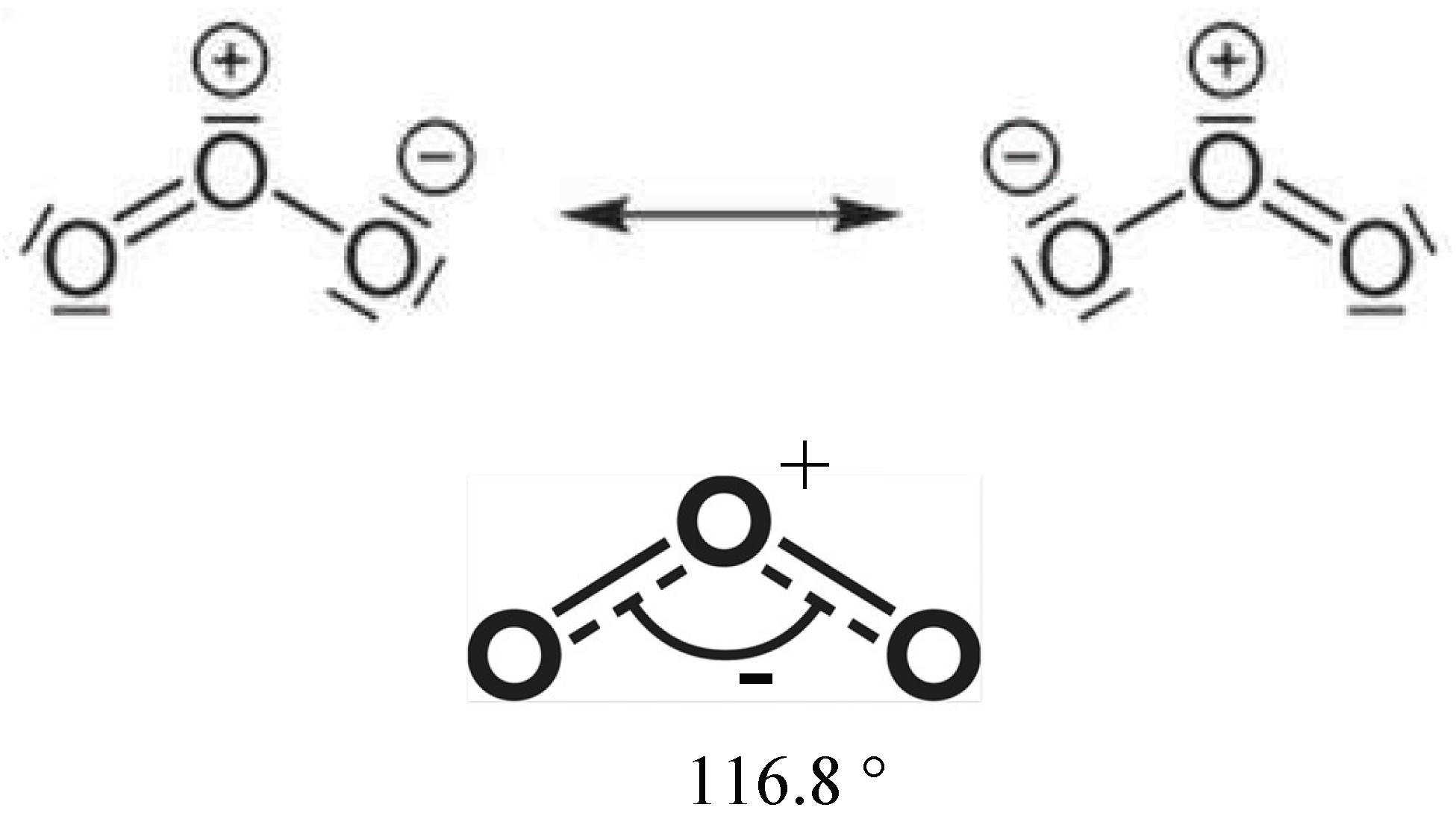
Figure 2.
Radical and ionic reaction mechanism of ozone. Both mechanisms are used for water disinfection. The ionic mechanism seems to be particularly effective in biological systems as a basis for the “low-dose ozone concept” in medicine. Crigée mechanism. Reaction with isolated double bonds according to Crigée (1953, 1975). Formation of «ozone peroxides» (hydroxy hydro peroxides) as obviously physiologically active substances having the function of second messengers [4].
Figure 2.
Radical and ionic reaction mechanism of ozone. Both mechanisms are used for water disinfection. The ionic mechanism seems to be particularly effective in biological systems as a basis for the “low-dose ozone concept” in medicine. Crigée mechanism. Reaction with isolated double bonds according to Crigée (1953, 1975). Formation of «ozone peroxides» (hydroxy hydro peroxides) as obviously physiologically active substances having the function of second messengers [4].
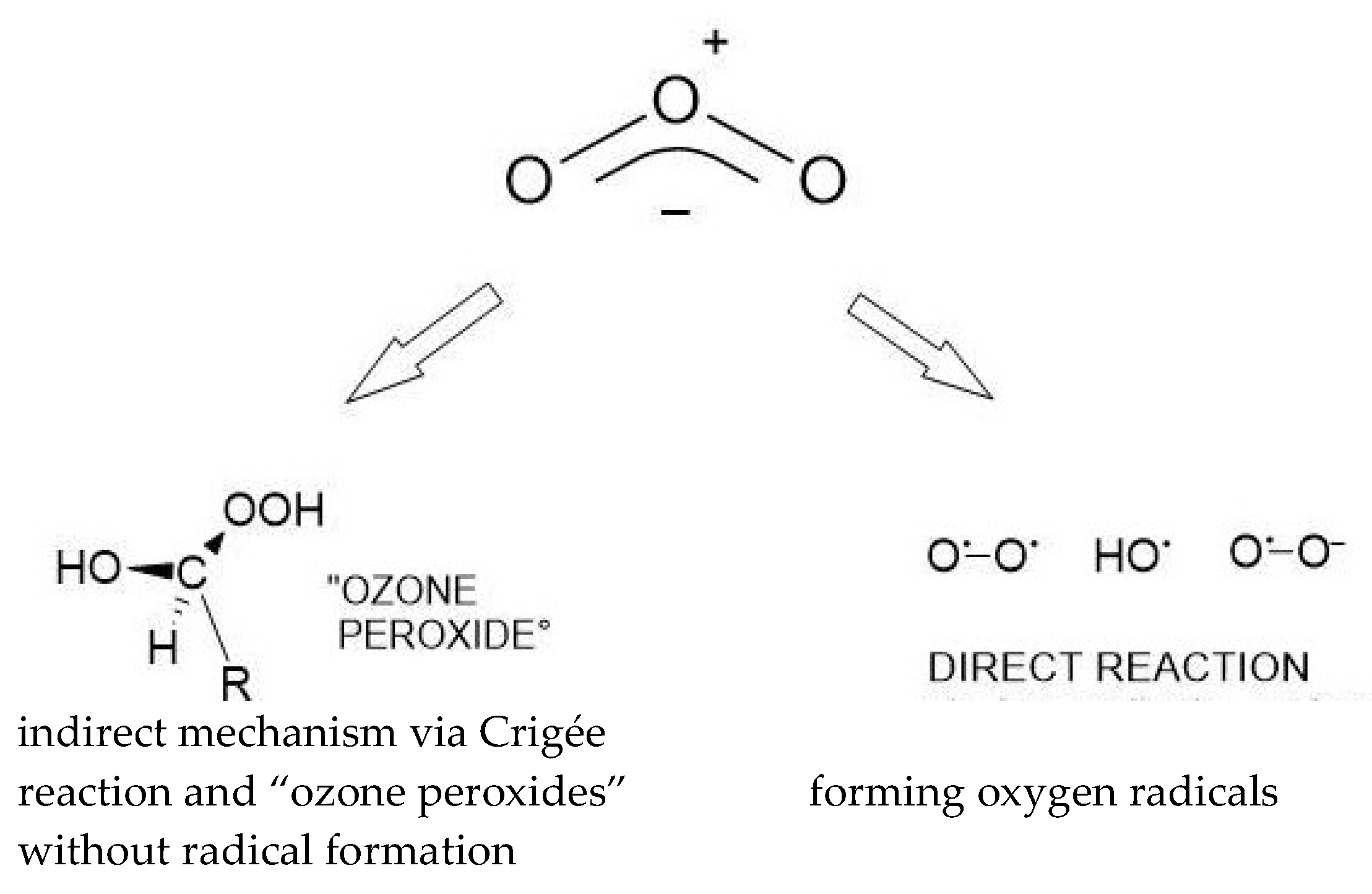
Figure 3.
Dose-response graph for systemic ozone applications. Ozone concentration in / efficiency in % (schematically).
Figure 3.
Dose-response graph for systemic ozone applications. Ozone concentration in / efficiency in % (schematically).
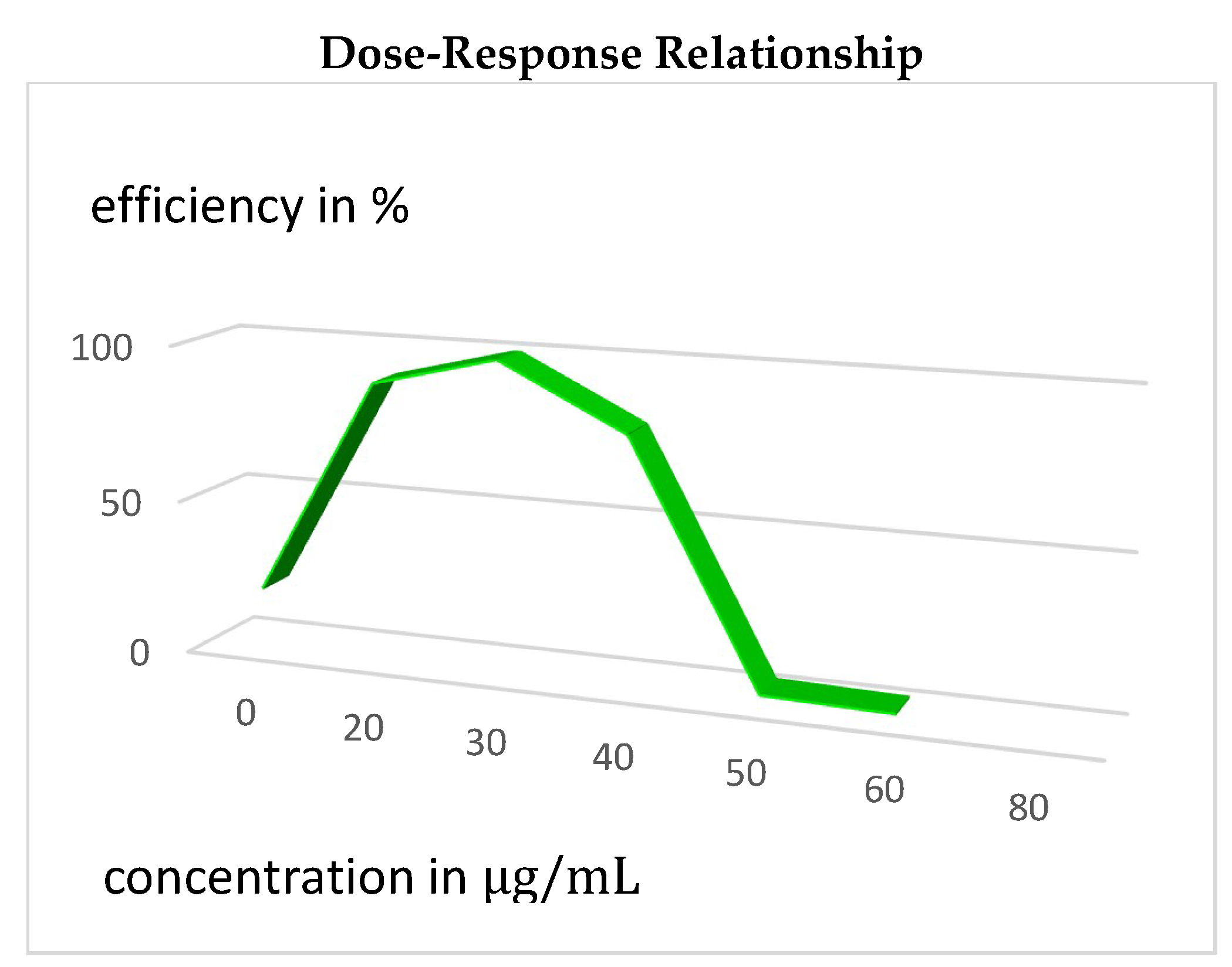
Figure 4.
A. The wound-cleansing effect of low-pressure ozone treatment. At high concentrations (80-100 ) using the direct ozone mechanism. B. During treatment: The ozone-oxygen mixture flows over the wound area at a slight negative pressure. C. Wound-cleansing effect after the very first treatment. Wound healing using the indirect ozone effect at low concentrations (10-30 ) [13].
Figure 4.
A. The wound-cleansing effect of low-pressure ozone treatment. At high concentrations (80-100 ) using the direct ozone mechanism. B. During treatment: The ozone-oxygen mixture flows over the wound area at a slight negative pressure. C. Wound-cleansing effect after the very first treatment. Wound healing using the indirect ozone effect at low concentrations (10-30 ) [13].
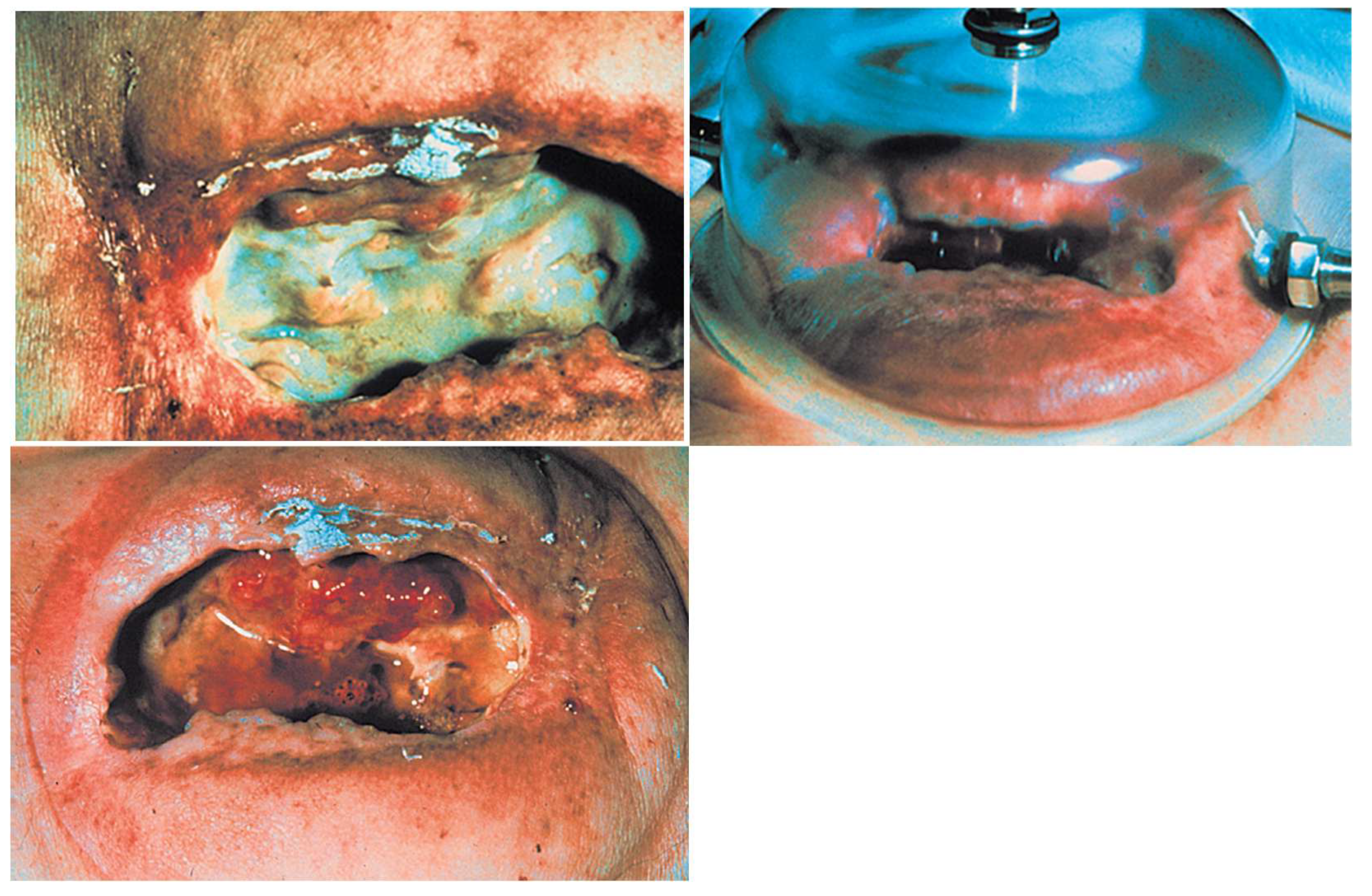
Figure 5.
The RBC metabolism: Glycolysis and the influence of „ozone peroxides”. As powerful ROS protection, the glutathione system, reduces the „ozone peroxides” and is restored by the pentose phosphate path, consequently activating the glucose metabolism with an increase of 2.3 DPG. 2,3-DPG binds to hemoglobin and oxygen is released [14]. HPP Hexose phosphate pathway, G-6-PDH glucose-6-dehydrogenase, 1.3-DPG 1.3- diphosphoglycerate, PPP pentose phosphate pathway, NADP/NADPH nicotinamide dinucleotide phosphate, 2.3-DPG 2.3 diphosphoglycerate, GSHred glutathione reductase, GSH pox glutathione peroxidase.
Figure 5.
The RBC metabolism: Glycolysis and the influence of „ozone peroxides”. As powerful ROS protection, the glutathione system, reduces the „ozone peroxides” and is restored by the pentose phosphate path, consequently activating the glucose metabolism with an increase of 2.3 DPG. 2,3-DPG binds to hemoglobin and oxygen is released [14]. HPP Hexose phosphate pathway, G-6-PDH glucose-6-dehydrogenase, 1.3-DPG 1.3- diphosphoglycerate, PPP pentose phosphate pathway, NADP/NADPH nicotinamide dinucleotide phosphate, 2.3-DPG 2.3 diphosphoglycerate, GSHred glutathione reductase, GSH pox glutathione peroxidase.
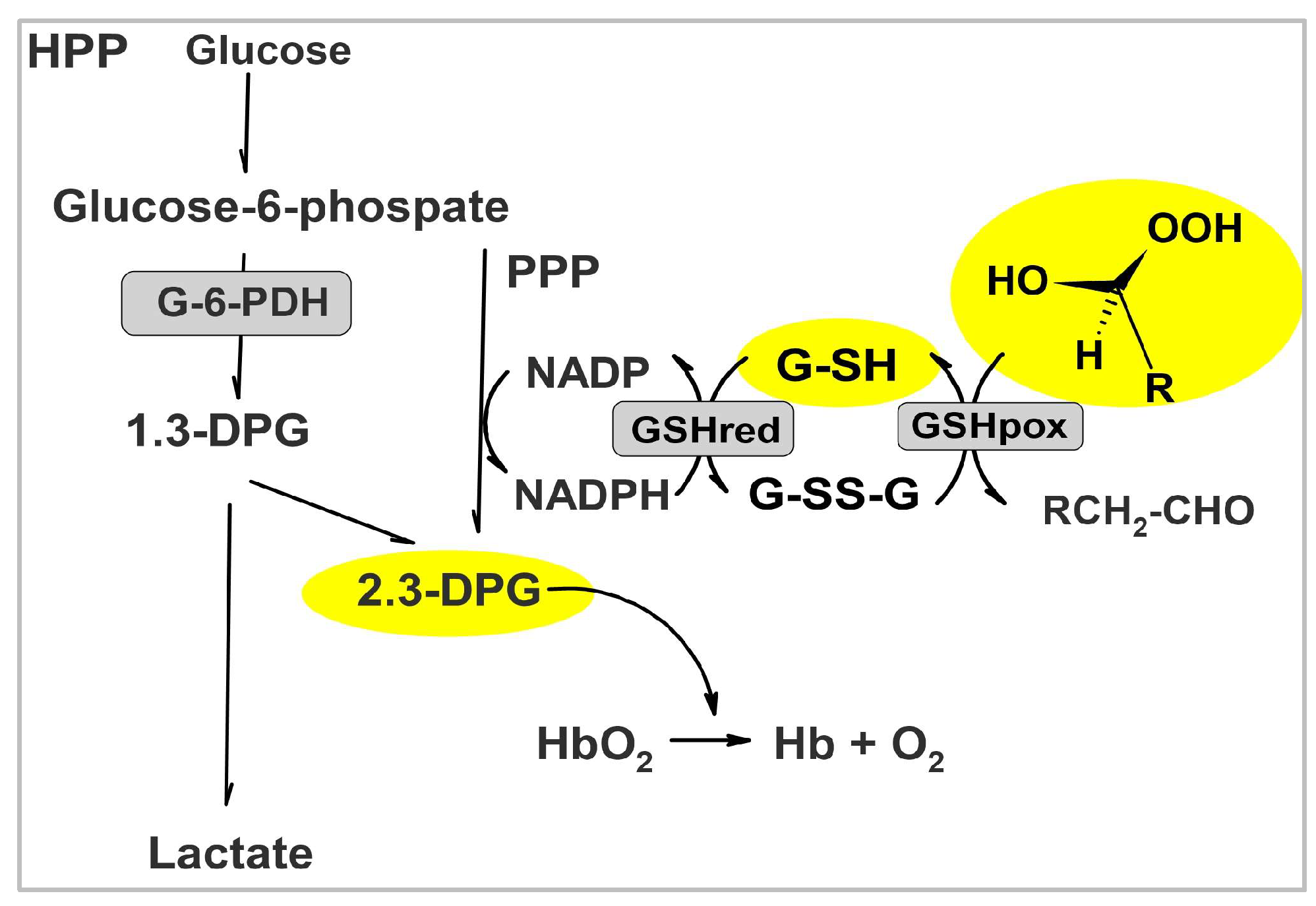
Figure 6.
Activation of RBC metabolism (in vitro and in vivo) with an increase in 2,3-DPG or ATP. A. 2,3-DPG content in preserved whole blood 24 and 48 hours after ozone application [15]. B. Blood concentrates after 20 days of storage and immediately following ozone treatment and 5 hours after ozone application [18]. C. An in vivo trial in elderly patients, n = 11. Three weeks following 10 rectal insufflations RI, after 5 and 8 weeks [20,21] D. ATP. In vivo pilot study in healthy sportsmen after 10 RI [16].
Figure 6.
Activation of RBC metabolism (in vitro and in vivo) with an increase in 2,3-DPG or ATP. A. 2,3-DPG content in preserved whole blood 24 and 48 hours after ozone application [15]. B. Blood concentrates after 20 days of storage and immediately following ozone treatment and 5 hours after ozone application [18]. C. An in vivo trial in elderly patients, n = 11. Three weeks following 10 rectal insufflations RI, after 5 and 8 weeks [20,21] D. ATP. In vivo pilot study in healthy sportsmen after 10 RI [16].
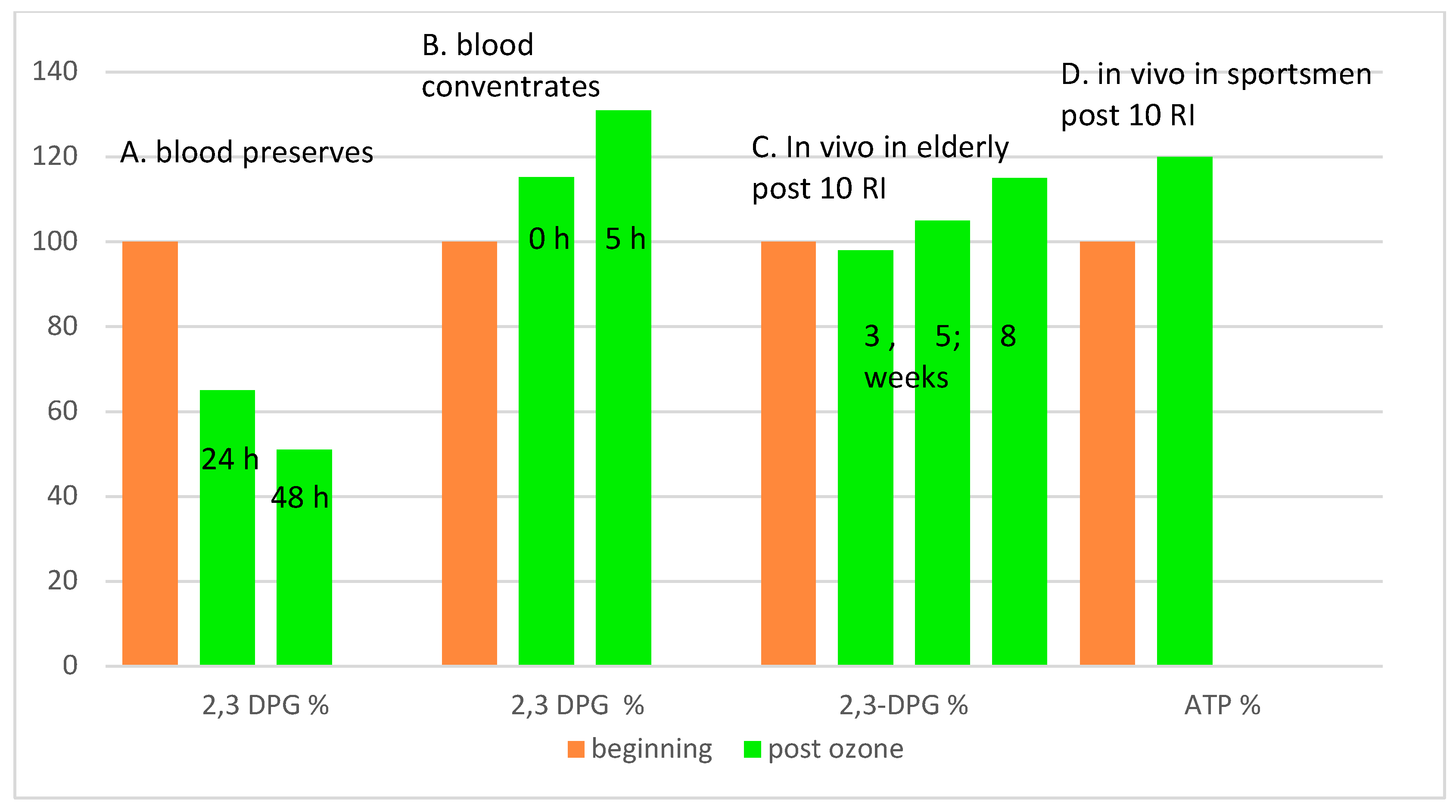
Figure 7.
The glutathione system. Balance between the reduced and oxidized form.
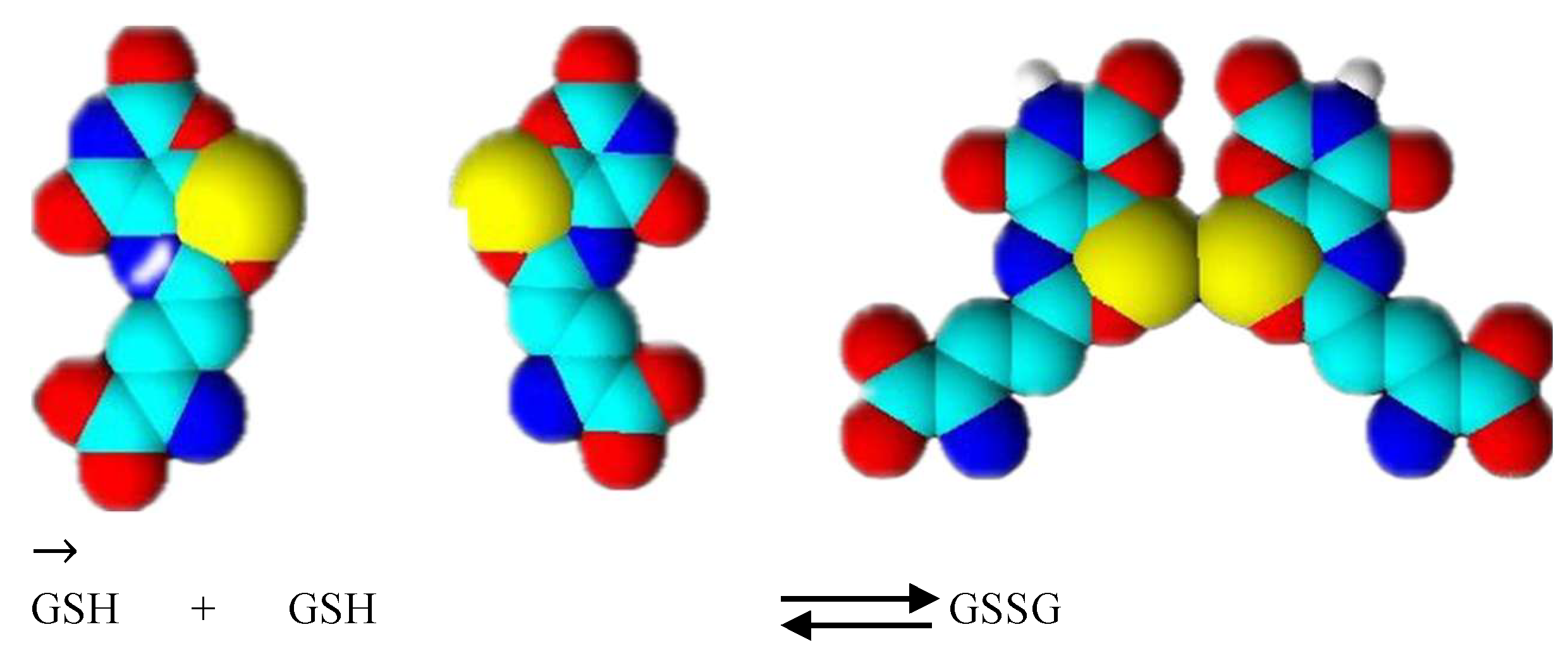
Figure 8.
The oxidation of GSH to GSSG by ozone peroxide leads to signal transduction to the nucleus via nuclear factors, such as NfkB and Nrf2 and, as a response, in this case the enzymes glutathione reductase and peroxidase are produced in order to restore the GSH/GSSG balance for an effective antioxidant protection.
Figure 8.
The oxidation of GSH to GSSG by ozone peroxide leads to signal transduction to the nucleus via nuclear factors, such as NfkB and Nrf2 and, as a response, in this case the enzymes glutathione reductase and peroxidase are produced in order to restore the GSH/GSSG balance for an effective antioxidant protection.
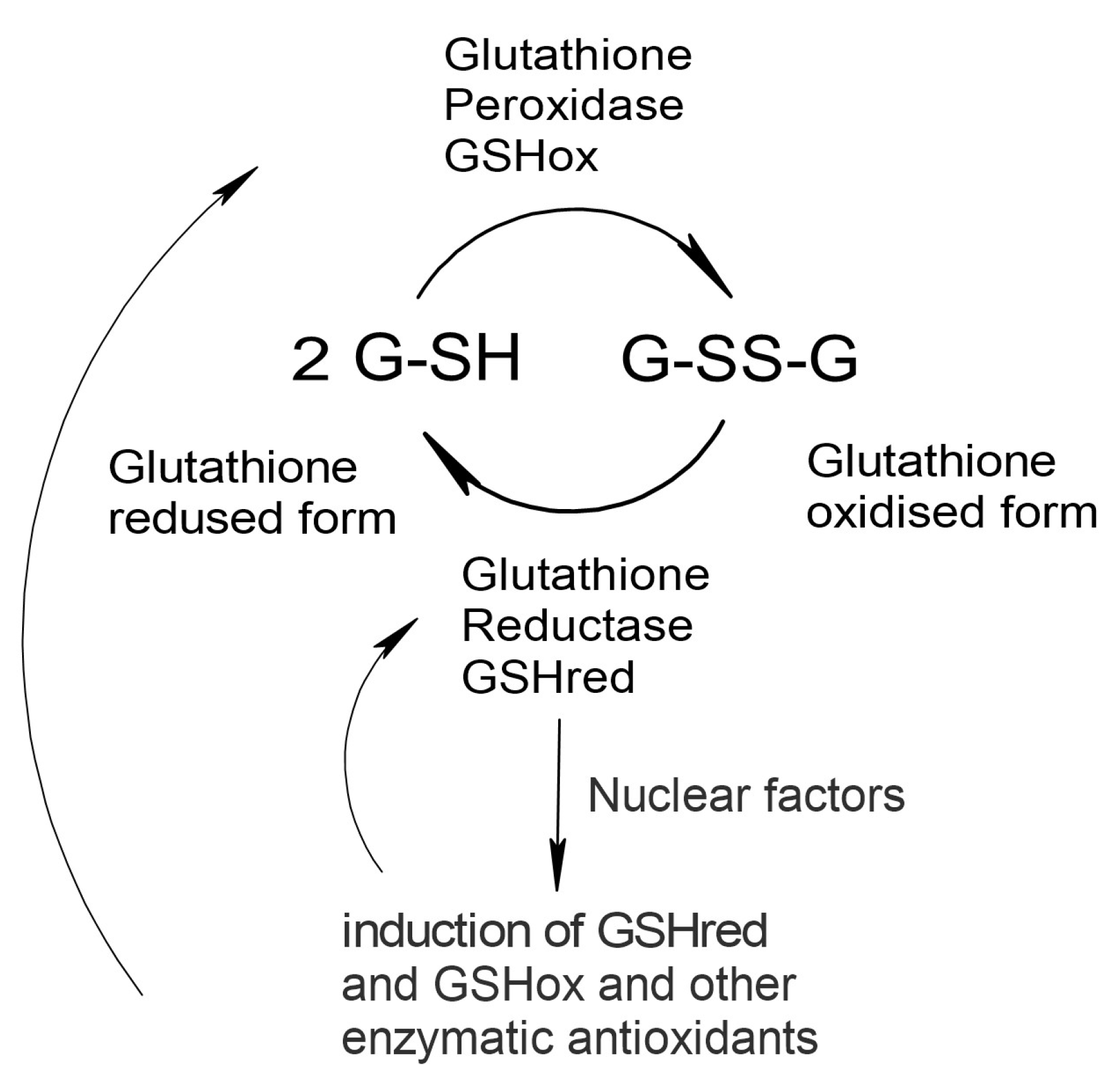
Figure 10.
Rheumatoid arthritis in a standard animal model (induced by Peptidoglycan, Polysaccharide): TNF- mRNA and IL-1ß mRNA decrease after 10 intra-articular ozone Injections (20 µg/ml) in contrast to oxygen [39].
Figure 10.
Rheumatoid arthritis in a standard animal model (induced by Peptidoglycan, Polysaccharide): TNF- mRNA and IL-1ß mRNA decrease after 10 intra-articular ozone Injections (20 µg/ml) in contrast to oxygen [39].
Disclaimer/Publisher’s Note: The statements, opinions and data contained in all publications are solely those of the individual author(s) and contributor(s) and not of MDPI and/or the editor(s). MDPI and/or the editor(s) disclaim responsibility for any injury to people or property resulting from any ideas, methods, instructions or products referred to in the content. |
© 2026 by the authors. Licensee MDPI, Basel, Switzerland. This article is an open access article distributed under the terms and conditions of the Creative Commons Attribution (CC BY) license (http://creativecommons.org/licenses/by/4.0/).
Copyright: This open access article is published under a Creative Commons CC BY 4.0 license, which permit the free download, distribution, and reuse, provided that the author and preprint are cited in any reuse.


