
Submitted:
07 January 2026
Posted:
08 January 2026
You are already at the latest version
Abstract
In this article, the authors analyse the socio-ecological prototype as a model for transforming traditional educational approaches. Innovative technologies and open interaction are becoming increasingly important, even in conventional crafts training. Recent research also suggests that integrating cultural heritage, home learning, and open spaces into educational programs can strengthen and empower communities' self-awareness. The authors' findings are rooted in Urie Bronfenbrenner's (1979) ecological systems theory, a dynamic concept that has transformed our understanding of personality development. This theory suggests that each personality fluid construct evolves through the interaction between the individual and their environment. This environment, as Bronfenbrenner's theory proposes, is not a static backdrop but a dynamic system of relationships and environments, each with its unique impact on the individual.
Keywords:
socioecological model
; prototype
; school community
; NEET youth
1. Introduction
Public well-being is related to the 3D principle, which ensures a multidimensional, multisectoral, and multifactorial dynamic. This is achieved through tradition, everyday culture, socio-economic connections, the perception of shared responsibility, and trust-based relationships between partners within and outside educational institutions. Socio-economic environmental factors are very important in creating our well-being. The modern approach emphasizes a holistic model of well-being that encompasses physical, psychological, social, material, and cognitive aspects, which together form the foundations of public well-being. New models emphasize the need for not only individual but also community, organizational, and public policy levels to address social exclusion effectively (O'Neill et al., 2024; Vega & Smith, 2023). The projects analyzed in the article illustrate how the combination of tradition and innovation helps to preserve cultural identity and, at the same time, helps young people discover their strengths, reveal their talents, and try to realize them to achieve specific goals (Gonzalez & Fernandez, 2023; Kvieskiene & Celiešiene, 2024). Optimal human development and well-being depend on the holistic interaction of biological and social environment/contextual cultural factors, including the coordinated social, economic, political, and legal factors of the family, community, socio-cultural organizations, the services and structures surrounding them, which make personality development throughout life (Lund et al., 2018). It is essential to recognize that each person's skills contribute significantly to creating community strengths and resources. The main concept of the social-ecological model highlights the interactions among social partnerships, networking, and clustering (Kvieskiene, Kvieska, & Bodo, 2022), illustrating the interplay between individuals and organizations, as well as the structures surrounding us, which foster well-being while preserving each person's unique contribution.
2. Socioecological Model (SEM) as a Motivator for Community Engagement
In the social-ecological model, health and socialization are affected by the interaction between the individual, the group/community, and the physical, social, and political environments (Berk & Roberts, 2009; Kvieskiene, Celiešienė, Israel et al., 2003; Sallis et al., 2008; Wallerstein et 2022 al., 2003) (Figure 1). An adapted model can illustrate interconnections and the ecosystem of the ecological model.
The socioecological model helps to understand how individuals interact with their environment within the social and ecological system at different levels of Society to achieve their own well-being and that of the community. This model considers the individual and their relationships with others, organizations, and broader communities. It is divided into five stages: individual, interpersonal, organizational, community, and public policy.
- -
- The individual level focuses on ensuring personal safety, developing values, and cultivating knowledge and skills.
- -
- The interpersonal level examines relationships with others, such as family and friends, that influence behavioral change.
- -
- The organizational level provides opportunities to involve more individuals in various sectors of the community. Schools, non-governmental organizations, and other institutions play a crucial role in shaping behavior and providing support.
- -
- The community level refers to the collective efforts of various organizations in each area to achieve a common goal, which they pursue through cooperation, pooling resources and ideas, to improve the well-being of the individual and the community.
- -
- The public policy level is where government agencies implement policies that are regulated and implemented at the local, regional, and national levels and are crucial in reconciling the interests of different countries and target groups. This multi-layered approach is particularly relevant in the education sector. Common strategies must align with this holistic perspective, follow the 3D principle, consider the responsibilities of each level, and account for how sectors can effectively cooperate. Multi-sectoral communication ensures coherent efforts across different sectors, emphasizing their interrelationships (O'Neill et al., 2024; Vega & Smith, 2023) and the various factors and functions (Kvieskienė & Celiešienė, 2024).
Recent research highlights the importance of integrating social and ecological perspectives in education, particularly to address social exclusion and foster youth empowerment. For example, Salamon et al. (2021) emphasizes the importance of multi-functional problem analysis and solution prototyping in educational settings. Such approaches enable more adaptive and inclusive programs that cater to learners' diverse needs. In addition, researchers such as Gonzalez and Fernandez (2023) emphasize that integrating cultural heritage and traditions into this model can strengthen personal identity, community self-awareness, and empowerment, providing social and economic benefits. By operating within the social-ecological model, educational organizations can more quickly empower children, youth, and their parents to achieve educational change more successfully, thereby increasing their motivation.
Over the past 50 years, extensive research and a wide range of programs have deepened our understanding of educational change, assessment dynamics, social-emotional development (SED), and positive socialization, particularly in areas such as child development, well-being, health, and constructive collaboration. SED specialists are primarily tasked with understanding how people behave in social contexts and how some individuals can overcome constraints and barriers to change. The primary challenge is to investigate how positive socialization and communication enable individuals to make informed decisions that are in their best interests and achieve meaningful outcomes.
Social ecology is "the study of the influence of social context, including institutional and cultural variables, on human behaviour." According to researchers Caspe, M. and McWilliams, L. (2019), one of the essential features that emerges when creating an inclusive school is that its activities are based on a child-centred and socio-ecological model, where families or caregivers and other school partners and the environment are included in the educational processes as equal partners. The researchers define this as one of the most important features of successful cooperation. Salamon, E., Tupan, W., Marlen, M., Aumaj, J. (2021). Salamon, László, and Kikis-Papadakis (2022) justify the need to analyze problems on a multi-functional basis, through testing and prototyping. Another important aspect of person-centred design is teamwork and the creation of visual facilitation stories, word maps, and visualizations that involve children in future workshops, or visualizations to facilitate quality collective decision-making. Since the visualization process is always collaborative, its participants imagine many ways in which teachers can promote child-centred design (Caspe et al., 2019), thereby creating or transforming the school organization's culture. In all countries, we find inspiring examples of how national institutions, agencies, schools, and especially NGOs are implementing SEM, using various portals and platforms to help children and young people better prepare for a successful start to independent life. There is a consensus in European countries that children from socio-economically disadvantaged backgrounds and NEETs (not in employment, education, or training) are more vulnerable and therefore need to be given sufficient attention. Many specific problems are related to children and NEETs living in rural areas, whose mobility, access to resources, and cultural opportunities are often worse compared to those of urban youth. Therefore, in this article, we discuss success stories in which the presented organizations leverage traditional capacities to help and address the problems of children and NEETs from socio-economically disadvantaged backgrounds, complementing the education and support process with innovative methodologies. We present success stories and best-practice initiatives.
NEET youth and children experiencing socio-economic exclusion
The acronym NEET (Not in Education, Employment, or Training) first appeared in the research literature in 2010, when the European Union began using the NEET indicator as a measure of youth well-being. NEET youth are teenagers aged 15–34 who are not in employment, education, or training for more than 4 weeks (Eurostat Glossary, 2020). In 2024, NEET rates among low-educated young people aged 15–29 varied widely across EU countries, ranging from 5% in the Netherlands to 20.3% in Romania. (Figure 2).
Almost one in four children (24.8%) in the EU lived in an area at risk of unsafe socio-economic families or communities and are at risk of falling into social exclusion, which amounts to around 20 million children across all 27 Member States. We observe that child poverty in Europe is increasing slightly, underscoring the need to strengthen cooperation among the education, social, and health sectors to develop a socio-ecological model. The socio-ecological model holds that we cannot create an effective, inclusive education system in countries by empowering the education sector alone; it requires a socio-ecological approach. Statistics on child mortality across EU countries reveal serious gaps in education. We see that social and life skills are not sufficiently integrated into educational programs, as road traffic injuries remain one of the most common causes of death among children and young people aged 10-19, and child welfare professionals are also concerned that suicides among young people aged 15-19 are too common a cause of death. These facts confirm that the system of inclusive education and educational support does not guarantee the mental health of children and young people. These factors contribute to more deaths among men than women in the 15–19 age group. The inadequate level of socio-emotional well-being is also reflected in the number of cases of obesity and overweight, both in the EU and worldwide. Although statistics are only available for 2024, they reveal that the overweight/obesity rate (Figure 2) for children and young people under 19 years of age ranges from 20–25% in Estonia, Latvia, and Lithuania to around 40% in Cyprus and Greece. In all countries, the rates for men are higher than for women. The proportion of obese children aged 5–19 in the World Health Organization (WHO) European Region13 is projected to increase from 13% of boys and 8% of girls in 2020 to 15% and 10% in 2025, and then to 18% and 12% by 2030.
When analyzing individuals aged 15–29 with tertiary education, we find that the NEET rate is significantly lower than in other social groups. The lowest rate was 3.1% in the Netherlands, while Greece reached 26.8%. Compared with wealthier regions, NEET young women in rural areas are more likely to assume family responsibilities, increasing their likelihood of falling into the subgroup with limited education due to family obligations. Additionally, women residing in rural areas have fewer employment opportunities (Leibert and Wiest, 2016). The influence of the education system and its institutions is decisive in developing the socio-emotional competencies necessary for the implementation of transformative education; Therefore, we agree with researchers Wait (2021), Bernstein-Yamashiro and Noam (2013) Murray and Zvoch (2011), Kvieskiene at all (2023) that the development of social-emotional competencies is a very important part of general education, aiming for holistic personality development. According to Spilt, Koomen, and Thijs (2012), to achieve intellectual progress in children, we must not forget about their social and emotional well-being, psychological health, and resilience development. Researchers such as Tomé Fernández (2017) and Yada, Tolvanen, and Savolainen (2018) argue that teachers' positive and systematic attention to inclusive education is a crucial aspect of SEM. Global crises related to war zones increase the unfavourable social and emotional environment, which is inevitably associated with the well-being of children and youth.
The overall NEET rate in the EU decreased by 2.3 percentage points between 2014 and 2024. Among EU Member States, the largest decreases in NEET rates (in percentage points) between 2014 and 2024 (Figure 3) were in Bulgaria (-7.1 percentage points) and Latvia (-7.0 percentage points). Since 2014, the NEET rate has also increased in five Member States: Luxembourg (2.2 percentage points), Italy (0.9 percentage points), Romania (0.8 percentage points), and both Italy and Romania (0.6 percentage points).
Inevitably, children's well-being is directly linked to their motivation to learn and then to successfully enter the labor market. A comparison of the two EU Member States with the highest and lowest NEET rates in 2021 reveals that Italy had a 4.2 times higher proportion of young adults who were NEET than the Netherlands. The overall NEET rate in the EU is decreasing slightly: by 2.3 percentage points between 2011 and 2021. Among EU Member States, the largest decrease in the NEET rate (in percentage points) between 2011 and 2021 was in Ireland, followed by Bulgaria (-7.1 percentage points) and Latvia (-7.0 percentage points). There were also five Member States where the NEET rate had decreased since 2011. increased: Luxembourg (2.2 percentage points), Austria (0.9 percentage points), Romania (0.8 percentage points), Italy, and Cyprus (both 0.6 percentage points).
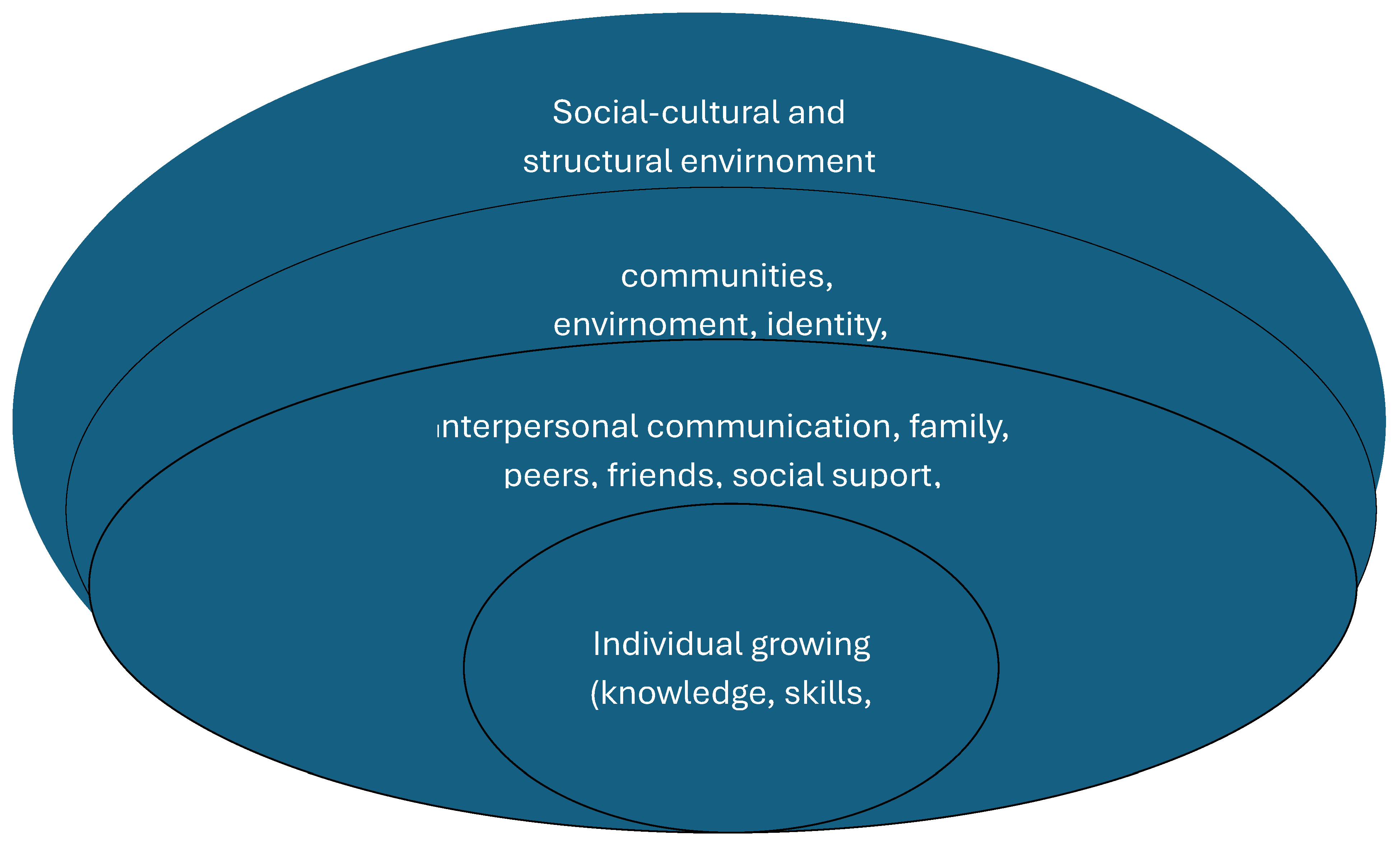
The social-ecological model of communication and behavioral change (Figure 4) effectively influences the entire process of social communication, helping to build resilience and trust and to assess and address complex social changes, as well as emerging personal, local, and global crises. Social-ecological is based on the positive socialization approach and is associated with a systemic, rather than reductive, analytical approach. When developing this model in the organization, we aim to achieve unity by connecting the components of educational communication into a common, holistic system that does not isolate any individual element but connects the entire system to support the maturity of the person. The prerequisite for the successful functioning of the social-ecological model of communication and behavior change is the social communication systems and sectors (intersectoral partnership), when all sectors consciously participate in the hierarchy of other systems at various levels. The social-ecological model of positive communication is a metamodel or metatheory, as it includes theories of change in all specific groups and levels. Thus, the conceptual model of communication and behavior change is suitable for both the individual and for promoting interpersonal cooperation, as well as for promoting the participatory educational communication model and its development in communities. In UN and EU documents, all countries are encouraged to develop their own programs and policies to promote the well-being of children and youth. However, they remain divided into separate sectors and do not reflect the essence of the social-ecological model. For example, in December 2010, Lithuania approved the National Youth Policy Development Strategy for 2011–2019. The program aims to become a comprehensive strategic document outlining the key directions for developing Lithuania's national youth policy, including promoting youth participation in Society. It can be argued that this document improved youth well-being but did not solve all problems. Because the socio-ecological model of communication and behavior change, presented in Figure 5, is itself embedded in the physical environment and infrastructure, as well as the communication process that affects it, it is also a general ecological model of the behavioral and biological sciences that describes complex social change. The socio-ecological model of positive communication takes a systemic, rather than a reductionist, approach to analysis. It represents the complexity, interconnectedness, and wholeness of the components of a complex, holistic system, rather than just one specific component isolated from the method in which it is located. Two key features of the socio-ecological model of communication and behavior change are the assumption of embeddedness—the state where one system is embedded in a hierarchy of other systems at different levels of analysis—and emergence, where the system is "greater than the sum of its parts" at each level. One of the main advantages of the social-ecological approach is that many sources of resistance to change at one level can be traced to barriers that exist not only at that level but also at higher levels. Behavioral change and positive communication programs—previously often defined only at the individual level—are less effective than they should be because the programs often ignore the barriers to change within the systems in which individuals are embedded. (Figure These individuals often cannot ignore the constraints of their social networks, communities, institutions, and the wider Society. The social-ecological model of positive communication is a metamodel or metatheory because each level depicted in the model incorporates theories of change specific to a particular group. Thus, the conceptual model of communication and behavioral change is appropriate for the individual level; the idea of interpersonal relationships and the theory of limited normative influence are relevant for the social network level; the participatory development communication model is applicable for the community level; and theories of media impact are suitable for the societal level. An important contribution of the ecological model is to highlight how higher levels promote or constrain change at lower levels of analysis, suggesting that planned change interventions should be effective across all four groups, depending on the nature of the challenges the program is addressing. Most programs operate at multiple levels; some must operate at all four levels to achieve meaningful change at the population level.
In analyzing the socioecological model, we selected national and international experts whose organizations recognize its elements. We sought to ensure that the experts participating in all group discussions and surveys were known to us through joint projects related to the development of the socioecological model for at least 10 years. Among the respondents who played some role in the projects, consultants (N = 11) and those who performed some coordination function (N = 6) stood out. From the perspective of continuity, we selected for analysis those projects that have been successfully implemented for more than ten years and are financed in a mixed way (1), from more than three sources: receiving funds from the state, municipal budgets, private foundations and international funds (N = 53), have long-term partnership experiments and agreements (2) with universities or higher education institutions (N = 48), implement projects in rural areas (3) (N = 45) and work with marginalized groups (4) (N = 35), are characterized by the application of innovative methodologies and other sustainability (see Table 1). Since 2012, a qualitative analysis of the projects has been conducted. Distinctive type of project funding: mixed (N = 32): the main sources of financing are European Union funds (N = 16), municipal and regional funds (N = 13), and national government funds (N = 11). Regarding human resources (5), most projects employ fewer than 10 staff (N = 15). Social educators (N = 20), social workers (N = 19), educators (40.0%; N = 14), and representatives of seven other professions (37.1%; N = 13) are actively involved in the projects. In terms of financial resources (6) needed to implement the projects, most mention partner support (N = 33), full-time human resources (N = 26), computers (N = 36), and offices (N = 25). (Table 11). The most frequently mentioned resources for developing a socio-ecological model are full-time human resources (N = 26), a computer (N = 26), and a room/office (N = 25). The entities responsible for the projects are primarily NGOs (N = 33), government (N = 10), municipalities (N = 8), and private organizations (N = 2). Local-level organizations should also be highlighted; some projects are supported by local associations or community organizations (N = 7) and local authorities (N = 5). Most of the tasks involve partners and other institutions that do not financially support the institutions (N = 53). These are mainly NGOs (N = 14), local associations or community organizations (N = 12), national government agencies (N = 10), local authorities (N = 9), and universities or other research organizations (N = 5). It is also worth mentioning the involvement of the private sector through private companies (N = 7), youth organizations (N = 7), and international organizations (N = 6). Other partner institutions, such as schools (N = 4), universities (N = 2), and various other organizations (N = 2), are less significant. The data collected enabled us to describe the project's target group. Regarding the age of the target group, most of the analyzed projects are aimed at young people aged 15-19 (N = 42) and 20-25 (N = 31). It is also worth noting that some projects are aimed at young people aged 12-15 (N = 22). Regarding social groups, most turn to self-help institutions and local community organizations for comprehensive assistance (N = 21). Specific social groups identified: Roma (N = 15), children and youth with needs (N = 13), migrants and refugees (N = 11), etc.: ethnic minorities, women, people with behavioral disorders and addictions (N = 10). In terms of employment/education, most projects target disadvantaged children and youth (N = 22), NEETs (N = 21), and recent school leavers (N = 30).
Respondents were also asked about the project's main objectives. Most of the project objectives were related to the development of children's socio-emotional competencies, youth motivation for careers, integration into the labor market, improving work skills (N = 26), empowerment of children and youth (= 26), creation and search for new jobs (N = 19) and facilitating the transition from school to work (N = 12). Although less relevant, the following objectives were also mentioned in the context of labor market integration: facilitating the matching of labor supply and demand (N = 11) and providing financial support for young people during the job search process (N = 6). Reducing inequality when working with particularly vulnerable groups is another aspect of the projects identified. In this dimension, the main objectives are reducing inequality (N = 15) and promoting the social inclusion of vulnerable groups (e.g., migrants, refugees, people with disabilities) (N = 15).
3. Youth Policy and Welfare: The Lithuanian Case
Youth policy in Lithuania has been developed for more than 20 years. Lithuania has established a legal and institutional framework for formulating and implementing youth policy. The principles, areas, organization, and management of youth policy have been established. To create the conditions for young people to participate in an open and democratic Society actively, the Youth Affairs Council was established, an example of the implementation of the socio-ecological model. The Council operates in a public capacity and is a collegial advisory institution, formed based on equal partnership among representatives delegated by state institutions, agencies, and umbrella non-governmental youth organizations. The Council's decisions are advisory and recommendatory for the Agency. The Council's task is to examine the most important youth policy issues related to implementing a youth policy that meets the needs of young people and youth organizations. The Council is formed on the principle of parity: 8 Council members are appointed by state institutions, and umbrella non-governmental youth organizations delegate eight members: 6 from the Lithuanian Council of Youth Organizations (LiJOT) and two from the World Lithuanian Youth Union (PLJS).
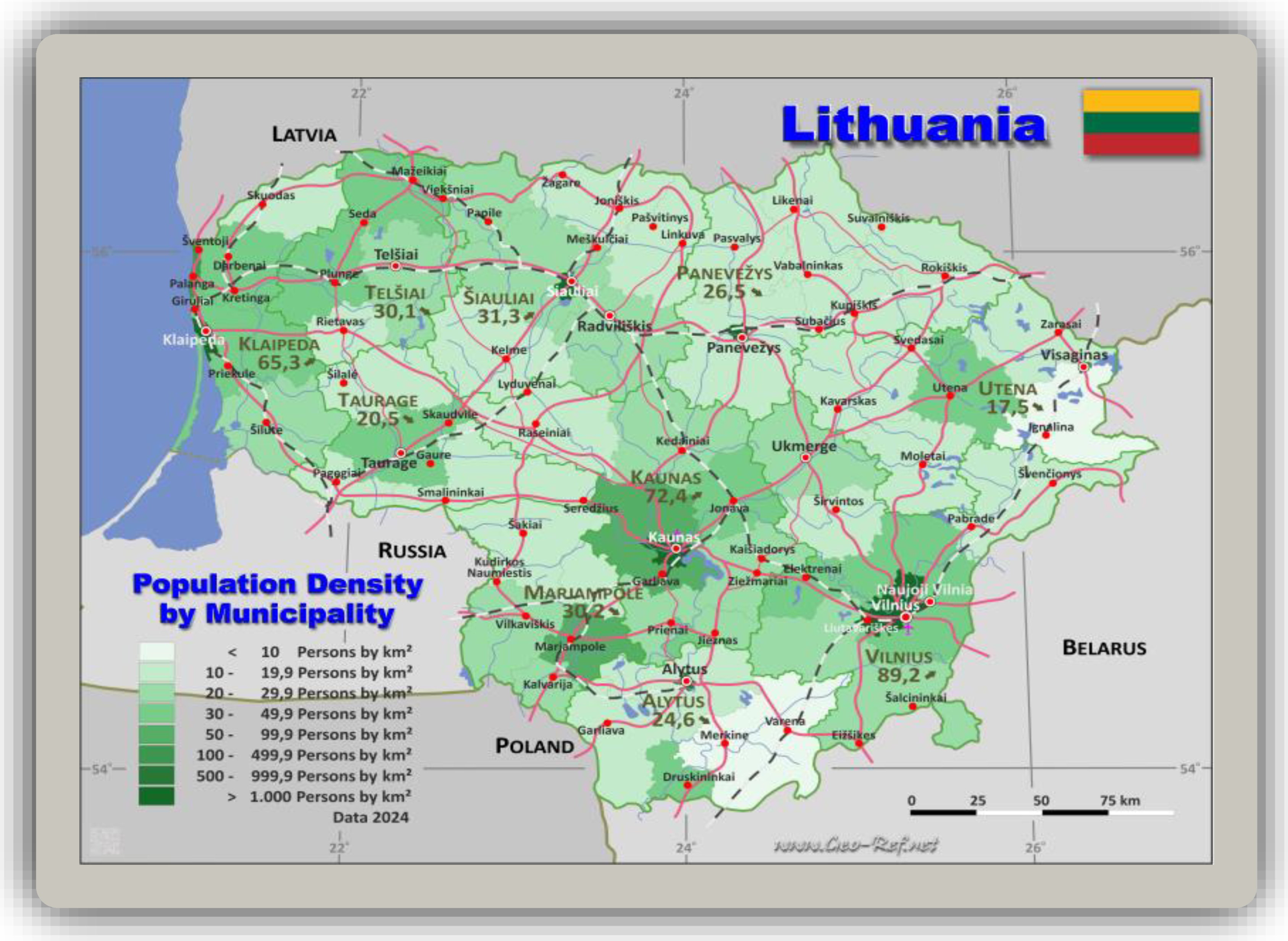
To discover and confirm innovative examples of the socio-ecological model's functioning, we conducted a study that employed the following methods: content analysis of four international conference presentations, synthesis, interpretation, and evaluation of research and scientific literature from international organizations, and group discussions with experts from four research groups. Seventy-three experts participated in the talks, whose answers were recorded; 53 were approved. All 112 respondents confirmed that, although the socio-ecological model is more effective in rural areas, as evidenced by the case presentations in Table 1, the most successful and sustainable projects are national in scope (N = 53), and most of them include international experiments (N = 49). The municipalities where the most projects were identified were Vilnius (N = 6), Trakai (N = 2), and Plungė (N = 2); the others are marked with black dots (N = 1).
Figure 6.
Population dynamics and density in Lithuania and Location of Projects3.
The social-ecological model (SEM) helps to discover, isolate, and use in practical work all the social and ecological factors that help to develop social relationships in groups, such as demographically stable kinship or close friendship, revealing through formal and informal groups that cooperate more intensively, valuing time spent together than with other like-minded people. Social complexity can be assessed similarly, as it arises from persistent differences between individual group members in the frequency, pattern, and types of social interaction. However, our experts particularly emphasized the innovativeness of the activities, focusing on the dynamics of different relationships that individuals maintain with other group members in the local community and with international partners; a higher number indicates greater social complexity and higher partnership value. Unlike the social complexity factors used, such as group size, relative differences from the majority, and personalization of the educational process, the diverse needs of individuals are a prerequisite for creating a social-ecological model and reducing social-emotional disorders and distances between different groups.
Let us argue that positive socialization is a policy of successful individual and community development. Actions (positive socialization scenarios) are an acceptable means by which teachers, educational specialists, or competent individuals can significantly influence the behavior and learning outcomes of children and young people. In this case, we raise the question of which transformative education competencies should be prioritized in the educational process and align with the goals of sustainable and social communication skills, as crucial to support professionals (18% male and 82% female) who participated in five contact discussions and workshops and completed a questionnaire. The analysis was carried out in stages, gradually increasing in depth. First, 112 authors selected data (2023-2024) from international studies, scientific articles, and social networks; later, the concepts were simplified and grouped into subgroups using response clustering.
The analysis was based on two questions: what strategies and factors do experts and educational support professionals identify as necessary to visualize the desired future of inclusive schools? The second question: What competencies are most important for transformative education? During the analysis, coding, clustering, and abstraction were carried out in several stages, based on the ideas that emerged. The authors refined the study during workshops in which project managers and volunteers participated as a focus group (53).
Smart Education for a Sustainable Ecological Model: Research Results
All successful cases analyzed in the article under the socio-ecological model (Figure N) and the development of learning systems. The process evaluation includes an assessment of the following aspects: (I) program implementation, (2) specific intervention activities, (3) context of activities, (4) responsible personnel, (5) target audiences, and (6) level of effort. To understand the context, we first reviewed the program initiation documents of all participating communities, organizations, and projects, including financial resources and project communication reports. We then reviewed documents related to the implementation of activities, including individual activity reports, monthly and quarterly reports, PowerPoint presentations, meeting minutes from planning sessions, social media information, and information from municipal and institutional websites.
The analyzed projects, which the Lithuanian College of Democracy implemented, are implemented according to the SEM model, promoting the idea that pupils and students must understand that they are the creators of the future, no matter what path they choose; they must start solving today's problems to prepare to take responsibility for the tomorrow they create. The experts emphasize projects that develop creativity, digital skills, and survival practices, as well as those that solve complex, unfamiliar problems through games or simulations. The evaluated projects were connected to the creation and awareness of the school and the local community. The analyzed documents included public records reflecting the organization's image and information dissemination, as well as surveys, formative assessments, evaluative studies (both quantitative and qualitative/cross-sectional), rapid qualitative assessments, and participatory action research reports. National surveys, including Lithuanian NEET and community surveys, were reviewed to validate the material and main elements of the SEK model. The goal was to investigate how SEK projects support children, youth, and educators in enhancing their motivation, improving the quality of their activities, and promoting the well-being of their communities.
Competency is a combination of knowledge, skills, and attitudes that students develop and apply to achieve successful learning, life, and work outcomes. They emphasize aspects of education that apply to all subject areas. "Let us look back at children" projects promote the development of independent living skills competencies in children and youth, which are mandatory from 2023 as a national qualification program (10 credits) for all Lithuanian teachers and students of all grades (± weekly lesson). The projects of the Lithuanian Democratic Education College promote the idea that students are future artists, scientists, thinkers, innovators, and leaders. Experts assess creativity and online activity, as well as the ability to solve complex problems and social communication skills, as crucial to students' maturity and well-being.

Table 1.
The main categories and subcategories of the Socioecological Model.
| No. | Categories |
Subcategories |
Affirmative Statements |
Experts' number. |
|---|---|---|---|---|
| 1. | Innovation | Smart Education Networking Social Clustering Positive parenting, Flexibility Experiential learning |
Integrating networking and social clustering is necessary for the quality of education. Based on social and creative innovation, as well as experience, positive parenting training is currently the most sought-after approach in the parenting community. |
2, 4, 6,7, 8, 10, 13, 14, 18, 39, 40, 64, 111, 120 2, 3, 5, 6, 9, 11, 19, 20, 57, 61, 62, 63, 65, 31, 41, 42, 112; 113 4, 6, 8, 58, 60, 95, 11, 64, 90, 93. |
| 2. | Sustainability | Family-friendly environment Educational and training institutions, community Programs providing formal qualifications, non-formal learning, and self-education are watershed programs |
Education must be combined with the requirements of the formal education system. Educational innovations influence the modernization of university studies |
1, 2, 10, 13, 15, 20, 22, 32, 59, 65, 73, 63, 111,117, 119, 3, 4, 6, 8, 9, 14,17, 34, 43, 45, 56, 62, 70, 14, 75, 118 |
| 3. | Personalization | Person-oriented Child-centred |
Flexible, personalized training promotes motivation and sustainability. Adult learning must be based on the development of personalized competencies. Personalised, competency-based distance education: the foundation of future adult education |
3, 5, 7, 8, 12, 16, 21, 22, 24, 26, 33, 46, 48, 55, 60, 72, 81 23, 25, 30, 47, 54, 49, 71,73, 83 94, 95, 97 4, 5, 6, 8, 9, 10, 14, 22, 26, 27, 50, 53, 82 |
| 4. | Smart Education | Positive socialisation Civic engagement |
NGO experiences confirm the benefits of smart socialization and alternative learning programs | 11, 14, 1, 4, 19, 55, 56, 84 |
| 5. | Social communication | Mediation Social interaction Partnership |
3D principles Multifunctional, multisectoral, and multifactorial view Strategic partnerships are the basis of the sustainability of successful projects |
3, 6, 5, 8, 17, 18, 28, 57, 58, 74, 75, 3, 5, 6, 35, 59, 77, 85 |
| 6. | General competence | Training in foreign languages, ICT skills Increases learning motivation. Workplace programs and programs that fall under the active labour market policy framework |
Difficult to measure accurately. There are no clear criteria. We should agree on how and what we measure |
2, 4, 5, 75, 76, 79, 86, 88 36, 38, 44, 47,39, 80, 87, 89, 90 |
| 7. | Facilitation | Coordination Process management Shared leadership |
This is not a frequent practice in schools I use a shared leadership approach. I usually lead the work of groups and the presentation of the overall result |
1, 4, 7, 10, 20, 29 |
In summary, striving for quality in all educational processes and training is necessary. Quality principles are regulated at both international and national levels. When organizing training, the most crucial task of an adult educator is to motivate and encourage interested adults to participate actively and develop lifelong learning skills.
Analyzing adults' learning goals is necessary to connect them with active, engaging, and exciting learning methods. It is recommended that theoretical knowledge be combined with practical competencies.
Utilizing coaching methods to engage adults in the learning process is beneficial. The abundance of learning methods allows you to diversify the content. The pedagogue's ability to diversify the training depends on them. UNICEF4 has adopted nine principles for development, innovation, and technology, supported by best practice guidelines to inform innovative development program designs. UNICEF's innovation principles can be successfully applied in national education and smart communication strategies, provided that all participants are included in the process, sustainability is pursued, data analysis is conducted, and cross-sectoral cooperation is ensured, as verified by civic projects. UNICEF innovation principles create conditions for developing a resilient, open, and inclusive Society that is open to national and international evaluation and can be analyzed by using these nine principles:
- Designing based on user needs (Design with the User) is the foundation for inclusion and social sensitivity in educational innovations. Successful initiatives, such as the "Citizen" or "Citizen for the Future" project, have demonstrated that when planning and implementing educational innovations, the active involvement of all interested groups - including teachers, policymakers, partners, and target groups (children, youth, and socially vulnerable individuals)-is not just essential, but also valued. This practice enables the creation of relevant, sensitive, and long-term value-creating solutions, making each participant an integral part of the process.
- A comprehensive understanding of the systemic context (socio-ecological system) is crucial in ensuring the relevance and success of educational innovations. Projects such as "The Cruel Green Hamster" (Lithuania, Lithuanian College of Democratic Education) have successfully integrated education into a cultural, technological, and social context. A creative approach, combined with networking and community involvement, enables us to reach children in a way they understand, strengthening awareness and developing values.
- Developing projects nationally and adapting them internationally (Design for Scale) ensures long-term impact
Programs designed to develop social awareness (e.g., an initiative of the Lithuanian Free Market Institute) demonstrate that educational innovations can be successfully applied nationally and internationally when systematically and holistically designed from the outset. Cooperation with neighboring countries and thematic integrity increases the possibilities for adaptation.
- 4.
- Building sustainability is based on mobilizing local resources and long-term partnerships. The activities of the NGO Children's Confederation (Lithuania) demonstrate that educational sustainability is inextricably linked to the establishment of consistent social partner networks, long-term strategic initiatives, and active participation in national political processes (e.g., annual conferences on the implementation of the Convention on the Rights of the Child).
- 5.
- Data-driven management allows for the assessment of not only the result but also the intermediate stages
Implementing the Aflatoun project in Lithuania demonstrates that successful innovations require continuous data analysis, monitoring of results, and the integration of research into educational practices. This data-driven approach quantifies the impact and enables prompt adjustments, providing reassurance and confidence in the process.
- 6.
- The use of open data and open source increases the transparency and accessibility of innovations
The experience of Vilnius Ozas Gymnasium demonstrates that the early implementation of open learning technologies (e.g., Moodle) enables the creation of a sustainable virtual learning ecosystem that other institutions can utilize. This school becomes a public good that strengthens the progress of the entire system.
- 7.
- Improving existing solutions allows for continuity and adaptation to new needs
The NGO "Atsigrezk į vaikus" demonstrates that combining social services, education, and vocational training can help young people acquire practical skills, prepare for independent living, and successfully integrate into the labor market.
- 8.
- Ensuring privacy and security requires contextual risk assessment (no specific example is provided, but this remains essential for ensuring long-term trust and ethics).
- 9.
- Multidisciplinary and cross-sectoral cooperation strengthens the effectiveness of innovations
The example of the Public Institution "Nendrė" shows that integrating social partners (state institutions, NGOs, local government, and the non-governmental sector) enables the creation of complex support systems for socially vulnerable families. Such structures shape good practice and systemic change.
4. Conclusions and Discussion
- Socio-ecologically based smart communication models strengthen individual and community resilience. Innovative educational models – hybrid learning, dual learning situations, micro-qualifications, and autonomous learning – empower us to respond to increasingly complex life, work, and learning contexts. They are based on flexibility, personalization, and self-management and are particularly important in a world dominated by uncertainty and conflict. These models promote personal efficacy and responsibility, as well as critical thinking, and, according to Bates (2021), develop the ability to learn, reflect, and act purposefully.
- Sustainable educational initiatives are created through long-term cooperation, mixed financing, and social inclusion. The analyzed projects and expert insights confirm that successful solutions are based on intersectoral collaboration, which connects the public, private, and non-governmental sectors, as well as the academic community. By involving socially sensitive groups (children, youth, regional communities), innovation becomes both a technological and a social response to current crises—from war to climate change. These practices directly correspond to UNICEF principles: Design with the User, Understand the Ecosystem, Be Collaborative, Reuse and Improve, and Be Data-Driven.
- Digital maturity is a prerequisite, but in themselves, meaningful pedagogical decisions must accompany their use. Although necessary, technologies are not valuable; meaningful pedagogical decisions must accompany implementation. Data security, privacy, critical evaluation of content, and active participation are becoming essential standards of modern education. Open data and open-source initiatives enhance transparency, accessibility, and community engagement, underscoring the importance of ethical principles in the technology sector.
- Reflexivity, emotional literacy, and social empathy are key elements of pedagogical transformation. Innovative models, such as discomfort pedagogy, home pedagogy, wellbeing education, or even "walk-and-talk" methods, demonstrate that education today cannot be limited to knowledge alone. It must become a process that develops the mind, consciousness, and responsibility. Teaching about war, trauma, injustice, and exclusion must be carried out responsibly in an emotionally safe environment.
-
The quality of education must be assessed by its results, as well as the processes and social impact it has on its students. According to our experts, smart communication and education should be based on the following eight criteria:
- Freedom (Freedom) belonging for innovation.
- Citizenship (active participation) (Civics) is comparable to smart communication.
- Well-being (Well-being) for smart education.
- Open access to safe information (Access), including facilitation.
- Systematic analysis and evaluation of data (Analyze and Evaluate).
- Creativity and flexibility.
- Systematic reflection.
- Act – to be socially responsible.
These criteria enable us to highlight the long-term impact of education on both the individual and Society, which is particularly important in the face of contemporary crises. Future societies require individuals who can apply an integral, culturally sensitive, and contextually adapted approach.
Initiatives that combine formal and informal education, local knowledge, and global practices, developed in diverse contexts – including cities, rural areas, and war-affected communities – can become sustainable drivers of change.
In this way, learning ecosystems are formed that can adapt, respond to real needs, promote dialogue, build trust, and uphold democratic values.
Daily communication and education, inspired by the spirit of Fluxus, not only provide knowledge but also develop the ability to listen, observe, reflect, and create* even in conditions of chaos and uncertainty. In today's conflict-ridden world, creative, inclusive, and participatory education is becoming not a luxury but a necessity.
Education cannot be just an institutional act. It must become a cultural posture, a social act, and an ethical commitment. From Fluxus to the future – for the education of not only a smart but also a resilient, creative, socially responsible Society.
References
- Bronfenbrenner, U. (1979). The ecology of human development: Experiments by nature and design. Harvard University Press.
- Dankiw, K., Tsiros, M. D., Baldock, K. L., & Burgemeister, S. (2020). Nature play and prosocial development: A systematic review. Children, 7(7), 1–19, (Pataisyta citata, jei turimi autoriai „ir kt.“, būtina tikslinti pagal šaltinį.). [CrossRef]
- Derman-Sparks, L., & Edwards, J. O. (2020). Anti-bias education for young children and ourselves (2nd ed.). National Association for the Education of Young Children.
- Education for Sustainable Development (ESD) 2030. (n.d.). UNESCO. (Pridėtas leidėjas ir nuoroda, jei žinoma.). Available online: https://sdgs.un.org/partnerships/education-sustainable-development-esd-2030(Pridėtas.
- Education to foster intercultural understanding and solidarity in Europe. (2016). Lifelong Learning Platform. Available online: http://www.eucis-lll.eu/eucis-lll/wp-content/uploads/2016/04/lllplatform_policy-paper_education-to-foster-intercultural-dialogue-+-good-practices_april20161.pdf.
- Ehlers, U.-D. (2020). Future skills: The future of learning and higher education. Springer.
- Epstein, J. L., Sanders, M. G., Sheldon, S., Simon, B. S., & Salinas, K. C. (2009). School, family, and community partnerships: Your action handbook (3rd ed.). Corwin Press.
- Goulart, I. B. (2006). The social meaning of the curriculum: A re-reading of the theme. PRELAC Journal: Regional Education Project for Latin America and the Caribbean.
- Kati Rintakorpi, & Reunamo, J. (2016). Pedagogical documentation and its relation to everyday activities in early years. Early Child Development and Care, 186(11), 1757–1771. [CrossRef]
- Kvieskienė, G., Kvieska, V., & Carlsburg, G. B. (2021). Social clustering: Paradigm of trust (258 p.). Vytauto Didžiojo universitetas. Available online: https://www.vdu.lt/cris/handle/20.500.12259/127575.
- Murano, D., Sawyer, B. E., & Lipnevich, A. A. (2020). Social and emotional learning and sustainability: Skills for future-ready learners. Sustainability, 12(10), 4037. [CrossRef]
- OECD. (2025, January). Trends shaping education 2025. OECD Publishing.
- Resources to integrate equity in the practice. (n.d.). Learning for Action. Available online: https://learningforaction.com/resource-library/equity-tools.
- Siraj-Blatchford, I., Sylva, K., Muttock, S., Gilden, R., & Bell, D. (2002). Researching effective pedagogy in the early years (REPEY). Department for Education and Skills.
- Social life and social knowledge: Toward a process account of development. (2008). In J. E. Grusec & P. D. Hastings (Eds.), Handbook of socialization: Theory and research (pp. 221–243). Lawrence Erlbaum Associates / Taylor & Francis Group.
- UNESCO. (2019). Education for sustainable development: Learning to transform lives. Available online: https://unesdoc.unesco.org/ark:/48223/pf0000370215.
- UNESCO leidiniai (2024–2050). (n.d.). (Tikslinti, jei yra konkreti knyga ar dokumentas.).
- What is the ecosystem approach? (n.d.). Project Pisces. Available online: http://www.projectpisces.eu/guide/implementing_the_ecosystem_approach/what_is_the_ecosystem_approach/.
- Wright, M. O., & Masten, A. S. (2005). Resilience processes in development: Fostering positive adaptation in the context of adversity. In Development and Psychopathology, 17(2), 261–295. [CrossRef]
| 1 | Chapter 1: Introduction to Child Development Copyright © by Jennifer Paris; Antoinette Ricardo; and Dawn Rymond is licensed under a Creative Commons Attribution 4.0 International License, except where otherwise noted.In: https://wtcs.pressbooks.pub/infanttoddlerdev/chapter/chapter-1-introduction-to-child-development/.Image by Ian Joslin is licensed under CC BY 4.0 |
| 2 | Statistics on young people neither in employment nor in education or training. In: https://ec.europa.eu/eurostat/statistics-explained/index.php?title=Statistics_on_young_people_neither_in_employment_nor_in_education_or_training
|
| 3 | Source: Country map - Population density of Lithuania. In: https://www.geo-ref.net/ph/ltu.htm
|
| 4 | Journeys to Scale. Accompanying the Finalists of the Innovations in Education Initiative. In: http://www.educationinnovations.org/sites/default/files/Journeys%20to%20Scale%20-%20Full%20Report.pdf
|
Figure 1.
Bronfenbrenner’s ecological systems theory.1.
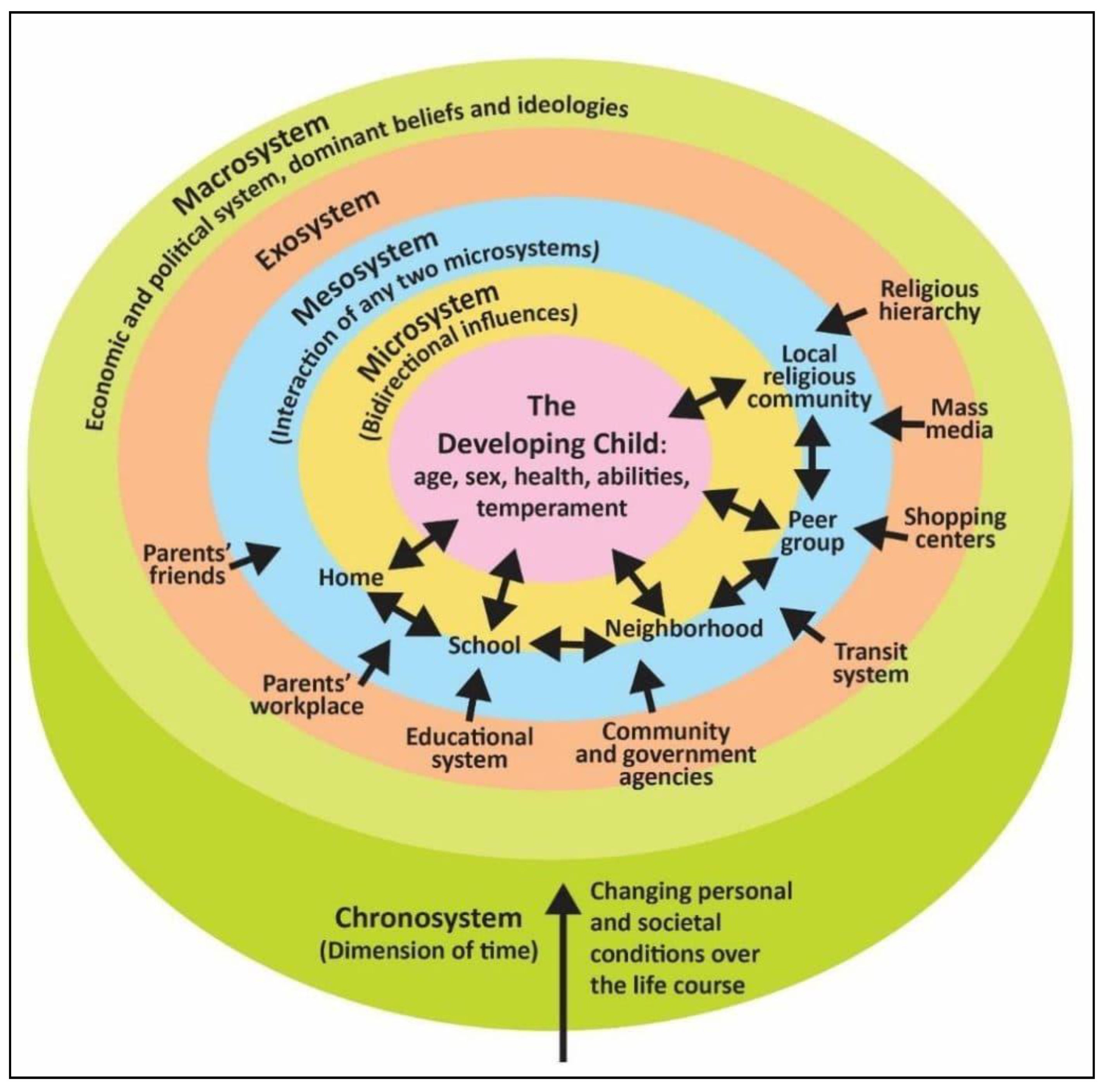
Figure 2.
Young people (age 15-29) neither in employment nor in education and training, 2024.
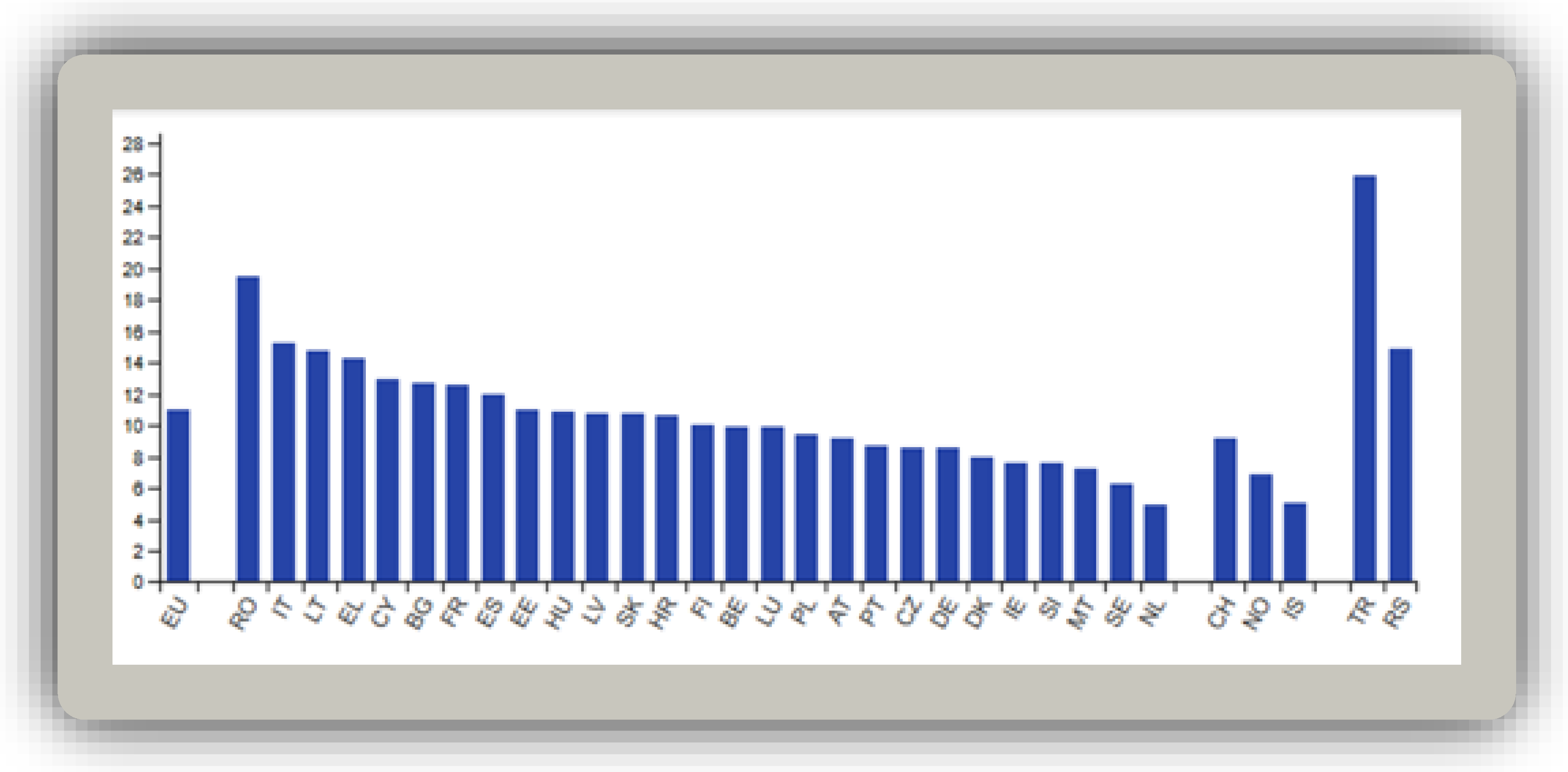
Figure 3.
Young people neither in employment nor education and training.2.
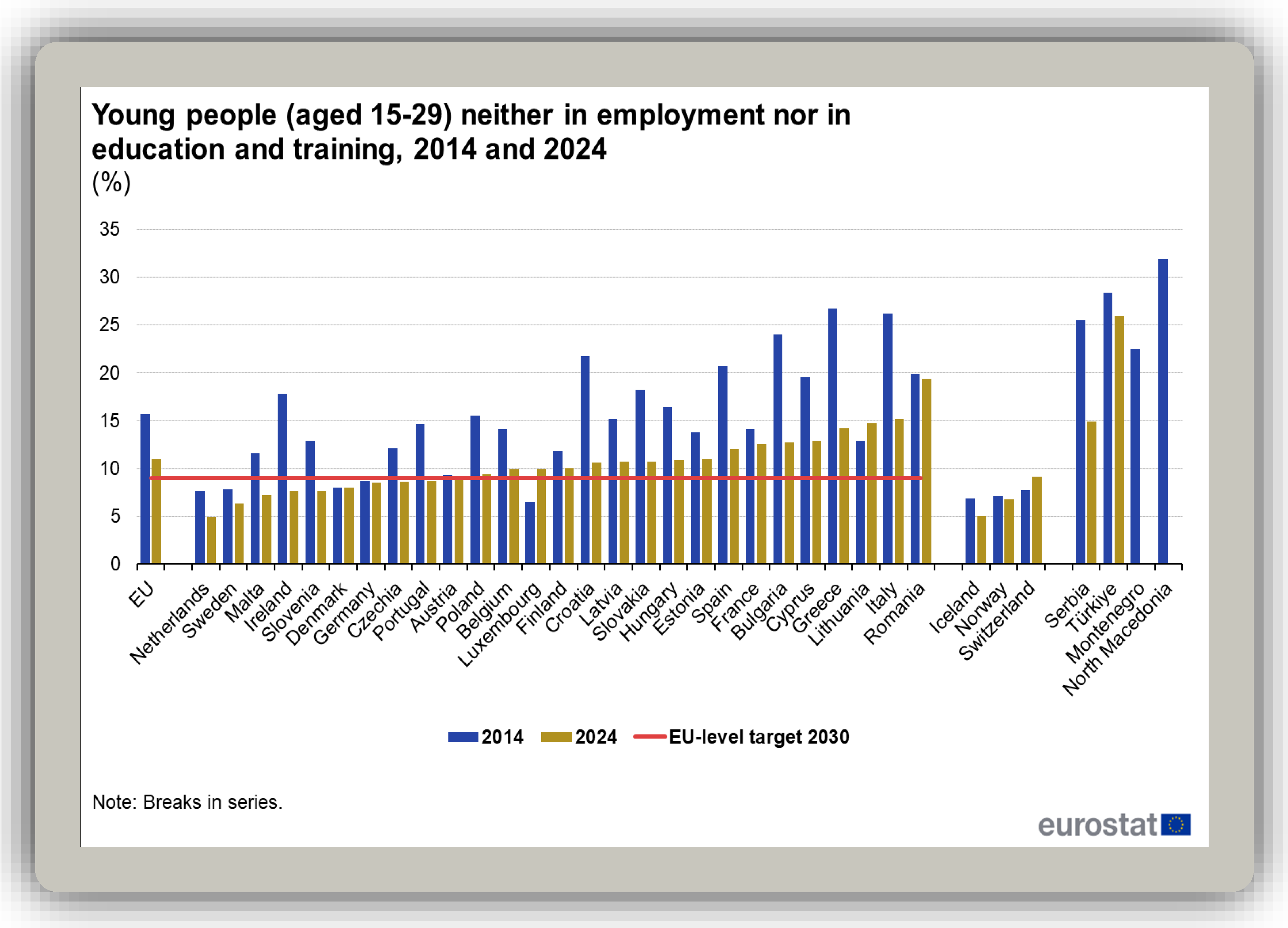
Figure 4.
Young people neither in employment nor education and training, by age, EU, 2014–2024.
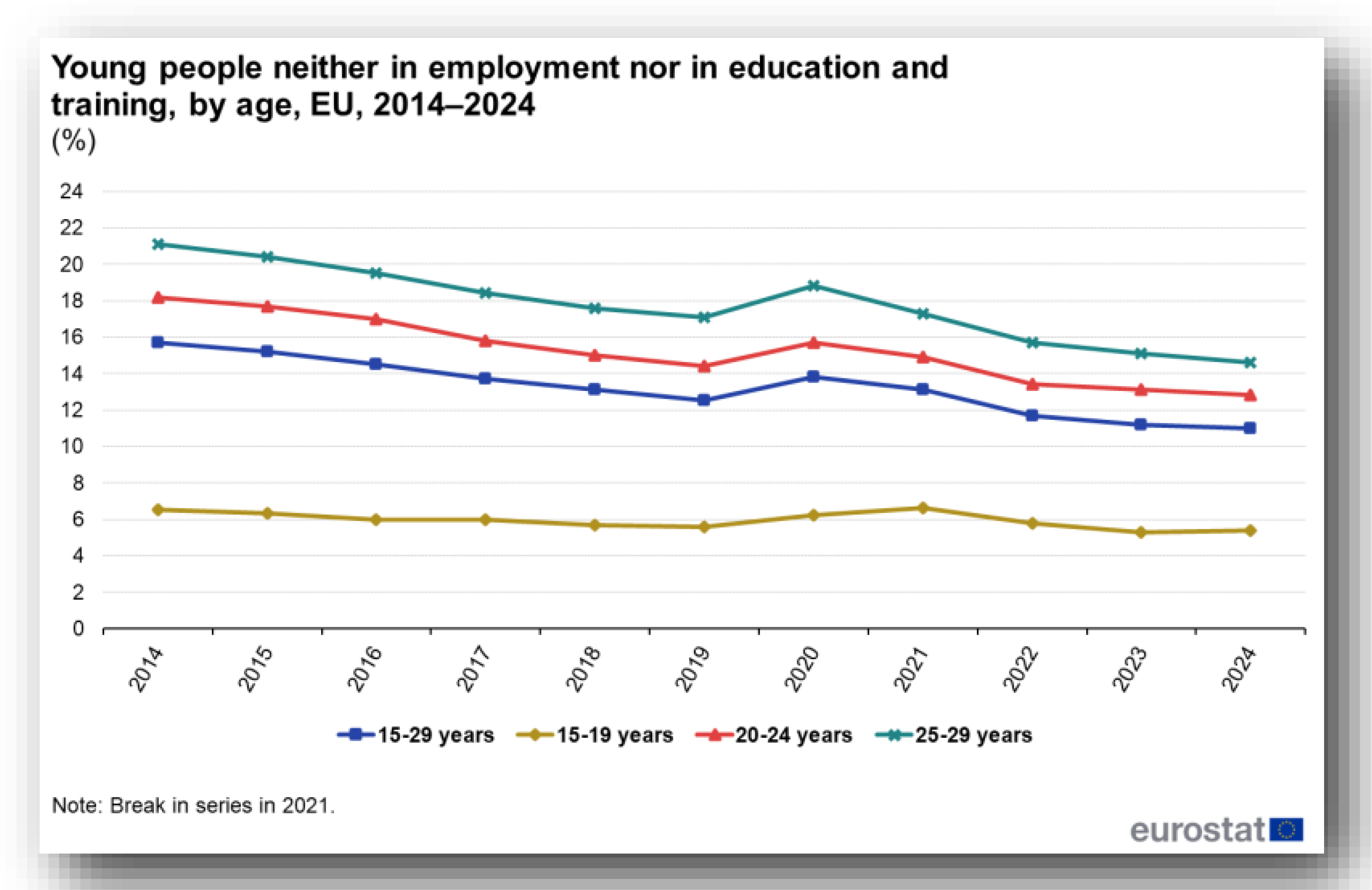
Figure 5.
Socioecological models throw barriers to positive socialization.
Disclaimer/Publisher’s Note: The statements, opinions and data contained in all publications are solely those of the individual author(s) and contributor(s) and not of MDPI and/or the editor(s). MDPI and/or the editor(s) disclaim responsibility for any injury to people or property resulting from any ideas, methods, instructions or products referred to in the content. |
© 2026 by the authors. Licensee MDPI, Basel, Switzerland. This article is an open access article distributed under the terms and conditions of the Creative Commons Attribution (CC BY) license (http://creativecommons.org/licenses/by/4.0/).
Copyright: This open access article is published under a Creative Commons CC BY 4.0 license, which permit the free download, distribution, and reuse, provided that the author and preprint are cited in any reuse.


