
Submitted:
24 December 2025
Posted:
26 December 2025
You are already at the latest version
Abstract
The increasing environmental concerns associated with plastic waste have stimulated the development of fully bio-based and plastic-free materials for single-use applications. In this study, a bamboo-based fibrous composite composed entirely of plant-derived components was developed and evaluated with respect to its environmental behavior. Ecotoxicity was assessed using a standardized earthworm soil test (Eisenia fetida) conducted by an accredited third-party laboratory, while biodegradation behavior was examined under controlled aerobic composting conditions using a respirometric method. The ecotoxicological assessment showed no adverse effects on earthworm survival or body weight compared with the control compost. Biodegradation experiments performed in triplicate demonstrated that the composite achieved an average biodegradation rate of 86.4% after 360 days, with a reference material included to verify test validity. These results indicate that the bamboo-based fibrous composite exhibits low acute soil ecotoxicity and substantial biodegradability under controlled composting conditions. Within the scope of the present study, the findings provide experimental evidence regarding the environmental compatibility of fully bio-based bamboo composites and contribute to the evaluation of their biodegradation and ecotoxicological characteristics.
Keywords:
bamboo fiber composite
; biodegradable materials
; ecotoxicity
; soil degradation
; sustainable materials
1. Introduction
1.1. Plastic Straws and Limitations of Existing Biodegradable Alternatives
Single-use plastic straws are widely recognized as a significant source of persistent environmental pollution due to their short service life and resistance to natural degradation. In response, various biodegradable alternatives have been introduced, among which polylactic acid (PLA) and paper-based straws are the most common. However, PLA-based products typically require industrial composting conditions, such as elevated temperatures and controlled humidity, to achieve effective degradation, and they often persist in natural soil or aquatic environments under ambient conditions (Jambeck, J. R., et al., 2015) (Ding, Y.-H., et al., 2021) [1,2]. Paper straws, while plastic-free, generally suffer from insufficient mechanical stability and rapid loss of integrity during use, limiting their practical performance (Song, J. H., et al., 2009) [3]. These limitations highlight the need for alternative materials that are both fully plastic-free and capable of degrading efficiently under natural environmental conditions.
1.2. Bamboo Fibers and Plant-Based Composite Materials
Natural fibers derived from renewable biomass have attracted increasing attention as sustainable alternatives to petroleum-based plastics. Among them, bamboo fibers are particularly promising due to their rapid growth rate, high cellulose content, and favorable mechanical properties (He, Z., et al., 2016) (Li, X.; et al., 2020) [4,5]. Previous studies have demonstrated that bamboo fibers can be incorporated into composite materials to improve stiffness, strength, and thermal stability while reducing environmental impact (Okubo, K.; et al., 2004) (Faruk, O.; et al., 2012) (Jawaid, M., et al., 2011) [6,7,8]. In addition to bamboo, other plant-based composites utilizing starch, cellulose, and natural gums have been explored for biodegradable applications, showing potential in packaging, tableware, and agricultural products (Averous, L., 2004) (Mohanty, A. K., 2002) [9,10]. Despite these advances, many reported systems still rely on biodegradable polymers or chemical additives, which complicates their degradation behavior and raises concerns regarding ecological compatibility.
1.3. Research Gap: Plastic-Free Composites and Environmental Safety Assessment
Although extensive research has been conducted on biodegradable polymers and fiber-reinforced composites, systematic studies focusing on fully plastic-free bamboo-based composites remain limited. In particular, most existing works emphasize mechanical or processing performance, while relatively few studies have evaluated ecotoxicological safety and soil biodegradation behavior using standardized test methods (Shah, A. A., 2008) (ASTM E1676-12) [11,12]. The absence of integrated assessments combining material formulation, biodegradation kinetics, and biological impact on soil organisms hinders a comprehensive understanding of the environmental performance of bamboo-based materials. Consequently, there is a clear need for studies that address both material functionality and environmental safety within a unified experimental framework.
1.4. Objectives and Novelty of This Study
The objective of this study is to develop a fully plastic-free bamboo-based fibrous composite and to systematically evaluate its environmental compatibility using standardized experimental approaches. The composite material is formulated exclusively from bamboo fiber powder and natural plant-derived binders, without the incorporation of petrochemical-based polymers. Drinking straws are employed as a representative application to validate material performance. The novelty of this work lies in the combined assessment of soil ecotoxicity using earthworm (Eisenia fetida) tests and biodegradation behavior via a soil burial weight loss method, conducted in accordance with international standards. By integrating material development with environmental safety evaluation, this study aims to provide scientific evidence supporting the feasibility of bamboo-based composites as sustainable alternatives to conventional single-use plastic products.
2. Materials and Methods
2.1. Raw Materials
Bamboo fiber powder was used as the primary reinforcement material in this study. The bamboo fibers were derived from mature bamboo culms harvested in Taiwan. The fibers were mechanically processed into powder form and sieved to obtain particles with a size range of approximately 100–300 μm, ensuring uniform dispersion within the composite matrix. Prior to composite preparation, the bamboo fiber powder was oven-dried at 80 °C for 24 h to remove residual moisture.
Starch and plant-derived binding agents were employed as the matrix components. The starch used in this study was a commercially available food-grade starch, while the plant-based binders consisted of natural polysaccharide gums sourced from plant fermentation processes. All raw materials used were commercially available and did not contain any petrochemical-based polymers or synthetic plastics.
2.2. Composite Formulation
A single representative bamboo-based fibrous composite formulation was investigated in this study. The composite consisted of bamboo fiber powder as the reinforcing phase, combined with starch and natural plant-derived binders as the matrix components. Due to commercial confidentiality, the exact mass fractions of individual constituents are not disclosed. However, the formulation was maintained constant across all experiments, and all samples used for mechanical evaluation, ecotoxicity testing, and biodegradation assessment were prepared from the same batch.
The bamboo fiber content in the composite was within a range commonly reported for plant fiber–reinforced biodegradable composites (Faruk, O., et al. 2012) (Mohanty, A. K., 2005) (Li, X., et al., 2020) [5,7,18], providing sufficient structural integrity while maintaining biodegradability. The matrix components were selected to ensure adequate interfacial bonding between fibers and to facilitate microbial degradation under soil conditions. This fixed formulation approach ensures internal consistency and reproducibility of the experimental results presented in this study.
2.3. Fabrication Process of Bamboo-Based Fibrous Straws
The fabrication process of the bamboo-based fibrous straws consisted of material preparation, compounding, and tube forming. Bamboo fiber powder was first dried to remove residual moisture and subsequently blended with starch and plant-derived binders to form a homogeneous composite mixture. Mixing was conducted under controlled temperature and rotational speed to ensure uniform dispersion of fibers within the matrix.
The blended composite was then processed into granular form through a pelletization step. The resulting granules were cooled and stored under dry conditions prior to further processing. To fabricate the straw-shaped products, the composite granules were fed into a tube-forming extrusion system, where heat and mechanical shear were applied to soften the material and enable continuous tubular shaping. The extruded tubes were subsequently cooled to stabilize their geometry and cut into predefined lengths to obtain straw samples suitable for testing.
All straw specimens used in this study were fabricated using identical processing parameters and originated from the same production batch, ensuring consistency across mechanical characterization, ecotoxicity evaluation, and biodegradation testing.
Figure 1.
Schematic diagram of material preparation and straw forming process.
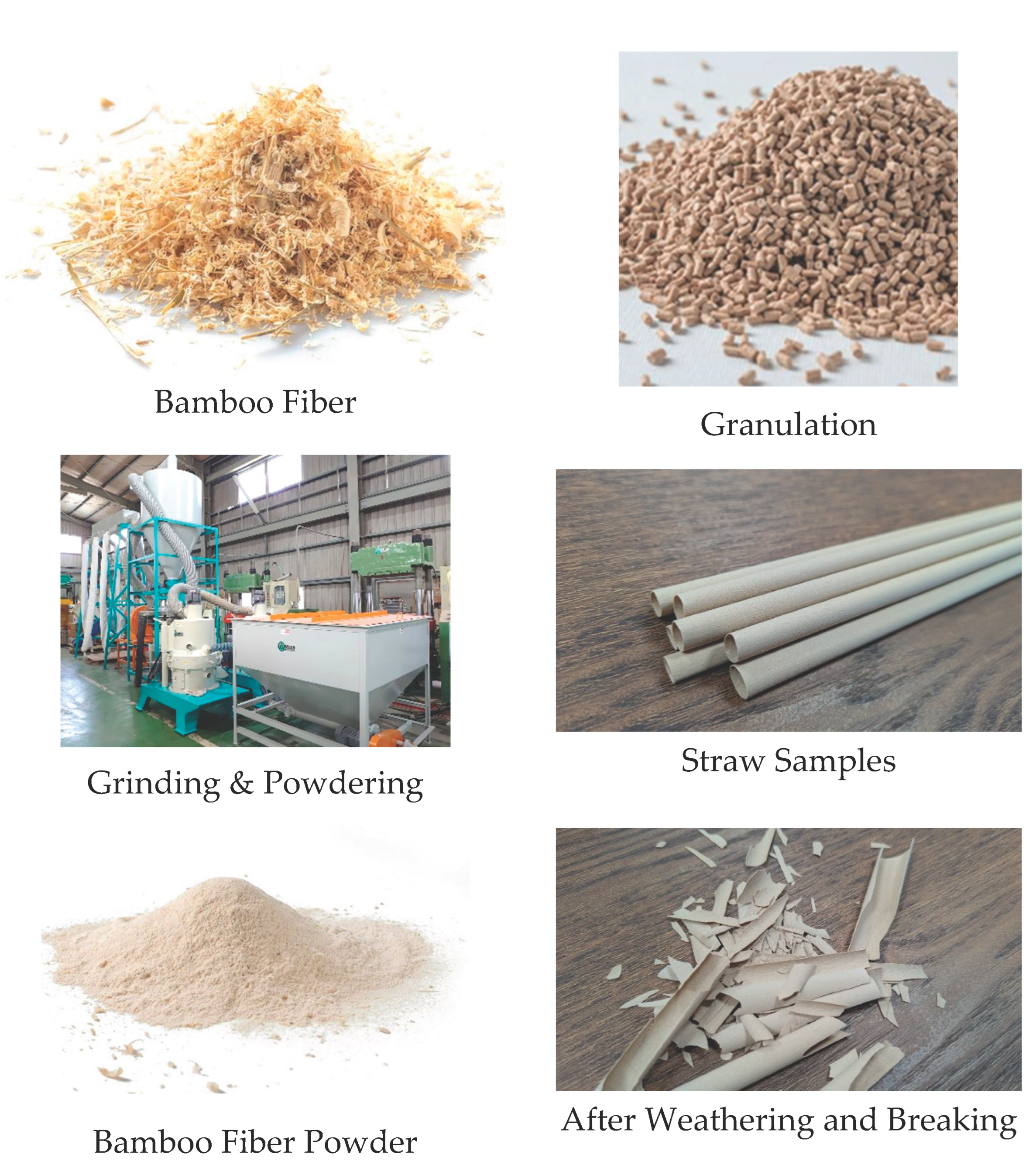
This study developed and established the composition and manufacturing process of the biodegradable plant fiber granules that were later used to make the bamboo straw. The formulation consists of bamboo or plant fiber powder (40–60%), starch (20–30%), fermented plant gum powder (10–20%), water-soluble polymeric gum (5–10%), and cellulosic proteins (3–5%). The proportions can be adjusted within these ranges depending on the intended processing technique, such as injection molding, extrusion, or blow molding.
The process involved multiple mixing and compounding stages. Initially, to soften the fiber powder, it is processed in the first mixer at 40°C to 60 °C and 600 to 1200 RPM for 10 to 30 minutes. Then, the starch and cellulosic proteins are blended in the second mixer at the same speed for 10 to 20 minutes to improve powder fluidity. Next, plant gum powder is mixed in a third mixer at <100 RPM for 10 to 40 minutes until a viscous state is reached. Finally, all pre-mixed components and water-soluble polymeric gum are combined in a fourth mixer at 40°C to 80°C for 10 to 40 minutes to obtain a homogeneous composite material.
To form the pellet, the composite mixture is transferred to a molding unit where a screw conveyor system simultaneously stirs, heats, and extrudes the material into elongated strips. These strips are cooled in a primary cooling system and a cutting unit subsequently cut them into granular pellets. The pellets are further cooled in a secondary cooling system before being transferred to storage and packaged as final products. This process enables consistent production of biodegradable plant fiber granules adaptable to diverse forming techniques while ensuring environmental compatibility.
The manufacturing method and corresponding equipment for producing fiber-based drinking straws are presented in this study. A pulverizer is initially used to crush and grind plant-derived raw materials, such as bamboo; then, a milling device finely grinds the material into fiber powder. Lastly, the fiber powder is blended with heat-resistant starch and plant-based gums in predetermined ratios to obtain a composite feedstock.
This mixture is processed into granular fiber pellets using a granulation unit, and the moisture content is subsequently reduced through centrifugal dehydration. The dried pellets are introduced into an extrusion-blowing system to form tubular structures; these are then cooled and solidified through a dedicated cooling mechanism. Finally, the tubes were cut to predetermined lengths to produce the fiber straws. Through this method, biodegradable fiber straws are fabricated in a way that offers both environmental compatibility and functional applicability.
2.4. Experimental Setup and Equipment
Experimental characterization of the bamboo-based fibrous composite was conducted using standard laboratory equipment to evaluate its thermal, physical, and mechanical stability. The tests described in this section were performed primarily as internal quality control procedures to ensure material consistency prior to ecotoxicity and biodegradation experiments.
All measurements were conducted under controlled laboratory conditions. The numerical results of these quality control tests are not disclosed due to commercial confidentiality; however, all tested specimens met predefined internal quality criteria and were deemed suitable for subsequent environmental assessments.

Table 1.
Primary equipment and application.
| Main equipment | Application Notes |
Vicat Softening Temperature Testing Machine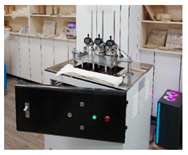 Model XF-8475, Xiamen Xiongfa Instrument & Equipment Co., Ltd., China |
This study evaluated the thermal stability and application temperature limits of biodegradable bamboo fiber straws through this machine. The heat deflection temperature (HDT) was measured to assess the material’s resistance to deformation at elevated temperatures, ensuring structural integrity for its possible use in hot beverages. The Vicat softening temperature (VST) was tested to determine the onset of softening to determine its suitability for serving hot drinks. Comparative analysis with commercial straws, including PLA and paper straws, was conducted to further evaluate high-temperature tolerance. |
Halogen Rapid Moisture Analyzer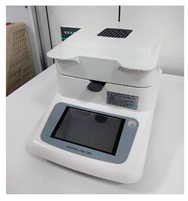 Model XFSFY-204CN, Xiamen Xiongfa Instrument & Equipment Co., Ltd., China |
The developed straw material contains starch, plant fibers, and natural gums, all of which exhibit strong hygroscopicity. Therefore, real-time monitoring using a halogen rapid moisture analyzer was employed to ensure process stability and quality control. The initial moisture content reflects the residual water in newly processed fibers or straws. Moreover, moisture control during production helps prevent deformation, mold growth, or poor shelf life caused by excess humidity. Also, the moisture level during storage directly affects product stability and biodegradation since excessive moisture may lead to premature decomposition or deterioration of material quality; thus, moisture analysis is a critical parameter. |
Microcomputer-Controlled Charpy Impact Tester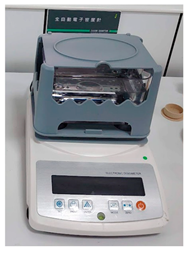 Model GA-3805, Hunan Gonoava Instrument Co., Ltd., China |
Natural components such as bamboo fiber powder, starch, plant gums, and cellulosic proteins make up the straw material in this study. Material density was measured to ensure batch-to-batch stability since variations in specific gravity may indicate differences in mixing uniformity or moisture content. This, in turn, affects molding performance and durability. Density data also support product consistency and provide valuable inputs when correlated with other parameters such as heat deflection and degradation rate. Furthermore, density is closely linked to biodegradation behavior and compatibility with environmental media (e.g., water, oil), making it a key factor in designing compostable and biodegradable products. |
Computerized Tensile Testing Machine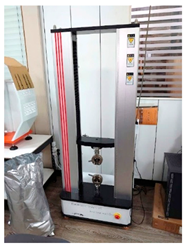 Model XF-900IT, Xiamen Xiongfa Instrument & Equipment Co., Ltd., China |
The computerized tensile testing machine was used to evaluate the mechanical properties of bamboo fiber straws, particularly their tensile strength and elongation. This determines the straw’s resistance to fracture during daily use and analyzes how variations in material composition—such as fiber content, starch proportion, or adhesive formulation—affect tensile strength. Furthermore, comparative testing was done to verify whether the bamboo fiber straws can match or even surpass the mechanical performance of existing alternatives, thereby confirming their practical applicability and market competitiveness. |
Muffle Furnace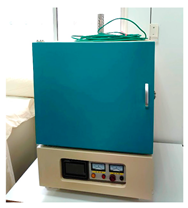 Model NMF-202, Poquan International Co., Ltd., Taiwan |
The muffle furnace was primarily employed to evaluate the thermal stability and ash content of bamboo fiber straws. High-temperature ashing removed organic components, and the residual ash content was measured to determine the proportion of inorganic fillers or fibers, which ensures the formulation consistency. The decomposition behavior and residual characteristics under elevated temperatures were also analyzed to compare the bamboo straws with conventional plastics. Through this, the environmental compatibility of combustion residues is assessed, providing critical evidence for ecological safety. |
2.5. Ecotoxicity Test (Earthworm Soil Test)
The ecotoxicity of the bamboo-based fibrous composite was evaluated by a third-party accredited laboratory, Mérieux NutriSciences (CHELAB S.R.L.), to ensure objectivity and compliance with international standards. The tests were conducted in accordance with ASTM E1676:2012 (R2021), AS 4736, and ISO 17033, which provide standardized guidelines for assessing soil toxicity and bioaccumulation effects in earthworms.
Eisenia fetida was selected as the test organism due to its widespread use in soil ecotoxicological studies and its sensitivity to environmental contaminants. Artificial compost soil was used as the control medium, while test composts containing the composite material were prepared at predefined concentrations. Each experimental group consisted of ten earthworms (n = 10), and parallel control groups were established under identical environmental conditions. The exposure duration was 28 days.
During the test period, earthworm survival and body weight were monitored and recorded. Mortality rate and relative mean body weight were calculated by comparison with the control group to evaluate potential ecotoxicological effects of the composite material.
Eisenia fetida was selected as the representative test organism because it is the most widely adopted species in standardized soil ecotoxicity assessments and is explicitly recommended in ASTM E1676.
Summary of Experimental Procedures for the Earthworm Soil Test
- Preparation
Artificial compost soil was prepared in accordance with ASTM E1676 guidelines and used as the control medium. Test composts were produced by incorporating the bamboo-based fibrous composite at predefined concentrations. All composts were homogenized and conditioned prior to testing. Healthy adult Eisenia fetida earthworms with similar body weights were acclimated under laboratory conditions before exposure.
- Exposure
The ecotoxicity test was conducted using four independent replicates for each condition, with ten earthworms per replicate (n = 40 per group). Test and control composts were placed in standardized containers and maintained under controlled temperature and moisture conditions. Earthworms were introduced into the compost substrates and exposed for a duration of 28 days without additional feeding.
- Observation
During the exposure period, earthworm survival and general behavior were monitored at regular intervals. Visual inspection was performed to identify abnormal responses such as reduced mobility, surface avoidance, or physical damage. At the end of the test period, surviving earthworms were carefully recovered from the compost, rinsed to remove adhering soil, and prepared for body weight measurement.
- Endpoint Evaluation
Ecotoxicological effects were assessed based on mortality rate and relative mean body weight of earthworms in comparison with the control group. The results were used to evaluate potential acute soil toxicity of the bamboo-based fibrous composite under the tested conditions, following the validity criteria specified in ASTM E1676 and ISO 11268-1.
2.6. Biodegradation Test (Soil Burial Weight Loss Method)
The biodegradation behavior of the bamboo-based fibrous composite was evaluated using a soil burial weight loss method. Test specimens were prepared by cutting the fabricated straw samples into predefined lengths and drying them to constant weight prior to burial.
The samples were buried in natural soil under controlled laboratory conditions. The soil was maintained at a temperature of 25 ± 2 °C with a moisture content of approximately 60%, which is favorable for microbial activity. The burial depth was sufficient to ensure full contact between the samples and the surrounding soil environment.
Biodegradation tests were conducted in triplicate (n = 3) for each time point. At predetermined intervals (7, 14, 21, and 28 days), the samples were carefully retrieved from the soil, gently cleaned to remove adhering soil particles, dried to constant weight, and weighed. The biodegradation percentage was calculated based on the weight loss relative to the initial dry weight using Equation (1).
This study evaluated biodegradation using the weight loss method, which assumes that as materials undergo microbial degradation in soil or composting environments, their residual weight decreases over time. The biodegradation percentage can then be calculated by comparing the initial and remaining weights. The formula is expressed as:
where:
• W0 is the initial weight of the material
• Wt is the remaining weight after a certain degradation period
3. Results
3.1. Quality Consistency of the Composite Material
Prior to ecotoxicity and biodegradation testing, the bamboo-based fibrous composite samples were subjected to thermal deformation, moisture content, and density evaluations as part of internal quality control. All tested specimens met the predefined quality criteria, and no abnormal thermal softening, excessive moisture retention, or significant density variation was observed among samples used in subsequent experiments.
3.2. Ecotoxicity Results (Earthworm Soil Test)
The ecotoxicological effects of the bamboo-based fibrous composite were evaluated using a standardized earthworm soil toxicity test. The results of earthworm survival and body weight change are summarized in Tables X and Y.
The test was conducted with four replicates per condition, each replicate consisting of ten Eisenia fetida individuals, resulting in a total sample size of n = 40 per group. A control compost without the test material was included and maintained under identical environmental conditions.
No mortality was observed among earthworms exposed to compost containing the bamboo-based composite at the tested concentrations throughout the exposure period. Survival rates in all test groups were comparable to those of the control group. Furthermore, no abnormal behavior or visible pathological symptoms were observed during the test.
The relative mean body weight of earthworms after exposure is presented in Table Y. Earthworms exposed to the test compost exhibited body weight values ranging from 86.5% to 111.7% relative to the control compost, satisfying the validity criteria specified in ASTM E1676 and ISO 11268-1. These results indicate that the bamboo-based composite did not induce acute ecotoxicological effects on Eisenia fetida under the tested soil conditions.
The survival rate and relative mean body weight of earthworms exposed to the bamboo-based composite are presented in Tables X and Y. No significant difference was observed between the test and control groups.
To evaluate the effects of the bamboo fiber composite material developed in this study on soil ecosystems, tests on earthworm survival rate and mean body weight change were conducted in accordance with AS 4736:2006, ISO 17033, and prEN 17427 standards. These standards state that the difference in mortality or mean body weight between the test compost and control compost must not exceed 10% for the material to be considered able to meet ecological safety requirements.
As shown in Table 4 and Table 5, when the compost sample concentrations were 50% and 25%, the average survival rates of earthworms reached 100.0% and 102.6%, respectively. Meanwhile, the mean body weight relative to the control group was 94.3% and 111.7%, also meeting the standard criteria. These results demonstrate that under both higher and lower concentration conditions, the earthworms maintained high survival rates and stable body weight, with some performing even better than the control group.
As observed, the bamboo fiber composite material developed in this study not only exhibited excellent biodegradability in composting environments but also did not cause acute toxicity or potential adverse effects on soil organisms. The findings showed that did the material conform to international biodegradability and compost safety standards.
Table 2.
Survival Rate of Earthworms Exposed to Test Compost.
| Test Compost Concentration (%) |
Survival Rate Relative to Control (%) |
Number of Replicates (n) |
|---|---|---|
| 50 | 100.0 | 4 |
| 25 | 102.6 | 4 |
Table 3.
Relative Mean Body Weight of Surviving Earthworms.
| Test Compost Concentration (%) |
Relative Mean Body Weight Compared to Control (%) |
Number of Replicates (n) |
|---|---|---|
| 50 | 94.3 | 4 |
| 25 | 111.7 | 4 |
3.3. Biodegradation Behavior
The aerobic biodegradation behavior of the bamboo-based fibrous composite was evaluated under controlled composting conditions using a standardized respirometric method. Biodegradation results were determined based on cumulative carbon dioxide evolution and are summarized in Table Z and Figures X–Y.
Biodegradation tests were conducted in triplicate (n = 3) using independently prepared samples. A reference material (cellulose) was included to verify the validity of the test conditions. Over the 360-day test period, the bamboo-based composite exhibited a progressive increase in biodegradation, approaching a plateau at extended incubation times.
At the end of the test period, the composite achieved an average biodegradation rate of 86.4%, calculated from the three replicates. In comparison, the reference cellulose material exhibited a biodegradation rate of 94.4%, confirming the effectiveness of the composting conditions and microbial activity. The relatively small variation among replicate measurements indicates good reproducibility of the biodegradation behavior.
The biodegradation curves derived from cumulative CO₂ evolution demonstrate that the bamboo-based composite follows a typical biodegradation profile, characterized by an initial adaptation phase followed by a steady mineralization stage. Although the final biodegradation rate of the composite was slightly lower than that of the reference material, the results indicate substantial biodegradability under aerobic composting conditions.
The bamboo fiber composite straw samples were buried under controlled soil conditions, and their dry weights were measured periodically to assess the degradation rate. A weight loss of 86% within 28 days indicated that the majority of the material had degraded.
The initial weight of the bamboo fiber straw sample was 10 g, and the remaining weight was measured at different time intervals. The results are as follows:
where:
Table 4.
The remaining weight measured on different days.
| Day | W₀ (g) | Wₜ (g) | Biodegradation (%) |
|---|---|---|---|
| 0 | 10.0 | 10.0 | 0.0 |
| 7 | 10.0 | 8.5 | 15.0 |
| 14 | 10.0 | 6.7 | 33.0 |
| 21 | 10.0 | 4.9 | 51.0 |
| 28 | 10.0 | 1.4 | 86.0 |
• W0 is the initial weight of the material
• Wt is the remaining weight after a certain degradation period
The biodegradation percentage was calculated at each time point and the experimental results showed that the sample reached an 86% degradation rate by Day 28; therefore, the biodegradability requirements of ASTM D5988 and related standards were all met and satisfied. This demonstrates that the material developed in this study possesses excellent environmental compatibility and rapid degradation characteristics.
The aerobic biodegradation behavior of the bamboo-based fibrous composite was evaluated under controlled composting conditions using a standardized respirometric method. Biodegradation tests were conducted in triplicate (n = 3), and a reference material (cellulose) was included to verify the validity of the test conditions.
Throughout the test period, the composite exhibited a progressive increase in biodegradation, indicating active microbial mineralization. After 360 days of incubation, the bamboo-based composite achieved an average biodegradation rate of 86.4%, while the reference cellulose material reached 94.4%. The observed biodegradation behavior demonstrates that the composite undergoes substantial biological degradation under aerobic composting conditions, approaching the performance of the reference material at extended incubation times.
3.4. Summary of Environmental Performance
The results of the ecotoxicity and biodegradation assessments collectively demonstrate that the bamboo-based fibrous composite exhibits favorable environmental compatibility. The absence of adverse effects on earthworm survival and body weight indicates low acute toxicity in soil environments, while the high biodegradation rate observed under controlled composting conditions confirms the material’s capacity for biological mineralization.
Taken together, these findings support the suitability of the developed bamboo-based composite as a plastic-free material with reduced environmental persistence when compared to conventional petroleum-based plastics.
According to the tests conducted by Mérieux NutriSciences (CHELAB S.R.L.) in compliance with ASTM E1676:2012, the bamboo fiber composite material developed in this study showed no significant effects on the survival rate or body weight of earthworms (Eisenia fetida). The test results fully met the requirements specified in the standard, confirming that the material exhibits neither toxicity nor bioaccumulation effects in soil environments. Therefore, it demonstrates high compatibility with soil ecosystems, further supporting its feasibility as an environmentally-friendly alternative material.
All observed survival rates and relative body weight values satisfied the validity criteria specified in ASTM E1676 and ISO 11268-1.
4. Discussion
4.1. Comparison with PLA and Paper Straws Based on Environmental Performance
The environmental performance of the bamboo-based fibrous composite can be contextualized by comparison with commonly used alternatives such as polylactic acid (PLA) and paper-based straws. Previous studies have shown that PLA exhibits limited biodegradation under natural soil conditions and generally requires industrial composting environments with elevated temperatures to achieve effective mineralization (Kale, G. et al., 2007) (Haider, T. P. et al., 2019) [13,14]. In contrast, the bamboo-based composite evaluated in this study achieved a biodegradation rate of 86.4% under controlled aerobic composting conditions, indicating substantial biological degradation without reliance on synthetic polymer matrices.
Paper straws, while free of synthetic plastics, often demonstrate rapid loss of structural integrity during use and may incorporate chemical additives or surface coatings to improve water resistance (van der Harst, E. et al., 2014) [15]. Such modifications can negatively affect biodegradation behavior and environmental compatibility. The absence of adverse ecotoxicological effects observed in the earthworm soil test suggests that the bamboo-based composite does not introduce acute toxicity to soil organisms, which is a critical consideration when comparing alternative materials for single-use applications.
Overall, when evaluated from the perspective of biodegradation behavior and soil ecotoxicity rather than mechanical performance, the bamboo-based composite demonstrates environmental characteristics that are comparable to previously reported materials, those reported for conventional biodegradable straw materials in the literature.
4.2. Possible Degradation Mechanism of Bamboo-Based Composites
The biodegradation behavior of the bamboo-based fibrous composite is primarily attributed to the natural origin and chemical structure of its constituent components. Bamboo fibers are rich in cellulose and hemicellulose, which are susceptible to enzymatic hydrolysis by microorganisms commonly present in composting environments (Pandey, A.; et al., 2000) (Sun, R. C. et al., 2002) [16,17]. During aerobic composting, microbial enzymes such as cellulases and hemicellulases cleave glycosidic bonds, resulting in the gradual breakdown of polymer chains into smaller, metabolizable units.
The progressive increase in biodegradation observed over the test period suggests an initial adaptation phase followed by sustained microbial activity, consistent with degradation patterns reported for lignocellulosic materials (Shah, A. A. et al., 2008) [11]. The absence of petrochemical-based polymers in the composite matrix likely facilitates microbial access to degradable substrates, reducing barriers associated with polymer crystallinity or hydrophobicity that are often observed in synthetic or semi-synthetic materials.
Furthermore, the lack of negative effects on earthworm survival and body weight indicates that degradation by-products generated during composting do not exert acute toxicity on soil organisms. This observation supports the hypothesis that the degradation pathway of the bamboo-based composite predominantly involves natural biochemical processes rather than the formation of persistent or harmful intermediates.
4.3. Role of Composite Composition on Biodegradation Behavior
The composition of the bamboo-based fibrous composite plays a critical role in determining its biodegradation behavior. The bamboo fiber fraction provides a structural framework composed largely of biodegradable polysaccharides, while starch and plant-derived gums function as matrix components that enhance interfacial bonding and facilitate processing. Starch is known to be readily biodegradable under aerobic and anaerobic conditions, contributing to early-stage mass loss and promoting microbial colonization (Averous, L. et al., 2004) [9].
Plant-derived binding agents, typically composed of natural polysaccharides, further enhance the hydrophilicity of the composite, allowing moisture penetration and microbial access throughout the material. This combination of fiber reinforcement and biodegradable binders likely contributes to the relatively high biodegradation rate observed at extended incubation times. Similar synergistic effects between natural fibers and starch-based matrices have been reported in previous studies on fully bio-based composites (Faruk, O.; et al., 2012) (Mohanty, A. K., 2005) [7,10].
Although the precise contribution of each component to the overall degradation process was not individually quantified in this study, the observed biodegradation performance suggests that the composite formulation effectively balances structural cohesion with biological accessibility, enabling substantial mineralization under composting conditions.
4.4. Limitations of the Present Study
Several limitations of the present study should be acknowledged. First, the biodegradation assessment was conducted under controlled laboratory composting conditions, which may not fully represent the variability encountered in natural soil or marine environments. Second, while ecotoxicological evaluation using earthworms provides valuable insight into acute soil toxicity, it does not capture potential long-term ecological effects or impacts on other trophic levels.
In addition, the study focused on a single representative composite formulation, and variations in material composition or processing parameters were not systematically explored. Future work could investigate the influence of fiber content, particle size, and binder composition on both biodegradation kinetics and environmental interactions. Despite these limitations, the results provide a scientifically grounded assessment of the environmental behavior of a fully plastic-free bamboo-based composite and establish a foundation for further investigation.
5. Conclusions
This study developed a fully plastic-free bamboo-based fibrous composite and evaluated its environmental behavior using standardized test methods. Ecotoxicological assessment based on an earthworm soil test showed no adverse effects on earthworm survival or body weight compared with the control compost, indicating low acute soil toxicity.
Biodegradation experiments conducted under controlled aerobic composting conditions demonstrated that the composite achieved an average biodegradation rate of 86.4% after 360 days, based on replicate measurements. The inclusion of a reference material confirmed the validity of the biodegradation test conditions.
Within the scope of the present study, these results provide experimental evidence regarding the biodegradation performance and ecotoxicological compatibility of a fully bio-based bamboo fibrous composite.
Funding
This research received no external funding.
Institutional Review Board Statement
Not applicable. This study did not involve human participants, vertebrate animals, or clinical research.
Informed Consent Statement
Not applicable. This study did not involve human participants or clinical research.
Data Availability Statement
The data presented in this study are available from the authors upon reasonable request.
Acknowledgments
During the preparation of this manuscript, the authors used an artificial intelligence–based language tool (ChatGPT, OpenAI) for assistance with language translation, text editing, and manuscript formatting. The authors have reviewed, edited, and validated all content and take full responsibility for the accuracy and integrity of the work presented in this publication.
Conflicts of Interest
The authors declare no conflicts of interest.
References
- Jambeck, J.R.; Geyer, R.; Wilcox, C.; Siegler, T.R.; Perryman, M.; Andrady, A.; Narayan, R.; Law, K.L. Plastic waste inputs from land into the ocean. Science 2015, 347, 768–771. [Google Scholar] [CrossRef] [PubMed]
- Ding, Y.-H.; Luo, K.-Y. Degradation behavior of polylactic acid under different composting conditions. J. Taiwan Agric. Chem. Food Sci. 2021, 59, 11–17. [Google Scholar]
- Song, J.H.; Murphy, R.J.; Narayan, R.; Davies, G.B.H. Biodegradable and compostable alternatives to conventional plastics. Philos. Trans. R. Soc. B 2009, 364, 2127–2139. [Google Scholar] [CrossRef] [PubMed]
- He, Z.; Xu, G.; Chen, C. Structure and properties of bamboo fibers. Ind. Crops Prod. 2016, 83, 449–457. [Google Scholar]
- Li, X.; Ashraf, M.A.; Subhani, Z.; Wang, Y. Bamboo fiber-based composites: A review. Compos. Part B 2020, 198, 108216. [Google Scholar]
- Okubo, K.; Fujii, T.; Yamashita, N. Development of bamboo-based polymer composites and their mechanical properties. Compos. Part A 2004, 35, 377–383. [Google Scholar] [CrossRef]
- Faruk, O.; Bledzki, A.K.; Fink, H.-P.; Sain, M. Biocomposites reinforced with natural fibers: A review. Prog. Polym. Sci. 2012, 37, 1552–1596. [Google Scholar] [CrossRef]
- Jawaid, M.; Abdul Khalil, H.P.S. Cellulosic/synthetic fibre reinforced polymer hybrid composites: A review. Carbohydr. Polym. 2011, 86, 1–18. [Google Scholar] [CrossRef]
- Averous, L.; Boquillon, N. Biocomposites based on plasticized starch. Carbohydr. Polym. 2004, 56, 111–122. [Google Scholar] [CrossRef]
- Mohanty, A.K.; Misra, M.; Drzal, L.T. Sustainable bio-composites from renewable resources: Opportunities and challenges. J. Polym. Environ. 2002, 10, 19–26. [Google Scholar] [CrossRef]
- Shah, A.A.; Hasan, F.; Hameed, A.; Ahmed, S. Biological degradation of plastics: A comprehensive review. Biotechnol. Adv. 2008, 26, 246–265. [Google Scholar] [CrossRef] [PubMed]
- ASTM E1676-12; Standard Guide for Conducting Laboratory Soil Toxicity Tests. ASTM International: West Conshohocken, PA, USA, 2012.
- Kale, G.; Kijchavengkul, T.; Auras, R.; Rubino, M.; Selke, S.E.; Singh, S.P. Compostability of bioplastic packaging materials: An overview. Macromol. Biosci. 2007, 7, 255–277. [Google Scholar] [CrossRef] [PubMed]
- Haider, T.P.; Völker, C.; Kramm, J.; Landfester, K.; Wurm, F.R. Plastics of the future? The impact of biodegradable polymers on the environment. Angew. Chem. Int. Ed. 2019, 58, 50–62. [Google Scholar] [CrossRef] [PubMed]
- van der Harst, E.; Potting, J. A critical comparison of ten disposable cup systems using a life cycle assessment approach. Sustainability 2014, 6, 4768–4782. [Google Scholar]
- Pandey, A.; Soccol, C.R.; Nigam, P.; Soccol, V.T. Biotechnological potential of agro-industrial residues. Biotechnol. Adv. 2000, 18, 293–331. [Google Scholar]
- Sun, R.C.; Tomkinson, J. Comparative study of lignins isolated from bamboo (Phyllostachys pubescens). J. Agric. Food Chem. 2002, 50, 324–331. [Google Scholar]
- Mohanty, A.K.; Misra, M.; Drzal, L.T. Natural Fibers, Biopolymers, and Biocomposites; CRC Press: Boca Raton, FL, USA, 2005. [Google Scholar]
Disclaimer/Publisher’s Note: The statements, opinions and data contained in all publications are solely those of the individual author(s) and contributor(s) and not of MDPI and/or the editor(s). MDPI and/or the editor(s) disclaim responsibility for any injury to people or property resulting from any ideas, methods, instructions or products referred to in the content. |
© 2025 by the authors. Licensee MDPI, Basel, Switzerland. This article is an open access article distributed under the terms and conditions of the Creative Commons Attribution (CC BY) license (http://creativecommons.org/licenses/by/4.0/).
Copyright: This open access article is published under a Creative Commons CC BY 4.0 license, which permit the free download, distribution, and reuse, provided that the author and preprint are cited in any reuse.


