

Submitted:
18 December 2025
Posted:
19 December 2025
You are already at the latest version
Abstract
Anxiety and panic attacks are among the most prevalent mental health challenges today, significantly impacting individuals’ lives, emotional stability, and overall well-being. Despite the availability of effective therapeutic techniques many individuals struggle to apply these tools consistently, particularly during acute episodes. This gap reveals the need for accessible, personalized, and engaging digital interventions that support both prevention and crisis management. This article presents the design, development, and evaluation of a digital solution that leverages Virtual Reality (VR) to assist individuals in managing anxiety. To maximize user engagement, the solution incorporates gamification elements grounded in psychological principles. The prototype was evaluated through usability testing and qualitative feedback from both mental health experts and end-users. The results confirmed the high usability and therapeutic potential of the approach as participants reported increased feelings of calmness and being better able to cope with anxiety issues.
Keywords:
1. Background/Objectives
- Generalized Anxiety Disorder (GAD): Persistent worry about daily activities or events.
- Panic Disorder: Recurring panic attacks and fear of future episodes.
- Social Anxiety Disorder: Intense fear of social situations due to potential humiliation or rejection.
- Agoraphobia: Fear and avoidance of places that can cause feelings of panic or helplessness.
- Separation Anxiety Disorder: Excessive fear of being separated from loved ones.
- Specific Phobias: Irrational fears of specific objects or situations, leading to avoidance.
- Selective Mutism: Inability to speak in specific social settings, despite being able to speak in others.
- Palpitations or accelerated heart rate
- Sweating
- Trembling or shaking
- Sensations of shortness of breath or smothering
- Feelings of choking
- Chest pain or discomfort
- Nausea or abdominal distress
- Dizziness, lightheadedness, or faintness
- Chills or heat sensations
- Paresthesias (numbness or tingling sensations)
- Derealization (feelings of unreality) or depersonalization (being detached from oneself)
- Fear of losing control or "going crazy"
- Fear of dying
- Stressful Life Events: Major changes such as the death or serious illness of a loved one, significant life transitions, or traumatic experiences can precipitate panic attacks.
- Medical Conditions: Certain health issues, including thyroid problems or cardiovascular conditions, may be associated with panic attacks.
- Substance Use: Consumption of caffeine, alcohol, or illicit drugs, as well as withdrawal from certain medications, can trigger attacks.
- Environmental Factors: Situations like being in crowded places, driving, or even sleeping can sometimes act as triggers.
-
Cognitive-Behavioral Therapy (CBT): CBT is considered the gold standard for treating anxiety disorders [4]. It focuses on identifying and modifying negative thought patterns and behaviors that contribute to anxiety and it has been shown to be highly effective across various anxiety disorders, including generalized anxiety disorder, panic disorder, and social anxiety disorder. Key components include:
- o
- Cognitive Restructuring: Identifying irrational or distorted thoughts and replacing them with more realistic and positive perspectives [6].
- o
- Exposure Therapy: Gradual and controlled exposure to anxiety-provoking situations or triggers to desensitize the individual and reduce avoidance behaviors [7].
- o
- Behavioral Techniques: Developing healthier coping strategies to manage anxiety in challenging situations.
-
Mindfulness-Based Therapies: Mindfulness practices involve focusing attention on the present moment and accepting thoughts and feelings without judgment. Techniques such as mindfulness-based stress reduction (MBSR) and mindfulness-based cognitive therapy (MBCT) have demonstrated benefits for anxiety reduction [8]. Mindfulness-based approaches are particularly effective for reducing stress and enhancing emotional resilience [9]. These therapies emphasize:
- o
- Breathing Exercises: Controlling breath to regulate the autonomic nervous system and reduce physiological symptoms of anxiety.
- o
- Body Scans: Paying attention to physical sensations to ground oneself in the present moment.
- o
- Meditation: Developing a non-reactive awareness of thoughts and feelings.
-
Relaxation Techniques: Relaxation strategies and techniques aim to alleviate physical tension and calm the mind, which can be beneficial for managing anxiety symptoms. Common methods include [10]:
- o
- Progressive Muscle Relaxation (PMR): Alternating between tensing and relaxing different muscle groups to promote relaxation.
- o
- Guided Imagery: Visualizing calming scenes or experiences to reduce stress and anxiety.
- o
- Deep Breathing Exercises: Practicing slow, diaphragmatic breathing to counteract hyperventilation and induce a sense of calm.
- Limited Availability of Therapists: A shortage of trained mental health professionals, particularly in rural or low-income areas, makes accessing therapy difficult for many individuals.
- Financial Constraints: The high cost of therapy sessions and limited insurance coverage for mental health services often prevent individuals from seeking help.
- Stigma: Social stigma surrounding mental health can deter individuals from acknowledging their struggles and seeking professional support.
- Lack of Motivation: Anxiety can lead to avoidance behaviors, making it difficult for individuals to practice the strategies learned in therapy.
- Difficulty in Self-Regulation: During high-anxiety episodes, individuals may struggle to recall or apply calming techniques effectively.
- Limited Follow-Up Support: Without continuous guidance from therapists, individuals may fail to integrate these techniques into their daily lives.
- Cultural Beliefs: In some cultures, discussing mental health openly is discouraged, limiting awareness and support.
- Varied Responses to Treatment: Individual differences in biology, personality, and life experiences mean that not all therapeutic approaches are equally effective for everyone.
- Calm: Provides guided meditation, sleep stories, breathing programs, and relaxation techniques specifically designed to reduce anxiety and improve sleep.
- Headspace: Offers mindfulness and meditation exercises tailored to help users manage stress and anxiety in daily life.
- BetterHelp: Connects users with licensed therapists for remote counseling sessions via chat, voice, or video.
- Sanvello: Combines cognitive-behavioral therapy (CBT) techniques with guided meditation, journaling, and mood tracking.
- Usability Issues: Some tools are not user-friendly or require advanced digital literacy, excluding certain populations.
- Lack of Personalization: Many digital solutions do not adequately tailor interventions to individual needs or the severity of anxiety.
- Privacy Concerns: Fear of data breaches or misuse of personal health information may discourage users from engaging with digital solutions.
- Lack of real-time interventions during acute anxiety episodes or panic attacks.
- Minimal personalization to the user’s unique anxiety triggers or therapeutic needs.
- Dependence on a stable internet connection for full functionality.
- Increased Engagement: Games provide an interactive and immersive experience, encouraging users to return regularly to complete exercises and track their progress.
- Routine Building: Daily gameplay fosters the development of a structured routine, making anxiety management exercises a consistent part of the user’s life.
- Positive Reinforcement: Reward systems in games, such as achievements, levels, or in-game rewards, can motivate users to complete tasks like breathing exercises, mindfulness activities, or progressive muscle relaxation.
- Reduction of Stigma: Presenting anxiety management within a gaming context normalizes these practices, reducing the stigma often associated with mental health interventions.
-
Exposure Therapy: Simulates environments or situations that provoke anxiety, allowing individuals to confront and gradually desensitize themselves to their fears in a controlled setting. For example:
- −
- Simulating crowded spaces for individuals with social anxiety.
- −
- Replicating flight experiences for those with aviophobia (fear of flying).
- Relaxation and Safe Spaces: Provides calming environments, such as serene landscapes or guided relaxation scenarios, to help individuals manage acute anxiety and stress.
- Daily Challenges: Users will receive tasks such as completing a guided breathing exercise or a mindfulness activity, earning points or rewards upon completion.
- Progress Tracking: A visual representation of progress, such as a streak tracker or level system, will encourage users to maintain consistency in their practices.
- Personalized Gameplay: The game will adapt to the user’s preferences and anxiety levels, offering exercises and tasks suited to their needs.
- Virtual Rewards: Gamified elements, such as unlocking new environments or customizing an avatar, will serve as positive reinforcement for regular engagement.
2. Materials and Methods
- Iterative Development: DBR emphasizes cycles of design, implementation, evaluation, and refinement, aligning well with the development of VR and mobile components.
- Contextual Relevance: Focuses on creating solutions applicable to real-world scenarios, such as providing tools for anxiety management.
- Stakeholder Involvement: Integrates feedback from stakeholders, ensuring the solution meets their needs and expectations.
- Theory-Practice Integration: Combines theoretical insights with practical development to produce scientifically grounded and functional tools.
- How can immersive and mobile technologies be used to promote emotional well-being in users with anxiety?
- What design strategies best support intuitive, calming, and emotionally safe user experiences in this context?
- How can digital tools provide effective, accessible support during moments of high emotional distress?
- What ethical and regulatory measures are necessary to ensure safe and responsible use of such technologies in mental health?
-
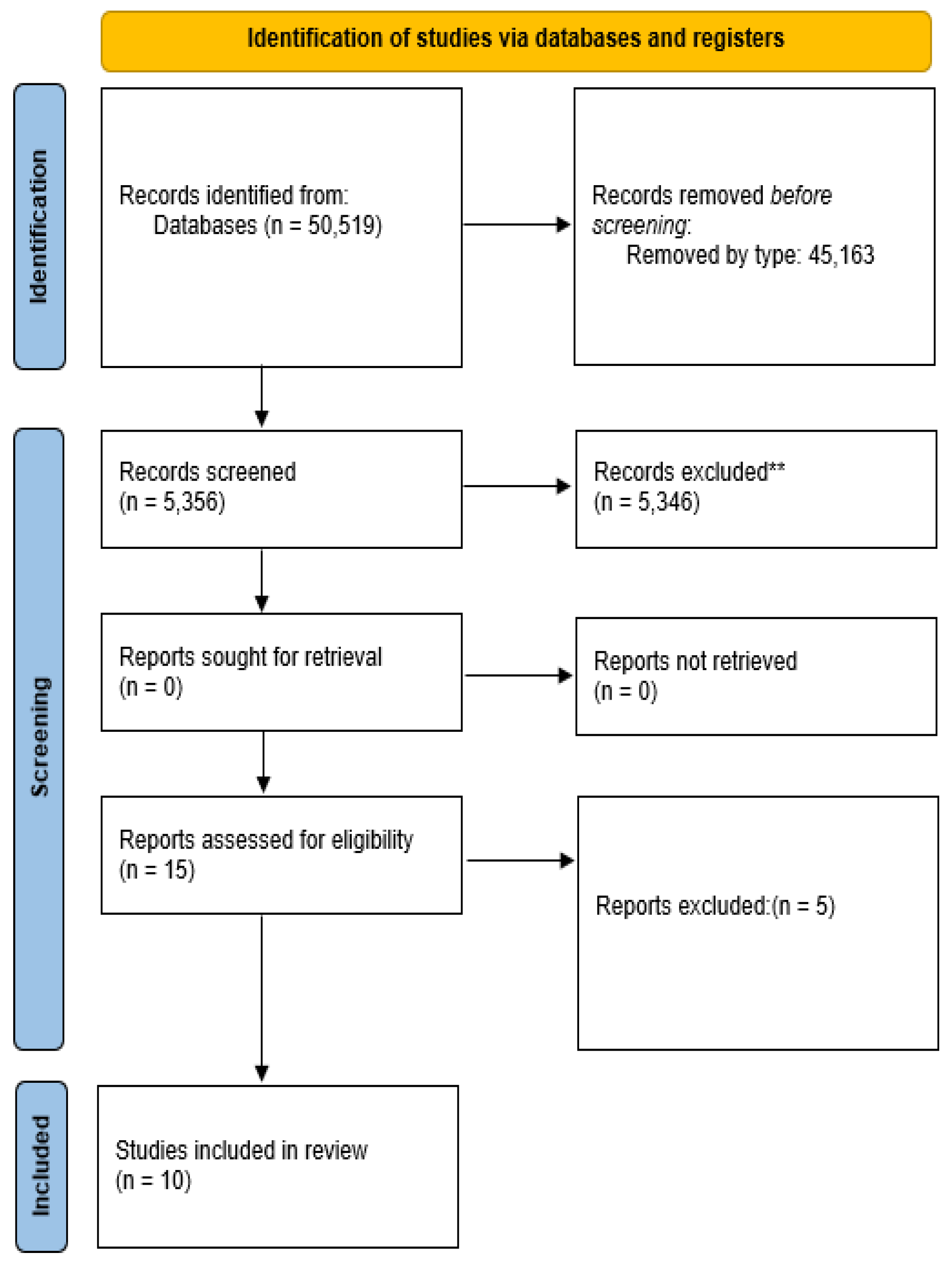
Inclusion Criteria:
- −
- Articles focused on mental health applications, specifically anxiety and panic at- tack management.
- −
- Use of VR, immersive technologies, or mobile applications in the proposed solutions.
- −
- Published in peer-reviewed journals or conferences.
- −
- Articles that provided clear methodologies or practical implementations.
-
Exclusion Criteria:
- −
- Articles not in English.
- −
- Studies that addressed unrelated mental health conditions without focus on anxiety.
- −
- Works without clinical applications, practical implementations, or robust method- ologies.

| Article | Summary |
| Smith and Doe, 2023 [17] | Demonstrates the efficacy of VR-based exposure therapy in reducing symptoms of generalized anxiety disorders. |
| Taylor and Lee, 2020 [18] | Highlights the benefits of mobile applications using real-time notifications for anxiety grounding techniques. |
| Chen and Zhang, 2023 [19] |
Proposes an integrated VR and mobile solution for stress and anxiety relief. |
| Brown and Green, 2021 [20] |
Shows how gamified elements in therapy apps increase engagement and adherence. |
| Miller and White, 2019 [21] |
Explores the use of VR to simulate safe spaces for panic attack management. |
| Anderson and Garcia, 2023 [22] |
Investigates the use of VR for immersive relaxation training to enhance mindfulness. |
| Kumar and Patel, 2022 [23] |
Provides evidence supporting the effectiveness of mobile-based CBT for anxiety reduction. |
| Williams1 and Lin, 2023 [24] |
Discusses ethical issues in VR mental health apps, including data privacy and informed consent. |
| Nguyen and Davis, 2023 [25] |
Reports sustained improvements in anxiety symptoms after long- term VR interventions. |
| Lopez and Wang, 2023 [26] |
Proposes algorithms to personalize content in mobile health apps based on user behavior. |
- Generalized Approaches: Most mobile applications and VR tools offer one-size-fits-all solutions, which do not adapt to the unique needs, triggers, and preferences of individuals [27].
- Crisis Management: Tools that provide immediate support during panic attacks, such as real-time grounding exercises or guided breathing, are scarce or not widely implemented in commercially available apps [28].
- Data Privacy: Sensitive health data collected by these tools must be securely stored and used in compliance with regulations such as GDPR.
- Informed Consent: Ensuring users understand how their data is collected, used, and shared remains a significant challenge.
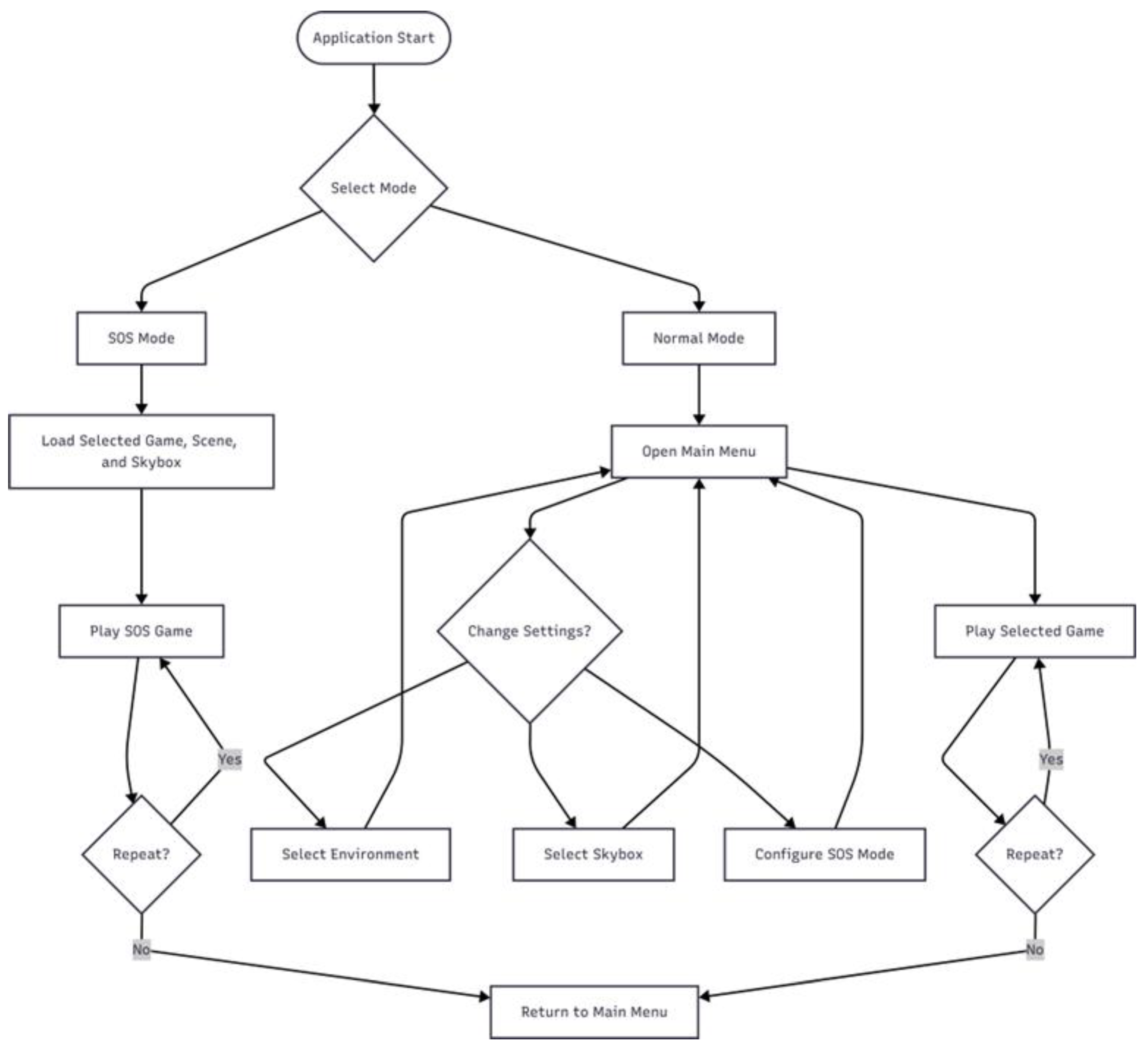
- Integrated Dual-Platform Solution: Unlike most works that focus solely on VR or mobile platforms, this project merges both, enabling users to access support regardless of their environment or available hardware.
- Real-Time and Personalized SOS Intervention: Tackles the lack of immediate support in existing tools by introducing an SOS module that uses predefined user preferences and physiological state (e.g., via heart rate sensors) to trigger grounding and calming interventions dynamically.
- User-Centered Personalization: Moves beyond one-size-fits-all designs by allowing adaptive content based on individual behavior, mood patterns, and feedback – in line with personalization algorithms discussed in the literature but not widely implemented.
- Gamified Motivation Engine: Applies gamification not just for engagement but as a therapeutic mechanism to reinforce habit formation and emotional resilience through daily interactive challenges and rewards.
- Ethically-Compliant Design: Incorporates strict adherence to GDPR, transparent data usage, and ethical design principles — essential but often overlooked in existing implementations.
- Focus on Accessibility and Inclusivity: Prioritizes affordability and cultural relevance using lightweight mobile solutions and low-cost VR experiences, expanding usability to underrepresented populations.
2.1. Solution Design
- Both psychologists confirmed the effectiveness of breathing and mindfulness techniques. They emphasized that integrating these practices into a gamified environment is highly relevant, particularly for individuals with low intrinsic motivation. Gamification could serve as a motivational catalyst, increasing engagement with therapeutic content.
- Gamification was seen as particularly useful for helping individuals remember to practice regularly. Suggestions included adding user-customizable notifications and reminders, allowing users to schedule them according to their routine. Personalizable environments and exercises were considered essential to reinforce engagement and emotional safety.
- The experts recommended offering the same types of exercises with adjustable parameters (e.g., intensity, duration, pace) and allowing customization of ambient noise and visual environments. This flexibility would help meet diverse user profiles and comfort levels.
- Both psychologists emphasized the importance of nature-based environments, highlighting that users should have the ability to select their preferred settings. They proposed adopting the grounding technique 5-4-3-2-1, a mindfulness practice in which individuals identify five things they can see, four they can touch, three they can hear, two they can smell, and one they can taste. Considering the VR medium, the focus should primarily be placed on the sensory modalities that can be realistically stimulated through virtual immersion—specifically visual, auditory, and tactile experiences.
- Within VR, the gameplay mechanic could guide users to visually explore and identify specific calming or intriguing visual elements in the environment, actively listen for subtle ambient sounds (such as birds, wind, or water flowing), and interact tactilely with virtual objects that provide haptic feedback (e.g., touching leaves, stones, or water surfaces). Additionally, the psychologists recommended simple interactive breathing games, such as virtually blowing out a candle in sync with guided breathing patterns, further enhancing mindfulness through coordinated sensory engagement.
- Other recommendations included: immediate environmental change through VR (i.e., automatic immersion in a calming space upon headset use); breathing exercises that help shift the user’s attention away from the stressful situation; and sensory redirection, such as interacting with cold virtual objects. Although personalization improves effectiveness, both psychologists acknowledged that success cannot be guaranteed in all crisis situations.
- Guided meditation was suggested as a powerful technique. They recommended creating scripts and validating them with experts before integration into the platform.
- The environment should not be overwhelming. It should be simple, calming, and adaptable to user preferences. One important concern raised was the risk of dependency—users becoming overly reliant on VR environments for emotional regulation.
- The solution should maintain interactivity (e.g., use of vibration feedback), disable external notifications during use, and apply gamification to ensure ongoing engagement.
- All elements—exercise type, duration, intensity, and audiovisual feedback—should be customizable. However, to avoid overwhelming users, a “quick start” or simplified onboarding option should also be offered.
- The integration of VR, gamification, and deep personalization was identified as a clear differentiator. Both psychologists also highlighted the importance of usability and efficacy testing, and the need to monitor potential dependency on the tool.
- Customization is key: All modules must include adjustable parameters for audio, visual, and exercise pacing.
- Simplicity is essential: Especially in crisis scenarios, the user interface and navigation must be streamlined and intuitive.
- Gamification should support, not distract: Challenges, points, or rewards must enhance engagement without compromising therapeutic value.
- VR is powerful but must be used with caution: It must be calming, not overstimulating, and offer alternatives to the real world.
- Relaxation over reward: The game avoids traditional reward loops or competitive features. The focus is on intrinsic motivation and emotional relief.
- Gentle pacing: All interactions are designed to be slow and deliberate to support emotional regulation.
- Sensory alignment: Each phase targets a specific sense, reinforcing the connection between gameplay and therapeutic grounding.
- Emotional feedback: Visual cues (soft animations, color transitions) and audio (soothing soundscapes) are used to guide and reward actions in a calming manner.
- Breathing cycle tracking: Each breathing session counts the number of completed cycles. If the user surpasses a previous record, a gentle “New Record” message is shown to provide a sense of accomplishment.
- Daily engagement monitoring: The application tracks how many times the user has launched the experience across different days.
- Reminder notifications: Users receive daily notifications encouraging them to re- turn to the game and complete at least one relaxation phase. This helps reinforce consistency and long-term emotional resilience.
- Positive reinforcement: Upon completing all five phases, the user is shown an encouraging message, emphasizing self-care and emotional awareness.
- Daily Streak Tracker: A system that records the number of consecutive days the user engages with the application. This feature encourages habit formation and provides intrinsic motivation by offering visual rewards or milestones.
- Progress Feedback: During gameplay, the user receives continuous feedback about their progress in each phase. For example, how many butterflies have been caught, or how many breathing cycles are left. This helps maintain focus and a sense of achievement.
- Custom Notifications: Users can schedule daily reminders to practice relaxation exercises. These reminders appear at the chosen time and aim to gently encourage the user to return to the app without creating stress.
- 5 things you see → Butterflies: The player locates and collects five butterflies, encouraging visual attention and spatial exploration.
- 4 things you hear → Mushrooms: Interactive mushrooms emit distinct relaxing sounds. The player listens and activates four different ones to sharpen auditory focus.
- 3 things you feel → Breathing Exercise: A slow breathing cycle phase with visual and auditory cues helps the user reconnect with bodily sensations.
- 2 things you touch → Petting Phase: The player interacts gently with a dog and a cat, promoting tactile engagement and emotional comfort.
- 1 thought → Guided Meditation: A final short meditation leads the user to reflect on a single positive or grounding thought, completing the cycle.
- − Easy: 5s inhale, 5s hold, 5s exhale, 5s hold
- − Medium: 7s inhale, 7s hold, 7s exhale, 7s hold
- − Hard: 10s inhale, 10s hold, 10s exhale, 10s hold
2.2. Technical Development
- Unity (C Sharp) - Used as the primary engine for both VR and mobile platforms due to its versatility and support for both devices.
- Oculus SDK - Integrated to support standalone VR experiences on Oculus Quest devices.
- Unity PlayerPrefs - Used to persist user preferences and profile data locally.
- GitHub - Used for version control and collaborative code management.
3. Results
| System Usability Scale (SUS) Question | Score |
| I found the game unnecessarily complex. | 2 |
| I found the game easy to use. | 8 |
| I needed the help of a technical person to use this game. | 2 |
| The different functions in this game are well integrated. | 9 |
| I found there was too much inconsistency in the game. | 1 |
| I feel confident using this game. | 9 |
| I would need to learn a lot of things before I could use this game. | 3 |
| The various aspects of this game are well integrated. | 9 |
| I think I would need technical support to be able to use this game. | 3 |
| How would you rate the usability of this game? | 9 |
| Butterfly Phase – Visual Focus ("5") | Score |
| I found the butterflies easy to locate. | 9 |
| Catching them was satisfying and intuitive. | 9 |
| This phase helped me focus visually and be present. | 10 |
| I felt relaxed while looking for the butterflies. | 10 |
| Mushroom Phase – Auditory Focus ("4") | Score |
| The sound feedback helped me locate the mushrooms. | 10 |
| The challenge of relying on sound was enjoyable. | 8 |
| I found this task relaxing despite not relying on visuals. | 8 |
| This activity made me more aware of sound and surroundings. | 10 |
| Breathing Phase – Physical Focus ("3") | Score |
| The breathing pace felt natural and easy to follow. | 10 |
| The water animation helped me control my breath. | 8 |
| I felt calmer and more grounded after this activity. | 10 |
| I could focus on the breathing without distractions. | 8 |
| Petting Phase – Tactile/Emotional Focus ("2") | Score |
| The interaction with the animals felt realistic. | 7 |
| Holding my hand to pet felt intuitive. | 8 |
| I felt a positive emotional connection during this task. | 7 |
| The instructions for this phase were clear. | 10 |
| Guided Meditation – Mental Focus ("1") | Score |
| The audio voice was clear and soothing. | 9 |
| I was able to stay focused throughout the meditation. | 8 |
| The meditation helped me calm my mind. | 9 |
| I would use this meditation again in moments of stress. | 10 |
| SOS Mode Evaluation | Score |
| I found the SOS mode easy to access when I needed it. | 10 |
| Editing my favorite safe spot or support settings was intuitive. | 8 |
| The SOS mode worked well and as expected. | 10 |
| I believe this mode could be useful in a moment of panic or crisis. | 8 |
| I felt safer knowing that the SOS mode was available. | 9 |
- What part of the experience did you enjoy the most? "What I appreciated the most was the possibility of experiencing exercises in different virtual environments and times of day. Being able to choose a relaxing setting offers users a sense of control and personalization, which can significantly enhance emotional safety. I believe this feature can be especially helpful for individuals dealing with anxiety, as it allows them to associate the exercises with places they find soothing making the intervention more effective."
- Is there anything that confused or frustrated you during the game? "At first, exploring all the different game modes was a bit challenging. With so many options available, including Normal Mode, SOS Mode, and various exercises — it can be somewhat confusing, especially for users who are anxious or less familiar with technology. While it’s great to have so much flexibility, I believe a more guided introduction or a brief tutorial could help make the experience smoother and less frustrating, particularly for more sensitive patients."
- Do you have any suggestions to improve the game? "Yes, I believe adding short demonstrative tutorials at the beginning would greatly enhance the experience."
- System Usability Scale (SUS): Standardized 10-item usability assessment adapted to the context of the game.
- Gameplay Phase Evaluation: Phase-specific rating questions designed to measure user engagement, ease of interaction, and the calming effect of each activity.
- Open Feedback: Qualitative questions about overall experience, sugges-tions, and perceived impact.
| System Usability Scale (SUS) Question | Average | Std. Dev. |
| I found the game unnecessarily complex. | 3.1 | 2.3 |
| I found the game easy to use. | 8.4 | 1.4 |
| I needed the help of a technical person to use this game. | 1.5 | 0.7 |
| The different functions in this game are well integrated. | 8.2 | 1.3 |
| I found there was too much inconsistency in the game. | 2.4 | 1.8 |
| I feel confident using this game. | 8.6 | 1.2 |
| I would need to learn a lot of things before I could use this game. | 2.6 | 1.4 |
| The various aspects of this game are well integrated. | 8.3 | 1.4 |
| I think I would need technical support to be able to use this game. | 2.2 | 1.3 |
| How would you rate the usability of this game? | 8.7 | 1.1 |
- What part of the experience did you enjoy the most? "The breathing and petting phases were very relaxing. The animals were cute and calming."
- Is there anything that confused or frustrated you during the game? "At first I didn’t know how to interact with some elements. A tutorial would help."
- Do you have any suggestions to improve the game? "Add more customization options and clearer instructions at the beginning."
- How do you evaluate the effectiveness of the relaxation techniques used in the game? "Very effective. I felt calm and immersed in most phases."
- How do you think playing this game affects your overall stress levels? "It helps reduce stress and makes me more aware of my body and breathing."
4. Discussion
- Shared Positive Feedback: Both groups appreciated the calming nature of the activities, especially the breathing and meditation components.
- Usability Comments: Experts provided more detailed feedback about the need for guided onboarding, while users reported occasional confusion with instructions.
- Customization and Safety: Both groups valued the SOS mode. Experts emphasized its clinical potential, while users saw it as a comfort and safety tool.
- Delivering a VR and mobile experience that is intuitive, relaxing, and engaging.
- Integrating scientifically supported techniques, such as mindfulness and deep breathing.
- Including emergency support via SOS mode.
- Allowing some degree of personalization and emotional connection.
5. Conclusions
- Definition of a conceptual framework grounded in psychological theory, expert interviews, and user-centered design methodology.
- Development of a functional prototype integrating immersive VR environments, interactive relaxation exercises, and a responsive mobile system.
- Expert validation through structured interviews with two clinical psychologists, confirming the therapeutic relevance, usability, and design alignment with cognitive and emotional regulation strategies.
- Empirical evaluation with end-users, demonstrating the prototype’s ability to promote relaxation, emotional grounding, and intuitive interaction in a non-clinical context.
- How can immersive and mobile technologies be used to promote emotional well-being in users with anxiety?
- What design strategies best support intuitive, calming, and emotionally safe user experiences in this context?
- How can digital tools provide effective and accessible support during moments of high emotional distress? The inclusion of an SOS mode that immediately immerses the user in a calming environment and guides them through grounding and breathing exercises demonstrated the potential for digital tools to provide real-time crisis support.
- What ethical and regulatory measures are necessary to ensure safe and responsible use of such technologies in mental health?
- Sample size: Both expert and user testing involved a limited number of participants, which restricts generalizability.
- Instruction clarity: Some users found the instructions unclear in certain phases, suggesting a need for improved onboarding and guidance.
- Mobile platform coverage: The mobile version was not fully tested across a broad range of devices and configurations.
- Lack of longitudinal data: The long-term impact of the intervention on anxiety symptoms and emotional resilience remains untested.
- Absence of physiological metrics: No biometric data (e.g., heart rate) were collected to objectively assess stress reduction.
- Longitudinal studies: Evaluate the sustained impact of regular use on emotional resilience and anxiety symptomatology.
- Broader user testing: Expand the participant base to include varied age groups, cultural backgrounds, and VR experience levels.
- Clinical collaborations: Partner with mental health professionals and institutions for supervised deployment in clinical settings.
- Content expansion: Develop new environments, guided meditations, and adaptive mini-games tailored to diverse psychological needs.
- Accessibility enhancements: Implement inclusive features such as voice control, captions, and simplified interfaces.
- Biometric feedback: Integrate wearable technology to track physiological data and dynamically adjust the experience in real time.
Author Contributions
Funding
Institutional Review Board Statement
Informed Consent Statement
Data Availability Statement
Conflicts of Interest
References
- World Health Organization (2023). Anxiety Disorders. Available at: https:// www. who. int/ news- room/fact-sheets/detail/anxiety-disorders.
- Andrade L.H., Alonso J., Mneimneh Z., Wells J.E., Al-Hamzawi A., Borges G., Bromet E., Bruffaerts R., de Girolamo G., de Graaf R., Florescu S., Gureje O., Hinkov H.R., Hu C., Huang Y., Hwang I., Jin R., Karam E.G., Kovess-Masfety V., Levinson D., Matschinger H., O'Neill S., Posada-Villa J., Sagar R., Sampson N.A., Sasu C., Stein D.J., Takeshima T., Viana M.C., Xavier M., Kessler R.C.. (2013). Barriers to mental health treatment: results from the WHO World Mental Health surveys. Psychol Med. 2014 Apr;44(6):1303-17. https://doi.org/10.1017/S0033291713001943. Epub 2013 Aug 9. PMID: 23931656; PMCID: PMC4100460. [CrossRef]
- National Institute of Mental Health, (2022). Coping with Anxiety. Available at: https://www.nimh. nih.gov/health/topics/anxiety-disorders.
- Beck, J.S. (2011). Cognitive Behavioral Therapy: Basics and Beyond. 2nd. Guilford Press.
- American Psychiatric Association (2013). Diagnostic and Statistical Manual of Mental Dis- orders (DSM-5). 5th. Arlington, VA: American Psychiatric Publishing.
- National Institute of Mental Health, (2022). Panic Disorder: When Fear Overwhelms. https://www.nimh.nih.gov/health/publications/panic-disorder-when-fear-overwhelms.
- National Institute for Care Excellence (NICE) (2011). Generalised anxiety disorder and panic disorder in adults: Management in primary, secondary and community care. https://www.nice.org.uk/guidance/cg113/ifp/chapter/What- treatments- should-I-be-offered-for-panic-disorder/.
- Kabat-Zinn, Jon (1990). Full Catastrophe Living: Using the Wisdom of Your Body and Mind to Face Stress, Pain, and Illness. Bantam Books.
- Hofmann, Stefan G. et al. (2010). The effect of mindfulness-based therapy on anxiety and depression: A meta-analytic review. In: Journal of Consulting and Clinical Psychology 78.2, pp. 169–183.
- Bernstein, D.A., Borkovec, T.D., and Hazlett-Stevens H., (2000). Progressive Relaxation: Abbreviated Methods. Elsevier.
- Carvalho, C.V.; Coelho, A. (2022). Game-Based Learning, Gamification in Education and Serious Games. Computers, 11, 36.
- Fleming, T. M., Cheek, C., Merry, S. N., Thabrew, H., Bridgman, H., Stasiak, K., Hetrick, S. (2015). Juegos serios para el tratamiento o la prevención de la depresión: una revisión sistemática. Revista de Psicopatología y Psicología Clínica, 19(3), 227–242. [CrossRef]
- Freeman D., Reeve S., Robinson A., et al. (2017). Virtual reality in the assessment, understanding, and treatment of mental health disorders. Psychological Medicine. 47(14):2393-2400. [CrossRef]
- Geraets, R.W., van der Stouwe S., and Veling W. (2021). The Use of Virtual Reality Exposure Therapy in the Treatment of Anxiety Disorders: A Systematic Review. In: Journal of Clinical Medicine 10.23, p. 5599.
- Anderson T. and Garcia E. (2023). Mindfulness Training in Virtual Reality: An Immersive Approach. In: IEEE Transactions on Human-Machine Systems 53, pp. 210–221. [CrossRef]
- Reimann, P. (2011). Design-based research”. In: Methodological choice and design, pp. 37–50.
- Smith, J. and Doe J. (2023). Virtual Reality Therapy for Generalized Anxiety Disorders: A Controlled Study”. In: IEEE Transactions on Neural Systems and Rehabilitation Engineering 31, pp. 1–12. [CrossRef]
- Taylor, A. and Kevin L. (2020). Real-Time Anxiety Management Using Mobile Applications. In: IEEE Access 8, pp. 224502–224512. [CrossRef]
- Chen, L. and Zhang W. (2023). Integrated VR and Mobile Solutions for Mental Health Support. In: IEEE Transactions on Affective Computing 14, pp. 589–599. [CrossRef]
- Brown, M. and Green A. (2021). Gamification in Mental Health Applications: Enhancing User Engagement. In: IEEE Transactions on Games 13, pp. 456–467. [CrossRef]
- Miller, D. and White S. (2019). Virtual Safe Spaces: Using VR to Manage Panic Attacks. In: IEEE Transactions on Visualization and Computer Graphics 25, pp. 2910–2920. [CrossRef]
- Anderson, T. and Garcia E. (2023). Mindfulness Training in Virtual Reality: An Immersive Approach. In: IEEE Transactions on Human-Machine Systems 53, pp. 210–221. [CrossRef]
- Kumar, R. and Patel A. (2022). Mobile-Based CBT for Anxiety: A Feasibility Study. In: IEEE Journal of Biomedical and Health Informatics 26, pp. 845–855. [CrossRef]
- Williams, R. and Lin G. (2023). Ethical Considerations in Virtual Reality for Mental Health. In: IEEE Transactions on Technology and Society 4, pp. 12–23. [CrossRef]
- Nguyen, P. and Davis E. (2023). Sustained Benefits of Virtual Reality in Anxiety Management. In: IEEE Access 11, pp. 9001–9010. [CrossRef]
- Lopez, M. and Wang V. (2023). Personalization in Mobile Health Applications for Anxiety Management. In: IEEE Transactions on Mobile Computing 22, pp. 501–512. [CrossRef]
- Lattie, E.G. and Mohr D.C. (2020). Digital mental health services. In: JMIR Mental Health 7.7, e21526.
- Venturo-Conerly, J.R. et al. (2022). A systematic review of the inclusion of crisis support features in popular mental health apps. In: JMIR Formative Research 6.6, e37225.
- Torous, J. et al. (2021). The crisis in digital mental health: a path forward. In: World Psychiatry 20.2, pp. 160–161.
- Wasil, A.M., Schleider J.L., and Weisz J.R. (2020). Digital interventions for youth mental health: a call for greater attention to cultural adaptation. In: The Lancet Psychiatry 7.3, pp. 207–208.
| Gameplay Phase Item | Avg. | Std. Dev. |
| Butterfly Phase | ||
| I found the butterflies easy to locate. | 8.4 | 1.5 |
| Catching them was satisfying and intuitive. | 8.2 | 1.7 |
| This phase helped me focus visually and be present. | 8.5 | 1.5 |
| I felt relaxed while looking for the butterflies. | 8.7 | 1.5 |
| Mushroom Phase | ||
| The sound feedback helped me locate the mushrooms | 8.3 | 1.3 |
| The challenge of relying on sound was enjoyable | 7.6 | 2.1 |
| I found this task relaxing despite not relying on visuals | 7.7 | 2.4 |
| This activity made me more aware of sound and | 8.3 | 2.0 |
| surroundings. | ||
| Breathing Phase | ||
| The breathing pace felt natural and easy to follow. | 9.4 | 0.7 |
| The water animation helped me control my breath. | 8.3 | 1.9 |
| I felt calmer and more grounded after this activity. | 9.2 | 0.8 |
| I could focus on breathing without distractions. | 8.8 | 1.6 |
| Petting Phase | ||
| Holding my hand to pet felt intuitive. | 8.6 | 1.5 |
| I felt a positive emotional connection during this task. | 9.0 | 1.2 |
| The instructions for this phase were clear. | 8.9 | 1.2 |
| Guided Meditation | ||
| The audio voice was clear and soothing. | 8.8 | 1.2 |
| I was able to stay focused throughout the meditation | 8.7 | 1.2 |
| The meditation helped me calm my mind. | 8.9 | 1.2 |
| I would use this meditation again in moments of stress | 9.2 | 1.1 |
| SOS Mode | ||
| I found the SOS mode easy to access when I needed it. | 9.1 | 1.1 |
| Editing my favorite safe spot or support settings was | 8.6 | 1.3 |
| intuitive. | ||
| The SOS mode worked well and as expected. | 8.8 | 1.2 |
| I believe this mode could be useful in a moment of panic. | 9.3 | 0.7 |
| I felt safer knowing that the SOS mode was available. | 9.3 | 1.0 |
Disclaimer/Publisher’s Note: The statements, opinions and data contained in all publications are solely those of the individual author(s) and contributor(s) and not of MDPI and/or the editor(s). MDPI and/or the editor(s) disclaim responsibility for any injury to people or property resulting from any ideas, methods, instructions or products referred to in the content. |
© 2025 by the authors. Licensee MDPI, Basel, Switzerland. This article is an open access article distributed under the terms and conditions of the Creative Commons Attribution (CC BY) license (http://creativecommons.org/licenses/by/4.0/).


