

Submitted:
12 November 2025
Posted:
13 November 2025
You are already at the latest version
Abstract
This study explores the role of food practices in the intercultural adaptation of Chinese international students in the UK from the perspective of the Confucian moral reasoning. Drawing on the dual orientation of Confucian collectivism and individualism, the research investigates how food-related behaviours reflect students’ identity negotiation and social integration within a complex intercultural environment. Using a qualitative methodology, the study employs photo interviews to capture participants’ personal experiences and interpretations of their food practices during their adaptation process. Findings show that shared meals with co-nationals foster belonging and reinforce national identity, reflecting Confucian collectivist values, while engaging with diverse food cultures encourages self-reflection and identity exploration, revealing emerging individualist tendencies and a move toward cosmopolitanism. These dual patterns highlight food as both a starting point and central medium in Chinese students’ intercultural adaptation. The study offers practical implications for UK higher education institutions, suggesting that food can be a valuable tool for fostering inclusivity and supporting the cultural integration of students from Confucian backgrounds within the university environment.
Keywords:
intercultural adaptation
; food practices
; confucianism
; cultural identity
; Chinese international students
Introduction
Food plays a significant role in social events and community gatherings and carries social norms (Parasecoli, 2011). As Douglas (2003) contends in her seminal work Purity and Danger, food intricately intertwines with individuals’ cultural identities, serving as a means through which they define and differentiate themselves from other societal groups. The strong attachment of food to identity and sense of belonging plays key role for migrants, including international students 1. Studies on food practice has been one of the most popular topics on exploring international students’ intercultural adaptation to the receiving country during study abroad. As the number of overseas students in the UK kept growing in the higher educational institutions (HEIs) in the past decades, researchers in the relevant field have explored the social functions of food among international students, food as an emotional expression during study abroad, food practice features in different stages, and regions and local cultures, etc. (e.g., Bae et al., 2021; Brown, 2016; He et al., 2024; Yen et al., 2018). It has been found that students’ food preferences in a foreign environment can be a reflection of their self-recognition and self-definition in an intercultural setting. Meanwhile, the experience of home food and exotic food during study abroad can also trigger students’ reflections of self-adaptation, impacting their attitudes towards intercultural exploration.
Existing research mainly focuses on what international students do in terms of food choices and how these actions affect their adaptation, but pays little attention to the underlying motivations. In the case of Chinese students, shaped by a Confucian cultural background, it is important to explore how Confucian values influence their food practices during intercultural adaptation in the UK. Understanding these motivations can offer deeper insight into their social behaviour and support more effective integration into UK university life. To address these issues, this qualitative study employs photo interviews to examine Chinese students’ food socialisation through the lens of Confucianism. This method allows participants greater control over the data they share and enables deeper insights into their experiences and reflections.
Findings reveal that Chinese students in this study negotiate their identity and navigate their adaptation through different patterns within the framework of Confucianism. The discussion section includes the way in which food comes to stand as both a tangible and metaphoric expression of Chinese students’ intercultural adjustment to the new environment. The conclusion section provides the implications and recommendations for the future relevant research.
Literature
Cultural Identity in Migration
Cultural identity refers to an individual’s sense of belonging to a particular cultural group, shaped by shared language, traditions, values, history, and ongoing social practices (Wang, 2016). Wang (ibid.) argues that cultural identity represents a dynamic interplay between the self’s inner core and external cultural forces—ways of seeing, believing, and behaving that both shape and are shaped by social interaction. Through continuous engagement with society, individuals internalize and hybridise cultural meanings and values, making them part of the self. Consequently, cultural identity is not a fixed or permanent construct but a fluid, evolving process that shifts in response to changing social and cultural environments (Cormoș, 2022; Haraway, 1991). Gilbert (2010) similarly highlights the collective dimension of identity, suggesting that cultural identity emerges from a group’s shared way of life and the interactions that sustain a sense of community.
The influence of social context on the formation of cultural identity becomes particularly visible in conditions of migration, where individuals encounter new cultural environments that challenge familiar norms and practices. Migration has thus become a key global context in which cultural identity is reexamined, negotiated, and transformed. Intercultural adaptation involves both behavioural and psychological changes that occur as migrants navigate unfamiliar social expectations and values (Kim, 2001). According to Kim’s (2018) intercultural adaptation theory, individuals experience different trajectories of identity change depending on the nature of their intercultural encounters. Some develop an intercultural or global identity as they integrate diverse cultural frameworks, enhancing cognitive and behavioral flexibility (Veugelers, 2021; Zalli, 2024). Others, particularly those facing deep cultural contrasts or marginalisation, may reinforce their national identity as a source of belonging and psychological security (Lindstam et al., 2021; Pavlovskaya, 2021). Conversely, when the receiving culture promotes inclusion and mutual respect, immigrants may experience smoother adaptation and lower cultural stress. Ultimately, the negotiation between external cultural influences and internal self-concept defines how cultural identity is reconstructed in transnational contexts.
Food as a Cultural Symbol
In the process of intercultural adaptation, migrants reconstruct their cultural identity through multiple mediations that reflect both their heritage and their evolving self-position in a globalised world. These mediations include language, religion, moral values, social etiquette, and interpersonal relationships (Dwertmann and Kunze, 2021; Firat et al., 2022; Phinney et al., 2022). Among these, food occupies a particularly significant position. As a tangible and affective cultural symbol, food not only meets basic biological needs but also functions as a key social connector, linking individuals to one another and to the broader community (Beagan et al., 2015; Fournier et al., 2016).
While food preferences can be deeply personal, they are also socially inherited. Family traditions and early-life experiences shape an individual’s habitus, the embodied dispositions that guide tastes and behaviors, and signal one’s social belonging (Bourdieu, 2018). Researchers emphasise that food as a cultural symbol carries dual meanings. On the one hand, it reinforces in-group belonging: shared culinary practices and beliefs foster a sense of identity and solidarity among members of a cultural group (Almerico, 2014). Shared meals and food preferences can thus reduce social distance and foster intimacy across cultural boundaries. On the other hand, food can also signify social distinction and otherness (Freidenreich, 2011). Dietary differences, such as what people eat, how they prepare it, and where they purchase it, can mark symbolic boundaries that separate one group from another and may hinder migrants’ integration into the receiving society.
As Bourdieu (2018) observes, beliefs about what constitutes “good” food or the “proper” places to obtain it are deeply ingrained through socialisation and rarely shift even when economic or social circumstances change. Consequently, food practices and preferences become repositories of both cultural memory and social hierarchy. They express inherited structures of taste and belonging that continue to shape identity and social relations long after migration.
Collectivist- and Individualist- Confucianism
The meanings attached to food and social interaction are deeply embedded in the cultural philosophies that shape everyday life. Within the Chinese context, these meanings are strongly influenced by Confucianism, a philosophy that has guided moral, social, and interpersonal relations across East Asia for centuries. As this study involves participants from Confucian cultural backgrounds engaging with British society, understanding the underlying values of Confucianism is essential for interpreting their intercultural experiences. This does not suggest that all Chinese students are consciously aware of Confucian doctrines; rather, such values often persist implicitly through family upbringing, social expectations, and habitual practices.
Confucianism is traditionally associated with collectivism, emphasising harmony, reciprocity, care, and communal responsibility (Wang, 2016). Husted and Allen (2008) describe Confucian moral reasoning as fundamentally relationship-oriented, prioritising group cohesion and the maintenance of social order. In collectivist contexts, the self is defined relationally; identity and moral worth are understood through interdependence and obligations to others. However, scholars also note that a strong collectivist orientation may limit engagement with unfamiliar groups and discourage individual exploration (Bhawuk, 2017).
Alongside this relational focus, modern Confucianism has evolved to incorporate an individualistic dimension, shaped by globalisation and increasing contact with Western ideals of personal autonomy (Wang and Liu, 2010). Unlike Western individualism, which often stresses separation and self-assertion, individualistic Confucianism centres on self-cultivation within a broader social and moral framework (Brindley, 2010). It views personal development not as opposition to the collective but as a means of contributing to the harmony of the larger whole.
In this study, collectivism and individualism are therefore understood not as opposing cultural binaries, but as coexisting value orientations that inform participants’ social practices and intercultural behaviors. The relative salience of each may influence how Chinese students engage with local communities, negotiate belonging, and express their identit, often through everyday cultural practices such as food sharing, cooking, and commensality.
Empirical Research on Food and Intercultural Adaptation
Empirical studies have increasingly examined how food mediates the experience of migration and adaptation across different cultural contexts. For example, Brown and Paszkiewicz (2017) found that unfamiliar local food initially caused Polish migrants in the United Kingdom considerable stress and loneliness upon arrival. Over time, as their financial stability improved, many returned to traditional Polish diets, which provided psychological comfort and a sense of cultural continuity in their new environment. Similarly, Arcadu et al. (2024), in a qualitative study of Italian host families and Ukrainian refugees, highlighted the role of food in bridging cultural divides. They observed that food-related interactions, such as shared cooking and communal meals, facilitated cultural coexistence, mutual understanding, and ultimately, the creation of inclusive and harmonious living arrangements.
Within international education, where students are often positioned as temporary migrants, food emerges as a subtle yet powerful medium of intercultural adaptation. While research highlights practical challenges such as limited cooking skills, dietary change, and exposure to unfamiliar food environments (Brown, 2016; Pilli and Slater, 2021), eating practices also reveal deeper negotiations of belonging and identity. Across varied cultural contexts, familiar cuisines and eating with national fellows offer continuity, emotional comfort, and a symbolic connection to home (Brown et al., 2010; Worae and Edgerton, 2023). Conversely, the willingness to try host-country foods and eating with non-national fellows signifies openness to new experiences and a desire to engage with the local culture (Brown, 2016; He et al., 2025). Yet, only a few students adopt a cosmopolitan stance that integrates multiple foodways into daily life (Brown, 2016). Comparative research from the United States, Japan, and Canada illustrates that social support, gender and food accessibility shape these adaptive trajectories (Alshehri et al., 2023; Jin et al., 2023; Pilli and Slater, 2021).
Collectively, these studies demonstrate that food functions as both a boundary and a bridge in intercultural encounters. While familiar cuisines can provide stability and emotional security, shared food experiences also have the potential to foster intercultural understanding and belonging. However, existing research on international students has yet to adequately examine how these dynamics are shaped by underlying cultural value systems, such as the interplay of collectivist and individualist orientations within Confucian-influenced contexts. Addressing this gap, the present study explores how food practices mediate Chinese students’ adaptation and identity negotiation in the UK, illuminating how cultural values are enacted and transformed through everyday acts of eating.
Methodology
This study employed a qualitative research design, with data collected through two rounds of photo interviews over the course of an academic year. It aims to gain insights into how Chinese participants’ intercultural adaptation are co-constructed and how their behaivour and identity are negotiated and transformed over time. Photo interviewing, in which participants discuss photographs they have taken, enables reflective exploration and co-construction of meaning (Epstein et al., 2006). As a visual method, it provides insight into lived experiences, using photographs as mediating tools to express students’ engagement with food practices and cultural adaptation (Ford & Campbell, 2024). This approach aligns with the core aim of qualitative research that is understanding phenomena from the participants’ perspectives. The use of photographs enhances the validity and reliability of the data, as images can be triangulated with the verbal narratives gathered during interviews (Walker, 2020). Rather than relying solely on the researcher’s interpretation, this method empowers participants to visually represent their experiences, thereby offering them greater agency in the data generation process (ibid.).
Participants in this study were 40 Chinese students with experiences of studying in the UK at tertiary level, including undergraduate, Master’s and PhD students with different length of stay in the UK. Recruitment information was distributed to via school email and Chinese social media platforms such as WeChat. Ethical approval was secured through a consent form provided to participants before data collection began. Participants gave written consent for audio-recorded interviews and the use of their photographs for research-related purposes. Any photos displaying identifiable faces without explicit consent were omitted. Participants were asked to take 10 photographs based on a series of photo briefs, such as “a situation that best represents interculturality” and “an intercultural experience that is most memorable”. A two-week period was allocated for this task, allowing participants time to reflect on their experiences and thoughtfully decide how best to visually represent their cultural encounters in a new context. Following the photo-taking phase, participants took part in one-hour, individual interviews. During the interviews, they discussed the photographs they had taken, beginning with those they considered most significant. After the initial discussion of the photographs, follow-up questions were posed to deepen and clarify their responses, and to encourage further elaboration.
The interview questions covered three interrelated themes: study and social life, cultural shock, and adaptation to the UK. These themes provided a broad framework for discussion while allowing participants the freedom to shape their narratives rather than be confined by researcher-defined categories. Across the photo interviews, food emerged as a recurring thread through which participants articulated their experiences of learning, friendship, and cultural negotiation. Reflections on leisure, comfort, and belonging unfolded into conversations about cooking, eating, and sharing food, revealing food practices as a key to their adaptation processes. Building on these insights, an online exhibition was organised on the Padlet platform later on. Each participant selected two images that best represented their reflections on the interview themes and added short Mandarin captions. The exhibition remained open for two weeks on a password-protected page, allowing participants to view, comment on, and “like” one another’s images. All comments were moderated before posting to ensure a safe and supportive environment.
Interview transcripts were uploaded to NVivo software for coding and thematic development. The online photo exhibition provided some collective narratives and left a space for discussion. It is important to note that the photographs were not treated as data in and of themselves, but rather as complementary tools that supported and enriched the interview narratives. The following section present five key findings related to students’ food practices in greater detail: (i) food-related socialising with compatriots; (ii) food-related socialising with individuals from other national backgrounds; (iii) food and identity; (iv) food and social class; and (v) alcohol-related activities.
Findings
Food Socialising with Chinese People in the UK
All participants mentioned their meal gatherings with local or international students and fellow Chinese students while studying in the UK. They reported that eating with others can strengthen social bonding by connecting people together for a common purpose: the enjoyment of food. Noted by Dunbar (2017), social eating has a function of formation and maintenance of social relationships and attributes to family bonding. Socialisation during mealtime is a prototype of such social philosophy because it helps strengthen the sociocultural life of food and can promote the continuity of a group as a whole (Getz, 2014). It also has an impact on the constructions of social and moral norms and aesthetic beliefs and values.
In the following conversation, Li (male, PhD student) talks about his spare time activities in the UK and about the way in which eating with others helps his wellbeing.
Most of the time I eat alone. I don’t mind it, you know. But when it comes to the important days, I want to meet with people and eat together. At that time, I feel I am involved in a community and not alone anymore. We have similar experiences of studying abroad and we enjoy the mealtime together, not only eating but chatting and having someone with me.
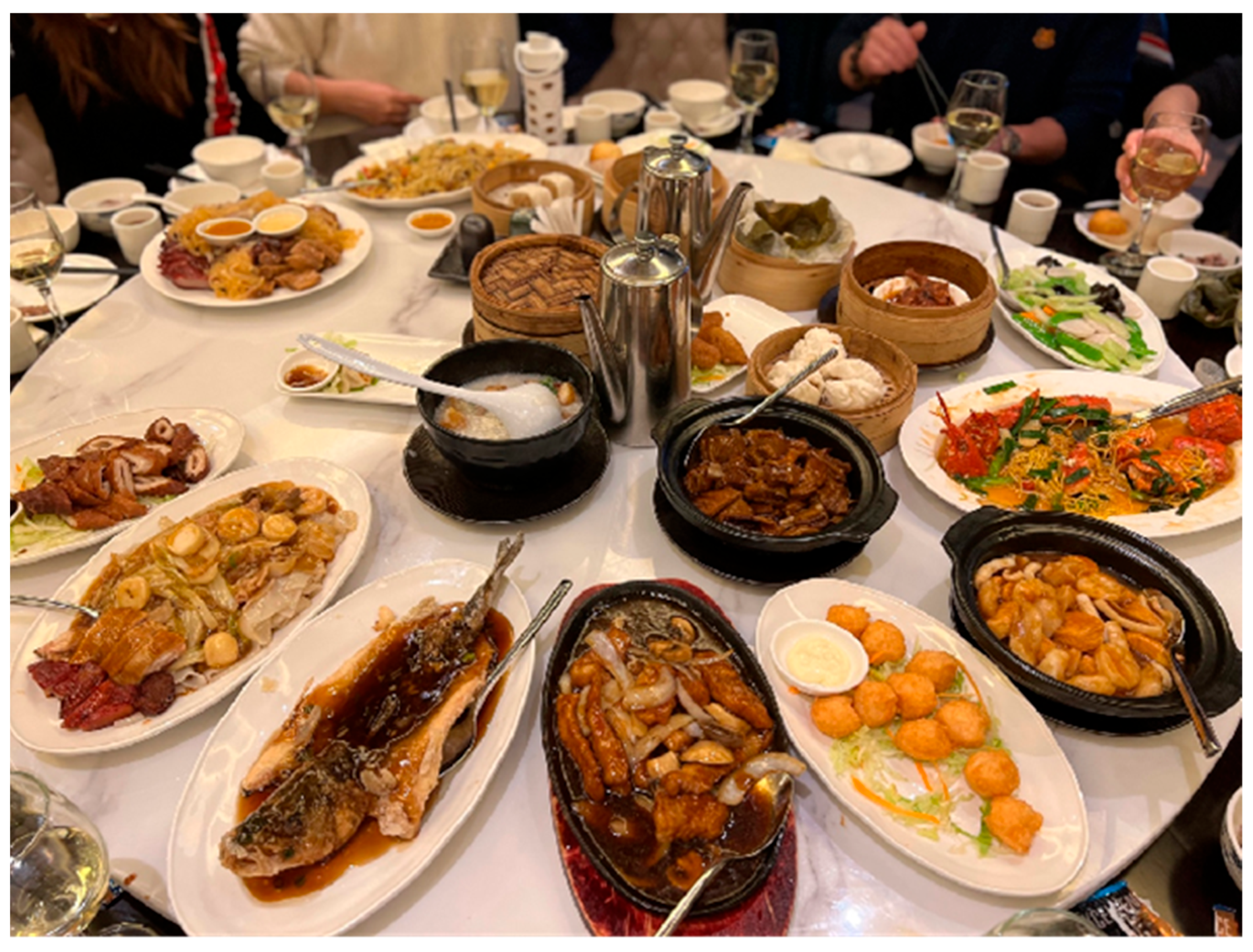
In this context, Li’s photo acts as a powerful symbol of cultural identity, providing international students with a sense of belonging and familiarity in an unfamiliar foreign environment. This identification can be viewed as a beacon guiding students to find their “home people” amidst the challenges of adapting to a new culture. During the initial stage of intercultural adaptation, the reliance on familiar cultural symbols and connections serves as a source of emotional stability. This connection can help reduce feelings of isolation. While Li found comfort in celebrating his cultural traditions with national fellows, his willingness to embrace communal dining in moments of significance indicates the beginnings of cultural identity change, that he was aware that eating alone may be more common as an overseas student, but he valued the collective aspect of communal meals. Li obtained emotional support from the collectivist group to deal with loneliness and homesickness, which shows the significance of social surroundings in Chinese culture (Yang, 2013).
Figure 1.
Chinese food gathering, indicating harmony and company. Photo taken by Li.
Wei (female, undergraduate student) notes that sometimes home food can trigger homesickness as it reminds people of the experience of being at home and with one’s family. The conversation below occurred when Wei mentioned a Chinese restaurant in Glasgow.
I once ordered my favourite Kong Pao Chicken in a Chinese restaurant. But it was not as I expected, too salty, and not spicy at all. I miss Mom’s cooking.
From a cultural identity perspective, this extract reflects the student’s longing for familiarity and comfort associated with their home culture. The disappointment in the dish signifies how food serves as a strong cultural marker, representing not just sustenance but also emotional and social connections. As Brown et al. (2010) suggest, food shock often accompanies the experience of cultural shock when relocating to a country with a different food culture. The student’s expectation for authentic taste highlights the importance of traditional cuisine in maintaining cultural identity. The comparison to “Mom’s cooking” further emphasises the emotional bond tied to food and the sense of belonging it fosters. Additionally, this experience may illustrate the challenges of intercultural adaptation, where familiar cultural elements are present but altered, leading to a sense of disconnection or homesickness (He et al., 2025).
Similarly, Zhong (male, undergraduate student) expressed the missing of communal eating at the beginning of his overseas stay.
At the beginning, I really missed the noise and warmth of eating with my family back home. Here, everyone seems to just grab a sandwich and eat alone. It felt strange and a bit sad, since meals used to mean connection for me. (extract from the second interview)
This quote shows Zhong’s early feelings of cultural disconnection and homesickness through food. Missing “the noise and warmth” of family meals highlights that in his home culture, eating is a social and emotional activity tied to collectivist values. In contrast, the UK’s individualistic habit of “grabbing a sandwich and eating alone” feels strange and isolating. Zhong’s sadness reflects not only missing home but also struggling to adjust to a different social rhythm around food. Because this is from the second interview, the student’s reflection At the beginning, I really missed… suggests the awareness of changes that he can now look back and recognise how his feelings have shifted. This shows the start of cultural adaptation and hybrid identity development, where the student begins to understand both collectivist and individualist food practices and how they fit between them.
Food Socialising with Non-Chinese in the UK
Data shows that some Chinese students not only value their food gathering with national fellows, but also explore the opportunities to socialise with other nationals through food practices. The following conversation shows how different food cuisine can promote the intercultural communication across various cultural backgrounds.
Zhu (female, undergraduate student): I remember the first time I ate with a British friend. She was surprised that I like fish and chips. I guess it represents British food? But she thought I like the flavour so she taught me how to make it like using beef tallow. Well, I don’t know if I would make it myself, but it tasted good actually, and I also wanted to make her happy as this is her “home food”, right? She is a foodie as well, and we quickly found common interest.
Figure 2.
Fish and chips as the first “taste” of British culture. Photo taken by Zhu.
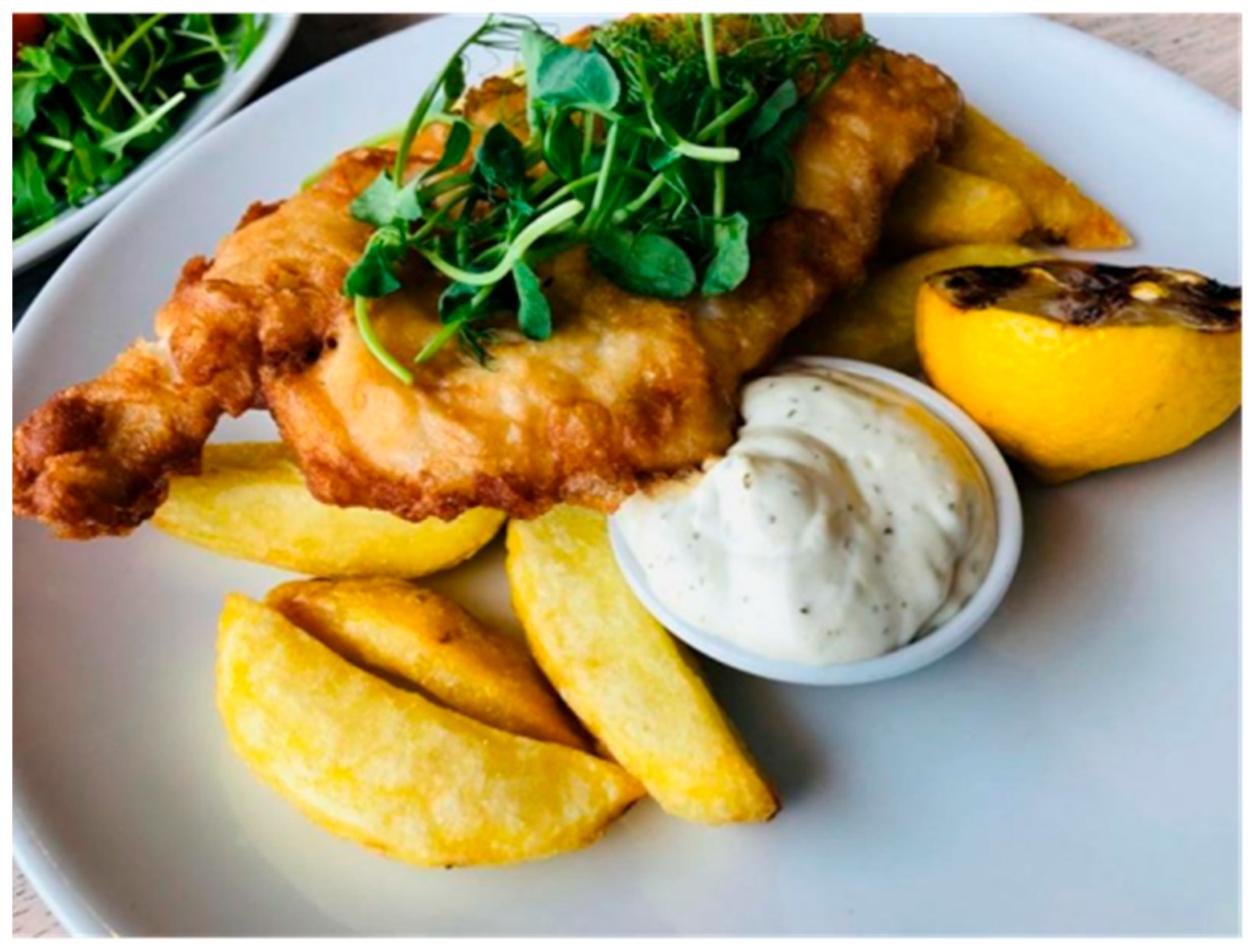
In this extract, Zhu’s interest in trying British food demonstrates her openness to different food cultures, reflecting her efforts at cultural adaptation. Her recognition of fish and chips as a symbol of British culture highlights her cultural sensitivity and understanding of food as a marker of local identity. This extract illustrates the co-existence of collectivism and individualism within Zhu’s identity, as she navigates both personal preference and relation-building. Through this, Zhu also demonstrates her emerging bicultural identity, which enables her to form meaningful intercultural relationships. However, as reminded by Kim (2017), the cumulative outcome of intercultural adaptation might be reflected by an internal transformation in the direction of assimilation into the mainstream culture. It is therefore worth considering whether Zhu’s desire to please her friend stemmed from internalised Confucian cultural pressures to maintain “external harmony” with others, potentially sacrificing the “internal harmony” within oneself between body and mind, thereby limiting the expression of her authentic preferences (Li & Cui, 2022).
Food differences can also trigger some confusions in the unfamiliar social rules and norms. Feng (male, Master’s student) reported his experiences of being invited to a food gathering in someone’s home:
I was once invited to a student party at my teacher’s home and was surprised to be asked to bring a dish. In China, the host usually prepares the food! Confused, I asked my landlord, who said people here prefer not to share food — unlike in China, where sharing is common. So, I made a pot of tea eggs, ensuring everyone could have their own. Later, I realised it was a potluck, a concept I’d never encountered before. I was impressed by the homemade spaghetti — it tasted better than any restaurant! People also complimented my dish, and I felt proud.
Figure 3.
Tea eggs: a typical Chinese savoury food commonly sold as a snack, in which a boiled egg is cracked slightly and then boiled again in tea, and sauce or spices. Photo taken by Feng.
Figure 3.
Tea eggs: a typical Chinese savoury food commonly sold as a snack, in which a boiled egg is cracked slightly and then boiled again in tea, and sauce or spices. Photo taken by Feng.
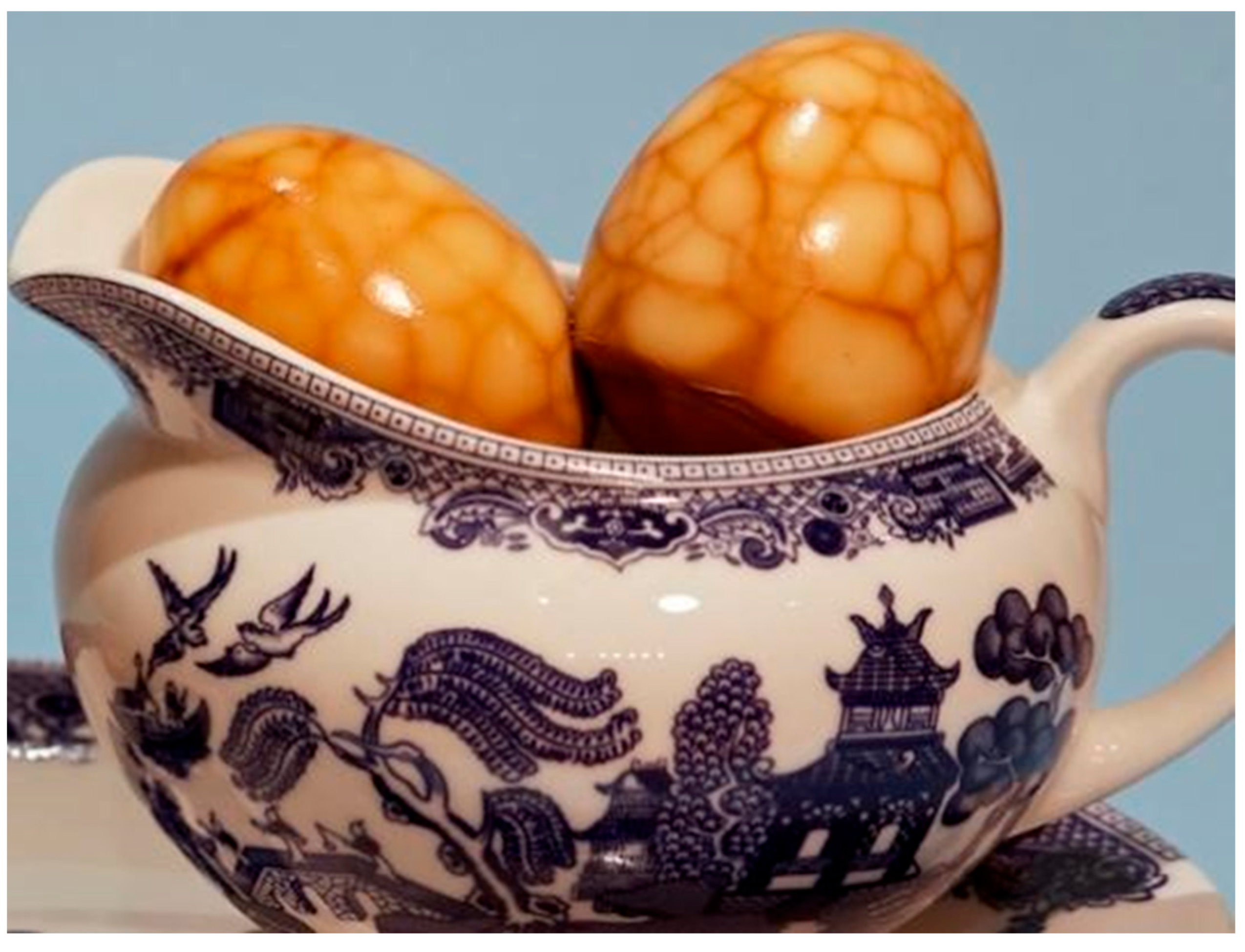
This extract highlights a cultural difference in hosting etiquette between the UK and China. For Chinese students like Feng, the contrast between individualist values and collectivist expectations can create confusion around hospitality. Feng’s choice to prepare a dish that “everyone can have their own” reflects a reflexive Confucianism, compromise, balancing respect for personal autonomy with consideration for others. Such a compromise reflects growing cognitive flexibility in intercultural adaptation, fostering inclusivity while shaping intercultural identity by embracing diverse perspectives and a fluid sense of belonging beyond rigid cultural boundaries (Spiegler & Leyendecke, 2017). In addition, the extract also reveals how stereotypes and shallow cultural understanding can hinder adaptation. While potlucks symbolise communal interaction and shared contributions (Brown and Freiwald, 2020), the landlord’s comment that “people here prefer not to share food” oversimplifies the practice. This generalisation can lead to misunderstandings, obscuring the collective aspect of potlucks and reinforcing misconceptions about cultural norms.
In addition to promoting mutual understanding, Liu (male) demonstrates that his engagement in mixed-national interactions contributes to his business socialising. A Master’s student at the School of Business, Liu has been studying in the UK since his undergraduate years. This extended stay has strengthened his familiarity with Western social norms and increased his confidence in intercultural communication. Over time, he has expanded his network in Glasgow and plans to start his own business drawing on the connections he has cultivated.
I run my own business, creating short videos to bridge Chinese and Western cultures. I even found team members, like my video editor, at food events — it’s easier to connect with people over food and drinks in a relaxed setting. I first promoted my business in my dormitory kitchen, where my flatmates from different countries eagerly shared their cultures. And when there’s nothing else in common, food is always a great conversation starter. But I don’t network just for business; I also enjoy meeting people with shared interests. Some didn’t join my team, but we became good friends.
This extract highlights how food serves as a bridge for intercultural communication and relationship-building (Neuman, 2019). Liu’s effort to promote cultural exchange through short videos reflects a hybrid cultural identity, where he embraces both Chinese heritage and the Western culture he immerses in. His longer residence in the UK appears to have facilitated this hybridity, as sustained exposure allows deeper cultural integration and adaptability. Food becomes a medium to express cultural pride, share personal experiences, and foster mutual understanding, demonstrating that cultural identity can be dynamic and fluid in international settings. Meanwhile, Liu’s intention to build relationship and expand social network reflects the collectivist Confucianism. In Confucian traditions, relationships are central, and establishing guanxi (interpersonal connections) is often prioritised over individual pursuits (Ruan et al., 2016). Liu’s preference for forming connections over food in informal, relaxed settings aligns with this value. The act of gathering in the dormitory kitchen to share cultural experiences exemplifies the Confucian ideal of fostering community and reciprocity. Additionally, the speaker’s interest in forming genuine friendships, not solely business relationships, reflects the Confucian principle of valuing authentic human connections (Wang, 2016).
The data show that eating with non-Chinese peers and trying unfamiliar foods was not the first step most students chose. Many preferred to wait until they knew other international or local students better, or until they had become familiar with local menus, to avoid the embarrassment of having dishes explained to them but still not understanding.
In the beginning, I refused some lunch invitations from non-Chinese classmates. They might think I am a tough person [laugh]. Actually, it wasn’t that I didn’t want to join. I just felt nervous. The menus were confusing and I didn’t want to ask what it was all the time. After a few months, I realised I was missing chances to connect, and I start knowing more about local food, so I pushed myself to go. It actually became a good way to learn about both the food and the people. (Shuo, male, Master’s student)
For me, I started eating with other internationals after we’d already worked on a project together. Before that, I didn’t feel comfortable. I was a bit worried about ordering the wrong thing or not knowing what to do. But once we became friends, it didn’t matter anymore. They even joked about me always asking what’s inside every dish. (Yue, female, undergraduate student)
The data show that students were often hesitant to eat with non-Chinese peers or try unfamiliar foods at first. For many, meals are not just about eating but about feeling comfortable and connected, so entering a new food setting without knowing the menu or language could feel embarrassing. Many waited until they got to know other students better or understood the local dishes before joining them. This cautious approach demonstrates the interplay between collectivist social values and individual adaptation strategies, as students seek to protect face and maintain cultural confidence while slowly developing the competence and openness that contribute to hybrid identity formation.
Food Preference and Cultural Identity
The findings show that most participants prefer to cook food at home on their own or eat in Chinese restaurants, while some may have a taste of local food from time to time. This indicates that some embrace the new culture while also maintaining home cultural customs, hinting at the existence of two selves (Brown et al., 2010). I asked all participants who mentioned food in their interviews why they thought that their taste for Chinese food had not changed during their stay. The responses were mostly about lifelong habits and home flavour, which carries an implication regarding the strength of their origins, as Fan (female, Master’s student) noted:
Being abroad has made me feel Chinese identity more deeply because I feel that I am a minority here, and I want to find my roots. The time I spent cooking Chinese food makes me feel that I am exploring my roots, and I am more aware of where I come from.
Zhou (female, PhD student) mentioned her food links to the home culture.
I made dumplings for New Year’s Eve. It feels like the right way for Chinese people to celebrate. Back in China, I never made them myself—it seemed too tricky, and I usually just bought them to save time. But after moving here, I was surprised by how much I enjoy making them myself. You know that saying, “You don’t cherish something until it’s gone”? It’s kind of like that.
Opting to distance themselves from the local community and the dominant culture in the receiving society, as exemplified by Fan and Zhou, appears to have served to revive some students’ sense of a grounded and coherent identity. Drawing on “food nostalgia” raised by Moffat et al. (2017), familiar foods can provide immigrants with a sense of stability and comfort in an unfamiliar environment. Zhou’s reflection implies nostalgia for the communal aspects of dumpling-making, what was once a shared cultural moment has now become a solo activity, heightening its emotional and symbolic weight. In this context, food reinforces ethnic and national identity, fostering collective Confucian beliefs to their the national culture.
However, this reliance on home cuisine may increase social distance from the local community (Diaz & Ore, 2022). While the dominant group’s food culture is widely available and normalised, minority groups may struggle to access their traditional foods, reinforcing their sense of marginalisation (ibid.). The emotional attachment to familiar cuisine may reinforce a perception of locals as the Other, outsiders who do not share the same food culture, as reflected in Fan’s words: “I am more aware of where I come from”. This dynamic reflects deeper ideological tensions between the personal identity and agency (individualistic dimension), and social inclusivity and harmony (collectivist dimensions) values within Confucian traditions.
Jinyi (female, undergraduate student) mentioned that she insisted on eating Chinese food because the Chinese cooking style is healthier:
Most of the time I cook Chinese food by myself, even not as tasty as the food takeaway. I think Chinese food is healthier. It’s funny that I didn’t realise this until I came here. I don’t like the cheese food; it’s too oily. Healthy food, like salad is not delicious for me. Chinese food is a “happy medium”.
Campbell et al. (2016) show that stereotypes can prevent people accepting new things. As humans, we stress the importance of food from the health and longevity perspectives, while in contemporary culture, food carries the function of beauty, especially for young women. However, Jinyi’s opinion about Western food containing a high number of calories is a one-sided reading, since people can maintain a healthy diet with a variety of high-quality food in their localities, and it depends on individual preferences and social status rather than the nature of the food. The superficial understanding of the receiving culture may hinder the cultural exploration.
Food and Social Class
Some of the Chinese students who are studying in the UK appeared to get a sense of the UK’s social class divisions, as they translated into food consumption, from observing their local supermarkets. Min (male, PhD student) reported that he understands the social division in the UK from the observation of local markets and consumers.
I noticed that different supermarkets have different prices, quality, and types of food. People from different backgrounds seem to shop in different places. Stores like Lidl, Morrisons, and Tesco feel more student-friendly since they’re cheaper. I sometimes go to Waitrose for things I can’t find elsewhere, like venison. Most supermarkets have a time each day when stuff gets discounted, but even the ‘bargains’ at Waitrose can cost more than full-price items in other shops. If the quality is the same, I always go for the cheaper option.
Figure 4.
Class dimension in the UK supermarket. Photo taken by Min.

Min’s observation about the different distinct socioeconomic groups shopping in supermarkets in the UK highlights how everyday practices like food shopping reflect deeper societal divisions. For many Chinese international students who come from a collectivist culture where, such class-based distinctions in consumer behaviour may stand out sharply. In China, the product price in the market is regulated to be eliminate the class differences for the communal pursuit. This reflects a a collectivist values in the society pursuing harmony rather than division in daily consumption (Yu et al., 2015). Whereas in the UK, the act of shopping is more individualistic, centred around personal preference, convenience, and cost (Sun et al., 2004). Min’s reflection on choosing cheaper options if the quality is the same demonstrates an adaptation to this individualist logic, where autonomy and cost-efficiency take precedence over communal or symbolic value. However, the mention of shopping at Waitrose for specific products like venison also suggests a degree of cultural negotiation, where Min is both navigating economic constraints and exploring unfamiliar aspects of British food culture. This dual position as both observer and participant reveals the complex process of identity formation in intercultural contexts, where international students have to constantly balance adaptation with a sense of cultural rootedness (Pho & Schartner, 2021). Ultimately, the supermarket becomes a microcosm for understanding broader social hierarchies and the shifting cultural identities of those attempting to make sense of them.
Alcohol-Related Activities
Findings note that participants realised that alcohol consumption is an even more popular choice for social interaction than food consumption in the UK, as people like to meet in a bar and have a drink to socialise. This is an unfamiliar moment for many Chinese students, since alcohol or drinking has negative associations, as these extracts illustrate:
I think pub culture plays a significant role in university and social life here. For Chinese students, this might feel unfamiliar, as we’re often taught that visiting such places isn’t something “good” students do. (Ni, female, PhD student)
When you talked about a bar, it made me think about a nightclub with drunk people and a noisy and smoky environment. (Li, female, Master’s student)
Montgomery (2010) notes that the UK pub culture can be a psychological barrier for international student’ social integration, because of the cultural or religion values, or due to them being afraid of mixing with drunk people (Thurnell-Read et al., 2018). In the case of the alcohol culture in Chinese society, pubs are often seen as male-dominated spaces (Jin and Whitson, 2014). There exists a stereotype stemming from Confucian culture about women’s presence in male-dominated public spheres. Despite the increasing popularity of pubs for leisure activities in China and evolving attitudes towards pub culture due to globalisation, the extracts from Ni and Li reflect their identity as “traditional Chinese girls”, expressing reluctance to fully embrace pub culture due to their upbringing and internalised cultural values.
Unlike Ni and Li, Sierra (female, Master’s student) shared her experience of visiting the London Eye and being randomly distributed into one of the pods, where she “had to” enjoy champagne and drinking with people she did not know.
Figure 5.
Drinking champagne and enjoying the night view together with strangers on the London Eye. Photo taken by Sierra.
Figure 5.
Drinking champagne and enjoying the night view together with strangers on the London Eye. Photo taken by Sierra.

I once went to the London Eye with some friends, but we got split up into different pods. I thought we would be able to stick together, but it didn’t work out that way. I felt lonely in the pod at first. But it turned out to be a really great experience as I saw strangers drank champagne together and celebrated the great time in the same pod on London Eye! People were super kind and welcoming. I was barely anxious, and I felt like I was stepping out of my comfort zone in the best way. It made me realise I’m getting more open to new things.
In this context, champagne acts as a social catalyst, helping to break the ice and foster a relaxed, celebratory atmosphere within the pod. Sierra’s reflection reveals a shift within a collectivist cultural orientation where group identity and belonging are emphasised. However, the unexpected separation from her friends on the London Eye reflects a more individualistic cultural setting. Instead of isolating herself, she embraced the unfamiliar environment and people from other nations, which shows a temporary shift from a collectivist need for group connection toward embracing individualistic spontaneity and social openness (Goncalo & Staw, 2006). Sierra’s reflection of jumping out of “the comfort zone” demonstrates a transformative identity moment, where she was not just adapting behaviorally but also re-evaluating how she saw herself in social contexts. Her open-minded response to the situation reflects her growing intercultural awareness and sensitivity, highlighting her increasing acceptance of unfamiliar social practices in the UK.
Discussion
This study examined Chinese students’ food practices during their intercultural adaptation in the UK, through the lens of Confucian moral reasoning. The findings are organised into five thematic dimensions: eating with Chinese peers, dining with individuals from other national backgrounds, food preferences and cultural identity, food and social class, and alcohol-related practices.
The findings indicate that regardless of their eating companions, Chinese students’ food-related decisions are often shaped by a Confucian collectivist orientation. Sharing meals with fellow Chinese students fosters a sense of collective belonging, while the familiarity of home-style food offers emotional comfort and mitigates feelings of homesickness and cultural disorientation. These observations align with Brown et al. (2010), who found that consuming familiar food provides international students in England with both emotional and physical sustenance, reinforcing their cultural identity while navigating unfamiliar food cultures. Similarly, He et al. (2025) argue that experiences of food unfamiliarity while abroad often intensify students’ attachment to their home culture, particularly through the preservation of their culinary heritage.
Around one-third of participants reported enjoying meals with individuals from other national backgrounds, reflecting a willingness to build connections with the local society as part of their cultural adaptation. Mealtimes thus serve as subtle yet significant opportunities for intercultural engagement and understanding of social norms (He et al., 2025). While this choice may seem to reflect an individualist orientation, it can also be interpreted through Confucian collectivism as an effort to foster human relationships and contribute to a harmonious community. Notably, none of the participants exhibited a fully individualist mindset focused solely on personal preference. This finding echoes Nititham’s (2016) study on Filipino migrants in Ireland, where food-related interactions facilitated belonging and sustained social connections in the host culture. Whether students prefer to eat with co-nationals or others, food practices are not framed as binary choices, but rather as adaptive strategies reflecting varying degrees of receptiveness to the receiving culture or attachment to their cultural roots (Choo, 2004).
The second finding in this study is that most participants began constructing hybrid identities through ongoing intercultural food practices. As identity is shaped through social exchange and constant negotiation (Huang, 2021), students like Feng and Zhu initially approached their experiences from a Chinese perspective but gradually adopted a more international outlook. Participation in multicultural food gatherings, such as potlucks, and exposure to UK social norms and class structures encouraged critical reflection on their roles within a diverse environment. This openness to new cultural experiences illustrates a shift beyond national or ethnic boundaries, highlighting the value of individual perspectives in navigating diversity. At the same time, some participants, such as Zhou and Fan, reported that eating Chinese food while abroad reinforced their national identity and cultural roots. This contrasts with assimilation-focused models of integration, which, as Ploner (2018) critiques, often reduce adaptation to the adoption of host country norms and social circles. Instead, most students in this study engaged in reflexive self-discovery, navigating intercultural spaces on their own terms. This fluid identity negotiation aligns with Confucian reflexivity, where individuals continually reassess their place and responsibilities within a social context.
The third finding indicates that students’ length of stay has a significant impact on both their hybrid identity formation and their eating practices while studying in the UK. The data reveal that undergraduate and PhD students who remained abroad for a longer duration demonstrated a greater degree of adaptation in their food-related behaviors and identity negotiation. In their second interviews, many of these long-term students expressed increased acceptance of eating alone and consuming international or British foods—behaviours that were initially perceived as culturally distant or even undesirable. This gradual openness suggests that a prolonged immersion in the host culture facilitates the internalization of individualistic values such as autonomy and self-sufficiency, often contrasting with the collectivist norms of their home societies where communal eating signifies emotional closeness and social belonging. Through time, these students appeared to integrate aspects of both cultural frameworks, forming a hybrid identity that allows them to navigate between collectivist attachment and individualist independence. In contrast, most Master’s students, whose programs typically last only a year showed a different pattern. By the end of their studies, they tended to seek comfort in home-cooked meals and actively sought opportunities for communal eating with co-nationals. This longing for familiar practices highlights how a shorter stay limits the depth of intercultural adaptation, with emotional and social needs often outweighing the drive for cultural experimentation. For these students, the short duration abroad reinforced their collectivist orientation, as eating together became a way to mitigate loneliness and reaffirm cultural identity amid transitional uncertainty.
Conclusion
This study highlights the critical role of food practices in shaping Chinese international students’ intercultural adaptation and identity formation, offering important implications for UK HEIs. Rather than viewing food merely as a matter of preference or comfort, it should be understood as a starting point and central medium through which individuals negotiate belonging, cultural continuity, and social integration (Ranta & Ichijo, 2022). For students from Confucian cultural backgrounds, shared meals are not only social rituals but also moral acts informed by a dynamic interplay between collectivist and individualist orientations. While the collectivist emphasis encourages students to seek harmony, connection, and group belonging, often through shared meals with co-nationals, the emerging individualist elements foster personal reflection and identity experimentation. These elements also support boundary-crossing and engagement within intercultural settings. UK HEIs can make use of this by creating inclusive, culturally responsive spaces that incorporate food-based activities, such as multicultural potlucks, cooking workshops, or culturally themed dining events as part of their international student support strategies. These initiatives not only foster peer connection across cultural lines but also respect and engage with students’ cultural values and identity dynamics.
Recognising food as a site where Confucian moral reasoning and cultural identity intersect can ultimately foster greater inclusivity across UK campuses. While this study highlights how food mediates intercultural connection, it is limited by the absence of observational or ethnographic methods that could capture the ongoing nature of identity and behavioural change. Moreover, without perspectives from those who interact with the participant, such as British peers or other international students, it remains uncertain whether such gatherings genuinely foster deeper mutual understanding and acceptance. Future research adopting multi-perspective approaches could therefore trace how international students’ identities and intercultural relationships evolve over time through shared food practices and everyday encounters.
Disclosure statement
No potential conflict of interest was reported by the author.
References
- Almerico, G.M. 2014. Food and identity: Food studies, cultural, and personal identity. Journal of international business and cultural studies 8: 1. [Google Scholar]
- Alshehri, M., A.J. Kruse-Diehr, J.T. McDaniel, J. Partridge, and D.B. Null. 2023. Impact of social support on the dietary behaviors of international college students in the United States. Journal of american college HealtH 71, 8: 2436–2444. [Google Scholar] [CrossRef] [PubMed]
- Arcadu, M., M. Olcese, G. Rovetta, and L. Migliorini. 2024. “Bridging cultures through food”: A qualitative analysis of food dynamic between Italian host families and Ukrainian refugees. International Journal of Intercultural Relations 102: 102048. [Google Scholar] [CrossRef]
- Bae, M.A., S.H. Park, S. Cheng, and K.J. Chang. 2021. Comparison of consumption behaviors and development needs for the home meal replacement among Chinese college students studying abroad in Korea, Chinese college students in China, and Korean college students in Korea. Nutrition Research and Practice 15, 6: 747–760. [Google Scholar] [CrossRef] [PubMed]
- Beagan, B.L., E.M. Power, and G.E. Chapman. 2015. ‘Eating isn’t just swallowing food’: Food practices in the context of social class trajectory. Canadian Food Studies/La Revue canadienne des études sur l’alimentation 2, 1: 75–98. [Google Scholar] [CrossRef]
- Bhawuk, D.P. 2017. Individualism and collectivism. The international encyclopedia of intercultural communication 2: 920–929. [Google Scholar]
- Bourdieu, P. 2018. Distinction a social critique of the judgement of taste. In Inequality. Routledge: pp. 287–318. [Google Scholar]
- Brindley, E.F. 2010. Individualism in early China: Human agency and the self in thought and politics. University of Hawaii Press. [Google Scholar]
- Brown, L. 2016. Edited by A. Lindgreen and M.K. Hingley. The role of food in the adjustment journey of international students. In The new cultures of food. Routledge: pp. 37–56. [Google Scholar]
- Brown, L., J. Edwards, and H. Hartwell. 2010. A taste of the unfamiliar. Understanding the meanings attached to food by international postgraduate students in England. Appetite 54, 1: 202–207. [Google Scholar] [CrossRef]
- Brown, M.K., and C. Freiwald. 2020. Potluck: Building Community and Feasting among the Middle Preclassic Maya. In Her Cup for Sweet Cacao: Food in Ancient Maya Society. University of Texas Press: pp. 25–46. [Google Scholar]
- Brown, L., and I. Paszkiewicz. 2017. The role of food in the Polish migrant adjustment journey. Appetite 109: 57–65. [Google Scholar] [CrossRef]
- Campbell, M.C., K.C. Manning, B. Leonard, and H.M. Manning. 2016. Kids, cartoons, and cookies: Stereotype priming effects on children’s food consumption. Journal of Consumer Psychology 26, 2: 257–264. [Google Scholar] [CrossRef]
- Choo, S. 2004. Eating satay babi: sensory perception of transnational movement. Journal of Intercultural Studies 25, 3: 203–213. [Google Scholar] [CrossRef]
- Conroy, J.C. 2009. The estranged self: recovering some grounds for pluralism in education. Journal of Moral Education 38, 2: 145–164. [Google Scholar] [CrossRef]
- Cormoș, V.C. 2022. The processes of adaptation, assimilation and integration in the country of migration: A psychosocial perspective on place identity changes. Sustainability 14, 16: 10296. [Google Scholar] [CrossRef]
- Dwertmann, D.J., and F. Kunze. 2021. More than meets the eye: The role of immigration background for social identity effects. Journal of Management 47, 8: 2074–2104. [Google Scholar] [CrossRef]
- Diaz, C.J., and D. Ore. 2022. Landscapes of appropriation and assimilation: the impact of immigrant-origin populations on US cuisine. Journal of Ethnic and Migration Studies 48, 5: 1152–1176. [Google Scholar] [CrossRef]
- Douglas, M. 2003. Purity and danger: An analysis of concepts of pollution and taboo. Routledge. [Google Scholar]
- Dunbar, R.I. 2017. Breaking bread: the functions of social eating. Adaptive Human Behavior and Physiology 3, 3: 198–211. [Google Scholar] [CrossRef]
- Epstein, I., B. Stevens, P. McKeever, and S. Baruchel. 2006. Photo elicitation interview (PEI): Using photos to elicit children’s perspectives. International journal of qualitative methods 5, 3: 1–11. [Google Scholar] [CrossRef]
- Firat, M., K.A. Noels, and N.M. Lou. 2022. Self-determined motivation in language learning beyond the classroom: Interpersonal, intergroup, and intercultural processes. [Google Scholar]
- Ford, K., and S. Campbell. 2024. Being participatory through photo-based images. In Being Participatory: Researching with Children and Young People: Co-constructing Knowledge Using Creative, Digital and Innovative Techniques. Cham: Springer International Publishing: pp. 145–167. [Google Scholar]
- Fournier, T., L. Tibère, C. Laporte, E. Mognard, M.N. Ismail, S.P. Sharif, and J.P. Poulain. 2016. Eating patterns and prevalence of obesity. Lessons learned from the Malaysian Food Barometer. Appetite 107: 362–371. [Google Scholar] [CrossRef] [PubMed]
- Freidenreich, D.M. 2011. Foreigners and their food: Constructing otherness in Jewish, Christian, and Islamic law. Univ of California Press. [Google Scholar]
- Getz, M.J. 2014. The Myth of Chinese Barbies: eating disorders in China including Hong K ong. Journal of Psychiatric and Mental Health Nursing 21, 8: 746–754. [Google Scholar] [CrossRef]
- Goncalo, J.A., and B.M. Staw. 2006. Individualism–collectivism and group creativity. Organizational behavior and human decision processes 100, 1: 96–109. [Google Scholar] [CrossRef]
- Gourlay, L. 2010. Multimodality, visual methodologies and higher education. In New approaches to qualitative research. Routledge: pp. 96–104. [Google Scholar]
- Hauser, M., F.W. Nussbeck, and K. Jonas. 2013. The impact of food-related values on food purchase behavior and the mediating role of attitudes: A Swiss study. Psychology & Marketing 30, 9: 765–778. [Google Scholar]
- He, R., S. Köksal, H. Cockayne, and D.L. Elliot. 2025. It’s more than just food: the role of food among Chinese international students’ acculturation experiences in the UK and USA. Food, Culture & Society 28, 1: 306–324. [Google Scholar]
- Huang, Z.M. 2021. Intercultural personhood: A non-essentialist conception of individuals for intercultural research. Language and Intercultural Communication 21, 1: 83–101. [Google Scholar] [CrossRef]
- Husted, B.W., and D.B. Allen. 2008. Toward a model of cross-cultural business ethics: The impact of individualism and collectivism on the ethical decision-making process. Journal of Business Ethics 82, 2: 293–305. [Google Scholar] [CrossRef]
- Jin, R., T.T. Le, T.T. Vuong, T.P. Nguyen, G. Hoang, M.H. Nguyen, and Q.H. Vuong. 2023. A gender study of food stress and implications for international students acculturation. World 4, 1: 80–94. [Google Scholar] [CrossRef]
- Jin, X., and R. Whitson. 2014. Young women and public leisure spaces in contemporary Beijing: Recreating (with) gender, tradition, and place. Social & Cultural Geography 15, 4: 449–469. [Google Scholar] [CrossRef]
- Kim, Y.Y. 2001. Becoming intercultural: An integrative theory of communication and cross-cultural adaptation. Sage. [Google Scholar]
- Li, Y., and H. Cui. 2022. On the value of the Chinese pre-Qin Confucian thought of “harmony” for modern public mental health. Frontiers in Psychology 13: 870828. [Google Scholar] [CrossRef]
- Lindstam, E., M. Mader, and H. Schoen. 2021. Conceptions of national identity and ambivalence towards immigration. British Journal of Political Science 51, 1: 93–114. [Google Scholar] [CrossRef]
- Moffat, T., C. Mohammed, and K.B. Newbold. 2017. Cultural dimensions of food insecurity among immigrants and refugees. Human Organization 76, 1: 15–27. [Google Scholar] [CrossRef]
- Montgomery, C. 2010. Understanding the international student experience. Bloomsbury Publishing. [Google Scholar]
- Neuman, N. 2019. On the engagement with social theory in food studies: Cultural symbols and social practices. Food, Culture & Society 22, 1: 78–94. [Google Scholar]
- Nititham, D.S. 2016. Making home in diasporic communities: Transnational belonging amongst Filipina migrants. Taylor & Francis. [Google Scholar]
- Parasecoli, F. 2011. Savoring semiotics: Food in intercultural communication. Social Semiotics 21, 5: 645–663. [Google Scholar] [CrossRef]
- Pavlovskaya, A.V. 2021. National identity in international education: Revisiting problems of intercultural communication in the global world. TLC Journal 5, 1. [Google Scholar] [CrossRef]
- Pellerano, J.A., and V. Riegel. 2017. Food and cultural omnivorism: a reflexive discussion on otherness, interculturality and cosmopolitanism. International Review of Social Research 7, 1: 13–21. [Google Scholar] [CrossRef]
- Phinney, J.S., J.W. Berry, P. Vedder, and K. Liebkind. 2022. The acculturation experience: Attitudes, identities, and behaviors of immigrant youth. In Immigrant youth in cultural transition. Routledge: pp. 71–118. [Google Scholar]
- Pho, H., and A. Schartner. 2021. Social contact patterns of international students and their impact on academic adaptation. Journal of Multilingual and Multicultural Development 42, 6: 489–502. [Google Scholar] [CrossRef]
- Pilli, B., and J. Slater. 2021. Food Experiences and Dietary Patterns of International Students at a Canadian University. Canadian journal of dietetic practice and research 82, 3: 100–106. [Google Scholar] [CrossRef]
- Ranta, R., and A. Ichijo. 2022. Food, national identity and nationalism: From everyday to global politics. Springer Nature. [Google Scholar]
- Ruan, J., Ruan, and Christie. 2016. Guanxi, social capital and school choice in China. Palgrave Macmillan. [Google Scholar]
- Spiegler, O., and B. Leyendecker. 2017. Balanced cultural identities promote cognitive flexibility among immigrant children. Frontiers in Psychology 8: 1579. [Google Scholar] [CrossRef] [PubMed]
- Sun, T., M. Horn, and D. Merritt. 2004. Values and lifestyles of individualists and collectivists: a study on Chinese, Japanese, British and US consumers. Journal of consumer marketing 21, 5: 318–331. [Google Scholar] [CrossRef]
- Thurnell-Read, T., L. Brown, and P. Long. 2018. International students’ perceptions and experiences of British drinking cultures. Sociological Research Online 23, 3: 572–588. [Google Scholar] [CrossRef]
- Veugelers, W. 2021. How globalisation influences perspectives on citizenship education: from the social and political to the cultural and moral. Compare: a journal of comparative and international education 51, 8: 1174–1189. [Google Scholar] [CrossRef]
- Walker, R. 2020. Finding a Silent Voice for the Researcher: Using Photographs in Evaluation and Research1. In Qualitative voices in educational research. Routledge: pp. 72–92. [Google Scholar]
- Wang, C. 2016. Individuality, hierarchy, and dilemma: the making of Confucian cultural citizenship in a contemporary Chinese classical school. Journal of Chinese Political Science 21, 4: 435–452. [Google Scholar] [CrossRef]
- Wang, G., and Z.B. Liu. 2010. What collective? Collectivism and relationalism from a Chinese perspective. Chinese Journal of Communication 3, 1: 42–63. [Google Scholar] [CrossRef]
- Worae, J., and J.D. Edgerton. 2023. A descriptive survey study of international students’ experiences at a Canadian University: Challenges, supports, and suggested improvements. Comparative and International Education 51, 2: 16–67. [Google Scholar] [CrossRef]
- Yang, P. 2013. Nonverbal communication in Mandarin Chinese talk-in interaction. Interaction. [Google Scholar]
- Yen, D.A.W., B. Cappellini, C.L. Wang, and B. Nguyen. 2018. Food consumption when travelling abroad: Young Chinese sojourners’ food consumption in the UK. Appetite 121: 198–206. [Google Scholar] [CrossRef]
- Yu, H., A. Veeck, and F. Yu. 2015. Family meals and identity in urban China. Journal of Consumer Marketing 32, 7: 505–519. [Google Scholar] [CrossRef]
- Zalli, E. 2024. Globalization and education: exploring the exchange of ideas, values, and traditions in promoting cultural understanding and global citizenship. Interdisciplinary Journal of Research and Development 11, 1 S1: 55–55. [Google Scholar] [CrossRef]
| 1 | International students in the UK are counted in the official figures under the heading of ‘student migration’, people entering in the UK on a student visa with a focus on higher education and further education (i.e., for longer term study in higher education rather than short term English language courses). |
Disclaimer/Publisher’s Note: The statements, opinions and data contained in all publications are solely those of the individual author(s) and contributor(s) and not of MDPI and/or the editor(s). MDPI and/or the editor(s) disclaim responsibility for any injury to people or property resulting from any ideas, methods, instructions or products referred to in the content. |
© 2025 by the author. Licensee MDPI, Basel, Switzerland. This article is an open access article distributed under the terms and conditions of the Creative Commons Attribution (CC BY) license (http://creativecommons.org/licenses/by/4.0/).
Copyright: This open access article is published under a Creative Commons CC BY 4.0 license, which permit the free download, distribution, and reuse, provided that the author and preprint are cited in any reuse.


