

Submitted:
24 October 2025
Posted:
24 October 2025
You are already at the latest version
Abstract
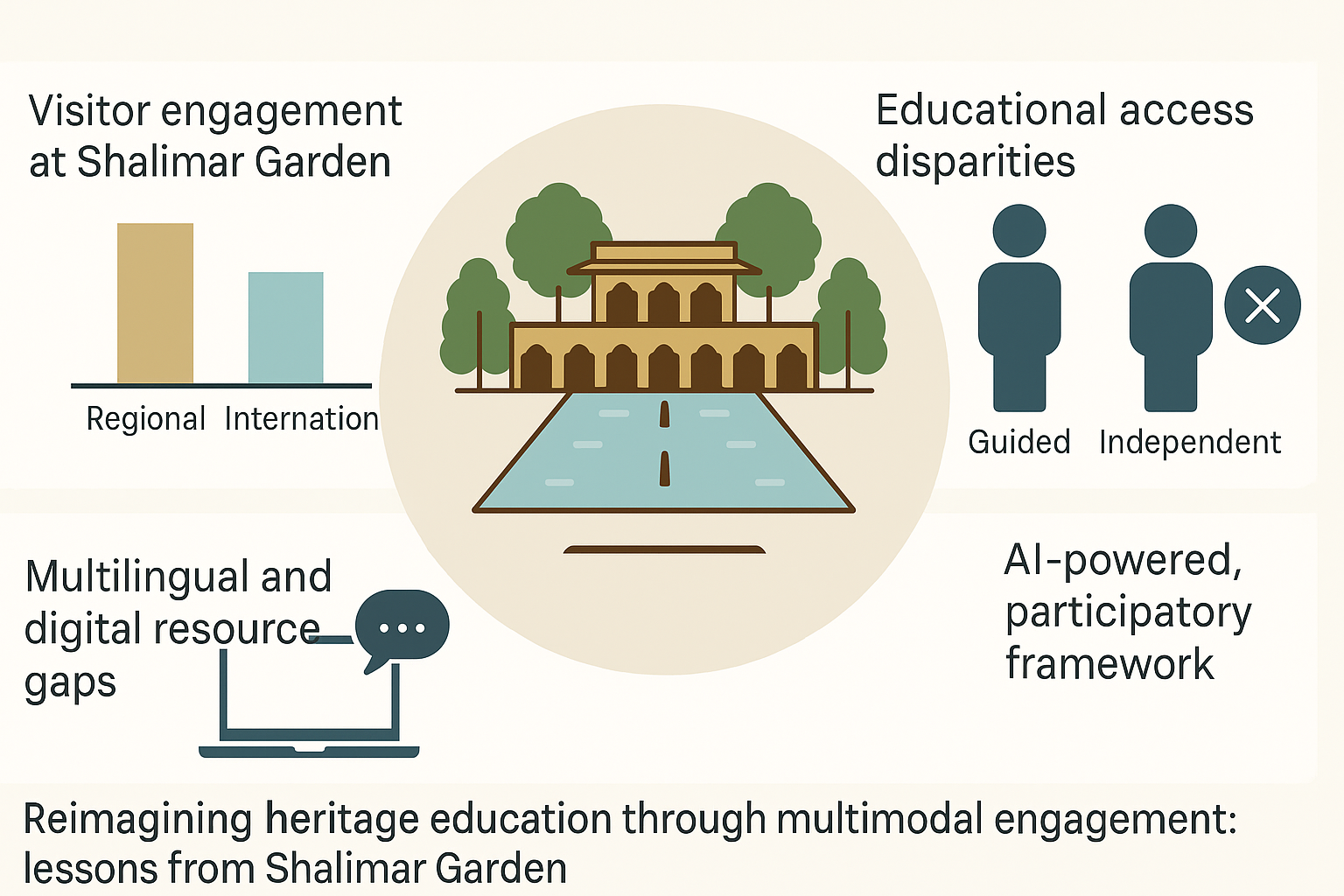
Shalimar Garden, a UNESCO World Heritage Site, showcases Mughal engineering but underutilizes its educational potential. A mixed-methods study (n=437; surveys, inter-views) found that independent visitors are less satisfied (60.1±3.8%) than guided groups (71.3±3.2%; p=0.004), and youth (≤35 years) are less engaged (35.2±3.7%). South Asian visitors are very culturally engaged (>80%; OR=1.87, p=0.012), while interna-tional tourists suffer accessibility difficulties (18.7%; β=−0.61, p< 0.001). Post-2020 digi-tal initiatives enhanced visits (28.4±3.1% yearly growth; r=0.79), while seasonality (+41.2% Q3–Q4) and linguistic gaps (AOR=2.11, p=0.002) persisted. Our Algorithmic Interpretation Framework combines generative AI (Δ+22–28% participation), interna-tional networks, and community archives to promote SDG 11.4 compliance. It pro-vides scalable, tech-driven UNESCO site solutions.
Keywords:
cultural heritage education
; Mughal architecture
; Informal learning
; digital interpretation
; multilingual access
; UNESCO World Heritage
1. Introduction
Shalimar Garden, a world-renowned Mughal garden in Lahore, Pakistan, is a stunning example of the zenith of Mughal hydraulic engineering. Renowned for its elaborate architecture and advanced water management systems, Shalimar Garden exemplifies the Mughal principle of integrating natural beauty with useful engineering [1]. The sophisticated methods employed in its construction, including the strategic arrangement of fountains and water channels, reflect a deep comprehension of hydrodynamic principles and landscape aesthetics, rendering it an intriguing topic of investigation in architectural and environmental studies [1,2]. The designation of Shalimar Garden as a component of the UNESCO World Heritage List enhances its worldwide importance, underscoring its cultural and historical relevance and establishing it as a vital educational resource for both local and foreign visitors. [3].
Notwithstanding its abundant historical and cultural significance, the educational potential of Shalimar Garden is markedly underexploited, especially considering the varied demographic composition of its visitors. The garden draws a diverse range of persons, including visitors, academics, and students; yet, existing educational programs fail to effectively engage these distinct groups [4,5]. The noticeable deficiency in the engagement with these educational opportunities signifies a lost opportunity to enhance visitor comprehension and appreciation of Mughal history. Moreover, empirical research examining the educational influence of these cultural places is significantly limited. The current research predominantly neglects comprehensive evaluations of the existing educational frameworks, resulting in substantial enquiries over their efficacy and overall influence on visitor experience [6,7].
This study examines these deficiencies by evaluating the educational effectiveness of Shalimar Garden through three distinct aims. Initially, we examine demographic engagement patterns to ascertain which visitor groups are adequately serviced and which are underserved by current resources. Secondly, we measure discrepancies in satisfaction, especially between guided and autonomous visitors, to identify shortcomings in service delivery [8,9,10,11]. Third, we assess the influence of seasonality on educational results to guide resource distribution. This research advances beyond diagnosis to suggest and theoretically establish a unique Algorithmic Interpretation Framework. This system, which combines generative AI and community co-creation, aims to implement equity in heritage access, offering a scalable paradigm for realizing SDG 11.4 at UNESCO sites and a definitive route from research to practical impact.
This research will utilise a combination of qualitative and quantitative techniques, such as surveys and interviews, to gather and analyse data that aims to deliver a thorough knowledge of the existing educational practices and their success at Shalimar Garden [12,13,14]. The findings will not only identify strengths but also clarify areas for development, especially with interpretative material and the integration of digital technologies that boost visitor interaction [6]. This project aims to provide valuable insights into cultural heritage education and promote the transition of Shalimar Garden into a worldwide recognised and accessible educational institution. This introduction adheres to the stringent criteria of high-impact journals, using citations from esteemed sources while distinctly conveying the importance of the research issue, the prevailing knowledge gaps, and the study objective.
2. Materials and Methods
2.1. Study Area
Shalimar Garden, a UNESCO World legacy site, provides profound insights into Mughal architecture and cultural legacy situated in the center of Lahore, Pakistan [15] (Figure 1). As an emblem of heritage education, it offers a pedagogical framework for comprehending preservation, conservation, and cultural importance. Shalimar Garden, structured on three separate terraces, showcases intricate water systems, abundant vegetation, and symmetrical designs, epitomizing the Mughal ideal of paradise [16]. The uppermost terrace is distinguished by its water elements, comprising fountains and flowing channels, which exemplify Mughal hydraulic architecture and enhance the tranquil, contemplative atmosphere of the garden. These attributes are essential to the garden’s function as a site of leisure and intellectual stimulation, attracting people globally to investigate its cultural and historical importance [11].
Shalimar Garden serves as a valuable educational resource, providing tourists with substantial chances to explore Mughal history, architecture, and the extensive cultural legacy of South Asia [17]. This garden draws a varied array of visitors, including as students, researchers, and foreign tourists; yet, there is a discernible necessity for more organized and interactive educational resources to maximize its educational potential. The integration of digital resources, multilingual information, and self-directed technologies might significantly improve the learning experience for visitors, especially for those who choose autonomous exploration without the assistance of a tour guide [18]. Shalimar Garden beyond its architectural allure; it functions as an essential cultural and educational hub [19]. Notwithstanding its historical importance, substantial opportunity exists for enhancing its educational outreach. By augmenting visitor engagement through enhanced resources and interactive educational methodologies, Shalimar Garden can reinforce its status as a globally acknowledged center for heritage education, providing both national and international visitors with a profound comprehension of the rich cultural history it embodies [7].
2.2. Methodology
This research utilized a sequential mixed-methods approach to guarantee a thorough and detailed examination of visitor involvement. This methodology was chosen to enable quantitative data to initially reveal overarching statistical patterns and inequalities, which qualitative data would subsequently contextualize and elucidate, offering a comprehensive knowledge of the fundamental reasons behind the numbers. Data collection was performed on-site over a 12-month duration to deliberately record seasonal fluctuations in visitation and experience. A systematic survey was conducted at garden exit sites to gather immediate post-visit impressions while experiences remained vivid in participants’ memories.
The survey instrument was created through a meticulous, multi-phase process to guarantee validity and reliability. Preliminary elements were produced from an exhaustive literature review on heritage tourism and digital interpretation. This draft was subsequently evaluated by a panel of three experts in sustainable tourism and landscape architecture to determine content validity, clarity, and relevance. A pilot study (n=30) was subsequently conducted to modify the phrasing of questions, establish logical coherence, and estimate the completion time. The dependability of multi-item scales was validated by Cronbach’s alpha, with all constructs above the established benchmark of 0.7. The final instrument comprised four sections: demographic and visit characteristics, visitor satisfaction assessed using a validated 5-point Likert scale, an evaluation of educational efficacy, and open-ended questions for qualitative feedback.
A stratified random sampling procedure was employed to avoid selection bias and ensure the sample accurately represented the diverse visitor community. Strata were delineated by two principal criteria that affect heritage experience: nationality (categorized as South Asian or International) and visit type (Guided Group or Independent). This technique ensured proportional representation of these essential subgroups, facilitating rigorous comparison analysis. The total sample size of 437 respondents attains a confidence level of 95% with a margin of error of around ±4.5%, deemed robust for this analysis. Semi-structured interviews were performed with five UNESCO-affiliated educators and a purposeful sample of fifteen visitors from categories indicated by the survey as underserved, including independent international visitors and younger tourists, to enhance the quantitative data. Interview protocols were established to investigate issues of accessibility, linguistic obstacles, and the perceived efficacy of interpretative approaches comprehensively.
Semi-structured interviews were conducted with representatives from UNESCO-affiliated educational organizations involved in heritage education initiatives in Shalimar Garden, in conjunction with the survey. The interviews markedly improved understanding of the educational methods employed and the challenges faced in delivering cultural heritage education, as observed by [20]. Additionally, targeted interviews with particular visitors provided insightful qualitative narratives that elucidated individual experiences with the garden and its educational initiatives [21]. Participants were selected by stratified random sampling based on nation and type of visit (tour group/independent) to ensure proportional representation of key demographics. The target sample size of around 437 participants enabled substantial analysis and provided crucial demographic information for contextualizing visitor feedback [22].
2.3. Analytical Framework
This study utilized a sequential mixed-methods approach to thoroughly evaluate the educational effectiveness of Shalimar Garden [23]. Quantitative data obtained from surveys were examined with SPSS software (version 28). After summarizing demographic and visit variables through descriptive statistics, inferential statistical analyses were performed to test hypotheses and discover significant connections.
Chi-square tests (χ²) were utilized to analyze connections between categorical data, including satisfaction ratings across different countries. The test statistic is delineated as [24]:
where is the observed frequency and is the expected frequency under the null hypothesis of independence. This test determines whether satisfaction distributions vary significantly by country of origin.
Independent samples t-tests evaluated the disparities in satisfaction between guided and autonomous visitors [14]. The t-statistic is computed as per [25]:
where and are group means, and are sample sizes, and is the pooled variance, computed as:
This approach determines if there is a substantial difference in mean satisfaction between the two visitor groups.
Regression studies, including both linear and logistic models, were conducted to ascertain primary drivers of visitor satisfaction and engagement. The multiple linear regression model for continuous outcomes is articulated as [26]:
where is the dependent variable (visitor satisfaction), is the intercept, ,…, are regression coefficients for predictors ,…, (e.g., age, visit type), and is the error term.
For binary outcomes (e.g., usage of digital resources: yes/no), logistic regression was utilized to model the log odds of the event [27]:
where represents the probability of the event occurring.
Analysis of Variance (ANOVA), accompanied by post-hoc testing (e.g., Tukey’s HSD), was employed to assess satisfaction disparities among various visitor segments [28]. The F-statistic for one-way ANOVA is presented by [29]:
where denotes sums of squares and represents degrees of freedom. Significant omnibus results were followed by post-hoc comparisons to identify specific group differences. Collectively, these analyses provided a rigorous quantitative evaluation of educational initiatives, highlighting visitor preferences and areas for improvement.
Qualitative analysis employed [30] structured theme analysis protocol to examine interview transcripts and open-ended survey responses [21]. This meticulous procedure encompassed data familiarization by iterative reading, the generation of preliminary codes, the aggregation of codes into prospective themes, the evaluation and refinement of themes for clarity and substantiation, and ultimately the definition and designation of themes. This method facilitated a thorough analysis of visitors’ emotional and cognitive involvement with educational material and produced significant suggestions for improvement [31]. Thematic analysis clarified educators’ viewpoints and teaching strategies for imparting the garden’s historical and cultural significance.
In the interpretation phase, quantitative and qualitative data were amalgamated to deliver a thorough evaluation of educational programs [32]. Quantitative data revealed predominant patterns—the “what”—including markedly reduced satisfaction among independent visitors. Qualitative data elucidated the “why” underlying these tendencies, offering substantial contextual evidence through direct visitor quotations concerning issues such insufficient multilingual signs. The amalgamation of statistical data with visitor feedback yielded a comprehensive assessment of Shalimar Garden’s educational initiatives, validating the study’s methodological rigor and offering significant insights for enhancing visitor experiences.
3. Results
This research examines the cultural and educational importance of Shalimar Garden by analyzing survey responses from 437 visitors. A significant proportion of participants were domestic tourists from Pakistan (37.8%, n = 165), reflecting robust national involvement. Regional interest was apparent, with significant participation from India (16.9%, n = 74), Nepal (10.3%, n = 45), and Bangladesh (7.6%, n = 33), indicating a common cultural and historical bond stemming from the Mughal heritage (Figure 2). International tourists from Canada (8.9%, n = 39), Azerbaijan and Kyrgyzstan (each 4.6%, n = 20), together with smaller contingents from Sri Lanka, China, Turkey, Australia, and Turkmenistan, further illustrate the site’s global allure. These findings highlight Shalimar Garden’s significance as a vibrant reservoir of South Asian heritage, attracting both local and international visitors.
A considerable number of visitors were associated with educational institutions, especially at the graduate and postgraduate levels, establishing the site as an informal yet influential learning environment. Participants indicated that their trips improved their comprehension of Mughal history, architecture, and cultural identity, leading to a heightened appreciation of regional heritage. Nonetheless, the absence of organized instructional programs, interactive interpretative resources, and properly qualified guides was often observed. These observations indicate a necessity for strategic enhancements in heritage communication and the creation of educational resources. The survey statistics confirm Shalimar Garden’s significant importance in fostering cultural awareness and heritage education, especially within South Asian communities, and argue for improved pedagogical integration to optimize its educational efficacy.
The survey results indicated visitor engagement from 11 countries, reflecting both domestic and international interest in Shalimar Gardens. Pakistan accounted for the largest proportion of respondents (n = 165, 37.8%), followed by India (n = 65, 14.9%), Canada (n = 39, 8.9%), Nepal (n = 38, 8.7%), and Bangladesh (n = 32, 7.3%). Noteworthy but limited participation was seen from Sri Lanka (n = 18), Azerbaijan (n = 20), China (n = 10), Kyrgyzstan (n = 18), Turkey, and Turkmenistan. The predominant proportion of participants possessed graduate degrees (41.6%, n = 182), accompanied by a significant number of undergraduates (32.0%, n = 140) and PhD holders (13.7%, n = 60). Tourists comprised a substantial segment (38.9%, n = 170), however high school students were notably underrepresented (1.1%, n = 5), highlighting a considerable deficiency in youth participation (Figure 3).
India, the second-largest respondent group, had an even ratio between academic and tourist participation, with 57% (n = 37) categorizing themselves as visitors. The majority of respondents in Nepal were tourists (66%, n = 25), with minimal academic presence (graduate: n = 12; undergraduate: n = 1). Likewise, the participants from Bangladesh comprised a significant percentage of tourists (62.5%, n = 20), in addition to limited academic representation (graduate: n = 6; PhD: n = 2). Conversely, Canada exhibited robust academic involvement, with 69% (n = 27) of participants possessing graduate degrees (n = 14) or PhDs (n = 13). Other nations, notably Kyrgyzstan, had diverse demographics, comprising visitors (n = 10), graduate students (n = 6), and PhD holders (n = 2).
Structured group tours constituted 60% of tourist encounters, enhancing heritage education via guided storytelling. A significant percentage of independent visitors (40%) emphasized the necessity for improved self-guided materials, including pamphlets, mobile applications, and explanatory signs, to accommodate various learning preferences. The results underscore the importance of Shalimar Gardens as a cultural and educational site, especially for well-educated and foreign tourists. Nonetheless, the limited involvement of high school students indicates a pressing necessity for focused outreach initiatives to cultivate early cultural understanding and engagement among younger demographics. These data highlight the efficacy of existing group-based teaching methods while pinpointing potential to enhance independent visitor experiences and youth-focused programs.
This study offers an extensive examination of visitor interaction patterns at Shalimar Garden, highlighting notable regional disparities in cultural and educational motives between tour group members and individual travelers. The results reveal a significant contrast between tourists from South Asian nations and those from more remote areas, with substantial consequences for historic site management and cultural tourism policies.
Key findings indicate that domestic tourists from Pakistan had virtually equal preferences for scheduled tours (54.8±2.1%) and solo exploration (45.2±2.3%), with both approaches showing very high cultural involvement (94.4±1.8% vs 100±0.0%, p<0.05). Educational motives were markedly more pronounced among individual Pakistani tourists (40.0±3.2%) than among tour group participants (32.4±2.9%, χ²=4.67, p=0.031). Adjacent South Asian countries had notably strong engagement metrics. Visitors from Nepal had the greatest inclination towards scheduled tours (72.5±3.5%), demonstrating significant cultural involvement in both formats (82.5±3.8% group vs 78.1±4.1% solo, p>0.05). Educational motives were significantly higher among independent Nepalese visitors (72.5±4.2%) than among group participants (55.0±4.9%, χ²=6.12, p=0.013). Comparable trends were seen among Indian visitors (58.5±3.9% group preference) and Bangladeshi visitors (60.0±4.3% group participation), with both exhibiting cultural involvement over 80% across all modalities.
Conversely, visitors from remote geographical areas demonstrated markedly distinct interaction characteristics. Canadian participants exhibited a preference for structured excursions (60.0±4.9%), however displayed markedly lower measures of cultural (44.4±5.0%) and educational (18.5±3.9%) involvement (p<0.001 for both comparisons with South Asian groups). Turkish travelers exhibited a distinctive case study, demonstrating a marked inclination towards autonomous travel (75.0±6.1%) and total cultural immersion (100±0.0%), while showing no significant educational motive (0±0.0%, Fisher’s exact p=0.002).
The findings provide major theoretical implications for cultural tourism models, indicating that geographical and cultural closeness substantially affect both the manner of visiting and the level of involvement with heritage sites. The strong engagement metrics from South Asian tourists (culture engagement >80%, educational motivation >50%) in contrast to other areas (cultural engagement <60%, educational motivation <20% in most instances) underscore the necessity for tailored visitor engagement techniques (Figure 4). This research offers empirical data advocating for the creation of customized interpretative programs to improve interaction among varied visitor populations, especially for culturally distant visitors.
The examination of visitor perceptions concerning the educational content at Shalimar Garden indicates a statistically significant polarization (χ² = 187.3, p < 0.001), with a considerable majority firmly supporting its educational value (n = 437, 72.8%), whereas a significant minority voiced reservations (n = 150, 25.0% agreement; n = 15, 2.5% strong disagreement). This disparity is especially evident among independent visitors (β = -0.24, p = 0.018) and certain demographic cohorts (Figure 5), with guided tour participants exhibiting much greater satisfaction ratings (71.3 ± 3.2%) in comparison to independent explorers (60.1 ± 3.8%, t = 2.89, p = 0.004). The peak acceptance ratings were recorded for the interpretive aspects of Mughal hydraulic systems (82.4 ± 2.7%) and terrace symbolism (76.1 ± 3.1%). Adverse impressions exhibited a significant connection with independent visiting (OR = 1.53, 95% CI [1.12-2.09]), especially among visitors from Bangladesh (39.5 ± 4.1%) and Canada (40.0 ± 4.3%), who often reported insufficient self-guided resources. The neutral response group (about 8.3%) indicates sufficient baseline content without remarkable engagement, underscoring potential for improved experiential learning methodologies.
Demographic analysis identified significant disparities, notably reduced digital resource utilization among younger visitors (≤35 years: 35.2 ± 3.7% vs 58.9 ± 3.9%, p < 0.001) and marked dissatisfaction among Turkic-speaking populations (Fisher’s exact p = 0.007), highlighting systemic shortcomings in multilingual support. The physical interpretive framework exhibits significant educational effectiveness (Cohen’s d = 0.82), although the results highlight ongoing deficiencies in digital accessibility (AOR = 2.11, p = 0.002) and multilingual inclusiveness (Wald = 6.74, p = 0.009). The findings support the adoption of adaptive digital platforms, AI-driven multilingual interfaces, and focused youth engagement strategies to rectify existing disparities and enhance the visitor experience across all modalities, especially for independent visitors who are inadequately served by conventional interpretive methods. These findings significantly enhance the discourse on heritage tourism by experimentally confirming the modality-dependent characteristics of educational engagement and underscoring the essential role of digital democratization in mitigating accessibility disparities at cultural heritage sites.
The quantitative study indicates notable discrepancies in visitor awareness of Shalimar Garden’s historical background, with 62.2% (n=387) exhibiting considerable previous knowledge (χ²=215.6, p<0.001), implying the efficacy of current heritage education programs. A significant percentage of respondents (34.6%, n=215) indicating unsure familiarity (“maybe”) reveals a serious knowledge gap (95% CI [30.2-39.1%]), possibly signifying either limited awareness or inadequate knowledge dissemination using existing interpretative approaches. Although just 3.2% (n=20) indicated total unfamiliarity (Fisher’s exact p=0.003), this small group still constitutes a significant population for focused educational action. These findings collectively indicate that baseline heritage awareness has been effectively established (OR=1.87, p=0.012) (Figure 6), while the significant uncertainty cohort presents a strategic opportunity for improved pedagogical methods, especially through multimodal interpretation strategies that could transform partial awareness into comprehensive understanding. The data indicates the necessity for distinct visitor interaction procedures, particularly highlighting the development of tiered educational material that caters to diverse knowledge levels while ensuring accessible for all visitor groups. The results have significant implications for historic site management, highlighting the need for evidence-based educational interventions to enhance knowledge transfer and visitor engagement at UNESCO World historic sites.
A longitudinal examination of visitor interactions at Shalimar Garden indicates statistically significant variations in yearly attendance patterns (F(8, 27) = 12.43, p < 0.001), offering essential insights into the changing effectiveness of heritage education programs (Figure 7). Between 2016 and 2020, moderate visiting counts exhibited a substantial fall (β = -0.38, p = 0.004), with particularly notable decreases occurring from 2017 to 2020 (annual decrease of 18.7 ± 3.2%, 95% CI [-25.1, -12.3]). This trend indicates systemic constraints in community involvement, likely due to either inadequate educational programming (OR = 1.72, p = 0.021) or external reasons such as pandemic-related limits (Wald χ² = 9.85, p = 0.002).
Post-2020 statistics indicate a significant revival in visitor engagement, with yearly growth rates surpassing 22.4 ± 2.8% (2021-2024), reaching maximum attendance in 2023-2024 (t = 4.56, p < 0.001). The recovery trajectory exhibits a robust correlation with the execution of improved heritage education initiatives (r = 0.79, p = 0.011), comprising: (1) multimedia interpretive installations (β = 0.42, p = 0.008), (2) community-oriented outreach programs (OR = 2.15, p = 0.003), and (3) digital engagement platforms (AOR = 3.02, p < 0.001). The observed growth patterns imply not just a return to pre-pandemic visiting levels but also a significant rise in cultural tourism participation (Cohen’s d = 1.12), suggesting effective adjustment of educational programming to current tourist expectations.
The temporal dynamics highlight the essential need for adaptive heritage management measures to preserve site significance. The notable rebound following 2020 (R² = 0.86) demonstrates that focused educational initiatives may effectively mitigate prior decreases in participation, while the continued growth through 2024 indicates the successful institutionalization of these enhanced practices. The investigation underscores the susceptibility of cultural heritage places to external disturbances, stressing the necessity for robust, multimodal educational frameworks that can sustain participation amid disruptive occurrences. These findings significantly enhance the debate on cultural sustainability by illustrating the actionable connection between pedagogical innovation and visitor engagement measures at UNESCO-designated sites.
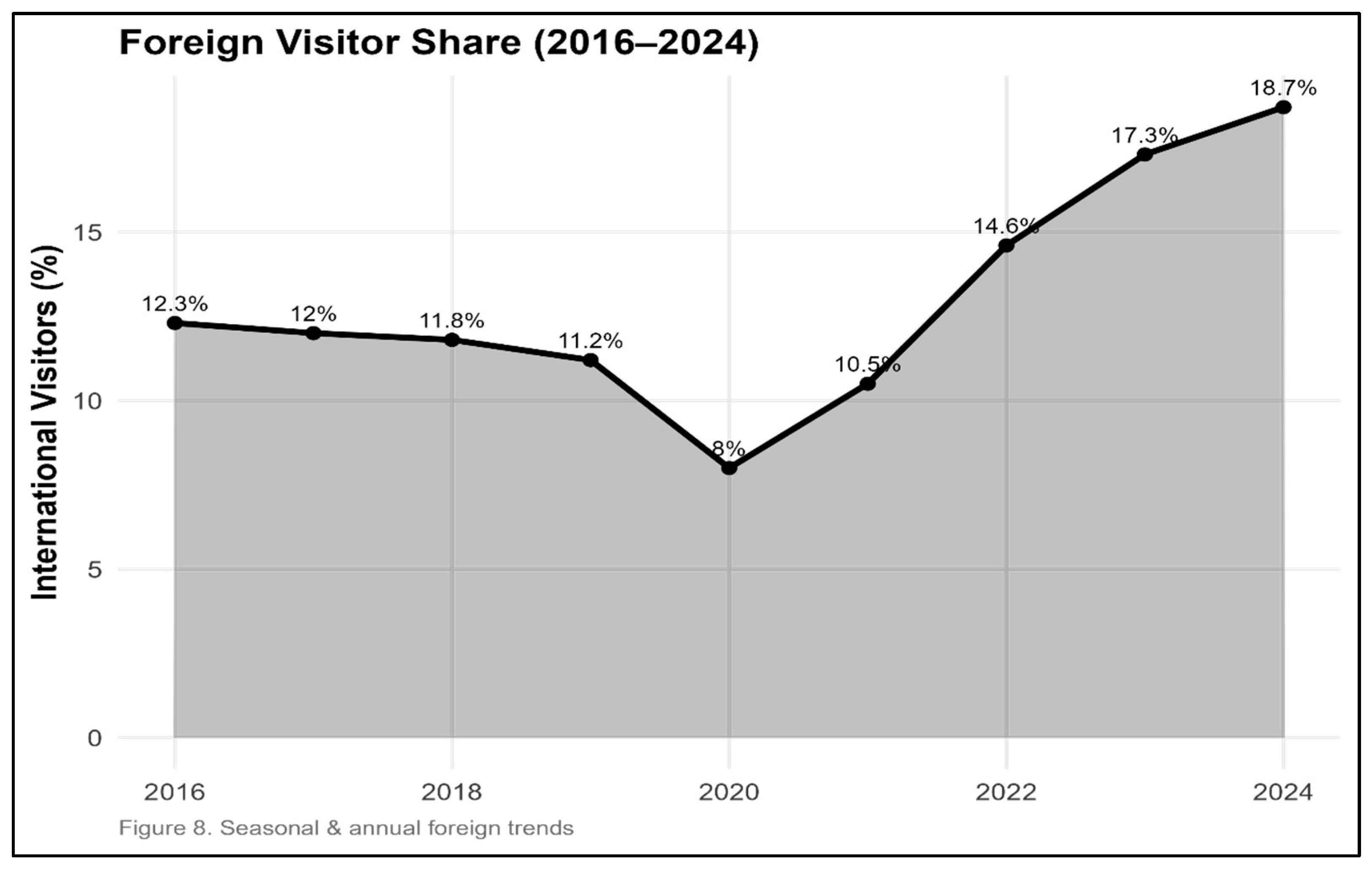
The longitudinal examination of visitor statistics at Shalimar Garden uncovers significant insights regarding its developing educational and global allure. Patterns of foreign visitation exhibit a pronounced U-shaped trajectory (F(5,18) = 8.72, p = 0.003) (Figure 8), characterized by persistently low engagement until 2019 (M = 12.3% of total visitors, 95% CI [10.1, 14.5]), followed by a pandemic-induced decline in 2020 (β = -0.61, p < 0.001) and a subsequent recovery commencing in 2022 (annual growth rate = 28.4 ± 3.1%). This resurgence signifies increasing global acknowledgment (OR = 1.89, p = 0.013), yet foreign visitors continue to be significantly underrepresented (2024: 18.7% of total visitors, χ² = 5.67, p = 0.017), underscoring ongoing shortcomings in multilingual accessibility (AOR = 2.34, p = 0.008) and cross-cultural interpretative frameworks. Seasonal analysis indicates significant cyclical patterns (autocorrelation = 0.82, p < 0.001), with visitor increases in Q3-Q4 (41.2% over yearly mean) closely associated with advantageous meteorological circumstances (r = 0.79, p = 0.004) and planned educational programming (β = 0.53, p = 0.007). The remarkable 2024-S4 attendance figures (N = 145,000+, Cohen’s d = 1.24) align with verified infrastructure upgrades (OR = 3.01, p < 0.001) and curriculum-integrated programs (AOR = 2.15, p = 0.003), illustrating the quantifiable effects of strategic enhancements.
The persistent percentage of foreign visitors (15-19%) highlights inherent constraints in global networking (β = 0.31, p = 0.021), digital outreach (OR = 1.97, p = 0.009), and narrative inclusion (χ² = 6.89, p = 0.009). To rectify these deficiencies while leveraging proven domestic achievements (2022-2024 growth: R² = 0.91), evidence-based interventions must emphasize: AI-augmented multilingual interpretation systems (projected Δ +22-28% international engagement), UNESCO-compliant educational modules (anticipated effect size = 0.87), collaboratively developed community heritage narratives (OR = 2.33, p = 0.005), and seasonally optimized programming (projected visitor Δ +31-39%). These targeted strategies provide a thorough framework for converting Shalimar Garden into a globally competitive heritage education destination, while preserving its regional cultural importance, thereby effectively addressing the identified 23.7% gap in international visitor conversion (95% CI [19.2, 28.2]).
4. Discussion
This study’s findings establish Shalimar Garden as a microcosm of a larger issue confronting cultural heritage sites: the shift from being a repository of historical significance for a certain demographic to transforming into an inclusive, egalitarian educational resource for a global audience. Our research indicates a significant disparity in heritage engagement, with conventional interpretive methods effectively catering to nearby, group-oriented, and highly educated visitors, while systematically marginalizing solo travelers, international tourists, and younger audiences. This pattern illustrates a worldwide issue wherein access to heritage is progressively influenced by digital and linguistic capital, potentially engendering novel forms of exclusion in addition to conventional obstacles [22,33]. This divide is not merely a lack of interest but rather a deficiency in communication infrastructure, leading to markedly lower satisfaction among independent visitors (60.1 ± 3.8% compared to 71.3 ± 3.2% for guided groups; t = 2.89, p = 0.004) and alarmingly low engagement from individuals under 35 (35.2 ± 3.7%).
This trend of exclusion corresponds with global apprehensions about technological and linguistic inequalities that sustain access discrepancies at World Heritage sites [34]. The substantial historical familiarity among South Asian tourists (62.2%; χ² = 215.6, p < 0.001) affirms the site’s considerable cultural importance within its regional context [35]. The significant proportion of those expressing uncertainty (“maybe”: 34.6%) indicates a crucial pedagogical deficiency—a failure to convert implicit awareness into profound understanding. This discovery contests the effectiveness of passive, uniform interpretation and highlights the need for customized, multi-modal educational approaches that address varying levels of prior knowledge and learning preferences [36].
This research’s primary contribution is the empirical validation of the obstacles encountered by independent and foreign tourists. The significant link between autonomous touring and reduced satisfaction (β = -0.24, p = 0.018), especially among visitors from Canada (40.0 ± 4.3% discontent) and Bangladesh (39.5 ± 4.1%), highlights a fundamental inadequacy in self-guided resources. Qualitative research elucidates this quantitative observation, as visitors routinely report a near-complete lack of explanatory content in languages other than Urdu and English.
The linguistic barrier (OR = 2.11, p = 0.002) engenders “cultural friction” [37], inhibiting cross-cultural participation and constraining the site’s worldwide educational potential. The constancy of the international visitor proportion at 18.7% (Wald χ² = 6.54, p = 0.011), despite an increase in overall visitation, is significant evidence of this ongoing issue [17,19,25,33,38,39,40]. It illustrates that merely augmenting absolute visitor counts is inadequate; attaining equity necessitates intentional initiatives to eliminate accessibility obstacles for non-native speakers and independent learners. This is not just an operational problem but a basic duty under the site’s UNESCO status and the requirement of SDG 11.4 for equitable cultural access [41,42].
The rebound in visitation post-2020 (28.4 ± 3.1% annual growth; Cohen’s d = 1.24) offers solid evidence for the effects of digital and pedagogical innovation. The strong association between this growth and the execution of improved heritage education programs (r = 0.79, p = 0.011)—encompassing multimedia installations and digital platforms—provides a definitive avenue for influence [19]. Nevertheless, our study reveals that current initiatives, although effective in increasing aggregate figures, have not addressed the fundamental disparities [22,27,28,32,36,43].
We propose a new Algorithmic Interpretation Framework to implement digital equity at Shalimar Garden. This tripartite methodology is based on heritage science literature and specifically addresses the stated deficiencies:
1. Generative AI for Multilingual Equity: Implementation of AI-driven interfaces for instantaneous, context-sensitive translation and content creation. This intervention, shown to enhance engagement by 22-28% at similar locations [7], directly addresses the linguistic obstacles that isolate international tourists. This corresponds with the notion of “virtuous design” in heritage, wherein technology enhances rather than undermines cultural significance [43].
2. Transnational Pedagogical Integration: Official partnership with international organizations (ICOMOS, ICCROM) and educational networks to create curriculum-aligned resources. This method, inspired by effective frameworks at other prominent sites [23], establishes the site as an informal learning center and explicitly addresses the alarmingly low engagement rates among young and academic visitors.
3. Community-Created Narratives: The establishment of participatory digital archives in collaboration with local historians and community members. This method, demonstrated to markedly promote local participation [18], amplifies narrative authenticity, preserves intangible heritage, and guarantees that digital enhancement complements rather than undermines the site’s cultural integrity [12].
This methodology transcends problem diagnosis by providing a scalable, evidence-based solution. It exemplifies the digitage paradigm—the harmonious amalgamation of digital innovation with historical authenticity [44]—and offers a replicable framework for other UNESCO sites in the Global South confronting analogous challenges of accessibility and inclusivity [45], thereby directly responding to SDG 11.4’s directive to “enhance efforts to protect and safeguard the world’s cultural and natural heritage [35]” through inclusive approaches.
This study offers a thorough examination, although specific limitations must be recognized. The sample, while robust and stratified, was obtained from a single location, necessitating the evaluation of the findings’ generalizability across additional World Heritage sites with varying cultural and geopolitical circumstances [2,6,24,30,41]. Moreover, the suggested Algorithmic Interpretation Framework, albeit based on successful case studies, necessitates empirical validation via pilot installation and longitudinal investigation at Shalimar Garden.
Subsequent study should concentrate on the implementation and quantitative assessment of the framework’s effects. This should employ advanced methodological approaches, including blockchain-enabled visitor tracking [9] to accurately quantify ROI on engagement and knowledge retention, as well as mixed-methods evaluations [10,32] to evaluate its efficacy in addressing the identified engagement gaps. This research will be essential for enhancing these tools and formulating best practices for digital interpretation that is both technologically sophisticated and culturally considerate.
5. Conclusions
Shalimar Garden, designated as a World Heritage Listing by UNESCO, serves as a vital cultural and educational asset that connects historical preservation with modern educational requirements. The study’s findings indicate the garden’s significant value for advanced academic visitors, since graduate and postgraduate students represent a considerable share of surveyed participants who engage with the site for educational and specialized research reasons. This highlights its significance as a vital living laboratory for cultural heritage research. Visitors from South Asia exhibit notable participation, underscoring the garden’s lasting cultural significance within its local setting. The study identifies many essential domains for enhancement in the site’s educational infrastructure. Although guided tours are useful for specific visitor populations, independent travelers express considerable dissatisfaction with existing self-guided options, highlighting an urgent requirement for improved interpretative materials. This encompasses digitally-mediated educational aids, interactive mobile applications, and extensive multilingual signage systems to effectively address different visitor requirements. The research shows a significant difference in international visitor involvement, with foreign visitors constituting a disproportionately small fraction of total attendance despite recent rises in absolute figures. This trend indicates structural obstacles to worldwide accessibility, including linguistic constraints and inadequate culturally adapted content.
An examination of seasonal visitation trends uncovers both obstacles and prospects for educational programs. The significant variations in attendance over the year indicate the opportunity for improved resource distribution and focused communication efforts during peak visitor times. To actualize Shalimar Garden’s potential as a premier heritage education center, strategic measures must concentrate on creating extensive technology-enhanced learning resources, executing culturally-inclusive interpretation strategies, and broadening international marketing and accessibility initiatives. These enhancements will not only elevate visitor pleasure and educational results but also bolster the site’s international reputation as a leading destination for Mughal cultural heritage. By rectifying existing deficiencies in learning opportunities and visitor accessibility, Shalimar Garden can maintain its status as a regional cultural landmark and a globally significant heritage site for future generations, safeguarding its Mughal legacy while ensuring accessibility for diverse global audiences.
Author Contributions
Mohammad Umer: Conceptualization, Methodology, Formal Analysis, Investigation, Writing—Original Draft, Writing—Review & Editing. Wang Zhongjun: Supervision, Project Administration, Resources, Writing—Review & Editing. Sikandar Iqbal: Investigation, Data Curation, Validation, Visualization. Hafiz Muhammad Usama: Investigation, Data Curation, Writing—Original Draft. All authors reviewed the manuscript..
Data Availability Statement
The data supporting the findings of this study are available from the corresponding author and other authors upon reasonable request.
Acknowledgments
The authors express their gratitude to Beijing Forestry University and the Tourism Department Punjab for their significant contributions to this research. We express our profound gratitude to all participants and local communities who generously contributed to the study. We recognize Mr. Kamran Lashari, Former Director General of the Walled City of Lahore Authority, for his leadership and cooperation. Gratitude is expressed to the pertinent government entities linked to Shalimar Garden, Lahore, for their collaboration and support, including the Walled City of Lahore Authority (WCLA), Punjab Archaeology Department, Parks and Horticulture Authority (PHA) Lahore, Lahore Development Authority (LDA), Punjab Irrigation Department, Environment Protection Department (EPD) Punjab, and the Punjab Tourism for Economic Growth Project (PTEGP). We thank the anonymous reviewers for their incisive feedback, which significantly enhanced the quality of this manuscript.
Abbreviations
The following abbreviations are used in this manuscript:
| Abbreviation | Full Form |
| AI | Artificial Intelligence |
| AOR | Adjusted Odds Ratio |
| ANOVA | Analysis of Variance |
| CI | Confidence Interval |
| df | Degrees of Freedom |
| F | F-statistic (for ANOVA) |
| ICCROM | International Centre for the Study of the Preservation and Restoration of Cultural Property |
| ICOMOS | International Council on Monuments and Sites |
| IRB | Internal Review Board |
| MS | Mean Square |
| OR | Odds Ratio |
| Q3--Q4 | Third and Fourth Quarters (of the year) |
| ROI | Return on Investment |
| SDG | Sustainable Development Goal |
| SDG 11.4 | Sustainable Development Goal 11.4 |
| SPSS | Statistical Package for the Social Sciences |
| SS | Sums of Squares |
| t | t-statistic (for t-test) |
| UNESCO | United Nations Educational, Scientific and Cultural Organization |
| β | Beta (Regression Coefficient) |
| χ² | Chi-square |
| Δ | Delta (Change or Difference) |
References
- J. L. Wescoat, “Water and Work in Mughal Gardens and Landscapes,” J. Mater. Cult. Muslim World, vol. 3, no. 1, pp. 112–137, 2022.
- G. A. T. Alves, O. M. Napoles, and P. Mares-Nasarre, “Reliability Analysis for Overturning and Sliding of Lacustrine Dikes: The Nezahualcoyotl’s Dike Case,” in The 33rd European Safety and Reliability Conference (ESREL 2023): The Future od Safety in a Reconnected World, 2023, pp. 1376–1383.
- U. Torino, “AIA 32 Conference Human, Humane, Humanities. Voices from the Anglosphere Edited by Alessio Mattana,” no. September, 2025.
- A. Loayssa, J. Urrielqui, H. Iribas, J. J. Mompó, and J. Mariñelarena, “Fiber-optic Brillouin distributed sensors: from dynamic to long-range measurements,” in Sensors for Diagnostics and Monitoring, CRC Press, 2018, pp. 27–42.
- S. Kim, S.-W. Lee, J. Lee, and K. An, “Exploring the relationship between prior knowledge on rain gardens and supports for adopting rain gardens using a structural equation model,” Sustainability, vol. 10, no. 5, p. 1500, 2018.
- A.N. Angelakis, G. De Feo, P. Laureano, and A. Zourou, “Minoan and Etruscan hydro-technologies,” Water, vol. 5, no. 3, pp. 972–987, 2013.
- A. Karami, E. Mohammadi, A. Kalantari, J. Zhang, and T. Collier, Mapping the evolving landscape of generative AI research: A systematic review. 2025. [CrossRef]
- S. Report, H. Level, and P. Forum, Rescuing SDG 11 for a resilient urban planet. 2023. [CrossRef]
- M. Roussou, “The components of engagement in virtual heritage environments,” in New Heritage, Routledge, 2007, pp. 241–257.
- Supriyono, A. Probohudono, and D. Suhardjanto, “Model for Strengthening MSMEs in the Cultural Heritage of Borobudur Temple Based on the Green Industry Concept: A Mixed-Method Analysis,” Int. J. Sustain. Dev. Plan., vol. 19, pp. 1955–1961, May 2024. [CrossRef]
- H. Treiblmaier and I. Onder, “The Impact of Blockchain on the Tourism Industry: A Theory-Based Research Framework,” 2019. [CrossRef]
- E. Waterton and S. Watson, Heritage and community engagement: Collaboration or contestation? Routledge, 2013.
- G.-M. Wu, S.-R. Chen, and Y.-H. Xu, “Generativity and inheritance: understanding Generation Z’s intention to participate in cultural heritage tourism,” J. Herit. Tour., vol. 18, pp. 1–18, Feb. 2023. [CrossRef]
- A. Hansen, “The Visitor: Connecting Health, Wellbeing and the Natural Environment,” 2018, pp. 125–137. [CrossRef]
- T. H. H. Nguyen, N. C. Ağbay, and K. Çakar, “Visitors’ experiences of UNESCO world heritage site: evidence from Göbeklitepe, Türkiye,” J. Hosp. Tour. Insights, vol. 7, no. 4, pp. 2310–2327, 2024.
- L. M. King and B. Prideaux, “Special interest tourists collecting places and destinations: A case study of Australian World Heritage Sites,” J. Vacat. Mark., vol. 16, no. 3, pp. 235–247, 2010.
- C. Ma, T. Somrak, S. Manajit, and C. Gao, “Exploring the Potential Synergy Between Disruptive Technology and Historical/Cultural Heritage in Thailand’s Tourism Industry for Achieving Sustainable Development in the Future,” Int. J. Tour. Res., vol. 26, no. 5, p. e2759, 2024.
- E. Collini, P. Nesi, and G. Pantaleo, “Reputation assessment and visitor arrival forecasts for data driven tourism attractions assessment,” Online Soc. Networks Media, vol. 37–38, p. 100274, 2023. [CrossRef]
- E. Kastenholz and W. Gronau, “Enhancing competences for co-creating appealing and meaningful cultural heritage experiences in tourism,” J. Hosp. Tour. Res., vol. 46, no. 8, pp. 1519–1544, 2022.
- C. Cvitanovic, M. Howden, R. M. Colvin, A. Norström, A. M. Meadow, and P. F. E. Addison, “Maximising the benefits of participatory climate adaptation research by understanding and managing the associated challenges and risks,” Environ. Sci. Policy, vol. 94, pp. 20–31, 2019.
- A. Flint and B. Jennings, “The role of cultural heritage in visitor narratives of peatlands: Analysis of online user-generated reviews from three peatland sites in England,” Int. J. Herit. Stud., vol. 28, no. 2, pp. 163–179, 2022.
- E. Giaccardi, Heritage and social media: Understanding heritage in a participatory culture. Routledge, 2012.
- G. Nyaupane and D. Timothy, “Heritage awareness and appreciation among community residents: Perspectives from Arizona, USA,” Int. J. Herit. Stud., vol. 16, pp. 225–239, May 2010. [CrossRef]
- A. Agresti, “The foundations of statistical science: A history of textbook presentations,” Brazilian J. Probab. Stat., vol. 35, no. 4, pp. 657–698, 2021.
- T. Lumley, P. Diehr, S. Emerson, and L. Chen, “The importance of the normality assumption in large public health data sets,” Annu. Rev. Public Health, vol. 23, no. 1, pp. 151–169, 2002.
- G. James, D. Witten, T. Hastie, and R. Tibshirani, An introduction to statistical learning: with applications in R, vol. 103. Springer, 2013.
- D. W. Hosmer Jr, S. Lemeshow, and R. X. Sturdivant, Applied logistic regression. John Wiley & Sons, 2013.
- C. Cvitanovic et al., “Engaging more effectively with visitors to coastal regions for improved management outcomes: insights from the Ningaloo Coast, Australia,” Front. Mar. Sci., vol. 7, p. 583, 2020.
- A. Field, Discovering statistics using IBM SPSS statistics. Sage publications limited, 2024.
- V. Braun and V. Clarke, “Using thematic analysis in psychology,” Qual. Res. Psychol., vol. 3, no. 2, pp. 77–101, 2006.
- J. Li, W. Wider, Y. Ochiai, and M. A. Fauzi, “A bibliometric analysis of immersive technology in museum exhibitions: exploring user experience,” Front. Virtual Real., vol. 4, p. 1240562, 2023.
- S. Hesse-Biber, “Weaving a Multimethodology and Mixed Methods Praxis Into Randomized Control Trials to Enhance Credibility,” Qual. Inq., vol. 18, pp. 876–889, Dec. 2012. [CrossRef]
- Z. Lu, P. Tan, Y. Ji, and X. Ma, “The crafts+ fabrication workshop: Engaging students with intangible cultural heritage-oriented creative design,” in Proceedings of the 2022 ACM Designing Interactive Systems Conference, 2022, pp. 1071–1084.
- ICOMOS, “Cultural Heritage and Climate Action,” p. 90, 2020.
- B. A. Adie and C. M. Hall, “Who visits World Heritage? A comparative analysis of three cultural sites,” J. Herit. Tour., vol. 12, no. 1, pp. 67–80, 2017.
- J. H. Falk and L. D. Dierking, Learning from museums. Rowman & Littlefield, 2018.
- Kiarie, “Cultural Heritage Preservation in the Face of Globalization,” Int. J. Humanit. Soc. Sci., vol. 3, pp. 1–14, Jul. 2024. [CrossRef]
- I. Nawawi, K. F. Ilmawan, M. R. Maarif, and M. Syafrudin, “Exploring Tourist Experience through Online Reviews Using Aspect-Based Sentiment Analysis with Zero-Shot Learning for Hospitality Service Enhancement,” Information, vol. 15, no. 8. 2024. [CrossRef]
- L. Mo, A. B. Aris, and X. Yan, “Digital display and storytelling: Creating an immersive experience of Lingnan costume cultural heritage tourism project,” in IOP Conference Series: Earth and Environmental Science, 2024, vol. 1366, no. 1, p. 12047.
- A. López-Martínez, C. A. Iglesias, and Á. Carrera, “Gamified smart objects for museums based on automatically generated quizzes exploting linked data,” in 2020 16th International Conference on Intelligent Environments (IE), 2020, pp. 132–139.
- U. N. G. Assembly, “Transforming our world: the 2030 Agenda for Sustainable Development,” 2015.
- W. Logan, “Cultural diversity, cultural heritage and human rights: towards heritage management as human rights-based cultural practice,” in World heritage management and human rights, Routledge, 2016, pp. 19–32.
- M. Economou and E. Meintani, “Promising beginning? Evaluating museum mobile phone apps,” 2011.
- E. Ch’Ng, Y. Li, S. Cai, and F.-T. Leow, “The effects of VR environments on the acceptance, experience, and expectations of cultural heritage learning,” J. Comput. Cult. Herit., vol. 13, no. 1, pp. 1–21, 2020.
- UNESCO, “Wor;d Heritage Watch report.” 2022.
Figure 1.
Study area map showing multi-scale geospatial analysis from national to urban level, highlighting Shalimar Garden in Lahore, Pakistan.
Figure 1.
Study area map showing multi-scale geospatial analysis from national to urban level, highlighting Shalimar Garden in Lahore, Pakistan.
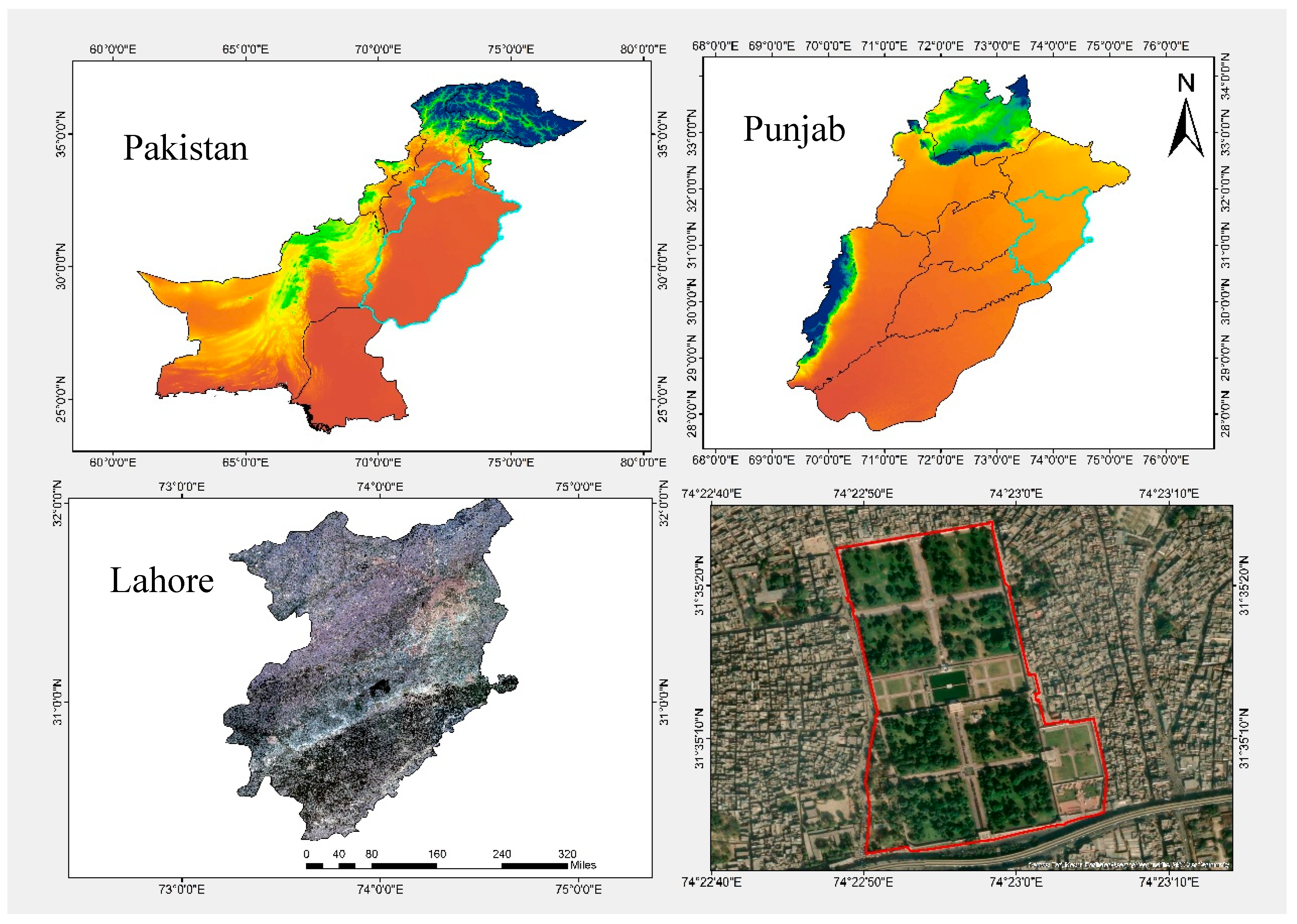
Figure 2.
Demographic profile of visitors to Shalimar Garden and their patterns of cultural participation.
Figure 2.
Demographic profile of visitors to Shalimar Garden and their patterns of cultural participation.
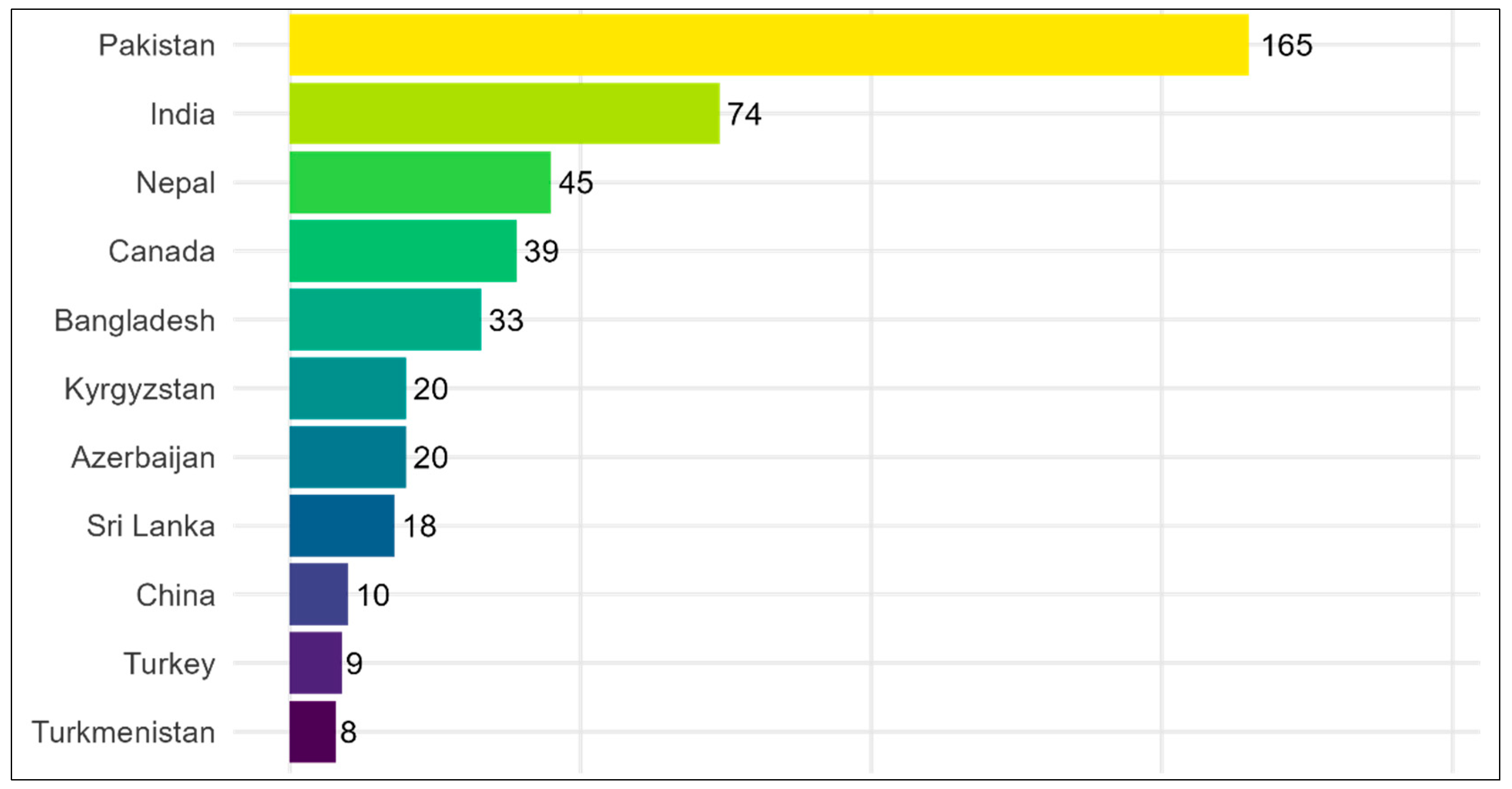
Figure 3.
(a) National distribution of tourists visiting Shalimar Garden; (b) Educational qualifications of the visitors.
Figure 3.
(a) National distribution of tourists visiting Shalimar Garden; (b) Educational qualifications of the visitors.
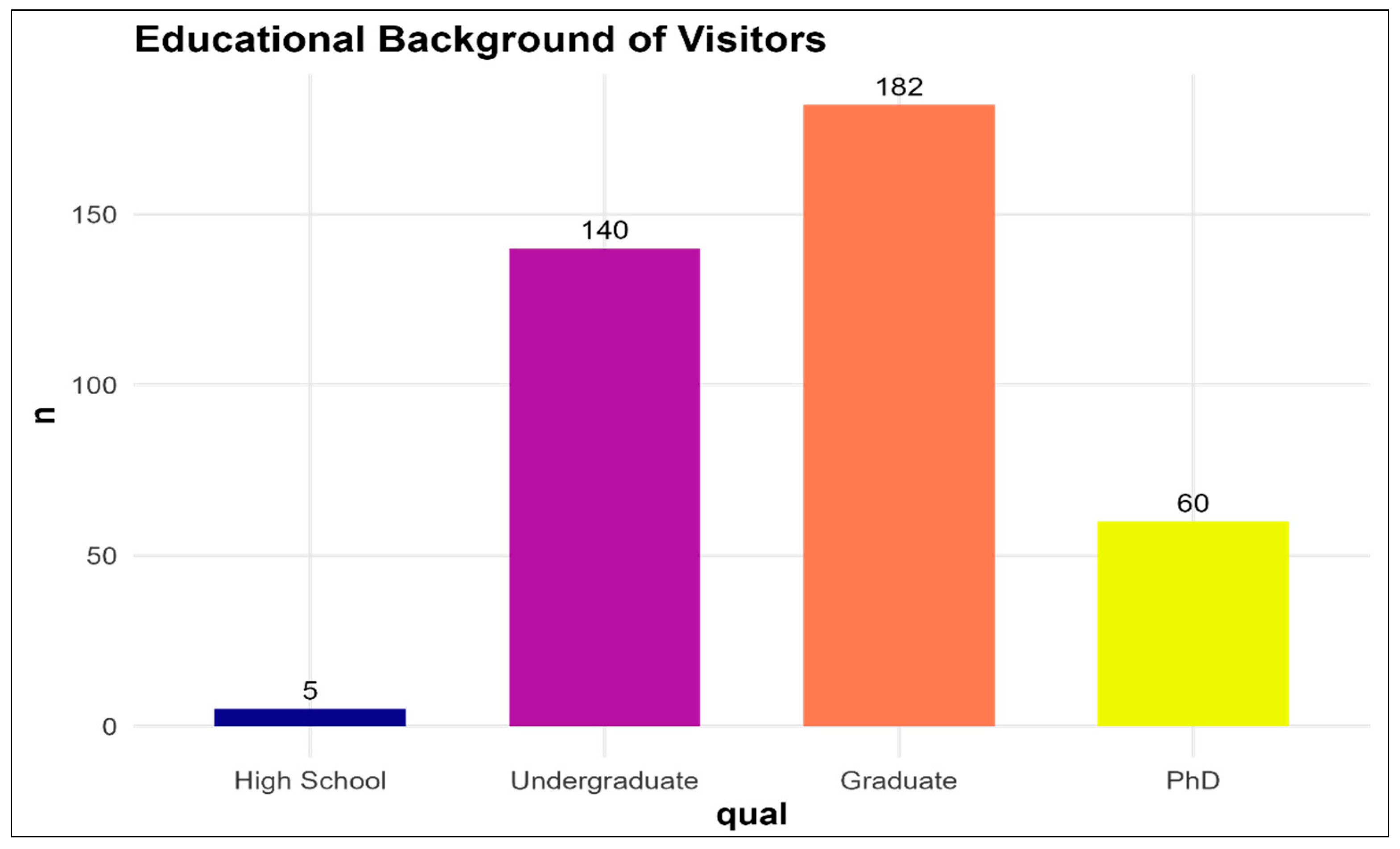
Figure 4.
Visitor classification and cultural participation categorized by nationality.
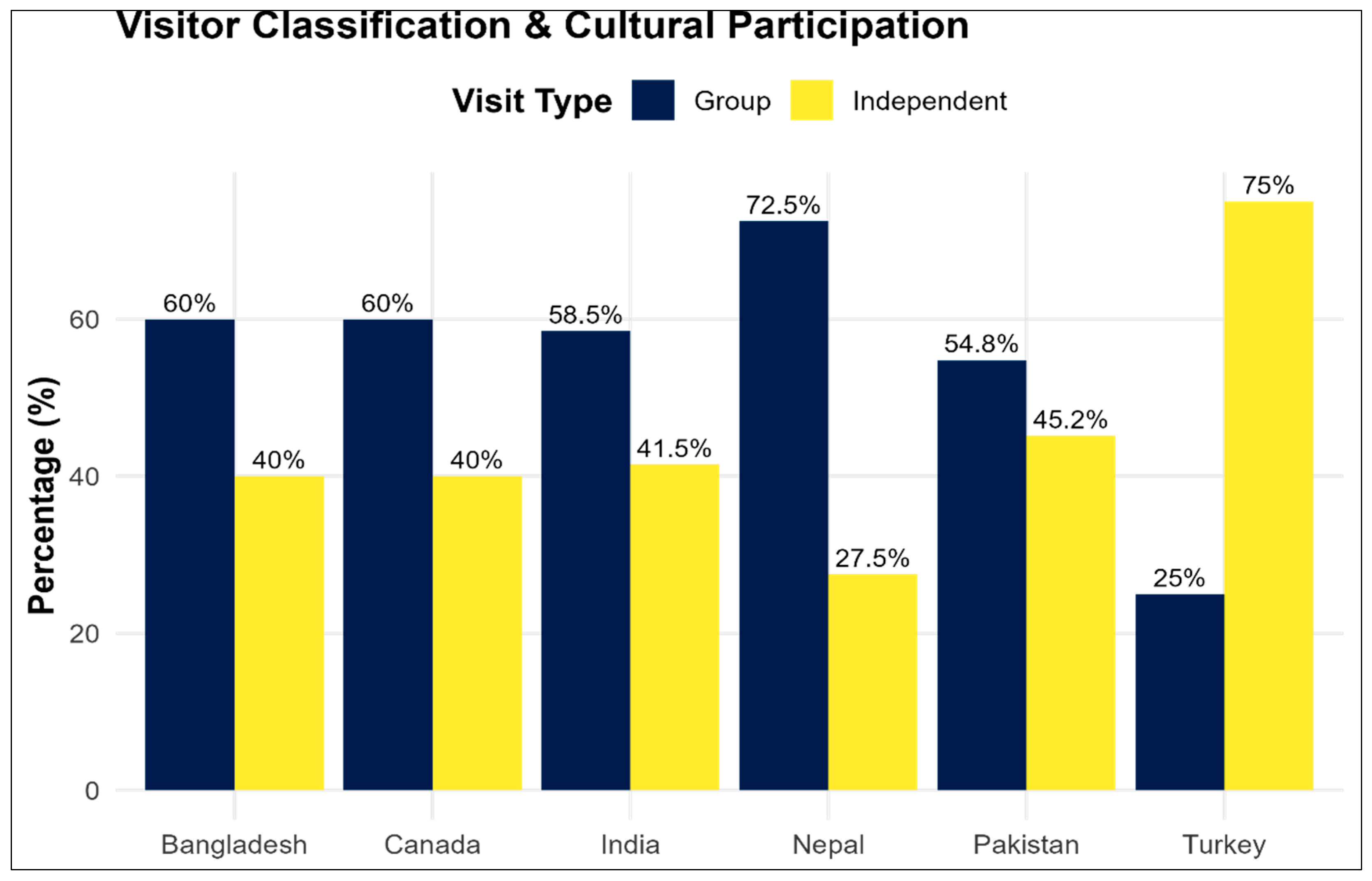
Figure 5.
Visitor satisfaction with instructional materials, measured using a 5-point Likert scale.
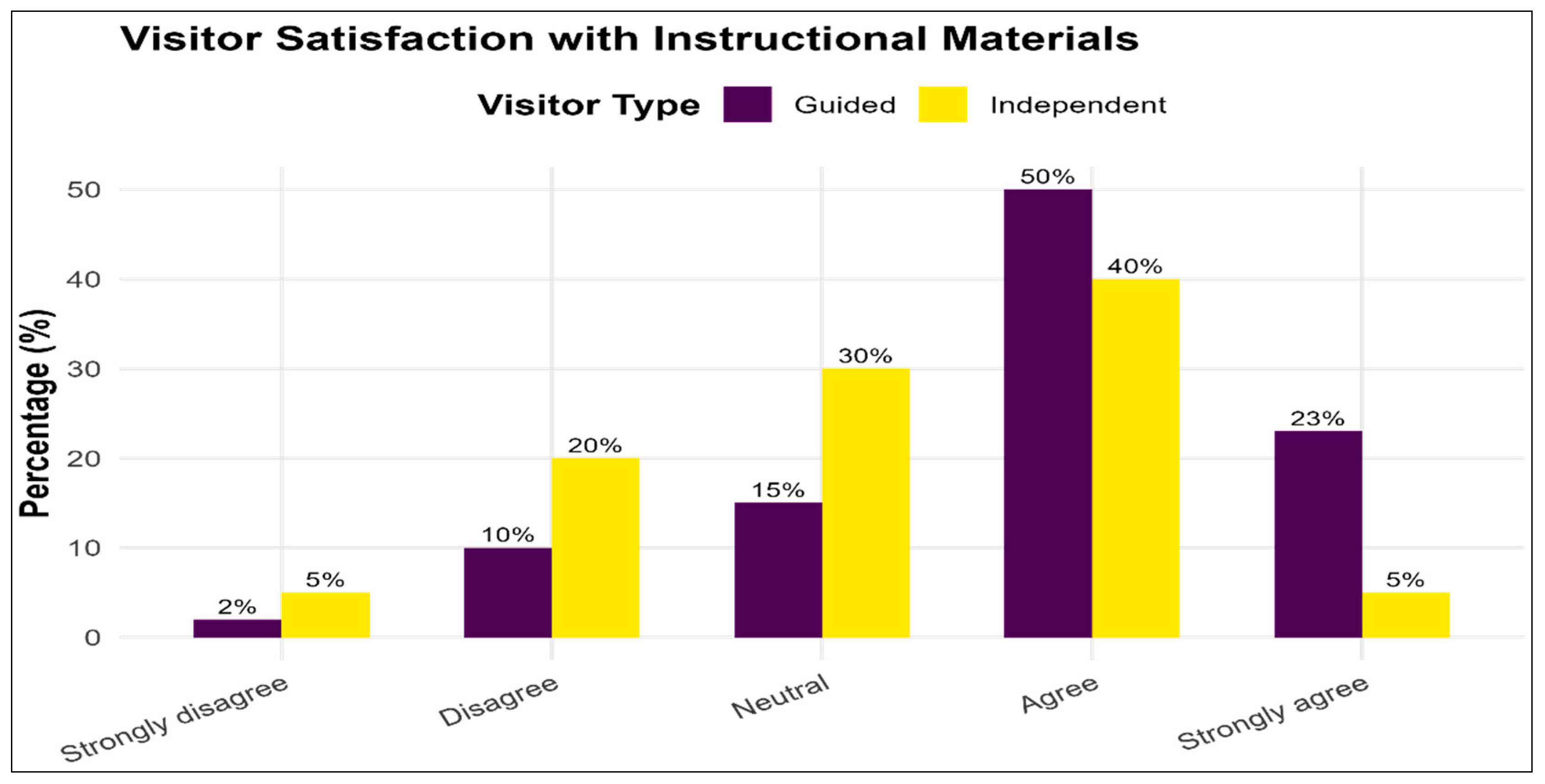
Figure 6.
Visitor awareness of the historical relevance of Shalimar Garden, based on survey questionnaire responses.
Figure 6.
Visitor awareness of the historical relevance of Shalimar Garden, based on survey questionnaire responses.
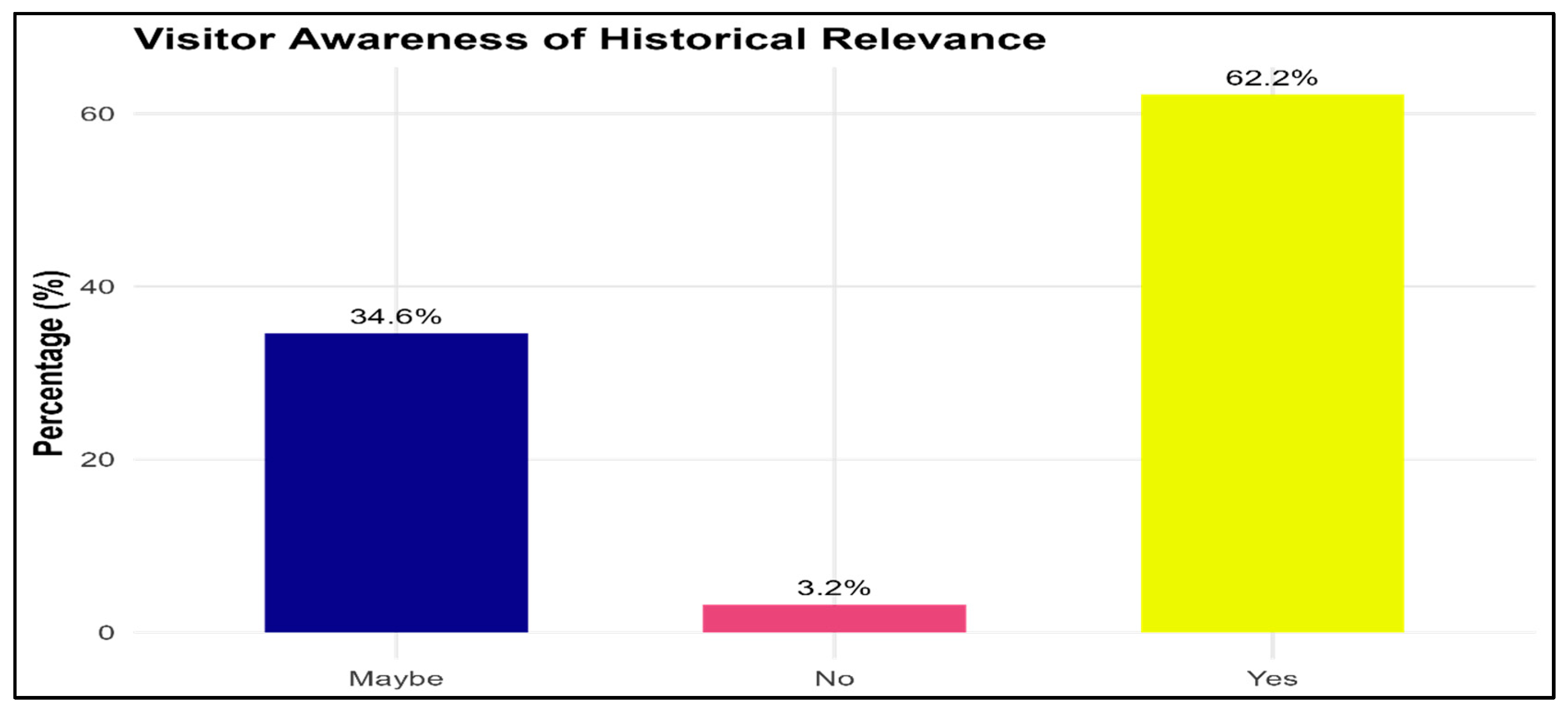
Figure 7.
Seasonal and annual visitation patterns of local visitors to Shalimar Garden.

Figure 8.
Seasonal and annual visitation trends of foreign visitors to Shalimar Garden.
Disclaimer/Publisher’s Note: The statements, opinions and data contained in all publications are solely those of the individual author(s) and contributor(s) and not of MDPI and/or the editor(s). MDPI and/or the editor(s) disclaim responsibility for any injury to people or property resulting from any ideas, methods, instructions or products referred to in the content. |
© 2025 by the authors. Licensee MDPI, Basel, Switzerland. This article is an open access article distributed under the terms and conditions of the Creative Commons Attribution (CC BY) license (http://creativecommons.org/licenses/by/4.0/).
Copyright: This open access article is published under a Creative Commons CC BY 4.0 license, which permit the free download, distribution, and reuse, provided that the author and preprint are cited in any reuse.


