Preprint
Article

This version is not peer-reviewed.

Synthesis and Evaluation of Anti-HIV Activity of Fatty Acyl Conjugates of Tenofovir Alefanamide

Submitted:

13 September 2025

Posted:

09 October 2025

You are already at the latest version

Abstract

The activity of nucleoside and nucleotide analogs as antiviral agents requires phosphorylation by intracellular enzymes. Phosphate-substituted analogs have low bioavailability due to the presence of ionizable negatively-charged groups. To circumvent this limitation, several prodrug approaches have been proposed and developed. Herein, we hypothesized that the conjugation of anti-HIV fatty acids with the nucleotide tenofovir alafenamide (TAF) (1) could improve the anti-HIV activity of the nucleotide. Several fatty acyl amide conjugates of TAF were synthesized and evaluated in comparative studies with TAF. The synthesized compounds were evaluated as racemic mixtures for anti-HIV activity in vitro in a single-round HIV-1 infection assay using TZM-bl cells at concentrations ranging from 0.01 to 100 ng/mL. Tetradecanoyl TAF conjugate 10 and palmitoyl TAF conjugate 17 had higher CLogP and displayed comparable activity to TAF (96-99% inhibition at 10–100 ng/mL) but at lower molar concentrations. The IC50 of conjugate 17 (0.65 nM) was lower than that of TAF (1.06 nM); however, this difference was not statistically significant.

Keywords: 
;  ;  ;  

1. Introduction

Acquired immunodeficiency syndrome (AIDS), caused by the human immune deficiency virus (HIV), is still a major global health challenge. According to the Joint United Nations Programs on HIV/AIDS statistics, in the year 2024, about 31.6 million people were accessing antiretroviral therapy (UNAIDS 2025) [1]. Moreover, millions of people have died from the disease. Despite the success of highly active antiretroviral therapies, the rapid emergence of drug-resistant mutants has sharply limited the clinical applications of existing anti-HIV drugs, requiring an active pipeline of new antiretrovirals [2,3].
The US Food and Drug Administration (FDA) has approved several drugs to treat HIV infection (HIV Treatment, 2022) [4]. An important limitation of antiviral drugs as therapeutic agents is, in many cases, their low oral bioavailability (less than 20%) and poor transport into cells, which in the case of nucleoside-based drugs is attributed to their ionizable groups [5].
A prodrug is a compound that undergoes a transformation within the body before eliciting its therapeutic action. The prodrug approach is extensively used to increase drug bioavailability, as well as drug targeting after oral administration [6]. This strategy is based on chemically modifying an active substance by attaching pro-moieties, which ideally overcome the biochemical and physical barriers associated with the parent compound. Limited oral bioavailability is usually attributed to poor membrane permeability, low aqueous solubility (in the gastrointestinal fluids), or extensive first-pass metabolism [7]. Several prodrug strategies have been applied to circumvent this problem in antiviral drugs [8,9,10,11,12,13,14,15,16,17,18,19,20]. Figure 1, gives the chemical structures of various antiviral prodrugs developed over the time to deal with above mentioned problems.
Tenofovir (1) (TFV) (Figure 1) has activity against HIV-1, HIV-2, and hepatitis B viruses (HBV) [21]. Tenofovir disoproxil fumarate (8) (TDF, Viread®) (Figure 1) is an ester prodrug of TFV that is hydrolyzed to TFV intracellularly, and phosphorylated to the active metabolite, TFV diphosphate. TDF is used in combination with other antiviral medications, such as 2’,3’-dideoxy-5-fluoro-3’-thiacytidine (emtricitabine, FTC). Resistance to TDF is conferred by the reverse transcriptase (RT) K65R and/or K70E mutations. Tenofovir alafenamide fumarate (TAF) (9) (Figure 1) is another prodrug of tenofovir. TAF has a higher antiviral activity and distribution in the lymphatic system with fewer side effects, such as impaired kidney function [22,23,24,25]. All prodrugs are safe and effective and used as part of combination therapy or for prevention [26].
With the constant emergence of HIV mutants of clinical relevance and the need to reduce the number of ARVs for chronic treatment [27], it is logical to develop new long-acting and more potent nucleoside conjugates that display broad-spectrum activity, including against drug-resistant HIV. We previously demonstrated that several fatty acids, such as 2-methoxydodecanoic acid, 4-oxatetradecanoic acid, and 12-thioethyldodecanoic acid, reduced HIV-1 replication in acutely infected T-lymphocytes [28]. For example, 12-thioethyldodecanoic acid was moderately active (EC50 = 9.4 μM) against HIV-infected T4 lymphocytes. Protein N-myristoylation in HIV-1 is catalyzed by NMT, which is inhibited by myristic acid derivatives. Myristoylated proteins include PR160gag-pol, Pr55gag, p17gag, and p27nef proteins of HIV-1 [29]. Furthermore, fatty acyl derivatives of 3-fluoro-2′,3′-dideoxythymidine (FLT), 3′-azido-2′,3′-dideoxythymidine (AZT) [30], 2′,3′-didehydro-2′,3′-dideoxythymidine (d4T) [31], FTC [32], and 3TC [33] exhibited a significantly higher cellular uptake and anti-HIV profile against wild-type cell-free, cell-associated, and resistant viruses when compared with the corresponding parent nucleosides. The fatty acids were found to also have modest anti-HBV activity [34]. For example, myristic acid conjugate of FTC (IC90 = 15.7–16.1 nM) exhibited 6.6- and 35.2 times higher activity than FTC (IC90 = 103–567 nM) against multidrug-resistant viruses B-NNRTI and B-K65R, indicating that FTC conjugation with myristic acid generates a more potent analog with a better resistance profile than its parent compound. The fatty acyl conjugation changes the uptake, activity profile, and mechanism of activity, presumably by interfering with the posttranslational myristoylation of proteins in the HIV life cycle. Intracellular hydrolysis to the parent nucleoside is one of the factors that contribute to the overall anti-HIV activity.
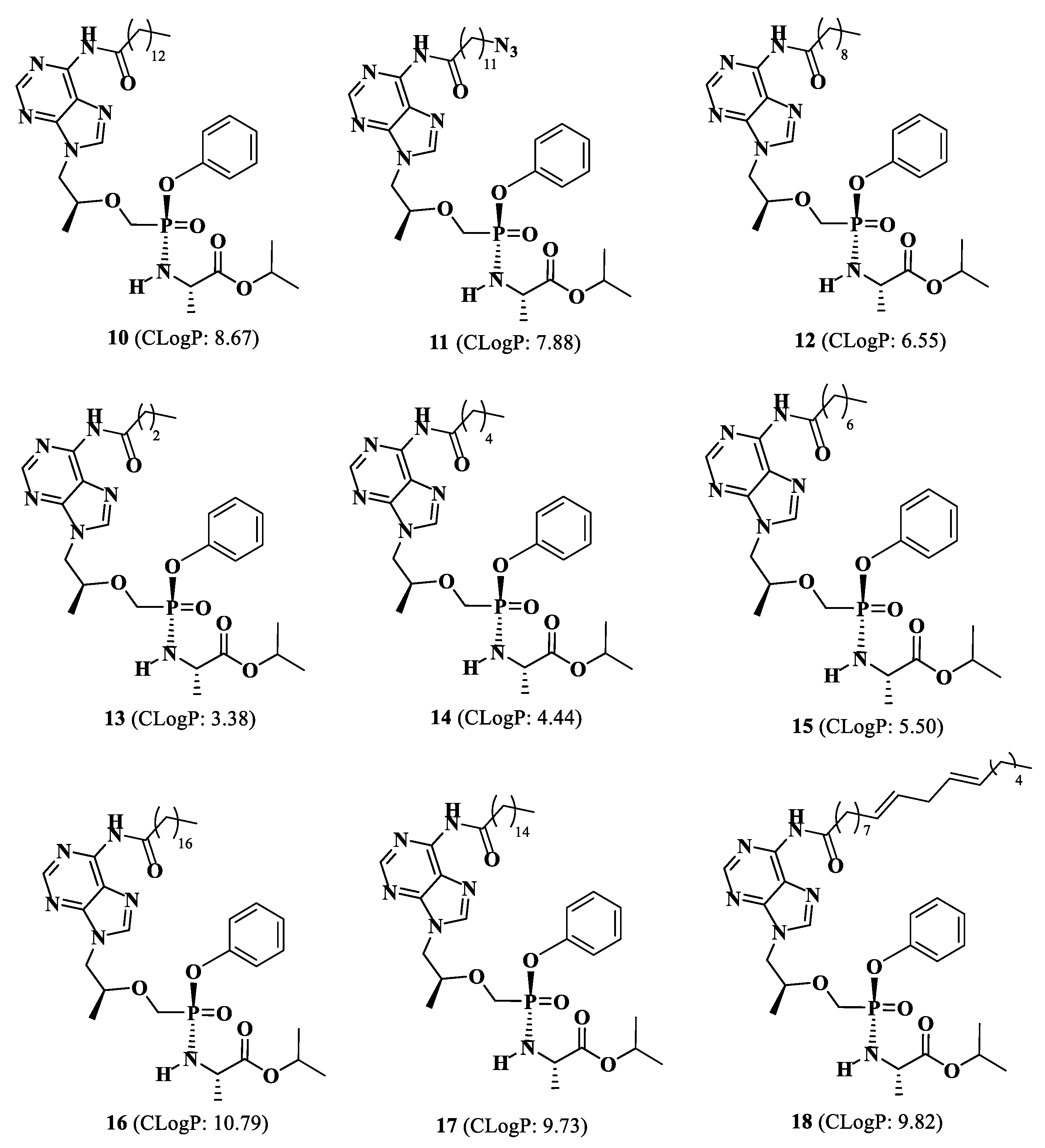
Based on these findings, we hypothesized that the modification of the nucleotide-based TAF conjugated with different fatty acids would improve its lipophilicity, thereby leading to improved anti-HIV activity. Nine short- and long-chain amide fatty acyl conjugates of TAF 10-18 (Figure 2) were synthesized for comparative studies with TAF and the corresponding physical mixtures 19-26. All compounds had a similar stereochemistry to TAF at the phosphorus. All compounds had larger calculated partition coefficients (CLogP ranging between 3.3-10.7) than TAF (Log P= 2.56, CLogP= 2.18). It is worth emphasizing that this work is a preliminary study to screen and identify lead compounds and templates and develop a structure–activity relationship. Further optimization and bio-stability work are planned for the future and are beyond the scope of this manuscript.
This manuscript is the corrected version of our previously published article, “Synthesis and Evaluation of Anti-HIV Activity of Mono- and Di-Substituted Phosphonamidate Conjugates of Tenofovir” [35], that was retracted voluntarily by the authors after noticing unreliable data by one student. As noted in the retraction notice [36], the authors were allowed to resubmit a revised manuscript. This revised manuscript corrects the retracted version by removing unreliable data, incorporating new validated results, and updating the author list accordingly.

2. Results and Discussion

2.1. Chemistry

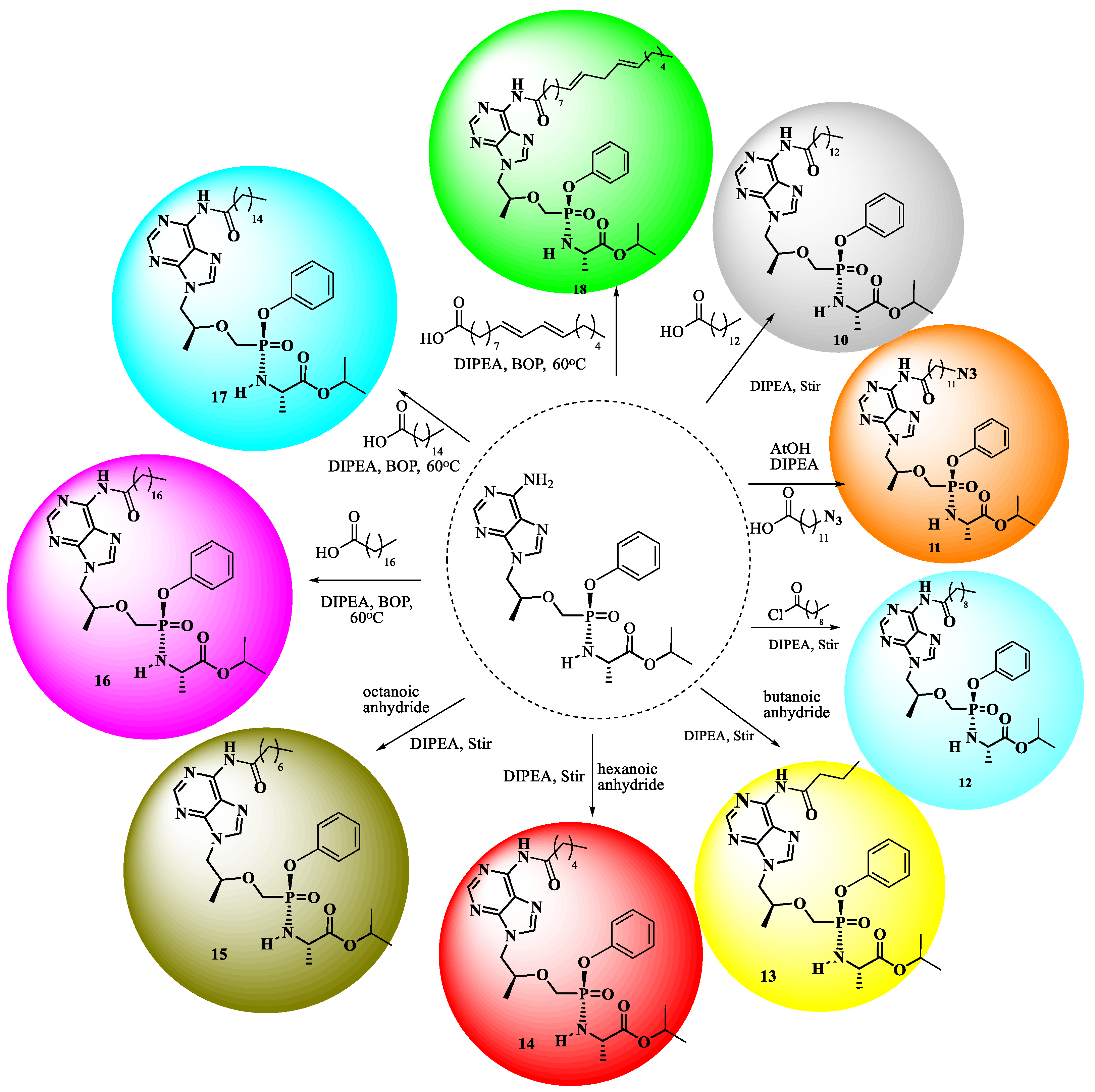
The synthesis of fatty acyl amino substituted TAF conjugates 10-18 was conducted through the reaction of TAF (9) with corresponding acyl chloride or acyl anhydride in the presence of N, N-diisopropylethylamine (DIPEA) in dimethylformamide (DMF) at 70 °C to afford the respective conjugate. In some cases, BOP (benzotriazol-1-yloxytris(dimethylamino)phosphonium hexafluorophosphate) reagent was used as the coupling agent. Alternatively, 9 was reacted with 12-azidododecanoic acid in the presence of 1-hydroxy-7-benzotriazole (HOAt) and DIPEA to yield 12-azidododecanoyl TAF conjugate 11 (Scheme 1). The anti-HIV activities of the conjugates were compared with the physical mixture of corresponding fatty acid/anhydride/chloride and TAF (9) (50:50 mol/mol, 19-26).

2.2. Biological Activities

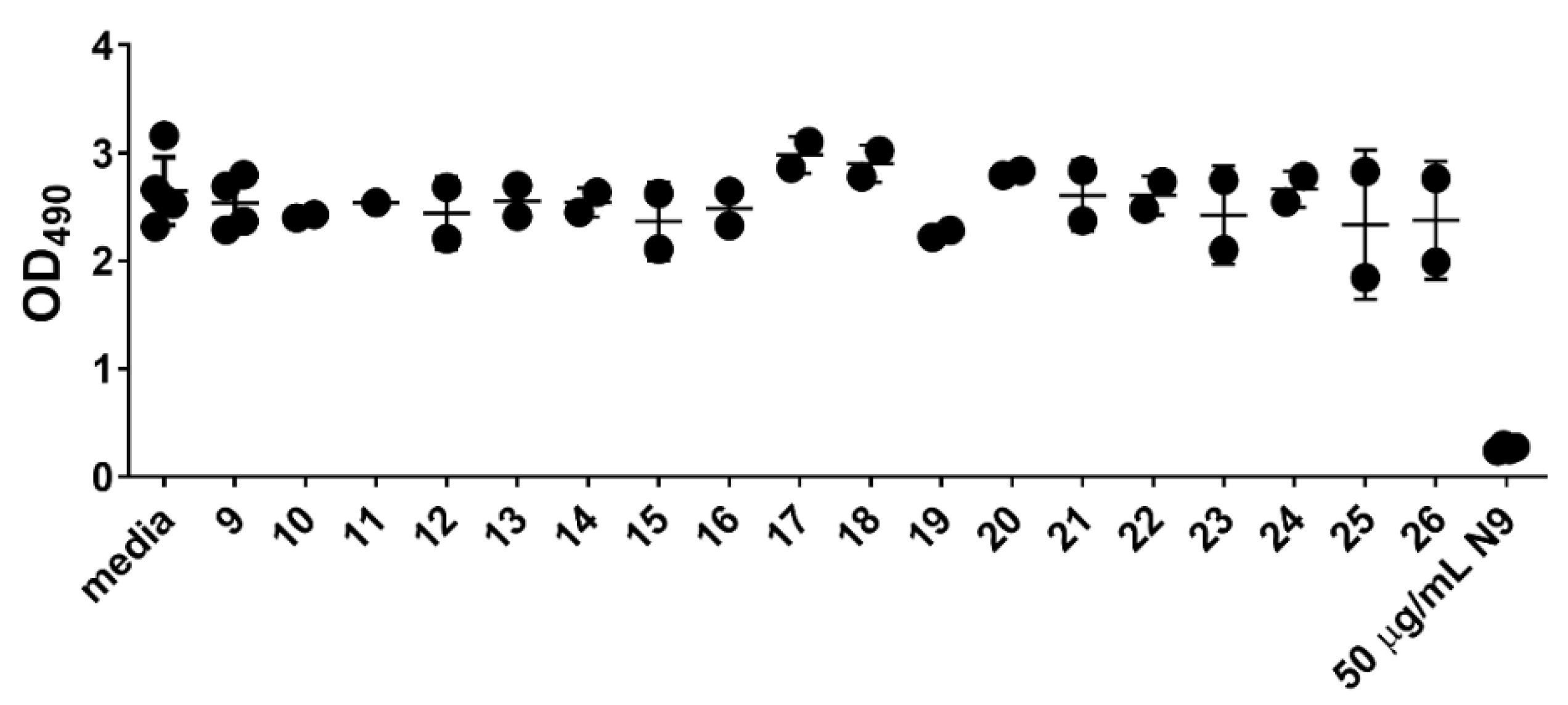
Selected compounds were evaluated for their cytotoxicity on TZM-bl cells (Figure 3). TAF conjugates 10-18 and the physical mixtures 19-26 were found to show no toxicity at concentrations ranging between 1–100 ng/mL in TZM-bl cells (Figure 3 shows data at the highest concentration tested).
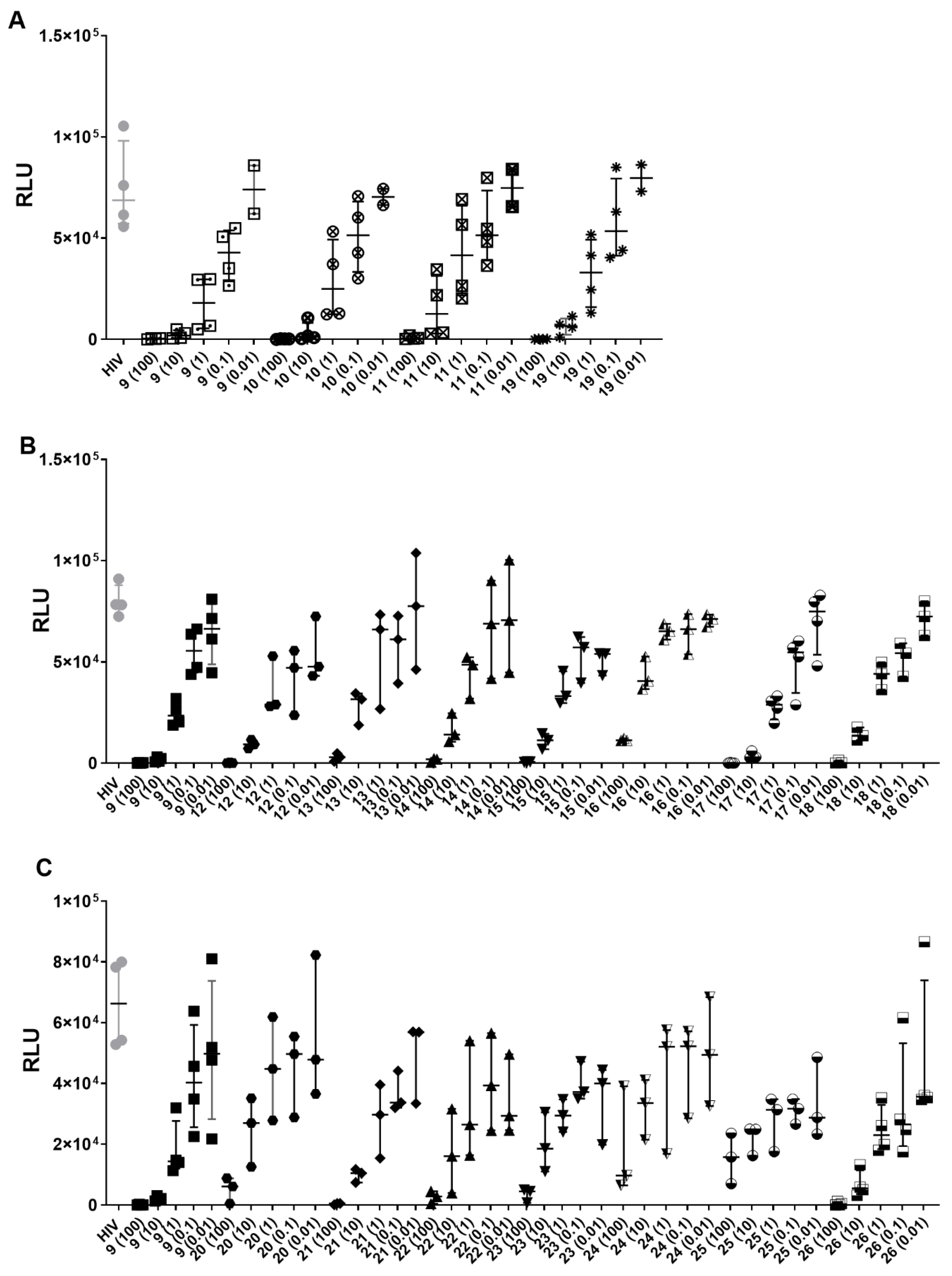
Selected compounds were then screened for their efficacy against HIV infection in a single-round infection assay using TZM-bl cells at 0.01-100 ng/mL (Figure 4A-C). The median Relative Luminescence Unit (RLU) adjusted per assay was calculated and plotted. The experiments were repeated three or four times, and each experiment included triplicates per condition. The objective was to determine the anti-HIV activities of the conjugates in comparison to the parent molecule, TAF.
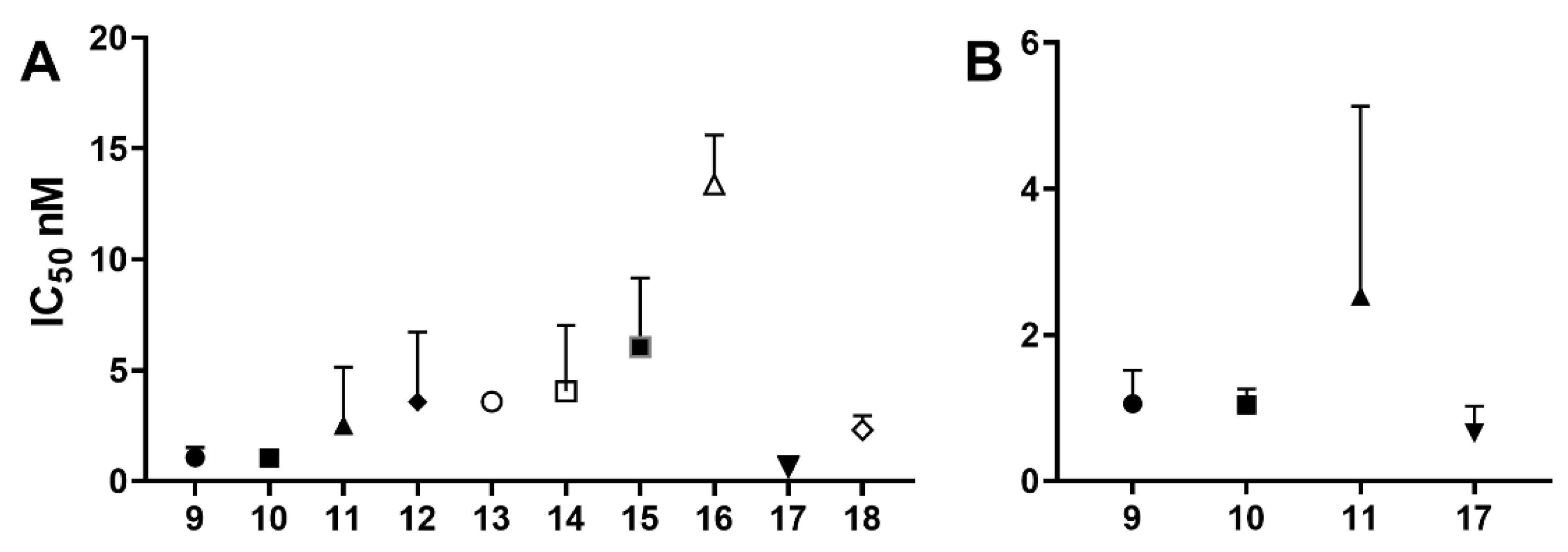
At 100 ng/mL, the TAF conjugates 10, 11, 12, 15, 17, 18, 19, and 26 showed inhibitory activities (more than 99%) comparable to that of TAF (Figure 4 and Table 1). At 10 ng/mL, only TAF conjugates 10 (98.4%) and 17 (96.4%) displayed similar HIV inhibition to TAF (97.3%). However, they did so at lower molar concentrations (145.69 nM and 139.98 nM [100 ng/mL], respectively, vs 209.99 nM [100 ng/mL] for TAF (9)), resulting in lower although not statistically significant IC50, especially for compound 17 (Figure 5), and possibly suggesting a higher potency for this fatty acyl conjugate of TAF. We previously observed that fatty acyl conjugates of FTC demonstrated higher potency against resistant virus when compared with the parent FTC [32]. Further investigations are required to determine whether the fatty acyl conjugation of TAF can enhance the long-acting anti-HIV activity and potency against wild-type and tenofovir-resistant virus. Further optimization and biostability studies are also needed to determine the therapeutic relevance and added value of these conjugates.
The experiments were repeated two or four times. In each experiment, each compound was tested in triplicates.

3. Materials and Methods

3.1. General

The experimental part defines different methods and technical characteristics of the present work, which include the synthesis of fatty ester conjugates and different purification methods. Characterization of the synthesized compounds was achieved through various spectroscopic techniques, such as 1H-NMR, 13C-NMR, IR, UV, and mass spectrometry. The synthesized analogs were also evaluated for their anti-HIV activity.
All chemicals were of analytical grade and were directly used without any purification. TAF (9) was provided by Scilife Pharma (Pvt.) Ltd., Karachi, Pakistan as a gift for research purpose. Palmitic acid, acetone, methanol, hexane, ethyl acetate, and sodium azide were purchased from Sigma-Aldrich Co. (USA). Decanoyl chloride, butanoic anhydride, hexanoic anhydride, octanoic anhydride, stearic acid, linoleic acid, and myristic acid were purchased from TCI, Japan. 12-Azidodecanoic acid was prepared according to the previously reported procedure [37]. All reagents were of analytical grade and used directly without purification. Precoated silica gel plates (ALUGRAM, SIL G/UV254) were used for thin layer chromatography (TLC). TLC Chromatograms were viewed under the ultraviolet light of 254 and 365 nm. Electron impact mass spectroscopy (EI-MS) data were obtained through Jeol-jms-600H mass spectrometer (Japan). 1H and 13C-NMR spectra were recorded on a 300, 400 and 100 MHz Bruker Avance spectrometers (Switzerland). The chemical shifts (δ) were shown on a ppm scale and coupling constants or J values are expressed in Hz relative to internal standard tetramethyl silane SiMe4. Buchi M-560 apparatus was used for recording the melting/boiling point (Japan). I.R. Spectrophotometry of the compounds was performed on FTIR-8900 (Shimadzu, Japan) by using KBr disc.

3.2. Chemistry

Isopropyl(phenoxy((((S)-1-(6-tetradecanamido-9H-purin-9-yl)propan-2-yl)oxy)methyl)phosphoryl)-L-alaninate (10).

Compound 10 was obtained by the reaction of (9, 9.3 mg, 2 mmol) with myristoyl chloride (1.5 mmol) using DIPEA in 5 mL of (DMF/DCM 1:1) for 24 h. The compound was purified by silica gel column chromatography. Yield (5.23 mg, 55.7%, colorless solid). 1H-NMR (400 MHz, CDCl3): δH 8.89-8.73 (1H, br-s, NHCO), 8.70 (1H, s, H-3 of purine ring), 8.24 (1H, s, H-8 of purine ring), 7.23 (2H, t, J3ʹ-2ʹ, J5ʹ-6ʹ = 8.0 Hz, H-3ʹand H-5ʹ of phenoxy ring), 7.11 (1H, t, J4ʹ-3ʹ, J4ʹ-5ʹ = 7.6 and 7.2 Hz, H-4ʹ of phenoxy ring), 7.00 (2H, d, J2ʹ-3ʹ, J6ʹ-5ʹ = 8.8 Hz, H-2ʹ and H-6ʹ of phenoxy ring), 5.03-4.94 (1H, m, CH of propan-2-yl moiety), 4.44 (1H, dd, J =14 and 2.8 Hz, CH2 of propan-2-yl moiety), 4.18 (1H, dd, J = 8.0 and 7.6 Hz, CH2 of propan-2-yl moiety), 3.99 (2H, m, NH of alanine moiety and CH of propyloxy group), 3.67 (2H, m, CH2 group), 2.83 (2H, t, J =7.2 Hz, α-CH2 of the myristoyl moiety), 1.67-1.57 (2H, m, β-CH2 of myristoyl moiety), 1.29-1.22 (32 H, m, CH3 of propyloxy, CH3 of alanine moiety and 2 CH3 groups of the isopropyl moiety, and 10 CH2 of the myristoyl moiety), 0.87 (3H, t J = 6.8 Hz, CH3 of myristoyl moiety); 13C-NMR (101 MHz, CDCl3): δ 174.39, 173.12, 172.86, 152.53, 151.43, 149.99, 149.06, 143.77, 129.74, 125.01, 120.24, 69.26, 65.36, 63.81, 51.46, 49.85, 48.60, 37.93, 34.13, 31.93, 29.65, 29.52, 29.44, 29.37, 29.27, 29.16, 24.92, 22.70, 21.73, 21.58, 16.47, 14.14.; 31P-NMR (400 MHz, DMSO-d6) δ 22.07; ESI-MS m/z (rel. int. %): Calcd. Formula [C35H55N6O6P]: m/z 686.4, Found: m/z 687.4 [M+H]+.

Isopropyl(((((S)-1-(6-(12-azidododecanamido)-9H-purin-9-yl)propan-2-yl)oxy)methyl)(phenoxy)phosphoryl)-L-alaninate (11).

Compound 11 was obtained by the reaction of TAF (9, 9.3 mg, 2 mmol) with 12-azidododecanoic acid (1.5 mmol) using HOAt as an activating agent and DIPEA as a base in 5 mL of DMF/DCM (1:1 v/v) for 24 h. The compound was purified by silica gel column chromatography. Yield (4.5 mg, 55.7%, colorless solid). 1H-NMR 8.69-8.73 (1H, s, NHCO), 8.21 (1H, s, H-3 of purine ring), 8.15 (1H, s, H-8 of purine ring), 7.28 (2H, t, J3ʹ-2ʹ, J5ʹ-6ʹ = 8.0 Hz, H-3ʹand H-5ʹ of phenoxy ring), 7.14 (1H, t, J4ʹ-3ʹ, J4ʹ-5ʹ = 7.6 and 7.2 Hz, H-4ʹ of phenoxy ring), 7.00 (2H, d, J2ʹ-3ʹ, J6ʹ-5ʹ = 8.4 Hz, H-2ʹ and H-6ʹ of phenoxy ring), 5.01-4.96 (1H, m, CH of propan-2-yl moiety), 4.41 (1H, dd, J =14 and 2.8 Hz, CH2 of propan-2-yl moiety), 4.19 (1H, dd, J = 14.4 and 7.6 Hz, CH2 of propan-2-yl moiety), 4.01-3.91 (2H, m, NH of alanine moiety and CH of propyloxy group), 3.72-3.66 (2H, m, CH2 group), 3.25 (t, J= 6.8 Hz, 2H, CH2N3), 2.34 (2H, t, J =7.6 Hz, α-CH2 of the 12-azidododecanoic acid moiety), 1.67-1.56 (2H, m, β-CH2 of 12-azidododecanoic acid moiety), 1.28-1.23 (28H, m, CH3 of propyloxy, CH3 of alanine moiety and 2 CH3 groups of the isopropyl moiety, and 8 CH2 of the 12-azidododecanoic acid moiety).13C-NMR (101 MHz, CDCl3) δ 176.49, 173.28, 155.64, 152.65, 152.25, 151.15, 150.08, 143.81, 129.84, 125.21, 120.08, 120.04, 69.43, 65.38, 63.96, 51.50, 49.75, 48.88, 36.21, 33.61, 29.44, 29.38, 29.23, 29.13, 29.08, 28.84, 26.94, 26.71, 24.77, 21.69, 21.62, 21.49, 16.41. ESI-MS m/z (rel. int. %): Calcd. For [C33H50N9O6P]: (699.4), Found: m/z 700.4 [M+H]+.

Isopropyl(((((S)-1-(6-decanamido-9H-purin-9-yl)propan-2-yl)oxy)methyl)(phenoxy)phosphoryl)-L-alaninate (12)

Compound 12 was obtained by the reaction of TAF (1 mmol) with decanoyl chloride (1 mmol) using DIPEA as a base in 5 mL of (DMF/DCM 1:1 v/v) for 24 h at room temperature. The compound was purified by silica gel column chromatography by using 90% EtOAc and 10% MeOH as the mobile phases. Rf = 0.71, Yield: (11 mg, 37%, colorless liquid); B.P.: 277-279 °C; FT-IR (KBr pellet cm-1): υmax (N-H) 3086; υ(C=O) 1710; υ(C=N) 1665. UV λmax, nm (CH3OH): 221, 262, 268; 1H-NMR (400 MHz, DMSO-d6) δ 10.55 (1H, s, NHCO), 8.60 (1H, s, H-2 of purine ring), 8.40 (1H, s, H-8 of purine ring), 7.26 (2H, t, J3ʹ/2ʹ, J5ʹ/6ʹ = 15.6 Hz, H-3ʹand H-5ʹ of phenoxy ring), 7.11 (1H, distorted triplet, H-4ʹ of phenoxy ring), 7.01 (2H, d, J2ʹ/3ʹ, J6ʹ/5ʹ = 8.0 Hz, H-2ʹ and H-6ʹ of phenoxy ring), 5.56 (1H, t, NH of alanine moiety), 4.82 (1H, q, JCH/(CH3)2 = 6.0 Hz, CH of propyloxy group), 4.39 (1H, dd, J= 14.4 and 3.2, Hz, CH2 of propan-2-yl moiety), 4.24 (1H, dd, J = 14.4 and 6.4 Hz, CH2 of propan-2-yl moiety), 3.97 (1H, m, CH of alanine moiety), 3.83 (3H, m, CH2 group and, CH of propan-2-yl moiety), 2.54 (2H, overlapped, α-CH2 of the decanoyl moiety), 1.58 (2H, t, J = 14.0 Hz, β-CH2 of decanoyl moiety), 1.28-1.13 (12H, m, CH3 of propyloxy, CH3 of alanine moiety and 2 CH3 groups of the isopropyl moiety), 1.14-1.10 (6H, m, 12 CH2 of the decanoyl moiety), 0.83 (3H, t, JCH3/CH2 = 13.2 Hz, CH3 of decanoyl moiety); Positive FAB-MS m/z 631.4 [M+H]+; HRFAB-MS (+ve mode) Calcd. For [(C31H47N6O6P)+H]+: (631.3373) Found m/z 631.3392.

Isopropyl (((((S)-1-(6-butyramido-9H-purin-9-yl)propan-2-yl)oxy)methyl)(phenoxy)phosphoryl)-L-alaninate (13).

Compound 13 was obtained by the reaction of TAF (1 mmol) with butanoic anhydride (1 mmol) using DIPEA in 5 mL of (DMF/DCM 1:1) for 24 h at room temperature. The compound was purified by silica gel column chromatography by using 90% EtOAc and 10% MeOH as mobile phases. Rf = 0.69, Yield: (9 mg, 27%, colorless liquid); B. P.: 255-262 °C; FT-IR (KBr pellet cm-1): υmax (N-H) 3081; υ(C=O) 1712; υ(C=N) 1660. UV λmax, nm (CH3OH): 221, 253, 267; 1H-NMR (400 MHz, DMSO-d6) δ 10.56 (1H, s, NHCO), 8.60 (1H, s, H-2 of purine ring), 8.40 (1H, s, H-8 of purine ring), 7.26 (2H, t, J3ʹ/2ʹ, J5ʹ/6ʹ = 15.6 Hz, H-3ʹand H-5ʹ of phenoxy ring), 7.11 (1H, distorted triplet, H-4ʹ of phenoxy ring), 7.02 (2H, d, J2ʹ/3ʹ, J6ʹ/5ʹ = 8.4 Hz, H-2ʹ and H-6ʹ of phenoxy ring), 5.60 (1H, t, NH of alanine moiety), 4.82 (1H, q, JCH/(CH3)2 = 6.0 Hz, CH of propyloxy group), 4.39 (1H, dd, J= 12.4 and 3.2 Hz, CH2 of propan-2-yl moiety), 4.24 (1H, dd, J= 14.4 and 6.4 Hz, CH2 of propan-2-yl moiety), 3.98 (1H, m, CH of alanine moiety), 3.85 (3H, m, CH2 group and, CH of propan-2-yl moiety), 2.52 (2H, overlapped, α-CH2 of the butanoyl moiety), 1.61 (2H, sextet, J= 14.8 Hz, β-CH2 of butanoyl moiety), 1.13-1.07 (12 H, m, CH3 of propyloxy, CH3 of alanine moiety and 2 CH3 groups of the isopropyl moiety), 0.92 (3H, t, JCH3/CH2 = 14.8 Hz, CH3 of butanoyl moiety); FAB-MS (+ve) m/z 547.2 [M+H]+; HRFAB-MS (+ve mode) Calcd. For [(C25H35N6O6P)+H]+: (547.2434) Found m/z 547.2427.

Isopropyl (((((S)-1-(6-hexanamido-9H-purin-9-yl)propan-2yl)oxy)methyl)(phenoxy)phosphoryl)-L-alaninate (14).

Compound 14 was obtained by the reaction of TAF (1 mmol) with hexanoic anhydride (1 mmol) using DIPEA in 5 mL of (DMF/DCM 1:1) for 24 h at room temperature. The compound was purified by silica gel column chromatography by using 90% EtOAc and 10% MeOH as mobile phases. Rf = 0.72, Yield: (8 mg, 17%, colorless liquid); B. P.: 257-262 °C; FT-IR (KBr pellet cm-1): υmax (N-H) 3068; υ(C=O) 1718; υ(C=N) 1674. UV λmax, nm (CH3OH): 214, 220, 273; 1H-NMR (400 MHz, DMSO-d6) δ 10.56 (1H, s, NHCO), 8.60 (1H, s, H-2 of purine ring), 8.40 (1H, s, H-8 of purine ring), 7.26 (2H, t, J3ʹ/2ʹ, J5ʹ/6ʹ = 16.0 Hz, H-3ʹand H-5ʹ of phenoxy ring), 7.11 (1H, distorted triplet, H-4ʹ of phenoxy ring), 7.01 (2H, d, J2ʹ/3ʹ, J6ʹ/5ʹ = 8.8 Hz, H-2ʹ and H-6ʹ of phenoxy ring), 5.60 (1H, t, (1H, t, NH of alanine moiety), 4.82 (1H, q, JCH/(CH3)2 = 6.4 Hz, CH of propyloxy group), 4.37 (1H, dd, J =14.4 and 3.2 Hz, CH2 of propan-2-yl moiety), 4.22 (1H, dd, J = 14.4 and 6.8 Hz, CH2 of propan-2-yl moiety), 3.98 (1H, m, CH of alanine moiety), 3.85 (3H, m, CH2 group and, CH of propan-2-yl moiety), 2.55 (2H, overlapped, α-CH2 of the hexanoyl moiety), 1.59 (2H, t, J = 14.4 Hz, β-CH2 of hexanoyl moiety), 1.30 (4H, m, 2 CH2 of the hexanoyl moiety), 1.13- 1.07 (12H, m, CH3 of propyloxy, CH3 of alanine moiety and 2 CH3 groups of the isopropyl moiety), 0.92 (3H, t, JCH3/CH2 = 14.8 Hz, CH3 of hexanoyl moiety); FAB-MS (-ve) m/z 573.3 [M-H]+; HRFAB-MS (+ve mode) Calcd. For [(C27H40N6O6P)+H]+: (575.2747) Found m/z 575.2737.

Isopropyl (((((S)-1-(6-octanamido-9H-purin-9-yl)propan-2-yl)oxy)methyl)(phenoxy)phosphoryl)-L-alaninate (15).
Compound 15 was obtained by the reaction of TAF (1 mmol) with octanoic anhydride (1 mmol) using DIPEA in 5 mL of (DMF/DCM 1:1) for 24 h at room temperature. The compound was purified by silica gel column chromatography by using 90% EtOAc and 10% MeOH as mobile phases. Rf = 0.74, Yield: (11 mg, 21%, colorless liquid); B. P.: 259-263 °C; FT-IR (KBr pellet cm-1): υmax (N-H) 3121; υ(C=O) 1708; υ(C=N) 1669. UV λmax, nm (CH3OH): 213, 221, 271; 1H-NMR (400 MHz, DMSO-d6) δ 10.53 (1H, s, NHCO), 8.57 (1H, s, H-2 of purine ring), 8.37 (1H, s, H-8 of purine ring), 7.23 (2H, t, J3ʹ/2ʹ, J5ʹ/6ʹ = 15.6 Hz, H-3ʹand H-5ʹ of phenoxy ring), 7.08 (1H, distorted triplet, H-4ʹ of phenoxy ring), 7.00 (2H, d, J2ʹ/3ʹ, J6ʹ/5ʹ = 8.4 Hz, H-2ʹ and H-6ʹ of phenoxy ring), 5.57 (1H, t, NH of alanine moiety), 4.80 (1H, q, JCH/(CH3)2 = 6.9 Hz, CH of propyloxy group), 4.35 (1H, dd, J= 14.4 and 3.2 Hz, CH2 of propan-2-yl moiety), 4.21 (1H, dd, J = 6.8 and 14.8 Hz, CH2 of propan-2-yl moiety), 3.92 (1H, m, CH of alanine moiety), 3.81 (3H, m, CH2 group and, CH of propan-2-yl moiety), 2.51 (2H, overlapped, α-CH2 of the octanoyl moiety), 1.55 (2H, t, J = 14.0 Hz, β-CH2 of octanoyl moiety), 1.25-1.21 (8H, m, 4 CH2 of the octanoyl moiety), 1.11- 1.05 (12 H, m, CH3 of propyloxy, CH3 of alanine moiety and 2 CH3 groups of the isopropyl moiety), 0.82 (3H, t, JCH3/CH2 = 13.2 Hz, CH3 of octanoyl moiety); 13C-NMR (600 MHz, DMSO-d6) δ 172.9, 171.6, 152.3, 151.5, 150.2, 150.2, 149.4, 144.8, 129.4, 124.3, 122.9, 120.5, 120.5, 118.8, 115.2, 75.4, 75.3, 67.9, 64., 63.60, 49.0, 47.1, 36.2, 33.9, 31.2, 28.5, 28.5, 24.8, 24.5, 22.1, 21.4; EI-MS m/z (rel. int. %): 602.1 [M]+, 515.2(100), 346.0(42.5), 177.0(15.4); HREI-MS Calcd. For [C29H43N6O6P]: (602.2982) Found m/z 602.2984.
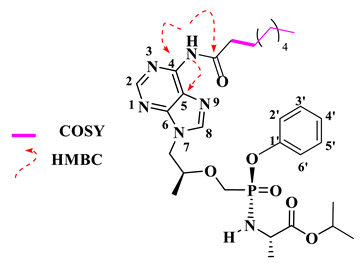
Key 2D COSY and HMBC Correlations of Compound 15:
Preprints 176614 i001
The structure of compound 15 was further confirmed through key 2D correlations. In HMBC, NH proton attached with purine ring showed correlations with quaternary carbonyl carbon of octanoyl chain, and with quaternary carbons C-4, and C-5 of purine ring. COSY correlations were observed among the methylene protons of the long hydrocarbon chain.

Isopropyl (phenoxy((((S)-1-(6-stearamido-9H-purin-9-yl)propan-2-yl)oxy)methyl)phosphoryl)-L-alaninate (16).

Compound 16 was obtained by the reaction of TAF (1 mmol) with stearic acid (1 mmol), BOP (1 mmol) and DIPEA in 5 mL of acetone for 24 h at 60 °C. The compound was purified by silica gel column chromatography by using 90% EtOAc and 10% MeOH as mobile phases. Rf = 0.72, Yield: (15 mg, 18%, colorless solid); M. P.: 256-268 °C; FT-IR (KBr pellet cm-1): υmax (N-H) 3088; υ(C=O) 1750; υ(C=N) 1661. UV λmax, nm (CH3OH): 221, 269; 1H-NMR (400 MHz, DMSO-d6) δ 10.53 (1H, s, NHCO), 8.57 (1H, s, H-2 of purine ring), 8.37 (1H, s, H-8 of purine ring), 7.24 (2H, t, J3ʹ/2ʹ, J5ʹ/6ʹ = 16.0 Hz, H-3ʹand H-5ʹ of phenoxy ring), 7.08 (1H, distorted triplet, H-4ʹ of phenoxy ring), 7.01 (2H, d, J2ʹ/3ʹ, J6ʹ/5ʹ = 8.4 Hz, H-2ʹ and H-6ʹ of phenoxy ring), 5.58 (1H, t, NH of alanine moiety), 4.80 (1H, p, JCH/(CH3)2 = 6.4 Hz, CH of propyloxy group), 4.39 (1H, dd, J =14.4 and 3.2 Hz, CH2 of propan-2-yl moiety), 4.24 (1H, dd, J = 14.4 and 6.4 Hz, CH2 of propan-2-yl moiety), 3.94 (1H, m, CH of alanine moiety), 3.80 (3H, m, CH2 group and, CH of propan-2-yl moiety), 2.57 (2H, overlapped, α-CH2 of the stearoyl moiety), 1.14-1.19 (30 H, m, 1 CH2 of β-CH2 of stearoyl moiety moiety and 14 CH2 of stearoyl moiety), 1.15-1.05 (12 H, m, CH3 of propyloxy, CH3 of alanine moiety and 2 CH3 groups of the isopropyl moiety), 0.83 (3H, t, JCH3/CH2 = 13.2 Hz, CH3 of stearoyl moiety moiety); EI-MS m/z (rel. int. %): 742.1 [M]+, 94.1(100), 346.1(98); HREI-MS Calcd. For [(C39H63N6O6P)]: (742.4547) Found m/z 742.4543.

Isopropyl (((((S)-1-(6-palmitamido-9H-purin-9-yl)propan-2-yl)oxy)methyl)(phenoxy)phosphoryl)-L-alaninate (17)
Compound 17 was obtained by the reaction of TAF (1 mmol) with palmitic acid (1 mmol), BOP (1 mmol), and DIPEA in 5 mL of acetone for 24 h at 60 °C. The compound was purified by silica gel column chromatography by using 90% EtOAc and 10% MeOH as mobile phases. Rf = 0.63, Yield: (9 mg, 25%, colorless solid); M. P.: 263-268 °C; FT-IR (KBr pellet cm-1): υmax (N-H) 3215; υ(C=O) 1698; υ(C=N) 1669. UV λmax, nm (CH3OH): 201, 208, 230; 1H-NMR (400 MHz, DMSO-d6) δ 10.53 (1H, s, NHCO), 8.57 (1H, s, H-2 of purine ring), 8.37 (1H, s, H-8 of purine ring), 7.24 (2H, t, J3ʹ/2ʹ, J5ʹ/6ʹ = 15.6 Hz, H-3ʹand H-5ʹ of phenoxy ring), 7.08 (1H, distorted triplet, H-4ʹ of phenoxy ring), 7.00 (2H, d, J2ʹ/3ʹ, 6ʹ/5ʹ = 8.4 Hz, H-2ʹ and H-6ʹ of phenoxy ring), 5.57 (1H, t, NH of alanine moiety), 4.80 (1H, q, JCH/(CH3)2 = 6.4 Hz, CH of propyloxy group), 4.35 (1H, dd, J =14.0 and 2.8 Hz, CH2 of propan-2-yl moiety), 4.21 (1H, dd, J = 14.8 and 6.8 Hz, CH2 of propan-2-yl moiety), 3.95 (1H, m, CH of alanine moiety), 3.86 (3H, m, CH2 group and, CH of propan-2-yl moiety), 2.46 (2H, overlapped, α-CH2 of the palmitoyl moiety), 1.54 (2H, m, β-CH2 of palmitoyl moiety), 1.24-1.19 (22H, m, 11 CH2 of the palmitoyl moiety), 1.11-1.04 (12 H, m, CH3 of propyloxy, CH3 of alanine moiety and 2 CH3 groups of the isopropyl moiety), 0.80 (3H, t, JCH3/CH2 = 13.2 Hz, CH3 of palmitoyl moiety); 13C-NMR (600 MHz, DMSO-d6) δ 172.9, 172.9, 171.7, 152.4, 152.3, 151.5, 151.3, 150.2, 149.4, 149.2, 145.5, 145.0, 129.4, 128.6, 124.3, 123.0, 121.4, 120.5, 120.5, 75.4, 75.3, 70.0, 68.0, 65.0, 64.0, 49.0, 47.2, 36.2, 31.3, 29.0, 28.9, 28.7, 28.5, 24.8; EI-MS m/z (rel. int. %): 714.3 [M]+ , 94.0(100), 346.0(80.0), 177.0(75.4); HREI-MS Calcd. For [C37H59N6O6P]: (714.4234) Found m/z 714.4187.
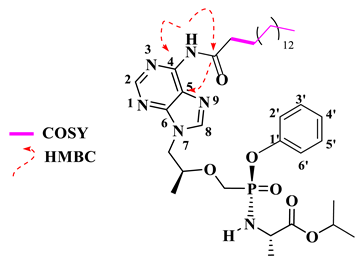
Key 2D COSY and HMBC Correlations of Compound 17.
Preprints 176614 i002
The structure of compound 17 was further confirmed through key 2D correlations. In HMBC, NH proton attached with purine ring showed correlations with quaternary carbonyl carbon of palmitoyl group, and also with quaternary carbons C-4, and C-5 of purine ring. Several COSY correlations were observed for the methylene protons of the palmitoyl group.

Isopropyl (((((S)-1-(6-((9E,12E)-octadeca-9,12-dienamido)-9H-purin-9-yl)propan-2-yl)oxy)methyl)(phenoxy)phosphoryl)-L-alaninate (18).
Compound 18 was obtained by the reaction of TAF (1 mmol) with linoleic acid (1 mmol), BOP (1 mmol) and DIPEA in 5 mL of acetone for 24 h at 60 °C. The compound was purified by silica gel column chromatography by using 90% EtOAc and 10% MeOH as mobile phases. Rf = 0.70, Yield: (14 mg, 15%, colorless liquid); B. P.: 264-265 °C; FT-IR (KBr pellet cm-1): υmax (N-H) 3128; υ(C=O) 1708; υ(C=N) 1669. UV λmax, nm (CH3OH): 0.621 (214), 0.805 (273); 1H-NMR (400 MHz, DMSO-d6) δ 10.53 (1H, s, NHCO), 8.57 (1H, s, H-2 of purine ring), 8.37 (1H, s, H-8 of purine ring), 7.24 (2H, t, J3ʹ/2ʹ, J5ʹ/6ʹ = 15.6 Hz, H-3ʹ and H-5ʹ of phenoxy ring), 7.08 (1H, distorted triplet, H-4ʹ of phenoxy ring), 7.00 (2H, d, J2ʹ/3ʹ, J6ʹ/5ʹ = 8.4 Hz, H-2ʹ and H-6ʹ of phenoxy ring), 5.57 (1H, t, NH of alanine moiety), 4.80 (3H, m, CH of propyloxy group, and CH2 of linoleoyl moiety), 4.80 (1H, m, CH of C-10ʹʹ of linoleoyl moiety), 4.35 (1H, dd, J = 14.4 and 3.2 Hz, CH2 of propan-2-yl moiety), 4.21 (1H, dd, J = 14.5 and 6.5 Hz, CH2 of propan-2-yl moiety), 3.95 (1H, m, CH of alanine moiety), 3.78 (4H, m, CH2 group, CH of propan-2-yl moiety, and 1 CH of C-9ʹʹ of linoleoyl moiety), 2.69 (1H, t, J13ʹʹ/14ʹʹ = 11.6 Hz, CH of C-13ʹʹ of linoleoyl moiety), 2.51 (3H, overlapped, α-CH2 of the linoleoyl moiety, and CH of C-12ʹʹ of linoleoyl moiety), 1.98-1.19 (20H, m, 10-CH2 of linoloeyl moiety), 1.13-1.04 (12H, m, CH3 of propyloxy, CH3 of alanine moiety and 2 CH3 groups of the isopropyl moiety), 0.79 (3H, t, JCH3/CH2 = 13.2 Hz, CH3 of linoleoyl moiety); 13C-NMR (600 MHz, DMSO-d6) δ 172.9, 171.6, 152.3, 151.4, 150.2, 150.2, 149.4, 144.8, 129.7, 129.6, 129.4, 127.7, 124.3, 122.8, 120.5, 120.5, 75.3, 75.3, 67.9, 64.6, 63.6, 49.0, 47.1, 36.2, 31.2, 30.9, 29.1, 29.0, 28.8, 28.7, 28.5, 26.6, 26.5; EI-MS m/z (rel. int. %): 738.3 [M]+, 94.0(100), 106.9(85.0), 149.9(60.0); HREI-MS Calcd. For [C39H59N6O6P]: (738.4234) Found m/z 738.4196.
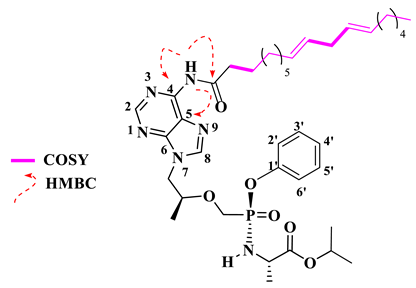
Key 2D COSY and HMBC Correlations of Compound 18:
Preprints 176614 i003
The structure of compound 18 was further confirmed through key 2D correlations. In HMBC, NH proton attached with purine ring showed correlations with quaternary carbonyl carbon of linoloyl chain, and with quaternary carbons C-4, and C-5 of purine ring. Several COSY correlations were also observed among the methylene and methane protons of the linoloyl chain.

The Preparation of Physical Mixtures

The physical mixture of TAF with myristic acid (19). The physical mixture was prepared by mixing 1 mmol of TAF (9) with 1 mmol of myristic acid. The mixture was dissolved in 6 mL of THF: MeOH (1:2 v/v), and then the samples were completely dried under a vacuum overnight.
The physical mixture of TAF with decanoyl chloride (20). The physical mixture was prepared by mixing 1 mmol of TAF (9) with 1 mmol of decanoyl chloride. The mixture was dissolved in 6 mL of THF: MeOH (1:2 v/v), and then the samples were completely dried under a vacuum overnight.
The physical mixture of TAF with butanoic anhydride (21). The physical mixture was prepared by mixing 1 mmol of TAF (9) with 1 mmol of butanoic anhydride. The mixture was dissolved in 6 mL of THF: MeOH (1:2 v/v), and then the samples were completely dried under a vacuum overnight.
The physical mixture of TAF with hexanoic anhydride (22). The physical mixture was prepared by mixing 1 mmol of TAF (9) with 1 mmol of hexanoic anhydride. The mixture was dissolved in 6 mL of THF: MeOH (1:2 v/v), and then the samples were completely dried under a vacuum overnight.
The physical mixture of TAF with octanoic anhydride (23). The physical mixture was prepared by mixing 1 mmol of TAF (9) with 1 mmol of octanoic anhydride. The mixture was dissolved in 6 mL of THF: MeOH (1:2 v/v), and then the samples were completely dried under a vacuum overnight.
The physical mixture of TAF with stearic acid (24). The physical mixture was prepared by mixing 1 mmol of TAF (9) with 1 mmol of stearic acid. The mixture was dissolved in 6 mL of THF: MeOH (1:2 v/v), and then the samples were completely dried under a vacuum overnight.
The physical mixture of TAF with palmitic acid (25). The physical mixture was prepared by mixing 1 mmol of TAF (9) with 1 mmol of palmitic acid. The mixture was dissolved in 6 mL of THF: MeOH (1:2 v/v), and then the samples were completely dried under a vacuum overnight.
The physical mixture of TAF with linoleic acid (26). The physical mixture was prepared by mixing 1 mmol of TAF (9) with 1 mmol of linoleic acid. The mixture was dissolved in 6 mL of THF: MeOH (1:2 v/v), and then the samples were completely dried under a vacuum overnight.

3.3. Cytotoxicity and Anti-HIV Assays

Compounds were dissolved in DMSO and then stored at −20 °C. TZM-bl cells were plated (104 cells per well in 96-well plate), and concentrations ranging between 0.01 to 100 ng/mL) of the compounds were applied to the cells the following day with or without HIV in triplicates. For toxicity testing, 100 µL of medium with or without compounds was added to each well for 48 h. The surfactant nonoxynol-9 (N9) was used as a cytotoxic positive control. The media was removed and replaced with 20 µL of CellTiter 96® AQueous One Solution Cell Proliferation Assay (Promega, USA), and 100 µL of cDMEM media for 3–4 h. Absorbance was read at 490 nm. An HIV-1BAL strain, generously obtained from Dr. Susana Asin’s lab (originally from the NIH AIDS repository) was amplified in our lab using Interleukin-2 stimulated human peripheral blood mononuclear cells and also tittered in our lab in TZMbl cells (ATCC). The TCID50 (s) were calculated according to the Kaerber formula (Kärber 1931). For antiviral activity (inhibition) testing, we used the Bright-Glo Luciferase Assay System (Promega, USA) following the manufacturer’s instructions. Briefly, 100 µL of medium +/- TAF compounds containing HIV-1BaL (5 × 10³ TCID50) was added to each well. After 48 h, the cells were lysed with 100 μL of Glo Lysis buffer. Lysate 50 µL was transferred into a 96-well black microtiter plate, after which 50 μL of Bright-Glo assay reagent was added, and the luminescence was measured and expressed in relative luminescence units (RLU). The average percentage of infection of the HIV-1BaL growth in three wells exposed to TAF compounds was calculated, and compared to the control (cells exposed to growth medium and HIV; no compounds) 100% infection was detected. The % HIV inhibition is 100 minus % HIV infection.

4. Conclusions

Fatty acyl amide conjugation generated more lipophilic compounds with comparable activity to the parent molecule TAF. Thus, this strategy may be used to improve the cellular penetration, formulation and possibly anti-HIV activity of TAF. This work represents a preliminary study to show anti-HIV of TAF fatty acyl conjugates. However, more research is needed based on the identified templates for the optimization and development of long-acting TFV-based anti-HIV agents.

Supplementary Materials

The following supporting information can be downloaded at the website of this paper posted on Preprints.org.

Author Contributions

H.S., G.F.D., M.I.C., and K.P., planned and designed the experiments; H.S, M.S. A.V. and N.S.E.-S. performed the chemistry; L.A.O. conducted the antiviral and cytotoxicity assays; K.P. and H.S. contributed reagents/materials/analysis tools; L.A.O, G.F.D., H.S., M.I.C. and K.P. wrote the manuscript. All authors have read and agreed to the published version of the manuscript.

Funding

The biological activities reported in this study was supported from funds from Chapman University School of Pharmacy (KP) and Director’s Funds from Eastern Virginia Medical School (LAO).

Institutional Review Board Statement

This study did not involve human subject research and thus did not require IRB review.

Informed Consent Statement

Not applicable.

Data Availability Statement

Not applicable.

Acknowledgments

The authors also acknowledge the support of the core facility at the Chapman University School of Pharmacy (USA). We also acknowledge the financial support of the Searle Company (Pakistan).

Conflicts of Interest

The authors declare no conflict of interest.

References

  1. UNAIDS (2025). “Global HIV & AIDS statistics—Fact sheet.” from https://www.unaids.org/en/resources/fact-sheet.
  2. Campiani, G.; Ramunno, A.; Maga, G.; Nacci, V.; Fattorusso, C.; Catalanotti, B.; Novellino, E. Non-nucleoside HIV-1 reverse transcriptase (RT) inhibitors: Past, present, and future perspectives. Curr. Pharm. Des. 2002, 8, 615–657. [Google Scholar] [CrossRef]
  3. Menéndez-Arias, L.; Delgado, R. Update and latest advances in antiretroviral therapy. Trends Pharm. Sci. 2022, 43, 16–29. [Google Scholar] [CrossRef]
  4. Administration, U. S. FDA (2022). “HIV treatment.” https://www.fda.gov/drugs/human-immunodeficiency-virus-hiv/hiv-treatment.
  5. Shirvani, P.; Fassihi, A.; Saghaie, L. Recent Advances in the Design and Development of Non-nucleoside Reverse Transcriptase Inhibitor Scaffolds. Med. Chem. 2019, 14, 52–77. [Google Scholar] [CrossRef] [PubMed]
  6. Ettmayer, P.; Amidon, G.L.; Clement, B.; Testa, B. Lessons learned from marketed and investigational prodrugs. J. Med. Chem. 2004, 47, 2393–2404. [Google Scholar] [CrossRef] [PubMed]
  7. Albert, A. Chemical aspects of selective toxicity. Nature 1958, 182, 421–423. [Google Scholar] [CrossRef] [PubMed]
  8. Asselah, T. Sofosbuvir for the treatment of hepatitis C virus. Expert Opin. Pharmacother. 2014, 15, 121–130. [Google Scholar] [CrossRef]
  9. Hostetler, K.Y.; Beadle, J.R.; Hornbuckle, W.E.; Bellezza, C.A.; Tochkov, I.A.; Cote, P.J.; Tennant, B.C. Antiviral activities of oral 1-O-hexadecylpropanediol-3-phosphoacyclovir and acyclovir in woodchucks with chronic woodchuck hepatitis virus infection. Antimicrob. Agents Chemother. 2000, 44, 1964–1969. [Google Scholar] [CrossRef]
  10. Hostetler, K.Y.; Rybak, R.J.; Beadle, J.R.; Gardner, M.F.; Aldern, K.A.; Wright, K.N.; Kern, E.R. In vitro and in vivo activity of 1-O-hexadecylpropane-diol-3-phospho-ganciclovir and 1-O-hexadecylpropanediol-3-phospho-penciclovir in cytomegalovirus and Herpes simplex Virus Infections. Antivir. Chem. Chemother. 2001, 12, 61–70. [Google Scholar] [CrossRef]
  11. Weller, S.; Blum, M.R.; Doucette, M.; Burnette, T.; Cederberg, D.M.; de Miranda, P.; Smiley, M.L. Pharmacokinetics of the acyclovir pro-drug valaciclovir after escalating single-and multiple-dose administration to normal volunteers. Clin. Pharmacol. Ther. 1993, 54, 595–605. [Google Scholar] [CrossRef]
  12. Steingrimsdottir, H.; Gruber, A.; Palm, C.; Grimfors, G.; Kalin, M.; Eksborg, S. Bioavailability of aciclovir after oral administration of acyclovir, and its prodrug valaciclovir to patients with leukopenia after chemotherapy. Antimicrob. Agents Chemother. 2000, 44, 207–209. [Google Scholar] [CrossRef]
  13. Biron, K.K. Antiviral drugs for cytomegalovirus diseases. Antivir. Res. 2006, 71, 154–163. [Google Scholar] [CrossRef]
  14. Hodge, R.V. Famciclovir and penciclovir. The mode of action of famciclovir including its conversion to penciclovir. Antivir. Chem. Chemother. 1993, 4, 67–84. [Google Scholar] [CrossRef]
  15. Wire, M.B.; Shelton, M.J.; Studenberg, S. Fosamprenavir. Clin. Pharmacokinet. 2006, 45, 137–168. [Google Scholar] [CrossRef]
  16. Naesens, L.; Bischofberger, N.; Augustijns, P.; Annaert, P.; Van den Mooter, G.; Arimilli, M.N.; De Clercq, E. Antiretroviral efficacy and pharmacokinetics of oral bis (isopropyloxycarbonyloxymethyl) 9-(2-phosphonylmethoxypropyl) adenine in mice. Antimicrob. Agents Chemother. 1998, 42, 1568–1573. [Google Scholar] [CrossRef]
  17. Mulato, A.S.; Cherrington, J.M. Anti-HIV activity of adefovir (PMEA) and PMPA in combination with antiretroviral compounds: In vitro analyses. Antivir. Res. 1997, 36, 91–97. [Google Scholar] [CrossRef]
  18. Sofia, M.J.; Bao, D.; Chang, W.; Du, J.; Nagarathnam, D.; Rachakonda, S.; Furman, P.A. Discovery of a β-d-2′-deoxy-2′-α-fluoro-2′-β-C-methyluridine nucleotide prodrug (PSI-7977) for the treatment of hepatitis C virus. J. Med. Chem. 2010, 53, 7202–7218. [Google Scholar] [CrossRef]
  19. Mackman, R.L. Phosphoramidate Prodrugs Continue to Deliver, The Journey of remdesivir (GS-5734) from RSV to SARS-CoV-2. ACS Med. Chem. Lett. 2022, 13, 338–347. [Google Scholar] [CrossRef] [PubMed]
  20. Yang, N.J.; Hinner, M.J. Getting across the cell membrane: An overview for small molecules, peptides, and proteins. Site-Specif. Protein Labeling 2015, 13, 29–53. [Google Scholar]
  21. Lyseng-Williamson, K.A.; Reynolds, N.A.; Plosker, G.L. Tenofovir disoproxil fumarate: A review of its use in the management of HIV infection. Drugs 2005, 65, 413–432. [Google Scholar] [CrossRef]
  22. Atta, M.G.; De Seigneux, S.; Lucas, G.M. Clinical pharmacology in HIV therapy. Clin. J. Am. Soc. Nephrol. 2019, 14, 435–444. [Google Scholar]
  23. Birkus, G.; Kutty, N.; He, G.X.; Mulato, A.; Lee, W.; McDermott, M.; Cihlar, T. Activation of 9-[(R)-2-[[(S)-[[(S)-1-(Isopropoxycarbonyl) ethyl] amino] phenoxyphosphinyl]-methoxy] propyl] adenine (GS-7340) and other tenofovir phosphonoamidate prodrugs by human proteases. Mol. Pharmacol. 2008, 74, 92–100. [Google Scholar] [PubMed]
  24. Eisenberg, E.J.; He, G.X.; Lee, W.A. Metabolism of GS-7340, a novel phenyl monophosphoramidate intracellular prodrug of PMPA, in blood. Nucleosides Nucleotides Nucleic Acids 2001, 20, 1091–1098. [Google Scholar] [CrossRef] [PubMed]
  25. Lee, W.A.; He, G.X.; Eisenberg, E.; Cihlar, T.; Swaminathan, S.; Mulato, A.; Cundy, K.C. Selective intracellular activation of a novel prodrug of the human immunodeficiency virus reverse transcriptase inhibitor tenofovir leads to preferential distribution and accumulation in lymphatic tissue. Antimicrob. Agents Chemother. 2005, 49, 1898–1906. [Google Scholar] [CrossRef] [PubMed]
  26. Venter, W.D.; Moorhouse, M.; Sokhela, S.; Fairlie, L.; Mashabane, N.; Masenya, M.; Hill, A. Dolutegravir plus two different prodrugs of tenofovir to treat HIV. N. Eng. J. Med. 2019, 9, 803–815. [Google Scholar]
  27. Kirtane, A.R.; Abouzid, O.; Minahan, D.; Bensel, T.; Hill, A.L.; Selinger, C.; Traverso, G. Development of an oral once-weekly drug delivery system for HIV antiretroviral therapy. Nat. Commun. 2018, 9, 1–12. [Google Scholar] [CrossRef]
  28. Pemmaraju, B.; Agarwal, H.K.; Oh, D.; Buckheit, K.W.; Buckheit Jr, R.W.; Tiwari, R.; Parang, K. Synthesis and biological evaluation of 5′-O-dicarboxylic fatty acyl monoester derivatives of anti-HIV nucleoside reverse transcriptase inhibitors. Tet. Lett. 2014, 55, 1983–1986. [Google Scholar] [CrossRef]
  29. Langner, C.A.; Travis, J.K.; Caldwell, S.J.; Tianbao, J.E.; Li, Q.; Bryant, M.L.; Devadas, B.; Gokel, G.W.; Kobayashi, G.S.; Gordon, J.I. 4-Oxatetradecanoic acid is fungicidal for Cryptococcus neoformans and inhibits replication of human immunodeficiency virus. J. Biol. Chem. 1992, 267, 17159–17169. [Google Scholar] [CrossRef]
  30. Parang, K.; Wiebe, L.I.; Knaus, E.E.; Huang, J.S.; Tyrrell, D.L. In vitro anti-hepatitis B virus activities of 5′-O-myristoyl analogue derivatives of 3′-fluoro-2′,3′-dideoxythymidine (FLT) and 3′-azido-2′,3′-dideoxythymidine (AZT). J. Pharm. Pharm. Sci. 1998, 1, 107–113. [Google Scholar]
  31. Agarwal, H.K.; Loethan, K.; Mandal, D.; Doncel, G.F.; Parang, K. Synthesis and biological evaluation of fatty acyl ester derivatives of 2′,3′-didehydro-2′,3′-dideoxythymidine Bioorg. Med. Chem. Lett. 2011, 21, 1917–1921. [Google Scholar]
  32. Agarwal, H.K.; Chhikara, B.S.; Bhavaraju, S.; Mandal, D.; Doncel, G.F.; Parang, K. Emtricitabine prodrugs with improved anti-HIV activity and cellular uptake. Mol. Pharm. 2013, 10, 467–476. [Google Scholar] [CrossRef]
  33. Agarwal, H.K.; Chhikara, B.S.; Hanley, M.J.; Ye, G.; Doncel, G.F.; Parang, K. Synthesis and biological evaluation of fatty acyl ester derivatives of (-)-2′,3′-dideoxy-3′-thiacytidine. J. Med. Chem. 2012, 55, 4861–4871. [Google Scholar] [CrossRef]
  34. Parang, K.; Wiebe, L.I.; Knaus, E.E.; Huang, J.-S.; Tyrrell, D.L.; Csizmadia, F. In vitro antiviral activities of myristic acid analogs against human immunodeficiency and hepatitis B viruses. Antivir. Res. 1997, 34, 75–90. [Google Scholar] [CrossRef]
  35. Qureshi, A.; Ouattara, L. A.; El-Sayed, N. S.; Verma, A.; Doncel, G. F.; Choudhary, M. I.; Siddiqui, H.; Parang, K. , Synthesis and Evaluation of Anti-HIV Activity of Mono- and Di-Substituted Phosphonamidate Conjugates of Tenofovir. Molecules 2022, 27, 4447. [Google Scholar] [CrossRef]
  36. Qureshi, A.; Ouattara, L.A.; El-Sayed, N.S.; Verma, A.; Doncel, G.F.; Choudhary, M.I.; Siddiqui, H.; Parang, K. RETRACTED: Qureshi et al. Synthesis and Evaluation of Anti-HIV Activity of Mono- and Di-Substituted Phosphonamidate Conjugates of Tenofovir. Molecules 2022, 27, 4447. Molecules 2025, 30, 3414. [Google Scholar] [CrossRef]
  37. Bryant, M.L.; McWherter, C.A.; Kishore, N.S.; Gokel, G. W.; Gordon, J.I. MyristolyCoA:protein N-myristoyltransferase as a therapeutic target for inhibiting replication of human immunodeficiency virus-1. Perspectives in Drug Des. Dev. Ther. 1993, 1, 193–209. [Google Scholar] [CrossRef]
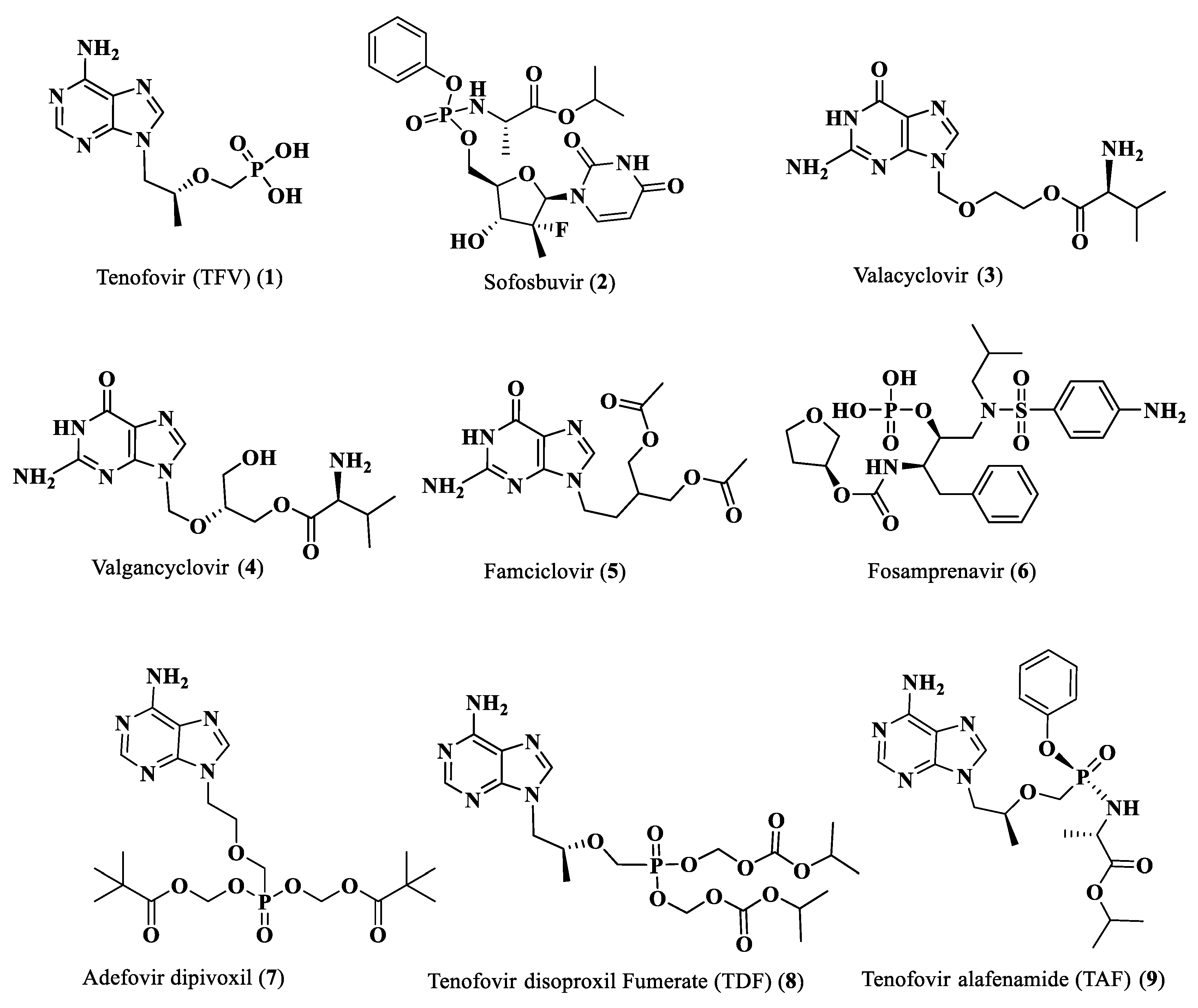
Figure 1. Chemical Structures of Antiviral Prodrugs.
Preprints 176614 g001
Figure 2. Chemical Structures of Synthesized TAF Conjugates 10-18, along with their CLogP values.
Preprints 176614 g002
Scheme 1. Synthesis of fatty acyl amide substituted derivatives of TAF (10-18).
Preprints 176614 sch001
Figure 3. TZM-bl cells were exposed to TAF (9), TAF conjugates 10-18 and the physical mixtures of TAF (19-26) for 48 h. TZM-bl cells were plated in 96-well plates and exposed the following day to 1–100 ng/mL of compounds. The experiments were repeated two to four times with triplicate wells plated per concentration tested in each experiment. The cells were also exposed to nonoxynol-9 (N9) as a positive control for cytotoxicity. After 48 h exposure, the viability of the cells was measured by MTS assay. Only data for the highest concentration are plotted to fit all compounds in one figure, facilitating their comparison. No cytotoxicity was observed at lower concentrations.
Preprints 176614 g003
Figure 4. Anti-HIV activity of TAF (9) and TAF conjugates 10, 11, and 19 (A), 12-18 (B) and 20-26 (C) in TZMbl cells (concentrations listed below are in ng/mL). The median adjusted Relative Luminescence units (RLU) for each concentration per experiment are shown in Figure 4A, 4B and 4C (experiments were repeated 3 or 4 times, with 3 replicates per concentration in each experiment). The median percentage of HIV inhibition in cells exposed to different concentrations of TAF or TAF conjugates in presence of HIV per experiment is shown in Table 1.
Preprints 176614 g004
Figure 5. IC50 of TAF (9) and conjugates 10-18 for 48 h co-exposure of TAF and HIVBAL in TZM-bl cells. The IC50 was calculated in GraphPad Prism for each individual experiment showed in Figure 5A by using log concentrations in nM and the RLU values measured for each concentration. Figure 5B shows the best three conjugates at a lower scale to facilitate the comparison with TAF.
Preprints 176614 g005
Table 1. Percentage of HIV inhibition in TZM-bl cells co-exposed to HIVBAL and TAF (9) or TAF conjugates 10-18 or the physical mixtures of TAF 19-26.
Compound [Concentration] ng/ml % HIV (HIV-1BAL) Inhibition Compound [Concentration] ng/ml % HIV (HIV-1BAL) Inhibition
9 100 99.6 18 100 99.6
10 97.3 10 81.5
1 74.6 1 40.8
0.1 45.6 0.1 28.2
0.01 19.5 0.01 0.7
10 100 99.6 19 100 99.7
10 98.4 10 91.7
1 70.9 1 60.4
0.1 33 0.1 27.9
0.01 21.1 0.01 8.6
11 100 99.4 20 100 92.4
10 86.6 10 53.6
1 43.4 1 46.1
0.1 30.4 0.1 36.2
0.01 17 0.01 8.6
12 100 99.7 21 100 98.9
10 89.2 10 83.8
1 57.3 1 45.7
0.1 37.4 0.1 40
0.01 34.5 0.01 22.3
13 100 96.4 22 100 94.9
10 58.1 10 70.9
1 18.1 1 53.5
0.1 25.3 0.1 28.1
0.01 0 0.01 41
14 100 97.2 23 100 92.8
10 83.3 10 65
1 36.6 1 45.6
0.1 7 0.1 33.7
0.01 2.8 0.01 41.4
15 100 99.3 24 100 81.2
10 85.7 10 45.8
1 55.6 1 29.5
0.1 29.4 0.1 22.1
0.01 34.1 0.01 11.5
16 100 84.6 25 100 75.4
10 48 10 66
1 16.6 1 55.5
0.1 11.2 0.1 48.3
0.01 10.8 0.01 48.6
17 100 99.85 26 100 99.45
10 96.45 10 91.55
1 61.9 1 63.85
0.1 29.05 0.1 57.75
0.01 4.3 0.01 35.5
Disclaimer/Publisher’s Note: The statements, opinions and data contained in all publications are solely those of the individual author(s) and contributor(s) and not of MDPI and/or the editor(s). MDPI and/or the editor(s) disclaim responsibility for any injury to people or property resulting from any ideas, methods, instructions or products referred to in the content.
Copyright: This open access article is published under a Creative Commons CC BY 4.0 license, which permit the free download, distribution, and reuse, provided that the author and preprint are cited in any reuse.
Prerpints.org logo

Preprints.org is a free preprint server supported by MDPI in Basel, Switzerland.

Subscribe

Disclaimer

Terms of Use

Privacy Policy

Privacy Settings

© 2025 MDPI (Basel, Switzerland) unless otherwise stated