Preprint
Article

This version is not peer-reviewed.

Digital Empowerment in STEM Education: A Bibliometric Analysis (2021–2025)

Submitted:

30 August 2025

Posted:

01 September 2025

You are already at the latest version

Abstract

The accelerating pace of technological innovation presents both opportunities and structural challenges for STEM education. Key among these are: (1) the disconnect between traditional discipline-based models and the need for interdisciplinary integration; (2) the misalignment between standardized evaluation systems and the objective of nurturing creativity and innovation; and (3) the skills gap between teachers’ single-discipline expertise and the pedagogical demands of integrated, digitally mediated instruction. This study provides a comprehensive bibliometric analysis of STEM education research published between 2021 and 2025, based on data retrieved from the Web of Science Core Collection. Following PRISMA guidelines for systematic reviews, we employed VOSviewer, CiteSpace, Bibliometrix, and R to analyze publication trends, author and institutional networks, core journals, and thematic developments. An examination of 798 peer-reviewed publications spanning 343 national and regional contexts demonstrates the sustained and expanding global scholarly interest in STEM education. The United States and China are identified as the principal contributors in terms of research output, while the University of California system is noted for its consistently high institutional productivity. Bibliometric mapping reveals a discernible shift in research emphasis toward interdisciplinary curriculum integration, the pedagogical application of artificial intelligence, the development of multimodal instructional frameworks, and the conceptual extension encapsulated in the STEM+ paradigm. These emerging focal areas underscore the transformative impact of digital technologies on the epistemological and practical foundations of STEM education. The observed trends signal not only a reconfiguration of instructional design and content delivery but also a broader reconceptualization of how disciplinary boundaries and technological affordances intersect in contemporary educational practice. This study offers a data-informed perspective on these developments, furnishing a robust empirical basis for the refinement of policy frameworks, the advancement of curriculum design, and the reorientation of instructional practices within digitally enhanced learning environments.

Keywords: 
;  ;  

1. Introduction

In the context of accelerating technological innovation and the intensification of global. digital transformation, STEM (Science, Technology, Engineering, and Mathematics) education has emerged not merely as a disciplinary cluster but as a strategic framework for fostering innovation-driven human capital and enhancing the overall quality of national education systems (Aguilera & Ortiz-Revilla, 2021; Ross et al., 2022; Santangelo et al., 2021). This transformative role is underscored by the increasing demands of knowledge economies and the pressing need to equip learners with competencies that extend beyond rote content acquisition. Central to the pedagogical architecture of STEM education is the systematic integration of interdisciplinary knowledge domains with inquiry-based, experiential, and project-oriented learning paradigms. Such integration is designed to cultivate advanced cognitive capabilities—including analytical reasoning, adaptive problem-solving, and design thinking—as well as foster creativity, collaboration, and resilience in complex, technology-rich environments (Leung, 2023; Honey et al., 2014). Moreover, as digital technologies such as artificial intelligence, big data analytics, and virtual simulation become embedded in instructional ecosystems, STEM education serves as a critical nexus where epistemological innovation meets pedagogical reform. This nexus not only redefines content and method but also demands structural shifts in curriculum design, teacher training, and assessment frameworks to ensure alignment with the demands of future-oriented education.
Nevertheless, the implementation of STEM education continues to be obstructed by three deeply embedded structural constraints that compromise both its coherence and efficacy. First, the persistent compartmentalization of academic disciplines within institutional curricula severely impedes the realization of integrative pedagogical frameworks. Despite increasing calls for transdisciplinary approaches, curricular structures in many education systems remain anchored in rigid, legacy models that isolate subject areas, thereby limiting opportunities for epistemological convergence and applied problem-solving across domains. Second, prevailing systems of assessment, which emphasize standardized metrics of academic achievement, are ill-suited to evaluate the kinds of complex, generative competencies that STEM education purports to cultivate. These include, but are not limited to, divergent thinking, design-based reasoning, metacognitive regulation, and collaborative knowledge construction. The disconnect between assessment practices and pedagogical intentions has not only stymied instructional innovation but has also reinforced reductive notions of academic success. Third, there remains a significant disjunction between the mono-disciplinary formation that characterizes most teacher education programs and the pedagogical demands of interdisciplinary, technology-mediated STEM instruction. Many educators enter the profession equipped with deep content expertise in a single domain but lack the cross-domain fluency, digital literacy, and curricular agility necessary to orchestrate learning experiences that reflect the interconnected nature of contemporary scientific and technological challenges (Hallström et al., 2023). This tripartite misalignment—curricular, evaluative, and professional—necessitates a fundamental re-examination of the structural logics that underpin STEM education, with particular attention to systemic integration, assessment reform, and teacher capacity-building within a digitally evolving pedagogical landscape.
Amid these persistent structural constraints, the integration of emerging technologies—most notably artificial intelligence, data analytics, and advanced visualization tools—is progressively reconfiguring the epistemic and pedagogical foundations of STEM education. These technologies are not merely adjunct tools but are becoming constitutive elements of contemporary learning environments, shaping both the modalities of instruction and the architectures of knowledge acquisition. Particularly noteworthy is the rise of AI-enabled systems that facilitate adaptive learning pathways, enabling instruction to be dynamically tailored to individual learners’ cognitive profiles, progress trajectories, and engagement patterns (Shen et al., 2023). When embedded within multimodal pedagogical frameworks, such systems support differentiated instruction, promote iterative feedback loops, and enhance the granularity with which conceptual understanding is monitored and scaffolded. Furthermore, the increasing sophistication of data visualization and learning analytics platforms is allowing educators and researchers to gain deeper insights into student learning behaviors, thereby informing evidence-based curriculum refinement and instructional design. These technological advancements, however, also raise critical questions regarding epistemological validity, equity of access, and the redefinition of teacher agency within algorithmically mediated educational spaces. As such, their incorporation into STEM education requires not only technical integration but also pedagogical re-theorization and institutional re-alignment to ensure that technology functions as an enabler of inquiry, creativity, and equity, rather than as a reinforcing mechanism of existing systemic disparities.
To interrogate the evolving landscape of STEM education with analytical precision, this study undertakes a systematic bibliometric and scientometric inquiry into peer-reviewed literature published between 2021 and 2025. Anchored in the Web of Science Core Collection—the preeminent database for high-impact scholarly output—this investigation applies a suite of validated analytical tools, including VOSviewer, CiteSpace, and Bibliometrix, to uncover underlying intellectual structures, emergent thematic constellations, and institutional research configurations that have come to define the field in recent years. By visualizing co-citation networks, author collaborations, and keyword co-occurrence patterns, the study elucidates not only the dominant epistemic currents but also the marginal or nascent trajectories gaining scholarly attention. This multi-dimensional mapping of the field furnishes an empirically grounded framework from which to assess the directionality, coherence, and fragmentation of current research efforts. Furthermore, the findings offer critical insights with implications for strategic agenda-setting in educational policy, evidence-based curriculum innovation, and the recalibration of pedagogical priorities in response to a rapidly digitizing educational ecosystem (Gamage et al., 2022).

2. Materials and Methods

This study follows a methodologically robust approach by combining systematic review procedures with bibliometric analysis, in accordance with the PRISMA (Preferred Reporting Items for Systematic Reviews and Meta-Analyses) framework. The application of PRISMA ensures methodological transparency, procedural coherence, and replicability throughout the identification, selection, and synthesis of relevant literature.

2.1. Data Sources and Search Protocols
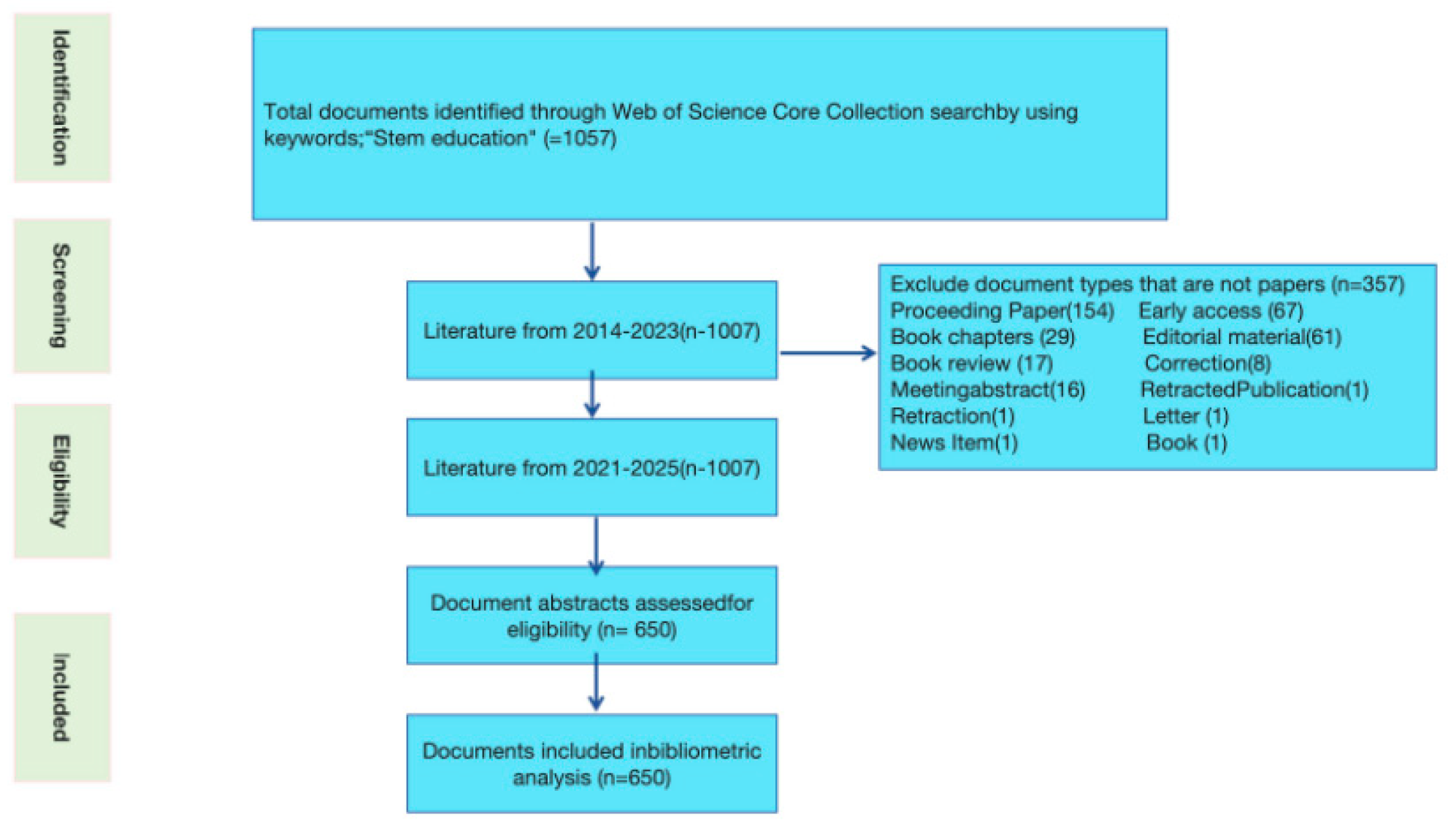
This study employed the Web of Science Core Collection (WoSCC) as the sole bibliographic data source, given its extensive indexing of high-impact, peer-reviewed publications and its alignment with rigorous citation standards widely recognized in educational and interdisciplinary research. The temporal coverage was delimited to the period 2021–2025, inclusive of early-access publications indexed as of March 2025, in order to capture the most recent scholarly discourse at the intersection of STEM education and technological transformation.
A strategically designed keyword protocol was developed to ensure the comprehensiveness and precision of the search process. The core query terms were anchored in “STEM education,” complemented by systematically derived lexical variants reflecting evolving thematic trajectories in the literature, such as “interdisciplinary STEM,” “integrated STEM,” “STEM+,” “STEM and artificial intelligence,” “computational thinking in STEM,” and related constructs. Boolean operators and truncation techniques were applied to enhance semantic breadth without compromising relevance.
This search strategy yielded a corpus of 798 bibliographically complete and thematically pertinent records, encompassing journal articles, early-access publications, and reviews. These records form the empirical foundation for the subsequent bibliometric and network analyses. The inclusion criteria were restricted to English-language, peer-reviewed journal articles, thereby ensuring the reliability, quality, and cross-cultural comparability of the dataset. Duplicate entries, conference proceedings, editorial materials, and non-substantive commentary were systematically excluded through a multi-phase screening process aligned with PRISMA (Preferred Reporting Items for Systematic Reviews and Meta-Analyses) guidelines.
Figure 1. Flowchart of Systematic Analysis (PRISMA).
Preprints 174528 g001

2.2. Analytical Instruments and Dimensions of Investigation

To ensure methodological robustness and comprehensive bibliometric insight, three established analytic tools were deployed: CiteSpace 6.2, VOSviewer 1.6.19, and the Bibliometrix package within R. Each tool contributed distinct yet complementary functionalities to the analysis of the STEM education literature. The investigation was structured around four core analytical dimensions:
(1)
Temporal distribution of scholarly output, enabling the identification of publication trends and growth trajectories over the examined period;
(2)
Source journals and citation structures, facilitating the mapping of influential publication venues and intertextual scholarly impact;
(3)
Geospatial and institutional productivity, encompassing the distribution patterns of contributing authors, affiliated institutions, and national-level research activity;
(4)
Keyword co-occurrence and thematic evolution, aimed at delineating emergent research clusters, intellectual frontiers, and longitudinal shifts in conceptual emphasis.

2.3. Inclusion and Exclusion Criteria

To ensure methodological rigor and the integrity of bibliometric inferences, a carefully delineated set of inclusion and exclusion parameters was employed. These criteria were designed to optimize the thematic relevance, scholarly validity, and replicability of the dataset, consistent with best practices in bibliometric research.
Publications were included only if they satisfied all of the following conditions:
a)
Thematic Precision: The study explicitly engaged with STEM education as a core fo cus, encompassing areas such as interdisciplinary pedagogy, curricular reconfiguration, technology-mediated instruction, or systemic educational innovation within STEM domains.
b)
Scholarly Provenance: The publication appeared in peer-reviewed academic journals. indexed in the Social. Sciences Citation Index (SSCI) or Science Citation Index (SCI), thereby ensuring a threshold of intellectual merit, peer validation, and global dissemination.
c)
Metadata Completeness: The record contained full bibliographic metadata—comprising title, abstract, authorship, institutional affiliation, keywords, and citation data—required for reliable extraction, mapping, and analysis.
By contrast, the following types of publications were systematically excluded from the. corpus:
  • Non-research outputs such as editorial prefaces, commentary articles, conference. abstracts, or opinion essays lacking substantive empirical or theoretical foundations;
  • Duplicate entries, reprints, or derivative publications previously indexed under
  • different metadata records;
  • Non-English language publications, due to the absence of standardized metadata. protocols across languages, which would compromise comparability and analytical consistency;
  • Peripheral content including book reviews, policy briefs, or informational notices not situated within the scope of peer-reviewed empirical or conceptual research.
This dual-filtered selection protocol was instrumental in refining the. corpus to a representative, high-quality dataset suitable for robust bibliometric and scientometric analysis.

3. Results

3.1 Literature Volume and Temporal Dynamics of STEM Education Research

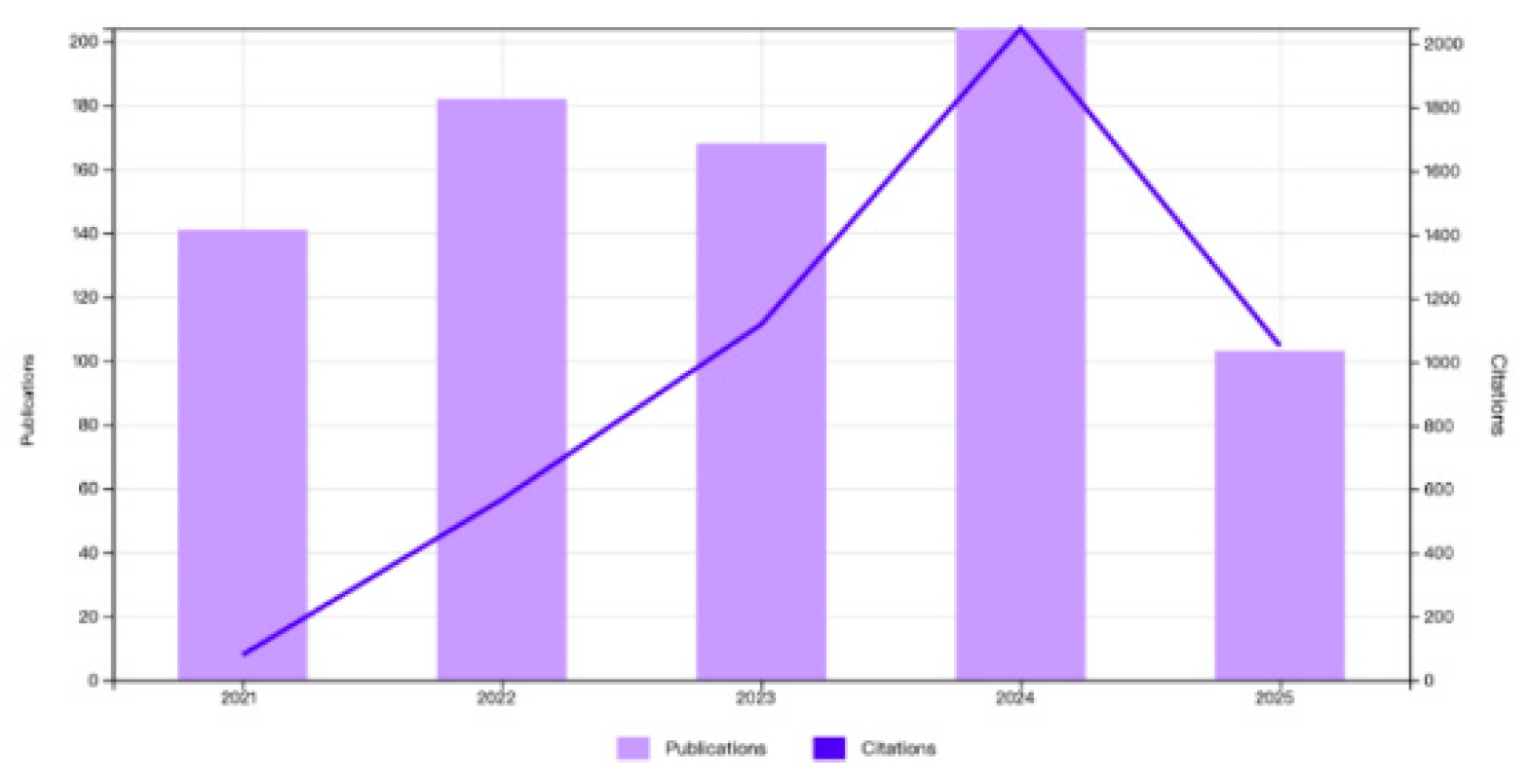
A bibliometric analysis of literature published between 2021 and 2025 reveals a sustained upward trajectory in global STEM education research, both in terms of volume and academic visibility. The longitudinal data demonstrate not only a consistent annual increase in scholarly output but also a marked inflection point beginning in 2024, signaling an intensification of scholarly engagement and policy relevance within this domain (Han et al., 2023; Santos et al., 2023). This temporal acceleration corresponds with parallel developments in educational technology, transnational education reform initiatives, and growing institutional prioritization of innovation-oriented curricula.
As presented in Figure 2, disciplinary classification derived from the Web of Science Core Collection indicates a dominant clustering of STEM education scholarship within three primary categories: Education & Educational Research (n = 584), Education, Scientific Disciplines (n = 209), and Computer Science, Interdisciplinary Applications (n = 82). This disciplinary distribution affirms the field’s anchoring in pedagogical research while also reflecting a pronounced convergence with computational and scientific domains. Secondary disciplinary intersections—most notably with psychology, engineering education, and certain branches of the social sciences—further attest to the epistemological hybridity and methodological pluralism that characterize contemporary STEM education research.
Figure 3 maps the annual publication volume against citation frequency over the five-year period. The findings point to a parallel and proportional increase in both metrics, suggesting that the expansion of research output is accompanied by a corresponding amplification of academic influence. This co-evolution of publication and citation trajectories serves as a proxy indicator of the field’s consolidation as a globally recognized research area, supported by a dense network of scholarly communication and cross-national collaboration.
Complementing these visual analyses, Table 1 presents a detailed annual breakdown of publication counts, total citations, and citation-per-article ratios. These data facilitate a more nuanced understanding of the temporal rhythm and scholarly impact of STEM education research, providing an empirical foundation for subsequent analyses of author productivity, institutional contributions, and thematic evolution within the field. ailed statistics of articles published by major institutions in the recent five years.

3.2. National, Institutional and Journal Distribution

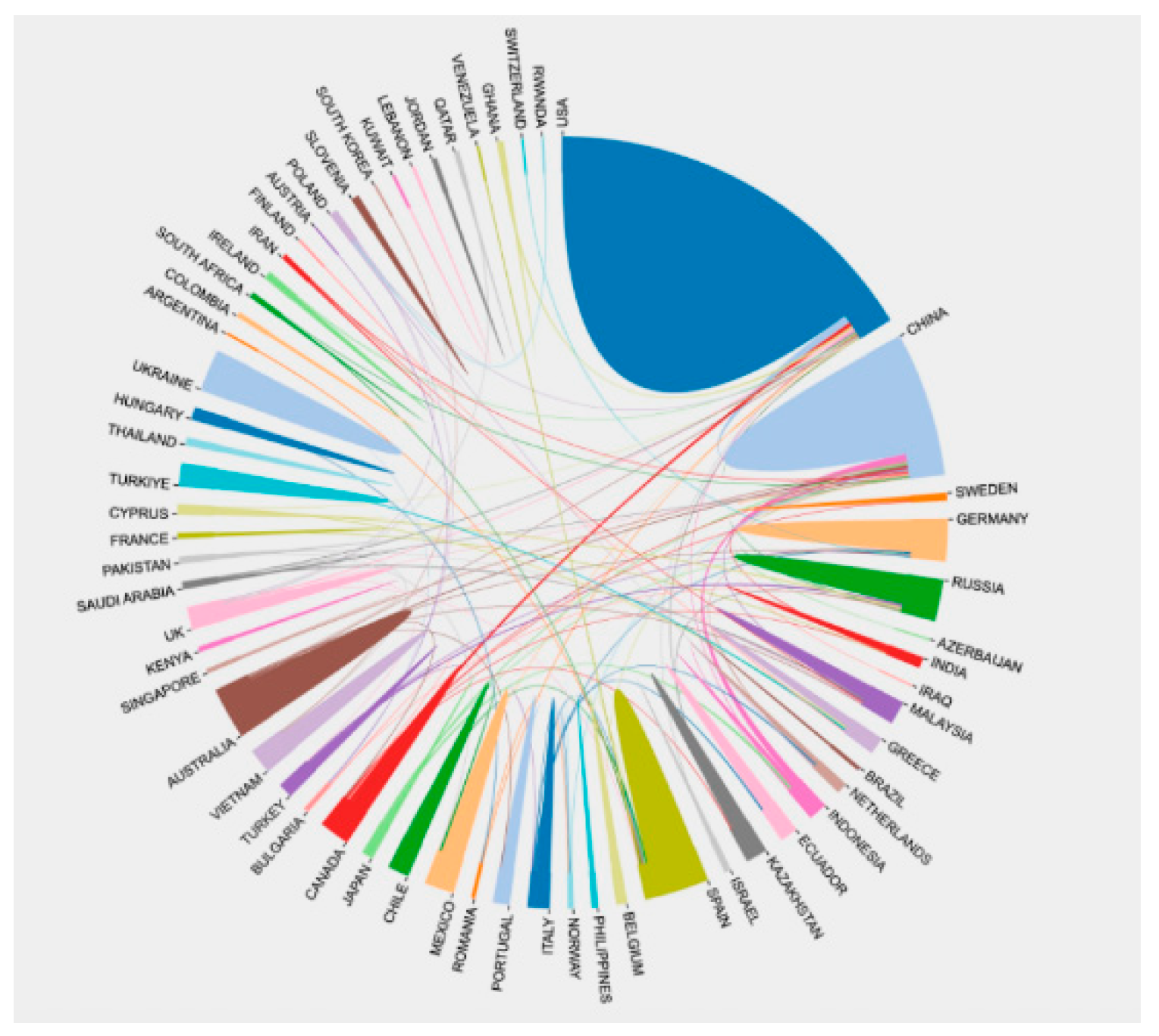
The bibliometric analysis reveals a broad geographic distribution of scholarly en gagement, encompassing authors from 343 distinct regional affiliations across ten countries, with the United States emerging as the most prominent contributor to the field. Not only does it exhibit the highest volume of publications (n = 219) over the five-year period under review, but it also functions as a central hub for international collaboration, as evidenced by the density and reach of its co-authorship networks. In addition to the United States, a significant concentration of high-output institutions is observed in China and, to a lesser extent, in Spain and other European and Asian nations, underscoring the increasingly globalized nature of STEM education research.
As presented in Table 1, the dominance of the United States is followed by China and Spain in terms of publication output. To further elucidate patterns of scholarly collaboration, countries or regions with three or more publications were extracted and subjected to network visualization analysis. The resulting maps (Figure 4 and Figure 5) illustrate a robust and interlinked international collaboration structure, characterized by multiple bilateral and multilateral partnerships. Of particular note is the presence of strong positive collaborative ties among diverse national systems, suggesting that STEM education is not merely a local or national priority, but a transnational concern shaped by shared challenges and mutual interests. These findings reflect an increasingly interconnected research ecosystem in which intellectual exchange transcends geographic boundaries, contributing to a more cohesive and dynamic development of the field.

3.2.1. Collaborative Network Structure and Cluster Distribution

The co-authorship network visualized in Figure 4 reveals a pronounced core-periphery topology—a structure characteristic of global scientific collaboration across high-impact STEM education research. At the center of this configuration, a small group of core countries and institutions exhibits dense interconnections and high centrality scores, signifying their disproportionate influence in shaping research agendas and disseminating knowledge within the field. These core nodes—primarily located in technologically advanced and research-intensive economies—function as central conduits of scholarly activity, facilitating high-frequency collaborations and often occupying gatekeeping roles in transnational knowledge flows.
Encircling the core, a second tier of semi-peripheral entities acts as regional mediators. These institutions and countries bridge local research communities with the global core, often translating central theoretical frameworks into context-specific pedagogical applications. Despite their mediating function, these nodes remain structurally subordinate, with limited capacity to shape global research narratives independently.
Peripheral countries and institutions—comprising the majority of nodes—are characterized by minimal collaborative ties, low betweenness centrality, and a sparse presence in co-authorship clusters. Their marginality underscores enduring disparities in research capacity, funding access, and visibility in high-impact publication venues. This stratification within the network reflects broader systemic asymmetries in global knowledge production and circulation.
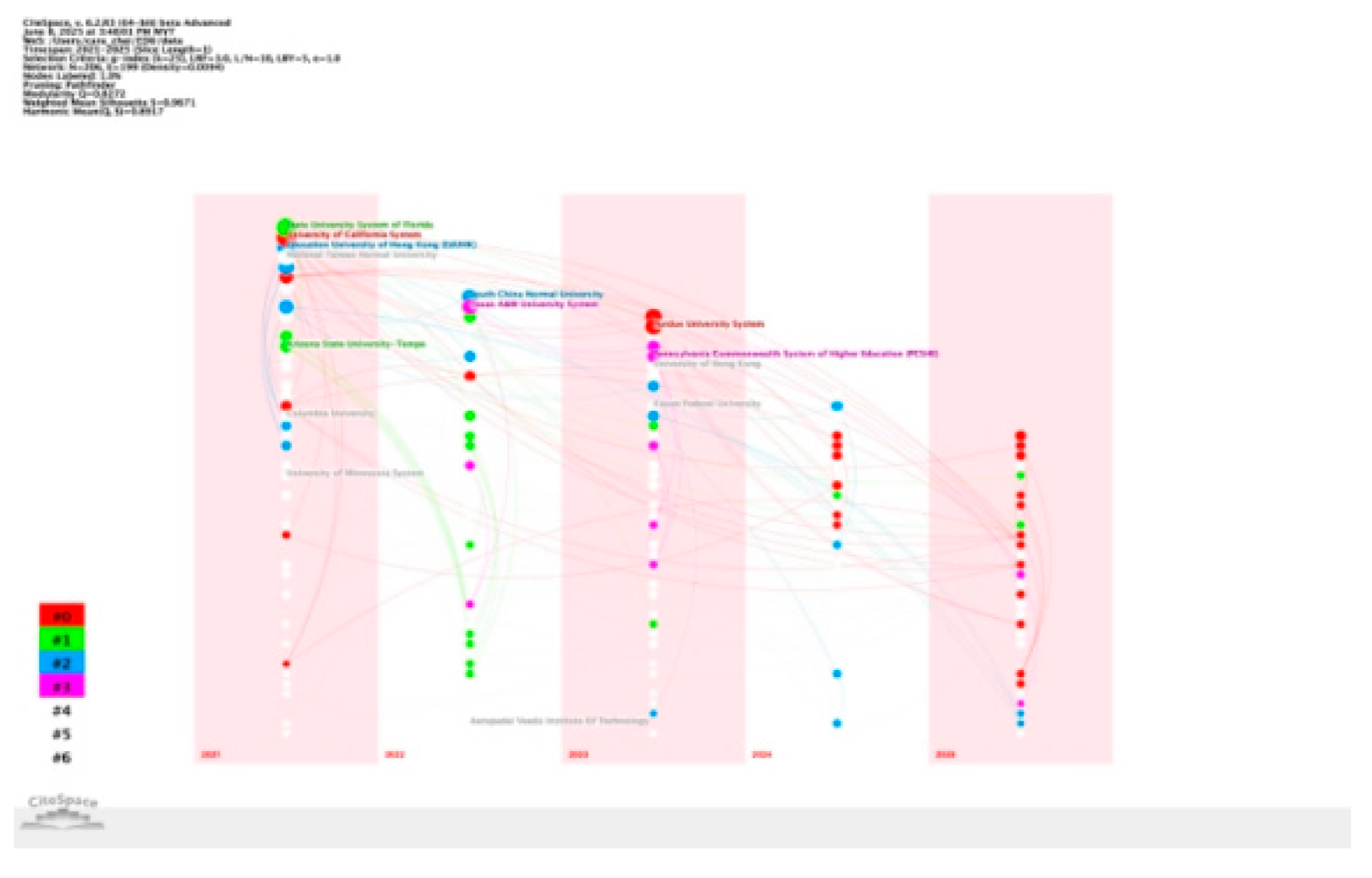
Figure 5 depicts the temporal dynamics of institutional collaboration networks, capturing both the persistence of dominant actors and the gradual emergence of new entrants over time. The longitudinal perspective highlights an increasing concentration of collaborative activity among elite institutions, even as the absolute number of participating organizations expands. Table 2 and Table 3 further elaborate on institutional and journal-level influence through metrics such as total link strength, publication volume, and citation centrality. These findings reaffirm the centralization of scholarly capital in a relatively small number of institutions and publication outlets, raising critical questions about inclusivity, epistemic diversity, and the democratization of STEM education research on a global scale.

3.3. Author Collaboration Networks and Scholarly Influence
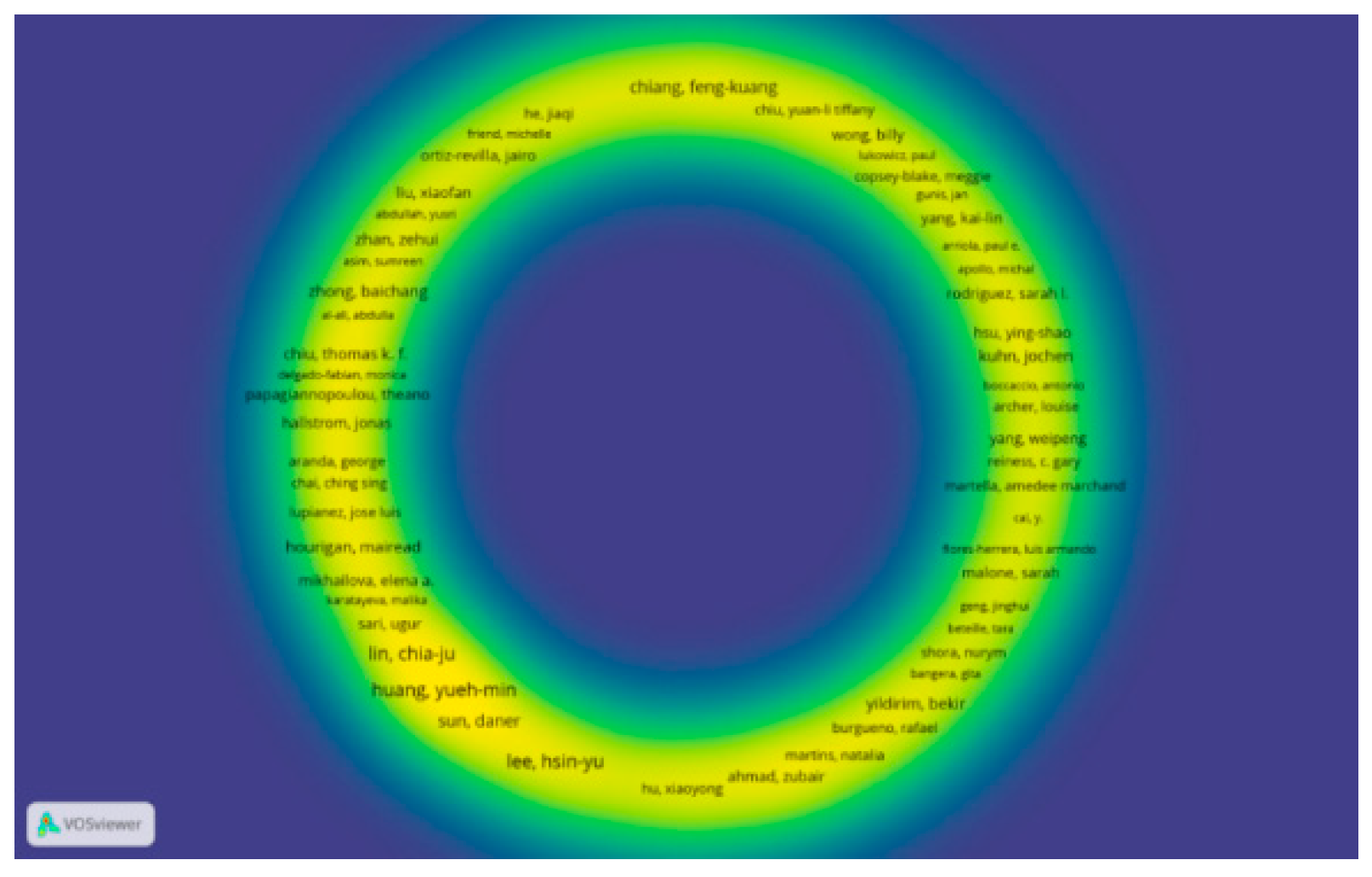
The bibliometric analysis identified a total of 2,577 contributing authors, whose interactions delineated a complex and multi-nodal network of scholarly collaboration. Visualized through co-authorship mapping, these interactions reveal the formation of several distinct yet interconnected clusters, indicative of both regional and thematic research communities within the STEM education domain. Notably, the cluster comprising Huang, Yueh-Min, Lee, Hsin-Yu, and Lin, Chia-Ju emerged as particularly influential, demonstrating not only a high degree of intra-cluster connectivity but also substantial citation impact across adjacent networks. Their collaborative output has played a formative role in shaping the discourse around technology-mediated pedagogy and interdisciplinary instructional design.
In addition, authors such as Wang, Wei-Sheng and Wu, Ting-Ting have exhibited marked centrality and influence within the broader collaboration structure, serving as intellectual bridges between otherwise discrete author clusters. Their positioning suggests both high productivity and a capacity for cross-pollination of ideas across institutional and national boundaries. The prominence of these authors—measured in terms of total link strength, betweenness centrality, and citation frequency—underscores their contribution to the intellectual scaffolding of the field. Such collaboration patterns reflect the evolving dynamics of scholarly influence in STEM education research and highlight the emergence of networked leadership in advancing interdisciplinary inquiry.
Figure 6. Author Distribution Network.
Preprints 174528 g006
Thematic Evolution
The thematic evolution of STEM education research from 2021 to 2025 reveals a discernible shift from foundational pedagogical constructs toward more technologically integrated and future-oriented frameworks. Early thematic clusters, dominated by terms such as inquiry-based learning, problem-solving, and interdisciplinary instruction, underscore a continued emphasis on student-centered pedagogy and curriculum integration. However, as the field matures in tandem with the acceleration of digital transformation, emerging themes reflect a growing preoccupation with adaptive instructional models and technological affordances.
Specifically, more recent publications demonstrate a pivot toward AI-enhanced learning environments, multimodal instructional frameworks, and the STEM+ paradigm, signaling an epistemological expansion beyond conventional subject boundaries. The proliferation of topics related to digital empowerment, computational thinking, and equity in access to STEM also suggests a broader socio-technical turn, whereby educational research increasingly addresses not only what is taught, but how, to whom, and under what digital conditions. Thematic mapping and overlay visualization further indicate a consolidation of interest in the systemic redesign of assessment practices and teacher professional development within technologically mediated contexts.
This thematic progression reflects both the diversification of methodological approaches and the deepening theoretical sophistication of the field. It also mirrors global policy agendas prioritizing innovation, sustainability, and digital citizenship as central competencies of 21st-century STEM education. As such, the evolution of research themes underscores an ongoing transformation—both conceptual and operational—in how STEM education is envisioned, implemented, and evaluated in an era of rapid technological change.

3.4. Research Hotspots and Thematic Evolution

Visualization of Keyword Frequencies in R
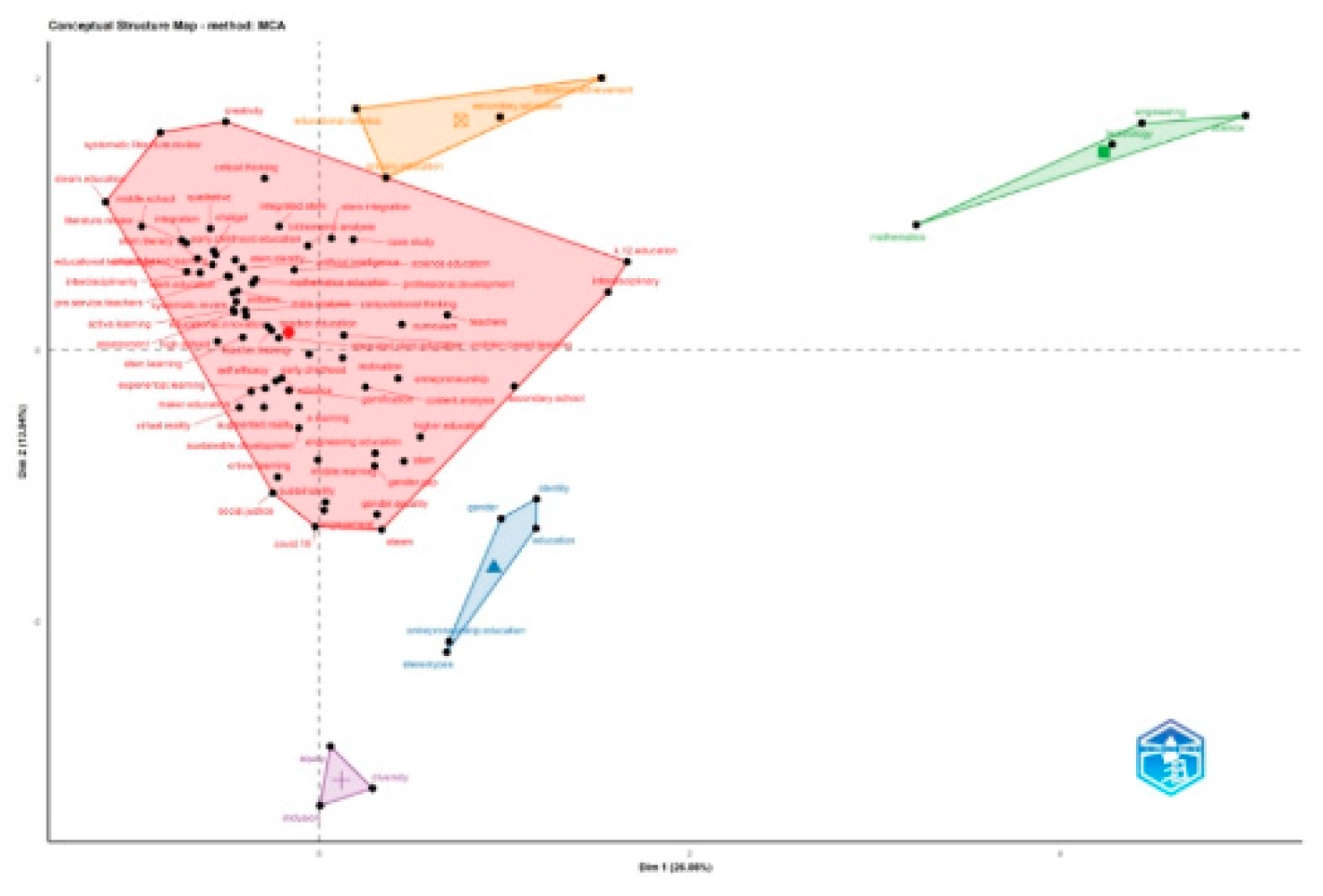
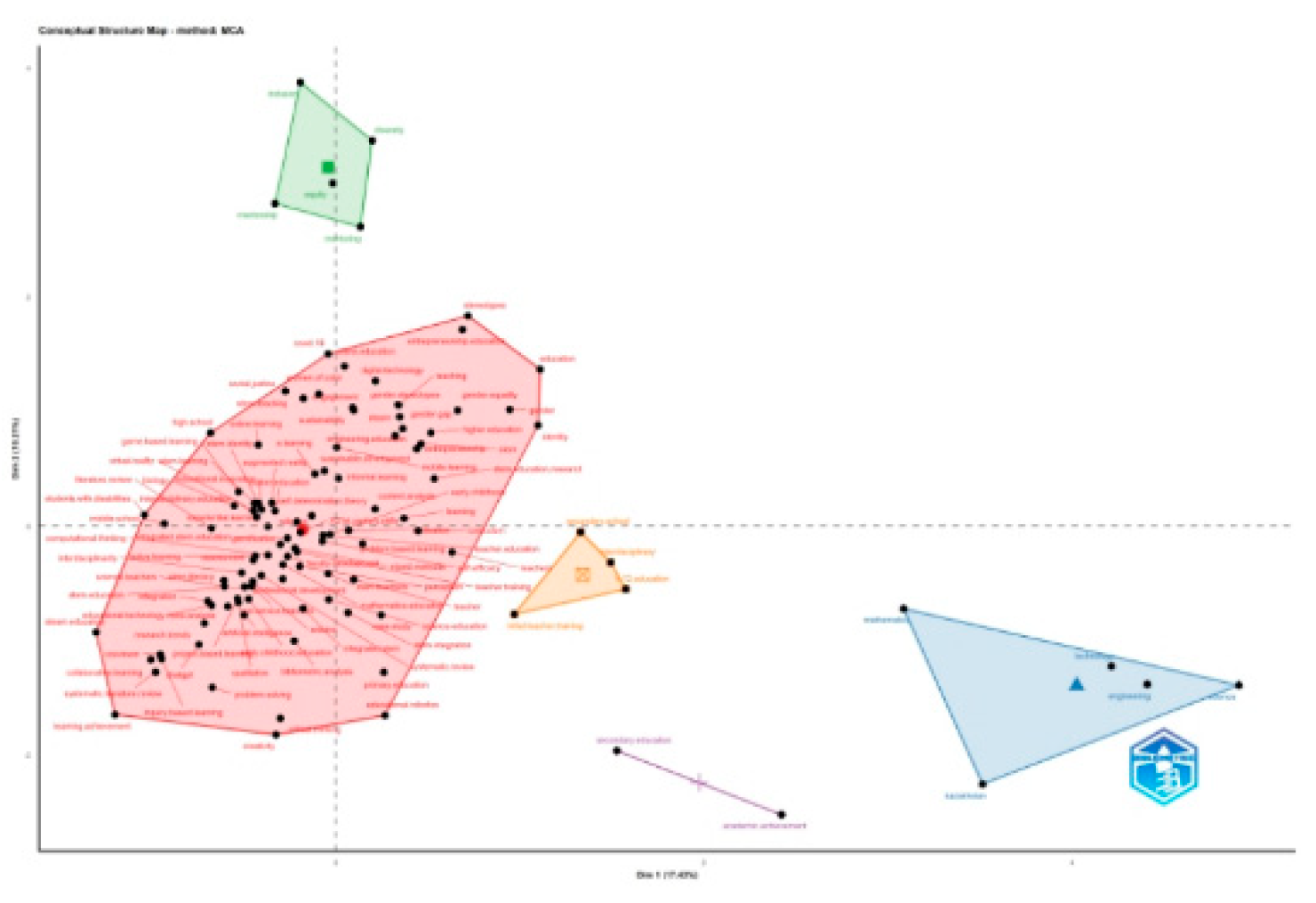
To map the intellectual structure and thematic progression of STEM education research, a comprehensive keyword analysis was conducted using titles and abstracts from the 786 peer-reviewed publications identified through the PRISMA-guided screening process. Text mining routines were implemented in R, enabling the systematic extraction and frequency calculation of domain-relevant lexical items. The resulting visualizations, presented in Figure 7 and Figure 8, elucidate the prevailing conceptual priorities and emergent focal areas within the corpus.
The co-occurrence analysis of keywords reveals a persistent emphasis on core constructs such as interdisciplinary integration, AI-enhanced teaching, and project-based learning, indicating their centrality in shaping contemporary pedagogical discourse. These themes not only reflect enduring scholarly interest but also underscore a paradigmatic shift toward more complex, learner-centered instructional models. Furthermore, a diachronic examination of term frequencies highlights a discernible evolution in research focus over the analyzed timeframe. Notably, terms such as multimodal learning, virtual laboratories, and computational thinking have gained significant traction in the most recent cohort of publications. Their emergence suggests an expanding preoccupation with technologically mediated instructional environments and cognitive modeling techniques that support algorithmic reasoning and experiential engagement.
Together, these trends articulate a broader epistemic reconfiguration in STEM education
research—one that increasingly privileges integrative pedagogies, digital experimentation, and. cognitive adaptability as foundational competencies for 21st-century learners. The convergence of these thematic strands also signals a maturing research agenda oriented toward systemic innovation in curriculum design, instructional practice, and technological integration.

3.5. Keyword CO-occurrence Analysis

The four co-occurrence knowledge network maps generated via VOSviewer provide a multilayered analytical lens through which to examine the evolving intellectual architecture of STEM education research. These visualizations distill complex bibliometric data into interpretable structures that reveal the conceptual density, thematic clustering, and temporal shifts characterizing the field. Specifically, the resulting maps elucidate the field’s development across four distinct but interrelated dimensions:
(1) Core Focus: The central node clusters consistently emphasize foundational constructs such as “STEM integration,” “interdisciplinary learning,” and “educational technology,” underscoring the epistemological anchors around which the field is organized. These recurring nodes signal a sustained scholarly emphasis on curricular cohesion, pedagogical innovation, and systemic educational reform.
(2) Associative Expansion: Peripheral but increasingly connected keywords—such as “computational thinking,” “teacher professional development,” and “equity in education”—suggest an expanding thematic repertoire that reflects the field’s responsiveness to emerging socio-technical imperatives. This layer captures how newer constructs are being assimilated into the core discourse, contributing to its conceptual diversification.
(3) Network Differentiation: The internal segmentation within the co-word networks points to the emergence of distinct subfields or epistemic communities, each with its own methodological preferences and theoretical commitments. For instance, the bifurcation between clusters centered on “K-12 STEM education” and those on “higher education STEM curricula” reveals differentiated foci in pedagogical scope and learner populations.
(4) Evolutionary Trends: Temporal overlay visualizations indicate a clear trajectory from generalist STEM discourse toward increasingly specialized domains, including “AI-enhanced instruction,” “STEM+STEAM convergence,” and “sustainability education.” This directional movement marks a transition from foundational consolidation to exploratory innovation, and illustrates how STEM education research has begun to intersect more directly with global policy agendas and digital transformation efforts.
Together, these co-occurrence patterns provide a robust empirical substrate for understanding how the STEM education research community organizes knowledge, negotiates new priorities, and reconfigures its conceptual boundaries in response to technological, institutional, and societal change.

3.5.1. Core Focus: The Absolute Centrality of “STEM Education”

In all four maps, “STEM education” serves as the only core node, occupying the highest connection density in the network:
Node Attributes: Color and size highlight its status as a “knowledge aggregation core,” representing the consensual research focus in the field of STEM education.
Cross-map Validation: Regardless of network morphology differentiation (e.g., “radial” in the upper-left, “annular” in the upper-right), the centrality of the core node remains unchanged, confirming its stability as the field’s knowledge foundation.

3.5.2. Associative Expansion: From “Unidimensional Radiation” to “Multidimensional Interweaving”

Comparing the association networks of the four maps reveals a gradient evolution in knowledge expansion:
Basic Association Period (Early Maps in Lower-left/Upper-left):
“STEM education” is densely connected only with nodes of strong disciplinary attributes such as “higher education,” “science education,” and disciplinary terms (e.g., “mathematics,” “engineering”), reflecting research focus on the “basic framework of disciplinary integration” (i.e., the binding of STEM with higher education and science education).
The core node extends three new types of associations:
“Teaching,” “inquiry-based learning,” “e-learning” (technology-empowered pedagogy);
“Students,” “teachers,” “gender” (teaching-learning subjects and equity);
“Meta-analysis,” “systematic review” (research methodology iteration).
The association network shifts from “unidimensional disciplinary radiation” to “multidimensional interweaving of pedagogy, subjects, and methods,” reflecting the contextualized, human-centered, and scientific expansion of research.

3.5.3. Comparing the Four Maps Longitudinally Reveals Three Evolutionary Trajectories
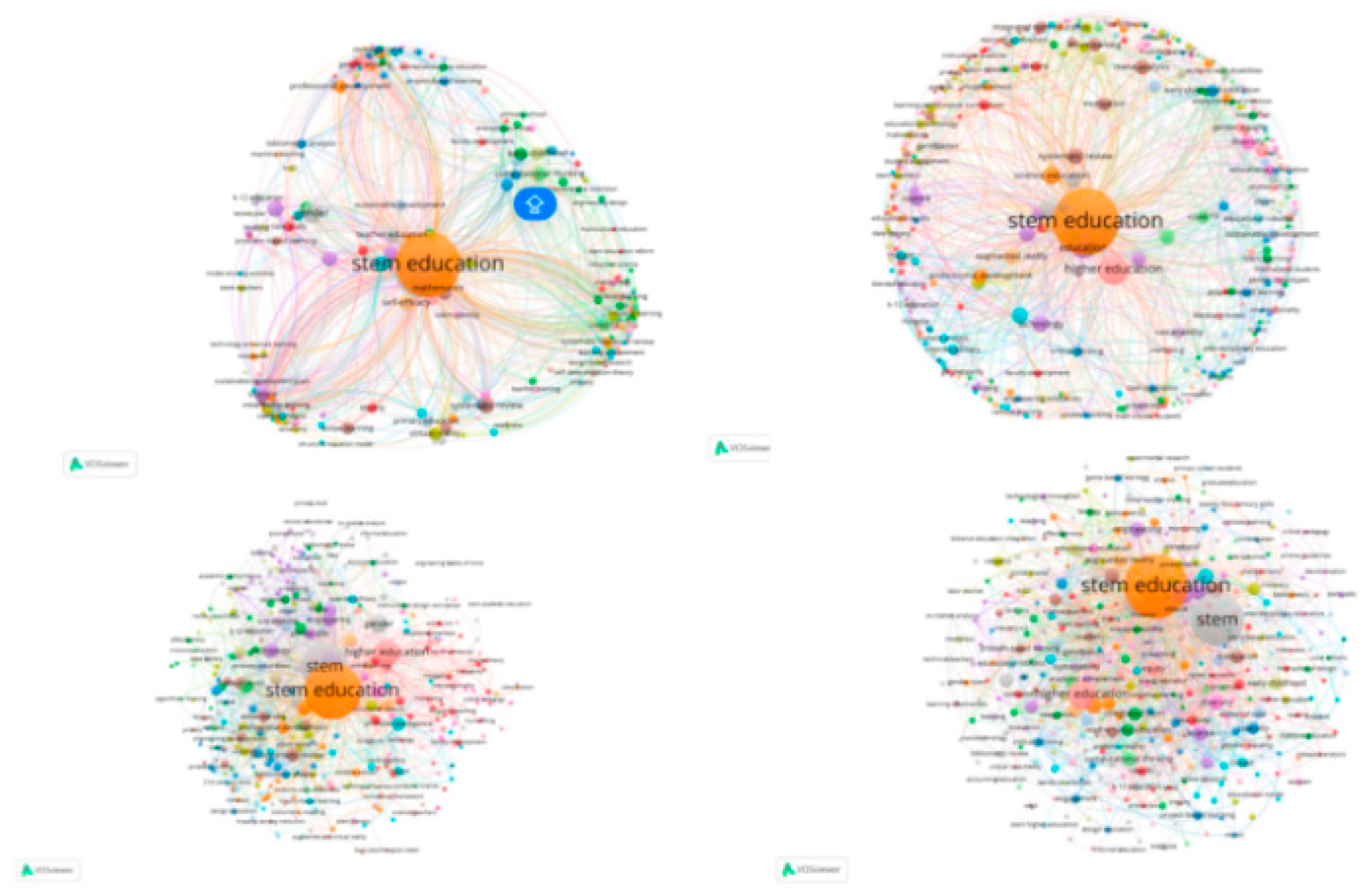
Node Iteration: Early stages were dominated by “discipline-education stage” nodes, while recent stages incorporate “technology-subject-method” nodes (e.g., “e-learning,” “gender,” “meta-analysis”). Research dimensions have expanded from “macro frameworks” to “micro practices + technological innovation”.
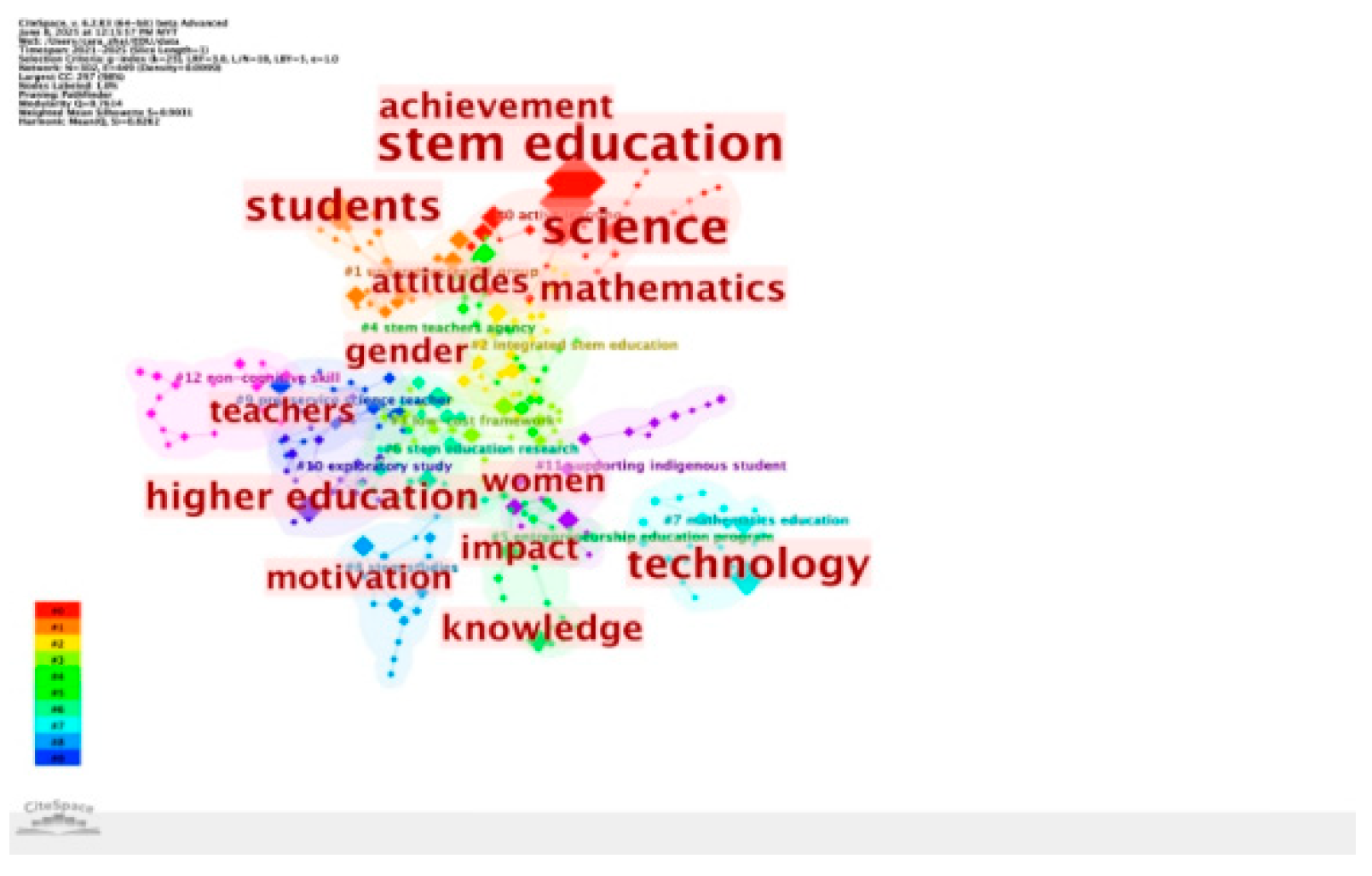
Figure 9. High-frequency Keywords.
Preprints 174528 g009

3.6. Analysis of Core Keywords

Absolute Dominance of “STEM Education”
“STEM education” emerges as the sole core node with the largest font size and highest centrality, demon strating strong associations with “science,” “mathematics,” “students,” “teachers,” and other terms. This confirms its status as the knowledge aggregation core and “consensual research focus” in STEM education studies.
Disciplinary Integration: Associations with “science” and “mathematics” anchor the interdisciplinary nature of STEM education, highlighting their roles as foundational disciplines.
Teaching-Learning Dyad: Connections with “students” and “teachers” foreground research on dual subjects—focusing on student learning outcomes and teacher instructional efficacy.
Educational Equity & Stage Adaptation: Involvement of “gender,” “women,” and “higher education” reflects investigations into educational equity (gender participation disparities) and stage-specific adaptation. Technology Empowerment & Learning Dynamics: Links with “technology,” “motivation,” and “knowledge” explore how technological integration enhances learning motivation and knowledge acquisition.
Figure 10. Key term of STEM education.
Preprints 174528 g010
Preprints 174528 i001

4. Discussion

4.1. Temporal Trajectory and Disciplinary Diffusion of STEM Education Research

The discernible upward trend in STEM education research output from 2021 to 2025, particularly the exponential growth observed since 2024, is emblematic of the academic community’s escalating commitment to this domain. This surge is nations increasingly recognize STEM literacy as a linchpin for economic competitiveness and technological innovation (Han et al., 2023; Ruhf et al., 2022). The proliferation of publications mirrors a confluence of factors, including heightened government funding initiatives, emerging technological affordances, and growing societal demands for STEM - skilled workforces .
The disciplinary landscape of STEM education research reflects its intrinsically transdisciplinary orientation, as evidenced by its primary distribution across Education & Educational Research, Education, Scientific Disciplines, and Computer Science, Interdisciplinary Applications (Ateş & Gündüzalp, 2024; Davey et al., 2021; Mumcu et al., 2023; Mwasiaji et al., 2022). This diversification challenges conventional epistemological boundaries and calls for a reconfiguration of disciplinary frameworks that have traditionally governed educational inquiry (Ruhf et al., 2022). Rather than functioning as a composite of isolated domains, current STEM education scholarship increasingly reflects a convergence of pedagogical theory, disciplinary content knowledge, and technological innovation (Markle et al., 2022; Skliarova et al., 2022; Yao et al., 2023). Such integrative tendencies are not only shaping conceptual foundations but are also facilitating the emergence of hybrid instructional models and context-sensitive assessment methodologies (Hubbard, 2021; Ong et al., 2024).
Moreover, the observed positive association between publication volume and citation frequency signals a phase of consolidation within the field. Rising citation rates point to the increasing resonance of STEM education research across scholarly, professional, and policy domains (Ferrini-Mundy, 2013; Hourigan et al., 2022; Smith et al., 2022). This alignment between academic output and knowledge uptake suggests a shift from developmental emergence to intellectual maturation, in line with the field’s expanding methodological sophistication and real-world applicability (Cole, 1984; Ishmuradova et al., 2023; Jamali et al., 2023). Accordingly, STEM education now occupies a critical position at the intersection of research-driven innovation and practice-oriented reform.

4.2. Collaboration Networks: Hierarchy, Globalization, and Team Formation

An examination of the international collaboration network reveals a distinct core–periphery configuration, with the United States occupying a central and structurally dominant position in the global landscape of STEM education research (Carter-Sowell et al., 2023; Darrah et al., 2022; Haudek et al., 2011). This centrality is underpinned by a combination of well-established research infrastructures, sustained public investment, and the presence of globally recognized academic institutions (Matete, 2022). Although countries such as the United Kingdom, Australia, and China exhibit considerable research activity, their relative peripheral positioning within the global network highlights enduring disparities in research capacity, visibility, and influence (Marcelo et al., 2021). Such asymmetries reflect broader structural imbalances in the global academic ecosystem and point to the need for capacity-building strategies aimed at fostering more equitable participation in STEM education scholarship (Suárez & Beatty, 2022).
At the institutional level, the emergence of stable collaborative author networks and the increasing visibility of high-impact researchers indicate a consolidation of expertise within the field (Lynch et al., 2018). These networks serve as critical platforms for methodological exchange and cross-disciplinary collaboration, enabling the development of research agendas with sustained strategic direction. The formation of research clusters around leading scholars has accelerated both the production and diffusion of knowledge. Nonetheless, the concentration of collaboration within relatively closed groups raises concerns regarding insularity and potential limitations in intellectual diversity. Ensuring openness and inclusiveness in research partnerships remains essential for maintaining innovation and addressing complex educational challenges in STEM fields.

4.3. Evolution of Research Hotspots: From Foundation to Frontiers

The central positioning of “STEM education” within the intellectual structure of the field reaffirms its foundational role as the nexus around which diverse research agendas coalesce (Ouyang & Xu, 2024; Yang & Ball, 2024). Over the past decade, a notable thematic transition has occurred—from an initial phase of “unidirectional focus,” primarily concerned with disciplinary convergence and curriculum design, to a more complex “multidimensional integration” encompassing technology-enhanced pedagogy, equity-oriented inquiry, and methodological innovation.
Early contributions in the domain predominantly sought to establish conceptual frameworks and curricular prototypes for STEM education, forming the theoretical scaffolding upon which subsequent empirical research has built (Garibay et al., 2020; Havenga et al., 2023; Oliveira et al., 2022). With the. maturation of the field, the infusion of emerging technologies—particularly artificial intelligence, virtual and augmented reality—has shifted attention toward adaptive, student-centered instructional models, facilitating greater engagement and differentiated learning pathways (Kavoura et al., 2023; dos Santos, 2023).
In parallel, increased awareness of systemic disparities in access to STEM opportunities has led to a surge of scholarship focused on inclusion, highlighting gender, socioeconomic, and ethnocultural equity as critical dimensions of inquiry. Moreover, the evolution of research design—from conventional quantitative or qualitative frameworks to more robust mixed-methods and design-based methodologies—demonstrates a growing emphasis on contextual responsiveness and epistemological plurality.
Taken together, these developments reflect a field in active transformation, marked by theoretical refinement and methodological sophistication, and deeply attuned to broader technological and societal dynamics influencing contemporary education.

5. Conclusions

5.1. Summary of Research Achievements

This study conducted an extensive bibliometric analysis of STEM education research spanning 2021 to 2025, utilizing a rigorous methodological framework aligned with PRISMA guidelines and leveraging advanced analytic tools such as VOSviewer, CiteSpace, Bibliometrix, and R. By examining four principal dimensions—publication patterns, journal impact and citation networks, geographic and institutional contributions, and thematic evolution—this investigation offers a comprehensive overview of the current STEM education research landscape (Goos et al., 2023; Keren & Kapon, 2023; Zhao et al., 2024).
Findings demonstrate not only a consistent growth in publication volume but also a broadening of the conceptual scope, marked by increasing interdisciplinarity. Contributions draw on fields including education, computer science, psychology, and engineering to tackle multifaceted pedagogical challenges (Baskota, 2023; Hill et al., 2022; Swiderski, 2024). The global reach of the research is evidenced by publications from 343 countries or regions, reflecting the universal significance of STEM education in contemporary educational agendas.
A stratified structure emerges within the research community, with institutions from the United States and China dominating output and influence. Notably, the University of California system and leading scholars exert considerable impact in shaping research directions and disseminating innovative pedagogical frameworks.
The evolving focus of research hotspots—from foundational interdisciplinary curriculum development to recent investigations into artificial intelligence applications, multimodal pedagogy, and equity considerations—illustrates the field’s responsiveness to technological advancements and reform imperatives (D. Yang et al., 2023).
Implications for Future Research
The results highlight key areas for future inquiry. First, fostering inclusive international collaboration remains critical, as disparities in participation and visibility persist. Support for underrepresented regions and equitable research partnerships are necessary to enrich the global STEM discourse. Second, rapid technological advances—particularly in AI, machine learning, and immersive technologies—present opportunities and challenges warranting focused pedagogical research, with attention to personalization, engagement, and ethical considerations. Third, addressing persistent equity gaps requires in-depth examination of structural and instructional barriers affecting diverse learner populations, alongside the development of culturally responsive and inclusive pedagogies.
Limitations and Future Directions
This study’s reliance on the Web of Science database, while ensuring quality, may overlook relevant literature in non-English languages or regional outlets. Furthermore, bibliometric methods, though effective for mapping trends and networks, do not capture qualitative nuances inherent to educational research. Future studies would benefit from integrating multiple databases such as Scopus and ERIC and employing mixed-method approaches combining bibliometric analysis with qualitative content review. Additionally, advances in data analytics and machine learning hold promise for refining research synthesis and predictive modelling.
As STEM education continues to adapt amid societal and technological shifts, emerging research themes will include ethical AI integration, reimagining disciplinary boundaries, and assessing long-term learning outcomes. Sustained innovation in research methodologies, cross-border collaboration, and theoretical advancement will be essential to advancing an inclusive, responsive, and impactful STEM education agenda.
In summary, STEM education research is undergoing a transformative expansion characterized by increased interdisciplinarity, digital integration, and global interconnectivity. Addressing current limitations and leveraging future opportunities will position the field to make significant contributions toward educational equity, innovation, and policy development worldwide.

References

  1. Aguilera, D., & Ortiz-Revilla, J. (2021). Stem vs. Steam education and student creativity: A systematic literature review. Education Sciences, 11(7). [CrossRef]
  2. Akyuz, D. (2016). MATHEMATICAL PRACTICES IN A TECHNOLOGICAL SETTING: A DESIGN. RESEARCH EXPERIMENT FOR TEACHING CIRCLE PROPERTIES. International Journal of Science and Mathematics Education, 14(3). [CrossRef]
  3. Ateş, H., & Gündüzalp, C. (2024). A unified framework for understanding teachers’ adoption of robotics in STEM education. Education and Information Technologies, 29(11). [CrossRef]
  4. Baskota, P. (2023). How to Explain the Rationale of Putting Research into Practice? A Book Review on Visual-Spatial Ability in STEM Education Transforming Research into Practice. Journal of Transformative Praxis, 4(1). [CrossRef]
  5. Carter-Sowell, A. R., Miller, G. H., Ganesan, A., Kelly, K. A., & Crist, J. D. (2023). Diversity, Equity, and Inclusion (DEI) by Design to Build Connections with Campus Communities: The Role of Collaborations in the Changing Academy. Journal of STEM Education.
  6. Cole, J. R. and Z. (1984). The productivity puzzle: persistence and change in patterns of publication among men and women scientists. Scientometrics, 66(1).
  7. Darrah, M., Cowley, K., Wheatley, C., McJilton, L., & Humbert, R. (2022). Analyzing the Growth of a Statewide Network to Increase Recruitment to and Persistence in STEM. Journal of Appalachian Studies, 28(2). [CrossRef]
  8. Davey, T., Salazar Luces, J. V., & Davenport, R. (2021). Individual-centred approaches to accessibility in stem education. Education Sciences, 11(10). [CrossRef]
  9. Ferrini-Mundy, J. (2013). Science education. Driven by diversity. Science (New York, N.Y.), 340(6130).
  10. Gamage, K. A. A., Ekanayake, S. Y., & Dehideniya, S. C. P. (2022). Embedding Sustainability in Learning and Teaching: Lessons Learned and Moving Forward-Approaches in STEM Higher Education Programmes. Education Sciences, 12(3). [CrossRef]
  11. Garibay, J. C., Vincent, S., & Ong, P. (2020). Diversity content in STEM? How faculty values translate into curricular inclusion unevenly for different subjects in environmental and sustainability programs. Journal of Women and Minorities in Science and Engineering, 26(1). [CrossRef]
  12. Goos, M., Carreira, S., & Namukasa, I. K. (2023). Mathematics and interdisciplinary STEM education: recent developments and future directions. ZDM - Mathematics Education, 55(7). [CrossRef]
  13. Hallström, J., Norström, P., & Schönborn, K. J. (2023). Authentic STEM education through modelling: an international Delphi study. International Journal of STEM Education, 10(1). [CrossRef]
  14. Han, J., Kelley, T., & Knowles, J. G. (2023). Building a sustainable model of integrated stem education: investigating secondary school STEM classes after an integrated STEM project. International Journal of Technology and Design Education, 33(4). [CrossRef]
  15. Haudek, K. C., Kaplan, J. J., Knight, J., Long, T., Merrill, J., Munn, A., Nehm, R., Smith, M., & Urban-Lurain, M. (2011). Harnessing technology to improve formative assessment of student conceptions in STEM: Forging a national network. CBE Life Sciences Education, 10(2). [CrossRef]
  16. Havenga, S., van Zyl, I., Snaddon, B., & Chisin, A. (2023). Towards the effective development of Design for Additive Manufacturing (DFAM) curricula: an exploration of strategies and solutions in education. MATEC Web of Conferences, 388. [CrossRef]
  17. Hill, G., Falout, J., & Apple, M. (2022). STEM English in Japan: Education, Innovation, and Motivation. In STEM English in Japan: Education, Innovation, and Motivation. [CrossRef]
  18. Hourigan, M., O’Dwyer, A., Leavy, A. M., & Corry, E. (2022). Integrated STEM–a step too far in primary education contexts? Irish Educational Studies, 41(4). [CrossRef]
  19. Hubbard, K. (2021). Disciplinary literacies in STEM: what do undergraduates read, how do they read it, and can we teach scientific reading more effectively? Higher Education Pedagogies, 6(1). [CrossRef]
  20. Ishmuradova, A. M., Svintsova, M. N., Kondakchian, N. A., Zaitseva, N. A., Sokolova, N. L., & Khairullina, E. R. (2023). A bibliometric overview of science communication research in STEM education. In Online Journal of Communication and Media Technologies (Vol. 13, Issue 4). [CrossRef]
  21. Jamali, S. M., Ale Ebrahim, N., & Jamali, F. (2023). The role of STEM Education in improving the quality of education: a bibliometric study. International Journal of Technology and Design Education, 33(3). [CrossRef]
  22. Kavoura, T., Stathopoulou, V., & Tsichls, E. (2023). Building a Collaborative STEM Culture through Web site, Radio, and Journal Creation with High School Students from the 4th High School of Ilion: An Evaluation of a Technology-Enhanced Educational Project. European Journal of Engineering and Technology Research. [CrossRef]
  23. Keren, L., & Kapon, S. (2023). Stereotypical Attributes of Scientists and Engineers in Jokes. Science and Education, 32(3). [CrossRef]
  24. Leung, W. M. V. (2023). STEM Education in Early Years: Challenges and Opportunities in Changing Teachers’ Pedagogical Strategies. Education Sciences, 13(5). [CrossRef]
  25. Lynch, S. J., Burton, E. P., Behrend, T., House, A., Ford, M., Spillane, N., Matray, S., Han, E., & Means, B. (2018). Understanding inclusive STEM high schools as opportunity structures for underrepresented students: Critical components. Journal of Research in Science Teaching, 55(5). [CrossRef]
  26. Marcelo, J. A. J., Deyanira, A. V. L., Margoth, I. S., & Jacinto, R. L. V. (2021). Environments and contexts STEM-STEAM education: A Systematic Literature Review. Iberian Conference on Information Systems and Technologies, CISTI. [CrossRef]
  27. Markle, R. S., Williams, T. M., Williams, K. S., deGravelles, K. H., Bagayoko, D., & Warner, I. M. (2022). Supporting Historically Underrepresented Groups in STEM Higher Education: The Promise of Structured Mentoring Networks. Frontiers in Education, 7. [CrossRef]
  28. Matete, R. E. (2022). Why are Women Under-represented in STEM in Higher Education in Tanzania? FIRE: Forum for International Research in Education, 7(2). [CrossRef]
  29. Mumcu, F., Uslu, N. A., & Yıldız, B. (2023). Teacher development in integrated STEM education: Design of lesson plans through the lens of computational thinking. Education and Information Technologies, 28(3). [CrossRef]
  30. Mwasiaji, E., Mambo, S., Mse, G. S., & Okumu, J. (2022). Conceptualizing non-cognitive attributes, entrepreneurship training, pedagogical competencies and stem education outcome: an integrated model and research proposition. International Journal of Technology and Design Education, 32(3). [CrossRef]
  31. Oliveira, S., Olsen, L., Malki-Epshtein, L., Mumovic, D., & D’Ayala, D. (2022). Transcending disciplines in architecture, structural and building services engineering: a new multidisciplinary educational approach. International Journal of Technology and Design Education, 32(2). [CrossRef]
  32. Ong, Y. S., Koh, J., Tan, A. L., & Ng, Y. S. (2024). Developing an Integrated STEM Classroom Observation Protocol Using the Productive Disciplinary Engagement Framework. Research in Science Education, 54(1). [CrossRef]
  33. Ouyang, F., & Xu, W. (2024). The effects of educational robotics in STEM education: a multilevel meta-analysis. In International Journal of STEM Education (Vol. 11, Issue 1). [CrossRef]
  34. P dos Santos, R. (2023). Enhancing Chemistry Learning with ChatGPT, Bing Chat, Bard, and Claude as Agents-to-Think-With: A Comparative Case Study. SSRN Electronic Journal. [CrossRef]
  35. Ross, P. M., Scanes, E., Poronnik, P., Coates, H., & Locke, W. (2022). Understanding STEM academics’ responses and resilience to educational reform of academic roles in higher education. International Journal of STEM Education, 9(1). [CrossRef]
  36. Ruhf, R. J., Williams, C. T., Zelinsky, M., & Becho, L. W. (2022). Barriers to collecting student participation and completion data for a national STEM education grant program in the United States: a multiple case study. International Journal of STEM Education, 9(1). [CrossRef]
  37. Santangelo, J., Hobbie, L., Lee, J., Pullin, M., Villa-Cuesta, E., & Hyslop, A. (2021). The (STEM)2 Network: a multi-institution, multidisciplinary approach to transforming undergraduate STEM education. International Journal of STEM Education, 8(1). [CrossRef]
  38. Santos, R., Anderson, D., & Milner-Bolotin, M. (2023). Research trends in international science, technology, engineering, and mathematics education conference series: An analysis of a decade of proceedings. Frontiers in Education, 7. [CrossRef]
  39. Shen, F., Roccosalvo, J., Zhang, J., Tian, Y., & Yi, Y. (2023). Online technological STEM education project management. Education and Information Technologies, 28(10). [CrossRef]
  40. Skliarova, I., Meireles, I., Martins, N., Tchemisova, T., & Cação, I. (2022). Enriching Traditional Higher STEM Education with Online Teaching and Learning Practices: Students’ Perspective. Education Sciences, 12(11). [CrossRef]
  41. Smith, K., Maynard, N., Berry, A., Stephenson, T., Spiteri, T., Corrigan, D., Mansfield, J., Ellerton, P., & Smith, T. (2022). Principles of Problem-Based Learning (PBL) in STEM Education: Using Expert Wisdom and Research to Frame Educational Practice. Education Sciences, 12(10). [CrossRef]
  42. Sokolowski, A. (2018). Scientific inquiry in mathematics - Theory and practice: A STEM perspective. In Scientific Inquiry in Mathematics - Theory and Practice: A STEM Perspective. [CrossRef]
  43. Suárez, E., & Beatty, C. C. (2022). Advising in science education: Critiquing where we have been, moving toward an equitable and holistic advising approach. Science Education, 106(5). [CrossRef]
  44. Swiderski, T. (2024). THE EFFECT OF EARLY COLLEGE HIGH SCHOOLS ON STEM BACHELOR’S DEGREE ATTAINMENT: EVIDENCE FROM NORTH CAROLINA. Education Finance and Policy, 19(3). [CrossRef]
  45. Yang, D., Wu, X., Liu, J., & Zhou, J. (2023). CiteSpace-based global science, technology, engineering, and mathematics education knowledge mapping analysis. Frontiers in Psychology, 13. [CrossRef]
  46. Yang, K. L., & Ball, L. (2024). STEM teacher education programs for preservice and in-service secondary mathematics teachers: a review study. Journal of Mathematics Teacher Education, 27(2). [CrossRef]
  47. Yao, C., Follmer Greenhoot, A., Mack, K., Myrick, C., Poolaw, J., Powell, L., & Yarger, L. (2023). Hu manizing STEM education: an ecological systems framework for educating the whole student. Frontiers in Education, 8. [CrossRef]
  48. Zhao, X., Wider, W., Jiang, L., Fauzi, M. A., Tanucan, J. C. M., Lin, J., & Udang, L. N. (2024). Transform ing higher education institutions through EDI leadership: A bibliometric exploration. Heliyon, 10(4). [CrossRef]
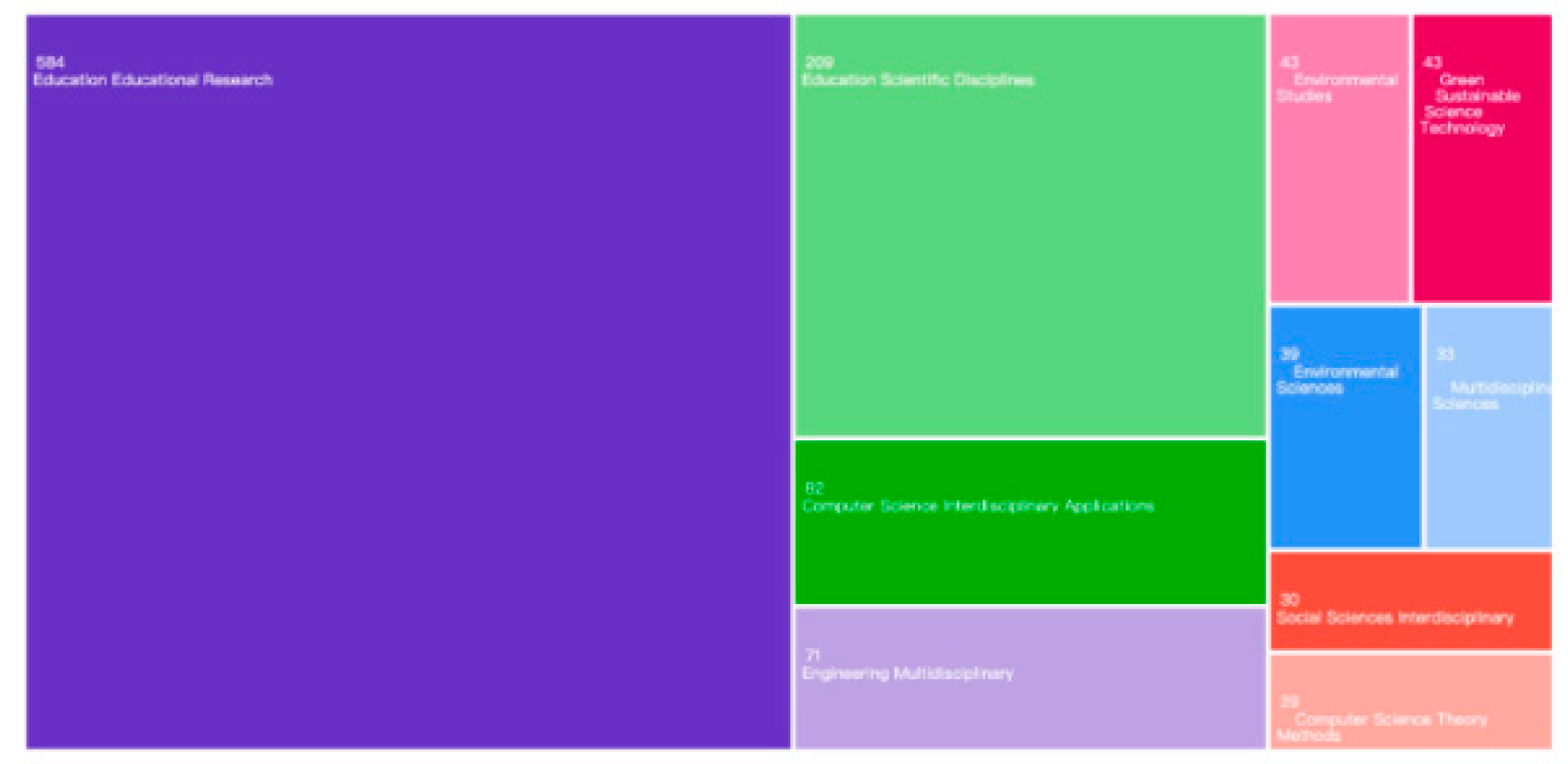
Figure 2. Analysis of WOS Retrieval Results.
Preprints 174528 g002
Figure 3. WOS Publications and Citations.
Preprints 174528 g003
Figure 4. National/Regional Distribution.
Preprints 174528 g004
Figure 5. Network Association of Institutional Distribution.
Preprints 174528 g005
Figure 7. Analysis of Conceptual Keywords.
Preprints 174528 g007
Figure 8. Multivariate Correspondence Analysis of Title Keywords.
Preprints 174528 g008
Table 1.
Conuntry 2021 2022 2023 2024 2025 Total
USA 31 45 48 50 45 219
CHINA 11 21 27 35 25 119
SPAIN 9 13 12 17 7 58
AUSTRALIA 6 8 4 9 8 35
UK 2 9 7 6 5 29
TURKEY 7 13 7 0 0 27
CANADA 2 6 6 8 5 27
TURKIYE 0 0 5 9 12 26
MALAYSIA 7 3 6 7 1 24
GERMANY 6 3 3 10 2 24
Table 2. Institutional Influence.
Institution Name Total Number of Articles Total Citations Total Number of First - Author Articles
Natl Taiwan Normal Univ 22 32 5
South China Normal Univ 21 17 11
Purdue Univ 21 9 9
Educ Univ Hong Kong 21 27 11
Univ Granada 16 31 8
Tecnol Monterrey 15 5 4
Chinese Univ Hong Kong 14 23 7
Texas A&M Univ 12 2 6
Katholieke Univ Leuven 11 9 2
Natl Cheng Kung Univ 10 17 6
Table 3. Journal Impact Factors.
Name of Jounal Total articles Total citation Overate citation
INTERNATIONAL JOURNAL OF STEM EDUCATION 27 67 2.48
EDUCATION SCIENCES 62 62 1.00
INTERNATIONAL JOURNAL OF TECHNOLOGY AND DESIGN EDUCATION 14 35 2.50
SUSTAINABILITY 36 33 0.92
FRONTIERS IN EDUCATION 41 26 0.63
EDUCATION AND INFORMATION TECHNOLOGIES 18 18 1.00
EDUCATIONAL TECHNOLOGY & SOCIETY 5 16 3.20
INTERNATIONAL JOURNAL OF SCIENCE AND MATHEMATICS EDUCATION 13 14 1.08
MATHEMATICS 7 11 1.57
SCIENCE & EDUCATION 4 11 2.75
Disclaimer/Publisher’s Note: The statements, opinions and data contained in all publications are solely those of the individual author(s) and contributor(s) and not of MDPI and/or the editor(s). MDPI and/or the editor(s) disclaim responsibility for any injury to people or property resulting from any ideas, methods, instructions or products referred to in the content.
Copyright: This open access article is published under a Creative Commons CC BY 4.0 license, which permit the free download, distribution, and reuse, provided that the author and preprint are cited in any reuse.
Prerpints.org logo

Preprints.org is a free preprint server supported by MDPI in Basel, Switzerland.

Subscribe

Disclaimer

Terms of Use

Privacy Policy

Privacy Settings

© 2025 MDPI (Basel, Switzerland) unless otherwise stated