

Submitted:
27 August 2025
Posted:
29 August 2025
You are already at the latest version
Abstract
The accelerating pace of technological evolution has placed immense pressure on software development to deliver quality products swiftly, prompting widespread adoption of DevOps practices within agile frameworks. Despite this, a nuanced understanding of DevOps' influence on agile governance in Project Management Offices (PMOs) remains largely unexplored, presenting a critical barrier to effective organizational strategy. This study addresses this lacuna through a systematic literature review, meticulously examining the implications of integrating DevOps into PMO agile governance. Our analysis reveals that this integration precipitates a significant paradigm shift, fostering highly collaborative and automated approaches that inherently prioritize accelerated delivery and superior quality. This convergent methodology, characterized by streamlined workflows, enhanced communication channels, and continuous feedback loops, is proving vital for fostering innovation and sustaining competitive advantage within the dynamic software development industry. Beyond serving as a valuable synthesis for both researchers and practitioners, this review identifies pivotal avenues for future inquiry, particularly emphasizing the necessity for developing robust strategies to mitigate challenges inherent in DevOps integration, thereby paving the way for optimized software development processes and improved efficiency.
Keywords:
agile governance
; DevOps
; dynamic capabilities framework (DCF)
; project management office (PMO)
; agile DevOps reference model (ADRM)
Introduction
PMOs are organizational entities tasked with standardizing and governing project management processes. They ensure projects align with organizational strategies, maintain efficiency, and adhere to best practices (Angara et al., 2020). PMO governance has been defined as the decision-making authority and escalation paths within the PMO, clarifying roles and responsibilities related to project selection, prioritization, resource allocation, and risk management (Stray et al., 2019). Traditional PMOs are often associated with hierarchical structures and rigid oversight mechanisms (Fox, 2020).
The rapid evolution of technology has significantly impacted many technological organizations. To navigate these changes, DevOps, a set of practices that emphasizes collaboration between software development (Dev) and IT operations (Ops) teams, has emerged as a critical force (Wiedemann et al., 2019). This approach focuses on automating and integrating the processes between these two teams, enabling faster and more reliable software delivery. DevOps, often defined as a cultural movement that emphasizes communication and collaboration between software developers and IT operations professionals, aims to automate and streamline the software delivery process. This approach focuses on creating a faster, more reliable, and continuous delivery pipeline (Lwakatare et al., 2019). DevOps aims to shorten the system development life cycle by promoting continuous integration, continuous delivery, and continuous feedback, ultimately leading to more frequent releases and improved quality (Bhardwaj & Rangineni, 2024).
Agile governance, with its emphasis on flexibility, iterative thinking, and decentralized decision-making, highlights the transformative potential of DevOps practices in project governance and management (Fox, 2020). This contrasts with the traditional, hierarchical structures often associated with PMOs. However, despite the growing recognition of DevOps, its influence on Agile governance within Project Management Offices (PMOs) remains largely unexplored. PMOs are organizational entities tasked with standardizing and governing project management processes (Angara et al., 2020). They ensure projects align with organizational strategies, maintain efficiency, and adhere to best practices. PMO governance has been defined as the decision-making authority and escalation paths within the PMO, clarifying roles and responsibilities related to project selection, prioritization, resource allocation, and risk management (Stray et al., 2019). However, effectively integrating DevOps, with its emphasis on rapid iteration and automation, within the framework of Agile governance presents a unique set of challenges and opportunities (Banica et al., 2017). Table 1 shows the conversion of traditional PMO governance to Agile PMO.
Integrating DevOps into conventional PMO governance structures represents a paradigm shift—from rigid oversight mechanisms to adaptive, real-time decision-making processes. This transition can be likened to evolving from a static roadmap to an intelligent navigation system—one capable of dynamically adjusting in high-velocity, complex environments (adapted from Baiyere et al., 2020). Table 1 illustrates this conceptual shift, presenting the journey from traditional PMO frameworks to more Agile and Lean PMO governance models.
Implementing DevOps within PMOs practicing Agile governance can significantly improve the quality, delivery time, and compliance of software development (Msitshana, 2023). This synergy relies on maintaining quality, adhering to process tools, and empowering development teams to prioritize timely delivery (Yoo & Yi, 2022). Agile governance within PMOs benefits from embracing DevOps, particularly in the testing and security stages of software development (Salem, 2016). Notably, both DevOps and PMOs share similar automation processes for addressing compliance (Salem, 2016).
However, aligning DevOps and PMO practices presents a significant challenge due to their perceived differences in organizational culture and methodologies (Yoo & Yi, 2022). DevOps is often ingrained within IT teams, while PMOs traditionally focus on physical documentation, creating a potential disconnect (Yu et al., 2025).
Agile governance, with its emphasis on flexibility, iterative thinking, and decentralized decision-making, highlights the transformative potential of DevOps practices in project governance and management (Ndung'u, 2018). This contrasts with the traditional, hierarchical structures often associated with PMOs. DevOps, characterized by collaboration, automation, and continuous delivery, aligns seamlessly with Agile governance principles, prompting PMOs to adopt more fluid capabilities. For instance, traditional PMOs relying on rigid project tracking and reporting frameworks may struggle to support rapid development cycles (Angara et al., 2020). Conversely, Agile-oriented PMOs leverage DevOps metrics like deployment frequency, lead time for changes, and mean time to recovery (MTTR) to gain real-time insights, facilitating faster decision-making (Banica et al., 2017). This shift empowers PMOs to evolve from oversight bodies to enablers of innovation.
Technological advancements have driven profound socio-economic transformations worldwide (Yoo & Yi, 2022). Countries like the UAE have leveraged blockchain technology and artificial intelligence to foster efficient governance and drive their digital transformation and smart city initiatives (Salem, 2016). Similarly, China has embraced AI advancements and e-commerce, supported by policy frameworks that recognize the transformative potential of technology (Yu et al., 2025). In Africa, M-Pesa mobile payment services have broadened access to financial services for previously unbanked individuals (Ndung'u, 2018).
DevOps, a modern approach to software development and delivery, has significantly impacted PMO governance by introducing agility, collaboration, and continuous improvement into traditionally rigid frameworks (Gall & Pigni, 2022). This influence is evident globally, with DevOps reshaping governance practices in various contexts (Luz et al., 2019). In the US, organizations like Amazon and Netflix exemplify how DevOps-driven governance enables rapid project delivery while aligning with strategic objectives (Ravichandran et al., 2016). India's IT sector, led by companies like Wipro and Infosys, demonstrates the transformative role of DevOps in PMO governance for outsourcing, facilitating collaboration among globally distributed teams to enhance client satisfaction and expedite project execution (Bhattacharya, 2022).
The 2023 Accelerate State of DevOps Report highlights the tangible benefits of DevOps adoption, with organizations reporting 46 times more frequent development deployments and 90 times faster failure recovery (Chowdary et al., 2024). European firms embracing DevOps have achieved a 50% reduction in time-to-market for software products (Maroukian, 2022). Meanwhile, India's IT services have recorded 20-30% improvements in on-time project delivery, boosting client satisfaction and adherence to strict Service-Level Agreements (SLAs) (Zaib & Lakshmisetty, 2021).
Despite these successes, integrating DevOps practices with PMO governance presents challenges, including cultural differences and skill gaps within organizations (Mekkawati et al., 2024). The ING Group in the Netherlands encountered hurdles while transitioning from a traditional project-based PMO to an Agile DevOps-oriented governance model (Vassallo et al., 2016). Similarly, Barclays in the UK faced cultural resistance during DevOps adoption, which they addressed by introducing agile coaches (Mumen, 2020).
By integrating the Dynamic Capabilities Framework (DCF) and the Agile DevOps Reference Model (ADRM), this paper advances theory by offering a unified conceptual lens that links strategic adaptability with operational execution in PMO governance. From a practical standpoint, it synthesizes best practices and actionable guidance for practitioners seeking to embed DevOps principles into Agile governance structures, enhancing delivery speed, compliance, and innovation capacity. At the policy level, the study highlights the enabling role of regulatory environments and talent development initiatives in accelerating DevOps–Agile adoption, particularly in rapidly transforming economies such as the UAE. Together, these contributions provide a multidimensional foundation for both scholarly inquiry and organizational transformation in the evolving landscape of project governance.
Table 2 maps governance characteristics to outcomes for Traditional PMO Governance vs Agile DevOps PMO Governance.
- What are the implications of DevOps integration on agile governance within PMOs?
- What are the best practices associated with integrating DevOps practices with PMO governance?
- What are the challenges associated with integrating DevOps practices with PMO governance?
- How can organizations leverage this integrated approach to ensure smooth project delivery and enhance organizational satisfaction?
- What are the key enablers associated with integrating DevOps practices within traditional PMO governance frameworks?
Theoretical Framework
To effectively analyze the complex interplay between DevOps practices and Agile governance within PMOs, this study draws upon two robust theoretical frameworks: Dynamic Capabilities Framework (DCF) and the Agile DevOps Reference Model (ADRM).
Figure 1 depicts the Dynamic Capabilities Framework (DCF) and Figure 2 illustrates the Agile DevOps Reference Model (ADRM).
The Dynamic Capabilities Framework (DCF) provides a lens through which we can understand how organizations adapt and reconfigure their resources to maintain a competitive advantage in dynamic environments (Cavusgil & Deligonul, 2024). DCF emphasizes an organization's ability to sense, seize, and reconfigure resources or opportunities to meet evolving demands (Apascaritei & Elvira, 2022). This focus on responsiveness aligns seamlessly with Agile governance principles, which emphasize adaptation, iterative decision-making, and responsiveness to change (Didi-Quvane, 2019). Therefore, DCF is particularly relevant to this study as it allows them to examine how PMOs can leverage their dynamic capabilities to effectively integrate DevOps practices and foster agile governance.
While DCF provides a strategic foundation, the Agile DevOps Reference Model (ADRM) offers a practical framework for operationalizing Agile and DevOps principles through specific workflows and practices (Jaskierny, 2018). ADRM guides the implementation of these methodologies, ensuring alignment with broader organizational goals (Wen & Koehnemann, 2022). By integrating ADRM with DCF, this study gains a comprehensive perspective that encompasses both strategic adaptability and operational effectiveness.
Furthermore, DCF is crucial for understanding the cultural adaptability required for successful DevOps adoption (Harvey et al., 2020). It sheds light on addressing challenges such as cross-functional collaboration and resistance to change, which are critical factors in integrating DevOps within existing PMO structures (Cavusgil & Deligonul 2024).
In essence, the combined application of DCF and ADRM allows this study to explore the multifaceted nature of DevOps integration within Agile governance frameworks. DCF provides the strategic lens for understanding organizational adaptability and change management, while ADRM offers a practical roadmap for operationalizing these principles within a PMO context. This combined approach will generate valuable insights into the challenges and opportunities associated with this transformative integration.
Search Strategy
This review employs a rigorous search strategy to identify relevant literature published within the last decade (2016-2025). To ensure the inclusion of high-quality research, the review focused exclusively on peer-reviewed journal articles indexed in prominent academic databases, including Google Scholar, Web of Science, Springer, and Scopus. This timeframe was deliberately selected to capture the most recent advancements and trends in DevOps and its impact on Agile governance within PMOs, reflecting the significant growth and adoption of DevOps practices across diverse organizations globally.
To systematically identify relevant articles, a comprehensive search strategy outlined in Table 3 was employed. This strategy involved using specific keywords and filters to refine the search results and ensure the inclusion of studies that directly address the research question. By focusing on the most recent literature, this review provides an up-to-date analysis of the solutions, challenges, and impact of DevOps on Agile governance within PMOs in the context of the rapidly evolving technological landscape.
Inclusion and Exclusion Criteria
Table 4 represents the inclusion and exclusion criteria applied in this review while focusing on analyzing the impact of DevOps on Agile governance within PMOs.
This systematic literature review provides a comprehensive analysis of the impact of DevOps practices on Agile governance within Project Management Offices (PMOs). The review was conducted in three distinct phases: planning, conducting, and reporting.
Planning the Review
This section summarizes a crucial part of the research process, and the details can significantly impact on the review's quality and reliability. Here's a breakdown of what went into defining the scope and search strategy:
Defining the Scope:
Focus on Peer-Reviewed Journal Articles prioritized rigorous research that has undergone expert review, ensuring a higher level of quality and credibility compared to other sources like conference papers, white papers, or blog posts. The Timeframe (2016-2025) was strategically chosen to Capture Recent Advancements. Limiting the search to the past decade ensured the review captured the most current trends, challenges, and best practices. The period from 2016 onwards witnessed a surge in DevOps adoption across various industries. This timeframe provided a rich dataset to analyze the impact of DevOps on PMO governance.
Developing Search Strategy:
Four prominent academic databases known for their comprehensive coverage of peer-reviewed literature were selected including Google Scholar, Scopus, Web of Science, and Springer. Careful selection of keywords was essential for effective database searching. A combination of specific terms relevant to the research topic, including: "DevOps", "Agile Governance", "PMO (Project Management Office)", "Continuous Integration", "Continuous Delivery" and "Microservices Architecture". These keywords were used in various combinations (e.g., "DevOps AND Agile Governance AND PMO") to refine the search results and identify articles that specifically addressed the research question. This careful approach helped to ensure that the findings of the review were based on a solid foundation of high-quality, relevant research.
Conducting the Review
The conducting phase involved a rigorous and systematic process of searching, screening, and selecting articles for inclusion in the review. The initial search across the identified databases yielded a vast pool of potential articles. These articles were then screened based on their titles and abstracts to assess their relevance to the research question.
The screening process was conducted using Rayyan systematic review software, which facilitated blind, independent screening by two reviewers to ensure consistency and reduce bias. Articles were first reviewed based on title and abstract, followed by full-text assessment for eligibility. Disagreements were resolved through consensus discussions, and in cases of continued disagreement, a third reviewer adjudicated the decision.
The article selection process followed the Preferred Reporting Items for Systematic Reviews (PRISMA) as shown in Figure 3 guidelines and consisted of three main stages: Identification, Screening, and Inclusion.
In line with rigorous systematic review protocols, our study followed a structured article selection process, meticulously detailed in the accompanying PRISMA flow chart (Figure 3). Initially, a comprehensive search across identified academic databases yielded a substantial pool of 1150 potential records. From this initial set, a preliminary removal phase addressed duplicate records (n = 200), those flagged as ineligible by automation tools (n = 300), and other extraneous entries (n = 200). This initial filtering resulted in 450 unique records for the subsequent screening stage.
During screening, a total of 156 records were excluded based on a review of their titles and abstracts for relevance. This left 294 reports that were then thoroughly assessed for eligibility. The eligibility assessment involved a detailed examination against predefined inclusion and exclusion criteria, leading to the removal of reports older than 10 years (n = 149), those not in English (n = 46), and those not publicly available in full text (n = 68). Ultimately, this systematic and transparent process culminated in the inclusion of 35 studies for the final review and thematic analysis.
To mitigate common method bias and selection bias, multiple strategies were employed:
Double independent screening at both abstract and full-text stages.
Pre-registration of the review protocol to define the research scope, inclusion/exclusion criteria, and search strategy before commencing the review.
Audit trail documentation in Rayyan to ensure transparency of decisions.
Inclusion of studies from multiple databases to minimize publication bias.
Limiting reliance on a single geographic or industry context to enhance generalizability.
Thematic Analysis:
After selecting the articles, relevant data was extracted. This included information about the study design, participants, interventions, outcomes, and key findings. The extracted data was then systematically coded. This involved identifying and labelling key concepts, ideas, and themes that emerged from the data. Similar codes were grouped into broader categories. This helped to organize the data and identify patterns and relationships between different concepts. Finally, the categories were synthesized into overarching themes that captured the essence of the findings and provided a coherent framework for understanding the research topic.
This rigorous and systematic approach to conducting the review ensured that the findings were based on a comprehensive and unbiased assessment of the relevant literature. Table 5 highlights the selected studies. The use of thematic analysis helped to identify key themes and patterns in the data, providing valuable insights into the impact of DevOps practices on Agile governance within PMOs.
Reporting the Review
Thematic analysis was used for analyzing the data obtained from the selected 35 studies. Recurrent keywords were used for collecting data in the first phase which included “Agile governance”, “software”, “Continuous Integrations (CI)”, “Continuous Delivery (CD)”, “Microservices Architectures (MSA)”, “Dynamic Capabilities Framework (DCF)”, “Agile DevOps Reference Model (ADRM)”, “Technology Domain”, “Cultural Adaptability”, “Global Technology”, “Governance”, “PMO governance”, and “DevOps”. The next phase involved categorizing related codes to derive larger categories that would reflect the interaction and connection between the codes in various studies. When these categories developed, they were defined into specific themes that gave the essence of analyzing the impact of DevOps on Agile governance within PMOs in organizations. The use of such a thematic approach allowed for the systematic organization of the analysis and a close adherence to the objectives of the review. Table 6 showcases the list of generated themes.
Discussion
Emerging Trends Shaping the Future of DevOps
The field of DevOps is constantly evolving, driven by the need for faster, more reliable, and secure software delivery (Maturi et al., 2020). This section highlights key trends shaping its future:
Automation:
While automation has always been a core part of DevOps, the trend is moving beyond simple scripts and tasks. IaC, for example, allows entire infrastructure environments to be defined and managed as code (Hussain et al., 2017) (Maturi et al., 2020). This means that servers, networks, and other infrastructure components can be provisioned, configured, and scaled automatically, with greater consistency and reliability. This shift is crucial for supporting the dynamic and scalable nature of modern applications (Chittala, 2024).
CI/CD pipelines are becoming increasingly sophisticated, integrating not just build and test automation, but also security checks, performance testing, and even automated deployments (Hussain et al., 2017) (Chittala, 2024). This end-to-end automation streamlines the entire software delivery process, enabling faster feedback loops and reducing the risk of errors (Myklebust et al., 2020).
The integration of machine learning (ML) into applications is creating a need for MLOps—a specialized set of DevOps practices for managing the ML lifecycle. This includes automating the training, deployment, and monitoring of ML models, and ensuring that they are integrated seamlessly with other application components. This trend reflects the growing importance of AI/ML in modern software development.
Microservices Architectures (MSA)
MSA offers significant advantages over monolithic architectures in terms of flexibility and scalability (Laato et al., 2023). Each microservice can be developed, deployed, and scaled independently, allowing teams to work on different parts of the application concurrently without impacting each other. This is essential for organizations that need to rapidly respond to changing market demands. MSA also improves resilience by isolating faults (Laato et al., 2023). If one microservice fails, it doesn't necessarily bring down the entire application. This allows for faster recovery and minimizes the impact on users (Tonesh & Vamsi, 2024).
While MSA offers many benefits, it also introduces new challenges, such as increased complexity in managing inter-service communication and ensuring data consistency across multiple services. Tools and techniques are evolving to address these challenges, including service meshes, API gateways, and distributed tracing (Myklebust et al., 2020).
AI/ML Integration
AI/ML is being used to optimize various aspects of the DevOps lifecycle, from code analysis and testing to deployment and monitoring (Chowdary et al., 2024). AI-powered code analysis tools can automatically identify potential bugs and security vulnerabilities, while ML-driven monitoring systems can detect anomalies and predict potential outages (Ayvaz & Salman, 2020). AI/ML can also help DevOps teams make more informed decisions by analyzing large volumes of data from various sources, such as code repositories, CI/CD pipelines, and monitoring systems (Waseem et al., 2020). This can help identify bottlenecks, optimize resource allocation, and improve overall efficiency.
DevSecOps
DevSecOps emphasizes integrating security practices early in the development lifecycle, rather than treating it as an afterthought (Alluri et al., 2018). This means incorporating security checks into CI/CD pipelines, using automated security testing tools, and fostering a culture of security awareness among developers (Kehrer & Blochinger, 2018). Cloud-native applications, with their distributed nature and frequent deployments, present unique security challenges (Leshchenko et al., 2024). DevSecOps helps address these challenges by promoting practices like container security scanning, runtime security monitoring, and infrastructure-as-code security analysis.
Regional Variations
The adoption of DevOps practices is influenced by a variety of factors, including the maturity of the technological infrastructure, the availability of skilled professionals, the economic climate, cultural attitudes towards collaboration and automation, and the regulatory landscape (Gugulotu, 2024). Organizations and policymakers need to consider these regional variations when developing strategies for DevOps adoption and implementation. What works well in one region may not be suitable for another (Bobrov et al., 2020; Khan et al., 2022). For example, highly regulated industries in Europe may require a greater emphasis on compliance and auditability, while organizations in fast-growing markets like India may prioritize speed and agility (Radstaak, 2019; López-Fernández et al., 2021).
By understanding these emerging trends and their implications, organizations can better position themselves to leverage the full potential of DevOps and Agile governance to drive innovation, improve efficiency, and achieve their business objectives (Drvar et al., 2020) (Desai & Nisha, 2021).
PMO Governance: Functions, Frameworks, and the Shift to Agile
Project Management Offices (PMOs) play a crucial role in organizations by providing centralized and coordinated project management. This section explores the core functions of PMOs, the frameworks they employ, and the ongoing shift towards Agile governance models. PMOs are responsible for optimizing and improving portfolios, programs, and projects within their organizations (Desai & Nisha, 2021). They utilize various frameworks and models to effectively plan, initiate, control, and complete projects (Lundqvist, 2017). These frameworks can include maturity models, which help describe the development of an entity and its processes (Varajão et al., 2024), and conceptual frameworks, which aid in training program development and identifying competency gaps (Crawford, 2021).
Project management maturity models, such as the Kerzner Project Management Maturity Model (KPMMM) and the Organizational Project Management Maturity Model (OPM3), are valuable tools for PMOs (Le Dinh et al., 2016). These models help PMOs assess their current capabilities, identify strengths and weaknesses, and pinpoint areas for improvement.
Effective data governance and adherence to ethical data standards are critical for PMO success (Le Dinh et al., 2016). Poor data quality can damage an organization's reputation, erode trust, and lead to ineffective decision-making (Woolcott, 2024).
The rapid pace of change in the technological landscape has driven a shift from traditional, rigid governance models to more Agile approaches (Marcovitch & Rancourt, 2022). The Agile Manifesto, developed in 2001, promotes adaptability, collaboration, and iterative development, enabling organizations to respond more quickly to changing market demands (Rajagopalan et al., 2024). For successful Agile implementation, PMOs need to align their deliverables and frameworks with Agile principles (Shah, 2023).
Many organizations have successfully transitioned from traditional to Agile governance models. Microsoft's shift from the waterfall model to the Agile framework during Azure DevOps development resulted in improved customer experience and faster delivery (Ciric et al. 2019). Similarly, ING Bank adopted Agile governance, replacing fixed committees with more flexible structures that foster innovation and faster decision-making (Alavandhar & Ņikiforova, 2017).
This overview of PMO governance highlights the evolving role of PMOs in today's dynamic environment. By adopting Agile principles and frameworks, PMOs can better support organizations in achieving their strategic objectives and responding effectively to market demands.
Challenges in Implementing Agile Governance
While Agile governance offers significant advantages, its implementation is not without challenges. Organizations in various regions face unique obstacles that can hinder the effectiveness and adoption of Agile practices (Surenthran et al., 2025). These challenges include:
In some regions, regulatory requirements may conflict with certain aspects of Agile governance, requiring careful consideration and adaptation.
Implementing Agile governance often requires specialized skills and expertise, such as Agile coaches and product owners. Organizations in some regions may face difficulties in finding and retaining individuals with these skills (Gregory et al., 2016) (Liu et al., 2024).
The collaborative and decentralized nature of Agile governance can clash with traditional hierarchical structures and management styles. This can lead to resistance from leadership and hinder the adoption of Agile practices (Gregory et al., 2016).
Integrating DevOps and PMO Governance
Integrating DevOps practices within PMO governance requires a careful and strategic approach. ADRM and DCF were chosen as the theoretical frameworks, based on their characteristics and how they complement each other.
ADRM (Agile DevOps Reference Model)
ADRM offers a structured approach to integrating Agile and DevOps principles, outlining specific practices, workflows, and tools that organizations can adopt (Castro, 2024). This makes it particularly useful for PMOs that are looking for guidance on how to operationalize Agile and DevOps in a way that aligns with governance requirements.
ADRM emphasizes the importance of aligning technical practices (e.g., CI/CD, automation) with governance needs (e.g., risk management, compliance). This is crucial for ensuring that DevOps initiatives are not only efficient but also adhere to organizational standards and policies.
ADRM promotes incremental delivery and continuous feedback, which are essential for Agile governance (Coba et al., 2024). This allows PMOs to track progress, identify risks early, and adapt to changing requirements more effectively.
DCF (Dynamic Capabilities Framework)
DCF provides a lens for understanding how organizations can adapt and reconfigure their resources to respond to dynamic environments. This is critical for PMOs that need to navigate the challenges of integrating DevOps, such as cultural resistance, skill gaps, and evolving market demands.
DCF highlights the importance of sensing changes in the market and seizing opportunities to gain a competitive advantage (Chopra & Dhiman, 2023). This aligns with the Agile principle of responding to change and allows PMOs to proactively adapt their governance structures to support innovation.
DCF emphasizes the ability to reconfigure resources and processes as needed. This is crucial for PMOs that need to integrate DevOps practices within existing structures and adapt to new technologies and ways of working (Chopra & Dhiman, 2023) (Viale Pereira et al., 2020) (Chopra & Dhiman, 2023).
ADRM and DCF combination
ADRM and DCF provide complementary perspectives on the integration of DevOps and Agile governance. ADRM offers a practical, operational framework, while DCF provides a strategic lens for understanding organizational change and adaptation. By combining these frameworks, the study gains a more holistic understanding of the challenges and opportunities associated with integrating DevOps and Agile governance. This allows for the development of more comprehensive and effective recommendations for organizations (Augustine et al., 2021) (GTS & Zhou, 2022).
In essence, ADRM provides the "how-to" guide for implementing Agile and DevOps practices within a PMO context, while DCF provides the strategic framework for understanding the organizational capabilities needed to support this transformation. Together, they offer a powerful combination for navigating the complexities of DevOps integration in an Agile world. Two frameworks that can guide this integration are the Agile DevOps Reference Model (ADRM) and the Dynamic Capabilities Framework (DCF) (Santiso & Bank, 2020).
ADRM provides a practical framework for aligning Agile and DevOps principles and operationalizing them within an organization (Odonkor et al., 2023). It helps PMOs transition from traditional governance models to more Agile approaches by promoting iterative workflows, real-time metrics, and collaborative tools (Asthana & Mittal, 2023) (Kramer, 2019). ADRM encourages the adoption of CI/CD pipelines for incremental delivery and oversight (Wen & Koehnemann, 2022) and supports decentralized decision-making while maintaining alignment with organizational goals, as exemplified by Spotify's use of Tribes and Squads (Bussiglieri, 2023).
DCF focuses on an organization's ability to adapt and reconfigure its resources to maintain a competitive advantage in dynamic environments (Cavusgil & Deligonul, 2024). It helps organizations sense market shifts and reconfigure resources accordingly (Bass 2022). Amazon's rapid adoption of DevOps automation and microservices architecture exemplifies DCF in action (Khalil & Belitski, 2020). The company leverages its internal capabilities and external cloud technologies to remain agile in the face of rapidly changing customer demands.
By combining ADRM and DCF, organizations can achieve a seamless integration of Agile and DevOps practices. ADRM provides the operational framework for aligning technical practices with governance requirements (Kramer, 2019), while DCF offers the strategic flexibility needed to adapt to challenges like talent shortages and regulatory compliance (Bass, 2022). This integrated approach enables effective governance and sustained innovation in today's dynamic business landscape.
The Importance of Cultural Adaptability, Continuous Delivery, and Automation
Successful integration of DevOps and Agile governance hinges on three key elements: cultural adaptability, Continuous Delivery (CD), and automation (Rossi, 2024).
Cultural Adaptability
Agile methodologies thrive in environments that embrace collaboration, iterative processes, and open communication. Cultural adaptation is crucial to foster team engagement and break down traditional silos that may hinder Agile adoption. Netflix, for example, fosters a "culture of freedom and responsibility," empowering teams to experiment and innovate within clearly defined governance parameters (Block, 2023). This cultural shift enables greater agility and responsiveness to change.
Continuous Delivery (CD)
CD enables rapid and reliable deployment of software changes, reducing time-to-market and enhancing quality (Zhu, 2022). Organizations like Etsy have implemented CD pipelines, empowering their PMOs to deliver value incrementally while effectively managing risk (Shahin et al., 2017). CD facilitates faster feedback loops, allowing for continuous improvement and adaptation to evolving customer needs.
Automation
Automation minimizes manual effort, reduces errors, and ensures consistency across all environments (Antiya, 2024). Facebook, for instance, relies on automated configuration tools for its infrastructure, enabling rapid scaling and minimizing configuration errors (Wang et al., 2018). Automation is essential for achieving the speed and reliability required in Agile and DevOps environments.
By cultivating a culture that embraces Agile values, implementing CD pipelines, and leveraging automation, organizations can create a dynamic governance model that supports both technical agility and responsiveness to change. This integrated approach enables organizations to deliver high-quality software quickly and efficiently while maintaining effective governance.
Organizational and Economic Impacts of DevOps and Agile Governance
The integration of DevOps practices and Agile governance within PMOs yields significant organizational and economic benefits, particularly in the technology sector (Gebrekidan, 2023). These benefits stem from increased efficiency, enhanced innovation, and improved responsiveness to market demands.
Automation, streamlined workflows, and faster feedback loops are hallmarks of DevOps and Agile, enabling organizations to remove obstacles and accelerate product delivery (Abdelkebir et al., 2017). Organizations using CI/CD pipelines, for instance, have reported a 20-30% reduction in development and deployment cycle times (Camilleri, 2022). IBM's implementation of DevOps practices reduced deployment times from weeks to hours, freeing up valuable time for innovation (Ugwueze & Chukwunweike, 2024).
Agile governance fosters a culture of innovation by enabling iterative development, rapid prototyping, and experimentation. Adobe's transition to a subscription-based model for its Creative Cloud products, driven by DevOps and Agile practices, enabled faster feature releases and improved customer satisfaction, leading to over 15% annual revenue growth (Muñoz & Rodríguez, 2024) (Bansal et al., 2023). Similarly, Bosch integrated Agile and DevOps methodologies within its IoT division to accelerate the development of connected solutions for smart homes and vehicles (Gant, 2024).
Organizations adopting DevOps have reported substantial economic benefits. Puppet Labs reported a 46x increase in deployment frequency and a 5x reduction in change failure rates for organizations using DevOps (Bektas, 2023). ING Bank achieved a 40% reduction in infrastructure costs by transitioning to Agile DevOps models (Sharma, 2017).
These examples illustrate how the synergy between Agile governance and DevOps practices leads to measurable gains in efficiency, innovation, and market responsiveness, ultimately driving sustained economic growth in competitive industries (Runsewe et al., 2024). By embracing these approaches, organizations can optimize their software development processes, enhance customer satisfaction, and achieve a significant competitive advantage.
Practical Implications
The findings offer valuable insights for organizations globally, and a few for practitioners and policymakers are as follows:
Implications for Practitioners
Organizations should move beyond simply adopting DevOps tools and focus on implementing the core principles of collaboration, automation, and continuous improvement. This requires a cultural shift that breaks down silos between teams and fosters a shared understanding of DevOps goals. Address the skills gap by investing in training and development programs that enhance DevOps knowledge and expertise within the organization (Almeida et al., 2022). This includes training in technical skills, as well as soft skills like communication and collaboration. Legacy systems and technical debt can hinder DevOps adoption. Organizations should prioritize modernizing their infrastructure and adopting cloud-native technologies to enable greater agility and scalability (Kramer, 2019). Leadership support is crucial for successful DevOps implementation. Organizations need to secure buy-in from management to ensure adequate investment and resources are allocated to support the transformation (van Hoorn et al., 2017).
Clear metrics and KPIs must be defined to track the progress and success of DevOps initiatives. This will help demonstrate the value of DevOps to the organization and identify areas for improvement (Augustine et al., 2021).
Implications for Policymakers
Policymakers can play a crucial role in raising awareness of the benefits of DevOps and Agile governance among organizations (GTS & Zhou, 2022). This can be achieved through initiatives such as industry events, workshops, and awareness campaigns. The development of DevOps skills and talent must be supported by investing in education and training programs (Estensoro & Larrea, 2016). This could include partnerships with educational institutions and industry organizations.
The modernization of IT infrastructure must be encouraged by providing incentives and support for organizations to adopt cloud-native technologies and solutions (Hoofnagle et al., 2019). A policy environment must be created that fosters a culture of innovation and experimentation, enabling organizations to embrace Agile and DevOps principles more effectively.
Theoretical Implications
Operationalizing Theoretical Frameworks
The study moves beyond the theoretical underpinnings of DCF by demonstrating its practical application in the context of DevOps adoption. It illustrates how specific dynamic capabilities, such as sensing market shifts, seizing opportunities, and reconfiguring resources, are essential for organizations to successfully integrate DevOps practices and adapt to the challenges of this transformation (Viale Pereira et al., 2020). This operationalization of DCF provides concrete examples and actionable insights for practitioners, bridging the gap between theory and practice.
Furthermore, the work showcases the practical utility of ADRM as a guiding framework by analyzing how organizations can leverage their principles to align technical practices with governance requirements (Chopra & Dhiman, 2023). By examining real-world cases like Spotify's implementation of Tribes and Squads, the study demonstrates how ADRM can guide the operationalization of Agile and DevOps principles within a PMO context. This contributes to a deeper understanding of how ADRM can be effectively implemented to foster decentralized decision-making, promote collaboration, and ensure alignment with organizational goals.
Unveiling the Nuances of Regional Variations
The study goes beyond general observations about regional differences to provide a nuanced understanding of the specific challenges and opportunities faced by organizations in different contexts (Estensoro & Larrea, 2016). This includes analyzing the impact of regulatory frameworks like GDPR in Europe, cultural expectations in Asia, and the varying levels of technological maturity across regions. These context-specific insights are crucial for developing tailored strategies for DevOps adoption and Agile governance implementation (Kramer, 2019).
This work also emphasizes the critical role of policymakers in creating an environment conducive to Agile and DevOps adoption. By analyzing policy initiatives such as "Digital India" and incentives for Agile adoption in Latin America, the study highlights how policymakers can actively promote innovation and address regional needs (Runsewe et al., 2024). This contributes to a more comprehensive understanding of the interplay between organizational practices, policy frameworks, and technological advancement (Smith & Smith, 2017).
Limitations and Future Research Limitations
While this systematic literature review offers valuable insights into the integration of DevOps practices within Agile PMO governance frameworks, several limitations should be acknowledged.
First, the review is based exclusively on peer-reviewed journal articles published between 2016 and 2025. Although this ensures academic rigor, it may exclude relevant grey literature, industry reports, and case studies that could provide additional practical perspectives, particularly from fast-evolving technology sectors.
Second, the synthesis relied on studies available in English, which may introduce a language bias and limit representation from non-English-speaking regions where unique governance adaptations could exist.
Third, the study is constrained by the inherent heterogeneity of the included literature. Variations in definitions of Agile governance, DevOps maturity, and PMO functions across studies may affect the comparability of findings. Similarly, not all included studies reported detailed methodological information, which could influence the reliability of certain conclusions.
Finally, the thematic analysis, while systematic, is inherently interpretive and dependent on the researchers’ judgement in coding and categorizing data. This may introduce a degree of subjectivity, despite efforts to ensure rigor.
Future Research Directions
Future investigations could address these limitations by:
- Conducting empirical, multi-case studies within specific regional or industry contexts to validate and extend the conceptual integration of the Dynamic Capabilities Framework (DCF) and Agile DevOps Reference Model (ADRM).
- Exploring quantitative models to measure the causal impact of DevOps adoption on PMO performance metrics such as delivery lead time, compliance adherence, and innovation rates.
- Including grey literature, industry white papers, and practitioner surveys to capture cutting-edge, practice-driven developments not yet present in academic publications.
- Undertaking longitudinal studies to examine how PMOs sustain DevOps-enabled Agile governance over time, including the evolution of cultural adaptability and leadership models.
- Expanding cross-cultural comparisons to better understand how regulatory, cultural, and organizational factors influence DevOps–Agile PMO integration globally.
By addressing these areas, future research can provide a more comprehensive, validated, and context-specific understanding of how DevOps can be leveraged to transform PMO governance and drive sustained organizational agility.
Conclusions
This systematic literature review comprehensively underscores the profound and transformative impact of integrating DevOps practices into existing Agile governance structures within Project Management Offices, affirming its growing global significance. Our synthesis of insights, drawn from diverse regions and industries, clearly illustrates how Agile governance models are dynamically evolving to effectively meet the rigorous demands of contemporary markets. This evolution is fundamentally propelled by the strategic adoption of practices such as Continuous Integration/Continuous Delivery (CI/CD), extensive automation across the development pipeline, and the implementation of collaborative frameworks. These elements collectively empower organizations to exhibit heightened responsiveness to change and significantly accelerate software delivery cycles.
Crucially, this review establishes that a deeper understanding and successful implementation of effective governance within a DevOps environment hinge on the sophisticated interplay between two robust theoretical constructs: the Dynamic Capabilities Framework (DCF) and the Agile DevOps Reference Model (ADRM). DCF provides the strategic lens, enabling PMOs to 'sense' market shifts, 'seize' new opportunities, and 'reconfigure' organizational resources—critical adaptive capacities for successful DevOps adoption and the navigation of inherent challenges like cultural resistance and skill gaps. Concurrently, ADRM offers the practical 'how-to' guide, delineating specific workflows, tools, and practices for operationalizing Agile and DevOps principles, ensuring technical practices align seamlessly with overarching governance requirements and promoting iterative delivery and decentralized decision-making. The combined application of these frameworks thus provides a holistic perspective encompassing both strategic foresight and operational precision, which is essential for organizations undergoing this complex transformation.
The practical implications derived from our findings are manifold, urging practitioners to move beyond mere tool adoption towards cultivating a fundamental cultural shift emphasizing collaboration and continuous improvement. This necessitates targeted investments in training and development to address critical skills gaps and a proactive modernization of legacy infrastructure through cloud-native technologies to foster greater agility and scalability. Furthermore, sustained leadership support and the establishment of clear, measurable KPIs are paramount to demonstrate value and guide ongoing improvements. For policymakers, the review highlights the imperative of fostering awareness, supporting talent development through educational initiatives, and creating a conducive regulatory environment that champions innovation and experimentation, thereby actively addressing regional needs and facilitating Agile/DevOps adoption.
Funding
The authors declare that no funds, grants, or other support were received during the preparation of this manuscript.
Appendix A. Prisma Checklist Exceptions
Appendix A.1. Risk of Bias in Included Studies
The risk of bias in the 35 included studies was qualitatively assessed by reviewing each publication's methodology, sample size, study design, and reporting clarity. Due to the diverse nature of the literature—ranging from empirical case studies to conceptual and theoretical frameworks—a formal tool such as the Cochrane Risk of Bias Tool was not applied. However, articles lacking transparency in data sources or those relying heavily on anecdotal evidence were noted as lower in methodological rigor. Most studies published in peer-reviewed journals presented moderate to high methodological quality, suggesting an acceptable level of credibility for inclusion in the synthesis.
Appendix A.2. Summary Statistics and Effect Estimates
Given the qualitative nature of this systematic review and the diversity of study designs and outcomes, no meta-analytic summary statistics or effect estimates were calculated. Instead, thematic synthesis was employed to extract patterns, implications, and theoretical contributions from the body of literature. Where possible, qualitative comparisons were drawn across domains such as deployment frequency, time-to-market, and organizational agility improvements, though these remain descriptive rather than statistical.
Appendix A.3. Characteristics and Bias Summary of Contributing Studies
The included studies (n=35) span various geographies (UAE, US, Europe, India) and industry contexts (finance, e-commerce, software services). A minority of studies (approximately 20%) did not disclose clear sampling methods or participant selection criteria, indicating potential risks of selection or publication bias. Nevertheless, the remaining studies offered rich insights with robust theoretical grounding, thereby balancing potential weaknesses in a few. Table 4 (List of Selected Studies) presents detailed characteristics including authorship, year, focus, and contribution.
Appendix A.4. Statistical Syntheses
This review did not employ statistical synthesis techniques such as meta-analysis due to heterogeneity in study designs, metrics, and methodological frameworks. The review instead adopted a qualitative thematic analysis approach, grouping findings into emergent themes across governance transformation, cultural adaptability, automation, and organizational performance.
Appendix A.5. Investigation of Heterogeneity
No formal subgroup analysis or statistical heterogeneity tests were conducted. However, thematic variations were observed between studies focusing on developed economies (e.g., EU, US) and those from emerging economies (e.g., UAE, India). Regional differences were evident in how organizations adopted DevOps principles, with regulatory environments and infrastructure maturity serving as moderating factors. These findings are discussed under the "Regional Variations" subsection.
Appendix A.6. Sensitivity Analyses
Sensitivity analysis was not conducted as no meta-analytic procedures or effect size calculations were performed. The robustness of findings was ensured through the use of a well-defined inclusion/exclusion framework, multiple database sources, and triangulation of themes across a large sample of studies. Future research employing meta-analytic techniques could benefit from incorporating sensitivity analysis to test the stability of outcomes under varying assumptions.
Appendix A.7. Risk of Bias Due to Missing Results
While no quantitative synthesis was performed, potential risk of reporting bias was mitigated through broad and systematic searches across four major academic databases, including grey literature where possible. However, it is acknowledged that publication bias may persist, especially in underreporting of failed DevOps integration efforts or non-English studies excluded due to language constraints.
Appendix A.8. Certainty of Evidence
Due to the narrative synthesis approach and absence of effect size aggregation, a formal GRADE assessment or other certainty grading was not feasible. Nevertheless, consistency across the studies in key findings—such as the benefits of automation, CI/CD, and cultural transformation—supports moderate confidence in the derived conclusions. The integrated use of both ADRM and DCF further enhances the theoretical robustness of the synthesized evidence.
References
- Abdelkebir, SAHID; Maleh, Yassine; Belaissaoui, Mustapha. An agile framework for ITS management In organizations: A case study based on DevOps. In Proceedings of the 2nd International Conference on Computing and Wireless Communication Systems; 2017. [Google Scholar]
- Alavandhar, Jai Vigneshwar; Ņikiforova, Oksana. Several Ideas on Integration of SCRUM Practices within Microsoft Solutions Framework. Applied Computer Systems 2017, 21(1), 71–79. [Google Scholar] [CrossRef]
- Alluri, Venkat Rama Raju; Katari, Pranadeep; Thota, Shashi; Reddy, Sai Ganesh; Kumar, Ashok; Venkata, Pamidi. Automated Testing Strategies for Microservices: A DevOps Approach. Distributed Learning and Broad Applications in Scientific Research 2018, 4, 101–121. [Google Scholar]
- Almeida, Fernando; Simões, Jorge; Lopes, Sérgio. Exploring the benefits of combining DevOps and agile. Future Internet 2022, 14(2), 63. [Google Scholar] [CrossRef]
- Angara, Jayasri; Prasad, Srinivas; Sridevi, Gutta. DevOps project management tools for sprint planning, estimation and execution maturity. Cybernetics and Information Technologies 2020, 20(2), 79–92. [Google Scholar] [CrossRef]
- Antiya; Deepak. DevOps for Compliance: Building Automated Compliance Pipelines for Cloud Security; Xoffencer international book publication house, 2024. [Google Scholar]
- Apascaritei, Paula; Elvira, Marta M. Dynamizing human resources: An integrative review of SHRM and dynamic capabilities research. Human Resource Management Review 2022, 32(4), 100878. [Google Scholar] [CrossRef]
- Asthana, Keshri; Mittal, Ankur. Cloud Architecture Demystified: Understand how to design sustainable architectures in the world of Agile, DevOps, and Cloud; English Edition). BPB Publications, 2023. [Google Scholar]
- Augustine, Sanjiv; Cuellar, Roland; Scheere, Audrey. From PMO to VMO: Managing for Value Delivery; Berrett-Koehler Publishers, 2021. [Google Scholar]
- Ayvaz, Serkan; Salman, Yucel Batu. Software Architecture Patterns in Big Data: Transition From Monolithic Architecture to Microservices. In Applications and Approaches to Object-Oriented Software Design: Emerging Research and Opportunities; IGI global, 2020; pp. 90–110. [Google Scholar]
- Baiyere, A.; Grover, V.; Lyytinen, K. Digital transformation and the new logics of business process management. European Journal of Information Systems 2020, 29(3), 238–259. [Google Scholar] [CrossRef]
- Bansal, Jitendra; Balodi, Krishna C; Jain, Rajesh; Datta, Sagnika. Strategy and business model evolution at Adobe: Competing in digital media software industry. Journal of Information Technology Teaching Cases 2023, 13(2), 136–144. [Google Scholar] [CrossRef]
- Bass, Julian Michael. Large-Scale Agile. In Agile Software Engineering Skills; Springer, 2022; pp. 271–282. [Google Scholar]
- Bektas, Sabri. Application integration and team collaboration for process optimization in intralogistics. 2023. [Google Scholar]
- Bhardwaj; Kumar, Arvind; Rangineni, Sandeep. Gaining an Understanding of DevOps From its Enablers to Its Impact on Performance. EAI Endorsed Transactions on Scalable Information Systems 2024, 11(4). [Google Scholar] [CrossRef]
- Bhattacharya, Chiranjib. Exploration of Service Transition Strategies–Evidence from IT Systems Integrators; Indian School of Business (India), 2022. [Google Scholar]
- Block, Sascha. How to Adapt and Implement a Large-Scale Agile Framework in Your Organization. In Large-Scale Agile Frameworks: Agile Frameworks, Agile Infrastructure and Pragmatic Solutions for Digital Transformation; Springer, 2023; pp. 65–168. [Google Scholar]
- Bobrov, Evgeny; Bucchiarone, Antonio; Capozucca, Alfredo; Guelfi, Nicolas; Mazzara, Manuel; Naumchev, Alexandr; Safina, Larisa. "Devops and its philosophy: Education matters! Microservices; Science and Engineering, 2020; pp. 349–361. [Google Scholar]
- Bussiglieri, Giorgio. Change Management in the Implementation of the PMO-An IT Company Case Study; Politecnico di Torino, 2023. [Google Scholar]
- Camilleri, Russell. Adoption of IT Governance Strategies for Multiproduct DevOps Teams: A Correlational Quantitative Study; Walden University, 2022. [Google Scholar]
- de Castro, José Maria Nobre Gonçalves Alves. "Equity valuation: Adobe Inc.", 2024.
- The contribution to theory, practice, and future research should be clearer. Consider framing your key insight as a conceptual model or set of propositions that can guide empirical studies.
- Chittala, Sekhar. ENHANCING DEVELOPER PRODUCTIVITY THROUGH AUTOMATED CI/CD PIPELINES: A COMPREHENSIVE ANALYSIS. INTERNATIONAL JOURNAL OF COMPUTER ENGINEERING AND TECHNOLOGY (IJCET) 2024, 15(5), 882–891. [Google Scholar]
- Chopra, Sunita; Dhiman, Neha. Transforming India Digitally: A brief analysis of the Digital India Initiative. Universal Research Reports 2023, 10(2), 204–209. [Google Scholar]
- Chowdary; Das, V Hemanth; Shanmukh, A; Nikhil, T Phaneendra; Kumar, B Sandeep; Khan, Feroz. DevOps 2.0: Embracing AI/ML, Cloud-Native Development, and a Culture of Continuous Transformation. 2024 4th International Conference on Pervasive Computing and Social Networking (ICPCSN); 2024. [Google Scholar]
- Ciric, Danijela; Lalic, Bojan; Gracanin, Danijela; Tasic, Nemanja; Delic, Milan; Medic, Nenad. Agile vs. Traditional approach in project management: Strategies, challenges and reasons to introduce agile. Procedia Manufacturing 2019, 39, 1407–1414. [Google Scholar] [CrossRef]
- Coba, Camilo Murillo; Boucher, Xavier; Lamy, Damien; Vuillaume, François; Gay, Alexandre. Design and engineering of value-driven Smart PSS for manufacturing companies: Design risk anticipation with sPS2Risk Framework. CIRP Journal of Manufacturing Science and Technology 2024, 48, 1–18. [Google Scholar] [CrossRef]
- Crawford, J Kent. Project management maturity model; Auerbach Publications, 2021. [Google Scholar]
- Desai, Rajavi; Nisha, TN. Best practices for ensuring security in devops: A case study approach. Journal of Physics: Conference Series; 2021. [Google Scholar]
- Didi-Quvane, Brenda Babalwa; Stacia. Framework for dynamic risk management in responsive organisations; University of Pretoria (South Africa), 2019. [Google Scholar]
- Drvar, Martina; Turner, Johannes; Piechocki, Maciej; Stiegeler, Eric; Münch, Daniel. The future of data collection and data management: Agile RegOps for digitalizing the regulatory value chain; BearingPoint Software Solutions GmbH; Frankfurt, 2020. [Google Scholar]
- Estensoro, Miren; Larrea, Miren. Overcoming policy making problems in smart specialization strategies: Engaging subregional governments. European Planning Studies 2016, 24(7), 1319–1335. [Google Scholar] [CrossRef]
- Fox Michael, R. IT governance in a DevOps world. IT Professional 2020, 22(5), 54–61. [Google Scholar] [CrossRef]
- Gall, Michael; Pigni, Federico. Taking DevOps mainstream: a critical review and conceptual framework. European Journal of Information Systems 2022, 31(5), 548–567. [Google Scholar] [CrossRef]
- Gant; Leigh. Business models: Software-as-a-service. Equity 2024, 38(4), 4–5. [Google Scholar]
- Gebrekidan; Zemichael. Design and Implementation of N-tier Web Application on Public Cloud. 2023. [Google Scholar]
- Gregory, Peggy; Barroca, Leonor; Sharp, Helen; Deshpande, Advait; Taylor, Katie. The challenges that challenge: Engaging with agile practitioners’ concerns. Information and Software Technology 2016, 77, 92–104. [Google Scholar] [CrossRef]
- GTS; Alibaba Cloud Intelligence; Zhou, Zhang. Digital Transformation in Cloud Computing: Top-level Design, Architecture, and Applications; CRC Press, 2022. [Google Scholar]
- Gugulotu, Kishan. INTEGRATING AI/ML INTO DEVSECOPS: STRENGTHENING SECURITY AND COMPLIANCE IN CLOUD-NATIVE APPLICATIONS. INTERNATIONAL JOURNAL OF COMPUTER ENGINEERING AND TECHNOLOGY (IJCET) 2024, 15(5), 1128–1148. [Google Scholar]
- Harvey, Jean-François; Bresman, Henrik; Edmondson, Amy C; Pisano, Gary P. Team learning and superior firm performance: A meso-level perspective on dynamic capabilities. Harvard Business School Technology & Operations Mgt. Unit Working Paper (19-059); 2020. [Google Scholar]
- Hoofnagle; Jay, Chris; Van Der Sloot, Bart; Borgesius, Frederik Zuiderveen. The European Union general data protection regulation: what it is and what it means. Information & Communications Technology Law 2019, 28(1), 65–98. [Google Scholar] [CrossRef]
- Hussain, Waqar; Clear, Tony; MacDonell, Stephen. Emerging trends for global DevOps: a New Zealand perspective. 2017 IEEE 12th International Conference on Global Software Engineering (ICGSE); 2017. [Google Scholar]
- Jaskierny, Leszek. Review of The Data Modeling Standards and Data Model Transformation Techniques. Applied Computer Science 2018, 14(4), 93--108. [Google Scholar] [CrossRef]
- Kehrer, Stefan; Blochinger, Wolfgang. AUTOGENIC: Automated Generation of Self-configuring Microservices; CLOSER, 2018. [Google Scholar]
- Khalil, Sabine; Belitski, Maksim. Dynamic capabilities for firm performance under the information technology governance framework. European business review 2020, 32(2), 129–157. [Google Scholar] [CrossRef]
- Khan, Muhammad Shoaib; Khan, Abudul Wahid; Khan, Faheem; Khan, Muhammad Adnan; Whangbo, Taeg Keun. Critical challenges to adopt DevOps culture in software organizations: A systematic review. Ieee Access 2022, 10, 14339–14349. [Google Scholar] [CrossRef]
- Kramer Jeremy, D. Developmental test and requirements: Best practices of successful information systems using agile methods. Defense AR Journal 2019, 26(2), 128–150. [Google Scholar] [CrossRef]
- Laato, Samuli; Mäntymäki, Matti; Islam, AKM Najmul; Hyrynsalmi, Sami; Birkstedt, Teemu. Trends and Trajectories in the Software Industry: implications for the future of work. Information Systems Frontiers 2023, 25(2), 929–944. [Google Scholar] [CrossRef]
- Le Dinh, Thang; Van, Thai Ho; Nomo, Theophile Serge. A Framework for KNOWLEDGE MANAGEMENT IN PROJECT MANAGEMENT OFFICES." Journal of Modern Project Management, 2016.
- Leshchenko, Bohdan; Snisar, Bohdan; Stupak, Anton; Osadchyi, Viacheslav. Integrating DevSecOps into the software development lifecycle: A comprehensive model for securing containerized and cloud-native environments. CPITS II 2024-Cybersecurity Providing in Information and Telecommunication Systems 2024, (3826), 153–161. [Google Scholar]
- Liu, Hong; Lee, Celia; Goh, Jeremy. Introduction: Agile governance for a volatile, uncertain, complex and ambiguous world. Global Policy 2024, 15, 5–11. [Google Scholar] [CrossRef]
- López-Fernández, Daniel; Díaz, Jessica; García, Javier; Pérez, Jorge; González-Prieto, Ángel. DevOps team structures: Characterization and implications. IEEE Transactions on Software Engineering 2021, 48(10), 3716–3736. [Google Scholar] [CrossRef]
- Lundqvist, Siw. Are PMOs really that momentous for public authorities? International Journal of information systems and project management 2017, 5(3), 45–64. [Google Scholar] [CrossRef]
- Luz, Welder Pinheiro; Pinto, Gustavo; Bonifácio, Rodrigo. Adopting DevOps in the real world: A theory, a model, and a case study. Journal of Systems and Software 2019, 157, 110384. [Google Scholar] [CrossRef]
- Lwakatare, Lucy Ellen; Kilamo, Terhi; Karvonen, Teemu; Sauvola, Tanja; Heikkilä, Ville; Itkonen, Juha; Kuvaja, Pasi; Mikkonen, Tommi; Oivo, Markku; Lassenius, Casper. DevOps in practice: A multiple case study of five companies. Information and software technology 2019, 114, 217–230. [Google Scholar] [CrossRef]
- Marcovitch, Inbal; Rancourt, Eric. A data ethics framework for responsible responsive organizations in the digital world. Statistical Journal of the IAOS 2022, 38(4), 1161–1172. [Google Scholar] [CrossRef]
- Maroukian; Krikor. A leadership model for DevOps adoption within software intensive organisations; University of Reading, 2022. [Google Scholar]
- Maturi, Mohan Harish; Meduri, Sai Sravan; Gonaygunta, Hari; Nadella, Geeta Sandeep. A systematic literature review: the recent advancements in ai emerging technologies and agile DevOps. International Meridian Journal 2020, 2(2), 1–23. [Google Scholar]
- Mekkawati, Handini; Raharjo, Teguh; Yuniarti, Rina. SYSTEMATIC LITERATURE REVIEW: CHALLENGES AND SOLUTIONS ON AGILE PROJECT MANAGEMENT IN PUBLIC SECTOR. JITK (Jurnal Ilmu Pengetahuan dan Teknologi Komputer) 2024, 10(2), 449–460. [Google Scholar] [CrossRef]
- Msitshana; Thozamile. Embedding project management into DevOps as a governance tool; University of Johannesburg (South Africa), 2023. [Google Scholar]
- Al Mumen, Abdullah. Transforming into an agile organisation. 2020. [Google Scholar]
- Muñoz, Mirna; Rodríguez, Mario Negrete. A guidance to implement or reinforce a DevOps approach in organizations: A case study. Journal of Software: Evolution and Process 2024, 36(3), e2342. [Google Scholar] [CrossRef]
- Myklebust, Thor; Lundteigen, Mary Ann; Bodsberg, Lars; Hanssen, Geir Kjetil. Remote and agile improvement of industrial control and safety systems processes. e-proceedings of the 30th European Safety and Reliability Conference and 15th Probabilistic Safety Assessment and Management Conference (ESREL2020 PSAM15); 2020. [Google Scholar]
- Ndung'u, Njuguna. The M-Pesa technological revolution for financial services in Kenya: A platform for financial inclusion. In Handbook of blockchain, digital finance, and inclusion, volume; Elsevier, 2018; Volume 1, pp. 37–56. [Google Scholar]
- Odonkor, Theodore Narku; Adewale, Titilope Tosin; Olorunyomi, Titilayo Deborah. Valuing intangible assets in the digital economy: A conceptual advancement in financial analysis models. International Journal of Frontier Research in Science 2023, 2(1), 027–046. [Google Scholar]
- Radstaak, J.M. Developing a DevOps maturity model: a validated model to evaluate the maturity of DevOps in organizations; University of Twente, 2019. [Google Scholar]
- Rajagopalan, Hari K; Woodside, Sarah; Belanger, Kay Lawrimore. An Agile Approach to Student Consulting Projects: Iteration and Communication to Improve Decision Making, Presentations, and Teamwork. INFORMS Transactions on Education; 2024. [Google Scholar]
- Ravichandran, Aruna; Taylor, Kieran; Waterhouse, Peter. DevOps for digital leaders: Reignite business with a modern DevOps-enabled software factory; Springer Nature, 2016. [Google Scholar]
- Rossi, Isabella. Cloud-Native DevOps: Unleashing the Power of Microservices on AWS Infrastructure. Integrated Journal of Science and Technology 2024, 1(2). [Google Scholar]
- Runsewe, Oluwayemisi; Osundare, Olajide Soji; Olaoluwa, Samuel; Folorunsho, Lucy Anthony Akwawa. End-to-End systems development in agile environments: Best practices and case studies from the financial sector. International Journal of Engineering Research and Development 2024, 20(08), 522–529. [Google Scholar]
- Salem, Fadi. A Smart City for public value: Digital transformation through agile governance-the case of'Smart Dubai'; World government summit publications, 2016. [Google Scholar]
- Santiso, Carlos; CAF Bank. Can Agile Governance Restore Trust in Government? Lessons from Latin America, 2020.
- Shah, Muhammad. Agile Organisations-The Need for Agility. Saudi J Bus Manag Stud 2023, 8(10), 238–242. [Google Scholar] [CrossRef]
- Shahin, Mojtaba; Babar, Muhammad Ali; Zahedi, Mansooreh; Zhu, Liming. Beyond continuous delivery: an empirical investigation of continuous deployment challenges. 2017 ACM/IEEE International Symposium on Empirical Software Engineering and Measurement (ESEM); 2017. [Google Scholar]
- Sharma; Sanjeev. The DevOps adoption playbook: a guide to adopting DevOps in a multi-speed IT enterprise; John Wiley & Sons, 2017. [Google Scholar]
- Smith, Jennifer; Smith, Christopher. Adobe Creative Cloud all-in-one for dummies; John Wiley & Sons, 2017. [Google Scholar]
- Stray, Viktoria; Moe, Nils Brede; Aasheim, Andreas. Dependency management in large-scale agile: a case study of DevOps teams. Proceeding of the 52nd Hawaii International Conference on System Sciences (HICSS 2019); 2019. [Google Scholar]
- Surenthran, David P; Umamaheswari, S; Blessie, Pathmu R; Karthick, K; Nithyakarpgam, A; Jebadurai, Joel. Agile Sustainability Revolutionizing Risk Management in Finance. In Expanding Operations Through Agile Principles and Sustainable Practices; IGI Global Scientific Publishing, 2025; pp. 249–268. [Google Scholar]
- Tonesh, K; Vamsi, M. TRANSFORMING SOFTWARE DELIVERY: A COMPREHENSIVE EXPLORATION OF DEVOPS PRINCIPLES, PRACTICES, AND IMPLICATIONS. Journal of Data Acquisition and Processing 2024, 39(1), 585–594. [Google Scholar]
- Ugwueze; Uchenna, Vincent; Chukwunweike, Joseph Nnaemeka. Continuous integration and deployment strategies for streamlined DevOps in software engineering and application delivery. Int J Comput Appl Technol Res 2024, 14(1), 1–24. [Google Scholar]
- van Hoorn, Andre; Jamshidi, Pooyan; Leitner, Philipp; Weber, Ingo. Report from GI-Dagstuhl Seminar 16394: Software Performance Engineering in the DevOps World. arXiv 2017, arXiv:1709.08951. [Google Scholar]
- Varajão, João; Lopes, Luciana; Tenera, Alexandra. "Framework of standards, guides and methodologies for project, program, portfolio, and PMO management. Computer Standards & Interfaces 2024, 103888. [Google Scholar]
- Vassallo, Carmine; Zampetti, Fiorella; Romano, Daniele; Beller, Moritz; Panichella, Annibale; Di Penta, Massimiliano; Zaidman, Andy. Continuous delivery practices in a large financial organization. 2016 IEEE International Conference on Software Maintenance and Evolution (ICSME); 2016. [Google Scholar]
- Viale Pereira, Gabriela; Estevez, Elsa; Cardona, Diego; Chesñevar, Carlos; Collazzo-Yelpo, Pablo; Cunha, Maria Alexandra; Diniz, Eduardo Henrique; Ferraresi, Alex Antonio; Fischer, Frida Marina; Garcia, Flúvio Cardinelle Oliveira. South American expert roundtable: increasing adaptive governance capacity for coping with unintended side effects of digital transformation. Sustainability 2020, 12(2), 718. [Google Scholar] [CrossRef]
- Wang, Shu; Li, Chi; Hoffmann, Henry; Lu, Shan; Sentosa, William; Kistijantoro, Achmad Imam. Understanding and auto-adjusting performance-sensitive configurations. Acm Sigplan Notices 2018, 53(2), 154–168. [Google Scholar] [CrossRef]
- Waseem, Muhammad; Liang, Peng; Shahin, Mojtaba. A systematic mapping study on microservices architecture in devops. Journal of Systems and Software 2020, 170, 110798. [Google Scholar] [CrossRef]
- Wen, Robert; Koehnemann, Harry. SAFe® for DevOps Practitioners: Implement robust, secure, and scaled Agile solutions with the Continuous Delivery Pipeline; Packt Publishing Ltd, 2022. [Google Scholar]
- Wiedemann, Anna; Forsgren, Nicole; Wiesche, Manuel; Gewald, Heiko; Krcmar, Helmut. The devops phenomenon: An executive crash course. Queue 2019, 17(2), 93–112. [Google Scholar] [CrossRef]
- Woolcott, Jeanne. Advancing PMO Maturity: A Framework to Integrate Data Governance and Data Ethics Measures in Project Management Maturity Assessments; The College of St. Scholastica, 2024. [Google Scholar]
- Yoo, Inhye; Yi, Chan-Goo. Economic innovation caused by digital transformation and impact on social systems. Sustainability 2022, 14(5), 2600. [Google Scholar] [CrossRef]
- Yu, Poshan; Zhang, Zhengxin; Wong, Steve KM; Lu, Shengyuan; Chen, Yijun; Wang, Yansong. The Role of Technologies in Facilitating Circular Economy of China's E-Commerce Section. In AI Strategies for Social Entrepreneurship and Sustainable Economic Development; IGI Global Scientific Publishing, 2025; pp. 151–174. [Google Scholar]
- Zaib, Shah; Lakshmisetty, Pavan Kumar. A systematical literature review and industrial survey in addressing the possible impacts with the continuous testing and delivery during DevOps transformation. 2021. [Google Scholar]
- Zhu, Bing. Book Review: No Rules Rules: Netflix and the Culture of Reinvention. ABAC Journal 2022, 42(1), 303–306. [Google Scholar]
Figure 1.
Dynamic Capabilities Framework (Source: Author).
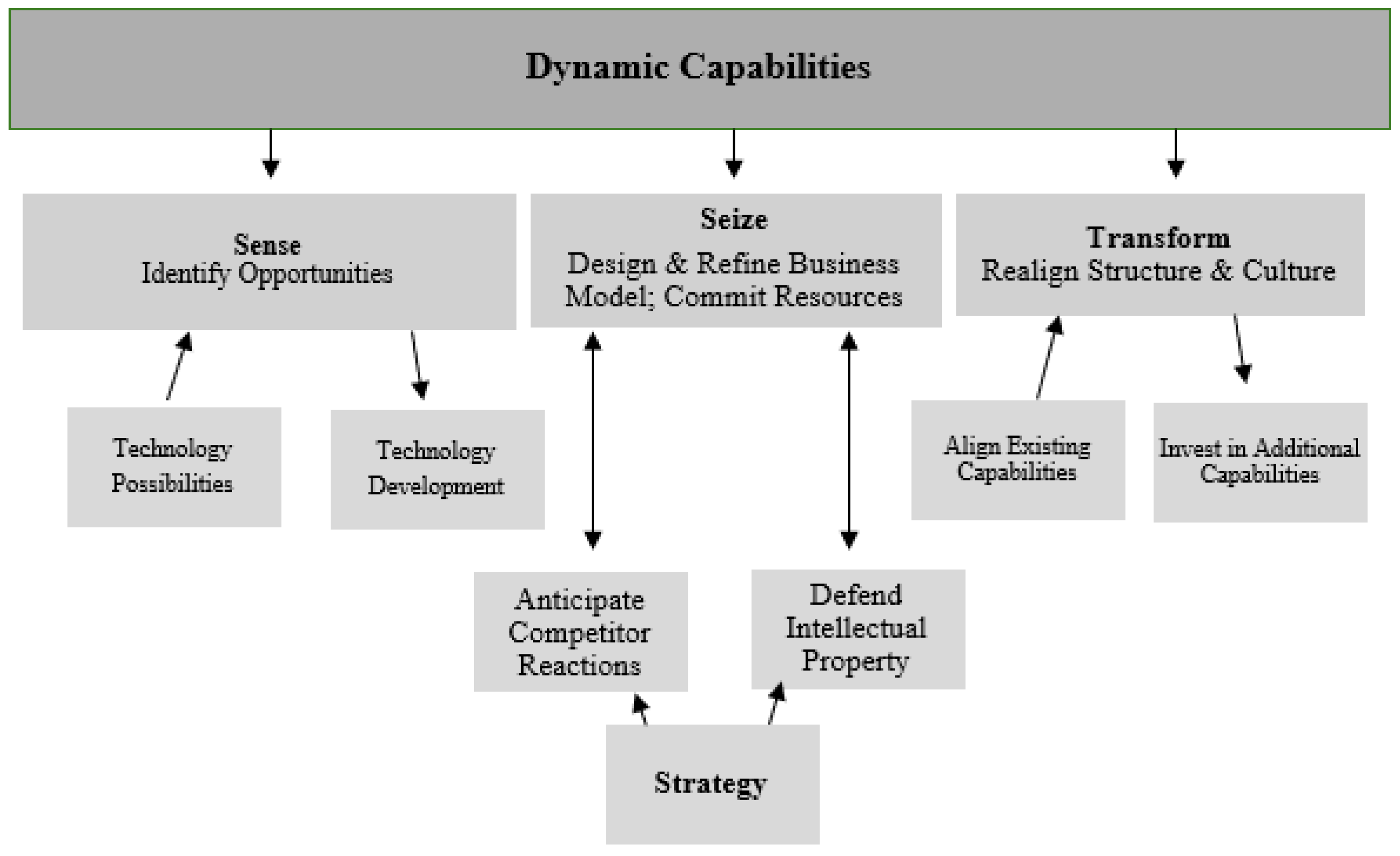
Figure 2.
Critical Factors of Agile DevOps Reference Model (Source: Author).
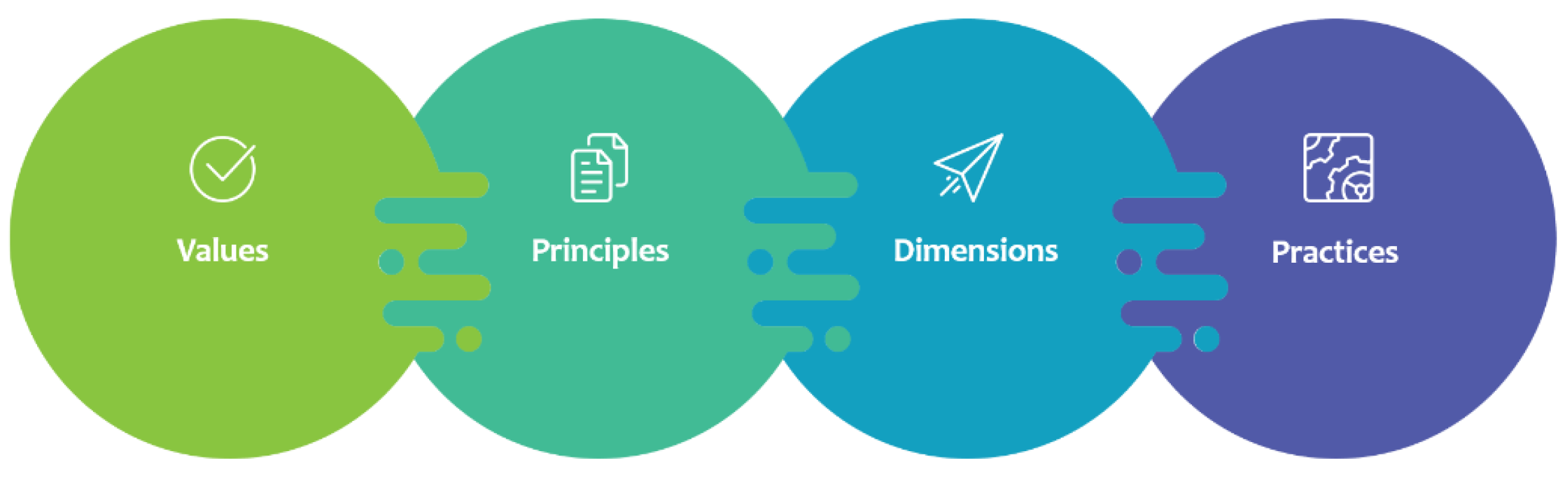
Figure 3.
PRISMA Flow chart for article selection (Source: Author).
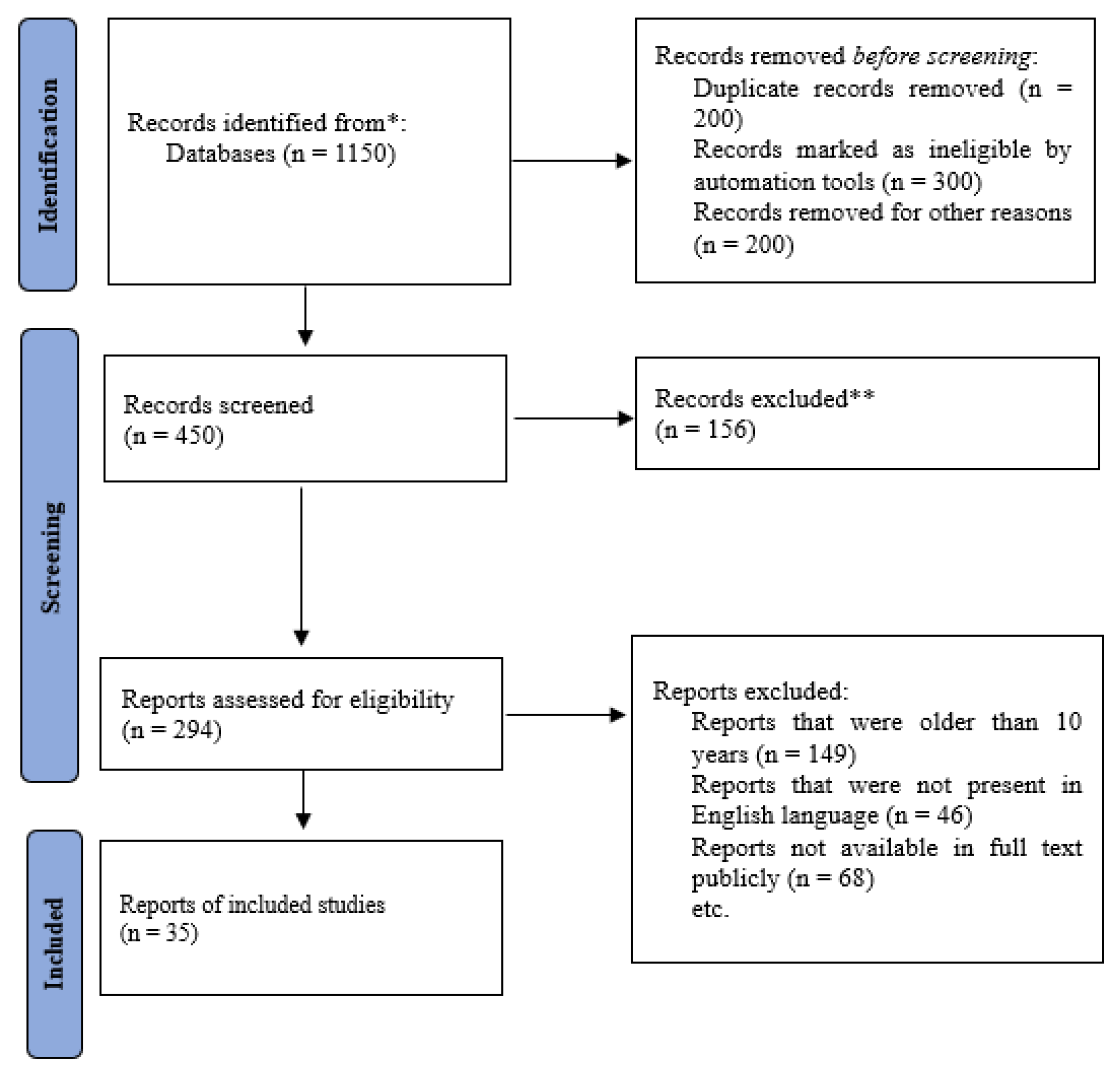

Table 1.
Journey from Traditional PMO to Agile PMO (Source: Author).
| CLASSIC | MODERN | LEAN | AGILE | |
|---|---|---|---|---|
| Portfolio Planning Cycle | Annual | Quarterly | Continuous | Continuous / Iterative |
| Planning Process | Bottom-up Project Schedules | Prioritized Projects | Top-down programs | Dynamic Roadmaps |
| Funding | Project | Program | Value Stream | Value Stream |
| Capacity | Named Resources | Role-based Capacity | Hybrid Teams | Stable Teams |
| KPIs | Utilization & Compliance | Cost & Efficiency | Value-based OKRs | Value-based OKRs |
| Forecasting & Actuals | Actuals Only | Project Forecasting | Program Forecasting | Product TCO |
| Governance | Prescriptive (methodology & Control) |
Reactive-Flexible | Adaptive- Servant | Adaptive- Servant |
| Autonomy | Command & Control | Execution Flexibility | Team Autonomy | Autonomous Value Delivery-Focused Teams |
| Execution Tools | Disparate & disconnected | One Size Fits All | Adaptive | Team-driven & integrated |
| Delivery | Large Release/ infrequent | Phased Releases | Incremental | Continuous |
Table 2.
Comparative Analysis of Traditional PMO Governance vs Agile DevOps PMO Governance (Source: Author).
Table 2.
Comparative Analysis of Traditional PMO Governance vs Agile DevOps PMO Governance (Source: Author).
| Dimension | Traditional PMO Governance | Agile DevOps PMO Governance | Mapped Outcomes |
|---|---|---|---|
| Governance Structure | Centralized, hierarchical decision-making | Decentralized, collaborative decision-making | Faster response to change; improved stakeholder engagement |
| Planning Approach | Annual or fixed long-term planning cycles | Continuous, iterative planning with adaptive roadmaps | Greater flexibility; alignment with shifting priorities |
| Funding Model | Project-based funding | Value stream or product-based funding | Sustained investment in high-value initiatives |
| Delivery Cadence | Large, infrequent releases | Frequent, incremental releases enabled by CI/CD | Reduced time-to-market; faster feedback loops |
| Performance Metrics | Utilization, cost, and schedule adherence | Value-based OKRs, customer satisfaction, lead time for changes | Focus on outcomes over outputs |
| Resource Allocation | Named resources assigned to projects | Stable, cross-functional teams | Higher team cohesion and productivity |
| Risk & Compliance Management | Reactive, compliance checks at late stages | Proactive, embedded security and compliance (DevSecOps) | Reduced defects; enhanced regulatory adherence |
| Change Management | Formal, document-heavy processes | Continuous integration of change through automated pipelines | Minimized disruption; improved adaptability |
| Tooling & Integration | Disparate, disconnected tools | Integrated toolchains with automation and monitoring | Improved visibility and decision-making |
| Cultural Orientation | Process-driven, control-focused | Learning-oriented, innovation-driven | Increased innovation capacity; higher employee engagement |
Table 3.
Search Strategies (Source: Author).
| S. No. | Search Strategy |
|---|---|
| 1. | (“DevOps”) AND (“PMO governance”) AND (“governance”) AND (“global technology”) |
| 2. | (“cultural adaptability”) AND (“technology domain”) AND (“Agile DevOps Reference Model”) |
| 3. | (“Dynamic Capabilities Framework (DCF)”) AND (“Microservices Architectures (MSA)” AND (“continuous delivery”) |
| 4. | (“Continuous integrations”) AND (“software”) AND (“Agile governance”) |
Table 4.
Inclusion and Exclusion Criteria (Source: Author).
| Inclusion Criteria | Exclusion Criteria |
|---|---|
| Studies published in peer-reviewed journals in English. | Studies not published in peer-reviewed journals in English. |
| Studies focusing on the impact of DevOps on PMO governance. | Studies irrelevant to DevOps-PMO governance integration. |
| Studies published between 2016 and 2025. | Studies published before 2016. |
| Full-text studies are accessible publicly. | Studies unavailable in full-text format. |
Table 5.
List of selected studies (Source: Author).
| S. No. | Author(s) | Year | Title | Publisher | Research Overview | Study Design | Sample Size | Region/Context |
|---|---|---|---|---|---|---|---|---|
| 1 | Maturi et al. | 2020 | A Systematic Literature Review: The Recent Advancements in AI Emerging Technologies and Agile DevOps | International Meridian Journal | Explores the integration of AI and DevOps to enhance innovation and automation in software delivery | Systematic Literature Review | N/A | Global |
| 2 | Hussain et al. | 2017 | Emerging Trends for Global DevOps: A New Zealand Perspective | IEEE | Highlights trends in DevOps practices globally, focusing on automation and scalability | Empirical Case Study | 15 companies | New Zealand |
| 3 | Chittala | 2024 | Enhancing Developer Productivity Through Automated CI/CD Pipelines | IJCET | Discusses the impact of CI/CD on developer productivity and efficient deployment cycles | Experimental Evaluation | N/A | India |
| 4 | Myklebust et al. | 2020 | Remote and Agile Improvement of Industrial Control and Safety Systems Processes | ESREL Proceedings | Investigates CI/CD pipelines and their role in improving process reliability | Case Study | 4 industrial systems | Norway |
| 5 | Tonesh & Vamsi | 2024 | Transforming Software Delivery: A Comprehensive Exploration of DevOps Principles, Practices, and Implications | Journal of Data Acquisition and Processing | Reviews the principles and practices of DevOps, including automation and orchestration strategies | Literature Review | N/A | Global |
| 6 | Laato et al. | 2023 | Trends and Trajectories in the Software Industry: Implications for the Future of Work | Information Systems Frontiers | Highlights the shift to DevOps-driven CI/CD pipelines in global software development | Literature Review | N/A | Global |
| 7 | Ayvaz & Salman | 2020 | Software Architecture Patterns in Big Data: Transition from Monolithic Architecture to Microservices | IGI Global | Analyzes the adoption of microservices architecture to improve flexibility and scalability | Case Study | Multiple projects | Turkey |
| 8 | Waseem et al. | 2020 | A Systematic Mapping Study on Microservices Architecture in DevOps | Journal of Systems and Software | Explores the role of microservices in DevOps environments for faster and reliable deployments | Systematic Mapping Study | N/A | Global |
| 9 | Alluri et al. | 2018 | Automated Testing Strategies for Microservices: A DevOps Approach | Distributed Learning and Broad Applications in Scientific Research | Focuses on automated testing strategies to support microservices within DevOps | Experimental Approach | N/A | India |
| 10 | Kehrer & Blochinger | 2018 | AUTOGENIC: Automated Generation of Self-Configuring Microservices | CLOSER | Discusses a model-based approach to developing and configuring microservices dynamically | Prototype Development | N/A | Germany |
| 11 | Chowdary et al. | 2024 | DevOps 2.0: Embracing AI/ML, Cloud-Native Development, and a Culture of Continuous Transformation | IEEE | Highlights AI and ML-driven tools for streamlining DevOps processes and decision-making | Conceptual Framework | N/A | Global |
| 12 | Leshchenko et al. | 2024 | Integrating DevSecOps into the Software Development Lifecycle | CPITS II | Examines the adoption of DevSecOps practices for securing cloud-native environments | Case Study | N/A | Ukraine |
| 13 | Gugulotu | 2024 | Integrating AI/ML into DevSecOps: Strengthening Security and Compliance in Cloud-Native Applications | IJCET | Analyzes the integration of AI/ML tools into DevSecOps to enhance security and compliance | Experimental Approach | N/A | India |
| 14 | Bobrov et al. | 2020 | DevOps and its Philosophy: Education Matters! | Microservices: Science and Engineering | Examines the philosophy and educational aspects of DevOps practices globally | Conceptual/Philosophical Analysis | N/A | Global |
| 15 | Khan et al. | 2022 | Critical Challenges to Adopt DevOps Culture in Software Organizations | IEEE Access | Discusses barriers to DevOps adoption, including cultural and technical challenges | Systematic Review | N/A | Global |
| 16 | López-Fernández et al. | 2021 | DevOps Team Structures: Characterization and Implications | IEEE Transactions on Software Engineering | Explores team structures that facilitate DevOps implementation | Empirical Study | 30 teams | Global |
| 17 | Radstaak | 2019 | Developing a DevOps Maturity Model | University of Twente | Proposes a maturity model to evaluate the implementation of DevOps practices | Model Development | N/A | Netherlands |
| 18 | Drvar et al. | 2020 | Agile RegOps for Digitalizing the Regulatory Value Chain | BearingPoint Software Solutions | Focuses on streamlining governance in regulated industries through DevOps practices | Case Study | N/A | Europe |
| 19 | Desai & Nisha | 2021 | Best Practices for Ensuring Security in DevOps: A Case Study Approach | Journal of Physics: Conference Series | Analyzes strategies for integrating security measures in DevOps processes | Case Study | N/A | India |
| 20 | Cavusgil & Deligonul | 2024 | Dynamic Capabilities Framework and Its Transformative Contributions | Journal of International Business Studies | Explores the role of dynamic capabilities in aligning governance and agility within DevOps | Conceptual Framework | N/A | Global |
| 21 | Khalil & Belitski | 2020 | Dynamic Capabilities for Firm Performance under the IT Governance Framework | European Business Review | Highlights the strategic adaptability of organizations adopting DevOps | Conceptual Framework | N/A | Global |
| 22 | Rossi | 2024 | Cloud-Native DevOps: Unleashing the Power of Microservices on AWS Infrastructure | Integrated Journal of Science and Technology | Focuses on leveraging cloud-native solutions for DevOps-driven scalability | Case Study | N/A | Global |
| 23 | Shahin et al. | 2017 | Beyond Continuous Delivery: An Empirical Investigation of Continuous Deployment Challenges | IEEE | Identifies challenges in continuous deployment pipelines and solutions for improvement | Empirical Study | Multiple projects | Global |
| 24 | Antiya | 2024 | DevOps for Compliance: Building Automated Compliance Pipelines for Cloud Security | Xoffencer International | Proposes automated compliance pipelines for cloud-based DevOps implementations | Conceptual Framework | N/A | Global |
| 25 | Wang et al. | 2018 | Understanding and Auto-Adjusting Performance-Sensitive Configurations | ACM SIGPLAN Notices | Explores performance optimization techniques in automated configurations for DevOps | Experimental Study | N/A | Global |
| 26 | Gebrekidan | 2023 | Design and Implementation of N-tier Web Application on Public Cloud | N/A | Focuses on auto-configuration tools for scaling DevOps-based applications | Case Study | N/A | Global |
| 27 | Abdelkebir et al. | 2017 | An Agile Framework for ITS Management in Organizations | Conference Proceedings | Examines Agile and DevOps frameworks in intelligent transport systems | Case Study | N/A | Morocco |
| 28 | Camilleri | 2022 | Adoption of IT Governance Strategies for Multiproduct DevOps Teams | Walden University | Proposes governance strategies for managing multiple products using DevOps | Empirical Study | N/A | Malta |
| 29 | Bansal et al. | 2023 | Strategy and Business Model Evolution at Adobe | JIT Teaching Cases | Discusses Adobe’s adoption of DevOps for subscription-based business model | Case Study | N/A | USA |
| 30 | Gant | 2024 | Business Models: Software-as-a-Service | Equity | Highlights the role of DevOps in enabling SaaS business models | Conceptual Framework | N/A | Global |
| 31 | Runsewe et al. | 2024 | End-to-End Systems Development in Agile Environments | IJERD | Focuses on Agile DevOps integration in financial sector projects | Case Study | N/A | Nigeria |
| 32 | Maroukian | 2022 | A Leadership Model for DevOps Adoption | University of Reading | Proposes a leadership model for DevOps adoption and governance transformation | Conceptual Framework | N/A | UK |
| 33 | Augustine et al. | 2021 | From PMO to VMO: Managing for Value Delivery | Berrett-Koehler | Examines the transition from PMOs to Value Management Offices with Agile principles | Conceptual/Practice Framework | N/A | Global |
| 34 | Zhu | 2022 | Netflix and the Culture of Reinvention | ABAC Journal | Highlights Netflix's innovative culture fostering Agile and DevOps adoption | Case Study | N/A | USA |
| 35 | Surenthran et al. | 2025 | Agile Sustainability: Revolutionizing Risk Management in Finance | IGI Global | Discusses Agile and DevOps integration for sustainability in finance | Conceptual Framework | N/A | Global |
Table 6.
Themes generated (Source: Author).
| Themes Generated | |
| Theme 1 | Emerging Trends Shaping the Future of DevOps |
| Theme 2 | PMO Governance Overview |
| Theme 3 | Integration of DevOps and PMO Governance |
| Theme 4 | Organizational and Economic Impacts: |
| Theme 5 | Practical Implications |
Disclaimer/Publisher’s Note: The statements, opinions and data contained in all publications are solely those of the individual author(s) and contributor(s) and not of MDPI and/or the editor(s). MDPI and/or the editor(s) disclaim responsibility for any injury to people or property resulting from any ideas, methods, instructions or products referred to in the content. |
© 2025 by the authors. Licensee MDPI, Basel, Switzerland. This article is an open access article distributed under the terms and conditions of the Creative Commons Attribution (CC BY) license (http://creativecommons.org/licenses/by/4.0/).
Copyright: This open access article is published under a Creative Commons CC BY 4.0 license, which permit the free download, distribution, and reuse, provided that the author and preprint are cited in any reuse.


