
Submitted:
23 August 2025
Posted:
27 August 2025
You are already at the latest version
Abstract
Manual work tasks involving awkward postures, repetitive motion, and physical exer-tion contribute significantly to musculoskeletal disorders (MSDs) in industrial settings. Marker-based (Mbased) motion capture systems (MoCaps) offer precise, quantitative insights into human movement, enabling more accurate ergonomic risk assessments. This review aims to evaluate the applications, effectiveness, opportunities, and limita-tions of optical Mbased MoCaps in the ergonomic analysis of industrial and physically intensive workplace activities. A systematic literature search was conducted for peer-reviewed studies published between 2015 and 2025 from four different databases. Articles were included if they applied optical Mbased MoCaps to assess ergonomic risks in industrial or manual task contexts and reported relevant kinematic or biome-chanical metrics. Only twelve studies satisfied the inclusion criteria. Mbased MoCaps were used in several human tasks, including manual material handling, overhead work, surgery, and assembly line activities and promising results were achieved. De-spite their accuracy and analytical value, Mbased systems faced limitations. However, Mbased MoCaps remain highly effective for ergonomic assessment in controlled in-dustrial settings. This review contributes by combining existing evidence, identifying underexplored challenges, and providing a valuable foundation for researchers and practitioners seeking to optimise ergonomic assessments and workplace interventions using advanced motion capture tools.
Keywords:
marker-based
; ergonomic
; kinematics
; motion
; kinetic
; motion captured
; industry workers
; injury risk
1. Introduction
Occupational injuries remain a significant concern across various hazardous sectors such as manufacturing, construction, warehousing, mining, transportation, and emergency services, where workers are frequently exposed to high physical demands and biomechanical risks [1,2]. Among these risks, work-related musculoskeletal disorders (WMSDs) have emerged as the leading cause of long-term disability and productivity loss, primarily due to repetitive movements, awkward postures, and heavy lifting [3,4]. [5], emphasized the urgent need to monitor the physical and mental health of workers in high-risk professions to ensure both individual well-being and organizational performance.
In recent years, technological advancements have enabled more precise and objective methods for assessing ergonomic risk. Among them, motion capture (MoCap) technologies used to digitize and analyse human movement have gained prominence in occupational ergonomics and sport research [6]. MoCap systems allow for detailed kinematic analysis and biomechanical modeling, making them powerful tools in identifying hazardous motions and evaluating postural loads in real time.
There are two main types of optical MoCap systems: marker-based and markerless. While markerless systems have gained popularity due to their convenience, marker-based (M-based) systems remain the gold standard for high-accuracy applications due to their superior spatial resolution and robustness in controlled environments [7,8,9]. Marker-based MoCap systems use reflective or printed markers placed on anatomical landmarks to track body segment movement through high-speed cameras. These systems are frequently integrated with ergonomic assessment tools such as RULA, REBA, or LUBA to evaluate physical demands on workers [10].
Several recent studies illustrate the growing application of M-based MoCap systems in industrial ergonomic analysis. For instance, [11] proposed a wearable eye-tracking system using ArUco markers to maintain operator attention during robot hand-guiding tasks, demonstrating real-time region-of-interest (ROI) detection under dynamic conditions. Similarly, [10] assessed ergonomic risks in high-shelf and low-shelf warehouse binning tasks using marker-based MoCap, revealing distinct velocity patterns and a 33% prevalence of lower back pain among participants.
2. Related Work
Despite the widespread deployment of MoCap systems, prior reviews in this domain have either focused broadly on ergonomic tools [12], explored general motion tracking technologies [13,14], or prioritised markerless systems [15]. Another review focused on various MoCap systems, including marker-based, markerless, and inertial measurement units (IMUs) used in clinical, rehabilitation, and ergonomic contexts [16]. The outcomes of the review show that Mbased systems have offered a significant accuracy compared to others, but the main focus is on three categories of MoCaps. A comparison based on accuracy, validity, and reliability between markerless and marker-based 3D MoCap systems in gait analysis [17]. It found that while markerless systems are improving, marker-based systems still offer superior accuracy, particularly in complex movements. A scoping review focused on the use of optical marker-based MoCaps in analysing spinal biomechanics only [18]. The main focus of this review is to highlight the need for standardised procedures and marker placements to improve the reliability of ergonomic assessments involving spinal movements. A focused and systematic synthesis of literature on marker-based motion capture specifically for ergonomic risk assessment in industrial contexts is still lacking. Moreover, the methodological variation, cost barriers, and limited field deployment of these systems highlight a fragmented evidence base that requires consolidation.
This systematic literature review aims to fill this critical gap by synthesizing recent advances, real-world applications, and methodological trends in marker-based MoCap for ergonomic analysis. Specifically, the literature aims to (1) identify the types of marker-based systems and procedures used across industrial studies, (2) evaluate their effectiveness and accuracy in ergonomic assessments, and (3) highlight limitations and areas for future research. The outcome of this review will support researchers, occupational health practitioners, and technology developers in optimising motion capture deployment for improved workplace safety and ergonomics. Moreover, five research questions were developed to aid the review process as follows.
- RQ1. How are marker-based motion capture systems applied to assess ergonomic risks in industrial workplace settings?
- RQ2. What types of marker-based motion capture technologies and configurations are commonly used in industrial ergonomic assessments?
- RQ3. What ergonomic risk factors are measured using marker-based MoCaps in industrial environments, and what metrics are commonly reported?
- RQ4. What are the methodological approaches used for data analysis and interpretation in marker-based ergonomic studies?
- RQ5. What are the limitations, challenges, and opportunities identified in using marker-based motion capture for ergonomic analysis in industrial settings?
3. Materials and Methods
In the area of “Marker-based optical motion capture for ergonomic analysis,” an extensive study was conducted, investigating key research questions and systematically searching and organising the relevant literature. Our research methodology adopted the Preferred Reporting Items for Systematic Reviews and Meta-Analyses (PRISMA) protocol [19] to outline the data sources, search strategies, and criteria for literature inclusion or exclusion.
3.1. Research Strategy and Data Sources
This review utilized automatic and manual search methods to ensure optimal outcomes. Four databases (Scopus, Web of Science, and PubMed) were employed to locate relevant articles or research within the Mbased Mocap for ergonomic analysis domain and its applications. Specific search queries, comprising various keywords and their combinations, were employed to identify relevant publications from 2015 to 2025. These queries included terms such as “MoCaps” OR , motion capture technology”,”upper-limb AND ,lower-limb”, “marker-based motion capture”OR“optical motion capture”, “ergonomics OR ergonomic”, “gait analysis”,”movement” OR, “motion”, ”kinematics”.”industry” OR workplace” OR” manufacturing” OR” construction”AND FROM “2015 TO “2025” .To ensure total coverage, identical queries were executed across all four databases.
3.2. Exclusion /Inclusion Criteria
Given the objective of conducting a comprehensive review tailored to the study’s requirements, slight variations in search strategies were adopted, considering the unique search capabilities of each selected database. Initially, title and abstract searches were conducted in PubMed and Scopus, whereas full-text searches were performed in Web of Science. Retrieved articles go through scrutiny based on their abstracts and titles to determine inclusion or exclusion eligibility. Articles with insufficient or irrelevant information were excluded.
Subsequently, the full text of screened papers was meticulously examined to ascertain their relevance for inclusion or exclusion. Additionally, references cited within selected articles were identified and utilized to retrieve additional relevant papers for the study. To ensure the generation of clean and standardised documents, devoid of noise and duplicates, supplementary selection and rejection criteria were applied. These criteria stipulated that articles must be written in English and published in English peer-reviewed journals or conferences between the years 2015 and 2025. Furthermore, the articles are required to utilize optical Mbased MoCaps, focusing on ergonomic risk assessment or biomechanical evaluation related to occupational or simulated work tasks, and conducted in industrial or industrial-simulated settings.
4. Results
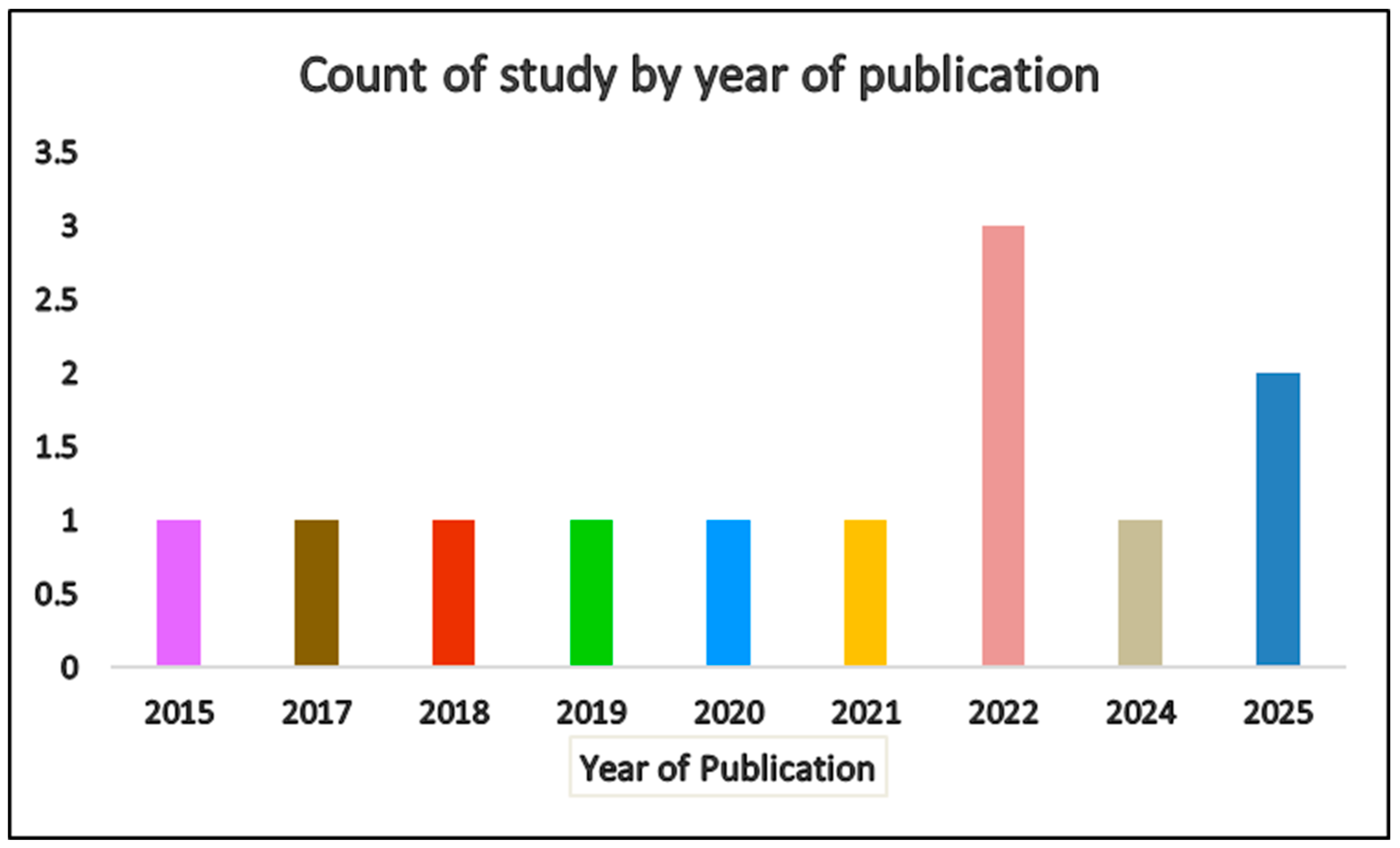
The literature search identified 311 articles on Mbased Mocap for ergonomics. After removing 151 duplicates, 160 unique articles remained. Screening the titles and abstracts reduced this number to 65. Following a full-text review, 53 additional articles were excluded, leaving 12 relevant studies for inclusion in the review. Figure 1 shows the stages of the search from the input query, the inclusion and exclusion criteria, to the final inclusion stage. Out of the total number of included articles, two studies (n = 2) were published in 2025, and three studies (n = 3) were published in 2022. Only one study was published (n =1) in 2024, 2021, 2020, 2019, 2018, 2017 and 2015, respectively. Figure 2 shows the rise of research interest in the field of marker-based motion capture systems in ergonomics evaluation, especially in industrial settings, by the year of publication of the research. Figure 3 shows the frequency of publishing research in the field of marker-based motion capture systems in ergonomics evaluation in the industrial environment by the country of the first author. Out of the twelve included articles, the distribution shows that eight countries used the M-based MoCaps for ergonomic analysis in industrial environments. Italy published the highest number of articles (n=3). Germany and Canada published two articles each (n=2). While Indonesia, Japan, Poland and the United States of America (USA) published one article (n =1). A critical evaluation was conducted on all 12 contributions that met the inclusion benchmarks.
- RQ1. How are marker-based motion capture systems applied to assess ergonomic risks in industrial workplace settings?
Marker-based motion capture systems are renowned for their high recording precision, which is attributed to the unrestricted placement of markers on the human body. These systems also support the simultaneous tracking of multiple individuals. Furthermore, advancements in camera technology have reduced dependency on optimal lighting conditions, thereby enhancing the system’s flexibility and suitability for diverse environments [20]. Marker-based MoCap systems are applied in industrial ergonomic assessments to quantify body kinematics during work tasks, enabling objective evaluation of movement patterns, postural loads, and task demands. In this review, Mbased MoCaps are applied to assess risk. For example, Manual material handling, such as binning, lifting, and shelving [10,21], where OptiTrack MoCap is used to assess the ergonomics risk during binning and lifting. In another research [22], BTS SMART-DX6000 MoCap is used to track the joint torques and muscle loads during an industrial overhead task. Marker and eye tracking are applied to assess operator attention zones in collaborative human robotic environment [11]. MoCaps are used to simulate and optimise ergonomic workstation layouts during workstation evaluation and redesign [23,24]. Across all applications, the systems enabled fine-grained capture of posture, task phases, and movement transitions, supporting both static and dynamic ergonomic assessments. Table 1 shows M-based MoCaps systems and their description. The table consists of seven different columns. Column one is showing the studies and their year in which it was published, column two is indicating the objective each study, column three domain of the research, column four is indicating the Mbased-system, column five is showing the method of ergonomic assessment, column six is describing the key findings while the last column revealing the identified limitations in the study
- RQ2. What types of marker-based motion capture technologies and configurations are commonly used in industrial ergonomic assessments?
From the twelve studies used in the review work, the difference Mbased MoCaps were used as shown in the table. Vicon is one of the most frequently used devices. It is a 3D MoCap solution that utilises multiple high-definition cameras. This system offers high precision, capturing up to 370 frames per second at full resolution, with a maximum capture speed reaching 2,000 frames per second [31]. Vicon has offered three different camera series for motion capture and analysis. The Vicon MX series includes models such as the MX3, MX13, and MX20, each named according to their megapixel ratings. for example, the MX3+ corresponds to a 0.325-megapixel camera [32]. The T series features models like the T-20 and T-40, with the T-40 representing a 4-megapixel camera [33]. In the V series, versions like V1.7 and V2.8.1 belong to the Vantage line, designed for high-speed motion capture. V-series is widely considered as gold standard motion capture, known for its accuracy and reliability [34]. A vicon mocap is used [25] and demonstrates the capabilities of Mbased- MoCaps in capturing the movement of an object with a marker placed on the body. The authors used motion capture to measure the joint kinematics in leg swing simulator.
The most commonly used technologies in the reviewed studies were OptiTrack optical marker-based systems with passive or active reflective markers. It is the most commonly used Mbased MoCaps in the reviewed documents. It is a high-performance optical MoCaps that utilises infrared cameras and reflective markers to track movement with high precision. OptiTrack is widely used in fields such as biomechanics, sports science, animation, virtual reality, and robotics. The system relies on multiple synchronised cameras placed around a capture volume to detect the 3D positions of retroreflective markers attached to a subject or object. In their study on upper body kinematics during suturing tasks, [26] employed a commercially available optical motion capture system, the OptiTrack Flex3 (Natural Point, Inc., Corvallis, OR, USA), to record participant movements. The system utilised six infrared cameras in conjunction with 14 mm spherical retroreflective markers to capture motion data. Marker trajectories were recorded as XYZ coordinates, corresponding to the longitudinal (X), vertical (Y), and lateral (Z) axes. The motion data were sampled at a frequency of 100 Hz, ensuring adequate temporal resolution for detailed movement analysis. To guarantee high accuracy and reliable measurement, an OptiTrack motion capture system is built with 12 primex 13W cameras. The camera's working frequency was set to 240 Hz for the best tracking results [28].
The Qualisys™ is another popular Mbased MoCaps used in [30] The ergonomic design is evaluated by analysing the motion behaviour while performing the work process. The Qualisys MoCap provides gap filling and calibration. It is considered a gold standard, and the outcome of the combined models (HTC Vive Tracker and Inverse Kinematics) will be compared with the ground-truth system. The outcomes of commercial low-budget tracking systems can potentially map the joint angles. The Qualisys MoCap is also been utilised [35].It utilised up to fourteen cameras, each operating at a sampling frequency of 100 Hz, to record the movement of sixty-two reflective markers positioned on the participant’s body, as well as three additional markers mounted on the object being transported. The Eagle Digital Motion Analysis system is used in [29].It is an eight camera MoCaps, sampling at 120 HZ to collect 3D coordinates of the reflective markers and to ensure that no marker disappears from camera view at any time. An Mbased MoCaps (worksheet) was employed to monitor participants' movements and assess the associated risk level of their actions [10]. The SMART DX 6000, BTS Bioengineering is another Mbased MoCap with the sampling frequency of 340 Hz, at a maximum resolution of 2048 × 1088 pixels, is utilised [22] in their experiment to track the subject’s kinematics. An eye-tracking glasses + ArUco markers model is introduced [11] to detected operator attention during his operation in real-time. Table 1 summarises the types of Mbased MoCaps technologies and their configurations that are commonly used in industrial ergonomic assessments.

Table 2.
Types of Marker-based motion capture systems and their configurations.
| S/n | Study | Mbased Technology | MoCap software | Configurations |
| 1 | [23] | OptiTrack with multiple infraredcameras | Jack 8.0 DHM | Portable CAVE setup |
| 2 | [25] | (infrared, multi-camera setup with reflective markers) | MATLAB | Multi-camera setup |
| 3 | [29] | OptiTrack, FleX3 | OptiTrack’s Motive | 6 IR cameras; ≥100 Hz; 14 mm markers |
| 4 | [26] | OptiTrack Flex3 | Motive-Body | 6 infrared cameras and retroreflective markers of 14 mm .XYZ data at 100Hz and 6 Hz |
| 5 | [27] | Simscape Multibody | ode15s solver | l core i7, CPU 2.50 GHz processor, 16.0 GB 1600 MHz RAM |
| 6 | [30] | Qualisys | Qualisys, software | Eight Oqus 7/5 infrared cameras,recorded at 100 Hz, employing a 48-marker anatomical model |
| 7 | [21] | Qualisys Oqus | Qualisys Track Manager v2.15 | 16 retroreflective markers with 8 camera at 60 Hz sampling rate |
| 8 | [10] | Osprey cameras | Cortex 4.0 | 25 markers attached at 60 Hz with sensor sizes of 640 x480 pixels |
| 9 | [22] | BTS SMART DX 600 | BTS SMART Analyzer | Cameras with 340 Hz, at 2048 × 1088 pixel. |
| 10 | [24] | Simple Cameras | MVN Analyze | |
| 11 | [11] | ArUco | Open-source Libraries | Front cameras and rear cameras, 30Hz and 200Hz |
| 12 | [28] | flat-stick markers | OptiTrack Motive API | 12 OptiTrack Prime 13 W IR cameras; ~7.9 mm flat markers. |
- RQ3. What ergonomic risk factors are measured using marker-based MoCap in industrial environments, and what metrics are commonly reported?
The most prevalent ergonomic risk factors associated with industrial and workplace employees are repetitive movement, forceful exertion, awkward posture, prolonged exposure to vibration or radiation, and others. In this review article, some ergonomic risk factors and the commonly reported metrics are presented that answer the third review question. For example, [36] identified the high shelf and low shelf binning processes carried out by warehouse workers as the ergonomic risk factors and utilised the Rapid entire body assessment (REBA) to assess the ergonomic risk factors in the research. Deviation of joint angles caused by awkward movement by workers is identified as an ergonomic risk factor. Rapid Entire Body Assessment and Rapid Entire Limb Assessment (REBA and RULA) are recognised as the best metrics for assessing the ergonomic risk factors [30. In another research [29], the awkward body postures and handled load as a potential ergonomic risk factor in the construction manufacturing workplace, and both REBA and RULA are used as metrics. Awkward joint angles, high joint torques and excessive muscle activations are identified as the ergonomic risk factors, and RULA is selected as the evaluation tool [22].
Figure 2.
Distribution of articles by the Author’s Nationality.
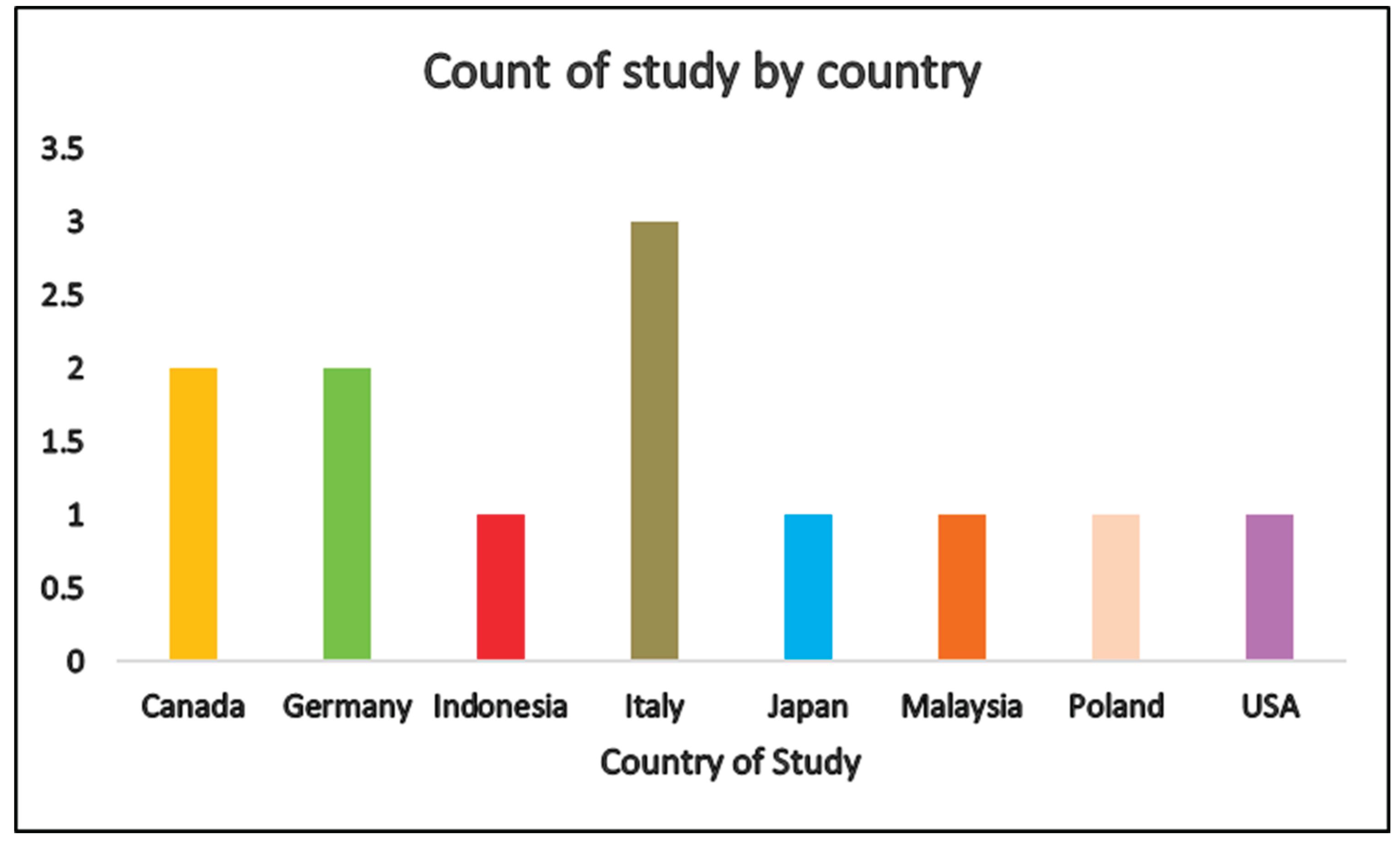
Figure 3.
Distribution of the articles by publication year.
- RQ4. What are the methodological approaches used for data analysis and interpretation in marker-based ergonomic studies?
The methodological approaches used for data analysis interpretation in marker-based ergonomic studies differ in many studies. The reviewed studies adopted numerous methodological approaches to analyse and interpret data collected from the Mbased MoCaps systems. These methods reflect the various objectives of ergonomic assessments, ranging from quantifying joint movement to predicting musculoskeletal risks. Some of these approaches are
- I.
- Biomechanical and kinematic analysis
Most studies begin with basic kinematic analysis, which involves calculating joint angles, segment velocities, and movement trajectories. Some go further by applying biomechanical models to estimate joint torques or forces using inverse kinematics or inverse dynamics [22]. These analyses help in understanding: Range of motion, Frequency of awkward or constrained postures and Temporal patterns of movement [30]. Common software includes Visual3D, OpenSim, MATLAB, and proprietary software provided with the motion capture systems.
- II.
- Ergonomic Risk Assessment Tools
Many studies on ergonomic analysis integrate motion capture data with standardized ergonomic assessment methods such as RULA (Rapid Upper Limb Assessment), REBA (Rapid Entire Body Assessment), OWAS (Ovako Working Posture Analysis System) and NIOSH Lifting Equation [37]. Motion data, such as joint angles and body segment positions, is mapped to these scoring systems, often with automated or semi-automated calculations. These methods provide quick and interpretable indicators of posture-related risks in industrial settings [38]. Other methodological approaches used for data analysis and interpretation in Mbase ergonomics studies are summarised in Table 3
- RQ5. What are the limitations, challenges, and opportunities identified in using marker-based motion capture for ergonomic analysis in industrial settings?
Challenges
Like any other easement process, MoCaps technologies faces many challenges, which sometimes affect their performance. Marker occlusion is one of the prevailing challenges weakening the accuracy of object capture, especially in real industry settings. Another challenge facing the adoption of Mbased MoCaps is the complexity of the system setup and calibration time. Due to the number of cameras in the Mbased system, setting up the environment is quite complex, especially where experts are lacking. Each camera has to calibrate with the others to ensure accurate capturing and follow the ground truth standard. Other challenges include the high cost of the hardware and the maintenance of the setup.
Limitation
Mbased systems are surrounded by limitations that hider some researcher and management of many industries from experimenting the status of their employees. Limited mobility is one of the limitations of using Mbased MoCaps since the system is often limited to lab settings or needs controlled environments. Table 1 shows the limitations of each article in the review.
Opportunities
With several challenges and limitations, Mbased MoCaps are known for their great achievements compared to other MoCaps systems. Some of the opportunities of Mbased systems include. The high sampling rate for fast capturing. Most Mbased systems use a higher sampling rate to capture the accurate position of the marker attached to the subject. Another opportunity of Mbased system is a higher degree of freedom. A higher degree of freedom yields the highest rational acceleration. Large capture volume is another opportunity for Mbased MoCaps system since it is capable of capturing more than 100m3 compared to other MoCaps. Mbased MoCaps are used as validators.
5. Conclusions
Mbased MoCaps continue to play a vital role in the quantitative evaluation of ergonomic risks in industrial settings. The 12 reviewed studies demonstrate that these systems offer incomparable accuracy in capturing joint-level movement and posture data, which are critical for identifying biomechanical loads and detecting high-risk tasks. Their fusion with digital modeling tools, ergonomic scoring frameworks, and even physiological data such as EMG further reinforces their value in applied ergonomics. However, despite their technical strengths, the use of Mbased systems is often limited by practical constraints, including high cost, setup complexity, and limited scalability to field-based assessments. These factors, along with the growing accessibility of other MoCaps such as markerless and IMU-based alternatives, have triggered the development of new research areas. This review not only combines the strengths of Mbased MoCaps in ergonomic analysis but also highlights the need for more comparative research and real-world application studies. It provides a strong foundation for future work, including planned systematic reviews on IMU and markerless MoCaps, in the field of ergonomic assessment to better understand the trade-offs and suitability of each technology across varied work environments.
Funding
This research work received no funding
Acknowledgments
This Authors extends their appreciation to BUK ASUU secretariat and FUD, CRAIG AI Lab for their support
Conflicts of Interest
The author has declared no conflict of interest
References
- Chander, H.; Garner, J.C.; Wade, C.; Knight, A.C. Postural Control in Workplace Safety: Role of Occupational Footwear and Workload. Safety 2017, 3, 1–8. [Google Scholar] [CrossRef]
- Waldman, H.S.; Smith, J.E.W.; Lamberth, J.; Fountain, B.J.; McAllister, M.J. A 28-Day Carbohydrate-Restricted Diet Improves Markers of Cardiometabolic Health and Performance in Professional Firefighters. J. Strength Cond. Res. 2019, 33, 3284–3294. [Google Scholar] [CrossRef]
- Fitri, M.; Halim, A. Initial Ergonomic Risk Assessment on Unrolling and Rolling Fire Hose Activity Among Firefighters At Putrajaya Fire and Rescue Station. 2019, 4, 53–56.
- Martín-tapia, P.; Gonz, D.; Gonz, J. ME-WARD : A Multimodal Ergonomic Analysis Tool for Musculoskeletal Risk Assessment from Inertial and Video Data in Working Places. Expert Syst. Appl. 2025, 278. [Google Scholar]
- Kolena, B.; Petrovičová, I.; Šidlovská, M.; Hlisníková, H.; Bystričanová, L.; Wimmerová, S.; Trnovec, T. Occupational Hazards and Risks Associated with Phthalates among Slovakian Firefighters. Int. J. Environ. Res. Public Health 2020, 17, 1–15. [Google Scholar] [CrossRef] [PubMed]
- Suo, X.; Tang, W.; Li, Z. Motion Capture Technology in Sports Scenarios: A Survey. Sensors 2024, 24, 1–15. [Google Scholar] [CrossRef] [PubMed]
- Antognini, C.; Ortigas-Vásquez, A.; Knowlton, C.; Utz, M.; Sauer, A.; Wimmer, M.A. Comparison of Markerless and Marker-Based Motion Analysis Accounting for Differences in Local Reference Frame Orientation. J. Biomech. 2025, 185. [Google Scholar] [CrossRef] [PubMed]
- Chaumeil, A.; Lahkar, B.K.; Dumas, R.; Muller, A.; Robert, T. Agreement between a Markerless and a Marker-Based Motion Capture Systems for Balance Related Quantities. J. Biomech. 2024, 165. [Google Scholar] [CrossRef]
- Hood, S.; Ishmael, M.K.; Gunnell, A.; Foreman, K.B.; Lenzi, T. A Kinematic and Kinetic Dataset of 18 Above-Knee Amputees Walking at Various Speeds. Sci. Data 2020, 7, 1–8. [Google Scholar] [CrossRef] [PubMed]
- Zhao, Y.S.; Jaafar, M.H.; Azlan Mohamed, A.S.; Azraai, N.Z.; Amil, N. Ergonomics Risk Assessment for Manual Material Handling of Warehouse Activities Involving High Shelf and Low Shelf Binning Processes: Application of Marker-Based Motion Capture. Sustain. 2022, 14. [Google Scholar] [CrossRef]
- Masi, E.; Nguyen, N.T.; Monari, E.; Valori, M.; Vertechy, R. Marker-Based Safety Functionality for Human–Robot Collaboration Tasks by Means of Eye-Tracking Glasses. Machines 2025, 13. [Google Scholar] [CrossRef]
- Savoji, K.; Soleimani, M.; Moshayedi, A.J. A Comprehensive Review of Electromyography in Rehabilitation: Detecting Interrupted Wrist and Hand Movements with a Robotic Arm Approach. EAI Endorsed Trans. AI Robot. 2024, 3. [Google Scholar] [CrossRef]
- Harnau, E.; Breiter, S.; Arlinghaus, J.C. Selection of Motion Capture Technologies for Industry 5.0 Production Systems: A Structured Literature Review. IFAC-PapersOnLine 2024, 58, 970–975. [Google Scholar] [CrossRef]
- Herzog, V.N.; Buchmeister, B.; Jaehyun, P. ; Kaya Enhancing Workplace Safety and Ergonomics with Motion Capture Systems: Present State and a Case Study. Adv. Prod. Eng. Manag. 2024, 19, 333–346. [Google Scholar] [CrossRef]
- Lam, W.W.T.; Tang, Y.M.; Fong, K.N.K. A Systematic Review of the Applications of Markerless Motion Capture (MMC) Technology for Clinical Measurement in Rehabilitation. J. Neuroeng. Rehabil. 2023, 20, 1–26. [Google Scholar] [CrossRef] [PubMed]
- Salisu, S.; Ruhaiyem, N.I.R.; Eisa, T.A.E.; Nasser, M.; Saeed, F.; Younis, H.A. Motion Capture Technologies for Ergonomics: A Systematic Literature Review. Diagnostics 2023, 13, 1–16. [Google Scholar] [CrossRef]
- Scataglini, S.; Abts, E.; Van Bocxlaer, C.; Van den Bussche, M.; Meletani, S.; Truijen, S. Accuracy, Validity, and Reliability of Markerless Camera-Based 3D Motion Capture Systems versus Marker-Based 3D Motion Capture Systems in Gait Analysis: A Systematic Review and Meta-Analysis. Sensors 2024, 24. [Google Scholar] [CrossRef]
- Romero-Flores, C.F.; Bustamante-Bello, R.; Moya Bencomo, M.; Martinez-Ríos, E.A.; Montesinos, L. Optical Marker-Based Motion Capture of the Human Spine: A Scoping Review of Study Design and Outcomes. Ann. Biomed. Eng. 2024, 52, 2373–2387. [Google Scholar] [CrossRef]
- Moher, D.; Liberati, A.; Tetzlaff, J.; Altman, D.G. Preferred Reporting Items for Systematic Reviews and Meta-Analyses: The PRISMA Statement. BMJ 2009, 339, 332–336. [Google Scholar] [CrossRef]
- Filip Rybnikár , Ilona Kaˇcerová, P.H.* and M.Š. Ergonomics Evaluation Using Motion Capture Technology—Literature Review. Appied Sci. 2023. [CrossRef]
- Chan, V.C.H.; Welsh, T.N.; Tremblay, L.; Frost, D.M.; Beach, T.A.C. A Comparison of Augmented Feedback and Didactic Training Approaches to Reduce Spine Motion during Occupational Lifting Tasks. Appl. Ergon. 2022, 99. [Google Scholar] [CrossRef]
- Panariello, D.; Grazioso, S.; Caporaso, T.; Palomba, A.; Di Gironimo, G.; Lanzotti, A. Biomechanical Analysis of the Upper Body during Overhead Industrial Tasks Using Electromyography and Motion Capture Integrated with Digital Human Models. Int. J. Interact. Des. Manuf. 2022, 16, 733–752. [Google Scholar] [CrossRef]
- Puthenveetil, S.C.; Daphalapurkar, C.P.; Zhu, W.; Leu, M.C.; Liu, X.F.; Gilpin-Mcminn, J.K.; Snodgrass, S.D. Computer-Automated Ergonomic Analysis Based on Motion Capture and Assembly Simulation. Virtual Real. 2015, 19, 119–128. [Google Scholar] [CrossRef]
- Brosche, J.; Wackerle, H.; Augat, P.; Lödding, H. Individualized Workplace Ergonomics Using Motion Capture. Appl. Ergon. 2024, 114. [Google Scholar] [CrossRef]
- Yunardi, R.T.; Winarno Marker-Based Motion Capture for Measuring Joint Kinematics in Leg Swing Simulator. In Proceedings of the Proceedings of the 2017 5th International Conference on Instrumentation, Control, and Automation, ICA 2017; 2017; pp. 13–17.
- Takayasu, K.; Yoshida, K.; Mishima, T.; Watanabe, M.; Matsuda, T.; Kinoshita, H. Upper Body Position Analysis of Different Experience Level Surgeons during Laparoscopic Suturing Maneuvers Using Optical Motion Capture. Am. J. Surg. 2019, 217, 12–16. [Google Scholar] [CrossRef]
- Lorenzini, M.; Kim, W.; De Momi, E.; Ajoudani, A. An Online Method to Detect and Locate an External Load on the Human Body with Applications in Ergonomics Assessment. Sensors (Switzerland) 2020, 20, 1–18. [Google Scholar] [CrossRef] [PubMed]
- Retinger, M.; Michalski, J.; Kozierski, P. Flat Marker: Reducing the Weight of Motion Capture Markers for Micro Flying Robots. Rob. Auton. Syst. 2025, 184. [Google Scholar] [CrossRef]
- Li, X.; Han, S.; Gül, M.; Al-Hussein, M.; El-Rich, M. 3D Visualization-Based Ergonomic Risk Assessment and Work Modification Framework and Its Validation for a Lifting Task. J. Constr. Eng. Manag. 2018, 144, 04017093. [Google Scholar] [CrossRef]
- Vox, J.P.; Weber, A.; Wolf, K.I.; Izdebski, K.; Schüler, T.; König, P.; Wallhoff, F.; Friemert, D. An Evaluation of Motion Trackers with Virtual Reality Sensor Technology in Comparison to a Marker-Based Motion Capture System Based on Joint Angles for Ergonomic Risk Assessment. Sensors 2021, 21, 1–32. [Google Scholar] [CrossRef]
- Goldfarb, N.; Lewis, A.; Tacescu, A.; Fischer, G.S. Open Source Vicon Toolkit for Motion Capture and Gait Analysis. Comput. Methods Programs Biomed. 2021, 212. [Google Scholar] [CrossRef]
- Pavei, G.; Salis, F.; Cereatti, A.; Bergamini, E. Body Center of Mass Trajectory and Mechanical Energy Using Inertial Sensors: A Feasible Stride? Gait Posture 2020, 80, 199–205. [Google Scholar] [CrossRef] [PubMed]
- Alkhalaf, N.; Pain, M.T.G.; Hiley, M.J. A Comparative Analysis of IMUs and Optical Systems in Layup Shot Biomechanics. Appl. Sci. 2025, 15. [Google Scholar] [CrossRef]
- Matsuda, T.; Fujino, Y.; Morisawa, T.; Takahashi, T.; Kakegawa, K.; Matsumoto, T.; Kiyohara, T.; Fukushima, H.; Higuchi, M.; Torimoto, Y.; et al. Reliability and Validity Examination of a New Gait Motion Analysis System. Sensors 2025, 25. [Google Scholar] [CrossRef] [PubMed]
- Harari, Y.; Riemer, R.; Bechar, A. Differences in Spinal Moments, Kinematics and Pace during Single-Task and Combined Manual Material Handling Jobs. Appl. Ergon. 2019, 81, 102871. [Google Scholar] [CrossRef] [PubMed]
- Zhao, M.; Tian, Y.; Zhao, H.; Alsheikh, M.A.; Li, T.; Hristov, R.; Kabelac, Z.; Katabi, D.; Torralba, A. RF-Based 3D Skeletons. SIGCOMM 2018 - Proc. 2018 Conf. ACM Spec. Interes. Gr. Data Commun. 2018, 267–281. [CrossRef]
- Winiarski, S.; Molek-Winiarska, D.; Chomątowska, B. From Motion to Prevention: Evaluating Ergonomic Risks of Asymmetrical Movements and Worker Well-Being in AnAssembly Line Work. Appl. Sci. 2025, 15, 560. [Google Scholar] [CrossRef]
- Belabzioui, H.O.; Pontonnier, C.; Dumont, G.; Plantard, P.; Multon, F. Generalization of Inverse Kinematics Frameworks Based on Deep Learning to New Motor Tasks and Markersets. Int. J. Ind. Ergon. 2025, 105, 103670. [Google Scholar] [CrossRef]
Figure 1.
Inclusion and exclusion criteria.
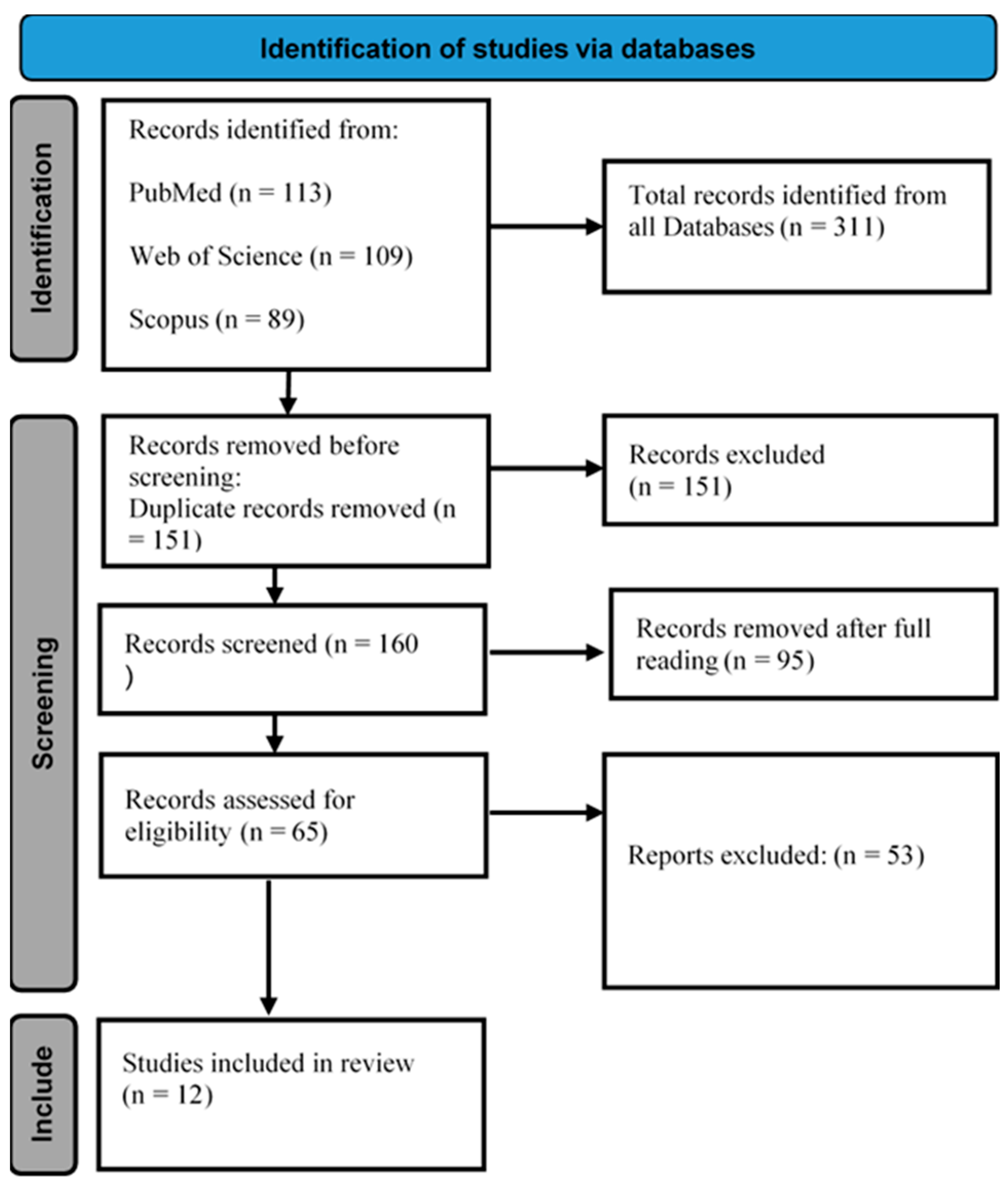
Table 1.
Marker-based motion capture systems and their descriptions.
| Study | Objective | Research Domain | Mbased System | Method of ergonomic assessment | Key Findings | Limitation |
| [23] | Develop Mbased system for ergonomic analysis and assembly simulation | Aerospace assembly | Optical Marker –based system | Digital human modeling | Real-time ergonomic analysis in virtual and physical assembly tasks | Focused on aerospace industry |
| [25] | Measure joint angles in leg swing simulator using MoCap | Ergonomic simulator (swing movement) | Optical marker-based system | Lower-limb joint angles | Custom ergonomic metrics | MoCap enabled precise analysis of repetitive leg motion | Simulator-based; limited real-world validation |
| [26] | Compare postures of surgeons during laparoscopic tasks | Surgical environment (task-specific ergonomics | Optical marker-based system | Postural analysis | Experienced surgeons had better ergonomic postures; MoCap highlighted risks | Not generalizable to all industries |
| [27] | Introduce an online multi-index approach to human ergonomics assessment in the workplace | Manufacturing environment | Optical marker-based system | Ergonomic index analysis | Provided real-time assessment of physical load, aiding in the prevention of musculoskeletal disorders | Needs further validation in various industrial settings |
| [10] | Assess ergonomic risk in warehouse high/low shelf binning tasks | Warehouse | Optical marker-based system | Cornell MSD Questionnaire | 33% of workers had back pain; high shelf tasks showed more risky movement patterns | Small sample, short task duration |
| [22] | Analyze upper-body biomechanics during overhead industrial tasks using marker-based MoCap and EMG | /laboratory setup(overhead work simulation) | Optical marker-based system (SMART DX 6000, 22 markers) | Biomechanical modeling and ergonomic load estimation | Mapped upper-body motion and muscle load during overhead tasks; informed design of ergonomic aids or task modifications | Lab-based only; not field-validated under real industrial environments |
| [11] | Enhance HRC safety with gaze-tracked ROI detection | HRC simulation | Eye-tracking glasses + ArUco markers | ROI-based attention monitoring | System reliably detected operator attention in real-time | Tested in simulated setting only |
| [28] | Reduce weight of markers in MoCap systems | Robotics lab | Lightweight flat marker system | Marker performance metrics | Reduced weight to <1g with better tracking | Not tested in industrial context |
| [29] | Validate a 3D visualization-based ergonomic risk assessment and work modification framework for lifting tasks | Construction manufacturing (lifting task) | Optical marker-based motion capture | REBA, RULA comparison | Framework showed strong agreement with traditional ergonomic tools; proposed method effectively detected and reduced high-risk postures | Limited to controlled lifting task scenario |
| [24] | Develop a motion-capture-based ergonomic assessment that accounts for individual worker capabilities | Industrial/Manufacturing | Optical marker-based motion capture | Comparison to individual capability profiles and ergonomic risk models | Enabled individualized ergonomic assessments based on MoCap data; identified mismatches between task demands and worker capacity | Requires further validation across broader populations and diverse industrial settings |
| [21] | Compare the effectiveness of augmented feedback versus didactic training in reducing sagittal spine motion during occupational lifting tasks. | Laboratory-based study simulating occupational lifting tasks | Optical marker-based | didactic (DID) and augmented feedback (AUG) | Both training methods reduced spine motion, but augmented feedback led to significantly greater reductions in certain tasks. | Short-term study; long-term retention of training effects not assessed. |
| [30] | Compare the accuracy of a VR-based motion tracking system (HTC Vive with Final IK) to a marker-based optical motion capture system (Qualisys) for ergonomic risk assessment. | Controlled laboratory environment simulating workplace tasks | Yes; utilized the Qualisys optical motion capture system as the gold standard. | Analysis of joint angle deviations between the two systems to assess the suitability of VR-based tracking for ergonomic evaluations. | he VR system showed joint angle deviations ranging from ±6° to ±42° compared to the marker-based system, indicating significant inaccuracies in certain body regions. | High deviations in joint angle measurements suggest that VR-based systems may not be reliable for precise ergonomic risk assessments without further calibration |
Table 3.
Summary of methodological approaches in marker-based ergonomic studies.
| Methodological Approach | Description | Common Tools/Techniques | Purpose/Outcome |
| Statistical Analysis | Uses statistical methods to compare groups or identify significant effects. | t-tests, ANOVA, regression models | Identifies patterns, tests intervention effects, and supports generalisation of findings. |
| Machine Learning and Pattern Recognition | Applies algorithms to detect patterns or classify postures using motion data. | SVM, Decision Trees, K-Means | Automates posture risk detection and enables predictive modeling. Used in recent/advanced studies. |
| Simulation and Digital Human Modeling (DHM) | Compares real-world data to digital models or simulates new work scenarios. | Jack, AnyBody, RAMSIS | Supports workstation redesign, validates simulation models, and evaluates ergonomics without physical trials. |
| Visual and Qualitative Interpretations | Uses visual playback and expert reviews, often supported by video or worker feedback. | 3D visualization tools, observational checklists | Provides contextual understanding and supports participatory ergonomics. Helpful for training or exploratory analysis. |
Disclaimer/Publisher’s Note: The statements, opinions and data contained in all publications are solely those of the individual author(s) and contributor(s) and not of MDPI and/or the editor(s). MDPI and/or the editor(s) disclaim responsibility for any injury to people or property resulting from any ideas, methods, instructions or products referred to in the content. |
© 2025 by the authors. Licensee MDPI, Basel, Switzerland. This article is an open access article distributed under the terms and conditions of the Creative Commons Attribution (CC BY) license (http://creativecommons.org/licenses/by/4.0/).
Copyright: This open access article is published under a Creative Commons CC BY 4.0 license, which permit the free download, distribution, and reuse, provided that the author and preprint are cited in any reuse.


