Preprint
Article

This version is not peer-reviewed.

Alcohol Use and Environmental Factors: A Cross-Sectional Study Exploring Health Risks and Social Implications Among Migrant Workers

Submitted:

10 August 2025

Posted:

12 August 2025

You are already at the latest version

Abstract

Background: Alcohol use poses significant health and social risks among migrant workers, yet limited research explores how various factors interact to shape its impact. Methods: This cross-sectional study surveyed 610 Myanmar migrant workers in Thailand (Sep 2023–Mar 2024) using multi-stage random sampling. Paper-based questionnaires assessed alcohol-related outcomes, and generalized linear mixed models identified associated factors. Results: Among the participants, 38.20% reported a moderate level of impact from alcohol consumption (95% CI: 34.41–42.12), while 0.82% reported a high level of impact (95% CI: 0.34–1.95). Alcohol addiction significantly increased the likelihood of adverse health, family, and social outcomes (adjusted odds ratio [95% confidence interval]: 1.70 [1.61–1.79]). Rural workers were disproportionately affected compared to urban workers (6.52 [4.35–9.77]). The risk was also heightened by housing problems (5.00 [2.70–9.24]). Other significant covariates included poor sleep quality (2.09 [1.51–2.90]), moderate/poor health (2.11 [2.02–2.22]), longer work hours (2.39 [1.02–5.60]), daily work schedules (2.39 [1.64-3.49]), and strained co-worker relationships (1.89 [1.88–1.90]). Conclusions: Alcohol-related harms among migrant workers are shaped by environmental and occupational stressors. Primary care and community health systems should integrate screening, targeted health promotion, and culturally appropriate support services to reduce harm and promote well-being.

Keywords: 
;  ;  ;  ;  

1. Introduction

Alcohol consumption is a major global health concern, contributing to over 200 health conditions, including chronic diseases, mental health disorders, and infectious diseases [1,2,3]. It also disrupts families through violence, economic instability, and developmental harm to children [2,3]. At the population level, alcohol use results in injuries, road accidents, reduced workplace productivity, and unemployment, posing a critical public health challenge worldwide [2,4].
Migrant workers are particularly vulnerable to alcohol-related harms, with consumption patterns varying by region and culture. Globally, 89.2% of international workers consume alcohol, and 5.8% engage in heavy drinking [5]. In the United States, nearly half of Latino farmworkers report heavy episodic drinking. In Southeast Asia, Myanmar migrant workers in Thailand show concerning alcohol consumption patterns, with 12.3% of males classified as hazardous drinkers, 19% reporting heavy episodic drinking, and 40.8% current alcohol use [6,7].
Thailand, the primary destination for Myanmar migrant workers, reports the highest alcohol consumption in the WHO South-East Asia Region. The economic burden of alcohol in Thailand is estimated at 4.53 billion USD annually, representing 1.02% of the country’s Gross Domestic Product. Of this, 119.73 million USD, (2.7%) is attributed to healthcare costs [8,9]. Among Myanmar migrant workers, harmful drinking patterns exceed those found in both their home country and the Thai population [6].
Migrant workers contribute significantly to Thailand’s economy, particularly in low-wage sectors such as construction and agriculture. However, occupational stressors, low income, unstable employment, and social challenges drive increased alcohol use as a coping mechanism [10,11]. These patterns underline the urgent need to investigate determinants, health risks, and social consequences of alcohol use in this population.
Extensive research highlights the critical role of intermediary determinants—such as alcohol consumption, physical environment, and social relationships—alongside structural factors like gender, income, education, and occupation in shaping health outcomes. These interconnected determinants are especially relevant among vulnerable groups such as migrant workers.
Alcohol consumption among migrant workers is strongly linked to mental health problems, including depression and anxiety, often exacerbated by stressors such as language barriers, unstable employment, and family separation [12]. Moreover, alcohol use disorders elevate the risk of adverse health outcomes, including premature mortality [13]. Physical environmental factors such as housing instability and alcohol outlet density, particularly in rural areas, are associated with increased alcohol-related harms [14]. Poor living conditions and unsafe environments also indirectly contribute to psychological distress, including dissatisfaction and depression [15,16]. Social relationships play a significant role in drinking behavior. Peer bonding and participation in social activities may pressure non-drinkers to conform, while regular drinkers often perceive group drinking as casual social interaction [17]. Lower socioeconomic status, characterized by unemployment, low income, and limited education, consistently correlates with higher rates of harmful alcohol use and alcohol use disorders among migrant populations [18,19].
Myanmar migrant workers face unique challenges impacting their health, family life, and social well-being [6,10,11]. The Social Determinants of Health (SDH) framework offers a valuable lens to understand how structural determinants (such as socioeconomic and environmental factors) and intermediary determinants (including material conditions, psychosocial factors, and health behaviors) contribute to health inequities in this group [20]. Studies applying the SDH framework in similar settings, like Nepal, have demonstrated how socioeconomic status, gender, and industry affect alcohol-related harms [21].
Previous research on alcohol consumption among migrant workers often focuses on isolated factors such as socio-demographic and economic variables. There is limited exploration of how demographic, socioeconomic, labor, health, and environmental factors interact to influence alcohol-related health, family, and social outcomes [10,11,22]. This study aims to fill this gap by determining the prevalence of alcohol-related impacts and examining the relationships between alcohol use, environmental factors, and their broader effects among Myanmar migrant workers in Thailand. The findings will inform public health strategies and policies to mitigate alcohol-related harm in this vulnerable population.

2. Materials and Methods

2.1. Research Design, Sampling and Participants

This study adopted a cross-sectional approach. The target population of the current study was Myanmar migrant workers in Thailand. Inclusion criteria were: (i) being a Myanmar national, (ii) being 18 years of age or older, (iii) having been employed in southern Thailand for at least three months, (iv) being able to communicate verbally with researchers, and (v) willing to participate in the study. Those with serious illnesses were excluded from the study. The sample size was determined using Hsieh’s formula for multivariable logistic regression with a binary outcome, informed by prior research study [23,24], resulting in 610 participants. Participants were selected through multistage random sampling.

2.2. Research Instrument and Validity

A questionnaire was developed based on the Social Determinants of Health (SDH) framework and prior literature [11,20,25,26]. Alcohol use was measured using the 10-item Alcohol Use Disorders Identification Test (AUDIT) [26], rated on a 5-point Likert scale (0 = never to 4 = four or more times weekly). Total scores (0–40) were categorized as low-risk (0–7), risky (8–15), hazardous (16–19), and dependent (≥20) .
Environmental (22 items) and relationship factors (4 items) included housing (e.g., overcrowding, sanitation) and workplace conditions (e.g., noise, safety). These were assessed using 5-point Likert scales ranging from 1 (none) to 5 (high), with total scores categorized as indicating minor, moderate, or significant/challenging issue levels [27].. Interpersonal relationships were evaluated using four single items measuring perceived connection with neighbors, co-workers, family members, and employers. Response options included poor, neutral, and good.
Additional components covered labor characteristics (8 items), health behavior and status (8 items), and demographic/socioeconomic data (8 items). Alcohol-related impacts on health, family, and social life were measured using 25 items on a 3-point scale (1 = never or rarely, 2 = occasionally, 3 = frequently). Total scores were categorized into low, moderate, or high impact [27].
Content validity was confirmed by five experts, with an Item–Objective Congruence Index (IOC) ranging from 0.80 to 1.00 [28]. The AUDIT tool demonstrated high sensitivity (0.95) and specificity (0.80) [26]. Cronbach’s alpha values indicated acceptable to high internal consistency: 0.74 (housing), 0.85 (work environment), and 0.78 (alcohol-related effects).

2.3. Data Collection Procedures

Data were collected from Myanmar migrant workers in southern Thailand (Songkhla and Surat Thani) between September 2023 and March 2024. Following approval from Provincial Public Health Offices, three bilingual interpreters (Burmese–Thai) conducted structured, paper-based interviews at participants’ residences to ensure contextual relevance. Questionnaires were provided in Thai and Burmese. The translation process included Thai-to-English by bilingual professionals, English-to-Burmese by a Myanmar public health worker, and back-translation to Thai for validation.

2.4. Statistical Analysis

Descriptive statistics showed a complete dataset with no missing data for the 610 participants. Simple logistic regression was used for bivariate analysis to assess the association between independent variables and the impact of alcohol consumption, categorized as low vs. moderate/high. Variables of interest—including alcohol use, environmental factors, and other covariates with p-values < 0.25—were included in multivariable analysis using a Generalized Linear Mixed Model (GLMM), accounting for provinces as random effects to identify factors linked to alcohol consumption [29]. Multicollinearity was assessed with a variance inflation factor (VIF) threshold of <10. Model fitting employed backward elimination, with statistical significance set at p < 0.05. An adjusted odds ratio (Adj. OR) of 1 indicated no association, >1 indicated a risk factor, and <1 indicated a protective effect [29].

3. Results

Table 1 summarizes the characteristics of the study participants (n=610). Most participants (73.93%) were male, with a mean age of 34.80 years. A majority were married (57.87%), 30.66% had completed lower secondary education, and 38.52% were employed in the fishing industry. Although the median monthly personal income was 10,000 baht—twice the median personal expenses of 5,000 baht—75.74% of participants reported having no savings. Most participants (60.66%) resided in Surat Thani Province. Additionally, 90.33% were legally employed, and 86.39% had health insurance. The majority (76.39%) worked eight hours or less per day, and 83.11% worked six days or fewer per week.
Table 2 shows the health behaviors, physical health, and health information of the study participants, and Table 3 summarizes their reported environmental and interpersonal interrelationship factors. About a third of the participants (33.28%) were current tobacco users, 42.46% did not have sleeping problems, 61.64% were physically fit, and 16.23% had chronic diseases. Approximately two-thirds of the participants (62.30%) received health-related information and 71.48% received support in the form of media or materials related to health in the Myanmar language. Most participants (89.84%) reported experiencing minor environmental issues, 50.49% had moderate relationships with their neighbors, 47.05% recorded moderate relationships with their workmates, 56.89% had good relationships with their family members, and 49.02% declared good relationships with their employers.
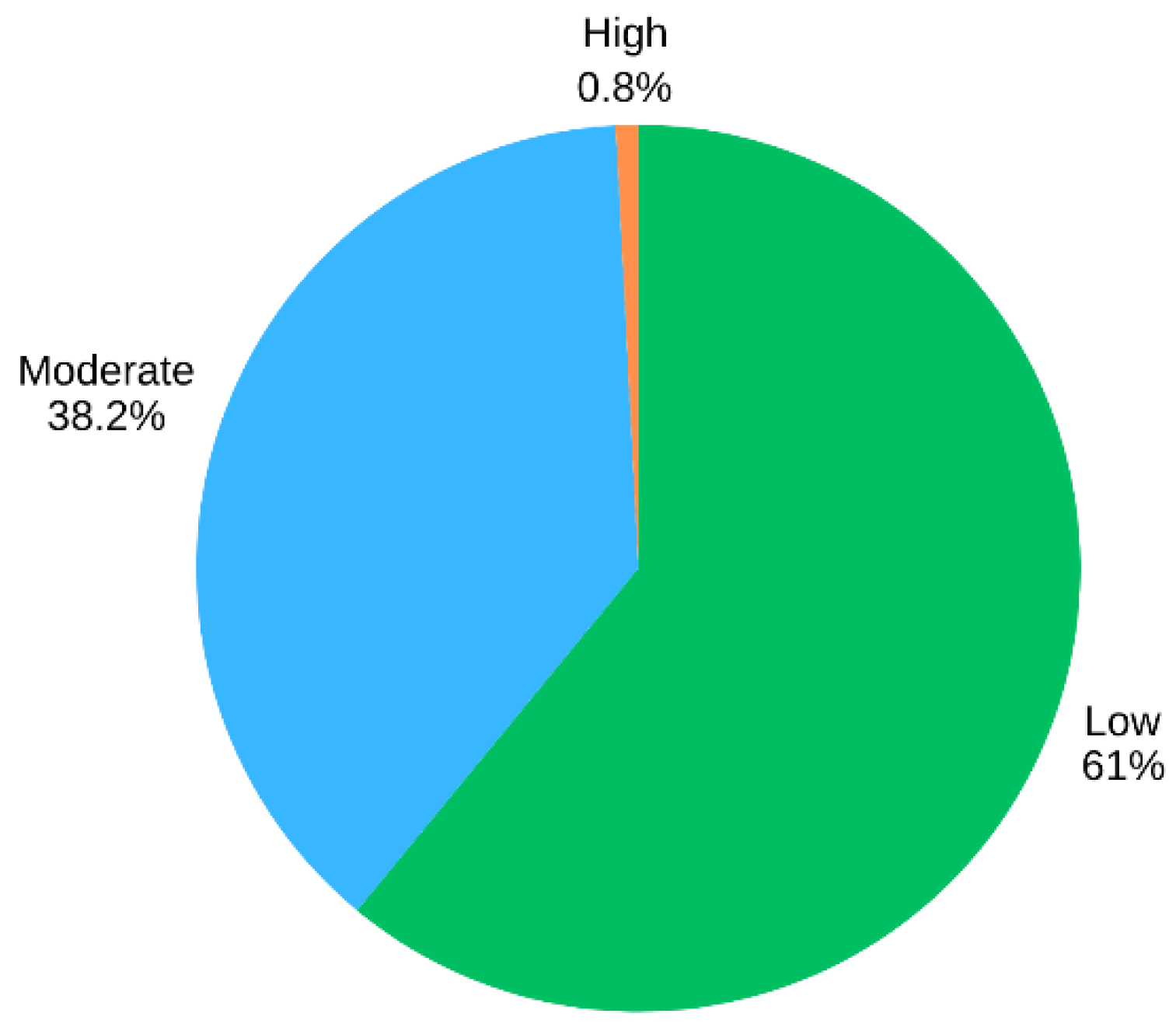
Figure 1 and Figure 2 show that 14.43% (95%CI: 11.85-17.45) of participants were addicted to alcohol, with 61.00% (95%CI: 57.04-64.78), 38.20% (95%CI: 34.41-42.12), and 0.80% (95%CI: 0.34-1.95) experiencing low, moderate, and high impacts, respectively.
Regression analysis (Table 4) indicates that alcohol addiction increased the likelihood of experiencing health, family, and social problems by 1.70 times compared to low-risk drinkers. Risky drinkers had a 1.65 times higher likelihood of such issues. Rural residents were 6.52 times more likely to be affected by alcohol than urban dwellers, and Myanmar migrant workers had a 1.31 times higher probability of being impacted. Those with moderate/high housing issues were five times more likely to be affected by alcohol. Workers exceeding eight hours’ work a day and those working daily were both 2.39 times more likely to face alcohol-related problems. Sleep disturbances increased the likelihood by 2.09 times, while individuals with poor/moderate health had a 2.11 times higher risk. Poor relationships with co-workers raised the likelihood by 1.89 times.
Crude OR = Crude Odds ratio; Adj. OR = Adjusted odds ratio; 95% CI = 95% Confidence interval.

4. Discussion

This study provides one of the most comprehensive analyses to date on the multifaceted impacts of alcohol consumption among Myanmar migrant workers, highlighting the novel and underexplored influence of addicted to drinking, housing conditions and community context on health and social outcomes. The findings contribute new insights into how personal, occupational, and environmental factors interact to shape alcohol-related harms in this vulnerable population and offer evidence-based directions for targeted public health interventions. Multiple contributing factors—such as alcohol dependence, inadequate living conditions, excessive workload, physical ailments, sleep problems, and poor interpersonal relationships at work—were likely associated with these adverse outcomes.
Alcohol consumption among Myanmar migrant workers resulted in moderate to high health and social impacts, reported by 39.02% of participants. This supports previous studies showing that migrant workers often face negative outcomes from drinking [30]. Mental health issues such as depression, anxiety, and substance dependence are common among alcohol users and are often neglected due to limited healthcare access and stigma. Alcohol misuse also undermines economic stability by reducing productivity, increasing job loss risk, and lowering remittances to families [31]. Additionally, it raises the risk of workplace accidents, further compounding health and financial vulnerabilities [30].
A key contribution of this study is the identification of community characteristics—particularly rural settings—as the most significant determinant of alcohol-related impacts. Myanmar migrant workers residing in rural areas were more affected by alcohol than those in urban or semi-urban locations. Evidence suggests that rural residents tend to drink more, increasing their risk of liver disease, mental health problems, and injuries, while limited access to healthcare makes treatment more difficult [32,33]. Family separation and financial stress caused by migration also contribute to higher alcohol consumption as a coping mechanism [31,34]. Moreover, cultural norms further normalize drinking, exacerbating its harmful effects [32].
The residential environment emerged as the second most influential factor in shaping alcohol-related health and social outcomes. Workers with poor or moderate home environments faced significantly higher risks than those in more stable conditions. Dissatisfaction with housing and overcrowding have both been linked to higher levels of alcohol use among migrant populations [11,35]. Substandard housing—characterized by limited space, noise, and poor environmental quality—reduces individuals’ sense of control and contributes to chronic stress. These conditions are closely associated with depression, anxiety, and the use of alcohol as a maladaptive coping strategy [36,37,38]. Furthermore, workplace stressors interacting with social vulnerabilities (e.g., poor housing) predict problem drinking; household stressors compound work-related stress, escalating alcohol-related risks [39,40]...
This study also found that alcohol addiction raised the likelihood of experiencing alcohol-related consequences by 1.70 times compared to low-risk drinkers. These behaviors were strongly associated with adverse health conditions, impaired family relationships, and negative social consequences. This aligns with previous findings from Myanmar and Nepal, where heavy drinking has been linked to violent incidents and domestic abuse, especially among women whose spouses consume alcohol regularly [6,41]. Furthermore, high-risk drinkers had 22 times more work absences than low-risk drinkers [42].
Interpersonal dynamics in the workplace also played a key role. Poor or moderate relationships with co-workers increased vulnerability to alcohol-related harm. Prior research shows that negative workplace relationships can lead to elevated stress, low job satisfaction, and poor organizational commitment [43,44], which may drive alcohol use as a coping mechanism. Furthermore, individuals with limited workplace support may struggle to address alcohol-related challenges effectively [45].
Interestingly, structural labor conditions such as employment status, legal documentation, and health insurance coverage did not significantly correlate with alcohol-related outcomes. These factors may shape overall health contexts but do not directly prevent alcohol-related harm, which is more strongly influenced by individual behaviors and social conditions. However, the nature of work—specifically long working hours and lack of rest days—was strongly associated with negative effects. Those working more than eight hours daily or with no regular rest were more likely to experience alcohol-related problems, mirroring findings from studies in South Korea and Norway [25,46].
While access to health information did not show a significant relationship with alcohol-related outcomes, previous studies have indicated that migrant workers often consume alcohol primarily for social interaction rather than as a means to cope with stress or enhance positive emotions [10]. This socially motivated drinking behavior appears largely unaffected by health information access.
However, individual health behaviors and physical health status emerged as key predictors. Participants with sleep problems were more likely to be affected by alcohol, which is consistent with studies indicating a strong link between heavy drinking and sleep disturbances, especially among men [47,48]. Furthermore, individuals with poor or moderate physical health were more vulnerable to alcohol-related harm, particularly when preexisting conditions such as hypertension, dyslipidemia, or liver abnormalities were present [49,50]. The interplay between alcohol use and physical illness can be particularly detrimental for individuals with coexisting mental health conditions, further exacerbating their health burden [49]. Compounding lifestyle factors—such as smoking, lack of exercise, and poor diet—contribute to this dynamic [7]. Similarly, in the present study, one-third of workers had physical health problems, had not exercised in the past month, used tobacco, and experienced inadequate sleep. These converging risks intensify the health impacts of alcohol and highlight the importance of holistic health promotion strategies.
These findings strongly align with the framework of the Social Determinants of Health (SDH), which emphasizes that health outcomes are not solely the result of individual behaviors but are shaped by the broader social, economic, and environmental conditions in which people live and work. In this study, determinants such as housing quality, rural community context, workplace dynamics, access to social support, and working hours significantly influenced the health and social consequences of alcohol use. The disproportionate burden of alcohol-related harm among Myanmar migrant workers underscores the importance of addressing upstream structural conditions—such as inadequate housing, social isolation, and employment conditions—rather than focusing only on individual-level interventions. Integrating SDH-informed strategies in public health policies and interventions could enhance their effectiveness and sustainability in reducing alcohol-related harm in vulnerable migrant populations.
This study offers crucial insights for improving migrant workers’ health. Longitudinal research is needed to explore causal links between workplace stressors, housing, and alcohol use. Practical interventions—such as peer support groups, improved housing, and trained workplace health volunteers—can mitigate alcohol-related harm. Policy efforts should prioritize safe, hygienic housing and work-life balance. Education should address alcohol’s health and social impacts while promoting coping strategies and employer-led support.
Key strengths include its focus on an underrepresented population and use of culturally sensitive data collection, enhancing trust and data accuracy. However, findings may not generalize across all migrant groups, and the cross-sectional design limits causal interpretation.

5. Conclusions

This study highlights the significant impact of alcohol consumption on the health, social, and occupational well-being of Myanmar migrant workers in Thailand. Approximately two-fifths of the migrant workers experienced moderate to high levels of impact from alcohol consumption. These impact levels were significantly associated with alcohol addiction, rural residency, and inadequate housing conditions. Additional contributing factors included long working hours, frequent workdays, poor physical health, sleep disturbances, and strained relationships with co-workers. These findings underscore the need for integrated public health interventions that address both alcohol use and its underlying environmental and occupational determinants. Improving living and working conditions, alongside culturally tailored health promotion, is essential to reducing alcohol-related harm in this vulnerable population.

Author Contributions

Conceptualization, K.N. and N.C.; methodology, K.N., N.C. and K.S.; software, K.S.; validation, K.N. and N.C.; formal analysis, K.N. and K.S.; investigation, K.N. and N.C.; resources, K.N., N.C. and K.S.; data curation, K.N., N.C. and K.S.; statistical analysis, K.N. and K.S.; resources, K.N., N.C. and K.S.; writing—original draft, K.N., N.C. and S.E.; writing—review and editing, K.N., N.C. and S.E.; visualization, K.N. and N.C.; Supervision, K.N.; project administration, K.N.; funding acquisition, K.N. All authors have read and agreed to the published version of the manuscript.

Funding

This research was funded by the Centre for Alcohol Studies, Department of Epidemiology, Faculty of Medicine, Prince of Songkla University, Thailand (65-10068-30).

Institutional Review Board Statement

The study was conducted in accordance with the Declaration of Helsinki, and approved by the Research Ethics Committee of Rajabhat University (SRU-EC2023/119, 11 September 2023).

Informed Consent Statement

Informed consent was obtained from all subjects involved in the study.

Data Availability Statement

The original contributions presented in this study are included within the article, and raw data supporting the findings of this study will be made available by the corresponding authors upon reasonable request. Further inquiries may be directed to the corresponding authors.

Acknowledgments

The authors thank the Surat Thani Provincial Help Center for Unclaimed Bodies (Myanmar), the Labor Health Center, and the Surat Thani and Songkhla Provincial Public Health Offices for their support. We also appreciate Surat Thani Rajabhat University for administrative assistance and the Myanmar migrant workers and community for their participation. Lastly, we acknowledge the Excellent Centre on Public Health Research at Walailak University and the collaboration with SuratThani Rajabhat University and Khon Kaen University.

Conflicts of Interest

The authors declare no conflicts of interest. The funders had no role in the design of the study; in the collection, analyses, or interpretation of data; in the writing of the manuscript; or in the decision to publish the results.

Abbreviations

Crude OR Crude Odds ratio
Adj. OR Adjusted odds ratio
95% CI 95% Confidence interval
AUDIT Alcohol Use Disorder Identification Test
GLMM Generalized Linear Mixed Model

References

  1. Ramos-Vera, C.; Serpa Barrientos, A.; Calizaya-Milla, Y.E.; Carvajal Guillen, C.; Saintila, J. Consumption of Alcoholic Beverages Associated With Physical Health Status in Adults: Secondary Analysis of the Health Information National Trends Survey Data. Journal of Primary Care & Community Health 2022, 13, 21501319211066205. [Google Scholar] [CrossRef] [PubMed]
  2. World Health Organization. Alcohol. Available online: https://www.who.int/news-room/fact-sheets/detail/alcohol (accessed on 31 December 2024).
  3. Balagopal, G.; Davidson, S.; Gill, S.; Barengo, N.; De La Rosa, M.; Sanchez, M. The impact of cultural stress and gender norms on alcohol use severity among Latino immigrant men. Ethnicity and Health 2022, 27, 1271–1289. [Google Scholar] [CrossRef]
  4. Bala, S.; Kang'ethe, M. The Nexus between Ramifications of Alcohol Abuse and Work Productivity (The Case of East London 2020 Research Study Participants). Journal of Drug and Alcohol Research 2022, 11. [Google Scholar]
  5. Pinto, L.H.; Nunes, F.; Dominguez, M.B. “Enhancers” and “copers”? Understanding drinking motives and alcohol use among international workers. Journal of Ethnicity in Substance Abuse 2022, 21, 1361–1388. [Google Scholar] [CrossRef]
  6. Gaitan, D.; Shwe, V.D.T.; Bajcevic, P.; Gagnon, A. Alcohol use disorders among Myanmar migrant workers in Thailand. International Journal of Migration, Health and Social Care 2019, 15, 306–319. [Google Scholar] [CrossRef]
  7. Aung, T.N.N.; Shirayama, Y.; Moolphate, S.; Lorga, T.; Yuasa, M.; Aung, M.N. Acculturation and its effects on health risk behaviors among Myanmar migrant workers: a cross-sectional survey in Chiang Mai, Northern Thailand. International Journal of Environmental Research and Public Health 2020, 17. [Google Scholar] [CrossRef]
  8. Luangsinsiri, C.; Youngkong, S.; Chaikledkaew, U.; Pattanaprateep, O.; Thavorncharoensap, M. Economic costs of alcohol consumption in Thailand, 2021. Global Health Research and Policy 2023, 8, 51. [Google Scholar] [CrossRef]
  9. Ministry of Public Health of Thailand. Prevention and control of noncommunicable diseases in Thailand. Available online: https://thailand.un.org/en/159788-prevention-and-control-noncommunicable-diseases-thailand-%E2%80%93-case-investment (accessed on 1 May 2024).
  10. Racal, S.J.; Sitthimongkol, Y.; Prasopkittikun, T.; Punpuing, S.; Chansatitporn, N.; Strobbe, S. , Factors influencing alcohol use among Myanmar young migrant workers in Thailand. Pacific Rim International Journal of Nursing Research 2020, 24, 172–186. [Google Scholar]
  11. Noosorn, N.; Phetpoom, J.; Yau, S.; Choudhury Robin, R. Prevalence and determinants of alcohol consumption behavior of migrant workers in the communities of the Lower Northern Region of Thailand. Available online: https://www.researchgate.net/publication/339587001_Prevalence_and_Determinants_of_Alcohol_Consumption_Behavior_of_Migrant_Workers_in_the_Communities_of_the_Lower_Northern_Region_of_Thailand (accessed on 1 May 2024).
  12. Britto, D.R.; Catherin, N.; Mathew, T.; Navshin, S.; Kurian, H.; Sherrin, S.; Goud, B.R.; Shanbhag, D. Alcohol use and mental health among migrant workers. Indian Journal of Public Health Research and Development 2016, 7, 169–173. [Google Scholar]
  13. Pavarin, R.M.; Fioritti, A.; Fabbri, C.; Sanchini, S.; Ronchi, D.D. , Comparison of Mortality Rates between Italian and Foreign-born Patients with Alcohol Use Disorders. Journal of Psychoactive Drugs 2022, 54, 471–481. [Google Scholar] [CrossRef] [PubMed]
  14. Friesen, E.L.; Bailey, J.; Hyett, S.; Sedighi, S.; Snoo, M.L. d.; Williams, K.; Barry, R.; Erickson, A.; Foroutan, F.; Selby, P.; Rosella, L.; Kurdyak, P. Hazardous alcohol use and alcohol-related harm in rural and remote communities: a scoping review. The Lancet Public Health 2022, 7, e177–e187. [Google Scholar] [CrossRef]
  15. Mwanri, L.; Mude, W. Alcohol, Other Drugs Use and Mental Health among African Migrant Youths in South Australia. International Journal of Environmental Research and Public Health 2021, 18. [Google Scholar] [CrossRef]
  16. Organista, K.C.; Jung, W.; Neilands, T.B. A structural-environmental model of alcohol and substance-related sexual HIV risk in Latino migrant day laborers. AIDS and Behavior 2020, 24, 3176–3191. [Google Scholar] [CrossRef] [PubMed]
  17. Morris, H.; Larsen, J.; Catterall, E.; Moss, A.C.; Dombrowski, S.U. Peer pressure and alcohol consumption in adults living in the UK: a systematic qualitative review. BMC Public Health 2020, 20, 1014. [Google Scholar] [CrossRef] [PubMed]
  18. AshaRani, P.V.; Sin, K.Y.; Abdin, E.; Vaingankar, J.A.; Shafie, S.; Shahwan, S.; Chang, S.; Sambasivam, R.; Subramaniam, M. The Relationship of Socioeconomic Status to Alcohol, Smoking, and Health: a Population-Level Study of the Multiethnic Population in Singapore. International Journal of Mental Health and Addiction 2024, 22, 438–456. [Google Scholar] [CrossRef]
  19. Napoli, A.D.; Morgillo, T.; Rossi, A.; Ventura, M.; Nosotti, L.; Cavani, A.; Costanzo, G.; Mirisola, C.; Petrelli, A. Sociodemographic Characteristics Associated with Harmful Use of Alcohol Among Economically and Socially Disadvantaged Immigrant Patients in Italy. Journal of Immigrant and Minority Health 2020, 22, 426–431. [Google Scholar] [CrossRef]
  20. World Health Organization. A conceptual framework for action on the social determinants of health. Available online: https://iris.who.int/handle/10665/44489 (accessed on 1 January 2025).
  21. Sharma, S.R.; Matheson, A.; Lambrick, D.; Faulkner, J.; Lounsbury, D.W.; Vaidya, A.; Page, R. The role of tobacco and alcohol use in the interaction of social determinants of non-communicable diseases in Nepal: A systems perspective. BMC Public Health 2020, 20. [Google Scholar] [CrossRef]
  22. Sánchez, J. Alcohol use among Latino migrant workers in South Florida. Drug and Alcohol Dependence 2015, 151, 241–249. [Google Scholar] [CrossRef]
  23. Hsieh, F.Y.; Bloch, D.A.; Larsen, M.D. A simple method of sample size calculation for linear and logistic regression. Statistics in Medicine 1998, 17, 1623–1634. [Google Scholar] [CrossRef]
  24. Shepherd, J.P.; Sutherland, I.; Newcombe, R.G. Relations between alcohol, violence and victimization in adolescence. Journal of Adolescence 2006, 29, 539–553. [Google Scholar] [CrossRef]
  25. Baek, S.-U. ; Jong-Uk Won; Yoon, J.-H., Association between weekly working hours and risky alcohol use: a 12-year longitudinal, nationwide study from South Korea. Psychiatry Research 2023, 326, 115325. [Google Scholar]
  26. Babor, T.F.; Higgins-Biddle, J.C.; Saunders, J.B.; Monteiro, M.G. AUDIT-The alcohol use disorders identification test: guidelines for use in primary heath care. Available online: https://www.researchgate.net/publication/309309791_AUDIT-The_Alcohol_Use_Disorders_Identification_Test_Guidelines_for_Use_in_Primary_Heath_Care_Second_Edition (accessed on 7 November 2024).
  27. Kiess, H.; Green, B.A. Statistical concepts for the behavioral sciences., 4th ed.; Cambridge University Press: Cambridge, United Kingdom, 2020; pp. 42–46. [Google Scholar]
  28. Hambleton, R.K.; Eignor, D.R. Guidelines for evaluating criterion-referenced tests and test manuals. Journal of Educational Measurement 1978, 15, 321–327. [Google Scholar]
  29. David, W.; Hosmer, J.; Lemeshow, S.; Sturdivant, R.X. Applied Logistic Regression., 2nd ed.; John Wiley & Sons, Inc.: Toronto, Canada, 2013; pp. 91–116. [Google Scholar]
  30. Ramos, A.K.; Trinidad, N.; Correa, A.; Carlo, G. Correlates and predictors of alcohol consumption and negative consequences of alcohol use among Latino migrant farmworkers in Nebraska. American Journal of Orthopsychiatry 2019, 89, 559–568. [Google Scholar] [CrossRef]
  31. Duke, M.; Gómez Carpinteiro, F. , The effects of problem drinking and sexual risk among mexican migrant workers on their community of origin. Human Organization 2009, 68, 328–339. [Google Scholar] [CrossRef]
  32. Friesen, E.L.; Bailey, J.; Hyett, S.; Sedighi, S.; de Snoo, M.L.; Williams, K.; Barry, R.; Erickson, A.; Foroutan, F.; Selby, P.; Rosella, L.; Kurdyak, P. Hazardous alcohol use and alcohol-related harm in rural and remote communities: a scoping review. The Lancet Public Health 2022, 7, e177–e187. [Google Scholar] [CrossRef]
  33. Davis, C.N.; O’Neill, S.E. Treatment of Alcohol Use Problems Among Rural Populations: a Review of Barriers and Considerations for Increasing Access to Quality Care. Current Addiction Reports 2022, 9, 432–444. [Google Scholar] [CrossRef]
  34. Lan, Y.; Jin, L. Emptying villages, overflowing glasses: Out-migration and drinking patterns in Rural China. Journal of Migration and Health 2025, 11. [Google Scholar] [CrossRef]
  35. Perez-Carceles, M.D.; Medina, M.D.; Perez-Flores, D.; Noguera, J.A.; Pereniguez, J.E.; Madrigal, M.; Luna, A. Screening for hazardous drinking in migrant workers in Southeastern Spain. Journal of Occupational Health 2014, 56, 39–48. [Google Scholar] [CrossRef] [PubMed]
  36. Ludlow, T.; Fooken, J.; Rose, C.; Tang, K.K. Housing insecurity, financial hardship and mental health. Economics and Human Biology 2025, 57. [Google Scholar] [CrossRef] [PubMed]
  37. Bower, M.; Buckle, C.; Rugel, E.; Donohoe-Bales, A.; McGrath, L.; Gournay, K.; Barrett, E.; Phibbs, P.; Teesson, M. ‘Trapped’, ‘anxious’ and ‘traumatised’: COVID-19 intensified the impact of housing inequality on Australians’ mental health. International Journal of Housing Policy 2023, 23, 260–291. [Google Scholar] [CrossRef]
  38. Chan, C.Y.; Lai, R.Y.S.; Hoi, B.; Li, M.Y.Y.; Chan, J.H.Y.; Sin, H.H.F.; Chung, E.S.K.; Cheung, R.T.Y.; Wong, E.L.Y. The effect of dwelling size on the mental health and quality of life of female caregivers living in informal tiny homes in Hong Kong. BMC Public Health 2024, 24. [Google Scholar] [CrossRef]
  39. Shigeno, T.; Tatsuse, T.; Sekine, M.; Yamada, M. A longitudinal study of the influence of work characteristics, work–family status, and social activities on problem drinking: the Japanese civil servants study. Industrial Health 2024, 62, 417–428. [Google Scholar] [CrossRef]
  40. Berger, L.K.; Sedivy, S.K.; Cisler, R.A. The influence of work environment stressors and individual social vulnerabilities on employee problem drinking. Journal of Social Work Practice in the Addictions 2009, 9, 263–281. [Google Scholar] [CrossRef]
  41. Bhatta, N.; Assanangkornchai, S.; Rajbhandari, I. Does husband's alcohol consumption increase the risk of domestic violence during the pregnancy and postpartum periods in Nepalese women? BMC Public Health 2021, 21, 5. [Google Scholar] [CrossRef] [PubMed]
  42. Thompson, A.; Pirmohamed, M. Associations between occupation and heavy alcohol consumption in UK adults aged 40–69 years: a cross-sectional study using the UK Biobank. BMC Public Health 2021, 21, 190. [Google Scholar] [CrossRef]
  43. Hess, J.A.; Omdahl, B.L.; Fritz, J.M.H. Turning points in relationships with disliked co-workers. Available online: https://ecommons.udayton.edu/cmm_fac_pub/7/ (accessed on 1 May 2024).
  44. Morrison, R.L. Negative relationships in the workplace: associations with organisational commitment, cohesion, job satisfaction and intention to turnover. Journal of Management & Organization 2008, 14, 330–344. [Google Scholar]
  45. Groh, D.R.; Jason, L.A.; Davis, M.I.; Olson, B.D.; Ferrari, J.R. Friends, family, and alcohol abuse: an examination of general and alcohol-specific social support. The American Journal on Addictions 2007, 16, 49–55. [Google Scholar] [CrossRef]
  46. Thørrisen, M.M.; Skogen, J.C.; Bonsaksen, T.; Skarpaas, L.S.; Aas, R.W. Are workplace factors associated with employee alcohol use? The WIRUS cross-sectional study. BMJ Open 2022, 12, e064352. [Google Scholar] [CrossRef] [PubMed]
  47. Chakravorty, S.; Kember, R.L.; Mazzotti, D.R.; Dashti, H.S.; Toikumo, S.; Gehrman, P.R.; Kranzler, H.R. The relationship between alcohol- and sleep-related traits: results from polygenic risk score and Mendelian randomization analyses. Drug and Alcohol Dependence 2023, 251, 110912. [Google Scholar] [CrossRef]
  48. Britton, A.; fat, L. n.; neligan, A. The association between alcohol consumption and sleep disorders among older people in the general population. Scientific Reports 2020, 10, 5275. [Google Scholar] [CrossRef]
  49. AshaRani, P.V.; Karuvetil, M.Z.; Brian, T.Y.W.; Satghare, P.; Roystonn, K.; Peizhi, W.; Cetty, L.; Zainuldin, N.A.; Subramaniam, M. Prevalence and correlates of physical comorbidities in Alcohol Use Disorder (AUD): a pilot study in treatment-seeking population. International Journal of Mental Health and Addiction 2022, 1–18. [Google Scholar] [CrossRef]
  50. Buneviciene, I.; Bunevicius, R.; Bagdonas, S.; Bunevicius, A. The impact of pre-existing conditions and perceived health status on mental health during the COVID-19 pandemic. Journal of Public Health 2022, 44, e88–e95. [Google Scholar] [CrossRef] [PubMed]
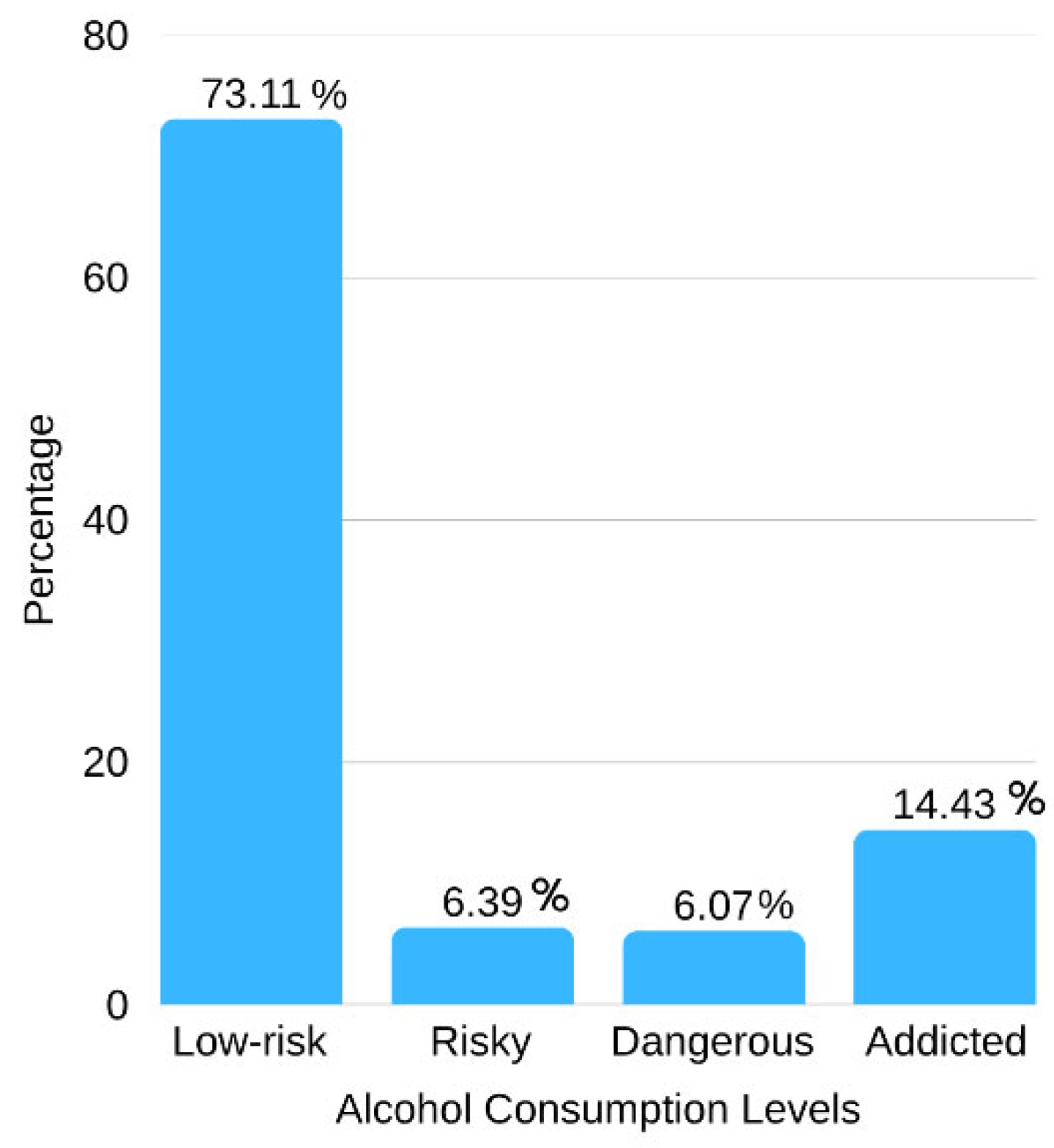
Figure 1. Alcohol consumption levels among migrant workers (n=610).
Preprints 171948 g001
Figure 2. Impact levels from alcohol consumption (n=610).
Preprints 171948 g002
Table 1. Characteristics of the study participants (n = 610).
Demographic and socioeconomic characteristics Number Percentage
Gender
Female 159 26.07
Male 451 73.93
Age (years)
≤ 19 18 2.95
20–29 187 30.66
30–39 239 39.18
40–59 147 24.10
≥ 60 19 3.11
Mean (Standard deviation) 34.80 (10.61)
Median (Min–Max) 33 (18–73)
Marital status
Single 208 34.10
Married (with a marriage certificate) 217 35.57
Married (without a marriage certificate) 136 22.30
Divorced/widowed/separated 49 8.03
Highest education level
No formal education 33 5.41
Primary school 180 29.51
Lower secondary school 187 30.66
High school or equivalence 153 25.08
Diploma or equivalence 44 7.21
Bachelor’s degree or higher 13 2.13
Main occupational group
Fishing sector 235 38.52
Service industry sector 153 25.08
Agriculture and animal feeding sector 114 18.69
Construction sectors 43 7.05
Household 39 6.40
Manufacturing industry sector 7 1.15
Others 19 3.11
Average monthly income (baht/month)
None 15 2.46
< 7,500 37 6.07
7,500–9,999 224 36.72
10,000–12,499 227 37.21
≥ 12,500 107 17.54
Mean (Standard deviation) 10,195.41 (3,169.76)
Median (Min–Max) 10,000 (0–21,000)
Average monthly expenditure (baht/month)
None 15 2.46
< 2,500 35 5.74
2,500–4,999 110 18.03
5,000–7,499 355 58.19
≥ 7,500 95 15.67
Mean (Standard deviation) 5,457.37 (2,099.68)
Median (Min–Max) 5,000 (0–12,000)
Financial status
Not enough and debt 94 15.41
Not enough and not debt 143 23.44
Enough but not saving 225 36.89
Enough and saving 148 24.26
Live in province
Songkhla 240 39.34
Surat Thani 370 60.66
Worked in Thailand (years)
< 2 100 16.39
2–5 234 38.36
6–10 161 26.40
> 10 115 18.85
Mean (Standard deviation) 6.71 (6.30)
Median (Min–Max) 5 (0.08–36)
Status of migrant
Illegal 59 9.67
Legal 551 90.33
Health insurance
No 83 13.61
Yes 527 86.39
Working hours per day (hours)
No job 14 2.30
≤ 8 466 76.39
> 8 130 21.31
Mean (Standard deviation) 8.18 (1.64)
Median (Min–Max) 8 (0–15)
Working days per week (days)
No job 14 2.30
≤ 6 507 83.11
Everyday 89 14.59
Mean (Standard deviation) 5.88 (1.10)
Median (Min–Max) 6 (0–7)
Worked part-time
Never 417 68.36
Yes 193 31.64
Annual health checkup during work
Never 161 26.39
Yes 449 73.61
Table 2. Number and percentage of health behavior, physical health, and health information (n=610).
Health behavior, physical health, and health information Number Percentage
Meals per day in past month
< 3 131 21.48
3 450 73.77
> 3 29 4.75
Exercise in past month
No 227 37.21
Yes 383 62.79
Problems with not sleeping well
No 259 42.46
Yes 351 57.54
Tobacco used
Non-smoker 390 63.93
Former smoker 17 2.79
Smoker 203 33.28
Physical health
Not strong 5 0.82
Moderate 229 37.54
Strong 376 61.64
Chronic illness
No 511 83.77
Yes 99 16.23
Received health-related information
No 230 37.70
Yes 380 62.30
Received health information materials in Myanmar
language
No 174 28.52
Yes 436 71.48
Table 3. Numbers and percentages classified by environment and relationship factors (n=610).
Environment and relationship factors Number Percentage
Type of community
Myanmar workers community 323 52.95
Urban community 148 24.26
Rural community 100 16.39
Semi-urban, semi-rural community 37 6.07
Others 2 0.33
Type of residence
Worker camp 447 73.28
Shared rental house 88 14.43
Detached rental house 66 10.82
Apartment 5 0.82
Others 4 0.66
Live with
Family 397 65.08
Friend 168 27.54
Alone 43 7.05
Others 2 0.33
Environmental problems in housing
Low 548 89.84
Moderate 57 9.34
High 5 0.82
Nature of workplace
Outdoor 213 34.91
Both outdoor and indoor 187 30.66
Indoor 182 29.84
Others 28 4.59
Environmental problems in workplace
Low 560 91.80
Moderate 50 8.20
High 0 0
Perceived relationship with neighbors
Poor 49 8.03
Moderate 308 50.49
Good 253 41.48
Perceived relationship with workmates
Poor 48 7.87
Moderate 287 47.05
Good 275 45.08
Perceived relationship with family
Poor 44 7.21
Moderate 219 35.90
Good 347 56.89
Perceived relationship with employer
Poor 52 8.52
Moderate 259 42.46
Good 299 49.02
Table 4. Association between alcohol consumption, environment, and outcome variables (n=610).
Factors Number % Moderate-high impact Crude OR Adj.
OR
95% CI p value
Level of alcohol consumption and environmental factors
Level of alcohol consumption 0.020
Low-risk drinker 446 34.30 1 1 1
Risky–dangerous drinker 76 38.16 1.18 1.65 1.08–2.52
Addicted to drinking 88 63.64 3.35 1.70 1.61–1.79
Type of community < 0.001
Urban community 148 11.49 1 1 1
Myanmar workers community 323 40.25 5.19 1.31 1.20–1.42
Rural community or other 139 65.47 14.60 6.52 4.35–9.77
Environmental problems in housing < 0.001
Low 548 34.49 1 1 1
Moderate/high 62 79.03 7.15 5.00 2.70–9.24
Other covariates
Period of work (hours per day) 0.044
≤ 8 480 30.83 1 1 1
> 8 130 69.23 5.04 2.39 1.02–5.60
Amount of time to work (day/week) <0.001
≤ 6 521 33.01 1 1 1
Everyday 89 74.16 5.82 2.39 1.64–3.49
Problems with not sleeping well <0.001
No 259 25.10 1 1 1
Yes 351 49.29 2.90 2.09 1.51–2.90
Physical health <0.001
Strong 376 25.80 1 1 1
Not strong/moderate 234 60.26 4.36 2.11 2.02–2.22
Relationships with co-workers <0.001
Good 275 30.91 1 1 1
Moderate/poor 335 45.67 1.87 1.89 1.88–1.90
Disclaimer/Publisher’s Note: The statements, opinions and data contained in all publications are solely those of the individual author(s) and contributor(s) and not of MDPI and/or the editor(s). MDPI and/or the editor(s) disclaim responsibility for any injury to people or property resulting from any ideas, methods, instructions or products referred to in the content.
Copyright: This open access article is published under a Creative Commons CC BY 4.0 license, which permit the free download, distribution, and reuse, provided that the author and preprint are cited in any reuse.
Prerpints.org logo

Preprints.org is a free preprint server supported by MDPI in Basel, Switzerland.

Subscribe

Disclaimer

Terms of Use

Privacy Policy

Privacy Settings

© 2025 MDPI (Basel, Switzerland) unless otherwise stated