

Submitted:
30 July 2025
Posted:
31 July 2025
You are already at the latest version
Abstract
Background: The aim of the scoping review is to identify information on the impact of telehealth (TH) interventions (such as telemdicine and home monitoring) on the heathcare of single ventricle (SV) infants during the interstage period.Infants with SV requiring staged palliation are at high risk for interstage morbidity and mortality. The National Pediatric Cardiology Quality improvent collaborative (NPC-QIC) and the American Heart Association (AHA) has addressed these risks by implementing interstage home monitoring (IHM). The stage one palliation surgery for these infants is usually within the first weeks of life, while stage two surgical palliation is around 3-6 months of age. Telehealth, including IHM, has been shown to decrease interstage mortality and morbidity, Methods: The online databases of PubMed and Cochrane Library were searched for articles in the English language related to telehealth and SV palliation. A methodological quality control process was conducted. Exclusion was based on first reading the abstract and then the manuscript was scanned to confirm the content was not related to SV and TH. Results: 12 Studies were included in the review after quality control analysis. The sample size reported in these studies ranged between 9 to 610 single ventricle subjects. In nine studies, telehealth and computer-based applications were part of the home monitoring intervention, while in two studies mobile phone-based applications were used to monitor interstage patients and one study analyzed the feasibility of the addition of a digital stethoscope to the home monitoring program. Conclusions: Adoption of TH/ home monitoring practices was associated with improved morbidity and mortality; expedited outpatient assessments, necessary on-time admissions, and hospitalization if needed. Most of the research reported initial results of the studies and extended multicenter collaborative work in this area is recommended.
Keywords:
Single Ventricle
; telehealth
; Telemedicine
; home monitoring
; interstage period
; congenital heart disease
; CHD
1. Background (Introduction)
Single ventricle (SV) heart disease is a complex type of congenital heart disease (CHD) [1]. These infants typically go through three major surgeries in the first 3-5 years of their life [1,2]. The period between the first two surgeries is called the interstage period and these infants are at an elevated risk of morbidity and mortality. The first surgery generally occurs at the time of diagnosis before hospital discharge or within the first few weeks of life and is called the stage 1 palliation [S1]. The second surgery or stage 2 palliation usually occurs around 3-6 months of life. These infants require complex care as well as continuous around the clock monitoring involving extensive family effort, extensive medical resources and caring community support [2]. According to the American Heart Association (AHA) and the National Pediatric Cardiology Quality Improvement Collaborative (NPC-QIC), for infants undergoing interstage palliation (between S1P and S2P), the use of telehealth/telemedicine and in-home monitoring programs, in addition to frequent, scheduled, in-person physician evaluations, has reduced interstage mortality [1]. Remote monitoring helps reduce travel time and expenses, minimize infectious exposures and prolonged waiting, and has the potential to reduce caregiver burden and physical stress for infants. Telehealth visits in addition can be quick and minimize family disruption which may be associated with hospitalization and being away from home. Finally, it creates trusted home care that promotes continuity to care received from clinicians with access to the patient charts [1,2].
Even though the importance of home monitoring has been emphasized by AHA and NPC-QIC and groundwork has started for home monitoring implementation at many sites in the USA, these programs are mostly in the initial stages. Therefore, there is still a void in the literature related to the implementation and feasibility of interstage home monitoring [1,2], which is the rationale of the review. Hence this scoping review aims to address the role of telehealth and home monitoring technological interventions for single ventricle infants and its impact toward successful completion of the interstage period leading to second palliation.
2. Methods
This report is in accordance with the Preferred Reporting Items for Systematic Reviews and Meta-Analyses (PRISMA) guidelines and follows the PRISMA Extension for Scoping Reviews by Trico et al. [3]. In this scoping review, methods and search strategy consisted of various stages as depicted in the PRISMA flow chart [Figure 1] included in the supplemental file [3]. The population were infants with single ventricle heart disease. The basis of the search strategy was the research question: What is the impact of telehealth or remote monitoring in the care of single ventricle infants during the interstage period?
2.1. Scoping Review—Using PRISMA Guidelines
A scoping literature search was conducted using the electronic databases PubMed, Scopus, and Cochrane, which included articles published in the English Language until June 28, 2025. A standard protocol with search terms was developed, by the authors and applied in the following combination:
- (1)
- (“Telehealth”) or (“telemedicine”) AND
- (2)
- [“infants with single ventricle”]
Medical Subject Headings terms and filters: published in English, humans, child (from birth to 18 years); were used and applied.
Two reviewers completed their literature search independently; thereafter the findings were compared and discussed to come to a consensus on the articles to include in the review.
- Telehealth or telemedicine in infants with single ventricle- yielded fifteen articles.
- While—remote monitoring in infants with single ventricle palliation- yielded four articles.
Out of the total nineteen articles, removing four duplicates and three of the articles that were unrelated to single ventricle heart diseases and telehealth/remote monitoring, yielded a total of twelve articles, relevant to the topic which were included [4,5,6,7,8,9,10,11,12,13,14,15] [Figure 1 and Table 1].
2.2. Inclusion and Exclusion Criteria
Studies were included in the review if published in English language and related to telehealth and single ventricle infant home monitoring during the interstage period ( for example, telehealth or telemedicine and remote monitoring of single ventricle interstage patients, discharged home after first palliation). Exclusion was based on reading the abstract initially and then the full manuscript to validate that the content was not related to telehealth and single ventricle. The review was not limited by the type of study design.
Quality control: Every article underwent a methodological quality examination of every article; using the methodological checklist “Critical review form quantitative studies” [15] (Table 2). The articles were analyzed for telehealth (home monitoring) interventions in the single ventricle population. The findings, limitations, and proposed solutions presented in these studies were summarized [Table 2], in compliance with the PRISMA guidelines [3].
3. Results
The methodological search was narrowed down from nineteen to twelve articles relevant to the topic (Figure 1). Articles unrelated to single ventricle infants or belonging to different pathological conditions (such as neurological or pulmonary disorders), as well as those that did not include telehealth (remote monitoring), were not included in the scoping review.
3.1. Descriptive Analysis
Outcomes with respect to the telehealth or remote monitoring intervention, and patient information related to single ventricle (congenital heart disease), are described in the article. Table 1 describes the content of the studies included. These studies describe a variety of research methods and design strategies including, but not limited to, randomized trials and qualitative and quantitative studies. The sample size reported in these studies consisted of a range from 9 to 610 single ventricle subjects [4,5,6,7,8,9,10,11,12,13,14,15] [Table 1].
3.2. Types of Technological Interventions Used for Remote Monitoring
All the patients included in the studies belonged to the single ventricle interstage population. In nine studies, telehealth and computer-based applications were part of the home monitoring intervention, provided to the parents/caregivers/families of the single ventricle interstage patients [4,8,9,10,11,12,13,14,15]. One study was conducted to assess the addition of digital stethoscope to the home monitoring intervention [6]. Two studies were related to the addition of a mobile phone application (android and i-Phone) intervention, to the home monitoring program [4,6]. The summaries of the various interventions presented in these single ventricle studies and a brief outline of the results interpreted by the researchers are described below.
- Initial experience with telemedicine for interstage monitoring [4]: This study analyses the initial experience and feasibility and effectiveness of the Cardiac Center Infant Single Ventricle Monitoring Program (ISVMP) at the Children’s Hospital of Philadelphia (CHOP), at the time of establishment between 8/2019 and 5/2020 [4]. Caregiver and clinician satisfaction was also assessed in the study. The emergency department (ED) visits, hospitalizations, how the telemedicine (TM) visits identified clinical concerns, and whether use of TM prevented unnecessary ED visits or expedited the in-person assessment were noted from the electronic medical records (EMR)/ charts. Clinicians used software embedded in the EMR to conduct the TM visits. It was verified that the caregivers had already established internet access and in possession of a device (e.g., smartphone, iPad), while an iPad was provided for those who did not have access to a device. The families or caregivers were provided with home monitoring equipment (digital baby scales, pulse oximeters) and additionally received standardized education, including instructions with specific parameters to prompt communication [4]. The results indicate that the median monthly ED visits per patient were significantly lower as compared to the same calendar period of the previous year (0.0 (0–2.5) vs. 0.4 (0–3.7), p = 0.0004). The clinicians and caregivers expressed a high level of satisfaction with TM. ISVMP was also deemed effective in the COVID-19 pandemic. Overall, the initial results indicated TM and home monitoring as a feasible option for this high-risk patient population. TM was deemed effective in identifying the clinical concerns and preventing unnecessary ED visits.
- Study of caregiver adherence to a mobile health interstage home monitoring program [5]: The objectives of the study were related to the identification of the factors and outcomes associated with caregiver adherence to the mobile health home monitoring at the (Medical University of South Carolina) institution’s SV interstage home monitoring program, conducted between September 1st, 2016, to October 31, 2020 [5]. All the 105 infants were discharged and sent home with equipment consisting of a pulse oximeter and infant weighing scale. The caregivers were instructed by the providers on the uploading of the MyChart application to their mobile device. They entered data directly into the infants medical record through the cellular service. The results indicated that the adherent groups had a higher percentage of single ventricle patients with non-Medicaid as primary insurance (p < 0.01) and a residence in a neighborhood with a higher median household income (p < 0.04). Adherence frequency was unassociated with the interstage mortality, hospital admissions and unplanned cardiac reinterventions.
- Feasibility of digital stethoscopes (DS) in the telecardiology visits for SV interstage monitoring [6]:This study investigates the impact and the feasibility of implementation of auscultation with DS during telehealth cardiology or telecardiology visits (TCV) [6]. The investigators also studied the potential impact of the DS on the care delivery in the Infant Single Ventricle Monitoring & Management Program (ISVMP) at CHOP [4,6]. They also evaluated the provider and caregiver acceptability of the DS.16 subjects were included in the study from 7/2021 to 6/2022. addition to standard home-monitoring practice described in the previous study [4]. The caregivers/ families received training on the use of the device which was a DS or Eko CORE attachment assembled with Classic II Infant Littman stethoscope [6]. The results demonstrated the use of DSs as acceptable, feasible and effective in augmenting the TCVs for home-monitoring. The initial results also demonstrated providers and caregivers satisfaction with the use of the DS [6].
- Single ventricle home monitoring and the study of socio-demographic factors [7]: The association of telemedicine usage, mobile application enrollment with socio-demographic factors using the KidsHeart application was analyzed from 4/21/2021 to 12/31/2023. This retrospective cohort was conducted by the Pediatric and Congenital Heart Center at Duke University and 94 children were included in the study. Results indicated differences due to demographic factors [7]. No Spanish speaking enrollment was noted, and all moms with an above high school education enrolled, while there were none from the below high school education. Additionally, there was a decrease in mobile application use by families residing in the lowest income neighborhoods [7].
- Interstage home monitoring and association of stage 2 outcomes [8]: In this study, 166 SV patients enrolled in the home monitoring program (ISVMP) from December 1,2010 to June 30, 2015, were compared with historical controls (between January 1, 2007, to November 30, 2010) at CHOP [4,6,8]. Lower interstage mortality was reported in the study as compared with historical controls [8]. These results validated NPCQIC’s recommendation for standardization of patient care during the home monitoring of single ventricle interstage infants [1,5,6,7,8,9,10,11,12,13,14,15,16,17,18,19,20,21,22,23,24]. Similar survival and length of stage 2 hospital stay were observed in both groups. Other studies have reported a protective effect on mortality after stage 2 [8,17]. The researchers are leaning towards future studies concentrating on the importance of analyzing readmissions and infant growth in the interstage period as well as the impact of ISVMP on long term survival [8,16-17].
- Prediction of unplanned hospital admissions for interstage single ventricle infants [9]: In this single center study the retrospective analysis of 39 interstage SV infants enrolled in Cardiac High Acuity Monitoring Program (CHAMP) between March 2014 to March 2018, was conducted at the Ward Family Heart Center, Children’s Mercy Kansas City [9]. A feasible and reproducible home video telemetry score was developed through this study to serve as a tool to predict unplanned hospital admissions in single ventricle patients. The research team is considering expanding this tool and inolving amulticenter, prospective validation of this tool [9,18].
- Utilization of technology for expansion of home monitoring for interstage to high-risk infants with CHD [10]: This research manuscript describes how the implementation of Interstage locus Health home monitoring platform with i-PADs in 79 SV infants was studied at the Riley Hospital for Children at Indiana University Health, department of Pediatric Cardiology [10]. Caregiver surveys were also administered to analyze satisfaction with the intervention. Results indicate that expansion of home monitoring programs was possible, and implementation occurred in high-risk CHD patients in addition to management of interstage SV patients. Improved engagement, adherence and satisfaction of caregivers were noted [10]. The caregivers felt connected to their child’s care team and had a sense of security and confidence in taking care of their infant at home.
- The impact of telemedicine home monitoring on the care of SV interstage infants [11]:In this study 56 children participating in the telemedicine program during 04/2009 to 04/2014 at the Department of Pediatrics, Division of Cardiology, Children’s National Health System, George Washington University School of Medicine [11], were analyzed and compared to patients before the program. The single-ventricle task force (SVTF) consists of a family-based, telemedicine home monitoring program. The establishment of SVTF including the telemedicine program was associated with improved weight status at stage II and reductions in complications. An action plan consisting of red-flag notification system, was provided to parents at the time of the Norwood or S1 discharge. This was noted to be associated with improvement in clinical outcomes and a higher weight at the stage 2 palliation.
- The association between interstage home monitoring and unanticipated readmissions [12]:
- This study was conducted at the CHOP to investigate an association of the institution’s Infant Single Ventricle Management and Monitoring Program (ISVMP) with any readmission frequency and number of cumulative days, as well as readmission illness severity and identification of the risk factors for readmission [4,6,7,12]. 198 infants enrolled in the ISVMP (from Dec 2010 to Dec 2019) were compared to historical controls [12]. Results indicated that ISVMP home monitoring was able to reduce interstage morbidity without increasing readmission days [12].
- Challenges in implementation of an interstage single ventricle home telehealth program (home telehealth challenges) [13]: Enrolled subjects compared with historical controls in this mixed methods pilot study conducted at the Kosair Charities Pediatric Heart Research Program, Cardiovascular Innovation Institute, University of Louisville. Telemedicine implementation in SV population was deemed feasible and challenging as this was the initiation of the program in 2014. There was difficulty in subject recruitment as well as equipment, data transmission and connectivity issues. However, overall families and caregivers experienced a sense of peace and security and reduction of stress while taking care of their high-risk infant during the interstage period [13].
- Use of the integrated multimodality telemedicine for advancement of in-home care of the interstage infants [14]: This study consists of a descriptive program evaluation of 41 SV interstage patients that received Telemedicine and IHM at the division of Pediatric Cardiology, Ann & Robert H. Lurie Children’s Hospital of Chicago (and affiliates) from 7/15/2018–5/15/20 [14]. Results showed that integration of multimodality telemedicine is a feasible and acceptable approach to enhance in-home care during the interstage period. Families felt reassured by the TM and home monitoring program. The consistent and frequent communication provided reassurance and ease of mind that someone was keeping track of how their child was doing at home.
- Socioeconomic differences experienced during interstage monitoring [15]: This study was conducted upon a large multicenter cohort of interstage infants with single-ventricle heart disease enrolled in a digital remote monitoring program [15]. Results showed that the Cardiac High Equity Monitoring Programs resulted in no differences in outcomes based on SES. However, the initial analysis is not sufficient to capture the complex interplay between SES and health outcomes as there were no comparisons to those that did not receive the interstage monitoring or before the establishment of the program [9,15].
- In general, the studies included in this scoping review mentioned the success of the home monitoring program from both the providers and caregivers perspectives [4,5,6,7,8,9,10,11,12,13,14,15]. Increased confidence with this method of home monitoring of this high-risk patient population may have the ability to decrease parental stress and aid the parents and caregivers in the care for the high-risk SV infant. Some of the limitations and other issues are described further in the next sections.
4. Discussion
This scoping review addresses the void in the literature regarding the role of home monitoring for single ventricle infants and its impact toward successful completion of the interstage period leading to the second palliation [17,18,19]. The diverse geographic and sociodemographic disparities in access to care as well as the multiple family stressors in this patient population make home monitoring feasible and helpful. While home monitoring and telehealth help to identify significant clinical concerns before they escalate, they also provide better communication with the health care providers and a sense of security to the family of these infants. These studies describe the home monitoring program as a multidisciplinary, innovative, and collaborative effort that consists of a team of physician assistants (PAs), nurses, and/or nurse practitioners (NP), designated cardiologists, nutritionists, case managers, and individuals with expertise in telehealth, information technology, data analysis, and quality improvement. The single ventricle program (SVP) team creates, implements, and continually reassesses standardized protocols [1,2]. Incorporation of family and caregivers takes place from the time of the single ventricle infant’s birth as part of their care team by providing ongoing support and education [5,6,7,8,9,10,11,12,13,14,15]. Many of these studies point the initial positive results of reducing complications and providing immediate care, due to the red flags noted by caregivers and families at home that lead to urgent attention of the issues by the health care providers [3,4,11,12,13,14,18,19,20,21].
These studies are important in gaining insight into the positive aspects of interstage home monitoring as well as areas that need improvement [5,6,7,8,9,10,11,12,13,14,15,17,18,19,20,21,22,23,24,25,26,27]. Some families seemed overwhelmed by information overload and home monitoring communications in the beginning, however additional weekend or night support and requests for additional structured communications from the providers were needed by many families [11,12,13,14]. Studies conducted by CHOP mention the next steps should include cost analyses and measurement of the resources used as a result of readmissions and home monitoring [4,6,7,12]. Another study pointed towards technological and data transmission issues as the landlines resulted in more consistent data transmission from rural and outreach regions, however, landline phones were not available by many families in all situations [13,14]. This made it necessary to utilize cell phone and mobile technology, which was not always reliable in data transmission [13]. Other key areas needing attention and support were: emphasis on an adjustment period of the infant at home, initial training of families, and reliable availability/access to cellular data or Wi-Fi [11,13,14].
5. Conclusions
The studies included in the review indicate that the interstage home and remote monitoring services were associated with improvement in infant mortality and morbidity [4,15]. Tele-IHM in the study led to expedited outpatient assessments, necessary on-time admissions, and hospitalizations if needed. The health care providers implemented care via Tele-IHM in urban as well as rural and medically underserved locations, consisting of sparsely populated areas. In these far-flung communities lacking specialty neonatal and cardiac care, telehealth and home monitoring was able to provide reassurance and aid in clinical care through connection with the family.
This study sought to show that the integration of telehealth patient care, including telemedicine consultation with the health care provider, is efficient, feasible, and provides the necessary care needed by the vulnerable single ventricle population [14,15,16,17,18,19,20,21,22,23,24,25,26,27,28,29]. Telehealth encompasses all facets of remote health care including clinical services provided to the SV infants using telemedicine, as well as interactions with automated services, systems, or information resources using home monitoring [27,28]. Hence a multimodal approach is delivered by home monitoring and surveillance to enhance in-home care during the interstage period. in other words, Tele-IHM program continues to be a collaborative effort that improves neonatal care, reducing overall morbidity and mortality. It is shown to be beneficial in improving communication between health care providers and the caregivers of high-risk infants with congenital heart disease [30,31,32,33].
Limitations and Future Directions
In the future, many sites intend to expand the analysis of single ventricle monitoring to multisite collaborative initiatives across the USA, which may convey further insight into the barriers and facilitators of Tele-IHM patient care. Our institution is currently analyzing our newly established telehealth and single ventricle home monitoring program (Tele-IHM). The insights obtained from this review will be valuable for the growth of our newly developed program. Survey research is being conducted by the authors and co-investigators to understand the providers perspectives toward implementation of Tele-IHM [29].
Social disparities and computer literacy issues were barriers noted in a few studies [7,11,12,13,14,15]. Some studies mentioned the lack of non-English speaking patients enrollment due to the technology and application only being available in the English language and a lack of interpreter services availability [7,15]. Expanding these current studies and conducting implementation studies as well as larger multi-institutional studies will help clarify the socioeconomic disparities as well as acceptability and feasibility of telehealth and home monitoring amongst diverse interstage populations [15,30,31,32,33,34,35,36].
Author Contributions
Conceptualization, A.B.; T.B. methodology, A.B; software, A.B.; validation, A.B., and T.B; formal analysis, A.B and T.B; investigation, A.B; resources, A.B and T.B.; data curation, A.B .; writing—original draft preparation, A.B; writing—review and editing, A.B, and T.B.; visualization, A.B; supervision, T.B.; project administration, A.B and T.B; funding acquisition, A.B and T.B. All authors have read and agreed to the published version of the manuscript.
Funding
Funding was provided by the Department of Pediatric Cardiology at UNMC and Children’s Nebraska, and the Child Health Research Institute (CHRI) at UNMC.
Institutional Review Board Statement
Not applicable.
Informed Consent Statement
Not applicable.
Data Availability Statement
Not applicable.
Acknowledgments
The author would like to thank the Department of Pediatric Cardiology at Children’s Nebraska, and the Child Health Research Institute (CHRI) at the University of Nebraska Medical Center for their help and support.
Conflicts of Interest
The authors declare no conflict of interest. The funders had no role in the design of the study, in the collection, analyses, or interpretation of data, the writing of the manuscript, or in the decision to publish the results.
References
- Rudd, N.A. , Ghanayem, N.S., Hill, G.D., Lambert, L.M., Mussatto, K.A., Nieves, J.A., Robinson, S., Shirali, G., Steltzer, M.M., Uzark, K. and Pike, N.A., 2020. Interstage home monitoring for infants with single ventricle heart disease: education and management: a scientific statement from the American Heart Association. Journal of the American Heart Association, 9(16), p.e014548.
- Hanke, S.P.; Joy, B.; Riddle, E.; Ravishankar, C.; Peterson, L.E.; King, E.; Mangeot, C.; Brown, D.W.; Schoettker, P.; Anderson, J.B.; et al. Risk Factors for Unanticipated Readmissions During the Interstage: A Report From the National Pediatric Cardiology Quality Improvement Collaborative. Semin. Thorac. Cardiovasc. Surg. 2016, 28, 803–814. [Google Scholar] [CrossRef]
- Tricco, A. C.; Lillie, E.; Zarin, W.; O’Brien, K. K.; Colquhoun, H.; Levac, D.; Moher, D.; Peters, M. D. J.; Horsley, T.; Weeks, L.; et al. PRISMA Extension for Scoping Reviews (PRISMA-ScR): Checklist and Explanation. Ann. Intern. Med. 2018, 169, 467–473. [Google Scholar] [CrossRef]
- Stagg A, Giglia TM, Gardner MM, Offit BF, Fuller KM, Natarajan SS, Hehir DA, Szwast AL, Rome JJ, Ravishankar C, Laskin BL. Initial experience with telemedicine for interstage monitoring in infants with palliated congenital heart disease. Pediatric Cardiology. 2023 Jan;44(1):196-203.
- Jackson SR, Chowdhury SM, Woodard FK, Zyblewski SC. Factors associated with caregiver adherence to mobile health interstage home monitoring in infants with single ventricle or biventricular shunt-dependent heart disease. Cardiology in the Young. 2023 Jun;33(6):893-8.
- Stagg, A.; Giglia, T.M.; Gardner, M.M.; Shustak, R.J.; Natarajan, S.S.; Hehir, D.A.; Szwast, A.L.; Rome, J.J.; Ravishankar, C.; Preminger, T.J. Feasibility of Digital Stethoscopes in Telecardiology Visits for Interstage Monitoring in Infants with Palliated Congenital Heart Disease. Pediatr. Cardiol. 2023, 44, 1702–1709. [Google Scholar] [CrossRef]
- Sooy-Mossey, M.; Tallent, S.; Hornik, C.P.; Park, S.; Schmelzer, A.C.; Reynolds, L.; McCrary, A.W. Making it work for all: equity in single ventricle monitoring. Cardiol. Young- 2024, 34, 2303–2310. [Google Scholar] [CrossRef]
- Gardner, M.M.; Mercer-Rosa, L.; Faerber, J.; DiLorenzo, M.P.; Bates, K.E.; Stagg, A.; Natarajan, S.S.; Szwast, A.; Fuller, S.; Mascio, C.E.; et al. Association of a Home Monitoring Program With Interstage and Stage 2 Outcomes. J. Am. Hear. Assoc. 2019, 8, e010783. [Google Scholar] [CrossRef]
- Aly, D.M.; Erickson, L.A.; Hancock, H.; Apperson, J.W.; Gaddis, M.; Shirali, G.; Goudar, S. Ability of Video Telemetry to Predict Unplanned Hospital Admissions for Single Ventricle Infants. J. Am. Hear. Assoc. 2021, 10, e020851. [Google Scholar] [CrossRef]
- Hartman, D.; Ebenroth, E.; Farrell, A. Utilizing technology to expand home monitoring to high-risk infants with CHD. Cardiol. Young- 2022, 33, 1–5. [Google Scholar] [CrossRef]
- Harahsheh, A.S.; Hom, L.A.; Clauss, S.B.; Cross, R.R.; Curtis, A.R.; Steury, R.D.; Mitchell, S.J.; Martin, G.R. The Impact of a Designated Cardiology Team Involving Telemedicine Home Monitoring on the Care of Children with Single-Ventricle Physiology After Norwood Palliation. Pediatr. Cardiol. 2016, 37, 899–912. [Google Scholar] [CrossRef]
- Shustak, R.J.; Faerber, J.A.; Stagg, A.; Hehir, D.A.; Natarajan, S.S.; Preminger, T.J.; Szwast, A.; Rome, J.J.; Giglia, T.M.; Ravishankar, C.; et al. Association of Home Monitoring and Unanticipated Interstage Readmissions in Infants With Hypoplastic Left Heart Syndrome. J. Am. Hear. Assoc. 2023, 12, e025686. [Google Scholar] [CrossRef]
- Black, A.K.; Sadanala, U.K.; Mascio, C.E.; Hornung, C.A.; Keller, B.B. Challenges in Implementing a Pediatric Cardiovascular Home Telehealth Project. Telemed. e-Health 2014, 20, 858–867. [Google Scholar] [CrossRef]
- Foster, C.C.; Steltzer, M.; Snyder, A.; Alden, C.; Helner, K.; Schinasi, D.A.; Bohling, K.; Allen, K. Integrated Multimodality Telemedicine to Enhance In-Home Care of Infants During the Interstage Period. Pediatr. Cardiol. 2020, 42, 349–360. [Google Scholar] [CrossRef]
- Cherestal, B.; Erickson, L.A.; Noel-MacDonnell, J.R.; Shirali, G.; Hancock, H.S.G.; Aly, D.; Files, M.; Clauss, S.; Jayaram, N. Association Between Remote Monitoring and Interstage Morbidity and Death in Patients With Single-Ventricle Heart Disease Across Socioeconomic Groups. J. Am. Hear. Assoc. 2023, 12, e031069. [Google Scholar] [CrossRef] [PubMed]
- Lockwood, C. , Porritt K., Munn Z., Rittenmeyer L., Salmond S., Bjerrum M., Loveday H., Carrier J., Stannard D. JBI Manual for Evidence Synthesis. JBI; Miami, FL, USA: 2024. Systematic reviews of qualitative evidence.
- Petit, C.J.; Fraser, C.D.; Mattamal, R.; Slesnick, T.C.; Cephus, C.E.; Ocampo, E.C. The impact of a dedicated single-ventricle home-monitoring program on interstage somatic growth, interstage attrition, and 1-year survival. J. Thorac. Cardiovasc. Surg. 2011, 142, 1358–1366. [Google Scholar] [CrossRef] [PubMed]
- Shirali, G.; Erickson, L.; Apperson, J.; Goggin, K.; Williams, D.; Reid, K.; Bradley-Ewing, A.; Tucker, D.; Bingler, M.; Spertus, J.; et al. Harnessing Teams and Technology to Improve Outcomes in Infants With Single Ventricle. Circ. Cardiovasc. Qual. Outcomes 2016, 9, 303–311. [Google Scholar] [CrossRef]
- Bashir, A.Z.; Yetman, A.; Wehrmann, M. Technological Interventions to Implement Prevention and Health Promotion in Cardiovascular Patients. Healthcare 2024, 12, 2055. [Google Scholar] [CrossRef]
- Schöneburg, C.; Willinger, L.; Uphoff, I.; Oberhoffer-Fritz, R.; Ewert, P.; Müller, J. Interactive Telehealth Solutions for Patients With Congenital Heart Disease: A Systematic Review. CJC Pediatr. Congenit. Hear. Dis. 2025, 4, 69–80. [Google Scholar] [CrossRef]
- Duffy, S.S.; Lee, S.; Sen, D.G. Pediatric Monitoring Technologies and Congenital Heart Disease: A Systematic Review. World J. Pediatr. Congenit. Hear. Surg. 2024, 15, 636–643. [Google Scholar] [CrossRef]
- Erickson, L.A.; Emerson, A.; Russell, C.L. Parental mobile health adherence to symptom home monitoring for infants with congenital heart disease during the single ventricle interstage period: A concept analysis. J. Spéc. Pediatr. Nurs. 2020, 25, e12303. [Google Scholar] [CrossRef]
- Hehir DA, Ghanayem NS. Single-ventricle infant home monitoring programs: outcomes and impact. Current opinion in cardiology. 2013 Mar 1;28(2):97-102.
- Bingler, M.; Erickson, L.A.; Reid, K.J.; Lee, B.; O’bRien, J.; Apperson, J.; Goggin, K.; Shirali, G. Interstage Outcomes in Infants With Single Ventricle Heart Disease Comparing Home Monitoring Technology to Three-Ring Binder Documentation: A Randomized Crossover Study. World J. Pediatr. Congenit. Hear. Surg. 2018, 9, 305–314. [Google Scholar] [CrossRef]
- Nieves, J.A.; Rudd, N.A.; Dobrolet, N. Home surveillance monitoring for high risk congenital heart newborns: Improving outcomes after single ventricle palliation - why, how & results. Prog. Pediatr. Cardiol. 2018, 48, 14–25. [Google Scholar] [CrossRef]
- Blair, L.; Vergales, J.; Peregoy, L.; Seegal, H.; Keim-Malpass, J. Acceptability of an interstage home monitoring mobile application for caregivers of children with single ventricle physiology: Toward technology-integrated family management. J. Spéc. Pediatr. Nurs. 2022, 27, e12372. [Google Scholar] [CrossRef] [PubMed]
- Bashir, A.; Bastola, D.R. Perspectives of Nurses Toward Telehealth Efficacy and Quality of Health Care: Pilot Study. JMIR Public Heal. Surveill. 2018, 6, e35–189. [Google Scholar] [CrossRef] [PubMed]
- Vergales J, Peregoy L, Zalewski J, Plummer ST. Use of a digital monitoring platform to improve outcomes in infants with a single ventricle. World Journal for Pediatric and Congenital Heart Surgery. 2020 Nov;11(6):753-9.
- Bashir, A.Z.; Dinkel, D.M.; Pipinos, I.I.; Estabrooks, P.A.; Johanning, J.M.; Myers, S.A. Long-term use of an ankle-foot orthosis intervention in patients with peripheral artery disease using the integrated promoting action on research implementation in health services (i-PARIHS) framework. Int. J. Cardiol. 2022, 372, 23–32. [Google Scholar] [CrossRef] [PubMed]
- Satou, G.M.; Rheuban, K.; Alverson, D.; Lewin, M.; Mahnke, C.; Marcin, J.; Martin, G.R.; Mazur, L.S.; Sahn, D.J.; Shah, S.; et al. Telemedicine in Pediatric Cardiology: A Scientific Statement From the American Heart Association. Circulation 2017, 135, e648–e678. [Google Scholar] [CrossRef]
- Sasangohar, F.; Davis, E.; A Kash, B.; Shah, S.R. Remote Patient Monitoring and Telemedicine in Neonatal and Pediatric Settings: Scoping Literature Review. J. Med Internet Res. 2018, 20, e295. [Google Scholar] [CrossRef]
- Ghanayem, N.S.; Allen, K.R.; Tabbutt, S.; Atz, A.M.; Clabby, M.L.; Cooper, D.S.; Eghtesady, P.; Frommelt, P.C.; Gruber, P.J.; Hill, K.D.; et al. Interstage mortality after the Norwood procedure: Results of the multicenter Single Ventricle Reconstruction trial. J. Thorac. Cardiovasc. Surg. 2012, 144, 896–906. [Google Scholar] [CrossRef]
- Bucholz, E.M.; Sleeper, L.A.; Newburger, J.W. Neighborhood Socioeconomic Status and Outcomes Following the Norwood Procedure: An Analysis of the Pediatric Heart Network Single Ventricle Reconstruction Trial Public Data Set. J. Am. Hear. Assoc. 2018, 7. [Google Scholar] [CrossRef]
- Schidlow DN, Anderson JB, Klitzner TS, Beekman III RH, Jenkins KJ, Kugler JD, Martin GR, Neish SR, Rosenthal GL, Lannon C, JCCHD National Pediatric Cardiology Quality Improvement Collaborative. Variation in interstage outpatient care after the Norwood procedure: a report from the Joint Council on Congenital Heart Disease National Quality Improvement Collaborative. Congenital heart disease. 2011 Mar;6(2):98-107.
- Ugonabo, N.; Hirsch-Romano, J.C.; Uzark, K. The Role of Home Monitoring in Interstage Management of Infants Following the Norwood Procedure. World J. Pediatr. Congenit. Hear. Surg. 2015, 6, 266–273. [Google Scholar] [CrossRef]
- Bucholz, E.M.; Lu, M.; Sleeper, L.; Vergales, J.; Bingler, M.A.; Ronai, C.; Anderson, J.B.; Bates, K.E.; Lannon, C.; Reynolds, L.; et al. Risk Factors for Death or Transplant After Stage 2 Palliation for Single Ventricle Heart Disease. JACC: Adv. 2024, 3, 100934. [Google Scholar] [CrossRef]
Figure 1.
Flow chart that describes the search strategy.
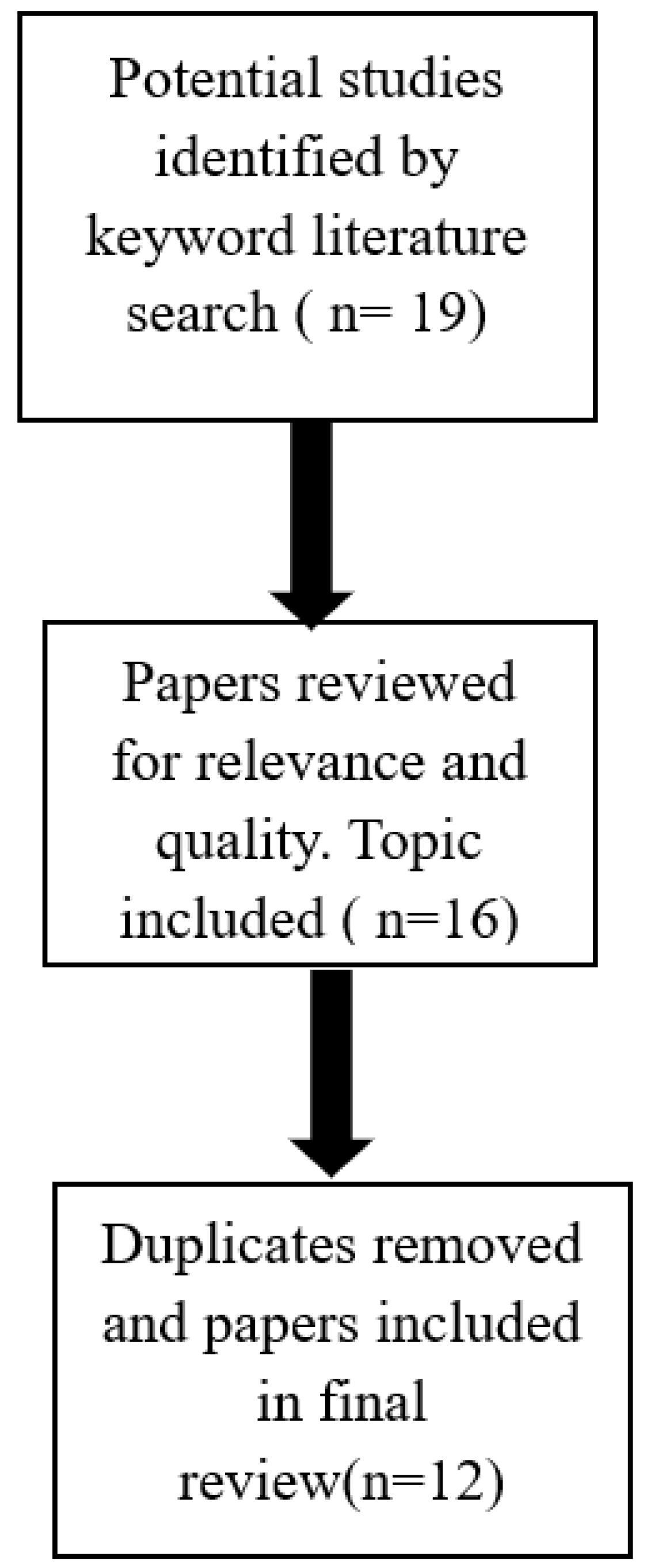

Table 1.
Characteristics, summary, and details of the articles included. (Reference Table) [4,5,6,7,8,9,10,11,12,13,14,15].
| Article | Sample(n) | Type of study | Intervention and patient information | Summary |
|---|---|---|---|---|
| Stagg et al., 2023 [4] | 29 single ventricle (SV)infants | Cohort study | Telemedicine (TM) and home monitoring intervention for single ventricle interstage patients | Caregivers and clinicians expressed elevated levels of satisfaction with the TM intervention. The study indicates that TM for single ventricle population is feasible and effective, also helpful in identifying clinical concerns and preventing unnecessary ED visits. |
| Jackson et al., 2023 [5] | 105 single ventricle infants | Retrospective chart review | Caregiver adherence to mobile health interstage home monitoring | The high adherence group included a higher percentage of infants needing exclusive tube feeding at the time of hospital discharge (p = 0.03) and noted to be younger in age at the time of the second planned cardiac surgery (p < 0.01). No significant differences between groups in hospital readmissions, unplanned cardiac reinterventions, or mortality during the interstage period were seen |
| Stagg et al., 2023 [6] | 16 SV infants | Cohort study | Provider and caregiver acceptability of the digital stethoscope (DS) assessed from 7/2021 to 6/2022. The DS was used during 52 Telecardiology/telehealth visits in 16 patients | All the providers described an ease of use and confidence in evaluation with the DS |
| Sooy-Mossey M et al. 2024 [7] | 94 interstage SV infants | A retrospective cohort | The association of telemedicine usage, mobile application enrollment and usage with socio-demographic factors were analyzed from 4/21/2021 to 12/31/2023. | Differences were observed due to demographic factors as no Spanish speaking enrollment, and all moms with an above high school education enrolled while the none from the below high school education enrolled. There was decreased mobile application use in those from neighborhoods in the lowest income quartile |
| Gardner et al., 2019 [8] | 166 SV | Cohort study (single study) | 166 SV patients enrolled in the home monitoring program were compared in the study with historical controls | A lower interstage mortality was reported in the home monitored SV infants in the study, comparing with historical controls. |
| Aly et al., 2021 [9] | 39 | Cohort Study (single center) | Retrospective analysis of 39 interstage SV infants enrolled in Cardiac High Acuity Monitoring Program (CHAMP) between March 2014 to March 2018 | A feasible and reproducible home video telemetry score was developed through this study that is deemed to serve as a tool, predicting unplanned hospital admissions in infants with single ventricle. |
| Hartman et al., 2023 [10] | 79 | Mixed methods research | Implementation of Interstage locus Health home monitoring platform with i-PADs in 79 SV infants. Administration of caregiver surveys to assess satisfaction with the intervention. | Expansion of home monitoring program, improved engagement, adherence, and satisfaction of caregivers were noted. |
| Harasheh et al., 2016 [11] | 56 SV telemedicine monitored infants | A cohort study (with a retrospective (pre-SV) Task force and interventional (post-SVTF) arms.) | 42 SV patients before telemedicine program were compared with 56 participating in the telemedicine program | The development of SV telemedicine program was associated with improved weight status at stage II and reductions in complications. A written red-flag action plan was provided to the parents at the time of the Norwood (S1) discharge. This was associated with improvement in the clinical outcomes and higher weight at stage 2 |
| Shustak et al., 2022 [12] | 198 SV interstage infants | Retrospective single center cohort study for interstage ventricle monitoring program (ISVMP) | 198 infants enrolled in the ISVMP (from Dec 2010 to Dec 2019) were compared by the researchers in the study, to 128 historical controls (Jan 2007 to Nov 2010). | Study results indicate that home monitoring intervention is capable in reducing interstage morbidity without increasing readmission days. |
| Black et al., 2014 [13] | 9 SV | mixed methods pilot study | Enrolled subjects compared with historical controls in this mixed methods pilot study | Telemedicine implementation in SV population was deemed feasible and challenging as this was the beginning of the program in 2014. |
| Foster et al., 2021 [14] | 41 SV infants | Mixed methods study | Descriptive program evaluation of 41 SV interstage patients that received Telemedicine and IHM from 7/15/2018–5/15/20 | This study showed that integration of multimodality telemedicine is deemed as a feasible and acceptable approach to enhance in-home care during interstage SV monitoring. Families felt reassured by the TM and home monitoring program |
| Cherestal et al., 2023 [15] | 610 SV | Multicenter cohort study | A large multicenter cohort of enrolled interstage infants with single-ventricle heart disease participating in a digital remote monitoring program. | This study showed that the Cardiac High Equity Monitoring Programs resulted in no differences in outcomes based on SES. |
(Abbreviation used in the table: SV = Single Ventricle).
Table 2.
An overview of the methodological quality checklist of “Critical review form quantitative studies” [16].
Table 2.
An overview of the methodological quality checklist of “Critical review form quantitative studies” [16].
| Stagg et al., 2023 [4] | Jackson et al., 2023 [5] | Stagg et al., 2023 [6] | Sooy-Mossey M et al. 2024 [7] | [Gardner et al., 2019 [8] | Aly et al., 2021 [9] | Hartman et al., 2023 [10] | Harahsheh et al., 2016 [11] | Shustak et al., 2022 [12] | Black et al., 2014 [13] | Foster et al., 2021 [14] |
Cherestal et al., 2023 [15] | |
|---|---|---|---|---|---|---|---|---|---|---|---|---|
| Purpose of the study: was the study purpose stated clearly? | Yes | Yes | Yes | Yes | Yes | Yes | Yes | Yes | Yes | Yes | Yes | Yes |
| Literature: was it relevant and the background literature reviewed? | Yes | Yes | Yes | Yes | Yes | Yes | Yes | Yes | Yes | Yes | Yes | Yes |
| Design | Cohort study | Retrospective chart review | Cohort study | Retrospective cohort study | Cohort | Cohort | Mixed methods study | Cohort | Retrospective single center cohort | Mixed methods pilot study | Mixed method study | Multicenter cohort study |
| Sample | N= 29 |
N=105 | N= 16 |
N= 94 | N= 166 | N=39 | N=79 | N= 56 |
N=198 | N=9 | N=41 | N=610 |
| Was the sample described in detail? | Yes | Yes | Yes | Yes | Yes | Yes | Yes | Yes | Yes | Yes | Yes | Yes |
| Was the sample size justified? | Yes | Yes | No | Yes | No | No | No | No | Yes | Yes | No | No |
| Results: The results were reported in terms of statistical significance. |
Yes | Yes | Yes | Yes | Yes | Yes | Yes | Yes | Yes | Yes | Yes | Yes |
| Were all the analysis method(s) appropriate? | Yes | Yes | Yes | Yes | Yes | Yes | Yes | Yes | Yes | Yes | Yes | Yes |
| The clinical importance was reported. | Yes | Yes | Yes | Yes | Yes | Yes | Yes | Yes | Yes | Yes | Yes | Yes |
| Were the dropouts reported? | Yes | Yes | Yes | Yes | Yes | Yes | Yes | Yes | Yes | Yes | Yes | Yes |
| Conclusions and clinical implications: Conclusions were appropriately described in the study methods and results. | Yes | Yes | Yes | Yes | Yes | Yes | Yes | Yes | Yes | Yes | Yes | Yes |
Disclaimer/Publisher’s Note: The statements, opinions and data contained in all publications are solely those of the individual author(s) and contributor(s) and not of MDPI and/or the editor(s). MDPI and/or the editor(s) disclaim responsibility for any injury to people or property resulting from any ideas, methods, instructions or products referred to in the content. |
© 2025 by the authors. Licensee MDPI, Basel, Switzerland. This article is an open access article distributed under the terms and conditions of the Creative Commons Attribution (CC BY) license (http://creativecommons.org/licenses/by/4.0/).
Copyright: This open access article is published under a Creative Commons CC BY 4.0 license, which permit the free download, distribution, and reuse, provided that the author and preprint are cited in any reuse.


