

Submitted:
28 July 2025
Posted:
29 July 2025
You are already at the latest version
Abstract
The urgent need to reduce the environmental footprint of agricultural inputs, along-side the rising cost and limited availability of mineral fertilizers, has encouraged the exploration of organic waste materials as alternative nutrient sources. A wide range of residual streams—from livestock excreta and food industry residues to sewage sludge and combustion by-products—contain valuable nutrients that, if properly recovered and transformed, can support more circular and resilient cropping systems. This re-view examines the potential of converting organic wastes into fertilizers through bio-logical, thermal, and chemical processes, highlighting their main principles, outputs, and practical constraints. It also analyzes the agronomic performance of these waste-derived materials in terms of nutrient release dynamics, impact on soil func-tions, and crop response under different management conditions. Regulatory frame-works and commercialization challenges are considered, with emphasis on current European policies and real-world product examples. The broader contribution of these practices to climate mitigation, resource recovery, and rural development is also dis-cussed. While promising, the implementation of waste-based fertilization strategies requires further efforts in standardization, safety assurance, and farmer engagement. This article provides an integrated overview of the topic and identifies key areas for future research, innovation, and policy development in support of sustainable nutrient management.
Keywords:
agricultural valorization
; biowaste
; composting
; environmental regulation
; nutrient recovery
; organic waste
; soil health
; sustainable fertilization
1. Introduction
The mineral fertilizer industry is currently experiencing an unprecedented crisis due to the escalating cost of energy and raw materials. In 2024, global nitrogen fertilizer prices remained significantly elevated compared to pre-pandemic levels, with average nitrogen–phosphorus–potassium fertilizer costs reaching approximately USD 327 per tonne in May—more than three times higher than the 2019 average of around USD 100 per tonne [1]. This persistence reflects the strong dependency of nitrogen fertilizer manufacturing on natural gas, which accounted for about 90 % of input costs during the 2022 peak [2]. Although natural gas prices declined from their mid-2022 highs, they remained elevated compared to historical norms. In Europe, benchmark gas prices averaged around €50/MWh in early 2025—about twice the level observed a year earlier—after peaking at €59/MWh in February 2025 [3]. Consequently, fertilizer production costs continued to be buoyed by energy prices. This price volatility, coupled with growing concerns about food security, is challenging the economic viability of conventional fertilization and accelerating the search for more sustainable alternatives.
Simultaneously, environmental concerns related to the use of mineral fertilizers are intensifying. Excessive or poorly managed application of highly soluble nitrogen fertilizers contributes significantly to nitrogen losses through leaching and volatilization, resulting in nitrate accumulation in groundwater and emissions of nitrous oxide, a potent greenhouse gas with a global warming potential 298 times greater than carbon dioxide [4]. In the European Union (EU), agriculture accounts for over 90 % of total ammonia emissions, largely due to nitrogen fertilizer use and livestock waste management [5]. Eutrophication of freshwater bodies, biodiversity loss, and degradation of drinking water sources are direct consequences of nutrient overloading from synthetic fertilizers. At the same time, the production of mineral fertilizers, particularly nitrogen-based products, is highly energy-intensive and carbon-intensive. The Haber–Bosch process used to fix atmospheric nitrogen requires large amounts of natural gas, making fertilizer production one of the largest industrial consumers of fossil fuels. Globally, the International Fertilizer Association estimates that mineral fertilizer production contributes about 1.3 % of total CO₂ emissions [6]. This double environmental burden—during both production and use phases—raises the urgency of identifying alternative fertilization strategies that not only reduce dependency on fossil energy but also mitigate nutrient losses. These challenges underscore the need to transition toward fertilizer systems that are both economically viable and environmentally sustainable.
Organic waste materials generated from agricultural, agro-industrial, municipal, and biomass-based processes have emerged as promising sources of nutrients. These include livestock manure, compost, sewage sludge, digestates, vinasse, ashes, and biochar, all of which contain varying levels of nitrogen, phosphorus, potassium, and organic carbon [7]. Depending on origin and processing, these materials can partially or fully replace synthetic fertilizers, reducing reliance on non-renewable resources while contributing to waste management objectives. However, the direct land application of untreated organic residues poses risks such as odor emissions, pathogen transmission, heavy metal accumulation, and the introduction of microplastics or organic contaminants [8]. These risks necessitate the use of treatment technologies to stabilize and sanitize the material and improve its agronomic performance. Current strategies include biological treatments such as composting and anaerobic digestion, thermochemical methods like pyrolysis and hydrothermal carbonization, and chemical processes including struvite precipitation and ammonia stripping [9].
Each of these technologies transforms organic residues into more uniform and manageable products. For example, composting converts biodegradable organic matter into stable humus-like material rich in nutrients and beneficial microbes [10]. Anaerobic digestion yields digestate, a nutrient-rich slurry that can be used as a fertilizer or further processed into concentrated nutrient fractions [11]. Thermochemical routes, on the other hand, generate biochar or ash products that can serve as soil amendments, immobilize contaminants, and enhance nutrient retention [12]. Table 1 provides a selection of commercial fertilizers currently produced from some biowaste streams, highlighting their processing methods, primary nutrient contents, and additional components. These examples demonstrate the technological versatility and growing market interest in alternative fertilizers derived from waste valorisation approaches. Most of the listed products are pelletized or granulated to facilitate handling and field application, and several integrate mineral additives or undergo chemical stabilization to meet agronomic and safety requirements.
Agronomically, the performance of these waste-derived fertilizers varies depending on the form and availability of nutrients, organic matter content, and interactions with soil and crops. Some materials, such as struvite, offer controlled nutrient release and low leaching potential, while others like untreated digestate may have high nitrogen content but also high salinity or low phosphorus availability [30]. Field trials reported in the literature demonstrate that bio-based fertilizers can perform comparably or even surpass conventional mineral fertilizers in terms of crop yield and nutrient use efficiency, particularly when applied under site-specific agronomic conditions and integrated with optimized management strategies [31].
In addition to agronomic considerations, regulatory frameworks play a critical role in determining the market viability of waste-derived fertilizers. In the EU, regulation establishes common criteria for placing fertilizing products on the market, including those containing organic and secondary raw materials [32]. This regulation sets specific requirements for safety (e.g., limits for heavy metals and pathogens), nutrient content, and labeling. However, other legislative instruments continue to impose strict requirements for materials of urban or animal origin [33]. Under EU law, processed Category 2 and 3 animal by-products —i.e., materials not intended for human consumption, such as manure, former foodstuffs, or slaughterhouse by-products— must meet defined processing temperatures, pathogen-inactivation standards, traceability and end-point criteria before they can be incorporated into CE-marked fertilising products. Despite the existence of a regulatory framework, practical implementation remains challenging. Many waste-based products fall into legal grey zones, leading to uncertainty for producers and users alike. Moreover, certification procedures for new products can be lengthy and costly, particularly for small or decentralized processing facilities. Market acceptance is also influenced by farmers’ perceptions, which are often shaped by concerns about product reliability, safety, and compatibility with existing fertilization regimes [34].
From a broader perspective, the valorization of organic residues into fertilizers aligns with core principles of the circular bioeconomy, supporting nutrient loop closure, reducing environmental burdens, and enabling the creation of new value chains from waste. This transformation contributes to global policy objectives such as the Sustainable Development Goals—especially those related to food security, water protection, and climate mitigation—by promoting resource-efficient practices in agriculture [8]. Furthermore, when integrated within local or regional contexts, waste-derived fertilizer production can foster rural development, support decentralized bioeconomy models, and enhance resilience to input volatility and supply disruptions. Nonetheless, a number of critical barriers still hinder the widespread adoption of these alternative fertilizers. Chief among them are regulatory uncertainties, particularly when materials originate from urban or animal waste streams, as well as burdensome certification processes and limited social acceptance. Farmers’ perceptions regarding the safety, consistency, and agronomic reliability of biobased products play a decisive role in their uptake, and remain shaped by past experiences, information asymmetry, and lack of standardized quality metrics. In addition, technical gaps persist around the optimization of formulations, delivery systems, and field performance under diverse agro-climatic conditions. As noted by Hidalgo et al. [9], modular and cost-effective processing units, robust environmental assessment methods, and harmonized agronomic testing protocols are urgently needed to advance this transition.
This review aims to address these challenges by offering a comprehensive and critical overview of the state of the art in fertilizer production from biowaste streams. Specifically, the article will: (i) identify and characterize the most relevant organic residues available for nutrient recovery, (ii) analyze the main technological routes for their conversion into agronomically usable products, including biological, thermochemical, and chemical treatments, (iii) summarize the performance of selected biobased fertilizers based on field trial data, (iv) examine the current European regulatory landscape governing their use and commercialization, and (v) discuss the key sustainability dimensions and knowledge gaps associated with these strategies. The review draws from scientific literature, technical reports, and commercial examples to support science-based decision-making in policy, research, and practice.
2. Biowaste Streams for Nutrient Recovery
The transition towards circular and bio-based fertilization strategies relies fundamentally on the availability, characterization, and appropriate transformation of organic waste streams. These streams, originating from agricultural, agro-industrial, municipal, and biomass-processing sectors, are not only abundant but also rich in essential nutrients such as nitrogen, phosphorus, potassium and carbon, often in organic or mineralizable forms. Their valorization into fertilizing products serves the dual objective of diverting waste from disposal and replacing fossil-derived mineral fertilizers [35]. The European regulatory framework—especially Regulation (EU) 2019/1009 on fertilizing products [36]—has opened the market to waste-derived materials that comply with specific safety, quality, and nutrient content criteria. However, their use is still constrained by complementary regulations. Fertilizers, under the EU’s Fertilising Products Regulation are categorized into Product Function Categories (PFCs) and Component Material Categories (CMCs). PFCs define the product’s function (e.g., fertilizer, soil improver, etc.) while CMCs specify the types of materials that can be used to manufacture them. On the other hand, the Animal By-products Regulation EC 1069/2009 [37] governs the treatment and use of animal-origin wastes, requiring specific processing and end-point conditions for their legal transformation into fertilizers. Additionally, national interpretations of waste legislation and classification (e.g., whether a treated sludge is considered a product or a waste) can pose significant barriers to market access [38].
To fully unlock the bioeconomic potential of these materials, it is essential to distinguish between biowaste types, understand their nutrient profiles, and identify suitable treatment technologies for safe and efficient nutrient recovery. The following subsections provide a structured overview of major waste streams relevant to fertilizer production, summarizing their composition, transformation methods, agronomic potential, and regulatory context.
2.1. Livestock Manure
Livestock manure is among the most abundant and widely generated organic residues in agriculture. It typically contains significant levels of organic matter and macronutrients, with concentrations ranging from 2–7 % nitrogen, 1–3 % phosphorus (as P₂O₅), and 2–7 % potassium (as K₂O) on a dry matter basis, though these values vary depending on the animal species, feeding regime, and manure handling practices [9]. In its raw form, manure poses various environmental and sanitary risks, including ammonia volatilization, nitrate leaching, greenhouse gas emissions (particularly methane and nitrous oxide), and transmission of zoonotic pathogens. Additionally, its high water content and odor hinder long-distance transport and long-term storage. To address these issues, manure is increasingly subjected to stabilization and treatment processes aimed at improving its agronomic value and minimizing health and environmental hazards. Treatments such as composting, anaerobic digestion, drying, and pelleting improve stability, reduce volume and odor, and enhance storage and application properties [39]. The regulatory framework governing the use of manure-derived fertilizers in the EU is primarily defined by Regulation EC 1069/2009 [37], which categorizes animal by-products and prescribes mandatory hygienization treatments, particularly for Category 2 and 3 materials [37]. For manure, heat treatment to specific time–temperature combinations is required prior to its use as a fertilizing product, unless national rules establish less stringent conditions for certain uses. Additionally, products seeking CE marking under Regulation (EU) 2019/1009 must comply with pathogen thresholds, nutrient content limits, and labeling standards [36].
Despite these constraints, numerous commercial products based on livestock manure are available in EU markets. Companies such as Italpollina [23] and Fertikal [24] produce granular fertilizers by composting manure blended with vegetal materials or by mechanical dehydration and pelletizing. These products are often enriched with natural additives (e.g., leonardite, plant extracts, humic substances) or supplemented with mineral nutrients to enhance agronomic performance [40]. Research and field trials confirm that manure-based fertilizers can improve soil structure, stimulate microbial activity, and deliver crop yields comparable to conventional mineral fertilizers, particularly when applied in integrated nutrient management schemes [39]. However, uptake by farmers often depends on factors such as odor control, ease of use, and product consistency. In this regard, advances in drying, pelletizing, and odor neutralization technologies have contributed to greater market acceptance and expanded international distribution [41].
2.2. Sewage Sludge and Derivatives
Sewage sludge, including its ash, represents a substantial byproduct of municipal wastewater treatment systems. It typically contains elevated levels of phosphorus—up to 6–7 % P₂O₅ on a dry weight basis—along with nitrogen, organic matter, and micronutrients. Owing to its high nutrient content, sewage sludge is widely considered a potential raw material for fertilizer production. However, its direct use is highly restricted by environmental regulations, due to the frequent presence of heavy metals, pathogenic microorganisms, microplastics, and residues of pharmaceuticals. European legislation [36] sets stringent thresholds for contaminants, and national regulations often impose additional barriers, especially concerning sludge incineration residues. To mitigate these risks, sewage sludge is commonly subjected to stabilization processes such as alkaline treatment, composting, anaerobic digestion, or thermal technologies [42]. Among the latter, incineration is often the preferred strategy, especially in highly regulated contexts, as it reduces volume and inactivates pathogens. The resulting sewage sludge ash, while depleted in organic matter, retains a high mineral phosphorus content and can be valorized through chemical recovery techniques. These typically involve acidic or alkaline extraction followed by precipitation of phosphate salts, such as calcium phosphate or struvite [43].
Industrial processes like TetraPhos, EuPhore, Metawater and Nippon PA [29,44] exemplify the commercial application of such wet-chemical recovery routes. The phosphate salts produced may be formulated into fertilizers, but their marketing as EU fertilizing products is contingent on compliance with CE marking rules, including contaminant limits and nutrient content specifications under Regulation (EU) 2019/1009 [36]. Still, regulatory gaps remain: for instance, ash derived from sewage sludge is not currently listed in Annex II of this EU regulation, which defines permissible component materials. Several European countries have introduced additional national restrictions on the agricultural use of sewage sludge and its ashes, despite the existence of EU-wide regulations. For example, Poland explicitly prohibits the use of sewage sludge ash in commercial fertilizers. Germany is phasing out direct land application by 2032, mandating phosphorus recovery instead. In Sweden and Switzerland, policy trends point toward mandatory incineration or complete bans on land application. In Austria, certain regions have already banned the use of sludge and related products. These divergences reflect a fragmented regulatory landscape across the EU, driven by environmental, health, and societal concerns [45]. Such materials may only be used in specific contexts—such as soil reclamation—under quality-controlled composting or fermentation conditions. Even then, they must meet strict thresholds on contaminants and pathogen content, and their use remains controversial. Efforts are ongoing at the EU level to develop harmonized frameworks for including certain ashes as eligible component materials for fertilizers, but until that happens, Member States retain discretion over the authorization and classification of sludge-derived products.
2.3. Digestates
Digestates are residues from the anaerobic digestion of biodegradable organic materials such as livestock manure, sewage sludge, agro-industrial residues, and food waste. They are increasingly recognized as a valuable nutrient source within circular bioeconomy strategies. Typically, digestates are separated into a solid and a liquid fraction: the solid phase is enriched in organic matter, phosphorus, and residual fiber, while the liquid phase retains most of the ammonium nitrogen and soluble potassium [46]. However, raw digestates often present challenges such as low dry matter content, high electrical conductivity, and poor handling properties. To overcome these limitations and enhance their agronomic performance, digestates are commonly treated using technologies such as drying, pelletization, ammonia stripping, membrane filtration (e.g., ultrafiltration), nitrification, and nutrient recovery processes (e.g., struvite precipitation) [47]. These treatments allow the concentration and stabilization of nutrients, reduce odor and microbial risks, and result in tailor-made formulations suitable for field application.
From a regulatory perspective, digestates derived from biodegradable waste and certain animal by-products can be used in the manufacture of CE-marked fertilizing products under PFCs 1 (fertilizers) or 2 (soil improvers), as defined in Regulation (EU) 2019/1009 [36], provided they meet the criteria for pathogen inactivation, hygiene, and end-of-waste status. In particular, digestates that include manure or sewage sludge must comply with processing conditions and pathogen reduction standards laid out in Regulation EC 1069/2009 [37], and additional restrictions may apply depending on the Member State.
Several commercial fertilizer products are now produced from processed digestates, particularly in granular or liquid form. These may be marketed as organic fertilizers, or as organo-mineral formulations when combined with supplementary mineral inputs to balance the NPK ratios. Producers often add natural additives such as biochar, humic acids, or plant-based bio-stimulants to enhance nutrient uptake, reduce volatilization losses, and improve soil structure [40]. Despite these advances, barriers to full-scale deployment include seasonal variability in feedstock composition, logistical issues in transport and storage, and uneven regulatory interpretation among EU countries. Digestate-based fertilizers represent a promising avenue for nutrient recycling, especially when integrated into regionally adapted nutrient management plans that valorize local waste streams and reduce reliance on imported synthetic fertilizers. Furthermore, in the context of the evolving European energy landscape—marked by increased biogas deployment as a renewable energy vector—it is expected that the availability of digestate will grow exponentially over the coming years [48]. This anticipated expansion underscores the urgency of developing standardized treatment pathways, robust quality criteria, and efficient logistics for digestate valorization, ensuring both environmental protection and agronomic efficacy.
2.4. Food and Agro-Industrial By-Products
Press cakes, vinasse, brewers’ spent grains, and other vegetable by-products from agro-industrial operations are nutrient-rich residues with significant potential for nutrient and carbon recovery. Studies show, for example, that sugarcane vinasse carries high levels of potassium and organic carbon, and its use in fertigation has demonstrated reduced reliance on mineral K fertilizers while enhancing soil structure and water retention [49]. Filter cake (sugar mill by-product) is similarly effective as a phosphorus-rich soil conditioner, improving microbial activity and soil fertility [50]. On the other hand, brewers’ spent grain contains abundant organic carbon and protein but high moisture (70–80%) and perishability limit its direct use. Ongoing innovation in this field includes the development of precision mixing strategies that leverage synergies between agro-industrial residues and other organic inputs to produce consistent, crop-specific fertilizer blends [51].
Recent developments in the valorization of agro-industrial by-products have emphasized not only their nutrient content but also their potential to act as carriers for microbial inoculants and biostimulants, enhancing both nutrient cycling and plant resilience under stress. For instance, fermented spent grains and oilseed press cakes have been successfully inoculated with Trichoderma spp. and Bacillus strains, showing improvements in nitrogen mineralization rates and suppression of soil-borne pathogens [52]. Innovative processing methods—such as bokashi fermentation, hydrothermal carbonization, or ensiling—are increasingly applied to stabilize high-moisture residues like vinasse or vegetable pomace, converting them into agronomically valuable, pathogen-free amendments with prolonged shelf-life [53]. Additionally, the integration of these residues into modular decentralized production systems is gaining traction, especially in regions with high agri-food density but limited access to commercial fertilizers. Such systems enable the on-site transformation of organic waste into tailored organo-mineral blends, reducing transport needs and fostering circular bioeconomy models at territorial scale [54].
2.5. Biochar and Ashes
Biochar, derived from the pyrolysis of biomass or organic waste, is gaining attention as a soil improver and carrier for nutrients. While low in intrinsic NPK content, its porous structure enhances nutrient retention and microbial activity in soils. When enriched with digestate or mineral salts, biochar can function as a slow-release fertilizer [55]. Similarly, poultry manure ash and combustion residues are increasingly used in phosphorus-rich fertilizer blends [56]. Their agronomic value depends on solubility, mineral form, and impurity levels. Incineration produces ash that can be valorized as a fertilizer. The characteristics and fertilizing potential of ash vary considerably depending on feedstock origin. Biomass-derived ashes are typically rich in potassium [57], while ashes from the combustion of slaughterhouse and meat-processing waste may contain high concentrations of phosphorus [58]. Ashes also exhibit valuable microelement content and liming potential. However, a major constraint is their frequent contamination with heavy metals, which may disqualify them from fertilizer use due to environmental safety regulations. Although ashes can be applied for soil reclamation, their inclusion in commercial fertilizers is not permitted under European Commission (EC) Regulation No 2003/2003. Within the scope of EU legislation and circular bioeconomy guidelines, ash materials should be recycled and reused when possible. In the absence of harmonized EU-level provisions, Member States may apply their own regulatory frameworks. Notably, work is ongoing to consider adding ash materials to Annex II of the EU list of permissible inputs for organic fertilizers, specifically under the category “Heavy Metals and Organic Compounds from Wastes Used as Organic Fertilizers” [59].
2.6. Municipal Wastewaters
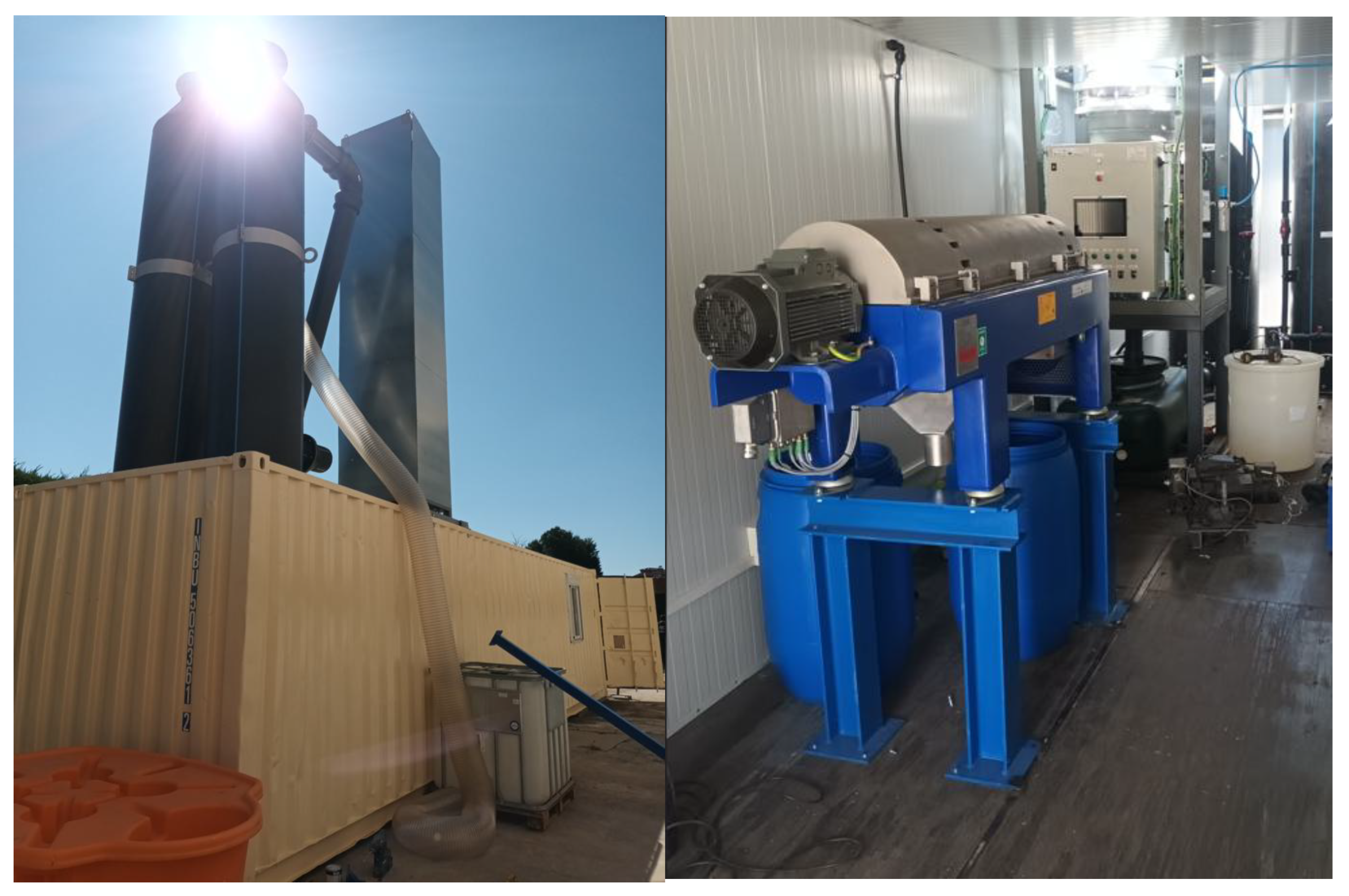
Phosphorus recovery from municipal effluents via controlled precipitation (mainly as struvite: MgNH₄PO₄·6H₂O) is a mature and expanding approach. Struvite is particularly valued for its slow-release characteristics and low leaching potential. Companies like Ostara, Phospaq, and AirPrex have operational installations in EU wastewater treatment plants [60]. The use of recovered struvite in agriculture is authorized under Regulation 2019/1009 when it meets the criteria for PFCs 1 (fertilizers) and specific CMCs. However, permitting varies by member state depending on whether the recovered material is classified as a waste or product at the national level [7]. Recent developments in nutrient recovery focus on integrated processes that combine crystallization with stripping technologies to simultaneously recover phosphorus and nitrogen from liquid effluents. These systems can achieve near-complete nutrient recovery (>90 % P and N) by coupling magnesium addition for struvite precipitation with ammonia stripping columns that concentrate nitrogen into ammonium salts [61]. Pilot-scale implementations—such as the demonstration unit in the municipal wastewater treatment plant of Valladolid, Spain—have shown the feasibility of producing marketable struvite while reducing nutrient loads in discharge streams.
Figure 1.
Pilot-scale nutrient recovery system installed at the Valladolid municipal wastewater treatment plant, combining ammonia stripping and struvite crystallization. Source: CARTIF.
Figure 1.
Pilot-scale nutrient recovery system installed at the Valladolid municipal wastewater treatment plant, combining ammonia stripping and struvite crystallization. Source: CARTIF.
3. Processing and Stabilization Strategies for Fertilizer-Compatible Bio-Based Inputs
The transformation of biowaste into safe, efficient, and marketable fertilizer products is central to the EU’s bioeconomy strategy and circular nutrient management goals [62]. Biowaste streams must undergo technical processing to meet the physical, chemical, and microbiological standards necessary for their use in agriculture. The overarching objective is to ensure agronomic value while minimizing health and environmental risks. The Regulation (EU) 2019/1009 [36], fully applicable since July 2022, significantly reshaped the legal landscape for fertilizing products in the EU. It enables the commercialization of fertilizers derived from organic and recovered materials, including processed biowaste, provided they meet specific quality and safety criteria. The regulation establishes seven PFCs—including fertilizers, soil improvers, and plant biostimulants—and defines a set of CMCs that list acceptable input materials and transformation conditions. While this regulation broadens the scope for circular materials, it also imposes rigorous restrictions on contaminant levels, pathogen presence, and nutrient declarations.
One of the most pressing objectives in processing biowaste is achieving stability and hygienization. Untreated materials often carry biological risks, offensive odors, and instability during storage and application. Technologies such as composting, anaerobic digestion, drying, and alkaline treatment are commonly used to reduce pathogen loads and improve storage life [63]. A second major objective is the concentration and stabilization of nutrients. Many raw residues are dilute, especially in nitrogen, or present nutrients in poorly available forms. Thermal drying, ammonia stripping, struvite crystallization, or enrichment with mineral salts are increasingly applied to tailor nutrient profiles. These processes intend to enhance plant-availability and reduce leaching or volatilization during use [64]. At the same time, practical constraints often limit processing options. Biowaste heterogeneity—both between and within streams—makes it difficult to standardize treatment. Moisture content, organic matter quality, pH, and contaminant levels vary widely, which affects not only treatment efficiency, but also final product consistency. Moreover, technologies such as drying or pelletizing can be energy-intensive and costly, especially for decentralized operators without access to low-cost heat or economies of scale [65].
Regulatory constraints also extend to input eligibility and market access. While Regulation (EU) 2019/1009 permits a wide range of materials under CMC categories—including composts, digestates, and certain industrial by-products—others remain excluded or conditionally permitted. Animal by-products, for instance, require the establishment of an official “end point” in the production chain to exit waste legislation and be used in fertilizers [36]. Draft CMC 11 categories are being considered to address this gap and include residues from agro-industrial, fermentation, and smelting sectors, but implementation is still under discussion. Finally, farmer acceptance and market integration remain critical. Products must not only comply legally, but also meet practical expectations regarding handling, appearance, and nutrient release. Inconsistent physical properties or unpleasant odors can discourage adoption, particularly in high-value or export-oriented cropping [66]. Thus, developing effective processing strategies requires a systemic approach, aligning technological capabilities with regulatory pathways, material properties, and market demands. Table 2 provides a comparative overview of the main technological routes applied to transform biowaste into fertilizer-compatible products, summarizing their objectives, inputs, outputs, and technical limitations based on values and examples developed in the following subsections.
3.1. Biological Processing Routes
Biological stabilization of biowaste through composting and anaerobic digestion (constitutes a cornerstone of nutrient recovery strategies in the circular bioeconomy. Composting is an aerobic degradation process involving successive thermophilic (≥55 °C) and mesophilic phases, transforming biodegradable organic matter into a stable, humified end product over periods typically ranging from 6 to 14 weeks, depending on substrate composition and operational control [67]. The efficacy and quality of composting are governed by critical parameters including the carbon to nitrogen (C/N) ratio—ideally between 25:1 and 30:1—moisture content (usually maintained at 50–60 %), pH (optimal range 6.5–8.0), temperature evolution, and oxygen availability. These factors influence microbial activity, pathogen inactivation, and the final nutrient profile of the compost [68]. Compost products are generally characterized by relatively low nitrogen content, but rich in organic matter and microbial metabolites beneficial for soil structure and biological fertility. The stabilization process reduces phytotoxicity, offensive odors, and pathogen loads, while increasing the maturity index and storage stability of the product. As reported by Kelbesa [69], mature compost can improve soil aeration, water retention, and buffer capacity, contributing to enhanced nutrient use efficiency in cropping systems. However, compost’s fertilizing value is moderate, particularly in terms of nitrogen, which is mostly present in organic forms that mineralize slowly [67]. To address this, composts are sometimes enriched with mineral nitrogen fertilizers or combined with other nutrient-rich organic inputs. Commercial examples include products derived from manure–straw mixtures or digestate–green waste blends, which are frequently pelletized for easier handling and field application [70].
Anaerobic digestion, in contrast, is an oxygen-free biological process in which consortia of bacteria decompose organic substrates into biogas (mainly CH₄ and CO₂) and digestate. Typical retention times range from 15 to 30 days, with processes conducted at mesophilic (35–40 °C) or thermophilic (50–55 °C) conditions depending on energy input, microbial kinetics, and pathogen reduction goals. The digestate, a slurry-like by-product, is usually separated into solid and liquid fractions. The solid phase contains fibrous materials, organic matter, and a large proportion of phosphorus, while the liquid phase is dominated by ammonium nitrogen, soluble potassium, and other mineral components [71]. Despite its richness in nutrients, raw digestate can present challenges such as high salinity, variable pH (often 7.5–8.5), low dry matter content, and elevated pathogen loads, particularly when animal manures or sewage sludge are used as substrates. As such, post-treatment is often required to improve handling and agronomic performance. Techniques such as solid–liquid separation, thermal drying, ammonia stripping, struvite precipitation, and composting of the solid fraction are commonly employed [72]. These treatments help reduce volume and odor, concentrate nutrients, and produce stabilized fertilizers with improved storage and application properties.
From a regulatory standpoint, both composts and digestates are recognized under CMCs of Regulation (EU) 2019/1009, particularly when derived from source-separated biodegradable waste. However, materials containing animal by-products must comply with additional hygiene criteria under Regulation EC 1069/2009, including specific heat treatments and pathogen inactivation standards [37]. Moreover, national implementation differences continue to affect market access for compost and digestate-derived fertilizers.
3.2. Thermochemical Pathways
Thermochemical pathways such as pyrolysis, hydrothermal carbonization, and combustion offer advanced strategies for converting organic waste into nutrient-rich and carbonaceous materials suitable for fertilization. Pyrolysis, typically carried out at 300–700 °C in oxygen-limited conditions, yields biochar—a porous, stable material with strong sorption capacity and potential for carbon sequestration. Its characteristics depend on the feedstock and process parameters: higher temperatures favor aromatic carbon formation, while lower temperatures retain more volatile matter and nutrients [73]. When enriched with digestate, biochar can enhance nutrient retention and act as a slow-release fertilizer, although its intrinsic nutrient content is often modest [74]. HTC, which operates at 180–250 °C in aqueous environments under pressure, is more suitable for wet biomass like sewage sludge, food waste, and digestates. It produces hydrochar, along with a nutrient-rich process water. Hydrochar tends to retain more nitrogen and phosphorus in reactive forms than biochar and can improve soil fertility and biological activity when properly applied [75]. Notably, phosphorus in hydrochar is often bound in inorganic mineral phases such as calcium phosphates, enabling its subsequent recovery via acid leaching and precipitation [76]. Studies have demonstrated phosphorus extraction efficiencies of 40–60 % using nitric acid leaching under optimized pH and temperature conditions, making hydrochar a promising substrate for engineered fertilizer products [77]. Combustion and incineration yield ash residues that can be valorized when phosphorus or potassium content is high. However, ash-based fertilizers face challenges such as low solubility of phosphorus and contamination by heavy metals. Ashes from poultry litter and meat-processing residues are of particular interest due to their high P₂O₅ content (>20 %) and low organic carbon, facilitating phosphorus recovery via wet-chemical extraction and precipitation processes [78,79]. Current EU regulations [36] do not yet fully recognize these materials as CMCs, though several initiatives aim to standardize ash use in CE-marked fertilizers [44,70].
Emerging thermochemical-biochemical hybrid systems are gaining momentum. For example, digestates from anaerobic digestion are increasingly being fed into pyrolysis or HTC reactors to yield multiple value streams: bioenergy, biochar or hydrochar, and concentrated nutrient products [80]. Life cycle assessments suggest that such integrated systems outperform singular treatment routes in terms of energy efficiency, GHG mitigation, and nutrient recovery. Nevertheless, thermochemical technologies remain energy-intensive and capital-heavy, particularly at decentralized scale. The variability in feedstock composition, reactor design, and operational parameters leads to inconsistent product quality and regulatory uncertainty [11,81]. Continued innovation in process control, nutrient enrichment, and regulatory harmonization is needed to unlock the full fertilizing potential of thermochemical outputs.
3.3. Chemical Processing and Nutrient Recovery Technologies
Chemical processing routes are increasingly employed to recover nutrients from biowaste streams in a concentrated, plant-available form. These technologies often complement biological and thermochemical treatments by refining, separating, or concentrating nutrients—particularly nitrogen and phosphorus—into value-added fertilizer products. Among these, struvite precipitation and ammonia stripping are the most widely implemented and technically mature options for nutrient recovery from liquid effluents such as digestate, centrate, or municipal wastewater. Struvite formation occurs via controlled precipitation in the presence of magnesium, ammonium, and phosphate ions, typically under alkaline pH (7.5–9.5). This process not only recovers phosphorus in a slow-release, granular form but also helps prevent scaling in treatment infrastructures. Operational systems such as Ostara’s Pearl, Veolia’s Phospaq, and AirPrex are commercially deployed at wastewater facilities in Europe, producing struvite with up to 28 % P₂O₅ and 5 % N [60], and recognized under EU Regulation 2019/1009 as PFC 1(C) fertilizers [36]. In an effort to improve the environmental and economic sustainability of the process, recent research has focused on replacing conventional reagents like synthetic magnesium salts (e.g., MgCl₂ or MgSO₄) with alternative, low-cost and waste-derived magnesium sources. These include seawater, brines, magnesite waste, bitterns, or Mg-rich industrial by-products such as olivine or ferrochrome slag. While these alternatives reduce costs and environmental burden, their variable solubility, impurity content, and pH buffering behavior must be carefully managed to ensure process stability and product quality [82]. Ammonia stripping, often paired with acid absorption, is used to extract volatile ammonia from digestate or slurry streams, capturing it as ammonium sulfate or ammonium nitrate. These recovered nitrogen salts can be directly used as fertilizers, provided they meet safety thresholds. Recent developments focus on integrating these systems with energy-efficient pH control, vacuum stripping, or membrane contactors to reduce energy input and improve nitrogen recovery rates above 80 % [83,84]. Such approaches are already operational in full-scale systems, demonstrating economic and environmental feasibility when coupled with biogas plants. Phosphate recovery from sewage sludge ash via chemical extraction and precipitation is another expanding domain. Technologies such as TetraPhos Ecophos, and Mephrec use wet-chemical leaching (typically with sulfuric, hydrochloric, or phosphoric acid) followed by crystallization or precipitation to produce calcium phosphates, magnesium phosphates, or purified phosphoric acid. These compounds exhibit high nutrient concentrations (20–30 % P₂O₅) and can replace conventional phosphate fertilizers derived from finite mineral sources [85]. However, ash-derived products must comply with regulatory limits for heavy metals such as cadmium and lead, which often necessitate post-treatment or selective precipitation steps. Emerging technologies also explore solubilization of bound phosphorus in organic matrices or incineration residues through complexing agents, electrodialysis, or alkaline hydrolysis. For example, studies have demonstrated that integrating chelating agents or thermal-alkaline pretreatment prior to phosphorus precipitation can enhance recovery efficiency and bioavailability in treated sludge [86]. Additionally, carbon-based sorbents, ion exchange resins, and hybrid nanomaterials are under development to enable simultaneous recovery and purification of multiple nutrient species from liquid digestates [87,88].
3.4. Tailoring Nutrient Profiles and Functionalization of Products
The valorization of biowaste into biofertilizers or organo-mineral amendments increasingly involves a step of tailoring the nutrient composition to meet agronomic requirements, enhance product performance, and comply with regulatory nutrient thresholds. This tailoring is particularly important when the raw waste streams present imbalanced or suboptimal N:P:K ratios, or when the intended application requires slow-release behavior, pH buffering, or enrichment with secondary micronutrients. One widely adopted approach is the blending of organic matrices—such as compost, digestate fiber, or biochar—with mineral additives to adjust the nutrient ratio and enhance functional characteristics [89]. Common mineral supplements include rock phosphate, potassium sulfate, ammonium sulfate, magnesium oxide, and trace elements like zinc or iron. For example, digestate solids can be fortified with potassium salts to correct the typically low K content of anaerobic residues [90], while the addition of Mg or Ca salts can support struvite precipitation or buffer acidic matrices derived from thermal treatments [91]. The use of biochar functionalized with nitrogen or phosphorus sources also enables the development of controlled-release fertilizers that combine nutrient retention capacity with soil conditioning benefits [92].
Functionalization strategies also involve chemical or physicochemical surface modifications of solid carriers to modulate nutrient release kinetics, water retention, or interactions with soil microbiota. Biochar or hydrochar, for instance, can be oxidized, acid-treated, or impregnated with urea, phosphates, or micronutrient solutions to create multifunctional fertilizer matrices [93]. Similar approaches have been used with hydrothermal carbonization residues, where acidic activation or metal complexation enhances phosphorus availability and stability in soil environments [94]. Advanced formulations also target the synchronization of nutrient release with plant uptake rates, particularly for nitrogen. Coating techniques—using biopolymers, waxes, or nano-enabled films—are being explored to reduce volatilization and leaching of ammonia- or urea-based fertilizers derived from waste streams [95].
Tailoring nutrient profiles may also involve remediation or detoxification steps to remove excess salts, heavy metals, or phytotoxic compounds prior to final formulation. This is particularly relevant when working with feedstocks such as slaughterhouse waste, sewage sludge, or ashes. Chelation, pH adjustment, washing, or selective precipitation can be applied to meet regulatory thresholds for contaminants such as cadmium, chromium, or ammonia nitrogen. Mironiuk et al. [79] developed a process to produce safe and nutrient-balanced fertilizers from poultry slaughterhouse waste, integrating thermal treatment with nutrient blending and heavy metal stabilization. An additional layer of functionalization considers the incorporation of biostimulants, microbial inoculants, or organic chelators into the final product [96]. These additives can enhance nutrient uptake, root development, or resistance to abiotic stress. Products that combine nutrient supply with microbial consortia or bioactive compounds are increasingly demanded in organic farming or regenerative agriculture markets. However, product stability, shelf-life, and microbial compatibility with matrix conditions remain key formulation challenges.
4. Agronomic Performance and Field Effectiveness of Waste-Derived Fertilizers
Recent field trials have evaluated a range of waste-derived fertilizers – composts, anaerobic digestates, biochar amendments, precipitated struvite, recovered ammonium salts, and ash-based products – in comparison with conventional mineral fertilizers. These studies provide insight into nutrient release patterns, crop yield responses, and soil health impacts under real-world conditions. Overall, many biowaste-derived fertilizers can support crop production with performance approaching that of mineral fertilizers when applied appropriately [97]. However, results vary by product type, soil and climate context, and management strategy. The following subsections summarize recent findings for each type of waste-derived fertilizer, comparing their agronomic effectiveness with that of conventional mineral fertilizers, and highlighting the main advantages and limitations observed under field conditions.
4.1. Compost and Digestate: Nutrient Release and Yield in Field Trials
Field evaluations consistently show that composts release nutrients more slowly than mineral fertilizers, which can limit immediate crop uptake but confer soil benefits. In long-term trials, compost-amended plots often achieve modest yield gains over unfertilized soil (typically on the order of 5–10% above control), yet yields tend to be lower than plots receiving equivalent mineral NPK inputs [98]. For example, a multi-year trial in Europe found household waste compost provided only ~19% of the first-year plant-available nitrogen equivalent of mineral fertilizer (mineral fertilizer equivalent MFE = 19%), resulting in significantly lower yields than mineral NPK treatments [99]. Compost’s nitrogen is largely organic and becomes available over multiple seasons; consequently, its short-term N supply is limited, though phosphorus and micronutrients are added in surplus. One study noted compost fertilization led to P and S accumulation in soil (nutrient surpluses) due to the need to apply high rates for N supply [98]. Despite these limitations in nutrient immediacy, compost’s advantages include substantial additions of stable organic matter that improve soil structure, water holding, and microbial activity. Trials report that 20–25% of compost’s N can be immobilized into soil organic pools, boosting soil carbon (in one study, +10 t/ha soil organic carbon over three years with compost application [100]). This contributes to long-term soil fertility and can gradually enhance yields over time. Compost also tends to be safe in terms of pollutant uptake – even though it may introduce small amounts of heavy metals, field data show minimal transfer of these potentially toxic elements to crops in the short term [98]. In summary, compost alone can maintain moderate yields (often comparable to manure-based fertility) but typically cannot fully replace mineral N for high-demand crops without yield tradeoff. Farmers often use compost in integrated regimes, adding some mineral fertilizer to meet crop needs while relying on compost for soil health improvement and slow-release nutrition [101].
Anaerobic digestate contains more readily available nitrogen than compost, mostly as ammonium, and thus behaves more similarly to a mineral N fertilizer. Field trials in the last five years indicate that liquid digestate can effectively replace a substantial portion of mineral N fertilizer for crops like cereals and maize. For instance, a Belgian study on silage maize found that the liquid fraction of digestate, when incorporated into soil at equivalent N rates, produced biomass yields statistically on par with calcium ammonium nitrate fertilizer. In that trial, plots fertilized with liquid digestate achieved yields not significantly different from those receiving synthetic N, whereas unamended digestate or more concentrated ammonia products underperformed (yielding no better than the unfertilized control in that case) [99]. Similarly, a two-year field experiment in Croatia comparing digestate vs. mineral NPK on maize reported that full-dose digestate-based fertilization sustained 95–97% of the grain yield of conventional fertilizer (10.5–11.8 t/ha vs. 11.2–12.1 t/ha). However, halving the digestate application (to test partial substitution) led to significant yield reductions, underscoring that sufficient nutrient application rate is critical even with organic sources. These results suggest that when digestate is applied at agronomically equivalent N rates and properly incorporated to minimize ammonia losses, it can produce yields nearly equivalent to mineral N fertilizer [102]. Co-application trials also highlight the benefits of blending digestate with mineral fertilizer: combining digestate with some mineral N or P often yields equal or higher output than mineral fertilizer alone. In one study, a 50:50 mix of digestate (liquid or solid fraction) with mineral NPK produced maize yields as high as or higher than full mineral fertilization, taking advantage of both immediate and slow-release nutrient fractions [99]. On the other hand, limitations of raw digestate include its high water content (in liquid form) and ammonia volatility if not promptly incorporated. Field studies emphasize that injection or immediate incorporation of liquid digestate is needed to prevent N losses and odors, especially on warm days. Solid digestate (fiber fraction) releases N more slowly and often contains more phosphorus; its field performance is closer to that of compost – improving soil organic matter but providing less immediately available N. Overall, digestates are effective fertilizers, especially for nitrogen, but may require complementary P/K inputs (since many digestates have N-rich but P-lower nutrient ratios) and careful handling to match the timing of crop uptake [103].
4.2. Biochar Amendments: Yield Effects and Soil Health
Biochar itself is not a nutrient-rich fertilizer (unless enriched with nutrients), but its porous structure can retain nutrients and improve soil properties. Field results with biochar in the last five years have been mixed and context-dependent. In temperate Europe, adding pure biochar alone often shows little immediate yield increase and can even transiently depress crop growth if high rates are applied, due to nitrogen immobilization or pH effects. For example, a 4-year trial in Germany found that co-composting biochar with manure led to a slight yield decrease for the first-year cereal crop (spelt) at higher biochar rates, and marginal yield declines in winter wheat as well. No significant effects on a leguminous fodder crop were observed, and only by the fourth year did maize yields show a slight increase in the biochar-amended plots [100]. These modest short-term impacts align with other field studies indicating that biochar’s benefits to yields often materialize under specific conditions (such as degraded, acidic, or drought-prone soils) or after an initial period as soil structure and microbial communities adjust [104]. The primary agronomic value of biochar lies in soil health improvements: increased soil organic carbon (with long-term carbon sequestration), better moisture retention, and reduced nutrient leaching. In the German trial, both compost and biochar applications raised soil C stocks significantly, with the combination yielding up to 10 t/ha additional soil organic carbon in three years [100]. Enhanced soil water holding capacity and cation exchange from biochar can support crop growth under stress conditions, even if routine yields under optimal conditions are unchanged. Researchers have also explored biochar-based fertilizers – soaking or co-composting biochar with nutrient sources to create slow-release formulations [105]. These “biochar-enriched” fertilizers often show more promise: a scoping review reported that biochar composites enriched with nutrients can improve yields more effectively than raw biochar alone [106]. In summary, biochar as a standalone amendment yields inconsistent short-term results in temperate field trials, but as a component of organic fertilizer blends (e.g., compost + biochar), it contributes to long-term soil quality and nutrient retention. Its advantages (carbon sequestration, soil improvement) must be balanced against its cost and the need to pair it with nutrient sources for significant yield impact.
4.3. Recovered Nutrient Fertilizers: Struvite, Ammonium Salts, and Ash-Based Products
Struvite is a waste-derived phosphorus fertilizer (often recovered from wastewater) that has gained attention as a slow-release P source. Field studies show that struvite can perform comparably to conventional mineral P fertilizers (like superphosphate) in supplying crops with phosphorus, especially over a full growing season [97]. Because struvite granules dissolve slowly, immediate P availability can be lower than fully water-soluble fertilizers; however, plant-available P is released gradually in step with crop demand. A recent meta-analysis confirmed that crop responses (biomass yield, P uptake) to struvite increase in acidic soils (where struvite dissolves faster) and tend to match or even exceed responses to triple superphosphate in low-pH conditions. For instance, struvite-fertilized plants in acidic soils (pH < 6) yielded higher biomass and P uptake than those fertilized with ammonium phosphate or superphosphate in one field experiment. By contrast, in neutral to alkaline soils, struvite’s slower dissolution can lead to slightly lower early growth or yield if no other P source is available [107]. That said, many European field trials and demonstrations (including on cereals, maize, and grassland) have found no significant yield penalty when using struvite as the P source, provided it is applied at agronomically equivalent P rates and appropriately placed (e.g., banding in the root zone). In some cases, struvite has even improved P use efficiency by reducing P losses – its slow-release nature means less leaching and runoff risk compared to soluble P fertilizers [107,108]. Advantages of struvite include its high P content (~5–12% P by weight) and low impurity levels, as well as its contribution of some nitrogen (around 5% N) which is released concurrently. It effectively “recycles” P from waste streams into a plant-accessible form, helping close the phosphorus loop. Limitations are that it is less effective in calcareous or high-pH soils (where dissolution is hindered) and its upfront cost can be higher given current recovery processes. Farmers may mitigate struvite’s slow initial release by granule size reduction or co-application – e.g., using a blend of struvite plus a small amount of soluble P fertilizer to ensure sufficient early-season P for seedlings. Overall, real-world use has shown struvite to be a viable substitute for mined P fertilizers, with field trials in Europe reporting comparable crop yields and no adverse soil impacts when struvite replaces conventional P sources [109].
Ammonium-rich liquids and crystals obtained from waste (such as ammonium sulfate or ammonium nitrate derived from scrubbing biogas digestate or manure storage emissions) function very similarly to synthetic mineral N fertilizers. Chemically, these products contain nitrogen entirely in mineral forms (NH₄⁺ or NH₄NO₃), so their plant availability is immediate and high. For example, ammonium sulfate solutions recovered via ammonia stripping of digestate have 100% of nitrogen in ammoniacal form, just like commercial mineral N fertilizers [99]. Agronomic tests indicate that such recovered N can achieve yields on par with conventional fertilizer N when applied at equivalent N rates and with proper handling. A large European field study (18 bio-based fertilizers across 4 sites) found that nitrogen-rich waste-derived fertilizers generally produced similar crop yields to a mineral N reference at the same total N application [97]. The first-year replacement value of these fertilizers averaged ~70% of mineral N, meaning crops took up roughly 70% as much N from the bio-based products as from synthetic N in year one. This reflects some inevitable N losses or slower mineralization for certain organic-N materials in that mix, but many refined N products (like liquid ammonium sulfate) approach 80–100% equivalence. In practice, trials with ammonium sulfate from digestate report that it can substitute directly for synthetic N with no yield loss; any shortfall is usually due to handling or timing (e.g., volatilization if surface-applied). One noted benefit is that using these waste-derived N solutions can reduce overall farm emissions by capturing ammonia that would otherwise be lost to air, and then utilizing it on crops. Indeed, field measurements have shown that plots fertilized with digestate-derived N can have comparable soil nitrate levels and crop N uptake to those with calcium ammonium nitrate or urea, without increasing N₂O emissions or leaching when managed properly [99]. The practical limitations mainly involve logistics: recovered N liquids tend to be dilute (e.g., 5–10% N), meaning larger volumes must be handled and sprayed, and storage can be an issue due to odor. There may also be trace contaminants (for instance, residual organics or chloride in certain processes) to monitor, though these are typically low if the product meets quality standards [110]. In summary, ammonium salt fertilizers from waste perform equivalently to conventional mineral N in agronomic terms, offering an effective way to recycle nitrogen if application is well-timed and calibrated.
Various ashes from burned wastes – such as sewage sludge incineration ash, poultry litter ash, or wood ash – are used as sources of phosphorus, potassium, and lime. Their agronomic effectiveness depends on the nutrient content and solubility of the ash. Poultry litter ash is typically rich in P (often >10% P) and K, and is somewhat soluble; field trials have shown that it can produce significant yield responses. In one study, applying poultry manure ash at ~60 kg P/ha to a grassland resulted in higher herbage yields than an unfertilized control, demonstrating that crops could utilize nutrients from the ash [111]. Wood ash, commonly used in Nordic countries, provides K, Ca, and magnesium and acts as a liming agent; on acidic soils it has improved cereal yields and soil pH, though on neutral soils its effect is mainly to supply K. Sewage sludge ash contains substantial total P (often 5–8% P), but much of it is in insoluble mineral forms (e.g., aluminum or calcium phosphates). As a result, untreated sludge ash tends to release phosphorus slowly and often shows little short-term yield impact unless supplemented. For instance, in the same grassland trial, sewage sludge ash performed similarly to the no-P control in terms of crop yield over the 15-month period, indicating limited P availability to plants [111]. This aligns with other findings that sludge ash requires processing (such as acid extraction, thermal treatment, or granulation with additives) to become an effective P fertilizer [98]. Advantages of ash products are that they recycle nutrients (especially P and K) from waste streams and can replace mined rock phosphate or K₂O fertilizers. They also often have liming value (raising soil pH), particularly poultry and wood ash which are alkaline. However, limitations and concerns include the potential for heavy metal accumulation (since metals in the original waste concentrate in the ash). Long-term field monitoring has found that repeated applications of sludge or compost-derived ash can introduce net inputs of metals like cadmium, copper, or zinc to the soil [112]. So far, plant uptake and soil toxicity effects have generally been negligible in trials, but regulatory limits may constrain how much ash fertilizer can be applied [113]. Another limitation is nutrient imbalances: ashes may supply excess P relative to N (since N is lost during incineration) and thus are best used in combination with an N source. In practice, ash-based fertilizers are often granulated or blended with other nutrients to improve their handling and efficacy (for example, some products mix sewage sludge ash with sulfuric acid to solubilize P, creating a fertilizer comparable to superphosphate). Field demonstrations in Europe (e.g., in the Ferticovery and Fertitec projects) are ongoing to optimize such formulations. In summary, ash fertilizers can effectively contribute P, K, and liming, but their field performance is variable – poultry litter ash is readily effective, while sewage sludge ash is a slow-release P source requiring further treatment or long-term perspective. Careful management is needed to avoid contaminant buildup and to integrate ashes into balanced fertilization plans (often by co-applying with N or using in soils that also need pH correction).
4.4. Influence of Formulation and Application Strategies on Performance
How waste-derived fertilizers are formulated and applied strongly influences their agronomic outcomes. Researchers have experimented with pelletizing, blending, and coated formulations to improve the handling and nutrient release of biobased fertilizers. Many waste fertilizers (compost, digestate solids, struvite, etc.) have been processed into pellets or granules. Pelletizing increases bulk density and makes application with conventional spreaders feasible. It can also moderate the release rate – for example, dried digestate pellets release N slightly more slowly than liquid digestate, potentially reducing leaching. Recent field studies with pelletized digestate-based organo-mineral fertilizer showed excellent performance (nearly matching mineral NPK yields) and noted that the product’s slow-release nature helped provide sustained nutrition through the season [114]. Pelleted forms also ease transport and storage by reducing volume and odors. The drawback is some extra energy and cost for processing, and in some cases pellets may need adequate moisture to break down in soil. Overall, converting wet, bulky wastes into granular fertilizer greatly improves farmer adoption and allows for more precise dosing.
Combining waste-derived fertilizers with conventional fertilizers or with each other can capitalize on their complementary strengths. Many trials document that integrated nutrient management – using a portion of mineral fertilizer along with organic amendments – achieves the best outcomes. In two long-term experiments, substituting 25–50% of mineral N with organic wastes (compost, manures) maintained yields while improving soil fertility, whereas using either alone was suboptimal [115]. Co-application is especially useful for balancing nutrients: e.g., adding mineral N to compost, which is P-rich but N-poor, or adding a small amount of readily available P (like superphosphate) to struvite or sludge ash at planting. Such strategies ensure early crop needs are met by mineral nutrients while the waste fertilizer releases its nutrients more gradually. Field results support this approach – as noted, a 50:50 digestate plus mineral N regime produced maize yields equal to or above the mineral-only treatment in one trial [99]. Likewise, combining compost or biochar with mineral N often yields more than either alone, and reduces the required synthetic fertilizer input by 20–50% without yield loss [115]. These findings underscore that partial substitution of mineral fertilizer with biowaste products can be done successfully; a common recommendation is to replace a portion of N or P and monitor crop response, rather than 100% replacement in one go.
The effectiveness of waste-derived fertilizers can be enhanced by precision in application. Techniques like banding or row placement have been beneficial for slow-release fertilizers (e.g., placing struvite in seed rows improved its P uptake efficiency, yielding higher grain P uptake than broadcasting it [99]. Timely application is also critical for N-rich wastes – applying digestate just before peak crop N demand, or splitting applications, can improve N recovery. Some trials in cooler climates show that delaying application of organic fertilizers until soils warm can avoid early-season nutrient immobilization [116]. In general, aligning nutrient release with crop growth stage (through timing or using nitrification inhibitors, etc.) is a key strategy to boost the agronomic performance of waste fertilizers
Inspired by enhanced-efficiency fertilizers in the mineral fertilizer sector, researchers have begun testing coatings on waste-derived fertilizers to further control nutrient release. For example, coating compost pellets with humic substances or biochar, or coating recovered ammonium sulfate with a polymer, could reduce initial nutrient losses [117]. While still experimental, these methods aim to combine the environmental benefits of recycled fertilizers with the targeted efficiency of slow-release products. Early greenhouse studies suggest that such modifications can reduce N₂O emissions and nitrate leaching from digestate-based fertilizers without hurting yields, but field-scale evidence is limited so far [118].
4.5. Performance Variability Across Soils and Climates
Waste-derived fertilizers do not behave identically in all situations – soil type, climate, and crop choice can influence outcomes. Interestingly, some broad studies have found performance to be robust across different conditions. A recent multi-site European trial reported no significant interaction between fertilizer type and soil or climate variables, meaning the suite of biobased fertilizers tested performed consistently relative to mineral fertilizer across diverse sites (soils ranging from sandy loam to clay, and climates from cool temperate to Mediterranean). This suggests that many recycled fertilizers can be reliably used in various regions [97]. Nonetheless, specific products show known sensitivities:
Soil pH: As discussed, struvite excels in acidic soils but may underperform in high-pH calcareous soils [111]. Conversely, sewage sludge ash or basic wood ash release P more readily under acidic conditions (and also help raise pH). Biochar tends to have more positive effects in acidic or degraded soils (partly by liming effect and improving cation exchange), whereas in neutral fertile soils it might do little. Compost provides more noticeable benefits on sandy, low-humus soils (improving water and nutrient retention) than on heavy soils that already have high organic matter [119].
Soil texture and nutrient status: On light, sandy soils with low nutrient retention capacity, slow-release fertilizers—such as struvite, coated digestate, or biochar-amended compost—can significantly reduce leaching losses and help stabilize yields under drought-prone conditions. Conversely, on fertile soils with high baseline nutrient levels, particularly phosphorus, crop response to additional fertilization—whether mineral or organic—may be limited. This effect has been demonstrated in both field and lysimeter experiments. For example, Mancho et al. [120] observed that in sandy soils, struvite substantially reduced phosphorus leaching compared to soluble mineral fertilizers such as MAP or NPK. However, in P-rich soils, struvite still supplied adequate phosphorus without overapplication, whereas in low-P soils, its lower solubility risked limiting yield unless dosing and placement were optimized.
Climate and weather: Weather extremes can overshadow fertilizer effects. In field trials, year-to-year yield differences due to rainfall patterns have been observed regardless of fertilizer type [99]. However, waste-derived fertilizers sometimes show benefits under stress conditions: e.g., compost and biochar improving yield resilience in drought years by enhancing soil moisture, or slow-release N forms mitigating leaching during wet seasons. In cold climates or early spring applications, mineralization of organic N can be delayed; farmers in such regions may need to adjust timing (e.g., apply digestate a bit earlier than mineral N to account for any lag in availability). Overall, while the average performance of waste-derived fertilizers is comparable to mineral fertilizers in moderate conditions, farmers should consider site-specific factors. Fine-tuning application methods (as noted above) can help ensure these products meet crop demands under varying soil and weather scenarios.
5. Conclusions and Future Perspectives in Circular Fertilization
The valorization of organic waste into fertilizers stands as a key strategy to advance toward more sustainable, resilient, and circular agricultural systems. This review has shown that a broad range of residual streams—including livestock manure, sewage sludge, digestates, agro-industrial by-products, wastewater, and ashes—can be transformed via biological, thermochemical, or chemical processes into agronomically valuable fertilizing products. These approaches contribute to reducing dependence on mineral fertilizers, mitigating the environmental burdens associated with intensive nutrient use, and closing nitrogen, phosphorus, and carbon cycles in farming systems. Well-established technologies such as composting, anaerobic digestion, and struvite precipitation have demonstrated technical feasibility and agronomic effectiveness under field conditions. However, their broader adoption is still constrained by regulatory barriers, processing costs, logistics, and end-user acceptance. Further efforts are needed to improve product standardization, ensure safety and quality, and tailor nutrient formulations to specific crop demands.
Looking ahead, several emerging directions offer transformative potential. Integrated treatment systems combining anaerobic digestion with microalgae cultivation or insect rearing are particularly promising, enabling the production of novel biofertilizers such as frass or algal biomass while maximizing nutrient recovery. These modular and flexible platforms can be adapted to local contexts and diversified product portfolios. In parallel, advances in hydrothermal carbonization, functionalized biochar, controlled-release formulations, and the incorporation of biostimulants or microbial consortia are opening new opportunities to develop multifunctional fertilizers that not only supply nutrients but also enhance soil health and crop resilience. Future research should focus on optimizing treatment pathways to enhance agronomic performance, minimize environmental impacts, and ensure economic viability—especially for decentralized systems. Equally important will be the harmonization of regulatory frameworks and certification procedures to facilitate market access and recognition of waste-derived products. Finally, farmer engagement through training, field demonstrations, and effective communication will be essential to build trust, overcome perception barriers, and accelerate the transition toward a more circular, sustainable, and secure fertilization paradigm.
Author Contributions
Conceptualization and writing—original draft preparation, Dolores Hidalgo, Jesús M. Martín-Marroquín; writing—review and editing, Dolores Hidalgo, Jesús M. Martín-Marroquín, Francisco Corona, Francisco Verdugo.
Funding
The authors gratefully acknowledge the financial support provided by the Institute for Business Competitiveness of Castilla y León (ICE-JCYL) through the ECOVITA project (Project No. 04/18/VA/0201), and by the European Commission through the Ferticovery project (Project No. 101181936).
Conflicts of Interest
The authors declare no conflicts of interest.
Abbreviations
The following abbreviations are used in this manuscript:
| CMCs | Component Material Categories |
| EC | European Commission |
| EU | European Union |
| PFCs | Product Function Categories |
References
- FAO. Developments in International Fertilizer Markets. In Proceedings of the Committee on Commodity Problems, Seventy-Sixth Session, Rome, Italy, 11–13 September 2024. Available online: https://openknowledge.fao.org/server/api/core/bitstreams/e379efe6-a955-4ffc-bb53-0c9a89f11f1a/content (accessed on 21 July 2025).
- European Commission. Ensuring Availability and Affordability of Fertilisers. Communication from the Commission to the European Parliament, the Council, the European Economic and Social Committee and the Committee of the Regions, COM(2022) 590 final, Brussels, Belgium, 9 November 2022. Available online: https://agriculture.ec.europa.eu/common-agricultural-policy/agri-food-supply-chain/ensuring-availability-and-affordability-fertilisers_en (accessed on 21 July 2025).
- EFG International. EU Natural Gas Prices to Gradually Normalise. February 2025. Available online: https://www.efginternational.com/insights/2025/eu-natural-gas-prices-to-gradually-normalise.html (accessed on 21 July 2025).
- Hidalgo, D.; Corona, F.; Martín-Marroquín, J.M. Nutrient recycling: from waste to crop. Biomass Convers. Biorefin. 2021, 11, 207–217. [Google Scholar] [CrossRef]
- European Environment Agency. Air Pollution in Europe: 2024 Reporting Status under the National Emission Reduction Commitments Directive (Briefing No. 07/2024). Emissions from agriculture account for 93 % of total ammonia emissions in the EU-27. Available online: https://www.eea.europa.eu/publications/national-emission-reduction-commitments-directive-2024 (accessed on 21 July 2025).
- International Fertilizer Association (IFA). Production Emissions. Mineral Fertilizer Production and Greenhouse Gas Emissions. Available online: https://www.fertilizer.org/key-priorities/fertilizers-climate-change/production-emissions/ (accessed on 21 July 2025).
- Chojnacka, K.; Mikula, K.; Skrzypczak, D.; Izydorczyk, G.; Gorazda, K.; Kulczycka, J.; Witek-Krowiak, A. Practical aspects of biowastes conversion to fertilizers. Biomass Convers. Biorefin. 2024, 14, 1515–1533. [Google Scholar] [CrossRef]
- Bagga, D.; Chauhan, S.; Bhavanam, A.; GN, N.; Meena, S.S.; Mohanty, A. Recent advancements in fermentation strategies for mass production and formulation of biofertilizers: towards waste valorization. J. Soil Sci. Plant Nutr. 2024, 24, 5868–5897. [Google Scholar] [CrossRef]
- Hidalgo, D.; Corona, F. Livestock manure valorization to Biochemical’s and energy. In Manure Technology and Sustainable Development; Springer Nature: Singapore, 2023; pp. 211–239. [Google Scholar]
- Sharma, A.; Soni, R.; Soni, S.K. From waste to wealth: exploring modern composting innovations and compost valorization. J. Mater. Cycles Waste Manag. 2024, 26, 20–48. [Google Scholar] [CrossRef]
- Orlandella, I.; Fiore, S. Life Cycle Assessment of the Production of Biofertilizers from Agricultural Waste. Sustainability 2025, 17, 421. [Google Scholar] [CrossRef]
- Rey-Martínez, N.; Torres-Sallan, G.; Morales, N.; Serra, E.; Bisschops, I.; van Eekert, M.H.; Sanchis, S. Combination of technologies for nutrient recovery from wastewater: A review. Clean. Waste Syst. 2024, 7, 100139. [Google Scholar] [CrossRef]
- Anuvia Plant Nutrients; ATP Nutrition. Anuvia Plant Nutrients and ATP Nutrition launch SymTRX, the first bio-based granular fertilizer in Canada. Available online: https://atpag.com/news/anuvia-plant-nutrients-and-atp-nutrition-launch-symtrx-the-first-bio-based-granular-fertilizer-in-canada/ (accessed on 21 July 2025).
- Lystek. Leaders in biosolids and organics management. Available online: https://lystek.com/ (accessed on 21 July 2025).
- Rosemarin, A.; Macura, B.; Carolus, J.; et al. Circular nutrient solutions for agriculture and wastewater—a review of technologies and practices. Curr. Opin. Environ. Sustain. 2020, 45, 78–91. [Google Scholar] [CrossRef]
- U.S. Patent 20050067348A1. Method and system for treating sludge using recycle. Available online: https://patents.google.com/patent/US20050067348A1 (accessed on 21 July 2025).
- U.S. Patent 7947104B2. Process for treating sludge and manufacturing bioorganically-augmented high nitrogen-containing inorganic fertilizer. Available online: https://patents.google.com/patent/US7947104B2/en (accessed on 21 July 2025).
- U.S. Patent 7662206B2. Organic containing sludge to fertilizer alkaline conversion process. Available online: https://patents.google.com/patent/US7662206B2/en (accessed on 21 July 2025).
- BCR Solid Solutions. Neutralizer. Available online: https://bcrinc.com/neutralizer/ (accessed on 21 July 2025).
- FEECO International, Inc. Available online: https://feeco.com/ (accessed on 21 July 2025).
- Fibrophos Fertilisers. PK fertiliser phosphate and potash fertiliser. Available online: https://www.fibrophos.co.uk/ (accessed on 21 July 2025).
- Géotexia. Available online: https://geotexia.wordpress.com/ (accessed on 21 July 2025).
- Italpollina. Available online: https://www.italpollina.com/ (accessed on 21 July 2025).
- Fertikal. Available online: https://www.fertikal.be/en/ (accessed on 21 July 2025).
- Grooms, A.; Reusser, S.; Dose, A.; Britton, A.; Prasad, R. Operating experience with Ostara struvite harvesting process. Proceedings of WEFTEC 2015, Water Environment Federation, Chicago, IL, USA, 26–30 September 2015. [Google Scholar]
- Kokulan, V.; Schneider, K.; Macrae, M.L.; Wilson, H. Struvite application to field corn decreases the risk of environmental phosphorus loss while maintaining crop yield. Agric. Ecosyst. Environ. 2024, 366, 108936. [Google Scholar] [CrossRef]
- Aguilar-Pozo, V.B.; Chimenos, J.M.; Tribby, E.; Lopez, A.; Gómez, J.; Olaciregui-Arizmendi, K.; Astals, S. Phosphorus recovery using low-grade magnesium oxide as a magnesium source and an alkaline reagent: A pilot-scale study. J. Water Process Eng. 2025, 72, 107408. [Google Scholar] [CrossRef]
- Fang, L.; Wang, Q.; Li, J.; et al. Feasibility of wet-extraction of phosphorus from incinerated sewage sludge ash (ISSA) for phosphate fertilizer production: a critical review. Crit. Rev. Environ. Sci. Technol. 2020, 1–33. [Google Scholar] [CrossRef]
- Ohtake, H.; Tsuneda, S. Phosphorus Recovery and Recycling; Springer: Singapore, 2018. [Google Scholar]
- Aldaach, H.; Zaki, M.T.; Orner, K.D. Improving prediction of nutrient recovery via struvite precipitation from organic waste digestate. Environ. Eng. Sci. 2025, 42, 53–67. [Google Scholar] [CrossRef]
- Müller, B.; Wester-Larsen, L.; Jensen, L.S.; Salo, T.; Garrido, R.R.; Arkoun, M.; Bauerle, A. Agronomic performance of novel, nitrogen-rich biobased fertilizers across European field trial sites. Field Crops Res. 2024, 316, 109486. [Google Scholar] [CrossRef]
- Chojnacka, K. Valorization of biorefinery residues for sustainable fertilizer production: a comprehensive review. Biomass Convers. Biorefin. 2023, 13, 14359–14388. [Google Scholar] [CrossRef]
- European Commission. Regulation (EC) No 1069/2009 laying down health rules as regards animal by-products not intended for human consumption and Commission Regulation (EU) 2023/1605 on end-points for animal by-products. Brussels, Belgium, 2009 & 2023.
- Garmendia-Lemus, S.; Moshkin, E.; Hung, Y.; Tack, J.; Buysse, J. European farmers’ perceptions and intentions to use bio-based fertilisers: Insights from the theory of planned behaviour and perceived utility. J. Clean. Prod. 2024, 434, 139755. [Google Scholar] [CrossRef]
- Tawo, O.E.; Mbamalu, M.I. Advancing waste valorization techniques for sustainable industrial operations and improved environmental safety. Int. J. Sci. Res. Arch. 2025, 14, 127–149. [Google Scholar] [CrossRef]
- European Parliament; Council of the European Union. Regulation (EU) 2019/1009 of 5 June 2019 laying down rules on the making available on the market of EU fertilising products and amending Regulations (EC) No 1069/2009 and (EC) No 1107/2009 and repealing Regulation (EC) No 2003/2003. Off. J. Eur. Union 2019, L 170, 1–114. Available online: https://eur-lex.europa.eu/eli/reg/2019/1009/oj/eng (accessed on 24 July 2025).
- European Parliament; Council of the European Union. Regulation (EC) No 1069/2009 of 21 October 2009 laying down health rules as regards animal by-products and derived products not intended for human consumption and repealing Regulation (EC) No 1774/2002. Off. J. Eur. Union 2009, L 300, 1–33. Available online: https://eur-lex.europa.eu/eli/reg/2009/1069/oj (accessed on 24 July 2025).
- Maffia, A.; Marra, F.; Celano, G.; Oliva, M.; Mallamaci, C.; Hussain, M.I.; Muscolo, A. Exploring the potential and obstacles of agro-industrial waste-based fertilizers. Land 2024, 13, 1166. [Google Scholar] [CrossRef]
- Sadeghpour, A.; Afshar, R.K. Livestock manure: From waste to resource in a circular economy. J. Agric. Food Res. 2024, 17, 101255. [Google Scholar] [CrossRef]
- Reyhanitabar, A.; Raji, M.; Khalkhal, K.; Hemati, A.; Sarikhani, M.R. The Effect of Biochar, Leonardite and Coal on Some Quality Characteristics of Compost Resulting from The Co-composting of Manure and Forest Organic Matter. Water Soil Sci. 2024, 34, 161–178. [Google Scholar] [CrossRef]
- Li, J.; Ma, W.; Wang, P.; Meng, X. Farmers’ Willingness to Transform Untreated Livestock Manure into Organic Fertilizer: Does Information Technology Adoption Make a Difference? Environ. Dev. Sustain. 2024, 26, 5025–5045. [Google Scholar] [CrossRef]
- Balkrishna, A.; Kaushik, P.; Singh, S.; Agrahari, P.; Kumar, B.; Kumar, P.; Arya, V.P. Potential Use of Sewage Sludge as Fertilizer in Organic Farming. Clean. Waste Syst. 2025, 100245. [Google Scholar] [CrossRef]
- Pasalari, H.; Farzadkia, M.; Khosravani, F.; Ganachari, S.; Aminabhavi, T.M. Phosphorous recovery from sewage sludge via chemical and thermal technologies. Chem. Eng. J. 2024, 496, 153869. [Google Scholar] [CrossRef]
- European Sustainable Phosphorus Platform (ESPP). Catalogue of Nutrient Recovery Technologies. 2024. Available online: https://www.phosphorusplatform.eu/activities/p-recovery-technology-inventory (accessed on 24 July 2025).
- Galanakis, C.M.; Daskalakis, M.I.; Galanakis, I.M.; Nehrey, M.; Spanou, M.; Vetsou, A.; Agrafioti, E. Landscape of policies, standards, approaches, and projects for EU food security: an overview. Discov. Food 2025, 5, 1–26. [Google Scholar] [CrossRef]
- Chojnacka, K.; Moustakas, K. Anaerobic digestate management for carbon neutrality and fertilizer use: A review of current practices and future opportunities. Biomass Bioenergy 2024, 180, 106991. [Google Scholar] [CrossRef]
- Nowak, M.; Bojarski, W.; Czekała, W. Economic and energy efficiency analysis of the biogas plant digestate management methods. Energies 2024, 17, 3021. [Google Scholar] [CrossRef]
- International Energy Agency. Outlook for Biogas and Biomethane: Prospects for Organic Growth. Paris, France, 2025. Available online: https://www.iea.org/reports/outlook-for-biogas-and-biomethane (accessed on 24 July 2025).
- Pierre, B.S.; Casaroli, D.; Junior, J.A.; Evangelista, A.W.P.; Flores, R.A.; Teixeira, I.R. Water deficit, fertigation, and bio-inputs in sugarcane cultivation: A scientometric review and practical recommendations. Aust. J. Crop Sci. 2025, 19, 429–435. [Google Scholar]
- Yahya, A.; Khalid, N.A.; Salleh, M.M. Biocompost from Oil Producing Plants. In Biorefinery of Oil Producing Plants. In Biorefinery of Oil Producing Plants for Value-Added Products; Ahmad, A.L., Mubarak, N.M., Eds.; Wiley-VCH: Weinheim, Germany, 2022; Volume 2, pp. 605–629. [Google Scholar] [CrossRef]
- Rațu, R.N.; Veleșcu, I.D.; Stoica, F.; Usturoi, A.; Arsenoaia, V.N.; Crivei, I.C.; Brumă, I.S. Application of agri-food by-products in the food industry. Agriculture 2023, 13, 1559. [Google Scholar] [CrossRef]
- Samy, A.M.; Mahmoud, A.F.; Abdalla, O.A. Effect of application time on the efficacy of Trichoderma spp. to biologically control sunflower charcoal rot. Sultan Qaboos Univ. J. Sci. 2025, 30, 35–43. [Google Scholar] [CrossRef]
- Gaur, P.; Kumari, K.; Sharma, P.; Gupta, V.; Gaur, V.K. Biological Processes for Food Waste Treatment. In Sustainable Technologies for Food Waste Management; CRC Press: Boca Raton, FL, USA, 2025; pp. 49–67. [Google Scholar]
- Lackner, M.; Besharati, M. Agricultural Waste: Challenges and Solutions, a Review. Waste 2025, 3, 18. [Google Scholar] [CrossRef]
- Cheng, Y.; Wu, M.; Lu, J.; Zhang, Y.; Lu, R.; Li, Y.; Yu, B. Optimizing fabrication of coated fertilizers integrated with biochar for enhanced slow-release properties: Mechanisms and cost-effectiveness analysis. Ind. Crops Prod. 2024, 222, 120077. [Google Scholar] [CrossRef]
- Kan, S.; Yilmaz, F.G.; Yagcioglu, K.D.; Kadioglu, Y.K.; Gezgin, S.; Gunes, A.; Taskin, M.B. Valorization of poultry litter incineration ash as a sustainable and balanced fertilizer source. J. Soil Sci. Plant Nutr. 2024, 24, 7570–7580. [Google Scholar] [CrossRef]
- Maj, I.; Niesporek, K.; Płaza, P.; Maier, J.; Łój, P. Biomass Ash: A Review of Chemical Compositions and Management Trends. Sustainability 2025, 17, 4925. [Google Scholar] [CrossRef]
- Ungureanu, N.; Vlăduț, N.V.; Biriș, S.Ș.; Gheorghiță, N.E.; Ionescu, M.; Milea, O.E.; Dincă, M. Management of waste and by–products from meat industry. Acta Tech. Corviniensis–Bull. Eng. 2024, 17, 49–58. [Google Scholar]
- European Commission. Final Report — Heavy Metals and Organic Compounds from Wastes Used as Organic Fertilisers, ENV.A.2./ETU/2001/0024. European Commission, 2004. Available online: https://ec.europa.eu/environment/pdf/waste/compost/hm_finalreport.pdf (accessed on 24 July 2025).
- Canziani, R.; Boniardi, G.; Turolla, A. Phosphorus recovery—recent developments and case studies. In Sustainable and Circular Management of Resources and Waste towards a Green Deal; Elsevier: Amsterdam, The Netherlands, 2023; pp. 269–281. [Google Scholar] [CrossRef]
- Martín-Marroquín, J.M.; Hidalgo, D.; Corona, F.; Sánchez-Gatón, M.A. Innovative nutrient recovery from digestate through integrated crystallization and stripping technologies. In Proceedings of the 11th International Conference on Sustainable Solid Waste Management (RHODES2024), Rhodes, Greece, 19–22 June 2024. [Google Scholar]
- Henriksen, C.B. Towards a more plant-based bioeconomy for Europe. Nat. Food 2025, n/a, 1–2. [Google Scholar] [CrossRef]
- Zhang, Q.; Ruan, S.; Zhang, R.; Wu, W. Odor nuisance, environmental impact and health risk of priority-controlled VOCs generated from three decentralized aerobic biological modes in treating rural perishable waste. Environ. Sci. Pollut. Res. 2025, 32, 11040–11051. [Google Scholar] [CrossRef]
- Zielińska, M.; Bułkowska, K. Sustainable Management and Advanced Nutrient Recovery from Biogas Energy Sector Effluents. Energies 2024, 17, 3705. [Google Scholar] [CrossRef]
- Mortadha, H.; Kerrouchi, H.B.; Al-Othman, A.; Tawalbeh, M. A Comprehensive Review of Biomass Pellets and Their Role in Sustainable Energy: Production, Properties, Environment, Economics, and Logistics. Waste Biomass Valor. 2025, 1–33. [Google Scholar] [CrossRef]
- Yadav, A.; Yadav, K. Challenges and opportunities in biofertilizer commercialization. SVOA Microbiol. 2024, 5, 1–14. [Google Scholar] [CrossRef]
- Waqas, M.; Hashim, S.; Humphries, U.W.; Ahmad, S.; Noor, R.; Shoaib, M.; Lin, H.A. Composting processes for agricultural waste management: A comprehensive review. Processes 2023, 11, 731. [Google Scholar] [CrossRef]
- Yin, J.; Xie, M.; Yu, X.; Feng, H.; Wang, M.; Zhang, Y.; Chen, T. A review of the definition, influencing factors, and mechanisms of rapid composting of organic waste. Environ. Pollut. 2024, 342, 123125. [Google Scholar] [CrossRef] [PubMed]
- Kelbesa, W.A. Effect of compost in improving soil properties and its consequent effect on crop production–A review. J. Nat. Sci. Res. 2021, 12, 15–25. [Google Scholar] [CrossRef]
- NUTRIMAN website. Farmer Platform 2023. Available online: https://nutriman.net/farmer-platform/product-categories (accessed on 25 July 2025).
- Häfner, F.; Hartung, J.; Möller, K. Digestate composition affecting N fertiliser value and C mineralisation. Waste Biomass Valor. 2022, 13, 3445–3462. [Google Scholar] [CrossRef]
- Guilayn, F.; Jimenez, J.; Monlau, F.; Vaneeckhaute, C. Valorisation of anaerobic digestate: towards value-added products. In Renew. Energy Technol. Energy Eff. Sustain. Dev.; Springer International Publishing: Cham, Switzerland, 2022; pp. 227–262. [Google Scholar] [CrossRef]
- Altıkat, A.; Alma, M.H.; Altıkat, A.; Bilgili, M.E.; Altıkat, S. A comprehensive study of biochar yield and quality concerning pyrolysis conditions: A multifaceted approach. Sustainability 2024, 16, 937. [Google Scholar] [CrossRef]
- Villada, E.; Velasquez, M.; Gómez, A.M.; Correa, J.D.; Saldarriaga, J.F.; López, J.E.; Tamayo, A. Combining anaerobic digestion slurry and different biochars to develop a biochar-based slow-release NPK fertilizer. Sci. Total Environ. 2024, 927, 171982. [Google Scholar] [CrossRef]
- Hidalgo, D.; Urueña, A.; Díez, D.; Martín-Marroquín, J.M. Hydrothermal Carbonization of Industrial Sludge: Recent Advances, Challenges, and Perspectives. In Recent Trends in Manag. Util. Ind. Sludge; Springer: Cham, Switzerland, 2024; pp. 95–123. [Google Scholar] [CrossRef]
- Zhang, S.; Wei, L.; Trakal, L.; Wang, S.; Shaheen, S.M.; Rinklebe, J.; Chen, Q. Pyrolytic and hydrothermal carbonization affect the transformation of phosphorus fractions in the biochar and hydrochar derived from organic materials: A meta-analysis study. Sci. Total Environ. 2024, 906, 167418. [Google Scholar] [CrossRef]
- Xu, M.; Wang, Y.; Liu, T.; Yang, L.; Liu, H.; Xu, D. Evaluation on phosphorus extraction potential in hydrochar obtained from hydrothermal liquefaction of sewage sludge. Biomass Bioenergy 2024, 182, 107121. [Google Scholar] [CrossRef]
- Ștefan, V.; Găgeanu, I.; Ciupercă, R.; Zaica, A.; Milea, O.E.; Cismaru, M. Phosphorus Extraction Technologies. Acta Tech. Corviniensis–Bull. Eng. 2024, 17, 137–142. [Google Scholar] [CrossRef]
- Mironiuk, M.; Izydorczyk, G.; Witek-Krowiak, A.; Chojnacka, K.; Górecki, H. Valorization of poultry slaughterhouse waste into fertilizers with designed properties. Environ. Sci. Pollut. Res. 2024, 31, 17822–17834. [Google Scholar] [CrossRef] [PubMed]
- Hidalgo, D.; Urueña, A.; Martín-Marroquín, J.M.; Díez, D. Integrated approach for biomass conversion using thermochemical routes with anaerobic digestion and syngas fermentation. Sustainability 2025, 17, 3615. [Google Scholar] [CrossRef]
- Durán-Valle, C.J. , López-Coca, I.M. (2024). Biochemical and Thermochemical Conversion Technologies for Agriculture Waste Transformation. In: Arora, J., Joshi, A., Ray, R.C. (eds) Transforming Agriculture Residues for Sustainable Development. Waste as a Resource. Springer, Cham. [CrossRef]
- Cherif, H.; Labbaoui, A.; Risse, H.; Boughanmi, H.; Elfil, H. Magnesium recovery from brackish water desalination brine and valorization in fertilizer production. J. Environ. Chem. Eng. 2024, 12, 113799. [Google Scholar] [CrossRef]
- Tao, W.; Badsha, M.A.; Arachchilage, P.W.; Mostafa, A. Simultaneous ammonia recovery and treatment of sludge digestate using the vacuum stripping and absorption process: Scale-up design and pilot study. Chem. Eng. J. 2024, 480, 148336. [Google Scholar] [CrossRef]
- Im, S.; Lee, H.; Kim, T.; Jeon, H.; Jang, A. Application of non-acid stripping solution in hydrophobic membrane process for high-purity ammonia recovery from high-strength ammonium wastewater. Sep. Purif. Technol. 2025, 357, 129998. [Google Scholar] [CrossRef]
- Abdolrezayi, A.; Puricelli, S.; Dolci, G.; Turolla, A.; Canziani, R.; Rigamonti, L. Phosphorus recovery from sewage sludge ash: life cycle inventory and critical review of LCA case studies. J. Environ. Manag. 2025, 389, 125620. [Google Scholar] [CrossRef]
- Wei, L.; Ji, J.; Hong, T.; Dong, Y.; Zhang, Q.; Luo, L.; Tang, Y. Exploring the effect of low-temperature thermal-alkaline pretreatment on struvite recovery from metals-phosphorus rich sludge. J. Environ. Chem. Eng. 2025, 13, 115803. [Google Scholar] [CrossRef]
- Salehi, B. Iron-Based Nanocomposites for Enhancing the Bioconversion of Agricultural Wastes. Ph.D. Thesis, North Carolina Agricultural and Technical State University, Greensboro, NC, USA, 2024. Available online: https://www.proquest.com/openview/77b34e8690f35838db13b8fc3ee4bf81/1?pq-origsite=gscholar&cbl=18750&diss=y (accessed on 25 July 2025).
- Parde, D.; Ghosh, R.; Rajpurohit, P.; Bhaduri, S.; Behera, M. Nutrient retrieval techniques in wastewater treatment. In Biol. Hybrid Wastewater Treat. Technol.: Recent Dev. India; Springer Nature: Cham, Switzerland, 2024; pp. 159–195. [Google Scholar] [CrossRef]
- Medici, M.; Calvia, M.; Greggio, N.; Buscaroli, A.; Marazza, D.; Canavari, M. How do farmers value organic fertilisers? An exploratory study on conventional and innovative products. Farm. Syst. 2025, 100156. [Google Scholar] [CrossRef]
- Skrzypczak, D.; Trzaska, K.; Mironiuk, M.; Mikula, K.; Izydorczyk, G.; Polomska, X.; Chojnacka, K. Recent innovations in fertilization with treated digestate from food waste to recover nutrients for arid agricultural fields. Environ. Sci. Pollut. Res. 2024, 31, 41563–41585. [Google Scholar] [CrossRef]
- Aka, R.J.N.; Agyekum-Oduro, E.; Zhu, J.; Wu, S. Integrating electrolytic struvite precipitation with ammonia scrubbing toward complete recovery of nitrogen and phosphorus from anaerobic digestate of poultry litter. Sep. Purif. Technol. 2025, 133287. [Google Scholar] [CrossRef]
- Rosa, D.; Petruccelli, V.; Iacobbi, M.C.; Brasili, E.; Badiali, C.; Pasqua, G.; Di Palma, L. Functionalized biochar from waste as a slow-release nutrient source: Application on tomato plants. Heliyon 2024, 10, e29455. [Google Scholar] [CrossRef]
- Mota, C.P.; Silva, C.A. Biochar–Nitrogen Composites: Synthesis, Properties, and Use as Fertilizer for Maize. Appl. Chem. 2024, 4, 157–173. [Google Scholar] [CrossRef]
- Gong, M.; Chu, H.; Xu, Q. Influences of reaction parameters and complexation pretreatments on the distribution of phosphorus during hydrothermal carbonization of dewatered sewage sludge. J. Water Process Eng. 2024, 60, 105209. [Google Scholar] [CrossRef]
- Mendonca Cidreira, A.C.; Wei, L.; Aldekhail, A.; Islam Rubel, R. Controlled-release nitrogen fertilizers: A review on bio-based and smart coating materials. J. Appl. Polym. Sci. 2025, 142, e56390. [Google Scholar] [CrossRef]
- Trzcińska-Wencel, J.; Golińska, P.; Gade, A.; Ingle, P.U.; Shende, S.S.; Rai, M. Microbial Biosynthesis of Biostimulant Nanomaterials and Nanofertilizers. In Plant Biostimulation with Nanomaterials; Springer Nature: Singapore, 2025; pp. 301–356. [Google Scholar] [CrossRef]
- Lyons, S. E.; Arnall, D. B.; Ashford-Kornburger, D.; Brouder, S. M.; Christian, E.; Dobermann, A.; … Wagner-Riddle, C. Field trial guidelines for evaluating enhanced efficiency fertilizers. Soil Sci. Soc. Am. J. 2025, 89, e20787. [Google Scholar] [CrossRef]
- Reimer, M.; Möller, K.; Magid, J.; Siebers, N.; Bai, Z.; Müller-Stöver, D. Urban waste fertilizer: effects on yield, nutrient dynamics, and potentially toxic element accumulation. Nutr. Cycl. Agroecosyst. 2025, 130, 459–480. [Google Scholar] [CrossRef]
- Sigurnjak, I.; Brienza, C.; Regelink, I.; Egene, C.E.; Reuland, G.; Luo, H.; Satvar, M.; Zilio, M.; Meers, E. Product Composition and Performance in Lab- and Field Trials for Biobased Fertilisers and Soil Improvers Recovered from Digestate. A Product from the H2020 Project SYSTEMIC; Wageningen Environmental Research: Wageningen, The Netherlands, 2021. [Google Scholar] [CrossRef]
- Jaufmann, E.; Schmid, H.; Hülsbergen, K.J. Soil carbon accrual and yield response to biochar and compost in a four-year organic field study. Nutr. Cycl. Agroecosyst. 2025. [Google Scholar] [CrossRef]
- Chen, H.; Levavasseur, F.; Houot, S. Substitution of mineral N fertilizers with organic wastes in two long-term field experiments: Dynamics and drivers of crop yields. Soil Use Manag. 2024, 40, e13079. [Google Scholar] [CrossRef]
- Trzaska, K.; Skrzypczak, D.; Izydorczyk, G.; Gil, F.; Chojnacka, K. Sustainable nutrient management with digestate–based fertilization: A two–year field study on maize yield and soil fertility. [CrossRef]
- Casini, D.; Barsali, T.; Rizzo, A.M.; Chiaramonti, D. Production and characterization of co-composted biochar and digestate from biomass anaerobic digestion. Biomass Convers. Biorefin. 2021, 11, 2271–2279. [Google Scholar] [CrossRef]
- Tadayon, M.S.; Mousavi, S.M.; Hosseini, S.M. Salicylic acid and biochar-biofertilizer improve soil fertility, drought tolerance, and fig yield in a semi-arid region. J. Soil Sci. Plant Nutr. 2025. [CrossRef]
- Engedal, T.; Messmer, B.; Magid, J.; Jensen, L.S.; Hansen, V. Bio-based fertilizers typically deliver on either high nutrient release or soil health parameters. Geoderma 2025, 460, 117424. [Google Scholar] [CrossRef]
- Zin, M.M.T.; Sarker, M.; Lim, T.T. Biochar-seeded struvite production from combination of on-farm and industrial wastewater: A review. Resour. Conserv. Recycl. Adv. 2025, 27, 200273. [Google Scholar] [CrossRef]
- Hertzberger, A.J.; Cusick, R.D.; Margenot, A.J. A review and meta-analysis of the agricultural potential of struvite as a phosphorus fertilizer. Soil Sci. Soc. Am. J. 2020, 84, 653–671. [Google Scholar] [CrossRef]
- Leon, P.; Nakayama, Y.; Margenot, A.J. Field-scale evaluation of struvite phosphorus and nitrogen leaching relative to monoammonium phosphate. J. Environ. Qual. 2024, 53, 23–34. [Google Scholar] [CrossRef] [PubMed]
- Ghosh, S.; Lobanov, S.; Lo, V.K. An overview of technologies to recover phosphorus as struvite from wastewater: advantages and shortcomings. Environ. Sci. Pollut. Res. 2019, 26, 19063–19077. [Google Scholar] [CrossRef]
- Farghali, M.; Chen, Z.; Osman, A.I.; Rooney, D.W.; Elgarahy, A.M.; Al-Kutti, W.A. Strategies for ammonia recovery from wastewater: a review. Environ. Chem. Lett. 2024, 22, 2699–2751. [Google Scholar] [CrossRef]
- Deinert, L.; Ashekuzzaman, S.M.; Forrestal, P.; Schmalenberger, A. One-time application of struvites, ashes and superphosphate had no major impact on the microbial phosphorus mobilization capabilities over 15-months in a grassland field trial. Appl. Soil Ecol. 2025, 212, 106198. [Google Scholar] [CrossRef]
- Cruz, N.; Avellan, A.; Ruivo, L.; Silva, F.C.; Rӧmkens, P.F.A.M.; Tarelho, L.A.C.; Rodrigues, S.M. Biomass ash-based soil improvers: Impact of formulation and stabilization conditions on materials’ properties. J. Clean. Prod. 2023, 391, 136049. [Google Scholar] [CrossRef]
- Usman, M. , Anastopoulos, I., Hamid, Y. et al. Recent trends in the use of fly ash for the adsorption of pollutants in contaminated wastewater and soils: Effects on soil quality and plant growth. Environ Sci Pollut Res 2023, 30, 124427–124446. [Google Scholar] [CrossRef]
- Chojnacka, K.; Baltrusaitis, J. Organo-mineral fertilizers for sustainable agriculture. Sustain. Sci. Technol. 2025, 2, 022001. [Google Scholar] [CrossRef]
- Chen, H.; Levavasseur, F.; Houot, S. Substitution of mineral N fertilizers with organic wastes in two long-term field experiments: Dynamics and drivers of crop yields. Soil Use Manag. 2024, 40, e13079. [Google Scholar] [CrossRef]
- Sica, P.; Sitzmann, T.J.; Müller-Stöver, D.; Magid, J. Strategic placement of mineral and biobased fertilizers for optimizing phosphorus use efficiency: A comprehensive review. Soil Use Manag. 2025, 41, e70039. [Google Scholar] [CrossRef]
- Boarino, A.; Carrara, N.; Padoan, E.; Celi, L.; Klok, H.A. Biodegradable polymers for plant nutrient delivery and recovery. Macromol. Biosci. 2025, 2500042. [Google Scholar] [CrossRef]
- Verdi, L.; Kuikman, P.J.; Orlandini, S.; Mancini, M.; Napoli, M.; Dalla Marta, A. Does the use of digestate to replace mineral fertilizers have less emissions of N₂O and NH₃? Agric. For. Meteorol. 2019, 269–270, 112–118. [Google Scholar] [CrossRef]
- Horta, C. Bioavailability of phosphorus from composts and struvite in acid soils. Rev. Bras. Eng. Agríc. Ambient. 2017, 21, 459–464. [Google Scholar] [CrossRef]
- Mancho, C.; Diez-Pascual, S.; Alonso, J.; Gil-Díaz, M.; Lobo, M.C. Assessment of Recovered Struvite as a Safe and Sustainable Phosphorous Fertilizer. Environments 2023, 10, 22. [Google Scholar] [CrossRef]

Table 1.
Examples of commercial fertilizers derived from biowaste sources.
| Biowaste origin | Processing method or additive agents | Main nutrients (%) | Secondary components | Physical form | Company | Reference |
|---|---|---|---|---|---|---|
| Sewage sludge | Treated with oxidants (e.g., ClO₂, ferrates), ammonia or phosphoric acid | N: 10, P₂O₅: 23, K₂O: 12 | Fe: 1, S: 20 | Granular | Anuvia Plant Nutrients | [13,14] |
| Sewage sludge | Alkali hydrolysis using NaOH or KOH | N: 4.5, P₂O₅: 7, K₂O: 2.5 | S, Ca, Fe, Mg | Liquid | Lystek International | [15] |
| Sludge-derived solid | Treated with Fe salts, acids, and ammonia | N: 16, P₂O₅: 4.6 | S: 16, Fe: 1 | Granular | VitAg | [16] |
| Sludge–ash blend | Stabilized with fly ash and lime kiln dust | N: 0.5, P₂O₅: 0.3, K₂O: 0.1 | Ca: 10, Mg: 4 | Powdered/ soil-like | N-Viro System | [17] |
| Sewage sludge | Acid-ammonia treatment (H₂SO₄, H₃PO₄, NH₃) | N: 13–20, P₂O₅: 1–13 | S: 14–24, Fe: 0.5–3 | Granular/ pellets | Unity Fertilizers | [18] |
| Biosolids | Mixed with conventional mineral fertilizers | N: 4–15, P₂O₅: 1–10, K₂O: 4–15 | Ca: 2, Fe: 1 | Granular | Synagro Technologies | [19] |
| Poultry manure ash | Blended with KCl, TSP, and chalk | P₂O₅: 5–14, K₂O: 12–20 | Ca: 15 | Granular | Fibrophos | [20] |
| Poultry litter | Composted or dried | P₂O₅: 6, K₂O: 3 | Ca: 12 | Pellets | Cooperl | [21] |
| Agro-industrial residues | Pressed cakes and vegetable meals | P₂O₅: 2.8–9, K₂O: 2.5–15 | S: 2–15 | Granular | Italpollina | [22] |
| Livestock manure and digestate | Composting and drying | P₂O₅: 4, K₂O: 3 | S: 3 | Granular | Fertikal | [23] |
| Meat and bone meal | Combined with dolomite, lime or acids | P₂O₅: 21–23, K₂O: 3–4 | SO₃: 4.5 | Granular | Saria | [24] |
| Municipal wastewaters | Struvite precipitation using magnesium compounds | N: 5, P₂O₅: 28 |
Mg: 10 | Granular/ pellets | Perl-Ostara, AirPrex, Phospaq | [25,26,27] |
| Sewage sludge ash | Phosphate recovery via acid–alkali extraction and precipitation | P₂O₅: 21-22 | Ca: 15–18 | Powdered/ granular | Ecophos, Metawater, Nippon PA, Tetraphos |
[28,29] |
Table 2.
Processing strategies for biowaste-derived fertilizer inputs.
| Processing Strategy | Key Objectives | Typical Inputs | Products | Challenges |
|---|---|---|---|---|
| Composting | Stabilization, hygienization, organic matter recovery | Biodegradable organic waste (food, garden, manure) | Compost with 1–2% N total, C/N ~12–15 | Odor, slow nutrient release, space requirement |
| Anaerobic Digestion | Biogas production, nutrient recovery in solid/liquid fractions | Manure, sewage sludge, food waste | Liquid: ~3–5 g/L N-NH₄⁺; Solid: high in P and organics | Salinity, pathogen content, low dry matter |
| Pyrolysis | Carbon sequestration, creation of sorbent biochar | Dry biomass, digestate solids | Biochar with modest nutrient content | Low nutrient content, energy cost |
| Hydrothermal Carbonization | Production of reactive hydrochar and nutrient-rich liquid | Wet biomass (e.g., sludge, food waste, digestate) | Hydrochar enriched in reactive N and P fractions | Process water management, feedstock variability |
| Struvite Precipitation | Recovery of P as slow-release fertilizer | Digestate, centrate, wastewater | Struvite with 28% P₂O₅ and 5% N | Mg source cost, pH control, impurity management |
| Ammonia Stripping | Recovery of N as ammonium salts | Digestate, slurry | Ammonium sulfate or nitrate salts (6–9% N) | Energy input, acid handling, scaling |
| Ash-Based Recovery | Recovery of P/K from incinerated residues | Sewage sludge ash, meat/bone meal ash | Phosphate salts or phosphoric acid (20–30% P₂O₅) | Heavy metals, low solubility, regulatory status |
| Nutrient Blending & Functionalization | Adjusting NPK ratios, adding micronutrients or coatings | Digestate solids, compost, biochar | Tailored fertilizers with defined NPK ratios | Contaminants, stability, compatibility of additives |
Disclaimer/Publisher’s Note: The statements, opinions and data contained in all publications are solely those of the individual author(s) and contributor(s) and not of MDPI and/or the editor(s). MDPI and/or the editor(s) disclaim responsibility for any injury to people or property resulting from any ideas, methods, instructions or products referred to in the content. |
© 2025 by the authors. Licensee MDPI, Basel, Switzerland. This article is an open access article distributed under the terms and conditions of the Creative Commons Attribution (CC BY) license (http://creativecommons.org/licenses/by/4.0/).
Copyright: This open access article is published under a Creative Commons CC BY 4.0 license, which permit the free download, distribution, and reuse, provided that the author and preprint are cited in any reuse.


