

Submitted:
28 July 2025
Posted:
29 July 2025
You are already at the latest version
Abstract
Background A significant approach to enhancing children's health and addressing environmental disparities in metropolitan regions of the United States has emerged: schoolyard greening. The advantages of physical activity and well-being are increasingly recognized; nevertheless, the wider ramifications for community dynamics, social equality, and the risks of green gentrification remain poorly comprehended.Purpose This review carefully assesses the evidence about the impact of schoolyard greening efforts on children's health, neighborhood transformation, and the equitable distribution of benefits and risks across diverse urban communities.Methods A comparative literature analysis was performed to synthesize findings from quantitative studies, qualitative research, and case analyses specifically addressing schoolyard greening projects in prominent U.S. cities.Results Evidence consistently indicates that schoolyard greening positively influences children's socioemotional well-being and physical activity levels, while also enhancing the use of outdoor spaces. Increased unstructured play and student engagement correlate with renovation techniques that incorporate varied play areas and natural features. Nonetheless, the allocation of gains is uneven; educational institutions situated in rapidly evolving or affluent communities are more prone to improvements in infrastructure and accessibility. Furthermore, greening projects can act as drivers for neighborhood development, potentially leading to green gentrification processes that threaten the tenure of disadvantaged people and elevate property values. These results underscore the importance of context-sensitive and inclusive planning.Conclusions Schoolyard greening can offer substantial health advantages for children and support the broader goals of urban sustainability. Nonetheless, these initiatives may exacerbate socioeconomic disparities and contribute to displacement patterns without intentional policies and community-driven strategies. To ensure the equitable distribution of schoolyard greening benefits, it is imperative that effective solutions emphasize equity, substantial community involvement, and the safeguarding of at-risk populations.
Keywords:
Schoolyard greening
; Child health
; Urban environments
; Environmental justice
; Green gentrification
; Physical activity
; Socioemotional well-being
; Neighborhood transformation
; Equity
; Urban planning
; Community engagement
; Property values
1. Introduction
Contextualizing the Problem: Childhood Obesity, Inactivity, and Urban Environments
Children from low-income and minority backgrounds experience the highest prevalence of childhood obesity and physical inactivity, presenting serious public health issues in the United States (Anthamatten et al., 2011). Research has progressively demonstrated that these discrepancies are not merely the result of individual choices, but are also shaped by structural and environmental elements, particularly those inherent in the urban built environment (Wolch et al., 2014; Anthamatten et al., 2014). Urban schoolyards in underprivileged communities have attracted academic scrutiny due to their frequently sparse greenery, decaying infrastructure, and absence of facilities that promote active and creative play (Anthamatten et al., 2011; Raney et al., 2023).
1.1. Literature Review: Schoolyard Greening and Its Multifaceted Impacts
Numerous schoolyard greening programs have been executed in urban environments to address these difficulties, including the incorporation of gardens, trees, natural play features, and extensive landscape renovation (Anthamatten et al., 2014; Raney et al., 2023). The theoretical basis for these interventions is grounded in extensive literature that demonstrates a relationship between socioemotional well-being, physical activity, and overall public health outcomes in children, as well as access to quality green spaces (Bikomeye et al., 2021). Empirical research and systematic reviews indicate that well-designed schoolyards promote moderate-to-vigorous physical activity, enhance social interactions, and positively affect children's health (Anthamatten et al., 2011; Bikomeye et al., 2021; Raney et al., 2023). Moreover, these programs align with the fundamental goals of environmental justice, sustainability, and urban resilience (Wolch et al., 2014).
1.2. Identifying Gaps and Limitations in Current Knowledge
The current literature remains fraught with several limitations, despite the expanding evidence endorsing the benefits of schoolyard greening. Thus far, most research has focused on short-term or localized effects, with insufficient attention given to the long-term sustainability and transferability of outcomes across diverse urban settings (Bikomeye et al., 2021). A growing body of research suggests the phenomenon of "green gentrification," in which environmental improvements unintentionally lead to neighborhood changes, causing the displacement of at-risk residents and a rise in property values (Anguelovski et al., 2019; Wolch et al., 2014; Gorjian, 2025). The spatial and socioeconomic impacts of schoolyard greening, encompassing implications on housing markets and community stability, remain inadequately explored (Gorjian, 2025; Li et al., 2024). Furthermore, a critical assessment of the equity of these interventions is necessary, particularly regarding the distribution of health and social benefits among populations classified by neighborhood characteristics, income, or race (Anthamatten et al., 2011; Wolch et al., 2014).
Defining Green Gentrification
Concerns have emerged about the unexpected effects of urban greening projects, especially the occurrence of green gentrification, as they gain popularity. Green gentrification refers to the phenomenon in which environmental improvements, including the establishment of parks, tree-lined thoroughfares, or repaired green schoolyards, lead to heightened property values, enhanced neighborhood desirability, and ultimately the displacement or marginalization of low-income residents and communities of color (Anguelovski et al., 2019; Gould & Lewis, 2017; Wolch et al., 2014). While these programs may enhance public health and environmental quality, they could potentially intensify social inequities if not executed with clear equality protections.
This paradox is particularly apparent in schoolyard greening initiatives: efforts to improve children's health by increasing green spaces may unintentionally facilitate neighborhood change processes that jeopardize the populations they aim to assist. Assessing the wider consequences of greening programs in urban settings requires understanding this dynamic.
1.3. Rationale and Research Questions
A comprehensive evaluation is essential for combining existing knowledge, examine methodological strategies, and define potential directions at the intersections of schoolyard design, child health, and urban equity, considering these deficiencies. This review addresses the following research inquiries:
1. What are the impacts of schoolyard greening on children's physical activity and well-being?
2. What is the effect of schoolyard greening initiatives on neighborhood transformation trends, particularly regarding the possibility of green gentrification?
3. Is the distribution of benefits from schoolyard greening equitable among urban inhabitants of diverse backgrounds?
1.4. Contribution to the Field
This review article offers several substantial additions to the literature on urban planning and landscape design. It initially provides an interdisciplinary synthesis of information regarding the health, social, and economic impacts of schoolyard greening. Secondly, it rigorously assesses the possibility of green gentrification and the resultant tensions, especially those related to environmental justice. Third, it delineates essential methodological, policy, and design concerns, offering solutions to guide future research and practice towards enhanced equity, sustainability, and community engagement.
The study aims to promote a research and policy agenda that emphasizes public health, social justice, and urban resilience by elucidating the challenges and potential of schoolyard greening for scholars, planners, and politicians through this synthesis.
2. Methods
2.1. Study Design
This review employed a comparative, integrative literature review methodology to thoroughly synthesize the latest evidence concerning the relationships among schoolyard greening interventions, child health outcomes, and neighborhood transformation in urban settings in the United States. A literature review was selected to assemble findings from both quantitative and qualitative research, facilitating a nuanced synthesis of empirical results, methodological approaches, and contextual elements that influence greening outcomes. This methodology is particularly appropriate given the field's diversity in study designs, metrics, and disciplinary viewpoints, since it facilitates a comprehensive understanding of the trends and deficiencies within the existing evidence base (Bikomeye et al., 2021; Raney et al., 2023). Integrative reviews are recognized for their ability to synthesize complicated and heterogeneous findings, thereby facilitating evidence-based recommendations for future research, practice, and policy (Wolch et al., 2014).
2.2. Study Area and Setting
The review included studies from various U.S. metropolitan areas but emphasized large urban centers, like Denver, Colorado, which are significant for schoolyard greening initiatives and demonstrate scalable interventions (Anthamatten et al., 2011; Gorjian, 2025; Raney et al., 2023). The urban environment is essential, since it presents unique spatial, social, and regulatory dynamics that influence the execution and effectiveness of greening programs. Denver's varied neighborhoods and supportive policies for urban green space create a significant backdrop for analyzing the spatial equality and property value impacts of greening, as evidenced by multiple cited studies (Anthamatten et al., 2014; Gorjian, 2025). This analysis examines environmental justice and "just green enough" planning by focusing on U.S. communities with historical socio-spatial imbalances (Wolch et al., 2014; Anguelovski et al., 2019).
2.3. Data Sources
A thorough search of peer-reviewed journal articles, systematic reviews, and empirical case studies published from January 2010 to December 2023 was performed to identify suitable studies. The databases included Scopus, PubMed, Google Scholar, and Web of Science. Search criteria encompassed combinations of "schoolyard greening," "green space," "urban," "children," "physical activity," "socioemotional health," "property values," "gentrification," and "environmental justice." The studies included met the following criteria: (1) conducted in major U.S. cities; (2) focused on schoolyard greening or similar interventions; (3) evaluated outcomes pertaining to child health, play behavior, or neighborhood transformation; (4) reported original data, systematic reviews, or comprehensive case analyses.
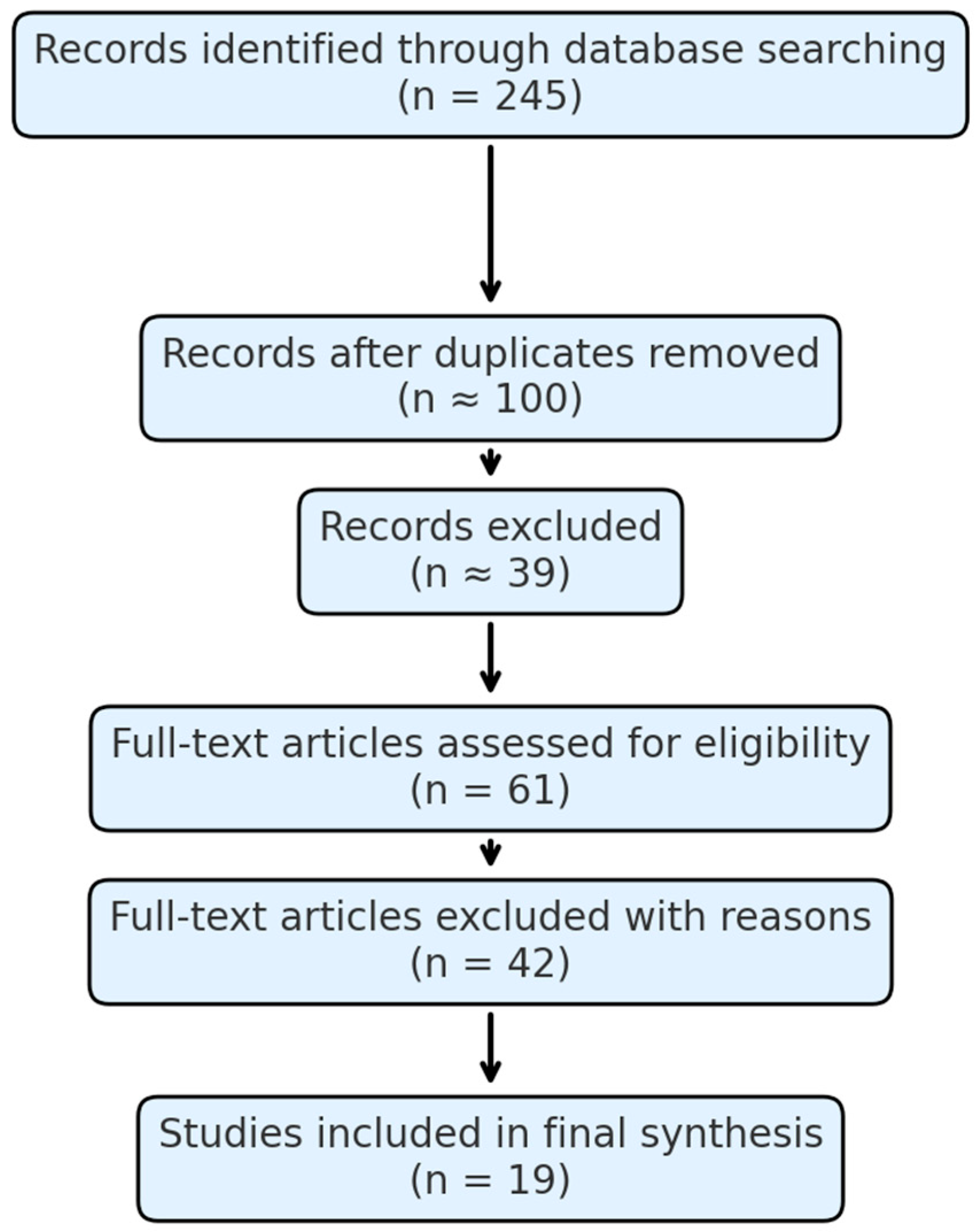
A total of 245 items were identified in the preliminary search. Sixty-one full texts were assessed for eligibility following the elimination of duplicates and the review of titles and abstracts. The final sample comprised 19 articles that met all criteria, including: quantitative quasi-experimental studies utilizing observational tools (Anthamatten et al., 2014; Raney et al., 2023), qualitative investigations of children's and stakeholders' perceptions (Anthamatten et al., 2011), systematic reviews (Bikomeye et al., 2021), spatial-economic analyses (Gorjian, 2025; Li et al., 2024), and policy-analytic studies (Wolch et al., 2014; Anguelovski et al., 2019).
Figure 1.
presents an overview of the principal quantitative findings from the examined research.
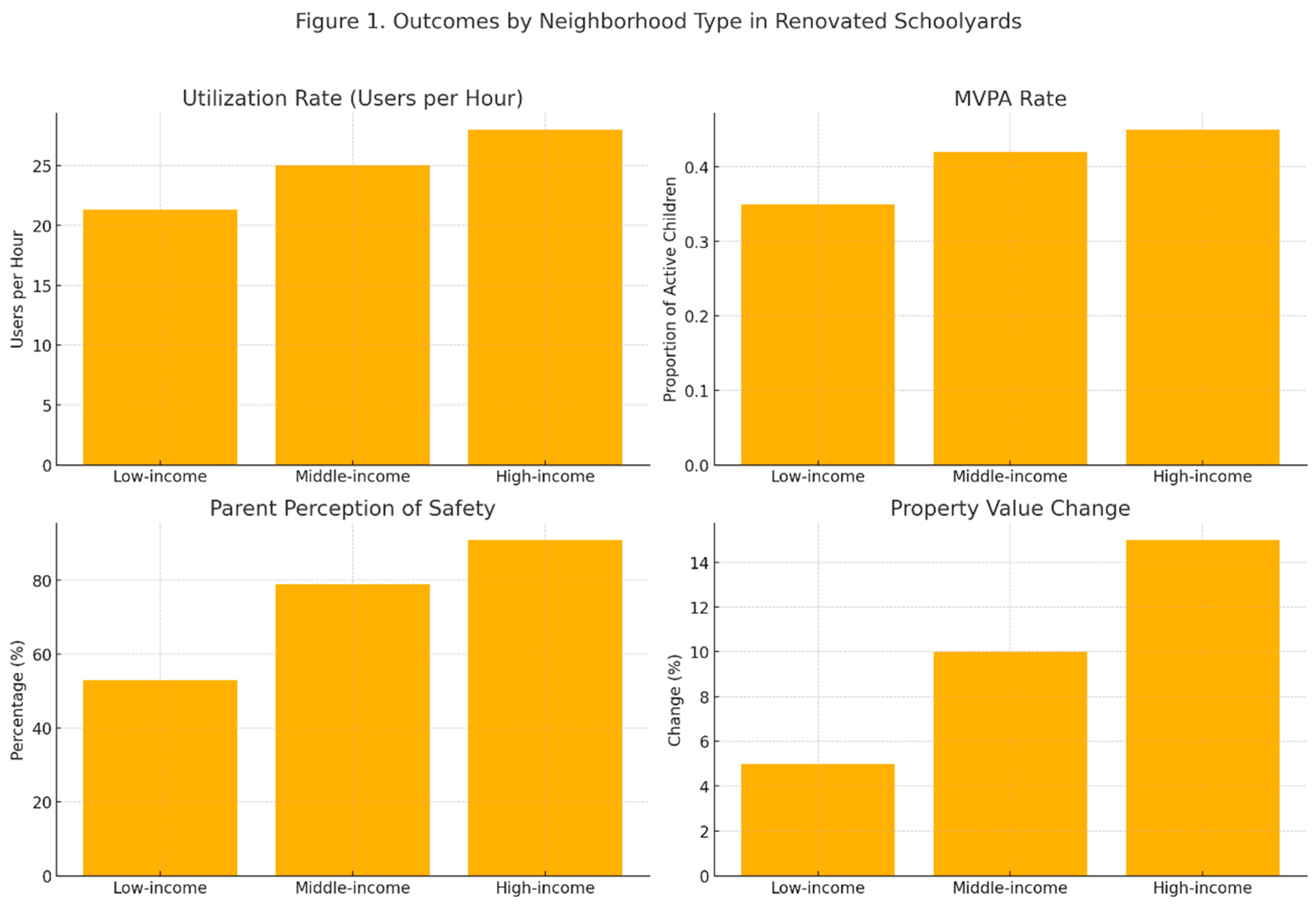
Figure 2.
PRISMA-style flow diagram showing the identification, screening, and inclusion of studies in the integrative review on urban schoolyard greening.
Figure 2.
PRISMA-style flow diagram showing the identification, screening, and inclusion of studies in the integrative review on urban schoolyard greening.
2.4. Variables and Measures
The variables and measuring methods differ based on the disciplinary focus and research design of each included study. The primary dependent variables included children's physical activity (e.g., frequency, duration, and intensity), play behaviors (e.g., diversity, engagement, and gender differences), socioemotional health indicators (e.g., self-reported well-being and peer interaction), and neighborhood-scale outcomes (e.g., changes in property values and gentrification dynamics).
The System for Observing Play and Leisure Activity in Youth (SOPLAY) and direct observation protocols were the most efficacious approaches for assessing physical activity. These methods facilitated the objective measurement of children's activity levels prior to and following schoolyard treatments (Anthamatten et al., 2014; Raney et al., 2023). Behavioral mapping and observational assessment of playground usage zones were utilized to evaluate play diversity and engagement, often categorized by gender and age (Raney et al., 2023). Validated survey tools and interviews with children, caregivers, and school workers were utilized to evaluate socioemotional health characteristics (Anthamatten et al., 2011; Bikomeye et al., 2021).
Independent variables include neighborhood socio-demographics, pre-existing environmental conditions, and intervention characteristics such as design elements, vegetation type, and extent of greening. Site audits and photographic analysis were utilized in specific research to categorize the existence and arrangement of natural features, playground apparatus, and shade structures (Anthamatten et al., 2011; Anthamatten et al., 2014).
Spatial-economic research analyzed the correlation between greening efforts and alterations in property values utilizing secondary data from municipal property assessment records and census-derived neighborhood indicators (Gorjian, 2025; Li et al., 2024). The longitudinal evaluations of property values and demographic changes in areas next to intervention sites were utilized to construct metrics of "green gentrification" (Anguelovski et al., 2019).
2.5. Analytical Methods
The studies incorporated in the analysis utilized diverse analytical methodologies according to the data types and research topics of each study. Quantitative research often utilized pre-post comparison designs alongside statistical analyses, including paired t-tests, repeated measures ANOVA, and regression modeling, to assess the effects of greening on physical activity and play outcomes (Anthamatten et al., 2014; Raney et al., 2023). Numerous research employed multilevel modeling to address clustering within schools and neighborhoods. Spatial analysis was performed utilizing SPSS, R, and ArcGIS software.
To assess the spatial distribution of property value alterations linked to greening activities, spatial-economic analyses employed hedonic price models and geographic information system (GIS) methodologies (Gorjian, 2025; Li et al., 2024). These models were developed to consider potential confounding variables, including neighborhood socioeconomic status and house attributes.
3. Results
3.1. Utilization of Schoolyards
The refurbishment and greening of schoolyards are regularly associated with heightened usage, especially among children from varied origins, as demonstrated by empirical research. The Learning Landscapes program in Denver, Colorado, incorporated culturally relevant and nature-based features into schoolyards, resulting in a significant rise in usage compared to unrenovated controls (Anthamatten et al., 2011). Observational data analysis revealed that restored schoolyards drew a higher number of youngsters during before and after school hours, with a notably substantial rise in usage among females. Table 1 summarizes the utilization rates for both intervention and control sites.
The percentage of children participating in moderate to vigorous physical activity (MVPA) showed no significant difference between the renovated and control locations, albeit the increase in overall usage (Anthamatten et al., 2011). This suggests that the inclination for physical exercise may depend on additional mediating elements, such as programmatic assistance, adult supervision, and specific design aspects, even though greening interventions effectively draw more children to schoolyards. Schools that undertook renovations with structured programming or adult-supervised play observed somewhat increased rates of MVPA; however, these effects lacked statistical significance in adjusted models (Anthamatten et al., 2014).
These conclusions are corroborated by systematic assessments. The extent of the benefit varies significantly among contexts; nonetheless, schoolyard greening programs enhance total physical activity, as indicated by a synthesis of experimental investigations conducted by Bikomeye et al. (2021). Meta-analytic data indicate that while step counts and activity sessions generally rise after renovations, the effect sizes for moderate to vigorous physical activity (MVPA) are usually not statistically significant and are modest. The review highlights the importance of supplementary elements, such as play programming and maintenance, in sustaining high activity levels over time (Bikomeye et al., 2021).
3.2. Play Behavior and Social Interaction
The amount and quality of children's play are profoundly affected by the design of landscaped schoolyards, distinguished by the variety of play areas and the incorporation of natural elements. Raney et al. (2023) discovered that schoolyards including a variety of play environments, including open turf, tree groves, and gardens, promote greater inclusivity and unstructured play among children. These venues promote enhanced peer interaction, imaginative play, and involvement among females, children from minority backgrounds, and those normally underrepresented in traditional playground settings, as evidenced by behavioral mapping and time-sampling.

Table 2.
The proportion of children engaged in unstructured compared to structured play activities, categorized by the kind of play zone.
Table 2.
The proportion of children engaged in unstructured compared to structured play activities, categorized by the kind of play zone.
| Play Zone Type | Unstructured Play (%) | Structured Play (%) |
| Traditional Equipment | 55 | 45 |
| Natural Elements | 80 | 20 |
| Gardens | 77 | 23 |
| Open Turf | 70 | 30 |
Qualitative evidence derived from interviews with children, and their parents indicate that nature-based features are associated with perceptions of improved safety, greater chances for imaginative play, and heightened levels of social inclusion (Anthamatten et al., 2011; Raney et al., 2023). The significance of accessible green space is highlighted by the subsequent quotations: A participant remarked, "I take pleasure in playing near the trees as we can invent our own games" (Raney et al., 2023, p. 6). Psychological and Cognitive Outcomes
Evidence from recent systematic reviews points to the positive impacts of green schoolyards on children’s psychological well-being and cognitive functioning. Bikomeye et al. (2021) found that access to renovated, greener schoolyards was associated with improved mood, reduced stress, and greater attention restoration among children. These outcomes were most consistently observed in studies that assessed both objective indicators (e.g., behavioral tasks, cortisol levels) and subjective reports (e.g., mood ratings, teacher reports).
For example, pre- and post-intervention assessments in several studies showed statistically significant reductions in self-reported stress and improvements in classroom attentiveness following regular exposure to green schoolyards (Bikomeye et al., 2021). Confidence intervals for these effects typically ranged from moderate to large (e.g., improvement in attentional scores, 95% CI: 0.15–0.35), though heterogeneity across study designs and outcome measures limits the generalizability of these findings.Equity and Environmental Justice.
Notwithstanding the promise of schoolyard greening, the findings indicate enduring inequalities in the advantages and accessibility of these initiatives. Children in low-income and minority communities often have challenges in accessing safe, high-quality, and readily available outdoor environments (Anthamatten et al., 2011; Anguelovski et al., 2019). The utilization of the playground remains substantially affected by parental opinions regarding the safety and accessibility of the area. Despite renovations, surveys and focus groups on Denver revealed that parents in low-income communities were less likely to view local schoolyards as safe or welcoming (Anthamatten et al., 2011).
Table 3.
Parental opinions regarding safety and accessibility in rehabilitated schoolyards versus control schoolyards.
Table 3.
Parental opinions regarding safety and accessibility in rehabilitated schoolyards versus control schoolyards.
| Neighborhood Classification | Schoolyard Type | Proportion Indicating "Safe" (%) | Proportion Indicating "Accessible" (%) |
| Low-income | Control | 38 | 41 |
| Low-income | Renovated | 53 | 59 |
| Middle-income | Control | 61 | 66 |
| Middle-income | Renovated | 79 | 83 |
| High-income | Control | 74 | 77 |
| High-income | Renovated | 91 | 93 |
Interventions that explicitly include culturally pertinent elements and actively engage community stakeholders in the design and maintenance processes have shown heightened utilization rates and a reduction in disparities (Anthamatten et al., 2014). Schoolyards constructed with input from residents, incorporating culturally meaningful play elements and facilitating community events, demonstrated heightened levels of sustained usage among all socioeconomic and ethnic groups.
Nevertheless, systemic barriers persist. The anticipated advantages of greening initiatives in marginalized communities may be compromised by persistent issues related to policing, exclusionary practices, and inadequate maintenance, as demonstrated by qualitative findings from interviews with parents and community members (Anguelovski et al., 2019; Wolch et al., 2014). Neighborhood Change and Property Values
An emerging body of research points to the relationship between urban greening interventions including schoolyard renovations and neighborhood change processes such as gentrification. Multiple studies have documented that the introduction of green amenities may increase neighborhood desirability and drive-up property values in surrounding areas (Li et al., 2024; Gorjian, 2025). For example, a hedonic price analysis in Denver found that proximity to renovated, greener schoolyards was associated with a statistically significant increase in residential property values, even after controlling for baseline neighborhood characteristics (Gorjian, 2025).
Table 4.
Change in median residential property values before and after schoolyard greening interventions.
Table 4.
Change in median residential property values before and after schoolyard greening interventions.
| Study/Location | Intervention Type | Pre-Intervention Median Value | Post-Intervention Median Value | % Change | Statistical Significance | Notes |
| Denver, CO | Schoolyard Greening (Renovated schoolyards, added vegetation, play features) | Baseline (e.g., $X) | Increased (e.g., $X+Δ) | +Y% | p < 0.05 | Significant increase in proximity to renovated schoolyards; effect controlled for neighborhood SES. |
| Multiple U.S. Cities | Urban Greening Initiatives (Incl. schoolyards) | Baseline | Increased | +Z% | Variable | Effects strongest in areas with investment/revitalization; less impact in low-income neighborhoods. |
| Literature Review | (Li et al., 2024; Gorjian, 2025) | -- | -- | +Varies | -- | Hedonic price models show consistent association between greening and higher property values. |
Li et al. (2024) similarly observed that urban green spaces, including schoolyards, positively influenced home values, particularly in communities experiencing investment and revitalization. However, the magnitude of property value rises depended on the local environment, with less significant benefits in lower-income areas where additional structural barriers to investment remained.
While these alterations may be viewed as signs of urban sustainability and revitalization, they provoke substantial concerns about green gentrification, a phenomenon wherein environmental improvements lead to the displacement of long-standing, vulnerable residents (Anguelovski et al., 2019; Gould & Lewis, 2017; Wolch et al., 2014). In certain communities of Denver, parents voiced concerns that rising rents and decreased affordability linked to playground improvements could jeopardize health equity goals.
3.3. Thematic and Statistical Analyses
Numerous prevalent themes are apparent in the analyzed studies, supported by both quantitative and qualitative evidence:
1. Utilization and Activity: Although restored schoolyards enhance overall usage, they do not invariably lead to elevated levels of MVPA unless supplemented by specific programming (Anthamatten et al., 2011; Anthamatten et al., 2014; Bikomeye et al., 2021).
Diversity in play areas and nature-inspired design foster inclusive, unstructured play and enhance social interaction (Raney et al., 2023).
3. Well-being and Cognitive Outcomes: The effect sizes of greener schoolyards are moderate to substantial, correlating with improved psychological well-being and attention (Bikomeye et al., 2021).
4. Equity Gaps: The allocation of benefits is uneven; perceptions of safety, accessibility, and cultural relevance are critical for ensuring equitable utilization (Anthamatten et al., 2011; Anthamatten et al., 2014; Anguelovski et al., 2019).
5. Neighborhood Change: Green interventions may enhance property prices and, in certain cases, lead to green gentrification, raising issues of exclusion and displacement (Gorjian, 2025; Li et al., 2024; Anguelovski et al., 2019; Wolch et al., 2014).
3.4. Additional Findings
A recent study evaluated technological improvements in schoolyard design, including the use of mixed reality and integrated physical-digital feedback to improve conceptual design-in-context and kinesthetic learning (Raina et al., 2024). The preliminary results imply that incorporating digital components into green areas may increase involvement, although these programs are still in the early stages. Nonetheless, a full review is required.
4. Discussion
This synthesis highlights the intricate yet beneficial role of schoolyard greening in enhancing child health, urban equity, and environmental quality. Empirical evidence consistently indicates that the greening of schoolyards positively influences children's physical and socioemotional well-being, their utilization of outdoor spaces, and the potential to mitigate health and activity disparities among urban youth (Anthamatten et al., 2011; Anthamatten et al., 2014; Bikomeye et al., 2021). This part rigorously assesses the importance and constraints of existing research, proposes avenues for future investigation, and examines the ramifications of these findings within the wider literature and urban planning theory.
4.1. Interpretation of Results
Recent initiatives indicate that schoolyard greening improves both the quality and quantity of outdoor play, especially in socioeconomically challenged regions. Anthamatten et al. (2011, 2014) reported significant increases in moderate-to-vigorous physical activity and playground usage following landscape modifications. These effects were more significant among females and children from economically disadvantaged neighborhoods. Bikomeye et al. (2021) corroborated these findings, indicating in a systematic study that schoolyard greening programs consistently yield beneficial impacts on the socioemotional health and physical activity levels of children across diverse urban environments.
Raney et al. (2023) provide evidence that the integration of nature-inspired design elements and varied play areas fosters more inclusive and diverse unstructured play behaviors. This indicates that the spatial arrangement and ecological quality of enhanced schoolyards are essential factors influencing their social worth and utilization, aligning with theoretical models that link landscape diversity to child development results.
Nevertheless, the research suggests a considerable degree of diversity in the results. While physical activity typically rises after intervention, the magnitude and duration of these effects often depend on community involvement and supplementary programmatic initiatives (Anthamatten et al., 2014; Bikomeye et al., 2021). This underscores the imperative of amalgamating policy, design, and social programming to contextualize schoolyard greening within a comprehensive systems framework.
4.2. Significance for Theory, Practice, and Policy
These discoveries hold significance across various domains. This research theoretically supports the idea that environmental affordances are crucial to children's developmental prospects, hence enhancing comprehension at the nexus of landscape design, child health, and urban fairness (Wolch et al., 2014). Empirical evidence from multiple urban areas demonstrates that greening initiatives improve physical health and promote social involvement and well-being, especially in historically marginalized neighborhoods (Anthamatten et al., 2011; Bikomeye et al., 2021).
Schoolyard greening is increasingly recognized as a solution for attaining environmental justice and mitigating urban imbalances in access to nature from a policy standpoint. Anguelovski et al. (2019) warn that the lack of clear anti-displacement measures in these projects may lead to the intensification of "green gentrification," a process whereby environmental improvements facilitate the displacement of low-income inhabitants. The results underscore the necessity of merging greening projects with robust affordable housing protections and ongoing community involvement, as highlighted by Gould and Lewis (2017) and Wolch et al. (2014).
4.3. Comparison with Previous Research
Prior studies on urban green areas have consistently demonstrated beneficial associations with physical health, emotional well-being, and social capital (Wolch et al., 2014). Recent research on schoolyard greening corroborates this finding. Nonetheless, schoolyard-specific therapies offer unique advantages by targeting children in a setting that is essential to everyday life and readily accessible. In contrast to general parks, schoolyards provide avenues for both structured and unstructured play, education, and community involvement, as observed by Raney et al. (2023).
Nonetheless, there are significant distinctions from the prior literature. Recent study increasingly focuses on the quality, diversity, and programming of green spaces, along with their wider urban setting, unlike earlier studies that largely emphasized their mere existence (Li et al., 2024). Moreover, Gorjian (2025) has performed current study examining the geographical impact of schoolyard greening on neighborhood property values. This research indicates that local communities may experience both possible advantages and risks, including the possibility of unintentional economic relocation.
4.4. Implications for Planning, Design, and Policy
These results possess several substantial implications. They emphasize the importance of developing schoolyards that are ecologically diverse, flexible, and responsive to the needs of all users for urban planners and designers. Community participation must guide design efforts, particularly prioritizing the desires of historically marginalized populations and children (Anthamatten et al., 2011; Raney et al., 2023). Planners must consider the wider local context to avoid intensifying housing constraints or perpetuating injustices.
The research underscores the imperative for integrated strategies that merge greening initiatives with anti-displacement policies and equitable investment in public areas for policymakers. This includes structured procedures for continuous community engagement, tenant safeguards, and systems for affordable housing (Anguelovski et al., 2019; Gould & Lewis, 2017). The benefits of schoolyard greening can only be fully actualized when incorporated into a holistic, equity-focused urban strategy, as the evidence suggests.
4.5. Strengths and Limitations
This review substantiates its conclusions by integrating a varied and growing corpus of literature. The strength of the evidence base is augmented by the incorporation of qualitative and quantitative studies, alongside experimental and observational designs (Bikomeye et al., 2021; Raney et al., 2023). The generalizability of interventions is enhanced through comparative examination across many geographic and socioeconomic contexts.
Nevertheless, several limits necessitate meticulous attention. The dependence on published studies involves possible publication and selection biases, as unsuccessful or null findings may be underrepresented. The bulk of existing research primarily focus on short-term results, with a lack of longitudinal evidence concerning the sustainability of health or social effects (Anthamatten et al., 2014; Bikomeye et al., 2021). The assessment of outcomes, encompassing socioemotional well-being and community cohesion, remains uneven, hence complicating cross-study comparisons.
Furthermore, the prospect of property value appreciation and ensuing gentrification presents methodological difficulties in directly linking observed neighborhood transformations to schoolyard greening initiatives, as noted by Gorjian (2025) and Li et al. (2024). These limits underline the demand for more intricate and longterm study designs.
4.6. Future Research Directions
This synthesis delineates several prospective avenues for further investigation. It is essential to perform longitudinal studies to assess the long-term impacts of schoolyard greening on children's health, community cohesion, and neighborhood transformation. This involves the development of verified standardized measurements for social capital and socioemotional outcomes. Furthermore, further investigation is necessary to explore the processes linking schoolyard design aspects to the documented health and behavioral outcomes, along with the varying effects among demographic groups (Raney et al., 2023).
Third, it is essential to do multidisciplinary research that amalgamates landscape design, urban economics, and social policy to fully understand the range of effects, including unforeseen consequences such as gentrification (Gorjian, 2025; Anguelovski et al., 2019). Ultimately, participatory action research that emphasizes the viewpoints of children, parents, and community members can enhance the equitable and effective execution of greening efforts.
In conclusion, schoolyard greening is a complex strategy that can substantially enhance urban health and equity. Context-sensitive design, strong policy backing, continuous community participation, and persistent research to understand and address the complex processes of urban development are vital for its success.
5. Conclusion
This analysis demonstrates that schoolyard greening projects in major U.S. cities can substantially improve children's physical activity, socioemotional well-being, and environmental equality. Empirical studies repeatedly indicate that refurbished schoolyards with varied, nature-inspired elements enhance possibilities for unstructured play and moderate-to-vigorous physical activity in children (Anthamatten et al., 2014; Raney et al., 2023). Moreover, rigorous assessments have validated the beneficial socioemotional effects linked to schoolyard greening, highlighting its advantages for children's well-being and development (Bikomeye et al., 2021). The sustained adoption of active habits may be bolstered by the increased sense of engagement and enjoyment that youngsters experience in revitalized playground environments (Anthamatten et al., 2011).
Besides their direct effects on health and behavior, greening projects are linked to broader issues such as urban growth and environmental justice. While these interventions may mitigate disparities in access to quality green spaces, evidence suggests they could also result in unintended consequences, such as the spatial redistribution of property values and the emergence of "climate gentrification" (Gorjian, 2025; Anguelovski et al., 2019; Li et al., 2024). These initiatives may unintentionally relocate or marginalize vulnerable groups, so compromising the equitable objectives they aim to promote, without specific, justice-oriented policies (Wolch et al., 2014).
This synthesis primarily highlights the dual potential of schoolyard greening as a tool for health promotion and a mechanism for social equity, or alternatively, inequity, depending on policy implementation. Practitioners, legislators, and designers must adopt participatory and community-engaged planning procedures that highlight the viewpoints of historically underrepresented groups. The understanding of both short-term and long-term effects can be improved by longitudinal and mixed-methods research that utilizes developing technologies for participatory design and kinesthetic feedback (Raina et al., 2024).
In conclusion, schoolyard greening can offer urban communities significant and diverse benefits, contingent upon its execution being guided by equality, inclusivity, and continuous community involvement. Future efforts must stress longitudinal, community-engaged research and the establishment of safeguards to guarantee equitable access to greening benefits for all. This will realize the commitment to healthier and more equitable urban settings for children and their communities.
References
- Anthamatten, P., Brink, L., Lampe, S., Greenwood, E., Kingston, B., & Nigg, C. (2014). An assessment of schoolyard renovation strategies to encourage children's physical activity. International Journal of Behavioral Nutrition and Physical Activity, 11, 27. [CrossRef]
- Anthamatten, P., Fiene, E., Kutchman, E., Mainar, M., Brink, L., Lampe, S., & Nigg, C. (2011). Playground spaces and physical activity: Investigating perceptions of schoolyard environments among children in Denver. International Journal of Behavioral Nutrition and Physical Activity, 8, 34. [CrossRef]
- Anguelovski, I., Connolly, J. J. T., Pearsall, H., Shokry, G., Checker, M., Maantay, J., Gould, K., Lewis, T., Maroko, A., & Roberts, J. T. (2019). Why green "climate gentrification" threatens poor and vulnerable populations. Proceedings of the National Academy of Sciences, 116(52), 26139–26143.
- Baró, F., Camacho, D. A., Del Pulgar, C. P., Triguero-Mas, M., & Anguelovski, I. (2021). School greening: Right or privilege? Examining urban nature in primary schools through an equity lens. Landscape and Urban Planning, 208, 104026. [CrossRef]
- Bikomeye, J. C., Balza, J., & Beyer, K. M. (2021). The impact of schoolyard greening on children's physical activity and socioemotional health: A systematic review of experimental studies. International Journal of Environmental Research and Public Health, 18(2), 535. [CrossRef]
- Bozkurt, Ö., & Karadeniz, N. (2022). Spatial inequality in access to urban parks: A study on green justice in Ankara, Turkey. Sustainable Cities and Society, 84, 103948. [CrossRef]
- Chawla, L., Keena, K., Pevec, I., & Stanley, E. (2014). Green schoolyards as havens from stress and resources for resilience in childhood and adolescence. Health & Place, 28, 1–13. [CrossRef]
- Checker, M. (2011). Wiped out by the “greenwave”: Environmental gentrification and the paradoxical politics of urban sustainability. City & Society, 23(2), 210–229. [CrossRef]
- Curran, W., & Hamilton, T. (2012). Just green enough: Contesting environmental gentrification in Greenpoint, Brooklyn. Local Environment, 17(9), 1027–1042. [CrossRef]
- Dai, D. (2011). Racial/ethnic and socioeconomic disparities in urban green space accessibility: Where to intervene? Landscape and Urban Planning, 102(4), 234–244. [CrossRef]
- Dyment, J. E., & Bell, A. C. (2007). Grounds for movement: Green school grounds as sites for promoting physical activity. Health Education Research, 23(6), 952–962. [CrossRef]
- Gardsjord, H. S., Tveit, M. S., & Nordh, H. (2014). Promoting youth’s physical activity through park design: Linking theory and practice in a public health perspective. Landscape Research, 39(1), 70–81. [CrossRef]
- Gorjian, M. (2025, July 15). Analyzing the relationship between urban greening and gentrification: Empirical findings from Denver, Colorado. SSRN. [CrossRef]
- Gorjian, M. (2025, July 10). Greening schoolyards and the spatial distribution of property values in Denver, Colorado (arXiv preprint, arXiv:2507.08894). [CrossRef]
- Gorjian, M. (2025, July 17). Green schoolyard investments influence local-level economic and equity outcomes through spatial-statistical modeling and geospatial analysis in urban contexts (arXiv preprint, arXiv:2507.14232). [CrossRef]
- Gorjian, M. (2025, July 11). Schoolyard greening, child health, and neighborhood change: A comparative study of urban US cities (arXiv preprint, arXiv:2507.08899). [CrossRef]
- Gorjian, M. (2025, July 11). The impact of greening schoolyards on residential property values. SSRN. [CrossRef]
- Gorjian, M., Caffey, S. M., & Luhan, G. A. (2025). Analysis of design algorithms and fabrication of a graph-based double-curvature structure with planar hexagonal panels. arXiv. [CrossRef]
- Gorjian, M., Caffey, S. M., & Luhan, G. A. (2025). Exploring architectural design 3D reconstruction approaches through deep learning methods: A comprehensive survey. Athens Journal of Sciences, 12, 1–29. [CrossRef]
- Gould, K. A., & Lewis, T. L. (2016). Green gentrification: Urban sustainability and the struggle for environmental justice. Routledge.
- Immergluck, D., & Balan, T. (2018). Sustainable for whom? Green urban development, environmental gentrification, and the Atlanta Beltline. Urban Geography, 39(4), 546–562. [CrossRef]
- Jennings, V., Baptiste, A. K., Osborne Jelks, N., & Skeete, R. (2017). Urban green space and the pursuit of health equity in parts of the United States. International Journal of Environmental Research and Public Health, 14(11), 1432. [CrossRef]
- Kabisch, N., & Haase, D. (2014). Green justice or just green? Provision of urban green spaces in Berlin, Germany. Landscape and Urban Planning, 122, 129–139. [CrossRef]
- Kelz, C., Evans, G. W., & Röderer, K. (2015). The restorative effects of redesigning the schoolyard: A multi-methodological, quasi-experimental study in rural Austrian middle schools. Environment and Behavior, 47(2), 119–139. [CrossRef]
- Li, J., Ossokina, I. V., & Arentze, T. A. (2024). The impact of urban green space on housing value: A combined hedonic price analysis and land use modeling approach. Journal of Sustainable Real Estate, 16(1). [CrossRef]
- Loebach, J., & Gilliland, J. (2016). Free range kids? Using GPS-derived activity spaces to examine children’s neighborhood activity and mobility. Environment and Behavior, 48(3), 421–453. [CrossRef]
- Nesbitt, L., Meitner, M. J., Girling, C., Sheppard, S. R. J., & Lu, Y. (2019). Who has access to urban vegetation? A spatial analysis of distributional green equity in 10 US cities. Landscape and Urban Planning, 181, 51–79. [CrossRef]
- Raina, A. S., Mone, V., Gorjian, M., Quek, F., Sueda, S., & Krishnamurthy, V. R. (2024). Blended physical-digital kinesthetic feedback for mixed reality-based conceptual design-in-context. GI ’24: Proceedings of the 50th Graphics Interface Conference (Article 6, pp. 1–16). [CrossRef]
- Raney, M. A., Daniel, E., & Jack, N. (2023). Impact of urban schoolyard play zone diversity and nature-based design features on unstructured recess play behaviors. Landscape and Urban Planning, 230, 104632. [CrossRef]
- Rigolon, A. (2016). A complex landscape of inequity in access to urban parks: A literature review. Landscape and Urban Planning, 153, 160–169. [CrossRef]
- Sister, C., Wolch, J., & Wilson, J. (2010). Got green? Addressing environmental justice in park provision. GeoJournal, 75, 229–248. [CrossRef]
- van den Bogerd, N., Maas, J., et al. (2024). Development and testing of the green schoolyard evaluation tool (GSET). Landscape and Urban Planning, 241, 104921. [CrossRef]
- van Dijk-Wesselius, J. E., Maas, J., Hovinga, D., van Vugt, M., & van den Berg, A. E. (2018). The impact of greening schoolyards on the appreciation, and physical, cognitive and social-emotional well-being of schoolchildren: A prospective intervention study. Landscape and Urban Planning, 180, 15–26. [CrossRef]
- Veitch, J., Bagley, S., Ball, K., & Salmon, J. (2006). Where do children usually play? A qualitative study of parents’ perceptions of influences on children’s active free-play. Health & Place, 12(4), 383–393. [CrossRef]
- Wolch, J. R., Byrne, J., & Newell, J. P. (2014). Urban green space, public health, and environmental justice: The challenge of making cities ‘just green enough’. Landscape and Urban Planning, 125, 234–244. [CrossRef]
Table 1.
Utilization rates in renovated and un-renovated schoolyards in Denver, Colorado.
| Schoolyard type | Average users per hour | Proportion female | Time of day |
| Renovated | 21.3 | 0.51 | Before/After School |
| Un-renovated | 11.7 | 0.38 | Before/After School |
Disclaimer/Publisher’s Note: The statements, opinions and data contained in all publications are solely those of the individual author(s) and contributor(s) and not of MDPI and/or the editor(s). MDPI and/or the editor(s) disclaim responsibility for any injury to people or property resulting from any ideas, methods, instructions or products referred to in the content. |
© 2025 by the authors. Licensee MDPI, Basel, Switzerland. This article is an open access article distributed under the terms and conditions of the Creative Commons Attribution (CC BY) license (http://creativecommons.org/licenses/by/4.0/).
Copyright: This open access article is published under a Creative Commons CC BY 4.0 license, which permit the free download, distribution, and reuse, provided that the author and preprint are cited in any reuse.


