

Submitted:
15 July 2025
Posted:
16 July 2025
You are already at the latest version
Abstract
Biomimetic design, derived from the study of biological systems, has emerged as a pivotal methodology in contemporary art and design. By systematically integrating the morphological traits, structural principles, and functional mechanisms of living organisms into design thinking, it provides both a novel theoretical perspective and methodological support for modern design practice. This design philosophy draws abundant inspiration from nature’s aesthetics and achieves a profound fusion of organic form and artistic expression. This study systematically traces the theoretical evolution of biomimetic design—from its early phase of direct form‐mimicry to today’s holistic, systems‐based approach—and clarifies its interdisciplinary logic and developmental trajectory. We examine its applications in public installations, product development, architecture, and fashion. Through a structured analysis of plant‐inspired, animal‐inspired, and ecosystem‐inspired strategies—linked with the aesthetic demands and cultural contexts of design—the study uncovers the underlying mechanisms by which biological models drive innovation. The findings demonstrate that, by organically combining form simulation, function optimization, and ecological awareness, biomimetic design not only elevates the aesthetic value, visual impact, and emotional resonance of design works but also amplifies their social role and cultural significance. Moreover, its interdisciplinary potential in materials innovation, technological integration, and environmental sustainability highlights unique pathways for addressing complex contemporary challenges. This study adopts a methodology that blends case‐study analysis and theoretical interpretation. Through an in‐depth examination of exemplar projects, it validates that biomimetic design not only achieves a seamless unity of function and form but also offers a robust theoretical framework and practical strategies for sustainable design implementation. These insights advance both the theoretical depth and practical innovation of the design discipline.
Keywords:
biomimetic design
; biological inspiration
; art design
; plant biomimetics
; animal biomimetics
; ecological biomimetics
; sustainable design
1. Introduction
1.1. The Relationship Among Biomimetic Design, Art Design, and Design
Biomimetics emerged in the twentieth century as an interdisciplinary science born of rapid advances in biology and the technological sciences. Since its inception, it has demonstrated lasting vitality and relentless innovation, swiftly extending into numerous domains of the natural, technical, and engineering sciences while profoundly influencing the humanities and social sciences. This discipline, defined as the emulation of biological systems to create or enhance artificial systems, has evolved into a vital force for innovation across diverse domains.
At its core, biomimetic design involves systematically studying and applying the remarkable forms, structures, functions, materials, and behavioral strategies honed by organisms over millions of years of evolution. By analyzing natural phenomena—such as color, structural configuration, and acoustic patterns—designers translate these principles into concrete design solutions, enabling them to transcend conventional formal invention, instead embracing deep insight into evolutionary processes and their artistic transformation. Rather than merely replicating superficial shapes, biomimetic design engages with the functional and structural mechanisms of biological systems and the “hyper-rational” principles of natural efficiency and adaptability.
As an integrative methodology that unites scientific rigor and artistic sensibility, biomimetic design draws its theoretical foundation from the broader discipline of biomimetics, defined as “the science of imitating the principles of biological systems in constructing technical systems, or endowing artificial systems with features analogous to those of living organisms.”(Sun and Dong 2010) By systematically embedding features such as structure, function, materiality, coloration, and texture into human-made artifacts, biomimetic design embodies the ethos of “learning from nature, borrowing from life,” and serves as a nexus between human production activities and the natural world.
The impulse to imitate nature dates back to humanity’s earliest decorative arts. Primitive tools—wooden clubs and stone axes—directly mimicked the functional morphology of animal horns and claws; bone needles mirror the form of fish bones; and boat hulls derive from observations of fish bodies. In architecture, the Doric order of ancient Greece mirrors the sturdy physique of the mature male human form, whereas the Ionic order evokes the slender grace of the matured female silhouette. In ancient China, everyday vessels—such as tiger-shaped jars, zoomorphic ewers, eagle-shaped teapots, and ox-form lamps—and garment motifs like tortoise shell or fish scale patterns not only carried ritual or symbolic meaning (e.g., fertility, talismanic protection, or totemic worship) but also exemplified the transformation of real biological forms into decorative design elements.
Before the formal establishment of art and design as academic disciplines, decorative arts and art design existed in a state of natural unity. During the Renaissance, Giorgio Vasari introduced the concept of Arti del disegno, encompassing painting, sculpture, and architecture under a single rubric of “design,” thereby recognizing decorative arts as an intrinsic component of art design. Crafts of the period—pottery and bronze ornamentation, for instance—combined utility with decoration, making ornamentation the primary means of artistic expression and reflecting an original synthesis of function and aesthetics. Although later art history often relegated decorative arts to the status of “minor arts” or “crafts,” distinct from the “major arts” of painting and sculpture, their essential roles in beautifying objects, communicating meaning, and embodying the spirit of an era remained indispensable dimensions of design activity.
The late nineteenth-century Arts and Crafts movement, led by William Morris, marked a pivotal reevaluation of decorative art’s status. Reacting against the inferior quality engendered by industrial mass production, the movement championed “truth to materials” and the social responsibility of the designer—views that profoundly reshaped subsequent understandings of ornament’s value. Throughout history, natural flora and fauna have long served as fertile sources for decorative motifs. Owen Jones, in his seminal The Grammar of Ornament (1856), explicitly asserted that the forms found in nature constitute the fundamental resources of ornament design—a perspective that resonates strongly with the foundational tenets of contemporary biomimetic design.
The “Art Nouveau Movement” of the late 19th and early 20th centuries marked a pinnacle in the development of decorative arts, characterized by its veneration of the vital force inherent in nature and its endeavor to embody this vitality in creative expression. Designers within the movement extensively employed exaggerated, sinuous organic linear patterns and motifs, emulating the morphological characteristics of climbing vines and plants, thereby manifesting vigorous upward vitality. Notable exemplars include Victor Horta’s residential design at 12 Rue de Turin in Brussels, and Casa Milà and Sagrada Família in Barcelona, all of which epitomized the integration of natural forms into architectural design through decorative language. Antoni Gaudí, a devoted advocate of nature, regarded nature as the most perfect designer. His works were replete with biomimetic curves and organic forms, establishing the foundation for modern biomimetic design in both morphological language and emotional expression.
The early 20th century witnessed the emergence of the Bauhaus school, whose core principle of “form follows function” marked a paradigmatic shift in modern art and design theory. The principle of “unity of art and technology,” advocated by Walter Gropius, positioned traditional decorative arts as impediments to functional realization, thereby catalyzing a revolution toward design de-ornamentation. This ideological transformation manifested in fundamental changes to design language: geometric forms and standardized production supplanted elaborate ornamentation, exemplified by Marcel Breuer’s Wassily Chair as a quintessential representative of functionalist design. As design disciplines separated from fine arts and developed independently, decorative arts were relegated to the category of “minor arts,” while emerging disciplines such as industrial design and visual communication became the mainstream of modern design education. The biomimetic focus in design shifted from superficial morphological decoration to the emulation of organisms’ intrinsic mechanisms of high efficiency, low consumption, structural rationality, and functional superiority. This functional biomimicry emphasized addressing practical problems and enhancing product performance, reflecting a fundamental transition from “decoration for decoration’s sake” to “form expressing function.”
In the manifestation of formal aesthetic principles, biomimetic design and decorative arts demonstrate remarkable commonalities. Whether through formal principles such as symmetry, rhythm, and gradation, or visual elements like proportion, color, and texture, perfect exemplars can be found within natural biological forms. The geometric order embodied in plant structures such as lotus seed pods and sunflowers not only inspired the functional design of biomimetic products but also provided a rich formal vocabulary for decorative arts. This concrete or abstract treatment of natural forms constituted both an important technique in decorative arts and the nascent form of early biomimetic design.
Contemporary design exhibits pluralistic tendencies, with biomimetic design and decorative arts achieving profound integration within new contexts. This synthesis transcends simple morphological imitation, placing greater emphasis on conveying nature’s emotional resonance, cultural symbols, and ecological principles. Biomimetic design imbues products with natural charm, symbolic vitality, and affinity, satisfying contemporary humanity’s emotional yearning for a return to nature. The biomimetic forms themselves possess inherent decorative qualities and emotional value. In contrast, decorative artistic techniques are employed to express the deeper implications and cultural identity of biomimetic designs, as exemplified in bamboo-inspired cup designs that embody profound Eastern cultural heritage.
With the transition of design philosophy from pure functionalist aesthetics toward humanistic and ecologically-oriented approaches, biomimetic design has gradually emerged as a significant methodology in contemporary design. It effectively resolves the dichotomy between form and function that plagued traditional design, thereby achieving genuine organic unity between form and function. Biomimetic art design represents a comprehensive manifestation of purposiveness, not merely constituting formal beauty but also possessing profound theoretical foundations and technical underpinnings. This comprehensive characteristic enables biomimetic design to carry deeper cultural connotations and spiritual pursuits while fulfilling practical functions.
The integration of biomimetic design and decorative arts not only manifests at the visual formal level but also embodies profound cultural values and symbolic significance. It reflects humanity’s reverence for and learning attitude toward the natural world, representing the concrete practice of the traditional Chinese philosophical concept of “unity of heaven and humanity” (天人合一) in modern design. Within the context of globalization, biomimetic design serves as a universal design language capable of transcending cultural boundaries to convey humanity’s shared ecological consciousness and aesthetic pursuits. Simultaneously, biomimetic design practices under different cultural backgrounds also reflect the unique natural concepts and aesthetic traditions of various peoples, promoting the pluralistic development of design culture. More importantly, the philosophical outlook of “learning from nature” and “harmonious coexistence” embodied in biomimetic design aligns closely with contemporary green design and sustainable design principles. Emulating the operational principles and material characteristics of natural ecosystems not only constitutes decoration or form but also represents an important pathway toward environmental friendliness and resource conservation, transforming design itself into a form of “ecological decoration.”
According to the theoretical frameworks of modern design, design development should embody the unity of science, technology, and art. Biomimetic design, guided by this principle, has achieved systematic transcendence and innovative development of traditional decorative arts. Traditional decorative arts often remained at the level of superficial imitation and decorative application of natural forms, whereas biomimetic design penetrates deeper into the structural principles, functional mechanisms, and material characteristics of biological systems, fundamentally transforming from “formal resemblance” to “spiritual resemblance” and from “decorative function” to “functional utility.”
Traditional decorative arts’ appropriation of biological forms remained predominantly at the level of concrete imitation or abstract symbolism, as exemplified by the widespread circulation of decorative elements such as scrolling grass patterns, honeysuckle patterns, and lotus patterns. Contemporary designers frequently draw inspiration from natural forms such as bird nests and lotus flowers, creating designs that possess both decorative aesthetic appeal and functional satisfaction through the analysis and reconstruction of their structural characteristics. This transformative process transcends simple morphological imitation, constituting profound excavation and artistic sublimation of natural aesthetic principles.
The application of biomimetic design in contemporary art and design extends far beyond functional-level imitation, encompassing multiple artistic dimensions, including cultural connotation, emotional expression, and aesthetic experience. Designers imbue their works with unique aesthetic characteristics and cultural connotations through artistic refinement of animal and plant morphology and texture. Japanese designer Issey Miyake’s integration of shell textures and the layered sensibility of wood ear mushrooms into women’s fashion design fully demonstrates the artistic expressiveness of biomimetic design in the fashion domain. Across various categories, including packaging design, architectural design, and product design, biomimetic design presents rich artistic forms with the capacity for “artistic recreation of natural imagery,” enabling design works to carry profound emotional value, cultural connotation, and aesthetic significance while fulfilling functional requirements.
From early morphological decorative appropriation, through the Art Nouveau movement’s ultimate veneration of natural motifs, to the rise of functional biomimicry during the modernist period, and finally to the profound contemporary integration across emotional, symbolic, and sustainable dimensions, biomimetic design and decorative arts have continuously influenced and permeated each other. Biomimetic design both inherits the traditional focus on natural forms from decorative arts and achieves innovation through modern scientific and technological means, rendering it an extremely vital and promising methodology in contemporary art and design.
Biomimetic design provides decorative arts with an inexhaustible source of inspiration and scientific foundation, while decorative arts endow biomimetic designs with aesthetic value, emotional warmth, and cultural depth. Within the modern design context, “biomimicry” has become more than merely a means of achieving function or beautifying form; it has evolved into a design philosophy and aesthetic paradigm that connects humanity with nature, technology with the humanities, and the past with the future. It not only constructs morphology and structure through natural language but also endows design works with the threefold value of natural philosophy, aesthetic experience, and technological efficiency, representing the profound integration of design aesthetics and biological wisdom, thereby opening new pathways for the development of modern art and design.
1.2. Literature Review
The concept of “natural philosophy” has deep historical roots in China; however, the introduction and development of biomimetics as a modern discipline occurred relatively late. In 1960, the United States Air Force Aviation Agency first convened a biomimetics conference, where Steele proposed the concept of “bionics,” a term derived from Greek, meaning “the science of studying life systems.” Subsequently, industry and research domains began to strongly emphasize the theoretical construction and practical application of biomimetics. Early research was primarily concentrated in the field of industrial design, particularly in aircraft and vehicle design, providing innovative solutions for achieving high-efficiency and energy-saving objectives. Renowned designer Luigi Colani proposed a design philosophy inspired by nature, emphasizing the enhancement of products’ functionality and aesthetic value through the emulation of natural structures and morphologies. Colani’s “human-centered design” concept advanced the development of biomimetic design, enabling it to transcend the simple imitation of nature and evolve into an innovative design methodology.
In 1963, the term “bionics” was translated as “仿生学” (biomimicry, literally “imitating biology”) in Chinese, and systematic biomimetics research commenced around 1964. Subsequently, biomimetics reached several significant milestones: in January 1976, the Chinese Academy of Sciences successfully hosted China’s first biomimetics symposium in Beijing; in 1977, China’s biomimetics research plan was formally established at the “National Natural Science Discipline Planning Conference”; in 1979, the China Institute of Intelligence was established with biomimetic perception and intelligent technology as its primary research directions; in December 2003, an academic symposium titled “The Scientific Significance and Frontiers of Bionics” was convened; in 2010, the International Society of Bionic Engineering was formally established.
Regarding theoretical research on the developmental stages of biomimetics, scholars have proposed various classification models. In 2004, Yang divided the historical development of biomimetic design into five stages: prehistoric, ancient Chinese, ancient foreign, modern, and contemporary, providing a reference framework for tracing the historical trajectory of biomimetic design. In 2007, Lu Yongxiang, former President of the Chinese Academy of Sciences and President of Zhejiang University, pointed out that the biological world serves as a continuous source of human learning and that emulating the natural world possesses infinite potential for enhancing human creativity. In the same year, Wang proposed that “biomimetic design thinking originates from the combination of biomimetics and creative thinking,” exploring pathways for cultivating students’ biomimetic design thinking in industrial design education by integrating theory and practice. In 2008, Jing summarized the history of biomimetic design into three developmental stages: direct biomimicry (perceptual biomimicry), indirect biomimicry (rational biomimicry), and comprehensive biomimicry (scientific biomimicry), reflecting the historical inevitable trend of design development from ancient to contemporary periods.
In the realm of theoretical research and methodological construction, scholars have conducted in-depth exploration. In 2004, Yu summarized five core characteristics of biomimetic design science, systematically introducing biomimetic design from six dimensions, including color biomimicry, structural biomimicry, and morphological biomimicry, while proposing research pathways for biological models and technological models. In 2007, Ding employed cognitive psychology and product semantics theory to interpret product morphological biomimetic design, proposing a design process of “biological morphological observation and cognition–simplification–product design transformation.” During the same period, Dai analyzed biomimetic morphology, color, and texture in product design, constructing a comprehensive research framework from demand analysis to design evaluation.
In 2012, Gao proposed a philosophically elevated viewpoint, arguing that one should “develop systematic and macroscopic cognition of nature in practice, incorporating humanity into the ‘natural’ system” and pointing out that Laozi’s concept of “unity of heaven and humanity” enables design practice to connect with philosophy, with “biomimicry” functioning both as a methodology for morphological creation and as a holistic guiding principle. In 2013, Yu systematically discussed the philosophy, reasoning, and methods of biomimetic design, foreseeing that biomimetic design would profoundly influence people’s daily lives and values.
According to statistical data from China National Knowledge Infrastructure (CNKI), as of July 2025, 3,557 journal articles, 185 doctoral dissertations, and 997 master’s theses have “biomimetic design” as a keyword. The temporal distribution of publication volume presented in Table 1 shows that with technological development and improved living standards, people’s demand for biomimetic product design and biomimetic products has been increasing. However, according to Table 2, current research on biomimetic theory (philosophy) and artistic dimensions remains relatively insufficient. For example, search results using “biomimetic philosophy” and “biomimetic art” as keywords show that 113 and 30 related articles, respectively, were published from 2004 to July 2025, reflecting the sustained attention that biomimetic philosophy has received over the past two decades, with research fields gradually expanding from the initial focus on biology and mechanical engineering to the domain of art and design.
Among highly cited literature, Zhang (cited 292 times) focuses on design theory and control strategies for flexible exoskeleton systems, while Luo et al. (cited 177 times) systematically elaborate on the developmental status of six major domains—morphological biomimicry, functional biomimicry, structural biomimicry, textural biomimicry, color biomimicry, and conceptual biomimicry—providing theoretical guidance and methodological support for biomimetic design.
The field of biomimetic research has experienced remarkable growth and institutional development over recent decades, with numerous internationally renowned higher education institutions actively participating in both theoretical research and practical applications. Among these, the Center for Biomimetic Biology at the University of California, Berkeley, has achieved particularly noteworthy results and enjoys a prestigious reputation in the international academic community. As research has deepened and diversified, influential biomimetic works have successively shaped the field’s theoretical foundations, establishing it as a rigorous interdisciplinary field.
Contemporary biomimetic research demonstrates remarkable diversity and sophistication, as evidenced by recent comprehensive reviews and original research contributions. Reviews such as that by Rosellini et al. have advanced our understanding of scaffold design that mimics the layered structure of natural vascular walls, while Cui et al.’s analysis has elucidated the complex coordination mechanisms in biological and artificial ciliary systems. Original research has produced equally impressive innovations, including Fang et al.’s investigation of tail dynamics in gecko-inspired robots, Casagualda et al.’s development of mussel-inspired multifunctional polyethylene glycol nanoparticle interfaces using catechol-based adhesion strategies, and Ehrlich et al.’s groundbreaking discovery of silactins in sponge biosilica structures through desilicified analysis. Additional notable contributions include Winand et al.’s TriTrap robotic gripper inspired by insect tarsal chains, Chen et al.’s capillary wicking surfaces mimicking Heliamphora minor trichomes, and Saint-Sardos et al.’s development of the taxonomy-driven “Bioinspire-Explore” tool for biodiversity data analysis. These diverse research endeavors collectively demonstrate how biomimetic principles are being systematically applied across disciplines, from robotics and materials science to fluid dynamics and biotechnology, establishing biomimetics as a cornerstone of contemporary innovation in engineering and biological sciences.
Systematically examining the developmental trajectory and research status of biomimetic design both domestically and internationally shows that this field is currently at a critical stage of profound integration from theoretical construction to practical application, possessing broad developmental prospects and significant practical significance.
Statistical data reveal that although thousands of papers related to “biomimetic design” have been published in China and internationally, literature concerning “biomimetic art” remains extremely limited, indicating a notable deficiency in biomimetics research within the art and design domain. International research has primarily focused on specific technical applications, such as biological materials, robotics technology, and medical applications. For instance, the latest articles published in the journal Biomimetics are primarily concentrated in biomimetic mechanisms and design, biomimetic robotics, biofabrication and characterization, biomimetic and bioinspired chemistry, bioinspired sensing, nanotribology, nanomechanics, micro/nanoscale studies on biological systems, biomimetics inspired by animal and plant biomechanics, synthetic and biohybrid systems, self-organization and cooperative behavior, biomimetic aspects of tissue engineering, and bioinspired, biomedical and biomolecular materials, among other core research areas. However, the present study takes a distinctive approach, focusing specifically on applications within the art and design domain. Unlike existing research that emphasizes technical functionality, this study infuses biomimetic design with cultural and artistic connotations, thereby exploring how biomimetics can achieve both “imitating nature” and “creating aesthetic appeal” in art and design. This approach not only expands the application boundaries of biomimetics but also provides the art and design field with innovative creative approaches and methodologies, extending its scope from traditional engineering and technical applications into the realm of artistic creation.
2. The Concept and Application of Biomimetic Art Design
The German philosopher Hegel proposed that “beauty is the sensuous manifestation of the idea,” thus laying the theoretical foundation for design aesthetics. Designing according to the principles of beauty allows the creation of works with profound aesthetic significance. In this context, “beauty” encompasses not only the visual aspect of attractiveness but also the functional aspect of usability. In the design field, a truly “beautiful” product should meet users’ needs to the greatest extent and achieve an organic unity of form and function.
As a design methodology that integrates scientific rationality and artistic sensibility, biomimetic design has its aesthetic theory rooted in a deep understanding of and innovative application to the aesthetic laws found in nature. This theoretical system is based on profound insights into natural laws and artistic reconstruction, achieved through systematic imitation of biological forms, structural mechanisms, functional processes, and cultural imagery. Ultimately, it strives for the harmonious unity of “human–nature–machine.” The value of biomimetic design aesthetics is reflected not only in the surface imitation of biological forms but also in the abstract extraction and innovative reconstruction of natural aesthetic principles, resulting in a unique and comprehensive aesthetic system.
Biomimetic design goes beyond the decorative aspects of traditional design by effectively addressing functional pain points through structural biomimicry. Functional aesthetics theory asserts that true beauty is not merely found in the visual presentation of form but is embodied in the perfect realization of function. This theory emphasizes the harmonious unity of form and function, deeply embodying the classical aesthetic principle that “form follows function.”
Biomimetic design can be categorized into several directions, such as morphological biomimetics, functional biomimetics, structural biomimetics, color biomimetics, texture biomimetics, and cultural biomimetics, which is more inclined toward the arts. It also includes material biomimetics, a technical implementation method for structural or functional biomimetics. The specific carriers of these categories (morphology, function, structure, etc.) can be divided into animal biomimetics, plant biomimetics, and ecological biomimetics. Naturally, these fields often overlap in practical design because biological organisms are unified in form–function–structure, necessitating multidimensional coordination in biomimetic design.
Morphological biomimetics constitutes the core component of biomimetic design aesthetics. Biological forms in nature have evolved over millions of years under selective pressures, forming structures that are highly functional while maintaining visual appeal. Biomimetic design uses curves as the aesthetic vehicle, effectively overcoming the mechanical feel of geometric straight lines and imbuing products with organic vitality. From an aesthetic typology perspective, geometric curves (such as spheres and cones) embody the aesthetic characteristics of rational order, while free curves (such as biological textures) convey the aesthetic connotations of dynamic emotions.
German designer Luigi Colani proposed the design concept that “there are no straight lines in the universe,” exemplified in his signature egg-shaped tea set that uses smooth curves to simulate the harmonious forms found in nature—a classic example of morphological biomimetic design. Colani also applied this concept in his design of the Canon T90 camera, which provided important practical validation for morphological biomimetic theory. The design advocates that curved shapes are more in line with ergonomic principles and natural aesthetic laws. Specifically, the streamlined curved design of the pentaprism top mimics the organic forms of biological bodies (such as insect exoskeletons), replacing traditional straight-edged structures and significantly enhancing the comfort of grip. Moreover, the plastic casing undergoes precise curved surface transitions, optimizing hand fit and reducing fatigue during prolonged use.
In the automotive industry, sharks have become significant referential objects for morphological biomimicry due to their streamlined physiology and low-drag characteristics. Such designs are characterized primarily by elongated engine hoods, low-profile front fascias, and fluid contours, with design inspiration drawn directly from the streamlined morphology of shark heads. From a historical developmental perspective, classic BMW models from the 1960s to 1970s, the Ferrari F430’s “shark nose” intake design, and the Hyundai Genesis Coupe’s gill-like ventilation apertures all employed sharks as sources of biomimetic inspiration. Notably, BMW’s latest-generation 3 Series (designated G20 and subsequent models) has formally departed from the traditional kidney grille design, returning to the “shark nose” design style of the 1960s–1970s era, demonstrating the inheritance and evolution of biomimetic design.
Textural biomimicry, as a significant branch of biomimetic design, has opened innovative domains that emphasize functional and aesthetic values in contemporary art and design through precise simulation of surface textures, tactile qualities, and structural characteristics of biological organisms or natural objects. This design methodology not only achieves breakthroughs in visual effects but also demonstrates unique value across dimensions such as materials science, technological craftsmanship, and user experience.
In the realm of fashion and textile design, the application of textural biomimicry has evolved from simple visual imitation to a sophisticated system of technological innovation. McQueen’s 2010 reptilian texture collection represents a classic achievement in this domain. The collection created striking visual effects by simulating the tactile texture and iridescent luster of ancient reptilian scales. The designer employed digital drawing techniques to precisely convert biological dermal textures into print patterns, combining laser cutting and three-dimensional sewing techniques to recreate the complex layering of snake and lizard skins on leather and textile materials.
The development of synthetic fur and bark-textured fabrics has further expanded the application scope of textural biomimicry in textiles. Leopard print and snakeskin fabrics, through the organic integration of jacquard weaving and printing technologies, precisely simulate the patterns and tactile sensations of animal fur, providing innovative solutions for luxury fashion design that balance ethical considerations with visual effects. This technological development not only satisfies consumers’ pursuit of aesthetic quality but also reflects the design industry’s positive response to and practice of animal protection principles.
Biomimetic materials, through appropriation and simulation of structural characteristics, functional mechanisms, and formation pathways developed by natural organisms during prolonged evolutionary processes, drive the design and fabrication of novel intelligent materials. This approach not only directly utilizes the superior properties of natural materials (such as shells and spider silk) but also transforms complex biological microstructures into controllable artificial synthetic systems through biomimetic design. With natural components as the foundation, it integrates sustainable development concepts and achieves organic coupling of functions, including high strength, self-cleaning, and self-adaptation. Designers draw inspiration from biological morphology, structural functions, and color textures in nature, employing advanced technologies such as digital simulation, parametric modeling, and additive manufacturing to endow works with an organic unity of functionality and aesthetics. This fusion not only embodies reverence for and inheritance of natural wisdom but also demonstrates the profound alignment between sustainable development and innovative aesthetics, providing new creative paradigms and practical pathways for modern products, architecture, and public art.
The integration of biomimetic materials with artistic design centers on appropriating nature’s “form” (morphology/texture), borrowing nature’s “force” (structure/function), and conveying nature’s “spirit” (ecological concepts/emotional resonance). Typical cases address environmental concerns while creating artistic experiences that combine scientific rigor with poetic sensibility through waste material regeneration (wood chip ceramics), biological structure transformation (leaf veins and vertebrae), or intelligent responsive design (thermochromic color-changing materials), thereby advancing design toward the evolution of “coexistence with nature.”
Through mimicking the chromatic patterns and coloration mechanisms of organisms in nature, biomimetic coloration enables designers to create works that possess visual aesthetic appeal and functional richness, forming distinctive designs across multiple domains, including product packaging, spatial environments, and fashion brands.
The formation of biological color primarily relies on three natural mechanisms, providing the scientific foundation for biomimetic coloration technologies. The first is structural color biomimicry, whose principle lies in organisms generating colors through the interference, diffraction, or scattering of light waves by microstructures (such as photonic crystals, multilayer films, and diffraction gratings), rather than relying on chemical pigments. Typical examples include the iridescent effects of peacock feathers and the metallic luster of morpho butterfly wings. In biomimetic applications, this principle is employed in designing environmentally friendly materials that require no dyes, such as anti-counterfeiting labels and dynamic displays. The second is pigmentary color biomimicry, based on the mechanism whereby pigments within organisms (such as melanin and carotenoids) produce color through the absorption of specific wavelengths of light, exemplified by the chameleon’s color-changing ability through the contraction and expansion of pigment cells. Corresponding biomimetic applications include thermochromic coatings and emotion-responsive textiles. The third type is bioluminescent biomimicry, whose principle involves organisms converting chemical energy into light energy through biochemical reactions, producing cold light effects, such as the luciferase reaction in fireflies. This mechanism has inspired the development of biocompatible light sources and highly sensitive biosensors.
Based on the functional roles of biological color in nature, biomimetic design has established a clear functional classification system. Camouflage and defense functions originate from biological survival strategies, such as the octopus adjusting its pigment cells to simulate environmental textures, and the leaf butterfly’s wing coloration changing with environmental conditions. This function translates into dynamic adaptability in military camouflage uniforms and environmental coordination in architectural facade coatings within design applications. Information transmission and attraction functions are manifested in natural phenomena such as the vivid colors of flowers attracting pollinators and the feather displays of birds during courtship. Design applications include the use of saturated colors in children’s product packaging and the mimicry of bright poison frog coloration in warning signage. Environmental adaptation functions reflect intelligent biological responses to environmental conditions, such as the light-colored fur of camels reflecting sunlight for cooling and the bioluminescence of deep-sea creatures to lure prey. In the realm of product and packaging design, corresponding design practices include mimicking the gradient effects of natural coloration in children’s food packaging to enhance consumer appetite and trust; luxury anti-counterfeiting labels that utilize the optical properties of structural color to provide security assurance that is difficult to replicate. In architecture and materials science, smart windows achieve dynamic regulation of light transmission through electrochromic technology, while sports stadium roofs employ thermochromic materials to reduce energy consumption.
The core of functional biomimicry lies in the systematic transformation of biological adaptive mechanisms in nature into design language through in-depth research. This transformation process is not merely simple replication or imitation, but rather a profound understanding and innovative application of natural laws, fully embodying the effective integration of scientific rigor and artistic expression within biomimetic design aesthetic theory. Designers not only effectively solve complex problems in the real world but also imbue their works with profound aesthetic value and emotional resonance. This design philosophy transcends traditional functionalist frameworks, transforming the wisdom accumulated through millions of years of natural evolution into innovative solutions for human life, while simultaneously awakening people’s deep perceptual and emotional connection to natural aesthetics.
Structural biomimicry refers to a design methodology that systematically studies the internal structural characteristics of organisms (including skeletal systems, tissue textures, cellular arrangements, etc.), extracts their mechanical principles and organizational logic, and transforms these into engineering and technological solutions. Its core lies in simulating the performance advantages of biological structures, such as lightweight characteristics, strength–toughness properties, and energy efficiency, rather than merely remaining at the level of superficial morphological replication.
The design of the Japanese Shinkansen train nose provides a typical example of the successful application of structural biomimicry in the transportation sector. In the 1990s, Japanese engineer Eiji Nakatsu obtained design inspiration by observing the kingfisher’s specialized ability to dive into water for fishing while addressing the technical challenge of “tunnel boom” generated by the Shinkansen train during high-speed travel. The unique structure of the kingfisher’s slender, conical beak enables it to penetrate water with virtually no splash, thereby minimizing water flow resistance. Based on this biomimetic principle, the new nose design adopted a graduated longitudinal section structure to buffer airflow, replacing the original bullet-shaped nose design, successfully achieving the technical objective of “silent acceleration.” This design not only realized optimization at the functional level but also presented elegant, streamlined aesthetics at the visual level, fully demonstrating that curved surface aesthetics possesses the dual characteristics of technical rationality and natural dynamism.
The similarities, differences, or overlapping aspects between structural biomimicry and “morphological biomimicry” (focusing on aesthetic symbolic expression) and “functional biomimicry” (simulating biological behavioral mechanisms) lie in the fact that structural biomimicry concentrates on the engineering translation of physical construction, emphasizing technical breakthroughs through deep-level structural analysis. The design logic of structural biomimicry is manifested in the following key aspects:
The first is multi-scale structural analysis. The scale transition from micro to macro constitutes an important characteristic of structural biomimicry. For example, the “brick-mortar” layered structure of shells (microscopic level) has been successfully applied to increase the toughness of bulletproof ceramics; the hexagonal structure of honeycombs (macroscopic level) is widely applied in the development of lightweight materials for spacecraft.
The second is topological optimization and mechanical efficiency. Through topological analysis of biological structures, optimal material distribution is achieved. For instance, the skeletal distribution characteristics of flying fish pectoral fins inspired the carbon fiber structural design of unmanned aerial vehicle wing ribs, achieving ultra-high performance with a lift-to-drag ratio of 25. For example, the flying fish-inspired unmanned aerial vehicle designed by Professor Shen Haijun and his team from the School of Aerospace Engineering and Applied Mechanics at Tongji University as an example (Figure 1) features a wingspan of 1.5 meters, body length of 1.8 meters, tricycle landing gear configuration, and high-efficiency twin-blade propellers, powered by a high-power electric motor and 6S lithium battery.
The primary technical challenges facing structural biomimicry include the necessity for interdisciplinary knowledge integration, involving the comprehensive application of biological anatomy, materials mechanics, and computer simulation technologies (such as computational fluid dynamics analysis and finite element simulation), while simultaneously requiring extremely high manufacturing precision, such as 3D printing technologies for micrometer-scale porous structures.
Structural biomimicry not only plays a significant role in the engineering and technological domains but also demonstrates unique value in the artistic design field. Through in-depth research and transformation of biological structures, structural biomimicry provides contemporary design practice with dual pathways of technological innovation and aesthetic expression, propelling design toward more intelligent, ecological, and humanistic directions of development.
In addition to the aforementioned biomimetic designs related to natural organisms, the aesthetic theory of biomimetic design carries profound cultural and artistic implications. This connotation extends beyond merely external imitation of natural forms, representing instead an innovative practice that integrates specific human cultural symbols and traditions with natural design—this is cultural biomimicry—transforming biological imagery into cultural symbols and effectively conveying national spirit and philosophical essence.
Regarding the relationship between cultural biomimicry and biomimetic design, two primary perspectives exist within academic discourse. The first perspective considers cultural biomimicry as a new form of biomimetic design. Scholars such as Song define cultural biomimicry as “the integration of traditional cultural design and biomimetic design,”(Song and Zhou 2007) achieving biomimicry through the functional, structural, and morphological aspects of cultural biomimetic objects (natural objects, artifacts, and cultural symbols imbued with cultural significance), thereby embodying the cultural connotations of these cultural biomimetic objects.
The second perspective regards cultural biomimicry as a subset of symbolic biomimicry within morphological biomimicry. Scholars such as Fang contend that cultural biomimicry employs biomimetic thinking to extract forms from entities in the cultural domain, engaging in innovative integration with product forms, behaviors, and contexts. They define cultural biomimetic objects as encompassing entities from the cultural domain that extend beyond natural phenomena. From the perspective of product morphological biomimetic design, scholars define symbolic biomimicry as the extraction of biological characteristics and their symbolic meanings(Song and Zhou 2007).
Regarding the focus of cultural biomimicry, both perspectives concentrate on the cultural domain, yet the second perspective is limited to attention on the morphological characteristics of culture. From the perspective of cultural spatiality, mid-layer culture centered on human behavioral activities can embody cultural connotations through dynamic behavioral characteristics. Compared to the second perspective, the first perspective provides a more comprehensive analysis of cultural biomimicry, advocating for multidimensional attention to cultural presentation methods encompassing form, function, structure, and other dimensions. Consequently, two approaches emerge in defining cultural biomimetic objects: the first defines them as entities from the cultural domain; the second defines them as natural organisms possessing cultural significance.
Taking the China Unicom logo as an example (Figure 2), its core element derives from the Buddhist “Panchang pattern” (also known as the “Chinese knot “), whose interlocking and interconnected linear structure symbolizes the infinite connectivity and information flow of communication networks, aligning with the philosophical concepts of Eastern cyclical cosmology. The English design of “China Unicom” also incorporates the connotations of dual “i” (representing “I” (individual user) and “Information”), embodying the service philosophy of “customer-centricity” and reinforcing the symbiotic relationship between tradition and modernity.
In contrast, the Bank of China logo (Figure 3) is prototyped after ancient Chinese copper coins, with its outer circle and inner square symbolizing the traditional cosmological view that “Heaven is round, Earth is square” (天圆地方). The central square aperture is transformed into the Chinese character “Zhong” (Central), simultaneously referencing “Bank of China” and implying the financial ethics of “centrality and harmony” (中正平和). This circular contour conveys stability and trustworthiness, while the square aperture reinforces a sense of order, aligning with the attribute requirements of the banking industry. This design elevates the physical form of currency into a cultural symbol, achieving unity between function and aesthetics.
In addition to the aforementioned common fields of biomimetic design, the aesthetic theory of contemporary biomimetic design also profoundly embodies important concepts such as ecological aesthetics. This concept emphasizes the harmonious coexistence of design with the natural environment, pursuing aesthetic values aligned with sustainable development. Ecological aesthetics posits that true beauty should harmonize with the natural environment, satisfying human needs while preserving the ecological balance of nature, thus achieving the harmonious development of humanity and nature.
Several design works by Luigi Colani fully demonstrate the integration of multidisciplinary fields, creating innovative products that possess both aesthetic value and functional requirements. Colani explicitly articulated his design philosophy: “What I do is simply imitate the truths that nature reveals to us.” This design philosophy profoundly embodies the core idea of ecological aesthetics: by emulating the wisdom of nature, he creates design works that are both beautiful and environmentally friendly. In the early 2000s, Colani was invited to participate in the overall conceptual design of the Shanghai Chongming Island Ecological Science and Technology City. Centered on “biodynamic” principles, he proposed an urban morphological concept that simulated the structure of the human torso, emphasizing a design philosophy that combined “unity of heaven and humanity” with sustainable development. This urban planning proposal adopted a biomimetic structure of a “reclining female human body”: left hand (airport), right hand (harbor), feet (information center), breasts (shopping district), heart (energy center), and lungs (sanatorium). Colani chose the female body because “earth and femininity belong to yin,” aligning with the Chinese concept of yin-yang harmony, and planned to design a complementary “male city” to achieve yin-yang balance. The design planning of Chongming City precisely positioned architectural clusters according to meridian pathways, thereby simulating energy flow between the human body and the city. This design mapped the physiological functions of human organs (such as cardiac energy supply and pulmonary respiration) onto the sustainable operations of urban systems (energy production and air purification), fully embodying the core concept of “ecological science and technology city.” Although this concept was ultimately not implemented due to multiple factors, including technology, funding, and policy, its “biomimetic organic” appearance and integrated renewable energy system framework have profoundly influenced the design and ecological planning fields.
With technological advancement, the artistic application of biomimetic design is evolving toward intelligent aesthetics. Intelligent aesthetics emphasizes that design works should not only possess static visual appeal but also dynamic interactive aesthetic characteristics. Through the integration of advanced technologies such as artificial intelligence and sensing technology, biomimetic design can create aesthetic works with adaptive and intelligent features. This developmental trend indicates that the aesthetic theory of biomimetic design is progressing from traditional morphological imitation toward higher levels, such as functional biomimicry and behavioral biomimicry, reflecting the profound integration of aesthetic theory and technological progress.
In summary, the artistic theory and application of biomimetic design constitute a multidimensional, multi-layered theoretical system that not only encompasses the recognition and application of natural aesthetic laws but also embodies the unity of multiple values, including science, art, culture, and ecology. Biomimetic aesthetics achieves the four-dimensional unity of function, form, psychology, and culture: it follows the rational principle of “form follows function” (such as the fluid dynamics optimization of the Shinkansen ), while awakening emotional resonance through curved language and natural symbols (such as the life metaphor in oval teapots ), and constructs a symbiotic philosophy of “human–nature–machine” at the cultural level. This provides abundant aesthetic resources and innovative ideas for contemporary art design, promoting the development and advancement of design aesthetics. Biomimetic design will continue to penetrate interdisciplinary fields, using natural wisdom to drive the aesthetic revolution of “technological poeticization” and deeply integrate human design practices with natural laws.
3. Analysis of the Application of Biomimetic Design in the Field of Art and Design
3.1. Biomimetic Applications in Landscape Architecture Design
As an innovative design concept, biomimetic design has demonstrated enormous application potential and value in landscape architecture. In the contemporary context of pursuing ecological harmony, biomimetic design has become the core driving force in landscape creation, transcending mere references to natural elements and evolving into a systematic design logic infused with biological intelligence. Through in-depth observation and simulation of the morphological characteristics, structural features, and ecological functions of natural organisms, landscape designers can create landscape spaces that possess both artistic beauty and ecological wisdom.
3.1.1. Morphological Biomimetics
Morphological biomimetics is the most intuitive and widely applied approach in landscape architecture design. By replicating the shapes, textures, and structural characteristics of natural organisms, it creates landscape spaces that seamlessly integrate with the natural environment. This design strategy manifests not only in the overall creation of large-scale landscape structures but also deeply penetrates into the detailed treatment of landscape elements, forming a comprehensive biomimetic design system spanning from macro to micro levels.
Based on the degree of simulation and abstraction level, morphological biomimetics can be categorized into two primary types: concrete and abstract. Concrete biomimetics directly imitates the external morphological features of organisms, such as the concrete expression of lion forms and Buddhist imagery in the rockery of Suzhou Lion Grove Garden (苏州狮子林), the horticultural techniques of trimming plants into bird and animal shapes in residential landscape design, and the design of landscape elements like lotus leaf sunshades and petal-shaped rest pavilions. Concrete biomimetics emphasizes visual affinity and direct expression of natural interest. Conversely, abstract biomimetics involves artistic reconstruction through extracting the essential characteristics of biological forms, such as the application of hexagonal honeycomb structures in paving or landscape constructions, which embodies geometric aesthetic characteristics while maintaining structural stability; the design of meandering, snake-like streamlined pathways in modern landscapes mimics the dynamic rhythm of natural water flows through abstract techniques.
The intricate structures of organisms provide rich, innovative inspiration for revolutionizing traditional landscape construction design. Biomimetic inspiration from plant structures has demonstrated significant advantages in modern landscape design. For instance, landscape pavilion designs inspired by the morphology of dawn redwood ingeniously transform layered branch structures into load-bearing framework systems, achieving excellent mechanical efficiency and structural stability while visually simulating the dynamic beauty of upward tree growth. The lightweight characteristics of bamboo’s hollow segmented structure have been widely applied in pergola design, achieving dual objectives of material conservation and structural optimization.
Biomimetic applications of animal structures are particularly prominent in technological innovation. The topological optimization principles of lightweight avian bones, combined with 3D printing technology, can construct hollow landscape structures (such as pavilions and observation platforms), achieving material reduction of over 30% while maintaining high-efficiency load-bearing performance. The geometric properties of hexagonal honeycomb close-packing structures are applied in parametric designs for sunshade canopies or ecological wall systems, integrating shading, ventilation, and aesthetic functions. The cable-net structure of the Munich Olympic Stadium in Germany originated from spider web biomimetic principles, demonstrating the successful application of biomimetic structures in large-scale architecture.
Modern landscape biomimetic design has transcended mere morphological simulation, evolving into a comprehensive biomimetic strategy that coordinates function and form. A notable case of ecological function integration is Chengdu Living Water Garden (活水公园), which mimics the self-purification system of natural water bodies by constructing an ecological chain treatment process of anaerobic pools → plant beds → fish ponds, achieving ecological purification of wastewater and embodying the organic combination of functional and morphological biomimetics. Similarly, vertical forest apartments mimic the three-dimensional structure of forest ecosystems, achieving 1.2 kg CO₂/m² annual carbon sequestration.
Furthermore, modern digital technologies provide robust technical support for the precise implementation of complex biomimetic structures. 3D printing technology and BIM modeling systems enable the precise construction of complex geometric forms such as honeycomb topological configurations; parametric design tools enhance the design efficiency and manufacturing precision of biomimetic structures. The development of smart material technology further expands the application scope of biomimetic design, such as the use of adaptive materials and shape-memory alloys in landscape constructions, enabling dynamic structural responsiveness and functional optimization.
Biomimetic design achieves a high degree of unity between aesthetic expression and practical functionality. “Flower street paving” (花街铺地) mimics plant textures to enhance the natural charm of landscapes, while honeycomb structure paving improves load-bearing performance and drainage efficiency. In terms of cultural integration, biomimetic design combines with regional cultural characteristics, such as dragon walls and moon gate (龙墙、月洞门) designs, endowing modern landscapes with deeper cultural symbolic significance. With the ongoing development of biotechnology, smart materials, and digital manufacturing technologies, landscape biomimetic design is progressing toward more dynamic, functional, and sustainable directions, providing a broad innovative space and practical pathways for future landscape design.
3.1.2. Functional Biomimetics
Functional biomimetics represents the deep application of biomimetic design, with its essence lying in transcending superficial morphological simulation to deeply explore and apply the survival mechanisms and adaptive strategies of natural organisms. Modern landscape design systematically studies the excellent sustainable systems in nature, converting biological intelligence into practical solutions for landscape functions, achieving coordinated unity between ecological benefits and design aesthetics.
The branching network structure of plant root systems exhibits highly efficient functions for rainwater absorption, transmission, and distribution, providing valuable biomimetic inspiration for the design of landscape drainage systems. By performing in-depth analyses of the multi-level branching morphology of root systems, designers can construct scientifically sound and rational drainage networks that enhance the infiltration efficiency and distribution equilibrium of surface water in landscapes.
China’s “sponge city” concept reflects a profound borrowing and application of natural ecological rainwater management wisdom. Under China’s rapid urbanization, the proportion of hardened surfaces has significantly increased, with 70% to 80% of urban rainfall converting to surface runoff and only 20% to 30% of rainwater being infiltrated, resulting in a series of problems, including urban waterlogging, post-rainfall drought, and aquatic ecological degradation. To mitigate these issues, the “sponge city” concept, drawing on the layered structure of forest floor layers and natural soil infiltration mechanisms as models, integrates permeable paving, rain gardens, bioretention ponds, and natural wetlands to construct a multi-level, comprehensive rainwater management system. This system not only efficiently intercepts, purifies, and stores rainwater while alleviating flood pressure but also replenishes groundwater resources and strengthens the circulatory resilience of urban ecosystems.
The Chenghu Aquatic Eight Immortals Ecological Culture Park in Suzhou (苏州澄湖水八仙生态文化园) is an example of the “sponge city” concept in application. This project deeply explores the ecological functional value of traditional Jiangnan aquatic plants—water bamboo, lotus root, water celery, foxnut, arrowhead, water chestnut, watershield, and water caltrop (collectively known as “Aquatic Eight Immortals” 水八仙). These plants not only carry the cultural aesthetics of Jiangnan water towns but also possess excellent water purification capabilities. The project team designed stepped ecological purification pond groups based on analyses of the spatial distribution patterns of wetland plant root systems. The project achieved efficient rainwater interception and biological degradation of pollutants, thereby significantly enhancing water body self-purification and recycling utilization levels.
Regarding biomimetic material technology, shell and bamboo node structures have inspired innovative applications in landscape building materials. Shells consist of 95% calcium carbonate and 5% protein adhesive arranged in alternating layers, demonstrating excellent tensile strength. Based on this biological arrangement, self-cleaning coatings and thin-shell structure technologies have successively emerged: the former are widely used on building surfaces to facilitate the automatic decomposition of surface contaminants; the latter include high-strength lightweight concrete in landscape pavilions, domes, and other components, simulating the arched load-bearing method of shells to reduce material usage while significantly enhancing wind pressure resistance. The hollow multi-chamber structure of bamboo nodes combines high toughness with low density, inspiring the development of honeycomb foam concrete that integrates thermal insulation and lightweight advantages. Similarly, composite pipes designed to mimic the orientation of bamboo node fiber demonstrate compressive strength improvements of over 30% compared to traditional pipes when applied in underground drainage systems.
The most extensive implementation of functional biomimetic design is evident in the simulation and reconstruction of collaborative mechanisms in natural ecological systems, achieving landscape sustainability goals through systematic biomimetic strategies. For example, concrete crack repair technology has been developed based on biological trauma response mechanisms, where microcapsules that contain healing agents are embedded into the concrete before it sets, achieving “self-healing” functions that significantly extend structural service life. Similarly, by simulating the multi-layered planting structure of tropical rainforests, the construction of three-dimensional vegetation community systems can significantly enhance ecosystem resilience and reduce artificial maintenance requirements. In aquatic landscape biomimetic design, constructing closed-loop ecological water purification systems by simulating the food chain structure of wetland ecosystems achieves natural water purification and dynamic maintenance of ecological balance while reducing external energy input. The comprehensive application of these functional biomimetic technologies not only enhances the ecological efficiency of landscape systems but also provides technical pathways and practical frameworks for sustainable landscape design.
3.1.3. Ecosystem Biomimetics
The application of biomimetic design in landscapes can be categorized into four progressive levels according to the depth of biomimetic implementation: morphological biomimetics (such as structures mimicking plant leaf forms), structural biomimetics (such as hexagonal honeycomb structures used in paving or construction), functional biomimetics (such as artificial wetlands mimicking water body self-purification functions), and ecosystem biomimetics. Among these, ecosystem biomimetics, as the highest level of biomimetic implementation, requires the integration of biological communities, energy flow, and material cycling to reconstruct ecological systems approaching natural conditions. Research strongly indicates that “the imitation and borrowing from ecosystems as a whole represents a higher stage of biomimetic content,” with its core lying in emulating the structural stability, interspecies symbiotic relationships, and energy cycling mechanisms of natural ecosystems.
The central objective of ecosystem biomimetics lies in achieving multiple goals by mimicking the spatial arrangements of natural ecosystems (such as vertically stratified vegetation), interspecies relationships (such as companion plant combinations), and material cycling pathways (such as carbon, water, and nutrient flows), including enhancing biodiversity, strengthening system anti-interference capacity, and reducing artificial maintenance requirements. Through this systematic approach, landscape design can effectively promote biodiversity conservation, reduce negative environmental impacts, and achieve harmonious coexistence between artificial landscapes and natural ecology.
The “Derivative Floating Wetland” project (衍浮湿地) at Yunnan Lijiang Lashihai Wetland Park (Figure 4) provides a conceptual framework for ecosystem biomimetic design. It aimed to address the severe challenges facing wetland ecosystems: in part due to tourism development, the wetland area in China has decreased by 12% (According to a research report from the Chinese Academy of Sciences, China's total wetland area experienced a net reduction of 60,900 square kilometers over the past 40 years, representing a relative loss rate of 12%.), and water quality grade has declined from Class II to Class IV. The design team established a comprehensive, tripart design positioning of “ecological protection–science education–recreational touring,” employing systematic biomimetic strategies to construct a sustainable wetland ecosystem. The project relies on stream flow for water supplementation, which, after on-site purification treatment, ultimately flows into Lashihai Wetland, forming a diversified landscape ecosystem that integrates water quality purification, ecological conservation, and environmental education functions.
Based on ecological protection hierarchy concepts, the project employs a concentric spatial layout model. The core protection zone is dominated by natural substrates, achieving minimal- or zero-intervention management modes through display-type ecological installation design. The buffer restoration zone is configured with reversible ecological restoration installations and migratory bird observation facilities, achieving the progressive ecological restoration of damaged wetlands. The edge interaction zone deploys diversified interactive installations, constructing multi-dimensional interactive experience spaces through ecological education corridors, forming a functional gradient distribution pattern from interior to exterior.
The project’s innovation centers on the design and application of four innovative biomimetic installations. The “Dovetail” (燕尾) wetland resource detection device, inspired by migratory bird tail wings, employs streamlined double-bifurcated structures with main bodies constructed from lightweight carbon fiber and light-transmitting glass plate composites. Solar panels on the upper wing surface and water quality sensors and underwater camera equipment on the lower layer integrate morphological and functional biomimetics. The “Lin Fan” (霖返) rainwater collection device employs biomimetic funnel-shaped structures with porous bases to promote vegetation development and microbial habitation, enhancing natural surface runoff infiltration capacity through permeable paving and ecological grass planting systems. The “Pick Up Time” (拾时) ecological display device leverages multi-dimensional interactive technology to transform ecological knowledge into visualized educational scenarios, constructing immersive cognitive learning environments through five-sensory design. The “Wooden Road” (窥水) observation device features staggered concealed observation structures, requiring visitors to cooperatively push open the “wetland windows” by hand and view diverse wetland scenery through different landscape observation frames, guiding visitors to reflect on humanity’s dual role in ecosystem evolution.
3.1.4. Summary
Biomimetic design in landscape architecture transcends surface imitation, deeply integrating the efficient functionality, intelligent adaptability, and structural aesthetic principles of the natural world. Rather than simple mimicry of nature, it leverages a deep understanding of natural laws to create landscape environments that balance human with high ecological value.
Whether enhancing water cycle resilience through “sponge cities,” building lightweight ecological structures, or integrating intelligent responsive sustainable technologies, biomimetic design represents the core strategy for addressing contemporary ecological challenges and realizing the aesthetic vision of human–earth symbiosis. This design philosophy transcends the aesthetic orientation of traditional landscape design, integrating ecological wisdom, functional optimization, and artistic expression to provide new developmental directions for modern landscape architecture design.
Through biomimetic design, modern landscape architecture can not only satisfy aesthetic aspirations but also enable people to experience the beauty and vitality of nature within modernized environments, achieving a synthesis of technological progress and natural harmony. Future landscape architecture will continue to explore more advanced ecological solutions, advancing toward intelligent, sustainable organic systems and contributing to sustainable urban environments.
3.2. Biomimetic Art in Architectural Design
The application of biomimetic technology in architectural design represents a significant direction in the development of modern architecture, demonstrating the profound integration of science and aesthetics. Biomimetic architecture refers to the utilization of biomimetic principles, where the morphology, structure, and functions of organisms are mimicked to create architectural forms with biological characteristics in architectural design. As an emerging interdisciplinary science, biomimetics studies the structure and properties of biological systems, providing new design concepts and operational principles for the development of technology. Its application in architecture has enhanced the safety, economic efficiency, and environmental adaptability of buildings.
Biomimetic architecture encompasses three major domains: structural biomimetics, morphological biomimetics, and ecological functional biomimetics. Morphological biomimetics focuses on mimicking the external morphological characteristics of organisms to reflect biological aesthetic values in architecture; structural biomimetics emphasizes learning from the internal structural principles of organisms and applying them to architectural structural design; functional biomimetics stresses mimicking the functional characteristics of organisms, enabling buildings to possess adaptability and responsiveness similar to organisms.
From the perspective of biomimetic objects, biomimetic architecture is primarily divided into animal biomimetic architecture and plant biomimetic architecture. The former creates architectural forms with dynamic aesthetic appeal by mimicking the morphological structures of animals, such as bird wings and insect compound eyes. The latter draws from the growth patterns and structural characteristics of plants, such as tree branch structures and leaf textures. Biomimetic architectural structures primarily include fiber structures, bubble structures, spiral structures, skeletal structures, and shell structures.
3.2.1. Structural Biomimetics
Architectural structural biomimetics research directly borrows the mechanical principles of organisms to achieve structural innovation through technological transformation. Spider webs, with their network systems composed of radial main cables and spiral secondary cables, are lightweight yet strong, capable of efficiently dispersing external forces. This biomechanical logic informs the saddle-shaped cable-net structure in architecture: steel cables form bidirectional tension distribution through prestressed tensioning, achieving large-span coverage while reducing material self-weight.
Suspension bridges represent the first engineering examples to apply steel cable load-bearing technology to large-span structures, such as the 19th-century Brooklyn Bridge, whose bridge tower anchoring and main cable sag control technology provided a partial technical foundation for subsequent architectural suspension structures. However, biomimetic innovation in architecture does not simply replicate bridge structures, but rather retains the load-bearing characteristics of bridge steel cables while introducing multi-directional cable networks to address challenges such as three-dimensional surface stability and wind loads. In this process, bridge technology and the multi-directional force distribution principles of spider o complement each other, laying the foundation for the formation of architectural cable-net structures.
For example, the Tokyo Yoyogi National Gymnasium (Figure 6) roof employs a typical saddle-shaped cable-net structure, integrating multiple biomimetic logics across functional halls. The swimming hall roof, suspended by two main cables anchored to towering columns, forms a crescent-shaped, bidirectional curved surface with the cable net sagging in a saddle shape, emulating the spider web’s radial-spiral tension distribution mechanism. The ball sports hall, centered around a single mast, uses spiral cable nets and shell compression characteristics for node optimization, balancing structural load and natural aesthetics.
The cable-net node structure, inspired by the elastic connection method of spider web silk threads, reduces node stress concentration through biomimetic optimization algorithms. The roof’s curved layout referenced the light-guiding principles of leaf veins, allowing natural light to penetrate uniformly through the central mast gaps, serving both lighting and ventilation functions. Additionally, the prestressed cable-net system possesses dynamic adjustment capabilities, enabling micro-adjustments to its form based on environmental loads such as earthquakes and strong winds, achieving elastic deformation similar to that of organisms responding to external impacts.
Another example is the China National Swimming Center “Water Cube” (Figure 7), which employs a bubble-inspired membrane structure, with its main steel frame based on the unique geometry of biological cells or soap bubbles. Covered by 3,065 pneumatic cushions, the ETFE membrane enhances light transmission and insulation, self-cleaning with rainfall, and offers superior thermal insulation, anti-aging, and corrosion resistance compared to glass.
The biomimetic application of shell structures is equally significant. For example, the Rome Palazzetto dello Sport (Figure 8 ) employs radial arch ribs to support a ribbed concrete shell dome 61m in diameter. The structure is constructed of 1,620 prefabricated concrete pieces, braced by concrete flying buttresses, confirming. This eggshell-inspired structure demonstrates minimal material usage, large-span capacity, and robust durability, highlighting the technical advantages of structural biomimetics in achieving efficient building load-bearing and spatial creation.
3.2.2. Morphological Biomimetics
Architectural morphological biomimetics expresses cultural metaphors through abstracting and refining biological characteristics, particularly prominent in museum architecture, which seeks harmonious integration with nature. This approach not only creates unique architectural forms but also achieves optimization of building functions through mimicking the organizational structures of the natural world.
The Shenzhen Marisfrolg Headquarters Building (Figure 9) exemplifies the integration of architectural design with morphological biomimetics, material biomimetics, and artistic design, using materials such as waste ceramic fragments, recycled bricks, and foamed ceramics to mimic the unique textures of natural elements like leaves, fish bones, and shells. Through the process of fragmentation and reconstruction, these materials form fluid, architectural curved surfaces. The entire building resembles a “fish leaping from the deep sea” or an “eagle spreading its wings,” with its internal structure ingeniously mimicking the interwoven form of mangrove root systems, ensuring biomechanical stability while creating a dynamic, fluid spatial experience. Particularly noteworthy is that the ceramic fragments used on the building’s exterior walls are sourced from recycled wine bottles, fully embodying the sustainable concept of the circular economy. Concurrently, the Shanghai Tower echoes natural tornadoes or DNA double helix structures with its spiral form, not only symbolizing the infinite continuation of vitality but also optimizing the building’s wind resistance at the engineering and technical levels, achieving a dual breakthrough in aesthetics and functionality.
The Shanghai Natural History Museum New Hall (Figure 10) was jointly designed by the American architectural firm Perkins+Will and the Architectural Design and Research Institute of Tongji University. This project takes the nautilus shell form as its core design inspiration, with the building adopting a spiraling upward curved form. The roof is covered with grassy slope landscaping, and functional spaces are orderly distributed beneath the spiral band, harmoniously integrate ecology and function, resembling a resting green shell. An elliptical pool at the building’s center symbolizes the 71% water coverage of the Earth’s surface, with water ripples, light reflections, and sound effects collectively creating a rich visiting experience. The nautilus shell, as a classic geometric form of natural evolution, profoundly echoes the thematic content of the museum’s display of life origins and evolution.
The museum’s floor design employs multi-directional stone patterns, meticulously simulating the geological stratification structure of nautilus shells, evoking associations with the natural processes of crustal movement and rock formation. This design forms a responsive relationship with the building facades: the north facade is designed as a “rock wall,” using linear textures and mottled qualities to metaphorically represent crustal plates and canyon rock faces; the east facade features a vertical green wall representing Earth’s vegetation ecology; the south facade constitutes a “cell wall,” using polygonal hollow structures to symbolize cellular tissue, metaphorically representing the evolutionary journey from single-celled to multi-celled life.
However, morphological biomimetics must avoid superficiality. Excessive pursuit of imagery may deviate from the significance of architecture, and cultural sublimation should be achieved through abstract biomimetic design. The petal reconstruction of the India Lotus Temple (Figure 11), composed of 27 free-standing marble-clad “petals” arranged in clusters of three to form nine sides, represents a successful case of abstract biomimetic design, demonstrating the profound value of morphological biomimetics in cultural expression. It uses two fundamental elements—light and water—as ornamentation in place of the statues and carvings normally found in Indian temples. Designed by Iranian–Canadian architect Fariborz Sahba based on ancient lotus flowers that symbolize purity and beauty in many cultures, it is surrounded by nine pools of water to give the impression of floating on water.
3.2.3. Functional Biomimetics
Functional biomimetics emphasizes mimicking the functional characteristics of organisms, enabling buildings to possess adaptability and responsiveness similar to biological systems. In special environmental conditions, the design of biomimetic building skins is particularly important. Pinecone-inspired dynamic skin systems, for example, utilize novel adaptive materials to emulate pinecone scale responses to humidity conditions.
Pinecone scales possess unique dual-layer heterogeneous tissue structures, with the outer layer of hydrophobic lignified fibers and inner layer of hydrophilic cellulose tissue producing different degrees of expansion and contraction during humidity changes, creating stress differentials that drive scale opening and closing. This passive dynamic regulation mechanism requires no external energy input, relying entirely on moisture absorption differences in the materials themselves, providing a solid biological theoretical foundation for architectural biomimetic design.
The biomimetic building skin system successfully replicates the humidity response characteristics of pinecones through dual-layer composite material design and biomimetic hinge structures. The system employs a combination of hydrophilic wood layers and hydrophobic polymer layers, triggering deformation through humidity gradients and achieving intelligent opening and closing of skin units through combined control axis mechanical structures. When environmental humidity is high, the skin closes to reduce heat loss; when humidity is low, the skin opens to increase natural ventilation, effectively regulating indoor light and thermal environments, significantly enhancing building comfort while reducing energy consumption.
Despite promising applications, challenges remain in material durability, environmental adaptability, and cost scalability. With future developments in intelligent material technology and deeper multidisciplinary integration, the pinecone biomimetic skin system is expected to become one of the core technologies for green buildings, providing innovative solutions for building energy conservation and sustainable development. Currently, this technology has been validated in experimental projects at institutions such as Shanghai Jiao Tong University, demonstrating promising application potential.
Biological strain pattern biomimetics, including skin thermal response and metabolic structures, is another key area. For example, Kisho Kurokawa’s Nakagin Capsule Tower (Figure 12) embodies the design concept of architecture mimicking the adaptive evolution that organisms undergo in natural environments for survival. He decomposed the building into replaceable independent capsule units (140 total), with each capsule serving both residential and office functions, connected to water and electrical systems through a central core. When individual capsules age, they can be independently replaced, avoiding total demolition. Residents can customize or adjust capsule functions according to needs (such as office-residential conversion).
3.2.4. Summary
Comprehensive research indicates that the essence of biomimetic architecture lies in rooting human habitation within nature. Biomimetic technology not only provides new approaches and methods for architectural design but also points toward directions for sustainable architectural development. Future work requires deepening biomimetic research on biological strain patterns in technological transformation while avoiding symbolic collage, achieving architecture that integrates technology and art, thus reconstructing the symbiotic relationship between humans, buildings, and nature in an era of ecological crisis. Through in-depth research and application of biomimetic technology, architectural design will better serve human needs while harmoniously coexisting with the natural environment.
3.3. Biomimetic Art Design in Public Spaces
Biomimetic art design in public spaces serves as an essential component of people’s daily lives, enhancing spatial layering, visual richness, and emotional resonance. Through mimicking the forms, structures, and functional mechanisms found in nature, it effectively enhances the aesthetic value and functionality of spaces, offering the public a more natural and harmonious experience. As a vital carrier of urban culture, biomimetic art design not only strengthens the visual impact of spaces but also endows them with functionality, interactivity, and sustainability.
3.3.1. Plant Biomimicry
Plant biomimetic art design draws inspiration from the forms and growth patterns of natural plants. Through abstraction, biological characteristics are transformed into the language of public art. The integration of natural elements and the enhancement of spatial perception become core strategies of the design. Designers introduce plant forms or the structures of natural phenomena into their designs, effectively enhancing the spatial layering and visual richness.
A typical example is the “Traffic Light Tree” in London, designed by French artist Pierre Vivant, as illustrated in Figure 13. Using the form of a tree as the prototype, over 70 sets of traffic lights are arranged to simulate the crown of a tree, mounted on an 8-meter-high pole. The piece employs geometric curved surfaces, blending modern design aesthetics with biomimetic design, allowing the industrial traffic equipment to visually merge with the natural environment while addressing the abruptness of urban streets. This design not only incorporates characteristic properties and orderly forms but also merges the beauty of technology with that of nature, endowing public facilities with ecological functions.
Additionally, the “Petal Sunshade Pavilion” at Confluence Park (Figure 14) serves as another example of form-based biomimetic design. The design cleverly mimics the water collection mechanism of plant leaves, utilizing carefully designed hyperbolic concrete petal structures to effectively direct natural rainfall toward the columned base. Through ingenious engineering design, water resources are channeled into an underground water storage system, providing a sustainable water recycling solution for arid regions. The 22 spirally arranged petals form a visually stunning dome structure, creating a dreamlike spatial effect with an interplay of light and shadow. The entire building possesses a strong sculptural presence while being imbued with ecological poetry, successfully fusing landscape art and functionality.
Plant biomimicry, through the gentle, soft, and dynamic characteristics of curved forms, weakens the mechanical feel of industrial products and establishes emotional bonds between humans and nature. It transforms public spaces into bridges connecting urban life and natural experiences, while simultaneously enhancing the sustainability of spaces through the utilization of natural energy conversion mechanisms.
3.3.2. Animal Biomimicry
Animal biomimicry focuses on the functional structures of animals, transforming their mechanical properties into design logic for architecture and installations. This design methodology creates facilities in public spaces that are both artistic and capable of evoking emotional resonance in observers by drawing upon the structural intelligence of animal forms.
The Bowoos temporary pavilion at Saarland University in Germany (Figure 15) draws inspiration from the exoskeleton of the giant isopod, using a wooden grid shell structure for material reduction and stability enhancement. Its uniform transitional characteristics of curved surface connections enable the building to possess both mechanical strength and biological affinity.
In the field of kinetic installations, Dutch artist Theo Jansen’s Strandbeest (Figure 16) stands as an iconic work. These giant installations composed of PVC tubes precisely mimic the walking mechanisms of insects, utilizing wind energy to drive complex articulated linkage systems to achieve autonomous locomotion on sand. It can even sense and automatically retreat from tides. The slow movement of these giant “biological colonies” along the coastline creates surreal kinetic sculptural landscapes, profoundly exploring the symbiosis between technology, nature, and humanity. Additionally, the “Diffusion Choir” installation by Sosolimited (Figure 17) consists of 400 umbrella-like units that mimic the opening and closing movements of jellyfish, utilizing flocking algorithms to control movements that simulate those of birds and fish schools, achieving coordinated dynamic transformations. The installation undulates with musical rhythms, creating wave-like audiovisual symphonies that inject immersive natural theater experiences into commercial space atriums, transforming the aesthetic qualities of biological behaviors into sensory art.
Animal biomimicry optimizes efficiency, safety, and aesthetics, leveraging evolutionary structural intelligence for public facilities.
3.3.3. Biomimetic Materials
Biomimetic design of materials plays a pivotal role in public spaces. By emulating natural material properties (such as the texture of stone and the grain patterns of wood) and even deeper structural principles (such as the efficient load-bearing capacity of bones and the hydrophobic functionality of skin) along with aesthetic principles (including form, color, and rhythm), designers can recreate the natural beauty and biophilic experiences within artificial environments, even endowing materials with functionalities that transcend their natural counterparts (such as self-cleaning, lightweight properties, and chromatic response capabilities).
Public facilities constructed from environmentally sustainable materials that simulate wood, stone, and other natural elements through modern technologies (such as 3D printing, digital modeling, and nano-modification) not only preserve the natural aesthetic essence of timber and stone materials but also, more critically, possess exceptional durability, low maintenance requirements, and superior environmental adaptability (including resistance to climate-induced erosion, inhibition of microbial growth, and slip-resistance properties). This significantly reduces consumption of natural resources and lowers lifecycle maintenance costs and ecological footprints, thereby embodying the core imperatives of sustainable development.
From a user experience perspective, the sophisticated application of biomimetic materials fulfills the biophilic needs of individuals in urban environments by providing “nature-like” tactile and visual experiences that align with human sensory preferences, contributing to enhanced spatial affinity and user well-being. Simultaneously, their customizable and enhanced performance characteristics (such as targeted improvements in slip-resistance, weather-resistance, or antimicrobial properties) provide support for safety and accessibility within public spaces.
This material application strategy transcends mere imitation; it represents a systematic design philosophy that integrates technology, ecology, aesthetics, and experience. It not only maintains the intrinsic spirit and value of natural aesthetics (through authentic or conceptual expression) but also effectively overcomes the numerous limitations of natural materials under conditions of intensive public use, complex climatic conditions, and resource constraints. It continuously propels public spaces toward enhanced functionality, more pleasurable user experiences, more economical maintenance, and greater environmental friendliness, harmoniously integrating functional, aesthetic, ecological, and social values, thereby creating healthier, more livable, and more attractive urban environments.
3.3.4. Summary
Biomimetic design in public art design transcends mere replication of natural forms, creating works that meet human needs and possess both aesthetic value and functional requirements through understanding and applying the principles and wisdom of nature. Biomimetic art design in public spaces has evolved from singular morphological borrowing to systematic integration of “nature–technology–humanity.” Plant biomimetics reshapes urban aesthetics through visual integration, animal biomimetics transcends engineering limitations through structural optimization, while characteristic biomimetics responds to sustainable development imperatives through ecological wisdom. All three collectively point toward the core value of biomimetic design: establishing spiritual connections between humans and nature through users’ experiences with products, making public spaces material carriers of ecological civilization.
3.4. Biomimetic Expression in Fashion Design
Biomimetic design, as an innovative design concept, demonstrates distinctive artistic value and practical functionality in the field of fashion design. Through in-depth research and imitation of biological forms, structures, colors, and functions found in nature, fashion designers create garments that possess both natural aesthetic appeal and innovative spirit. Fashion design, as an important carrier of biomimetic art, unifies functionality and artistry by extracting core elements such as form, structure, color, and texture from natural organisms.
3.4.1. Color and Form Biomimetics
Color biomimetics enhances garments’ visual impact by imitating the color combinations of flora and fauna in nature. The color spectrum of natural organisms provides designers with rich inspiration, “realized through the designer’s perception and understanding of color, representing an emotional fusion between the designer and nature.”
Designers draw inspiration from the abundant colors of the natural world, creating color combinations that are distinctly layered and full of vitality. For instance, the color distribution of the rainbow finch’s feathers has been directly applied to clothing color schemes, and Elie Saab’s 2014 Spring/Summer haute couture collection imitates the gradient hues of evening twilight (Figure 18). Additionally, Li Qingxuan created garments with distinct color layers and dynamic qualities by imitating jellyfish transparency and color gradation (Figure 19), using “goose yellow, light yellow, and black to form a visual contrast with the deep ocean environment.” This biomimetic color design not only enhances the aesthetic value of clothing but also demonstrates the dynamic beauty of nature through the fluidity and variability of color.
Robert Wun’s 2023 Spring/Summer collection (Figure 20) draws inspiration from bird wings, using 3D printing technology to “follow the arrangement and combination of feather structures, creating rhythmic spatial sensation.” Additionally, Dior’s 1953 tulip series garments (Figure 21) skillfully integrated floral forms into fashion design, with “arched rounded shoulders, cinched waist, and elongated lower body, resembling the tulip stem in its entirety,” both showcasing natural beauty and reinforcing the feminine curves of the garments.
3.3.2. Cultural Biomimetic
Biomimetic design integrates natural wisdom with humanistic spirit, transcending mere formal imitation by not only embodying rich cultural connotations but also reflecting designers’ deep understanding and practice of sustainable development principles.
Sha Zenni’ Hug Me series (Figure 22) combines floral and avian motifs from Qing dynasty embroidery with the modern theme of “embrace,” employing innovative temperature-sensitive yarn technology. When the cool-toned embroidered patterns come into contact with body temperature, they gradually transform into warm hues. This design not only metaphorically represents the transmission process of emotional warmth but also endows traditional cultural motifs with interactive characteristics of modern technology.
This design approach embodies the core concept of cultural biomimetic design: through artistic processing and technological upgrading of natural elements and cultural symbols, garments transcend their purely functional role to become three-dimensional media that carry cultural memory, convey emotional experiences, and express spiritual pursuits. While mimicking the temperature-sensing mechanisms of biological organisms in nature, designers simultaneously inherit and innovate traditional cultural expressions.
Another exemplary case is the 2008 NE·TIGER “Splendid National Colors: Chinese Formalwear” series (NE·TIGER 2008 “锦绣国色·华夏礼服,” Figure 23). This design, grounded in profound cultural biomimetic principles, integrates millennia-old textile techniques such as Yunjin brocade and the Four Great Embroideries of China with the traditional Chinese color system of “national colors” accumulated over thousands of years. Through refined recombination of elements from Mawangdui silk paintings, Jinsha culture motifs, and the sartorial elements of over fifty ethnic groups, including Han, Tibetan, Miao, Dai, Yi, and Naxi, the designer constructs a decorative language that possesses both historical depth and contemporary dynamism. This process demonstrates the significant role of cultural biomimetic design in transmitting ethnic cultural DNA and innovatively transforming traditional cultural symbols.
In structural design, this series innovatively combines Western three-dimensional cutting techniques with the framework of Chinese ceremonial wear, employing a “skeletal membrane” structure to delineate Eastern body contours. While preserving the restrained elegance of traditional silhouettes such as cloud-shoulder collars, moonlight skirts, and pleated dry-skirts, it also incorporates the modern sculptural tension of demi-cup dresses, corseted bodices, pleated skirts, and fishtail gowns, presenting a flowing and graceful Eastern aesthetic that is both ethereal and exquisitely structured. This cross-cultural design integration exemplifies the positive significance of cultural biomimetic design in promoting intercultural exchange and dialogue between Eastern and Western cultures.
Regarding material application, the series innovatively employs multiple fabrics, including georgette, double-faced satin, Italian jacquard, lace, and Yunjin brocade, using biomimetic patchwork techniques to simulate the hierarchical textures of plant veins and feathers, complemented by Swarovski crystal light diffraction effects to create subtle variations in light, shadow, and tactile texture. This application of biomimetic technology not only enriches the visual layers of the garments but also establishes an organic connection between functionality and aesthetics, demonstrating the perfect fusion of modern craftsmanship and traditional cultural elements.
The application of cultural biomimetic design in fashion achieves the organic unity of aesthetic, functional, cultural, and ecological value. This design philosophy not only satisfies consumers’ pursuit of beauty but also strengthens ethnic cultural identity through the modernized expression of cultural symbols. Simultaneously, through the use of sustainable materials and the adoption of environmentally conscious craftsmanship, it reflects designers’ deep consideration and proactive action toward environmental protection. This multi-dimensional value manifestation positions cultural biomimetic design as an important bridge connecting tradition with modernity, nature with humanity, and aesthetics with responsibility.
3.3.3. Structural Biomimetics
Structural biomimetics in the realm of fashion design refers to the systematic study of internal structural principles found in biological organisms or natural materials—such as skeletal systems, nest architectures, and cellular arrangement patterns—and their transformation into garment support systems, silhouette shaping, and structural connections through abstraction and artistic design methodologies, thereby achieving functional optimization and morphological innovation in apparel.
In concrete design practice, structural biomimetics manifests through diversified applications and innovative cases. The sartorial application of honeycomb structures transforms hexagonal basic units into woven or assembled structural systems. The Alexander McQueen Spring/Summer 2013 collection (Figure 24) employed laser-cutting technology to precisely replicate dense hexagonal honeycomb patterns on leather materials, creating armor-like dress designs that combine protective functionality with breathability. The simulation of plant vine-wrapping structures mimics the curved coiling forms of climbing plants during their attachment and growth processes. The Zuhair Murad Fall/Winter 2013 collection (Figure 25) utilized metallic threads and bead embroidery to construct spiral vine texture systems across gown surfaces, with designs radiating outward from the core waist area to create dynamic growth visual effects.
The development of shark-skin-like swimsuits (Figure 26) represents a classic application of structural biomimetics. Designers precisely mimicked the micro-denticle structures of shark skin to effectively reduce water drag and significantly enhance swimmers’ speed. During the 2000 Sydney Olympics swimming competition, Australian athlete Ian James Thorpe wore a black full-body wetsuit, resembling a shark advancing through blue waves, cutting through the water to win three gold medals. The shark-skin swimsuit he wore became renowned throughout the swimming world. Contemporary shark-skin-like swimsuits feature surface textures rendered through gradient laser printing technology, presenting captivating deep-sea-like luster that transforms purely competitive equipment into artistic objects bearing “oceanic aesthetic” symbols, embodying the unity of function and aesthetics.
Structural biomimetic design often relies on cutting-edge technological methods, including 3D printing technology, smart material applications, and parametric design approaches. 3D printing technology enables precise replication of complex biological structural morphologies (such as coral pore structures and spider web geometries), utilizing materials like photopolymer resin or nylon to fabricate lightweight wearable components. The development of smart materials, such as Bacillus subtilis natto-responsive fabrics that feature automatic opening and closing of ventilation pores when encountering perspiration, makes responsive functionality possible. Parametric design methods simulate biological growth and development patterns through algorithms, generating scalable structural pattern designs suitable for mass production.
3.4. Biomimetic Art in Product Design
Biomimetic practices in product design, as a significant design methodology, systematically simulate the forms, structures, functions, and cultural connotations of natural organisms, providing innovative approaches and sustainable development pathways for contemporary product design.
Biomimetic practices in contemporary product design primarily manifest as follows: form biomimicry creates products with aesthetic value by imitating the morphological characteristics of organisms in nature; function biomimicry enhances product practicality by drawing inspiration from biological physiological mechanisms and behavioral features; structural biomimicry optimizes the mechanical performance of products by studying the internal structures of natural organisms; and cultural biomimicry integrates the cultural significance of natural organisms into product design, achieving spiritual inheritance and innovation.
3.4.1. Form Biomimicry
Form biomimicry represents the most intuitive practice in product design, achieving visual aesthetics and emotional expression through concrete or abstract extraction of natural biological forms. This design methodology not only enhances the aesthetic value and functionality of products but also elevates the humanistic spiritual value embedded within them.
In specific design practices, the aforementioned flying fish-inspired drone (Figure 1) serves as a quintessential example. Additionally, the jellyfish pushpin designed, developed, and marketed by Fabio Verdelli Milano (Figure 27) ingeniously employs soft silicone material to simulate the morphological characteristics and elastic properties of jellyfish tentacles, achieving fixing functionality while preventing indentation damage to paper, and recreating the elegant swimming posture of jellyfish during compression. The Micro-Light Firefly jewelry collection utilizes fluorite as its core material to simulate the luminescent properties of fireflies, with packaging design that uniquely mimics the natural unfolding of leaves, creating a poetic opening experience for users.
3.4.2. Function Biomimicry
Function biomimicry focuses on mimicking biological mechanisms to address technical challenges and optimize product performance. This design methodology translates functional principles from nature into technological features of products through in-depth investigation of physiological mechanisms.
The Volvo Environmental Tile Project (Figure 28) demonstrates the application value of function biomimicry in sustainable design. This design simulates the interwoven root structure of Sydney’s native mangroves, with hexagonal forms mimicking the interlaced root structures of local Sydney mangroves, aimed at increasing the complexity of existing seawall structures and providing micro-structures for species that typically inhabit coastal areas, thereby compensating for biodiversity loss caused by traditional artificial coastlines. This practice demonstrates how function biomimicry transforms ecological wisdom into environmental solutions, thereby providing sustainable design solutions for coastal ecosystems.
In functional biomimetic practices within product design, designers also emphasize the application of “self-cleaning” functions, such as drawing inspiration from the microscopic structure of lotus leaf surfaces; the imitation of “water management” mechanisms by studying plant water regulation systems; and the adoption of “efficient structural design” by referencing mechanically optimized structures found in nature.
3.4.3. Structural Biomimicry
Structural biomimetic design applies the structural principles of biological organisms (such as skeletal systems, honeycomb structures, leaf venation, etc.) to product design, achieving lightweight, high-strength, and functionally innovative solutions by optimizing mechanical distribution, material layout, and spatial configuration. This design approach particularly focuses on the mechanical properties of biological structures in nature and transforms them into structural solutions for product design.
In addition to the aforementioned flying fish-inspired drone (Figure 1), the corn USB drive design (Figure 29) serves as an exemplary case, where the insertion and removal mechanism recreates the structural relationship between the corn cob and corn kernels. The USB drive body mimics the morphology of corn grains, with a structural design that transforms it not only into a data storage device but also into an object possessing natural aesthetics and playful characteristics. This design methodology embodies the design philosophy that “ceramic product design is inspired by plant morphology, such as the self-cleaning properties of lotus and the strength and resilience of bamboo structure.”
Furthermore, the “Radiolaria #1” biomimetic chair design (Figure 30) launched by designer Lilian van Daal represents another quintessential case, demonstrating the profound integration of structural biomimicry with contemporary digital manufacturing technologies. This design takes marine planktonic unicellular organisms—radiolarians—as its prototype, achieving macroscopic translation of microscopic biological structures through 3D printing technology, transforming the radial symmetry characteristics of radiolarian skeletal structures found in nature into chair structures that exhibit elasticity, adaptability, robustness, and stability. The designer employed a single recycled polyamide material for fabrication, requiring no adhesive connections, thereby embodying the organic integration of sustainable design principles with circular economy thinking. This innovative practice not only achieves a 50% reduction in production time and energy consumption at the technical level but also demonstrates artistic interpretation of natural forms at the aesthetic level, reflecting contemporary designers’ design philosophy that integrates biological principles, environmental concepts, and artistic expression, providing significant theoretical reference and practical exemplars for the application of biomimetic design in the furniture manufacturing sector.
3.4.4. Material Biomimicry
Material biomimicry creates novel materials possessing high performance, sustainability, and intelligence through the imitation of biological materials’ structures, functions, or formation mechanisms. This approach transcends the performance boundaries of traditional materials, providing innovative pathways for product innovation. Its core principle lies in utilizing the wisdom of natural evolution accumulated over millions of years to optimize product performance, sustainability, and user experience.
The project “DIY Material Sustainable Design: Natural Resonance” (DIY材料可持续设计:自然回响) (Figure 31), developed by product design students at Beijing University of Technology, demonstrates cutting-edge exploration in material biomimetic technology through thermochromic materials derived from wood chips and traditional Chinese medicine residues. Through 26 iterative experiments, the research team successfully combined recycled wood chips with traditional Chinese medicine residues, incorporating calcium alginate and gelatin adhesives to create innovative materials that simultaneously exhibit lightweight, antibacterial, and sound-absorbing properties, while endowing them with unique thermochromic functionality. This material has been ingeniously applied to screen and lighting fixture designs, where the screen automatically rotates and opens/closes according to temperature variations, while the “All Things Growing” themed lampshade transmits light through the natural textures of traditional Chinese medicine residues, projecting poetic natural patterns within the space, integrating functionality and artistry.
3.4.5. Cultural Biomimicry
Cultural biomimicry integrates cultural elements with biomimetic design thinking. It involves mimicking the structure, form, function, and symbolic meanings of natural objects, human-made objects, or symbols that carry cultural significance, thereby creating products that embody both cultural heritage and contemporary functionality. Through systematic exploration and transformation of cultural connotations, cultural biomimicry establishes a multi-dimensional application model encompassing superficial, intermediate, and deep layers, infusing modern product design with profound cultural foundations.
Cultural biomimetic design can be categorized into three levels based on the depth of cultural expression. Superficial cultural biomimicry primarily involves the direct extraction and application of the visual characteristics of natural organisms, including form, color, and texture, to convey specific cultural meanings. This level is characterized by strong intuitiveness and high recognition value. One example is the design of the 2020 Tokyo Olympic torch (Figure 32), where the designer employed the natural form of cherry blossoms as a prototype, creating the cultural imagery of “the light of hope” through abstracted treatment of petal shapes, successfully combining the beautiful symbolism of cherry blossoms in Japanese traditional culture with the Olympic spirit. Intermediate cultural biomimicry focuses on simulating and transforming the behavioral characteristics of organisms, interpreting cultural customs and ritual connotations through behavioral pattern mapping, thereby creating richer cultural narrative experiences.
Deep cultural biomimicry expresses and communicates profound philosophical concepts and spiritual meanings through abstract atmospheric creation, exhibiting highly conceptual and spiritual characteristics. For instance, the design of the “High Mountain, Flowing Water” fragrance stand utilizes biomimetic abstraction of natural mountain and water forms, transforming the traditional Chinese cultural conception of “high mountains, flowing water” into concrete product morphology, conveying the Zen philosophical principles of “tranquility leading to distance, ethereal serenity”, achieving deep integration between material form and spiritual essence.
The cultural biomimetic design process requires the application of scientific methodological frameworks for systematic exploration and transformation of cultural connotations. During the product design transformation stage, cultural symbols are either directly imitated to preserve their original characteristics or innovatively interpreted through indirect transformation methods, realizing the contemporary expression of cultural values. Cultural biomimetic design not only preserves and promotes cultural traditions but also infuses modern product design with profound cultural foundations and spiritual meanings, achieving dual enhancement of both cultural and economic value.
3.4.6. Color Biomimicry
Color biomimicry design draws inspiration from biological colors in nature and transforms them into aesthetic and functional attributes for products. It transcends mere imitation of visual language, representing a technological reconstruction of the evolutionary logic of biological coloration (such as camouflage, signal transmission, and environmental adaptation).
In product packaging design, color biomimicry embodies the design principle of “form follows function.” For example, in the classic work “Juice Skin” series by Japanese designer Naoto Fukasawa (Figure 33), the banana beverage packaging adopts the bright yellow of bananas and simulates the texture and form of banana peels, enabling consumers to intuitively connect the product with natural fruit through visual and tactile perception without requiring textual instructions. This design technique utilizes pigment coloration principles to establish an intuitive connection between the product and natural food by mimicking the colors of biological skin, demonstrating the application value of color semiotics in biomimetic design.
The Russian milk packaging “Soy Mamelle” (Figure 34) draws inspiration from cow patterns, employing a three-color combination of black, white, and green, and utilizes latex materials to simulate biological tactile sensation, conveying a healthy and natural brand image. The innovation of this design lies in its integration of structural and color biomimicry to enhance product interactivity and playfulness through a squeezable packaging form.
Similarly, the Spanish garlic seasoning bottle “AJORí” (Figure 35) replicates the purple-white gradient and layered structure of garlic cloves. It uses ceramic materials that reproduce natural texture to enhance aesthetic value while maintaining high recognition.
3.4.7. Summary
Biomimetic product design has evolved from simple imitation of natural forms to a more comprehensive methodology, exhibiting developmental characteristics that transition from singular morphological imitation toward multidimensional integrated innovation, from the pursuit of superficial visual effects to in-depth learning of functional mechanisms, and from partial design elements to holistic design systems. By integrating biomimetic morphology and extended innovation methods, designers can generate creative concepts for new products, thereby broadening the role of biomimetics in product design.
4. Development Trends and Innovation Directions in Bionic Art Design
Biomimetic art design is undergoing a profound transformation from morphological imitation to systematic integration. Traditional biomimetic design primarily focused on simulating apparent characteristics such as form and color, whereas contemporary trends are shifting toward multidisciplinary, collaborative, and systematic integration models. Biomimetics has deeply intersected with disciplines such as mathematics, biology, and materials science, forming specialized branches such as “biomimetic mathematics,” “biomimetic electronics,” and “biomimetic art.”
4.1. Construction of Ecological Biomimetic Systems Oriented Toward Sustainable Development
Ecological biomimetic design promotes the development of sustainable engineering systems through circular self-organization. Its core lies in drawing inspiration from nature’s efficient material and energy cycles—from biomimetic materials at the molecular level to systematic symbiosis at the urban scale—achieving “waste-free “ production and full life-cycle closed-loop management. This paradigm has transcended superficial imitation of natural forms, shifting toward multi-scale, multi-hierarchical ecological system integration. Chinese designers must not only adhere to environmental risk assessments stipulated by GB/T 42444-2023 GB/T 42444-2023 Biomimetics: Terminology, Concepts and Methodology is a standard issued by the Standardization Administration of China. This standard aims to systematically organize and standardize terminology, concepts, and methodology in the field of biomimetics, providing a unified foundation for research, application, and communication in related fields. but also avoid secondary disturbance to ecosystems during the innovation process, ensuring biomimetic technologies resonate harmoniously with nature. GB/T 42444-2023 requires designers to implement environmental risk assessments in material selection, morphological biomimicry, and end-of-life cycle phases, incorporating considerations of cultural and ecological sensitivity, such as avoiding the use of fungal materials in specific religious domains, or guiding user participation in ecological restoration through seed paper packaging. In morphological biomimicry, it is also necessary to avoid interfering with wildlife behavior, such as avoiding bird courtship color frequencies when developing chameleon-inspired biomimetic skins.
In the field of material innovation, biomimetic biodegradable materials form the foundation of ecological biomimetic systems. Different types of biomimetic materials, including fungal mycelium packaging, spider silk protein sutures, and mollusk biomineralization layers, each possess distinct advantages and limitations. Biodegradable packaging inspired by fungal mycelium has achieved commercialization. In addition, spider silk proteins are gaining prominence in the medical field due to their ultra-high strength, while biomimetic nacre remains difficult to produce at scale due to high energy consumption and costs, despite possessing superior structural properties. Future research is needed to improve degradation controllability, reduce manufacturing costs, and reveal industrialization pathways.
In the field of fashion, contemporary designers actively adopt renewable materials and environmentally friendly processes in their creative endeavors, addressing the urgent demands of contemporary society for ecological environmental protection while also demonstrating a commitment to social responsibility. Through in-depth research into plant growth mechanisms and the ecological circulation patterns of the natural world, designers have developed various bio-based materials and biodegradable, eco-friendly fabrics. These innovative materials not only meet the fundamental requirements of modern clothing in terms of functionality but also achieve significant advancements in environmental friendliness. Novel bio-based fibers developed through mimicking plant fiber structures (such as polylactic acid fibers extracted from corn and sugarcane, as well as bio-based materials that imitate plant fiber structures, including abaca and bamboo fibers) maintain excellent wearing comfort while possessing fully biodegradable characteristics, fully realizing the design philosophy of “from nature, returning to nature.”
In energy conversion and environmental resource utilization, ecological biomimetic design has likewise demonstrated numerous practical applications. Building photovoltaic skins based on photosynthesis principles (such as the Munich BIO facade) and artificial photosynthesis devices are making energy conversion processes “visible,” while fog-harvesting technology inspired by desert beetle water collection principles has achieved daily water production of approximately 10 liters per square meter in arid regions, though maintenance costs and cultural adaptability require optimization. The systematic symbiosis concept further integrates waste-energy-material systems: although “sponge city” and industrial ecology park cases each have distinct focuses, they all embody cross-disciplinary, multi-scale cascaded utilization approaches.
Art design plays a triple role in ecological biomimetic systems, connecting technology with the public, and nature with cities. First, it transforms cold biomimetic materials into tangible narrative symbols—such as packaging surfaces that preserve the natural texture of mycelium, or mineralization layers that simulate pearl luster through laser etching; second, artists integrate technical facilities such as photovoltaic facades, fog-harvesting devices, and rainwater retention systems into cultural contexts through scenario-based design, such as “atrapanieblas” fog nets with Andean weaving patterns and the ecological corridor landscape transformation at Beijing Olympic Park; finally, artistic intervention provides spatial narratives for urban-scale systems, combining energy flow, material circulation, and dynamic data visualization to shape embodied “industrial metabolic atlases.”
Looking forward, the sustainable development pathway of ecological biomimetic design must rely on interdisciplinary collaboration and policy support. To bridge the gap between laboratory and industrialization, designers, biologists, materials scientists, and urban planners should jointly establish transparent energy efficiency and environmental impact indicators; simultaneously, innovative mechanisms such as carbon trading systems and biomimetic materials community craft workshops can be leveraged to achieve true closed loops from technological efficiency to social acceptance. Only within the triangular framework of “policy–science–art “ can we advance toward a biomimetic paradigm of “ecology art” symbiosis, providing viable and sustainable solutions for addressing global environmental challenges.
4.2. Technological Innovation and Interdisciplinary Development
With continuous technological advancement, biomimetic art design demonstrates tremendous innovative potential in technical applications. Increased understanding of biological materials and electronic systems is expanding the capabilities of this field, enabling design works not only to imitate natural forms but also to achieve functional breakthroughs. The progress in biomimetic design relies on the development of multidisciplinary knowledge networks. For example, at the basic research level, biologists decode the mechanical advantages of hexagonal honeycomb structures, which engineers then transform and apply to aircraft honeycomb composite panels; neuroscientists explore octopus arm movement algorithms, providing control models for soft robotics. At the technological transformation level, a three-tier research and development system of “biological prototype–technical deconstruction–product realization” is established. For instance, antibacterial materials based on shark skin microstructures, optimized through fluid dynamics, are applied to biomimetic swimwear and antibacterial surface treatments for medical devices. Interdisciplinary collaboration not only resolves technical isolation problems but also catalyzes emerging professions such as biological architects and biomimetic materials engineers, driving a paradigm shift across industries.
At the digital technology level, artificial intelligence and algorithmic design serve as core tools by simulating biological intelligent systems through neural networks to achieve adaptive morphological generation; utilizing ant colony algorithms to optimize product structural pathways and enhance functional efficiency; and combining evolutionary algorithms to drive iterative evolution of biomimetic forms, such as product morphological derivation models based on principles of genetic mutation.
Biomimetic research in the social sciences further expands design dimensions. Future innovative development requires dismantling disciplinary barriers and constructing a tripart integration model of “natural sciences–social sciences–art design” to transition from singular morphological biomimicry to ecosystem biomimicry. Therefore, biomimetic art design demonstrates clear interdisciplinary development trends, increasingly emerging as a comprehensive interdisciplinary field that integrates knowledge systems from art, engineering, biology, and other disciplines. This interdisciplinary fusion not only broadens design perspectives but also provides greater possibilities for innovation.
The development trends of biomimetic art design are also evident in the enrichment of cultural connotations and the deepening of humanistic emotional dimensions. Modern biomimetic design no longer pursues mere functionality but integrates cultural elements, making it not only functional but also rich in symbolic meaning and emotional appeal. This emotional value creation manifests in three major transitions: natural sentiment awakening, life dynamic resonance, and cultural gene translation. French designer Philippe Starck’s branch-form faucet uses inverted tree branch morphology to evoke users’ subconscious associations with forests, transforming the daily act of handwashing into a poetic experience; the Exocet Chair mimics the dynamic curves of fish tails through wooden slats, allowing users to achieve different resting postures by adjusting angles, experiencing life rhythms through interaction. Chinese designers combine “bamboo node growth” morphology with traditional mortise and tenon craftsmanship, creating furniture products that conform to mechanical structures while embodying Eastern philosophy. Such designs construct spiritual healing spaces beyond the functional level through biological metaphors and emotional interaction mechanisms, responding to modern people’s psychological need to connect with nature.
In summary, the development trends of biomimetic art design exhibit diversified and integrated characteristics, with prospects presenting multi-dimensional fusion patterns. The dissolution of disciplinary barriers between art, engineering, and biology will stimulate innovation, while development consistently revolves around two core propositions: how technology can more deeply reveal and apply life wisdom, and how design can promote human–nature symbiosis.
By mimicking the operational mechanisms of natural ecosystems, biomimetic art design will increasingly influence works that are both aesthetically pleasing and environmentally friendly. Future designers need to develop a deeper understanding of the morphological structures and patterns of natural phenomena, integrating ecological thinking into every aspect of design to achieve harmonious unity between artificial and natural environments. Only by infusing ecological ethics and humanistic care into technological innovation can biomimetic design truly bridge civilization and nature, providing richer theoretical guidance and practical pathways for future design practice.
5. Conclusion
Biomimetic design, as an innovative design methodology, centers on the profound understanding and transformative application of biological systems, rather than simple morphological imitation. This study, through systematic analysis, categorizes biomimetic design into four hierarchical levels: morphological biomimicry, structural biomimicry, functional biomimicry, and behavioral biomimicry, establishing a clear theoretical framework. This classification system not only clarifies the theoretical boundaries of biomimetic design but also provides guiding principles for design practice to accurately grasp core elements. Through in-depth analysis of the biomimicry of plants, animals, ecology, and their characteristics, this study reveals the intrinsic mechanisms by which natural wisdom is incorporated into human creative activities.
Biomimetic design demonstrates powerful interdisciplinary integration capabilities in contemporary art design fields, effectively integrating knowledge systems from biology, materials science, information technology, and other domains. Research confirms that biomimetic design possesses extensive applicability and breakthrough innovation potential in architectural design, product design, public art, and spatial design fields. This design methodology not only enhances the aesthetic value and visual impact of works but also achieves “super-rational” (超理性) design objectives across dimensions of functionality, sustainability, and humanistic care, realizing harmonious unity between function and aesthetics through efficiency and adaptability principles formed through millions of years of natural evolution.
In the contemporary context where sustainable development concepts dominate mainstream practices, biomimetic design provides important pathways for addressing environmental problems and promoting harmonious human–nature coexistence. This design philosophy transcends traditional functionalist orientations, organically combining environmental sustainability, material innovation, and technological applications, providing innovative solutions for modern design challenges. Biomimetic design not only enhances the emotional depth and social value of design works but also embodies the unique contribution of design disciplines to constructing a community with a shared future for humanity.
With the rapid advancement of artificial intelligence, new materials technology, and digital design tools, biomimetic design is evolving toward intelligent, personalized, and interactive directions. This study provides robust support for the theoretical construction and practical application of biomimetic design, thereby filling gaps in theoretical research in this field and presenting meaningful guidance for promoting design education reform and cultivating ecologically conscious designers. As a bridge connecting nature and artifice, tradition and modernity, function and aesthetics, biomimetic design is becoming an important approach to 21st-century art design. The sustainable development concepts and spirit of humanistic care that it embodies provide theoretical foundations and practical guidance for the future development of design disciplines.
Author Contributions
Conceptualization, C.X.; methodology, C.X.; validation, C.X.; formal analysis, C.X.; investigation, C.X.; resources, C.X. and D.S.; writing—original draft preparation, C.X.; writing—review and editing, C.X. and D.S.; supervision, D.S.; project administration, D.S. All authors have read and agreed to the published version of the manuscript.
Funding
This research received no external funding.
Institutional Review Board Statement
This paper does not involve human subjects and does not require ethical approval.
Informed Consent Statement
This paper does not involve human subjects and does not require ethical approval.
Data Availability Statement
Not applicable.
Conflicts of Interest
The authors declare no conflict of interest.
References
- Tang, D.J.; Ge, S.P. Research on the Design and Optimization Strategies of Water Supply and Drainage Systems in Civil Buildings under the Sponge City Concept. Intell. Build. Smart City 2025, 6, 195–197. [Google Scholar]
- Ye, Z.J.; Sun, M.K. Study on Morphological Design of Biomimetic Building Facade in High-Temperature and High-Humidity Conditions. Design 2025, 10, 148–151. [Google Scholar]
- Sun, X.H.; Chen, P. Research on Modular Design of Shell Architecture Based on Microstructural Bionics. Interior Archit. China 2024, 5, 118–120. [Google Scholar]
- Tong, X.Y.; Luo, M. Application of Bionic Design in Public Art Design from the Perspective of Design Aesthetics. J. Fashion Des. Eng. 2024, 1, 48–50. [Google Scholar]
- Wei, Y.F.; Shen, S.J. The Cognitive Basis and Classification of Bionic Architecture. Urban. Archit. 2023, 9, 167–171. [Google Scholar]
- Li, R.W. Application of Bionics in Museum Architectural Design. Theor. Res. Urban Constr. 2022, 31, 37–39. [Google Scholar]
- Liu, J.Q.; Gao, B.X. Application of Cultural Bionics in Product Design. Design 2022, 17, 29–33. [Google Scholar]
- Yuan, X.Y. Bionic Art Creativity and Design Based on Modern Aesthetic Perspective. Mingri Fashion 2022, 16, 143–146. [Google Scholar]
- Ji, J.Y.; Kan, F.Y. Analysis on the Beauty of Bionic Design. Ind. Des. 2020, 7, 100–101. [Google Scholar]
- Zhang, Z.J. Research on Bionic Design of Architectural Structures. Sci. Technol. Innov. 2020, 2, 67–68. [Google Scholar]
- Zhang, Y.Q. Research on Bionic Design in Domestic Garden Planning. Art Sci. Technol. 2016, 7, 331. [Google Scholar]
- Wang, H. Latest Trends in the Application of Plant Bionics in Public Art Design. Art Des. 2016, 1, 105–110. [Google Scholar]
- Cheng, W. Application of Bionic Design in Garden Design. Beijing Agric. 2016, 2, 64–65. [Google Scholar]
- Chen, M.H. Application of Biomimetic Materials in Modern Garden Design. Constr. Mater. Decor. 2015, 49, 67–68. [Google Scholar]
- Zhou, T. Preliminary Study on Bionics in Art Design. Popular Literature Art 2015, 2, 73. [Google Scholar]
- Song, Y.; Zhou, J.L. Cultural Bionics: A New Field of Bionic Design. Art Educ. 2007, 9, 20. [Google Scholar]
- Yang, X.Y.; Cao, X.F.; Zhang, X. On Beauty of Design Bionics. Art Des. 2005, 11. [Google Scholar]
- Gorb, S.N.; Carbone, G.; Speck, T.; Fratzl, P. Advances in Biomimetics: The Power of Diversity. Biomimetics 2025, 10, 54. [Google Scholar] [CrossRef] [PubMed]
- Leote, R. Biomimicry and Art: Transductions with Biology. Rev. Humanidades Valparaíso 2022, 18, 225–243. [Google Scholar] [CrossRef]
- Liu, S.H. Research on Han Dynasty Lamps Based on Bionic Design Principles. Master’s Thesis, Lanzhou University of Finance and Economics, Lanzhou, China, 2024. [Google Scholar]
- Sun, N.; Dong, J. Bionics Design, 1st ed.; Hunan University Press: Changsha, China, 2010; p. 002. [Google Scholar]

Table 1.
Annual publication quantity and trends of biomimetic design and biomimetic product-related papers in CNKI from left to right.
Table 1.
Annual publication quantity and trends of biomimetic design and biomimetic product-related papers in CNKI from left to right.
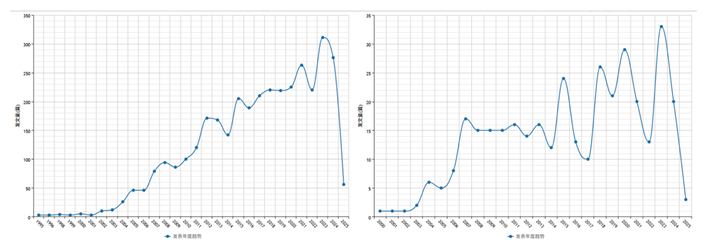 |
Table 2.
Annual publication quantity and trends of biomimetic clothing, biomimetic art, biomimetic concepts, and biomimetic notion papers in CNKI from left to right, top to bottom, respectively.
Table 2.
Annual publication quantity and trends of biomimetic clothing, biomimetic art, biomimetic concepts, and biomimetic notion papers in CNKI from left to right, top to bottom, respectively.
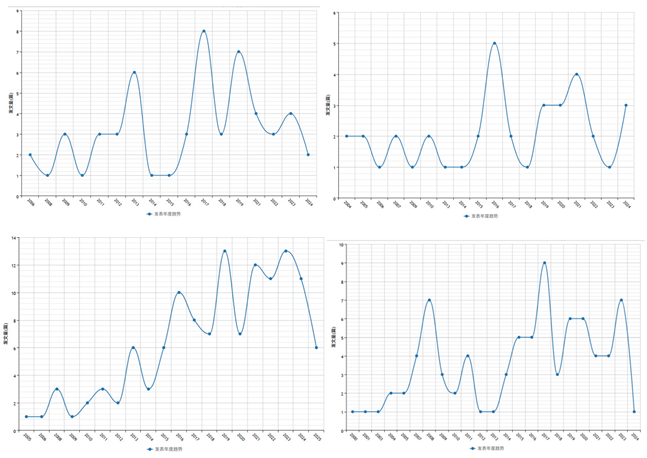 |
Figure 1.
The flying fish-like drone of the Shen Haijun team.
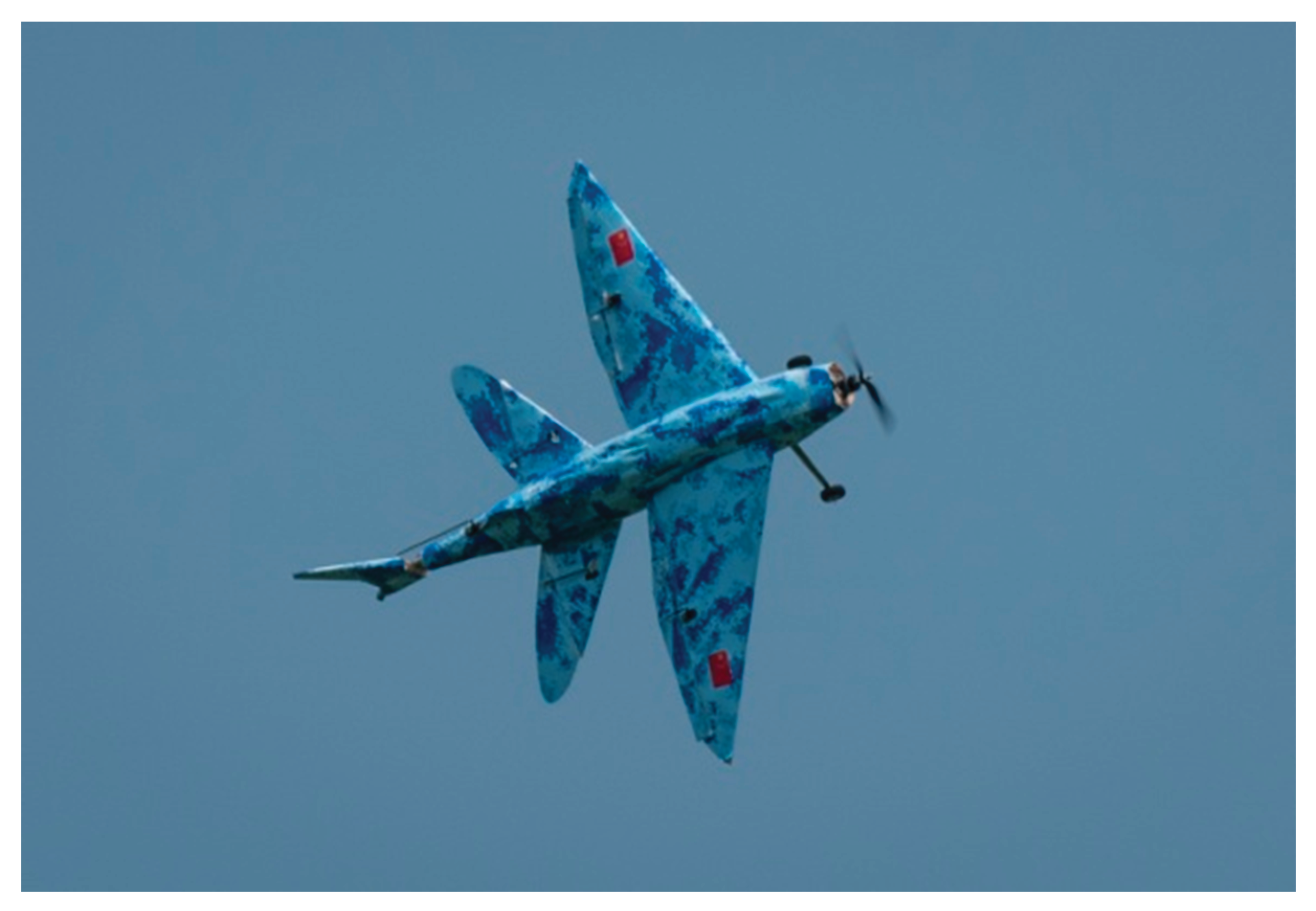
Figure 2.
From left to right: Chinese knot and China Unicom logo.

Figure 3.
From left to right: the copper coin “Kaiyuan Tongbao” and the Bank of China logo.

Figure 4.
“Derivative Floating Wetland” general layout.
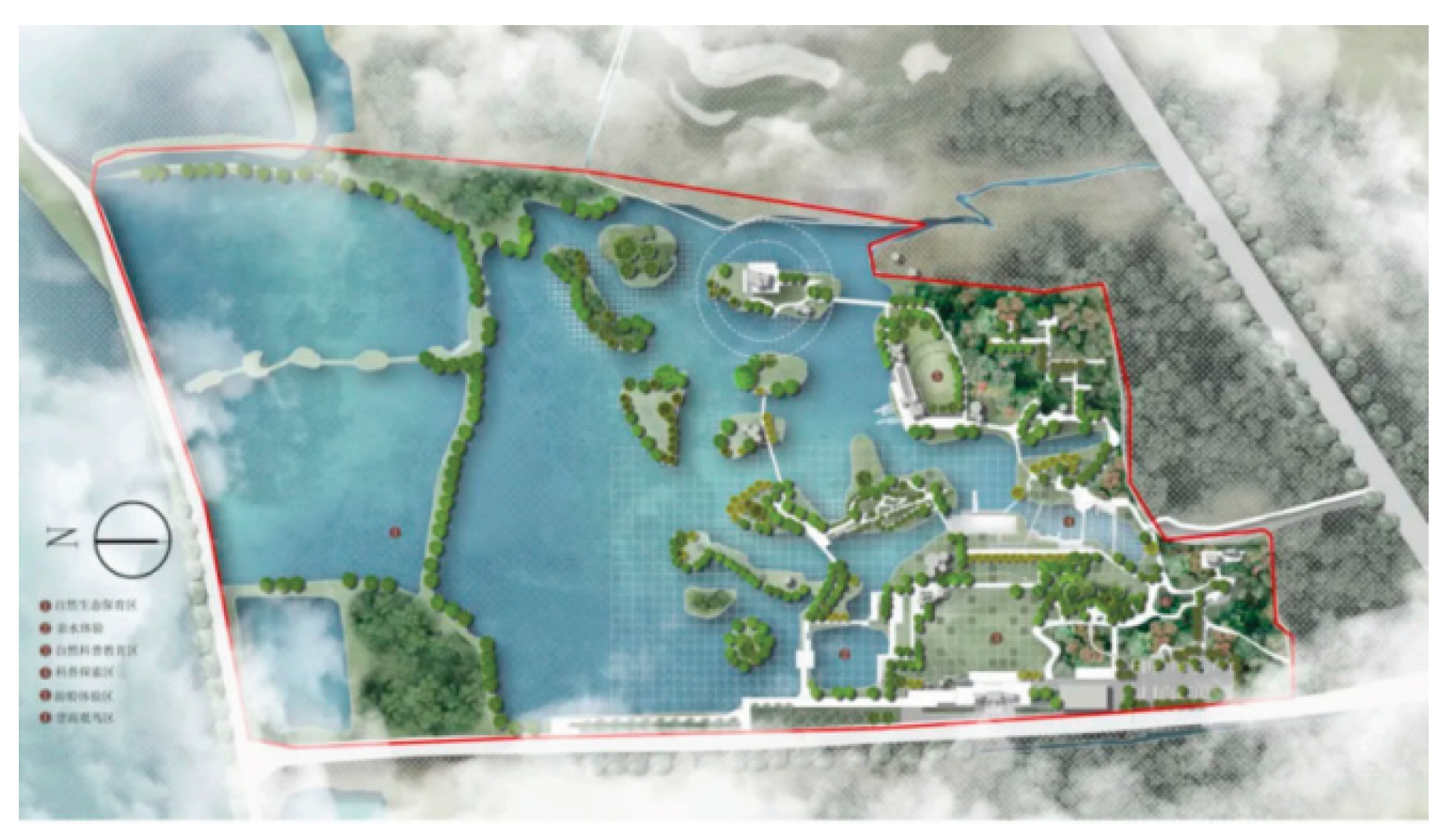
Figure 5.
From left to right: dovetail, linfan, pick up time, wooden road.
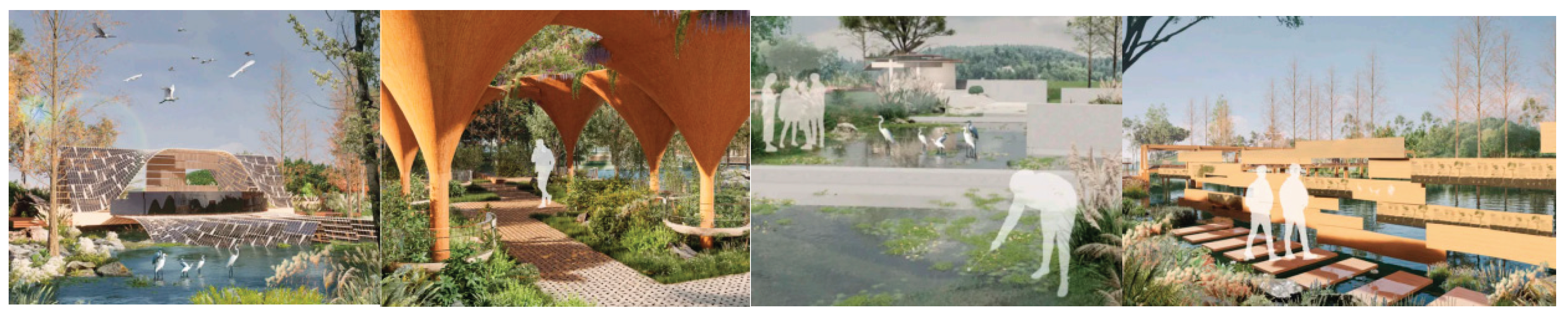
Figure 6.
Tokyo Yoyogi National Gymnasium.
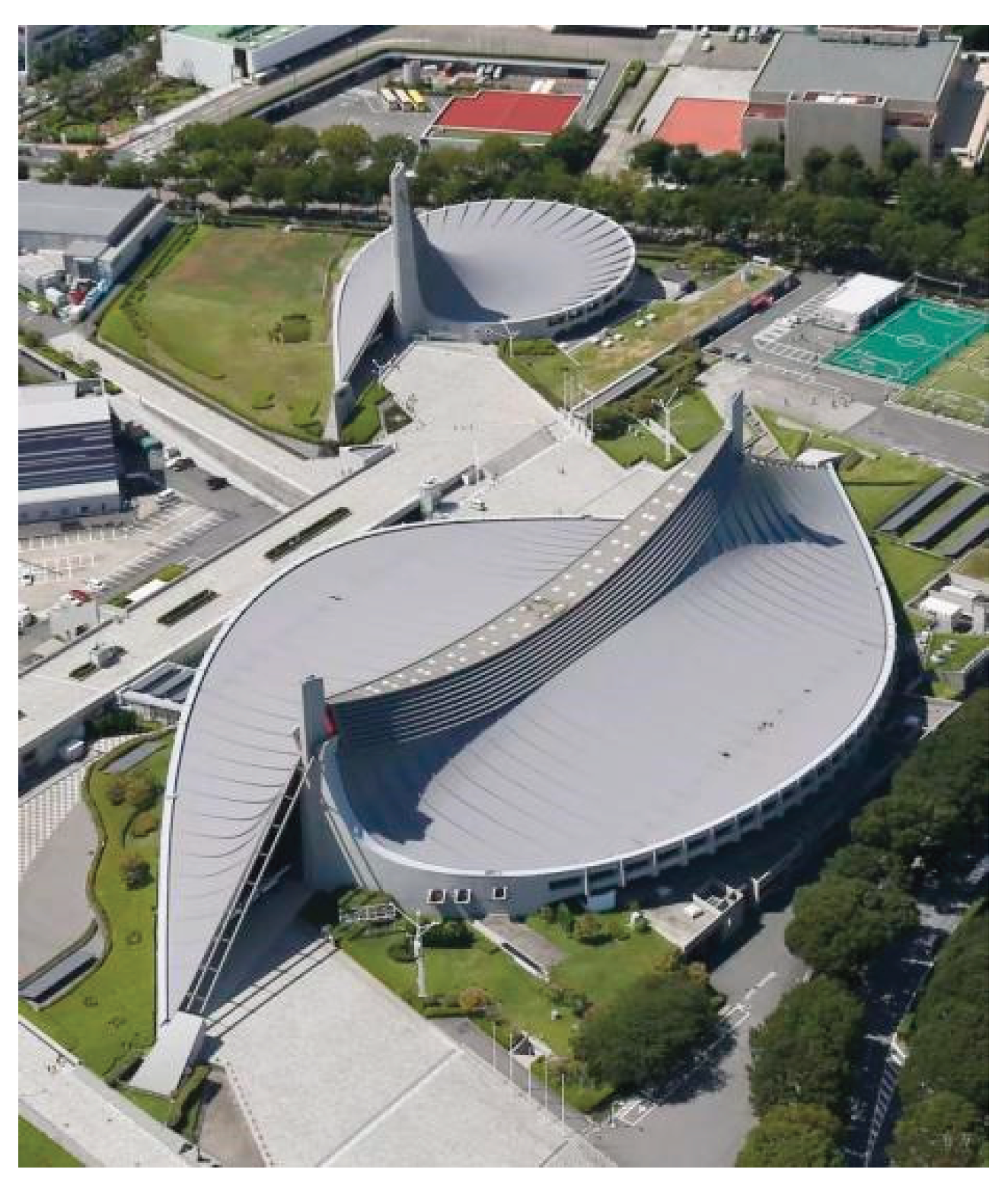
Figure 7.
China National Swimming Center “Water Cube”.
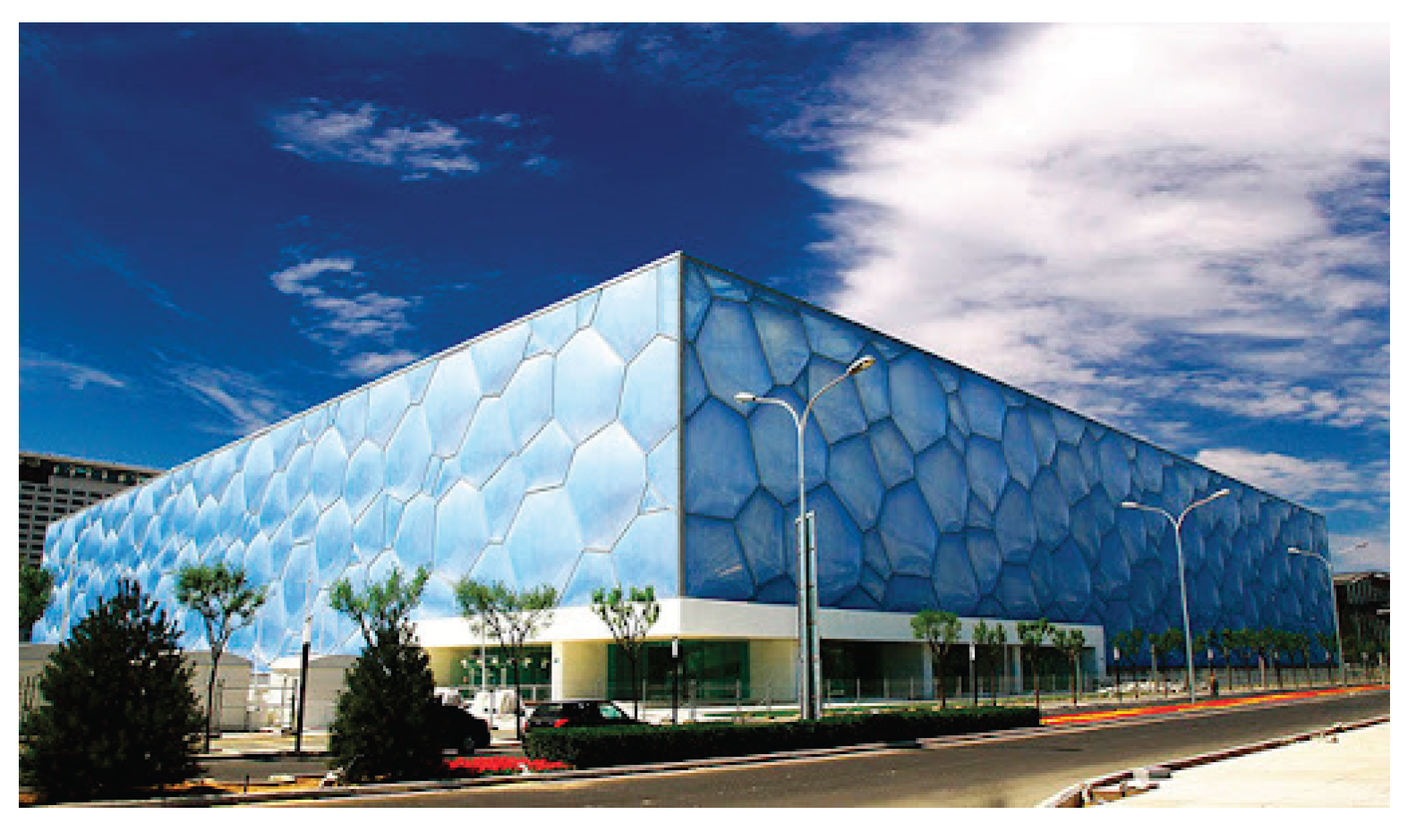
Figure 8.
Palazzetto dello Sport.
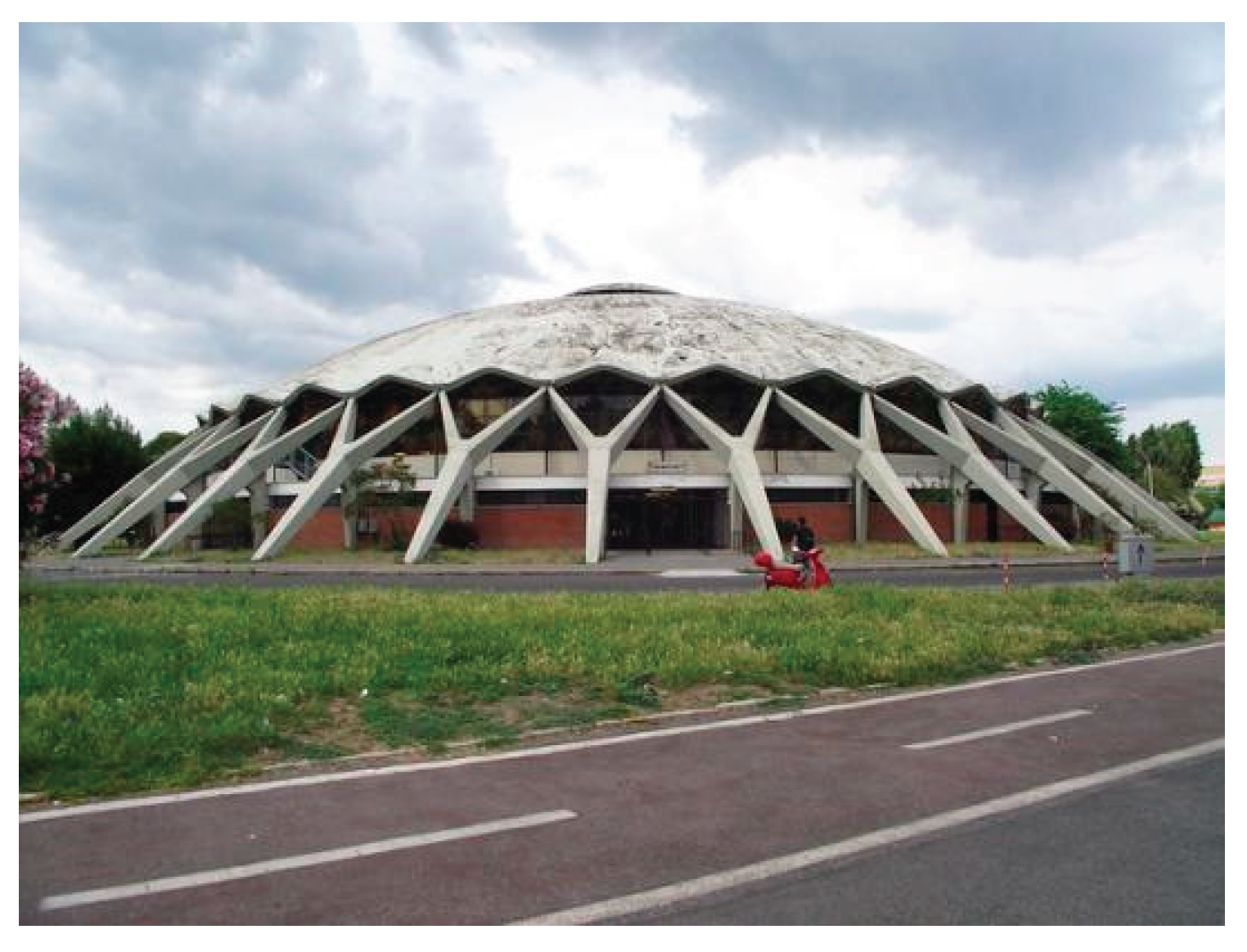
Figure 9.
Headquarters building of Shenzhen fashion brand Marisfrolg.
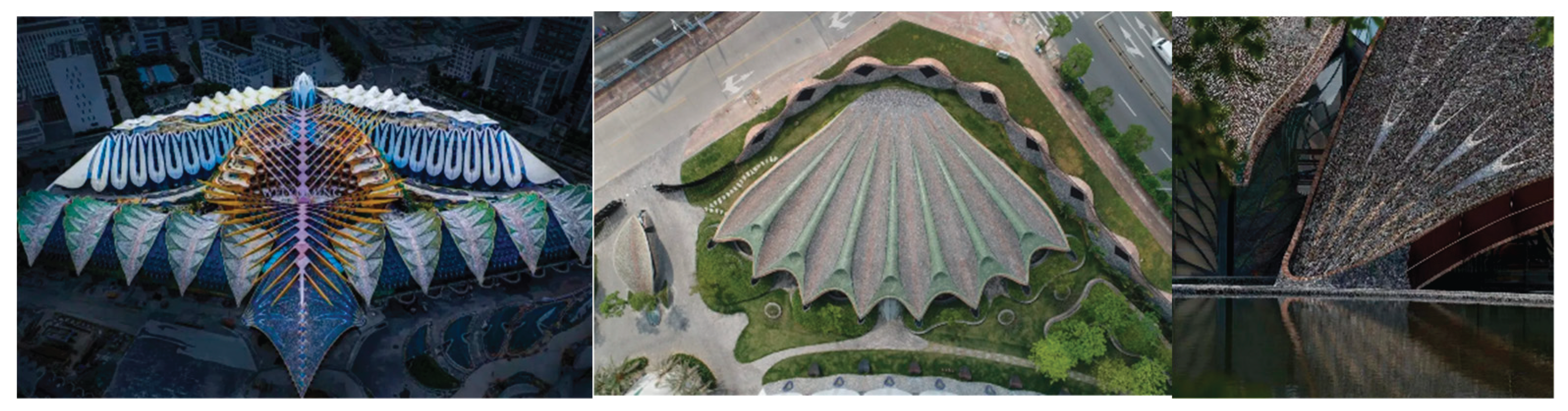
Figure 10.
Shanghai Natural History Museum New Hall.
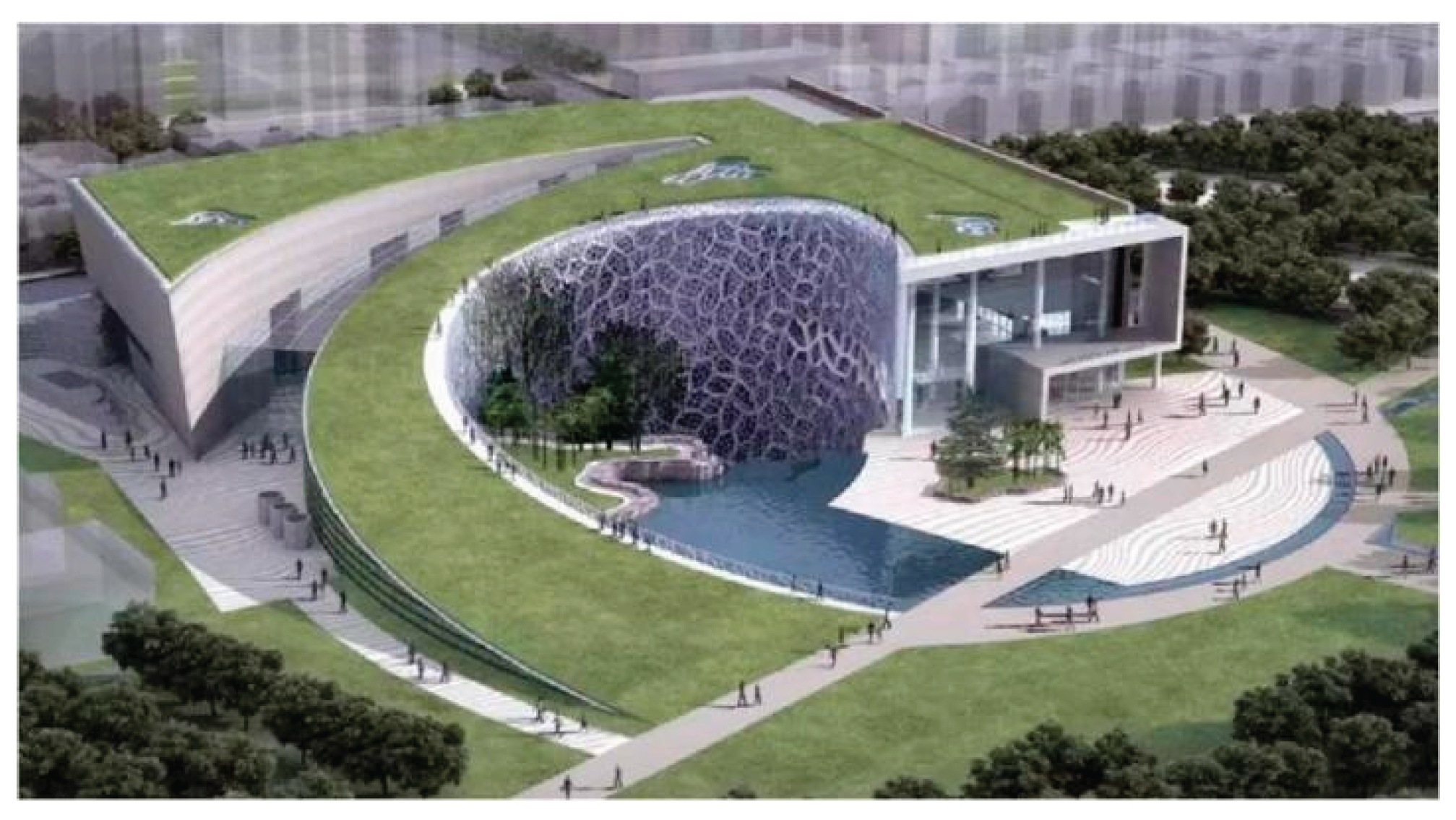
Figure 11.
India Lotus Temple.
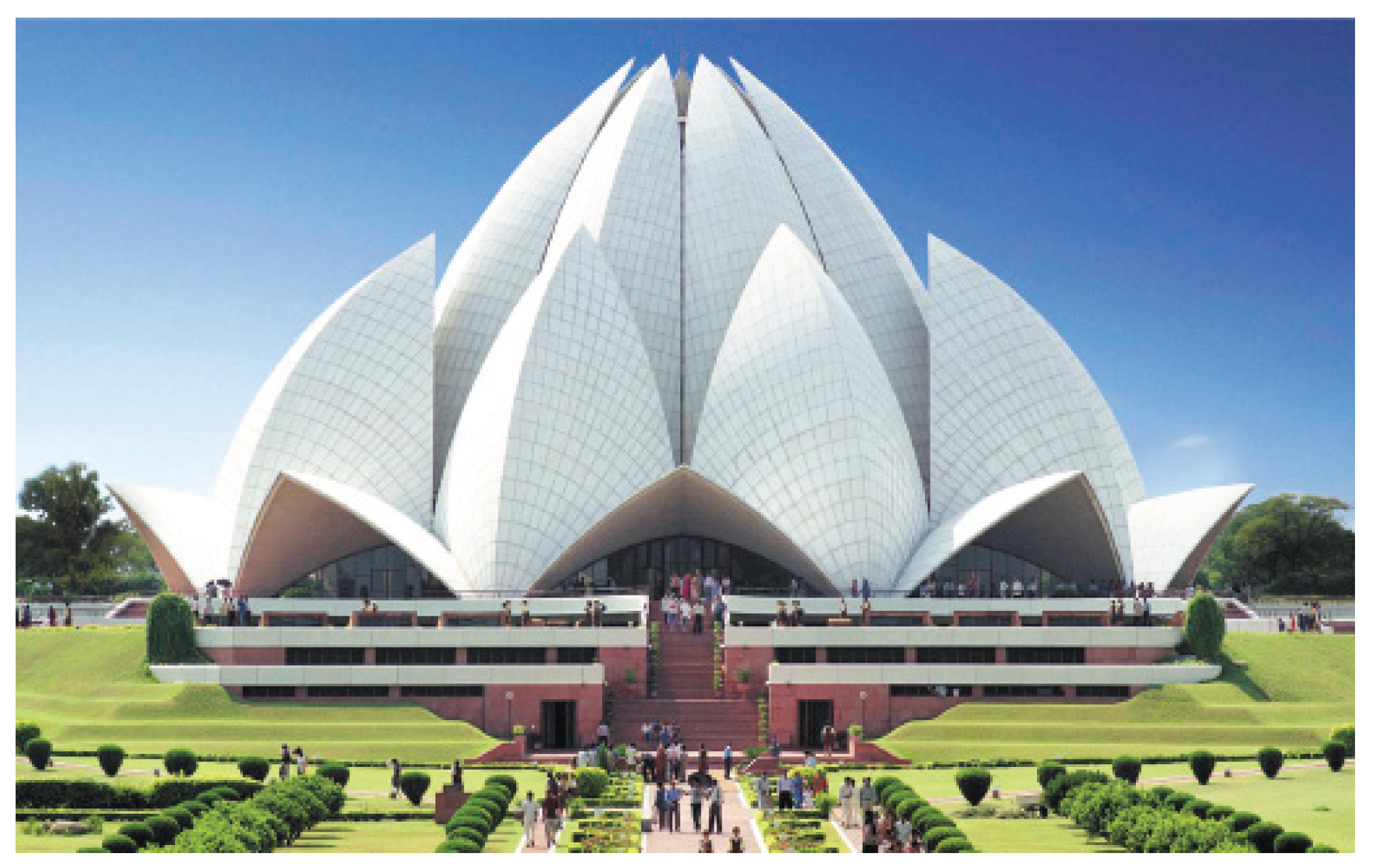
Figure 12.
Nakagin Capsule Tower.

Figure 13.
Traffic Light Tree.
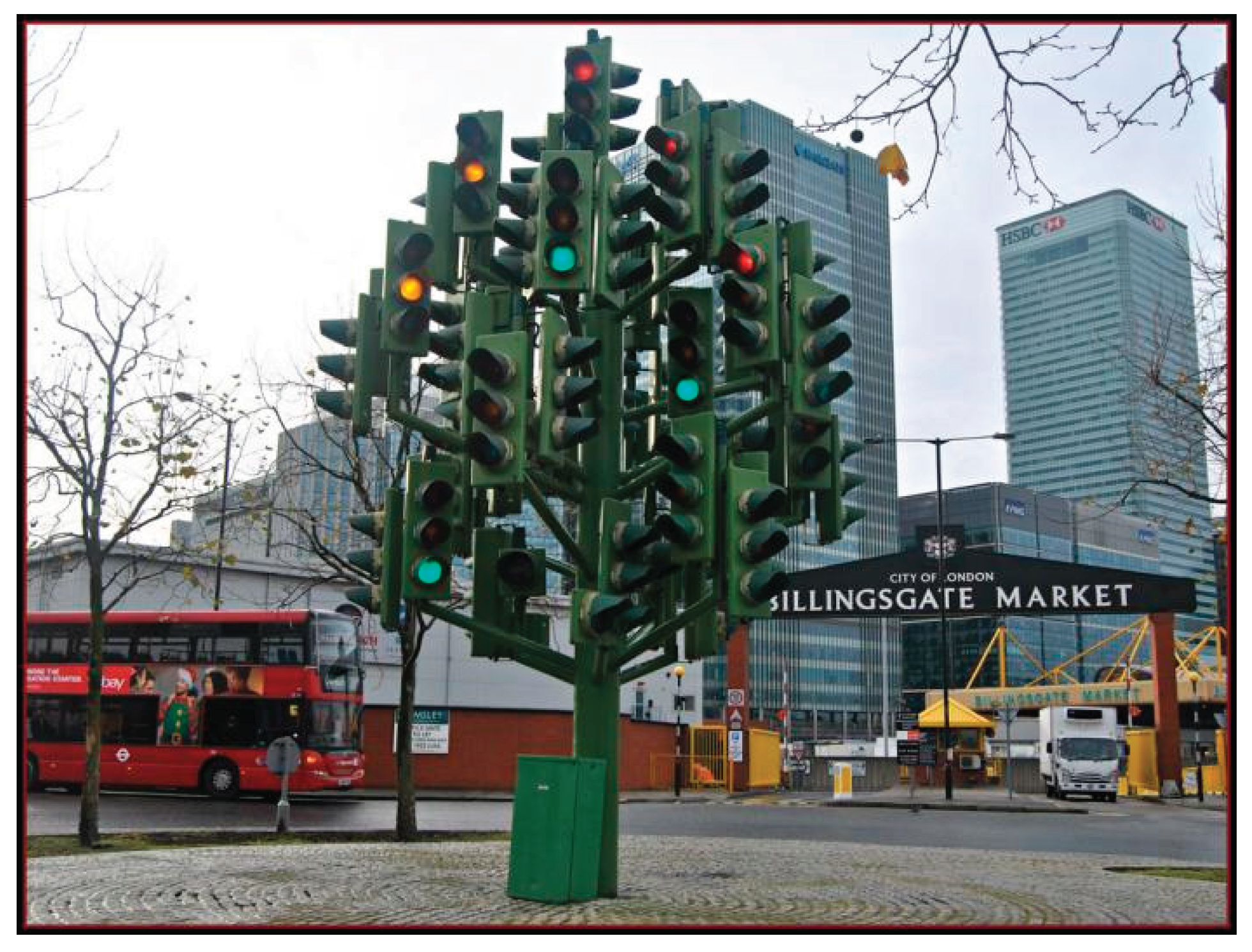
Figure 14.
Concrete petal sunshade pavilion in Confluence Park, USA.
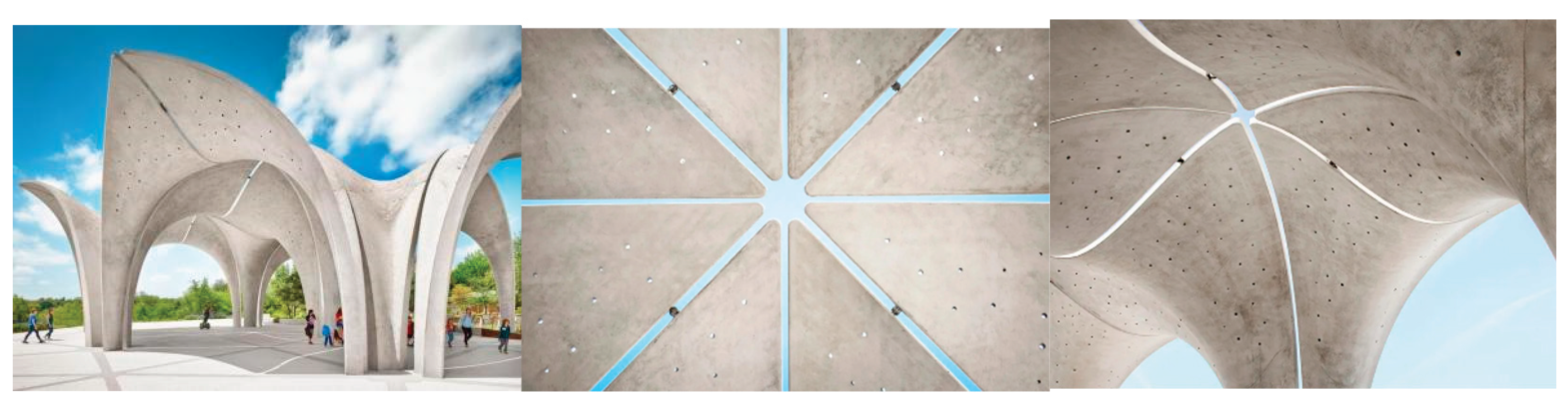
Figure 15.
Bowoos temporary pavilion.
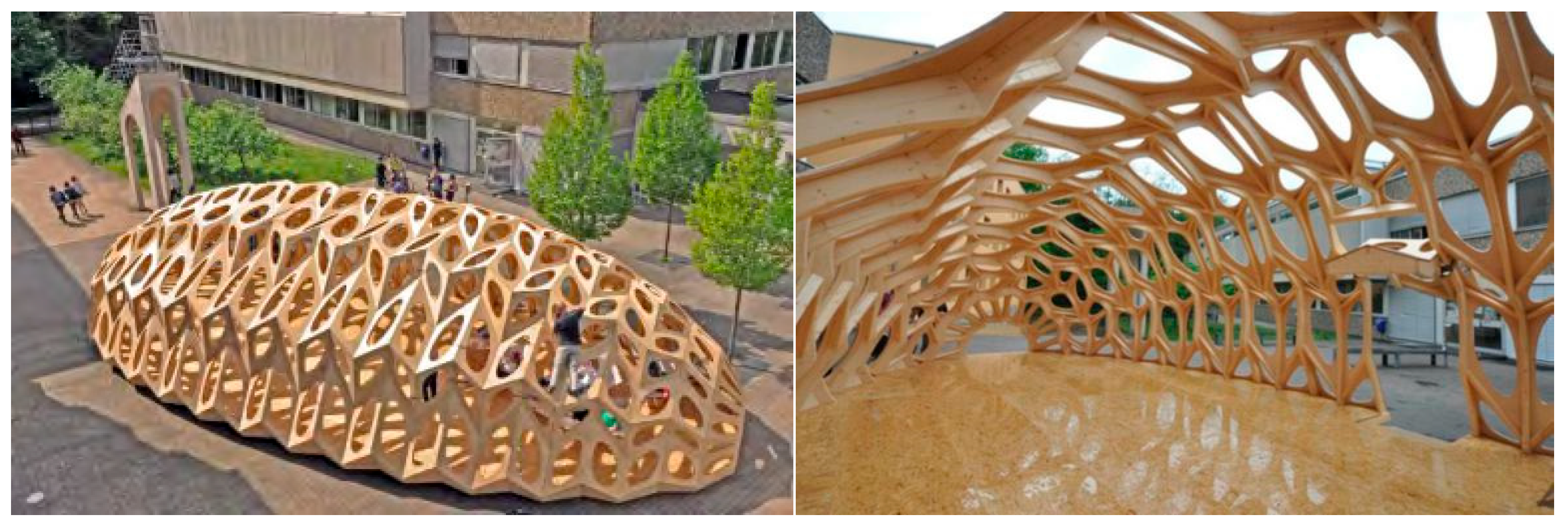
Figure 16.
STRANDBEESTS.
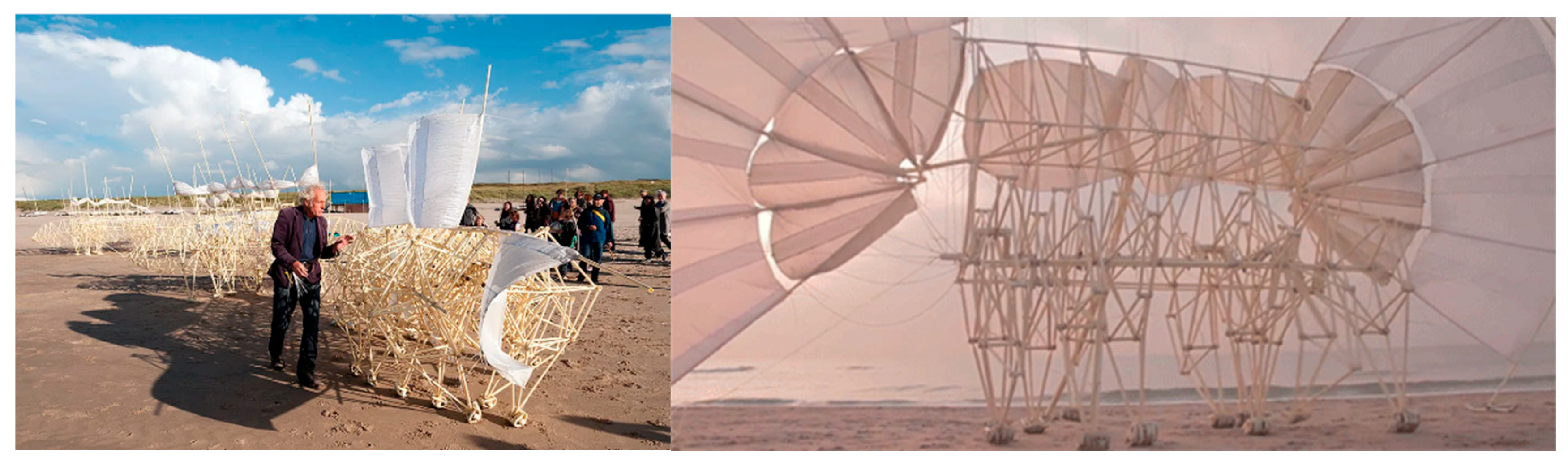
Figure 17.
Diffusion Choir.
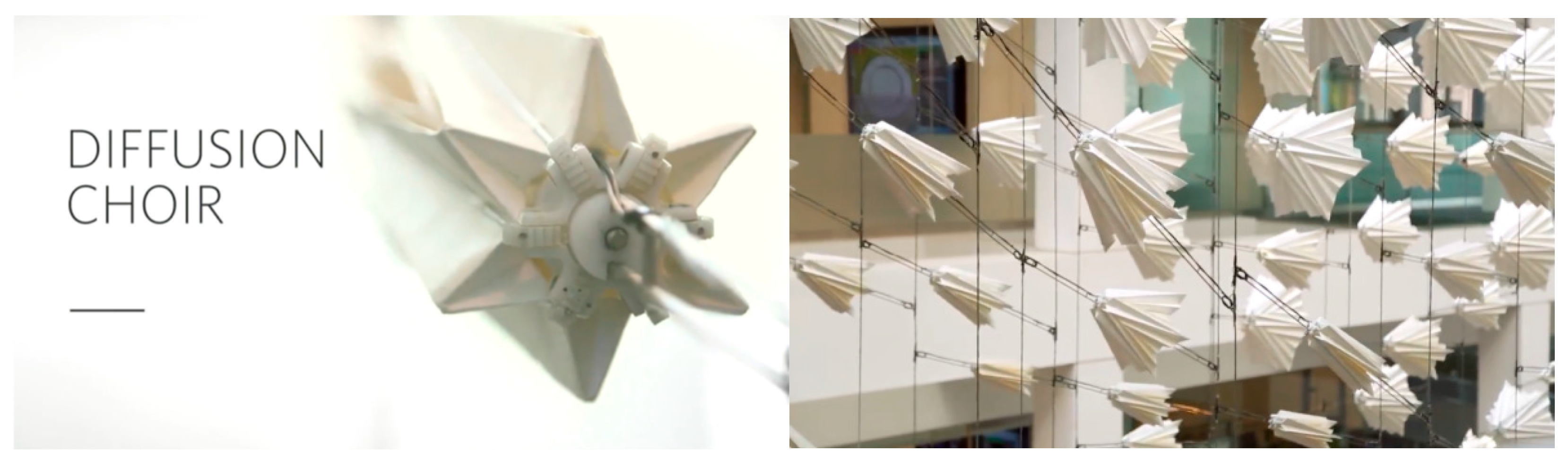
Figure 18.
From left to right, rainbow finch and Elie Saab 2014 gradient color garments.
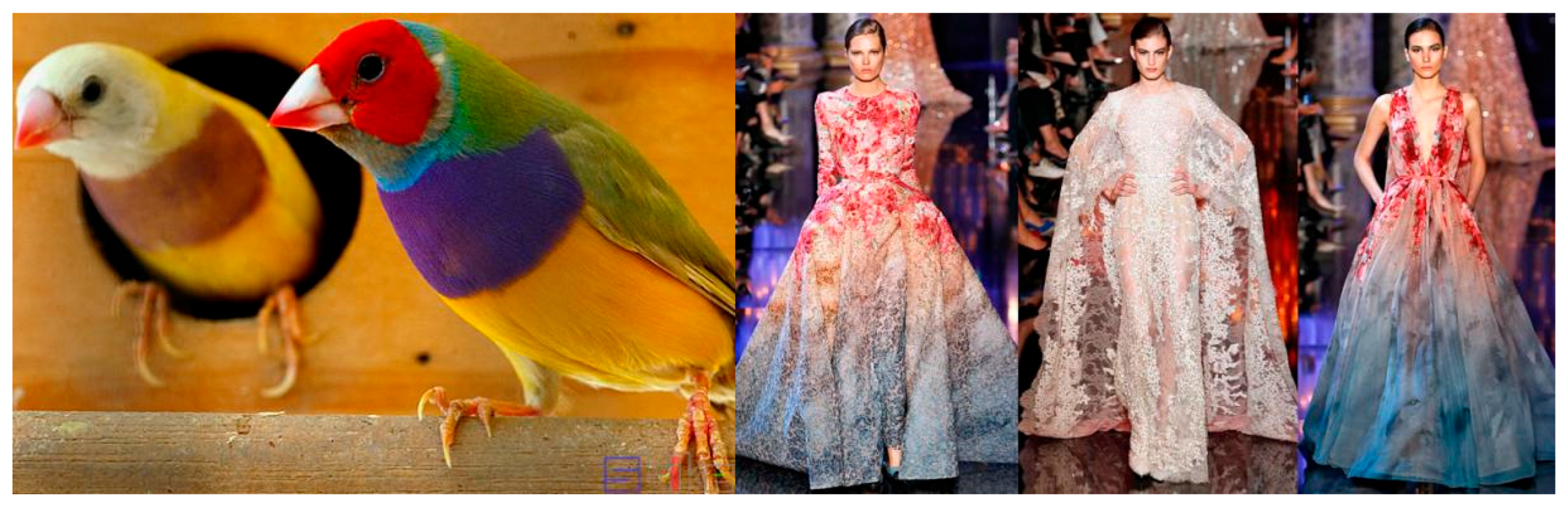
Figure 19.
Li Qingxuan’s extraction of jellyfish color elements.
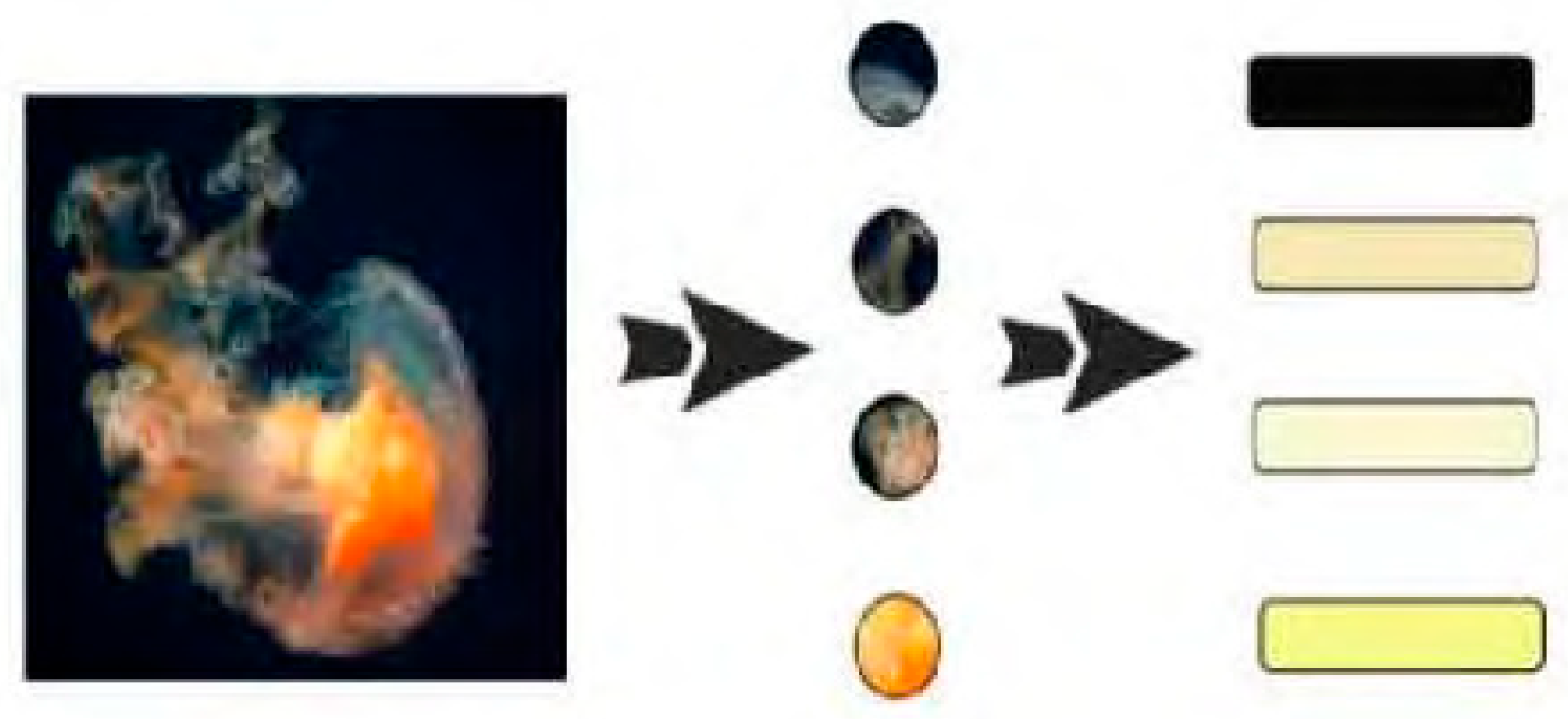
Figure 20.
Robert Wun 2023.
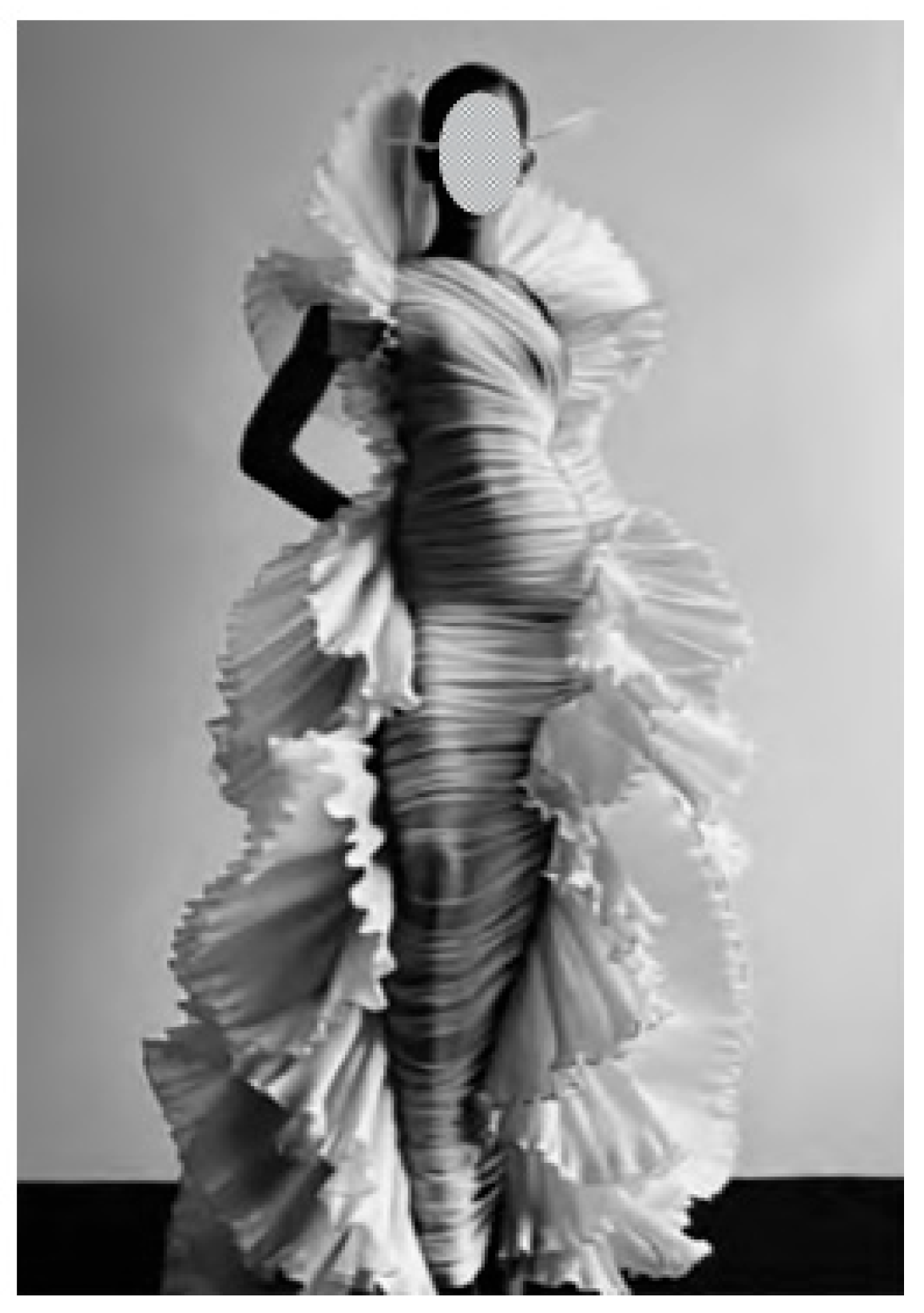
Figure 21.
Dior’s 1953 tulip series garments.
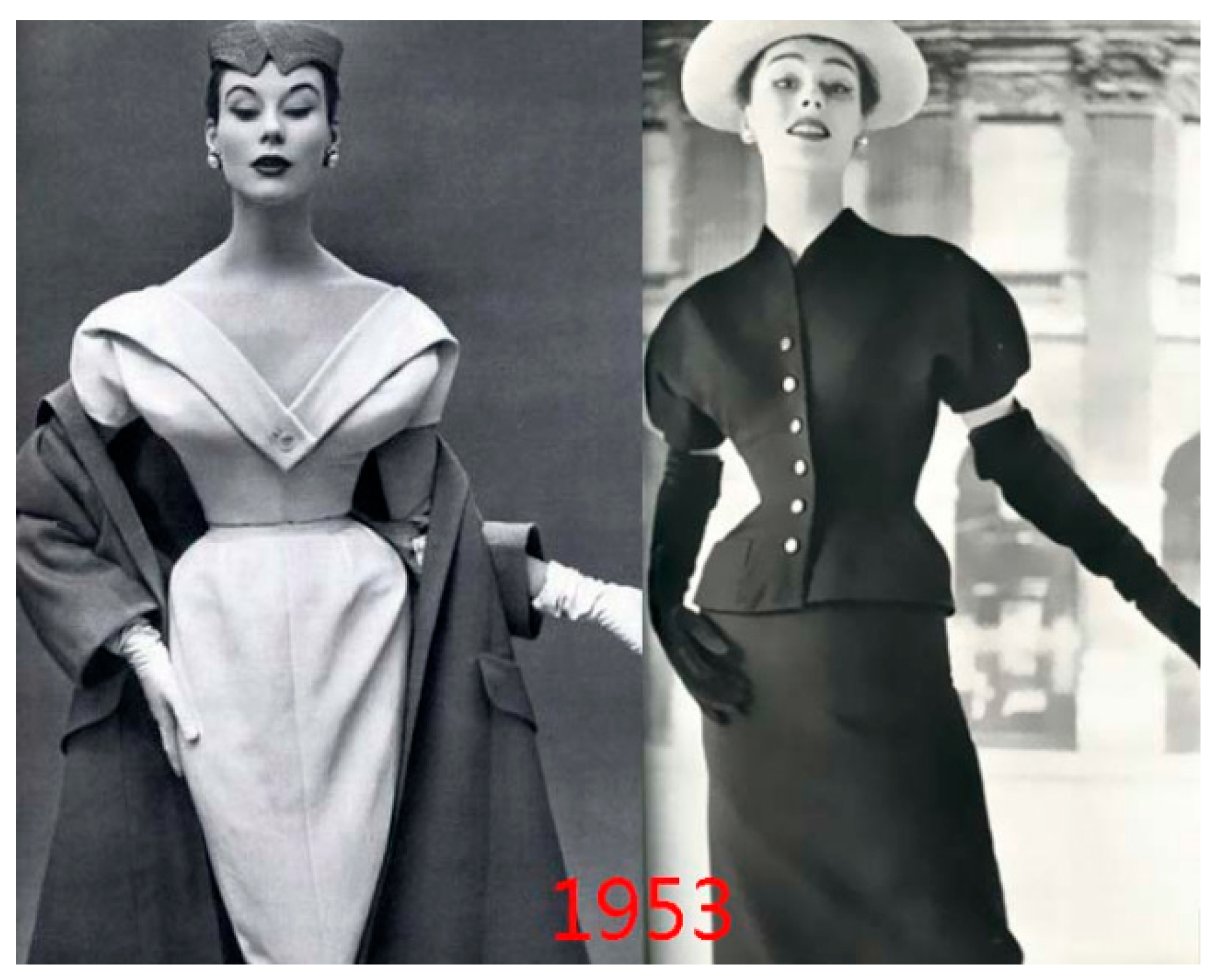
Figure 22.
Sha Zhenni’s Hug Me series.
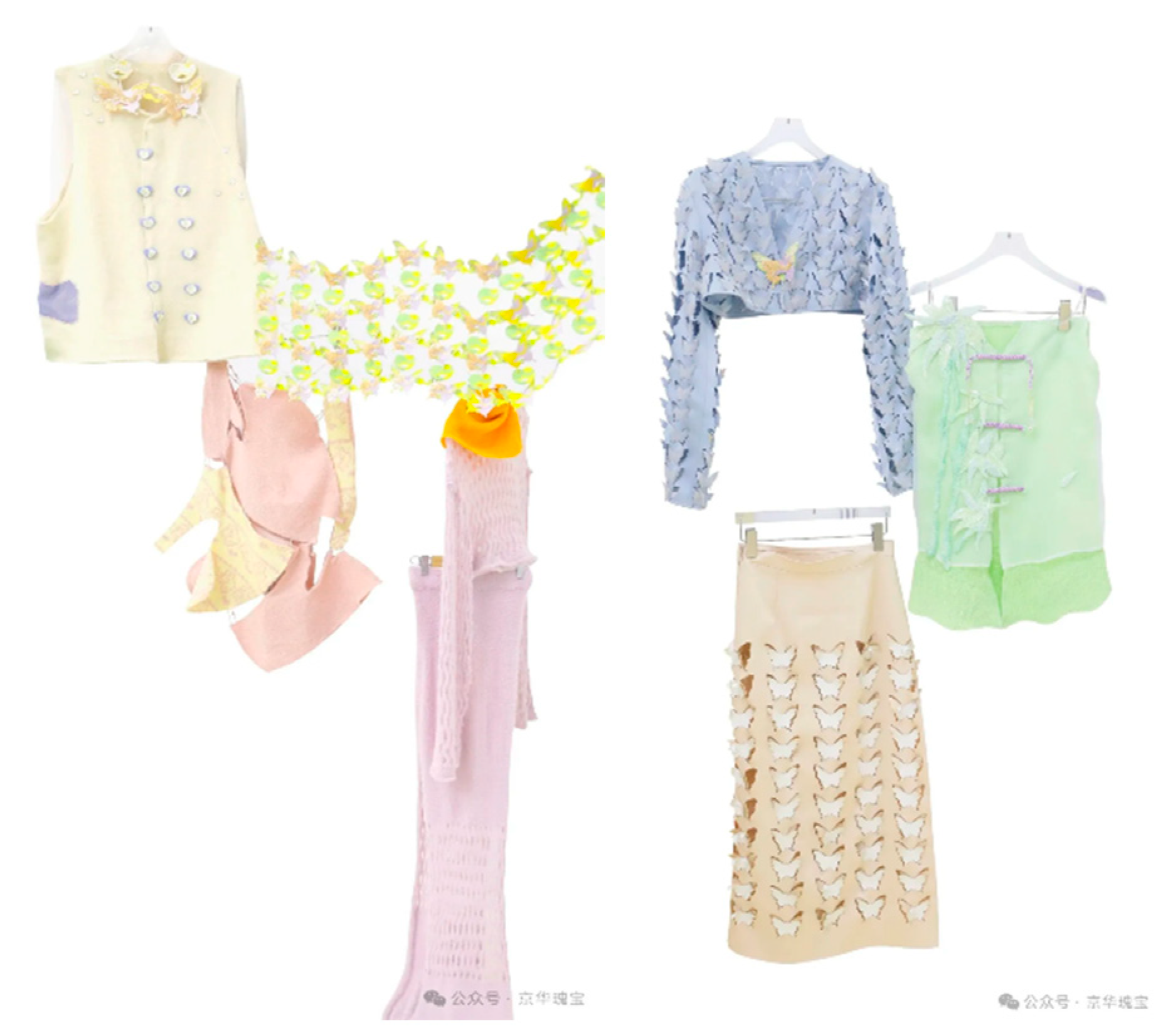
Figure 23.
NE·TIGER 2008 “Splendid National Colors: Chinese Formalwear” series.
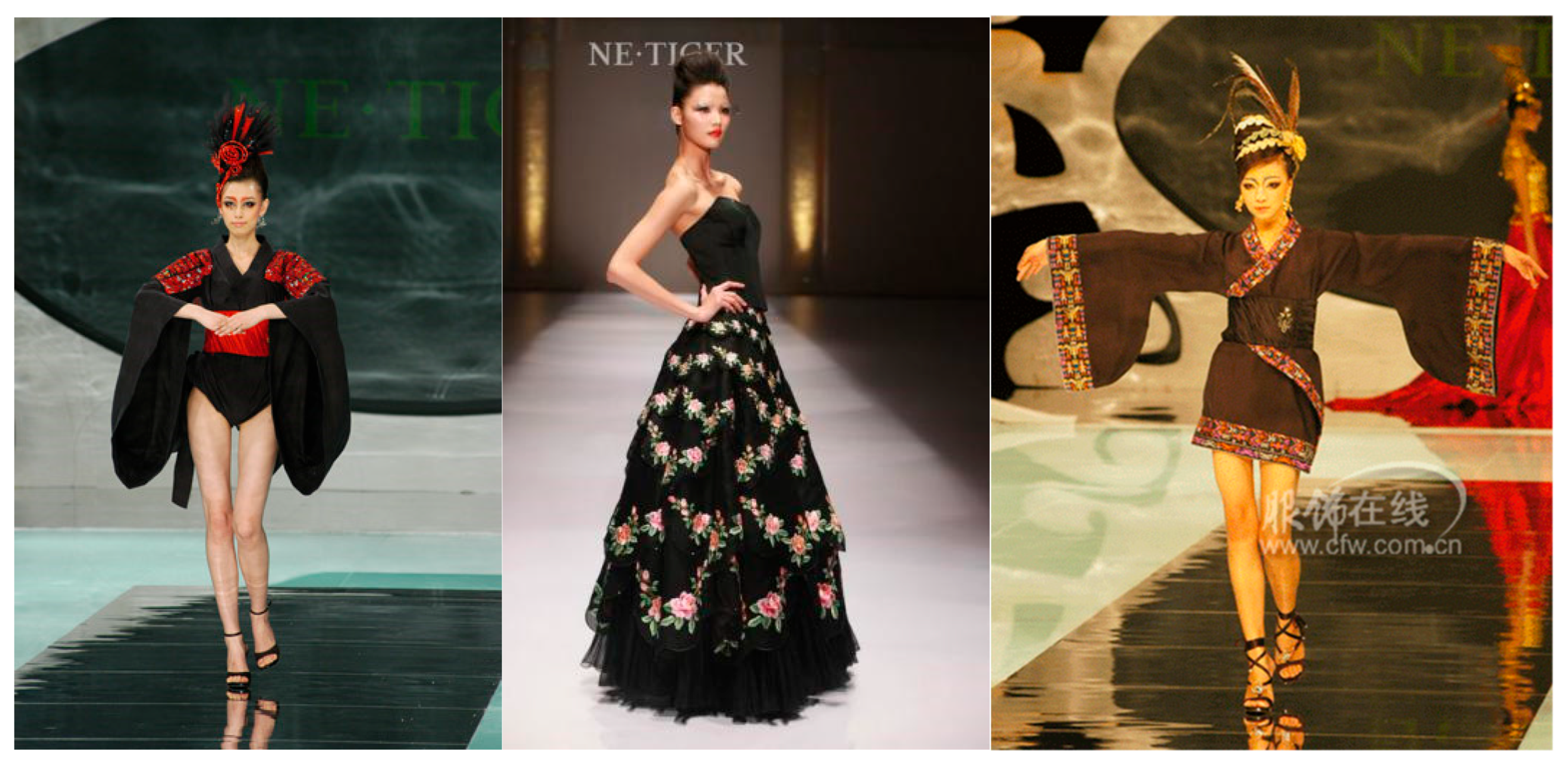
Figure 24.
Alexander McQueen Spring/Summer 2013 Women’s Show.
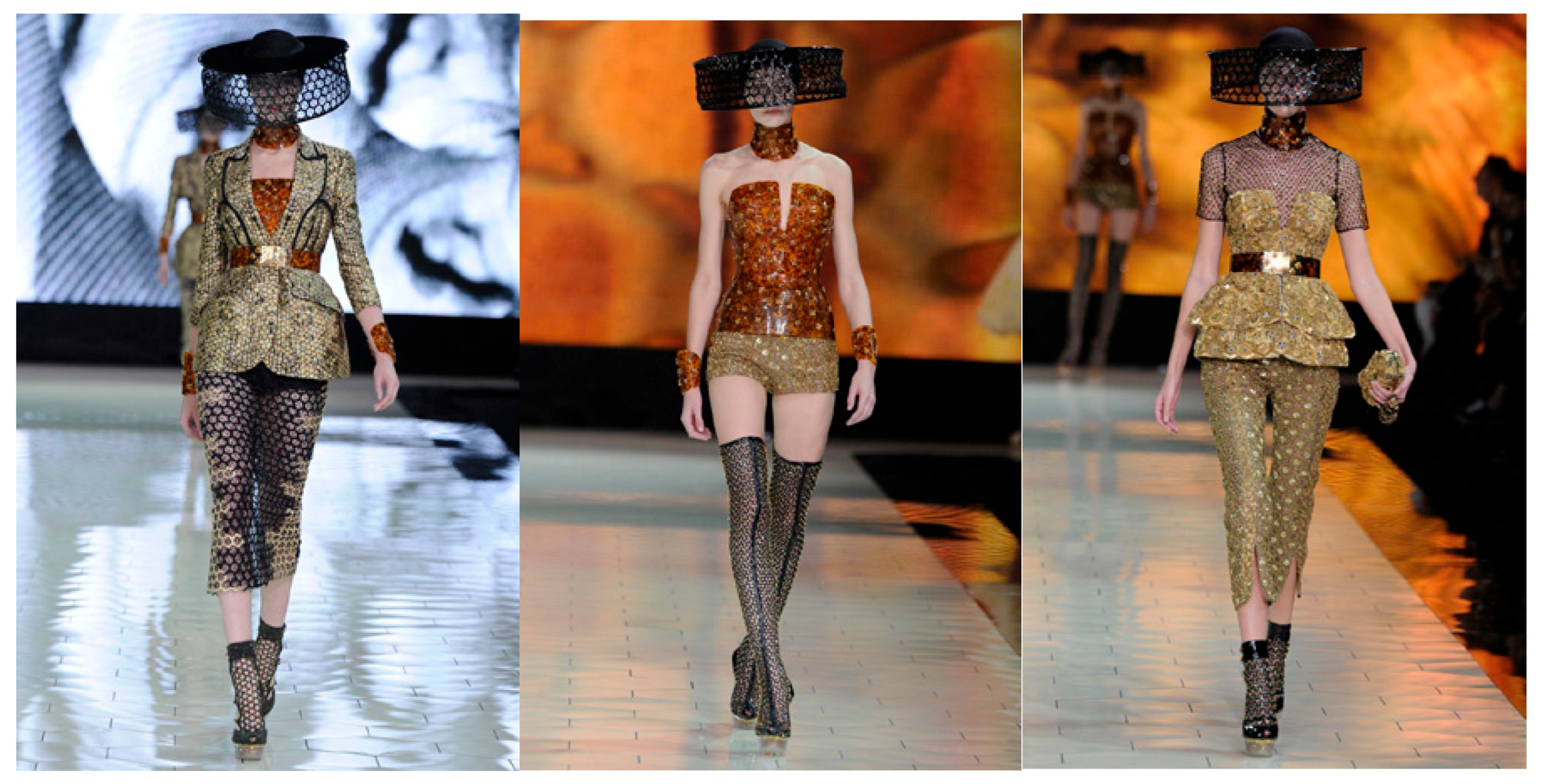
Figure 25.
Zuhair Murad Fall/Winter 2013 Women’s Collection.
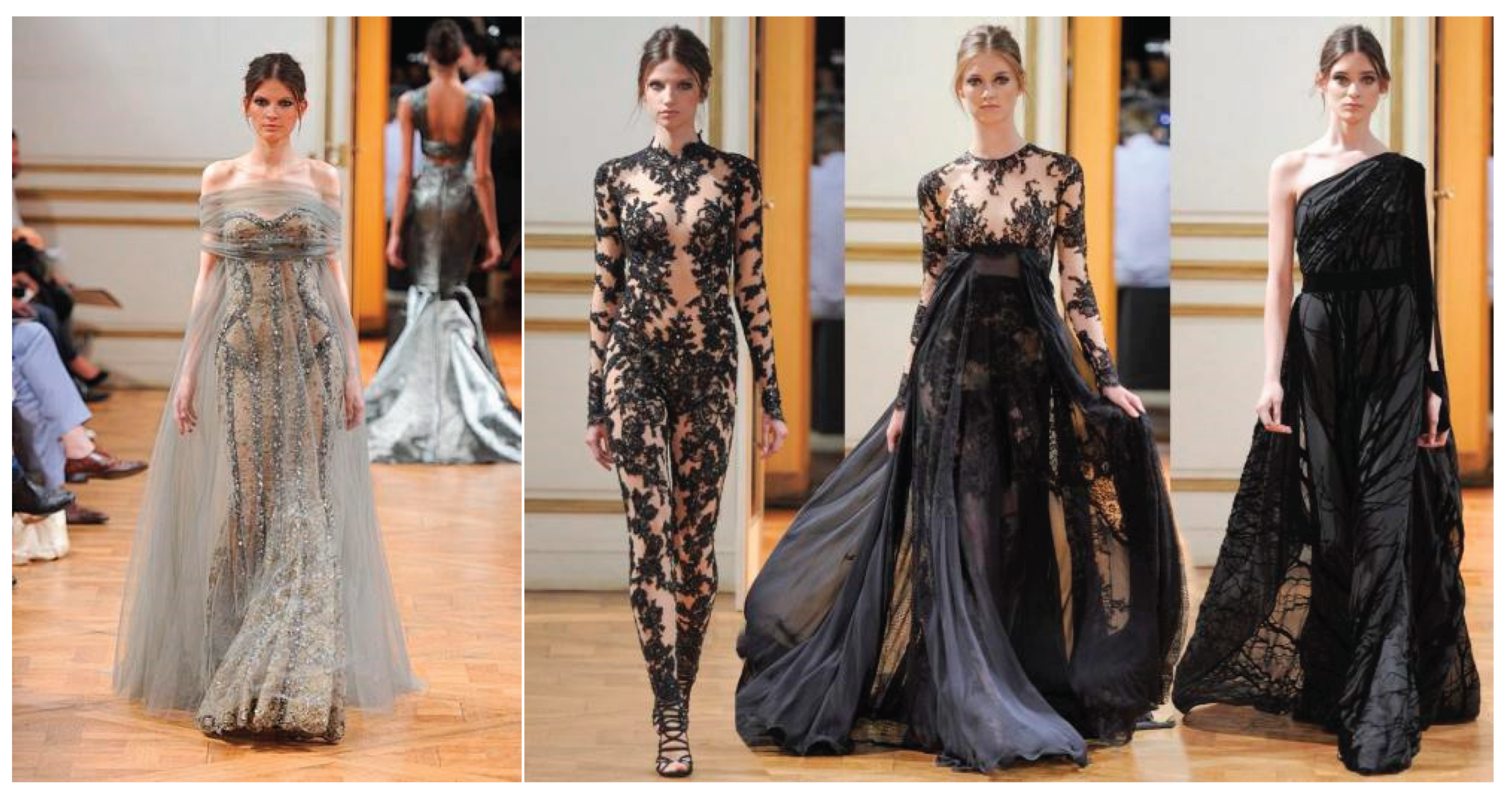
Figure 26.
Shark-skin Swimsuit.
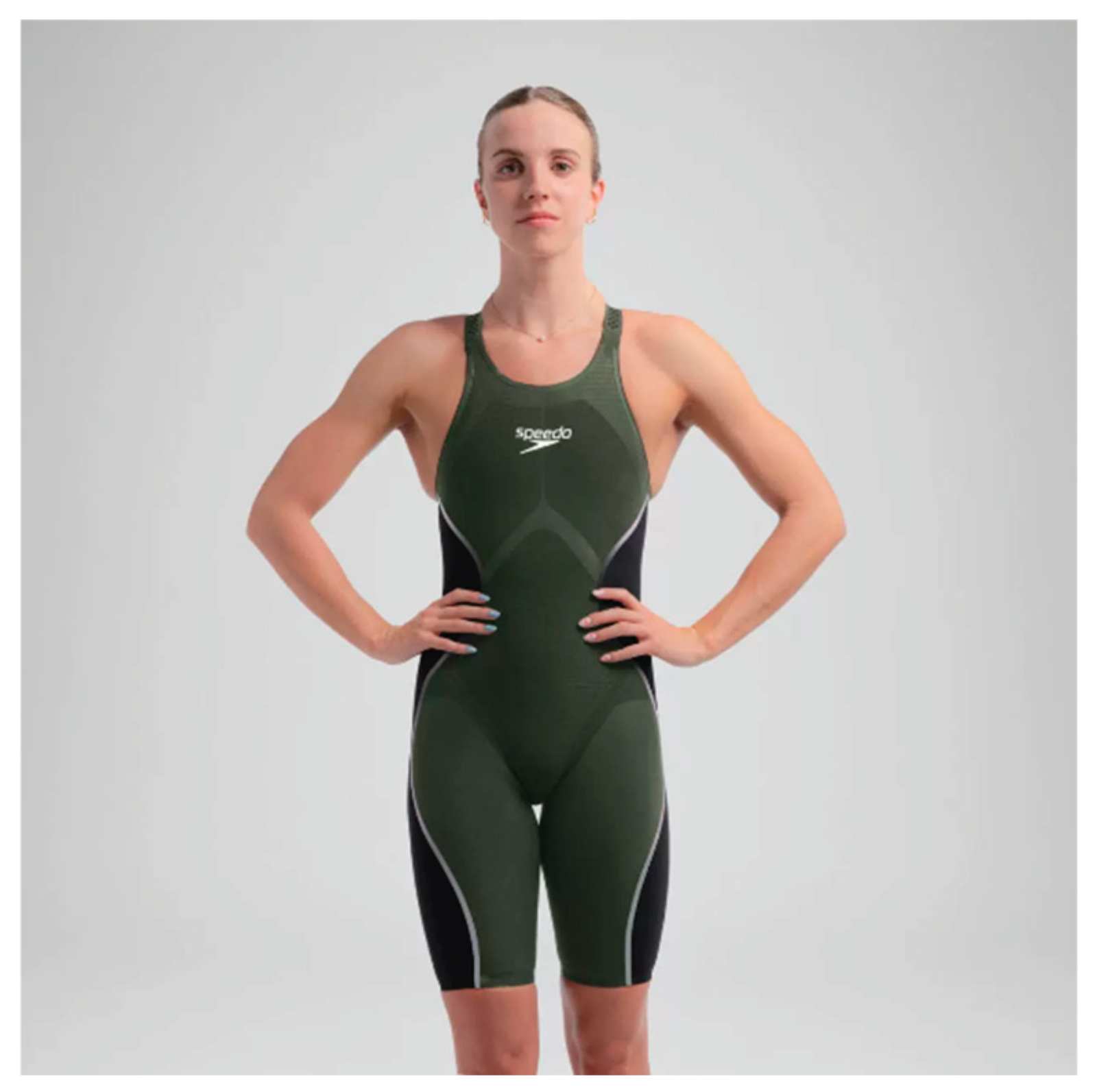
Figure 27.
FVM ‘JELLYFISH’ PUSHPIN.
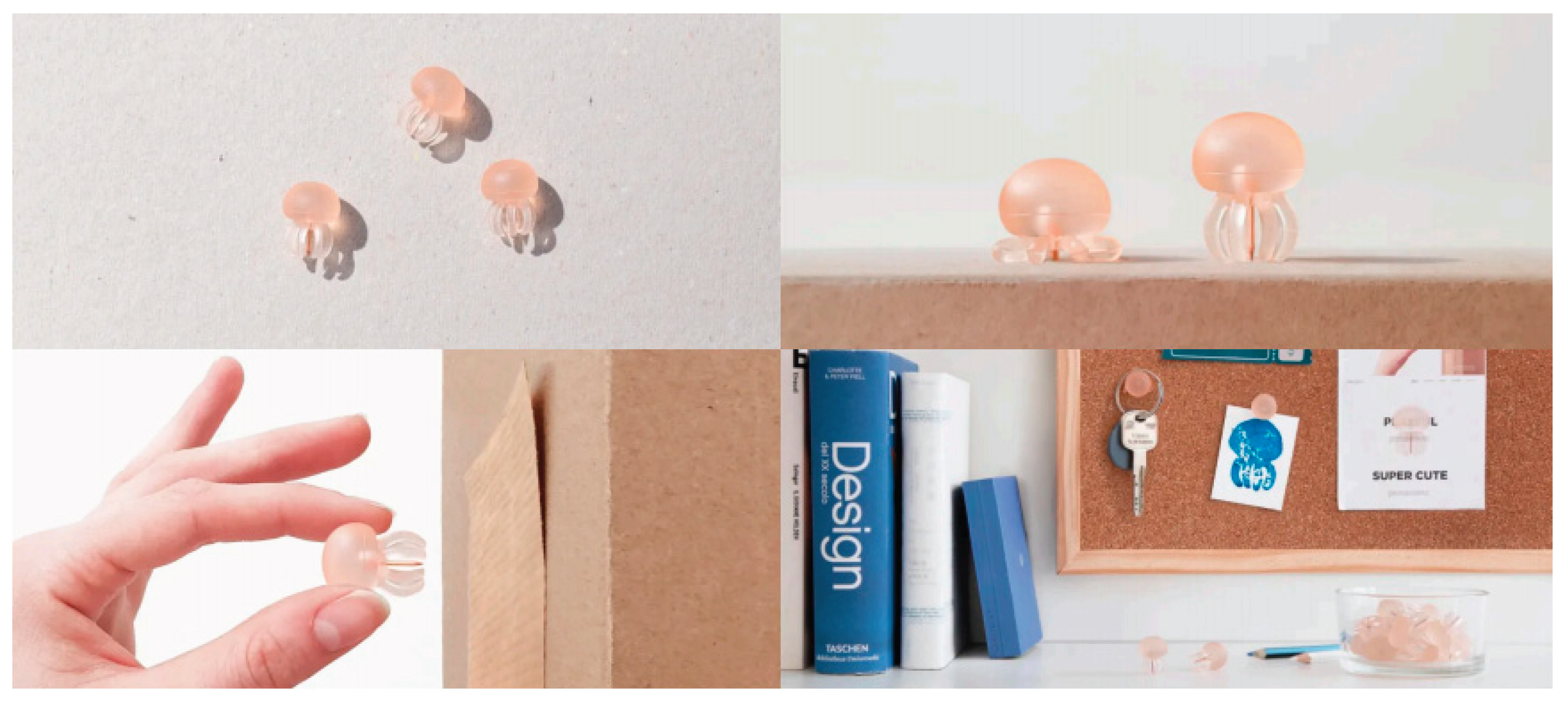
Figure 28.
“Living Sea Wall” developed through collaboration between Volvo, Sydney Institute of Marine Science, and Reef Design Lab.
Figure 28.
“Living Sea Wall” developed through collaboration between Volvo, Sydney Institute of Marine Science, and Reef Design Lab.
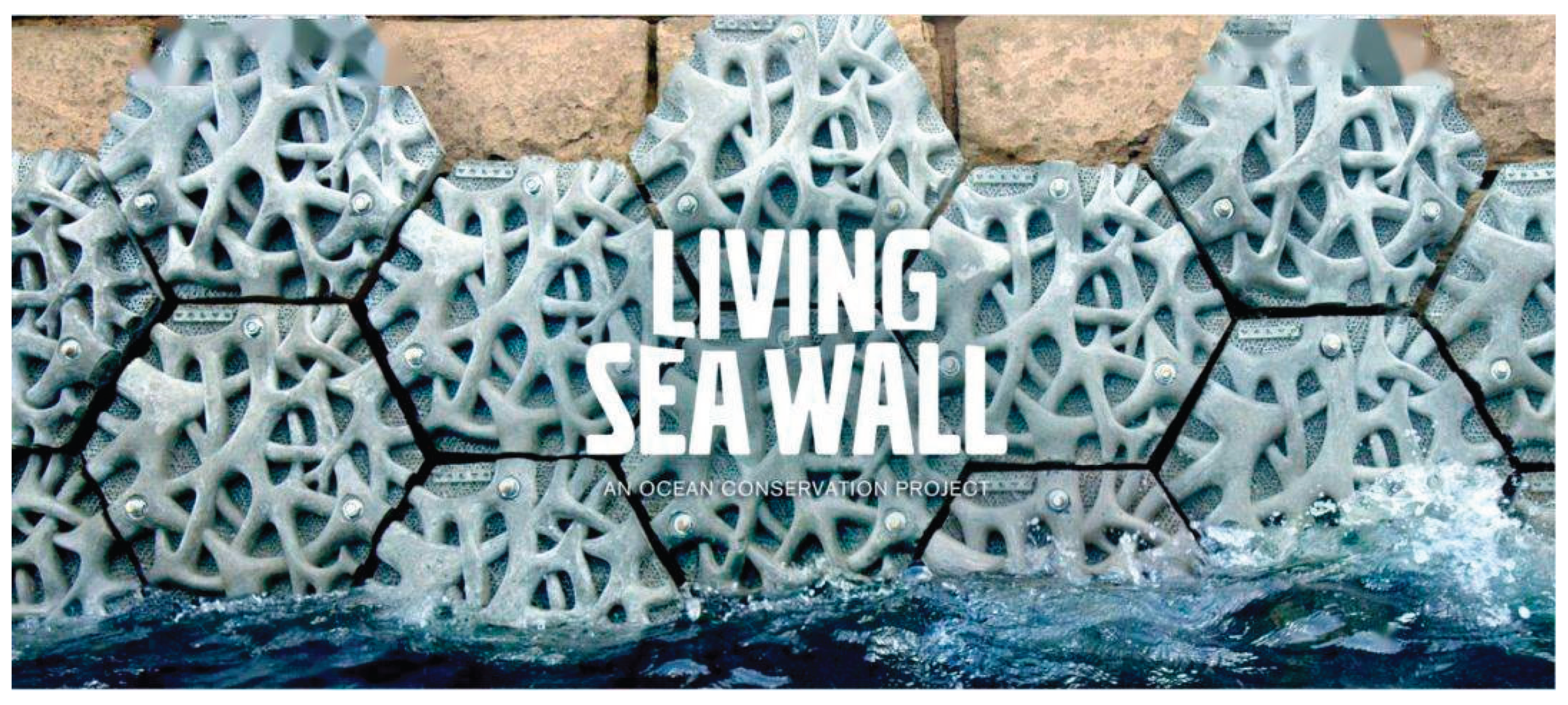
Figure 29.
Ceramic Corn USB Drive.
Figure 30.
“Radiolaria #1 “ Life-size 3D Printed Chair Model.
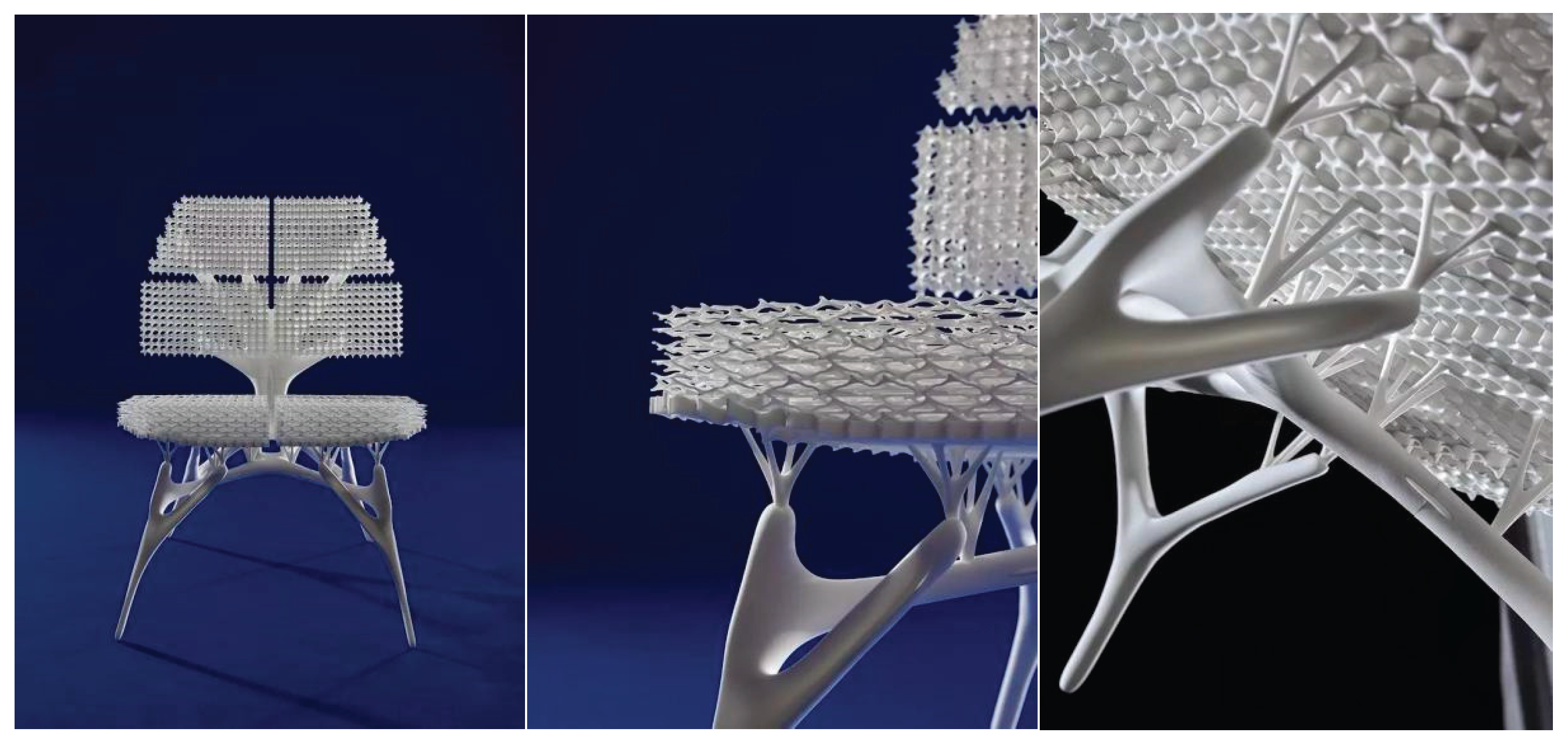
Figure 31.
“DIY Material Sustainable Design: Natural Resonance”.
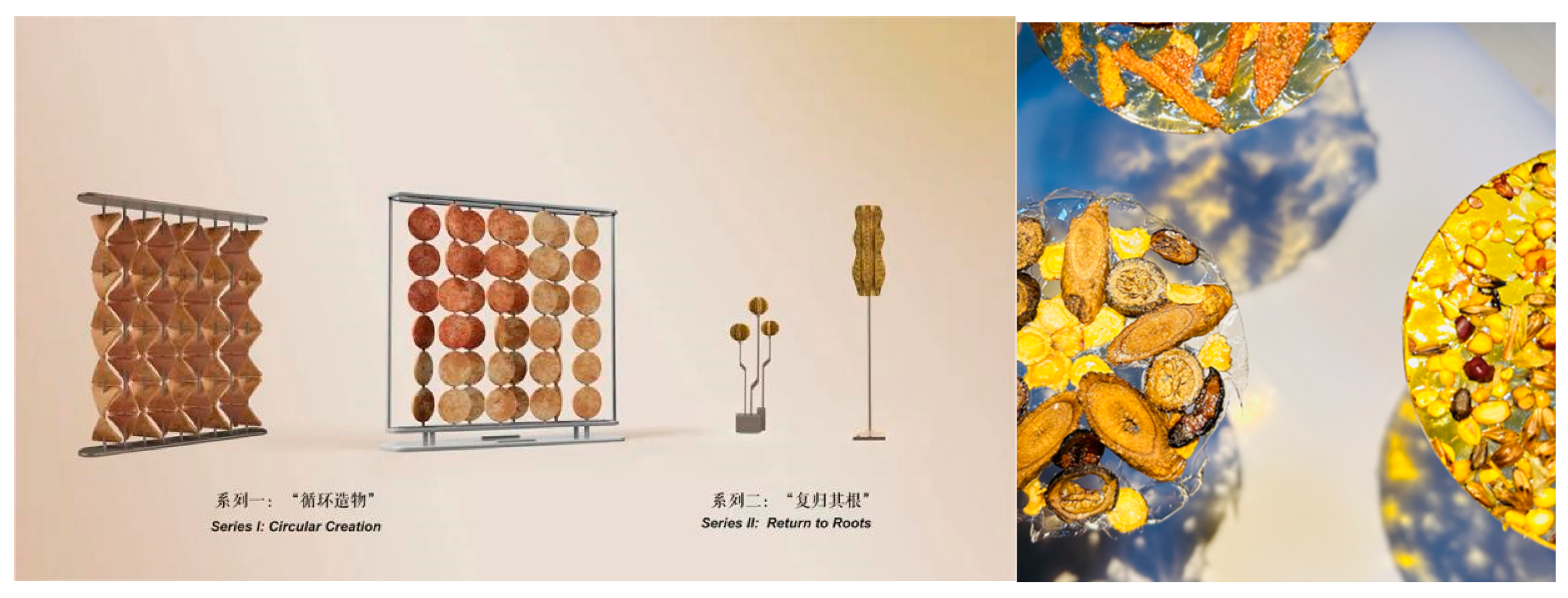
Figure 32.
2020 Tokyo Olympic Cherry Blossom Torch.
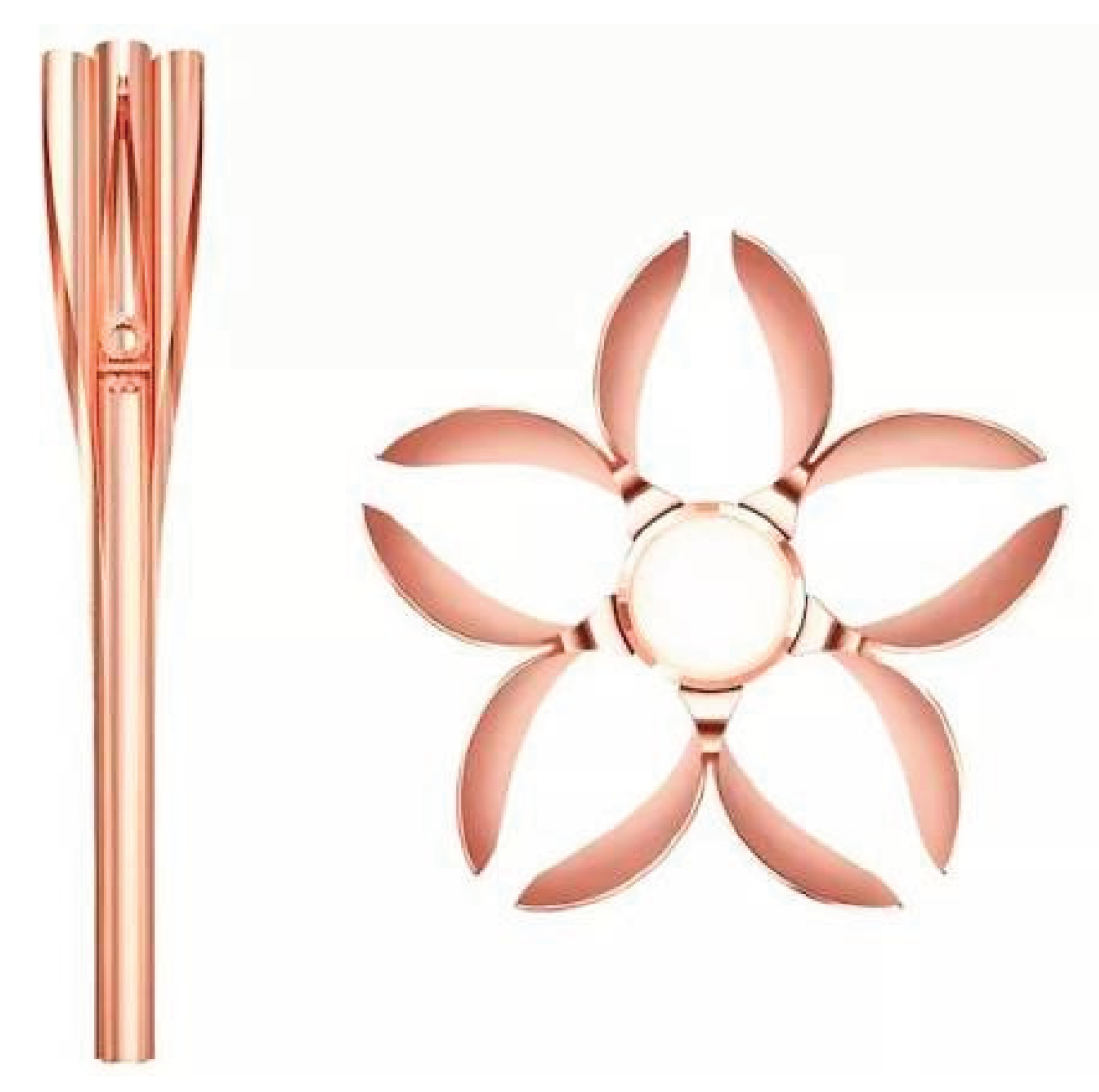
Figure 33.
“Juice Skin” by Naoto Fukasawa.
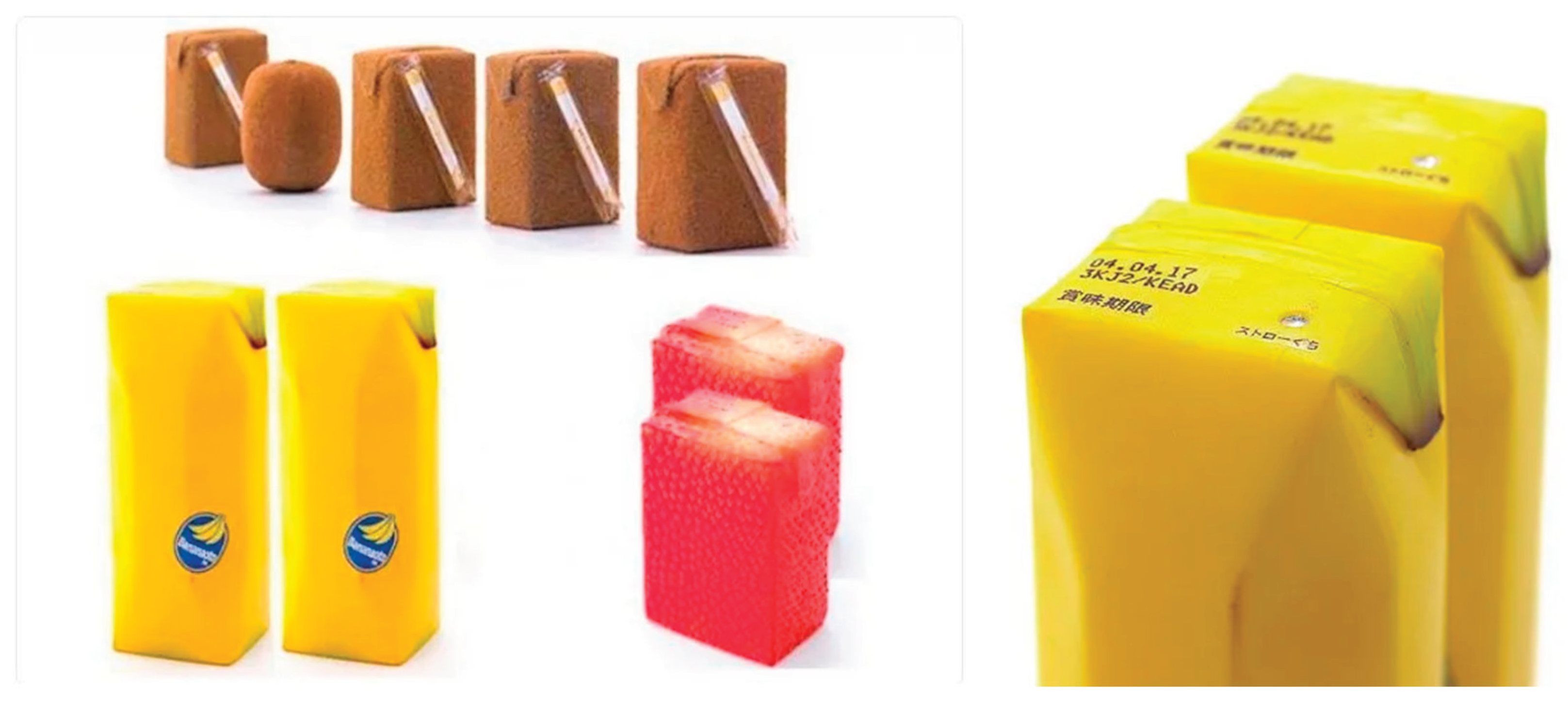
Figure 34.
Russian milk packaging “Soy Mamelle”.
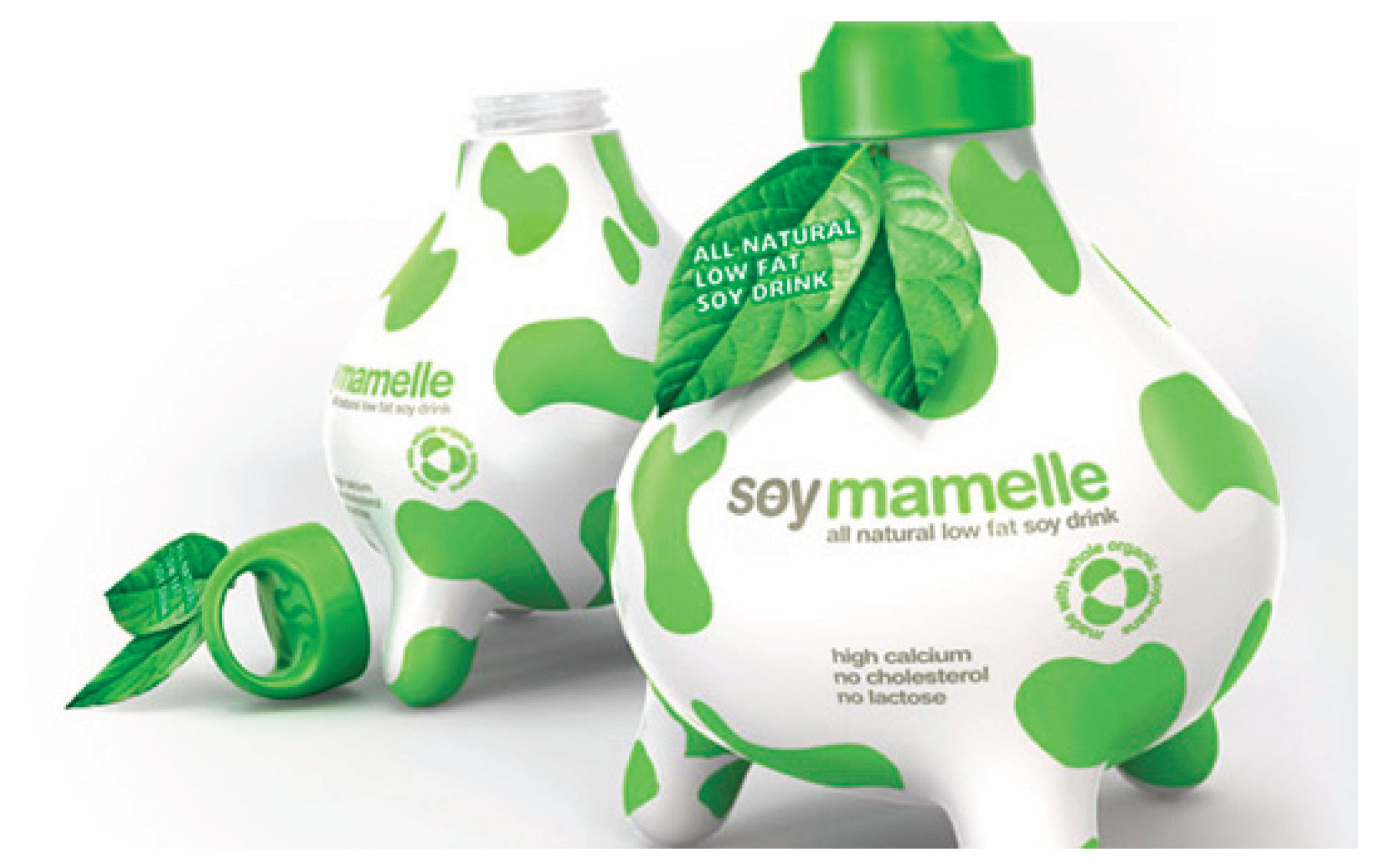
Figure 35.
Spanish Garlic Cruet “AJORí”.
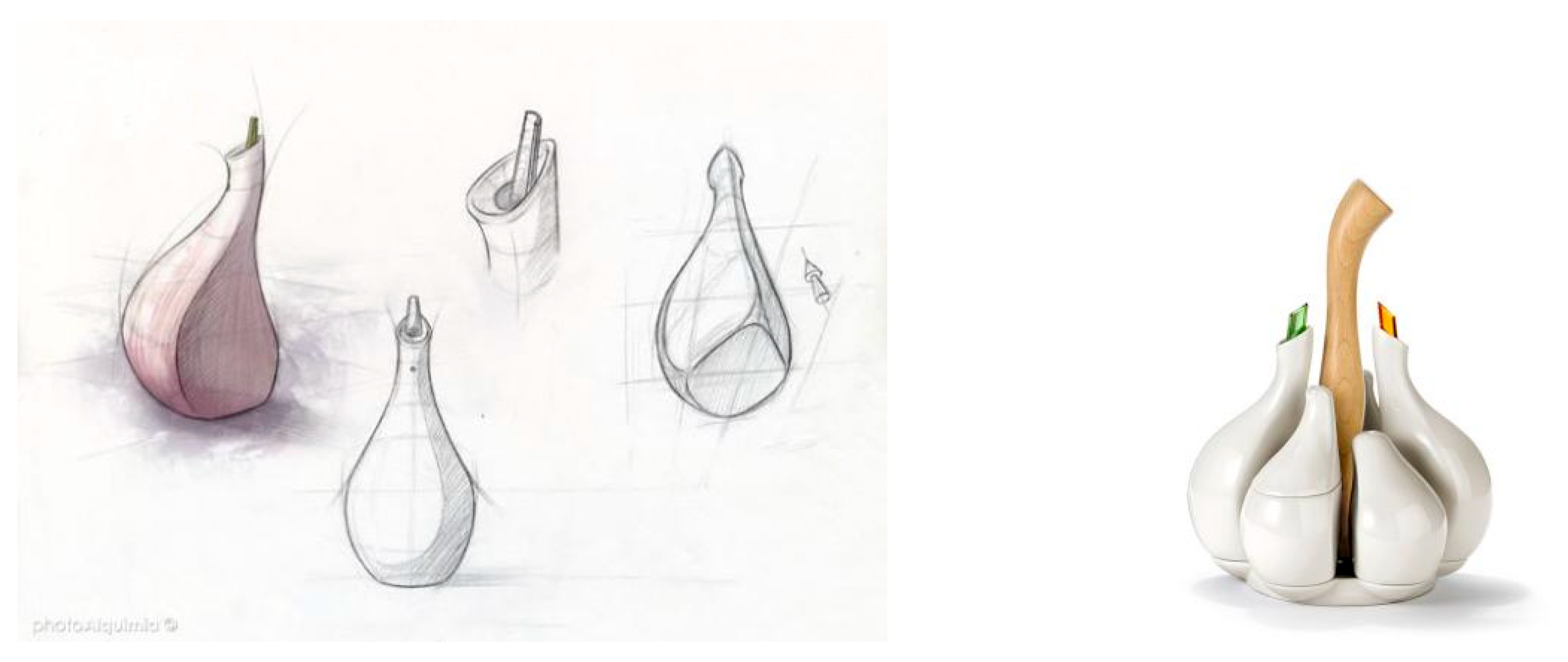
Disclaimer/Publisher’s Note: The statements, opinions and data contained in all publications are solely those of the individual author(s) and contributor(s) and not of MDPI and/or the editor(s). MDPI and/or the editor(s) disclaim responsibility for any injury to people or property resulting from any ideas, methods, instructions or products referred to in the content. |
© 2025 by the authors. Licensee MDPI, Basel, Switzerland. This article is an open access article distributed under the terms and conditions of the Creative Commons Attribution (CC BY) license (http://creativecommons.org/licenses/by/4.0/).
Copyright: This open access article is published under a Creative Commons CC BY 4.0 license, which permit the free download, distribution, and reuse, provided that the author and preprint are cited in any reuse.


